❌

Vue normale

Amazon’s Next Home Robot: A Second Chance After Astro’s Rocky Start

9 novembre 2026 à 16:28

Amazon has another shot at making home robots useful enough to justify their price and wants to apply what it learned from Astro.

The post Amazon’s Next Home Robot: A Second Chance After Astro’s Rocky Start appeared first on TechRepublic.

  • ✇Yanko Design
  • Hollow Clock V Trades a Solid Dial for a Ring of Hidden Gears
    Most clocks give their hands somewhere obvious to stand, usually a solid face hiding the mechanism behind it. Hollow Clock V leaves that space empty, making its hands appear to hover inside a slender ring. This working DIY project uses 3D-printed parts, hidden gears, and magnets to pull off a trick that doesn’t require a transparent panel to work. The minute hand provides the first clue, since its outer end connects to a rotating ring concealed within the frame. Its center supports the hour han
     

Hollow Clock V Trades a Solid Dial for a Ring of Hidden Gears

Par : JC Torres
9 novembre 2026 à 13:20

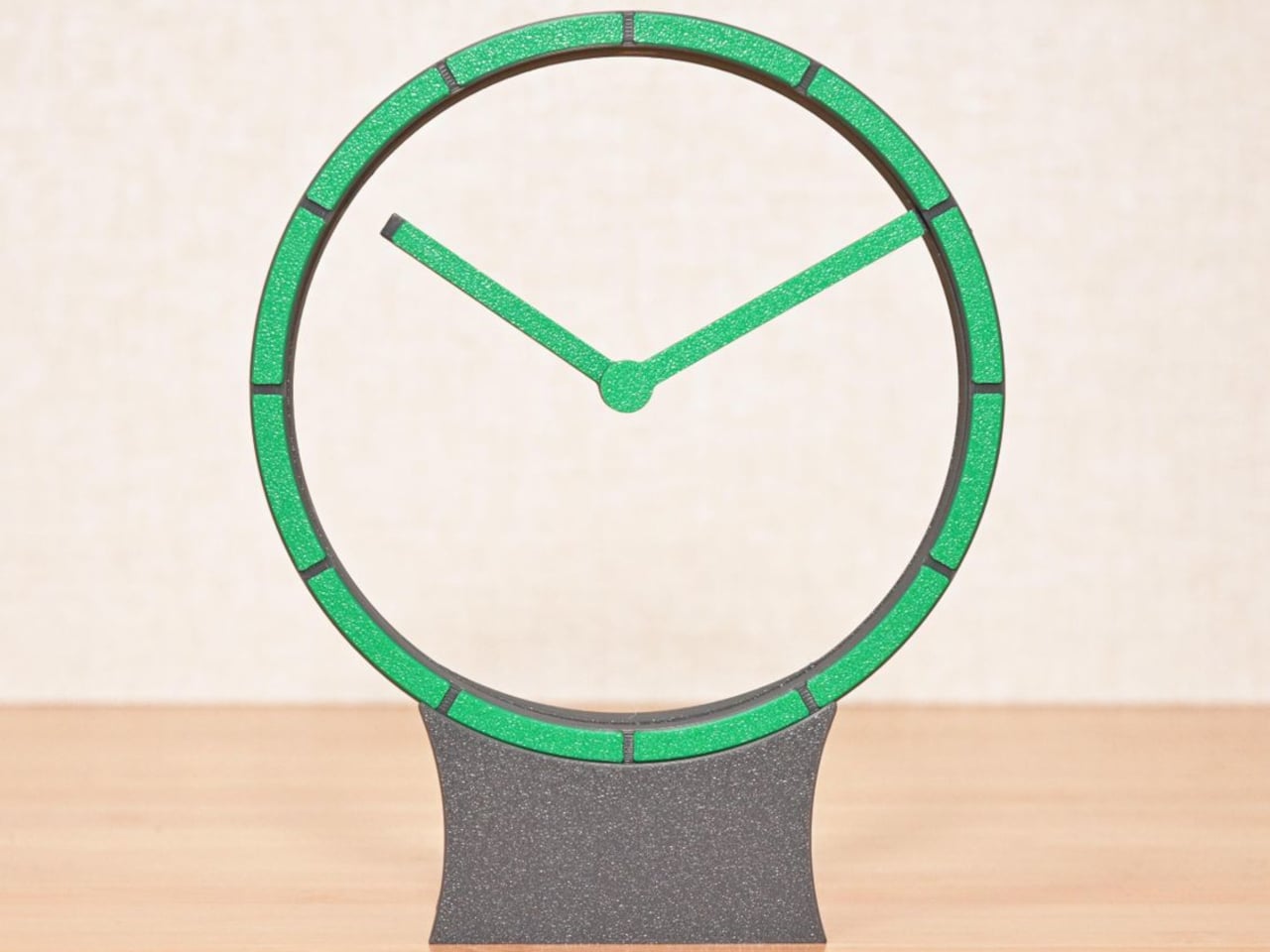
Most clocks give their hands somewhere obvious to stand, usually a solid face hiding the mechanism behind it. Hollow Clock V leaves that space empty, making its hands appear to hover inside a slender ring. This working DIY project uses 3D-printed parts, hidden gears, and magnets to pull off a trick that doesn’t require a transparent panel to work.

The minute hand provides the first clue, since its outer end connects to a rotating ring concealed within the frame. Its center supports the hour hand on a small pivot, so the pair isn’t actually levitating. The hour hand’s position is controlled magnetically by another rotating ring, allowing it to keep pointing at the right hour while the longer hand travels around.

Designer: Shinsaku Hiura

That second ring carries two neodymium magnets, which interact with a third tucked into the hour hand. Their T-shaped arrangement helps keep the hand aligned without adding a connection across the opening. Down in the base, a stepper motor and a combination of worm and bevel gears drive the minute ring 12 times faster than the hour ring, without a bulky central hub.

All that machinery makes the spare appearance deceptive. The ring has a border only about 0.28 inches wide, with hour markers replacing a conventional numbered dial. Screws are kept out of sight when the clock is assembled, apart from the central hand fastener. A rear USB-C connection sends the cable away from the front, leaving the open center to do the distracting.

The finish is also shaped by the way the parts are printed, rather than treated as an afterthought. Front surfaces sit against the printer’s build plate, picking up its texture instead of exposing filament paths across the face. Changing filament during printing gives the markers a contrasting color. It’s a small manufacturing decision that makes the homemade object look a little more deliberate.

Setting the time stays physical, too. You lift the display ring out of the base, freeing it from the drive gears, move the hands to the desired time, and slot it back in. There’s no tiny adjustment knob to hunt for behind the housing. For a clock that hides so much of its mechanism, this particular interaction is refreshingly easy to understand.

Getting to that point takes more effort than the finished clock lets on. The project involves printing, soldering, loading firmware, and assembling the moving parts, although the supplied print orientations don’t require supports. Smooth gear surfaces matter, and the guide includes lubrication and tuning advice. The uncluttered desk ornament is also a small mechanical project, with patience required before it starts keeping time.

The ratchet is designed to compensate for missed motor steps, though it also introduces a reason to think twice about bedside placement. The guide describes removing its hook for quiet operation only when the mechanism runs smoothly enough. On a desk or shelf, that choice comes down to how much of the clock’s engineering you’re prepared to hear as well as admire.

The post Hollow Clock V Trades a Solid Dial for a Ring of Hidden Gears first appeared on Yanko Design.

Vital Lyfe’s Portable Desalination Device Promises 23 Liters an Hour

9 novembre 2026 à 11:36

Vital Lyfe’s Access promises up to 22.7 liters of drinking water per hour from seawater. Explore its estimated $749 price, battery limits, and business uses.

The post Vital Lyfe’s Portable Desalination Device Promises 23 Liters an Hour appeared first on TechRepublic.

Samsung’s Galaxy AI Could Get a Paid Tier: What Stays Free and What Costs Extra

9 novembre 2026 à 11:20

Samsung is reportedly testing a $4.99 monthly Galaxy AI Premium subscription. Here's what could become paid, which features stay free, and when it may launch.

The post Samsung’s Galaxy AI Could Get a Paid Tier: What Stays Free and What Costs Extra appeared first on TechRepublic.

  • ✇Yanko Design
  • HOA A1 Camera Lets You Stay Face-to-Face While Taking Photos
    Taking someone’s photograph often means hiding your own face behind a camera or phone. That’s a rather strange way to capture a shared moment, especially when you’re trying to keep a conversation going. HOA’s upcoming A1 camera takes a different approach, using a large, open frame as its viewfinder so you can look directly at the person you’re photographing with both eyes open. The shape is almost comically simple, leaving a rectangular border, a solid lower section, and a circular lens assembl
     

HOA A1 Camera Lets You Stay Face-to-Face While Taking Photos

Par : JC Torres
9 novembre 2026 à 09:20

Taking someone’s photograph often means hiding your own face behind a camera or phone. That’s a rather strange way to capture a shared moment, especially when you’re trying to keep a conversation going. HOA’s upcoming A1 camera takes a different approach, using a large, open frame as its viewfinder so you can look directly at the person you’re photographing with both eyes open.

The shape is almost comically simple, leaving a rectangular border, a solid lower section, and a circular lens assembly that overlaps the opening. Rather than squeezing a tiny viewfinder into one corner, the body gives you a generous space to look through. The lens still occupies part of that view, of course, but there’s considerably less camera standing between you and your subject.

Designer: Lutra

That could make photographing friends feel a little less like asking them to perform for a gadget. You can keep talking, watch their expressions, and press the shutter without switching your attention to a live preview. Accurate composition is another matter, however. How closely that opening matches the final photograph, particularly as you move it away from your face, still needs testing.

Inside that unusual outline is a Sony 16MP sensor paired with an autofocus lens offering a 26mm-equivalent field of view. That’s a wide-angle perspective suited to keeping some surroundings in the picture, rather than concentrating on a distant face. HOA lists a weight of about 4.9 ounces and a battery rated for up to 90 minutes of continuous shooting on a single charge.

Your phone returns to the process when it’s time to see what you’ve captured. HOA says tapping a smartphone against the camera’s back will let you view photographs, although detailed instructions are still pending. You can shoot without Wi-Fi, so a walk with your camera doesn’t require finding an internet connection first. Getting authentication certificates through the companion app requires going online, however.

Those certificates belong to ShootProof, HOA’s proposed system for checking whether a photograph has changed since capture. The company says a secure chip signs each image’s digital fingerprint, with that record entered into a blockchain registry. That’s a record of the file’s integrity, not a guarantee that the scene was truthful. Photographing something staged doesn’t make it honest, certificate or no certificate.

There’s a more personal kind of signature as well, and this one actually appears in the photograph. An optional Signature mode places your chosen mark in a corner of each shot, much like signing a print. You can leave a little trace of yourself on photographs of friends or familiar places, rather than adding your signature to every individual photograph by hand afterward.

The planned December 21 release is limited to 100 numbered First Edition cameras, priced at $289. That makes the A1 an unusual purchase before its image quality and phone workflow are fully demonstrated. Its open frame offers an appealing way to keep looking at people while photographing them, but the photographs still have to justify carrying another device alongside your phone.

The post HOA A1 Camera Lets You Stay Face-to-Face While Taking Photos first appeared on Yanko Design.

  • ✇Yanko Design
  • Caviar’s Zodiac Duo Phone Refuses to Keep Your Star Sign Subtle
    Caviar’s Zodiac Duo may be on your wish list this year. Well, at least if you’re an Apple fan drawn to the idea of a foldable iPhone with a rather extravagant finish. Caviar presents the customization for the iPhone Duo, itself already a sort of luxury item. If you want to make your phone a bit different from all the others, this may just be the one you’d want to spend your money on. And I mean a lot of money. The Zodiac Duo isn’t simply a specially designed case featuring one of the 12 astrolo
     

Caviar’s Zodiac Duo Phone Refuses to Keep Your Star Sign Subtle

9 novembre 2026 à 06:07

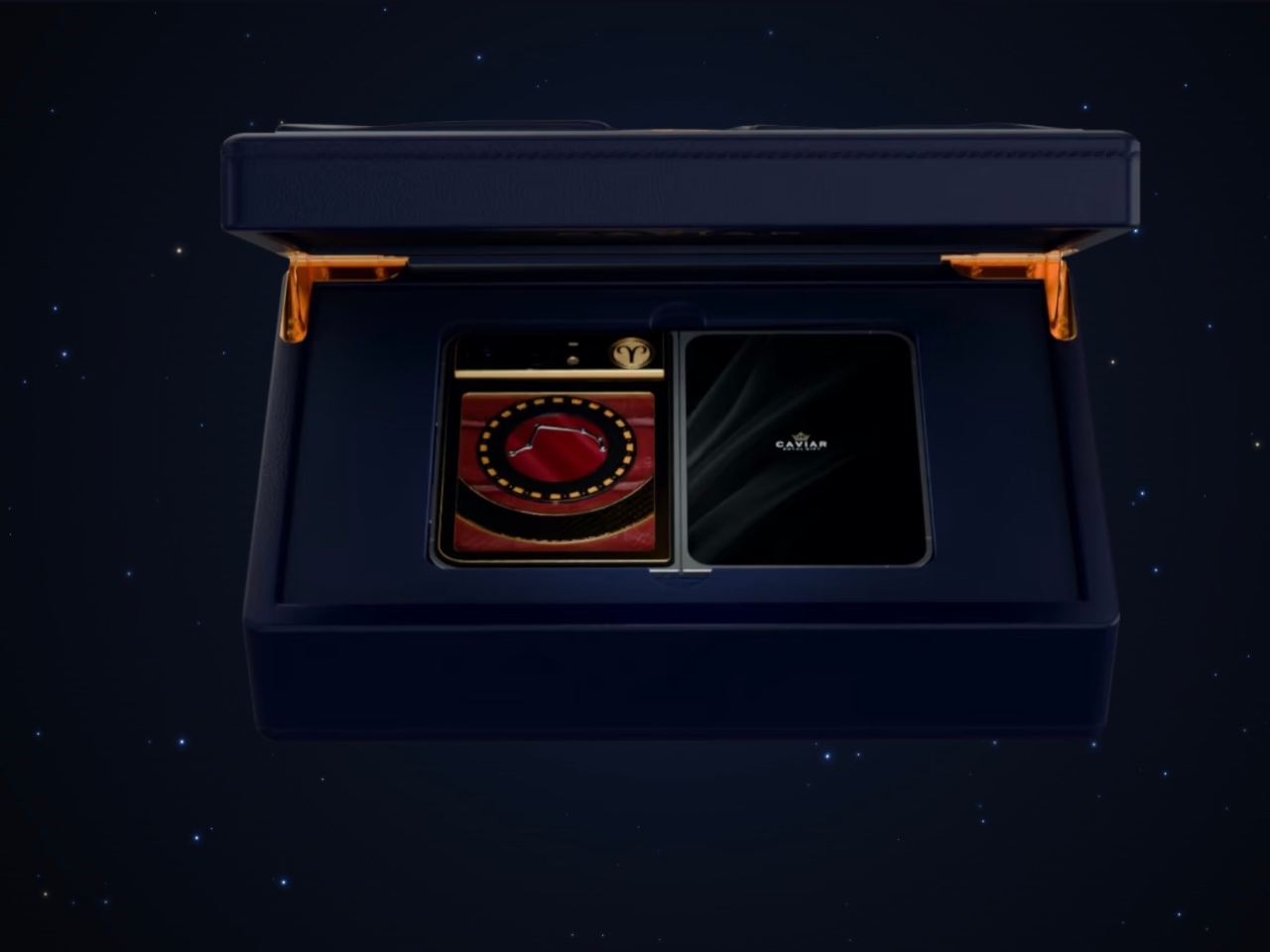
Caviar’s Zodiac Duo may be on your wish list this year. Well, at least if you’re an Apple fan drawn to the idea of a foldable iPhone with a rather extravagant finish. Caviar presents the customization for the iPhone Duo, itself already a sort of luxury item. If you want to make your phone a bit different from all the others, this may just be the one you’d want to spend your money on. And I mean a lot of money.

The Zodiac Duo isn’t simply a specially designed case featuring one of the 12 astrological signs. It’s a made-to-order customization offering with 12 zodiac-themed starting designs. There are eight steps to customize and personalize your phone, including changing things like the constellation, metal finish, decorative elements, and back-plate materials. Caviar says its jewelers will assemble the finished piece according to your specifications. So don’t expect this to be a simple or affordable kind of customization.

Designer: Caviar

The personalization aspect changes the decorative composition of your phone, rather than just its color or a generic zodiac symbol tacked onto it. You can configure several visually separate components, including the zodiac circle, medallion, frame, and decorative panel. The zodiac circle gives the design a visual structure, with the constellation and sign symbol guiding the rest of your choices. This way, you won’t just have various luxury materials scattered around a surface. There’s a recognizable theme holding everything together, even if your material choices are on the extravagant side.

Caviar lists silver, yellow and rose gold, and natural or black titanium among its metal options, although the exact construction depends on your configuration. Some components are specified as gold-plated rather than solid gold. For decoration, the choices include jewelry enamel, diamonds, sapphires, rubies, Swarovski crystals, and meteorite. The back plate can use crocodile, python, calfskin, or forged carbon. That’s quite a different set of decisions from choosing between a clear case and a silicone one. It also leaves room to decide how much sparkle you actually want.

The surface treatments deserve some attention, too. Caviar offers guilloché and clous de Paris hobnail patterns, adding intricate repeating details to the metal surfaces. These give you something else to consider beyond color and shine. A textured metal surface paired with leather suggests a different visual character from one surrounded by bright stones, even when both designs begin with the same zodiac sign.

For someone who follows astrology, the appeal is having a daily object connected to something personally meaningful. It could also make a very specific gift, assuming you know the recipient’s sign and taste well enough. The benefit here is self-expression. There’s no reason to expect a jeweled constellation to make your apps run faster or your photos look better.

The online configurator lets you see an estimated price as you make your selections. You can then save the design as a link or send it to a Caviar manager. That makes the process more manageable than trying to describe your preferred combination from scratch. Still, Caviar says the configurator image is illustrative, with the final appearance agreed upon with a manager. Those selections are the beginning of a conversation about the finished phone.

One configuration carries an estimated price of $16,629, but that isn’t a confirmed price for every possible combination. Buyers should request a configuration-specific quote and delivery information from Caviar. Before committing, I’d also want answers about the finished phone’s weight, charging compatibility, warranty, and repair options. Those practical details matter when the object you’re decorating still needs to function as your everyday phone.

The more interesting long-term question is what happens when that phone needs replacing. A zodiac sign won’t become outdated, but the device carrying it eventually will. At this price, knowing whether the decorative work can be repaired or reused would matter almost as much as choosing the right constellation.

The post Caviar’s Zodiac Duo Phone Refuses to Keep Your Star Sign Subtle first appeared on Yanko Design.

  • ✇Yanko Design
  • Twelve South’s Cablesnap 65W Charger Packs Its Cable So You Don’t Have To
    Chargers have become smaller and more capable, but their cables still have a habit of becoming a tangled mess in our bags. Even remembering to pack one doesn’t guarantee you’ve brought the other. Twelve South’s Cablesnap 65W charger tackles that familiar problem with a retractable USB-C cable, keeping the wire tucked inside its body until you actually need to plug something in. The idea is pretty straightforward, although it addresses a chore that’s easy to overlook. Pull out the USB-C connecto
     

Twelve South’s Cablesnap 65W Charger Packs Its Cable So You Don’t Have To

Par : JC Torres
9 novembre 2026 à 04:15

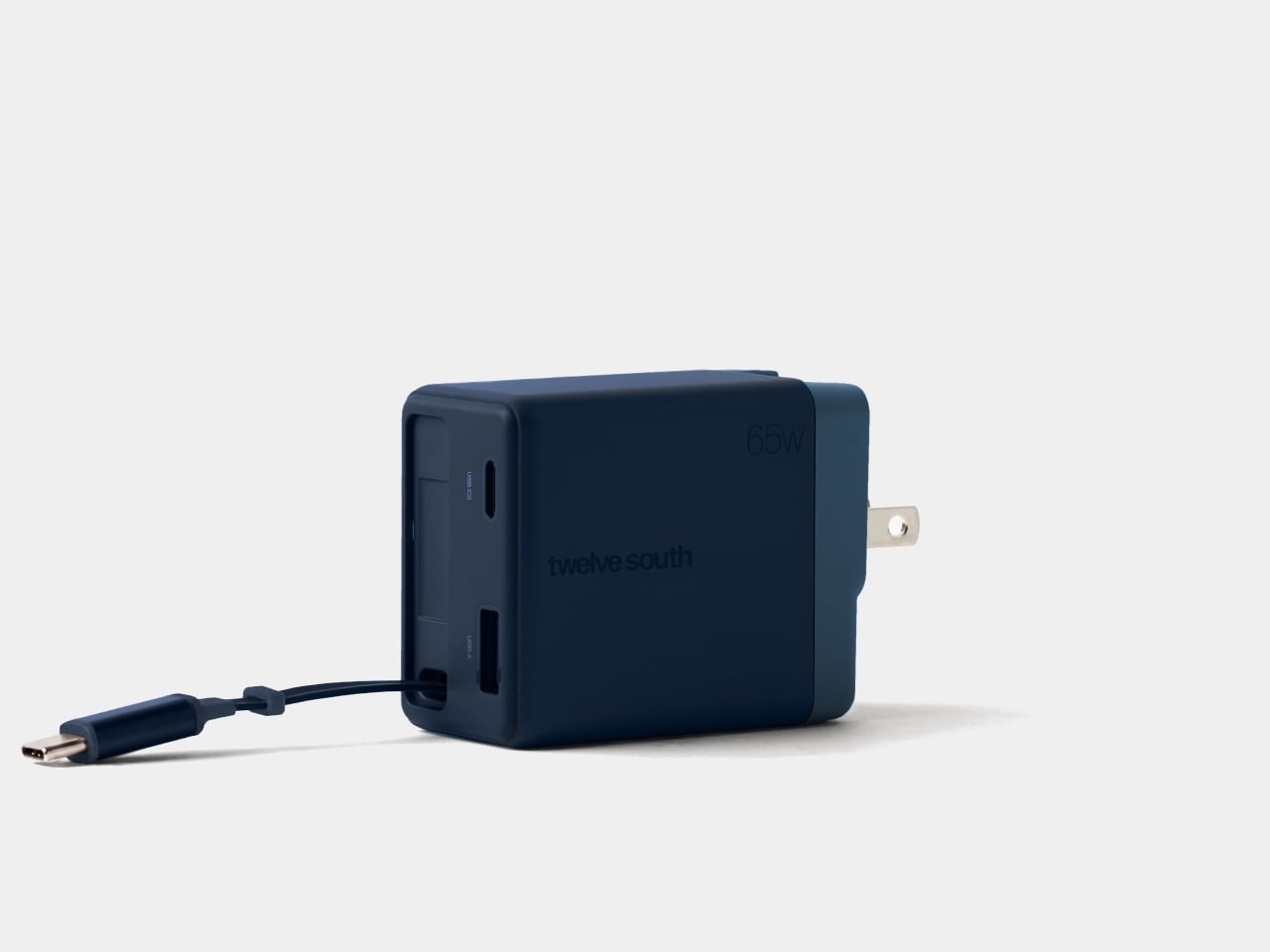
Chargers have become smaller and more capable, but their cables still have a habit of becoming a tangled mess in our bags. Even remembering to pack one doesn’t guarantee you’ve brought the other. Twelve South’s Cablesnap 65W charger tackles that familiar problem with a retractable USB-C cable, keeping the wire tucked inside its body until you actually need to plug something in.

The idea is pretty straightforward, although it addresses a chore that’s easy to overlook. Pull out the USB-C connector and the flat cable extends up to 29 inches, giving you some freedom to position your device. When you’re done, a small tug sends it back into the housing. There’s no need to wrap the cord around the charger and hope it stays put.

Designer: Twelve South

The connector has its own recessed resting place beside the extra ports, so there isn’t a loose tip dangling outside after the cable disappears. That leaves a rounded rectangular body with relatively little visual clutter and a contrasting end section. Coastal blue, Dune, and Slate finishes give it some personality, especially if you’ve grown tired of the usual anonymous black or white chargers.

That disappearing trick does come with a catch, of course. A 29-inch cable works best when the outlet is already reasonably close to where you want your device. A desk socket is one thing; an outlet hidden behind a hotel bed is another matter. You can avoid having extra wire spread across the table, but you can’t pull out length that isn’t there.

Fortunately, the built-in cable isn’t your only connection. An additional USB-C port and a USB-A port let you charge up to three devices together, which could cover a laptop, phone, and wireless earbuds at the end of the day. You’ll still need separate cables for those extra ports, though, so this particular arrangement hasn’t made your entire cable collection obsolete just yet.

The advertised 65W, however, needs a little explanation. That’s the charger’s total available output, rather than what each device receives when everything is plugged in. The USB-A port tops out at 18W, while the overall power budget is shared. Charging a compatible laptop alongside your other gadgets is convenient, but you shouldn’t expect it to receive the full 65W in that particular arrangement.

The US plug folds into the body as well, keeping its prongs from sticking out while the charger is packed away. Included Type G and Type C adapters accommodate compatible UK and European outlets, saving you from sourcing those pieces separately. Between the folding plug and retractable cable, there’s less to arrange before slipping the charger back into your crowded travel bag.

At $49.99, the Cablesnap 65W puts a price on not having to coil a cable every time you move between desks or pack for a trip. The integrated design does raise a question about replacing that cable, something Twelve South doesn’t explain. You still have the spare USB-C port if needed, but using it brings a loose cord back into your bag.

The post Twelve South’s Cablesnap 65W Charger Packs Its Cable So You Don’t Have To first appeared on Yanko Design.

❌