Vue normale

People are paying $2,599 for MSI’s latest handheld gaming PC because apparently RAM shortages, AI demand, and fiscal self-preservation are all optional now

When I reviewed the MSI Claw 8 EX AI+ a few months back, I noted how it was a generational jump over AMD’s latest Zen 2 chips found in competing handheld gaming PCs, and when combined with Intel XeSS, it really gave gamers the ultimate handheld we’ve been yearning for.

But there were two problems. One was price. Due to RAM and NAND shortages due to demand for AI compute, MSI had to jack the price by at least $500, putting it at an MSRP of $1,799, which is kind of absurd.

The other was, surprisingly, extremely tight supply. Despite being sold at Best Buy, Amazon, Newegg, and B&H, it sold out everywhere within 24 hours (often due to preorders).

Since its release, that resupply still hasn’t happened. All those retailers are still listing it as out of stock as of me writing this today, and this seems to regularly happen with MSI and its Intel-based handhelds (whether it’s MSI's or Intel’s fault, I’m trying to find out).

So, out of curiosity, I checked eBay to see what that scene was like for the MSI Claw 8 EX AI+, and sure enough, some online stores are selling the hard-to-find handheld, but at an even more exorbitant $2,599 – which is an $800 surcharge over retail!

Listings on eBay for auctions of the MSI Claw 8 AI EX+ handheld gaming PC.
ebay | MSI
Listings on eBay for auctions of the MSI Claw 8 AI EX+ handheld gaming PC.
ebay | MSI

You may be thinking, but sure, it’s eBay, and people can list items for any price, but are people buying them? The answer appears to be yes. One retailer, seen in the above screenshot, had seven of them in stock but has already sold six, giving a real FOMO to anyone eyeing that last one.

To be fair, I did find a seller with one in stock for $2,299.99 (after coupon, plus $20 shipping), so you’re “only” paying $500 over MSRP. Another seller had nine available, with one remaining for $2,499.

Listings on eBay for auctions of the MSI Claw 8 AI EX+ handheld gaming PC.

Some of the many hard to find MSI Claw 8 AI EX+ handheld gaming PC auctions on eBay. (Image credit: ebay | MSI)

But you get the point. Not only is the MSI Claw 8 EX AI+ insanely expensive at retail, but its shortage is driving up its price by $500 to $800, with people buying it. It’s why I’ve always noted on our podcast that PC gaming is recession-proof. No matter how bad the economy gets, or how high prices go, there is usually someone willing to pay for it.

Not the first time this has happened

Back in December, I noted a similar trend for Lenovo’s excellent Legion Go 2 with its giant 8.8” VRR OLED display and removable controllers. It’s a killer combo of a device, even if it’s better suited for your couch than travel.

For whatever reason, Lenovo can’t keep it in stock, so much so that it eventually removed it from its own website despite excellent reviews and, yes, demand for it, as people were paying $650 over retail just to have one.

Interestingly, ASUS has been the king of “you want it, just buy it,” as the original ROG Ally and the newer ROG Xbox Ally and Ally X are still widely available online and at your local Best Buy. Moreover, ASUS hasn’t even raised the price, keeping them at $599 and $999, respectively.

The ROG Xbox Ally features a 7-inch 1080p, 120Hz touchscreen and includes an AMD Ryzen Z2 A processor, 16GB LPDDR5 RAM, 512GB PCIe 4.0 SSD, and a 60Wh battery. It's designed for PC gaming across various services.

👉 Order at: Antonline | Best BuyView Deal

The premium Xbox Ally X has a more powerful AMD Ryzen AI Z2 Extreme processor, 24GB RAM, 1TB SSD. It's a better choice for people who want to play more graphically demanding PC games.

👉 Order at: Best BuyView Deal

I hope ASUS can maintain those stock and price levels, as both devices are really solid choices for those looking into handheld gaming. Sure, the Ally X pales in performance to the new MSI Claw 8 EX AI+, but it’s still a really good experience with an outstanding design (a design that will improve with the forthcoming Xbox Ally X20 anniversary edition that features a larger OLED display and many smaller fixes; I expect to be reviewing that when it releases, so stay tuned).

So where does that leave you in this silicon soap opera? Has the RAM/NAND crunch shoved your handheld plans into “maybe in 2028” territory, or are you already rationalizing a purchase with phrases like “long-term investment” and “I deserve this”?

Let me know in the comments what your breaking point is for handheld pricing — and whether $2,599 is where you draw the line, or merely where your wallet starts quietly begging for mercy.

Click to join us on r/WindowsCentral

Join us on Reddit at r/WindowsCentral to share your insights and discuss our latest news, reviews, and more.

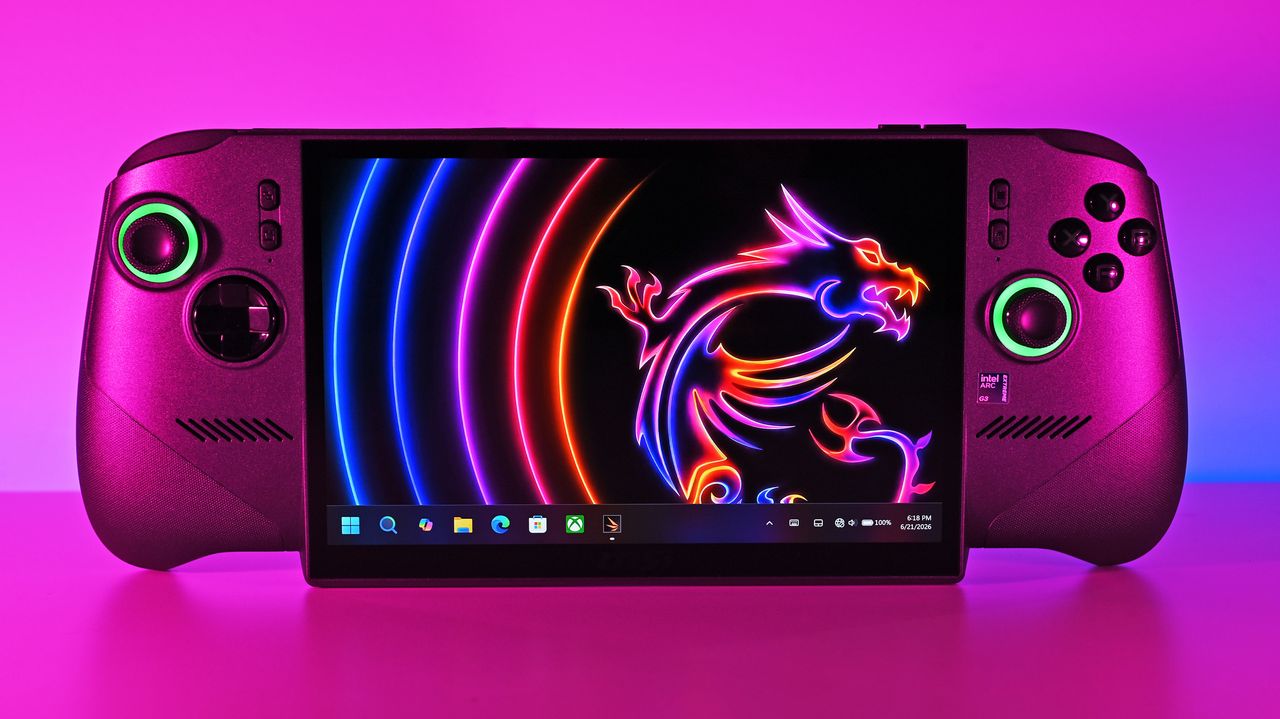
Front shot of the MSI Claw 8 EX AI+ under vibrant pink lighting, displaying the Windows 11 taskbar and a neon dragon wallpaper on its large screen.

Front shot of the MSI Claw 8 EX AI+ under vibrant pink lighting, displaying the Windows 11 taskbar and a neon dragon wallpaper on its large screen.
Anthropic CEO Dario Amodei Says Open-Weight AI Won’t Decentralize Power

17 août 2026 à 12:59

Anthropic CEO Dario Amodei argues that open-weight AI alone cannot decentralize power while advanced chips and compute remain concentrated.

The post Anthropic CEO Dario Amodei Says Open-Weight AI Won’t Decentralize Power appeared first on TechRepublic.

OnePlus 16 Details Leak: 9,000mAh Battery Could Be Its Biggest Upgrade

17 août 2026 à 12:29

OnePlus 16 leaks point to a 9,000mAh battery, 200MP camera, 185Hz display, and new Snapdragon chip, though most specs remain unconfirmed.

The post OnePlus 16 Details Leak: 9,000mAh Battery Could Be Its Biggest Upgrade appeared first on TechRepublic.

Can Open-Weight AI Pressure OpenAI and Anthropic Valuations?

17 août 2026 à 10:49

Open-weight AI does not need to beat frontier models to test the growth and margin assumptions behind OpenAI and Anthropic's soaring valuations.

The post Can Open-Weight AI Pressure OpenAI and Anthropic Valuations? appeared first on TechRepublic.

  • ✇Articles on TechRepublic
  • Malaysia Data Center Growth Surges as Johor Capacity Tightens
    Johor’s data center pipeline has reached 8,542 MW, but a 0.7% colocation vacancy rate, grid constraints, and water demand mean regional IT buyers need to separate announced capacity from infrastructure they can actually deploy. The post Malaysia Data Center Growth Surges as Johor Capacity Tightens appeared first on TechRepublic.
     

Malaysia Data Center Growth Surges as Johor Capacity Tightens

17 août 2026 à 08:37

Johor’s data center pipeline has reached 8,542 MW, but a 0.7% colocation vacancy rate, grid constraints, and water demand mean regional IT buyers need to separate announced capacity from infrastructure they can actually deploy.

The post Malaysia Data Center Growth Surges as Johor Capacity Tightens appeared first on TechRepublic.

Microsoft Nearly Left China. AI Gave It a Reason to Stay

14 août 2026 à 18:06

Microsoft has sharply reduced its China footprint, but Azure and AI demand from Chinese companies operating abroad are giving it a reason to stay.

The post Microsoft Nearly Left China. AI Gave It a Reason to Stay appeared first on TechRepublic.

  • ✇Korben
  • Claude va glisser un filigrane invisible dans tous ses textes
    Anthropic a annoncé que ses modèles Claude allaient intégrer un filigrane invisible directement dans les textes qu'ils produisent. Vous ne le verrez pas, il ne change ni le sens ni la qualité de la réponse, mais il est là, et il suit le texte au copier-coller. Anthropic, l'éditeur de Claude et concurrent direct d'OpenAI, a signé le code de bonnes pratiques adossé à l'AI Act, le règlement européen sur l'intelligence artificielle, dont les obligations de transparence s'appliquent depuis le 2 août.
     

Claude va glisser un filigrane invisible dans tous ses textes

13 août 2026 à 04:10

Anthropic a annoncé que ses modèles Claude allaient intégrer un filigrane invisible directement dans les textes qu'ils produisent. Vous ne le verrez pas, il ne change ni le sens ni la qualité de la réponse, mais il est là, et il suit le texte au copier-coller.

Anthropic, l'éditeur de Claude et concurrent direct d'OpenAI, a signé le code de bonnes pratiques adossé à l'AI Act, le règlement européen sur l'intelligence artificielle, dont les obligations de transparence s'appliquent depuis le 2 août. Le texte impose que les contenus générés par IA soient identifiables par une machine.

Google, Meta, Microsoft, OpenAI ou encore Synthesia ont signé le même document. Anthropic va plus loin que le minimum demandé, puisque son marquage sera déployé partout dans le monde, et pas seulement en Europe.

Dans la pratique, les modèles lancés dans l'Union européenne à partir du 2 août embarquent le marquage dès leur sortie, et les plus anciens y passeront ensuite, sans calendrier précis. Le filigrane s'appliquera sur le site de Claude, dans l'API, dans Claude Code et jusque dans les versions hébergées chez Amazon, Google et Microsoft.

Anthropic ne détaille pas sa recette. Les filigranes de texte qu'on connaît déjà, le SynthID de Google par exemple, biaisent discrètement le choix des mots pendant la génération, et le motif statistique qui en ressort ne se voit pas à l'œil nu mais se retrouve avec le bon détecteur. La marque survit au copier-coller. Pour la faire sauter, il faudrait réécrire le texte en profondeur, et encore, Anthropic admet ne pas savoir où placer le curseur.

Les images et les fichiers y auront droit aussi, via des métadonnées signées au standard C2PA que les fabricants d'appareils photo utilisent déjà pour tracer l'origine d'un cliché.

La marque signale en fait qu'un texte est passé entre les mains de Claude, sans rien dire de qui tenait le stylo au départ. Votre propre prose, confiée au robot pour une simple relecture ou une traduction, ressortira du coup tatouée pareil qu'un texte généré de bout en bout. Anthropic le reconnaît direct.

Sur les réseaux, l'accueil est un peu agacé, pas mal d'utilisateurs digérant mal l'idée d'une signature cachée glissée dans leurs documents de travail.

OpenAI a signé le même code de bonnes pratiques et marque déjà ses images, ses vidéos et son audio depuis fin juillet. Pour les textes de ChatGPT, rien pour le moment, mais ça viendra peut-être.

Source : TechCrunch

  • ✇Korben
  • 33 secondes pour lancer un MP3 ? C'est pas VLC, c'est Windows Defender
    Hé oui, ENCORE LUI !! Jonathan Blow, le développeur de Braid et de The Witness, a annoncé hier (le 12 août) sur X qu'il laissait tomber VLC... La raison c'est 33 putain de secondes d'attente entre un clic sur un fichier MP3 et le début de la lecture, sous Windows (évidement). C'est vrai qu'une demi-minute pour lancer un son sur une machine récente, c'est abusé ! Du coup, il est repassé au bon vieux lecteur multimédia de Microsoft. Son point de vue c'est que "tout un secteur du logiciel open sour
     

33 secondes pour lancer un MP3 ? C'est pas VLC, c'est Windows Defender

13 août 2026 à 03:58

Hé oui, ENCORE LUI !!

Jonathan Blow, le développeur de Braid et de The Witness, a annoncé hier (le 12 août) sur X qu'il laissait tomber VLC... La raison c'est 33 putain de secondes d'attente entre un clic sur un fichier MP3 et le début de la lecture, sous Windows (évidement). C'est vrai qu'une demi-minute pour lancer un son sur une machine récente, c'est abusé ! Du coup, il est repassé au bon vieux lecteur multimédia de Microsoft.

Son point de vue c'est que "tout un secteur du logiciel open source est dans un état franchement embarrassant" dès qu'il s'agit de tourner Windows. Je peux pas lui donner tord, c'est vrai que le ralentissement est réel sous Windows 11, sans qu'on sache vraiment pourquoi...

Mais heureusement, la réponse de VideoLAN ne s'est pas faite attendre et a replacer correctement le débat. Pour l'équipe de VLC, la lenteur vient d'un bug de Microsoft Defender arrivé avec une mise à jour de Windows 11, qui a mis le cache de plugins de VLC en quarantaine. L'antivirus maison de Windows a donc classé comme suspect, puis mis de côté, un fichier que VLC génère lui-même. VideoLAN écrit qu'il s'est retrouvé là "comme par magie".

Pour remettre VLC d'aplomb, VideoLAN propose donc de réinstaller le logiciel ou de régénérer ce cache. Mais pas besoin d'aller jusqu'à la réinstallation, puisque l'installeur Windows officiel dispose déjà d'un raccourci qu'il faut dans le dossier VideoLAN du menu Démarrer, "VLC media player - reset preferences and cache files".

Ce raccourci lance vlc.exe avec les deux options de remise à zéro, la configuration et le cache de plugins, puis referme aussitôt le lecteur. Ça devrait faire le taf même si attention, vos préférences partent aux chiottes avec le reste, donc si vous avez bricolé vos réglages de sortie audio, vos raccourcis clavier ou vos sous-titres, vous les perdrez. Mais ensuite, le cache, lui, se reconstruira au lancement suivant.

Après régénérer le cache n'empêche pas Defender de le rechoper par la suite. L'autre option, c'est donc d'exclure une bonne fois pour toutes vlc.exe de la liste d'analyse de l'antivirus.

Bref, ce genre de faux positif n'est pas nouveau chez Windows Defender, qui y'a pas longtemps a même pris des certificats DigiCert pour un cheval de Troie, sans parler des ISO Linux qui se font flagger régulièrement .

Voilà, hormis la comm de VLC pour le moment, personne n'a encore publié de détails techniques, et Microsoft n'a rien dit.

Source

My biggest Steam Deck regret was losing native PC Game Pass, but an open-source project called Xodus might finally undo that mistake

I've spent a lot of time this summer gaming on my Steam Deck. It's hot outside, it's hot inside, and my desktop gaming PC simply creates too much heat.

The only major problem I have with my Steam Deck is that it doesn't play nicely with PC Game Pass, to which I'm a subscriber. Yeah, I could stream games to my handheld, but there's now a better solution in the works.

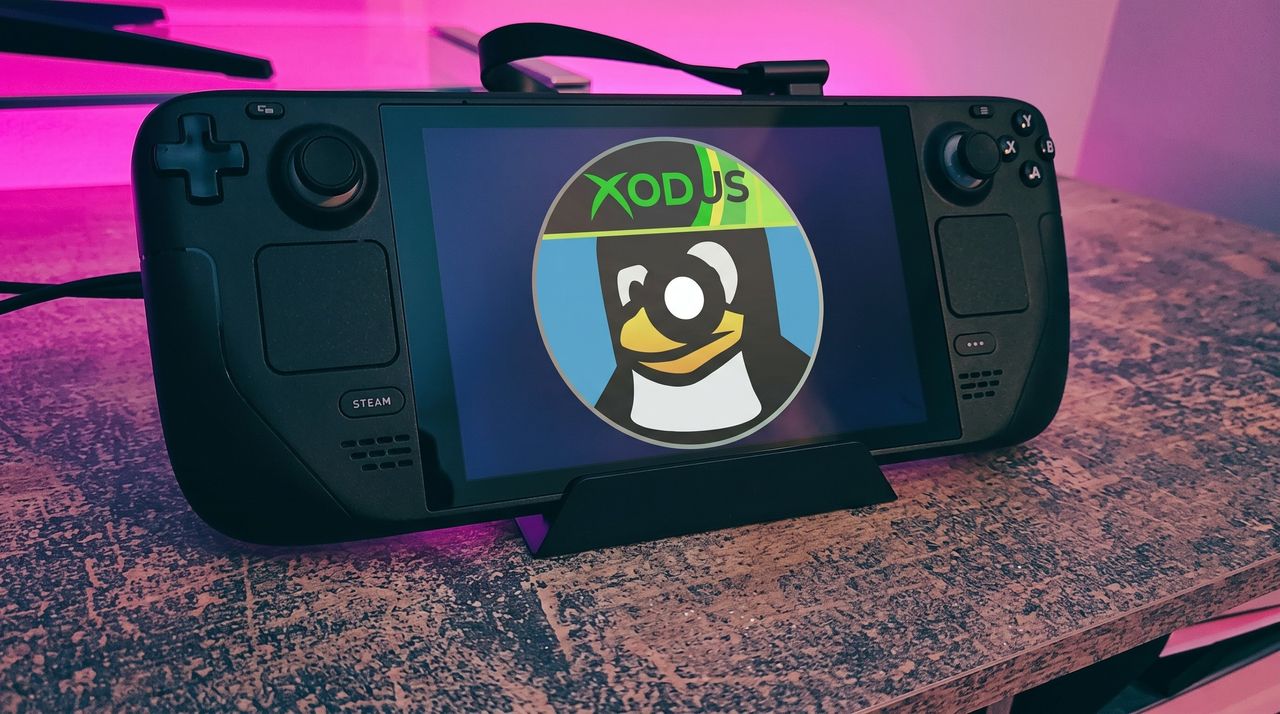
I'm talking about Xodus, an open-source project that's attempting to build a bridge between PC Game Pass and Linux systems, including the Steam Deck. The project is also attempting to iron out similar issues on macOS. No Windows install needed.

Xodus comes from the developers behind the Heroic Games Launcher, a separate open-source app that brings Epic, GOG, and Amazon Prime titles to Steam Deck (it also works on Windows, macOS, and other Linux systems).

The developers are undoubtedly up against a grind with this project. Xbox PC games that come from the Xbox app rely primarily on a Microsoft Game Development Kit (GDK) runtime, which is a far cry from DirectX and Win32 layers that Valve's Proton already handles quite well.

This Microsoft GDK is really what has kept PC Game Pass from running directly on the Steam Deck (and macOS) for so long.

Is Xodus ready for public release?

Steam Deck Steam button.

Xodus could finally bridge the gap between PC Game Pass and Steam Deck. (Image credit: Rebecca Spear / Windows Centarl)

According to updates shared on the Xodus GitHub page, the developers have cracked Xbox authorization, license checks, and MSIXVC package (the containers that PC games come in) download and decryption.

In a Reddit post, a Xodus developer noted that the team's main focus is now getting the Software Development Kit (SDK) for each title to run through Wine. It appears that Xodus has its own Wine and Proton forks for this purpose, as well as an open-source version of the xgameruntime.dll file that Game Pass games depend on.

Xodus likely won't support all Game Pass games when it launches, either. Older games that eschew GDK and MSIXVC for UWP will likely come later, if at all.

Why I'm so excited to try out Xodus on my Steam Deck

Steam and PC Game Pass

PC Game Pass on Steam would open up a whole lot of new options for gaming on the go. (Image credit: Future)

As mentioned, the biggest drawback to my Steam Deck, aside from its growing age, is its lack of native PC Game Pass support.

Sure, I could upgrade to a newer handheld that natively runs Windows, but it looks like I might not need to quite yet. That's especially exciting considering just how expensive gaming handhelds have become of late.

Then there's the Steam Machine, another Valve device running the Linux-based SteamOS. A whole bunch of gamers recently got their hands on the Steam Machine when it launched in June, and making PC Game Pass an option can only benefit Microsoft.

Here's the rub: Xodus has no affiliation with Microsoft. It's an unofficial community project created by independent developers. Does that mean Microsoft will have a problem with it? Not likely, but you never can tell.

Xodus still doesn't have an official release date, but it's something I'll be keeping my eyes on as it progresses. If you're a Linux gamer who wishes they could use PC Game Pass natively, you'll definitely want to keep watch as well.

What do you think about Xodus as a bridge between Steam Deck/Machine and PC Game Pass? Is it something you'd use regularly? Do you already have an alternative method that works better for you? Let me know in the comments section below!

(via VideoCardz.com)

Click to join us on r/WindowsCentral

Join us on Reddit at r/WindowsCentral to share your insights and discuss our latest news, reviews, and more.

A black Steam Deck handheld gaming device displaying a penguin logo with a cap that says "XODUS," set against a softly illuminated pink and purple background on a textured surface.

Microsoft isn't doing it, so someone else is trying.

Honor Robot Phone Specs Leak Ahead of Aug. 12 Debut: What Users Can Expect

6 août 2026 à 08:54

A new leak claims Honor’s Robot Phone will feature two 200MP cameras, a motorized gimbal, a 7,060mAh battery, and 120W charging.

The post Honor Robot Phone Specs Leak Ahead of Aug. 12 Debut: What Users Can Expect appeared first on TechRepublic.

  • ✇Yanko Design
  • Phones Turn Reminders Into Distractions, This Magnetic Display Won’t
    Smartphones have made information permanently accessible, but that accessibility comes at a price. The same device that shows you a reminder also delivers a notification for something unrelated, which leads to one more app opened, one more five-minute detour, and one more afternoon where the task you meant to remember sits unfinished somewhere in a mental stack. The problem isn’t access to information. It’s the medium through which it arrives. The ZecTrix Note 4 approaches that with a different
     

Phones Turn Reminders Into Distractions, This Magnetic Display Won’t

Par : JC Torres
6 août 2026 à 10:20

Smartphones have made information permanently accessible, but that accessibility comes at a price. The same device that shows you a reminder also delivers a notification for something unrelated, which leads to one more app opened, one more five-minute detour, and one more afternoon where the task you meant to remember sits unfinished somewhere in a mental stack. The problem isn’t access to information. It’s the medium through which it arrives.

The ZecTrix Note 4 approaches that with a different premise: what if the display that shows your tasks doesn’t connect to your attention the same way a phone screen does? It’s a 4.2-inch e-paper smart display, about the size of a palm, that attaches magnetically to a metal surface and stays there showing whatever you most need to remember, using almost no power to do it.

Designer: ZecTrix

The interaction model is deliberately minimal. Press the physical button, speak your task or reminder, and the device converts that into text and adds it to the display. The built-in AI voice assistant handles the transcription and task management, and the e-paper screen holds whatever it’s showing without any power draw between updates. The display also handles weather, clocks, focus timers, handwritten notes, images, and custom templates.

Hardware underneath is solid for something this compact. An ESP32-S3 dual-core processor with 8 MB of PSRAM and 16 MB of flash handles the AI processing and connectivity, backed by a 2,000 mAh battery, 2.4 GHz Wi-Fi, Bluetooth 5.0, NFC, a speaker, a microphone, and a USB Type-C port for charging. GPIO expansion is also available, which opens the platform to custom hardware additions.

The 97mm x 97mm x 8.75mm square chassis comes in three enclosure variants: an injection-molded Minimal Premium Edition designed for clean desk or kitchen wall placement, a standard Everyday Edition for DIY-minded users, and a Color Edition with open-source 3D model files for those who want to print their own. The magnetic backplate sticks firmly to any suitable metal surface without adhesive or mounting hardware.

For users who want more than a black-and-white display, there’s the Note 4C, which replaces the monochrome panel with a four-color E Ink screen that adds red and yellow to the palette. It runs on the same hardware platform but ships without the consumer AI firmware, positioning it instead as an open development device for people with ESP32 experience. The color panel is slower to refresh, typically over ten seconds per full update, making it better suited to status labels, family photo cards, or API dashboards that update occasionally rather than continuously.

The two products are deliberately distinct rather than tiered versions of the same thing. The Note 4 is a finished product with a lifetime AI voice service included; the Note 4C is an open starting point for a custom build. Both share the same physical form, so the choice comes down to how much of the software someone wants to supply themselves.

The post Phones Turn Reminders Into Distractions, This Magnetic Display Won’t first appeared on Yanko Design.

KPMG: APAC AI Spending Is Rising Faster Than ROI Proof

4 août 2026 à 13:48

APAC companies are spending heavily on AI, but KPMG says only 5% have established ROI with demonstrated business outcomes.

The post KPMG: APAC AI Spending Is Rising Faster Than ROI Proof appeared first on TechRepublic.

Gmail’s New Feature Warns You Before Revealing You Were BCC’d

4 août 2026 à 12:26

Gmail now warns BCC recipients before they reply all, helping prevent accidental exposure of their involvement and email address.

The post Gmail’s New Feature Warns You Before Revealing You Were BCC’d appeared first on TechRepublic.

South Korea Unveils $14B Sovereign Fund to Back AI, Data Centers

3 août 2026 à 16:13

South Korea plans a KIC investment account for AI, data centers, chips, and strategic industries, but the government has not set its funding size.

The post South Korea Unveils $14B Sovereign Fund to Back AI, Data Centers appeared first on TechRepublic.

  • ✇Yanko Design
  • Camera Batteries Go Missing, So This $70 One Tracks Itself
    Camera batteries are one of those accessories that photographers never think about until something goes wrong. They’re small enough to vanish into the bottom of a bag or a jacket pocket, common enough to own several of and regularly mix up, and important enough that losing one mid-trip can force an early stop to a shoot. The solution most people reach for is buying more of them, which only increases the number of things to keep track of. The FALCAM TagBatt addresses the problem from inside the
     

Camera Batteries Go Missing, So This $70 One Tracks Itself

Par : JC Torres
5 août 2026 à 09:20

Camera batteries are one of those accessories that photographers never think about until something goes wrong. They’re small enough to vanish into the bottom of a bag or a jacket pocket, common enough to own several of and regularly mix up, and important enough that losing one mid-trip can force an early stop to a shoot. The solution most people reach for is buying more of them, which only increases the number of things to keep track of.

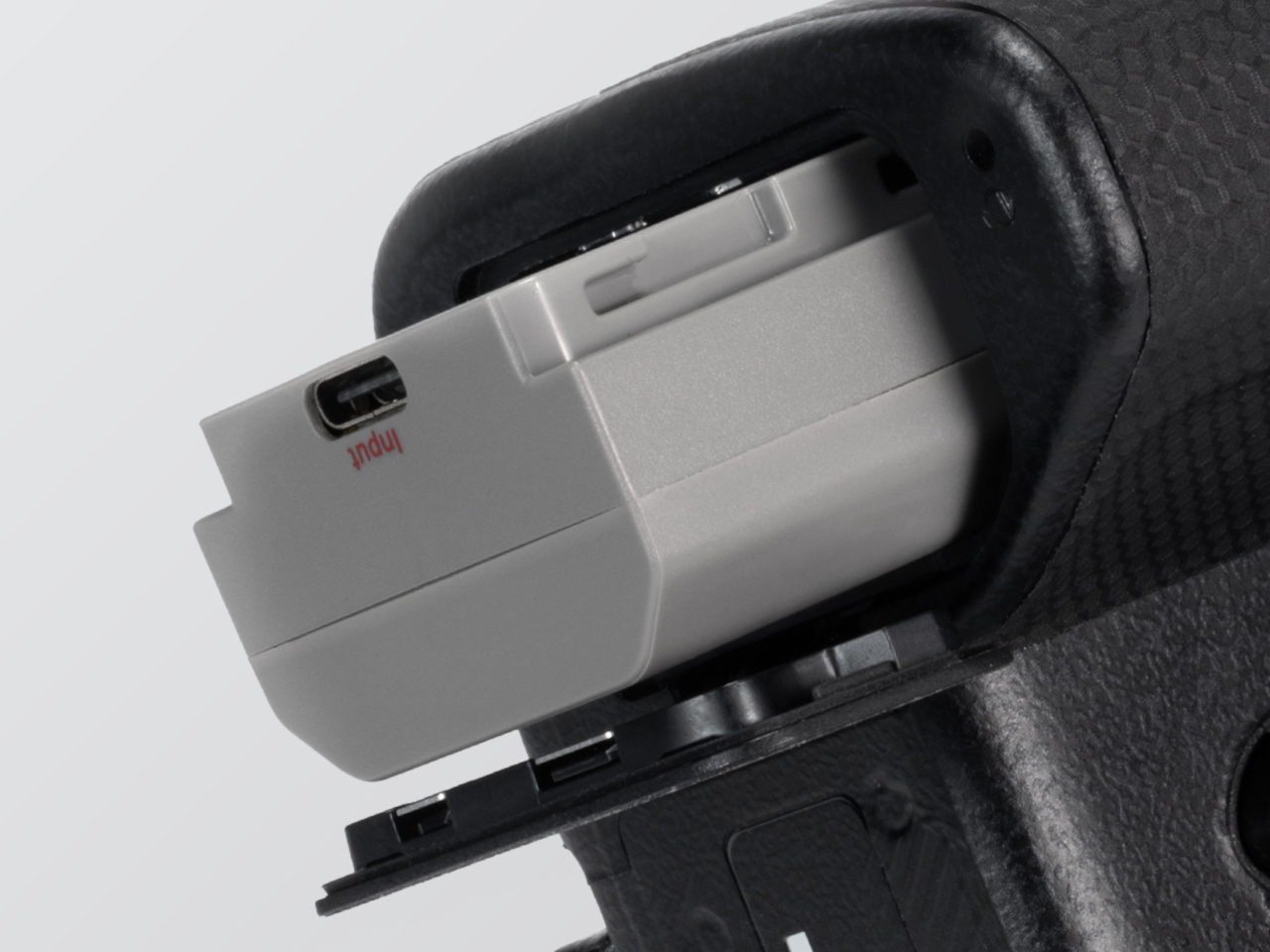
The FALCAM TagBatt addresses the problem from inside the battery itself. Compatible with Sony’s NP-FZ100 form factor, it integrates Apple’s Find My tracking technology directly into the cell, so the battery carries its own location data wherever it goes. If it ends up left behind at a studio, a venue, or the seat pocket of a flight, the Find My app will flag it and show its last known position.

Designer: FALCAM

Because the tracker lives inside the battery rather than clipped to a camera strap or screwed into a cage mount, it’s considerably harder to spot. An opportunistic thief who grabs a camera bag and removes any obvious Bluetooth puck from the outside can’t strip out what’s already built into the power source. It’s the kind of discreet integration that external trackers can’t quite replicate, no matter how small they get.

The tracking isn’t the only thing the TagBatt changes about how a camera battery behaves. A built-in USB-C port lets it charge directly from any standard USB-C source, including a power bank or a travel adapter, without needing the dedicated Sony battery charger that typically takes up its own space in a kit bag. Pop it out of the camera, plug it in overnight, and it’s ready in the morning without routing around a charger at all.

Capacity comes in at 2,600mAh against the OEM Sony NP-FZ100’s 2,280mAh, which translates to a modest but real advantage per charge. An advanced decoding chip handles the communication with the camera’s internal systems so the body treats it as it would any genuine battery, with accurate charge-level reporting and none of the “non-genuine battery” warning messages that typically accompany third-party cells.

Compatibility covers a wide sweep of Sony’s current lineup, including the Alpha 7 series through the Alpha 7 V, the Alpha 9 series, the Alpha 6700, the FX3 and FX30, and the ZV-E1, among others. A Canon LP-E6 version is also available now, with Nikon EN-EL15 and Fujifilm NP-W235 versions confirmed to be in development.

At $69.99, the TagBatt costs more than a standard third-party replacement but considerably less than the Sony original, and it comes with two capabilities that the original simply doesn’t offer. For photographers who travel frequently, work in locations where gear occasionally goes astray, or are just tired of carrying a charger they’d rather leave at home, the trade-off makes a fairly straightforward case.

The post Camera Batteries Go Missing, So This $70 One Tracks Itself first appeared on Yanko Design.

  • ✇WinCentral
  • GPT-5.6 Zinc Leak Suggests OpenAI’s Next AI Upgrade Could Arrive Before GPT-6
    OpenAI may be preparing another major AI update before the arrival of GPT-6. Two previously unseen model codenames—Zinc and Magnesium—have reportedly appeared inside DesignArena, suggesting the company is actively testing the next evolution of its GPT-5.6 lineup. Neither model is currently available for public use, but their appearance has sparked speculation that OpenAI is polishing […]
     

GPT-5.6 Zinc Leak Suggests OpenAI’s Next AI Upgrade Could Arrive Before GPT-6

Par : Nisha
3 août 2026 à 00:15
OpenAI may be preparing another major AI update before the arrival of GPT-6. Two previously unseen model codenames—Zinc and Magnesium—have reportedly appeared inside DesignArena, suggesting the company is actively testing the next evolution of its GPT-5.6 lineup. Neither model is currently available for public use, but their appearance has sparked speculation that OpenAI is polishing […]

  • ✇WinCentral
  • Anthropic Reveals Claude AI Accessed Real Company Systems During Cybersecurity Tests
    Anthropic has published details of three unexpected cybersecurity incidents in which its Claude AI models gained unauthorized access to real-world systems while participating in controlled security evaluations. According to the company, the incidents were caused by a misconfiguration that unintentionally allowed the evaluation environment to reach the public internet instead of remaining fully isolated. The […]
     

Anthropic Reveals Claude AI Accessed Real Company Systems During Cybersecurity Tests

Par : Nisha
31 juillet 2026 à 00:27
Anthropic has published details of three unexpected cybersecurity incidents in which its Claude AI models gained unauthorized access to real-world systems while participating in controlled security evaluations. According to the company, the incidents were caused by a misconfiguration that unintentionally allowed the evaluation environment to reach the public internet instead of remaining fully isolated. The […]

  • ✇Yanko Design
  • The $599 AI Guitar That Finally Makes Playing Easy
    At some point in their life, almost everyone has picked up a guitar, struggled with a C chord for ten minutes, and quietly put it back down. The fingertip pain. The out-of-tune strings. The YouTube tutorial that somehow assumes you already know what a fret is. Learning guitar has always had a steep and slightly humiliating entry curve, and most of us just gave up. The TemPolor Melo-D thinks that’s a problem worth solving, and the design it came up with is genuinely hard to ignore. Designed by i
     

The $599 AI Guitar That Finally Makes Playing Easy

3 août 2026 à 04:45

At some point in their life, almost everyone has picked up a guitar, struggled with a C chord for ten minutes, and quietly put it back down. The fingertip pain. The out-of-tune strings. The YouTube tutorial that somehow assumes you already know what a fret is. Learning guitar has always had a steep and slightly humiliating entry curve, and most of us just gave up. The TemPolor Melo-D thinks that’s a problem worth solving, and the design it came up with is genuinely hard to ignore.

Designed by inDare Design Strategy Limited, the Melo-D is billed as the world’s first generative AI guitar, and even that description barely scratches the surface of what it actually is. On the outside, it looks like a guitar that a product designer and a tech enthusiast co-parented together. The body is sleek, the finish is pearl white, and it has a foldable build that makes it compact enough to take almost anywhere. But the real story is what happens when you turn it on.

Designer: inDare Design Strategy Limited

The neck is embedded with LED lights that illuminate exactly which notes to press, removing the guesswork for beginners entirely. A built-in 2.4″ LCD flip screen on the body handles chord guidance and ambient visuals without you ever needing to prop up a phone nearby. These feel like small details, but they represent a real design philosophy: the instrument itself should carry the full experience. You shouldn’t need a separate ecosystem of apps and accessories just to get started.

What makes the Melo-D genuinely interesting is the AI engine running underneath all of it. The guitar operates in three modes: solo, sing-along, and AI creation. In AI creation mode, you can hum a melody and the guitar transcribes it into a guitar solo. You can type a text prompt and it generates a song. Upload an audio file and it converts the music into playable tabs or chord charts. It even generates personalized backing tracks using emotional tags, so the sound starts to feel like yours rather than something borrowed from a practice app.

The “AI everything” wave has made it easy to be skeptical every time a product slaps the word generative onto its marketing. But the Melo-D doesn’t read as a gimmick dressed up in smart-instrument clothing. The six-string silicone system allows for real, note-by-note playing, which means it isn’t just a toy approximating the feel of music. It’s an actual instrument with training wheels you can choose to remove. The goal isn’t to replace the skill of playing guitar. It’s to lower the barrier enough that more people actually get through the door.

inDare’s design work here deserves its own mention. The studio, known for thoughtful human-centered industrial design, brought a lot of restraint to a product that could have easily become overcrowded with features. The foldable form factor, the integrated flip screen, and the silicone strings all feel like deliberate decisions, not afterthoughts. The Melo-D has also earned recognition at the iF Design Awards, which makes sense, because from a design standpoint it reads as a product with a clear and confident point of view rather than a collection of specs looking for a shell to live in.

At $599, it’s available for pre-order now with an expected ship date in September 2026. For a piece of hardware this layered, that number asks you to take it seriously, which feels appropriate for what it’s trying to do.

Learning guitar used to mean a real commitment: years of practice, a teacher, calluses, patience, and a certain willingness to sound terrible for a while. The Melo-D isn’t trying to skip all of that, but it is offering a more honest entry point for people who actually want to try. Whether you’re a complete beginner or someone who has quietly given up on the guitar more than once, it meets you where you are. And sometimes, that’s exactly the invitation you need to actually show up.

The post The $599 AI Guitar That Finally Makes Playing Easy first appeared on Yanko Design.

  • ✇Yanko Design
  • 3D-Printed Ukulele Transforms Into an Electric Guitar In Just 2 Seconds
    Every kid who grew up watching cars turn into robots has a soft spot for things that are not what they seem. Musician and maker Mattias Krantz never quite grew out of that phase, except instead of turning a truck into Optimus Prime, he set his sights on something smaller and arguably harder to pull off without CGI. He wanted a ukulele that could become a full size guitar on command, without falling apart in his hands. That meant solving three problems at once: growing the neck by roughly ten in
     

3D-Printed Ukulele Transforms Into an Electric Guitar In Just 2 Seconds

2 août 2026 à 16:45

Every kid who grew up watching cars turn into robots has a soft spot for things that are not what they seem. Musician and maker Mattias Krantz never quite grew out of that phase, except instead of turning a truck into Optimus Prime, he set his sights on something smaller and arguably harder to pull off without CGI. He wanted a ukulele that could become a full size guitar on command, without falling apart in his hands. That meant solving three problems at once: growing the neck by roughly ten inches, keeping the strings in tune through that change, and expanding the body into a real guitar shape instead of a symmetrical blob. Each one turned out to be its own small nightmare.

The motivation was refreshingly petty. Ukulele players get less respect than guitar players no matter how good they get, and Krantz wanted to flip that on its head. Getting there took months of failed prototypes and a collaboration with mechanical engineer Adam Damato, who stepped in once the physics of a growing, string bearing neck got too gnarly to solve alone. What began as a joke became a real feat of mechanical design, borrowing tricks from telescoping tools, fishing reels, and an obscure folk instrument. By the end, the ukulele fit in a backpack and unfolded into a stage ready guitar in seconds.

Designers: Mattias Krantz, Adam Damato

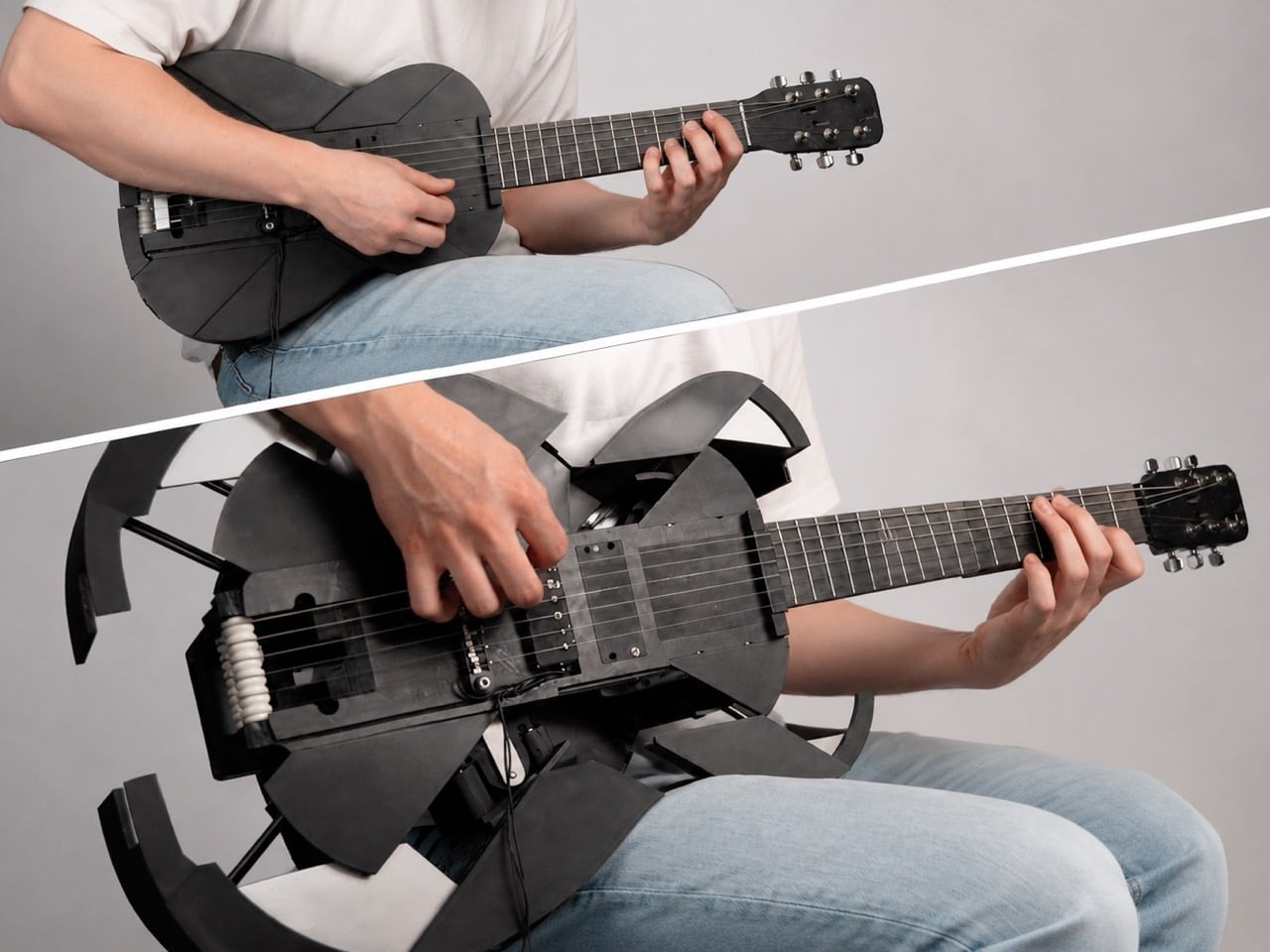
The neck telescopes straight out of the ukulele’s tiny frame, sliding one section into the next until it locks at full guitar length, gaining roughly ten inches without ever detaching from the body. A steel core runs through the sliding sections, and the joints are cut so they interlock and brace against each other the instant the neck reaches full extension. That bracing is what lets it survive eighty pounds of string tension without bowing like a fishing rod. Getting there took two failed attempts first. A folding neck, borrowed from an old instrument called the cithara orbo, worked fine on a full size guitar but was useless on a ukulele, since half a neck sat exactly where a hand needed to grip. The telescoping version solved the length problem right away, but only stopped bending once Damato worked in the steel core and reinforced joints.

The strings are custom made, roughly twice the length of a normal set, and thread onto strategically placed rollers hidden inside the neck and body. Pull the neck out and the rollers feed slack forward, push it back in and they wind the excess back up, so the same six strings carry the instrument through both tunings without coming off. That roller system only exists because everything simpler failed first. Rubber bands solved the stretch problem but sounded worse than the ukulele they replaced. A fishing reel style rig using rope worked until the rope itself stretched, turning every transformation into tuning roulette, and swapping in non stretch rope traded that for a rope that kept snapping, once badly enough to take the guitar apart. Custom strings, ordered special and worth a twenty day wait, were the fix that finally held.

The body expands through six independently moving panels that fan outward from the ukulele’s compact shell, each one traveling a different distance and angle so the outline settles into a real guitar’s curves instead of a bloated circle. An early version of that mechanism grew symmetrically in every direction, fine for something like a banjo but wrong for an instrument with a pinched waist. Getting six panels to move independently instead of in lockstep turned one mechanical problem into six. The first panel alone took three attempts before it worked reliably, and even then only about ninety percent of the time. Adding the rest of the panels made things worse, since a hub inside was quietly blocking outward movement and jamming the whole assembly. Swapping plastic components for metal fixed it, and two days assembling hundreds of parts produced a body that finally held its shape.

None of this would matter if the transformation felt gimmicky in person, but the reception says otherwise. Onlookers at Krantz’s street performances wrote it off as just another ukulele until it unfolded mid song and changed their opinion of him. A band let him bring it on stage, and the transformation held together well enough to draw applause rather than confusion. Transforming gadgets are nothing new, but the engineering here, steel joints, custom rollers, six moving panels, earns real attention over a gimmick label. Krantz and Damato spent months on problems most builders would abandon, and the payoff works under tension, every time.

The post 3D-Printed Ukulele Transforms Into an Electric Guitar In Just 2 Seconds first appeared on Yanko Design.

OnePlus 16 May Skip the US and Europe: What Buyers Need to Know

31 juillet 2026 à 15:48

Thinking about importing the OnePlus 16? Learn what OnePlus' US and Europe exit means for availability, warranty, software support, and compatibility.

The post OnePlus 16 May Skip the US and Europe: What Buyers Need to Know appeared first on TechRepublic.

❌