Vue normale

Il y a de nouveaux articles disponibles, cliquez pour rafraîchir la page.
À partir d’avant-hierFlux principal

Anbernic RG 55G1 is a Switch Lite inspired handheld powered by the Snapdragon SoC

Par : Gaurav Sood
19 juin 2026 à 15:20

Anbernic has slowly clawed its way into the Android handheld market with stellar offerings that have excellent build, quality, a nostalgic design language, and powerful guts that can play AAA games without breaking a sweat. The shell options and the freedom to choose from a variety of form factors, right from tiny pocket devices to Nintendo-inspired designs, make their handheld gaming consoles special.

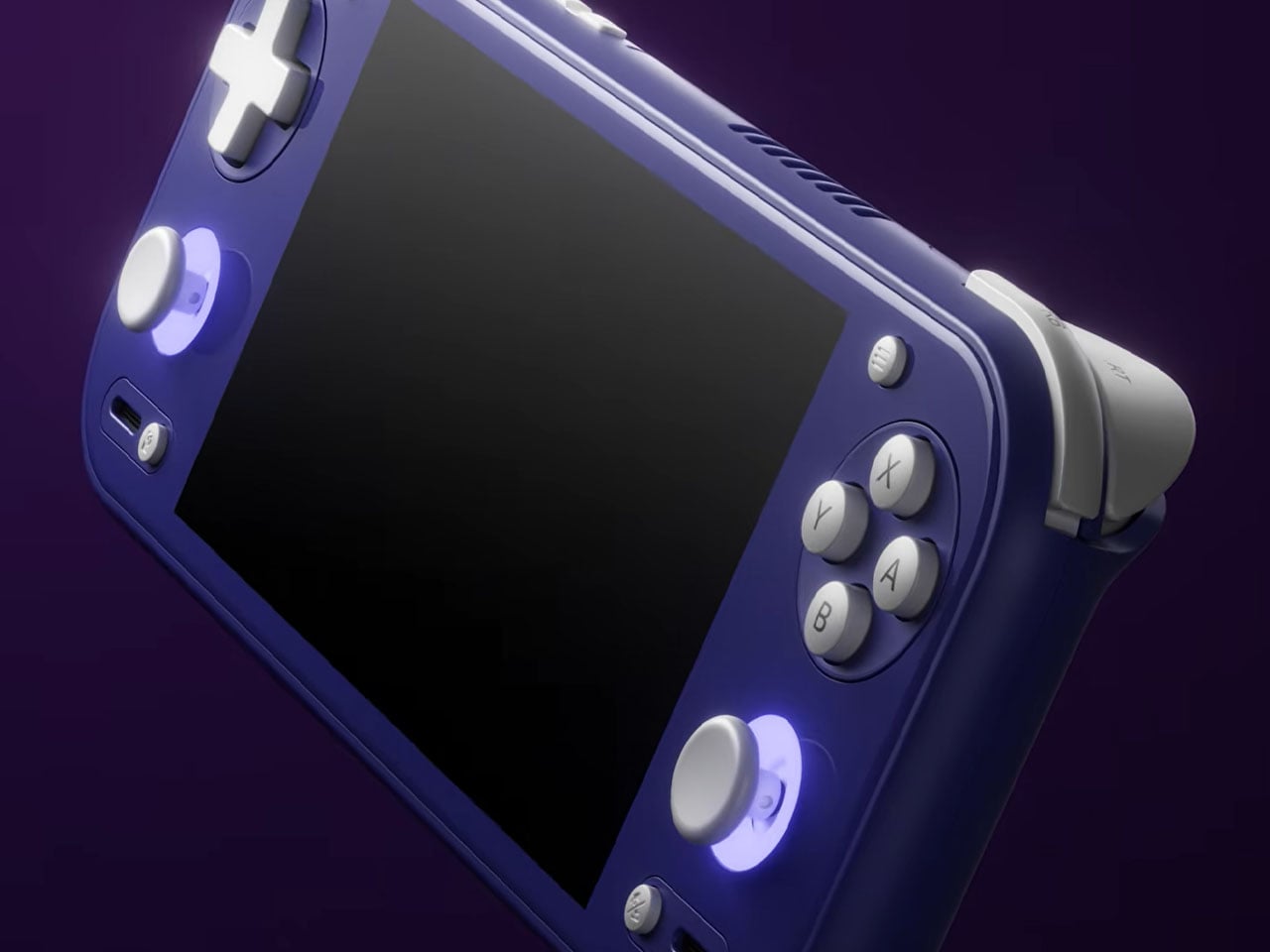
Now the Guangdong-based gaming accessories maker has just revealed the RG 55G1 handheld, which has more of the Nintendo-style layout. There were rumors in the air that the company was working on a couple of handhelds based on the discontinued Nintendo devices, but for now, the maker has announced just one of them. This is the Anbernic RG 55G1 handheld, which gives off the Nintendo Switch Lite vibes. If I compare it to the existing models, the new handheld does look pretty similar to the Retroid Pocket 6.

Designer: Anbernic

While on the superficial level, the handheld is inspired by the Switch Lite, on a closer look, it has some key differences. The device has “double shot” face buttons teased in the video trailer. While I don’t exactly have an idea what that means, it could be the buttons being made out of dual layers of molded plastic – one for the button functionality and the other for text function. Glass on the handheld is gently curved at the edge, and Anbernic calls it the 2.5D glass design. Predictably, the handheld gets the Hall-Effect joysticks and triggers, along with the USB-C port and SD card slot to complete the functionality set.

The horizontal orientation handheld is speculated to have a 5.5-inch display and could most likely be powered by the Snapdragon G1 Gen 2 SoC. If the latter is true, this will be the first time an Anbernic handheld will have a Qualcomm processor, as opposed to the MediaTek or RockChip processors in previous versions. These two speculations stem from the fact that the naming convention usually gives away the device’s specifications, as with the previously released versions. If the handheld has this hardware, playing PlayStation 2 games should be a breeze on this retro-futuristic device.

For now, there is no revelation about the other hardware specs, nor is there any hint of the release date or the pricing. The only thing conclusive is the color options that the RG 55G1 will be released in – Indigo, Retro Gray, and Black. This is the second handheld announcement this week, along with the AYANEO Pocket Micro 2 powered by a Snapdragon chip, on which we’ll have more in the coming days.


The post Anbernic RG 55G1 is a Switch Lite inspired handheld powered by the Snapdragon SoC first appeared on Yanko Design.

Valve's new Steam Deck restock comes with a huge price hike — "these new prices reflect the current state ... across the industry"

After months of being out of stock, Valve's beloved Steam Deck is available again — but its return has been accompanied by a massive price hike.

Steam Deck Trackpad

A close-up view of the Steam Deck. After the new price hike, it's significantly more expensive than it used to be.

Winhanced just made the Xbox app feel outdated on handheld gaming PCs, and I can’t believe how much smoother it is

Winhanced is quickly becoming one of the most interesting alternatives to the Xbox app on PC, combining Xbox, Steam, Epic, and GOG libraries into one controller-friendly experience built for handhelds and console-style gaming.

ASUS ROG Ally displaying Winhanced home screen with Steam, Game Pass, and Epic Games integration.

Xbox Ally X running Winhanced

"It's something we're working very hard on": Valve promises it's working on a Steam Deck restock after it sold out amid the RAM shortage, but the memory crisis isn't over

Steam Deck maker Valve says it's "working very hard" to bring the Steam Deck back in stock, though ongoing RAM shortages are making it difficult to do so.

A Steam Deck OLED handheld gaming console on a solid purple background

The Steam Deck OLED came out in late 2023, and is now the only version of the device that's ever available since the LCD version is no longer in production. OLED Steam Decks have been out of stock for months, however.

The Asus ROG Xbox Ally is inexplicably getting cheaper while it's competitors hike prices — making it the best Steam Deck competitor right now

The Xbox Ally is currently one of the most affordable ways to play Xbox PC games on the go, with an above-average display and additional gameplay-enhancing features, all for 20% off.

Xbox Ally and Xbox Ally X

The Xbox Ally is currently one of the most affordable ways to play Xbox PC games on the go.

A rare price drop hits the budget Xbox Ally, and it changes the value equation in a big way: A true Windows-based answer to the Steam Deck

The Xbox Ally is currently one of the most affordable ways to play Xbox PC games on the go, with an above-average display and additional gameplay-enhancing features, all for 17% off.

AI-Generated image of the Xbox Ally visualized

The Xbox Ally is currently one of the most affordable ways to play Xbox PC games on the go.

GAMEMT E5 MODX handheld’s detachable control module can be connected to Magsafe phones

Par : Gaurav Sood
6 avril 2026 à 15:20

The craze for handhelds over the last 24 months has driven a surge in portable gaming consoles. We’ve seen it all, right from retro handheld devices to modern consoles that can handle AAA titles without breaking a sweat. GAMEMT has been in the thick of things with a Android handheld released last month and a unique portable console with a dial knob.

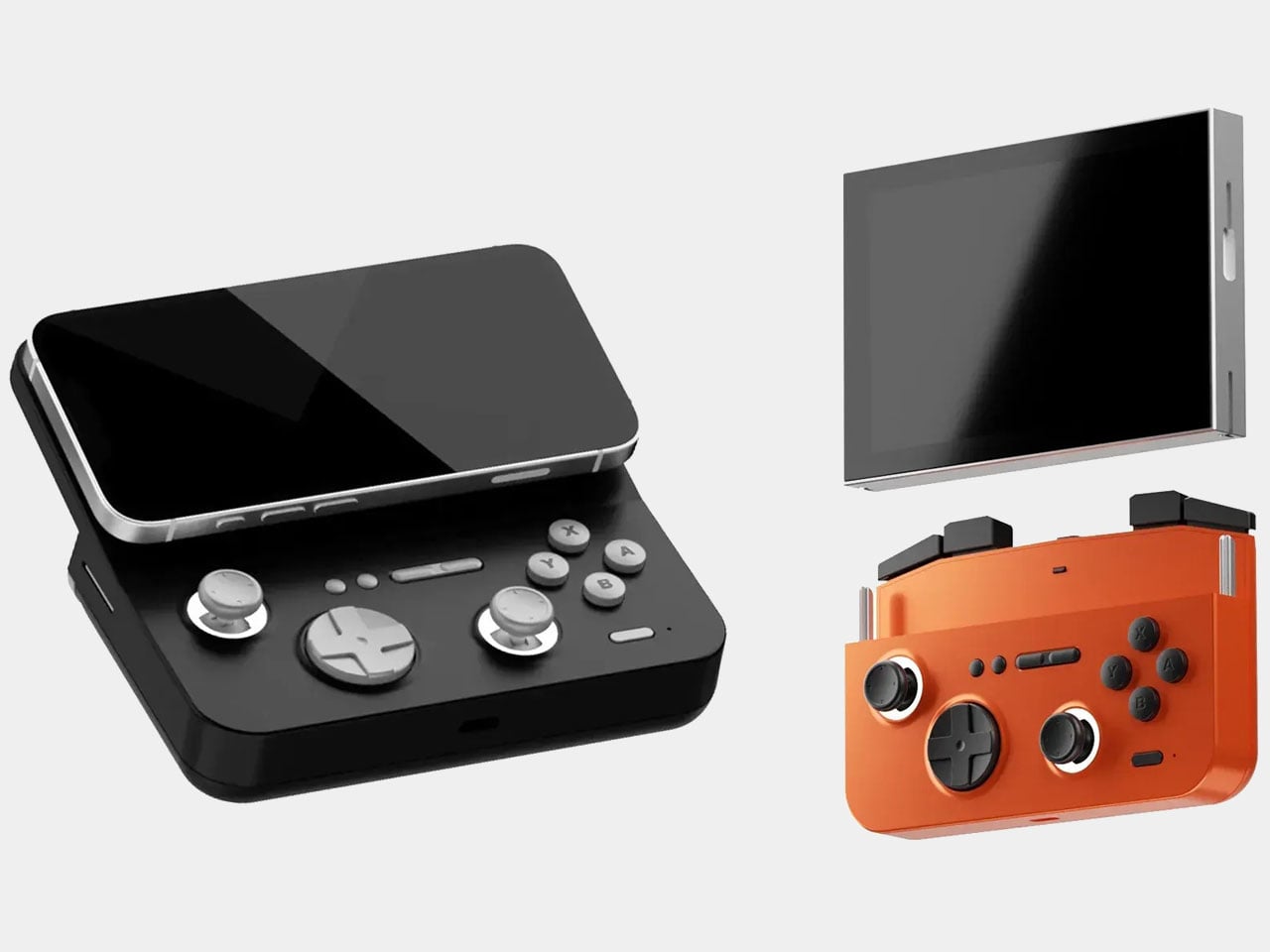
Now the Chinese manufacturer has revealed yet another handheld, which is an eye turner for sure. This is the E5 MODX console based on the original E5 released in 2024. The console has a removable modular display that can be connected to your MagSafe-compatible smartphone. It would be safe to say that the handheld draws inspiration from the MCON controller, but we haven’t seen a detachable-display handheld yet. Now, that’s downright cool.

Designer: GAMEMT

In its native form, the handheld looks and feels just like any other 3:4 display device. However, when you detach the 5.5″ screen (1024 x 768) and connect its controller module magnetically to a mobile phone, it turns into an altogether different beast. The gaming machine comes with the MTK6771 Helio P60 chipset, which is not that highly rated in the tech circles, given its inconsistent performance. Still, it’ll be interesting to see what GAMEMT has managed to achieve with this microchip in terms of hardware and software compatibility in the E5 MODX. The chipset is paired with a 3GB RAM for optimized performance, and 32 GB internal memory is more than enough to store the suite of AA games.

You can expect to emulate PS1 games, or the option to pair with the Dreamcast/N64/PS2 and GameCube emulation. Clearly, you would better explore the retro arcade game library with this one, to be honest. The real magic happens when you connect the device to your flagship smartphone, and the fun of playing AAA games is again real. For now, it is unclear whether the magnetically detachable accessory pairs via Bluetooth or works with the physical connection, and also for low latency.

According to GAMEMT, the first 3D prototype of the E5 Modx is in the works, and there is no word yet on when the handheld will be released. For now, the idea sounds very interesting, given the landscape of handheld consoles that gamers now can choose from.

The post GAMEMT E5 MODX handheld’s detachable control module can be connected to Magsafe phones first appeared on Yanko Design.

Evercade Nexus upgrades retro gaming with widescreen play and refreshed modern controls

Par : Gaurav Sood
1 avril 2026 à 15:20

For retro gaming enthusiasts, few platforms have embraced nostalgia with the same dedication as the Evercade lineup. Developed by Blaze Entertainment, the Evercade ecosystem has steadily carved out a niche by doing something many modern gaming platforms have abandoned, delivering classic games through collectible physical cartridges.

Since the original Evercade gaming handheld console arrived in 2020, the brand has built a reputation for preserving classic titles while presenting them in a curated, officially licensed format. Now the company is taking a more ambitious step forward with the Evercade Nexus, a device designed to modernize the handheld experience without losing the retro soul that defines the platform.

Designer: Evercade

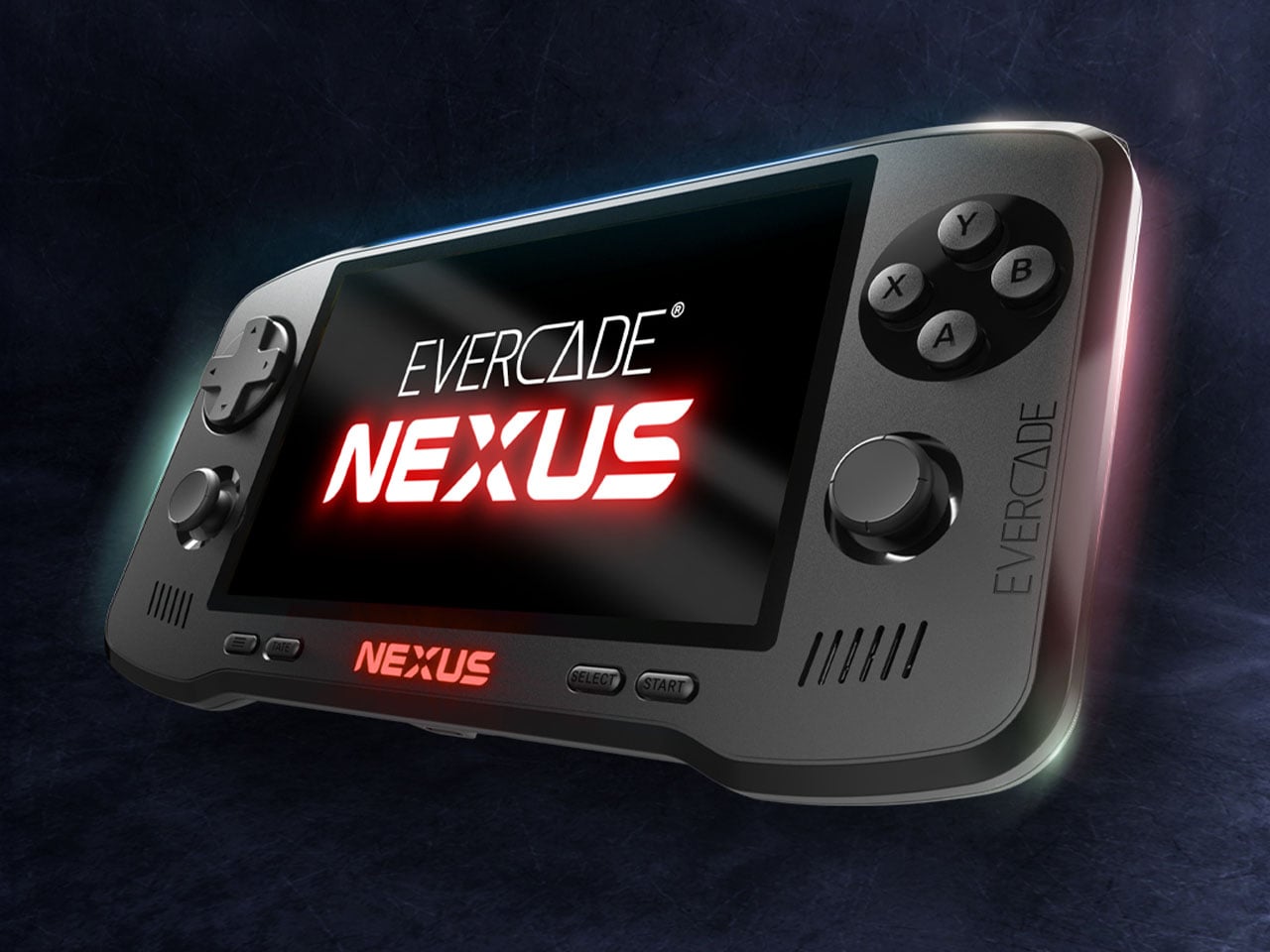
The Nexus is a significant leap in hardware compared to earlier Evercade devices. One of the most noticeable changes is the 5.89-inch IPS screen (with 840×512 resolution) having a wider 16:9 aspect ratio. Previous Evercade systems focused primarily on the classic 4:3 format used by older consoles, but the wider screen allows the Nexus to better support enhanced versions of classic games as well as titles that benefit from a broader viewing area. The larger display also improves overall comfort for handheld play, giving retro games more space while maintaining the pixel clarity enthusiasts expect.

Controls have also received a major update. For the first time in the Evercade lineup, the Nexus includes dual analog sticks alongside the traditional D-pad and face buttons. While retro gaming is often associated with simpler control layouts, the addition of analog sticks expands the handheld’s compatibility with early 3D titles and games that demand more precise movement. The system also introduces TATE mode, allowing the console to be rotated vertically. This feature is particularly useful for classic arcade shooters originally designed for upright cabinets, recreating their intended orientation on a handheld device.

Under the hood, the Evercade Nexus runs on a quad-core processor clocked at around 1.5GHz. Power comes from a 5,000mAh battery that provides roughly five hours of gameplay on a single charge, while modern conveniences such as wireless headphone support bring the device closer to contemporary handheld expectations without sacrificing portability. Another notable addition is EverSync, a wireless multiplayer feature that allows two Nexus systems to connect locally. With EverSync, players can temporarily share a game from a single cartridge so both devices can participate, offering a simple way to enjoy multiplayer titles without requiring multiple copies.

Like every Evercade device, the Nexus remains fully compatible with the platform’s growing library of physical cartridges. The ecosystem now includes more than 700 officially licensed retro games spread across dozens of curated collections from classic publishers and arcade developers. Instead of relying on digital downloads, the Evercade philosophy continues to center on physical ownership and preservation. At launch, the Evercade Nexus will include a special cartridge featuring enhanced versions of classic titles such as Banjo‑Kazooie and Banjo‑Tooie, optimized for the handheld’s widescreen display.

Evercade Nexus handheld is up for preorder at $199.99 with release set for October 2026, which is a long time away if you are already curious. You can also go for the $229.99 Nexus 64 Edition, which boasts an exclusive Hard Shell EVA Case themed with the Evercade Nexus 64 Edition style, screen protectors, and of course, the certificate of authenticity. It is going to be limited to 2,000 units with pre-order availability on Funstock.

The post Evercade Nexus upgrades retro gaming with widescreen play and refreshed modern controls first appeared on Yanko Design.

7 Handheld Gaming PCs That Actually Look Like the Future — Not a Fisher-Price Toy

26 mars 2026 à 11:40

The handheld gaming PC market has a design problem. For every device that earns a second look, there are three more that look like they escaped from a toy aisle — chunky plastic grips, aggressive LED halos, fonts borrowed from energy drink cans. It adds up to a category that has historically rewarded specs over sensibility, power over the kind of quiet confidence that makes an object worth owning.

That’s starting to change. A new wave of devices is rethinking what portable gaming hardware should look and feel like: objects you’d carry without embarrassment, leave on a clean desk, or hand to someone who doesn’t play games, so they can appreciate the craft before they’ve touched a button. Some of these seven handhelds earn their place through industrial restraint. Others earn it through engineering honesty — upgradeability, connectivity, or a refusal to treat the buyer as someone who only needs to be impressed in the first five minutes. What they all share is an understanding that good design is a feature, not a finish.

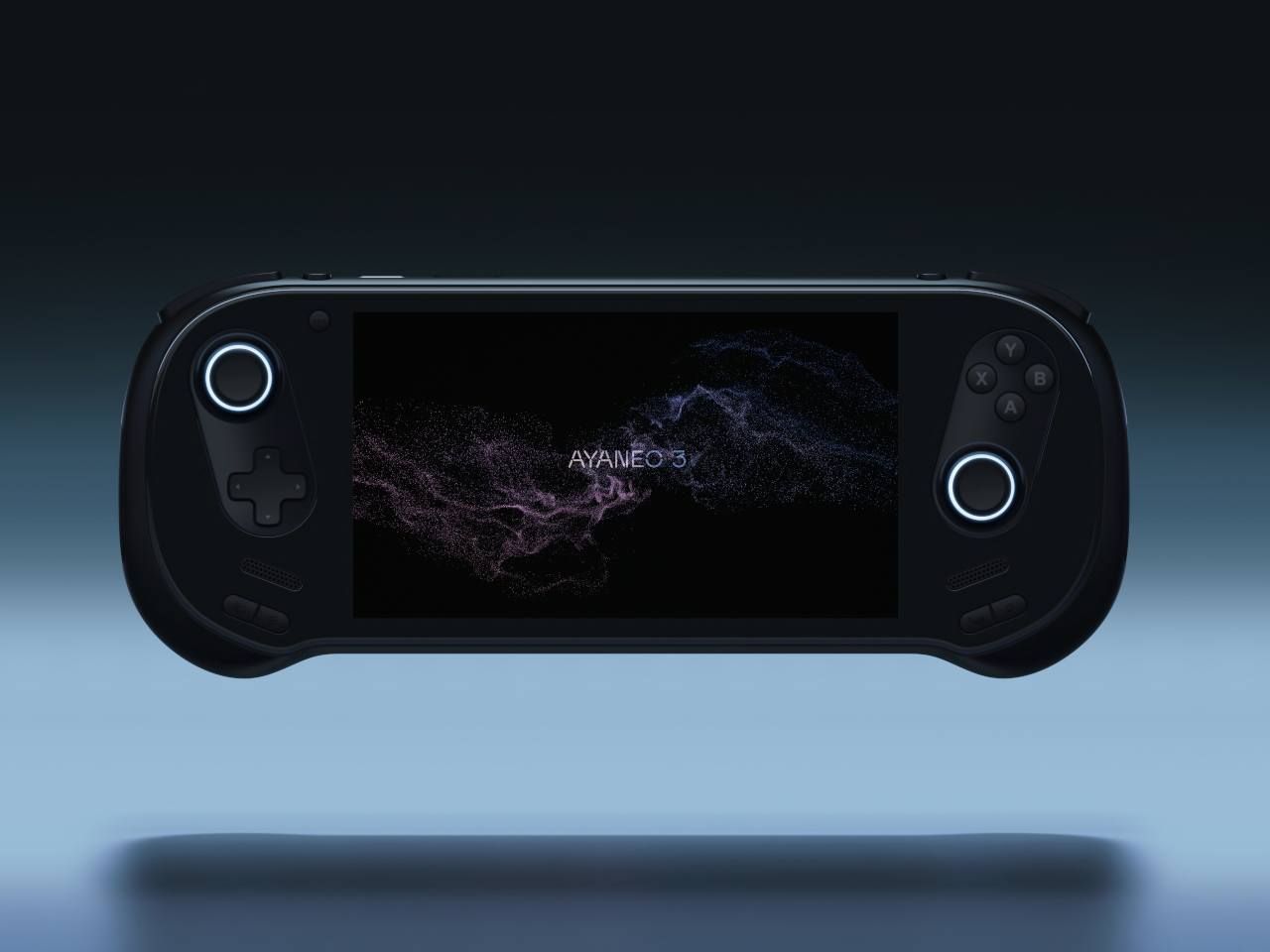
1. AYANEO 3

The curves are the story. AYANEO’s third flagship iteration takes a category that has historically prioritized power over personality and gives it something more interesting: softness. The smooth, pleasing curves on the AYANEO 3 extend beyond the ergonomic grip area on the back to the corners of the device itself, rounding off every edge that might otherwise make the hardware feel aggressive or alienating. It is a small visual distinction that makes an enormous tonal difference. The result is a device that looks like it was designed for people rather than exclusively for the kind of person who already knows what a TDP setting is and can tell you why it matters.

The diagonal orientation of the analog joysticks and D-Pad mirrors the Xbox controller arrangement, which is one of those invisible ergonomic improvements you only register when a device gets it wrong. The larger back buttons are a genuine upgrade in theory, giving players more surface area to work with during extended sessions. Their positioning, though, introduces the real possibility of accidental presses during intense gameplay. This trade-off will feel familiar to anyone who has tried to improve on a layout that was already functional. The AYANEO 3 makes the strongest argument for design as a feature in its own right. Whether that argument is worth the price is the question you’ll be asking yourself after you pick it up for the first time.

What We Like:

  • Rounded, curve-forward chassis makes it the most approachable-looking handheld in its category
  • Diagonal joystick and button orientation mirrors Xbox ergonomics for more natural long-session play

What We Dislike:

  • Back button placement may result in accidental presses during fast-paced gameplay
  • Softened design language may not satisfy players who want their hardware to read as purposeful and performance-oriented

2. Acer Nitro Blaze 7

Acer enters the handheld arena with something the market actually needed: a device that solves Windows gaming’s most persistent pain point before you even load your first title. The AMD Ryzen 7 8840HS packs 39 AI TOPS, placing it on the same performance tier as many AI-powered laptops currently on the market. Paired with the AMD Radeon 780M and 16GB of RAM, the Nitro Blaze 7 arrives as serious hardware in a compact form. The 7-inch 1920×1080 144Hz IPS touchscreen with 100% sRGB color gamut coverage is the kind of display specification that makes comparable handhelds feel like compromises — vibrant and bright enough that even the darkest visual environments read clearly on screen.

What separates the Nitro Blaze 7 from the competition isn’t the chip — it’s the software thinking wrapped around it. The Acer Game Space feature consolidates titles from every platform and source into a single unified library, removing the multi-menu navigation friction that makes Windows gaming handhelds feel like a productivity task compared to SteamOS devices. Touchscreen support lets players interact directly with interface elements rather than routing everything through controller input, which matters more than it sounds when you are three minutes into a launch session and still navigating settings. The dedicated hotkey that drops you straight into your library is a small thing that solves a real and recurring problem, and that is exactly the kind of design thinking this category needs to normalize.

What We Like:

  • Acer Game Space consolidates multi-platform libraries into one interface, fixing Windows gaming’s biggest UX friction point
  • 144Hz IPS display with 100% sRGB delivers premium visual quality for a 7-inch handheld screen

What We Dislike:

  • The IPS panel means the Blaze 7 lacks the contrast depth and blacks of OLED competitors
  • At 7 inches, the display is smaller than the growing number of competitors now shipping with 8-inch screens

3. Steam Deck OLED Limited Edition White

Valve’s limited edition white Steam Deck is the rare hardware release that justifies its price premium through object quality alone. The off-white shell with gray buttons and a single orange power button is a restrained, confident color story that most hardware brands spend years failing to tell. The OLED panel with HDR support already positioned the standard Steam Deck a visual step above the LCD models, and the white chassis makes that contrast even more vivid — display colors read differently against a lighter surround, and the overall effect is closer to a premium consumer electronics object than a gaming peripheral. Valve pairs the device with a matching white carrying case and a microfiber cloth, because they know exactly what that surface will attract daily.

Available only in the 1TB configuration, the limited edition white Steam Deck is not a casual purchase — it is priced above the standard black variant, and that premium is entirely about the colorway rather than any specification difference. Valve has been direct about the potential for further bold color options depending on how this version performs in the market, and the design language of this release suggests they genuinely understand that hardware can carry emotional weight beyond its spec sheet. Their stated commitment to continued software and hardware improvements also changes the calculus on what the purchase represents. You are not buying a device at its peak; you are buying into an object that the people who made it intend to keep improving.

What We Like:

  • The off-white and orange colorway is the most considered visual design statement in the handheld gaming category
  • 1TB OLED configuration with HDR support represents the best display quality available in a handheld gaming PC

What We Dislike:

  • The white shell will show dirt and wear significantly faster than the black variant, demanding frequent cleaning
  • Limited edition pricing premium is cosmetic rather than functional, which makes it a harder case to make to practical buyers

4. MSI Claw 8 AI+

MSI’s second attempt at a handheld gaming PC makes a strong case for listening. The original Claw’s 53Wh battery was one of the most discussed disappointments in gaming hardware, and the Claw 8 AI+ responds with an 80Wh unit that matches the ROG Ally X — immediately removing that criticism from the conversation. The redesigned chassis is more comfortable to hold than the original, which sounds like a modest correction but represents the difference between a product you use and one you tolerate through a session. The 8-inch display at 1080p and 120Hz is the screen you can actually picture using across several hours without fatigue, and the overall hardware package reflects a manufacturer that took its first attempt as useful data rather than a finished result.

The dual Thunderbolt ports are the detail that separates the Claw 8 AI+ from most of its direct competition. In a category where connectivity has generally been an afterthought, Thunderbolt transforms the device into something more versatile than a dedicated gaming handheld. It can drive an external display, connect high-speed peripherals, and function as a desktop replacement when docked — a use case that justifies the form factor for people who travel and need their hardware to earn its carry weight across more than one context. MSI’s continued driver support for the original Claw also signals something about the relationship they want to build with buyers, which matters when you are deciding which ecosystem to invest in for the long term.

What We Like:

  • 80Wh battery resolves the original Claw’s most criticized weakness, matching the ROG Ally X for endurance
  • Dual Thunderbolt ports offer versatility that positions the device beyond pure gaming into broader portable computing

What We Dislike:

  • 1080p resolution on an 8-inch screen sits at the market standard rather than pushing the category forward
  • The redesigned chassis was not available for hands-on evaluation at launch, leaving the real-world grip feel unconfirmed

5. ADATA XPG Nia

The XPG Nia arrives with a design philosophy that most handheld manufacturers have been too conservative to commit to: repairability as a genuine feature. The use of LPCAMM2 memory modules, which are not soldered to the motherboard, makes this one of the very few handheld gaming PCs where upgrading the RAM is a realistic possibility rather than a route to a voided warranty. The M.2 2230 SSD slot handles storage upgrades in the same way, borrowing the kind of upgrade-friendly architecture that better laptops have offered for years. ADATA, better known for its data storage solutions than gaming hardware, brings exactly the right technical background to a product that treats longevity as a design consideration rather than an inconvenience.

This matters more than it sounds in a category that has normalized the idea of buying new hardware every two years because your existing device can’t be updated. Handheld PCs are essentially miniature laptops running laptop-grade hardware with constrained cooling, which has traditionally meant buyers are locked into the specs they purchase on day one. The XPG Nia pushes back against that assumption. It may not carry the brand recognition of Valve or ASUS, but the decision to make memory and storage user-upgradable in a handheld gaming PC is genuinely forward-thinking hardware design. The category is full of devices optimized for the unboxing moment. The XPG Nia is designed for year three.

What We Like:

  • Upgradable RAM via the LPCAMM2 module makes it one of the only handhelds built for long-term ownership
  • Upgradable M.2 2230 SSD slot extends the device’s useful lifespan well beyond its launch-day specifications

What We Dislike:

  • Real-world ease of RAM upgrades remains unproven, as LPCAMM2 is a relatively new memory format
  • ADATA’s identity as a storage brand creates unanswered questions around long-term software support and gaming ecosystem depth

6. GPD Pocket 4

The GPD Pocket 4 does not belong in this list by conventional logic, and that is precisely why it does. There are no joysticks, no D-pad, no face buttons. What it has instead is a compact clamshell form factor built around a full QWERTY keyboard, a small touchpad in the upper right corner designed for right-thumb operation in a two-handed grip, and mouse buttons positioned on the opposing side for the left thumb. The AMD Ryzen AI 9 HX 370 with AMD Radeon 890M graphics, 64GB of RAM, and up to 4TB of upgradable NVMe SSD storage inside this chassis is a genuine statement about what a pocket-sized device can accomplish. It is a handheld PC for the person who refuses to separate productivity from portability.

Where most devices in this roundup are gaming handhelds that can also browse the web, the Pocket 4 is a legitimate laptop replacement that can also play games within certain limits. Content creation, entertainment, productivity, and travel computing are all addressed by hardware that fits in a jacket pocket. The 44.8Wh battery is the honest trade-off — you are carrying a compressed laptop, not an augmented gaming console, and the battery reflects that compromise directly. For the person who travels constantly and wants one device that handles most things well rather than two devices that each do one thing perfectly, the Pocket 4 makes more sense than almost anything else in this roundup. It is the most unusual recommendation here, and the most interesting.

What We Like:

  • Full laptop-grade specifications, including up to 64GB RAM and 4TB upgradable storage in a genuinely pocketable form factor
  • Functions as a true laptop replacement for content creation and productivity without requiring a second device

What We Dislike:

  • No gaming controls confine its gaming capability to keyboard-compatible titles only
  • The 44.8Wh battery is significantly smaller than competitors that prioritize gaming endurance over overall portability

7. ZOTAC ZONE

The ZOTAC ZONE wears its Steam Deck influence openly and then raises the conversation. The OLED display puts it in rare company — most handheld gaming PCs are still shipping IPS panels, and the presence of an OLED screen here is not incidental. The PlayStation-style button layout mirrors Valve’s device directly, setting it apart from the Xbox-influenced arrangement that the rest of the Windows handheld market has effectively standardized around. The built-in kickstand is the detail that reveals the ZONE’s genuine design thinking. It is an obvious feature that a surprising number of handheld PCs have decided to leave out, and its presence changes how the device lives in practice — on a plane tray table, a cafe counter, or a hotel room desk, where you’d rather not hold the thing for two hours straight.

The configurable controls are where the ZONE earns its premium positioning. Two-stage adjustable triggers and programmable dials around each joystick represent the most granular control customization available on any handheld gaming PC currently on the market. It runs more recent hardware than the Steam Deck, inside a chassis that clearly understands what it is trying to be. The steep price is a real barrier, and the ZONE will not make sense for every buyer. For the player who has worked through two or three handheld PCs already and knows precisely what they want from their next one — better controls, better display, a stand, and hardware that will not feel dated inside eighteen months — this is the device that was built with them specifically in mind.

What We Like:

  • Built-in kickstand and OLED display address two genuine gaps in the Steam Deck’s design, both meaningfully improving day-to-day use
  • Two-stage adjustable triggers and programmable joystick dials offer the deepest control customization in the handheld gaming PC category

What We Dislike:

  • Premium pricing places the ZONE significantly above most competing devices, narrowing its realistic audience
  • Strong visual and layout parallels to the Steam Deck make it a difficult upgrade pitch for buyers already in Valve’s ecosystem

The Category Grows Up

The seven devices above represent a category finally learning to want more from itself. Some of them get there through craft — the AYANEO 3’s considered curves, the ZOTAC ZONE’s OLED display and kickstand, the Steam Deck’s limited edition color story. Others earn their place through a harder kind of honesty: the XPG Nia’s upgradable RAM, the GPD Pocket 4’s refusal to be just one thing, the Claw 8 AI+’s willingness to publicly correct its own mistakes.

What unites all seven is a seriousness about the object itself — a sense that the person holding the device deserves hardware that respects their intelligence, their living space, and the money they are spending. The Fisher-Price era of handheld gaming PCs is not entirely over. But these seven devices are making a strong case for what comes after them.

The post 7 Handheld Gaming PCs That Actually Look Like the Future — Not a Fisher-Price Toy first appeared on Yanko Design.

AYANEO can't sell its NEXT 2 Windows gaming handheld anymore because it's "no longer sustainable" — AI and the RAM and SSD shortage crisis are to blame

Sales of AYANEO's enthusiast-class NEXT 2 handheld gaming PC have been suspended due to ongoing RAM and SSD shortages caused by the AI boom.

Ayaneo Next 2 key image

An official marketing image of AYANEO's NEXT 2 handheld, sales of which have now been suspended due to AI-driven RAM and SSD shortages.

This Fan Made the Sony-Nintendo Handheld the Companies Never Would

Par : JC Torres
20 mars 2026 à 17:20

The retro handheld market has a strange problem. The hardware keeps getting better, the screens get sharper, the processors get faster, and yet most of these devices land looking like prototypes someone forgot to finish. Generic shells, forgettable proportions, and LED lighting as a substitute for actual design thinking. For a category built entirely on nostalgia, very few of these devices actually look like they belong to any era at all.

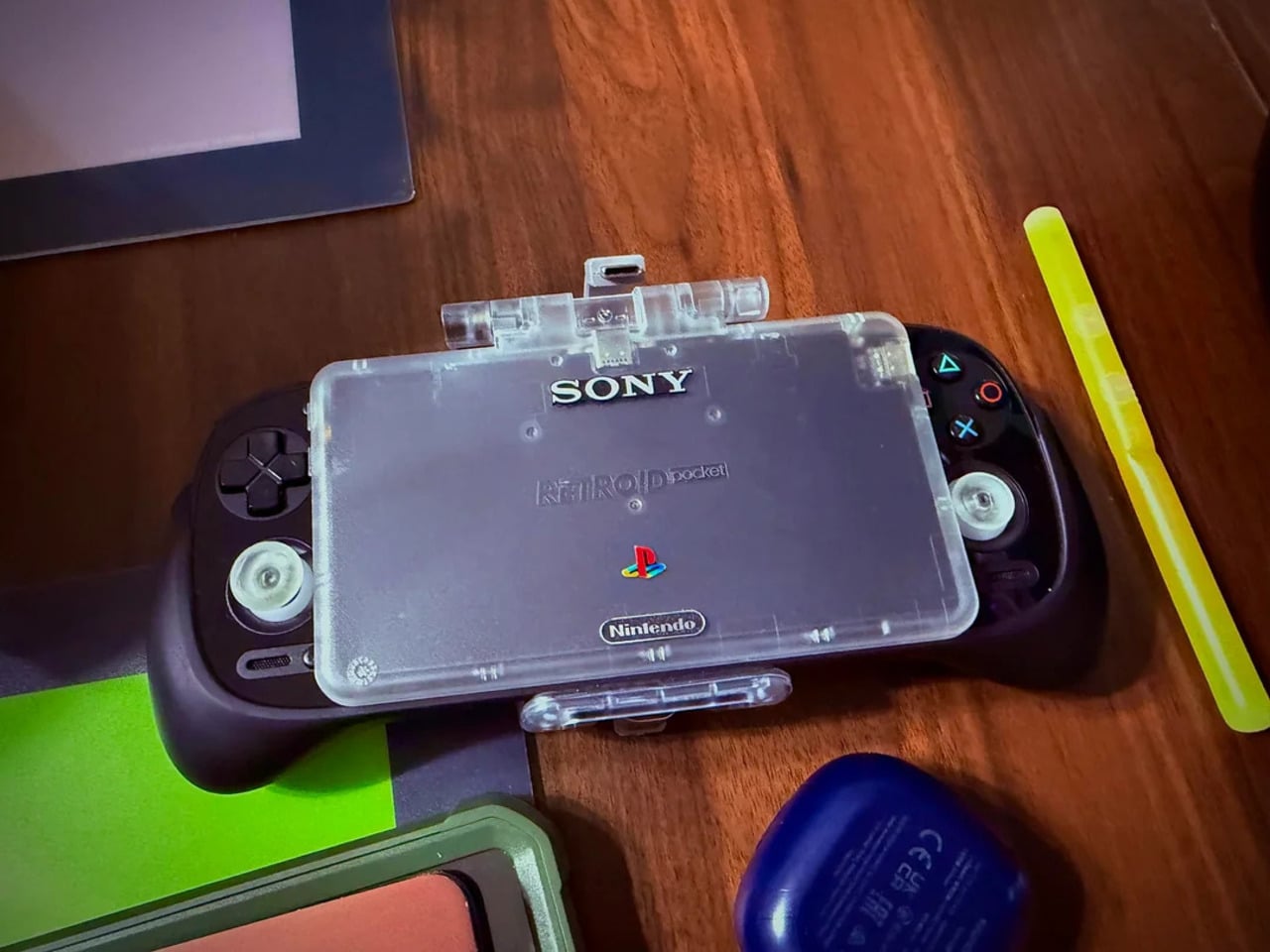
That tension is what one Reddit user decided to address. Starting with a Retroid Pocket 5, a $199 Android handheld running a Snapdragon 865 and a 5.5-inch AMOLED display, the mod layers Sony and Nintendo branding onto the same shell. Vinyl decals, translucent polycarbonate, a 3D-printed volume rocker from Etsy, and a cable replaced in PS2 color. The result looks less like a sticker job and more like a concept render from an alternate 1999.

Designer: Mitchieyan

The translucent shell is doing most of the work. It pulls from the visual language of the N64’s Funtastic series, those clear and atomic-purple controllers Nintendo released in the late 1990s, where showing the circuitry was the design choice rather than concealing it. Over a piano-black grip body with PlayStation-colored face buttons, the frosted polycarbonate shifts from grey to near-white depending on the light. It shouldn’t feel considered. It does.

The branding placement is where intent becomes clear. The Sony wordmark sits centered on the upper face, exactly where it appeared on a PSOne. Below it, the PlayStation four-color logo. At the bottom bezel, the Nintendo badge mirrors its position on a Game Boy Advance SP. None of it is licensed, of course. These are adhesive vinyls placed by someone who grew up with both systems and wanted their coexistence on one device to feel inevitable rather than absurd.

Not everything here reaches backward. The analog sticks are translucent caps over hall-effect sensors, lit teal on the left and purple on the right, owing nothing to 1999. That generation didn’t have RGB anything. The lighting reads as a concession to the present; the one feature announcing this is still an Android device in 2025, not a prototype from some alternate Sony-Nintendo licensing meeting. Whether it sits comfortably alongside the retro shell is a fair question.

The rear view shifts the frame again. A large dual-grip body in smooth black rubber dominates the back, a clear plastic hinge connecting the screen to grip in full view, structural and unapologetic. The 3D-printed volume rocker at the top edge puts a physical control where fingers naturally land. The back half feels closer to a DualShock than a Game Boy, which is either the point or the problem, depending on what you wanted this thing to be.

Flip to the front screen, and the emulator grid makes the whole thing literal. DuckStation for PS1, Dolphin for GameCube, PPSSPP for PSP, melonDS for Nintendo DS, and a live PS2 wallpaper cycling behind all of it. This device runs both companies’ libraries simultaneously without asking permission from either. The branding on the shell, in that context, stops being a novelty and starts reading as a plain statement of what the hardware already does.

The retro handheld category is large enough now that sameness has become its default. The Retroid Pocket 6, the current flagship from the same manufacturer, drew community criticism for being indistinguishable from competitors: glass front, LED sticks, rounded edges, and no particular character. A fan mod building identity out of borrowed logos is one response to a problem the manufacturers haven’t solved. It’s also just someone enjoying a hobby and being honest about what they want.

The hardware to play PS1, PS2, GameCube, and Game Boy Advance all on one screen already exists and costs under $200. What the market hasn’t resolved is what that device should actually look like, or whose name should go on it. This mod doesn’t answer either question. It just makes the gap between what’s technically possible and what anyone has bothered to design feel a little harder to dismiss.

The post This Fan Made the Sony-Nintendo Handheld the Companies Never Would first appeared on Yanko Design.

I sent my Xbox ROG Ally X away for repair, and now it's back — but I've already moved on to another handheld (with some guilt)

The Xbox ROG Ally X that betrayed me is back, but I've found solace in the detachable arms of the Lenovo Legion GO and don't know if I can go back.

A handheld gaming device with a large screen and controls on each side rests on a pink surface.

I've been playing happily on the Lenovo while my Xbox ROG Ally X remains waiting for me to reinstall my games

A free Xbox Ally X update could deliver up to 30% smoother performance for your handheld games — "Automatic Super Resolution" preview starts soon

Xbox has confirmed that Automatic Super Resolution will arrive on Xbox Ally X in a preview this April. The AI powered feature uses the device’s NPU to upscale games and improve performance.

Xbox in 2026 banner: Fallout, Fable, Halo, Gears, Forza, backed on an Xbox Ally.

Xbox in 2026 banner: Fallout, Fable, Halo, Gears, Forza, backed on an Xbox Ally.

Your handheld PC might soon play old PlayStation 3 games better — here's why developers want your help

RPCS3 is asking handheld PC users for feedback as it works on improving the portable experience for its PlayStation 3 emulator. Planned updates include a redesigned in-game home menu, better button mapping, quick settings, and the ability to add games to Steam directly from the emulator.

ROG Ally playing Little Big Planet

Uncharted 3 on Xbox Ally X

Lenovo makes it easier to test the Xbox Full Screen Experience on your Legion Go handheld — here's how to sign up and try the FSE interface before a wider rollout

Lenovo has opened beta registrations for the Xbox Full Screen Experience on the Legion Go. The console-style interface aims to streamline Windows handheld gaming by booting directly into the Xbox app and reducing background tasks.

Lenovo Legion Go with the Xbox app

Lenovo has opened beta registrations for the Xbox Full Screen Experience on the Legion Go.

My top 5 Decky Loader plugins every SteamOS and Bazzite handheld gaming PC should use

Decky Loader unlocks powerful plugins for Steam Deck and Bazzite handhelds. This guide highlights the five best plugins that improve performance, usability, and library organization.

Decky Loader page opened on a Steam Deck

Xbox Ally and Steam Deck on a green background.

Xbox Ally X's prices are rising in Japan, hinting that it could rise globally too — fortunately, the Xbox Ally is still on sale for under $490

Reports have shown that the Xbox Ally X is now $200 more expensive in Japan, which could potentially lead to price hikes in the rest of the world. In contrast, the Xbox Ally hasn't changed prices yet and is still enjoying its 18% discount from January, taking its price below $490.

Xbox Ally running full screen mode

Play on the go for less while the Xbox Ally avoids "RAMpocalypse" price hikes

Steam Deck OLED stock shortages blamed on memory and storage issues — will the RAM crisis affect Valve's Steam Machine PC?

Valve has acknowledged that Steam Deck OLED stock shortages are due to memory and storage supply issues, raising questions about pricing and how this will affect the Steam Machine.

Steam Deck OLED with a sad face

Valve has acknowledged that Steam Deck OLED stock shortages are due to memory and storage supply issues.

❌
❌