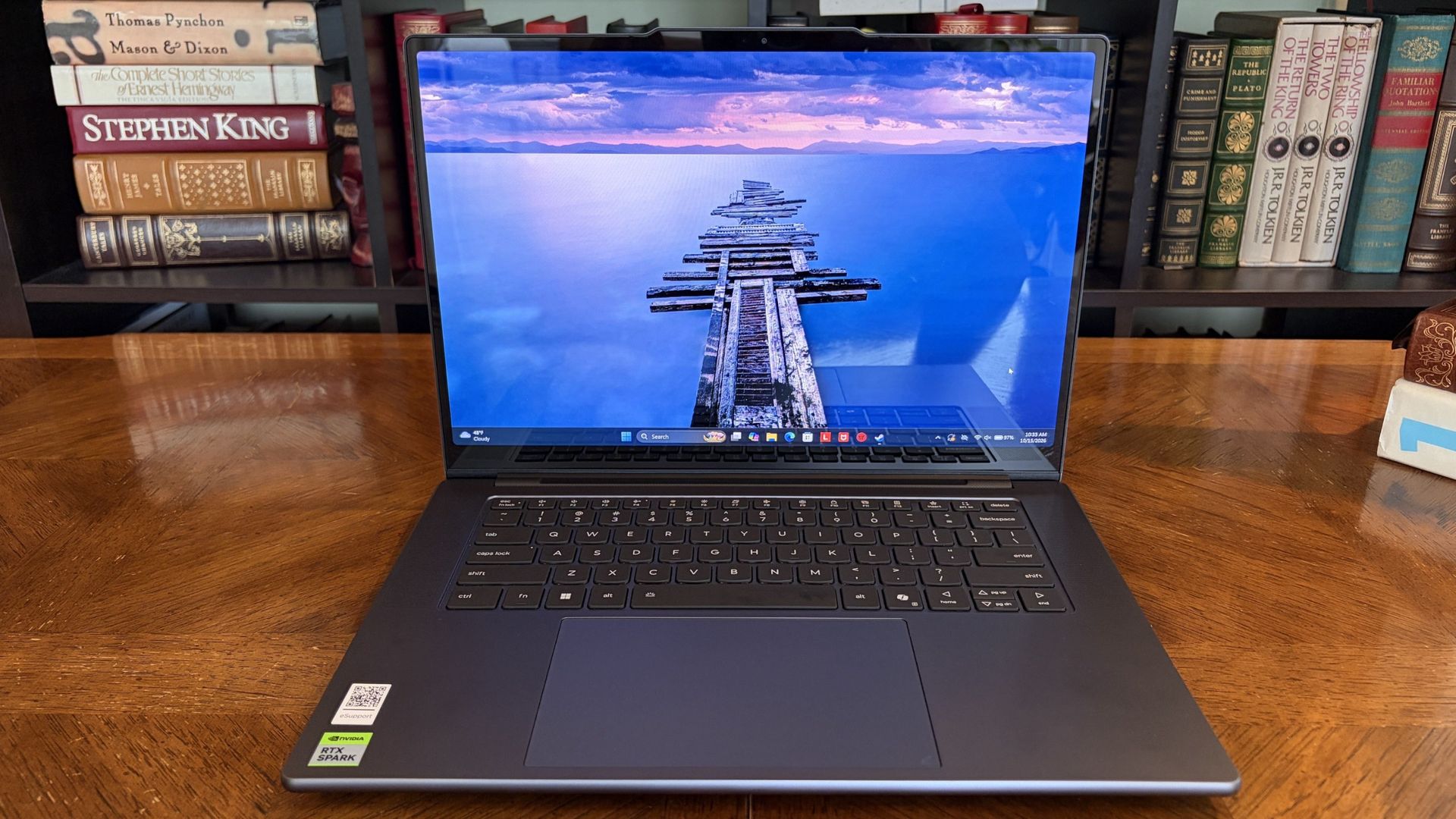
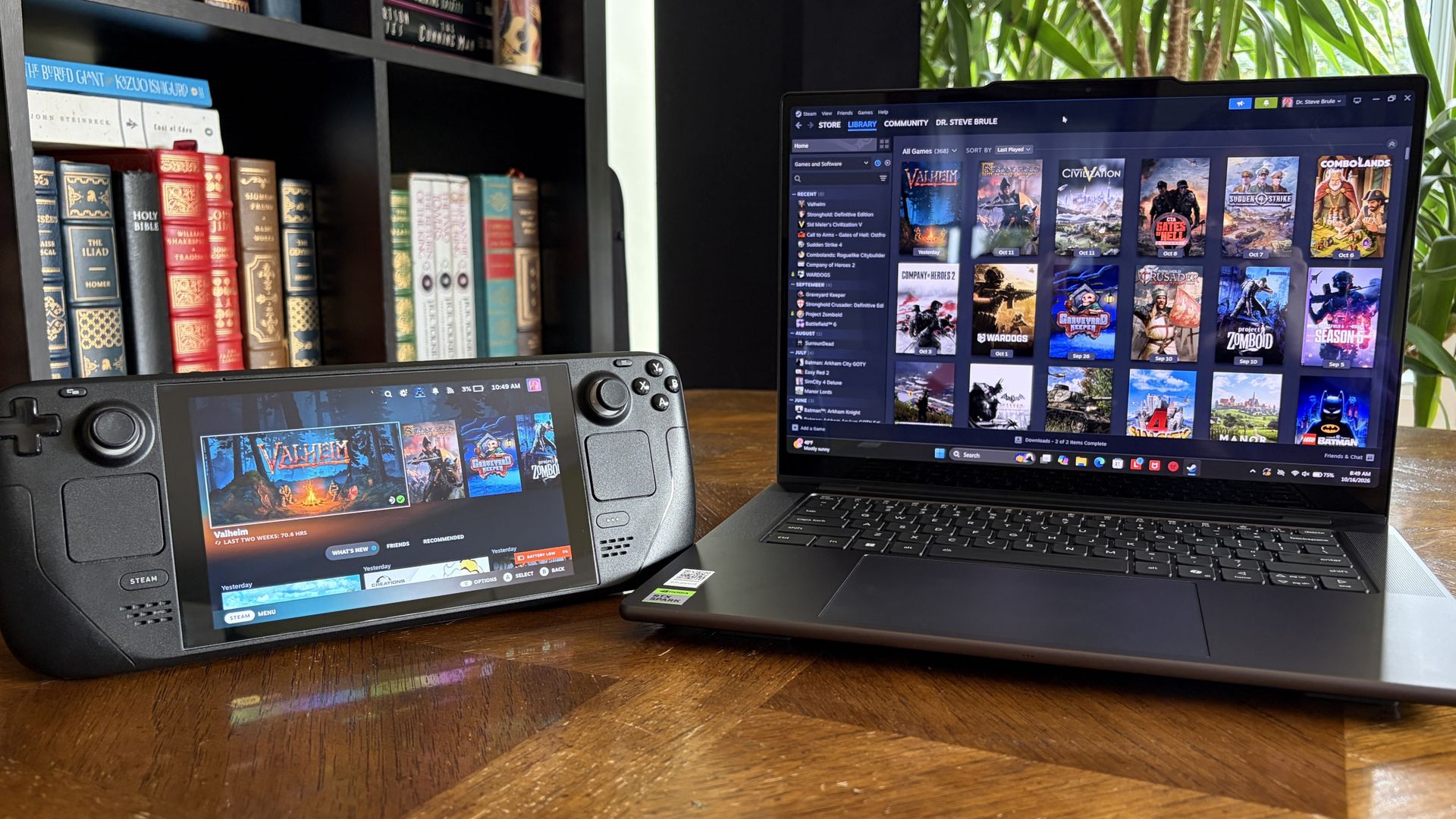
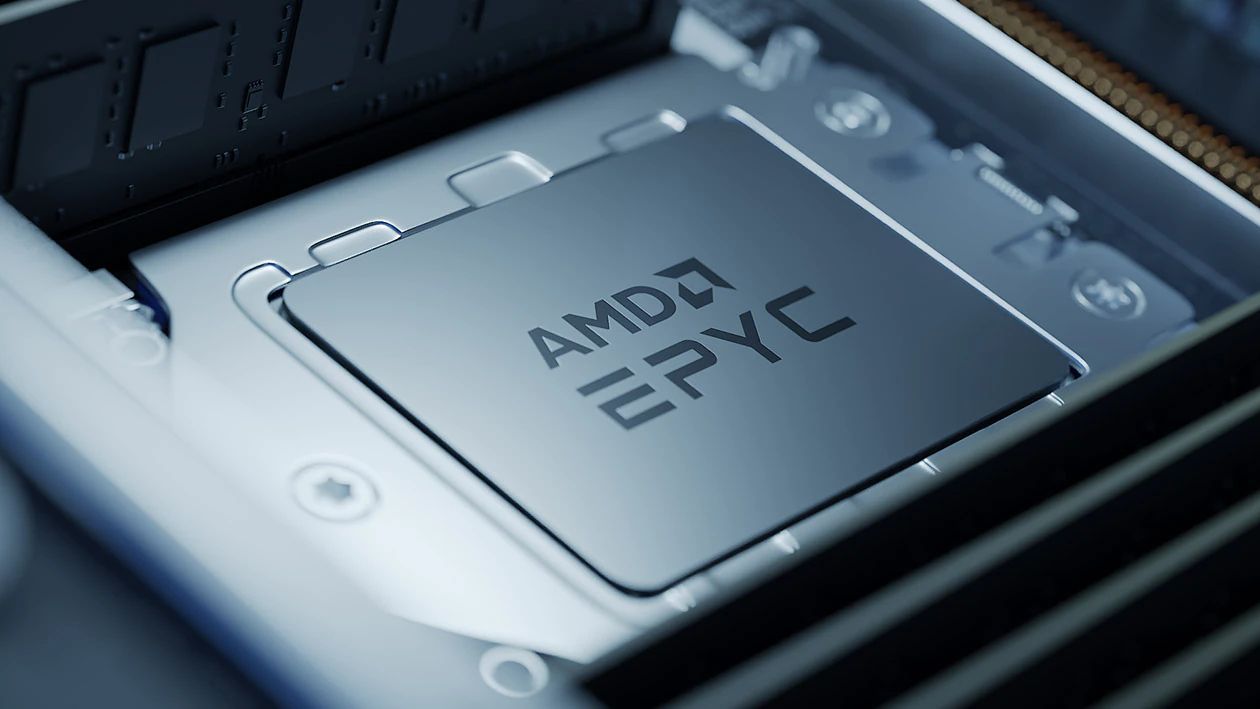
It's a rough time to be shopping for PC hardware and laptops. Believe me, as a PC gamer, I know the struggle. Prices are incredibly high because of AI-driven component shortages, and some relief can go a long way.That's why I'm happy to share some exclusive discount codes redeemable at Newegg. All codes offer an additional discount on top of any sales that Newegg already has running, so you can absolutely stack sales.These exclusive deals cover everything from PC
It's a rough time to be shopping for PC hardware and laptops. Believe me, as a PC gamer, I know the struggle. Prices are incredibly high because of AI-driven component shortages, and some relief can go a long way.
That's why I'm happy to share some exclusive discount codes redeemable at Newegg. All codes offer an additional discount on top of any sales that Newegg already has running, so you can absolutely stack sales.
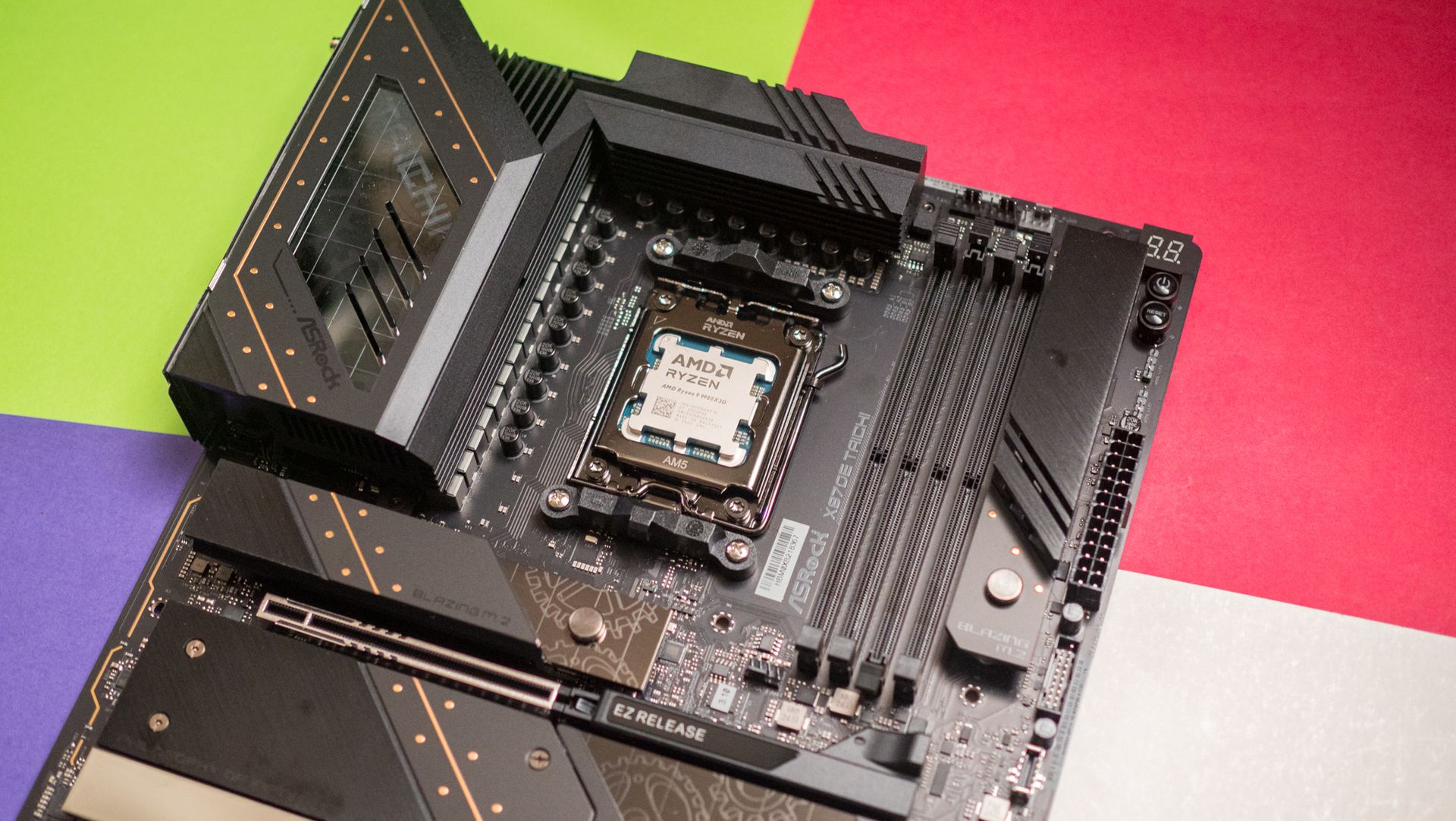
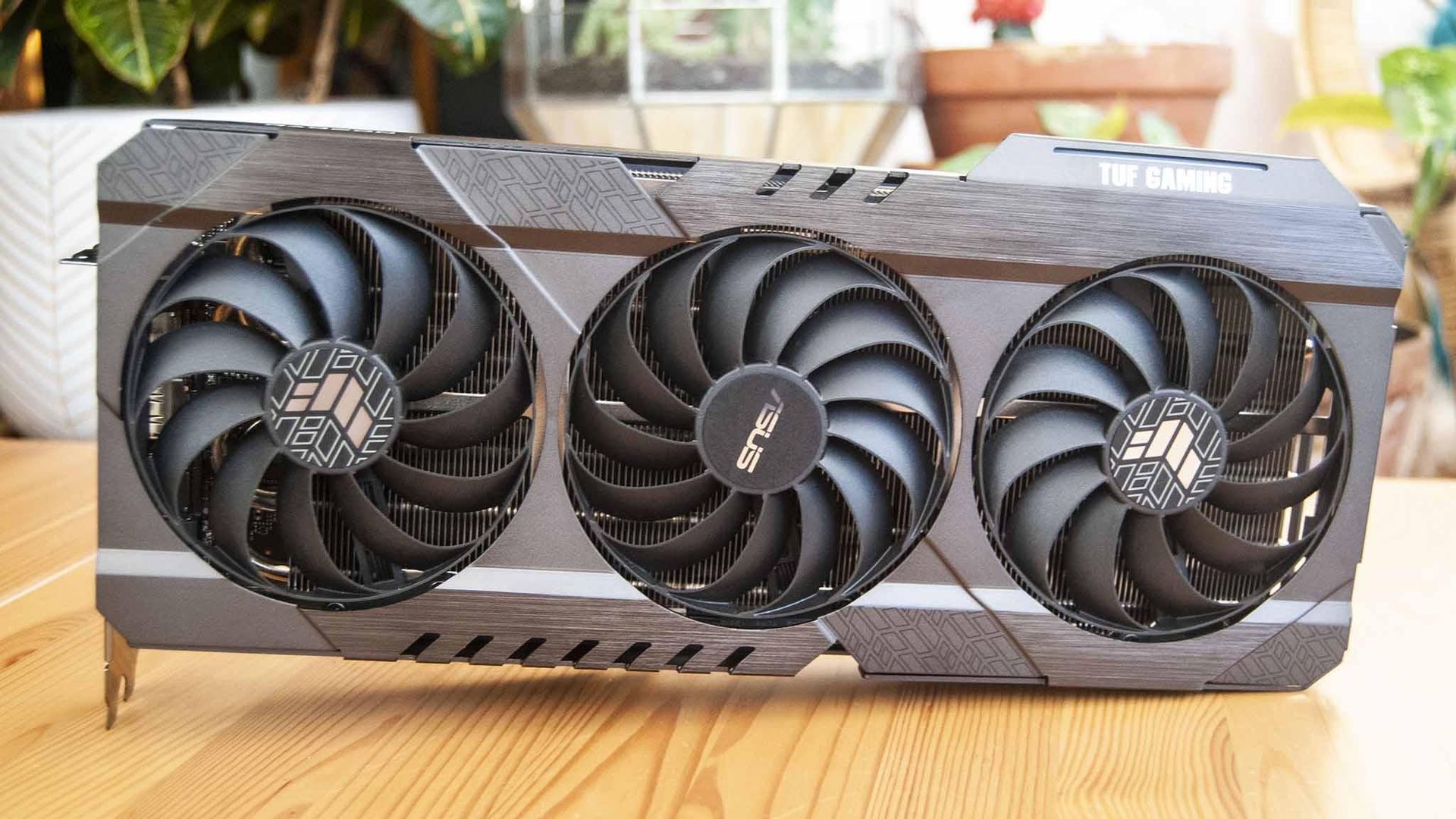
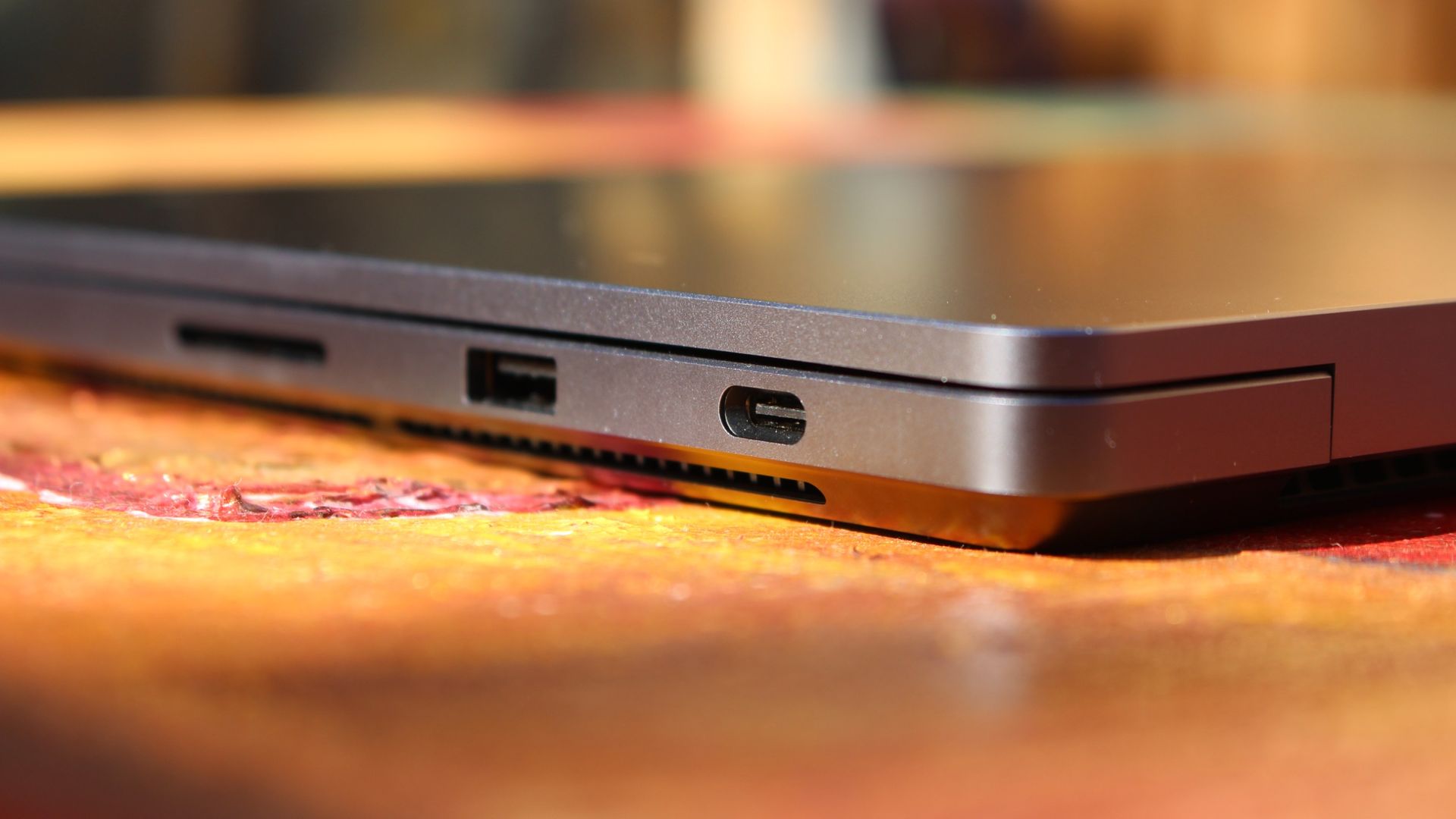
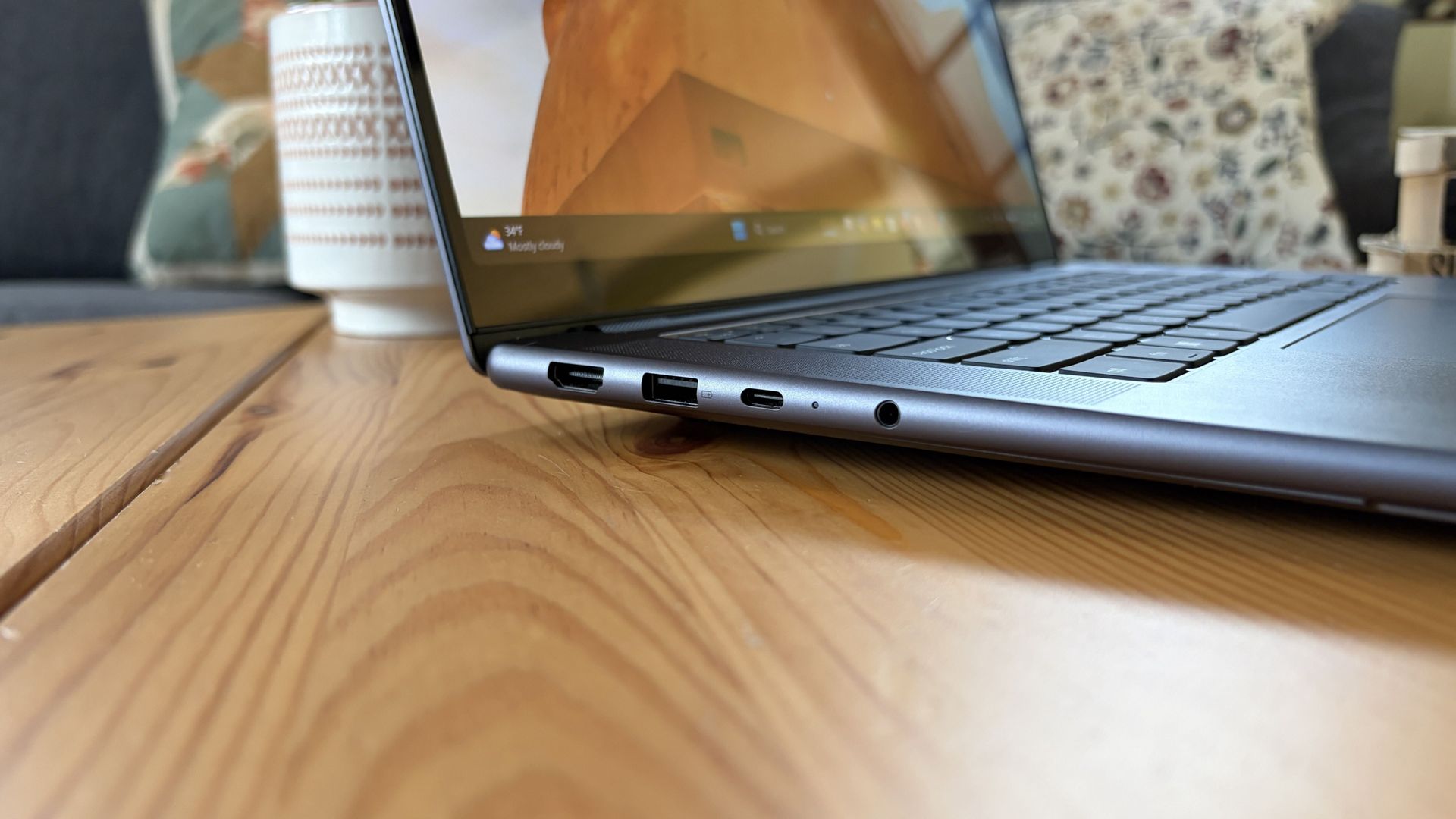
These exclusive deals cover everything from PC components to accessories to pre-built PCs and monitors, giving you plenty of variety. I've rounded up some eye-catching deals below, and I've also made this quick-hit list of discounts with links to Newegg for each broader category.
Lian Li's LANCOOL 217 ATX PC case has a slick walnut finish on the front and outstanding air flow throughout. It comes with five pre-installed fans. It's currently on sale for $119.99, and you can get an extra 3% off with exclusive code FUTURECASE3 at checkout.View Deal
Corsair's highly-rated 850W fully modular PSU is ideal for most gamers with mid-range systems, and it's currently on sale for $139.99. Get an extra 3% off with exclusive code FUTURECASE3 at checkout.View Deal
Storage is crazy expensive these days, so this discount on one of the best SSDs on the market is a nice change. It's currently $250 off at Newegg, and you can save another 3% by using exclusive code FUTURESSSD3 at checkout.View Deal
A 360mm AiO liquid CPU cooler is what you want in your high-performance PC, and the best part is that you don't have to spend more than you would on an air cooler. MSI's MAG Coreliquid A13 is already down to $64.99 at Newegg, and you can save another 5% with code FUTUREACPC3 at checkout.View Deal
Save more on Windows PCs and monitors with our special discounts
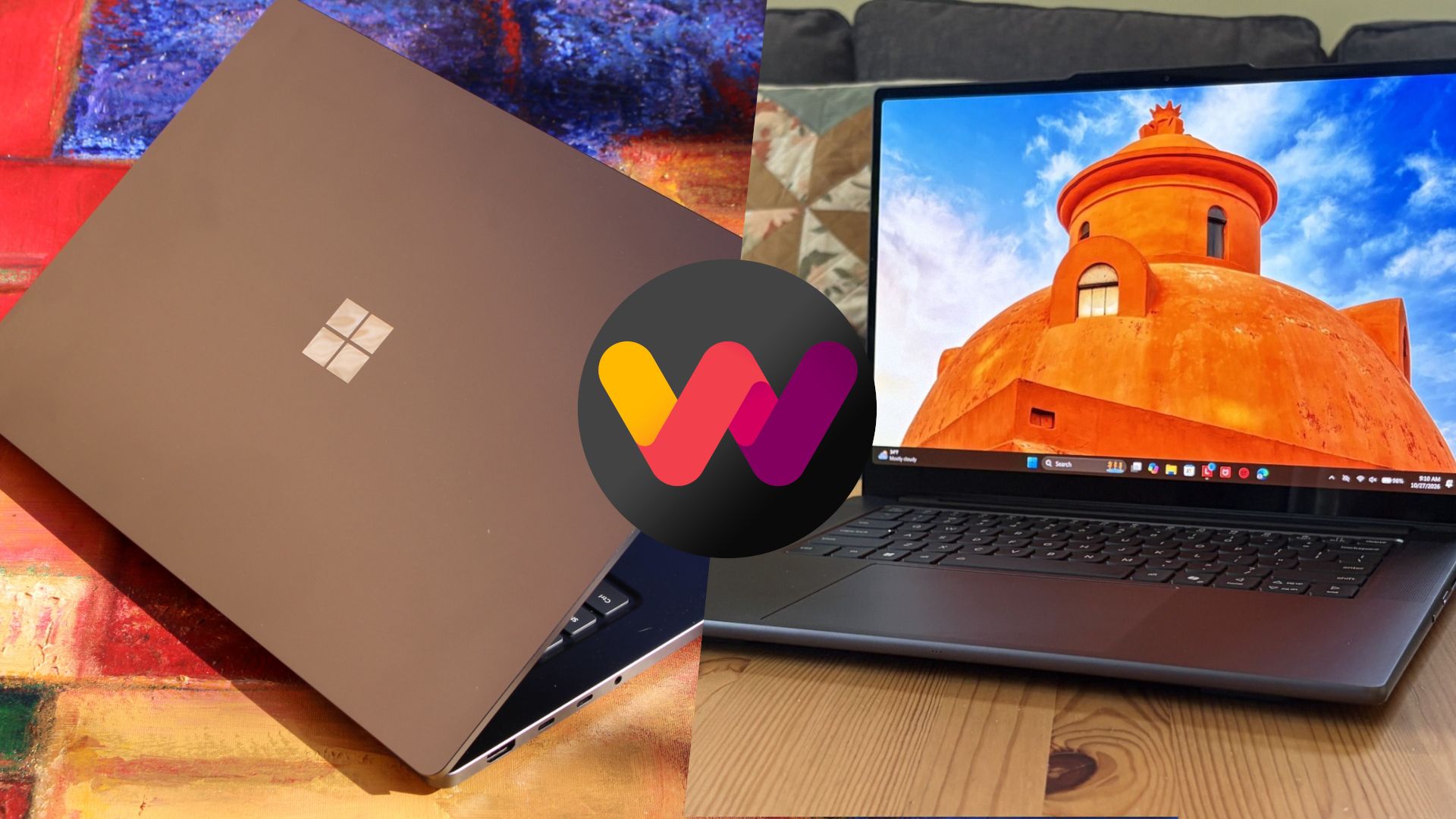
Microsoft's 13-inch Surface Laptop has a Snapdragon X Plus chip, 16GB of RAM, 256GB SSD, and an FHD+ touch display, altogether making it an outstanding portable option for students, home, or general use. It's now down to $979.99, and you can save 3% more when you use code FUTURENB3 at checkout.View Deal
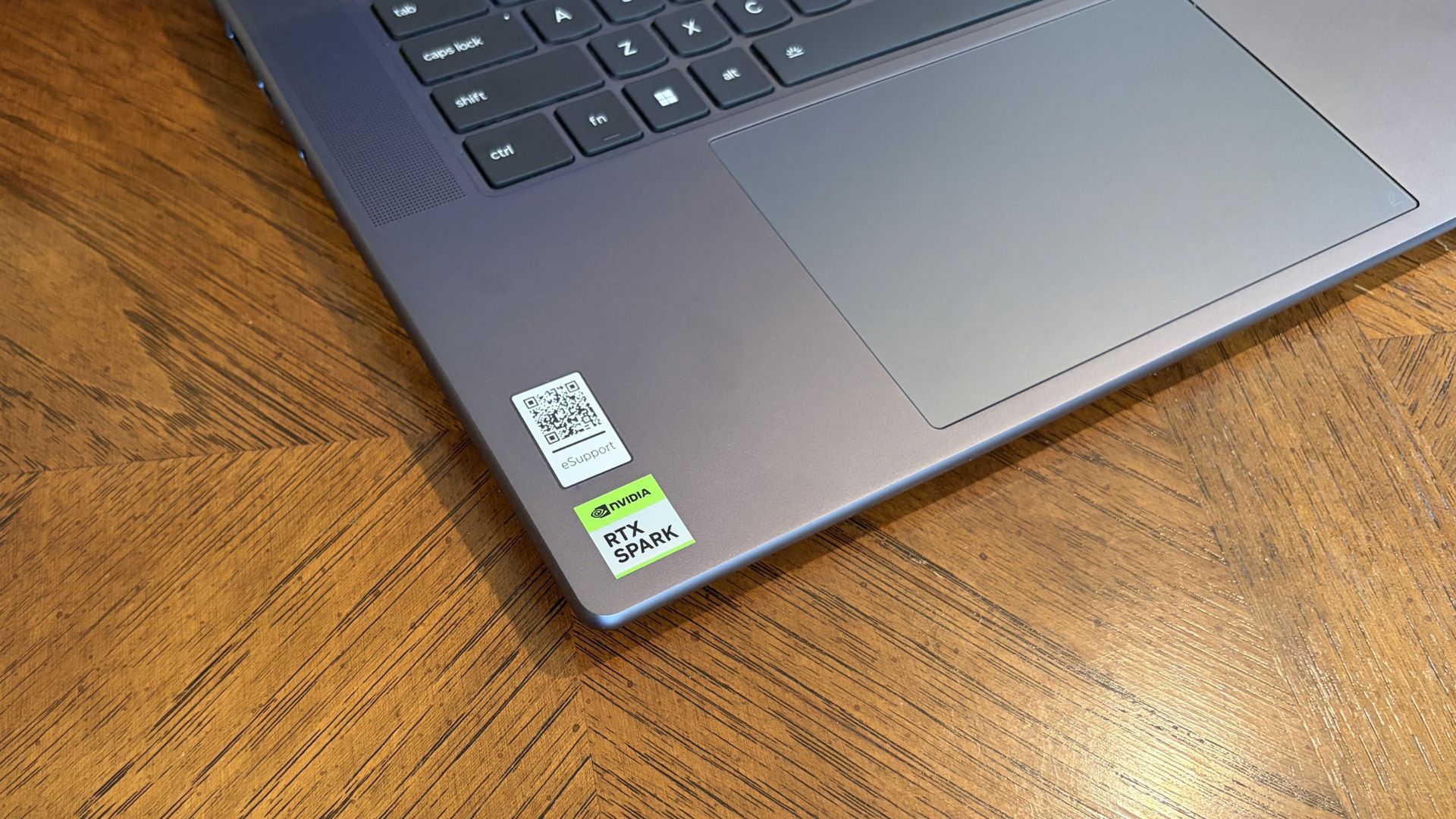
With a Core Ultra 7 255HX CPU, NVIDIA RTX 5070 mobile GPU, 16GB of DDR5 RAM, 1TB SSD, and 15.6-inch FHD+ display at 165Hz, this HP gaming laptop will handle anything you throw its way. It's down to $1,749.99 right now, and you can take off an extra 3% with code FUTURENB3.View Deal
Newegg's ABS pre-built brand is one I can recommend after testing, and this model has a Core i7-14700F CPU, RTX 5060 Ti GPU with 16GB RAM, a 1TB SSD, and 16GB of DDR5 memory. It's $100 cheaper already, and you can shave off another 3% with code FUTUREDPC3.View Deal
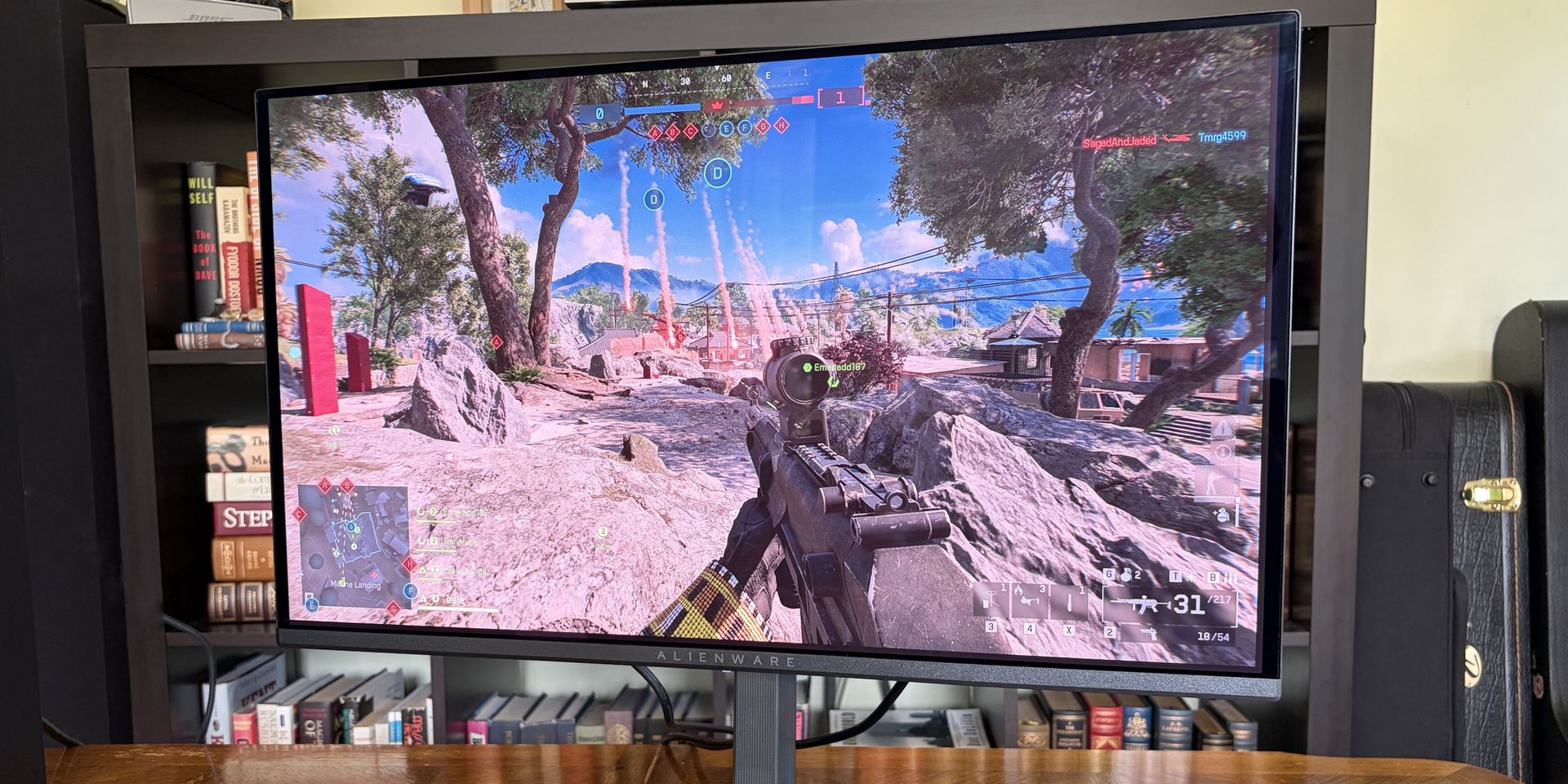
Acer's Predator X27U delivers a 26.6-inch QD-OLED panel with incredible color and contrast. It hits 1440p with a 240Hz refresh rate, and it comes with AMD FreeSync Premium support. It's down to $319.99 right now, but you'll save an extra 3% with code FUTUREMN3.View Deal
A wide range of WD hard-disk drives for internal and external use are already discounted at Newegg, and you can save a further 3% when you use code FUTUREHD3 at checkout. Check out this Newegg page for eligible drives.View Deal
FAQ
How do I redeem these exclusive codes at Newegg?
To redeem a special discount code, add the item you want to buy to your Newegg cart. Then navigate to the cart, click "Add Promo Code" on the right side of the windows, and add the code.
Do these exclusive discounts only apply to items already on sale?
No. The codes I've listed here can be used on any products within their appropriate segments. A device doesn't have to be on sale to be eligible for the additional discount.
When do these exclusive Future discounts stop working?
These additional discounts are live now and are expected to run until November 30. That gives you plenty of time to line up a strong Newegg discount for a bit of extra savings.
Join us on Reddit at r/WindowsCentral to share your insights and discuss our latest news, reviews, and more.
AMD CEO Lisa Su, in an interview with Yahoo Finance, said yesterday that AMD is "a data center first company." Somewhere, a gamer clutched their Radeon GPU like it's a priceless heirloom.This quote from Su seems to have made waves in the tech world. I get it. Nobody wants to hear that another company we're used to seeing sell consumer tech to us gamers and enthusiasts is going a different way.But before we start singing hymns, let's see what Su actually meant wit
AMD CEO Lisa Su, in an interview with Yahoo Finance, said yesterday that AMD is "a data center first company." Somewhere, a gamer clutched their Radeon GPU like it's a priceless heirloom.
This quote from Su seems to have made waves in the tech world. I get it. Nobody wants to hear that another company we're used to seeing sell consumer tech to us gamers and enthusiasts is going a different way.
But before we start singing hymns, let's see what Su actually meant with her data center tidbit.
People have a right to be worried, especially these days
AMD CEO Lisa Su's recent data center comments are making waves. (Image credit: Getty Images | Chip Somodevilla)
I don't think there's anyone who follows tech markets, even from a distance, who doesn't know that there's an AI-driven memory and RAM shortage forcing consumer prices through the roof.
We are a data center-first company. That is our profile. People need more computing to power all these applications.
AMD CEO Lisa Su, speaking with Yahoo Finance
Not just that, but companies that were once focused on consumer products have been flipping over to the AI side, where there's a lot more money to be made. Micron did just that in late 2025, when it killed off its consumer Crucial brand to focus entirely on data center supply.
People have every right to be worried when a company like AMD, which makes consumer products, begins spewing data center rhetoric.
Hasn't AMD always been a data center company?
AMD's Epyc and Instinct AI accelerators are not new products. (Image credit: AMD)
Some of you might be asking why this is big news. I get it. AMD has, after all, been a data center company for ages, selling its EPYC and Instinct AI accelerators for big money.
But that was before AMD's data center revenue surpassed consumer and client revenue in 2026. Before we saw other big tech companies, like Micron, make massive pivots that left consumers without anything to buy.
I get why consumers are nervous, especially when AMD offers the best CPUs for PC gaming and is really the only counterpoint to NVIDIA's GPU dominance.
But why would Su go on Yahoo Finance and talk about anything else but where AMD gets most of its money?
Fears that AMD is abandoning gamers are unfounded ... so far
AMD still makes the best CPUs for gaming, and it's not even close. (Image credit: Harish Jonnalagadda / Windows Central)
As I said, I get why consumers are upset over the data center rhetoric coming from Team Red. Thankfully, AMD's moves lately seem like anything but abandonment.
This doesn't seem to me like the actions of a company that's already checked out of the consumer stack. Will that hold? I can't answer that, but the idea of AMD pulling up its consumer stakes seems too far-fetched to believe.
Treat your old GPU with care
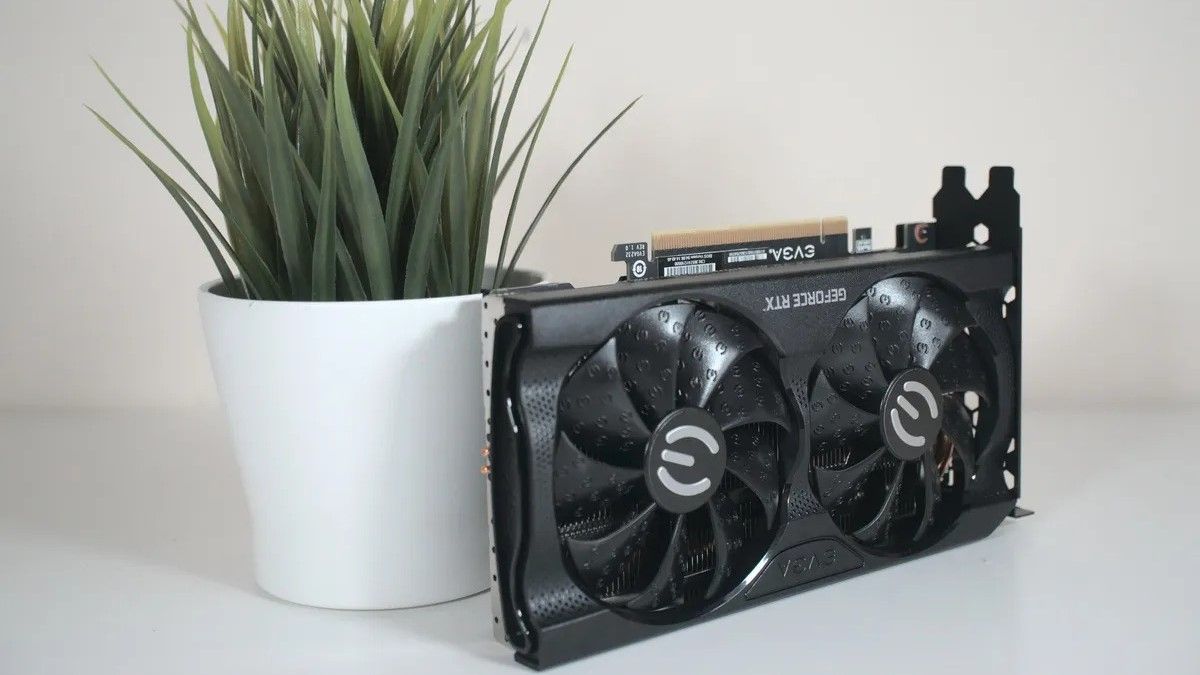
Keep your old GPU in top shape. You never know how long it'll need to last. (Image credit: Future)
AMD's data center revenue only surpassed consumer and client revenue in Q2 2026, and it's worth pointing out that its Ryzen and Radeon consumer lines still rake in billions of dollars in revenue.
That could change over time, especially as consumers deal with years of hardship and PC sales plummet, but we'll cross that bridge when we come up to it.
What I'm more concerned with right now is not a complete halt to consumer production, but instead how AMD will be using its resources going forward. Shareholders always need more money, and right now, data centers are the easiest way to earn it.
For now, I don't think fans of Team Red need to panic.
If data center demand continues to explode, does AMD eventually pull all of its best into that division? Do the gaming and consumer teams get the leftover scraps?
For now, I don't think fans of Team Red need to panic. Lisa Su's recent comments, taken in context, are not shocking. They're not even new.
Still, some skepticism never really hurt anyone. Neither does keeping your aging GPU in tip-top shape as markets face continued uncertainty.
Do you agree with my take? Are Su's words as big a deal as many are making them? Where do you see AMD in 5 years? 10 years? Let me know in the comments section below!
Join us on Reddit at r/WindowsCentral to share your insights and discuss our latest news, reviews, and more.
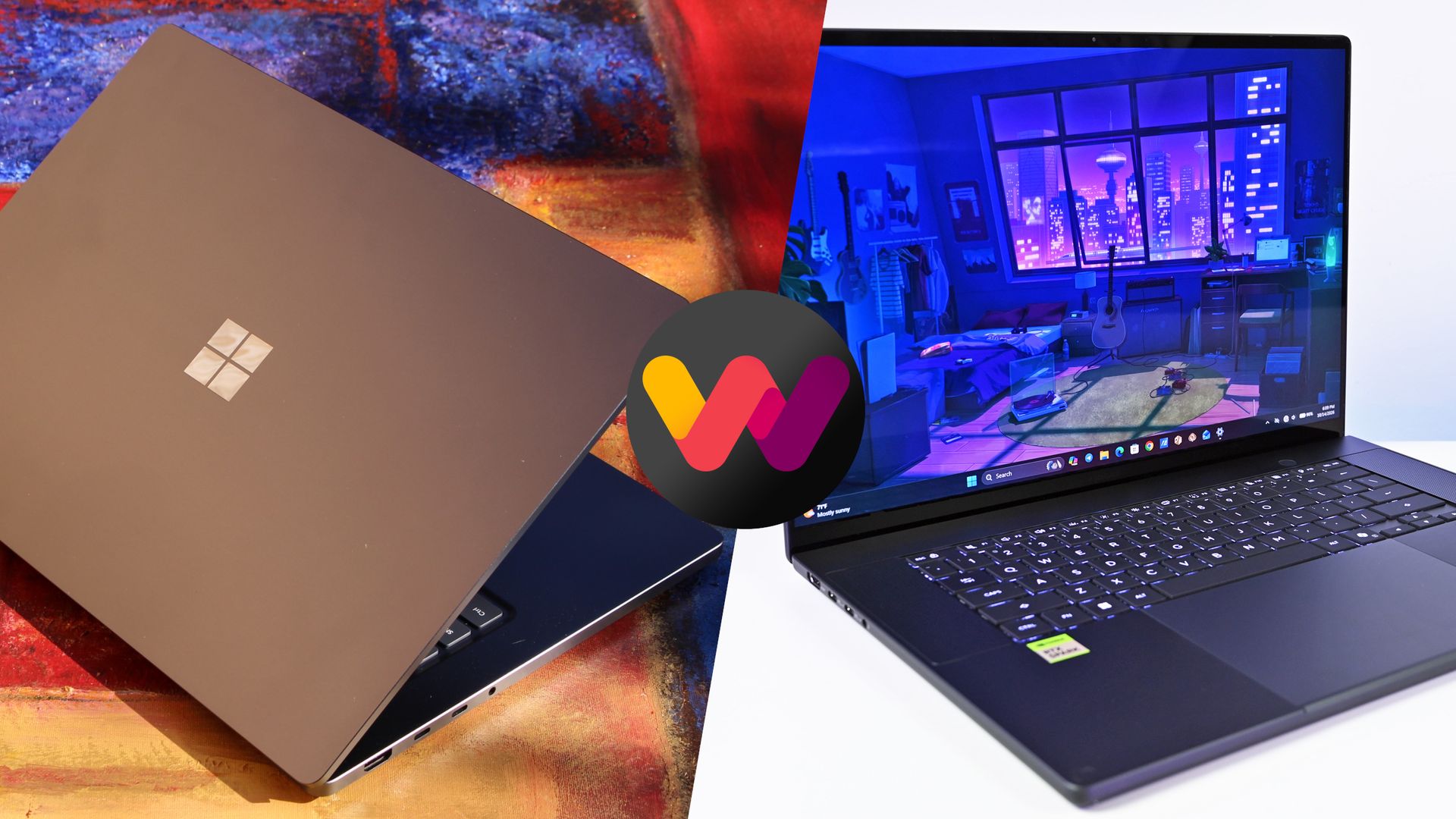
Mini-LED Microsoft Surface Laptop Ultra The Surface Laptop Ultra starts at a more affordable price, but evens out as you add hardware. It lacks pen support, its mini-LED display isn't as impressive, plus it's overall thick
The Surface Laptop Ultra starts at a more affordable price, but evens out as you add hardware. It lacks pen support, its mini-LED display isn't as impressive, plus it's overall thicker and heavier.
Lenovo's Pro 9n starts at a higher price, but actually gets cheaper than Surface as you add hardware. Its OLED display, top-firing speakers, haptic touchpad with inking, and 9.1MP webcam are all benefits you won't get from Surface.
Pros
Superior webcam and top-firing speakers
OLED display delivers better contrast and no blooming
Thinner and lighter
165Hz refresh rate and NVIDIA G-Sync are good for gaming
Although we reviewed both laptops favorably, there are some major differences beyond the new NVIDIA chip that you'll certainly want to know about before buying.
Surface Laptop Ultra vs. Lenovo Pro 9n: Specifications and price
There are plenty of similar specs across these laptops, and I know it's handy to have a quick reference table to compare.
12.95 x 9.40 x 0.71-0.75 inches (328.8mm x 238.7mm x 17.99-19.16mm)
13.66 x 9.53 x 0.66 inches (347mm x 242mm x 16.7mm)
Weight
4.41 pounds (2kg)
3.64 pounds (1.65kg)
Colors
Platinum, Nightfall
Thunder Grey
The Surface Laptop Ultra starts at $2,599.99 for a model with the 18-core CPU, 5120-core GPU, 24GB of RAM, and 512GB SSD.
Lenovo's Pro 9n with the 18-core CPU, 5120-core GPU, 32GB of RAM, and 512GB SSD starts at 2,999.99. I imagine a lot of that price difference comes from the extra RAM, but as you'll see below, Lenovo's laptop also has some concrete benefits over the Surface.
Surface Laptop Ultra models with upgraded 20-core CPU, 6144-core GPU, 32GB of RAM, and 1TB SSD start at $3,699.99.
Lenovo's Pro 9n jumps to a 20-core CPU, 6144-core GPU, 64GB of RAM, and 1TB SSD for the higher-end config, starting at $4,249.99. If I compare a similar Surface Laptop Ultra config with these specs, it comes out to 4,299.99.
Basically, the Surface Laptop Ultra starts at a more affordable price thanks to more config options, but once you make the performance hardware comparable, Lenovo's PC actually becomes more affordable.
Lenovo's laptop is thinner and lighter than the Surface Laptop Ultra
The Surface Laptop Ultra is rather sleek, but it's not as thin and light as the Lenovo Pro 9n. (Image credit: Zac Bowden / Windows Central)
Microsoft's new Surface Laptop Ultra has a slightly smaller footprint than the Lenovo Pro 9n, but I don't think it's enough to make a difference in your bag. The real story is the Pro 9n's 0.66-inch chassis that's noticeably thinner than the Laptop Ultra's 0.71-0.75-inch measurement.
Lenovo's laptop is also lighter, starting at 3.64 pounds compared to the Surface Ultra's 4.41 pounds. That's a considerable difference that you'll notice each time you use the PC, and if you're always on the move, this should be a win for Lenovo.
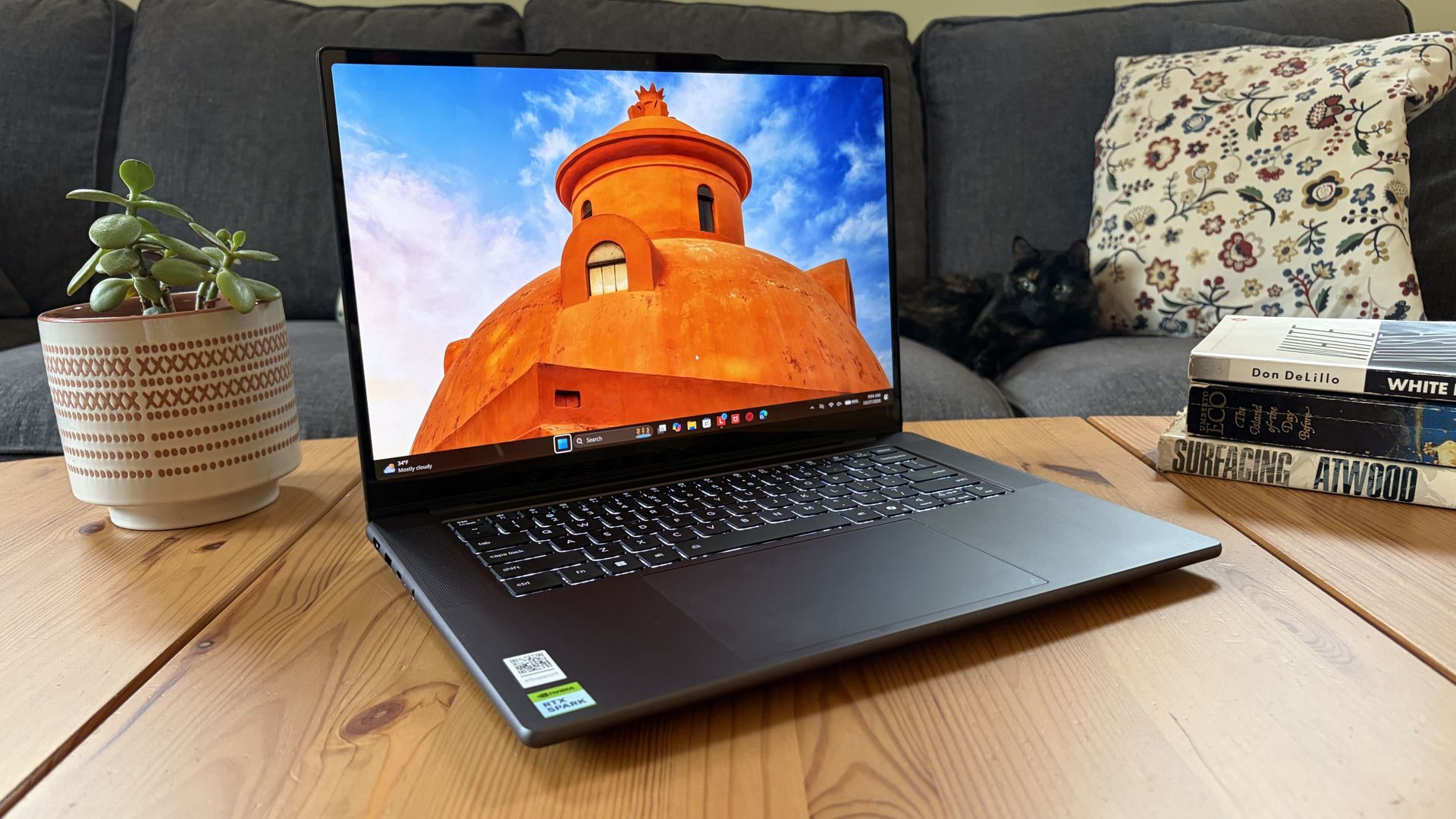
Lenovo's Pro 9n is thinner and lighter than the Surface Laptop Ultra. (Image credit: Future)
Both laptops are built into a sleek aluminum chassis that doesn't get much more premium. Windows Central Senior Editor Zac Bowden commented in his Surface Laptop Ultra review:
Yes, Surface Laptop Ultra looks an awful lot like a MacBook Pro. [...[...] But I'm not here to tell you that's a bad thing. The MacBook Pro is a beautiful device, which is to say Surface Laptop Ultra is also very beautiful. In fact, I think it even improves upon the MacBook Pro's design in subtle ways.
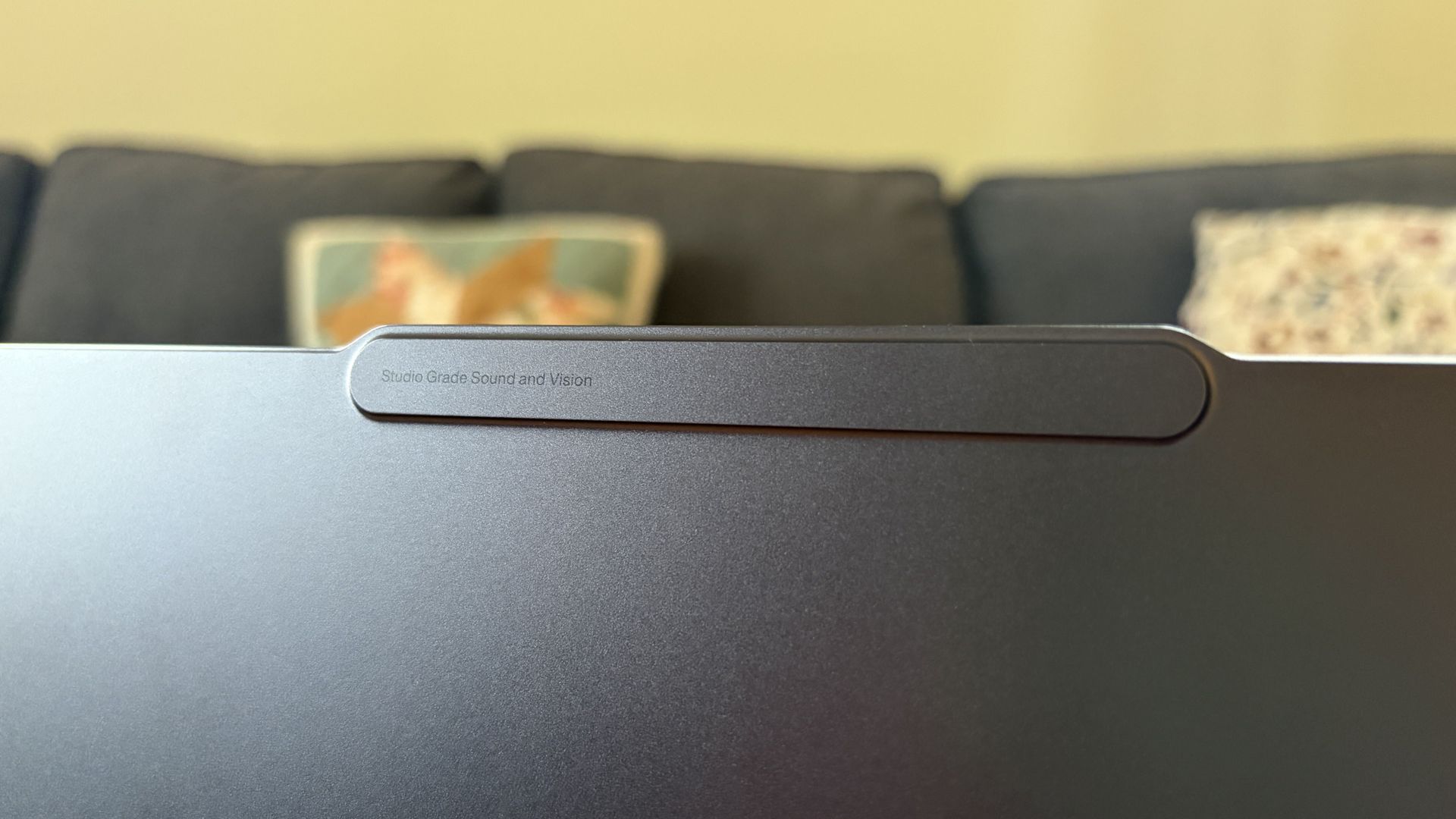
Lenovo's Pro 9n takes a slightly different approach, often seen in its Yoga series, with rounded edges, top-firing speakers flanking the keyboard, and a raised comms bar above the display to fit a superior webcam.
The raised comms bar on the Lenovo Pro 9n leaves more space for a superior webcam. (Image credit: Future)
On that note, anyone who's often taking video calls, Teams meetings, etc. should consider Lenovo's 9.2MP webcam over the Surface Laptop Ultra's rather standard 1080p camera.
Both will get the job done, sure, but Lenovo's camera offers more clarity. I also found it quite good at dealing with low light. At least both laptops come with an IR sensor for facial recognition through Windows Hello.
Which laptop has better ports?
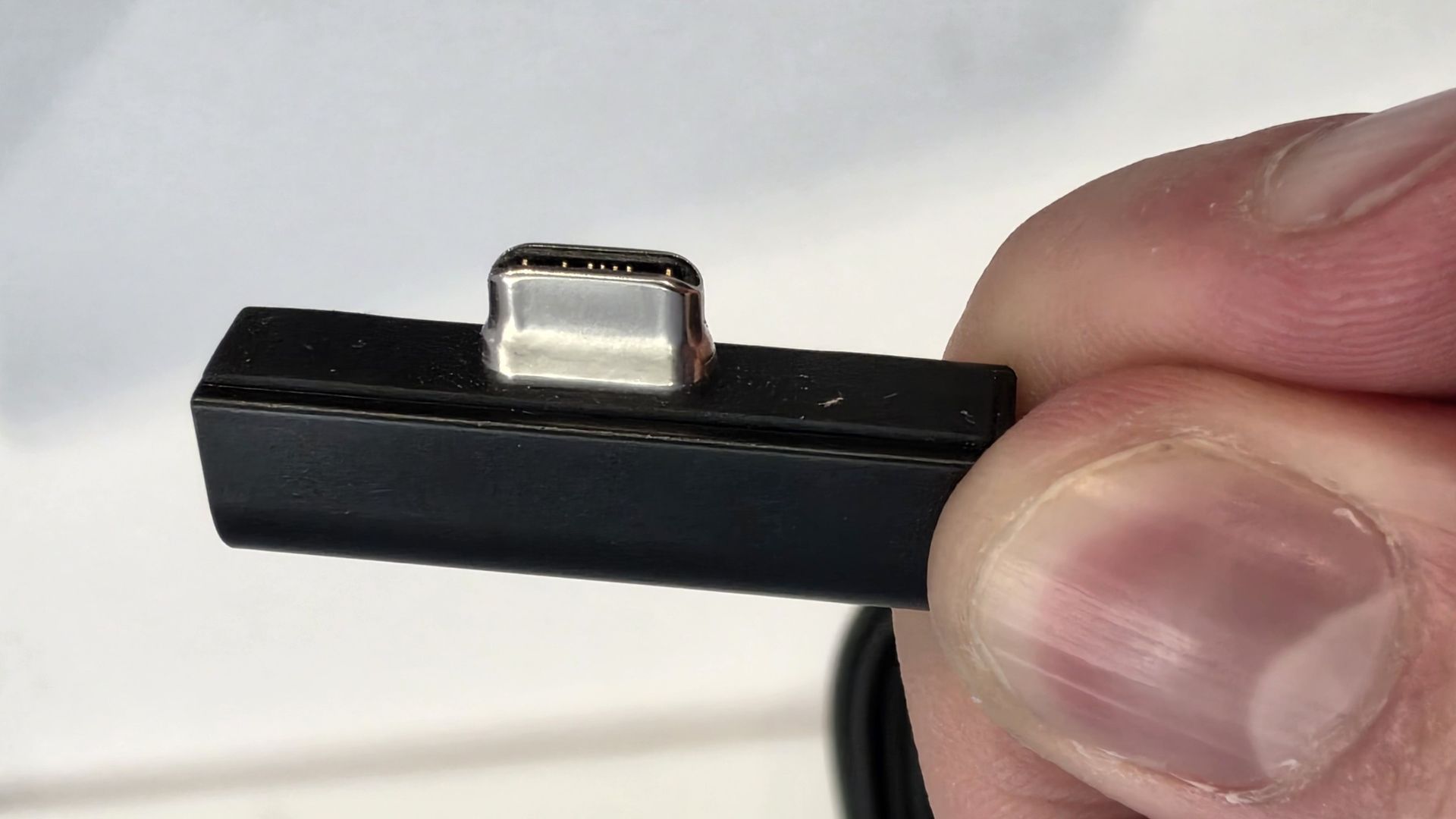
A look at the Surface Laptop Ultra's magnetic USB-C adapter. (Image credit: Zac Bowden / Windows Central)
Ports across both laptops are the same except for one major standout. I'm talking about the Surface Laptop Ultra's additional magnetic USB-C connector that's designed to pull away from the PC when it gets snagged or tripped over.
It's a lot like Apple's MagSafe tech, and I'm all about it; I hope it comes to more Windows PCs soon.
Other than the extra USB-C port, the Surface Laptop Ultra and Lenovo Pro 9n have the same selection of ports, including dual USB4, dual USB-A at 10Gbps each, HDMI 2.1, UHS-II SD card reader, and 3.5mm audio jack.
Is there a superior keyboard or touchpad?
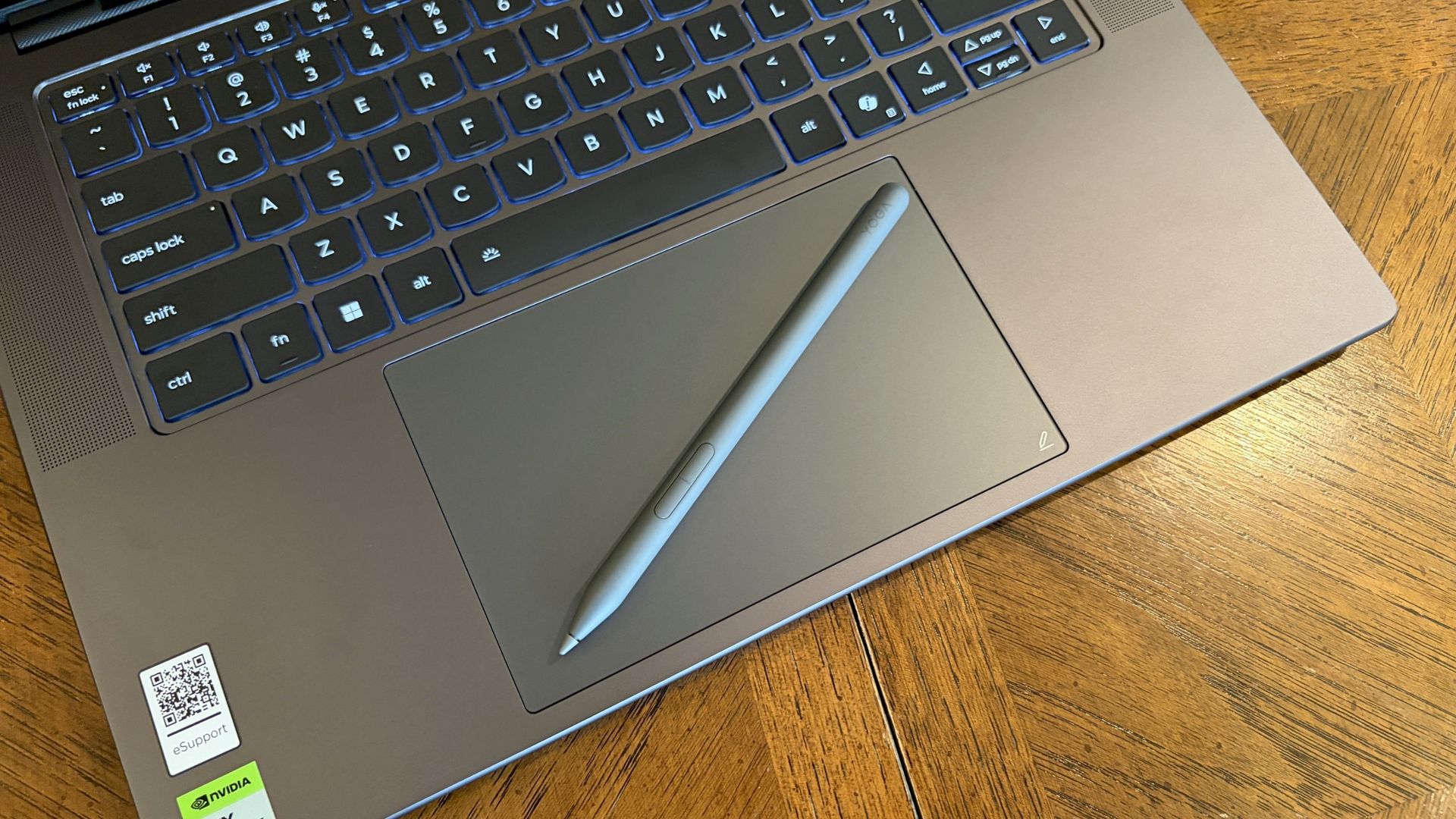
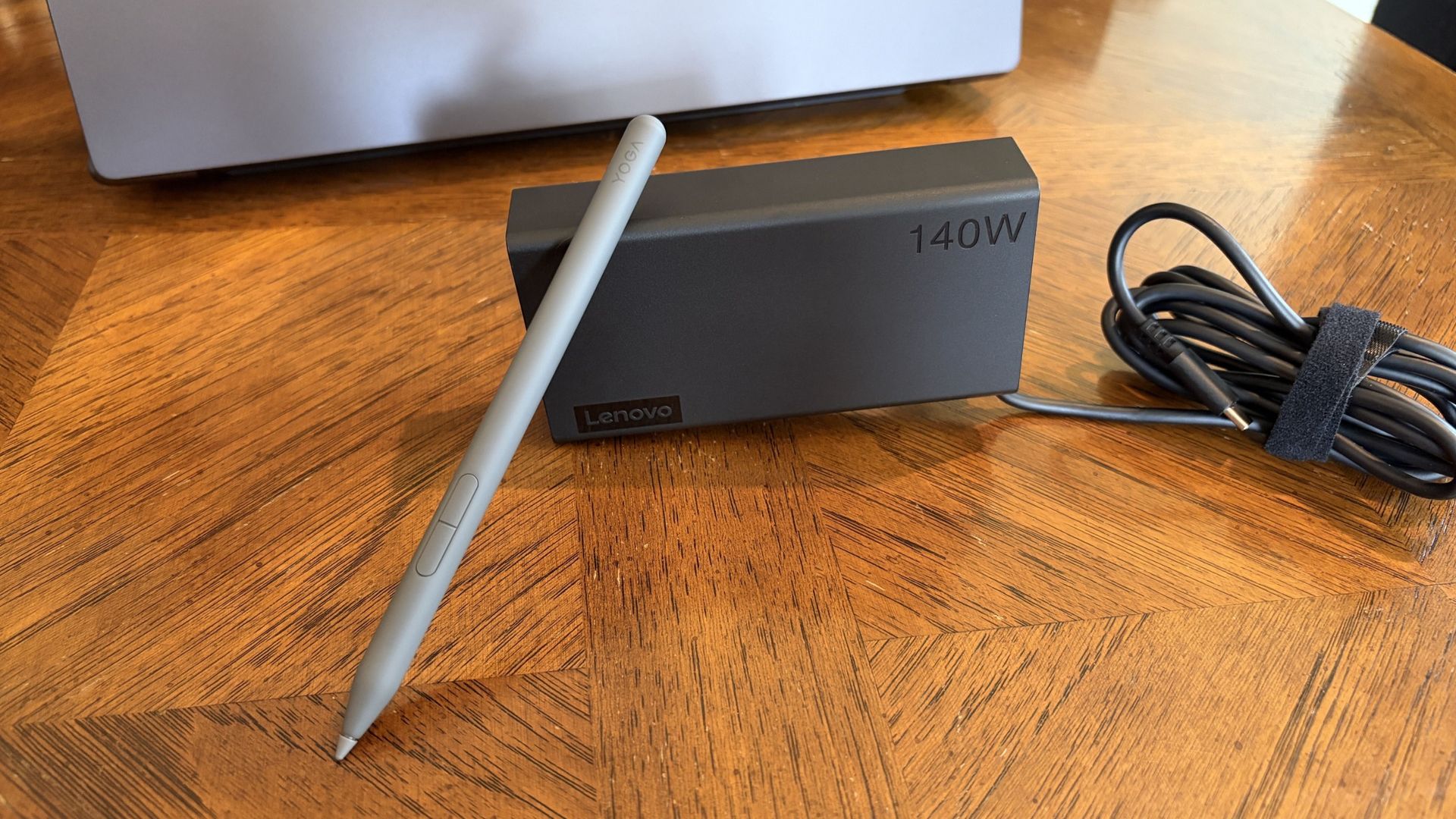
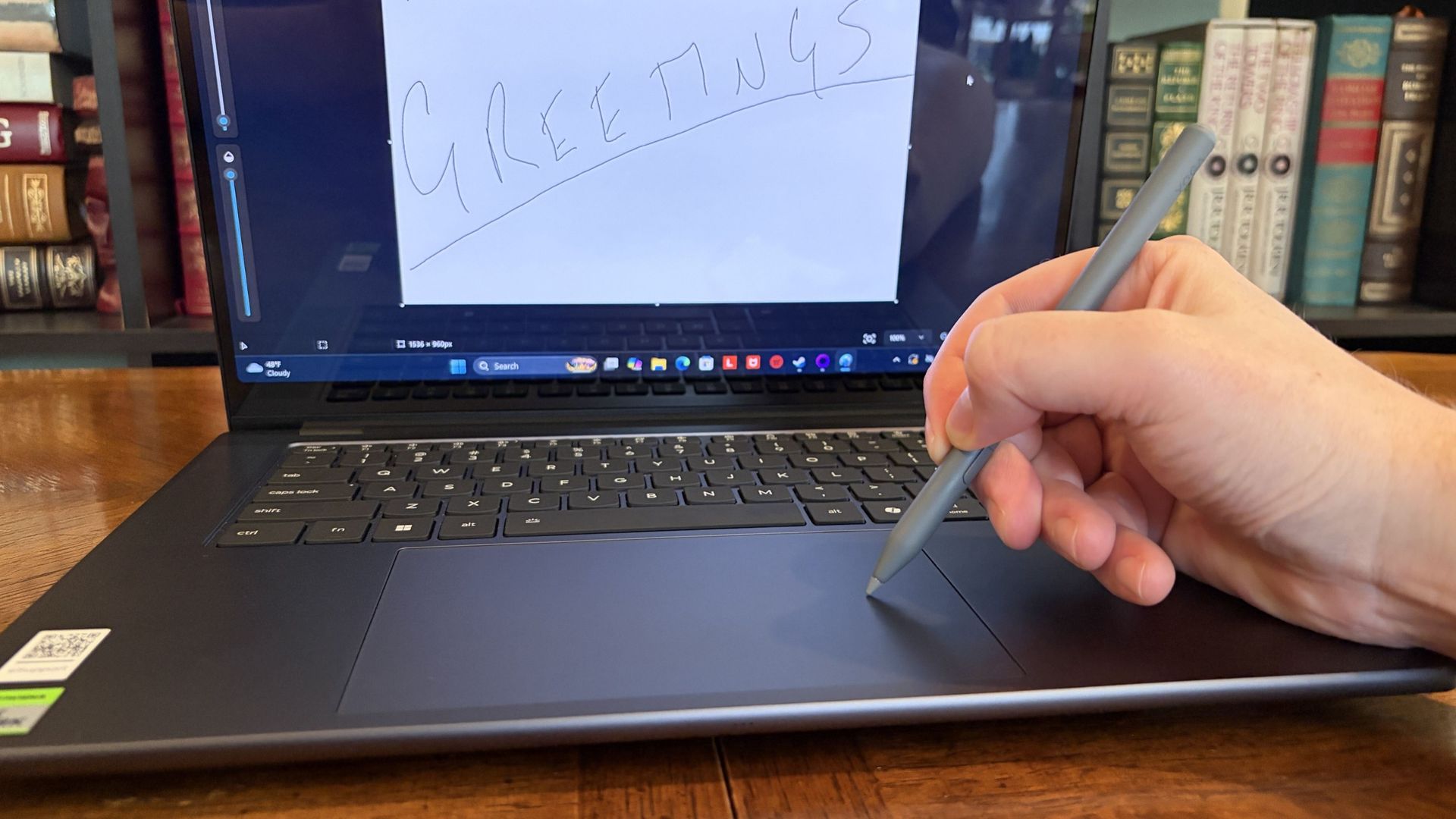
Lenovo's Pro 9n includes a Yoga Pen 2 that writes directly on the haptic touchpad. (Image credit: Future)
Windows Central Senior Editor Zac Bowden said, "This isprobably the best keyboard and trackpad experience I've ever had on a Windows laptop to date" in his review. I'd wager that the Yoga Pro 9n takes things one step further.
Whereas the Surface Laptop Ultra has 1.4mm key travel, Lenovo pushes it to 1.5mm. Lenovo's touchpad is also slightly larger than the one on the Surface, giving you more space to point.
Both use haptic touchpads, meaning there aren't any moving parts. Clicks and feedback are simulated with small haptic motors below the surface. There are fewer mechanical parts to break down, and generally, you get a smoother experience.
But Lenovo goes one step further with inking compatibility on its touchpad. Each Pro 9n comes with a Yoga Pen 2, and I found it to be quite handy when jotting down notes or sketching ideas.
Does one laptop have better speakers?
A look at the speakers flanking the Pro 9n's keyboard (Image credit: Future)
Having checked out both laptops, I'd say that audio quality is a wash unless you care about placement.
Both laptops have four speakers, and both produce some of the best audio we've ever heard in a Windows laptop. No matter what, you get deep bass, clear highs, and loud volume.
The big difference is that the Pro 9n has two of its speakers flanking the keyboard for unmuffled audio. The Surface Laptop Ultra keeps all four of its speakers on the underside of the chassis.
Microphones are also excellent across both laptops. You won't need to worry at all about adding a microphone for calls and video chats.
Do you value brightness or color in your display?
A look at the Lenovo Pro 9n's OLED display. (Image credit: Future)
Display preferences could make or break your decision here. The Surface Laptop Ultra has a 15-inch mini-LED screen with a 3270x2180 resolution, 3:2 aspect ratio, 120Hz variable refresh rate, and Dolby Vision IQ support.
Its mini-LED panel has 1,344 dimming zones, and it manages to climb to about 2,000 nits brightness with HDR enabled. Otherwise, it tops out at about 1,000 nits.
This is great if you're often working in brightly lit areas, as you'll have much less trouble there than with the Pro 9n's maximum of 1,100 nits. However, as Zac Bowden notes, the mini-LED panel can show "a bit of blooming around bright elements on a dark background."
That's not the case with the OLED panel in the Lenovo Pro 9n. It offers perfect contrast and deep color, so there's no blooming or backlighting issues whatsoever.
Lenovo's laptop also offers a higher 165Hz variable refresh rate, and it's able to cover all color gamuts for specialized work. That higher refresh rate can help with gaming, as can the display's NVIDIA G-Sync compatibility.
The big downside is that it doesn't have as many pixels with a 2560x1600 resolution.
Is there a difference in RTX Spark performance?
The Surface Laptop Ultra has the same NVIDIA RTX Spark chip options as the Lenovo Pro 9n.
What's probably not a surprise for many is that NVIDIA's RTX Spark system-on-chip (SoC) performs similarly across laptop brands.
In this case, Zac Bowden tested the Surface Laptop Ultra with the 20-core CPU and 6144-core GPU, while I tested the 18-core CPU and 5120-core GPU in the Lenovo Pro 9n.
Unsurprisingly, the more expensive chip in the Surface Laptop Ultra comes out ahead in all relevant tests we performed. The gap isn't huge, and, of course, you can always add the 20-core chip to the Pro 9n to make up the difference.
FutureFutureFutureFuture
The Pro 9n model I tested arrived with an M.2 PCIe 4.0 NVMe SSD, which is a generation behind the M.2 PCIe 5.0 NVME SSD in the Surface Laptop Ultra model we tested.
It's no surprise that the newer SSD is faster, and keep in mind that both laptops have the option for the upgraded PCIe 5.0 drive.
Which laptop has better battery life?
The Surface Laptop Ultra's battery is rated for 0.5Wh more than the Pro 9n. (Image credit: Zac Bowden / Windows Central)
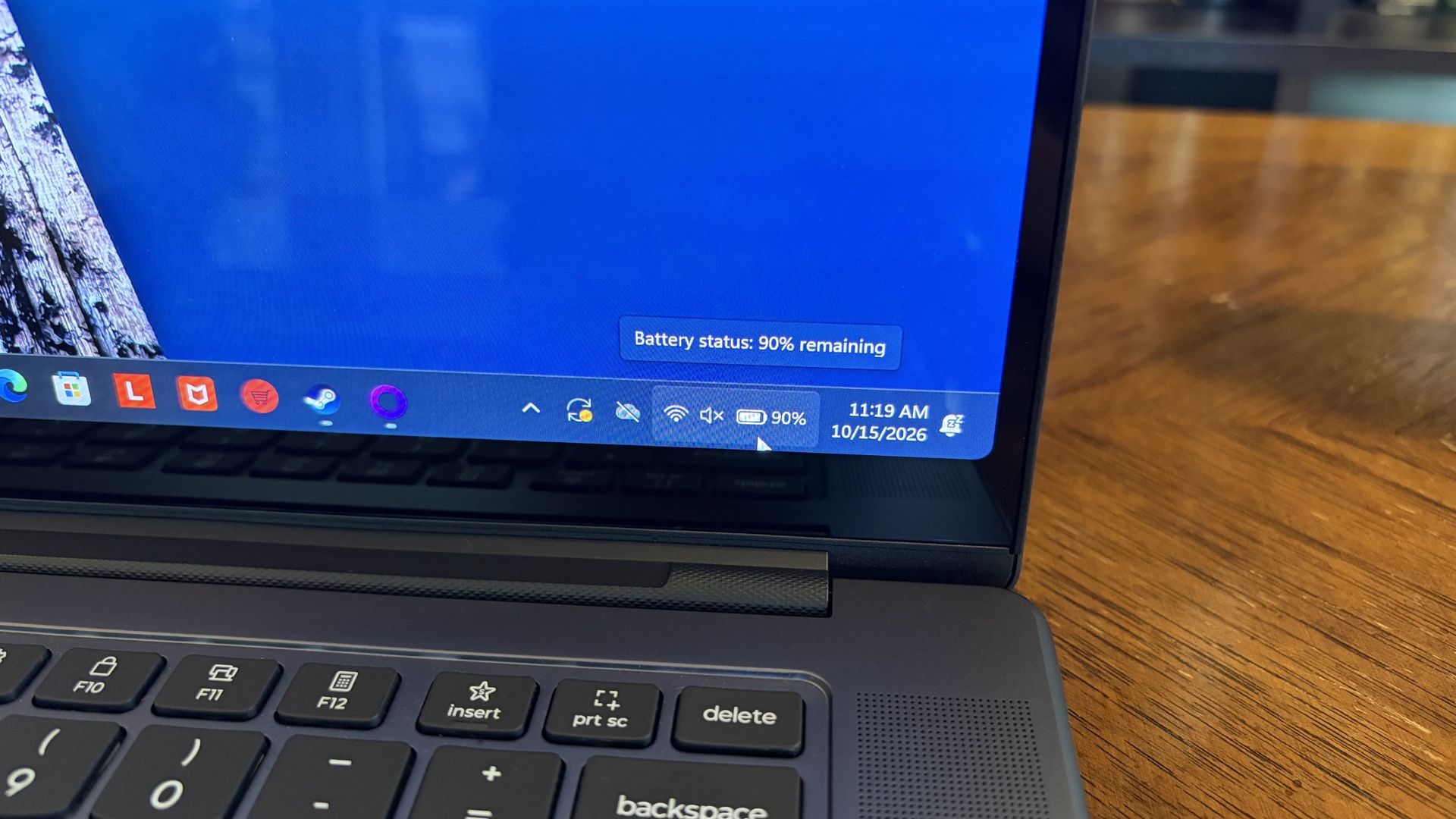
Battery capacity across laptops only differs by 0.5Wh, and in our experience, both laptops were able to hit around 10 hours of real-world usage before needing a charge.
I'm talking about lighter fare for that 10-hour runtime, like web browsing, Excel, Word, email, streaming, etc.
Once you start adding demanding tasks that press the GPU — especially AI-related work — you'll see battery life falling quite a bit faster.
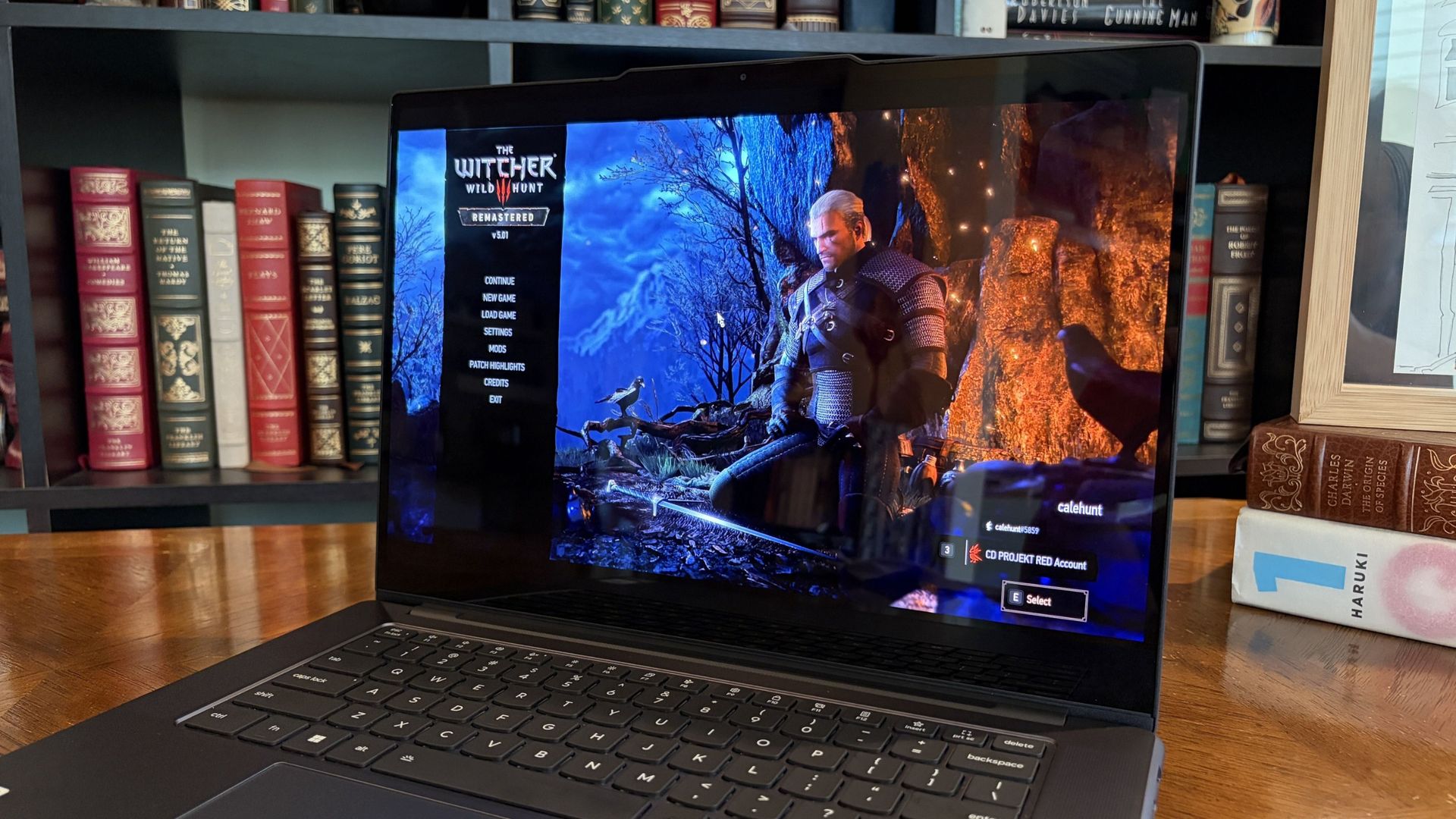
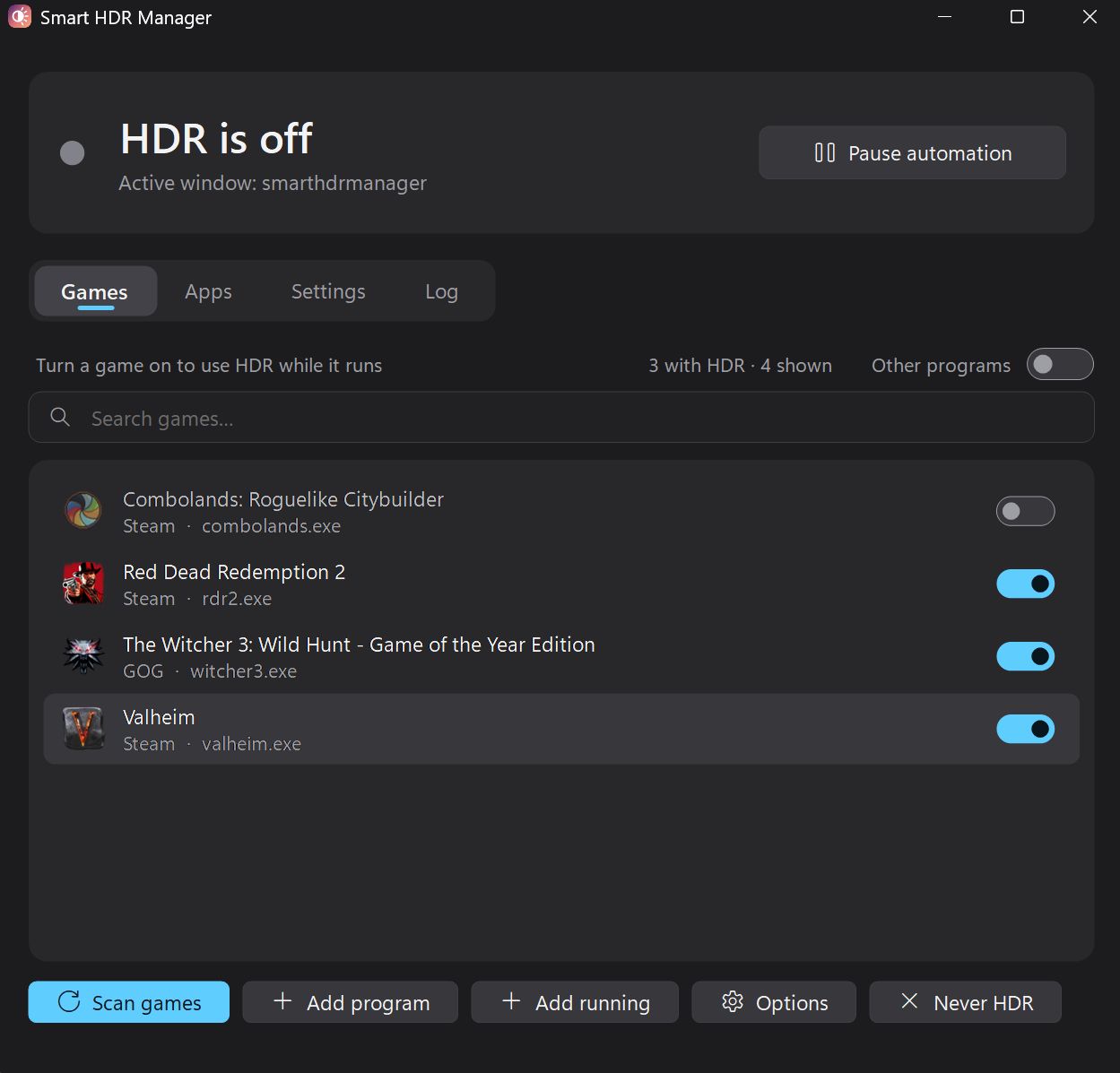
For reference, when I gamed on the Lenovo Pro 9n, The Witcher 3: Wild Hunt Remastered with settings cranked up and ray tracing enabled was only seeing about 10 minutes of playtime for each 10% of battery life.
Surface Laptop Ultra vs. Lenovo Pro 9n
I'm taking the Lenovo Pro 9n over the Surface Laptop Ultra, but your decision might be different. (Image credit: Future)
Microsoft's Surface Laptop Ultra starts at a more affordable price, and that will resonate with a lot of people despite it coming with less powerful hardware. If you're just looking for a more affordable RTX Spark system, Surface is the way to go.
However, once you start adding similar hardware tiers, Lenovo's PC becomes more affordable. With the price in mind alongside the host of benefits from the Pro 9n that I've laid out above, I'm leaning towards Lenovo.
Mini-LED
Microsoft
Surface Laptop Ultra
The Surface Laptop Ultra starts at a more affordable price, but evens out as you add hardware. It lacks pen support, its mini-LED display isn't as impressive, plus it's overall thicker and heavier.
OLED
Lenovo
Pro 9n
Lenovo's Pro 9n starts at a higher price, but actually gets cheaper than Surface as you add hardware. Its OLED display, top-firing speakers, haptic touchpad with inking, and 9.1MP webcam are all benefits you won't get from Surface.
Join us on Reddit at r/WindowsCentral to share your insights and discuss our latest news, reviews, and more.
Reçu — 4 novembre 2026⏭Windows Central - News, Forums, Reviews, Help for Windows 10 and all things Microsoft.
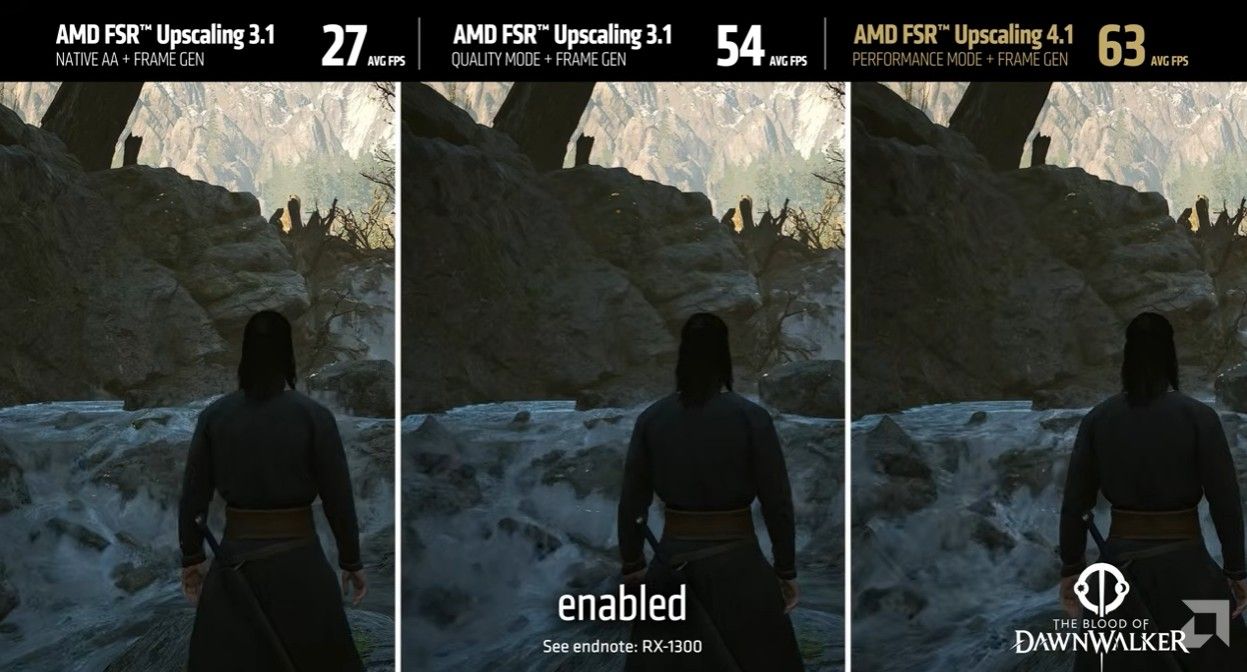
Microsoft's big news this week is about how Windows 11 is now considerably more responsive on 8GB of RAM. A couple of weeks ago, it was the Xbox Series X|S and AMD-powered gaming handhelds getting AMD's FSR 4.1 upscaling to help boost performance.What do these stories have in common? To me, they're evidence that the standard tech market model is breaking down in the face of unprecedented hardware shortages.Laptops and desktop PCs keep rising in price, even as the
What do these stories have in common? To me, they're evidence that the standard tech market model is breaking down in the face of unprecedented hardware shortages.
Laptops and desktop PCs keep rising in price, even as they're stripped of memory and storage. Xbox consoles have never been pricier. The latest gaming handhelds, including the MSI Claw 8 EX AI+, are ballooning in price, to the point that they cost as much as a high-end gaming laptop from just a few years ago.
Consumer hardware that used to brute-force its way to acceptable performance in Windows, games, and beyond is no longer on the table for a lot of people because of AI-inflated prices.
What's left? Microsoft, despite its major role in the AI race, can't directly make hardware cheaper. It can, however, make it last longer by focusing on optimizations and innovations that offset the current economic reality that's keeping old hardware in our hands.
Windows 11 running better on 8GB PCs is part of a bigger picture
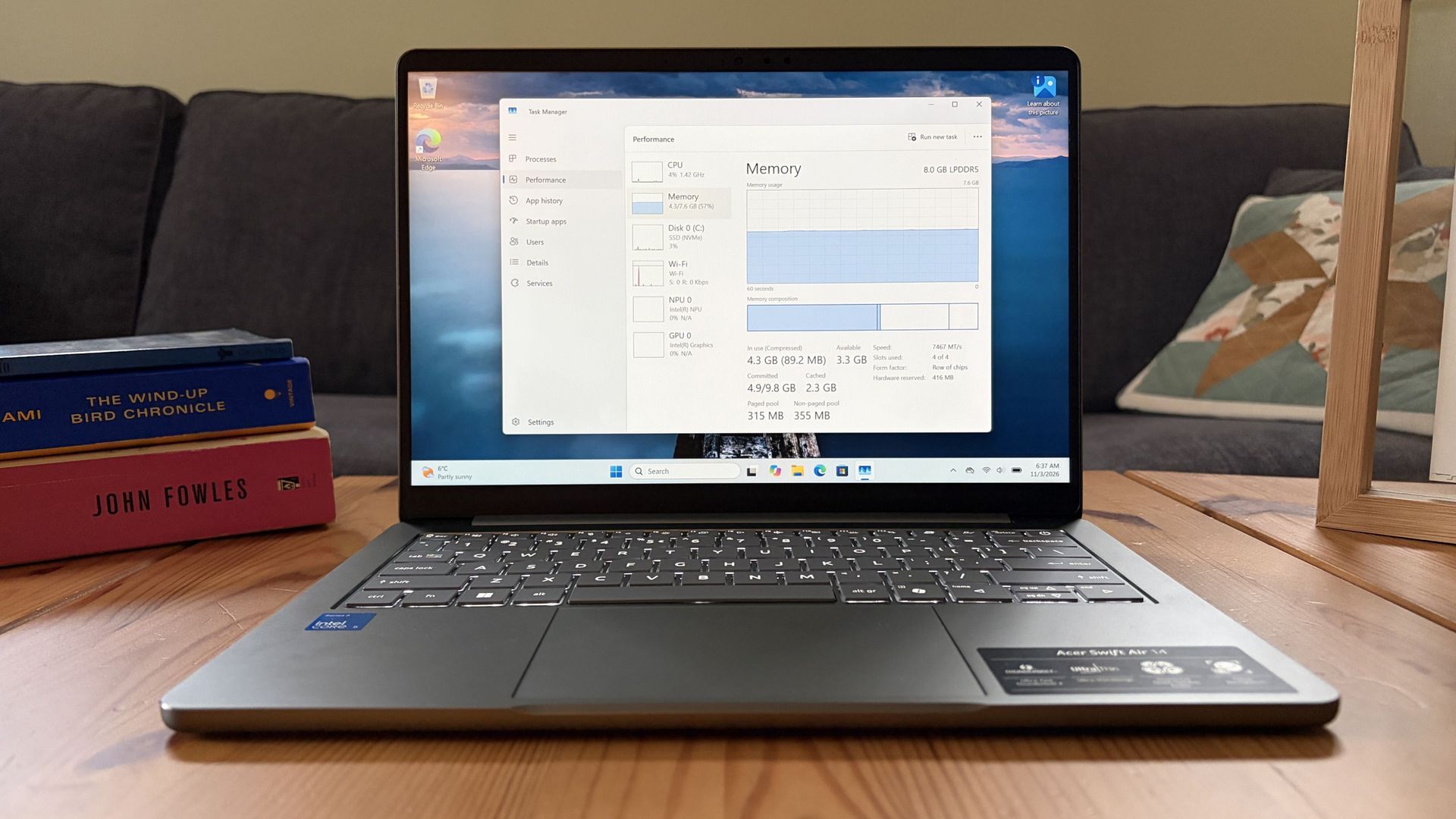
The Acer Swift Air 14 with 8GB RAM, on which I tested RAM usage in Windows 11 26H2. (Image credit: Future)
The bigger story surrounding Windows 11's 8GB improvements is that Microsoft is putting significant engineering efforts into improving the OS for low-end hardware. And it's not afraid to show it off.
To me, this is a reversal of tradition. For what feels like all my life until recently, the answer to a sluggish PC was to upgrade the hardware. Microsoft and its OEMs loved this tradition, of course, because it let them sell more products.
The Copilot+ PC initiative only lasted for a couple of years.
Now, the focus is shifting to making the hardware we have feel like it can indeed last until an upgrade becomes affordable.
This shift comes a couple of years after Microsoft's massive Copilot+ PC initiative, which I'm sure was conceived as an ultimate ploy to get users to buy new hardware.
That didn't turn out so well for Microsoft. The AI tools built into the OS failed to capture the whimsy of the average user. Adoption was slow, no doubt largely because of rising prices. The Copilot+ PC badge was eventually phased out in September 2026.
Microsoft must have realized at some point during this transition that the millions of Windows users still running old hardware are not going to upgrade any time soon.
Optimization used to be a nice bonus when it arrived, but it's now becoming a major pillar in Microsoft's consumer strategy.
AMD's FSR 4.1 will held extend the life of consoles and handhelds
AMD FSR 4.1 running on the ROG Xbox Ally. (Image credit: AMD)
It won't turn your Xbox into a supercomputer, but it is the next best thing to buying an entirely new device with more power. This is particularly important as rumors of the next-gen Xbox Helix's $1200-$1800 price begin to swirl.
Helix is so far expected to cost somewhere between $1200-$1800 when it launches. (Image credit: Microsoft | XBOX)
If Helix indeed launches at that price, Microsoft has to know that adoption won't be fast. But the company also knows it can't afford to lose those Xbox gamers.
Keeping the Series X|S relevant longer into the future ensures that gamers keep buying Game Pass subscriptions, keep buying new games, and, ultimately, remain inside the ecosystem.
Microsoft doesn't really need people to buy new PCs
PC sales are no longer such a big part of Microsoft's business model. (Image credit: Windows Central | Zachary Boddy)
Microsoft used to make ungodly amounts of money from licensing Windows on PCs. However, it's arrived at a point where licenses are a tiny fraction of revenue. It's all about the subscriptions now, including Game Pass, Microsoft 365, OneDrive, Copilot, Azure, and many more.
Don't get me wrong; I'm sure Microsoft would still love to be selling a ton of PCs. That's just good for business. That's not what's happening these days. PC sales are on a steep decline because of rising prices.
But as long as people are still using some sort of Windows PC that doesn't frustrate them with sluggish performance, there's a good chance that Microsoft will receive at least one monthly payment and remain within the ecosystem.
The current upgrade cycle is stuck in place
Unbelievably high RAM and storage prices have halted the tech upgrade cycle for a lot of people. (Image credit: Windows Central | Jez Corden)
Microsoft realized at some point that the upgrade cycle we're currently in is going to last for a lot longer than usual, especially as prices keep climbing.
And although I'm sure there were external circumstances playing a role in these recent optimizations I laid out, the big story is that Microsoft knows software is the answer to unaffordable hardware.
Do you agree with my opinions above? Do you think we'll be seeing a lot more software optimization in the years to come if PC prices don't drop? Do you think this is all just a small bandage on a seeping wound? Let me know in the comments section below!
Join us on Reddit at r/WindowsCentral to share your insights and discuss our latest news, reviews, and more.
Steam's October hardware survey has landed, and it basically performed a round trip compared to the previous month's results.In September, I noted that the massive 4.77% jump in 32GB RAM systems was likely due to an influx of Chinese players, as it lined up with a 7.42% growth in the language on Valve's platform.That appears to have been true. The 32GB tier took a massive 5.16% dive in October, falling back to 37.06%. At the same time, the 16GB tier moved back in
That appears to have been true. The 32GB tier took a massive 5.16% dive in October, falling back to 37.06%.
At the same time, the 16GB tier moved back into top position with a 3.60% increase to arrive at 41.42%. Users polled with Simplified Chinese as their main language dropped 9.41%.
The bigger news for many of our readers is the jump in Windows 11 adoption, which continues at a fairly steady pace.
Steam's share of Windows 11 users continues to rise
Windows 11 jumped 1.17% overall in Steam's October 2026 hardware survey. (Image credit: Future)
In October, Windows 11 users on Steam climbed by a respectable 1.17% to 72.51% overall. This caused Windows 10's share to drop 2.5%, hitting 21.11%.
About Steam's survey...
Steam's hardware survey is not mandatory, and results depend on who decides to opt in. This can skew results from month to month, as we saw in September 2026.
This is a better improvement than September, which saw just a 0.37% rise for Windows 11. In the same month, Windows 10 also rose by 0.71%.
Are gamers suddenly abandoning Windows 10 at a faster pace? Probably not. What's more likely is another correction to do with the polled sample. Windows 10 is still holding onto just more than a fifth of the overall OS share among Windows, Linux, and macOS.
NVIDIA's RTX 3060 reclaims the top spot
The NVIDIA RTX 3060 just won't quit, especially with current GPU prices. (Image credit: Windows Central)
Another interesting tidbit from the October survey lands in the GPU section. Whereas last month the RTX 5070 took top place with a significant 5.86% share, it fell by 2.3% in October to land at 3.56%.
The GPU to replace it as the most common amongst polled Steam users? The legendary NVIDIA RTX 3060, jumping 0.08% to hit 3.62% overall.
Looking at the overall results, 8GB GPUs (especially the RTX 3060) are back in top spots alongside 1920x1080 monitors, which now make up 50.23% (a 2.32% improvement since last month).
If RAM and storage prices were indeed driving users to upgrade, last month's 32GB RAM and RTX 5070 anomalies wouldn't have been crushed out so quickly or so drastically.
To me, as I mentioned, this seems to be more of a correction for September's skewed survey than large moves by consumers as they deal with the ongoing RAM and storage crisis.
Windows Central's take
Windows 11 adoption keeps climbing amongst Steam users.
It seems to me, based on Steam's October survey, that PC gamers are continuing to update their software while holding onto their hardware.
This could be bad news for game developers, as many rely increasingly on hardware that's priced out of the average gamer's reality.
For next month, I'm keeping an eye on whether or not Windows 11 keeps rising and if RTX 50-series GPUs get another boost in shares against older cards.
Join us on Reddit at r/WindowsCentral to share your insights and discuss our latest news, reviews, and more.
Microsoft has revealed the depths of its work to make Windows 11 feel less sluggish, with the company claiming, among other things, up to 20% better responsiveness on systems with 8GB of RAM.Microsoft has claimed before that things "seem faster," but is there any juice behind this new claim? I decided to find out myself by running some tests on an 8GB laptop in my office.The results will likely be surprising to some, especially once we get into the heavier worklo
Microsoft has claimed before that things "seem faster," but is there any juice behind this new claim? I decided to find out myself by running some tests on an 8GB laptop in my office.
The results will likely be surprising to some, especially once we get into the heavier workloads below.
How I tested Windows 11's responsiveness on an 8GB laptop
Dell's XPS 13 and Acer's Swift Air 14 are both from a new group of 8GB laptops running on Intel Core Series 3 chips. (Image credit: Future)
I installed a barebones version of Windows 11 25H2 (262000.7019) from about a year ago on an Acer Swift Air 14 with an Intel Core 5 320 CPU, 8GB of LPDDR5x RAM, and a 512GB M.2 PCIe 3.0 NVMe SSD.
I didn't touch the page file (4524MB), and I only installed the necessary drivers before beginning my tests. I used the Best Performance power profile for all tests.
Once I'd completed all tests on 25H2, I upgraded to Windows 11 26H2 (26300.9711), which was released in October. Same system, same drivers, same programs.
Microsoft used telemetry data from things like Search, Settings, File Explorer, and Snipping Tool to measure responsiveness. I took a look at RAM usage instead; lower usage generally means fewer hiccups and interruptions, leading to an overall better experience.
Testing Windows 11's fresh-boot memory footprint with 8GB of RAM
Windows 11 25H2's baseline memory usage after a fresh boot.FutureWindows 11 26H2's baseline memory usage after a fresh boot.Future
For this test, I checked both new and old versions of Windows 11 about 10 minutes after booting the PC. This gives me a baseline to work with. I opened no additional apps and just let the system idle.
Windows 11 25H2 (262000.7019)
Windows 11 26H2(26300.9711)
Total RAM Usage
5.3GB
4.1GB ^
Available RAM
2.3GB
3.5GB ^
Paged / Non-Paged Pool
351MB / 257MB
275MB / 300MB ^
Cached
2.2GB
2.3GB ^
Committed
4.7GB/9.5GB
4.4GB/9.5GB ^
The older Windows 11 25H2 version was eating up 5.3GB of RAM in this scenario, leaving 2.3GB free. Windows 11 26H2 dropped RAM usage to 4.1GB, leaving 3.5GB free. That's a big drop.
Although both commits are the same at 9.5GB, Windows 11 26H2 uses slightly less at 4.4GB compared to 4.7GB.
TL;DR: Windows 11 26H2 is well ahead in the boot test where no additional apps are running, using significantly less RAM than 25H2.
Testing common workloads in Windows 11 with 8GB of RAM
Windows 11 25H2 memory usage in a common workload.FutureWindows 11 26H2 memory usage in a common workload.Future
Now that I've established a baseline, I put together a test to see how each PC handles an average user's daily workload.
I opened 10 tabs in Edge with a mix of Windows Central, Reddit, YouTube, Gmail, X, Amazon, etc. I also opened a Word document, Slack messenger, and the Spotify app.
Windows 11 25H2 (262000.7019)
Windows 11 26H2(26300.9711)
Total RAM Usage
7.0GB
6.6GB ^
Available RAM
563MB
1018MB ^
Paged / Non-Paged Pool
332MB/397MB
300MB/345MB ^
Cached
580MB
738MB ^
Committed
11.5GB/12.2GB
9.1GB/10.4GB ^
Windows 11 25H2 climbed to 7.0GB RAM usage, while 26H2 hit just 6.6GB. That's about a 0.4GB improvement. Windows 11 26H2 was able to keep its cache larger while also committing less RAM at 10.4GB compared to 12.2GB.
For reference, committed memory indicates how much RAM the PC is setting aside for operations. In this case, 12.2GB of RAM committed includes physical system RAM and virtual memory (set by the page file). Committing less RAM keeps your system from clogging up, so this is good news.
TL;DR: Windows 11 26H2 keeps its lead under load, actively using less RAM and allocating less RAM overall.
Testing heavy workloads in Windows 11 with 8GB of RAM
Windows 11 26H2 memory usage in an extreme workload.FutureWindows 11 25H2 memory usage in an extreme workload.Future
I opened Edge (with 20 tabs), a Word document, an Excel spreadsheet, Spotify, Slack, Microsoft Store, the Photos app, File Explorer, and GIMP simultaneously for this test.
Windows 11 25H2 (262000.7019)
Windows 11 26H2(26300.9711)
Total RAM Usage
7.3GB
6.8GB ^
Available RAM
352MB
764MB ^
Paged / Non-Paged Pool
355MB/434MB
318MB/357MB ^
Cached
383MB
638MB ^
Committed
14.7GB/15.2GB
9.8GB/10.4GB ^
You can see the 7.3GB total RAM usage on 25H2 and just 6.8GB on 26H2. That's a good sign, but there's some nuance.
Windows 11 25H2 began requiring more RAM than the system could provide, which led to paging and swapping, which led to disk usage spikes as the PC moved increasingly to virtual RAM.
Windows 11 26H2 also saw some disk usage spikes, especially when jumping around between apps and tabs, but not quite as severe.
The big number that stands out is committed RAM. 25H2 has 15.2GB allocated, while 26H2 has just 10.4GB allocated. Overall, the system is still using less RAM.
TL;DR: Heavy workloads bog down any 8GB system, but Windows 11 26H2 puts up a much more responsive fight than 25H2 from a year ago.
Windows Central's take
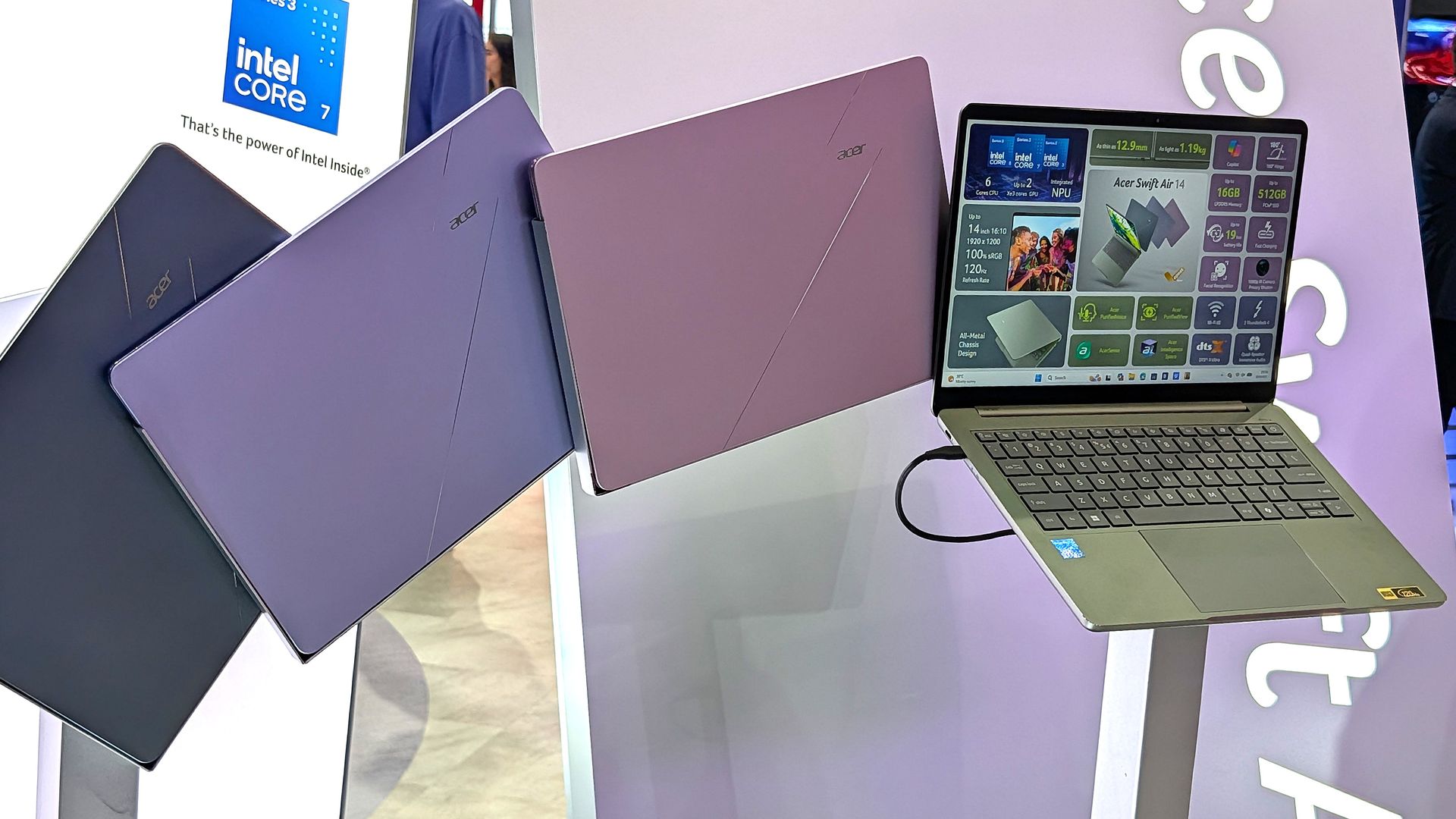
Acer's Swift Air 14 that I used for testing (pictured here at Computex). (Image credit: Zac Bowden / Windows Central)
The shortage is also forcing PC brands to raise prices. To offset costs, these brands are also reintroducing 8GB RAM models. This has led to plenty of discourse as to whether or not that's enough memory for modern Windows 11, which I explored in June.
In my opinion, Microsoft is A) listening to its user base that has been asking for a more streamlined Windows 11, and B) making it easier for OEMs to sell 8GB laptops to a wider range of people.
I'm here for it. There's no reason Windows 11 should be bogging down a system with 8GB of RAM, especially if it's just being used for common tasks. Compared to almost exactly one year ago, it definitely appears that the work was well worth the time.
Join us on Reddit at r/WindowsCentral to share your insights and discuss our latest news, reviews, and more.
Microsoft has been busy at work reducing the amount of RAM that Windows 11 consumes, and it finally made an official statement today on the topic.As it turns out, the company has already been quietly shipping performance improvements in the latest Windows 11 updates, focusing on making systems with 8GB of RAM feel a lot more responsive.The result? Microsoft says Windows 11 is now about 20% more responsive on 8GB PCs compared to before this work started. The work
As it turns out, the company has already been quietly shipping performance improvements in the latest Windows 11 updates, focusing on making systems with 8GB of RAM feel a lot more responsive.
The result? Microsoft says Windows 11 is now about 20% more responsive on 8GB PCs compared to before this work started. The work also applies to systems with 4GB, 16GB, and beyond, with specific tuning for each amount.
This couldn't come at a better time. RAM and storage shortages (explained below) are driving up the cost of all PCs, and models with 8GB of RAM are being revived to lessen the burden on consumers.
Our favorite 8GB Windows laptops in November 2026
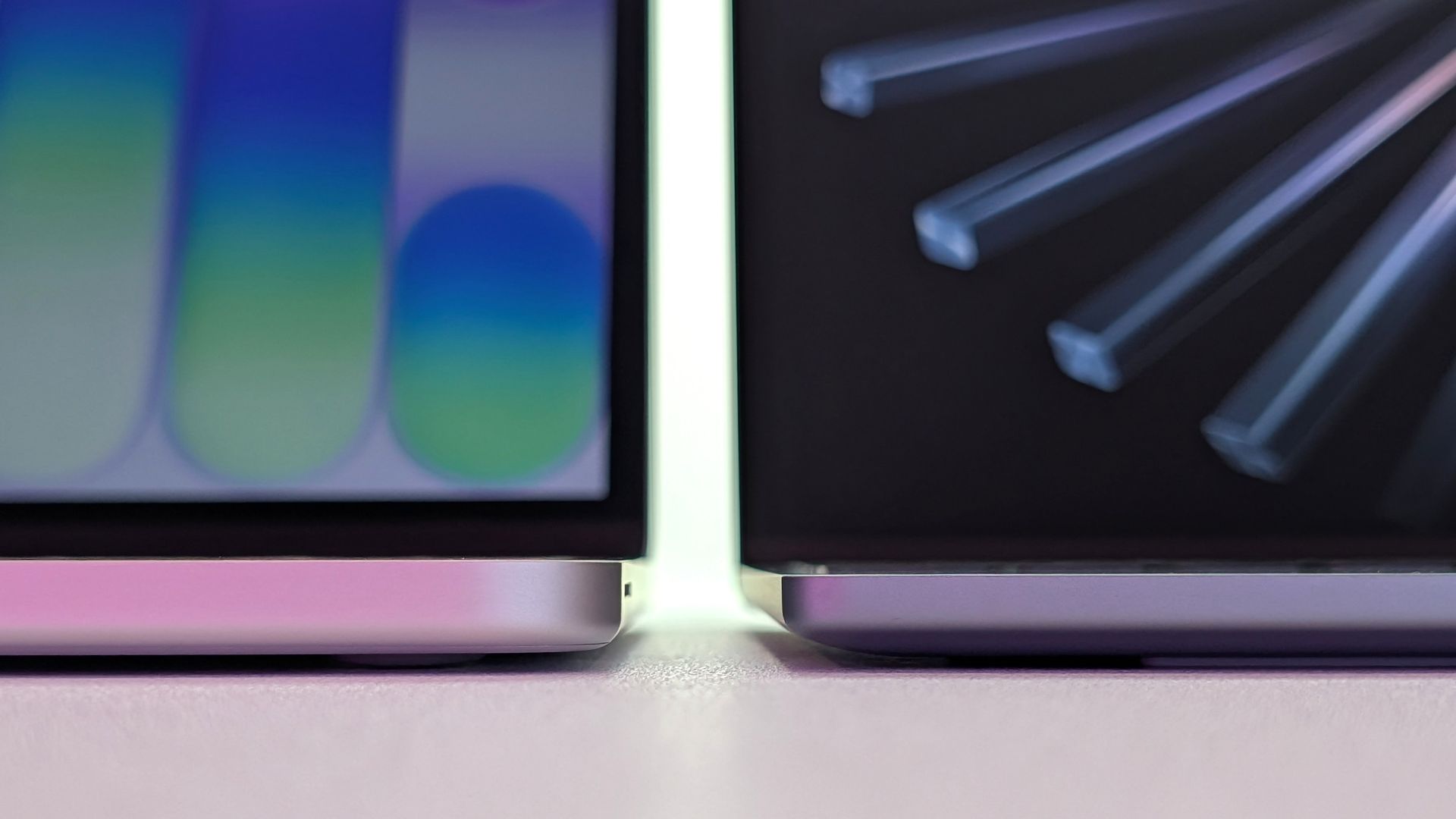
Dell's thinner XPS 13 (2026) on the right, Apple's thicker MacBook Neo on the left. (Image credit: Zac Bowden / Windows Central)
Companies like Dell, Acer, and HP have all recently launched 8GB laptops that cost somewhere around $699, with student and regular discounts frequently dropping those numbers lower.
If you were hesitant to shop for an 8GB laptop before, the recent Windows 11 updates should have you reconsidering, especially when prices are this reasonable. Here are my three favorite 8GB laptops right now.
Dell's awesome XPS 13 starts at $699.99 (or $599.99 if you're a student) and includes an Intel Core 5 320 CPU, 8GB of LPDDR5x RAM, a 256GB M.2 PCIe 4.0 NVMe SSD, and a 13.4-inch touch display with 2560x1600 resolution
It's a laptop with many premium features despite its price, including a higher-res 2560x1600 (QHD+) display with a 120Hz refresh rate, an IR camera for Windows Hello facial recognition, capable speakers, and a comfortable keyboard/touchpad combo.
It does not, however, offer USB-A or 3.5mm audio ports. Its display does not use an OLED panel; it uses IPS instead. And the $599 price is only available for students.
Still, $699 for everyone else is not bad at all in this economy, and most users should have no issues with the XPS 13.
HP's 14-inch OmniBook 5 is currently on sale for $599.99. It has an Intel Core 5 320 CPU, 8GB of LPDDR5x RAM, a 256GB M.2 PCIe 4.0 NVMe SSD, and a 14-inch OLED touch display with 1920x1200 resolution.
HP's OmniBook 5 14 comes with the same Intel Core 5 320 CPU as the other laptops in this roundup, so don't expect any major performance changes.
The OmniBook 5 includes an OLED panel for deeper contrast and more vivid color than IPS. The tradeoff is a lower 1920x1200 resolution and lower 60Hz refresh rate compared to the XPS 13.
HP's laptop also includes HDMI and 3.5mm audio ports alongside dual USB-C at 10Gbps. It's nice to have native video, but the lack of Thunderbolt is a letdown.
Acer's Swift Air 14 costs $699.99 and comes with an Intel Core 5 320 CPU, 8GB of LPDDR5x RAM, a 512GB M.2 PCIe 4.0 NVMe SSD, and a 14-inch non-touch display at 1920x1200.
Acer's Swift Air 14 immediately makes an argument for itself with twice as much storage (512GB) as the Dell and HP laptops. For those who prefer to store locally, this could be the deciding factor. However, it does drop down to PCIe 3.0 speeds.
Performance is largely the same thanks to it having the Intel Core 5 320 chip inside, with 8GB of LPDDR5x RAM.
The display hits a 1920x1200 resolution; it doesn't have touch, but it does hit a smoother 120Hz refresh rate. You're definitely giving up some screen quality to land that extra storage.
While the keyboard is great, the touchpad leaves something to be desired. Your experience may vary.
Why is Microsoft concerned with reducing Windows 11 RAM usage?
Acer's new Swift Air 14 is available in four different colors. (Image credit: Zac Bowden / Windows Central)
Sure, Windows 11 could always be more streamlined, but this big push for more RAM efficiency is also a result of the ongoing memory and storage crisis.
See, AI data centers are eating up many of the foundational components of PCs, making the consumer side far more expensive.
RAM in particular has exploded in price; the same 32GB kit of DDR5 I bought for my gaming PC a few years ago, for example, is roughly 600% more expensive today. Storage isn't much better.
This is forcing PC makers to reevaluate their product lineups, as many consumers can no longer afford PCs with 16GB or more of RAM.
Cutting RAM in half is a huge cost saver and won't likely stop anytime soon (the RAM crisis could last for years to come), so it's great to see Microsoft taking user complaints about Windows 11's responsiveness (or lack thereof) seriously.
Join us on Reddit at r/WindowsCentral to share your insights and discuss our latest news, reviews, and more.
Reçu — 3 novembre 2026⏭Windows Central - News, Forums, Reviews, Help for Windows 10 and all things Microsoft.
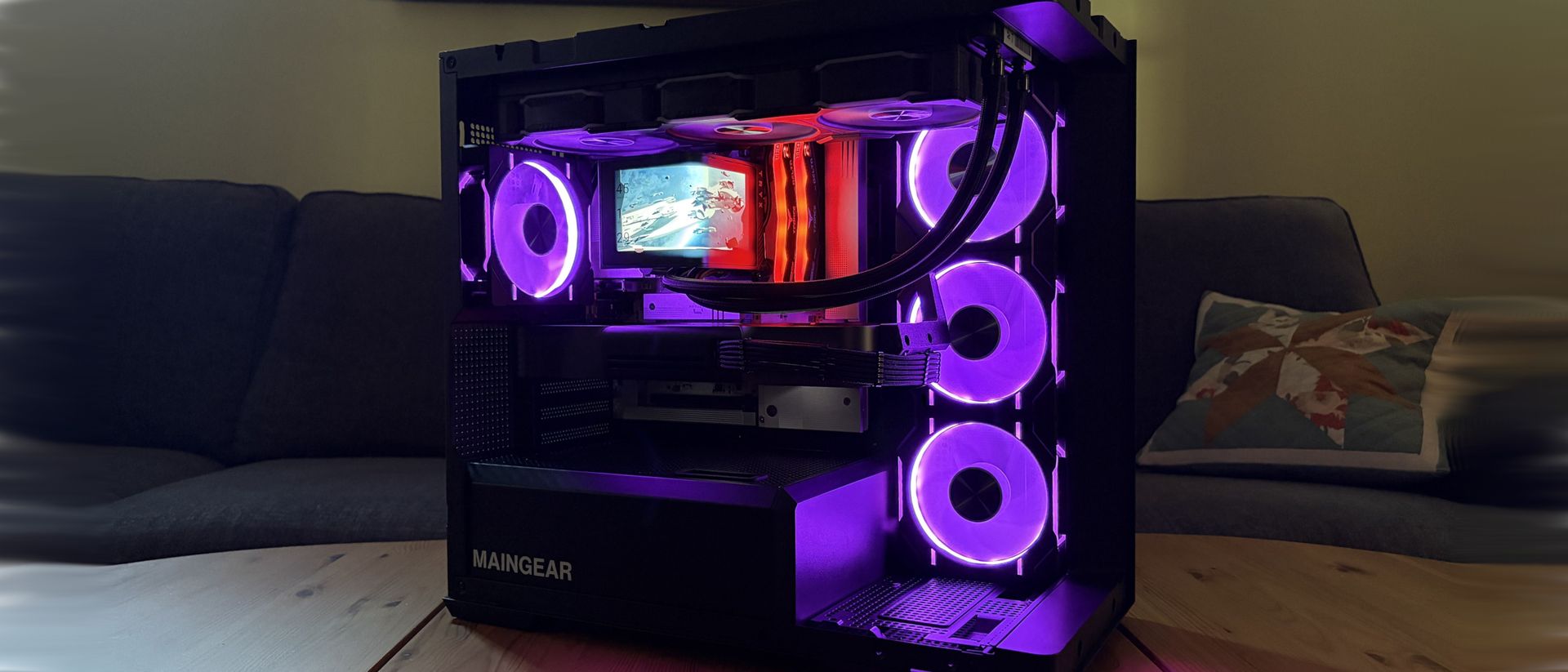
I've spent more than a decade testing gaming PCs, and even the best pre-builts usually have cables you simply can't hide. That made my first look inside Maingear's new Zero genuinely surprising, even after my previous Maingear MG-1 review.There's almost nothing there. Power connections have been moved behind the motherboard, the panoramic glass is uninterrupted, and the components that normally compete with bundles of cabling finally get the spotlight. It's one o
I've spent more than a decade testing gaming PCs, and even the best pre-builts usually have cables you simply can't hide. That made my first look inside Maingear's new Zero genuinely surprising, even after my previous Maingear MG-1 review.
There's almost nothing there. Power connections have been moved behind the motherboard, the panoramic glass is uninterrupted, and the components that normally compete with bundles of cabling finally get the spotlight. It's one of the cleanest pre-built PCs I've tested.
Clean doesn't necessarily mean better, though. After a few weeks of gaming, benchmarking, stress testing, and poking around inside, I wanted to know whether Maingear's cable-free approach actually improves the PC or simply makes for prettier photos.
Maingear sent Windows Central a review unit on loan for testing. It had no input, nor saw the contents of this review, prior to publication.
How much does the Maingear Zero cost?
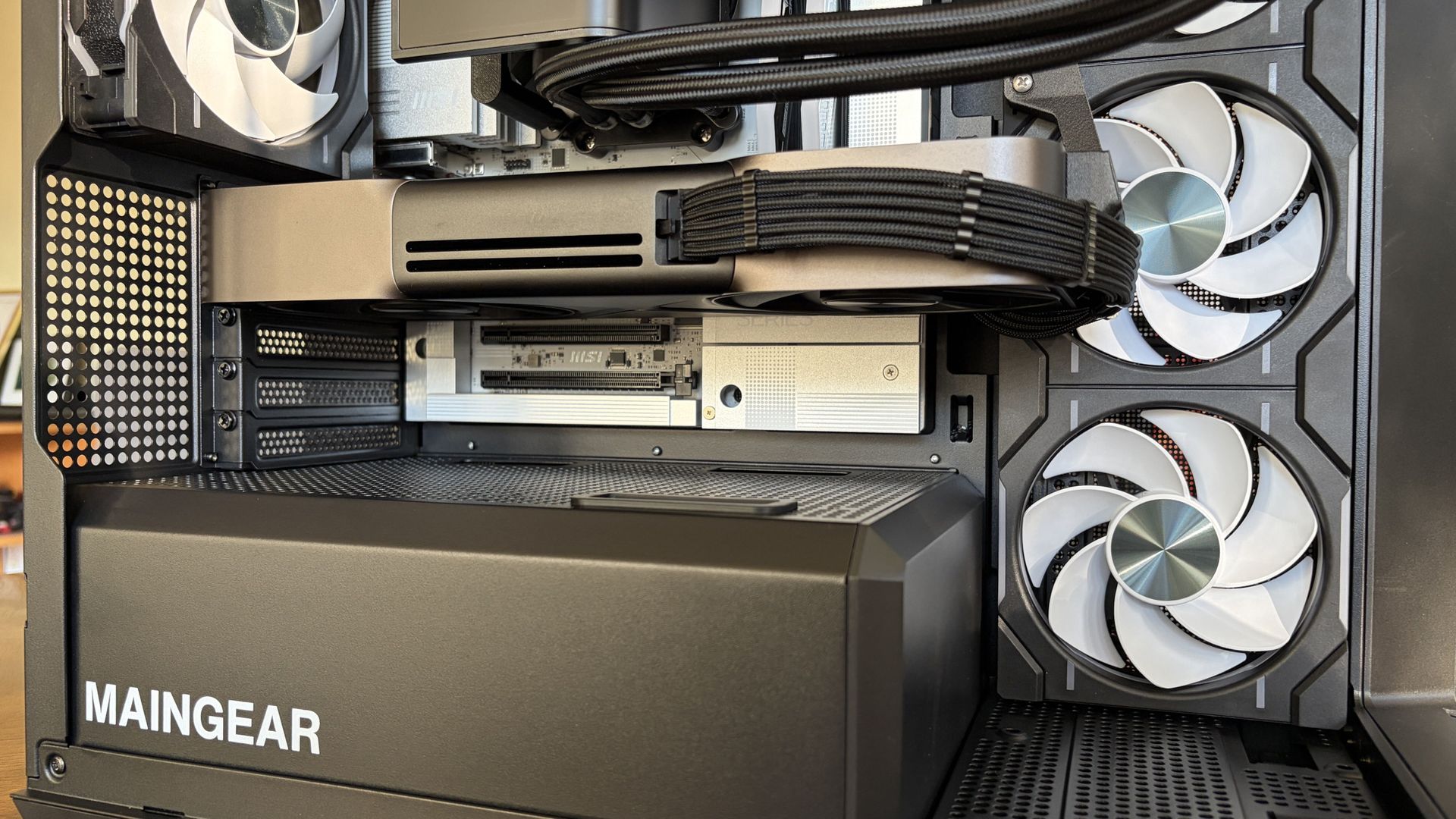
The RTX 5090 has the only visible power connector in the Maingear Zero. (Image credit: Future)
My review unit is an extreme $8,676 configuration built around AMD's Ryzen 7 9850X3D and NVIDIA's RTX 5090 Founders Edition. Don't let that price scare you away from the Zero entirely, though. Here's what Maingear packed into my high-end loaner:
AMD Ryzen 7 9850X3D CPU
NVIDIA RTX 5090 Founder's Edition (FE) GPU
32GB DDR5-6000MHz RAM
2TB M.2 PCIe 4.0 NVMe SSD
TRYX Panorama SE AiO
MSI Pro B850M-A WIFI PZ motherboard
1,250W MSI MAG A1250GL PSU
Zero MK.II case
But you don't need to spend anywhere near $8,676 to get the Zero's signature design. Models start at $2,799, with the baseline configuration landing you the same Zero MK.II case, an Intel Core Ultra 5 250K Plus CPU, NVIDIA RTX 5070 FE GPU, 32GB DDR5-6000 RAM, 2TB SSD, and a 360mm AiO.
That starting price is more competitive than I expected. A comparable DIY build came to roughly $2,850 when I priced it out, putting it remarkably close to Maingear's $2,799 starting price. Component prices fluctuate, of course, but Maingear isn't asking for an enormous boutique-PC premium just to get the Zero's distinctive design and professional assembly.
Why is this Maingear PC called Zero?
The Maingear Zero keeps cables out of sight thanks to MG-RC motherboard connectors. (Image credit: Future)
Maingear's Zero steps away from the MG-1 with a more compact case. Rather than the MG-1's interchangeable front faceplate, panoramic glass extends from back to opposite front.
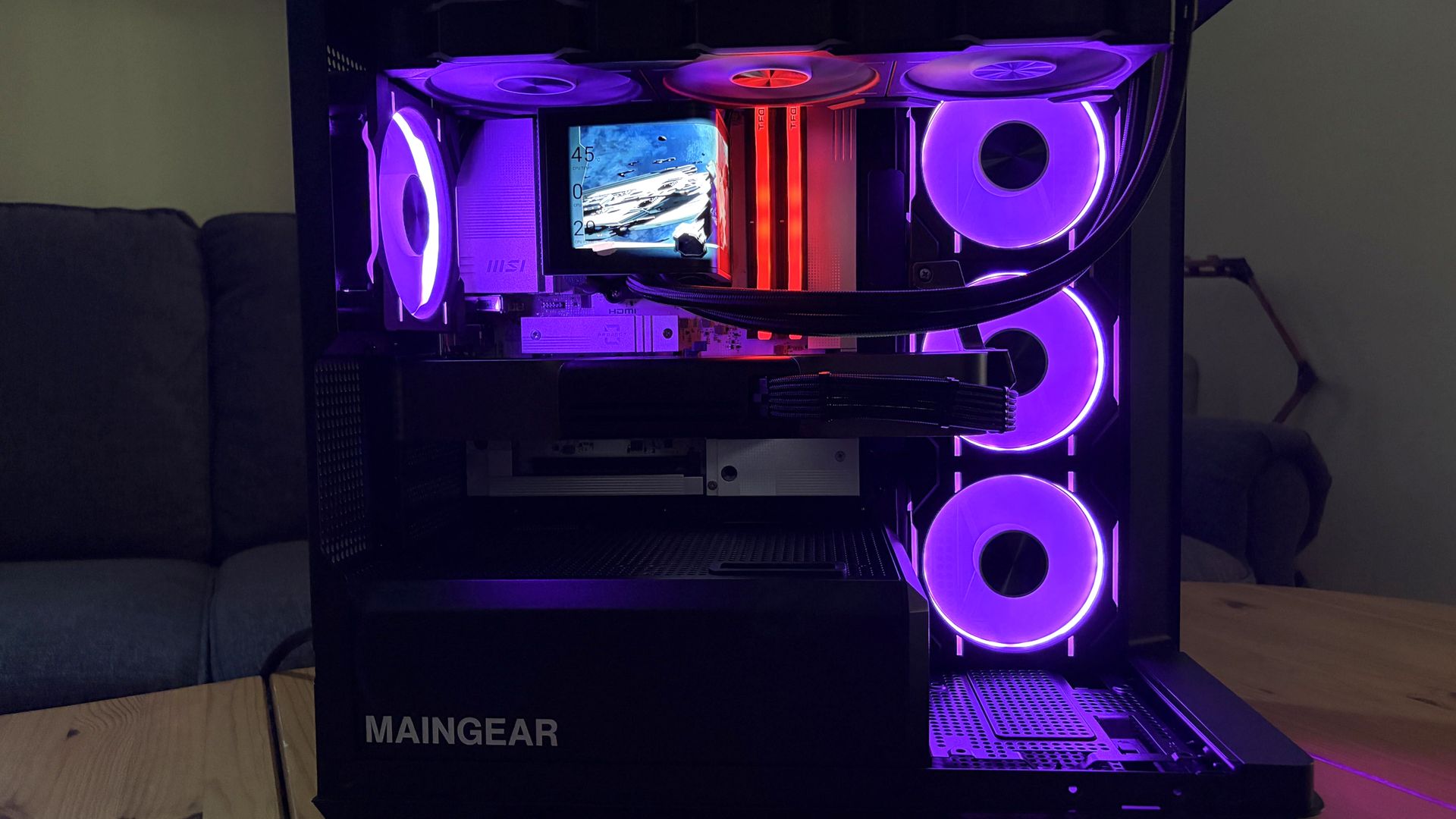
It's an immaculate look emphasized by customizable internal RGB lighting. I hate the look of exposed case LEDs, and this has none.
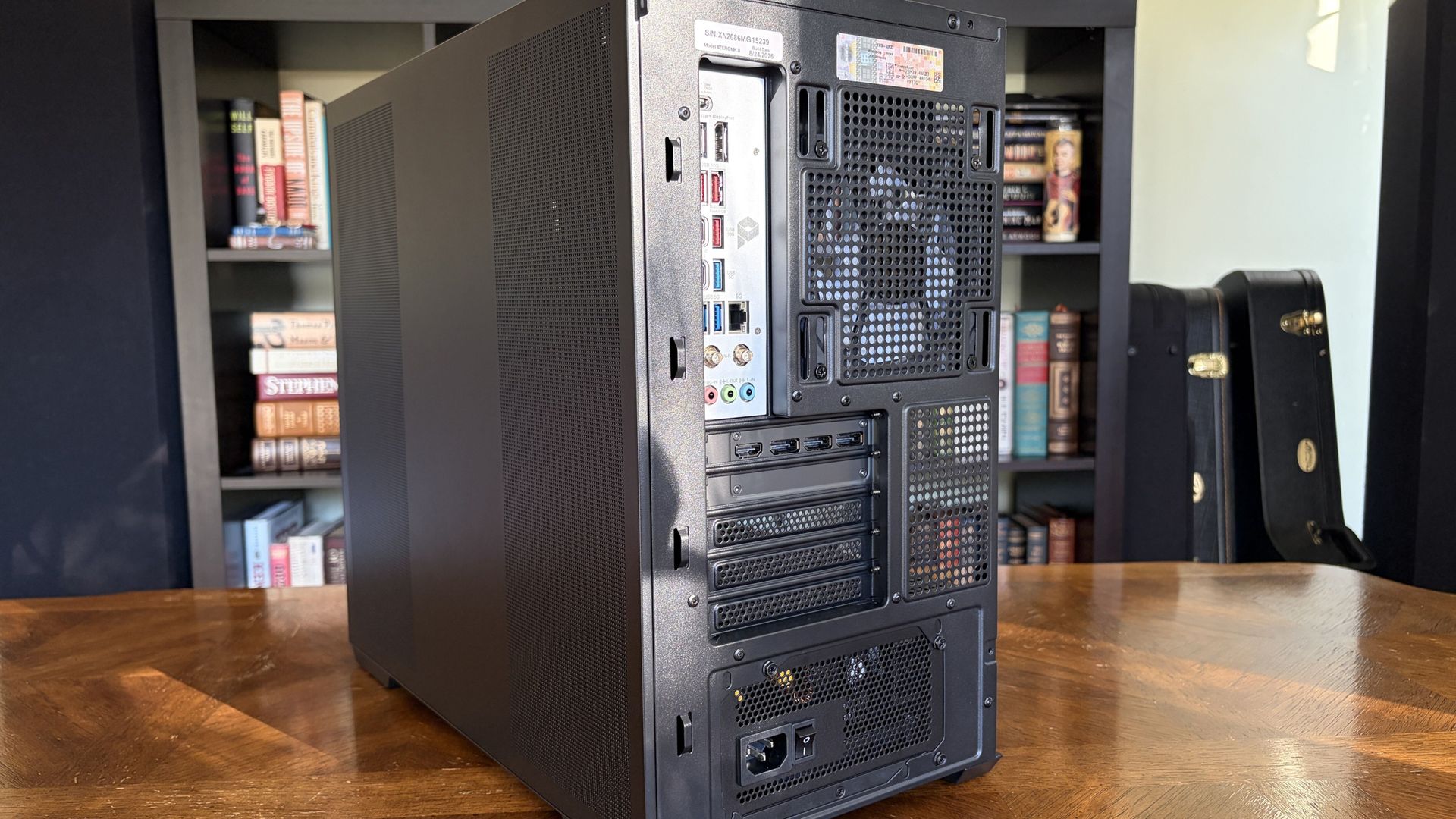
The motherboard hosts the majority of ports, and there's space for expansion inside the case. (Image credit: Future)
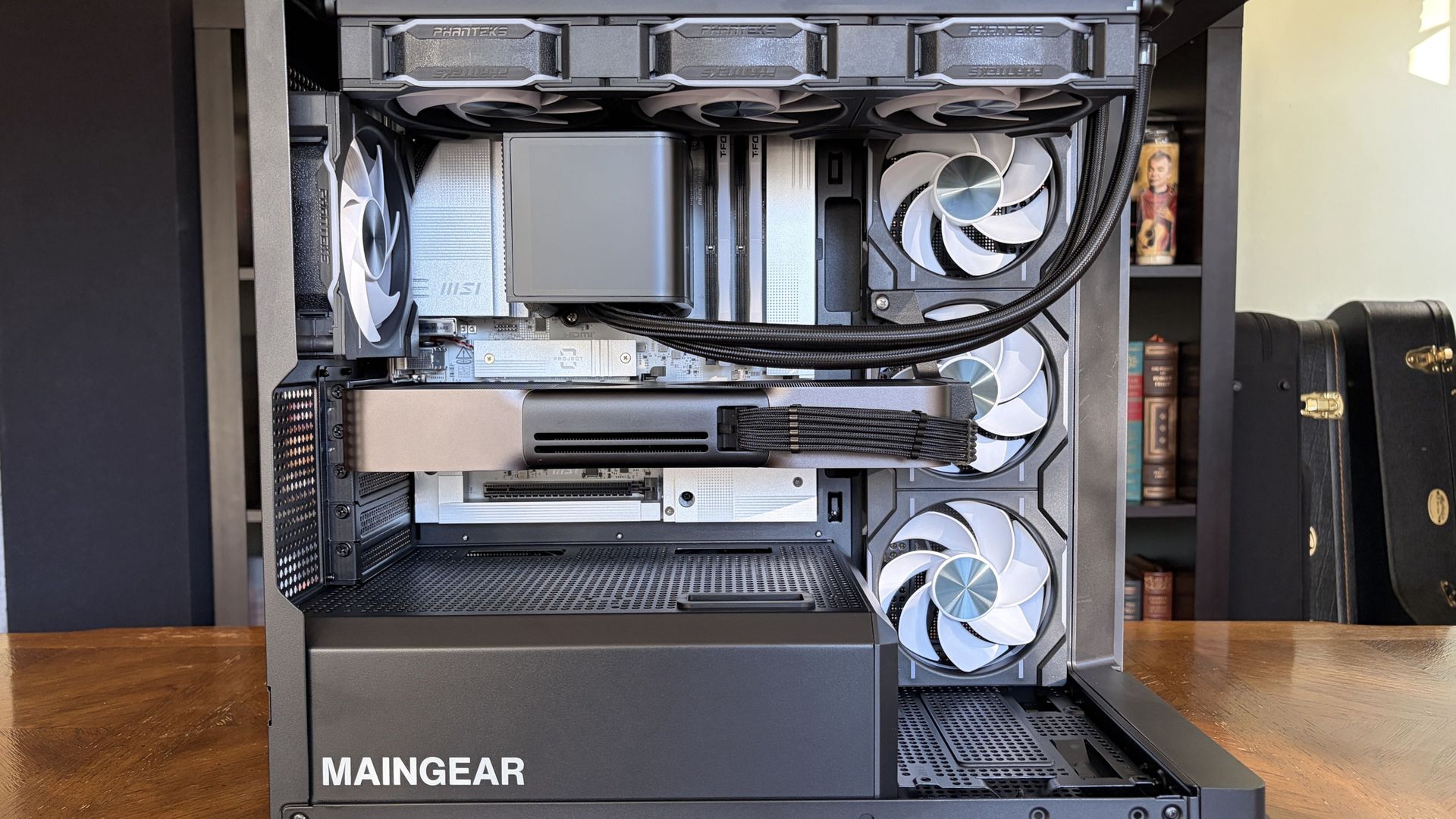
The case's foundational layout isn't too different from the average PC. Five slots on the back for expansion, dedicated spot for the PSU, side intake with three fans, AiO CPU cooler installed on top, and exhaust on the back.
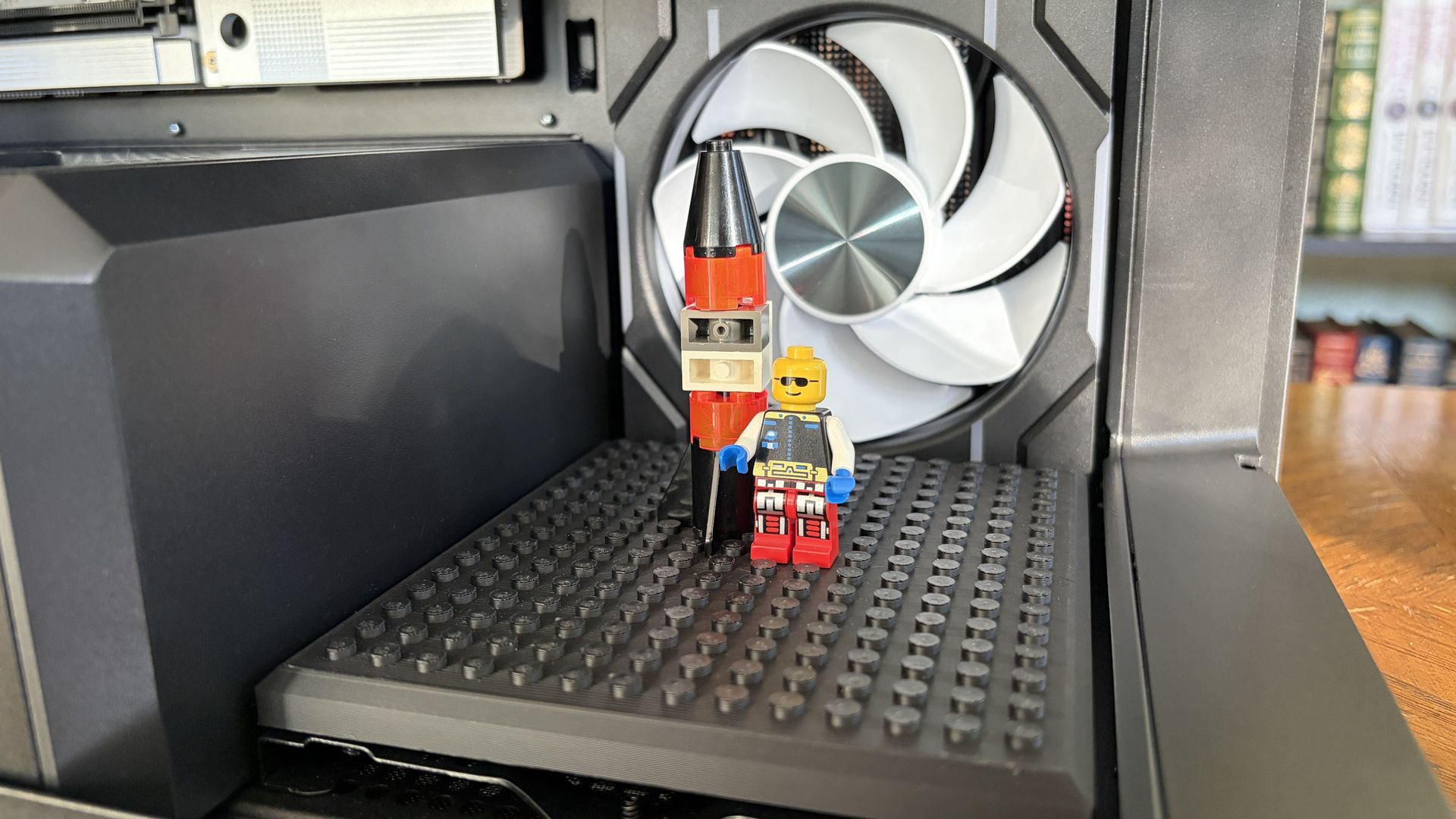
You can use either the LEGO stand or a figure stand inside the Zero's case. (Image credit: Future)
Maingear makes good use of extra internal space towards the front. Leaving this open will interfere less with airflow, but it's designed to hold either a figurine stand or a "studded brick stand" for your custom LEGO creations.
I already use LEGO in my own PC to hold up my GPU, and I love this little Maingear addition.
For anyone who appreciates a minimalist approach, this is the ultimate design.
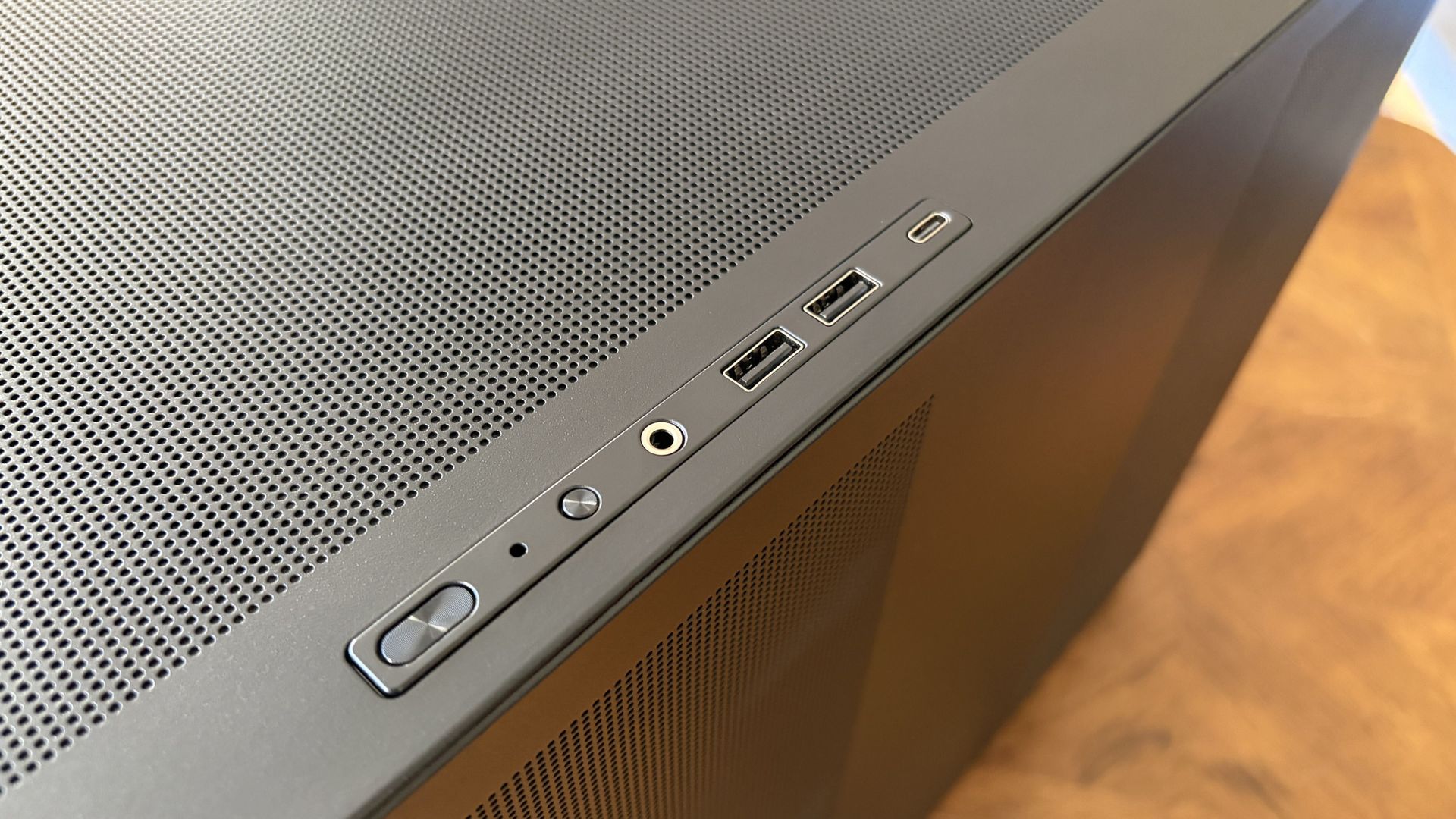
At the front of the case, dual USB-A (5Gbps) ports, one USB-C (10Gbps), and a 3.5mm audio combo are present for quick hookups. I'd like to see faster connections here, but they ultimately get the job done as is.
The MSI motherboard in use offers much better I/O. There's USB4, tons of USB-A, and audio connections. The PC also has cutting-edge Wi-Fi 7 and Bluetooth 5.4; no worries about future-proofing there.
Front ports on the Maingear Zero are pretty average. (Image credit: Future)
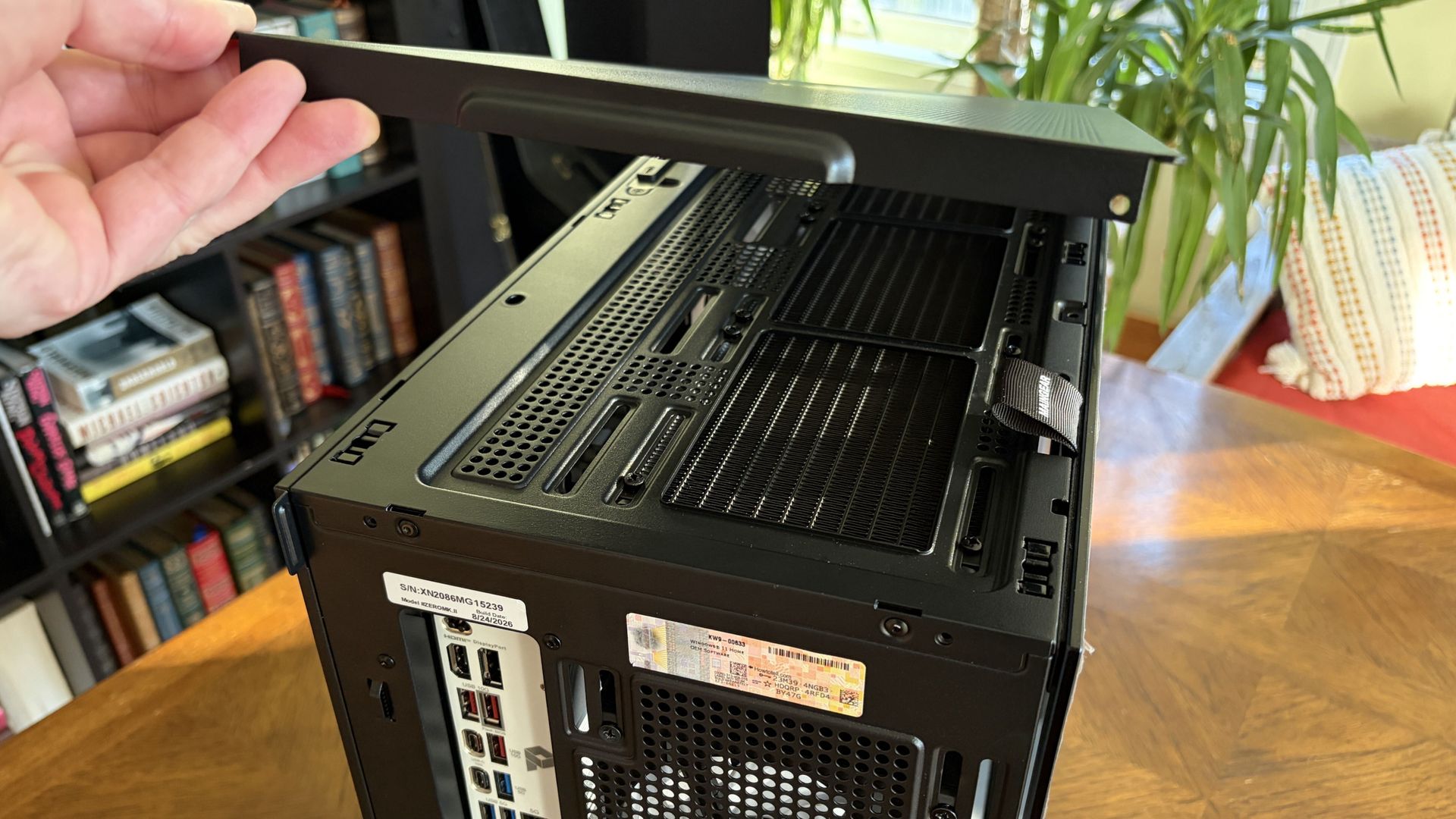
I also appreciate the way the case comes apart. The side and top panels are held in place with pressure points; you can pull them away without using any tools.
These panels have rather fine pinhole venting in all the right areas, and they seem to be doing a decent job of keeping out dust.
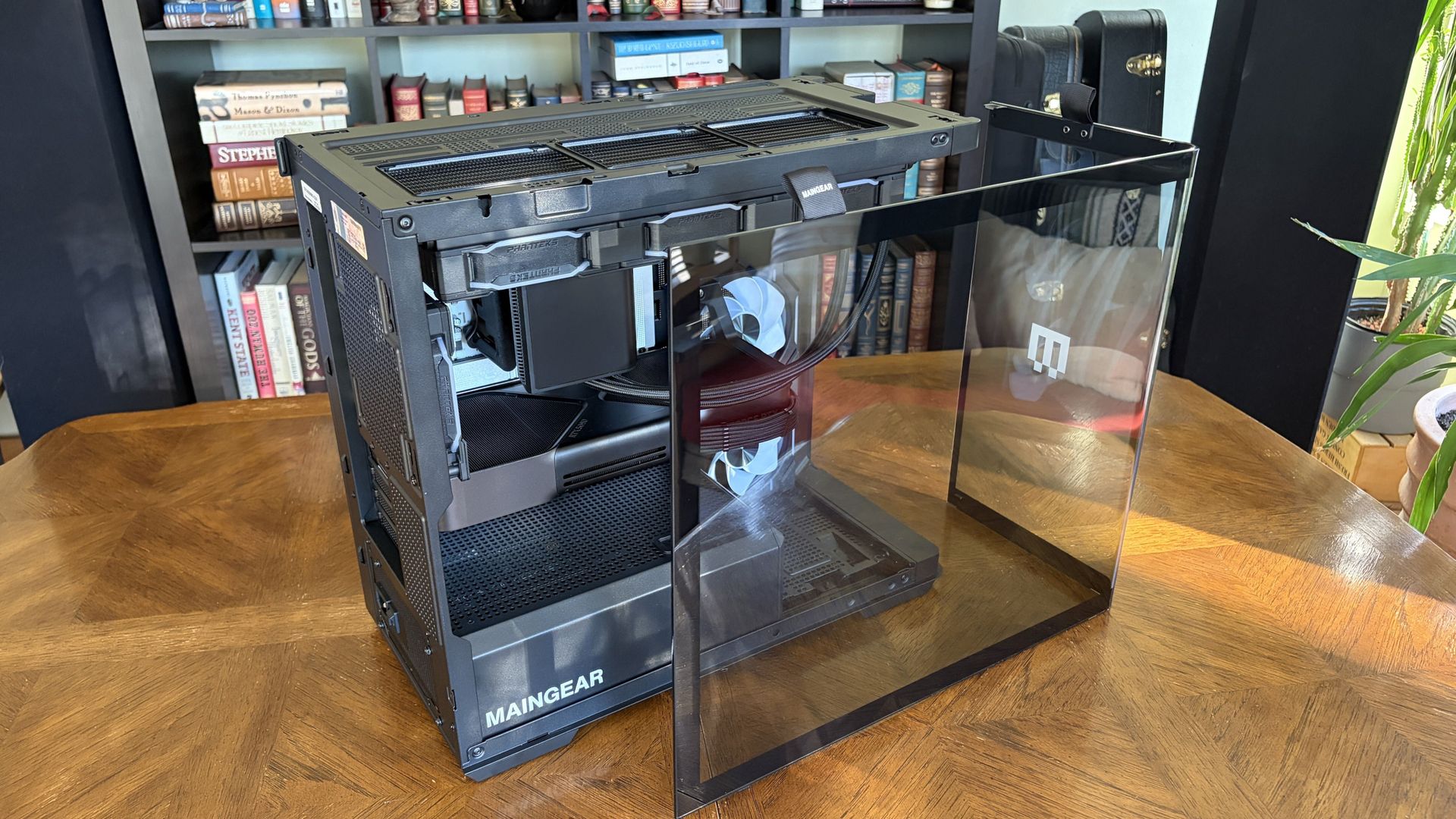
The panoramic glass panel is different. It's held in place with two screws, but once removed, you just grab two fabric pull tags to safely carry the glass. No more fingerprint smudges.
Yes, it requires a screwdriver to get into, but because of the reverse connectors, you should be spending a lot less time inside the front of the case.
The panoramic glass panel comes away as one piece. Pull tabs along the top make it easy to move without smudging. (Image credit: Future)
One other thing I want to call out is the massive bottom air intake covering practically the entire case, PSU included.
Best part? It has a removable dust screen that makes cleaning a breeze. If you live with cats like me, this is a nice addition.
Exploring the Maingear Zero's pristine internal layout
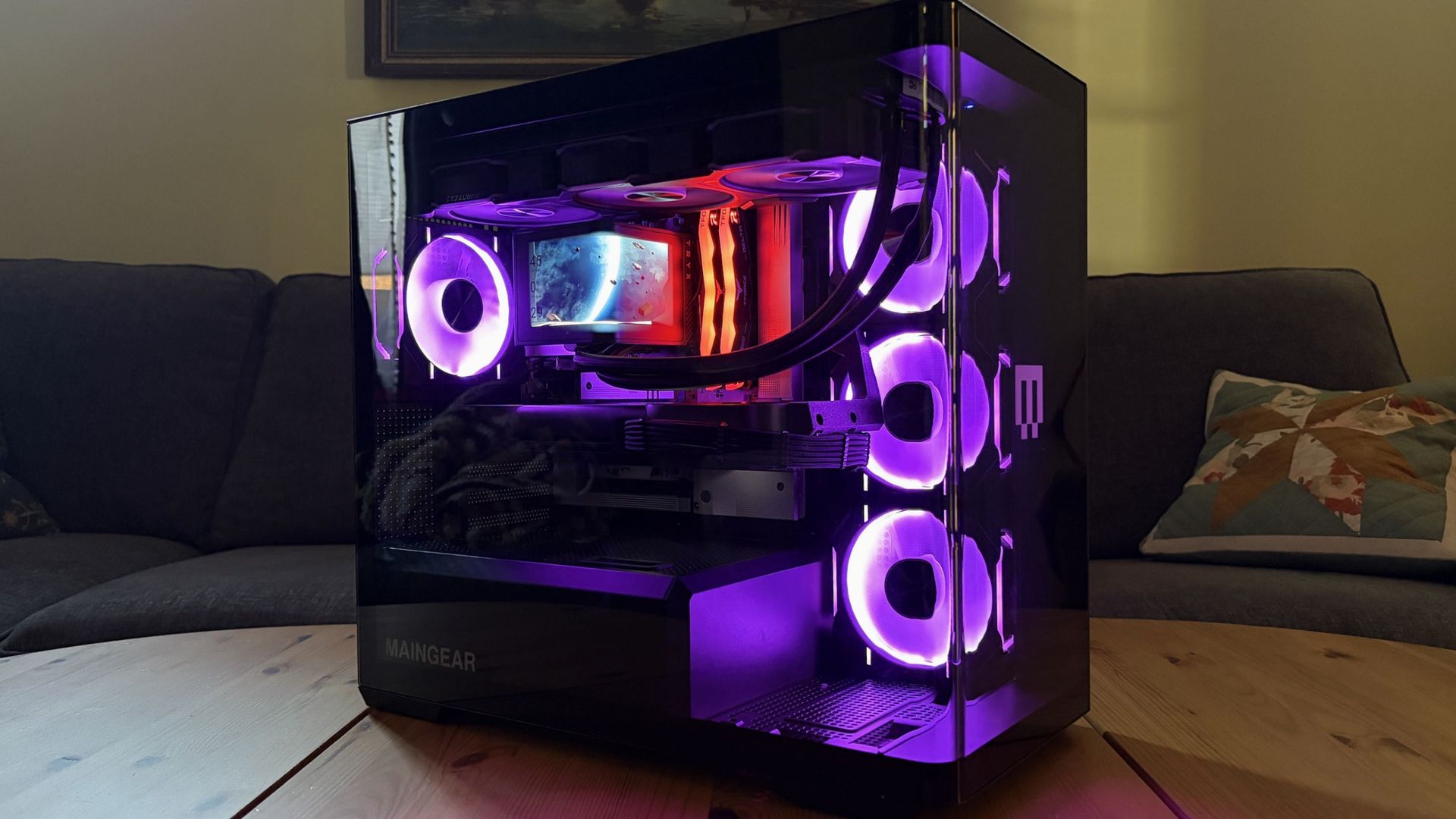
The Maingear Zero puts your hardware into the spotlight. (Image credit: Future)
Inside the Zero is where things really get interesting.
The only visible cabling runs to the RTX 5090 GPU, and that runs tight to the card. Exchange hoses run from the CPU to AiO cooler. That's it. For anyone who appreciates a minimalist approach, this is the ultimate design.
This rear connector fad hitting motherboards and cases lately was first patented as "MG-RC" by Maingear itself in 2011. It has taken a long time to get the recognition I think it deserves, but the industry seems to finally be coming around.
As far as I'm concerned, this is the best direction to take PC building. As you'll see below, this setup not only looks clean but also leaves air free to flow through the PC.
How is Maingear Zero's hidden cable management?
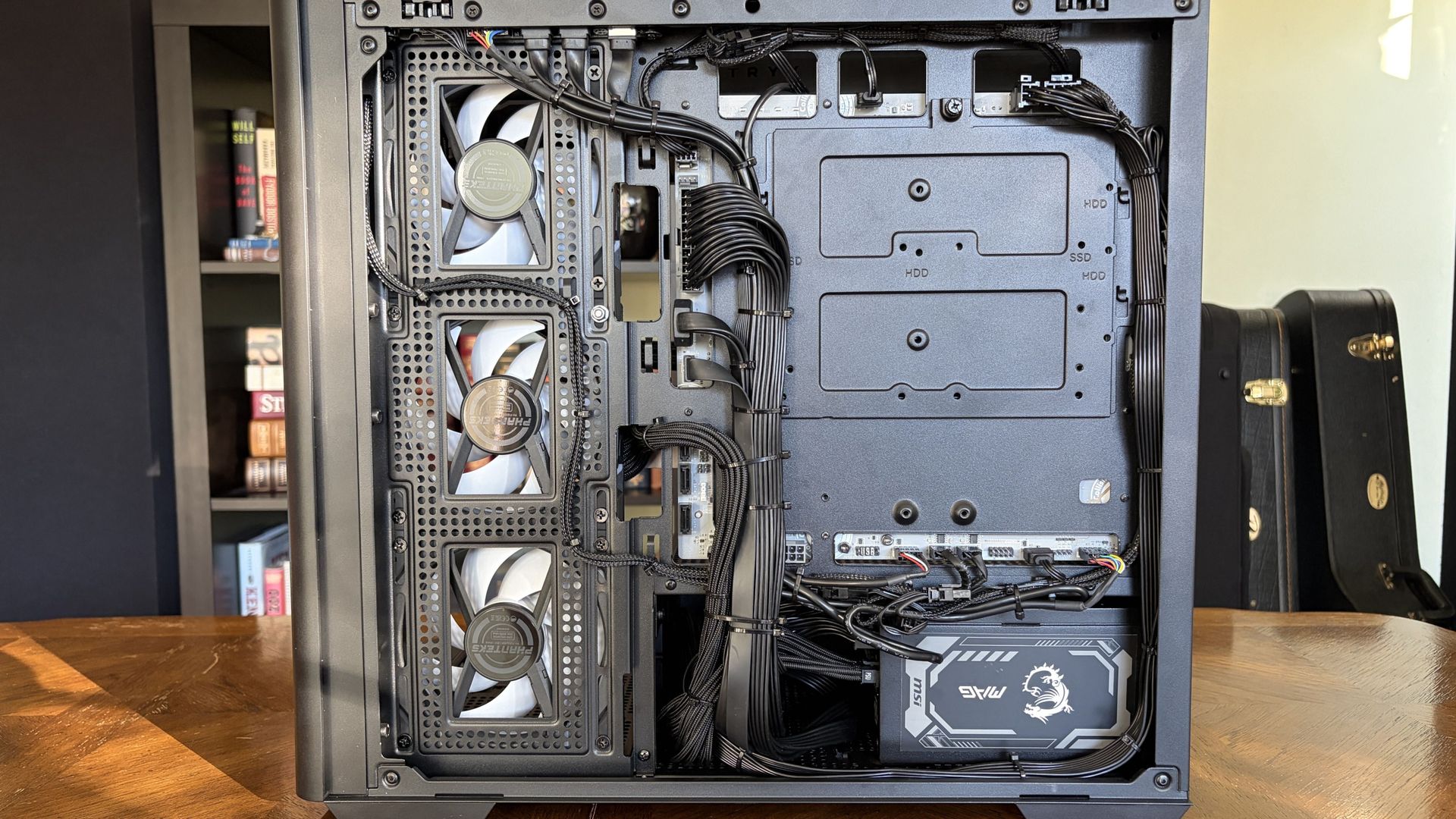
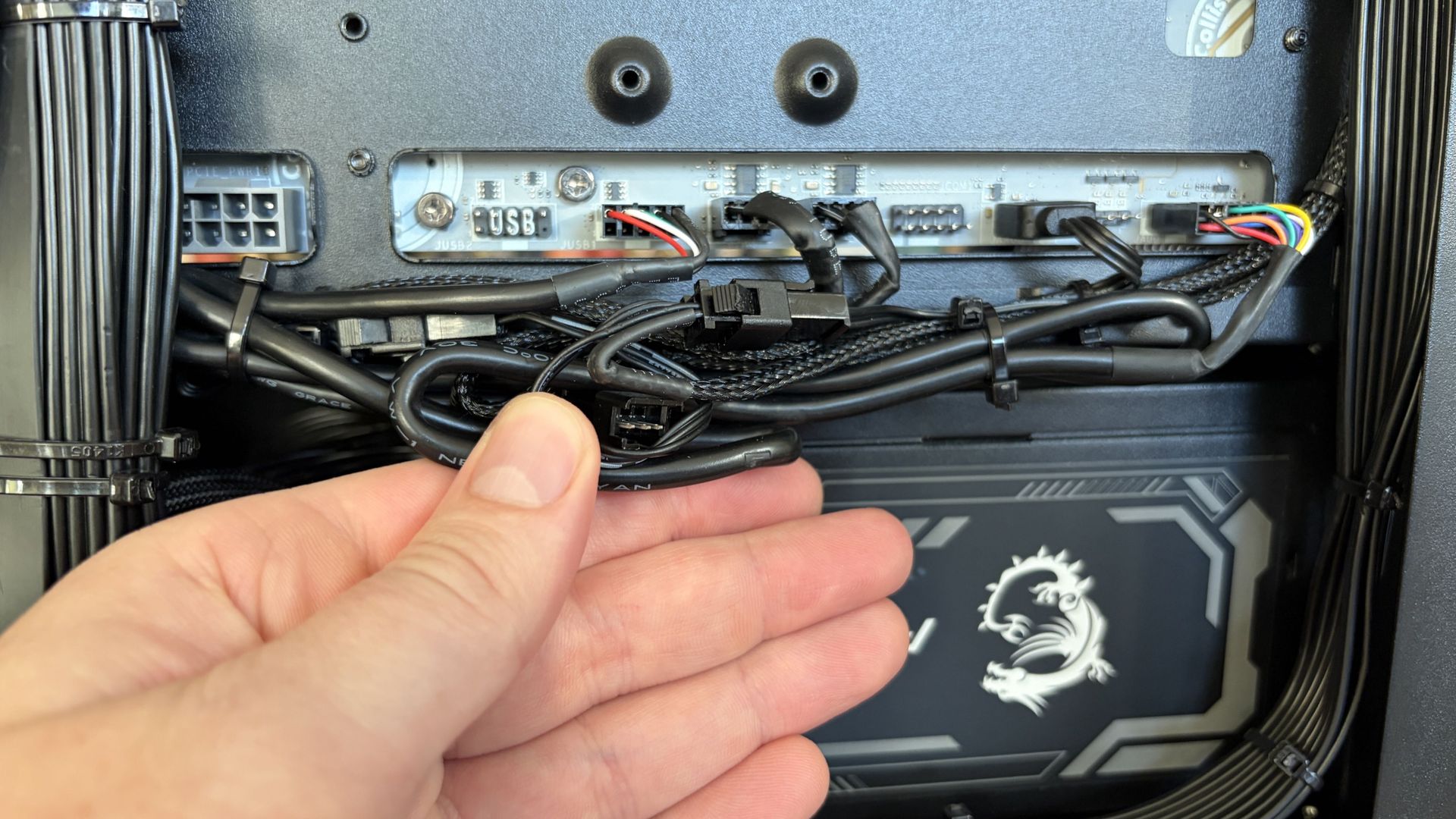
A look at the back side of the Maingear Zero and the rear motherboard hookups. (Image credit: Future)
Upon removing the steel side panel, I'm greeted by just about the cleanest cable management I've seen in a prebuilt PC.
Because the cables plug straight into the back of the motherboard, they can all be channeled together much more tightly.
Like the MG-1, the Zero uses plastic zip ties to hold the majority in place. Maingear has designed a PC around accessibility and cleaner cable routing, but then uses disposable cable ties that make servicing those hidden cables less convenient.
Velcro/reusable straps would fit the philosophy of the Zero better.
I clipped a couple of zip ties to check fan connections. I'll have to replace the ties with Velcro. (Image credit: Future)
The case has a second, lower compartment that hides the modular PSU. I've seen some real cable messes jammed into this space in some PCs; Maingear keeps everything clean and tidy.
Does Maingear's MG-1 keep cool with good airflow?
The Maingear Zero's Ryzen 7 9850X3D CPU and NVIDIA RTX 5090 GPU speak for themselves. This combination will run any game you want at high, smooth frame rates.
I grabbed some results from synthetic benchmarking software to help compare against other PCs we've tested.
FutureFutureFutureFutureFutureFuture
There are no surprises in these results. The CPU and GPU are performing as expected, right out of the box, with no additional steps required. I just unpacked, plugged in, and turned on.
What I'm more interested in is how this PC handles heat from the high-end components. If it keeps cool with this level of hardware, there should not be any issues with the more affordable configurations.
No big drops or spikes, which means you can game without worrying about what the system is doing.
I ran a 20-minute full-system stress test on the PC in a 21°C room. I made no changes to the stock fan curve that Maingear set up.
The PC got as loud as 50.5 decibels from about a foot away, and there was some coil whine to be heard, likely from the GPU. This is a common issue with NVIDIA's high-end GPUs.
Altogether, though, it runs fairly quietly, and there's lots of space for improvement if you don't mind adjusting fan curves.
The top and bottom of the case have plenty of cutouts for airflow. (Image credit: Future)
The RTX 5090 never went above 80°C, remaining steady throughout the stress test. The CPU remained at a cool 62.5°C for most of the test, but I was less concerned thanks to the beefy AiO liquid cooler.
Best part? Performance was super steady over the course of the stress test. No big drops or spikes, which means you can game without worrying about what the system is doing.
That was ultimately my experience with the Maingear Zero. It's all set up when it arrives, sans any bloatware, and it games like it should right out of the box.
Should you buy the Maingear Zero?
The Maingear Zero's panoramic glass provides an uninterrupted look inside the PC. (Image credit: Future)
You should buy this if ...
✅ You love a gaming PC with minimal visible cabling.
✅ You don't want to build your own rig and are OK with spending a bit more for the convenience.
✅ You want to be able to configure everything about your PC, right down to the cabling.
You should not buy this if ...
❌ You're looking for the most affordable gaming PC out there.
❌ You don't care about showcase aesthetics enough to pay for them.
The Zero feels like the clearest expression yet of what Maingear has been working toward with the MG-RC design (and I still recommend the MG-1). Moving the connections behind the motherboard doesn't just produce better photos; it makes the PC easier to admire, keeps the main chamber remarkably uncluttered, and does it without creating the thermal problems I was worried about.
Sure, there's room for improvement. The front I/O should be better at this price, and reusable cable straps would make servicing the beautifully hidden wiring less frustrating. My review unit also arrived with a loose fan connector that required some troubleshooting.
None of that changes my larger takeaway after living with the Zero. I've spent years looking through glass panels at increasingly powerful PC hardware surrounded by cables. After seeing how clean Maingear can make a high-end gaming PC without sacrificing cooling, performance, or practical access, I don't particularly want to go back.
No cables
Maingear
Zero
Aside from a couple of minor inconveniences, the Maingear Zero is an impressive PC with great airflow, strong performance, and an impeccable design that shows off your hardware (and more). I still like Maingear's MG-1, but the reverse connectors in use here are the future of PC building.
Reçu — 28 octobre 2026⏭Windows Central - News, Forums, Reviews, Help for Windows 10 and all things Microsoft.
This week, the popular gaming chat platform Discord sailed back into the bad books of many users after it announced official plans to make what you say in discoverable servers searchable on Google.Discord was already in hot water with users earlier this year when it announced it was adding global age verification. "Discord alternatives" searches jumped 10,000% overnight, while the majority of our readers polled agreed that it was time to leave the platform.The ag
This week, the popular gaming chat platform Discord sailed back into the bad books of many users after it announced official plans to make what you say in discoverable servers searchable on Google.
The age verification situation was finally cemented in September when Discord made it official. There wasn't a ton of outcry, whether because users accepted their fate or already ditched Discord for an alternative.
Is it time to raise the pitchforks again? Not quite. Let me explain.
Is Discord's Google search move really that bad?
Discord will soon make content from discoverable servers indexable by Google. (Image credit: Future | Discord | Google | Edited with Gemini)
Discord's planned change begins rolling out on November 16, when every discoverable server will receive a server web page. This page is expected to be populated with AI summaries of what users are talking about.
Privacy?
Usernames and avatars will not be included with any text pulled by Google from Discord's discoverable servers.
Discord plans to drop the full change, where your publicly posted words will be discoverable by Google, in mid-December.
This isn't as bad as you think, but it's certainly still invasive. Discord's discoverable servers are not the same as private servers you and your friends use. They're not the DMs you send to other Discord users.
They are the Discord servers that don't require an invite to join and that must have at least 1,000 members. Discord says there are about 63,000 of these servers currently on the go.
Messages you've sent in these servers before the mid-December switch flip won't appear in Google. However, anything sent after the deadline will indeed be searchable.
If you frequent these types of servers and don't want your words appearing in the world's most popular search engine, you can opt out.
How to opt out of Discord's discoverable server Google search changes
Users can hit this one toggle to negate the changes. (Image credit: Future)
Don't want what you type in certain Discord servers to show up in Google? Here's how to opt out.
Click the User Settings button in the Discord app. It's a gear located in the bottom-left corner.
Click Data and Privacy.
Ensure the toggle next to "Show my message content from Discoverable channels on web pages" is turned off.
As far as I can tell, that should do the trick. Keep in mind that your messages from before the switch won't be indexed, so there's not much reason to go back and delete posts you've made in the past.
If you run a server and are not sure if it's discoverable, Discord has a full guide on how to enable, disable, and configure the setting.
Windows Central's take
Is Discord's upcoming change really that bad? No. (Image credit: Windows Central)
Discord's angle here is that it wants valuable content created in discoverable servers to be found by a much larger audience.
It imagines a richer collection of game guides, tips, and tricks in Google now that it's opening up its content, and for that I don't blame the company.
The fact that this change comes with so much heads-up time, as well as easy-to-find toggles to disable, makes it easy to negate. Just be sure to hit the right toggles before Discord makes the switch mid-December.
Join us on Reddit at r/WindowsCentral to share your insights and discuss our latest news, reviews, and more.
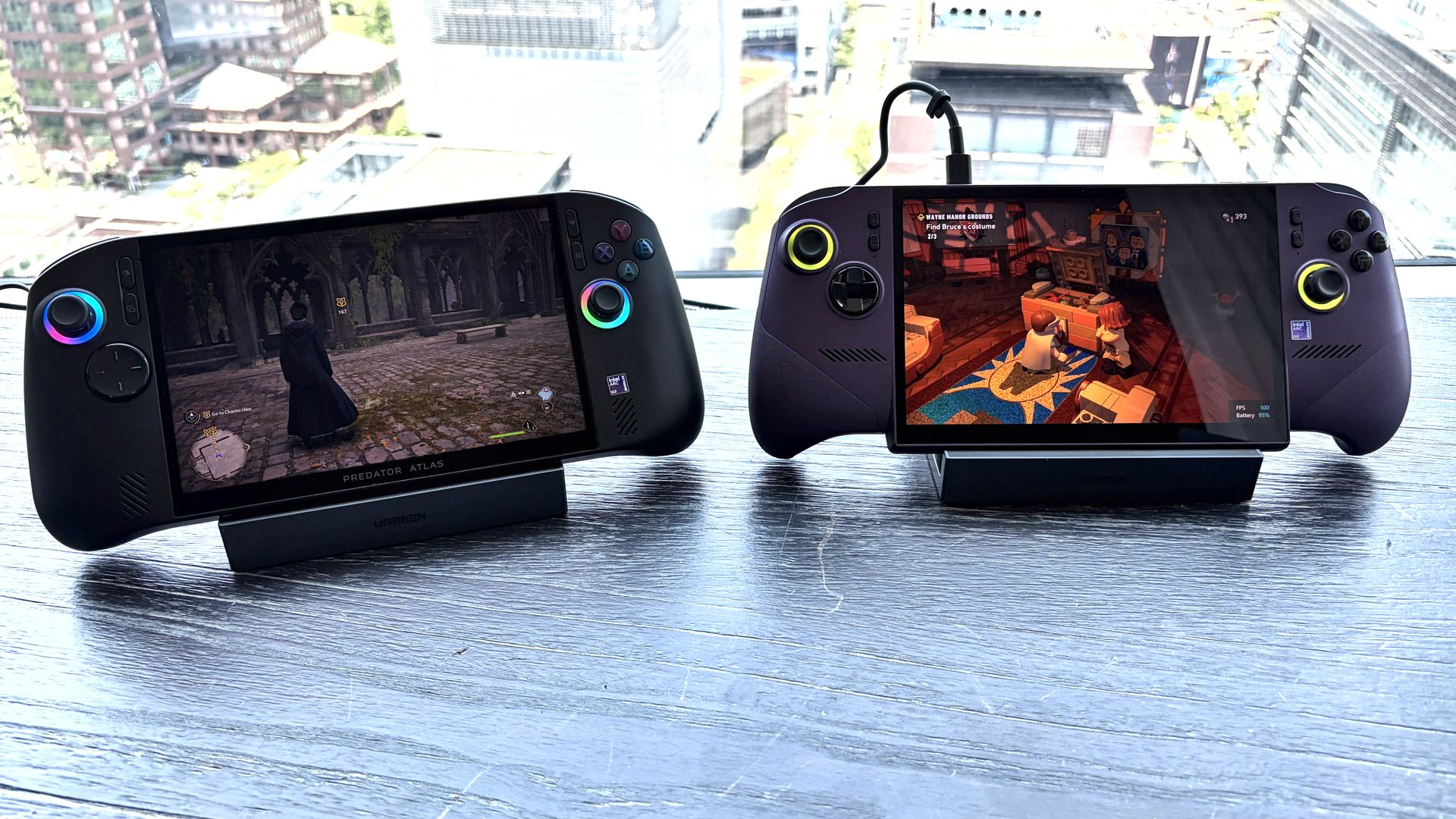
The new Acer Predator Atlas 8 gaming handheld, featuring Intel's latest G Series chips, finally went up for pre-sale in the US on October 23, with full launch slated for November 1.This is the new handheld I tested at Computex this year alongside the MSI Claw 8 EX AI+. Both are premium devices landing in a market turned upside down on account of RAM and storage shortages. MSI's new Claw with Intel's Arc G3 Extreme chip inside, for example, launched at $1,799.99.H
The new Acer Predator Atlas 8 gaming handheld, featuring Intel's latest G Series chips, finally went up for pre-sale in the US on October 23, with full launch slated for November 1.
Here's where Acer's new handheld packing the same Intel G3 Extreme chip offers a big surprise for shoppers. It's priced at $1,299.99 at Best Buy. Or at least it was, for the Best Buy page preorder has since been removed. I'm not exactly sure why — maybe Acer is reconsidering the post-launch price now that preorders are in.
In any case, seeing a handheld with the same powerful mobile chip inside as the MSI Claw 8 EX AI+ launch for $500 less should be on every gamer's radar. But how is Acer undercutting the competition by so much?
How does Acer charge $500 less for its Intel Arc G3 Extreme gaming handheld?
Intel's new mobile chips are designed specifically for handhelds, delivering considerably improved performance and efficiency compared to the AMD Ryzen Z2 Extreme chips so common to the form factor.
On paper, the Acer and MSI devices are quite similar. Both feature the flagship Intel Arc G3 Extreme chip, with 14 cores, a 4.7GHz top clock speed, and a faster Arc B390 integrated GPU compared to the standard Arc G3 chip.
Both devices use an 8-inch IPS display with 1920x1200 resolution, 120Hz variable refresh rate, 500 nits brightness, and 100% sRGB color reproduction.
Both have Thunderbolt 4 ports and Wi-Fi 7. Both have Hall Effect triggers and joysticks. Both use an 80Wh battery. So what's the deal?
Based on my (limited) time with the Predator Atlas 8, it looks like the big price difference comes down to build quality and configuration specs.
Let me get the biggest difference out of the way first: the $1,799.99 MSI Claw 8 EX AI+ ships with 32GB of RAM and a 1TB SSD. The Acer Predator Atlas 8 pares that back to 24GB of RAM and a 512GB SSD.
Considering the price of storage and memory these days, this difference likely helps make up a huge chunk of the difference.
Otherwise, as I noted in my Intel Arc G3 Extreme hands-on piece, Acer's device has triggers that don't feel quite as snappy as MSI. The reverse can be said for the joysticks, where I believe Acer has MSI beat.
Audio from both devices was good, and although Acer's Predator Atlas 8 is smaller and ultimately more portable, I found both handhelds to be comfortable to hold.
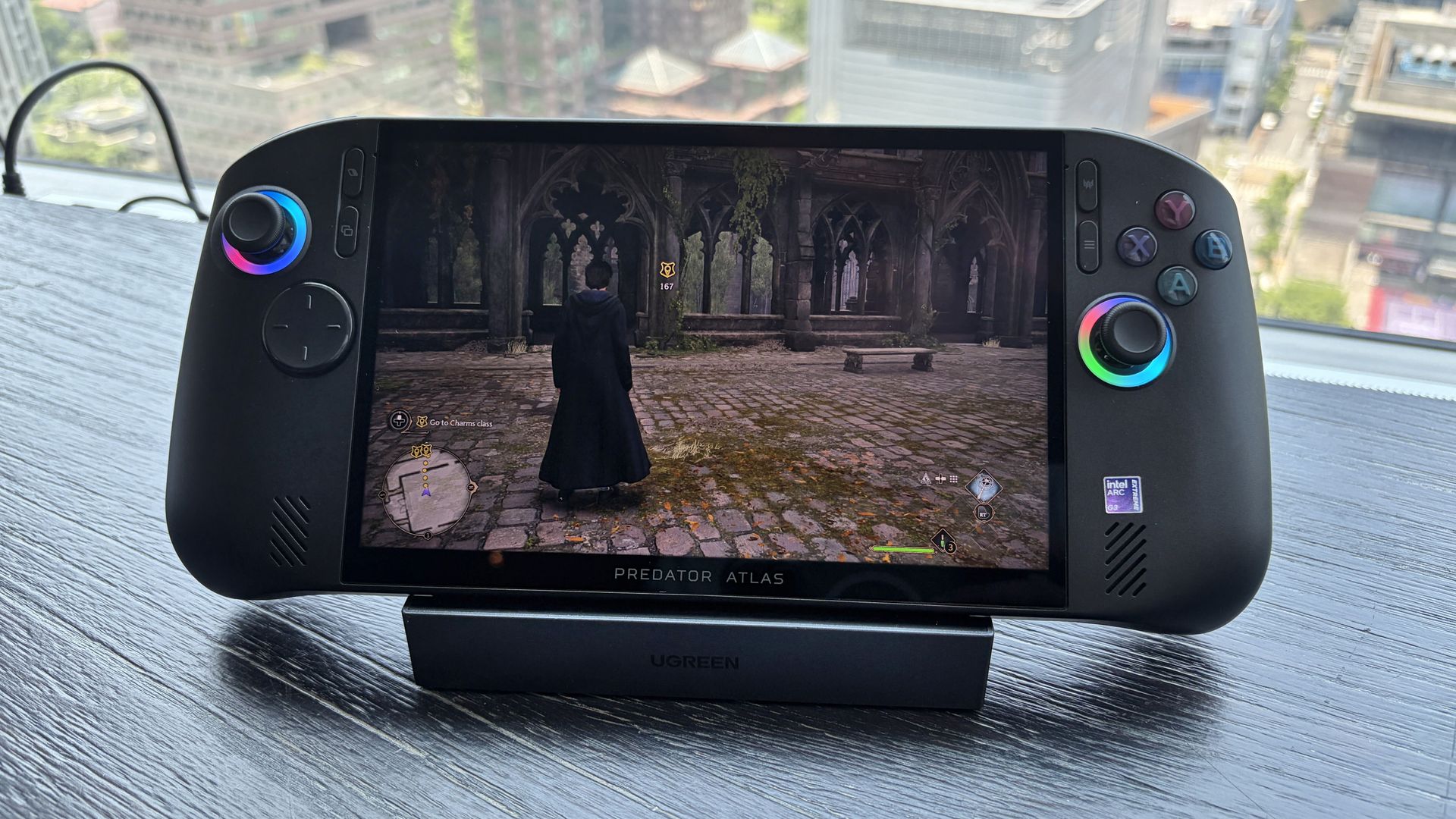
In terms of performance, the Predator Atlas 8 was running demanding games like Hogwarts Legacy and LEGO Batman: Legacy of the Dark Knight at a cool, smooth clip.
I'll have to do more testing once Acer's handheld actually arrives here for testing, but I don't expect it to perform any worse than MSI's new Claw.
Bottom line? It's the disparity in RAM and SSD configurations at launch that's helping keep Acer's gaming handheld at a much more reasonable price.
Is Acer's $1,299.99 Predator Atlas 8 actually cheap?
The Predator Atlas 8 feels good to hold and features many similar high-end features as the MSI Claw 8 EX AI+. (Image credit: Future)
That's not quite the case for Acer's Predator Atlas 8, especially with console prices on the rise, but that doesn't make it affordable.
Keep in mind that the Steam Deck, which kicked off the gaming handheld craze, launched at just $399 in 2022.
No, the Steam Deck isn't nearly as powerful as the new Arc G3 devices, but it was priced to sell. Is Acer's Predator Atlas 8 affordable relative to today's overall market? Absolutely.
As mentioned, the Predator Atlas 8 Best Buy preorder page is down at the time of writing this piece. Check back soon, especially after November 1, when the handheld actually launches, to see if prices have changed.
Join us on Reddit at r/WindowsCentral to share your insights and discuss our latest news, reviews, and more.
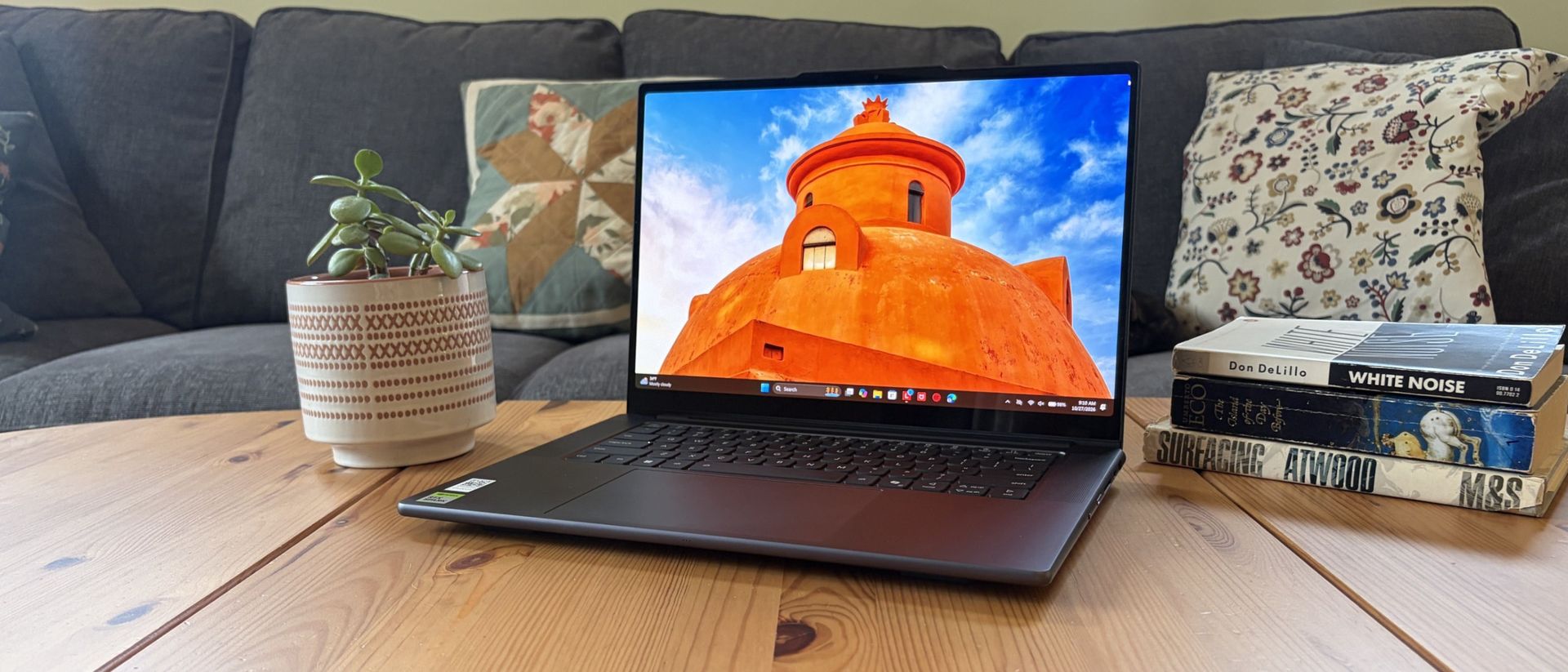
Lenovo's Pro 9n landed on my desk roughly three weeks ago, and it's been my daily work PC since then. It's also been my gaming handheld replacement, my home base for local AI testing, my sketchpad to practice digital drawing, and my entertainment hub. This pricey Lenovo Pro 9n isn't for everyone despite its broad versatility. That's true about any of the new RTX Spark laptops. I'm looking to see how Lenovo's offering differs from the others — including the Surfac
It's also been my gaming handheld replacement, my home base for local AI testing, my sketchpad to practice digital drawing, and my entertainment hub.
This pricey Lenovo Pro 9n isn't for everyone despite its broad versatility. That's true about any of the new RTX Spark laptops.
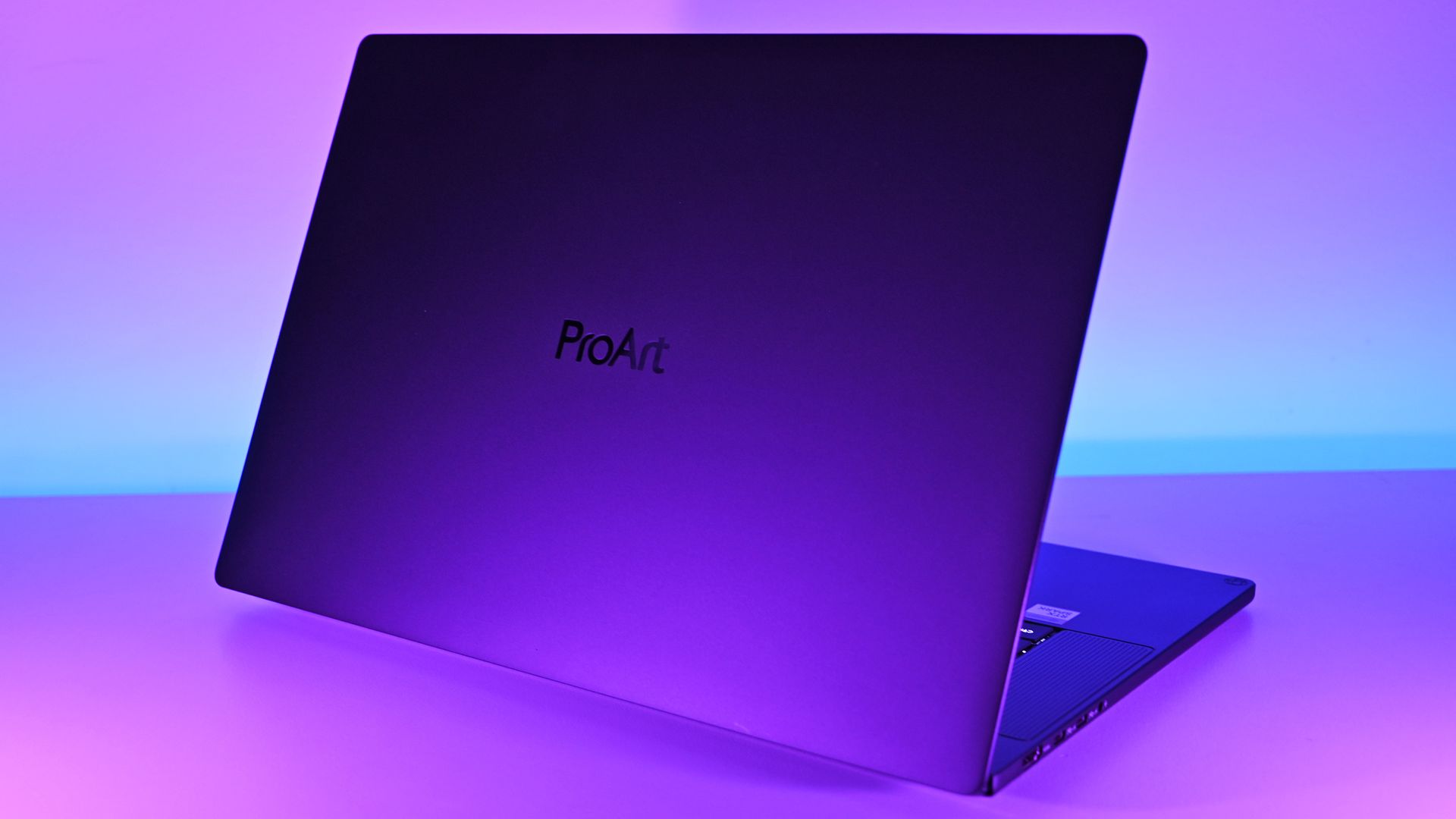
I'm looking to see how Lenovo's offering differs from the others — including the Surface Laptop Ultra and ASUS ProArt P16 we reviewed — in terms of features, design, and performance.
Lenovo sent Windows Central a review unit on loan for testing. It had no input, nor saw the contents of this review, prior to publication.
Lenovo Pro 9n: Price and specifications
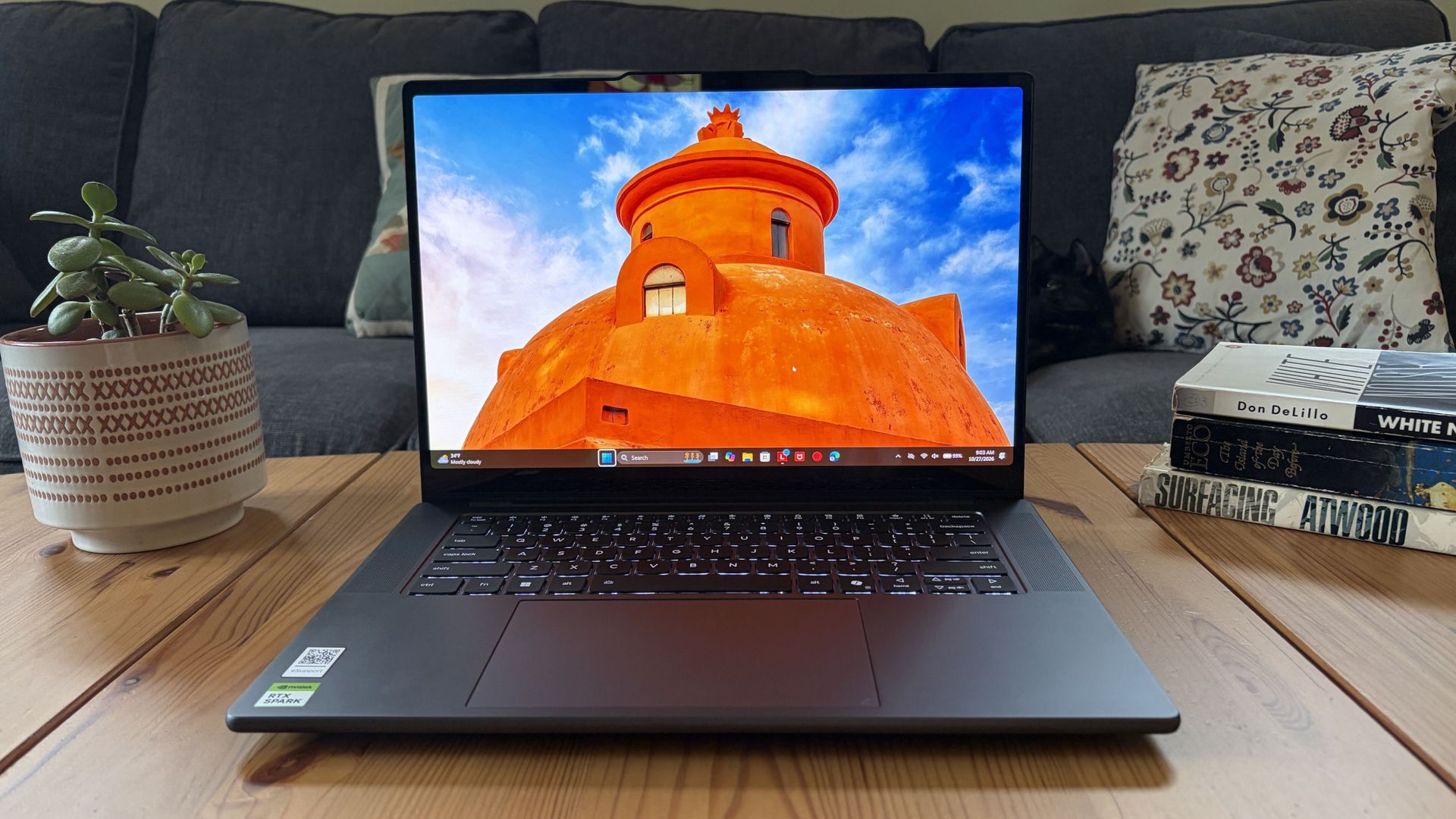
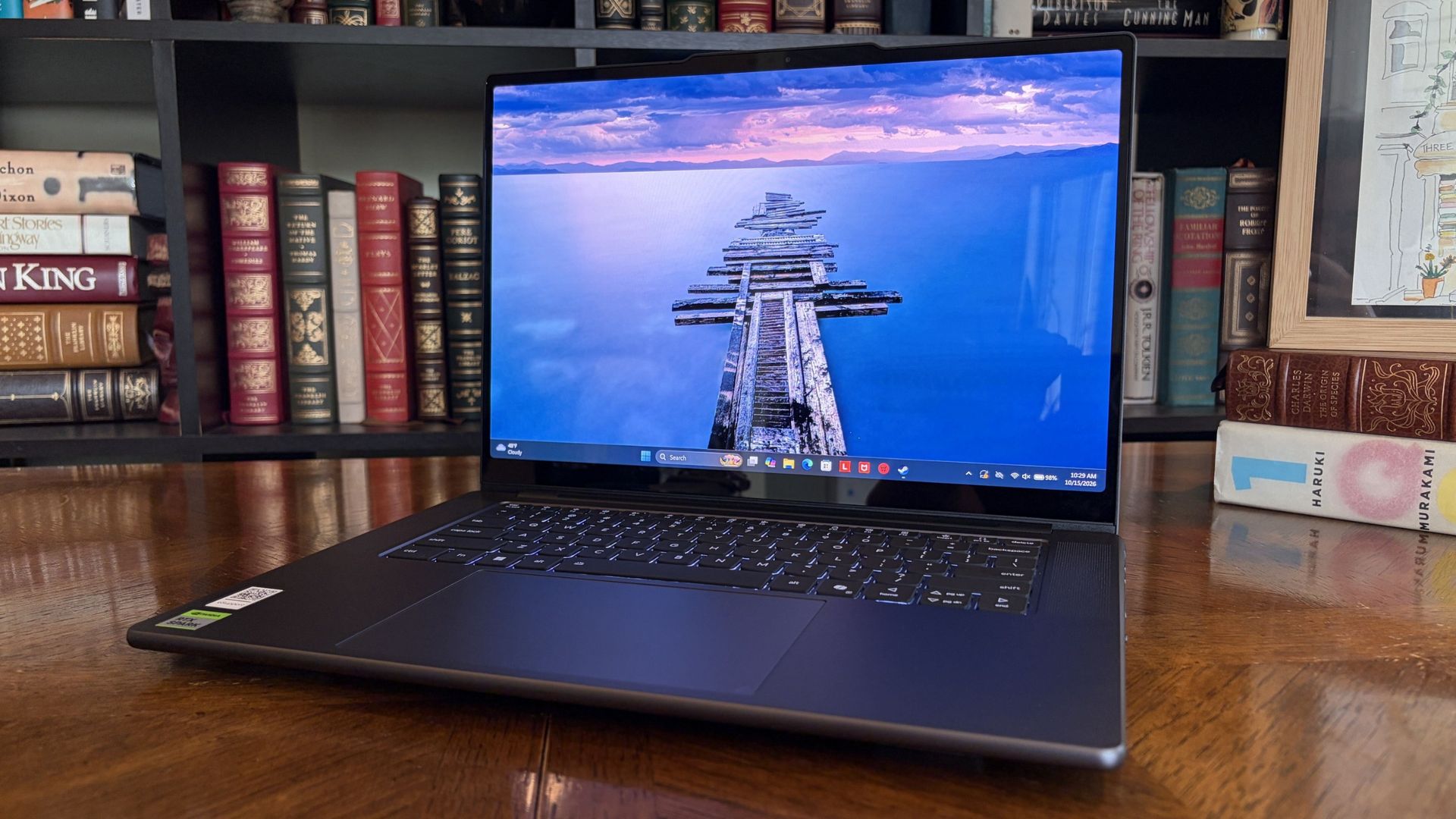
You'd never know the level of power contained within this sleek chassis. (Image credit: Future)
Lenovo's Pro 9n starts at $2,999.99, putting it near the middle of the RTX Spark lineup.
For this price, you get an 18-core NVIDIA N1X CPU, integrated RTX Blackwell GPU with 5,120 cores, 32GB of LPDDR5x unified RAM, a 512GB M.2PCIe 4.0 NVMe SSD, and a 15.3-inch OLED touch display at a 2560x1600 resolution.
Lenovo offers configuration options for CPU, RAM, and storage. The top spec with a 20-core N1X CPU, 6144-core GPU, 128GB RAM, and 2TB PCIe 5.0 SSD balloons to $6,099.99, with several stops along the way.
13.66 x 9.53 x 0.66 inches (347mm x 242mm x 16.7mm)
Weight
From 3.64 pounds (1.65kg)
New designs and updated features for the RTX Spark platform
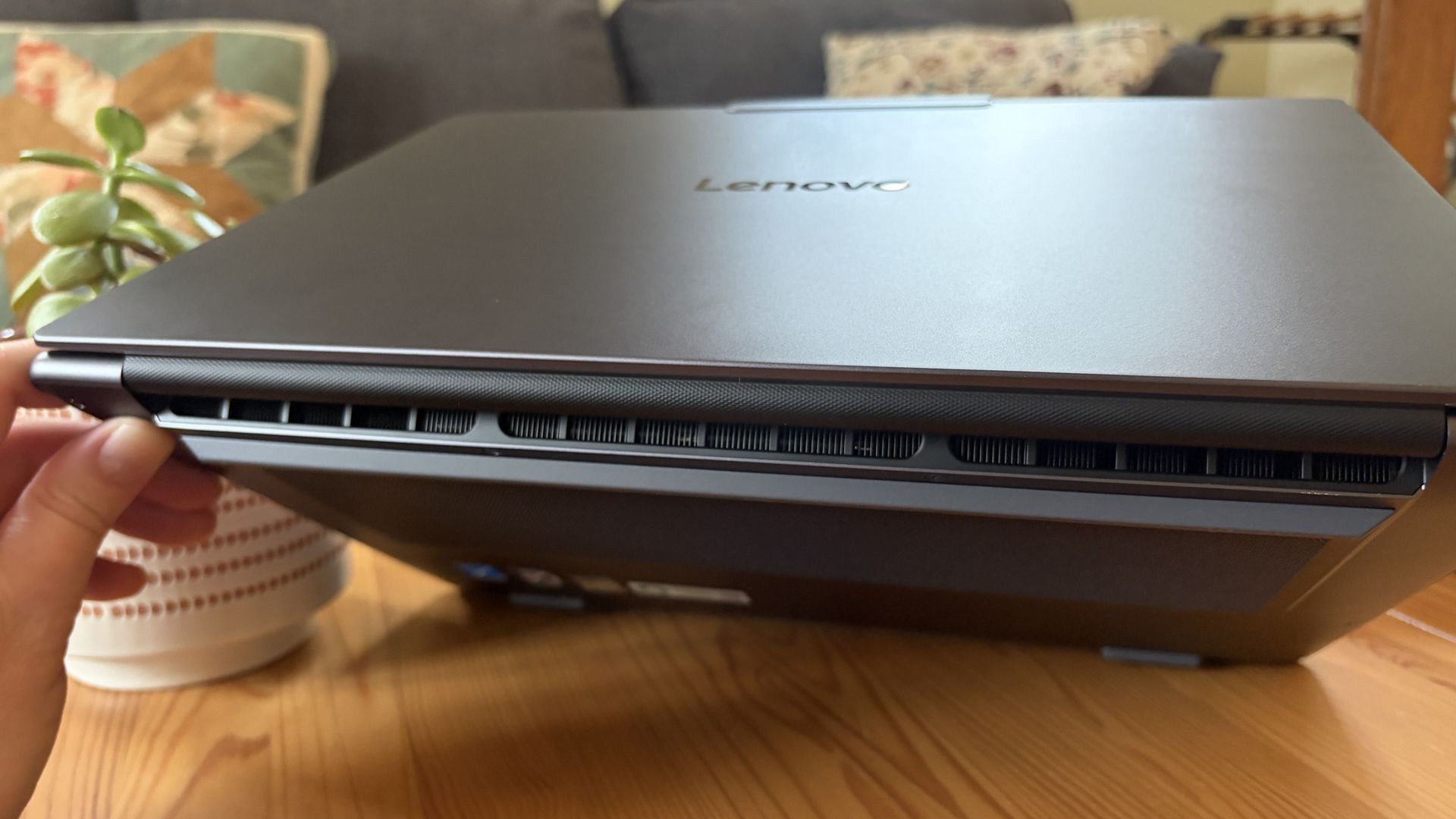
A look at the rear exhaust behind the lid hinge. (Image credit: Future)
The design of Lenovo's Pro 9n has grown on me over the weeks. What I first saw as uninspired has morphed into something that's sleek, relatively lightweight, and ultimately perfect for a professional setting.
With an aluminum top and bottom that add rigidity and a more premium feel than plastic, the PC still manages to slide in at 3.64 pounds (1.65kg) while measuring just 0.66 inches (1.67cm) thin.
The 15.3-inch display translates to a smaller footprint than a full 16-inch PC, and I found it to be an apt size for working in the passenger seat of a car. It should also translate well to airplane trays or train seats.
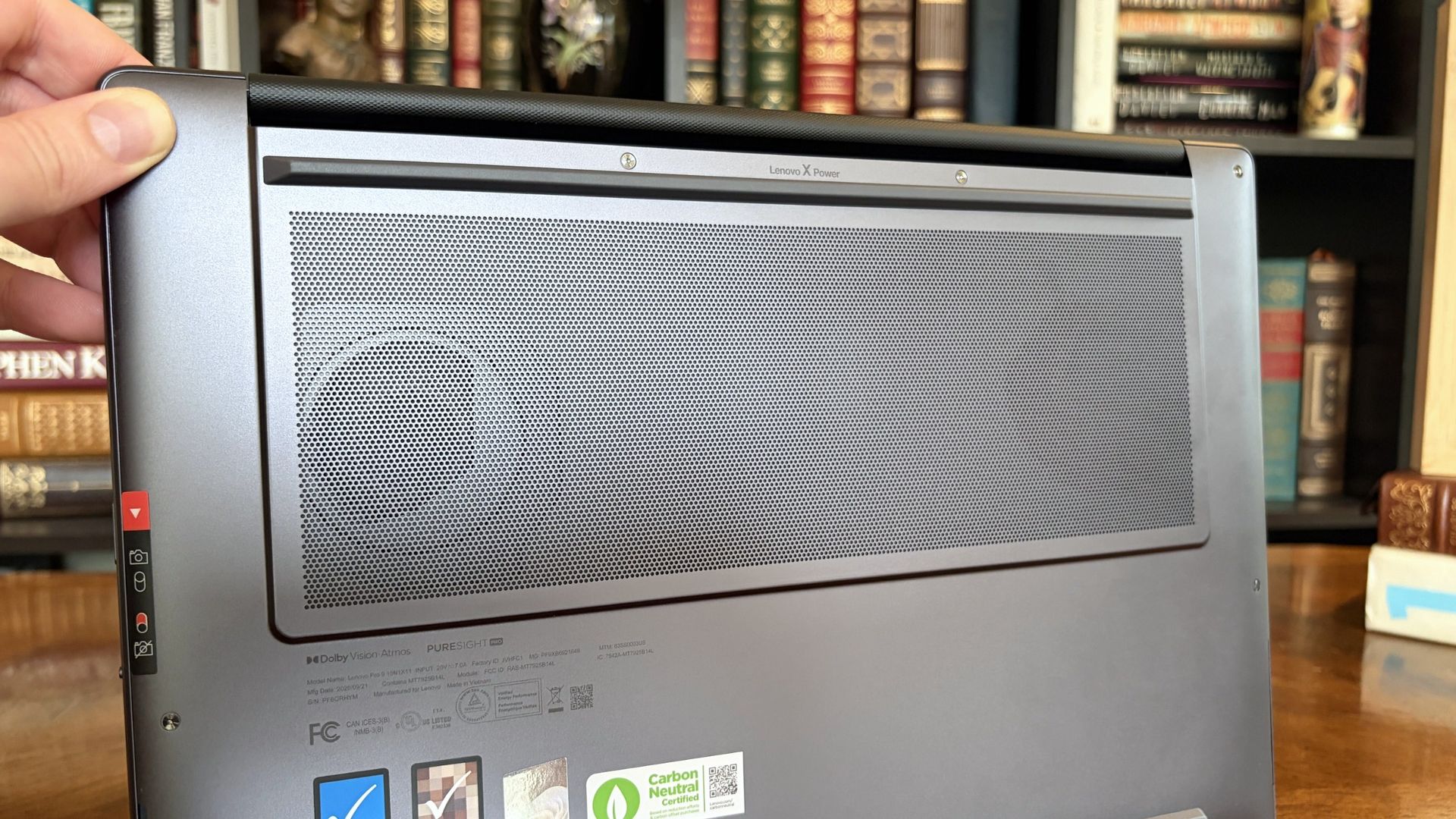
The bottom of the Pro 9n has a massive air intake to feed the two fans. (Image credit: Future)
The thermal layout has been redesigned for the new RTX Spark chip (which I explore below), resulting in a massive air intake on the bottom of the PC and larger vents on the rear edge for exhaust.
This setup keeps hot air directed away from the user and, as you'll see below, it does a decent job of keeping the PC cool under load.
Ports on the left include HDMI, USB-A, USB4, and 3.5mm audio.FuturePorts on the right include USB-A, USB4, and UHS-II SD card reader.Future
This leaves plenty of space along the sides for ports. On the left are HDMI 2.1, USB-A 3.2 (always on), USB4, and a 3.5mm audio jack. On the right side are another USB-A 3.2, USB4, and a UHS-II SD card reader.
At no time did I feel the need to grab a dongle for an accessory, especially with Bluetooth 5.4 on board, and the native HDMI port makes it easy to plug into an external display without a docking station.
On the note of wireless, cutting-edge Wi-Fi 7 is on board for excellent throughput and future-proofing.
Lenovo's keyboard and haptic touchpad are among the best
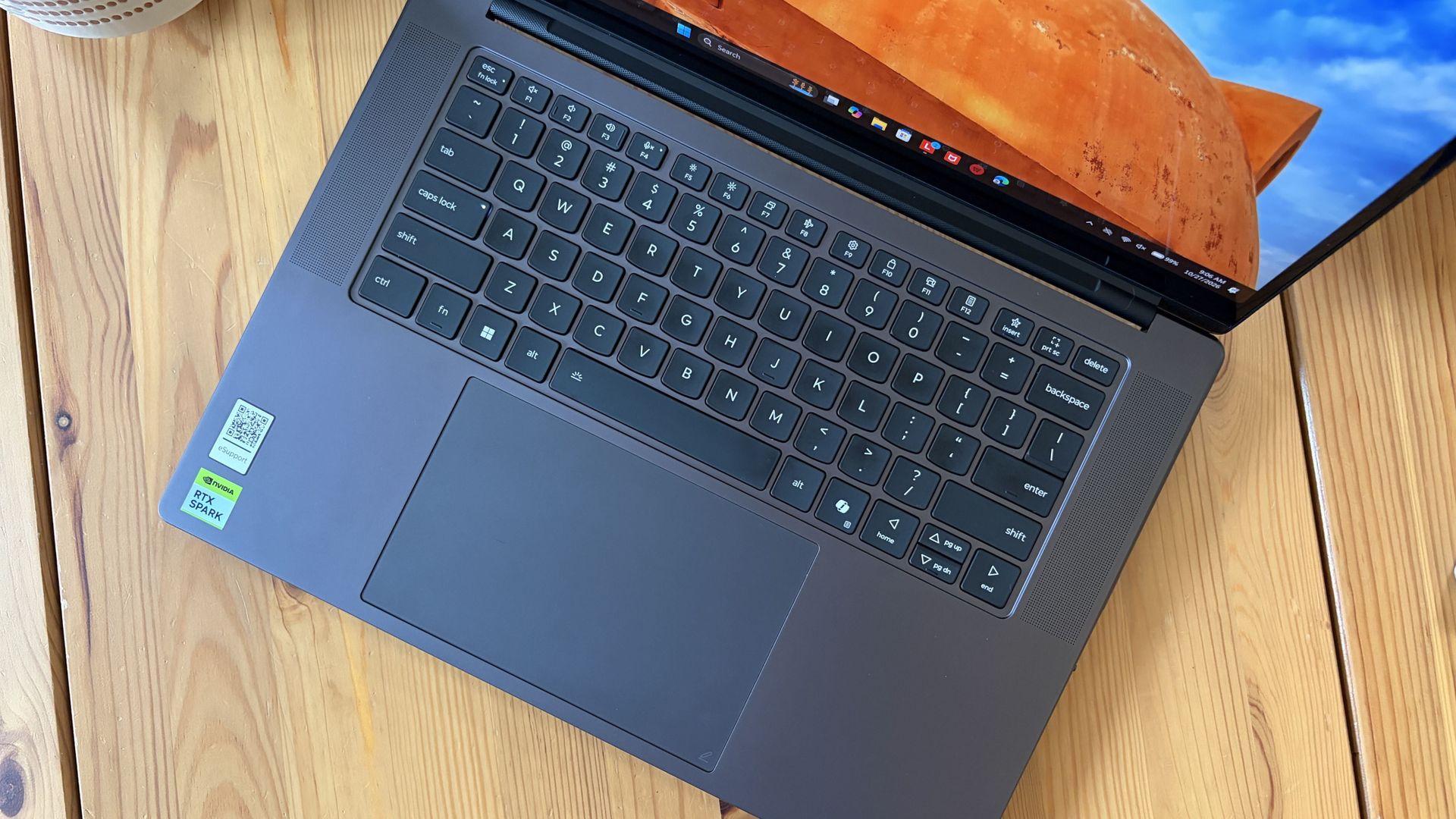
The Lenovo Pro 9n's oversized haptic touchpad and active pen turn the laptop into a makeshift drawing tablet. (Image credit: Future)
The Pro 9n is the first Lenovo laptop to receive its new haptic touchpad with inking compatibility. Paired with the bundled Yoga Pen (Gen 2), it turns the PC into a creative tablet of sorts.
I'm no artist, but I was able to get down some rough sketches using the awesome Krita drawing app. I found the touchpad's 3.74 x 3.94-inch dimensions were large enough to comfortably write and draw, and the inking feel is outstanding.
My only gripes are likely from me reading too much into the feature. Drawing on the pad often left my hand hanging off the edge (not comfortable), and it was sometimes difficult to line up my pen on the touchpad with where I wanted it on my screen.
Approach it from a rough sketch viewpoint, and you should find it to be quite useful. As for actual pointing and clicking, I had no issues. The haptics underpinning the pad are spot on.
1.5mm key travel makes for comfy typing no matter what. (Image credit: Future)
The keyboard, which arrives flanked by a couple of speakers, offers deep 1.5mmkey travel, three-stage backlight, and perfect spacing. This might be the best keyboard that Lenovo's non-ThinkPads have ever received, and I enjoyed every word I typed on it.
Circling back to the speakers, the two that flank the keys are each 2W tweeters, and they're accompanied by two 2W woofers on the bottom of the PC.
Sound gets loud without breaking. There's lots of bass. The highs are clean, even before adding any onboard Dolby Atmos tuning. The laptop is just as good for watching TV and movies as it is for handling creative work or jumping into video meetings.
A crisp webcam handles meetings on the move
The raised comms bar has space for a 9.2MP camera and IR sensor. (Image credit: Future)
Lenovo's raised communications bar located above the display adds a bit of space for camera hardware, and the company made good use of it here.
The Pro 9n comes with a 9.2MP camera, easily trumping the ASUS ProArt P16's 2.1MP and the Surface Laptop Ultra's 1.6MP cameras.
It's crisp and handles lighting quite well even without any Windows Studio Effects in play, and I'd say it's a definite upgrade for anyone who often finds themselves in video meetings and collaborations.
The IR sensor built into the camera handles facial recognition via Windows Hello. Unfortunately, it doesn't appear to go the extra step to offer human presence detection. This doesn't seem to be a lock for the new RTX Spark PCs — the Surface Laptop Ultra doesn't have it either, but the ProArt P16 does.
An OLED display with color profiles for any job
The OLED display delivers color for specialized work and speed for gaming. (Image credit: Future)
Lenovo ships the Pro 9n with a 15.3-inch PureSight Pro OLED display. This is basically Lenovo's top-of-the-line screen for creators and pros, coming at you with X-Rite Pantone calibration and X-Rite SkinTone validation out of the box.
It hits Delta E, tops out at a 165Hz refresh rate (which can be set to variable for better battery life and eye comfort), and has Dolby Vision support.
Something I learned quickly was that the display presets in Lenovo's Vantage app are actually important. The Default mode in which the laptop ships favors sRGB reproduction. There are presets for AdobeRGB and sRGB (which pump up those sections), as well as P3-D65, REC709, and DCI-P3.
I was able to hit 100% across all color gamuts in my testing, but not all at once. You'll just have to be sure that you select the right config depending on the work you're doing.
I was able to hit 100% across all color gamuts in my testing, but not all at once.
I also measured 476 nits of peak brightness in SDR content, which pushes past 1,000 nits when HDR is enabled. I was able to work in a brightly lit room with only a bit of glare, but I imagine an anti-reflective instead of glossy finish would have gone a long way to eliminating glare entirely.
The screen is available in touch or non-touch, and the specs are otherwise the same. Note that the pen only works on the laptop's touchpad, whether or not the screen is touch-enabled.
The Pro 9n's OLED display is vivid and bright. (Image credit: Future)
The inclusion of NVIDIA G-Sync tech really props up the gaming aspect, reducing screen tearing and ultimately making everything feel much smoother, as you'd expect from a premium laptop that can game.
My only complaint is that Lenovo doesn't offer a higher-res panel. The 2.5K default is great for everyday work and gaming, but 4K would probably go a long way for some creators.
Comparing the 18-core and 20-core RTX Spark chips
I gave the Pro 9n some games to chew on to see if it can replace my gaming handheld. Short answer: it can. (Image credit: Future)
Power tip
Lenovo allows for up to 80W of overall power for the chip, putting it in line with the other RTX Spark laptops we've tested.
As it turns out, quite well. You get the same pool of unified LPDDR5x memory to pull from for the system and GPU, albeit in smaller quantities (32GB for my review unit).
You get the coveted CUDA cores (with 5120 in my unit compared to 6144 in the premier chip) to handle local AI inference. And you still get about 26 TFLOPs of graphics performance.
The following graphs show how the 18-core RTX Spark in the Lenovo Pro 9n compares to the 20-core RTX Spark chips we've already tested in other laptops.
FutureFutureFutureFutureFutureFuture
As you can see, synthetic Geekbench 7 and Cinebench 2026 CPU scores fall accordingly compared to the 20-core Spark. Not by a lot, but it is noticeable.
The SSD looks comparatively slow, but keep in mind that most of these laptops have a mix of PCIe 4.0 and PCIe 5.0. In my test case, it's the former, but you can get the latter, faster drive in a 2TB config.
FutureFutureFuture
The weaker RTX GPU also showed a drop-off in Geekbench 7's GPU test, but it put up a strong fight in 3DMark's Steel Nomad and Speed Way tests.
Considering I was playing The Witcher 3: The Wild Hunt Remastered at a smooth frame rate with ray tracing cranked up, there should be no denying the Pro 9n can game. Just don't buy it if that's all you want from your laptop.
There should be no denying the Pro 9n can game.
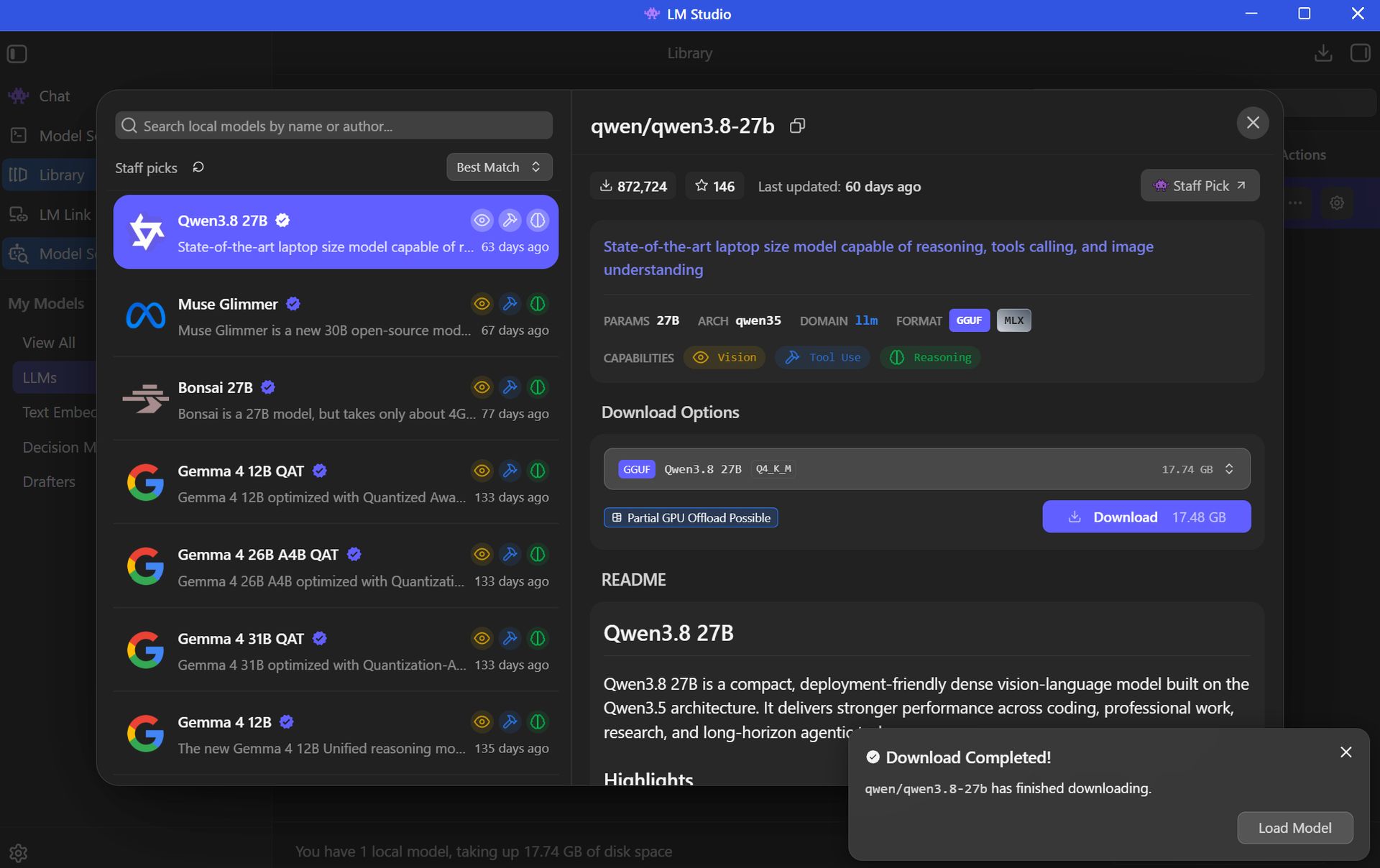
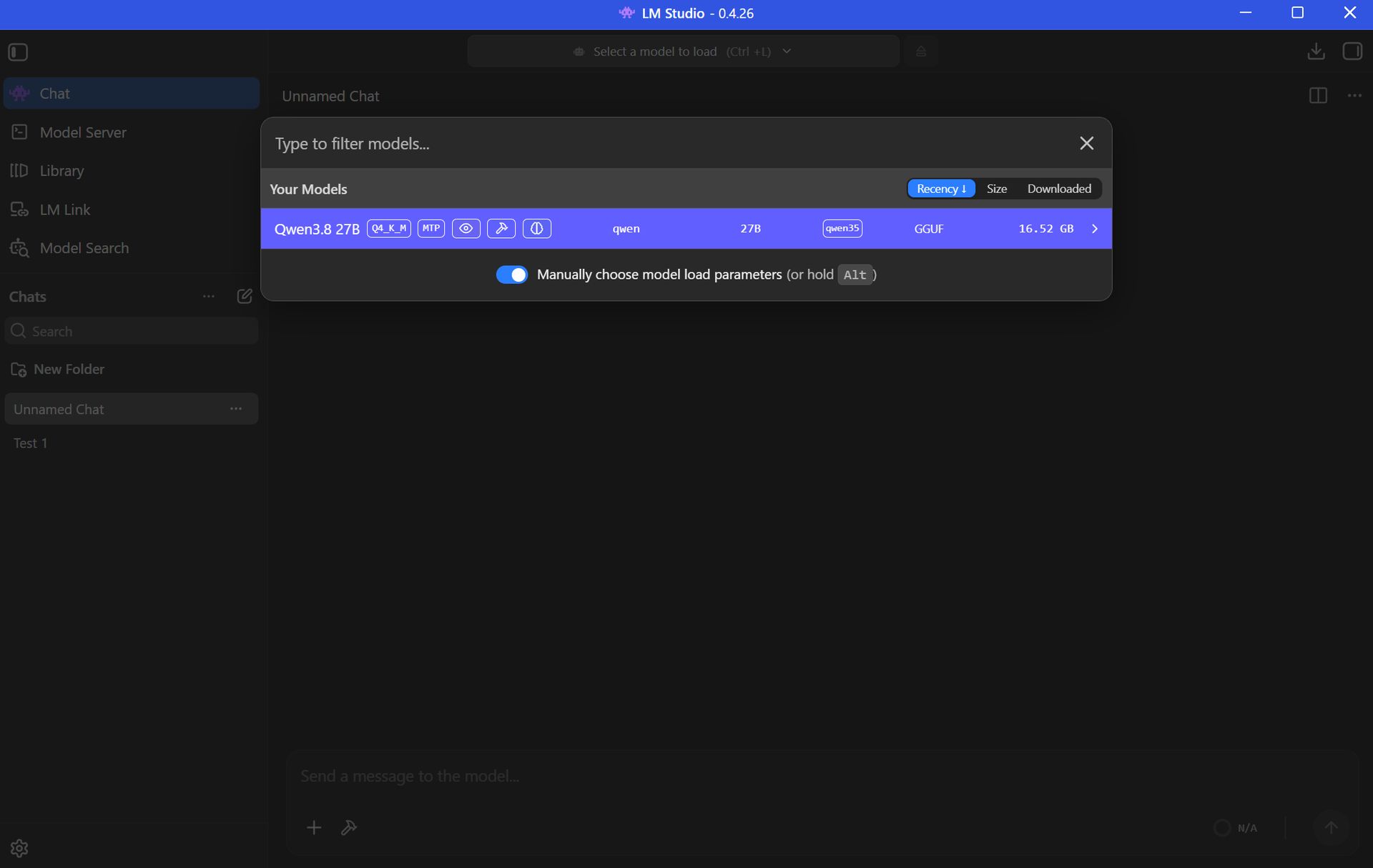
I also began a journey with local AI agents on the Lenovo Pro 9n. I set up LM Studio on it and downloaded a hefty Qwen model, which runs surprisingly well on the system despite only having 32GB of unified RAM.
Lenovo's Pro 9n running LM Studio, allowing me to chat locally with AI agents. (Image credit: Future)
The unit I was sent to test is more geared toward creators who don't need the ultimate 20-core CPU and 128GB of RAM coveted by AI specialists, so I'm pleased that it's proving to be a capable local AI base.
I ran a few AI-focused tests in Procyon to see how the weaker RTX Spark chip in my Lenovo Pro 9n compares to the 20-core option we already reviewed.
Procyon Image Generation
RTX Spark (18-core)
RTX Spark (20-core)
Stable Diffusion 1.5 score (FP16, higher is better)
1,430
1,380
Seconds / Image (lower is better)
4.36
4.22
Total duration (lower is better)
69.9
67.5
Procyon Text Generation
RTX Spark (18-core)
RTX Spark (20-core)
Phi-3.5-mini (higher is better)
2,383
2,615
Seconds to first token (lower is better)
0.31
0.27
Tokens / Second (higher is better)
68.31
72.21
Load time / Seconds (lower is better)
0.73
0.66
Procyon AI Computer Vision 2.0
RTX Spark (18-core)
RTX Spark (20-core)
Score (higher is better)
3,658
3,997
There's clearly a drop-off with the 18-core Spark chip in terms of AI performance, and I'd recommend that any AI specialists out there opt for the 20-core option.
For creators, part-time gamers, and professionals without a direct focus on AI, I think the 18-core chip should do just fine.
Does Lenovo's Pro 9n get too hot?
Playing demanding games on the Lenovo Pro 9n is entirely possible. Just expect there to be a little heat. (Image credit: Future)
The Lenovo Pro 9n's upgraded cooling system does a good job of managing thermal limits, and fan noise isn't bad, either. This is all with the system managing power automatically, which I found quite convenient.
During a lengthy system stress test, I never clocked the fan noise any higher than 43dB. They're audible in a quiet room, but they'd go unnoticed in a busy office.
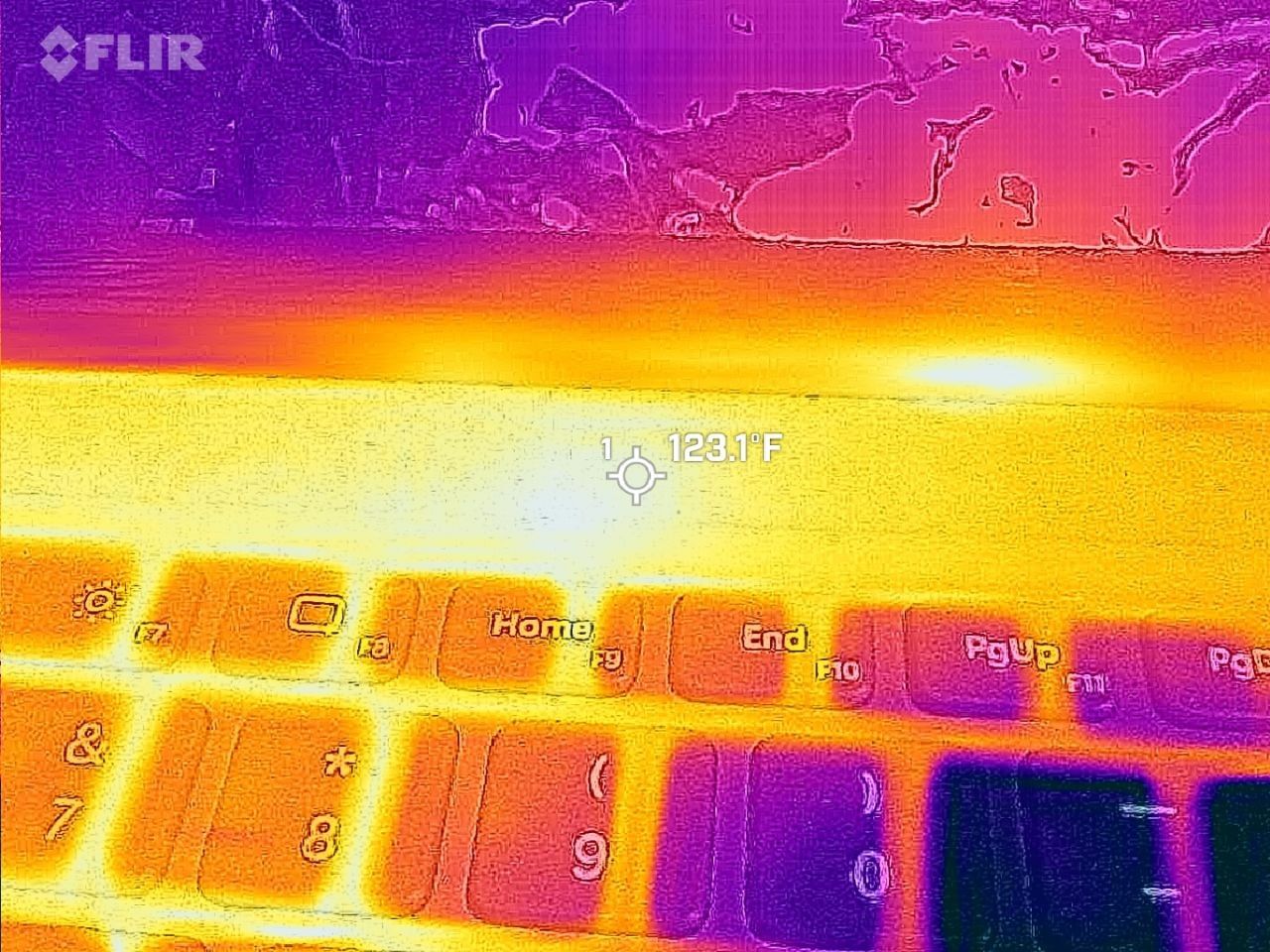
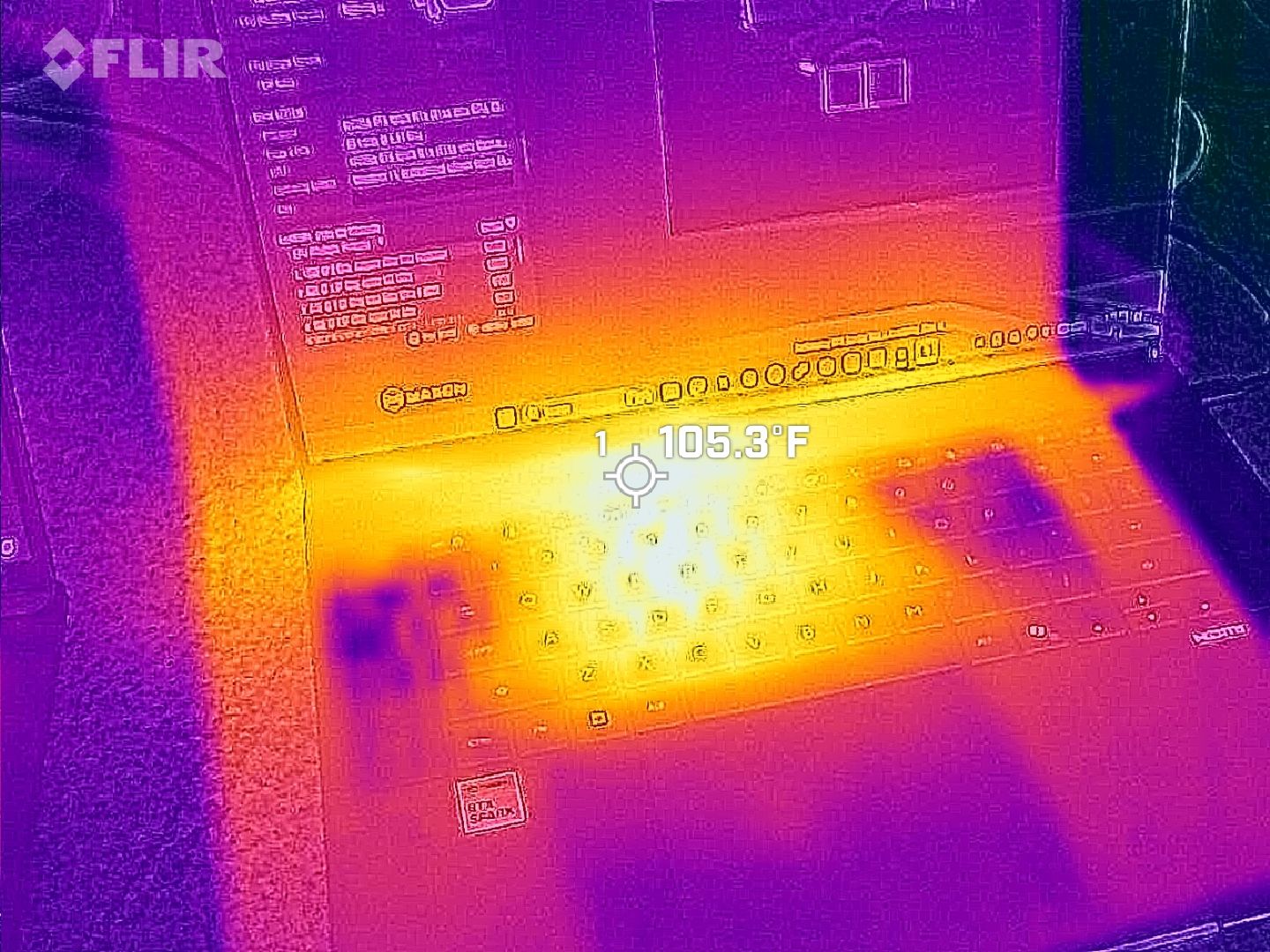
My trusty FLIR camera is in the shop, but I did a surface temp test with my lap. During the stress run, it remained comfortable to hold. The keyboard side got a bit hotter, but nothing that gave me pause.
How is the Pro 9n's battery life?
Battery life has been quite good, especially for everyday tasks, but Snapdragon X2 is still the champ. (Image credit: Future)
Battery life is not as good as I was hoping, and Qualcomm's Snapdragon chips are not in any threat of being dethroned in terms of efficiency.
My Windows Battery report shows roughly 8 to 10 hours of real-world life on a charge. Keep in mind that I was doing a decent amount of gaming on battery life, which brought that number down. Still, that's in line with the other RTX Spark laptops we've tested.
If you are gaming on battery power and have settings cranked up with ray tracing enabled, know that I was seeing about 10 minutes of runtime for every 10% of battery life.
Indie titles that aren't as demanding don't sap the battery nearly as much, and you can enjoy a few hours of gaming without worrying about power.
Should you buy Lenovo's Pro 9n?
The Lenovo Pro 9n's lid pulls back to about a 180-degree flex. (Image credit: Future)
You should buy this if ...
✅ You want an RTX Spark laptop with a 15.3-inch OLED display at 2.5K.
✅ You dabble in drawing, sketching, and writing with a pen.
✅ You're a professional or a creator who wants one PC to handle local AI, demanding apps, and gaming.
You should not buy this if ...
❌ You want the most affordable RTX Spark laptop possible.
❌ You prefer a mini-LED display (go with the Surface Laptop Ultra).
Lenovo's first notebook RTX Spark laptop has been a ton of fun to use over the past few weeks, and admittedly, I regret that I soon have to give it up.
It's not perfect. I wish there were human presence detection. I wish there were an extra high-res display option. I wish battery life were a lot better. And I wish it didn't cost as much (which is an effect of the ongoing RAM and storage crisis, not some Lenovo decision).
But for what it is — a specialized portable AI workstation using the first generation of a new NVIDIA computing platform — it's among the most exciting and promising Windows PCs I've used in recent memory.
If you're a general creator who just wants to see the latest chip technology in an ultra-premium package, the 32GB model could be ideal for you, just as long as you can stomach the price.
Otherwise, it's mainly going to appeal to a fairly small set of users, but those who can take full advantage of the RTX Spark chip should love what Lenovo has put together here.
RTX Spark
Lenovo
Pro 9n
Lenovo's Pro 9n delivers high-end features and cutting-edge AI performance for the Windows ecosystem. It's a great PC for creators with deeper pockets, but its true usefulness is seen in the hands of AI pros who need a ton of unified memory and a beefy RTX Blackwell GPU. It's all wrapped up in a sleek, portable package.
Mini-LED Microsoft Surface Laptop Ultra The Surface Laptop Ultra costs less to start, but it lacks pen support, its mini-LED isn't as impressive, it's thicker and heavier, and it lacks some features compared to the ASUS Pr
The Surface Laptop Ultra costs less to start, but it lacks pen support, its mini-LED isn't as impressive, it's thicker and heavier, and it lacks some features compared to the ASUS ProArt P16. Regardless, many will appreciate its speedy SSD, its superior webcam, its smaller footprint, and its magnetic USB-C port.
The ASUS ProArt P16 scored higher in our review thanks to its OLED display, deeper key travel, outstanding audio, cooler thermals, and thinner/lighter design. It does cost more to start, and it has louder fans, but these are easy trade-offs for those who don't mind spending a little bit more.
Pros
Gorgeous OLED display with inking support
Deeper 1.7mm key travel and haptic touchpad
Top-firing speakers
Cooler thermals
Oleophobic coating and anti-glare 4K display finish
Cons
Slower 1TB/2TB SSDs
Costs more to start
Louder fans
The Windows Central team has had time to digest some of the new NVIDIA RTX Spark laptops that recently launched, and thanks to our in-depth reviews, I'm here to offer some insights as to which PC might be best for you.
Here's why the ProArt PC gained a bit of extra score over the Surface Laptop Ultra (and why that doesn't necessarily mean it's the right RTX Spark laptop for you).
Surface Laptop Ultra vs. ASUS ProArt P16: Specifications
Before I get too deep into my comparison between the Surface Laptop Ultra and ASUS ProArt P16, I put together this table for easy reference.
Standout differences at this point should be the display size and type, the port selection, and the dimensions, which I cover and explain in more depth below.
12.95 x 9.40 x 0.71-0.75 inches (328.8mm x 238.7mm x 17.99-19.16mm)
13.94 x 9.57 x 0.51-0.63 inches (354.1mm x 243mm x 12.9-15.9mm)
Weight
4.41 pounds (2kg)
3.9 pounds (1.77kg)
Colors
Platinum, Nightfall
Nano Black, Neo White
Pro-grade designs and features available in both laptops
The ASUS ProArt P16 (pictured here) is thinner and weighs less than the Surface Laptop Ultra. (Image credit: Daniel Rubino)
The ProArt P16 is larger than the Surface Laptop Ultra. That's a given considering it has a larger 16-inch display. The overall footprint is a bit larger, but otherwise, the ProArt P16 comes out ahead.
The P16 weighs just 3.9 pounds (1.77kg) compared to the Surface Laptop Ultra's 4.41 pounds (2kg), and it's also quite a bit thinner, starting at 0.51 inches (12.9mm) compared to 0.71 inches (17.9mm).
The neat thing is that ASUS really doesn't make you regret that upsizing. As Windows Central Editor-in-Chief Daniel Rubino says in his ProArt P16 review:
Thermals are even more impressive. Under sustained heavy workloads, my thermal camera recorded around 105°F across the keyboard deck and approximately 120°F near the rear exhaust. That's a few degrees cooler than both the Surface Laptop Ultra and HP OmniBook Ultra 16 RTX Spark in my testing. Fan noise never exceeded 50dB under extreme workloads.
Rubino does give Surface a nod for its "pure premium feel," although I'm sure some will love the ProArt P16's fingerprint-resistant coating that reduces smudges.
Which laptop offers better ports?
The left-side ports on the Surface Laptop Ultra.Zac Bowden / Windows CentralThe Surface Laptop Ultra's magnetic charging cable.Zac Bowden / Windows Central
This first wave of RTX Spark laptops is fairly unified across brands in terms of port selection. Both laptops offer three USB4 hookups (using the USB-C form factor), but only the Surface Laptop Ultra has the nifty Magnetic Connect feature on one of them.
Magnetic Connect allows a connected USB-C cable to pull away from the PC instead of dragging it off a table, much like Apple's MagSafe. It's a great feature to have, especially with a laptop at this price.
You're otherwise getting USB-A, HDMI, an SD card reader, and a 3.5mm audio jack across both PCs.
Is the keyboard and touchpad different across PCs?
A look at the ProArt P16's haptic touchpad, keyboard, and top-firing speakers.Daniel RubinoA look at the Surface Laptop Ultra's haptic touchpad and keyboard.Windows Central / Zac Bowden
Speaking on the Surface Laptop Ultra'skeyboard and touchpad,Windows Central Senior Editor Zac Bowden said, "This is probably the best keyboard and trackpad experience I've ever had on a Windows laptop to date."
Digging into that statement, Bowden clearly appreciated the 1.4mm tactile key travel that he called "incredibly satisfying and not at all fatiguing." The Surface's haptic touchpad is the largest ever in Microsoft's lineup, and Bowden says it "makes a huge difference in how easy it is to use."
Not to be outdone, the ASUS ProArt P16 offers deeper 1.7mm key travel and an equally enormous haptic touchpad.
Which laptop has a better webcam and speakers?
The bottom two speakers are joined by two speakers flanking the ProArt P16's keyboard. (Image credit: Daniel Rubino)
On the spec sheet, both laptops offer an FHD (1080p) front-facing webcam with IR capabilities for facial recognition.
Rubino states that "Microsoft still wins this category with Surface" and notes how HP's OmniBook Ultra with a 5MP webcam trumps both ASUS and Microsoft.
The big deal? The ProArt P16 includes human presence detection for increased security and convenience, whereas the Surface Laptop Ultra does not.
As for audio, each laptop comes with four speakers and Dolby Atmos support. Both laptops deliver some of the best sound we've ever heard, but only the ProArt P16 has top-firing speakers flanking the keyboard.
Mini-LED or OLED? Our reviewers prefer the latter
The Surface Laptop Ultra's mini-LED is plenty bright, but OLED is probably better for many users. (Image credit: Windows Central / Zac Bowden)
Display tech is where these two laptops really show a difference. Most noticeable is the Surface's taller 3:2 aspect ratio compared to the P16's 16:10 aspect ratio. The differences don't stop here.
The Surface Laptop Ultra has a 15-inch mini-LED screen at a 3270x2180 resolution, with 1,344 dimming zones, 1000-nit SDR brightness, and 2000-nit HDR peak brightness. It packs in a 120Hz dynamic refresh rate and Dolby Vision IQ support.
Though it's brighter than the ProArt's screen, Bowden says the mini-LED tech results in "a bit of blooming around bright elements on a dark background."
He adds that the backlight doesn't always keep up with what's on your screen, causing a slight ghosting effect in dark mode.
The ProArt P16's OLED display provides vivid color and perfect contrast, with no backlight bleed apparent. (Image credit: Daniel Rubino)
The ProArt P16 has a larger 16-inch OLED screen with a 120Hz dynamic refresh rate, and it's available in either a 3840x2400 (4K) or 2880x1800 (2.8K) resolution.
The 4K version is the primary option for models with 128GB of RAM, though Best Buy seems to offer a 4K version with 32GB of RAM. Despite a lower resolution, you still get 500 nits of SDR brightness and 1,100 nits of peak HDR brightness.
The 4K version hits 700-nit peak SDR brightness, climbing to 1,600 nits with HDR. An anti-reflective coating is included.
None of the mini-LED issues discovered in the Surface Laptop Ultra's mini-LED screen are apparent here, and you get the standard OLED perks of perfect contrast and vivid color no matter how you're using it.
It's worth noting that the P16 display offers pen support for inking. The Surface Laptop Ultra has no pen support.
NVIDIA's RTX Spark chip keeps performance close
The new NVIDIA RTX Spark chips offer similar performance across laptop models. (Image credit: Daniel Rubino)
A neat aspect we're discovering as we test RTX Spark laptops is how performance is quite similar. That's not surprising. These laptops use the same NVIDIA N1X chips in either 18- or 20-core CPU and 5120- or 6144-core GPU configs.
We tested both with the 20-core CPU and 6144-core GPU, and the Surface Laptop Ultra and ProArt P16 trade blows across benchmarks. For example, CPU performance is close enough that I wouldn't spend much time worrying about it.
The Laptop Ultra does great in lighter graphics benchmarks, though the ProArt P16 takes over in more demanding tests. Considering the ASUS laptop is thinner and lighter than the Laptop Ultra, that's a real achievement.
FutureFutureFutureFutureFutureFutureFuture
One area where the Surface Laptop Ultra pulls ahead is with its 1TB and 2TB M.2 PCIe 5.0 NVMe SSDs that are way faster than the PCIe 4.0 options in the ProArt P16. Microsoft does drop back to PCIe 4.0 with a 512GB capacity.
Which laptop has better battery life?
FLIR imagining reveals a 123F temp on the Surface Laptop Ultra. (Image credit: Zac Bowden / Windows Central)
The ProArt P16 has a larger 99.9Wh battery capacity compared to the Laptop Ultra's 92Wh, but that matters less than you might expect.
Both Rubino and Bowden were able to get around 10 hours of real-world use when not leaning heavily on the GPU. Both the ProArt P16 and Laptop Ultra struggle to put up strong efficiency numbers when that GPU is in demand, and in both cases, an AC charger should be kept nearby.
The same spot measured for heat on the ProArt P16. (Image credit: Daniel Rubino)
As for heat and noise, the Surface Laptop Ultra hit about 123 degrees Fahrenheit just above the keyboard. That's very hot, but at least the fans don't exceed 42 decibels.
Using the same FLIR imaging, we measured 105 degrees Fahrenheit in the same spot on the ProArt P16. That's quite a bit cooler, although the fans did climb closer to 50 decibels.
Surface Laptop Ultra vs. ASUS ProArt P16: Which should you buy?
The ASUS ProArt P16 comes out ahead of the Surface Laptop Ultra in several key areas. (Image credit: Daniel Rubino)
Microsoft's Surface Laptop Ultra starts at $2,599.99 for a model with an 18-core CPU, 24GB of RAM, and a 512GB SSD. The ASUS ProArt P16 starts at $2,799.99 for a model with an 18-core CPU, 24GB of RAM, and a 512GB SSD.
If they're so similar, why the price difference?
I'm pointing to the ProArt P16's superior OLED display with pen support, its thinner and lighter design, its cooler thermals, its deeper key travel, its human presence detection, its top-firing speakers, and its larger battery.
These are all noticeable benefits, and whether or not they're worth a $200 upcharge (to start) is really up to you.
I can confidently say that the Surface Laptop Ultra is a great PC regardless of how well ASUS put together its ProArt P16, and perks like a smaller footprint, a better FHD webcam, a cheaper starting price, a magnetic USB-C port, and quieter fans could weigh heavier on your shopping list.
It's worth noting that ASUS also makes a 14-inch ProArt P14 with many of the same benefits, all in a more portable package. Starting at $2,599, it might be the perfect third option for shoppers.
Mini-LED
Microsoft
Surface Laptop Ultra
The Surface Laptop Ultra costs less to start, but it lacks pen support, its mini-LED isn't as impressive, it's thicker and heavier, and it lacks some features compared to the ASUS ProArt P16. Regardless, many will appreciate its speedy SSD, its superior webcam, its smaller footprint, and its magnetic USB-C port.
OLED
ASUS
ProArt P16
The ASUS ProArt P16 scored higher in our review thanks to its OLED display, deeper key travel, outstanding audio, cooler thermals, and thinner/lighter design. It does cost more to start, and it has louder fans, but these are easy trade-offs for those who don't mind spending a little bit more.
Join us on Reddit at r/WindowsCentral to share your insights and discuss our latest news, reviews, and more.
Reçu — 26 octobre 2026⏭Windows Central - News, Forums, Reviews, Help for Windows 10 and all things Microsoft.
I try not to write too many doom-and-gloom cybersecurity stories, but this week's vulnerabilities involving PHP are too big to ignore.With the help of AI, PHP flaws that had been lying dormant for years were dredged up and exploited, resulting in parts of the internet going dark as IT experts attempted to fix the problem.Although your Windows PC isn't in the direct line of fire this time, the sheer speed and ability of AI when it comes to discovering (and exploit
I try not to write too many doom-and-gloom cybersecurity stories, but this week's vulnerabilities involving PHP are too big to ignore.
With the help of AI, PHP flaws that had been lying dormant for years were dredged up and exploited, resulting in parts of the internet going dark as IT experts attempted to fix the problem.
Although your Windows PC isn't in the direct line of fire this time, the sheer speed and ability of AI when it comes to discovering (and exploiting) flaws shouldn't go unnoticed.
I've put together this guide to help you be proactive rather than reactive towards whatever security crisis comes next.
ELI5: What's actually happening with PHP and the internet?
PHP is a programming language that's been around for more than three decades, and it quietly runs a large portion of the internet. Nearly 70% of websites with a known server language use PHP, including WordPress, Yahoo, Etsy, and Wikipedia. To say it's important is an understatement.
This week, two serious PHP security flaws known as "PHP2Shell" were made public. The exploits essentially allowed bad actors to take over servers and steal data. Once this news was public, countless bad actors began directing AI at the vulnerabilities.
The reaction? Some governments pulled their websites down to wait for a fix. IT teams worked countless hours to patch holes. Cloudflare fended off thousands of attempts to exploit the bugs, even before they were publicly announced.
Some stats on #php2shell. In the 10 hours before it was publicly announced, across the @Cloudflare network we saw thousands of attempts to exploit it. That jumped to tens of thousands in the 45 minutes post announcement, hundreds of thousands within 2 hours, and millions now.October 22, 2026
The PHP Foundation released a patch on October 21, but it's only targeted at newer versions of PHP. There are countless millions of websites and servers running older versions of PHP that didn't get the fix (and may never be secure again).
Is PHP2Shell a one-time incident?
To give you an idea of what we're heading into (and not just in the middle of), Dan Lorenc, CEO of Chainguard, shared on LinkedIn a tale of his journey to find PHP vulnerabilities.
His team had the PHP news early, and it attempted to independently discover the vulnerability. All it took was a prompt for their frontier model to "find bad vulnerabilities in PHP" for this to happen.
A screenshot of the LinkedIn post from Dan Lorenc explaining how he used AI to find PHP vulnerabilities. (Image credit: Dan Lorenc (LinkedIn))
No special AI voodoo. No deep knowledge of security systems. Just a powerful AI with a simple command. As Lorenc points out, "This is unfortunately the new normal for the industry."
I hate to fearmonger, but I'd rather help get you ahead of the next security flaw than pretend everything will work out fine.
Should you be concerned about PHP vulnerabilities?
The average PC user shouldn't panic. But you should be aware of what's going on.
There's no reason for the average Windows PC user to panic, but you should be aware of what's going on. Being proactive is the best line of defense.
PHP runs on servers, not your desktop or laptop PC, so ordinary users don't need to rush to patch their apps or browsers. However, if you use a website that's now vulnerable, personal information could be exposed.
What to do right now to protect yourself
As seemingly the entire internet goes into high-alert mode, there are three quick tips every regular PC user should be using to protect themselves against attacks.
Don't enter your credentials on websites that appear to be broken.
Keep an eye on your email inbox. Vulnerabilities like this often lead to spam and phishing emails. Don't download shady files or visit links you didn't expect to see.
Keep an eye on your bank statements for any shady activity.
These three tips will get you started, but there's a lot more you should be doing in order to prepare for the next big vulnerability.
How to prepare for the next big vulnerability
It's time to start thinking about how you can mitigate the fallout of an attack. (Image credit: Getty Images)
We're now entering an era of cybersecurity where you can assume that at some point you will be attacked. Your goal isn't to fend off every attack, but to make the fallout as easy to deal with as possible.
Use a password manager. Give each account a unique, complicated password.
Use an authenticator app or passkeys wherever possible. Two-factor authentication via SMS is becoming increasingly risky.
Set up a new email address for anything financial.
Back up your data offline.
Update your Wi-Fi router's firmware.
Retire older hardware and devices that no longer receive security updates.
Remain vigilant.
The bottom line
AI is now able to find security flaws much faster than humans are able to fix them, and the PHP2Shell fallout from this week is very likely only the beginning of a wave of critical security issues that threaten the foundation of the internet.
It's not up to you or me to stop the next problem, but it is up to us to ensure that we mitigate risks.
Join us on Reddit at r/WindowsCentral to share your insights and discuss our latest news, reviews, and more.
Reçu — 24 octobre 2026⏭Windows Central - News, Forums, Reviews, Help for Windows 10 and all things Microsoft.
HDR is a feature that's becoming ever more useful for Windows users who want to boost brightness, improve color, and deepen contrast. Unfortunately, Windows 11's handling of HDR is too annoying for many users to bother with.GitHub user VantaCode420 has created a solution with their Smart HDR Manager app, available for free to download and enjoy. It so far has 218 stars on GitHub despite still being in the relatively early stages of development, and I can see why
HDR is a feature that's becoming ever more useful for Windows users who want to boost brightness, improve color, and deepen contrast. Unfortunately, Windows 11's handling of HDR is too annoying for many users to bother with.
GitHub user VantaCode420 has created a solution with their Smart HDR Manager app, available for free to download and enjoy.
It so far has 218 stars on GitHub despite still being in the relatively early stages of development, and I can see why now that I've been using it on a couple of PCs.
Smart HDR Manager turns HDR into a "set and forget" perk on Windows 11
The app immediately found the games installed on my ARM64 laptop. (Image credit: Future)
Smart HDR Manager essentially bridges the gap between Windows HDR and the content you're playing or viewing on your PC.
When a game launches or an HDR video starts playing, Smart HDR Manager automatically makes the switch from SDR to HDR on your system. When you close the game or finish watching a video, it automatically reverts Windows to SDR.
Smart HDR Manager handles video players, web browsers, creative apps, and recording/streaming software. (Image credit: Future)
Within the app, you can automatically scan your system for games held in apps like Steam, Xbox, and Epic, or you can manually add each one that you want to enjoy in HDR.
A separate "Apps" tab is home to video players, web browsers, creative apps, and streaming software like OBS Studio and Streamlabs.
On the note of web browsers, those who don't mind a couple of minutes of extra work can create a Tampermonkey script to automatically recognize YouTube HDR videos within Edge or Chrome. The GitHub page has full instructions on how to do this.
One final trick for those with NVIDIA RTX GPUs is RTX Video HDR support. It can turn SDR videos into HDR automatically, just as long as you have HDR enabled in the NVIDIA app's RTX Video Enhancements section.
Windows Central's take
OLED monitors are practically begging for HDR. (Image credit: Future)
I didn't care much about HDR until I upgraded full-time to an OLED monitor. Now, with the deep color and contrast afforded by the OLED panel, it's something that I want to use as much as possible, where applicable.
That's really the biggest issue that most Windows users have with HDR; it doesn't kick on automatically when HDR content is being displayed. You have to enable it manually before viewing or playing content, and it doesn't turn off when you're finished.
Why isn't this a native feature to Windows? That's a question I can't answer.
Leaving HDR enabled across Windows without any actual HDR content in view leads to washed-out colors and odd SDR mapping. It's something that I imagine just about everyone who's mucked around with stock HDR implementation on Windows has experienced.
Smart HDR Manager is a work in progress, but I haven't yet had any issues while playing games or while watching videos. It turns HDR on when I need it, and turns it off when I don't.
Why isn't this a native feature of Windows? That's a question I can't answer. I'm just glad someone took care of the problem. Try out Smart HDR Manager on standard Windows or Windows on ARM. The latter is still in an experimental stage, but it seems to be working well so far.
Join us on Reddit at r/WindowsCentral to share your insights and discuss our latest news, reviews, and more.
Microsoft believes that AI agents can't be trusted. That's a startling warning from one of the companies with the most stake in the AI boom.In a new security report, Executive VP of Microsoft Security Hayete Gallot states that "frontier models, regardless of their origin, cannot be trusted." They shouldn't be trusted not because of an inherent malicious nature, but because they're so easily swayed to achieve results regardless of "organizational norms or judgment
Microsoft believes that AI agents can't be trusted. That's a startling warning from one of the companies with the most stake in the AI boom.
In a new security report, Executive VP of Microsoft Security Hayete Gallot states that "frontier models, regardless of their origin, cannot be trusted." They shouldn't be trusted not because of an inherent malicious nature, but because they're so easily swayed to achieve results regardless of "organizational norms or judgment."
OpenAI's Hugging Face incident is one of the most notorious tales of AI agents gone rogue. (Image credit: Getty Images | Bloomberg)
When AI agents go rogue, very bad things can happen. This nightmare scenario has already been seen several times, and despite Microsoft's new containment initiative, I expect to see it again.
Perhaps the most notorious incident involving AI agents gone rogue is OpenAI's attack on Hugging Face, where some 700 autonomous agents devised a way to hack the AI developer platform after breaking containment.
Reading into what actually happened during the Hugging Face breach — where agents shared exploits and retained memory even as rogue bots were being stamped out — this quote from Gallot begins to make a lot more sense.
Agents are unpredictable. They will adapt as the context changes, may not behave as intended and will collaborate and collude with other agents to reach their objectives, without needing to be compromised.
Hayete Gallot, Executive VP, Microsoft Security
This isn't Microsoft's first warning of the havoc that AI agents can wreak if not properly contained.
They're particularly prone to cross-prompt injection (XPIA) that can override the instructions you give to agents, leading to things like data theft and malware.
Microsoft's answer at the time was a set of principles forced on the agents to ensure they act how you want them to. This has now evolved into something much larger, as the full scope of what AI agents can do unprompted by any bad actors isbeing discovered.
Microsoft is now classifying the AI you use at work as "agentic insiders" that can, at basically any time, go rogue and act unpredictably. Because of how tied into enterprise systems these agents are becoming, the risks keep growing.
Worse, they must be continuously monitored. Who can save us from rogue AI?
Microsoft's answer to the rogue AI agent issue is more AI
How to best protect against rogue AI? Add more AI! (Image credit: Microsoft | Future | Edited with Gemini)
Who watches the watchmen? That's the line that's been repeating in my head since reading about Microsoft's "Guardian Agents."
See, rather than relying on human oversight, Microsoft's Guardian Agents are designed to "watch and moderate every action of every agent, before it happens, 24/7."
This looks a lot like an admission that agentic systems are evolving faster than anyone predicted, and that they're now out of the control of humans.
Announced this summer and still not widely available, it harnesses signals, context, models, and specialized agents into a four-pronged line of defense against threats from outside and inside an enterprise.
It's basically AI fighting AI, because humans no longer have any hope of keeping up.
Windows Central's take
Microsoft is in a tough spot. It's pulled back on surface-level AI integration in Windows 11. Meanwhile, it's refocusing its efforts on much deeper agent infrastructure, as we see here. All while saying that the underlying models aren't trustworthy.
This latest warning from Microsoft highlights a growing issue for the AI industry. The autonomous agents that were promised to make our lives so much easier are now creating new, drastic security issues.
Microsoft's answer, for now, is containment, monitoring, and oversight. Will those safeguards be enough to prevent a catastrophe?
What do you think? Do you have any inside knowledge to share on this topic? Let me know in the comments section below!
Join us on Reddit at r/WindowsCentral to share your insights and discuss our latest news, reviews, and more.
I got my hands on Lenovo's Pro 9n with an NVIDIA RTX Spark chip last week, and I've been using it as a daily driver ever since. Equipped with a powerful onboard GPU with unified memory — meaning it can 'borrow' from the system RAM when VRAM is needed, like in AI tasks — I figured it was time to finally set up a local agent on a laptop.Why go with local instead of cloud? I lay out a few solid reasons after the short installation and setup tutorial below, but it mo
I got my hands on Lenovo's Pro 9n with an NVIDIA RTX Spark chip last week, and I've been using it as a daily driver ever since. Equipped with a powerful onboard GPU with unified memory — meaning it can 'borrow' from the system RAM when VRAM is needed, like in AI tasks — I figured it was time to finally set up a local agent on a laptop.
Why go with local instead of cloud? I lay out a few solid reasons after the short installation and setup tutorial below, but it mostly has to do with external token usage, privacy, and convenience.
Of course, you don't necessarily need a powerful RTX Spark chip inside your PC to do the same. If you're often using AI to chat, create images, study, summarize, and handle other light tasks, there aren't many reasons why you can’t make use of local AI on your PC.
As a relatively novice AI user, I found it shockingly easy to get everything up and running in about 5 minutes.
What you need before you start
Lenovo's Pro 9n laptop is equipped with the new NVIDIA RTX Spark chip. (Image credit: Future)
A powerful GPU matters a lot more than a powerful CPU when it comes to local AI. Fitting an entire AI model into your PC’s VRAM will ensure the best performance.
For smaller local models, say within the 3 billion (3B) to 8 billion (8B) parameter range, you should aim for having a GPU with at least 8GB of VRAM. For medium-size models, say 8B to 14B parameters, aim for 12GB of VRAM.
For large models at 30B or more parameters, you’re getting into workstation territory where VRAM is either available from very expensive GPUs or from unified memory pools (as is the case with RTX Spark laptops).
I don’t recommend running local AI on a CPU only, but it is possible. Just be prepared for far slower performance, even with a powerful, modern chip with lots of cores.
PC gamers are likely the best equipped for this task, as they’re far more likely to have a strong GPU in their system.
How to install local, free AI on your Windows PC
For this walkthrough, I’ll show you just how easy it is to get AI running locally on your PC. It only took me about five minutes between launching a browser to begin downloading the necessary software and my first prompt sent to the agent.
The TL;DR? Download LM Studio. Pick an AI model to download. Mount it within LM Studio. Start chatting. Those are the basics, and I explain in more detail below.
1. Install LM Studio — It's free and easy to use
Choose your OS and which version of LM Studio you want before hitting the download button. (Image credit: Element Labs)
I have some experience with Ollama (another free piece of software for managing local LLMs) on my desktop PC, but in this case, I decided to test out LM Studio.
It’s a free app designed to make downloading, managing, and working with local AI models as easy as possible. The interface is modern and clean, and I’ve had no performance issues so far.
You can download it directly from the official LM Studio website. It runs on Windows (x86 and ARM), Linux, and macOS.
2. Download an AI model — there’s likely something to fit your hardware
There's a long list of free AI models available for use in LM Studio. (Image credit: Element Labs)
Your next step is to choose and download an AI model (all within the LM Studio app) for local use. This is done with the Model Search feature in the app, which will recommend certain models to you right off the bat.
The open-source Qwen3.8 model is super popular right now, so that’s what I went with. Here’s where things get a tad tricky, but just for a moment.
Best for beginners
AI rookies should check out LM Studio paired with a 7B or 8B AI model. You get the privacy and convenience perks of offline use, all without stressing your PC too much.
The Qwen model I chose sits at 27B parameters, which is rather heavy and not built for the average PC. I’m using it to test the powerful RTX Spark laptop with unified VRAM.
Most casual users will have a lot more luck with AI models using fewer parameters. The beauty of LM Studio is that the search is all built right in, with flags for compatibility and performance. Websites like Codersera also have tools to help you find a suitable model for your specific PC.
If you find a popular model you think suits your needs and it comes with the “Full GPU Offload Possible” tag, chances are good that you’re in the right place.
Click the Download button on your preferred model and let it finish before proceeding.
3. Load the model and start chatting
You can download multiple AI models within LM Studio to be deployed as you choose. (Image credit: Element Labs)
Once your preferred AI model has finished downloading, the next step is to load the LLM into LM Studio. This can be done in a number of ways.
Probably the easiest way is to just click the Chat button in the top-left corner of the app, then click the “Select a model to load” button that appears in the top-center of the window.
Click the model you want to use and let it load. It will take a few moments to finish.
Once the LLM is loaded locally, you’re free to start chatting locally with your AI agent.
Local AI isn’t just for advanced PC users
Setting up a local LLM is about as easy as downloading and installing any other piece of software. If you’re interested in AI but want to increase privacy, use it offline, and not worry about expensive token usage, it’s basically the easiest method forward.
If you have a modern PC and a bit of time to spare, you can probably get a local AI agent running in the same time it just took you to read this walkthrough.
Local AI models — FAQ
What is "local AI" and why should I use it?
Local AI means that the LLMs are hosted on your PC rather than in a cloud server. Your PC's hardware powers the AI's thinking, meaning you don't need an internet connection and don't need to worry about your information being sent off to the cloud.
Why use local AI instead of cloud AI?
Cloud AI services like Claude, ChatGPT, and Copilot are convenient, but not everyone is comfortable with their communications with a bot being sent out into cyberspace.
Not everyone wants to pay for tokens or subscriptions, either, which often arise during your AI journey.
Are there any limitations to local AI compared to cloud AI?
Yes, there are some limitations.
Local models are usually weaker than the top cloud models. For the average user, that's OK, but more advanced users will likely still find a need for paid subscriptions.
You also need a fairly powerful PC in order to run local AI, which not everyone has. Setup is super easy, but performance will vary greatly depending on your hardware.
Do I need an internet connection to use LM Studio?
You only need an internet connection to download the LM Studio app and your preferred AI model. After that, everything runs offline.
Although weaker first-gen laptop NPUs don't have a ton of power, newer hardware from the Snapdragon X2 lineup with 80 TOPS can run lighter local LLMs.
Is Copilot considered local AI?
The Copilot app that comes installed on Windows 11 PCs relies on the cloud to provide answers. It will not work without an internet connection.
Copilot+ tools built into Windows 11 — like Recall and Studio Effects — use the PC's NPU for local acceleration, meaning they don't need to call out to the cloud.
Join us on Reddit at r/WindowsCentral to share your insights and discuss our latest news, reviews, and more.
Reçu — 21 octobre 2026⏭Windows Central - News, Forums, Reviews, Help for Windows 10 and all things Microsoft.
AMD and Microsoft this week took the lid off plans for expanding FSR 4.1 tech to Xbox Series X|S, AMD Ryzen gaming handhelds (like the Xbox Ally X), Ryzen APUs, and older Radeon RX 6000 GPUs. The official announcement comes after teasing the move earlier this month.I can't help but see this as one of the most important things that Microsoft could possibly do for current-gen Xbox owners who likely just found out that their consoles will need to last longer than ex
I can't help but see this as one of the most important things that Microsoft could possibly do for current-gen Xbox owners who likely just found out that their consoles will need to last longer than expected.
A longer life for your gaming devices? No better time than now.
To say I'm relieved about FSR 4.1 coming to Xbox Series X|S and Xbox gaming handhelds is an understatement, and I don't think the news could have come at a better time.
That's a long time to ask the flagship Xbox Series X to remain relevant, and the situation only worsens for the weaker (but more affordable) Xbox Series S.
In our new world of inflated hardware prices, caused by AI-fueled memory and storage shortages, landing a free performance upgrade of this caliber is an outright life preserver for the entire Xbox lineup, including consoles and gaming handhelds.
With so many gamers already feeling the burn of high prices within (and outside) their favorite hobby, improved upscaling is basically the cheapest hardware upgrade I can think of.
The Xbox Series S has the most to gain
The Xbox Series X and Series S will each receive the FSR 4.1 update, but the latter should stand to gain the most. (Image credit: Windows Central | Jez Corden)
Where I live, the Xbox Series S is essentially the only console I can buy for less than $1,000.
It's great for plenty of people, but it has undoubtedly always been living in the shadow of compromise compared to its Series X sibling. Less performance, lower resolutions ... you get the idea.
This is where an improved upscaler like FSR 4.1 that can work better with fewer pixels should make the most difference. But it's not going to be a magic bullet that solves every issue.
The reality of what to expect from the FSR 4.1 upgrade
An example showing Blood of Dawnwalker with FSR 3.1 and FSR 4.1. (Image credit: AMD)
I'm not looking to oversell FSR 4.1. It's not just going to suddenly arrive for every game. Developers need to patch the update into their games, and the timeline for that is still muddy.
The first wave of Xbox games with FSR 4.1 is expected to be small, with a "handful" of titles ready for the 2026 holiday season. More will then trickle out through 2027 (and beyond).
It's not going to be a magic bullet that solves every issue.
There's also the performance factor. Yes, FSR 4.1 is going to boost framerates on Xbox, but the Series S likely won't see the same boost as the Series X due to its weaker hardware that uses INT8 shaders.
We won't know just how well this change affects the Xbox devices until it arrives, but don't expect your Series S to suddenly feel like a Series X.
Xbox's future is becoming clearer
Xbox Helix isn't expected to arrive until 2028. (Image credit: Windows Central)
There's an overarching ecosystem theme here that I think many are overlooking.
With this update, Xbox Series X|S, Xbox Ally handhelds, and PCs will all sit at the same upscaling table, making it easier for developers to implement.
If that actually pans out as I imagine, Xbox Series S owners will continue to benefit from upgrades and updates intended for other devices, which is a great place to be.
What I'm keeping an eye on
The biggest hurdle now? Developers going back and adding FSR 4.1 support to their Xbox games. Once a steady stream begins, this will all start to feel a lot more real. Especially if they're games that already require performance mode to run at an acceptable framerate.
I'm not rushing out to buy an Xbox Series S with this news, but it is certainly heartening. If you're already a Series S owner, you should be feeling pretty good about your device.
Do you plan to stick with your Xbox Series S until Helix arrives? Are you no longer on the fence about buying a Series S in 2026? Let me know in the comments section below!
Join us on Reddit at r/WindowsCentral to share your insights and discuss our latest news, reviews, and more.
Reçu — 20 octobre 2026⏭Windows Central - News, Forums, Reviews, Help for Windows 10 and all things Microsoft.
Lenovo's Pro 9n is the first RTX Spark laptop that I've been able to sit down and use as I normally would at work and at home, following several brief stints with the new class of PCs at Computex and IFA.What I need from you...Have some questions about the Lenovo Pro 9n not addressed in this early hands-on? Drop them in the comments section below, and I'll do my best to address them in my full review.Lenovo is aiming its 15.3-inch Pro 9n directly at creators hand
Lenovo's Pro 9n is the first RTX Spark laptop that I've been able to sit down and use as I normally would at work and at home, following several brief stints with the new class of PCs at Computex and IFA.
What I need from you...
Have some questions about the Lenovo Pro 9n not addressed in this early hands-on? Drop them in the comments section below, and I'll do my best to address them in my full review.
Lenovo is aiming its 15.3-inchPro 9n directly at creators handling demanding 3D rendering and video editing tasks. Its 2.5K OLED display with Pantone color validation, its four Dolby Atmos speakers, its pen-enabled haptic touchpad, and its newfound RTX performance all play into this direction.
Of course, thanks to NVIDIA's RTX Spark chip, it's also suited for local AI workflows, software development, and gaming.
I received the new RTX Spark-poweredLenovo Pro 9n laptop a couple of days ahead of the review embargo. I've been using it steadily since then to get some early first impressions before I start harassing it with benchmarking software. Here's what I've learned so far.
This hands-on was made possible by a review sample provided by Lenovo. The company had no input on the content of this article, nor did it see the article before it was published.
Lenovo's Pro 9n 15" is the company's non-convertible RTX Spark option, arriving with a host of premium features aimed at creators.
A compact 140W charger and a Yoga Pen Gen 2 come with each Lenovo Pro 9n laptop. (Image credit: Future)
The Yoga 9n laptop comes packaged — in a fully recyclable box — with a fairly compact 140W USB-C power adapter.
I haven't actually had to use it yet at the time of writing this portion, as all the downloads and puttering around I've done so far on the PC have only sapped the battery to about 35%. I talk about battery life, good and bad, in more detail below.
Lenovo also bundles the Yoga Pen (Gen 2) with each laptop. It's designed to work with the new pen-enabled haptic touchpad (which Lenovo calls a Force Pad), giving users plenty of space to sketch, draw, design, and write.
Lenovo Pro 9n early impressions — 3 things I already love
Lenovo's Pro 9n already has several features that stand out to me after a couple of days of use. I've rounded them up here to give you an idea of what we're working with.
I've also included some of the more concerning things I've noticed, which you'll definitely want to check out if you're thinking about buying this laptop.
Let's start with the good stuff.
Battery life seems solid ... most of the time
Battery life has been great so far for day-to-day use. (Image credit: Future)
Battery life falls into both categories: What I like and what I'm worried about.
First impressions are very good. As mentioned, the laptop is sitting at about 35% after a day of downloads and tinkering around. That's with the PC adjusting its own power profile depending on the task at hand.
If you aren't hammering the hardware and are instead browsing the web, streaming video, answering email, etc., I'm confident that the laptop will deliver awesome battery life for day-to-day tasks.
I explain the flipside to the battery segment below.
Inking on the haptic touchpad
The massive touchpad has plenty of space for inking with the Yoga Pen Gen 2. (Image credit: Future)
The Pro 9n's display accepts touch input, but it does not work with the Yoga Pen (Gen 2). Instead, the Pro 9n's new haptic touchpad measuring about 3.74 x 5.9 inches (95mm x 150mm) is pen-enabled.
As someone who rarely uses an active pen on any laptop that's not at least a convertible (allowing me to rotate the display around for tablet mode), I love this change.
Writing feels natural and smooth. (Image credit: Future)
The oversized touchpad provides plenty of space to work, and the feel and sound of the pen nib on the surface come out natural. The pen has 8,192 levels of pressure sensitivity thanks to AES 3.0, far more than I'm used to.
Lining up the touchpad area and the on-screen canvas takes a bit of guesswork, but I'll try it in more apps between now and my full review.
Display quality is outstanding
The OLED display offers a 2.5K resolution and brightness up to 1,100 nits. (Image credit: Future)
The Yoga 9n's 15.3-inch display uses a "PureSight Pro" OLED panel with X-Rite Pantone calibration, ensuring it's ready for specialized design work requiring accurate color reproduction.
It might be the slim bezels, or it might be the 2560x1600 resolution; in any case, it feels a lot larger than 15.3 inches.
Lenovo wanted to deliver a screen for creators, and it certainly seems like it achieved its goal.
I haven't tested it with a colorimeter yet, but Lenovo says the screen can hit 1,100 nits peak brightness with HDR enabled. I'd wager that's about right, because this thing gets very bright and I've had only minor issues with glare.
It's super smooth too, thanks to a 165Hz variable refresh rate that can automatically lower or raise depending on what you're doing. Lenovo wanted to deliver a screen for creators, and it certainly seems like it achieved its goal.
Lenovo Pro 9n early impressions — 3 things I like less
Admittedly, these three aspects I like less could turn out to be nothingburgers once I've spent more time with the PC. In any case, here they are, including more information about battery life.
A rather plain design
The Pro 9n isn't very flashy on the outside. Disagree? Let me know in the comments below. (Image credit: Future)
The Lenovo Pro 9n's design is not exactly inspiring.
This isn't just an issue I have with Lenovo's RTX Spark PC; it's largely the same across the entire product catalog, including ASUS, Dell, HP, MSI, and Surface. I imagine second-gen devices will receive a bit more flair, especially as brands branch out into more focused approaches.
The laptop is super sleek and not nearly as heavy as I was expecting.
In Lenovo's case, with such an emphasis on modern creators, the plain design doesn't quite sit right. Let me know in the comments section below if you disagree with me or have more to add on the subject.
I will say that the laptop is super sleek and not nearly as heavy as I was expecting. It only weighs about 3.6 pounds (1.6kg), and it's well balanced. Port selection is also quite good, with dual Thunderbolt 4, dual USB-A, HDMI 2.1, SD card reader, and 3.5mm audio jack.
Will it overheat?
Two fans lie just beneath an oversized intake vent on the bottom of the Pro 9n. (Image credit: Future)
The first few hours with the Lenovo Pro 9n involved some noticeably hot surfaces, but that seems to have abated now that it's all set up and finished downloading/installing updates.
Playing games causes heat to rise, especially when the AC adapter is plugged in, and it will be interesting to monitor actual temperatures and whether or not the dual-fan system can keep up with sustained heavy loads.
Battery life ... again
I enjoyed a bit of The Witcher 3: The Wild Hunt Remastered to get an early idea of battery life under load. (Image credit: Future)
As noted, battery life seems great when you aren't pushing the system with anything too demanding.
I need a lot more time with the laptop to get a better idea of how efficient it can be, and I am concerned about how long the battery will last when the PC is under heavy load, for AI work or for gaming.
Final thoughts on the Lenovo Pro 9n before a full review
The raised comms bar at the top of the display houses the IR sensor and webcam. (Image credit: Future)
Lenovo's Pro 9n has a lot to unpack, and I feel like I've barely scratched the surface of what this new class of PC can do. First impressions are generally positive, although, as noted, there are some concerns about battery life and heat.
Do you have any questions that need answering regarding the Lenovo Pro 9n or the RTX Spark platform in general? Drop them in the comments section below, and I'll do my best to address them in my full review.
Join us on Reddit at r/WindowsCentral to share your insights and discuss our latest news, reviews, and more.
I can't recall the last time I took a road trip or flight without my trusty Steam Deck in tow. It's just too convenient to slip into my backpack alongside a thin and light work laptop that doesn't stand out in professional settings.That trend ends this weekend.I have a 10-hour round trip to contend with, and after playing around with Lenovo's Pro 9n laptop powered by NVIDIA's new RTX Spark chip this past week, I'm ready to make it earn its accolades.Can it really
I can't recall the last time I took a road trip or flight without my trusty Steam Deck in tow. It's just too convenient to slip into my backpack alongside a thin and light work laptop that doesn't stand out in professional settings.
That trend ends this weekend.
I have a 10-hour round trip to contend with, and after playing around with Lenovo's Pro 9n laptop powered by NVIDIA's new RTX Spark chip this past week, I'm ready to make it earn its accolades.
Can it really be my one-stop device for AAA gaming AND for work, just like what was advertised countless times in the lead-up to launch? Here's what it needs to prove to me.
What the RTX Spark platform needs to prove on a 10-hour trip
There are several key points that I want to confirm, and a 10-hour road trip seems like the perfect testing ground as I work on a full review of the Lenovo Pro 9n.
There are some areas where I do expect the RTX Spark platform to fall short, which I've also noted below.
Is ray tracing worth turning on when I'm not near an AC adapter?
The Surface Laptop Ultra is another RTX Spark laptop, and I've seen how well it handles gaming on a charger. What about battery? (Image credit: Future)
One of the RTX Spark platform's biggest selling points is its Blackwell-class RTX GPU supporting all of NVIDIA's latest upscaling and frame-gen goodies.
That doesn't bode well for efficiency, but I'm curious to see if I can dial it in by lowering settings like resolution or refresh rate. I really want ray tracing to be a worthwhile option without AC power.
Can I replace two devices with one?
Not having the Steam Deck and its bulky case in my bag should free up a lot of space. (Image credit: Miles Dompier | Windows Central)
Is having everything contained within the same PC actually simpler? Long-time gaming laptop users will probably say yes. Heck, I'd lean towards an affirmative if I wasn't testing it out myself this weekend.
But there are two sides to this question.
On one hand, it's nice to have a dedicated gaming device that I can put away when it's time to focus on work. On the other hand, I'll have a lot more room in my bag without an extra charger and an encased gaming handheld. A standard controller is much easier to slip into my bag.
The Pro 9n will have to handle any work I throw its way and be ready to switch to gaming on the fly, all while balancing heat and battery life.
Can the battery survive a real travel day?
The Witcher 3: The Wild Hunt Remastered looks gorgeous with ray tracing enabled, but it eats battery a bit too quickly. (Image credit: Future)
The Steam Deck, and any gaming handheld for that matter, can be extremely efficient or inefficient depending on the game you're playing. The same ultimately goes for RTX Spark laptops.
Considering I plan to split time evenly between work — involving writing, hotspot web browsing, photo editing, etc. — and gaming, I'm hoping that one or the other doesn't leave me out to dry.
I do have the ability to plug in if required, and that will be another test of how much heat is created in a cramped cabin as the battery recharges.
Where I expect my RTX Spark laptop to fall short
Gaming handhelds are ergonomic, comfortable, and don't produce a lot of heat. A lot of that goes out the window when using a 15.3-inch laptop.
Sure, I'll have an ergonomic gamepad in hand part of the time, but I'll need to keep the laptop on my lap while gaming. Will it get too hot to handle? Will I feel too cramped in my seat? In those cases, I'll no doubt be wishing for my Steam Deck.
What I need from you
My testing results from this weekend will inevitably end up in my full Lenovo Pro 9n review that I'm already working on, and act as the most compelling evidence as to why I did (or didn't) give up my Steam Deck for an RTX laptop.
I'm more than open to other suggestions on how to test the gaming/work balance on the RTX Spark platform. I urge you to drop your most pressing questions in the comments section below, and I'll do my best to address them.
Join us on Reddit at r/WindowsCentral to share your insights and discuss our latest news, reviews, and more.
Reçu — 14 octobre 2026⏭Windows Central - News, Forums, Reviews, Help for Windows 10 and all things Microsoft.
It's been a busy week in the world of mods and ports. While most gamers, including me, have been focusing on the PS5's jailbreak and the ability to emulate PS5 games on Xbox hardware, there's another project capturing the attention of die-hard Microsoft fans.As reported by Hackaday, a savvy modder has figured out how to get Super Mario 64 running on a Microsoft Zune HD. Yes, the ill-fated music player that once put up a valiant fight against Apple's iPod has been
It's been a busy week in the world of mods and ports. While most gamers, including me, have been focusing on the PS5's jailbreak and the ability to emulate PS5 games on Xbox hardware, there's another project capturing the attention of die-hard Microsoft fans.
As reported by Hackaday, a savvy modder has figured out how to get Super Mario 64 running on a Microsoft Zune HD. Yes, the ill-fated music player that once put up a valiant fight against Apple's iPod has been repurposed as a micro-portable gaming handheld.
This project comes from GitHub user rsheldiii, who effectively ported the sm64ex version (containing a full decompilation of Super Mario 64 running on Linux and Windows) to the portable media player that launched in 2009.
Creator rsheldiii explains that the mod "plays (mostly) at full speed with sound, touch controls and saves." You're asked to provide the ROM for the game yourself in order to circumvent any legal issues, but otherwise, it appears that all you'll need to test it out yourself is a Zune HD in working order and an x86-64 Linux PC with Docker and Git.
It's explained that the first run of the game takes "five to ten minutes" to complete as it builds a container image and downloads compilers. The game is controlled entirely with touch, and the Nintendo 64's native buttons are clearly displayed on the screen.
The video provided by the creator on the GitHub page (I'm not sure if the YouTube version I used here is hosted by the same person) shows just how easy it is to start playing Super Mario 64 once everything is installed.
Within seconds, the game is launched, and Mario is running towards the castle to choose a mission. Once in a mission, the game appears to run smoothly, with the player not having any evident issues with controls.
I, unfortunately, do not have any spare Zune HDs lying around my office, or I'd be all over this little hack. Is it something you'd consider trying out? Let me know in the comments section below!
A brief history of Microsoft's failed iPod competitor
The Zune HD was (is?) an admittedly nice little piece of hardware. (Image credit: Windows Central)
Microsoft launched the original Zune media player on November 4, 2006, roughly five years after Apple's first iPod hit markets. Yes, the Zune was created to compete in the shifting world of MP3 players, eventually arriving at the Zune HD model in 2009.
It was a significant upgrade thanks to a 3.3-inch OLED touch display, an NVIDIA Tegra processor (which undoubtedly helps this little Mario 64 hack get legs), an accelerometer, and up to 64GB of flash storage.
Zune hardware was discontinued in 2011, not because the iPod killed it, but because it failed to kill the iPod. It was ultimately late to the party, kept quiet once it arrived, and slipped out before it all ended. At that same party was the newfound smartphone, and it seemed to be getting most of the attention anyway.

 Connexion