❌

Vue normale

  • ✇Yanko Design
  • This Oregon Library Brings the Feeling of Walking Through a Forest Indoors
    What if walking into a library felt a little like stepping into a forest? In Gresham, Oregon, that idea has taken shape through towering wooden columns, sunlit interiors, and spaces that gradually shift from lively gathering spots to quiet reading corners. Completed in 2026, East County Library brings the natural character of the Pacific Northwest into a public building, creating an environment where architecture, learning, and community life come together. The 95,000-square-foot library draws
     

This Oregon Library Brings the Feeling of Walking Through a Forest Indoors

8 novembre 2026 à 16:45

What if walking into a library felt a little like stepping into a forest? In Gresham, Oregon, that idea has taken shape through towering wooden columns, sunlit interiors, and spaces that gradually shift from lively gathering spots to quiet reading corners. Completed in 2026, East County Library brings the natural character of the Pacific Northwest into a public building, creating an environment where architecture, learning, and community life come together.

The 95,000-square-foot library draws inspiration from the experience of walking among tall trees. The connection begins outside, where slender wooden columns extend beyond the building’s exterior walls and support an expansive roof. Narrow vertical windows echo their rhythm, giving the facade a sense of depth and repetition. A sheltered entrance extends the public space toward the street, inviting visitors to experience the architecture before stepping inside.

Designer: Holst Architecture and Adjaye Associates

The forest influence becomes even more apparent indoors. Tall timber columns rise through expansive, double-height spaces, while exposed wooden beams form a geometric canopy overhead. Skylights introduce natural daylight, creating a changing interplay of light and shadow throughout the day. The building incorporates approximately 1,200 engineered wood beams and columns alongside nearly 300 cross-laminated timber panels. Much of this structure remains exposed, allowing the materials and construction to shape the atmosphere of the space. The result is an interior that feels warm, open, and closely connected to the landscape that inspired it.

At the center of the library, a sweeping curved staircase introduces movement into the otherwise orderly arrangement of columns and beams. Closely spaced wooden slats wrap around its form, creating a sculptural feature visible from multiple viewpoints. From the upper level, the staircase reveals a landscaped seating area below, with greenery and curved benches tucked into its footprint. Its flowing shape provides a welcome contrast to the straight lines of the surrounding timber structure.

Around this central feature, the library opens into what feels like a communal living room. Sofas, lounge chairs, and smaller seating arrangements create informal places to meet, read, or simply spend time. The generous ceiling height keeps the space feeling open, while the furniture introduces a more intimate, comfortable scale. It is an inviting setting that encourages visitors to stay beyond the time needed to find a book.

As visitors move farther into the building, the atmosphere begins to change. The western section accommodates the most energetic activities, with children’s play areas, a dedicated teen room, creative learning spaces, and an auditorium. Moving toward the center, visitors encounter book collections, community rooms, sensory rooms, and an audiovisual studio. The eastern end offers a quieter setting for reading, studying, and individual work. This gradual transition allows different activities to coexist comfortably, giving each part of the library its own character while maintaining a consistent architectural language.

In the quieter sections, tall windows illuminate reading chairs, shared tables, and individual workspaces. Timber columns and exposed beams remain a familiar presence, but the furniture arrangement becomes more focused on concentration and personal space. The design recognizes that people use libraries differently throughout the day. Someone might arrive for a community event, settle into a comfortable chair with a novel, or spend several hours working independently.

These varied experiences were shaped by the people who would eventually use the library. Conversations with local residents influenced several important decisions, including children’s spaces connected to outdoor play, an auditorium for performances and lectures, and a teen room designed around studying, technology, and social interaction. The community even participated in choosing the interior color palette, with more than 550 people voting for a scheme called Cool Coastal.

The library’s creative facilities further expand its role in everyday community life. A Creative Learning Room offers access to equipment such as 3D printers and laser engravers, supporting practical experimentation and creative projects. An audiovisual studio provides tools for producing music, podcasts, and videos, while the auditorium accommodates larger gatherings, presentations, and performances. Together, these spaces make the building a destination for learning through making, sharing, and participating.

That sense of accessibility extends beyond the building itself. East County Library occupies a former underused park-and-ride site near a light rail station and several bus routes. A landscaped pedestrian pathway connects the public plaza to nearby transit, making the library part of the neighborhood’s daily movement. Outdoor gathering spaces and a rooftop terrace offer additional opportunities to meet, relax, or spend time outside.

The post This Oregon Library Brings the Feeling of Walking Through a Forest Indoors first appeared on Yanko Design.

  • ✇Yanko Design
  • Two Hidden Mechanical Movements Power One Slim Louis Erard Watch
    Two riveted portholes occupy the face of the Louis Erard × Vianney Halter Futur Antérieur, making it look like submarine equipment that escaped into a jewelry case. One window tells the hours and minutes. The other gives the seconds their own stage. I like the extravagance of that arrangement, especially because this limited-edition mechanical watch tackles a specific design challenge: delivering Halter’s distinctive aesthetic in a less prohibitively expensive package. At roughly $6,000 before
     

Two Hidden Mechanical Movements Power One Slim Louis Erard Watch

8 novembre 2026 à 15:15

Two riveted portholes occupy the face of the Louis Erard × Vianney Halter Futur Antérieur, making it look like submarine equipment that escaped into a jewelry case. One window tells the hours and minutes. The other gives the seconds their own stage. I like the extravagance of that arrangement, especially because this limited-edition mechanical watch tackles a specific design challenge: delivering Halter’s distinctive aesthetic in a less prohibitively expensive package.

At roughly $6,000 before taxes, “less expensive” needs context. Halter’s Antiqua, the perpetual-calendar watch he introduced in 1998, occupies a six-figure collecting universe. The Futur Antérieur translates its porthole architecture into a simpler watch that tells the time. Nobody needs to pretend that makes it affordable. Still, I appreciate a collaboration that preserves an independent watchmaker’s recognizable ideas rather than borrowing a famous name and printing it on an otherwise ordinary dial.

Designers: Louis Erard × Vianney Halter

The cleverest decision sits behind those windows. Two separate Sellita SW100 automatic movements power the displays, one handling hours and minutes, the other running the seconds. That sounds wonderfully excessive for such basic information, and it is. But it also gives each dial its own mechanical foundation. Rather than developing an elaborate mechanism to reposition the indications, the designers have used two small, existing movements to support the layout they wanted.

Two movements might suggest a second time zone, but that isn’t what you get. Design Milk reports that Louis Erard chose running seconds partly because keeping two movements sufficiently aligned for dual-time use would be difficult at the intended price. That’s useful context, and a reminder that the extra mechanism serves the design more than the feature list. I’d approach this as an expressive object, not a purchase justified by having more functions.

The dimensions help that expression avoid becoming a costume. Its stainless-steel case measures 38mm across and 44mm long, with a thickness of just 8.85mm. Those numbers matter because the raised windows and prominent crowns could easily suggest a much chunkier watch in photographs. On paper, the profile is restrained. I haven’t worn it, but I appreciate the decision to keep this much visual activity within relatively compact dimensions.

Look closer and the metalwork carries much of the personality. Each bezel has 12 yellow-gilt rivets, while each crown gets six. Brushed steel sits beside polished edges, and the blue steel hands introduce a cooler color against those warm accents. In the product images, the separate nameplates feel almost like labels attached to an old scientific instrument. The appeal, for me, comes from those specific details rather than the broad steampunk label.

The two versions pull that character in slightly different directions. Gold combines gold-toned dials with a black ostrich-leather strap. Silver pairs silver-toned dials with blue ostrich leather, picking up the color of the hands. I’d choose Silver. Its cooler palette lets the little gold rivets register as individual details instead of joining a larger wash of gold. The asymmetrical layout already has plenty to say without needing a louder color scheme.

There are ordinary ownership considerations beneath the unusual face. Louis Erard specifies a minimum 38-hour power reserve for each movement, with 42 hours typical. Leave it unworn for a weekend and you may return to a stopped watch. Quick-change strap bars offer a more convenient detail, letting owners change the strap without making that another complicated operation. These are worth considering alongside the sculptural appeal.

Each version is limited to 178 pieces and listed at CHF 4,950 before taxes. As of November 6, 2026, both are marked sold out on Louis Erard’s website. That scarcity limits the accessibility argument, even at this lower price. Still, the design itself makes sense to me: keep the familiar task of reading hours and minutes, then spend the mechanical extravagance on giving the passing seconds an unnecessarily handsome room of their own.

The post Two Hidden Mechanical Movements Power One Slim Louis Erard Watch first appeared on Yanko Design.

  • ✇Yanko Design
  • Optoma’s $599 4K Projector casts a 150-inch Screen for the price of an Android Phone
    My first apartment had a living room wall the size of a parking space and a TV budget the size of a parking ticket. Had the Optoma Photon Life PK31 existed back then, I would have eaten instant noodles for a month to buy it. This 4K projector can cast an image up to 150 inches, and it currently sells for around $599, which is what you’d pay for a decent midrange Android phone. One gives you a 6-inch screen. The other fills a wall, and I know which one my 25-year-old self would’ve picked. The PK
     

Optoma’s $599 4K Projector casts a 150-inch Screen for the price of an Android Phone

8 novembre 2026 à 13:20

My first apartment had a living room wall the size of a parking space and a TV budget the size of a parking ticket. Had the Optoma Photon Life PK31 existed back then, I would have eaten instant noodles for a month to buy it. This 4K projector can cast an image up to 150 inches, and it currently sells for around $599, which is what you’d pay for a decent midrange Android phone. One gives you a 6-inch screen. The other fills a wall, and I know which one my 25-year-old self would’ve picked.

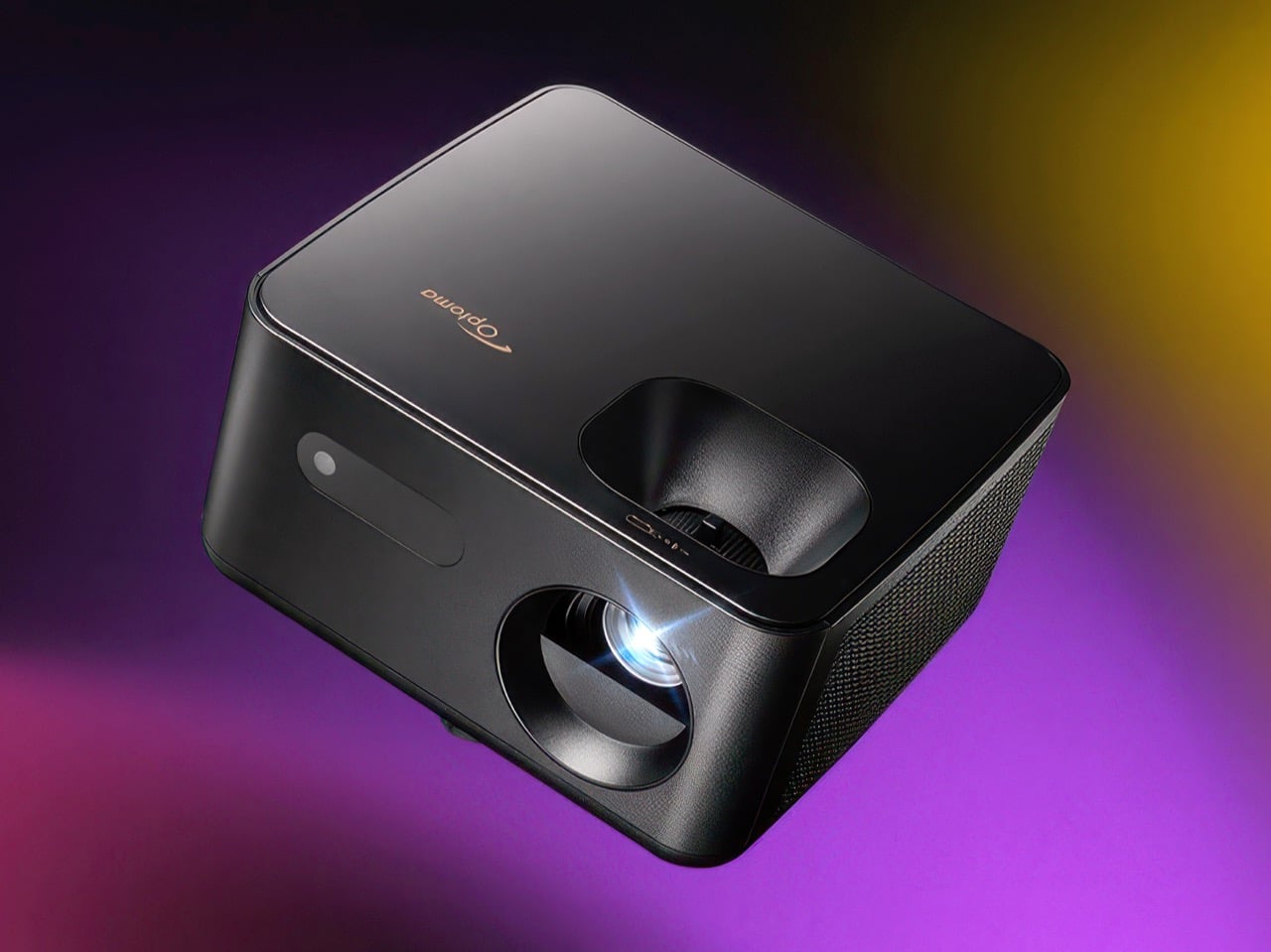
The PK31 is a compact, 5.2-pound projector that looks more like a smart speaker than the beige AV boxes projectors used to be. A smooth top shell sits over a textured matte body, a perforated grille wraps around the side, and the lens sits inside a deep circular cowl. It uses a Texas Instruments DLP chip and an RGB LED light source, with claimed coverage of 95% of the DCI-P3 color space. At a rated 900 lumens, it’s best suited to a dark room. Input lag is rated as low as 4.6ms, though that’s at 1080p and 240Hz, not 4K.

Click Here to Buy Now

A Projector Built to Live on Your Bookshelf

The body measures 9.37 x 8.46 x 4.64 inches (238 x 215 x 118 mm), roughly the footprint of a hardcover cookbook lying flat. That lets it sit on a shelf between the plants and the Bluetooth speaker without looking like it wandered in from a conference room. Optoma prints its logo in copper on the top panel, a small, warm accent against the all-black body. Every port sits inside a recessed panel on the back, keeping connections out of sight from the front. The grille wraps around the side, helping the cooling vents blend into the textured body.

The lens sits off to the right, balanced on the left by a pill-shaped window for the IR receiver, giving the front a friendly, slightly lopsided face. Its 1.5 to 1.65 throw ratio translates to about 11 feet (3.4 meters) of distance for a 100-inch picture. The full 150 inches needs roughly 17 feet (5.2 meters), so this suits a long living room better than a cramped studio. Focus and the 1.1x zoom use manual rings, and a twist-adjust foot handles tilt. A standard tripod thread underneath adds mounting flexibility, while four-corner correction and a warp tool help adjust the image to an uneven wall or an inflatable backyard screen.

Sharp 4K and Low-Lag Gaming

The 0.47-inch Texas Instruments chip uses microscopic mirrors to direct light toward the screen. XPR pixel shifting shifts the projected image by fractions of a pixel to produce a 3840 x 2160 picture. Separate red, green, and blue LEDs handle color, and the projector supports HDR10 and HLG. Projector Reviews measured 862 lumens in the brightest mode, close to Optoma’s 900-lumen rating. The reviewer also rated its color as good as or better than that of any RGB LED compact projector he’d tested.

That review recommends about 90 inches for everyday content and 75 to 80 inches for HDR, so don’t expect the same brightness at the maximum 150-inch size. Gamers get the bigger surprise. Input lag, the delay between a button press and the corresponding action on screen, is rated at 4.6ms at 1080p and 240Hz, 8ms at 1080p and 120Hz, and 16ms at 4K and 60Hz. The reviewer’s lag tester confirmed those figures. One catch: low-latency mode disables keystone correction, so line the projector up straight before the boss fight.

How It Stacks Up Against TCL, BenQ, and Hisense

TCL sells a smart projector for considerably less: the TCL C1 normally goes for about $250 with Google TV, Wi-Fi, and Bluetooth built in. The fine print says 1080p, though, and its “4K support” means it accepts a 4K signal and scales it down. The PK31 produces a 4K image but skips the smart OS, Wi-Fi, and Bluetooth entirely. Its single HDMI 2.0 port takes a Roku or Fire TV Stick, and the USB-A port can supply power to it, letting the setup run from one wall outlet. A 5W mono speaker provides onboard audio, and a 3.5mm jack connects external speakers for movie night.

Another 4K option is the BenQ GP520, a cube-shaped projector with a higher 2,600-lumen rating and Google TV. It launched at $1,499 and now has a street price closer to $999. Optoma’s own PK32 adds an amber LED, autofocus, and two HDMI ports for $1,299, while the Hisense M2 Pro costs the same with Android TV on board. The PK31 launched at $1,099 and now sells for about $599 at Walmart and Amazon. At that price, you could add a streaming stick and still spend considerably less than you would on those three.

Click Here to Buy Now

The post Optoma’s $599 4K Projector casts a 150-inch Screen for the price of an Android Phone first appeared on Yanko Design.

  • ✇Yanko Design
  • This LEGO Fujifilm Quicksnap is a 1:1 tribute to the camera on its 40th anniversary (box included!)
    Fujifilm celebrated the QuickSnap’s 40th birthday this year the way any responsible camera company would, by announcing new models. The QuickSnap Black and White ($22.90) and the waterproof QuickSnap Active ($24.75) are due this fall, marking the first time Fujifilm has loaded black-and-white film into a QuickSnap. One LEGO Ideas builder took a different approach to the celebration, reaching for green, black, red, and white bricks to rebuild the Japanese version at full size. Of the two birthda
     

This LEGO Fujifilm Quicksnap is a 1:1 tribute to the camera on its 40th anniversary (box included!)

8 novembre 2026 à 11:20

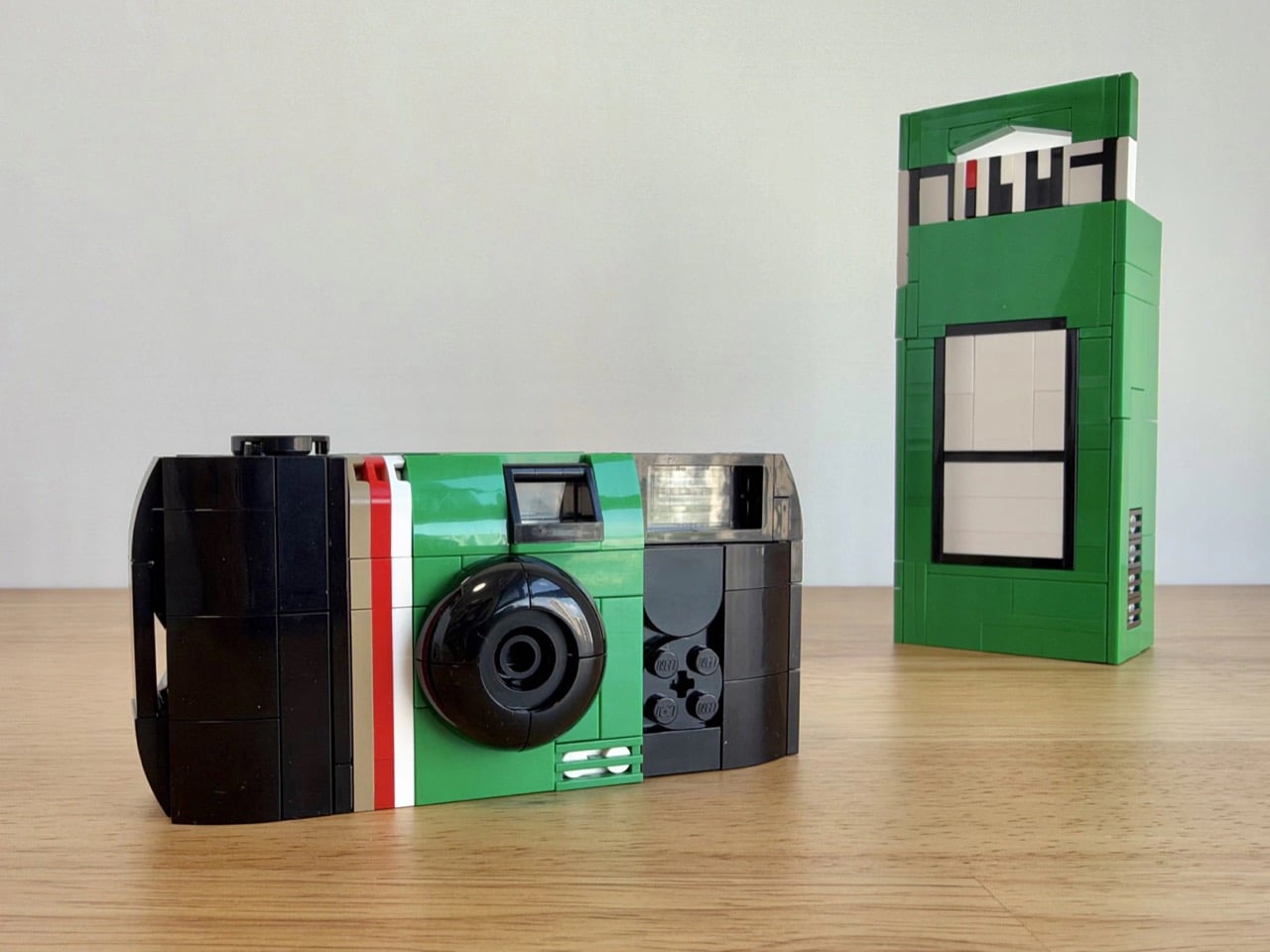
Fujifilm celebrated the QuickSnap’s 40th birthday this year the way any responsible camera company would, by announcing new models. The QuickSnap Black and White ($22.90) and the waterproof QuickSnap Active ($24.75) are due this fall, marking the first time Fujifilm has loaded black-and-white film into a QuickSnap. One LEGO Ideas builder took a different approach to the celebration, reaching for green, black, red, and white bricks to rebuild the Japanese version at full size. Of the two birthday presents, I know which one hits the nostalgia button harder.

That builder is MarshallThrilledLobster, and the subject is the Simple Ace, known in Japan as Utsurundesu, which roughly means “It takes pictures!” The name came from a Fujifilm employee who blurted it out when someone asked whether the camera would really work. It might be the best product naming story in camera history. The LEGO version sits at 1:1 scale, comes with a full-size brick replica of its retail box, and packs a few working details. Fujifilm designed the original cameras to be collected after use, taken apart, and rebuilt, making them a fitting subject for LEGO.

Designer: MarshallThrilledLobster

A 1:1 Simple Ace, Right Down to the Clicking Wheel

The real Simple Ace measures 4.25 by 2.1 by 1.3 inches (108 by 54 by 34mm), and this build recreates it at full size. That works out to 13.5 studs across, an awkward number that helps explain why so much of the build runs sideways using SNOT (studs not on top) techniques. The green body wears its red and white stripes, with a domed black lens right where your finger used to block every third shot. Up top, a half-buried Technic gear stands in for the winding wheel. Turn it and it clicks, like advancing a fresh frame.

The viewfinder is a clear tunnel that lines up front to back, so you can actually squint through it. That’s more faithful than it sounds, since the real camera uses a simple reverse-Galilean plastic finder, essentially a tunnel with two lenses. A strap loop is worked into the side of the shell, and the outer surfaces are tiled smooth with no exposed studs. The result reads as molded plastic from across the room. Only up close do the seams give away that this camera came out of a parts bin.

The Box Gets the Brick Treatment Too

My favorite detail, though, is the packaging. The builder recreated the Simple Ace’s tall retail box at full size, with the 写ルンです logo rendered in blocky pixel lettering and barcode details built from black and white tiles. Stand it next to the camera and you’ve got a Tokyo convenience store shelf on your desk. It doubles as a display stand, giving the small camera some height and context. For anyone who grew up with these, the box is half the memory, since tearing it open meant the vacation had officially started.

Packaging as an accessory has precedent in LEGO Ideas. The Polaroid OneStep SX-70, which started as a fan build by Marc of Minibrick Productions, became set 21345 in 2024 with a buildable film pack and three illustrated photos. That set established a precedent for collaborating with a real camera brand, while this QuickSnap remains a fan proposal. A full-size retail box goes further than a film pack, giving Fujifilm’s graphic design the same care as its industrial design. That feels right for packaging this recognizable in Japan.

A Disposable Built for Second Lives, Now Up for a Vote

Fujifilm opened a QuickSnap recycling center in 1988, just two years after the camera launched. By 1998, it was running an automated factory that disassembled returned cameras, inspected the parts, and built new cameras from them. In the US today, up to 60% of each QuickSnap is made with reused camera materials. The builder frames the project around that idea: a so-called disposable product designed for a second life. LEGO bricks have been taken apart and rebuilt since 1958, though their next life might be a spaceship.

The Fujifilm QuickSnap build went live on LEGO Ideas on November 6 and has 105 supporters as of this writing, with 425 days left to reach the 1,000-supporter milestone. Fans submit builds, and projects that reach 10,000 supporters get reviewed by LEGO for an official set. That’s a long climb for a camera most people know as a $20 impulse buy. If you’ve got a shoebox of fuzzy prints somewhere, head to the LEGO Ideas page and give it your vote. It’s the one QuickSnap you’ll never have to drop off at the lab.

The post This LEGO Fujifilm Quicksnap is a 1:1 tribute to the camera on its 40th anniversary (box included!) first appeared on Yanko Design.

  • ✇Yanko Design
  • Volkswagen’s new 2027 California Campervan models with smarter features and prices starting at $72,000
    Just in time for the summer season next year, when you’re going to begin weighing your adventure choices, you will have an excellent option in the new Volkswagen California campervan. The company has unveiled in the UK its new models of the people’s favourite campervan, which is expected to start deliveries in early 2027. The adventurers in the UK should be able to order the new generation California campervans now, for a starting price of £54,065 (approx. $72,000). Based on its basic DNA of ad
     

Volkswagen’s new 2027 California Campervan models with smarter features and prices starting at $72,000

8 novembre 2026 à 09:20

Just in time for the summer season next year, when you’re going to begin weighing your adventure choices, you will have an excellent option in the new Volkswagen California campervan. The company has unveiled in the UK its new models of the people’s favourite campervan, which is expected to start deliveries in early 2027.

The adventurers in the UK should be able to order the new generation California campervans now, for a starting price of £54,065 (approx. $72,000). Based on its basic DNA of adventure, the campervan models are designed with all types of travelers – solo, family, or romantic couples in mind.

Designer: VolkswagenVolkswagen

The new design of the California campervan starts with the front below the bonnet. Here, the LED headlights are the new defining feature. The cabin has been uplifted with driver comfort and safety in mind. State-of-the-art technologies now find their way into the campervan setup, which complements the on-road lifestyle. Thus, new safety and comfort features have been added through software-level integration and interesting driver assistance systems.

The cosmetic changes to the shape of the California render it a sharper appearance and feature power-latching sliding doors and tailgates. Before you lose the plot, Volkswagen has narrowed the campervan range to three new specifications titled the Beach, Coast, and Ocean. The Beach is the basic and the cheapest of them all, with 17-inch alloy wheels and heated front seats. The model features a manually operated pop-up roof, awning, and a sliding door on the passenger side with a mini-kitchen to prep food on the go.

Coast model packs all the basic features and builds on it with the addition of a larger kitchen, some cabinetry, a fridge, and large battery power. The top-of-the-line California Ocean comes with 18-inch alloy wheels, an electric pop-out roof, climate control, and ambient lighting. The new models come in 19 new colors across solid, metallic and two-tone paint options. These campervan models feature a 12.9-inch infotainment system that also works as the control center for everything from media and navigation to camping monitoring.

Specific to the new Volkswagen California, eHybrid 4MOTION is an electric stationary air conditioning system that can keep the campervan heated or electrically cooled for eight hours. The two latest California Coast and Ocean modes come with two rear seats that fold into a 78 x 43-in (198 x 108-cm) lower bed. They also feature new driver assistants: the Travel Assist system for assisted lane change and an integrated Emergency Assist, which, according to the company, “guides the vehicle to the hard shoulder or outermost lane in the case of the driver suffering a medical emergency.” All the interesting comfort and safety features onboard make this new California campervan the go-to choice for summer campers.


The post Volkswagen’s new 2027 California Campervan models with smarter features and prices starting at $72,000 first appeared on Yanko Design.

  • ✇Yanko Design
  • Embru’s Patio Chair Can Get a New Seat Without a New Frame
    A wire-grid lounge chair sounds like a hard sell for an afternoon off. Yet Moritz Schmid’s Patio Chair for Swiss furniture maker Embru has a visual ease that makes me want to give it a chance. The open seat and back leave much of the chair transparent, while the frame gives it a clear outline. Its more persuasive detail, though, addresses a familiar frustration: having to replace an entire object because one part has given up. Embru describes the construction as modular, with individual compone
     

Embru’s Patio Chair Can Get a New Seat Without a New Frame

8 novembre 2026 à 07:40

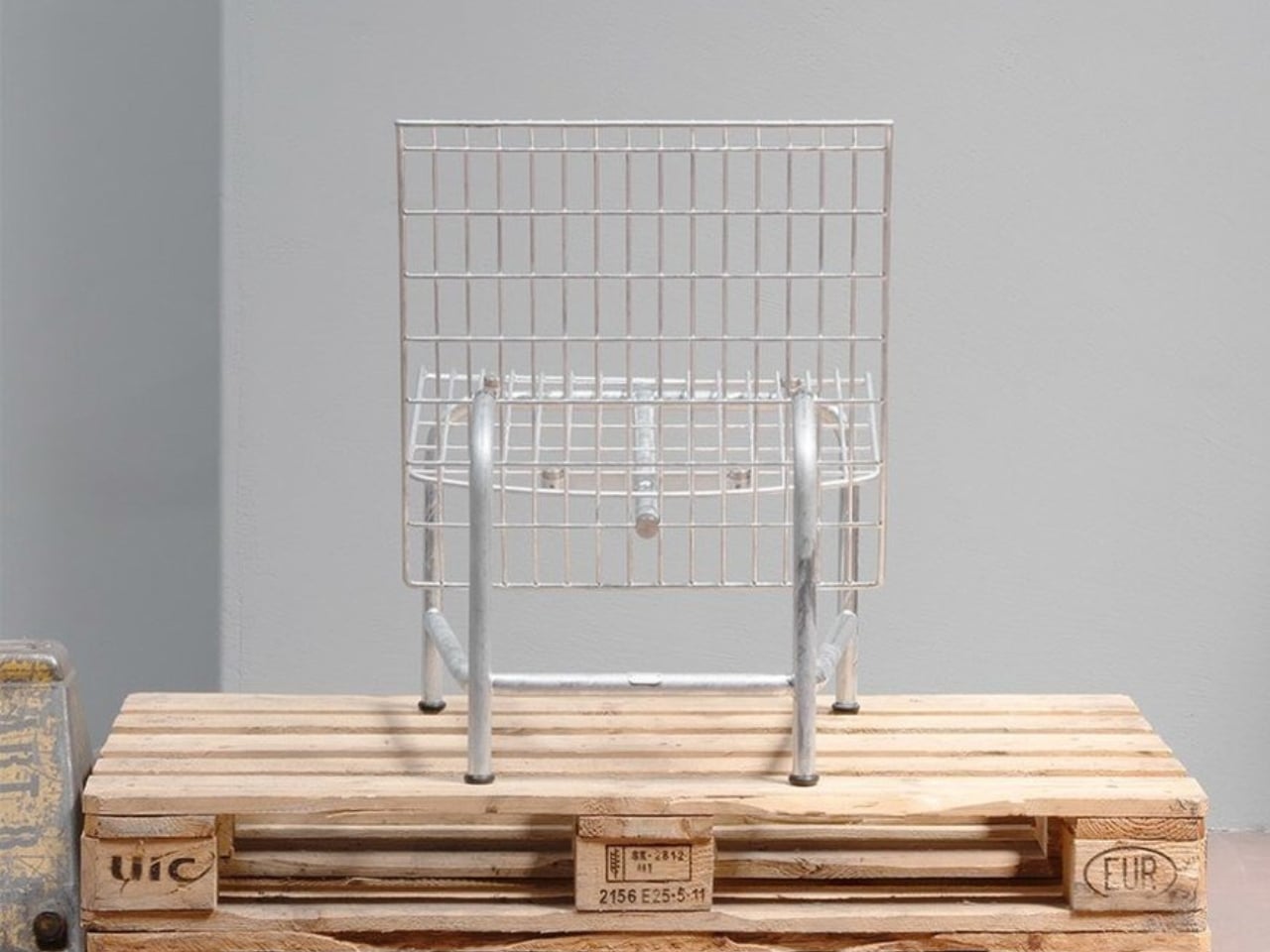
A wire-grid lounge chair sounds like a hard sell for an afternoon off. Yet Moritz Schmid’s Patio Chair for Swiss furniture maker Embru has a visual ease that makes me want to give it a chance. The open seat and back leave much of the chair transparent, while the frame gives it a clear outline. Its more persuasive detail, though, addresses a familiar frustration: having to replace an entire object because one part has given up.

Embru describes the construction as modular, with individual components that can be replaced or repaired. A specially developed mounting system accommodates different seating surfaces. That makes the announced chair interesting beyond its appearance. If the seat becomes damaged, the design allows the remaining structure to stay in use. I’d rather see that possibility built into a chair from the beginning than encounter it as an expensive customer-service question later.

Designer: Moritz Schmid for Embru

The visible connection between backrest and frame is worth a closer look. In Embru’s detail photograph, a circular metal fitting interrupts the blue grid, making the attachment point part of the composition. It’s a small, deliberate-looking piece of hardware, and I like that it hasn’t been disguised. You can read the chair as an assembly of parts. Visually, that gives the repairability story a little credibility before anyone starts explaining the engineering.

The material options give that construction another purpose. Embru plans an outdoor grid version and an indoor version with wood-veneer panels, including oak, ash, black ash, and walnut. Listed finishes include wine red, gray-blue, black, and silver hot-dip galvanizing. My preference would be the gray-blue grid: it gives the industrial geometry enough color to feel intentional without turning the chair into the loudest object on the patio.

The wood version changes the visual balance considerably. Where the grid lets the background pass through, the broad panels create solid planes. The rear view of the black version makes this especially clear: the backrest reads almost like a sheet suspended above the slender frame. That’s a useful distinction for anyone who likes the underlying shape but doesn’t want outdoor furniture setting the tone inside their living room.

Schmid has explored related territory with Embru before. His earlier Park Chair uses a tubular steel frame, with curved rear legs that give a straightforward garden chair an unexpectedly animated profile. Embru says that design was developed around the manufacturing capabilities at its Rüti factory. I appreciate that context because it makes the Patio Chair feel less like an isolated styling exercise. There’s an ongoing conversation here between a designer, a material, and the people equipped to shape it.

Appearance only gets a lounge chair so far, of course. I’d want to sit in the grid version before calling it an all-afternoon favorite. The photographs establish its shape, not how the seating surface feels after an hour with a book. For me, that’s the unresolved question that matters most. An appealing frame and replaceable parts are good reasons to pay attention, but neither substitutes for getting comfortable. The word “lounge” still has work to do.

Embru currently expects the Patio Chair to become available at the end of 2026. Its preview doesn’t provide a price or confirm US availability. I’d also want to know how replacement parts will be ordered and priced. Designing a component to come off is valuable; making its replacement straightforward to obtain is what turns that decision into a useful ownership benefit.

Still, the premise earns my interest. I don’t need every chair to become a family heirloom, and I’m wary of furniture being described as timeless before anyone has lived with it. I do want the option to keep a chair I like when one component wears out. The Patio Chair gives that ordinary expectation a considered form. Provided the parts support follows through, its most attractive feature may become apparent years after the first photograph.

The post Embru’s Patio Chair Can Get a New Seat Without a New Frame first appeared on Yanko Design.

  • ✇Yanko Design
  • This Light-Charging E Ink Frame Gives Your Photos a Home Beyond Your Phone
    Taking photographs has become almost effortless, but getting them off our phones is another matter. There’s always a favorite vacation snapshot that deserves better than being buried between screenshots and receipts. Inkanva is developing a color E Ink canvas that gives those pictures a more permanent place at home, with a paper-like display and indoor-light charging on its two smaller models. The difference starts with what the display doesn’t do. There’s no backlight turning a family portrai
     

This Light-Charging E Ink Frame Gives Your Photos a Home Beyond Your Phone

Par : JC Torres
7 novembre 2026 à 21:45

Taking photographs has become almost effortless, but getting them off our phones is another matter. There’s always a favorite vacation snapshot that deserves better than being buried between screenshots and receipts. Inkanva is developing a color E Ink canvas that gives those pictures a more permanent place at home, with a paper-like display and indoor-light charging on its two smaller models.

The difference starts with what the display doesn’t do. There’s no backlight turning a family portrait into another glowing rectangle in the living room. Instead, E Ink Spectra 6 reflects ambient light and uses six physical pigments to create color. Like a printed photograph, it needs light to be seen, which makes its relationship with the room quite different from a backlit tablet’s.

Designer: Inkanva

Click Here to Buy Now: $159 $239 (34% off). Hurry, only a few left! Raised over $358,000

1

Light also has another job here. The 7.09-inch and 13.3-inch editions include a perovskite photovoltaic component that harvests indoor light to replenish the battery. That’s a rather technical way of addressing a familiar decorating problem: finding somewhere for an electronic object without planning around a nearby power outlet. The component attaches magnetically and can be removed without opening the display housing.

Of course, the room still has a say in how that works. Charging depends on available light and how often you change the picture, so a dim corner isn’t the same as a well-lit shelf. E Ink helps by retaining a static image without continuous display power. The aim is fewer charging interruptions, rather than a promise of unlimited activity.

1

1

Changing the picture follows a routine that should feel familiar to anyone who’s edited a photo on a phone. Choose an image in the Inkanva app, adjust the crop, and send it over Wi-Fi. A trip to the coast could replace last year’s family portrait without another print order, leaving the physical frame where it is while the memory inside changes.

There’s room for less conventional contributions, too. The app offers AI tools that turn spoken ideas or doodles into artwork, giving a quick sketch another direction to explore. A child’s drawing could become the starting point for something new, although there’s no obligation to involve AI at all. Your own photograph can take the same place without being reinterpreted by software.

1

Those who’d rather manage their pictures closer to home have a separate local mode with a browser interface and its own image library. It’s an alternative to app-based management, rather than another remote control running alongside it. Home Assistant support also leaves room for custom routines, such as putting a different artwork on display for the start of the week.

The surrounding frame matters almost as much as the image, especially when it shares a room with furniture you’ve chosen carefully. On the 13.3-inch edition, a separate decorative wood surround can be swapped without replacing the display. Moving it from a study to a living room doesn’t have to mean keeping the same finish, even if the photograph stays exactly as it was.

1

Scale changes that relationship as well. The 7.09-inch canvas suggests a personal photograph beside a desk, while the 13.3-inch version gives an image more presence on a shelf or wall. There’s also a 28.5-inch edition for a larger wall composition, although it doesn’t include the light-harvesting panel.

A photograph doesn’t need to change every morning to deserve a place on the wall. It might stay there for months, gathering the sort of familiarity that makes a room feel like yours. Inkanva leaves that decision with the person living beside it. When another picture finally earns the spot, you can change what’s inside without taking down the frame.

Click Here to Buy Now: $159 $239 (34% off). Hurry, only a few left! Raised over $358,000

The post This Light-Charging E Ink Frame Gives Your Photos a Home Beyond Your Phone first appeared on Yanko Design.

  • ✇Yanko Design
  • A Pop-Up Book Vase Offers Six Looks Without Extra Vases
    I am not much of a flower person and, consequently, not much of a flower vase person. As much as I know that they can add to the aesthetic beauty of any space, I don’t have much space to display them or add to my messycore clutter. Also, most flower vase designs don’t appeal to me enough that I’d actually make space for them. But as a certified book lover, anything that’s close to the look of a book is something I might actually consider. The Pop-up Book Vase is one such flower display that has
     

A Pop-Up Book Vase Offers Six Looks Without Extra Vases

7 novembre 2026 à 19:30

I am not much of a flower person and, consequently, not much of a flower vase person. As much as I know that they can add to the aesthetic beauty of any space, I don’t have much space to display them or add to my messycore clutter. Also, most flower vase designs don’t appeal to me enough that I’d actually make space for them. But as a certified book lover, anything that’s close to the look of a book is something I might actually consider.

The Pop-up Book Vase is one such flower display that has a certain look I might go for if I decide to buy a few flowers and display them. It uses a book aesthetic where you can turn the page and get a new look with its three-dimensional paper vase silhouette. This way, you get a different look by switching among the three designs if you’re the kind of person who wants something new to look at every once in a while.

Click Here to Buy Now: $45.00

The way this vase is designed goes beyond printing a book pattern on a regular vase. The flowers go into a glass test tube, which fits into the book’s spine. Each book has three vase shapes that you can change as you turn the page. Turning the book upside down changes which end of the silhouette is wider, so you get something new again. You basically get six possible configurations of a vase in just one object, rather than six separate containers.

That division between the materials is what makes the idea work. The paper creates the decorative shape, while the glass holds the water. MECLI calls the design Flowery Tale and specifies water-resistant paper, but that doesn’t mean you should treat the whole thing like a waterproof vessel. The brand advises wiping up water promptly and letting the paper dry thoroughly before storing it. I’d still keep the messy part of refilling away from my actual books.

The storage aspect is probably what appeals to me most. MECLI says you can return it to a bookshelf when it’s not in use. The closed book measures approximately 3.9 inches wide, 1.2 inches deep, and 7.2 inches tall. For someone who doesn’t regularly buy flowers, that’s more useful than having an empty vase taking up display space between bouquets. It still needs room when open, of course, so I wouldn’t expect it to magically solve my clutter problem. But I like that it has somewhere to go when the flowers are gone.

It’s also a nice option for someone who wants a small floral gesture rather than a full centerpiece. The test-tube format suggests starting with a single bloom instead of trying to squeeze in a large bouquet. For me, that makes the idea of displaying flowers feel a little less like another decorating project. The page-turning is part of the appeal, too: I’d be choosing a shape to go with the flower rather than buying another vase.

At $45, though, the Pop-up Book Vase is a decorative purchase rather than the cheapest way to display a flower. IKEA’s VILJESTARK, a 6¾-inch glass vase listed at $1.99 in the US, handles the basic job for much less. Its shape stays the same, whereas the Pop-up Book Vase offers changing silhouettes and book-shaped storage. If all you need is a small container for a stem, IKEA makes more financial sense. Here, the extra money is buying the paper construction and the pleasure of changing the display.

I don’t think this would suddenly turn me into someone who always has fresh flowers at home. But it gives me a reason to consider making room for one. A vase that can spend its downtime on a bookshelf feels more suited to my habits than one that needs a permanent spot on the table.

The post A Pop-Up Book Vase Offers Six Looks Without Extra Vases first appeared on Yanko Design.

  • ✇Yanko Design
  • Micro Journal Rev.2.1.MINI Writing Laptop Pairs a Wide Screen With Just 48 Keys
    Opening a laptop to write a paragraph can quickly turn into checking messages, rearranging windows, and forgetting the sentence you had in mind. The Micro Journal Rev.2.1.MINI, nicknamed Baby Shark, puts writing at the center of a small, folding computer instead. Its wide screen and compact mechanical keyboard give your words their own space, while Linux supplies the editing tools beneath that colorful clamshell. The chunky enclosure doesn’t try to resemble a slim aluminum laptop. A bright red
     

Micro Journal Rev.2.1.MINI Writing Laptop Pairs a Wide Screen With Just 48 Keys

Par : JC Torres
7 novembre 2026 à 18:30

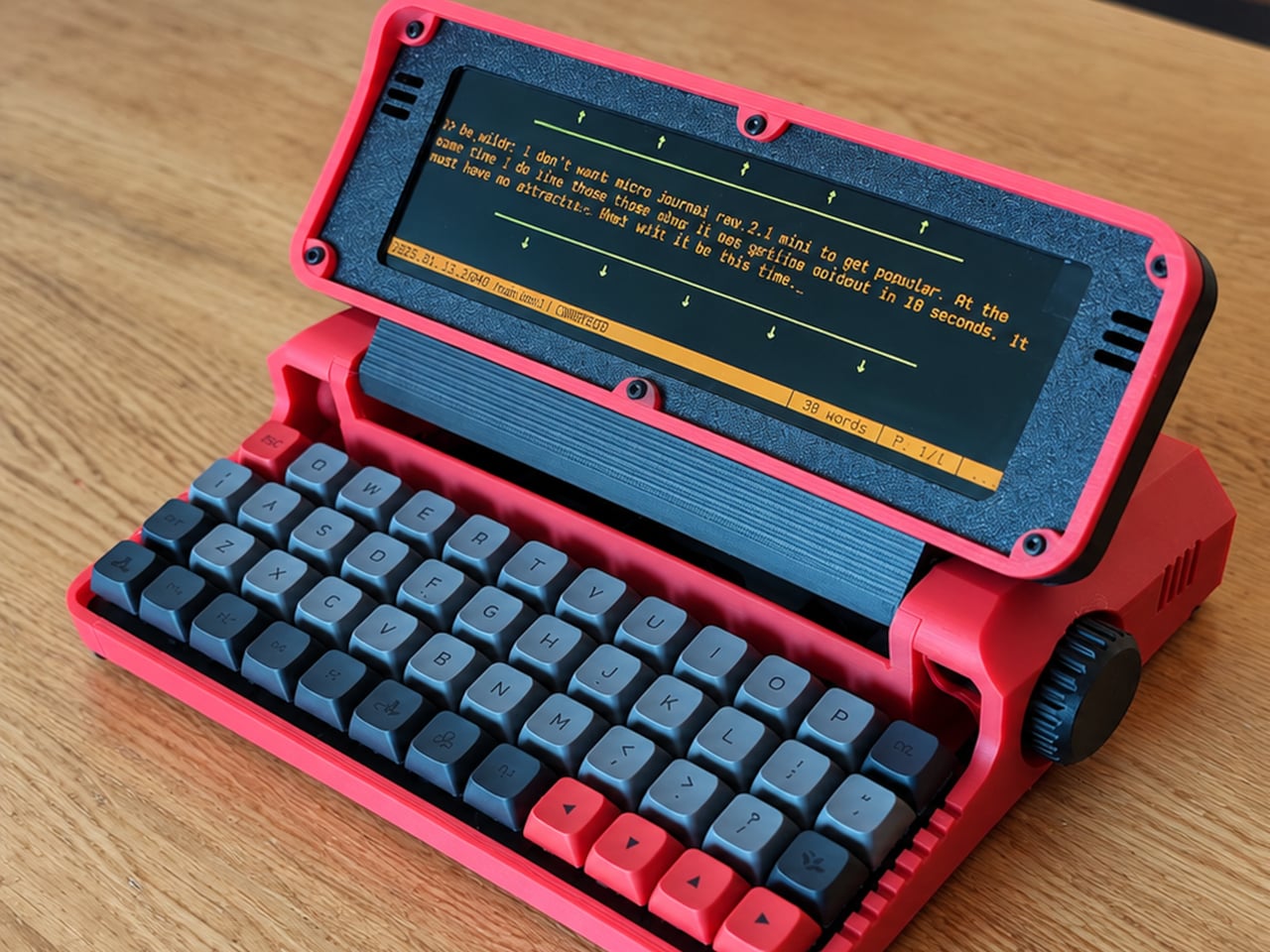
Opening a laptop to write a paragraph can quickly turn into checking messages, rearranging windows, and forgetting the sentence you had in mind. The Micro Journal Rev.2.1.MINI, nicknamed Baby Shark, puts writing at the center of a small, folding computer instead. Its wide screen and compact mechanical keyboard give your words their own space, while Linux supplies the editing tools beneath that colorful clamshell.

The chunky enclosure doesn’t try to resemble a slim aluminum laptop. A bright red shell, dark panels, exposed screws, and ridged side knobs give it the character of a little workshop instrument. Its hinged display folds down over the keyboard when you’re finished. The 3D-printed construction makes color part of the customization, rather than limiting everyone to another black rectangle in their bag.

Designer: Un Kyu Lee

The 8-inch LCD is unusually wide and shallow, with a 1280×400 resolution that stretches a document across the device. It leaves space for your passage without offering the vertical expanse of a conventional laptop screen. That’s a useful distinction for drafting: there’s room to work through a sentence, but reviewing several pages still means scrolling rather than shrinking everything into an overview.

The keyboard makes a similar trade. Its 48 keys form a four-row, 12-column grid, rather than the staggered rows most typists know. Numbers and additional symbols live on layers accessed by holding another key, which keeps the footprint small while asking your fingers to learn new combinations. Vial software lets you remap assignments, and hot-swappable switches let you change the feel without soldering.

A Raspberry Pi Zero 2 W runs Linux inside, with WordGrinder and nano available for drafting and editing. That gives you somewhere to revise yesterday’s work as well as start today’s entry. Files can leave through a USB flash drive or a browser-based interface on your local network, so a writing session doesn’t have to end with retyping everything on your main computer.

Portability also depends on what you put inside. Baby Shark takes up to four replaceable 18650 cells, sold separately, or runs directly from USB power. The connector is USB-C, but the documented setup requires a USB-A charger and a USB-A-to-USB-C cable, not USB Power Delivery. That means the charger already serving your laptop may not be the one this little writing machine needs.

Linux brings a pause before the writing starts: the seller estimates about 30 seconds to boot. This isn’t an instant-on notebook, and closing the screen isn’t a substitute for shutting the system down properly. On the other hand, published enclosure files, circuit-board designs, and firmware give owners ways to repair or modify it, instead of treating the device as a sealed appliance.

Baby Shark is sold as a DIY project even when ordered assembled, with no seller warranty. Later batches are planned without the Raspberry Pi, leaving buyers to supply it themselves. There’s considerable room to make both the hardware and software your own, provided that adjusting the keyboard doesn’t become another way to postpone the paragraph you originally sat down to write. There’s also a Purple Black Mint Green, nicknamed Witch, version inspired by the EVA-01 from the famed anime, Evangelion.

The post Micro Journal Rev.2.1.MINI Writing Laptop Pairs a Wide Screen With Just 48 Keys first appeared on Yanko Design.
  • ✇Yanko Design
  • Aina’s AI Ring Puts an OLED Screen and Joystick on Your Finger
    Reaching for your phone to pause a song can easily turn into reading messages you weren’t planning to open. Aina Ring proposes keeping those small decisions on your hand instead, with a display and thumb-operated control built into a substantial titanium band. The upcoming wearable is designed to handle quick commands and AI suggestions while your iPhone stays tucked away in your pocket. The design doesn’t pretend to be an ordinary piece of jewelry. A rectangular OLED display sits above the ind
     

Aina’s AI Ring Puts an OLED Screen and Joystick on Your Finger

Par : JC Torres
7 novembre 2026 à 16:45

Reaching for your phone to pause a song can easily turn into reading messages you weren’t planning to open. Aina Ring proposes keeping those small decisions on your hand instead, with a display and thumb-operated control built into a substantial titanium band. The upcoming wearable is designed to handle quick commands and AI suggestions while your iPhone stays tucked away in your pocket.

The design doesn’t pretend to be an ordinary piece of jewelry. A rectangular OLED display sits above the index finger, with glass covering its face and rounded edges easing the transition to the band. Four titanium body parts enclose 140 components. Eclipse Black, Amber Gold, Mercury Silver, and Slate Titanium offer different finishes, although none makes that raised screen disappear into a conventional ring.

Designer: Aina

The more interesting detail sits beside your thumb. A joystick-like button on the band accepts seven gesture types, including directional flicks, presses, and holds. Depending on the current task, flicking upward can approve a suggestion, answer a call, or pause music. Displayed hints explain the next action, giving that tiny screen a role beyond repeating notifications from a device you already carry.

Aina calls its suggestions Cues and says its software learns from your routines and calendar. A regular departure time might bring up a ride suggestion; an approaching meeting could offer a shortcut to join. The important design choice is that approval remains yours. Ignore the suggestion and nothing happens, rather than letting a guessed preference quietly become a booking you didn’t request.

Voice provides another route when a flick isn’t enough. Hold the button to dictate a note or set a reminder through the built-in microphone, while a speaker enables calls from the ring. On a Mac, that same control can dictate into applications. It’s a way to catch a thought during a walk, without stopping to compose it on a phone keyboard.

The ring remains an accessory to Apple’s ecosystem, not an independent phone. It requires an iPhone running iOS 18 or later, with macOS 15 or later for Mac features; Android and Windows aren’t supported. Meeting controls depend on the nearby Mac and Aina’s app, so muting from your finger doesn’t mean you can leave the computer behind and keep every function.

Aina claims up to 18 hours per charge, with a cube-shaped dock included for overnight charging. Sizes run from 7 through 13, but only the band changes; the display stays the same. A smaller finger therefore doesn’t get a less conspicuous screen. The IP65 rating allows everyday splashes, although the company says to remove the ring before swimming or showering.

Starting at $399 for early-access preorders, against a $499 list price, Aina is scheduled to ship in early 2027. That leaves the usefulness of its predictions and the comfort of its substantial shape to be established beyond launch demonstrations. A thumb-sized shortcut might save a trip into an app, but wearing it all day needs a better reason than simply having somewhere else to check incoming notifications.

The post Aina’s AI Ring Puts an OLED Screen and Joystick on Your Finger first appeared on Yanko Design.

  • ✇Yanko Design
  • Diden Spider Robot Climbs Steel Walls and Actually Welds Them
    A welding tool is only useful if you can get it to the seam. Inside a ship’s steel structure, that can mean bringing a worker, equipment, and a platform into position before the actual welding begins. It’s the less glamorous side of industrial work, and arguably one of the more compelling reasons to build a climbing robot. South Korea’s Diden Robotics approaches that problem with four widely spread legs and magnetic feet. Its Diden Spider is designed to carry welding equipment onto steel walls
     

Diden Spider Robot Climbs Steel Walls and Actually Welds Them

7 novembre 2026 à 15:15

A welding tool is only useful if you can get it to the seam. Inside a ship’s steel structure, that can mean bringing a worker, equipment, and a platform into position before the actual welding begins. It’s the less glamorous side of industrial work, and arguably one of the more compelling reasons to build a climbing robot.

South Korea’s Diden Robotics approaches that problem with four widely spread legs and magnetic feet. Its Diden Spider is designed to carry welding equipment onto steel walls and ceilings, taking the tool to places that are awkward for people to reach. I like how directly its strange-looking body answers the task. The low stance and broad footprint aren’t there to give it personality. They help it stay attached while carrying equipment that has a job to do.

Designer: Diden Robotics

That spider shape also came from a practical failure. In a company interview, co-founder and COO Youngha Shin explains that early, dog-shaped configurations struggled when turning sideways on walls. The arrangement left fewer joint actuators supporting the body, and feet that failed to sit flat could cause the robot to flip. Spreading the legs outward kept the body closer to the wall and improved how the feet met the surface. The silhouette follows the problem.

The feet use electropermanent magnets, which deserve a little attention because they make the whole idea possible. An electrical pulse switches their magnetic state on or off. Once attached, they don’t need a continuous supply of electricity to maintain that magnetic hold, according to Diden. That doesn’t make the entire robot power-free. Its joints, sensors, and computing still have work to do. It means staying attached doesn’t require constantly feeding electricity into the magnets.

Diden rates the Spider 30 configuration for a payload of 30 kilograms, roughly 66 pounds. That capacity is important because climbing alone doesn’t accomplish much welding. The platform needs to carry useful equipment once it gets there. Diden describes interchangeable task modules, including robotic manipulators and inspection equipment. I find the traveling-tool-platform idea more compelling than treating the machine as a single-purpose mechanical welder. Its mobility could serve different jobs along the same steel structure.

One of my favorite details is much smaller than the legs. Shin says feedback from people using the robot led Diden to add LEDs to its feet, allowing them to see whether each foot had attached. That’s a sensible concession to human nerves. A control system may know its magnetic foot is holding, but someone watching expensive equipment hang from steel deserves a readable signal, too.

Finding the work is another challenge. Diden describes a navigation system that compares live, three-dimensional sensor data with a ship’s CAD model to estimate position and orientation. Its mapping system also reconstructs nearby obstacles from depth-camera data. In practical terms, the robot needs to understand where it is and what blocks its next step. A magnetic grip provides attachment; navigating a cluttered structure requires a separate layer of perception and control.

This is a physical machine with reported industrial use, rather than a speculative rendering. Diden says Spider 30 has completed field deployment at major Korean shipyards and that its welding results have been applied to vessels in production. Separately, Maeil Business Newspaper reported in May 2026 that Diden had completed sales to some major Korean shipbuilders. Those are meaningful signs of progress, although neither establishes dependable performance over every production shift.

I’d judge it by the less photogenic parts of the job: repeatable weld quality, maintenance demands, setup time, and how often somebody needs to intervene. Still, the design makes a persuasive starting argument. It gives an awkwardly placed tool a way to reach its work. If that removes even some occasions when a person has to climb into position with welding gear, the unusual body has earned its place.

The post Diden Spider Robot Climbs Steel Walls and Actually Welds Them first appeared on Yanko Design.

  • ✇Yanko Design
  • A 26-Foot Tiny Home That Refuses to Go Beige
    The Brightside puts the kitchen beside the front door, so the first thing you encounter is a place to make dinner. That feels like a sensible starting point for a small home. The problem with squeezing everyday life into 250 square feet is deciding which routines get compromised. Backcountry Tiny Homes gives cooking and eating a prominent role in this 26-foot, towable design for one or two people, rather than leaving them whatever space remains. The kitchen includes a two-burner electric cookto
     

A 26-Foot Tiny Home That Refuses to Go Beige

7 novembre 2026 à 13:20

The Brightside puts the kitchen beside the front door, so the first thing you encounter is a place to make dinner. That feels like a sensible starting point for a small home. The problem with squeezing everyday life into 250 square feet is deciding which routines get compromised. Backcountry Tiny Homes gives cooking and eating a prominent role in this 26-foot, towable design for one or two people, rather than leaving them whatever space remains.

The kitchen includes a two-burner electric cooktop, a 10-cubic-foot refrigerator, a ceramic sink, and laminate counters with a detachable dining table. It’s a modest setup, not a chef’s fantasy, but I like having an actual spot to sit down with a plate. Two burners would suit my expectations for cooking here: a skillet, a pot, and some acceptance that Thanksgiving probably needs another venue.

Designer: Backcountry Tiny Homes

The photographed interior is much less restrained about color. A red retro-style refrigerator sits beside a yellow patterned backsplash, surrounded by natural wood. A suspended branch carries pendant lights, giving the kitchen a slightly handmade, woodland character. I’m fond of that willingness to be cheerful. Choosing a smaller home shouldn’t require signing up for a lifetime of beige. Here, the refrigerator gets to contribute to the room’s personality instead of being an appliance to disguise.

Of course, giving the kitchen priority means making choices elsewhere. The sofa tucks beneath the staircase, which also incorporates storage. That arrangement uses the space below the route upstairs, but I’d want to check seated headroom before committing. It’s a clever use of volume with a practical test attached. The place you settle into after dinner needs to feel inviting enough to use every night, and a floor plan can’t establish that completely.

Upstairs, the builder says the loft accommodates a queen mattress, reached by stairs and a cable-railed walkway. The sleeping area has a maximum headroom of 3 feet, 5 inches, so nobody should confuse it with a conventional upstairs bedroom. I appreciate stairs over a ladder, but they don’t erase the low ceiling. For someone happy to reserve the loft for sleeping, that compromise may be reasonable. For someone who dislikes crouching, it’s significant.

The bathroom provides a plumbed toilet, a vanity sink, and a 32-inch shower. Laundry isn’t included as standard, although the company offers options during the design phase. That last detail deserves attention because washing clothes is part of living somewhere, not an optional lifestyle accessory. I’d sort out that routine before choosing finishes. A home can make excellent use of its footprint and still need a few practical decisions from its owner.

Backcountry currently lists the Brightside at $106,750 turnkey, $99,025 unfurnished, or $53,380 as a shell, excluding taxes. The word “unfurnished” needs careful reading here: that version omits the refrigerator and woodstove as well as furniture. I wouldn’t treat the three prices as interchangeable ways to buy the same experience. They represent different amounts of work, equipment, and spending left to the buyer.

The shell is particularly important to understand. Backcountry describes it as a dried-in structure with a completed exterior, but without utilities, roof and wall insulation, or interior finishes. That could appeal to someone with the skills and appetite to finish a home themselves. It isn’t a move-in-ready bargain hiding behind a different label. Personally, I’d weigh the appeal of making it my own against the time required to make it livable.

The Brightside’s most persuasive decision, for me, is leaving room for a meal that doesn’t happen on the sofa. I’d happily consider a smaller living area to keep that everyday ritual intact. But I’d make that choice with the loft dimensions and laundry plan beside me. The useful question isn’t how many features fit inside. It’s which spaces you’ll still enjoy using on an ordinary Tuesday.

The post A 26-Foot Tiny Home That Refuses to Go Beige first appeared on Yanko Design.

  • ✇Yanko Design
  • Baseus Sleep SK1 Brings Bedtime Audio Without Earbuds
    Since I live alone, listening to music or podcasts before I sleep is not really an issue, as there’s no one to complain about the sound. But when I share a hotel room or someone sleeps over, this may become a problem. Sure, there are earbuds, but I have this irrational fear that they may get buried deep in my ears when I fall asleep and move around. One possible solution would be speakers that can sit under the pillow and play close to my ears, with the aim of keeping the sound from bothering o
     

Baseus Sleep SK1 Brings Bedtime Audio Without Earbuds

7 novembre 2026 à 09:20

Since I live alone, listening to music or podcasts before I sleep is not really an issue, as there’s no one to complain about the sound. But when I share a hotel room or someone sleeps over, this may become a problem. Sure, there are earbuds, but I have this irrational fear that they may get buried deep in my ears when I fall asleep and move around. One possible solution would be speakers that can sit under the pillow and play close to my ears, with the aim of keeping the sound from bothering other people in the room.

The Baseus Sleep SK1 is one such speaker. It uses what Baseus calls micro-vibration conduction to carry audio through the pillow to your ears. Basically, your pillow becomes part of the audio system, while two sound-producing units are intended to direct the music, audiobook, or podcast toward the sleeper’s head. The idea is to keep the listening area small rather than fill the bedroom with sound.

Designer: Baseus

The Sleep SK1 looks like a Bluetooth speaker, with two circular pods joined by a narrow, curved bridge. It looks more like connected pucks than a bedside speaker. Its reported dimensions are about 6.5 by 1.8 by 0.55 inches, and it weighs roughly 1.55 ounces. The low profile is designed to minimize intrusion, although that doesn’t mean you won’t feel it through a compressed pillow. Comfort would still need to be tested.

The device has three physical buttons around the edge of one pod for operating the speaker. There’s also a digital display integrated into one circular face, showing the time, operating mode, and remaining battery level. That gives you another way to check the time when you wake up in the middle of the night instead of automatically reaching for your phone. Of course, you’d still have to uncover the display if it’s underneath your pillow.

For people who prefer background sounds to music or conversation, Baseus says its companion app offers more than 100 sound options, including rain, ocean waves, campfire sounds, and ASMR. You can also set up to 10 alarms for different schedules. The alarms use the same pillow-directed approach, which could be useful if you need to get up before the person sleeping beside you.

Baseus claims more than 10 hours of playback from the built-in 300 mAh battery, which would cover an overnight listening session if it holds up in practice. Charging is via USB-C, with a full charge reportedly taking about two hours. For something intended to stay beneath a pillow, the useful part is having enough battery life to use it without leaving a charging cable attached.

Your pillow is an important part of the setup, though. The Gadgeteer reports that Baseus recommends pillows up to about 3.1 inches thick and suggests increasing the volume for thicker pillows or when sleeping on your back. That makes pillow thickness and sleeping position things to consider before buying. Turning the volume up may help you hear, but whether it stays quiet enough for someone nearby is another question.

The SK1 is listed on JD.com in China, with a reported price of 184 yuan. That shouldn’t be mistaken for a confirmed US retail price, and an official US release hasn’t been established in the available sources. It’s worth checking regional availability and app support rather than assuming an imported unit will offer the same experience everywhere.

For me, the appeal is being able to listen without putting anything in my ears. But I’d want to know how clearly a podcast comes through my own pillow and how much of it someone else can hear. Those would be the deciding factors for me. If the SK1 can keep a familiar voice close to my pillow without sharing the whole conversation with the room, that would be a good enough reason to consider it.

The post Baseus Sleep SK1 Brings Bedtime Audio Without Earbuds first appeared on Yanko Design.

❌