❌

Vue lecture

Antonia Tiny House Offers a Bedroom Without the Climb
Loft bedrooms look efficient on paper. Move the bed upstairs, and suddenly there’s room for a proper kitchen or a sofa below. But that saved space comes with a compromise: stairs to navigate at night and a ceiling that may not let you stand upright. I’d rather have a little less cleverness in the floor plan and a bedroom I can simply walk into.

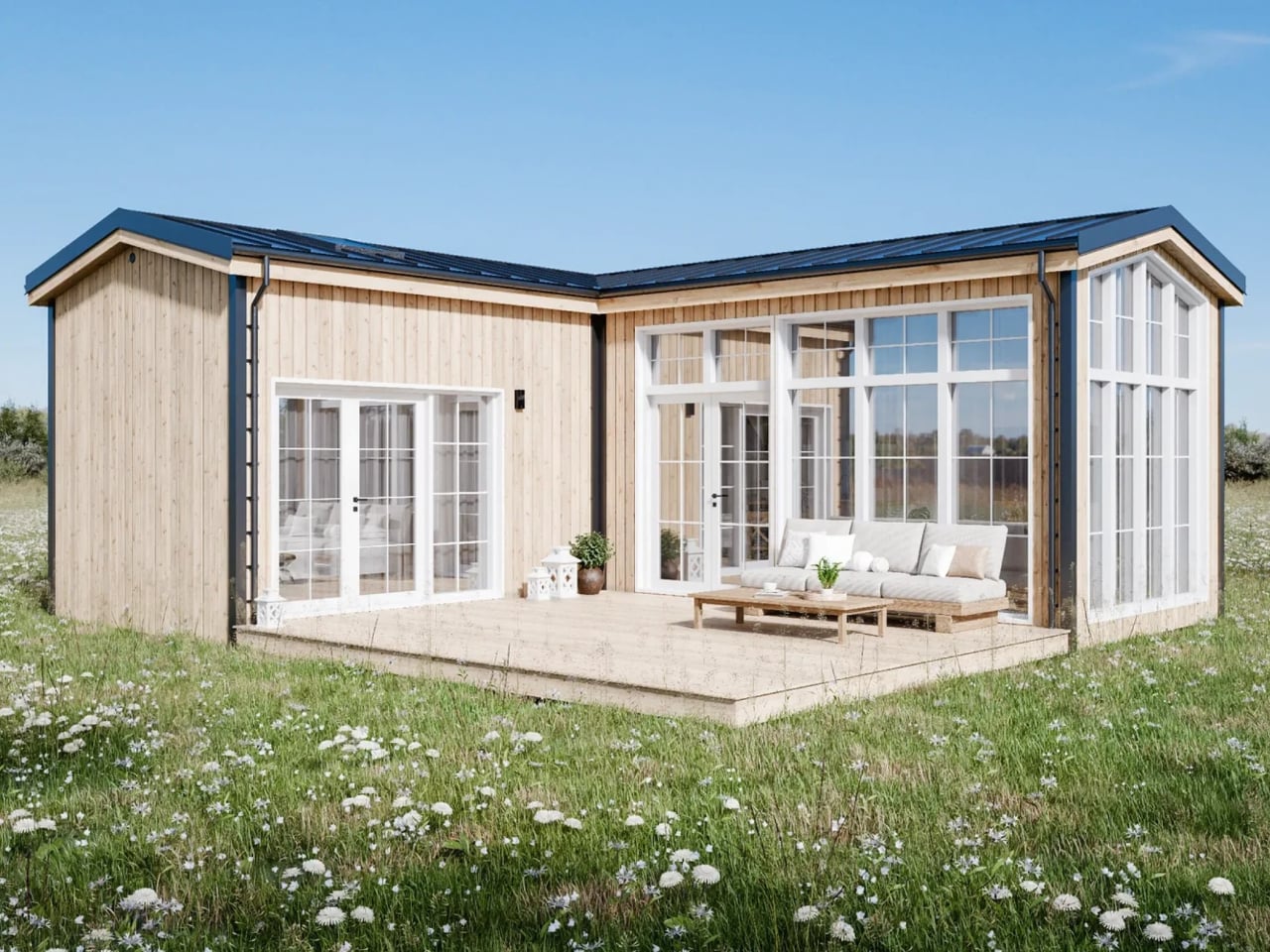
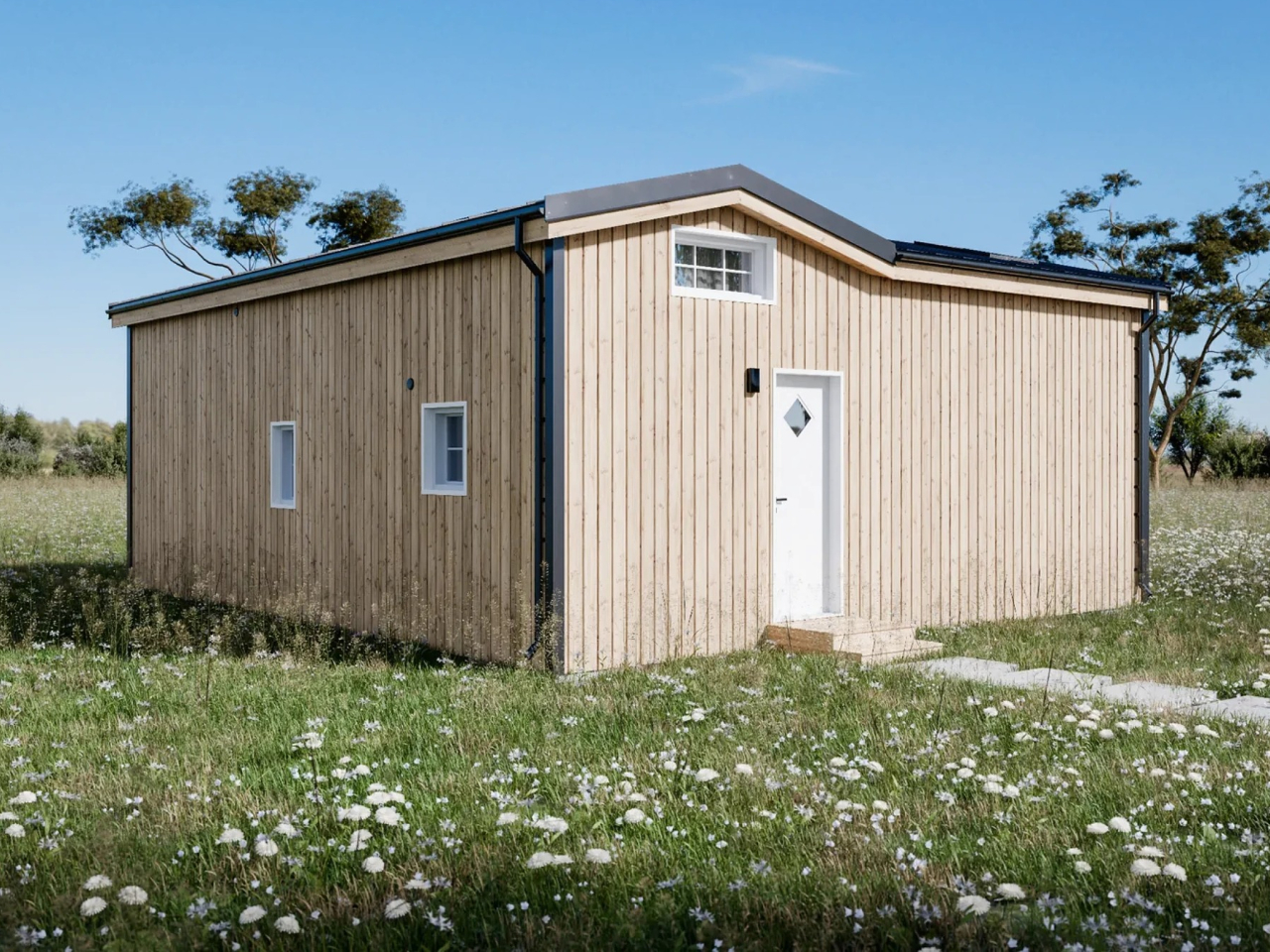
That’s the appeal of Antonia, an orderable modular home from Swedish company Vagabond Haven. Its main bedroom stays downstairs, while roughly 635 square feet across two levels leave room for a second sleeping area above. Two modules form an L around a terrace, giving the layout a useful bend rather than the proportions of a towable cabin. It’s designed to settle onto a foundation, delivered by truck and positioned by crane.

Designer: Vagabond Haven
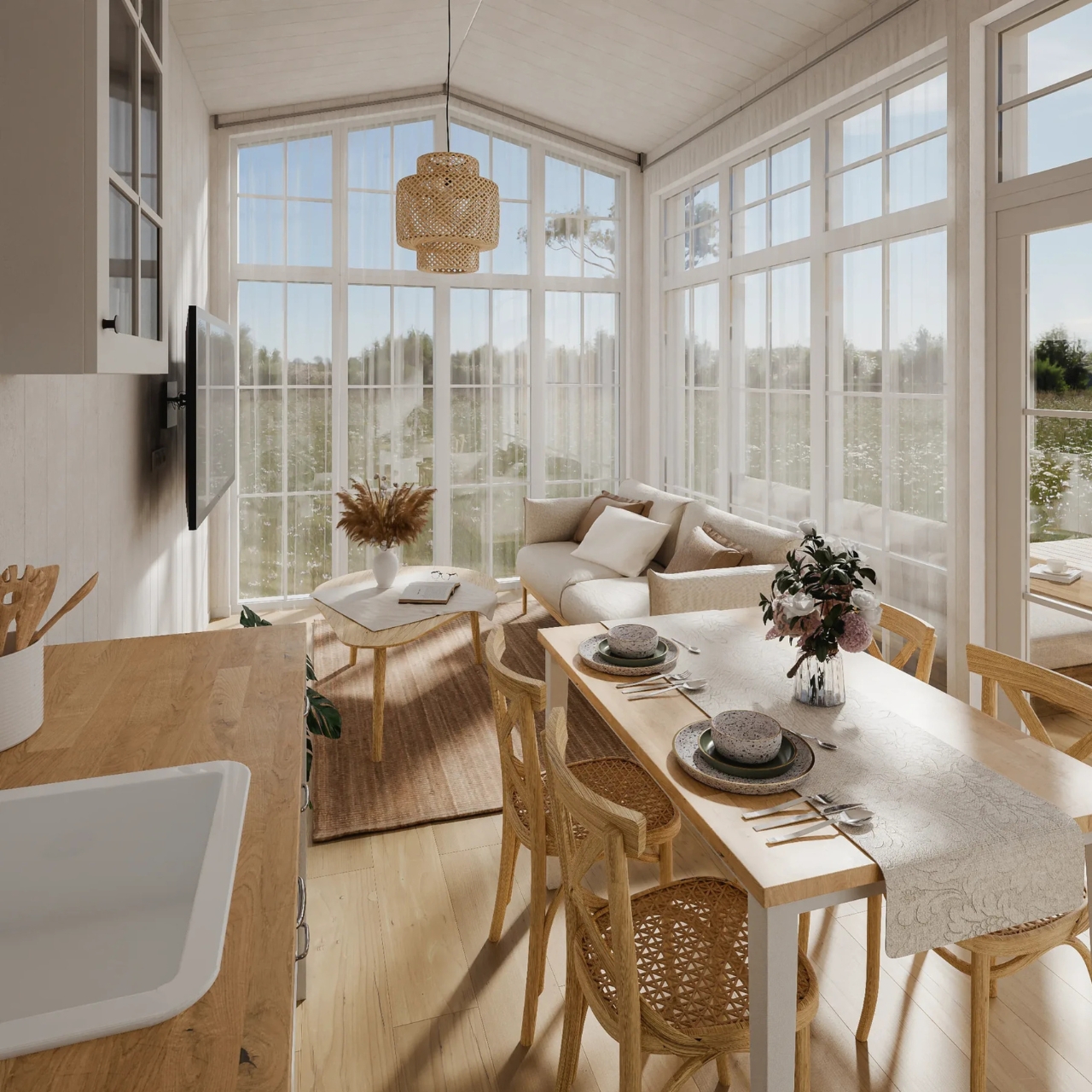
That bend in the floor plan does useful work. The living area occupies one wing, while the bedroom, bathroom, and stairs occupy the other. Between them, the terrace sits inside the L, reached through glass doors from both the living room and the downstairs bedroom. In the published renderings, outdoor seating makes this corner read as another place to spend time, not merely a landing outside the door. The images are illustrative, so finishes and details may change.

I like that the outdoor space has a clear relationship to the rooms around it. A deck can be generous and still feel detached from daily life if getting there means walking around the house. Here, the layout suggests an easy route from cooking dinner to eating outside. That’s a more convincing use of limited space than counting every square foot of decking as though it were another climate-controlled room.
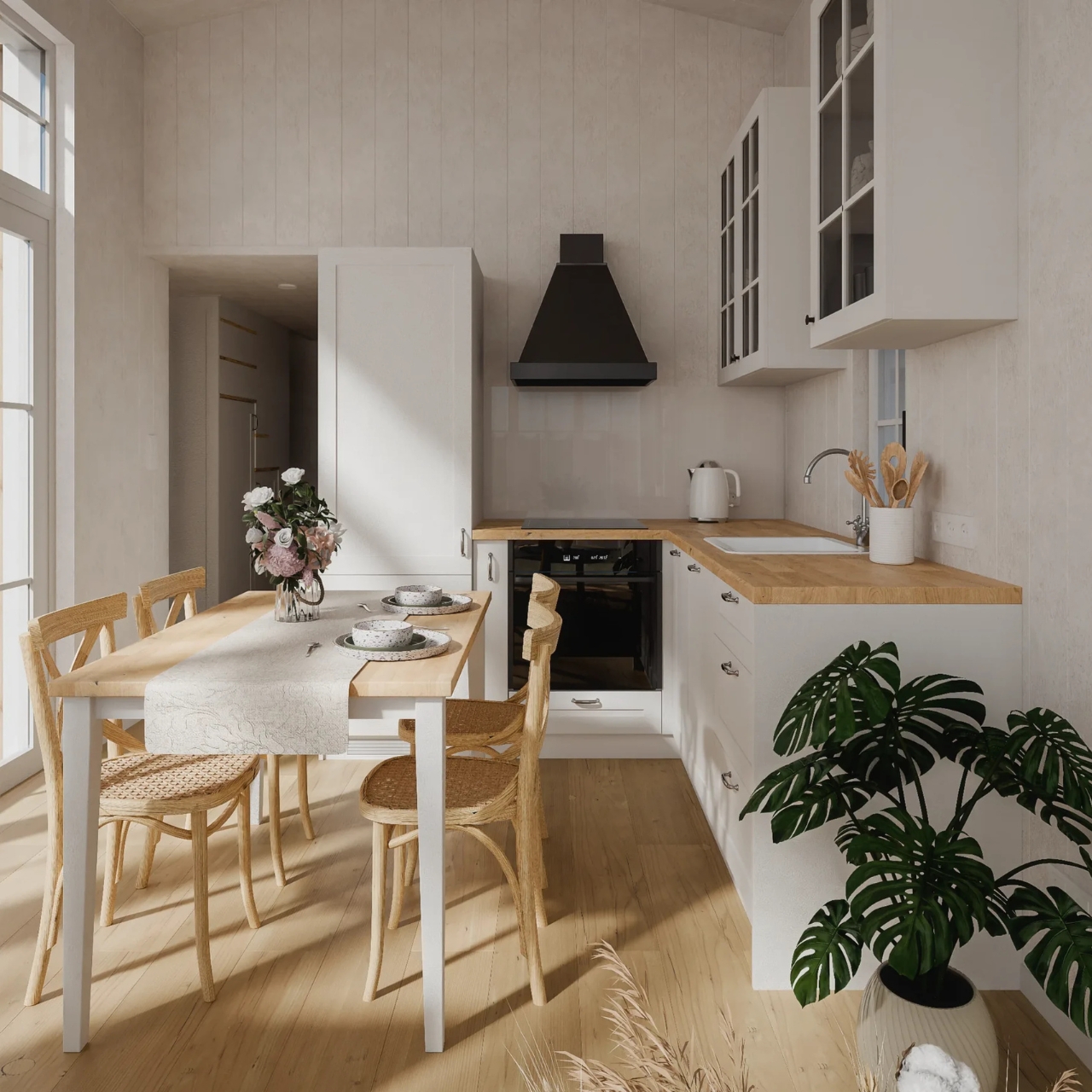
Indoors, the kitchen and living room share a high ceiling because the loft stays over the opposite wing. The kitchen follows its own L-shaped plan, with a sink, cooktop, oven, and refrigerator/freezer in the illustrated furnished setup. A dishwasher is optional, and a four-seat dining table sits nearby. The proportions matter more to me than the styling: a table that can remain a table is preferable to furniture that needs a nightly transformation.

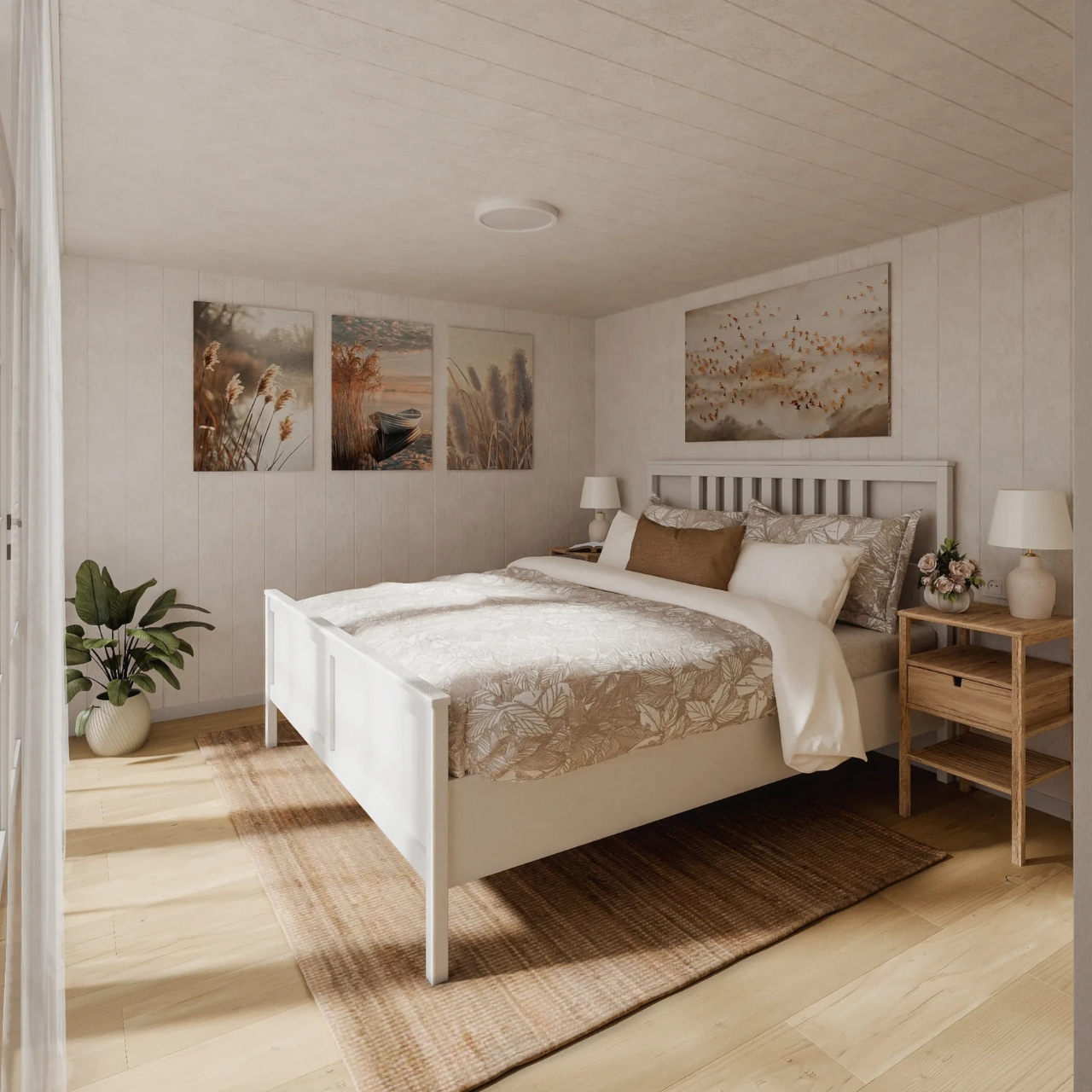
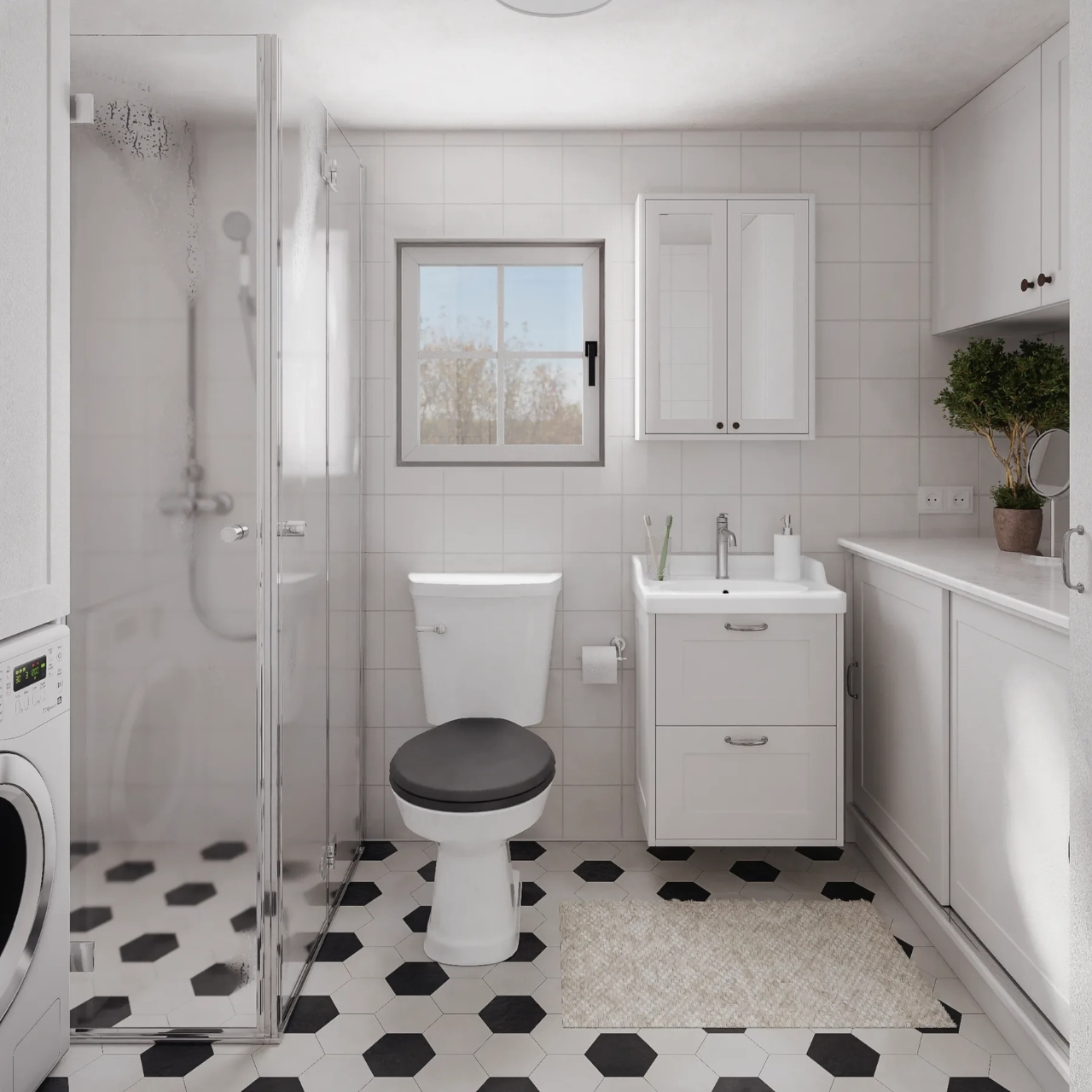
The material palette is restrained: vertical Thermopine siding outside, a steel-sheet roof, laminate flooring, and Forestia/Huntonit interior panels. White cabinetry and pale wood tones give the renderings a familiar cottage feel. More importantly, the ground-floor bedroom is shown with a double bed and fitted wardrobes, while the bathroom accommodates a shower, vanity, toilet, and washer/dryer. Those aren’t glamorous features. They’re the infrastructure that lets a small home function beyond a weekend.
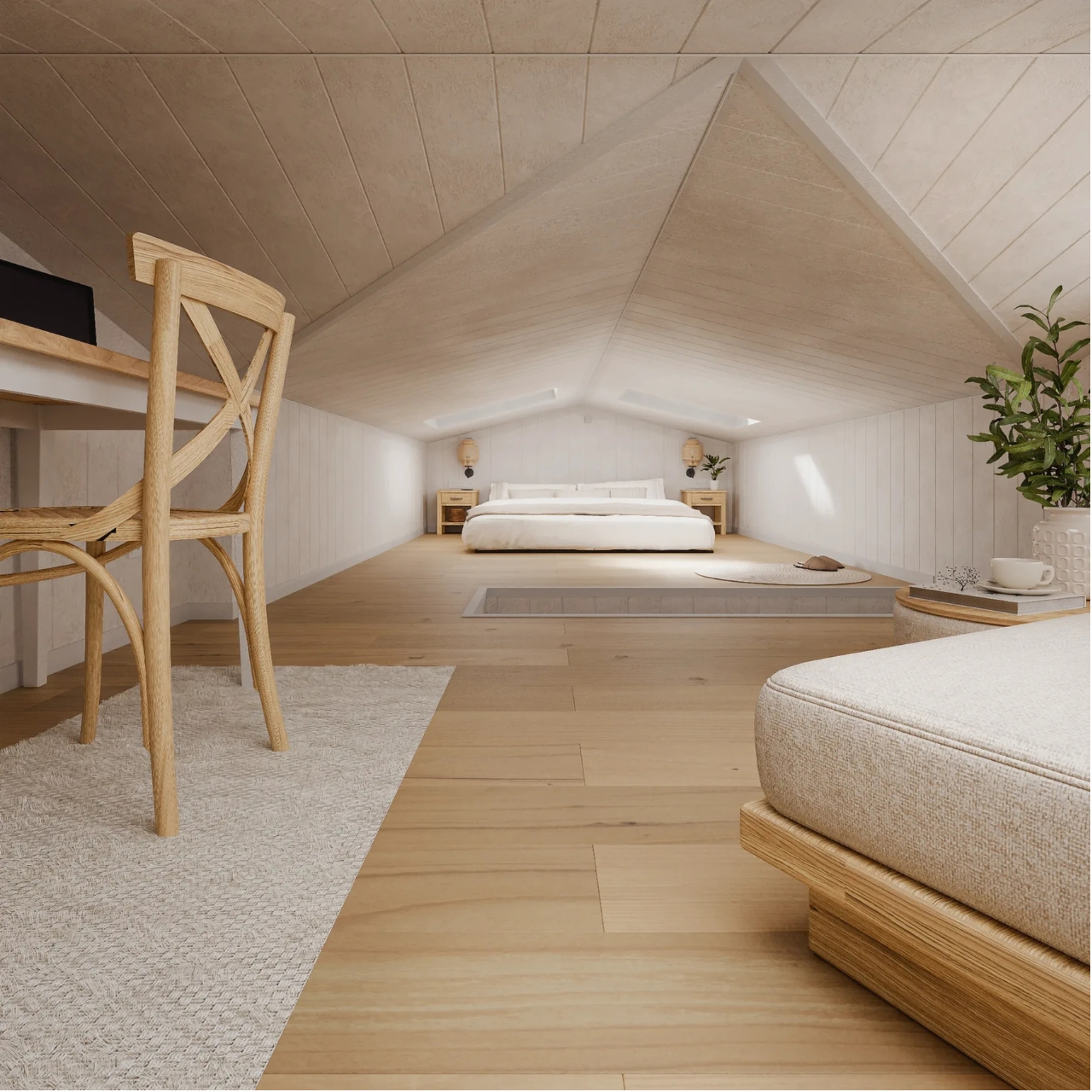
Upstairs, the compromise is more visible. The loft rendering shows a second double bed, a desk, and seating beneath a low pitched ceiling, with stairs providing access. I’d see this as useful guest space or an occasional work retreat before making it the primary bedroom. Keeping the downstairs option means the house doesn’t ask everyone to accept the same relationship with stairs, headroom, and getting up at night.

Pricing needs the same practical reading. Vagabond Haven lists the unfurnished Antonia at €67,500 before VAT, with a €77,500 furnished example configuration. The base price isn’t the price of the staged interior: the company excludes items including heating, appliances, bathroom fittings, the terrace, delivery, and utility connections. Its stated delivery market is Europe, so these figures shouldn’t be mistaken for a ready-to-install U.S. offer. A beautiful rendering doesn’t make those additional decisions disappear.

I’d pay particular attention to where it lands. With so much glass facing the terrace, choosing what those windows overlook would be part of making this layout work. A view of trees and a view of a neighbor’s kitchen aren’t interchangeable. Antonia makes an appealing case for letting outdoor space shape a small home, but that makes its eventual setting just as important as what arrives on the truck.
The post Antonia Tiny House Offers a Bedroom Without the Climb first appeared on Yanko Design.
  •  

Field Record’s 1.1-Pound Tent Stands Without Trekking Poles

Carrying less shouldn’t have to mean giving up a tent that supports itself. That’s the appeal of Field Record’s FR-SCD, a one-person shelter with a listed body-and-pole weight of just 490 grams, or about 1.1 pounds. It addresses a recognizable backpacking dilemma: how to trim the load without switching to a shelter that depends on trekking poles for its structure.

That number deserves a little unpacking before anyone starts rearranging their gear closet. The 490 grams covers the tent and its Easton carbon fiber poles, not the complete packed kit. Carry bags, stakes, and guy lines aren’t included in that figure. It’s still remarkably light, but I’d rather know what’s on the scale than fall in love with a number that leaves the accessories off it.

Designer: Field Record

Field Record comes from designer Kouichi Okamoto of Kyouei Design, and the brand says it handles design, cutting, sewing, and seam processing in-house. The FR-SCD also isn’t a fresh launch disguised by a recent round of attention. It appeared in the brand’s 2023 lineup, with a special 470-gram version developed alongside trail runner Shogo Mochizuki. The production model uses a different Dyneema fabric. That history gives the weight-saving ambition some useful context.

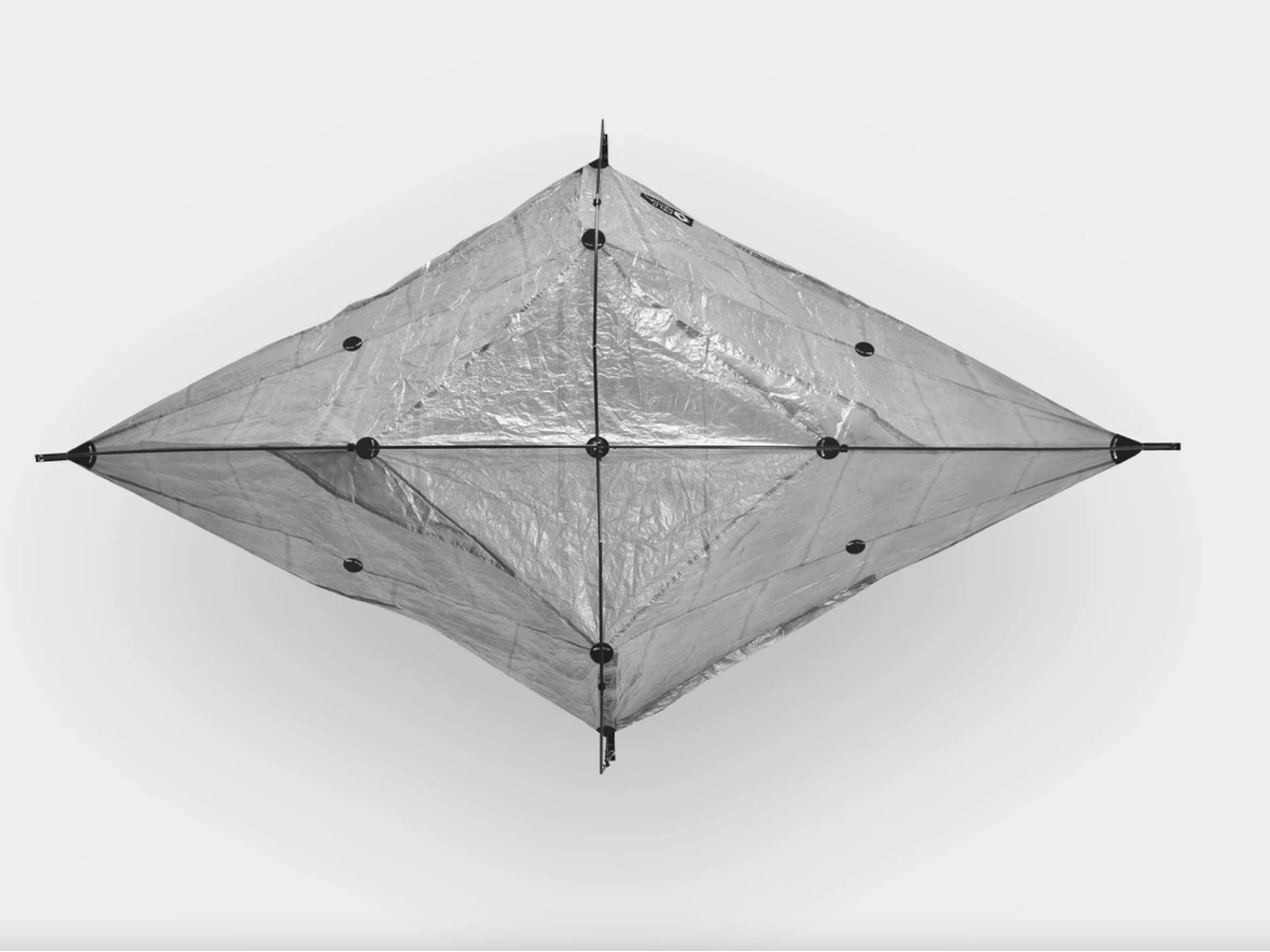
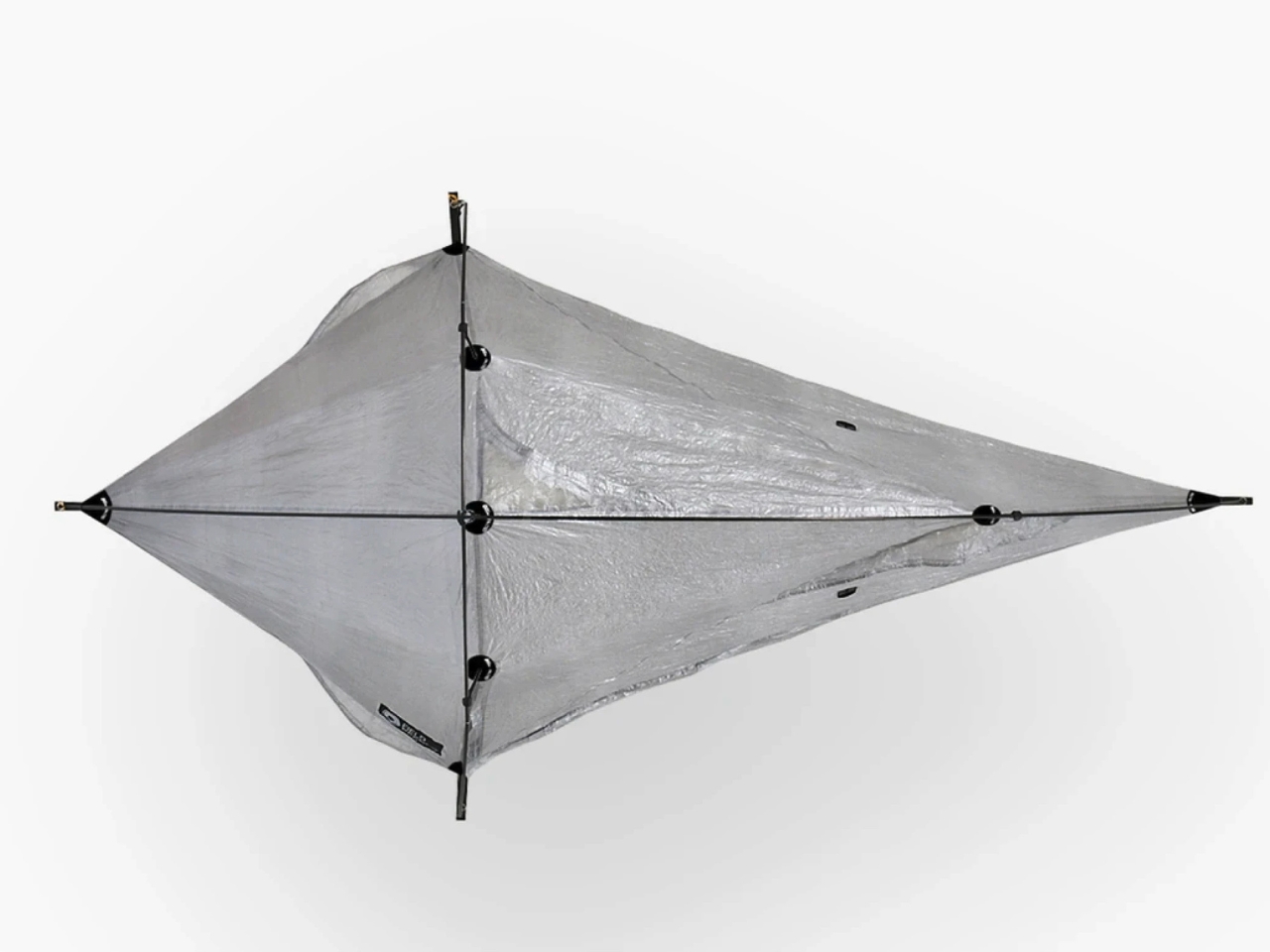
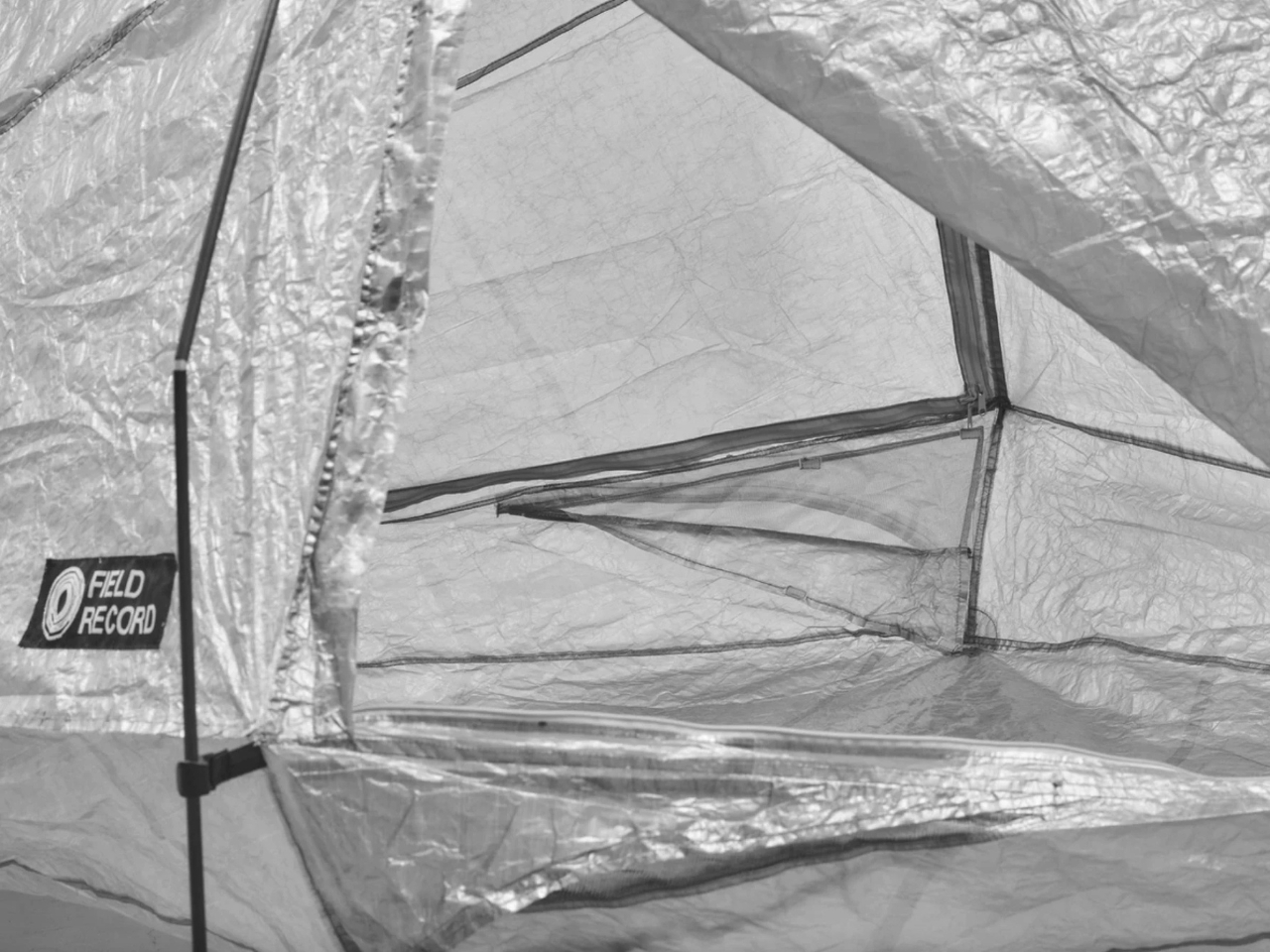
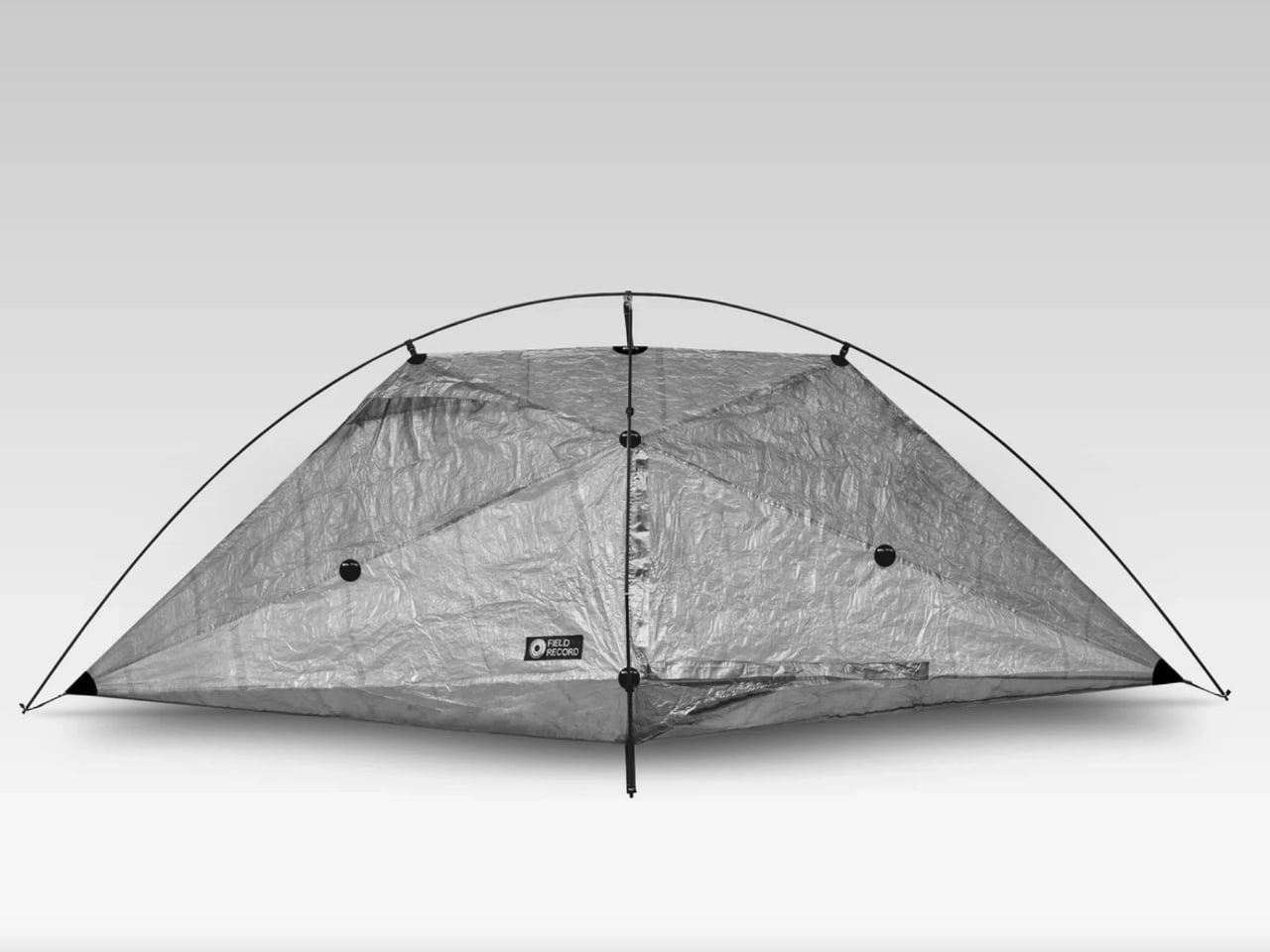
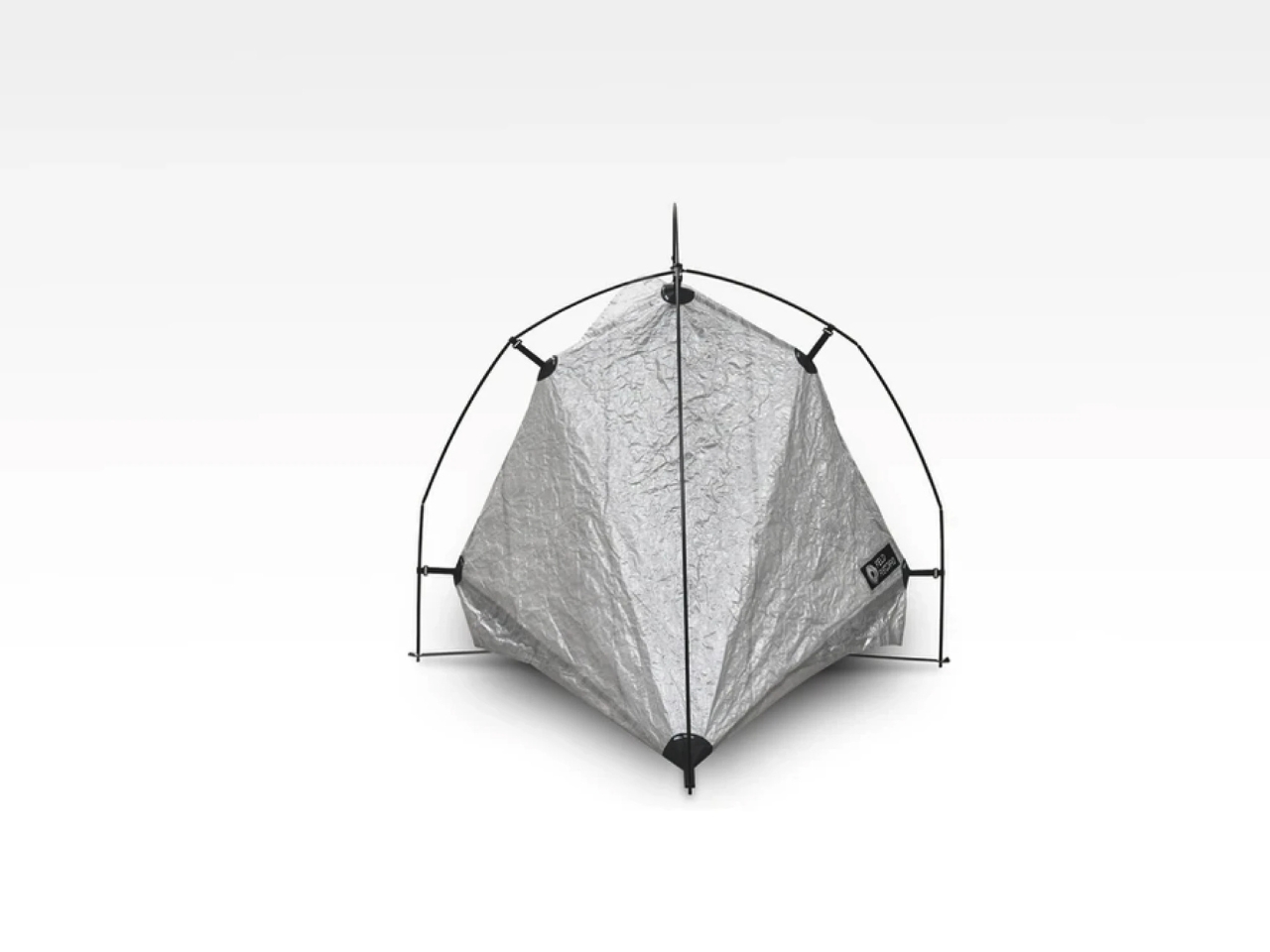
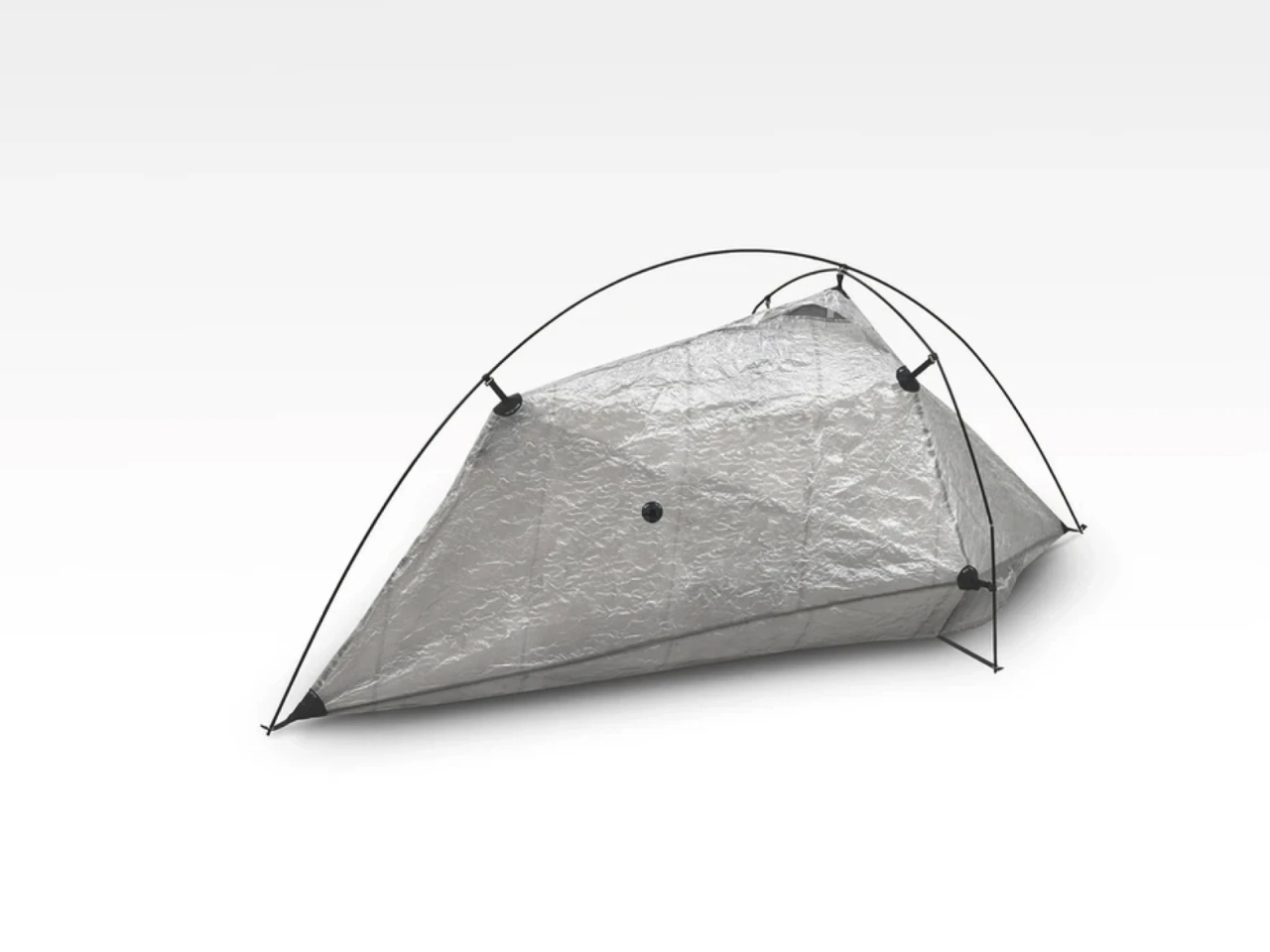
Visually, it’s an appealingly strange little object. The photographed shelter has a crinkled, translucent skin stretched beneath two crossing arcs, with pointed ends that make the overhead view resemble an elongated kite. I like how little effort it spends looking conventionally rugged. You can read the frame and the fabric as separate elements, and the shape feels more interesting for making that relationship so visible.

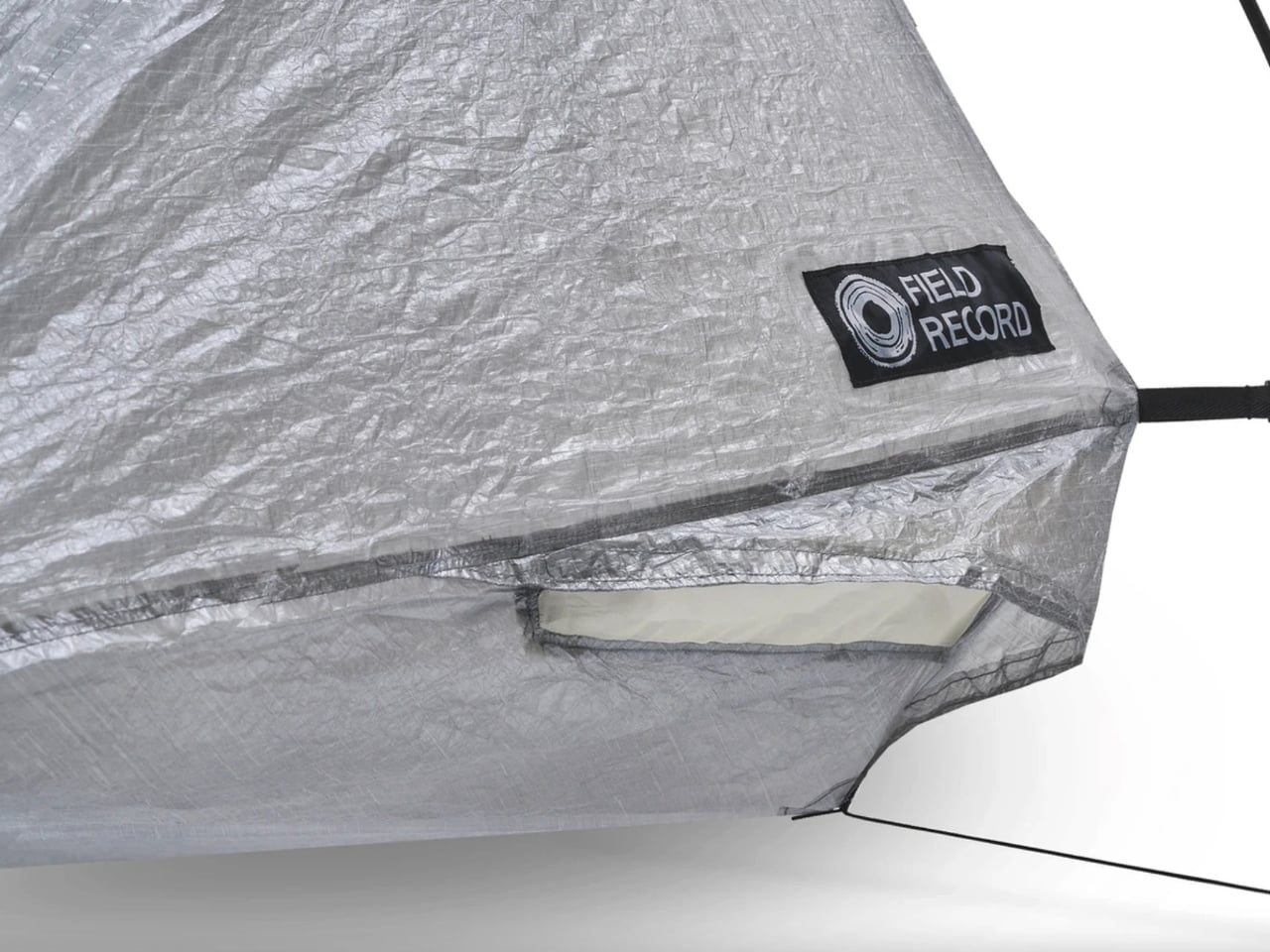
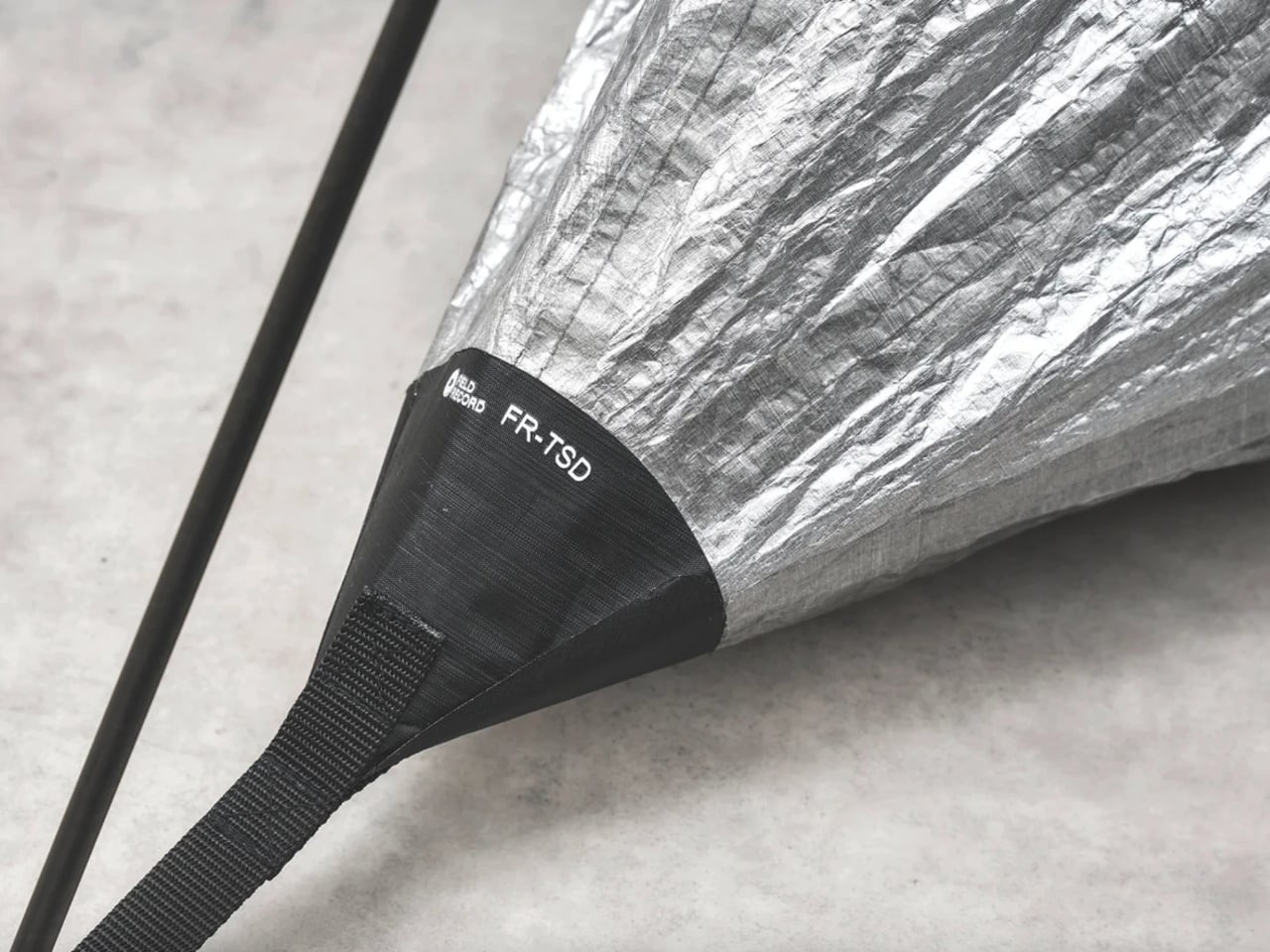
The construction is specific. Field Record pairs a Dyneema Composite Fabric body with Easton carbon poles, then applies bonded seam treatment after sewing. Twelve bonded reinforcement points support the construction. Those details matter because this isn’t merely a thin sheet draped over a frame. The maker has put reinforcement into selected locations while pursuing that low overall weight, a more interesting design exercise than indiscriminately removing material.

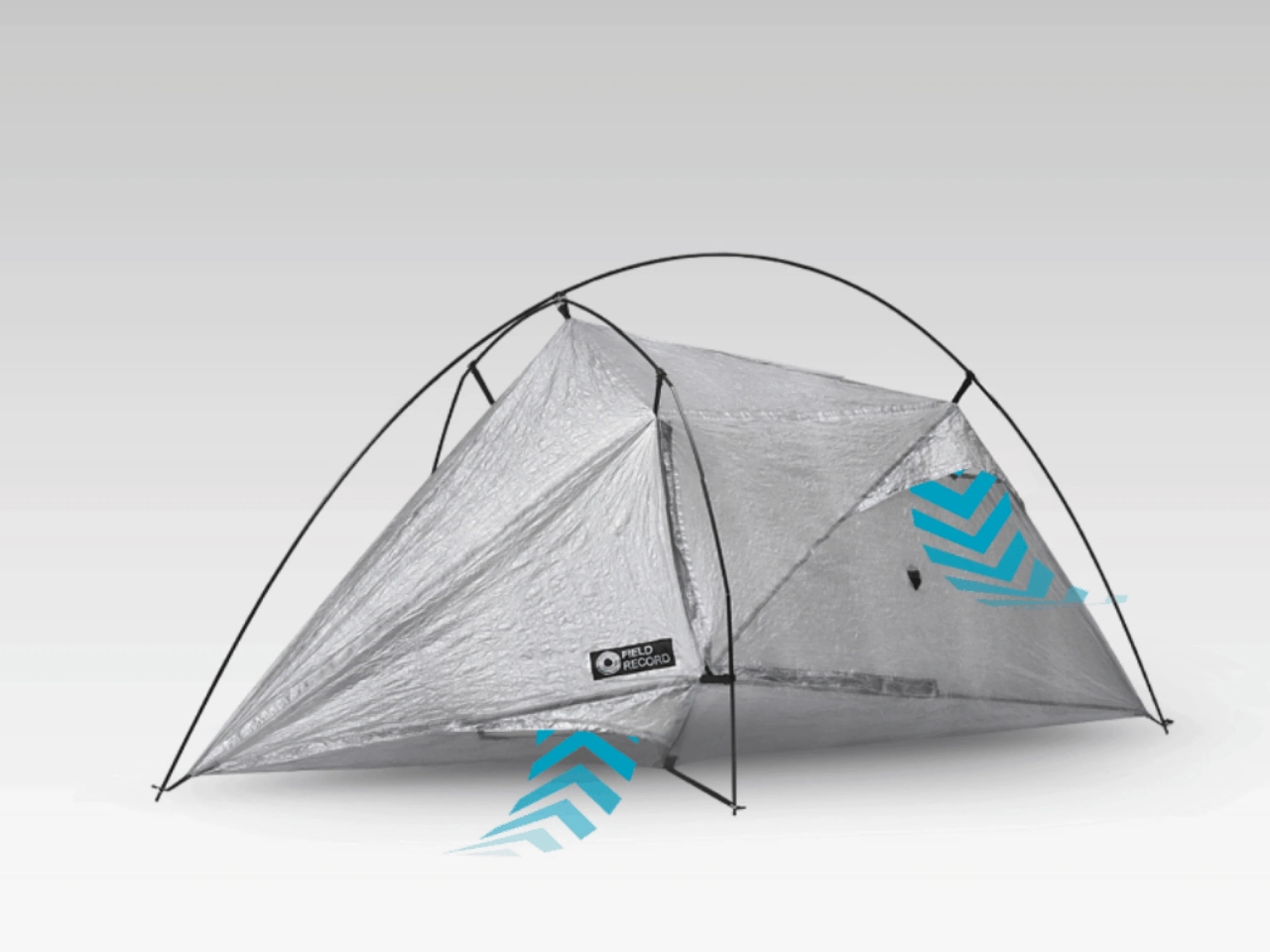
Ventilation is where the idea meets a less glamorous camping reality. Moisture inside a tent can be as unwelcome as rain outside it. Field Record says the FR-SCD’s form and four ventilation points encourage airflow to reduce condensation. That’s a design intention, not proof of consistently dry mornings. Ventilation is an established way to manage condensation, but I’d want field testing before treating these openings as a complete solution.

Space is another negotiation. The published dimensions are approximately 101.6 inches long, 42.5 inches wide, and 37.4 inches high. Those are overall measurements, not a rectangular sleeping area. Looking at the sharply tapered outline, I wouldn’t read the length and width as permission to sprawl. The low roof also makes this look like a place to sleep rather than a comfortable room for waiting out an entire afternoon.

Freestanding shouldn’t be mistaken for unanchored, either. A frame that holds the shelter’s shape is useful, but wind still makes staking and guying important. Sierra Designs’ tent guidance makes that distinction explicitly, even for freestanding models. I appreciate the convenience this architecture offers, provided the weight conversation doesn’t encourage anyone to leave necessary anchoring gear behind. Saving ounces shouldn’t depend on ignoring the campsite.

Then comes the price: ¥149,600, approximately $950 in New Atlas’s report. Field Record currently lists a roughly three-month lead time and offers international shipping, with customs charges left to the buyer. That puts it firmly in specialist territory. For me, the cost makes more sense as payment for a particular construction and manufacturing approach than as an obvious upgrade for anyone who occasionally spends a weekend outdoors.

I’m drawn to the FR-SCD because its priorities are easy to understand, even if they wouldn’t match everyone’s packing list. I’d want more evidence about livability before choosing it for a trip. As a design, though, it makes a persuasive case for keeping the convenience of a frame while being unusually disciplined about everything that frame has to carry.

The post Field Record’s 1.1-Pound Tent Stands Without Trekking Poles first appeared on Yanko Design.
  •  

Lift Ocean’s ONE Lifts Boats Above Water Without a New Hull

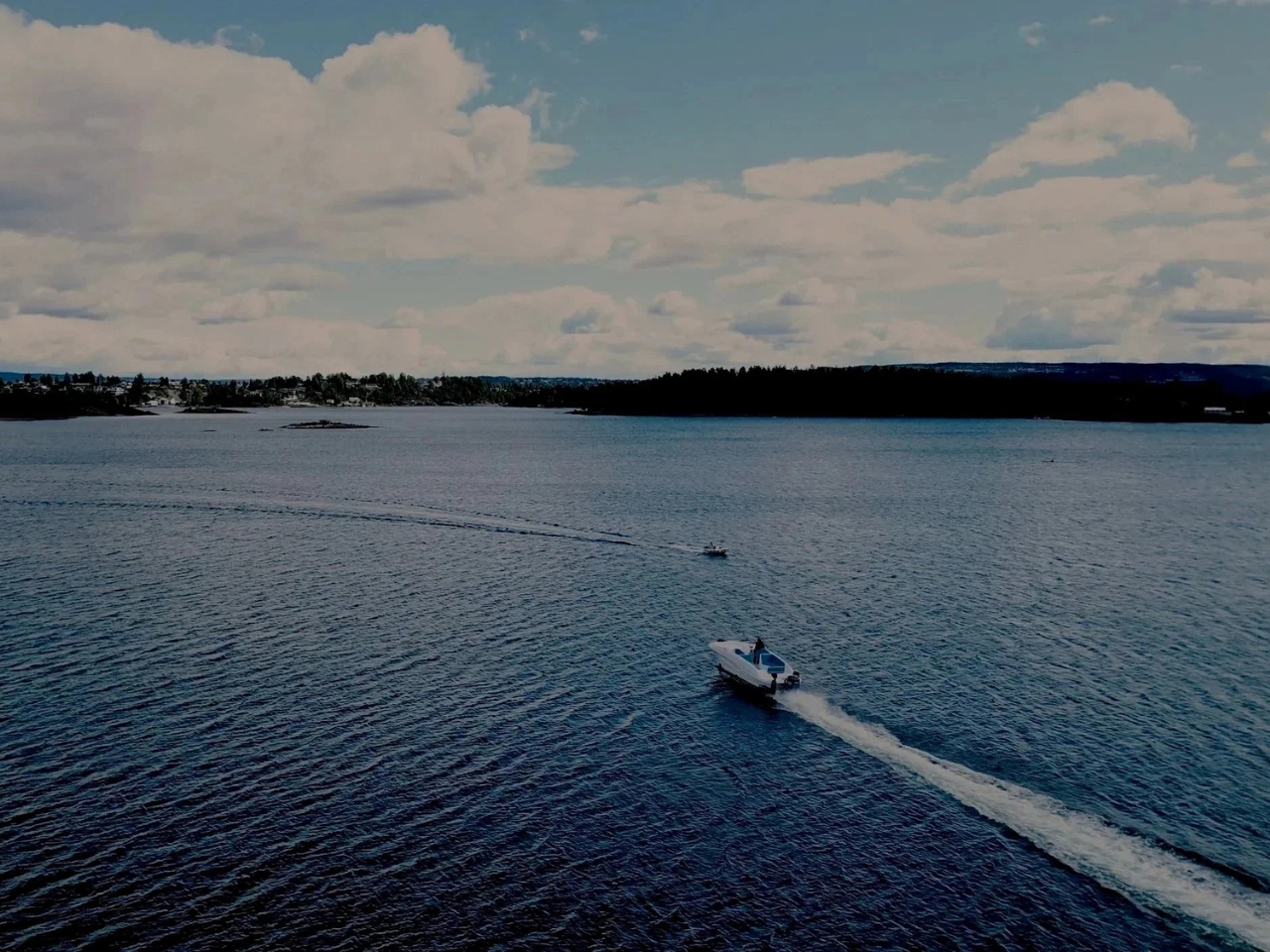
A speedboat that rises above the water is an easy visual sell. The less glamorous question is what happens to the perfectly usable boat someone already owns. Replacing an entire vessel to get a smoother, more efficient ride is a fairly extravagant upgrade path. Norwegian company Lift Ocean is working on another option: ONE, a hydrofoil system designed to fit conventional boats rather than demand a completely new hull. I like that starting point.

ONE is a tested system, but it isn’t a weekend installation project for individual owners. According to New Atlas’s November 8 report, orders are currently limited to boat manufacturers and fleet operators, with shipping expected in 2027. That makes the immediate story a supplier offering foiling technology to the industry, rather than an accessory you can order for next Saturday’s lake trip. The distinction matters before anyone starts clearing space in the garage.

Designer: Lift Ocean

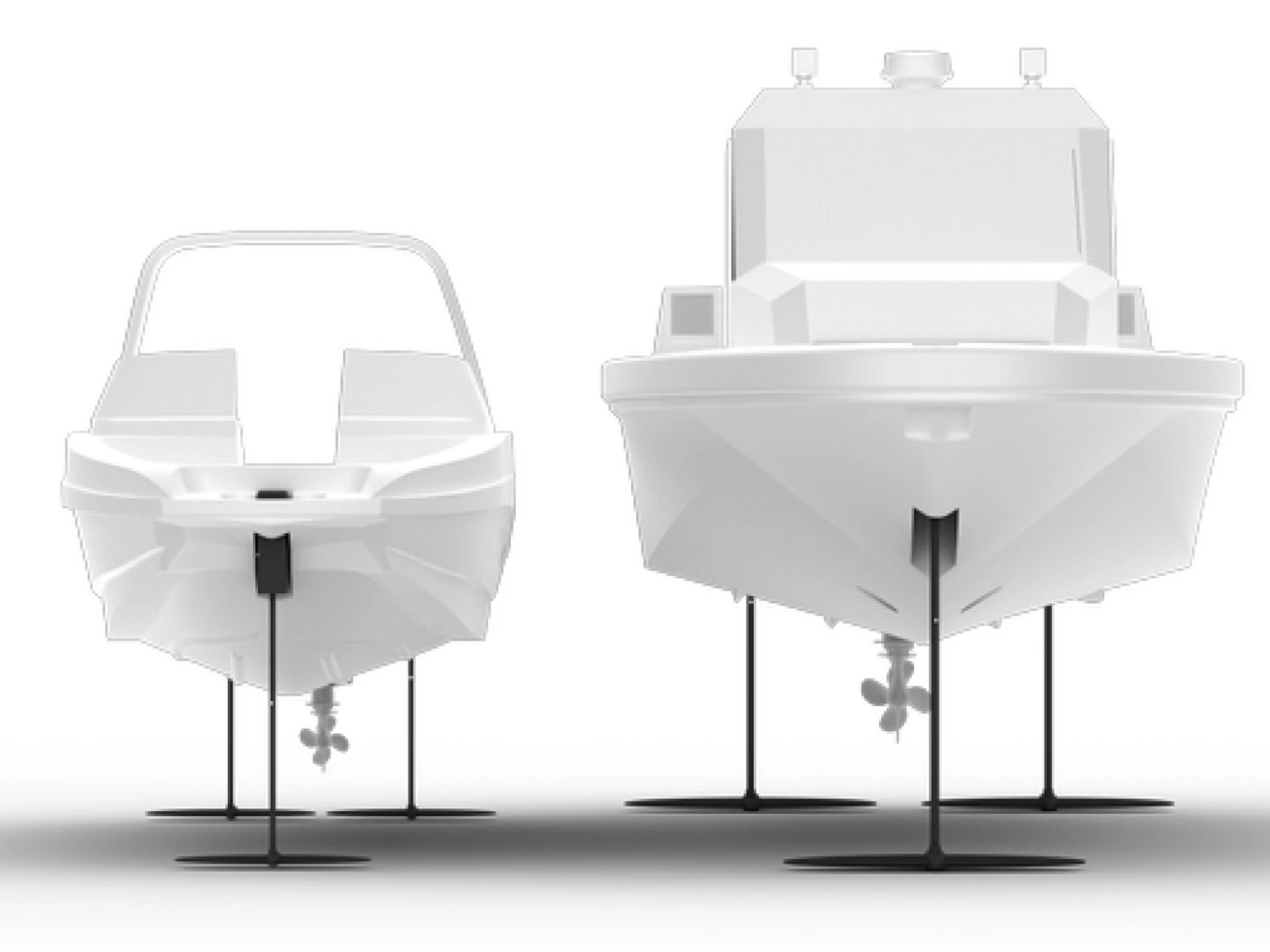
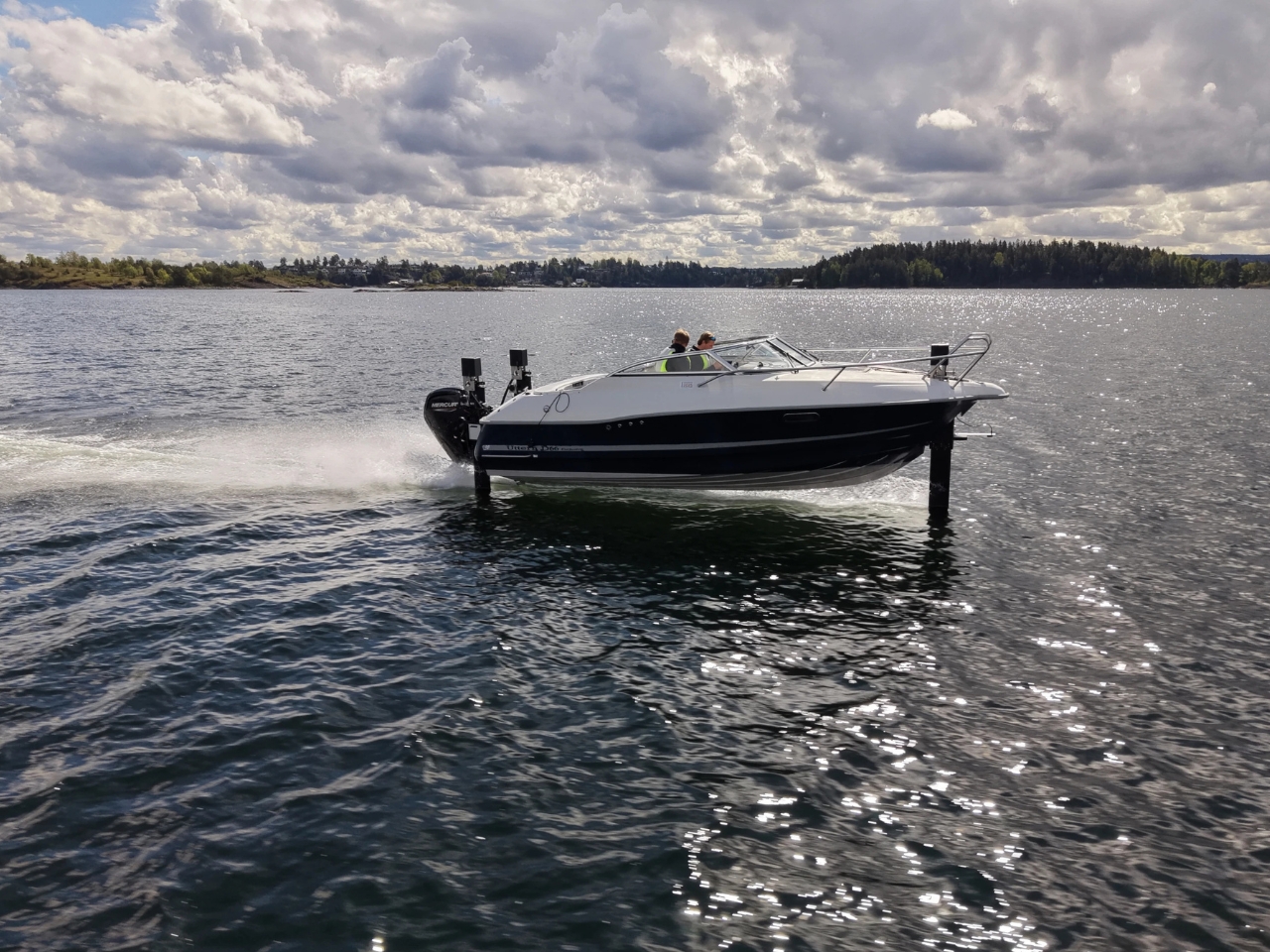
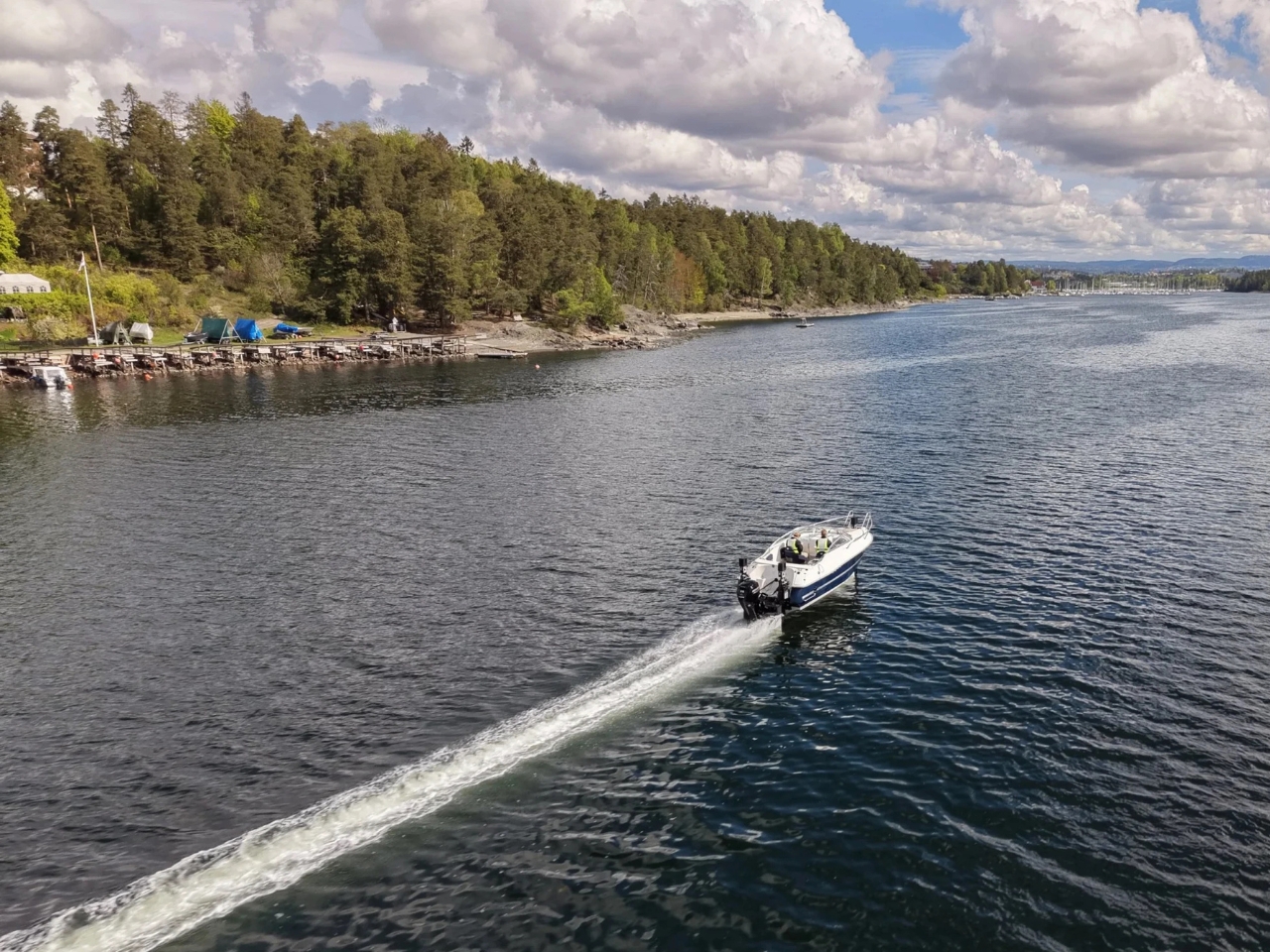
The hardware has an understandable layout: one foil assembly at the bow and two at the stern, flanking a single outboard motor. Each assembly places a movable underwater wing at the bottom of a vertical mast. As speed builds, those wings generate lift and raise the hull above the water. It’s an unusual-looking arrangement, but the logic is straightforward. Less hull moving through the water means an opportunity to reduce resistance.

Keeping that arrangement stable takes more than attaching wings. Lift Ocean’s active control system automatically adjusts their angles to maintain ride height and manage banked turns. The driver still uses steering and throttle, rather than learning to balance the boat manually. To me, that’s the right place to put the complexity: inside the controls, where it can do useful work, instead of turning a familiar activity into a new skill test.

The retractable wings are equally important, although they’re less likely to get top billing than the flying-boat footage. Lift Ocean says retracting them allows conventional planing, reduces marine growth, and makes maintenance easier. Its CEO also says the arrangement accommodates a conventional trailer. Those are sensible priorities. A boat still has to come home, sit unused, and get cleaned. I’d judge the design partly by how gracefully it handles those unphotogenic hours.

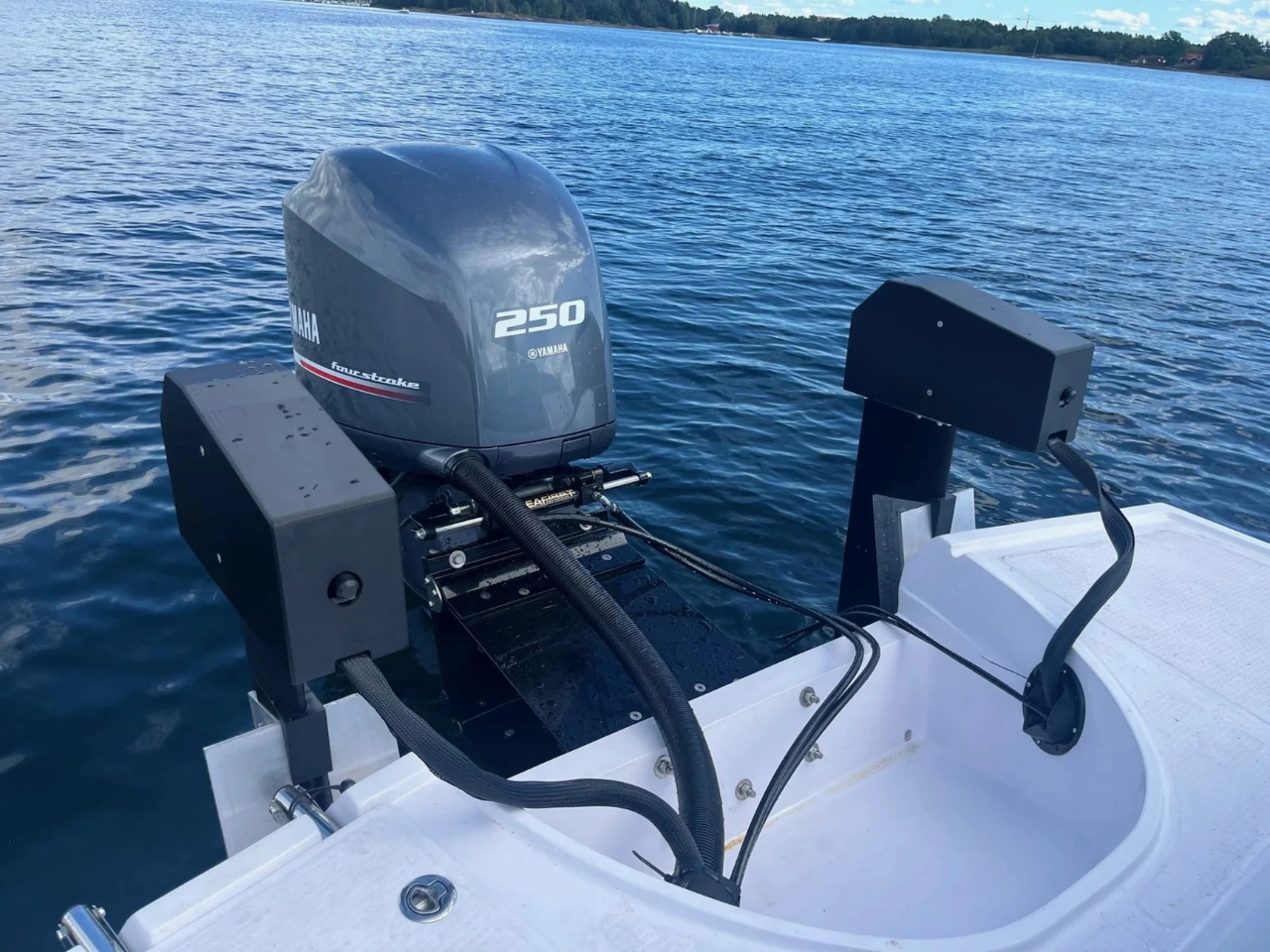
Compatibility is another appealing decision. ONE is designed to work with gasoline or electric outboards, so adopting the system doesn’t inherently require changing energy sources. An automatic engine lift bracket moves the motor vertically to keep its propeller submerged while the boat rises. That detail deserves attention: lifting the hull is only useful if propulsion continues working properly. The bracket addresses a problem created by the very feature everyone came to admire.

The efficiency claim is substantial. Lift Ocean told New Atlas that measurements from its test boats and client samples showed roughly a 50 percent reduction in fuel consumption, while emphasizing that results vary between boats. I’d treat that as a company-reported result, not a guaranteed discount at the fuel dock. Still, reducing the energy needed to move an existing hull is a compelling direction. It makes efficiency a question of how the boat travels, alongside what powers it.

I also appreciate that Lift Ocean acknowledges installation differences. In an interview with Marine Industry News, CEO Petter Mørland Pedersen explained that some modifications are normally required, depending on the vessel. “Bolt-on” shouldn’t be mistaken for universally effortless. Manufacturers still have integration work to do, and a standardized system doesn’t erase the individual boat’s structure or proportions. That caveat makes the proposition more credible to me, because it leaves room for the actual engineering.

Before calling ONE a practical upgrade, I’d want to see the installed price, maintenance requirements, and fuel savings on a specific boat. But as a design proposition, it has my attention. The appeal is being able to improve a familiar object without treating the entire object as obsolete. If boatbuilders can make that integration convincing, the most satisfying feature might be the hull you didn’t have to replace.

The post Lift Ocean’s ONE Lifts Boats Above Water Without a New Hull first appeared on Yanko Design.
  •  

Caviar’s Zodiac Duo Phone Refuses to Keep Your Star Sign Subtle

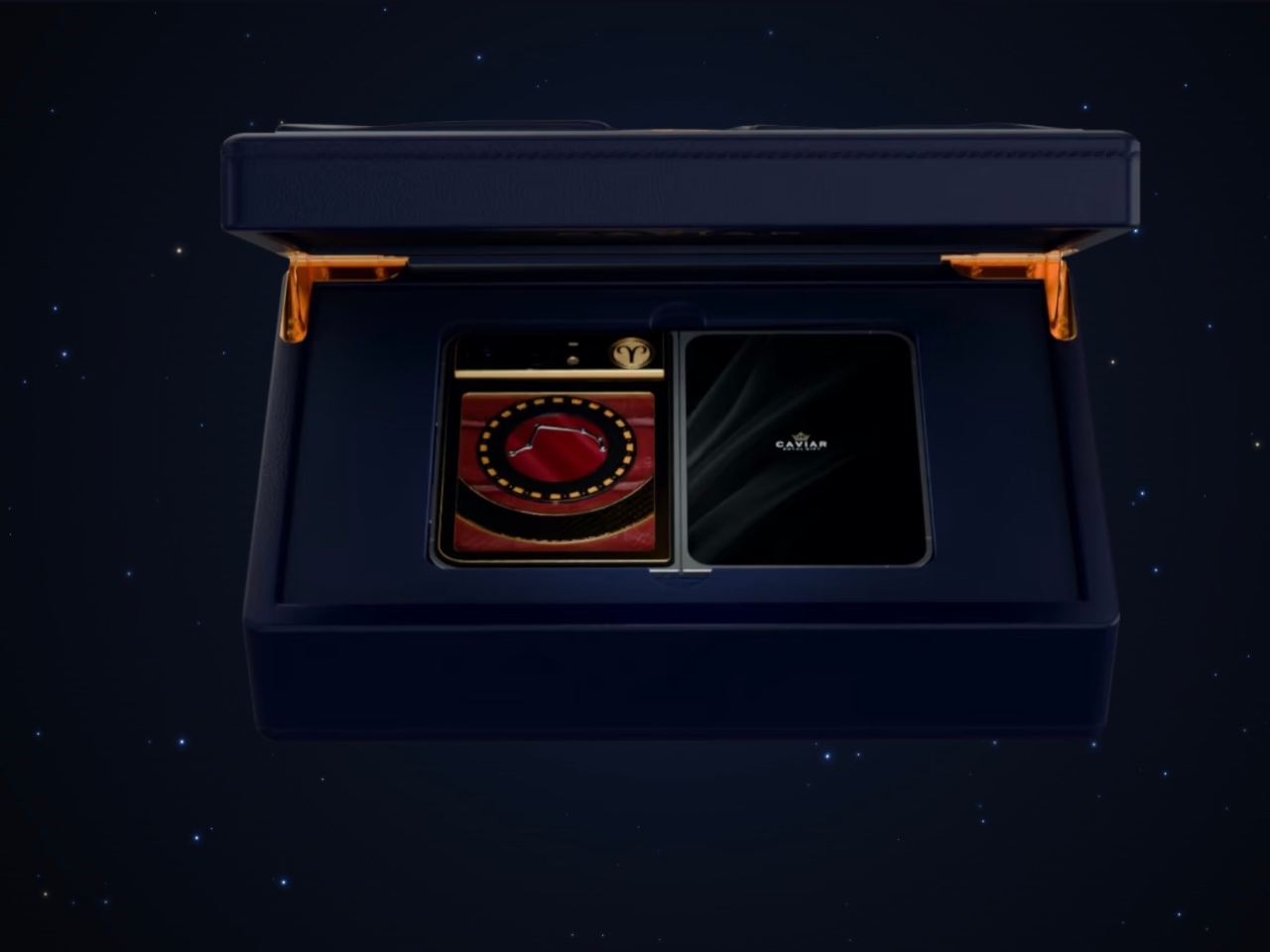
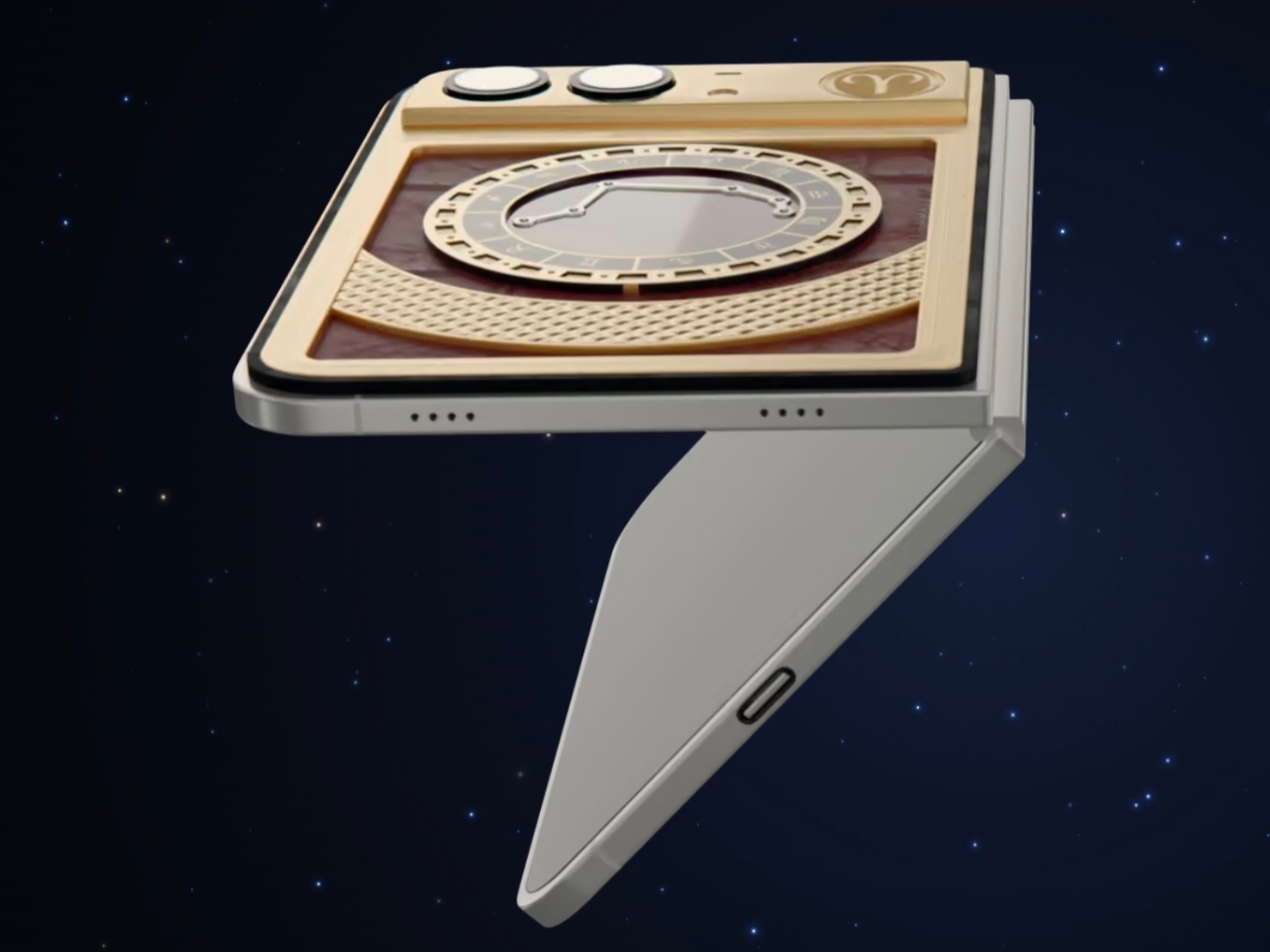
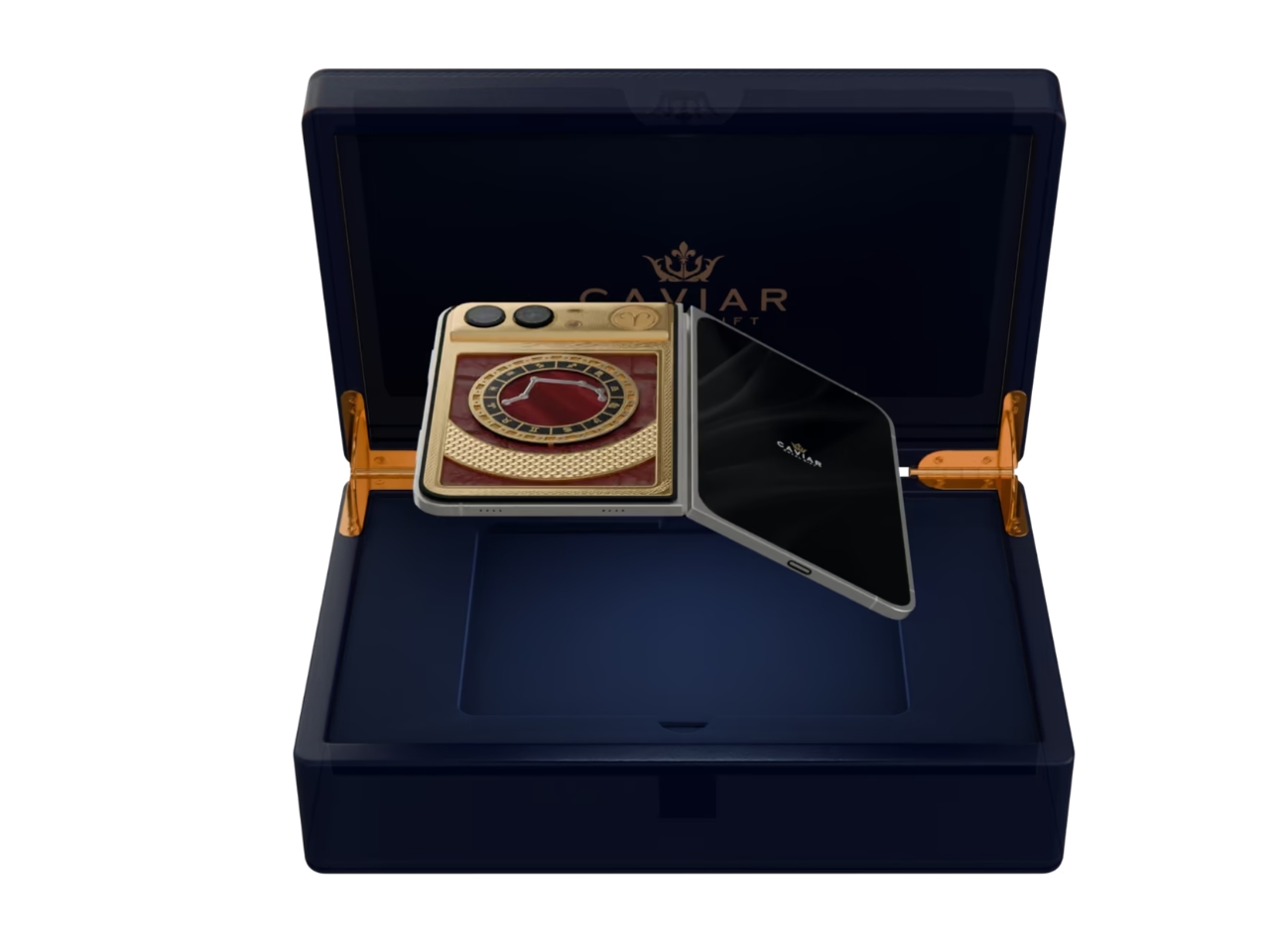
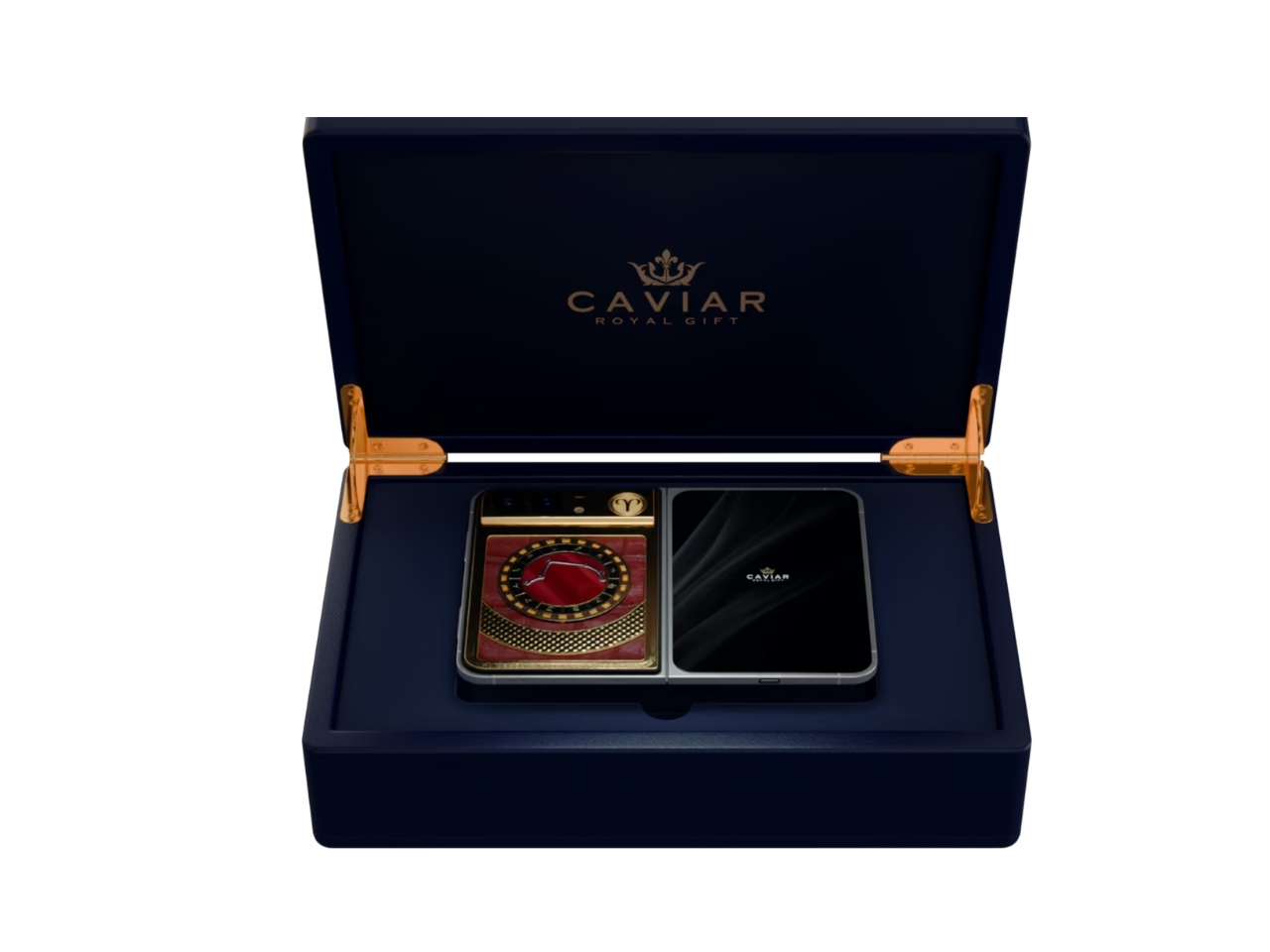
Caviar’s Zodiac Duo may be on your wish list this year. Well, at least if you’re an Apple fan drawn to the idea of a foldable iPhone with a rather extravagant finish. Caviar presents the customization for the iPhone Duo, itself already a sort of luxury item. If you want to make your phone a bit different from all the others, this may just be the one you’d want to spend your money on. And I mean a lot of money.

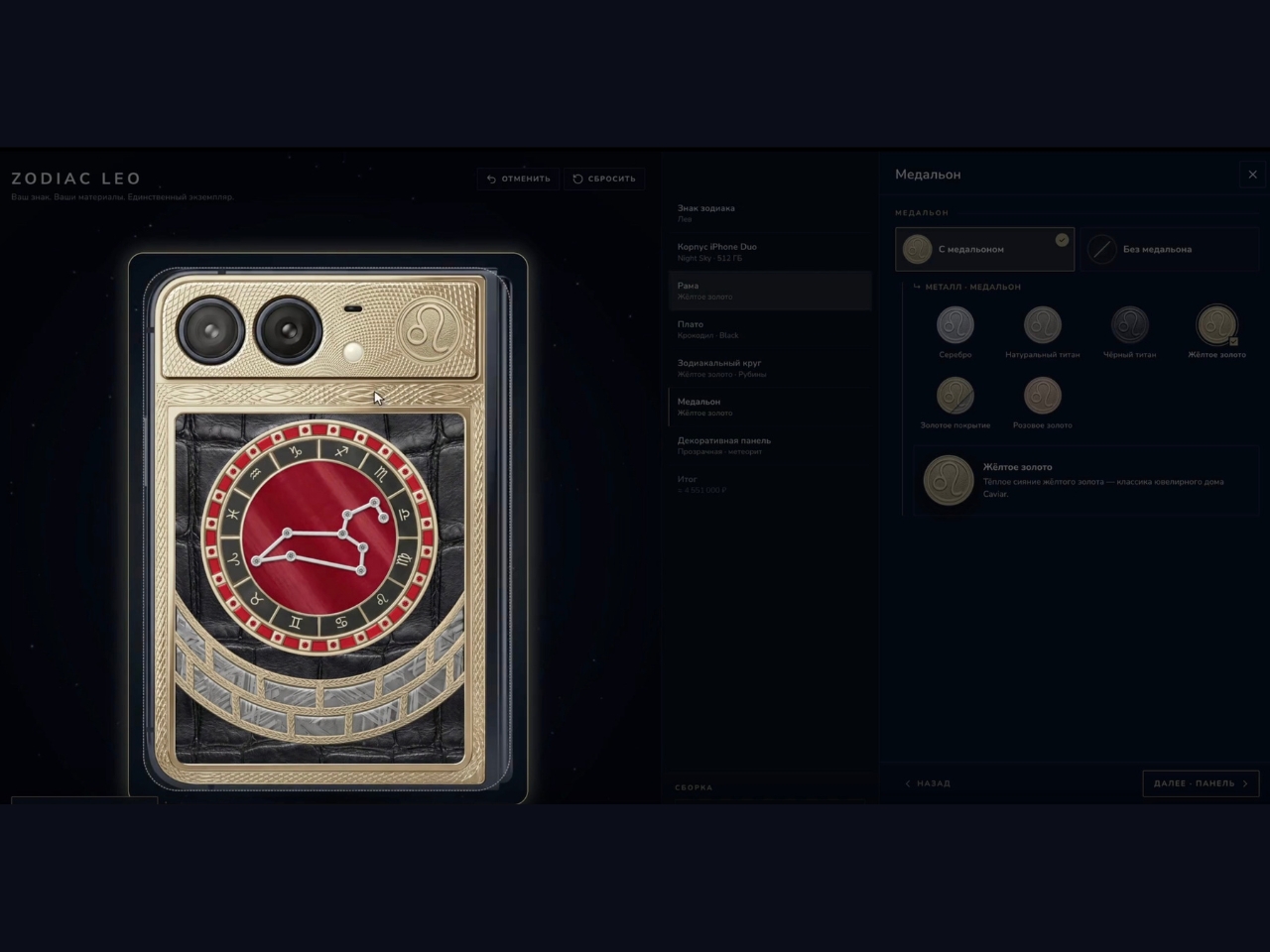
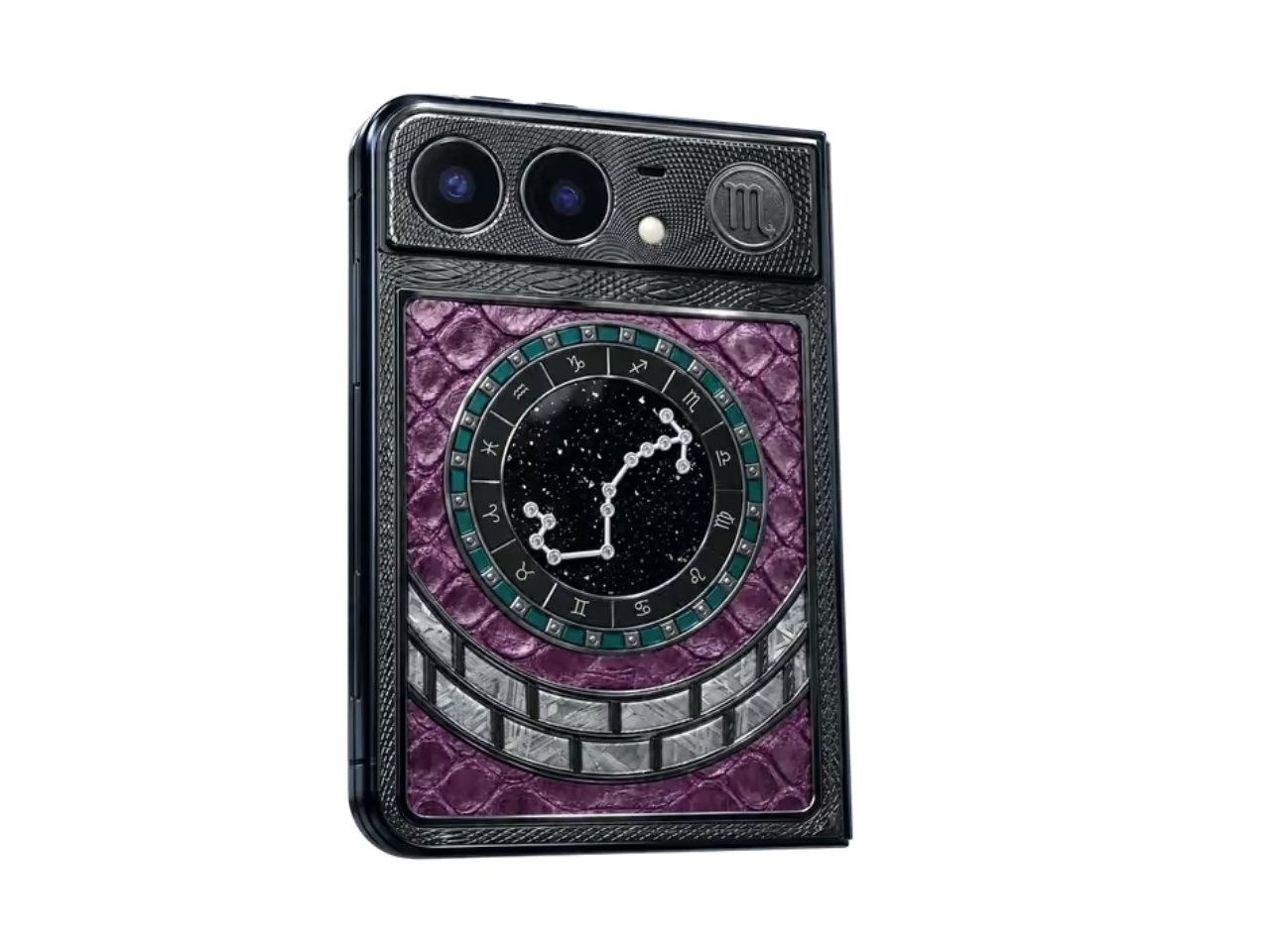
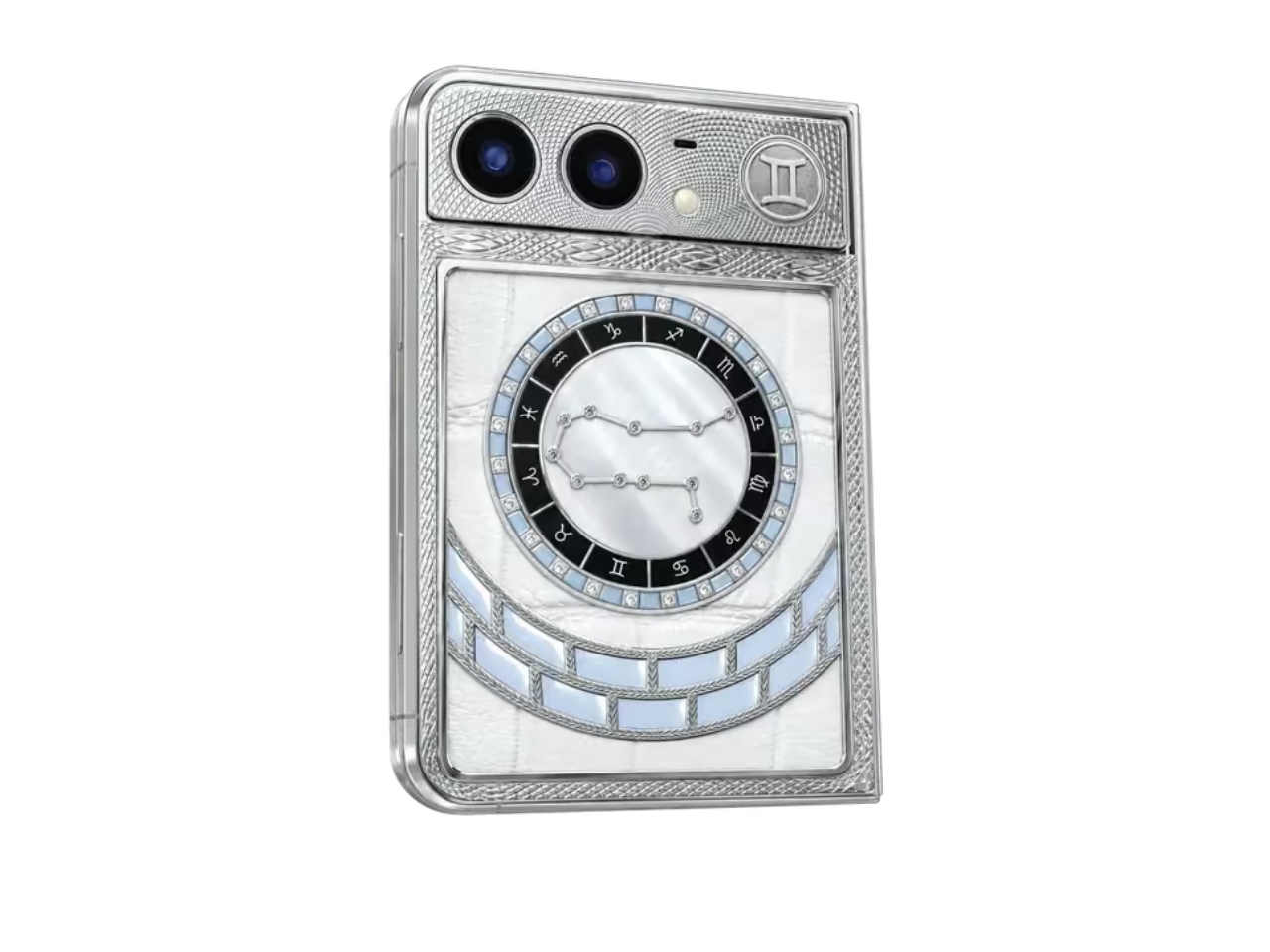
The Zodiac Duo isn’t simply a specially designed case featuring one of the 12 astrological signs. It’s a made-to-order customization offering with 12 zodiac-themed starting designs. There are eight steps to customize and personalize your phone, including changing things like the constellation, metal finish, decorative elements, and back-plate materials. Caviar says its jewelers will assemble the finished piece according to your specifications. So don’t expect this to be a simple or affordable kind of customization.

Designer: Caviar

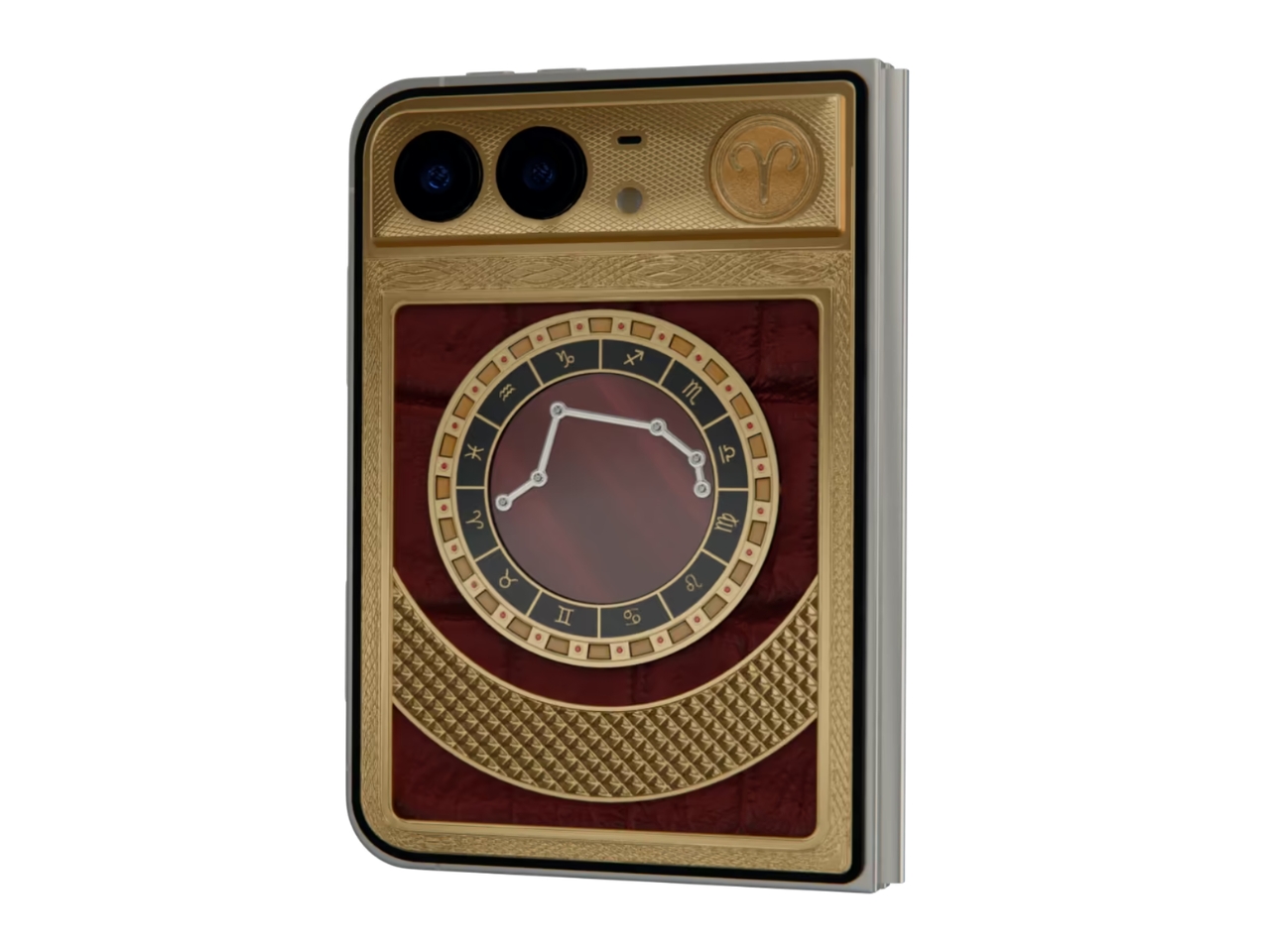
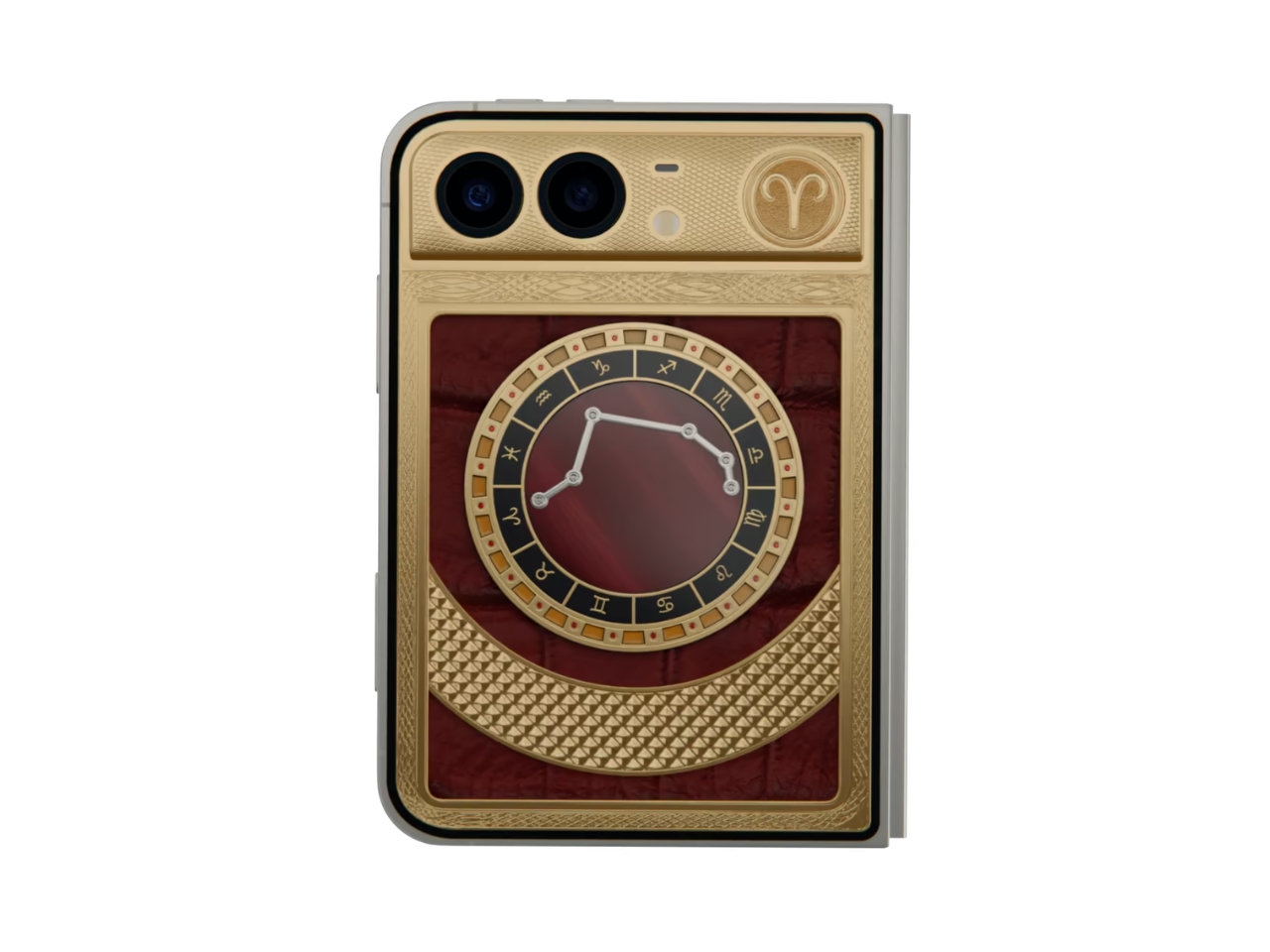
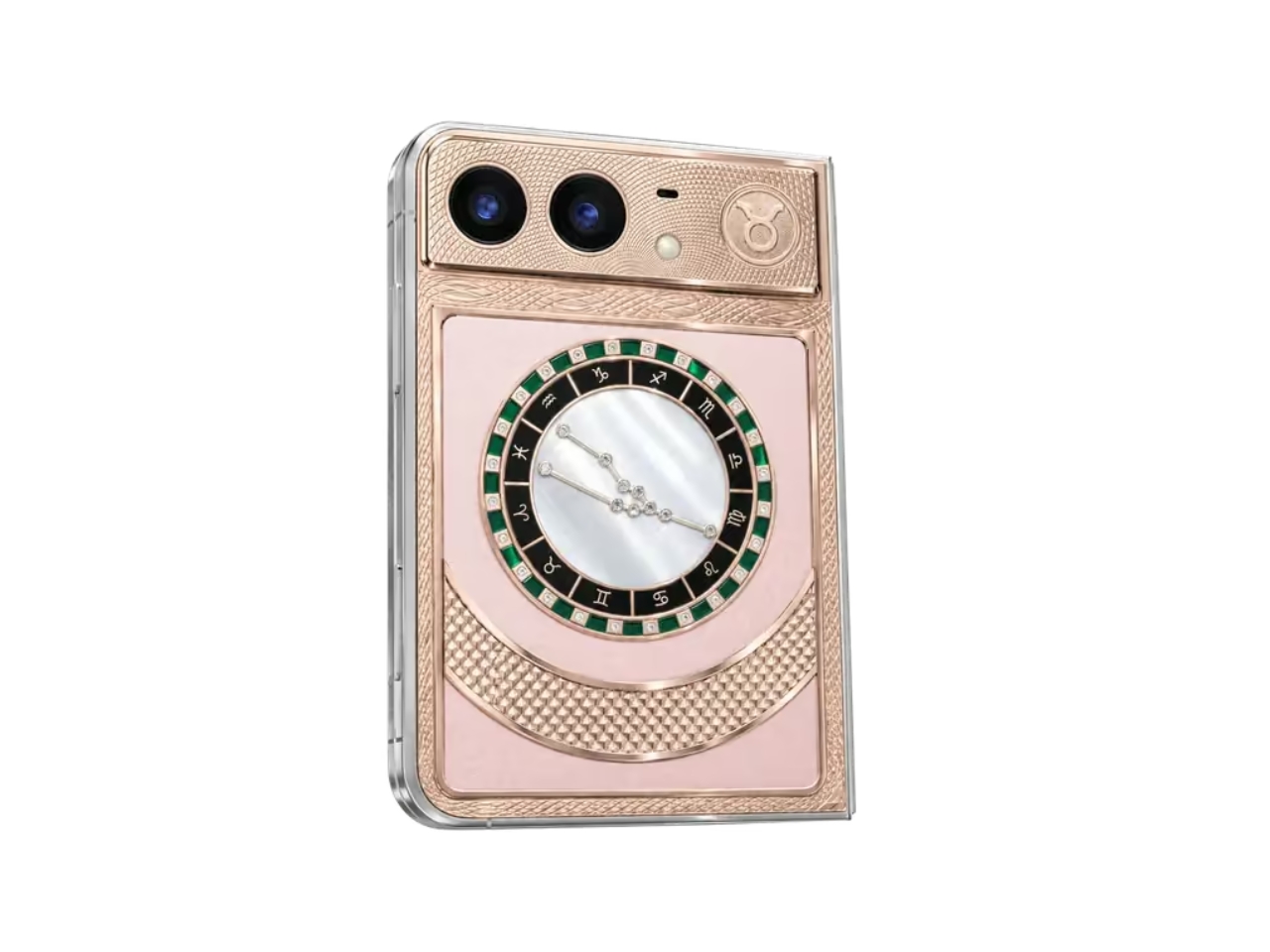
The personalization aspect changes the decorative composition of your phone, rather than just its color or a generic zodiac symbol tacked onto it. You can configure several visually separate components, including the zodiac circle, medallion, frame, and decorative panel. The zodiac circle gives the design a visual structure, with the constellation and sign symbol guiding the rest of your choices. This way, you won’t just have various luxury materials scattered around a surface. There’s a recognizable theme holding everything together, even if your material choices are on the extravagant side.

Caviar lists silver, yellow and rose gold, and natural or black titanium among its metal options, although the exact construction depends on your configuration. Some components are specified as gold-plated rather than solid gold. For decoration, the choices include jewelry enamel, diamonds, sapphires, rubies, Swarovski crystals, and meteorite. The back plate can use crocodile, python, calfskin, or forged carbon. That’s quite a different set of decisions from choosing between a clear case and a silicone one. It also leaves room to decide how much sparkle you actually want.

The surface treatments deserve some attention, too. Caviar offers guilloché and clous de Paris hobnail patterns, adding intricate repeating details to the metal surfaces. These give you something else to consider beyond color and shine. A textured metal surface paired with leather suggests a different visual character from one surrounded by bright stones, even when both designs begin with the same zodiac sign.

For someone who follows astrology, the appeal is having a daily object connected to something personally meaningful. It could also make a very specific gift, assuming you know the recipient’s sign and taste well enough. The benefit here is self-expression. There’s no reason to expect a jeweled constellation to make your apps run faster or your photos look better.

The online configurator lets you see an estimated price as you make your selections. You can then save the design as a link or send it to a Caviar manager. That makes the process more manageable than trying to describe your preferred combination from scratch. Still, Caviar says the configurator image is illustrative, with the final appearance agreed upon with a manager. Those selections are the beginning of a conversation about the finished phone.

One configuration carries an estimated price of $16,629, but that isn’t a confirmed price for every possible combination. Buyers should request a configuration-specific quote and delivery information from Caviar. Before committing, I’d also want answers about the finished phone’s weight, charging compatibility, warranty, and repair options. Those practical details matter when the object you’re decorating still needs to function as your everyday phone.

The more interesting long-term question is what happens when that phone needs replacing. A zodiac sign won’t become outdated, but the device carrying it eventually will. At this price, knowing whether the decorative work can be repaired or reused would matter almost as much as choosing the right constellation.

The post Caviar’s Zodiac Duo Phone Refuses to Keep Your Star Sign Subtle first appeared on Yanko Design.
  •  

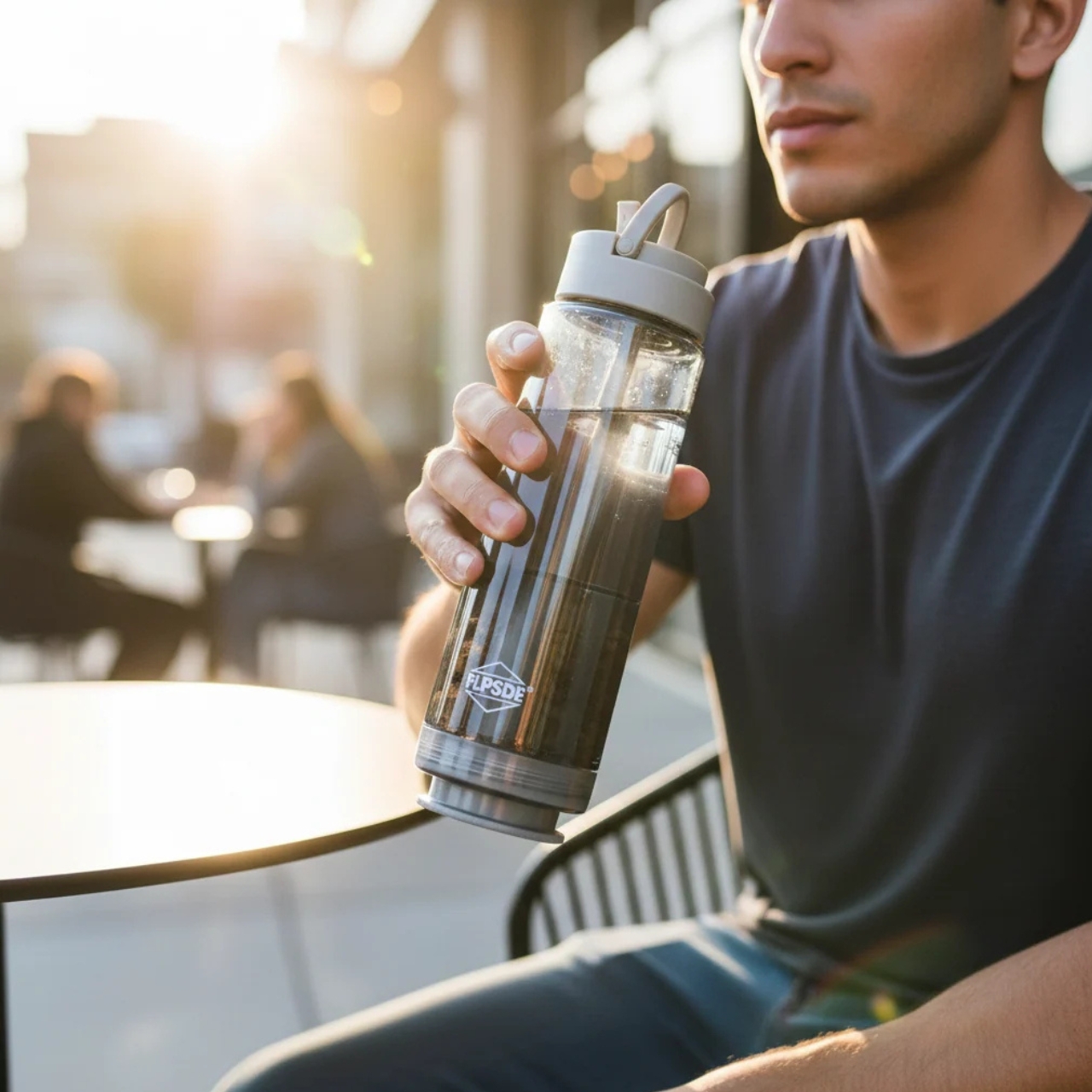
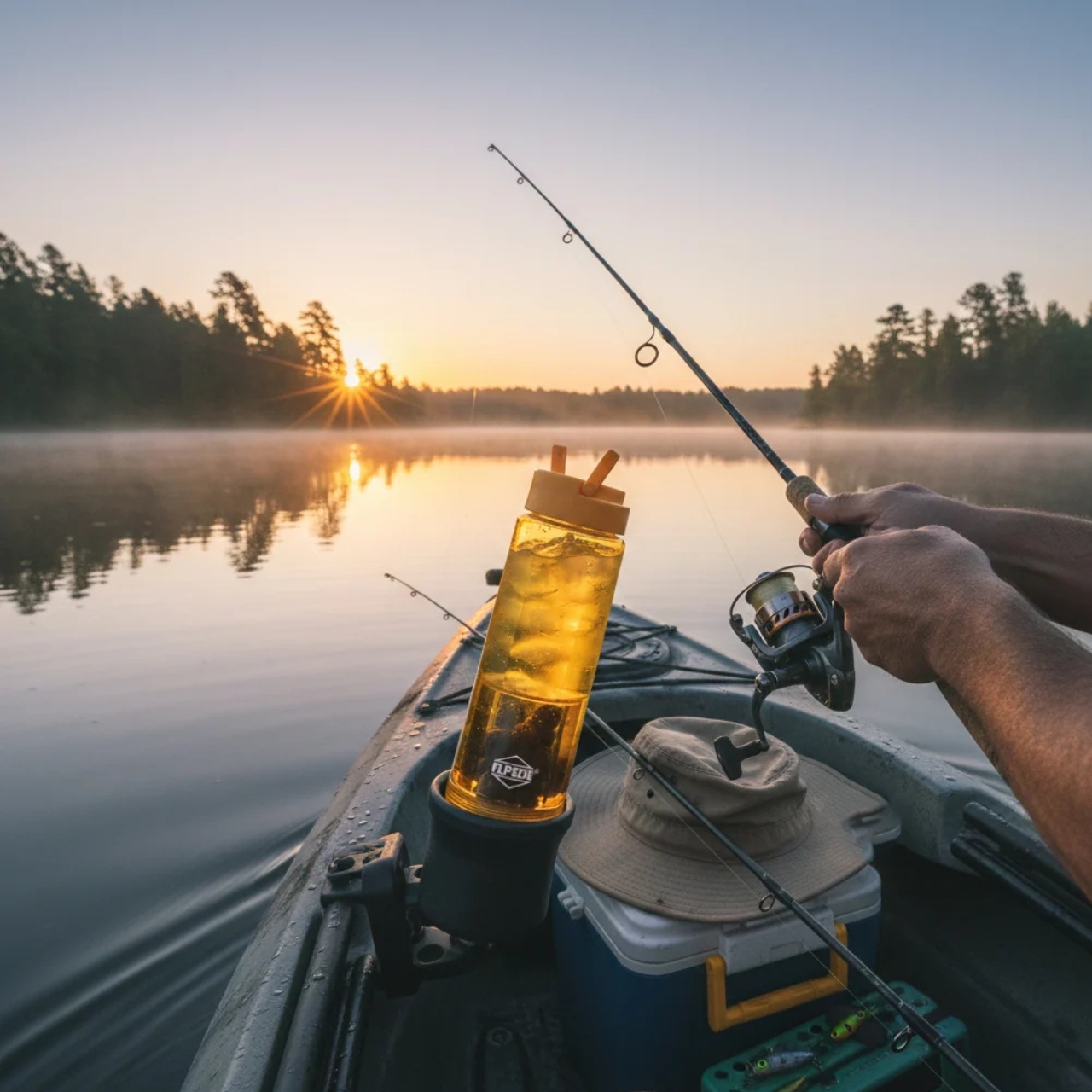
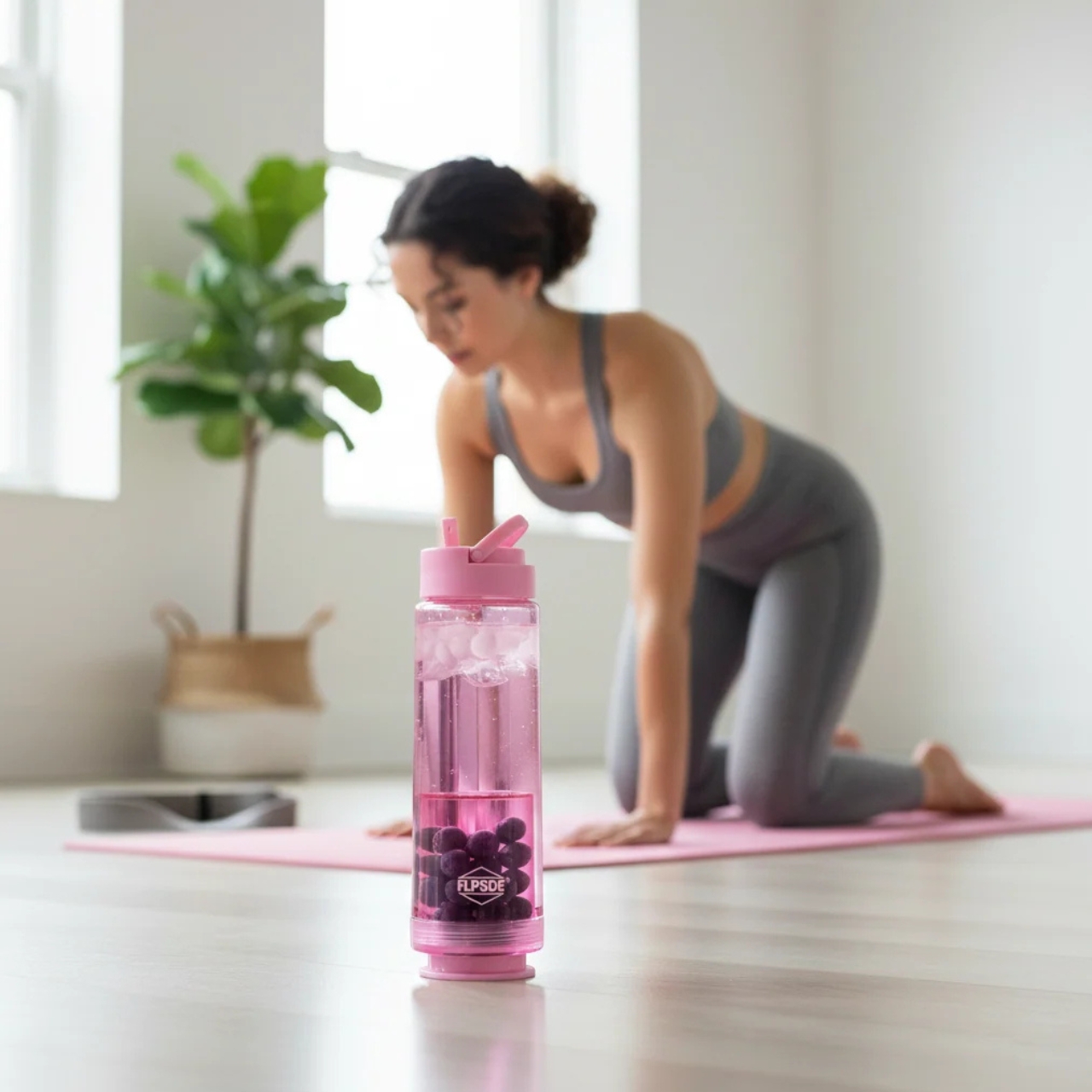
A $25 Water Bottle That Packs Snacks Without an Extra Bag

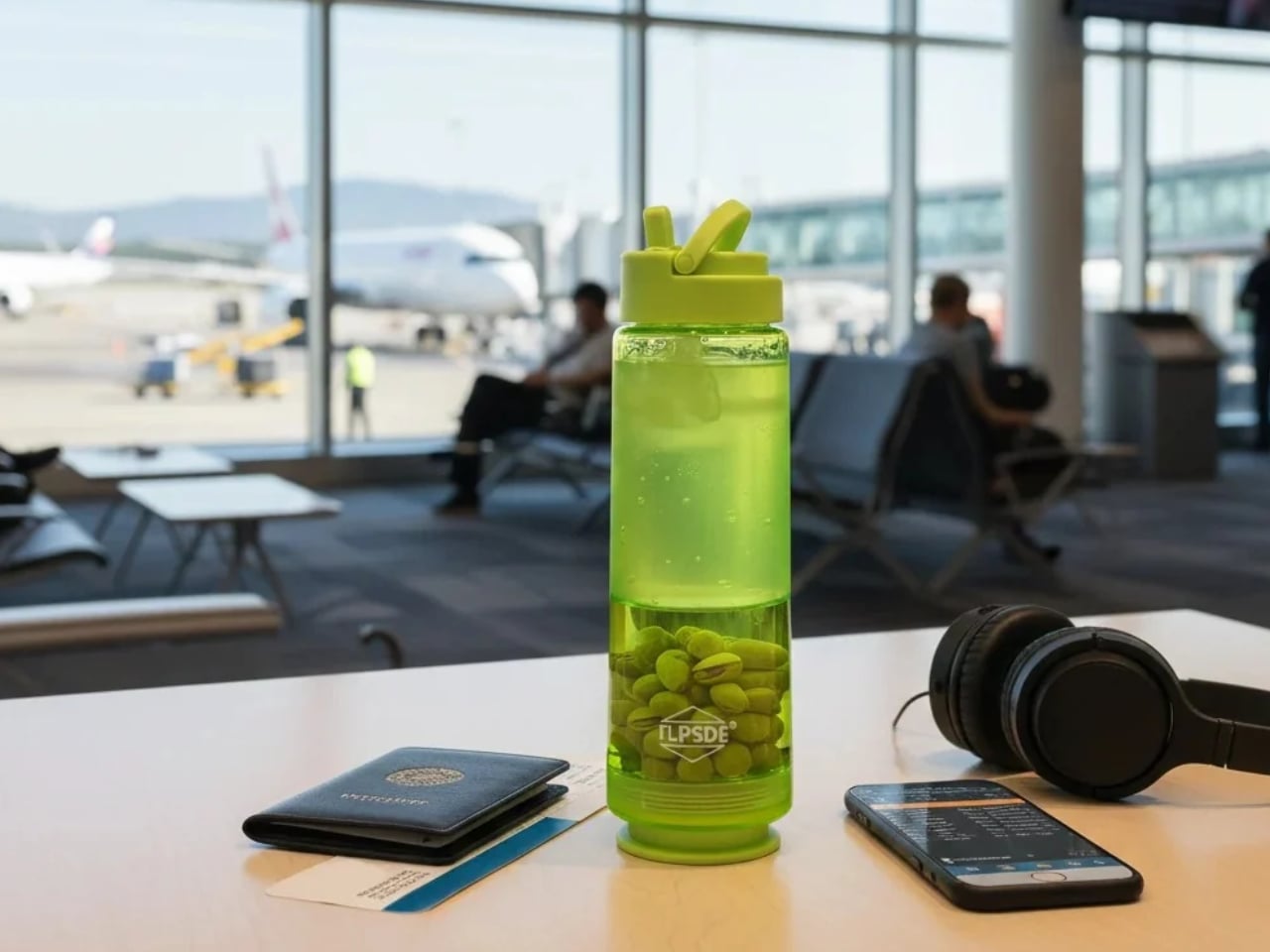
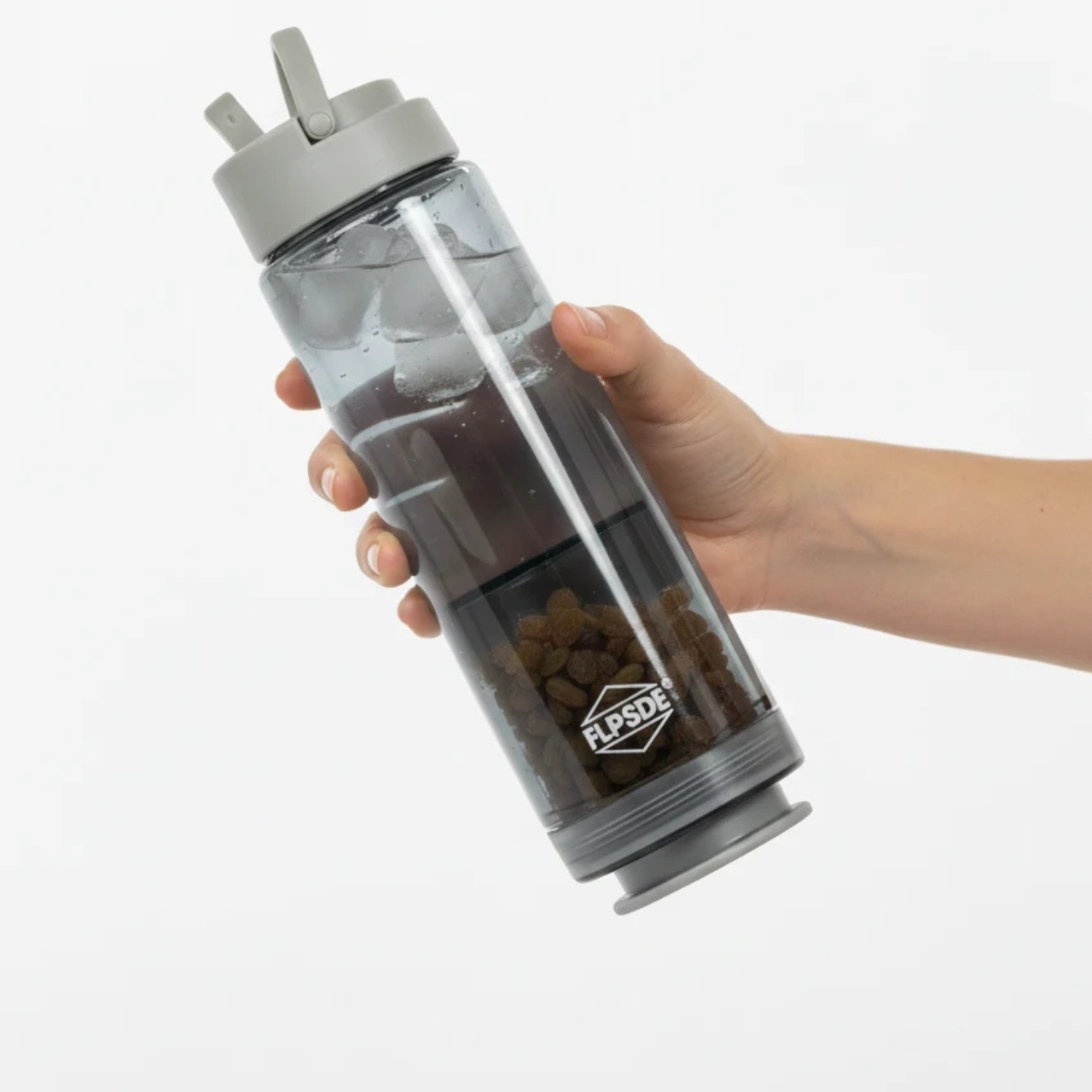
A water bottle in one hand and a bag of trail mix in the other works perfectly well until you need your phone. Then the snack bag gets stuffed into a pocket or buried somewhere inconvenient. The FLPSDE XR Dual Chamber Water Bottle tackles that small but familiar packing problem by giving your drink and your snacks separate spaces inside one bottle. I like the premise: fewer loose things to keep track of, without abandoning the snacks.

Designed by Ben Bazis, whose name appears on FLPSDE’s container patent, the XR is a retail product rather than a concept waiting for production. It’s the plastic version of the brand’s dual-chamber bottle, with drinking access at the top and storage accessed by flipping it over. That arrangement makes sense for an afternoon out when bringing a whole lunch bag feels excessive, but pretending you won’t get hungry feels optimistic.

Designer: Ben Bazis

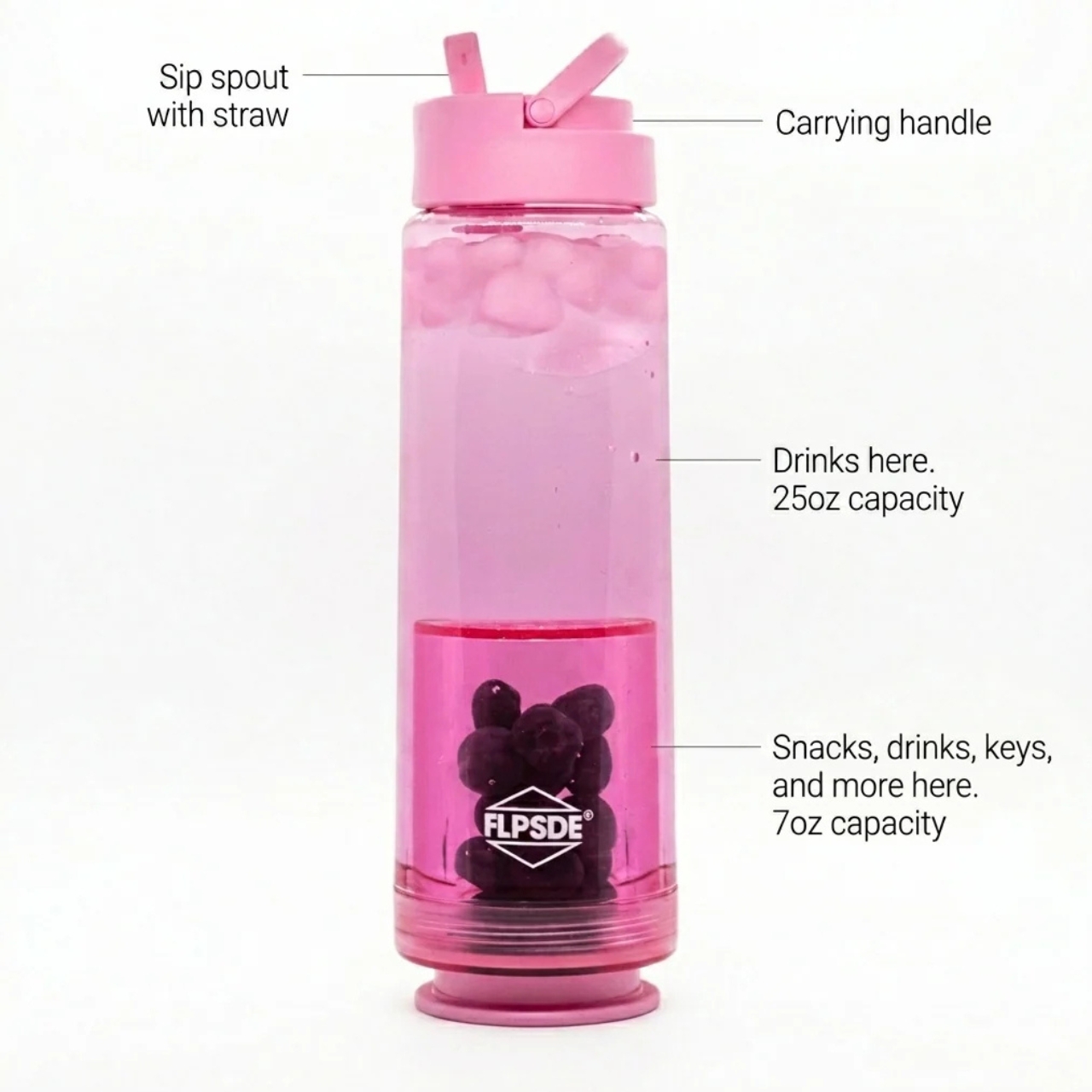
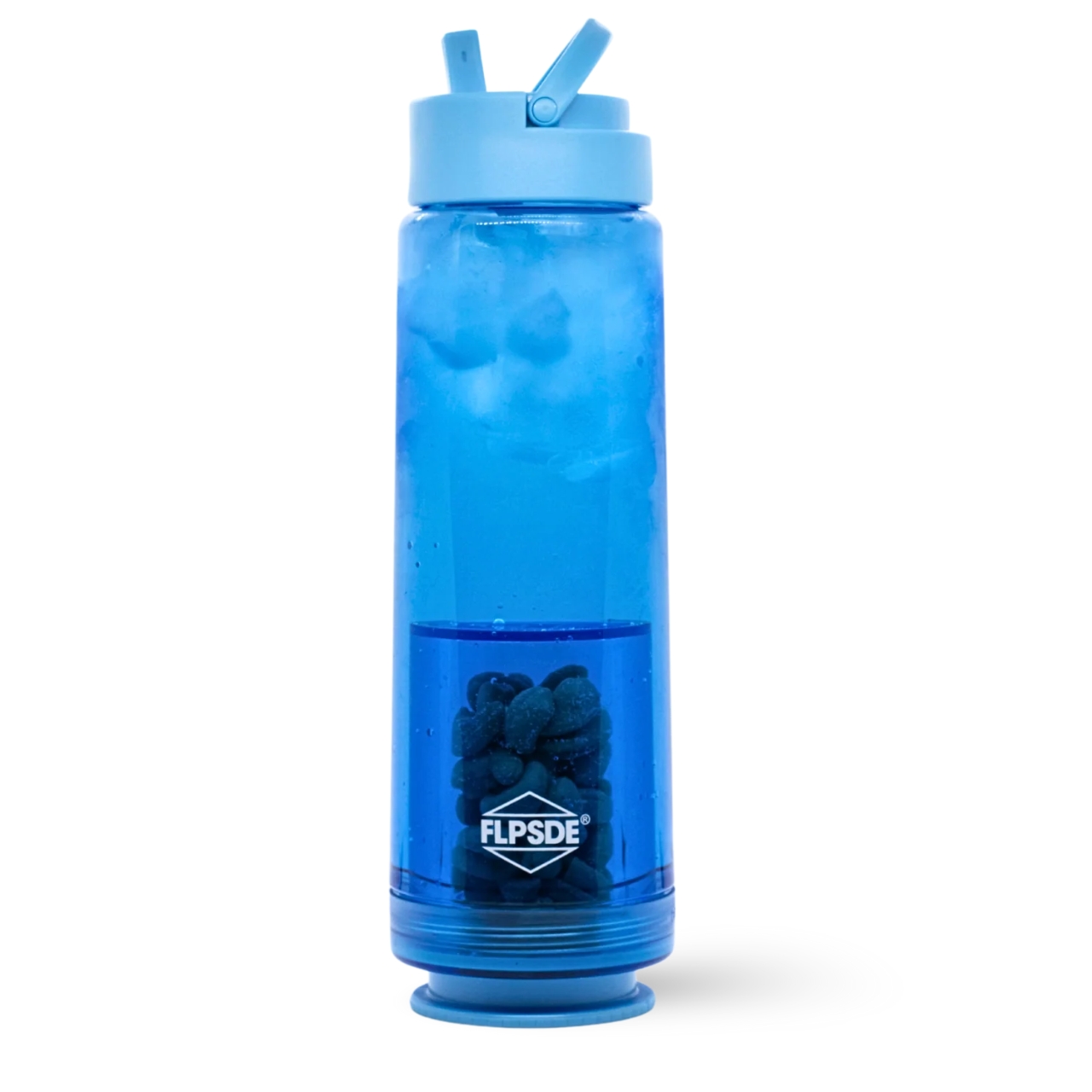
The capacity needs a little unpacking. FLPSDE lists 32 ounces overall, but that’s divided between a 25-ounce drinking chamber and a 7-ounce storage compartment. You’re not getting a full 32-ounce water supply plus a bonus snack container. Some of the bottle’s interior is committed to storage, which seems like a reasonable exchange for short outings. For a longer walk with limited refill opportunities, I’d give water capacity priority over the convenience of consolidated packing.

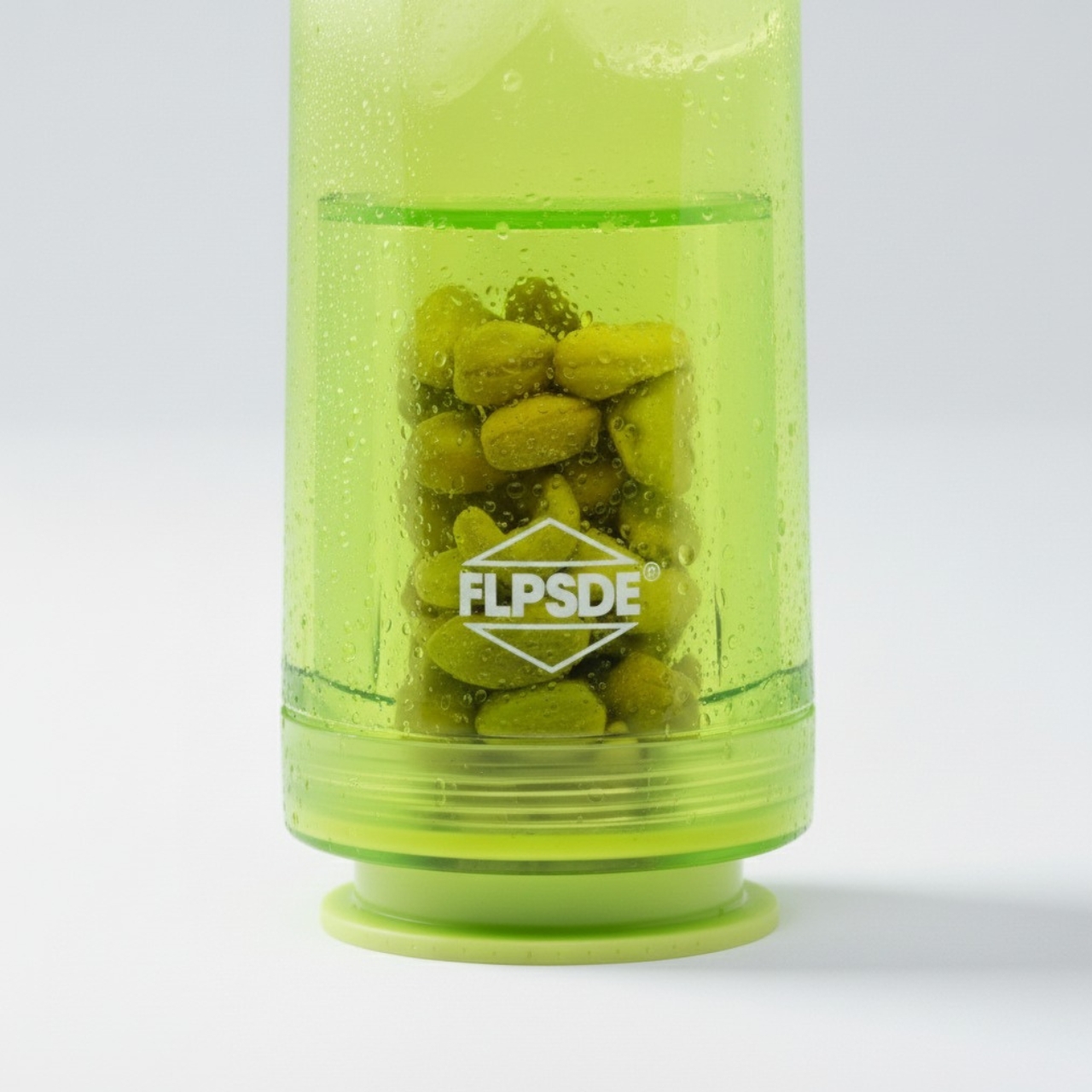
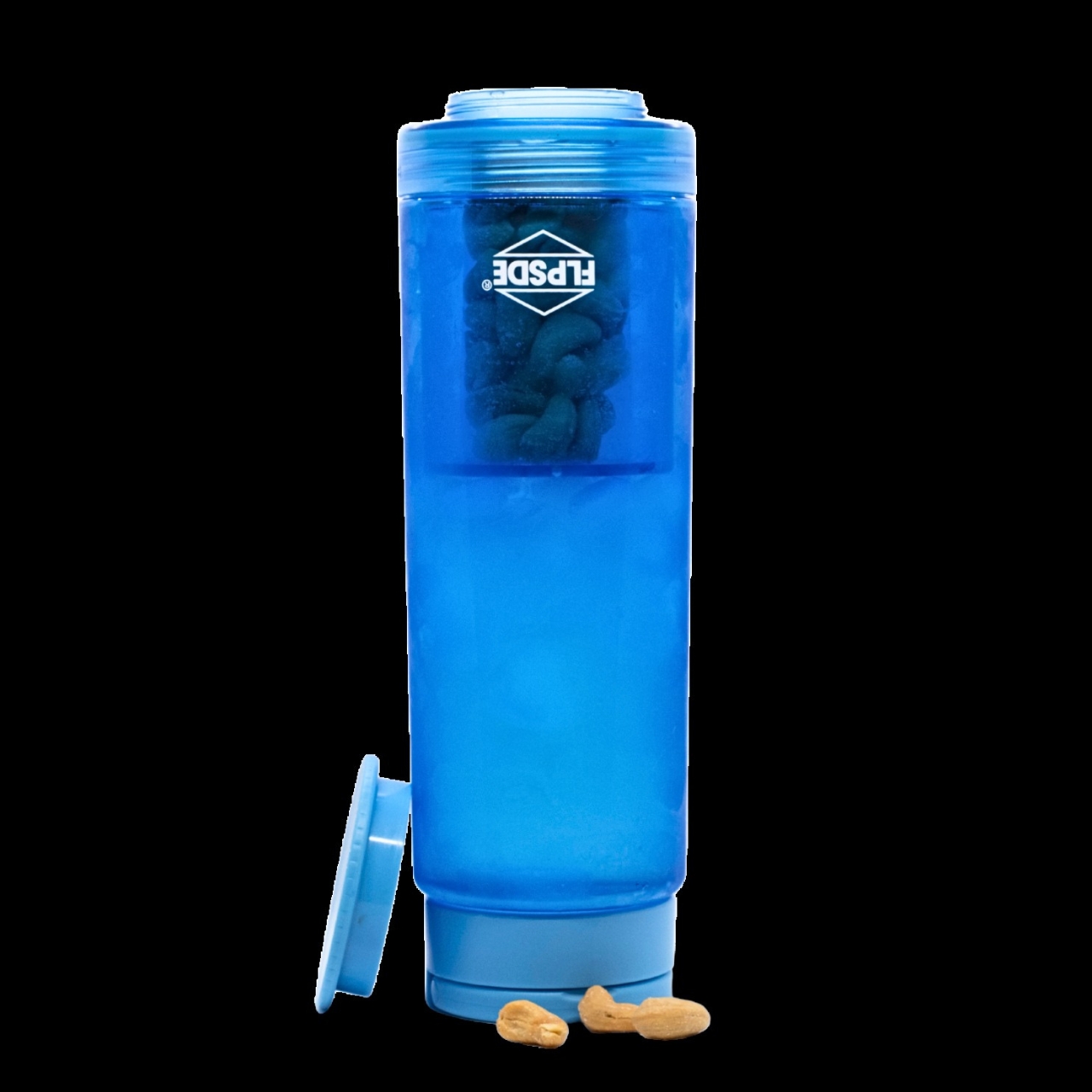
Visually, the XR makes its unusual construction easy to understand. The product image shows a snack chamber nested inside the lower portion of a translucent blue body, with water occupying the space above and around it. You can see the contents rather than treating the base like a mystery compartment. I prefer that openness here. Seeing the remaining cashews is a useful reminder that you packed them, and an equally useful warning that you’re almost out.

The lid gets attention, too. FLPSDE includes a straw, a carry handle, and a wide opening for adding ice, along with the option to drink without the straw. Those are sensible accommodations for different habits, although the storage is still the reason this bottle deserves a look. I’m more interested in that practical combination than in another bottle asking me to appreciate its color alone. The XR does offer colors you can mix and match, if that’s your thing.

The lower compartment isn’t restricted to food. FLPSDE suggests keys or lip balm, and says it can also hold a separate cold drink, including electrolytes or cold coffee. The company describes the chambers as independently sealed. I’d use it for dry snacks first, simply because that’s the clearest benefit for my own packing preferences. A small second beverage has its appeal, but keeping a handful of nuts from disappearing into the bottom of a backpack feels more broadly useful.

Cleaning is where a clever container can become a chore. FLPSDE says the XR disassembles completely and that all parts are top-rack dishwasher safe. That matters more to me than the prospect of carrying two drinks. A bottle that holds food needs to be approachable after the outing, too. Disassembly is a sensible design choice, though it also means more pieces to wash and reassemble. Combining containers doesn’t make their maintenance disappear; it brings the jobs together.

At a listed $24.98, the XR is priced modestly enough to make its extra function worth considering. FLPSDE gives dimensions of 10.25 inches tall and 3.25 inches wide, and says it fits most cup holders. That last detail is worth checking against your own car or bag rather than assuming every holder agrees. The useful question is whether its shape fits the places where you already carry a bottle.

I wouldn’t replace a perfectly good bottle solely to acquire a snack compartment. But for someone already shopping, the XR offers a specific reason to choose it: the food travels with the water. Its appeal depends on how you pack, not how enthusiastically you collect drinkware. If a bottle is already coming along, giving it responsibility for the trail mix seems like a fair assignment.

The post A $25 Water Bottle That Packs Snacks Without an Extra Bag first appeared on Yanko Design.
  •  
❌