❌

Vue lecture

Two Hidden Mechanical Movements Power One Slim Louis Erard Watch
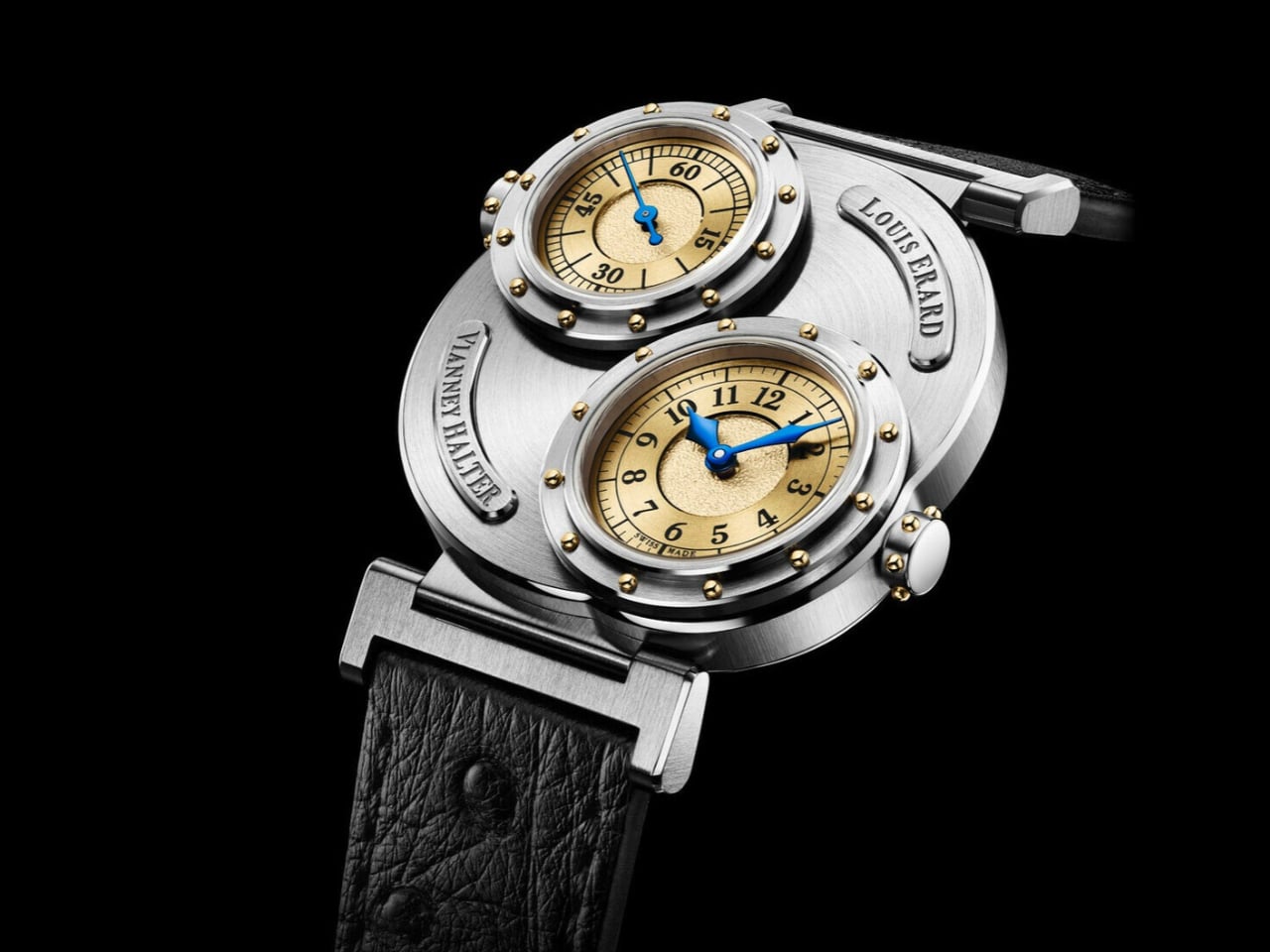
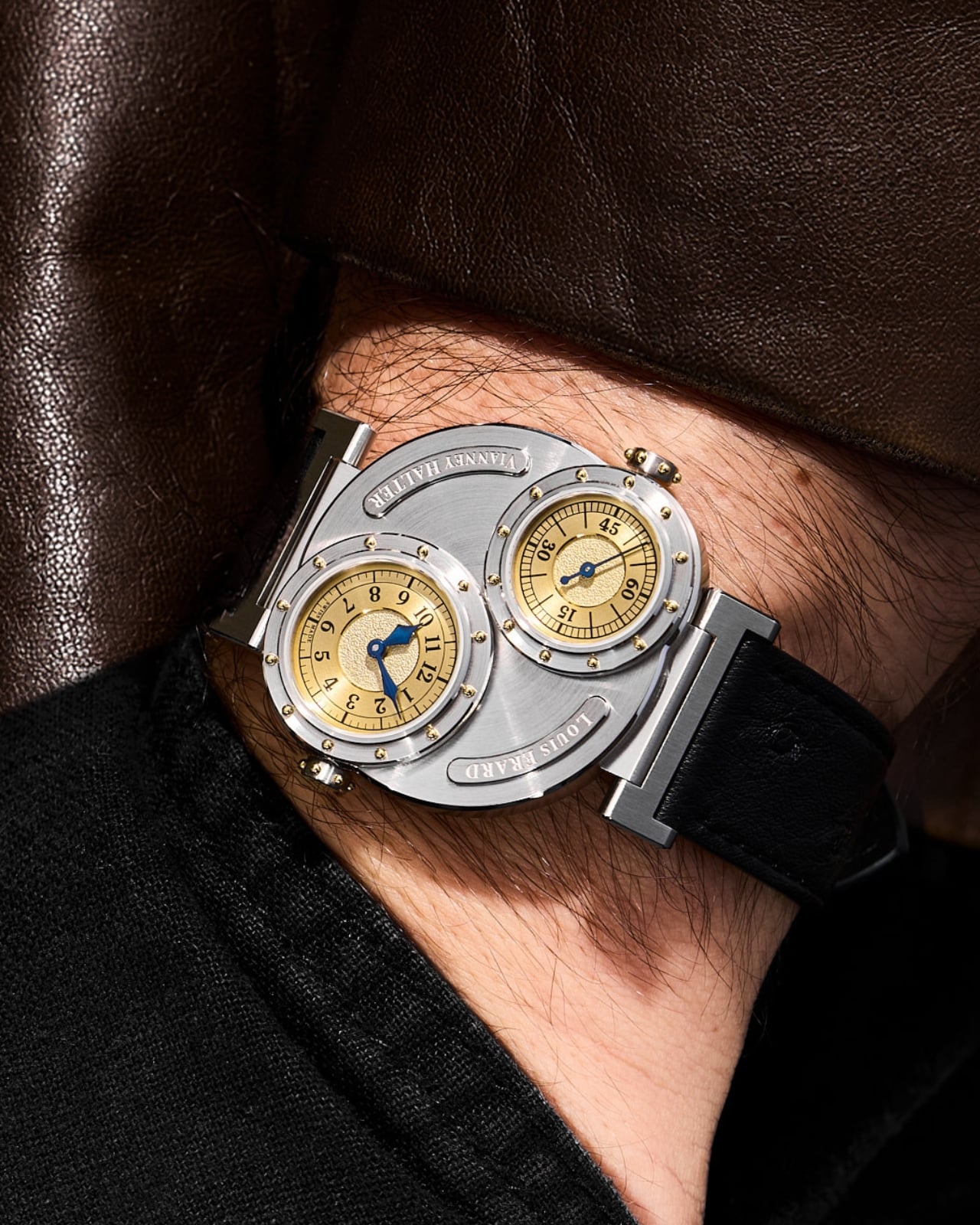
Two riveted portholes occupy the face of the Louis Erard × Vianney Halter Futur Antérieur, making it look like submarine equipment that escaped into a jewelry case. One window tells the hours and minutes. The other gives the seconds their own stage. I like the extravagance of that arrangement, especially because this limited-edition mechanical watch tackles a specific design challenge: delivering Halter’s distinctive aesthetic in a less prohibitively expensive package.

At roughly $6,000 before taxes, “less expensive” needs context. Halter’s Antiqua, the perpetual-calendar watch he introduced in 1998, occupies a six-figure collecting universe. The Futur Antérieur translates its porthole architecture into a simpler watch that tells the time. Nobody needs to pretend that makes it affordable. Still, I appreciate a collaboration that preserves an independent watchmaker’s recognizable ideas rather than borrowing a famous name and printing it on an otherwise ordinary dial.

Designers: Louis Erard × Vianney Halter
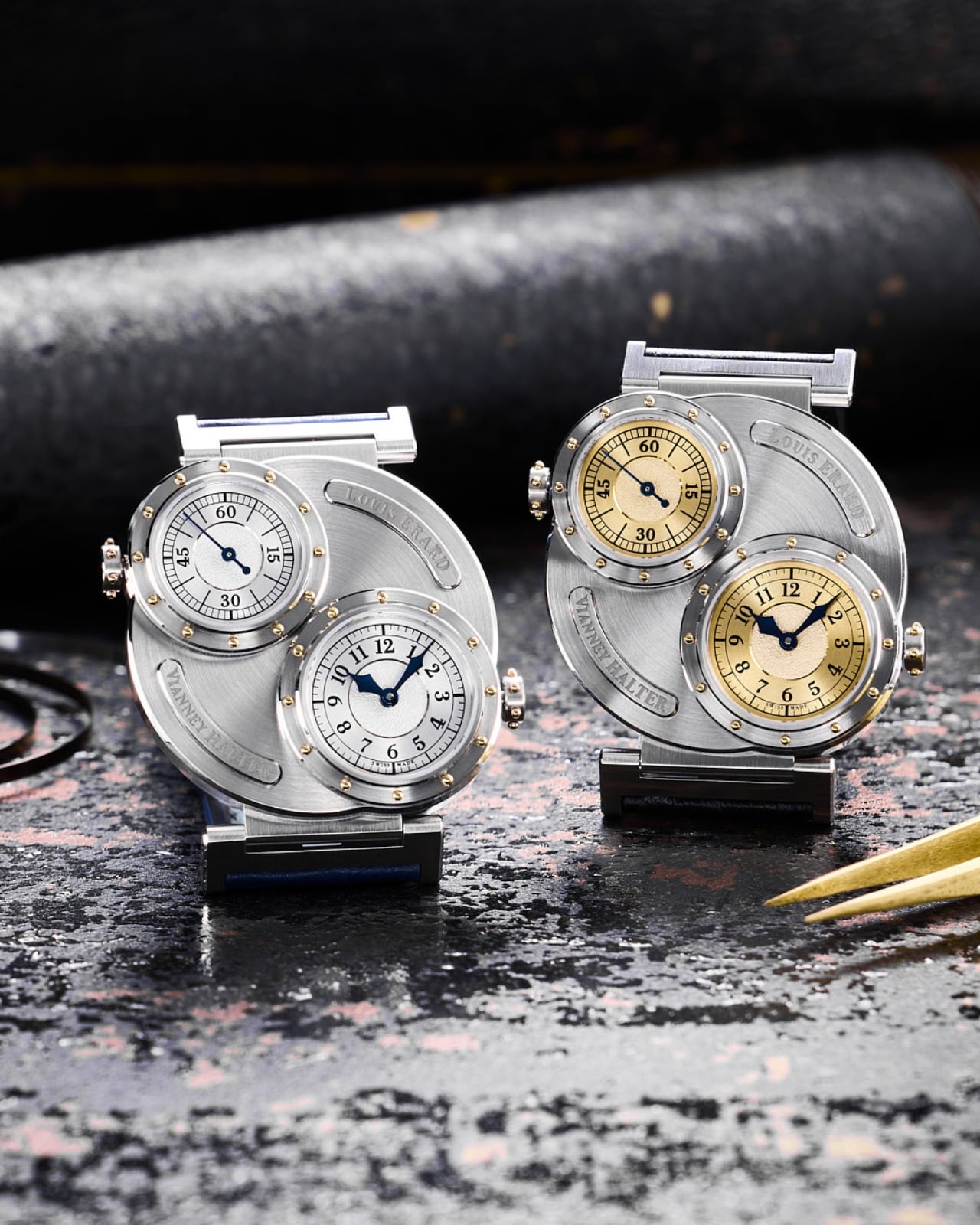
The cleverest decision sits behind those windows. Two separate Sellita SW100 automatic movements power the displays, one handling hours and minutes, the other running the seconds. That sounds wonderfully excessive for such basic information, and it is. But it also gives each dial its own mechanical foundation. Rather than developing an elaborate mechanism to reposition the indications, the designers have used two small, existing movements to support the layout they wanted.

Two movements might suggest a second time zone, but that isn’t what you get. Design Milk reports that Louis Erard chose running seconds partly because keeping two movements sufficiently aligned for dual-time use would be difficult at the intended price. That’s useful context, and a reminder that the extra mechanism serves the design more than the feature list. I’d approach this as an expressive object, not a purchase justified by having more functions.
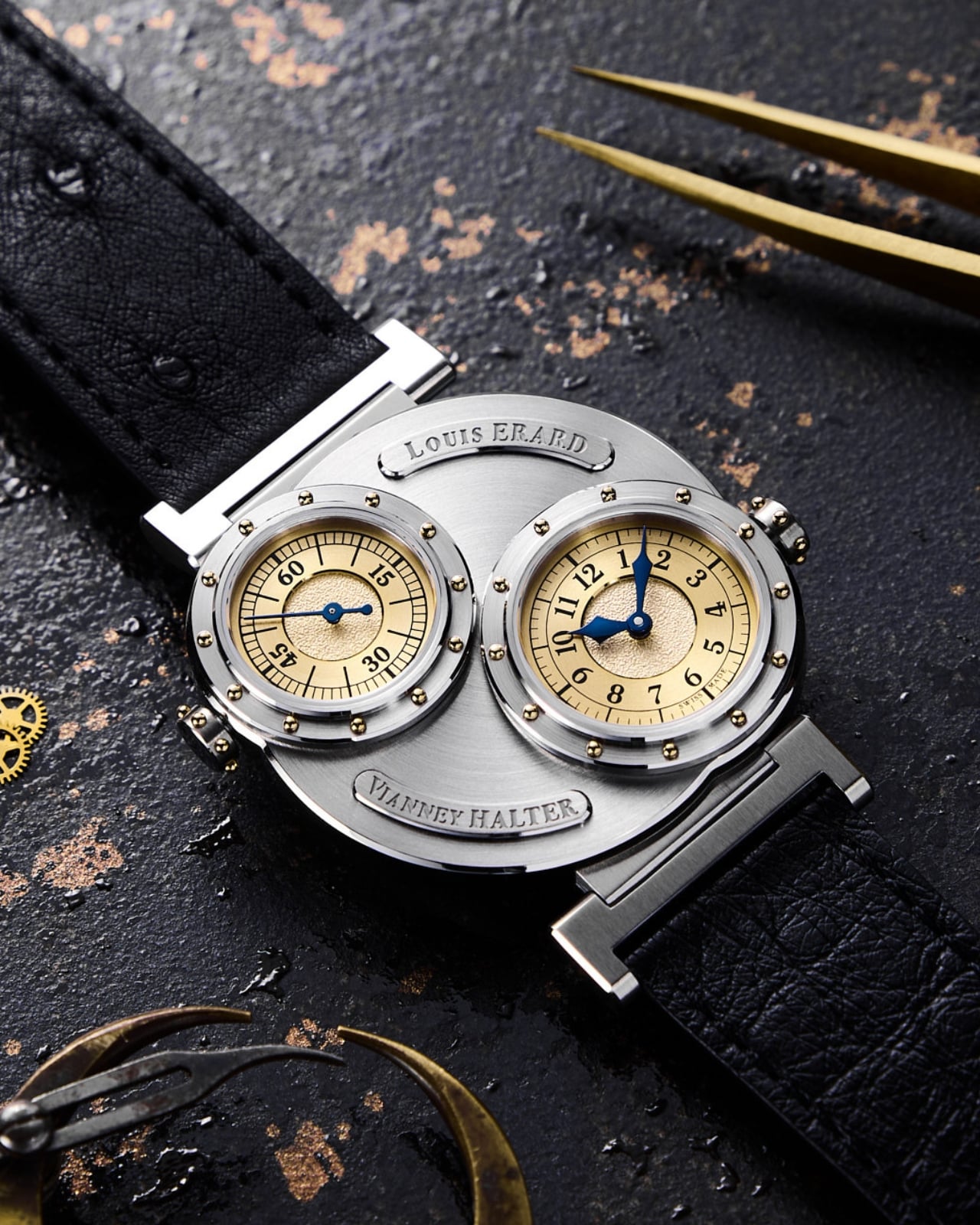
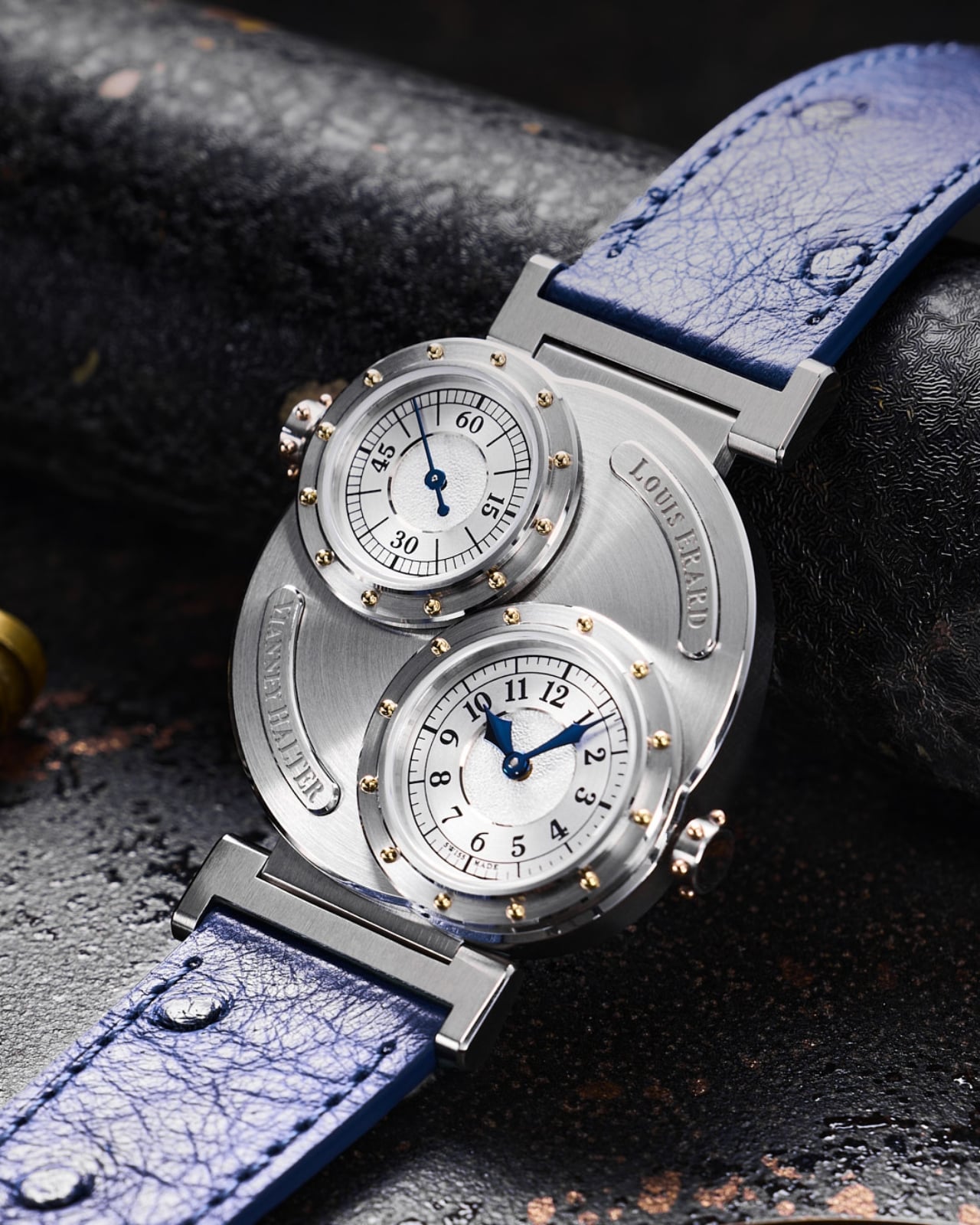
The dimensions help that expression avoid becoming a costume. Its stainless-steel case measures 38mm across and 44mm long, with a thickness of just 8.85mm. Those numbers matter because the raised windows and prominent crowns could easily suggest a much chunkier watch in photographs. On paper, the profile is restrained. I haven’t worn it, but I appreciate the decision to keep this much visual activity within relatively compact dimensions.

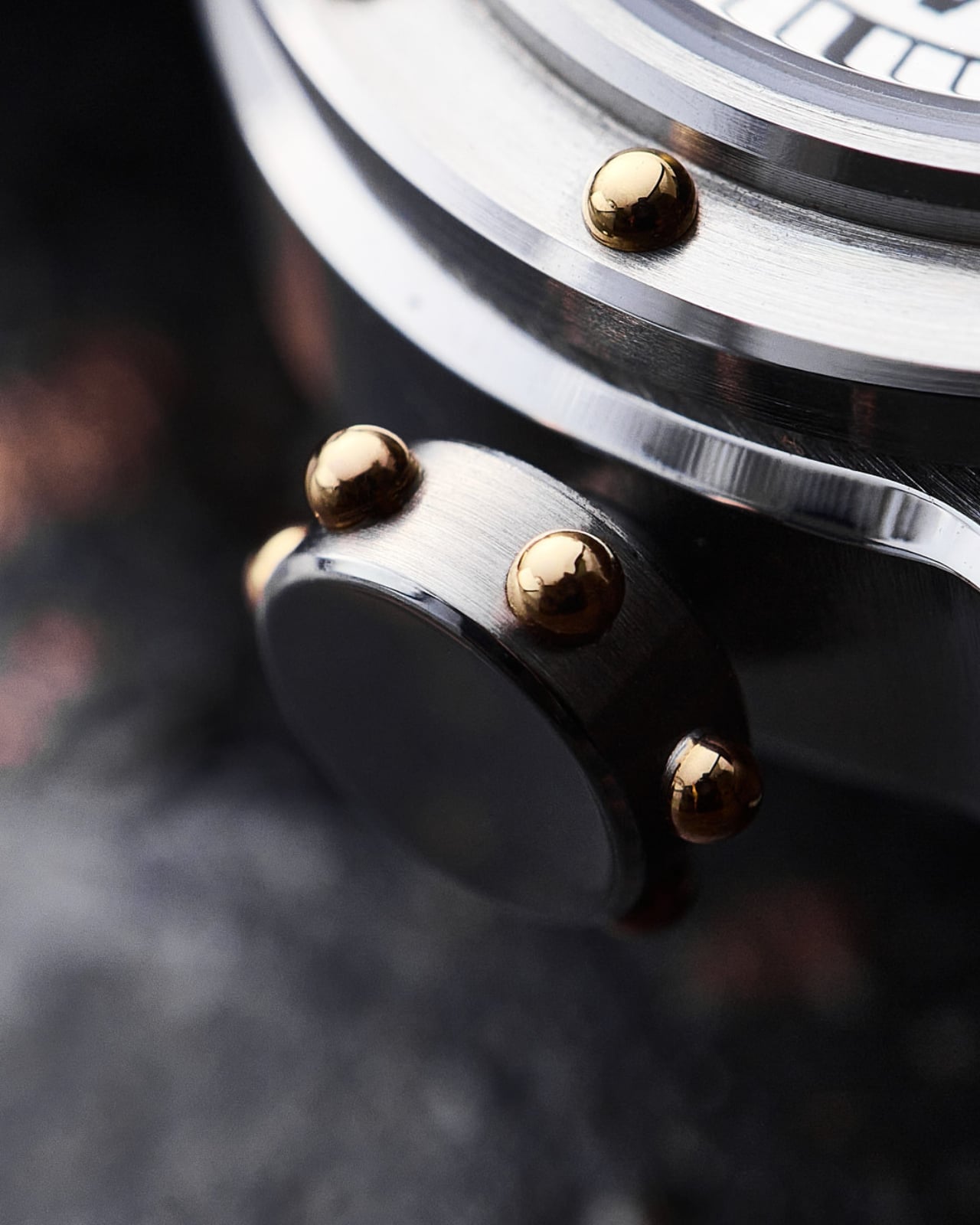
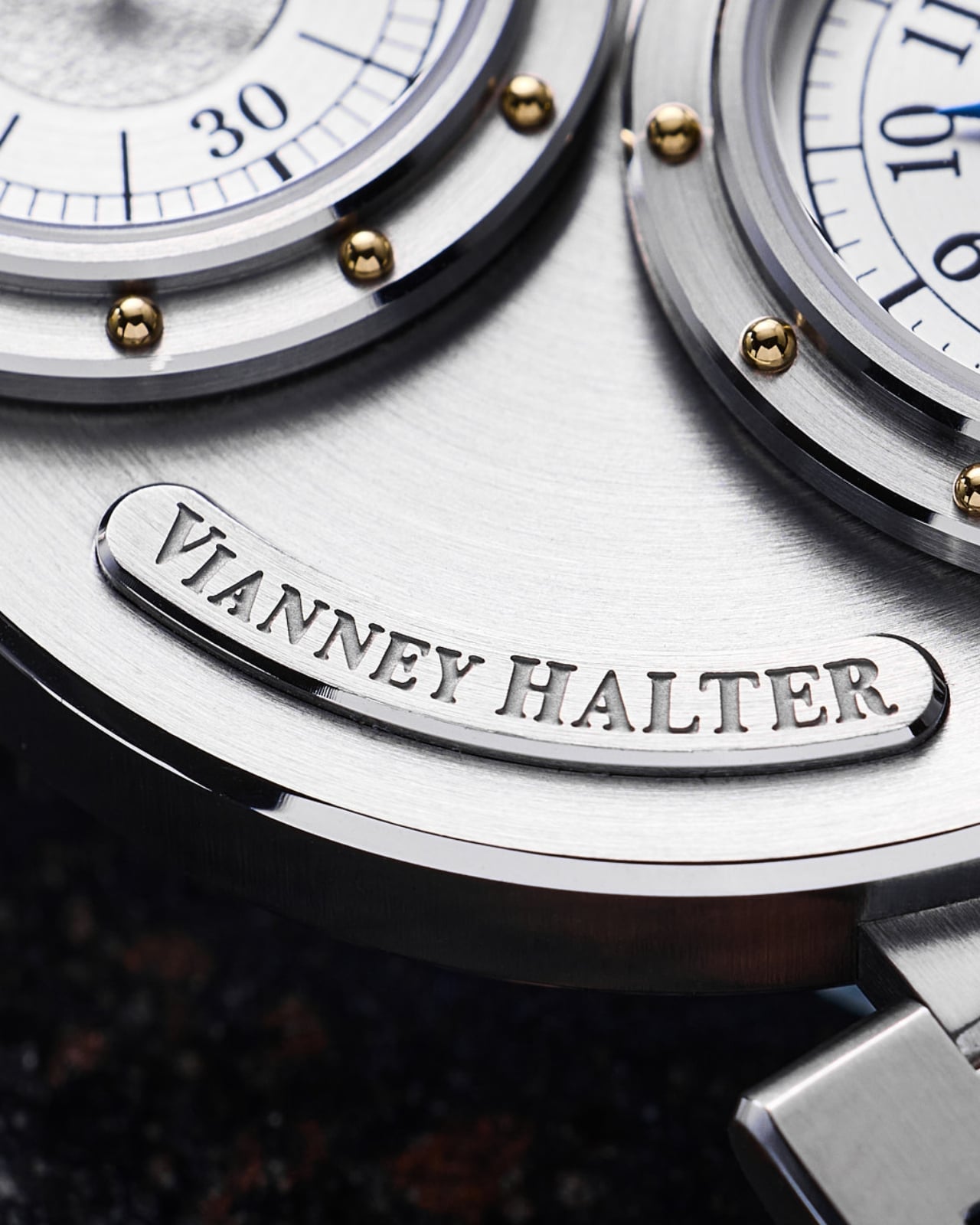
Look closer and the metalwork carries much of the personality. Each bezel has 12 yellow-gilt rivets, while each crown gets six. Brushed steel sits beside polished edges, and the blue steel hands introduce a cooler color against those warm accents. In the product images, the separate nameplates feel almost like labels attached to an old scientific instrument. The appeal, for me, comes from those specific details rather than the broad steampunk label.
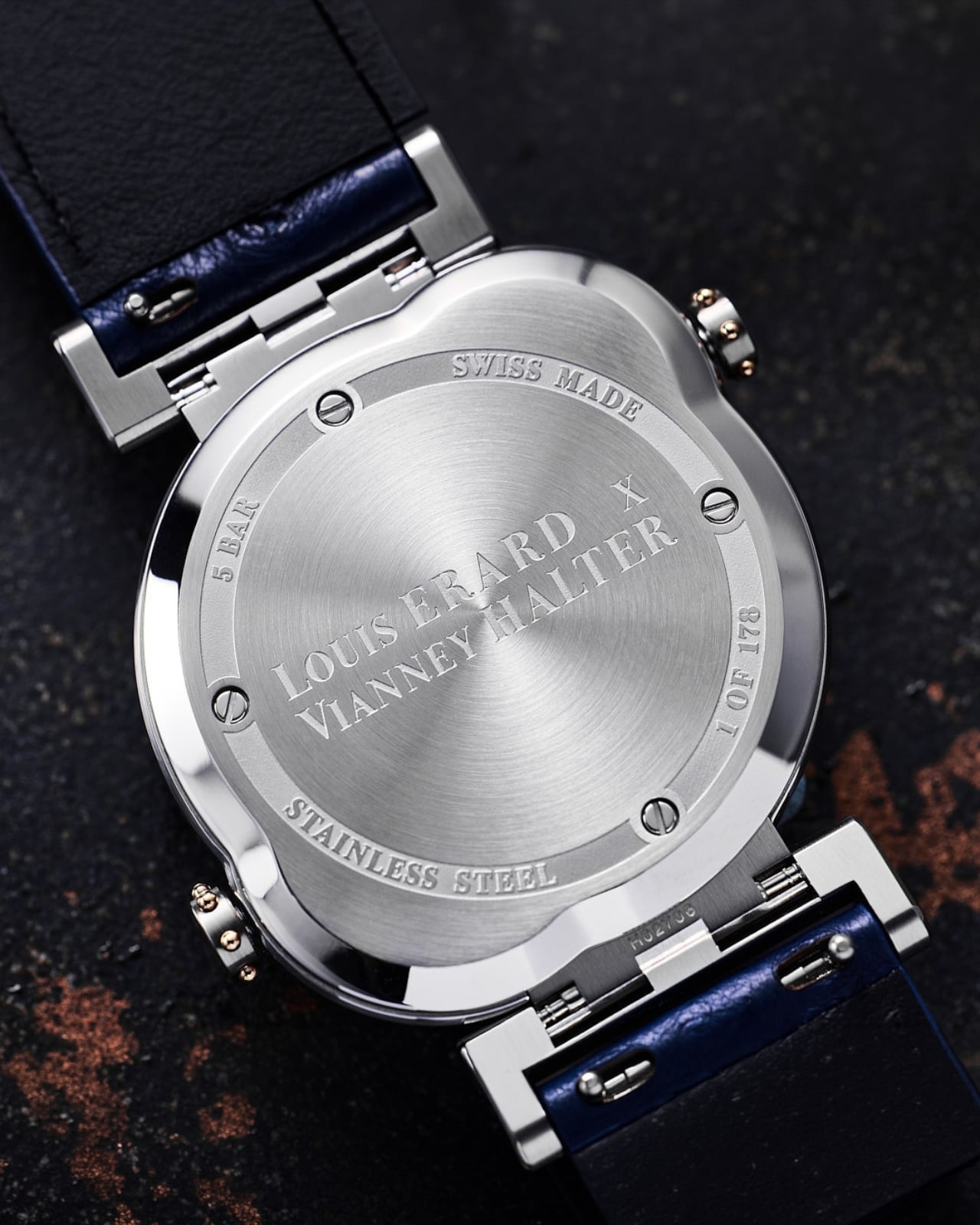
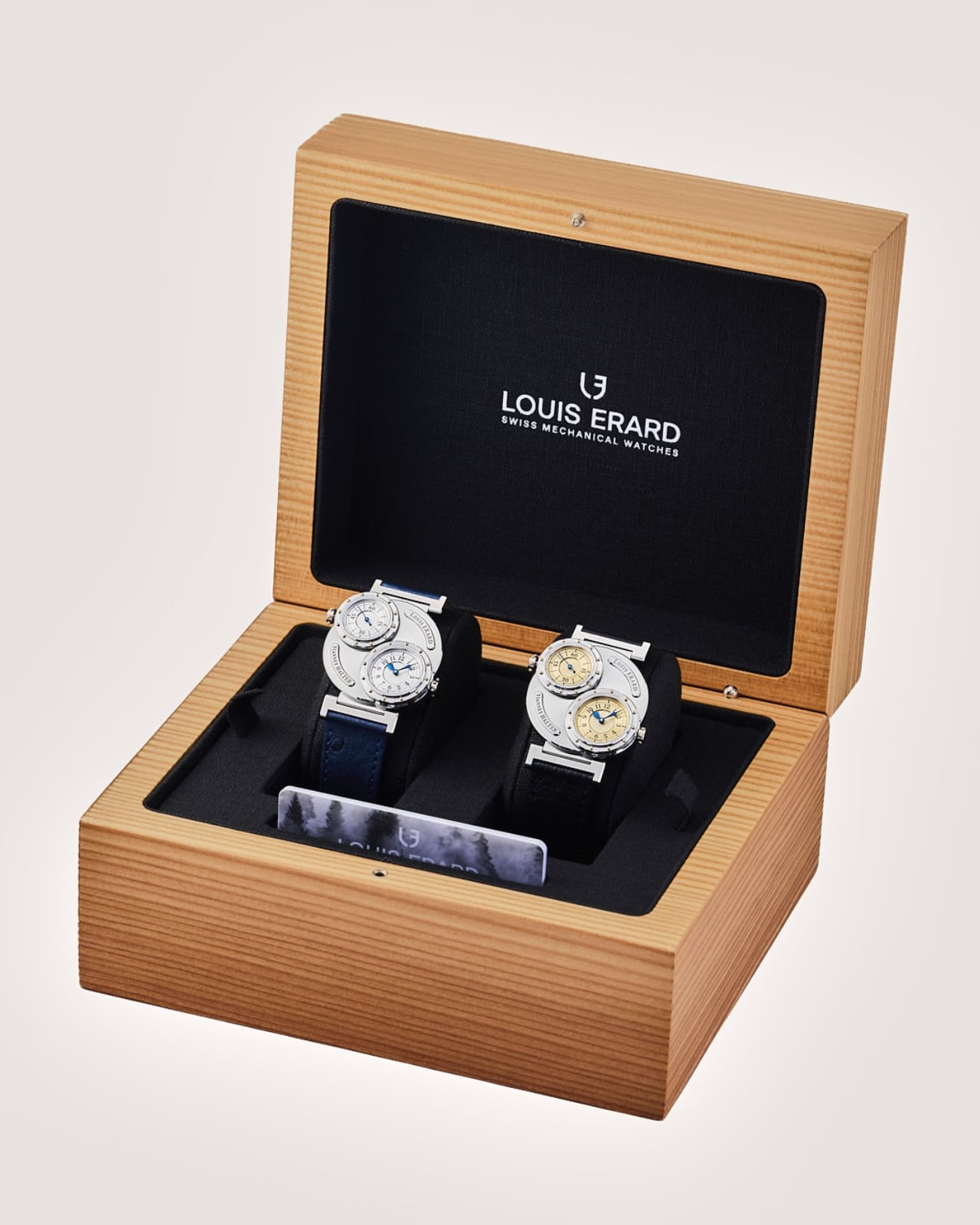
The two versions pull that character in slightly different directions. Gold combines gold-toned dials with a black ostrich-leather strap. Silver pairs silver-toned dials with blue ostrich leather, picking up the color of the hands. I’d choose Silver. Its cooler palette lets the little gold rivets register as individual details instead of joining a larger wash of gold. The asymmetrical layout already has plenty to say without needing a louder color scheme.

There are ordinary ownership considerations beneath the unusual face. Louis Erard specifies a minimum 38-hour power reserve for each movement, with 42 hours typical. Leave it unworn for a weekend and you may return to a stopped watch. Quick-change strap bars offer a more convenient detail, letting owners change the strap without making that another complicated operation. These are worth considering alongside the sculptural appeal.

Each version is limited to 178 pieces and listed at CHF 4,950 before taxes. As of November 6, 2026, both are marked sold out on Louis Erard’s website. That scarcity limits the accessibility argument, even at this lower price. Still, the design itself makes sense to me: keep the familiar task of reading hours and minutes, then spend the mechanical extravagance on giving the passing seconds an unnecessarily handsome room of their own.
The post Two Hidden Mechanical Movements Power One Slim Louis Erard Watch first appeared on Yanko Design.
  •  

Optoma’s $599 4K Projector casts a 150-inch Screen for the price of an Android Phone

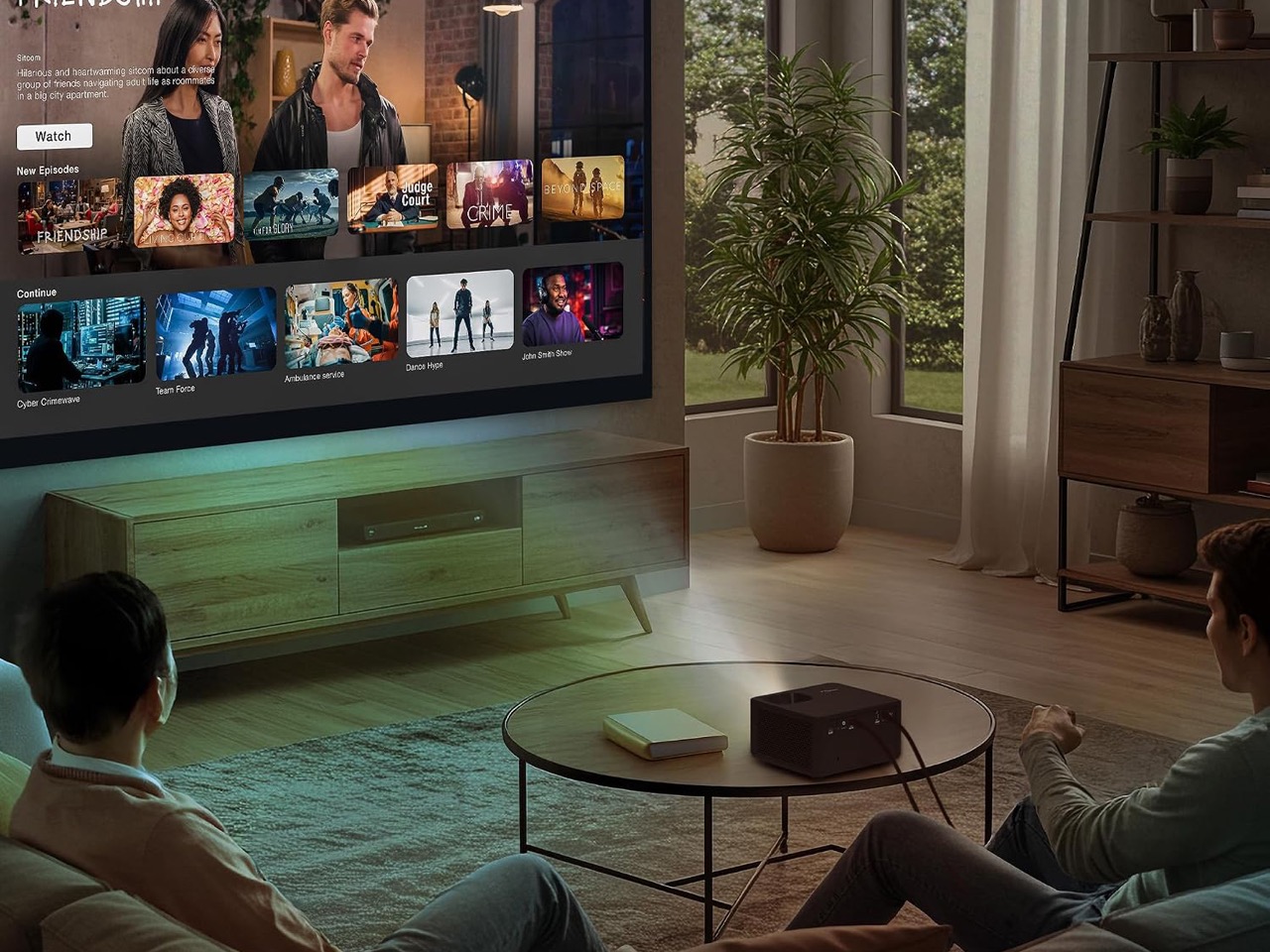
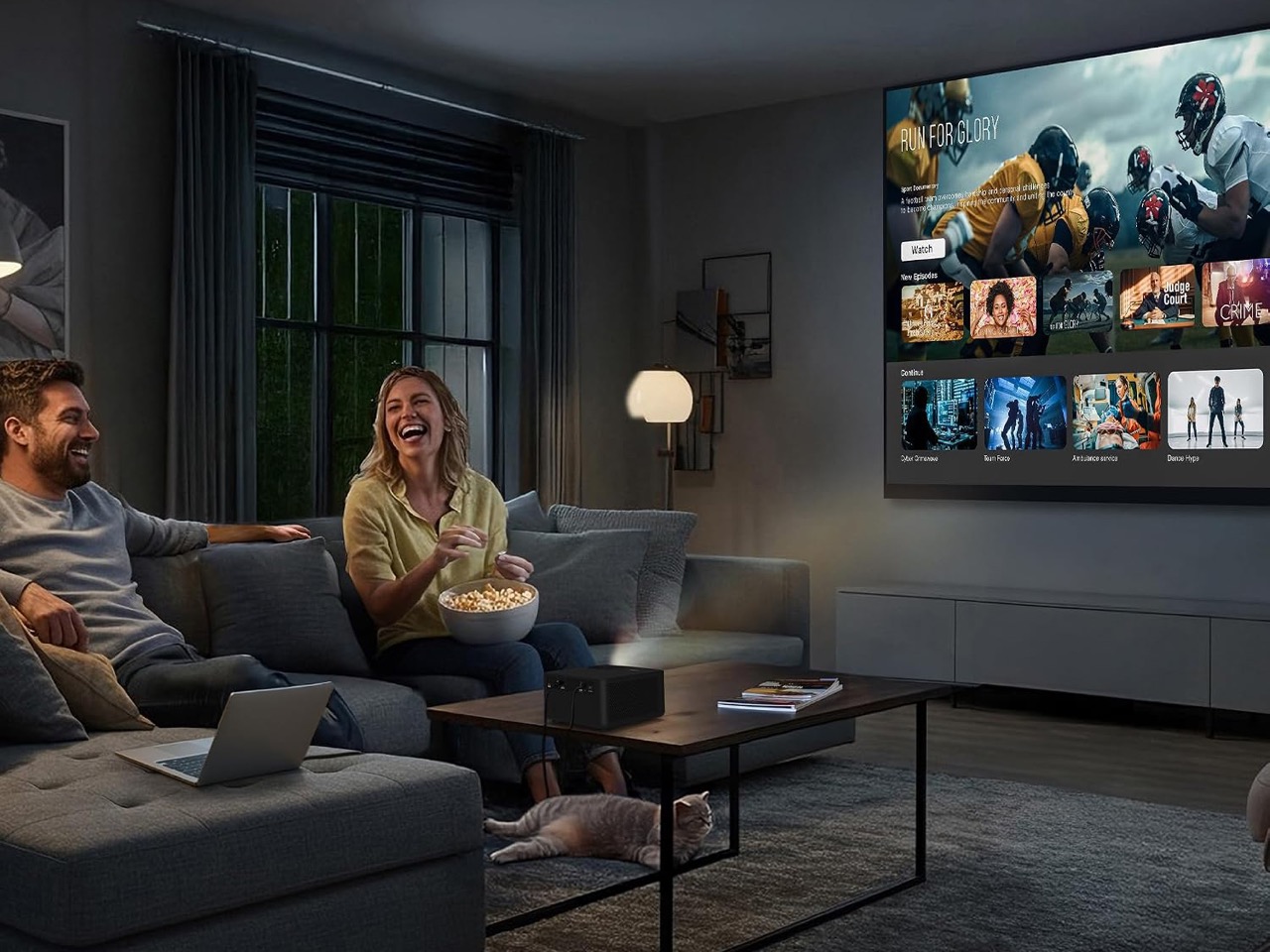
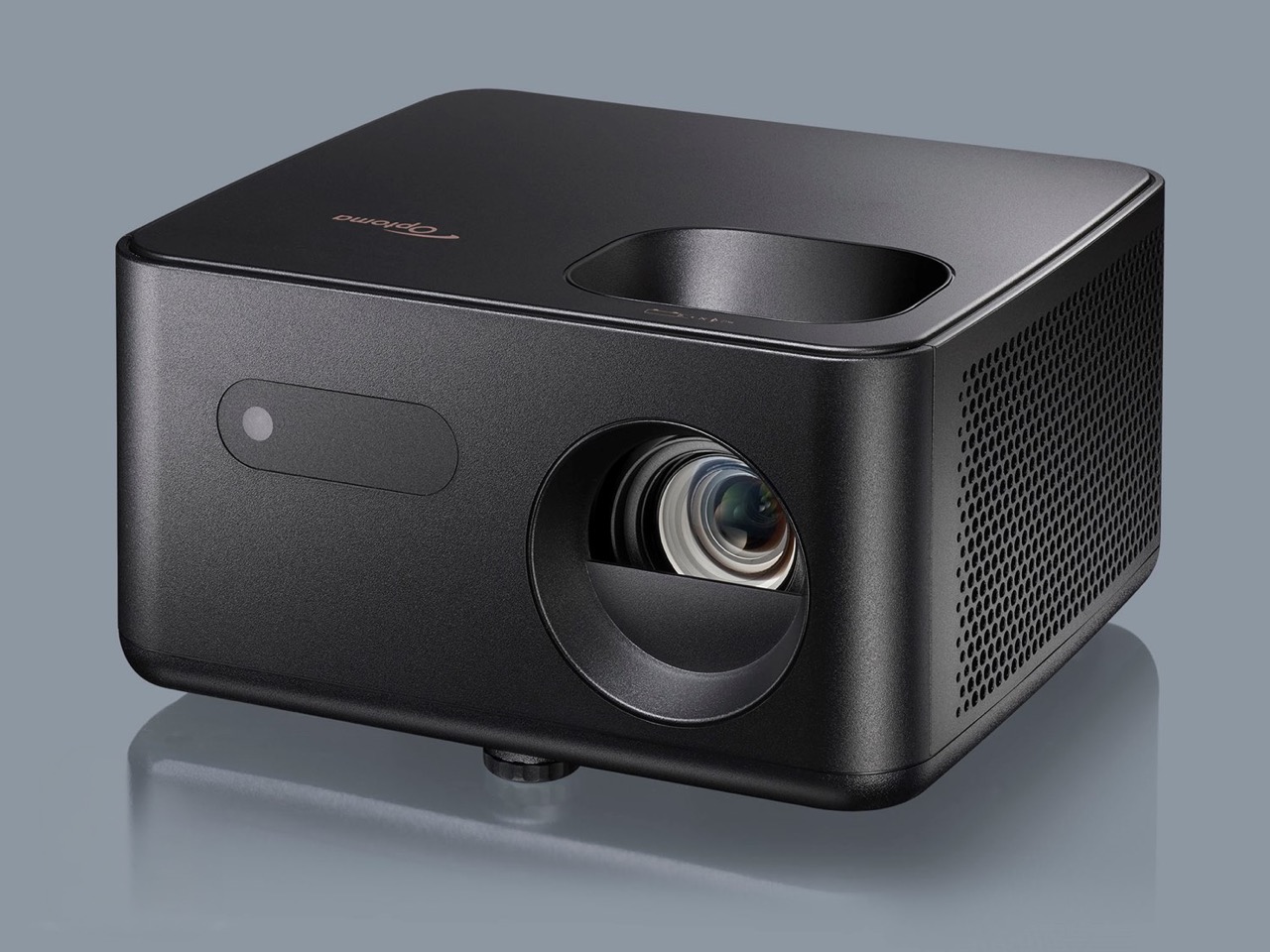
My first apartment had a living room wall the size of a parking space and a TV budget the size of a parking ticket. Had the Optoma Photon Life PK31 existed back then, I would have eaten instant noodles for a month to buy it. This 4K projector can cast an image up to 150 inches, and it currently sells for around $599, which is what you’d pay for a decent midrange Android phone. One gives you a 6-inch screen. The other fills a wall, and I know which one my 25-year-old self would’ve picked.

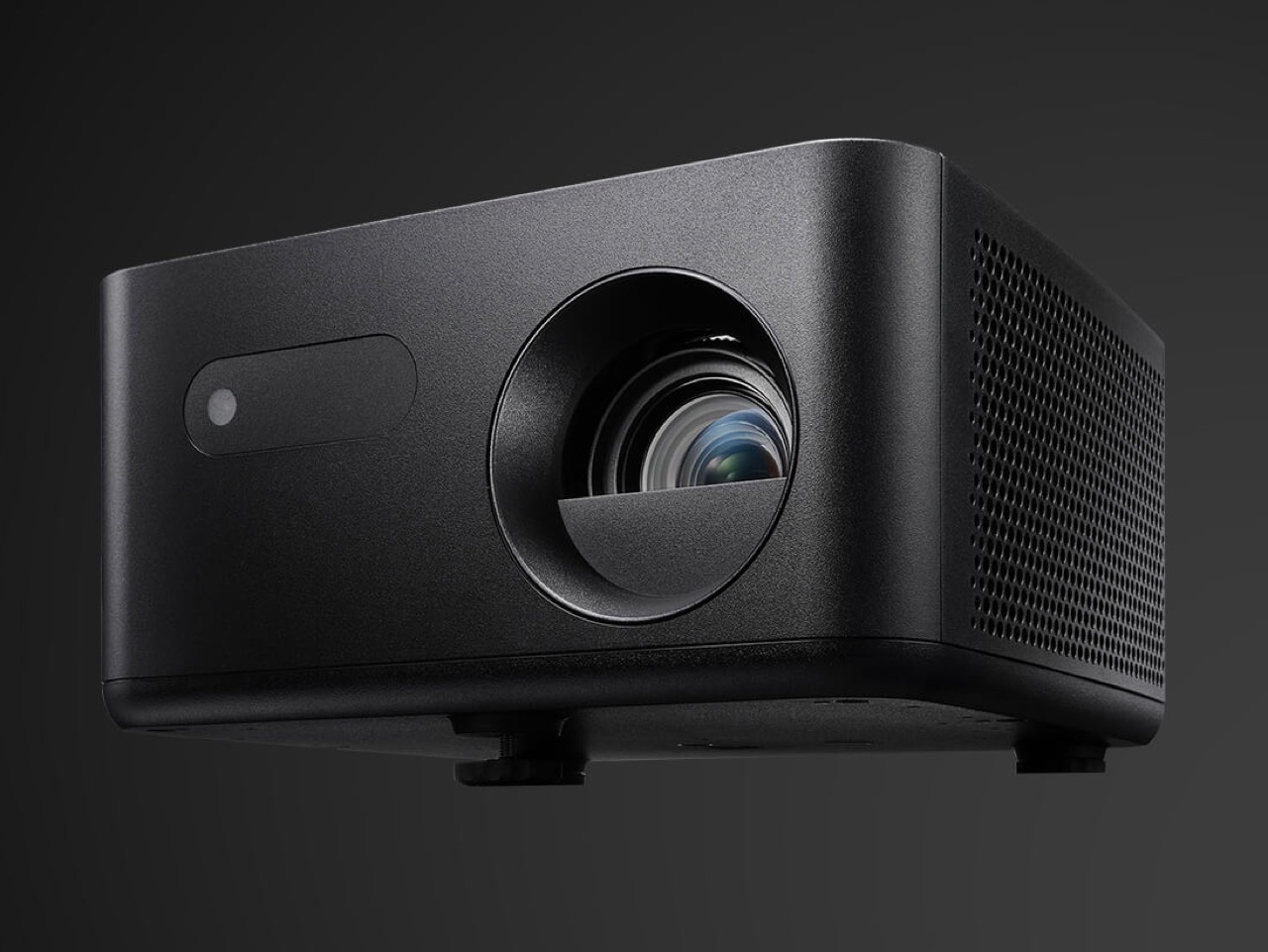
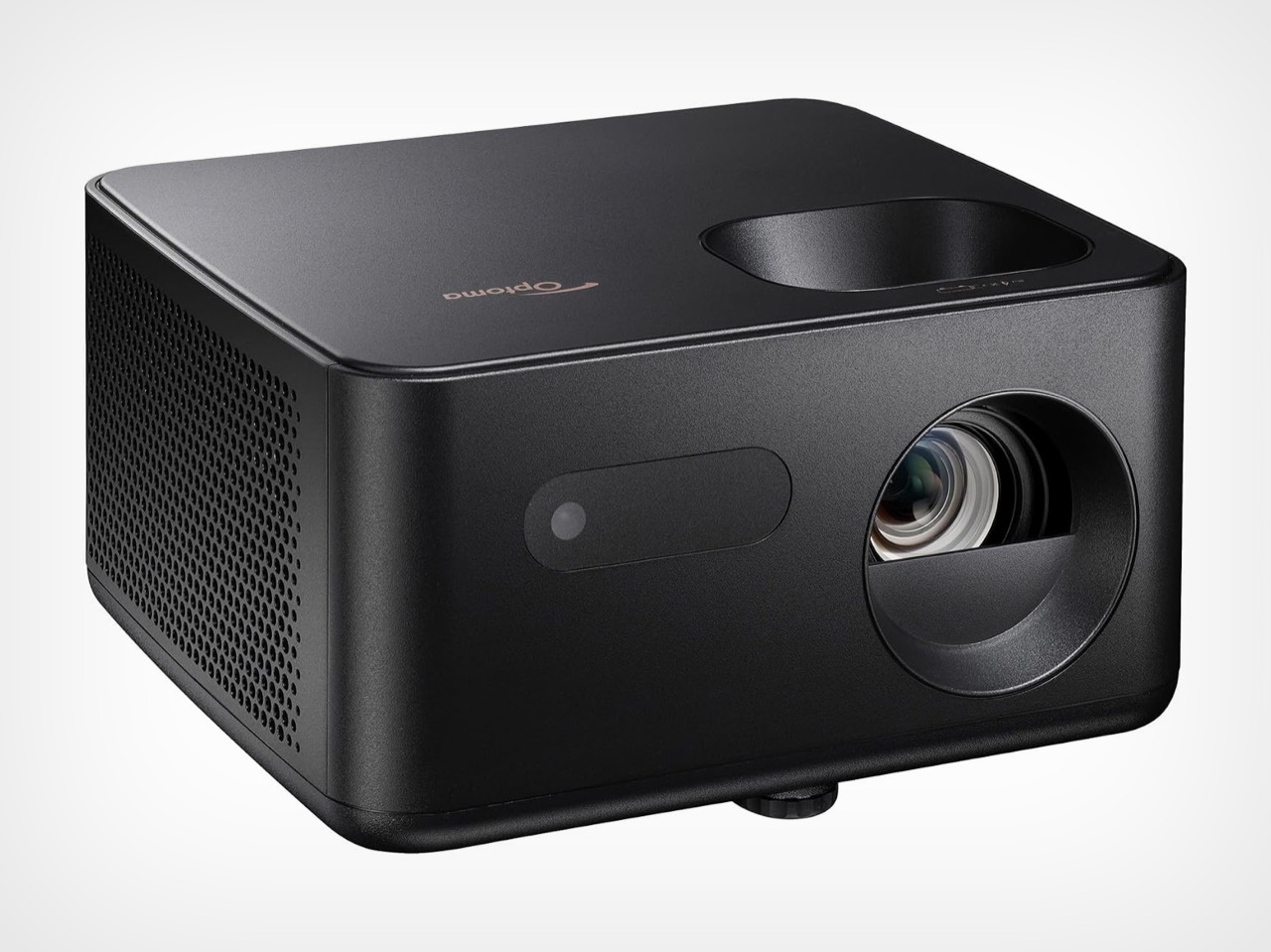
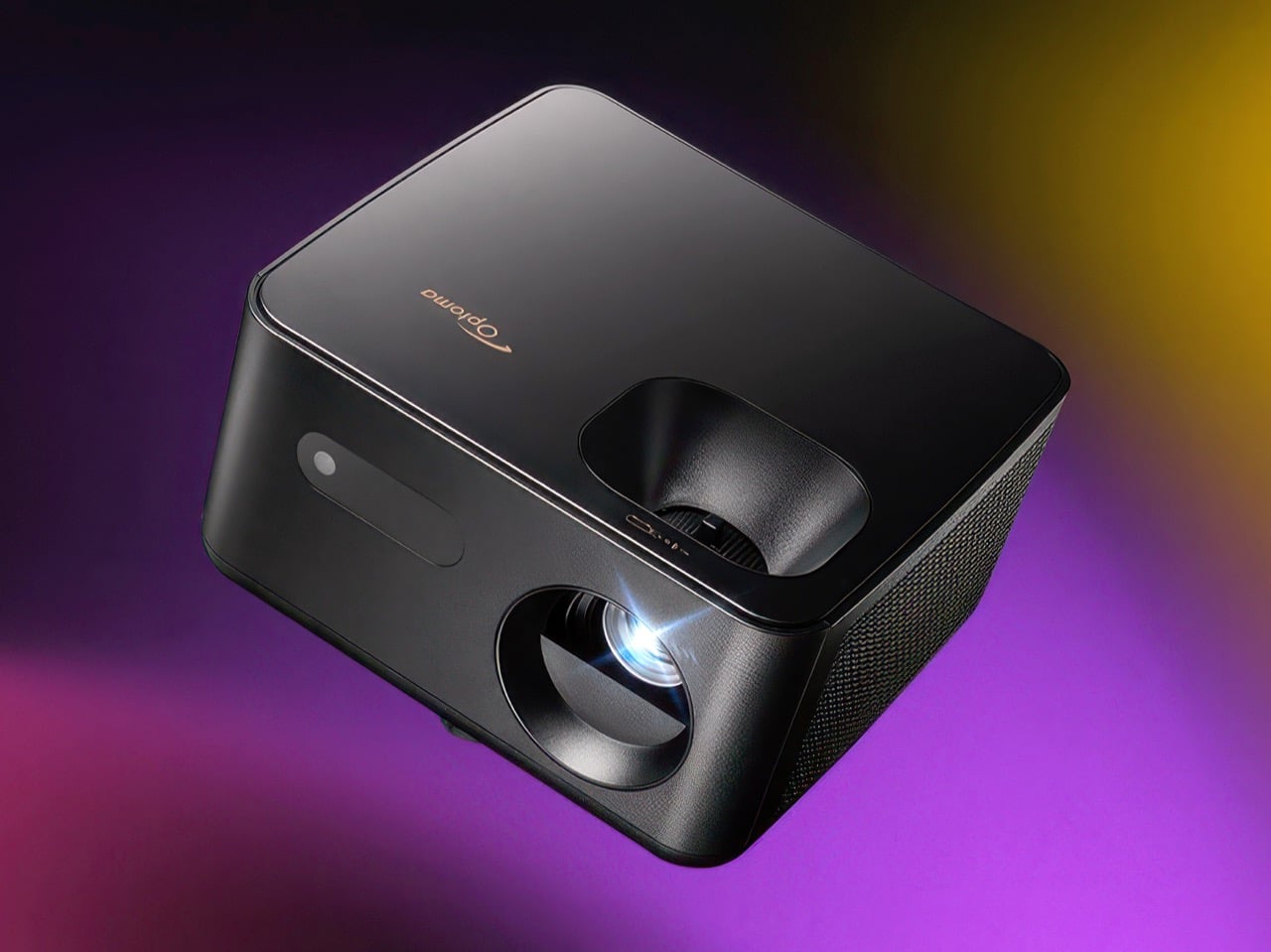
The PK31 is a compact, 5.2-pound projector that looks more like a smart speaker than the beige AV boxes projectors used to be. A smooth top shell sits over a textured matte body, a perforated grille wraps around the side, and the lens sits inside a deep circular cowl. It uses a Texas Instruments DLP chip and an RGB LED light source, with claimed coverage of 95% of the DCI-P3 color space. At a rated 900 lumens, it’s best suited to a dark room. Input lag is rated as low as 4.6ms, though that’s at 1080p and 240Hz, not 4K.

Click Here to Buy Now

A Projector Built to Live on Your Bookshelf

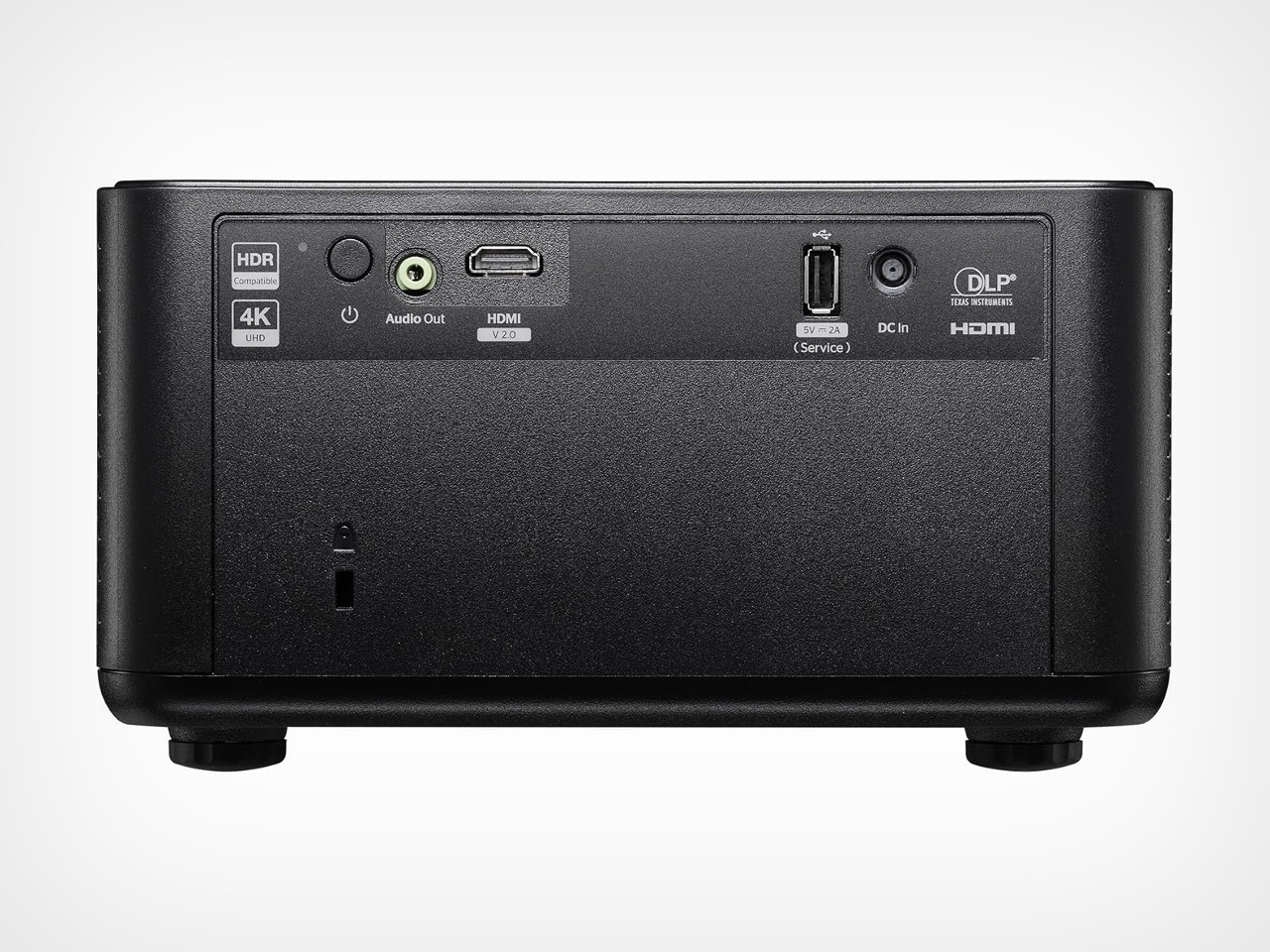
The body measures 9.37 x 8.46 x 4.64 inches (238 x 215 x 118 mm), roughly the footprint of a hardcover cookbook lying flat. That lets it sit on a shelf between the plants and the Bluetooth speaker without looking like it wandered in from a conference room. Optoma prints its logo in copper on the top panel, a small, warm accent against the all-black body. Every port sits inside a recessed panel on the back, keeping connections out of sight from the front. The grille wraps around the side, helping the cooling vents blend into the textured body.

The lens sits off to the right, balanced on the left by a pill-shaped window for the IR receiver, giving the front a friendly, slightly lopsided face. Its 1.5 to 1.65 throw ratio translates to about 11 feet (3.4 meters) of distance for a 100-inch picture. The full 150 inches needs roughly 17 feet (5.2 meters), so this suits a long living room better than a cramped studio. Focus and the 1.1x zoom use manual rings, and a twist-adjust foot handles tilt. A standard tripod thread underneath adds mounting flexibility, while four-corner correction and a warp tool help adjust the image to an uneven wall or an inflatable backyard screen.

Sharp 4K and Low-Lag Gaming

The 0.47-inch Texas Instruments chip uses microscopic mirrors to direct light toward the screen. XPR pixel shifting shifts the projected image by fractions of a pixel to produce a 3840 x 2160 picture. Separate red, green, and blue LEDs handle color, and the projector supports HDR10 and HLG. Projector Reviews measured 862 lumens in the brightest mode, close to Optoma’s 900-lumen rating. The reviewer also rated its color as good as or better than that of any RGB LED compact projector he’d tested.

That review recommends about 90 inches for everyday content and 75 to 80 inches for HDR, so don’t expect the same brightness at the maximum 150-inch size. Gamers get the bigger surprise. Input lag, the delay between a button press and the corresponding action on screen, is rated at 4.6ms at 1080p and 240Hz, 8ms at 1080p and 120Hz, and 16ms at 4K and 60Hz. The reviewer’s lag tester confirmed those figures. One catch: low-latency mode disables keystone correction, so line the projector up straight before the boss fight.

How It Stacks Up Against TCL, BenQ, and Hisense

TCL sells a smart projector for considerably less: the TCL C1 normally goes for about $250 with Google TV, Wi-Fi, and Bluetooth built in. The fine print says 1080p, though, and its “4K support” means it accepts a 4K signal and scales it down. The PK31 produces a 4K image but skips the smart OS, Wi-Fi, and Bluetooth entirely. Its single HDMI 2.0 port takes a Roku or Fire TV Stick, and the USB-A port can supply power to it, letting the setup run from one wall outlet. A 5W mono speaker provides onboard audio, and a 3.5mm jack connects external speakers for movie night.

Another 4K option is the BenQ GP520, a cube-shaped projector with a higher 2,600-lumen rating and Google TV. It launched at $1,499 and now has a street price closer to $999. Optoma’s own PK32 adds an amber LED, autofocus, and two HDMI ports for $1,299, while the Hisense M2 Pro costs the same with Android TV on board. The PK31 launched at $1,099 and now sells for about $599 at Walmart and Amazon. At that price, you could add a streaming stick and still spend considerably less than you would on those three.

Click Here to Buy Now

The post Optoma’s $599 4K Projector casts a 150-inch Screen for the price of an Android Phone first appeared on Yanko Design.
  •  

This LEGO Fujifilm Quicksnap is a 1:1 tribute to the camera on its 40th anniversary (box included!)

Fujifilm celebrated the QuickSnap’s 40th birthday this year the way any responsible camera company would, by announcing new models. The QuickSnap Black and White ($22.90) and the waterproof QuickSnap Active ($24.75) are due this fall, marking the first time Fujifilm has loaded black-and-white film into a QuickSnap. One LEGO Ideas builder took a different approach to the celebration, reaching for green, black, red, and white bricks to rebuild the Japanese version at full size. Of the two birthday presents, I know which one hits the nostalgia button harder.

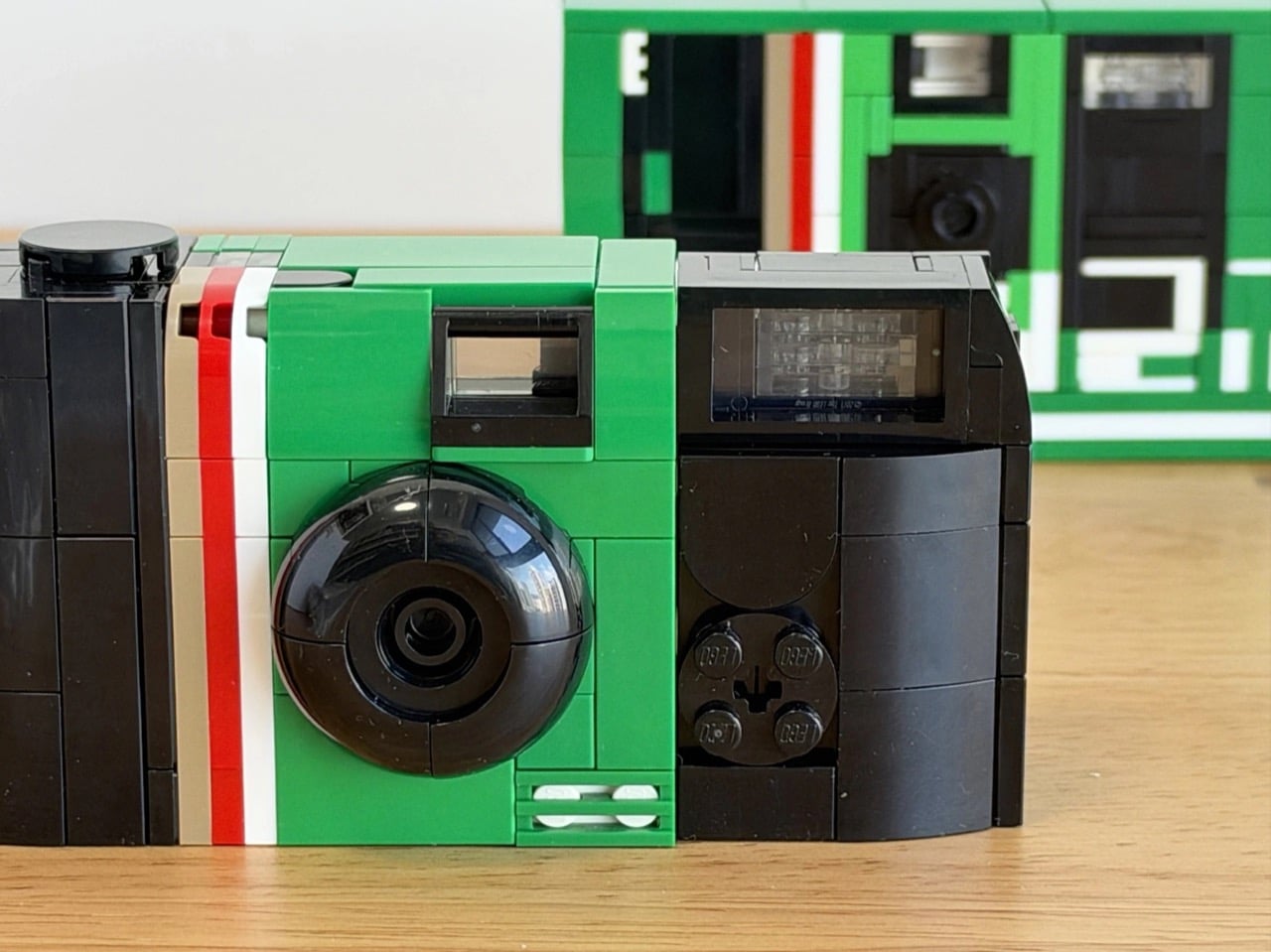
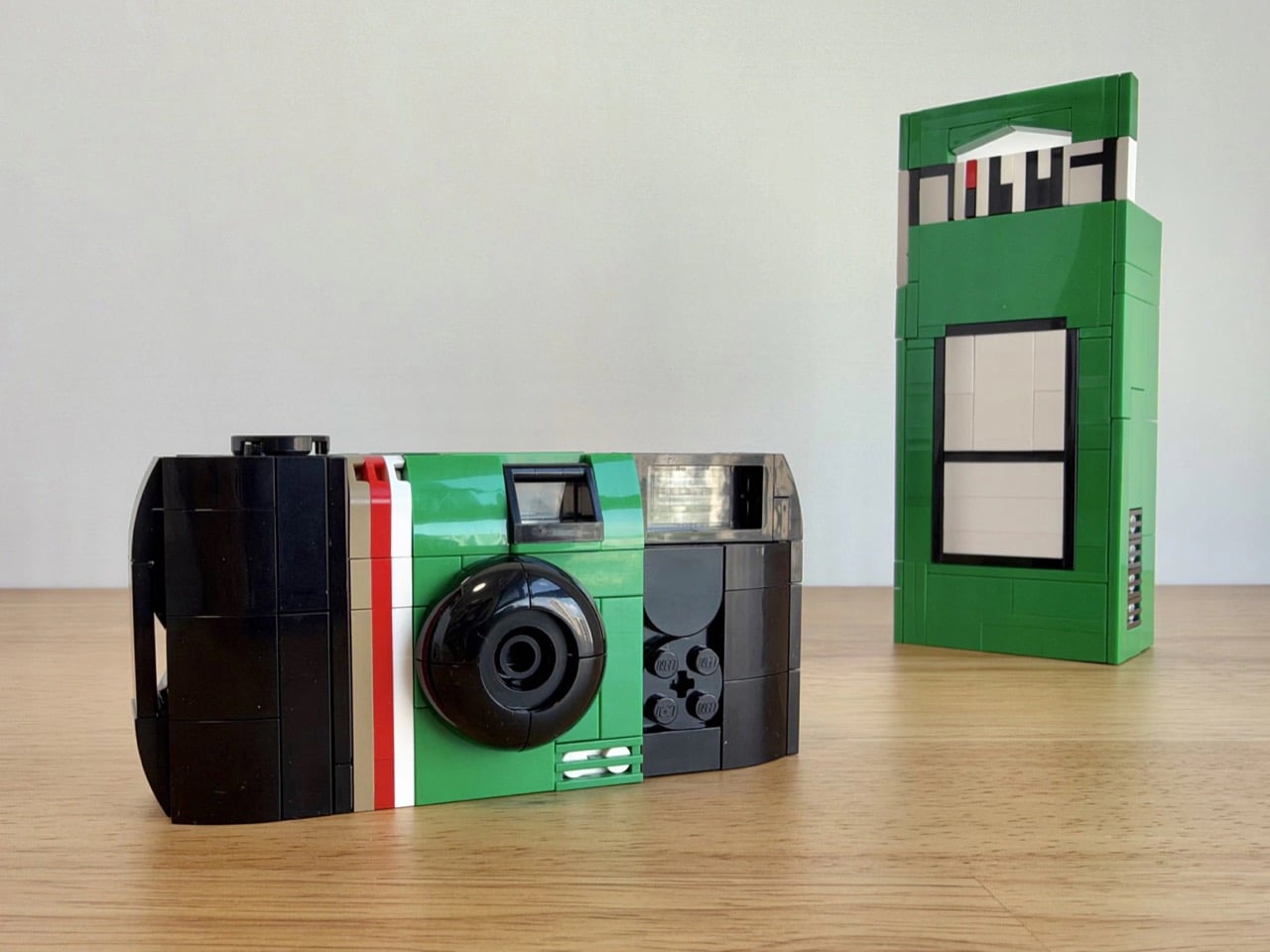
That builder is MarshallThrilledLobster, and the subject is the Simple Ace, known in Japan as Utsurundesu, which roughly means “It takes pictures!” The name came from a Fujifilm employee who blurted it out when someone asked whether the camera would really work. It might be the best product naming story in camera history. The LEGO version sits at 1:1 scale, comes with a full-size brick replica of its retail box, and packs a few working details. Fujifilm designed the original cameras to be collected after use, taken apart, and rebuilt, making them a fitting subject for LEGO.

Designer: MarshallThrilledLobster

A 1:1 Simple Ace, Right Down to the Clicking Wheel

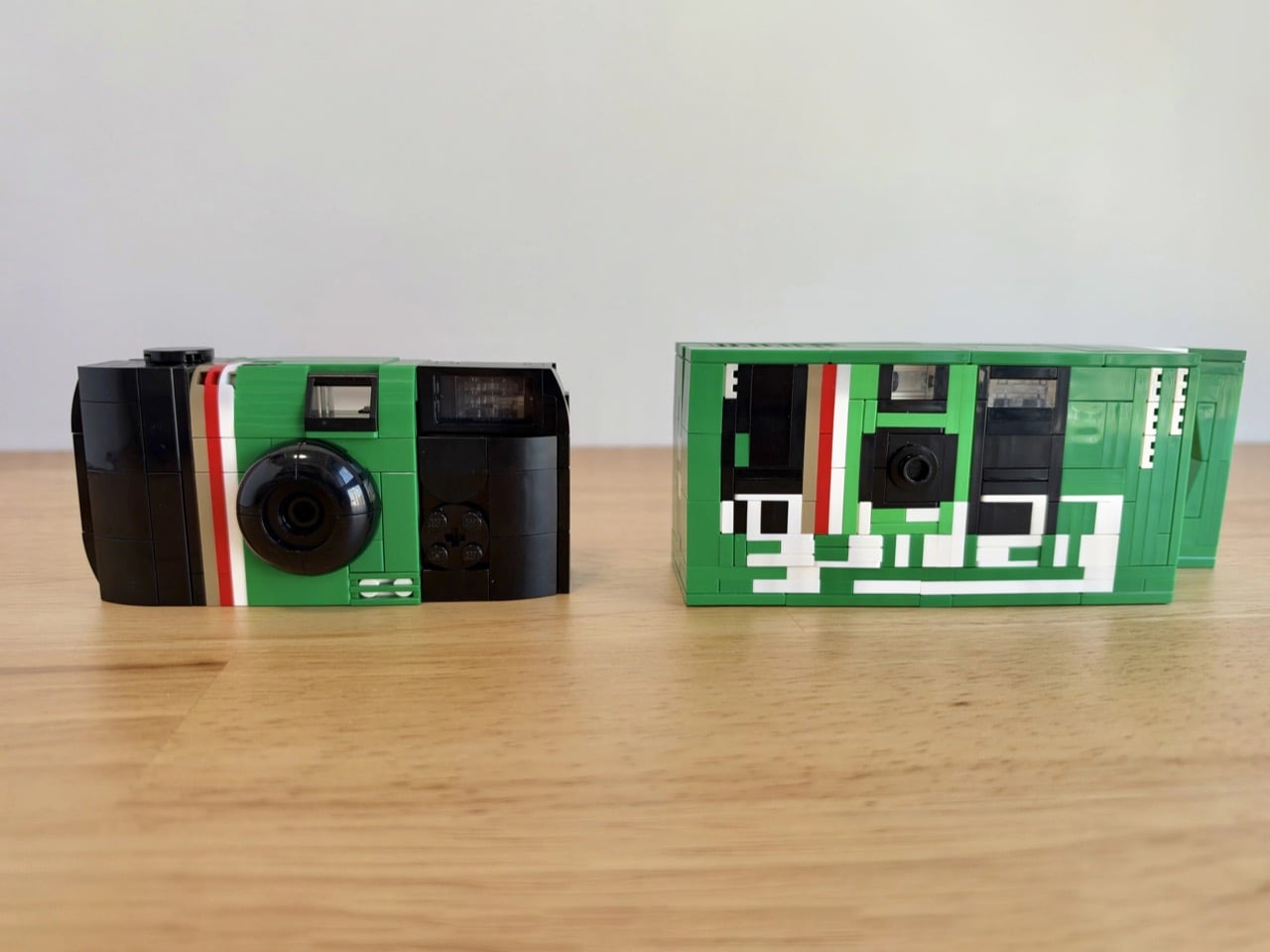
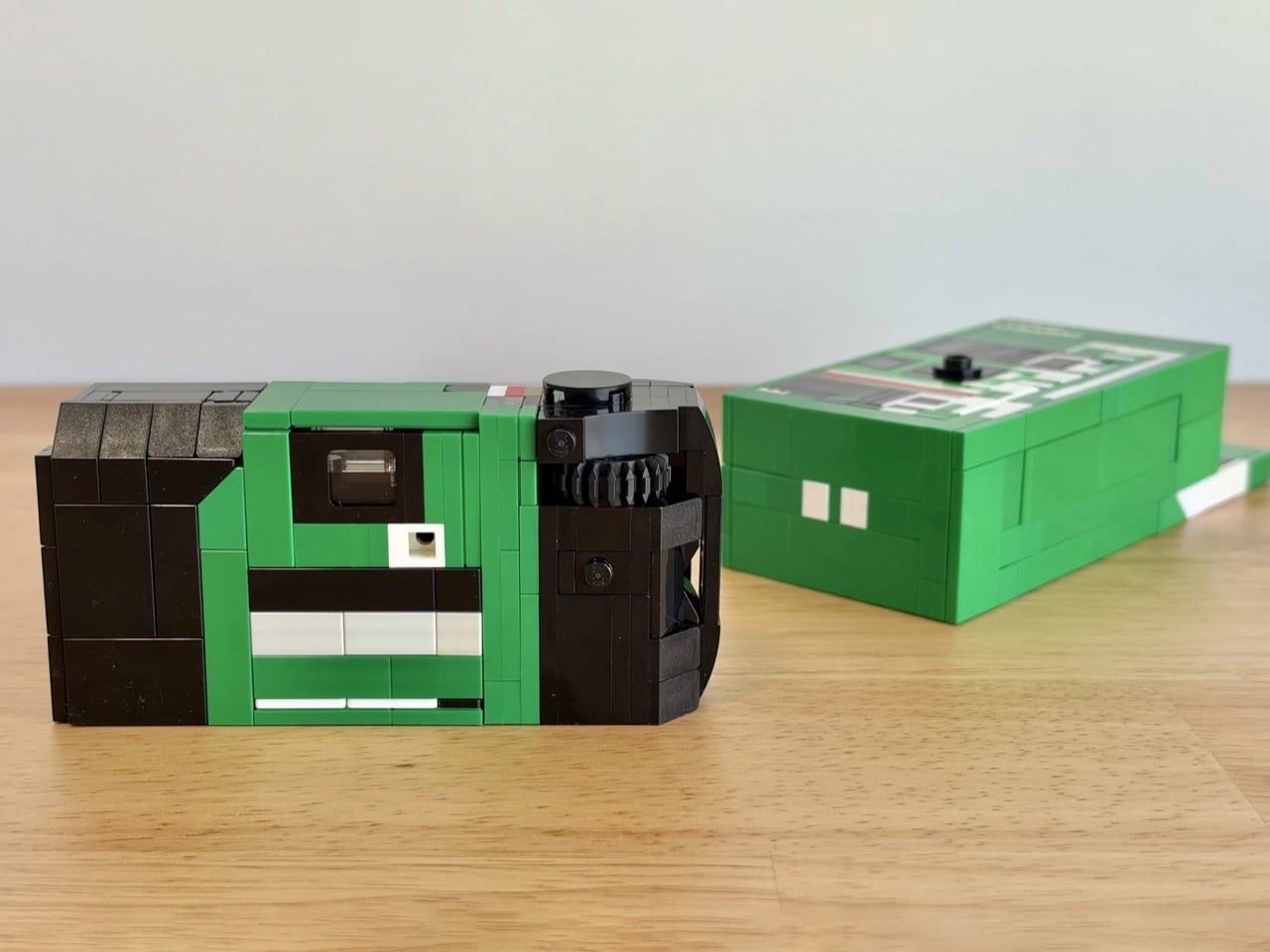
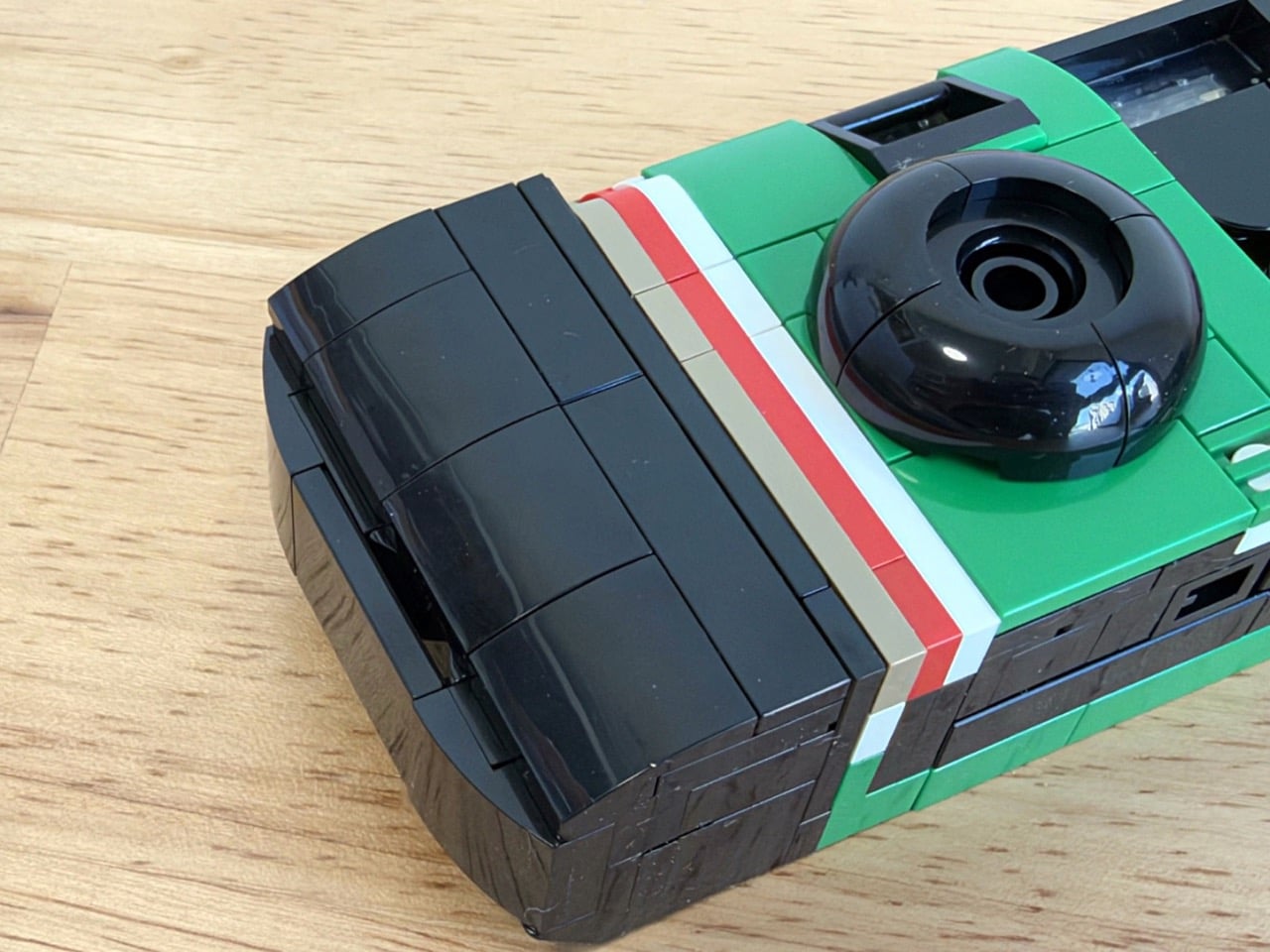
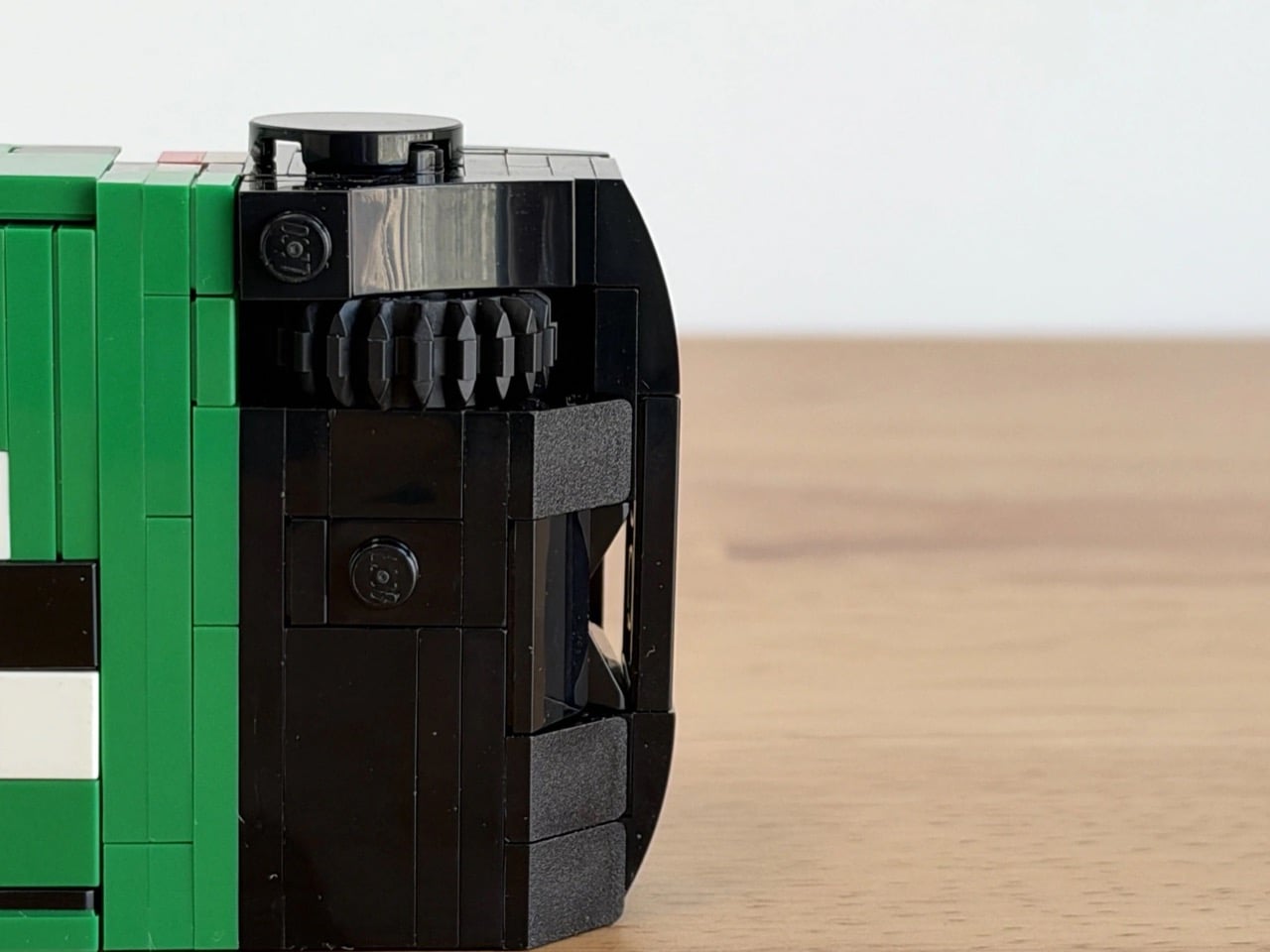
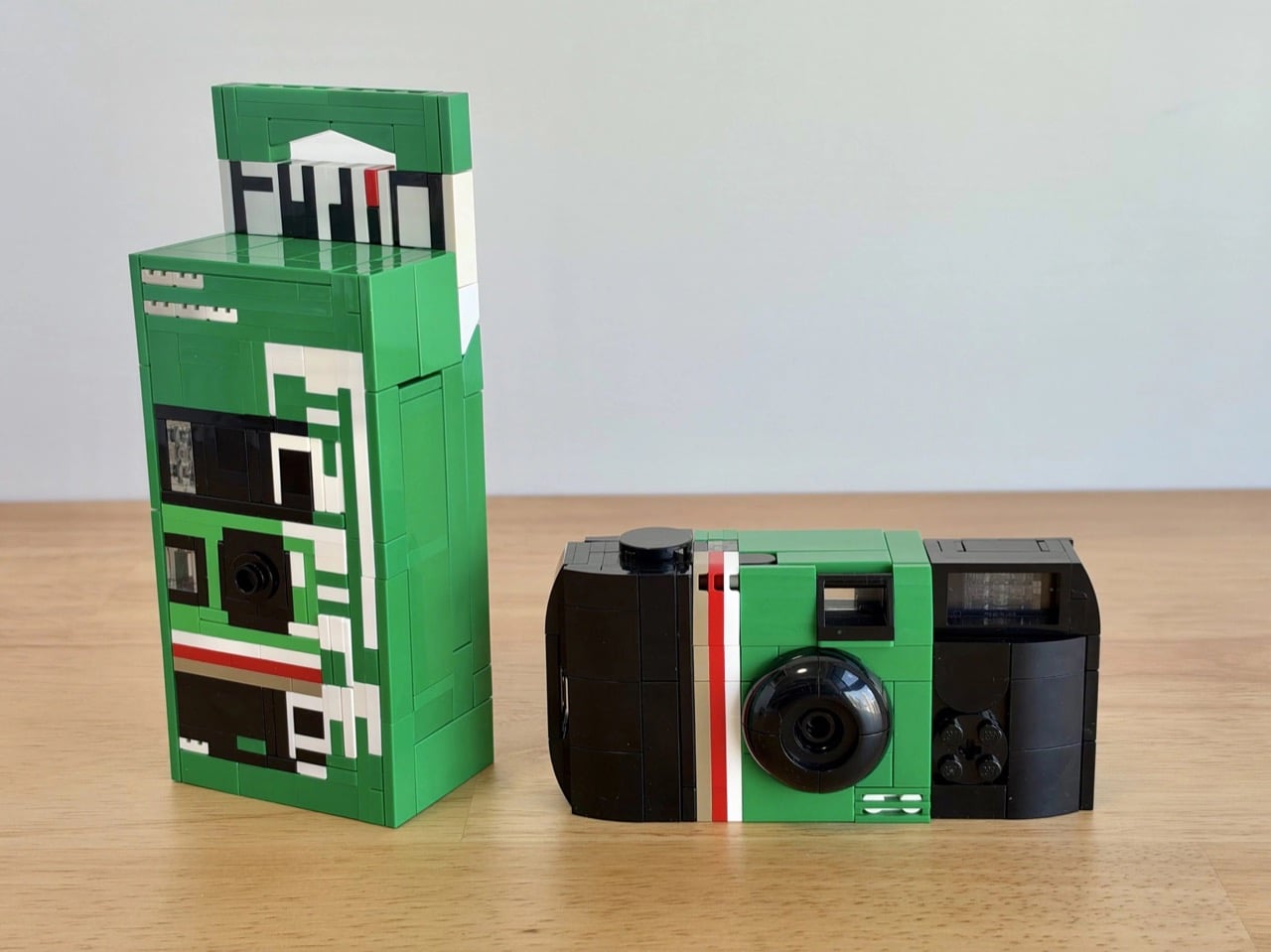
The real Simple Ace measures 4.25 by 2.1 by 1.3 inches (108 by 54 by 34mm), and this build recreates it at full size. That works out to 13.5 studs across, an awkward number that helps explain why so much of the build runs sideways using SNOT (studs not on top) techniques. The green body wears its red and white stripes, with a domed black lens right where your finger used to block every third shot. Up top, a half-buried Technic gear stands in for the winding wheel. Turn it and it clicks, like advancing a fresh frame.

The viewfinder is a clear tunnel that lines up front to back, so you can actually squint through it. That’s more faithful than it sounds, since the real camera uses a simple reverse-Galilean plastic finder, essentially a tunnel with two lenses. A strap loop is worked into the side of the shell, and the outer surfaces are tiled smooth with no exposed studs. The result reads as molded plastic from across the room. Only up close do the seams give away that this camera came out of a parts bin.

The Box Gets the Brick Treatment Too

My favorite detail, though, is the packaging. The builder recreated the Simple Ace’s tall retail box at full size, with the 写ルンです logo rendered in blocky pixel lettering and barcode details built from black and white tiles. Stand it next to the camera and you’ve got a Tokyo convenience store shelf on your desk. It doubles as a display stand, giving the small camera some height and context. For anyone who grew up with these, the box is half the memory, since tearing it open meant the vacation had officially started.

Packaging as an accessory has precedent in LEGO Ideas. The Polaroid OneStep SX-70, which started as a fan build by Marc of Minibrick Productions, became set 21345 in 2024 with a buildable film pack and three illustrated photos. That set established a precedent for collaborating with a real camera brand, while this QuickSnap remains a fan proposal. A full-size retail box goes further than a film pack, giving Fujifilm’s graphic design the same care as its industrial design. That feels right for packaging this recognizable in Japan.

A Disposable Built for Second Lives, Now Up for a Vote

Fujifilm opened a QuickSnap recycling center in 1988, just two years after the camera launched. By 1998, it was running an automated factory that disassembled returned cameras, inspected the parts, and built new cameras from them. In the US today, up to 60% of each QuickSnap is made with reused camera materials. The builder frames the project around that idea: a so-called disposable product designed for a second life. LEGO bricks have been taken apart and rebuilt since 1958, though their next life might be a spaceship.

The Fujifilm QuickSnap build went live on LEGO Ideas on November 6 and has 105 supporters as of this writing, with 425 days left to reach the 1,000-supporter milestone. Fans submit builds, and projects that reach 10,000 supporters get reviewed by LEGO for an official set. That’s a long climb for a camera most people know as a $20 impulse buy. If you’ve got a shoebox of fuzzy prints somewhere, head to the LEGO Ideas page and give it your vote. It’s the one QuickSnap you’ll never have to drop off at the lab.

The post This LEGO Fujifilm Quicksnap is a 1:1 tribute to the camera on its 40th anniversary (box included!) first appeared on Yanko Design.
  •  
❌