❌

Vue lecture

Raven Prism Smart Glasses Put a Linux Computer in the Corner of Your Eye

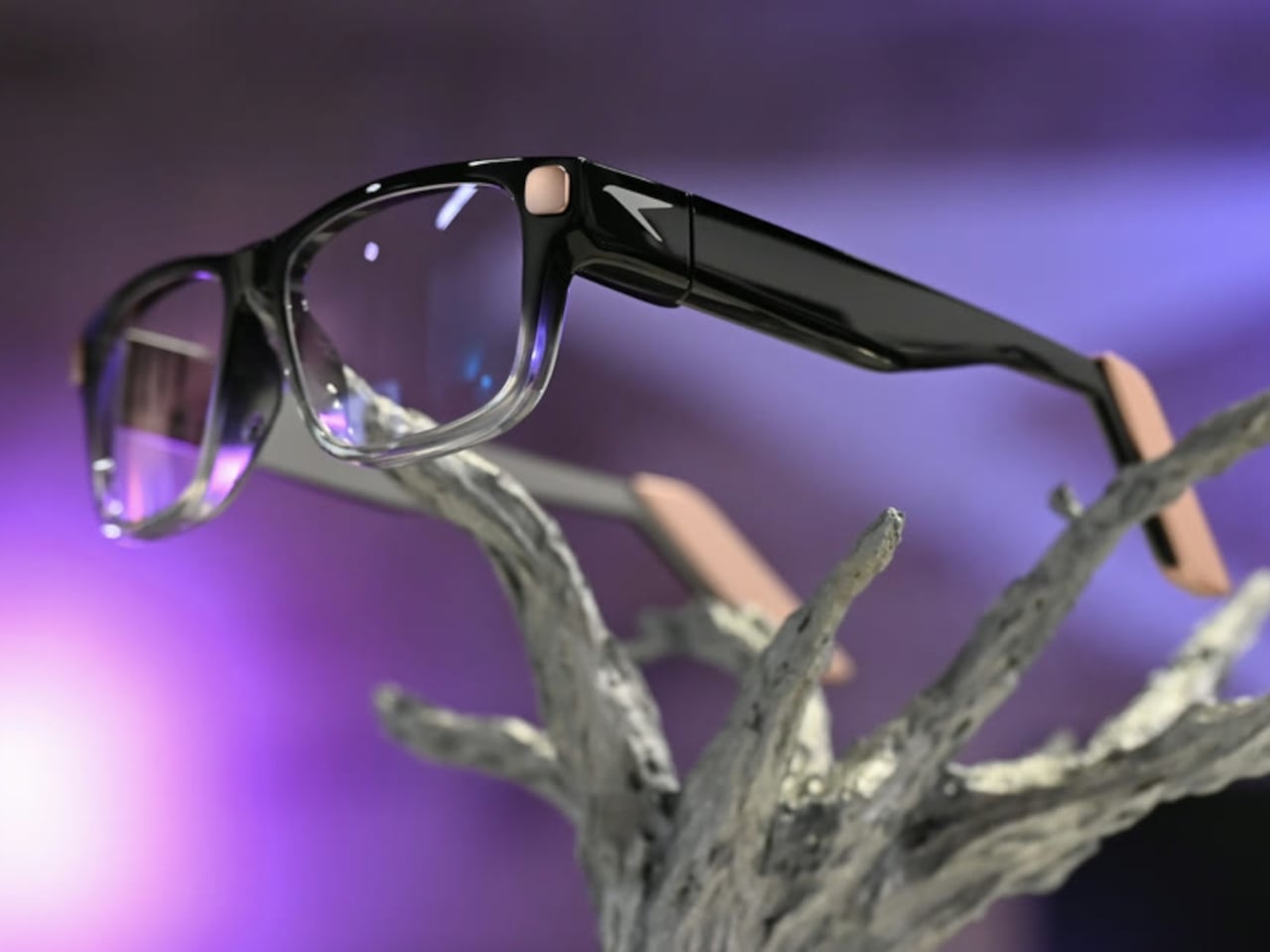
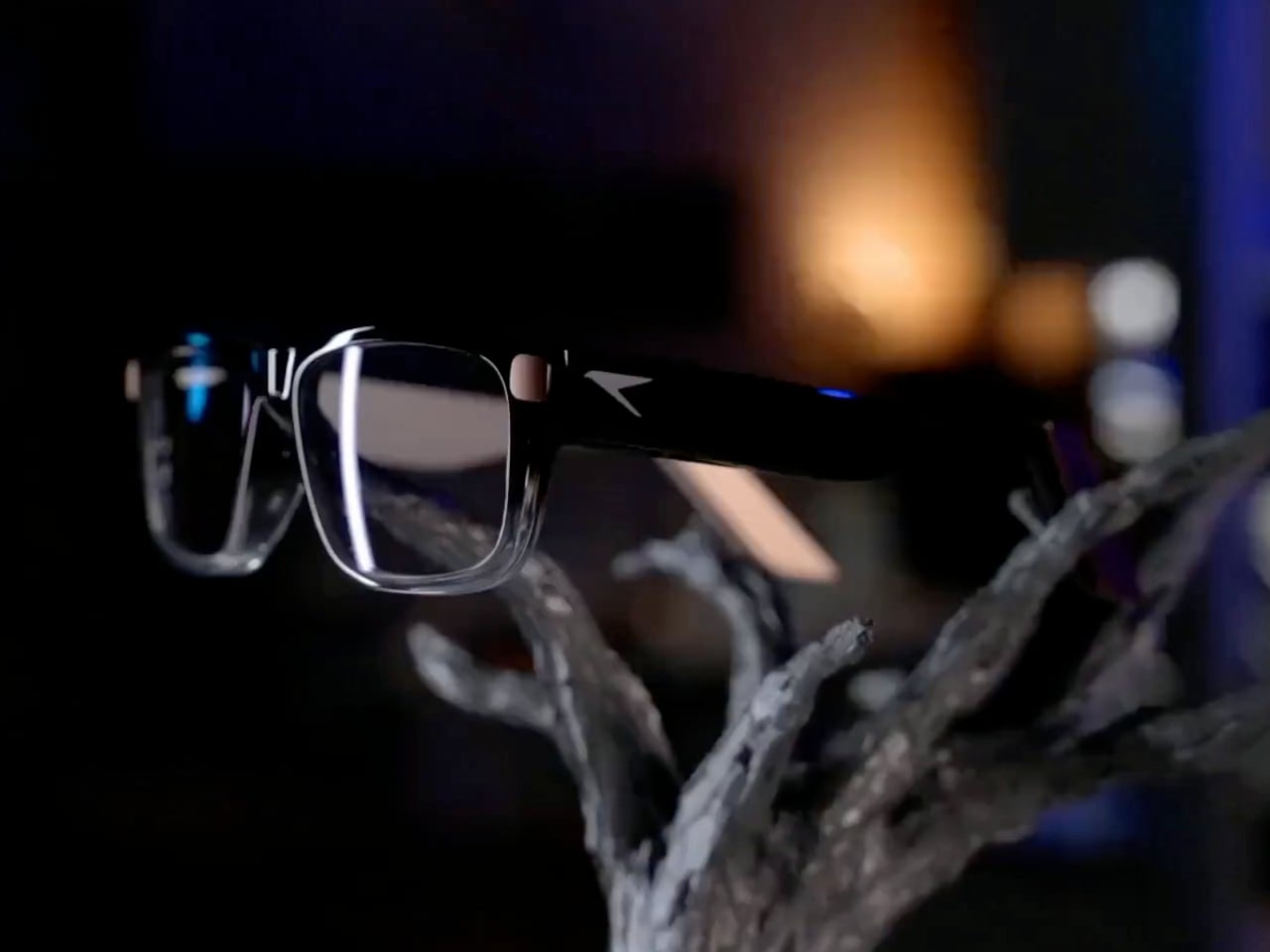
Checking a recipe with flour on your fingers is a good reminder that a touchscreen isn’t always the most convenient interface. Raven Resonance’s Prism glasses propose keeping those instructions in the corner of your vision instead, with eye controls leaving your hands free. The reservation-stage wearable puts a Linux computer inside familiar-looking frames, rather than simply supplying another screen tethered to your phone.

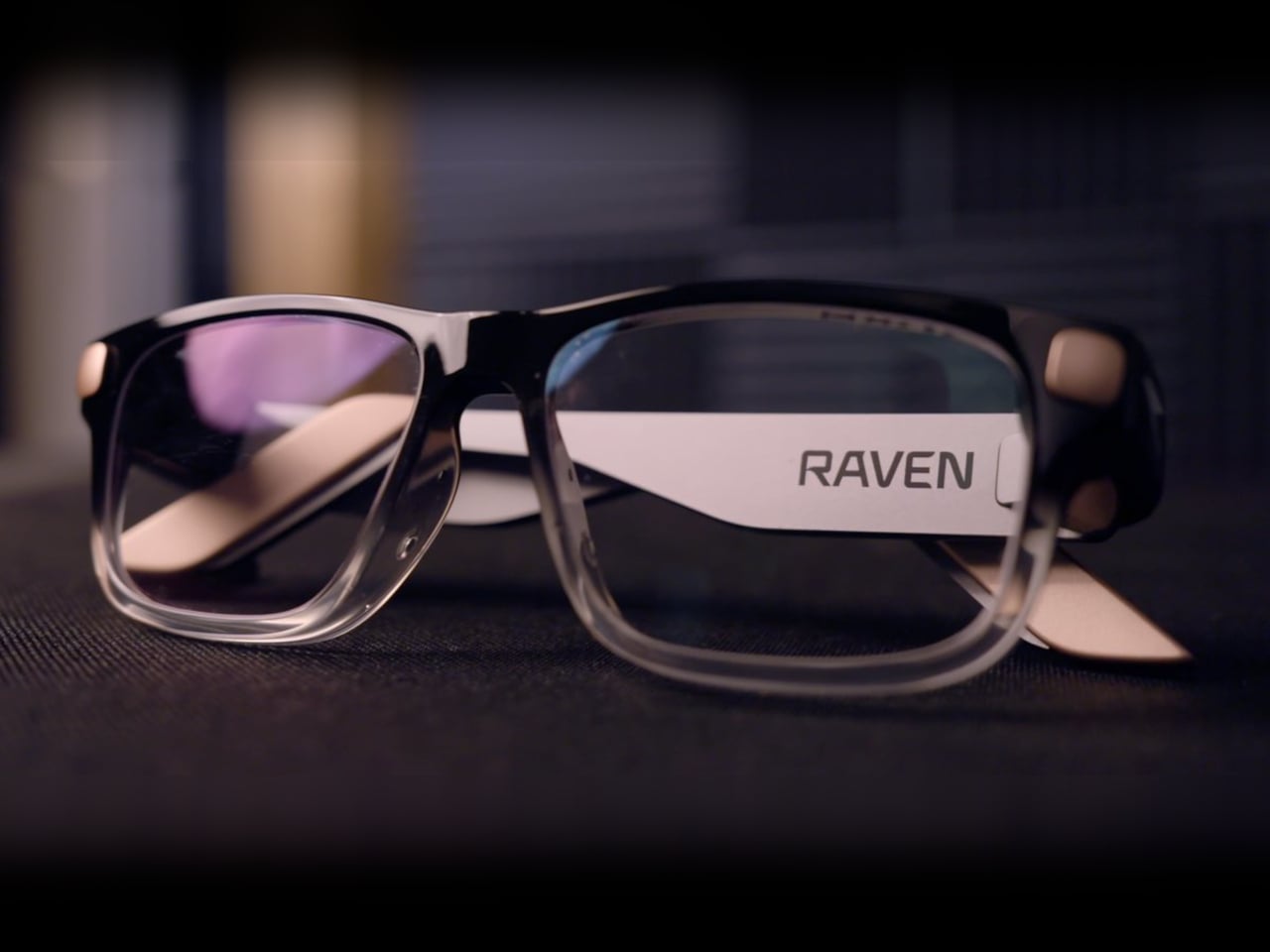
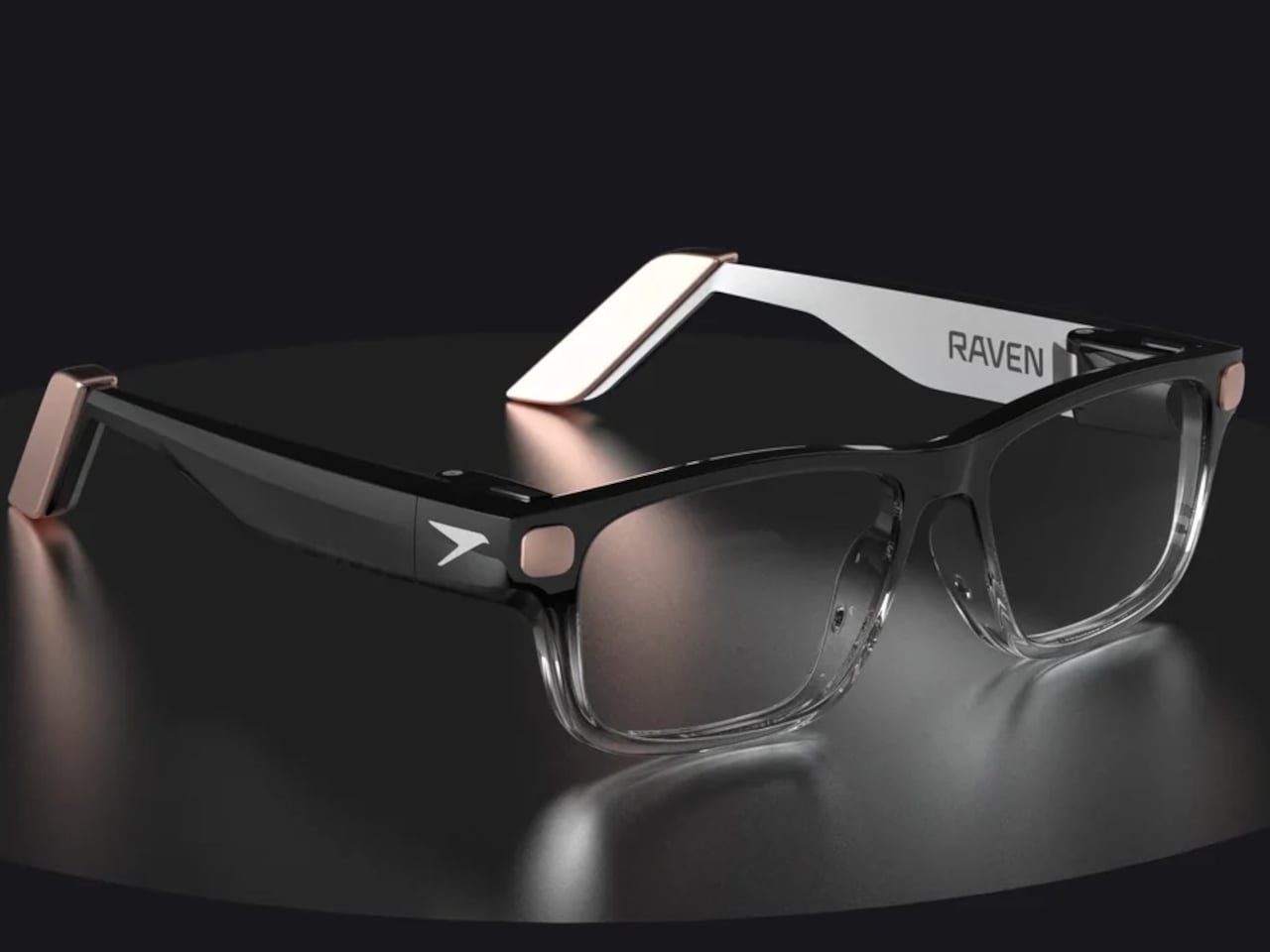
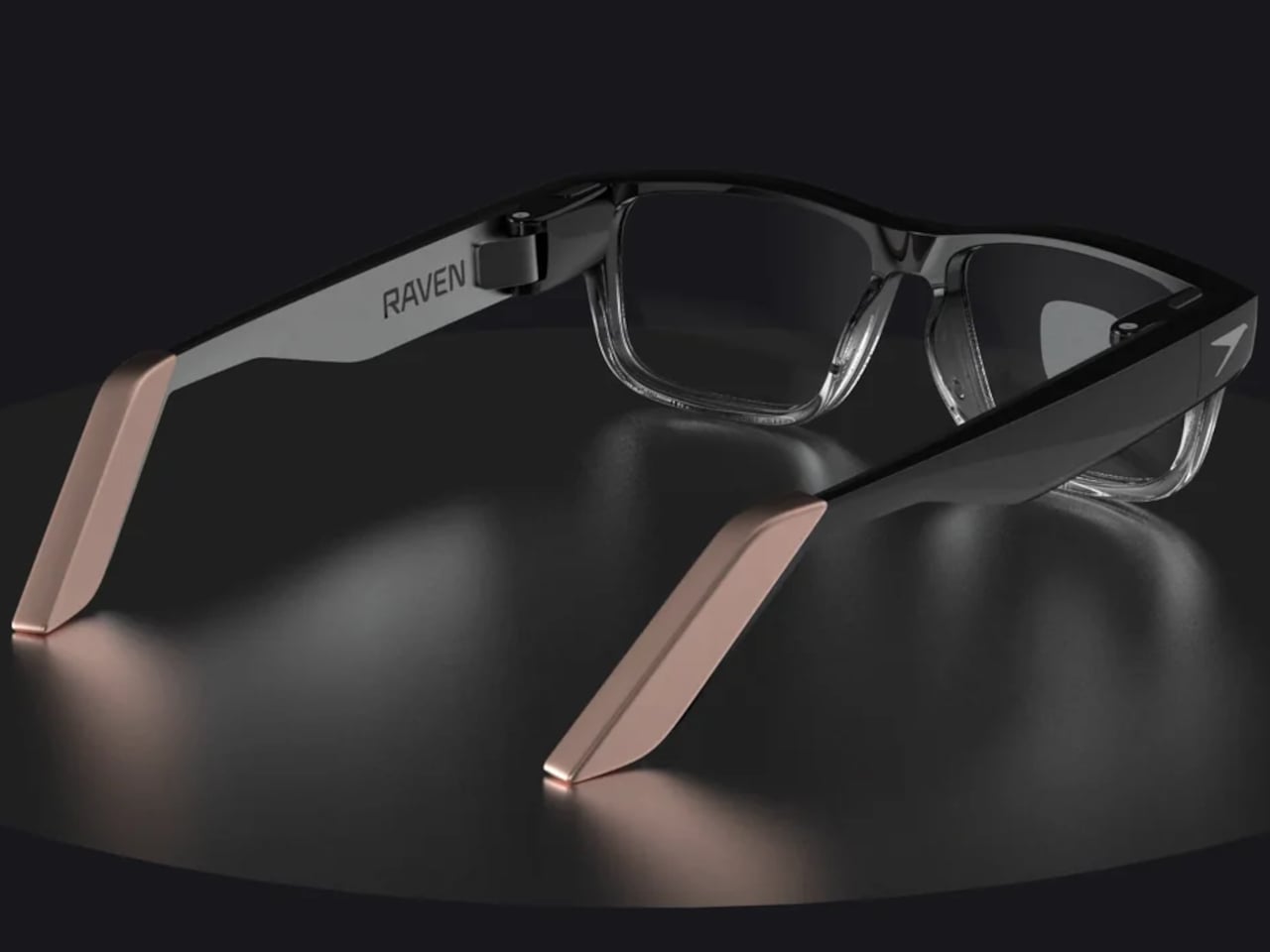
The frames make some concessions to everything packed inside. Thick temples run back from a dark brow, while clearer lower rims soften the outline around the lenses. Pale end pieces add a contrasting finish without covering the front in conspicuous branding. There’s still more hardware beside your head than ordinary glasses would carry, so familiar styling shouldn’t be confused with proven comfort.

Designer: Raven Resonance

The display occupies the right eye’s periphery, using a full-color waveguide with a 30-degree diagonal field of view. Its position is meant to make a recipe or reference image available when you glance over, rather than filling your central view. That arrangement suits checking the next instruction while cooking, although looking away from your hands still requires choosing a sensible moment to pause.

Eye control gives that arrangement its practical purpose. Raven’s software framework includes buttons you activate by holding your gaze on them, along with gaze-based navigation. You wouldn’t need to tap a temple every time your hands were occupied. The challenge is distinguishing a deliberate selection from an ordinary glance, something the developer guidance acknowledges by recommending large targets and avoiding crowded layouts.

Privacy gets a physical control rather than just a settings menu. A cover must be moved manually before the 13-megapixel camera can operate, and lights in the rims signal when it’s active. Raven also says speech recognition runs locally and cloud sharing requires consent. Those choices make the intended boundaries clearer, but they don’t amount to an independent security audit of the system.

Keeping prescription glasses usable while their electronics recharge takes another physical solution. Raven Wings are removable battery modules, designed to swap without shutting down your apps. Two pairs and a charging case are included, letting one set recharge while you wear the other. That makes the all-day ambition about exchanging batteries, not a published promise of uninterrupted runtime from a single pair.

Underneath that eyewear is Raven OS, running on a quad-core ARM processor with up to 4GB of memory. Developers can connect remotely and build compatible applications, but Linux underneath doesn’t mean every desktop program fits a tiny wearable display. Navigation directions and other phone-supplied information also remain part of the pitch, so standalone computing shouldn’t be mistaken for making your phone redundant.

Prism is priced at $1,499, including supported prescription lenses, with initial US shipments planned for January 2027. New reservations currently fall into a summer 2027 batch, not that first delivery window. Its usefulness will depend on whether these small interactions feel easier than reaching for a phone, and whether you’re comfortable keeping the screen, batteries, and computer on your face all day.

The post Raven Prism Smart Glasses Put a Linux Computer in the Corner of Your Eye first appeared on Yanko Design.

  •  

Sony MDR-3R over-ear headphones revive nostalgia of the Walkman era

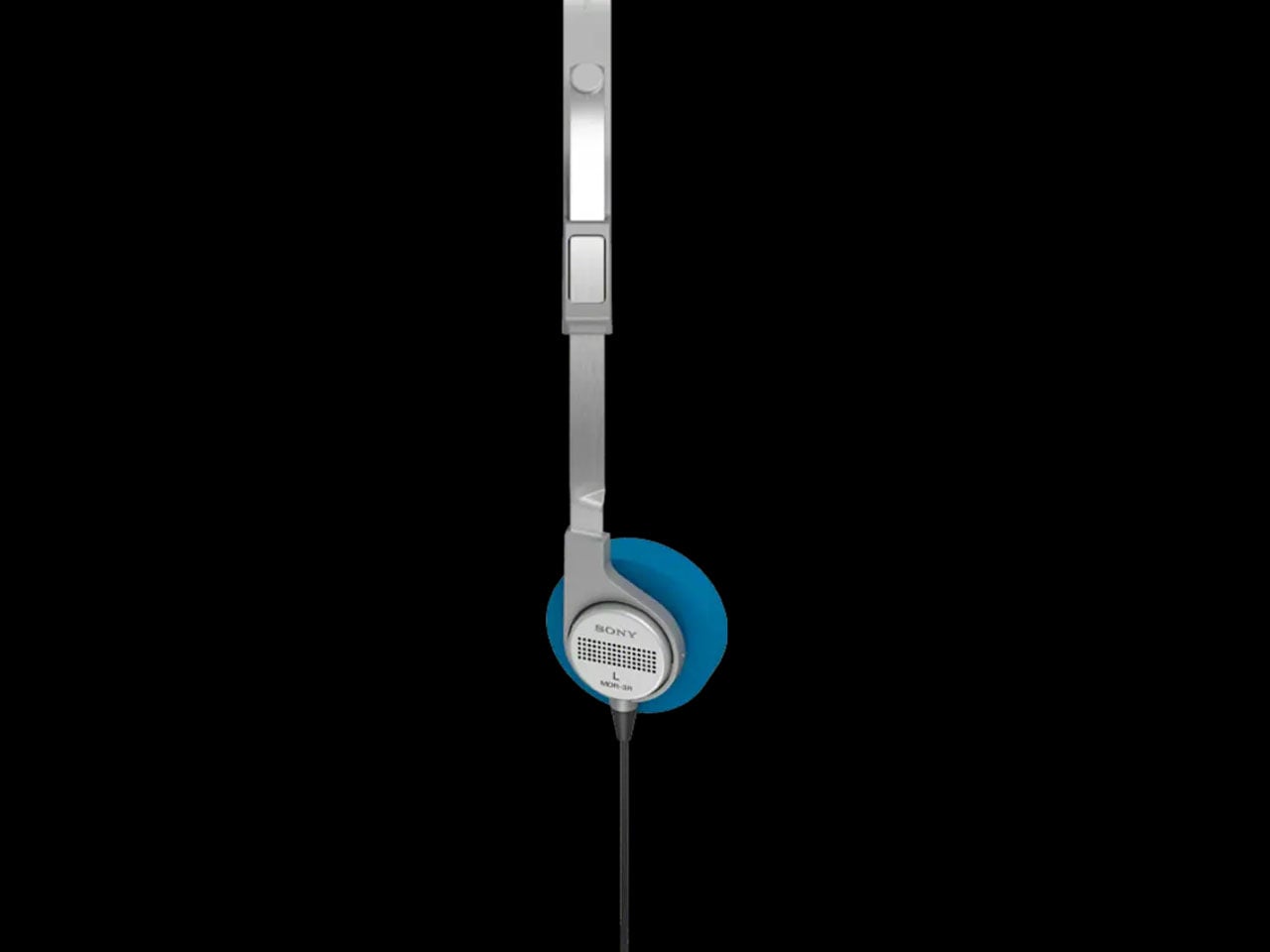
Remember the Walkman headphones from more than four decades ago? Well, the nostalgia is revived as Sony has brought back over-ear headphones for a generation obsessed with wired audio gear. The new pair of earphones draws inspiration from the originals that debuted in 1981, with the original design drawings referenced in crafting this pair.

The inspiration doesn’t stop at the looks alone, as the earphones come with the same 23mm dynamic driver, so that the same sound signature can be replicated in these. All the modern conveniences are included, though, like a microphone for taking calls and the in-line remote control to toggle calls, music, and podcast streaming. This falls straight in line with the trend that brands like Final with AirWire and StillFrame are following.

Designer: Sony

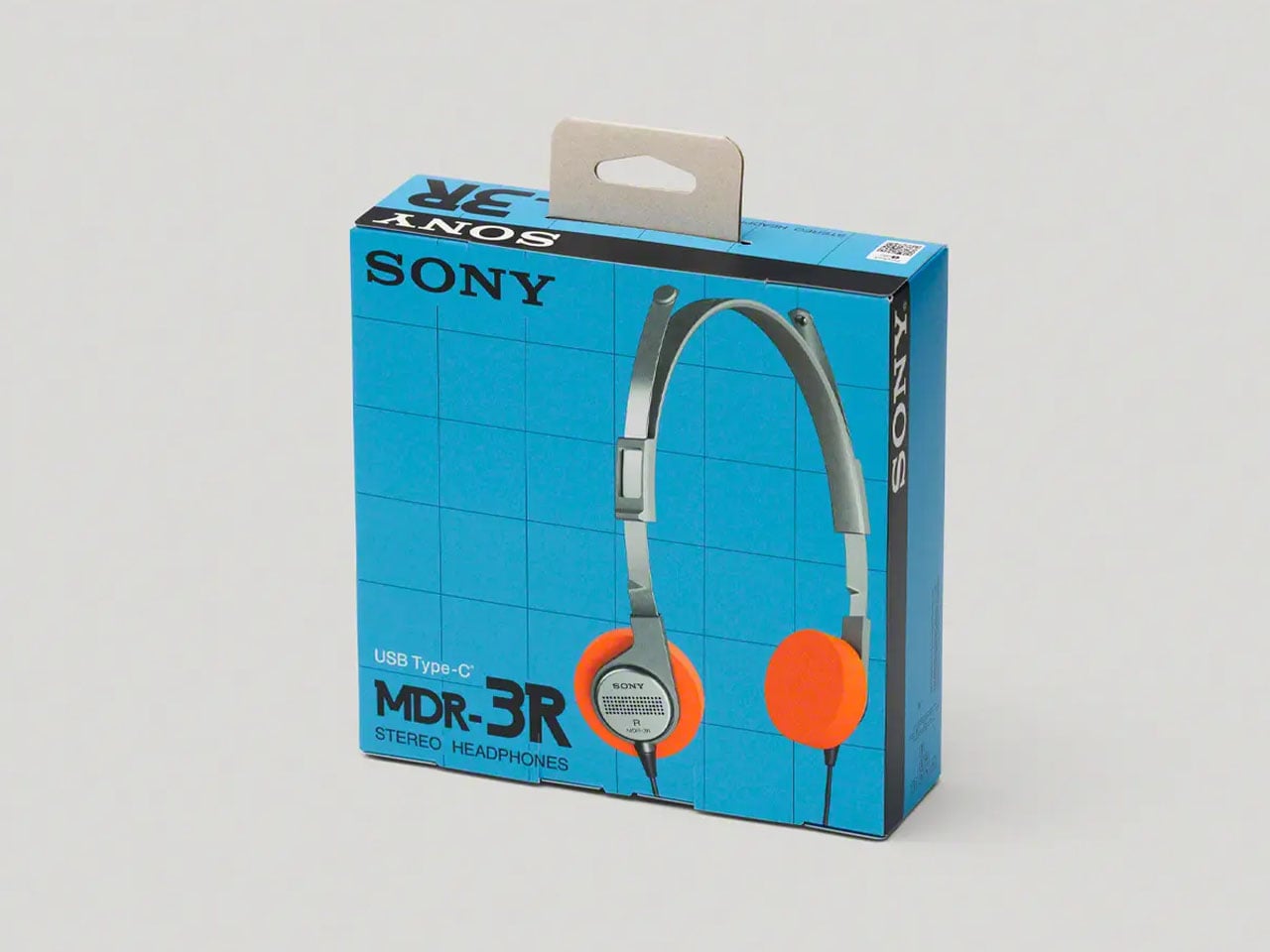
For audiophiles who are constantly juggling their expensive gear, chasing that perfect sound, this is a subtle reminder of how it all started back then. The nostalgia of a balanced, warm sound signature that emphasized natural vocals and emotional richness. The earphones come with the iconic blue and orange earpads to customize the look. Hitting the rewind button, the OG earphones shipped with the Walkman TPS-L2 in 1979 and played cassettes.

You can barely distinguish the MDR-3R from the original one, and millennials will instantly feel the nostalgia. The small design details, like the metal headband and the holes on the outer casing of the drivers. Sony doesn’t stop there, as the packaging and the instruction manual also take you back to the golden era. Practicality of use is also taken care of, as the earphones weigh just 38 grams, bettering the original ones by 2 grams.

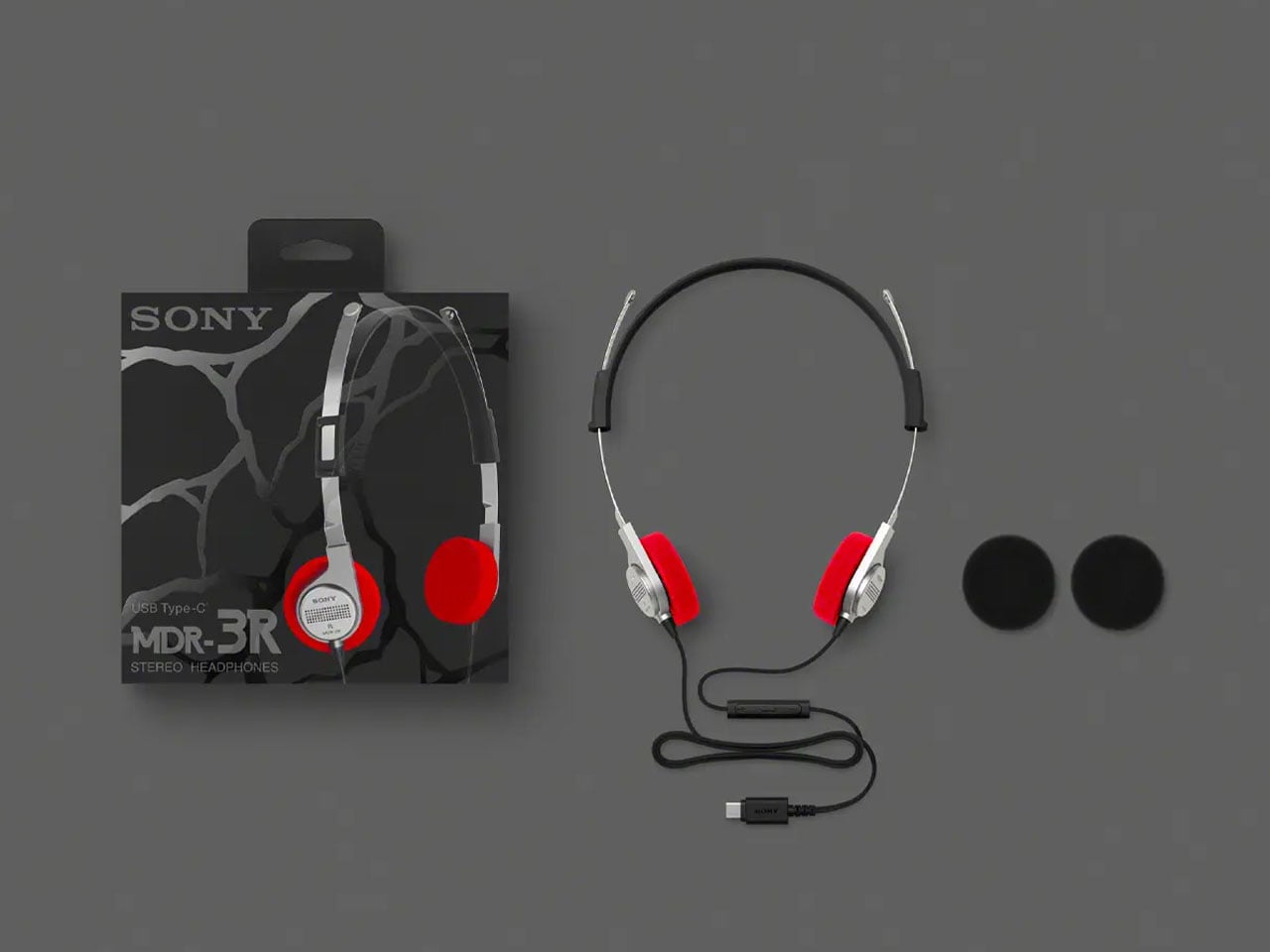
Since modern phones are rarely seen with a 3.5mm headphone jack, the pair comes with a USB-C connector to plug in easily with modern devices. I would have liked the headphones to come with a swappable option to plug in a 3.5mm or 4.4mm jack for high-quality playback with services like Tidal or Apple Music. That said, you’ll have to buy a USB-C to 3.5mm or 4.4mm jack so that you can plug it into DAPs like the HiBy W4 HiFi Amplifier.

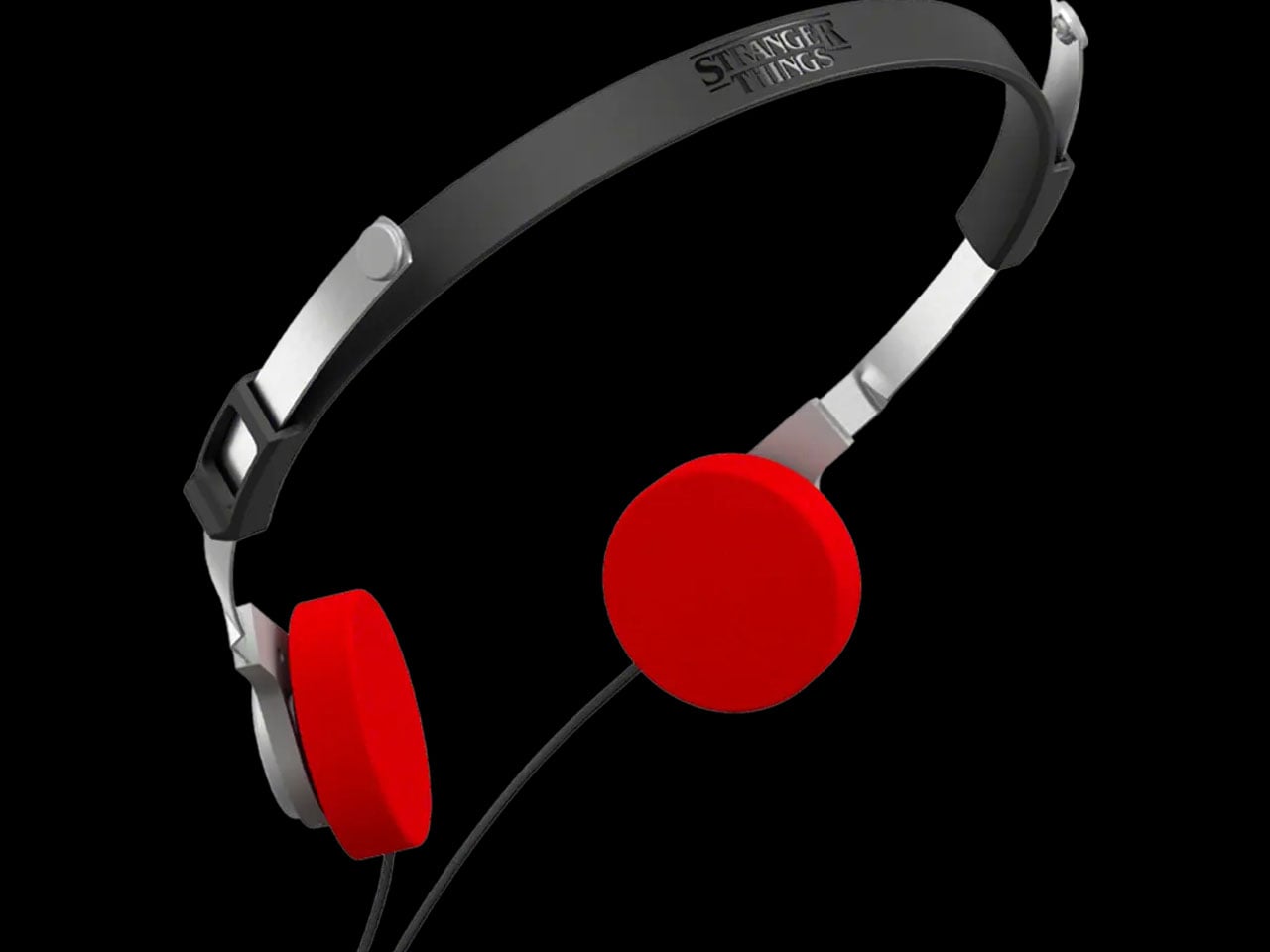
Along with the OG classic version, the earphones also come in a Stranger Things Edition that has a black headband and the themed red and black foam pads to match the ones worn by Max. The standard MDR-3R over-ear earphones are priced at $59.99, while the Stranger Things Edition comes for $79.99.

The post Sony MDR-3R over-ear headphones revive nostalgia of the Walkman era first appeared on Yanko Design.

  •  

Keychron’s $35 Keypad Turns AI Shortcuts Into Four Physical Buttons

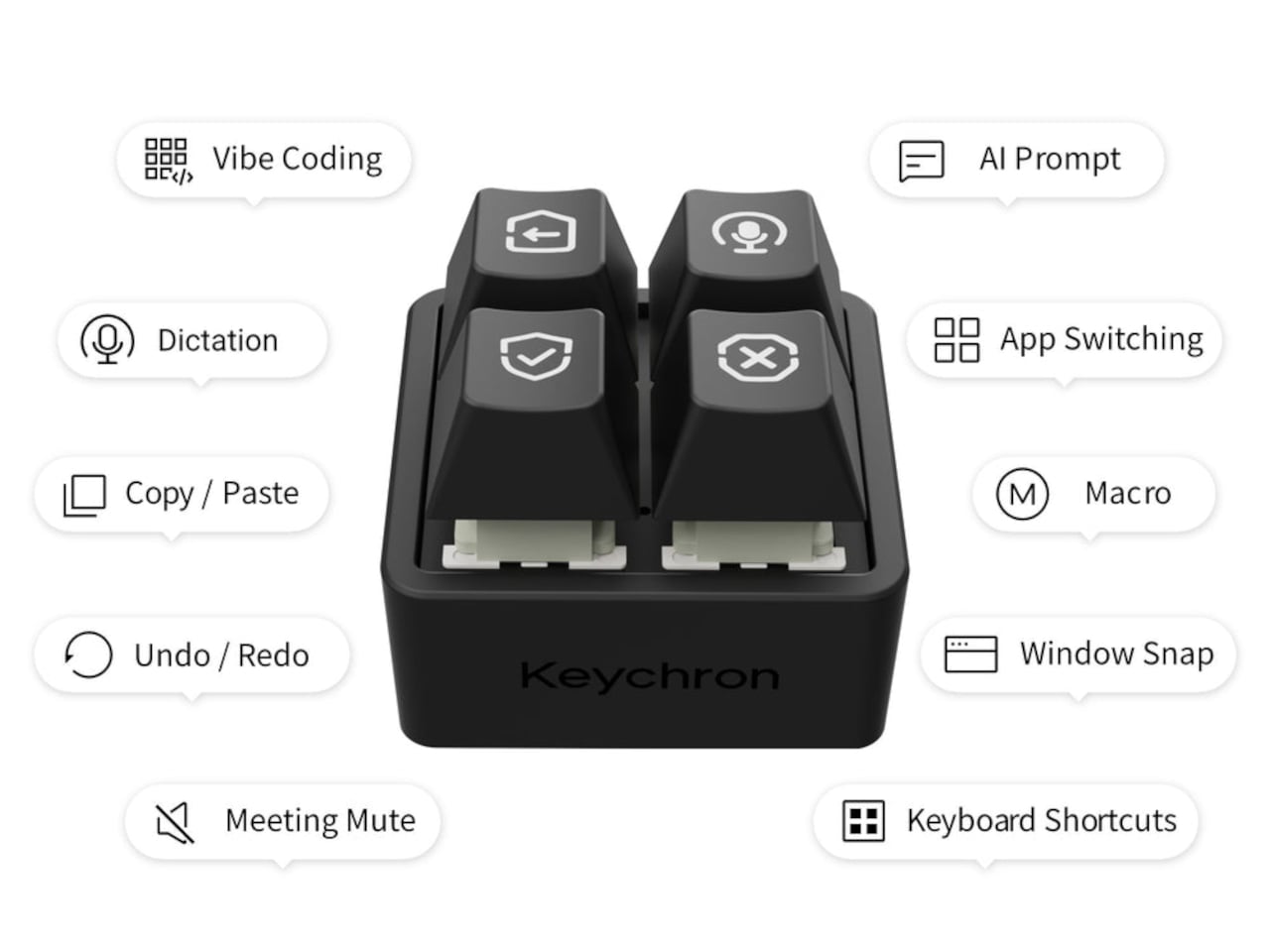
Working with an AI coding assistant can mean repeating the same handful of commands while your fingers hunt across a keyboard full of other possibilities. Keychron’s F4 HE 8K Vibe Coding Keypad gives those repeated decisions their own little patch of desk. Four programmable keys put prompting, dictation, approval, and rejection within reach, without asking you to replace the keyboard you already use.

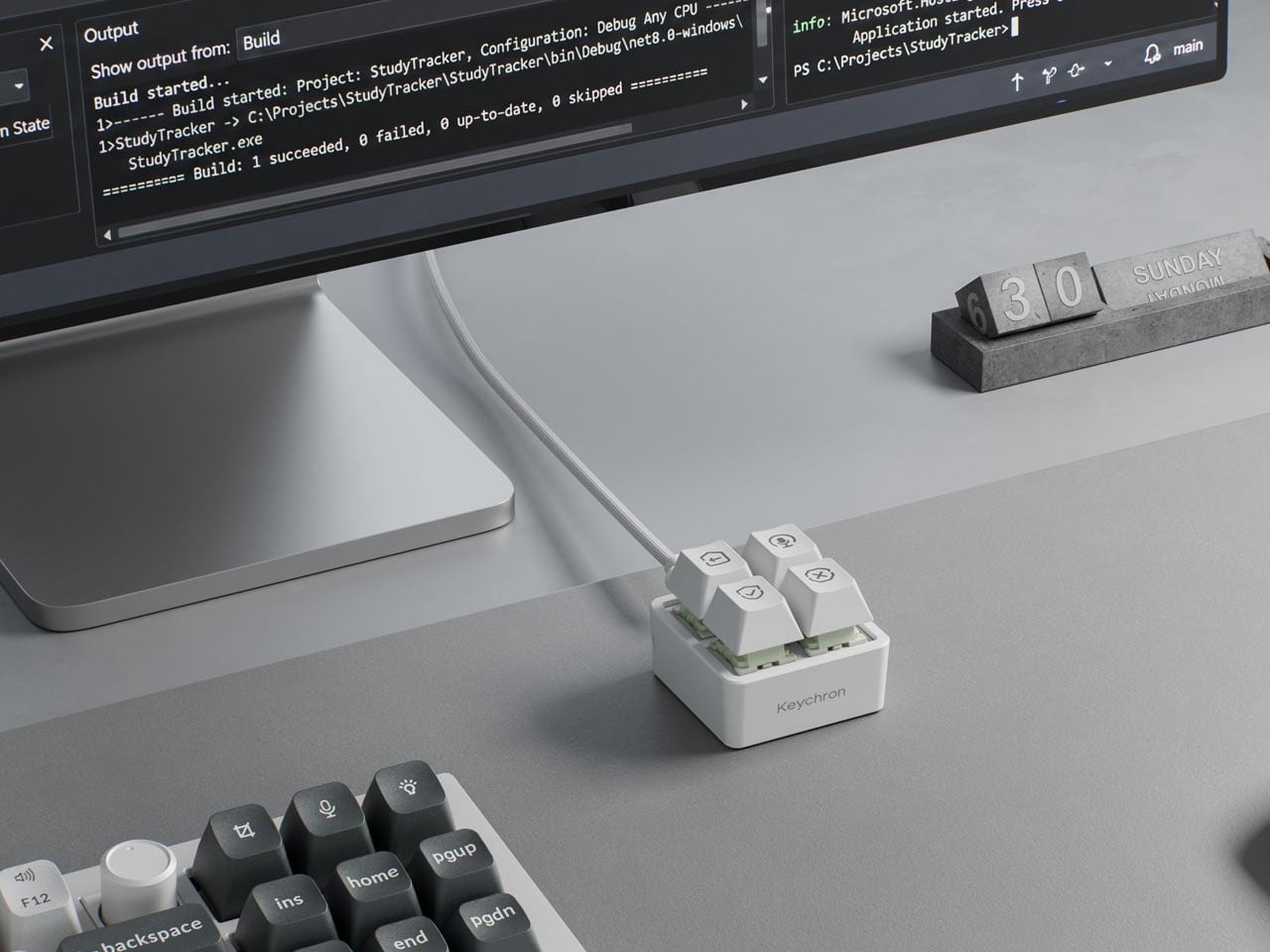
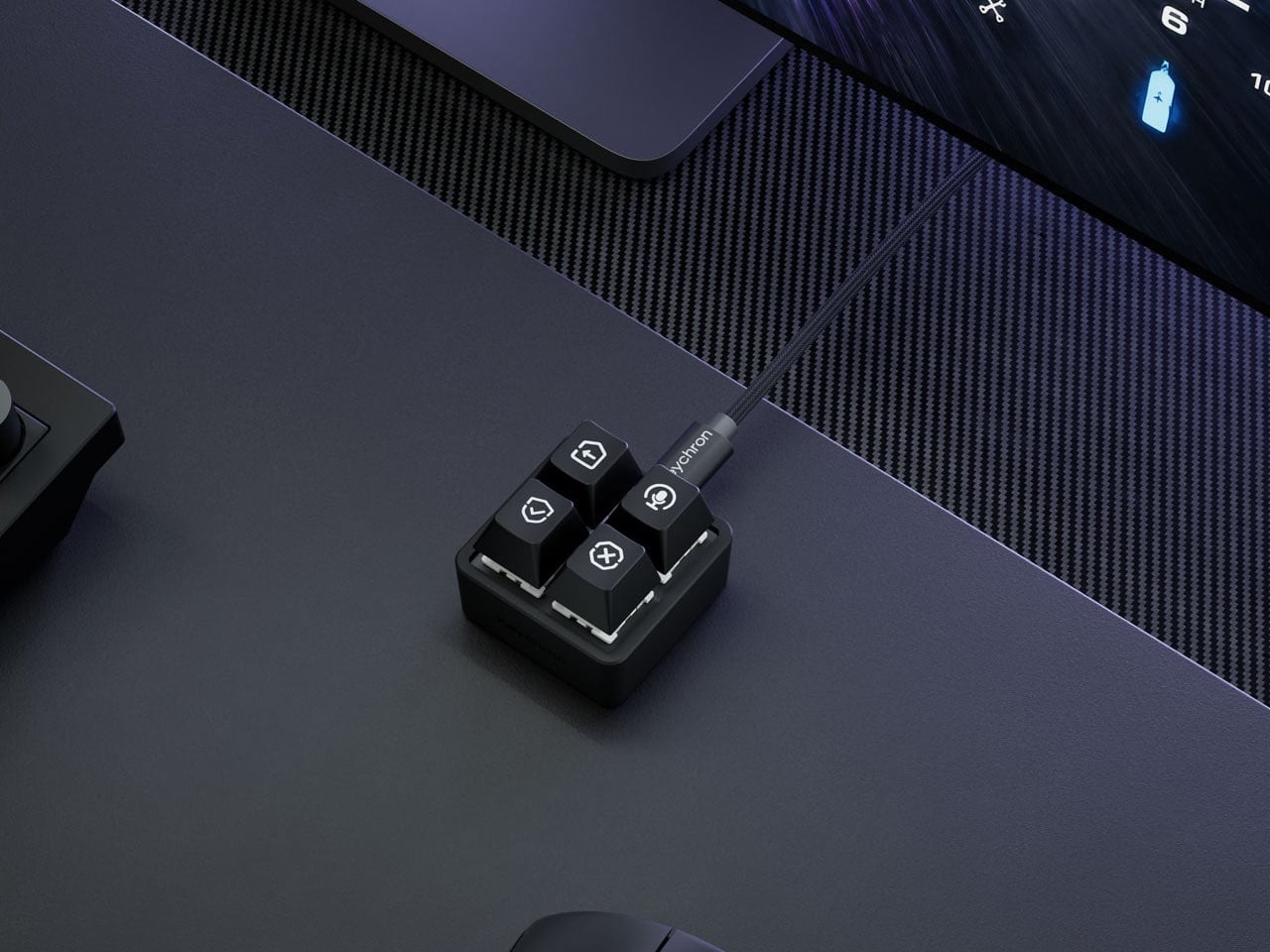
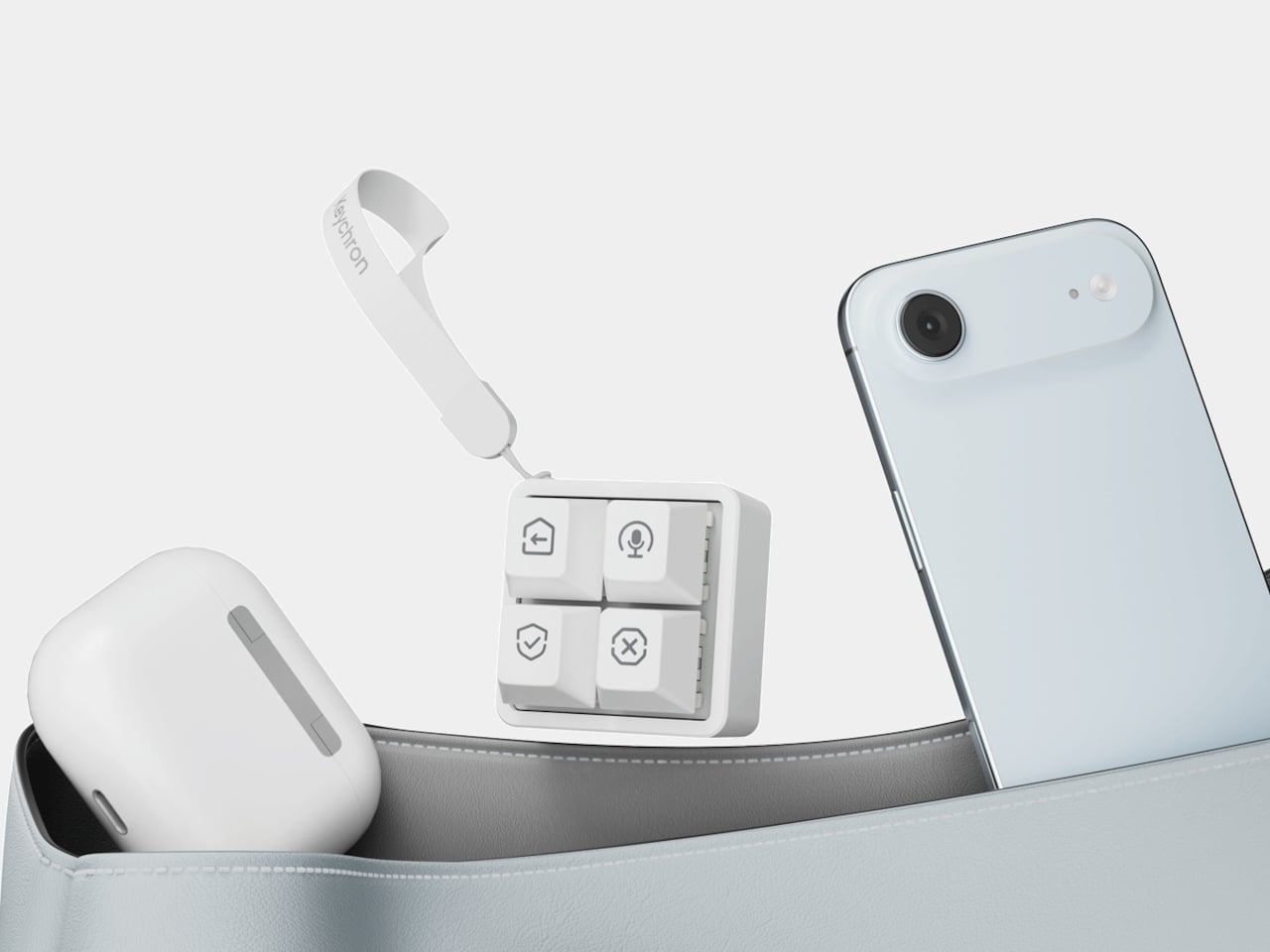
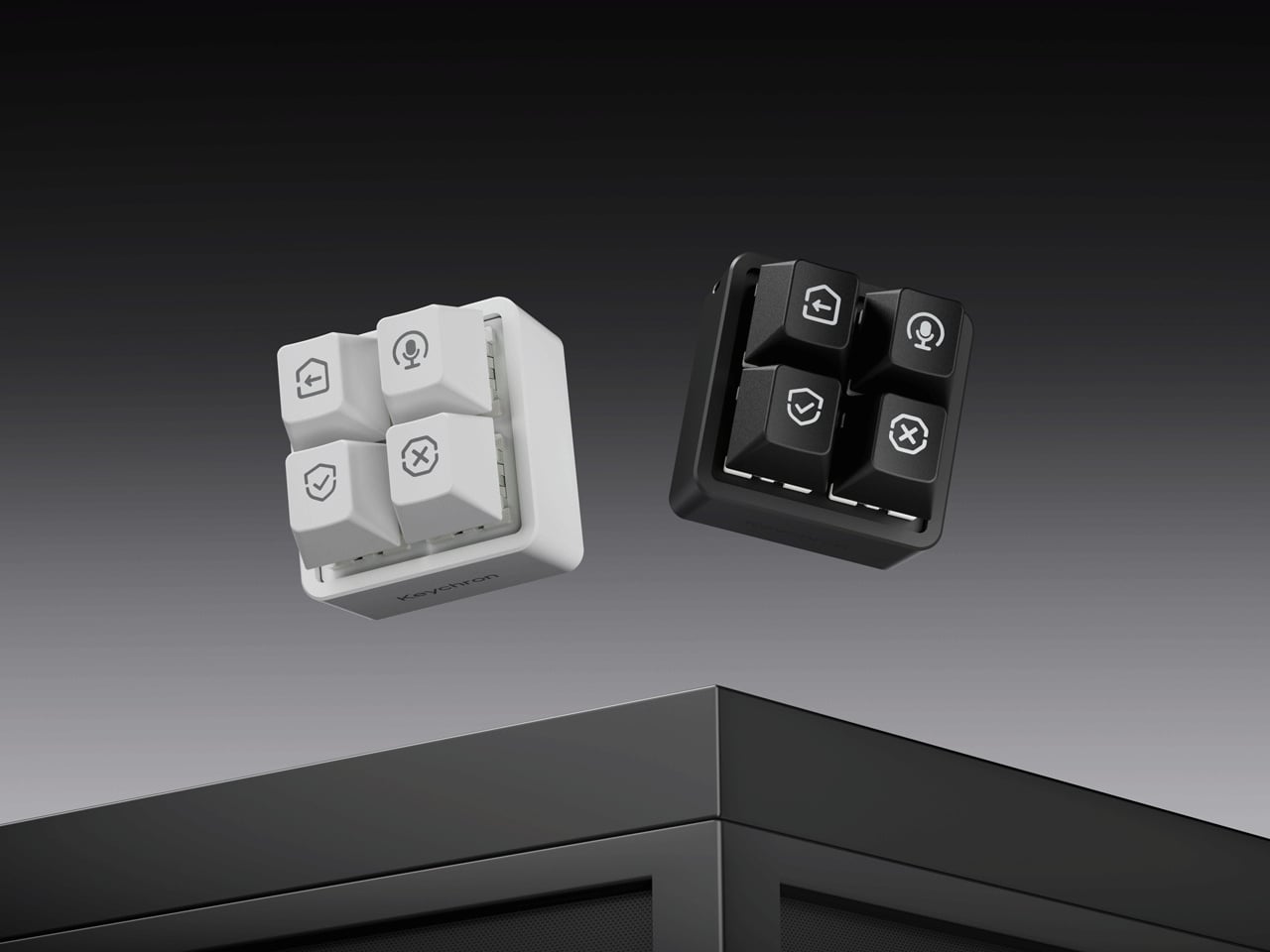
The square body measures just 1.77 inches on each side, although its tall keycaps bring the height to 1.35 inches. Available in black or white, it looks like someone neatly cut a corner from a mechanical keyboard. An ABS plastic enclosure surrounds an aluminum plate, leaving the switch housings visible beneath the caps instead of hiding them behind a broad decorative surround.

Designer: Keychron

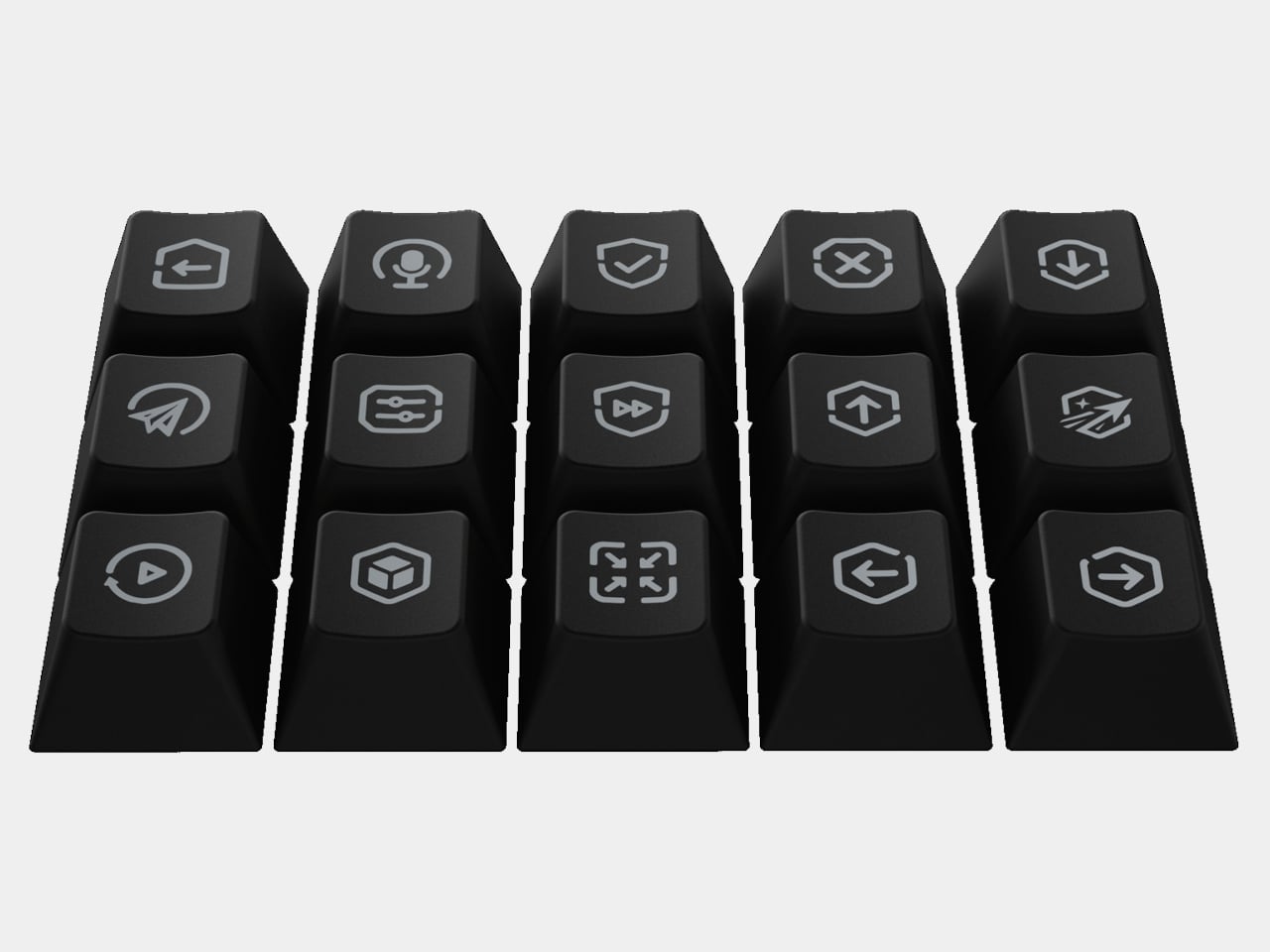
Those caps do more than supply a place to press. Keychron provides 15 icon options in dye-sublimated PBT, so a microphone, check mark, or cross can identify what you’ve assigned underneath. Per-key RGB adds another cue, letting you color an approval key green and a rejection key red. These are physical labels and configured colors, not screens that update when you switch applications.

The intended routine is familiar if you’ve spent time reviewing generated code. Start a conversation, dictate a change, then accept or reject what comes back, using mappings suited to your software. Keychron supplies Codex and Claude presets through its browser-based Launcher. The microphone icon needs particular attention, though: there’s no microphone inside this little box, so voice input still needs one elsewhere.

Launcher also handles ordinary shortcuts and recorded macros, giving the keypad something to do when you’re finished negotiating with an AI. A meeting mute button or a window-snapping shortcut might earn its place just as easily. Settings save to the device, but the relevant shortcuts still need to work on the next computer. Onboard memory carries your assignments, not the applications they control.

The magnetic switches add a less obvious kind of customization. You can choose how far a key travels before registering, making a shallow press sufficient or requiring a more deliberate movement. Dynamic Keystrokes can assign up to four actions across pressing and releasing one key. That’s extra flexibility, although remembering several hidden actions might undermine the simplicity of having four clearly labeled buttons.

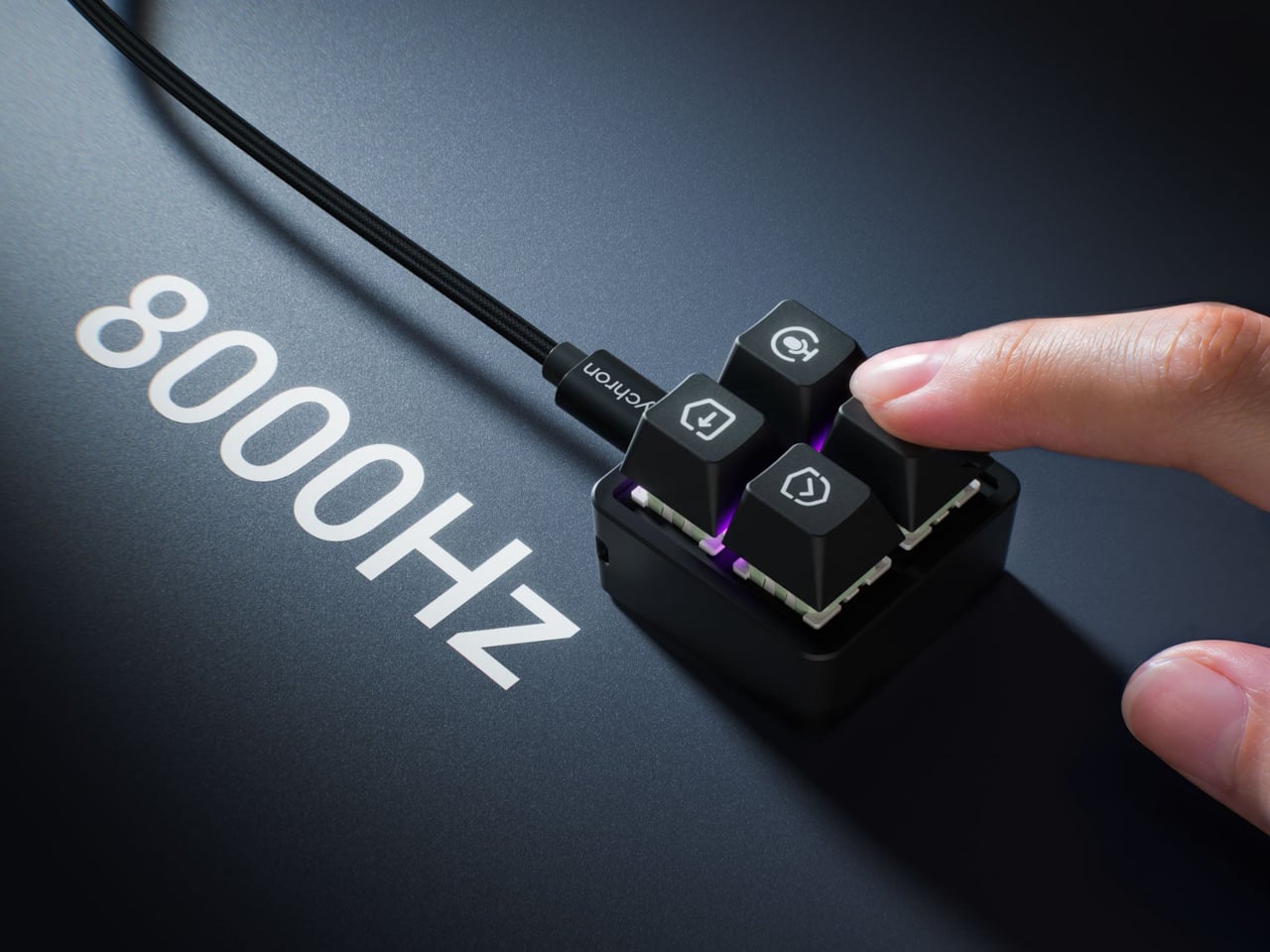
Keychron advertises 8,000 reports per second over USB-C with a suitable cable, a gaming-oriented specification rather than evidence that AI will answer faster. More immediately relevant is another wire trailing from such a small accessory. The listed box contents include the keypad, 11 extra caps, and a manual, but no cable, so you’ll need to provide that part of the setup yourself.

The F4 costs $34.99, but the featured Launcher version remains in beta ahead of its planned November 9, 2026 release. That caveat aside, the question is how often you’re repeating the same commands. Four dedicated buttons are appealing when they remove a daily nuisance, less so when they’re another thing to remember beside your perfectly functional keyboard.

The post Keychron’s $35 Keypad Turns AI Shortcuts Into Four Physical Buttons first appeared on Yanko Design.

  •  

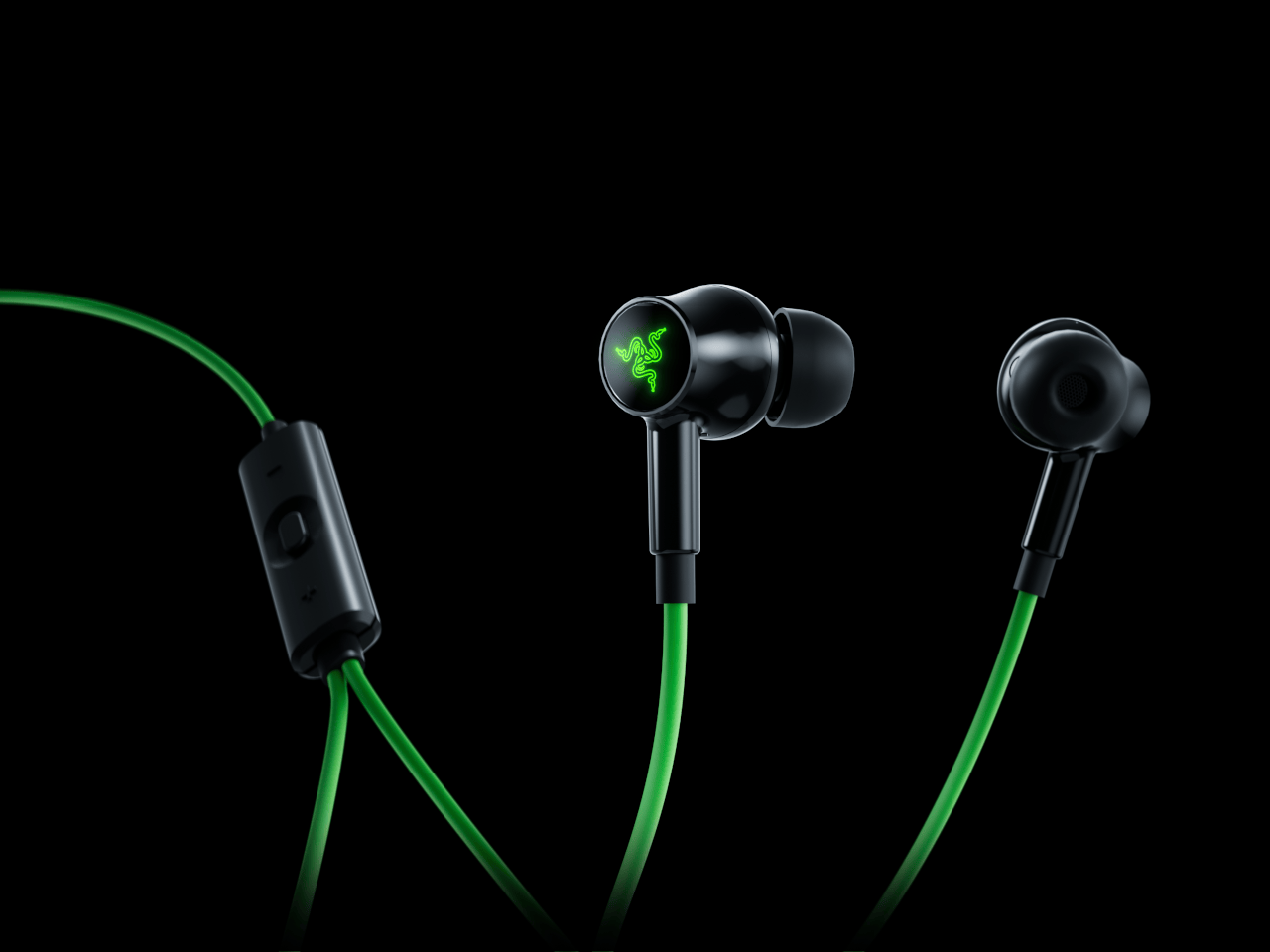
Razer’s New Hammerhead Earbuds Bring Back the Cable, Not the Headphone Jack

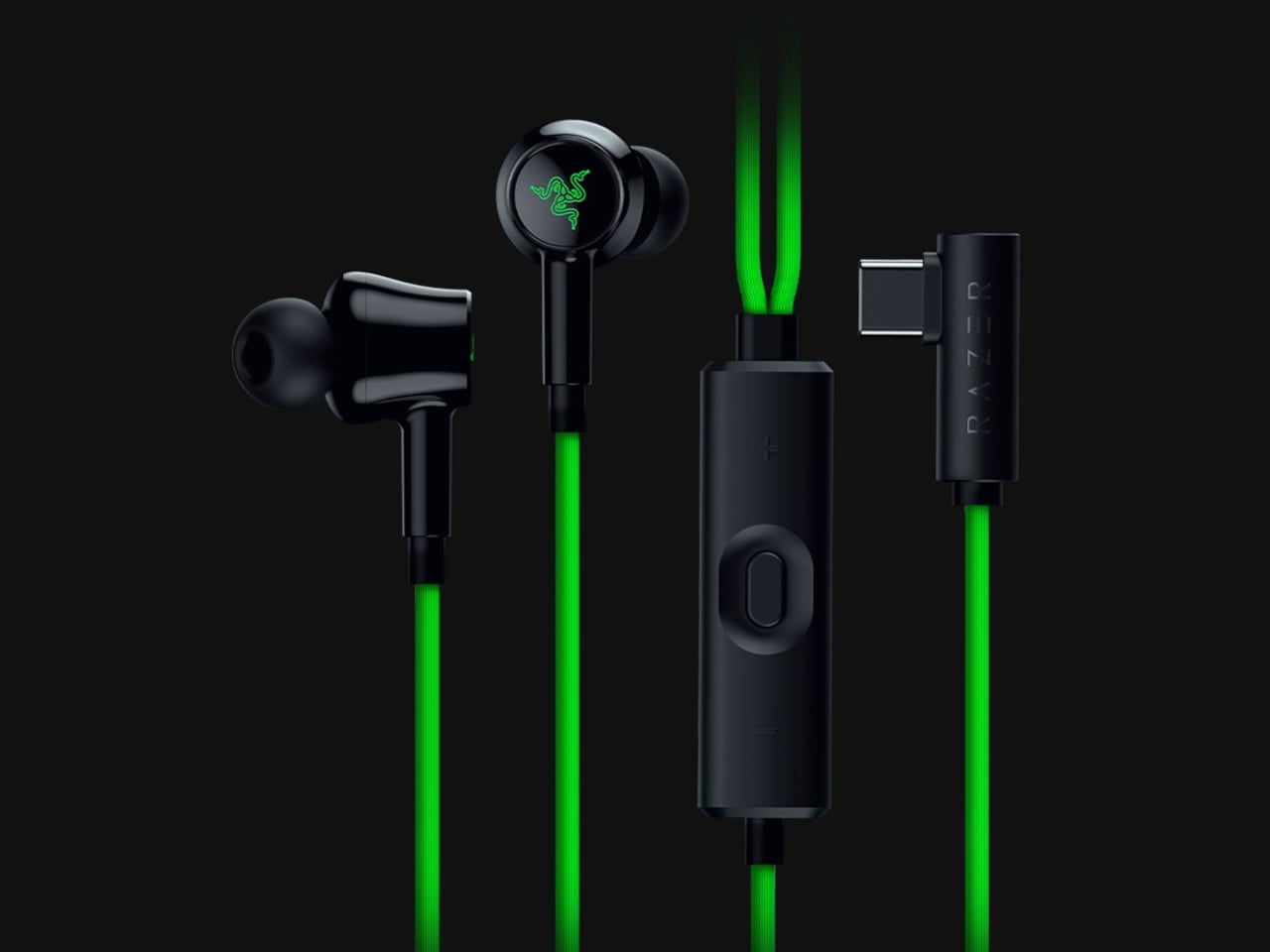
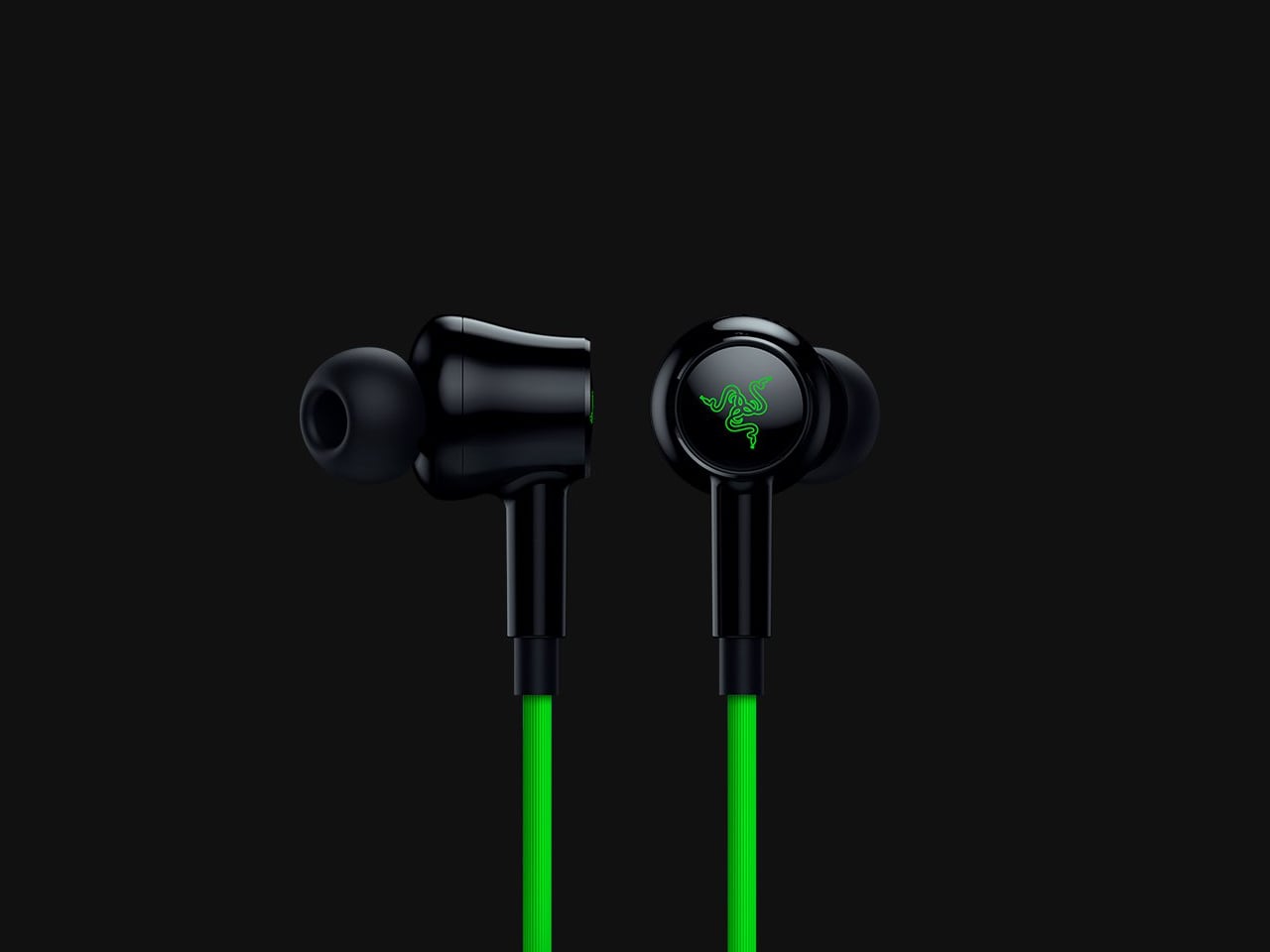
Wireless earbuds can make a short gaming break depend on whether you remembered to charge their case the night before. Razer’s Hammerhead V3 Chroma takes that worry off the list with a cable that carries audio and power through USB-C. There’s no headphone jack involved in this return to wired listening, and the angled plug has been shaped around the hands holding your phone.

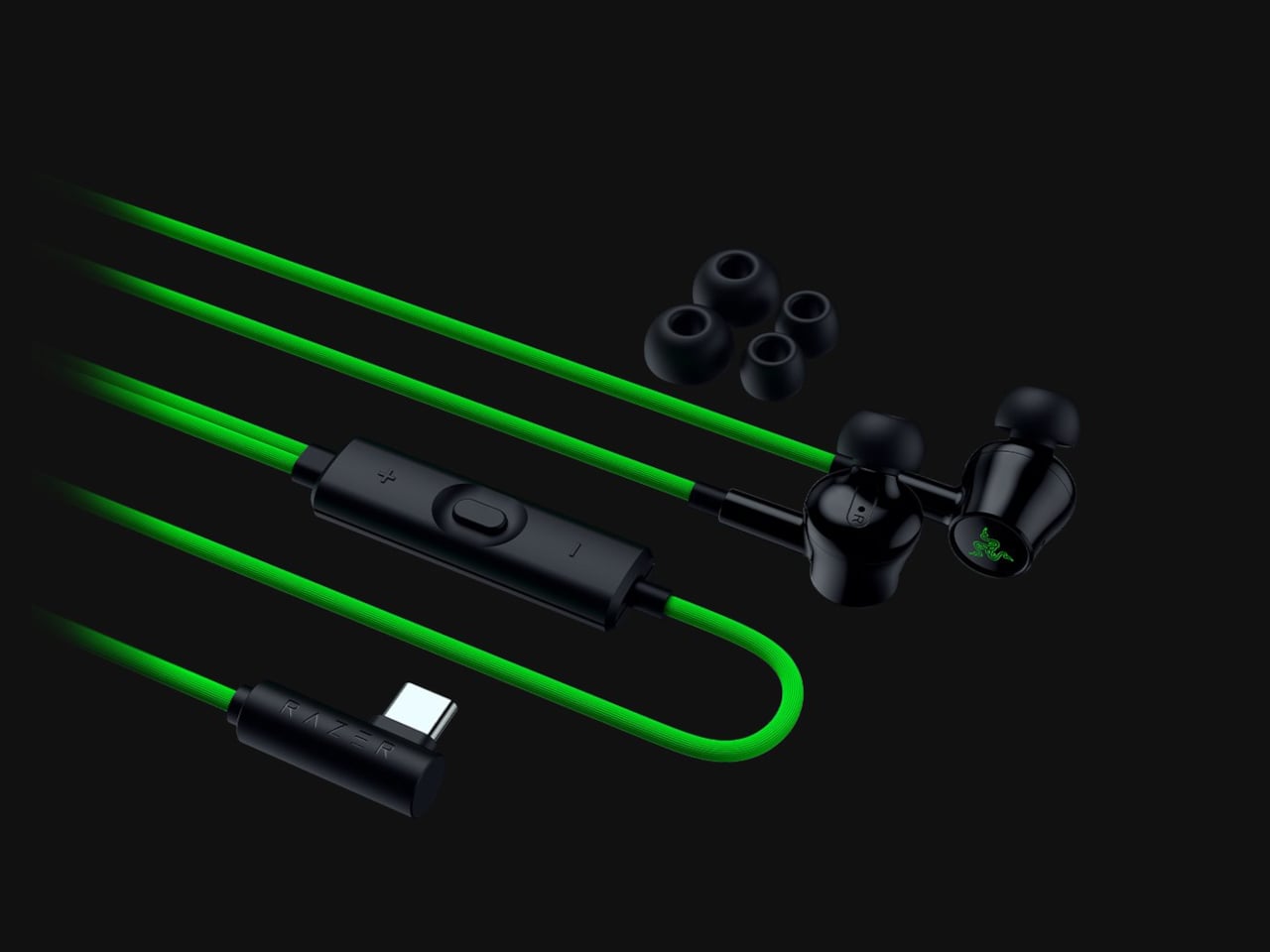
The connector has a 90-degree bend, letting the cable run alongside a compatible device rather than sticking straight into your palm. That matters when you rotate a phone for a game and wrap both hands around its ends. It’s a small adjustment to an unglamorous component, but one that addresses one immediate objection to putting a wire back into a handheld setup.

Designer: Razer

The wire also gives Razer somewhere to put controls that don’t have to share space with an ear tip. An in-line remote handles volume, playback, and active noise cancellation (ANC), with raised controls you can locate by touch rather than tapping an earbud. Its omnidirectional microphone supports calls and team chat, keeping the interactions on the cable instead of behind another phone menu.

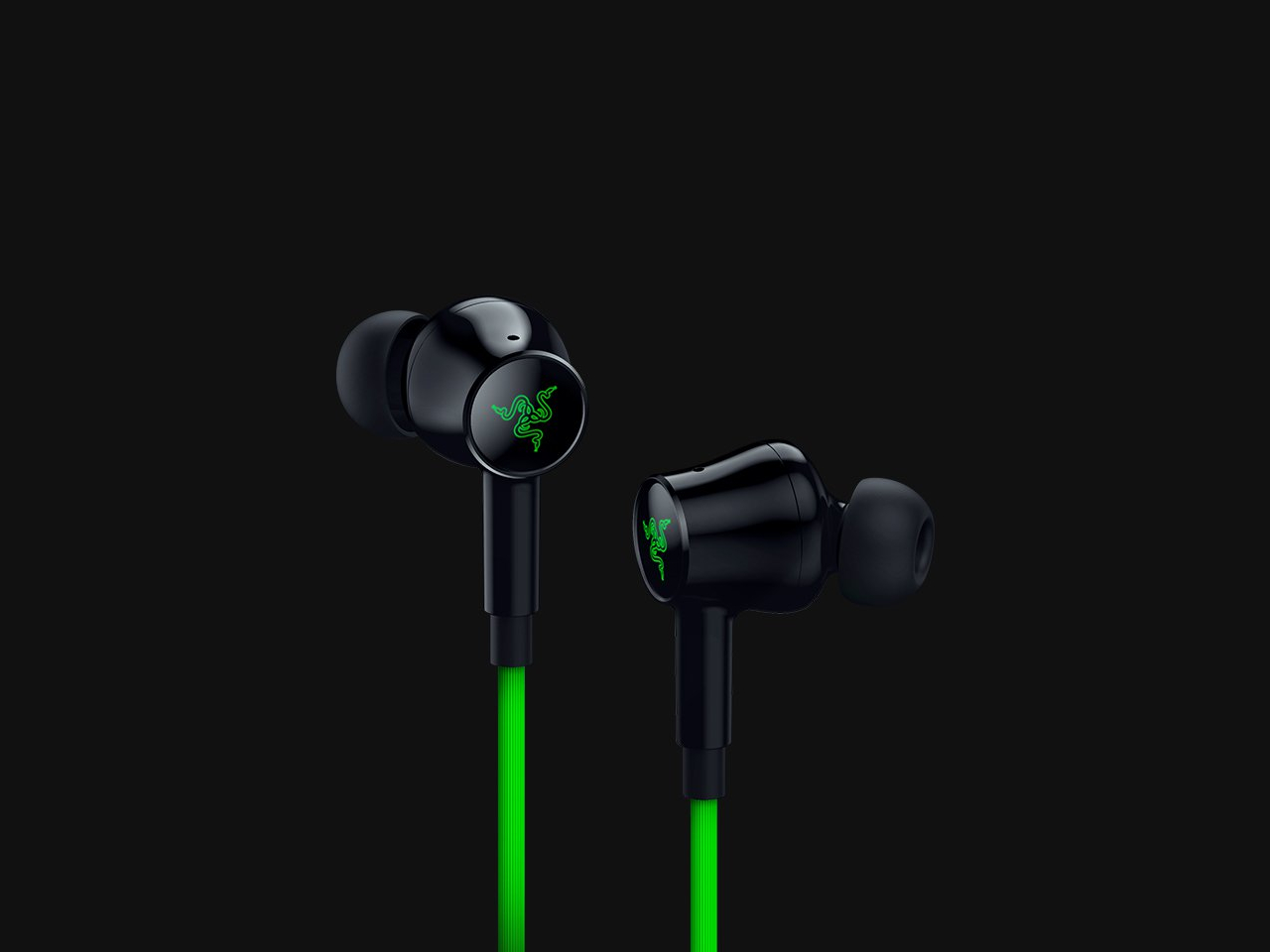
Of course, subtlety isn’t really the point of a bright green cable hanging from black earbuds. Circular outer caps carry illuminated Razer logos, with Chroma RGB offering 16.8 million color options. The glossy housings and short stems aren’t particularly dramatic by themselves, but the color makes the whole arrangement unmistakably gaming hardware, even when you’re simply listening to music on the bus.

Inside each earbud, a dynamic driver works alongside a dedicated tweeter, dividing the work between lower and higher frequencies. Razer includes feed-forward ANC, intended to reduce surrounding noise during a commute or a match in a shared room. Noise cancellation brings a familiar wireless-earbud convenience to a wired pair, although neither the driver arrangement nor the connection guarantees great sound on its own.

Four presets cover Gaming, Music, Movies, and Call, alongside a custom equalizer profile for anyone who prefers adjusting the balance themselves. Moving to a PC adds THX Surround Sound 7.1 through Razer Synapse 4. That’s a software-dependent extra, not something the earbuds automatically deliver on every phone, so the same connection doesn’t mean an identical feature set everywhere you plug them in.

The IPX4 rating allows for splashes and sweat, which makes sense for earbuds that might move from a desk to a drizzly commute. It doesn’t turn them into waterproof gear. The cable needs managing: it can catch on clothing or pull against the phone when you reach too far. A bent connector changes its direction, not the distance you’re able to move.

Launched on November 5, 2026, the Hammerhead V3 Chroma costs $79.99 in the US. The trade is straightforward: fewer batteries to remember, but a cable and an occupied USB-C port in return. If that’s your phone’s only charging connection, you’ll need another way to top it up while listening. The earbuds need no charging, but your phone doesn’t get the same night off.

The post Razer’s New Hammerhead Earbuds Bring Back the Cable, Not the Headphone Jack first appeared on Yanko Design.

  •  

The PP-2 Turntable Plays Vinyl Upside Down, Without the Fuss

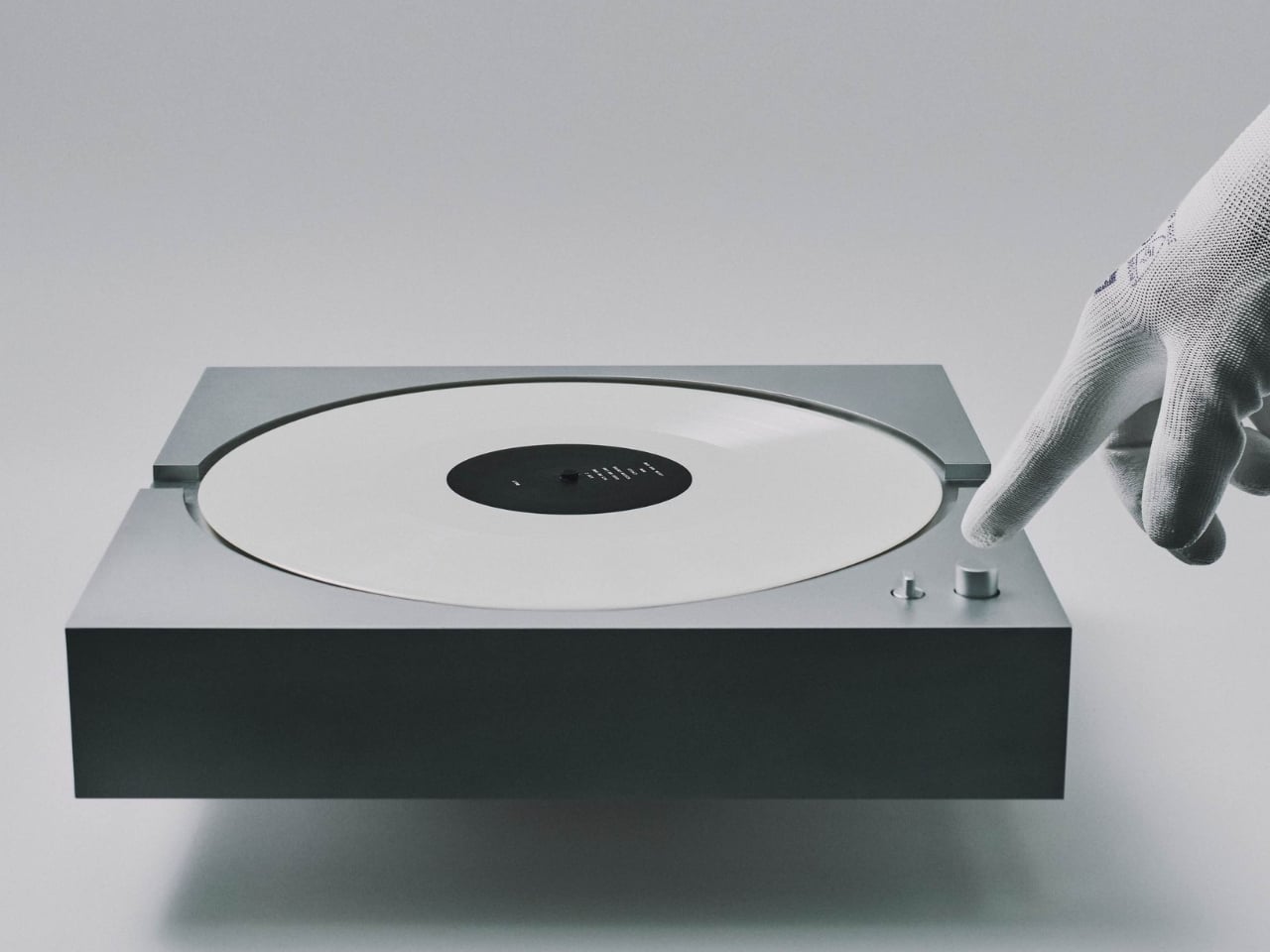
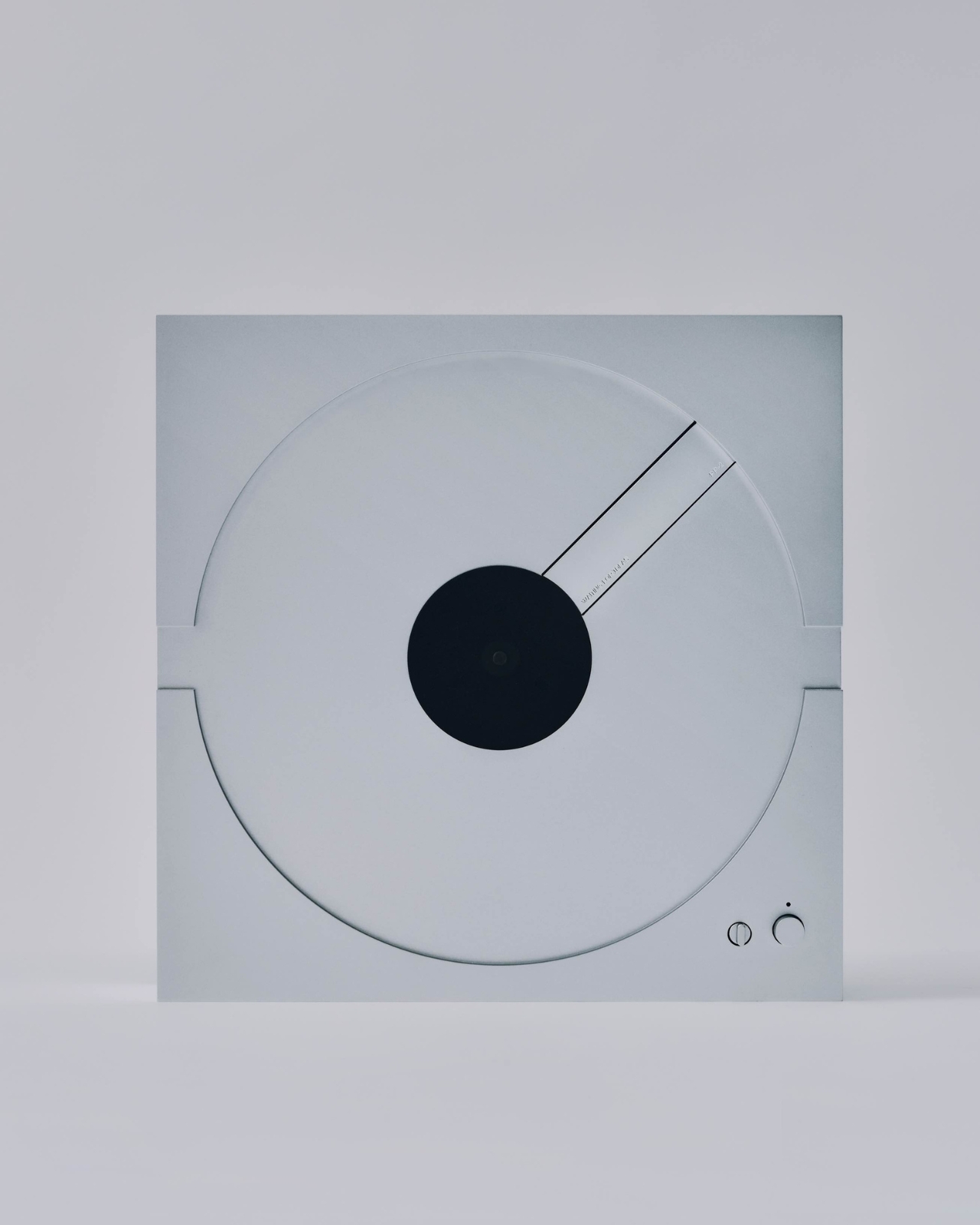
Choosing an album should be the enjoyable part of playing a record. Hovering a delicate needle over its edge can feel like an unnecessary little test, especially if you want music rather than a new equipment hobby. Waiting for Ideas addresses that friction with the PP-2, an aluminum turntable that takes tonearm adjustment out of the listener’s hands. Place the record upside down, press Play, and playback happens underneath.

The Paris studio, founded by Jean-Baptiste Anotin, explored this approach with the PP-1, which we covered in March 2025. That earlier model hid its needle below the record and made an unusually convincing case for simplifying vinyl playback. The PP-2 continues that idea with an optical pickup system. It’s currently listed for preorder, so this is a product to plan around rather than expect immediately.

Designer: Waiting for Ideas
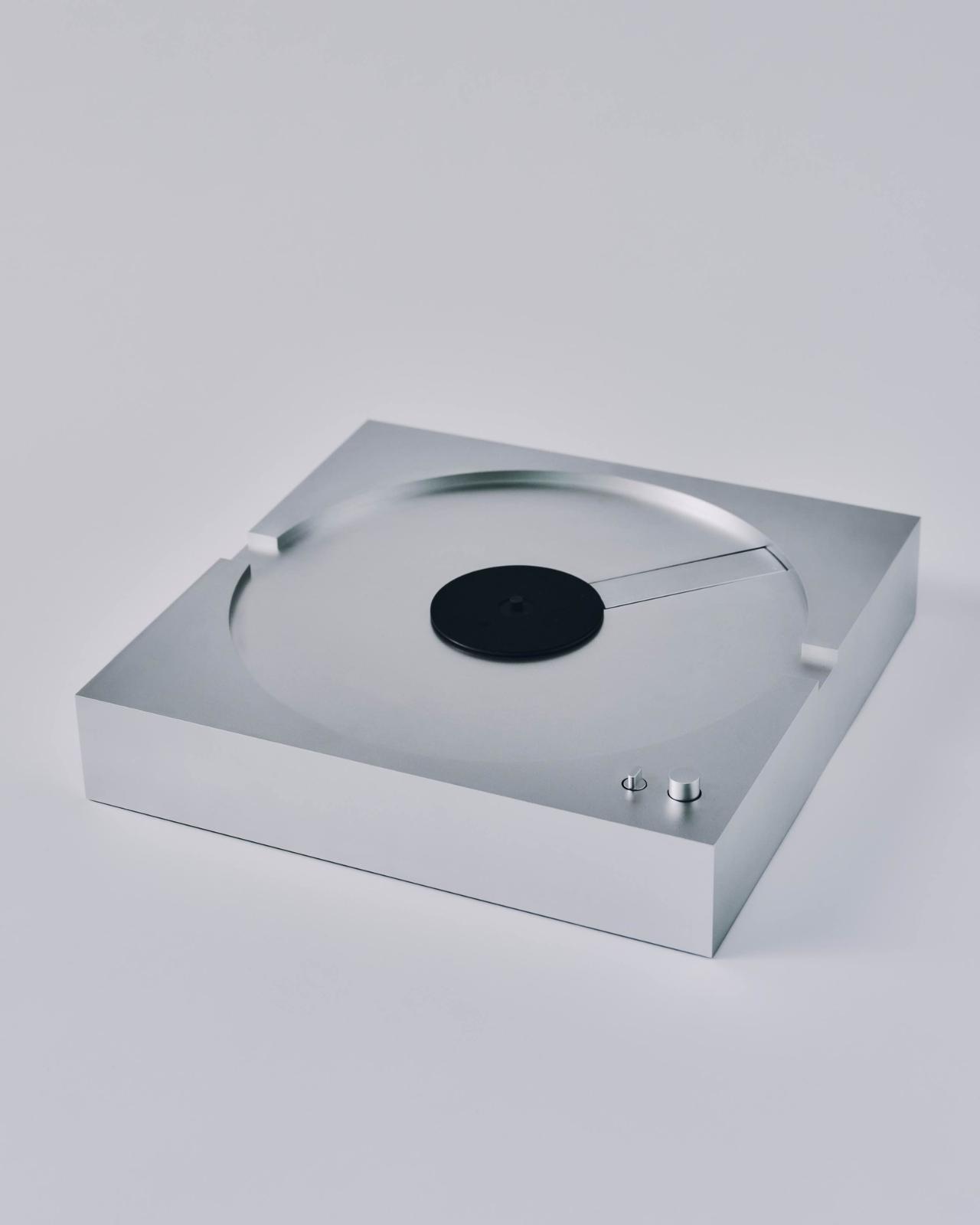
I like the premise because the ritual of vinyl doesn’t have to include every mechanical responsibility associated with it. Choosing a sleeve, pulling out a record, and committing to an album side already give the experience its character. For my money, operating the equipment shouldn’t become a separate qualification. The PP-2’s appeal starts with that distinction, well before any discussion of audio fidelity.

Its body is CNC-machined from a solid block of aluminum and anodized, with a footprint roughly 13.8 inches square and a height just under 3 inches. Those proportions give it a compact, architectural presence on paper, closer to a deliberately placed object than a sprawling component. The square format also feels appropriate: a record is already visually busy enough without the surrounding hardware competing for attention.

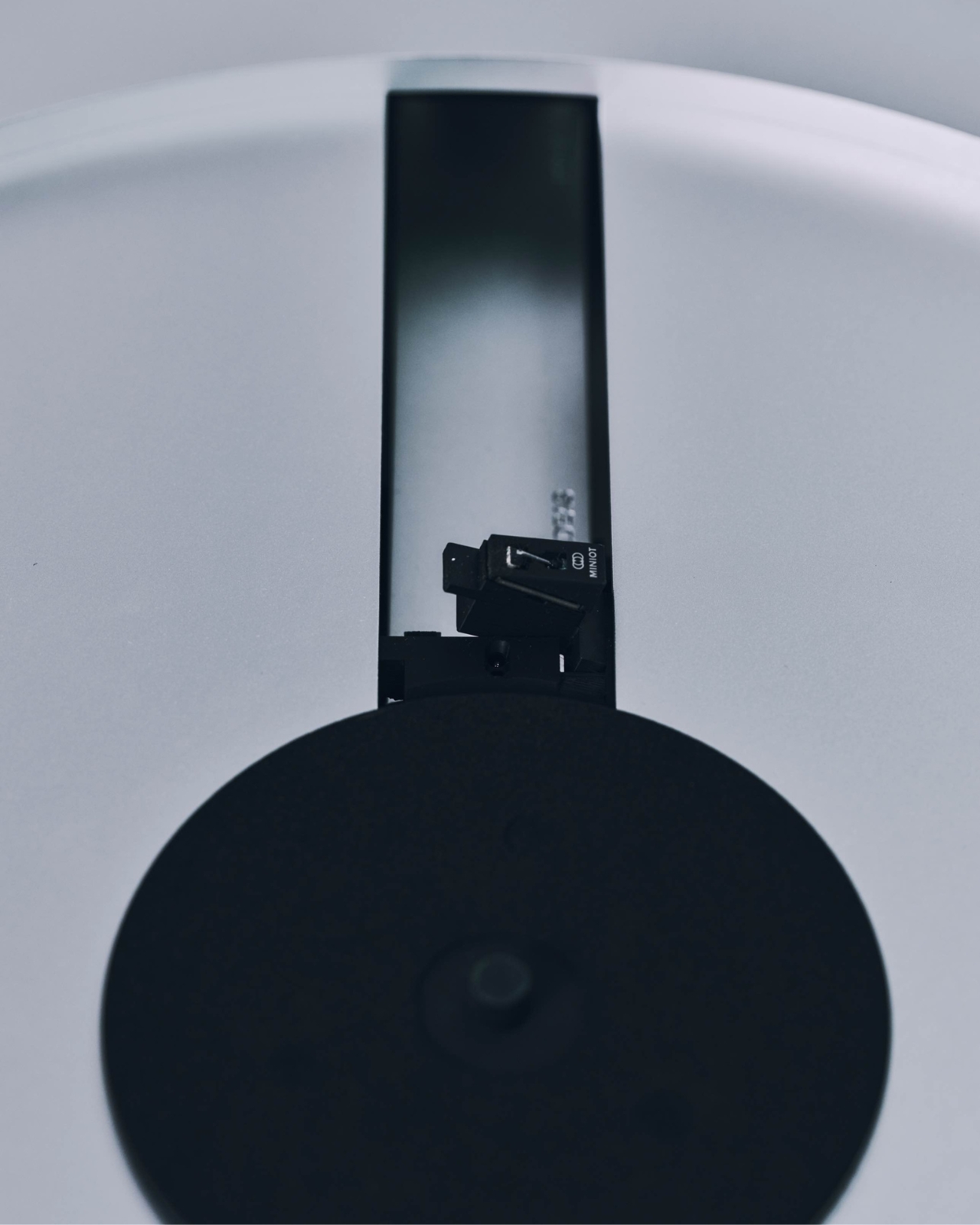
The optical system deserves a careful explanation, because “reading vinyl with light” can suggest the wrong thing. A physical stylus still follows the groove. Light measures that stylus’s movement instead of the magnets and coils used in conventional magnetic cartridges. Waiting for Ideas credits Miniot technology, whose optical pickup approach preserves an analog signal path. This isn’t a contactless laser player, despite how futuristic the description might sound.
Waiting for Ideas says removing magnets from the moving stylus assembly reduces its mass, allowing more faithful tracking and finer detail. Those are appealing promises, but I’d want independent measurements and listening tests before treating them as reasons to upgrade. The clearer design achievement is easier to understand: the system keeps the delicate business of following a groove largely outside the user’s daily routine.

The motor gets a corresponding update. PP-2 uses an axial-flux direct-drive motor with optical speed control, which the studio says adjusts rotation 1,000 times per second. It supports 33 and 45 rpm records. The useful goal here is consistency, not a correction count worth showing off to guests. I’m more interested in what that engineering lets the owner stop worrying about than how impressive it sounds in a specification list.

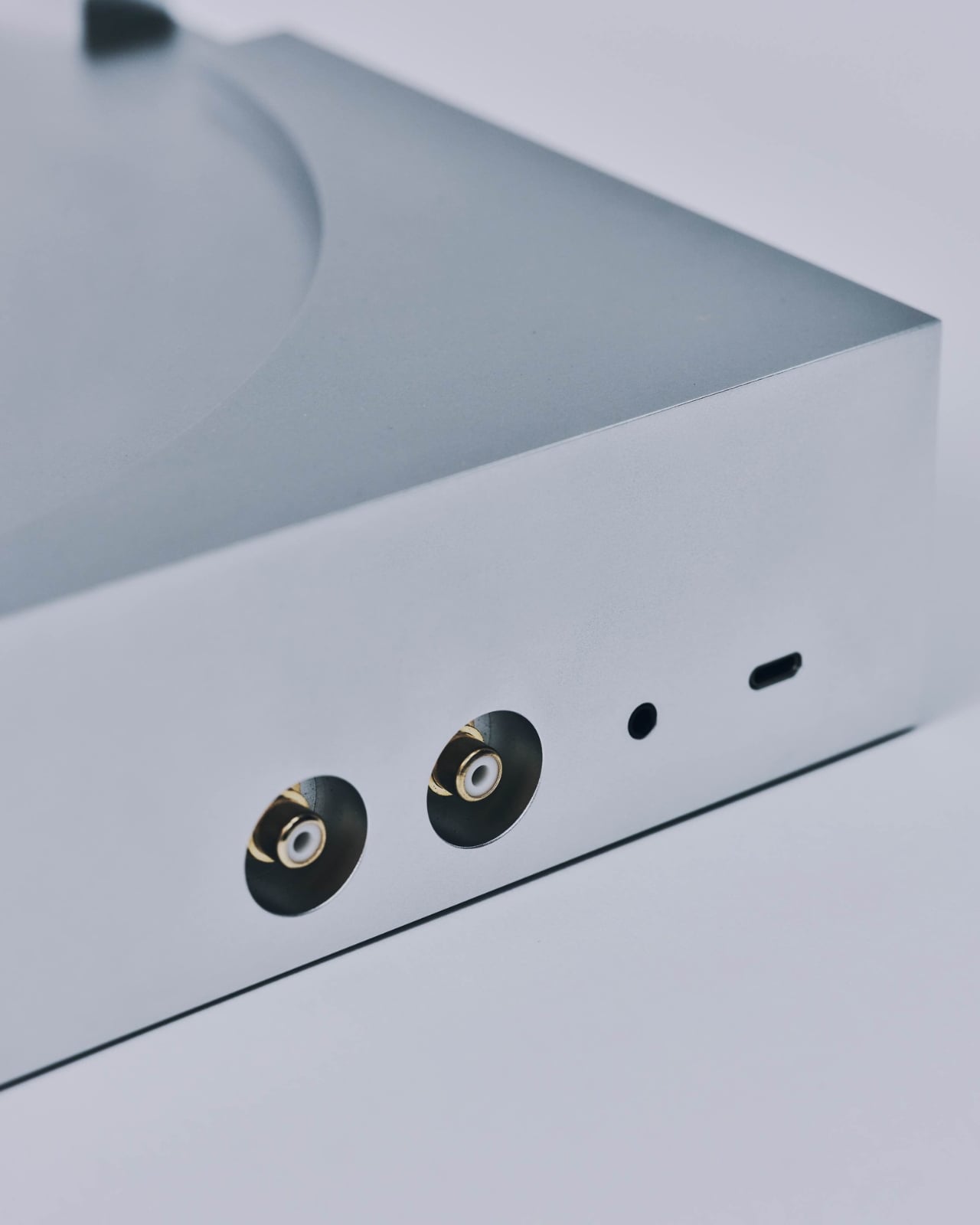
A built-in preamplifier, RCA connections, a 3.5mm output, and USB-C power complete the practical picture. Including the preamp keeps another specialized component out of the shopping equation, while the wired outputs give the design familiar connections to work with. I appreciate that restraint. A visually simplified turntable loses some of its argument if assembling the rest of the system requires decoding a second equipment catalog.
The difficult number is the price. The store lists the PP-2 at €8,900 and asks buyers to allow up to eight weeks for assembly and shipping. Applicable import duties and taxes outside the European Union are additional. That makes this a luxury interpretation of convenience, not an accessible entry point for someone buying their first few records. The purchase argument needs to include a serious attachment to the object itself.

At that price, I’d also want clear answers about servicing and long-term support before ordering. Still, I can appreciate the decision to make elaborate engineering recede from everyday use. The PP-2 leaves the listener with a record to choose and a Play button to press. For someone who loves albums more than adjusting equipment, that’s a thoughtful place to focus the design.
The post The PP-2 Turntable Plays Vinyl Upside Down, Without the Fuss first appeared on Yanko Design.

  •  
❌