❌

Vue lecture

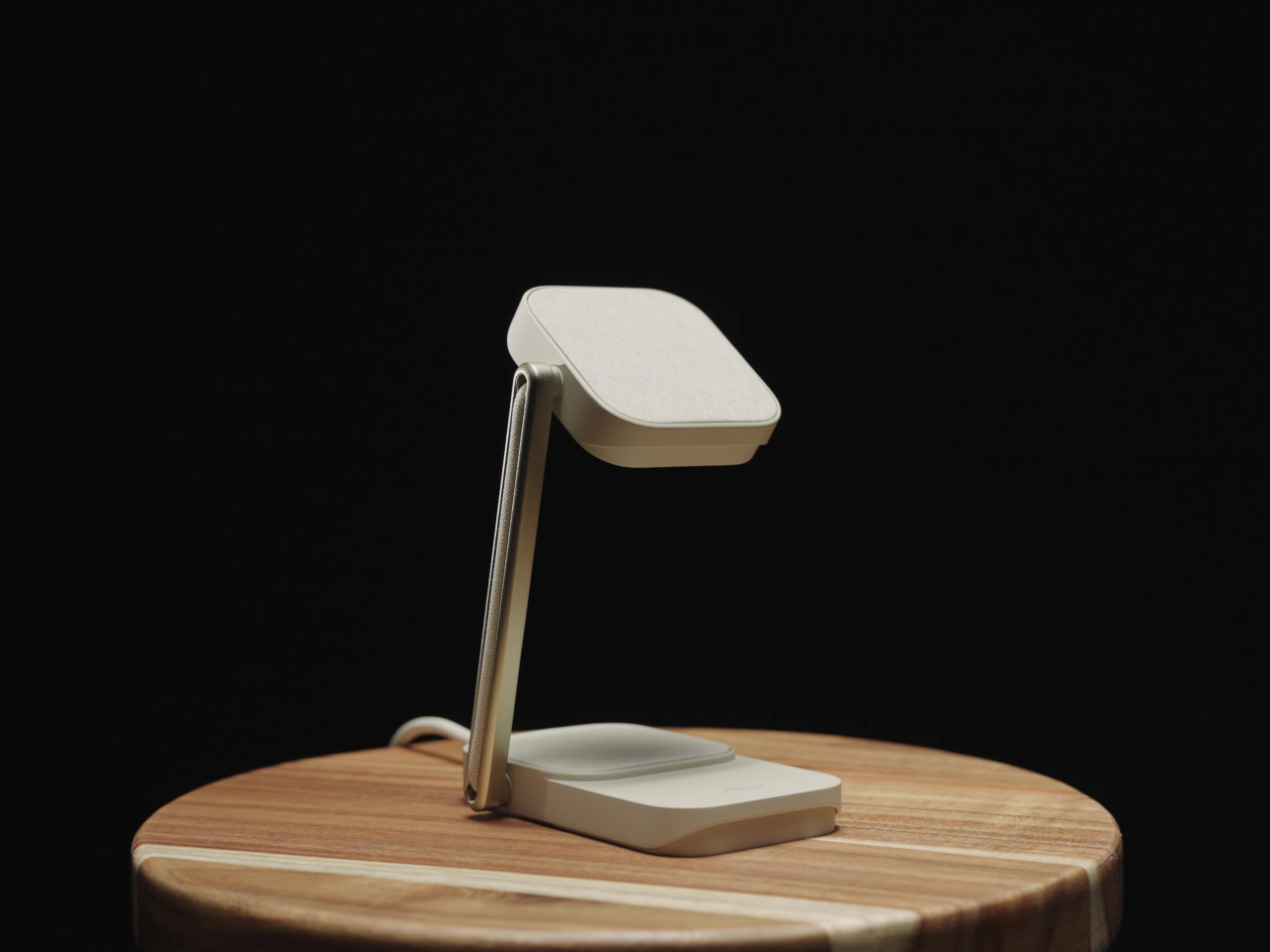
Peak Design’s Charging Station Folds Flat to Charge Two Phones

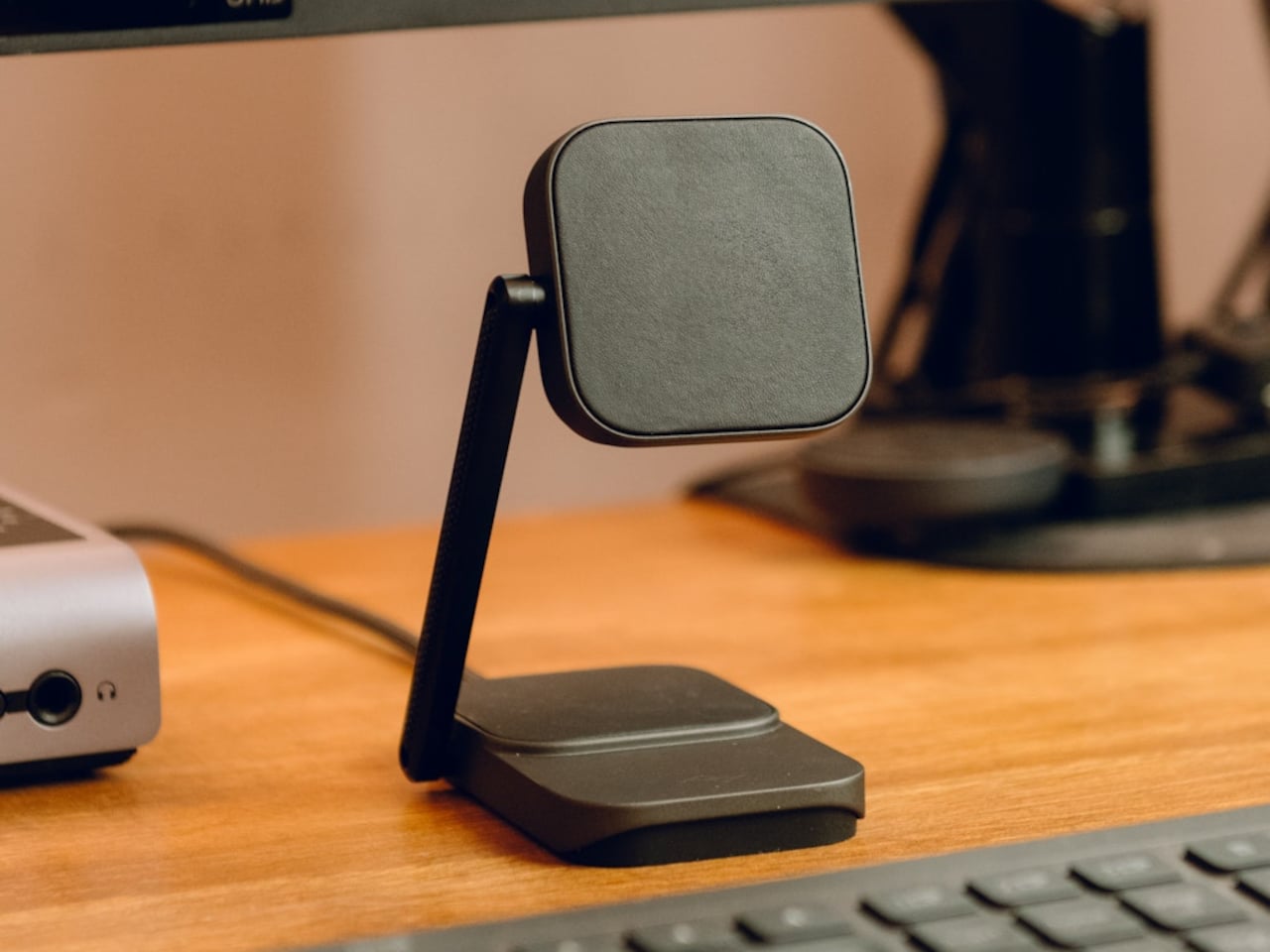
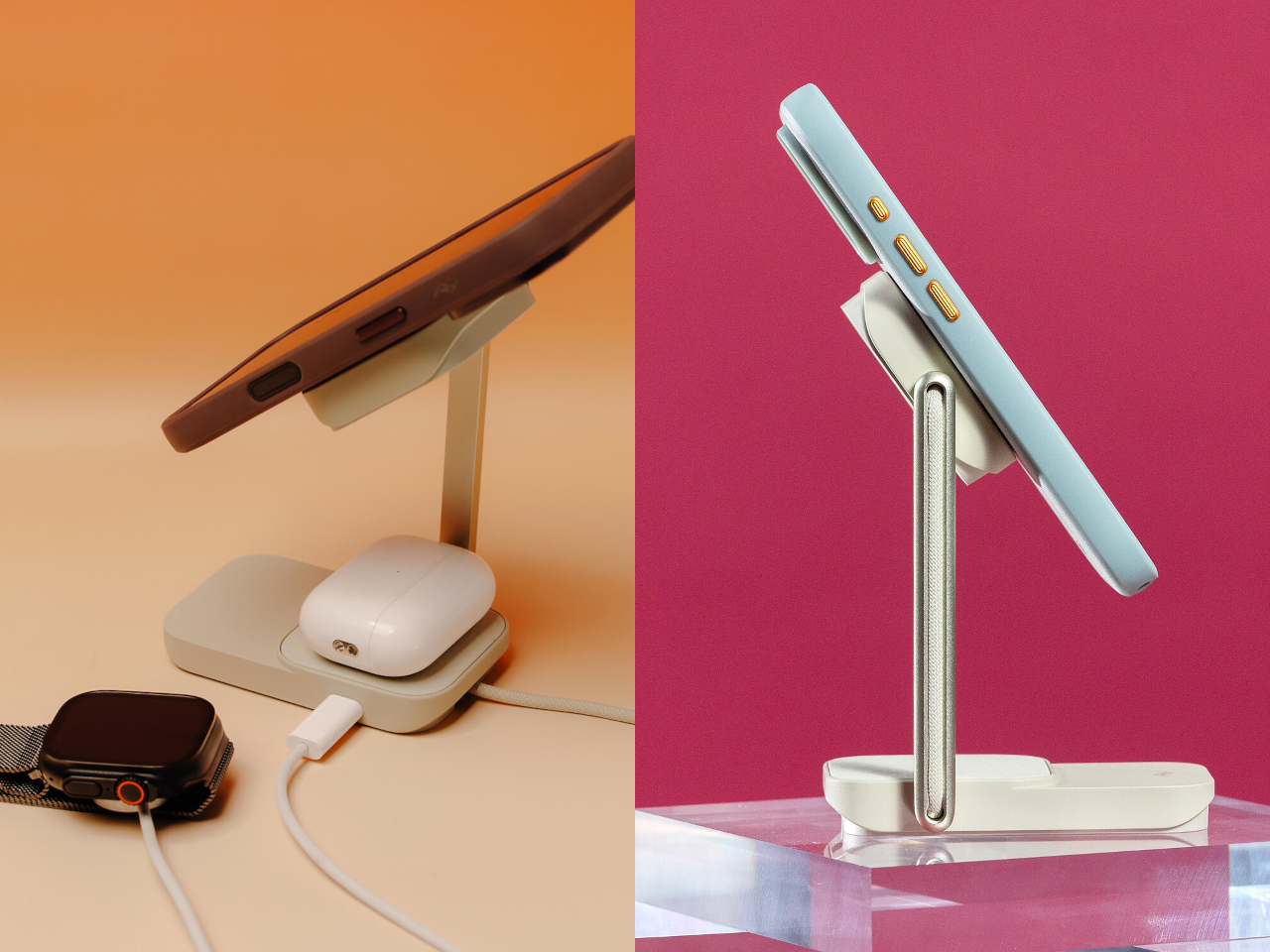
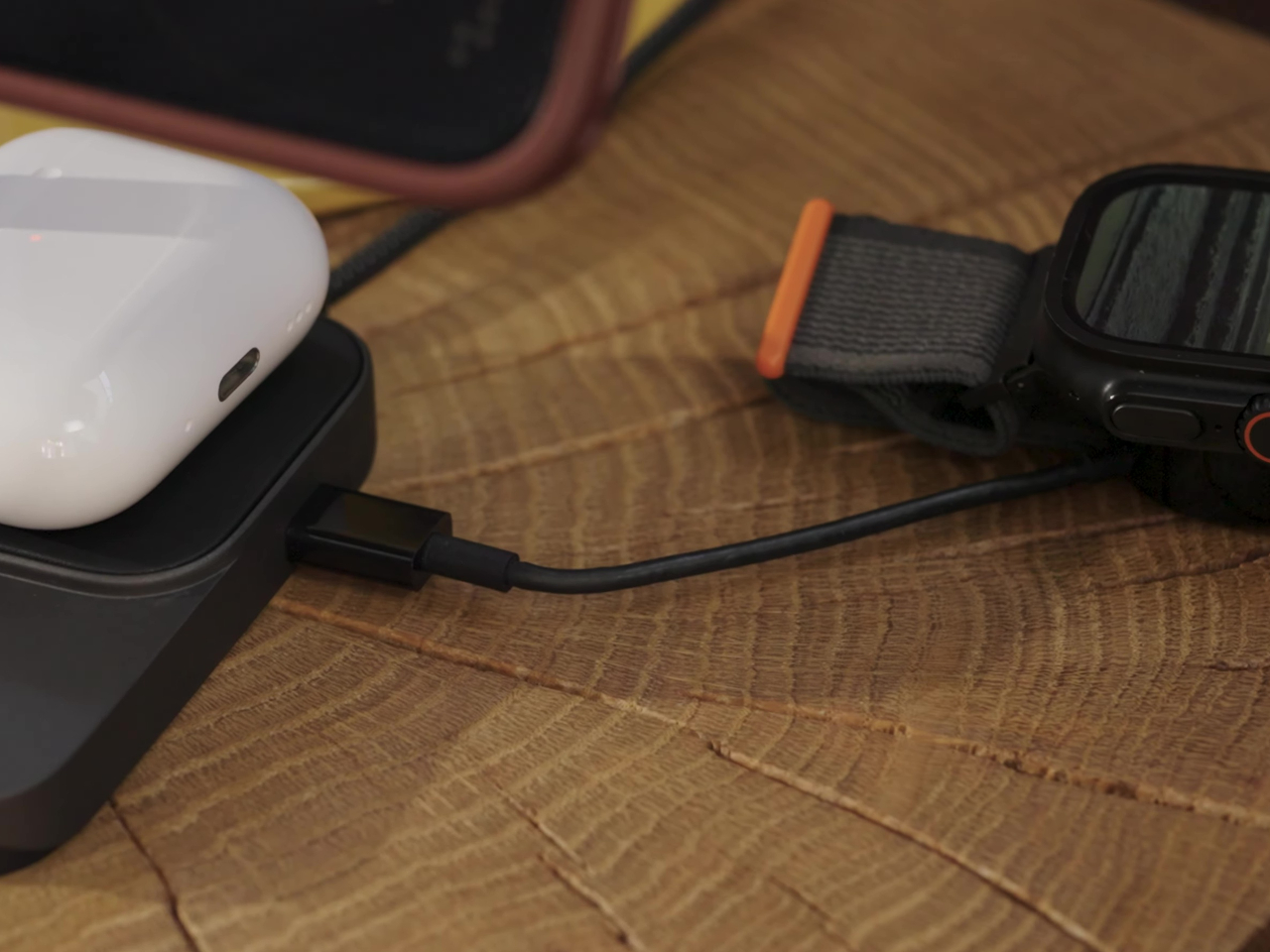
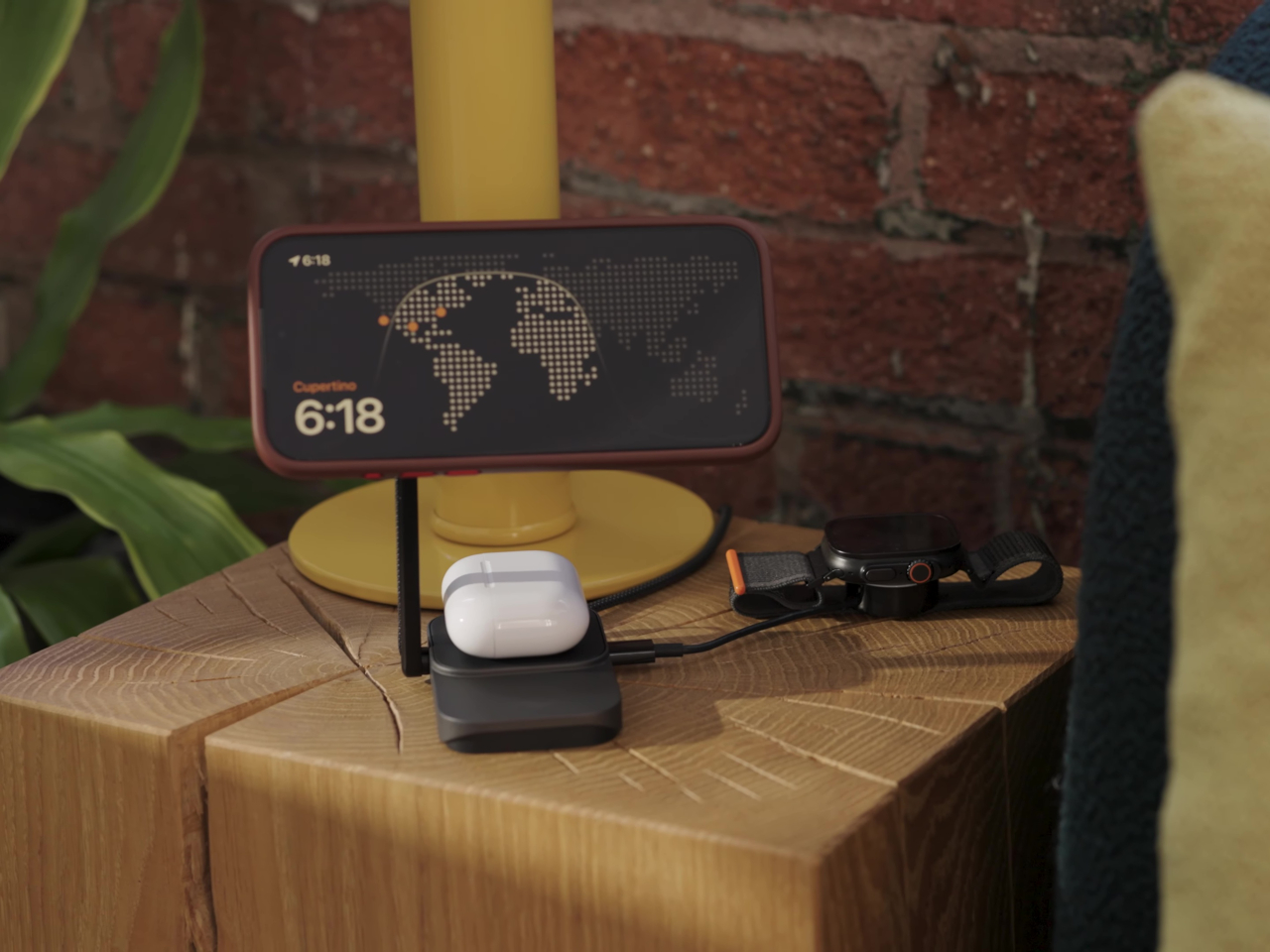
Charging a phone and a pair of earbuds is easy enough, but sharing that same stand with another phone is a different matter. Peak Design’s new Charging Station addresses that problem with two equally capable magnetic pads and a hinged arm. Stand it up beside your laptop, or lay it flat so two phones can recharge without competing for the better spot.

The shape is straightforward, with a narrow metal arm linking two rounded-square charging surfaces. Die-cast aluminum and zinc form the chassis, while the machined aluminum stem provides the moving structure. Laminated Clarino covers the pads, and a non-slip TPU foot sits underneath. Black and Moon finishes keep the color choices restrained, rather than turning your nightstand into a brightly branded electronics display.

Designer: Peak Design
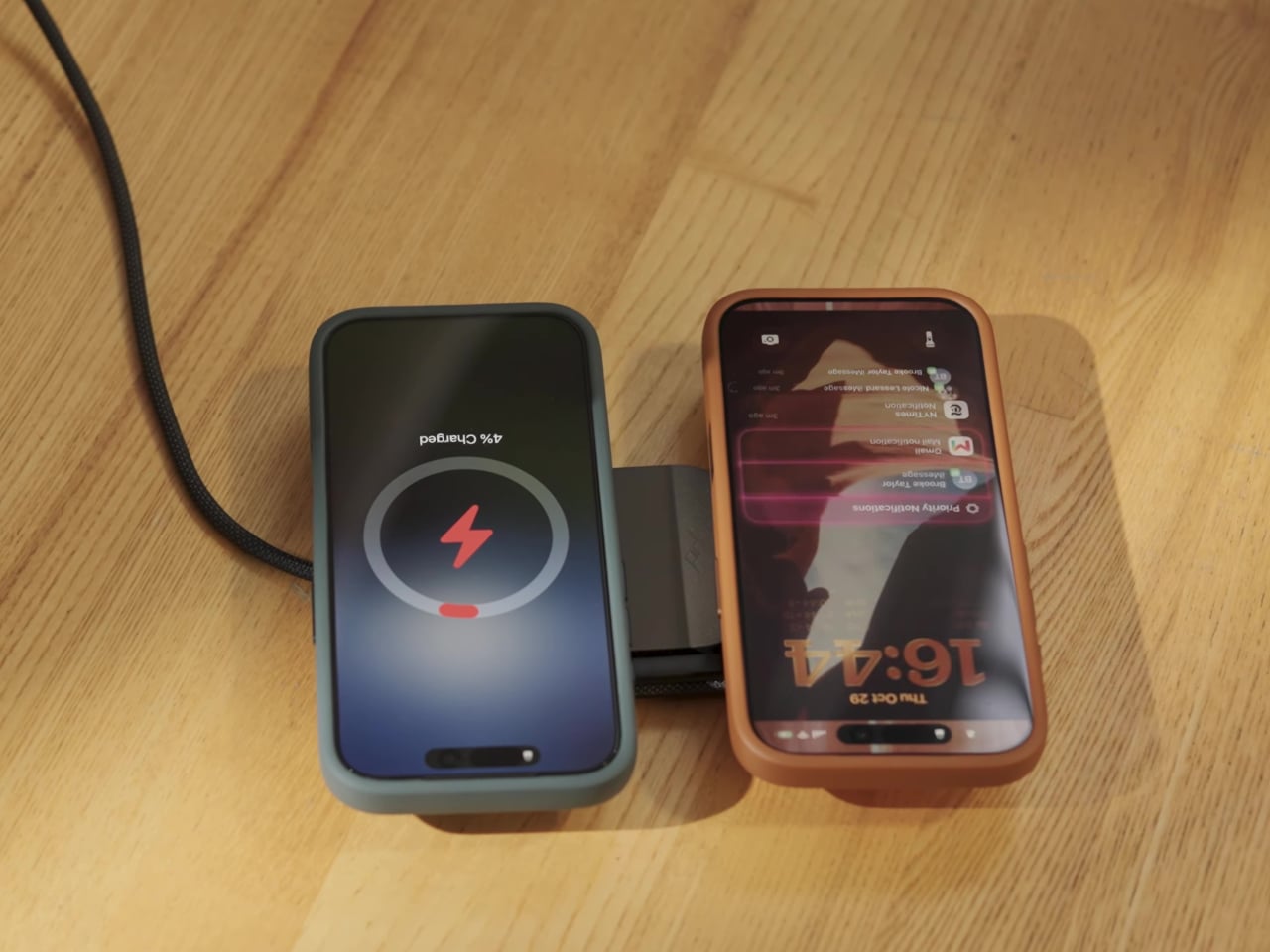
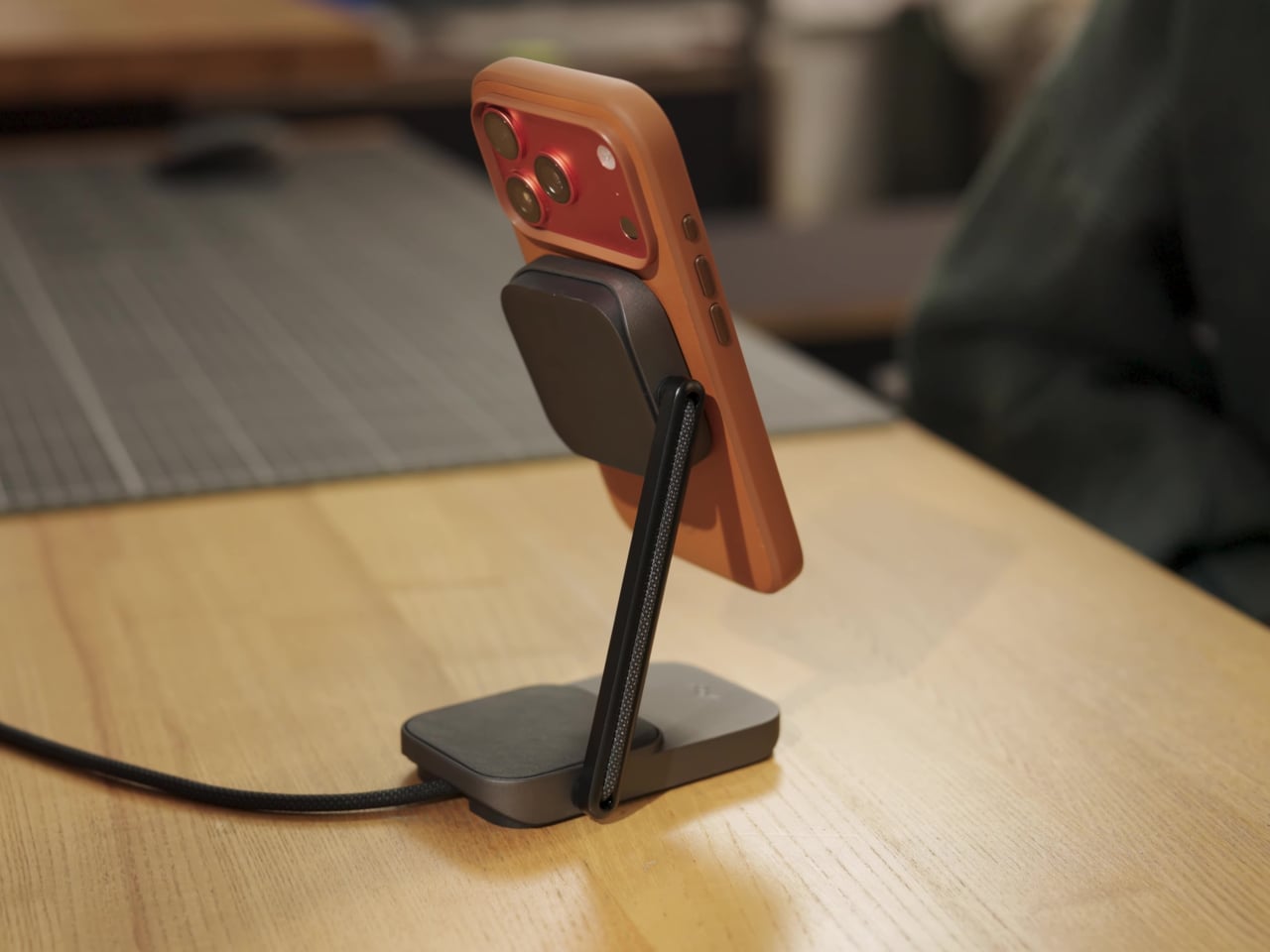
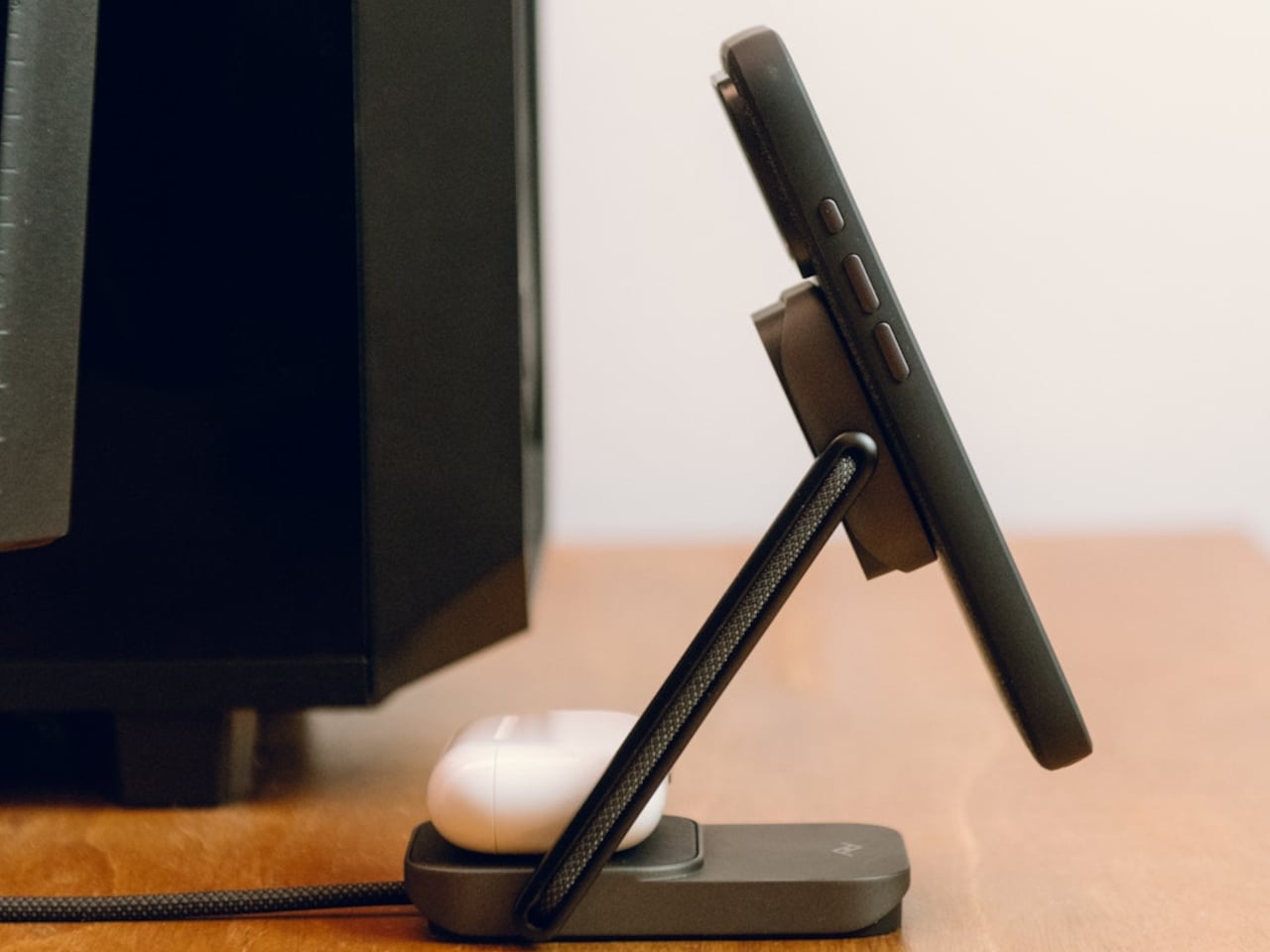
Two hinges let you adjust the arm and upper pad separately, positioning a phone for a video call or a glance at your calendar. Magnetic attachment supports portrait and landscape orientations, so changing what you’re doing doesn’t require another stand. An earbud case can sit on the lower pad while the phone stays raised, keeping both devices within the same small desktop footprint.

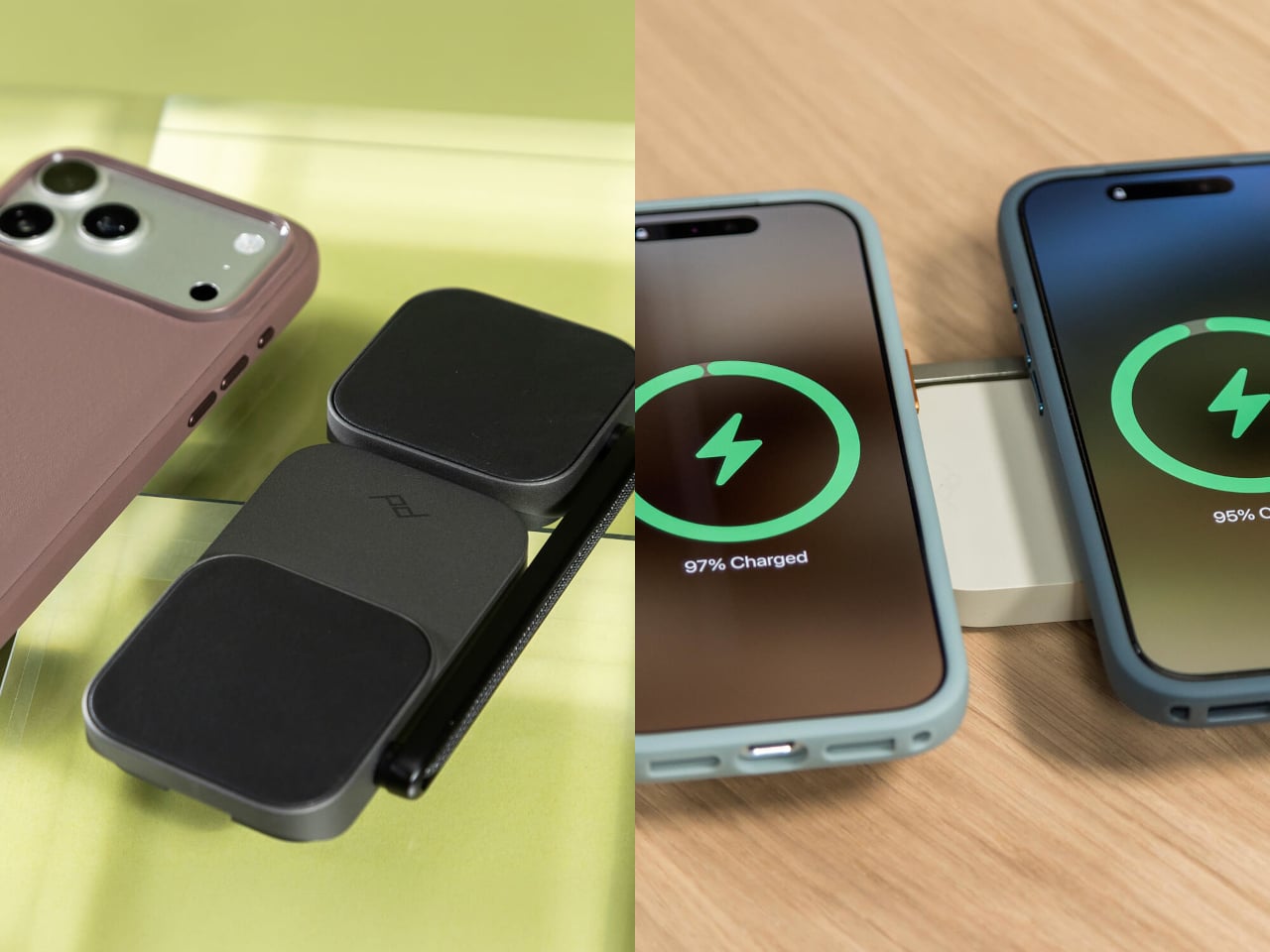
The lower pad gets more interesting when you fold the station flat. Peak Design rates both Qi2.2 pads for up to 25W simultaneously, allowing two compatible phones to recharge at once without assigning one a slower accessory spot. That doesn’t mean every magnetically attached phone will receive 25W, though. The device’s own charging support still determines how much power it can accept.
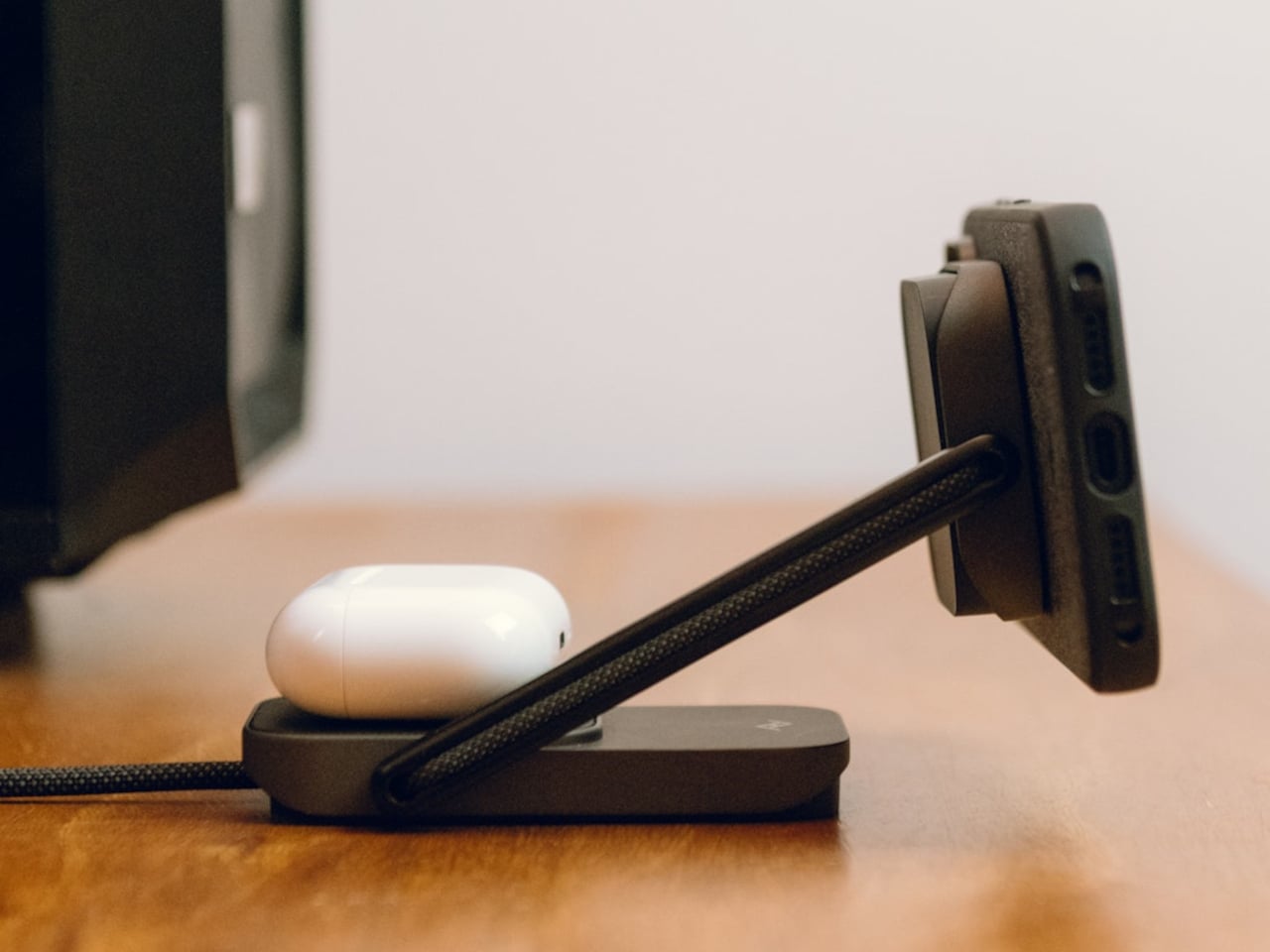
That folding movement also changes how the charger travels. Packed flat, it measures 6.3 by 2.7 by 0.6 inches, with the arm tucked alongside the body instead of projecting into your bag. At 9.7 ounces, it still adds weight to a travel kit, but you aren’t packing a rigid desktop stand just to keep a phone propped up in a hotel room.

A separate USB-C output makes room for a third device, although this connection is wired. Its 7.5W output is suited to smaller accessories rather than replacing a laptop charger. A watch still needs its own charging cable or puck, so this isn’t a dedicated three-device wireless dock. It simply gives that extra cable somewhere to connect without occupying another outlet on the wall.

The $99.95 price also leaves out the wall adapter. Peak Design includes a fabric-wrapped USB-C cable rated for 100W, but specifies at least a 45W power supply to operate the station and 75W or more for maximum dual charging speed. That makes the adapter part of the buying decision, particularly if your existing charger is already committed to powering something else at home.
The post Peak Design’s Charging Station Folds Flat to Charge Two Phones first appeared on Yanko Design.

  •  

Botnet XCPE - La backdoor restera en place dans les box Android TV

Google vient de publier un long rapport technique dans lequel il explique comment il vient de démanteler XCPE, un botnet de plus de 1,3 million d'appareils Android, contenant surtout des box TV, qui sous louaient en douce la connexion de leurs propriétaires à des services de proxys résidentiels et servaient à faire de la fraude publicitaire. Le pire c'est que ce malware n'a pas été ajouté par un pirate mais était implanté directement dans le firmware, posé là par Videostrong, un fabricant chinois qui revendait ensuite l'accès aux box à des affiliés.

Google a donc attaqué en justice les domaines et les serveurs qui pilotaient le botnet, avec la police nationale japonaise et plusieurs entreprises de sécurité, dont Plume, Synthient et TrendAI, puis il a banni Videostrong, ainsi que ses futures filiales, de la fabrication d'appareils Android certifiés. Pour passer les tests de certification, le fabricant avait masqué son code malicieux et attendu ensuite le premier démarrage de l'appareil pour le charger discrétos. La faille a été corrigée par Google depuis...

Mais et les box déjà vendues, alors ?

Hé bien le billet de TrendAI est cash patate, la coupure a privé l'opérateur de ses commandes, mais l'implant reste sur chaque box / TV, et son nettoyage passe par le fabricant, par la plateforme ou par le remplacement de l'appareil. Le propriétaire n'a pas la main !! D'après Google, x.cpe tourne avec les droits système depuis la partition firmware et, si on le désinstalle, il se réinstalle tout seul au redémarrage depuis la partition /oem, donc autant dire que les propriétaires de ces appareils l'ont dans l'os.

Car sans pilote au manettes, ça ne veut pas dire que le malware est devenu inoffensif. En effet, Plume a épluché le code et les ordres circulent en MQTT sans chiffrement, donc n'importe qui capable de publier une commande peut la faire exécuter par la box. Et comme le contrôle de mise à jour passe en HTTP avec un fichier XML non signé, celui qui détourne le DNS du serveur peut alors prendre la main sur l'appareil easy... Quand au module LinkFog présent sur les TV, celui-ci relance ses tâches tout seul au redémarrage, sans attendre le serveur. Puis surtout, ce genre d'opérateur mafieux est tout a fait capable de reconstruire son infra ailleurs sous une autre bannière et de récupérer son botnet quasiment intact...

Mais alors comment savoir si votre TV ou Box Android est impactée ? Car aucune marque spécifique n'a été citée comme étant à éviter, puisque Google a trouvé le malware intégré dans de nombreux modèles et marques. Cela représente tout de même 206 modèles répartis dans plus de 170 pays. La liste publiée par Synthient et le rapport de Plume citent par exemple des MECOOL, dont la KM2 et la KM9 Pro, et la Strong Leap-S1, et le parc mêle des appareils AOSP et des appareils certifiés Google, donc la certification ne suffit plus du coup à garantir une box saine.

Côté parade, Plume recommande un reset d'usine complet, parce que des modules ont pu déposer d'autres portes dérobées, alors que Synthient conseille de se débarrasser définitivement de ces box, jugées à haut risque de contenir d'autres malwares. À mon avis, le reset seul ne suffira pas, vu que x.cpe est dans le firmware et pas dans les données, donc l'option déchetterie, c'est aussi ce que je recommanderai malheureusement.

Et côté Google, les mesures annoncées sont la mise en place d'un bannissement du fabricant et des contrôles renforcés pour que ça ne se reproduise pas. On verra si ça a un impact ou si les escrocs trouvent une nouvelle faille dans leur processus de certification.

Breeef, en attendant, Synthient conseille de débrancher les appareils suspects et de changer le mot de passe du Wi-Fi. Si votre box est sur la liste, c'est le minimum, mais vu ce que ça peut faire, moi je ne la rebrancherais pas à votre place...

Source : Krebs on Security

  •  

A Real Eiffel Tower Light Becomes a Lamp Without the Kitsch

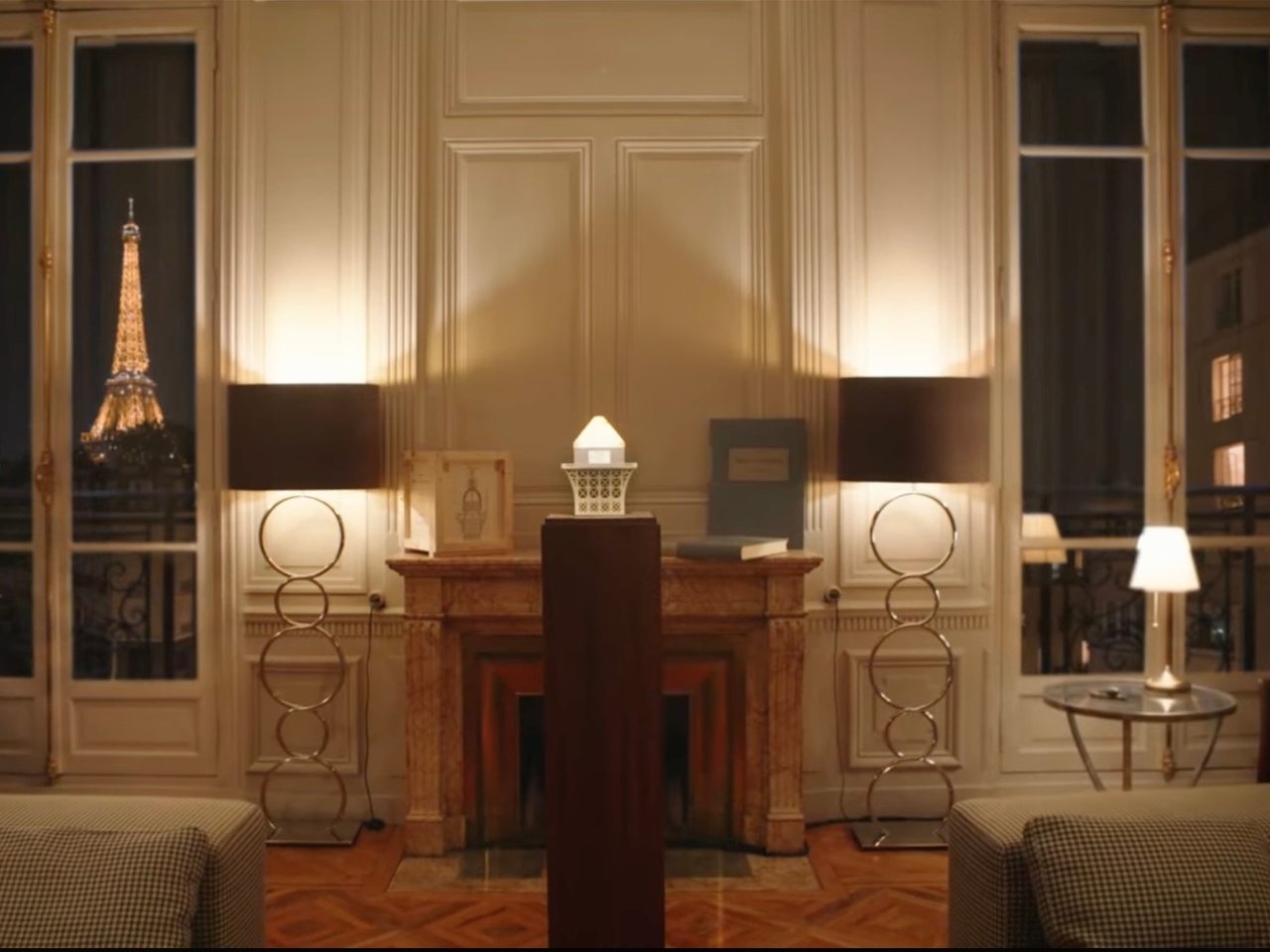
A miniature Eiffel Tower tells you where someone went, but rarely gives you much reason to look closer. I’m more interested in souvenirs that carry a little of a place’s actual history, especially when they earn their space at home. The challenge is giving that history a useful role without polishing away everything that makes it worth preserving.

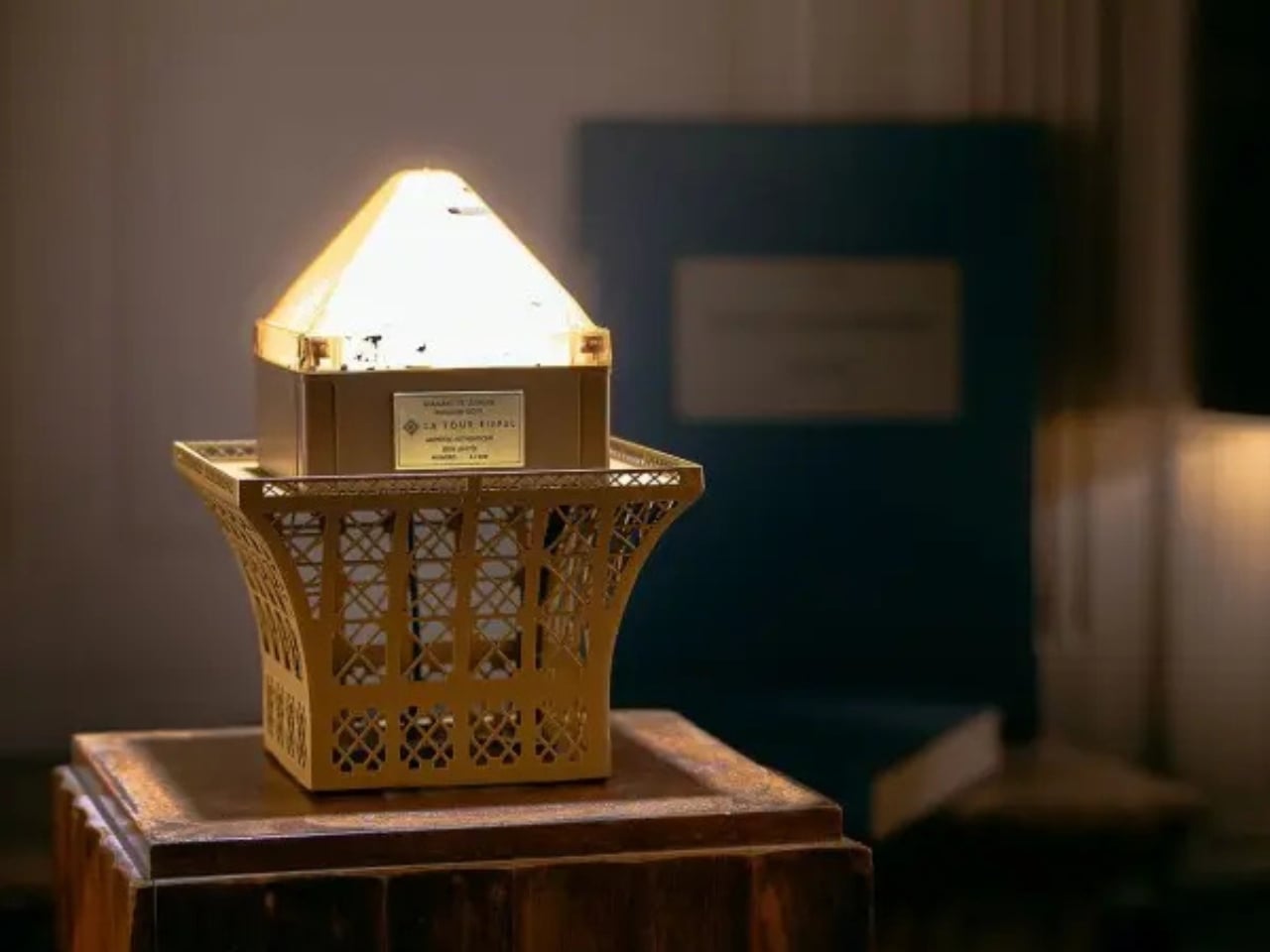
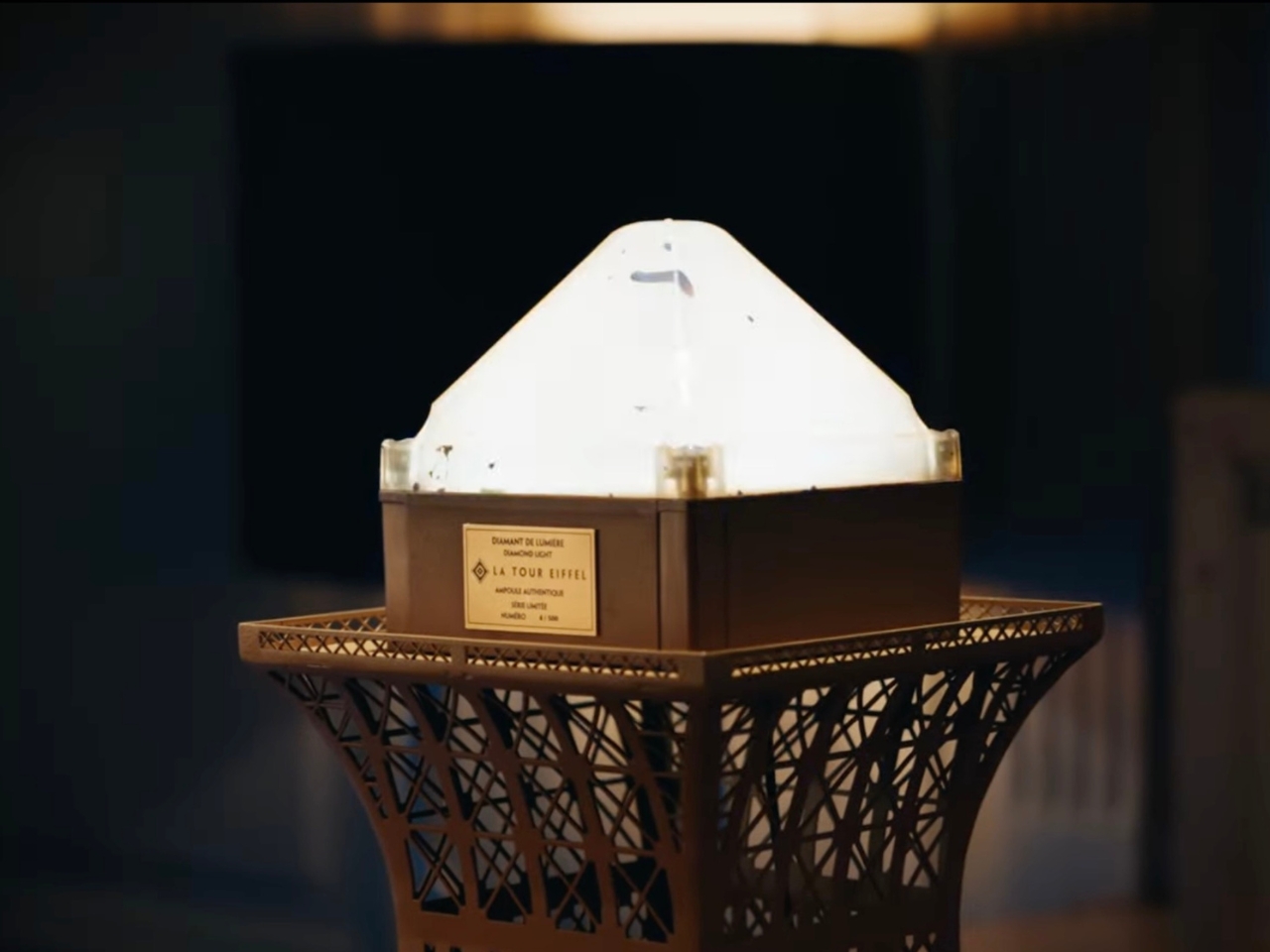
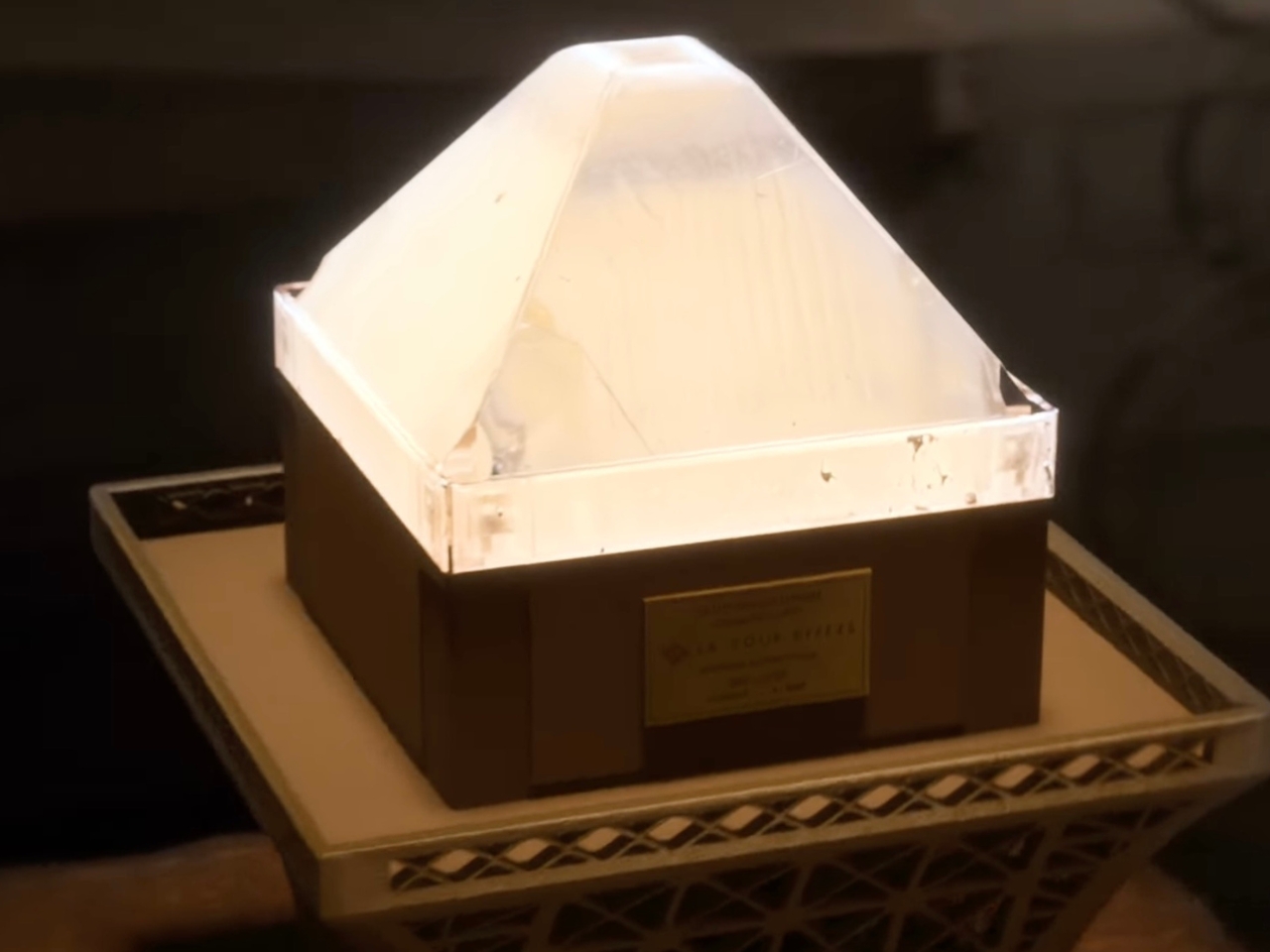
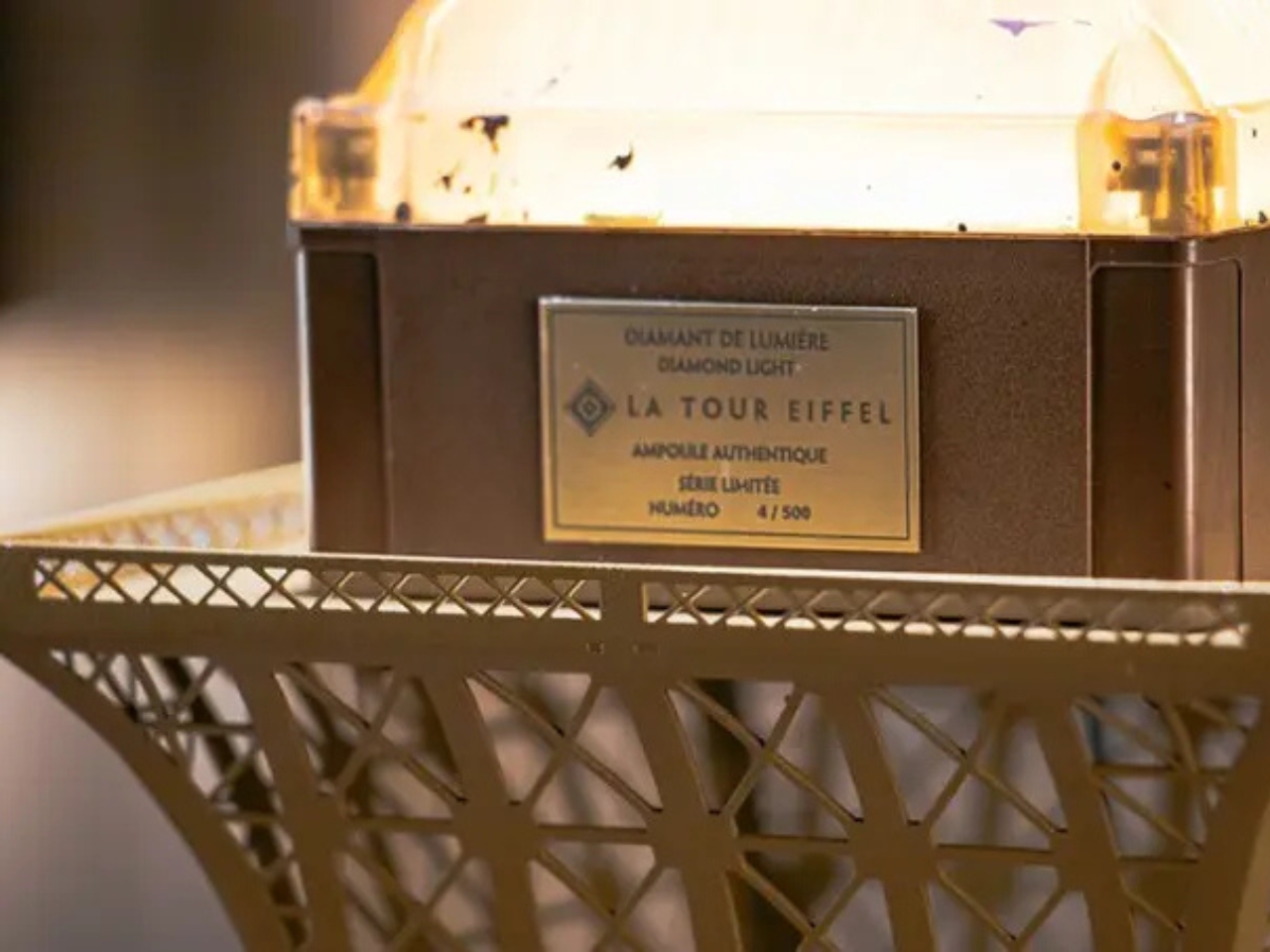
That’s the appeal of the La Tour Eiffel Diamond Light, designed by A+A Cooren Design Studio with Lagardère x Arteum. Built around a retired fixture from the Eiffel Tower’s sparkling illumination, it turns a piece of lighting infrastructure into a working tabletop lamp. The preserved paint marks are part of the point. Rather than manufacture another miniature monument, the designers have given an actual component a reason to stay switched on.

Designers: A+A Cooren Design Studio and Lagardère x Arteum (LxA)

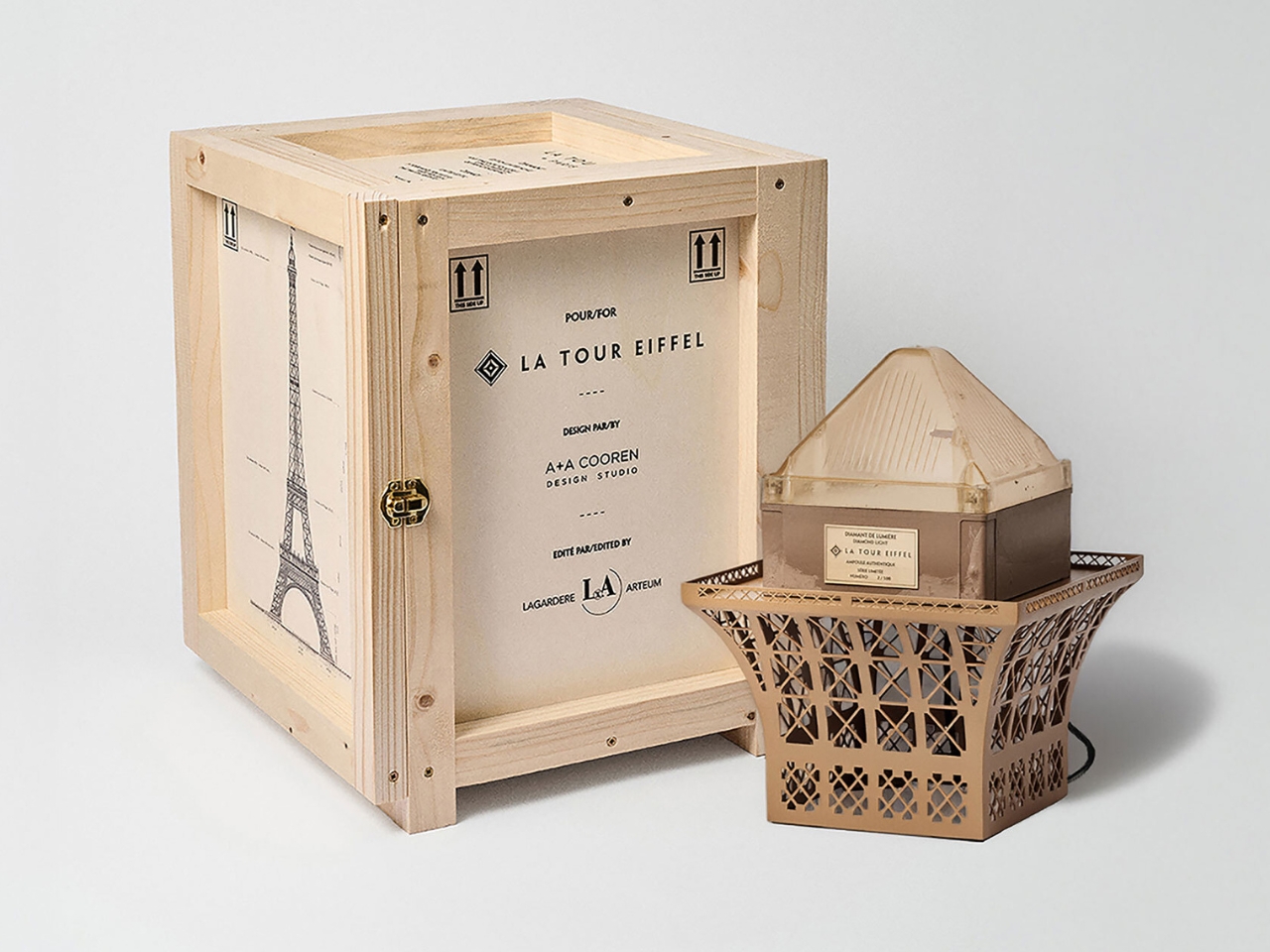
The iron-alloy base makes the architectural connection without turning the whole object into another miniature tower. Drawing from Gustave Eiffel’s historical blueprints, its arches and cross-bracing reinterpret the structure near the monument’s top. I prefer that approach to a literal replica. You get enough of the tower’s visual language to recognize the reference, while the lamp keeps its own proportions and identity as an object for a room.

In the official photographs, the faceted upper section sits above that open metal framework like an oversized jewel in an industrial setting. The brown finish helps the two parts feel related, despite their different origins. It looks substantial without relying on a large footprint, and the exposed latticework gives your eye somewhere to travel beneath the light.

The lighting modes make the connection to Paris more than visual. One provides a steady warm glow. Another alternates 55 minutes of steady illumination with five minutes of twinkling. A third leaves the lamp dark for 55 minutes before its five-minute sparkle sequence. I’d probably favor the steady setting most evenings, but the timed sparkle has an appealingly specific purpose: it brings the monument’s lighting rhythm into the room, rather than simply making a souvenir flash.

A four-position rotary switch handles the three modes and off setting. That feels appropriate for an object whose appeal is so physical. At roughly 10.4 inches tall and 2.9 pounds, it’s a tabletop piece rather than a floor-standing statement. The specifications list 24 LEDs, and the store describes it as ambient lighting. I’d treat it as a decorative accent, not buy it expecting a reading lamp.

It also improves on an earlier idea in a meaningful way. Diamond of Light editions offered in 2016 and 2017 were collectible objects, not functioning lamps. The 2026 version adds an everyday reason to interact with the preserved component. To me, that’s a stronger design move than simply finding a more elaborate way to display it.

Each of the 500 numbered pieces comes with an official certificate of authenticity and a wooden case. The presentation embraces its collector’s-item status, which seems fair enough here. If the attraction is owning an actual piece of the Eiffel Tower’s lighting, documentation of its origin matters considerably more than another decorative flourish on the base.

The price puts that appeal in perspective. The official store lists it at €990 including VAT, before shipping, with worldwide delivery available. You’re paying for provenance, limited production, and the design work around the reclaimed fixture. As a straightforward lighting purchase, it’s difficult to justify on function alone. As a collectible that also has a place in daily life, the proposition makes more sense.

I wouldn’t want the weathering polished away or hidden behind a pristine cover. Those irregularities are what make the premise convincing. The strongest choice here is giving the old component enough new structure to work in a home while letting it remain visibly old. A souvenir becomes more interesting when its previous life is still allowed to show.

The post A Real Eiffel Tower Light Becomes a Lamp Without the Kitsch first appeared on Yanko Design.
  •  

Buy the printer, make the presents: Snapmaker’s U1 drops to $699 for Black Friday

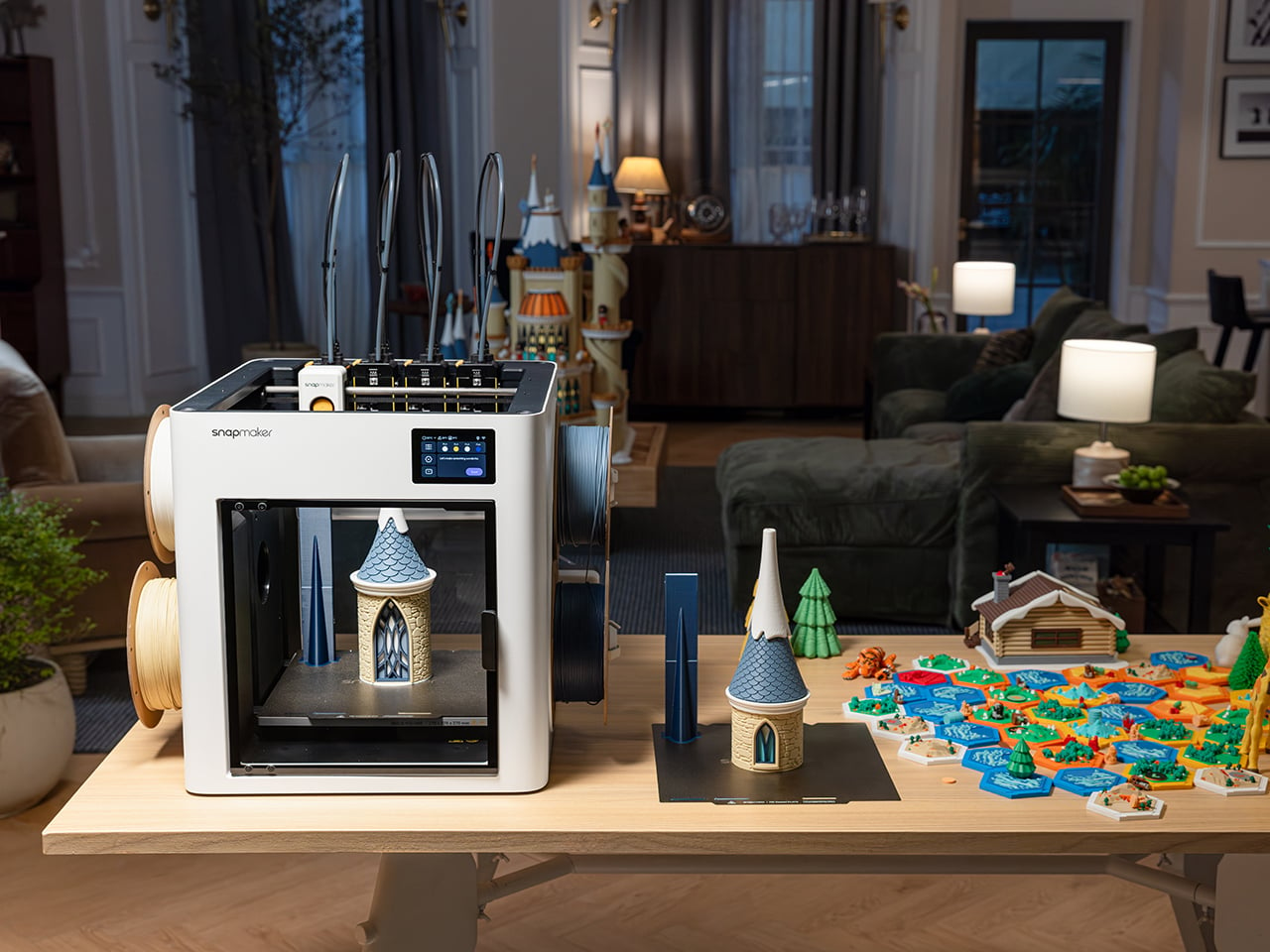
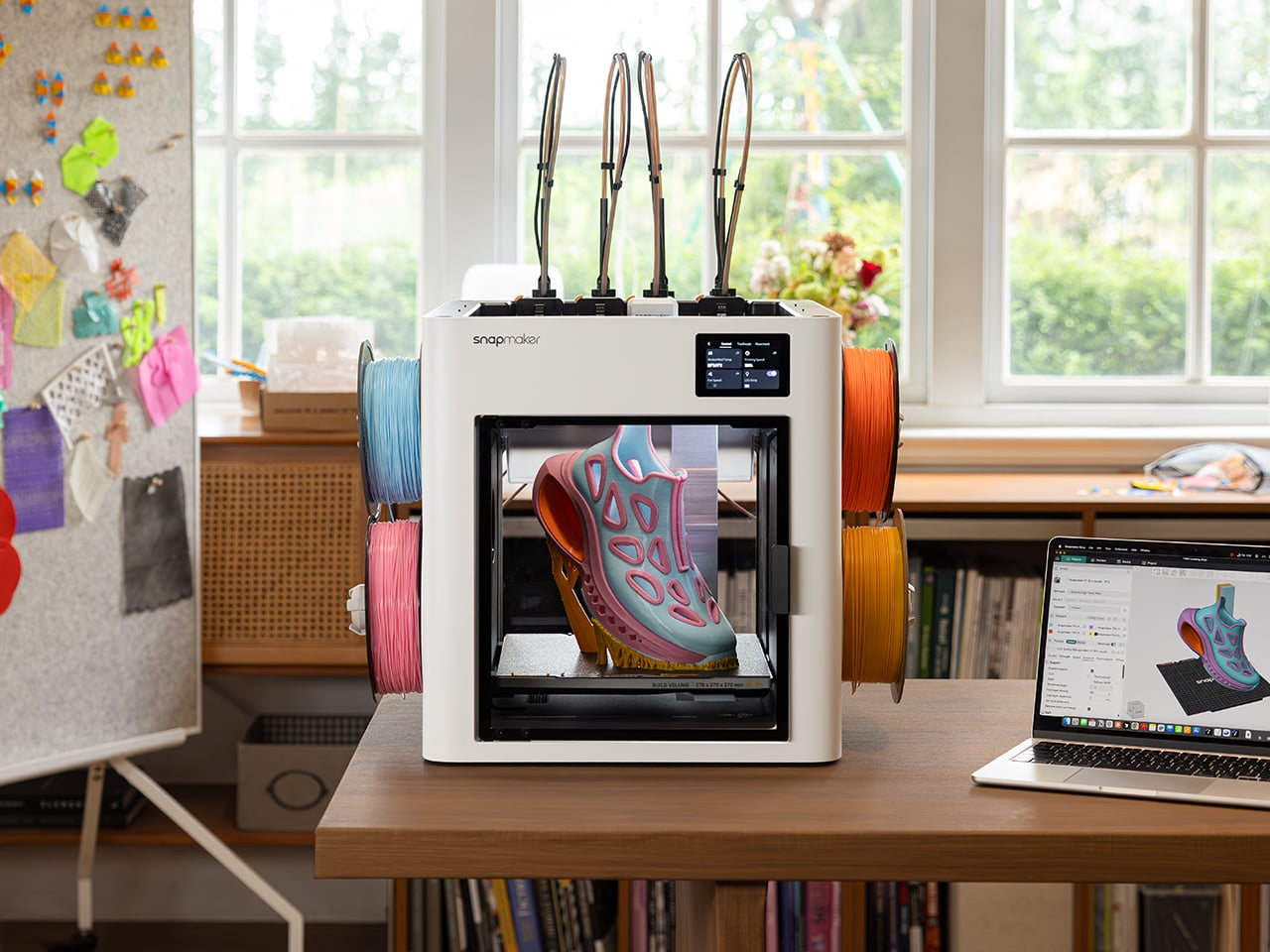
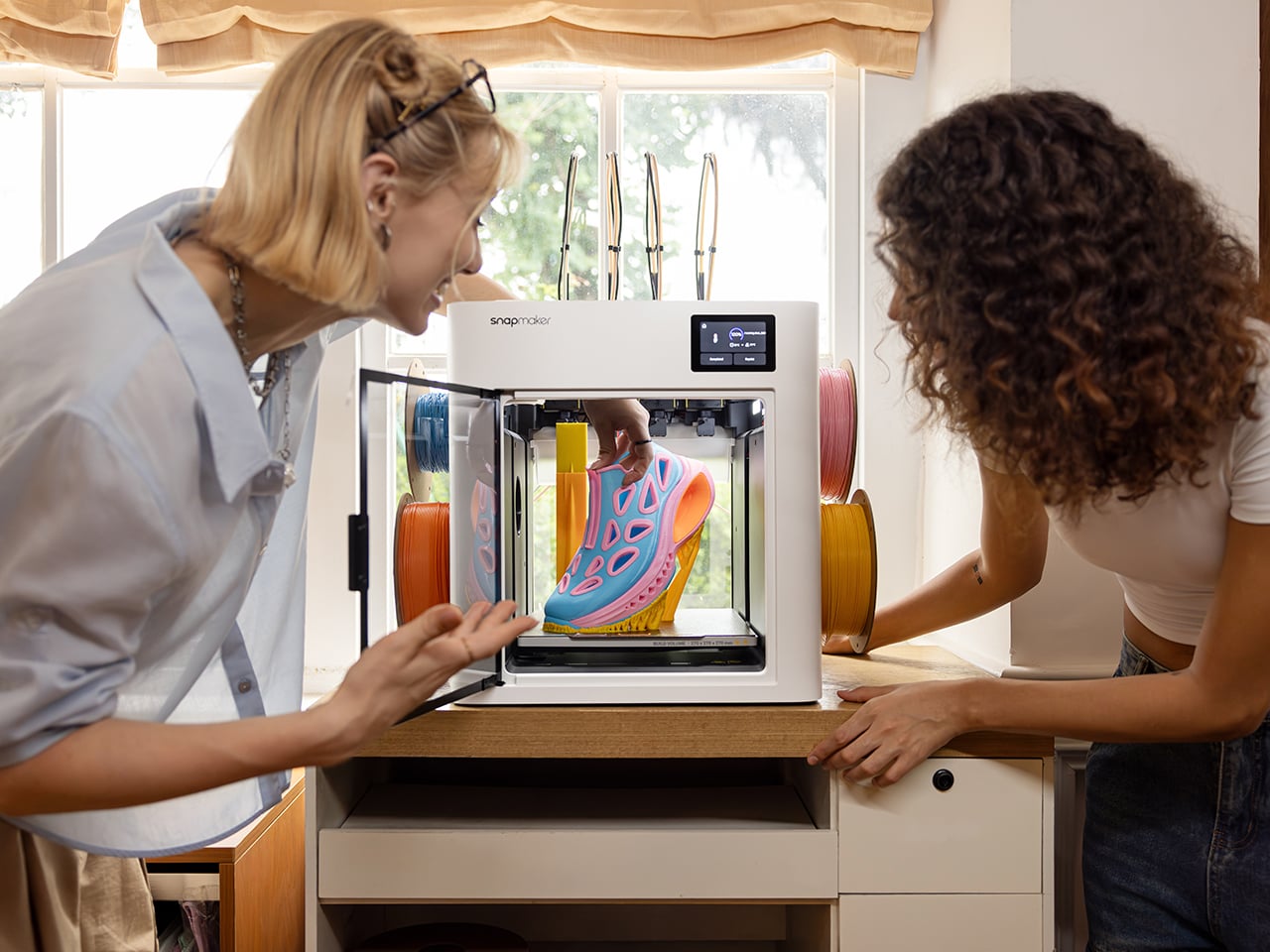
The Snapmaker U1 drops to $699 this Black Friday, down 30% from its $999 list price, and it might be the smartest buy on your holiday list, mostly because it can make plenty of the gifts on it. The U1 is a four-toolhead 3D printer that prints in up to four colors or materials in a single go. That covers personalized ornaments, figurines, and fidget toys, all printed in multicolor on your desk. It ships with four spools of PLA and 30 ready-to-print models, so after unboxing and automatic calibration, you can print your first model on day one. A good chunk of your Christmas list, sorted.

Four-head printers are rare at this price. Tool changers like the Prusa XL have historically cost well north of $2,000. Snapmaker’s SnapSwap system keeps four print heads loaded and swaps between them in about five seconds, while single-nozzle setups like Bambu’s AMS flush filament at every color change. Fewer purges mean faster prints and, by Snapmaker’s count, up to 85% less wasted plastic. More than 20,000 Kickstarter backers already bought in, making the U1 the most-funded 3D printer campaign in the platform’s history, with now more than 150,000 users worldwide.

Designer: Snapmaker

Click Here to Buy Now: Black Friday Sale. Hurry, deal ends soon!

Five-Second Swaps and a Lot Less Printer Poop

Each of the U1’s four print heads sits docked and preheated with its own filament. When a print calls for a new color, the printer parks the active head and grabs the next one. A steel-ball coupling and a mechanical lock seat each head in the exact same spot every time, and Snapmaker says the mechanism survived over a million continuous swaps with zero mechanical failures. The printer then auto-calibrates all four heads to within 0.04mm (about 0.0016 inches) of each other. That keeps the white trim on a Santa hat right where it belongs.

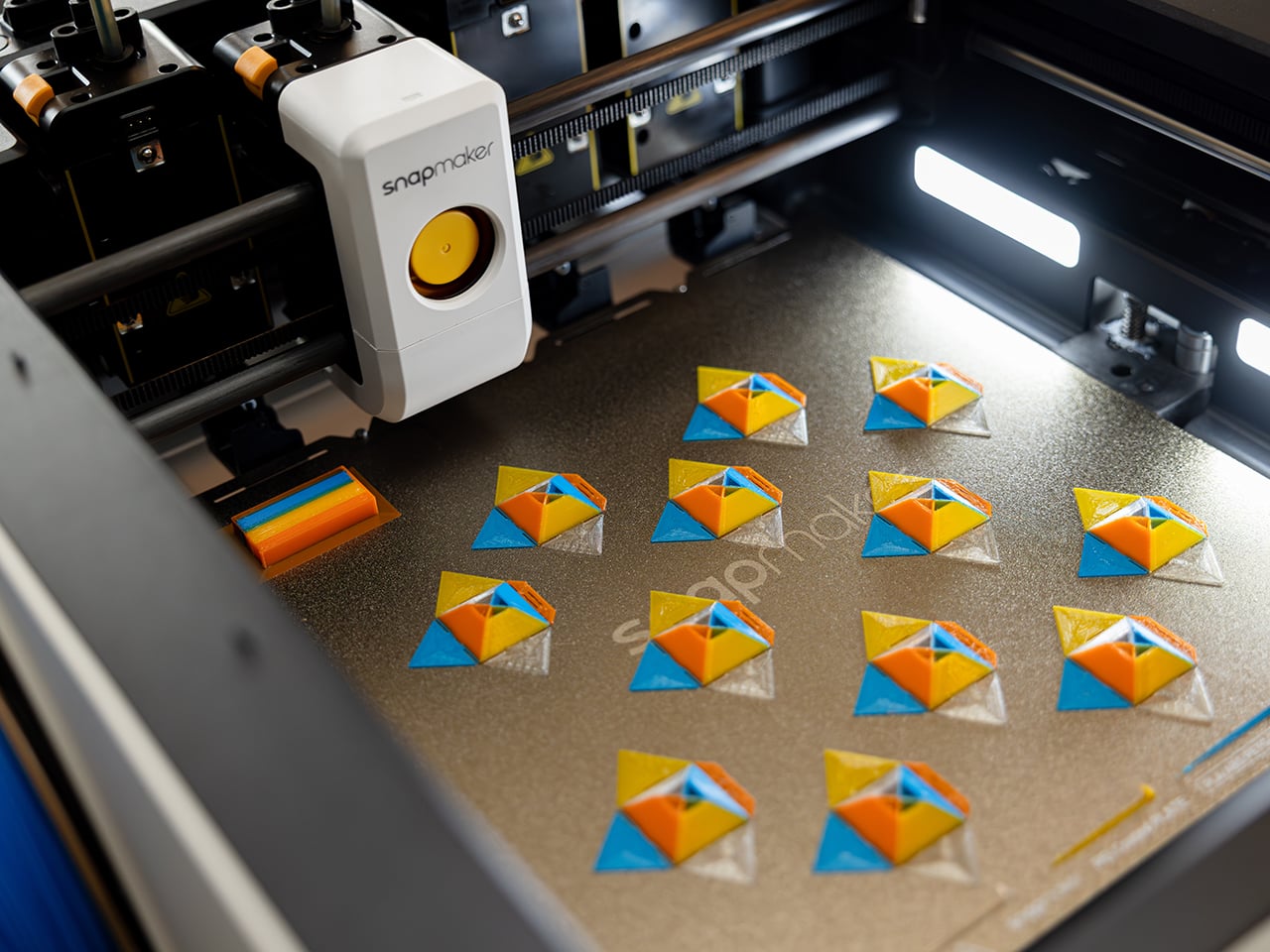
Single-nozzle printers handle color changes by shoving the old filament out until the new one runs clean. Snapmaker pegs that process at roughly two minutes per swap, and on a busy multicolor model the purged plastic can outweigh the model itself. The U1 only purges small amounts at the start of a job and during calibration. Print a tray of four-color ornaments and those savings stack up fast, in both hours and filament. Your filament budget ends up on the tree instead of in the trash.

A Personalized Ornament, From Download to Gift Box

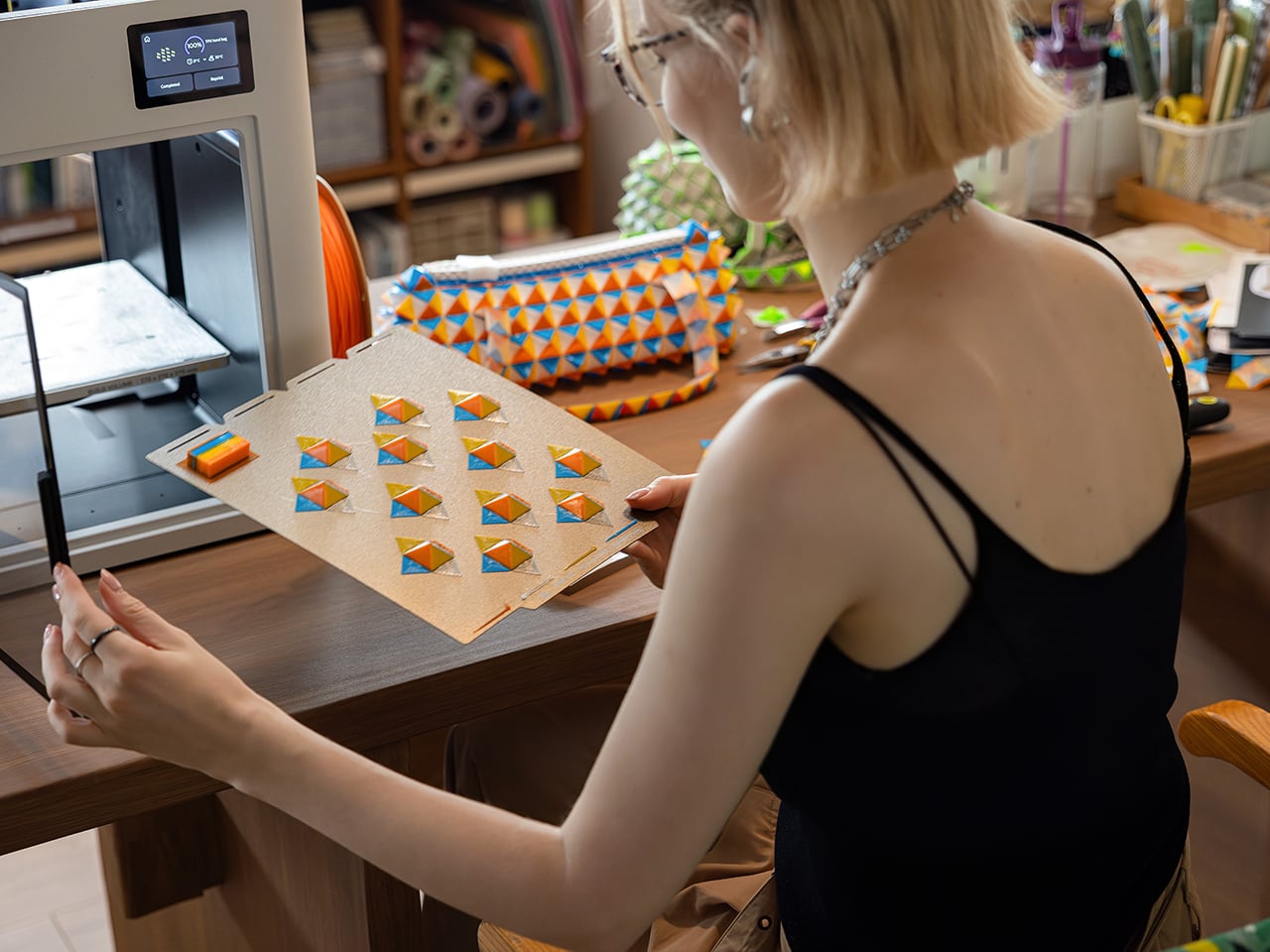
Four heads can hold four different materials as easily as four colors, so flexible TPU or dissolvable supports can share a print with rigid plastic. For most holiday gifts, though, four colors of PLA do the heavy lifting. Snapmaker’s Full Spectrum feature stretches that palette by stacking thin alternating layers of your four filaments, which your eye reads as new in-between shades. Results depend on the filament, the model’s shape, and your settings, so a quick test print helps. Load red, green, white, and gold, and you’ve basically got Christmas in a box.

Personalizing a gift takes about as much skill as sending a text. Open an ornament model in Snapmaker Orca, add a name with the slicer’s text tool, and assign one of your four colors to each part. A palm-sized ornament uses only a few grams of filament, so each one costs pocket change in plastic. Hit print, and the U1 handles every color swap on its own while you get on with your evening. Repeat for each name on your list, and nobody else at the party will show up with those.

Smart Enough for First-Timers, Cheap Enough for Black Friday

Snapmaker Space, the company’s model library (currently in open beta), offers ready-to-print multicolor models, so beginners can skip 3D modeling entirely. Auto bed leveling helps your first layer stick, and input shaping reduces vibration for smoother walls, with speeds topping out at 500mm/s (about 20 inches per second). Filament loads itself, RFID tags on Snapmaker spools fill in settings for you, and Backup Mode switches to a matching spool when one runs dry. A built-in camera with AI monitoring can flag spaghetti failures and ping your phone. Tinkerers get Klipper firmware and OrcaSlicer support.

Click Here to Buy Now: Black Friday Sale. Hurry, deal ends soon!

The post Buy the printer, make the presents: Snapmaker’s U1 drops to $699 for Black Friday first appeared on Yanko Design.
  •  

A Bamboo Armchair Glows After Dark Without Electricity

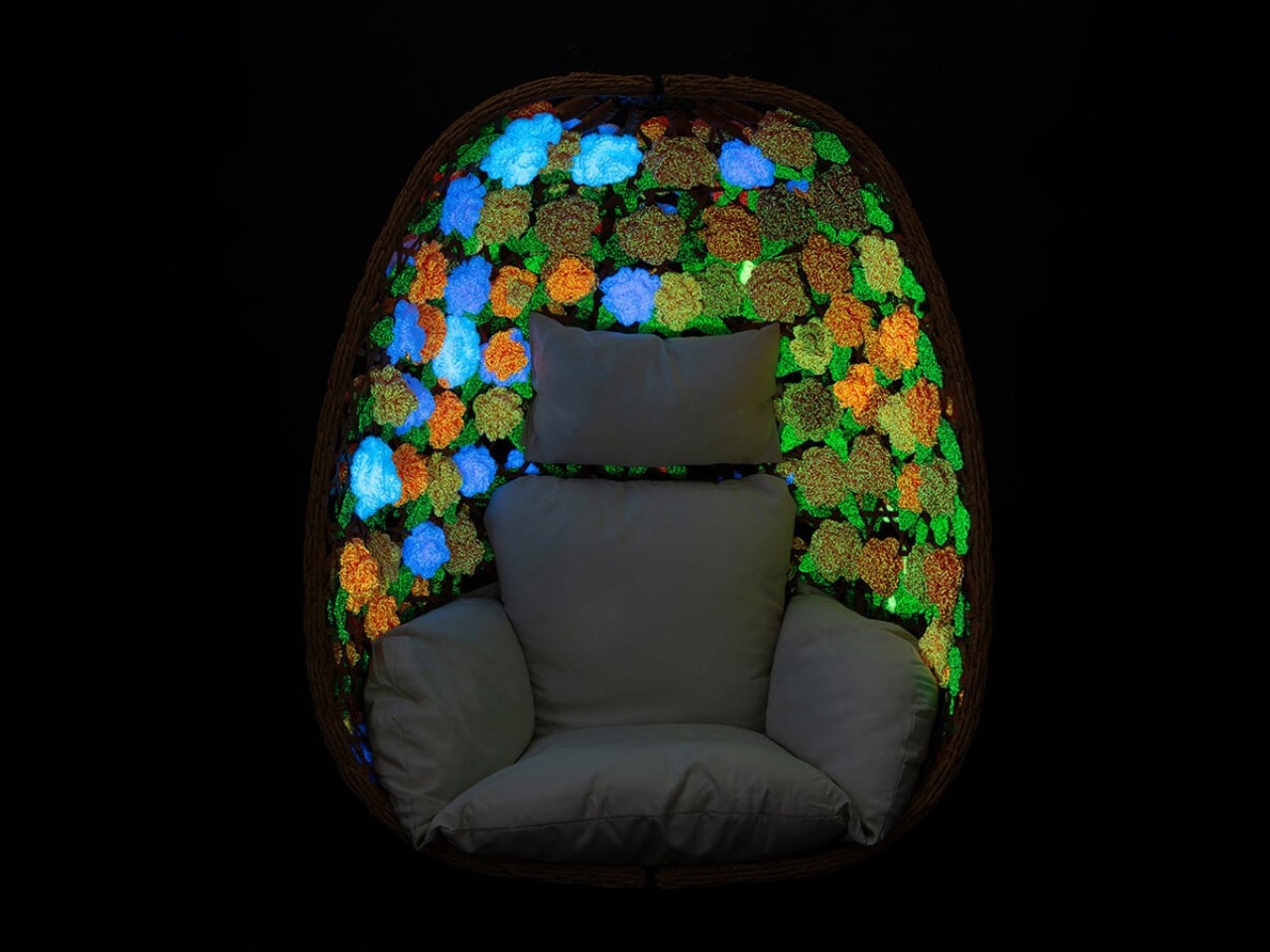
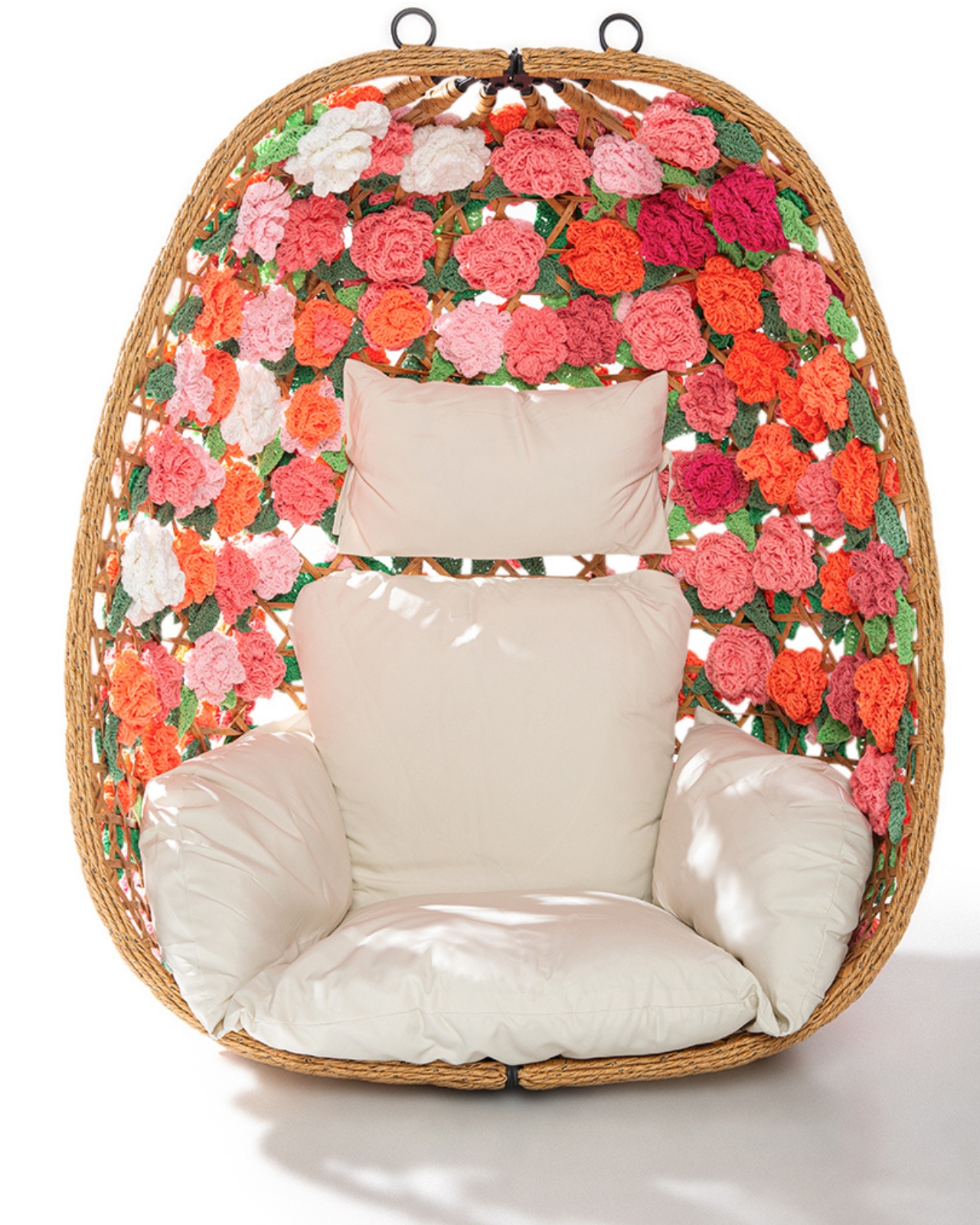
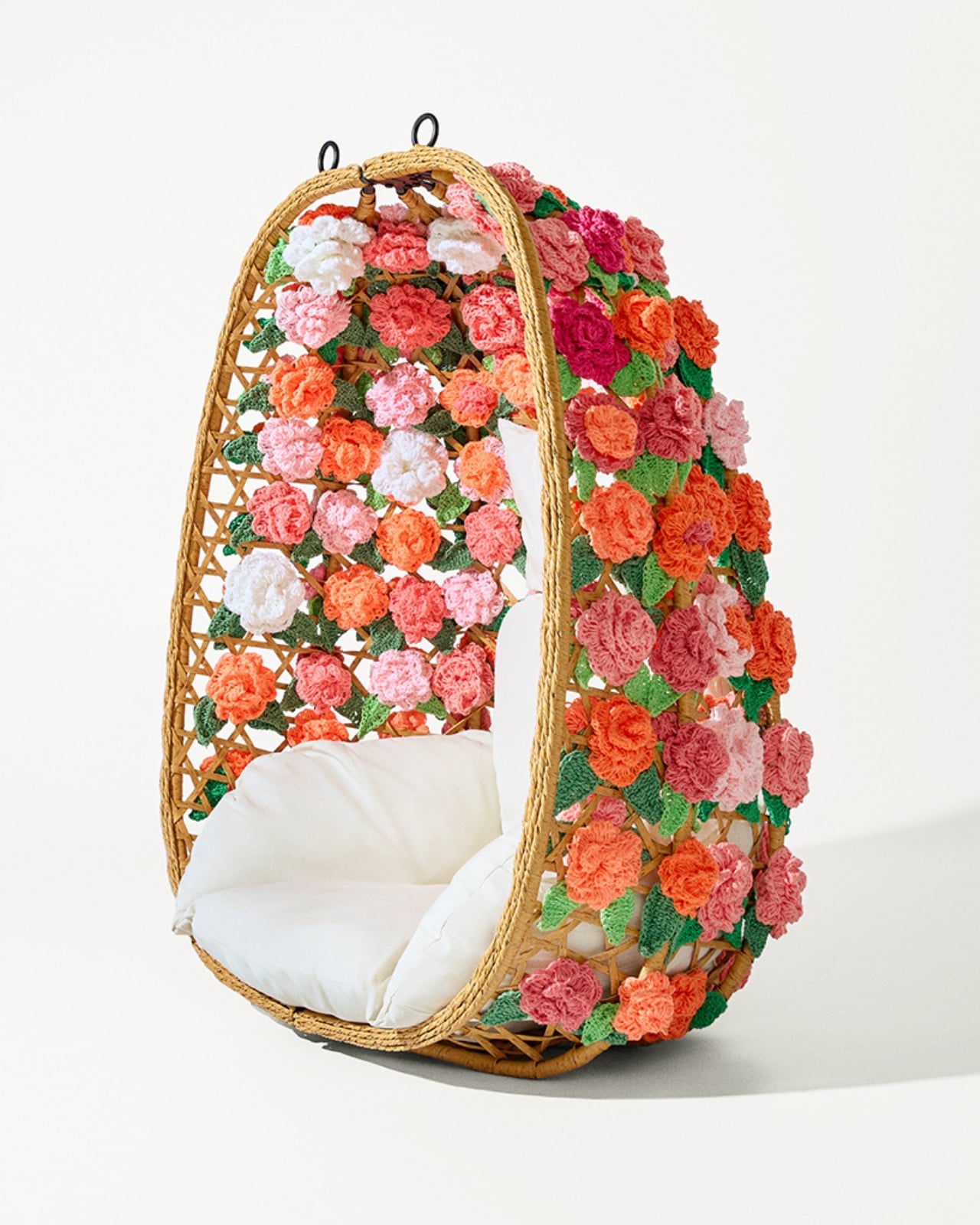
Crocheted flowers usually belong on a blanket or a cardigan, not in a conversation about lighting. Peiyang (Camille) Li gives them another job with She Blooms in the Dark, a sculptural seating project that combines a woven bamboo armchair with hand-crocheted blossoms that glow after dark. I like the premise immediately: familiar craft doing something unexpected, without needing to look like a gadget.

The problem it addresses is a small but recognizable one: finding a sense of personal space without having a separate room to escape into. Li frames the project around emotional vulnerability and protection. I read that as an attempt to make a seat feel like a boundary, a place where being alone might feel intentional rather than awkward. That’s a worthwhile ambition for a piece of furniture, even before the flowers start glowing.

Designer: Peiyang (Camille) Li

The curved, basket-like bamboo framework partially encloses the sitter, while its open lattice stops short of creating a solid shell. That balance matters. For a shared living room, I’d want a retreat that still lets me feel connected to the room, rather than a miniature booth. The shape suggests that possibility, although an open weave shouldn’t be mistaken for actual privacy. Think of it as a visual boundary, not a substitute for a door.

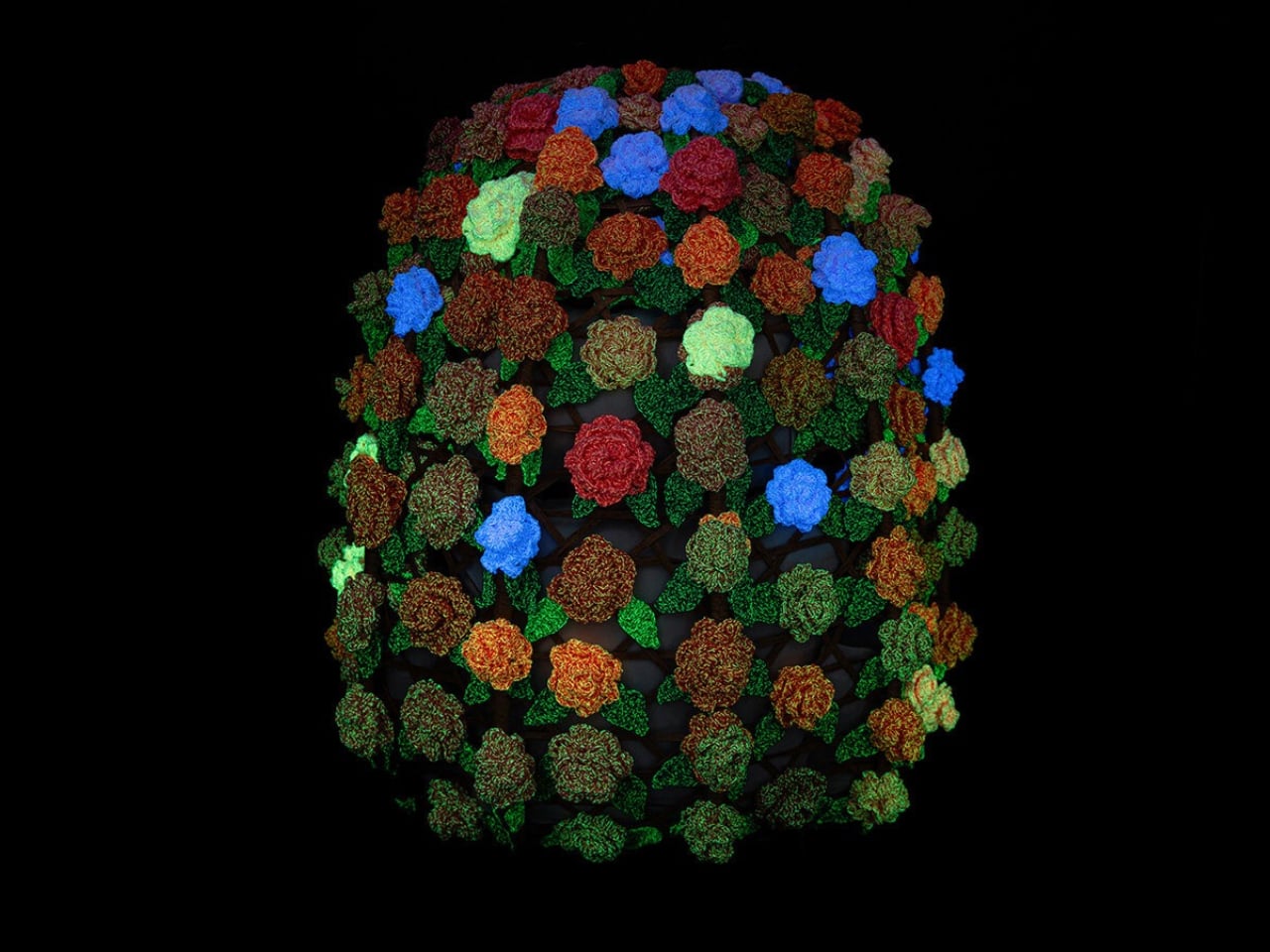
The glow comes from phosphorescent yarn, described in the project write-up as absorbing daylight and releasing a low-intensity glow in darkness, without electric fixtures. That’s an appealingly direct material choice: the flowers themselves provide the effect, instead of hiding a strip of LEDs underneath. I’m more drawn to that decision than I would be to a color-changing chair controlled through an app. The material gets to carry the surprise, and the premise is easy to understand.

It would be a mistake to treat it as a reading light, though. The published description doesn’t give brightness measurements or say how long the glow lasts. For me, the useful way to understand it is as an atmospheric effect, not a replacement for the lamp beside your favorite book. That distinction actually strengthens the idea. It lets the light remain intimate and decorative, rather than making a practical lighting promise the available information can’t support.

Crochet also makes sense here beyond the novelty of glowing yarn. A flower carries associations with care, growth, and decoration, at least in my reading, and working it by hand adds another layer to that impression. I appreciate that Li hasn’t chosen an abstract luminous panel. The floral language gives the project a slightly storybook quality. It could be too whimsical for a restrained living room, but I wouldn’t want that personality edited out.

That doesn’t mean the chair can promise calm on command. I’m wary of furniture being asked to solve an emotional condition simply because it wraps around a person. A more reasonable ambition is to offer an invitation: sit here, give yourself a moment, let this particular corner have a different purpose. She Blooms in the Dark makes sense to me on that modest scale. It doesn’t need a therapeutic claim to justify its existence.

There are everyday questions I’d want answered before imagining it at home. The published project information doesn’t include dimensions, a price, or purchasing details, and it isn’t enough to judge comfort or upkeep. I’d want to know how the flowers are attached and how you clean around them. Those aren’t objections to a sculptural project. They’re the questions that separate admiring a piece of furniture from deciding where it could live.

Still, I’m glad this chair takes such an idiosyncratic route to a familiar desire. I don’t need every quiet corner to look like a spa, and I don’t need every interesting light effect to arrive with another charger. A bamboo seat dressed in glowing crochet offers a more playful possibility. The appeal is being allowed a little enchantment at home, with enough recognizable craft to keep it from feeling like a special effect.

The post A Bamboo Armchair Glows After Dark Without Electricity first appeared on Yanko Design.
  •  

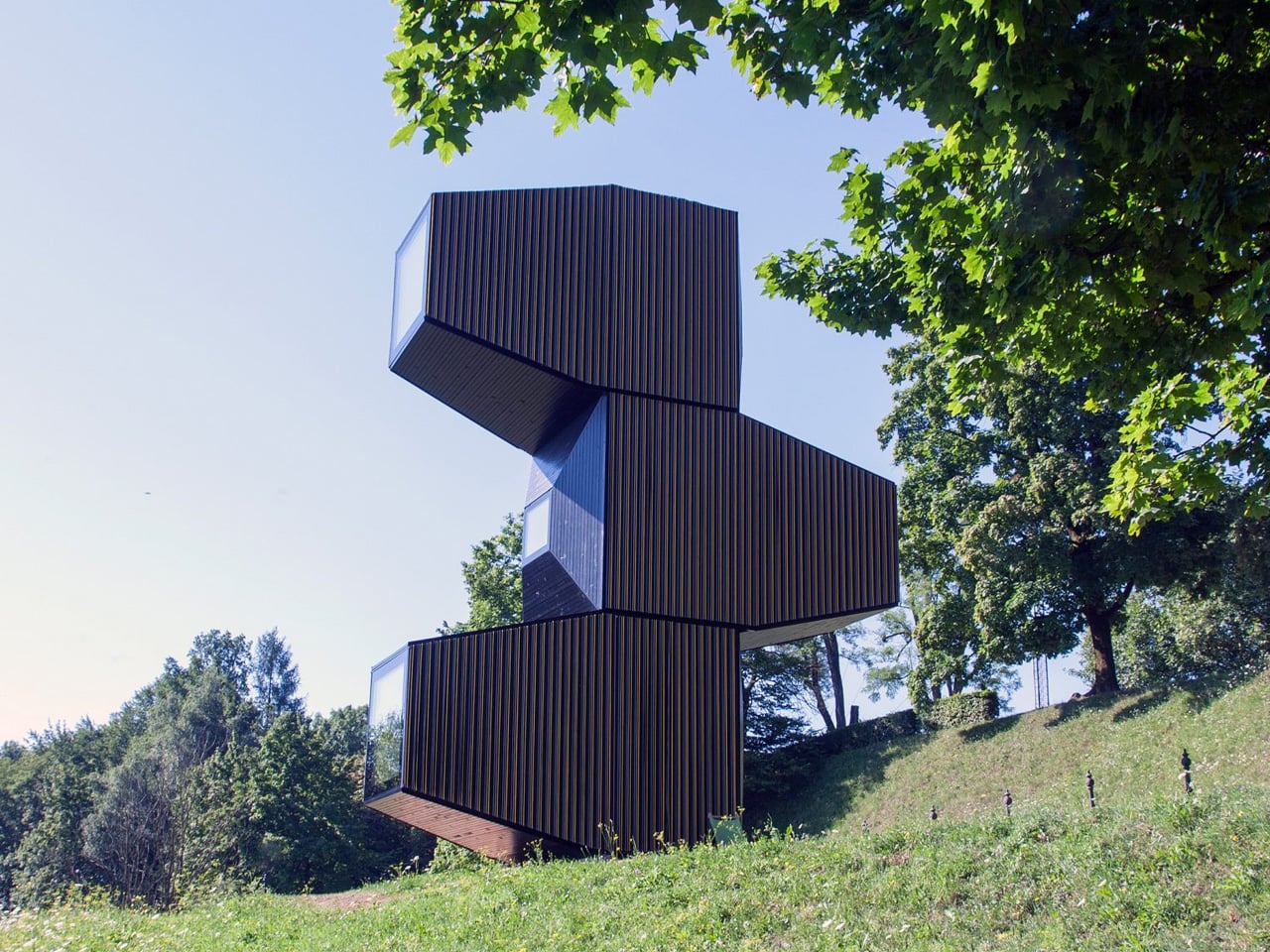
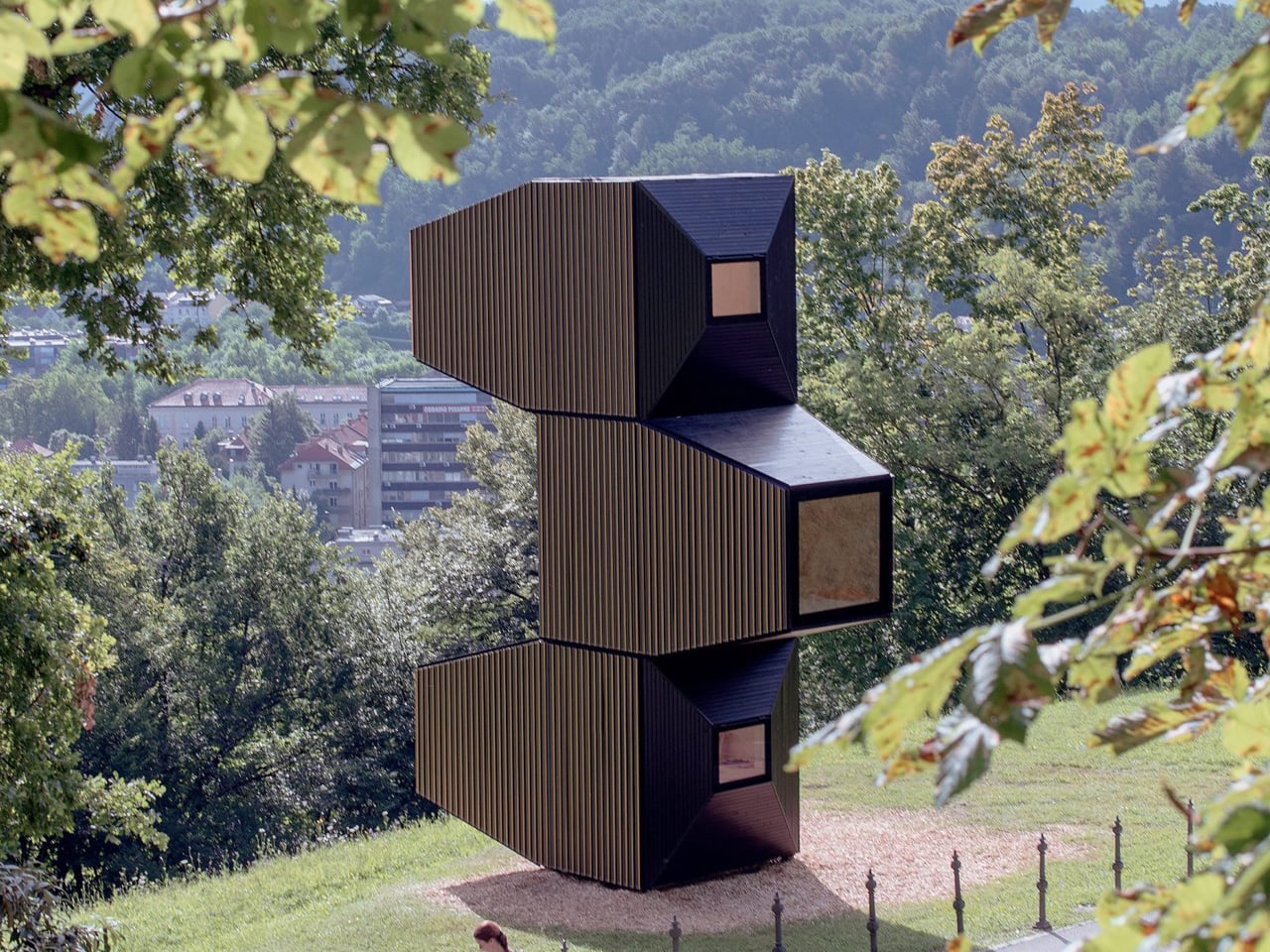
Tiny Wooden Living Units Stack Into a Three-Story Tower

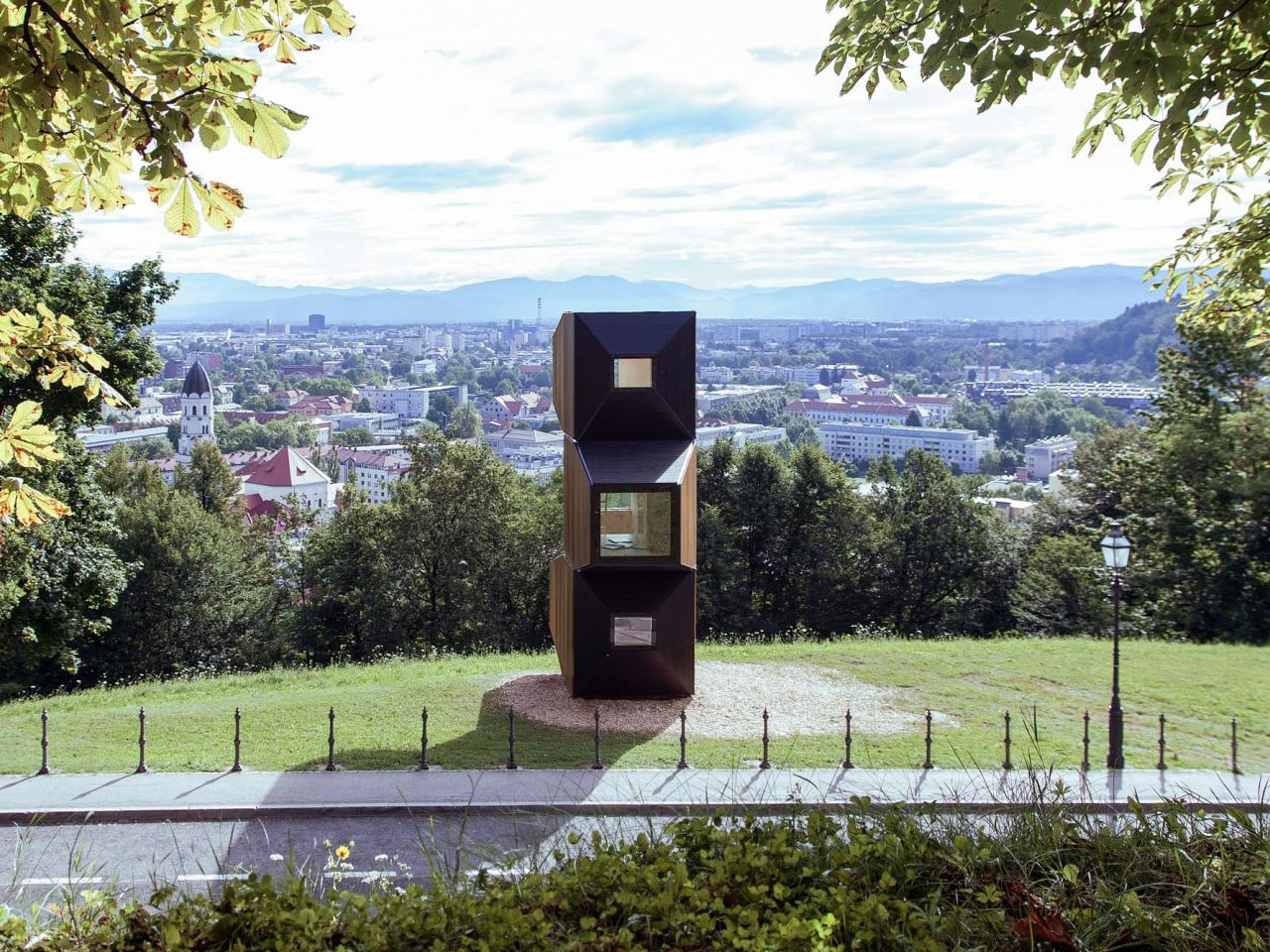
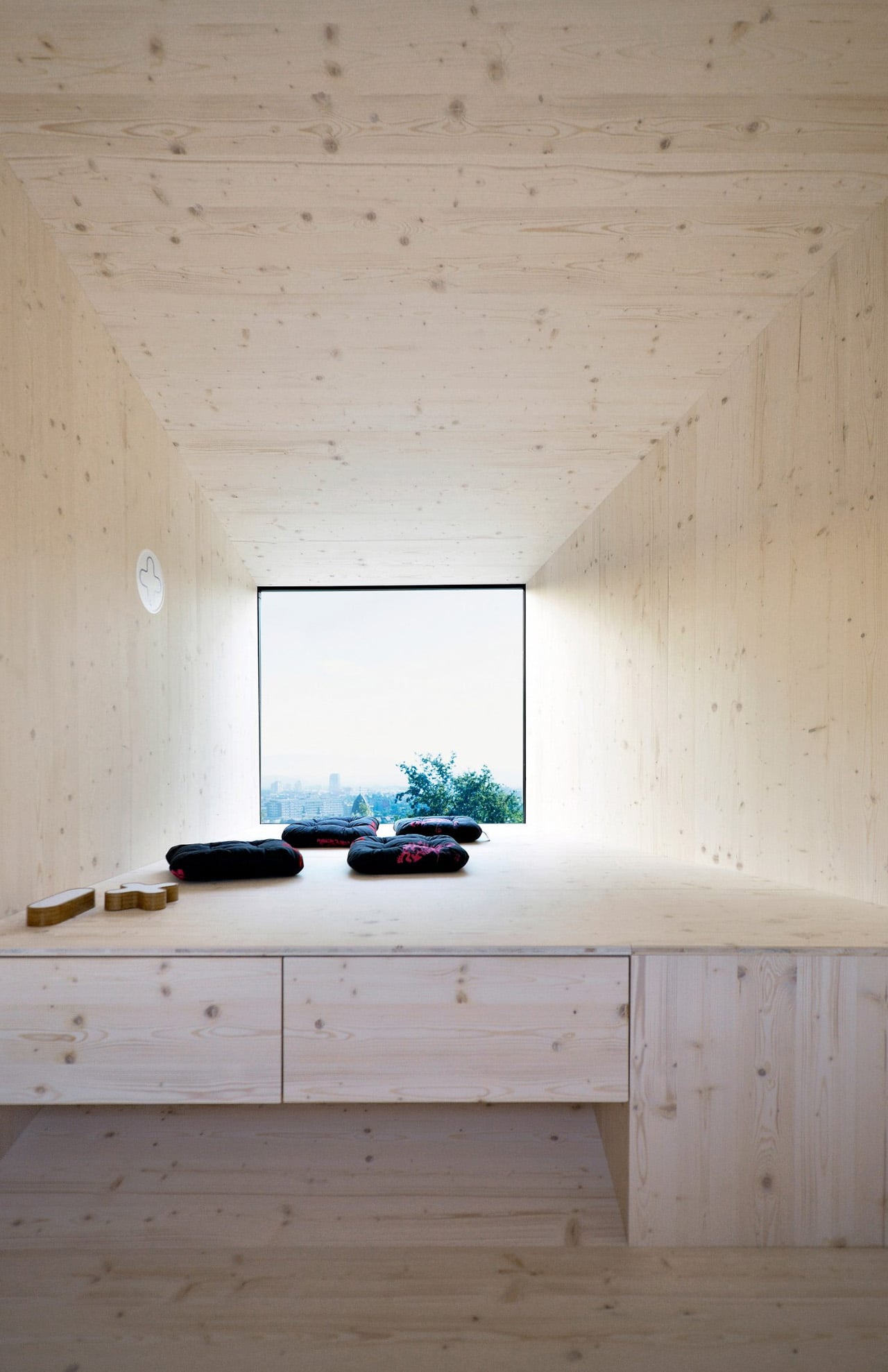
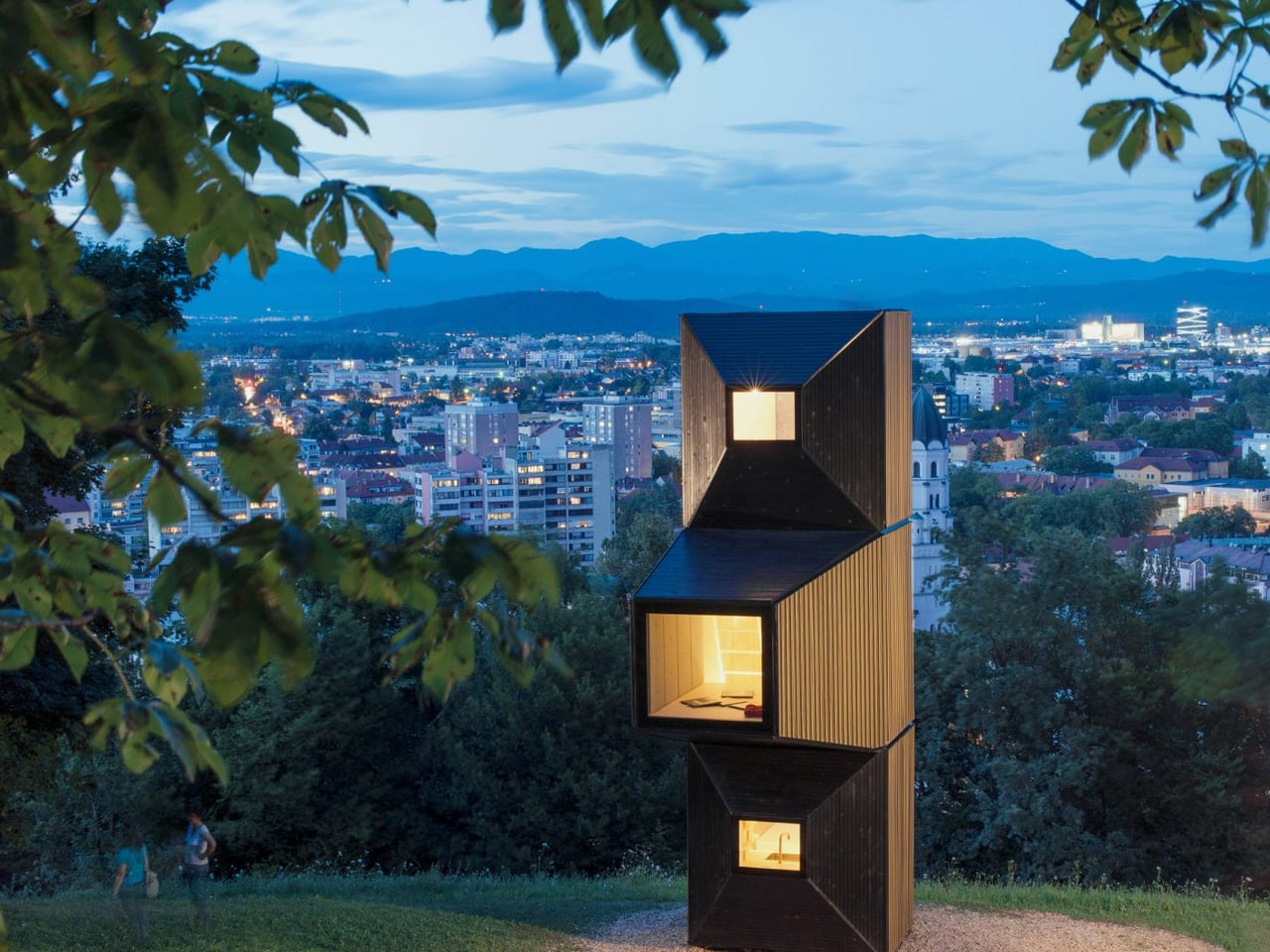
At Ljubljana Castle, three wooden rooms stack into a slender tower, their angular ends pointing toward the city. This built installation from 2017 demonstrates Living Unit, a modular architecture system developed by OFIS Arhitekti with C+C, C28, structural engineers AKT II, and contractor Permiz. The idea begins with a small, repeatable wooden shell.

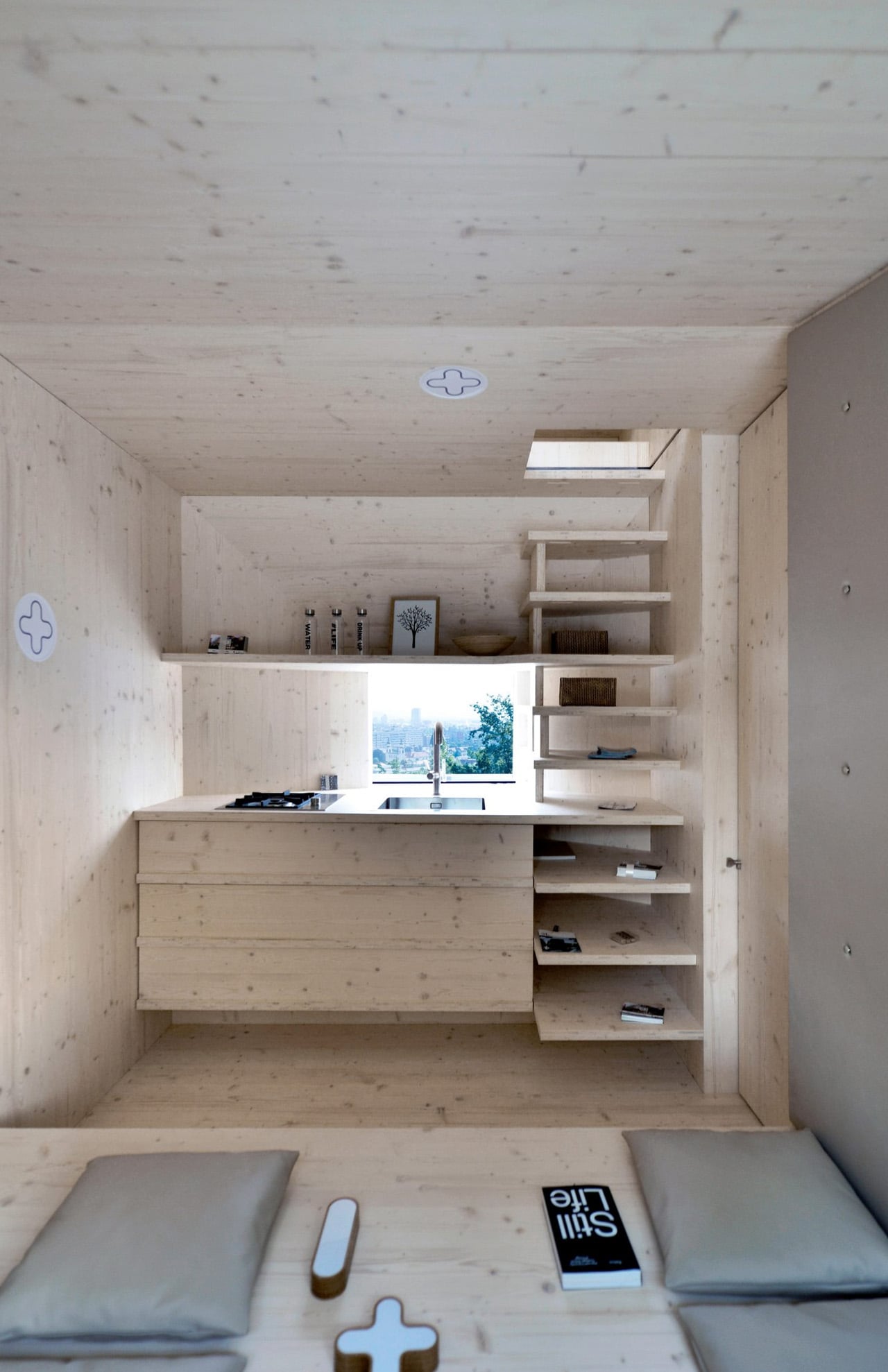
Each basic module measures 4.5 meters long, 2.5 meters wide, and 2.7 meters high, roughly 14.8 by 8.2 by 8.9 feet. Designed to accommodate two people, it can hold a double bed, wardrobe, table, and chairs, with provision for a bathroom and kitchenette. Those are compact cabin dimensions, rather than the proportions of a conventional apartment.

Designer: OFIS Arhitekti

The useful move is allowing that initial room to become part of something larger. Modules can connect horizontally or vertically, with combinations intended to accommodate four to six occupants. A single cabin might suit a short stay; several connected shells allow the domestic functions to spread out. The system therefore offers different arrangements without requiring an entirely different building vocabulary.

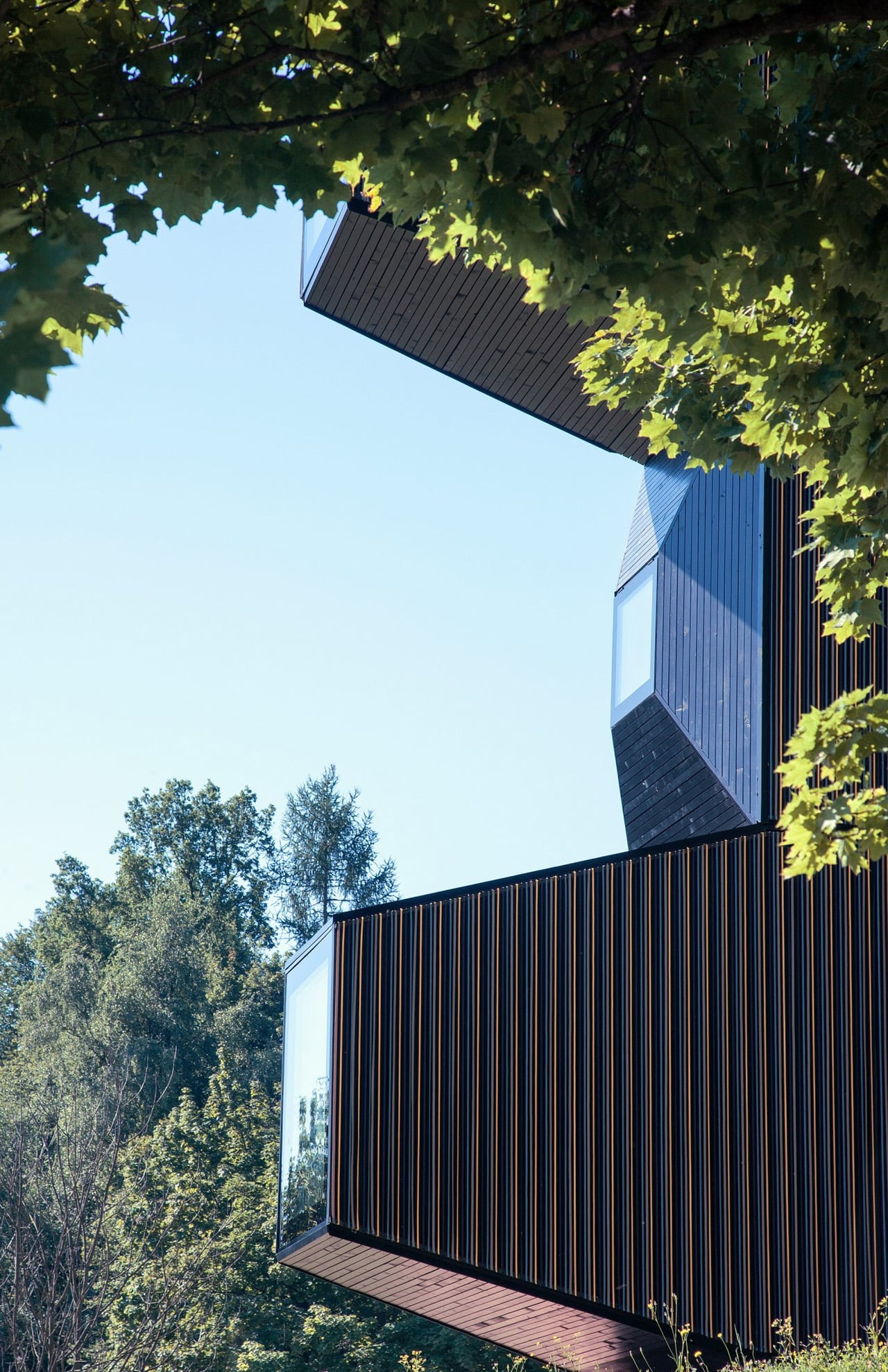
Its pointed geometry gives the project much of its character. The ends taper into truncated pyramids, with glazing at their tips. AKT II explains that these projecting forms add internal storage space while expressing the structure’s strength. Seen from outside, the alternating projections make the stacked version read as individual rooms, rather than one uninterrupted shaft.

Behind that silhouette is a prefabricated timber frame reinforced with plywood boards on both sides. The architects allow the exterior and interior finishes to change according to context. That distinction matters: the repeated element is the structural shell, not a compulsory decorative package. Different settings need not receive an identical-looking cabin simply because they share its underlying construction.

Ground connections are similarly adaptable. The units can be secured using steel anchors or removable concrete cubes instead of permanent foundations. The team proposes uses including holiday cabins, research accommodation, tourism, and shelter. These are intended applications, though, rather than proof that one specification will perform equally well across every climate and terrain.

The castle installation gives the system another role: a temporary library, with books organized across its levels and nearby outdoor areas intended for reading. It’s a useful demonstration of how the same shell can support a public program rather than accommodation. Here, the architecture supplies a small vertical destination within an existing landscape.

The sectional drawings also expose the compromise behind the tower’s small footprint. Compact steps and ladders connect its levels, making circulation an active part of occupying the stack. Horizontal expansion would avoid that particular arrangement but require more ground. Living Unit’s strongest proposition is this choice: repeat the room, then decide where the extra space should go.

The post Tiny Wooden Living Units Stack Into a Three-Story Tower first appeared on Yanko Design.
  •  

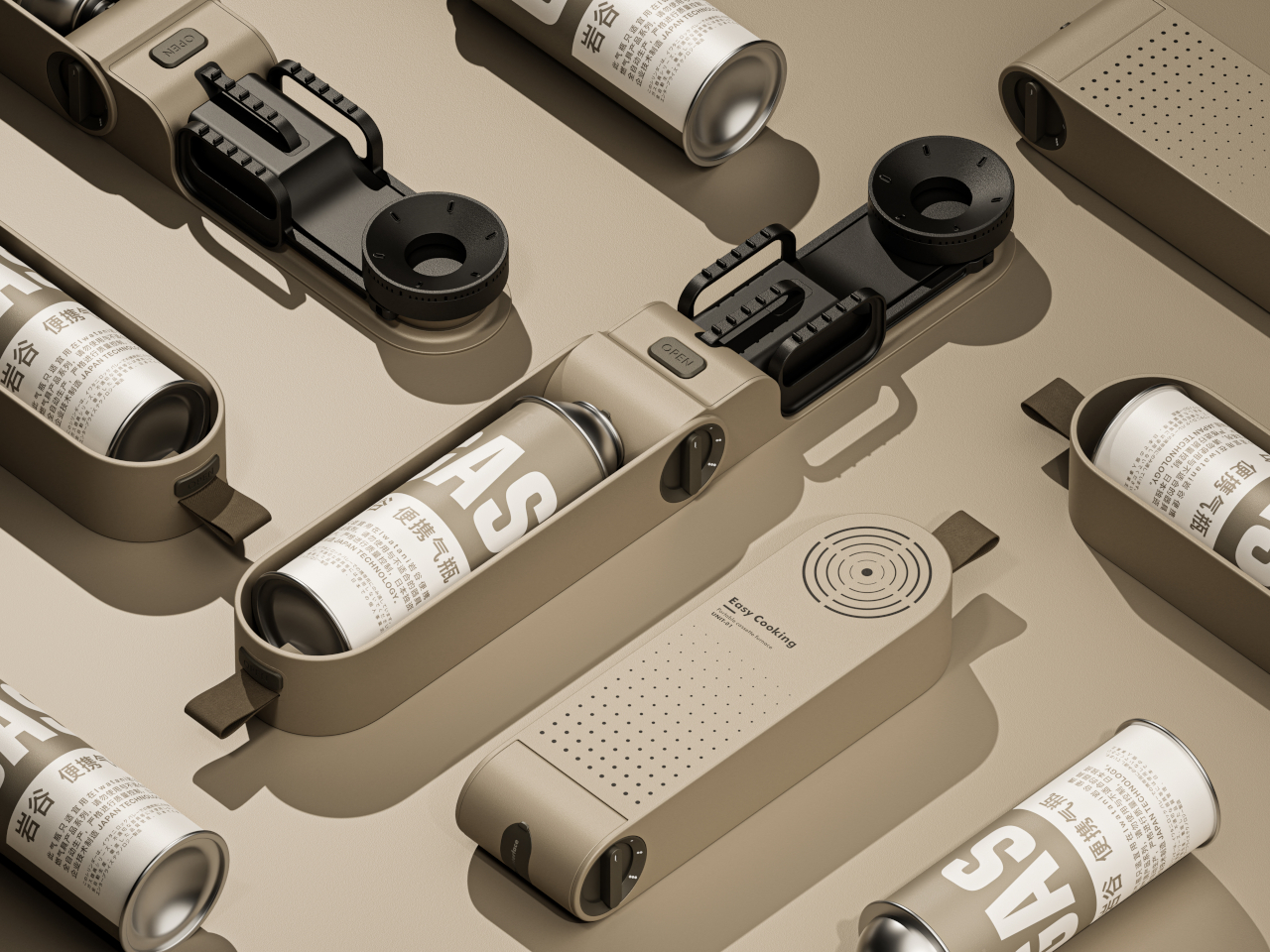
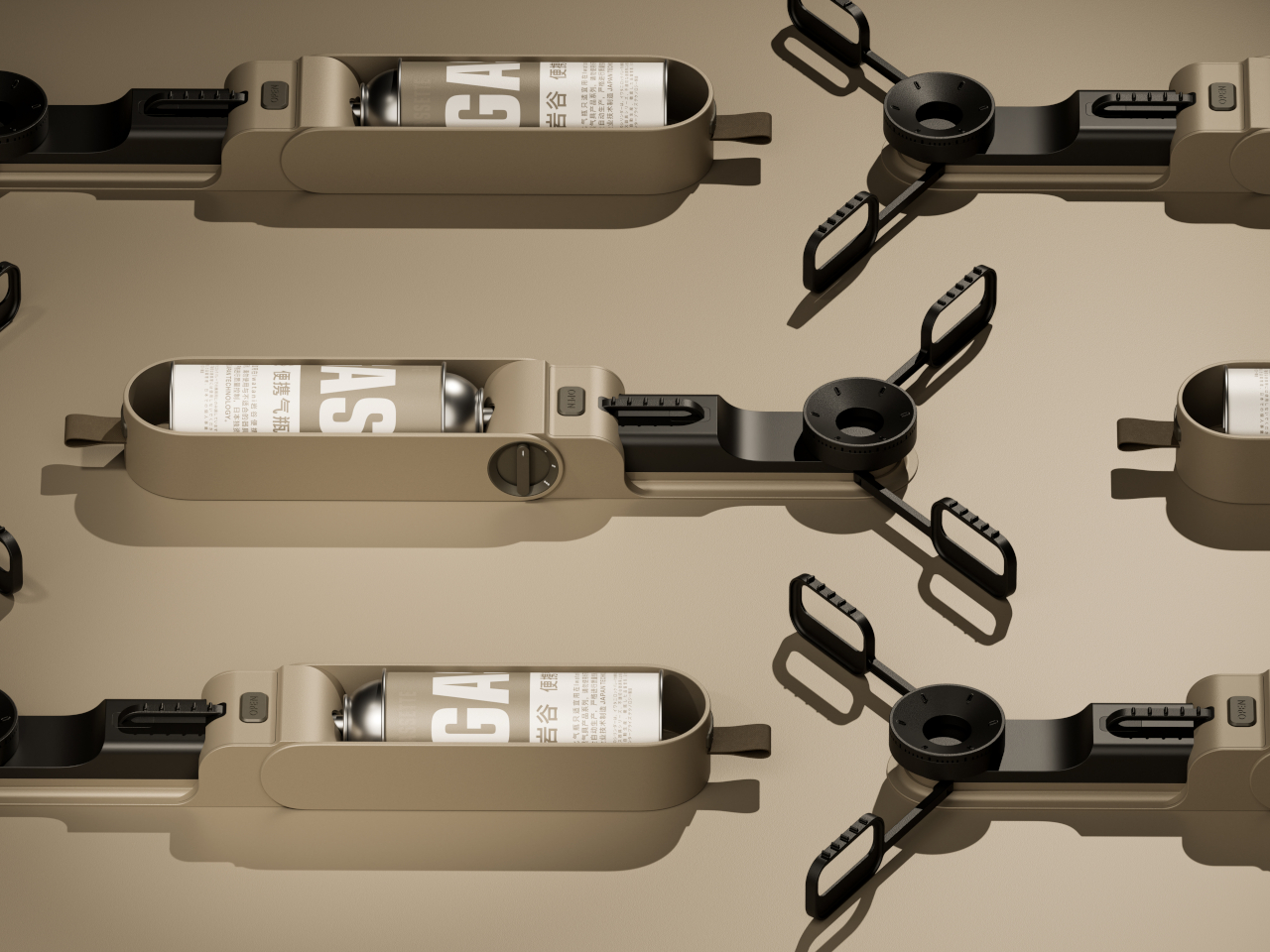
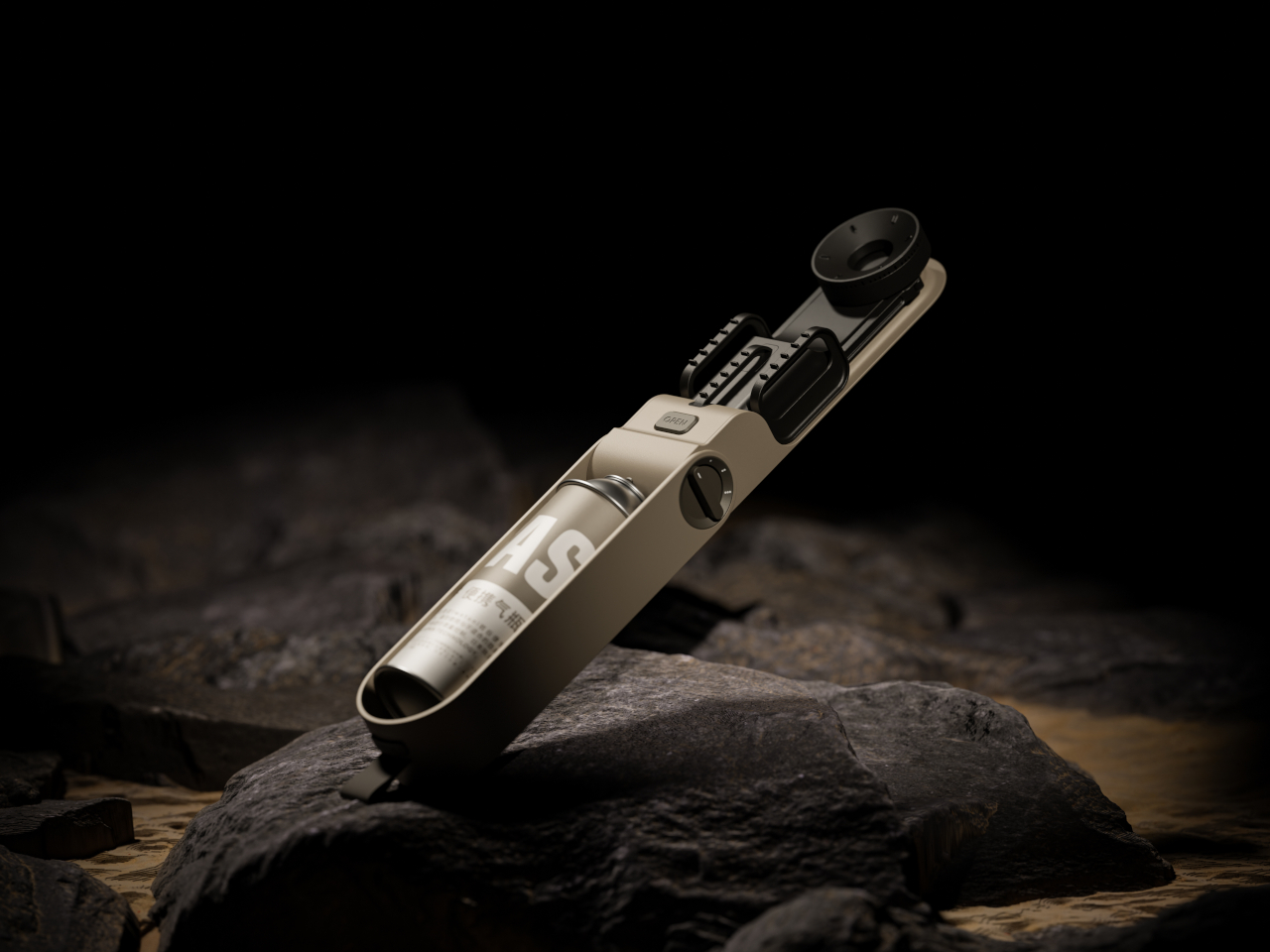
Easy Cooking Stove Concept Folds Its Burner and Pot Supports Into One Case

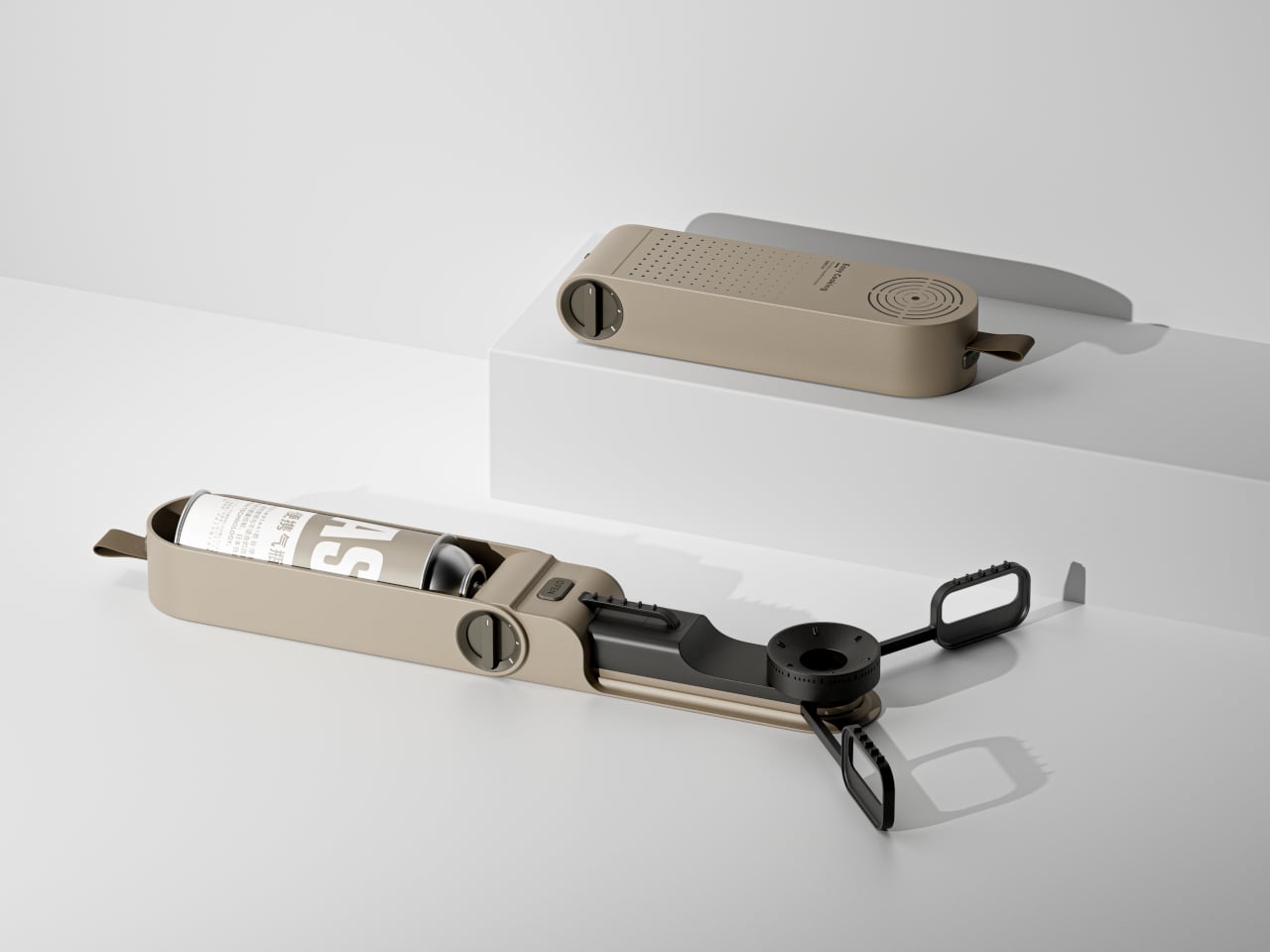
Camping stoves can be awkward things to pack, especially when the burner and pot supports insist on keeping their cooking shape inside your bag. Easy Cooking approaches that problem with a folding stove concept that tucks its parts into an elongated, rounded case. Developed in 2023, it proposes a smaller package for the trip without making you assemble a kitchen from loose pieces.

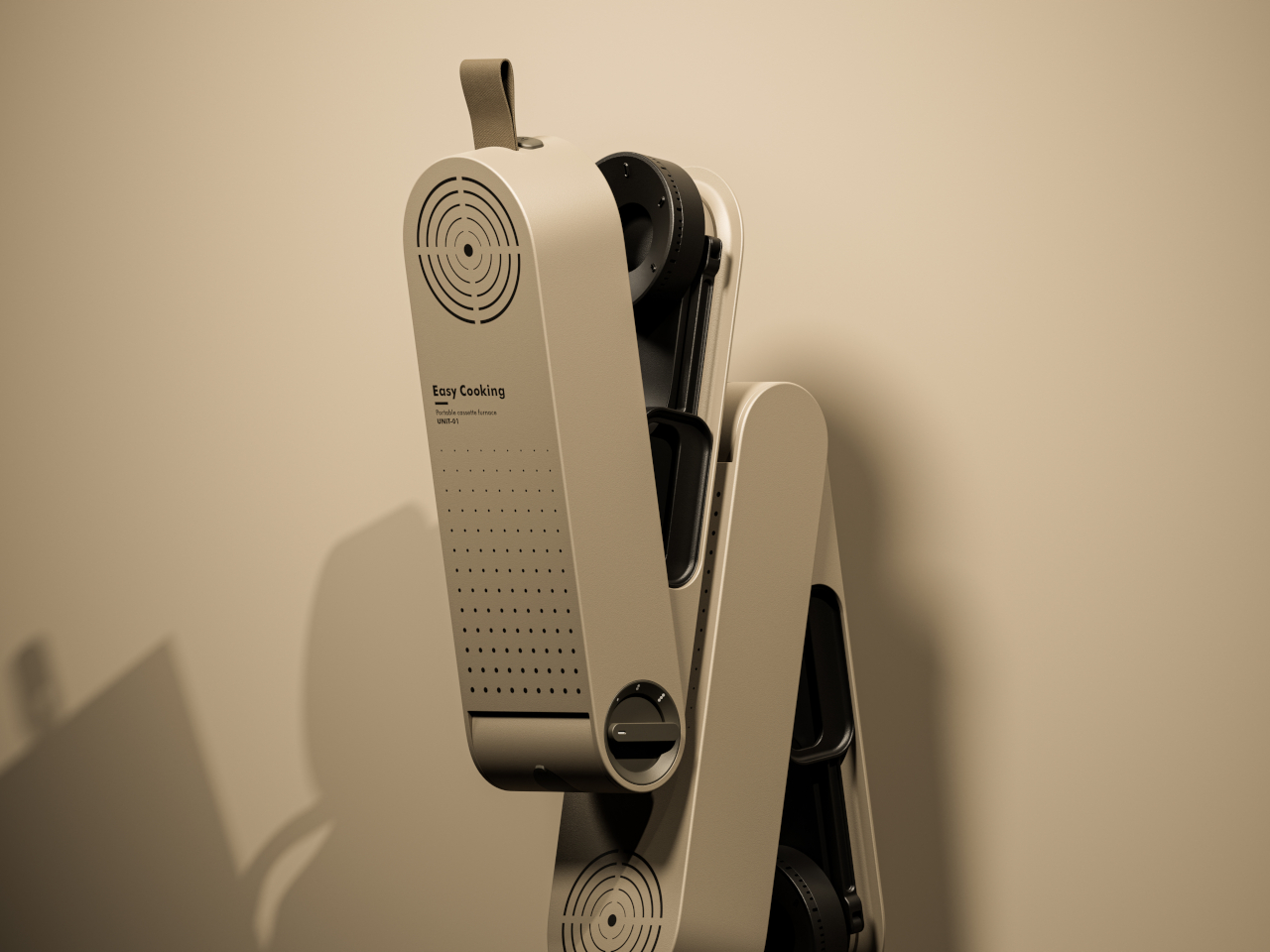
The closed body has a sandy beige finish, interrupted by black details and a short fabric loop at one end. Concentric slots near the opposite end echo the circular burner hidden inside, while a field of smaller perforations breaks up the broad face. It’s a restrained way to give camping equipment some character without covering it in rugged-looking armor or oversized branding.

Designers: Hao Kong, Qi Qiu

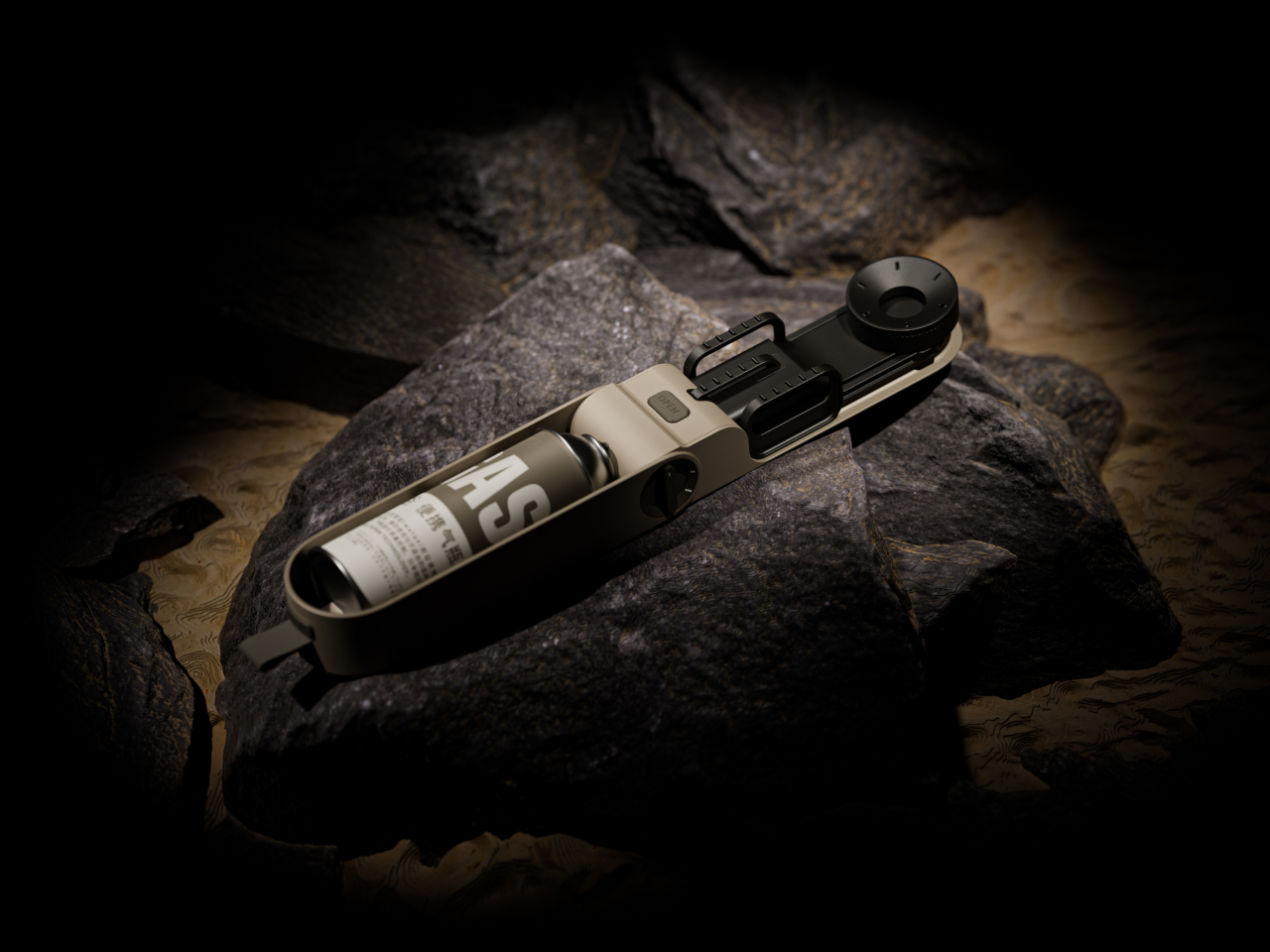
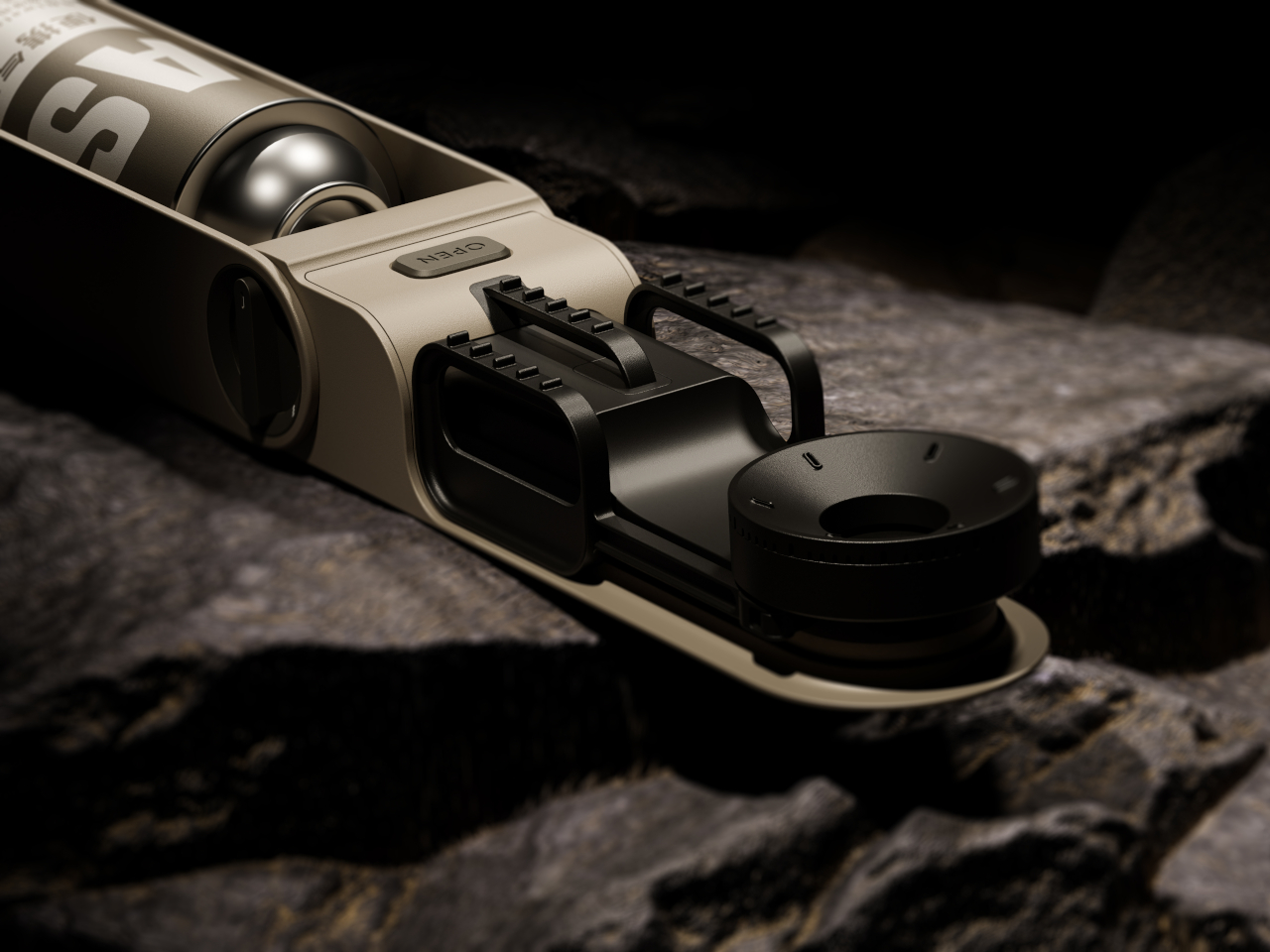
Opening it changes the relationship between those parts. The burner extends away from the housing, and three serrated pot supports spread around it to create a cooking position wider than the packed form. Folded inward, those supports nest alongside the burner. The proposal concentrates on rearranging what a stove needs, rather than giving a conventional rectangular cooktop a handle and calling it portable.

The fuel cartridge sits lengthwise inside the open housing, keeping the supply beside the burner rather than requiring a separate fuel hose. A large rotary dial occupies the side, and an OPEN label marks a separate control on top. Those familiar physical cues suggest where to begin, although the presentation doesn’t explain the ignition system or the cartridge’s locking and release mechanisms.

That arrangement would make sense for a quick outdoor meal, when you want to put a kettle on without unpacking a boxy tabletop appliance. The enclosure serves two jobs: concealing the burner for transport and accommodating the cartridge once the stove is deployed. Its usefulness would depend on how easily those parts move, especially after grit and food residue get into the joints.

There’s a precedent for this kind of transformation. Snow Peak’s Home & Camp Burner, released in 2019, also folds its burner into an enclosure that holds a butane cartridge during use. Easy Cooking explores that packing problem with a flatter, capsule-like outline. The shared idea makes the details of deployment more interesting than any suggestion that folding a stove is entirely new.

Easy Cooking remains a concept rather than an established retail product. There’s no mention of dimensions or weight figures to demonstrate how much space it saves, and material grades aren’t specified. The folding supports leave practical questions about how a full pot would be held above the ground, particularly when stirring or lifting it could shift the load across that narrow structure.

Heat management matters as much as the folding trick. Snow Peak warns that certain cookware can radiate enough heat toward its canister to create a hazard, a reminder of what’s at stake when fuel and flame share a small footprint. Making the stove disappear for travel is appealing; keeping its fuel from overheating once a pan goes on top demands more care.

The post Easy Cooking Stove Concept Folds Its Burner and Pot Supports Into One Case first appeared on Yanko Design.
  •  

Test du télémètre laser de poche HOTO - précis à 2 mm

- Contient des liens affiliés Amazon -

Il m'aura fallu attendre un déménagement pour comprendre à quoi servait vraiment un télémètre laser , et depuis que celui de HOTO traîne à la maison, je mesure à peu près tout, y compris ce qui n'en a aucun besoin. La marque vient de l'écosystème Xiaomi, elle fabrique de l'outillage grand public plutôt joli, comme cette visseuse que je vous ai déjà montrée, et ce petit boîtier mesure tout ce qui passe entre 5 centimètres et 30 mètres, à 2 millimètres près.

36 grammes. Voilà ce que pèse l'engin, à peine 7 centimètres de long, rechargeable en USB-C (le câble est dans la boîte si vous n'en avez pas, mais je ne vous croirais pas), et il se glisse du coup dans une poche sans qu'on y pense.

Le fonctionnement est on ne peut plus simple, on cale l'appareil contre un mur, on appuie, et la distance jusqu'à la paroi d'en face s'affiche en une petite seconde sur un écran OLED qui se lit aussi bien en plein soleil que dans une cave.

Chez moi, il a servi à tout. Vérifier qu'un canapé de 2,40 mètres passait entre la fenêtre et le radiateur du salon, mesurer la hauteur sous plafond sans monter sur une chaise, recalculer la surface d'un couloir à repeindre parce que le pot de peinture promettait 10 mètres carrés et que je n'y croyais pas une seconde.

En visite d'appartement, vous relevez les cotes des pièces l'air de rien pendant que l'agent immobilier déroule son argumentaire, et vous savez avant de signer si l'armoire normande héritée de la mamie rentrera dans la chambre.

La mesure se prend au choix depuis l'avant ou l'arrière du boîtier, un détail qui n'en est pas un, puisqu'on plaque l'engin au fond de la niche du lave-linge et qu'on obtient la largeur exacte sans tordre quoi que ce soit dans l'angle. On peut aussi changer l'unité de mesure, mais a priori vous devriez rester sur le système métrique.

La batterie, je l'ai rechargée une fois en un mois, par acquit de conscience plus qu'autre chose.

Comptez une trentaine d'euros, parfois moins en promo, et à ce prix je ne vois pas bien ce qu'on peut lui reprocher, la visée est précise, la prise en main immédiate, et l'objet fait son petit effet quand vous le sortez devant un pote en plein montage de meuble.

La bête est disponible par ici sur Amazon , et croyez-moi, il va vous servir un paquet de fois.

  •  
❌