❌

Vue lecture

Hal Jordan has to recharge his ring, but the NoxTi titanium EDC lantern glows for decades

Every Green Lantern has the same annoying chore. Once a day, the ring needs a top-up, so our cosmic cop has to press his fist against a glowing green lantern and recite a whole poem before it’ll charge. Imagine your iPhone demanding spoken word every night before you plug it in.

Xedge’s NoxTi TRI skips the ritual. It’s a pocket-sized lantern in Grade 5 titanium that hangs off your keys or around your neck, with three glow tubes tucked inside. Fit it with tritium tubes and it glows without charging, a switch, or poetry, slowly dimming over a couple of decades. Prefer something non-radioactive? Photoluminescent tubes absorb light and glow after dark. Hal would be jealous.

Designer: Xedge

Click Here to Buy $35 $55 (36% off). Hurry, only a few left! Raised over $81,000.

Three Tubes, One Glowing Core
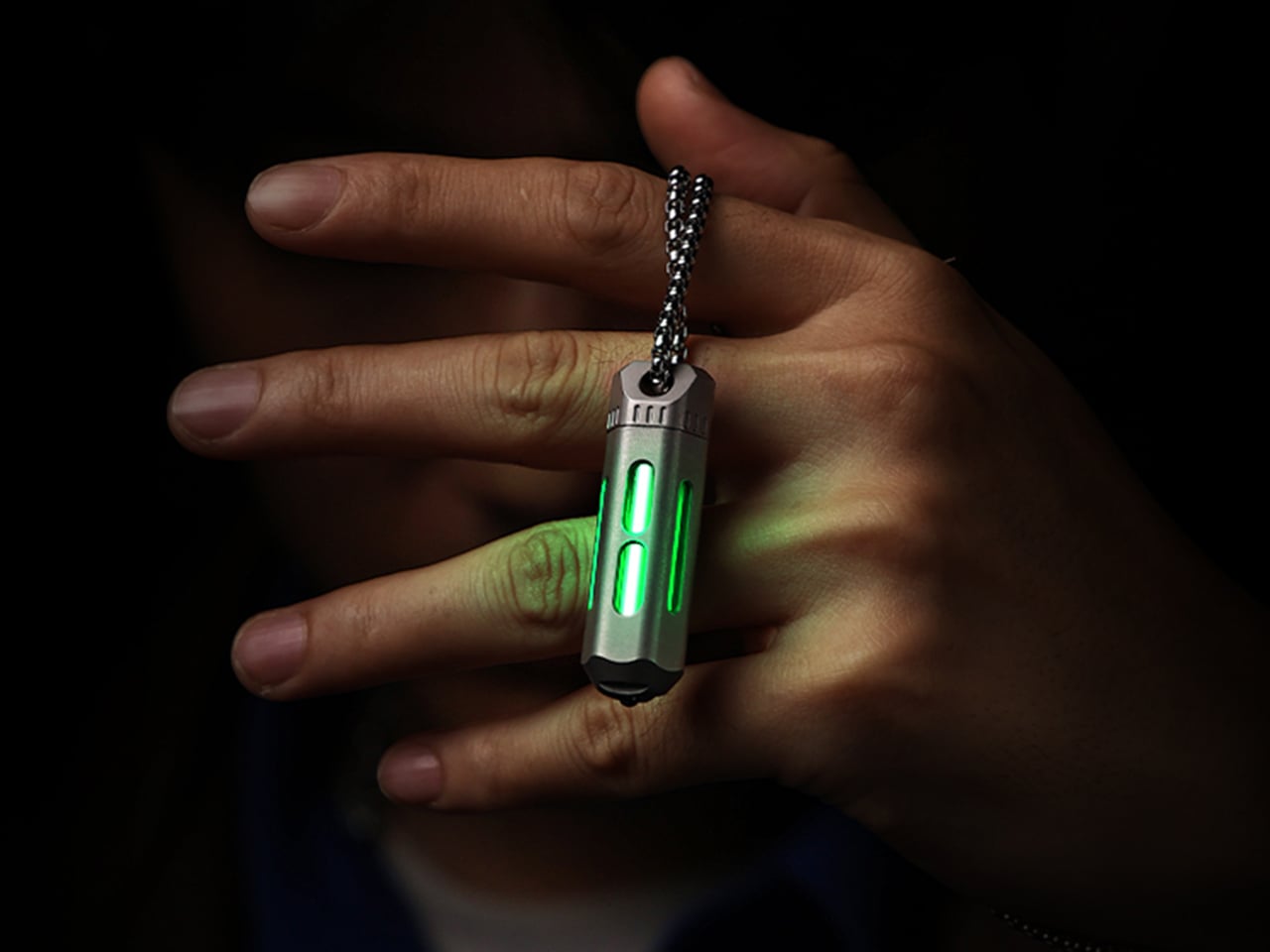
NoxTi TRI holds three 3 x 22.5mm glow tubes spaced 120 degrees apart to keep the glow visible from more angles, whether the capsule is dangling from a keyring or lying in a cupholder. The tubes sit in a custom carrier made of optical-grade PMMA acrylic, for which Xedge claims around 97 percent light transmission. The carrier is designed to use total internal reflection to distribute the light, making the three tubes appear as one luminous core behind the titanium windows.

Six colors are on the menu: Apple Green, Ice Blue, Ocean Blue, Red, Violet, and Sunset Orange. Run one across all three slots for a uniform glow, or mix them. Yes, that means three Lantern Corps on one keyring. Tritium is the set-and-forget option. Its half-life is about 12 years, so the glow gradually dims rather than switching off, with Xedge describing a usable lifespan of about two decades. That’s still a better deal than any battery I own. The tritium is sealed inside glass vials, and Xedge reports a radiation-meter reading of 0.07 µSv/h. Photoluminescent tubes are the cheaper, non-radioactive option, recharging through exposure to light.

Titanium Outside, Shock Absorbers Inside

The shell is CNC-machined from Grade 5 titanium, an alloy also used in aircraft parts and bone implants. Its corrosion resistance should suit the sweat and daily handling of life on a crowded keyring. It measures 47mm long and 14.3mm across, and weighs 15.8 grams, roughly the weight of three US nickels. Inside, a quartz sleeve surrounds the glowing core to help keep dust out and the view clear, while O-rings seal the threaded body. Xedge says it tested the design at temperatures from minus 20°C to 100°C. It comes in sandblasted raw titanium or a stealthier Black DLC finish. I’d pick the black, purely because the glow stands out more against it.

The more interesting detail is how the design cushions those glass tubes. Each one rests on a 3mm silicone ball, and a stainless steel spring under the core is intended to absorb jolts from dropped keys or a swinging pendant. That spring sits on a magnetic base to help keep it in place when you unscrew the body to swap tubes, reducing the chance of tiny parts bouncing across the kitchen floor. A machined Tri-Index Cap keeps all three tubes aligned with their windows. Xedge says every component is accessible and replaceable, giving the titanium shell a chance to outlive several sets of tubes.

Wear It, Clip It, Break Glass With It

The attachment hole at the top takes a split ring, a quick-release clip, or a chain, so the TRI can live on your keys, hang off a bag zipper, dangle from a phone strap, or ride around your neck as a pendant. The kit supports both single-tube and triple-tube setups, so you can switch between them. On the opposite end sits a ceramic glass-breaker bead, intended for breaking car windows in an emergency, which I sincerely hope nobody ever needs. Keep expectations calibrated, though: this is a locator glow for finding your keys or bag in the dark. It won’t light up a trail.

The NoxTi TRI Kickstarter campaign lists a retail price of about $55 (HK$429) per unit. Pledge pricing starts at $35 for the launch special, followed by $39 for Super Early Bird and $45 for Early Bird, with two-packs from $65 and a four-pack at $119. Glow tubes are separate add-ons: tritium costs $20 per tube or $60 for three, while photoluminescent tubes are $7 each or $15 for three. Extras include the Black DLC upgrade ($15), a stainless steel necklace ($12), a titanium quick-release clip ($15), and titanium split rings ($12 for three). Shipping is listed as free worldwide, with deliveries planned for February 2027. Xedge hasn’t published warranty terms yet.

Click Here to Buy $35 $55 (36% off). Hurry, only a few left! Raised over $81,000.

The post Hal Jordan has to recharge his ring, but the NoxTi titanium EDC lantern glows for decades first appeared on Yanko Design.
  •  

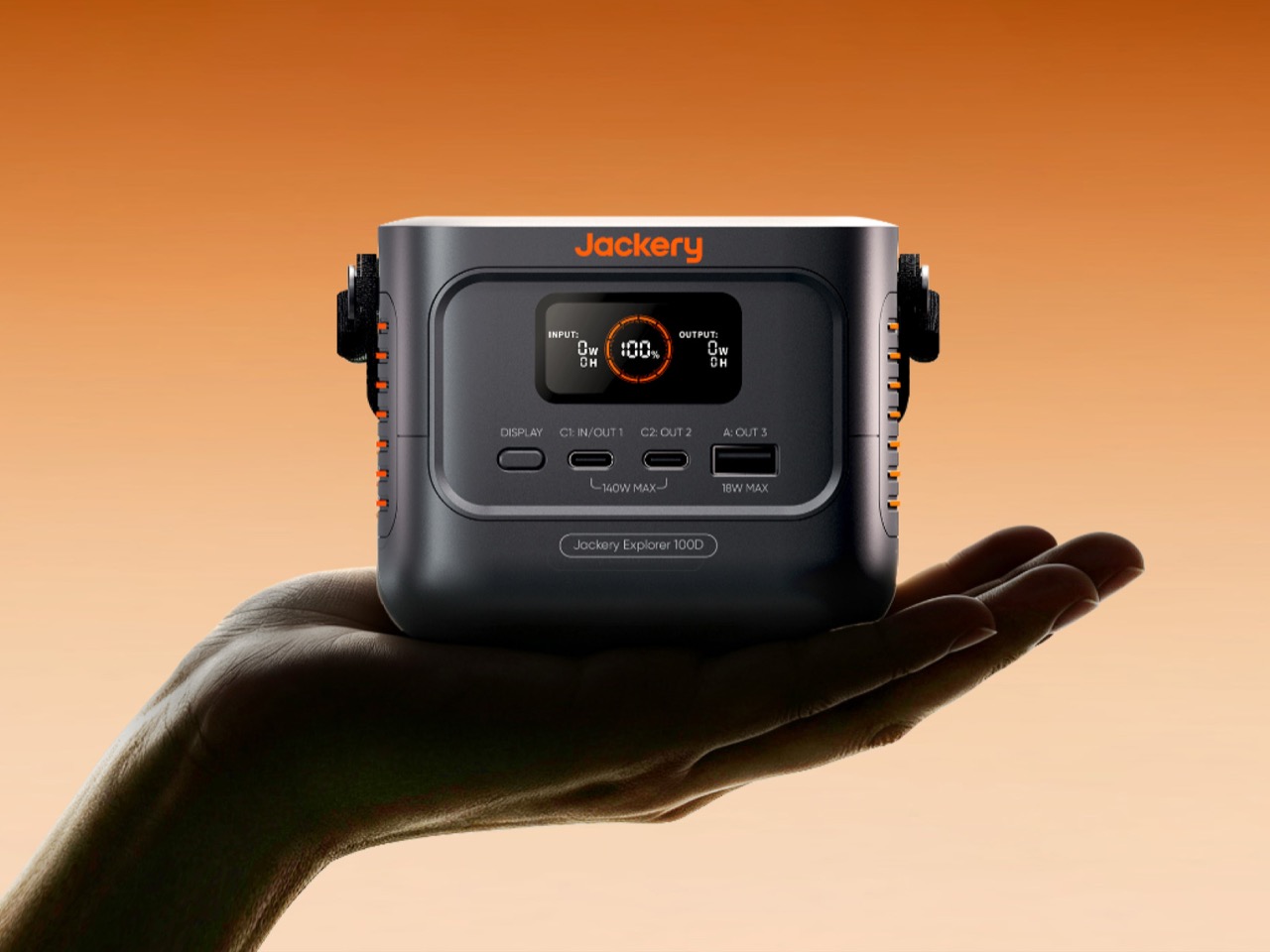
Jackery shrank its power station into a 96Wh cube with 140W USB-C

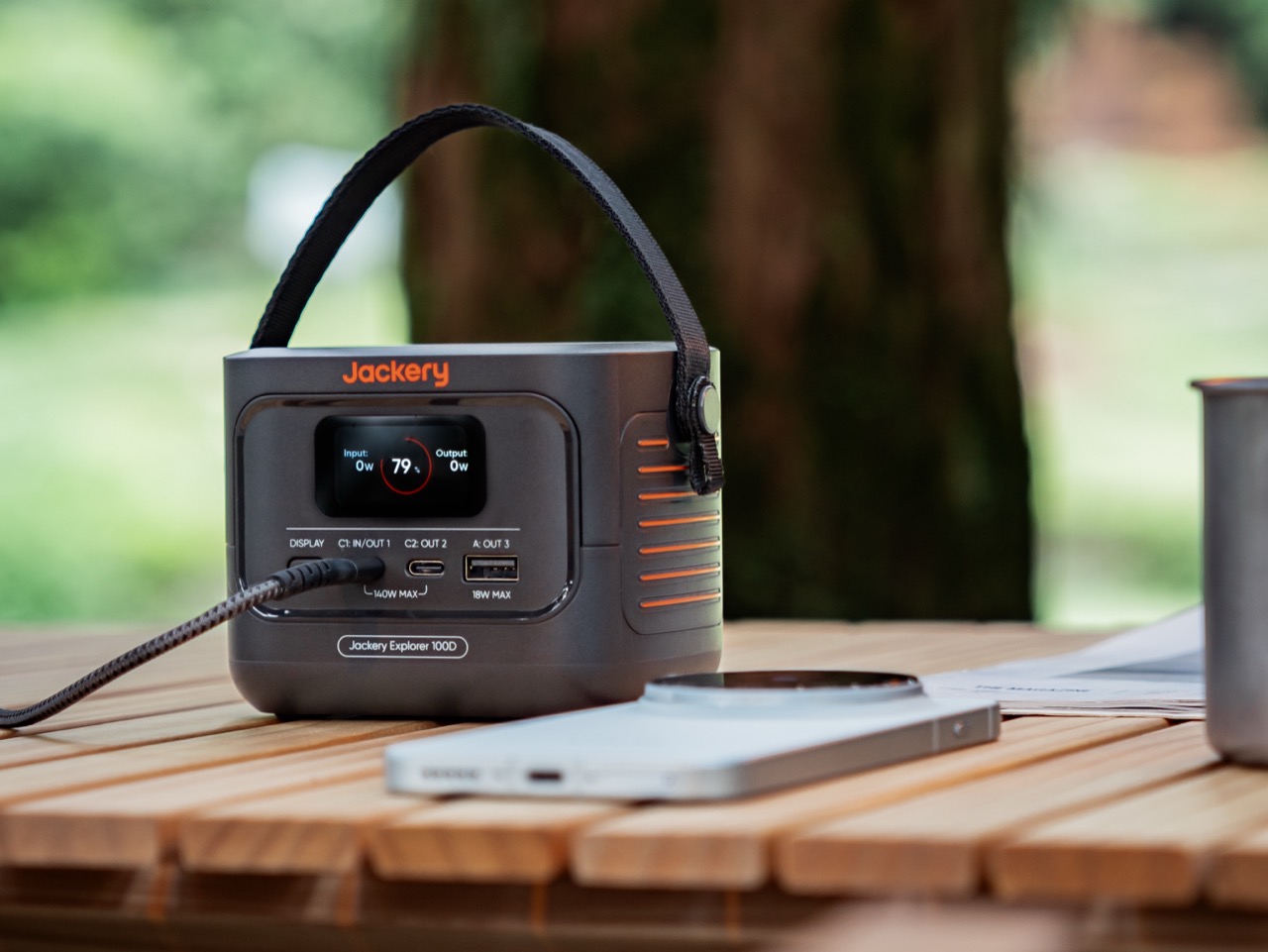
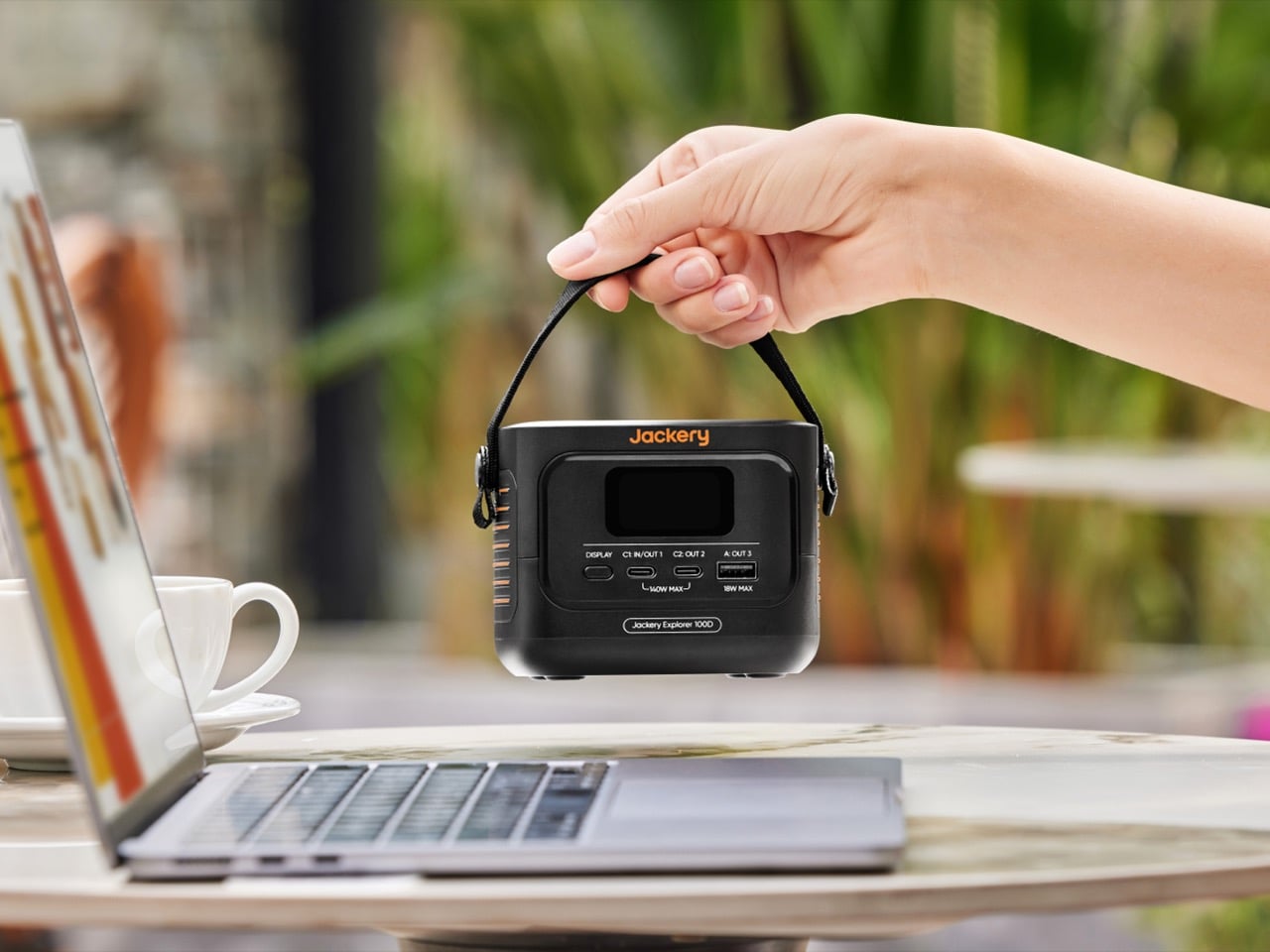
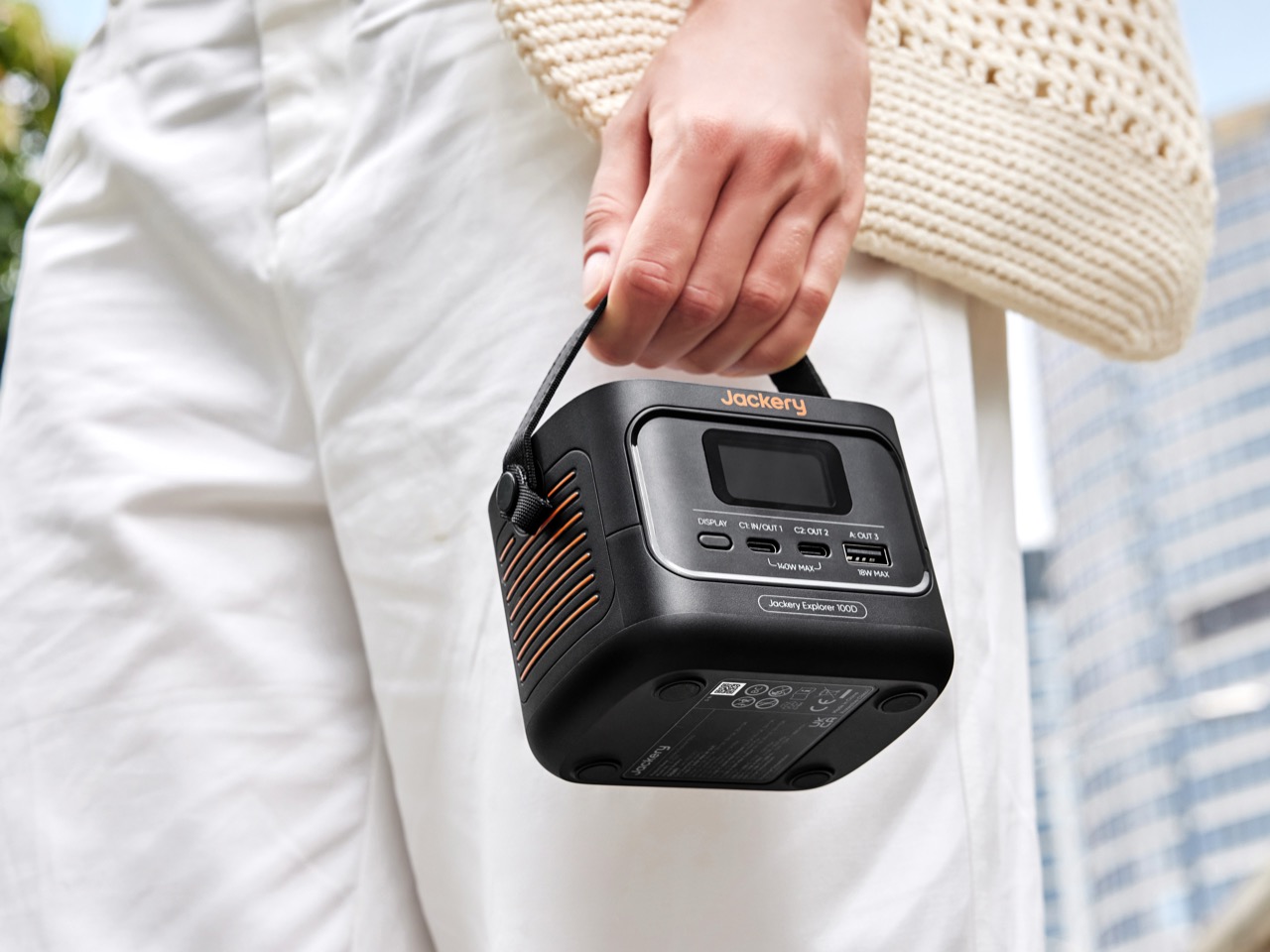
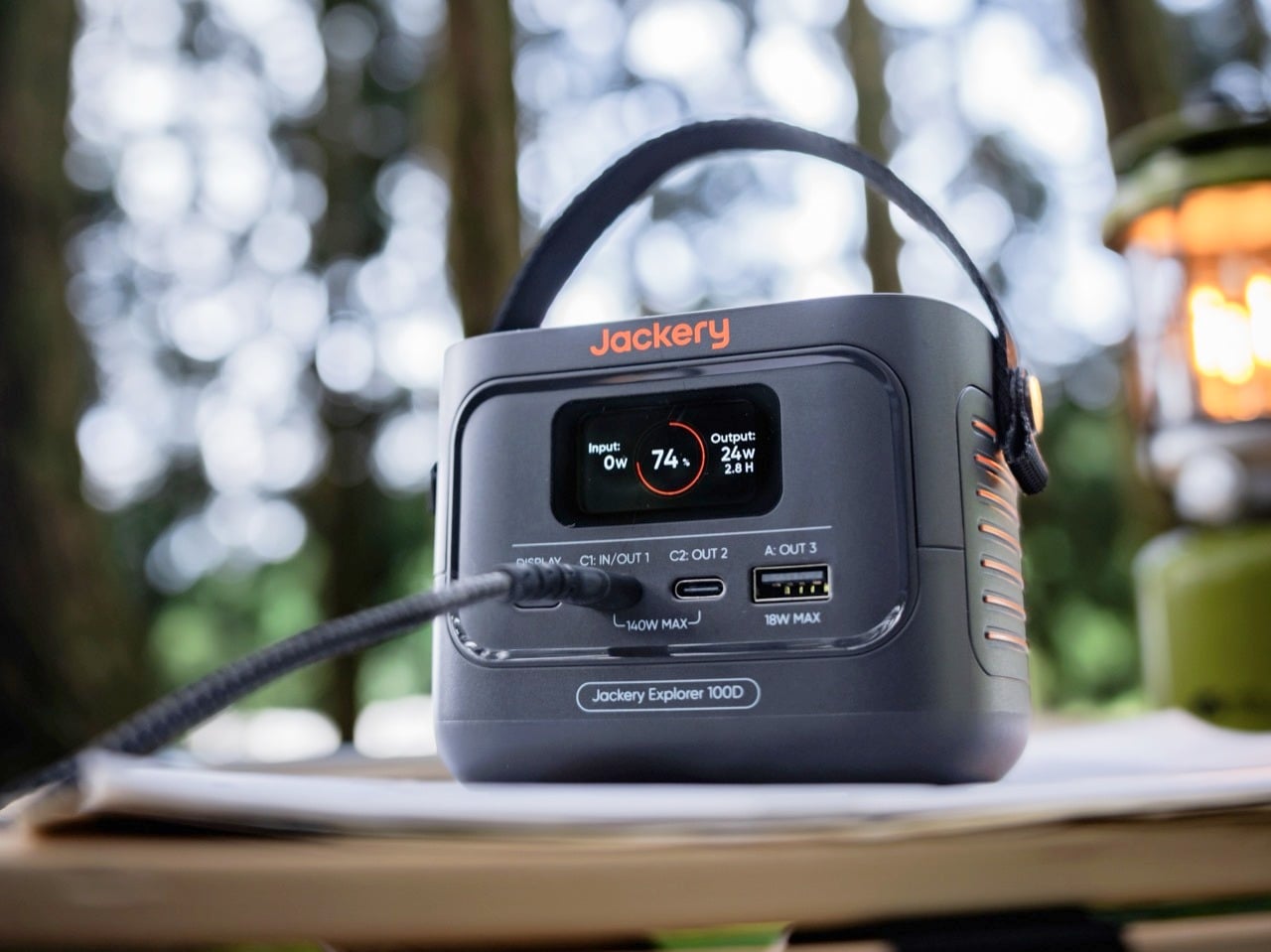
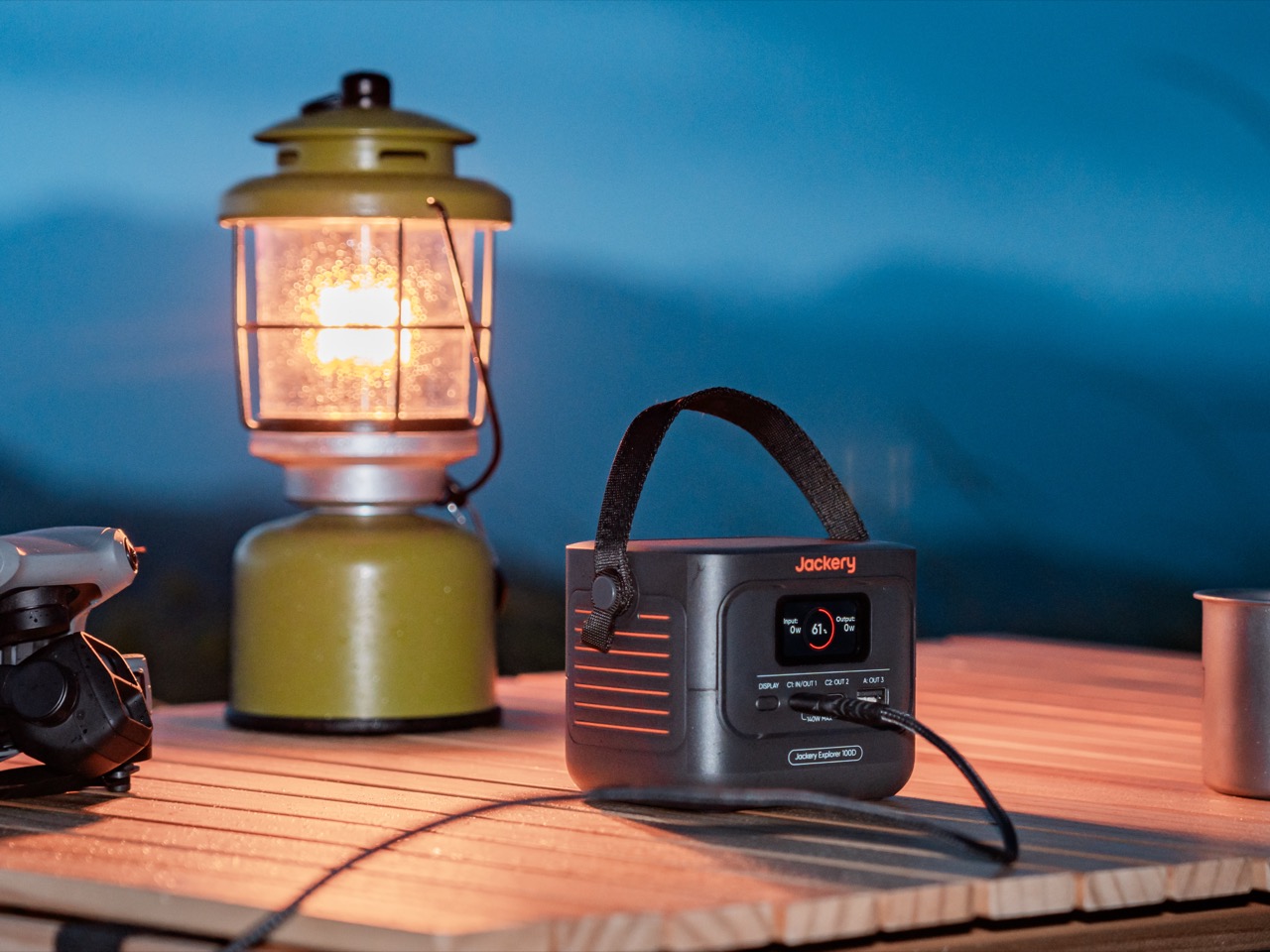
Jackery’s new Explorer 100D looks like it should play AM radio. The squat little cube has a framed front panel, orange slatted vents down its sides, and a webbing strap you’d expect on a vintage transistor set. Instead of tuning into ballgames, it stores 96Wh of energy and delivers up to 158W across two USB-C ports and one USB-A port. It measures 4.67 by 3.25 by 3.37 inches (11.9 x 8.3 x 8.6cm), making it roughly softball-sized, and weighs 1.87 pounds (850g). It’s the smallest power station Jackery has ever built.

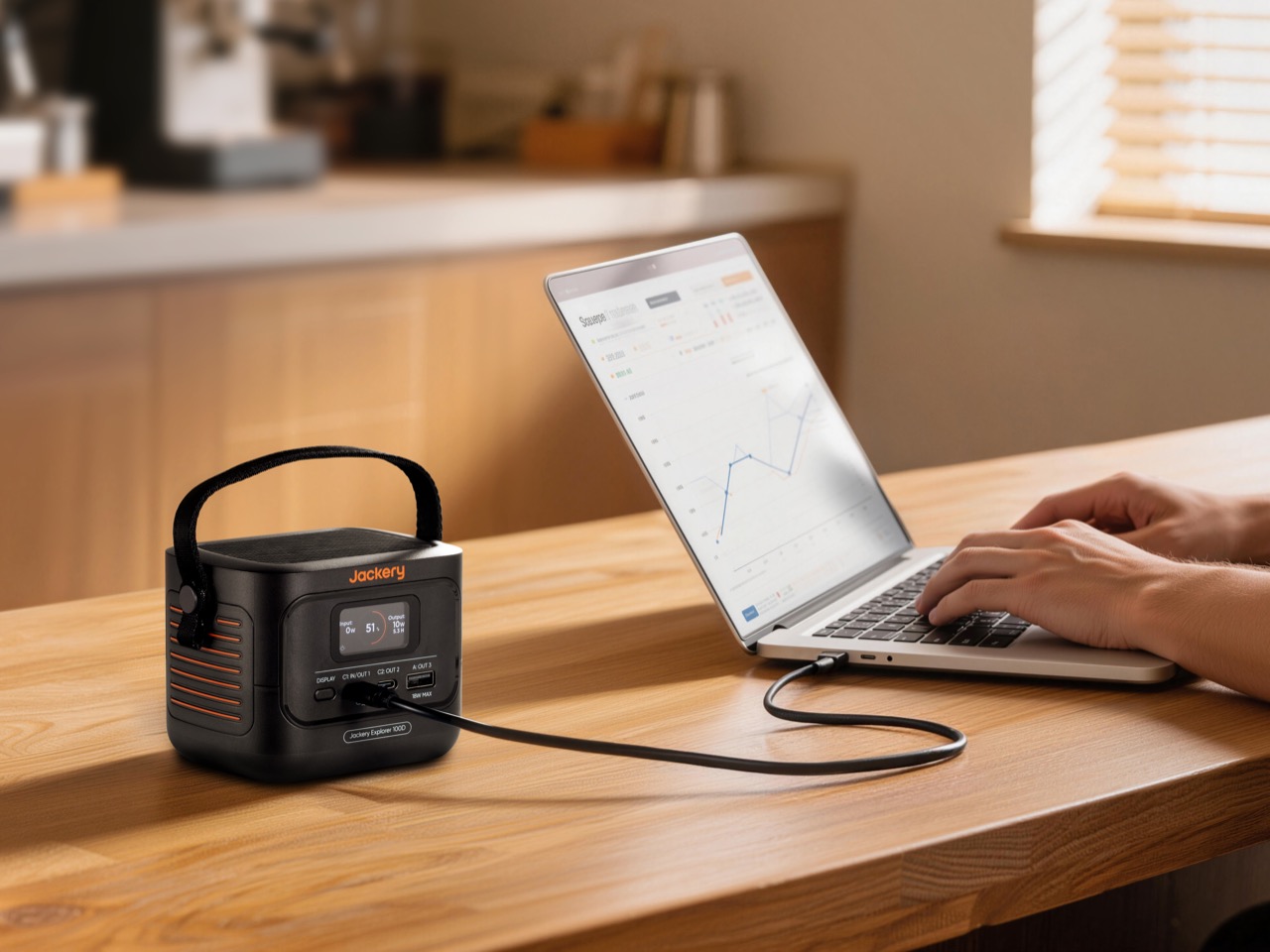
Jackery’s D-series models skip the AC outlet entirely, and that decision explains much of the design. They don’t need an inverter, a bulky component that generates heat and often requires a cooling fan. Leaving it out lets the box shrink to desk-friendly proportions, while the 96Wh battery sits just below the FAA’s 100Wh threshold for batteries carried without airline approval. Jackery estimates more than four charges for an iPhone 17 or Galaxy S26, or roughly one full recharge for a 14-inch MacBook Pro. That’s a useful reserve in something that weighs less than the laptop it’s charging.

Designer: Jackery

One Button Runs the Whole Show

A TFT display on the front tracks input and output wattage, battery level, and estimated runtime, with additional screens for battery health, cycle count, and internal temperature. One DISPLAY button handles it all. Tap once to flip between status screens, double-tap to keep the screen on or switch it off, and hold for three seconds to enter Low-Power Charging Mode. That last trick is for smartwatches and earbuds. Some power banks stop supplying power when a device draws too little current, leaving you with AirPods stuck at 40%. Jackery’s dedicated mode is designed to keep power flowing to those smaller gadgets.

The screen resembles a car’s instrument cluster, with a circular battery gauge in the middle and input and output readouts flanking it. A glossy, framed front panel groups the display and ports into a single face, which is where the transistor-radio vibe comes from. Port labels are printed directly on the panel, and a small bracket under the two USB-C ports marks their 140W maximum. The horizontal vent slats carry Jackery’s signature orange. Four rubber feet help keep it steady on a café table, and the strap fastens to round studs on either side.

140 Watts That Fit in a Tote Bag

The USB-C ports offer up to 140W and support three fast-charging protocols: USB Power Delivery (PD), Programmable Power Supply (PPS), and Adjustable Voltage Supply (AVS). PD serves modern laptops, PPS fine-tunes voltage for compatible devices, including Samsung phones, and AVS is the newer addition Jackery highlights for Apple gear. Jackery claims the 100D can charge an iPhone 17 to 50% in 21 minutes. Total output across all three ports reaches 158W, allowing a laptop, phone, and pair of earbuds to share it. The 18W USB-A port handles whatever legacy cable is still living in your bag.

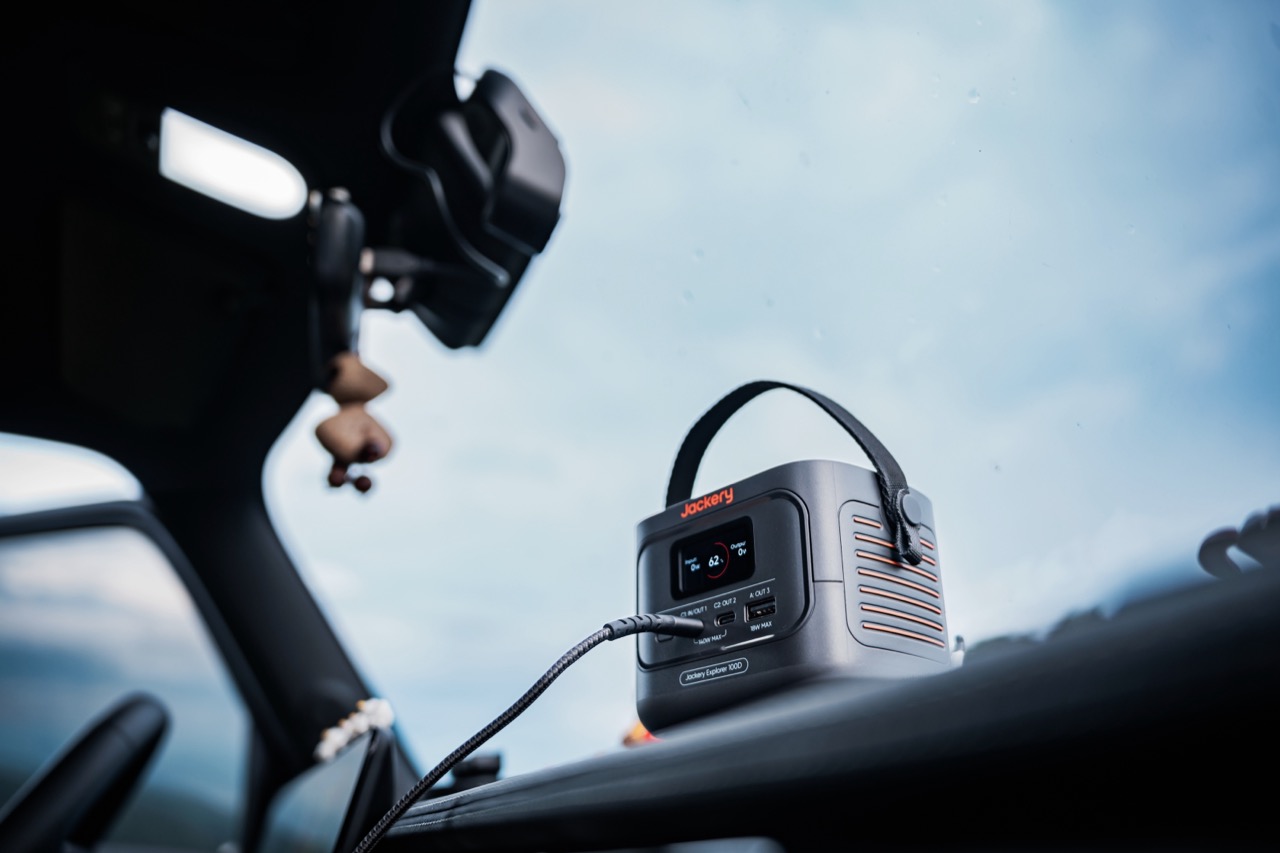
Recharging options include a 140W USB-C wall charger, a 100W car charger, or a 100W solar panel. Jackery quotes 1.7 hours from zero to 80% on solar. Car charging supports both 12V and 24V sockets, covering semi-truck cabs as well as hatchbacks. Car and solar charging use a USB-C to DC8020 adapter connected to C1, the only port that accepts input. When charging the battery and powering devices simultaneously, input and output are capped at 100W each, worth knowing if you plan to use it as a desk hub. Jackery rates the LFP cells for 3,000 cycles before capacity drops to 80%, equivalent to more than eight years of daily cycles.

The Pocket-Size Panic Buy

The 100D replaces the Explorer 100 Plus, Jackery’s previous smallest station, with several improvements. Weight drops from 2.13 pounds to 1.87, output climbs from 128W to 158W, and rated cycles rise from 2,000 to 3,000, with a 3Wh reduction in capacity. The one step back: only one USB-C port accepts input, whereas the 100 Plus could charge through either. Anker’s Solix C200 DC is an obvious rival, offering 192Wh for $149. That doubles the energy but exceeds the FAA’s 160Wh upper limit for spare lithium-ion batteries in passenger baggage, ruling it out for air travel.

Walmart is scheduled to start selling the 100D for $99 on November 15, Costco already offers a two-pack for $179.99, and Jackery lists it at $119 on its own site, with sign-ups for preorder alerts. It’s a compact entry into 2026’s power-station panic buy. Large home-backup stations are built to keep appliances running during an outage. The 100D is for the laptop deadline at an airport gate where every outlet is taken, or the campsite with no plug for miles. It’s a power station you might actually use on a Tuesday.

The post Jackery shrank its power station into a 96Wh cube with 140W USB-C first appeared on Yanko Design.

  •  

This “Bentley of Bikes” sports 5 layers of paint, and packs a 206Hp engine underneath

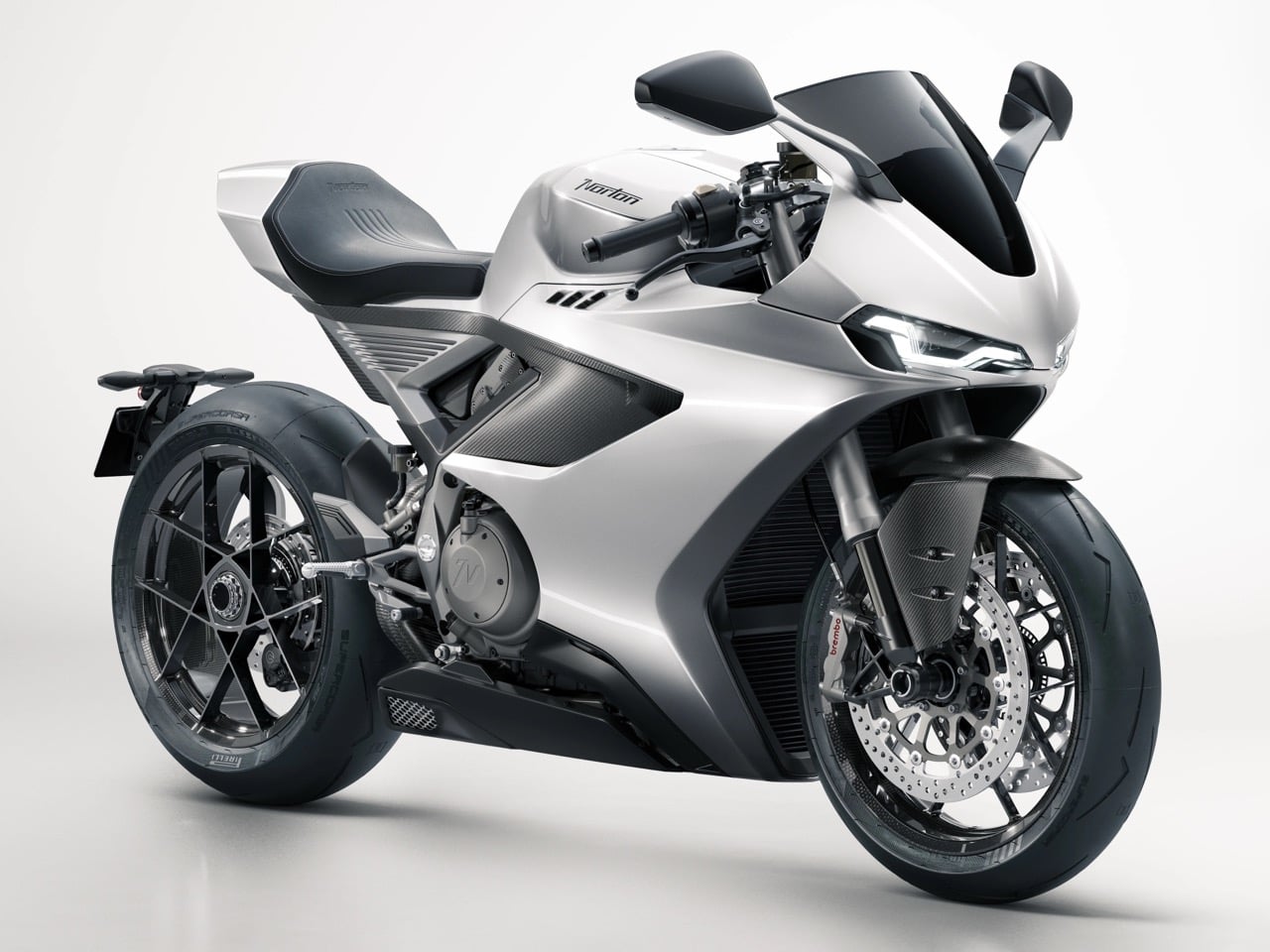
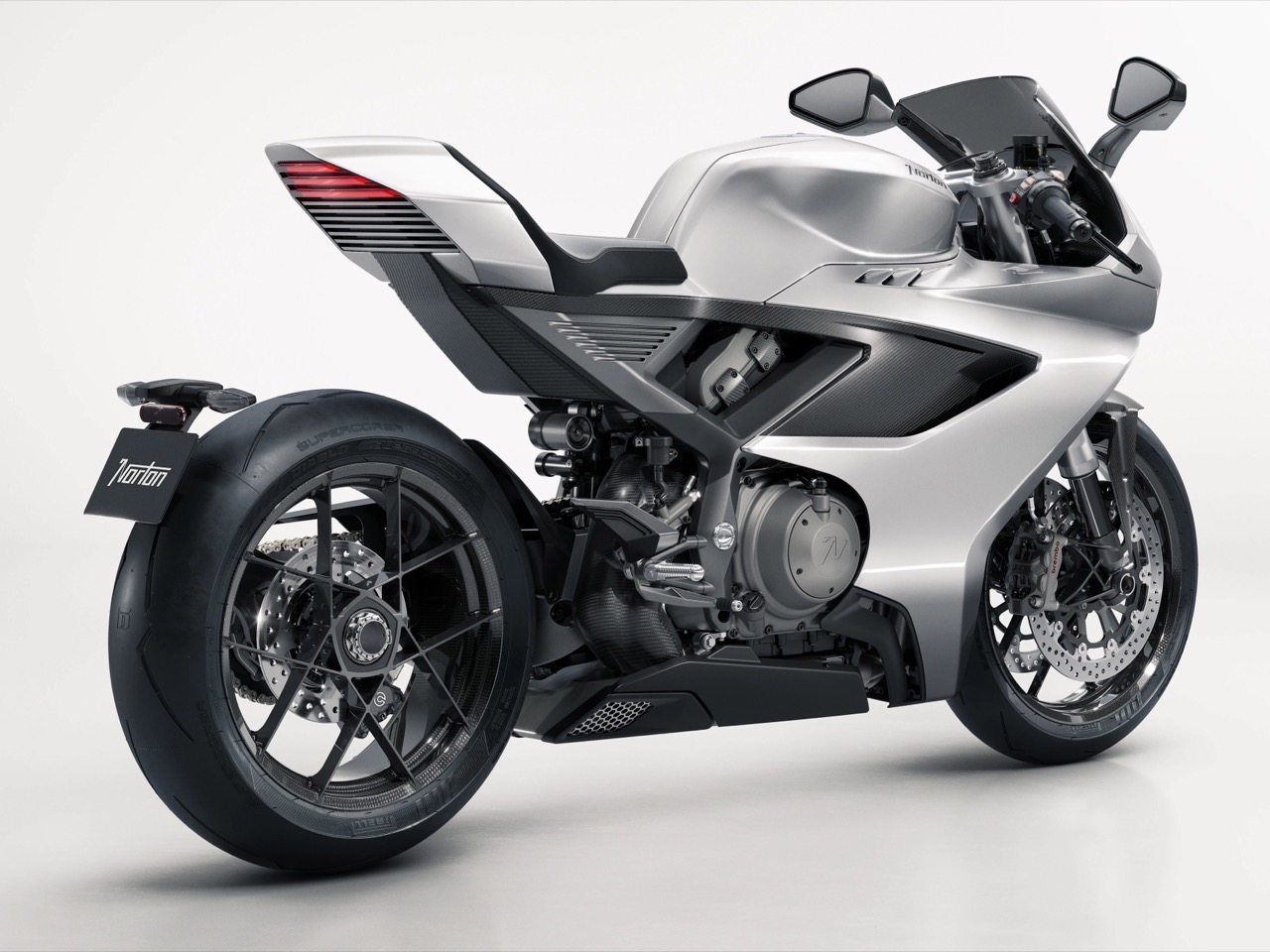
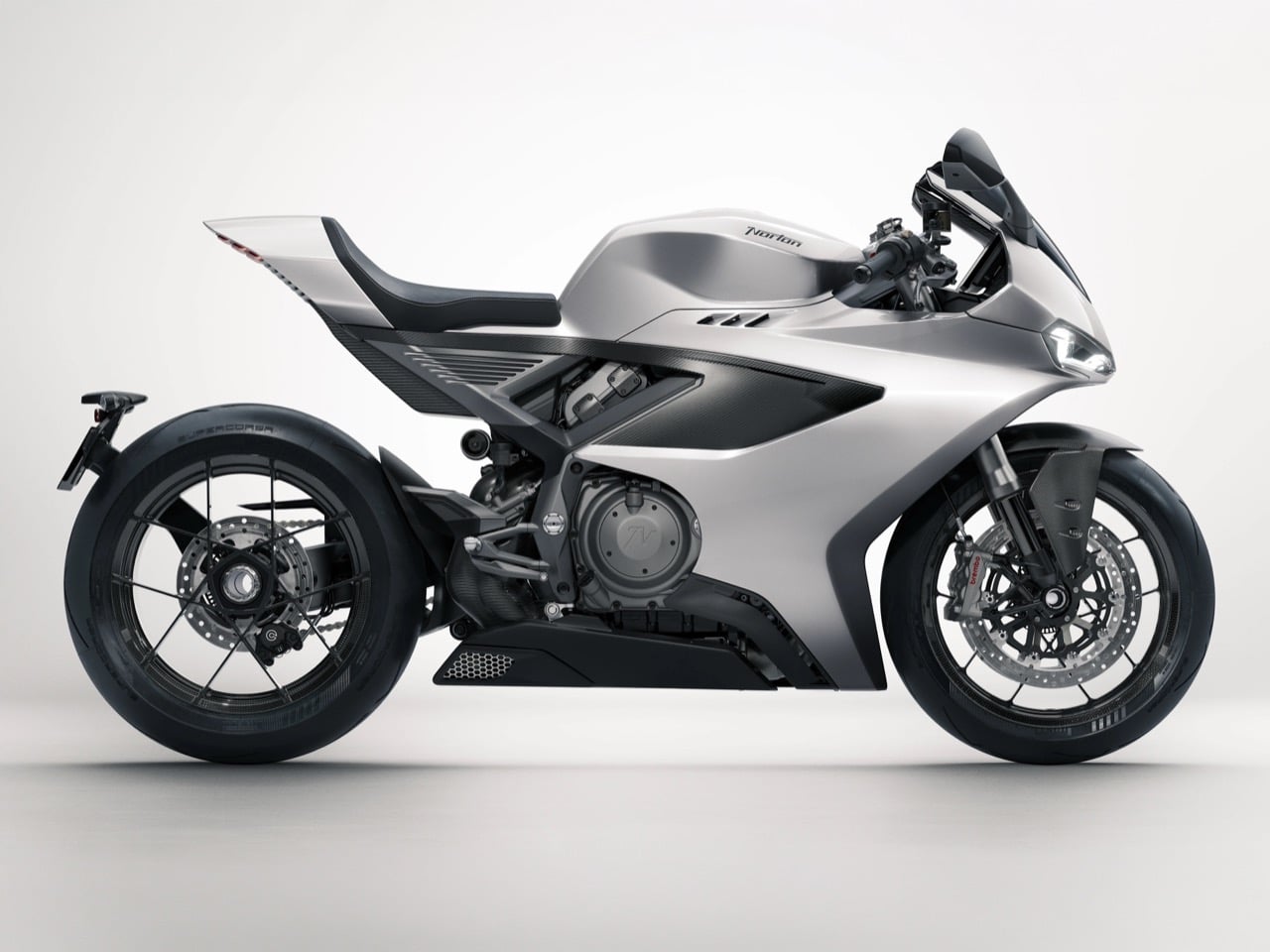
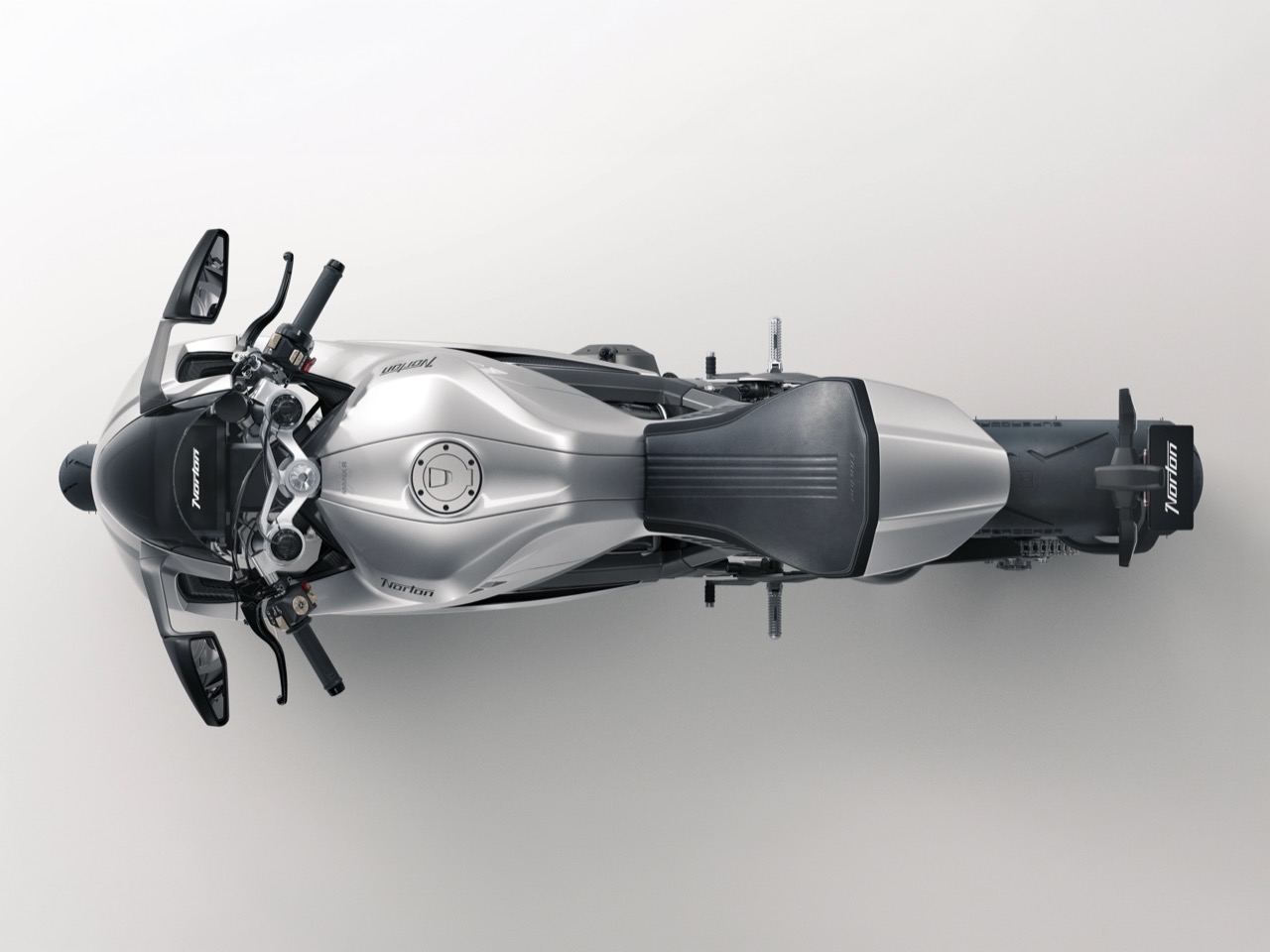
Five layers of paint. That’s how many Norton applied to the bodywork of its new Manx R, enough that the engineers had to factor paint thickness into how the panels fit together. It’s the sort of obsessive detail you’d expect from Bentley, and a RevZilla tester floated the “Bentley of bikes” comparison after riding it. The Manx R is the 206-horsepower V4 flagship of Norton’s comeback under TVS Motor, and it’s already rolling into UK and European dealerships. It has also picked up an IDEA Bronze and a Red Dot: Best of the Best this year.

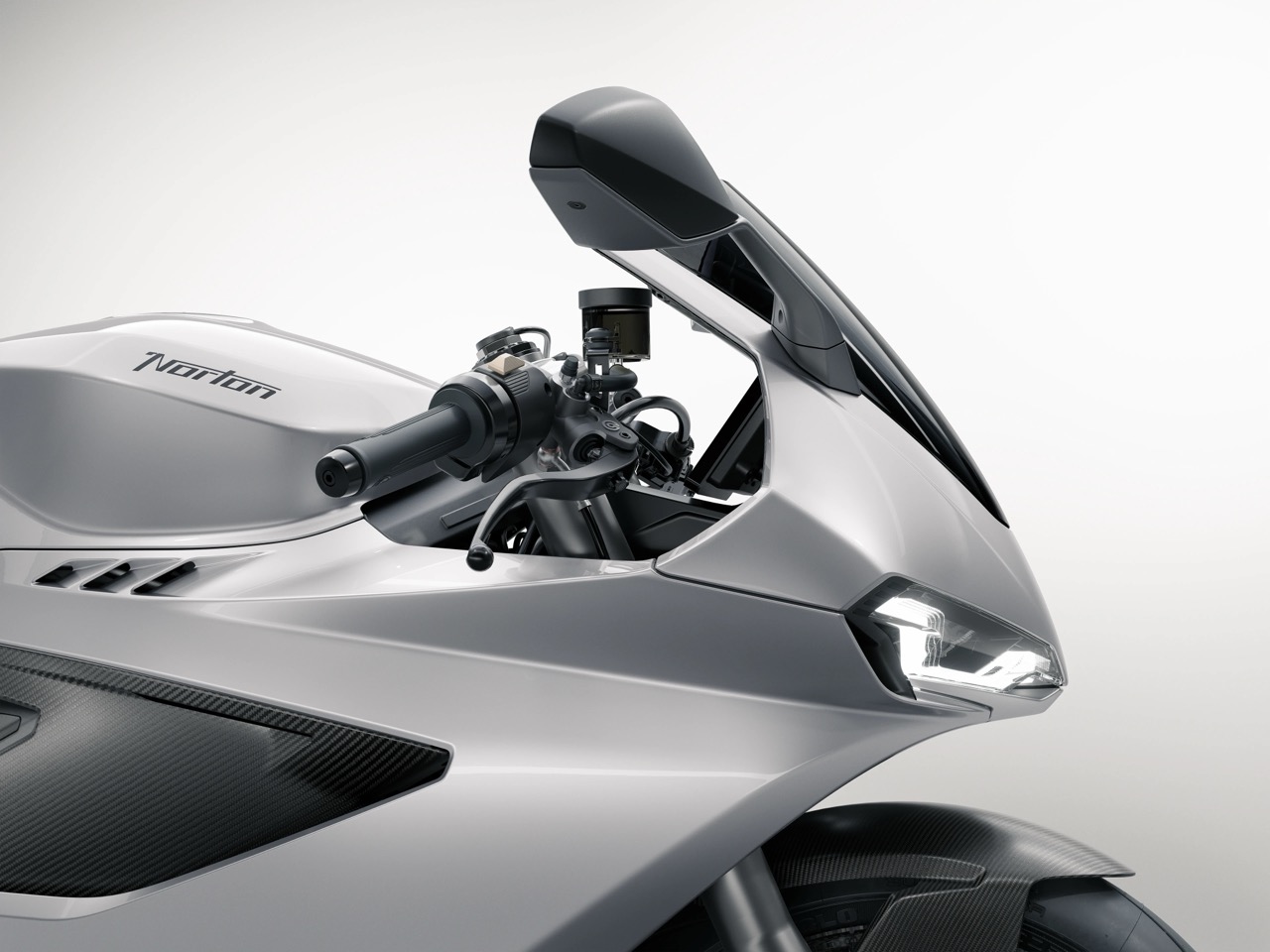
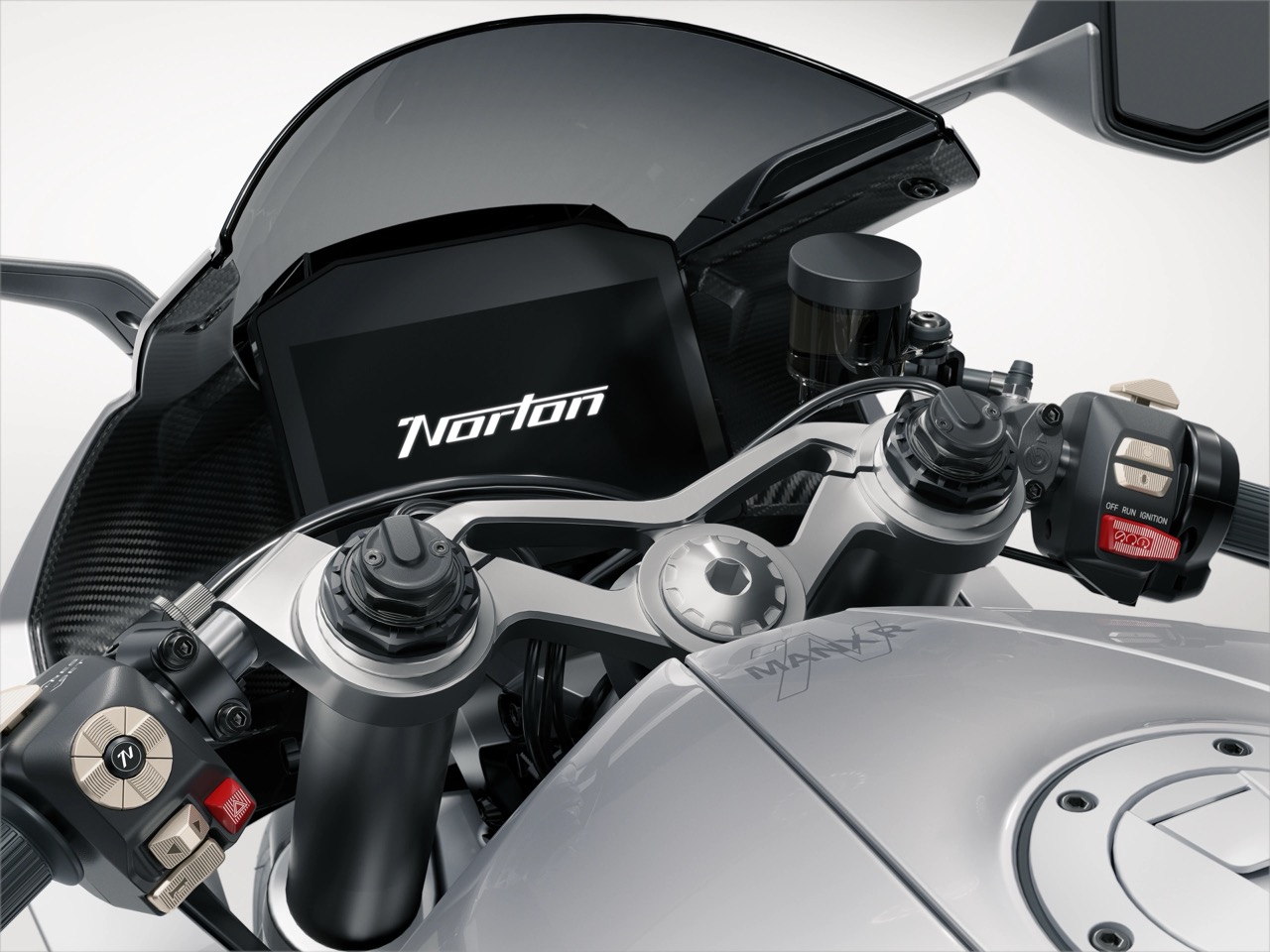
Norton’s in-house team in Solihull designed it under Head of Design Simon Skinner, with Range Rover and Defender design veteran Gerry McGovern steering the creative direction. The surfaces are free of winglets and exposed bolts, with the only visible bodywork fasteners on the front fender. Even the switchgear buttons are metal, a small luxury you can feel every time you use them. Under all that paint sits a new 1,200cc, 72-degree V4 tuned for the midrange, where most real riding happens. The base bike starts at £20,250 (about $27,600) in the UK, with US pricing still under wraps ahead of an expected early 2027 launch.

Designers: Simon Skinner & Gerry McGovern (Norton Motorcycles)

Norton’s original Manx was a racing single built from 1947 to 1962, named after the Isle of Man and its legendary TT. In 1950, it gained the Featherbed frame, designed by Belfast brothers Rex and Cromie McCandless, and riders like Geoff Duke used it to collect world championships and TT wins in the early fifties. Resurrecting that badge carries real pressure, and plenty of brands would have answered it with spoked wheels and a round headlamp. Norton went the other direction entirely, replacing the curvy, retro-tinged V4SV with something sharp and forward-looking. I think that was the right call.

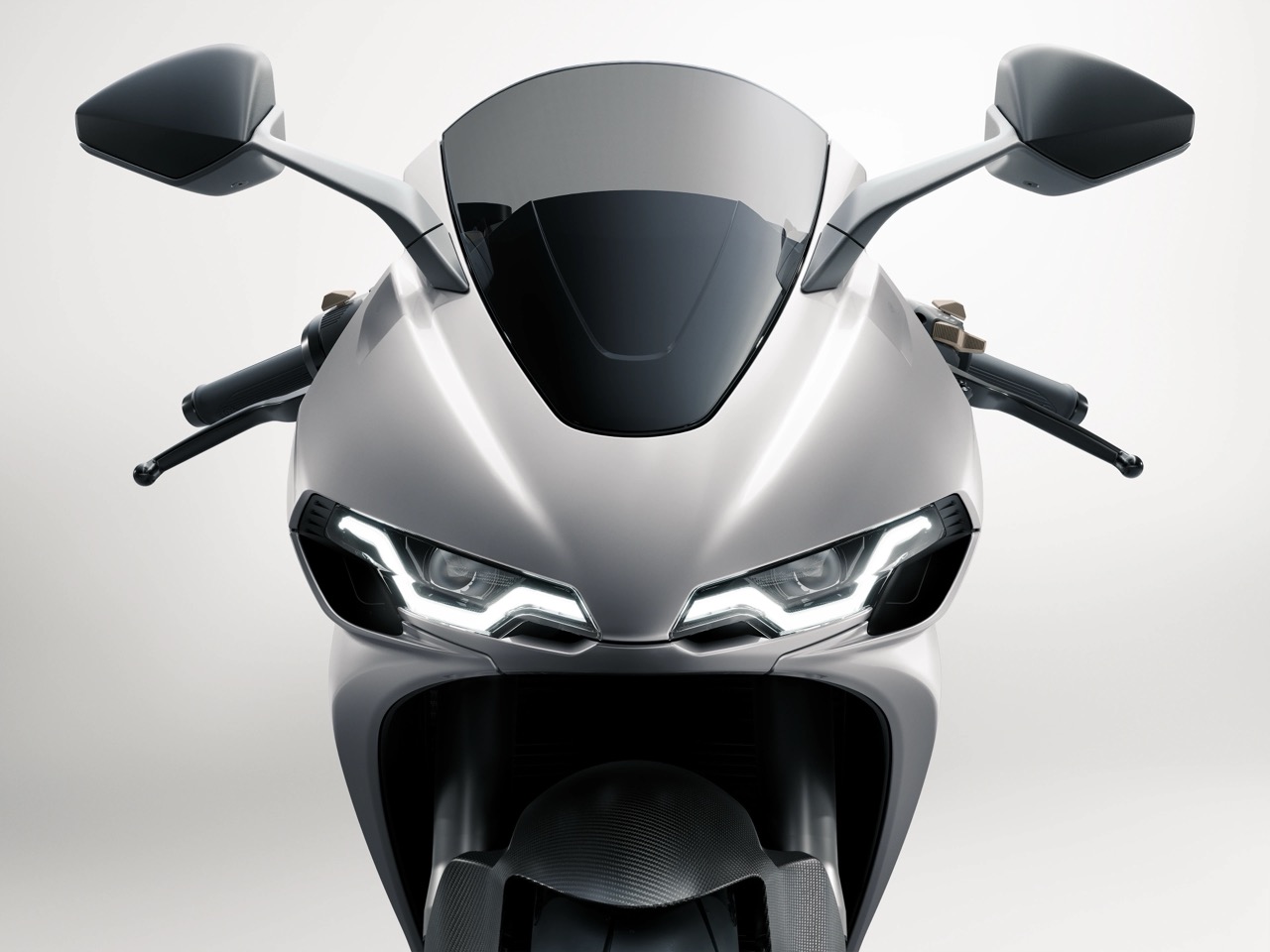
Skinner builds the design around four principles he calls modernity, integration, drama, and connection, and he describes the result as reductive. His favorite explanation compares a new-build estate house with a 20-year-old glass-and-steel home that still looks like it arrived from the future. The Manx R lands firmly in the second camp. Its nose is a smooth, wingless shell with split chevron LED headlights tucked under a tall smoked screen, and the mirror stalks grow straight out of the fairing shoulders. Clean volumes, precise gaps, and reflections define the front end, rather than the winglets and vents found on rival bikes.

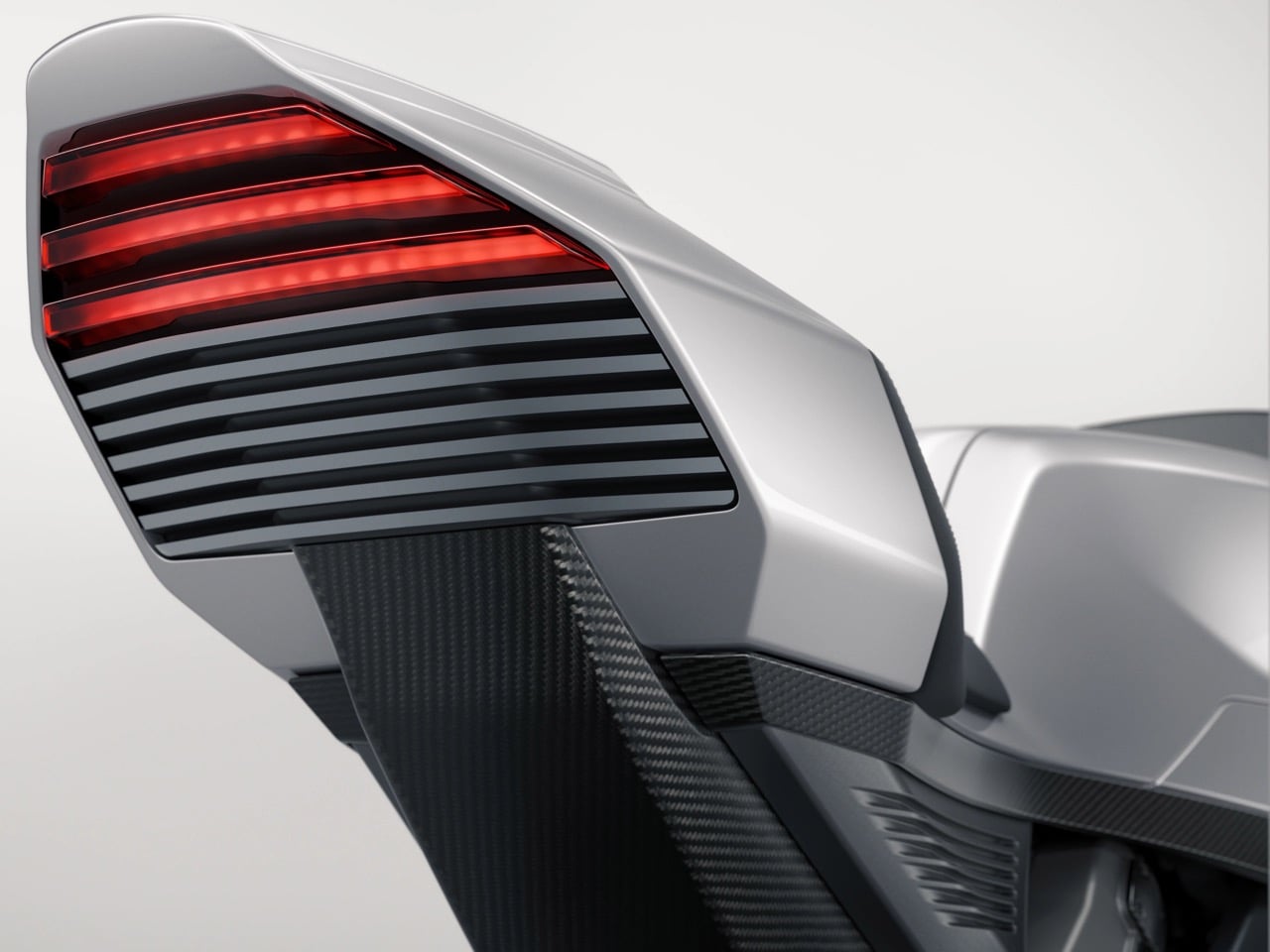
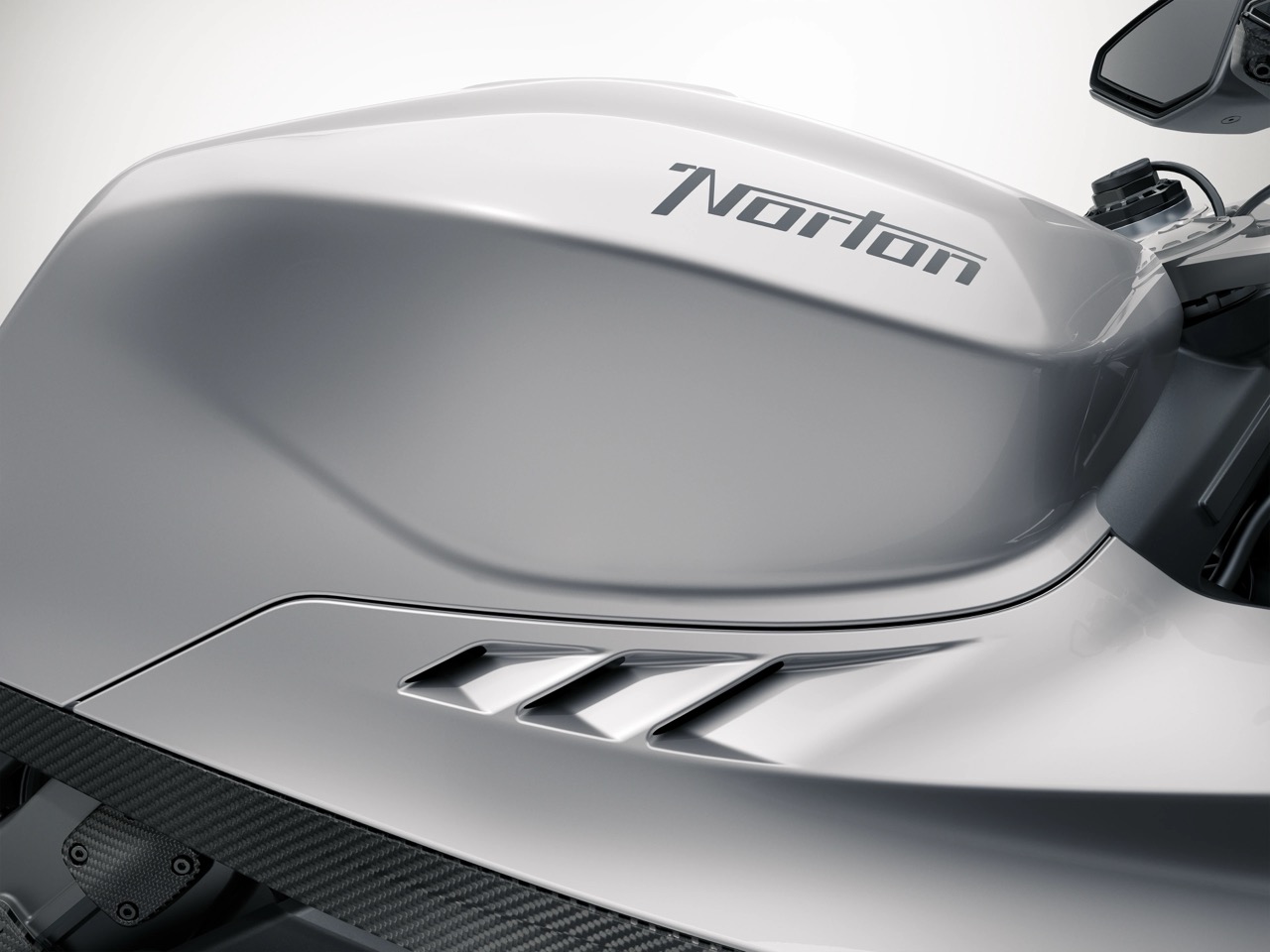
Carbon infill panels on each flank frame a window onto the top of the V4, its covers dressed in carbon plates, making the engine part of the display. Three angled gills on the upper fairing vent heat from the electronics, and the repeated-line motif runs across the seat and side panels. Out back, a three-bar LED taillight sits above a stack of black louvers, while the exhaust hides under the belly and the single-sided swingarm leaves the rear wheel fully on show. The fuel cap carries an embossed Manx R badge, a detail most owners will notice at the pump. If I could change one thing, I’d lose those tail louvers, which look a touch like a space heater on an otherwise clean rear end.

Norton rates the V4 at 206 hp at 11,500 rpm and 96 lb-ft at 9,000 rpm. Those peak figures trail a few rivals, which Norton says is deliberate. Its engineers logged roughly 135,000 miles of data on Ducati, Aprilia, and BMW superbikes and found riders spent 99% of their time below 8,000 rpm, so the engine’s tuning prioritizes the middle of the rev range. According to RevZilla, it can run as a 600cc twin at deep lean angles and small throttle openings, and it shuts down the rear cylinders at idle to reduce heat around the rider’s legs. The narrow V layout also helped fit everything into a 56.5-inch (1,435mm) wheelbase.

At the 2026 International Design Excellence Awards, the Manx R took Bronze in Automotive and Transportation, and Norton says it’s the first combustion-engined production motorcycle to win an IDEA. Two months later, it collected Red Dot: Best of the Best in the Design Concept competition, aimed mainly at concepts and prototypes, despite already being in dealerships. Both prizes come from design juries, not lap-time comparisons. The Ducati Panigale V4, Aprilia RSV4, and BMW M 1000 RR all wear visible aero on their fairings, and Norton is betting some superbike buyers would prefer a cleaner look.

Norton sells the Manx R in four trims. The base bike gets manually adjustable Marzocchi suspension, cast aluminum wheels, and room for a passenger, while the Apex adds semi-active Marzocchi suspension and forged wheels. The Signature goes single-seat with carbon fiber bodywork and Rotobox carbon wheels, and the First Edition piles on titanium fixings, a numbered top yoke, and a quilted leather seat. Every version gets Brembo Hypure brakes and an 8-inch TFT touchscreen. UK pricing runs from £20,250 (about $27,600) for the base bike to £38,750 (about $52,800) for the Signature, with the First Edition priced on request. US pricing hasn’t been announced ahead of an expected early 2027 arrival, so American riders have a few months to save up for all that paint. US pricing hasn’t been announced ahead of an expected early 2027 arrival, so American riders have a few months to save up for all that paint.

The post This “Bentley of Bikes” sports 5 layers of paint, and packs a 206Hp engine underneath first appeared on Yanko Design.

  •  

Flying Traffic Cone concept transforms into a Drone to auto-assemble itself on roads

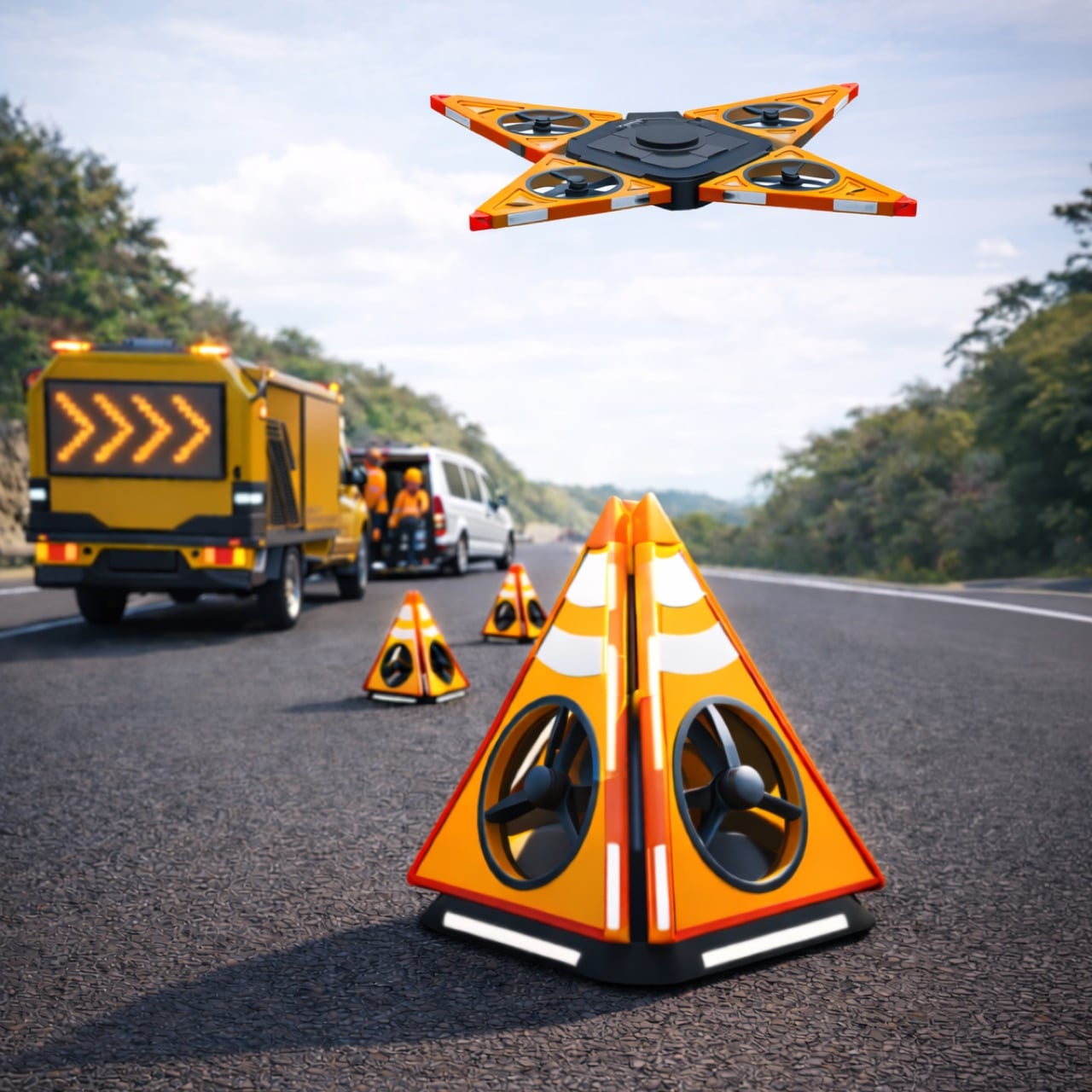
The traffic cone is basically a Rorschach test for the internet generation. Construction workers see a long night shift, college kids see dorm decor, and anyone who’s ever downloaded a movie sees VLC. I mostly see something to swerve around. Xinhao Guo saw a robot. Guo led a student team at the Beijing Institute of Technology that developed SkyCone, a drone concept designed to fly to a highway incident, land in position, and fold itself into a traffic cone.

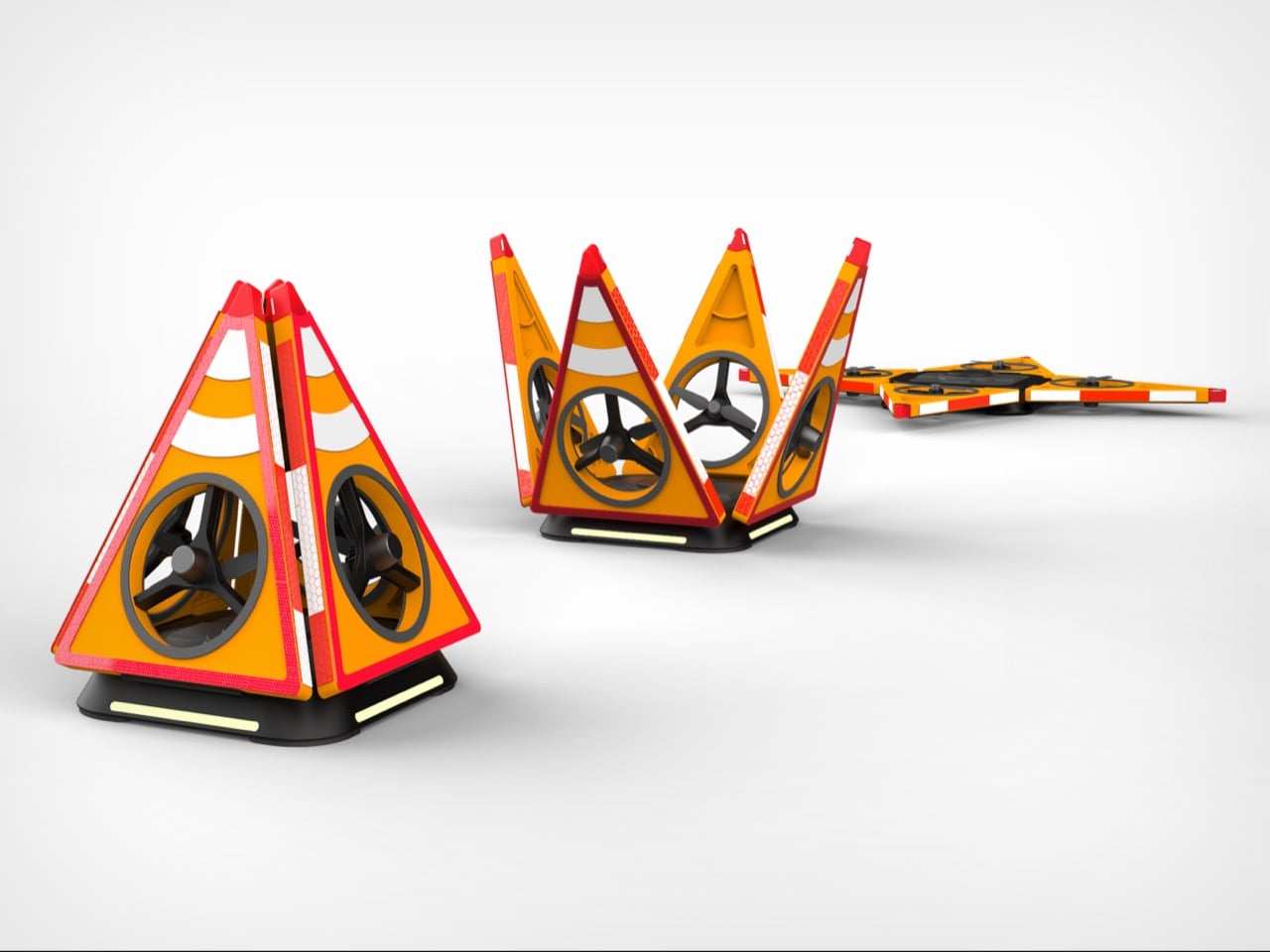
Guo’s teammates were Songyan Pan, Zixu Zhang, and Wanzheng Liu, and their concept won in the Conceptual Industrial Product Design category at the 2026 European Product Design Award. SkyCone is designed to fly as an X-shaped quadcopter, with each of its four triangular arms housing a ducted propeller. After landing, the arms would tilt up and lock together at magnetic tips, forming a four-sided pyramid with the familiar orange and white stripes. The goal is to keep workers out of live lanes. The team cites a figure that 57% of frontline highway personnel consider manual cone placement their most dangerous task.

Designers: Xinhao Guo, Songyan Pan, Zixu Zhang & Wanzheng Liu

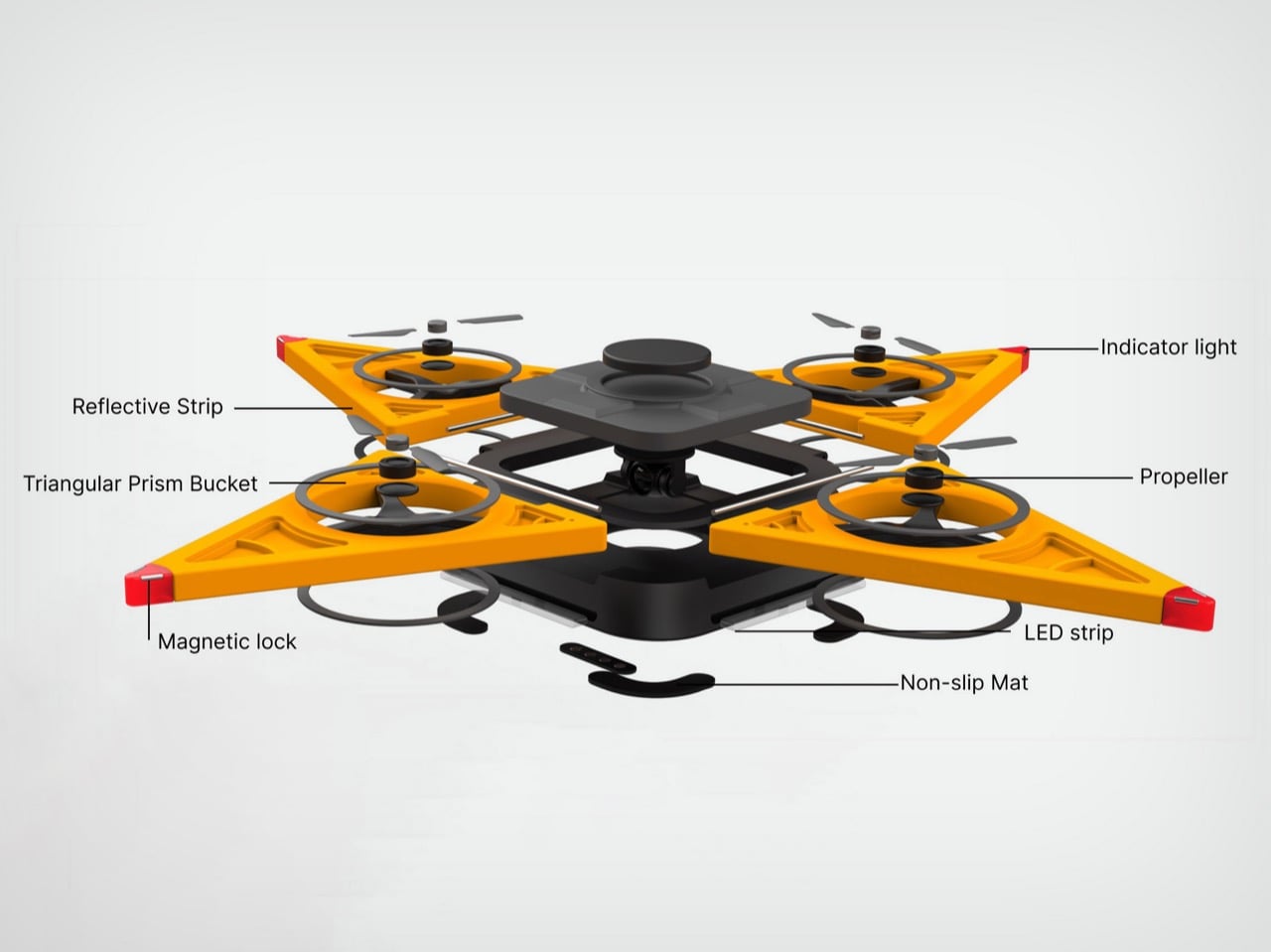
A square central hub anchors SkyCone, carrying a downward-facing camera on a gimbal, with an LED strip and a non-slip mat built into its underside. The four arms are what the team calls Triangular Prism Buckets, hollow orange wedges that each surround a ducted propeller. Red magnetic locks with integrated indicator lights cap the arm tips, which meet at the cone’s apex when everything folds shut. Reflective strips trace the arm edges to improve visibility. My favorite detail is graphic: the white cone bands sit on the faces that point outward after folding, so the drone only looks like a cone once it actually is one.

Charles D. Scanlon, a Los Angeles street painter, designed the modern traffic cone to keep cars away from his wet paint, building it from rubber and fabric salvaged from old tires. His patent was granted in November 1943, and Interstate Rubber Products began manufacturing the design in 1947. The cone eventually made it into the Manual on Uniform Traffic Control Devices, the federal traffic-control manual. Materials and reflective collars have evolved over eight decades, yet the silhouette has barely budged. SkyCone largely keeps that familiar shape while changing how it gets into position, a sensible approach for an object drivers need to recognize quickly.

Placing those cones is still mostly manual work, with crews riding the back of a slow-moving truck or walking beside it and setting cones down a few feet from passing traffic. The US recorded 850 work zone deaths in 2024, an average of more than two a day. In March 2023, a single crash on I-695 outside Baltimore killed six roadway workers. The SkyCone team describes the first few minutes of an emergency or maintenance call as the most critical stretch, when crews are particularly exposed. A fleet of drones that could position cones before anyone steps out of the truck might reduce that initial exposure.

Brisbane-based Arrowes has already built an Automated Cone Truck that drops a cone every five seconds. On Melbourne’s Eastern Freeway, it handled 65,000 cones while cutting worker exposure to live traffic by roughly 500 hours. Caltrans and UC Davis developed a cab-operated cone machine back in the 2000s, and Spain’s Sacyr and GMV set out to prototype a self-driving trailer with an AI-guided robotic arm. Each system relies on a truck or trailer. SkyCone proposes making each cone responsible for its own delivery. Chris Chang’s Apiece showed in 2022 that a cone could be assembled from flat triangles, and SkyCone basically gives those triangles propellers.

The team’s renders place SkyCone at a nighttime highway repair, an incident scene behind an arrow-board truck, a rockfall on a mountain road, a snowed-over highway, and the crumbling edge of an open-pit mine. The mine scenario sold me, since walking a crumbling pit edge to place cones sounds like a genuinely terrible afternoon. SkyCone joins a line of highway concepts that propose sending machines into hazardous places. The Highway Patrol Drone was designed to wait on light towers and fly to crash scenes ahead of responders, while the Median AMB proposed riding the road divider like a monorail to skip traffic. SkyCone’s role would be marking off the scene so responders can work.

The European Product Design Award is a global, open-entry program run by Farmani Group. SkyCone won in its conceptual tier as a student project, so the award recognizes a design proposal rather than proven roadside performance. Guo and his team want the cone to get into position on its own; whether it can do that reliably beside live traffic remains to be demonstrated. My brain will probably keep saying VLC whenever I see a cone, but now it’s going to add “robot” right after.


The post Flying Traffic Cone concept transforms into a Drone to auto-assemble itself on roads first appeared on Yanko Design.
  •  
❌