❌

Vue lecture

NOX Cordless Lamp Lets You Carry the Beam Without the Base
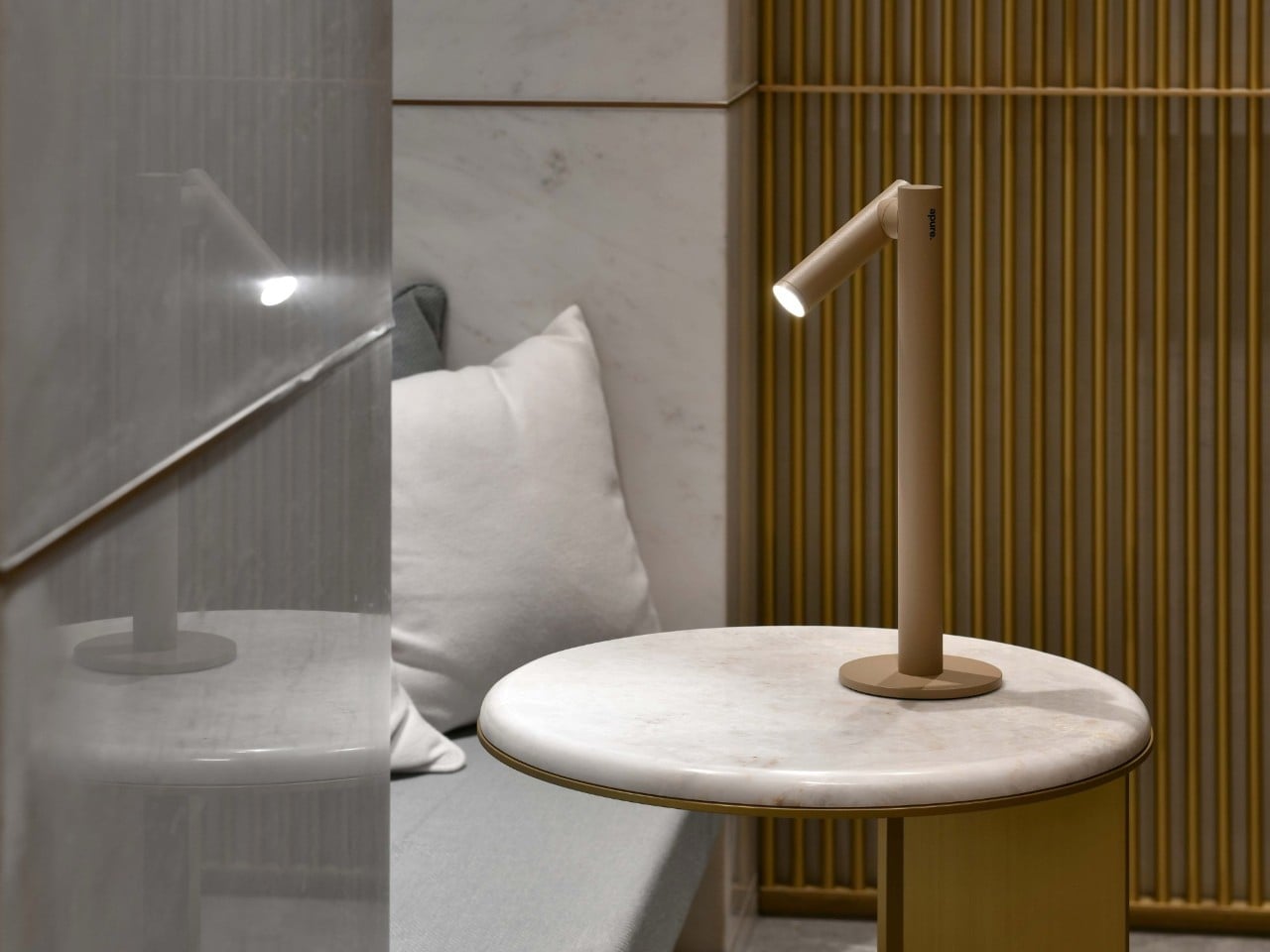
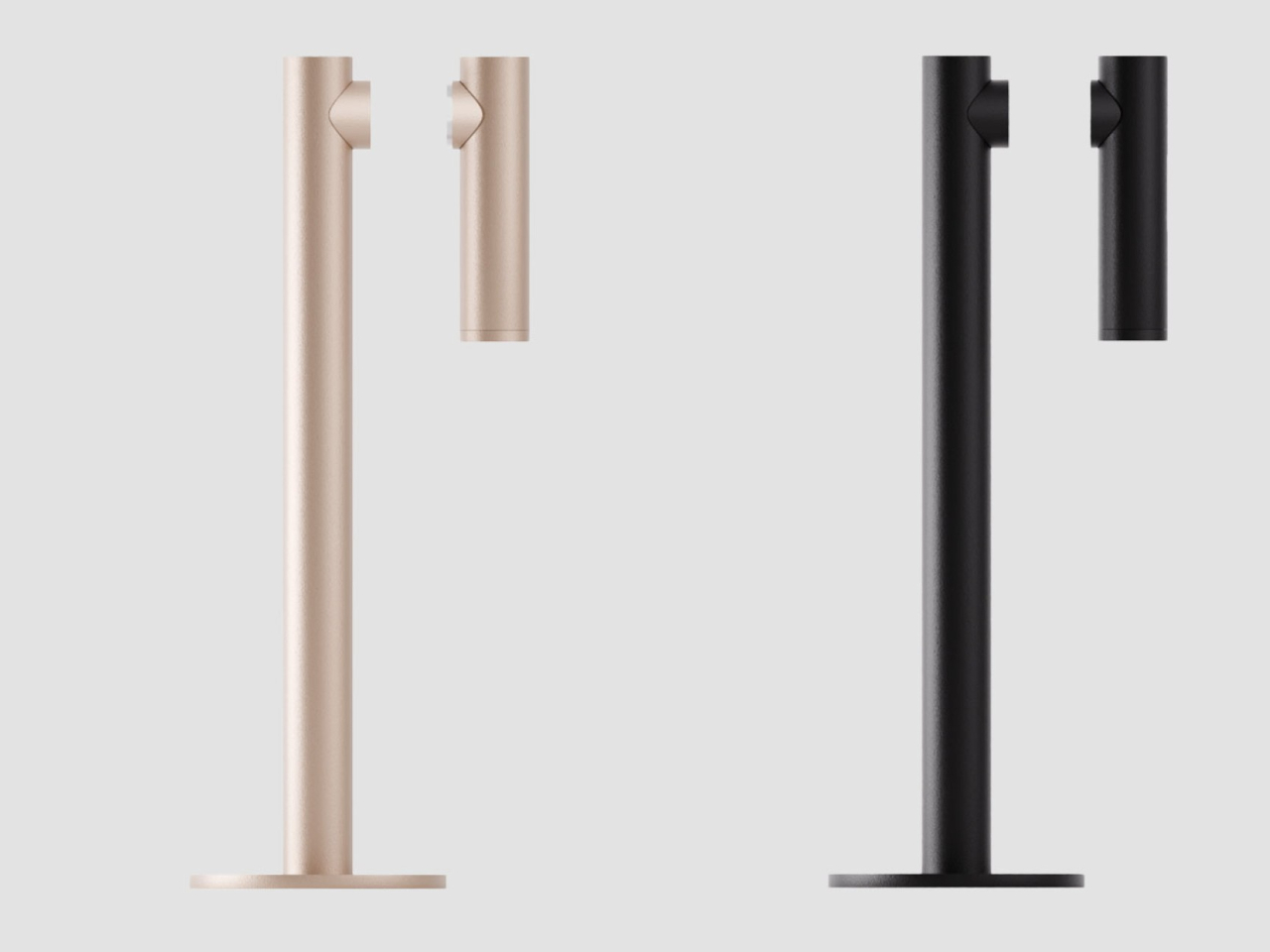
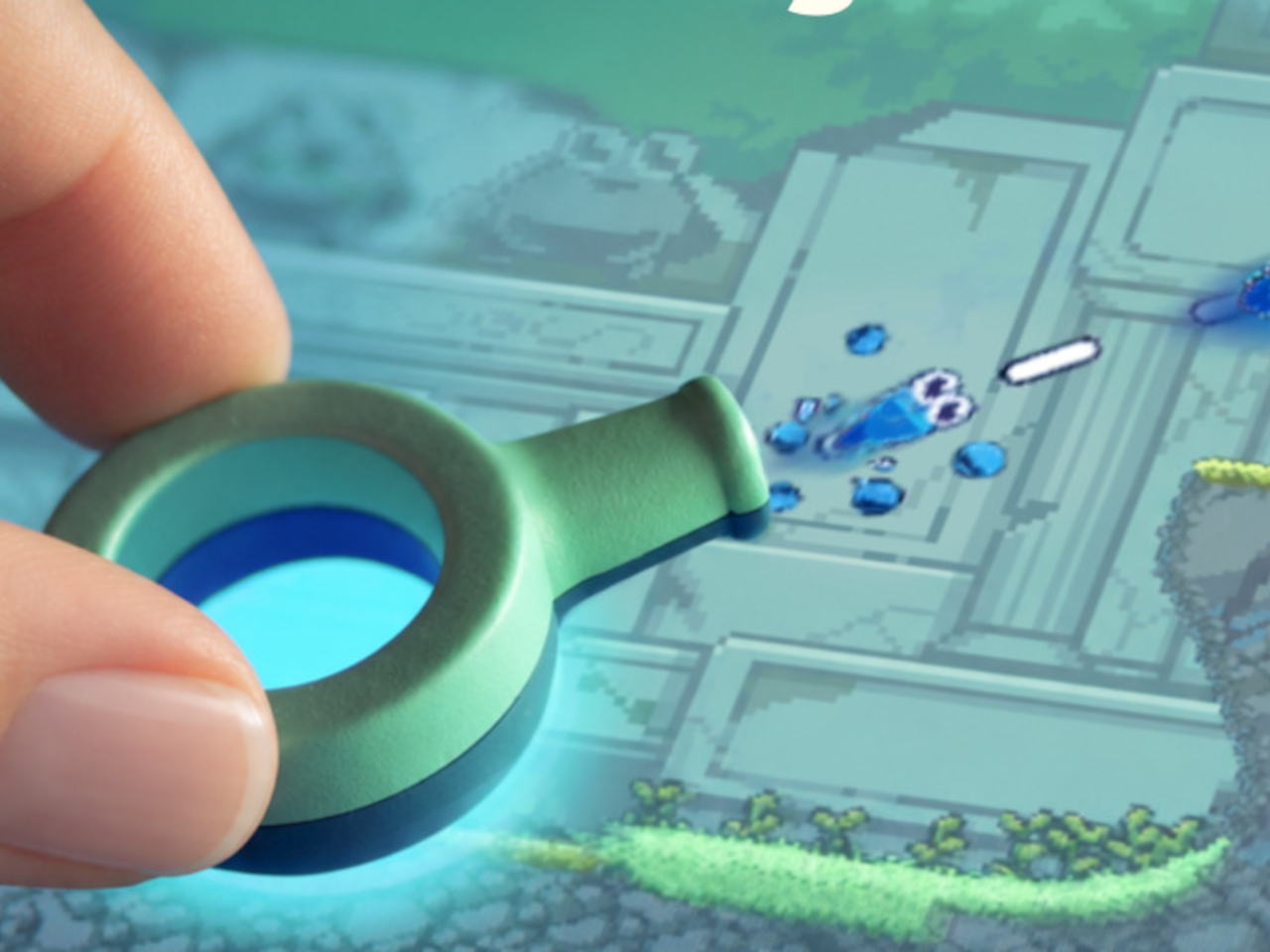
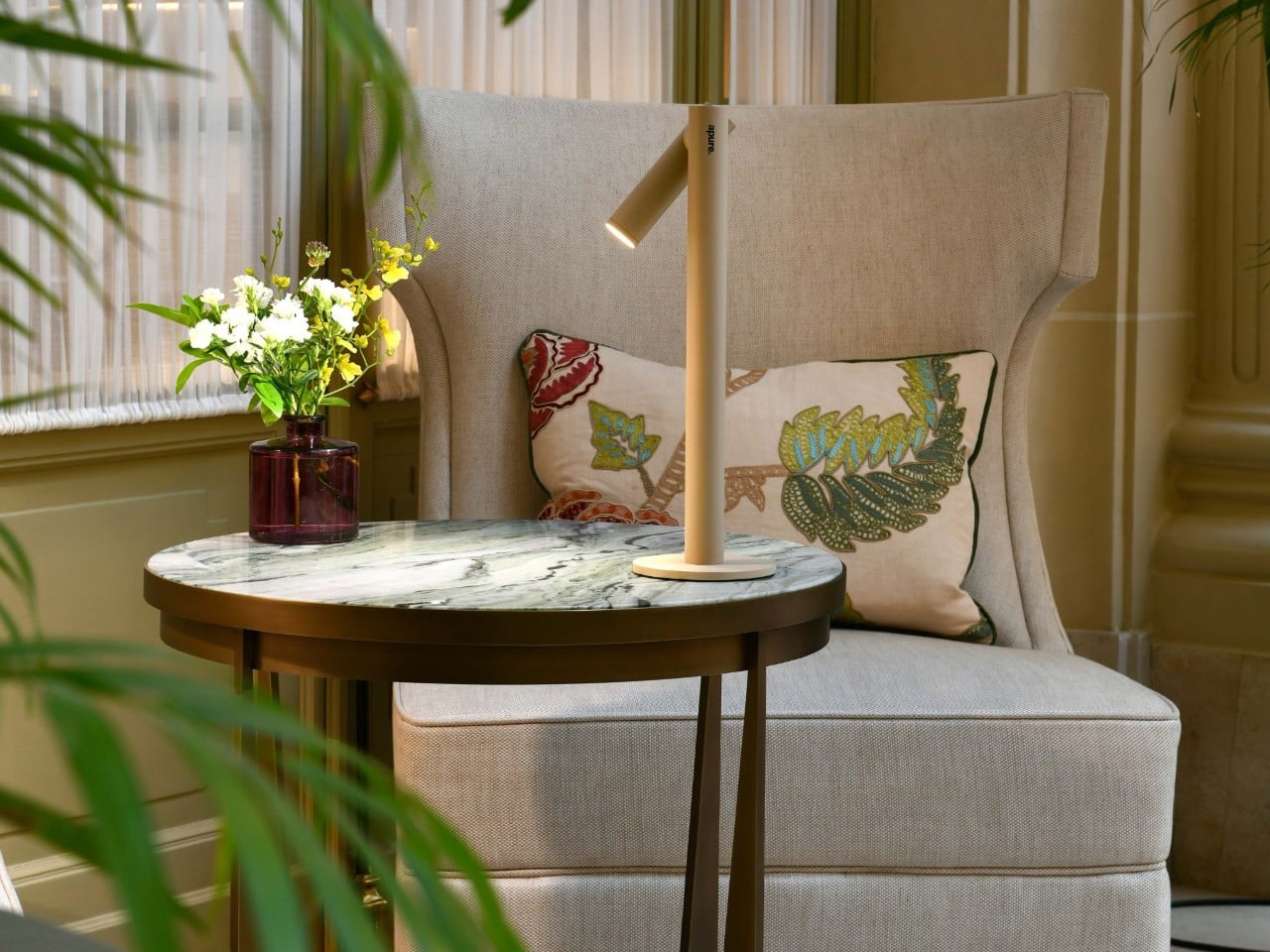
Cordless table lamps let you move the whole fixture, but sometimes you only need to take the light. Studio Apure’s NOX makes that distinction with a magnetic head that lifts away from its stand and becomes a small flashlight. The stand can stay beside your chair while its illuminated tip follows you down a dark hallway, without carrying the base along for company.

The shape gives that arrangement a surprisingly tidy home. A slender upright rises from a flat circular foot, with a shorter cylinder attached near the top. There’s no broad shade or long articulated arm competing for space above a bedside table. Onyx Black, Nimbus Grey, and Dune Beige keep the finish choices subdued, letting the changing angle of the head supply most of the character.

Designer: Studio Apure (via The Curation)
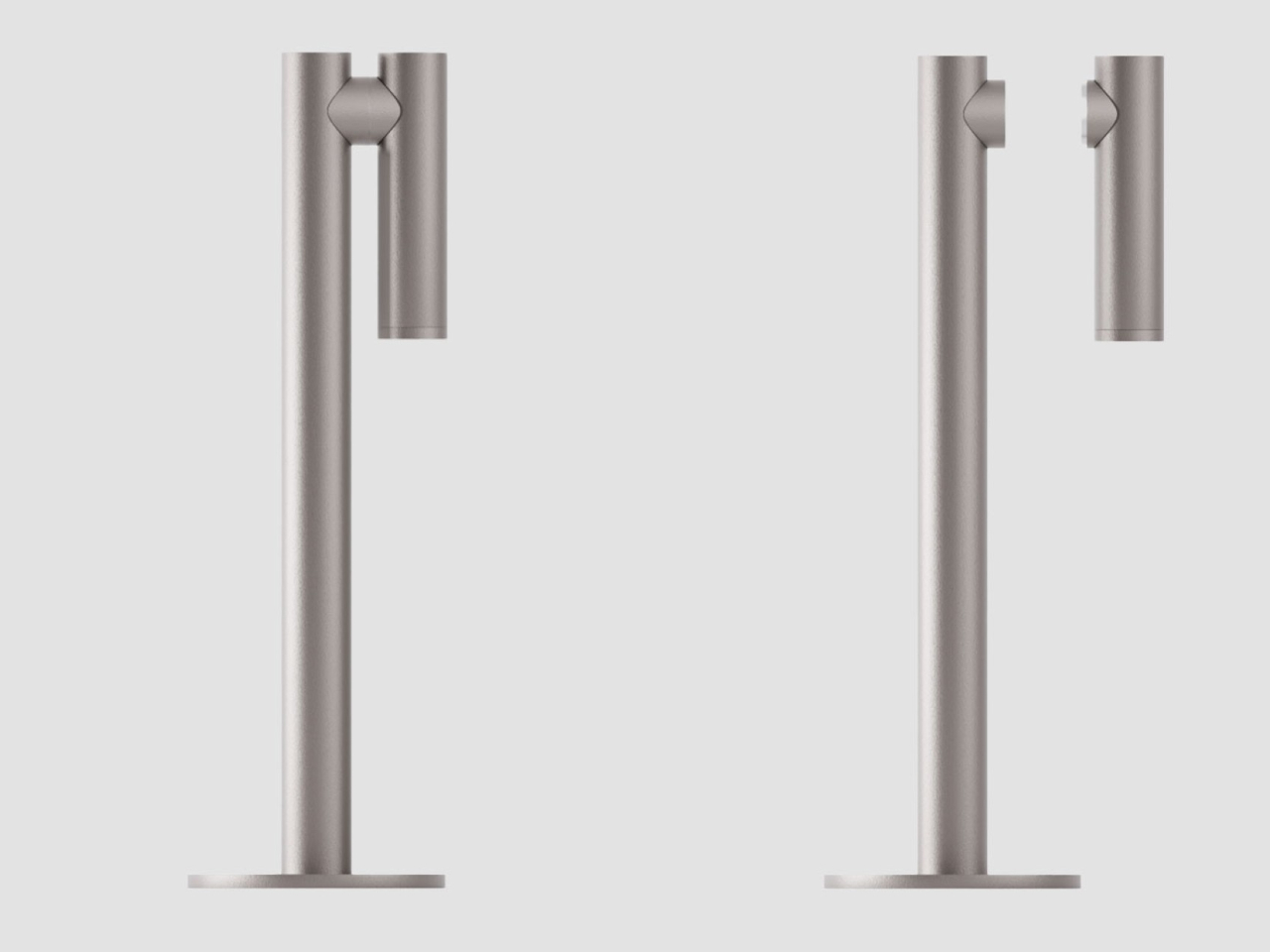
That head rotates through 360 degrees, so you can redirect the beam without shifting everything else on the table. An adjustable lens changes its spread from a broad glow to a concentrated spot. You might keep the light wide during dinner, then narrow it toward a book afterward, giving the same small fixture two different jobs without changing where the stand sits.

Brightness gets its own adjustment, separate from the beam’s width. Tap the top of the head to switch the LED on or off, and hold to dim it between 5% and 100%. Its 140-lumen output has a warm 3000K color temperature. The touch control stays with the detachable head, so it remains accessible when you’re carrying the light without its supporting stand.
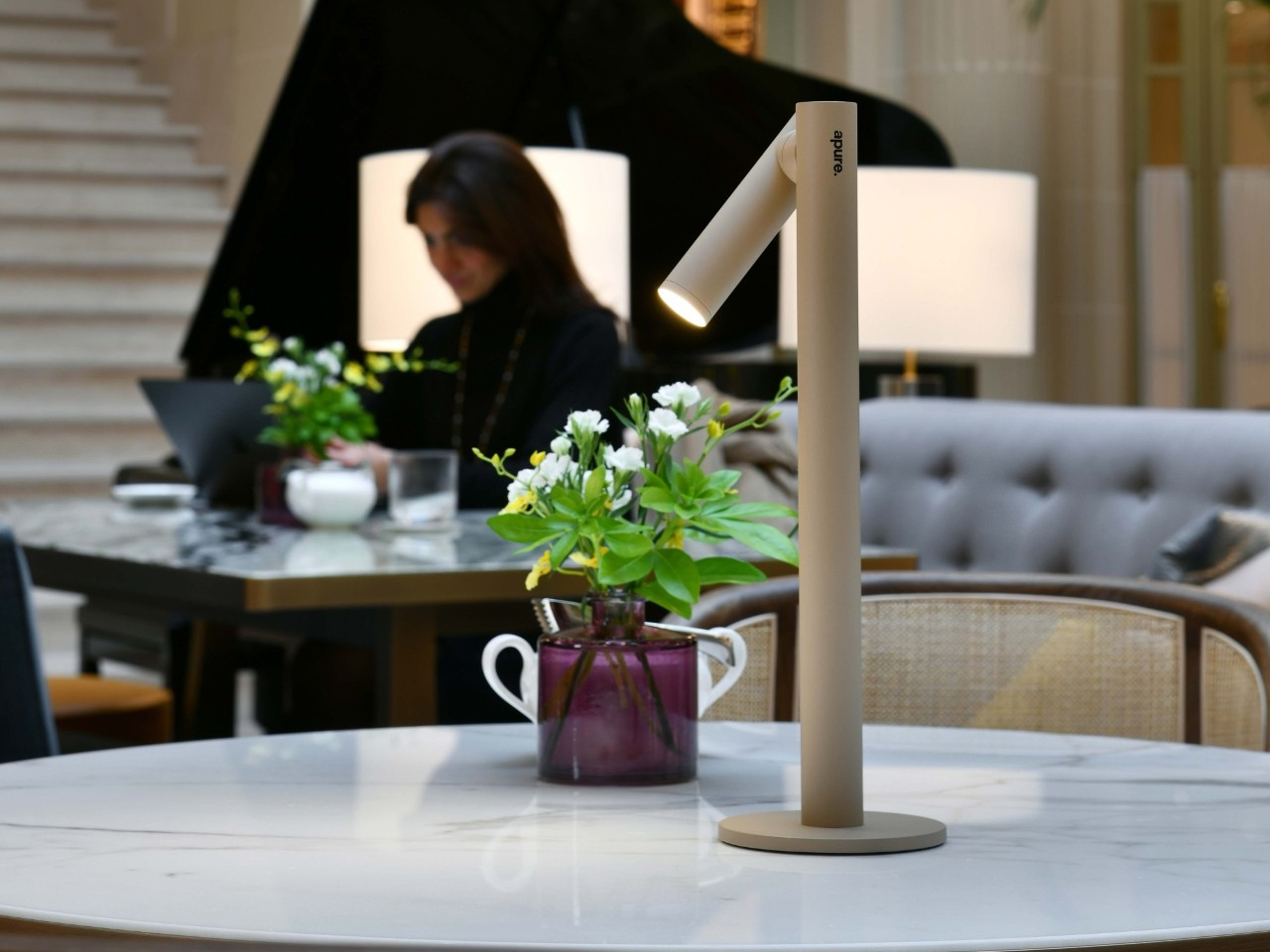
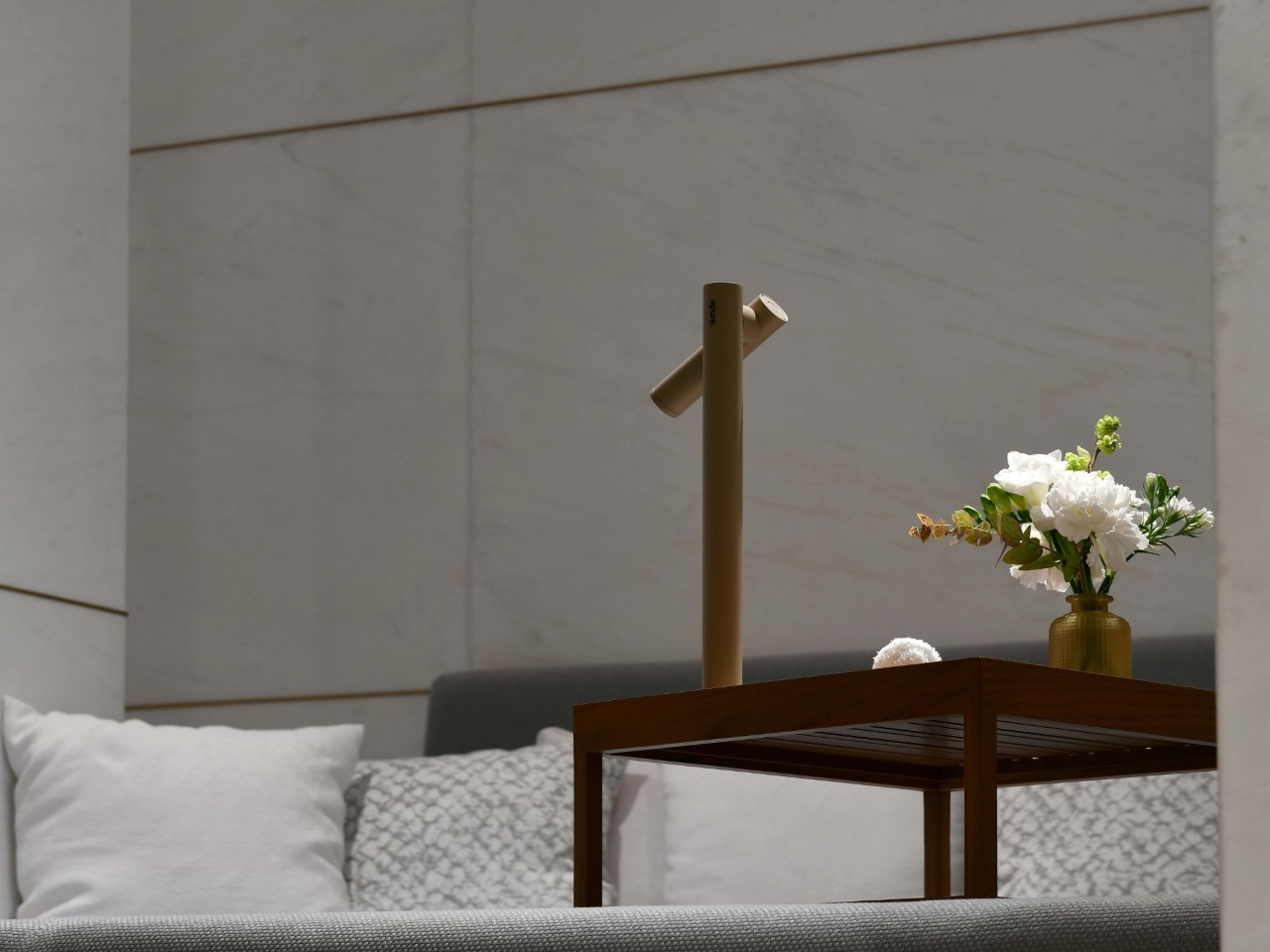
Taking it off the stand changes the scale of what you’re carrying. You can check behind a sofa or retrieve something from a dark closet without balancing an entire lamp in one hand. Return the head to its magnetic attachment, and its battery recharges from the stand. That gives the removable part a parking spot, which is useful for something so small.

Studio Apure estimates 12 to 14 hours of cordless operation for the complete lamp and up to an hour for the detached flashlight, both at full brightness. Recharging the lamp takes about seven hours using the supplied dock and adapter. The stand is therefore the longer-lasting arrangement, while the little light you pull away is better suited to shorter trips around home.
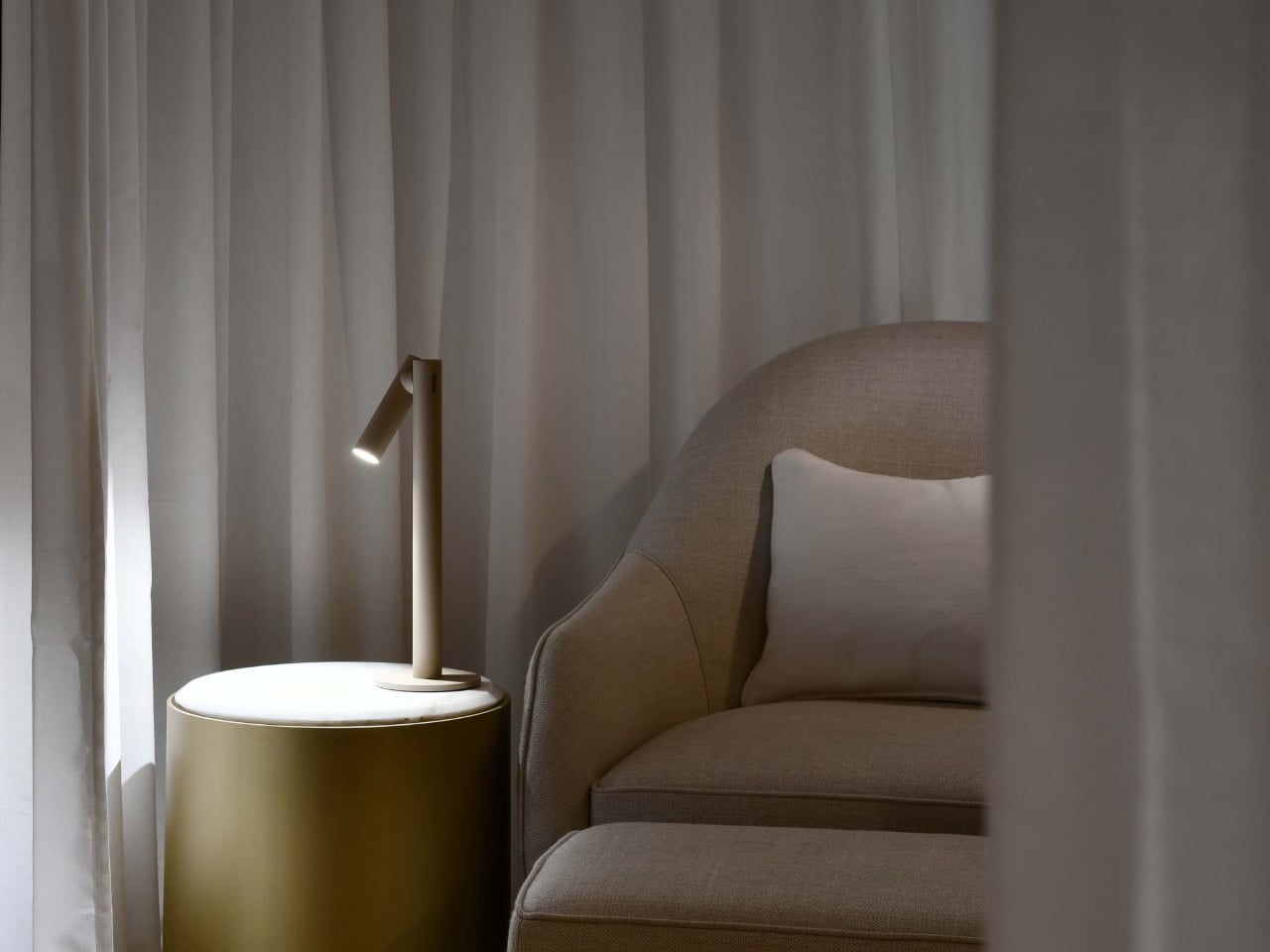
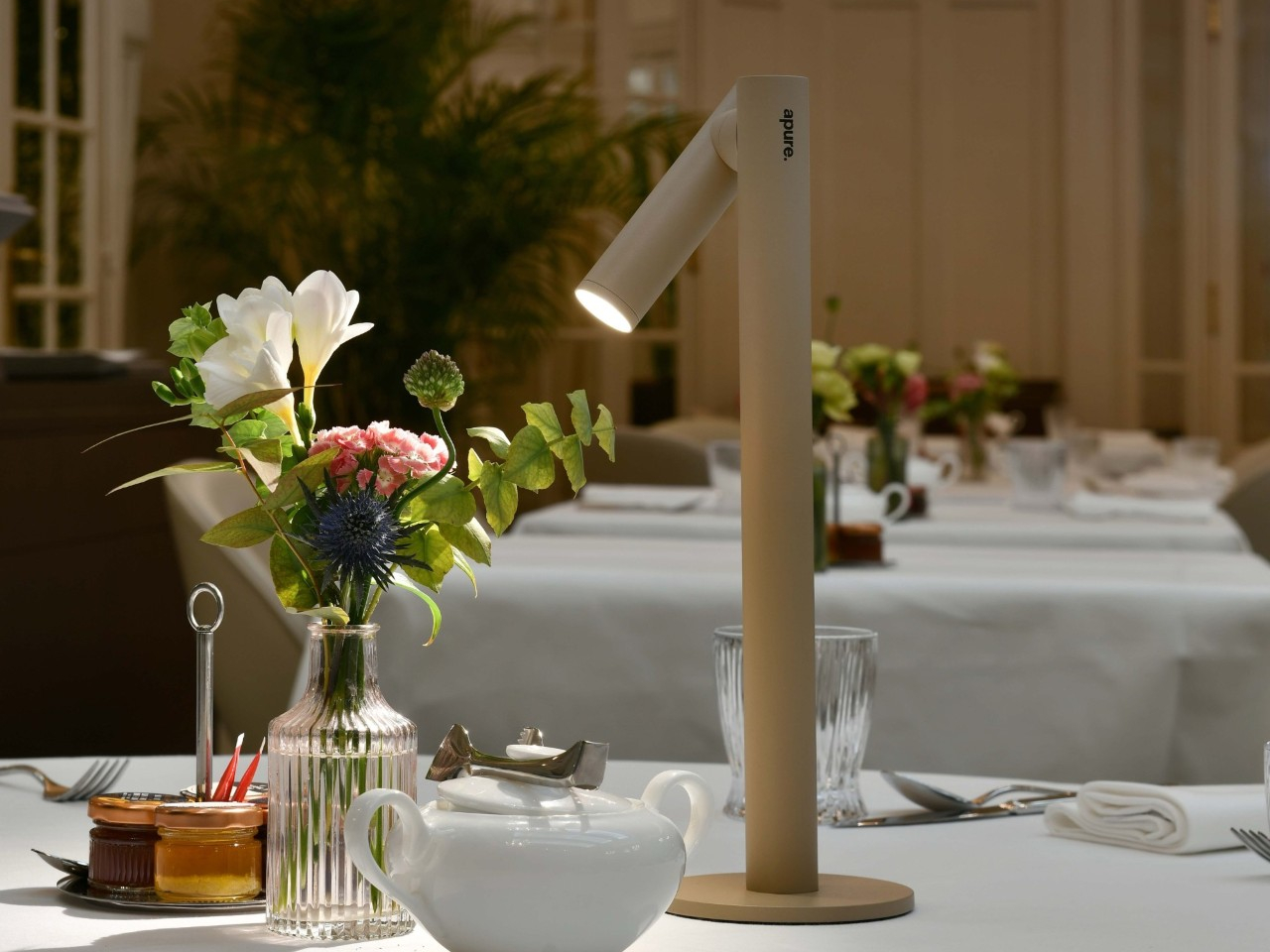
Outdoor trips still come with a few restrictions. NOX carries an IP54 rating, but Studio Apure restricts it to indoor or covered outdoor settings and advises avoiding direct water contact. A sheltered patio table fits that brief; leaving it exposed in the garden doesn’t. Cordless operation removes the outlet from the seating arrangement, not the need to bring the lamp under cover.

Listed at $385, NOX puts a substantial price on that flexibility. Its 2.03-pound weight still lets you carry the whole lamp when you want light somewhere else, while a flashing red ring warns you when it’s time to recharge. You’ll just need to return the head to its stand, since a magnetic connection can’t recharge something you’ve abandoned in a kitchen drawer.
The post NOX Cordless Lamp Lets You Carry the Beam Without the Base first appeared on Yanko Design.
  •  

Board’s Tabletop Console Uses Toy Spoons and Spaceships Instead of Gamepads

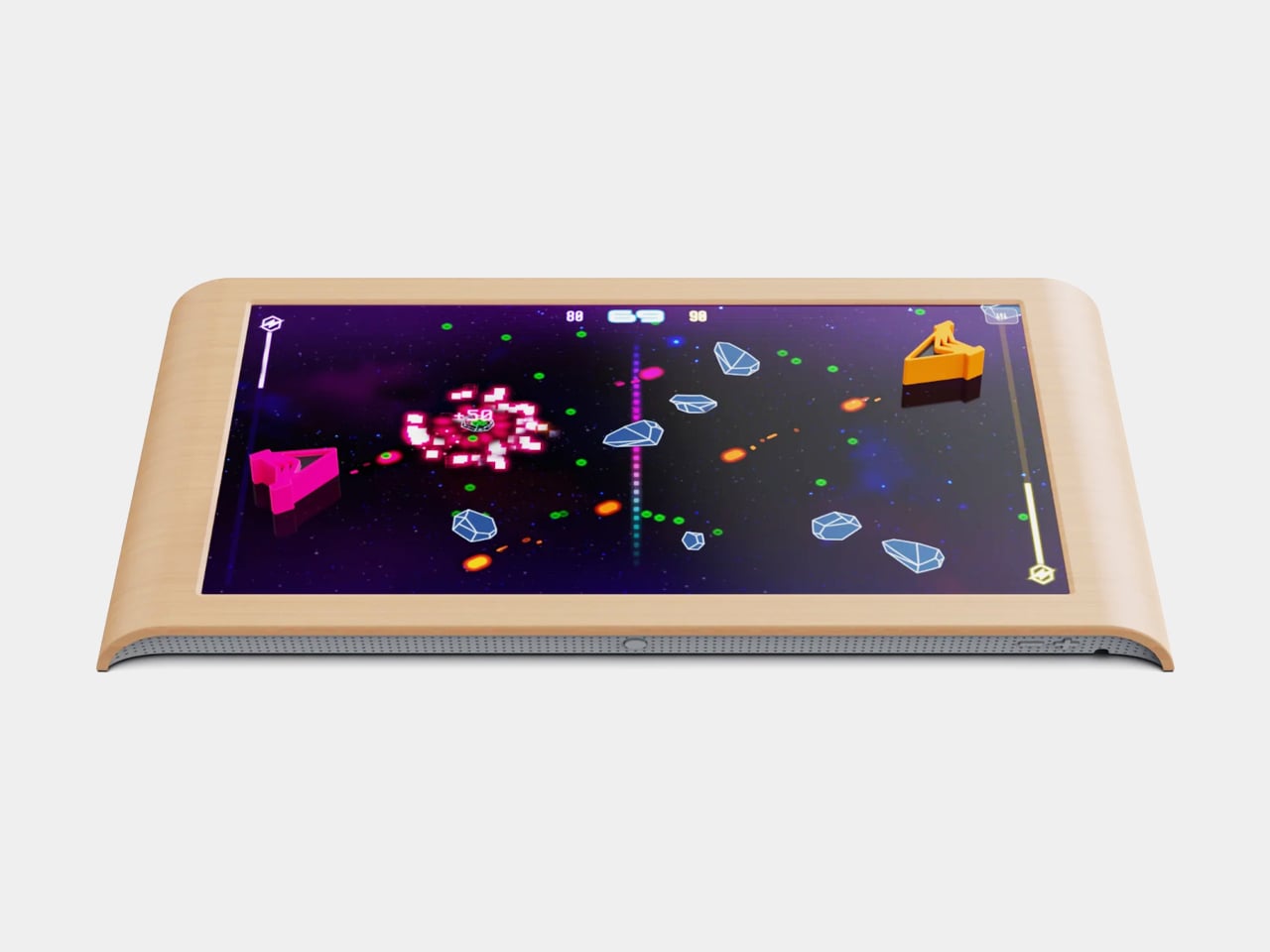
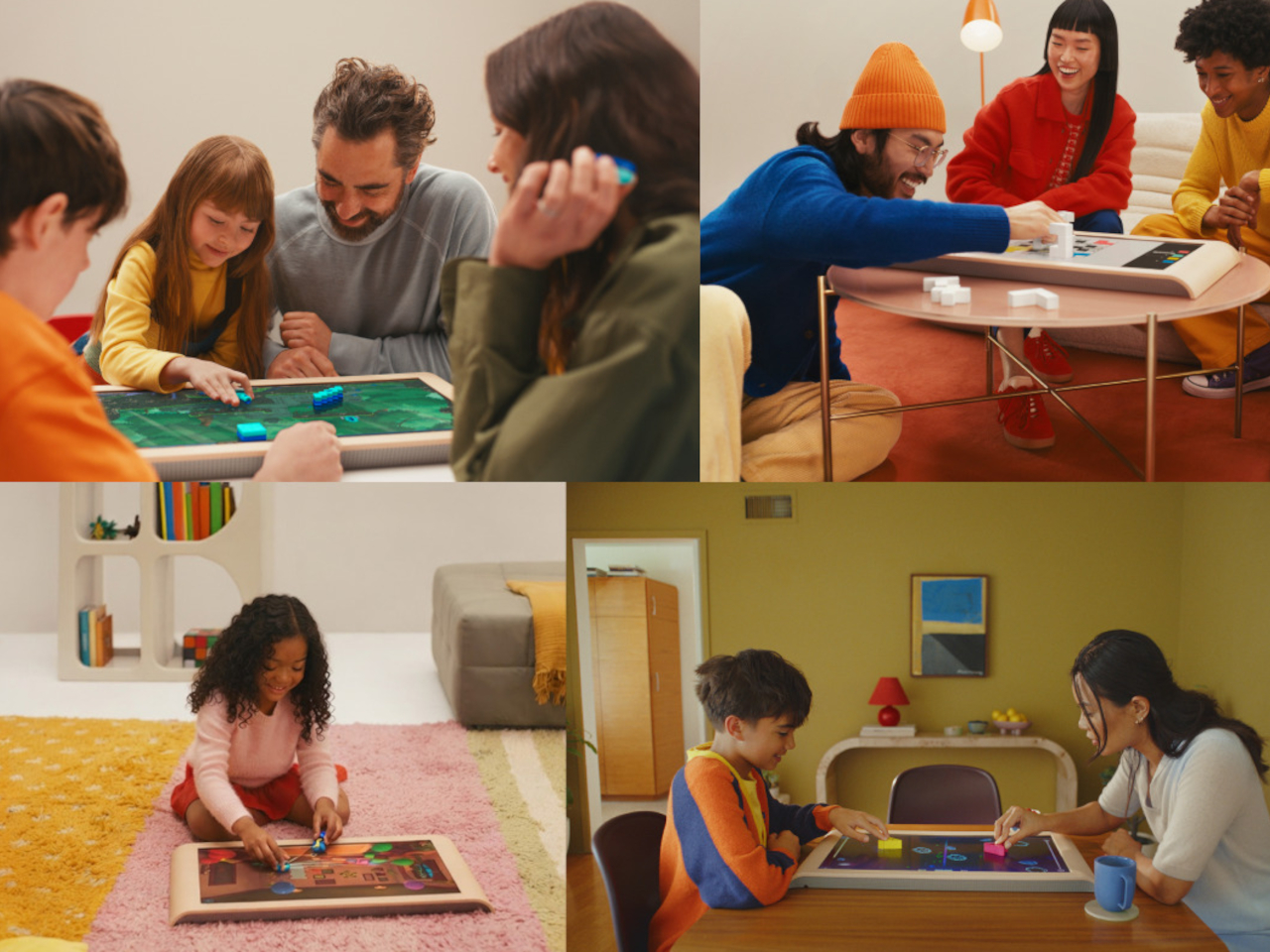
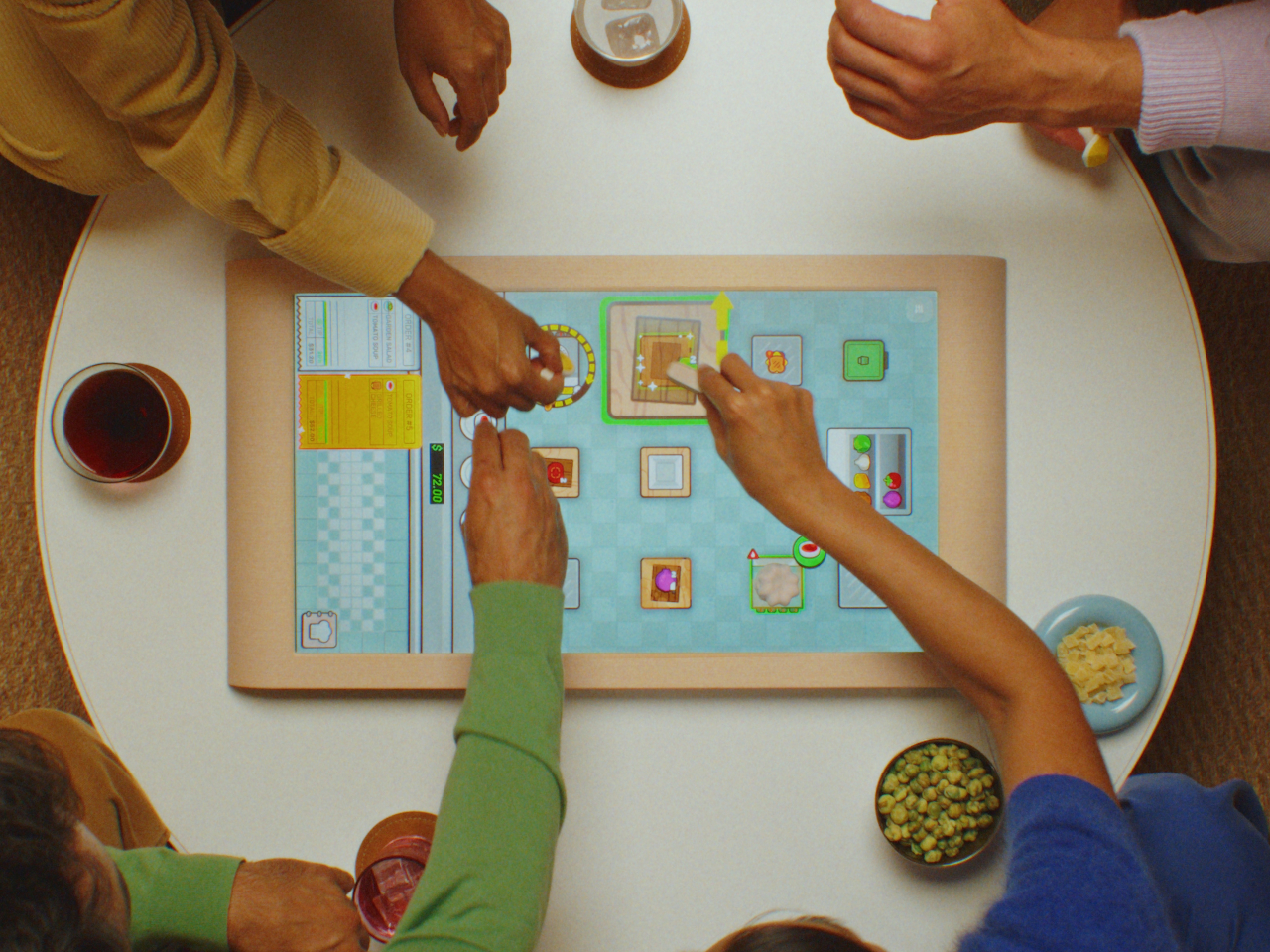
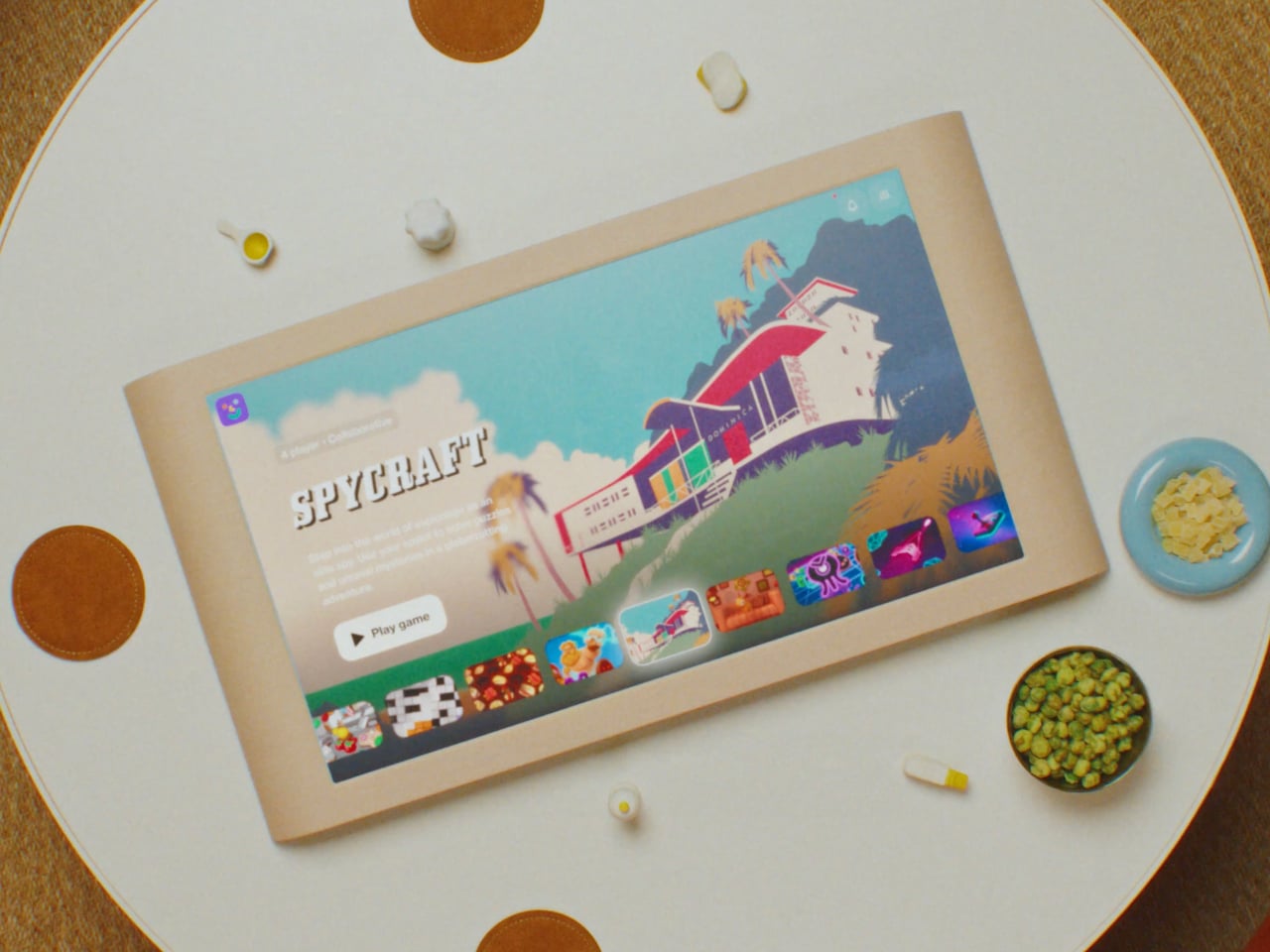
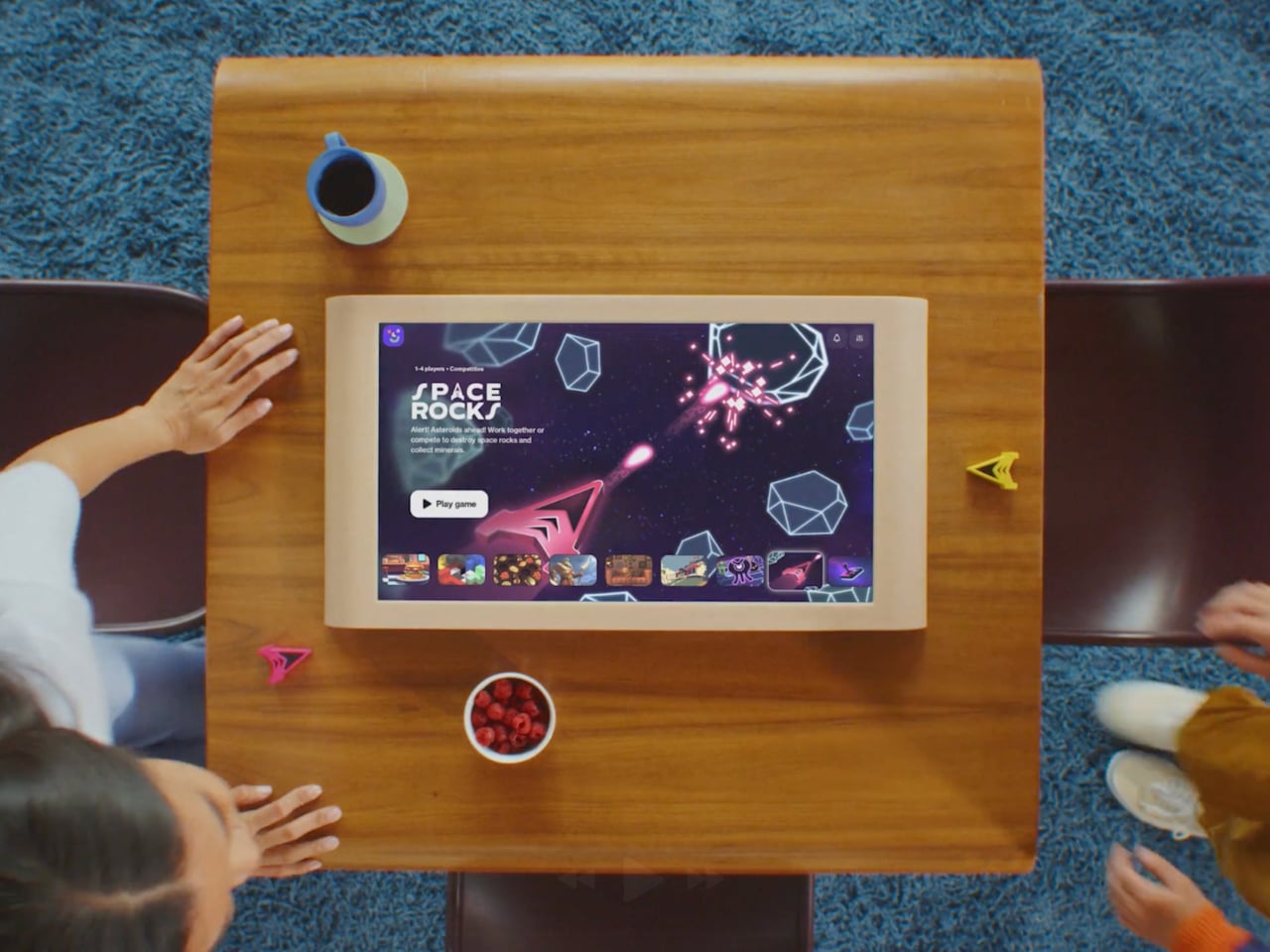
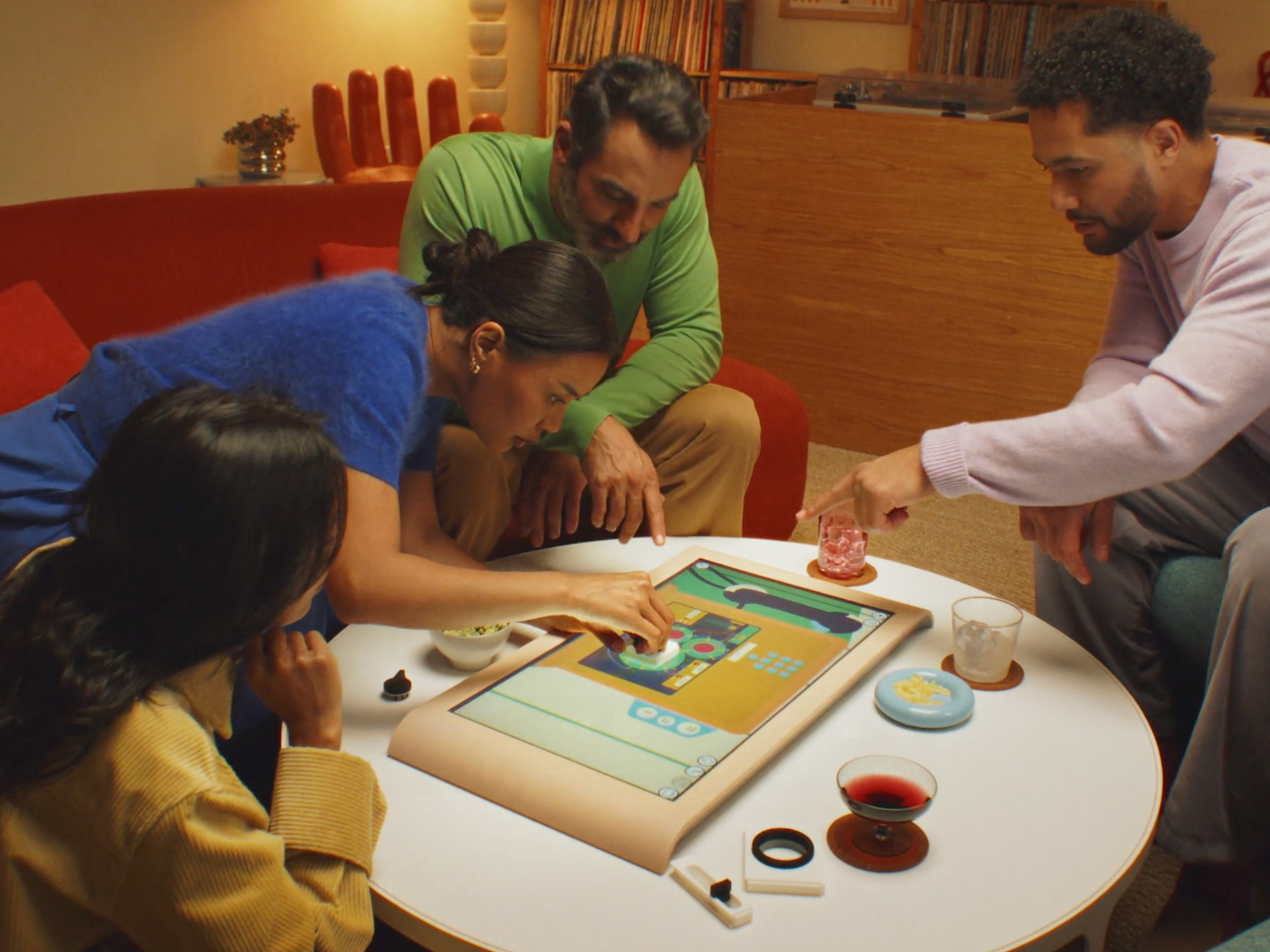
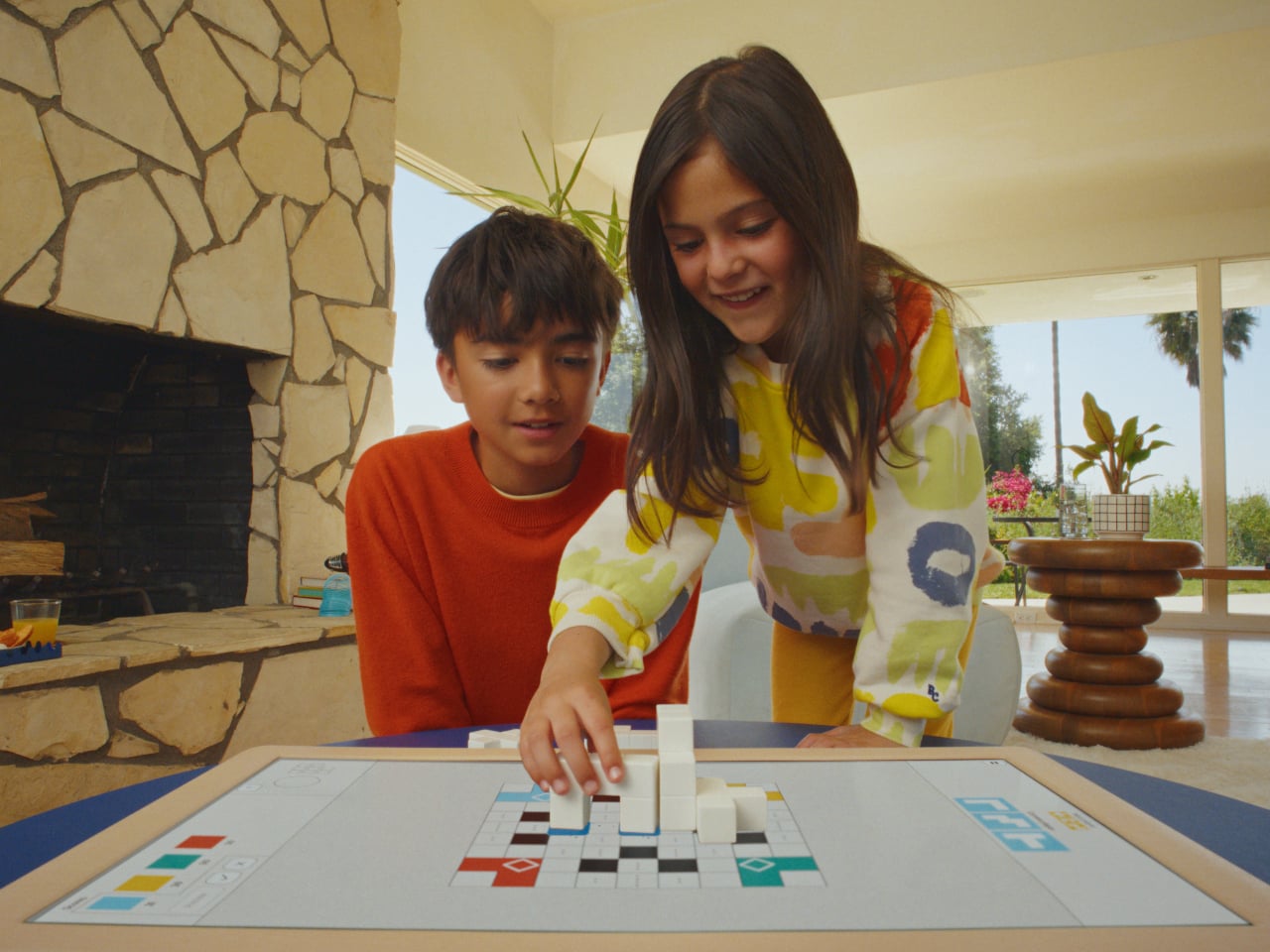
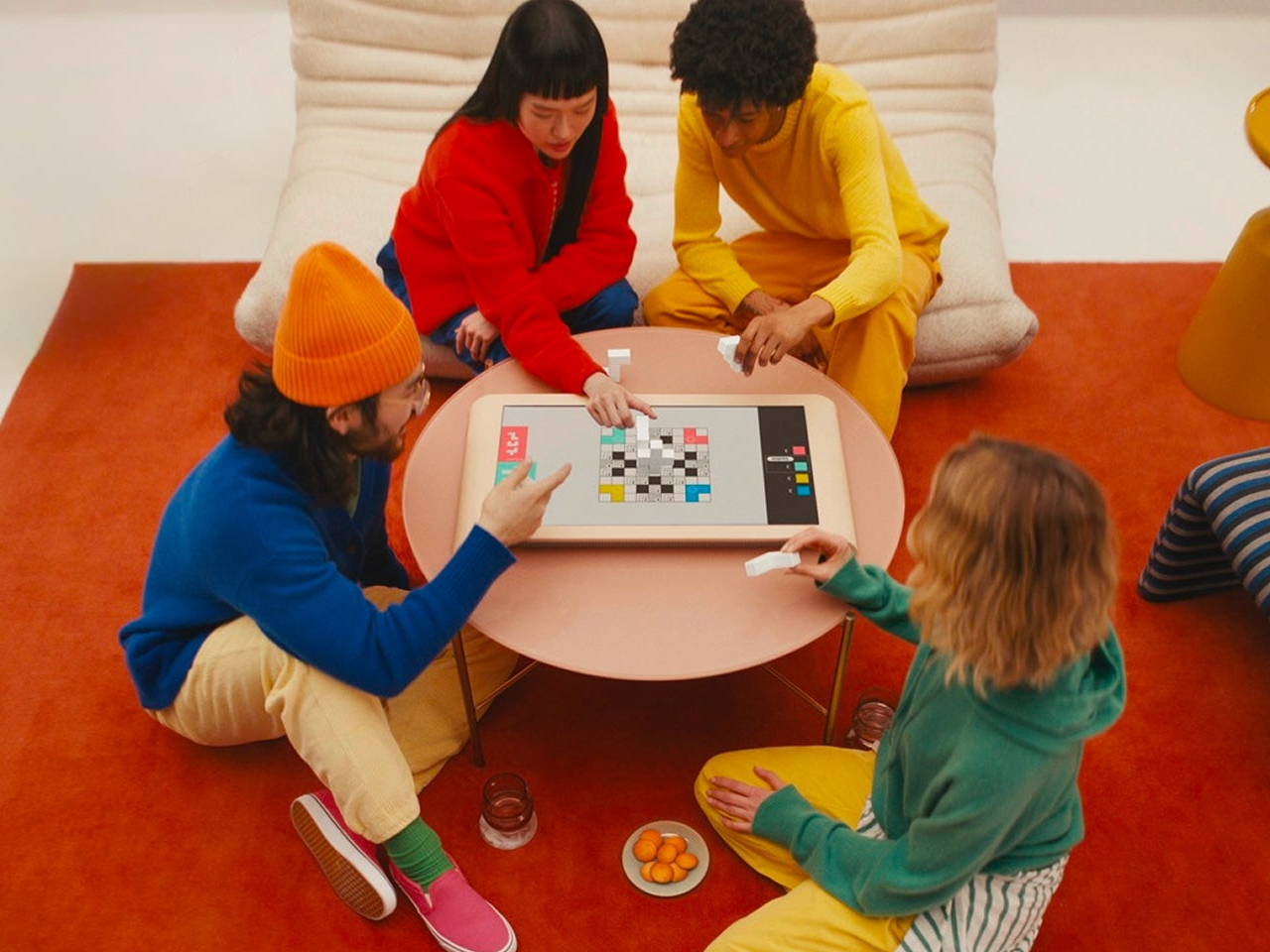
Touchscreens have plenty of games, but tapping on glass doesn’t quite replace moving a piece across a board. The Board, a tabletop console from the company of the same name, makes that physical interaction central to its design. Its 24-inch screen responds to toy utensils, spaceships, and robots, giving players something to hold while keeping the action on the table between them.

The broad, wood-finished frame gives it more in common with a serving tray than a television console. Rounded corners and gently curved edges soften its rectangular outline, while the large screen lies flat so people can gather around it. At 25.7 inches wide and 1.5 inches thick, it’s a substantial tabletop object, not something you’ll casually hold in one hand between turns.

Designer: Board

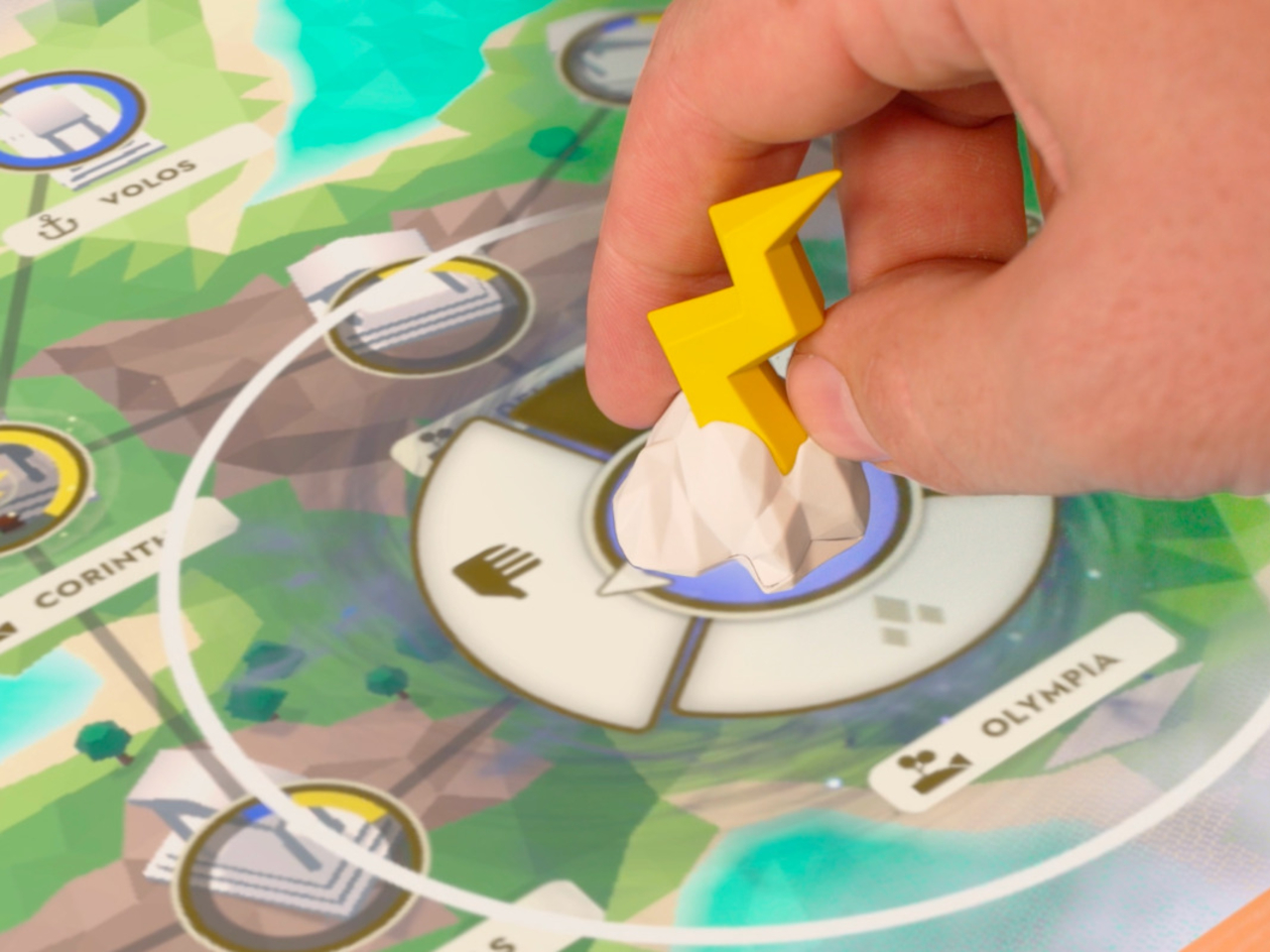
The clever part is underneath those playful pieces. Each has a distinct conductive pattern on its base that the screen can recognize through capacitive sensing, the same general touch technology used in phones and tablets. According to Board, the pieces contain no batteries, sensors, or electronics. There’s nothing to charge or pair before a plastic spaceship can become your controller for the evening.

That recognition happens through PieceSense, Board’s system for identifying pieces and following their position and rotation. Its machine learning runs on the device rather than sending those interactions to the cloud. It’s also designed to filter out accidental palm touches. That’s an important distinction when several people lean over the same screen, although Board’s developer guidance acknowledges that very fast movements can interrupt tracking.

Chop Chop puts that relationship between shape and action to work. You use a little knife to slice and a spoon to stir, rather than memorizing which button handles each task. The physical tools give the digital kitchen a familiar vocabulary. Passing a utensil across the table also puts some of the game’s coordination outside the screen, where everyone can see it.

Strata takes a different approach, using chunky blocks to build upward and claim territory. Here, the pieces contribute height instead of standing in for characters on a flat display. A new game can redraw the playing field, while different pieces give your hands another way to interact. Of course, those pieces will need a home when it’s time to put everything away.

Board currently lists the console at $339 in the US, reduced from $399, with seven games and their pieces included. There’s no required subscription, and additional individual titles range from free to $34.95. Software downloads directly to the console, while any corresponding pieces ship to your door. Expanding the collection can involve waiting for a package, rather than simply tapping another download button.

There is a power cord to consider, though. Board runs from a wall outlet, so its place on the coffee table depends on where you can plug it in. It’s still another screen in the living room, of course. The interesting design decision is giving everyone an object to move on that screen, with the players sitting close enough to steal your actual spoon.

The post Board’s Tabletop Console Uses Toy Spoons and Spaceships Instead of Gamepads first appeared on Yanko Design.
  •  

Hero Keyboard Packs a Windows 11 PC and Borrows Your Tablet’s Screen

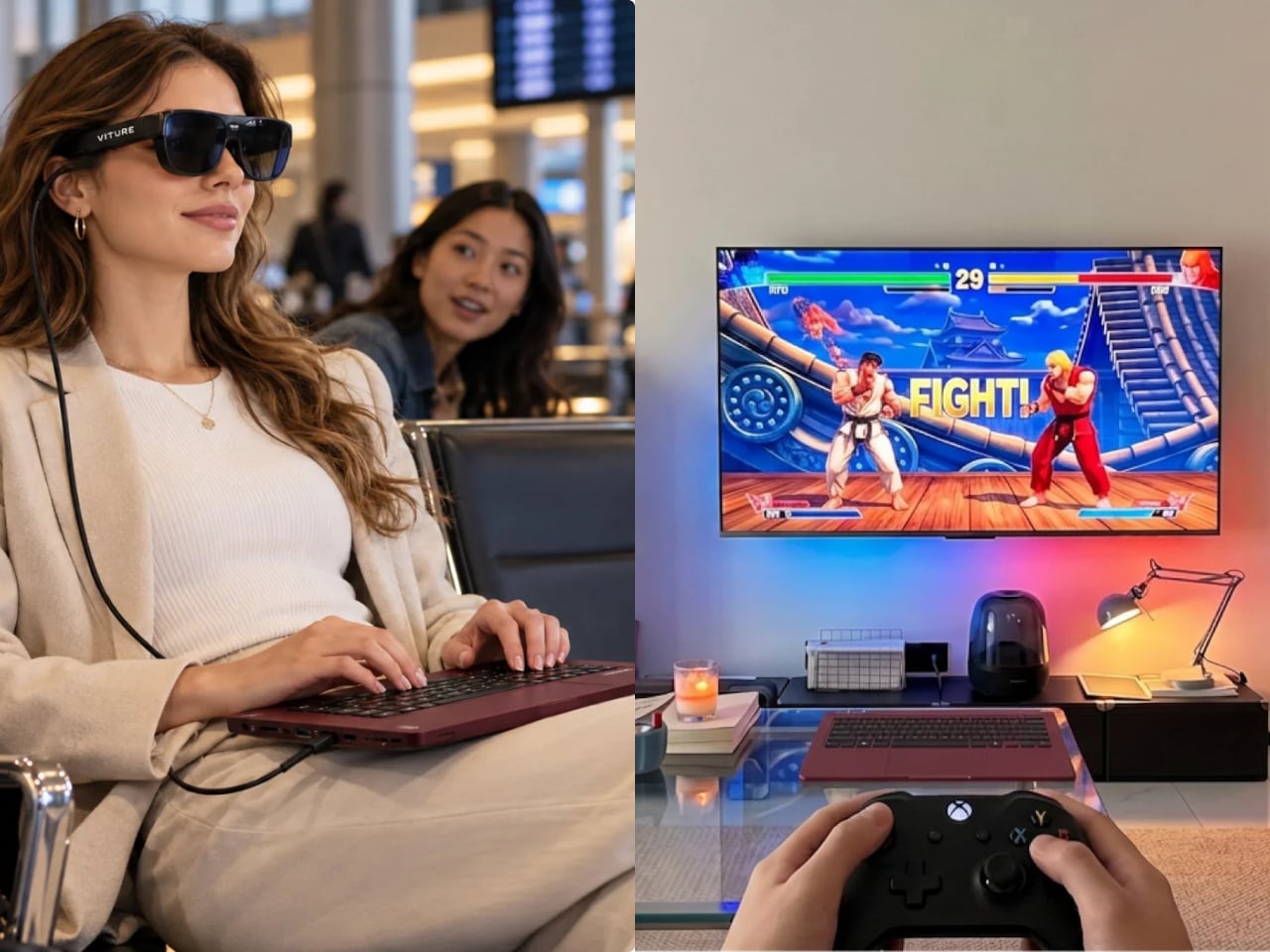
Carrying a tablet and a laptop means packing two screens when what you really need is another operating system. Hero Devices’ upcoming Hero Keyboard puts a Windows 11 PC inside a keyboard with its own trackpad and battery, leaving the display to a compatible tablet or monitor. The idea is to carry your computer without committing to the screen attached to it.

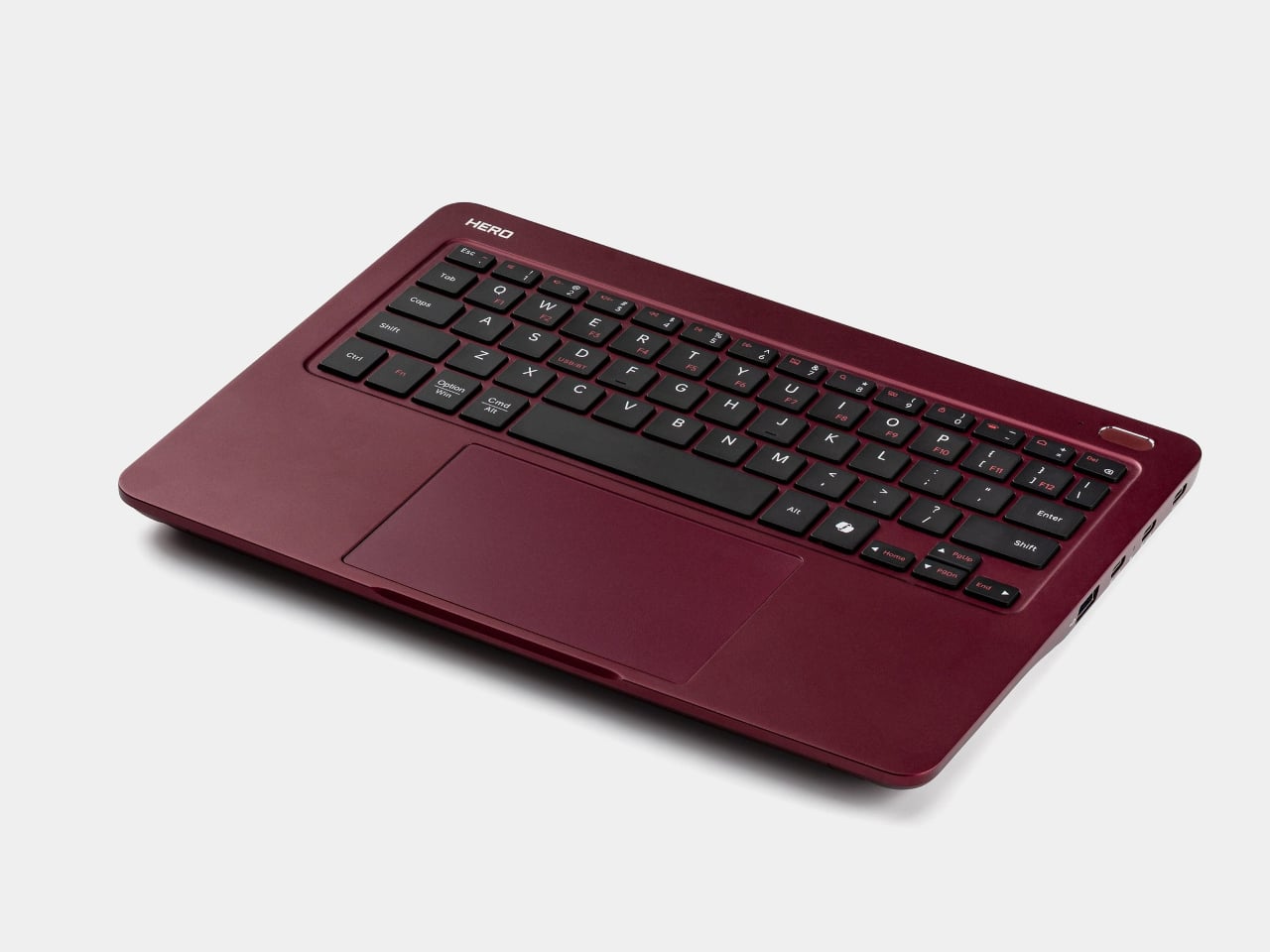
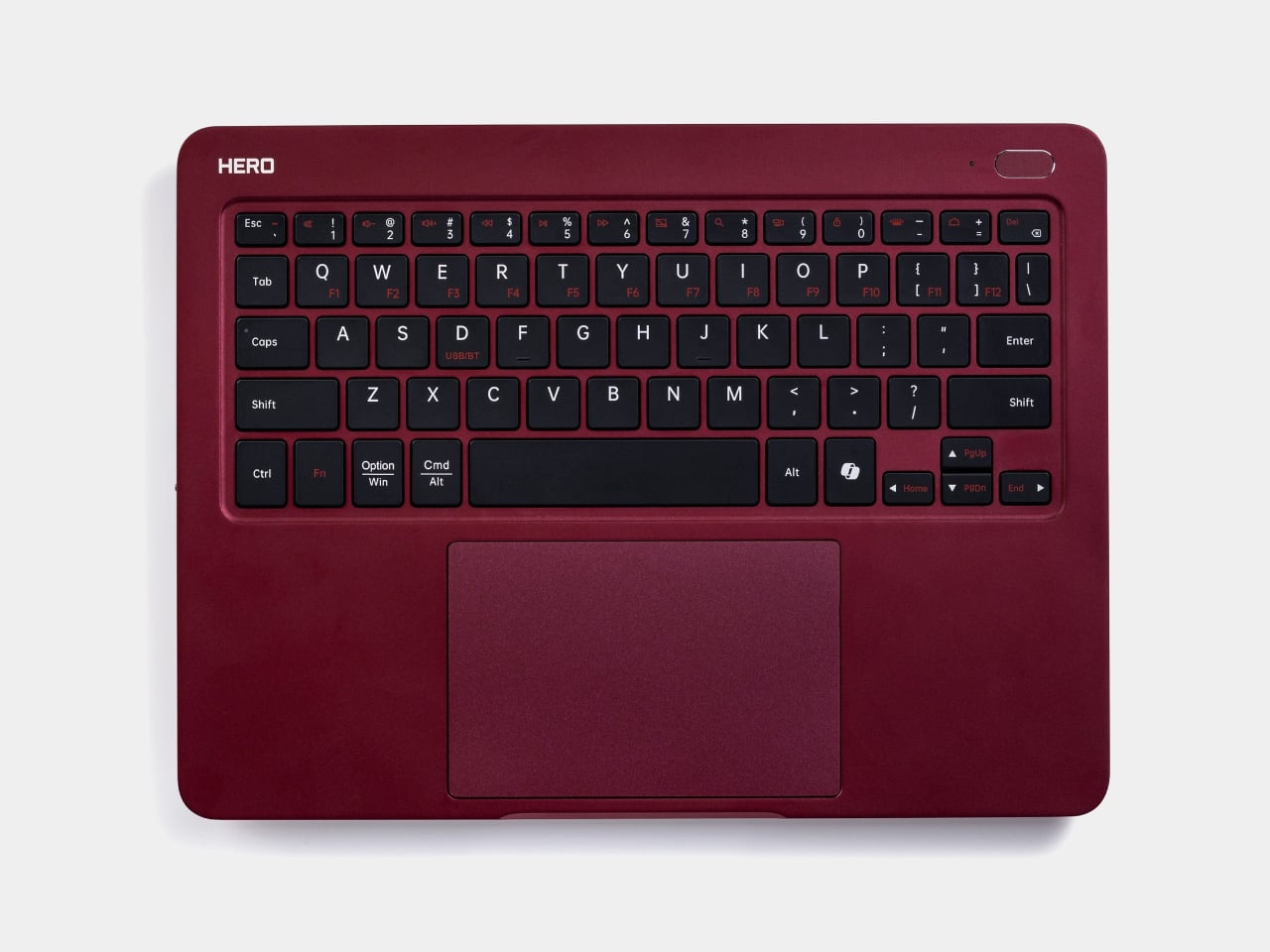
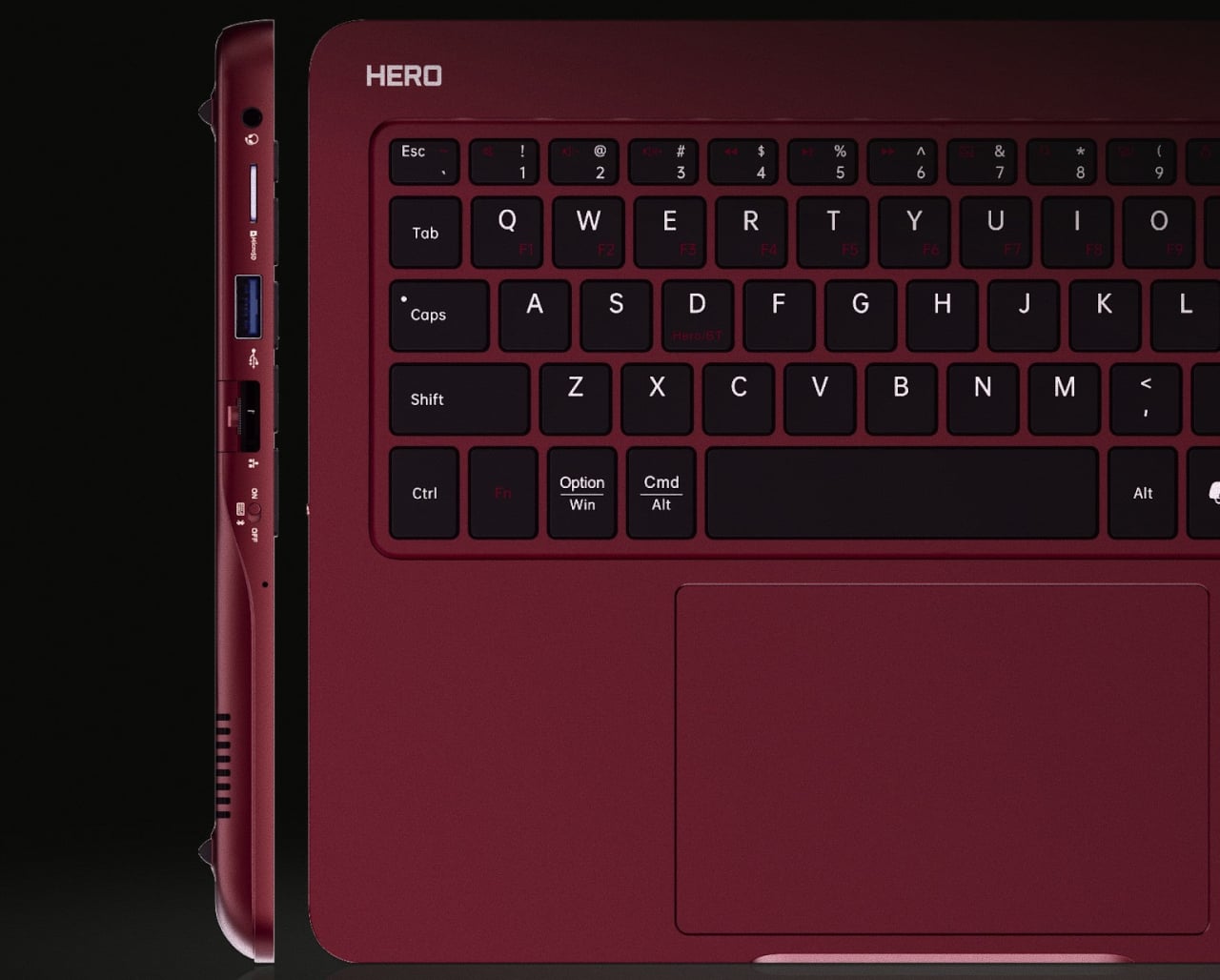
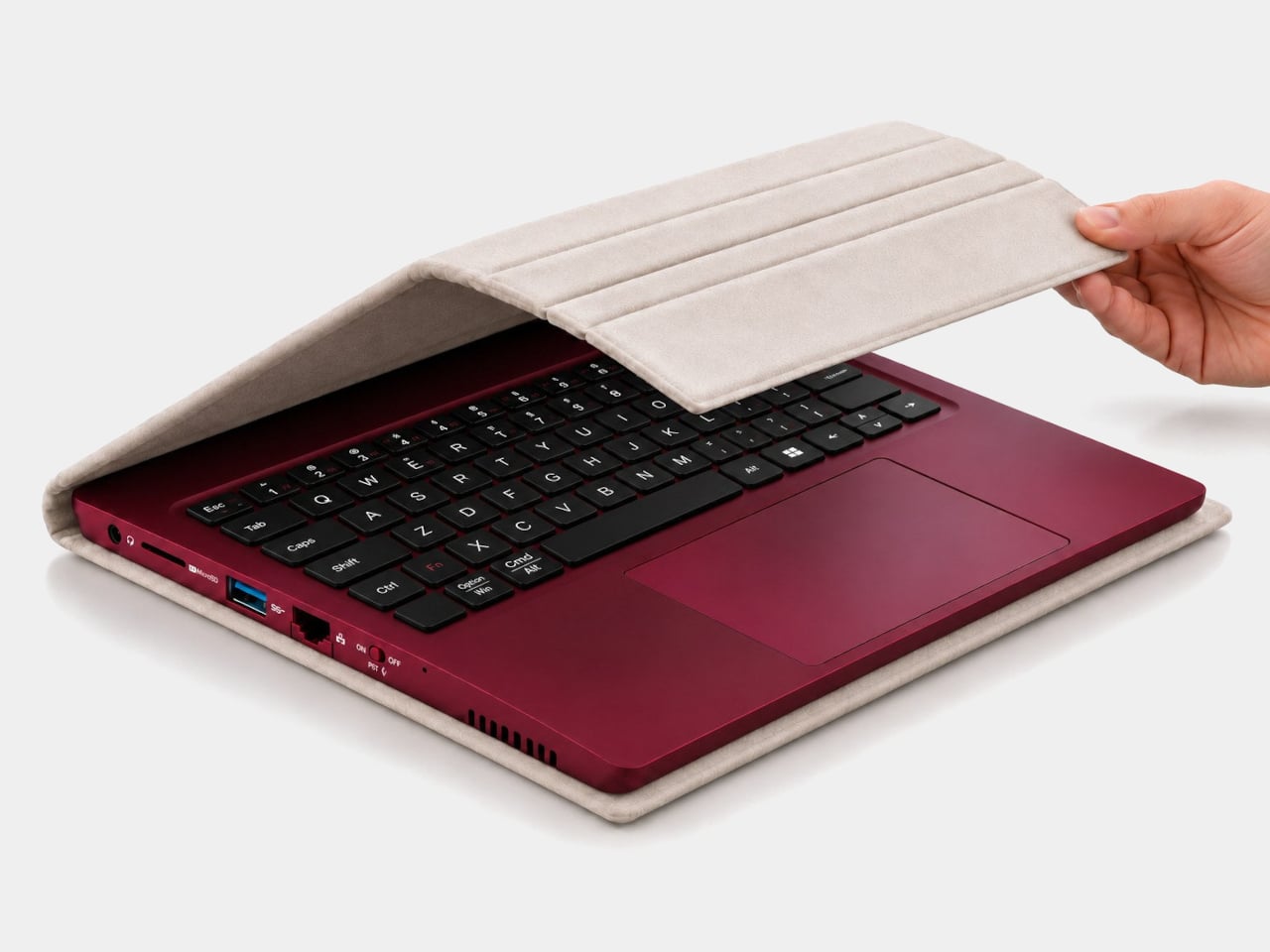
That makes Hero look rather like a laptop that’s misplaced its lid. Its Midnight Merlot enclosure has rounded corners, black keys, and a broad trackpad, with none of the hinge hardware anchoring a display behind it. The aluminum body measures about 10.04 by 7.48 inches and just 0.46 inches thick, although that compact footprint doesn’t leave room for a separate number pad.

Designer: Hero Devices

Inside, Hero specifies an Intel Core Ultra 5 125H processor, 16 GB of memory, and a 512 GB SSD. Windows runs on that hardware, not on the tablet, which simply supplies the display and supported touch inputs. That’s critical when you need a Windows application your tablet can’t run natively, without replacing the mobile software you already enjoy using on it.

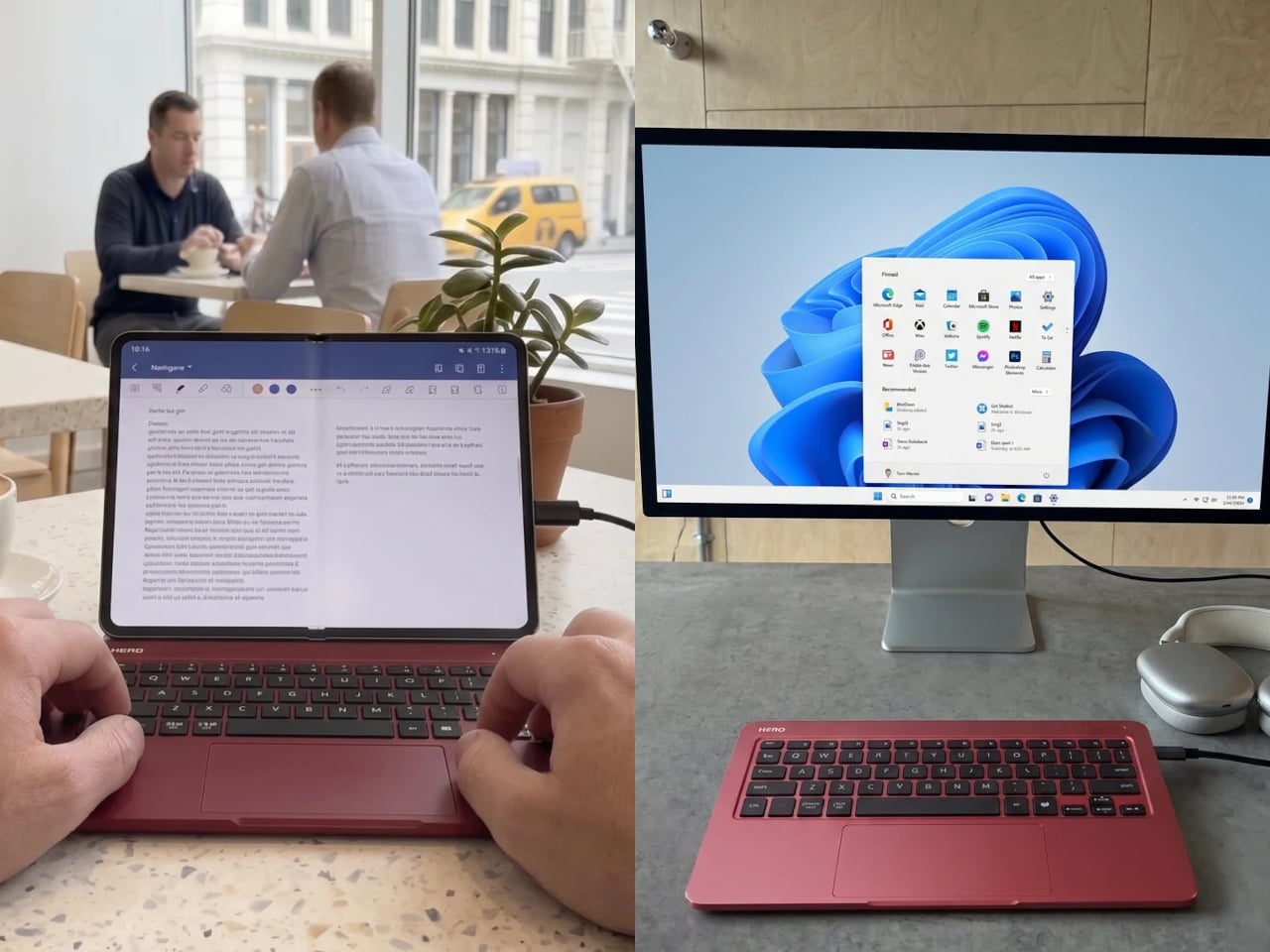
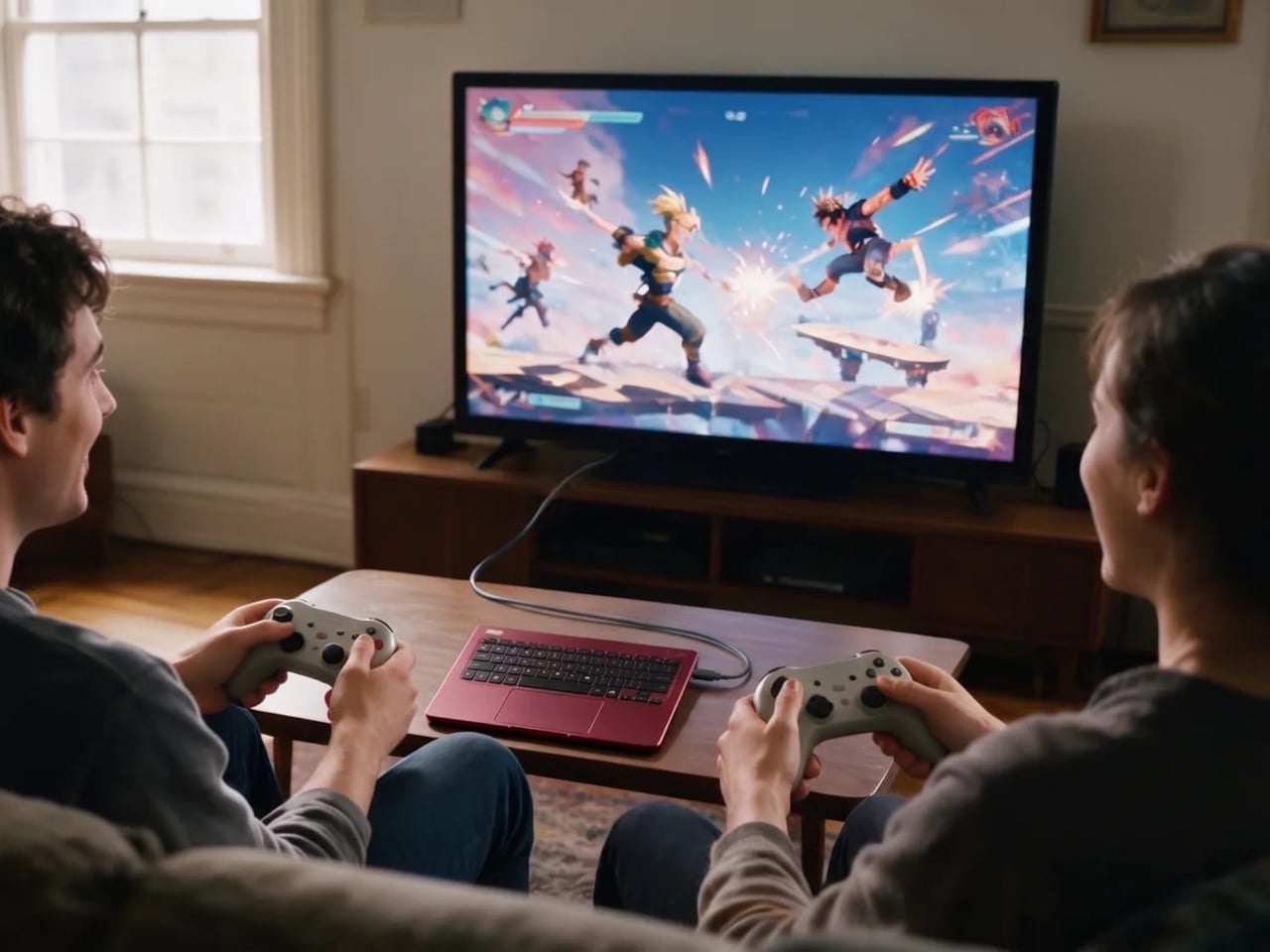
Using a tablet as the display takes some software, though. Hero Port uses a standard USB-C data cable for wired video, while touch and stylus inputs travel separately over Bluetooth Low Energy. Hero’s companion app targets iPadOS 17 and later and Android 7 and later, but its product page still marks it as forthcoming. iPhone users are directed to third-party alternatives, such as Duet.

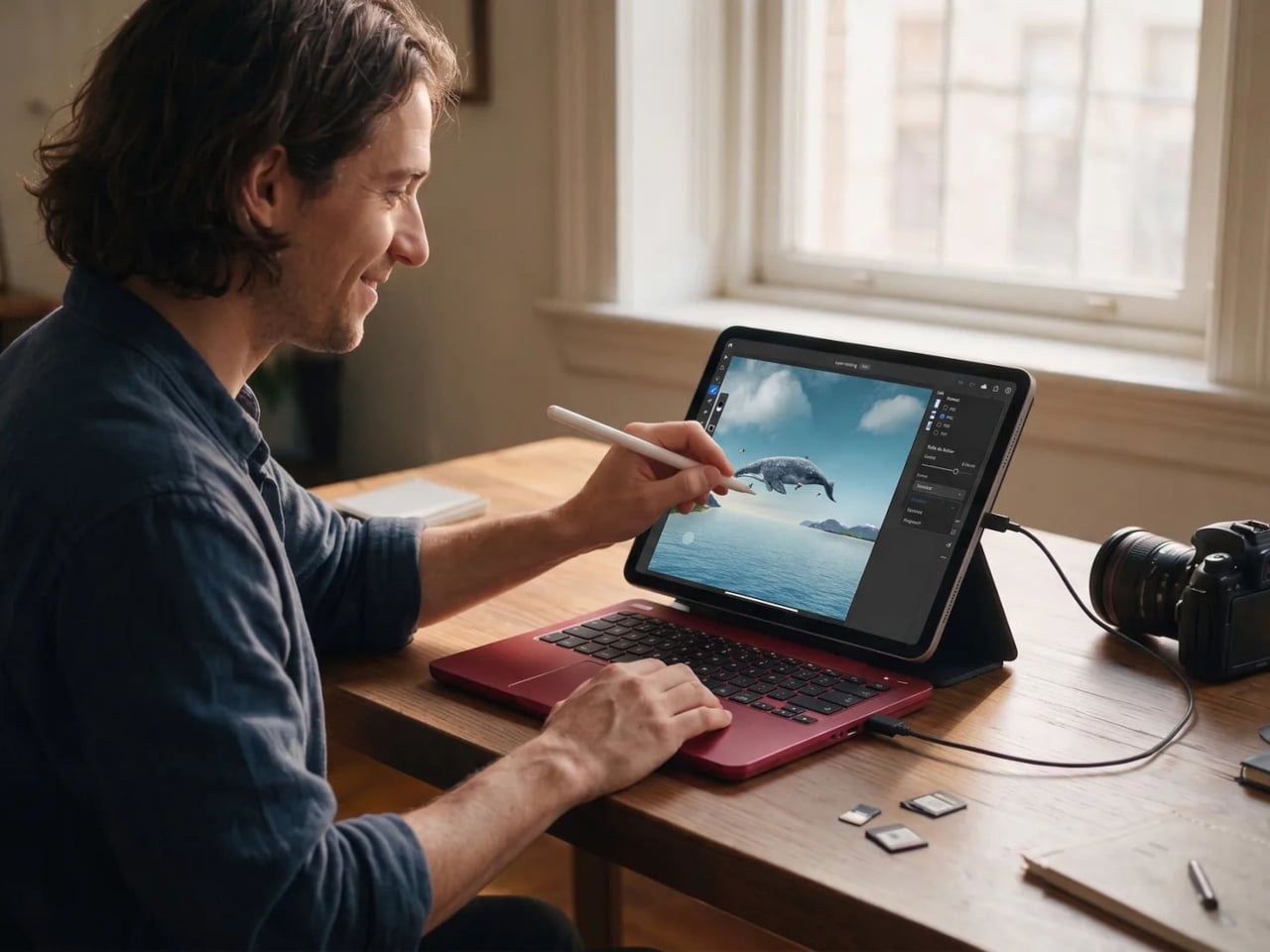
At a desk, a compatible USB-C monitor can provide both a display connection and power through one cable. Move elsewhere, and the same files and applications travel inside the keyboard, rather than needing another PC to pick up the work. The optional $50 Sidekick case gives those separate parts a home, carrying Hero and an 11-inch iPad while doubling as a tablet stand.

Hero has a role when you don’t need Windows. Switch off its PC, and the keyboard and trackpad can still serve a tablet over Bluetooth. You could answer messages in your tablet’s native apps, then switch back to Windows for work that needs it. There’s no need to pack a second keyboard just because you’ve changed operating systems rather than changing screens.

Of course, leaving out the screen doesn’t make the rest weightless. Hero alone weighs about 1.59 pounds, before adding a tablet, stand, or charger. The company promises up to nine hours of battery life and includes a 100-watt USB-C charger, but those figures don’t establish how long your workload will last. The tablet supplying your display also has its own battery to manage.

The Founders Edition is listed at $999 for preorder in the US and Canada, with initial shipments planned for the fourth quarter of 2026. That’s a substantial price for something that still needs a separate display. Its appeal depends on already owning the right screen and wanting Windows enough to accept a cable, an app, and a less self-contained setup than a laptop.

The post Hero Keyboard Packs a Windows 11 PC and Borrows Your Tablet’s Screen first appeared on Yanko Design.
  •  
❌