❌

Vue lecture

The 8 Best Tech Gadgets of November 2026

A phone with a screen beside its rear camera is a literal way to improve a selfie. A mouse that folds flat takes a direct approach to an overstuffed laptop bag. Our November gadget selection starts with those practical ideas, then moves through music players, a camera, a keyboard, and a handheld console that makes its electronics part of the view. Each earns its place through a specific design decision.

These are our editorial picks for November 2026, not eight November launches or winners from a comparative test. The selection includes products offered for purchase, announced hardware, and projects still working toward production, with those differences identified below. We’ve favored useful mechanisms, distinctive controls, and objects that offer something beyond another spec upgrade. Consider it a guide to what deserves attention, with availability treated as carefully as the industrial design itself.

1. Acer Sospiro A70 5G Phone
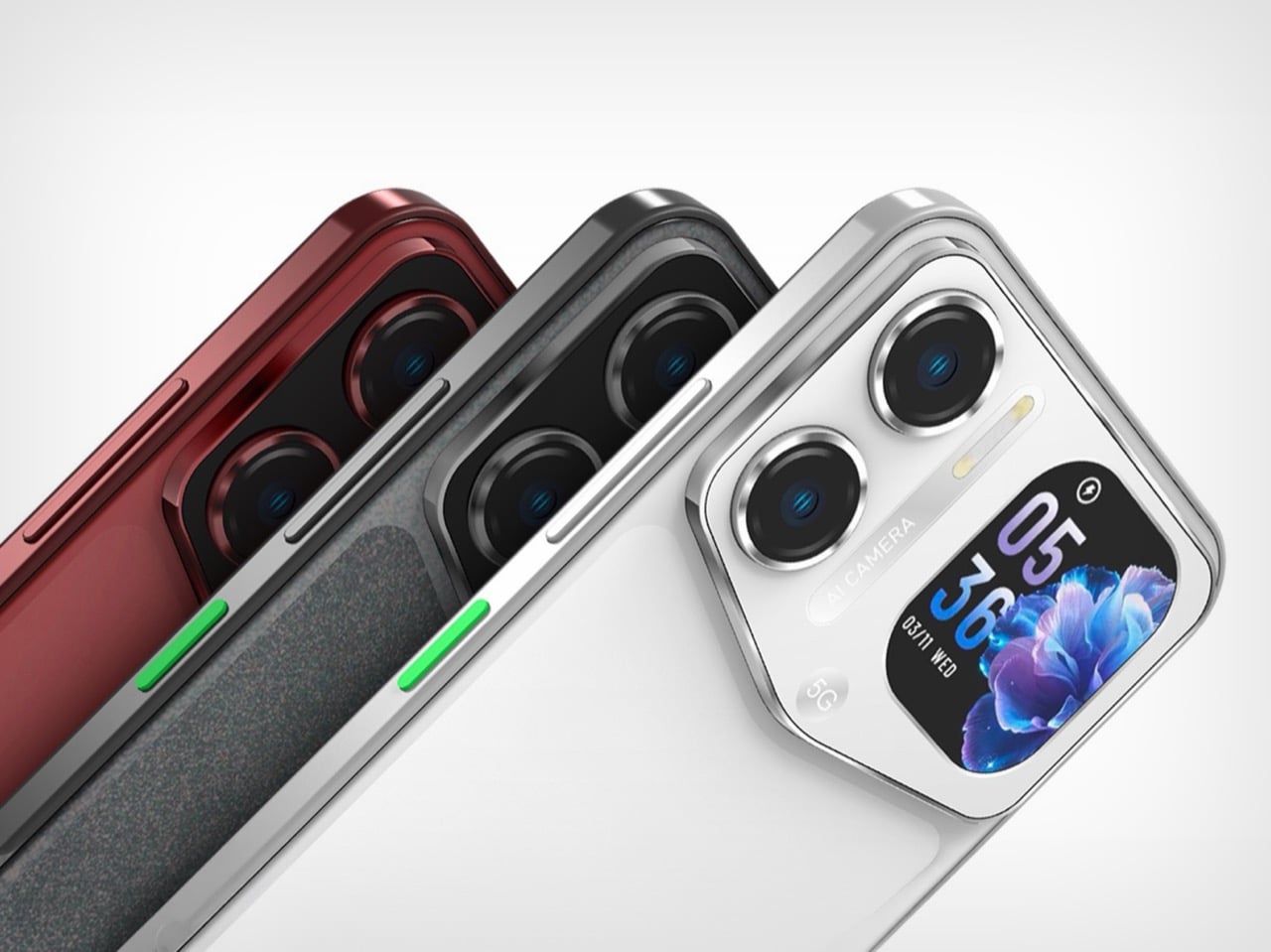
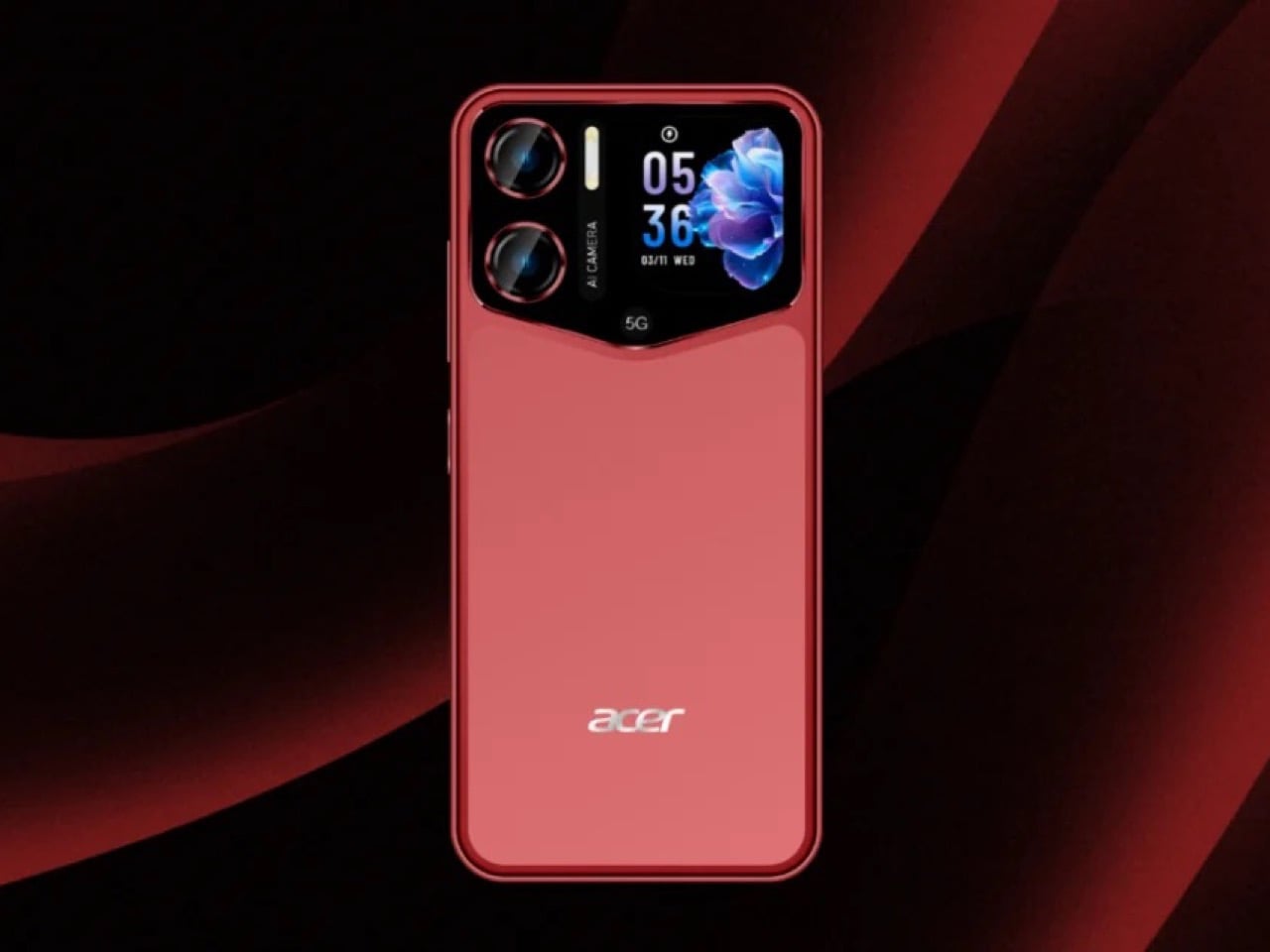
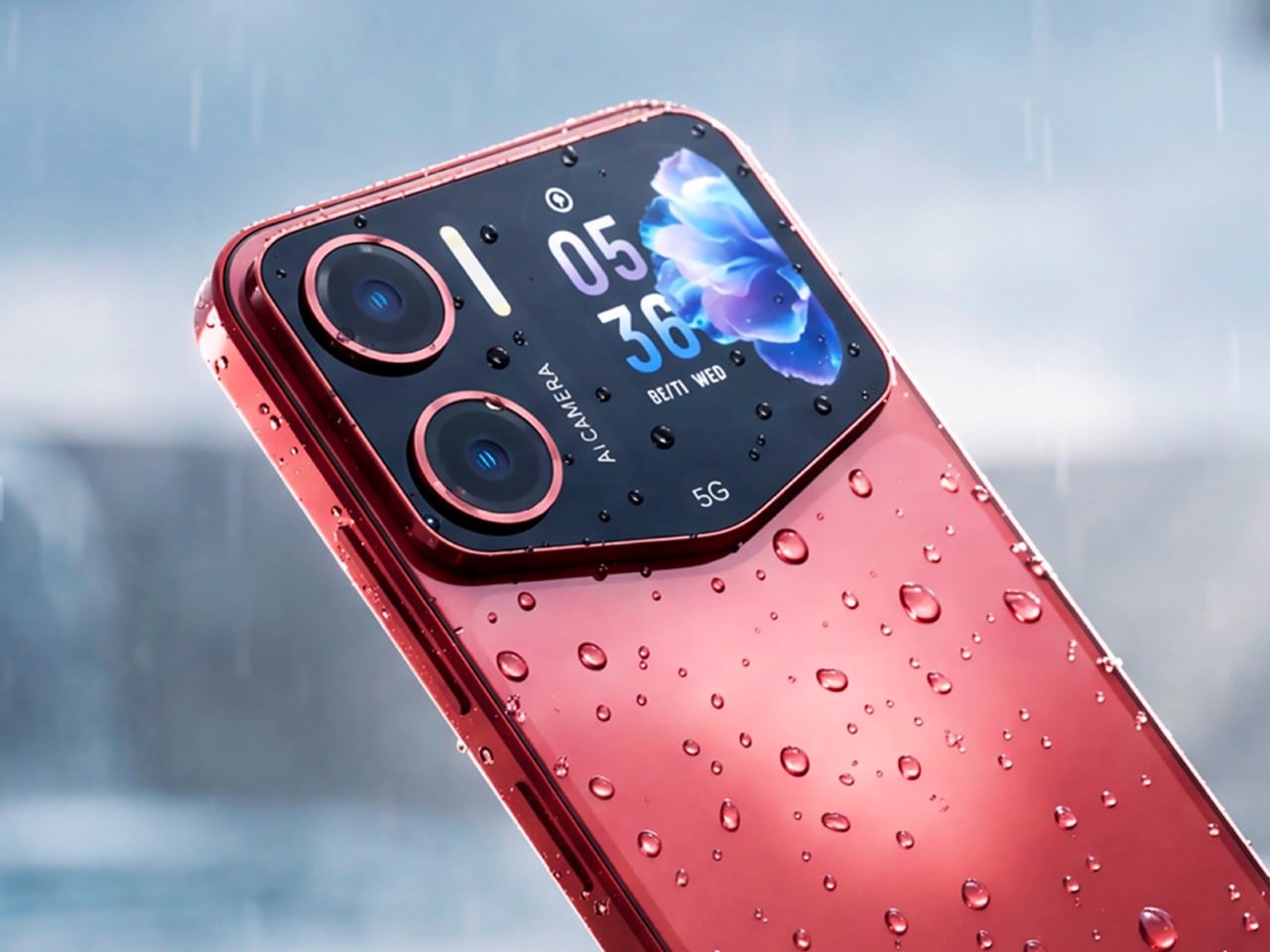
The Acer Sospiro A70 gives its rear camera a useful companion: a 1.88-inch display that doubles as a selfie viewfinder. Instead of guessing your framing when using the 64MP main camera, you can check it on the back of the phone. That small screen sits inside a broad, V-shaped camera module, giving the handset an identity beyond its logo. Senwa Global, which licenses the Acer name for phones in Latin America, is the company behind this particular Acer-branded 5G model.

The rest of the hardware preserves options many buyers still value: a 3.5mm headphone jack, 256GB of storage, and microSD expansion up to 1TB. A 5,000mAh battery accompanies the 6.67-inch main display, although its 120Hz refresh rate comes with a modest 720 × 1600 resolution. That’s the compromise behind the feature list. Pricing and the launch date remain unconfirmed in our sources, and a US release hasn’t been established, so this belongs on a watchlist rather than a shopping cart.

What we like

  • The rear display provides framing when taking selfies with the main camera.
  • A headphone jack and expandable storage preserve useful everyday options.

What we dislike

  • The main screen pairs a large panel with relatively low resolution.
  • Pricing, launch timing, and US availability remain unresolved.

2. OrigamiSwift Folding Mouse

A conventional mouse is awkward luggage because its useful shape becomes wasted volume when you close the laptop. Horace Lam’s OrigamiSwift addresses that with a folding, origami-inspired body that rises into a working mouse and flattens for storage. At 40 grams, it adds little weight to a mobile setup. The more interesting achievement is giving the mouse two distinct shapes for two different jobs, rather than asking you to work all afternoon with a permanently shrunken travel accessory in hand.

Bluetooth 5.2 handles the connection, while USB-C recharges a battery that rates for up to three months of use. The $85 asking price buys a more considered packing solution, not a promise that every hand will prefer its angular form. There’s also a dimensional catch worth understanding: the flattened body spreads to roughly 4.8 by 5 inches, and the sensor housing stays thicker than the panels. It’s better suited to a slim laptop sleeve than a tiny pocket.

Click Here to Buy Now: $85.00

What we like

  • Folding construction reduces the thickness needed for storage.
  • Its 40-gram weight makes it a modest addition to a laptop bag.

What we dislike

  • The flattened shape still occupies an almost five-inch-square footprint.
  • The thicker sensor housing prevents a uniformly flat profile.

3. OnePlus Ice Card Mini
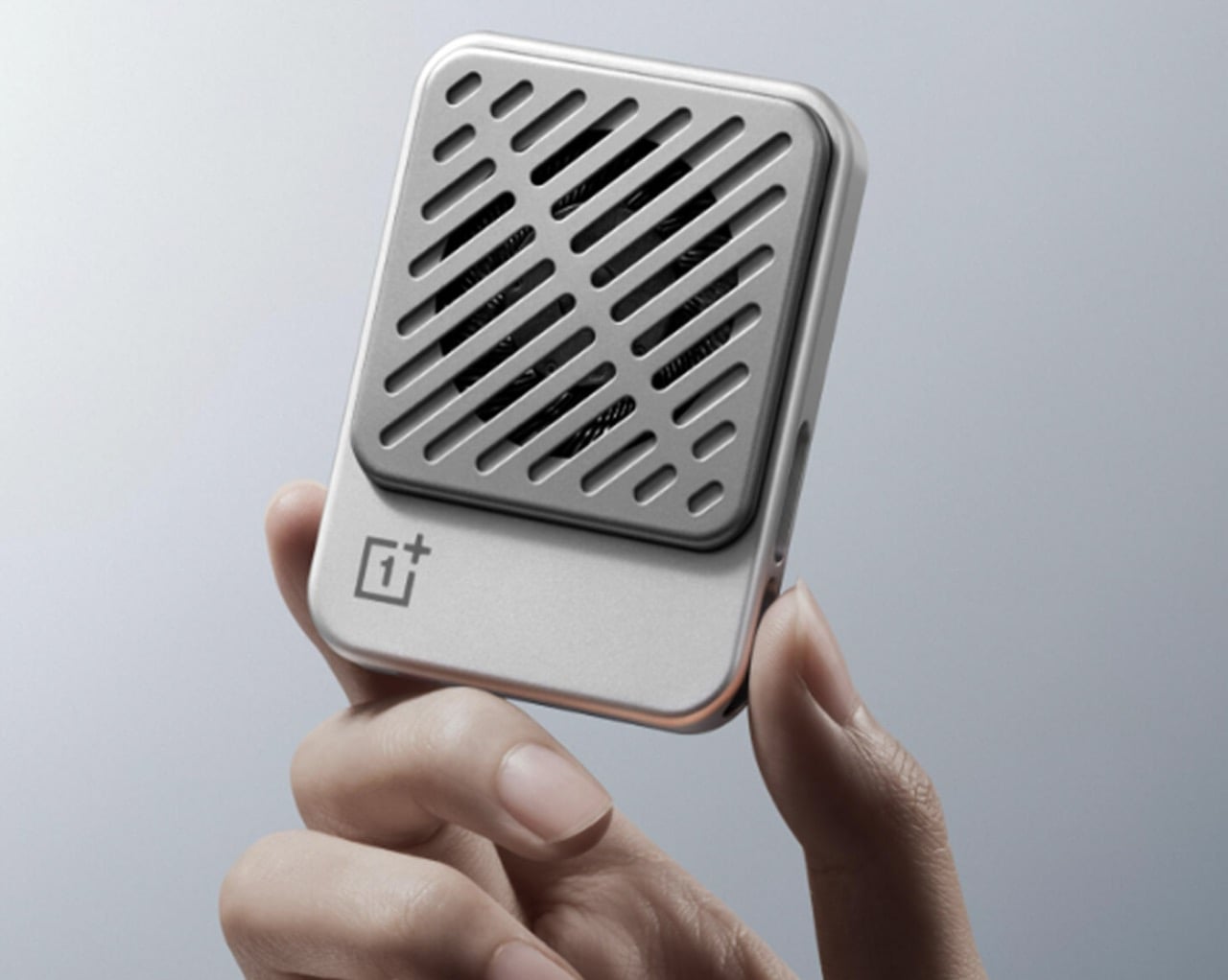
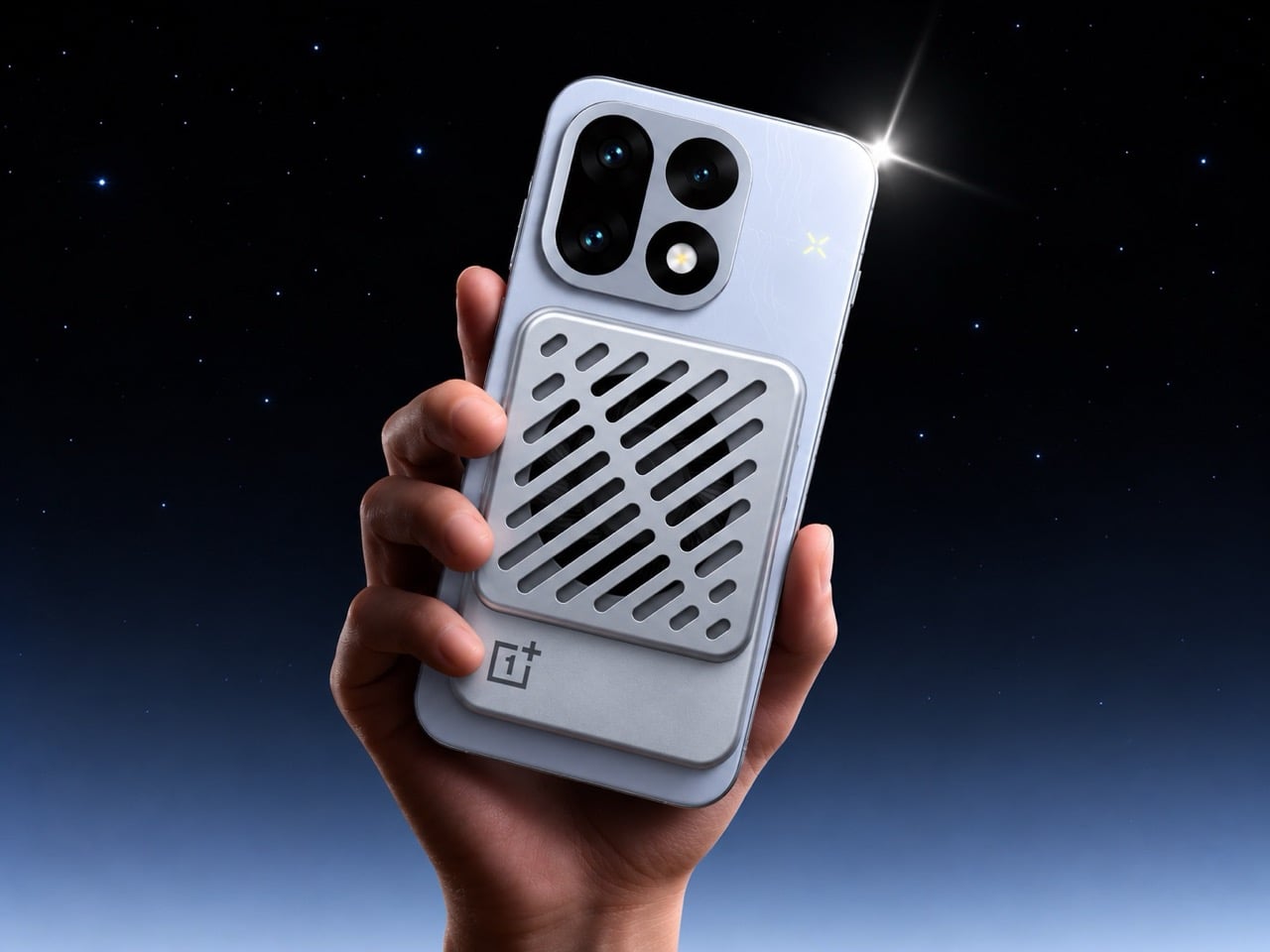
OnePlus’s Ice Card Mini is a China-listed magnetic phone cooler with a refreshingly restrained shape. At about 50 grams and 70 by 53.4mm, it resembles a small card accessory more than the clip-on fans associated with gaming phones. Inside, thermoelectric cooling works alongside an air-cooling system. The appeal is straightforward: an external accessory intended to manage heat without turning the phone into something that needs its own carrying case. It’s a focused answer to an accessory category prone to bulk.

The Mini takes power over USB-C, drawing up to 3.5W according to the published specifications. You can power it from the phone, a power bank, or an adapter, but that means the magnetic attachment doesn’t make the setup wireless. An included magnetic plate extends compatibility to phones without built-in magnets. That flexibility is welcome, especially if you change handsets regularly. The remaining questions are practical ones: case compatibility, the effect on your games, and availability outside its initial Chinese market.

What we like

  • The compact magnetic format avoids a bulky clamping mechanism.
  • USB-C power allows several options beyond a wall outlet.

What we dislike

  • It requires a power connection during use.
  • Cooling performance and US availability need confirmation.

4. ClearFrame Speaker CD Player
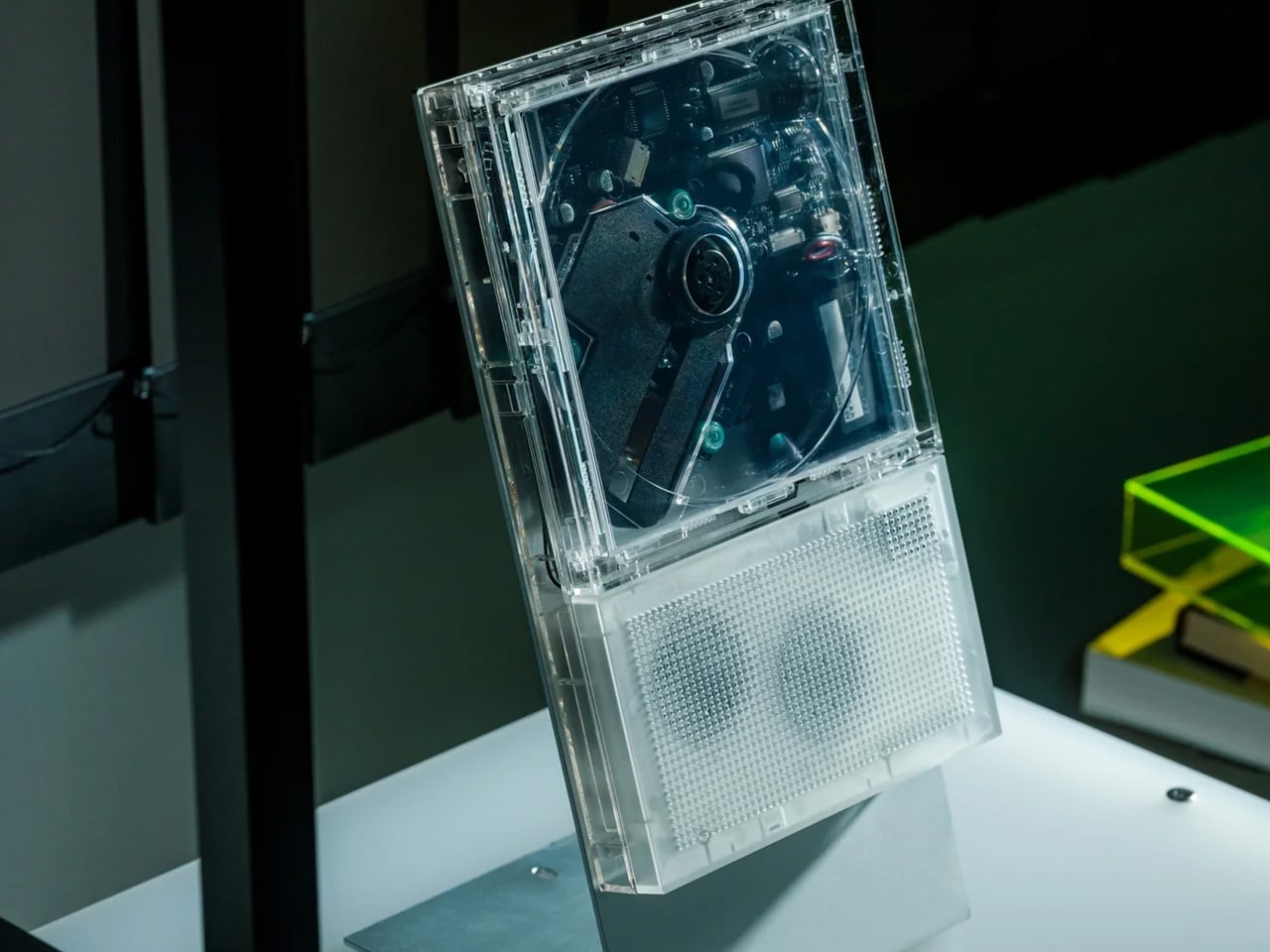
The ClearFrame Speaker CD Player gives an album two jobs: something to play and something to display. Its transparent body reveals the spinning disc and circuitry, while an included tray lets you insert the album artwork instead. That makes its appearance change with your listening rather than stay fixed behind a manufacturer’s grille. This is the speaker-equipped version of ClearFrame, with a built-in 40mm driver and bass diaphragm, so it can play your CDs without an additional speaker beside it.

At 27mm thick, the $240 player has proportions closer to a book than a conventional stereo component. It features six to seven hours of speaker playback, with USB-C charging and a 3.5mm headphone output. Bluetooth 5.3 sends CD audio to compatible headphones or speakers; it doesn’t receive music from your phone. That distinction matters if you’re imagining a transparent Bluetooth speaker. A display stand and wall mount cost extra, so budget for the arrangement you want at home.

Click Here to Buy Now: $240.00

What we like

  • Album artwork becomes part of the player’s appearance.
  • The built-in speaker removes the need for a separate listening setup.

What we dislike

  • Bluetooth transmits CD audio but cannot receive music from a phone.
  • Display accessories and wall-mounting hardware aren’t included.

5. Sudo Music Player
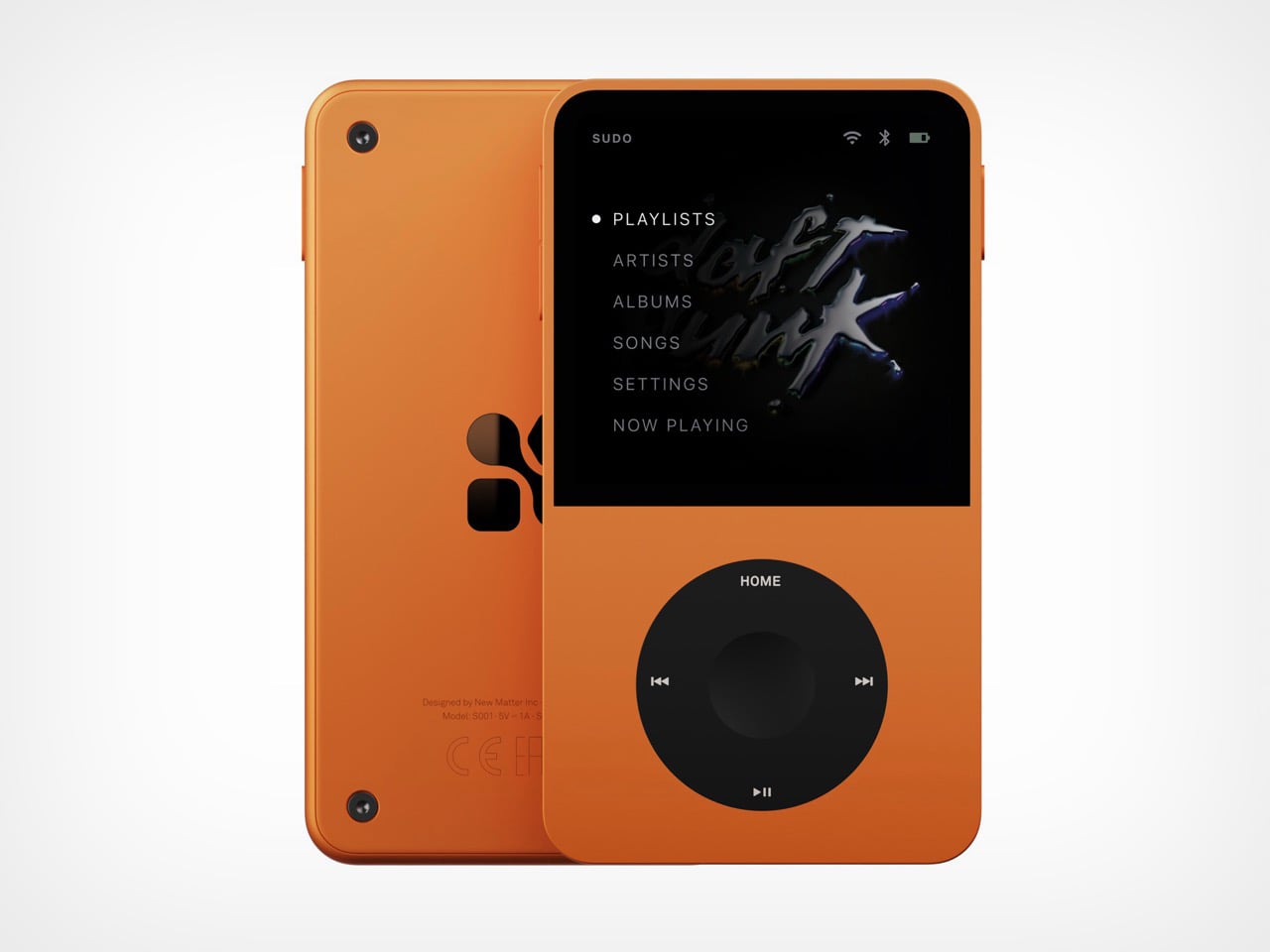
Tangerine Sudo music player shown from front and back, with playlists menu on screen and tactile wheel below

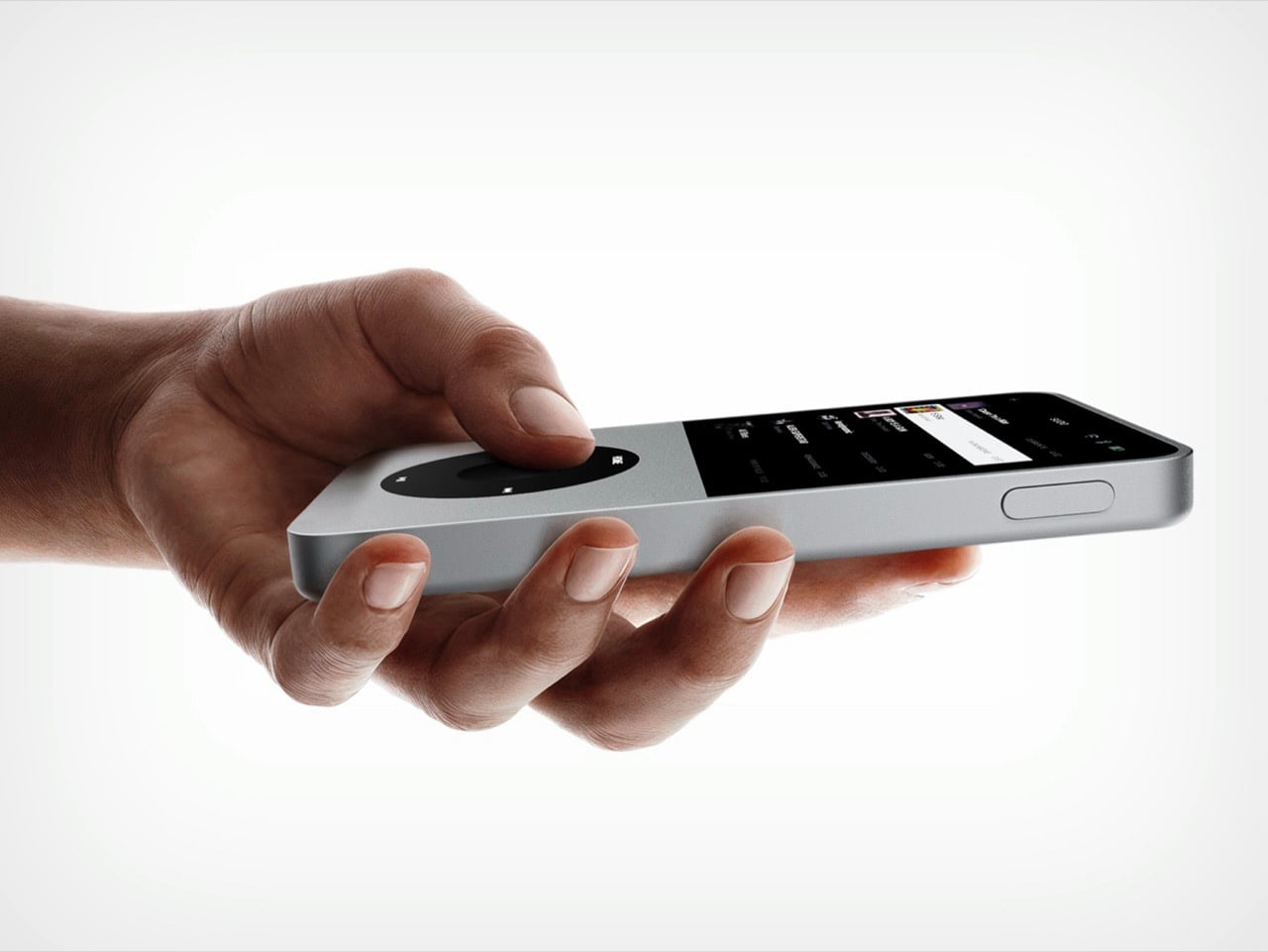
Silver Sudo music player held in one hand, thumb resting on the tactile wheel

New Matter’s Sudo revisits the dedicated music player with an interface built around a capacitive scroll wheel and haptic feedback, paired with a touchscreen. The appeal is choosing an album on a device whose main purpose is listening, rather than opening another destination on your phone. Planned hardware includes a Cirrus Logic DAC, a 3.5mm headphone jack, and USB-C digital audio output. This is upcoming hardware, though, with New Matter expecting the first batch to ship in early Q4 2027.

The specification gives that familiar format room to grow: 64GB of internal storage, microSD expansion up to 2TB, and support for formats including FLAC, MP3, and WAV. New Matter also lists Wi-Fi and Bluetooth, so the throwback controls don’t mean abandoning connectivity. A refundable $50 reservation goes toward an expected $249 purchase price, rather than buying a finished player today. For anyone rebuilding a local music library, it’s worth following, but the production schedule makes patience part of the proposition.

What we like

  • A dedicated wheel gives music navigation its own control surface.
  • Expandable storage accommodates a growing local library.

What we dislike

  • Expected shipping is in Q4 2027, not this November.
  • The $249 price remains an estimate, not a finalized retail figure.

6. AULA Neos 75 Keyboard
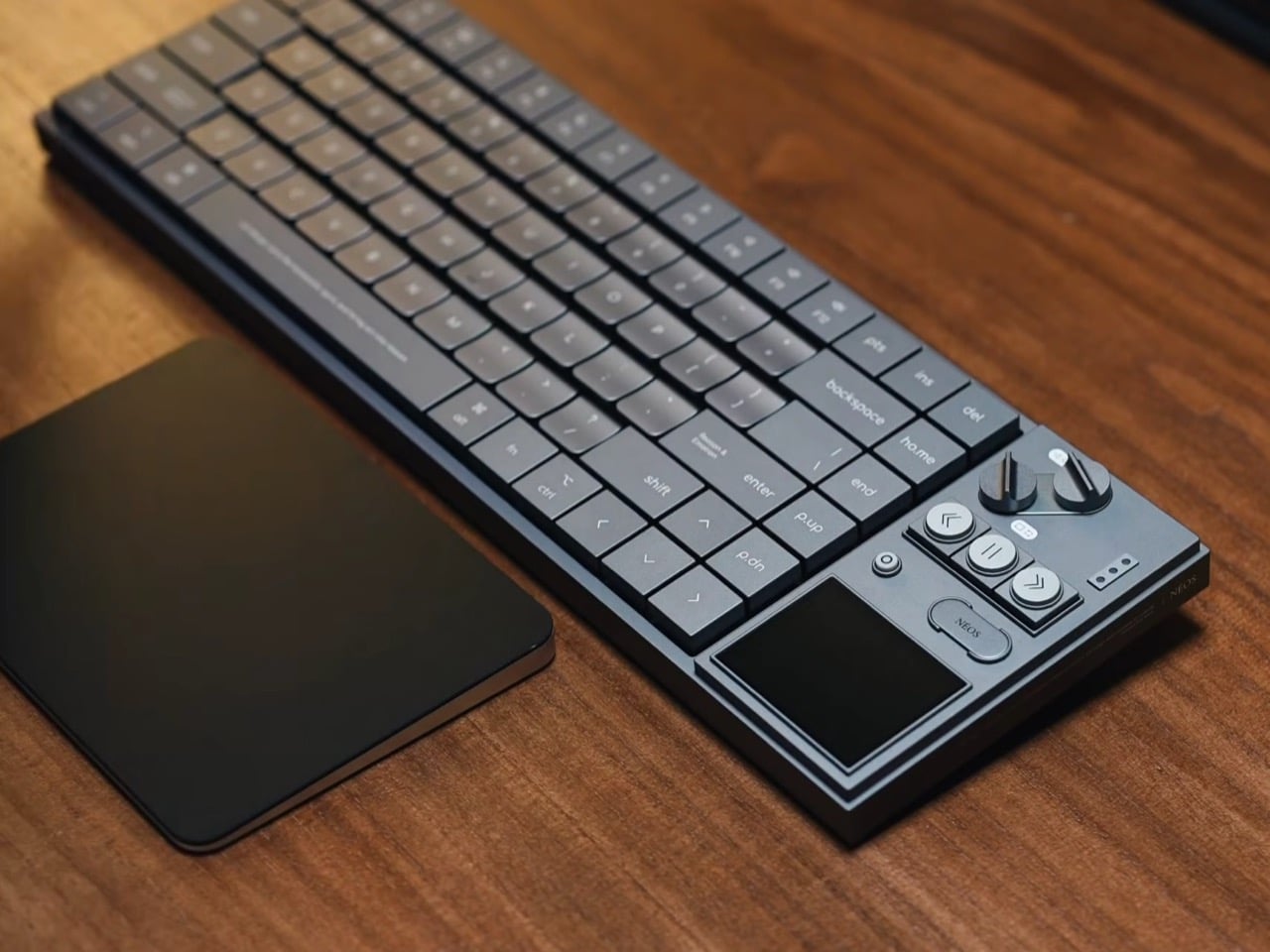
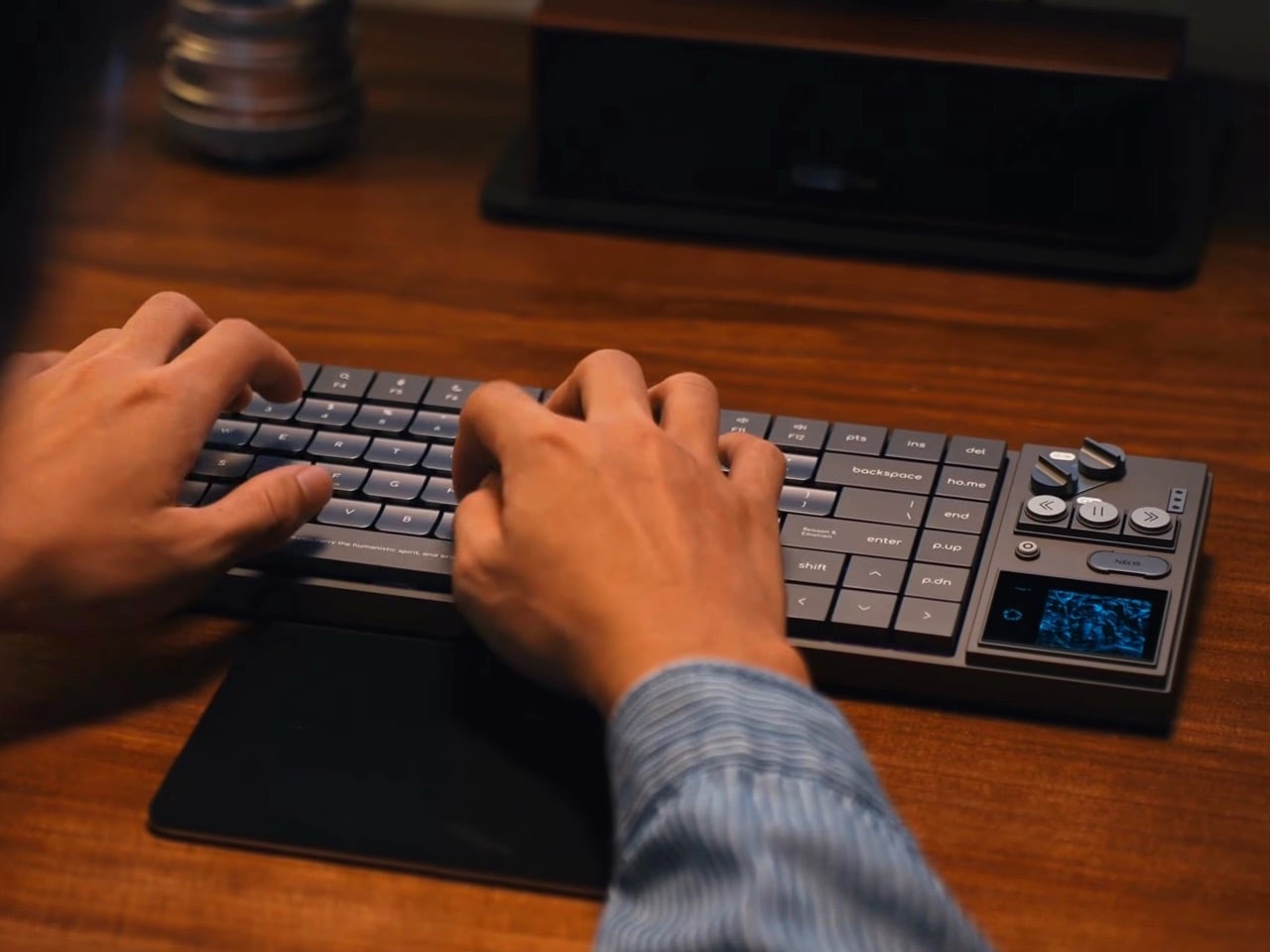
AULA’s Neos 75 puts a small control console beside an otherwise compact keyboard. Two metal knobs, round media buttons, and a 2.3-inch color display give the right edge the look of a miniature hi-fi component. The useful part is having volume and playback controls where your hand already works, without requiring another desk accessory. Designed by AULA.New Renaissance, the 84-key board also uses a CNC-machined aluminum chassis and aluminum keycaps, extending that hardware-focused approach across the surface you actually touch.

Custom low-profile Kailh switches sit in hot-swappable sockets, letting you change switches without soldering. A gasket mount supports the typing assembly, and wired, Bluetooth, and 2.4GHz connections offer different ways to connect your devices. China preorders opened in October, while wider regional availability needs checking before purchase. The physical compromise is right there in the layout: a compact 75% key arrangement doesn’t produce the smallest possible keyboard when a separate control console occupies the space along its entire right edge.

What we like

  • Dedicated knobs and media buttons put frequent controls within reach.
  • Hot-swappable switches leave room to change the typing setup.

What we dislike

  • The side console expands the footprint of the compact key layout.
  • A confirmed official US rollout remains unclear.

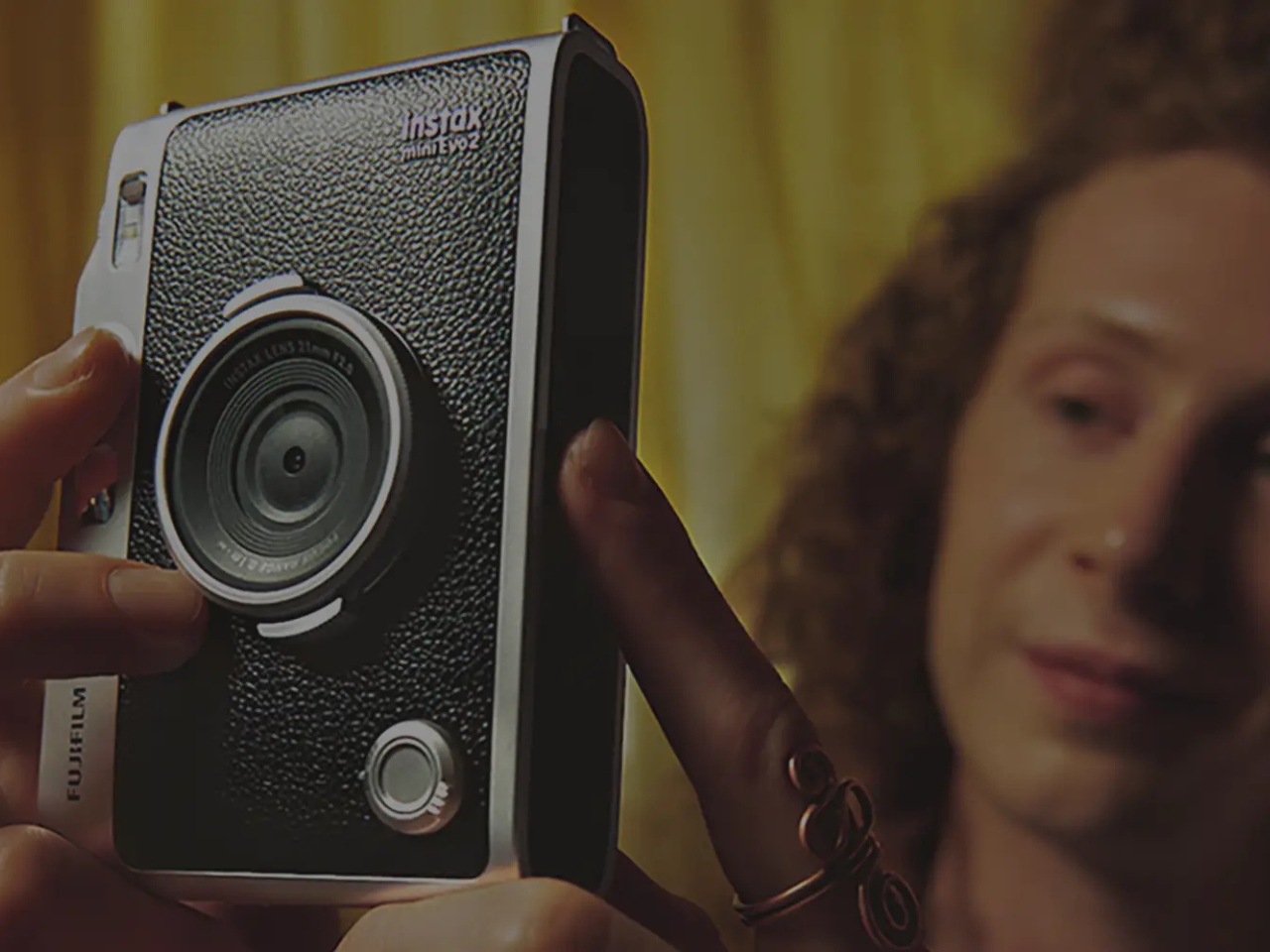
7. Fujifilm Instax Mini Evo 2
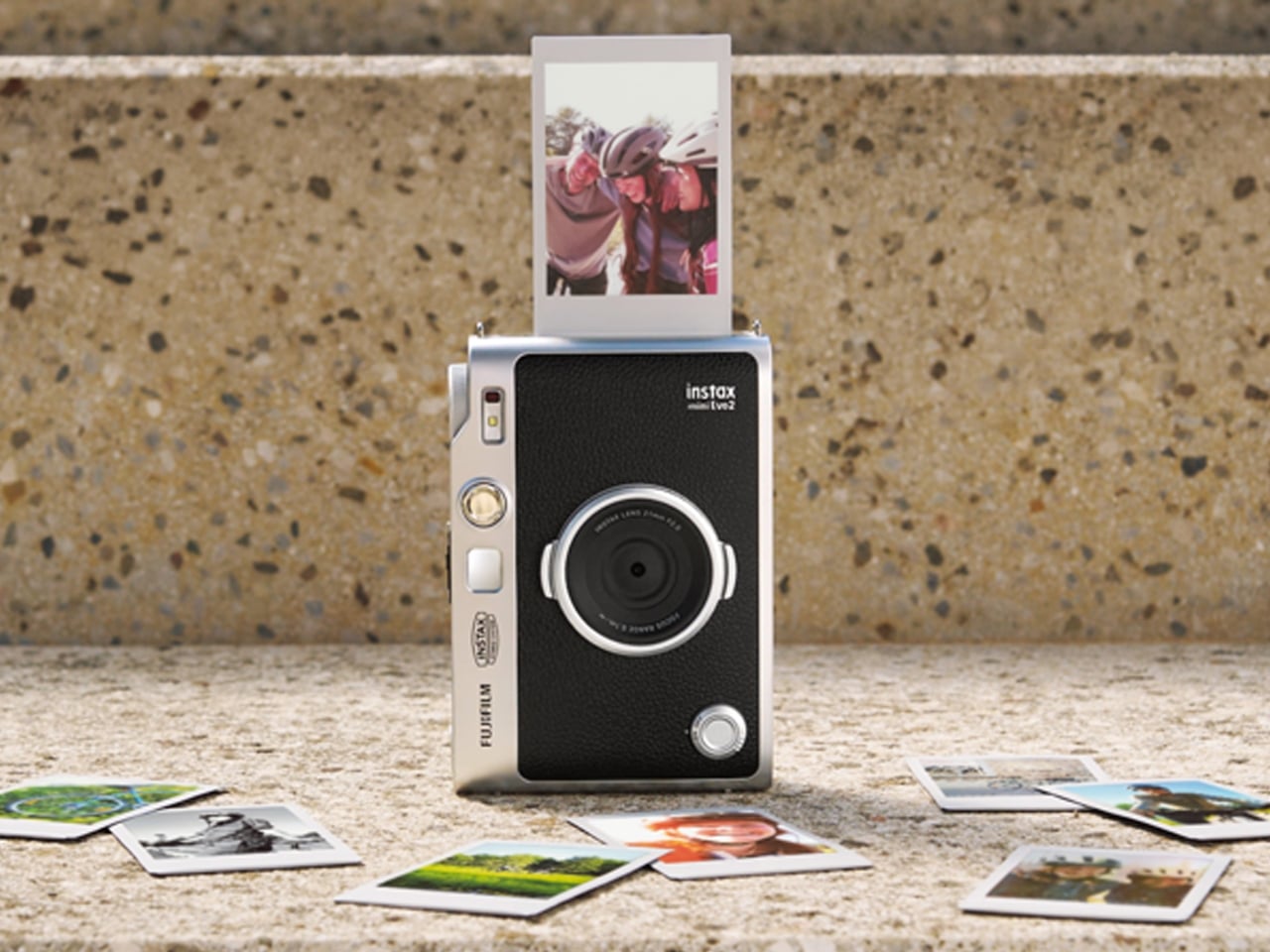
Fujifilm’s Instax Mini Evo 2 makes printing a choice rather than the unavoidable outcome of pressing the shutter. The hybrid camera lets you review and adjust a digital image before committing it to Instax Mini film. Its lens-effect dial, film-effect dial, and print lever preserve physical actions alongside a 4.5-inch touchscreen. For someone who likes the idea of instant photography but hates wasting film on an accidental exposure, that division of labor makes more sense than nostalgia on its own.

The camera offers 10 lens effects and 10 film effects, giving you 100 combinations before printing. Expanded View shows the area beyond the intended print frame, while the updated app supports printing smartphone photos and remote shooting. Fujifilm lists a US MSRP of $289.95, with availability expected toward the end of November. Film remains a separate purchase, and the new short-movie feature needs a microSD card. Those ongoing costs deserve just as much consideration as the camera’s appealing physical controls.

What we like

  • Reviewing images before printing gives you control over film use.
  • Physical effect dials complement the touchscreen rather than disappearing into it.

What we dislike

  • Instax Mini film adds an ongoing expense.
  • The short-movie feature requires a separately purchased microSD card.

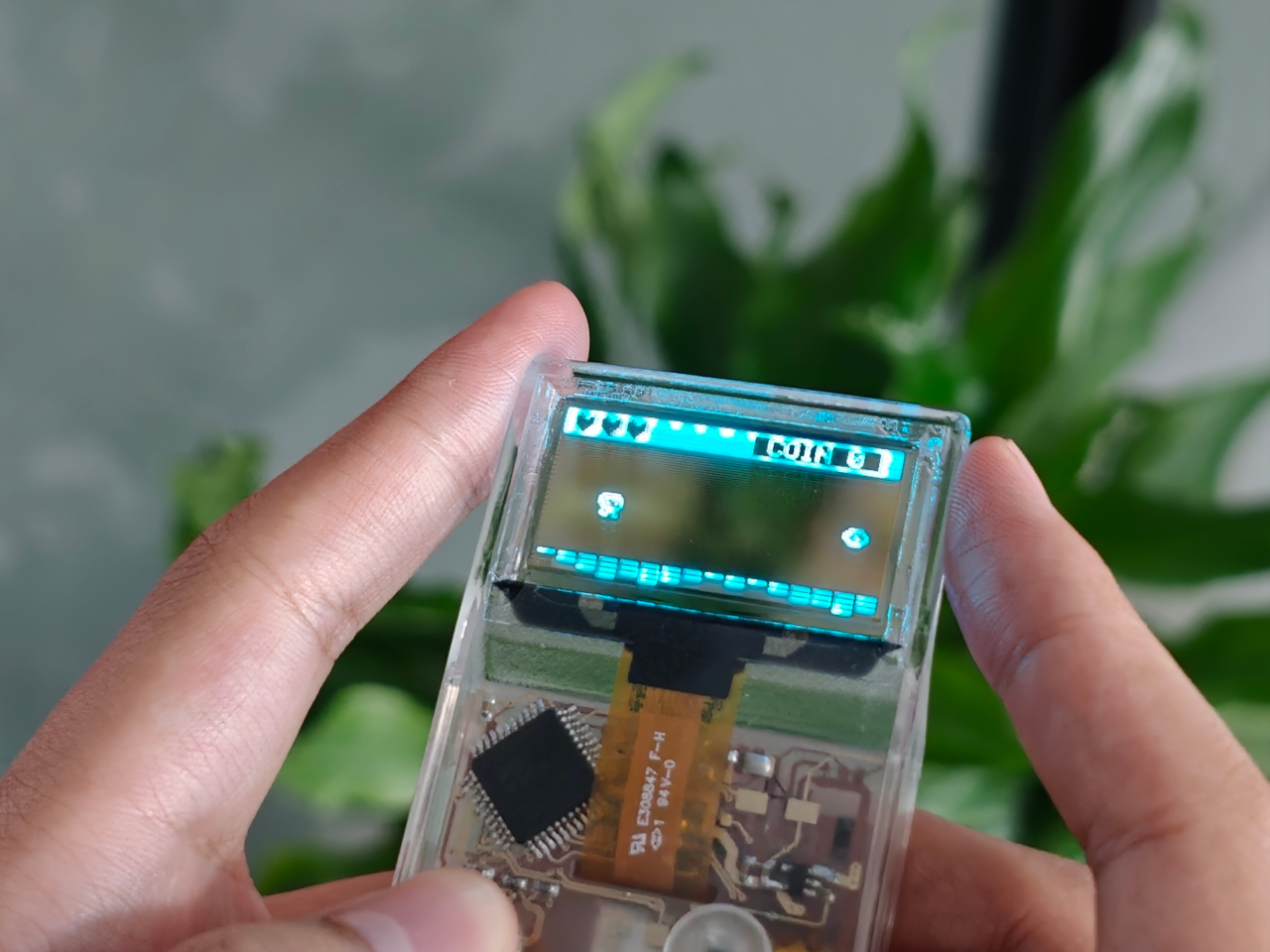
8. Arduview Transparent Gaming Handheld
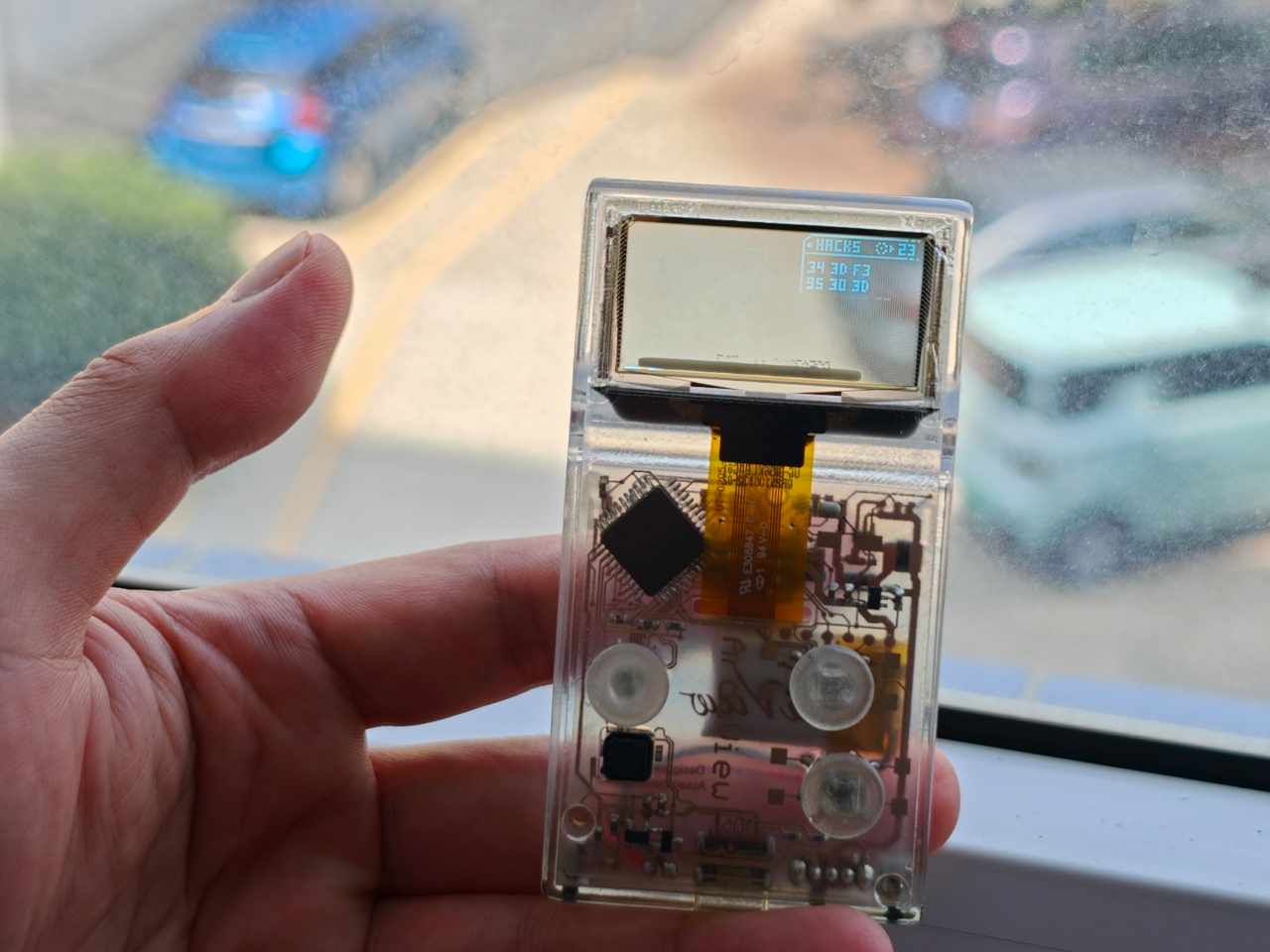
Arduview takes transparent electronics beyond a clear shell. Louis Huang’s handheld also uses a see-through circuit board and display, leaving the background visible around its illuminated cyan pixels. It’s an unusually direct way to turn the workings of a gadget into its visual identity. This isn’t only a rendering trick: VGC reports using a working unit and confirms that the transparent screen functions as shown. The project is now crowdfunding, rather than sitting on a shop shelf ready for delivery.

Built on the open Arduboy platform, the 50-gram device is pitched around 400 preloaded games and USB-C charging. That makes it a small, focused alternative to a phone full of gaming apps, with room for enthusiasts to explore the underlying platform. Arduview’s maker projects February 2027 shipping for early supporters, rather than November availability. Its appeal rests on a deliberately narrow gaming experience and a display construction; neither should be confused with the capabilities of a larger, mainstream handheld console.

What we like

  • Transparency extends to the screen, not merely the enclosure.
  • The open Arduboy platform offers scope for tinkering beyond preloaded games.

What we dislike

  • February 2027 shipping is a projection, not immediate availability.
  • Its niche Arduboy library won’t suit someone seeking mainstream console games.

Match the Gadget to the Habit

The most useful way to approach this list is to start with a recurring annoyance, not an empty spot on the desk. A mouse that packs differently has a clear job. So does a CD player that lets an existing collection leave the cupboard. More specialized hardware needs a closer match to your habits: a phone cooler only matters if heat is a problem you actually encounter while using it.

Timing deserves the same scrutiny as design. A reservation, a crowdfunding pledge, and a retail order are different commitments, even when the product photography makes them look equally finished. If you need something for this month, check the version, delivery estimate, and accessories before paying. If you’re following an upcoming design, keep the expected date in view. An interesting object can be worth watching without being the right purchase today.

The post The 8 Best Tech Gadgets of November 2026 first appeared on Yanko Design.

  •  

Voxel the Robot Wants to Tidy Your Home Without Looking Human

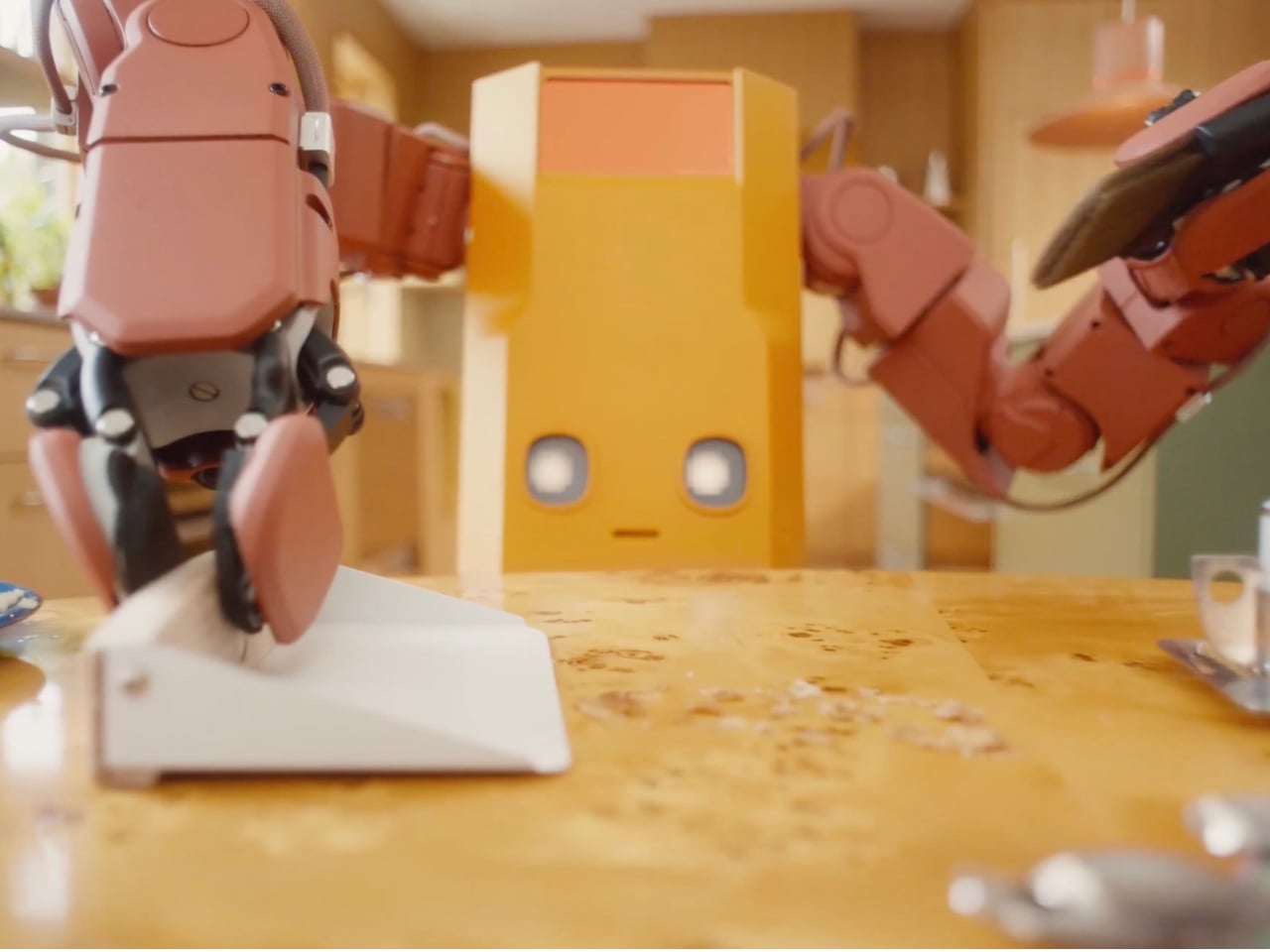
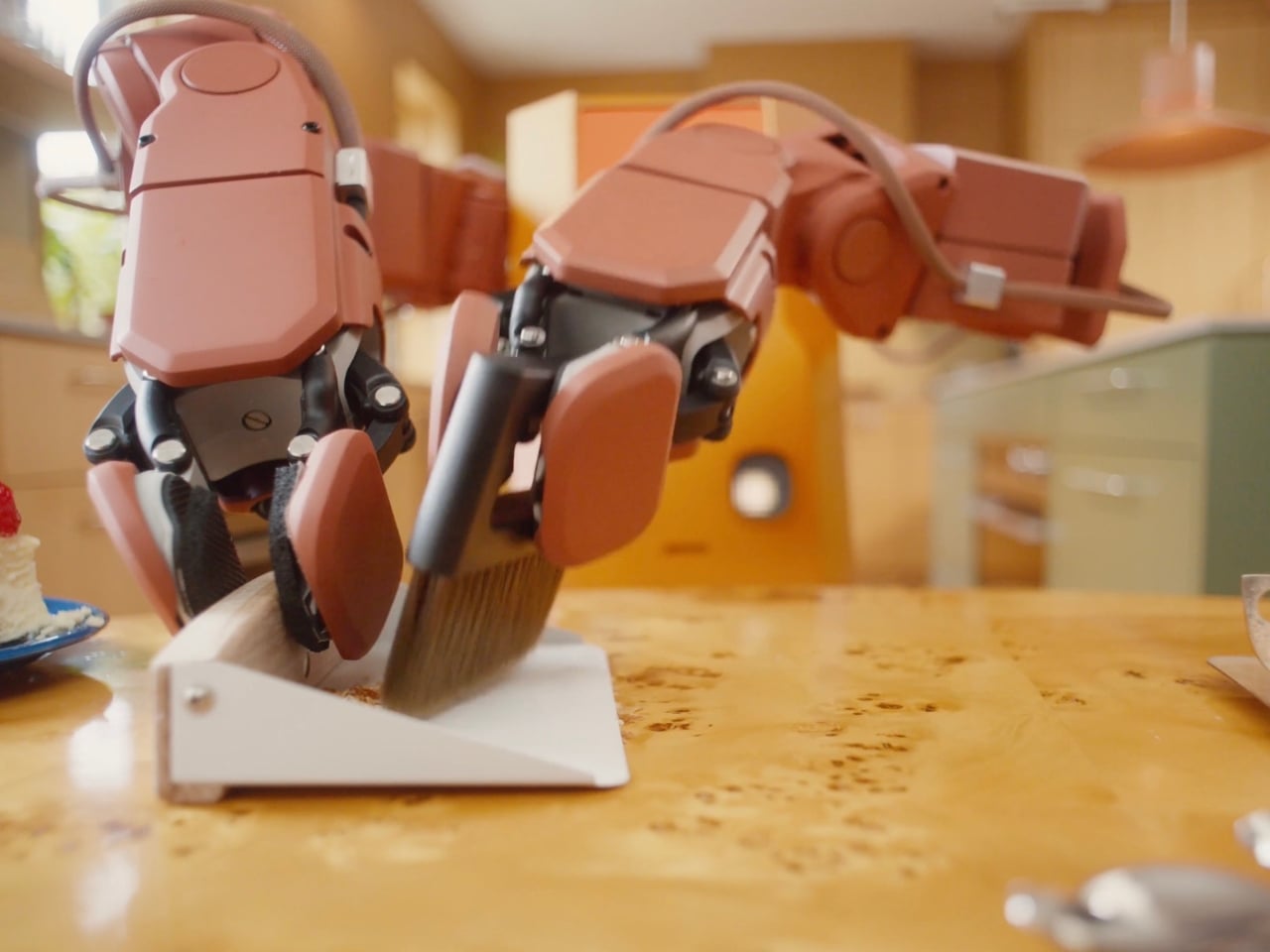
A mustard-yellow body, rosy arms, and bent legs make this household robot look like it might wander out of an animated movie and ask where you keep the mugs. Its illuminated eyes sit low on a boxy torso, leaving a lot of forehead, if that’s even the right word. I like the awkward proportions. They give it character without trying to pass for a person.

Called Voxel, the robot is being developed by New York company Tuesday Labs to tackle the little jobs that keep a home from staying tidy. Put the book away. Bring over a drink. Water the plants. Remember where the wallet went. Those are the four roles outlined for the robot: Home Reset, Fetch, Tend, and Find.

Designer: Tuesday Labs

For now, though, Voxel is a development prototype, not a household appliance you can order for next weekend. Tuesday Labs expects to substantially redesign its hardware before delivery, and its reservation agreement says appearance, capabilities, and specifications may change significantly. That distinction matters here because the version we’re admiring is also a design proposal, not a settled promise about what arrives at your door.

Still, I’m glad the proposal has a point of view. The warm colors and exposed joints make Voxel look approachable to me, while the unapologetically mechanical body avoids the strange social expectations of a realistic human face. Tuesday Labs works with illustrators, animators, and character designers on its robots. You can see why that matters: a machine sharing your kitchen has to be tolerable company, even when it isn’t doing anything.

The hardware description is more practical than the cartoon styling suggests. Each arm has seven degrees of freedom and an actuated wrist, intended to help it maneuver around counters, shelves, and doors. The grippers have just one degree of freedom. That’s a relatively simple hand for a complicated environment, and I’d judge it by how consistently it handles everyday objects rather than how convincingly it imitates fingers.

Find is the feature that makes the premise feel especially relatable. Tuesday Labs says Voxel would tell you where it last saw a misplaced object. That’s a modest but useful distinction: remembering the wallet on the counter is different from magically knowing where it is now. I’d take a dependable last sighting over a confident guess, particularly during the familiar scramble to get out the door.

The plant-watering brief also sets a sensible scale for the ambition. I don’t need a robot to perform an elaborate dinner routine to understand the appeal of getting small chores off my list. The harder question is how much setup and supervision those chores would require. A helper that needs constant rescuing would simply create another household responsibility.

That attentive presence raises a less photogenic design issue, too. Voxel’s listed vision system includes stereo RGB cameras and wide-field vision. Before putting one in my living room, I’d want clear answers about what gets recorded, what stays on the robot, and who can access it. The published privacy policy covers the website, purchases, and reservations; it doesn’t establish those operating details for a robot inside the home.

The financial commitment is equally worth slowing down for. Reservations cost $200 and are fully refundable before an order is placed. The estimated purchase price is $20,000, not a fixed final price, and deliveries are expected to begin in 2028, potentially later. A reservation buys an opportunity to purchase, not a finished machine or a guaranteed arrival date.

At that price, charm would get Voxel my attention, but it wouldn’t settle the decision. I’d want to watch it repeat the same ordinary tasks, unassisted, in a room that hadn’t been carefully arranged for it. Keep the odd proportions and the expressive eyes. Just make the useful behavior as convincing as the character. A robot earns its place beside the couch by giving you fewer reasons to get up.

The post Voxel the Robot Wants to Tidy Your Home Without Looking Human first appeared on Yanko Design.

  •  

Board’s Tabletop Console Uses Toy Spoons and Spaceships Instead of Gamepads

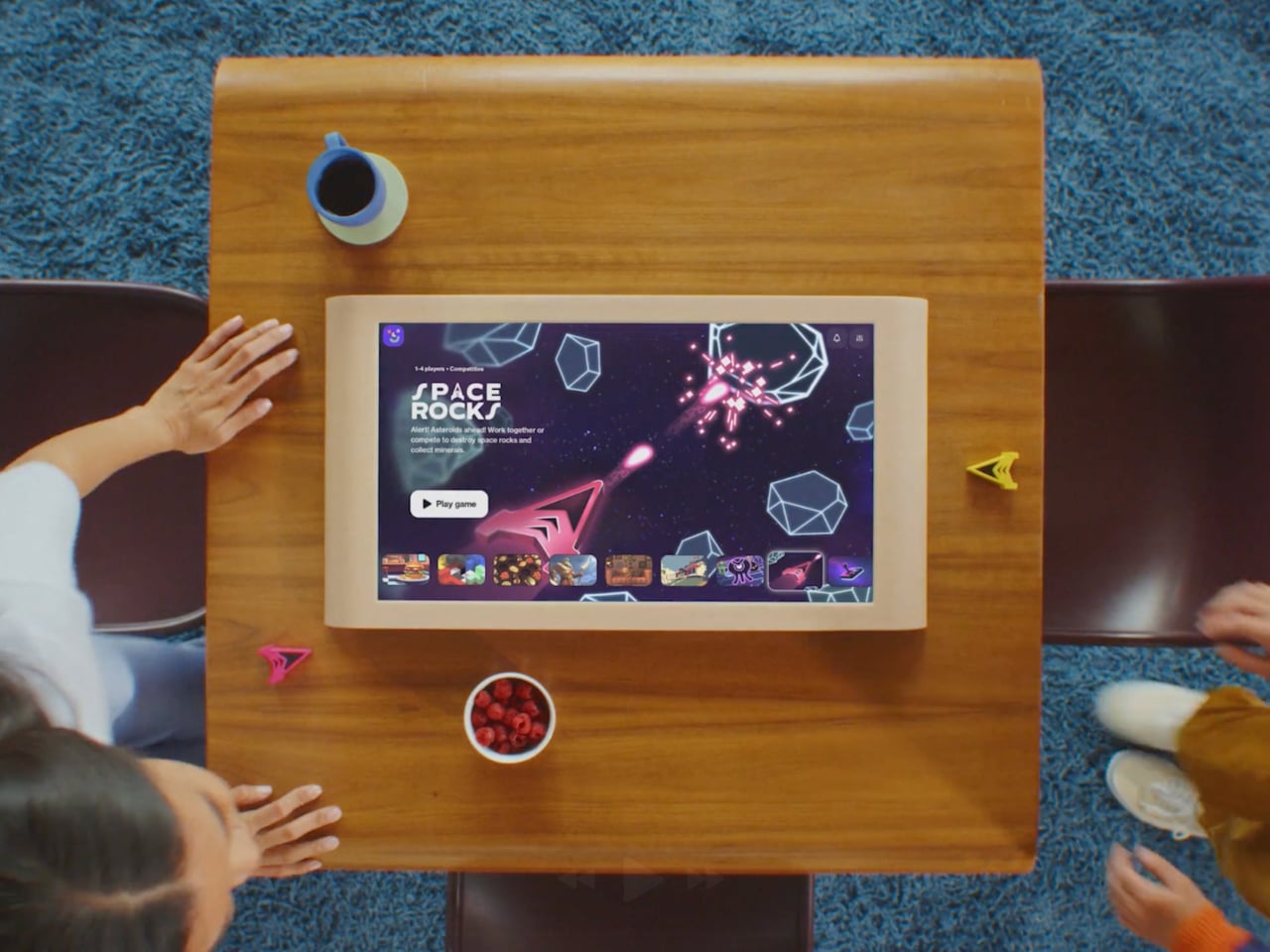
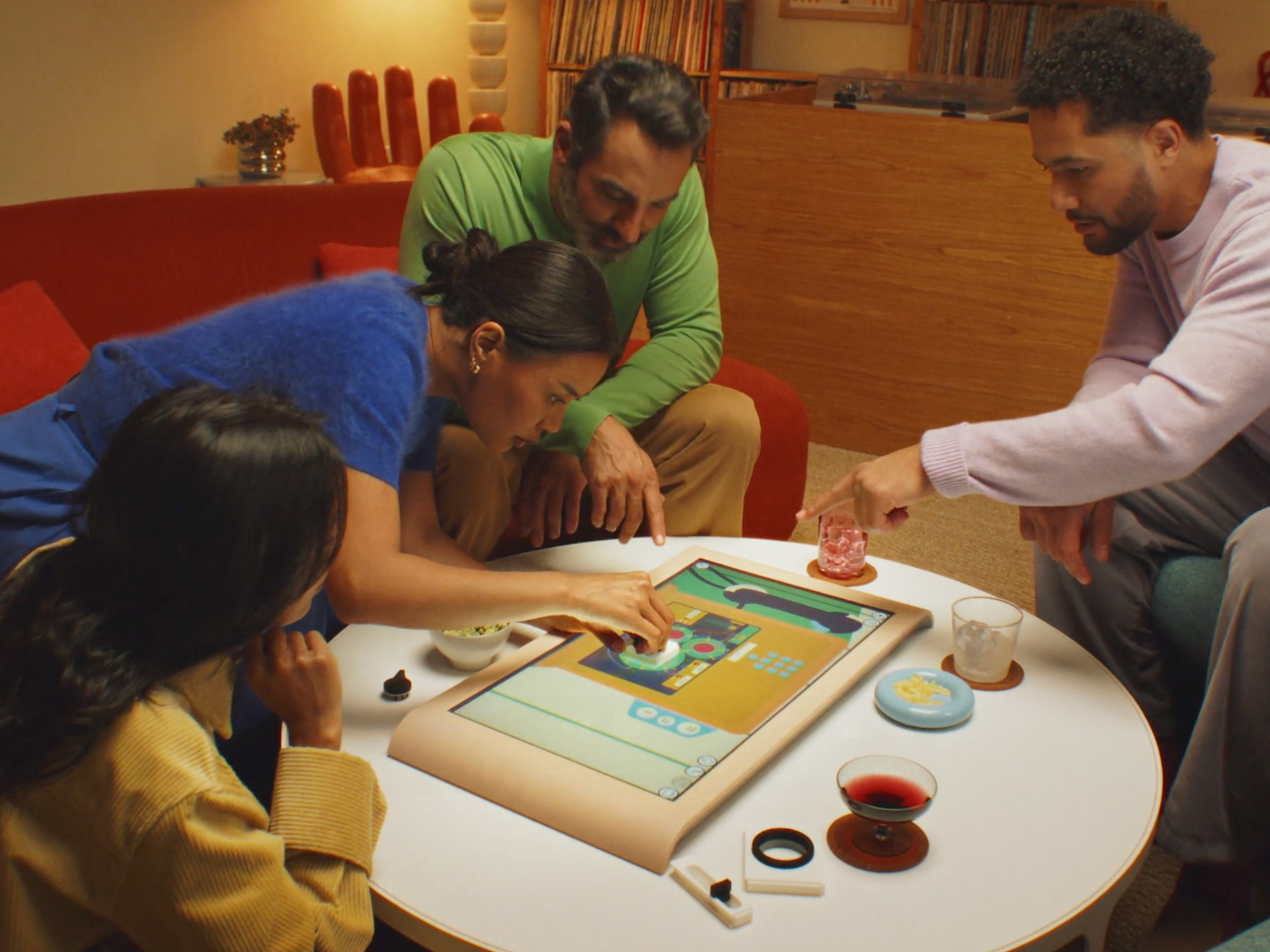
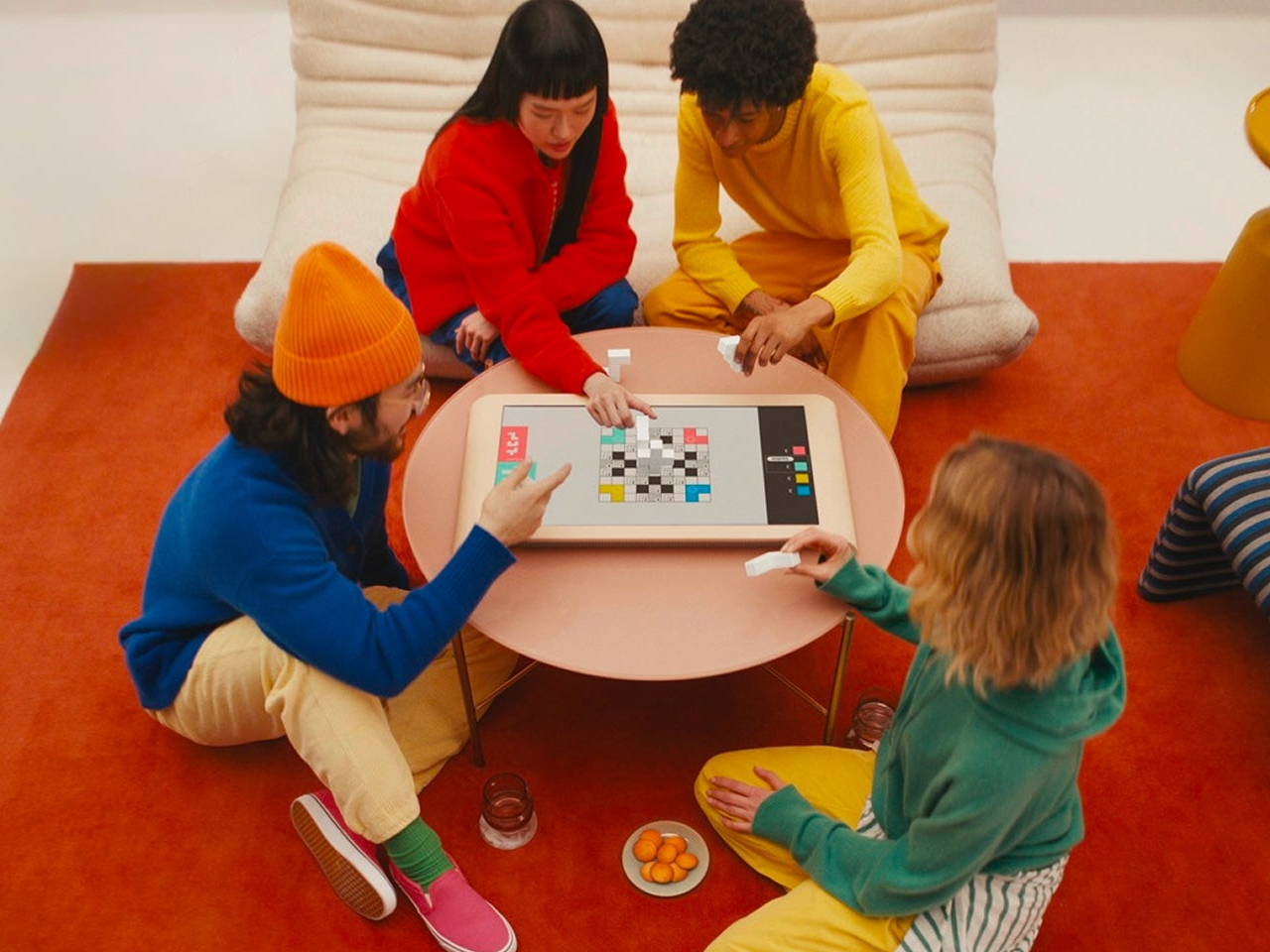
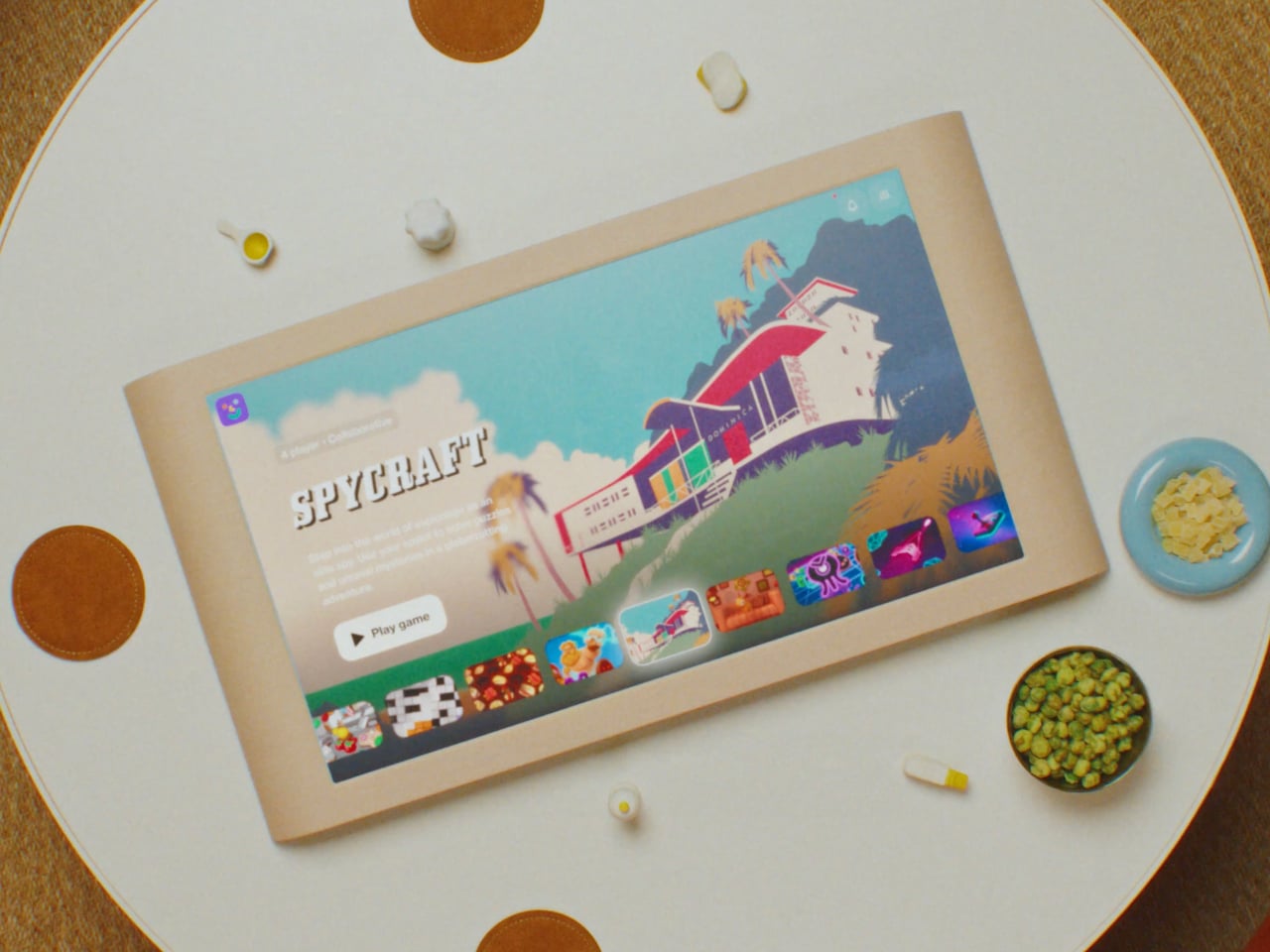
Touchscreens have plenty of games, but tapping on glass doesn’t quite replace moving a piece across a board. The Board, a tabletop console from the company of the same name, makes that physical interaction central to its design. Its 24-inch screen responds to toy utensils, spaceships, and robots, giving players something to hold while keeping the action on the table between them.

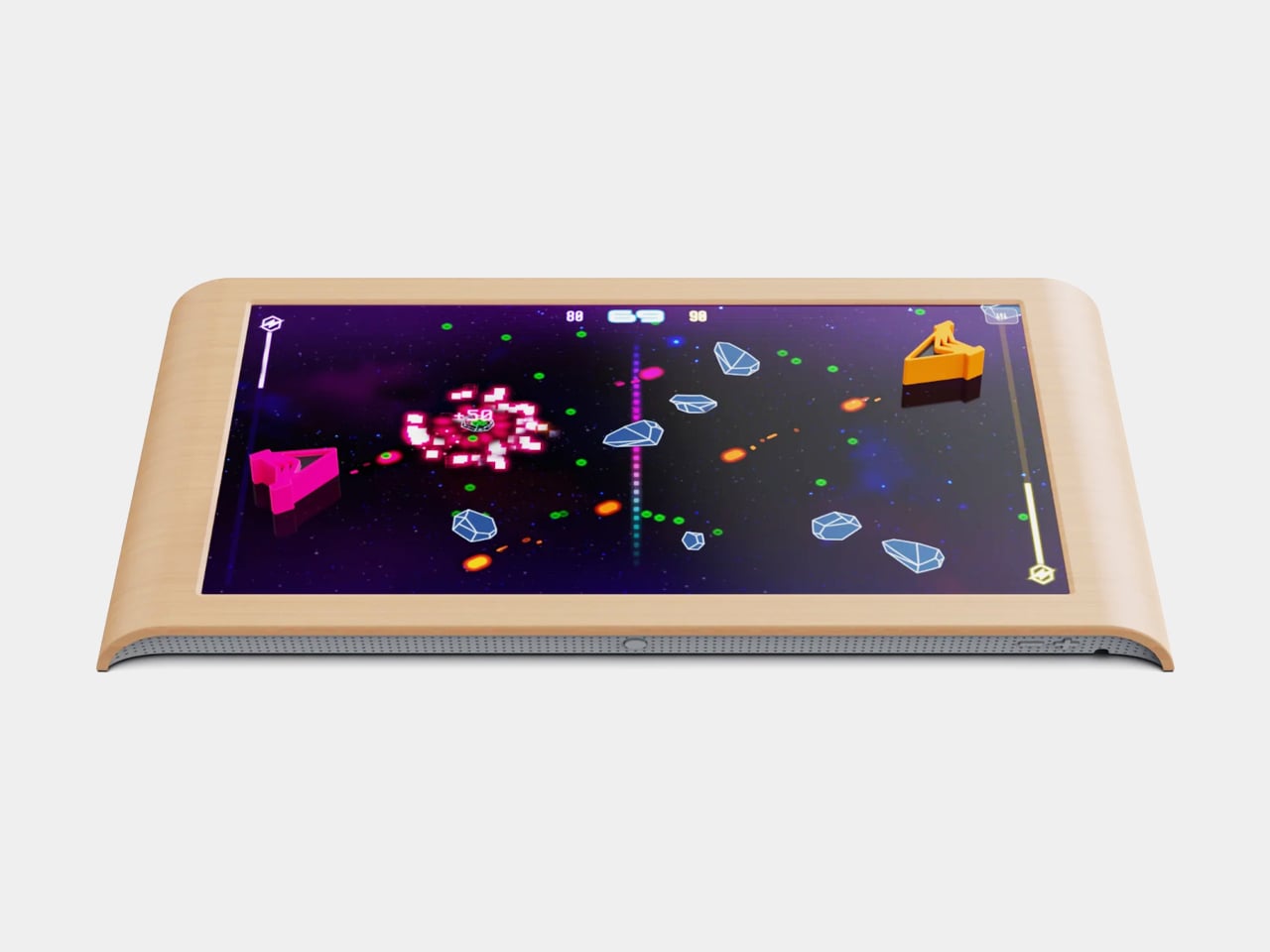
The broad, wood-finished frame gives it more in common with a serving tray than a television console. Rounded corners and gently curved edges soften its rectangular outline, while the large screen lies flat so people can gather around it. At 25.7 inches wide and 1.5 inches thick, it’s a substantial tabletop object, not something you’ll casually hold in one hand between turns.

Designer: Board

The clever part is underneath those playful pieces. Each has a distinct conductive pattern on its base that the screen can recognize through capacitive sensing, the same general touch technology used in phones and tablets. According to Board, the pieces contain no batteries, sensors, or electronics. There’s nothing to charge or pair before a plastic spaceship can become your controller for the evening.

That recognition happens through PieceSense, Board’s system for identifying pieces and following their position and rotation. Its machine learning runs on the device rather than sending those interactions to the cloud. It’s also designed to filter out accidental palm touches. That’s an important distinction when several people lean over the same screen, although Board’s developer guidance acknowledges that very fast movements can interrupt tracking.

Chop Chop puts that relationship between shape and action to work. You use a little knife to slice and a spoon to stir, rather than memorizing which button handles each task. The physical tools give the digital kitchen a familiar vocabulary. Passing a utensil across the table also puts some of the game’s coordination outside the screen, where everyone can see it.

Strata takes a different approach, using chunky blocks to build upward and claim territory. Here, the pieces contribute height instead of standing in for characters on a flat display. A new game can redraw the playing field, while different pieces give your hands another way to interact. Of course, those pieces will need a home when it’s time to put everything away.

Board currently lists the console at $339 in the US, reduced from $399, with seven games and their pieces included. There’s no required subscription, and additional individual titles range from free to $34.95. Software downloads directly to the console, while any corresponding pieces ship to your door. Expanding the collection can involve waiting for a package, rather than simply tapping another download button.

There is a power cord to consider, though. Board runs from a wall outlet, so its place on the coffee table depends on where you can plug it in. It’s still another screen in the living room, of course. The interesting design decision is giving everyone an object to move on that screen, with the players sitting close enough to steal your actual spoon.

The post Board’s Tabletop Console Uses Toy Spoons and Spaceships Instead of Gamepads first appeared on Yanko Design.

  •  

Hero Keyboard Packs a Windows 11 PC and Borrows Your Tablet’s Screen

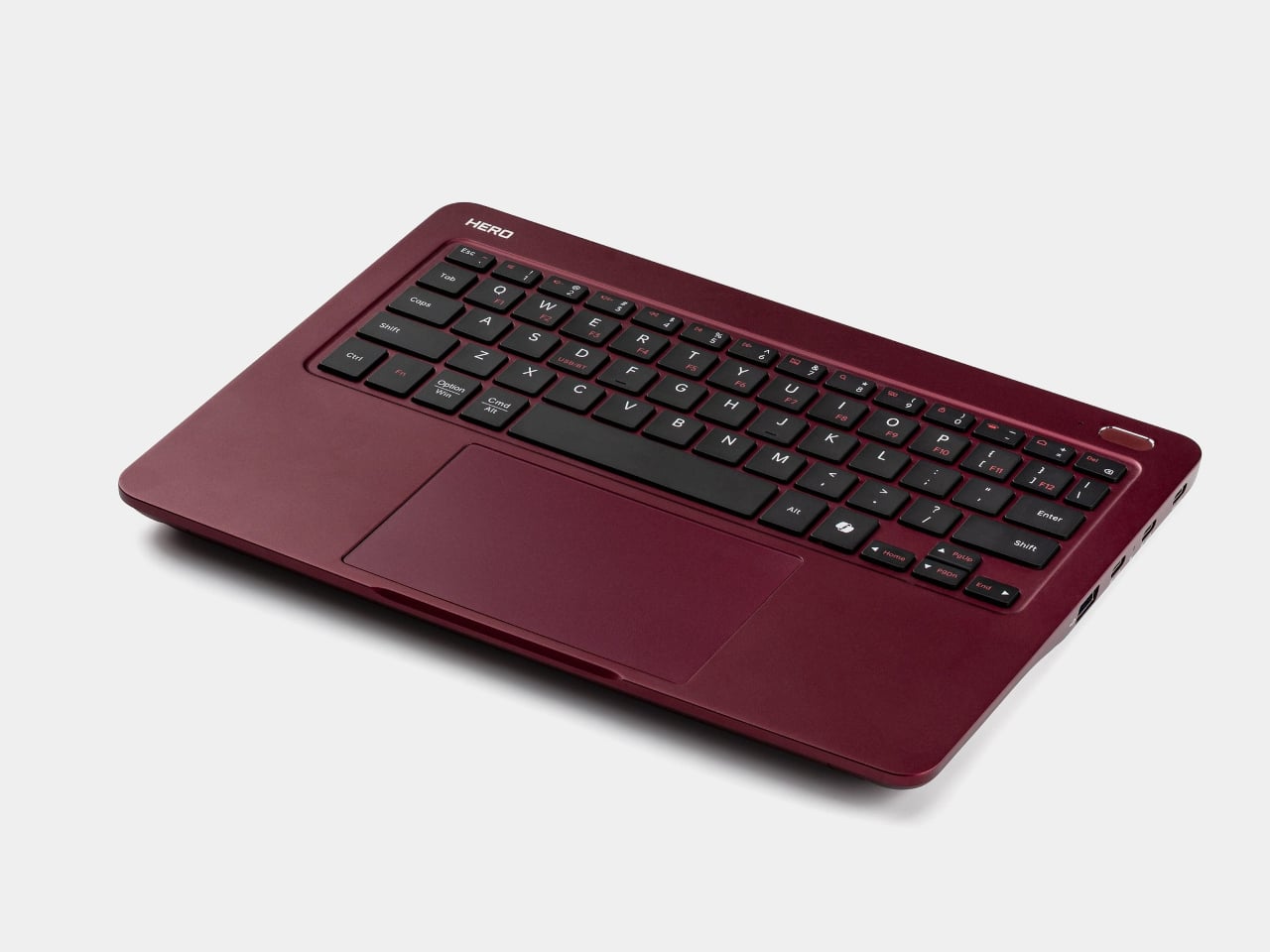
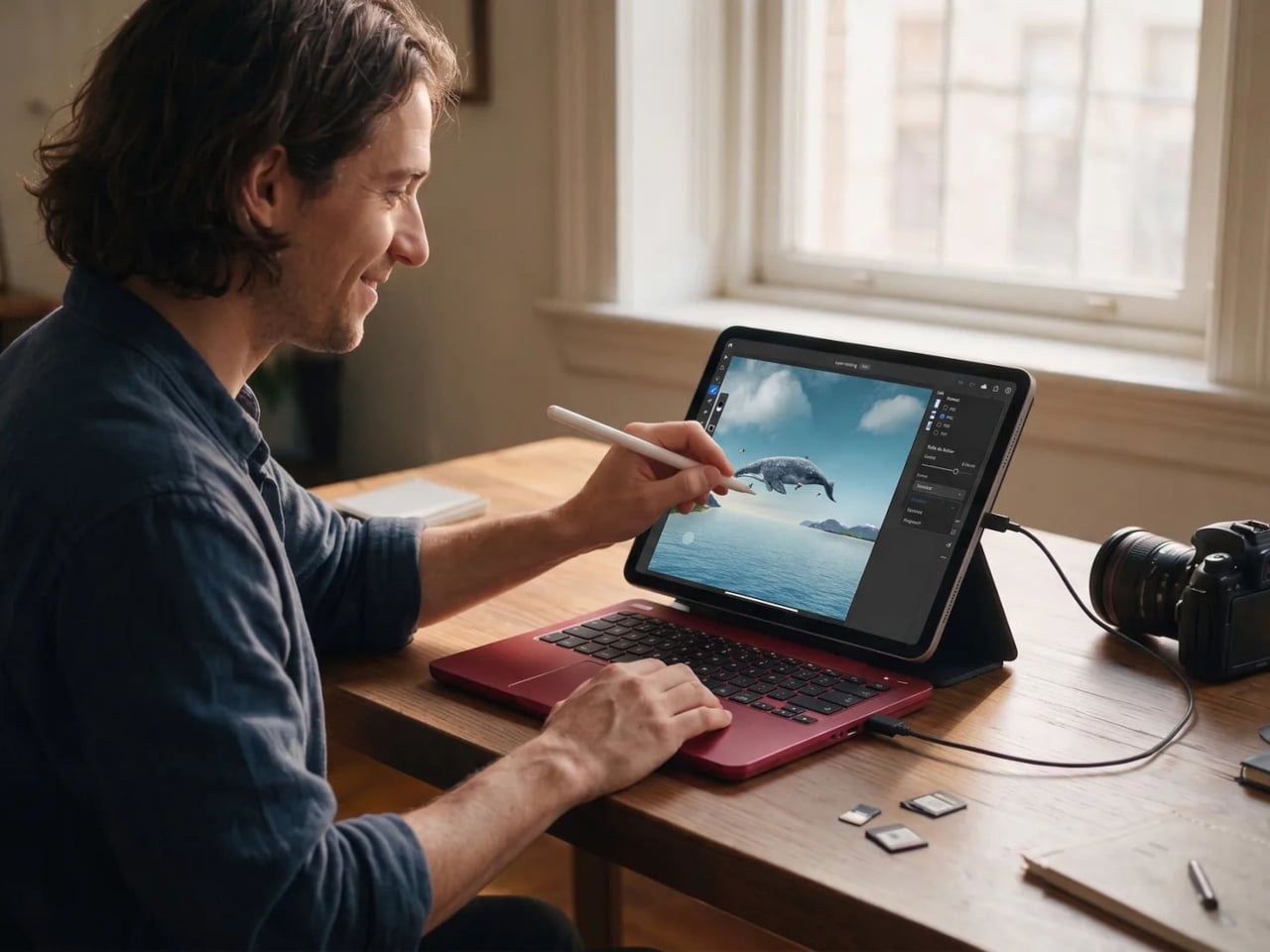
Carrying a tablet and a laptop means packing two screens when what you really need is another operating system. Hero Devices’ upcoming Hero Keyboard puts a Windows 11 PC inside a keyboard with its own trackpad and battery, leaving the display to a compatible tablet or monitor. The idea is to carry your computer without committing to the screen attached to it.

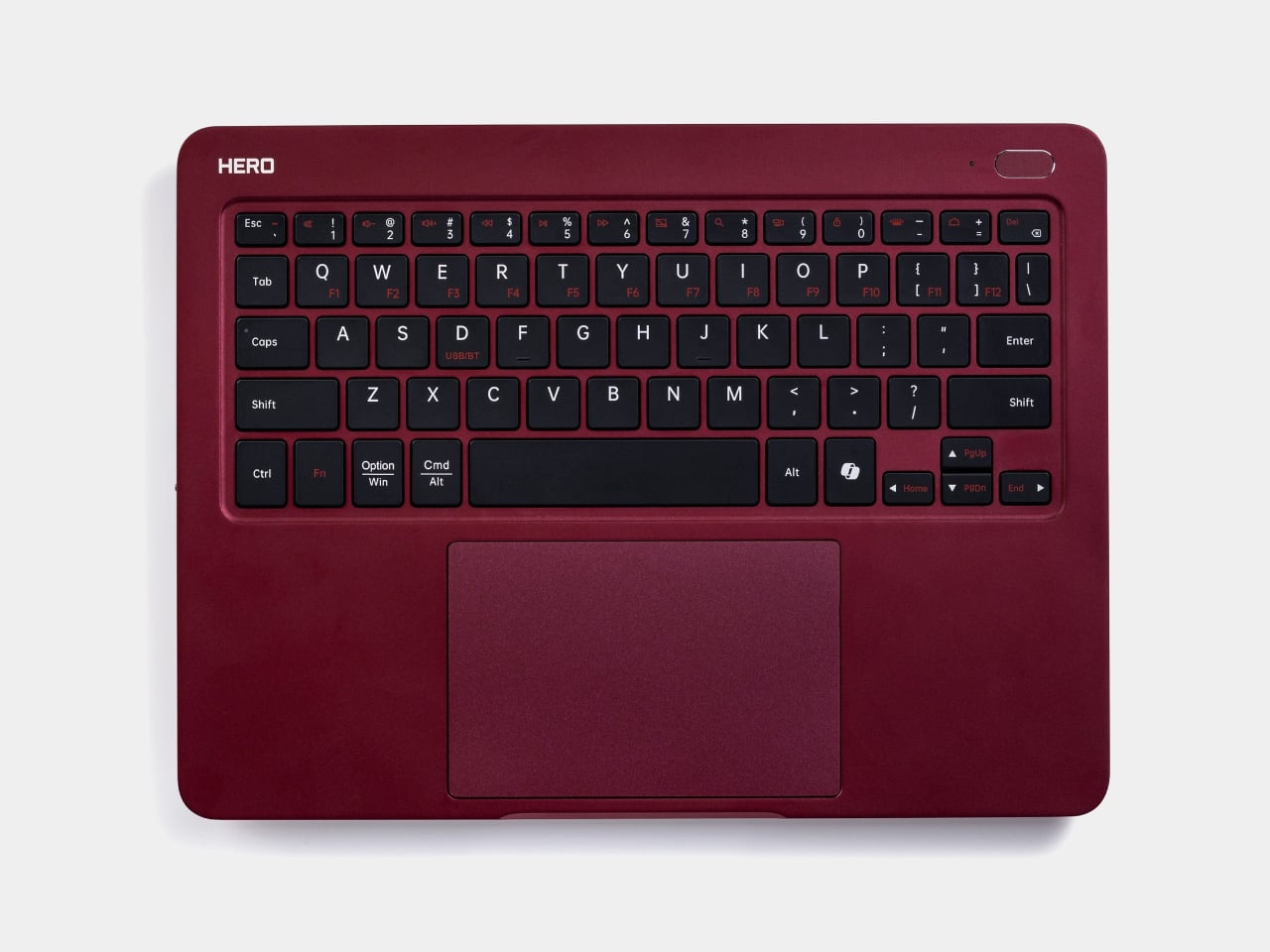
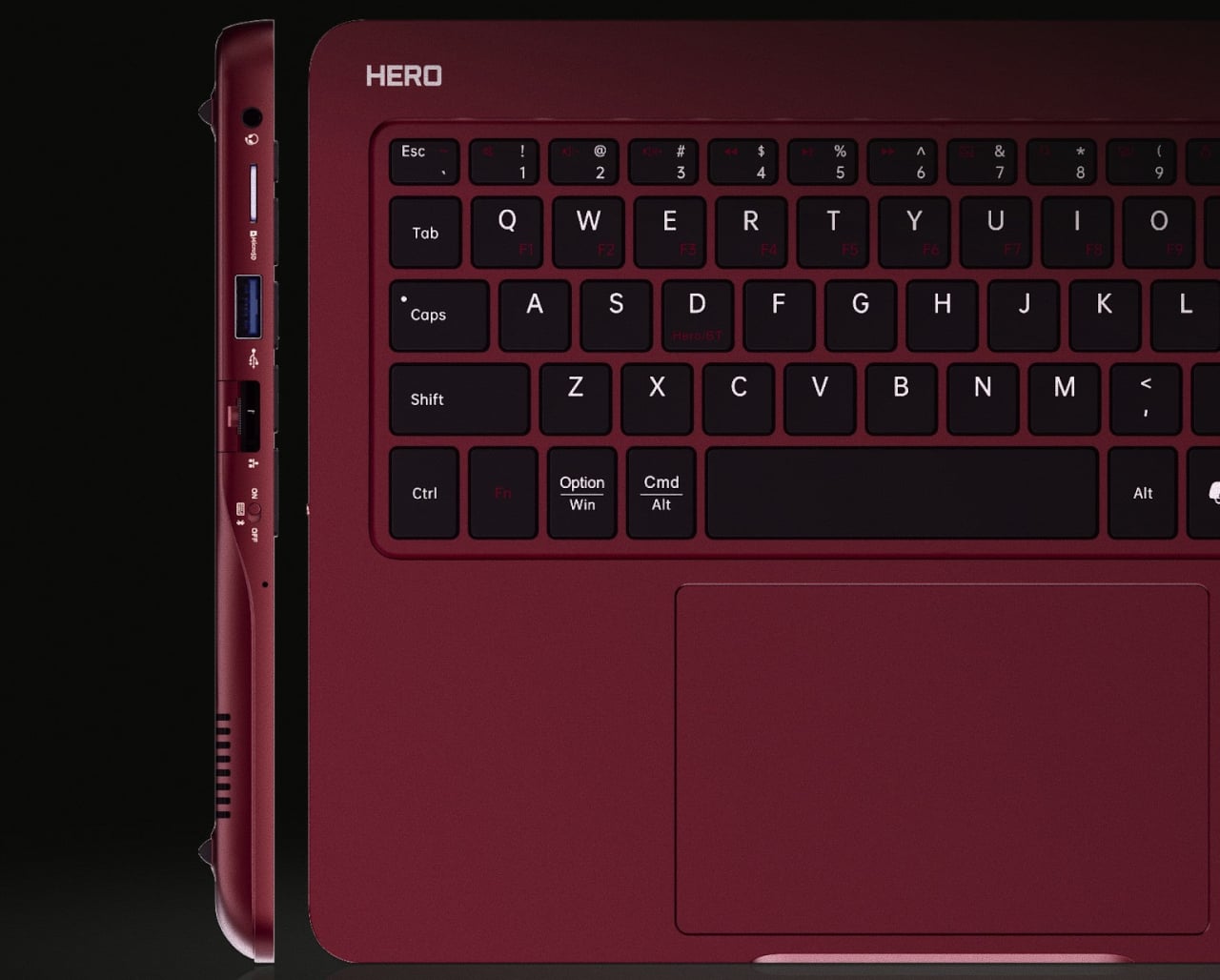
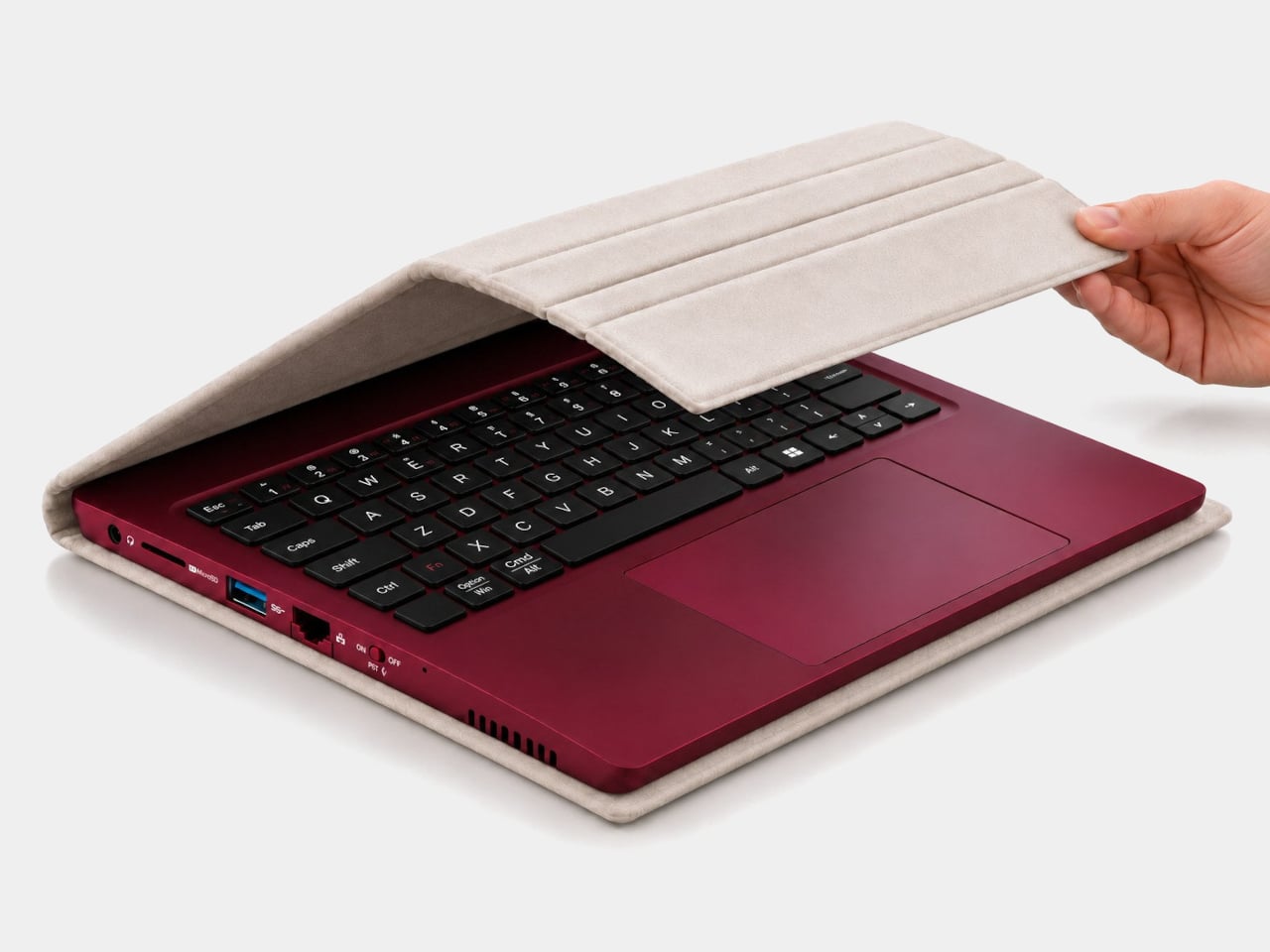
That makes Hero look rather like a laptop that’s misplaced its lid. Its Midnight Merlot enclosure has rounded corners, black keys, and a broad trackpad, with none of the hinge hardware anchoring a display behind it. The aluminum body measures about 10.04 by 7.48 inches and just 0.46 inches thick, although that compact footprint doesn’t leave room for a separate number pad.

Designer: Hero Devices

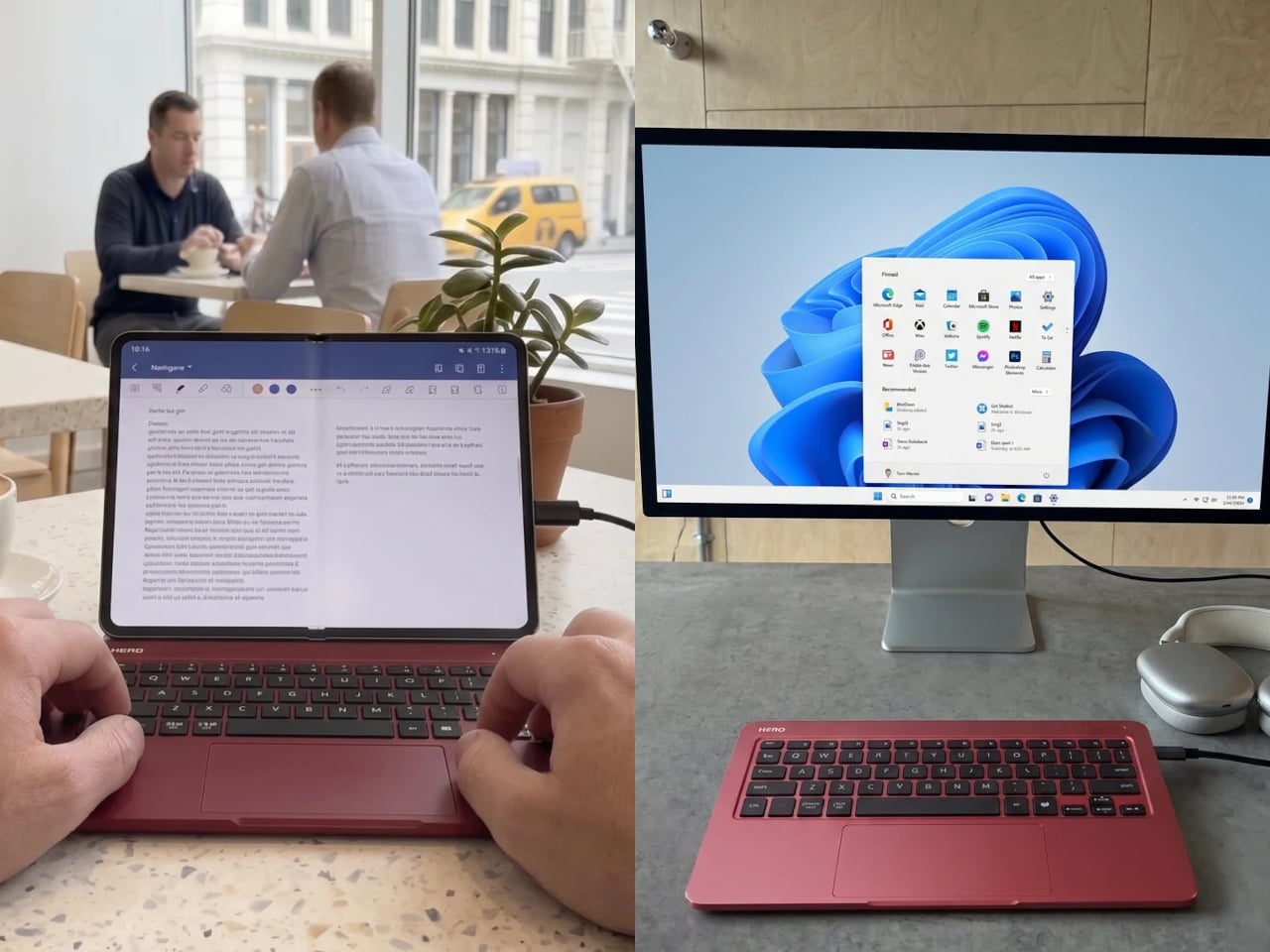
Inside, Hero specifies an Intel Core Ultra 5 125H processor, 16 GB of memory, and a 512 GB SSD. Windows runs on that hardware, not on the tablet, which simply supplies the display and supported touch inputs. That’s critical when you need a Windows application your tablet can’t run natively, without replacing the mobile software you already enjoy using on it.

Using a tablet as the display takes some software, though. Hero Port uses a standard USB-C data cable for wired video, while touch and stylus inputs travel separately over Bluetooth Low Energy. Hero’s companion app targets iPadOS 17 and later and Android 7 and later, but its product page still marks it as forthcoming. iPhone users are directed to third-party alternatives, such as Duet.

At a desk, a compatible USB-C monitor can provide both a display connection and power through one cable. Move elsewhere, and the same files and applications travel inside the keyboard, rather than needing another PC to pick up the work. The optional $50 Sidekick case gives those separate parts a home, carrying Hero and an 11-inch iPad while doubling as a tablet stand.

Hero has a role when you don’t need Windows. Switch off its PC, and the keyboard and trackpad can still serve a tablet over Bluetooth. You could answer messages in your tablet’s native apps, then switch back to Windows for work that needs it. There’s no need to pack a second keyboard just because you’ve changed operating systems rather than changing screens.

Of course, leaving out the screen doesn’t make the rest weightless. Hero alone weighs about 1.59 pounds, before adding a tablet, stand, or charger. The company promises up to nine hours of battery life and includes a 100-watt USB-C charger, but those figures don’t establish how long your workload will last. The tablet supplying your display also has its own battery to manage.

The Founders Edition is listed at $999 for preorder in the US and Canada, with initial shipments planned for the fourth quarter of 2026. That’s a substantial price for something that still needs a separate display. Its appeal depends on already owning the right screen and wanting Windows enough to accept a cable, an app, and a less self-contained setup than a laptop.

The post Hero Keyboard Packs a Windows 11 PC and Borrows Your Tablet’s Screen first appeared on Yanko Design.

  •  

Infinix Debuts First Global Flagship Store in Bali, Blending Tech, Coffee, and Creativity

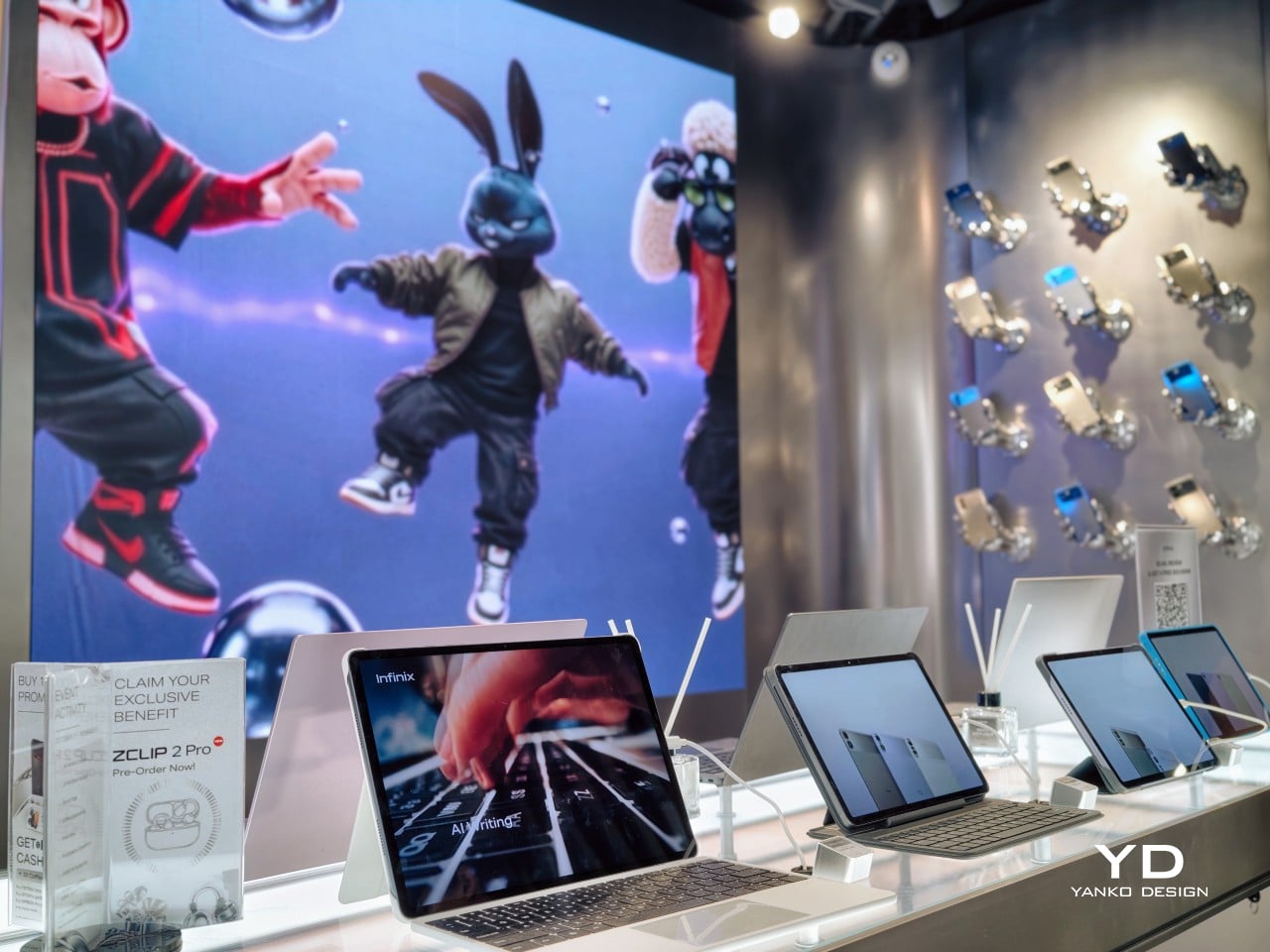
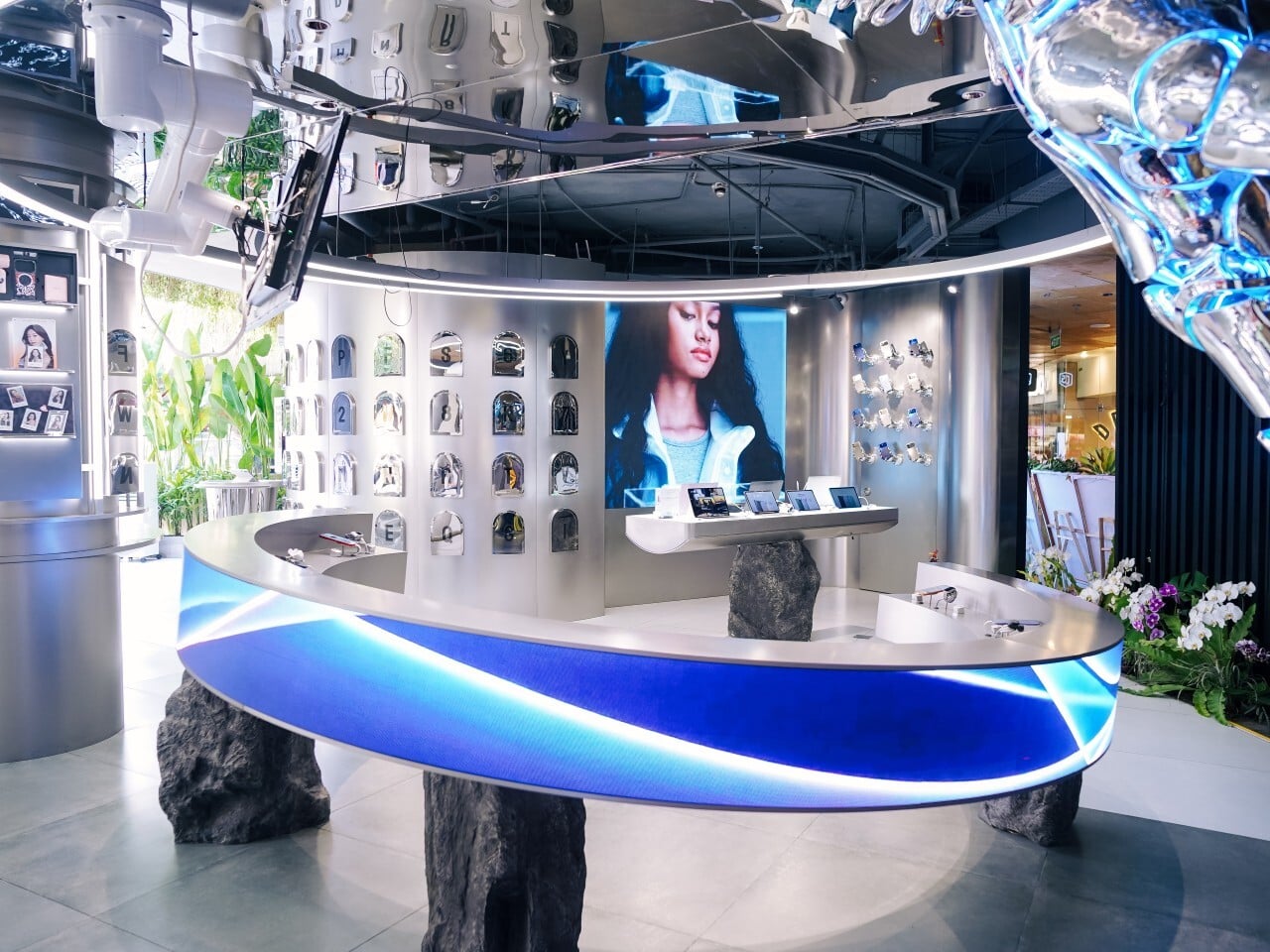
For many travelers around the world, Bali stands out as the ultimate dream destination. Now, the island’s iconic Beachwalk Shopping Center is home to something entirely new: Infinix’s first global flagship concept store. If you have ever pictured tech retail as rows of cold gadgets under harsh lights, prepare to have that image turned upside down. This space is much more than just a place to shop for smartphones. Here, you can sip inventive coffee creations, try out the latest devices, explore art installations, and even enjoy a special scent experience that adds an unexpected twist.

If you are not familiar with Infinix, the brand is known across Asia and Africa for its innovative smartphones and growing ecosystem of smart devices. With this new flagship store in Bali, Infinix is introducing itself to a wider international audience by showing how technology can be part of an imaginative lifestyle, not just something you carry in your pocket.

Designer: Infinix

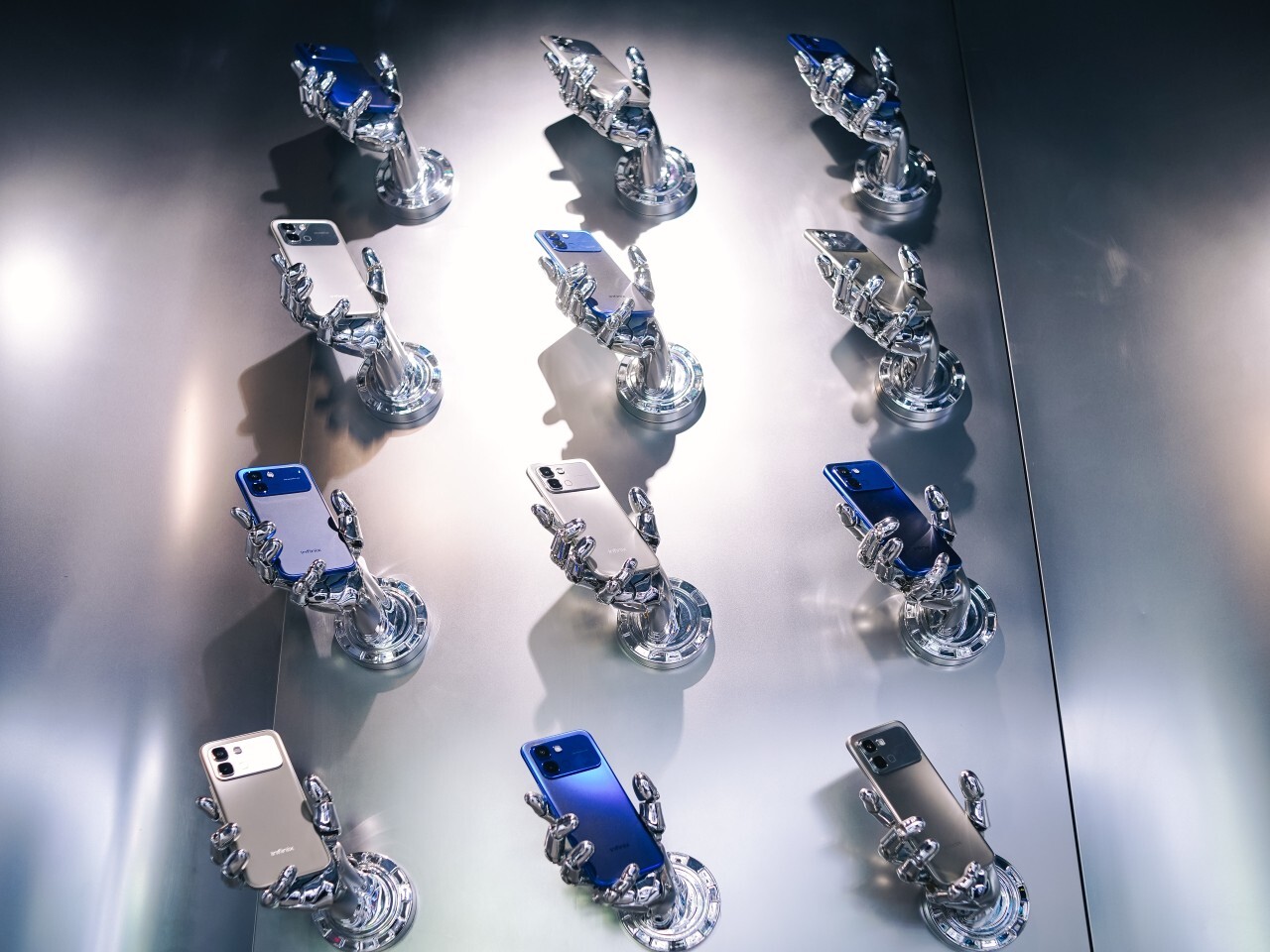
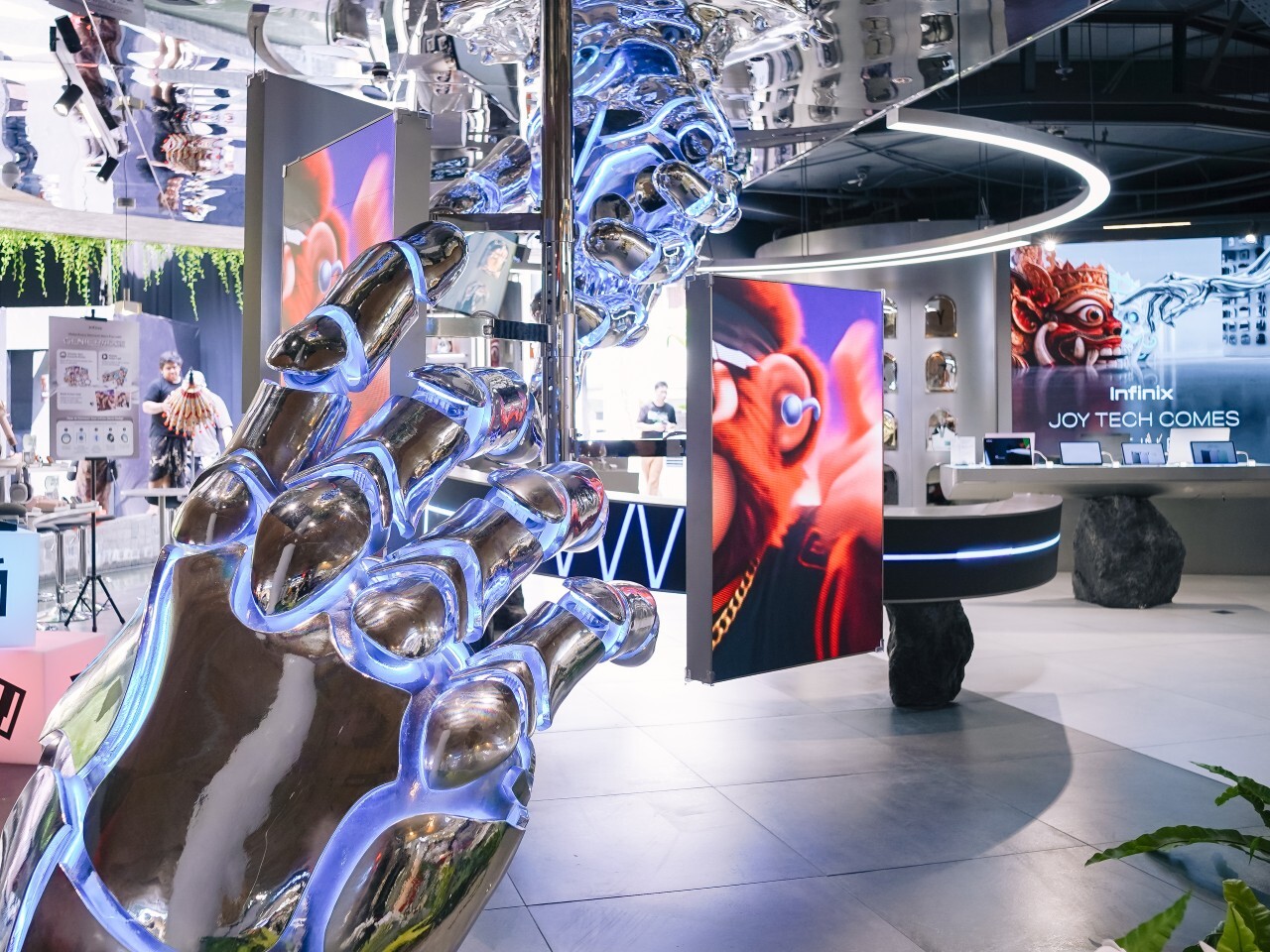
Infinix calls its guiding philosophy “Joy Tech.” Technology here is meant to spark happiness and curiosity rather than just show off its technical specifications. From the moment you spot the metallic exterior glinting in the Balinese sun, you know something different is waiting inside. Step into the store and visitors are greeted by a futuristic robotic arm installation that would not look out of place in a science fiction film.

The in-store café features n_x coffee, Infinix’s own creation. Guests can indulge in imaginative drinks like Moo Moo Land with real beef jerky or Angry Chilli with two chili peppers perched playfully like devil horns. These signature beverages add a sense of adventure to your visit and reflect Infinix’s playful approach to both technology and lifestyle.

In addition to creative coffee and interactive tech displays, visitors can also sample Infinix’s signature scent at a special station. This perfume experience adds a unique sensory layer to the visit, highlighting how the brand aims to engage more than just your eyes and hands.

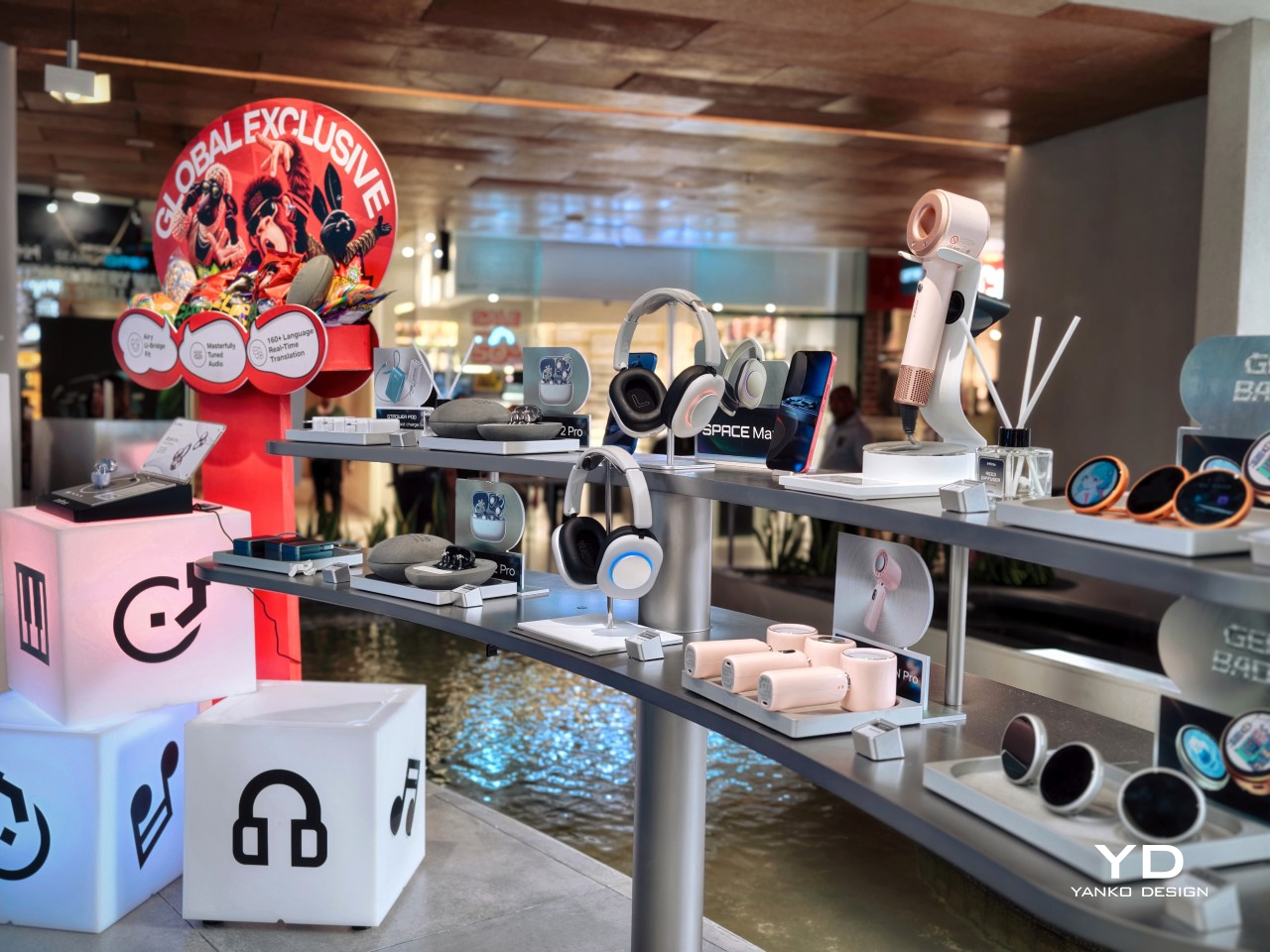
For those who love gadgets and smart technology, there are plenty of opportunities to dive in. Visitors can get hands-on with Infinix’s newest smartphones, laptop, and tablet and explore accessories like wireless headphones and portable power stations. Everything is set up so you can actually try before you buy instead of just peering at products behind glass.

What truly sets this concept apart is its ambition to become more than just a retail space. Infinix plans to welcome artists, musicians, and other creative talents into the mix so each visit could feature anything from an art showcase to live music or gaming competitions. Feedback from visitors will help shape future events and activities so this store could quickly become one of Bali’s most interesting destinations for both locals and international travelers.

The opening of this flagship marks only the beginning for Infinix’s new approach. The company plans to open five more stores across Indonesia within the year, each reflecting local culture and consumer preferences rather than simply copying what works in Bali. This concept will grow and evolve based on community input wherever it appears next.

Whether you come for the latest smartphone or because you are curious about adventurous coffee or simply want to soak up an atmosphere designed for all five senses, Infinix invites everyone—including those lucky enough to be visiting Bali—to discover technology in a whole new way inside one vibrant destination at Beachwalk Shopping Center.

The post Infinix Debuts First Global Flagship Store in Bali, Blending Tech, Coffee, and Creativity first appeared on Yanko Design.

  •  
❌