Vue lecture

This Umbrella Is Actually a 500-Year-Old Korean Hat in Disguise
Anyone who has seen K-Pop Demon Hunters or an episode of a Korean historical drama is familiar with what a gat is. Even if you don’t know what it’s actually called, it’s pretty recognizable: the black hat with its cylindrical crown and wide, dramatic brim that sometimes hides the eyes or even the entire face. It was traditionally worn by men of high social standing during the Joseon era, serving as a marker of Confucian values, refinement, and status. It’s rarely worn now unless someone is shooting a drama or attending some sort of costume party, though the gat did have a major pop culture moment thanks to Netflix’s Kingdom, where it became instantly iconic worldwide.

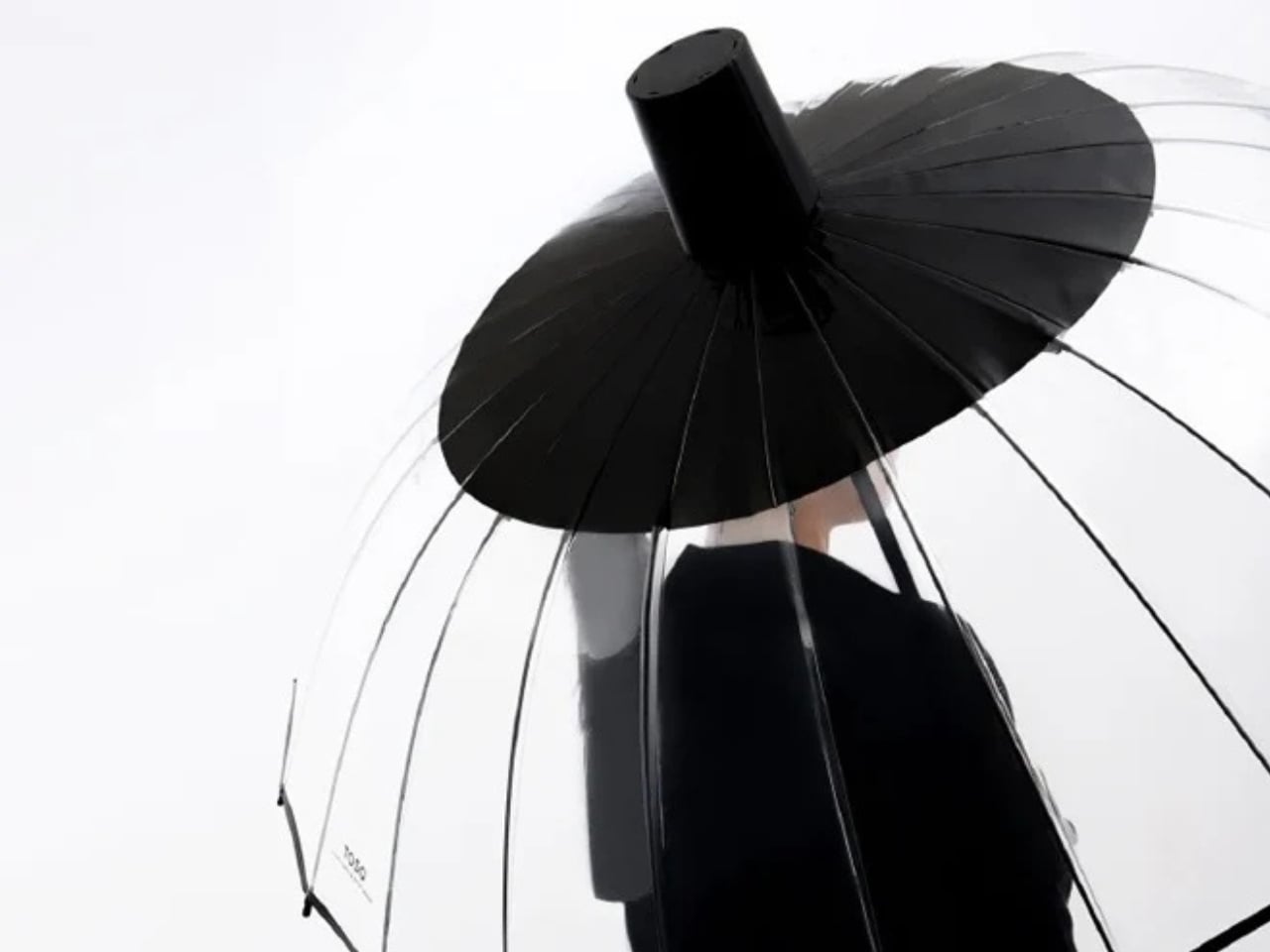
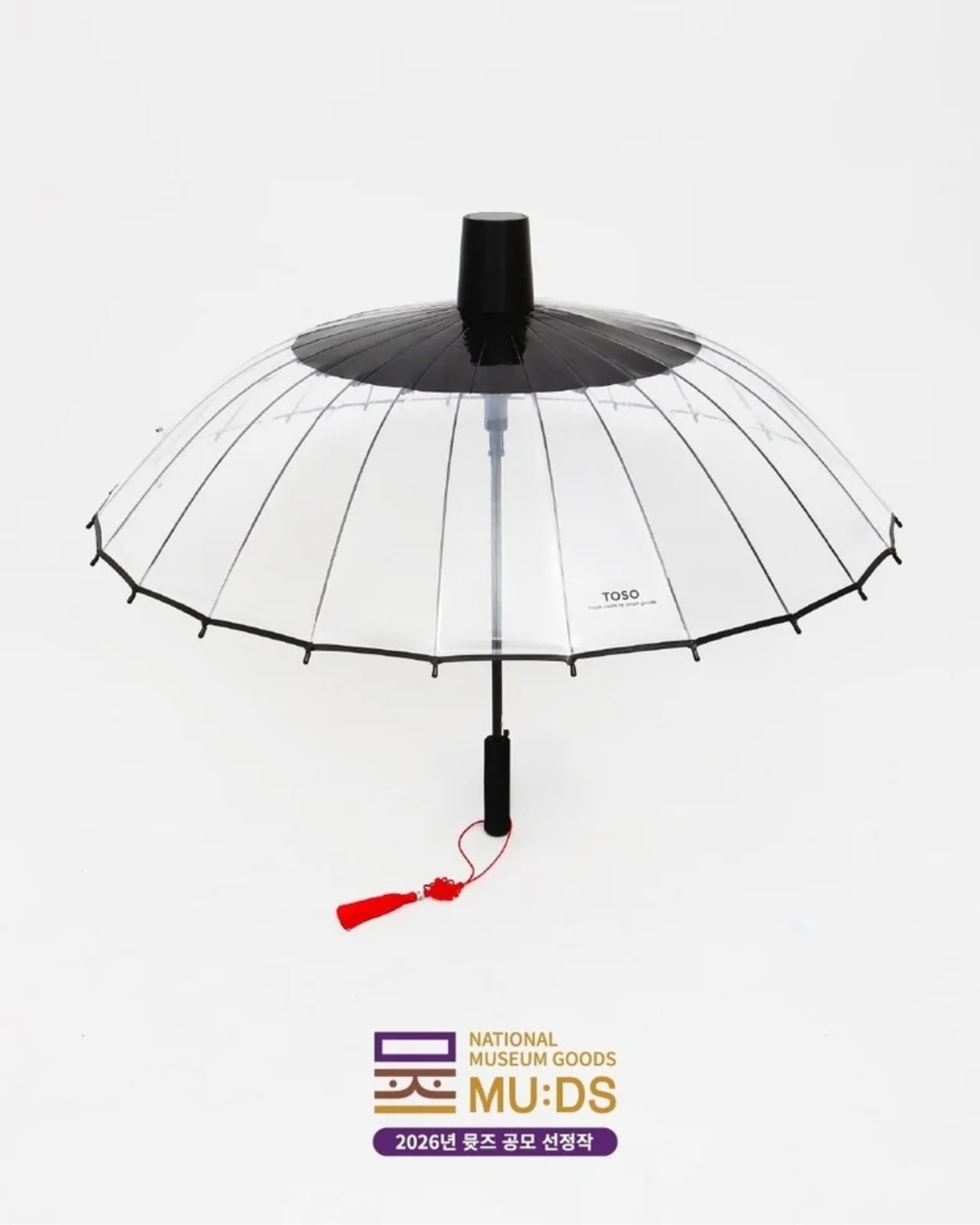
The National Museum of Korea called for designers to reimagine the gat for a modern setting. Design studio TOSO created the winning entry, the Gat Umbrella, which is exactly what it sounds like. This is part of the MU (the official merchandise brand of the National Museum Foundation of Korea) competition that invites designers to reinterpret historical objects into something that can actually be used in modern times. It’s a brilliant initiative that bridges Korea’s rich cultural heritage with contemporary everyday life.

Designer: TOSO
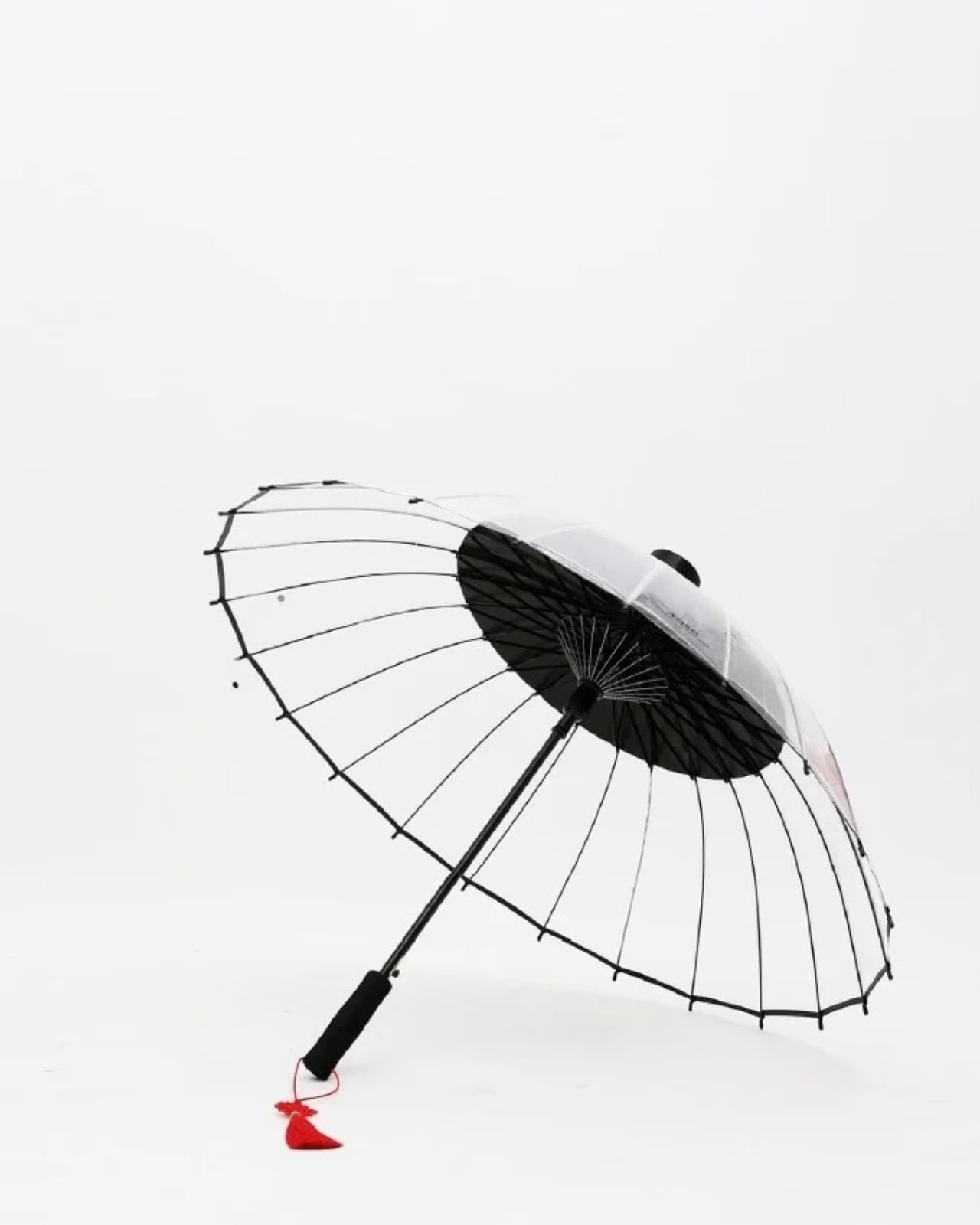
The Gat Umbrella looks like a regular umbrella when folded, but when opened, it looks like you’re standing under a huge gat, with the added bonus of an actual canopy to keep you dry. It’s around 33 inches long and has a width of 1,050 millimeters when opened. The canopy is made from PVC with a fiberglass-reinforced frame, its tip from polypropylene, and the handle from EVA material. The deep black canopy is a direct callback to the traditional color of the gat, and the proportions of the brim have been carefully scaled to capture that wide, commanding silhouette. When held up against a grey sky, you can almost picture the Joseon-era scholar it was inspired by.
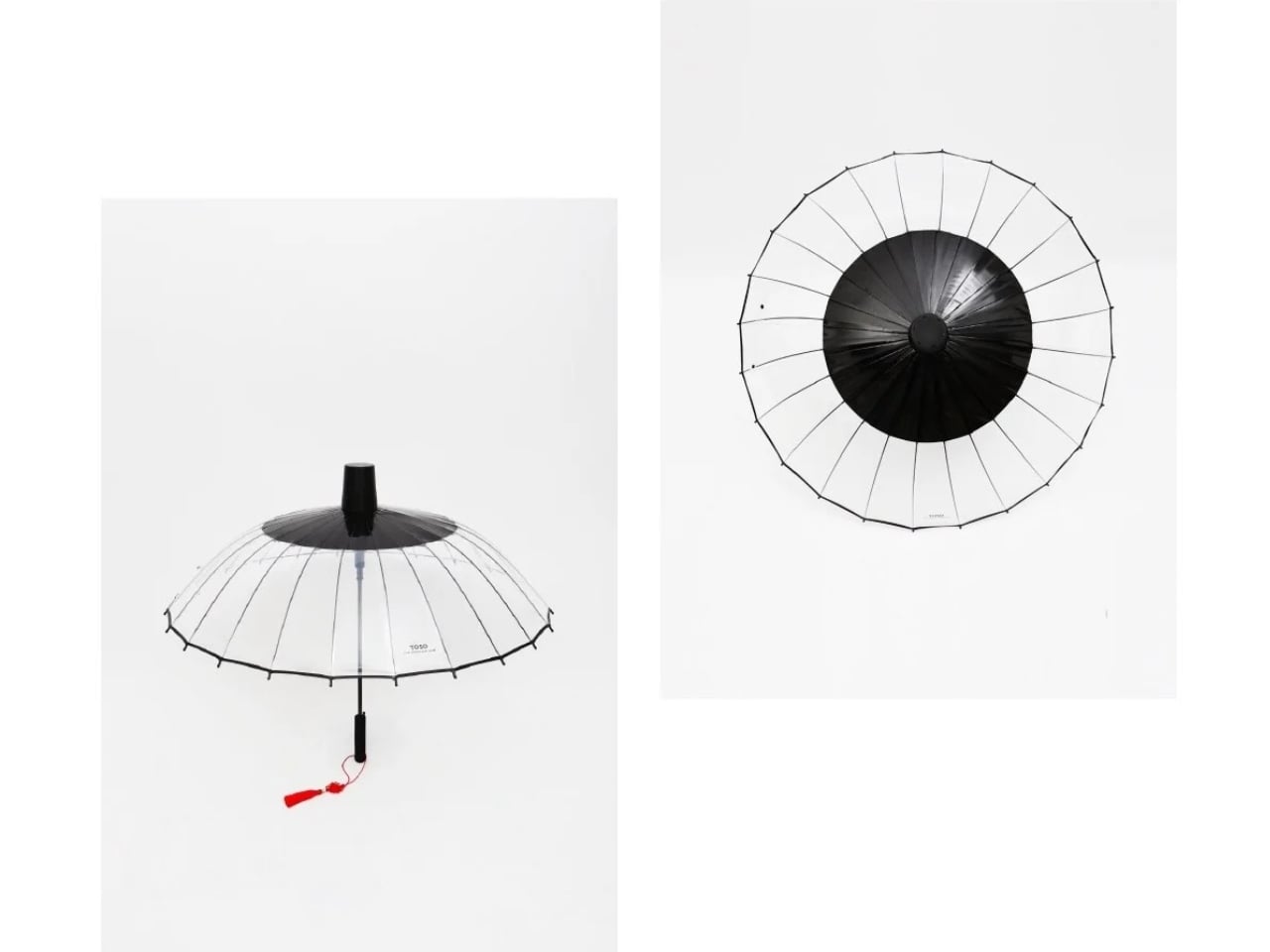
Aside from being a status symbol, the original gat was also used to protect its wearer from the sun, rain, and wind, which makes this reimagining feel even more intentional. Anyone who has watched enough K-dramas knows those dramatic scenes where characters brave storms with a gat firmly in place, rain streaming off its wide brim. So this transformation of the headwear is still a clever nod to its origins. It’s just more modern looking and has the added protection of a proper canopy, since the elements now tend to be a lot more mercurial.
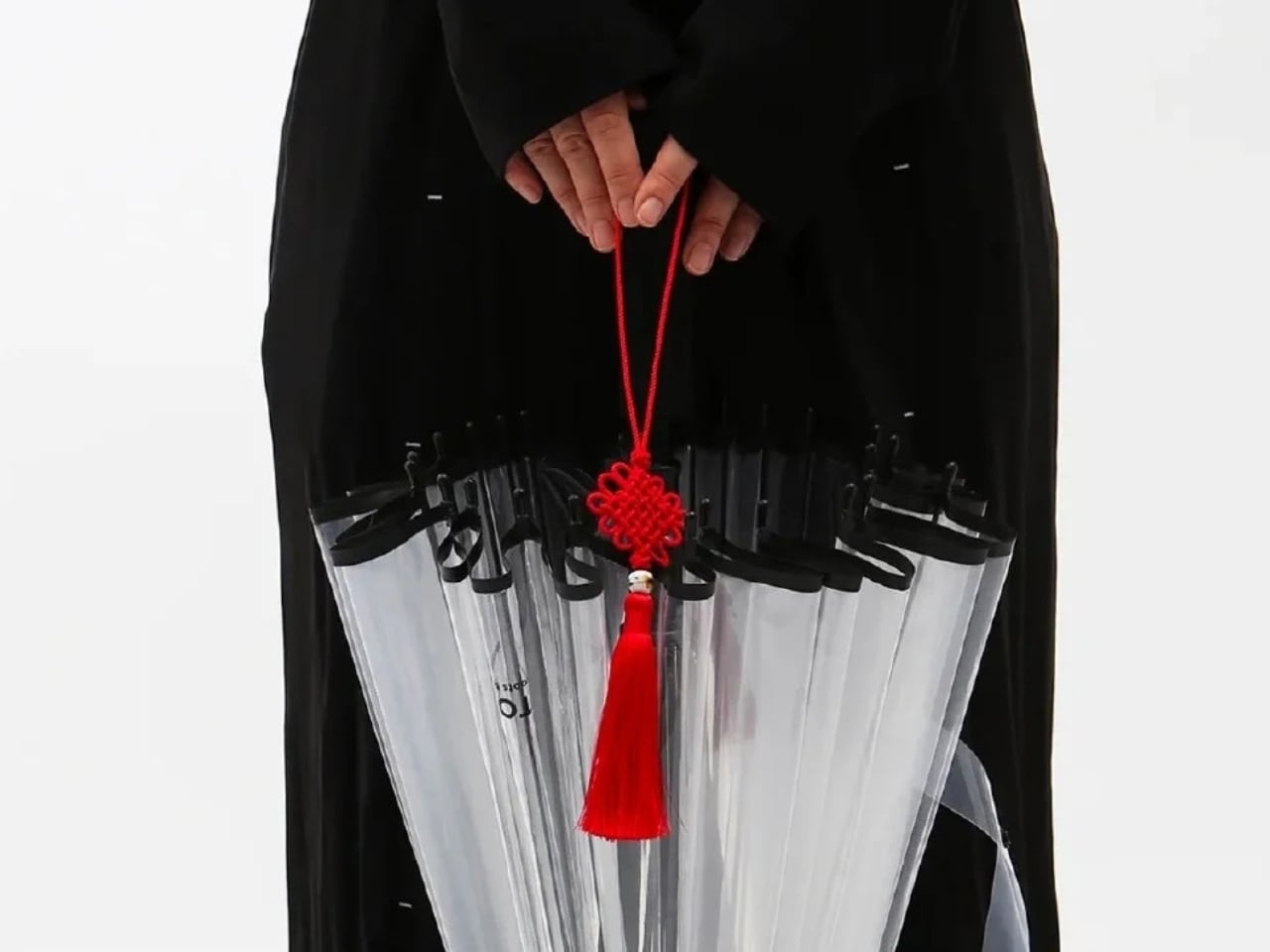
What makes the Gat Umbrella especially appealing is how it straddles the line between functional product and cultural artifact. It’s not just a novelty item you display on a shelf. It’s something you actually take out on a rainy Tuesday and suddenly feel like the most stylish person on the street. There’s something deeply satisfying about a design that takes centuries of history and makes it wearable (or in this case, holdable) in the most practical way possible. And given the global reach of Korean culture right now, something tells us this won’t stay a niche item for long.
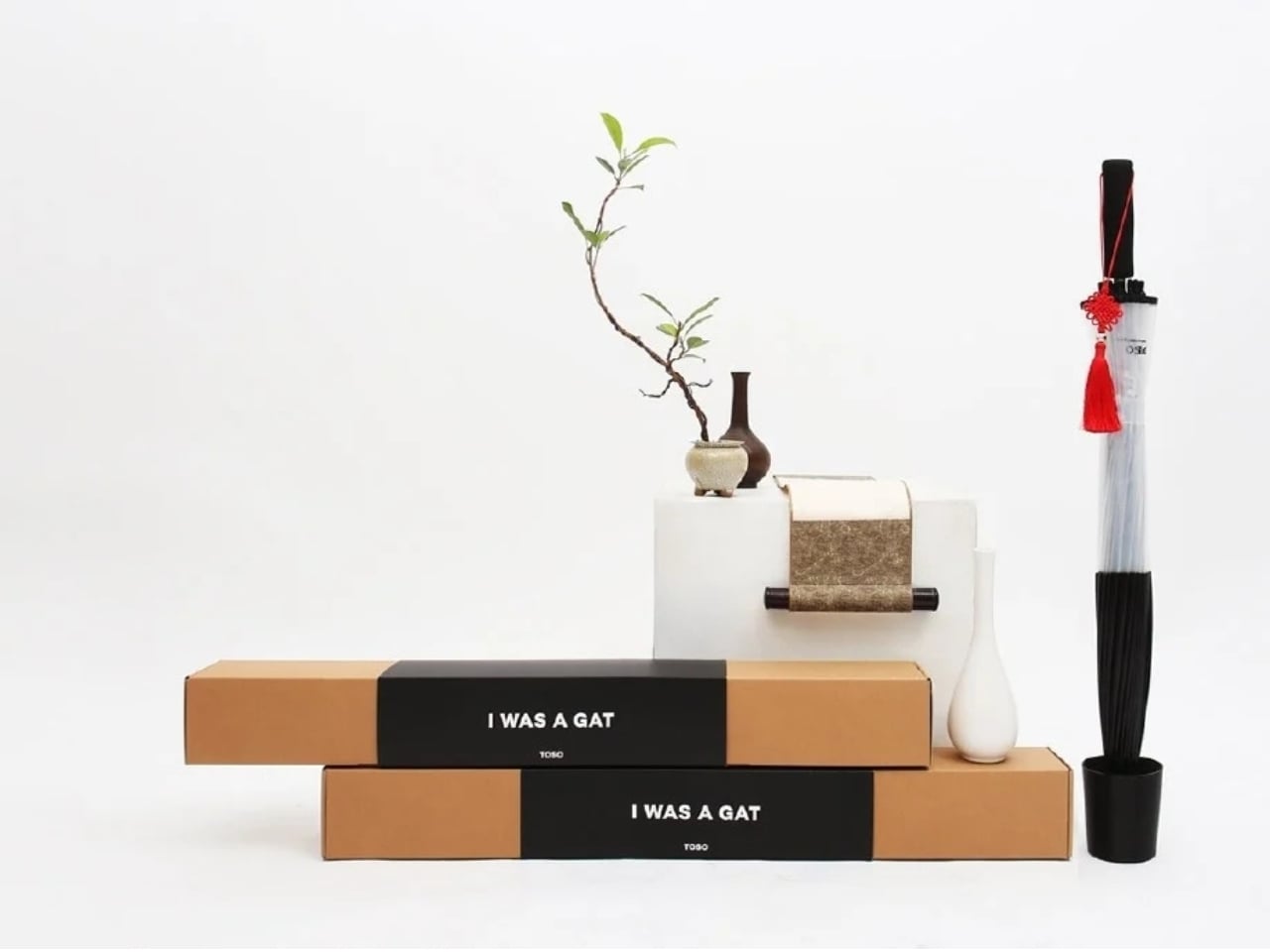
It also arrives at a moment when the global appetite for Korean culture is at an all-time high. From K-dramas to K-pop to Korean food, the world is paying attention, and the Gat Umbrella is exactly the kind of conversation starter that lets people engage with that culture in a tangible, everyday way. It’s not just merchandise; it’s a story you carry with you. The kind of thing that makes strangers stop you in the street and ask where you got it.

Whether you’re a K-culture enthusiast, a design collector, or simply someone who appreciates carrying a piece of history through a rainstorm, this is the kind of purchase that feels both indulgent and meaningful. It’s proof that heritage doesn’t have to stay locked behind glass. Sometimes, the best way to honor the past is to take it out into the rain.
The post This Umbrella Is Actually a 500-Year-Old Korean Hat in Disguise first appeared on Yanko Design.
  •  

The $195K Tiny Home That Finally Makes Sense for Families

The tiny house movement has always been better at Instagram than at parenting. A couple, a dog, maybe a sourdough starter on the counter: that’s the fantasy it learned to sell. The moment a child enters the picture, the aesthetic dream quietly dissolves into a very real problem: where does anyone actually sleep, and who gets the bathroom first? Unplgd Tiny Homes, the Blue Mountains studio behind the original 26-foot Kookaburra, has spent the past year trying to answer that question seriously, and their answer is the Kookaburra 2.0.

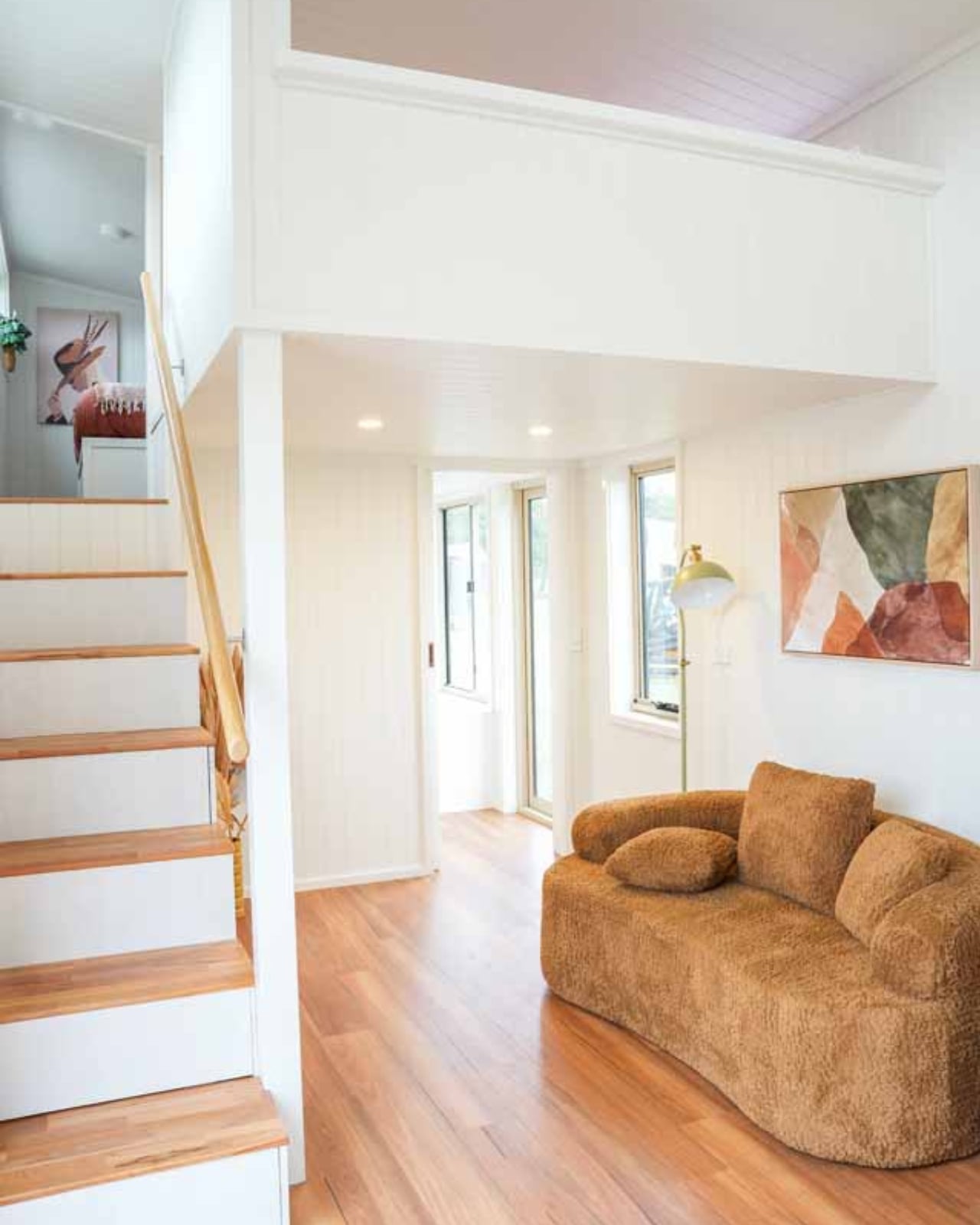
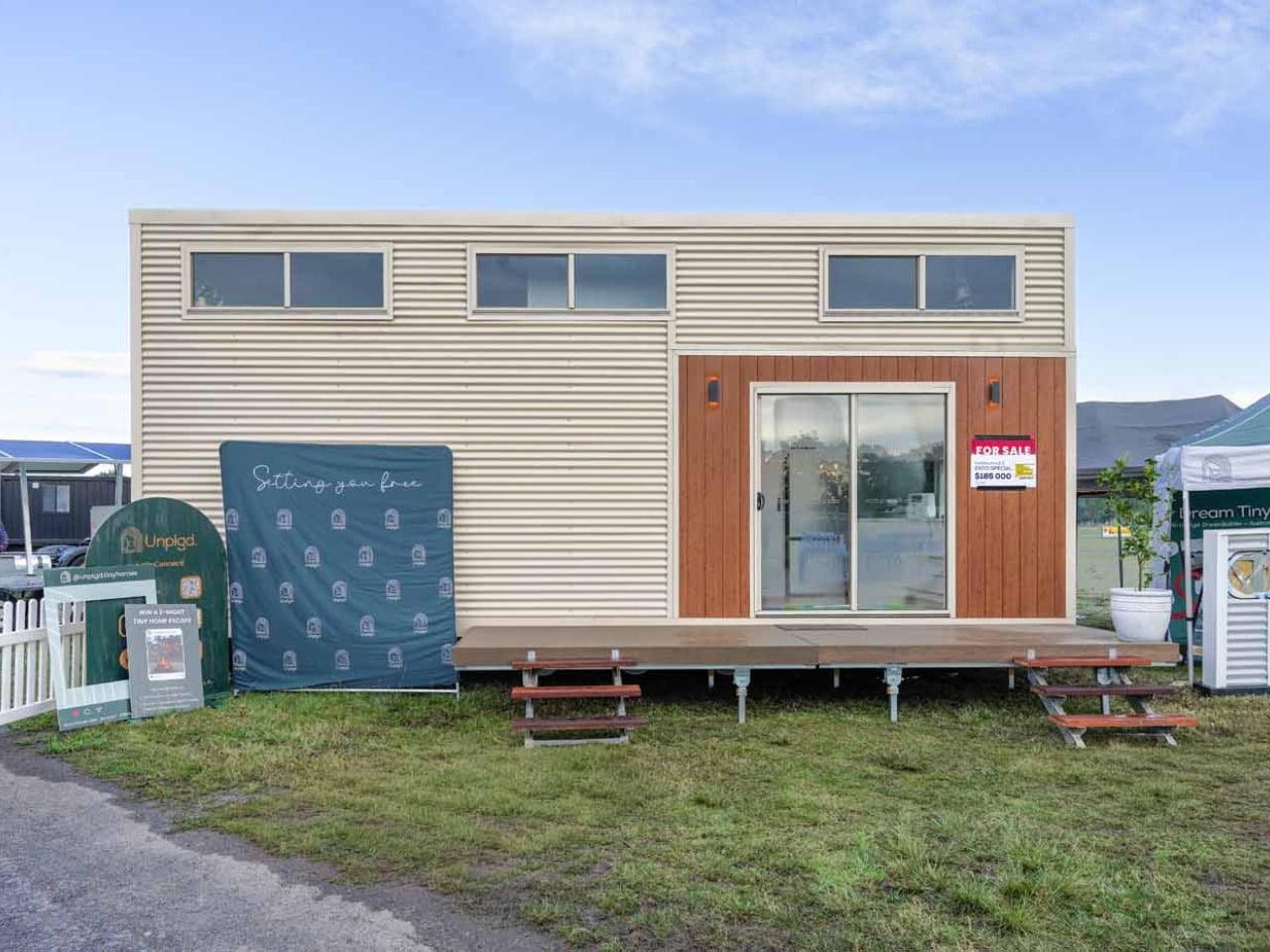
The new model stretches to 8.5 metres long, 3 metres wide, and 4.5 metres at the gable (27.8 × 9.8 × 14.7 feet), adding just over half a metre to the original footprint but reorganising almost everything inside. Where the first Kookaburra was designed around two people working from home, the 2.0 reframes the interior around four distinct zones: cook, wash, store, and what the studio calls “reset after a big day.” That last phrase tells you exactly who this is for. Not minimalists chasing freedom, but parents chasing a moment of quiet.

Designer: Unplgd Tiny Homes

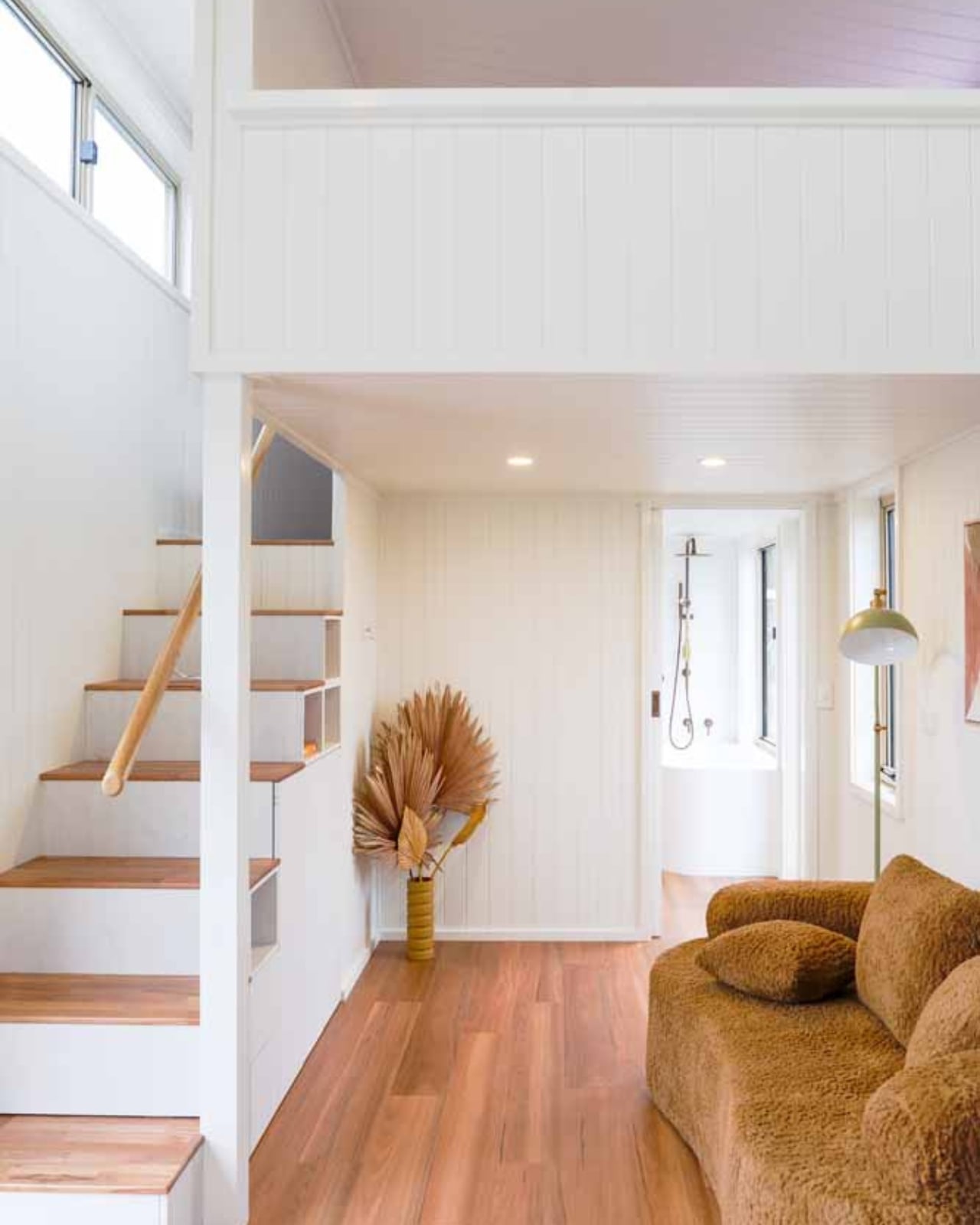
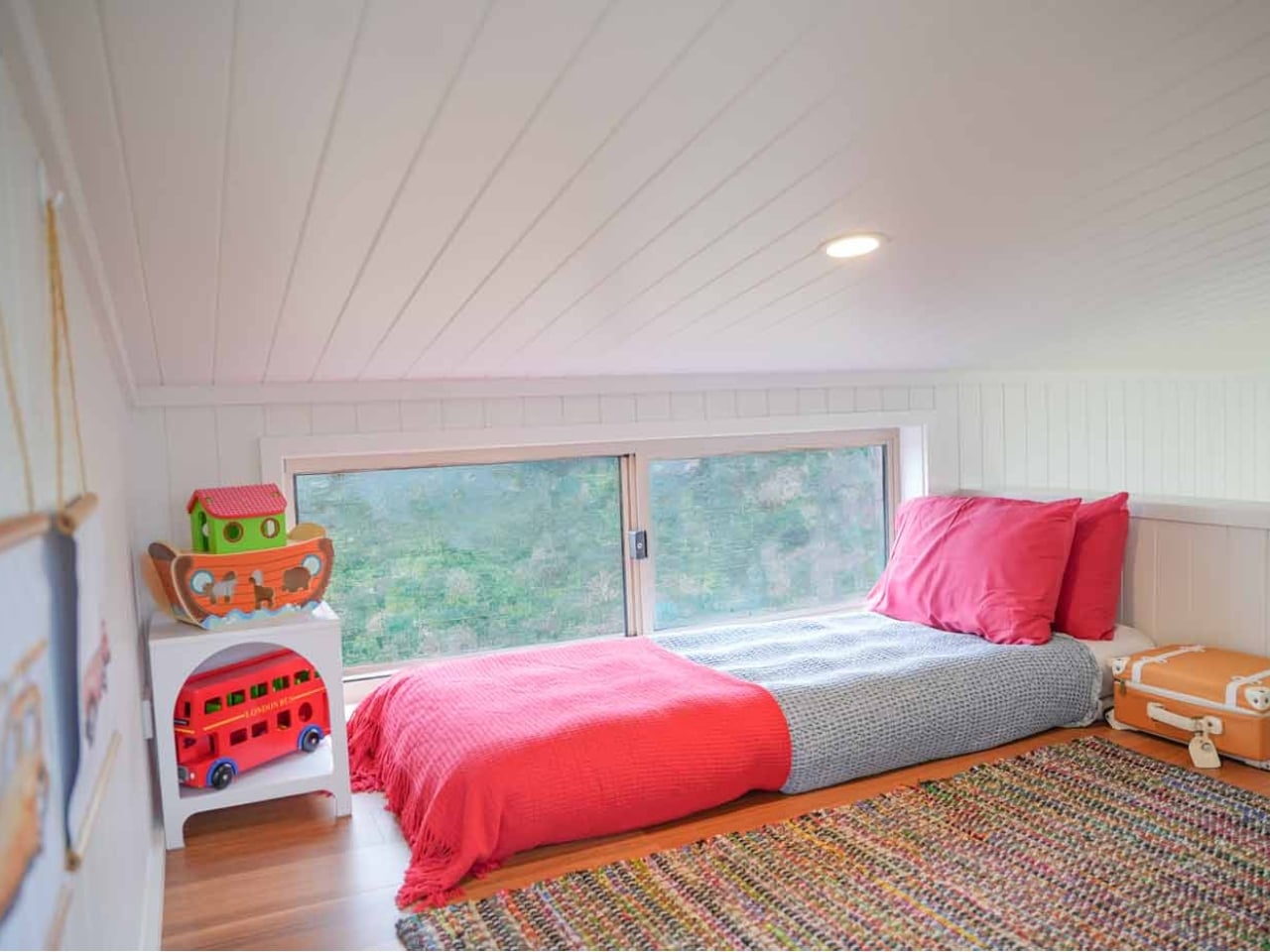
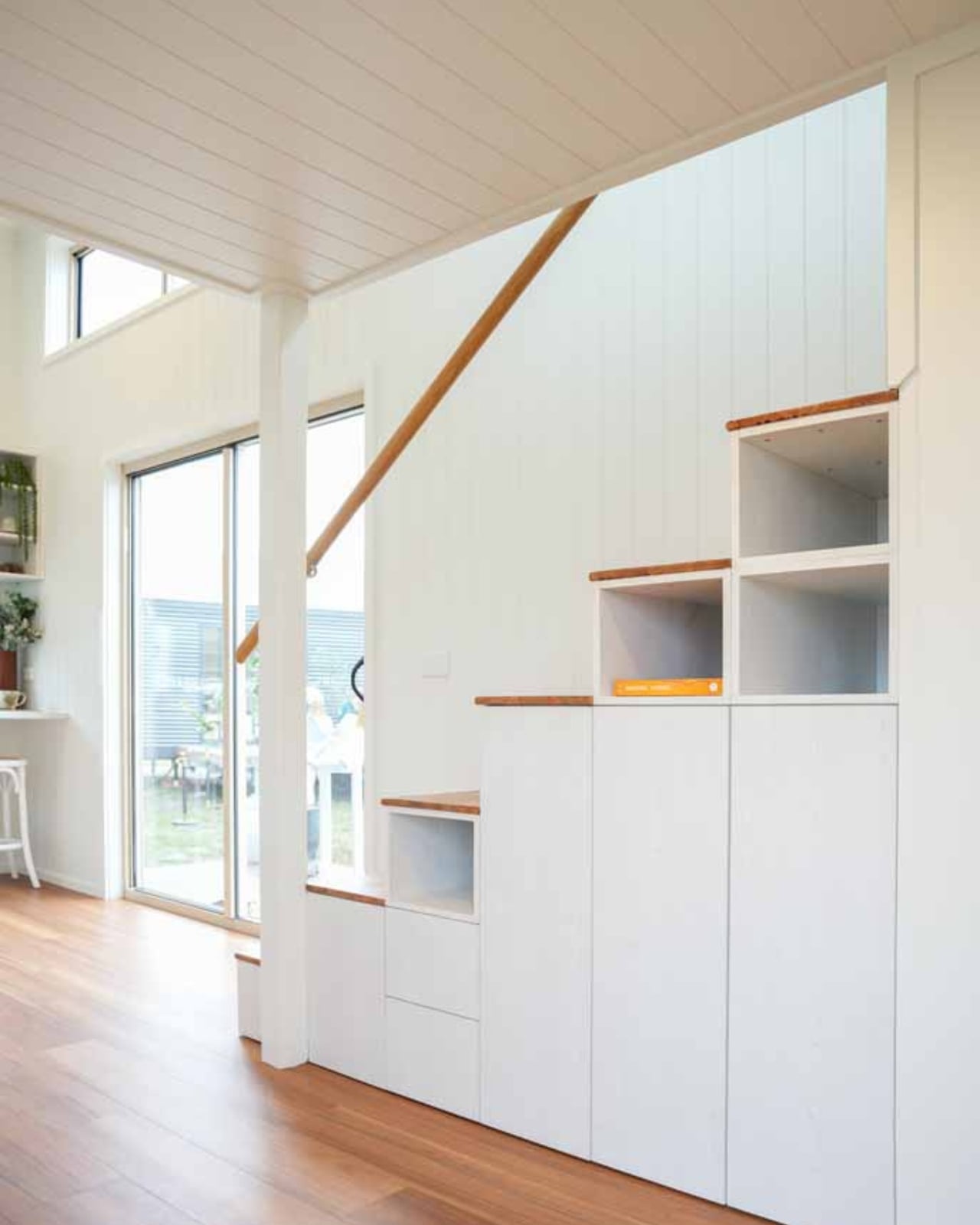
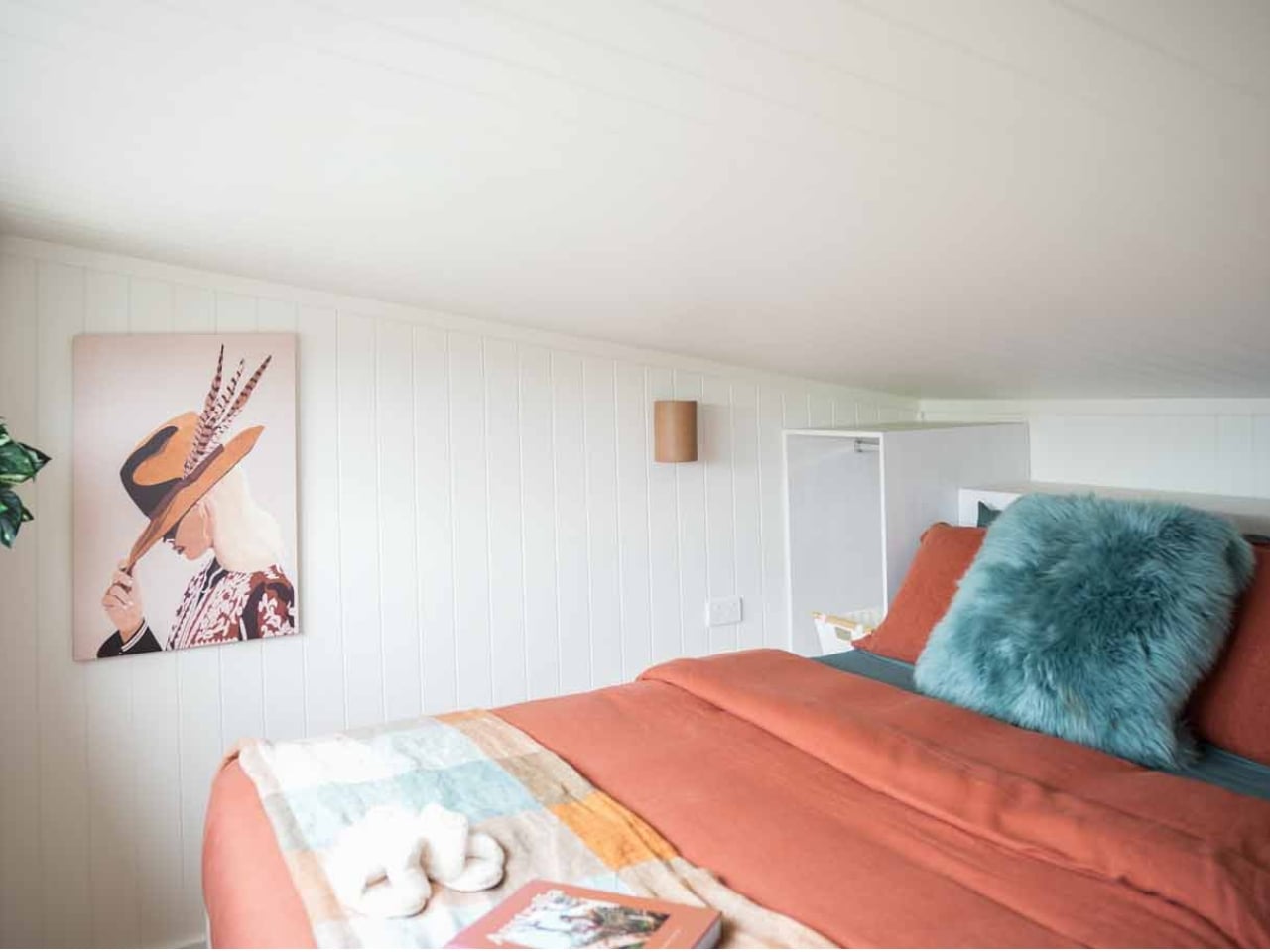
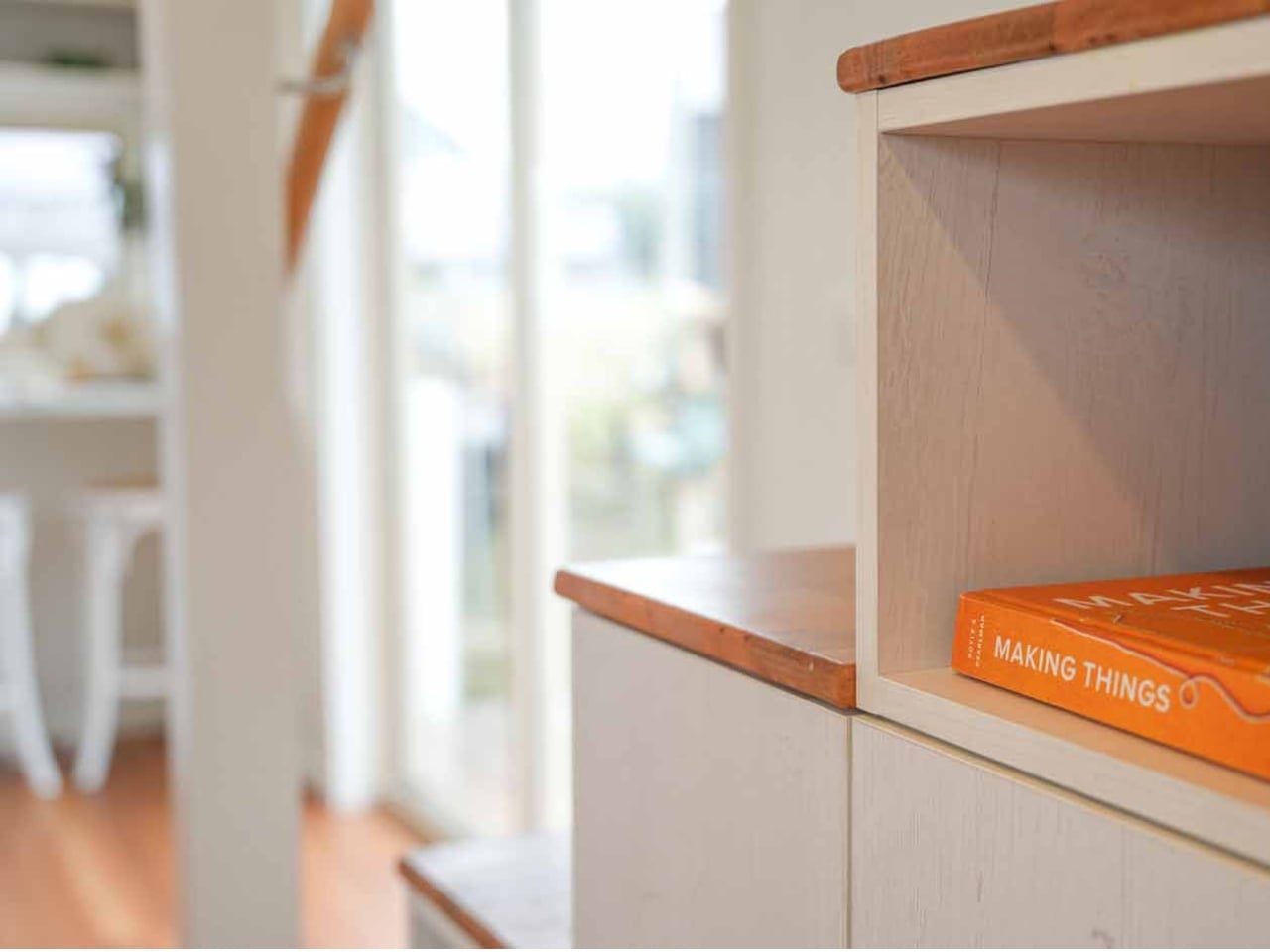
Structurally, the design’s smartest move is the dual-loft layout. A double-height void anchors the centre of the home, with the queen master loft at one end and a children’s single loft at the other, each reached by the same staircase-storage unit that doubles as the home’s main organisational spine. The queen loft offers standing headroom on three sides, which sounds like a minor detail until you’ve spent a morning in a traditional tiny house loft hunched over trying to find your socks. The kids’ loft sits separately, with its own clerestory window band that pulls in light while keeping privacy intact. On paper, the spatial hierarchy is genuinely considered.

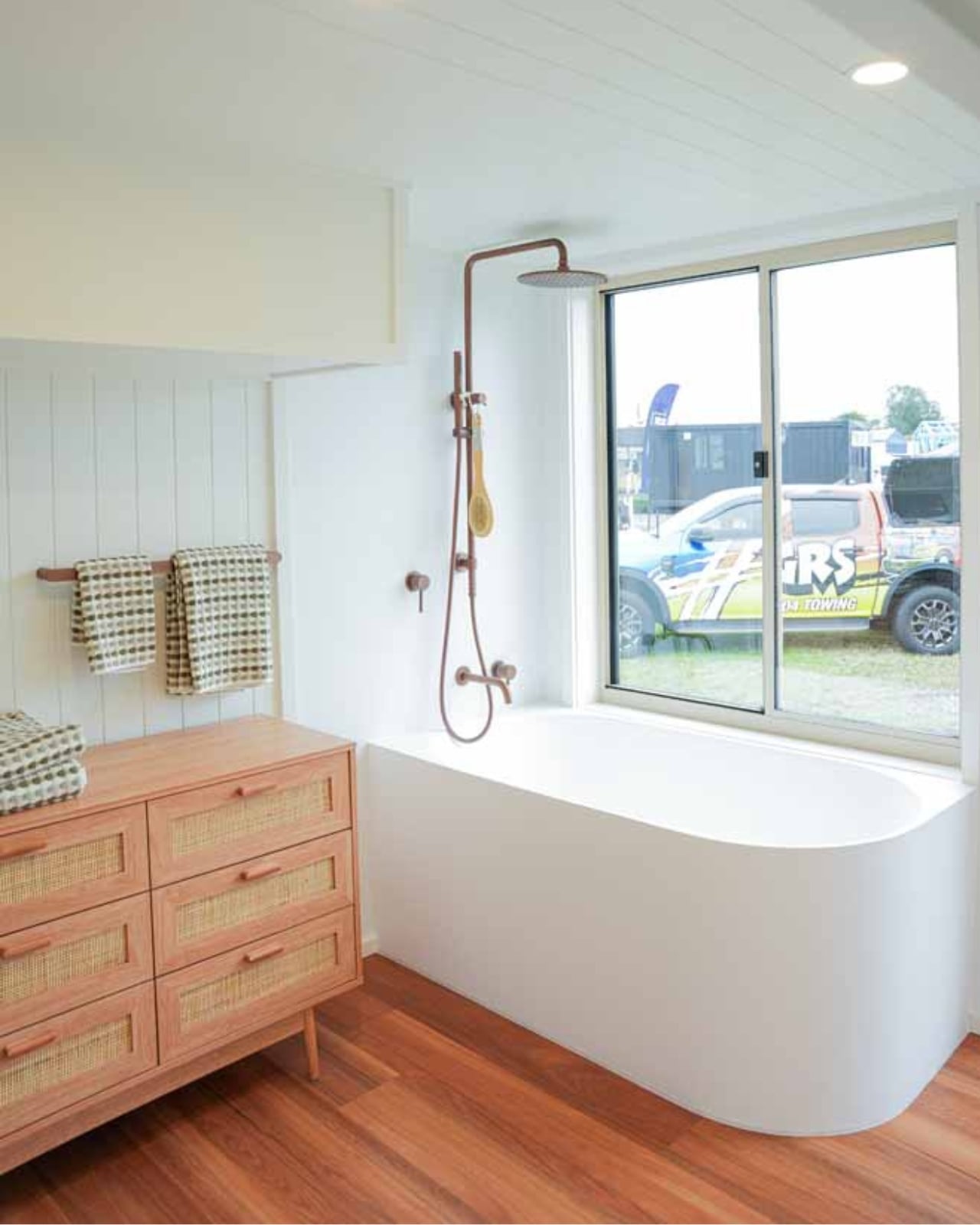
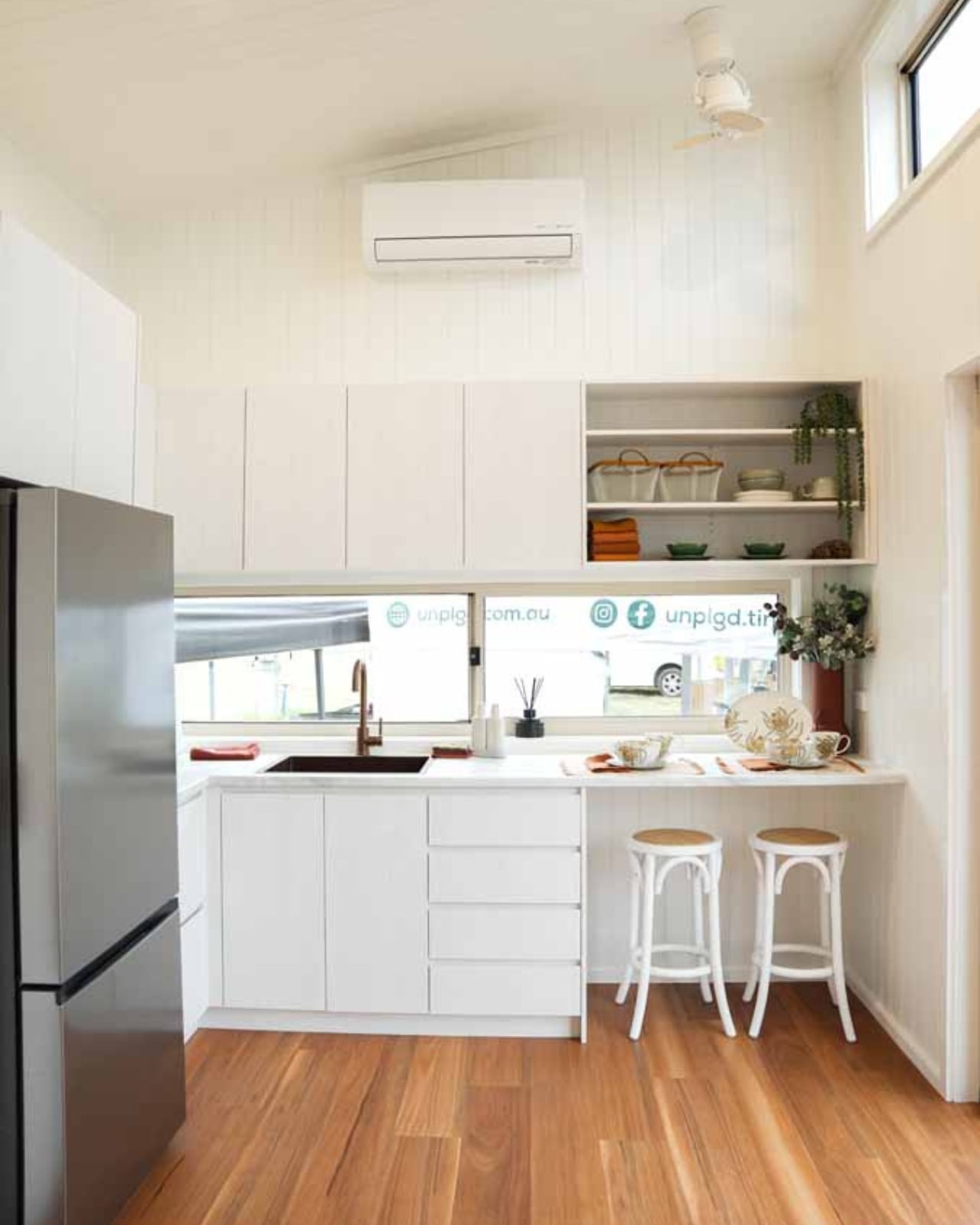
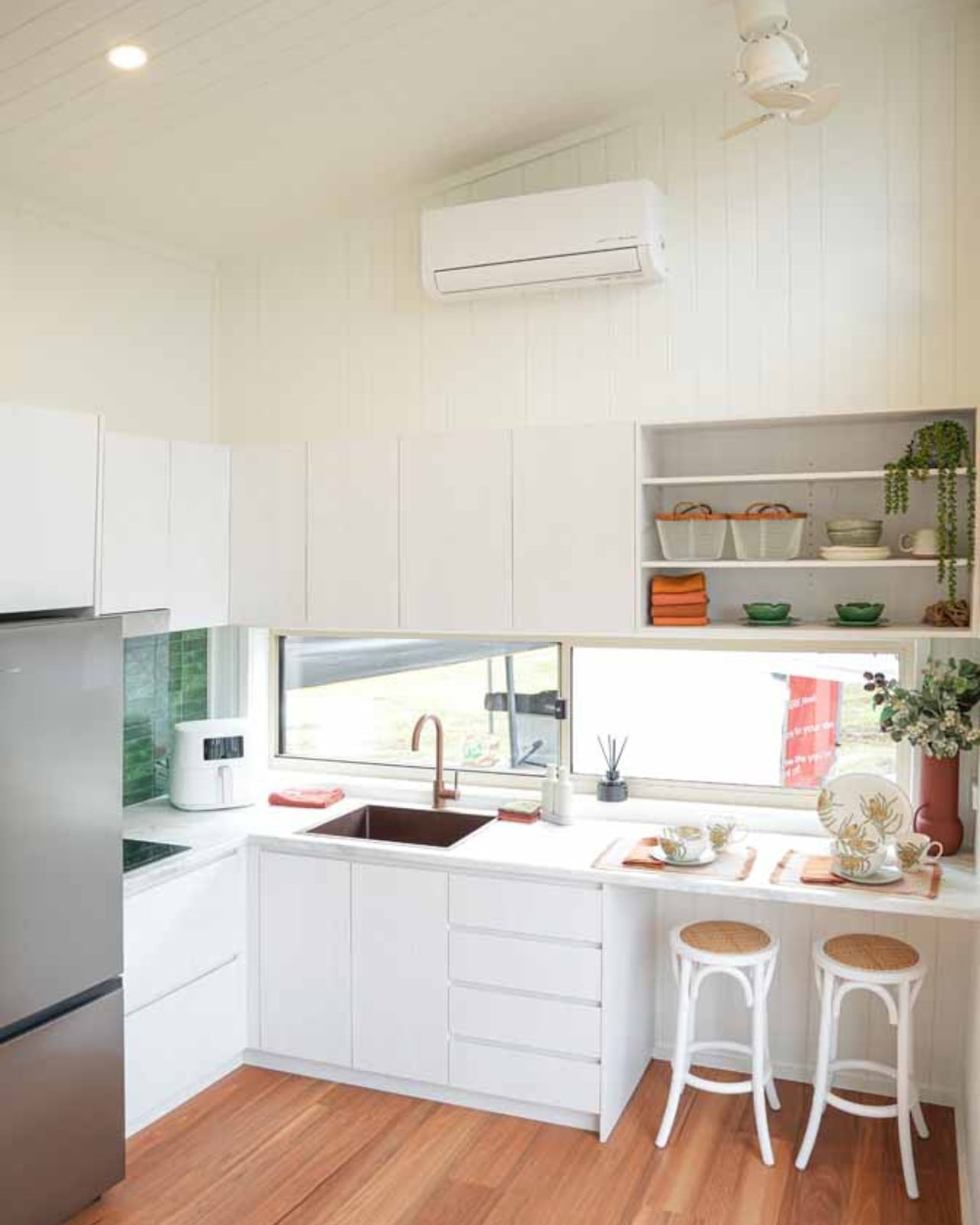
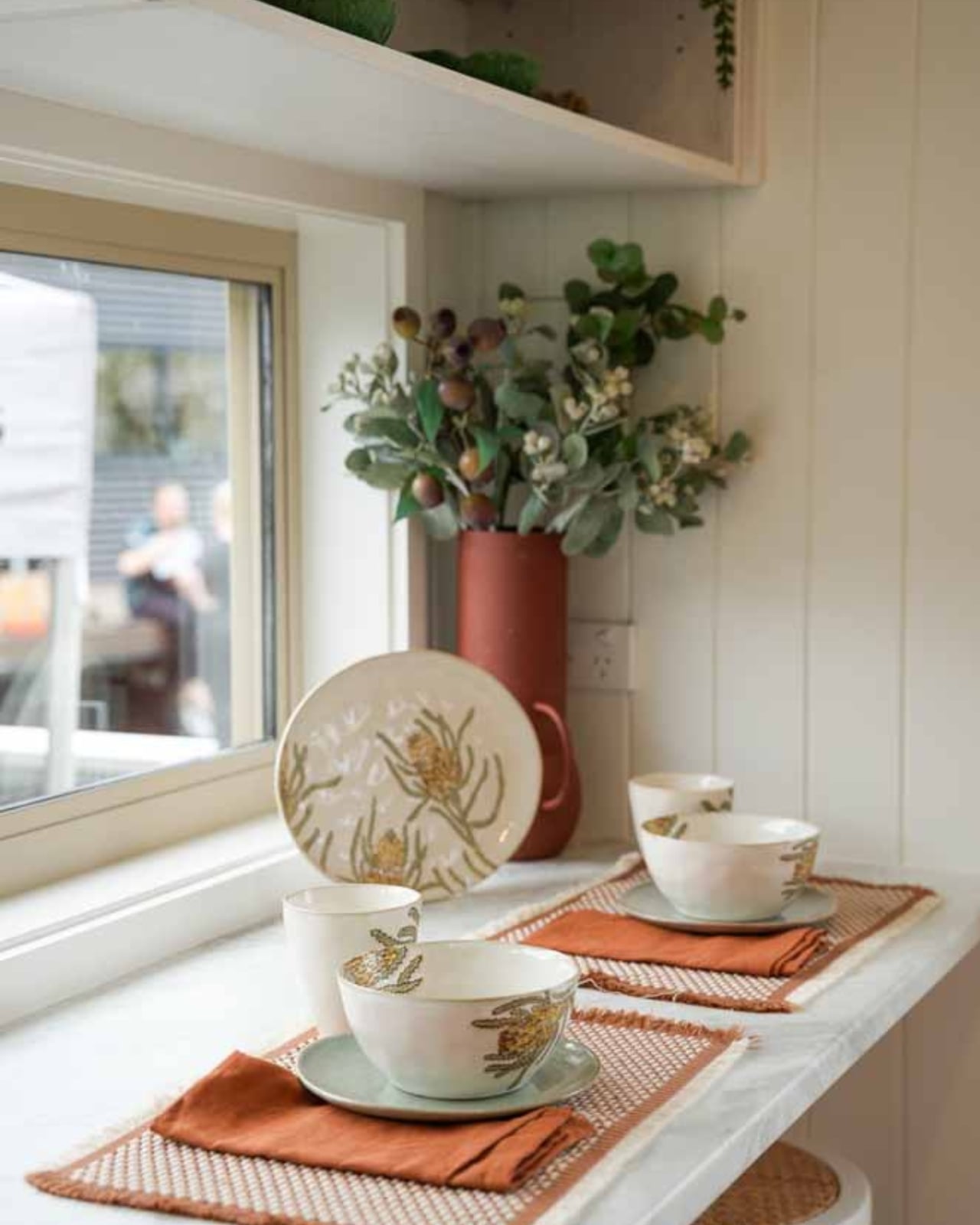
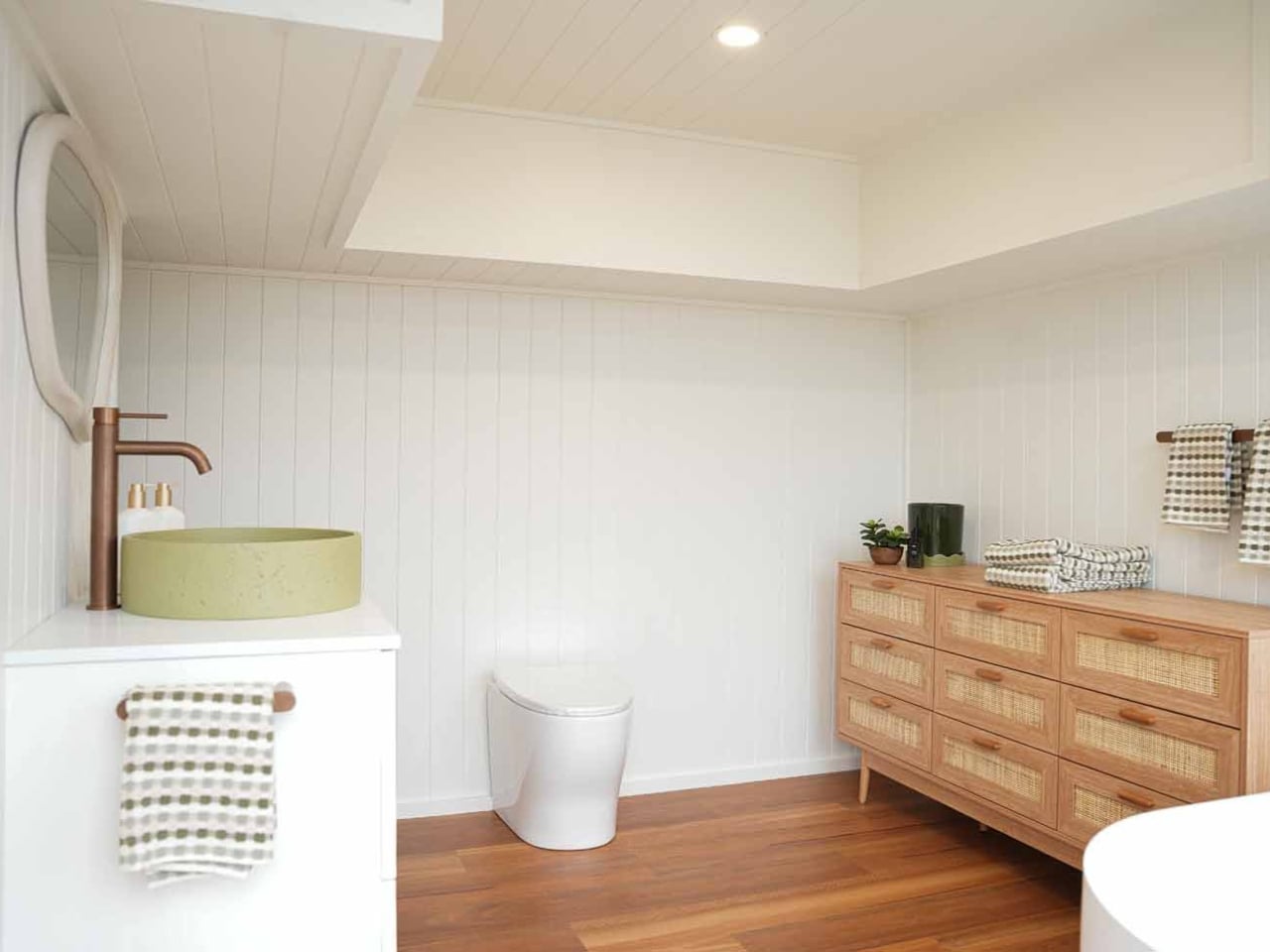
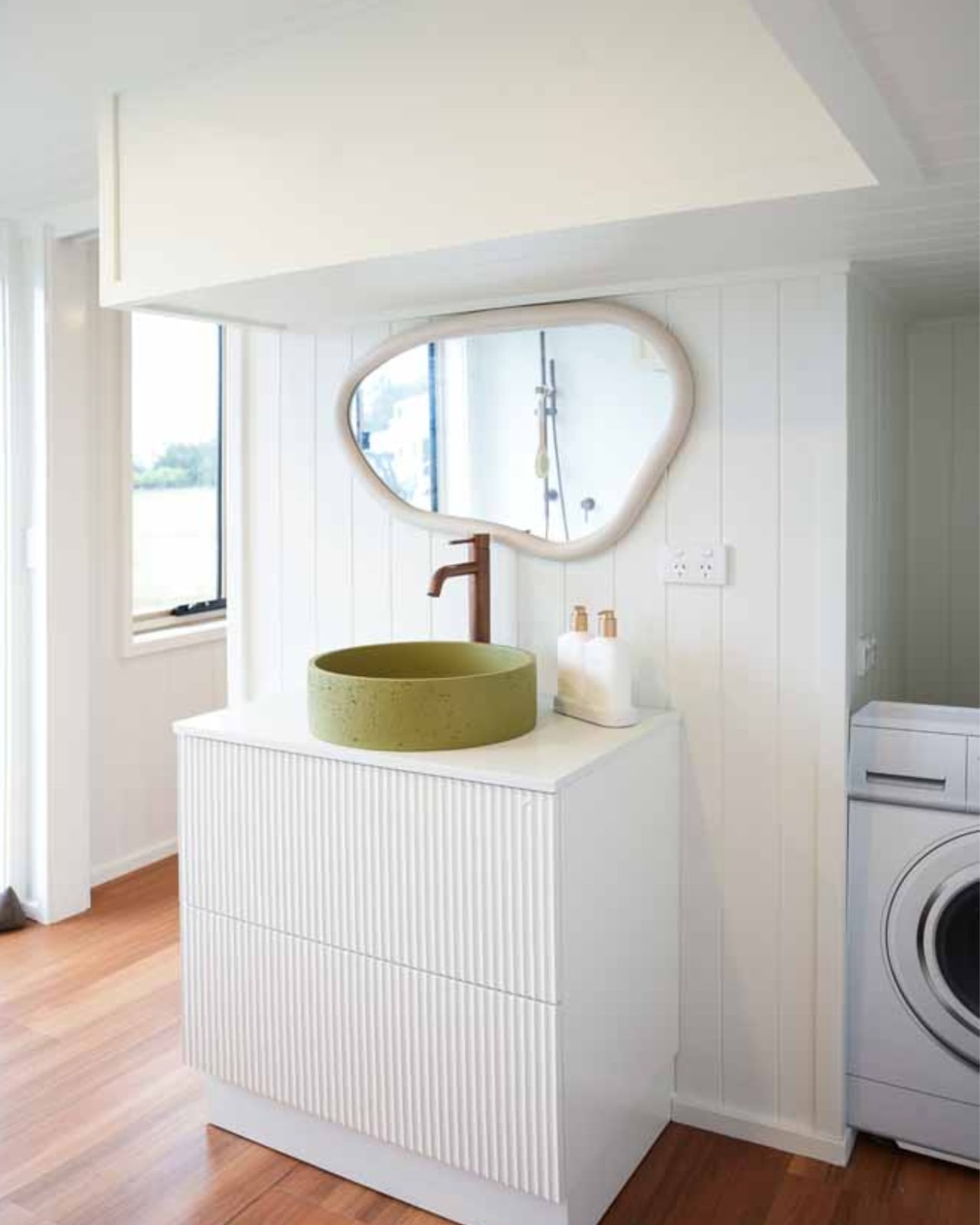
The bathroom is getting a lot of attention, and for good reason. A full-size freestanding bathtub in a home under 28 feet is a confident choice, paired with an integrated laundry nook that treats domestic routine as a design problem worth solving. The L-shaped kitchen with breakfast bar follows the same logic. Outside, VJ panelling meets cream corrugated steel, a material palette that signals a specific aesthetic position in 2026 Australian residential design: not rough-hewn bush shack, not cold minimalist box, but something closer to considered coastal warmth.

AU$195,000 is the turnkey starting price, which puts it squarely in the range where comparisons to conventional housing become unavoidable. For roughly the same budget in regional New South Wales, you could find a small permanent house with a yard, without the towing and zoning complications that come with any road-legal tiny home. The 3-metre width is legal for towing across most Australian states without a wide-load permit, but regulations shift the moment you cross certain state borders, and the logistics follow. That’s not a dealbreaker, but it’s a real calculation that the breathless expo coverage tends to skip past.

It’s also worth naming the elephant in the room: no family has actually lived in this house yet. Every piece of coverage, including this one, is written from a display unit that toured the Hawkesbury Show circuit. The questions that matter most are the ones that can’t be answered from photos: whether noise transfers between lofts, whether the staircase is negotiable at 2am with a toddler, whether two adults and one child can share a morning bathroom without losing their minds. Unplgd deserves credit for thinking the brief through more carefully than most in this space, but the gap between a stunning expo build and a liveable family home is exactly the gap that gets papered over by beautiful photography.

One last thing worth flagging: search “Kookaburra tiny home” right now and you’ll pull up at least three different brands. Unplgd, Adapt Homes, and Kookaburra Tiny Homes AU are all trading under variations of the same bird name. They are completely unrelated companies. Do your research before you request a quote. The Kookaburra 2.0 is a genuinely promising design pushing against a real limitation in the tiny house category. Whether it delivers on the promise is a question only a family who actually lives in one can answer.

The post The $195K Tiny Home That Finally Makes Sense for Families first appeared on Yanko Design.
  •  
❌