Connexion
The 3 Best Japanese Kitchen Tools You Need to Buy August 2026

Japanese kitchen tools tend to arrive with a very specific philosophy attached. They do less than you expect on paper and more than you realize until you’ve used them for a week. The three objects below cover different ends of that idea: a precision appliance from one of Japan’s most storied engineering brands, a pair of scissors built for the demands of serious kitchen prep, and a clay pot that has been doing its job correctly since the Kamakura period.
What connects them isn’t aesthetic or price point. It’s the sense that each was designed by someone who had a genuine opinion about what the object should do, then made it do exactly that. August is a good month to pay attention to the kitchen — the produce is at its best, the cooking is more instinctive, and the tools you reach for most tend to reveal themselves. These three are worth reaching for.
1. Mitsubishi Bread Oven


The name requires a moment. Mitsubishi, the Japanese conglomerate better known for cars and precision electronics, makes one of the most exacting home bread ovens available. The machine applies the same engineering discipline to baking that Mitsubishi Electric brings to everything else it builds: controlled heat, precise internal timing, and an attention to the baking chamber environment that consumer appliances from Western brands rarely match. The result is a loaf with a crust and crumb structure most countertop machines simply cannot produce, regardless of recipe.
What makes it worth covering in a design publication isn’t only the output. The form is unmistakably Japanese in its restraint — minimal, white, without the button complexity that clutters European bread makers at comparable prices. It occupies counter space the way well-considered appliances should: as an object with a clear visual point of view rather than a machine that apologizes for being there. Bread that comes out of it tastes like something was genuinely thought about. Because it was.
What We Like
- Precision heat management produces a crust and crumb that typical home bread makers don’t come close to replicating
- The minimalist appliance design treats the machine as a considered object rather than a utility box competing for counter attention
What We Dislike
- Sourcing outside Japan requires import channels, which adds cost and complicates any warranty or service process
- The price point places this firmly in investment appliance territory — this is a deliberate purchase, not a casual one
2. Precision Chef Kitchen Scissors
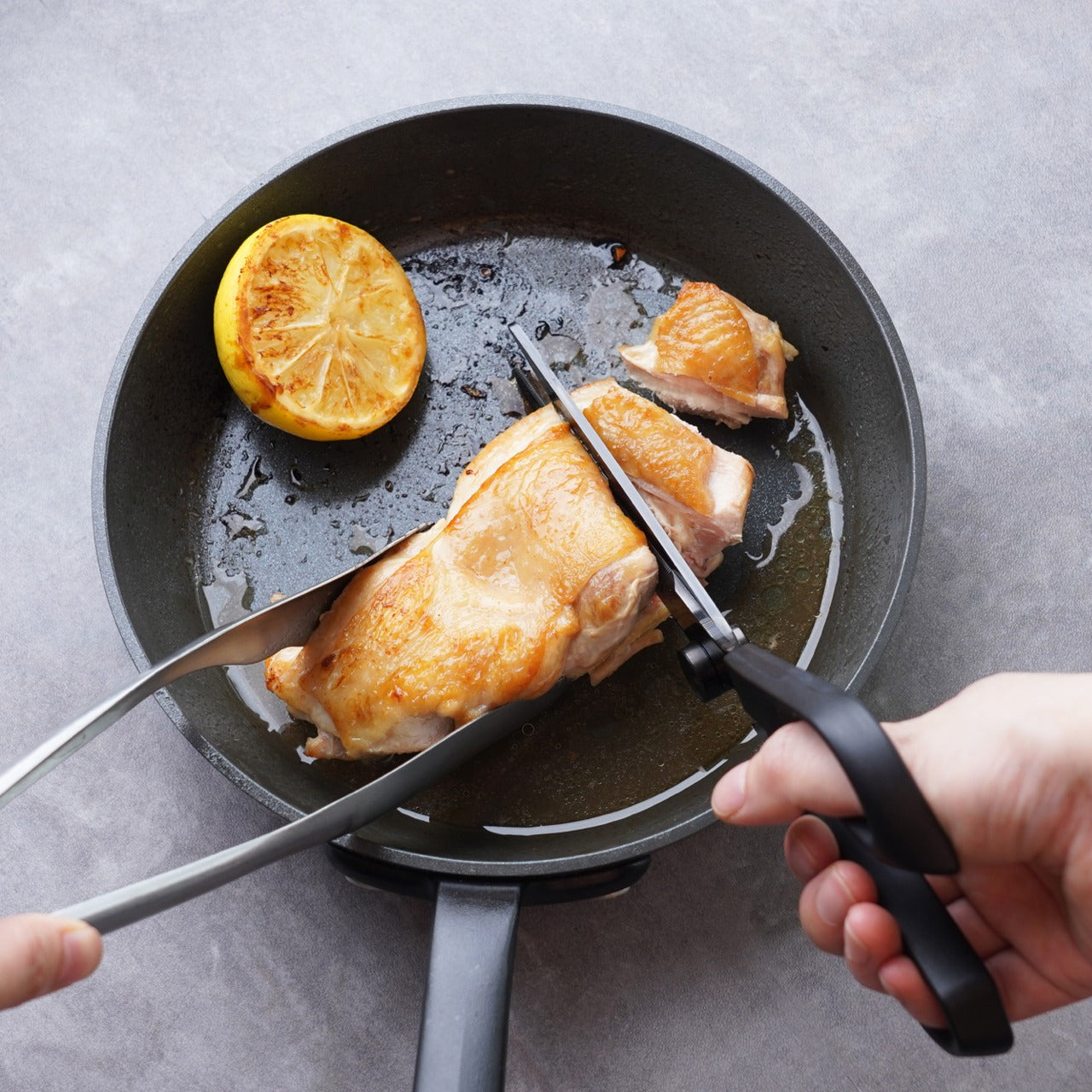
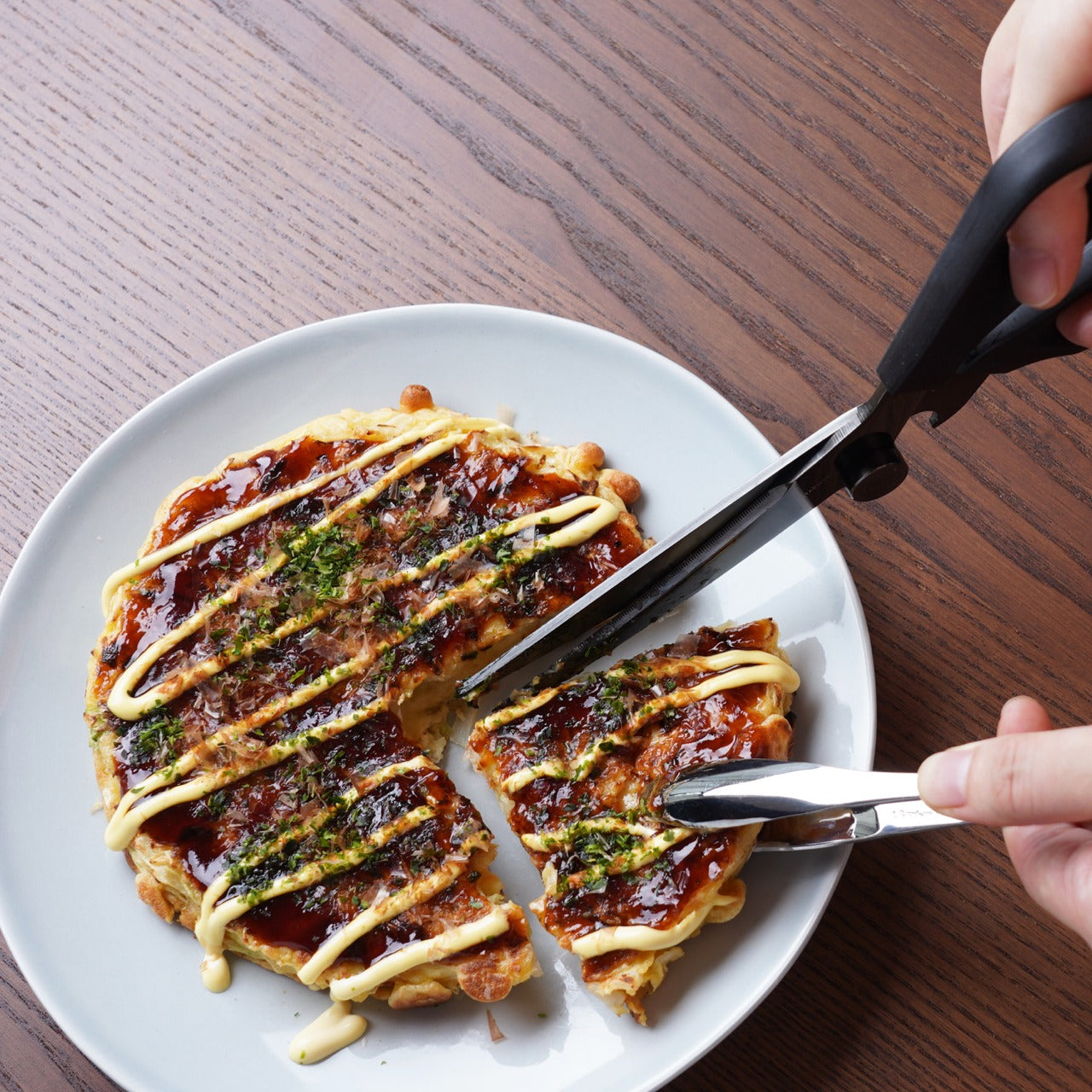
Kitchen scissors are one of those tools most cooks underestimate until they own a genuinely good pair. The Precision Chef Kitchen Scissors make the case for re-evaluation. Built with the material standards and blade geometry you’d expect from Japanese cutlery, they work through herbs, spring onions, dried chilies, and butcher twine without the handle torque that cheaper scissors force you to compensate for on every cut. Edge retention is where the quality gap between these and a supermarket pair becomes immediately obvious.
The design is deliberately restrained, which is exactly the right call for a kitchen tool that needs to sit in a drawer and get used without ceremony. Nothing superfluous in the grip, nothing decorative in the blade. Japanese kitchen scissors at this level function as precision instruments that happen to look like scissors. Once you’ve used a pair built this well for a full week of regular prep, the ones you owned before start to feel like a different category of object entirely.
What We Like
- Edge retention and blade geometry handle repeated kitchen use without the performance drop that cheaper alternatives show within weeks
- The restrained design means these function as tools first, rather than objects performing the idea of quality
What We Dislike
- The refined aesthetic means they can disappear in a crowded kitchen drawer — worth designating a fixed home for them
- Like most professional kitchen scissors, they require hand-washing to preserve edge quality, which adds a small but real step to cleanup
3. Iga-yaki Donabe Clay Pot
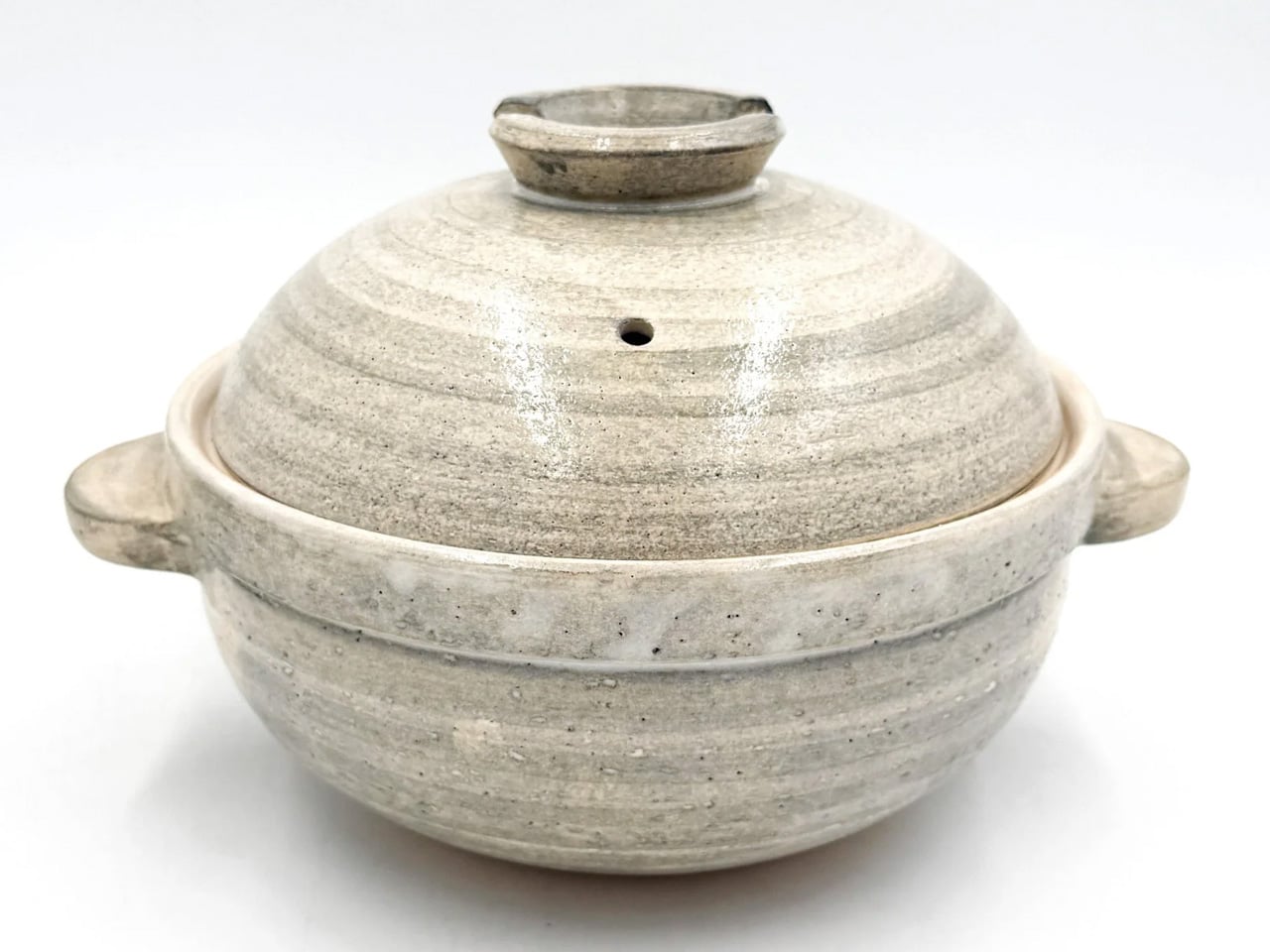
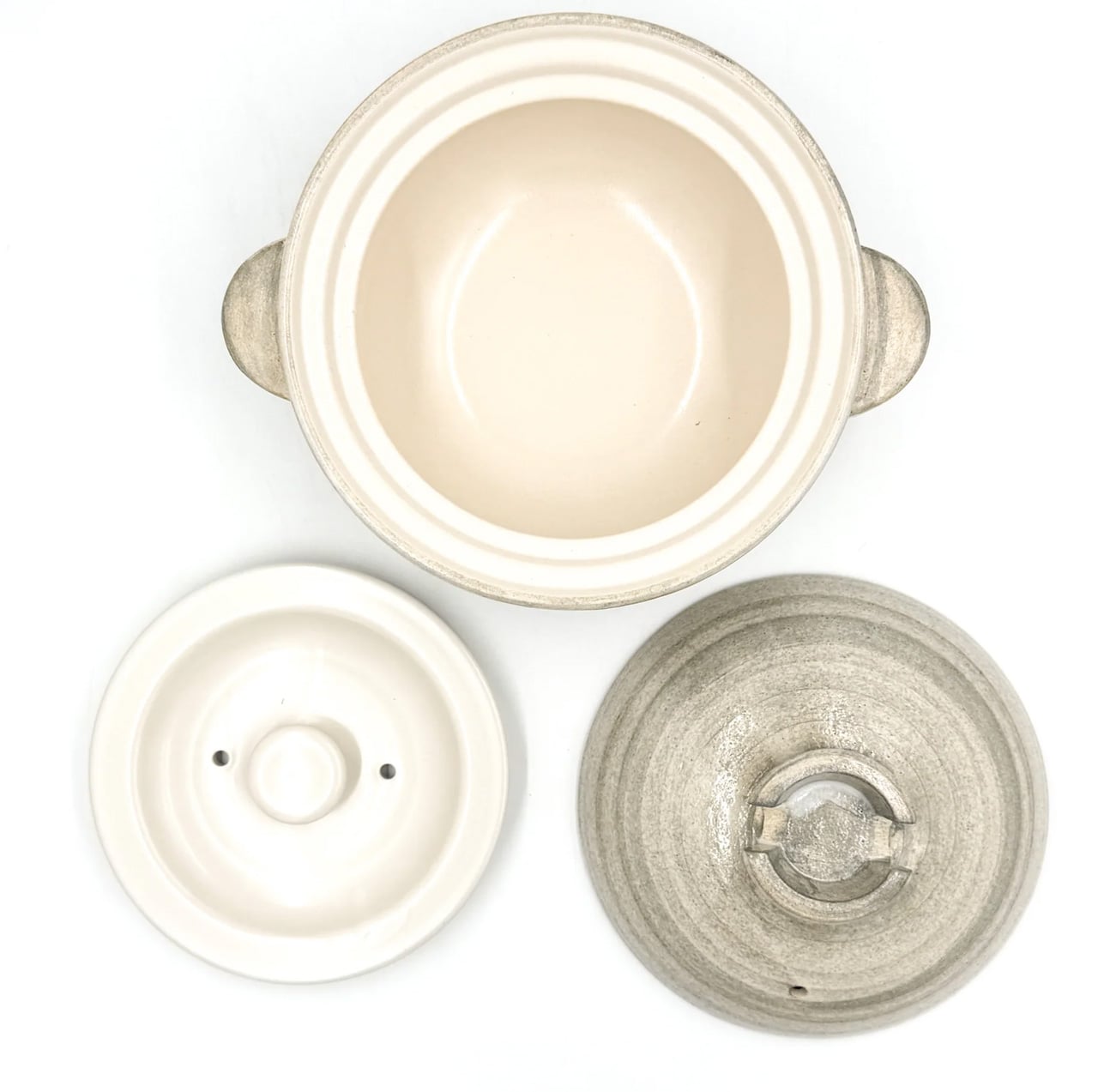
Iga clay comes from Mie Prefecture in Japan, where the local earth has been used for ceramics since at least the Kamakura period. The porous structure of Iga-yaki absorbs heat slowly and releases it with a consistency that metal pots structurally cannot replicate. Rice cooked in it sweetens. Broth deepens over a lower flame than you’d expect to produce it. The exterior stays rough and unfinished while the interior is glazed smooth — two surfaces on the same vessel, each doing exactly what it should.
Available from TOIRO Kitchen in several sizes, the donabe asks for a single seasoning step before first use — simmering rice water in the vessel — and then becomes one of the most reliable pots in the kitchen. It handles rice, hot pot, steaming, and slow braise with equal competence, which makes it the rare piece of cookware that earns its space by quietly replacing three other things. Store it with the lid off after washing, and it will be in your kitchen for decades.
What We Like
- Iga clay’s heat retention produces results in rice and broth that no metal pot at any price point genuinely replicates
- Real versatility across rice, hot pot, steaming, and slow cooking means one vessel covers what several usually would
What We Dislike
- Requires a seasoning step before first use that the packaging doesn’t always communicate clearly upfront
- The porous clay absorbs strong cooking odors over time and needs to be stored with the lid off after washing to stay fresh
Make the Kitchen Better, Not Faster
Three tools, three distinct registers of Japanese kitchen culture. Mitsubishi brings precision engineering to something as ordinary as a morning loaf. The scissors bring professional blade standards to daily prep work. The donabe brings centuries of ceramic craft to the kind of cooking that rewards patience over speed. None of them are trying to make the kitchen faster or more efficient. They’re trying to make it better, which is a different ambition and one worth paying for.
August is when most kitchens are running at full capacity — markets are abundant, evenings stretch long enough to cook properly. The tools you own in that window shape what’s actually possible in it. These three share a conviction that how something is made matters as much as what it does, and that conviction shows up every single time you reach for them. Start with whichever one your kitchen is currently missing most.
The post The 3 Best Japanese Kitchen Tools You Need to Buy August 2026 first appeared on Yanko Design.