Vue lecture

I tried GUNNAR glasses and accidentally ended up working an extra hour because my eyes didn't hurt

Last night I surprised myself by working an extra hour at my desk. I occasionally work late, but what surprised me is that it happened by accident. I believe the blame falls on GUNNAR and a pair of glasses the company sent me to try out.

Like many people, I sit at a desk for the majority of my workday and stare at a screen for hours on end. I often get headaches or eye strain after working for too long without a break. I've spent years building up an ergonomic workstation to help my back, knees, and wrists, but I've neglected my eyes.

GUNNAR glasses are designed to block blue light. I've been aware of the company for years, in part due to their various gaming partnerships, but I had never used a pair myself. Gunnar and I got in touch to let me try a pair.

The Novato pair of glasses I was sent has the amber tint that's available in many frames from GUNNAR. This particular pair has a slight magnification as well, though it's available with a neutral focus.

When I slipped on the glasses, I felt my face relax almost instantly. I then continued to work throughout the afternoon.

Later in the evening, I noticed that I had worked an hour later than usual.

I got to the end of my normal day and just kept working because I didn't realize how late it was. I usually need breaks every once in a while to rest my eyes, but since my eyes didn't hurt I lost track of time.

These glasses filter out blue light to reduce eye strain caused by staring at a screen. They're made with a lightweight titanium frame and have anti-reflective coating.View Deal

GUNNAR glasses vs. f.lux and Windows 11's Night Light

I've used apps like f.lux and Windows 11 features such as Night Light to filter out blue light from my PC screen. I still recommend those apps to anyone who wants to reduce eye strain or who works late at night.

I was, however, surprised how much the GUNNAR glasses felt different than using software to reduce blue light.

I'm not an eye doctor or any type of medical professional, so please take my experience as simply a hands-on with the GUNNAR glasses. When I put them on, it felt like the entirety of my eyes could relax rather than just having a specific screen filtered.

While apps like f.lux are great, they don't do anything to filter out blue light from overhead lighting or any other light sources in your room. Slipping on a pair of GUNNAR glasses came much closer to filtering blue light out of the entire room.

This particular model of GUNNAR glasses rests quite close to my face, though they have models that wrap around even more.

I'm sure that part of the improved experience is mental. My mind feels like it can relax my eyes, so my face follows. With the glasses on, I caught myself squinting or flexing my face less.

I'm not sure if accidentally working an extra hour is a good thing or a bad thing, but if I can harness the experience for my normal working hours, I'll be very excited. I plan to use these GUNNAR glasses and some other frames over the coming weeks and will follow up with how things go.


Blank Pixel

Click to join us on r/WindowsCentral

Join us on Reddit at r/WindowsCentral to share your insights and discuss our latest news, reviews, and more.

Close-up of Gunnar Novato Onyx computer glasses featuring amber lenses and a matte black geometric metal frame resting on a wooden desk in front of a monitor and keyboard.
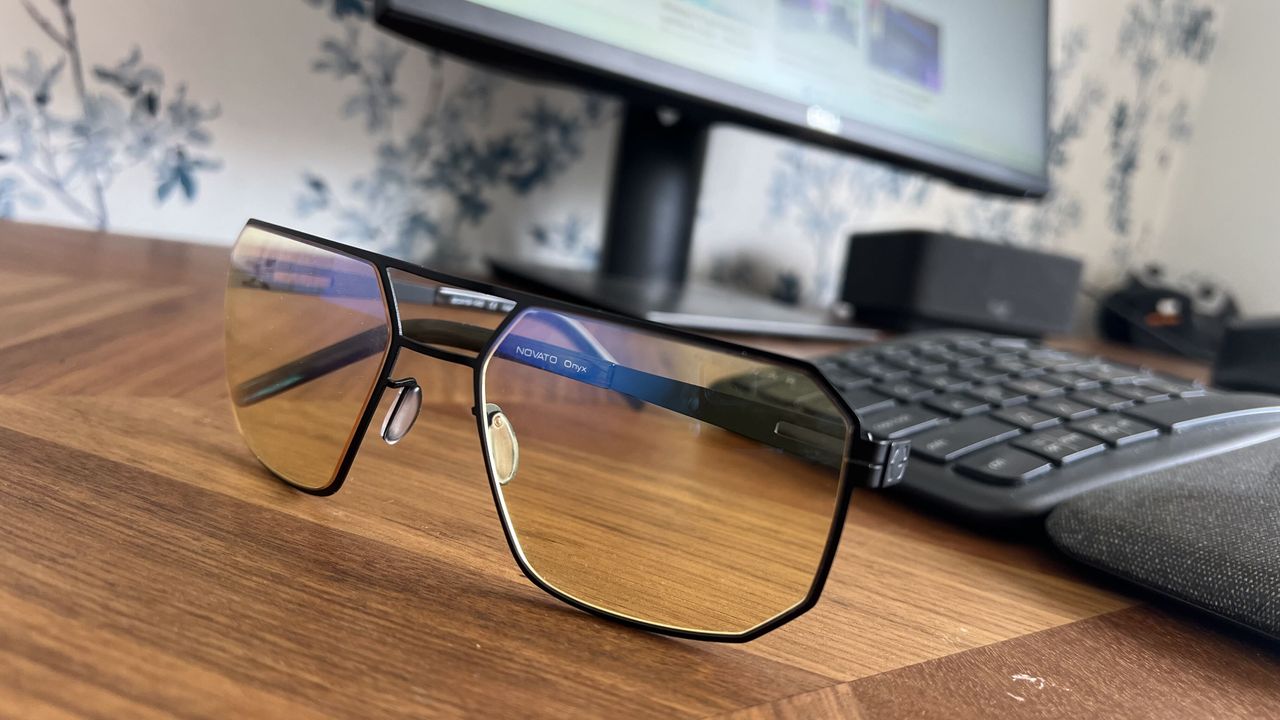
Slipping on the GUNNAR Novato Onyx glasses instantly reduced my eye strain.
  •  

Camera Batteries Go Missing, So This $70 One Tracks Itself

Camera batteries are one of those accessories that photographers never think about until something goes wrong. They’re small enough to vanish into the bottom of a bag or a jacket pocket, common enough to own several of and regularly mix up, and important enough that losing one mid-trip can force an early stop to a shoot. The solution most people reach for is buying more of them, which only increases the number of things to keep track of.

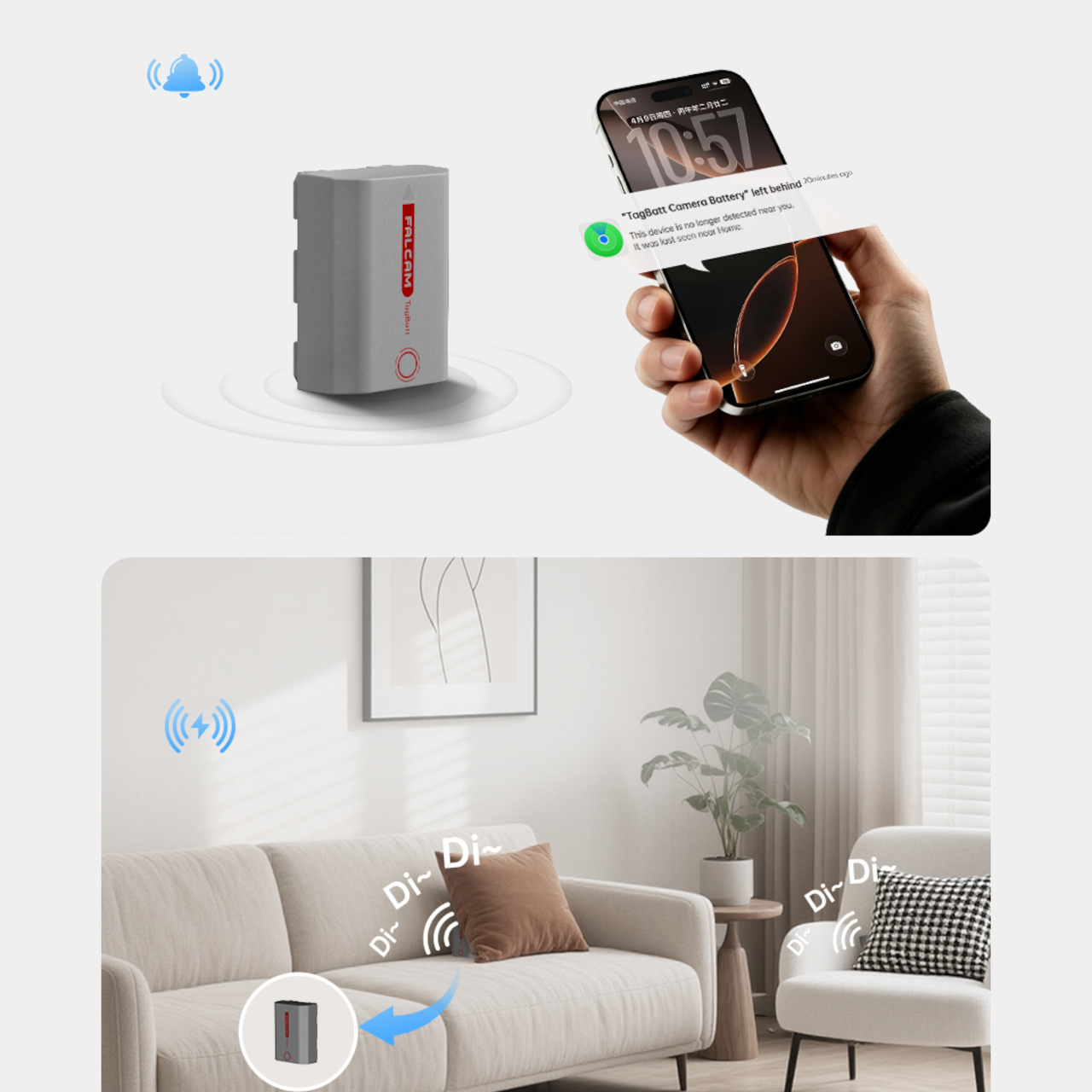
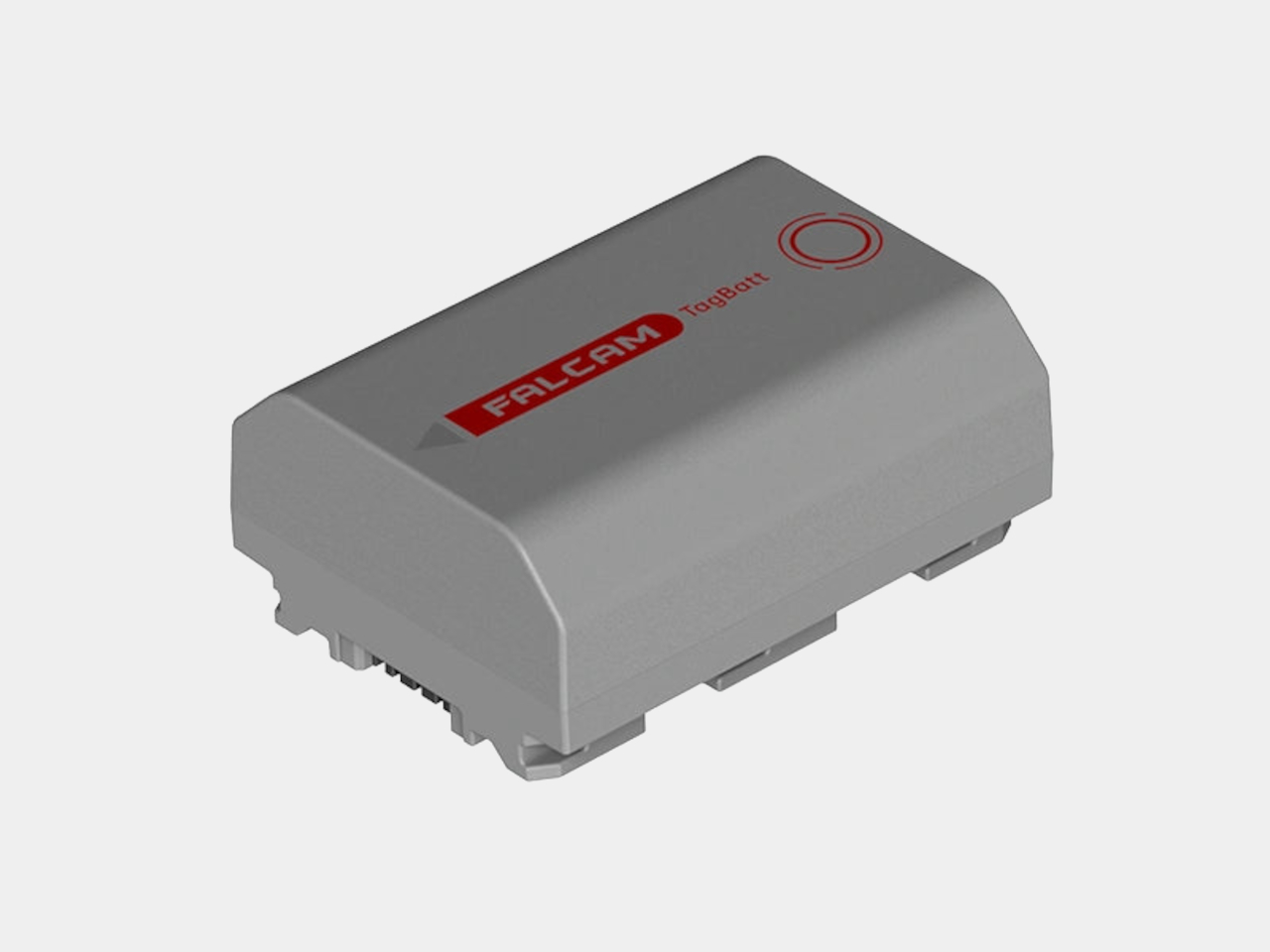
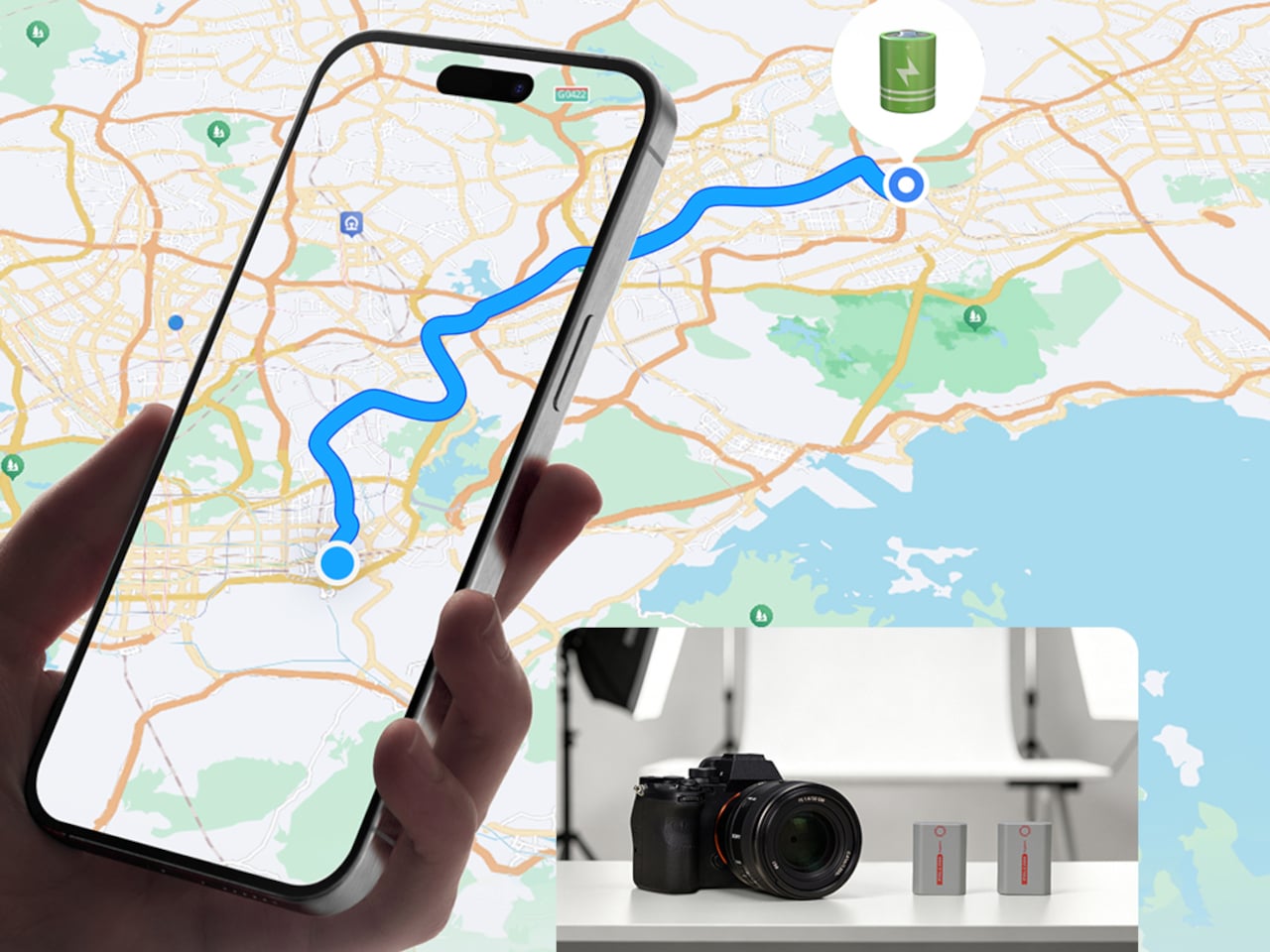
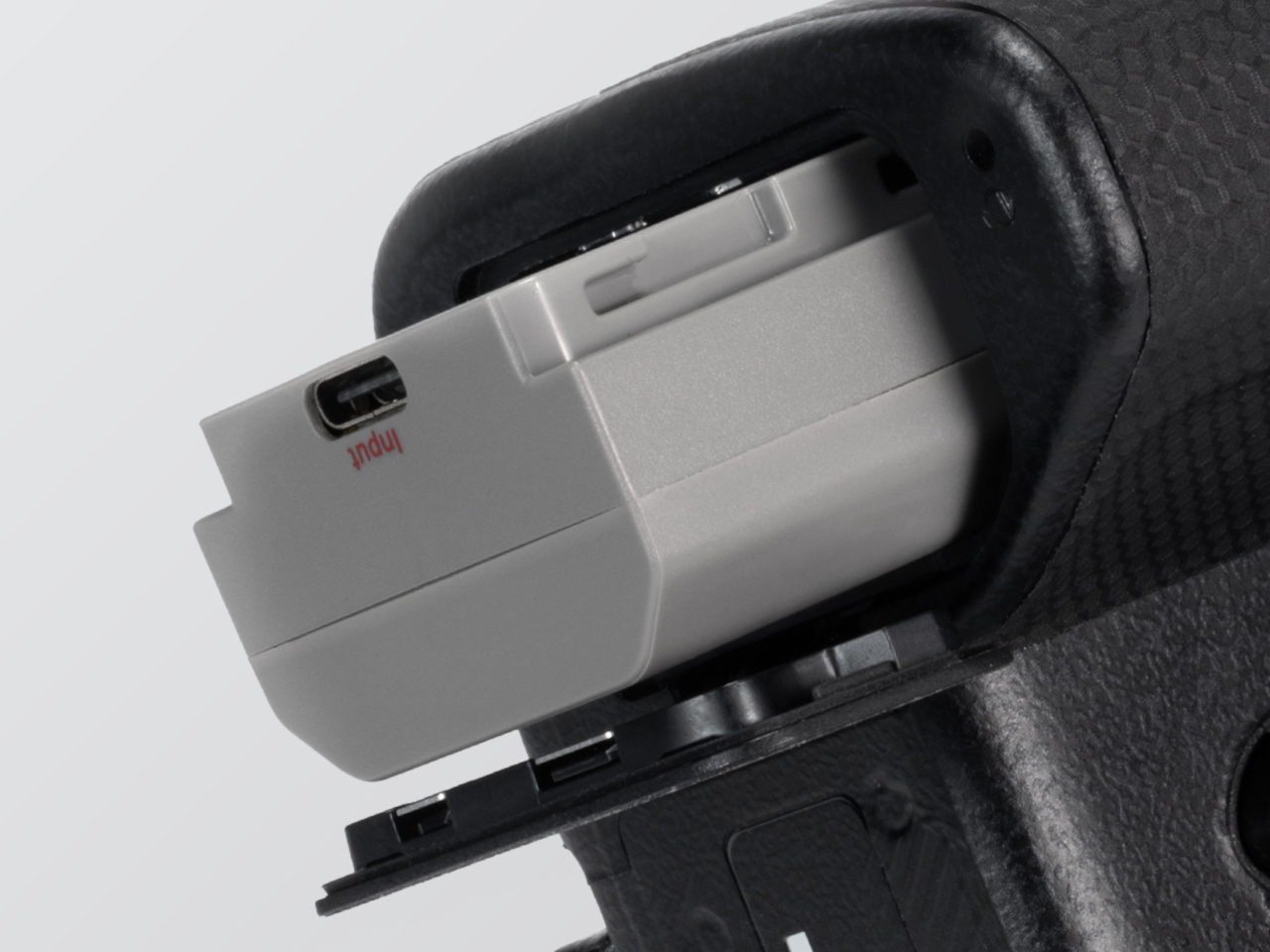
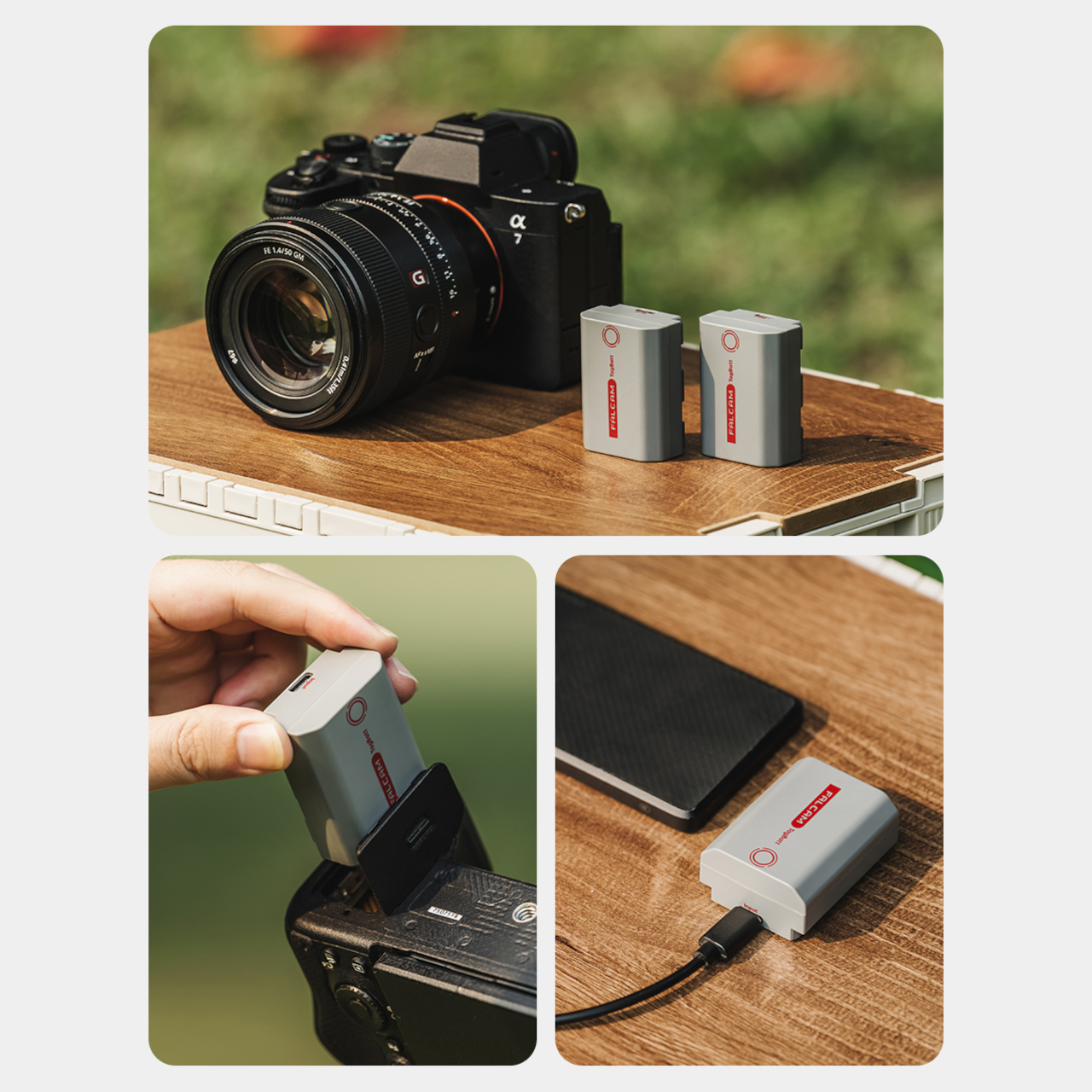
The FALCAM TagBatt addresses the problem from inside the battery itself. Compatible with Sony’s NP-FZ100 form factor, it integrates Apple’s Find My tracking technology directly into the cell, so the battery carries its own location data wherever it goes. If it ends up left behind at a studio, a venue, or the seat pocket of a flight, the Find My app will flag it and show its last known position.

Designer: FALCAM

Because the tracker lives inside the battery rather than clipped to a camera strap or screwed into a cage mount, it’s considerably harder to spot. An opportunistic thief who grabs a camera bag and removes any obvious Bluetooth puck from the outside can’t strip out what’s already built into the power source. It’s the kind of discreet integration that external trackers can’t quite replicate, no matter how small they get.

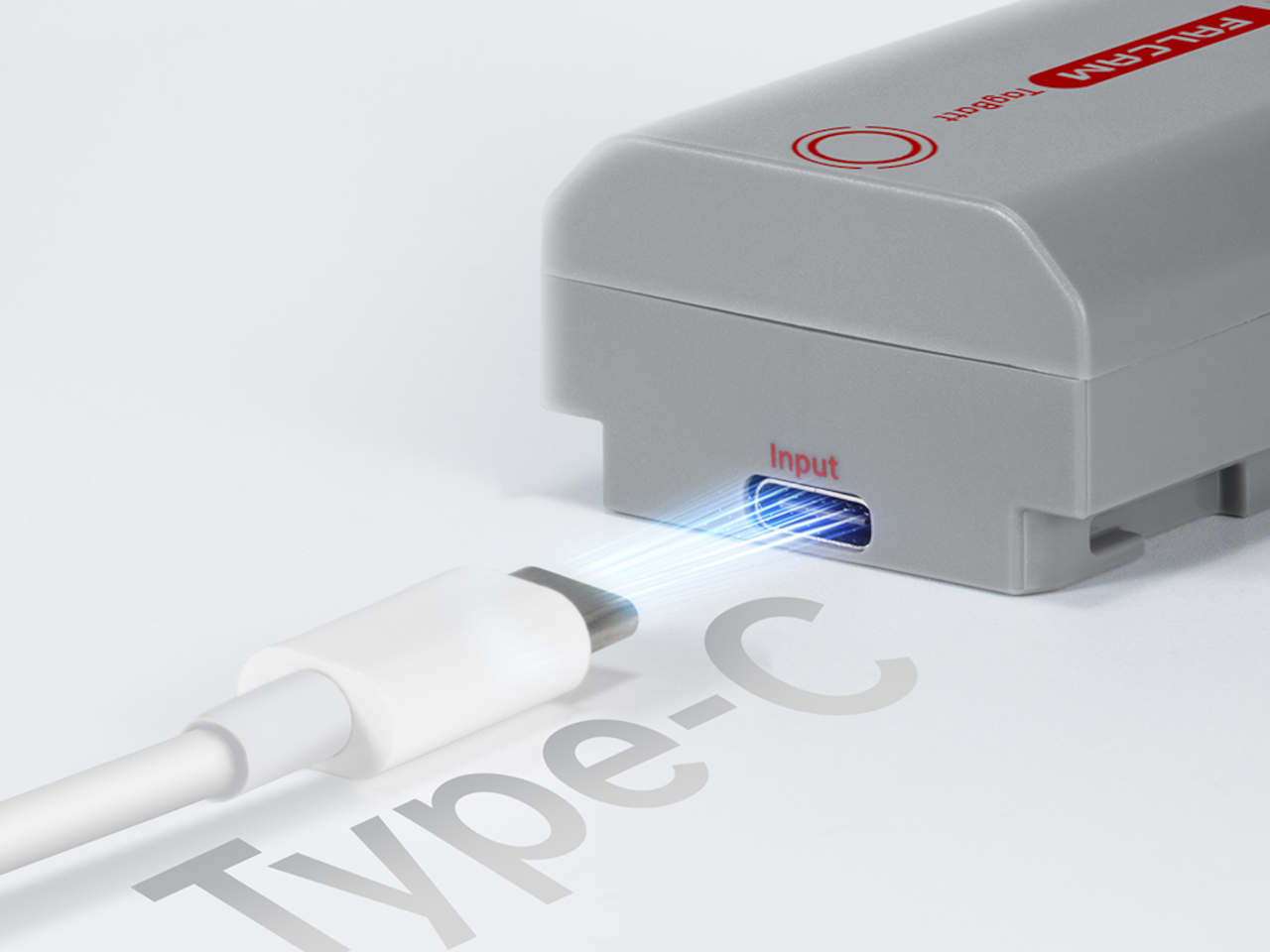
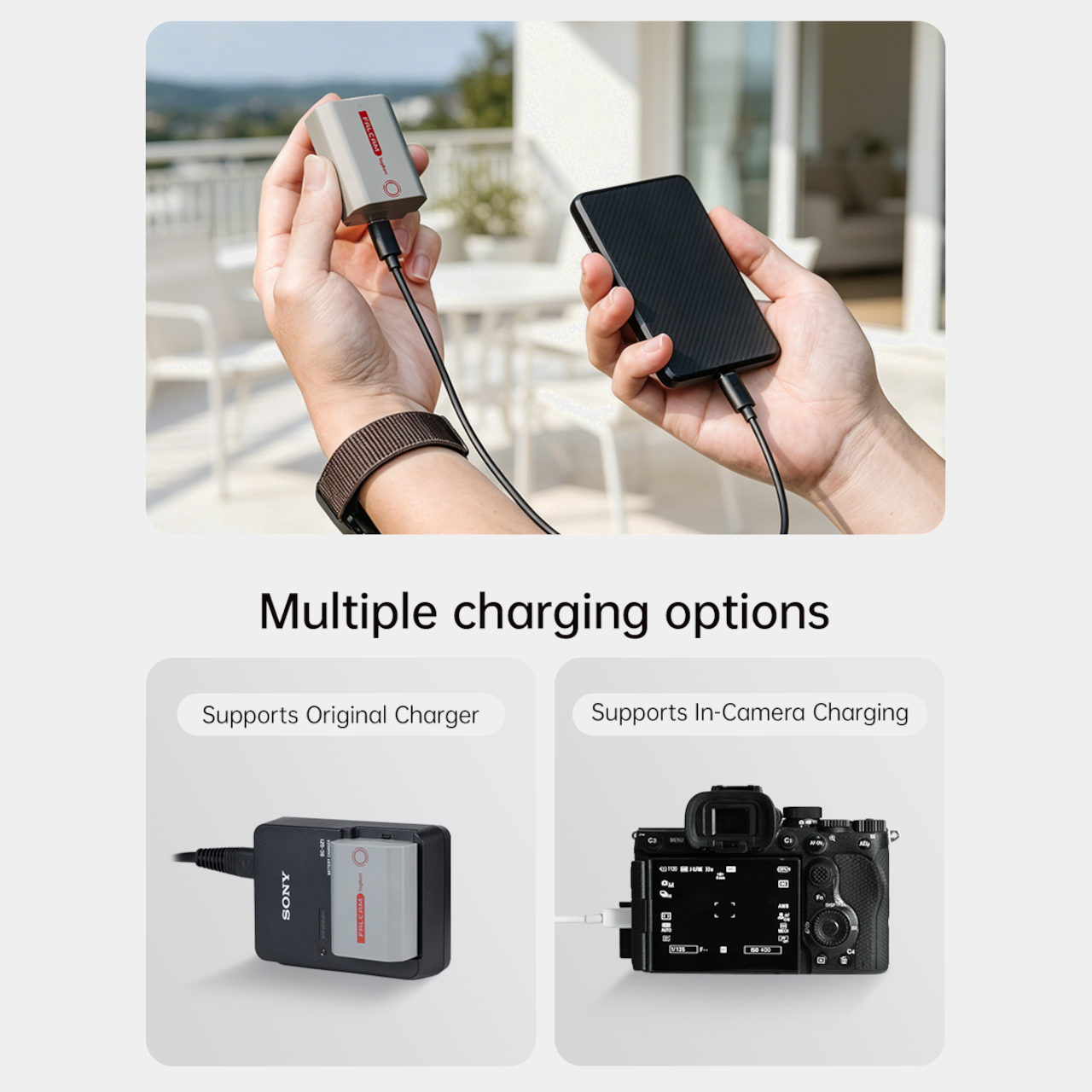
The tracking isn’t the only thing the TagBatt changes about how a camera battery behaves. A built-in USB-C port lets it charge directly from any standard USB-C source, including a power bank or a travel adapter, without needing the dedicated Sony battery charger that typically takes up its own space in a kit bag. Pop it out of the camera, plug it in overnight, and it’s ready in the morning without routing around a charger at all.

Capacity comes in at 2,600mAh against the OEM Sony NP-FZ100’s 2,280mAh, which translates to a modest but real advantage per charge. An advanced decoding chip handles the communication with the camera’s internal systems so the body treats it as it would any genuine battery, with accurate charge-level reporting and none of the “non-genuine battery” warning messages that typically accompany third-party cells.

Compatibility covers a wide sweep of Sony’s current lineup, including the Alpha 7 series through the Alpha 7 V, the Alpha 9 series, the Alpha 6700, the FX3 and FX30, and the ZV-E1, among others. A Canon LP-E6 version is also available now, with Nikon EN-EL15 and Fujifilm NP-W235 versions confirmed to be in development.

At $69.99, the TagBatt costs more than a standard third-party replacement but considerably less than the Sony original, and it comes with two capabilities that the original simply doesn’t offer. For photographers who travel frequently, work in locations where gear occasionally goes astray, or are just tired of carrying a charger they’d rather leave at home, the trade-off makes a fairly straightforward case.

The post Camera Batteries Go Missing, So This $70 One Tracks Itself first appeared on Yanko Design.

  •  

A Coin-Sized Disc Just Reinvented the Multi-Tool Nobody Could Fix

The multi-tool has been around long enough that most people have developed a frustrated relationship with it. You carry one because having a blade, a screwdriver, and a bottle opener in one place sounds practical, and then you grumble when you actually need something. Getting to the right tool means prying at a tightly packed frame with both hands, and that dynamic hasn’t changed much in decades.

GEO, designed by Invento Design, takes issue with that familiar frustration. Rather than folding tools out from a layered frame, it uses a patent-pending rotating disc mechanism that cycles through five tools, exposing each one through a single opening. It’s a deceptively simple reframing of an old idea, and one that makes you wonder why nobody had taken this approach before.

Designer: Francisco Molina (Founder of Invento Design)

Click Here to Buy Now: $45 $70 (36% off). Hurry, only a few left!

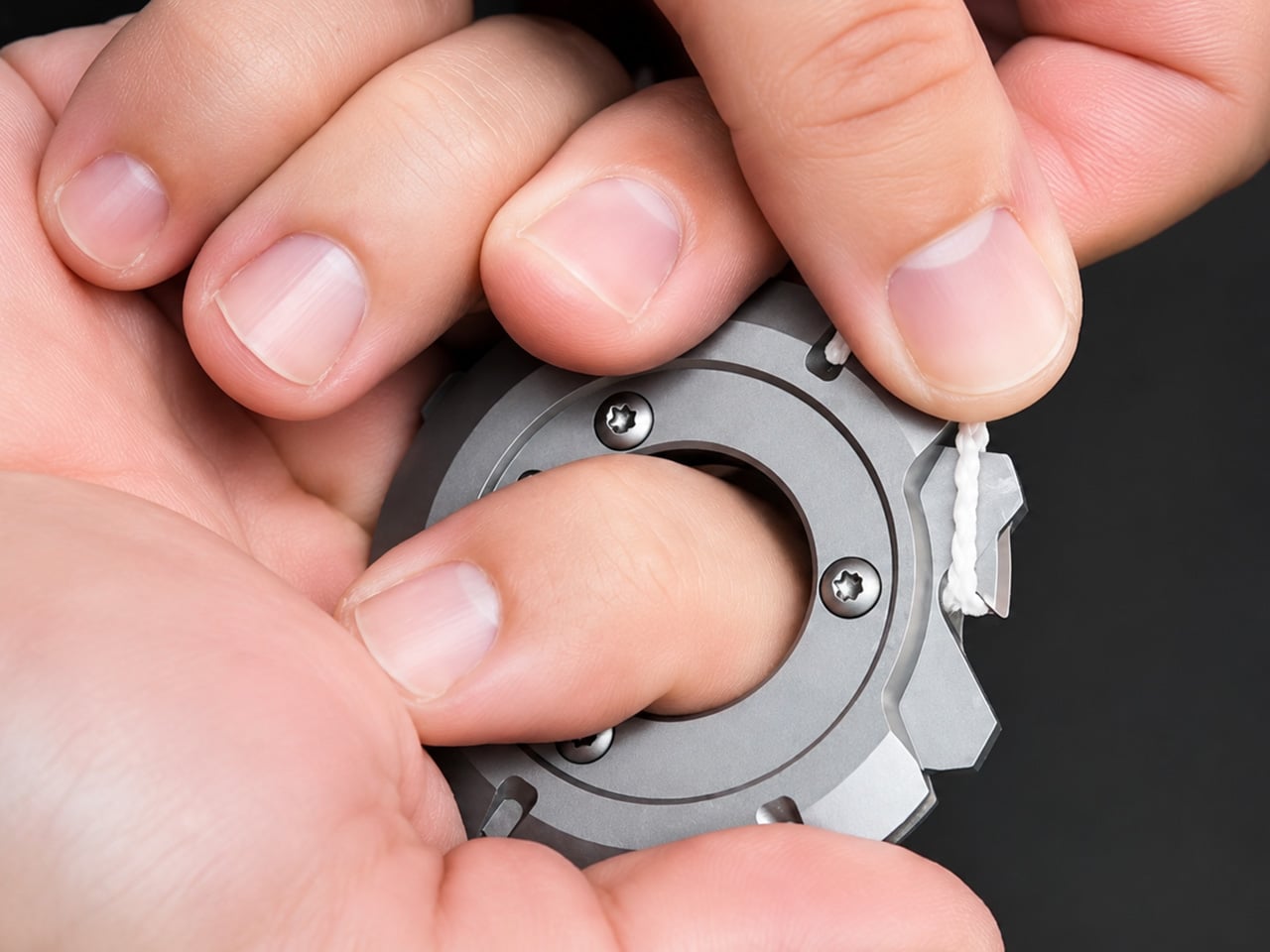
The way it works is fairly intuitive. Outer index levers let you rotate the internal mechanism until the tool you want lines up with the access window. A sliding lock then holds the selected tool in position before you start. The whole operation happens in one hand, without setting anything down first or needing a second hand to hold the frame steady.

The five tools cover a surprisingly practical range of everyday needs. You’d reach for the blade and scraper when a label refuses to peel cleanly, the box opener when a taped-up package isn’t cooperating, the bottle opener at the end of a long day, the flathead driver for a loose screw or a stubborn paint can lid, and the string cutter when scissors aren’t anywhere nearby.

Carrying something with a blade in your pocket raises the obvious question of what happens when it isn’t in use. GEO handles this with a dedicated safety mode, a neutral rotational position where no edges are exposed. The sliding lock serves a separate purpose, preventing the mechanism from turning mid-task. Together, they make it safe enough to pocket, clip to a belt, or drop into a bag.

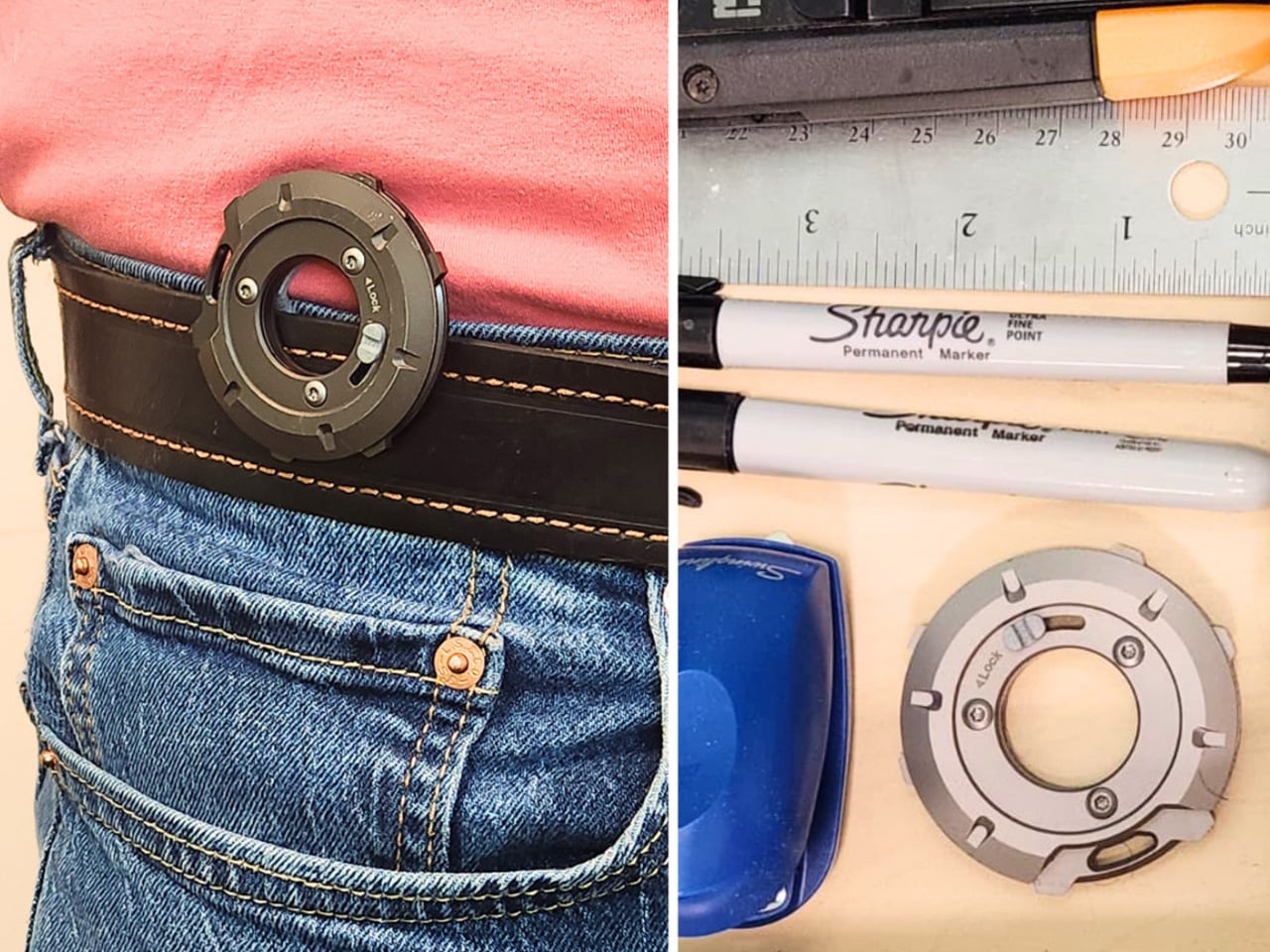
The form factor makes carrying it a fairly easy decision. At 53.5mm in diameter and only 8.7mm deep, GEO lands somewhere between a large coin and a watch face. The integrated belt clip adds some depth but keeps the total thickness under 15mm. It fits in a jeans pocket, clips to a gear bag, or disappears into a drawer without demanding much space.

There’s something worth noting about how it actually feels to use, too. The rotation isn’t purely functional but also incredibly satisfying. Each position clicks into place with enough tactile feedback that you know exactly where you’ve landed, and the smooth lever action makes it oddly enjoyable to cycle through even when nothing needs doing. It tends to stay in your hand a bit longer than the task requires.

The construction does a good job of reinforcing the premise. GEO’s tool body is milled from 440C stainless steel hardened to 57–59 HRC, placing it in the same material territory as quality kitchen blades. Cover panels come CNC-machined from either 6061-T6 aluminum or Grade 5 titanium, with internal hardware in 304 stainless steel throughout, a quietly serious specification for something this compact.

GEO isn’t meant to replace the full-size tools sitting in workshop drawers or on a fully loaded belt. It’s better understood as something for the other moments: the stubborn tape, the loose screw, the cord that needs a clean cut. Its compact, circular form makes it easy enough to keep close that reaching for it becomes the natural first move rather than an afterthought.

Click Here to Buy Now: $45 $70 (36% off). Hurry, only a few left!

The post A Coin-Sized Disc Just Reinvented the Multi-Tool Nobody Could Fix first appeared on Yanko Design.

  •  
❌