Connexion
REVIEW: Turtle Beach Stealth Pro II for Xbox and PC — An absolutely spectacular multi-platform headset, with Turtle Beach's BEST audio EVER

I've been reviewing Turtle Beach headsets for a long time. The firm has a huge array of products for Xbox and PC gamers, hitting every price point and use case. Many of Turtle Beach's products have easily landed on our best Xbox and PC gaming headsets lists. Where I've personally found Turtle Beach to be most exciting is on the higher-end, where the firm has a tendency to really push the envelope with regards to functionality and value.
The Stealth Pro II absolutely encompasses that. Yes, it isn't cheap, but it comes in at a comparable price to lifestyle Bluetooth headsets that offer far less functionality and features, often with subpar durability and audio.
With the Stealth Pro II, I'm sitting here well and truly asking myself if this headset isn't just a competitor in the gaming space, but also the general everyday lifestyle space. With a subtle and stylish design, obscene amounts of functionality, and absolutely crystalline audio — the Stealth Pro II could be (should be) your next Xbox / PC gaming headset pick.
Turtle Beach Stealth Pro II — Specs and Price
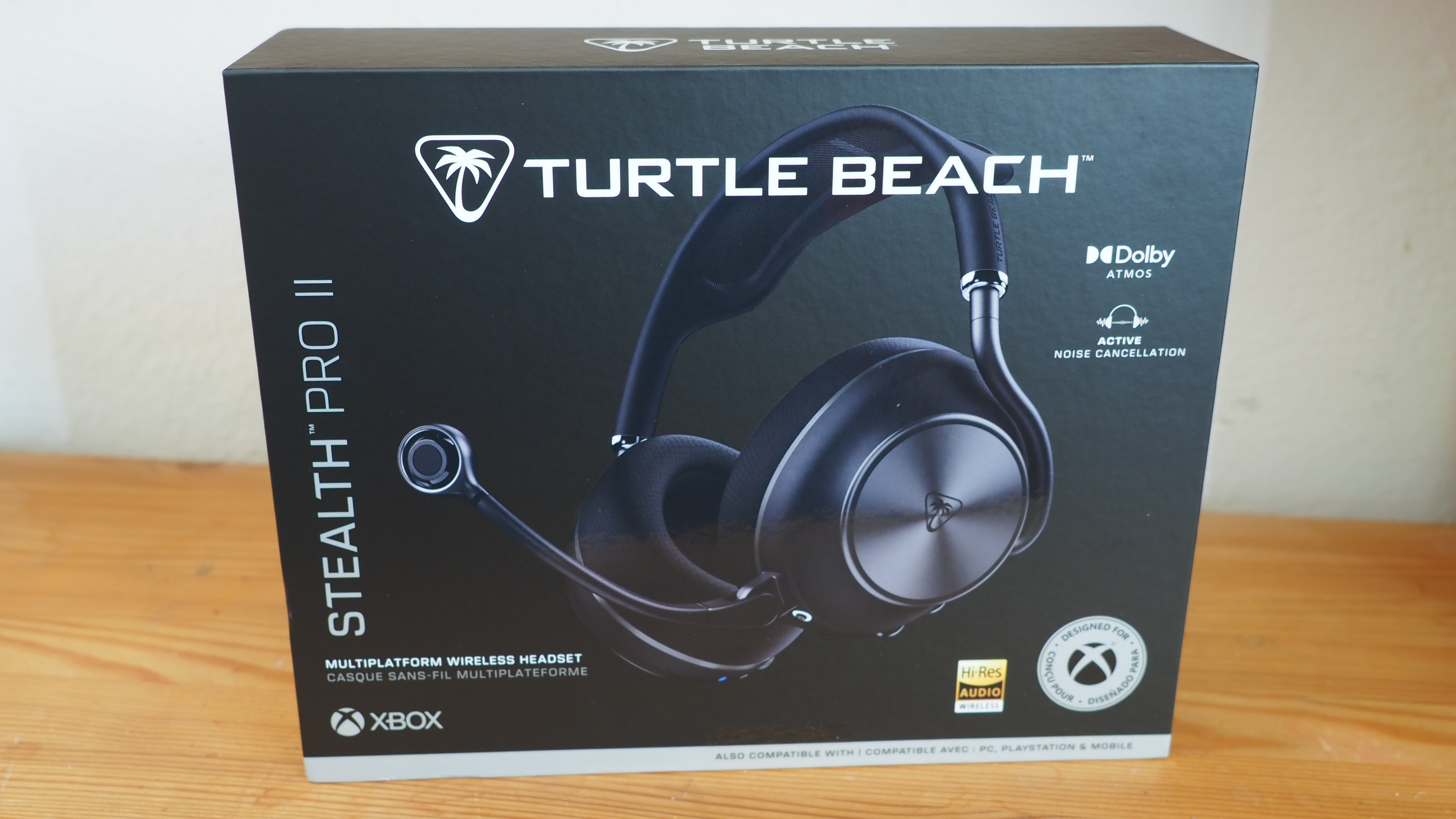
The Turtle Beach Stealth Pro II headset is a monster on paper, boasting an impressive array of features, functions, and premium-end specs.
Here's an overview of what you can expect to get out of the box.
Category | Specification |
|---|---|
Drivers | 60mm Eclipse™ Dual Drivers (separate woofers + tweeters) |
Frequency Response | 10Hz – 40kHz |
Wireless Audio Quality | Hi‑Res 24‑bit / 96kHz over 2.4GHz; LC3plus & LDAC |
Wireless Connectivity | 2.4GHz USB wireless + Bluetooth 5.3 (dual‑audio) |
Active Noise Cancellation | Advanced ANC with four internal mics |
Microphone (Boom) | 9mm floating shock‑mount, unidirectional, flip‑to‑mute, AI noise reduction |
Internal Mics | Integrated beamforming microphones |
Microphone Frequency Response | 100Hz – 16kHz |
Battery System | Dual swappable Li‑Polymer packs, 40 hours each (80h rotation) |
Charging | Transmitter dock + USB‑C cable |
Design & Build | Anodized aluminum frame, chrome accents, soft‑touch surfaces, diamond‑cut controls, dual‑layer memory‑foam cushions with athletic fabric, mesh suspension headband |
Form Factor | Over‑ear |
App Support | Swarm II app with 10‑band EQ, mic tuning, noise gate, presets |
Audio Presets | Bass Boost, Signature Sound, Treble Boost, Vocal Boost |
Compatibility (Xbox / PC Version) | Xbox Series X|S, Xbox One, PC, Bluetooth mobile devices. Additional USB transmitters for PlayStation / Nintendo sold separately. |
Included Accessories | Hard‑shell case, transmitter dock, USB wireless transmitter, USB‑C cable, two batteries |
Price | £299.99 / $349.99 / €349.99 |
At $349.99, it's not exactly what I'd call cheap, but that seems to have become the standard for headsets that are really pushing the bar when it comes to premium audio and "do everything" specs.
You can swap between two 40-hour batteries, with one permanently charged and ready to go in the transmitter dock. It comes with an additional USB transmitter for PC, with the main charge dock functioning as the radio for Xbox. It also sports Bluetooth 5.3 audio with LDAC, with simultaneous mixing with a USB sound source. It grabs the Hi-Res certification that has become all the rage lately, and boasts a massive speaker upgrade over the previous gen, with dual 60mm drivers and a huge frequency spectrum from 10Hz to 40kHz.
What's it like to actually use, though?
Turtle Beach Stealth Pro II — Design and Comfort
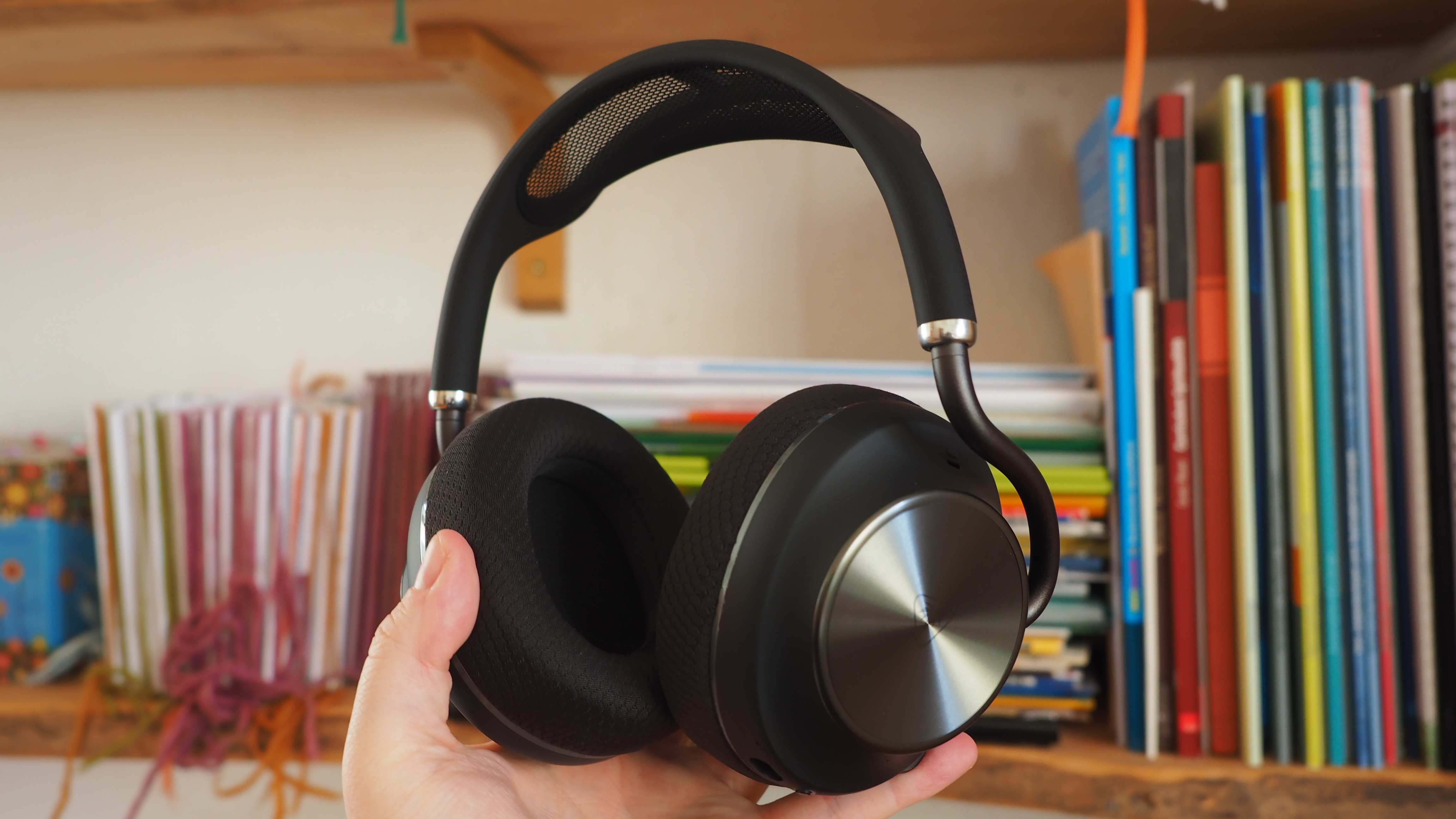
I think this is quite easily Turtle Beach's most attractive headset design. The Stealth Pro of yesteryear was fantastic, but it was still quite bulky in that typical "gamer" way, designed for isolation rather than fashion. Somehow, the 'Beach has managed to thread both needles with a single line here. Absolutely stunning engineering and design here.
The brushed metal speaker plates look great on the outside, and there remains a very subtle Turtle Beach imprint that stays out of the way and won't cramp anyone's style. The speakers are accented with the same metallic trims, and the headband connects with these bending connectors that look very futuristic.
The microphone is simultaneously flip-to-mute and detachable, allowing you to go fully wireless. It has internal microphones as well for taking calls on the go without using the full mic boom.
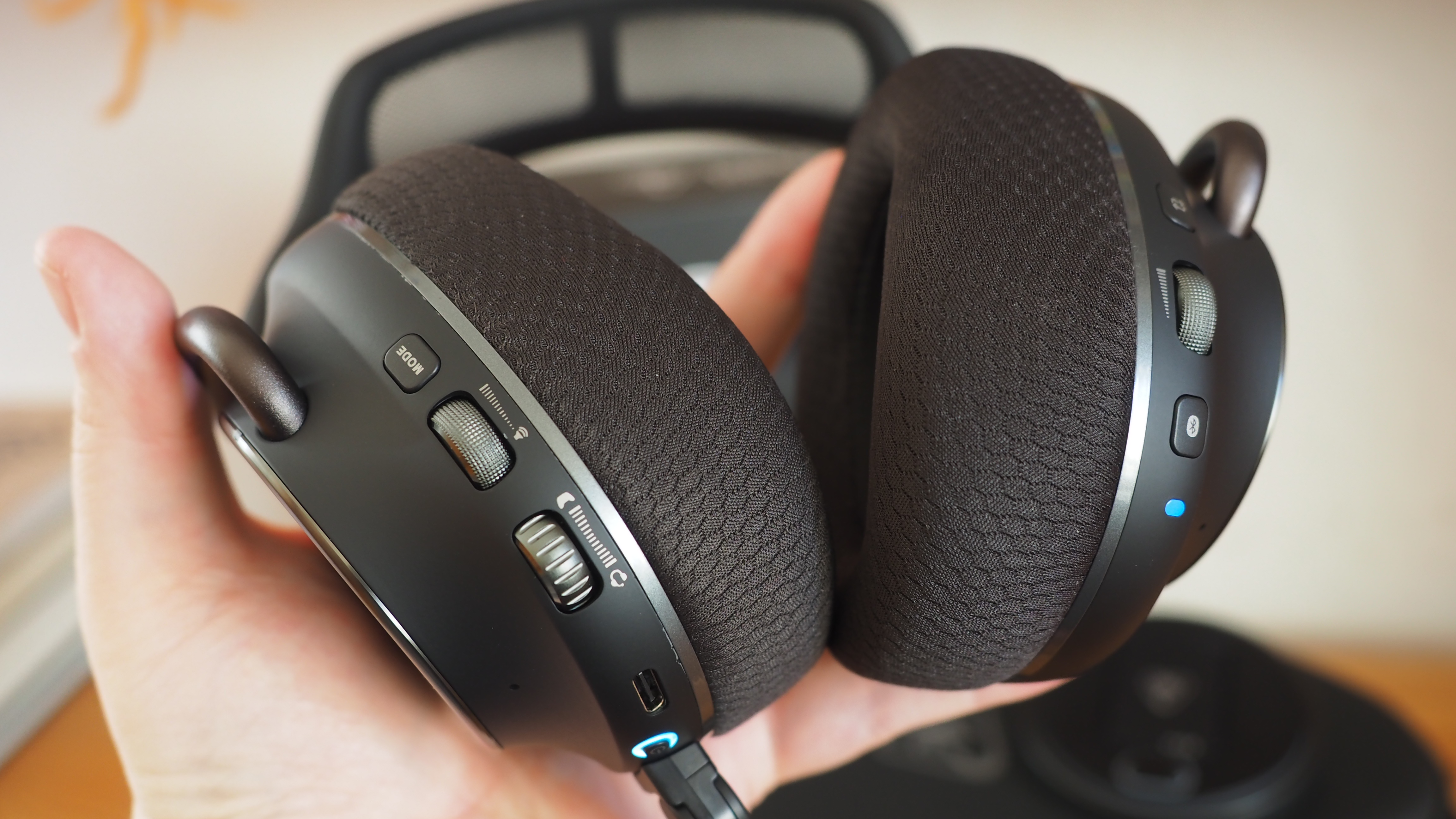
The tapered cans reduce the visible footprint of the headset, which I feel reduces its visible "bulk" over some of Turtle Beach's previous attempts at a headset like this. And this is without compromising on speaker size or features. The 60mm drivers are a noticeable upgrade over the previous model, with separated tweeters and woofers.
On comfort, this is the only part where I think more attention could've been paid. The headband is made of this odd nylon mesh which, while looking pretty, is actually quite tight and uncomfortable over longer sessions. I imagine it's something one could get used to, but it seems like an odd oversight given how painstaking the rest of the design work is. The mesh is also great at trapping dust and is a bit difficult to clean effectively. Additionally, it doesn't seem to be replaceable ... so if you rip it somehow, you're kind of screwed.
I'm also not a huge fan of the fabric material used on the cushions. While it is comfortable, Turtle Beach's previous materials felt a little smoother on the skin. I am someone who vastly prefers leatherette over fabric, though, so take that as you will.
Turtle Beach Stealth Pro II — Features and Audio
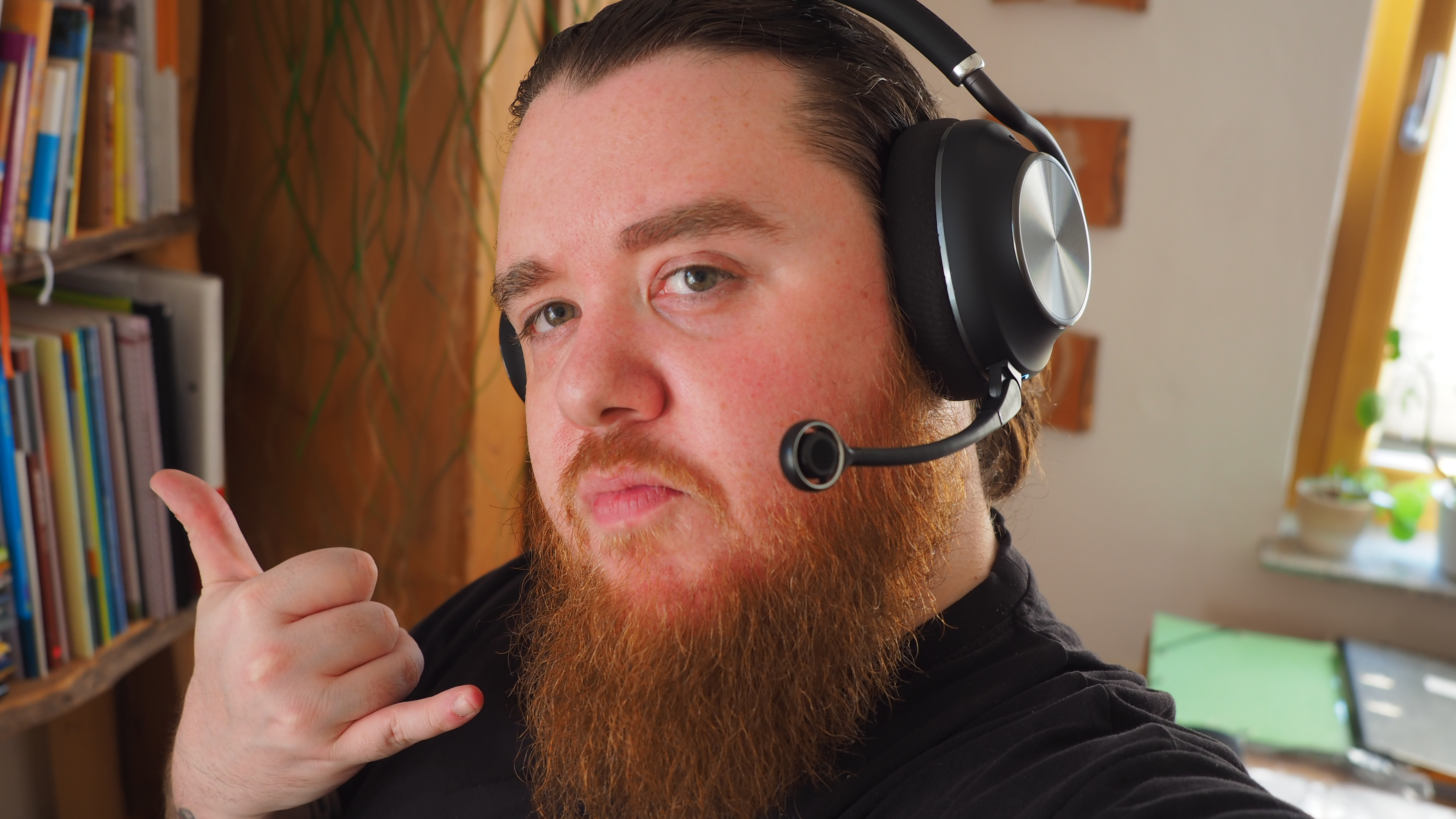
Where this headset absolutely dominates is audio. This is by a country mile the best-sounding headset Turtle Beach has ever produced. As I write this, I'm listening to Tool at maximum volume and enjoying my very own personal concert in an absolutely vast virtual soundscape with impressive separation, thundering, warm bass, and enjoying distortion-free treble, mids, and highs.
The intros on songs I've been intimately acquainted with for decades come through with details I've not experienced prior. Regardless of what I threw at it, from thundering double bass-peddle metal tracks to haunting electronica, it has been a really really fun time testing this headset out. For music and cinematic delivery, this headset is goosebumps-inducingly good, truly ethereal, regardless of genre. For lifestyle and daily mobile use, it also rocks up with active noise canceling, which is very good too. I put it through its paces with noisy fans and my air filter on maximum settings, and felt myself fully isolated with my Spotify playlist.
But what about gaming?
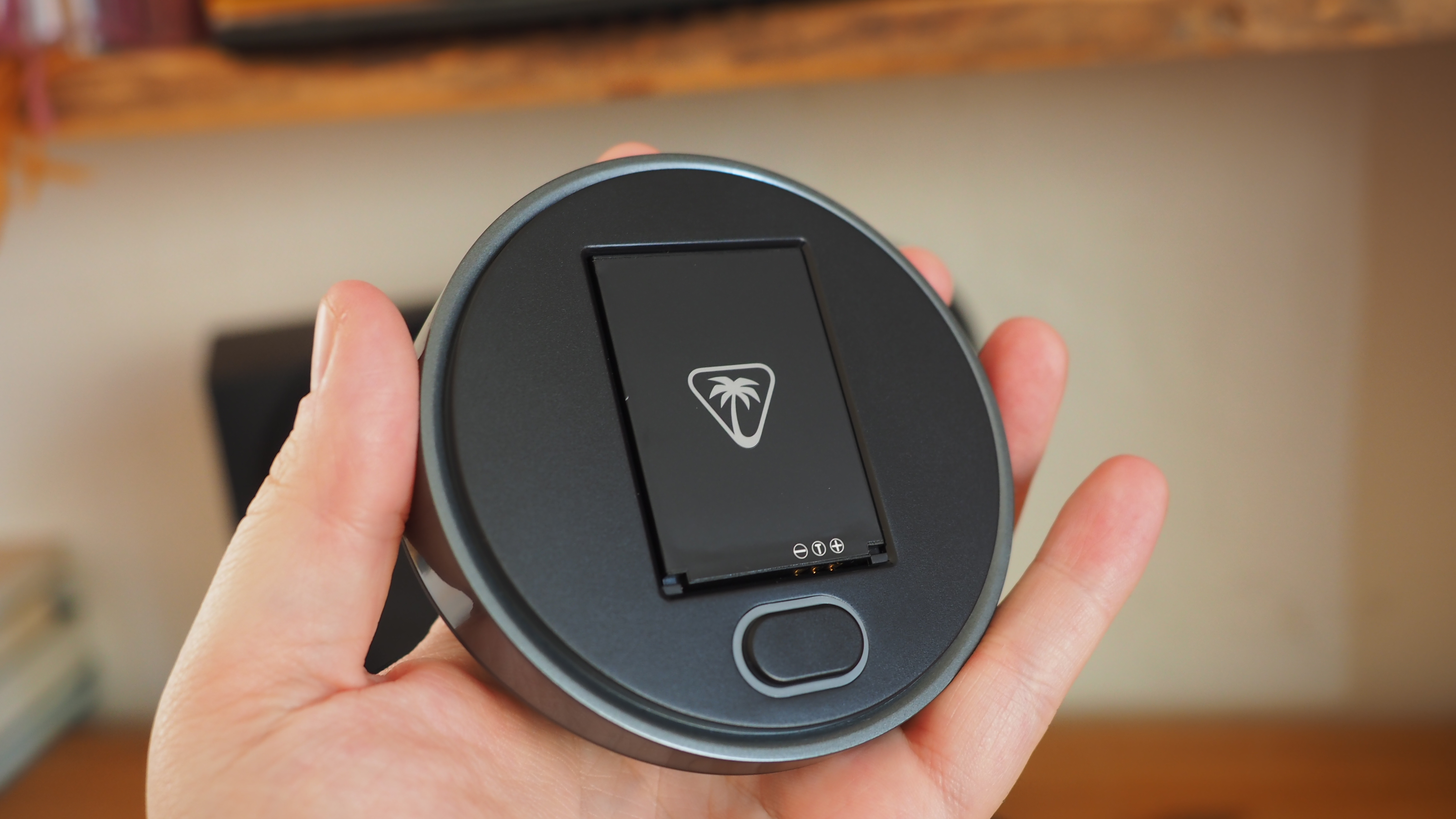
You can indeed expect a similarly amazing experience in games, too. Rocking up with Overwatch and the review build of Halo Campaign Evolved was as immersive as you might expect. Halo's intro music somehow never fails to enchant, and it's only elevated with a good sound system like these.
Where things get even more impressive, particularly in competitive play, is with Turtle Beach's famed SuperHuman Hearing.
Using the bundled Swarm II app, you can set it to focus either on footsteps or gunshots; there's also a legacy setting for those who prefer the old-school profile. SuperHuman Hearing does negatively impact the "cinematic" feel of games, creating an unnatural soundscape — but that's entirely the point. It's supposed to look for and emphasize sound cues that will give you a tactical advantage. And it does work. Games that are already designed with tactical sound design have always worked well with Turtle Beach's SuperHuman Hearing system, but with this headset it hits another level. If Battlefield 6 or Overwatch were Olympic sports, this headset would probably get you banned for cheating.
Another part of this headset that's utterly impressive is the microphone. It's detachable and sports flip-to-mute capabilities as mentioned, but it also has a miniature shock protector, which I've simply never seen before in a gaming headset.
Above is an audio sample with the headset's AI-powered noise cancellation feature turned on. In the first half, you can hear my voice come through clearly despite having a fan blowing directly on the mic, which is impressive. It sounds a lot better without the fan on, of course, but the clarity is rock solid for gaming comms.
I think I'd even be comfortable dropping my XLR mic and using this headset for actual game streaming, which is not something I find myself saying often these days. Turtle Beach really nailed it across the board when it comes to audio here.
Turtle Beach Stealth Pro II — Should you buy it?
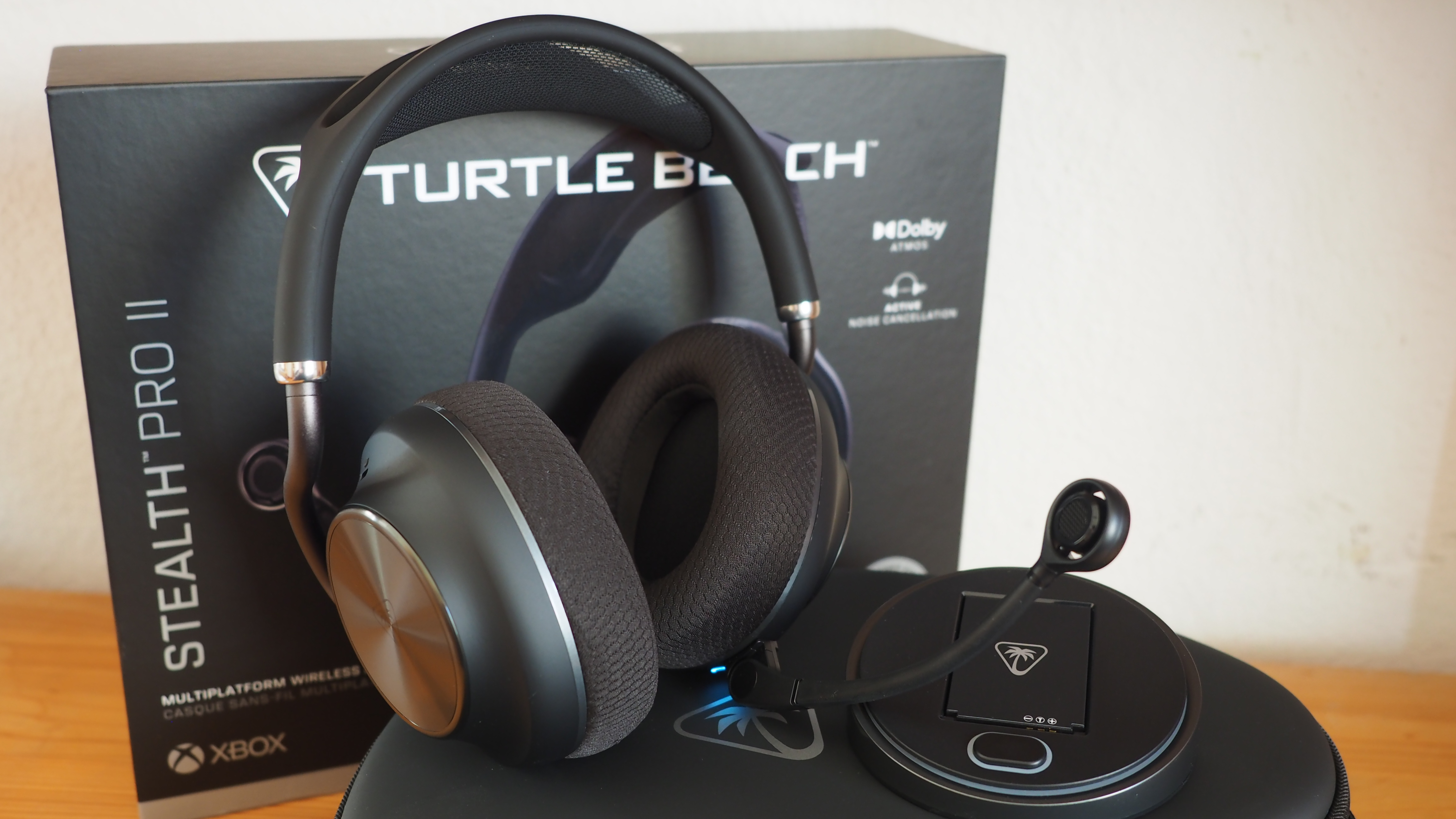
I absolutely adore this headset. The sound is a true pleasure, and it's always a joy when a headset like this delivers so much. It makes the review process fun, as I have an excuse to listen to several albums and play several games as part of my "extensive" testing process ...
I was a bit disappointed with the headband and materials on the earcups. I'm also a bit disappointed that Turtle Beach still can't seem to nail dual-USB sound source mixing, although I admit the requirement for that is pretty niche, and not something 99% of people will actually use. Being able to mix Bluetooth in simultaneously with your Xbox or PC is a nice consolation, though.
✅ You should buy this if:
- You want best-in-class audio on a multi-platform gaming headset.
- You're willing to pay a premium for things like ANC and high-end specs.
- You're a fan of Turtle Beach's SuperHuman Hearing feature.
❌ You should skip this if:
- You want simultaneous USB audio mixing (consider the SteelSeries Arctis Nova Pro instead.)
- You want to save a bit of cash and ditch some of the frills (consider the Turtle Beach Stealth 700 (Gen 3) instead.)
Where this headset just shines above all is the sound delivery. The soundscape is incredibly immersive for its category, and the microphone is also a cut above what I'd typically expect from a gaming headset.
At this price point, there aren't really a ton of competitors out there worth considering in this range. I absolutely don't think you'll be disappointed with this if you're a dedicated Xbox and PC gamer who wants a bit of Bluetooth and music capabilities on the side. This is an immaculate "do everything" headset that definitely feels worth the price of admission for me.
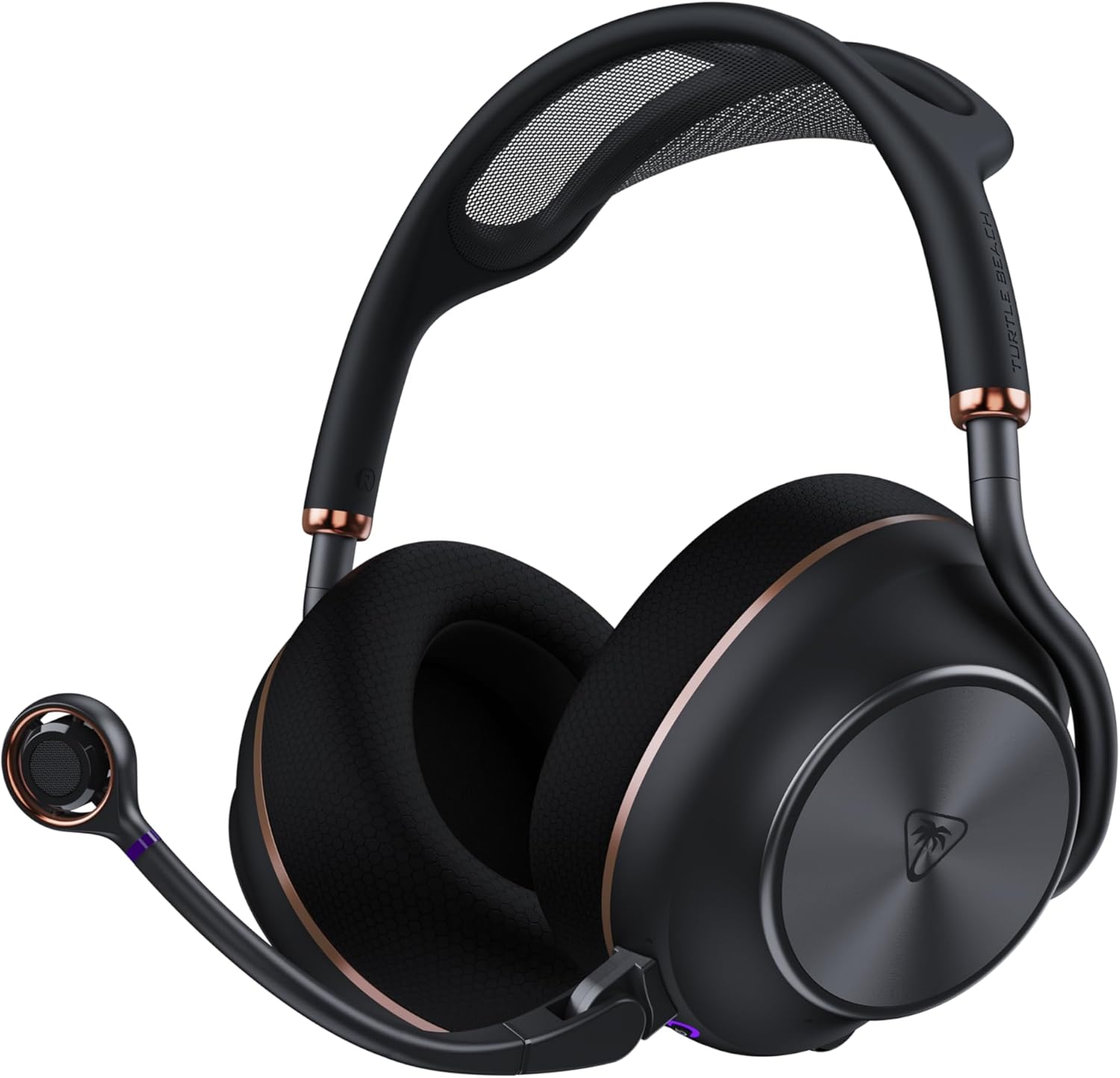
The Turtle Beach Stealth Pro II is an absolutely stunning headset that sports arguably some of the best audio reproduction I've experienced in such a fully-featured gaming headset.
See at: Amazon

Join us on Reddit at r/WindowsCentral to share your insights and discuss our latest news, reviews, and more.
Turtle Beach Stealth Pro II, headset photographs
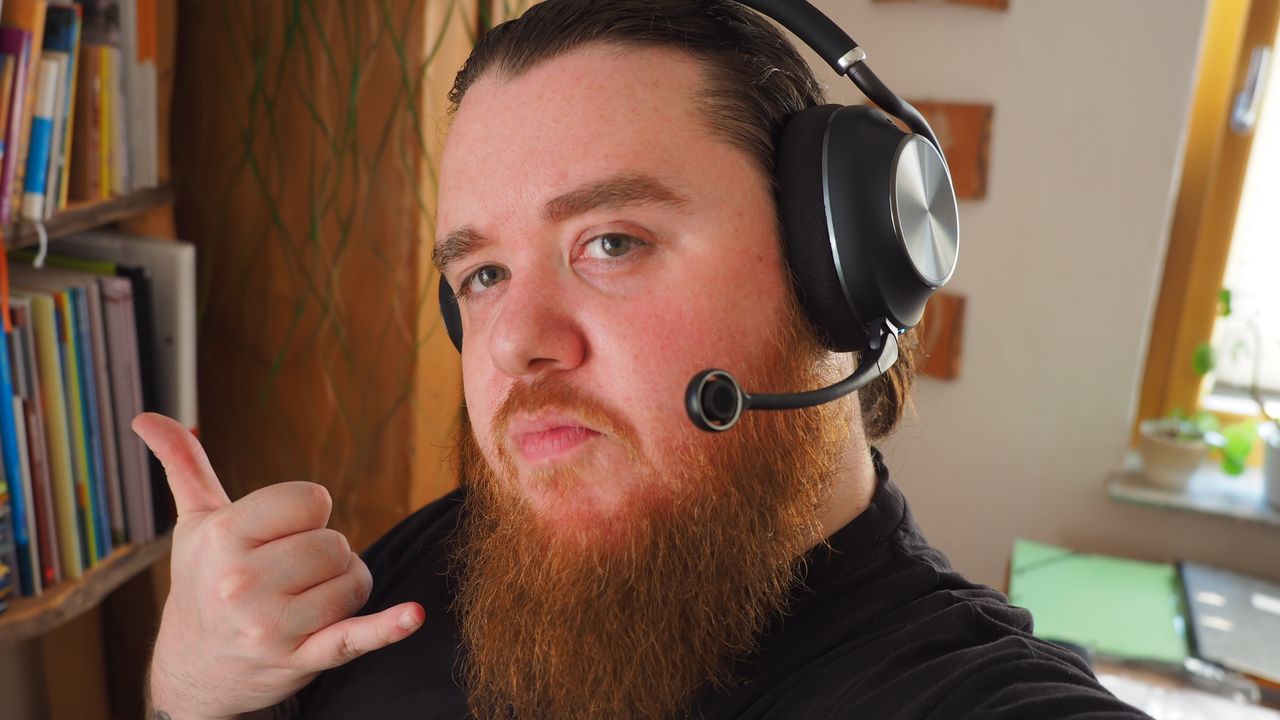
Turtle Beach has another banger on its hands.