A Danish court ordered the state to compensate TDC NET after the removal of Huawei fiber-network equipment, raising questions about telecom security costs.
La
Steam Machine de Valve
vient à peine d'arriver dans les salons que le youtubeur ETA Prime l'a déjà éventrée sur son établi. Et je sais pas vous, mais moi j'ai bien envie de voir ça avant de lâcher les 1039 euros qu'elle va couter. Ce petit cube vient de sortir d'usine avec ses 16 Go de mémoire et un SSD de 512 Go ou 2 To, et la vraie question que tous les geeks se posent c'est ... roulements de tambour ... : Est-ce qu'on peut l'ouvrir et bidouiller dedans ?
ET BIEN OUI ! Et c'est même plus facile que ce que vous pensez !!!
Tout commence donc avec deux vis T8 à l'arrière (qui ne tombent pas, elles restent solidaires du châssis, c'est qualiiii) et quatre autres sous les pieds. La façade avant, elle, tient juste avec des aimants.
Un coup de
spudger
, on fait coulisser tout le bloc hors de sa coque en plastique, et là vous tombez sur un gros radiateur en aluminium avec ses caloducs en cuivre, une alimentation intégrée, et la carte mère prise en sandwich au milieu. C'est propre et ça permet d'éviter le gros bloc d'alim qui traine sous la TV.
Le slot M.2, les ports USB avant, le lecteur SD, les USB arrière et l'Ethernet sont montés sur des petites cartes filles reliées par des nappes, ce qui rend le tout très modulaire. Ainsi, si le connecteur USB vous lâche dans 2 ans, bah y'a juste qu'à remplacer le module concerné et basta !
Même le Wi-Fi et le Bluetooth, soudés sur la carte d'entrées-sorties avant, se changent en remplaçant ce seul bloc. Notez que le seul élément un peu fermé, c'est le ventilateur car il est custom, dessiné spécifiquement pour la machine, donc oubliez votre rêve de coller un Noctua à la place. Et pour accéder à la RAM, par contre, il faut sortir le ventilateur et son carénage, débrancher les antennes Wi-Fi, puis dégager le radiateur.
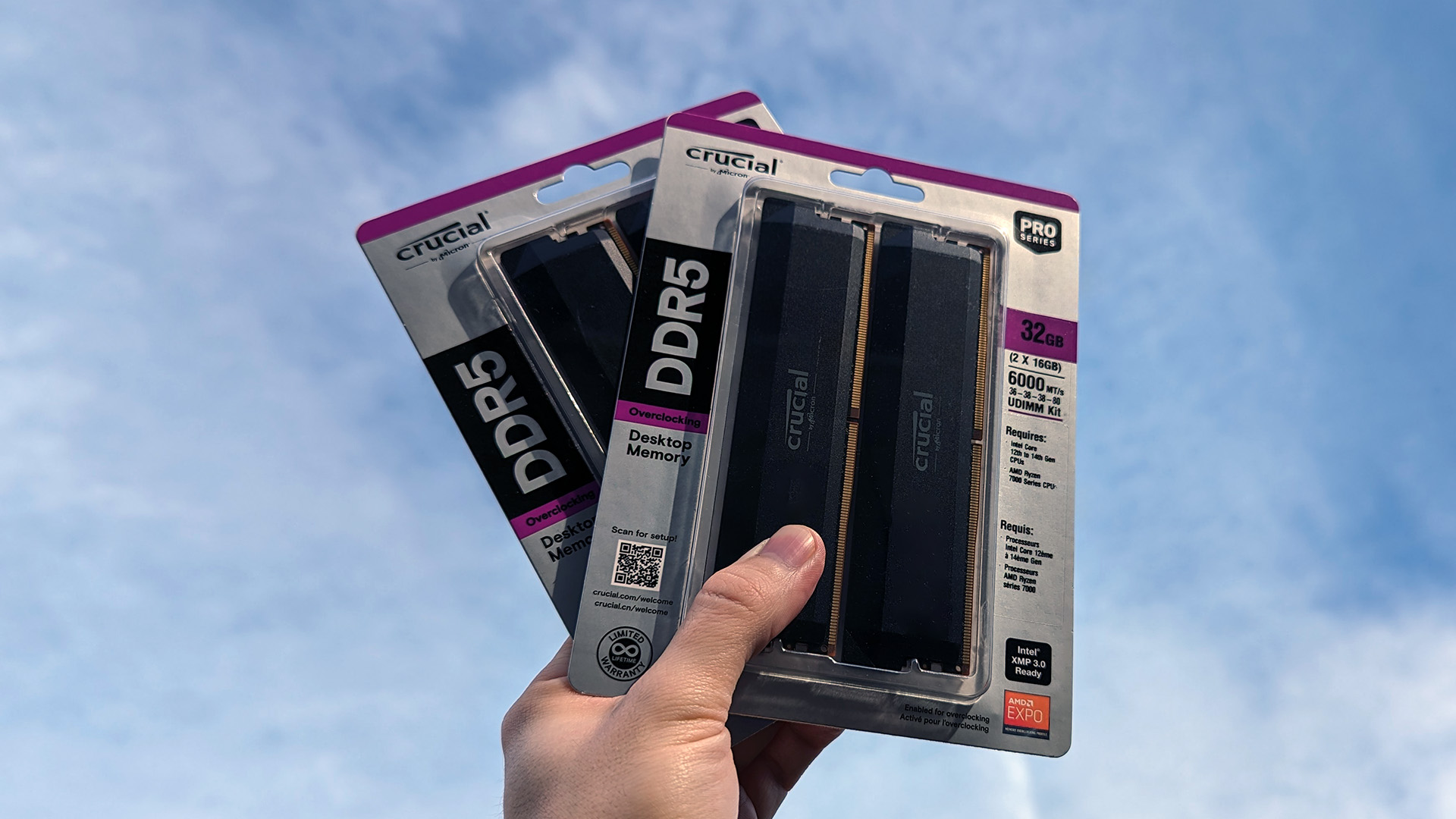
Bonne nouvelle aussi, y'aura pas besoin de refaire la pâte thermique puisque la carte mère se soulève d'un bloc pour libérer les deux emplacements SO-DIMM en dessous. Valve n'en utilise qu'un seul d'origine, avec une barrette de 16 Go en DDR5 à 5600 MT/s, en single channel. ETA Prime a viré ça pour deux barrettes Crucial de 32 Go, soit 64 Go au total.
Au reboot, SteamOS Holo lui a par contre affiché 62 Go de mémoire système (?). Et pour le stockage, le SSD d'origine est un format court
2230
, mais il y a la place pour un 2280 classique. Du coup notre Youtubeur y a mis un Kingston Fury Renegade de 4 To, cloné depuis le disque d'usine avec
Etcher
pour garder ses jeux et son compte.
La barrette SO-DIMM DDR5 d'origine, à côté des Crucial de 32 Go
Côté tripes, le menu système le confirme bien... La bête contient un AMD Custom CPU 1772 en architecture Zen 4, six cœurs et douze threads à 4,86 GHz, accompagné d'un GPU RDNA 3 (un Navi 33, pour les curieux) avec 8 Go de VRAM. Malheureusement (et là, vous allez chialer), ces 8 Go de mémoire vidéo sont soudés et donc non extensibles. Donc même avec 64 Go de RAM système, vous ne gagnerez quasiment rien en jeu, puisque c'est la VRAM qui fait le boulot graphique. C'est couillon...
Le menu système après upgrade : 62 Go de RAM, mais toujours 8 Go de VRAM
Cela signifie que vu les prix de la RAM en ce moment, ça ne vaut pas le coup de l'upgrader sur la Steam Machine. Les 16 Go d'origine suffisent largement pour la plupart des gens (Le prix de la mémoire était justement une des raisons pour lesquelles la Steam Machine coûte plus cher qu'une PS5 Pro, haha).
Pareil pour le SSD, payer un M.2 4 To, c'est se faire mal au portefeuille pour rien alors qu'un disque dur externe USB de 5 To coûte trois fois moins cher. Un peu plus lent au chargement, certes, mais c'est largement suffisant pour stocker votre ludothèque.
Mais je suis quand même content de voir que Valve a sorti une vraie machine ouverte, réparable avec un simple tournevis, là où la concurrence nous soude tout comme des déglingos et interdit le moindre accès.
Decrazyo vient de sortir
ANES
, un mod hardware qui transforme votre vieille NES en lui collant un deuxième PPU, la puce graphique de la console.
Résultat, plus de couleurs à l'écran, plus de sprites, et même du parallax scrolling, ces décors qui défilent sur plusieurs plans comme sur les bornes d'arcade. Que des trucs que la petite Nintendo de 1985 n'a jamais su faire, la miskine.
Le hic, c'est qu'il vous faut deux NES pour ça. Une qu'on garde, et une qu'on démonte pour lui piquer son PPU (le fameux RP2C02) pour ensuite le greffer sur la première via une carte maison bardée de logique. Ensuite (et attention, ça devient technique), un démultiplexeur 74LS139 aiguille le processeur vers l'un ou l'autre PPU selon l'adresse mémoire, un latch 74LS373 verrouille les signaux, et 8 Ko de RAM statique dédiée alimentent le second PPU.
En gros, le CPU jongle entre deux cartes graphiques au lieu d'une. C'est tout ce que vous devez savoir.
Pour comprendre pourquoi c'est énorme comme news, faut bien se rappeler les limites de la bestiole. La NES affiche 25 couleurs à l'écran maximum, piochées dans une palette de 64. Et elle ne dessine que 8 sprites par ligne horizontale, d'où le clignotement légendaire des persos quand ça se bouscule (les vétérans de Mega Man voient de quoi je parle). Alors qu'avec deux PPU qui bossent en parallèle, vous doublez le budget graphique d'un coup.
Decrazyo est le premier à reconnaître que personne ne va se lancer là-dedans parce que c'est bien relou à faire. Faut déjà sacrifier deux consoles, sortir le fer à souder, dessouder des puces et se taper du wire-wrap sur une carte prototype. On est dans de la bidouille de l'extrême, celle qu'on fait
pour la beauté du geste
.
Sauf que, bonne nouvelle les amis, vous allez pouvoir goûter au résultat sans flinguer la moindre console puisque decrazyo a forké l'émulateur Mesen2 pour simuler le double PPU. C'est dispo en build "Dual PPU Mesen 2.1.1" sur Windows, Linux et macOS, Intel comme Apple Silicon. Vous chargez la démo, et vous voyez de vos yeux ce que donnerait une NES dopée.
Ça me rappelle vraiment pourquoi j'adore toujours la
scène homebrew NES
, 40 ans après. Ces gens sans amis, ni famille (je plaisante, humour, humour, pas taper !) qui continuent de
tordre ce hardware
dans tous les sens juste pour voir jusqu'où il peut aller, c'est fou ! Les schémas KiCad et le code sont
sur le GitHub de Decrazyo
, sous licence GPL, si vous voulez fouiller.
Le bidouilleur Starlarkus vient de sortir son nouveau projet, le
GB-Link USB V2
qui n'est ni plus ni moins qu'un petit adaptateur permettant de brancher une VRAIE Game Boy sur le net.
Le truc se fait passer pour un câble link tout ce qu'il y a de plus normal, et la console n'y voit que du feu. D'un côté y'a le port link de la Game Boy, de l'autre un port USB-C que vous branchez sur un ordi ou un smartphone Android. Et là, tout passe ensuite par le navigateur en WebUSB. Vous ouvrez une page web et vous pouvez retrouver un autre joueur et enfin échanger des Pokemon comme en 1999 ou vous mettre sur la gueule avec un Tetris, tout ça à distance.
C'est magique ! Sous la coque en plastique de l'appareil, on retrouve surtout un PCB maison monté sur une puce RP2040 (la même puce que dans le Raspberry Pico) et ça cause avec la Game Boy, la Game Boy Color et la Game Boy Advance, et même avec les
clones FPGA modernes
.
Côté jeux, ça va de Dr. Mario à Advance Wars en passant par tous les Pokémon de la première à la troisième génération.
Le firmware, le client web et le launcher sont tous open source et le GB-Link USB V2 en lui-même sera bientôt dispo dans un
crowdfunding
.
Si vous avez encore une Game Boy qui prend la poussière dans un tiroir, c'est peut-être donc le moment de lui offrir une seconde vie connectée !
If there ever was a golden age of cheap memory and storage, I'm sorry to tell you that it's over.
The 2TB NVMe SSD you bought early last year? It now costs three times what you paid. The 32GB kit of DDR5 RAM that was $90 last summer? It's now somewhere between $300 and $500, if you can find it for sale at all.
The worst part of this whole RAMpocalypse? No one really knows when it's going to end.
Why are memory and storages prices still going up?
Memory prices are sky high ... get it? (Image credit: Ben Wilson | Windows Central)
So what happened? AI happened. The way the world's memory market is set up relies on three major companies to supply everyone else with DRAM for consumer memory and storage.
Samsung, SK hynix, and Micron realized early on in the AI boom that they could make a whole lot more money by moving away from consumer memory and into high-bandwidth memory (HBM) that's used in AI datacenters.
Profit margins are enormous on the other side, and I really don't find it surprising that these massive corporations made the shift, as companies like Microsoft, Google, and Amazon have essentially offered blank checks to buy up as much memory as possible.
The fallout of these moves by the three big memory manufacturers, of course, is a strangulation of the consumer memory market. And this isn't a typical supply crunch like we've seen in the past that can be remedied by a new manufacturing plant coming online.
This time around, the memory crisis is a reallocation of the world's DRAM manufacturing capabilities, and there's no real end in sight.
I don't think RAM and SSD prices will drop anytime soon
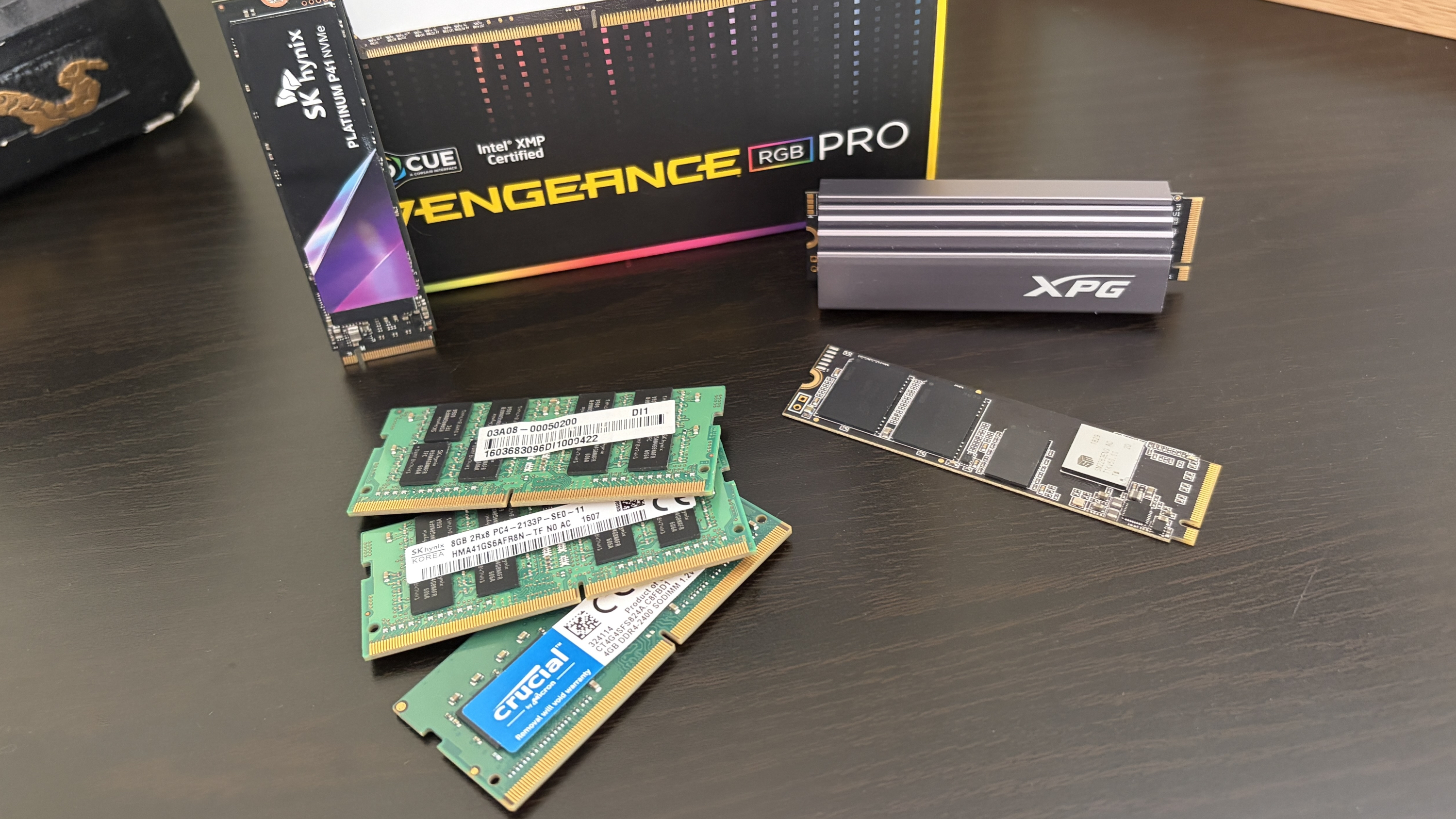
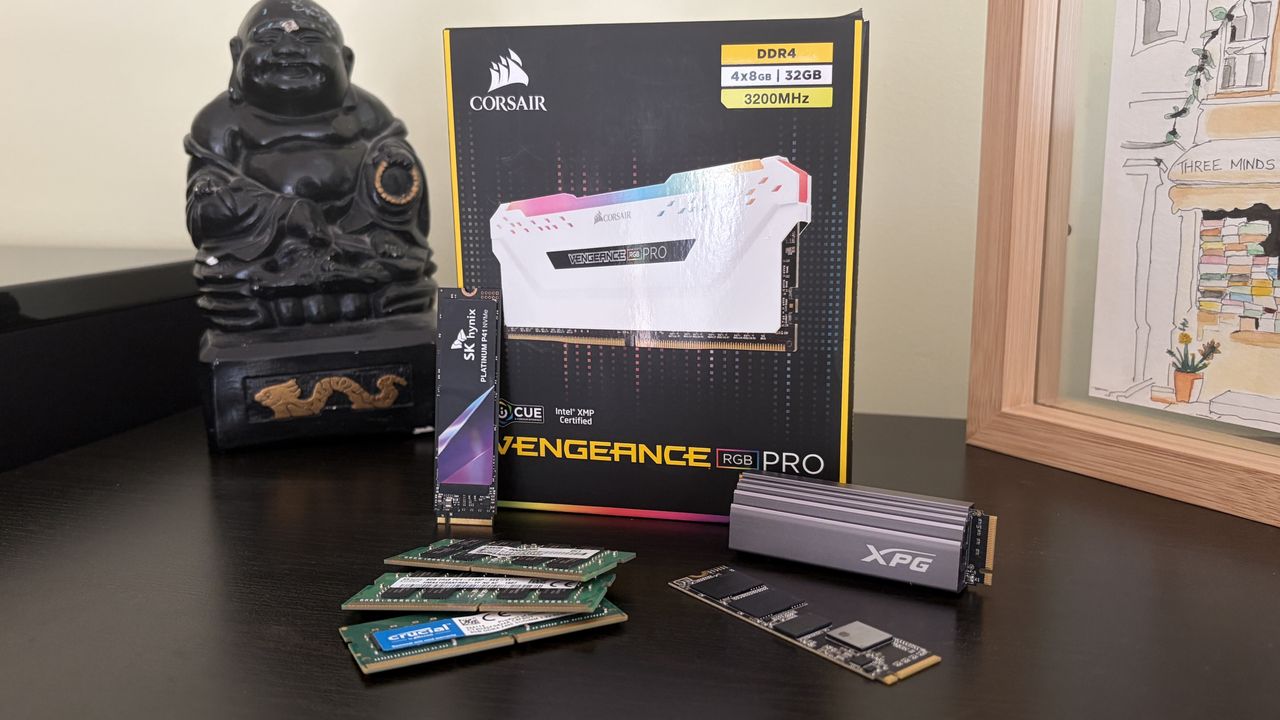
My collection of old RAM and storage becomes more valuable by the day. (Image credit: Future)
I'm not expecting to see tech prices drop anytime soon, and you don't have to take my word for it.
Counterpoint Research confirmed in February that memory prices rose in Q1 2026 by 80% to 90% compared to Q4 2025. Late last year, Kingston noted that it had seen a 246% increase in NAND wafer pricing compared to the start of 2025, the steepest ever in the company's 29-year history.
In February 2026, Gartner released findings suggesting that, by the end of 2026, DRAM and SSD prices could surge by 130% compared to 2025, which could raise PC prices by 17%. I believe we're already seeing that estimation come into play, and this same study predicts that global PC shipments could fall by 10.4% this year.
By the end of 2026, DRAM and SSD prices could surge by 130% compared to 2025, which could raise PC prices by 17%.
It gets worse. Micron CEO Sanjay Mehrotra signaled earlier this year that the RAM crisis would continue beyond 2026. This week, Micron announced that most of its DRAM has been bought up via long-term contracts through 2030, and that there's almost certainly no end to the crisis.
SK hynix, another one of the three big DRAM players, stated in 2025 that its HBM, DRAM, and NAND manufacturing capacity is sold out through 2026.
Micron's Idaho fab won't be ready until the end of 2027. (Image credit: Getty Images | NurPhoto)
OK, I know that's a lot of numbers, but I'm trying to drive the point home: the RAM and SSD crisis isn't likely to end in 2026. It probably won't end in 2027, either. 2028 could be our lucky year, but that's relatively far into the future and harder to predict.
The problem is compounded by the fact that it takes a very long time to create new fabrication plants, not to mention the billions of dollars required to get the project going.
Samsung and SK hynix, meanwhile, are focusing on raising production in their existing plants, as new fabs won't be ready until the late 2020s.
Most of the analyst forecasts I've read rightfully point to some relief coming no earlier than late 2027, and I'm not talking about 2024-era prices. If those prices ever return, it will be at the end of a long, slow decline as the market levels out.
If memory prices drop, will PC prices also fall?
Surface prices went up recently, and not by a small margin. Will they come back down?
I certainly enjoy entertaining more conspiratorial ideas, and the one question that I don't think enough people are asking is about PC prices after memory and storage markets return to normalcy.
Will the laptops, PC components, consoles, tablets, and other affected tech products drop in price once RAM and storage markets return to normal?
If I'm being optimistic, then yes, I do believe that a correction in component costs would also lead to a correction in PC and console pricing.
If I'm being optimistic, then yes, I do believe that a correction in component costs would also lead to a correction in PC and console pricing. History suggests that this isn't out of the ordinary. There was a glut of memory and storage in 2023 and 2024, and I recall consumer prices did soften a bit.
However, I don't think 2026/2027/2028 is at all the same as years gone by. PC makers are expecting to see a major hit in worldwide PC shipments in 2026. As mentioned, Gartner predicts a 10.4% decline. IDC research points to an 11.3% decline.
The twist is that by raising prices for consumers, the PC market is still expected to grow by hundreds of billions of dollars in the coming years.
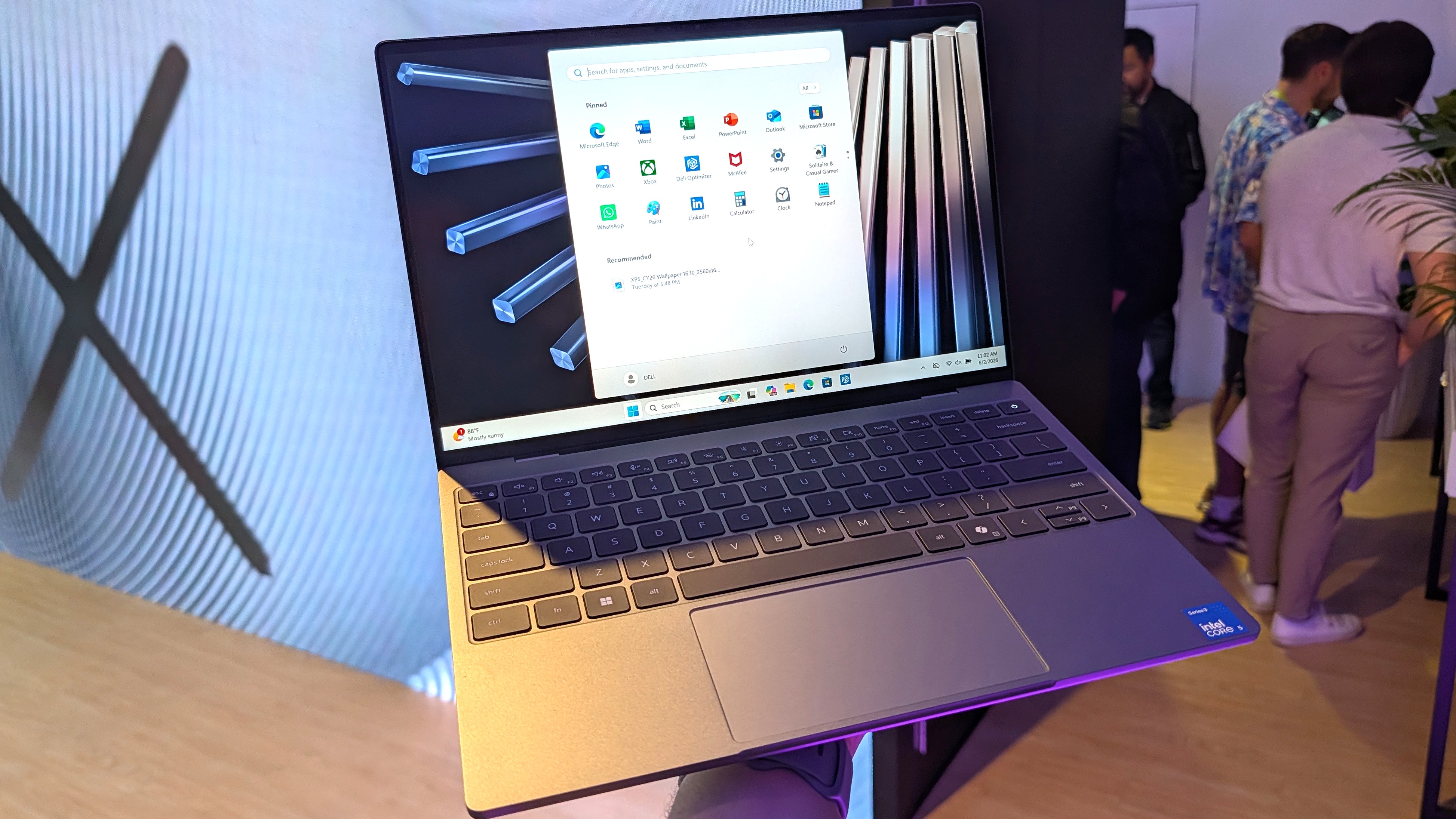
The new Dell XPS 13 showcased at Computex starts at $699 ($599 for students), and even that price might not stick around for too long.
This is what I find particularly frightening. If the volume of sales drops but profits keep growing, is there really any financial pressure that will make PC makers drop prices?
I don't think most PC makers will care that entry-level buyers are priced out of the market when enthusiasts and enterprise customers continue to shovel money their way. Why bother with discount laptops at thin margins?
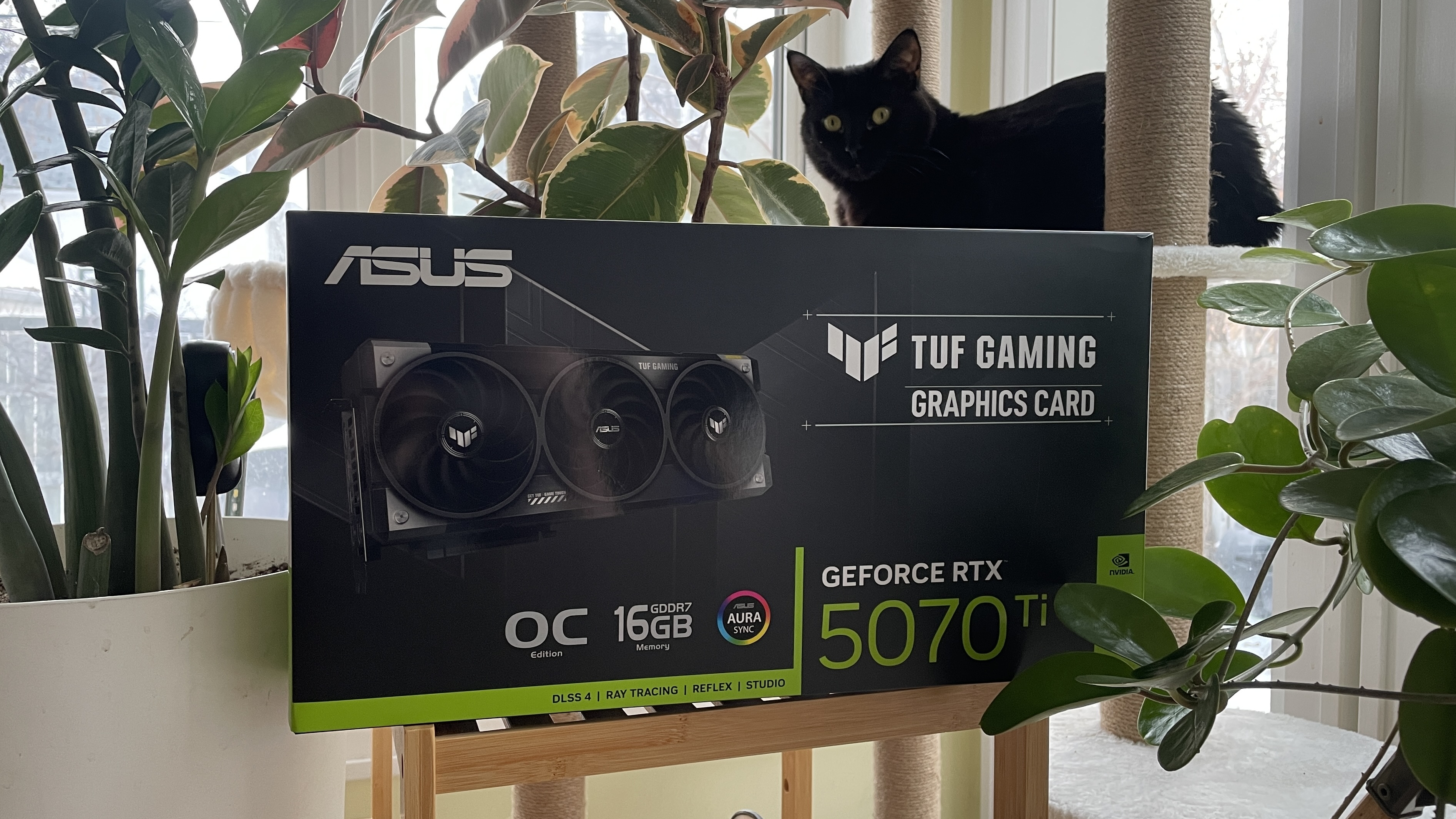
I'm very glad I bought an RTX 5070 Ti when I did. (Image credit: Future)
I can reference the GPU price spikes from a few years ago during the crypto boom and pandemic shortages. GPU prices went up, the market leveled off, and GPU prices came back down. But they didn't go all the way back down, resetting at a higher baseline than before.
Consumers had become used to paying inflated GPU prices, and there was really no incentive to drop prices back to 2019 levels. I think the same logic applies to the PC market.
The Chinese wildcard could save us all
Will Chinese DRAM manufacturers save the global market? (Image credit: Getty Images | Anton Petrus)
Competition is likely the only thing that can save us, barring a collapse of the AI boom and a bursting of the market bubble.
Samsung, SK hynix, and Micron currently control about 90% of the world's DRAM production, which makes it painfully easy to coordinate pricing. I'm not saying it's explicit collusion, but it's certainly something.
Samsung, SK hynix, and Micron currently control about 90% of the world's DRAM production, which makes it painfully easy to coordinate pricing.
The best chance of breaking up this oligopoly comes from China. Companies like YMTC and CXMT have been steadily growing their share of the NAND market with newfound production and new fabs.
If these competitors can indeed scale up production and get their products out to international buyers, I don't see how that wouldn't disrupt the oligopoly. It's not exactly smooth sailing for China's manufacturers, though, as issues with exports, access to advanced equipment, and geopolitical concerns are all hurdles they must pass.
What does this mean for you and your next PC?
Rising prices are making a new PC a tough buy for a lot of people.
Gartner expects PC lifetime for regular consumers to increase by 20% by the end of this year. The cheap PC upgrade cycle has all but come to an end.
When new DRAM factories do come online, I expect them to serve AI customers first. Consumers will get the scraps, just like they are currently. Chinese DRAM makers might enter the international market and force prices to fall, but I doubt by enough to make a serious impact.
If you're waiting for the RAM crisis to be over before you buy your next device, I have some bad news. The most optimistic predictions put easing as early as late 2027 or 2028, while the most pessimistic push the dates into the 2030s.
Should you need a new PC now, I recommend buying one that will last for years to come. What some thought was a brief blip on the PC market's graph has some serious staying power. What it will look like, if it ever returns to normal, is anyone's guess.
Join us on Reddit at r/WindowsCentral to share your insights and discuss our latest news, reviews, and more.
Collection of Corsair Vengeance RGB Pro memory box, several RAM modules, an XPG SSD, and a SK hynix M.2 drive on a dark wooden surface.
Collection of Corsair Vengeance RGB Pro memory box, several RAM modules, an XPG SSD, and a SK hynix M.2 drive on a dark wooden surface.
Amazon Prime Day has entered its fourth and final day, and I know that some of you are probably tired of the sheer amount of deals floating around social media and your favorite websites.
I get it. There are countless deals to sift through, and the fatigue is real. However! I figured it was worth throwing together a collection of the deals that our readers here at Windows Central seemed to love the most.
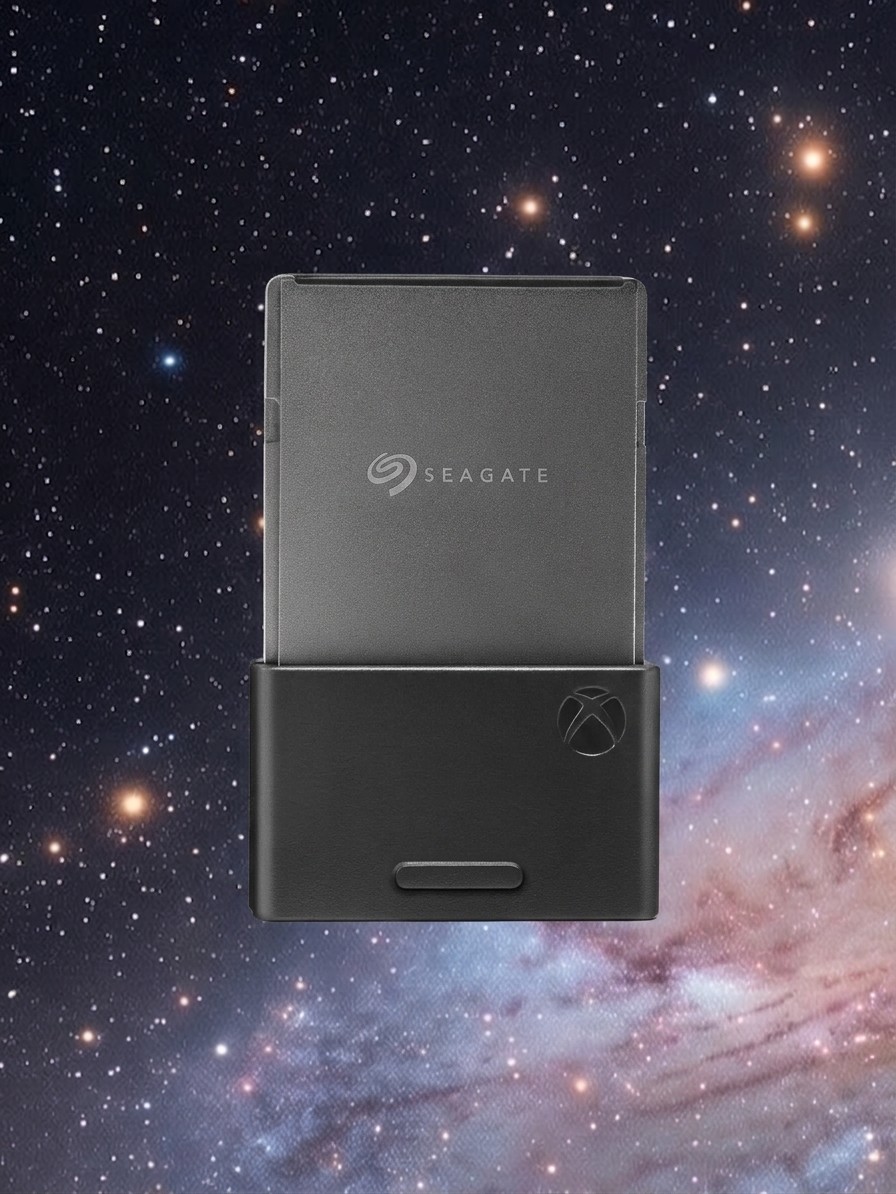
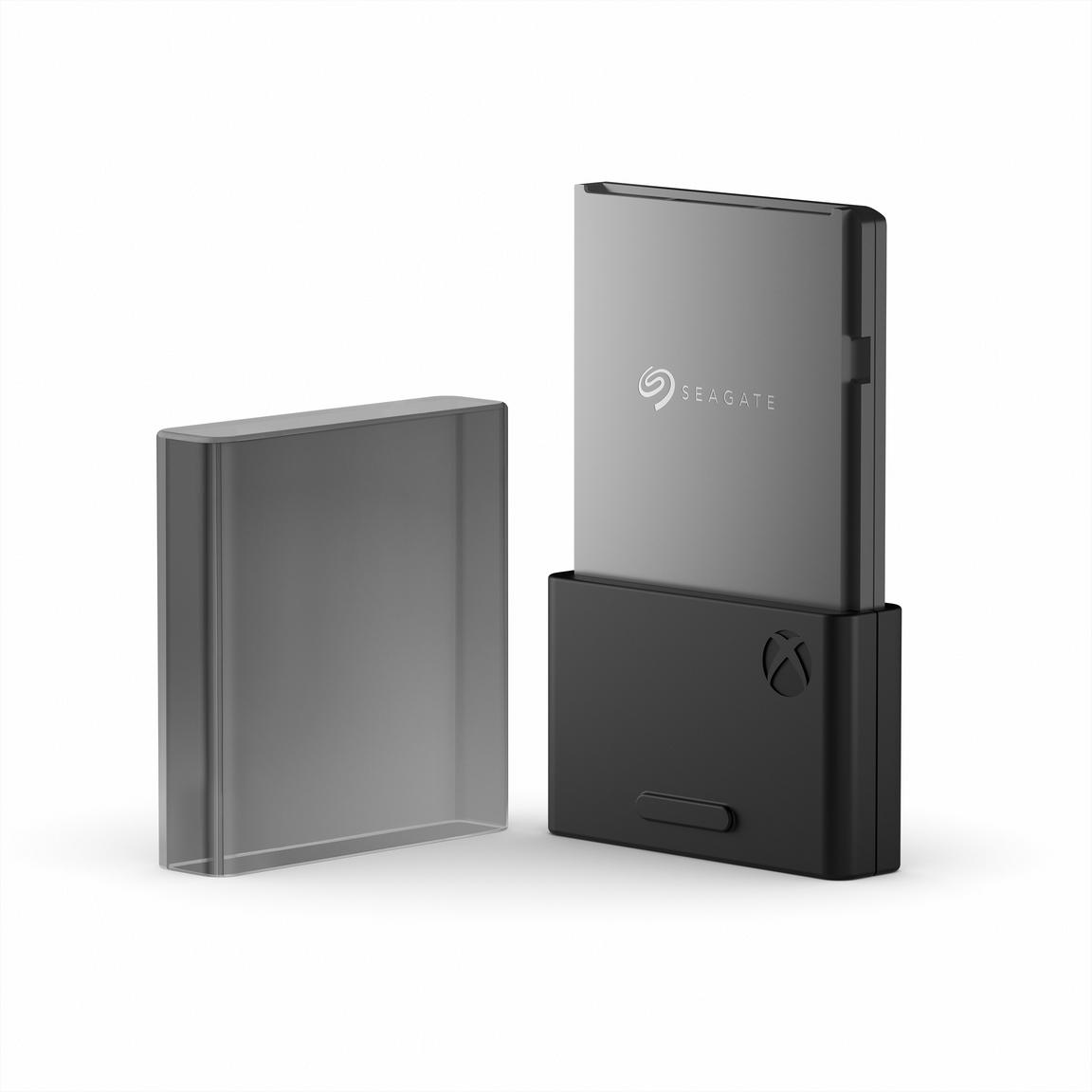
At the top of the list, and no surprise in the current console pricing climate, is Seagate's 2TB Storage Expansion Card for the Xbox Series X|S. Although the original Amazon deal expired, you can still save $55 at Newegg.
Several other popular sales, including the Xbox Series X, Surface Laptop 7, and Seagate's other capacity expansion cards, are long gone, but the following deals are confirmed to be all in stock as of noon ET on June 26.
Most popular Prime Day deals according to Windows Central readers
Seagate
2TB Storage Expansion Card for Xbox Series X|S
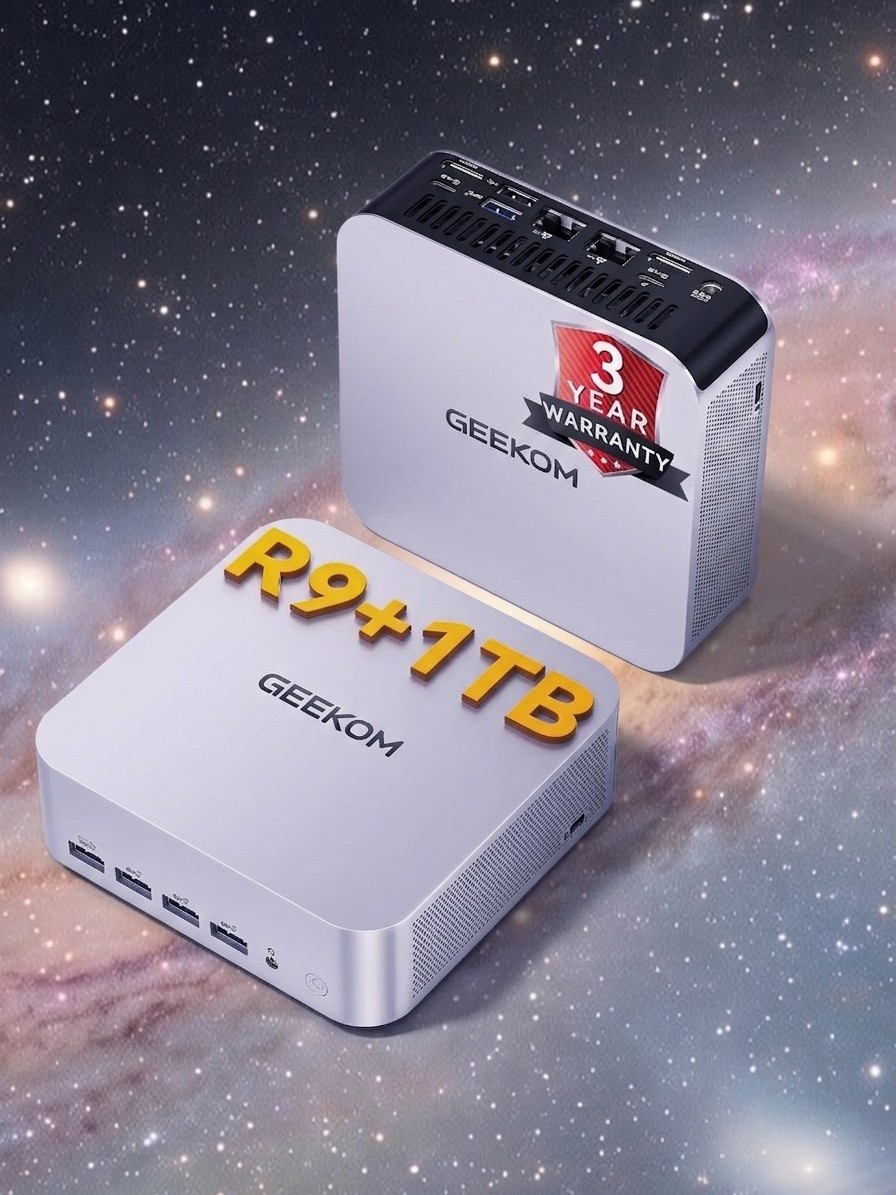
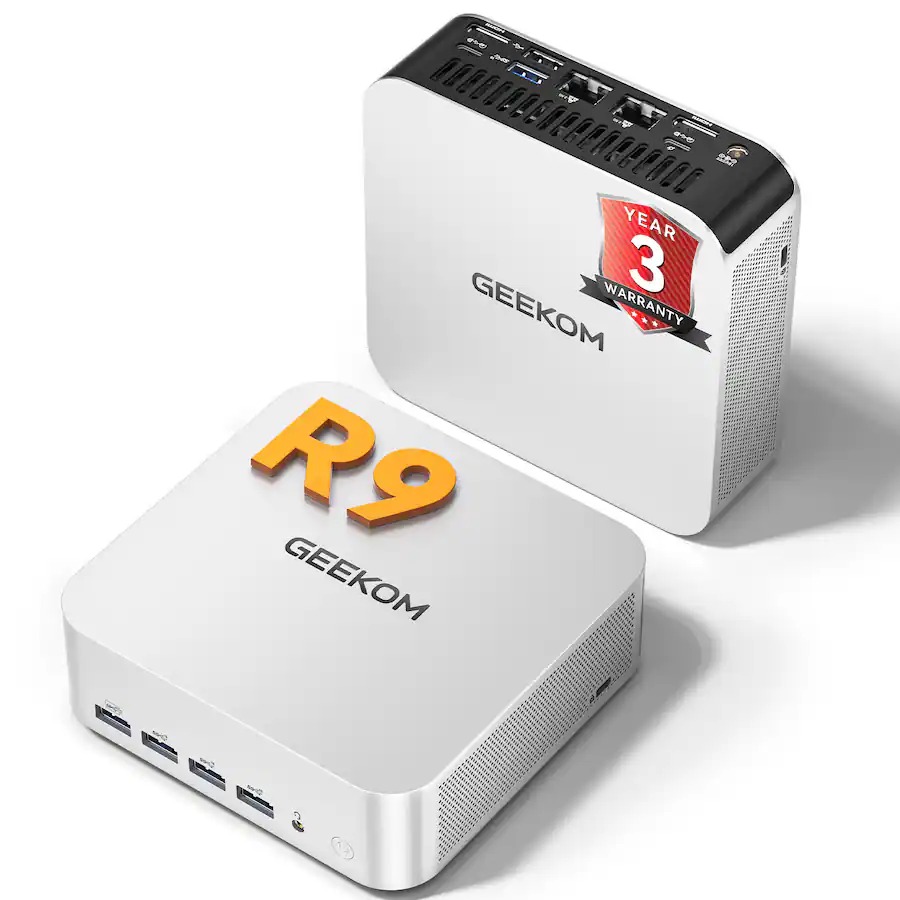
Geekom
A7 Max
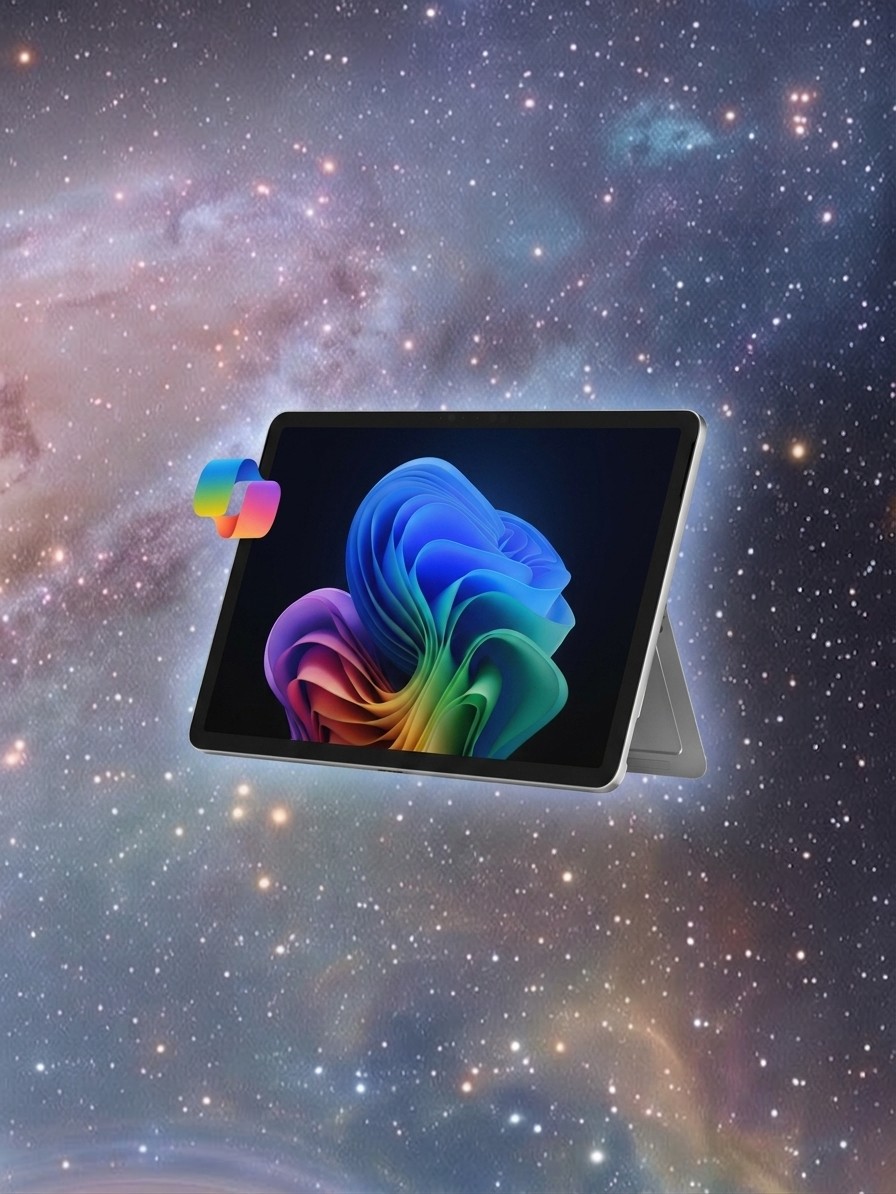
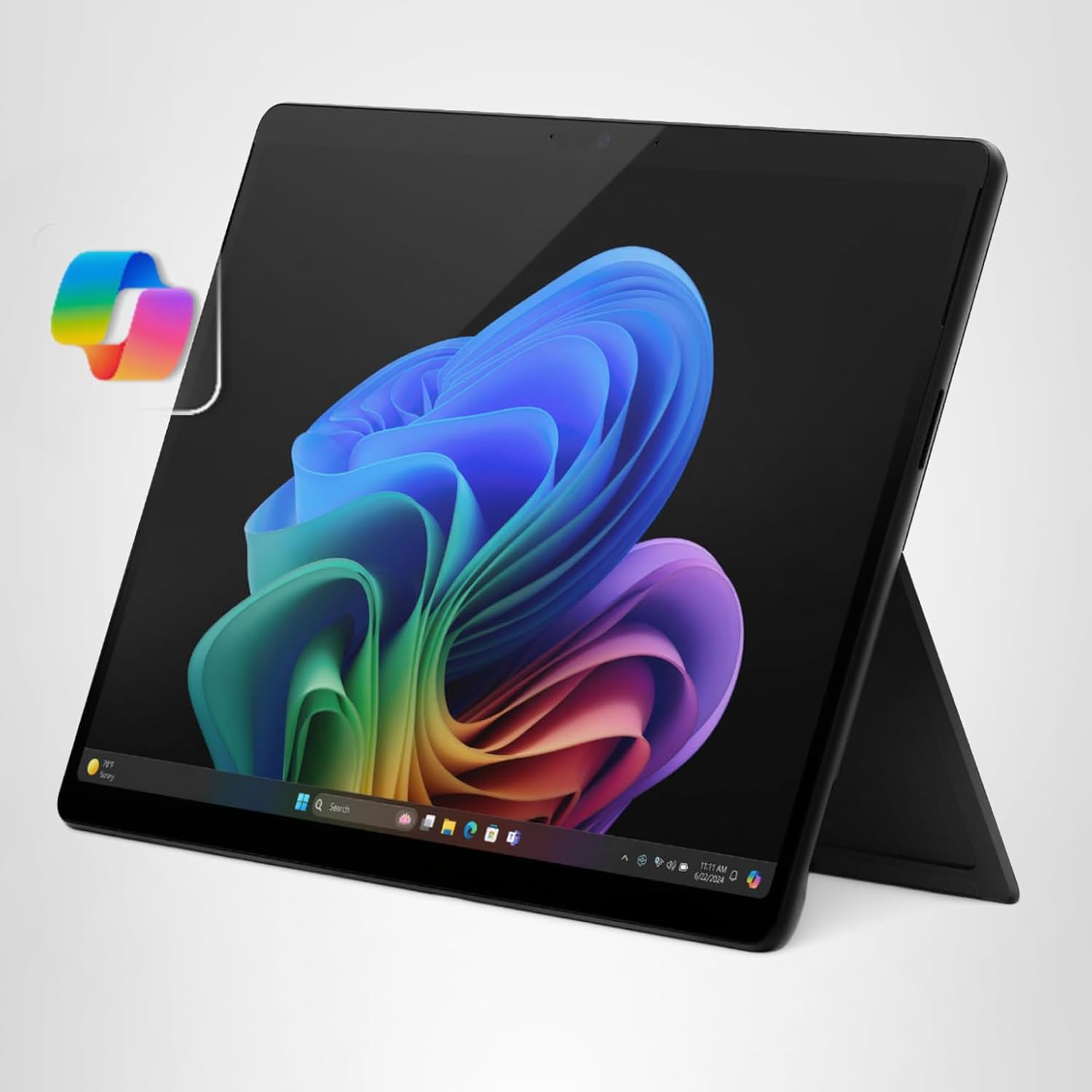
Microsoft
Surface Pro 11
Beelink
SER9 Pro
Samsung
Odyssey G55C
Samsung
990 PRO 2TB
SteelSeries
Arctis Nova Pro Wireless
SteelSeries
Arctis GameBuds
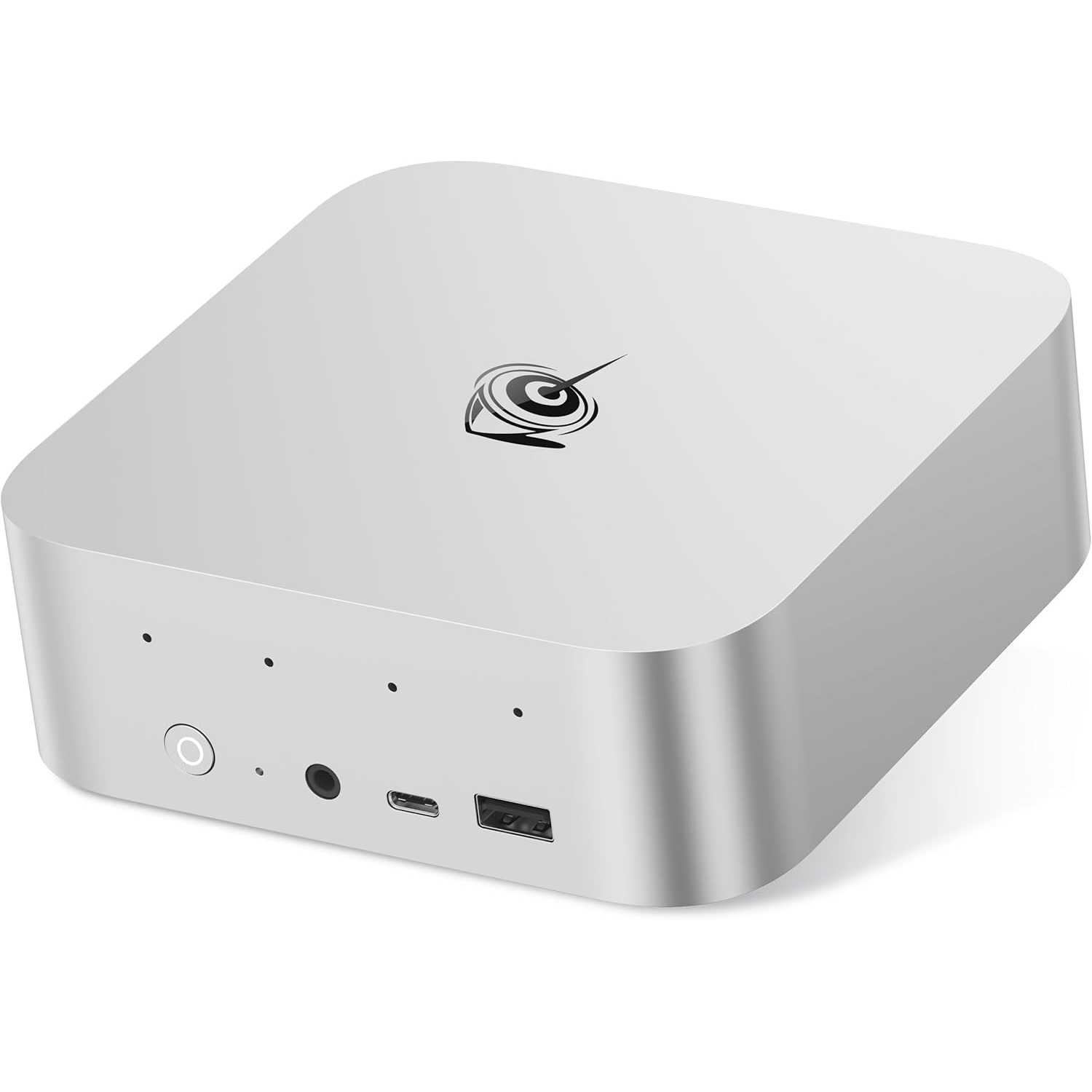
Geekom
A8
More details about the most popular deals at Windows Central
This is by far the favorite deal out there right now for Xbox Series X|S owners, especially now that console prices have gone up again. It's a fairly cheap way to add 2TB of storage, giving you more room for your favorite games.View Deal
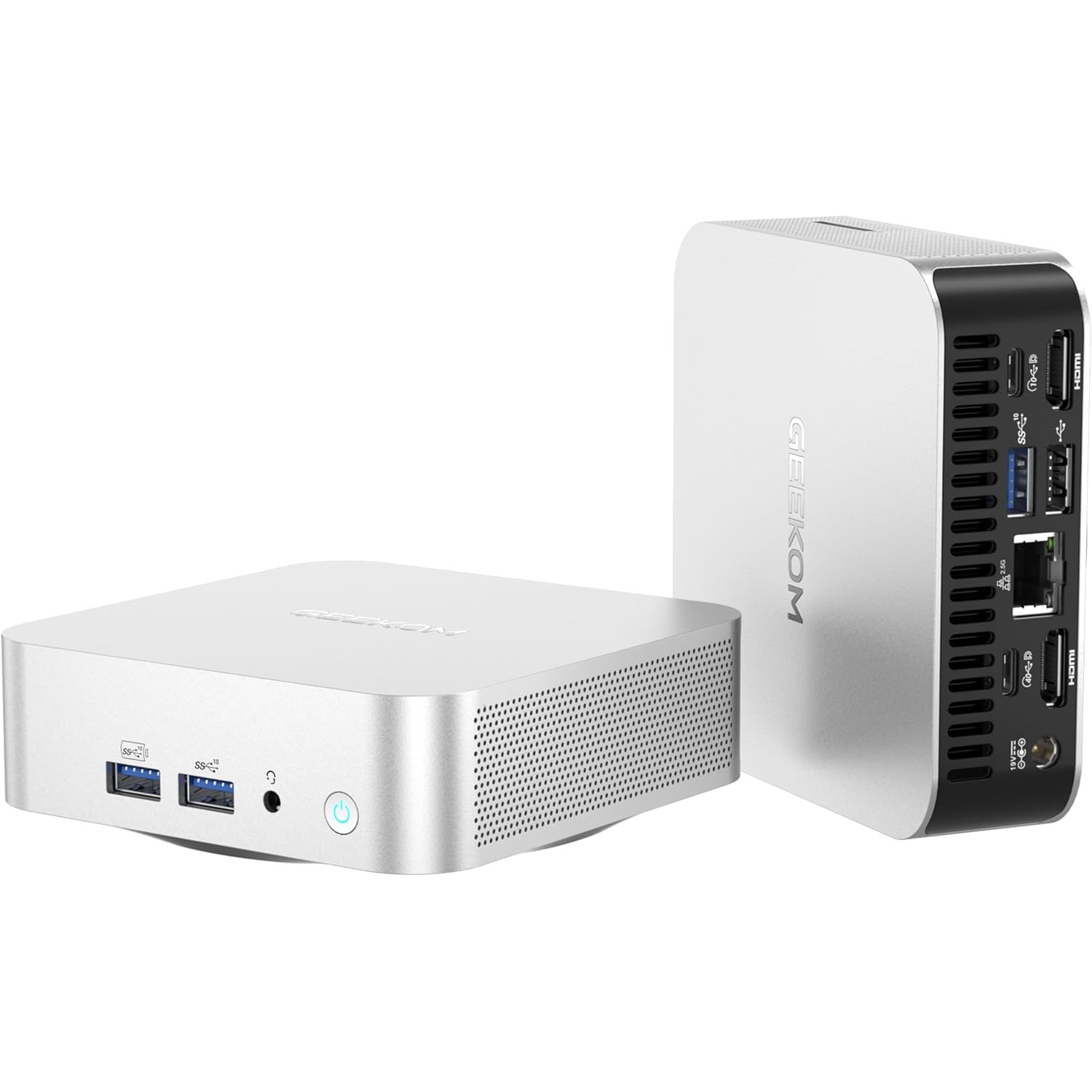
Geekom's A7 Max is a stellar mini PC featuring a Ryzen 9 7940HS CPU, 16GB of DDR5 RAM, 1TB SSD, and plenty of ports.View Deal
The original Surface Pro 11 deal sold out, but you can still save $300 on a model with a Snapdragon X Plus SoC, 16GB of LPDDR5x RAM, 512GB SSD, and a 2.8K touch display.View Deal
Beelink's SER9 Pro is one of our favorite mini PCs ever, owing to its Ryzen 7 255 CPU, massive 24GB of LPDDR5x RAM, and 500GB SSD.View Deal
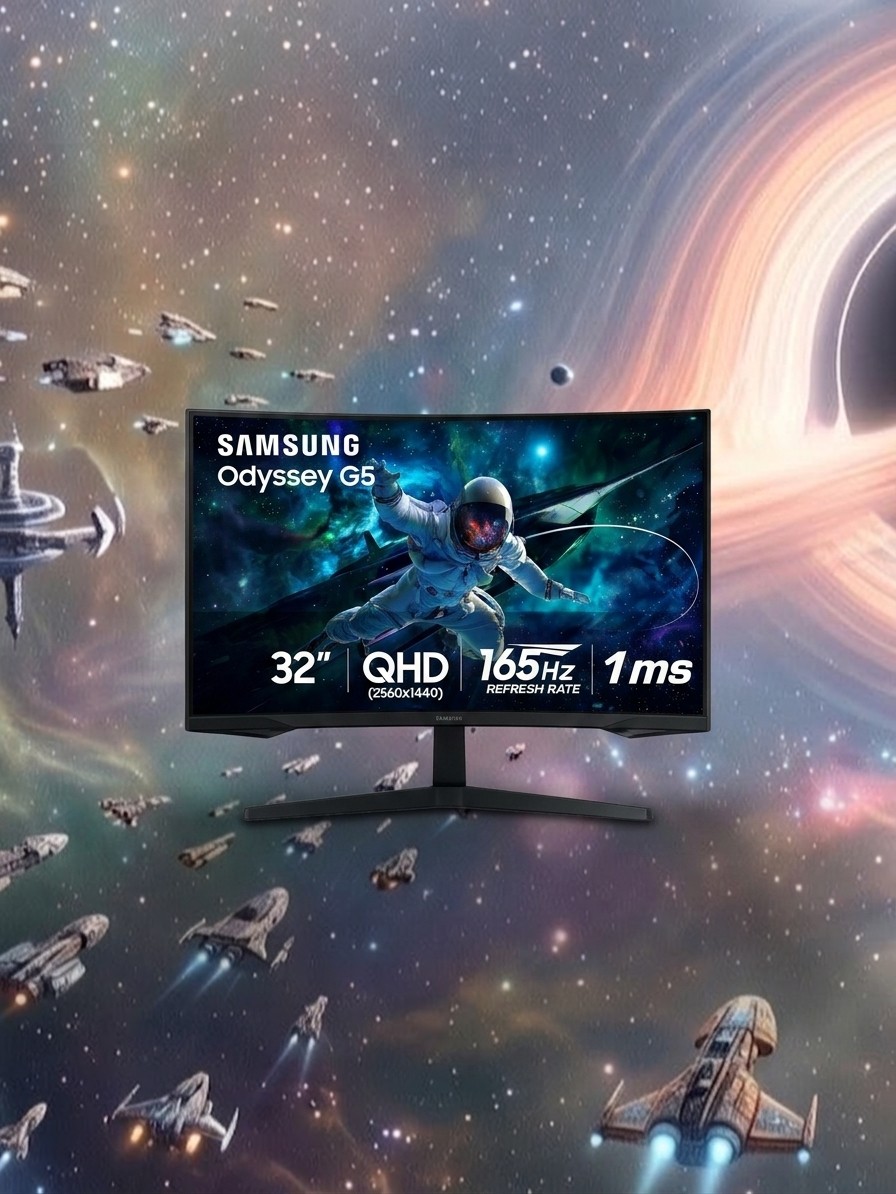
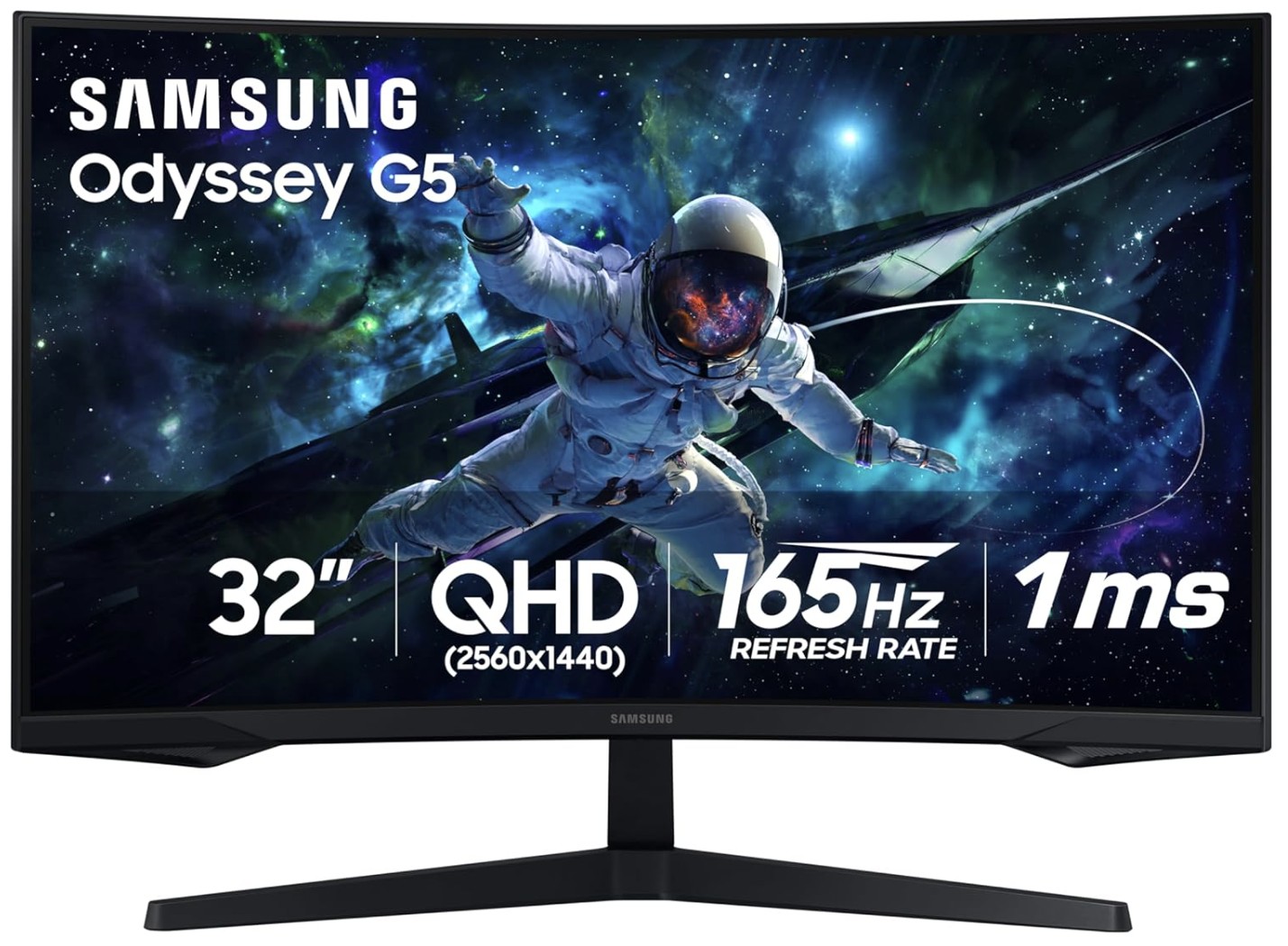
If you're a PC gamer, this 32" curved gaming monitor features a QHD resolution, 165Hz refresh rate, 1ms response time, and AMD FreeSync support.View Deal
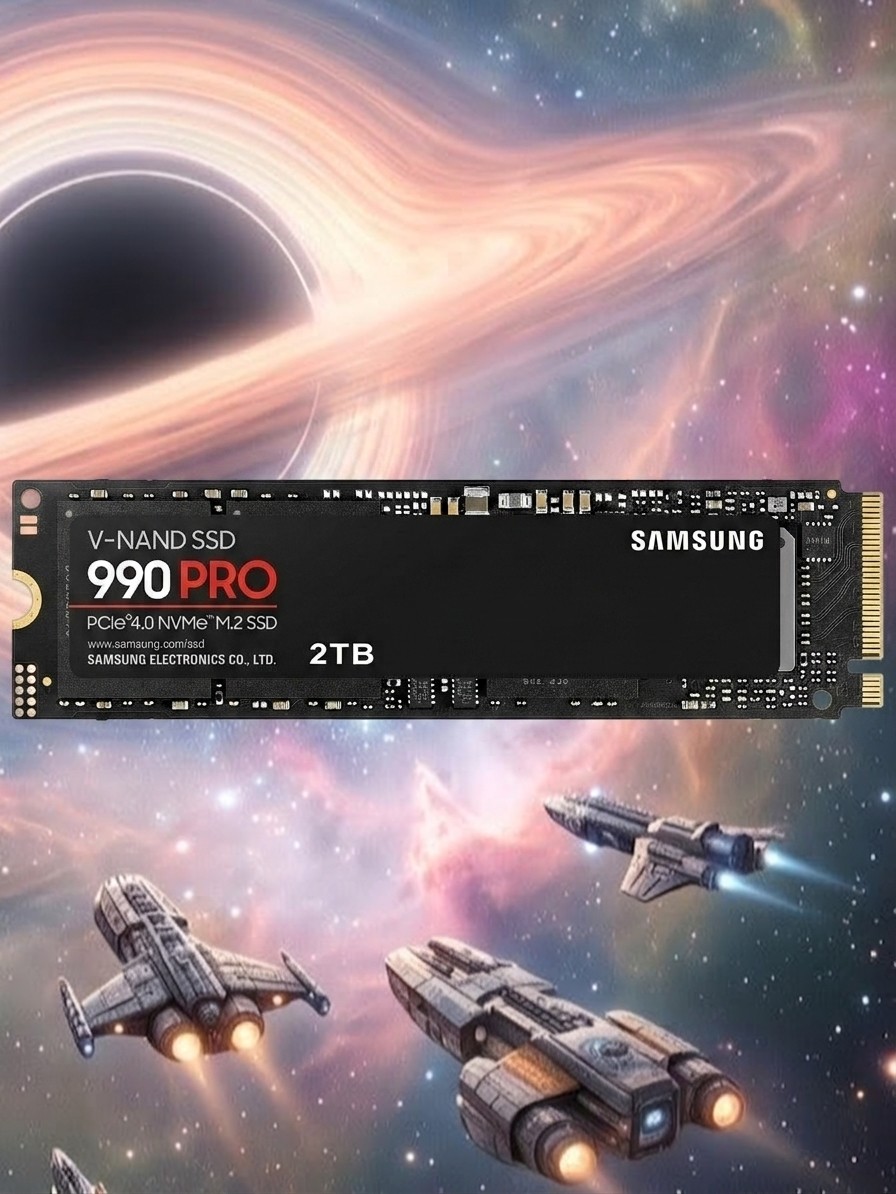
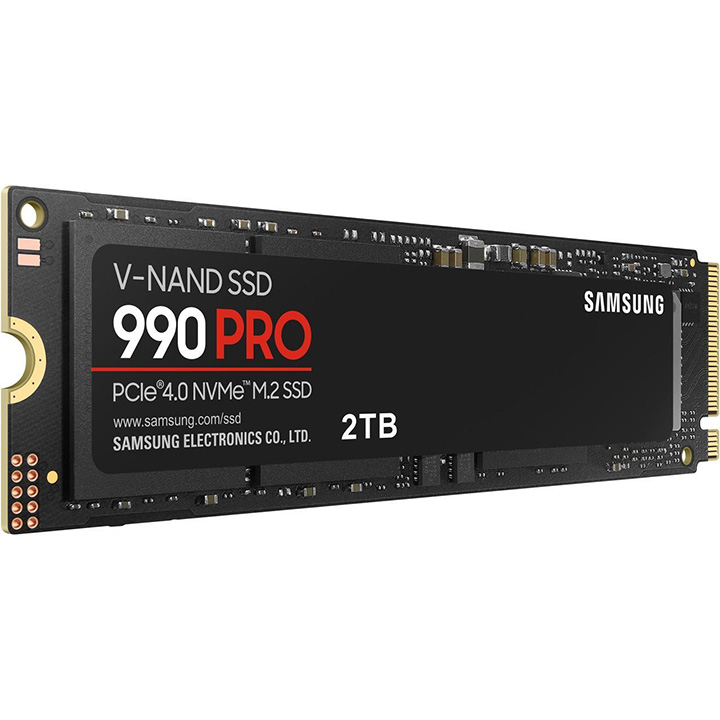
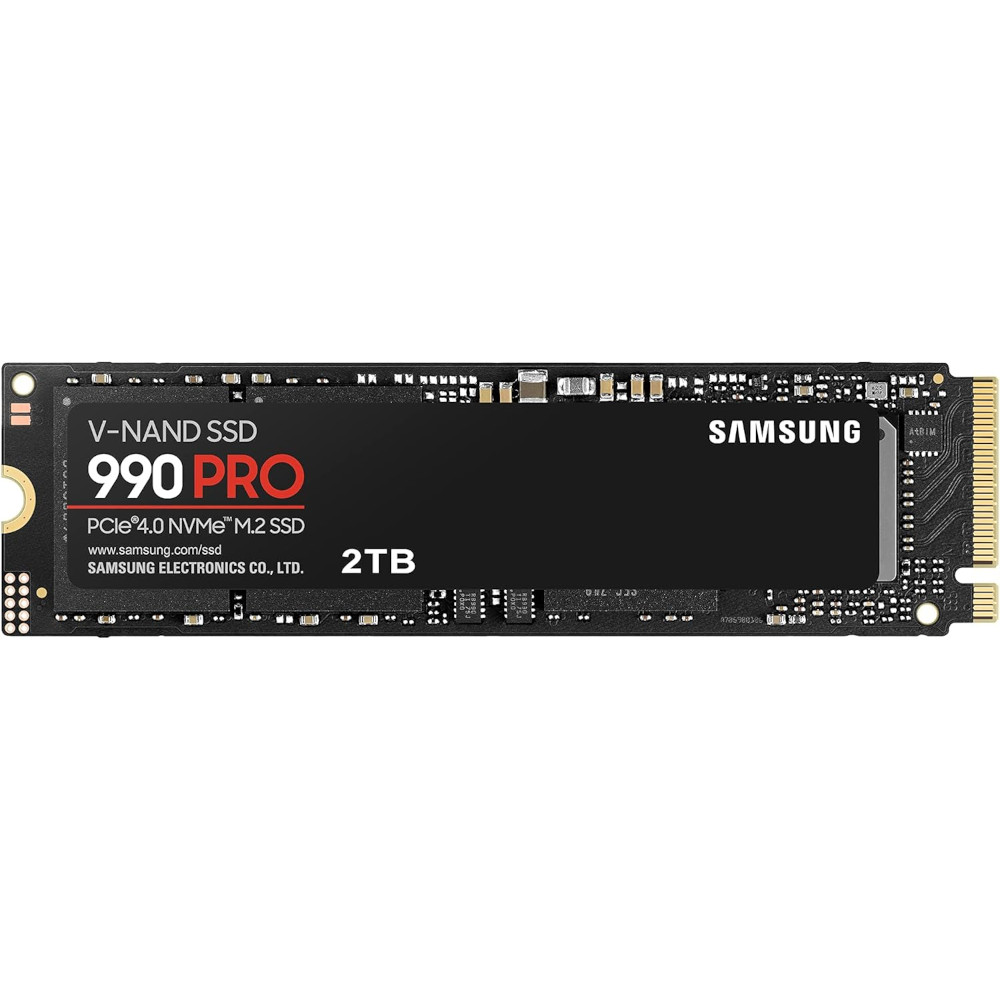
Storage prices are still out of control, so deep 42% discounts like this one on arguably the best PCIe 4.0 NVMe SSD out there are understandably super popular.View Deal
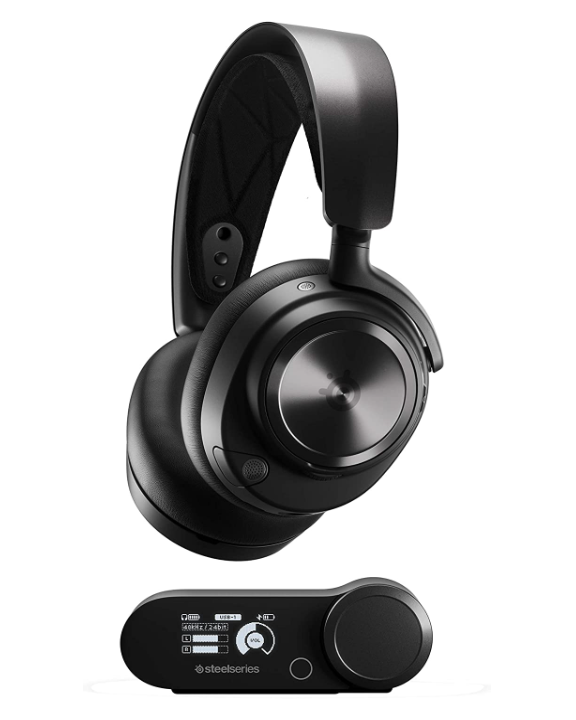
Gaming headsets seem to fall apart rather quickly, but this one bucks the trend. It's one of the absolute best you can buy for Xbox or PC, and it's 34% cheaper than normal.View Deal
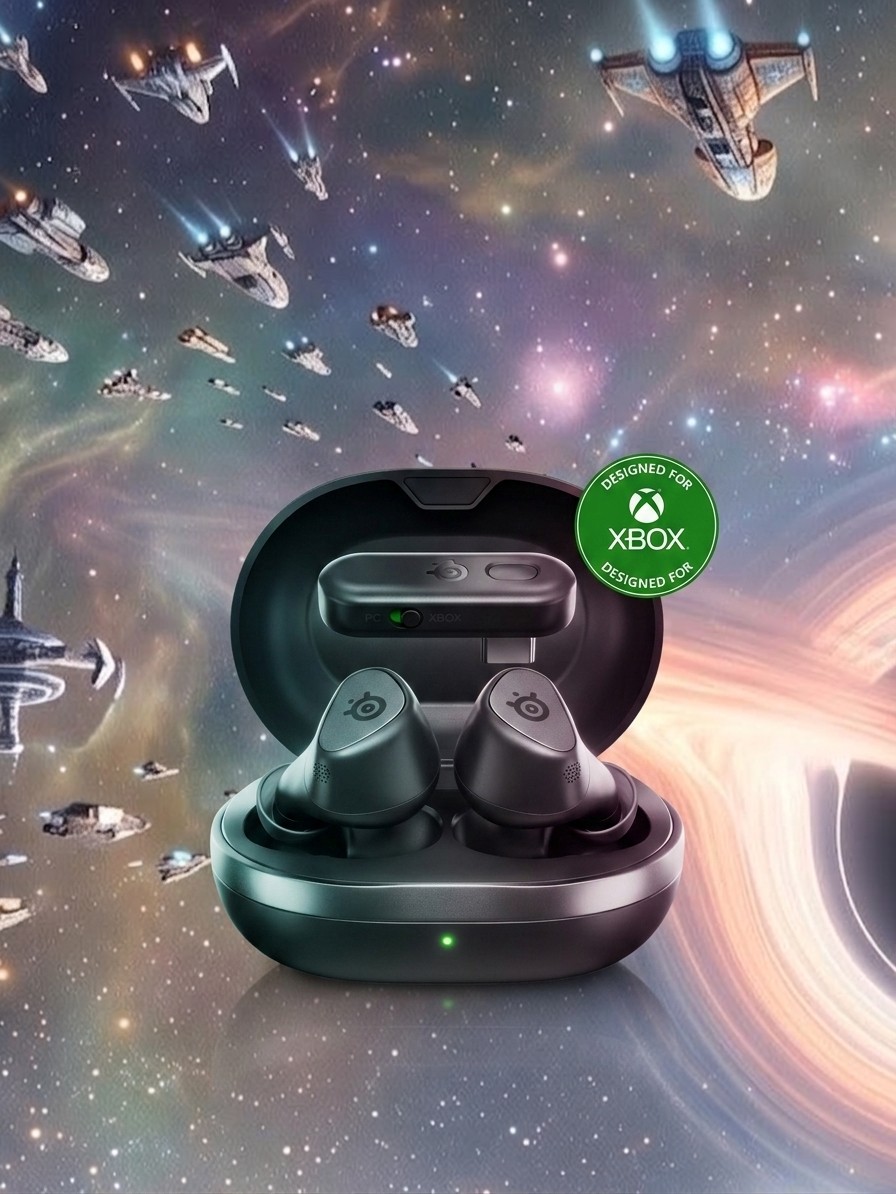
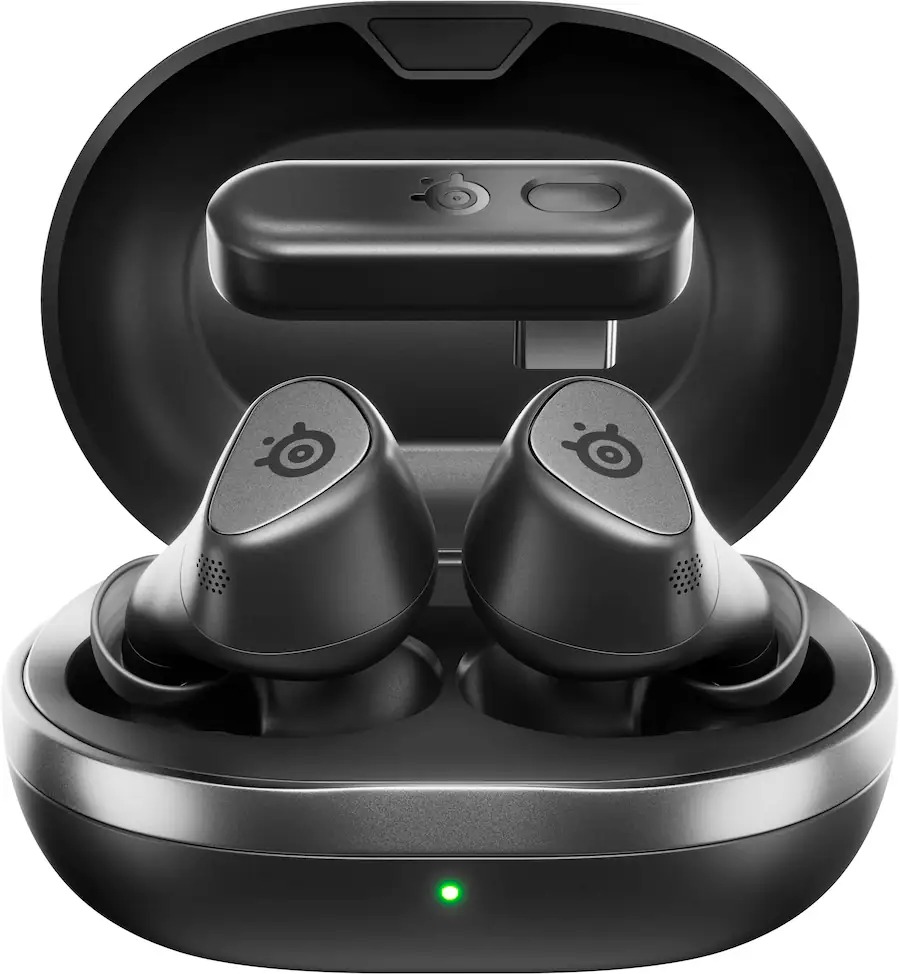
Not everyone wants an over-ear gaming headset, and these SteelSeries Arctis GameBuds are the solution. Expect long battery life and excellent sound.View Deal
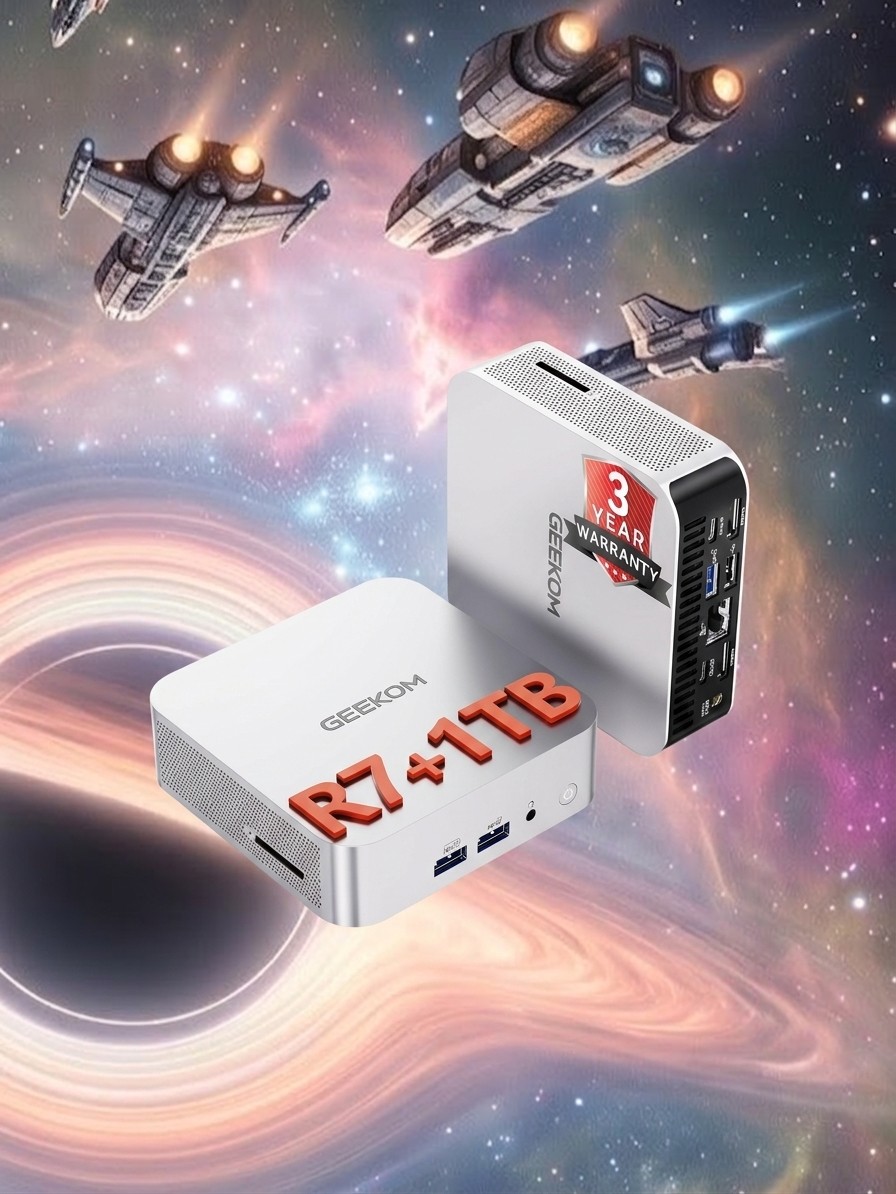
Geekom's A8 is yet another quality mini PC that's getting a lot of attention thanks to its Ryzen 7 8745HS CPU, 16GB of upgradeable DDR5 RAM, and 1TB M.2 PCIe 4.0 NVMe SSD.View Deal
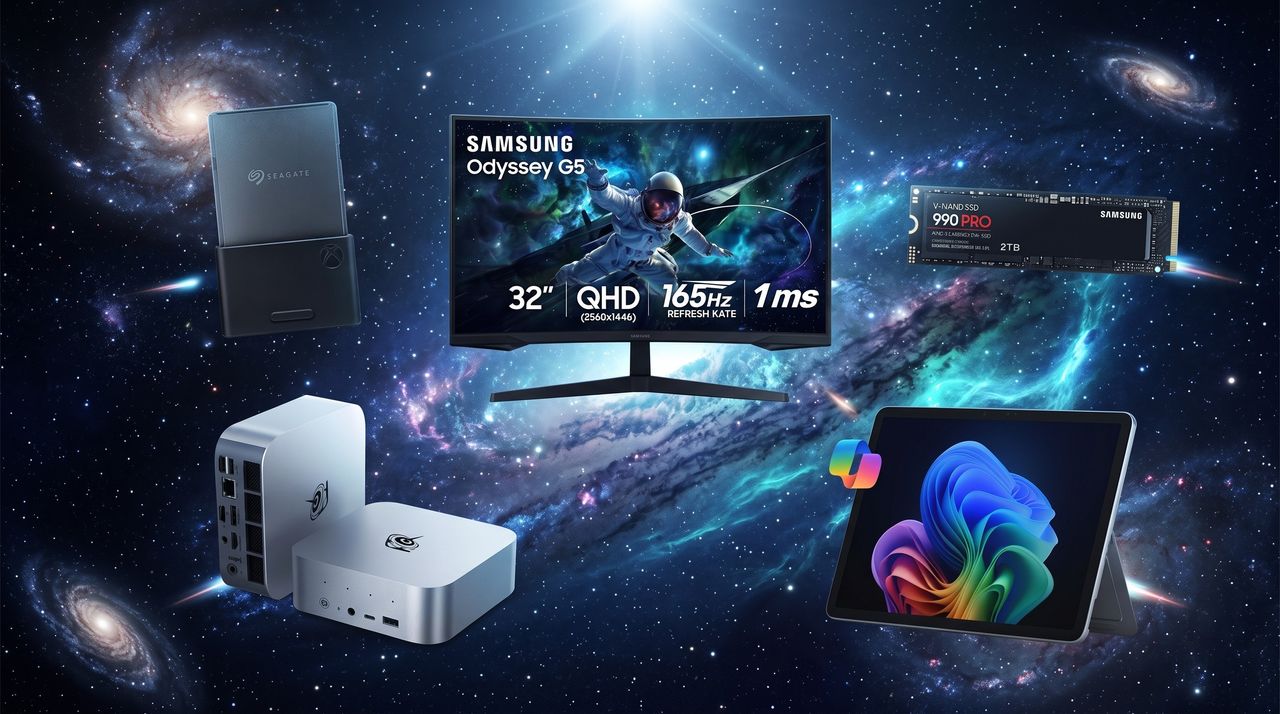
Discounted tech products arranged on an outer space background.
Discounted tech products arranged on an outer space background.
Stop the presses! A laptop maker just announced a price reduction in 2026. Despite the ongoing RAM crisis and component shortage, Framework just dropped the price of the Framework Laptop 13 Pro.
Framework was able to source a new SSD from its partner ADATA that offers better performance and reliability while costing less.
Framework Laptop 13 Pro preorders have not started shipping, so any order that's already been placed has been upgraded to the new SSD and had pricing adjusted.
"This new SSD comes in 1TB and 2TB options, and the 1TB lands at a lower price than the 500GB SSD we had previously qualified, so we will also switch 500GB orders to the 1TB drive at the lower price," explained Framework.
Framework's website did not show the reduced pricing when I drafted this piece, so I can't share the exact costs of the new configurations. I'll update this piece as more information becomes available.
The announcement comes as good news for those shopping for the unique laptop from Framework, but it's a relatively small reprieve from the current financial climate.
Even in Framework's announcement of the price decrease, the PC maker warned that CPU price increases are expected. "We expect that we will need to adjust the overall system price on Framework Laptop 13 Pro in the coming weeks for new orders," said Framework.
In response to Apple’s price increases today, we’ve lowered the price of some Framework Laptop 13 Pro configurations. We were able to source and qualify Gen 5 SSDs from ADATA that are both faster and cheaper, and now offer them on DIY Edition! https://t.co/HfS1l5wL1tJune 25, 2026
Framework dropped its prices on the same day Apple unveiled several price increases, which led to a playful jab. Framework clarified in a follow-up post that the timing of its reductions was coincidental and not in response to Apple.
The unfortunate reality is that many laptop makers have bumped up prices, including Framework. Microsoft, Dell, Lenovo, HP, and others have all had to raise prices. For a short time, Apple was immune to price hikes due to its stockpile of components, but that is no longer the case.
We shouldn't expect things to improve in the immediate future. When Microsoft announced another wave of price increases to Xbox consoles, the company said it expects another doubling of console storage and memory prices by the fall of 2027. The same factors that contribute to those components doubling in price will affect PC parts.
Join us on Reddit at r/WindowsCentral to share your insights and discuss our latest news, reviews, and more.
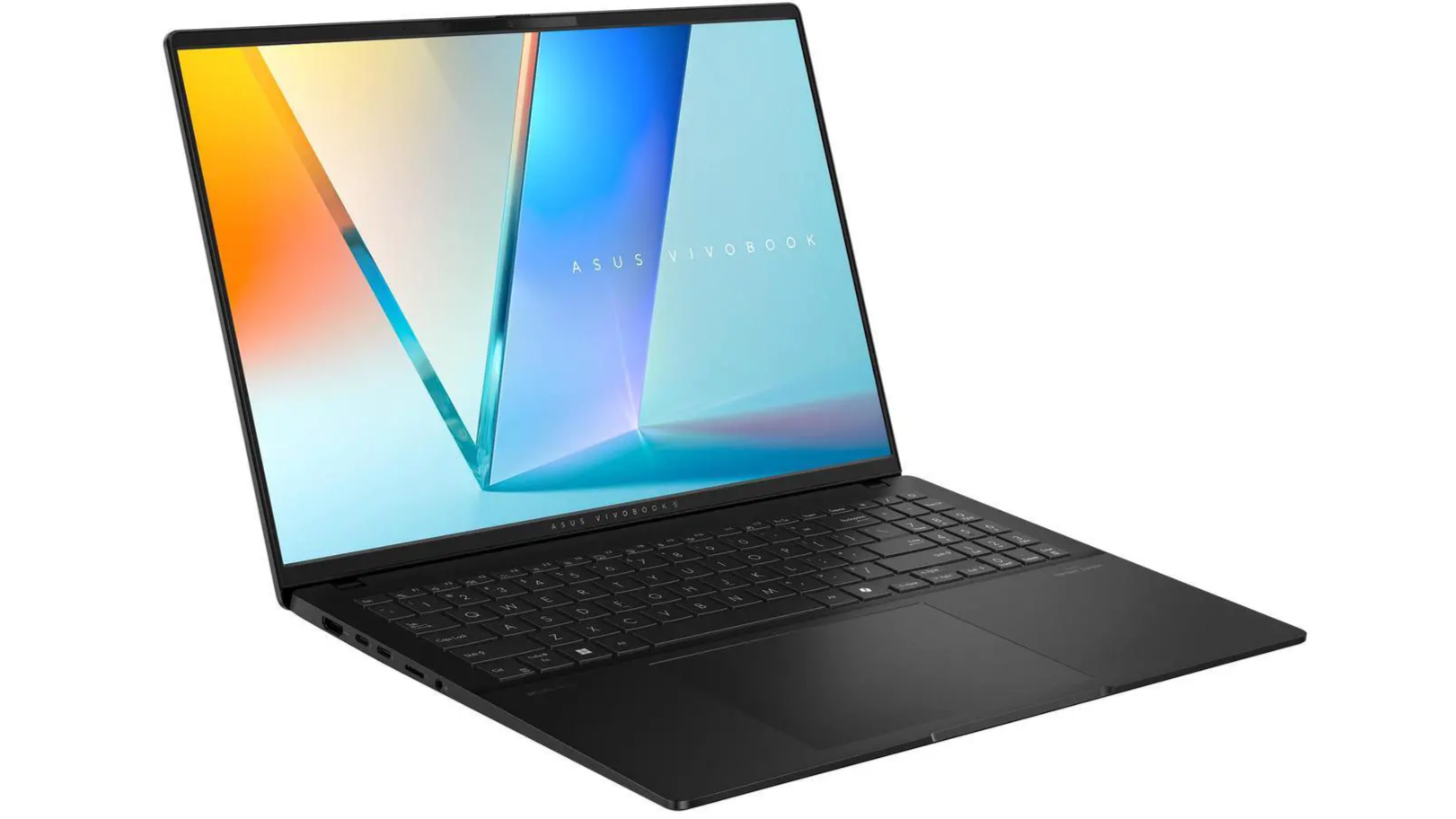
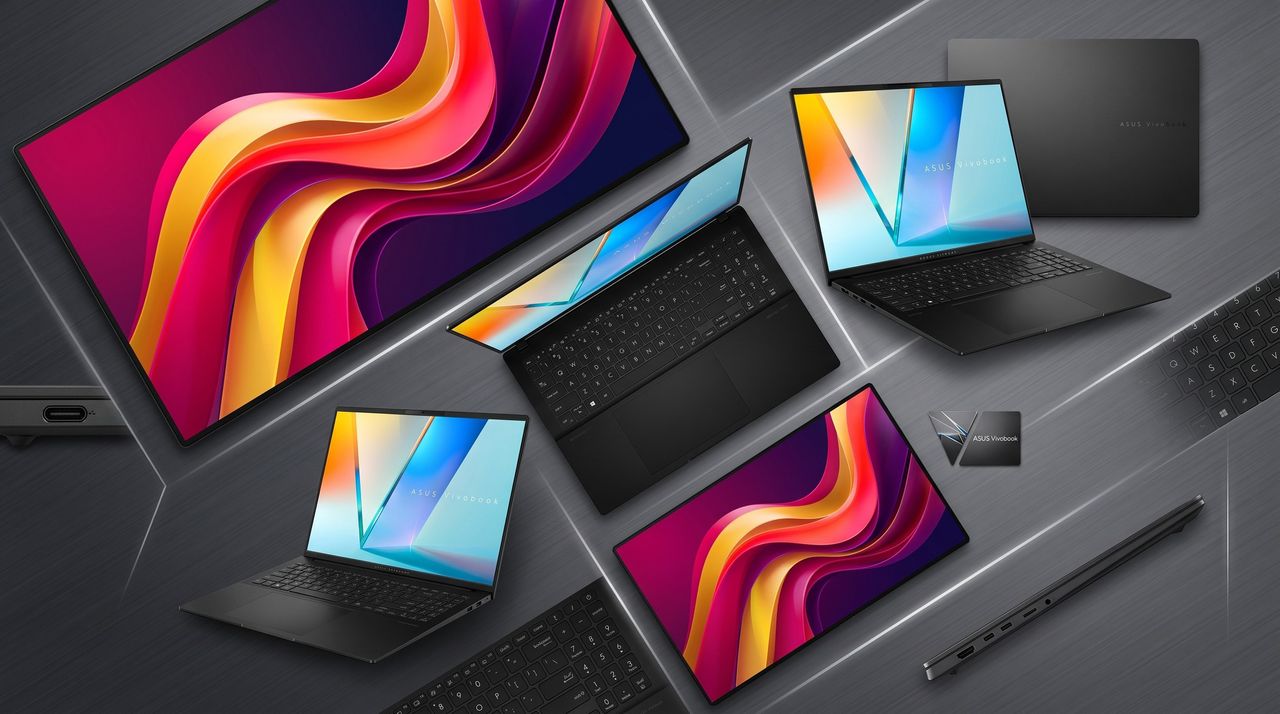
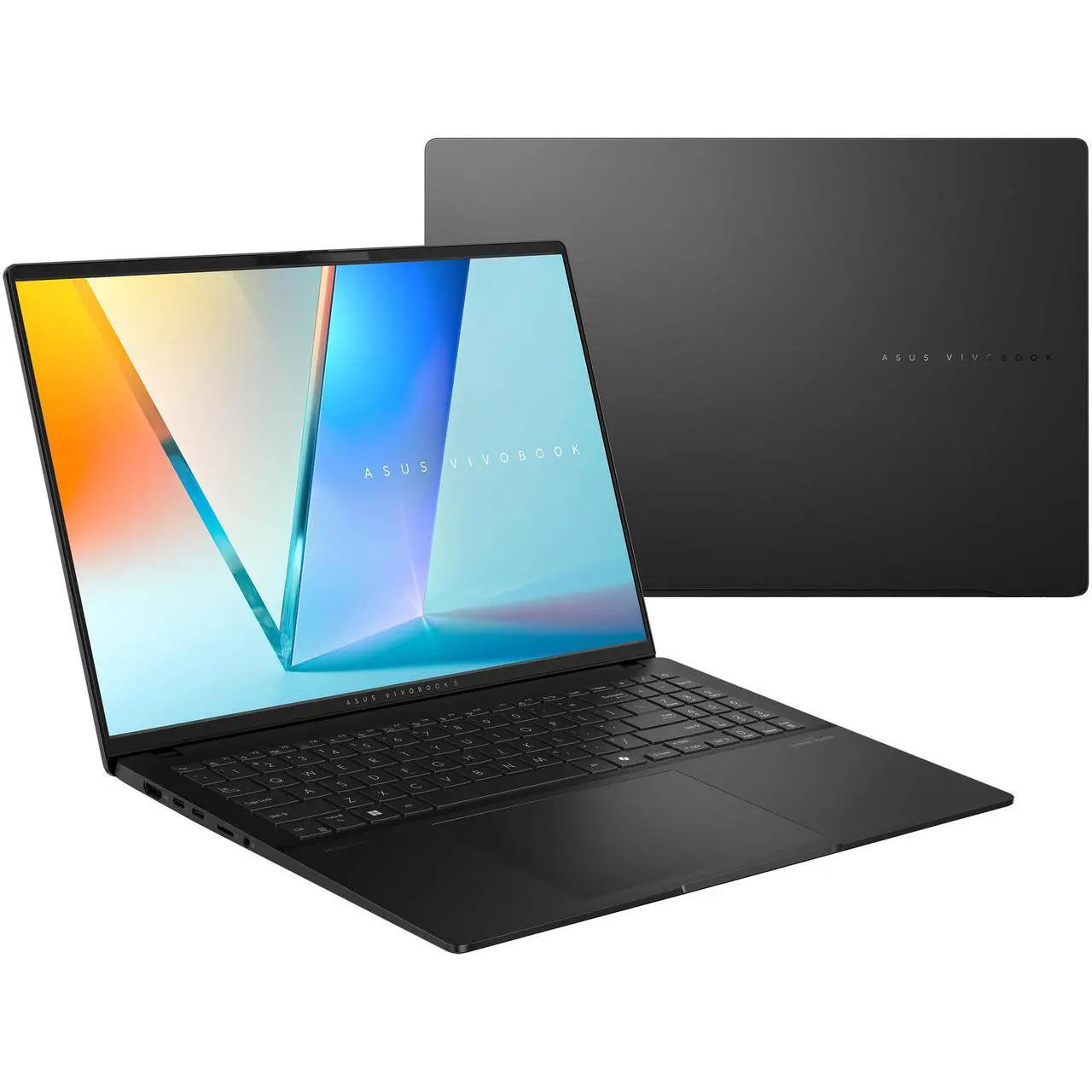
If you’ve been waiting for a laptop deal that actually feels like a steal, this is it. The ASUS Vivobook 16 OLED, now just $1,159 (down from $1,599), is one of those rare machines that delivers more than you expect for the price. It’s a 16‑inch notebook with flagship specs, a stunning display, and Intel’s latest Core Ultra 7 processor built for serious performance.
It’s the kind of deal that makes you double‑check the listing to make sure nothing’s missing. Spoiler: nothing is. You get a full‑power H‑series chip, 32GB of RAM, 1TB of storage, and a 3K OLED display in a chassis that’s only 0.55 inches thick and weighs 3.31 pounds.
The ASUS Vivobook 16 OLED is a rare find at this price. You get a 3K OLED display, 32GB of RAM, a fast Intel Core Ultra 7 processor, and a thin 3.31 lb chassis with long battery life. It is a powerful, modern laptop that stays light, looks premium, and handles heavy workloads without costing a fortune.View Deal
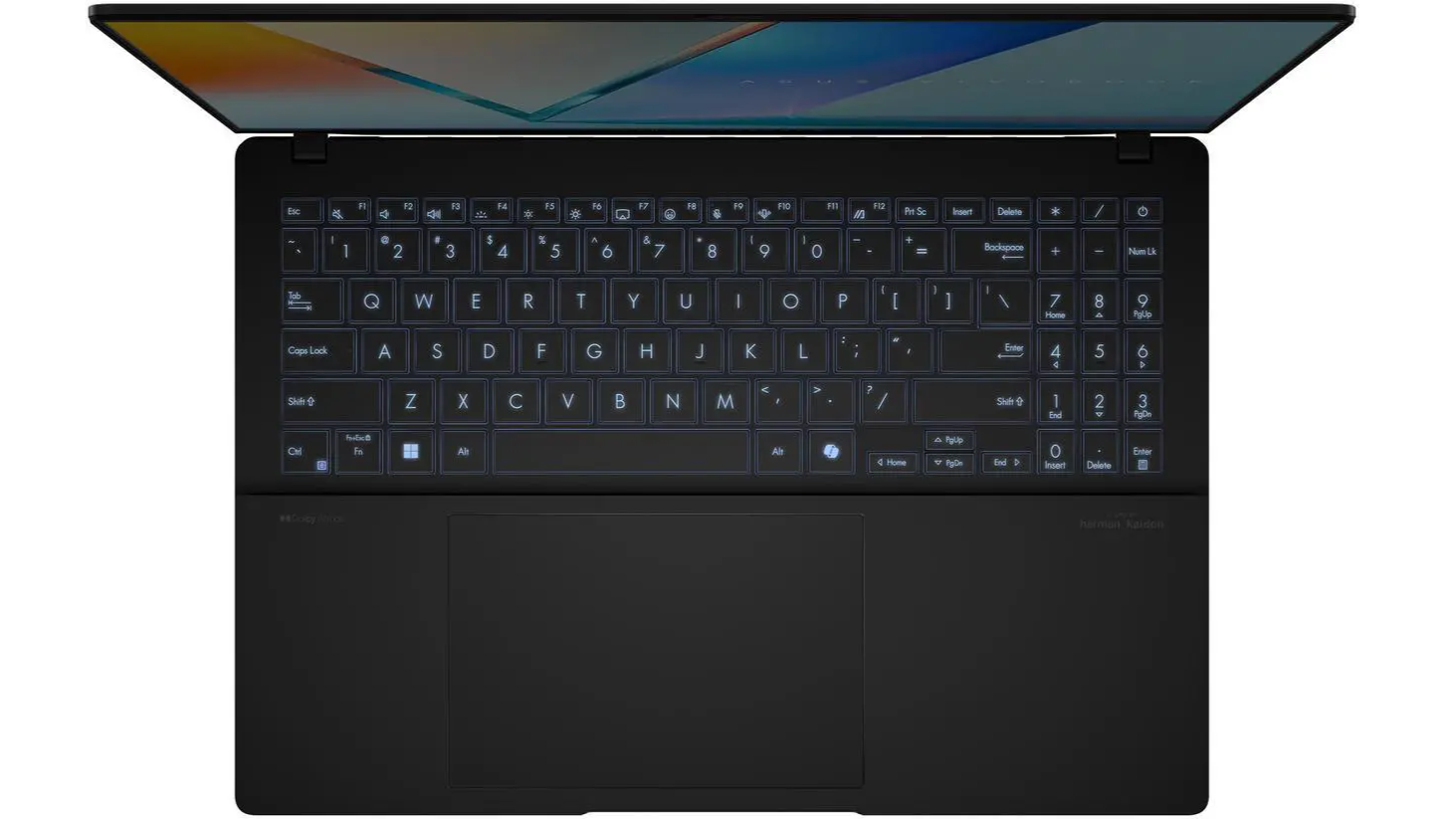
That’s what makes this Vivobook deal stand out. You’re getting a machine that’s already built for the next generation of computing, complete with Intel’s new Core Ultra 7 processor and a dedicated Copilot key (hey, some people think it's a selling point), at a price that feels normal.
The Core Ultra 7 255H is part of Intel’s new H‑series lineup, designed for high‑performance laptops that can handle creative workloads, gaming, and multitasking without breaking a sweat. Paired with Intel Arc graphics, it’s capable of light gaming, video editing, and productivity tasks that would slow down most midrange systems.
Specs that matter
ASUS didn’t cut corners here. The Vivobook 16 OLED features a 2880×1800 Lumina OLED display that delivers deep blacks, vivid color, and true HDR contrast. It’s the kind of panel that makes everything look better, from spreadsheets to streaming.
Under the hood, you get 32GB of LPDDR5X memory and a 1TB PCIe 4.0 SSD, which means instant responsiveness and plenty of space for creative work. The ASUS IceCool Thermal Technology with dual fans and 97 iceblades keeps the system cool even under load, while the 75Wh battery promises up to 16 hours of runtime.
Despite the power, it’s impressively portable. At 0.55 inches thin and 3.31 pounds, it’s lighter than most 16‑inch laptops and built with a reinforced steel frame that feels solid without being bulky.
ASUS also added thoughtful touches: Dolby Atmos audio by Harman Kardon, Wi‑Fi 7 certification, and an RGB ErgoSense keyboard with Windows 11’s new Dynamic Lighting support. It’s a subtle upgrade that makes the laptop feel more premium than its price suggests.
Ready for what’s next
(Image credit: ASUS)
The dedicated Copilot key is a small but telling detail. It’s a sign of where Windows laptops are heading — toward integrated features that help with writing, summarizing, and creative tasks. The Vivobook 16 OLED is ready for that future right out of the box, with Intel’s AI Boost NPU handling on‑device workloads efficiently.
That means faster photo editing, smarter background blur in video calls, and better battery life when using modern Windows features. It’s hardware that will matter as Windows 11 evolves through 2026 and beyond.
The bigger picture
The timing of this deal could not be better. With component costs rising and manufacturers shifting focus to premium laptops, midrange buyers are getting squeezed. The Vivobook 16 OLED breaks that trend by offering flagship performance at a mainstream price.
It’s proof that not every high‑end laptop has to cost two grand. ASUS managed to deliver a machine that feels premium without the markup, and deals like this will only get rarer as the market adjusts to new pricing norms.
Bottom line
If you want a laptop that looks great, runs fast, and feels ready for the next few years, this Vivobook 16 OLED deal is hard to beat. It’s thin, light, powerful, and genuinely premium.
With 32GB of RAM, a 3K OLED display, and Intel’s latest Core Ultra 7 processor, this is the kind of deal that feels like it slipped through the cracks. Grab it before prices catch up.
Join us on Reddit at r/WindowsCentral to share your insights and discuss our latest news, reviews, and more.
Press images of the ASUS Vivobook S16 laptop for 2026 with Intel Core Ultra processor.
Press images of the ASUS Vivobook S16 laptop for 2026 with Intel Core Ultra processor.
It's Prime Day, and that means there are some great Windows laptops on sale not only at Amazon, but also at all major competing retailers. What makes this year's laptop sales more important than others is the fact that all PCs have gone up in price recently due to component shortages.
It's almost unbelievable that I'm seeing up to 54%off laptops using DDR5 RAM, but the proof is in the roundup I've assembled below. These are some of the biggest discounts I've seen in all my 10 years of covering these types of sales.
What makes these deals even sweeter is the fact that Apple just raised the prices of all of its MacBooks this morning. If you want an incredible deal on a new Windows laptop, this is the place to check first.
Powerful CPU, lots of RAM and storage, number pad, and a huge 17.3-inch display make this laptop a boon for any multitaskers out there, and it's now 54% cheaper than usual.
A brand new AMD Ryzen CPU paired with 16GB of RAM and a 1TB SSD is a sweet deal. The 16-inch display hits a 2K resolution and has a 120Hz refresh rate with 400 nits brightness.
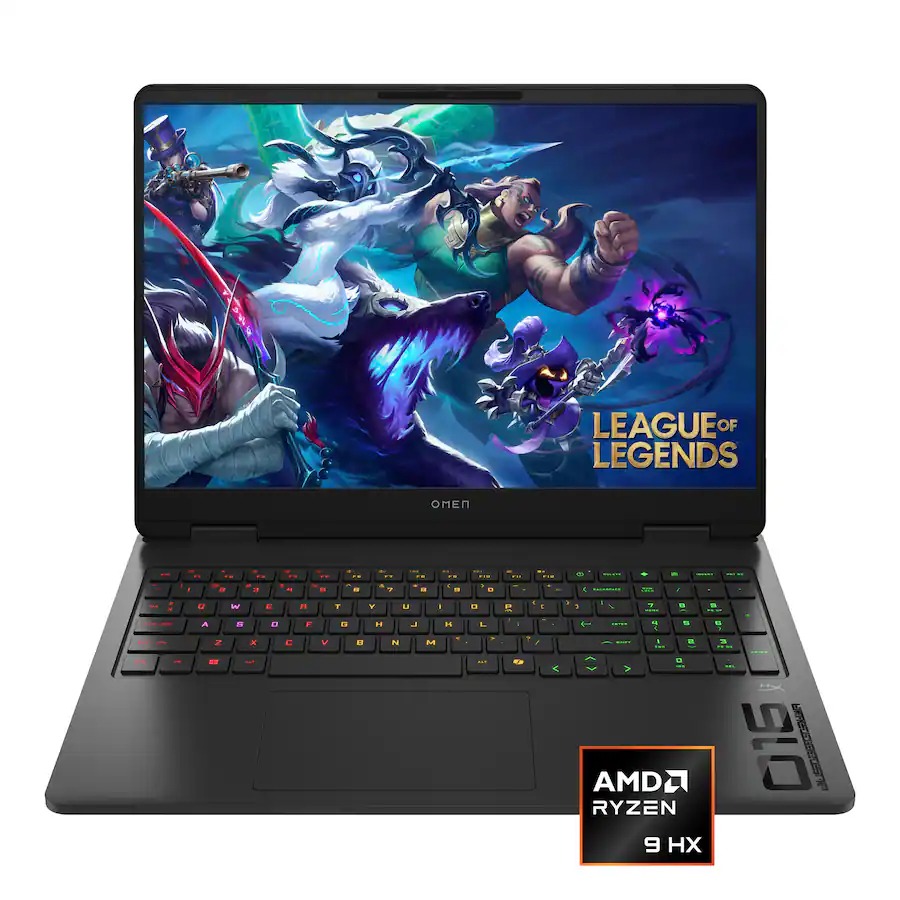
This 18-inch gaming laptop has plenty of cooling for its RTX 5070 GPU and Ryzen 7 260 GPU. Display has a 2560x1600 resolution with a 240Hz refresh rate.
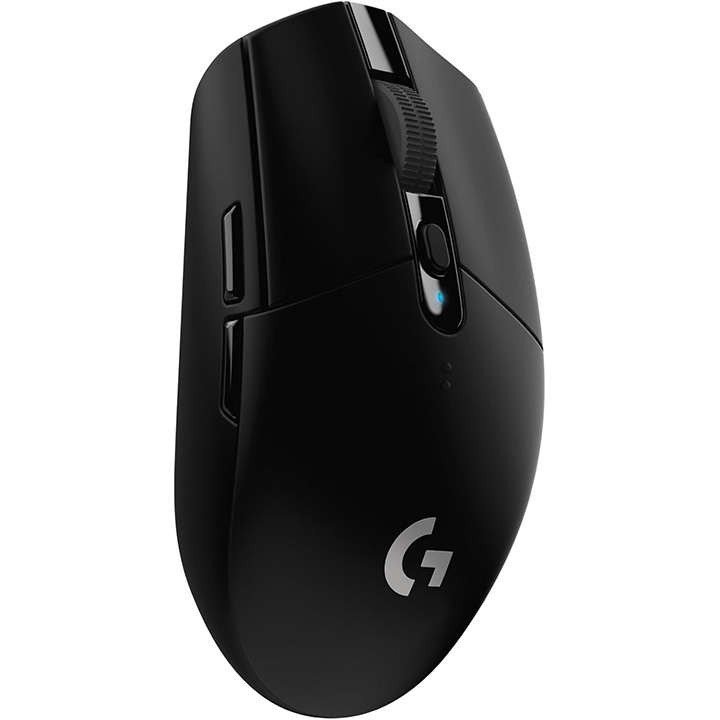
Gaming on a laptop's touchpad just doesn't work. Logitech's G305 Lightspeed is a mouse I've used for countless hours of gaming, and it's 46% cheaper than usual.
MacBook Air models with 512GB of storage have gone up from $1,099 to $1,299, while the MacBook Pro with 1TB of storage has increased from $1,699 to $1,999.
Has there ever been a better time to invest in a discounted Windows laptop with loads of memory and storage?
Which countries are taking part in Prime Day 2026?
While Windows Central primarily covers Amazon Prime Day sales in the United States and the United Kingdom, the event takes place in 26 countries, including Canada and Ireland.
Do I need an Amazon Prime membership for Prime Day?
Yes, Amazon's rivals are running competing events, including Best Buy's "Tech Fest", Newegg's "FantasTech Sale", and Walmart's "Deals & More", which all end on June 28, 2026. Each retailer can offer its own membership perks, such as My Best Buy Plus / Total and Walmart Plus, and it's important to remember that Amazon does not always offer the best deal during Prime Day. Windows Central will compare prices across retailers, so you can choose the best fit for you.
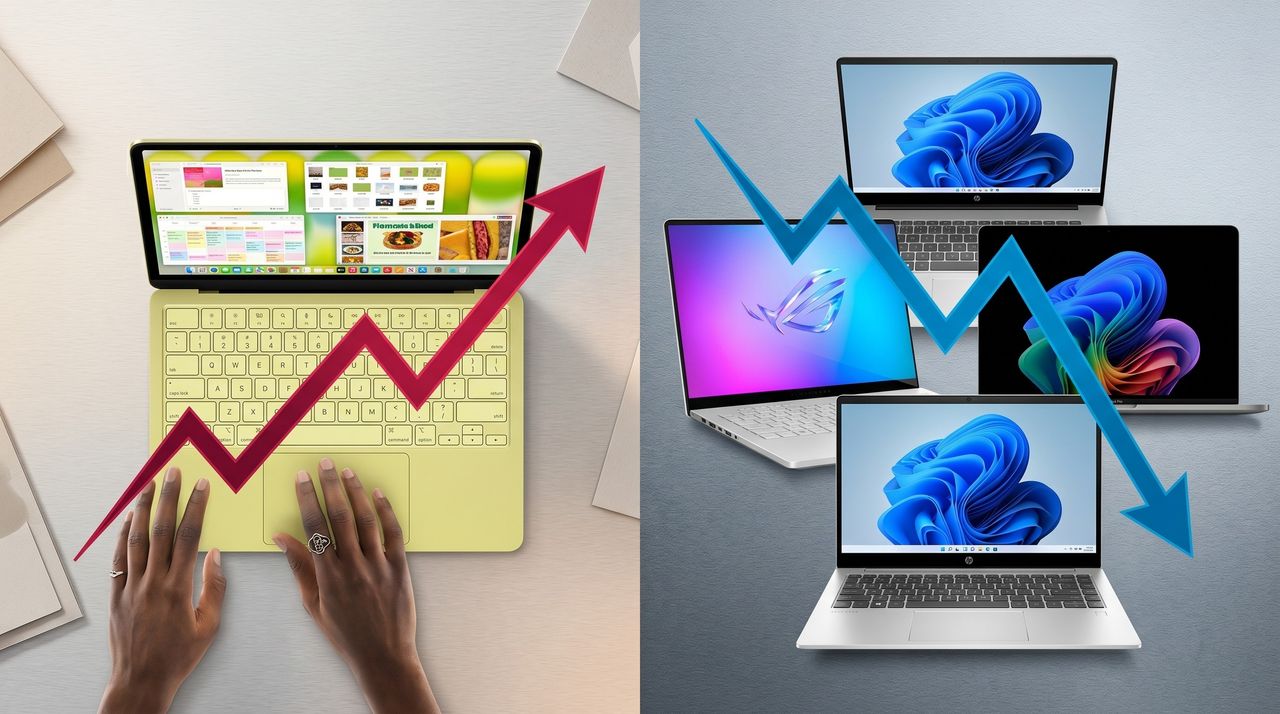
A split image shows a bright yellow MacBook Neo with hands typing and an upward red arrow on the left. On the right, multiple Windows laptops display different screens with a downward blue arrow.
A split image shows a bright yellow MacBook Neo with hands typing and an upward red arrow on the left. On the right, multiple Windows laptops display different screens with a downward blue arrow.
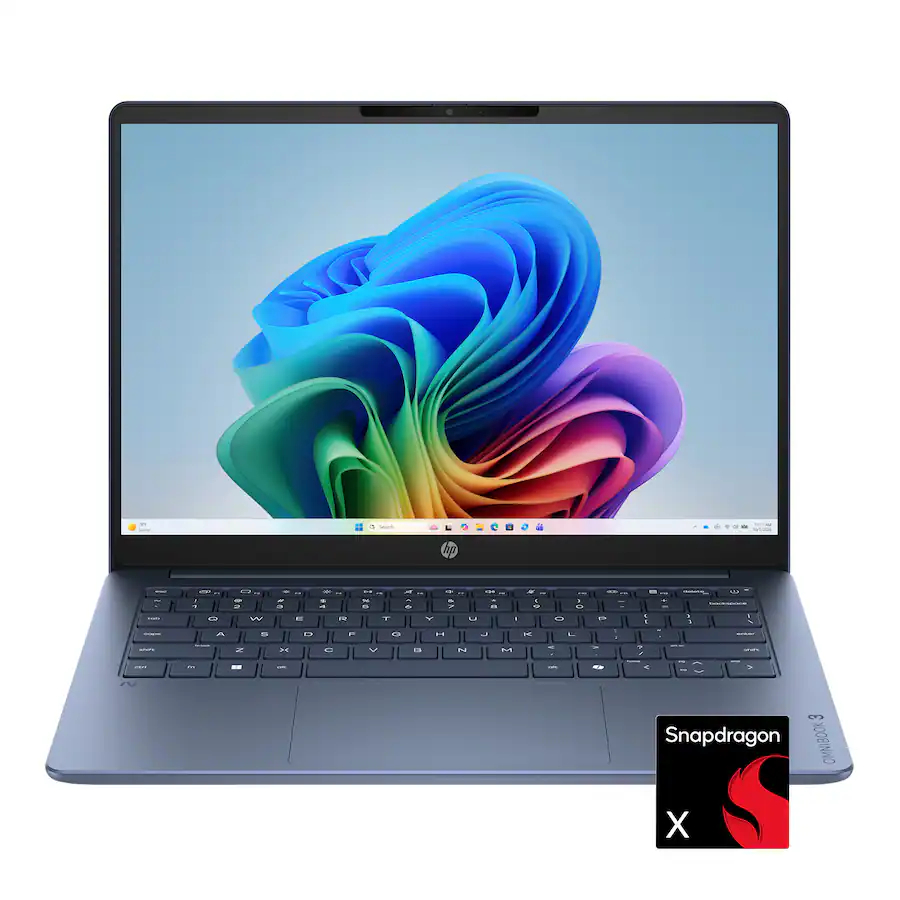
Amazon Prime Day is taking place as we speak, and other online retails stores are jumping into on the fun with their own sales. HP's online store is one such place, and I've just found an incredible deal on a laptop I just reviewed last week. The HP OmniBook Ultra 14 with Snapdragon is $650 off right now, down to just $1,249 while stocks last!
This is the best HP laptop I've tested in a long while. In fact, I think it's probably the prettiest Windows laptop you can buy right now, complete with a best-in-class display, premium build quality, and much more. For this price, you're getting a great device.
HP's new OmniBook Ultra is the best Snapdragon X2 laptop we've tested yet, complete with a gorgeous design, incredible keyboard and trackpad, best-in-class touchscreen OLED display, and incredible battery life and performance.
I've not long published my review of the HP OmniBook Ultra, and I came away very impressed, giving it 5 stars and calling it one of the best Snapdragon laptops this year. Under the hood is Qualcomm's latest Snapdragon X2 Plus SoC, which features 16GB RAM and 512GB SSD storage. It's a powerful and efficient chip, easily capable of most day to day productivity tasks, data crunching, and even light video and photo editing.
It features a best-in-class 1080p OLED touchscreen, which features inky deep color contrast and makes images and text pop . It also has an incredible keyboard, and new haptic trackpad that feels great to use.
The device is also super premium. I think it might be the best looking and feeling Windows laptop on the market currently. It's just 2.83lbs in weight, and features a brushed metal finish around the edges that looks simply incredible. The device is also designed in such a way that makes it look incredibly thin when on a desk, which is awesome.
It features three USB-C ports, along with a 3.5mm audio jack. It also has a Windows Hello equipped webcam that shoots good 1080p photo and video. Lastly, the laptop is a power champ, lasting all day on a single charge with ease. For $1,249, you're not getting a better laptop in 2026 than this.
Join us on Reddit at r/WindowsCentral to share your insights and discuss our latest news, reviews, and more.
Buying PC components in 2026 is largely a lesson in frustration. Prices are out of control, and it's becoming increasingly difficult to build new or upgrade your PC. As a fellow PC gamer and build enthusiast, I know how the struggle feels.
While I can't predict when the RAM and SSD crisis will end, I can offer some deals on PC components I found at Amazon Prime Day and Newegg's competing FantasTech sale.
Many of these deals are expected to expire at the end of the day. It is, after all, the last official day of the four-day Prime Day event. My advice? If you're interested in a deal, don't wait much longer!
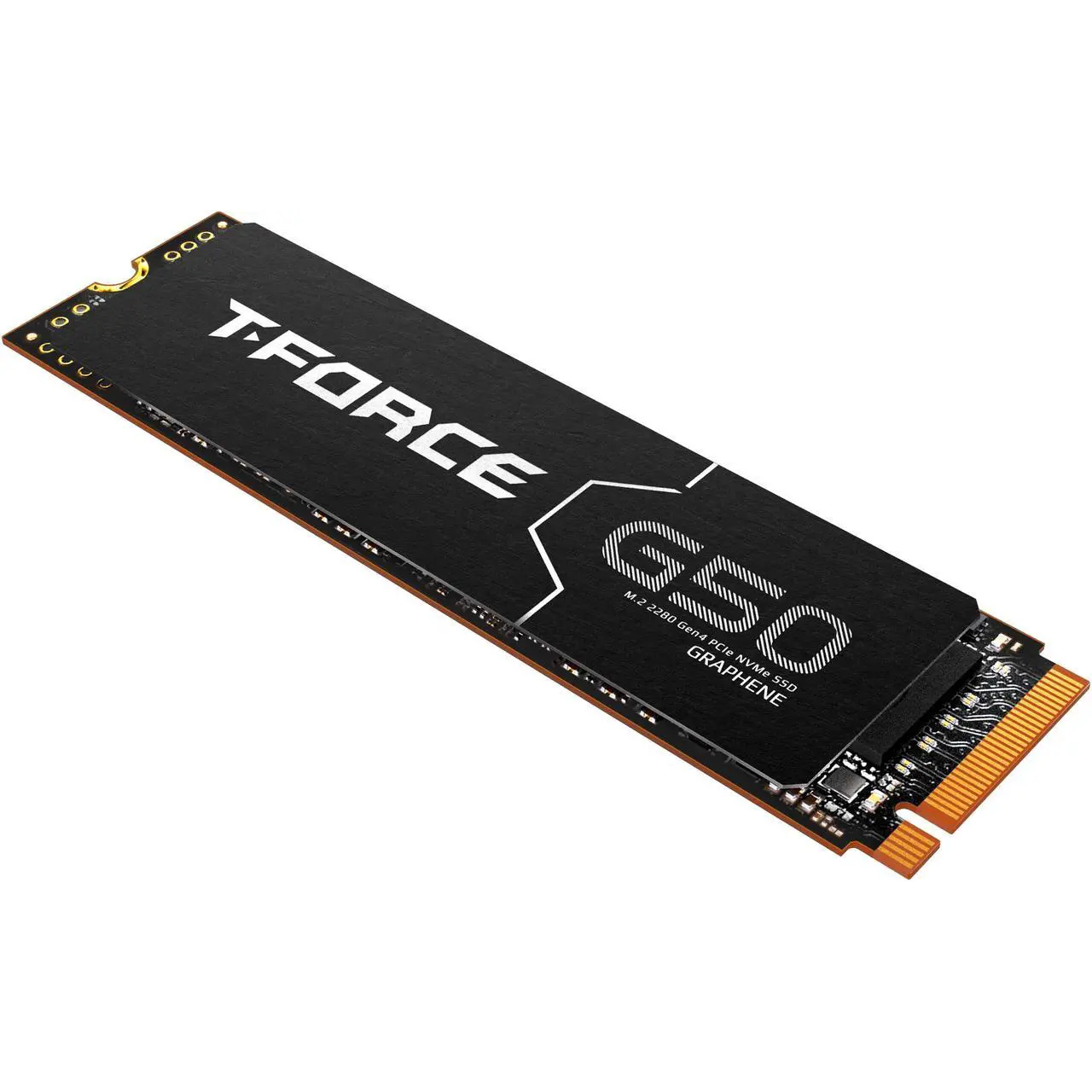
You can get twice as much storage as the discounted 1TB model for only about $143 more, which really isn't much in this current SSD climate. The price hasn't been this low in nearly five months, and this is a stellar M.2 PCIe 5.0 NVMe SSD.
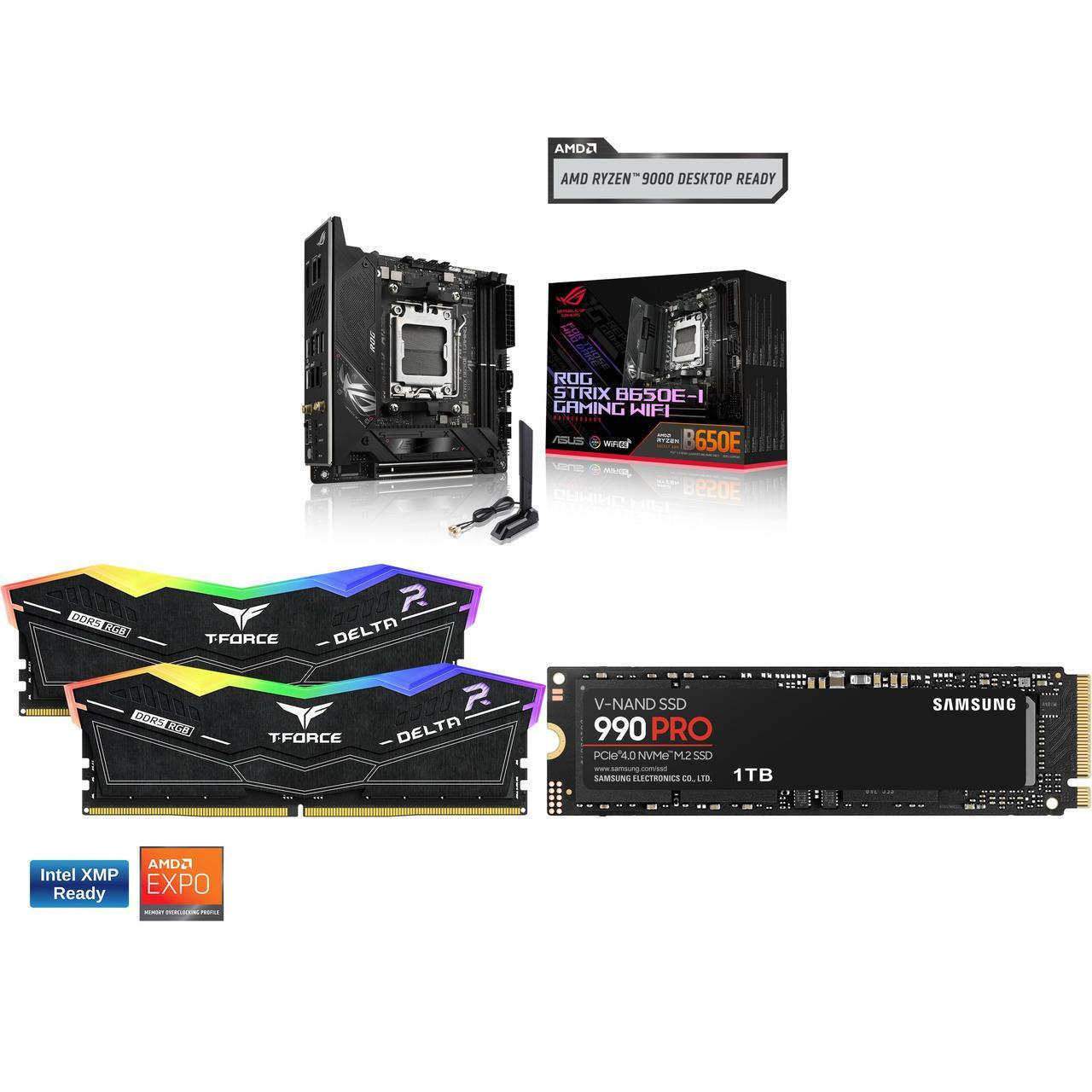
This is one of the few bundles offering RAM; in this case, it's 16GB of DDR5 from T-Force Delta RGB. It's paired with an ASUS ROG Strix B650E-I Gaming motherboard and a 1TB Samsung 990 Pro SSD. Add a CPU, and you're off to the races.
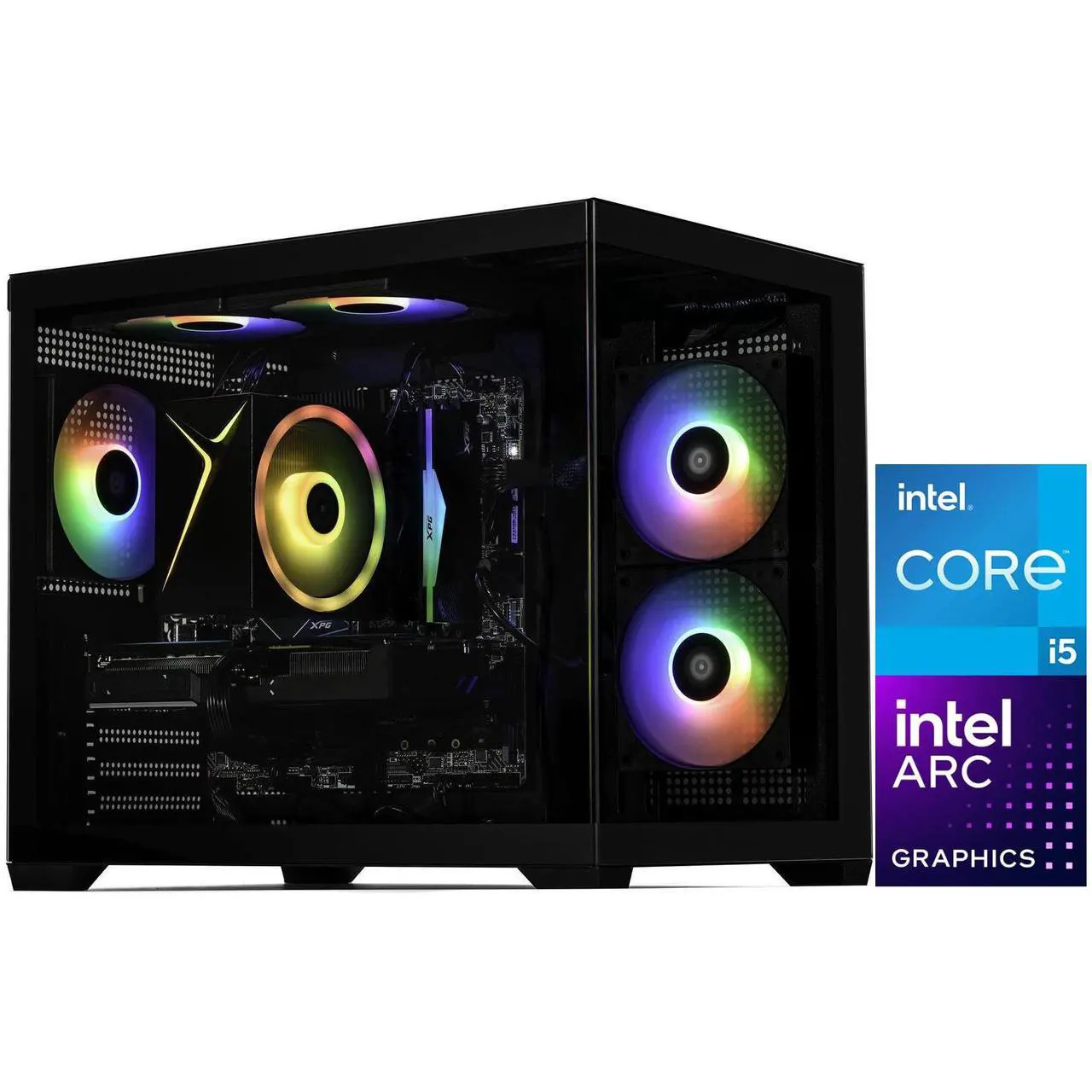
Don't want to piece your own PC together? No problem. This pre-built with an Intel Core i5-14400F CPU, Intel Arc B570 GPU, 16GB of RAM, and 1TB SSD is more powerful than the Steam Machine and costs quite a bit less.
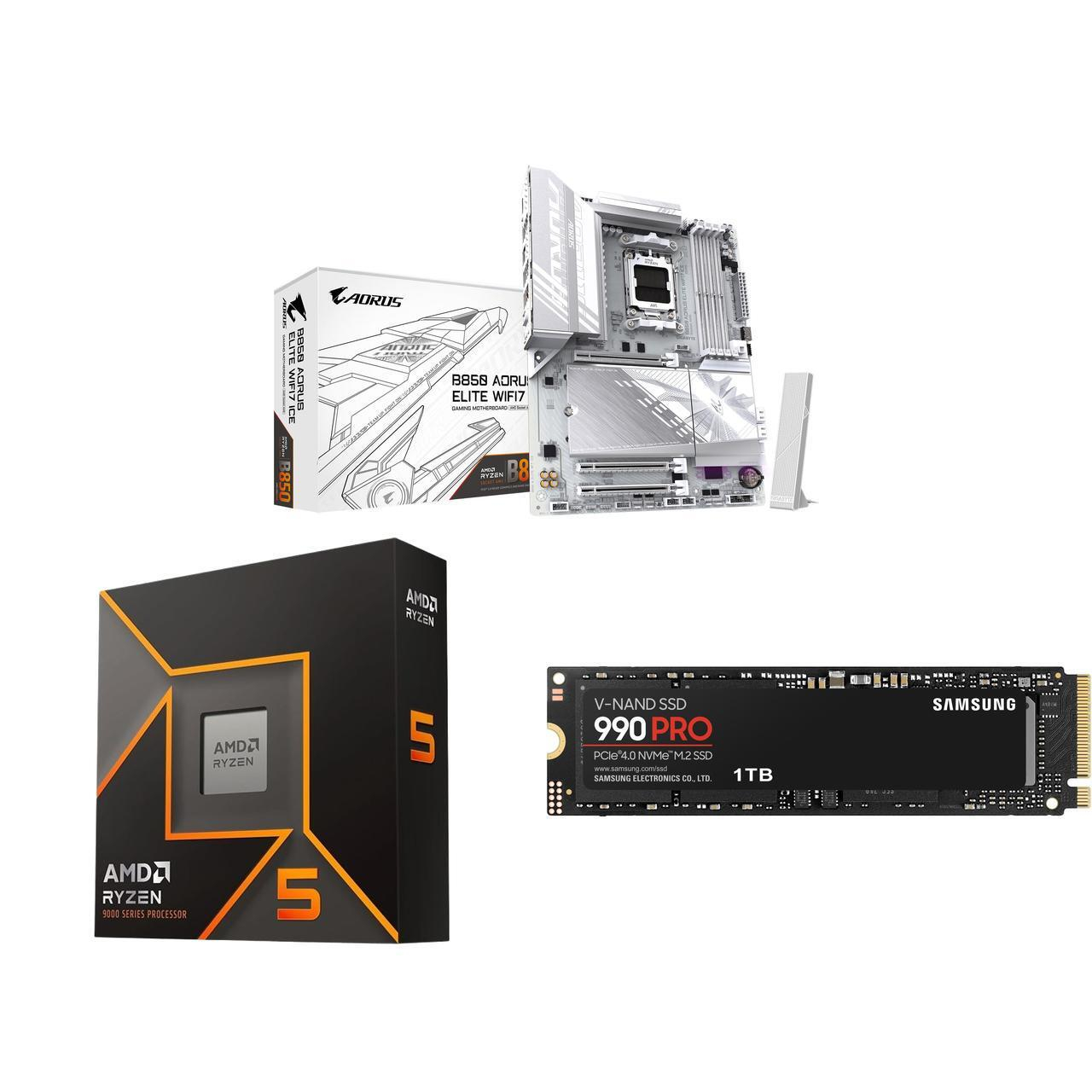
Don't need to overspend on the Ryzen 7 9800X3D? No problem. AMD's Ryzen 5 9600X is a great chip, and this bundle pairs it with a Gigabyte B850 AORUS Elite motherboard and a Samsung 990 PRO 1TB SSD.
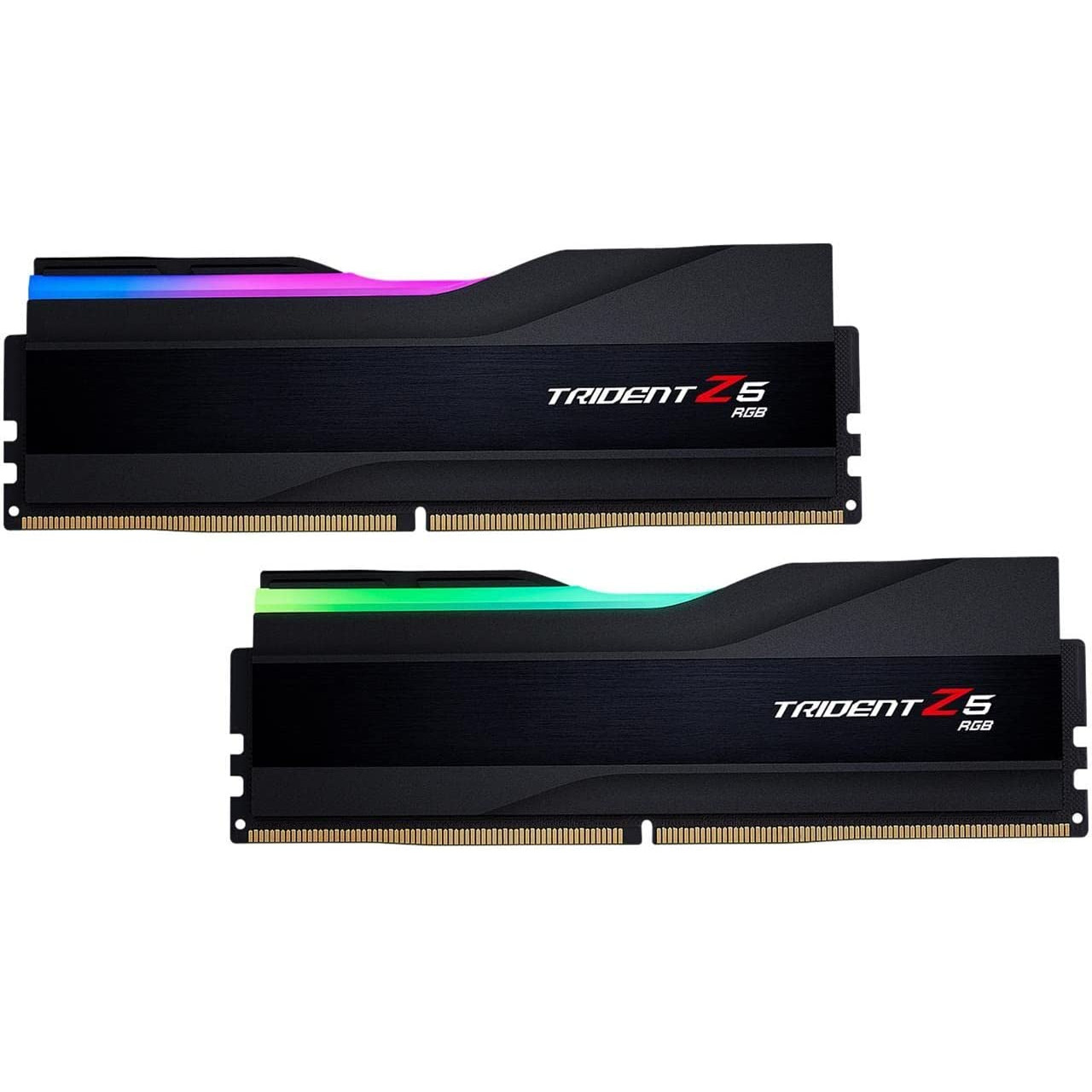
This is easily some of the best DDR5-6000 RAM on the market, and even without inflated prices, it's generally more expensive than alternatives. Newegg is dropping the price by $115 when you use code FTTF374 at checkout.
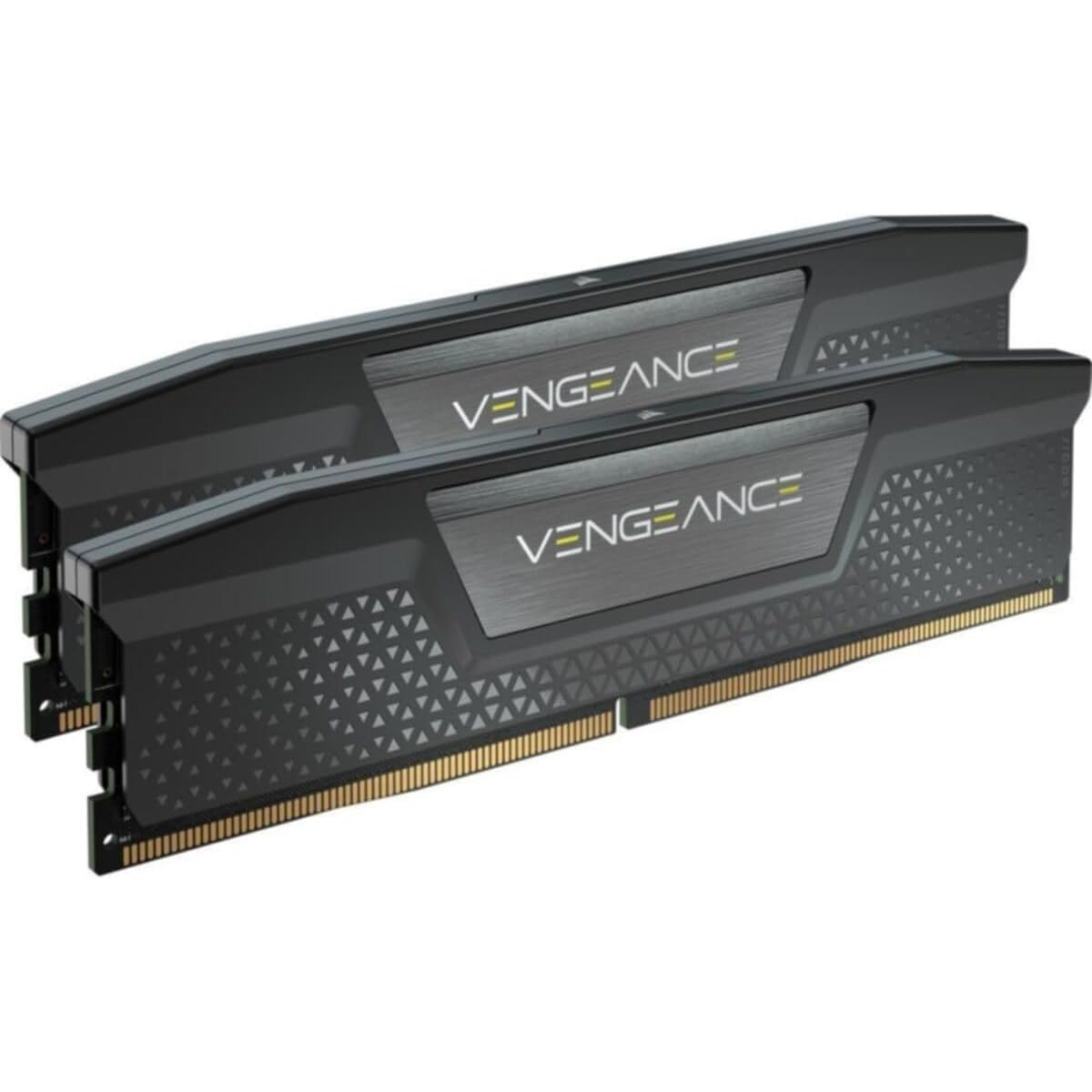
Corsair's Vengeance DDR5-6000 RAM is what I have in my PC, and it's serving me very well. Newegg has a regular sale price of $435.99 active, but you can save an additional $46 by using code FTTF378 at checkout.
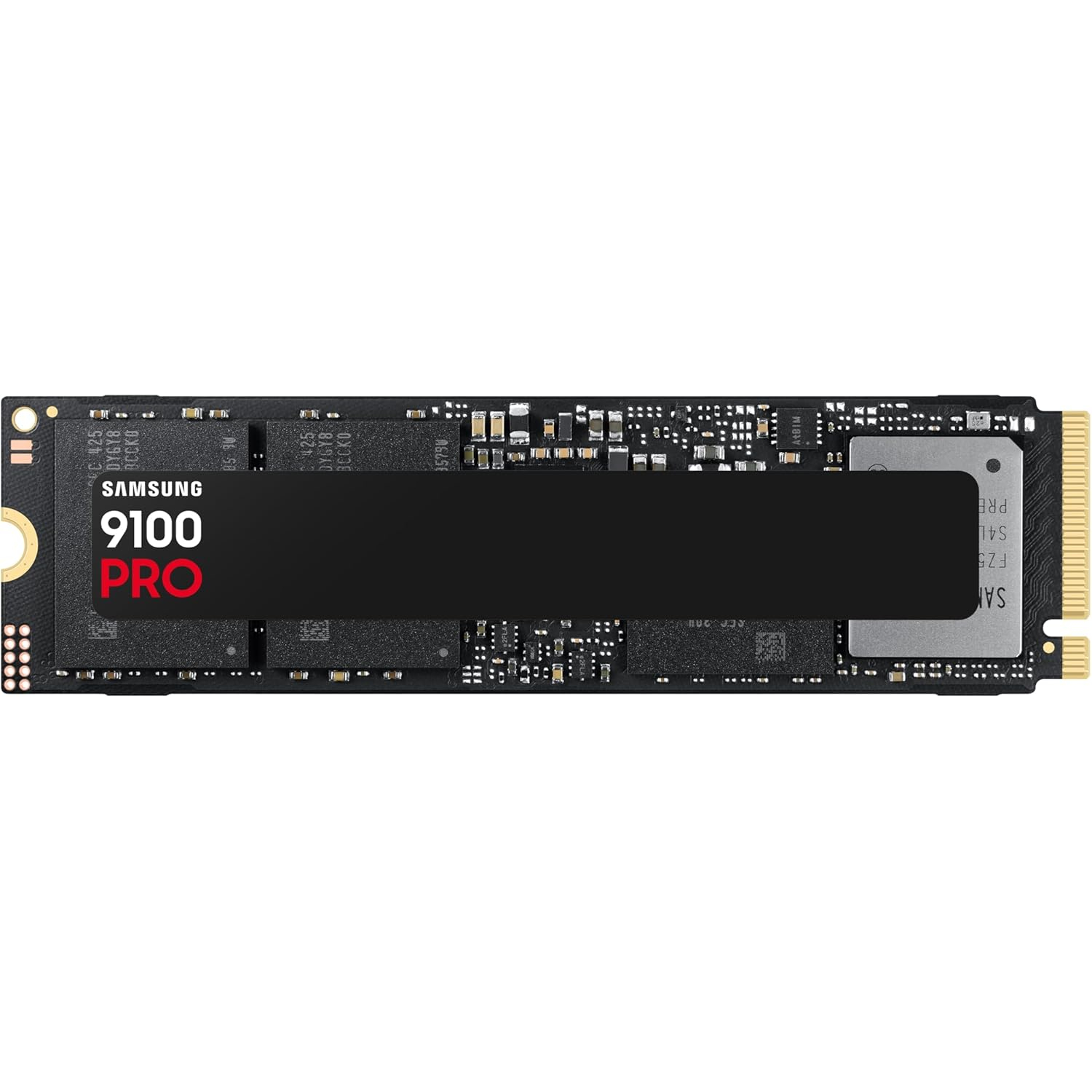
The 1TB model is the most affordable 9100 PRO version out there, falling by 39% to hit $206.99. This is the lowest price I've seen in 2026; just make sure you don't need the 2TB or 4TB versions, also on sale.
This is arguably the best M.2 PCIe 4.0 NVMe SSD you can buy in 2026, both for speed and reliability. It costs more than some of the competition, but this massive deal helps ease the pain.
Storage is nearly as pricey as RAM, but this speedy M.2 PCIe 4.0 NVMe drive lands you 4TB of space for $0.10 per GB. Not bad at all; just be sure to use code FTTF462 at checkout for the complete discount.
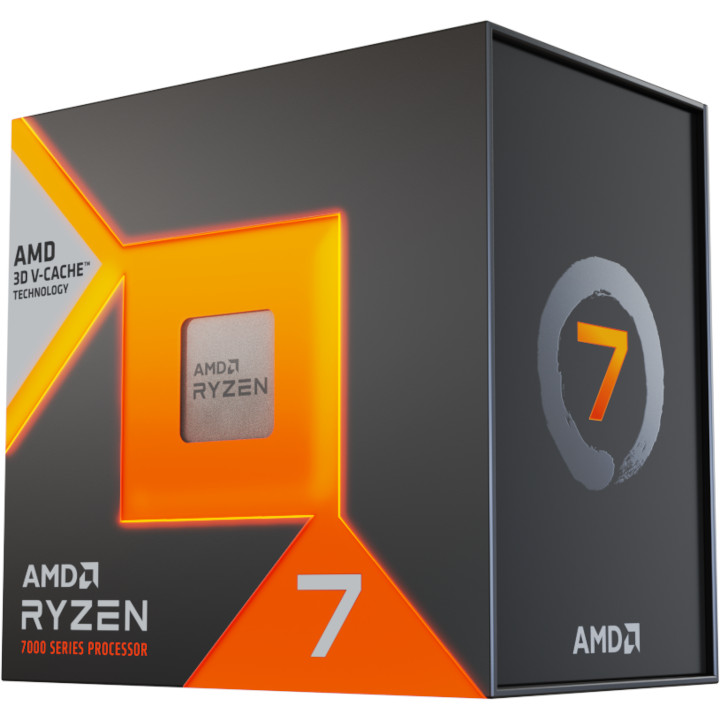
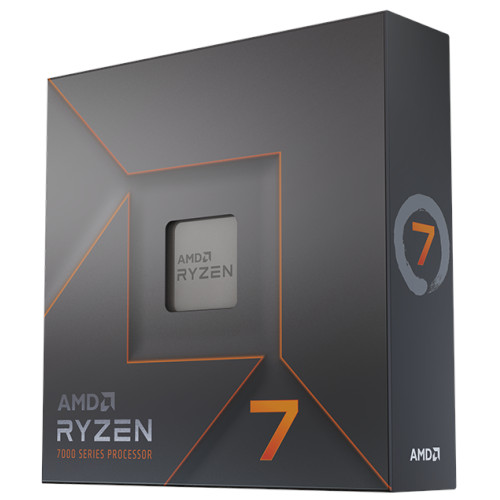
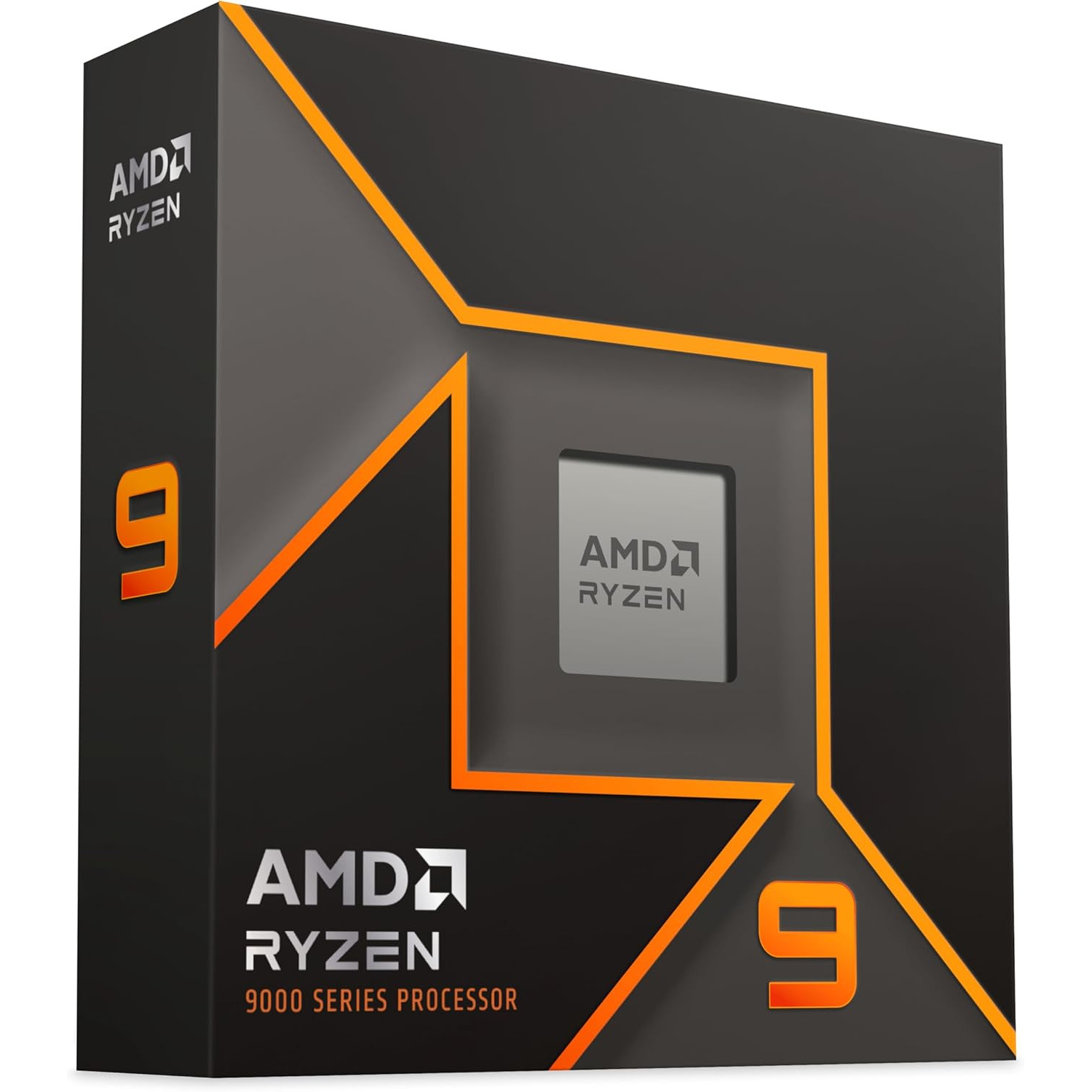
AMD's Ryzen 7 7700X remains a stellar Zen 4 chip for gaming that uses the common AM5 socket. It has 8 cores and 16 threads, with DDR5 and PCIe 5.0 support.
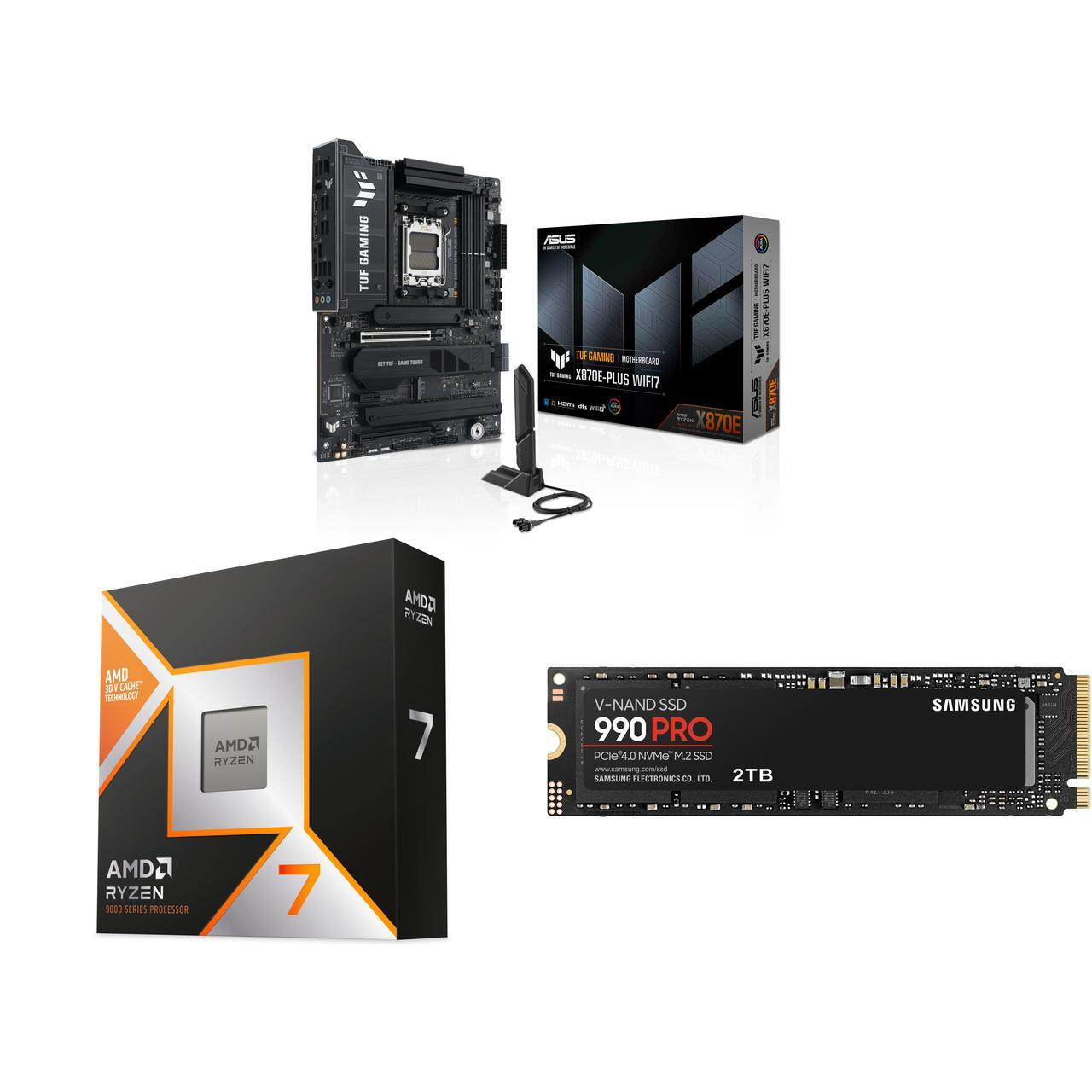
This monster CPU is great for gaming and for work, boasting 12 cores and a 4.4GHz clock. Get the full $70 discount by using code FTTF74 at checkout, and Newegg is tossing in a free Cooler Master Elite Liquid 240 AiO cooler, an $80 value.
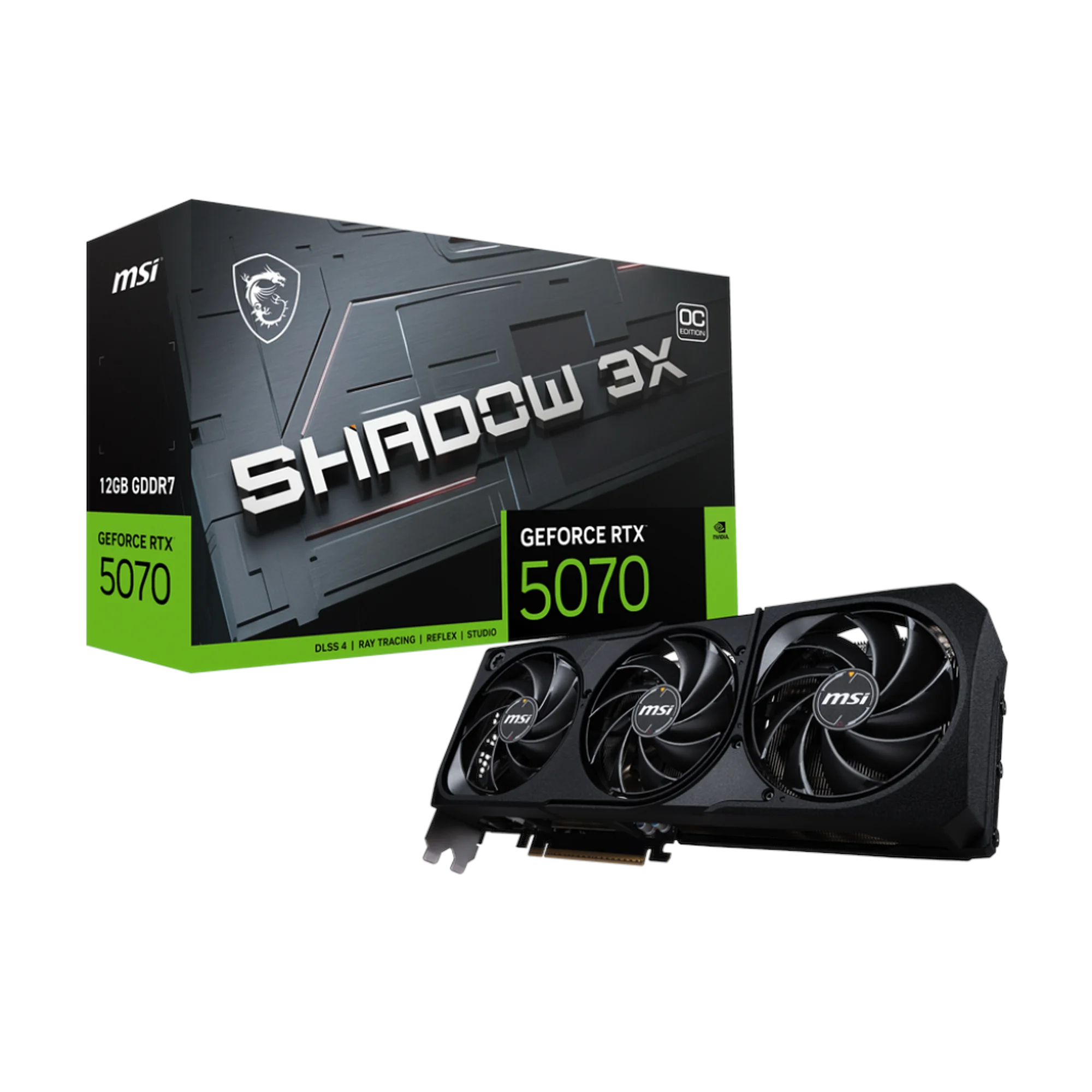
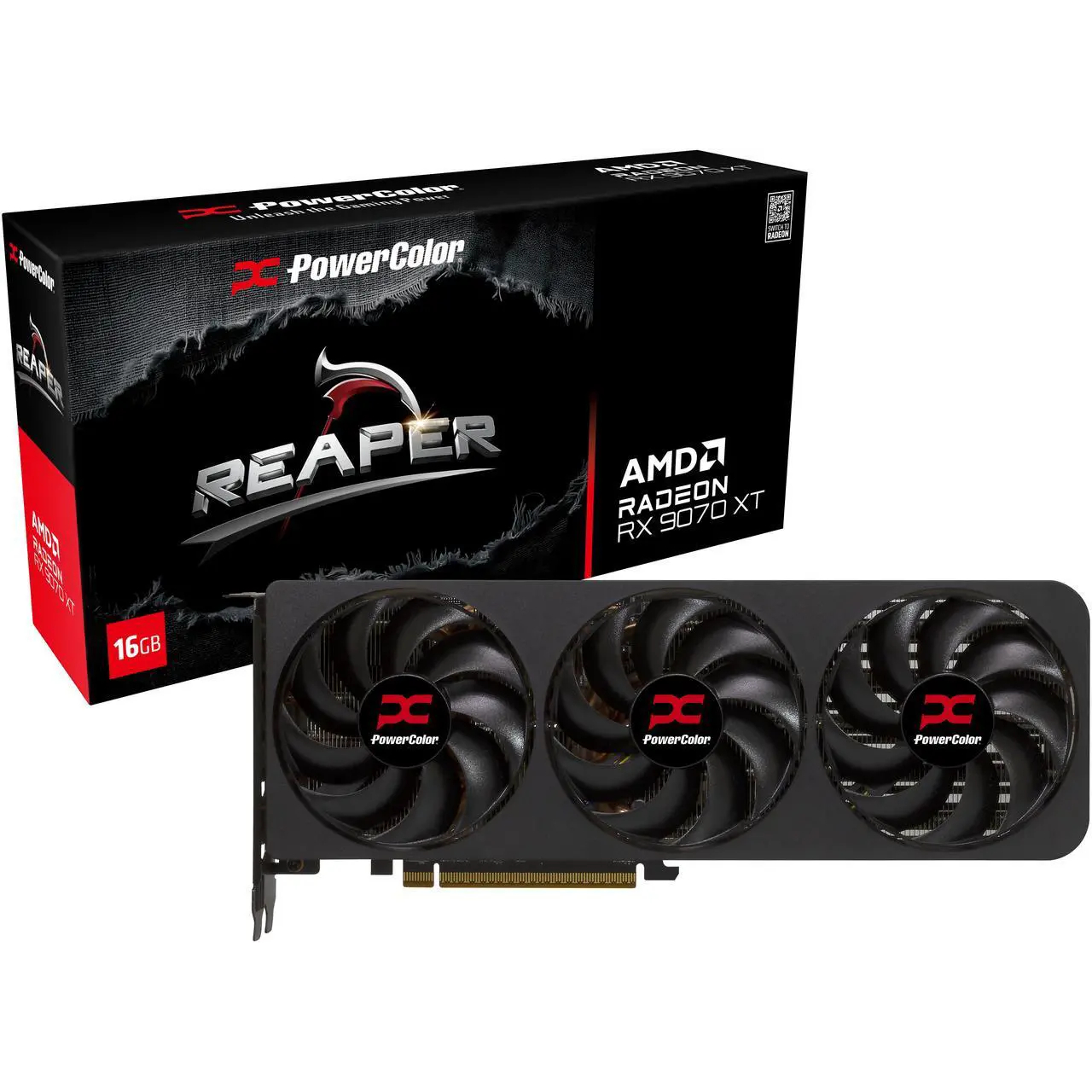
Plenty of VRAM, a triple-fan cooling setup, and NVIDIA's DLSS 4.5 techniques make this one hell of a gaming GPU. It's normally $67 off, but Newegg will knock off another $30 if you have a Newegg account.
Amazon Prime Day is typically the best time to buy new tech during the summer, and it's especially meaningful this year as PC component prices have skyrocketed.
Which countries are taking part in Prime Day 2026?
While Windows Central primarily covers Amazon Prime Day sales in the United States and the United Kingdom, the event takes place in 26 countries, including Canada and Ireland.
Do I need an Amazon Prime membership for Prime Day?
Yes, Amazon's rivals are running competing events, including Best Buy's "Tech Fest", Newegg's "FantasTech Sale", and Walmart's "Deals & More", which all end on June 28, 2026. Each retailer can offer its own membership perks, such as My Best Buy Plus / Total and Walmart Plus, and it's important to remember that Amazon does not always offer the best deal during Prime Day. Windows Central will compare prices across retailers, so you can choose the best fit for you.
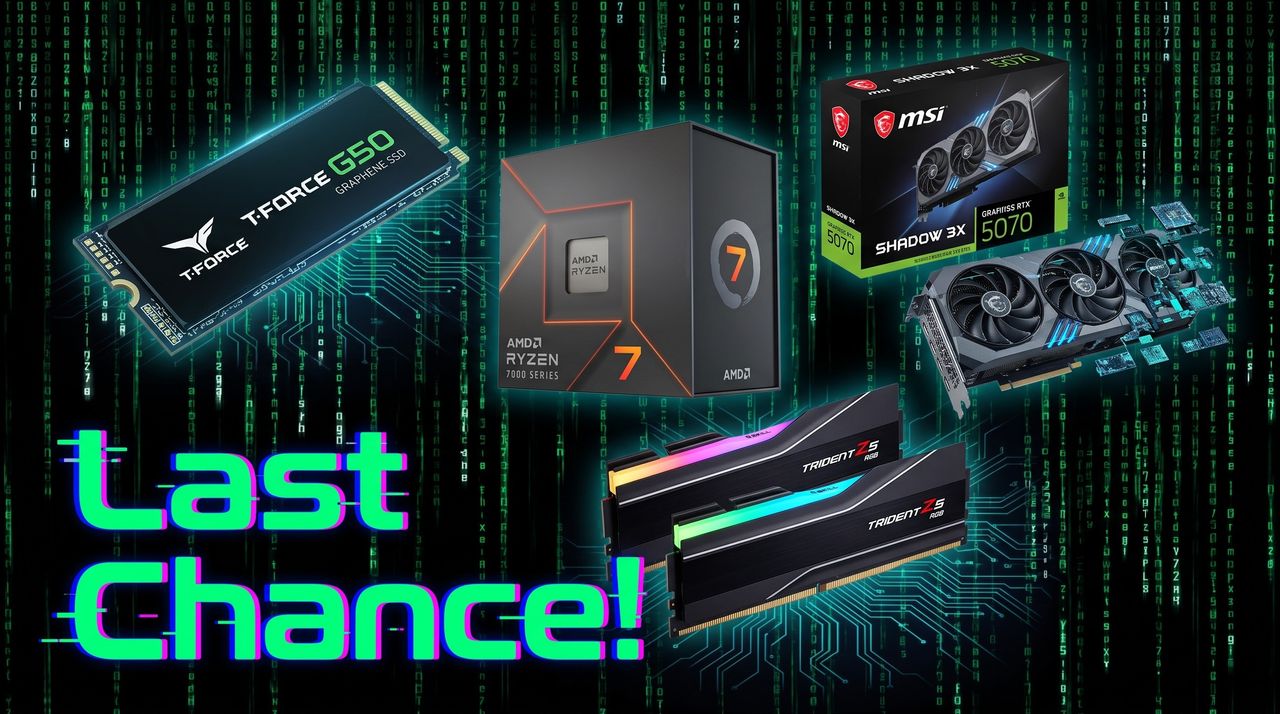
Collection of PC components on a Matrix background, with the text "Last Chance!" in the corner.
Collection of PC components on a Matrix background, with the text "Last Chance!" in the corner.

 Connexion

 Le menu système après upgrade : 62 Go de RAM, mais toujours 8 Go de VRAM