❌

Vue lecture

Salvador Dalí’s melting clocks are now a 3D LEGO diorama, ants included
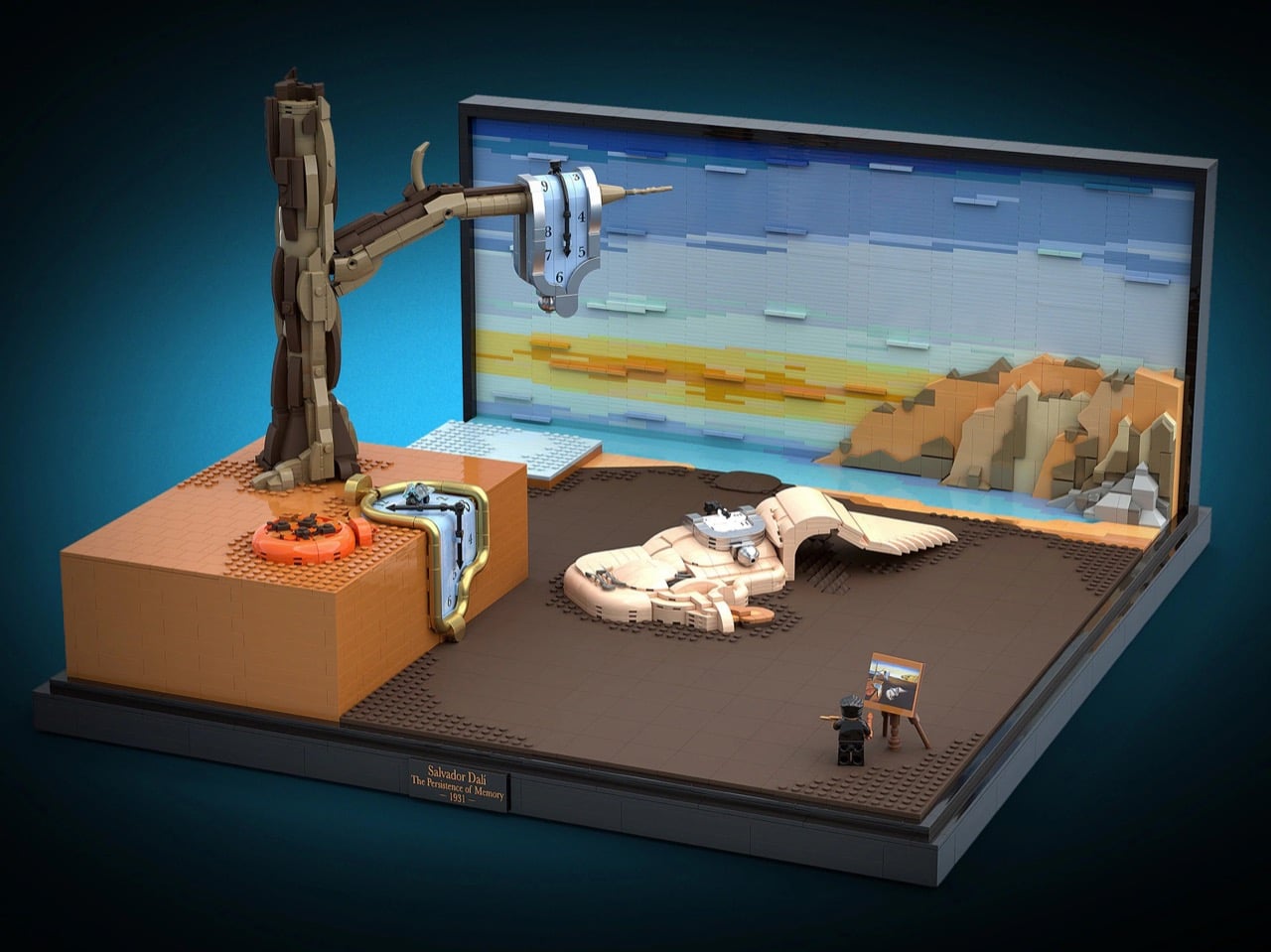
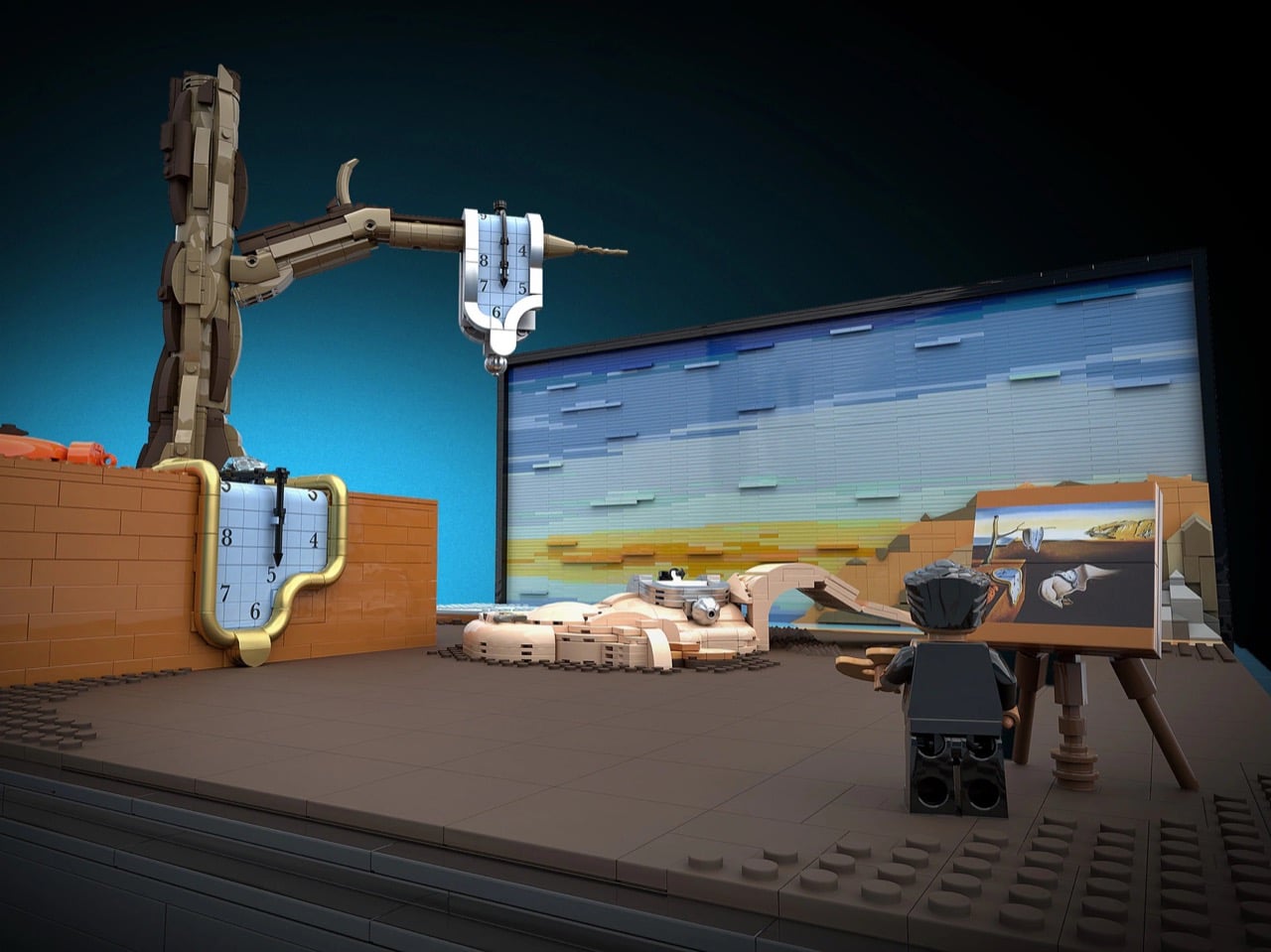
MoMA owns The Starry Night, The Persistence of Memory, and a set of LEGO bricks designed by Godtfred Kirk Christiansen in the 1950s. The museum brought two of those together in 2022, when it partnered with LEGO on the Starry Night set that grew out of a LEGO Ideas submission. A new Ideas project wants to complete the triangle. BrickRelativity has rebuilt Salvador Dalí’s 1931 painting of melting clocks as a 3D brick diorama, complete with the dead tree, the ant-covered watch, and the weird sleeping figure sprawled across the beach. If MoMA wanted a sequel, it wouldn’t even need to leave the building.

Dalí’s original is tiny, just 9.5 by 13 inches (24 by 33 cm), which catches plenty of first-time visitors off guard. The brick version spreads the scene across a black display base with a gallery plaque and a sky built from horizontal bands of blue, aqua, and sunset-yellow plates. BrickRelativity says the central blob was one of the toughest challenges, since soft, shapeless forms and rigid LEGO elements get along about as well as cats and bathtubs. The clocks came a close second, their faces rebuilt from tile grids that warp along with the melt. LEGO Art has already worked through Hokusai, Van Gogh, and Monet, so Surrealism feels overdue.

Designer: BrickRelativity
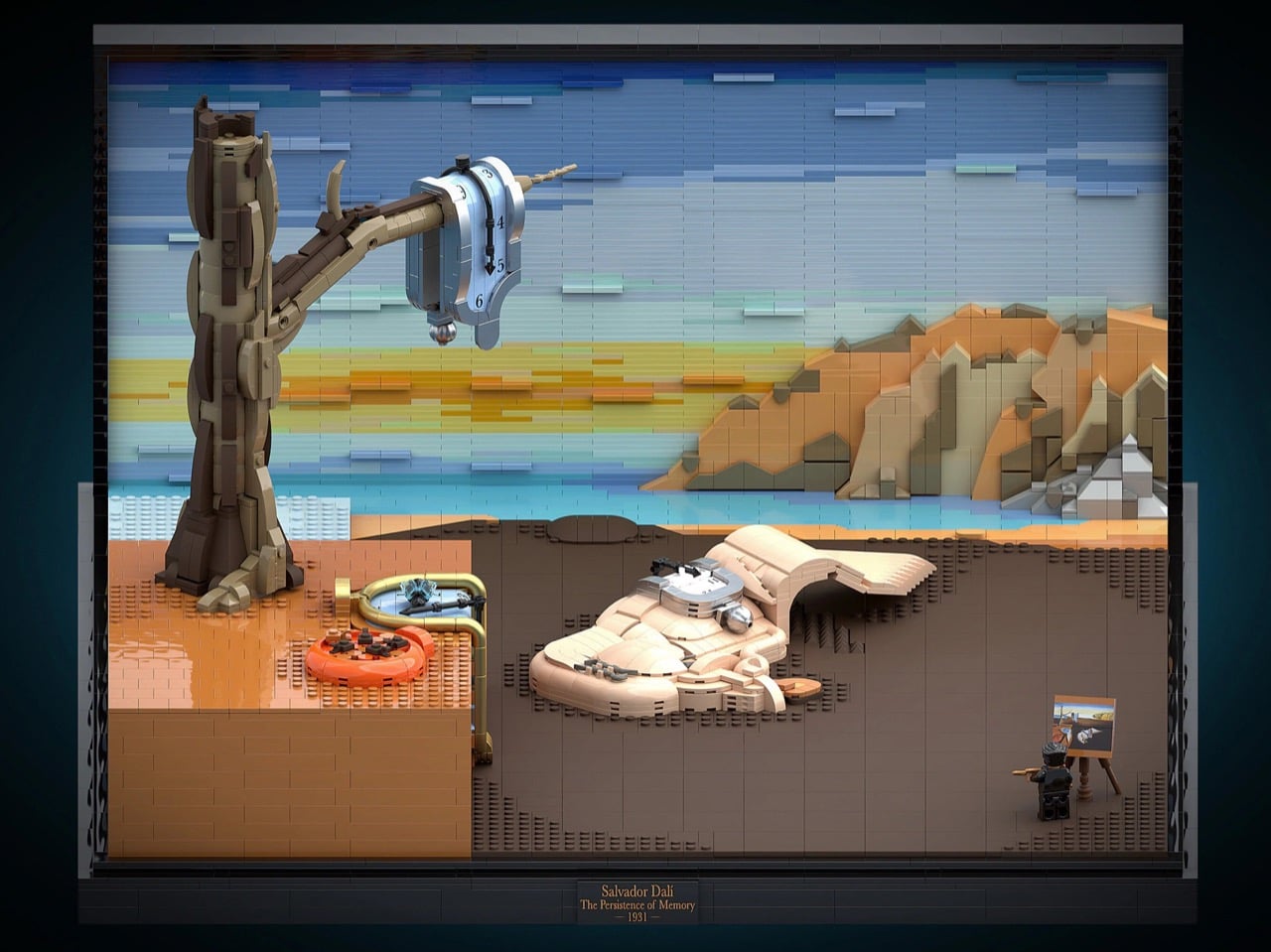
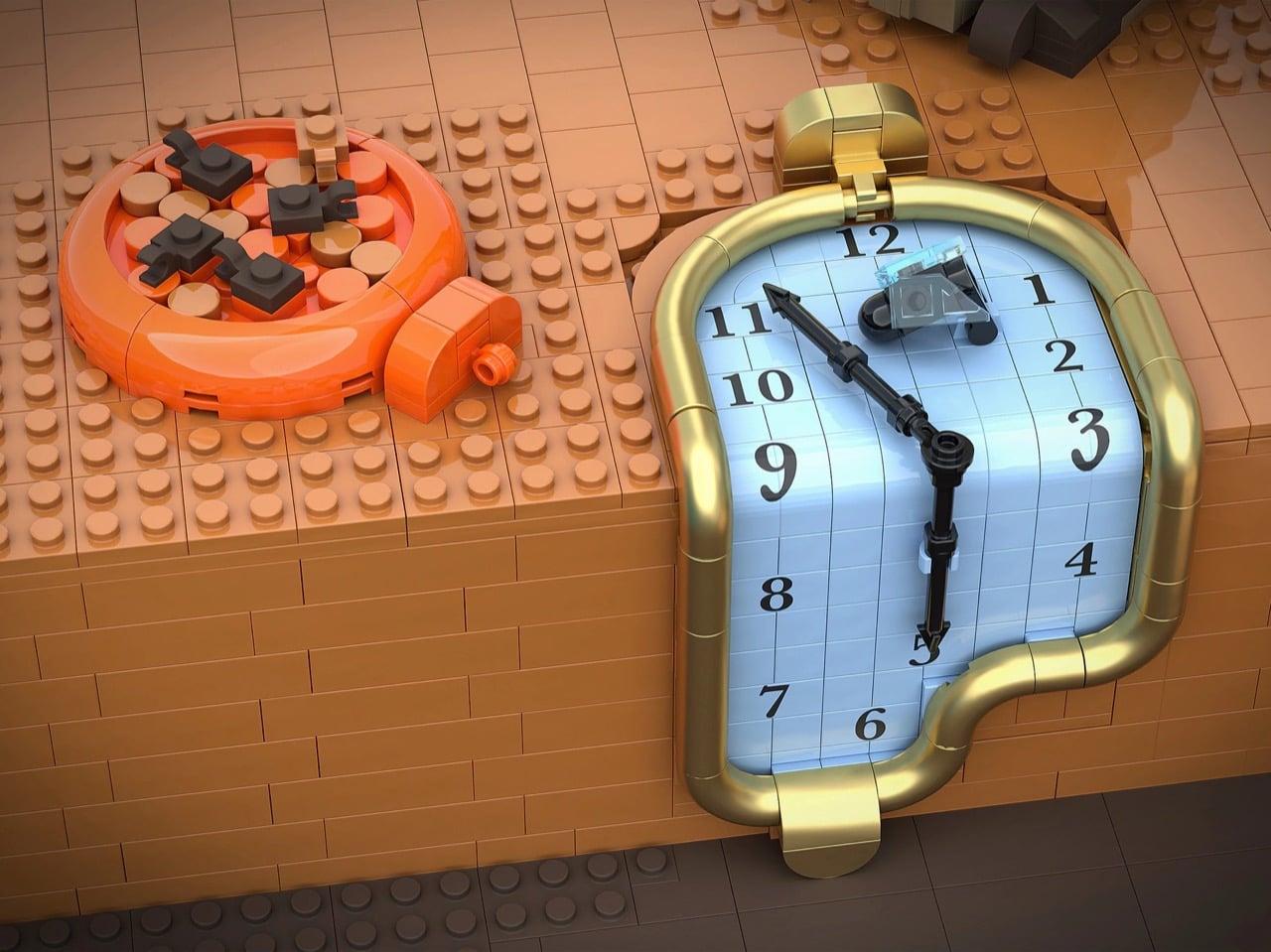
Three clocks melt across the scene, and each gets its own construction trick. The one hanging off the tree branch wears a pearl-silver bezel that folds over the wood, with a small silver ball at its lowest point standing in for the drip. The pocket watch sliding off the orange ledge swaps silver for pearl-gold tube elements that kink around corners, with a transparent fly perched on its face. The third clock drapes over the sleeping figure in the middle, following the curve of the body underneath it. Numerals were applied as decals directly to the curved surfaces, while every clock hand is built from LEGO elements.

My favorite detail, though, is the face of that gold pocket watch. BrickRelativity built it from a grid of light-blue tiles, and as the face slumps over the ledge, the seams between them bend with it. The result looks like graph paper caught in a heat wave. The grid also gives the numerals a place to sit and recalls the stud-by-stud mosaics of LEGO Art, now visibly coming apart. A warped coordinate system feels very Einstein, which is funny, because Dalí insisted his soft watches came from cheese rather than relativity.
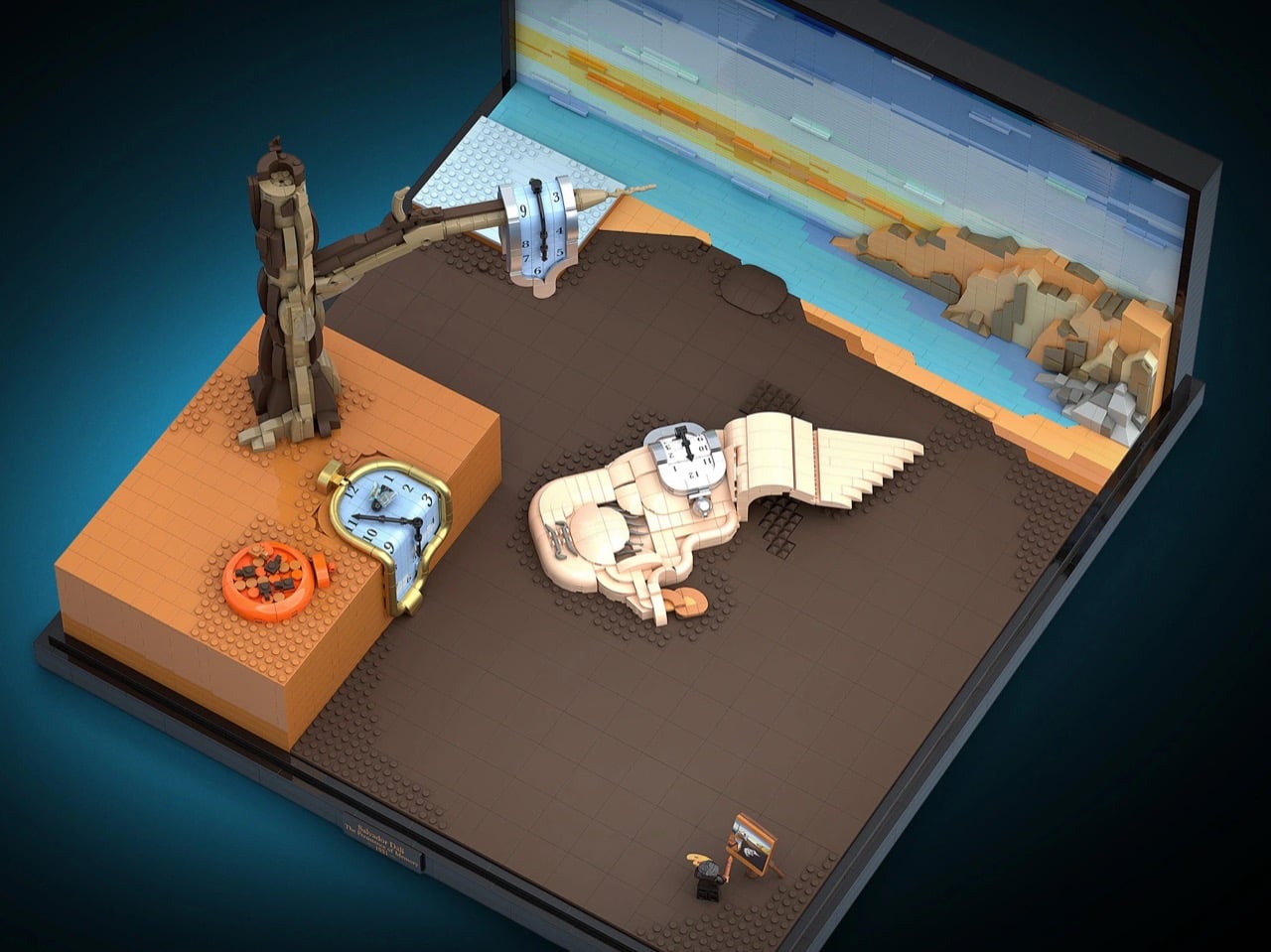
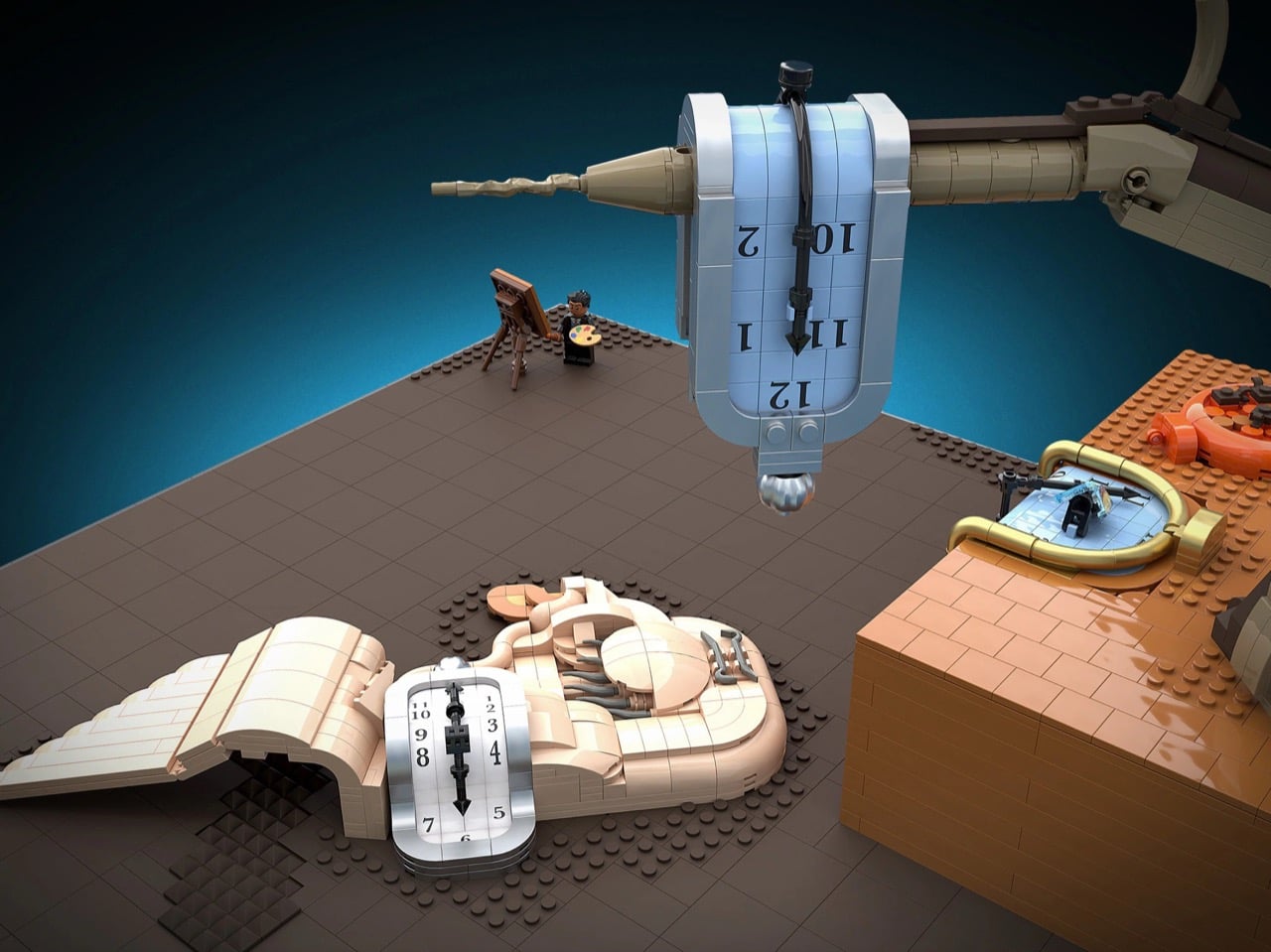
Dalí reportedly based the sleeping figure on a rock formation at Cap de Creus, and it’s generally read as a squashed self-portrait. BrickRelativity layered curved slopes in tan and pale flesh tones until the blob looked properly boneless. Dark gray bars and curves form a closed eye with long lashes, and a wing-like membrane of stacked plates trails off behind it. Back on the ledge, the closed orange pocket watch is a ring of curved elements with a little crown nub. A cluster of tiny ants made from dark clip plates swarms its lid, turning Dalí’s recurring symbol of decay into a minifig-scale infestation.

The landscape skips a printed backdrop entirely. Horizontal bands of blue, aqua, pale yellow, and orange plates build up the sunset sky. The Cap de Creus cliffs on the right use stepped wedges and slopes in tan, dark tan, orange, and gray, placed at different depths to make the coastline recede. Dark brown tiles cover the beach, with patches of exposed studs breaking up the flat surface like scrubby ground. Viewed head-on, that depth collapses back into the painting’s flat composition. BrickRelativity has some practice with perspective tricks: previous Ideas projects turned M.C. Escher’s impossible staircases into bricks.
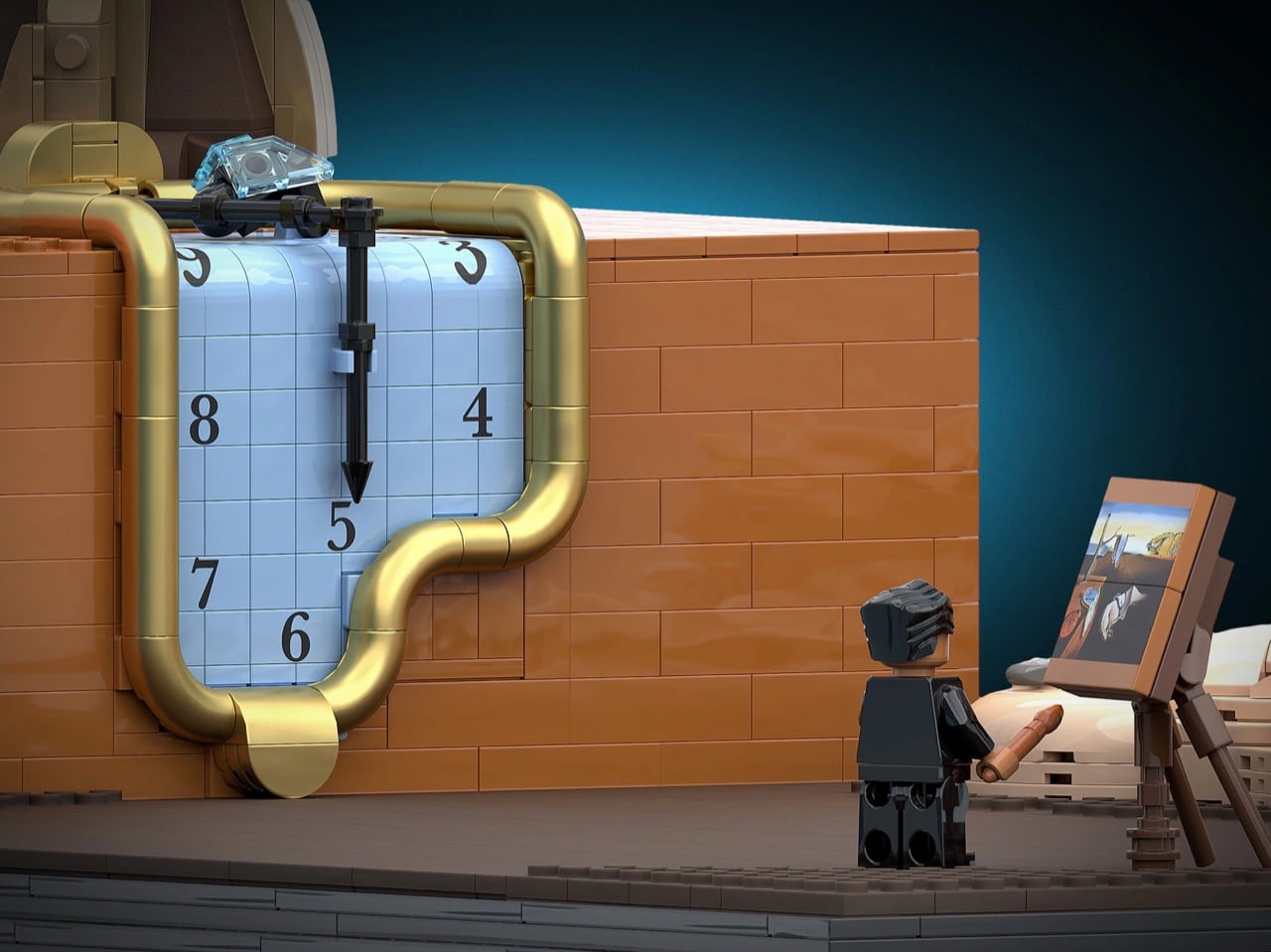
Down in the front corner, a tiny Dalí minifig with swept gray hair, a patterned tie, and that famous upturned mustache paints at an easel holding a miniature copy of the painting. It’s a direct callback to the Van Gogh minifig and easel that shipped with the Starry Night set. A black base and a small plaque bearing the artist’s name, the title, and the year finish the gallery look. Fan builders have been chasing this museum energy all year, from a 1,117-piece Picasso portrait to a Brick Dangerous melting clock that just qualified for LEGO’s third 2026 review. Dalí’s copyright is managed by the Fundació Gala-Salvador Dalí, so any official version would need the estate’s blessing.

The project currently sits at 1,849 supporters, with 602 days left to hit the next milestone of 5,000. LEGO Ideas lets fans submit builds and rack up supporters, and projects that reach 10,000 move on to LEGO’s official review for a shot at becoming a real set. You can head to the LEGO Ideas page and give BrickRelativity your vote, which costs nothing but a LEGO account. Dalí already turned this painting into floating bricks once, in his 1954 sequel The Disintegration of the Persistence of Memory. Seems only fair to let someone finish the job properly, with clutch power this time.

The post Salvador Dalí’s melting clocks are now a 3D LEGO diorama, ants included first appeared on Yanko Design.
  •  

LEGO Bauhaus Chess Concept Has Hidden Clues to Its Moves

A knight’s horse-shaped head is easy to recognize, but it offers no clue about that peculiar L-shaped move. That’s a small frustration with learning chess: identifying the pieces and remembering what they do are two separate tasks. I like the idea of giving their shapes a little more responsibility, especially when the alternative is explaining the knight’s movement for the fifth time.

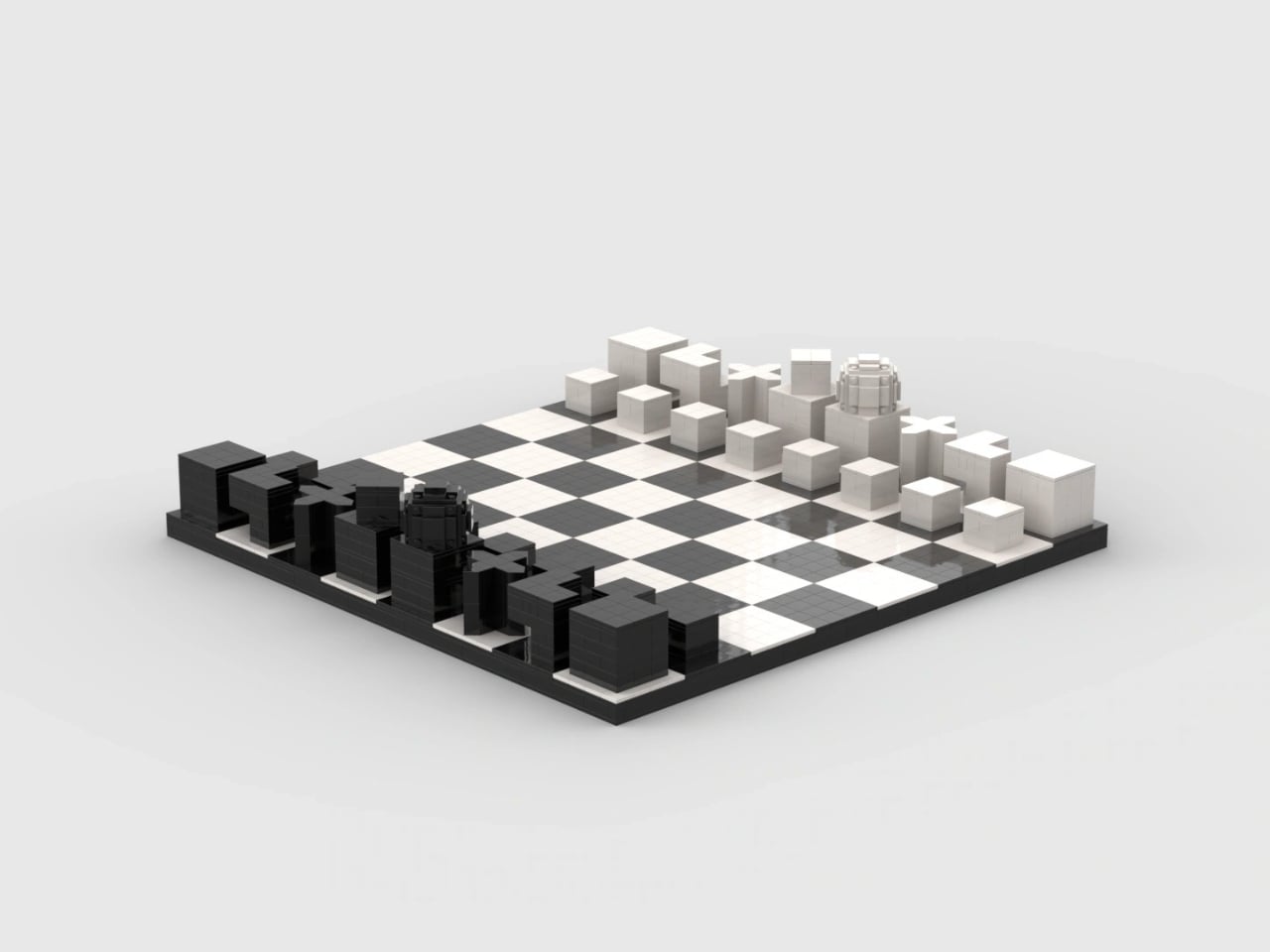
Pinke Gans’s Bauhaus Chess Set, a LEGO Ideas fan concept, takes that possibility as its starting point. According to the designer, the idea emerged during a summer visit to the Bauhaus Museum in Weimar, Germany, where Josef Hartwig’s geometric chess pieces brought LEGO bricks to mind. It’s an appealing connection: a construction system built around basic shapes meets a chess set designed to make those shapes meaningful.

Designer: Pinke Gans

Hartwig designed his Bauhaus chess set in 1923, while working at the school in Weimar. Its abstraction wasn’t simply a matter of removing decorative details. The pieces used their forms to communicate their movement, replacing familiar figures with a geometric vocabulary. A minimalist chess set can still leave you memorizing arbitrary symbols; Hartwig’s approach gives some of those symbols a practical explanation.

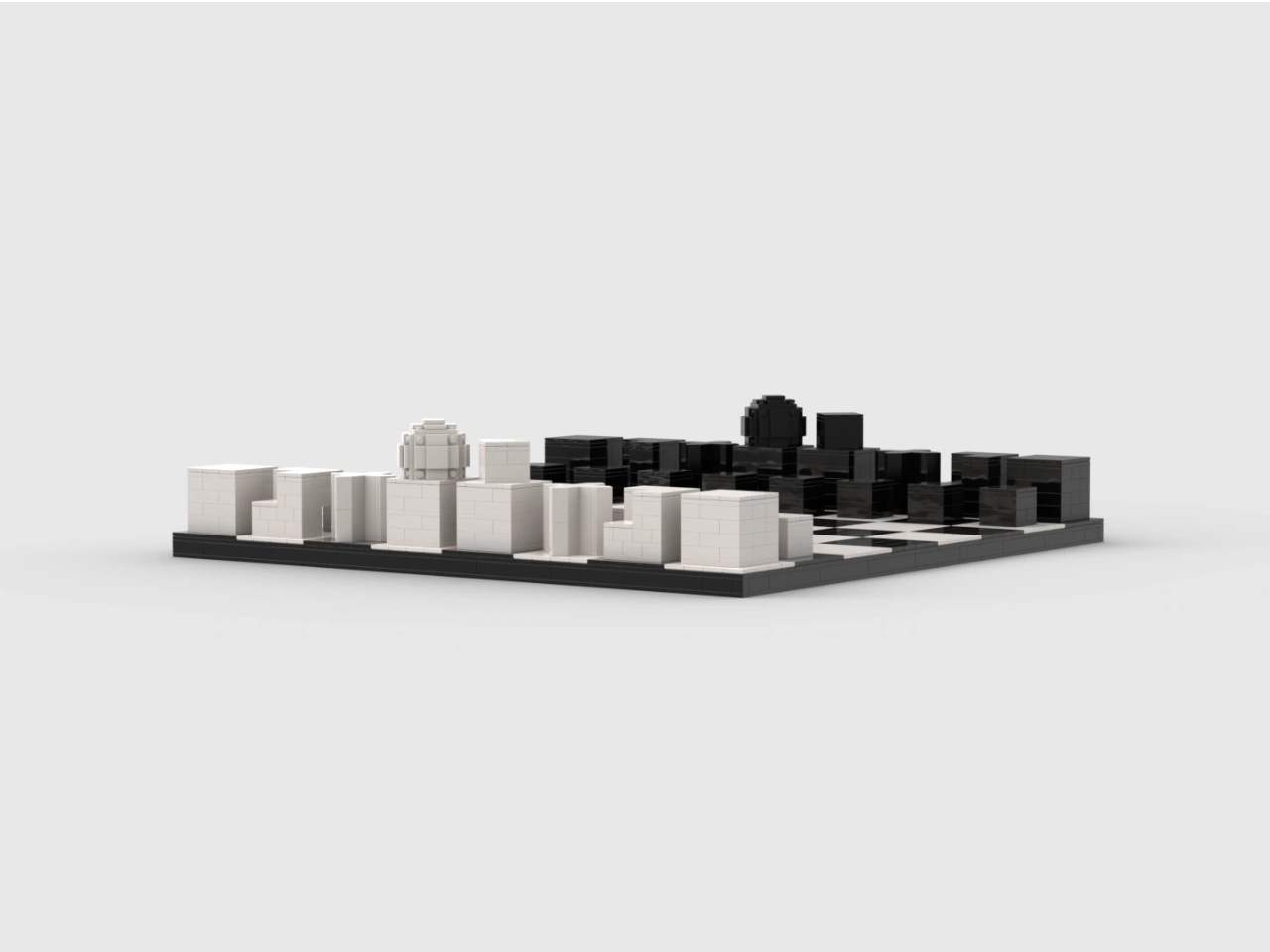
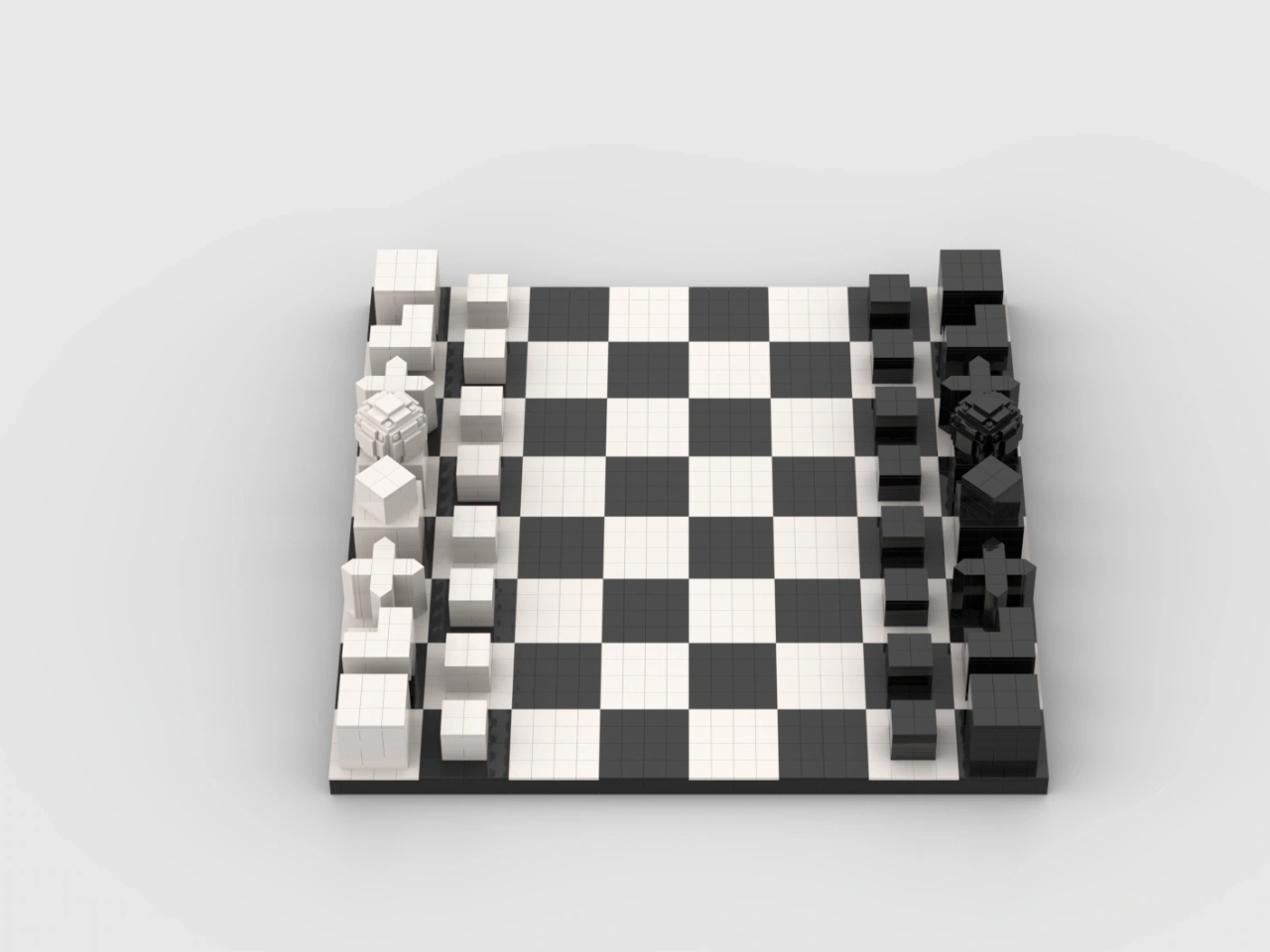
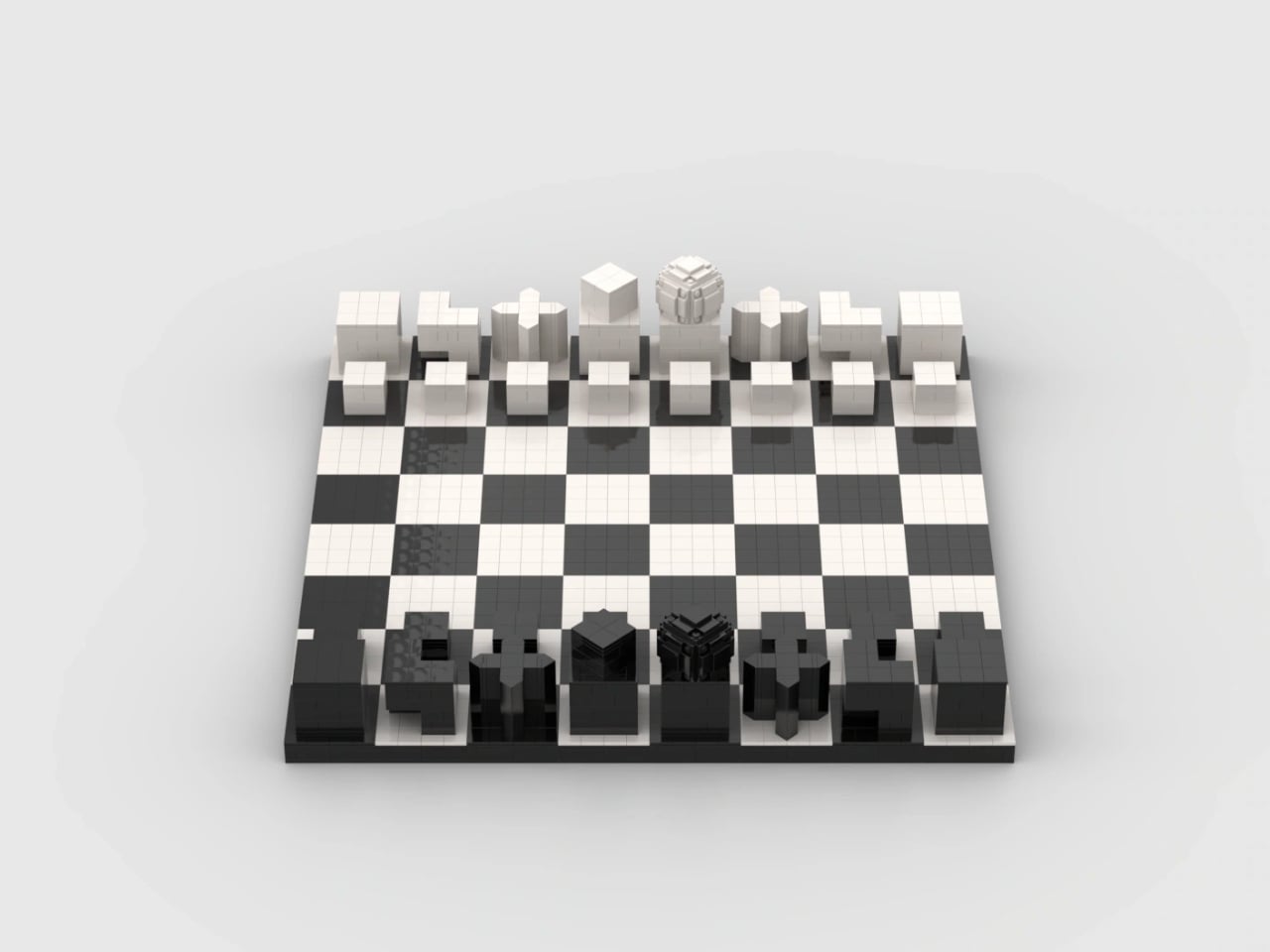
The knight is the clearest example. Its stepped shape echoes its L-shaped movement, while the bishop’s diagonal cross relates to its diagonal paths across the board. Pinke Gans’s version carries those recognizable forms into bricks. These are useful memory cues, not a complete substitute for learning the rules. Nobody should expect a small cube to explain every complication of a pawn’s first move or capture.

In the supplied images, the queen provides the most conspicuous departure from all those straight edges. Its rounded top becomes a faceted, layered construction, with individual elements visible around its surface. Nearby, the king has a smaller cube turned relative to its base. Together, they introduce enough variation to interrupt the rows of blocks. The brick-built approximation of a sphere gives the queen a texture of its own.

That translation is more interesting to me than a perfectly smooth replica would be. Historical examples of Hartwig’s set were made in wood, so rebuilding the forms in LEGO changes how their surfaces read. Here, joints and tile seams remain visible. They establish a second, finer grid within the larger chessboard pattern, making the construction legible even where exposed studs don’t dominate the design.

The board itself stays restrained: black and white squares, a dark perimeter, and no elaborate scenery competing with the pieces. From the lower viewing angles, the arrangement resembles a small collection of architectural models. I could see this earning its place on a living room table because the visual interest comes from proportion and repetition, rather than decoration.

There is a potential usability tradeoff, though. If you already recognize conventional chess silhouettes instantly, a geometric set asks you to learn a different identification system before its logic becomes helpful. A blocky king and a rounded queen might be clear once explained, but that doesn’t establish faster recognition during play. The images also can’t tell us how securely the pieces hold together when repeatedly picked up.

The project is presented as a LEGO Ideas proposal, rather than an announced retail set. That distinction deserves to stay attached to the enthusiasm. Fan product ideas that reach 10,000 supporters may be considered for production, but reaching that threshold doesn’t itself put a box on store shelves. This submission shouldn’t be treated as a confirmed release or given an imagined price.

For me, the strongest reason to want it is the opportunity to assemble the shapes before playing with them. Building a knight’s stepped form could make its design rationale more tangible than simply reading an explanation beside a finished piece. You’d still need to learn chess. But spending a little time constructing the thing that represents a move seems like a particularly appropriate introduction to Hartwig’s idea.

The post LEGO Bauhaus Chess Concept Has Hidden Clues to Its Moves first appeared on Yanko Design.

  •  

This palm-sized robot dog has a Nokia battery and a customizable LEGO-compatible back

Petoi has been shrinking Boston Dynamics down to desk size for almost a decade now. Dr. Rongzhong Li started the company in his dorm lab in 2016, after a video of his open-source robot cat prototype went viral. That cat became Nybble, a laser-cut wooden kitty, and it was followed by Bittle, a palm-sized robot dog that ended up in classrooms, research labs, and a surprising number of home offices. Petoi says it has shipped more than 30,000 robots to over 60 countries, all running its open-source OpenCat framework. Each new model has gotten smaller, smarter, and easier to build, which brings us to the newest pup in the litter.

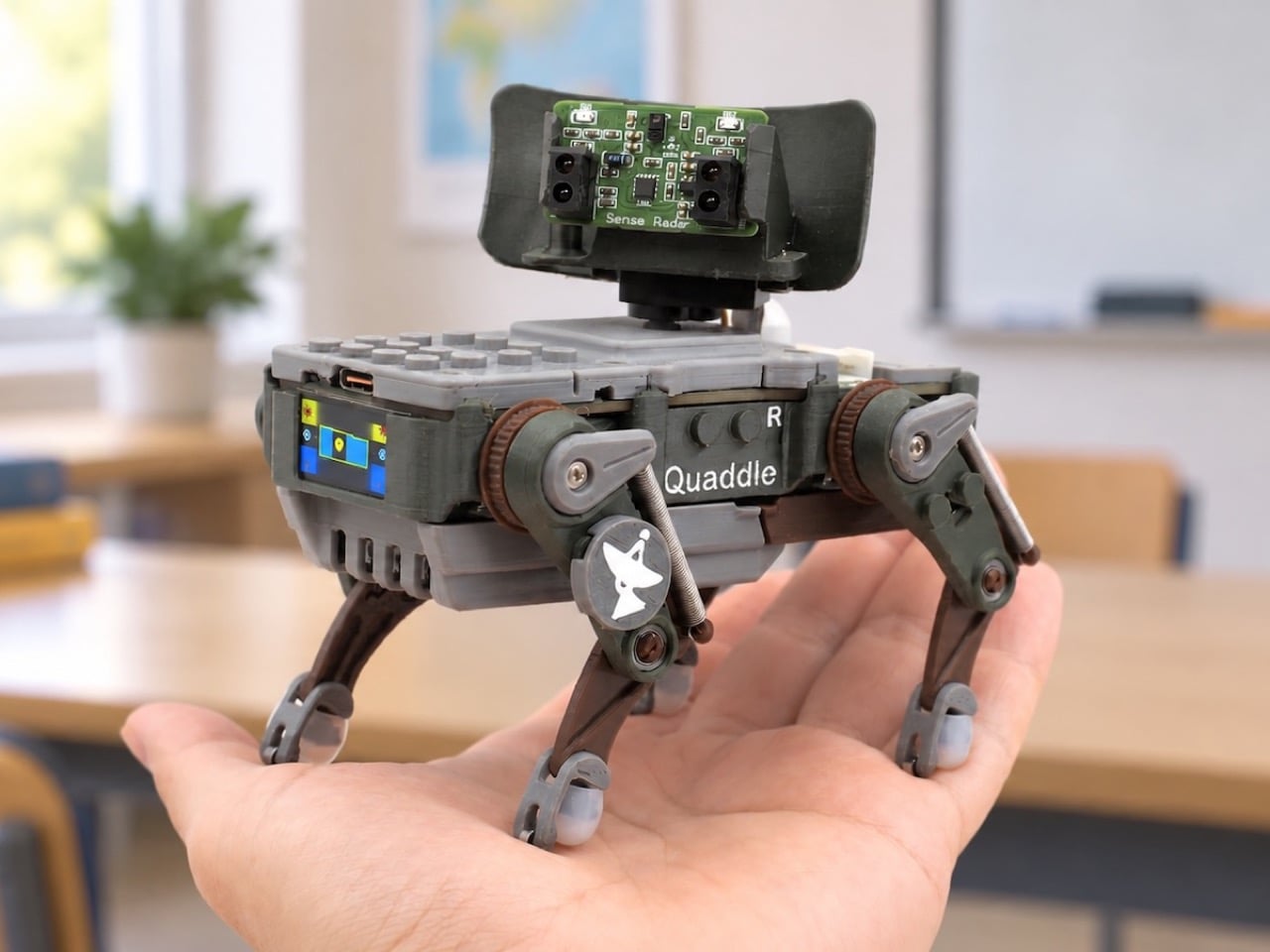
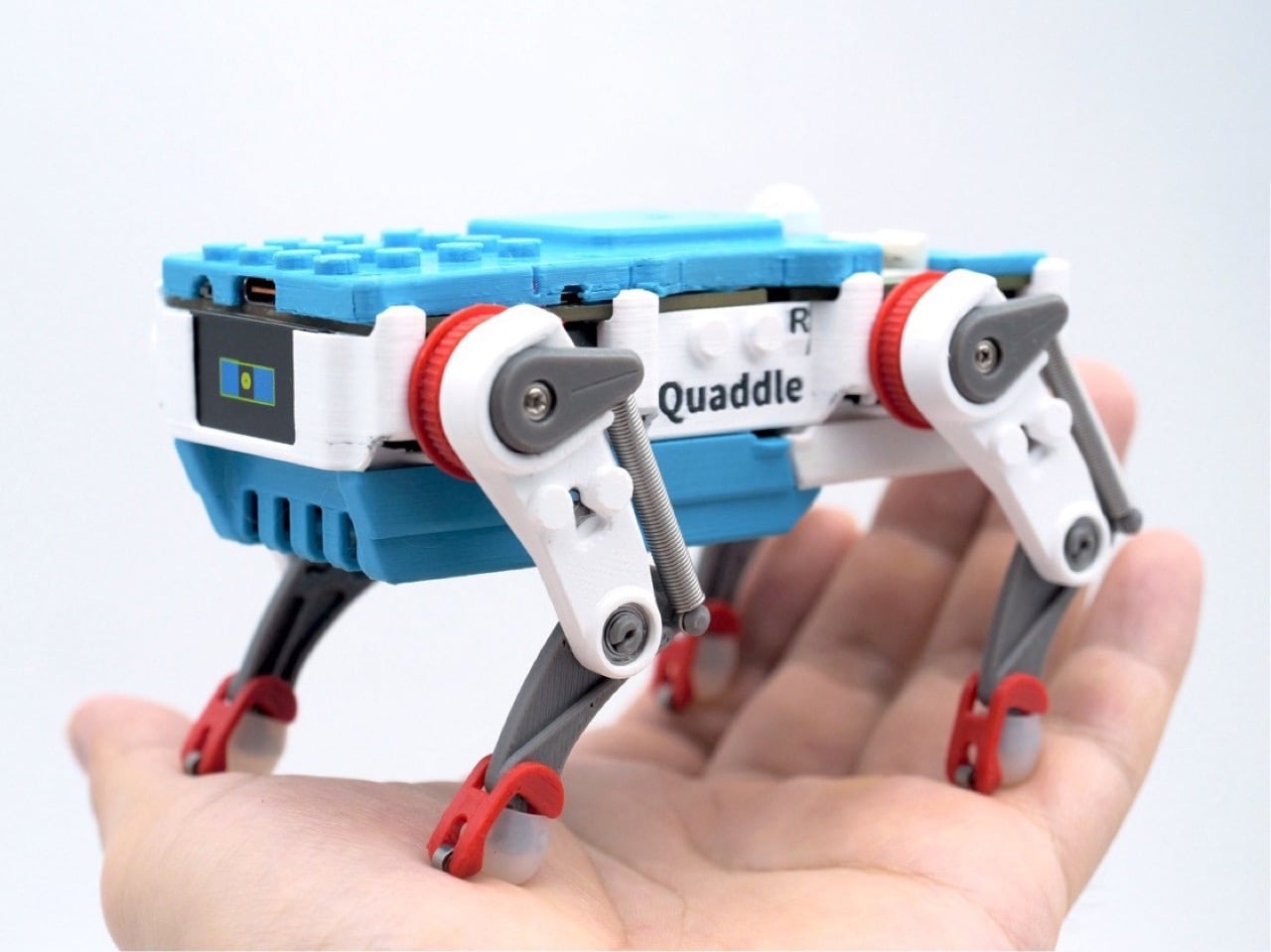
Meet Quaddle, a palm-sized robot dog that walks, glides, spins, and does backflips using just four servos. That’s half what Bittle uses in its legs and roughly a third of what most quadrupeds need, thanks to a spring-loaded linkage Petoi calls the MinDoF leg, which lets one motor drive both the shoulder and the knee. It weighs about 6 ounces, snaps together without screws, and takes LEGO bricks on its back. You can teach it tricks by physically moving its legs, chat with it, or code it in anything from beginner blocks to ROS. Prices start at $179, which is pretty reasonable for a dog that never needs walking.

Designer: Petoi

How one servo runs an entire leg

Each of Quaddle’s legs hangs off a single servo, with a spring and a four-bar linkage doing the job a second motor normally would. As the servo swings the upper leg, the linkage folds the knee up and straightens it again, turning one rotating shaft into a proper step. Petoi calls this the MinDoF leg, short for Minimal Degrees of Freedom, a degree of freedom being one independent way a joint can move. The spring clips onto different anchor points, changing how stiff or bouncy each leg feels. In Petoi’s tabletop tests, Quaddle walks about one body length per second, turns 90° in a single step cycle, and climbs onto a ledge as tall as its own knee.

Walking machines driven by a single crank go back to Pafnuty Chebyshev, the Russian mathematician whose 1870s linkage turned rotation into a surprisingly lifelike stride. Theo Jansen’s wind-powered Strandbeests on Dutch beaches run on the same basic idea, and Quaddle feels like their tiny, battery-powered cousin. Petoi added one more trick by fitting small bearings to the tips of the feet. Angle the legs just right and those bearings become wheels, letting Quaddle glide across a smooth desk at around three body lengths per second without a single extra motor. Fewer motors also means less weight, less cost, and less battery drain, which is how the whole dog comes in at roughly 6 ounces.

Teach it tricks by hand, then teach it in code

On the Buddy and Scout models, every leg servo reports its position back to the robot, so you can teach Quaddle a move by simply grabbing its legs. Tap to start recording, guide the legs through whatever silly dance you have in mind, and tap again to have it play the motion back. There’s no app or code involved, and Petoi says you can teach it a basic walk in about ten seconds. Recorded moves can be pulled into Petoi’s Skill Composer software for fine-tuning and shared with other Quaddle owners. For a kid, this is probably the fastest route from “I wonder if” to a robot actually doing the thing.

Buddy and Scout split their thinking across two ESP32-S3 chips, one for motion and balance and one for voice chat and smart home control. A physical slide switch cuts power to the AI chip entirely, which is great for privacy and for days when your robot dog gets a bit too chatty. Coding starts with drag-and-drop blocks, moves to Python or MicroPython, and eventually reaches the Arduino C++ firmware. Bigger projects can mount a Raspberry Pi Zero on its back or plug into ROS, the software framework most research robots run on. A browser-based simulator runs the same code as the real robot, so you can test ideas on a laptop or even a phone with no robot in sight.

LEGO bricks, a Nokia battery, and three Quaddles to pick from

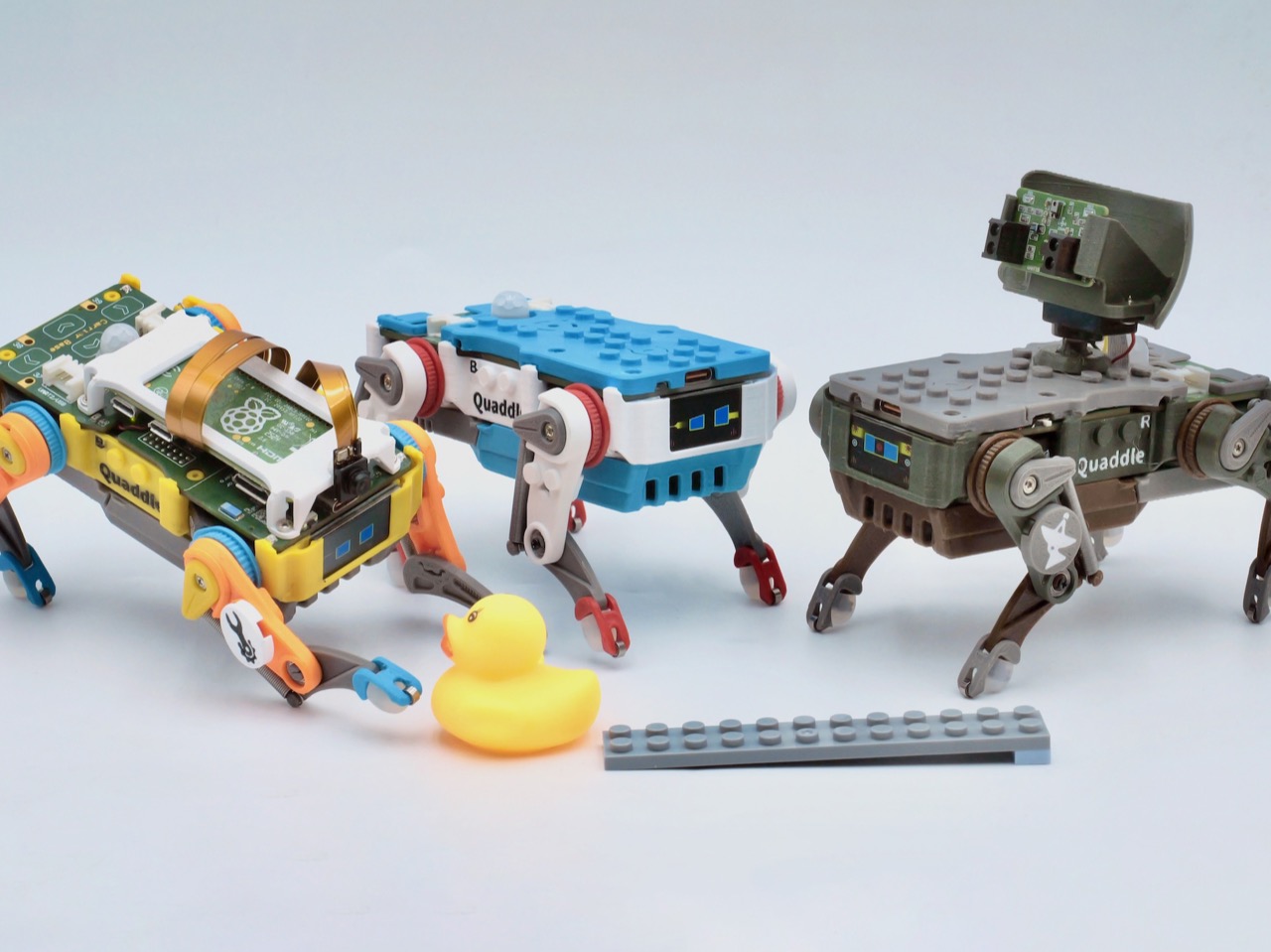
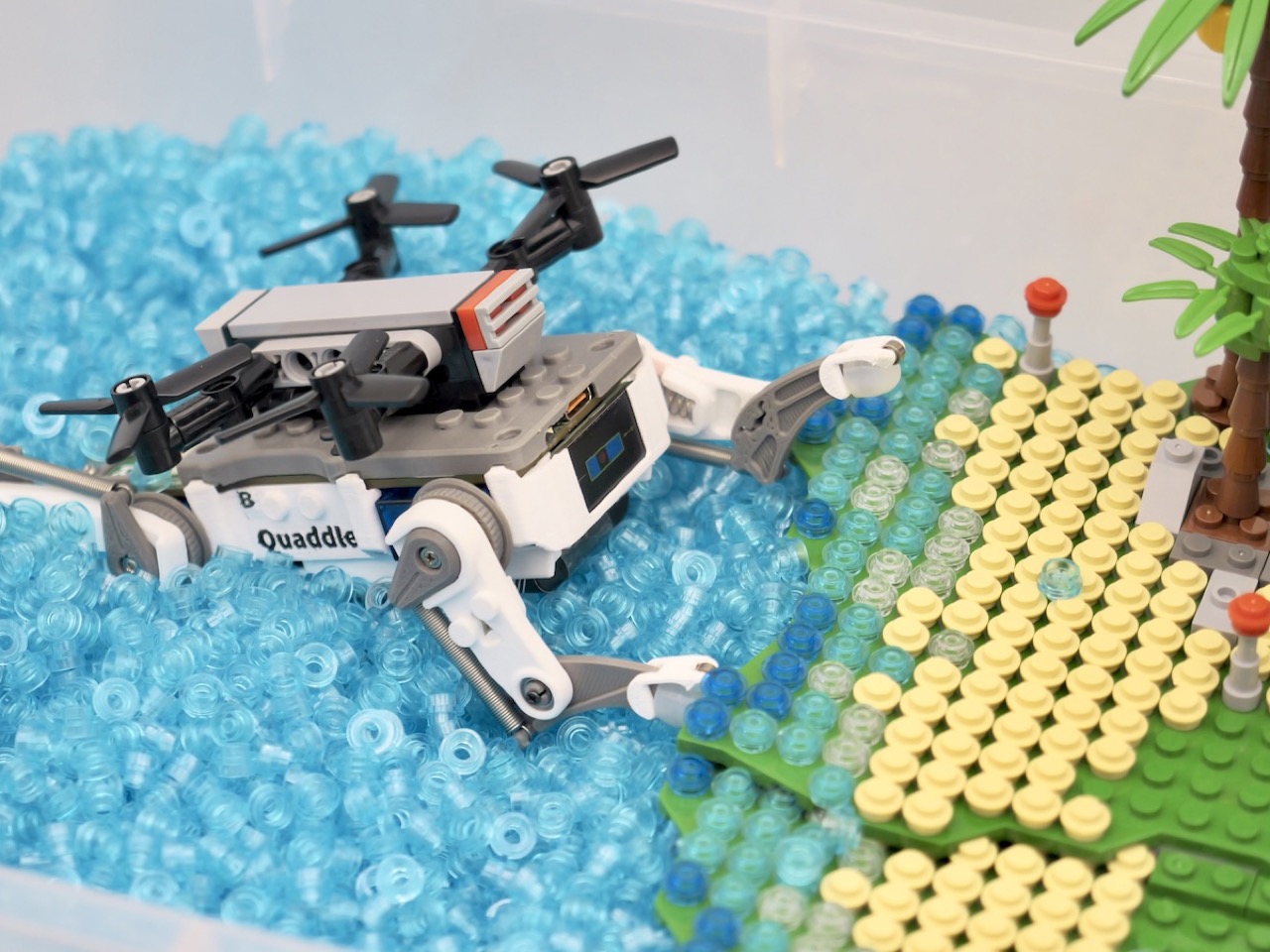
The top of Quaddle’s shell takes LEGO bricks, and Petoi will publish printable shells and mounts for anyone with a 3D printer. Petoi’s own demos have turned it into a walking LEGO AT-AT, a waddling biped called the NanoDuck, and a rover on Mecanum wheels, which use angled rollers to slide sideways. Power comes from a swappable Nokia-format phone battery, the same BL-5C shape that lived inside Nokia’s famously indestructible early-2000s handsets. Quaddle ships with the bigger 1,800 mAh BL-10C cell, good for roughly 1 to 1.5 hours of walking depending on the model. Plug it into USB-C while you code and it charges as it runs, so marathon debugging sessions are fair game.

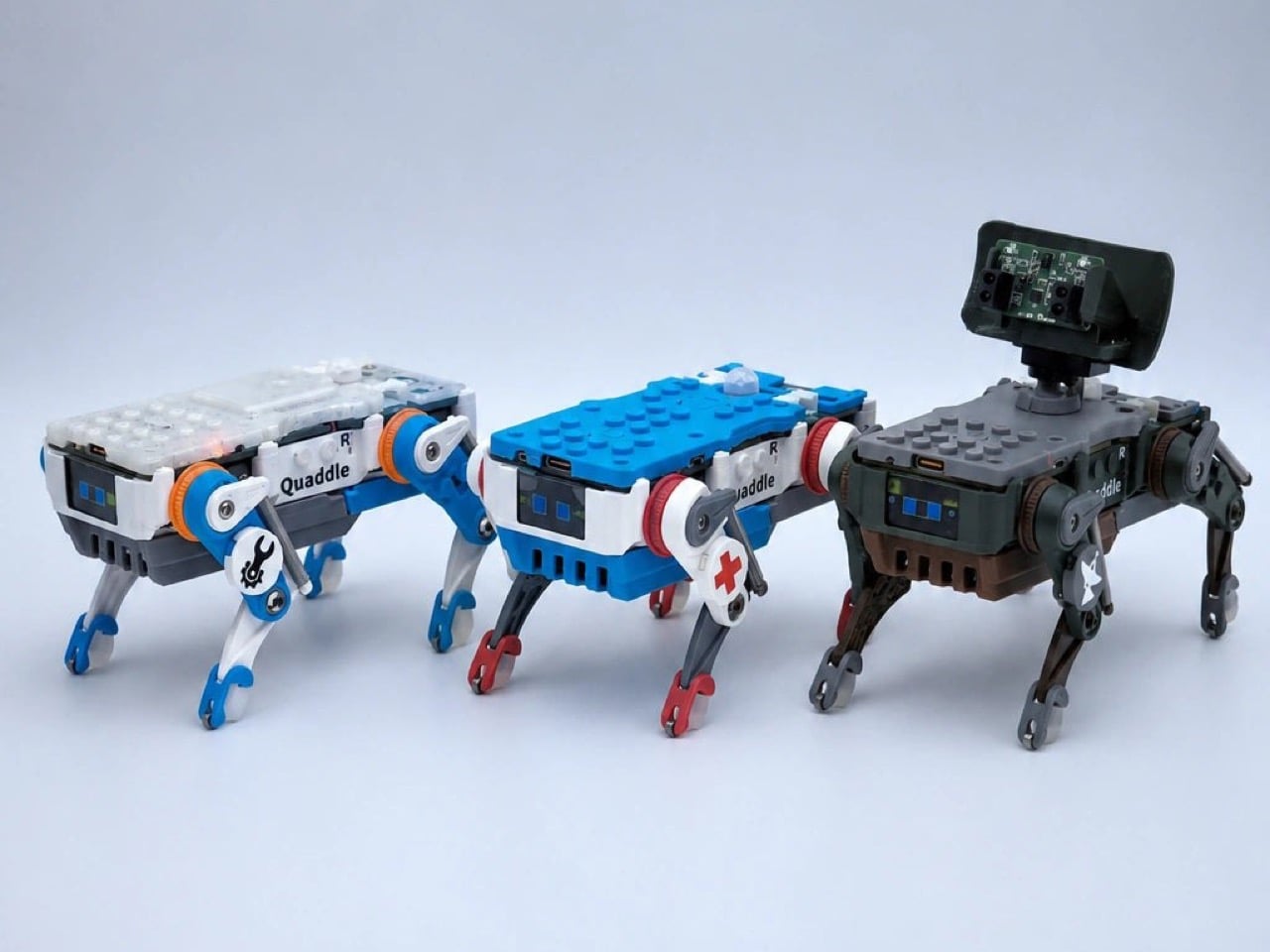
Builder PLUS ($179) handles walking and coding, Buddy ($219) adds AI chat and teach-by-hand, and Scout ($269) adds a sensor head that detects gestures, light, distance, and people. All three are priced at $144, $175, and $215, with deliveries starting in December. For context, Petoi’s own Bittle X lists at $279, Unitree’s Go2 starts around $1,600, and Sony’s Aibo launched in the US at $2,900. Petoi spent a decade shrinking big robots down to desk size, and Quaddle shows the smartest way to shrink one further is to give it fewer parts.

The post This palm-sized robot dog has a Nokia battery and a customizable LEGO-compatible back first appeared on Yanko Design.

  •  

This Expandable LEGO Frame System Finally Solves the Collector Storage Nightmare

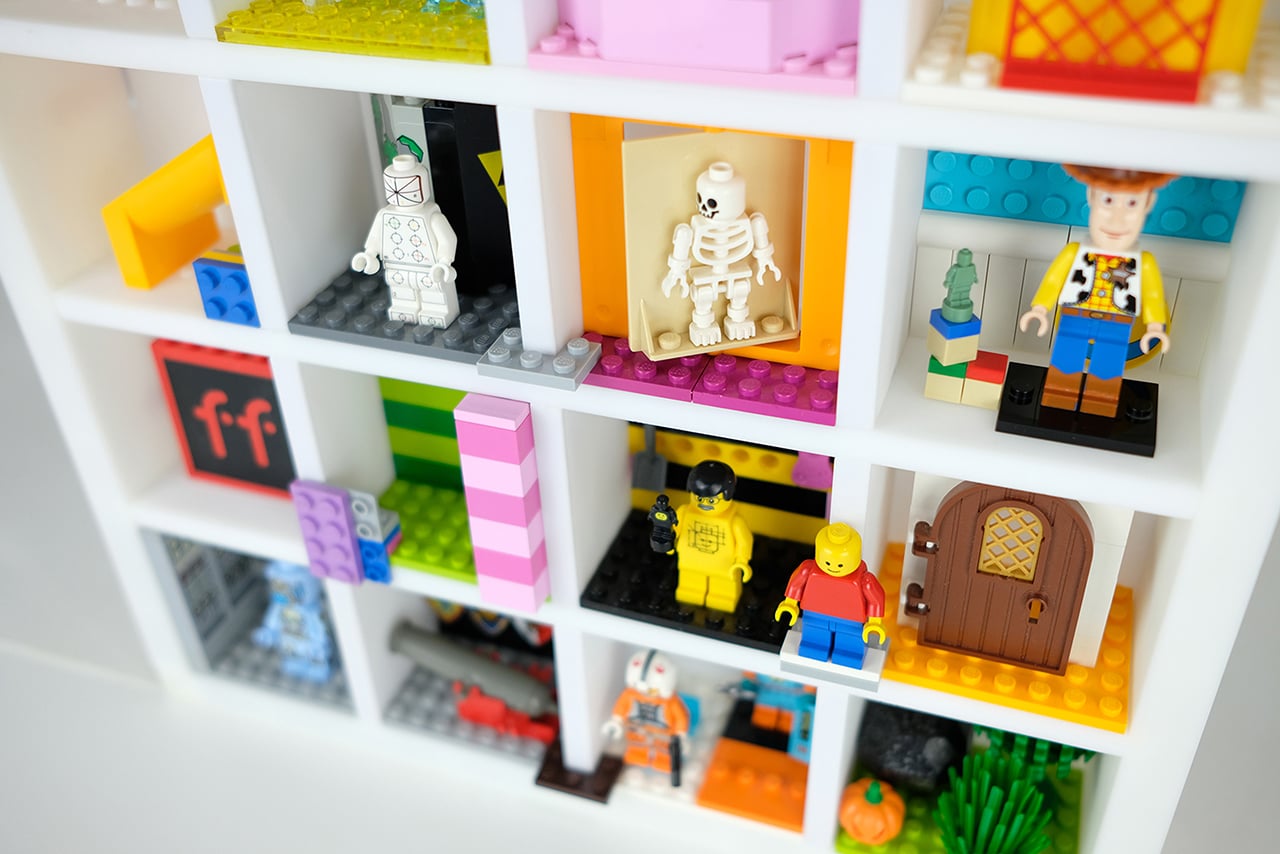
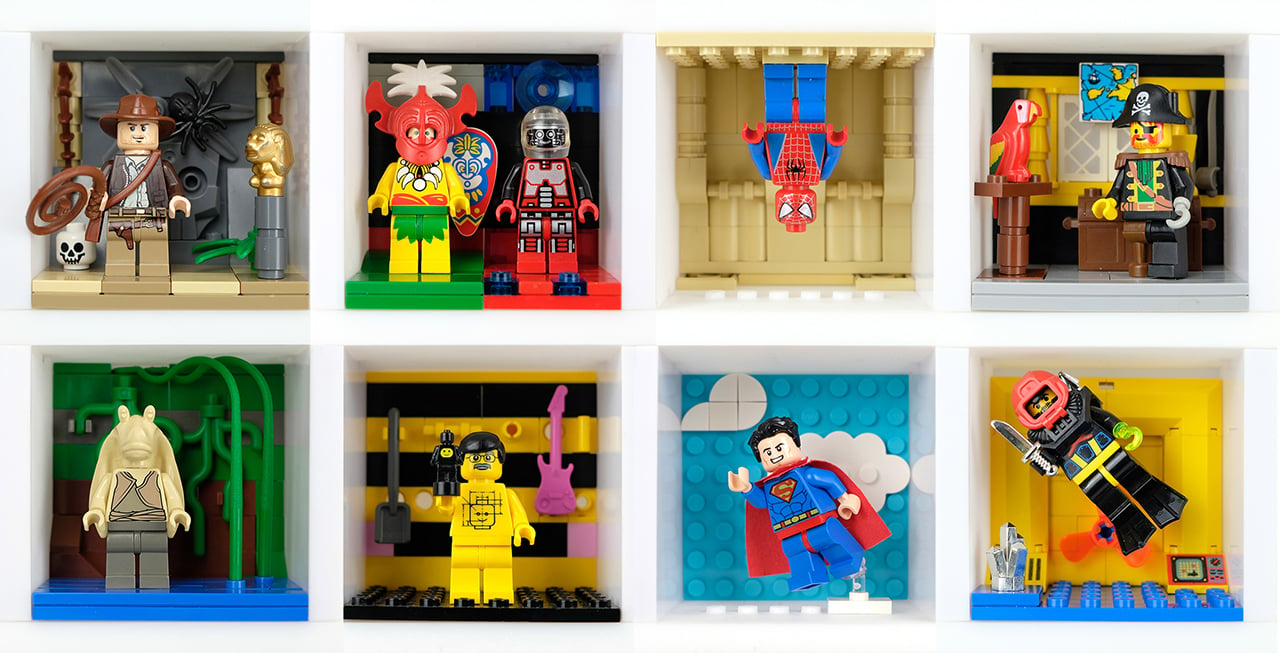
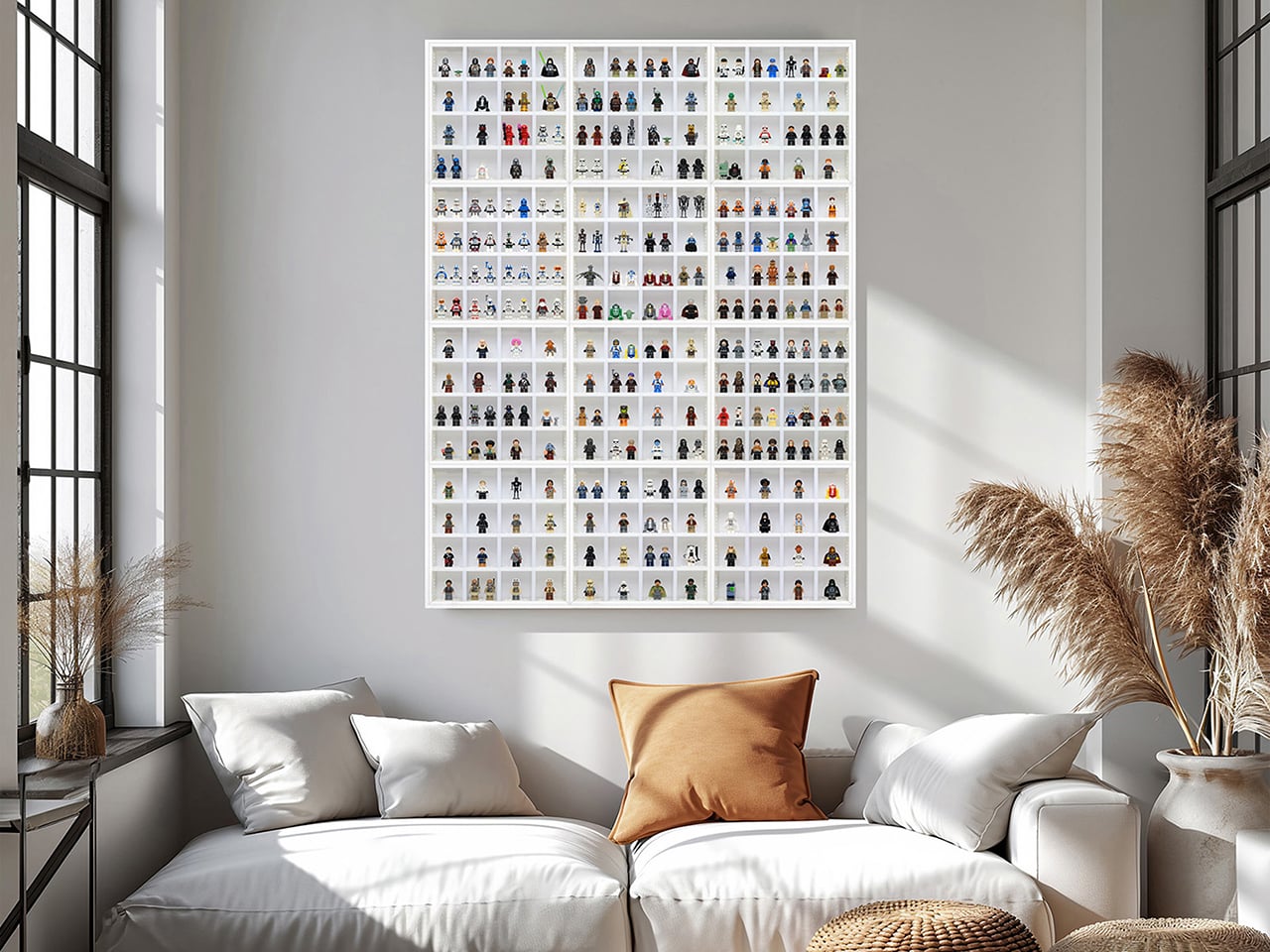
Somewhere in a closet, a perfectly good LEGO minifigure is staring through a plastic bag at the back of a cardboard box. It has a tiny printed face, a surprisingly elaborate hat, and absolutely no audience. Every serious LEGO collector knows the feeling: shelves fill up fast, display cases sell at fixed sizes, and at some point the collection starts living in labeled ziplock bags rather than anywhere it can actually be seen. LEGO has released over 775 Collectible Minifigures across 51 series since 2010, with new figures arriving three times a year, which makes the storage problem a permanent one for anyone collecting seriously. Stephen Peaple, a British-born collector now based in Perth, Australia, had thousands of them and spent four years building the solution he could not find anywhere.

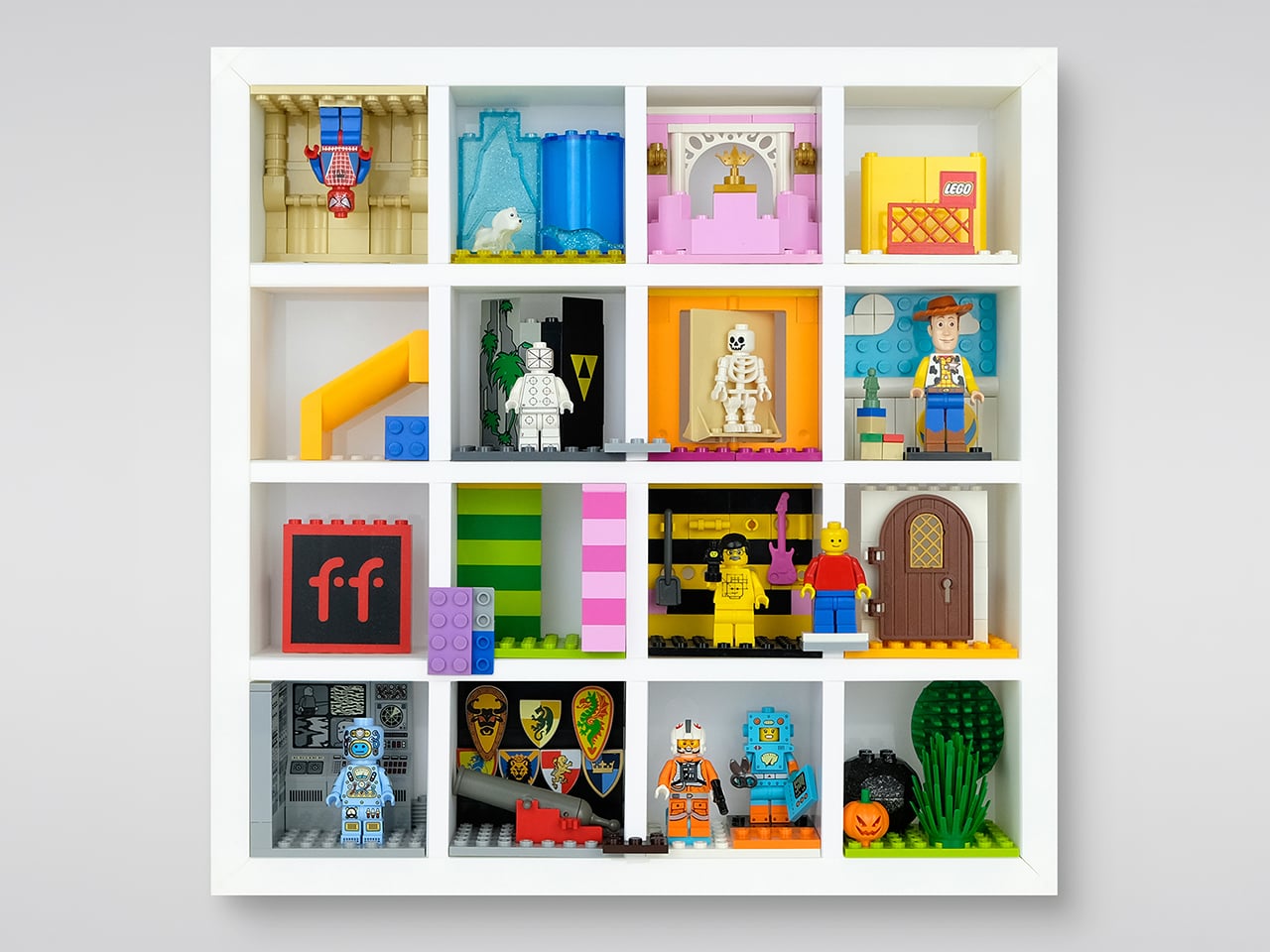
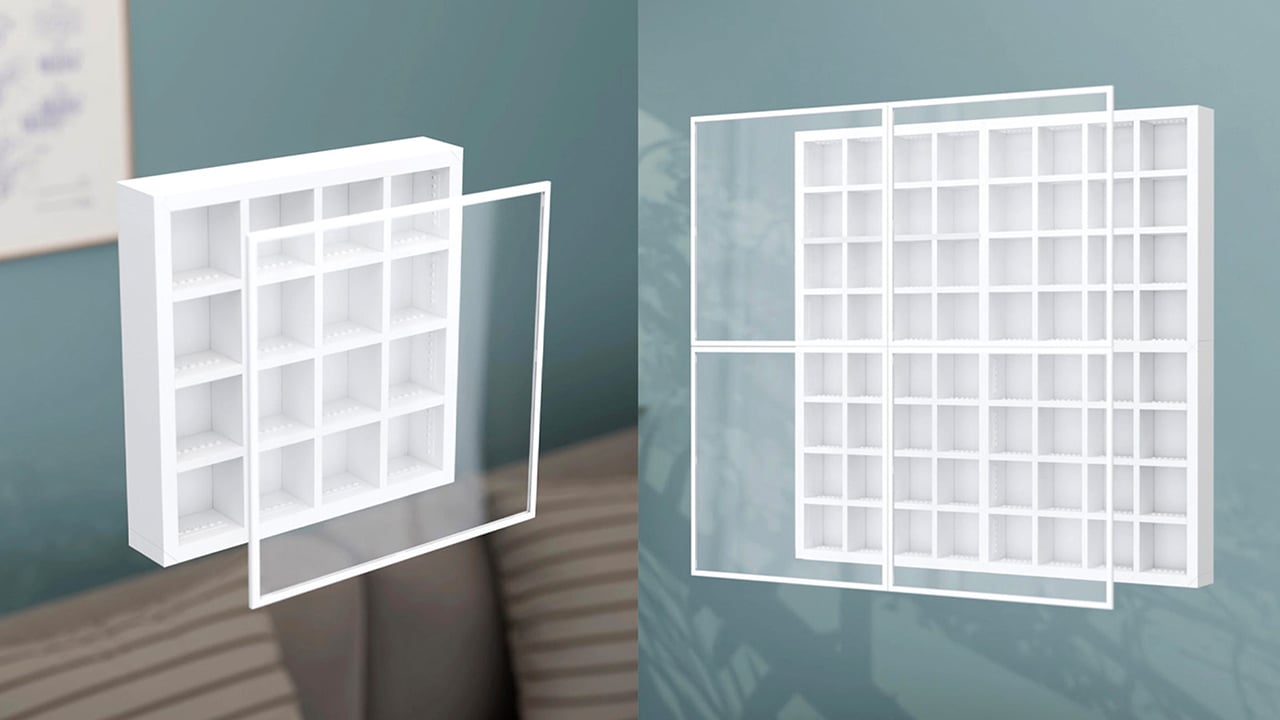
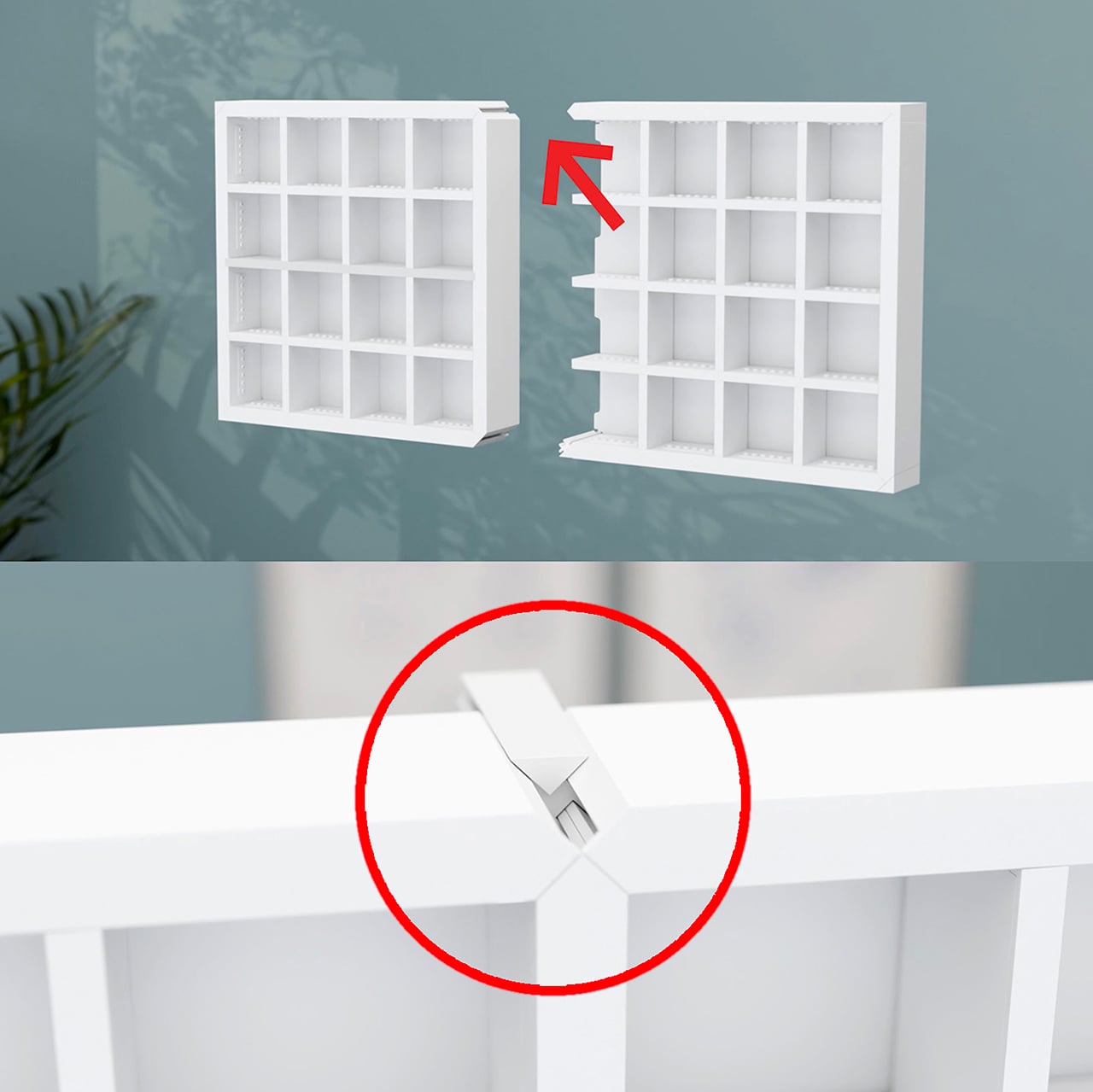
Finity Frames puts a collection on the wall in a clean white grid. A single frame carries 16 spaces, but removable dividers let you make room for bigger figures or pack in a crowd. When the collection grows, connected frames share edges so the display extends as one continuous piece without visual seams or doubled-up borders. Your next minifigure gets a spot without requiring a complete wall makeover. The system is injection-molded ABS, ships flat-packed, and the connection method that makes all of it work is patented.

Designer: Stephen Peaple

Click Here to Buy Now: $55. Hurry, only 5/16 left!

A Display System That Grows With Your LEGO Collection

Every Finity Frame is built around a seamless edge connection where neighboring frames share a single border, eliminating the doubled-up edge and any visual gap at the join. This is the core innovation that solves the fixed-size problem inherent in every other display case on the market. It means you can start with a single frame for one series of figures and expand outward in any direction, at any time, without having to replace your original investment. The aesthetic is clean and continuous, looking like a single, cohesive unit no matter how large it gets.

This design approach also makes the system more efficient as it grows. Peaple makes the math explicit: the first frame measures 312mm across, and each connected frame adds just 298mm, because one edge is always shared. This reduces material waste and lowers the cost per additional frame. A 2×2 Collector, for instance, cannot be broken apart into four 1×1 Starters, since it doesn’t include the extra pieces. For context, the most prominent fixed-case competitors max out around 190 minifigures. The Finity Frames Showcase holds 1,056, and two of them together can display over 2,100 figures as a single, unified piece.

Built for Customization and Creative Play

Each Finity Frame ships with three horizontal and three vertical internal slats, forming a standard 4×4 grid. This sixteen-space layout is not arbitrary; it maps exactly to one complete Collectible Minifigures series, which traditionally ships with 16 unique figures. The slats are removable in any combination, yielding 64 different internal layouts. You can pull the vertical dividers out, double-stack figures with jumper plates, and a 1×1 Starter can hold up to 88 minifigures. This flexibility lets you create custom spaces for dioramas, larger vehicles, or oversized figures like the Hulk who need a little extra room.

The system’s dimensions are precisely calibrated to the LEGO System of Play. Internal slats are exactly one brick wide, and the frame edges are exactly two bricks wide. Each compartment accepts a 6×8 LEGO plate or four 3×4 minifigure plates, the same stands that come with CMF packs. This means removing the acrylic cover turns the frame into a wall-mounted baseplate where builds can bridge continuously across spaces and frames. Peaple calls this “bridging,” a feature that turns a static display into a creative canvas. Every horizontal slat even has a built-in row of six studs for securing figures or small builds.

Designed for Collectors of All Kinds

A magnetic Perspex acrylic cover protects the collection from dust and removes in a single pull. It’s made from UV-stable material with built-in absorbers to block harmful light, preventing the slow fading that can damage valuable figures over time. The frame itself is a gallery-white, UV-treated ABS plastic, a color choice meant to disappear behind the collection rather than compete with it. Everything is designed to last, preserving the collection while keeping it easily accessible. The magnetic attachment is secure but quick, so you can get to your figures without fussing with clips or latches.

Flipping the horizontal slats 180 degrees turns the studded surfaces into flat shelves, opening the frame to almost any small-scale collectible. A single 64x64x49mm space can hold Funko Pocket POPs, Be@rbricks, Sonny Angels, or even shot glasses. Removing dividers creates double-height spaces for larger items like vintage Kenner 3¾” figures, Super7 ReAction figures, Playmobil sets, or graded collectible cards in their hard cases. It’s a true cabinet of curiosities, designed for a LEGO collection but adaptable enough for just about anything else that deserves a spot on the wall.

Five Sizes, Starting at $65 USD

The five frame sizes run from the 1×1 Starter at 12.3×12.3 inches (up to 88 minifigures) to the 4×3 Showcase at 47.4×35.7 inches (up to 1,056), with the 1×2 Duo, 2×2 Collector, and 3×2 Lifestyle filling in between. All frames run 55mm deep without the cover, 61mm with, and production units are estimated at 0.9 to 1.1kg for the 1×1 (roughly 2 lbs).

Retail pricing starts at AU$99 (roughly US$65) for the Starter and reaches AU$835 (roughly US$550) for the Showcase. Any size can be extended later through a Frame Extender on finityframes.com, where you input what you already own and order only the additional sets required. The system ships flat-packed globally, with US distribution in place through the manufacturing partner.

Click Here to Buy Now: $55. Hurry, only 5/16 left!

The post This Expandable LEGO Frame System Finally Solves the Collector Storage Nightmare first appeared on Yanko Design.

  •  

Gorgeous LEGO Book Nook Has a Steam Train Blasting Straight Through Its Snowy Pages

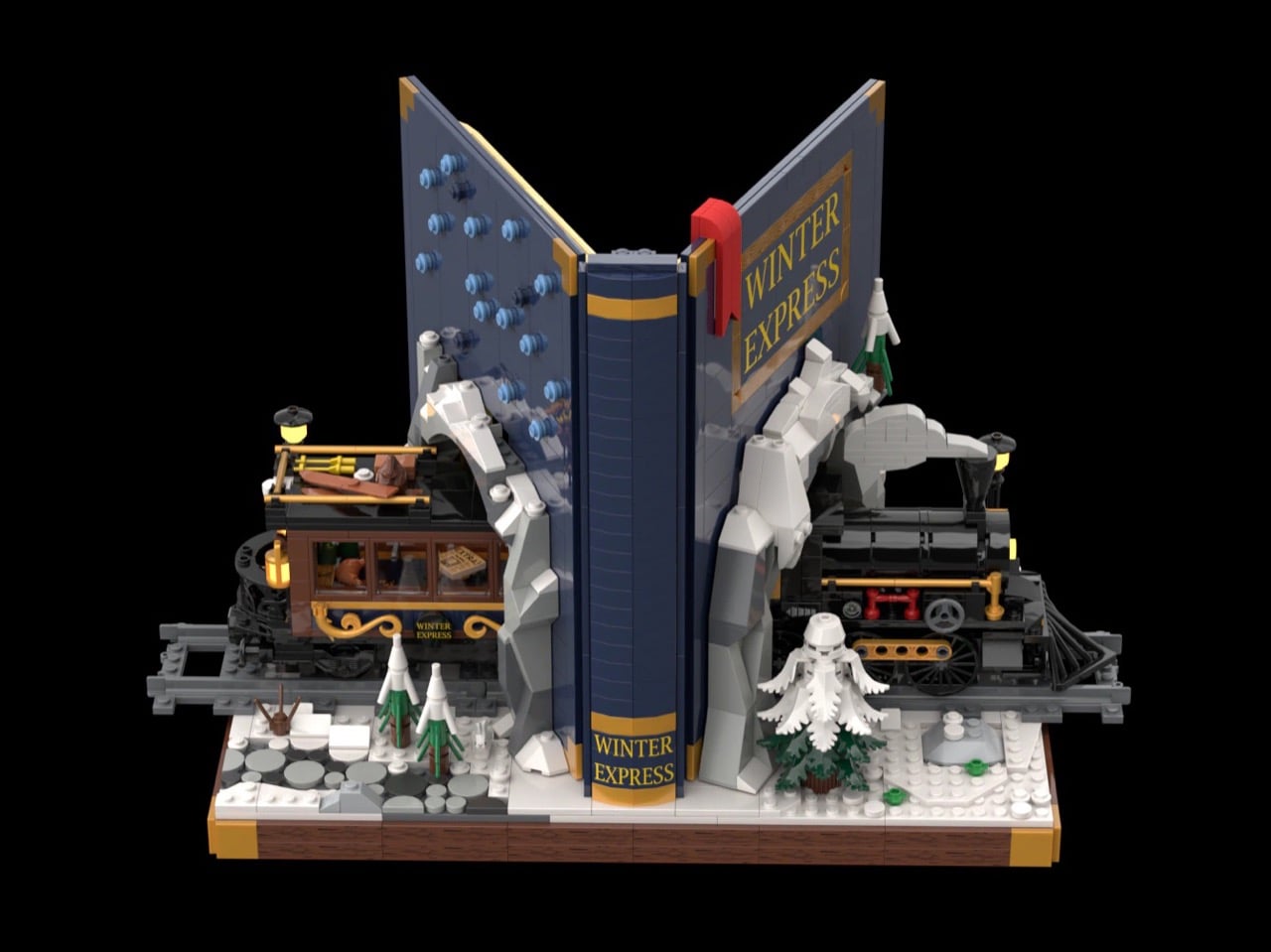
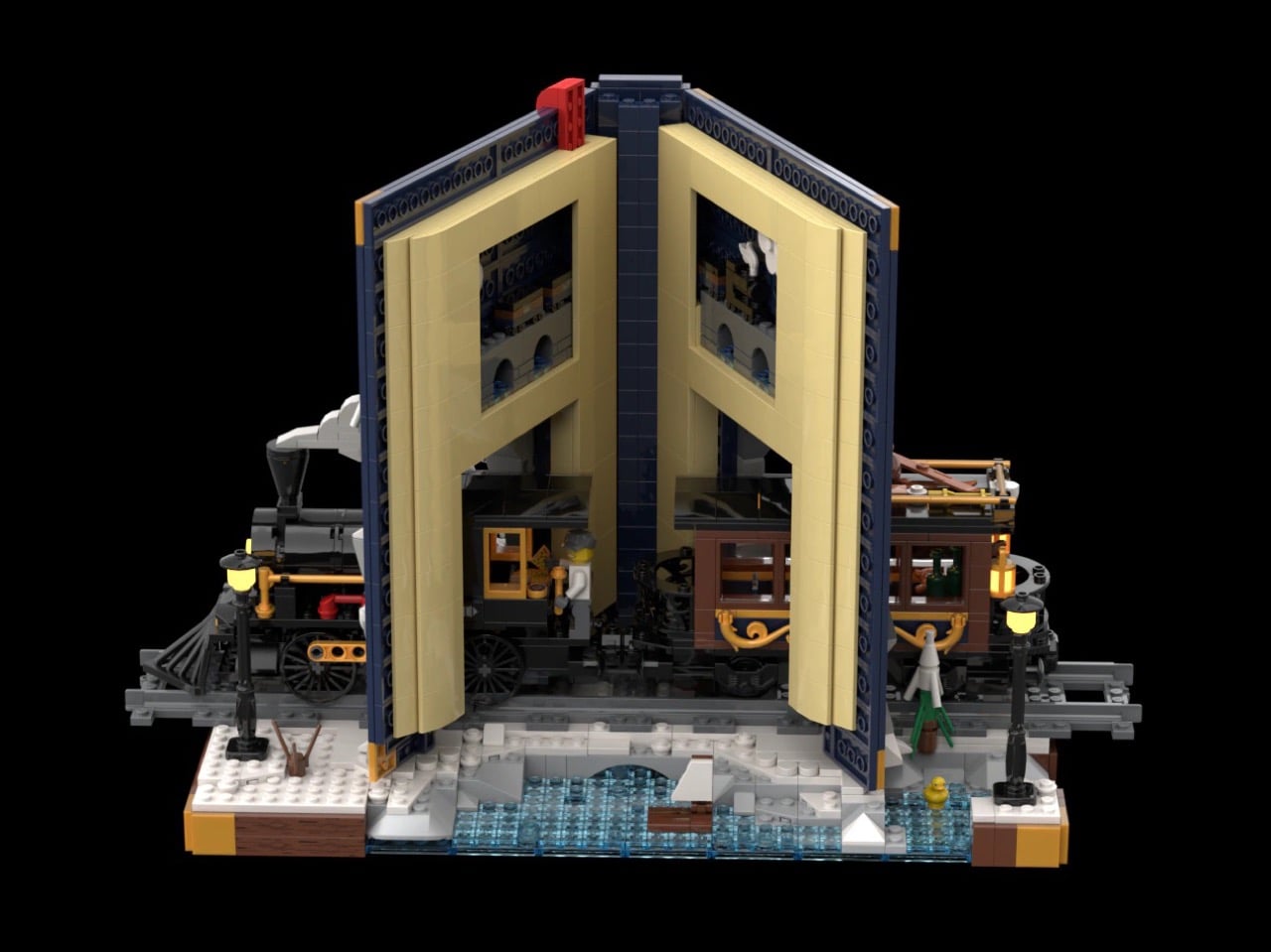
Every kid who grew up with Chris Van Allsburg’s The Polar Express remembers that moment where the story stops behaving like a story. A train just shows up, chugging straight out of the snow and into a kid’s actual bedroom, and suddenly bedtime reading feels a little bit dangerous in the best way. That’s the exact energy LEGO builder CrazyInventor is chasing with Winter Express, and yes, I see what you did there with that title, very smart way to dodge a certain mouse-shaped legal team while still getting the reference across loud and clear. Except here the train doesn’t stop at bursting out of the pages. It runs straight through the whole book, cover to cover, like the story just wasn’t big enough to hold it.

The result looks like someone left a hardback open on a shelf and a Victorian steam engine decided to use it as a shortcut. Gold trim, a red ribbon bookmark, snow dusted across the back cover like a sky full of stars, this thing reads more like a diorama that happens to be shaped like a book than a book that happens to have a train in it. And once you spot the tiny second train hiding inside the pages, you’ll understand why this project cracked 1,000 supporters in about three days flat.

Designer: CrazyInventor

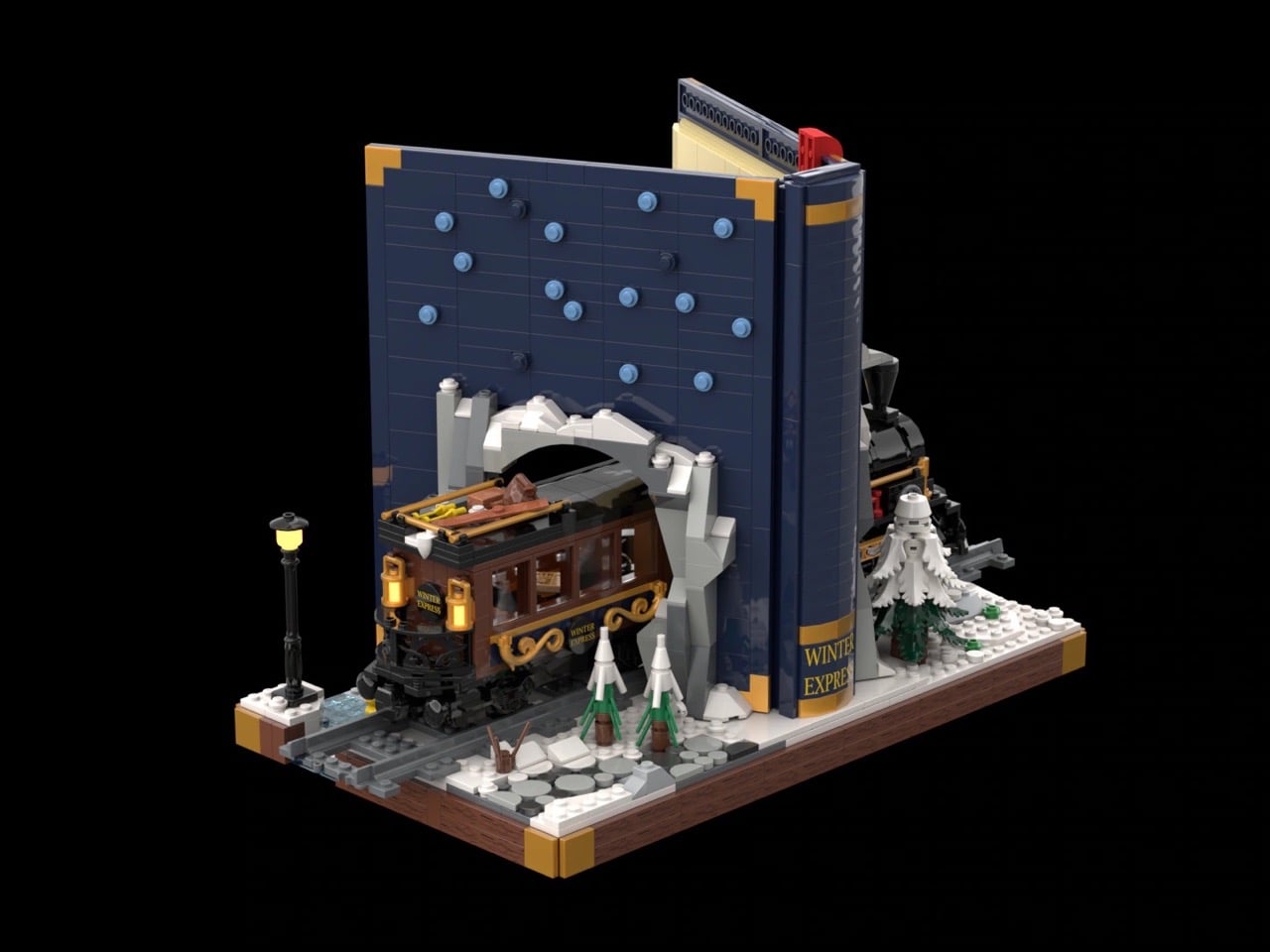
The book itself steals the show before the train even enters the conversation. It’s a navy blue hardback with rounded gold corner guards and matching gold bands running down a curved spine, the kind of cover treatment you’d expect on a leather-bound classic rather than a pile of ABS plastic. A gold plaque on the front reads “Winter Express” in a wood-grain frame, and a red ribbon bookmark hangs off the top edge like someone set the book down mid-chapter and wandered off to make tea. Flip to the back cover and it’s scattered with pale blue round studs, doing double duty as either falling snow or a starry winter sky, depending on how you’re feeling that day.

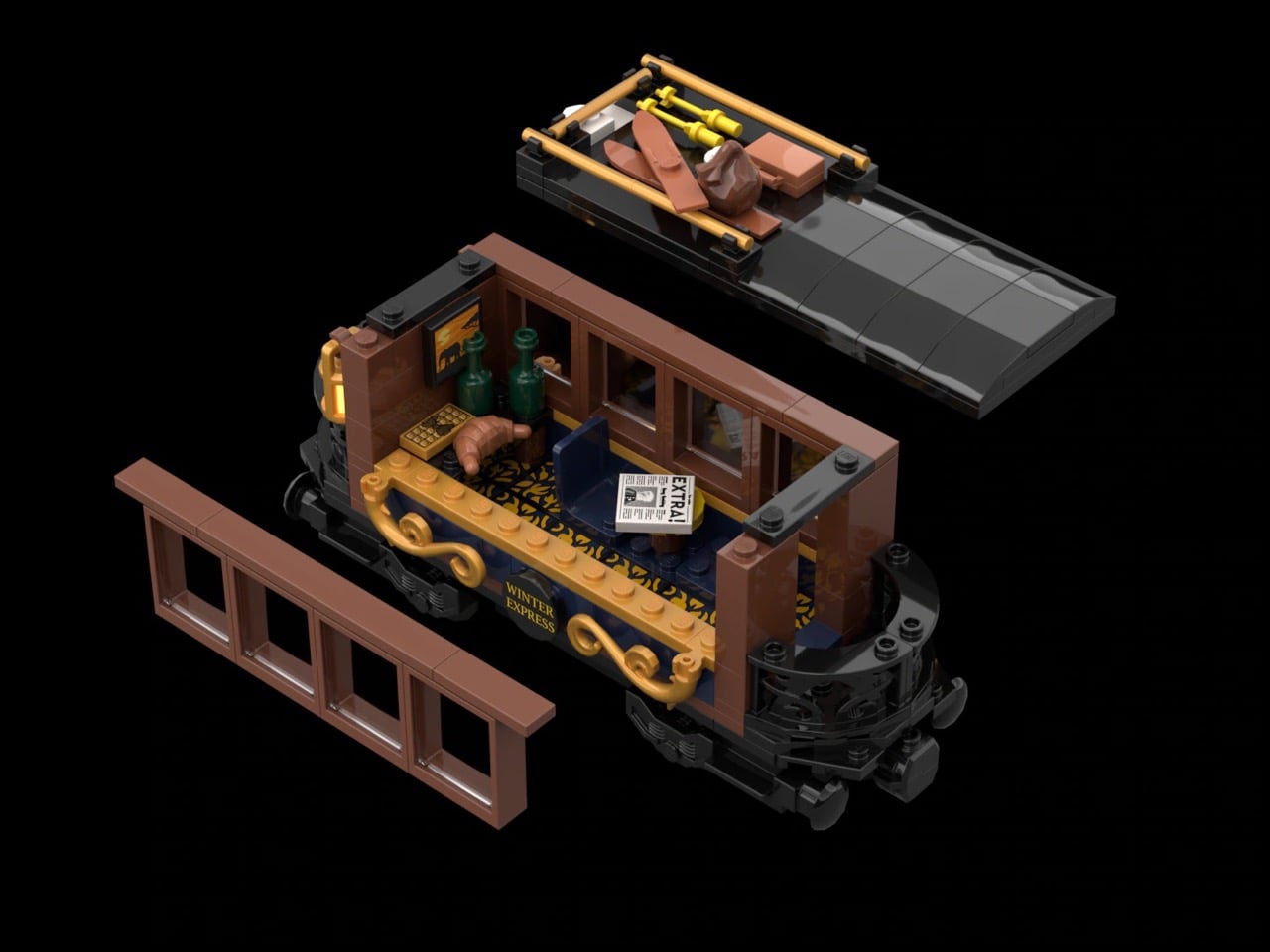
A black and gold Victorian locomotive takes over from there, complete with a glowing headlamp, a cowcatcher up front, and Technic side rod detailing, coming straight out of a snow-capped rock tunnel carved into the front cover. A matching passenger coach trails out the other side through the spine, decked out in scrollwork trim with its own lit lanterns and a roof stacked with skis and sleds. Snowy pine trees, cobblestone tiles, and two working lampposts fill out the base, along with a frozen little pond built from trans-blue tiles.

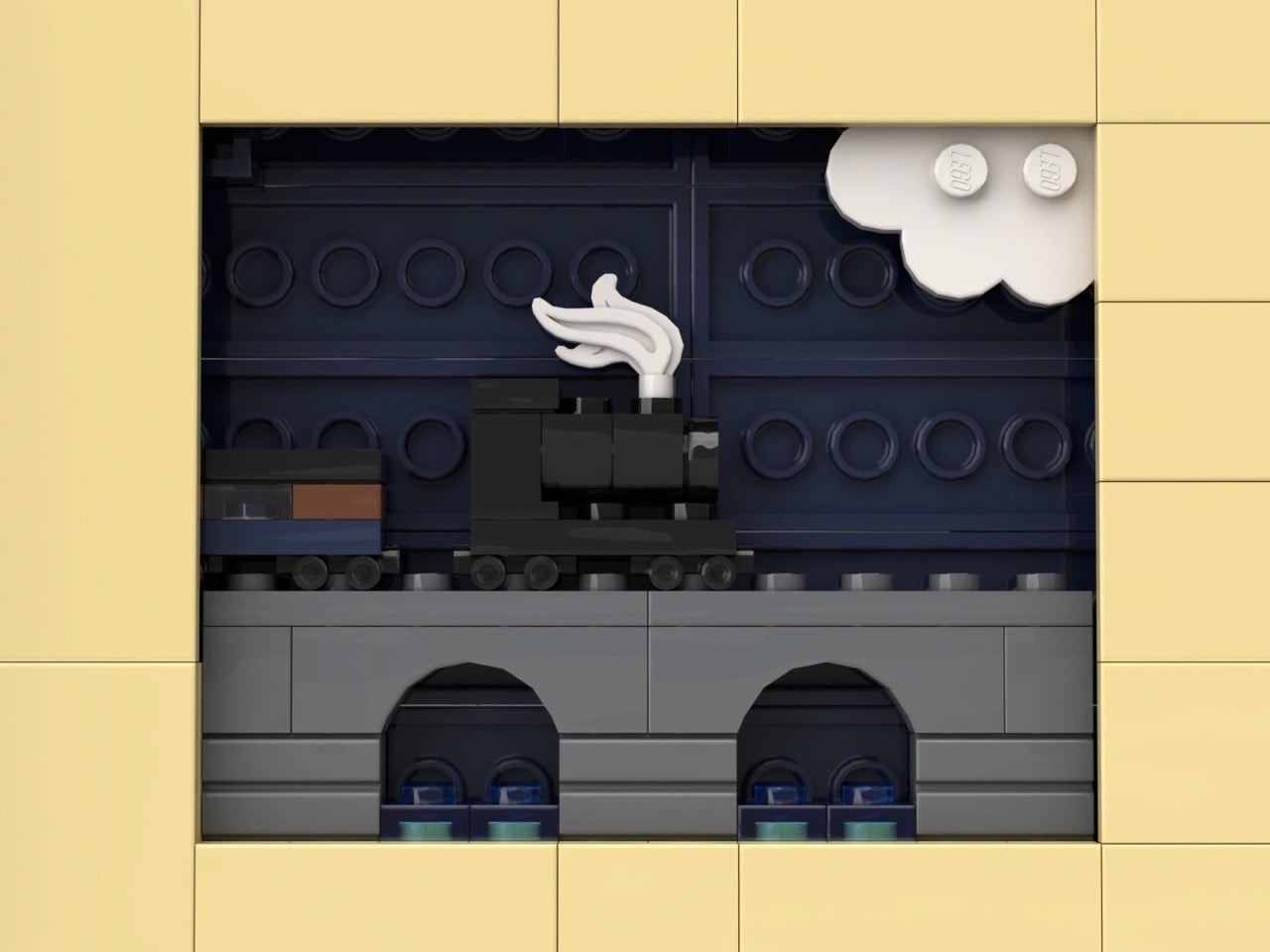
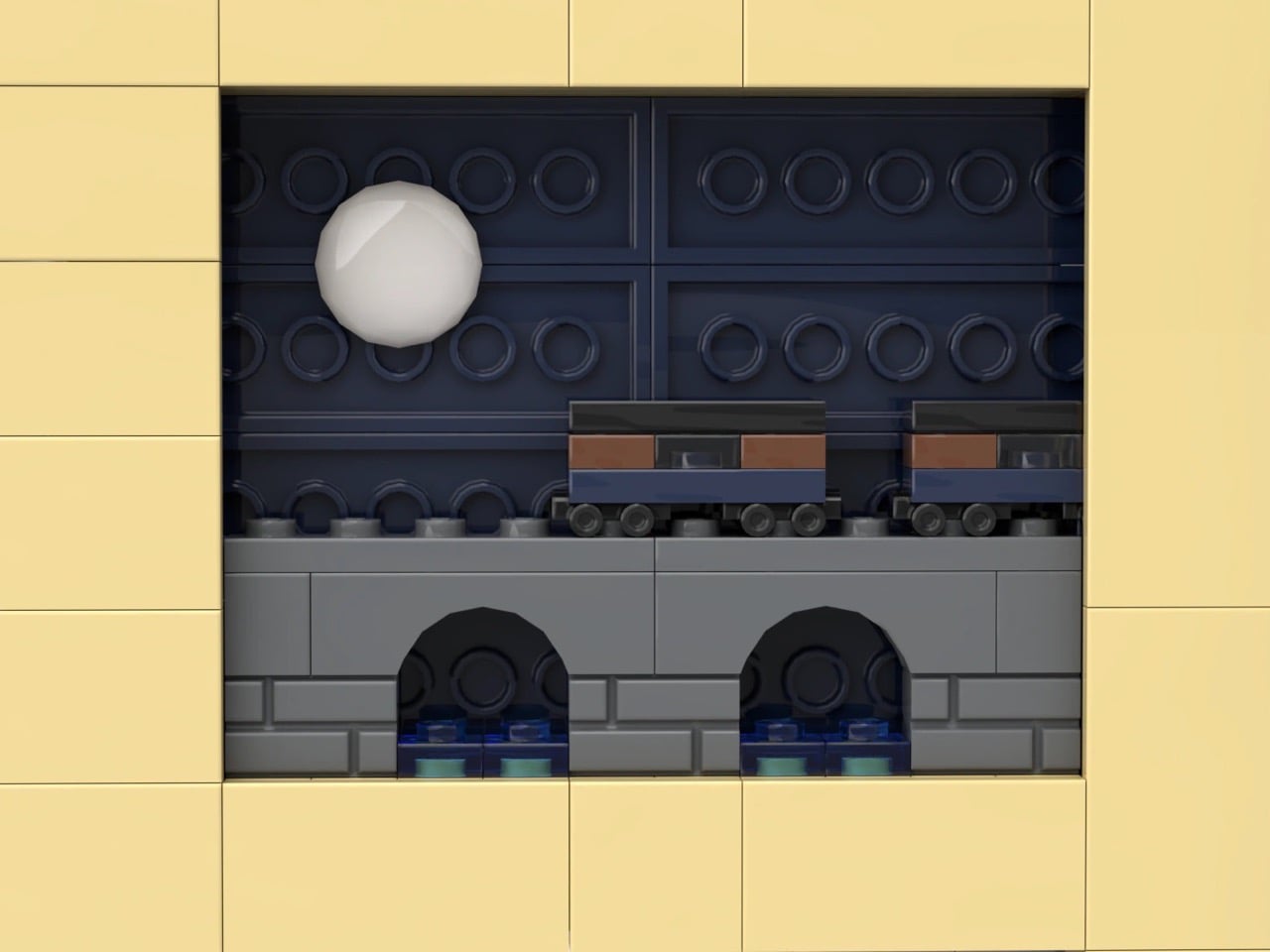
My favorite detail is buried in the pages themselves. Look closely at the tan interior spread and there are cutout windows revealing a second, micro-scale train crossing a tiny stone viaduct, a whole miniature railway hiding inside the book that the big train is currently smashing its way through. It’s a small touch, but it’s the kind of layered thinking that separates a fun MOC from a genuinely great one.

Winter Express landed on LEGO Ideas on September 15 and has already pulled in 1,291 supporters, cruising well past the first 1,000-vote milestone toward the 5,000 mark it needs next. If cozy winter dioramas with a little bit of chaos baked in are your thing, go to the LEGO Ideas page and add your support and watch this one keep climbing.

The post Gorgeous LEGO Book Nook Has a Steam Train Blasting Straight Through Its Snowy Pages first appeared on Yanko Design.

  •  

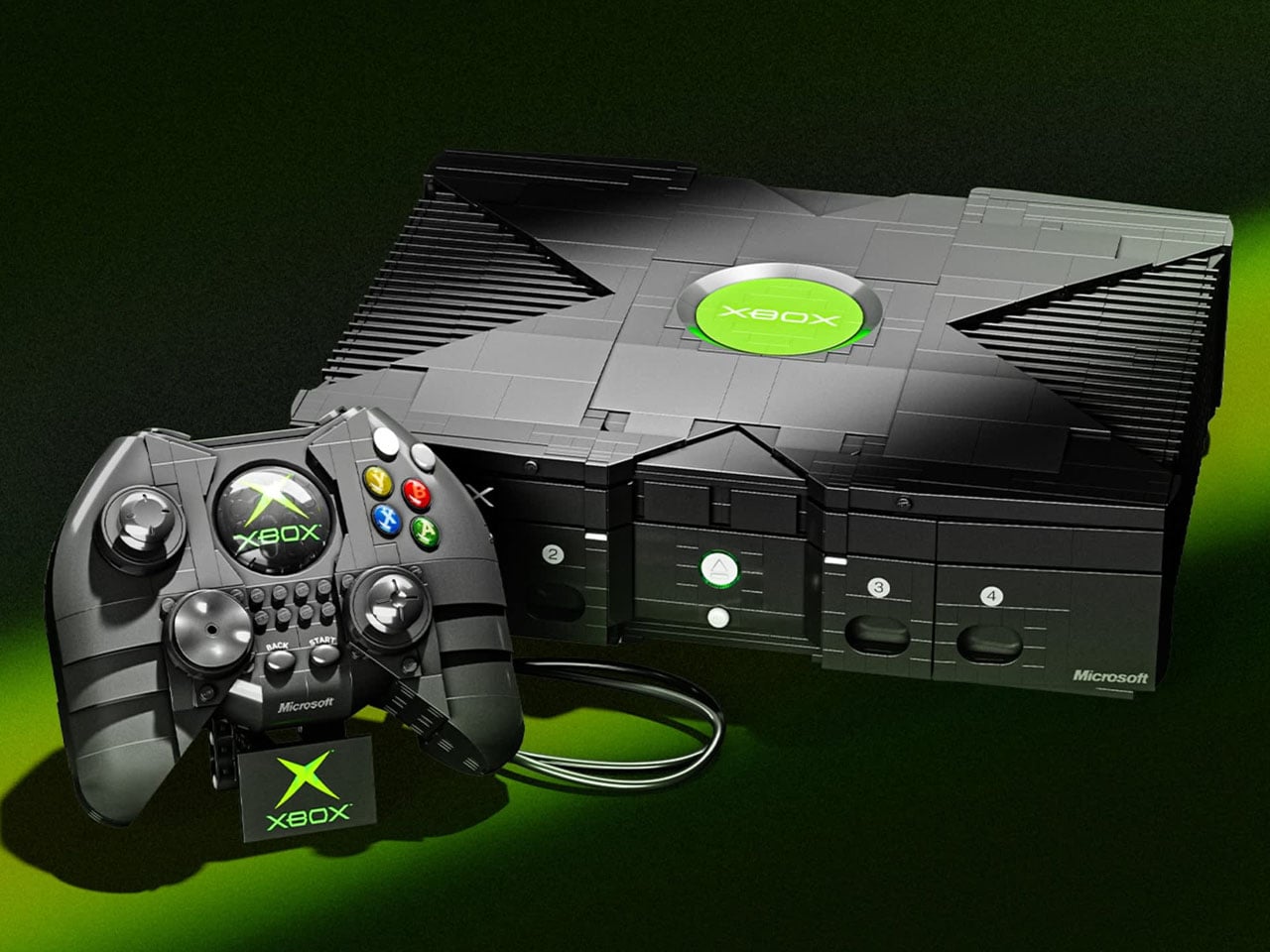
Mattel’s 1:1 brick-built Xbox is a 3,509-piece tribute to gaming’s early 2000s era

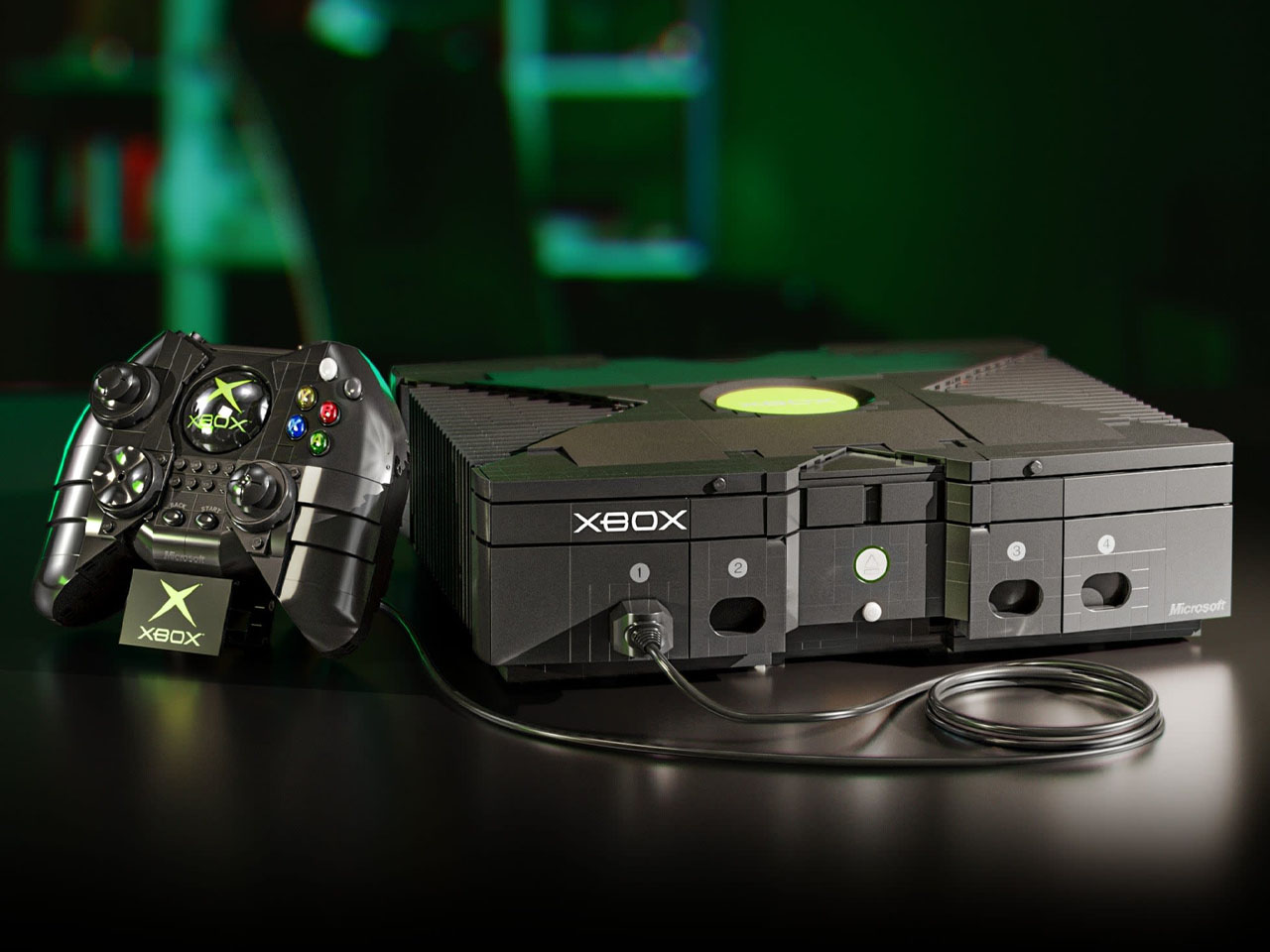
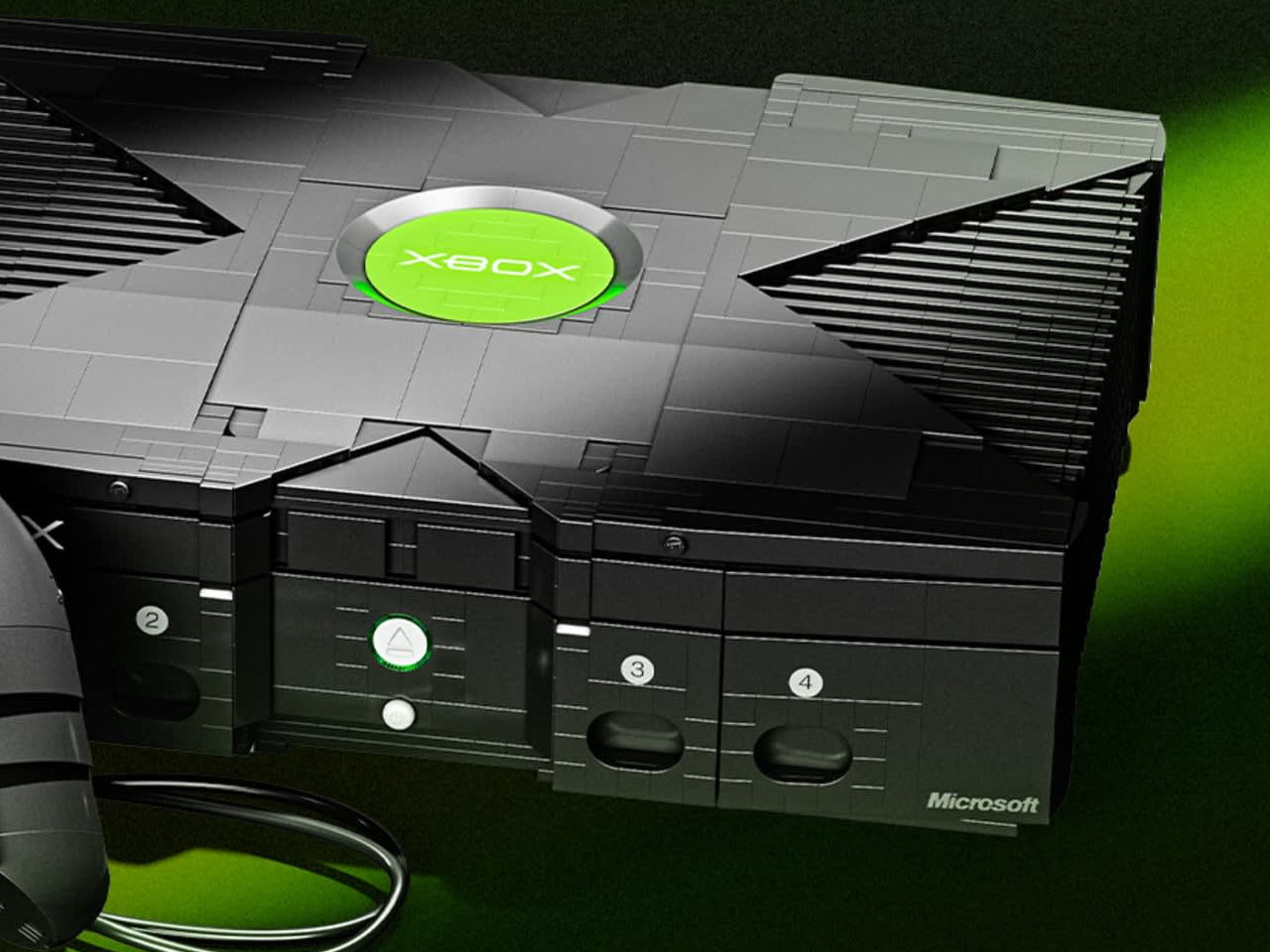
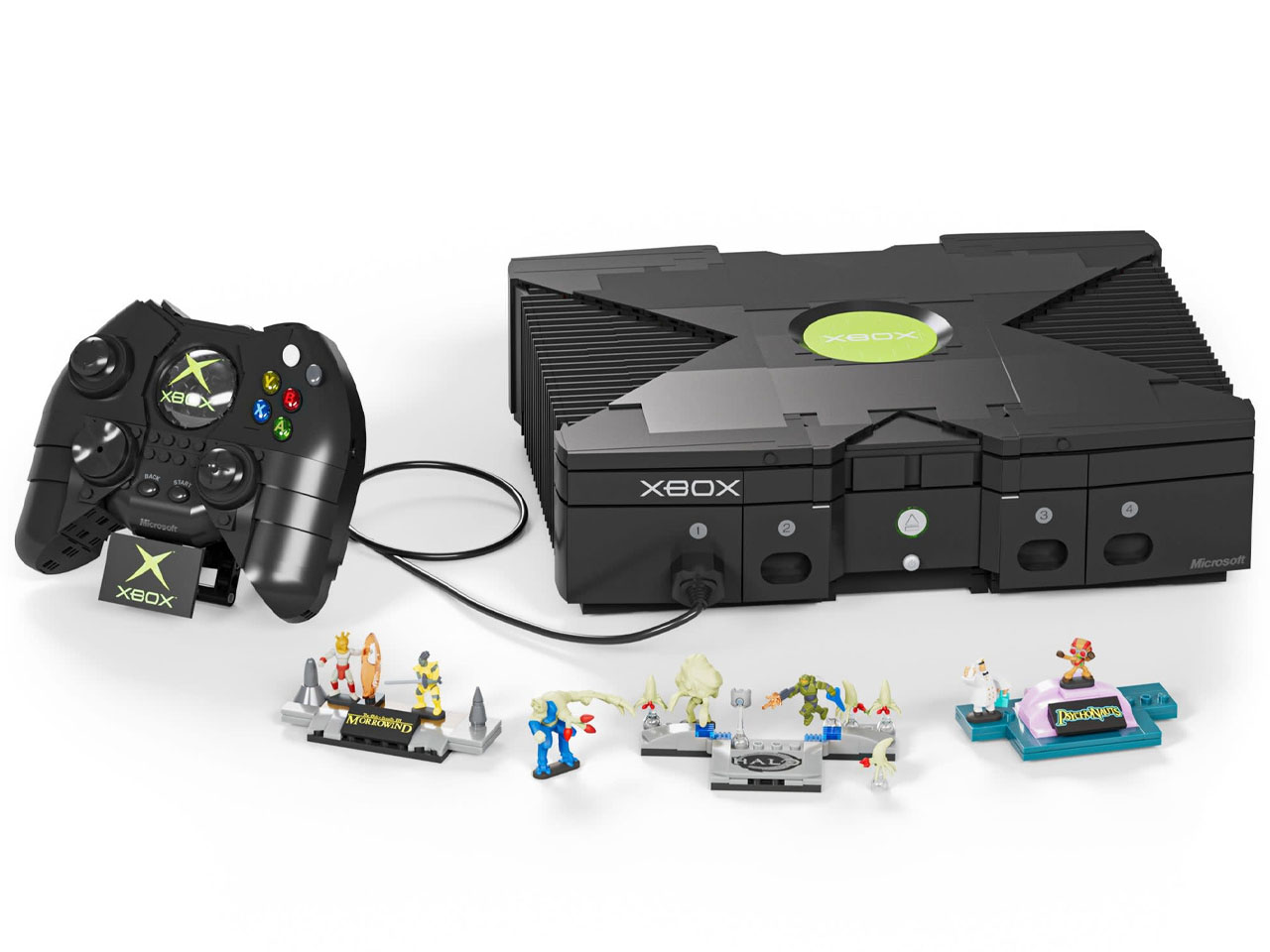
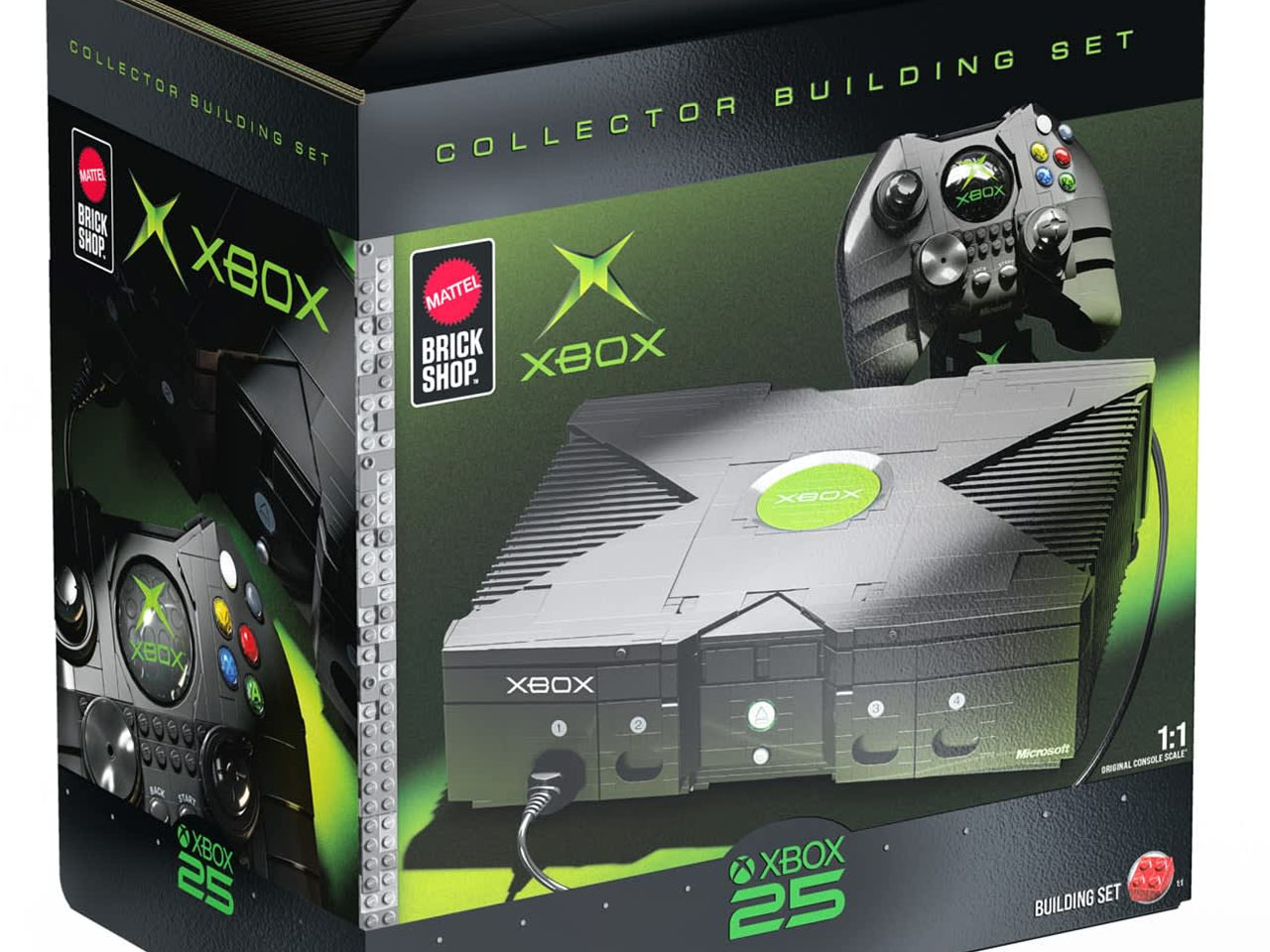
The original Xbox is turning 25, and Mattel is marking the occasion with a collector’s piece that transforms Microsoft’s first gaming console into a 1:1-scale building set. Created under the premium Mattel Brick Shop, the Microsoft Xbox Building Toy Kit recreates the chunky 2001 console from 3,509 pieces, complete with its oversized Duke controller and a surprisingly elaborate interior.

At first glance, the model is designed to look remarkably close to the original hardware. The familiar black rectangular body, recessed side grilles, front controller ports, X-shaped top panel, and central green Xbox logo are all recreated in brick form. The accompanying Duke controller is also buildable and connects to the console, with working buttons, a D-pad, and movable analog sticks. It is a display model rather than a functional gaming machine, but the physical interaction is part of what makes the set more than a static replica.

Designer: Mattel

The set also follows a growing interest in turning gaming hardware into physical building objects. A few years ago, we covered a LEGO Xbox Series S concept that treated the console itself as a customizable canvas for brick-built artwork. Mattel’s new creation takes a detour from the conventional brick-building approach, though, as it employs bricks to personalize a console, using thousands of them to recreate an entire piece of gaming history.

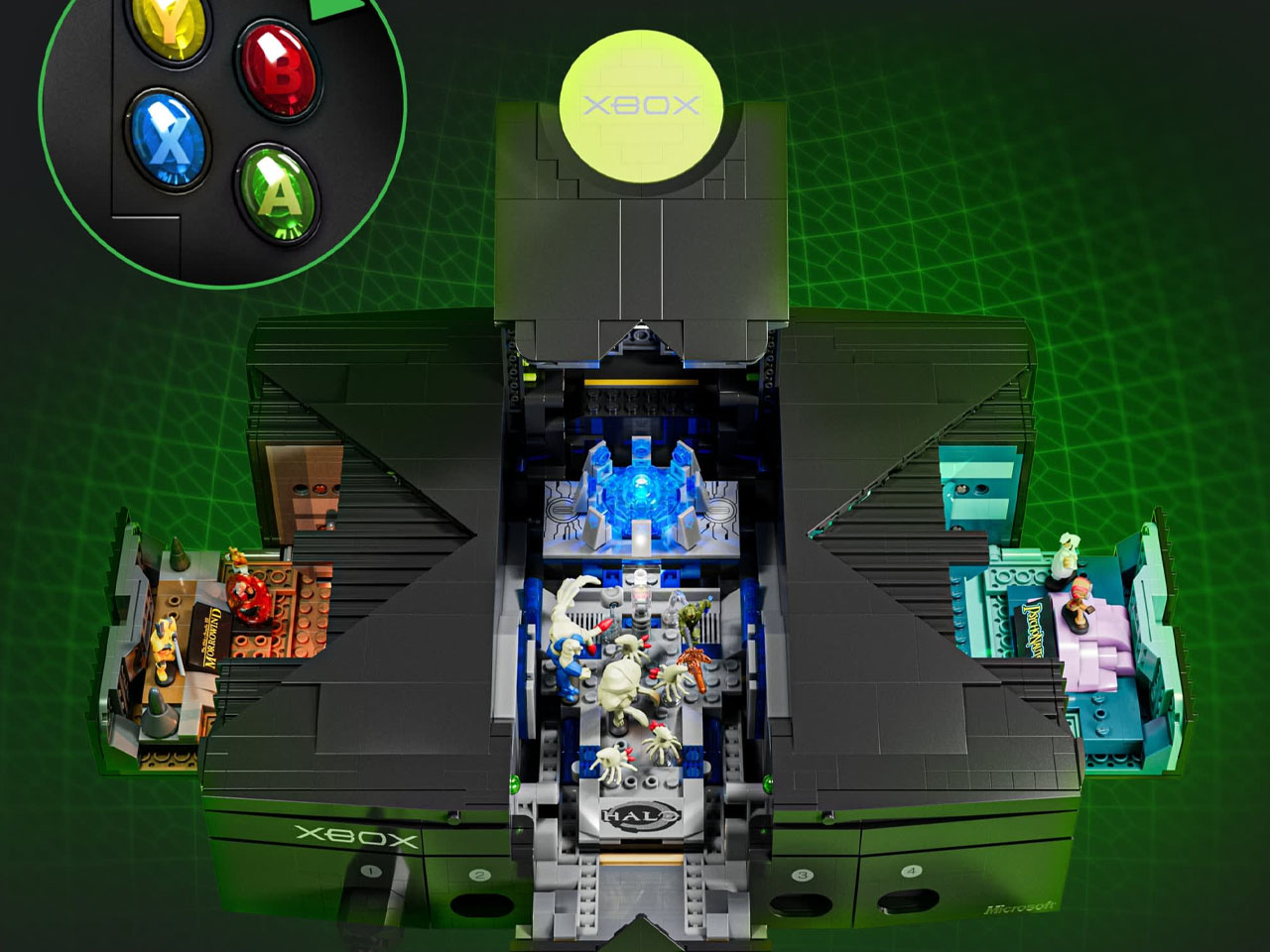
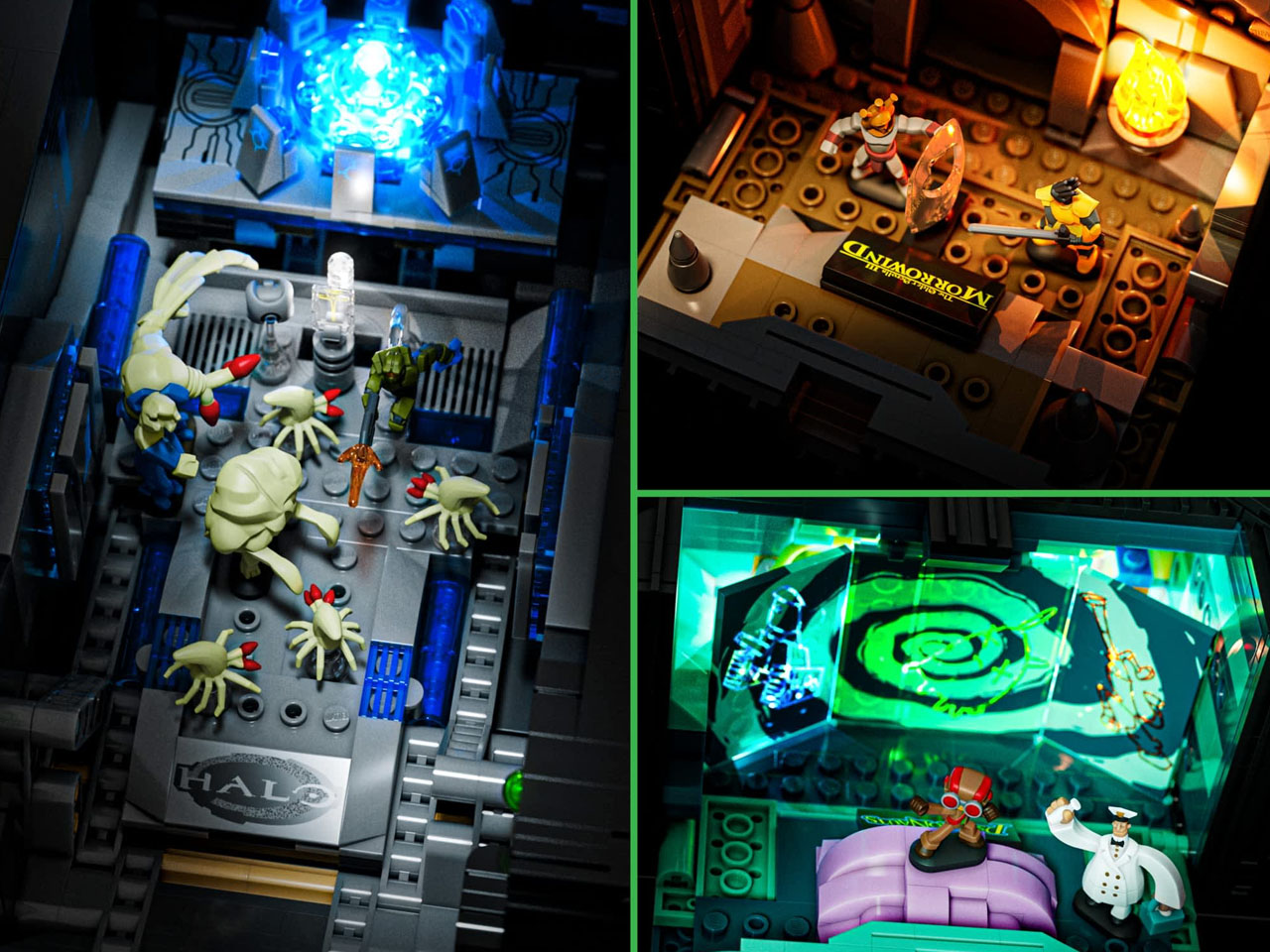
The more interesting details are hidden inside the console. Opening the model reveals three removable dioramas inspired by some of the original Xbox’s most recognizable games: Halo: Combat Evolved, The Elder Scrolls III: Morrowind, and Psychonauts. Each scene comes with small NanoWorld figures representing characters from the games, with 12 figures included across the set. The dioramas can also be removed and displayed independently, giving the enormous console a modular quality rather than making its interior purely decorative.

Mattel has also given the model a modest interactive layer. Pressing buttons on the connected Duke controller activates four different light-and-sound sequences, including the original Xbox opening sequence and effects associated with the three game-inspired scenes. A concealed button combination triggers an additional lighting sequence, adding a small Easter egg for builders who spend time exploring the finished model.

The choice of games is particularly evocative. Halo helped define Xbox as a gaming platform, while Morrowind and Psychonauts represent different sides of the console’s early library. Rather than simply reproducing the hardware, Mattel has effectively turned the console into a compact museum of its formative years, with the games physically embedded into the machine they helped make memorable.

For anyone who remembers the original Xbox as a piece of hardware rather than simply a platform, that distinction is significant. The finished model is essentially a life-size nostalgia object, one that preserves the proportions and visual language of Microsoft’s first console while hiding miniature worlds from its games inside.

The set is intended for builders aged 17 and above and is positioned firmly as a premium collector display rather than a conventional toy. It is currently available for preorder through select retailers, with a US price of $324.

The post Mattel’s 1:1 brick-built Xbox is a 3,509-piece tribute to gaming’s early 2000s era first appeared on Yanko Design.

  •  

Lando Norris’ New LEGO Helmet Is Weirdly Emotional to Build

McLaren just hit 1,000 Grands Prix, which in Formula 1 years is basically ancient royalty status. Only Ferrari has been around longer in this sport, and Ferrari acts like it too. So when a team crosses a milestone like that, you throw a party, you paint a special livery on the car, and apparently, you also get LEGO to build you a commemorative brick helmet with your driver’s face on the box.

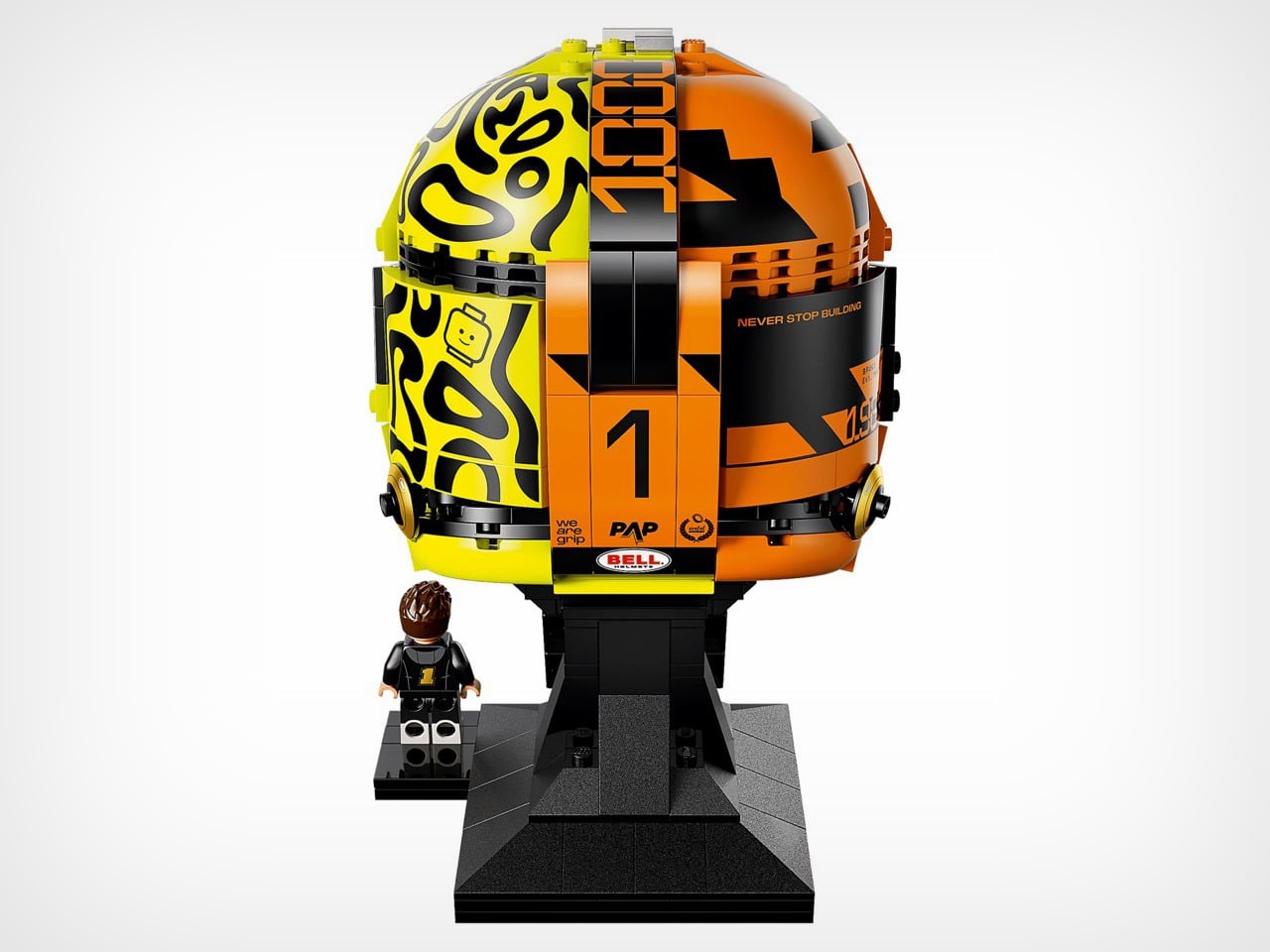
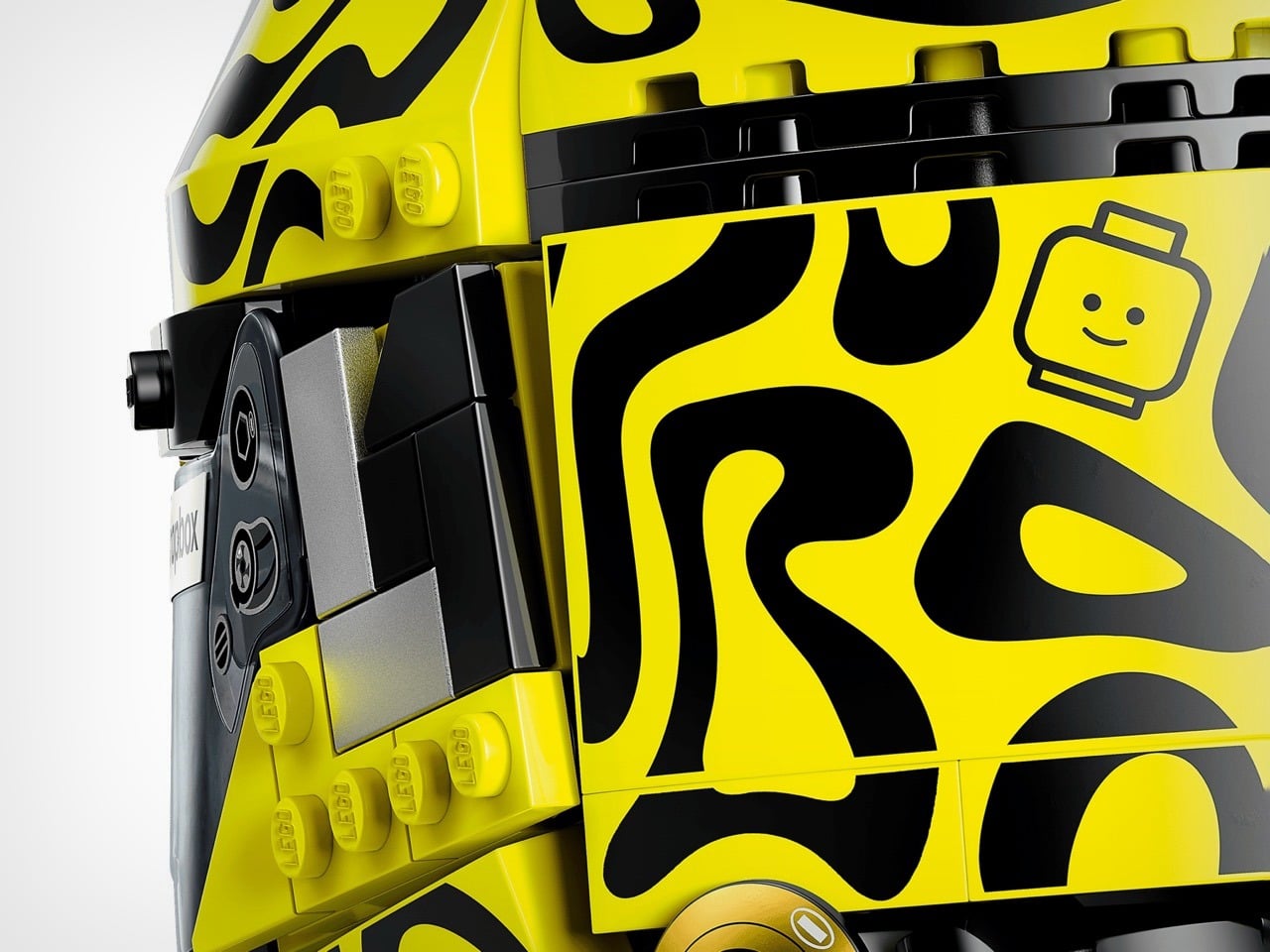
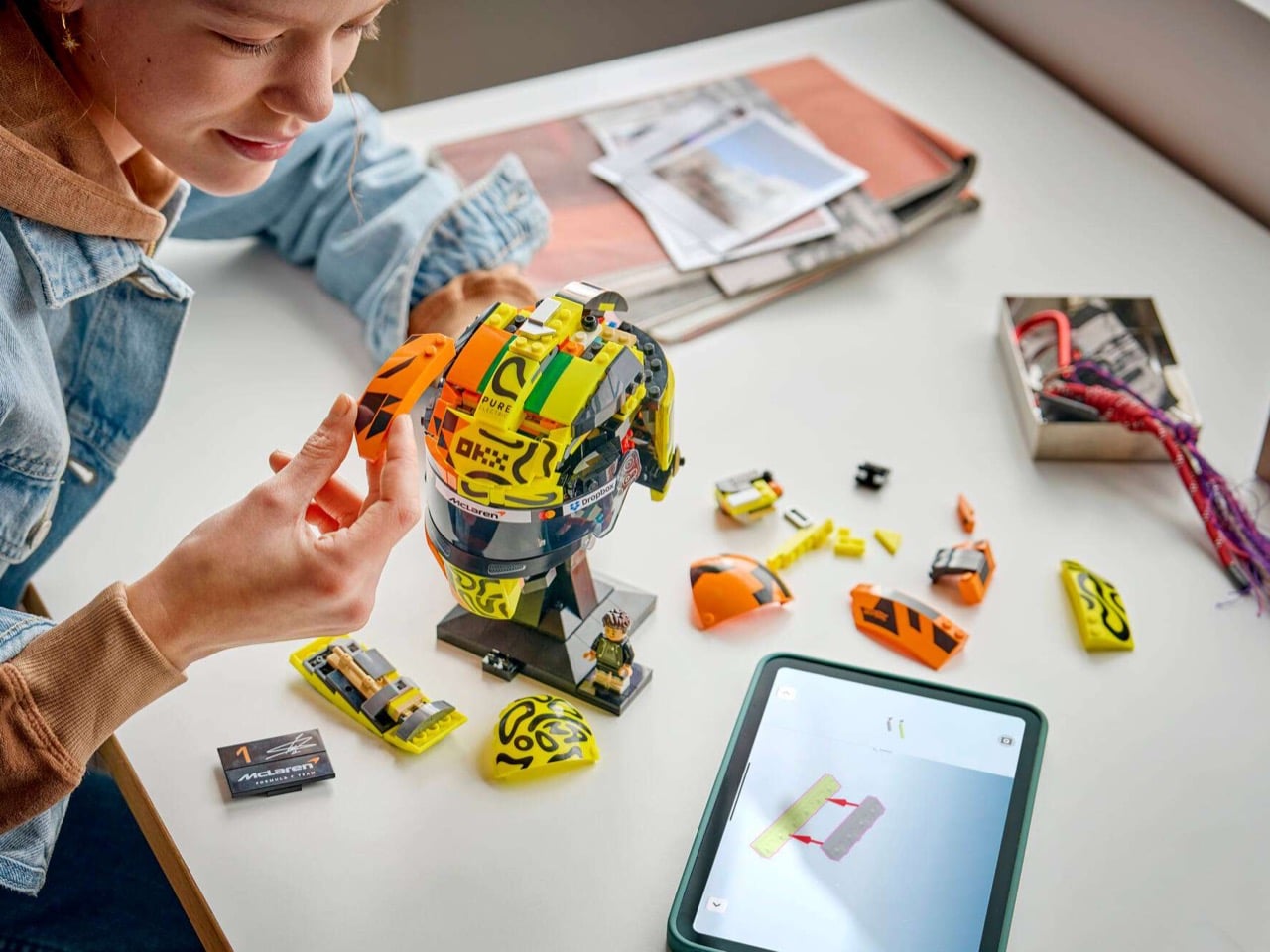
That is exactly what happened with Lando Norris’s set, a 793 piece build that packs his signature yellow and black “blob” design (his words, not mine) onto one side of a papaya orange helmet shell. It is McLaren history and Norris’s personal branding smashed together into a display piece, and somehow LEGO made that combination look genuinely good instead of like a marketing fever dream.

Designer: LEGO Design Team, co-created with Lando Norris

What makes this one different from your average licensed tie in set is that Norris was actually in the room for it. This was not LEGO grabbing some reference photos and calling it a day. The drivers worked directly with LEGO’s design team to shape both the Norris helmet and its companion piece for teammate Oscar Piastri, and the real helmets both drivers wore trackside at Monaco were based on the LEGO designs, not the other way around. That is a genuinely rare flex for a toy company. Daniel Meehan, LEGO’s Creative Lead for F1, put it well when he said building organic helmet curves at this scale “presents exciting opportunities for exploring new building techniques and creative parts usage,” which is design speak for “yeah, this was hard and we are proud we pulled it off.”

And they did pull it off. The papaya orange half and the neon yellow squiggle half meet along a seam that somehow still reads as one continuous helmet, not two mismatched shells taped together. Printed tiles handle every sponsor logo along the brow, McLaren, Mastercard, Dropbox, OKX, all sitting exactly where they would on the real thing. The back of the helmet is where the emotional weight lives though. LEGO printed “1.000 GP” and “1963” across the rear in bold anniversary numerals, with a small nod to “Bruce / Mal Est. 1963,” a reference to Bruce McLaren founding the team over sixty years ago. “NEVER STOP RACING” runs along the base of the visor. It is a lot of history packed into a helmet the size of a grapefruit.

My favorite detail, though, is buried in the yellow side paneling where LEGO snuck in a tiny printed minifig head, smiling face and all, hidden right inside Norris’s own design pattern. It is such a small thing, but it is basically LEGO signing its own work, and it tells you the people building this actually cared about more than just slapping a logo on a shelf piece.

The set comes mounted on a black display stand with Norris’s number 1 and a printed signature plaque, plus a minifigure of Norris himself in off track team gear, reportedly the first time he has been rendered as a LEGO minifig. It also plugs into the LEGO Builder app so you can rotate and zoom your progress mid build, which is a nice touch if you like tracking your pit stops digitally.

This helmet drops right after LEGO built ten full size, actually driveable F1 cars for a stunt at last year’s Miami Grand Prix, so the brand’s relationship with the sport is clearly only ramping up. The Lando Norris McLaren Mastercard F1 Team Helmet (set 43023) is available now for $89.99 on LEGO.com and through McLaren’s official store, alongside the matching Oscar Piastri edition if you want the full garage set.

The post Lando Norris’ New LEGO Helmet Is Weirdly Emotional to Build first appeared on Yanko Design.
  •  

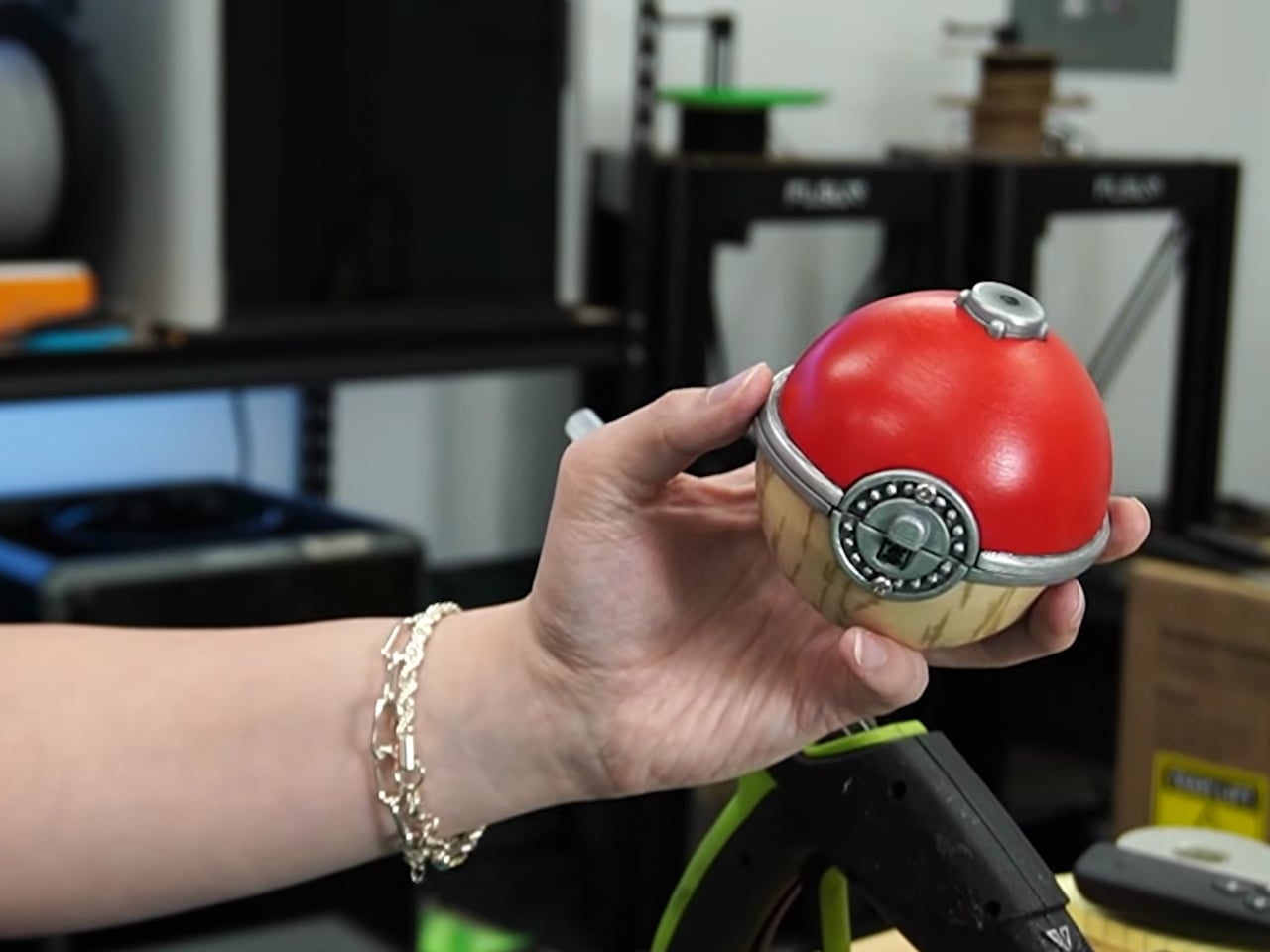
A Maker Spent Months Building a Pokéball That Jumps and Shoots Smoke

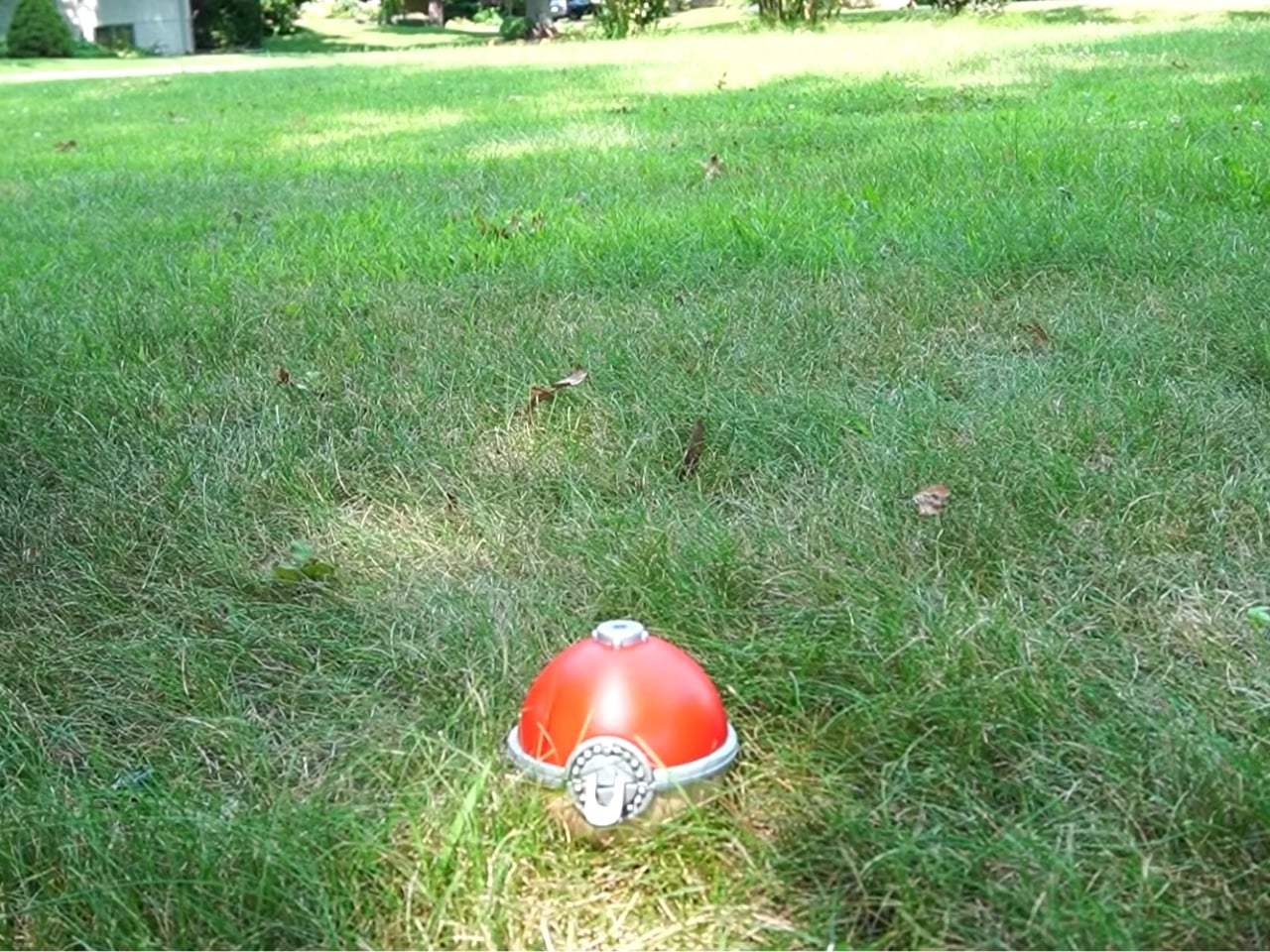
Pokémon has always sold us a very specific fantasy: a compact sphere you can throw into tall grass, watch shimmy three times, and hear that satisfying click. The wiggle is practically cultural shorthand at this point. So when maker Kiara’s Workshop decided to skip the wiggle entirely and build the far stranger, far older Arceus ball instead, the resulting creation landed somewhere between prop design, mechanical engineering, and sheer stubbornness. The kind of project that sounds manageable until you’re three failed prototypes deep.

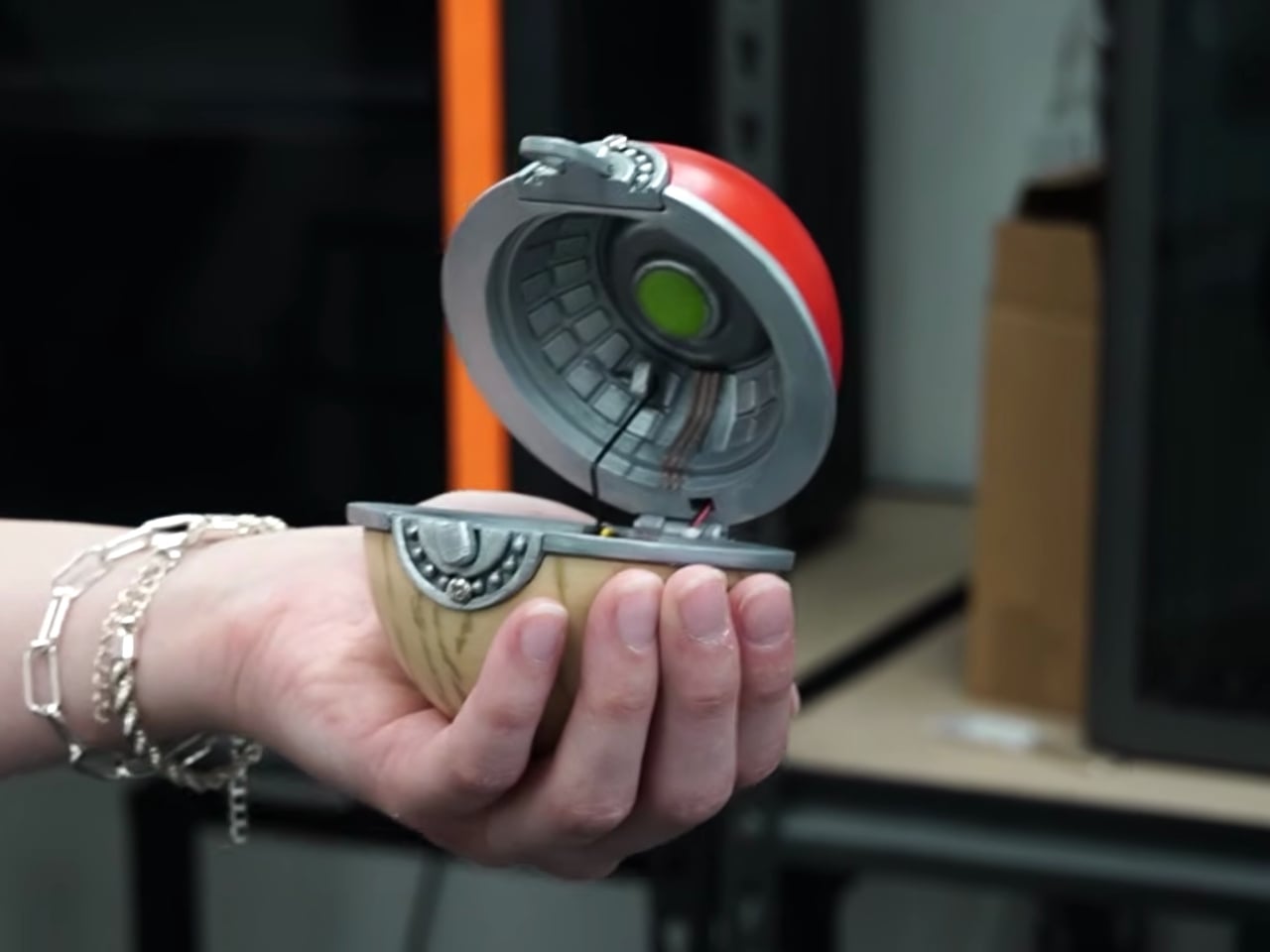
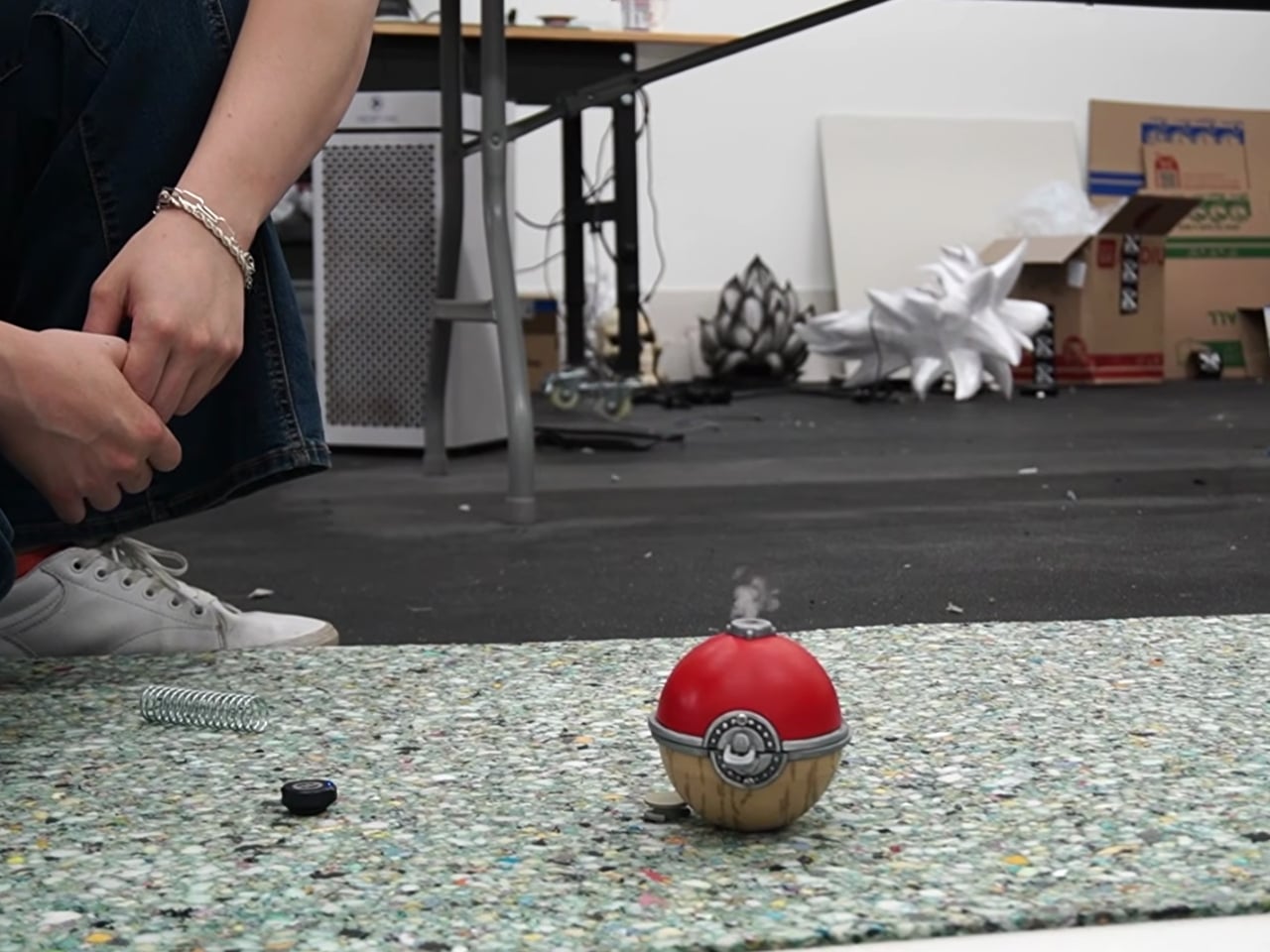
For context: the Arceus ball comes from Pokémon Legends: Arceus, a game set in a much earlier era of the Pokémon world. This isn’t the sleek, mass-produced Pokéball most of us grew up clicking in handheld games. It’s a more primitive artifact, made from Apricorns and Tumblestones in the game’s lore, with an aesthetic that leans ancient and earthy rather than factory-fresh. And its in-game behavior is notably different too. Instead of the classic wiggle sequence, the Arceus ball shoots into the air during a catch and releases a burst of smoke. It’s more dramatic, more theatrical, and a far more interesting design brief.

Designer: Kiara’s Workshop

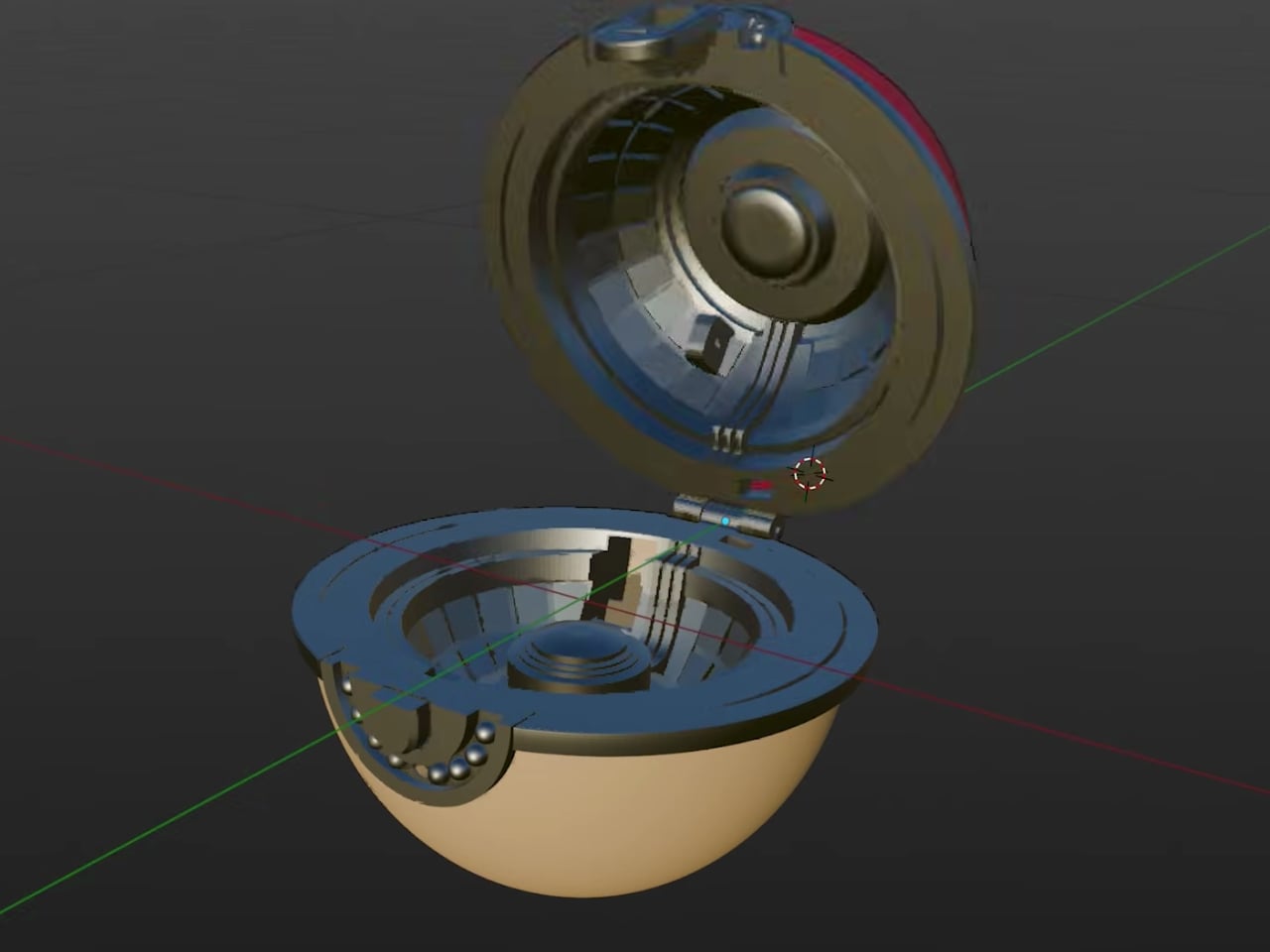
Kiara’s Workshop had already built functional Pokéballs before, putting out a V1 and V2 that earned a loyal following and a comment section full of people asking when she’d make more. The V3 of the standard Pokéball was still on her list when she decided to take a detour and come back to Pokéballs a different way. The Arceus ball seemed like the simpler bet. It doesn’t have the same intricate mechanical catch sequence as the modern version, so how hard could it be? The answer, as it turned out, was very hard. The build required research, iteration, and a willingness to start over.

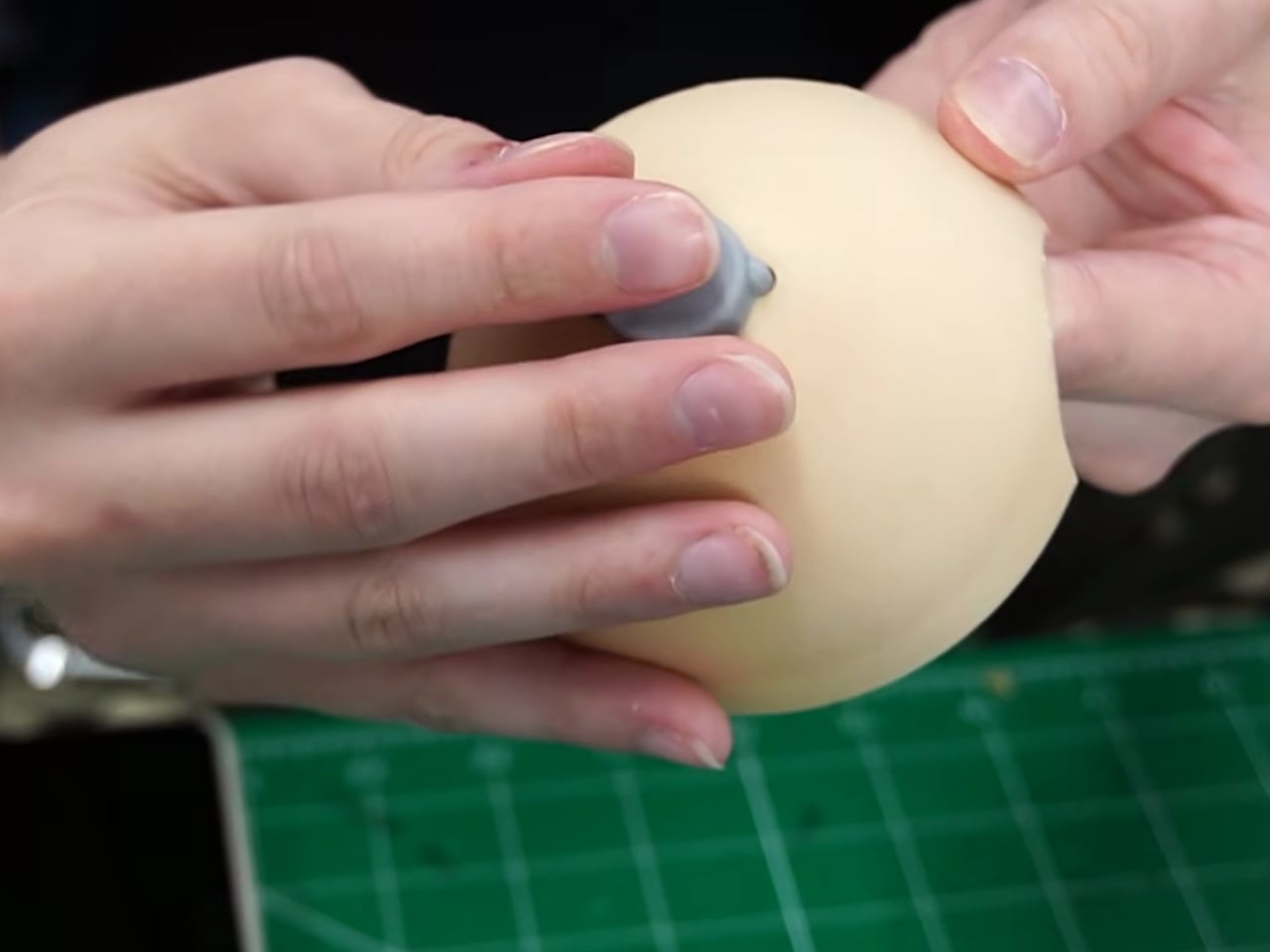
Getting a physical object to jump on cue and simultaneously release smoke on command is not exactly a weekend project. The ancient aesthetic of the ball adds another layer of complexity: it can’t look like it came out of a clean resin mold. It needs texture, weight, and a certain handmade quality that actually complicates production rather than simplifying it. Every element Kiara worked through pointed back to how much thought went into the original game design, even for something that appears on screen for only a few seconds at a time.

Here’s the thing about maker culture that doesn’t get enough attention: it forces a kind of reverse-engineering that’s deeply respectful of the original design, whether that original designer was a game developer or a prop team. When you have to physically build something that only existed as a rendered animation, you start noticing all the decisions that went into it. Kiara’s build is less about having a cool collectible on a shelf (though it would absolutely win any shelf) and more about understanding how design translates, or refuses to translate, between worlds. That’s a genuinely underrated form of design criticism.

Pokémon as a franchise has always been smart about its own mythology. The progression from handcrafted Apricorn balls to industrially manufactured ones mirrors real-world design evolution, from artisanal craft to mass production. What Kiara’s Workshop did was reverse that arc entirely, going from the pixel back to the physical, from the streamlined modern version to the awkward, jumping, smoke-releasing ancient one. It’s a move that requires understanding both the fiction and the fabrication. The result is genuinely impressive, not because it’s a perfect replica, but because it functions on its own terms. It jumps. It smokes. It exists in a way it never was supposed to.

Plenty of makers are building Pokéballs right now, probably on multiple continents simultaneously. But most are going for the one everyone recognizes. Choosing the Arceus ball, with all its mechanical demands and its ancient visual language, says something about what excites Kiara’s Workshop: not the familiar, but the forgotten. And for anyone who’s ever quietly preferred the stranger corners of a franchise over its most iconic pieces, that’s a choice worth appreciating.

The post A Maker Spent Months Building a Pokéball That Jumps and Shoots Smoke first appeared on Yanko Design.
  •  

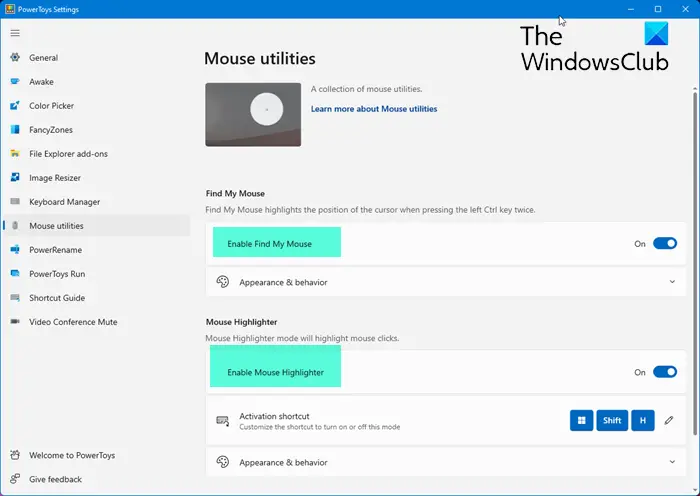
Using Find My Mouse & Mouse Highlighter feature in PowerToys

mouse powertoysThe new version of PowerToys tool, comes with something you might like. If you’re interested in enhancing how your mouse works, then we suggest taking advantage of what the Mouse Utility category has to offer. With this section, you should come across two new features, and they are Find My Mouse and Mouse Highlighter. Now, let […]


The post Using Find My Mouse & Mouse Highlighter feature in PowerToys appeared first on TheWindowsClub News.

  •  

Command Not Found utility detects command-line errors in PowerShell

Command Not Found utilityCommand Not Found is a PowerShell 7 module that detects an error thrown by a command and suggests a relevant WinGet package to install, if available. It is a helpful tool, as it makes it easier to find and install the packages you need. Command Not Found utility detects command-line errors in PowerShell The Command […]

The post Command Not Found utility detects command-line errors in PowerShell appeared first on TheWindowsClub News.

  •  
❌