❌

Vue lecture

AYN Odin 3 Portal Handheld Pairs a Flat Glass Front With Sculpted Grips
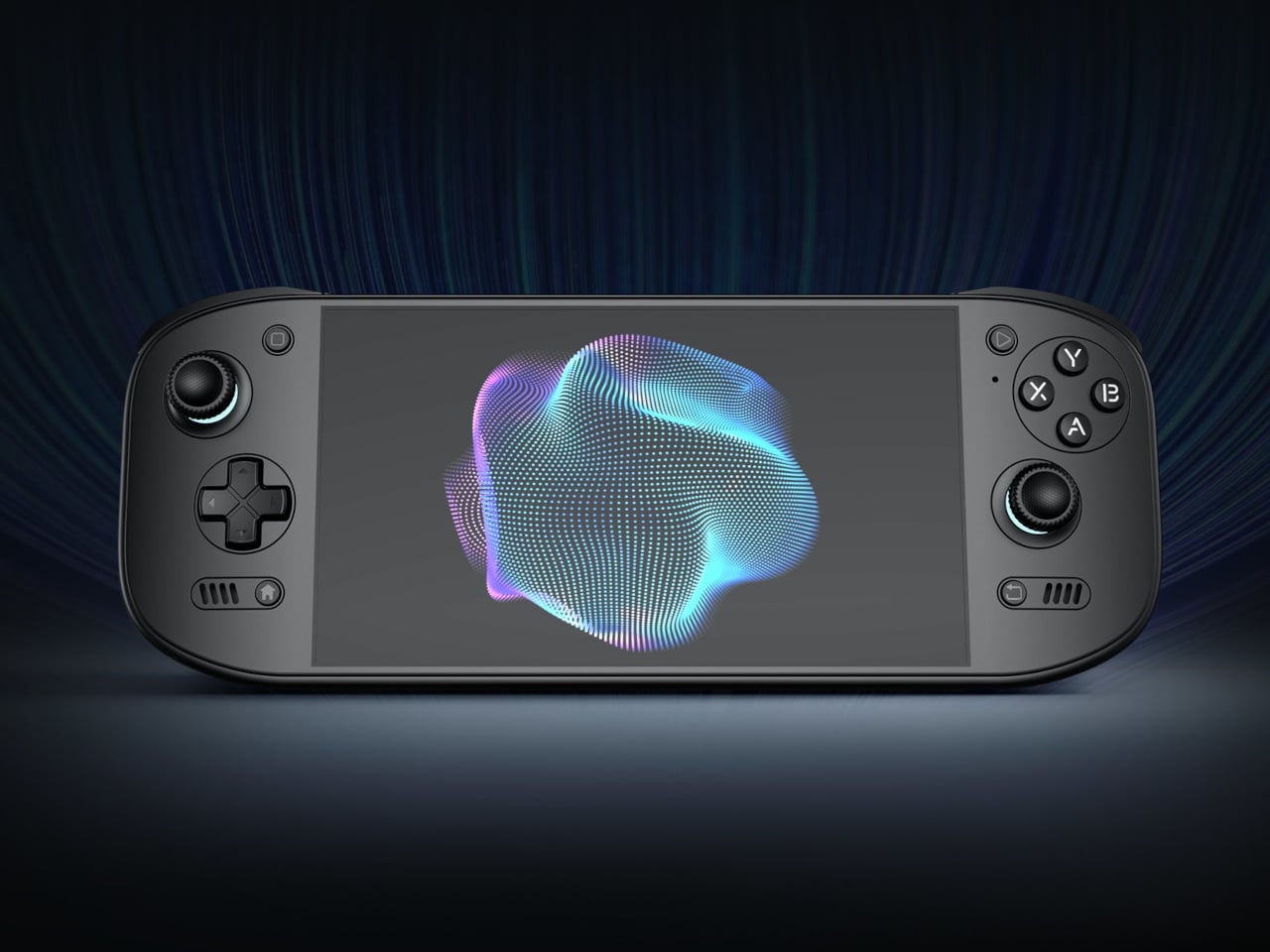
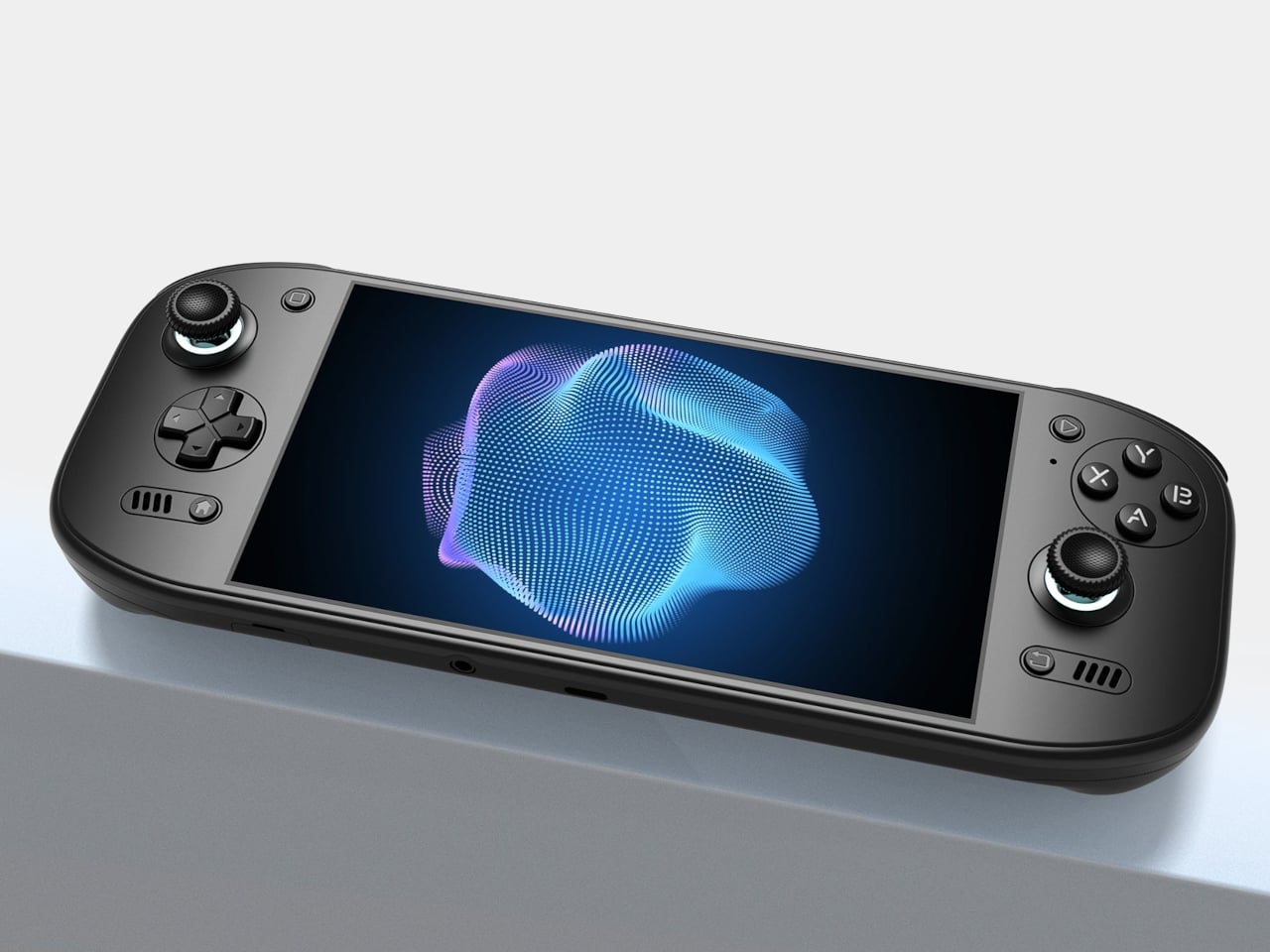
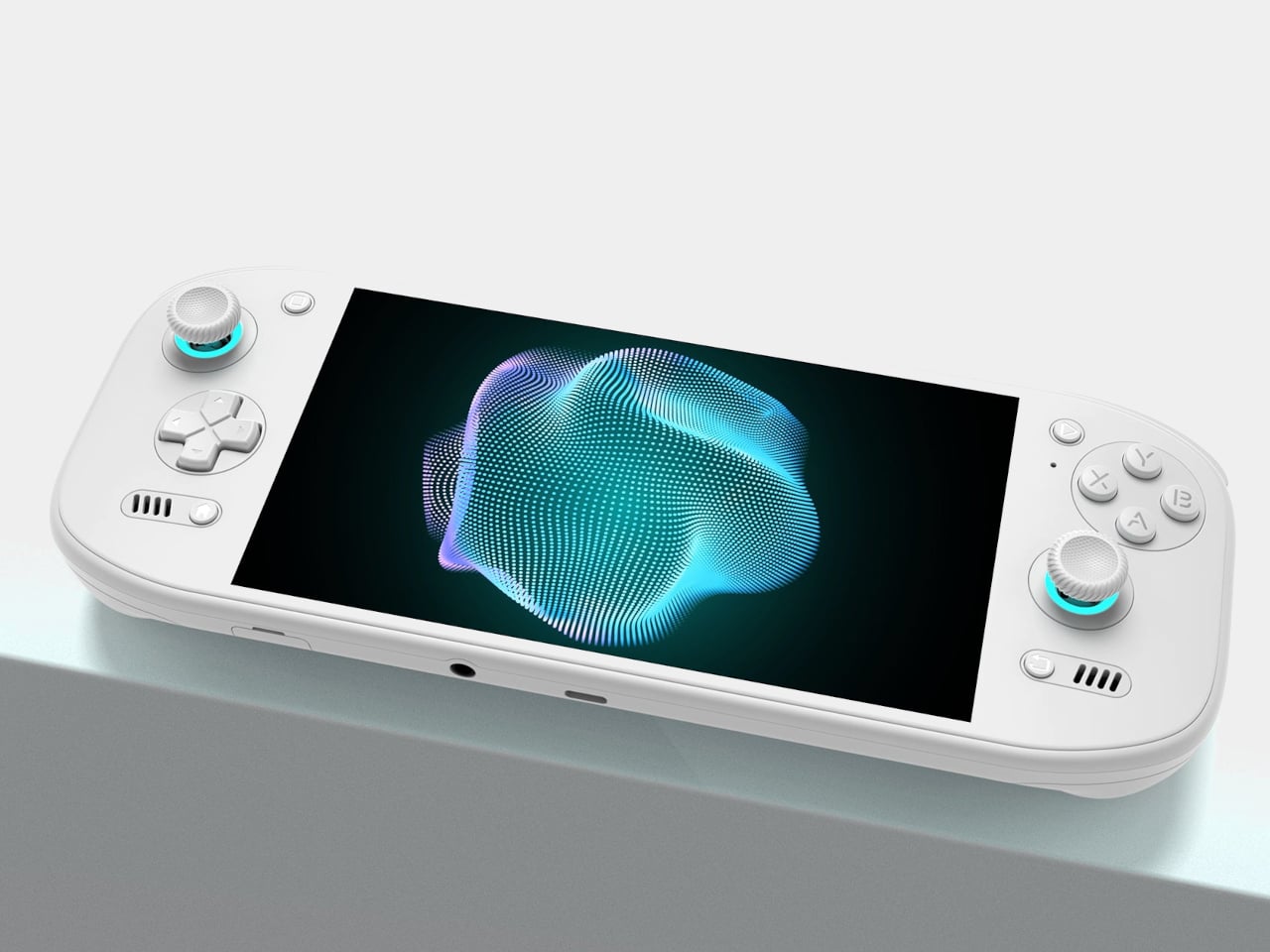
Putting a large screen on a gaming handheld is easy compared with making the whole thing comfortable to hold. AYN’s Odin 3 Portal approaches that problem with a 7-inch OLED up front and sculpted grips behind it. Now available for preorder, the Android handheld combines a broad, glass-covered face with physical controls that give your fingers somewhere other than the screen to go.

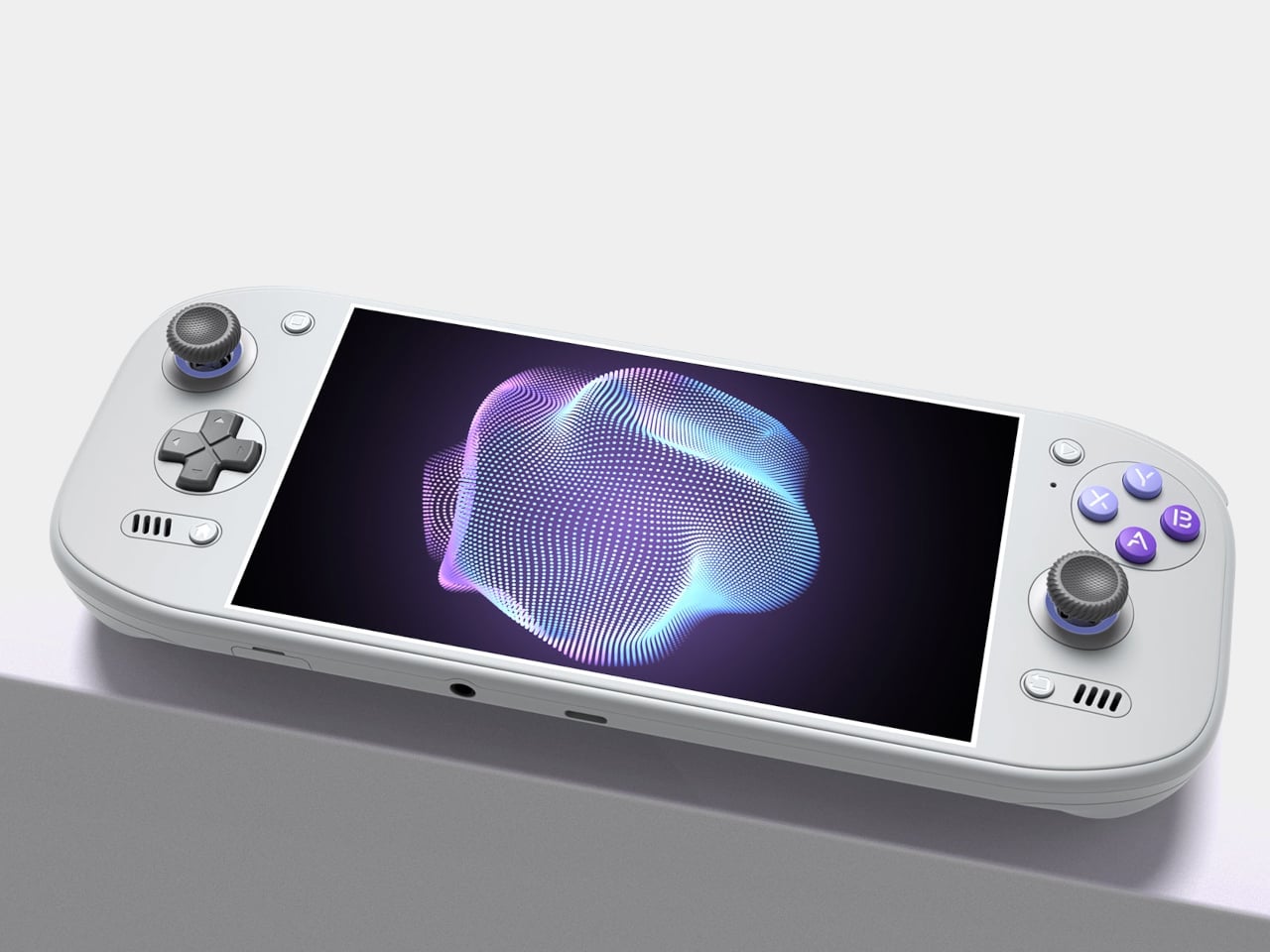
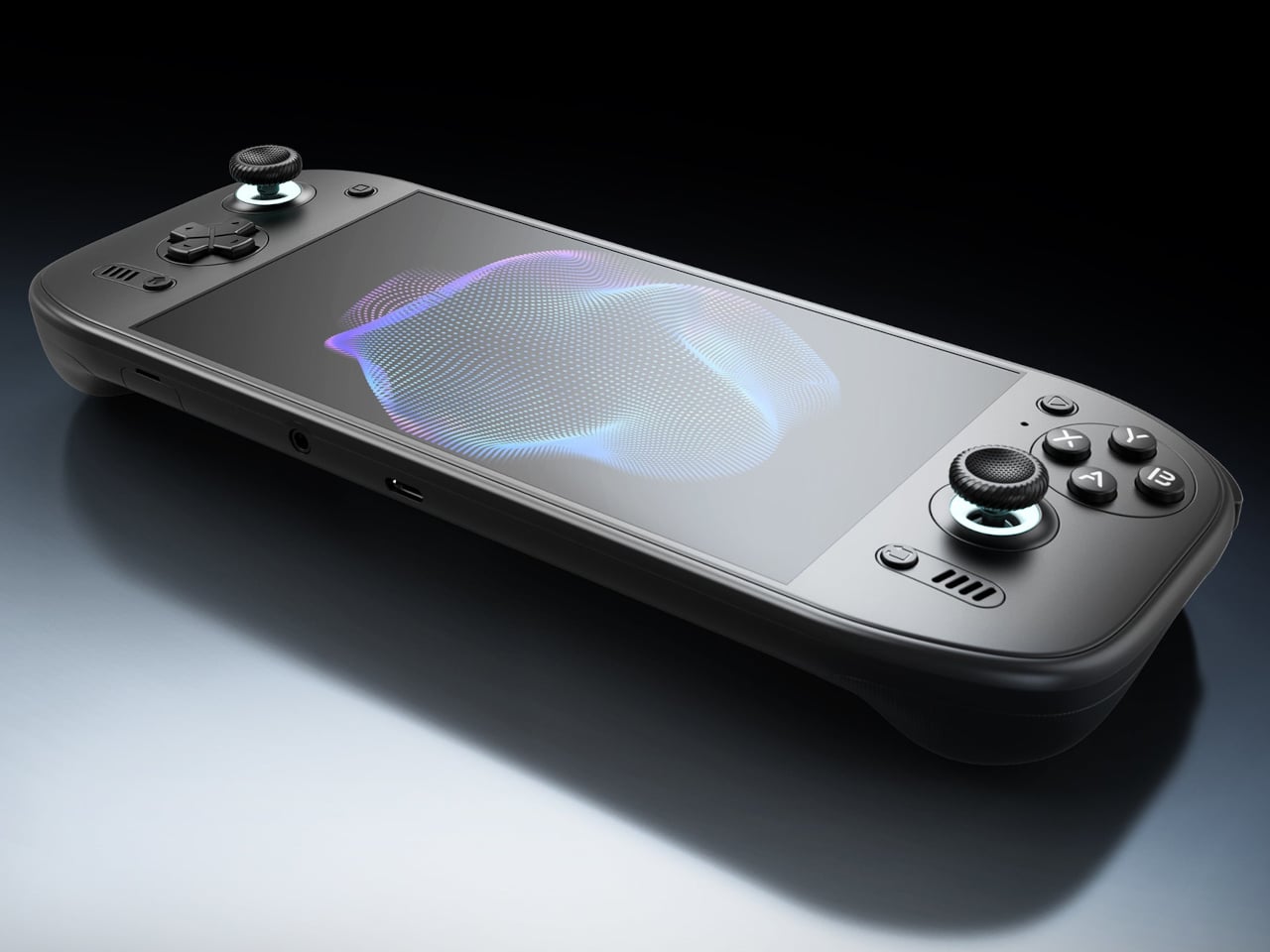
That front surface stretches across the display and surrounding control areas, giving the device a flatter, more unified appearance than a screen dropped into a chunky frame. Black keeps the boundary between panel and housing less conspicuous, while White and Cold Grey emphasize it. The latter’s purple buttons add retro flavor without turning the machine into a tribute to another console.

Designer: AYN
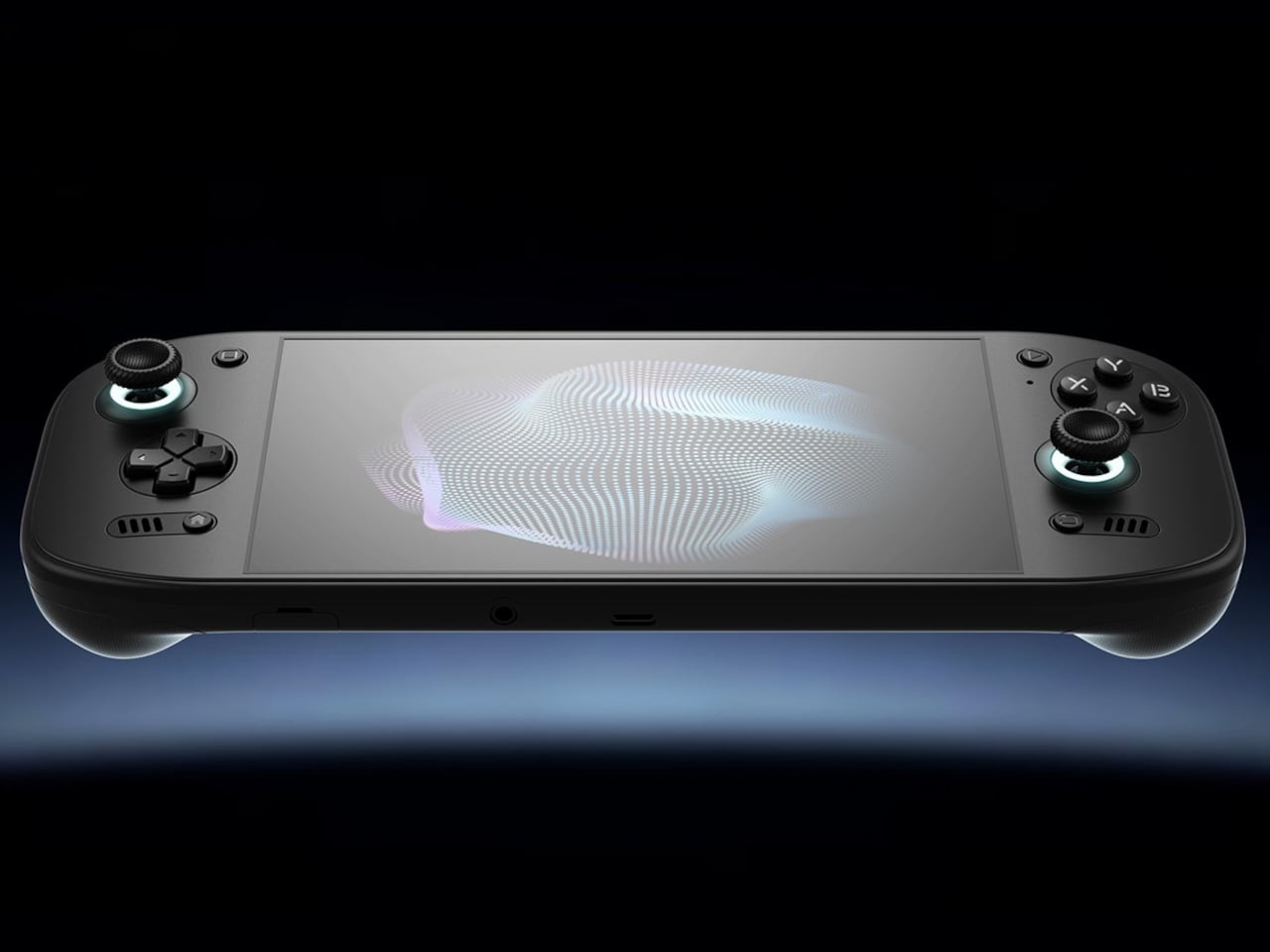
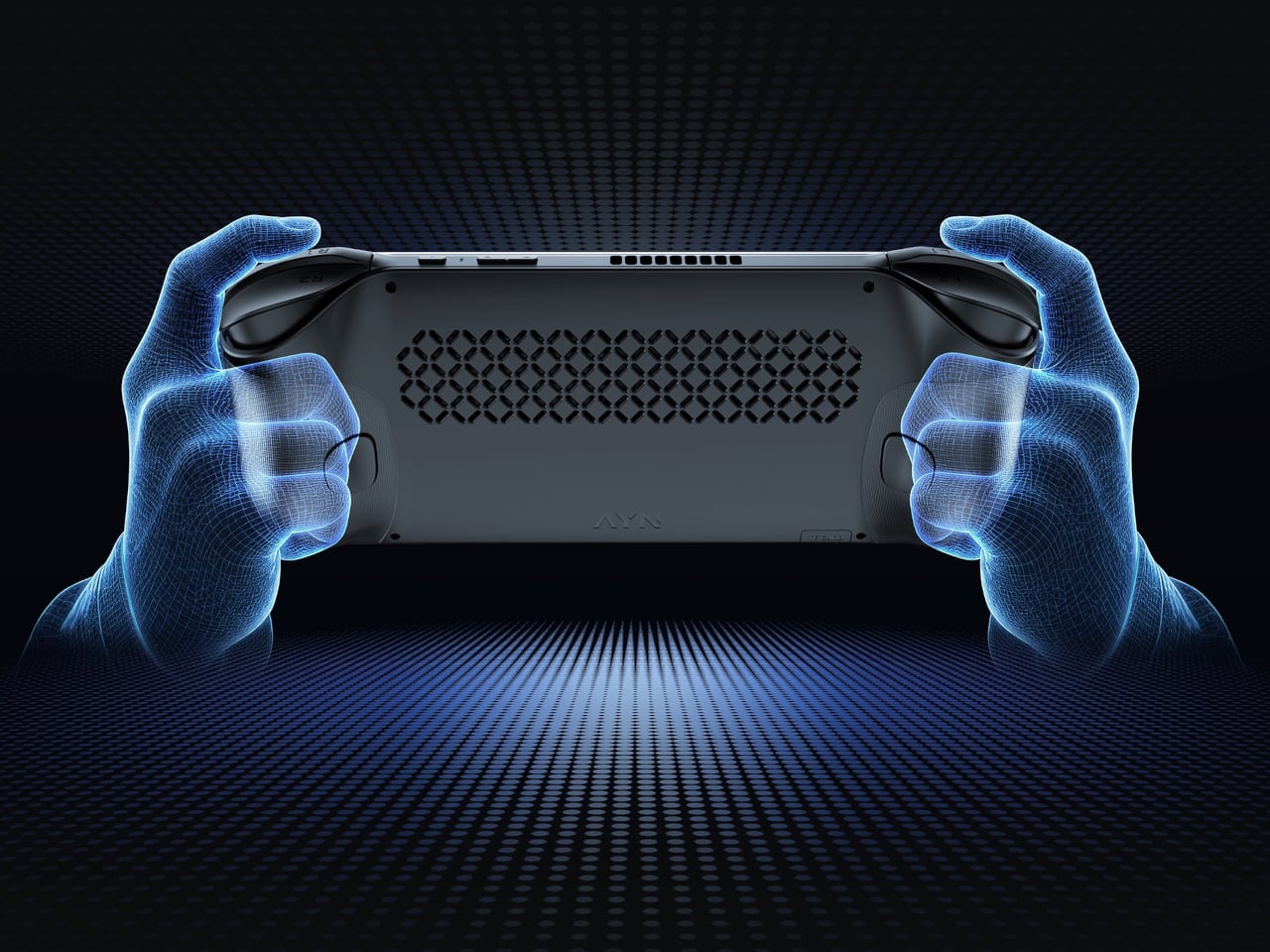
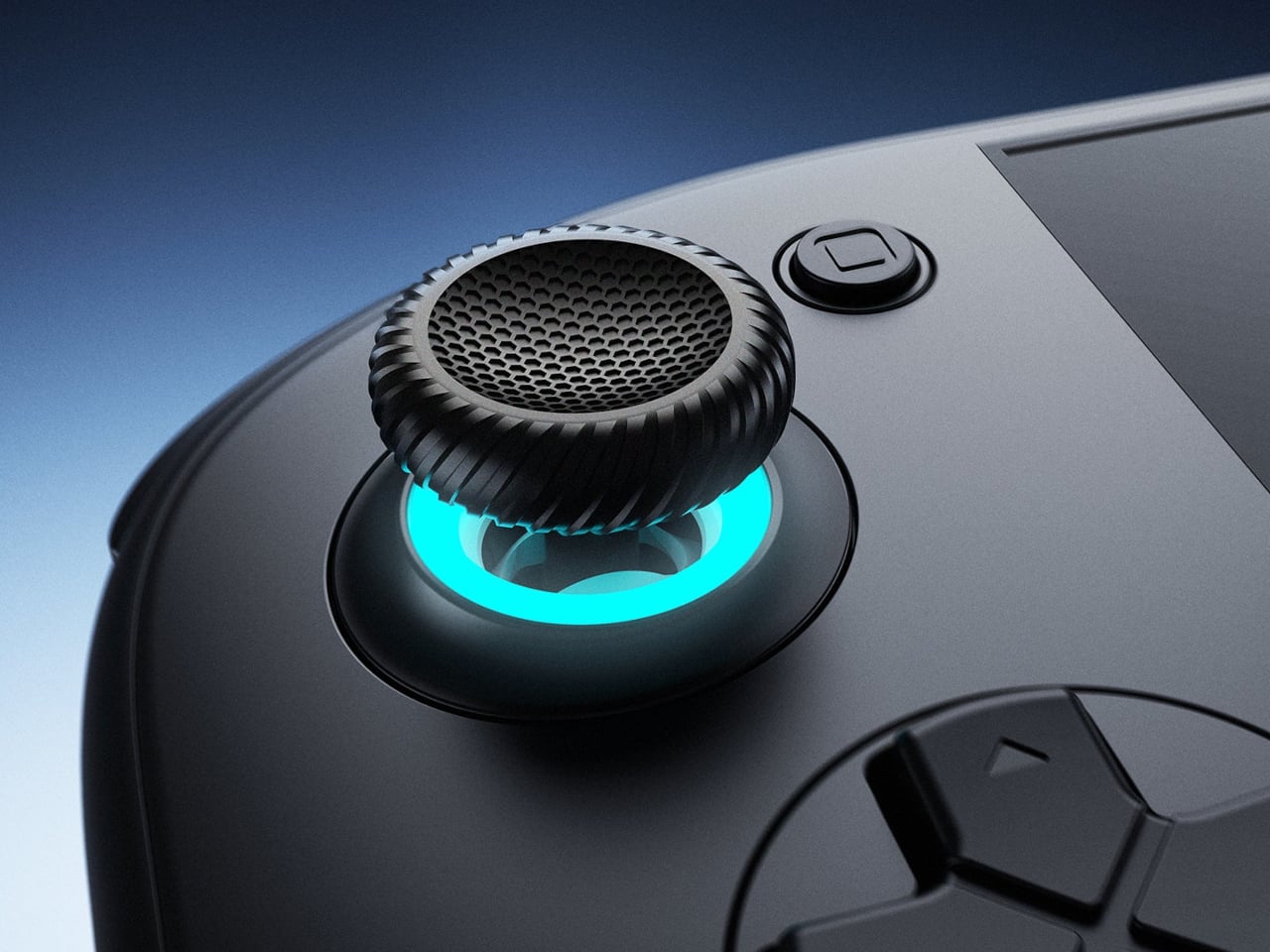
Turn it over, and the shape becomes less concerned with looking flat. Rounded bulges give your palms somewhere to settle, while textured shoulder buttons meet your index fingers above. The full-size Hall-effect sticks have ridged edges, and a dome D-pad sits below the left stick. These details aim to improve control, though actual comfort will depend on your hands and how you play.

The screen is a 1920×1080 OLED with a 120Hz refresh rate, giving supported games room to show smoother motion without asking you to peer at a tiny display. That doesn’t mean every game will run at 120 frames per second, of course, nor should you always crank it up. It depends on the game, settings, and your remaining battery.
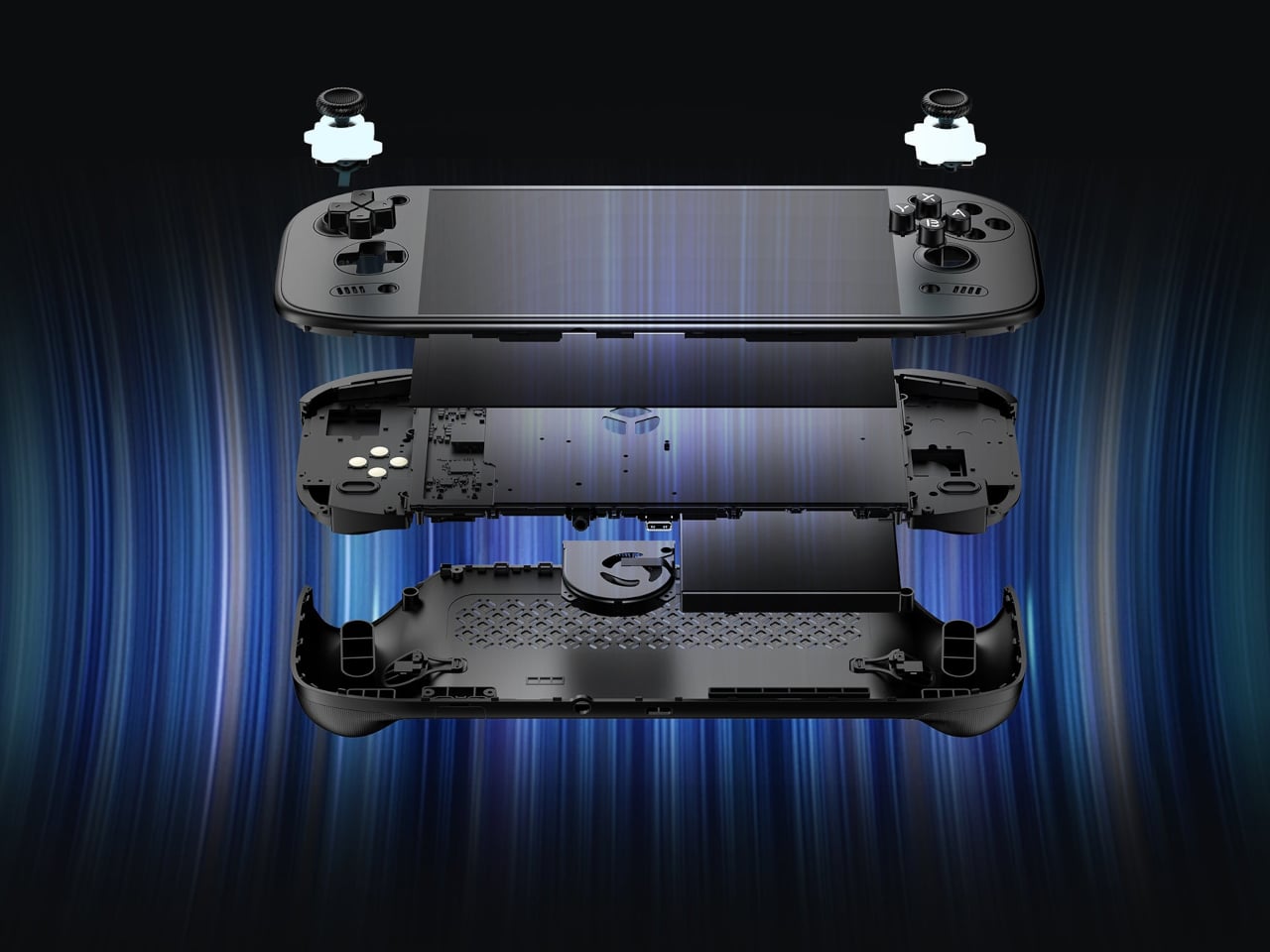
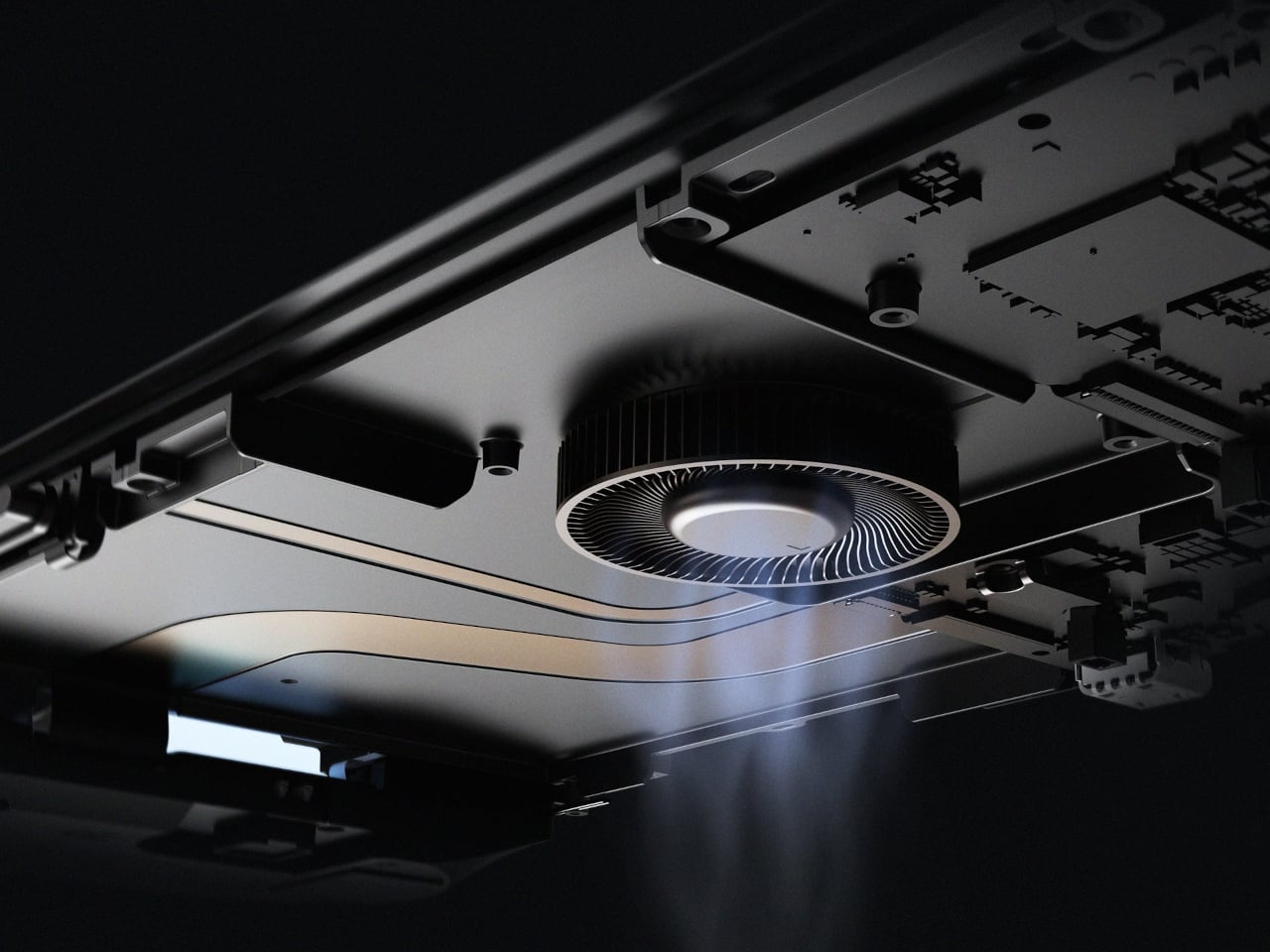
Behind that screen is Qualcomm’s Dragonwing Q8 processor, paired with Android 15 and active cooling. A broad rear grille gives the internal fan room to draw air, making ventilation part of the exterior rather than hiding it completely. That’s worth remembering when you settle in with the handheld against a cushion, since the cooling system still needs an unobstructed path to breathe.

Power comes from a 9,000mAh battery, with support for 60W charging when you need to plug back in. Actual playtime will depend on the game and screen settings, so that capacity doesn’t translate into a guaranteed afternoon away from an outlet. At about 15.9 ounces, the handheld puts weight behind that screen, especially when a quick session somehow becomes an entire evening.
Storage starts at 128GB with 12GB of RAM, while the top model offers 1TB and 16GB of RAM. There’s also a microSD slot, so choosing less built-in storage doesn’t close off future expansion. AYN specifies that no games come preinstalled, however. You’re buying the hardware for your own library and setup, not a ready-made collection of nostalgic favorites waiting behind the power button.

Launch pricing starts at $399, with the 1TB version reaching $669 and shipping expected to begin in early November 2026. The pricier configuration doesn’t buy a different screen or processor, just more memory and storage than the base model. That leaves a practical choice between keeping a larger library installed and keeping the price down, particularly when a memory card remains an option.
The post AYN Odin 3 Portal Handheld Pairs a Flat Glass Front With Sculpted Grips first appeared on Yanko Design.

  •  

Retroid Pocket Duo makes dual-screen gaming feel fresh again with its modern clamshell design

There is something immediately satisfying about a handheld that refuses to make two screens behave like one. Retroid’s new Pocket Duo takes that idea and builds it into a modern clamshell, giving Nintendo DS and 3DS-style gaming a form factor that feels considerably more natural than squeezing both displays onto a single screen.

The Pocket Duo puts a 5.5-inch 16:9 OLED display above a smaller 4.5-inch 4:3 OLED screen, with both running at 120Hz. Rather than treating the second display as an afterthought, Retroid has designed the handheld around the way dual-screen games were originally meant to be played. The company has already demonstrated 3DS titles running at 4x resolution, along with DS games through melonDS.

Designer: Retroid

Under the hood, the Duo has Qualcomm’s Dragonwing Q-7790 – an IoT-focused chip based on the Snapdragon 7 Gen 4 – mated to Adreno 722 graphics. Active cooling helps keep the hardware running under load, while a 6,000mAh battery handles power. The device runs Android 16 and weighs 350g, with a 180-degree free-stop hinge allowing the two displays to be positioned at different angles. Retroid has also paid attention to the physical controls. The thumbsticks sit symmetrically in recessed positions, while the ABXY buttons use tactile clicks. The shoulder buttons are stacked, giving the Duo a layout that is intended to feel like a proper gaming handheld rather than a phone with an extra screen attached.

The Pocket Duo Lite takes the same dual-screen concept and makes some straightforward changes to bring the price down. Its upper display remains 5.5 inches, but switches from OLED to a 60Hz IPS LCD, while the lower screen is slightly smaller at 4.2 inches. Both displays retain their respective 16:9 and 4:3 formats. The Lite also steps down to Qualcomm’s Dragonwing QCS6125 processor with Adreno 610 graphics and runs Android 15.

The handheld uses in-line shoulder triggers instead of the stacked controls found on the regular Duo. Despite those compromises, it retains the 180-degree free-stop hinge, symmetrical recessed thumbsticks, active cooling and a 6,000mAh battery. There are two Lite configurations: 4GB RAM with 64GB storage and 6GB RAM with 128GB storage. It comes in Black, GC, 16Bit, Ice Blue and Clear Purple, matching the colour choices of the standard model.

For anyone who grew up with dual-screen handhelds, the Pocket Duo is an intriguing modern interpretation of a familiar idea. Instead of mere recreation of the classic era, Retroid is giving the format a faster display and contemporary hardware. The Lite, however, makes the same unusual design considerably easier to justify.

The pricing also makes the Lite particularly compelling. The 4GB/64GB version starts at $135 during pre-orders and will retail for $149, while the standard Pocket Duo is priced at $250 during pre-orders and $270 at retail. There is no official release date, though.

The post Retroid Pocket Duo makes dual-screen gaming feel fresh again with its modern clamshell design first appeared on Yanko Design.

  •  

Clear-Shell Game Boys Never Made the Screen Transparent, Arduview Did

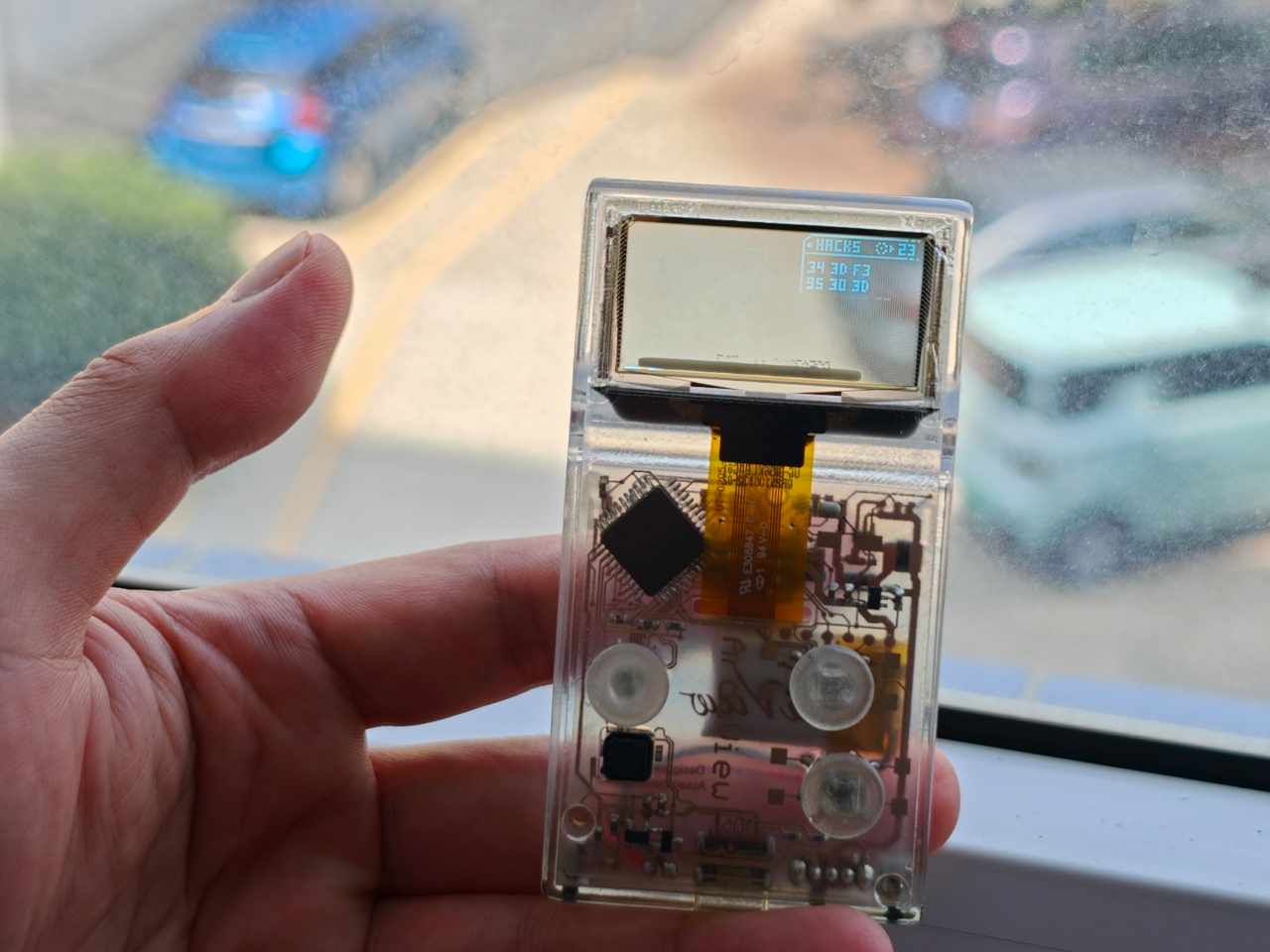
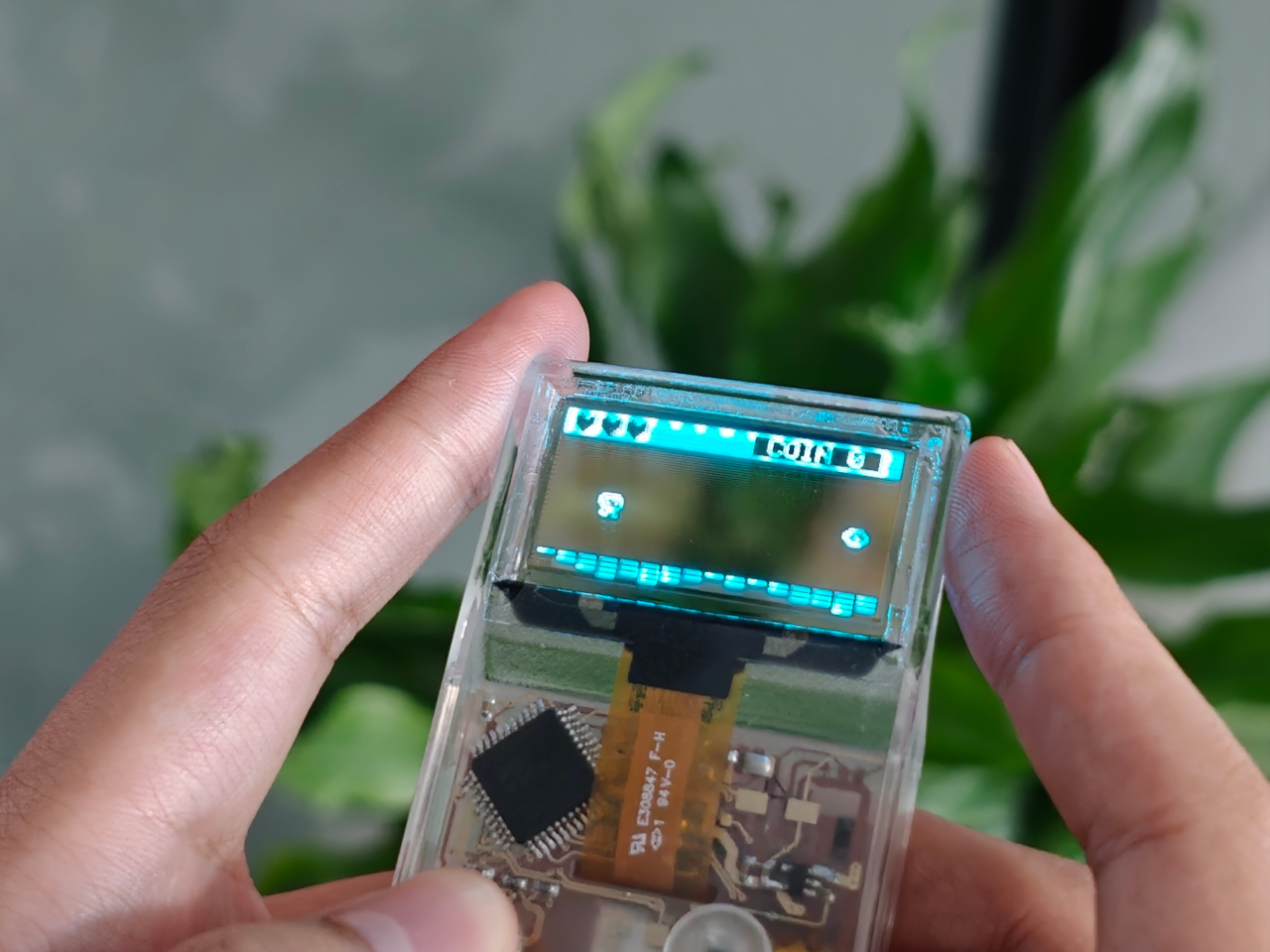
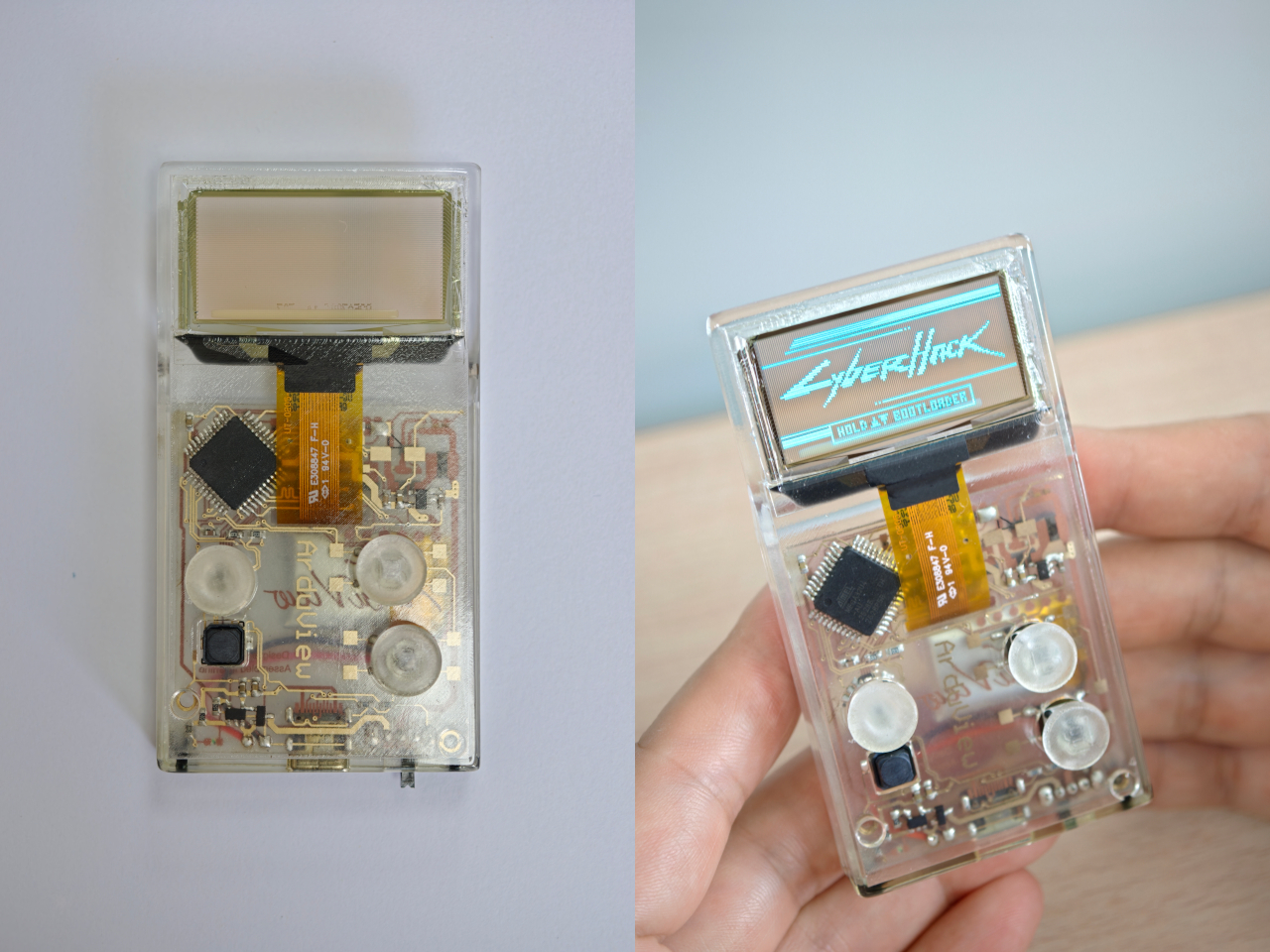
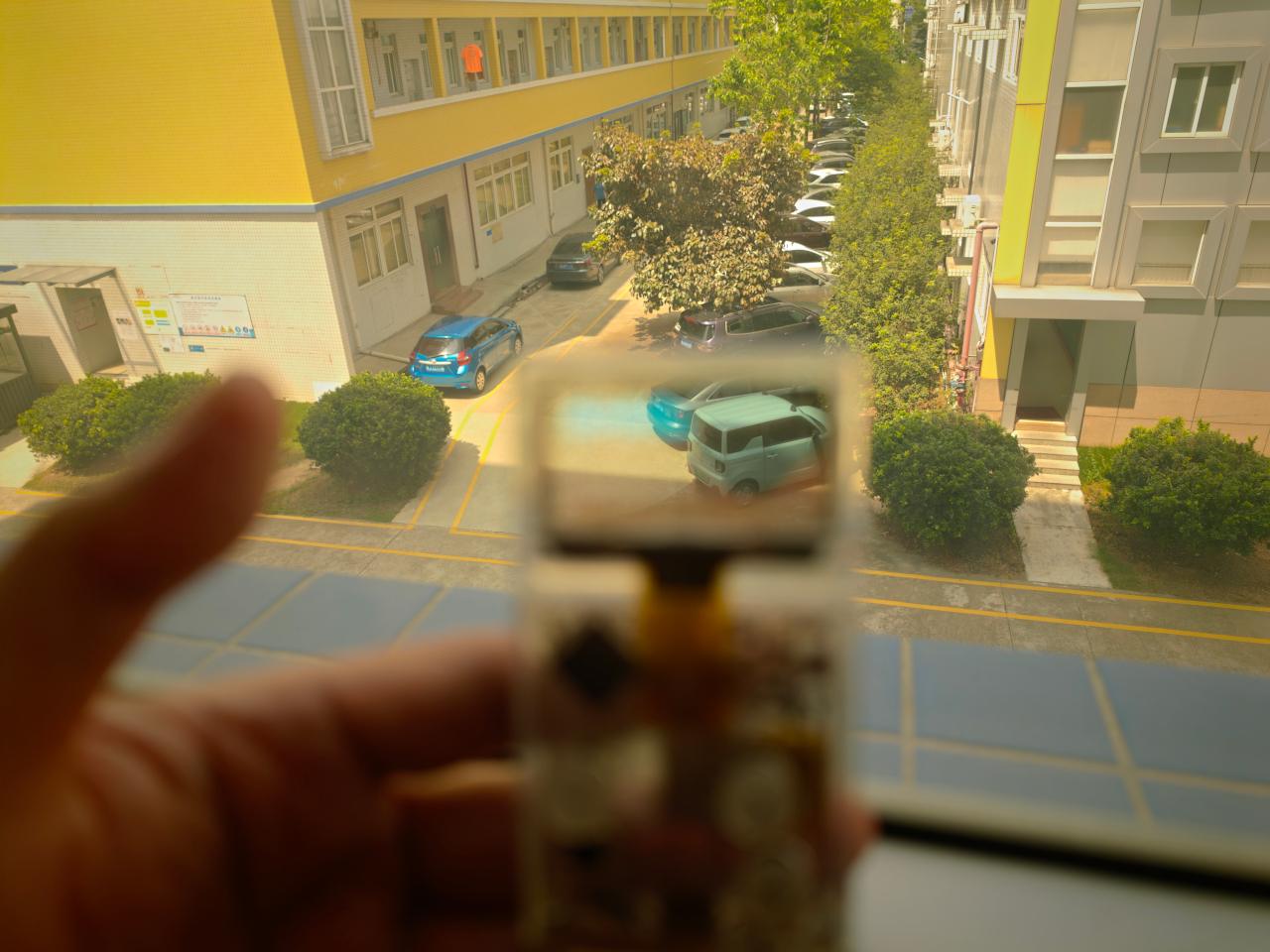
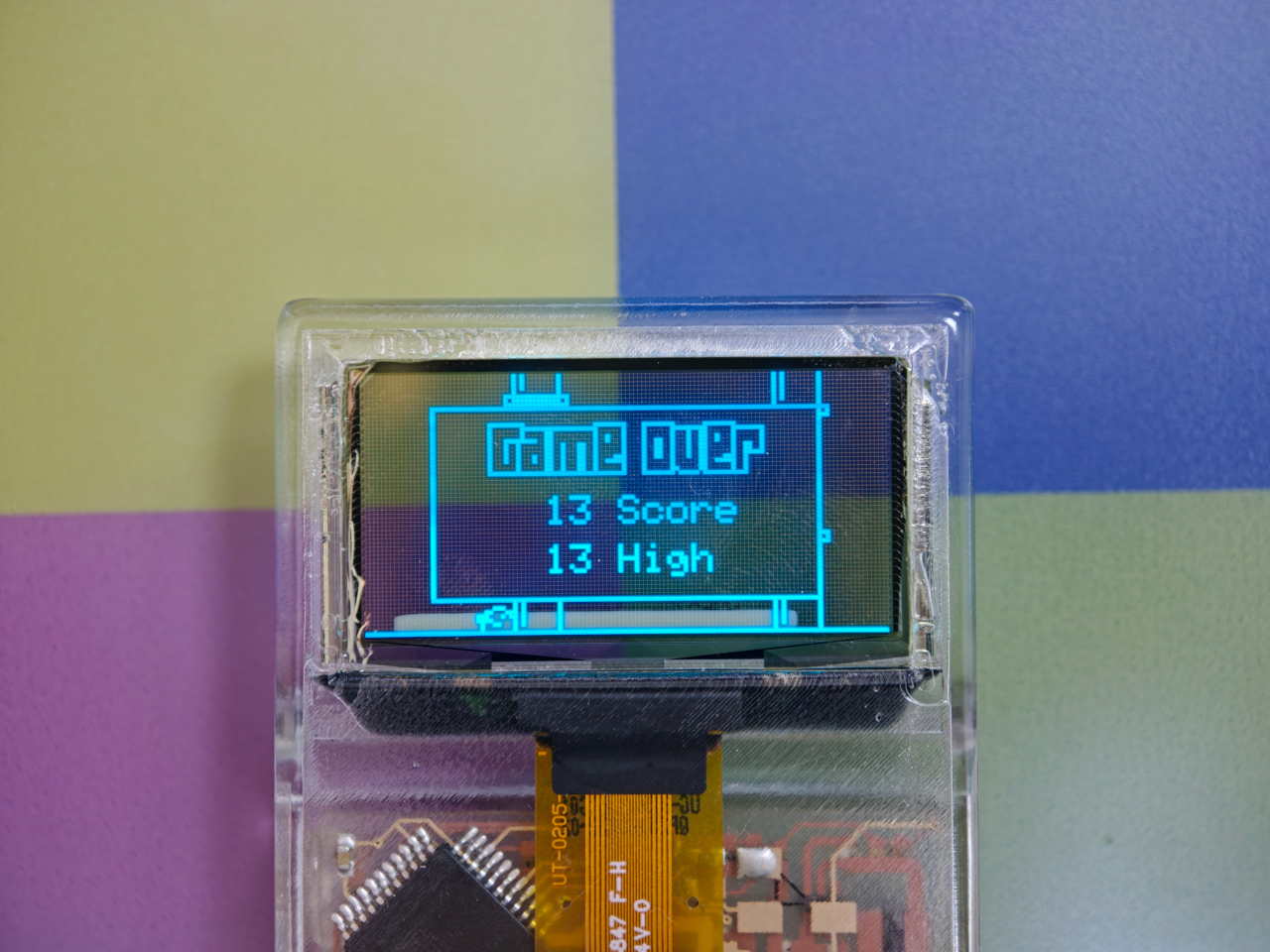
Every gadget on a desk is built to hide what makes it work. Phones, consoles, controllers, they’re all sealed slabs designed to keep the copper and silicon out of sight. Arduview refuses that logic entirely. Its shell is clear, its circuit board is clear, and its OLED display lets you watch pixels light up while seeing straight through to the components producing them.

Retro handhelds have flirted with transparency before. Clear-shell Game Boys and modded Miyoo units let you glimpse a shadow of the board through tinted plastic, but the display itself stayed opaque, a black rectangle sitting in an otherwise see-through frame. Arduview closes that gap by making the screen itself transparent, so nothing on the device breaks the illusion of looking clean through it.

Designer: Louis Huang

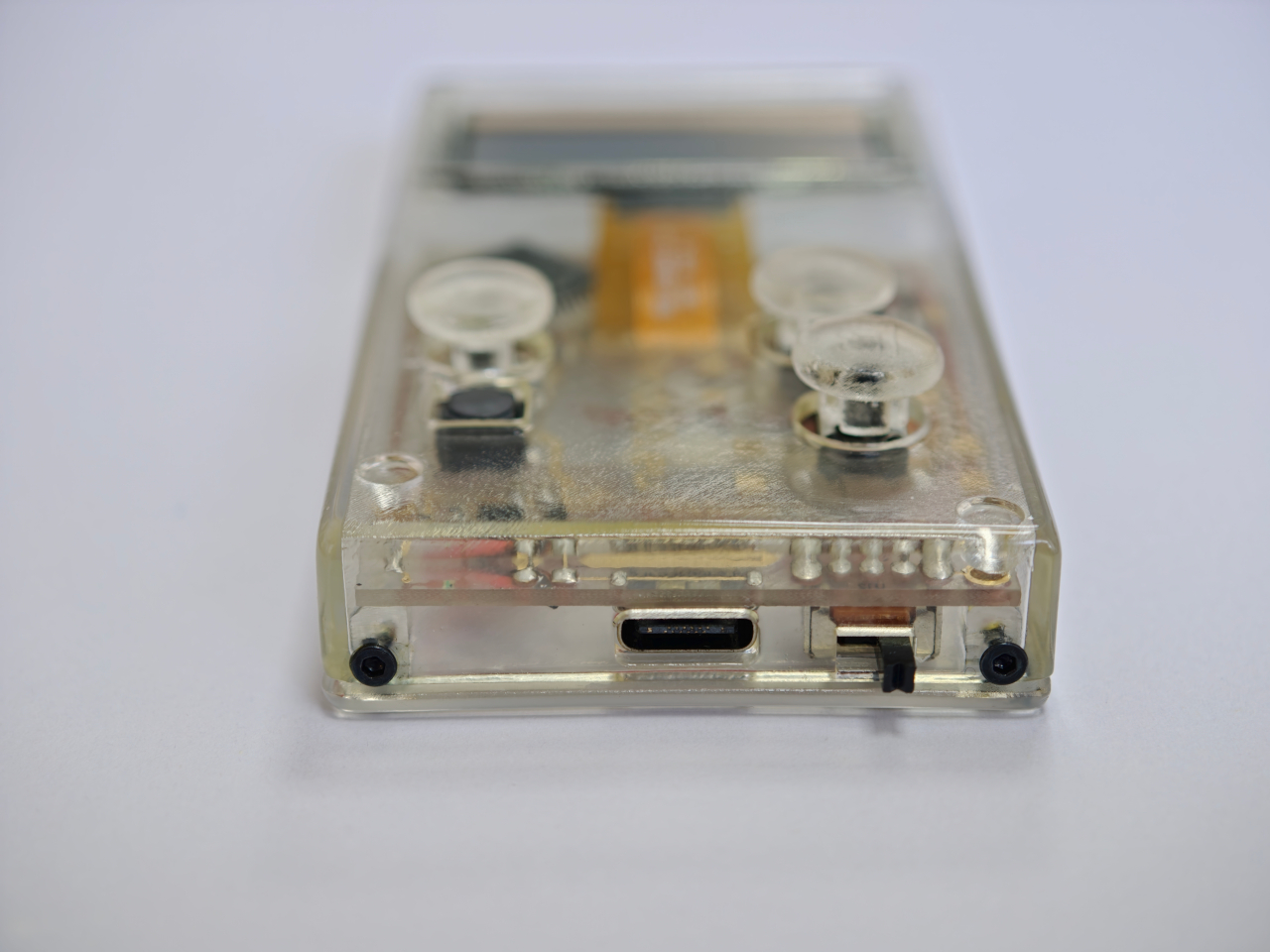
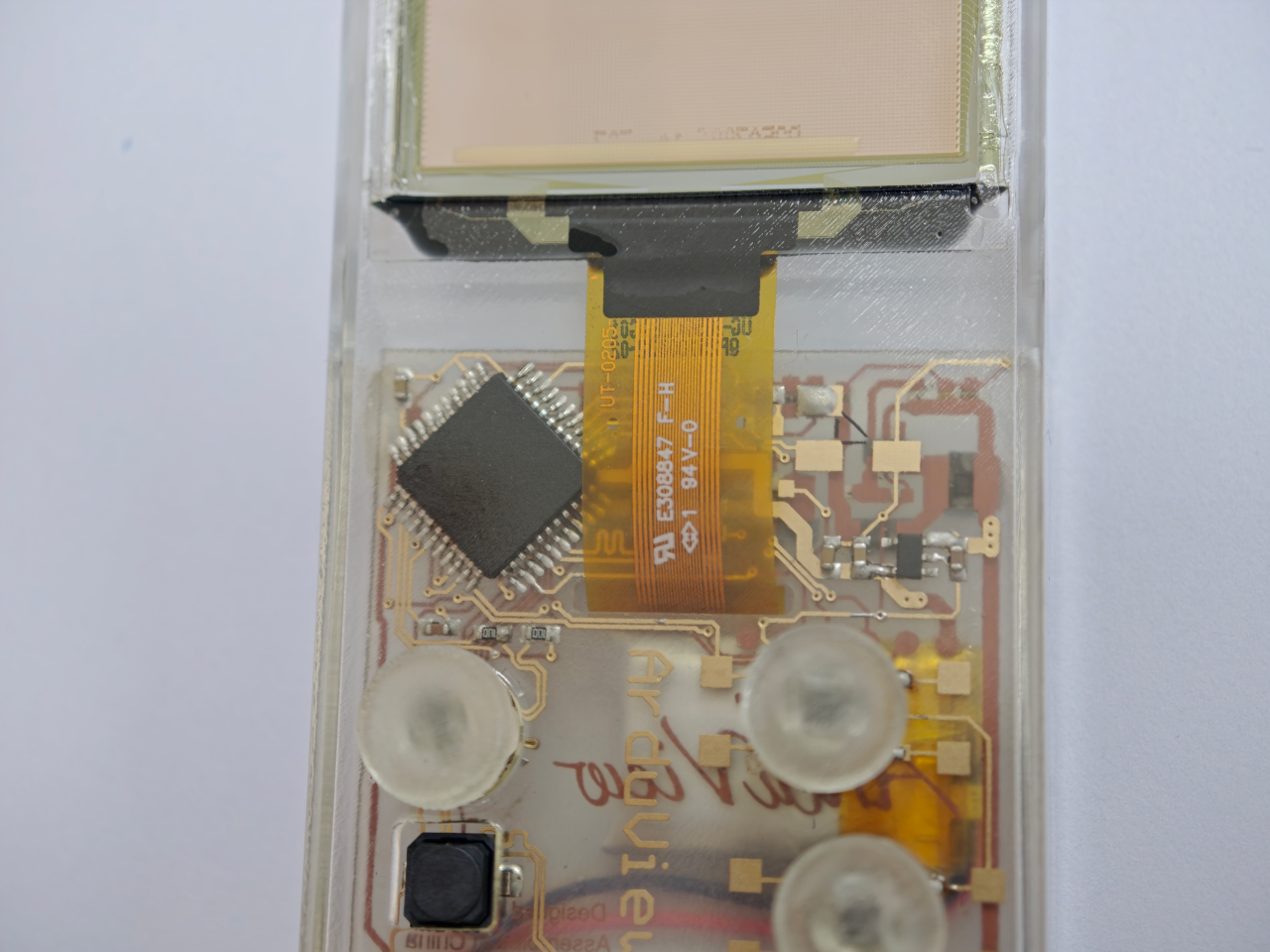
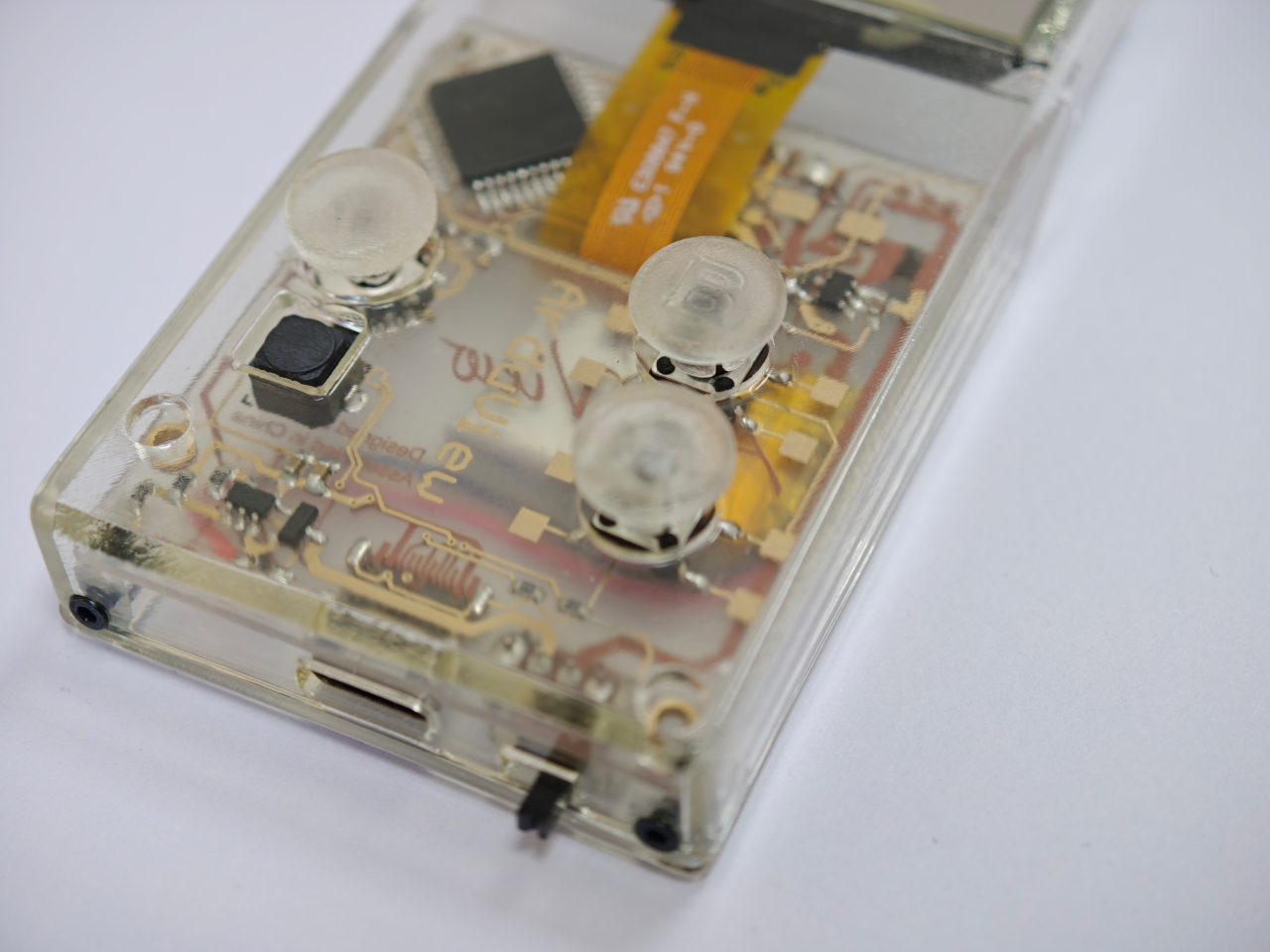
Peer through the front and the internals aren’t just visible; they’re the entire visual identity. The board, the chip, an orange copper flex cable, the button domes, and the USB-C port all sit in plain view, arranged the way a watchmaker might arrange gears behind sapphire crystal. Nothing here was designed to be hidden later. It was designed to be looked at from day one.

That philosophy extends to how the thing works, not just how it looks. Built on Arduboy, an open-source handheld platform, Arduview skips the layers that usually complicate small electronics. There’s no app store hunting, no Wi-Fi pairing, no account setup standing between you and 400 preloaded games. Power it on and it plays, the same instant gratification that made simple handhelds addictive in the first place.

At 50 grams and roughly the footprint of a credit card, the size does real work here. A device this small and this light stops being a dedicated gaming session and starts being something you carry the way you’d carry a keychain or a pocketknife, small enough to disappear until the moment you want it. Pull it out on a train platform or set it on a desk between meetings, and it reads less like a toy and more like a curiosity someone can’t resist picking up.

That reaction seems to be the entire point. A transparent gadget invites touching in a way an opaque one never does, because there’s an implicit dare in showing your internals: come look closer. Arduview leans into that dare completely, treating the space usually reserved for a case as prime real estate for the very thing most companies spend their design budgets concealing.

Retro gaming has always had a strong current of nostalgia running through it: chunky buttons, pixel art, low-resolution charm. Arduview borrows all of that while adding something genuinely new to the mix: a device that looks like it belongs in a display case at a design museum as much as it belongs in a pocket.

The post Clear-Shell Game Boys Never Made the Screen Transparent, Arduview Did first appeared on Yanko Design.

  •  
❌