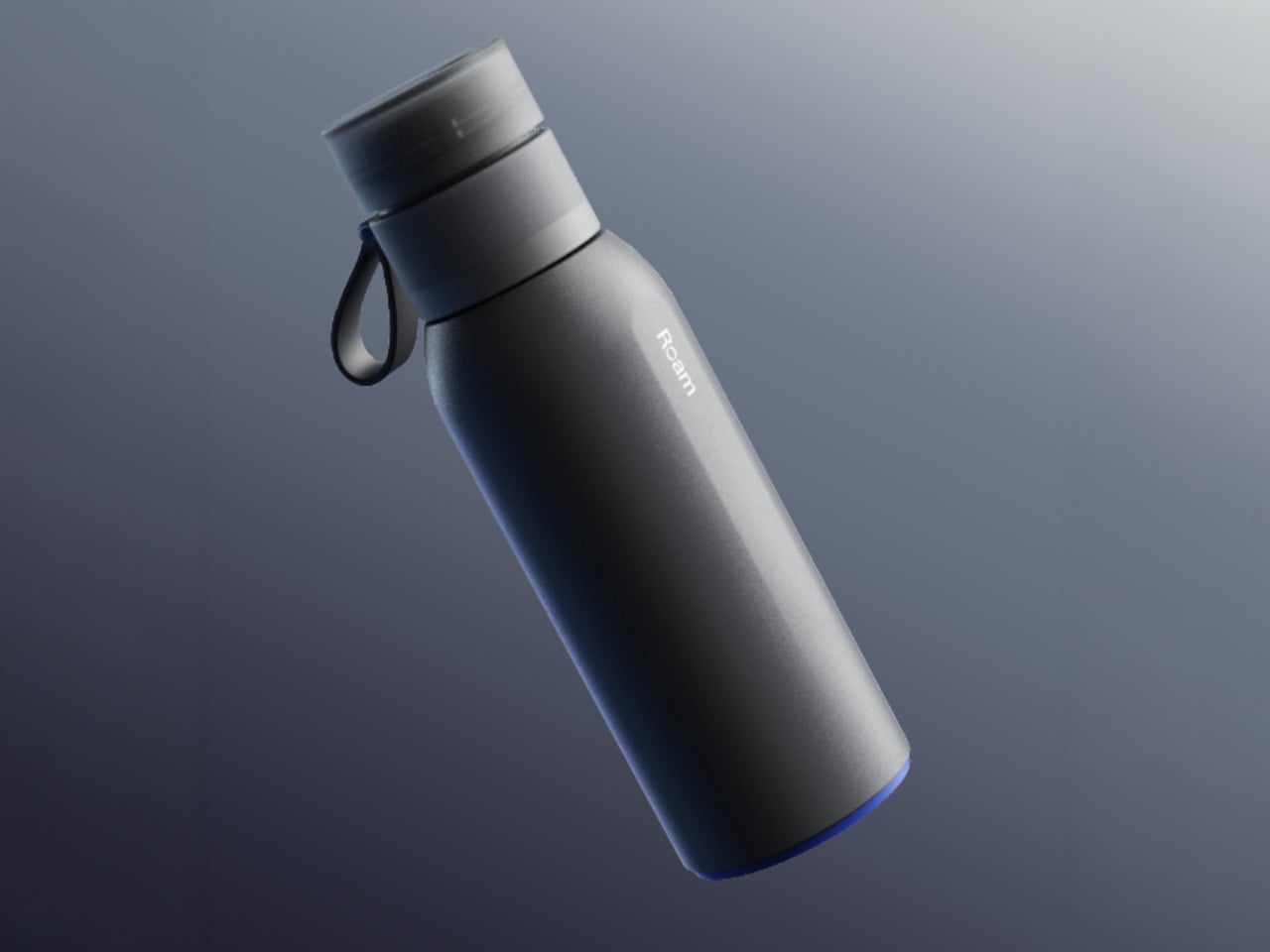
Most people who drink sparkling water have settled into one of two habits. They either haul home cans and bottles from the grocery store every week, or they own a countertop soda maker that never leaves the kitchen. The Roam SodaTop is designed for everyone caught between those options: a 32oz insulated bottle that carbonates still water on demand, wherever you happen to be.
The home soda maker does what it promises, but it’s also a fairly large appliance with a permanent spot on the counter and plastic bottles that aren’t built to travel. Your sparkling water stays fresh for however long it sits in the fridge. Step outside, and you’re back to buying packaged drinks. It’s a frustratingly common situation for something meant to be a simple habit.
That’s the gap the SodaTop fills. The system pairs a stainless-steel bottle with a compact carbonation mechanism powered by small CO2 canisters. The bottle was engineered to handle carbonation pressure, with specially threaded fittings that most regular water bottles simply aren’t built for. Roam describes it as the world’s first insulated bottle that instantly carbonates water, and looking at the category, it’s hard to argue with that framing.
Using it takes just a few steps: fill the bottle to the marked interior line, drop in the CO2 canister, and twist the cap into place. The water is sparkling in about three seconds, and a pressure-release mechanism keeps the carbonation locked inside until you’re ready to drink. There’s no pumping, no separate carafe, and the whole thing takes less time than opening a can.
What makes that genuinely useful is the size. The SodaTop is roughly one-fifth the footprint of a standard countertop unit, compact enough to slip into a bag or a kitchen drawer without drama. Whether it’s on a work desk, a hotel table, or brought along on a day out, fresh sparkling water goes wherever the bottle goes, which is something no countertop soda maker can claim.
The bottle itself does more than hold the mechanism in place. Triple-wall construction keeps drinks cold for up to 24 hours and ice for up to 48 hours, well ahead of the plastic bottles that come standard with most home soda systems. That thermal advantage also matters for carbonation, since cooler water retains CO2 more efficiently and keeps the fizz from fading before the bottle is empty.
On the inside, Roam uses what it calls MirrorTech, a mirror-polished steel surface that the brand says keeps carbonation crisp for longer, resists odor buildup between uses, and discourages flavor transfer. The wide-mouth opening makes adding ice and pouring easy, while a visible fill line inside takes the guesswork out of how much water to add for consistent carbonation every time.
The CO2 canisters are made from recycled steel and are fully recyclable, so when they’re empty, they go straight into the recycling bin with no return shipping involved. Roam positions the ongoing cost at as little as $0.55 per canister for subscribers, framing that as roughly half the cost of buying pre-packaged sparkling water. Cutting out single-use cans and bottles also noticeably reduces household waste.
Roam also offers Natural Flavor Essence Drops designed to pair with the SodaTop, available in eight varieties: Ginger Root, White Peach, Sicilian Lemon, Yuzu Lime, Blood Orange, Strawberry, Grapefruit, and Mango. All are zero calorie, zero sugar, and plant-based. They’re also certified keto, paleo, vegan, gluten-free, kosher, and non-GMO, so they turn sparkling water into a flavored drink without any of the sugar baggage.
The SodaTop comes in three finishes: Pebble, Sage, and Charcoal, each with a contrasting accent at the base that gives it a quietly distinctive look. The silhouette reads more like premium drinkware than a gadget, which is probably the whole point. It’s the kind of object that fits on a desk, gets tossed in a bag, and doesn’t look out of place in either setting.
The Labor Day weekend has a way of separating gear that belongs from gear that ends up in the car boot. Not by price or feature count, but by how well each object earns its spot before the drive out begins. A Labor Day weekend runs on a different logic than a single overnight. The fire has to hold. The food has to be worth cooking. Everything else has to justify the weight it occupies.
The seven objects here cover the full range: fire, power, cooking, light, water, sound, and one small tool that navigates all of it after dark. What connects them is a commitment to solving a specific outdoor problem with enough precision that the solution becomes the whole reason you own it. Pack these, and the only question left is where to go.
1. Portable Fire Pit Stand
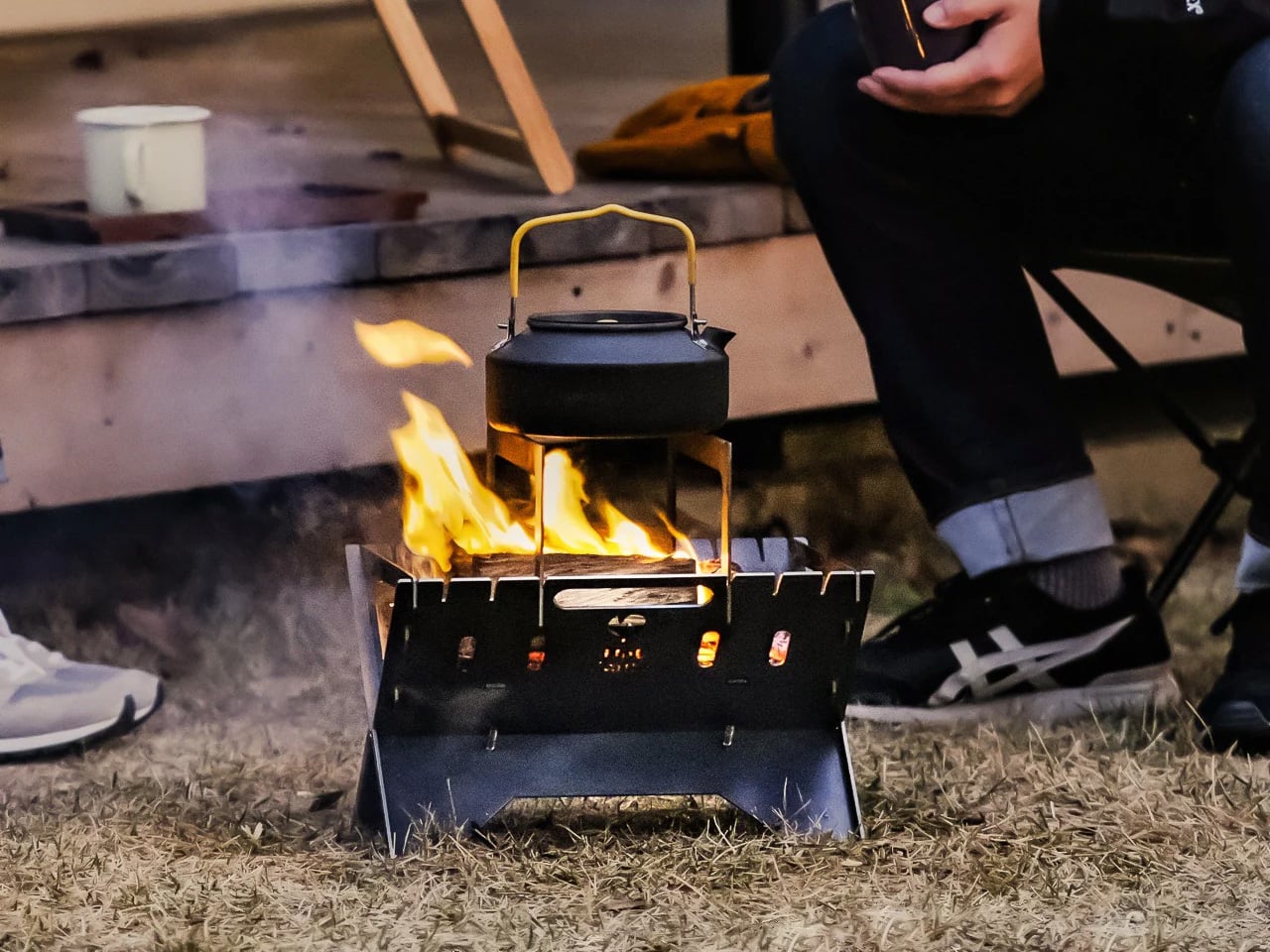
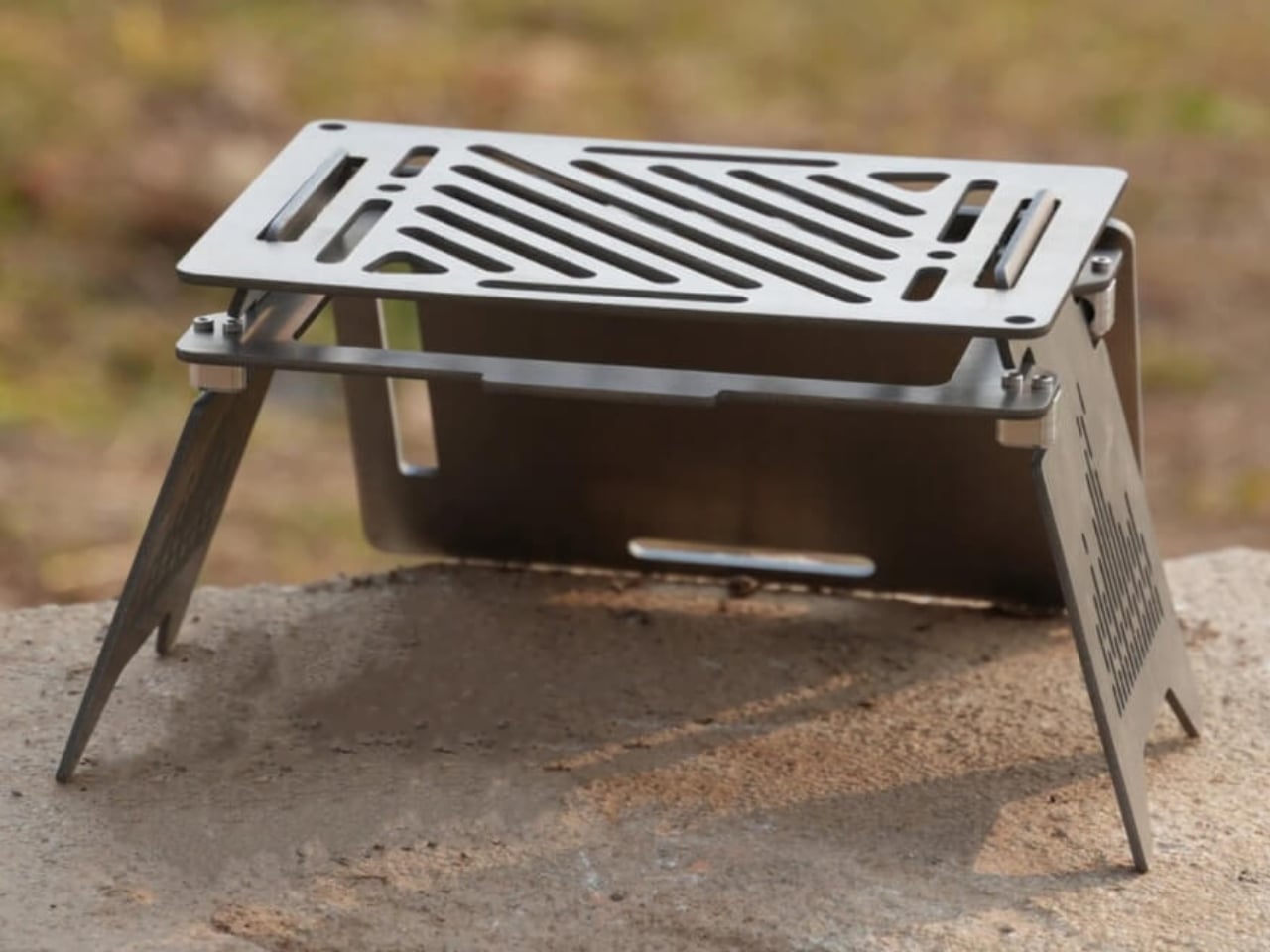
The fire pit category is full of oversized objects that need a truck bed and a second person to manage. The Portable Fire Pit Stand sidesteps that entirely. Precision-cut black steel plates resist warping under sustained heat, assemble without tools, and fold flat when the trip is over. What you get at the campsite is a fire that earns its place as both a functional heat source and the visual anchor every site needs to feel worth sitting around past sundown.
The stand elevates fire off the ground, making it viable on sensitive terrain and at campgrounds where ground fires are restricted. That single design decision opens up far more sites than a standard ring allows. The black steel construction does not bow or distort after repeated use the way cheaper alternatives do, and the footprint is compact enough to work on a picnic table or against a stone wall. It is the kind of gear that earns a permanent place in the kit after a single evening out.
Heat-resistant steel construction holds its shape through repeated use across multiple camping seasons
Elevated design meets leave-no-trace standards on campgrounds where ground fires are restricted
What we dislike
Steel construction adds weight that backpackers counting grams will notice over a long carry
No integrated grill grate, which means a separate purchase for cooking directly over the fire
2. Blavor Power Station + Camping Lantern
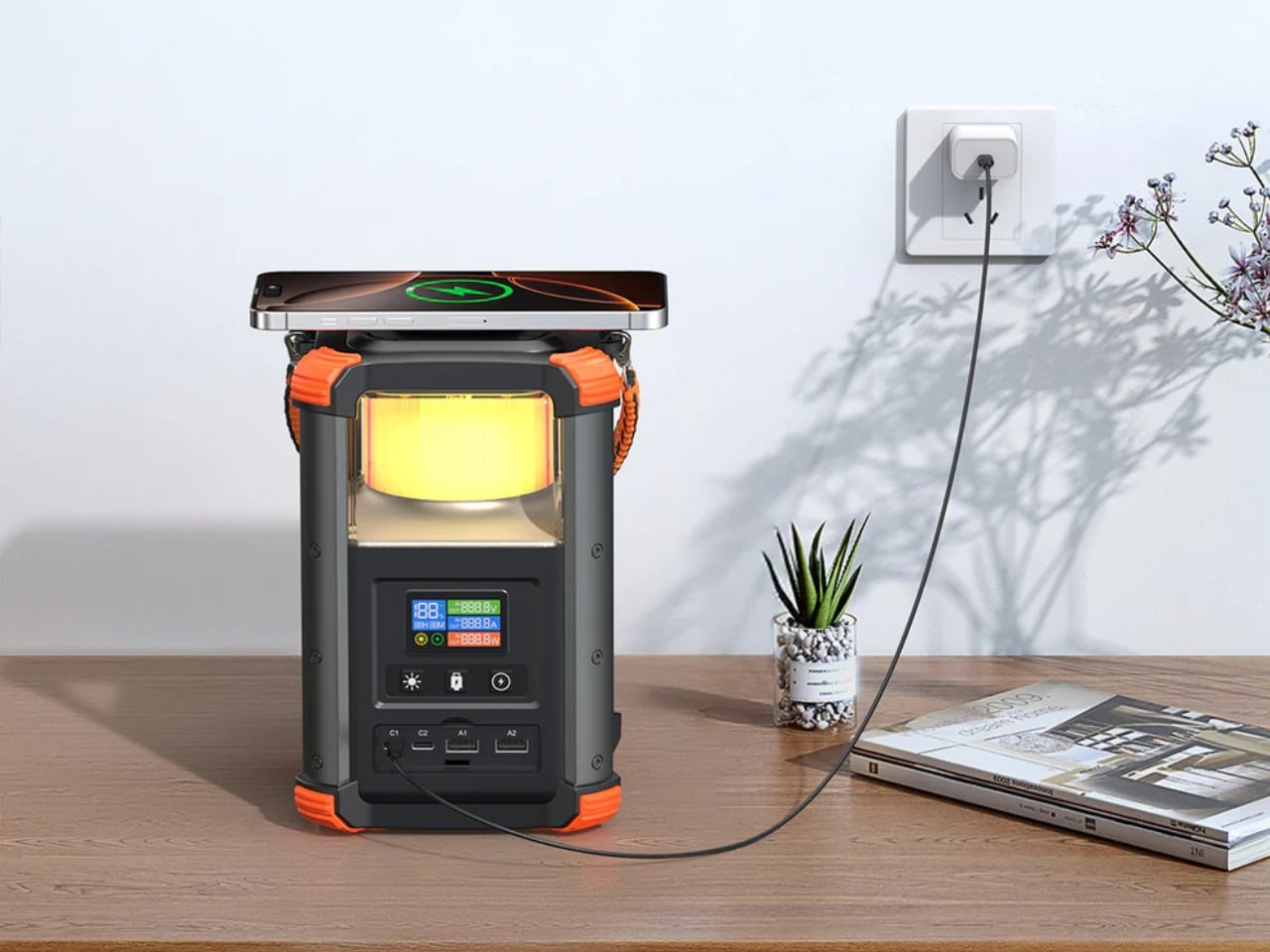
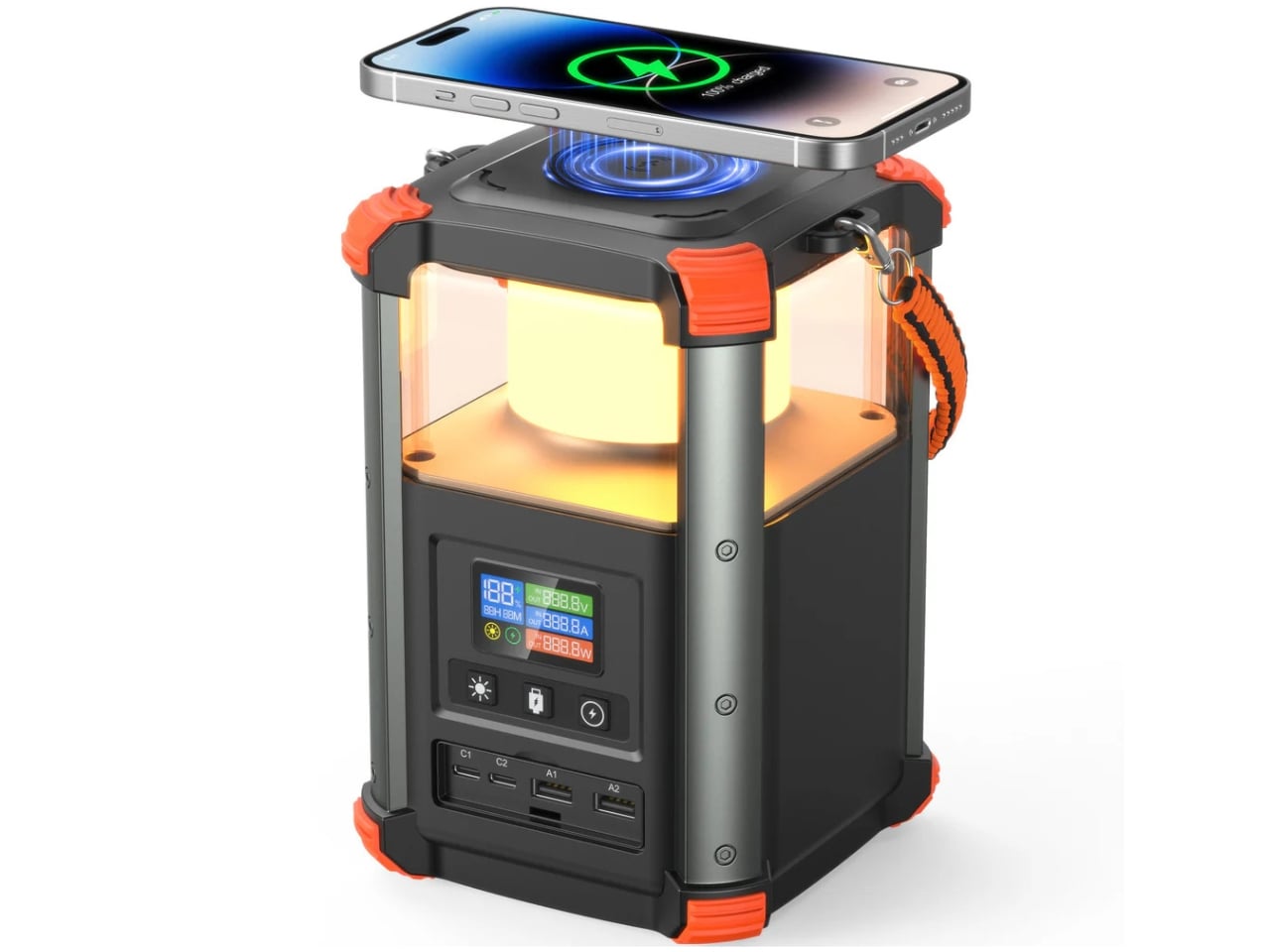
Most portable power stations look like they were designed by someone who has never spent a night outdoors. The Blavor PN-W43 solves that by building a 4W LED camping lantern directly into the form factor. The result is a 64,000mAh device barely bigger than a tall water bottle that covers five charging pathways — solar, AC, car adapter, USB-C, and micro USB — with bidirectional 100W fast charging and a digital display that keeps battery status visible in the field without guesswork.
The real value is how naturally the two functions coexist. When the lantern is on, the power bank is right there. When you are charging devices overnight, the ambient glow handles the tent interior without a separate light source. For campers who have always carried both a dedicated lantern and a backup battery pack, the consolidation alone pays for the weight before the first night ends. A lanyard ships in the box, which tells you someone at Blavor has actually camped.
What we like
Five charging pathways give genuine flexibility across grid-connected and fully off-grid environments
Lantern and power bank coexist without compromising each other — the dual function feels designed in, not added on
What we dislike
At 236.8Wh, capacity suits a weekend trip rather than an extended off-grid expedition
The cylindrical form can sit awkwardly alongside flat gear in a structured pack
3. Camprit TiStove
Five flat pieces of Grade 5 titanium, two foldable legs, and three interchangeable cooking panels that together weigh under 1.5 pounds and pack completely flat. The Camprit TiStove reconfigures for boiling, grilling, or searing depending on which panels you assemble, and the extra panels double as a windshield. As heat accumulates over a season, the titanium changes color naturally, giving each stove a visible record of every meal cooked on it. Yours becomes genuinely yours over time.
There is no ignition system to fail at altitude, no gas canister threading to seize in the cold, and no assembly logic that requires reading a manual after dark. The pieces lock together without fasteners and disassemble in seconds. Compatible with wood, gas burner, and alcohol, it adapts to whatever fuel the terrain allows rather than locking you into a single system that can fail or run out. For anyone who has stood over a dead stove in the cold, this addresses the problem where it starts.
What we like
Packs completely flat under 1.5 lbs with three interchangeable cooking configurations for different meal types
Compatible with any fuel source, removing dependency on a single system in the field
What we dislike
Requires a separate burner or fuel source — nothing is self-contained out of the box
Titanium panels need careful packing to avoid scratching each other in transit
4. All-in-One Grill
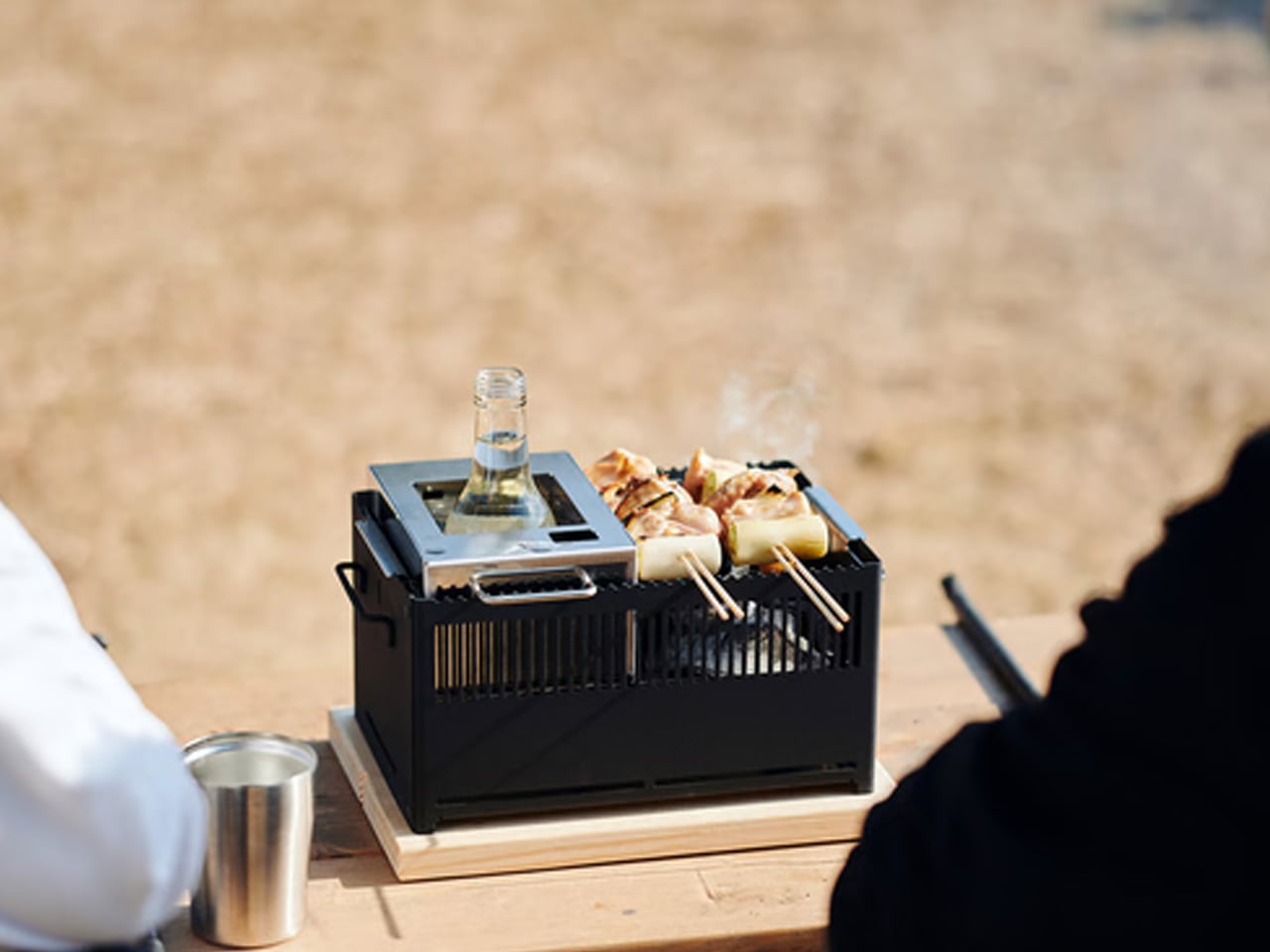
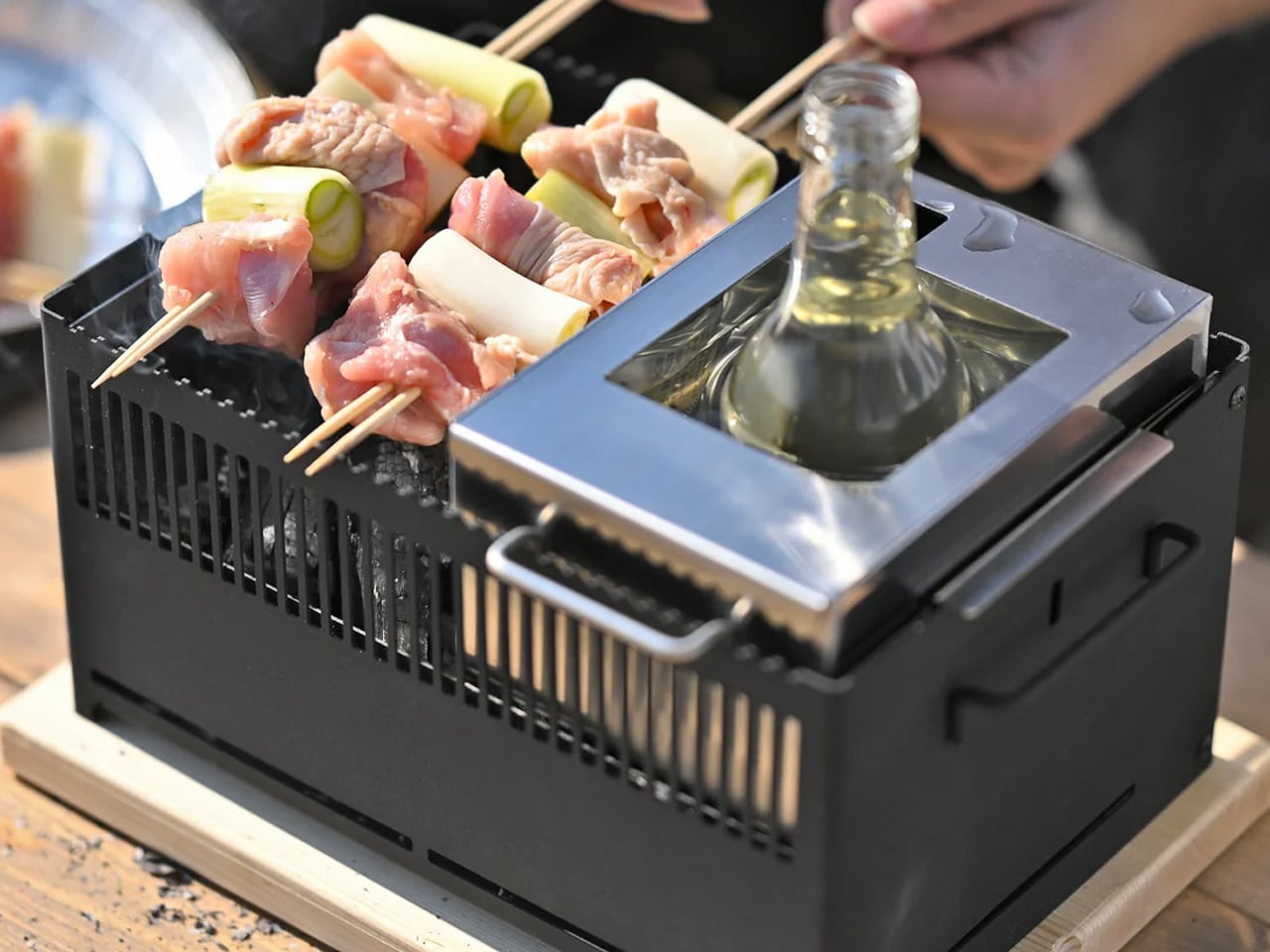
Made in Japan from stainless steel, the All-in-One Grill approaches camp cooking from a completely different position than the TiStove. Where that one is built for portability and fuel flexibility, this is built for the campsite where you are staying put and eating well. A modular lid system converts it between six distinct cooking methods — barbecuing, frying, grilling, steaming, smoking, and stewing — without requiring separate cookware for each. One object covers an entire outdoor kitchen without asking for a second bag.
Japanese stainless steel holds heat evenly, cleans without drama, and does not carry the flavor of every previous meal the way cast iron can. For a long weekend where the grill is the centerpiece of three evenings rather than a convenience, this is the object that makes the drive worth it. The modular configuration grows with the meal rather than limiting it, and the compact footprint fits the full camp kit without demanding its own dedicated storage alongside everything else.
Six cooking methods in one stainless steel body remove the need to pack separate cookware for different meals
Japanese stainless steel construction holds heat evenly and cleans efficiently after each use
What we dislike
At $449, the investment makes the most sense for campers who cook seriously rather than occasionally
Charcoal and wood fuel require ash management that demands more effort in the field than gas alternatives
5. NoxTi Tritium Keychain
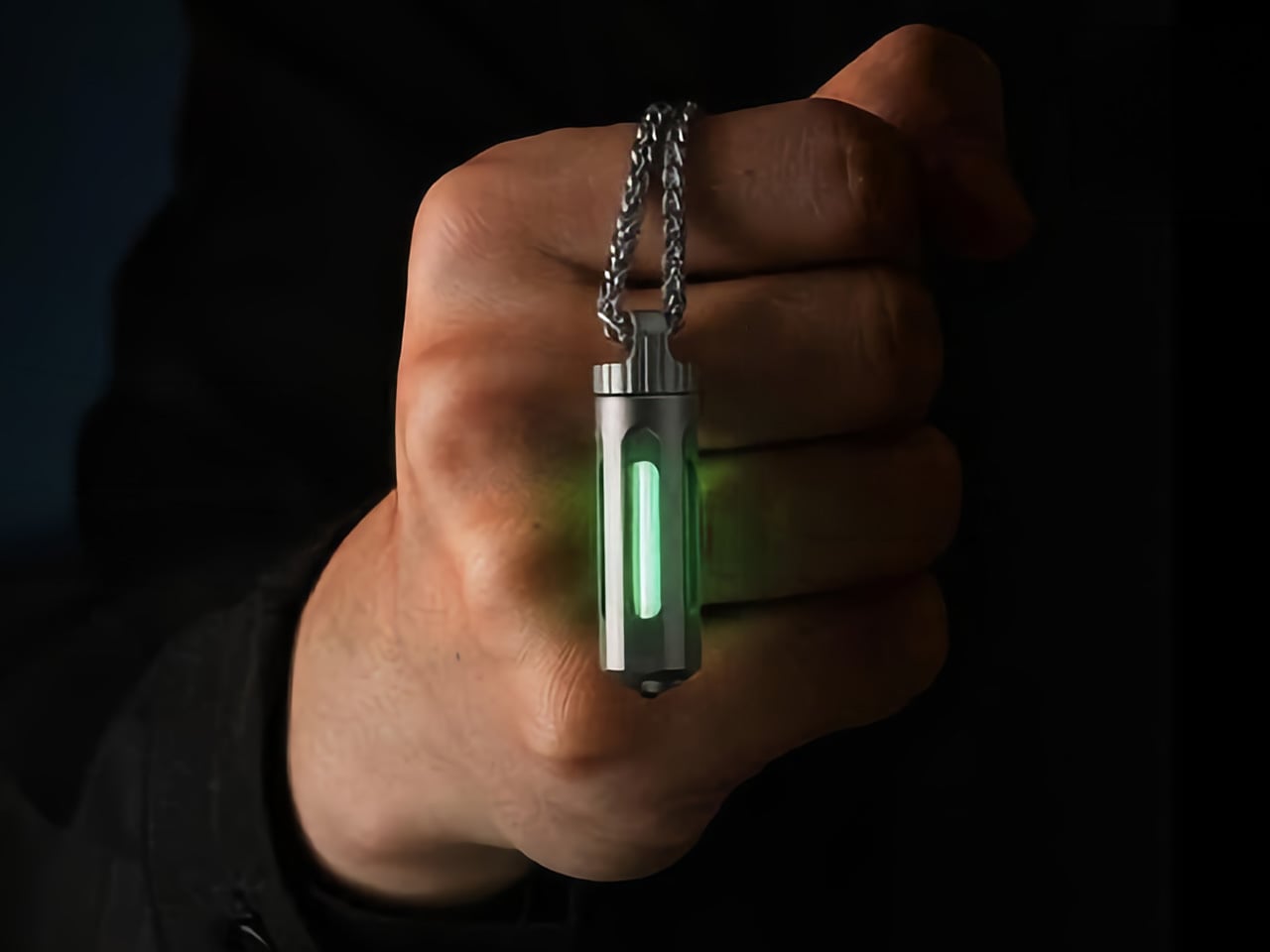
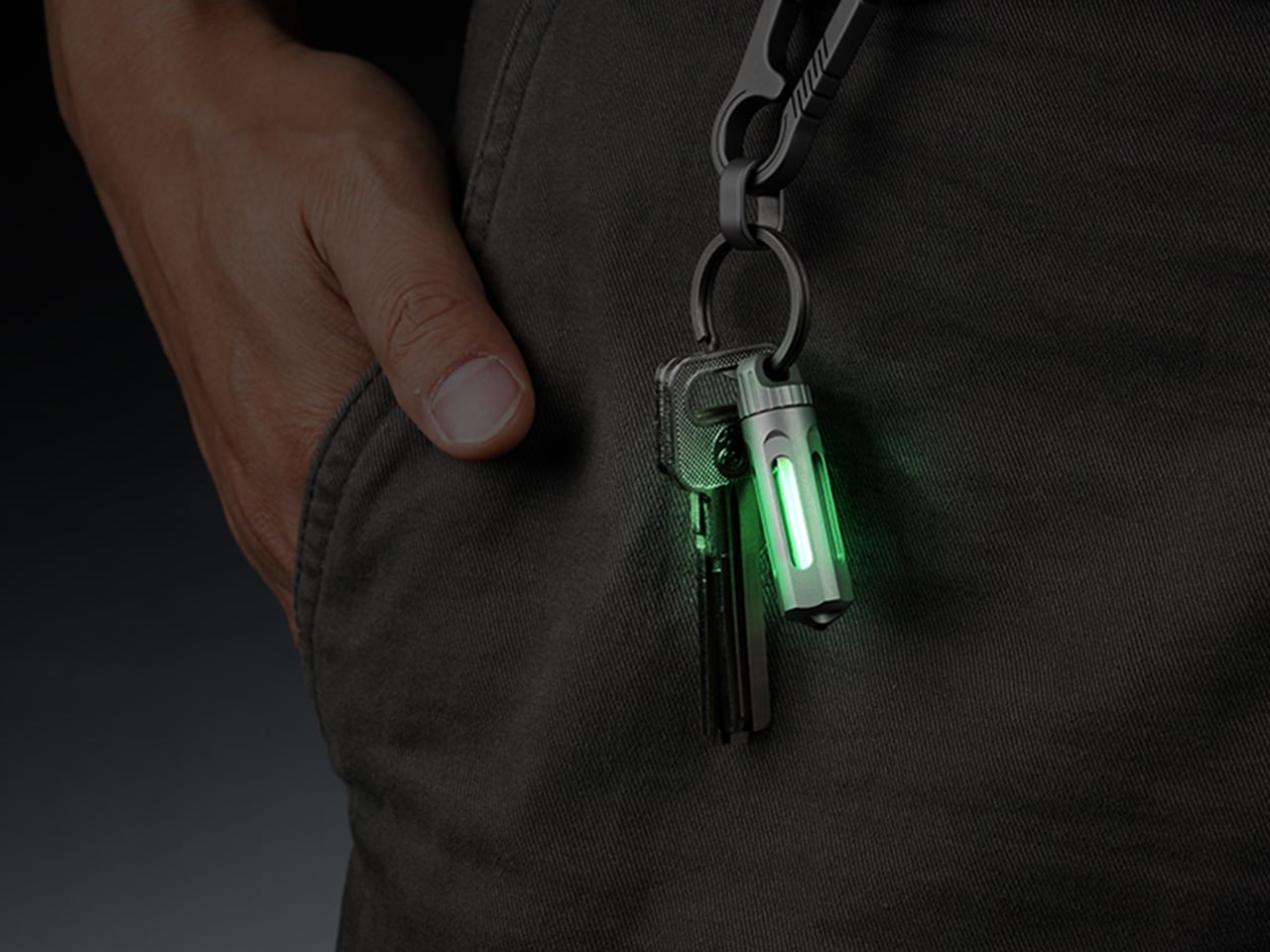
A 45mm CNC-machined Grade 5 titanium cylinder weighing 10.7 grams. The NoxTi carries a tritium vial inside a precision quartz tube with 92% light transmission and glows continuously for 25 years through radioactive decay. No switch, no battery, no charging. Tritium beta particle decay strikes a phosphor coating and produces light as a straightforward byproduct of existing. At a campsite, it marks your tent entrance, your keys at the bottom of a bag, and your gear in the dark without asking anything of you in return.
The ceramic-tipped glass breaker at the tail end adds genuine emergency utility without changing the form. When the vial dims after two decades, the titanium body stays: press the old tube out, slide a new one in. Six glow colors are available, including Apple Green for maximum visibility and Red for preserving night vision. Two silicone O-rings hold the vial suspended and centered inside the shell, which creates the impression of looking into a piece of precision engineering rather than anything from a keychain rack.
What we like
25-year continuous glow powered entirely by physics, with no battery, no charging, and no failure point to manage
Fully user-serviceable titanium body becomes a platform you keep and update indefinitely across decades of use
What we dislike
Glow output is intentionally faint — it marks and locates in the dark but does not illuminate a surface
The tritium light source needs a short explanation before the value proposition fully lands for first-time buyers
6. GoSun Flow Solar Water Purifier
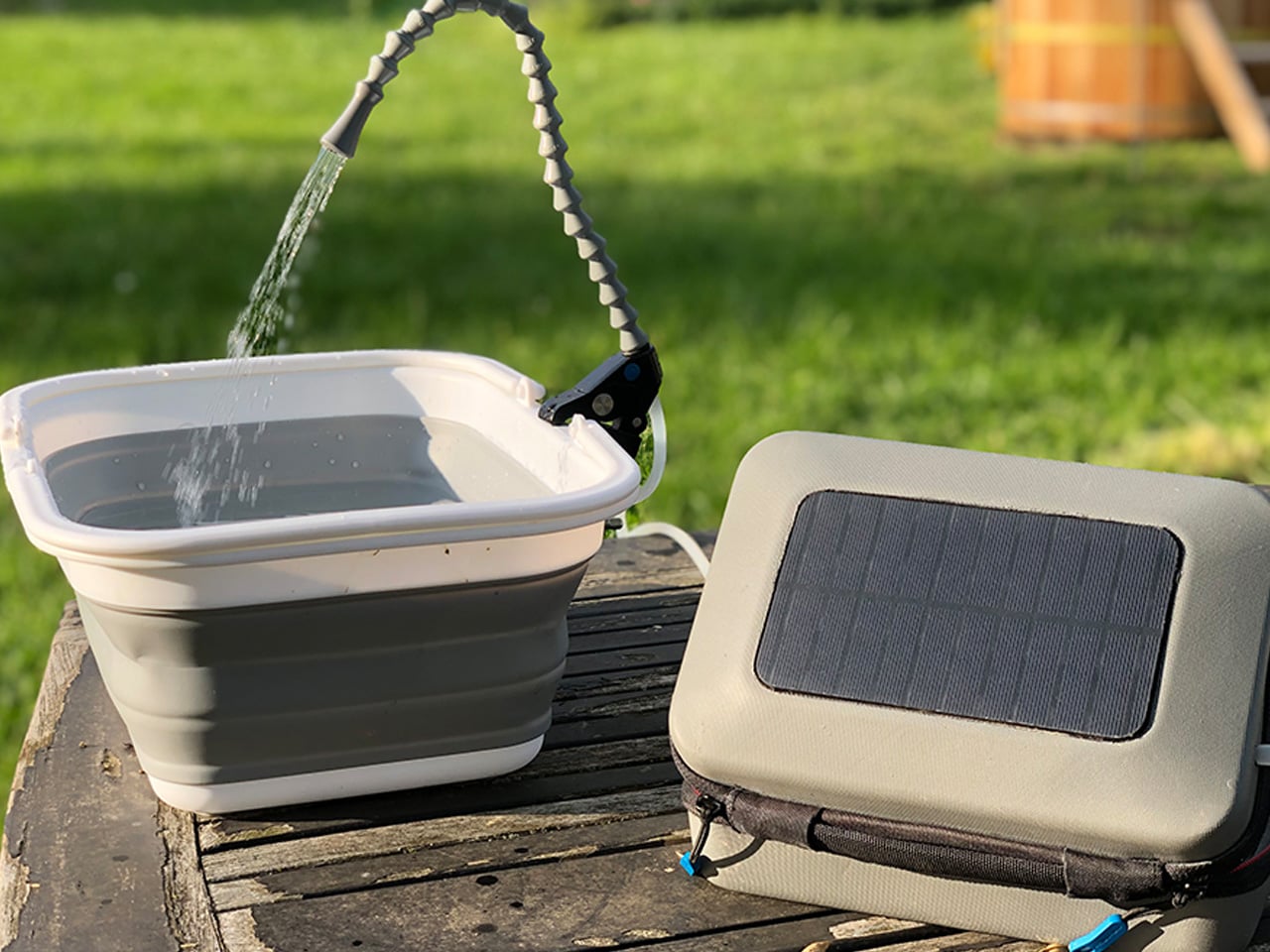
Water is camping’s most basic constraint, and the GoSun Flow addresses it at the source. A solar-powered three-stage cartridge filter eliminates 99.99% of waterborne pathogens while pumping one liter of clean water per minute from any freshwater source. The system compresses into a backpack, and the flexible faucet clamps to branches, tables, or tailgates — opening to 58mm — turning any water access point into a functional camp station. USB power keeps it running when solar is unavailable.
It doubles as a portable handwashing station and solar-heated shower. Thirty minutes of sun delivers a five-minute warm shower, which changes what clean means across a three-day trip without the bulk of carrying a separate shower bag and a purifier as two distinct items. The filter handles 1,000 liters before replacement, and the power bank driving the pump recharges through an integrated solar panel. For anyone who has ever compromised on hygiene to protect pack weight, this removes that trade-off before you even start packing.
What we like
Purifies 99.99% of pathogens and delivers a solar-heated shower from a single system that compresses into a backpack
1,000-liter filter life with USB power backup covers a full camping season without resupply
What we dislike
Cannot process saltwater, which limits utility at coastal campsites
Multiple components increase the number of parts to track and keep together across a multi-day trip
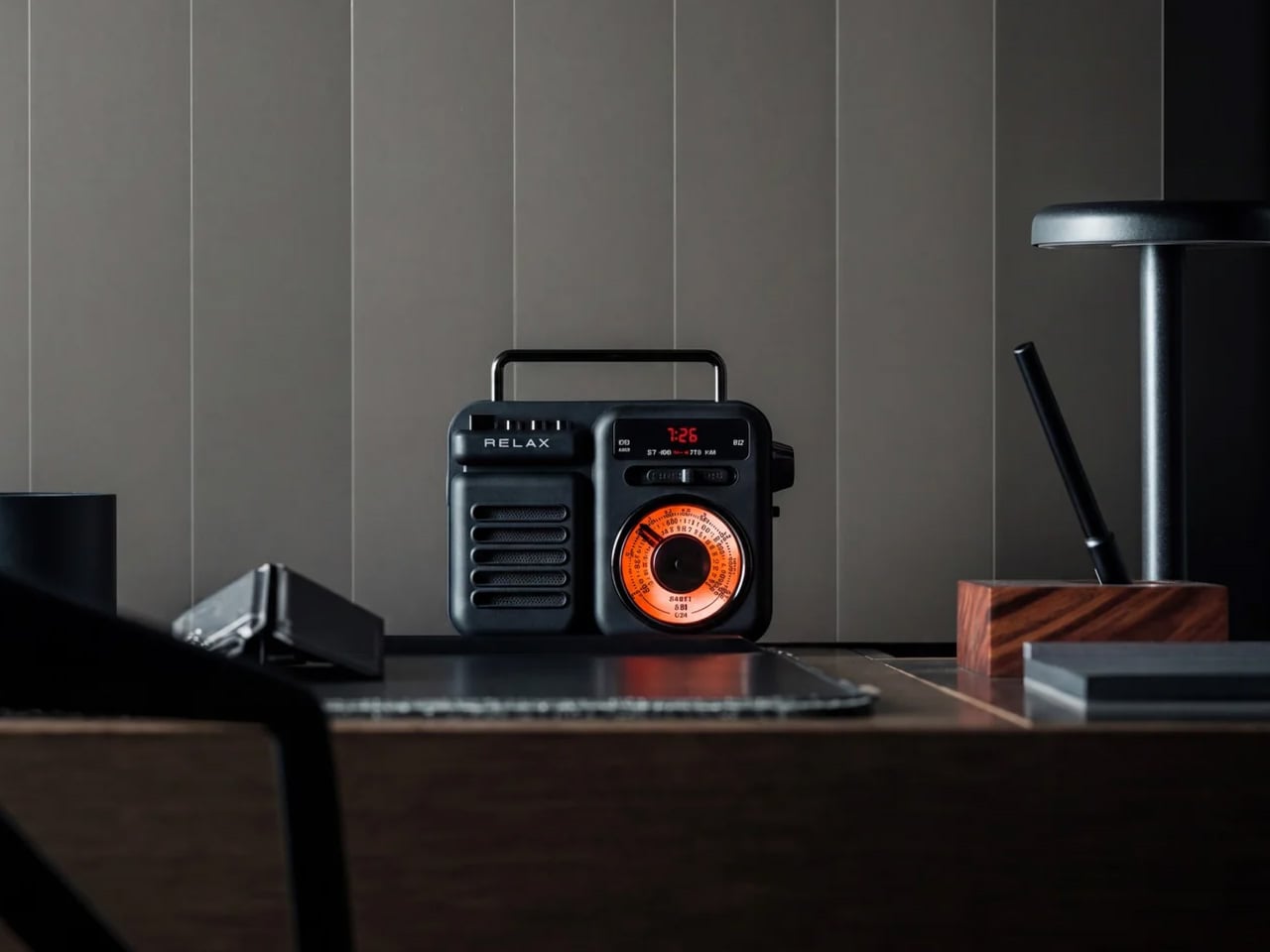
7. RetroWave 7-in-1 Radio
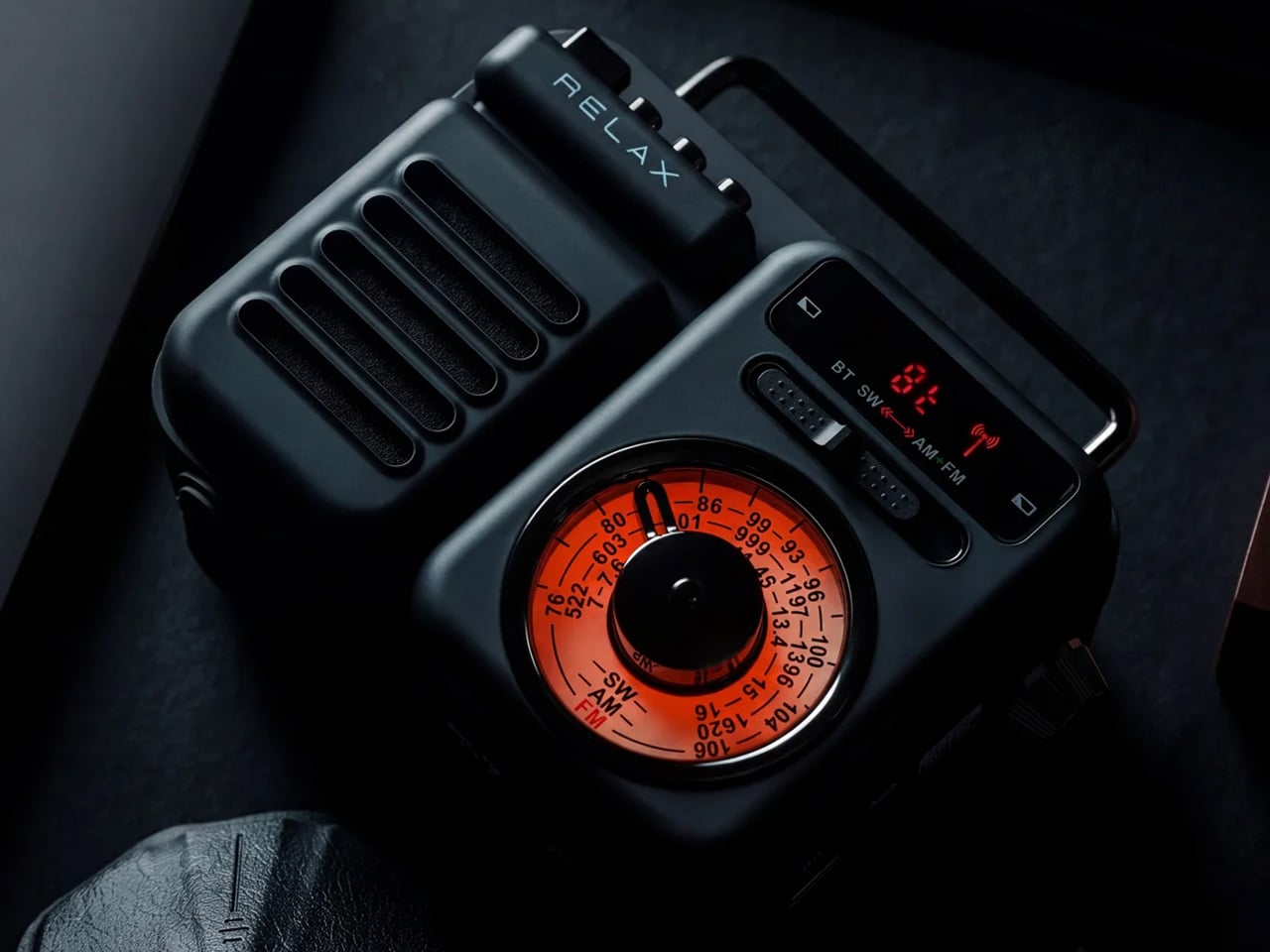
The RetroWave earns its place in a camping kit through an argument that has little to do with aesthetics, even if the aesthetics are genuinely good. A tactile tuning dial, compact body, and warm visual language drawn from classic Japanese radio design make it worth looking at. What it is actually doing is more pragmatic: running AM, FM, and NOAA weather radio without an app, streaming via Bluetooth when connectivity holds, and charging via solar panel and hand-crank when it does not. Seven functions, one charging cable.
Smart speakers go silent when Wi-Fi drops. Earbuds die at the wrong moment. Phones drain precisely when you need them most. The RetroWave does not ping you, does not demand ideal conditions, and does not need a charging window before it becomes useful. It plays, charges other devices, lights, signals, and tells the time across a full weekend without complaint. At the end of the trip, it goes back into the same bag it came out of, ready for the next one.
Seven functions in a single body remove the need to carry and manage multiple separate items across a trip
Solar and hand-crank charging keep it fully operational off-grid with no outlet access required at any point
What we dislike
The retro aesthetic can read as decorative to buyers who have not yet used it in an actual off-grid situation
Shortwave reception quality varies depending on geographic location and surrounding terrain
The Campsite Has Always Been Good. The Gear Finally Caught Up.
The equipment on this list shares one quality that outdoor gear rarely earns: it removes a specific friction from the experience without replacing it with a different one. The fire stand works where others cannot. The purifier turns proximity to water into access to clean water. The stove adapts to whatever fuel the terrain provides. Each object was designed around the constraint it actually faces in the field, which is the harder and more honest design brief.
A Labor Day weekend with gear this considered starts to feel different from the first hour of setup. Not because everything is easier in an obvious sense, but because the small decisions have already been made. Where the water comes from. How the fire holds through the night. What you reach for in the dark. These are solved before the weekend begins, which leaves the actual weekend free to be what it was always supposed to be.
Scanners haven’t changed much in how they occupy a workspace. A flatbed sits in the middle and claims that real estate whether it’s in use or not. Overhead models are more flexible, but they still tend to take up a fixed spot in any setup. For anyone working from a compact home office or shared studio, that trade-off rarely gets a proper answer.
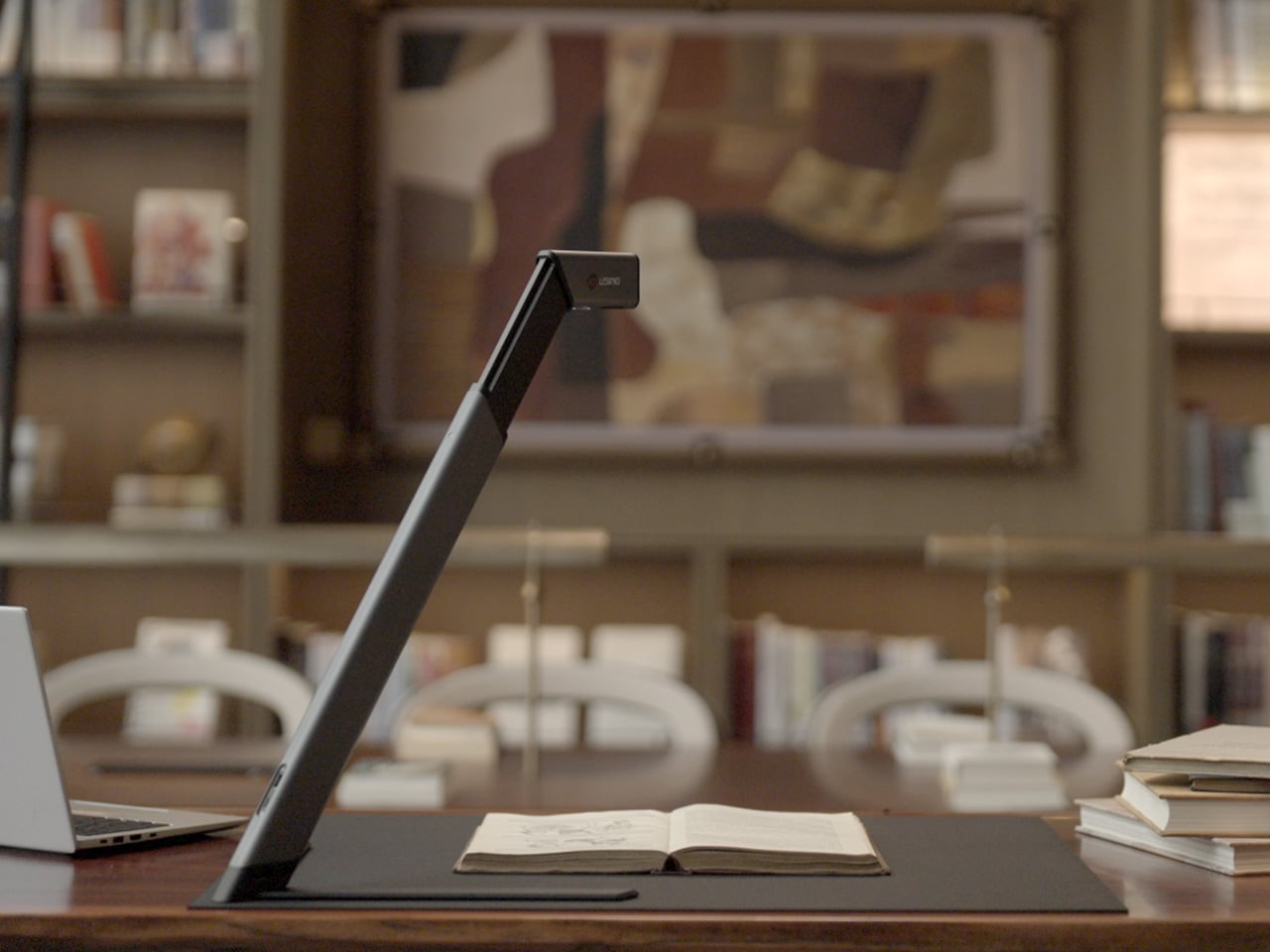
Joyusing’s ScanMax 320 approaches the problem from a different angle, quite literally. Rather than occupying the center of a workspace, it’s built to sit at the edge of a desk, positioned in the corner while its arm reaches overhead. It handles documents, books, artwork, and large-format materials up to A2 size, without taking over the surface it’s meant to serve.
Folded down, the ScanMax 320 measures 355mm x 68mm x 51mm, slim enough to slip into the included carrying bag and move between rooms without any effort. It runs entirely on USB-C power, so getting started means plugging in a single cable. There’s no proprietary adapter to hunt down, no driver installation ritual, and nothing complicated to deal with before the first scan. You can directly use the ScanMax 320 as a live presenter camera, and scanning as well as other advanced features simply require the free Joyusing Scanner intelligence software.
The shooting area extends to a full A2, or 594mm x 420mm, with a 32-megapixel sensor capturing at up to 380 DPI. That covers blueprints, double-page book spreads, large technical drawings, and oversized artwork in a single pass. An intelligent auto-switching system detects whether the material is A2 or A3 and adjusts accordingly, so there’s no manual input needed between sessions.
Overhead scanners tend to have a lighting problem, particularly near edges or when capturing materials that aren’t perfectly flat. The ScanMax 320 uses a rectangular illumination system shaped to match the scanning area, distributing light evenly and keeping shadows from washing out fine detail near the sides. Three brightness levels, at 30%, 70%, and 100%, are accessible with a single touch for quick adjustments in different environments.
Book scanning is where overhead devices tend to earn their keep, and also where they tend to frustrate. Pages curve at the spine, fingers get in the way, and binding shadows creep in from the edges. The ScanMax 320’s software handles most of this automatically, applying auto-flattening, finger removal, de-skewing, and shadow removal without manual adjustment. Book mode, paired with the included finger cots, keeps pages steady for continuous capture.
Once everything is captured, the software’s OCR engine converts printed text into editable, searchable files, with support for 180 languages and export options including Word, PDF, and TXT. A page of Japanese text, a technical report, or a multilingual research paper can go from physical to fully searchable in seconds, turning raw captures into documents you can actually search, copy, and share.
What’s less obvious about the ScanMax 320, and arguably more interesting, is that it also functions as a live visual presenter. Point it at a printed page, a hand-drawn sketch, or a physical object, and the feed goes live to whatever screen or projector it’s connected to. For a teacher going through annotated notes or a designer reviewing a layout with a client, that extra mode earns its place quickly.
Software compatibility covers Windows, macOS, and several Linux distributions including CentOS, Ubuntu, and Debian, though macOS users will find some features limited compared to the Windows version. Everything connects over USB-C, keeping the setup free of dongles and extra cables. Built-in annotation tools allow for direct markup of scanned content, which makes it easier to prepare materials before presenting or sharing them.
There’s something refreshingly considered about a scanner built to work with your desk rather than on top of it. The ScanMax 320 doesn’t ask you to clear space or rearrange anything. It folds, parks at the edge, and gets on with the job. Whether you’re archiving a collection, digitizing a sketchbook, or presenting something in a meeting, the fact that it stays in its corner is, in itself, the point.
The next evolution of Apple's AirPods is out in the wild after a leaked video was posted online. Known as AirPods Ultra, the new wireless earbuds look basically the same as regular AirPods, albeit with a thicker stem.
Hiding inside the new AirPods Ultra are discrete cameras that enable something called "Visual Intelligence." According to Tom's Guide, these cameras aren't intended to record live video or snap photos, setting AirPods Ultra apart from the likes of Meta's AI Glasses, which are raising some very serious privacy concerns.
What I wasn't expecting next was an announcement from Razer's Min-Liang Tan explaining that the company's Project Motoko, unveiled as a concept at CES 2026, is actually a real product that's "coming soon."
At CES we unveiled Project Motoko: an AI native headset with dual cameras in the earcups. It sees what you see, hears what you hear. No display needed.Started as a concept. Not staying one. Coming soon.What's the first killer use case for wearable AI? pic.twitter.com/MCmrcnUdZMAugust 19, 2026
Razer's tackling of this idea involves a full wireless gaming headset with cameras built into the earcups. They're certainly not as hidden as the cameras on Apple's leaked implementation, but I don't think they're aimed at the same end goal.
In the leaked Apple video, a person picks up a book and looks at the cover. Siri (or some other assistant) then says that "your world becomes savable" — all you have to do is whisper into your own ear that you'd like to save what you're looking at.
The new AirPods Ultra are expected to show up at Apple's next special event in September, but already there is a lot of backlash regarding privacy. Glasses (or really any tech) that record everything around you are already being banned due to privacy concerns, and I hope that Apple indeed uses some method that captures info without saving actual photos.
Razer's Project Motoko is not like the rest
Razer is taking a different approach to a video-infused audio device. Rather than hiding the cameras in tiny earbuds, it's slapping them onto what appears to be a rather high-end wireless gaming headset.
Each earcup has an FPV camera designed to sit at eye level, allowing it to better quantify what you're actually looking at. Razer says its cameras offer a wider field of view than is humanly possible, and that they can pick up "symbols, text, and details."
Motoko can use a bunch of different AI models (Grok, OpenAI, and Gemini are mentioned), and Razer says it can be a "powerful data collection tool" to train language models. The headset runs on a Snapdragon chip.
A demo video on the Razer website explains that Motoko "hears, interprets, and answers in the moment." The accompanying video certainly seems to show that the headset's cameras are recording the entire time, much like AI glasses.
Razer pegs it as a "personal full-time AI assistant" that "stays keyed into your schedule, preferences, and habits, while adapting effortlessly to anything else you might ask." I'm reminded immediately of Lenovo's Qira AI assistant.
Privacy concerns aside, who's going to wear a gaming headset all day?
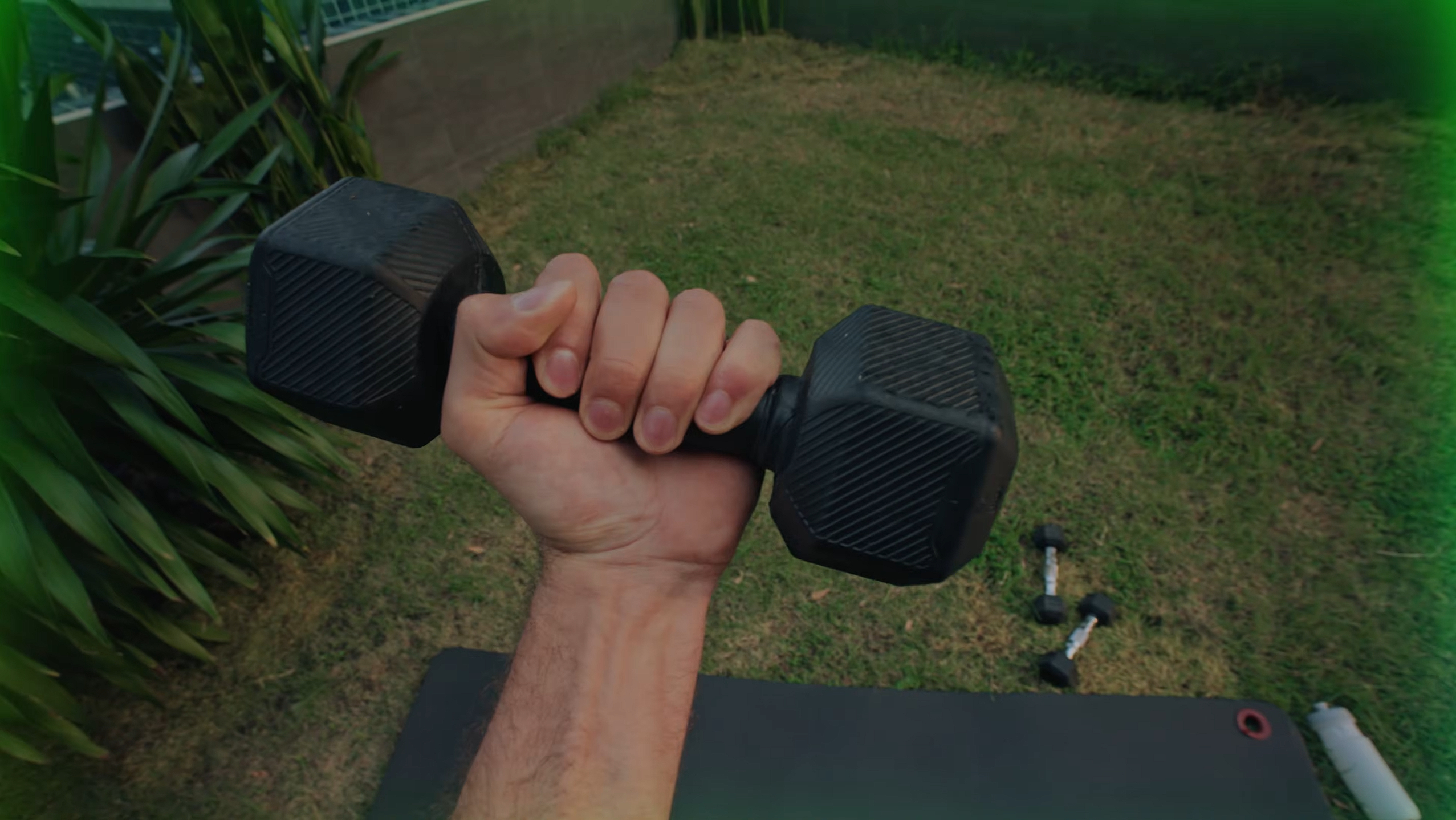
Who the hell wears a gaming headset while they work out? (Image credit: Razer)
Razer makes a lot of concept devices, and not all of them make it into the hands of consumers. The fact that Razer is going ahead with Motoko hot on the heels of the AirPods Ultra leak means the company must truly believe there's something there worth pursuing.
But my first thought was, "Who wants to wear a gaming headset all day?" Never mind the privacy concerns; gaming headsets are great for a few hours at a time, and usually best if you're not active.
Razer's vision for Motoko seems to go against that. A small FAQ section on the official website explains the potential everyday uses for Motoko:
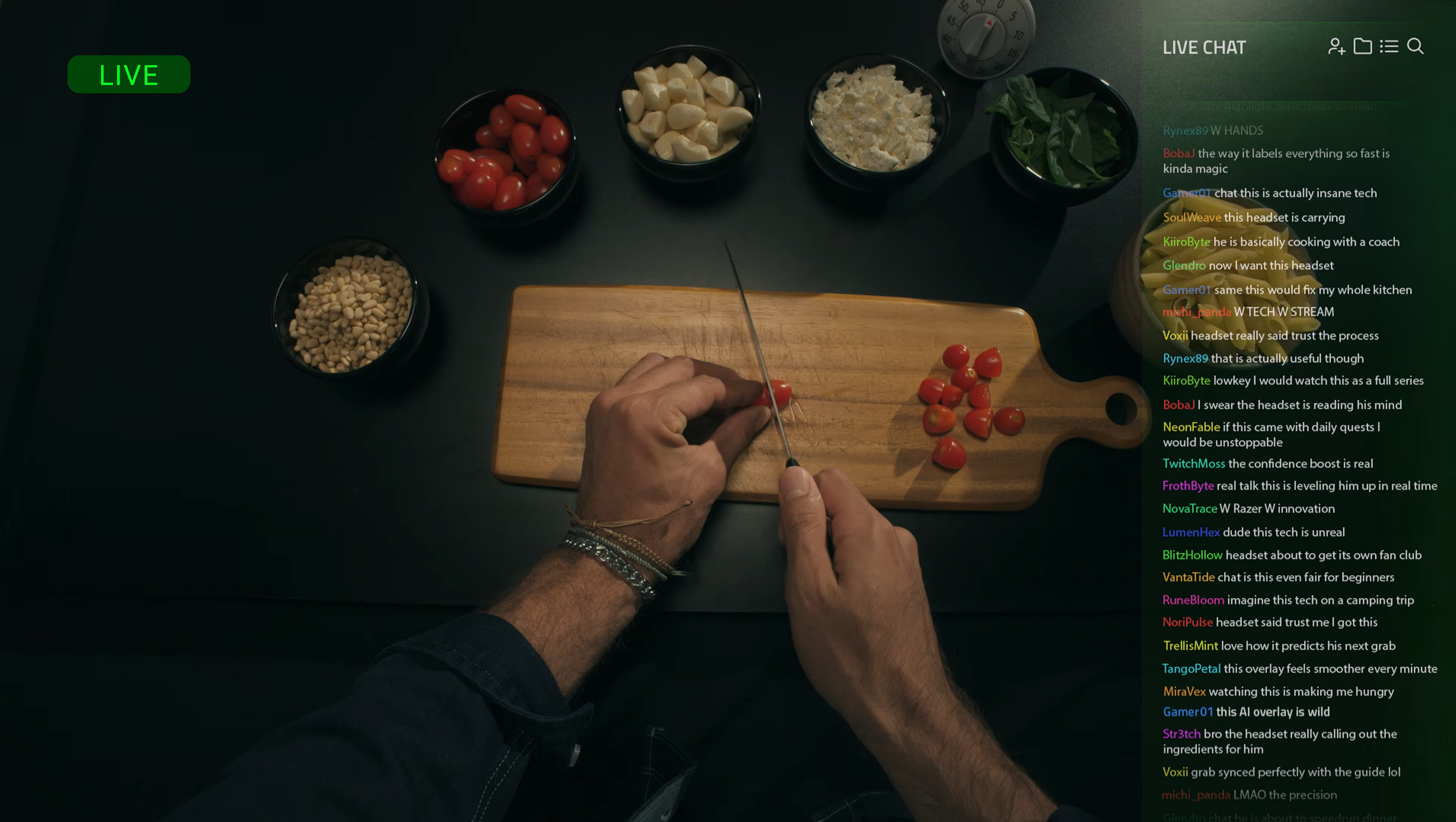
The possibilities are endless. Whether you’re cooking and need step-by-step guidance, traveling and want real-time translations, working and managing tasks hands-free, repairing something with instant audio instructions, or gaming with immersive AI-driven guidance—Motoko adapts to every scenario. Its AI-powered vision and audio awareness make it more than a headset; it’s your always-on companion for smarter living, wherever life takes you.
Razer
Is everyone suddenly going to be wearing a bulky gaming headset everywhere they go? Not likely, especially during any tasks that require a bit of sweat. When Motoko actually launches, it had better be the most comfortable headset ever made if Razer wants it to be successful.
Windows Central's take on Razer Motoko
A screengrab from the Motoko video showing a livestream running from the gaming headset. (Image credit: Razer)
Razer's Motoko headset probably has the best chance of succeeding amongst PC gamers. It is, after all, a gaming headset. But, speaking from a bit of experience, I can say that a lot of PC gamers couldn't care less about letting AI help with video games. Whether or not Motoko's appeal actually goes mainstream remains to be seen.
I want to know if you'd buy something like Razer's Motoko when it launches. Would you use it for gaming? For something else? Are you concerned about eroding privacy due to the prevalence of these video capture devices? Let me know in the comments section below!
Join us on Reddit at r/WindowsCentral to share your insights and discuss our latest news, reviews, and more.
A person holds a pair of black Razer Project Motoko wireless headphones, showcasing their design, with a green box visible in the background on a wooden surface.
A person holds a pair of black Razer Project Motoko wireless headphones, showcasing their design, with a green box visible in the background on a wooden surface.
Microsoft is inviting businesses and AI enthusiasts to its upcoming AI at Work webinar series, with the next session scheduled for August 25. The event will focus on the latest developments across Microsoft 365 Copilot, Copilot Studio, Dynamics 365, and the growing world of AI agents. The webinar is aimed at organizations looking to understand […]
OpenAI’s Astra story just got more interesting. A previously circulating internal codename, “mewfour,” appears to have resurfaced in an unexpected place: OpenAI’s public Codex repository. The timing is what makes the discovery particularly intriguing. According to the evidence behind the claim, OpenAI removed references to “mewfour” from 52 pull requests on August 7, only about […]
Microsoft appears to be getting ready to roll out one of the most welcome Windows 11 interface updates in years. After months of testing with Windows Insiders, the company is moving its redesigned Windows 11 Taskbar and Start menu closer to a public release. The latest developments suggest that users could start seeing these long-requested […]
Johor’s data center pipeline has reached 8,542 MW, but a 0.7% colocation vacancy rate, grid constraints, and water demand mean regional IT buyers need to separate announced capacity from infrastructure they can actually deploy.
AmnesiaStealer malware targets macOS with data theft and remote browser-session control, potentially exposing accounts already open on compromised Macs.
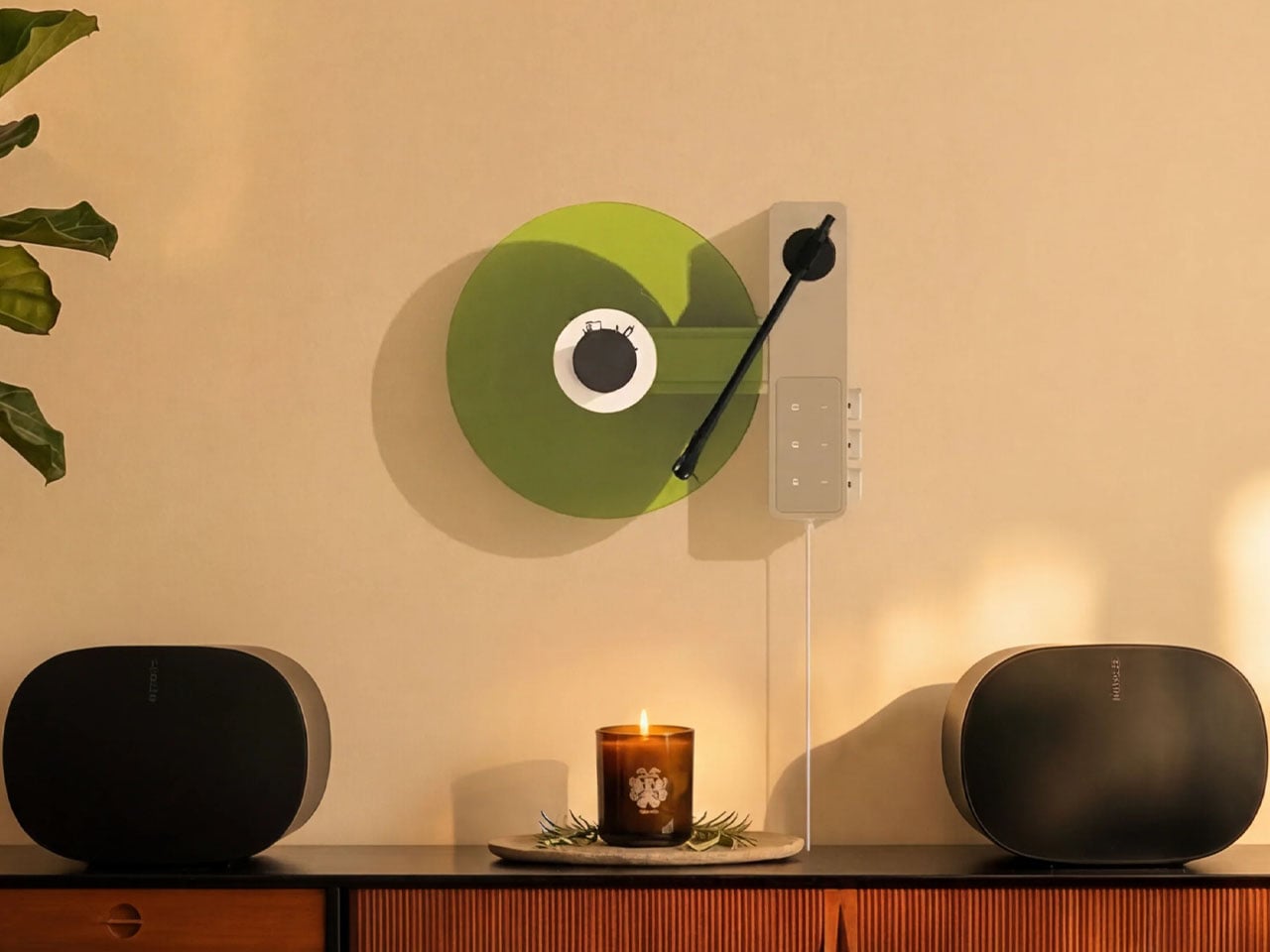
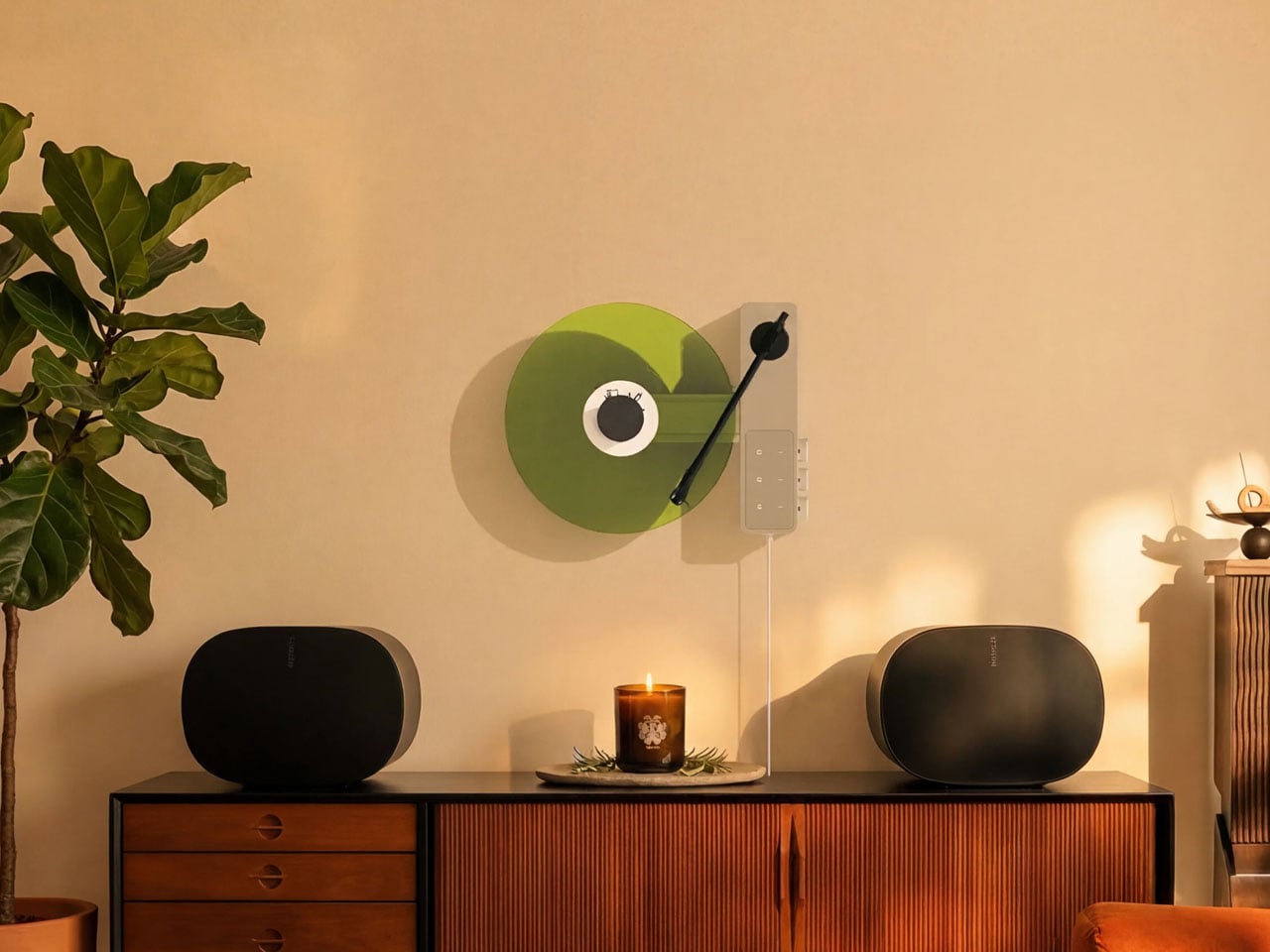
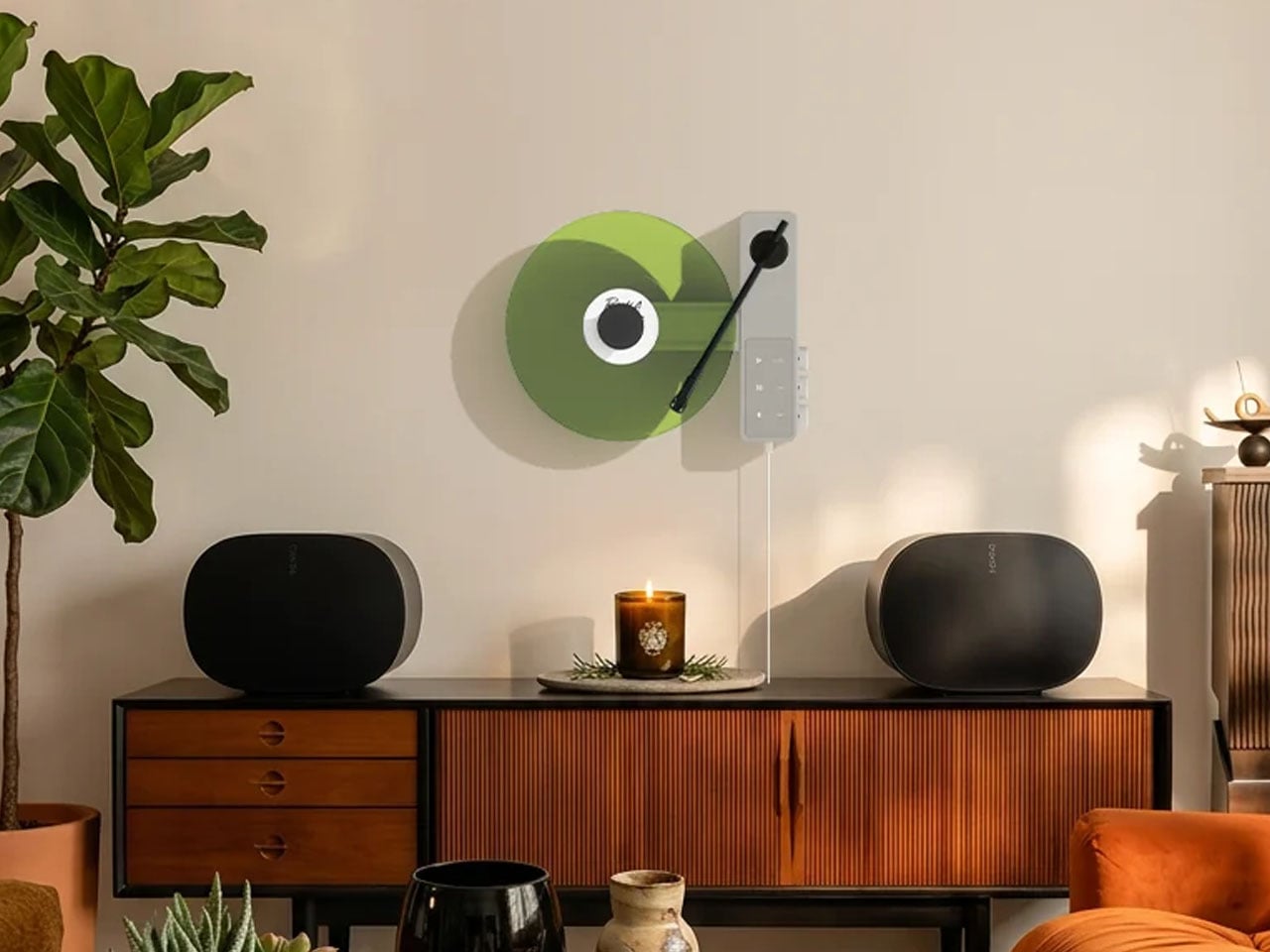
For a very long time, the world was fixated on horizontal vinyl players that took up a premium space on a table. Just recently, the tide has started shifting in favor of vertical record players that are designed to stand out instead of blending in. The new entrant in the category already explored by designer Fatih Demirci, CoolGeek, and Dutch Hi-Fi maker Miniot, is Ruka Studio – a Los Angeles-based company that was founded in 2024.
Relatively new in its existence, Ruka makes its presence felt with the wealth of experience that forms the DNA of the brand. Reportedly, Ruka Studio was founded by a group of former Apple engineers and designers, so a high-end turntable with a premium finish would be a given. But that’s not where it’s stopping; the company has launched its first vertical turntable called the TD-1.
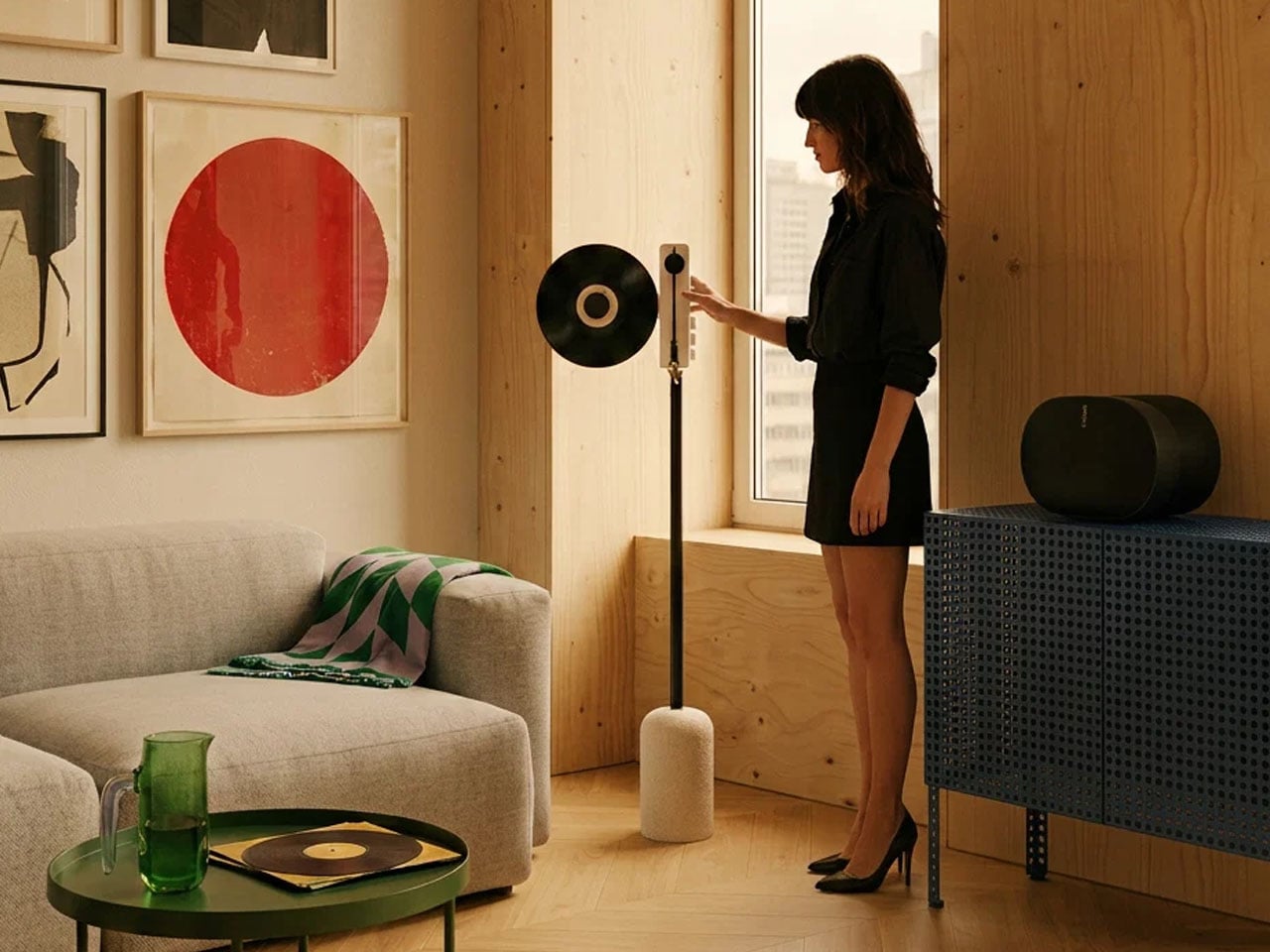
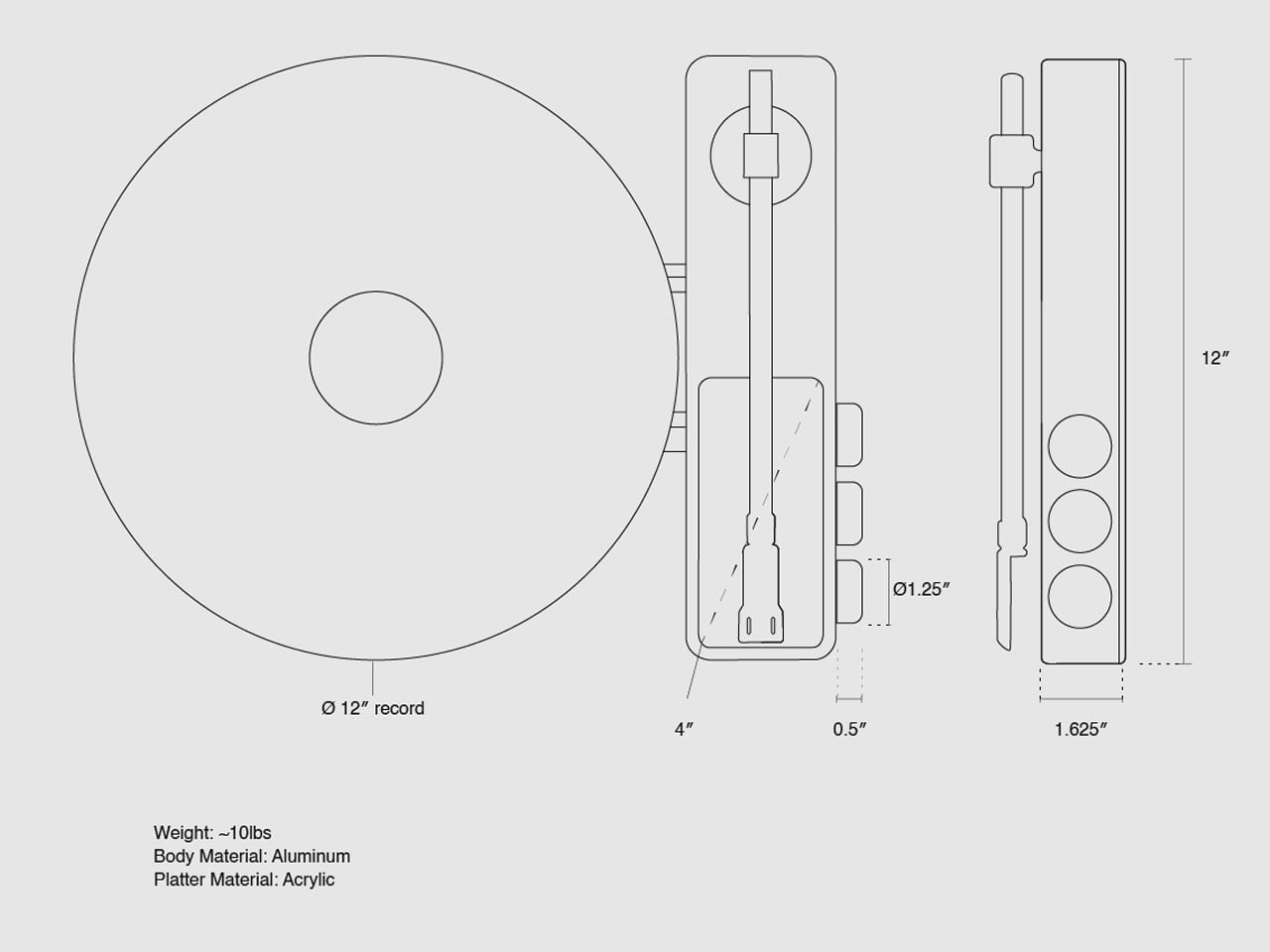
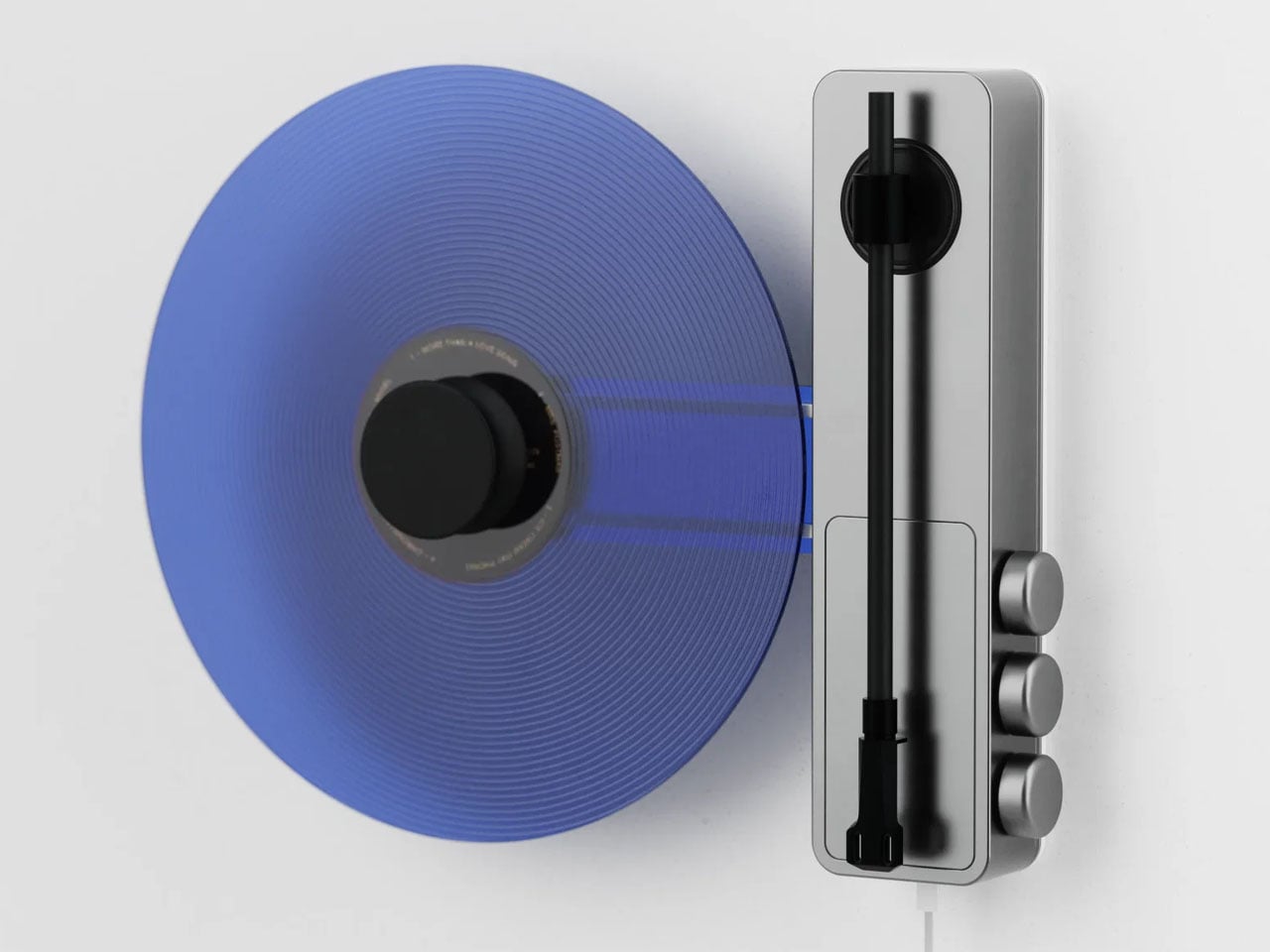
Designed as a turntable that mounts vertically on the wall, or stands upright on a floor stand, it becomes part of the room instead of taking over a table. The TD-1 can spin a vinyl record vertically, which is a treat to the eye and food for thought for your mind. The design is pretty seamless, and you’re left wondering how the giant disk is actually spinning without gravity acting upon it.
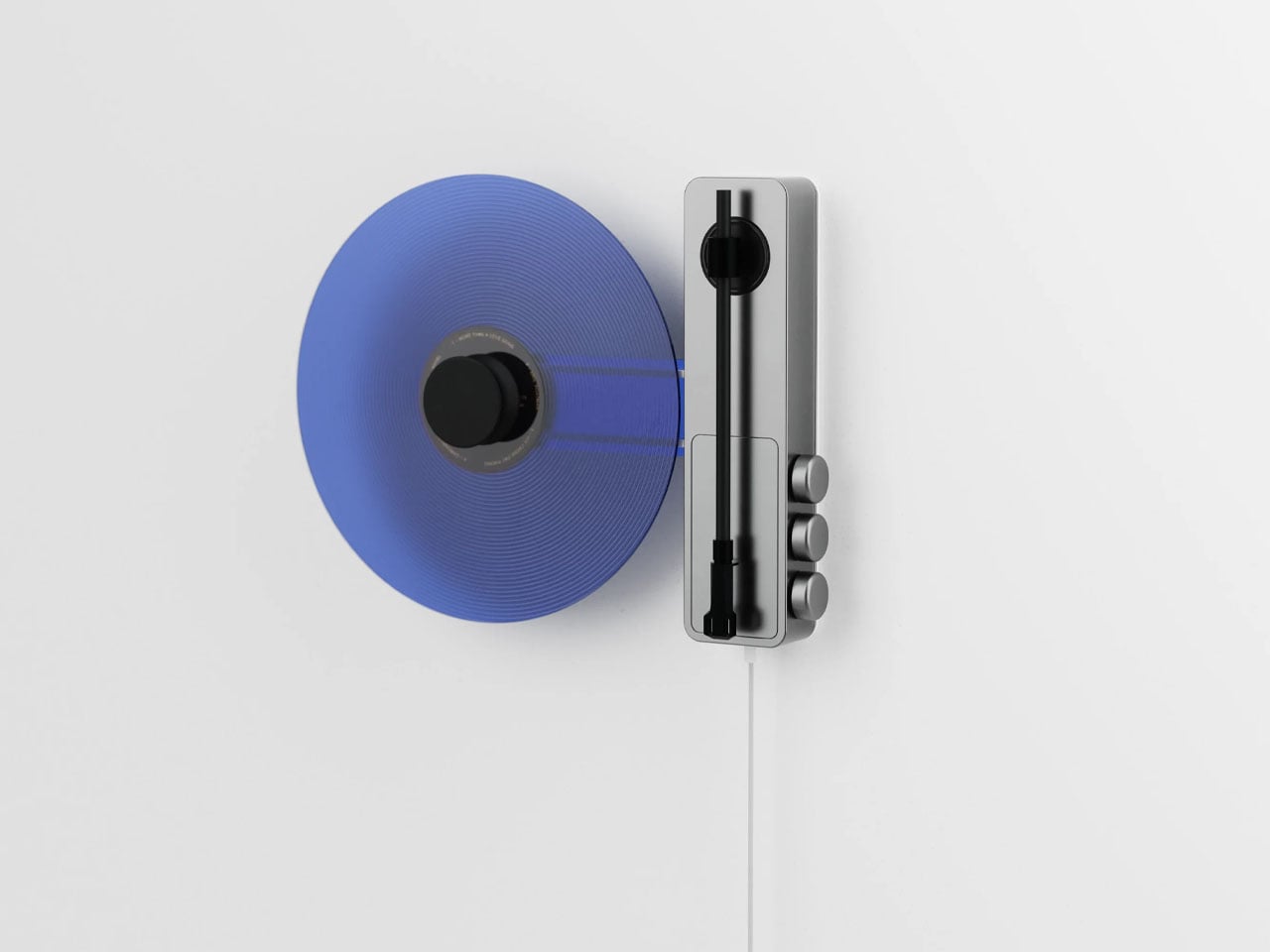
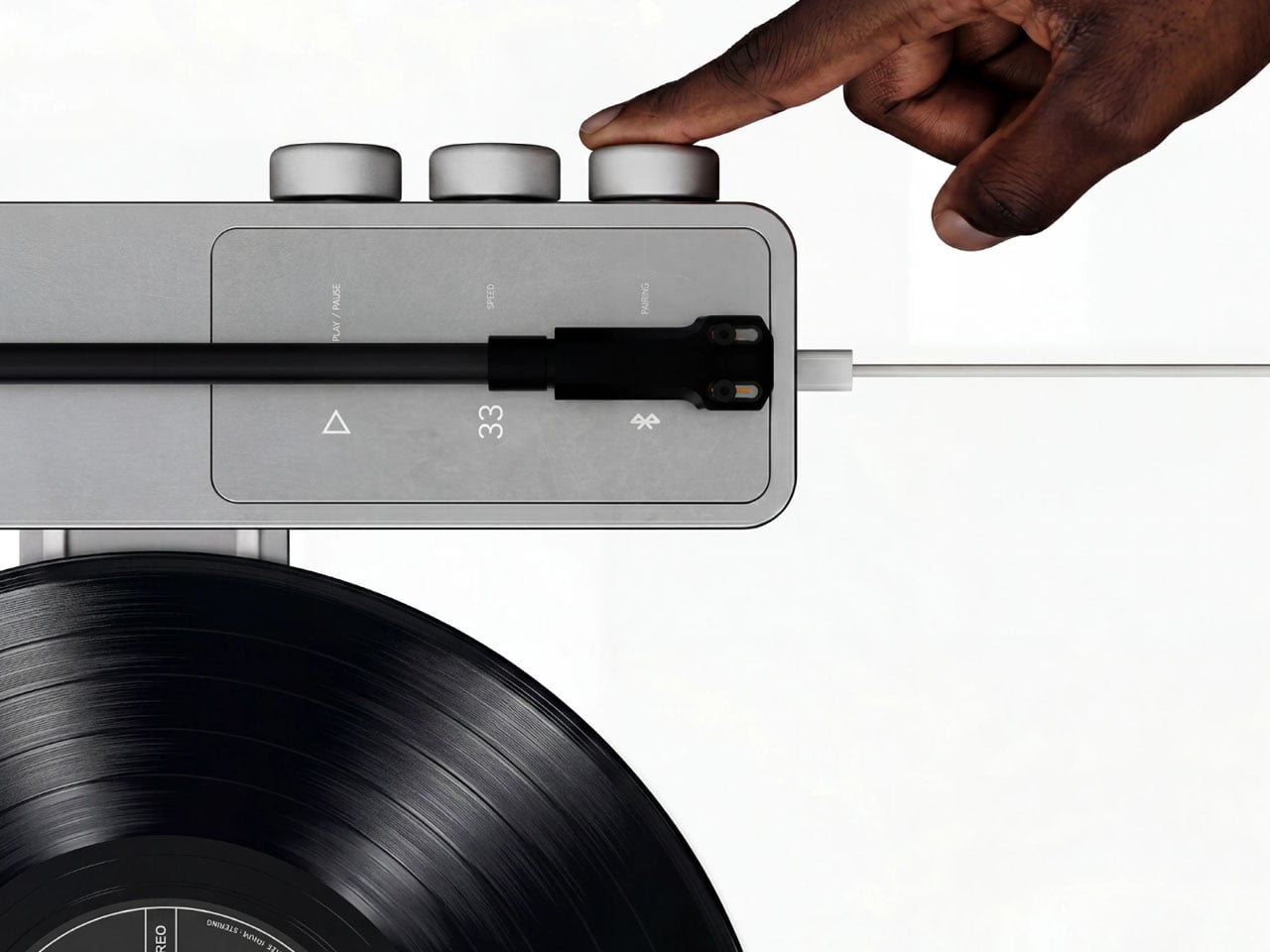
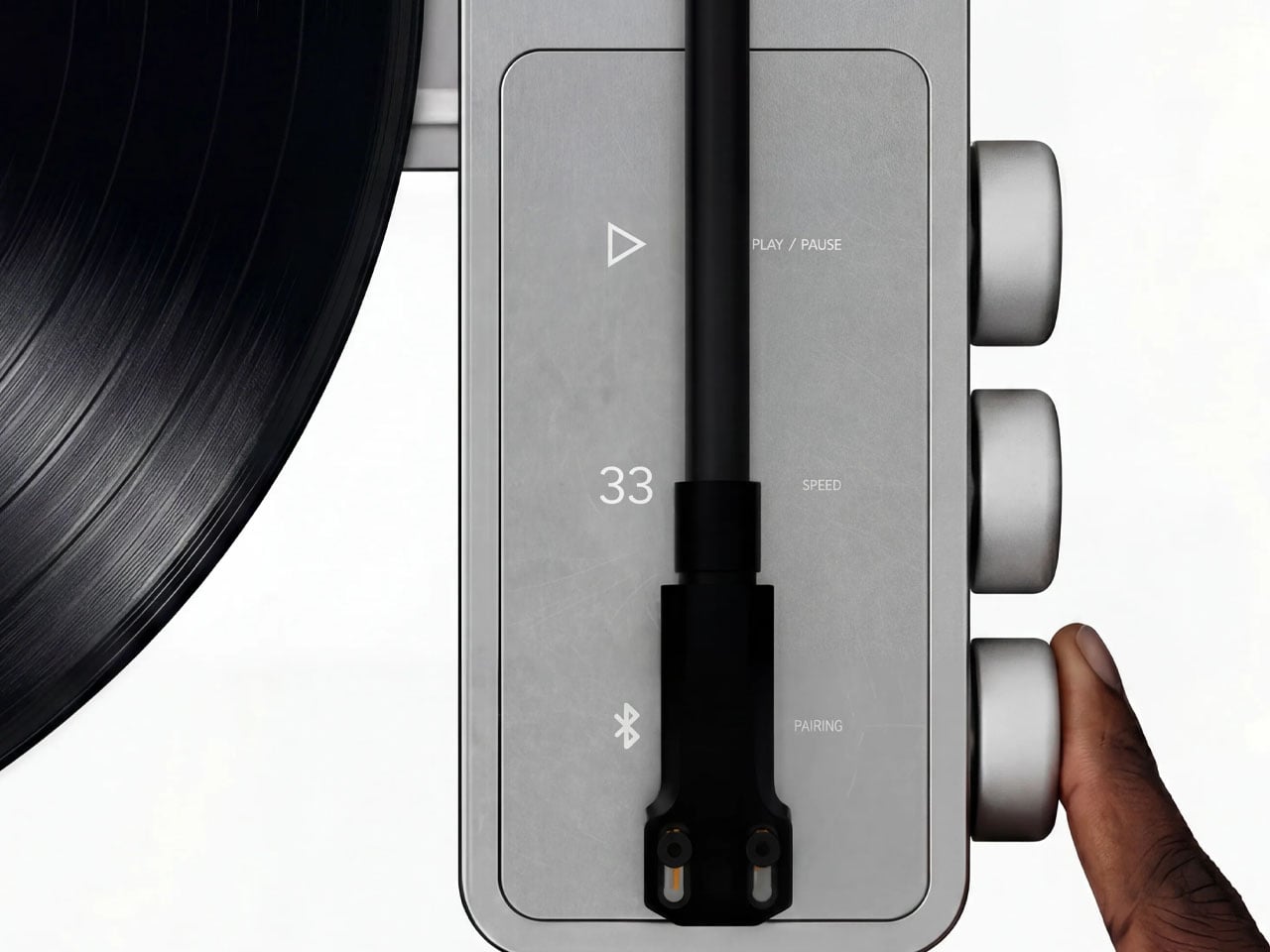
If you’re someone who holds your record collection dear and as a reflection of who you are. The TD-1 is conceived with the idea of enhancing that experience like no other has done before. Yes, there have been vertical record players we have seen in our time, but the Ruka’s model is a standout, thanks to its aluminum body and visibly enticing mechanical switches and knobs that turn and click to control playback, adjust the record’s rotational speed, and also to pair the device with a speaker system over Bluetooth. It also comes with wired output to connect with a hi-fi system.
When everyone is trying to integrate AI and convenient remote control via dedicated apps, the TD-1 remains as analog as the record playing was meant to be. The most it gets away from the analog commitment is to stream your vinyl records to a wireless Bluetooth speaker or compatible earbuds.
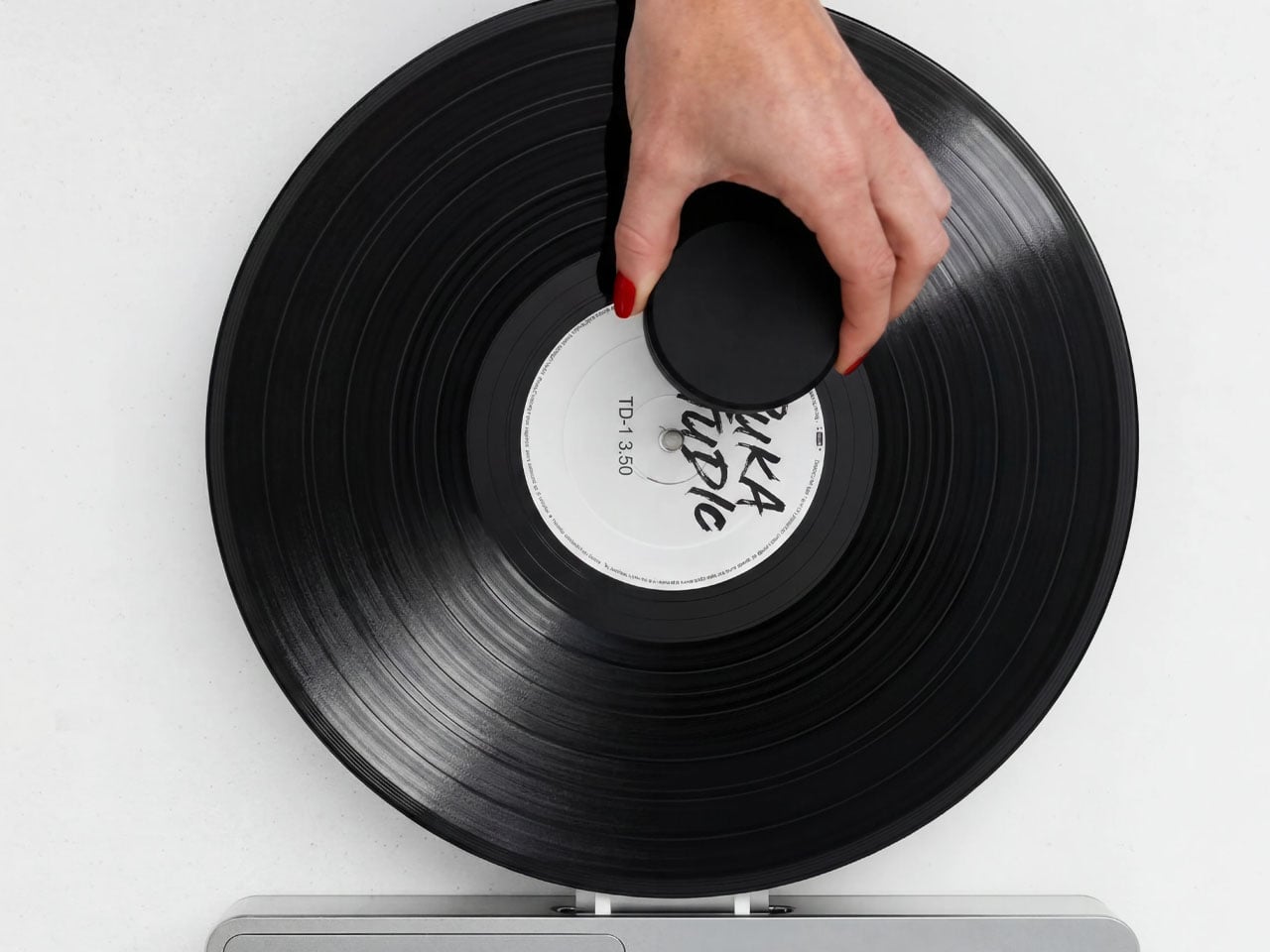
To make how it looks placed vertically more exciting, the TD-1 arrives with a rubber-coated magnetic plate that holds the record against the wall to appear as if it were floating in mid-air. To ensure you are not hassled with getting the placement straight, it comes with a built-in spirit level. The player features a swappable moving-magnet cartridge, which the company says should allow users to select the cartridge they want, of course for an additional cost from the device itself. The TD-1 turntable itself is belt-drive. The motor has been de-coupled from the acrylic platter to minimize vibration, ensuring smoother and quieter playback.
Ruka Studio TD-1 is available to preorder now starting at a reserve price of $100 on the company’s website. It is priced at $1,399, and preordered models are expected to ship in 2027. The $100 credit is fully refundable or will be adjusted in the final price when a device is shipped.
August outdoor gear doesn’t get the editorial runway of spring launches or the pre-holiday push. That’s what makes it honest. The products landing in late summer have already been through a season of real conditions and arrive in the lineup on merit rather than timing. This month’s five picks cover the full range of what a serious outdoor day demands: shelter, light, cooking, carry, and sound. Each one addresses a problem its category had been handling adequately for years, then makes adequately feel like the wrong standard to have accepted.
What connects all five is a refusal to inherit the category’s old logic. A jacket that transforms into a tent. A flashlight built around actual daily carry. A backpack that zips apart into three genuinely usable bags. A speaker shaped like a jerry can, with 300 watts and a guitar input. A grill plate that reconfigures to the meal. August’s best gear doesn’t announce itself. It earns its place quietly, trip after trip.
1. Shelter Wear
Yoon Myat Su Lin designed Shelter Wear from a specific memory. The Tokyo-based fashion student experienced an earthquake in Myanmar and watched people left without temporary shelter in the critical hours before help arrived. That moment produced a single design question: what if the garment you were already wearing could become what you needed most? At first glance, the answer looks like structured techwear outerwear with a high protective collar and a silhouette that works as well in a city as on a trail.
The transformation is the design. Unclip a series of buckles, unfold the panelling, and the garment expands into a triangular tent that forms shelter around the wearer. The detachable sleeves double as backpacks before becoming structural components of the form. Ripstop materials and engineered fasteners hold the system together under real conditions, a claim validated by the YKK Special Prize at the 25th YKK Fastening Award. For anyone spending time in unpredictable terrain, Shelter Wear removes the gap between what you’re wearing and what you need.
What we like
The garment-to-tent transformation addresses emergency shelter at the level of what you’re already wearing, not what you remembered to pack separately
The YKK Special Prize validates the mechanical integrity of the fastening system well beyond the concept stage
What we dislike
Currently a student concept design, with production availability and final manufacturing specifications unconfirmed
The techwear silhouette reads as urban and may not suit every outdoor environment or wearer preference
2. CasaBeam Everyday Flashlight
Most outdoor flashlights are built around a peak performance scenario: maximum output, maximum throw, maximum everything. The CasaBeam starts from the opposite end of that thinking. The “everyday” in its name is a design commitment, not a marketing qualifier. It’s sized and weighted for the person who carries their light not only on planned trail days but on every day between them, because those are often the moments that actually test whether your gear kept its promise.
That daily carry philosophy changes how the object performs for you. The pocketable form means it’s already on your person when you need it, not sitting in a pack you didn’t bring. The beam handles close-range campsite tasks and longer throws without demanding a deliberate mode change between them. For a flashlight that lives in your pocket rather than your kit bag, that standard matters every time you reach for it.
Sized and weighted for genuine daily carry, not just the planned outdoor days when remembering a flashlight is already obvious
The pocketable form keeps it accessible in the unplanned moments that a pack-stored light consistently misses
What we dislike
The everyday carry positioning means it isn’t optimized for the peak-output demands of technical night hiking
3. Modevo Trio
The design insight behind the Modevo Trio is one most bag companies avoid: a single pack that tries to be everything ends up the wrong thing across multiple scenarios. Onli Travel built the system in reverse, designing each of the three components as a genuinely usable standalone bag first, then engineering the connection points between them. The Core Pack is a 28-liter travel backpack with a clamshell opening and a functioning hip belt. The Link works as a briefcase or shoulder bag. The Go Daypack expands from 12 to 27 liters on its own.
Put all three together, and you get 58 to 73 liters of carry. Separate them mid-trip and each piece performs without producing a compromise product. Bluesign and OEKO-TEX certified water-resistant fabric with YKK zippers throughout reflects the build standard expected from a fourth-generation design. At $224 for the full Trio, it’s a considered purchase. For outdoor days that move between activities, the Modevo removes the most persistent pack complaint: that you brought the right bag for the first half of the day and the wrong one for the second.
What we like
Each component was designed as a standalone first, so separating the system mid-trip never produces a bag that only exists as a leftover from the combined configuration
Bluesign and OEKO-TEX certified fabric with YKK zippers reflects independently verified material and construction standards rather than self-reported claims
What we dislike
At $224 for the full Trio, the investment requires genuine confidence in modular carry as a system before committing
Three-bag systems introduce the real possibility of leaving one component behind when packing quickly or in low light
4. Jerry Can Speaker
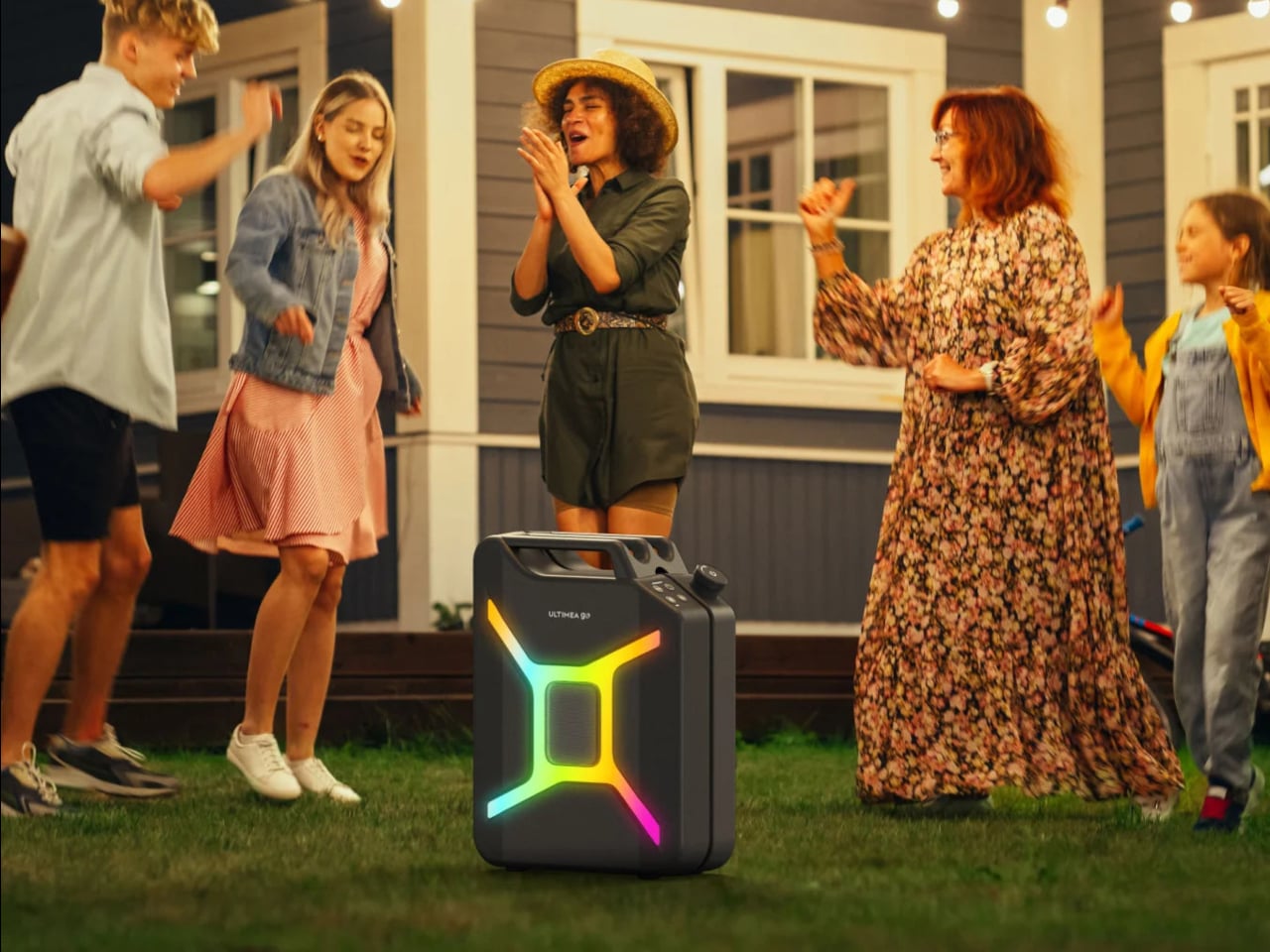
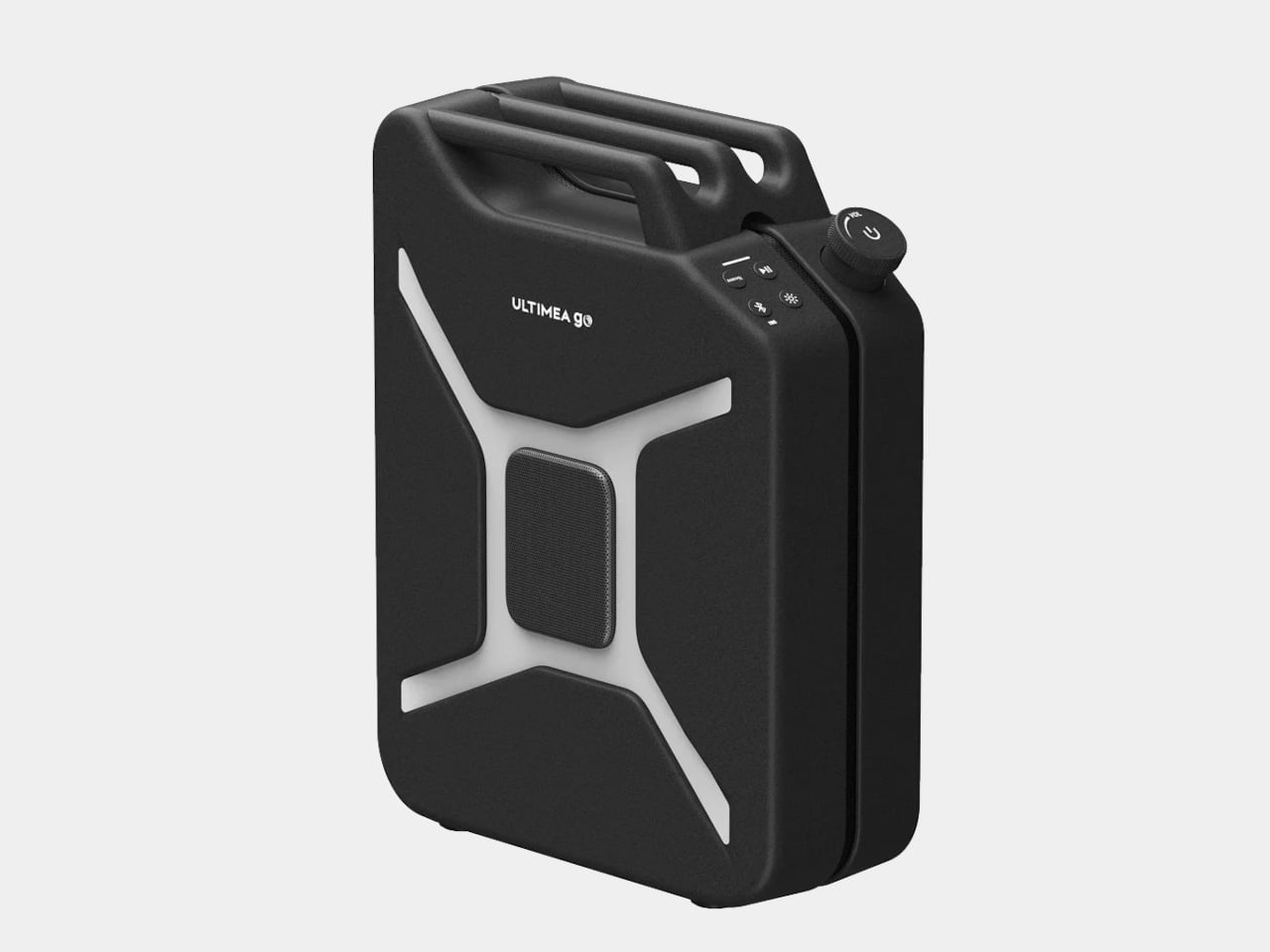
The Ultimea Go looks exactly like a jerry can. Not a loose visual reference or a softened modern take on the form: a full commitment to the fuel container silhouette, boxy proportions, handle and all. The design misdirection is deliberate, and it lands. Under that shell, dual 5-inch woofers, dual 3-inch full-range drivers, and a 1-inch tweeter deliver 300 watts of peak output through 360° omnidirectional sound that radiates in all directions rather than projecting from a single face, which matters when a crowd is gathered around it.
The guitar input is what makes this genuinely useful for you rather than just visually interesting. Two microphone inputs and direct instrument connection turn it from a passive playback device into something you can plug a guitar into at a campsite or a backyard set. Auracast support syncs up to 100 devices simultaneously without the timing offsets that come with daisy-chaining. Sixteen hours of battery and IPX4 water resistance keep it running through a full outdoor day without requiring repositioning or supervision.
What we like
Guitar and microphone inputs transform it from a playback device into one a musician can plug directly into on a campsite, which no comparable outdoor speaker in this class offers
Sixteen hours of battery and IPX4 water resistance handle a full outdoor day without monitoring, repositioning, or an overnight charge between uses
What we dislike
The full-commitment jerry can form is a deliberate design statement that won’t suit every camp aesthetic or setting
At 300W peak output, the power draw requires a reliable source, which adds planning for longer off-grid trips
5. Compact Modular Grill Plate
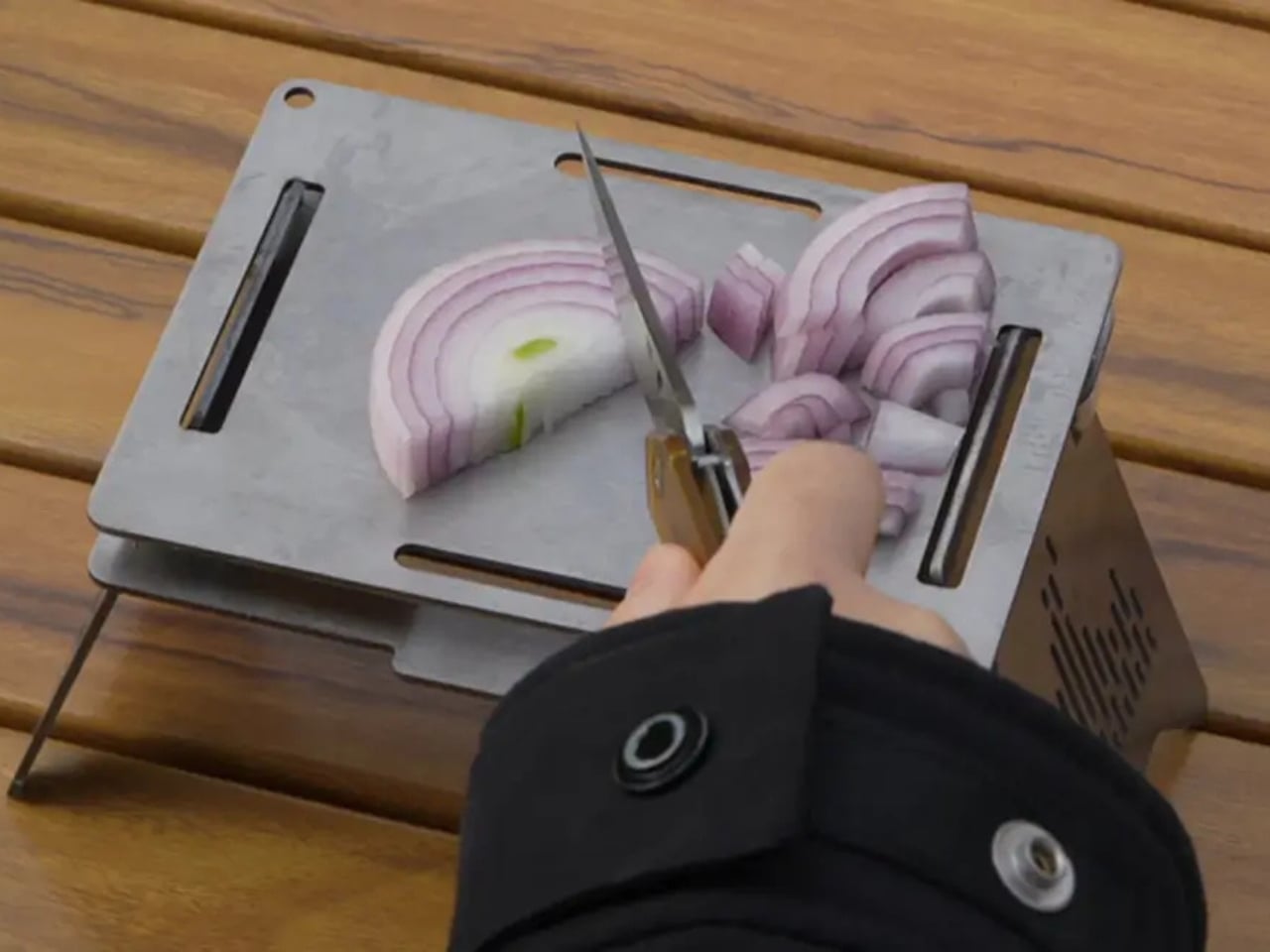
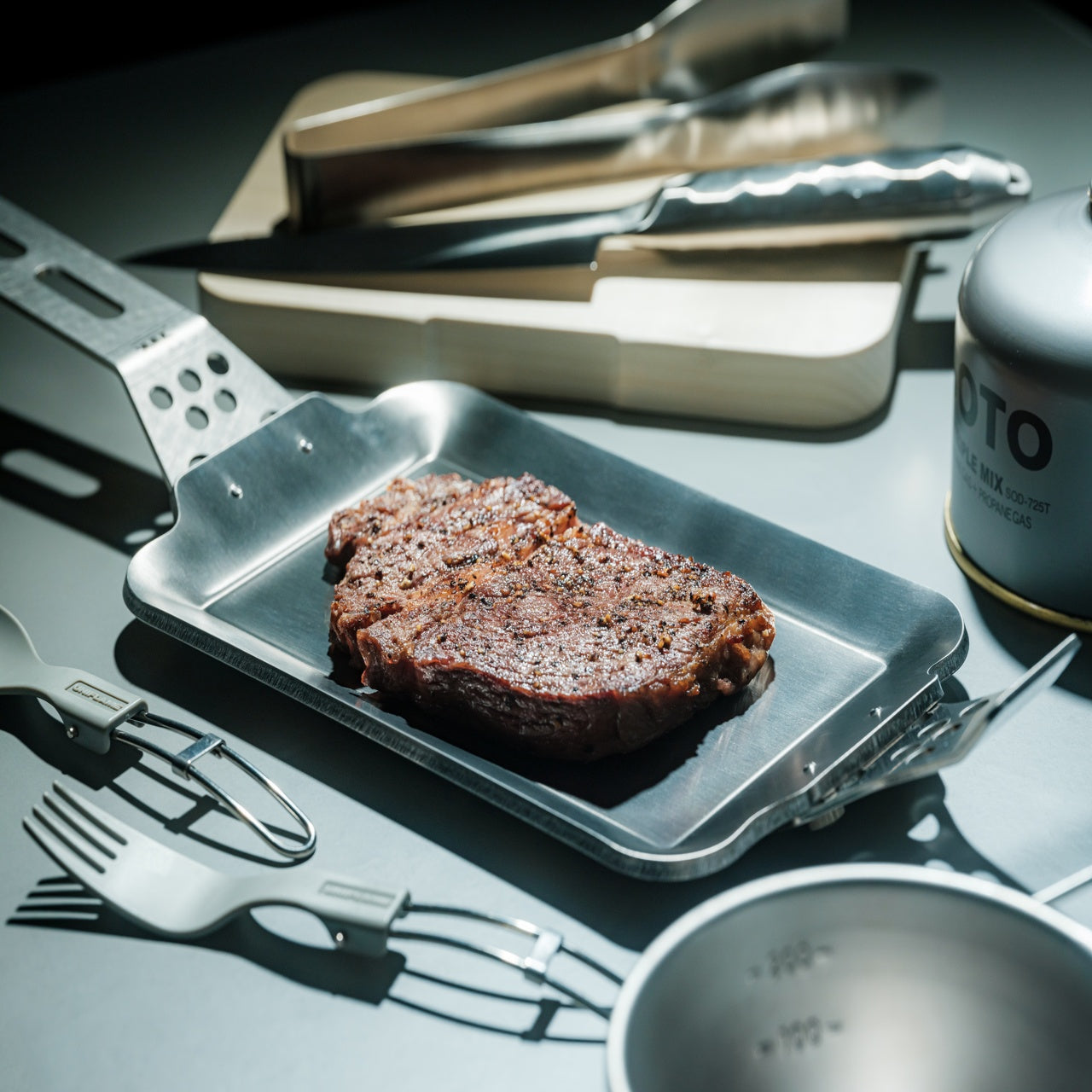
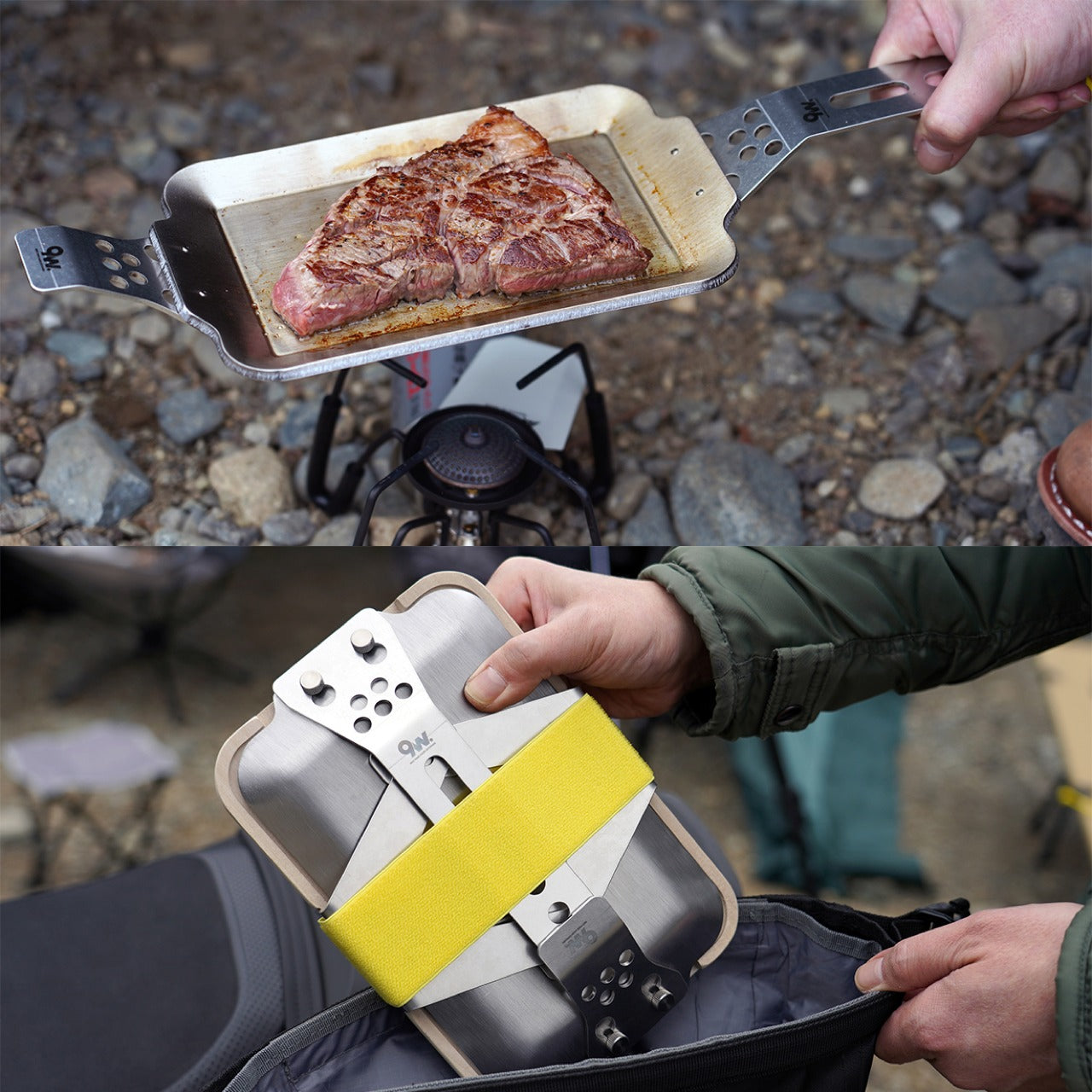
Most camp cooking surfaces commit you to a single method before you’ve decided what you’re making. The Compact Modular Grill Plate works differently. The modular design lets the surface be configured around the meal rather than the other way around, so the same piece of gear that handles a morning sear handles an evening cook without requiring a second surface in the pack. That kind of adaptability usually arrives with a bulk penalty. This one resolves the trade-off rather than asking you to live with it.
The compact form changes what you’re willing to bring on shorter trips. When cooking gear is bulky, it gets left behind. When it packs flat and reconfigures at the campsite, it earns a permanent slot in the kit. For camp cooking that doesn’t require a second thought about space, this is the surface that justifies its place on the first trip and holds it on every one that follows.
Modular configuration adapts to different cooking requirements without adding a second surface or additional weight to the pack
Compact form removes the space calculation that causes most camp cooking gear to get left at home on shorter trips
What we dislike
Modular systems require all components to be present and accounted for before setup, which adds a pre-trip organization step
Still requires a separate heat source, making it a cooking surface rather than a self-contained cooking system
The Gear Holds
The five products in August’s lineup cover every stage of a serious outdoor day. What connects them is a refusal to accept the performance floor their categories had settled on. The Shelter Wear asks why clothing stopped at decoration. The Modevo Trio asks why a single bag has to make compromises. Each product arrived here by questioning something the outdoor gear world had quietly stopped questioning, and all five are better for it.
Gear that earns long-term trust doesn’t announce itself on the first trip. It builds that trust through every trip that follows, quietly removing the small calculations and compromises that average equipment leaves behind. Take these five picks into real conditions, and the design decisions behind each one become self-evident in the best possible way. August’s outdoor gear doesn’t need a seasonal hook to justify it. It just needs the chance to perform.
Home fragrance, for the most part, has been a market of compromises. Scented candles are warm and atmospheric but burn through a fragrance’s more delicate top notes in the process, gone with the smoke. Reed diffusers take a gentler approach but dilute the oil with water, delivering something noticeably thinner than what was originally intended. Neither gives much meaningful control over how much scent actually fills a space.
Droplet’s Scent Amplifier takes a fundamentally different approach, one that borrows more from audio than from aromatherapy. The idea is to treat scent the way a good amplifier treats sound: amplify it faithfully without altering what’s already there. Instead of heat or water, the device uses pressurized air to atomize neat fragrance oil into micro-particles, so what reaches you is the fragrance exactly as it was composed.
That analogy isn’t just conceptual; the physical form carries it well, too. The Scent Amplifier is built around a walnut-toned wooden base, with a hand-blown crystal glass vessel sitting on top that’s shaped much like a vintage light bulb. A single oxidized silver dial handles all the control. When switched on, the base emits a warm, tungsten-like glow that rounds out the valve-amp look completely.
Unlike most home-fragrance gadgets that quietly get shuffled out of sight, this one’s meant to be displayed. Droplet designed it to sit in a living space as a sculptural object rather than pass as a functional appliance. And it holds up to that treatment. It has the quiet confidence of something that belongs in a room rather than something that just happens to be sitting in one.
Using it is simple enough. Fill the glass vessel with oil, turn the dial to the preferred level, and the device handles the rest. It diffuses fragrance for three minutes, rests for two, and repeats, keeping the scent consistent rather than releasing it all at once. Only four to six drops are needed for an average-sized room, and a 10ml bottle lasts roughly a month.
On a full USB-C charge, it runs for up to 15 hours of cordless diffusion, which means it isn’t tied to a wall socket or any fixed spot. That’s a more practical detail than it might seem. You can move it to the bedroom before winding down for the night, or take it out of the study when you’re done working, without losing anything.
The six fragrance oils that pair with it were developed in Grasse, France, essentially the historical heartland of perfumery. The range covers floral, fruity, citrus, earthy, and woody profiles, each tied to a specific place in the world. You can go from fig leaf and cedarwood to orange blossom and tuberose, or something brighter like wild berry and bergamot, without much fuss. All six are vegan and cruelty-free.
The glass vessel is refillable, and switching between scents takes under a minute with no residue left behind. The Scent Amplifier costs £80 on its own, with the full six-oil set running £125. That’s not bad for something that does away with all the usual trade-offs, keeps the fragrance pure, and looks good enough on a sideboard that you’d actually want to leave it out.
Allez, on va faire un jeu. Cherchez un disque dur externe sur Amazon et regardez où pointe le premier lien de la page. Bingo, ça part sur une adresse en /sspa/click, autrement dit un emplacement publicitaire. Et c'est pas le mieux noté, c'est pas le moins cher, non, c'est juste celui qui a payé le plus pour être là.
Et moi, ce qui me saoule vraiment, c'est que les filtres n'y peuvent rien.
Pour remédier à cela il faut sortir l'artillerie. J'ai d'abord pensé à faire un filtre uBlock Origin, puis à me coder une extension Firefox, avant de me rappeler que Tampermonkey tournait déjà dans mon navigateur.
Direction le repo Greasy Fork, donc, où traîne
un script qui fait exactement ça
. Une cinquantaine de règles CSS, qui dégagent du DOM les résultats sponsorisés de la recherche, les carrousels promo, les encarts publicitaires de la fiche produit, l'upsell Prime et les bannières de marque.
On passe ainsi de ça :
À ça :
Et ça fonctionne super sur toutes les versions d'Amazon, y compris Amazon.fr.
Trois réglages attendent dans le menu du gestionnaire de scripts. Un compteur qui affiche en bas de page ce qui a été retiré et pourquoi, une journalisation console pour les curieux, et une option qui redirige les pages de navigation vers la vraie liste de résultats.
Attention quand même à ce qui saute en plus des pubs. Le bloc "Les gens qui ont acheté ça, ont aussi acheté ça". Le script s'attaque aussi à Rufus, l'assistant d'achat maison et côté installation, il vous faut Tampermonkey, Violentmonkey ou Greasemonkey. Sur Firefox, ça s'arrête là. Par contre sur Chrome, depuis la version 138, il faut en plus activer un switch "Allow User Scripts" sur la fiche de l'extension, coupé par défaut sur toute extension fraîchement installée.
Voilà, j'espère que ça vous aidera à avoir un Amazon un peu plus propre. Maintenant, n'oubliez pas, Amazon, c'est le mal, donc si vous avez les moyens de payer 2x plus cher la même chose et que vous aimez passer votre vie dans les transports ou en bagnole à faire une espèce de chasse au trésor à travers toute la ville, pour trouver le produit qu'il vous faut, le mieux reste encore et toujours d'acheter dans des magasins physiques. Lol.
Vous glissez une app dans la corbeille du Mac, elle disparaît du dossier Applications, et vous pensez que c'est réglé ? Que vous êtes naïfs ! Hé oui, ce que vous ne savez pas, c'est que ses préférences, ses caches et son container restent bien présent dans votre ~/Library, parfois pendant des années, encombrant votre espace disque pour rien.
Hé bien s'occuper de tout ce merdier, c'est le job de
PureMac
, une app native codée en SwiftUI qui piste ces fichiers-là pour libérer des ressources sur votre mac. Elle croise l'identifiant du bundle, celui de l'équipe de développement, les entitlements et les métadonnées Spotlight, selon trois niveaux d'agressivité en fonction de ce que vous voulez ratisser.
Elle sait aussi prendre le problème dans l'autre sens puisque son chercheur de fichiers orphelins parcourt ~/Library pour retrouver les restes d'applications que vous avez virées il y a trois ans et dont plus rien ne vous rappelle l'existence.
Et si vous développez, il y a de quoi récupérer bien plus de place avec les DerivedData, les runtimes de simulateur Xcode, les couches Docker, les caches npm, yarn, pnpm et Homebrew. Bon, ça vous savez déjà le faire avec docker system prune, deux ou trois autres commandes, ou avec
Mole en ligne de commande
dont je vous ai déjà parlé. Mais l'intérêt ici, c'est de tout voir d'un coup avant d'arbitrer.
Côté données, il n'y a rien à surveiller puisque PureMac n'embarque aucune télémétrie ni appel réseau. Et la licence, c'est du 100% licence MIT, là où d'autres outils similaires comme Pearcleaner ajoute une Commons Clause qui en interdit la revente, que AppCleaner, lui, s'arrête à la désinstallation, ou encore que CleanMyMac nécessite d'acheter une licence.
Pour le faire tourner, il vous faut macOS 13 au minimum, et ça s'installe en une ligne avec brew install --cask puremac. Sinon, il y a un .dmg signé et notarisé à récupérer directement.
Par contre, sachez que ça réclame le l'accès complet au disque, soit la permission la plus large que macOS distribue, et il ne garde aucun journal des chemins qu'il a supprimés. Surtout que quand un fichier est supprimé, il l'est pour de bon, donc vérifiez bien les choses avant de les supprimer.
Le nettoyeur de caches, est également une opération sans retour. Alors pour un cache ça n'a pas d'importance, puisqu'il se régénèrera tout seul. Mais pour un reste dans ~/Library qui contenait, j'sais pas, par exemple une licence, un wallet crypto ou vos réglages, c'est une autre affaire.
Donc soyez TRÈS prudent et lisez bien les chemins d'accès vers les fichiers avant de cliquer pour les supprimer, histoire de pas faire de conneries.
Je suis trop content, le numéro d'août du
magazine officiel Raspberry Pi
est sorti avec un dossier spécial cyberdeck en couverture, et ses 132 pages sont téléchargeables gratuitement en PDF.
Un cyberdeck, si ça ne vous dit rien, c'est un ordinateur portable bricolé à la main. Petit écran, clavier physique, look cyberpunk assumé. On fabrique la machine que le commerce ne vend pas, pour un usage qui n'appartient qu'à soi.
J'en ai déjà montré un
y'a pas longtemps, même si faut encore voir ce que ça donne une fois posé sur un bureau.
Le dossier de Raspberry Pi Magazine en aligne une dizaine. Un Amstrad PPC 640 de 1987 vidé de ses entrailles pour loger un Raspberry Pi 3 et une appli de narration qui se déclenche à l'insertion d'une disquette. Une machine à écrire Smith Corona de 1989 refaite à neuf autour d'un Raspberry Pi 4. Un sac à dos qui trimballe un labo mobile, radio logicielle et outils Kali Linux...etc. Y'a de quoi faire !
On y croise aussi un
Hackberry Pi
monté en outil de pentest, une pochette rose façon clutch avec un Pi Model A+, et le PiDex Doomsday Companion, caisse étanche à panneau solaire qui embarque Wikipedia sur clé USB.
Vient ensuite le montage pas à pas. Brian Corteil y déroule la construction d'une machine logée dans une
valise étanche de type Pelican
(lien affilié), avec un Raspberry Pi 5, un écran tactile 7 pouces, un clavier Bluetooth, une carte son USB et une batterie LiPo protégée par un fusible.
Et rassurez-vous, le tuto ne se contente pas d'aligner des références à commander sur Amazon... Non, il détaille même le calcul d'alimentation à faire à la main, I = P/V, soit 28 W et environ 5,6 A pour un Pi 5 et son écran à pleine luminosité. Il conseille également de prototyper en carton votre cyberdeck avant de vous lancer dans la CAO, et préfère un power bank au LiPo pour ceux qui ne veulent pas jouer avec les batteries (BOUM !).
Pour récupérer le fichier PDF du magazine, le lien passe d'abord par une page de don. Si vous êtes un gros radin, le bouton
No thanks, take me to the free PDF
déclenchera quand même le téléchargement sans compte ni adresse mail. C'est en anglais bien sûr et pour ceux qui aiment le toucher du papier, l'édition physique coûte 7,99 livres.
Ah et le contenu est sous licence Creative Commons BY-NC-SA 3.0, sauf mention contraire. Amusez-vous bien !!

 Connexion