Vue lecture

GPT-5.6 Zinc Leak Suggests OpenAI’s Next AI Upgrade Could Arrive Before GPT-6

OpenAI may be preparing another major AI update before the arrival of GPT-6. Two previously unseen model codenames—Zinc and Magnesium—have reportedly appeared inside DesignArena, suggesting the company is actively testing the next evolution of its GPT-5.6 lineup. Neither model is currently available for public use, but their appearance has sparked speculation that OpenAI is polishing […]

  •  

Anthropic Reveals Claude AI Accessed Real Company Systems During Cybersecurity Tests

Anthropic has published details of three unexpected cybersecurity incidents in which its Claude AI models gained unauthorized access to real-world systems while participating in controlled security evaluations. According to the company, the incidents were caused by a misconfiguration that unintentionally allowed the evaluation environment to reach the public internet instead of remaining fully isolated. The […]

  •  

The $599 AI Guitar That Finally Makes Playing Easy

At some point in their life, almost everyone has picked up a guitar, struggled with a C chord for ten minutes, and quietly put it back down. The fingertip pain. The out-of-tune strings. The YouTube tutorial that somehow assumes you already know what a fret is. Learning guitar has always had a steep and slightly humiliating entry curve, and most of us just gave up. The TemPolor Melo-D thinks that’s a problem worth solving, and the design it came up with is genuinely hard to ignore.

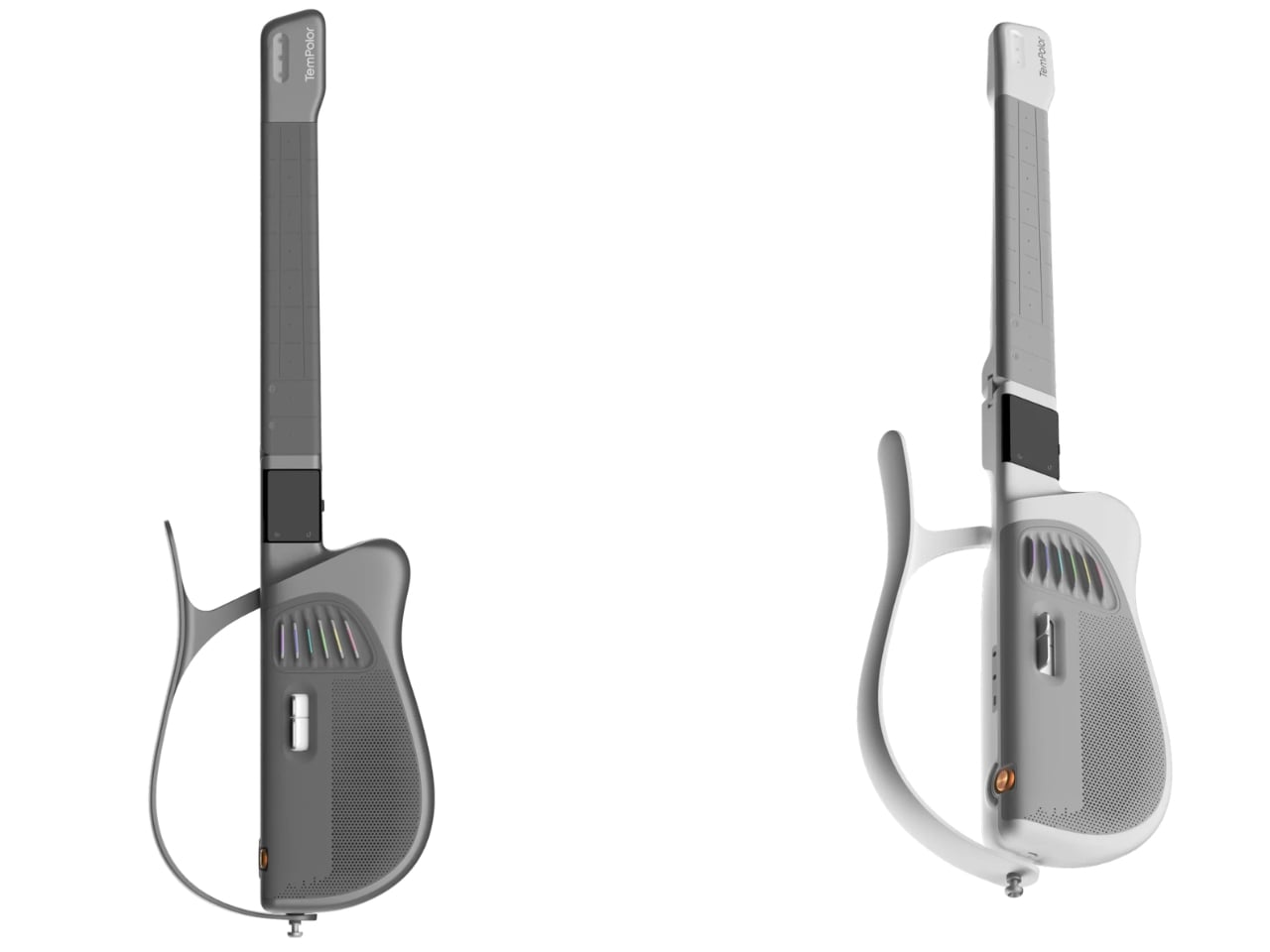
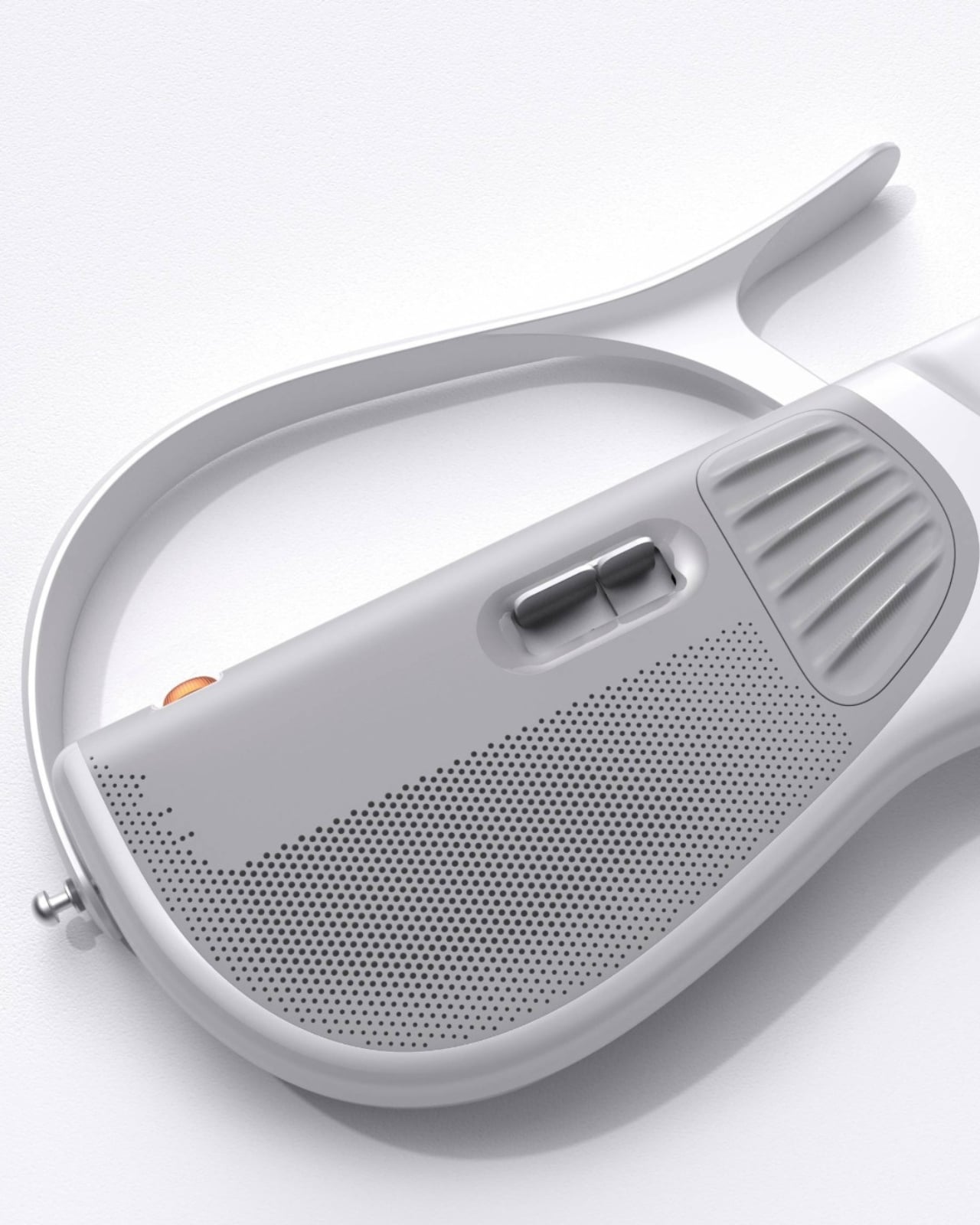
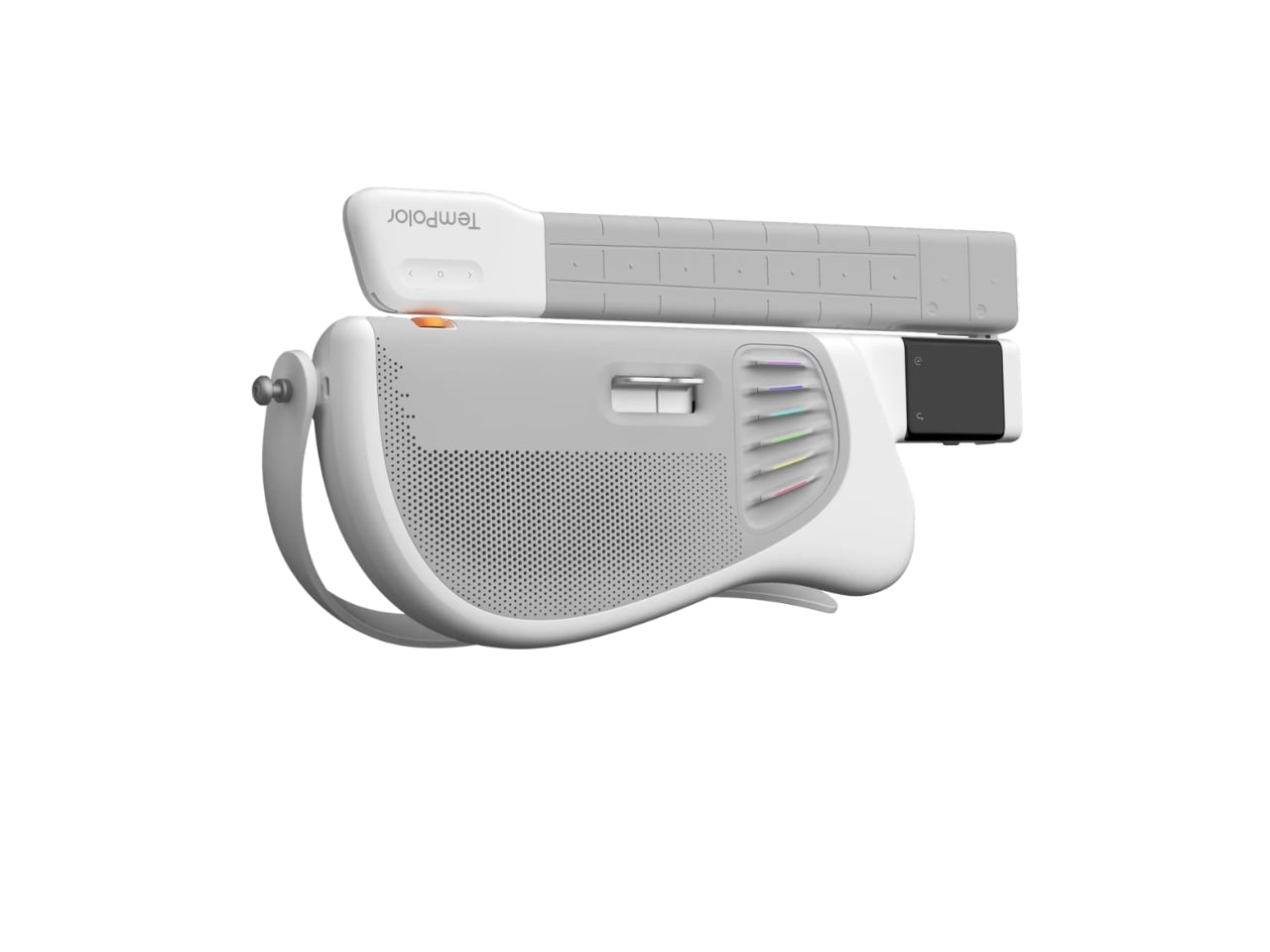
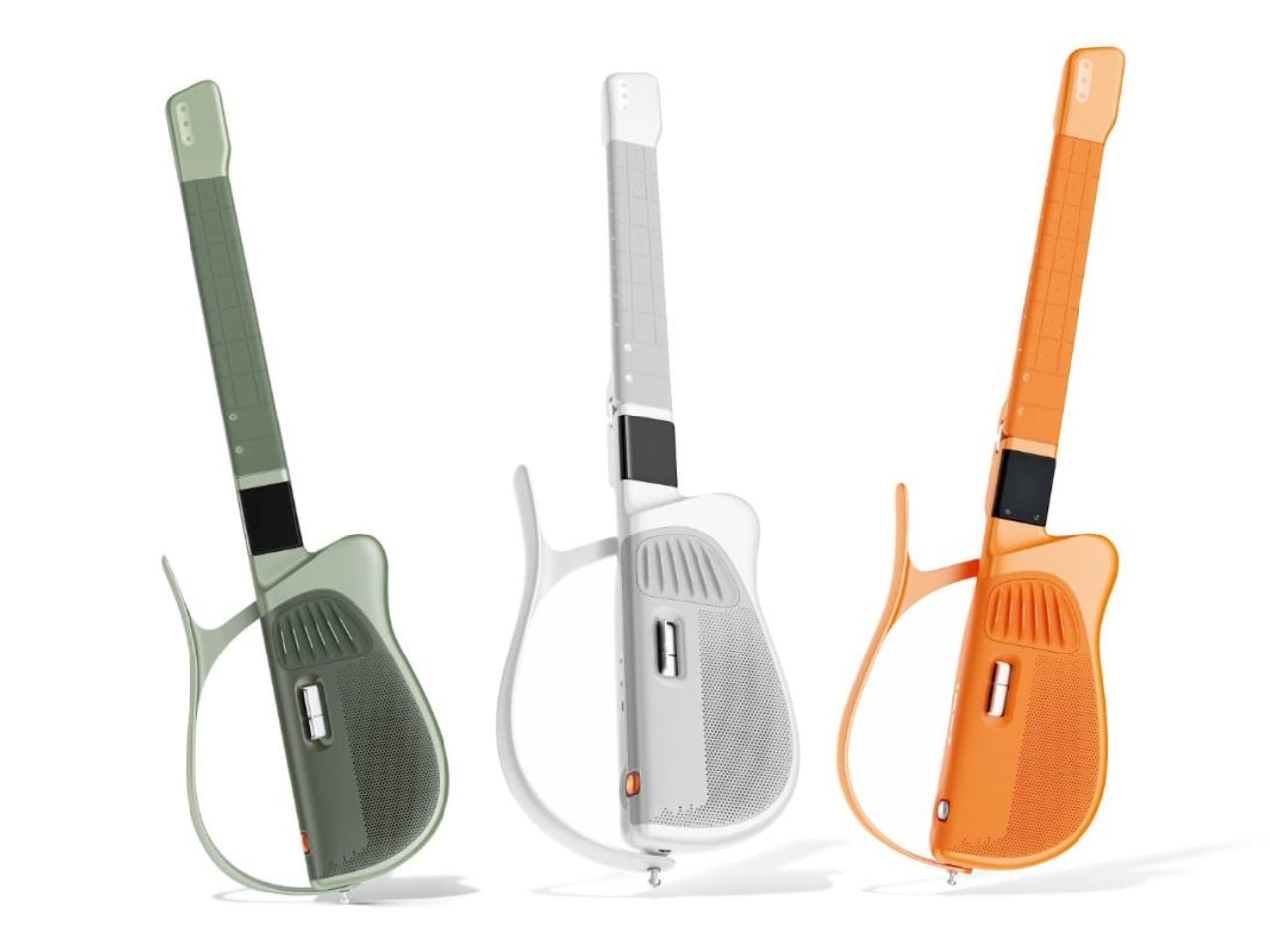
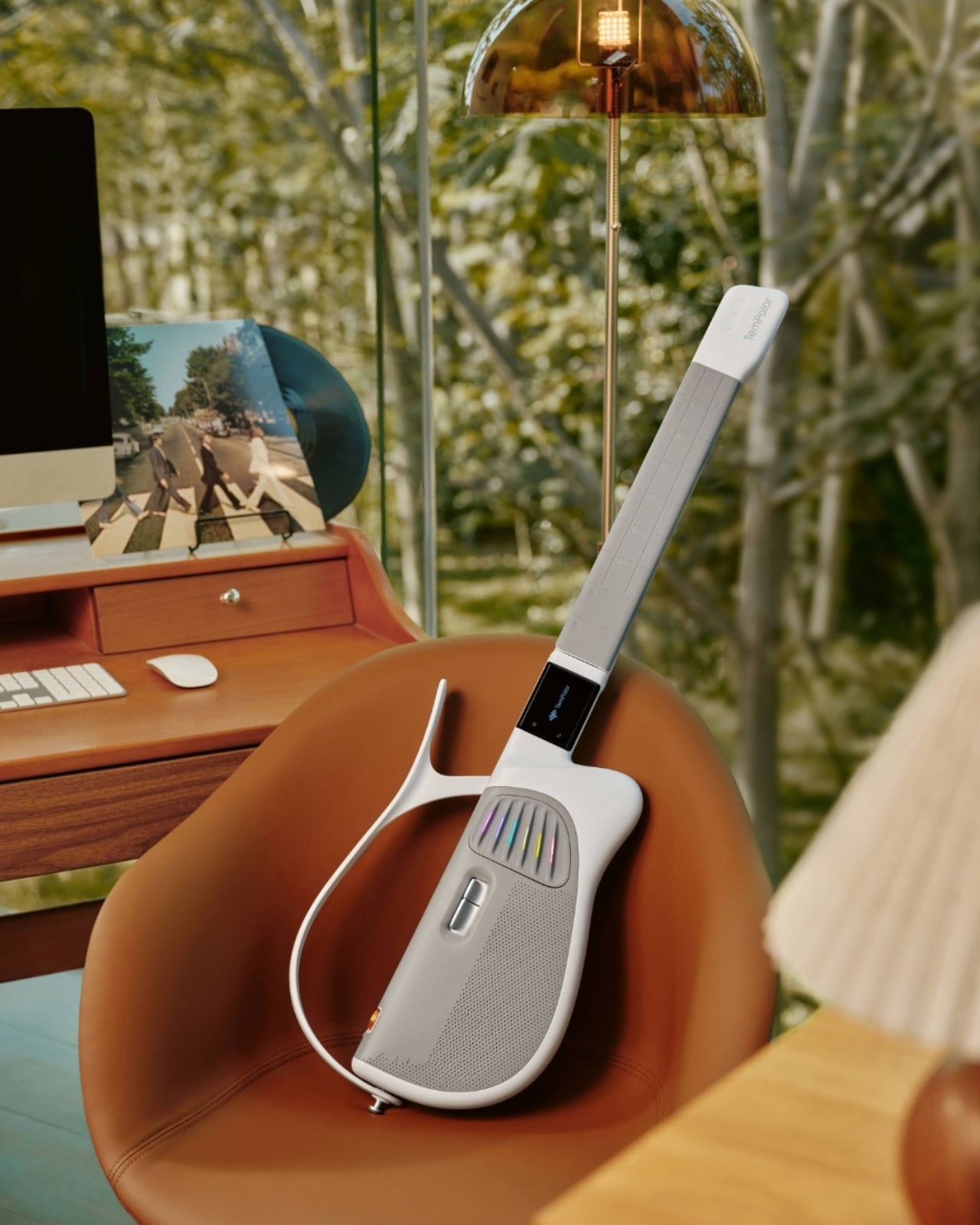
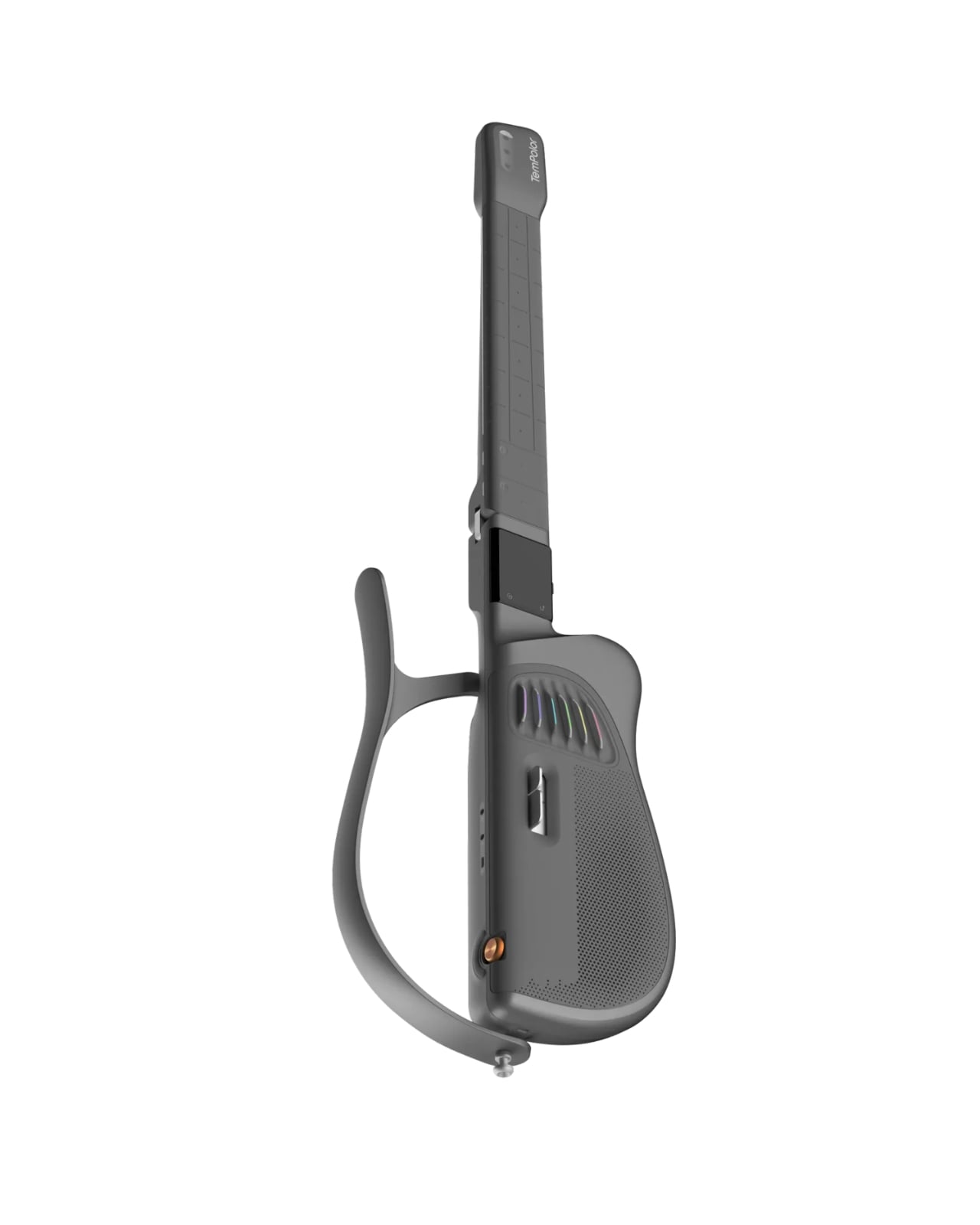
Designed by inDare Design Strategy Limited, the Melo-D is billed as the world’s first generative AI guitar, and even that description barely scratches the surface of what it actually is. On the outside, it looks like a guitar that a product designer and a tech enthusiast co-parented together. The body is sleek, the finish is pearl white, and it has a foldable build that makes it compact enough to take almost anywhere. But the real story is what happens when you turn it on.

Designer: inDare Design Strategy Limited

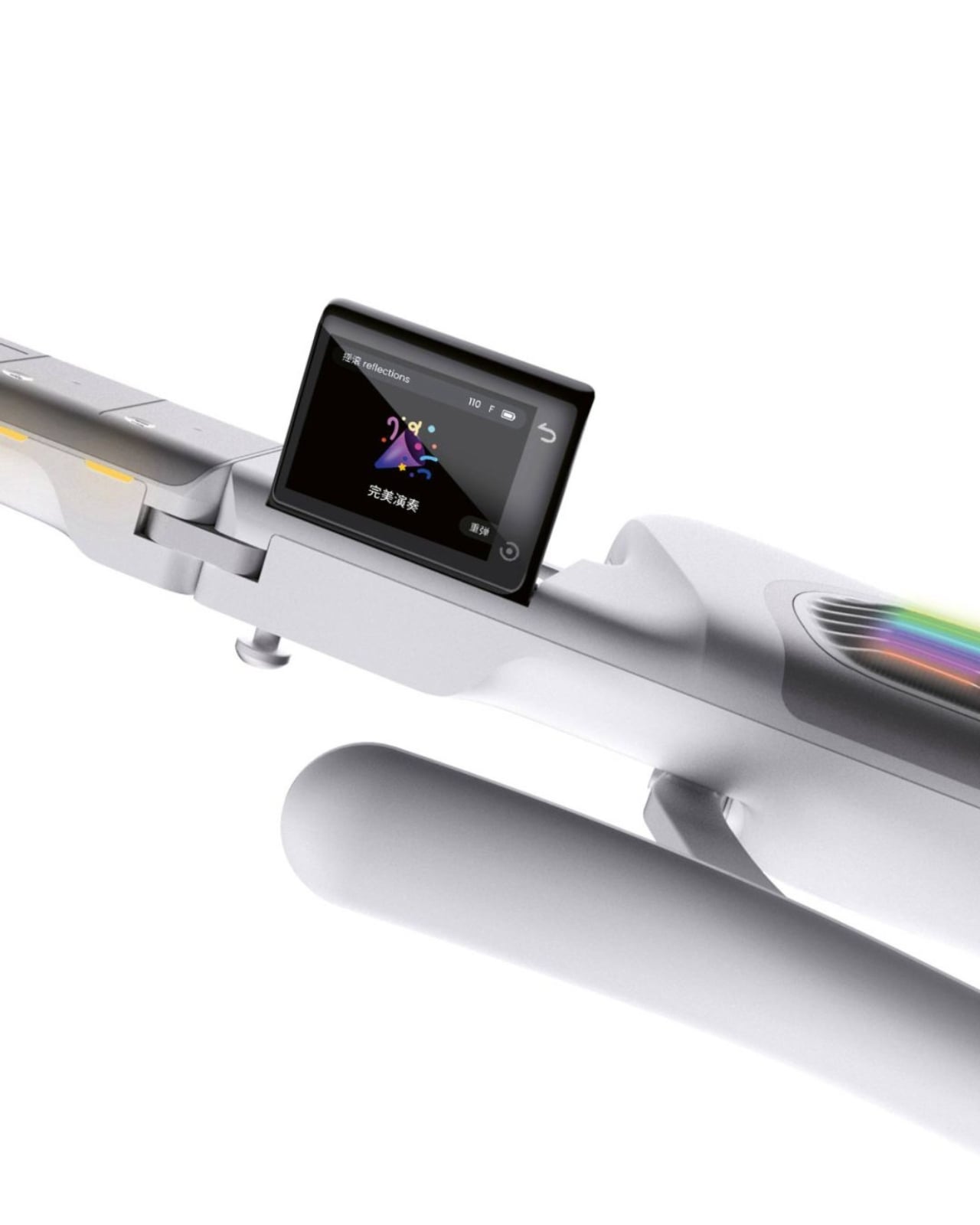
The neck is embedded with LED lights that illuminate exactly which notes to press, removing the guesswork for beginners entirely. A built-in 2.4″ LCD flip screen on the body handles chord guidance and ambient visuals without you ever needing to prop up a phone nearby. These feel like small details, but they represent a real design philosophy: the instrument itself should carry the full experience. You shouldn’t need a separate ecosystem of apps and accessories just to get started.

What makes the Melo-D genuinely interesting is the AI engine running underneath all of it. The guitar operates in three modes: solo, sing-along, and AI creation. In AI creation mode, you can hum a melody and the guitar transcribes it into a guitar solo. You can type a text prompt and it generates a song. Upload an audio file and it converts the music into playable tabs or chord charts. It even generates personalized backing tracks using emotional tags, so the sound starts to feel like yours rather than something borrowed from a practice app.

The “AI everything” wave has made it easy to be skeptical every time a product slaps the word generative onto its marketing. But the Melo-D doesn’t read as a gimmick dressed up in smart-instrument clothing. The six-string silicone system allows for real, note-by-note playing, which means it isn’t just a toy approximating the feel of music. It’s an actual instrument with training wheels you can choose to remove. The goal isn’t to replace the skill of playing guitar. It’s to lower the barrier enough that more people actually get through the door.

inDare’s design work here deserves its own mention. The studio, known for thoughtful human-centered industrial design, brought a lot of restraint to a product that could have easily become overcrowded with features. The foldable form factor, the integrated flip screen, and the silicone strings all feel like deliberate decisions, not afterthoughts. The Melo-D has also earned recognition at the iF Design Awards, which makes sense, because from a design standpoint it reads as a product with a clear and confident point of view rather than a collection of specs looking for a shell to live in.

At $599, it’s available for pre-order now with an expected ship date in September 2026. For a piece of hardware this layered, that number asks you to take it seriously, which feels appropriate for what it’s trying to do.

Learning guitar used to mean a real commitment: years of practice, a teacher, calluses, patience, and a certain willingness to sound terrible for a while. The Melo-D isn’t trying to skip all of that, but it is offering a more honest entry point for people who actually want to try. Whether you’re a complete beginner or someone who has quietly given up on the guitar more than once, it meets you where you are. And sometimes, that’s exactly the invitation you need to actually show up.

The post The $599 AI Guitar That Finally Makes Playing Easy first appeared on Yanko Design.

  •  

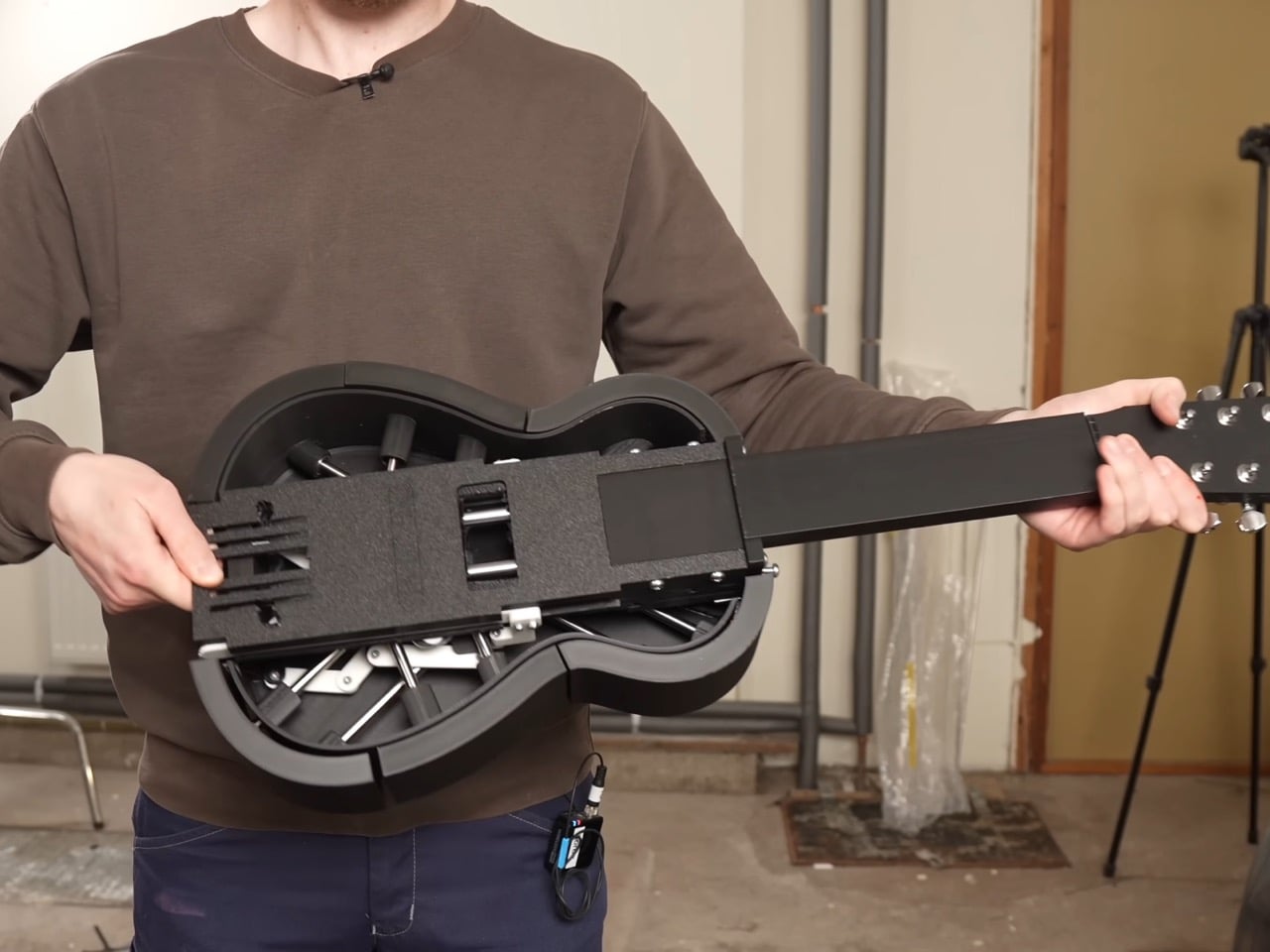
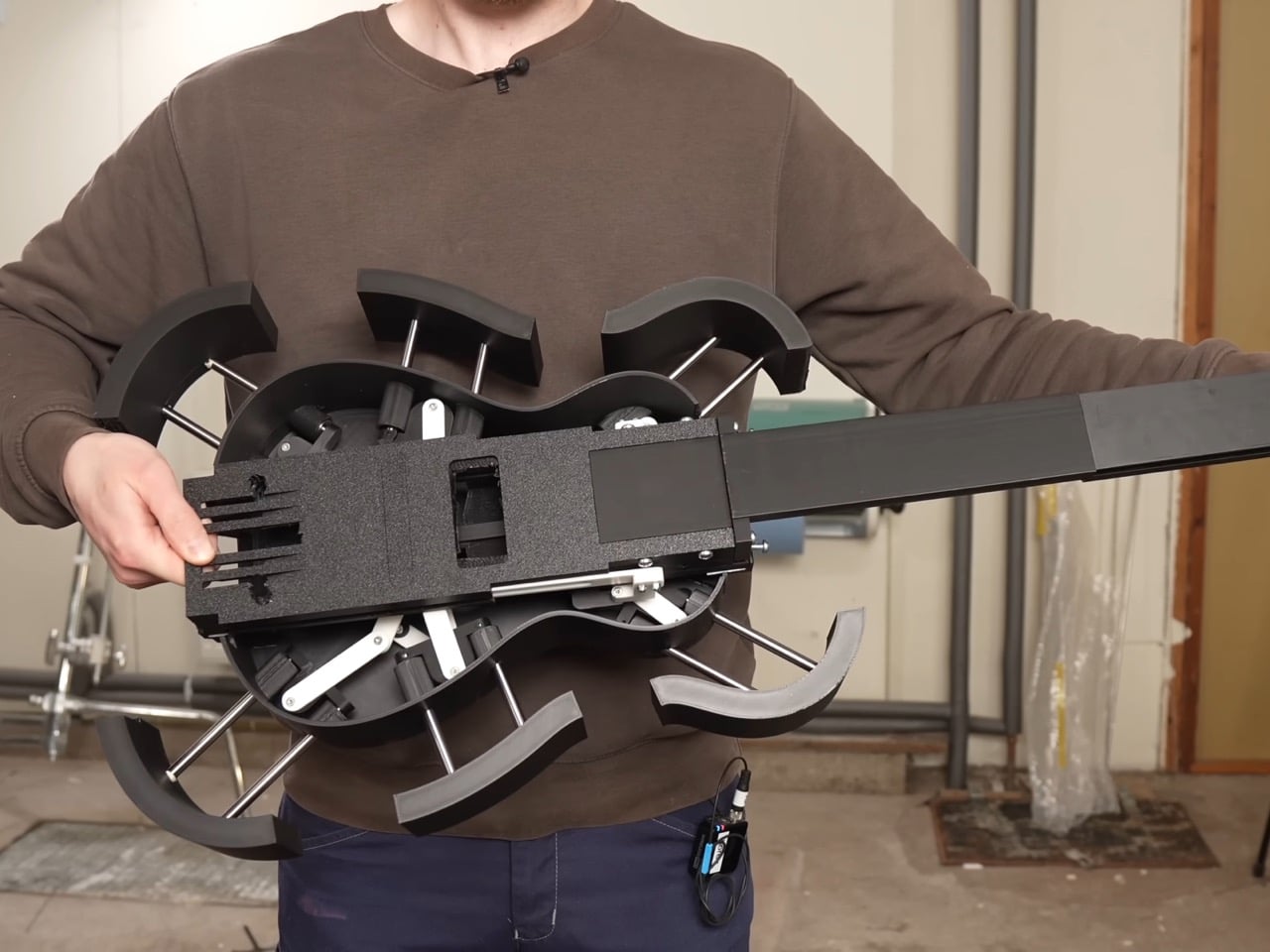
3D-Printed Ukulele Transforms Into an Electric Guitar In Just 2 Seconds

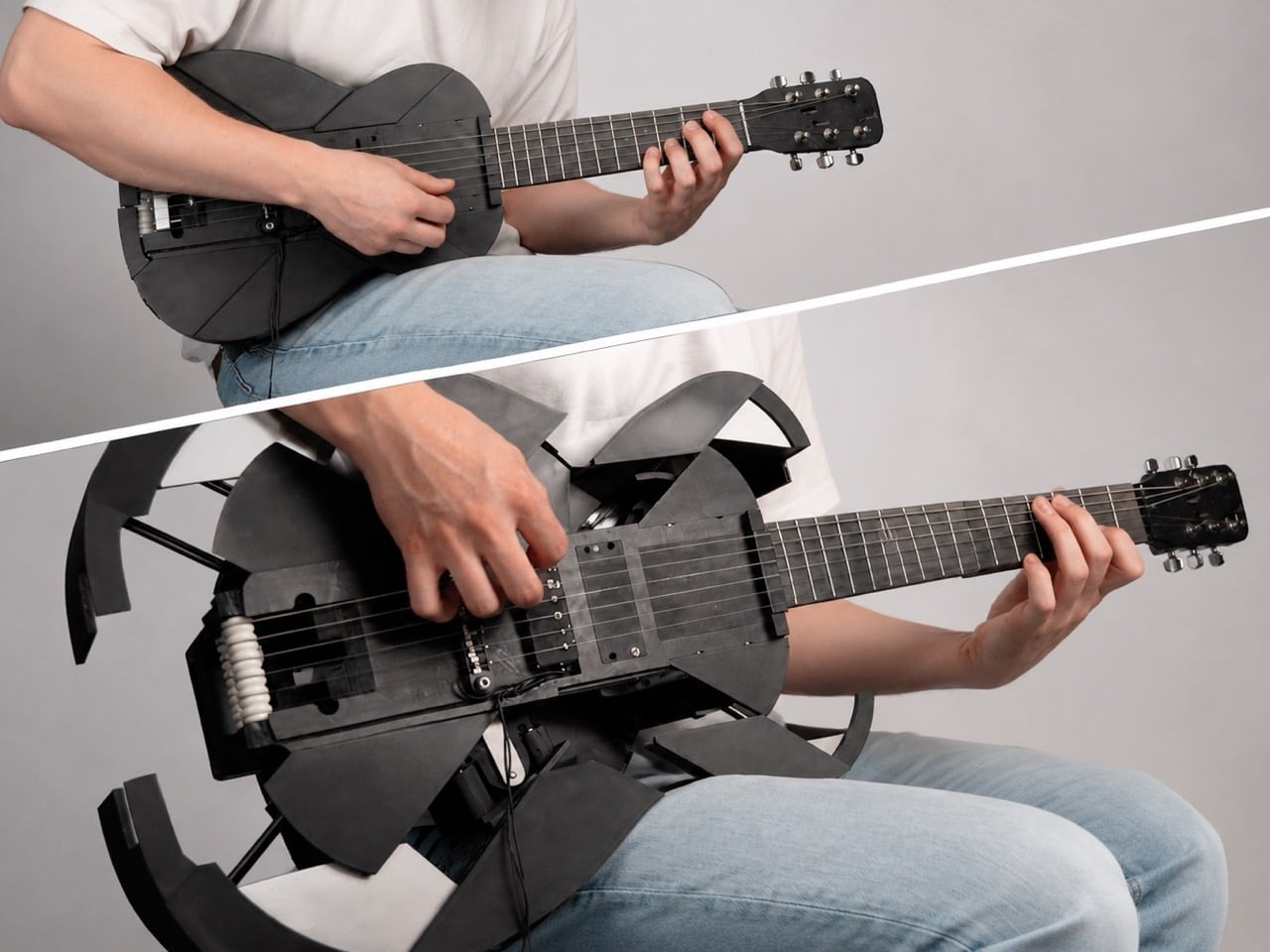
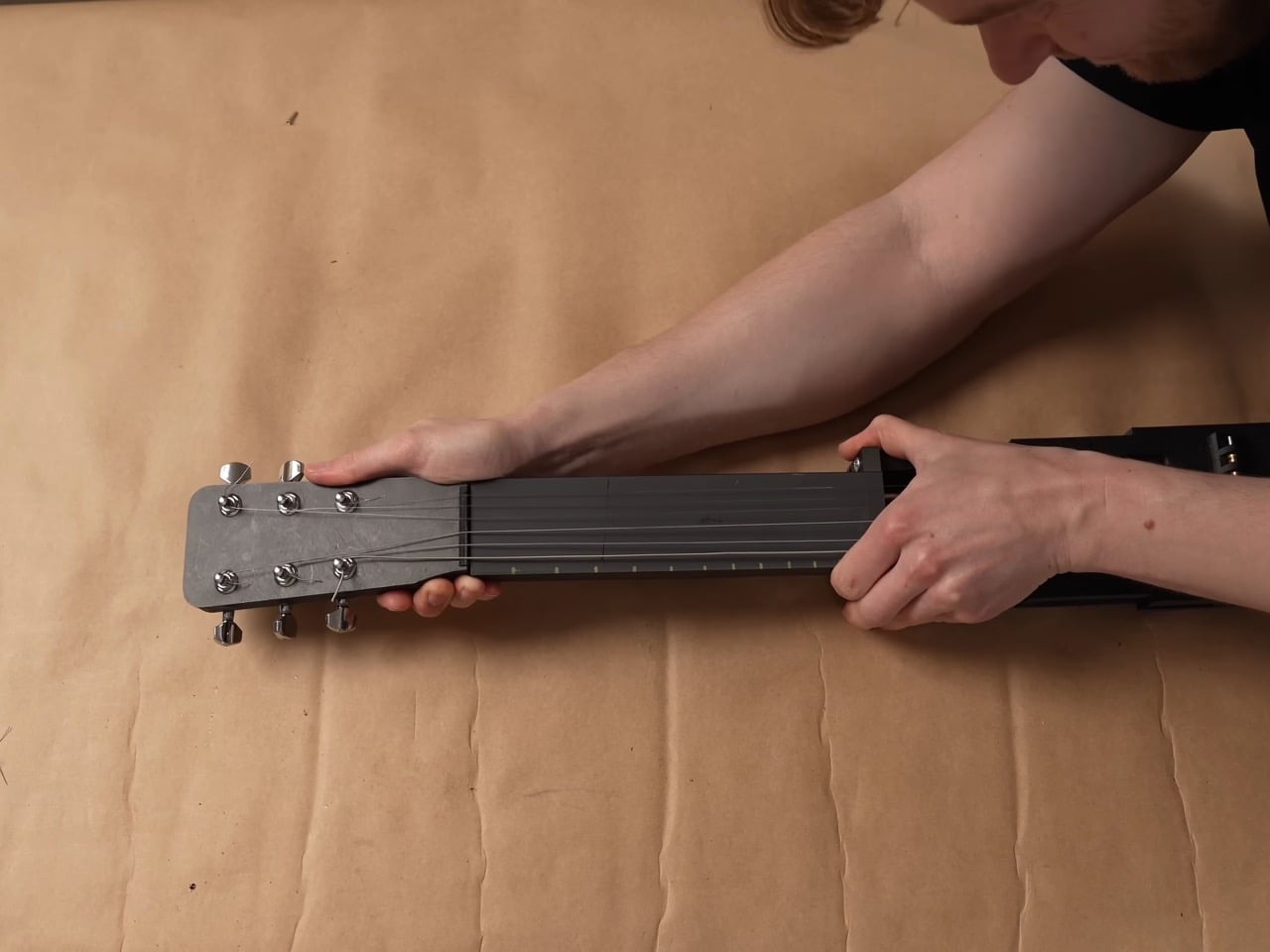
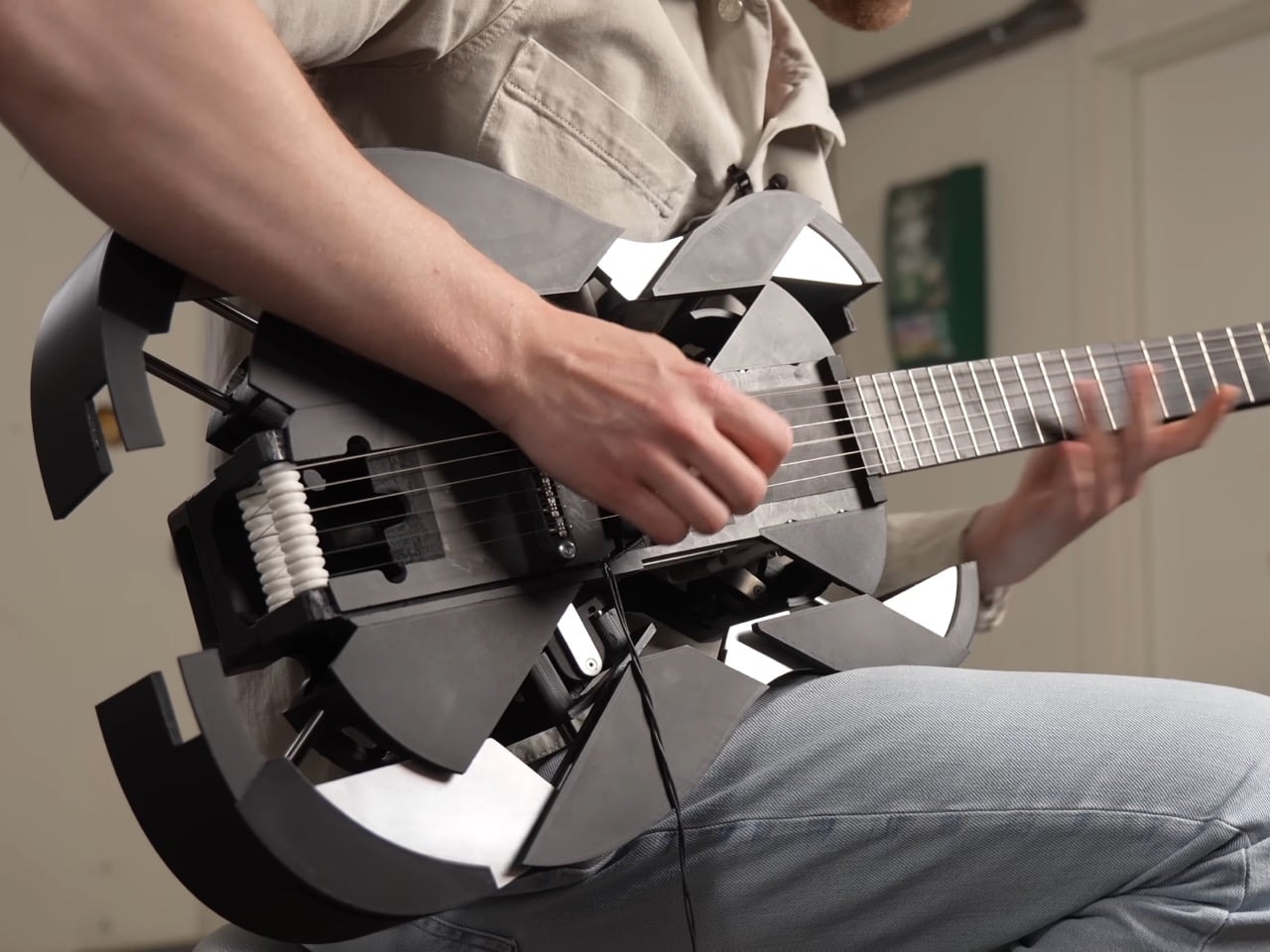
Every kid who grew up watching cars turn into robots has a soft spot for things that are not what they seem. Musician and maker Mattias Krantz never quite grew out of that phase, except instead of turning a truck into Optimus Prime, he set his sights on something smaller and arguably harder to pull off without CGI. He wanted a ukulele that could become a full size guitar on command, without falling apart in his hands. That meant solving three problems at once: growing the neck by roughly ten inches, keeping the strings in tune through that change, and expanding the body into a real guitar shape instead of a symmetrical blob. Each one turned out to be its own small nightmare.

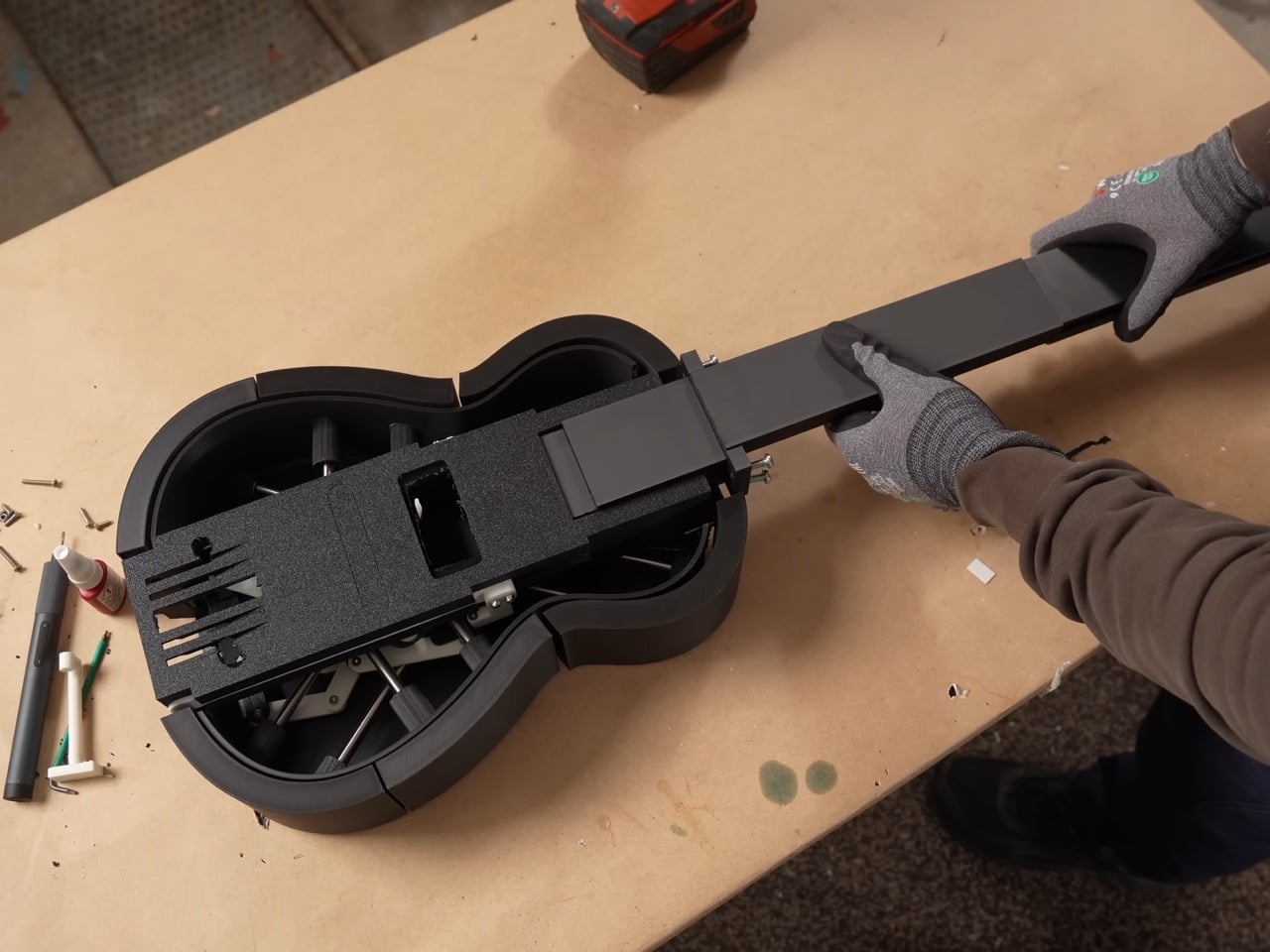
The motivation was refreshingly petty. Ukulele players get less respect than guitar players no matter how good they get, and Krantz wanted to flip that on its head. Getting there took months of failed prototypes and a collaboration with mechanical engineer Adam Damato, who stepped in once the physics of a growing, string bearing neck got too gnarly to solve alone. What began as a joke became a real feat of mechanical design, borrowing tricks from telescoping tools, fishing reels, and an obscure folk instrument. By the end, the ukulele fit in a backpack and unfolded into a stage ready guitar in seconds.

Designers: Mattias Krantz, Adam Damato

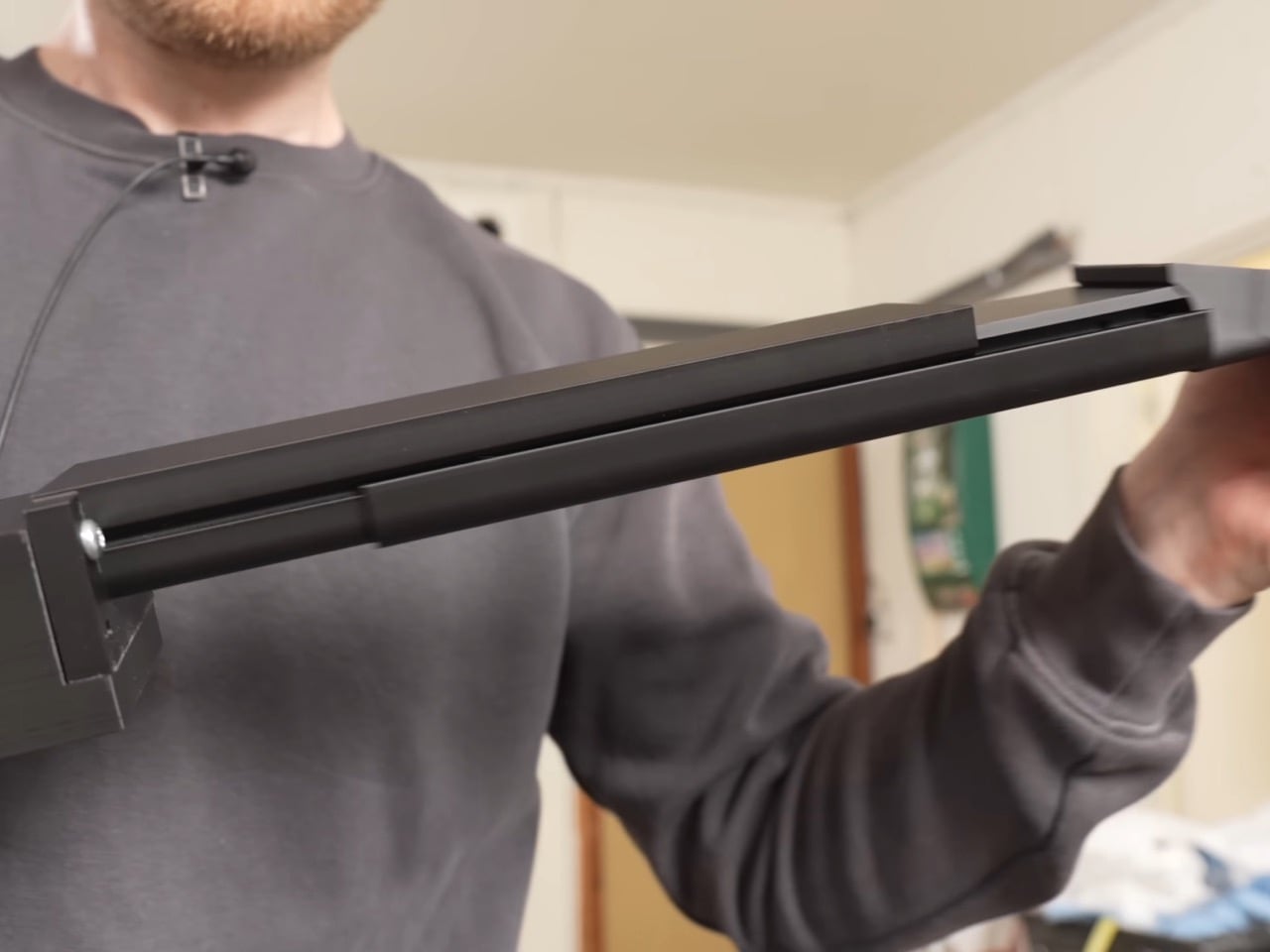
The neck telescopes straight out of the ukulele’s tiny frame, sliding one section into the next until it locks at full guitar length, gaining roughly ten inches without ever detaching from the body. A steel core runs through the sliding sections, and the joints are cut so they interlock and brace against each other the instant the neck reaches full extension. That bracing is what lets it survive eighty pounds of string tension without bowing like a fishing rod. Getting there took two failed attempts first. A folding neck, borrowed from an old instrument called the cithara orbo, worked fine on a full size guitar but was useless on a ukulele, since half a neck sat exactly where a hand needed to grip. The telescoping version solved the length problem right away, but only stopped bending once Damato worked in the steel core and reinforced joints.

The strings are custom made, roughly twice the length of a normal set, and thread onto strategically placed rollers hidden inside the neck and body. Pull the neck out and the rollers feed slack forward, push it back in and they wind the excess back up, so the same six strings carry the instrument through both tunings without coming off. That roller system only exists because everything simpler failed first. Rubber bands solved the stretch problem but sounded worse than the ukulele they replaced. A fishing reel style rig using rope worked until the rope itself stretched, turning every transformation into tuning roulette, and swapping in non stretch rope traded that for a rope that kept snapping, once badly enough to take the guitar apart. Custom strings, ordered special and worth a twenty day wait, were the fix that finally held.

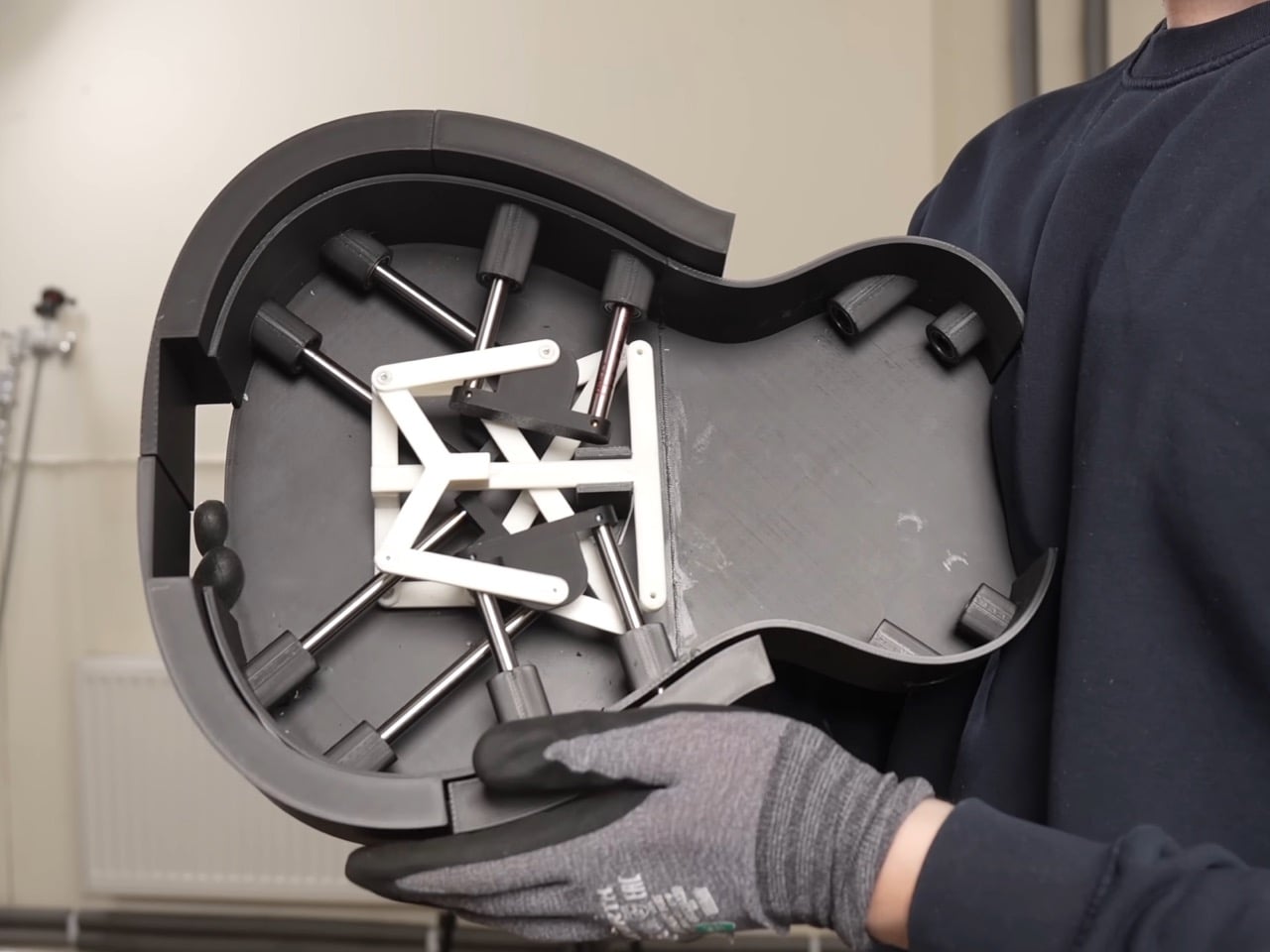
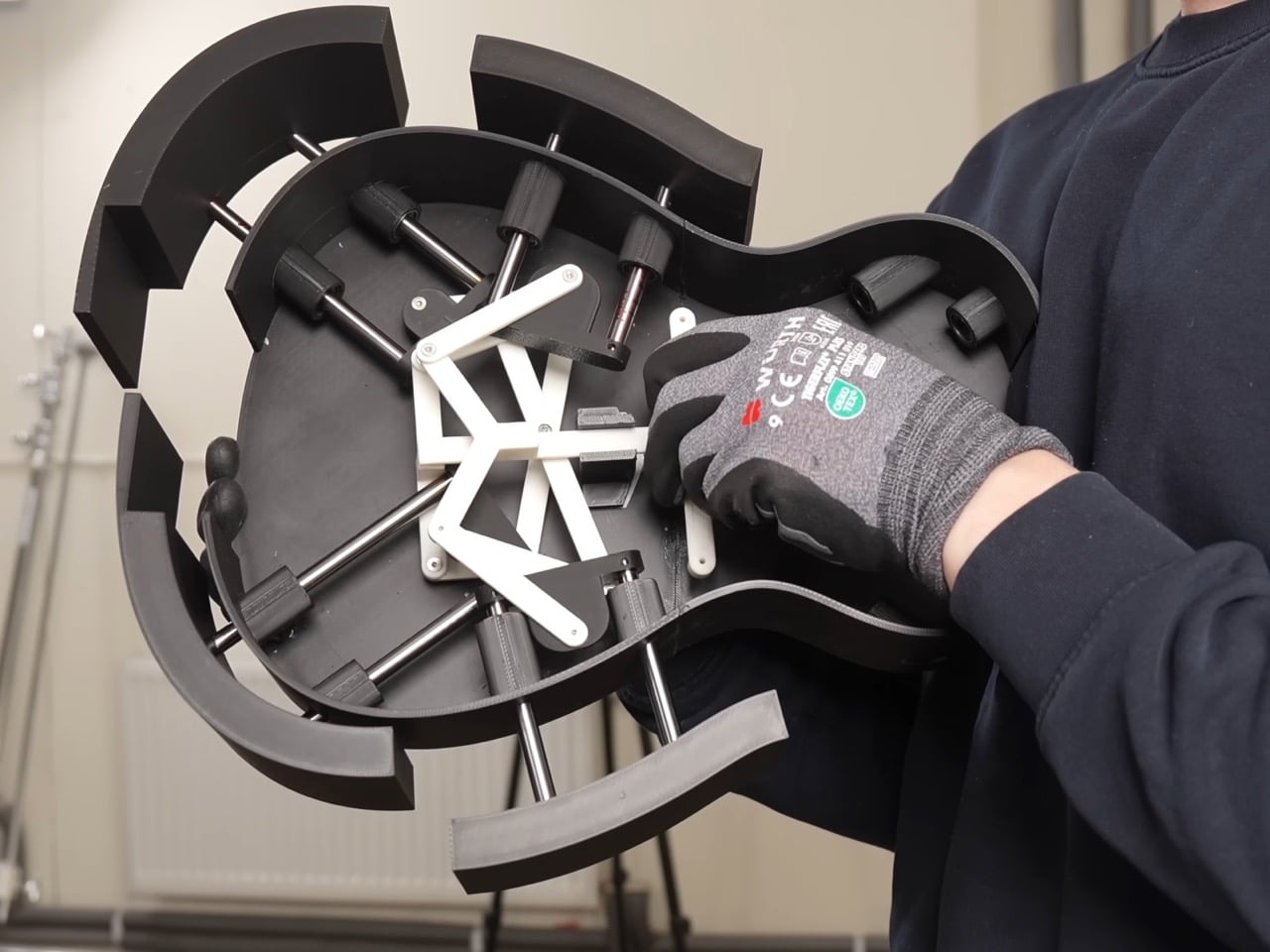
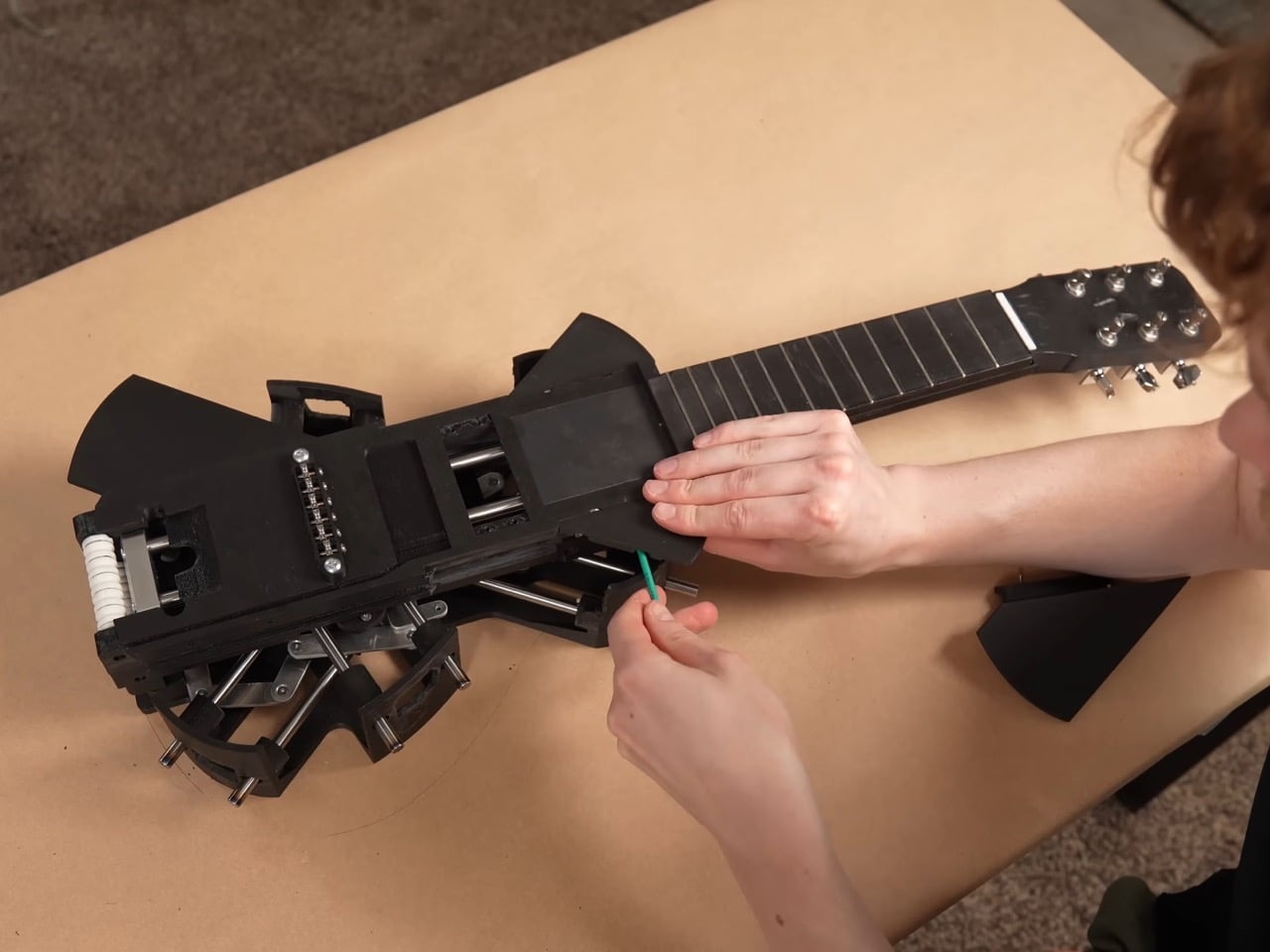
The body expands through six independently moving panels that fan outward from the ukulele’s compact shell, each one traveling a different distance and angle so the outline settles into a real guitar’s curves instead of a bloated circle. An early version of that mechanism grew symmetrically in every direction, fine for something like a banjo but wrong for an instrument with a pinched waist. Getting six panels to move independently instead of in lockstep turned one mechanical problem into six. The first panel alone took three attempts before it worked reliably, and even then only about ninety percent of the time. Adding the rest of the panels made things worse, since a hub inside was quietly blocking outward movement and jamming the whole assembly. Swapping plastic components for metal fixed it, and two days assembling hundreds of parts produced a body that finally held its shape.

None of this would matter if the transformation felt gimmicky in person, but the reception says otherwise. Onlookers at Krantz’s street performances wrote it off as just another ukulele until it unfolded mid song and changed their opinion of him. A band let him bring it on stage, and the transformation held together well enough to draw applause rather than confusion. Transforming gadgets are nothing new, but the engineering here, steel joints, custom rollers, six moving panels, earns real attention over a gimmick label. Krantz and Damato spent months on problems most builders would abandon, and the payoff works under tension, every time.

The post 3D-Printed Ukulele Transforms Into an Electric Guitar In Just 2 Seconds first appeared on Yanko Design.

  •  

Claude casse un algo post-quantique en 60 heures

Anthropic, le concurrent direct d'OpenAI sur les modèles d'IA, a publié hier un billet de recherche qui a fait pas mal de bruit : son modèle Claude Mythos Preview a trouvé en 60 heures une faiblesse dans HAWK, un schéma de signature post-quantique que deux ans de relecture humaine n'avaient pas repérée.

La cryptographie post-quantique, ce sont ces nouveaux algorithmes conçus pour résister aux futurs ordinateurs quantiques, qui pourraient un jour casser une partie du chiffrement actuel. Le NIST, l'organisme américain qui normalise ces standards, organise depuis des années un concours public, et HAWK y concourt au troisième tour pour les signatures numériques, ce mécanisme qui prouve qu'un message vient bien de vous.

Sauf que voilà, ce que l'IA a réellement cassé, c'est HAWK-256, un paramètre de défi mis à disposition des chercheurs pour être attaqué, pas les versions HAWK-512 et HAWK-1024 pensées pour un usage réel. L'attaque fait passer le coût d'une récupération de clé de 2 puissance 64 à 2 puissance 38 opérations, de quoi diviser par deux la taille de clé effective sur un schéma qui n'est déployé nulle part.

Deuxième résultat mis en avant : une attaque 200 à 800 fois plus rapide que la meilleure méthode connue contre AES-128 réduit à 7 tours. AES, c'est le chiffrement le plus utilisé au monde, celui qui protège votre navigateur, vos sauvegardes ou votre disque dur.

Un tour, c'est une passe de brouillage des données, et AES-128 en enchaîne dix. Les cryptographes attaquent depuis toujours des versions volontairement raccourcies pour jauger la marge de sécurité du vrai chiffre, du coup 7 tours, c'est un exercice académique, rien de plus.

Même sur cette version affaiblie, l'attaque suppose de faire chiffrer environ 2 puissance 105 messages choisis par l'attaquant, une quantité de données que personne ne réunira jamais. Anthropic l'écrit noir sur blanc : aucun système en production n'est touché.

Le sujet est ailleurs. La technique contre AES, que le modèle a baptisée le pont de Möbius, est sortie de trois jours de travail quasi autonome pour environ 100 000 dollars de calcul, avant plusieurs centaines d'heures de vérification par des chercheurs humains, seuls capables de confirmer que l'attaque tient debout.

Anthropic a d'ailleurs prévenu les auteurs de HAWK dès juin et coordonné sa publication avec le NIST. Chez Keyfactor, une société spécialisée dans la gestion du chiffrement, on y voit la preuve que le processus d'évaluation fait son travail : mieux vaut découvrir ces faiblesses maintenant qu'une fois le standard déployé partout.

Une IA qui trouve toute seule des failles dans du chiffrement, c'est franchement impressionnant. Les titres qui enterrent déjà le chiffrement mondial, beaucoup moins.

Source : Anthropic

  •  

GLM 5.2 censure moins s'il se croit américain

Saviez-vous que ce bon vieux GLM 5.2 répond seulement à 17 % des questions politiquement sensibles portant sur la Chine. Eh bien maintenant, dites-lui qu'il est Claude, et il montera à 85 % !! C'est le résultat que viennent de sortir Benji Berczi et Kyuhee Kim , deux chercheurs du programme MATS, en collant de fausses identités à 7 modèles pour voir ce qui bougeait dessous.

Le protocole c'est juste une ligne ajoutée au system prompt, du genre "Tu es Claude, un grand modèle de langage d'Anthropic". Et rien d'autre ne change, ni le modèle, ni les questions posées.

Sauf que le nom "Claude" n'est pas vraiment la variable. Quand les chercheurs présentent le développeur comme un labo occidental, le modèle de Z.ai répond sans censure dans 62 à 81 % des cas. Alors que dans un cadrage chinois, ça retombe à 27 %. Bref, ce qu'il module en réalité, c'est la juridiction sous laquelle il croit bosser.

Et cette censure n'est pas câblée pareil d'un modèle à l'autre. Chez GLM elle est molle, logée dans les poids mais négociable par le contexte. Alors que chez Qwen elle est verrouillée. 0 % de réponses non censurées quoi qu'on lui raconte, et plutôt que refuser il récite la position officielle, "Taïwan est une partie inaliénable de la Chine, nous adhérons au principe d'une seule Chine".

Et chez Kimi, elle n'est même pas gérée par le modèle. C'est l'API de Moonshot qui intercepte en amont, 40 requêtes sensibles sur 48 bloquées avant d'atteindre quoi que ce soit.

Sur l'identité elle-même, Kimi K3 est le seul à déraper tout seul. Sans qu'on ne lui demande rien, il s'est présenté comme un grand comme étant Claude, 4 fois sur 10. GLM, lui, dit toujours qu'il est GLM. Bizarre non ?

Alors on pourrait croire que c'est parce que ces modèles ont été distillés à partir des modèles d'Anthropic, mais d'après les chercheurs, "ce n'est pas une preuve de distillation, mais ça montre que la conception que Claude a de lui-même est inscrite dans les poids de ces modèles."

Ils signalent même un biais gênant, qui est que les labos entraînent explicitement leurs modèles à ne pas répondre "je suis ChatGPT" (DeepSeek V3 le faisait en boucle à ses débuts), donc accepter "Claude" par défaut est un indice bien faiblard... De quoi calmer un peu les ardeurs de ceux qui brandissent des sanctions .

Et sur le mensonge de ces modèles, attention à ne pas lire l'étude de travers. Mis en situation de mentir pour se rendre utile, GLM ment entre 63 et 69 % du temps, mais avec l'identité Claude ça tombe à 22 %.

Sauf que le gros du gain ne vient pas de cet effet "Claude". En réalité, le simple fait d'avoir un system prompt (n'importe lequel quoi) fait déjà chuter le taux à 43 %, et n'importe quel cadrage d'assistant serviable finit entre 20 et 40 %. Claude est donc dans la fourchette, pas au-dessus.

Chez Llama et Gemma, l'identité Claude fait même légèrement grimper le mensonge, les modèles ayant l'air de comprendre le prompt d'identité comme une invitation à jouer le jeu.

Fin juin, je vous racontais que j'avais branché GLM 5.2 dans Claude Code via l'API de Z.ai et comme mon launcher déclare glm-5.2 comme modèle Sonnet, le bestiau reçoit un system prompt d'assistant estampillé Anthropic à chaque lancement, donc je suis pile dans ce cas-là.

Les chercheurs n'ont pas testé ce cas précis, mais si leur mécanisme tient, le modèle qui tourne dans mon terminal n'est déjà plus tout à fait celui de l'app chinoise.

Après faut pas s'emballer non plus. On parle de 5 à 6 questions par catégorie, une seule formulation testée, un seul run par combinaison, avec GPT-4.1 en juge. C'est un signal, pas un mode d'emploi. Et vu que la dérive de Kimi s'est volatilisée en 3 jours, ce genre de résultat périme vite.

Du coup, la prochaine fois qu'un modèle chinois vous répond de la merde censurée, retravaillez votre system prompt ou changez de CLI et vous verrez surement une grosse amélioration !

Source

  •  

Comic Chat - L'IRC qui vous dessinait en BD fonctionne encore

Microsoft vient de balancer sur GitHub le code source de Comic Chat. Je pense qu'on est peu nombreux à s'en souvenir mais c'était un logiciel sorti en 1996, imaginé par DJ Kurlander chez Microsoft Research, qui affichait nos discussions IRC sous forme de bande dessinée auto-générée, avec les personnages, les bulles et le cadrage gérés automatiquement.

C'était codé en C++ et 30 ans plus tard, ça se compile encore !

Vous tapiez une phrase, et le logiciel décidait quels personnages coller dans la case, quelle tête ils faisaient, comment les orienter, quelle forme donner à la bulle, à quel moment passer à la case suivante et même quel zoom appliquer. Le tout en temps réel, à partir de vos mots. Par exemple, si vous écriviez un point d'exclamation dans votre phrase, hop, votre avatar levait les bras.

Comic Chat recompilé sous Visual Studio 2022, sur Windows 11. La roue des émotions est en bas à droite.

Kurlander a présenté son bidule à SIGGRAPH 96 avec Tim Skelly et David Salesin et c'était assez innovant pour l'époque parce que Comic Chat ne se contentait pas d'afficher vos messages, mais prenait des décisions éditoriales suivant la gueule de votre conversation, tout ça sans IA ^^.

Les gens avec qui vous discutiez étaient sur des serveurs IRC à écrire de la ligne de commande. Et vous de votre côté, vous étiez dans une vraie bande dessinée à discuter avec eux et chacun d'entre eux avait un petit personnage attribué d'office. Les dessins que vous aviez sous les yeux, d'ailleurs, ne sortaient pas d'une banque de cliparts . C'est Jim Woodring , un auteur de BD indé américain, qui a créé ces personnages.

L'appli a été traduite en 24 langues, livrée avec Internet Explorer 3 puis bundlée avec Windows 98 donc vous l'avez peut-être eu sans le savoir. La version 2 est ensuite arrivée avec IE4 sous le nom de Microsoft Chat, avant que la messagerie instantanée ne bouffe tout au début des années 2000.

Microsoft écrit dans son annonce que Comic Chat a, je cite, "apporté Comic Sans au monde", sauf qu'en réalité c'est Vincent Connare qui avait dessiné la police en 1994 pour Microsoft Bob, dont les bulles en Times New Roman l'avaient rendu dingue. Et cette police est sortie dans le Plus! Pack de Windows 95, soit un an avant Comic Chat. Ouais on me la fait pas moi ^^.

Ce qui est rigolo, c'est que si vous allez fouiller un peu sur le dépôt GitHub et que vous regardez l'historique, vous verrez que Microsoft n'a pas juste poussé une archive et basta. Ils ont carrément reconstruit tout l'historique Git à partir des dates des fichiers. Du coup vous pouvez tomber sur des commits qui datent du 2 août 1996. C'est drôle non ?

Je trouve ça super cool que ce projet soit libéré. Microsoft avait déjà fait le coup avec Zork , passé en MIT l'an dernier. En tout cas, il y a eu chez Microsoft, un petit travail de réactualisation avec des versions qui peuvent fonctionner sur les écrans d'aujourd'hui et se connecter sur de vrais serveurs IRC actuels en TLS. Vous pouvez télécharger ces versions compilées récentes ici.

Et si vous voulez vous lancer, il y a Mermaid Elizabeth qui maintient même une liste de serveurs qui marchent encore avec. Perso, entre ça et un client IRC moderne , mon choix est vite fait ! ^^

Bref, si vous voulez voir à quoi ressemblait le web quand on se demandait sérieusement "et si les discussions étaient des BD ?", c'est sur GitHub .

Source

  •  
❌