Vue lecture

OpenCAL - Imprimer un objet en quelques secondes, sans la moindre couche

Une équipe issue de l'université de Berkeley vient de publier OpenCAL, une version libre et documentée d'une technique d'impression 3D qui ne ressemble à rien de ce qu'on connaît, et le projet est désormais reproductible chez soi avec des composants qu'on trouve dans le commerce.

Le principe porte un nom un peu barbare, la lithographie axiale calculée (Computed Axial Lithography, ou CAL), mais l'idée derrière est étonnamment simple.

Une imprimante 3D classique à résine fabrique un objet en empilant des centaines de tranches horizontales, l'une après l'autre, comme on poserait des feuilles de papier les unes sur les autres jusqu'à obtenir un volume. C'est lent, et chaque couche laisse une petite marque parfois visible.

La CAL fait l'inverse. Au lieu de découper l'objet en strates, elle projette de la lumière dans un petit récipient de résine liquide qui tourne lentement sur lui-même, et l'image projetée change en permanence selon l'angle de rotation.

Cette technique reprend en fait le fonctionnement d'un scanner médical, mais à l'envers. Un scanner prend une multitude de clichés d'un corps sous tous les angles pour reconstituer une image en volume. Ici, on part de l'objet en 3D et un logiciel calcule toutes les projections à renvoyer dans la résine pendant qu'elle tourne.

Là où la lumière s'accumule suffisamment, la résine durcit. Partout ailleurs, elle reste liquide. Et comme le calcul concentre l'énergie sur l'ensemble du volume en même temps, la pièce entière se solidifie d'un coup, en quelques dizaines de secondes parfois, là où une imprimante normale mettrait de longues minutes voire des heures.

Pas de couches, donc pas de stries, pas de film FEP à changer (cette membrane transparente au fond des bacs à résine qui s'use vite), et aucun de ces cycles d'arrêt et de redémarrage qui ralentissent les machines habituelles.

La technologie n'est pas nouvelle, elle est née vers 2019 d'une collaboration entre Berkeley et le laboratoire de Lawrence Livermore, mais elle restait cantonnée à la recherche, hors de portée du grand public. C'est tout l'intérêt d'OpenCAL.

Le projet propose désormais une documentation tout à fait complète, un dépôt GitHub avec tout le code source, les plans pour monter la machine et même la recette pour mélanger soi-même la résine adaptée. Le logiciel tourne sur un simple Raspberry Pi et la lumière vient d'un vidéoprojecteur grand public, en l'occurence ici un NexiGo Nova Mini.

Le tout est publié sous licence GPL3, libre pour un usage non commercial, recherche et éducation. L'équipe travaillait surtout sur un serveur Discord avant de tout formaliser proprement.

Une réserve quand même, et elle est importante. La résine maison repose sur des produits photochimiques toxiques, et la documentation ne s'en cache pas. Pour ceux qui préfèrent éviter de manipuler ça, un partenariat avec FormLabs propose une résine prête à l'emploi.

Côté qualité, la résolution reste comparable à celle de vieilles imprimantes à résine, rien de spectaculaire. Mais la vitesse, elle, n'a rien à voir.

Bref, voir une technologie de labo digne d'un réplicateur de Star Trek atterrir sur un Raspberry Pi et un projecteur à moins de 200 euros, c'est quand même bien sympa.

Source : Hackaday

  •  

Samsung Just Turned a Theme Park Queue Into a 3D Safari, No Glasses

Waiting in line at a theme park is one of those unavoidable experiences that nobody designs for enthusiastically. The physical infrastructure exists, the rope lines are laid out, and in the best-case scenario, there’s some signage or ambient music to occupy the time. But the queue is fundamentally dead space, a stretch of minutes that happens before the experience begins rather than as part of it. That’s a design problem, and most parks accept it as one that can’t really be solved.

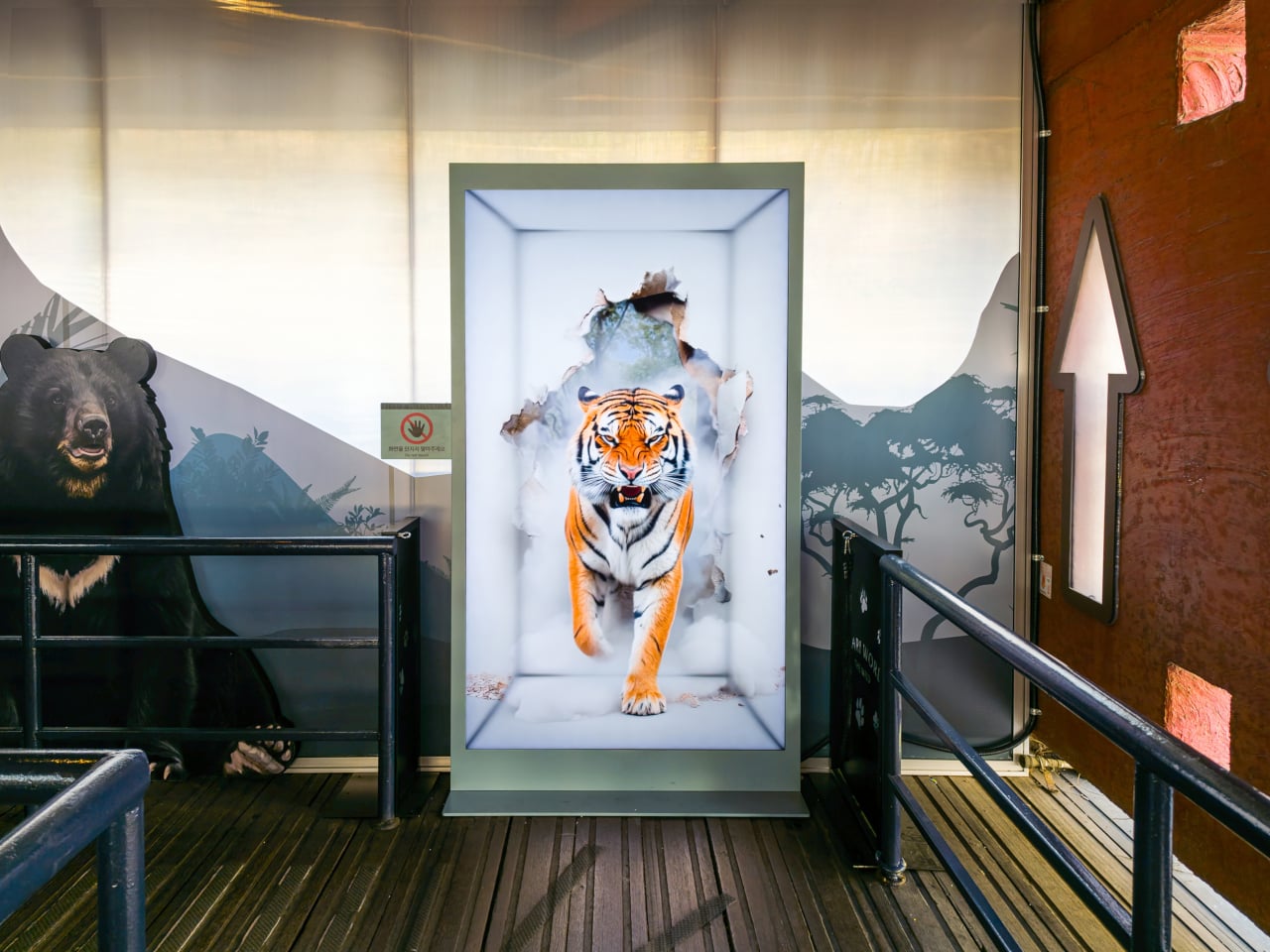
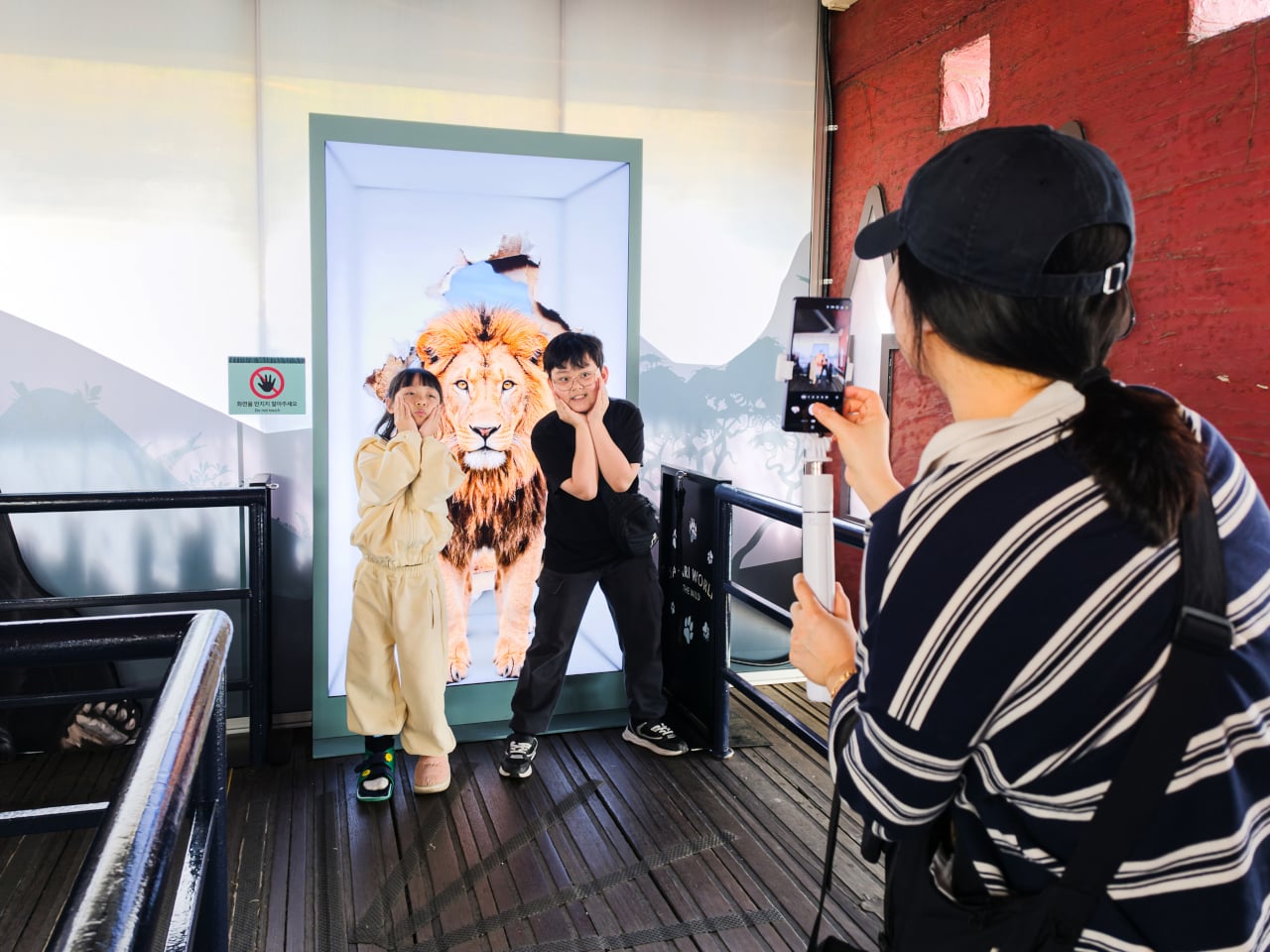
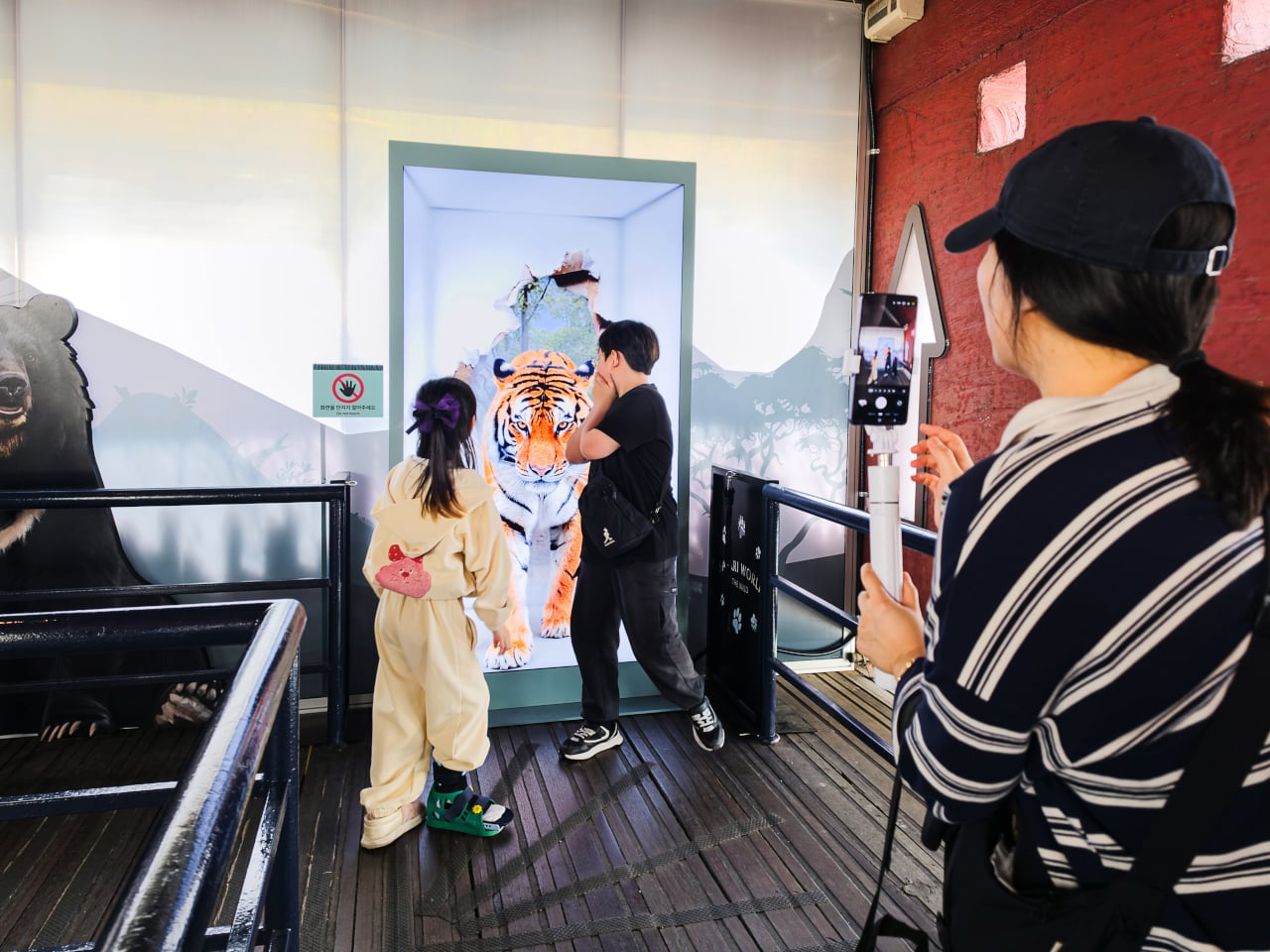
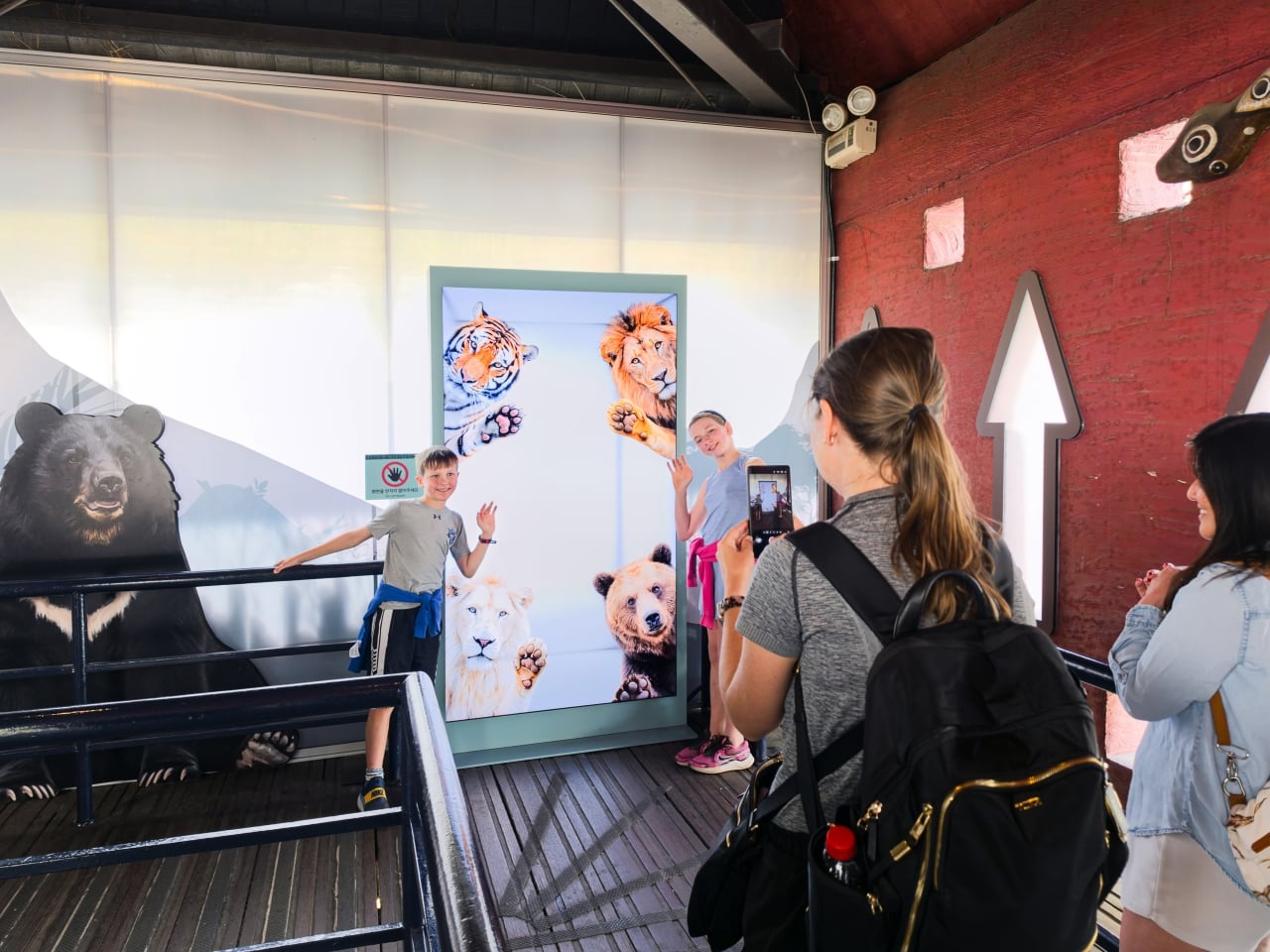
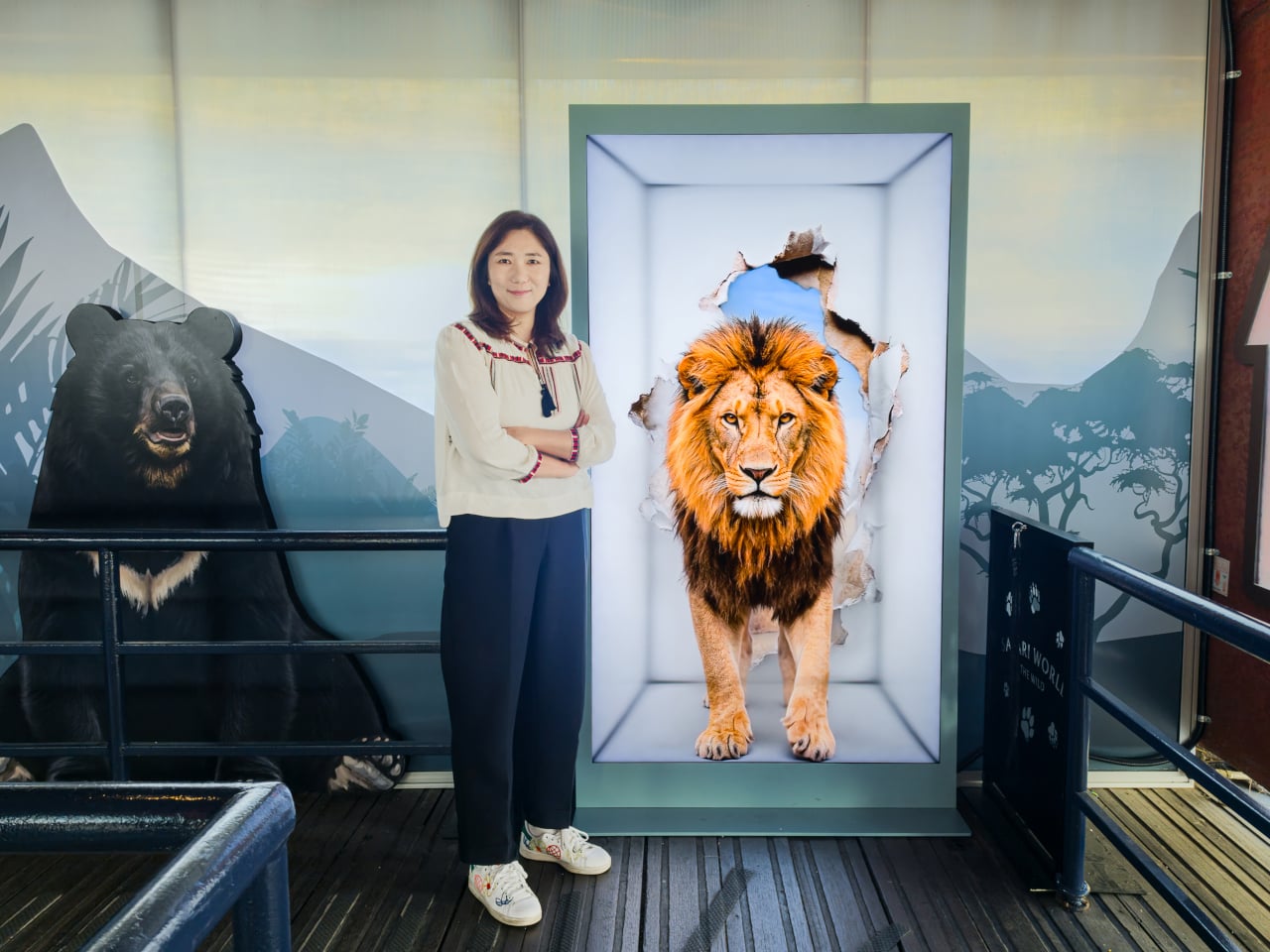
Samsung’s Spatial Signage installation at Everland in South Korea offers a different answer. At the newly renovated Safari World: The Wild attraction in Yongin, the company installed its glasses-free 3D display directly in the queue area, where life-scale tigers and lions appear to surge toward visitors without so much as a pair of 3D glasses required. The wait effectively becomes the opening act.

Designer: Samsung

The technology making that possible is Samsung’s patented 3D Plate system, which uses binocular parallax to deliver separate images to each eye, tricking the brain into perceiving depth the same way it does when looking at real objects at real distances. Unlike the boxy, space-hungry installations that most 3D signage has historically required, the Spatial Signage display slots into the queue corridor in an 85-inch, portrait-oriented panel with a 52 mm profile. There’s nothing protruding into the space, and no hardware for visitors to interact with.

The content for the Everland installation was developed by Klleon, whose team prioritized capturing the natural movement rhythms of the animals rather than exaggerated cinematic effects. The result is a quality of realism that works specifically because of the environment: a queue is typically a narrow, enclosed space where visitors are already looking forward and standing relatively still, which happens to be exactly the viewing geometry where the 3D depth effect lands best.

What that means practically is that the queue line stops being something guests endure and starts being something they talk about. Anticipation for an attraction is one of the least exploited moments in the theme park visit. Visitors heading toward Safari World already have the right frame of mind for a wildlife encounter, and the display capitalizes on that readiness by delivering a preview of that encounter before anyone boards a vehicle or rounds a corner.

The broader implication is about how display technology fits into destination entertainment design. For years, attractions have used projection mapping, animatronics, and theatrical sets to build immersion during rides and shows, but the queue almost always remains a visual afterthought. A display that can occupy a narrow corridor at wall depth, require no headgear, and show content at true-to-life scale without any spatial awkwardness changes what’s possible in that format.

Everland isn’t a retail shelf or a shopping center atrium. The animals aren’t selling anything. They’re there because a flat screen in that corridor would register as background noise, and a three-dimensional tiger at eye level does not. That distinction, between content that is present and content that actually commands attention, is the problem Spatial Signage was built to solve, and the queue turned out to be a rather fitting test.

The post Samsung Just Turned a Theme Park Queue Into a 3D Safari, No Glasses first appeared on Yanko Design.

  •  
❌