❌

Vue lecture

This “Bentley of Bikes” sports 5 layers of paint, and packs a 206Hp engine underneath
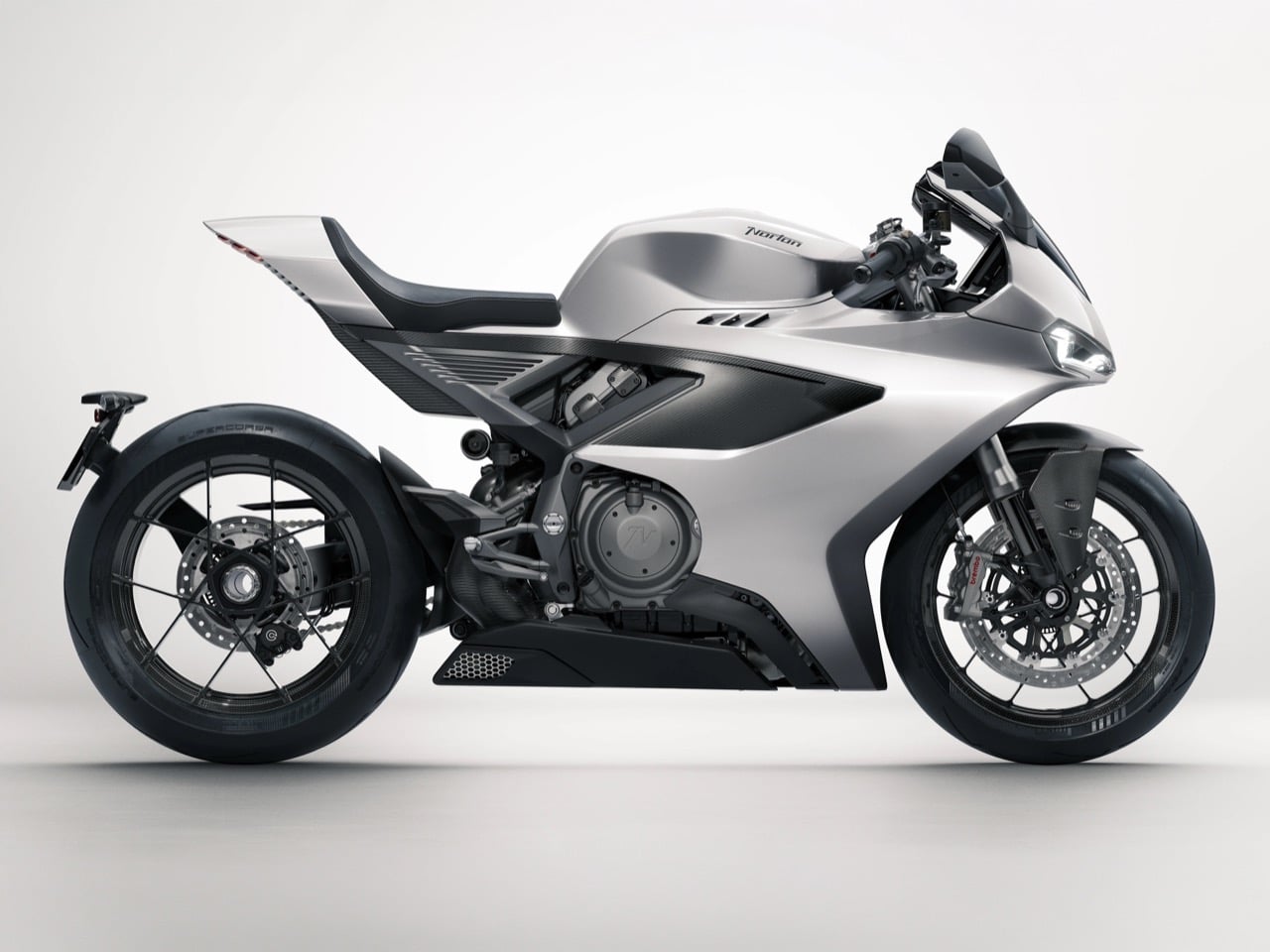
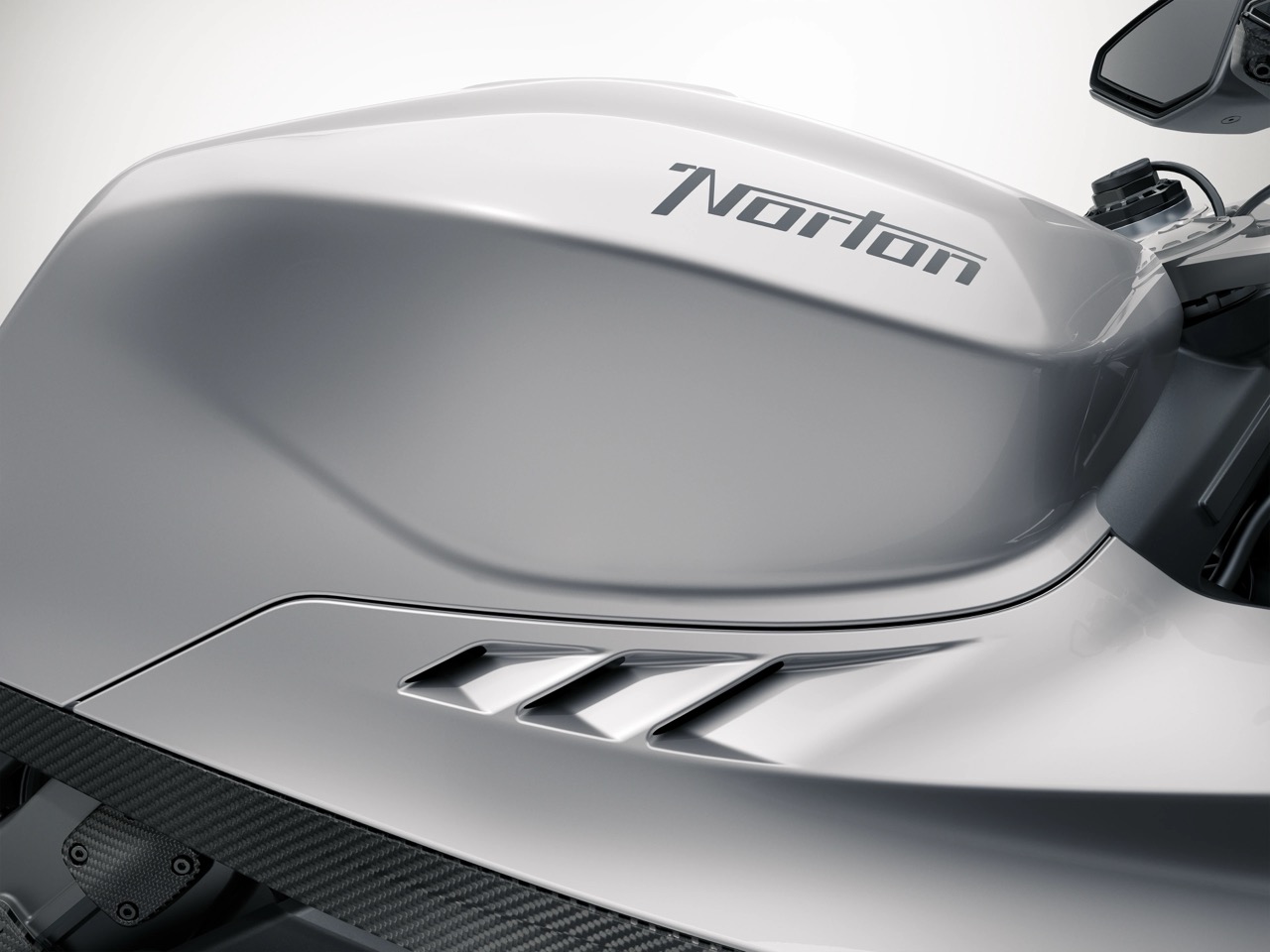
Five layers of paint. That’s how many Norton applied to the bodywork of its new Manx R, enough that the engineers had to factor paint thickness into how the panels fit together. It’s the sort of obsessive detail you’d expect from Bentley, and a RevZilla tester floated the “Bentley of bikes” comparison after riding it. The Manx R is the 206-horsepower V4 flagship of Norton’s comeback under TVS Motor, and it’s already rolling into UK and European dealerships. It has also picked up an IDEA Bronze and a Red Dot: Best of the Best this year.

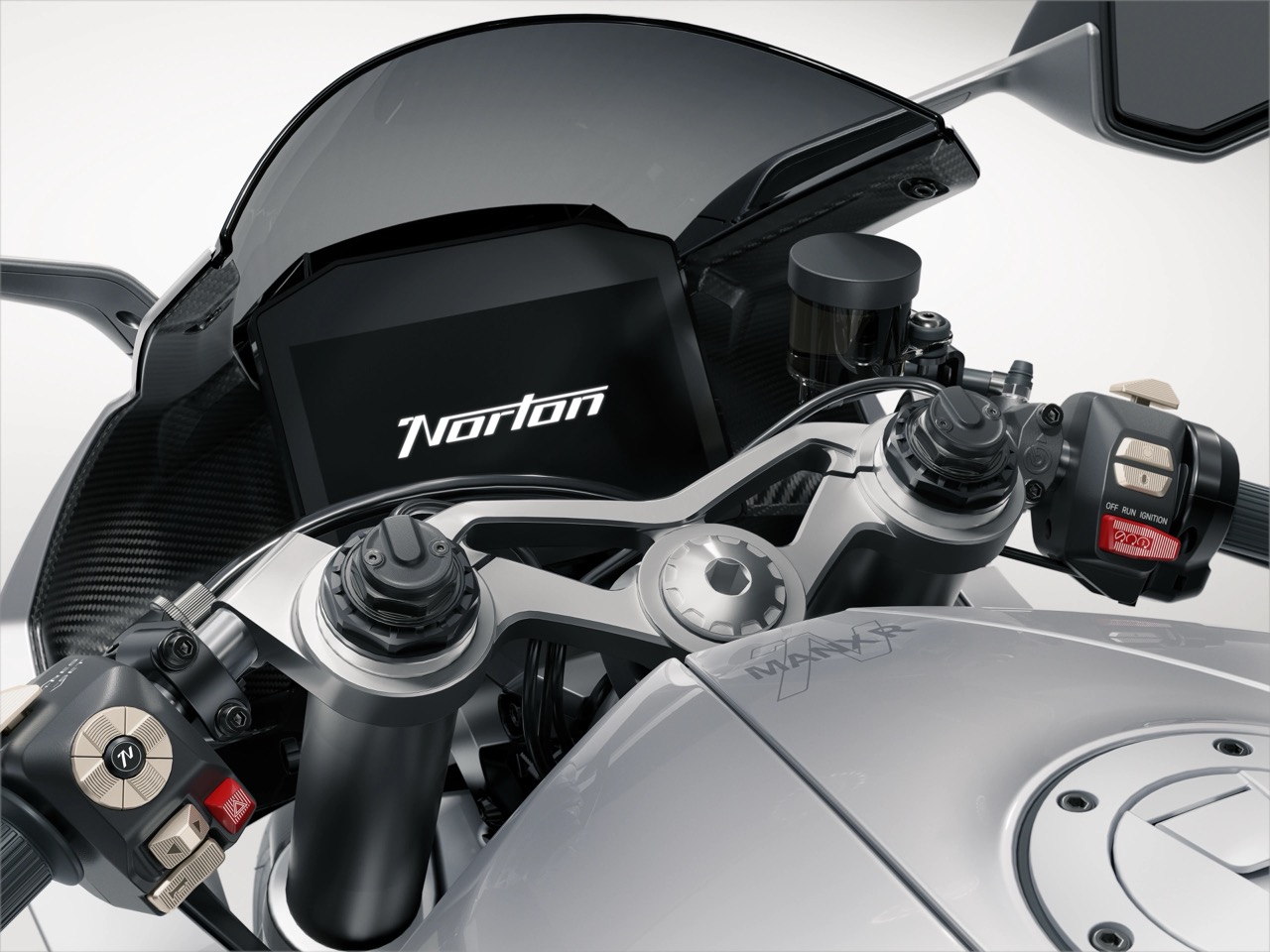
Norton’s in-house team in Solihull designed it under Head of Design Simon Skinner, with Range Rover and Defender design veteran Gerry McGovern steering the creative direction. The surfaces are free of winglets and exposed bolts, with the only visible bodywork fasteners on the front fender. Even the switchgear buttons are metal, a small luxury you can feel every time you use them. Under all that paint sits a new 1,200cc, 72-degree V4 tuned for the midrange, where most real riding happens. The base bike starts at £20,250 (about $27,600) in the UK, with US pricing still under wraps ahead of an expected early 2027 launch.

Designers: Simon Skinner & Gerry McGovern (Norton Motorcycles)
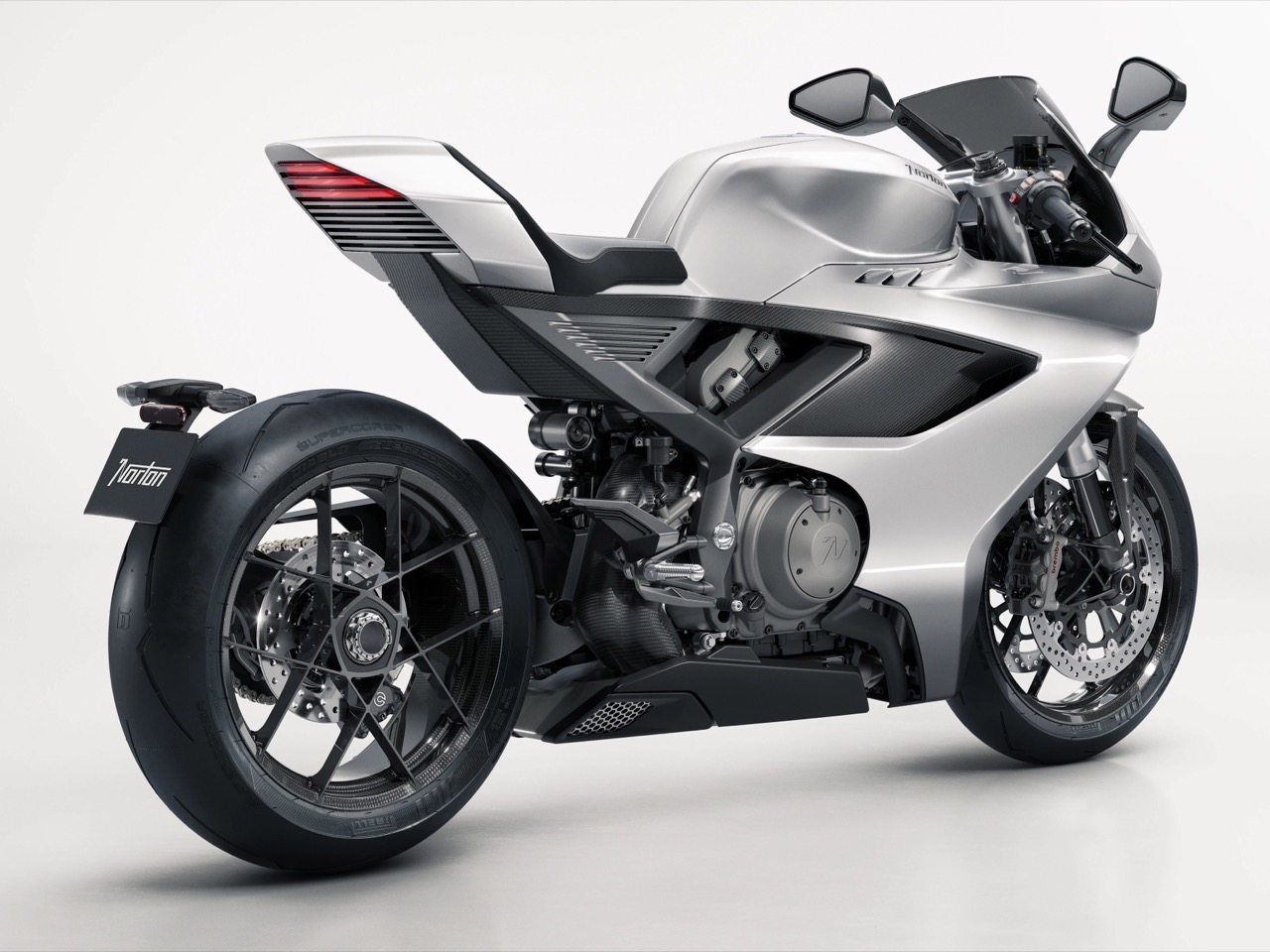
Norton’s original Manx was a racing single built from 1947 to 1962, named after the Isle of Man and its legendary TT. In 1950, it gained the Featherbed frame, designed by Belfast brothers Rex and Cromie McCandless, and riders like Geoff Duke used it to collect world championships and TT wins in the early fifties. Resurrecting that badge carries real pressure, and plenty of brands would have answered it with spoked wheels and a round headlamp. Norton went the other direction entirely, replacing the curvy, retro-tinged V4SV with something sharp and forward-looking. I think that was the right call.

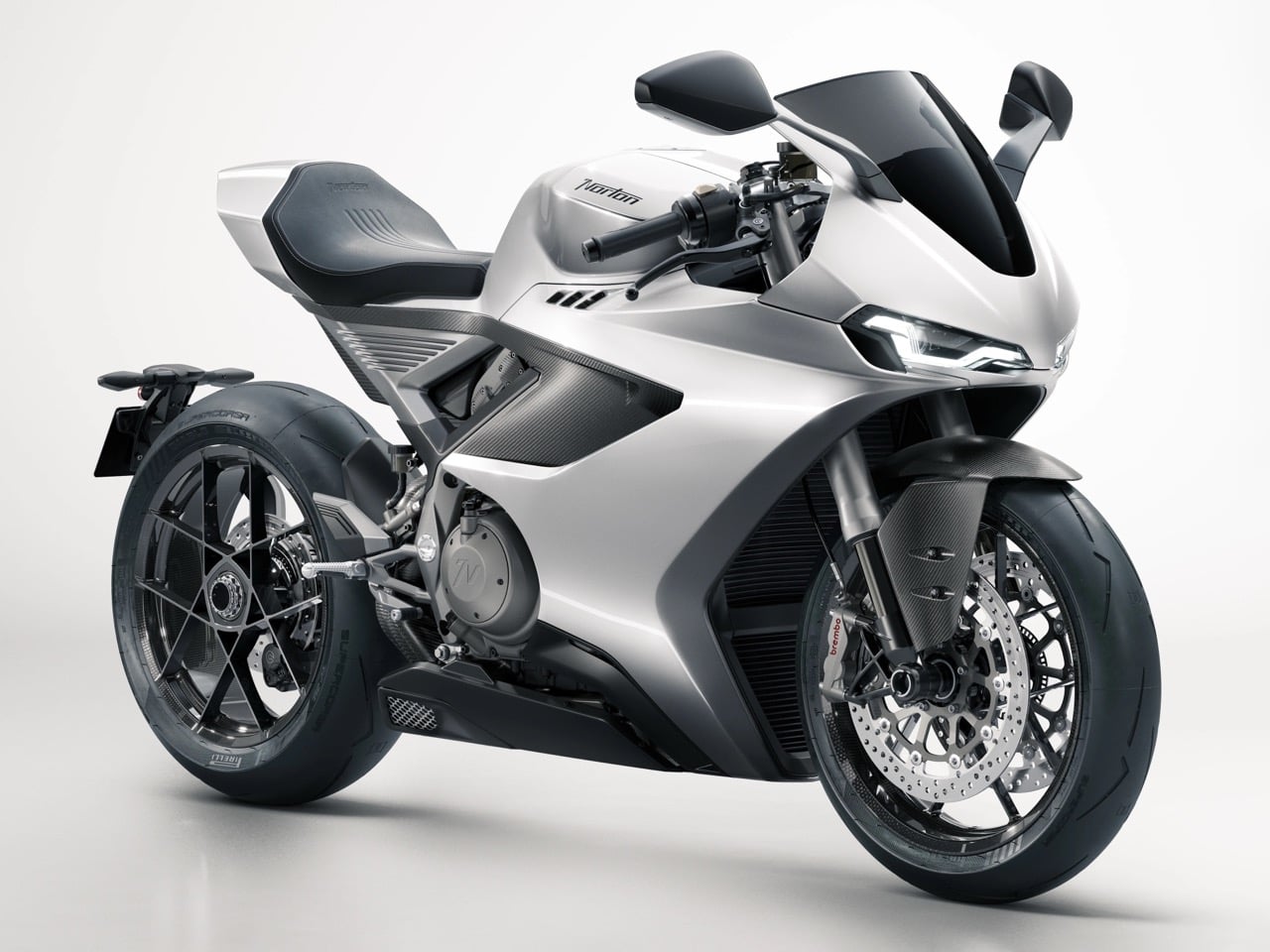
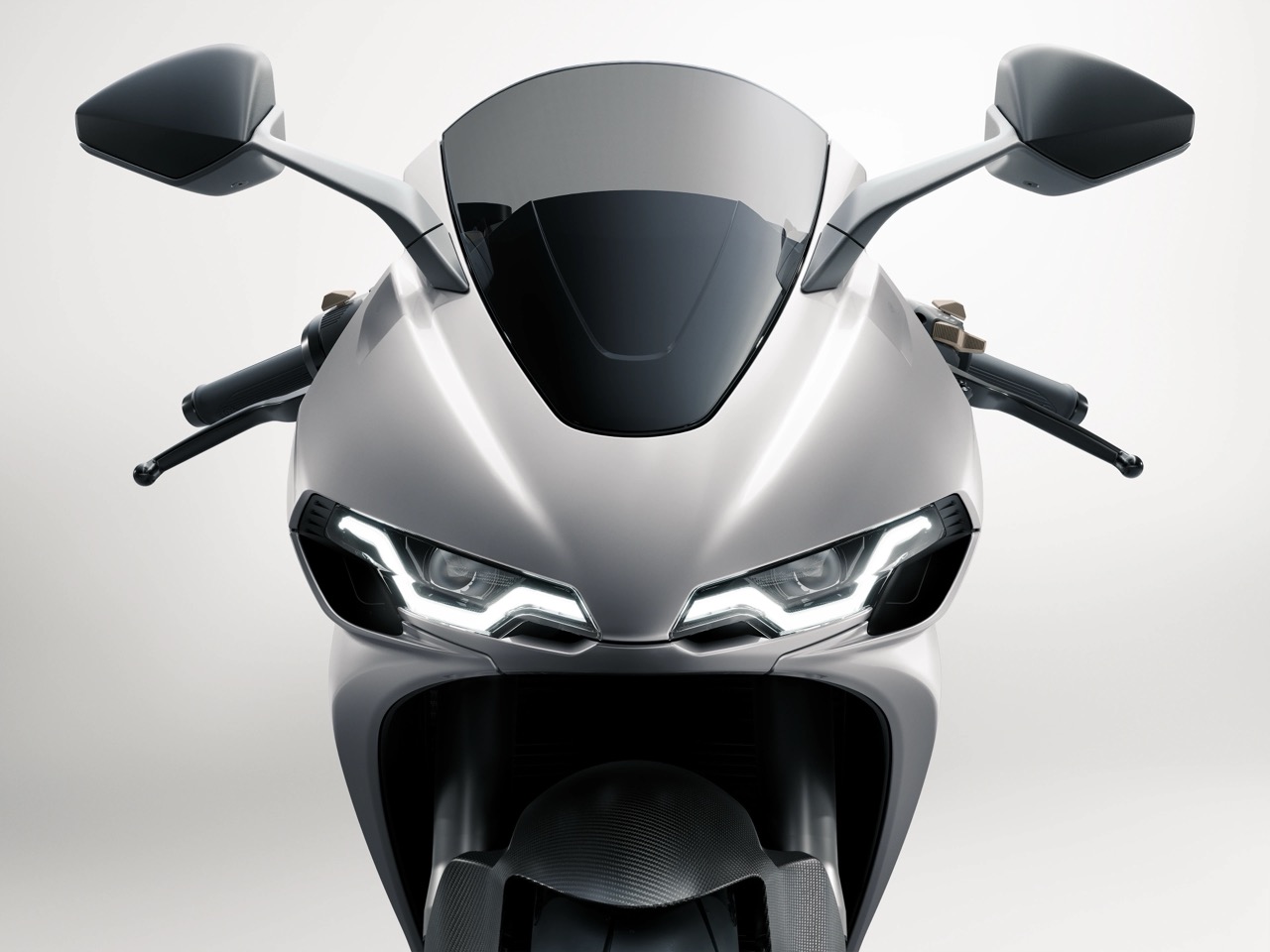
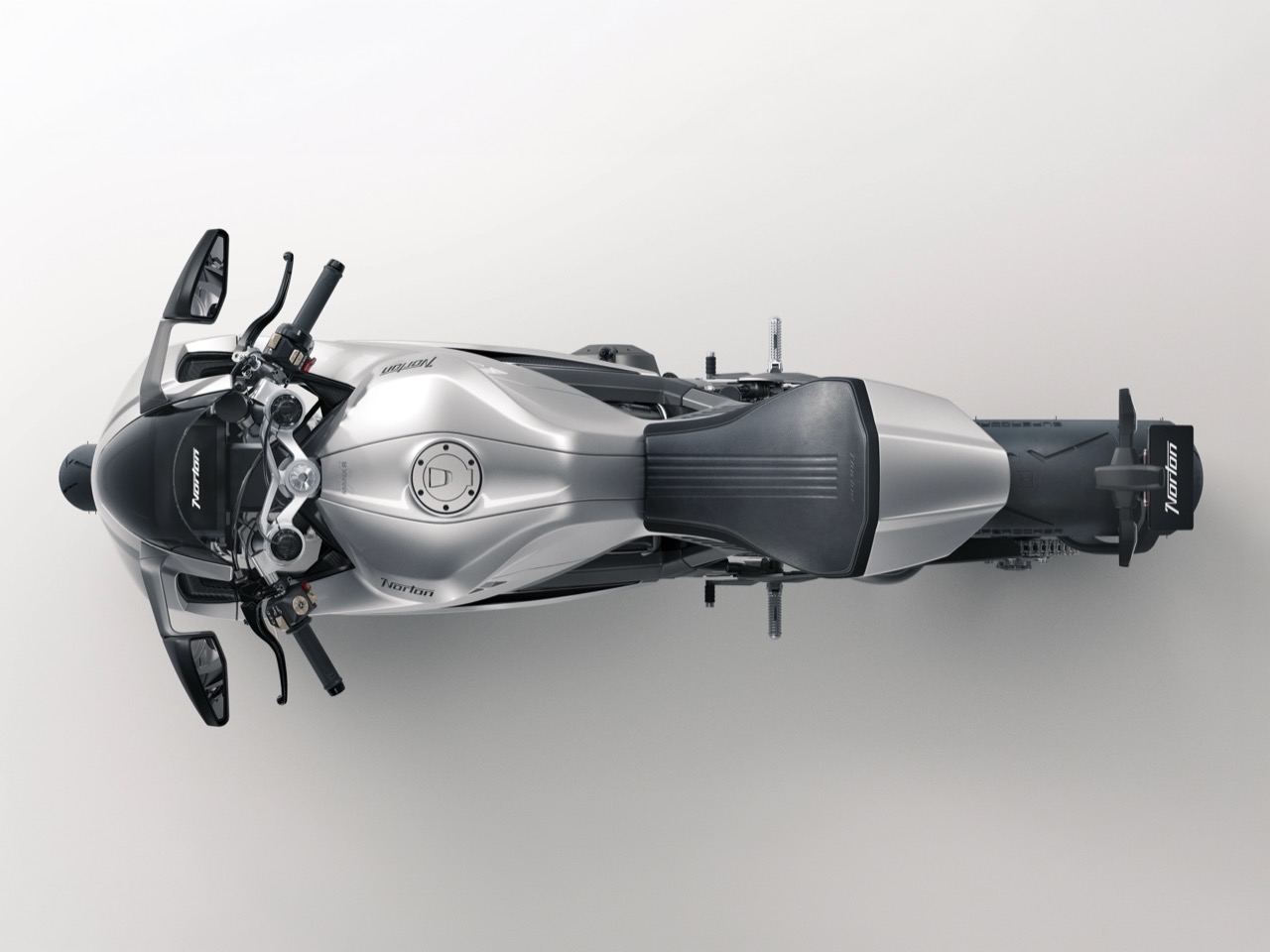
Skinner builds the design around four principles he calls modernity, integration, drama, and connection, and he describes the result as reductive. His favorite explanation compares a new-build estate house with a 20-year-old glass-and-steel home that still looks like it arrived from the future. The Manx R lands firmly in the second camp. Its nose is a smooth, wingless shell with split chevron LED headlights tucked under a tall smoked screen, and the mirror stalks grow straight out of the fairing shoulders. Clean volumes, precise gaps, and reflections define the front end, rather than the winglets and vents found on rival bikes.
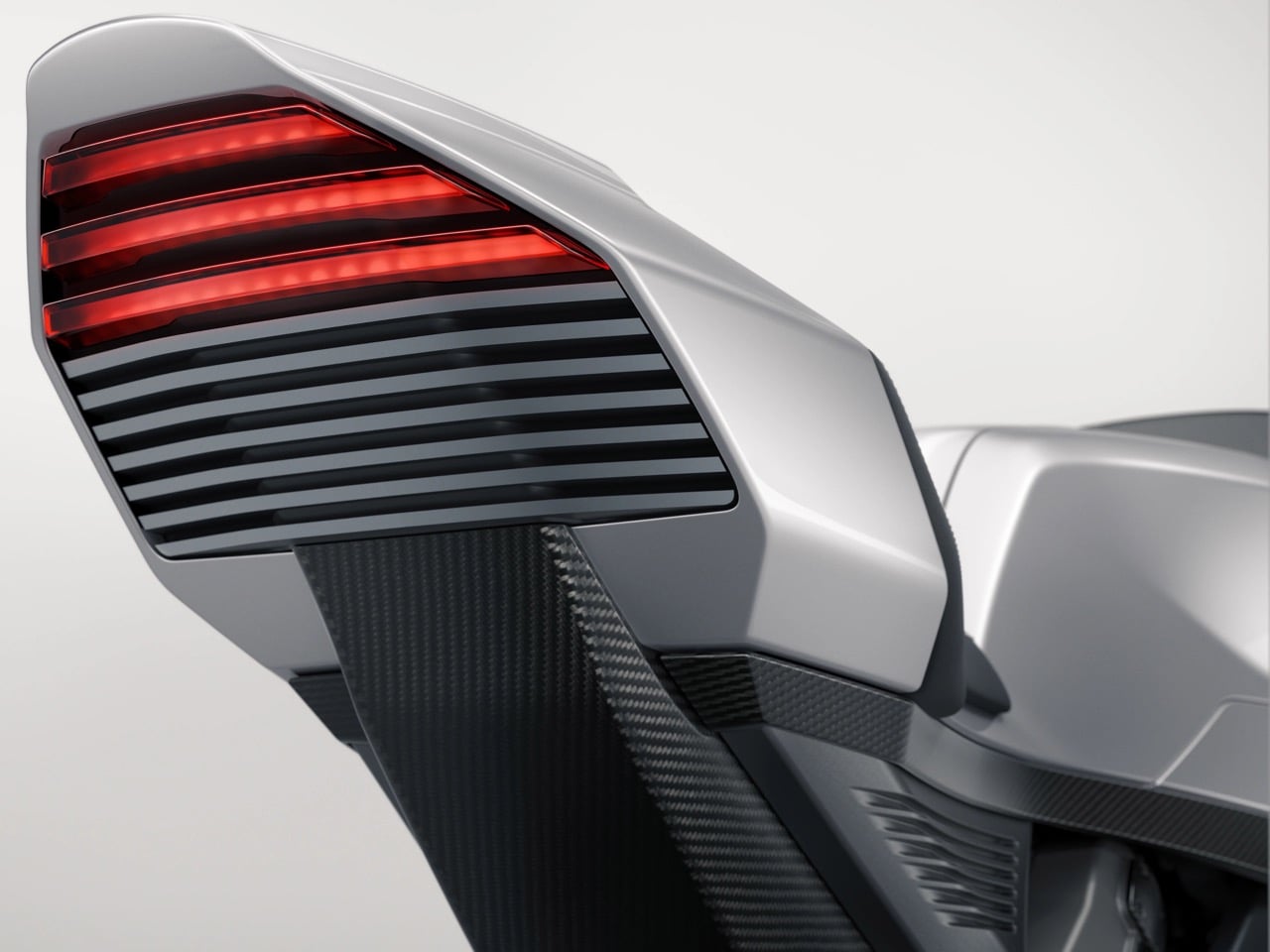
Carbon infill panels on each flank frame a window onto the top of the V4, its covers dressed in carbon plates, making the engine part of the display. Three angled gills on the upper fairing vent heat from the electronics, and the repeated-line motif runs across the seat and side panels. Out back, a three-bar LED taillight sits above a stack of black louvers, while the exhaust hides under the belly and the single-sided swingarm leaves the rear wheel fully on show. The fuel cap carries an embossed Manx R badge, a detail most owners will notice at the pump. If I could change one thing, I’d lose those tail louvers, which look a touch like a space heater on an otherwise clean rear end.

Norton rates the V4 at 206 hp at 11,500 rpm and 96 lb-ft at 9,000 rpm. Those peak figures trail a few rivals, which Norton says is deliberate. Its engineers logged roughly 135,000 miles of data on Ducati, Aprilia, and BMW superbikes and found riders spent 99% of their time below 8,000 rpm, so the engine’s tuning prioritizes the middle of the rev range. According to RevZilla, it can run as a 600cc twin at deep lean angles and small throttle openings, and it shuts down the rear cylinders at idle to reduce heat around the rider’s legs. The narrow V layout also helped fit everything into a 56.5-inch (1,435mm) wheelbase.
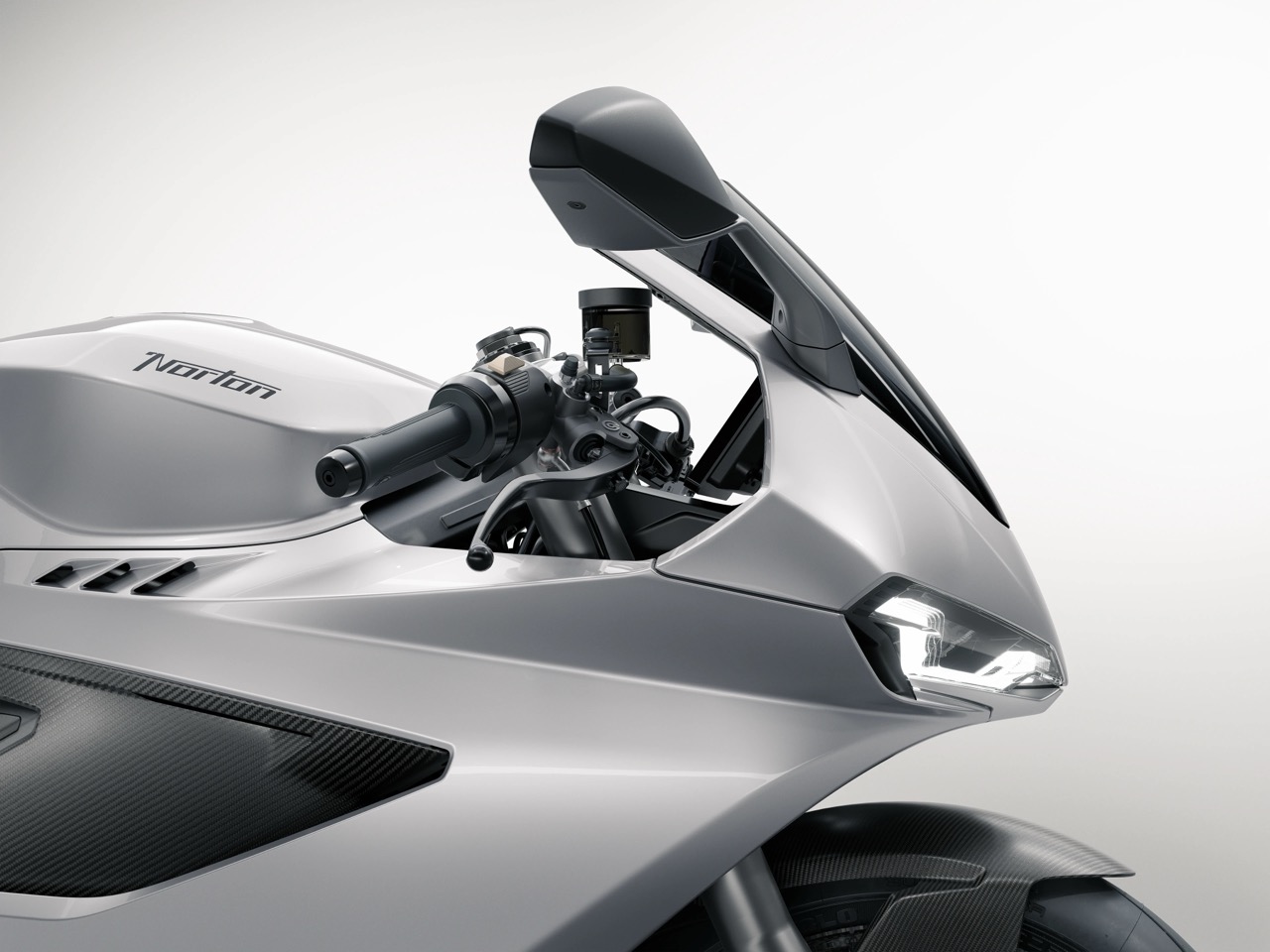
At the 2026 International Design Excellence Awards, the Manx R took Bronze in Automotive and Transportation, and Norton says it’s the first combustion-engined production motorcycle to win an IDEA. Two months later, it collected Red Dot: Best of the Best in the Design Concept competition, aimed mainly at concepts and prototypes, despite already being in dealerships. Both prizes come from design juries, not lap-time comparisons. The Ducati Panigale V4, Aprilia RSV4, and BMW M 1000 RR all wear visible aero on their fairings, and Norton is betting some superbike buyers would prefer a cleaner look.

Norton sells the Manx R in four trims. The base bike gets manually adjustable Marzocchi suspension, cast aluminum wheels, and room for a passenger, while the Apex adds semi-active Marzocchi suspension and forged wheels. The Signature goes single-seat with carbon fiber bodywork and Rotobox carbon wheels, and the First Edition piles on titanium fixings, a numbered top yoke, and a quilted leather seat. Every version gets Brembo Hypure brakes and an 8-inch TFT touchscreen. UK pricing runs from £20,250 (about $27,600) for the base bike to £38,750 (about $52,800) for the Signature, with the First Edition priced on request. US pricing hasn’t been announced ahead of an expected early 2027 arrival, so American riders have a few months to save up for all that paint. US pricing hasn’t been announced ahead of an expected early 2027 arrival, so American riders have a few months to save up for all that paint.
The post This “Bentley of Bikes” sports 5 layers of paint, and packs a 206Hp engine underneath first appeared on Yanko Design.
  •  

Bandit9 (RED)800 Motorcycle Fades From Racing Red to Brushed Aluminum

Only a few come close to Bandit9 when it comes to avant-garde custom motorcycle creations. We’ve seen some eye-popping designs from the Vietnam-based studio that lean into a sci-fi theme, with alien-inspired forms that stay within the desirable two-wheeler limits. This time around, the custom builder is back with a hand-built motorcycle crafted in collaboration with RED, an organization helping fight AIDS and other preventable diseases.

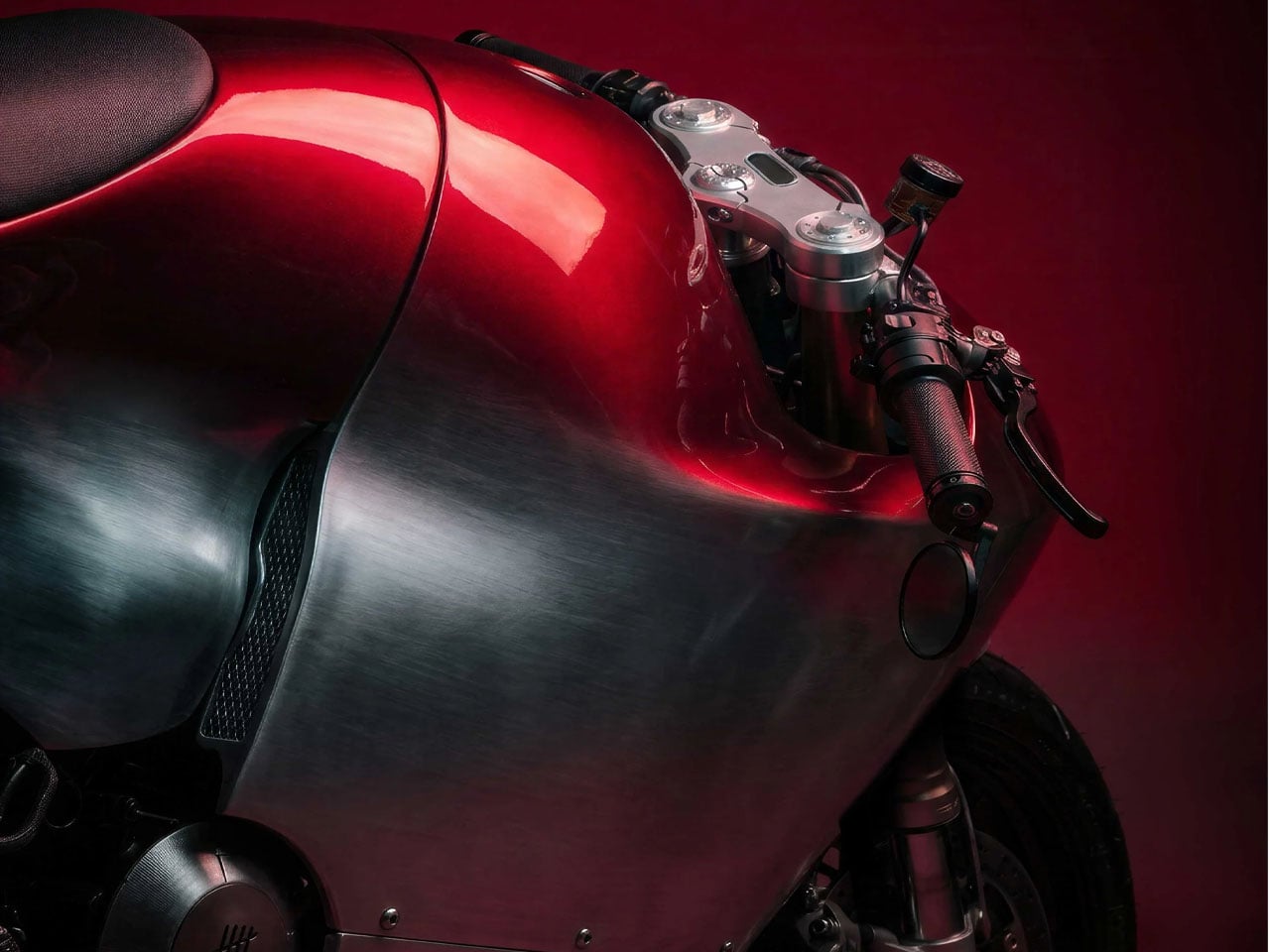
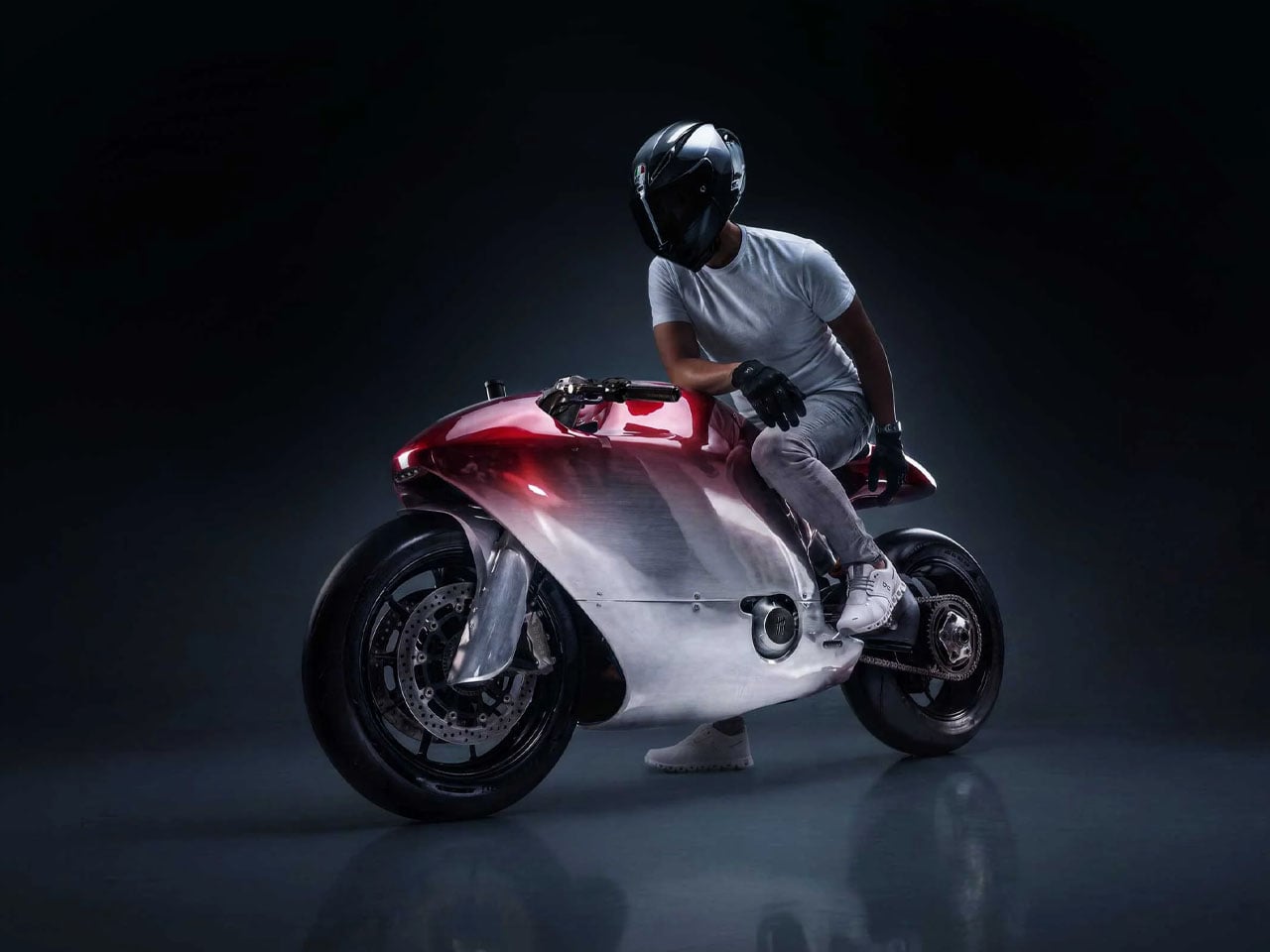
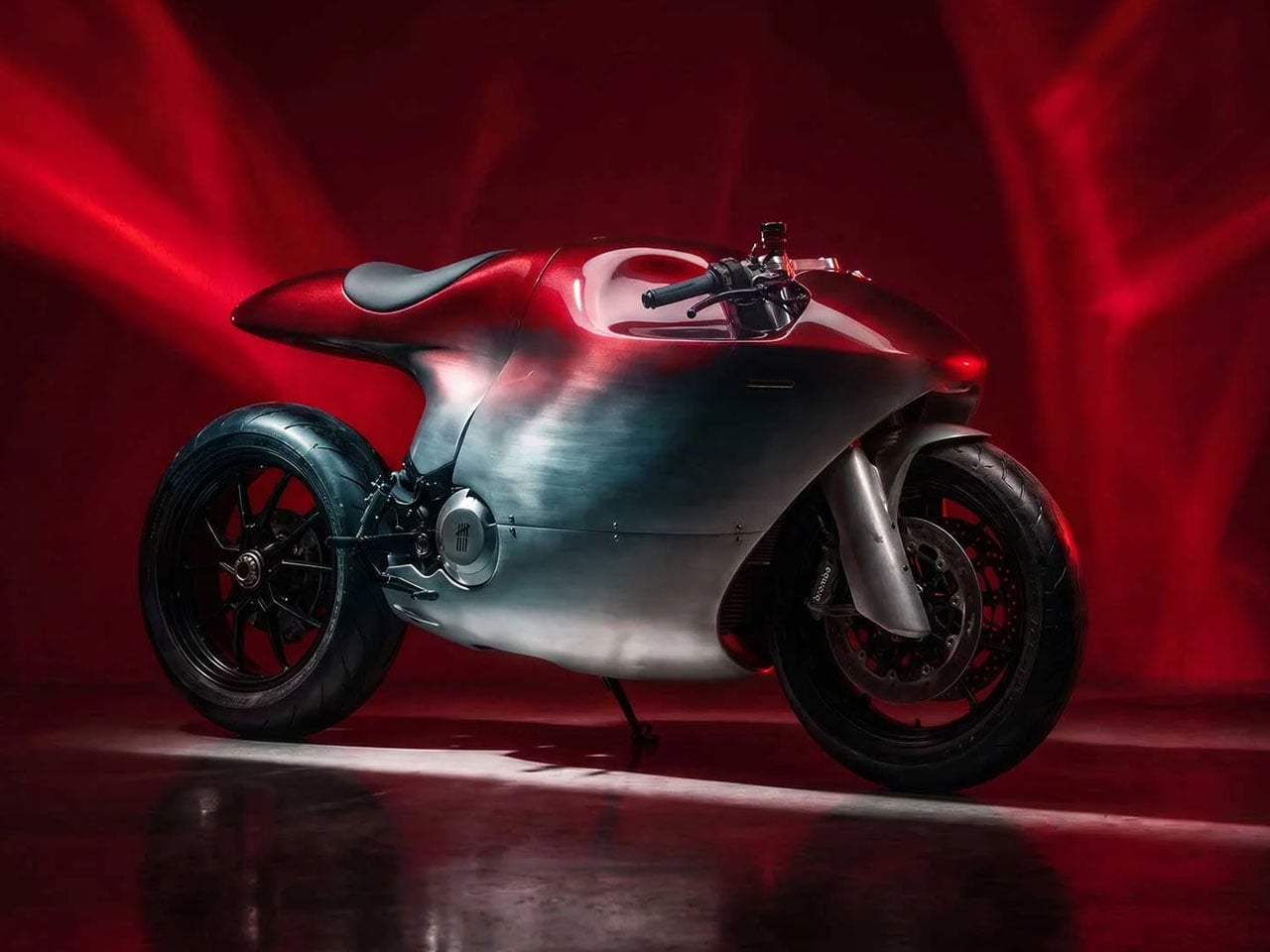
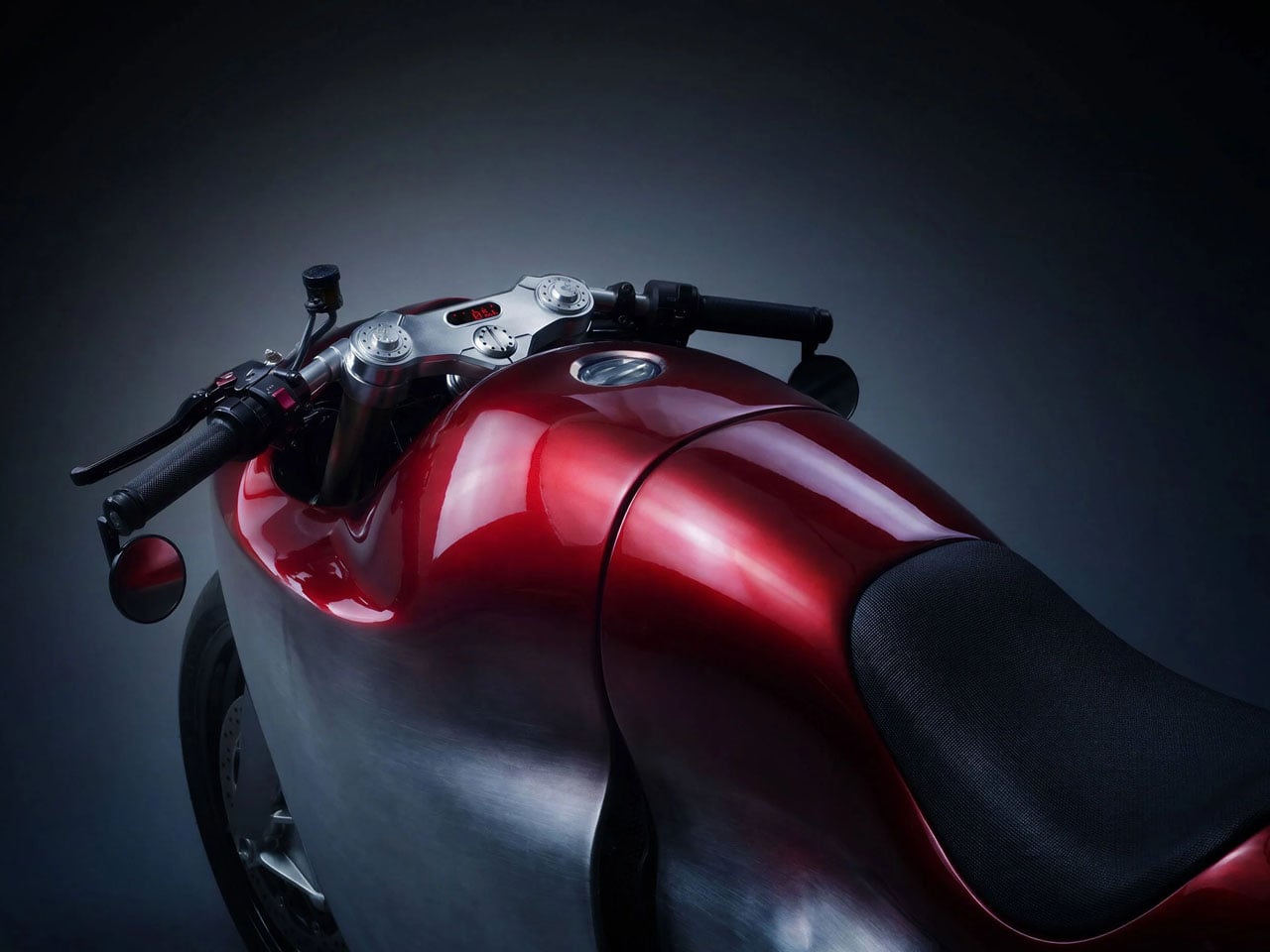
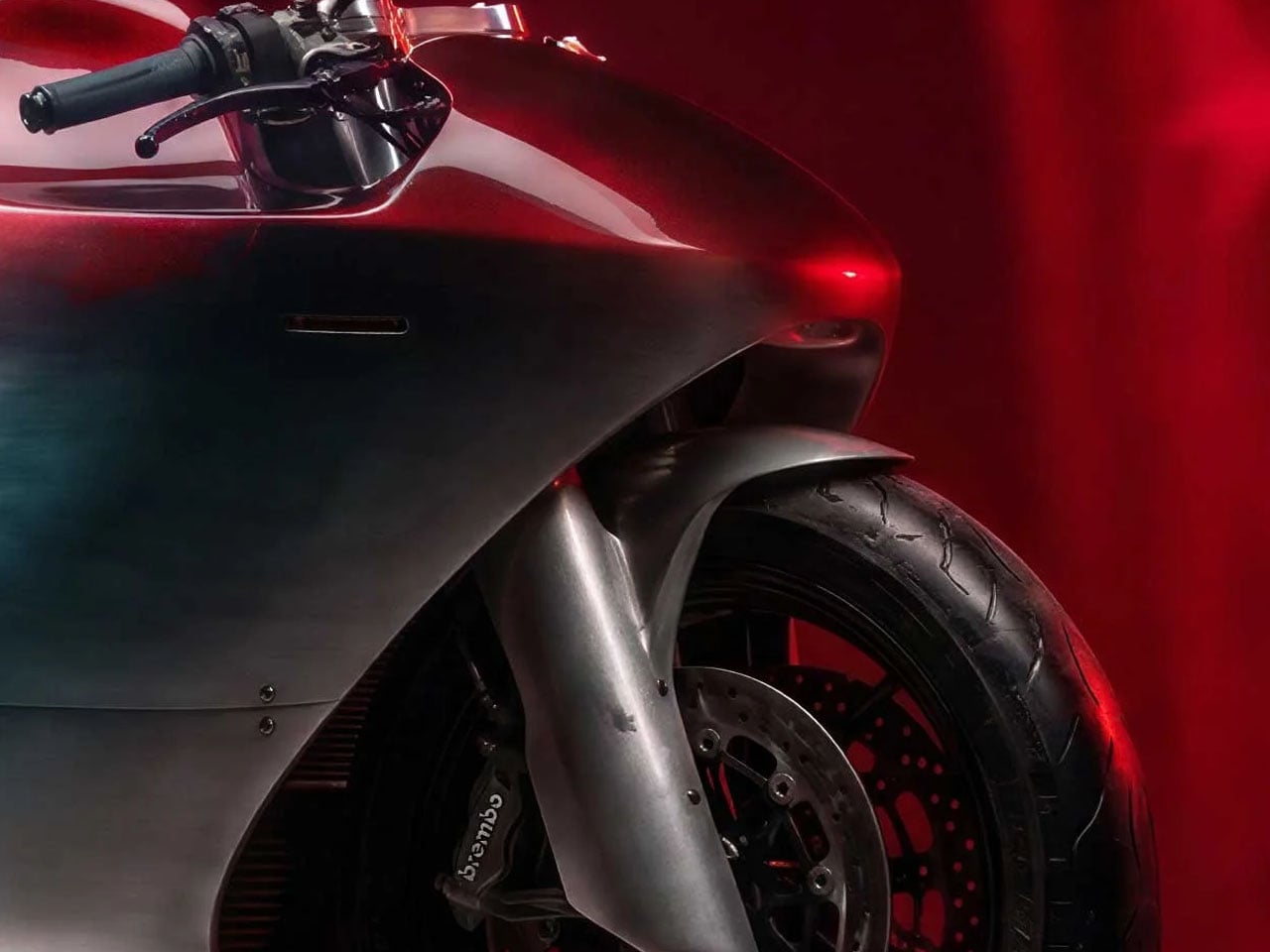
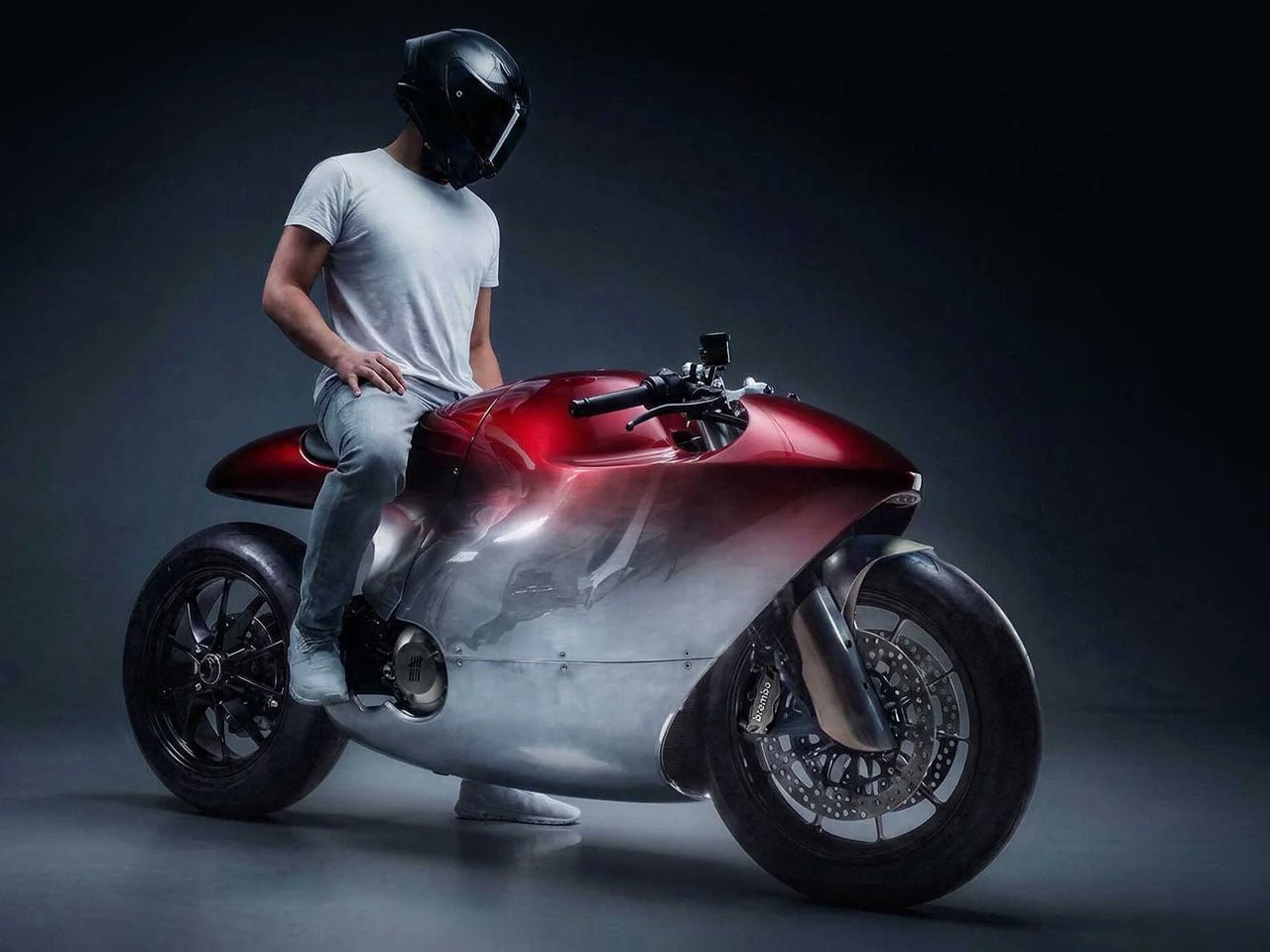
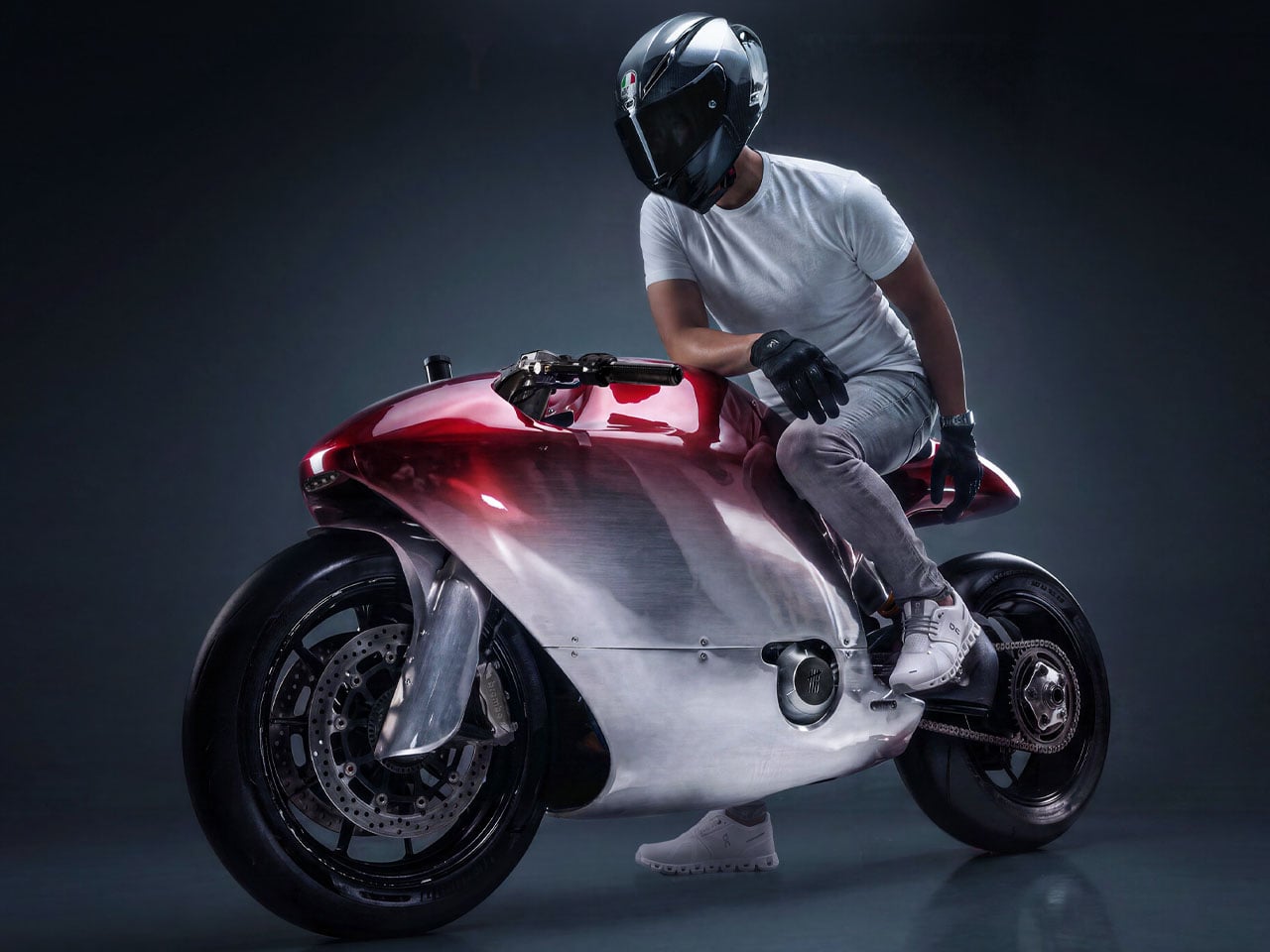
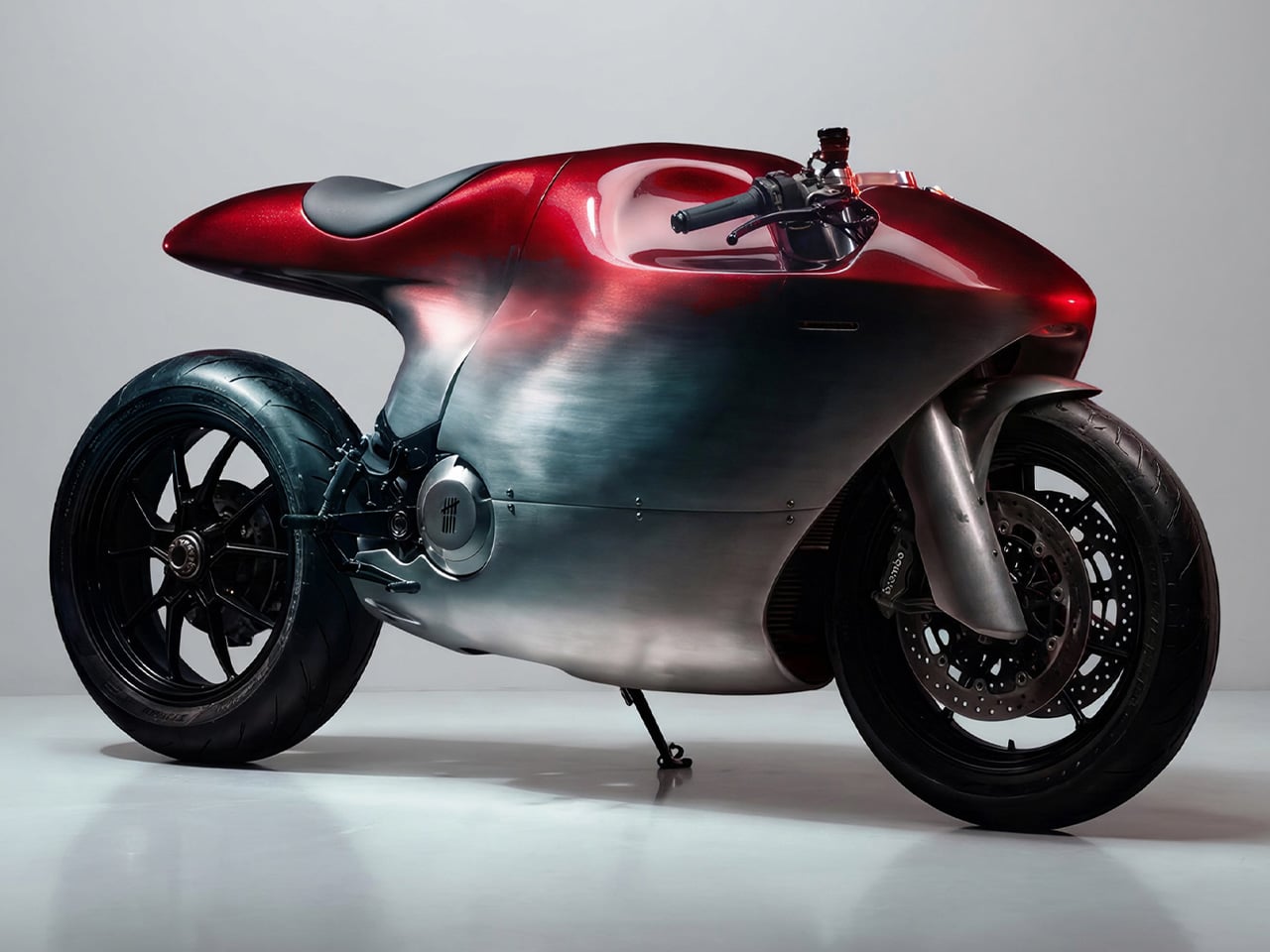
Dubbed the (RED)800, this bike is a sight to behold with its raw form fused into a modern aesthetic, as the hand-brushed aluminum fades gradually into the sparkly red form. Only 9 units of this bike will ever be made, so that puts it firmly in the ultra-limited-edition category. More importantly, every single penny earned from the sales will go to RED’s mission for life-saving healthcare programs to communities most in need.

Designer: Bandit9 and RED

According to the makers, the bike’s bodywork is sculpted from scratch, with the attention to detail that’s worthy of a sculpture. As RED puts it, the bike is “an unexpected meeting of color and raw metal, executed by hand. It’s this kind of unconventional thinking and meticulous execution that defines a Bandit9 motorcycle.” Underneath that drool-worthy bodywork is the Ducati 821cc Testastretta V-twin producing 110 bhp. That takes the handsome machine from 0–60 mph in 3.3 seconds, and capable of hitting top speed of 201 km/h.

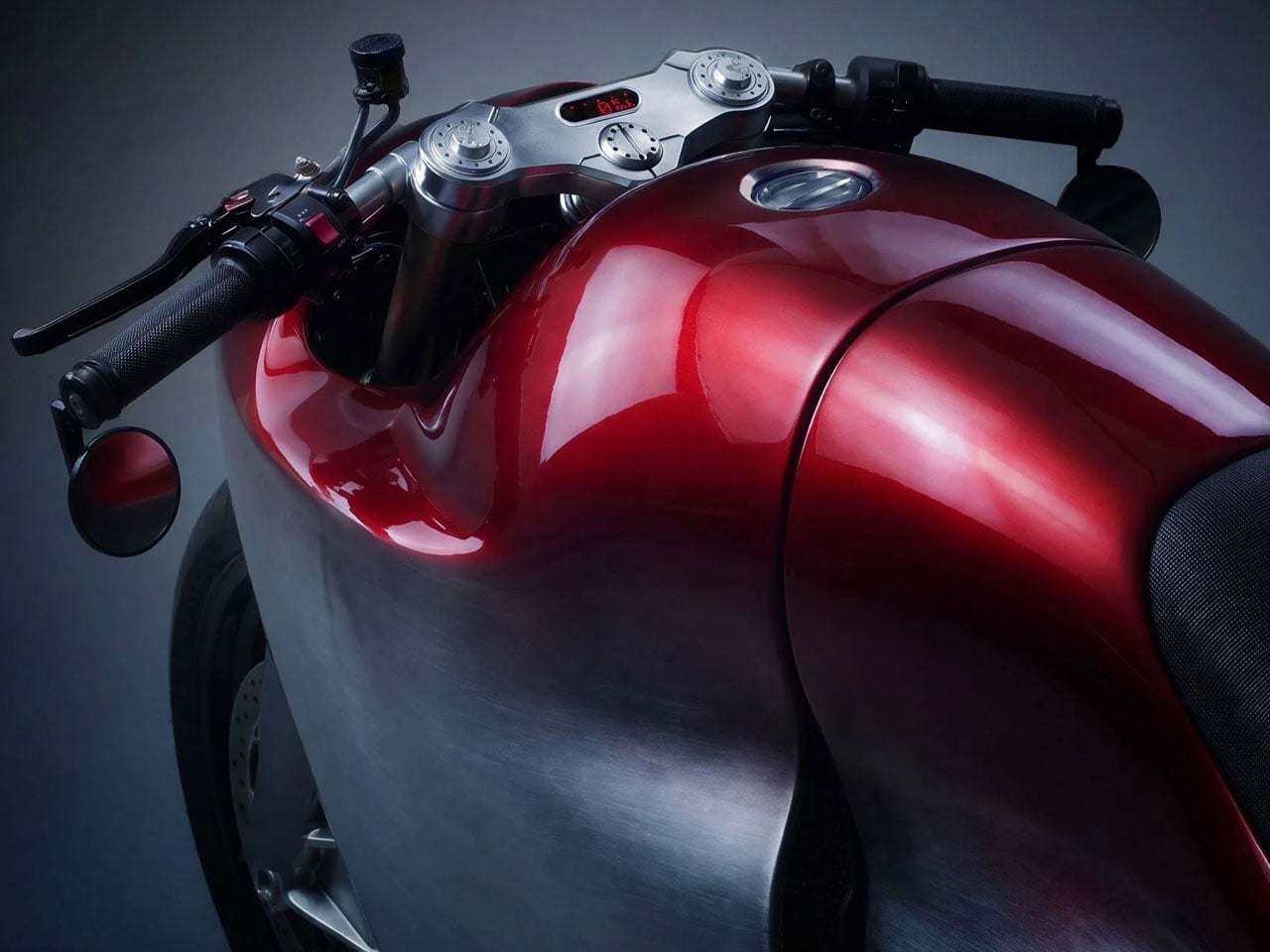
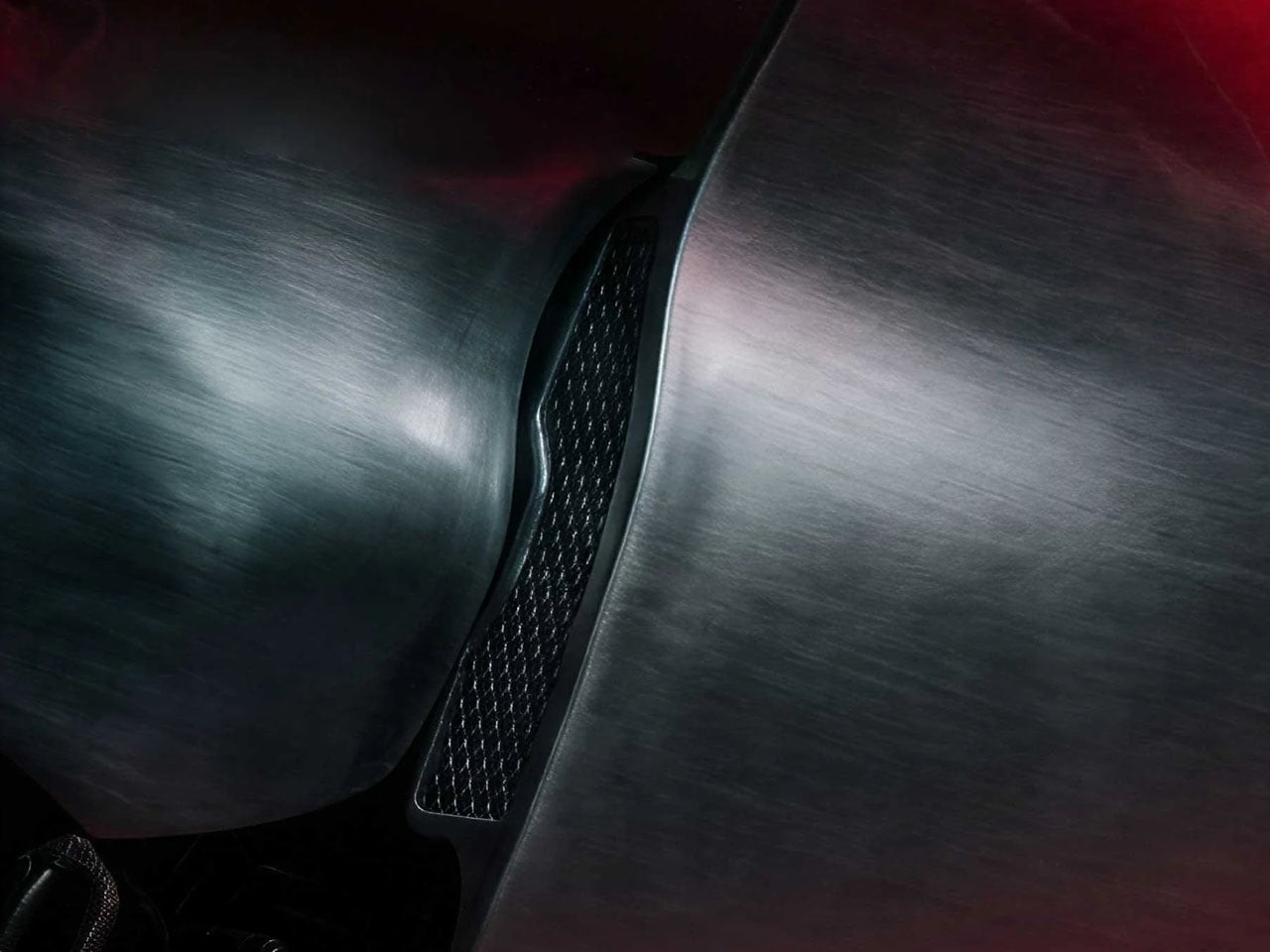
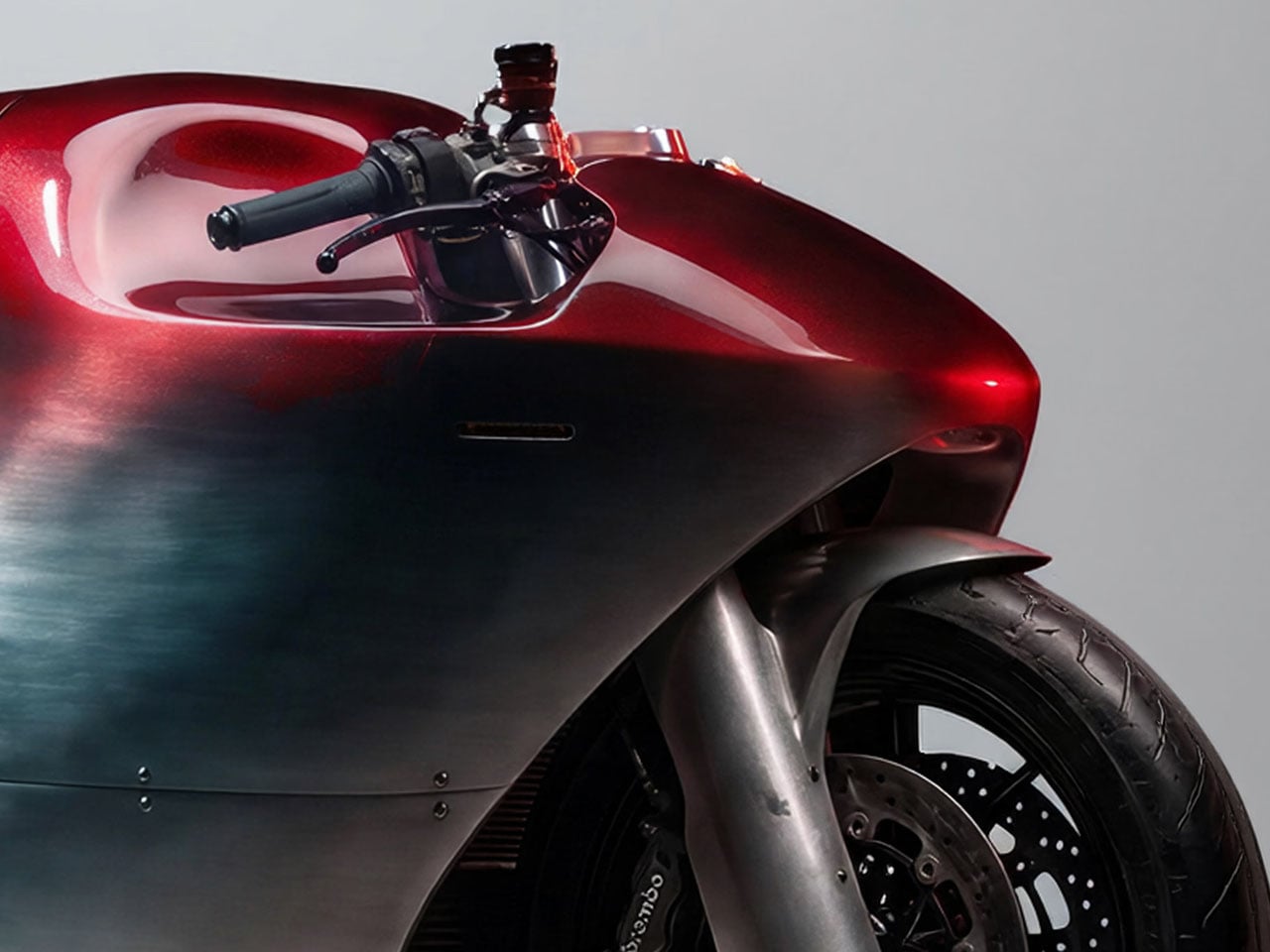
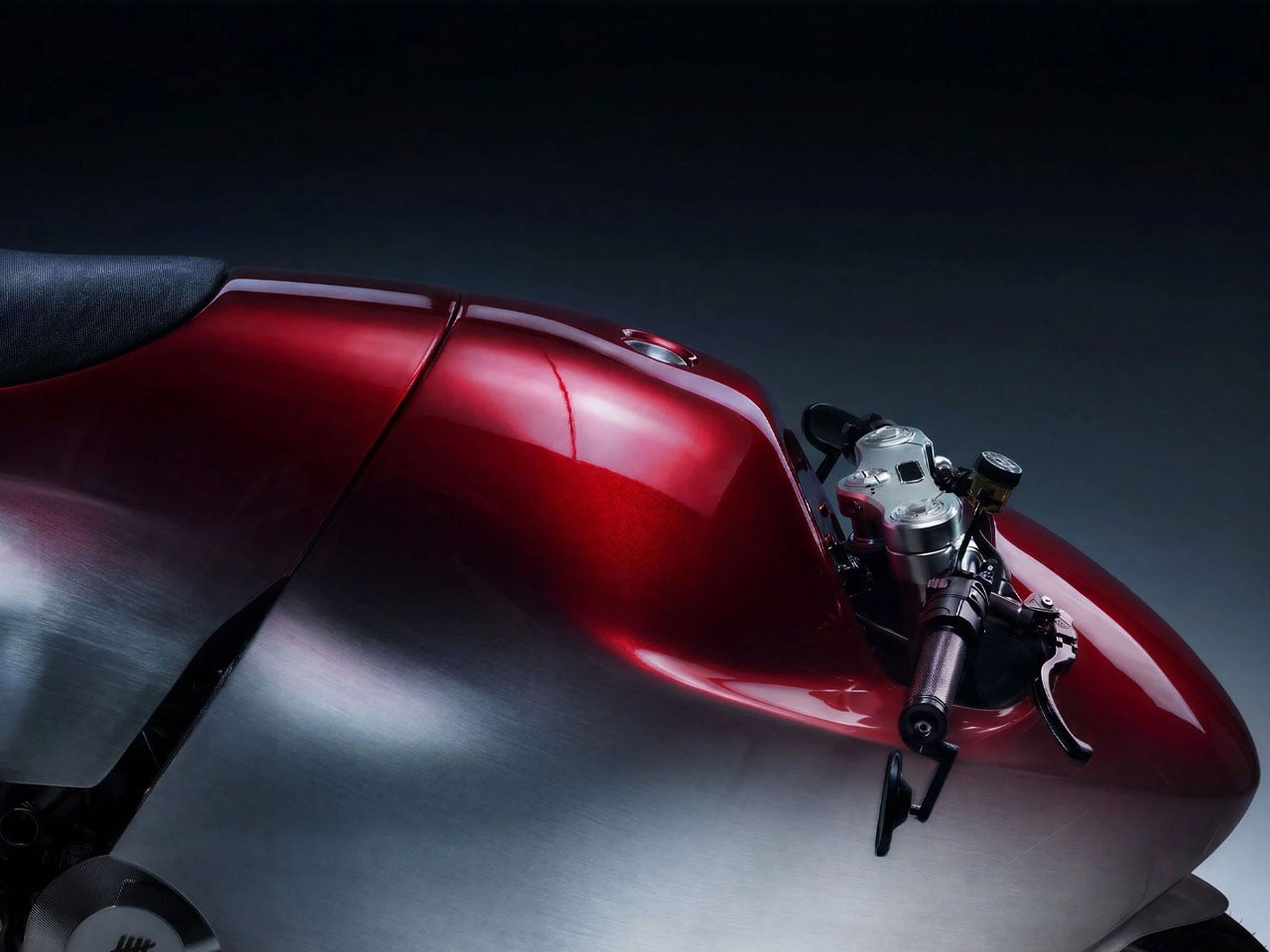
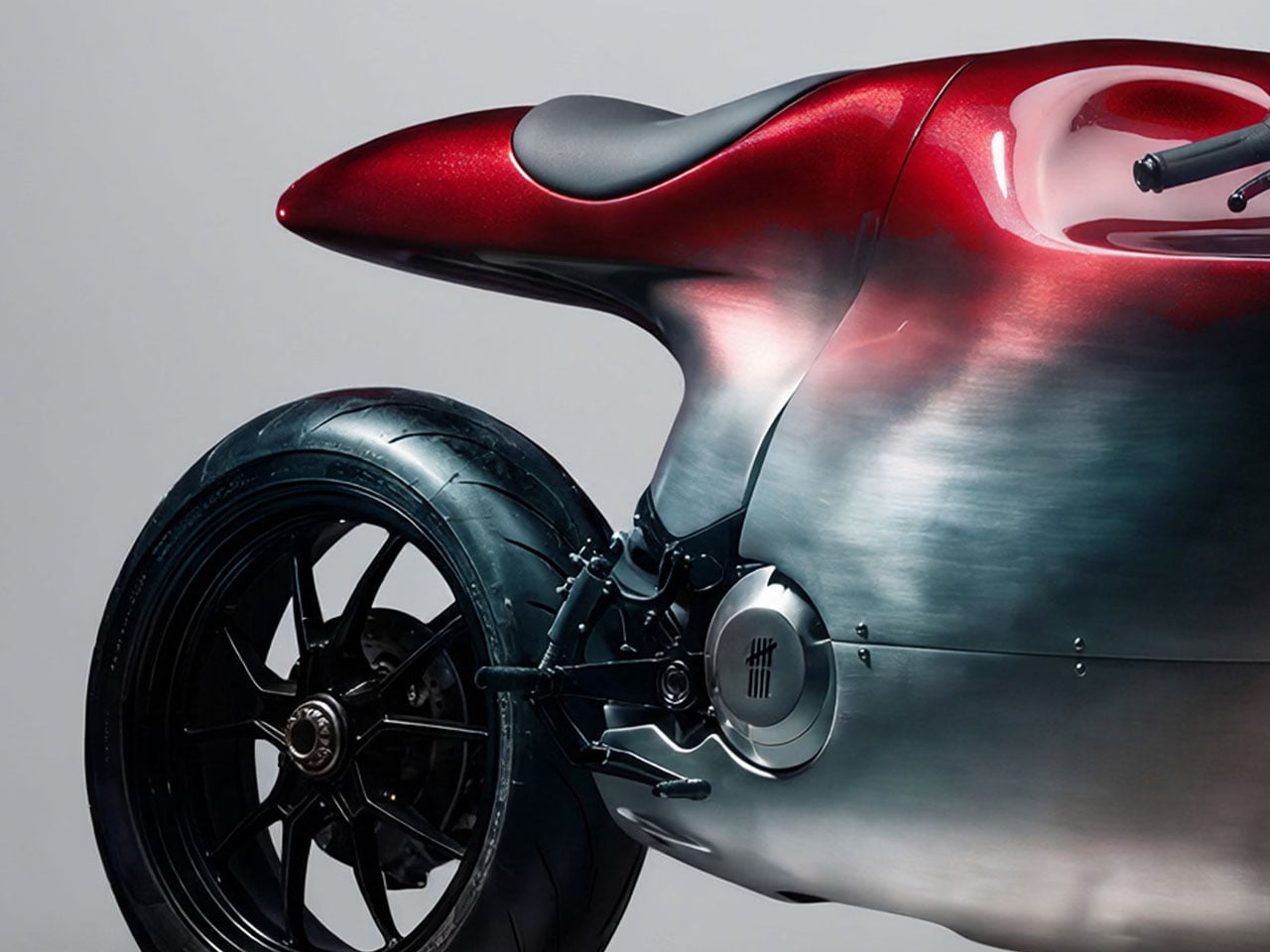
Coming back to that magnetic bodywork shaped in one continuous form, the hand-painted gradient transitions from the Racing Red to the raw hand-brushed aluminum with no apparent separating lines. Each one of the bikes will be hand-painted, so they’ll have a unique personality of their own. The finish of the bodywork is the talking point here, as the raw metal is turned into something organic while still feeling modern.

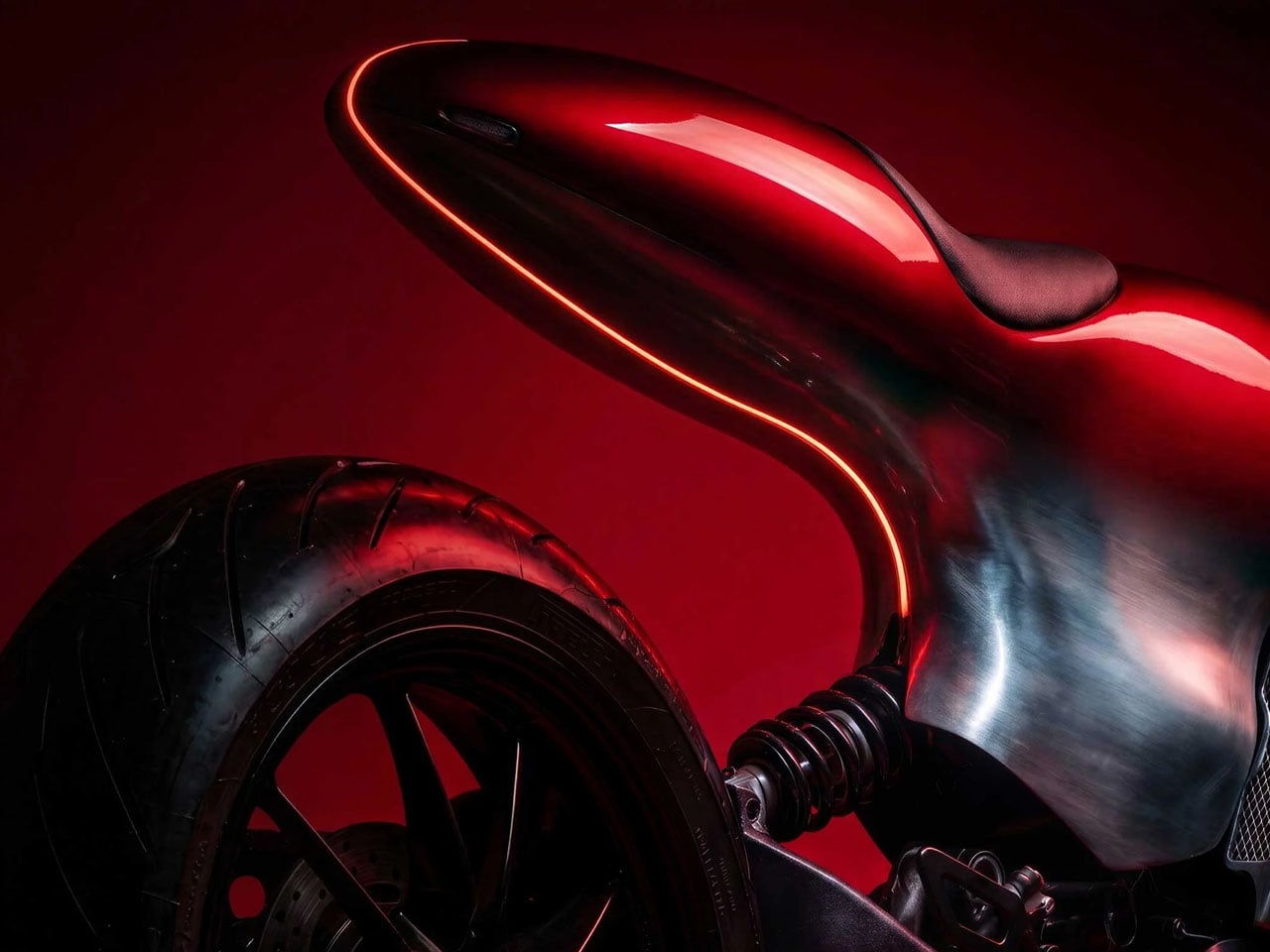
The mechanical components of the bike are left exposed underneath the aluminum shell for that muscular feel. Especially on the rear of the monocoque body, the metal surfaces are left exposed – showing off the steel trellis frame. The red strip light running from the saddle, all the way down to the suspension joint, gives the bike a sci-fi character. To complement the unibody design, the (RED)800 rides on spoked wheels and low-profile tires. For an aerodynamic riding posture, the bike gets rear-set foot controls and low-slung handlebars.

Bandit9 (RED)800 carries a price tag of $49,000 (plus shipping), and each one is made to order, with shipping taking anywhere from eight months to a year. So, you’ll have to be ultra-patient to get hands on one, even if you are lucky enough to order one of the only nine units.


The post Bandit9 (RED)800 Motorcycle Fades From Racing Red to Brushed Aluminum first appeared on Yanko Design.
  •  

Aston Martin’s 130-HP road-legal bike brings its luxury design language to two wheels

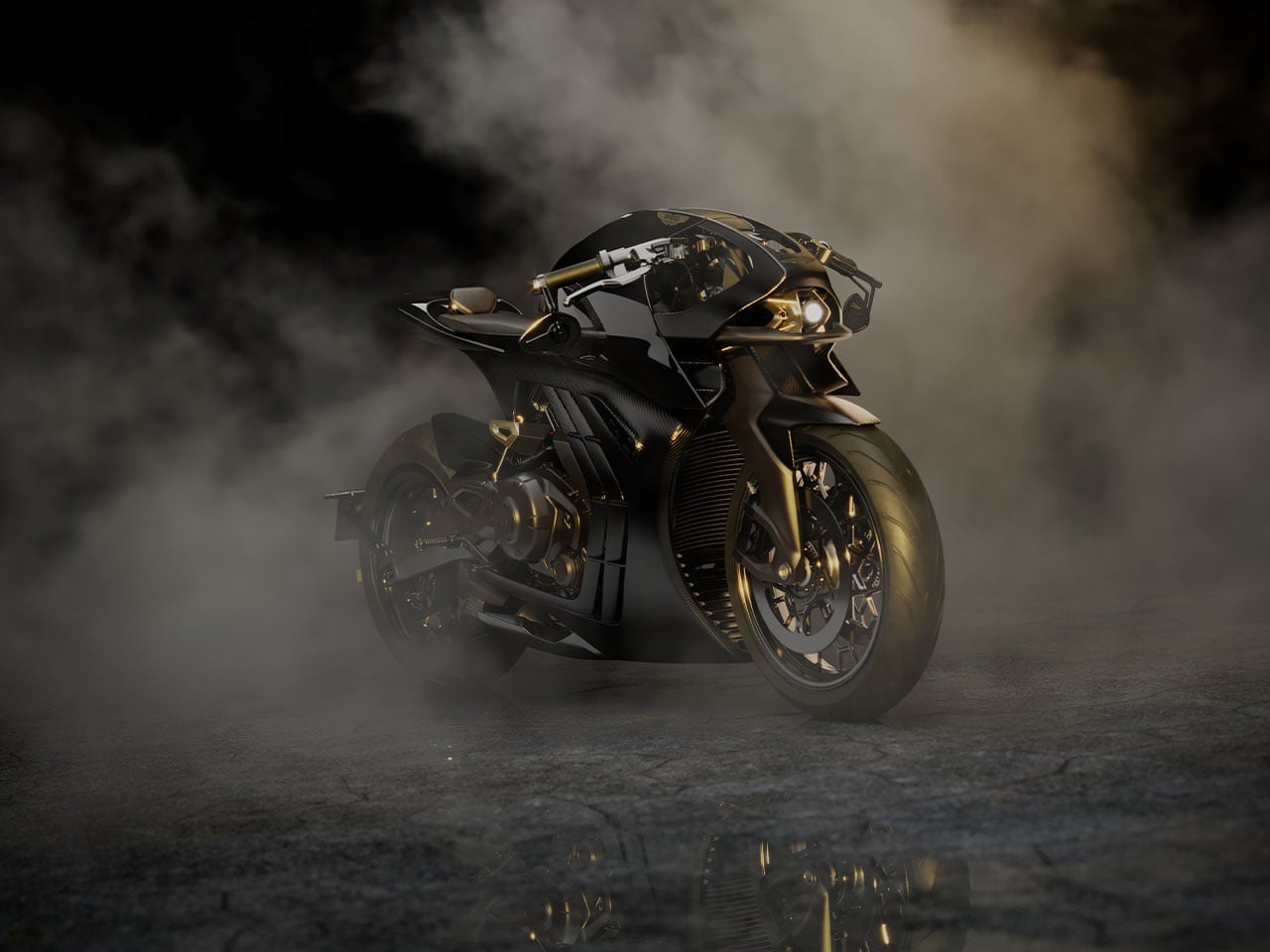
Aston Martin has finally put its name on a road-ready motorcycle. Developed with Brough Superior, the AMB 002 Roadster is the first street-legal bike from the partnership, fusing Aston Martin’s sculptural design language and Brough Superior’s highly specialized approach into motorcycle engineering. Limited to just 300 individually built examples, it is intended for collectors and street riders alike.

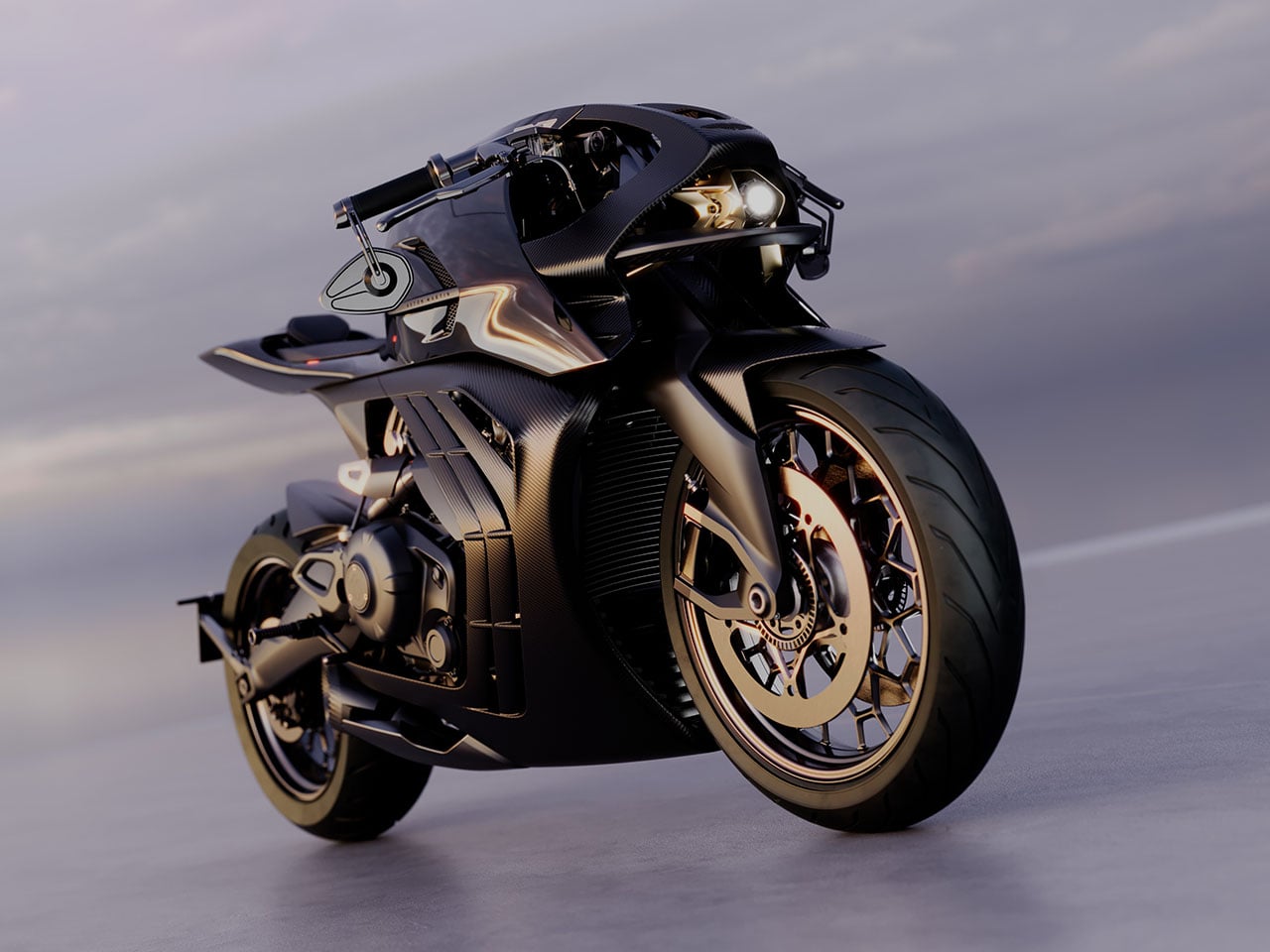
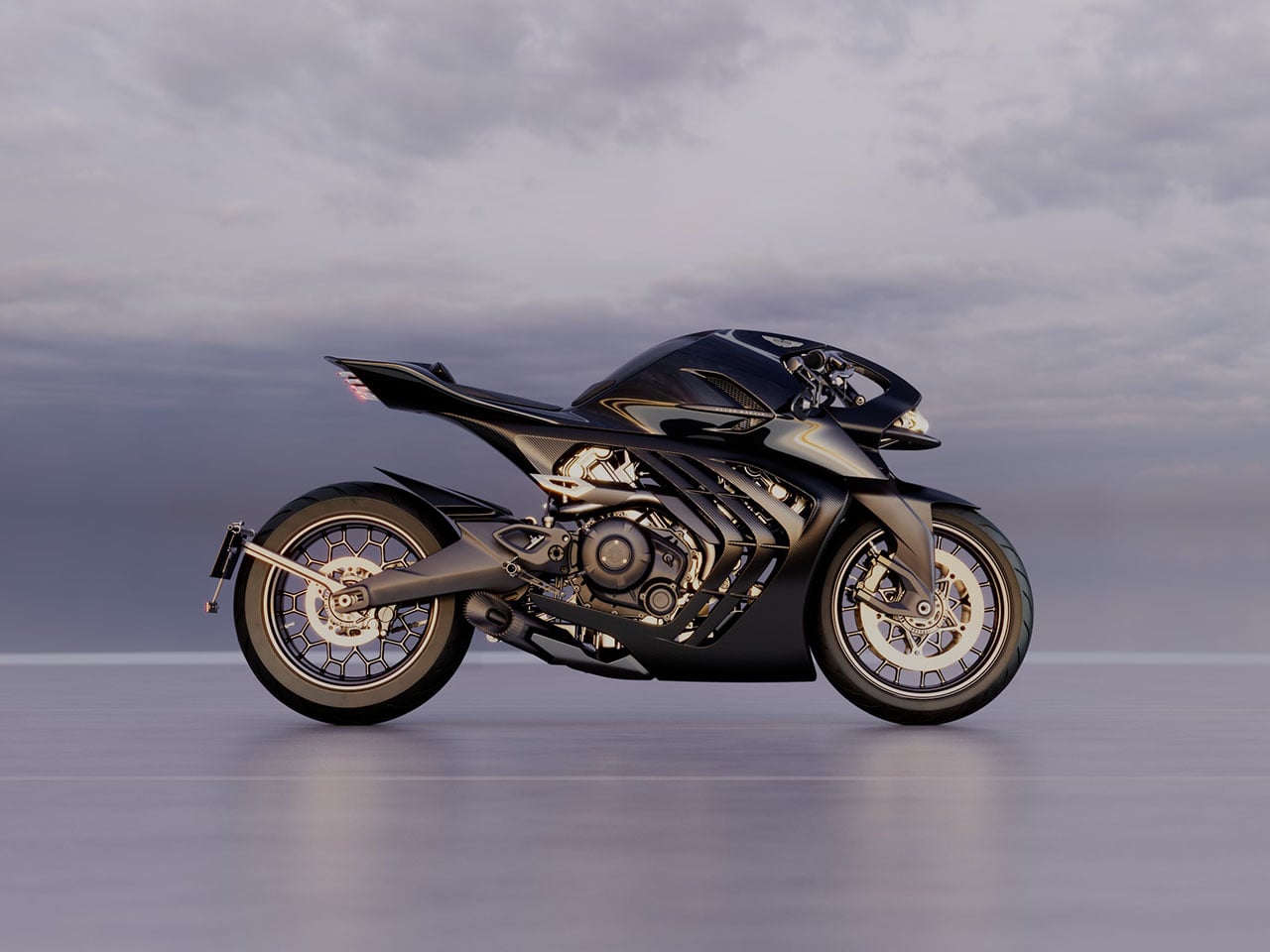
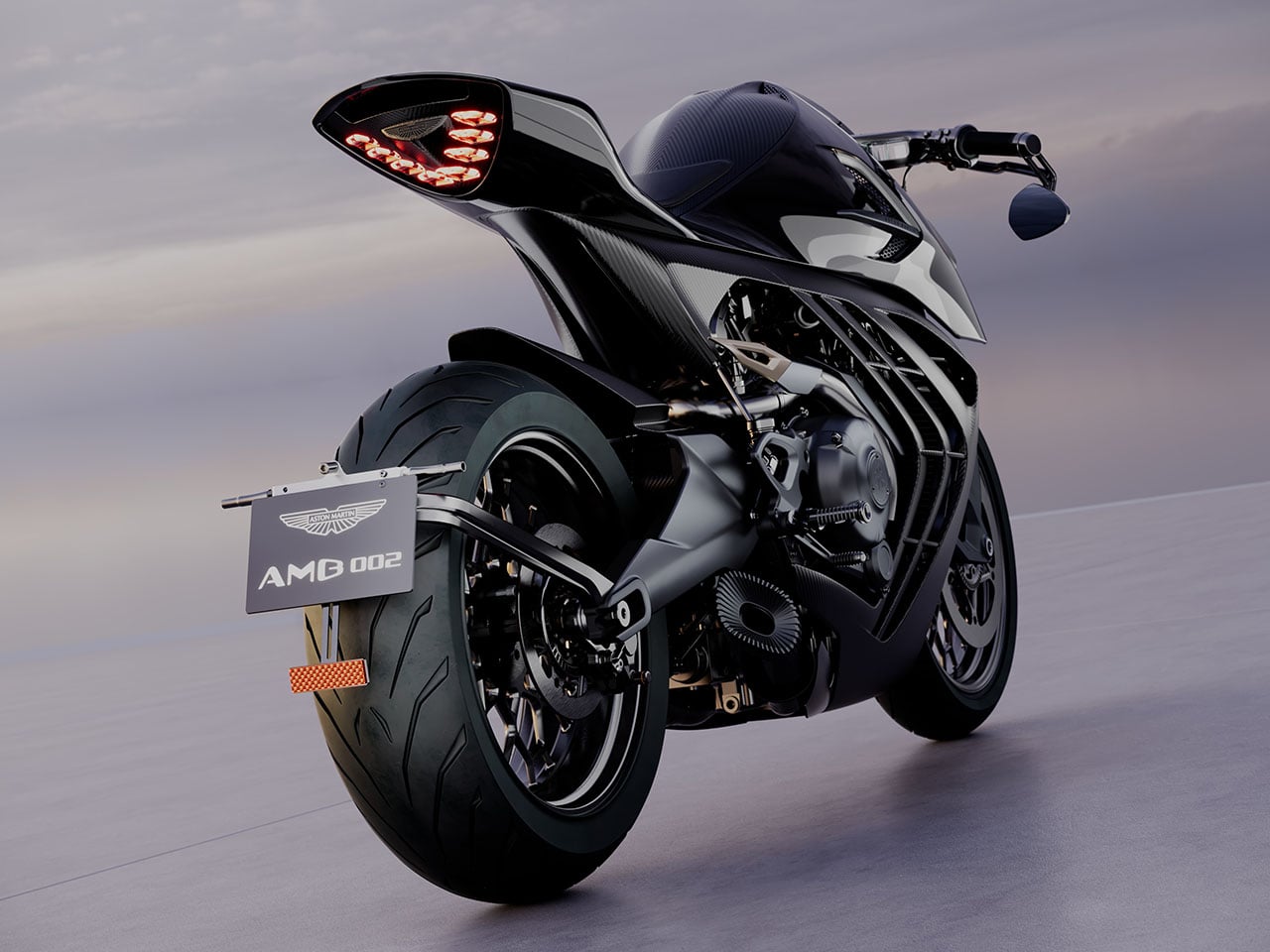
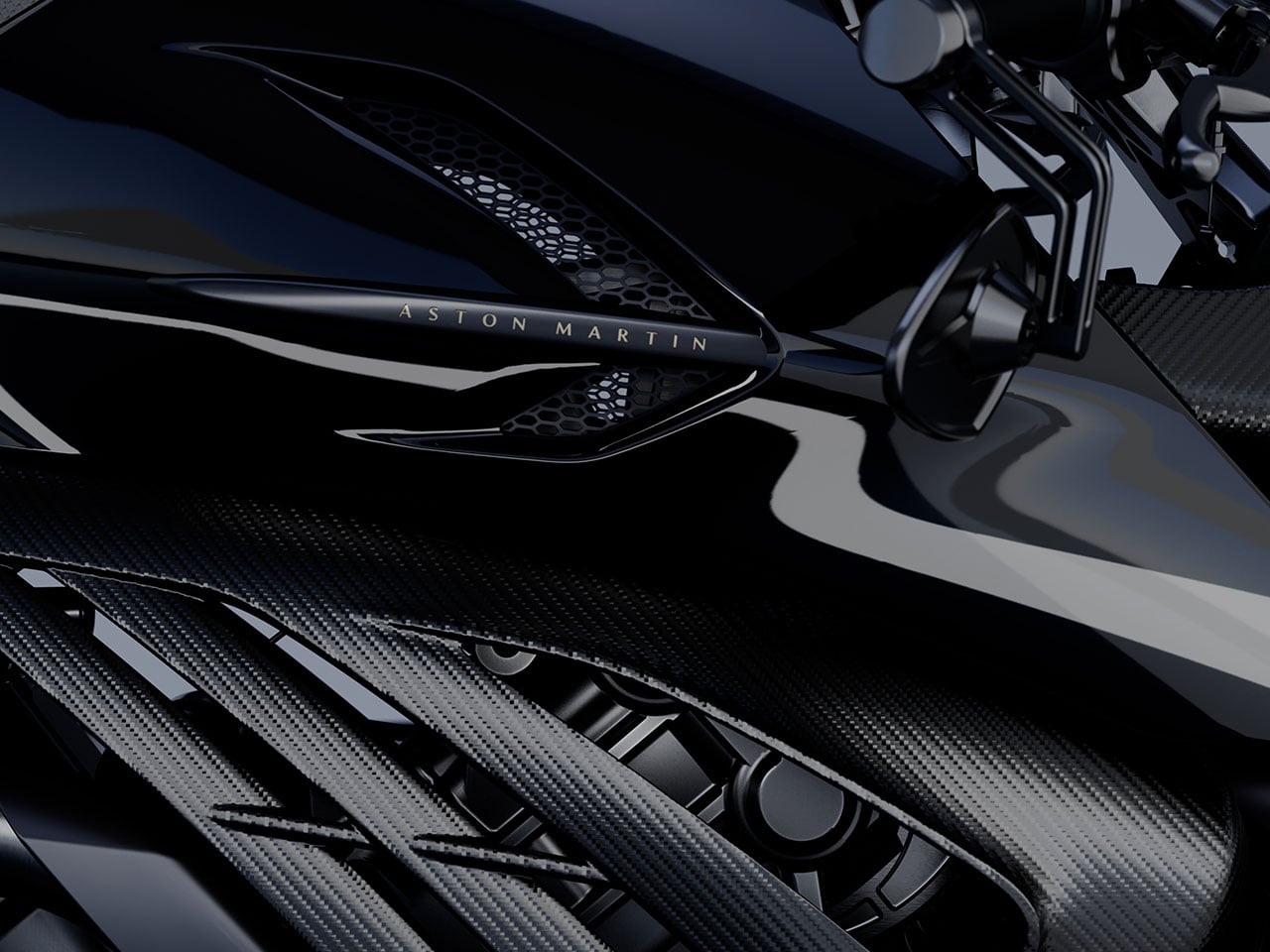
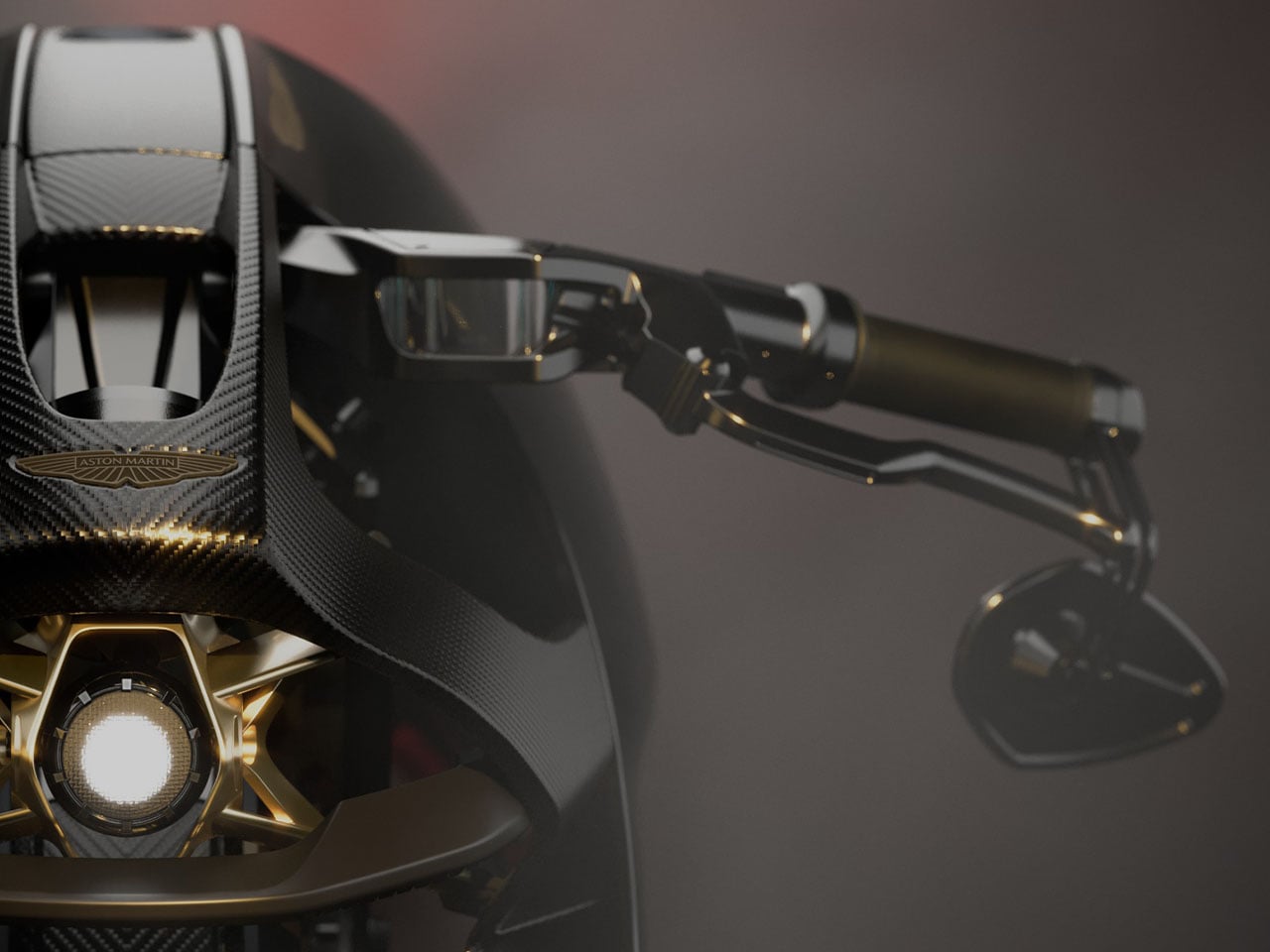
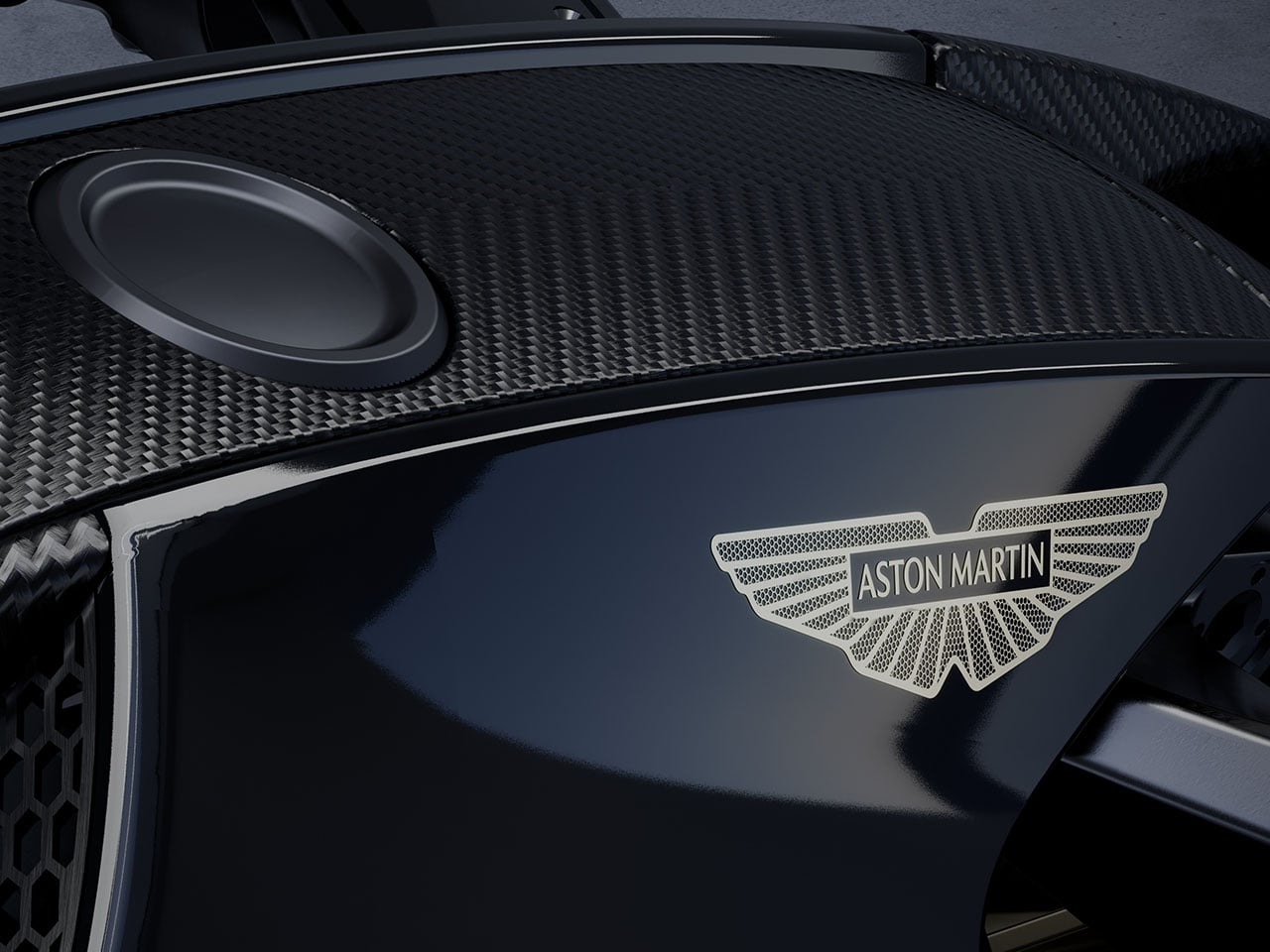
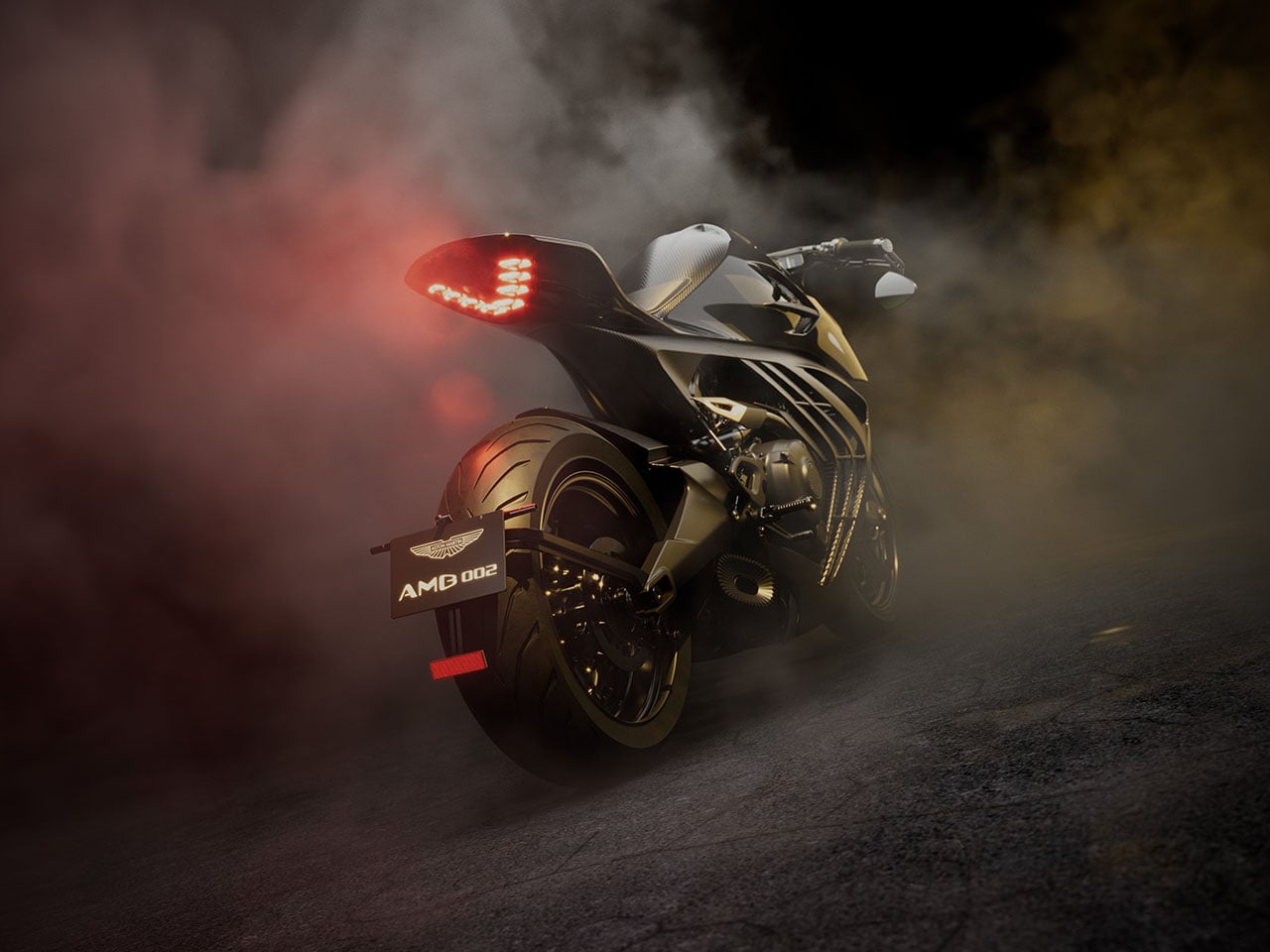
Unlike the earlier AMB 001 and AMB 001 Pro bikes, which were created exclusively for track use, the AMB 002 has been developed from the ground up for road riding. Aston Martin’s design studio has given it a compact, forward-biased silhouette, with smooth carbon-fiber surfaces broken up by crescent-shaped cooling vents along the sides. The bodywork rises around the rider, while slim, stalk-like mirrors and an exposed mechanical structure keep the motorcycle visually light.

Designer: Aston Martin

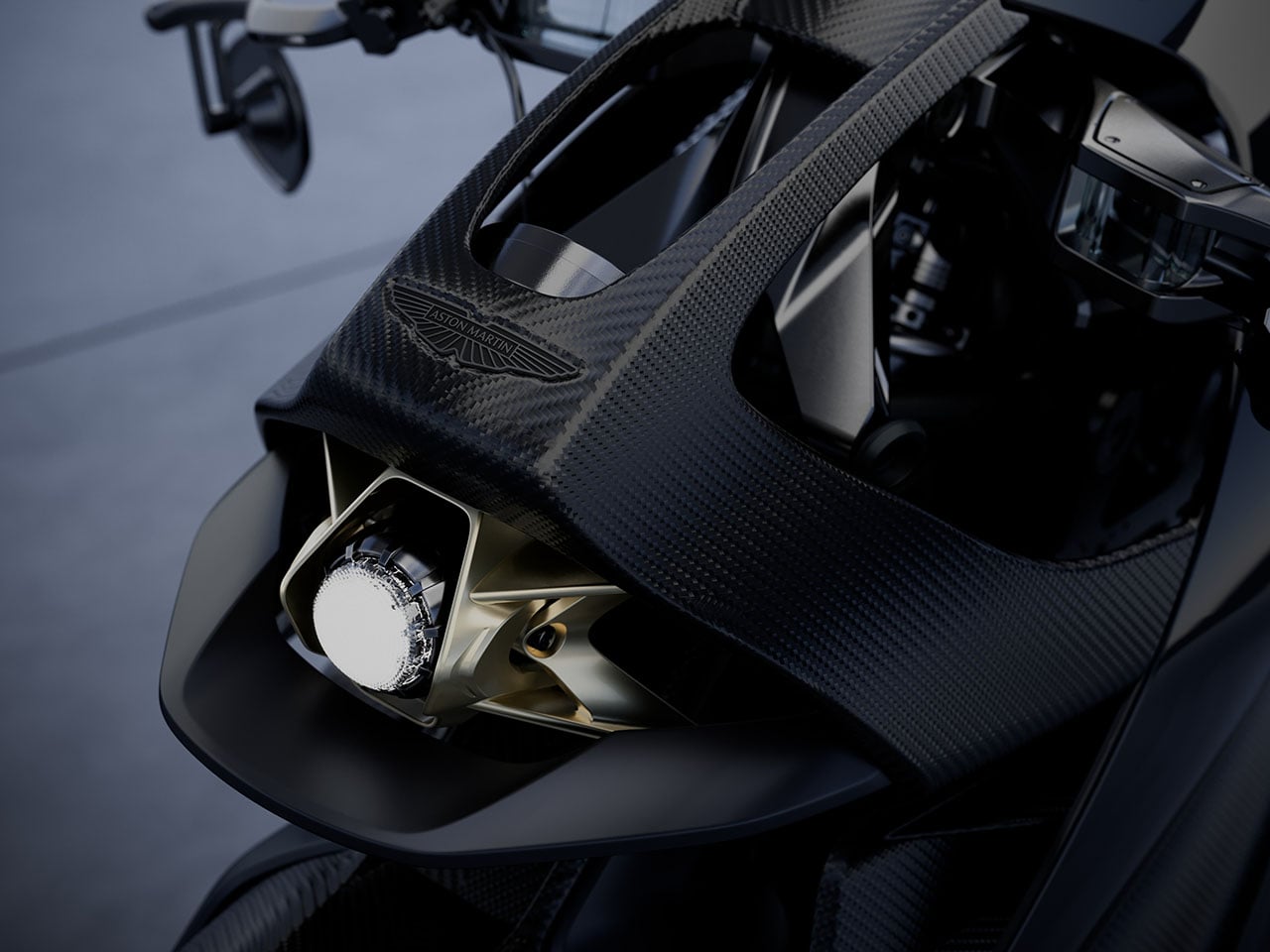
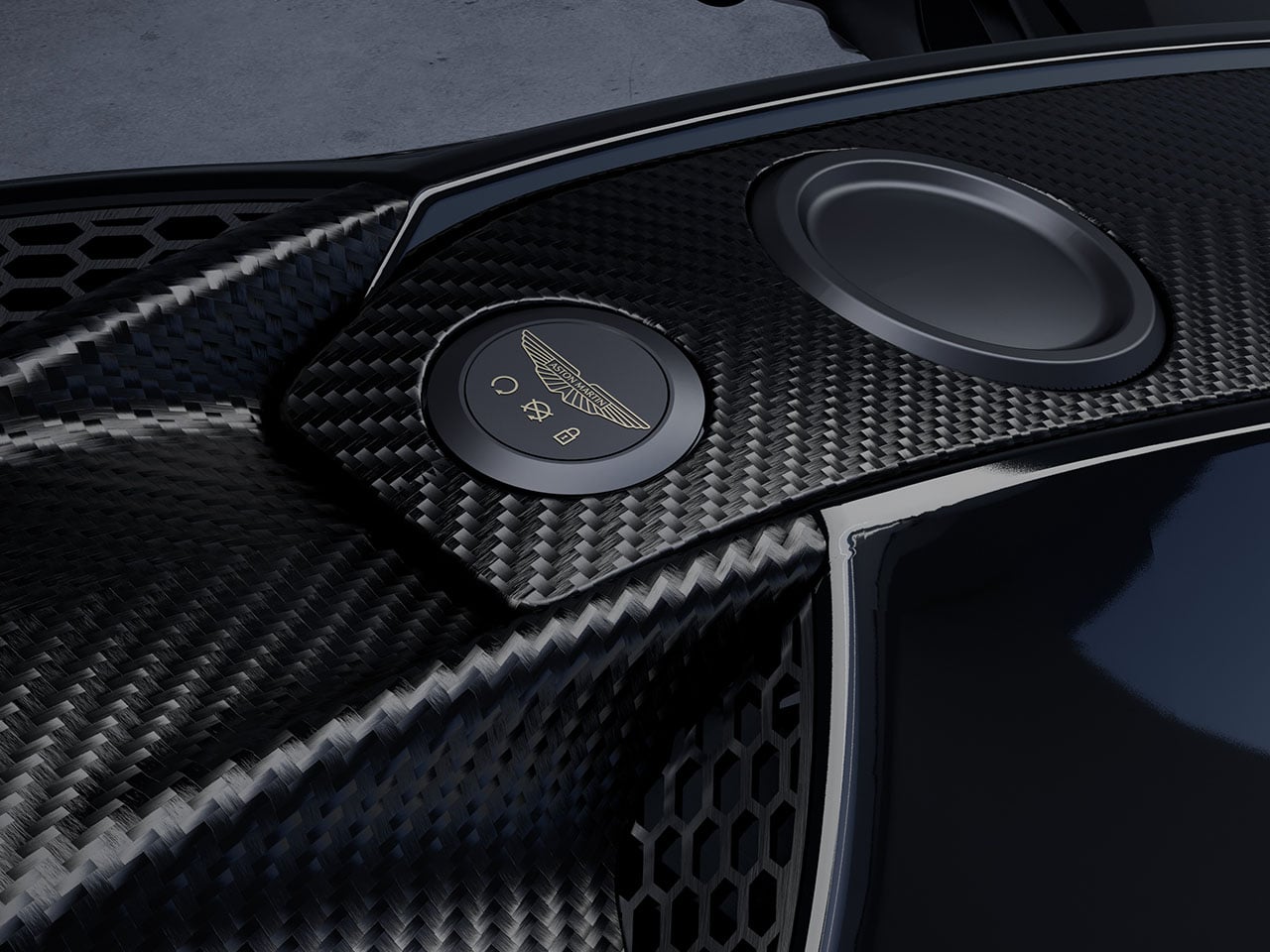
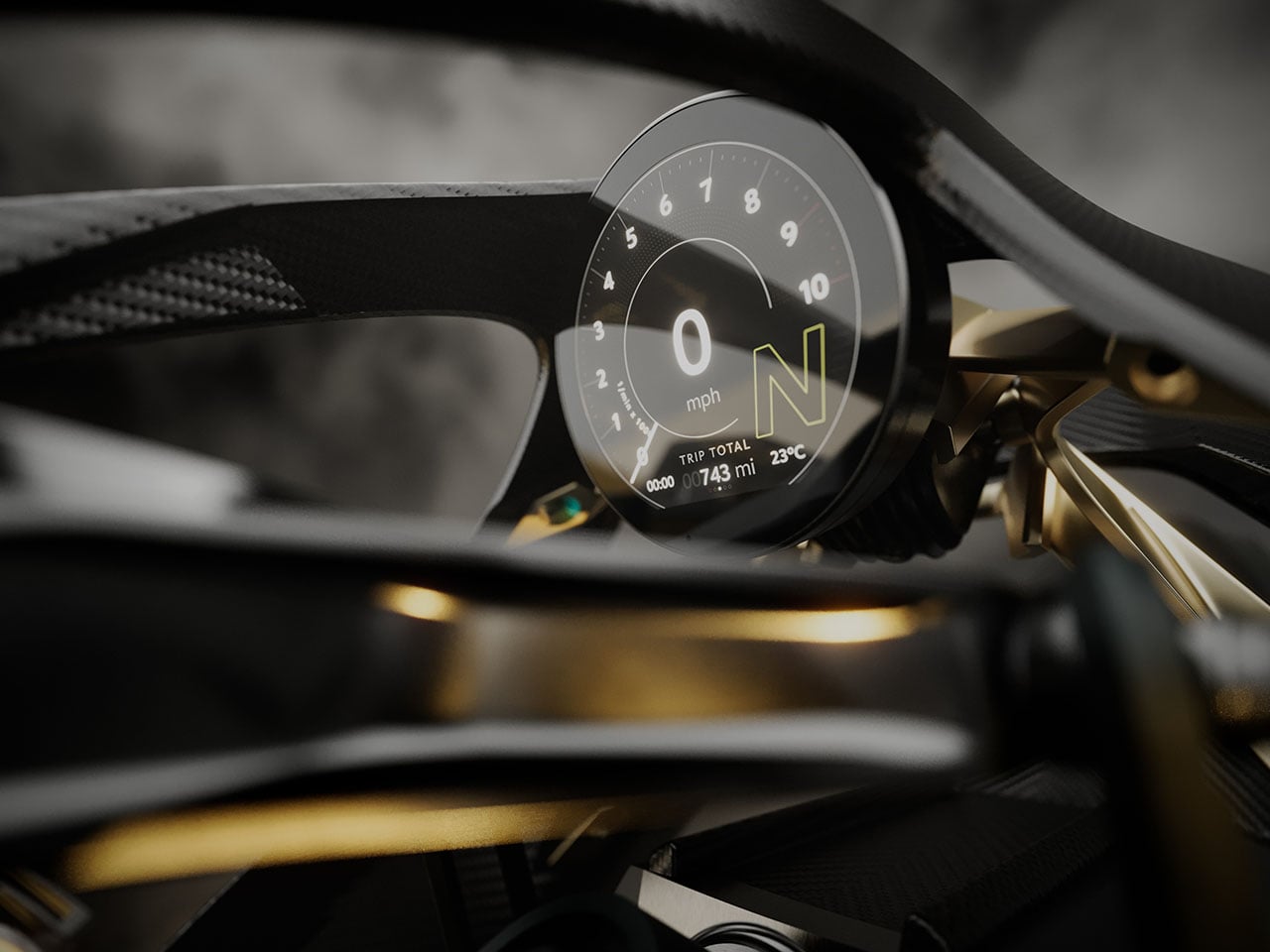
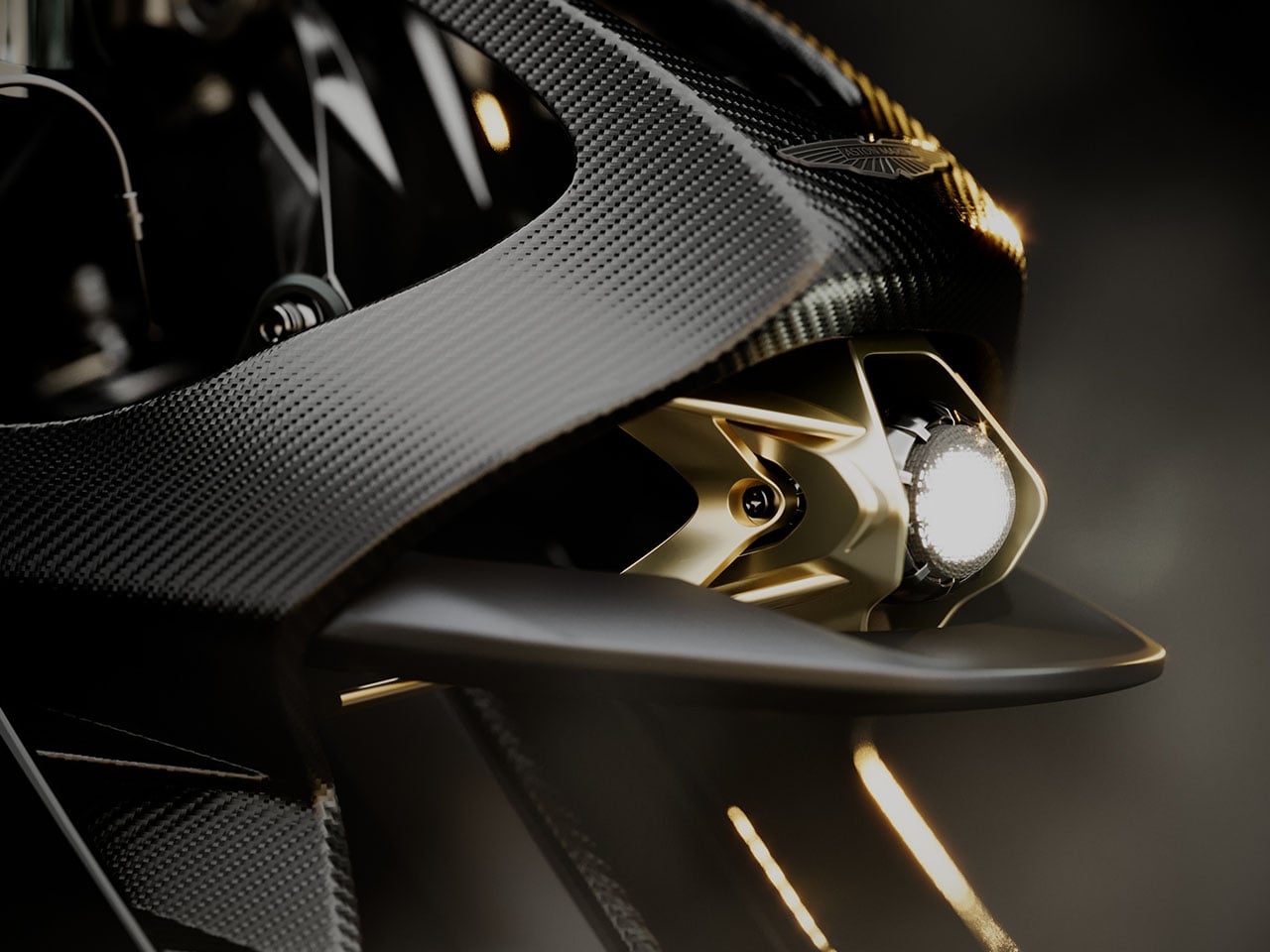
There are also deliberate references to Aston Martin’s cars. The brand’s signature side-strake has been reinterpreted around the headlamp, while the twin oval exhausts feature ribbed heat sinks inspired by the exhaust finishers used on models including the Vanquish, DB12 S and DBX S. At the rear, thin light blades borrow their visual character from the Aston Martin Vulcan, Valkyrie and Valhalla. Even smaller details, including the backlit ignition button, keyless operation and hand-crafted saddle leather seat pads, reinforce the connection between the motorcycle and Aston Martin’s road cars.

Underneath that carefully shaped bodywork is an all-new 1,083cc water-cooled V-twin producing 130 hp and 110 Nm of torque. Rather than chasing an extreme peak-power figure, the engine has been tuned around strong low- and mid-range torque, giving the roadster a more usable character for winding roads. The engine is CNC-machined from billet and built in-house at Brough Superior’s Toulouse facility, where the motorcycle is also machined and assembled.

The engineering gets particularly interesting around the chassis. A titanium structural frame is milled from a solid billet and weighs only 5 kg. It forms the backbone of the motorcycle while helping achieve a 50:50 weight distribution. Carbon-fiber body panels and the fuel tank help keep the center of gravity low, contributing to a total weight of 190 kg. Up front, the AMB 002 uses Brough Superior’s Fior fork, a double-wishbone system evolved from the setup used on the AMB 001 Pro. By separating steering and braking forces, the arrangement is designed to maintain front-end geometry under hard braking while improving steering precision. Its anti-dive characteristics are particularly useful when braking while leaned into a corner.

The result is an unusually focused road motorcycle where materials and mechanical architecture are as important to the experience as outright performance. Brough Superior will build each AMB 002 by hand in Toulouse, with first deliveries scheduled for the third quarter of 2027. Orders are already being accepted, making this less a conventional new motorcycle launch and more a limited production exercise in Aston Martin’s design language beyond four wheels.

The post Aston Martin’s 130-HP road-legal bike brings its luxury design language to two wheels first appeared on Yanko Design.
  •  
❌