❌

Vue lecture

Botnet XCPE - La backdoor restera en place dans les box Android TV

Google vient de publier un long rapport technique dans lequel il explique comment il vient de démanteler XCPE, un botnet de plus de 1,3 million d'appareils Android, contenant surtout des box TV, qui sous louaient en douce la connexion de leurs propriétaires à des services de proxys résidentiels et servaient à faire de la fraude publicitaire. Le pire c'est que ce malware n'a pas été ajouté par un pirate mais était implanté directement dans le firmware, posé là par Videostrong, un fabricant chinois qui revendait ensuite l'accès aux box à des affiliés.

Google a donc attaqué en justice les domaines et les serveurs qui pilotaient le botnet, avec la police nationale japonaise et plusieurs entreprises de sécurité, dont Plume, Synthient et TrendAI, puis il a banni Videostrong, ainsi que ses futures filiales, de la fabrication d'appareils Android certifiés. Pour passer les tests de certification, le fabricant avait masqué son code malicieux et attendu ensuite le premier démarrage de l'appareil pour le charger discrétos. La faille a été corrigée par Google depuis...

Mais et les box déjà vendues, alors ?

Hé bien le billet de TrendAI est cash patate, la coupure a privé l'opérateur de ses commandes, mais l'implant reste sur chaque box / TV, et son nettoyage passe par le fabricant, par la plateforme ou par le remplacement de l'appareil. Le propriétaire n'a pas la main !! D'après Google, x.cpe tourne avec les droits système depuis la partition firmware et, si on le désinstalle, il se réinstalle tout seul au redémarrage depuis la partition /oem, donc autant dire que les propriétaires de ces appareils l'ont dans l'os.

Car sans pilote au manettes, ça ne veut pas dire que le malware est devenu inoffensif. En effet, Plume a épluché le code et les ordres circulent en MQTT sans chiffrement, donc n'importe qui capable de publier une commande peut la faire exécuter par la box. Et comme le contrôle de mise à jour passe en HTTP avec un fichier XML non signé, celui qui détourne le DNS du serveur peut alors prendre la main sur l'appareil easy... Quand au module LinkFog présent sur les TV, celui-ci relance ses tâches tout seul au redémarrage, sans attendre le serveur. Puis surtout, ce genre d'opérateur mafieux est tout a fait capable de reconstruire son infra ailleurs sous une autre bannière et de récupérer son botnet quasiment intact...

Mais alors comment savoir si votre TV ou Box Android est impactée ? Car aucune marque spécifique n'a été citée comme étant à éviter, puisque Google a trouvé le malware intégré dans de nombreux modèles et marques. Cela représente tout de même 206 modèles répartis dans plus de 170 pays. La liste publiée par Synthient et le rapport de Plume citent par exemple des MECOOL, dont la KM2 et la KM9 Pro, et la Strong Leap-S1, et le parc mêle des appareils AOSP et des appareils certifiés Google, donc la certification ne suffit plus du coup à garantir une box saine.

Côté parade, Plume recommande un reset d'usine complet, parce que des modules ont pu déposer d'autres portes dérobées, alors que Synthient conseille de se débarrasser définitivement de ces box, jugées à haut risque de contenir d'autres malwares. À mon avis, le reset seul ne suffira pas, vu que x.cpe est dans le firmware et pas dans les données, donc l'option déchetterie, c'est aussi ce que je recommanderai malheureusement.

Et côté Google, les mesures annoncées sont la mise en place d'un bannissement du fabricant et des contrôles renforcés pour que ça ne se reproduise pas. On verra si ça a un impact ou si les escrocs trouvent une nouvelle faille dans leur processus de certification.

Breeef, en attendant, Synthient conseille de débrancher les appareils suspects et de changer le mot de passe du Wi-Fi. Si votre box est sur la liste, c'est le minimum, mais vu ce que ça peut faire, moi je ne la rebrancherais pas à votre place...

Source : Krebs on Security

  •  

Standard TVs Filter Their Color, the Hisense UR8 Creates Its Own

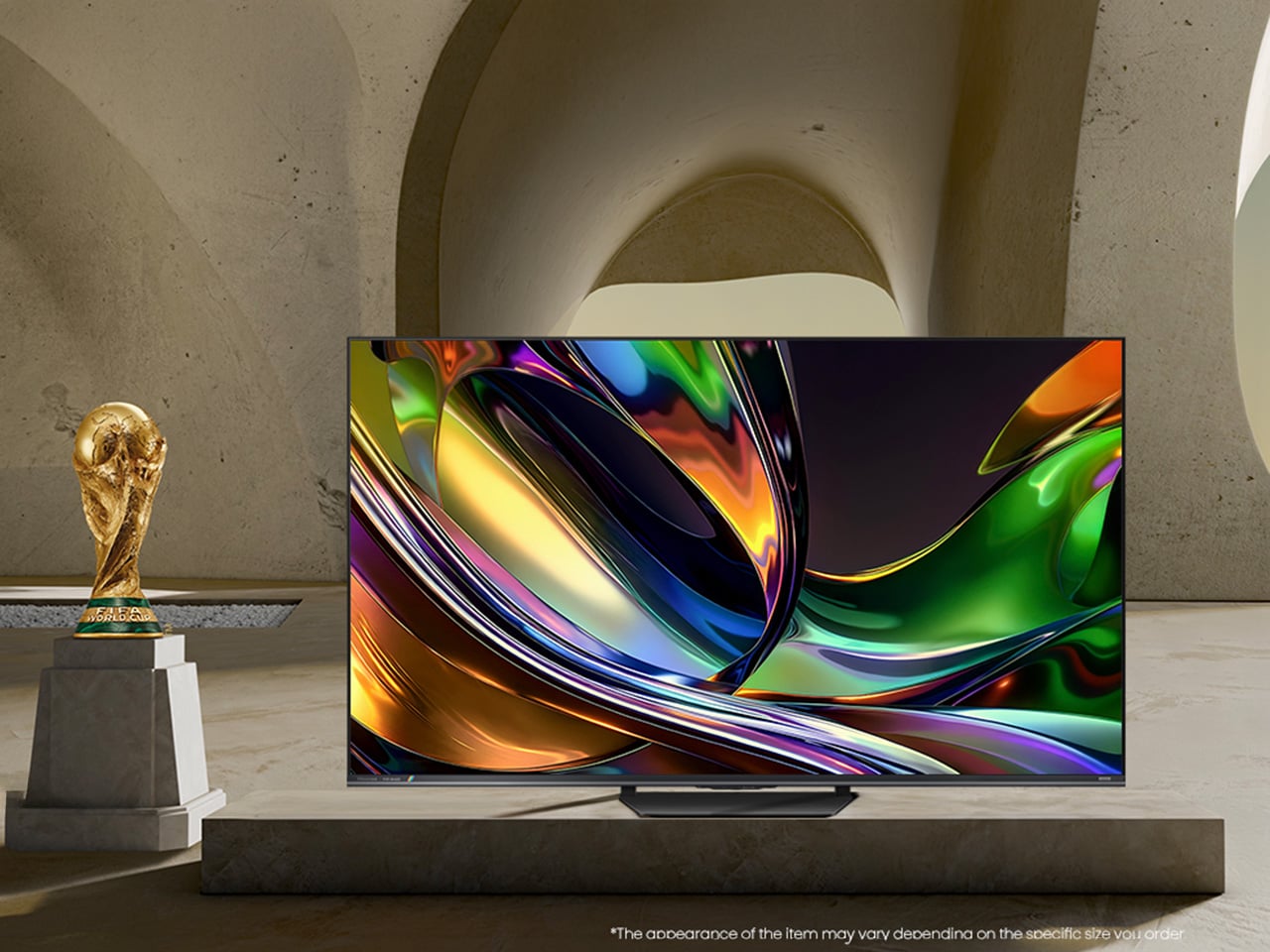
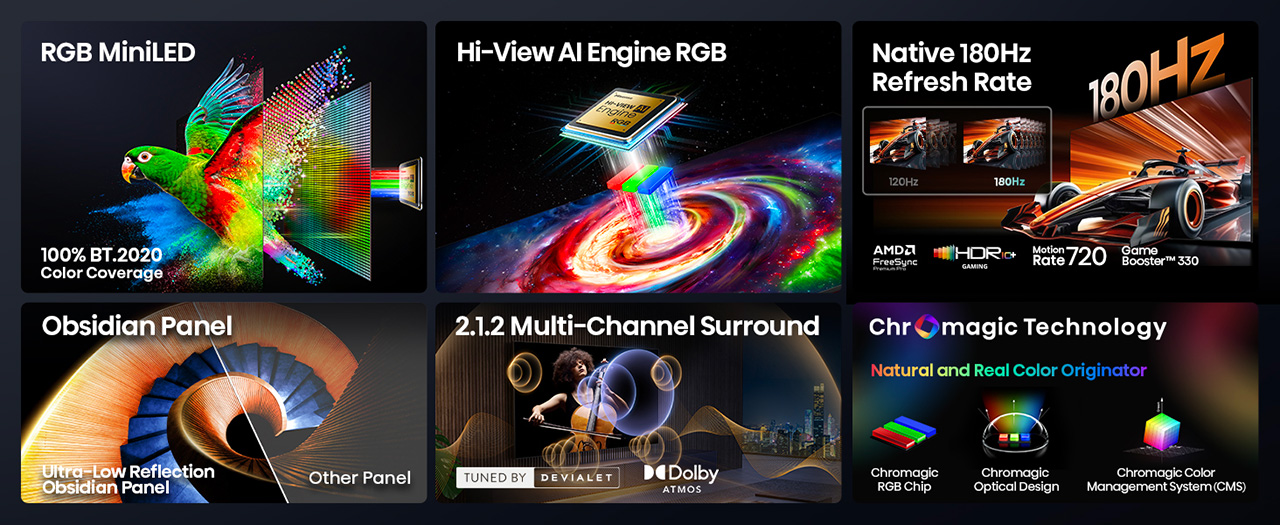
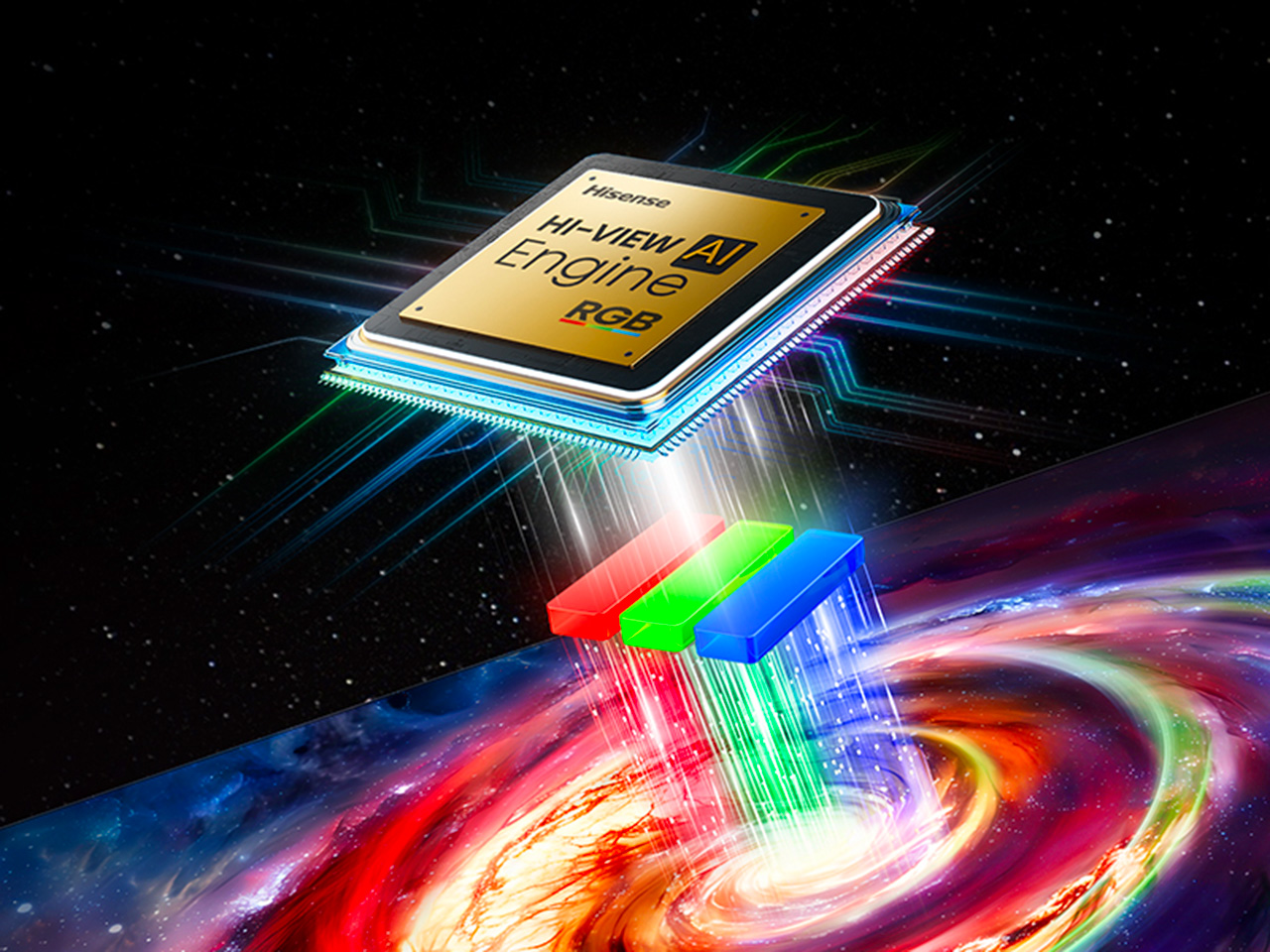
For decades, every television has made color the same way, filtering a single blue light down into red, green, and blue until something resembles a picture. The Hisense UR8 ditches that habit. Instead, it creates red, green, and blue light individually, right at the source, through what Hisense calls Chromagic display technology built on its RGB MiniLED architecture. UR8’s RGB MiniLED, powered by Chromagic display technology, builds color differently, using red, green, and blue light individually to deliver natural and real color that looks closer to life. It’s a real design shift, overdue by a few decades.

Conventional MiniLED TVs work by shining a single blue light and filtering it into color, a process that removes light rather than creating it. The brighter and richer the scene, the more that filtering process quietly throws away. It’s not exactly a flaw, just a limitation baked into how these screens have always been built. Hisense decided to rebuild that process instead of tweaking around it.

Designer: Hisense

Click Here to Buy Now: $1899.99 $2499.99 ($600 off). Hurry, deal ends in 48-hours!

The UR8 swaps that single-source filtering for up to nearly 15,000 individual RGB LEDs working independently across the panel. Instead of dimming zones guessing at brightness, each LED produces its own hue and intensity without needing a filter to correct it later. It’s a quiet redesign most viewers won’t think about, even while doing most of the work behind a different picture.

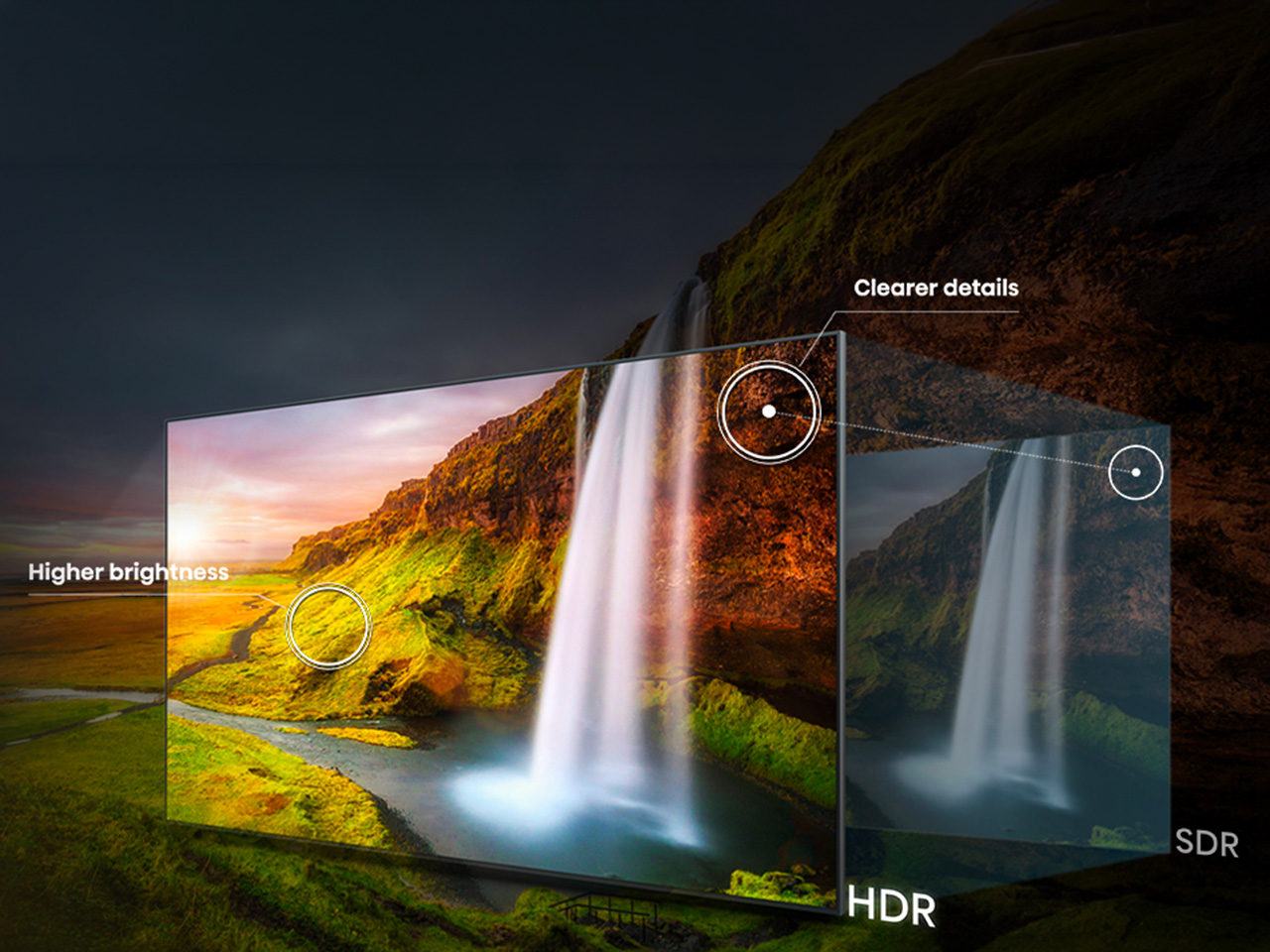
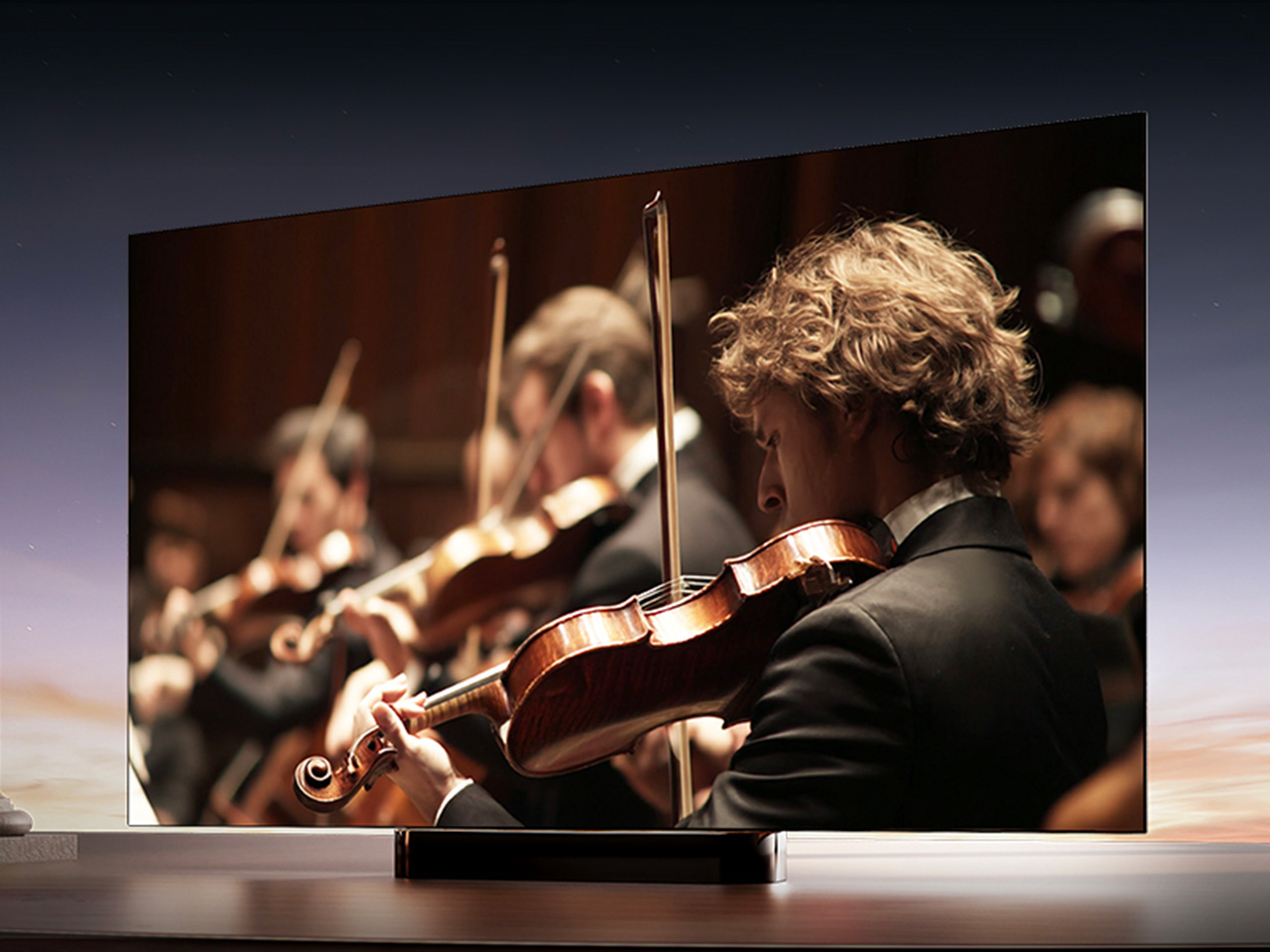
What that translates to on screen is surprisingly specific. Sunsets look warm, skin tones look natural rather than processed, and viewing feels easier on your eyes. Hisense backs this up with a claimed 100% BT.2020 color coverage and Pantone-validated accuracy, though you don’t really need the certifications to notice it.

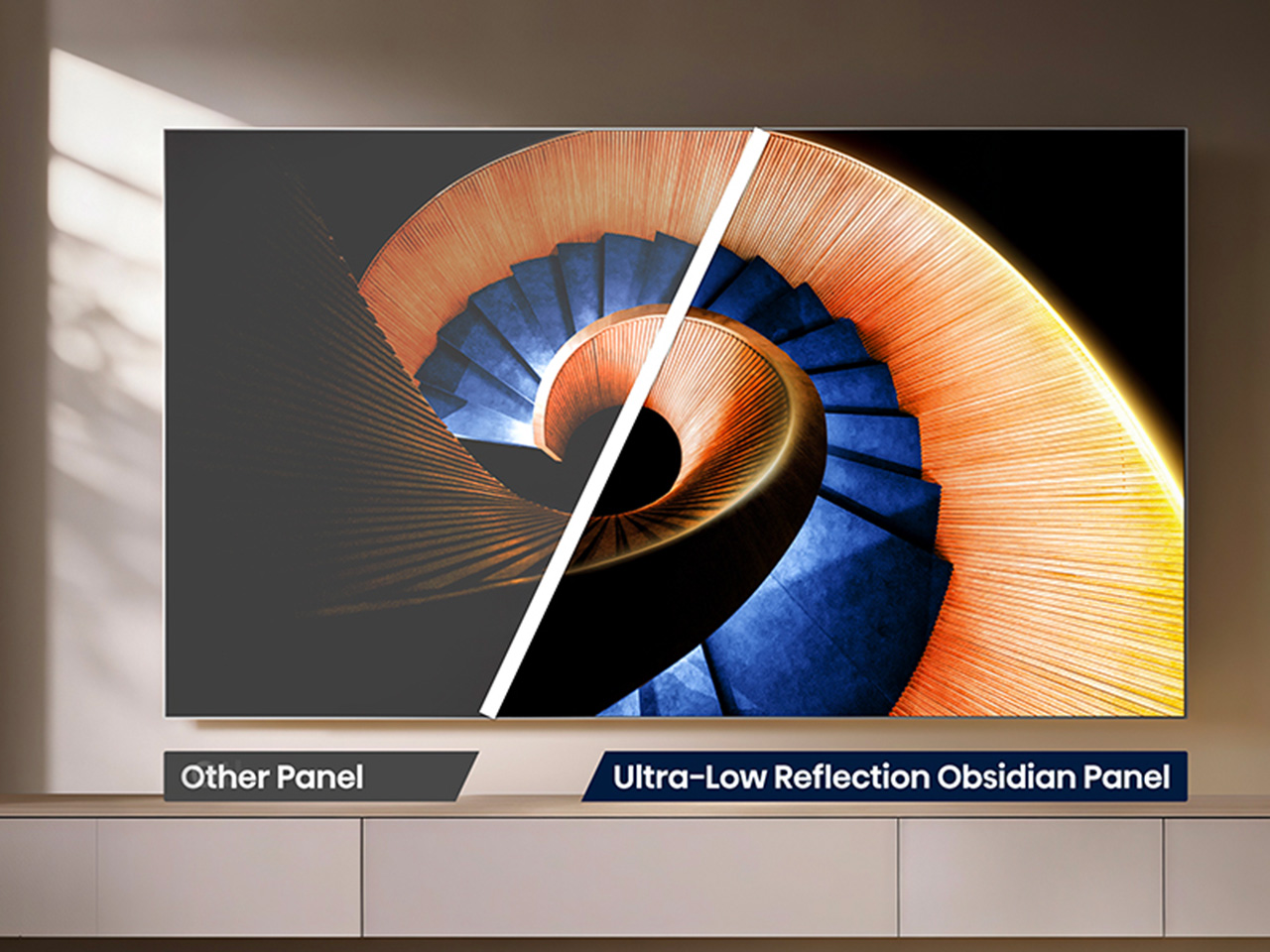
All of that is pointless if the screen turns into a mirror the second you flip on a lamp, which is where the UR8’s Obsidian panel comes in. The Ultra-Low Reflection Obsidian Panel dramatically reduces reflection so the picture stays clear in any room. Dark scenes are up to 3x darker for rich and deep blacks, never gray, never washed out. That’s a practical call for people who watch TV in living rooms, not theaters.

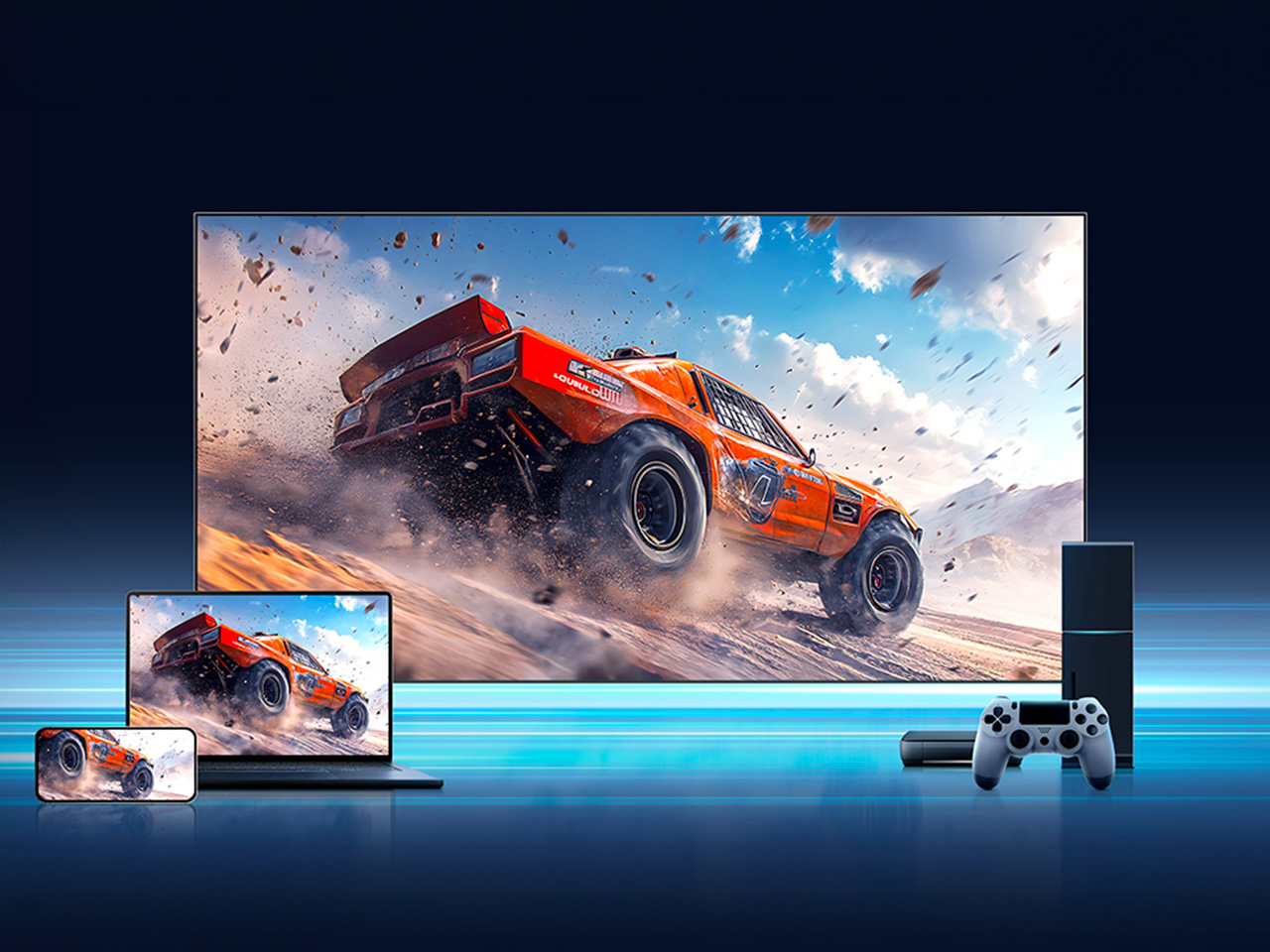
Gaming is where the UR8’s engineering choices show off. Native 180Hz motion processing reduces blur in fast-moving content so you can follow the action clearly, whether it’s a live game or a quick-cut sequence. Game Booster 330 with the Enhanced Game Bar supports VRR up to 330 and AMD FreeSync Premium Pro certification for smooth, tear-free gameplay. Four HDMI 2.1 ports mean a console or gaming PC doesn’t fight for bandwidth.

That same motion handling pays off during live sports, when a fast break or a corner kick doesn’t turn into a blur of jerseys. Pair that with color that looks closer to what you’d see in person, and the UR8 becomes the kind of screen that naturally holds a room’s attention. A television already sits at the center of most living spaces, planned or not.

There’s a quieter benefit in this RGB engineering. Because RGB MiniLED creates natural and real color directly rather than filtering light, it wastes less energy and uses 40% less overall. Hisense says the UR8 also delivers nearly 50% less harmful blue light than standard MiniLED displays, independently certified by TÜV Rheinland. It’s a rare case where a design choice made for better color also means an easier bill and easier eyes.

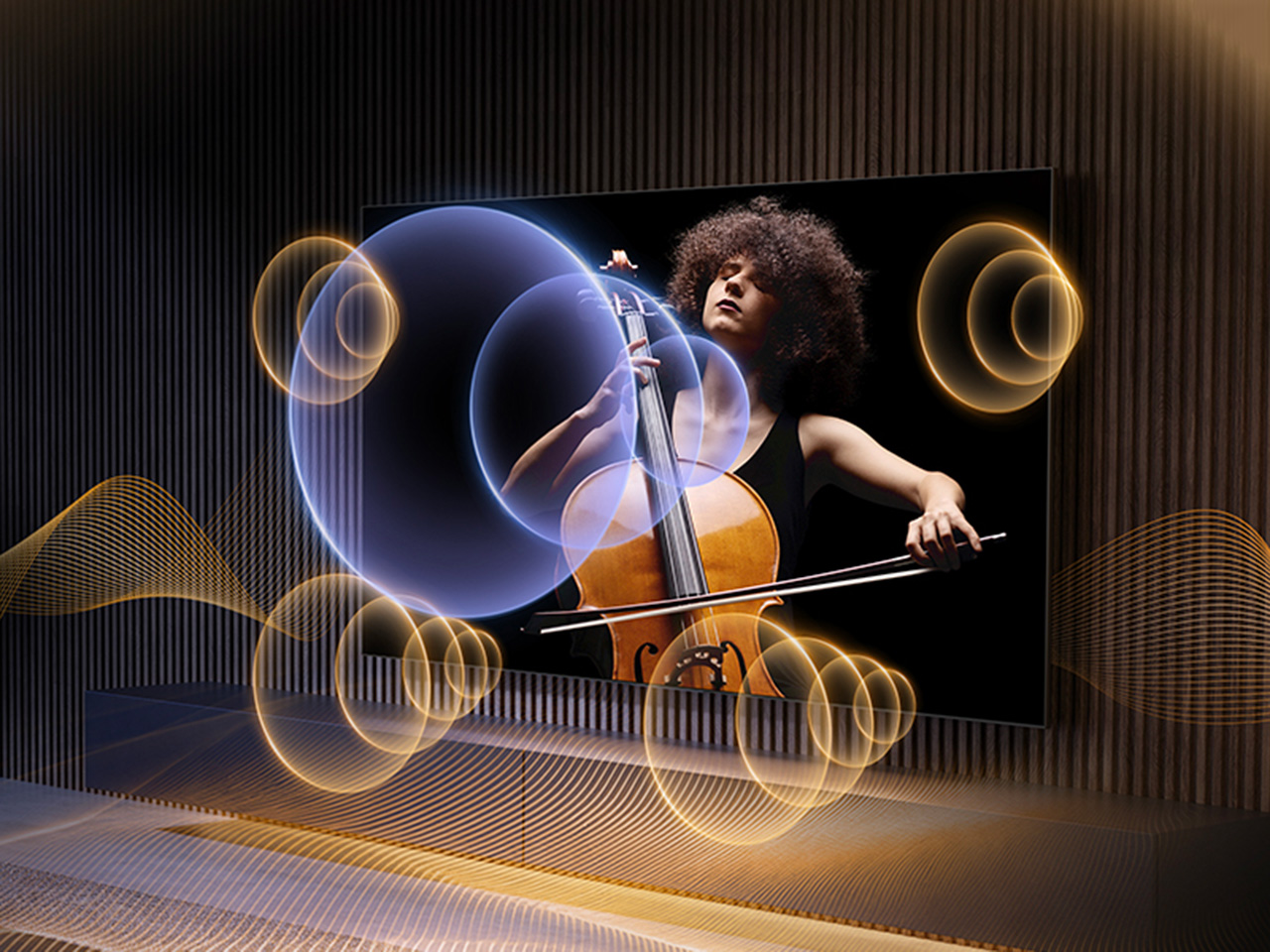
The software side keeps pace with the hardware. Google TV with Gemini lets you chat with a conversational AI assistant, discover what to watch with personalized recommendations across 10,000-plus apps, or find content by simply describing what you want. Sound comes from a built-in 2.1.2 multi-channel speaker system tuned by Devialet, with Dolby Atmos support, so the audio doesn’t feel bolted onto an otherwise impressive screen.

The UR8 lineup spans 55, 65, 75, 85, and 100 inches, with pricing starting at $1,299 and available at Best Buy, backed by a two-year warranty. That range matters because it puts a genuinely different approach to color inside apartments and larger family rooms, not just showroom displays. Good engineering ideas usually take years to trickle down to accessible prices. This one arrived a little faster than expected, and it shows.

Click Here to Buy Now: $1899.99 $2499.99 ($600 off). Hurry, deal ends in 48-hours!

The post Standard TVs Filter Their Color, the Hisense UR8 Creates Its Own first appeared on Yanko Design.

  •  
❌