❌

Vue lecture

Voxel the Robot Wants to Tidy Your Home Without Looking Human

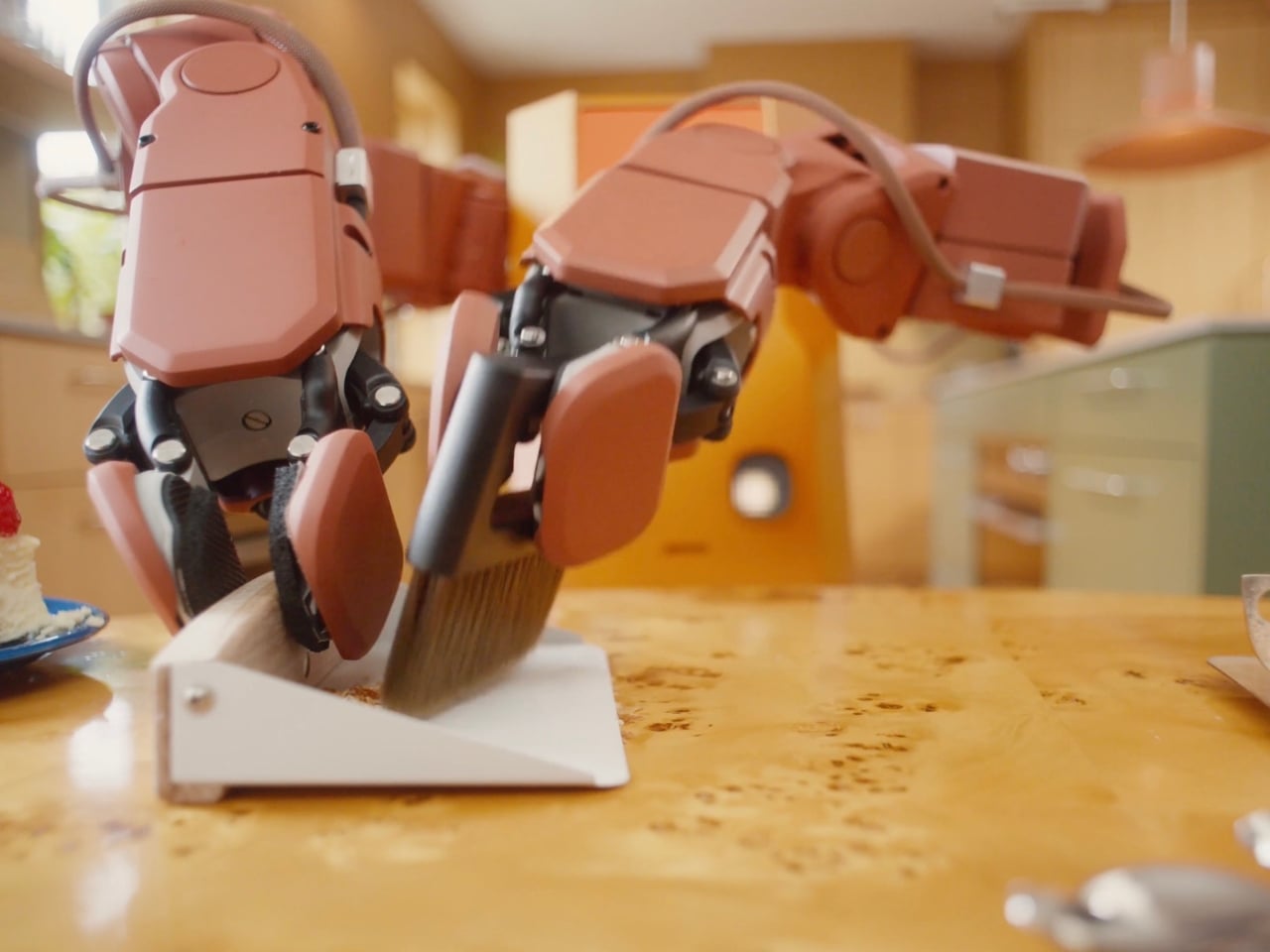
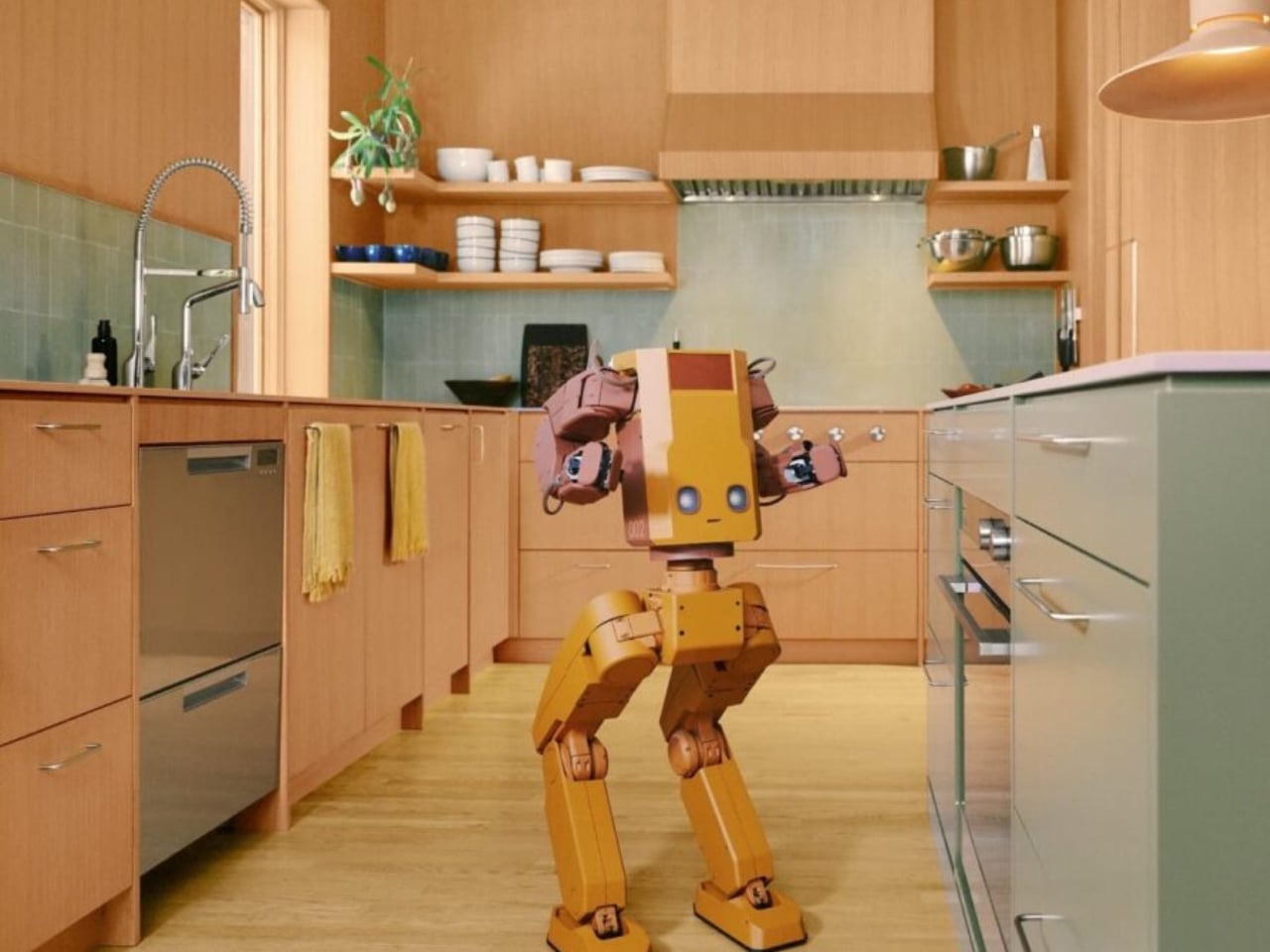
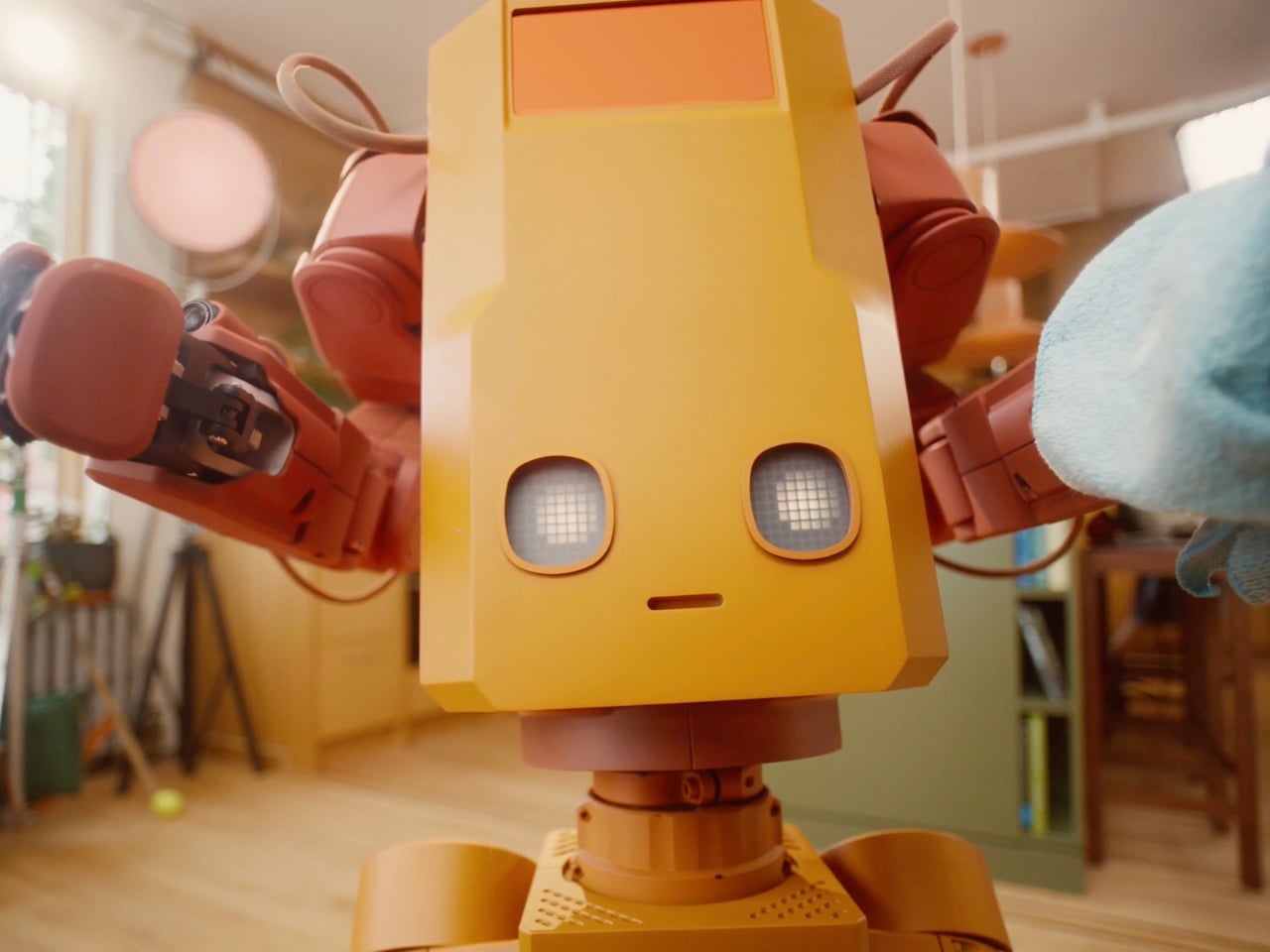
A mustard-yellow body, rosy arms, and bent legs make this household robot look like it might wander out of an animated movie and ask where you keep the mugs. Its illuminated eyes sit low on a boxy torso, leaving a lot of forehead, if that’s even the right word. I like the awkward proportions. They give it character without trying to pass for a person.

Called Voxel, the robot is being developed by New York company Tuesday Labs to tackle the little jobs that keep a home from staying tidy. Put the book away. Bring over a drink. Water the plants. Remember where the wallet went. Those are the four roles outlined for the robot: Home Reset, Fetch, Tend, and Find.

Designer: Tuesday Labs
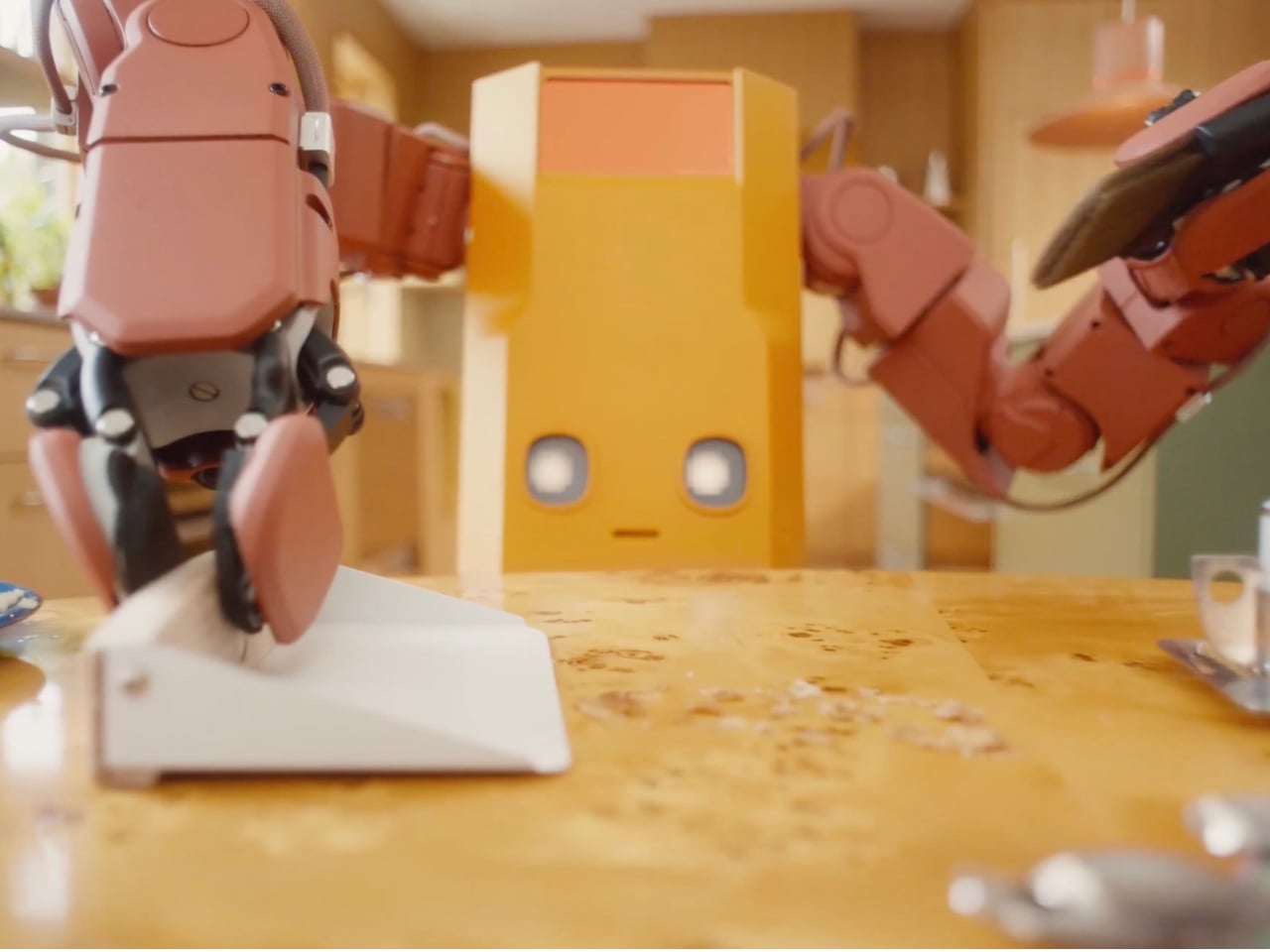
For now, though, Voxel is a development prototype, not a household appliance you can order for next weekend. Tuesday Labs expects to substantially redesign its hardware before delivery, and its reservation agreement says appearance, capabilities, and specifications may change significantly. That distinction matters here because the version we’re admiring is also a design proposal, not a settled promise about what arrives at your door.

Still, I’m glad the proposal has a point of view. The warm colors and exposed joints make Voxel look approachable to me, while the unapologetically mechanical body avoids the strange social expectations of a realistic human face. Tuesday Labs works with illustrators, animators, and character designers on its robots. You can see why that matters: a machine sharing your kitchen has to be tolerable company, even when it isn’t doing anything.
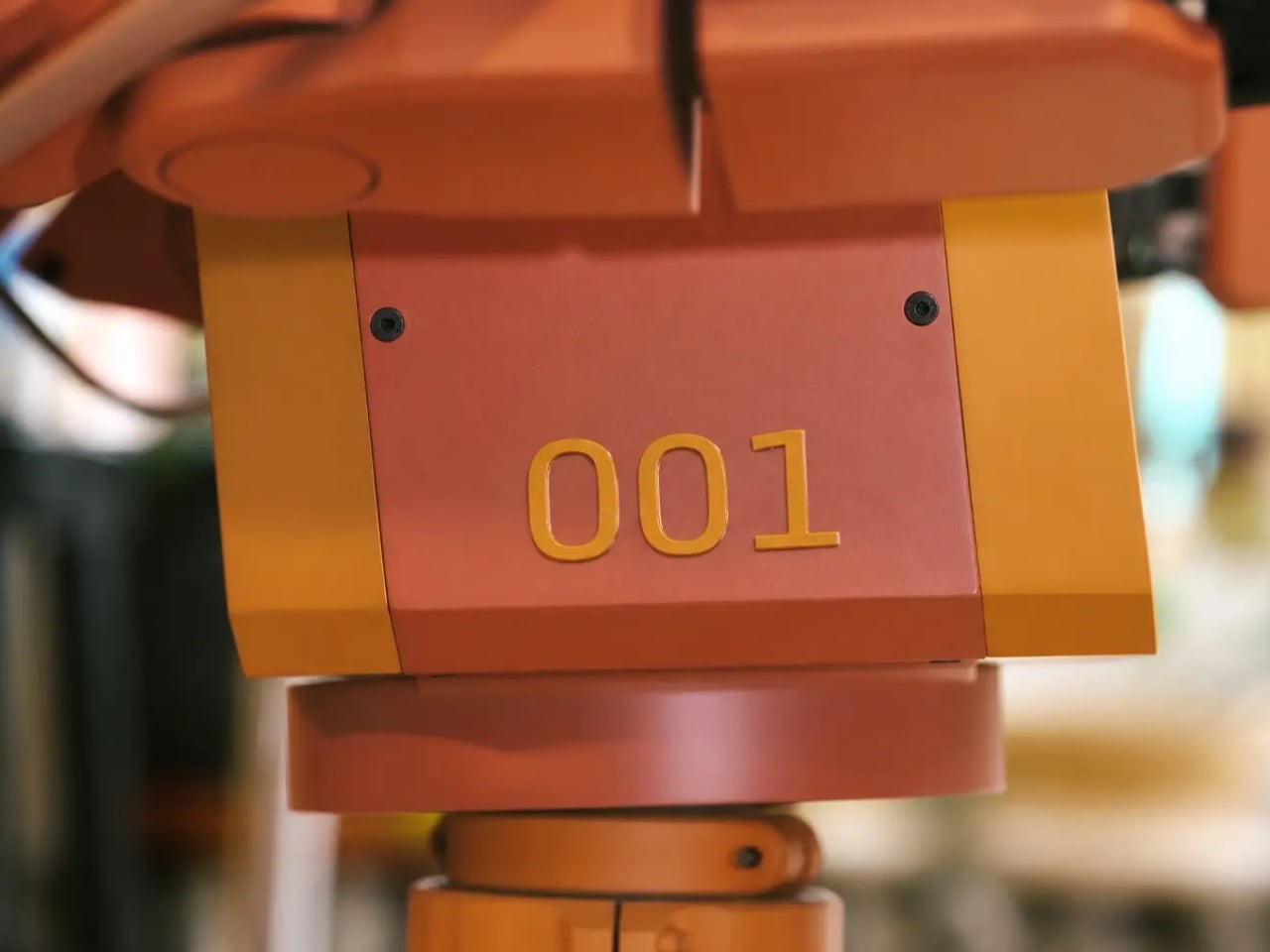
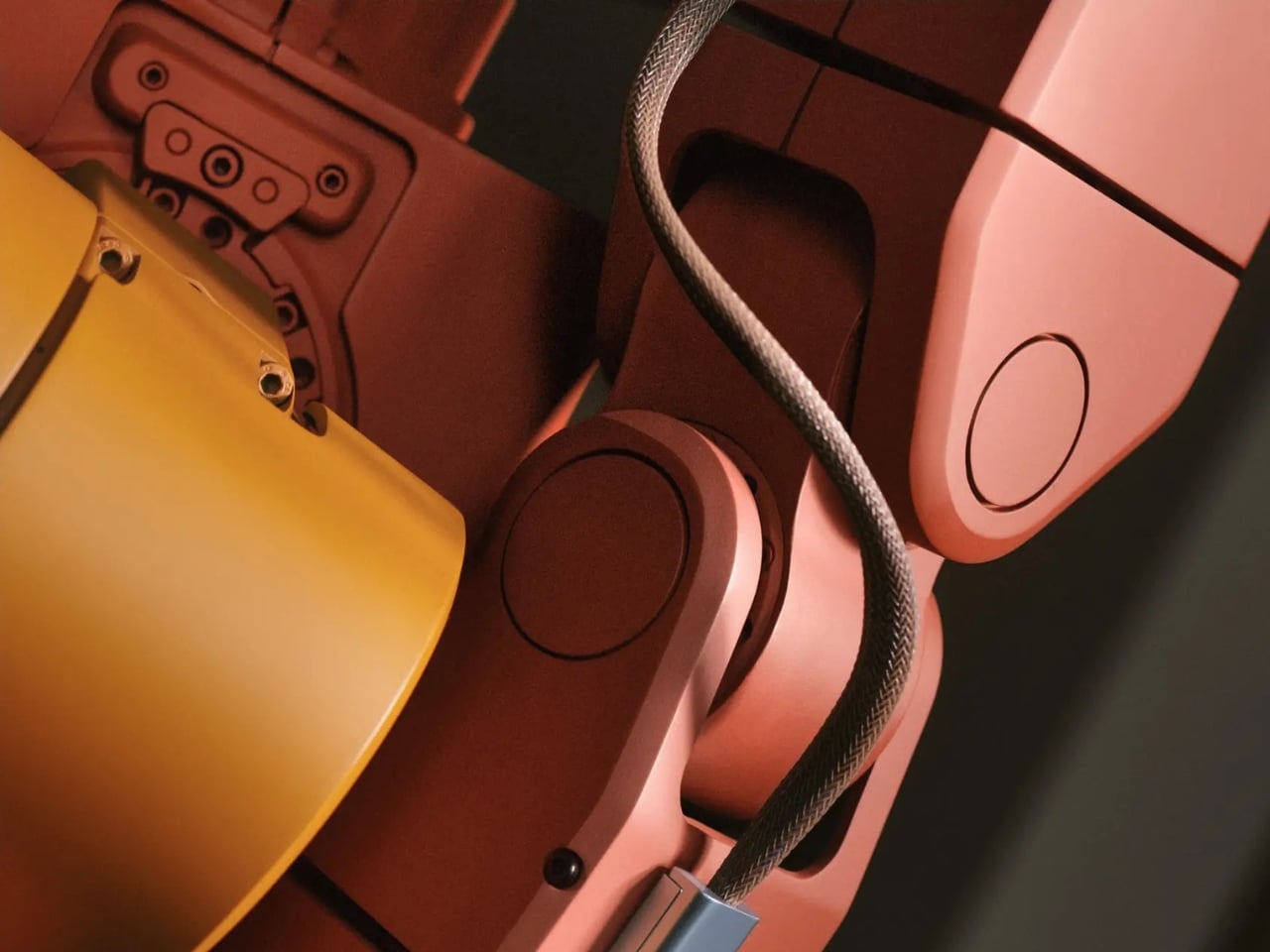
The hardware description is more practical than the cartoon styling suggests. Each arm has seven degrees of freedom and an actuated wrist, intended to help it maneuver around counters, shelves, and doors. The grippers have just one degree of freedom. That’s a relatively simple hand for a complicated environment, and I’d judge it by how consistently it handles everyday objects rather than how convincingly it imitates fingers.

Find is the feature that makes the premise feel especially relatable. Tuesday Labs says Voxel would tell you where it last saw a misplaced object. That’s a modest but useful distinction: remembering the wallet on the counter is different from magically knowing where it is now. I’d take a dependable last sighting over a confident guess, particularly during the familiar scramble to get out the door.
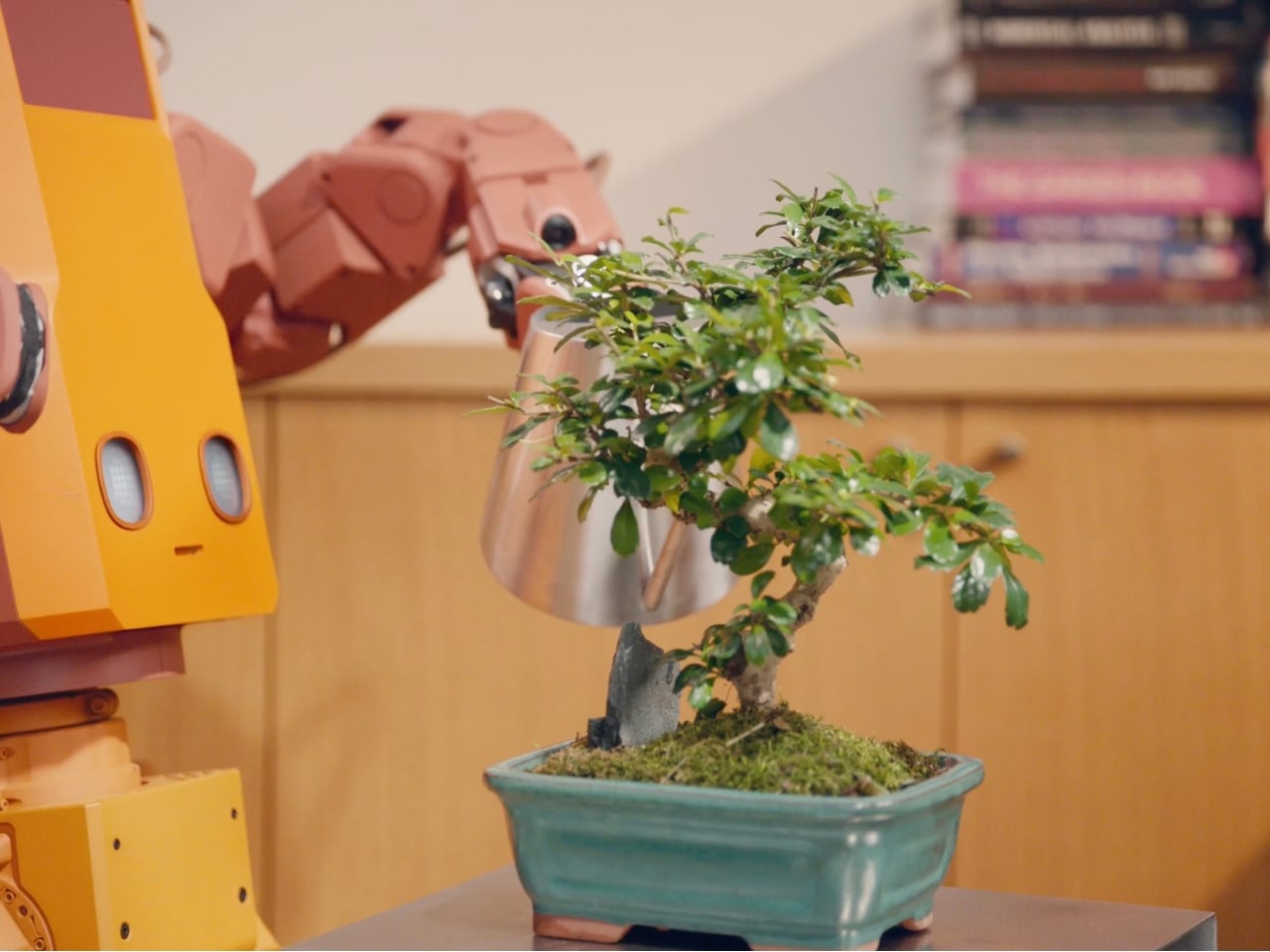
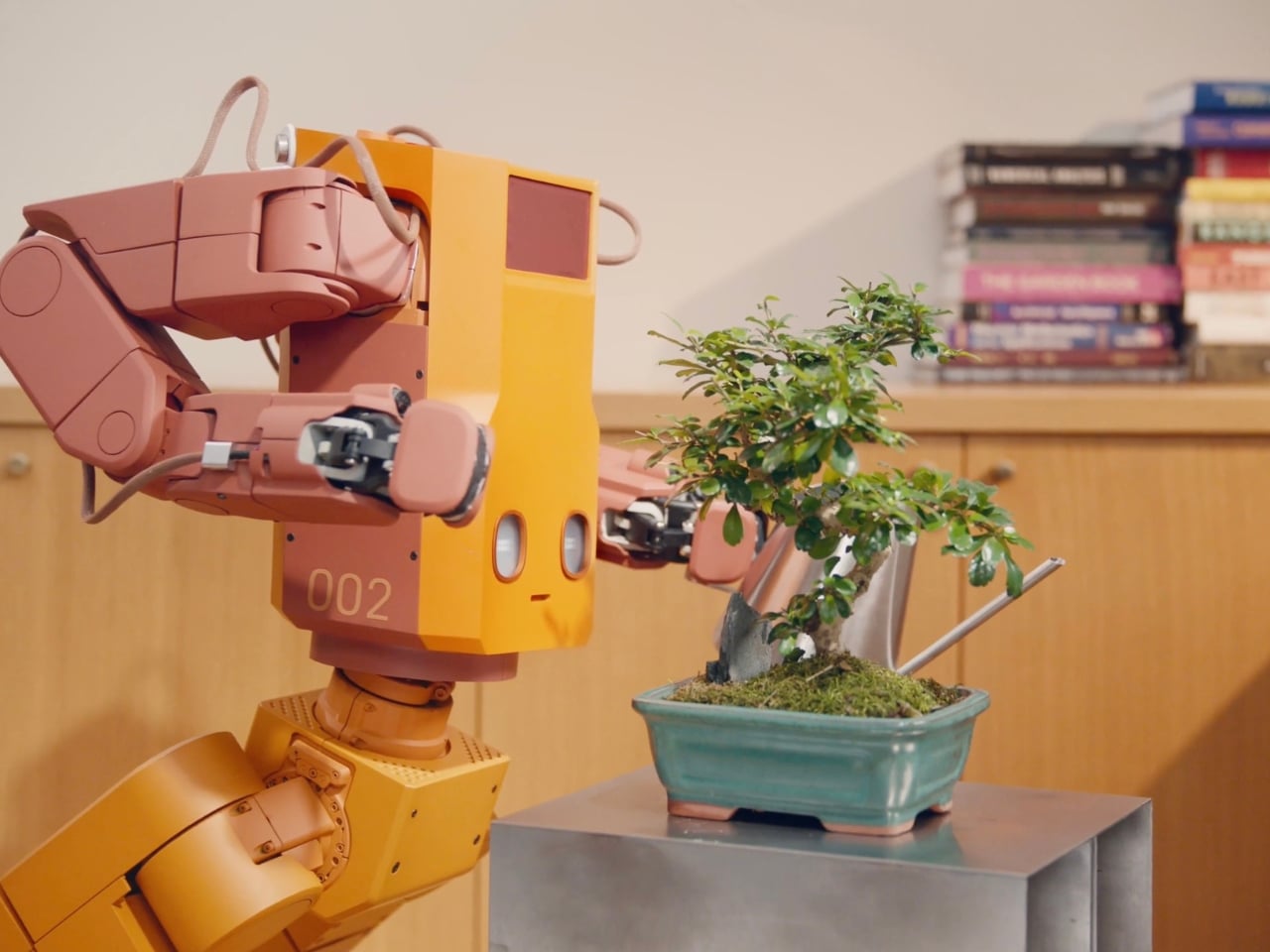
The plant-watering brief also sets a sensible scale for the ambition. I don’t need a robot to perform an elaborate dinner routine to understand the appeal of getting small chores off my list. The harder question is how much setup and supervision those chores would require. A helper that needs constant rescuing would simply create another household responsibility.

That attentive presence raises a less photogenic design issue, too. Voxel’s listed vision system includes stereo RGB cameras and wide-field vision. Before putting one in my living room, I’d want clear answers about what gets recorded, what stays on the robot, and who can access it. The published privacy policy covers the website, purchases, and reservations; it doesn’t establish those operating details for a robot inside the home.
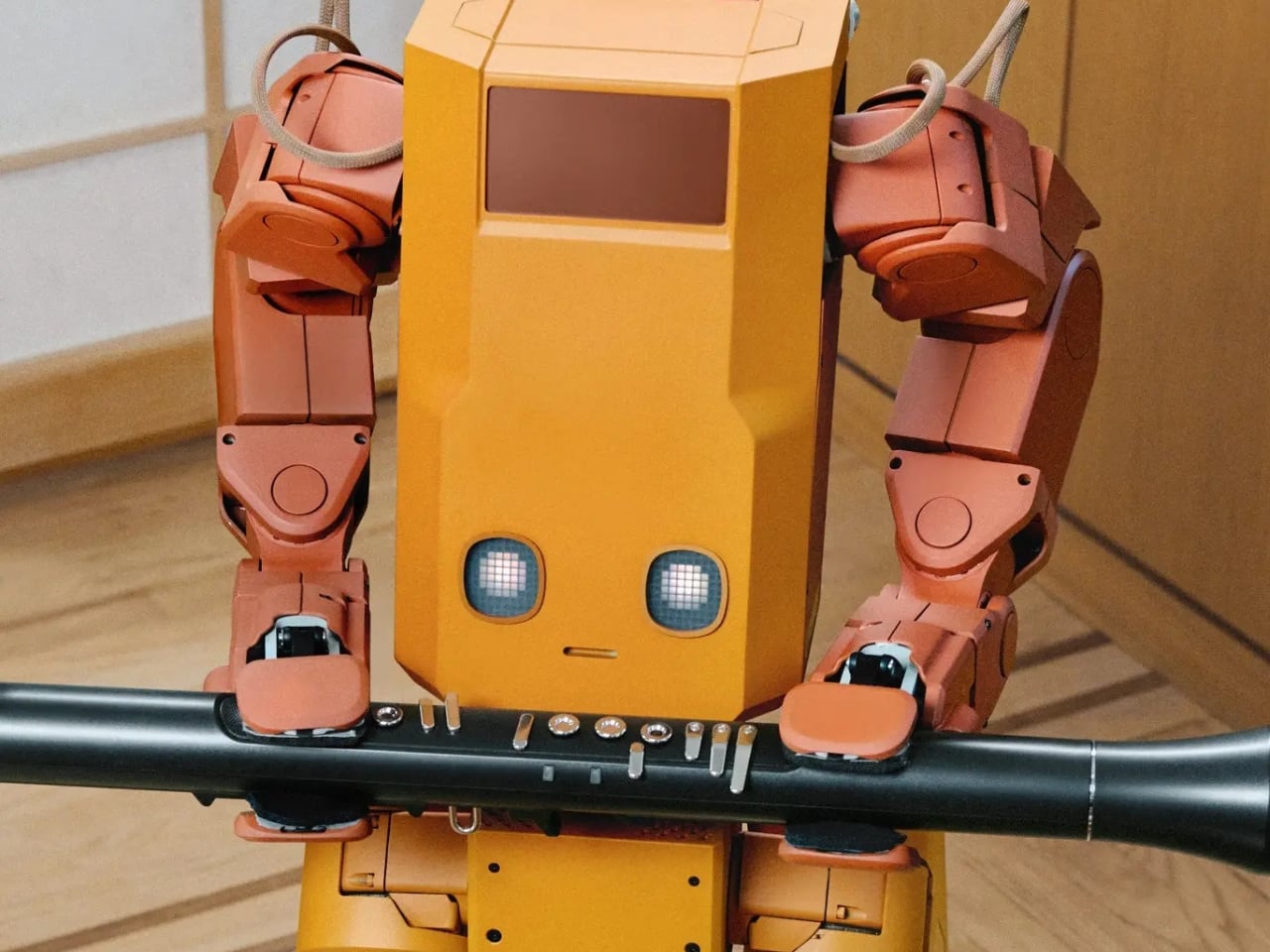
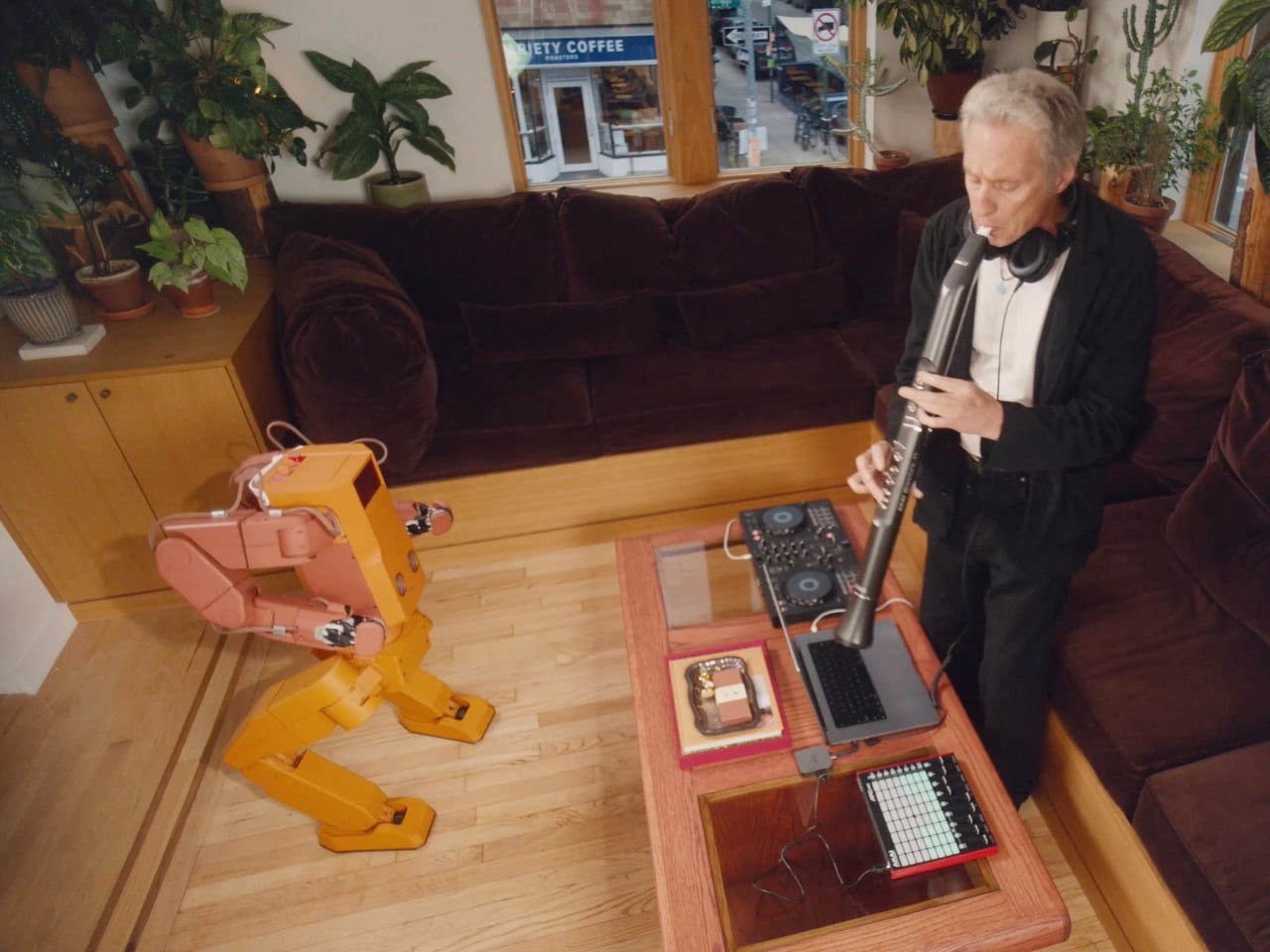
The financial commitment is equally worth slowing down for. Reservations cost $200 and are fully refundable before an order is placed. The estimated purchase price is $20,000, not a fixed final price, and deliveries are expected to begin in 2028, potentially later. A reservation buys an opportunity to purchase, not a finished machine or a guaranteed arrival date.

At that price, charm would get Voxel my attention, but it wouldn’t settle the decision. I’d want to watch it repeat the same ordinary tasks, unassisted, in a room that hadn’t been carefully arranged for it. Keep the odd proportions and the expressive eyes. Just make the useful behavior as convincing as the character. A robot earns its place beside the couch by giving you fewer reasons to get up.
The post Voxel the Robot Wants to Tidy Your Home Without Looking Human first appeared on Yanko Design.

  •  

Mori the Mushroom Robot Offers Company Without Saying a Word

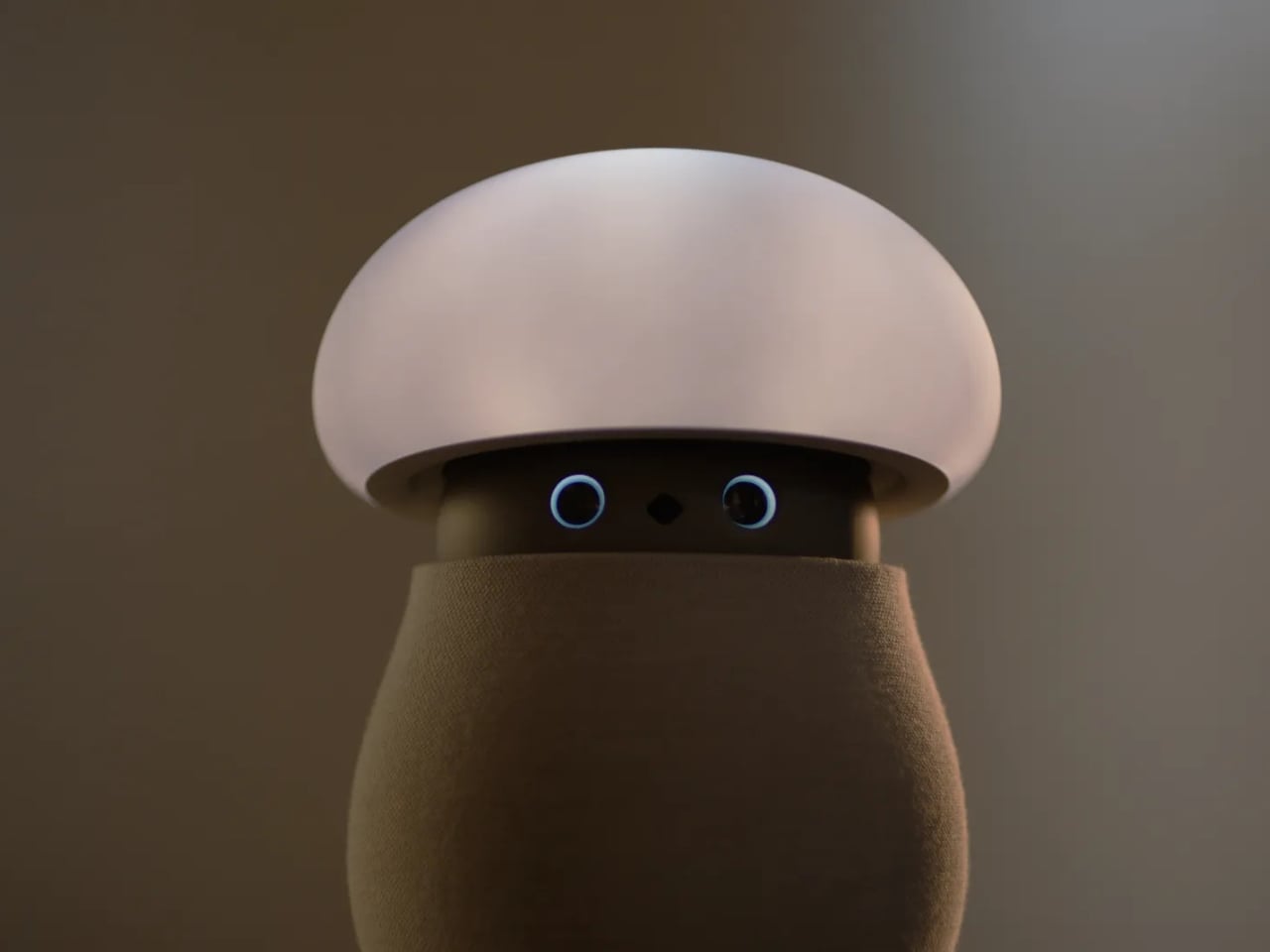
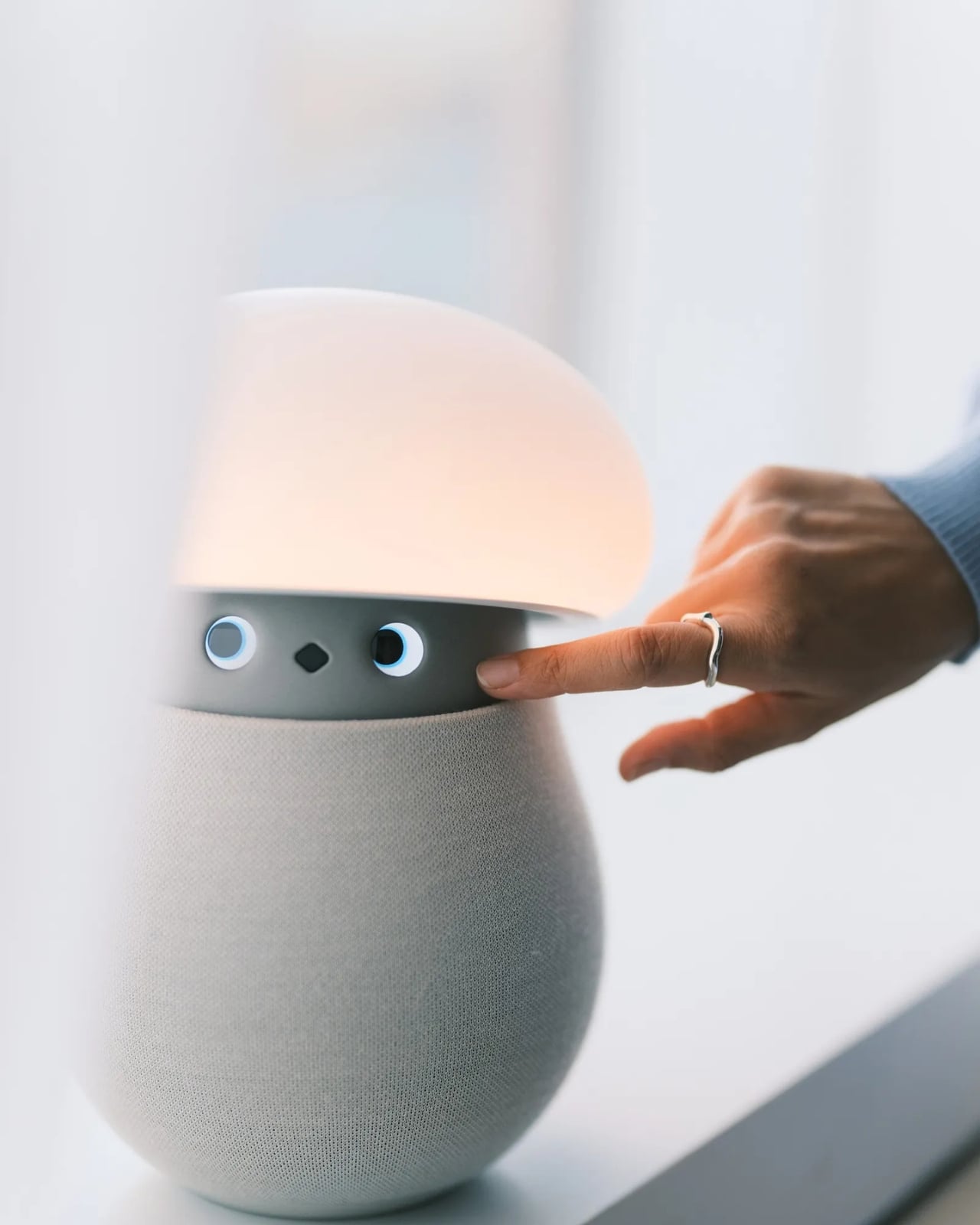
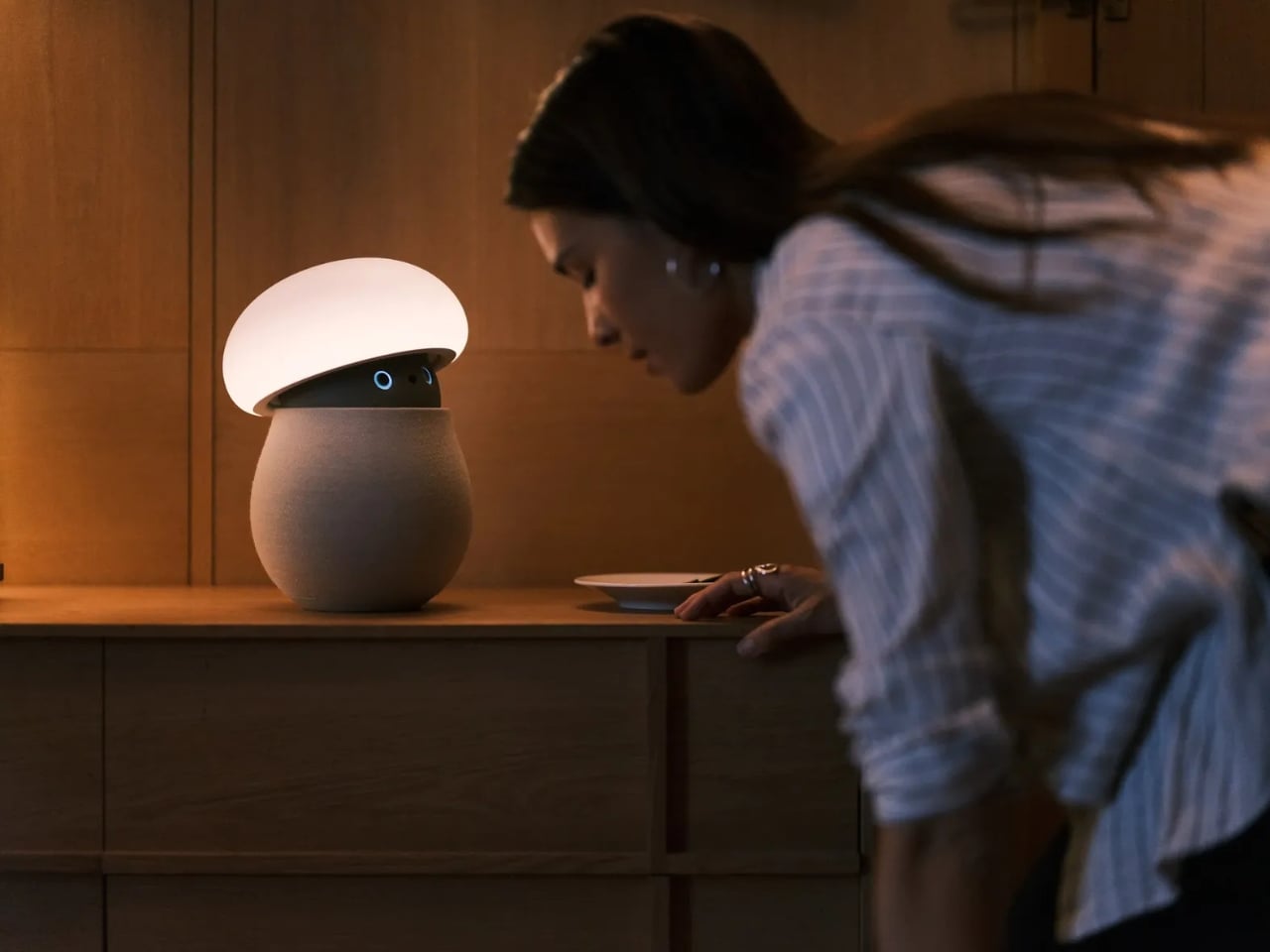
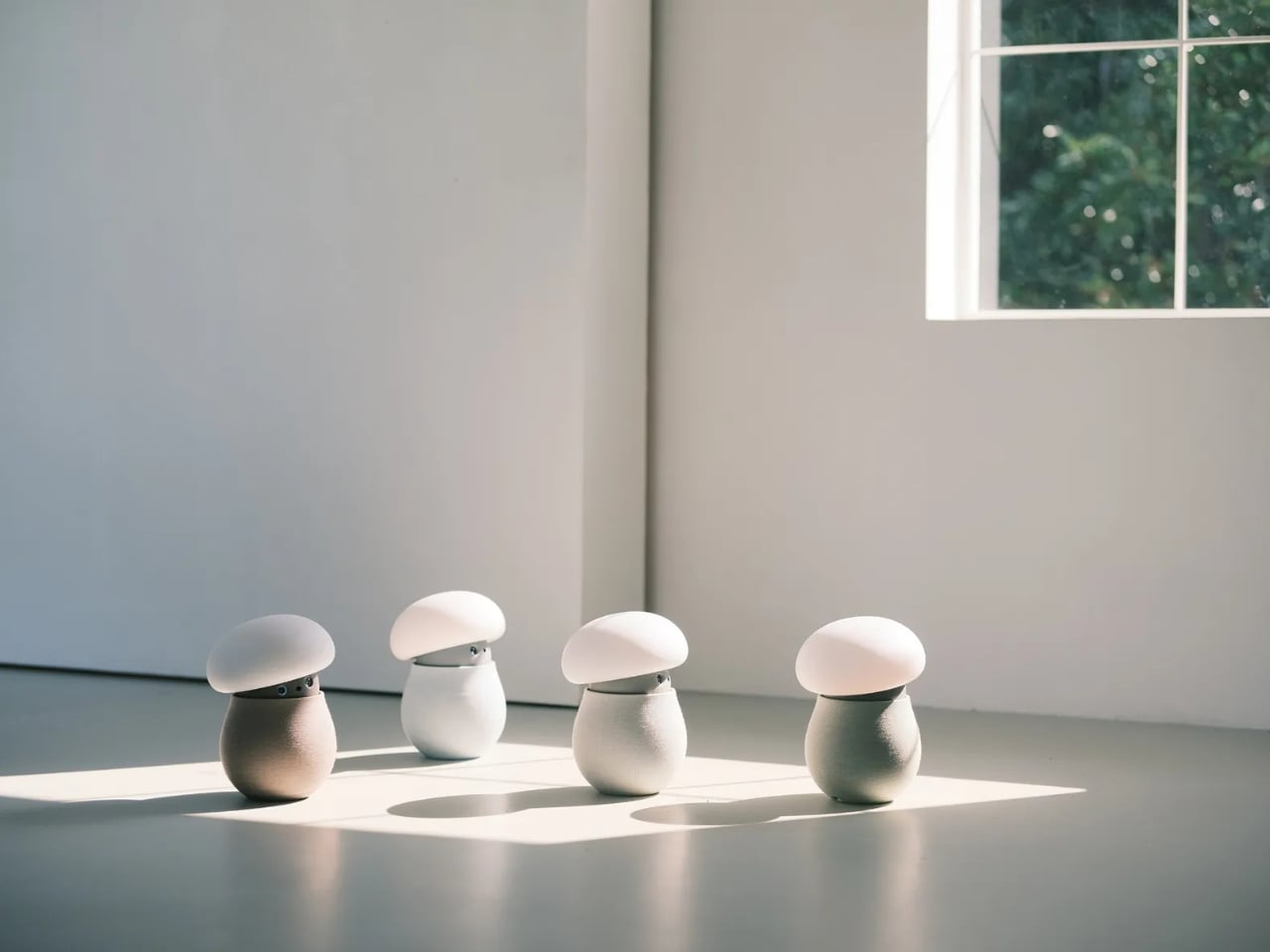
A mushroom with glowing eyes is an easier sell for my nightstand than a miniature humanoid. OKA’s Mori takes that approachable shape and gives it a specific job: offering a little company and a reason to pause, without making another screen the center of attention. Currently offered through an early-purchase program, the companion robot uses light, sound, and movement to bring some presence to a quiet room. The ambition is modest enough to feel appealing.

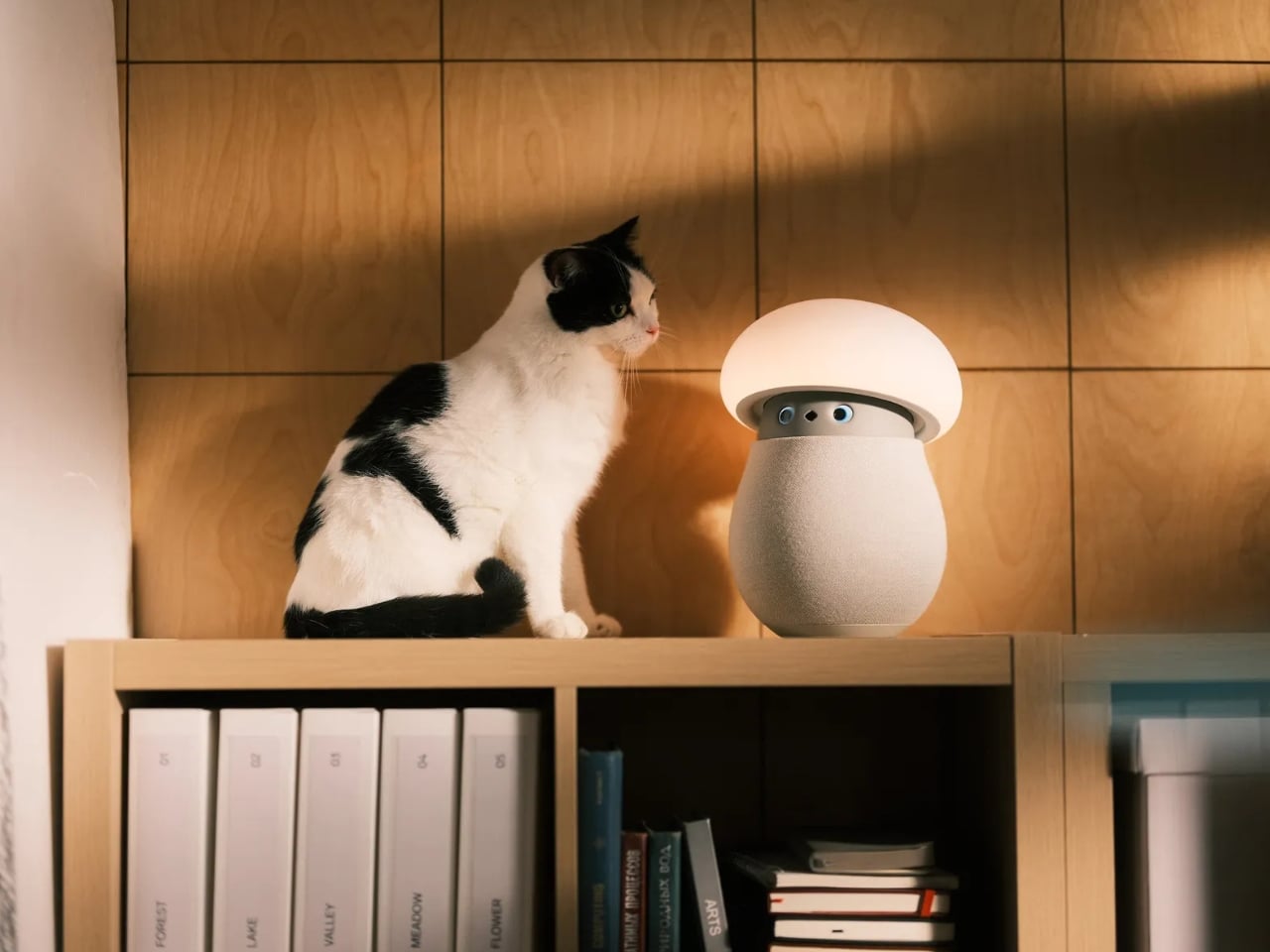
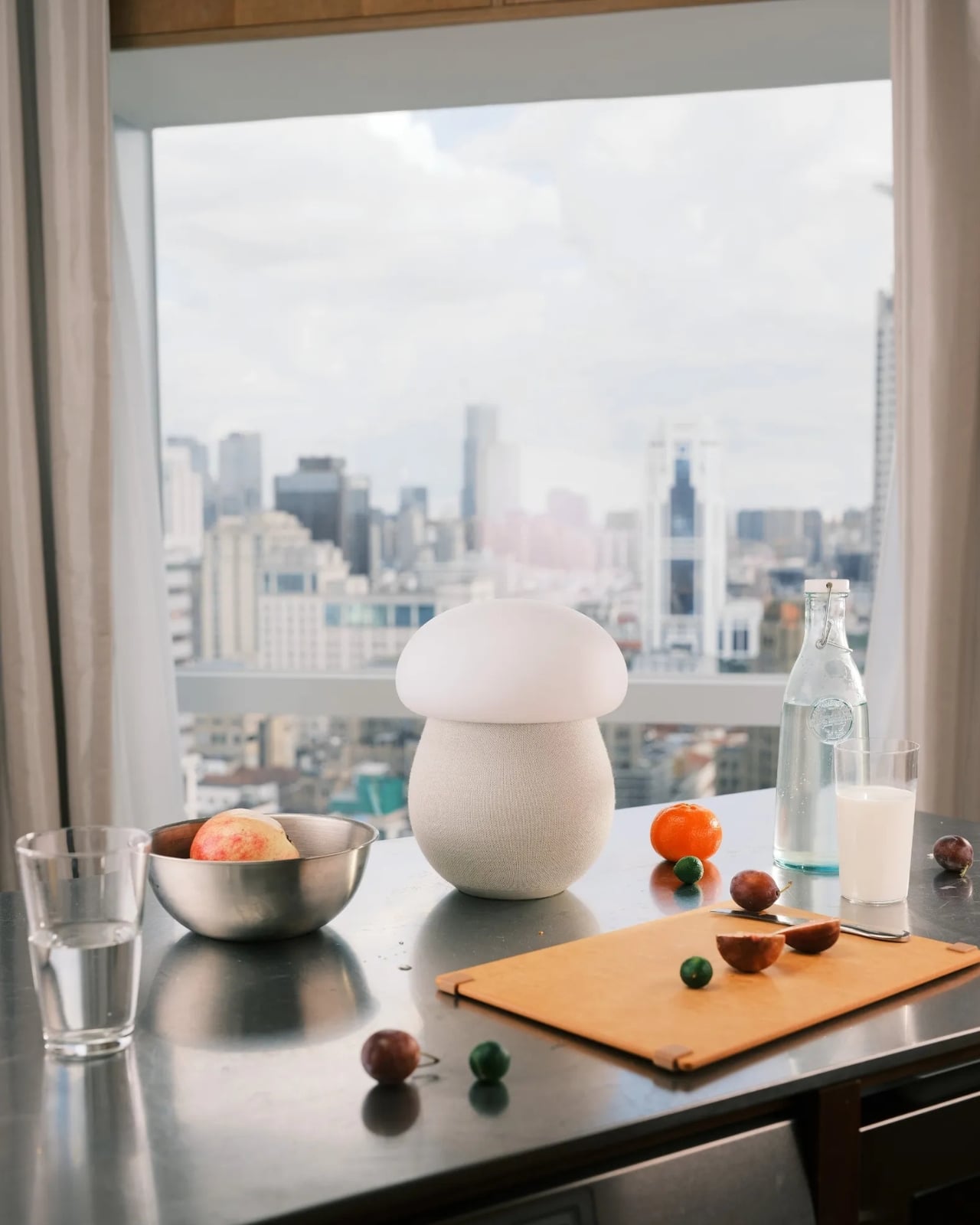
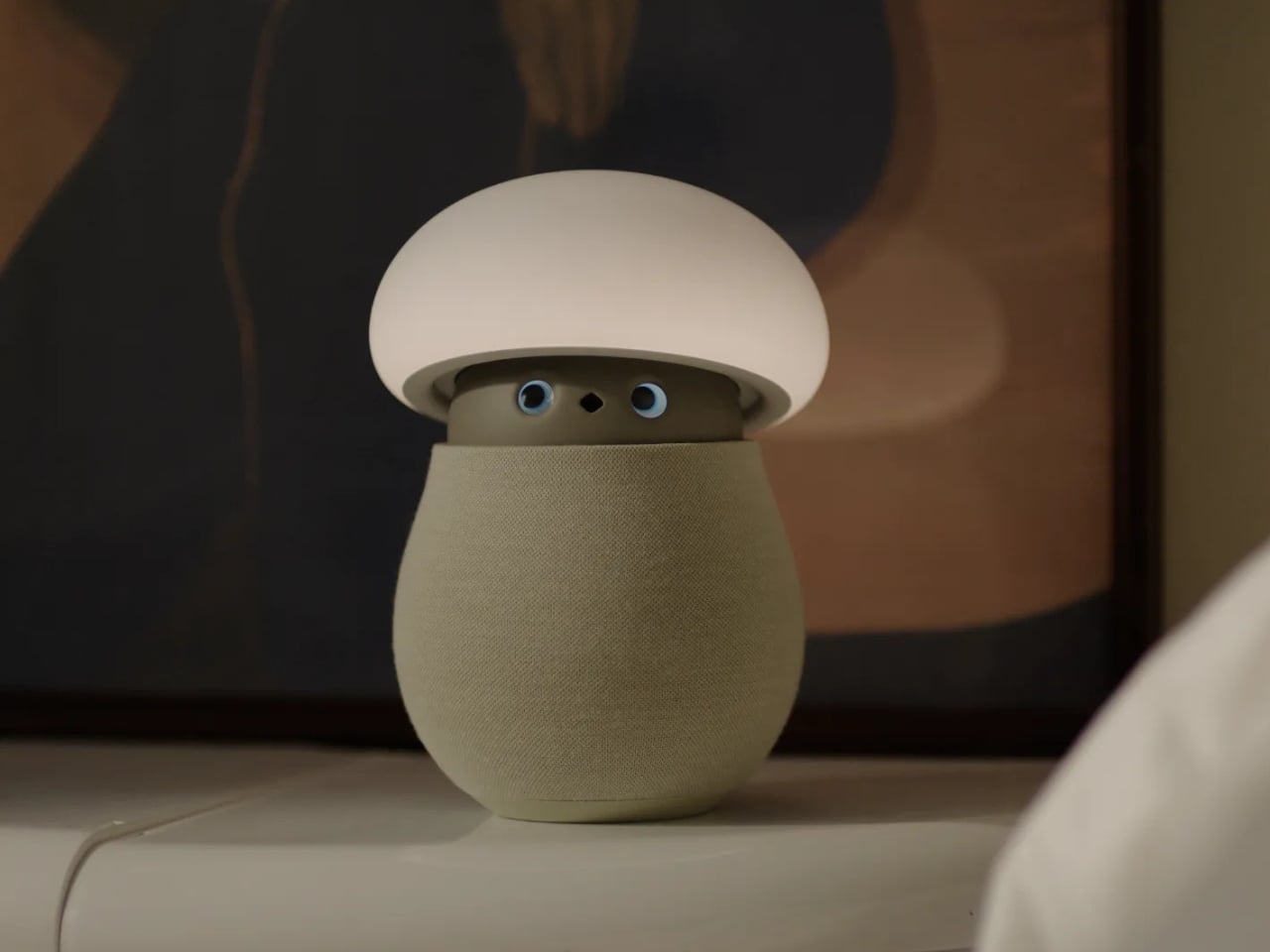
For anyone who wants to unwind without reaching for their phone, the physical design makes a good opening argument. Mori stands just under 12 inches tall at its maximum height, with a broad illuminated cap above a rounded, fabric-covered body. Two eyes peek out from underneath and the fabric contains 25 percent real wool. In the supplied photographs, the proportions suggest a small table lamp that wandered into an animated movie, then decided to stay. I’d happily make room for that silhouette.

Designer: OKA

The backstory gives that friendliness some purpose. OKA cofounder Hua Wang said he spent a decade designing mechanisms that brought people back to their phones. With Mori, he wanted a robot that belonged in a home rather than a large, intrusive machine. That’s a useful starting point. A domestic robot has to earn its place among your furniture before its intelligence becomes particularly interesting.

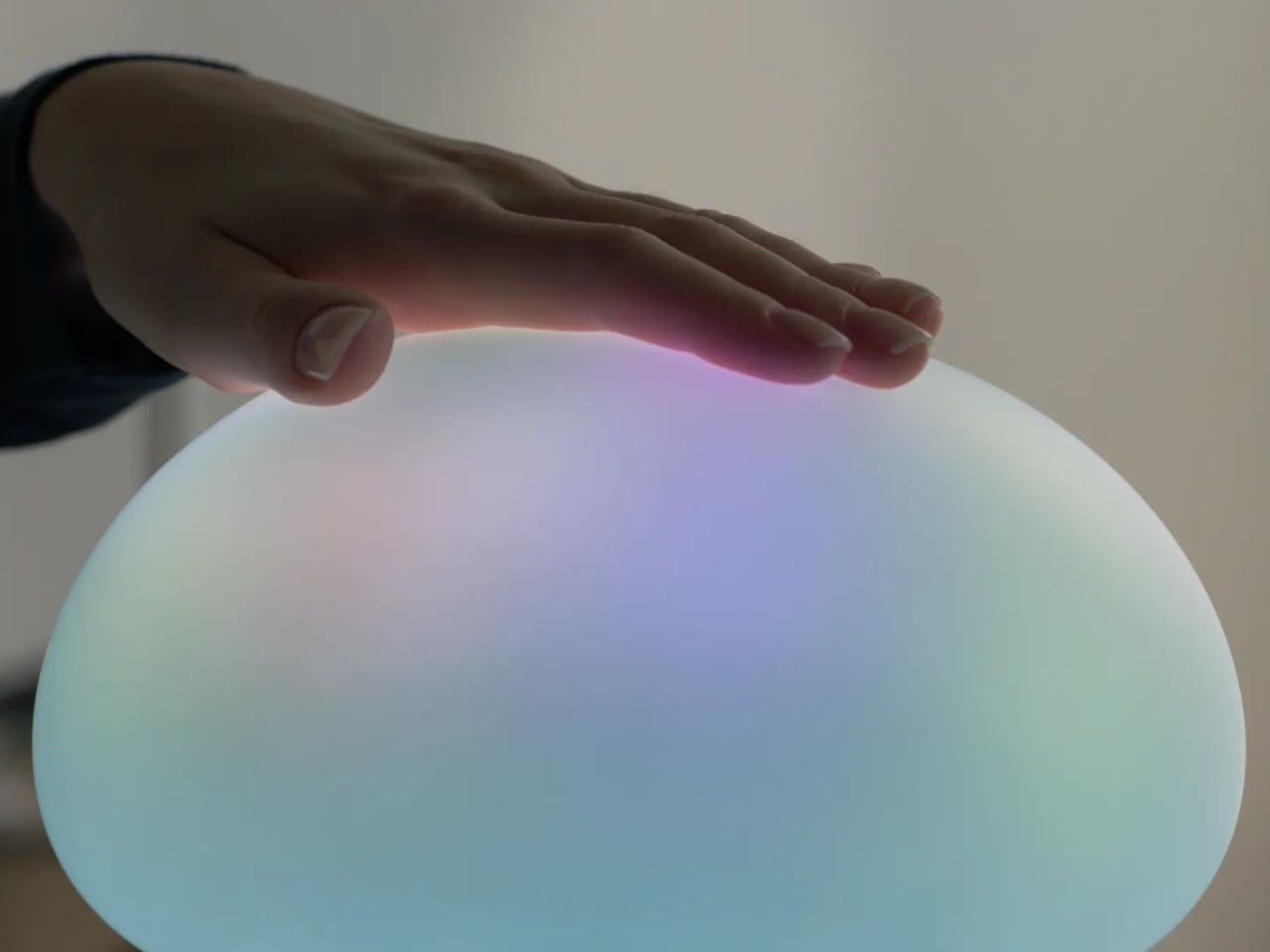
Mori’s controls lean into that furniture-friendly character. According to OKA, placing both hands on its base starts a guided breathing session, while patting its head makes the cap retract and turns it into a lamp. Light and natural soundscapes provide the setting for those breaks. I like the directness of those gestures. Touching an object to change its behavior feels appropriate here, especially when the proposed activity is stepping away from the usual sequence of opening an app, choosing a menu, and adjusting settings.

Importantly, Mori doesn’t speak in words. Its vocabulary consists of sounds, expressions, light, and movement. That limitation might be its most attractive feature. I don’t particularly want a bedside object to become another conversational obligation. A glance or a small movement leaves more room for interpretation, much like an animated character whose personality comes through before it says anything. The lamp setting also gives its owner a way to dial that personality down, with most companion reactions reduced. Cute still needs an off-ramp.

Of course, those expressive eyes come with a less whimsical consideration: sensing people inside their homes. OKA’s privacy policy says Mori’s core AI runs locally, with camera and microphone inputs processed on the device. Raw audio and image frames are discarded after processing, while recognition information can remain locally to distinguish users. The policy separately allows collection of account, device, and diagnostic information. That distinction matters. Local processing is a welcome design decision, but I’d still read the permissions before inviting a camera-equipped companion onto the dresser.

OKA also says Mori learns and becomes more individual through repeated interaction. That’s the promise I’d reserve judgment on until longer-term use establishes what actually changes. A familiar gesture could become endearing, or simply predictable. The interesting design challenge is giving Mori enough variation to sustain affection without making it demand attention. Its quiet role sets a higher bar than the adorable appearance initially suggests: it needs to remain pleasant when the novelty has worn off.

At $649 before taxes and shipping for First Access orders, Mori is an expensive experiment in companionship. That purchase includes two years of its Nature Time subscription; OKA says basic functions won’t require a paid plan, and the included subscription won’t automatically become a paid one. I’m drawn to the object, but the price makes its everyday behavior more important than its introductory charm. The real payoff would be a robot you enjoy having nearby even when you aren’t actively playing with it. A mushroom-shaped lamp already has a place in a home. Mori has to make the eyes worth paying for.

The post Mori the Mushroom Robot Offers Company Without Saying a Word first appeared on Yanko Design.

  •  

Qwen-Robot Suite - Alibaba donne un corps à son IA

Voici une news concernant l'intelligence artificielle, qui je pense devrait vous plaire si vous vous intéressez à la robotique. Alibaba qu'on ne présente plus, vient de sortir sa Qwen-Robot Suite, 3 modèles IA signés Tongyi Lab (les gens derrière Qwen ) imaginé pour donner un corps à l'IA. Parce qu'une machine capable de décrire votre cuisine au millimètre près mais complétement infoutue d'y attraper une tasse, voilà un peu ce qu'on a en robotique en ce moment...

Car "comprendre" le monde, ça les modèles savent faire. Mais agir dedans, c'est une autre paire de manches. Cette Qwen-Robot Suite découpe donc ça en trois briques, RobotNav pour se déplacer, RobotManip pour saisir des objets, et RobotWorld qui joue les boules de cristal en prédisant ce qui va se passer avant même que le robot ne bouge. Et si vous voulez expérimenter tout ça tout de suite, sans mettre les mains dans le cambouis, y'a même une démo Chat2Robot , où vous tapez une instruction dans votre navigateur et un bras robotique l'exécute en direct !

Mais le plus parlant dans leurs démos, c'est ce chien-robot Unitree Go2 ( bourré de failles de sécu, qui balance toutes vos données en chine ) qui, une fois lâché chez vous avec sa seule petite caméra bas de gamme, peut se balader dans toute la maison pour vous rendre tout un tas de services. Sauf qu'ici il opère dans des lieux qu'il n'a jamais vus, en suivant vos consignes vocales de pièce en pièce, et il peut même refaire tout le trajet à l'envers sur commande. C'est en tout cas, assez cool de voir ces world models enfin capables d'apprendre à résoudre des problèmes auxquels il n'a encore jamais été confronté.

L'astuce, c'est d'entraîner un seul modèle sur les données de plein de robots différents d'un coup, au lieu de repartir de zéro pour chaque machine. Du coup un geste appris sur un bras X se transfère direct sur un autre bras Y, et chaque robot profite ainsi, en quelque sorte, de l'expérience accumulée par tous les congénères du lot. Et tout ça a été nourri avec plus de 38 000 heures de données, uniquement en l'open-source, dont des vidéos de gens filmés en train de faire des trucs, et adapté pour que la machine puisse apprendre en regardant faire des humains .

Et niveau perfs, ça tape fort apparemment !

Sur les benchmarks de manipulation, RobotManip passe devant π0.5, un modèle de Physical Intelligence dont je vous avais déjà parlé, avec quand même 7 points d'avance, sur un benchmark de manipulation standard. Il finit aussi premier sur RoboChallenge, le classement généraliste du secteur. Bon, ce sont des chiffres de labo bien sûr, mais le saut par rapport à la concurrence fait mal ^^.

Ce que Qwen veut faire surtout, c'est de tout passer par le langage naturel comme ça une commande de bras, un virage de voiture, un point de navigation et compagnie... tout devient une simple phrase. Cela permet aux modèles Qwen classiques d'appeler ces briques comme des outils, et de brancher l'intelligence artificielle classique (les LLMs) directement sur l'action physique (les World Model). La presse parle déjà d'un "moment Android" pour la robotique, autrement dit un cerveau logiciel que n'importe quel fabricant de bras ou de roues pourrait embarquer sans avoir à fabriquer la quincaillerie. Ce serait fou !

Après, Chat2Robot tourne sur 50 tâches seulement et n'est pas parfait. Le tout est en test pilote chez quelques clients d'Alibaba Cloud, donc c'est pas encore pour votre robot aspirateur... Mais si le concept de robot à la maison vous intéresse, c'est une approche intéressante je trouve. Entre Physical Intelligence, Gemini Robotics chez Google et GR00T chez NVIDIA, tout le monde semble chercher le même Graal, à savoir une IA généraliste capable de piloter n'importe quel corps mécanique. Bref, Alibaba ne vend pas de robot, mais le cerveau qui va dedans, et le fait que ce soit entièrement open-source et orienté langage me fait dire qu'on risque de voir plein de projets cools et surtout accessibles se monter autour de ça.

Source

  •  
❌