Vue lecture

This Porsche 911 was lifted and rebuilt into a Chicago-ready urban safari car

What happens when a Porsche 911 stops worrying about staying low to the ground? Tangent Design Group has an answer. Lift it three inches, widen its stance, add chunky off-road tires, and turn one of Stuttgart’s most recognizable sports cars into something that looks ready to escape the city rather than attack a racetrack. Built in Chicago, the Urban Safari 911 is an unusual exercise in rethinking what a modern Porsche can be.

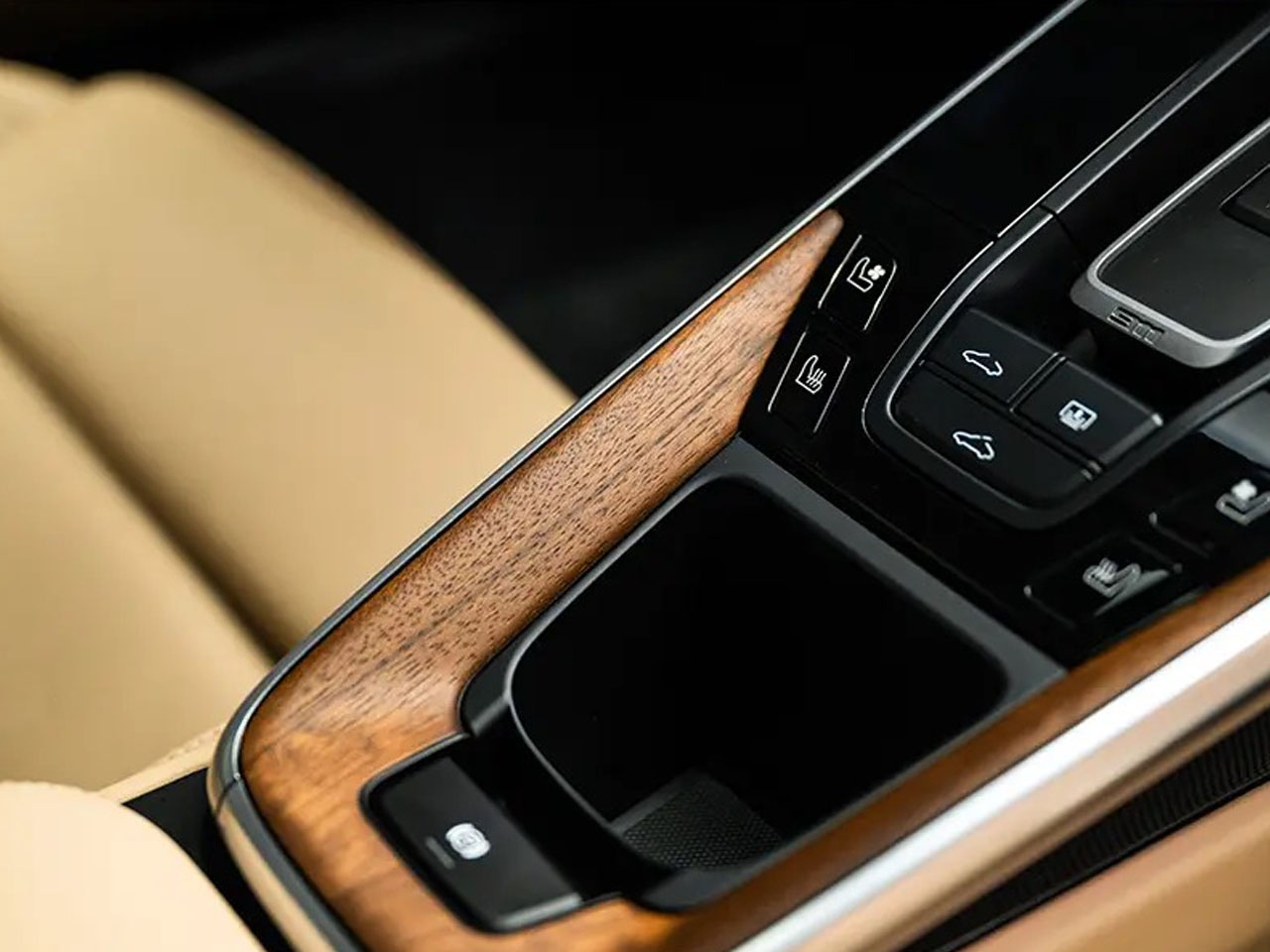
The project began in 2019, when the Chicago-based industrial design studio decided to build a Porsche without the constraints of a conventional client brief. Tangent eventually started with a 2021 Porsche 911 Carrera 4, chosen for its all-wheel-drive platform. Finished in Porsche’s Paint-to-Sample Black Olive with a tan interior, the car already had a distinctive character before the transformation began.

Designer: Tangent Design Group

Tangent approached it like a product-development exercise. The original 992 was digitally scanned, including its bumpers, fenders, wheel wells, rocker panels, and rear engine cover. That data became the foundation for developing new components that could properly integrate with the factory body and its increasingly complex electronics. Full-scale parts were then 3D-printed and physically fitted to the car to refine proportions and attachment points before final production.

The most significant change sits underneath the body. Tangent developed a bespoke three-inch lift system while retaining the Porsche’s stock suspension architecture and avoiding software errors. The additional clearance makes room for larger off-road tires and fundamentally changes the stance of the 911. On a truck, three inches might be unremarkable; on a low-slung sports car, it transforms the proportions completely. Something similar to what Vagabund Moto did in collaboration with NINE ELEVEN OUTLAW and DakarGarage to transform a Porsche 924 S into an off-road-worthy ride.


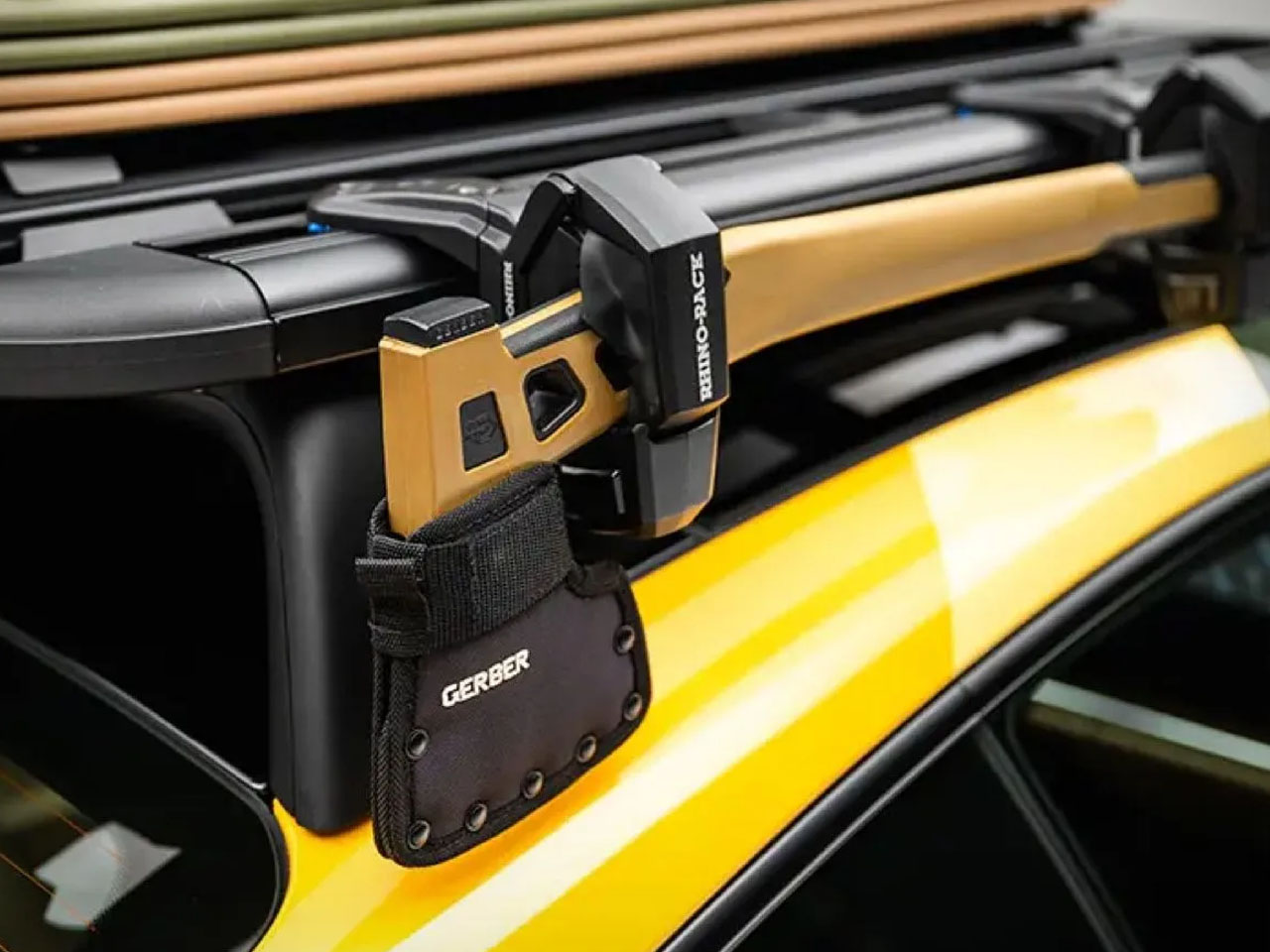
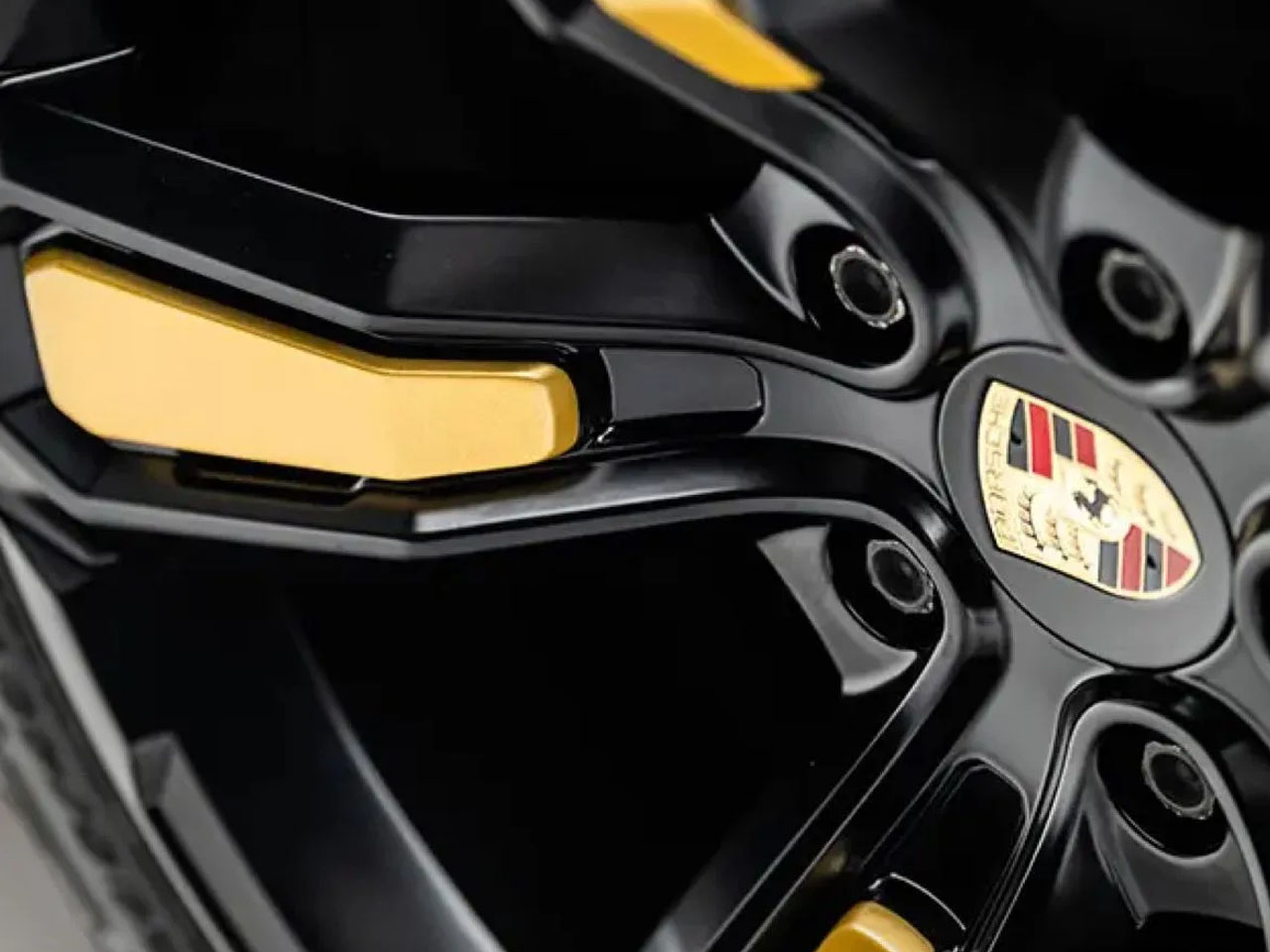
The wheels received the same level of attention. Tangent designed them in-house and worked with Brixton Forged to produce bespoke forged aluminum wheels. Full-scale printed versions were used during development to judge how the design sat against the widened body before the final wheels were manufactured. Visually, the Urban Safari combines wide fender extensions, revised rocker panels, a custom front bull bar and a pronounced ducktail-style rear wing. Auxiliary lighting and roof-mounted adventure equipment reinforce its rally-inspired character, while the graphics package borrows from historic Porsche rally liveries without simply recreating one.

That distinction is important. Tangent’s project predates Porsche’s factory 911 Dakar, having been conceived in 2019, but it draws from the same broader history of Porsche competition cars built for surfaces far removed from a racetrack. Instead of copying a classic rally car or dressing the 992 in retro cues, Tangent has created something that feels contemporary and purpose-built.

The result is currently a one-off, but Tangent is accepting inquiries about the Urban Safari kit, leaving open the possibility that its design language could eventually find its way onto other 992-generation cars.


 

The post This Porsche 911 was lifted and rebuilt into a Chicago-ready urban safari car first appeared on Yanko Design.
  •  

Never Lose Your Keys Again With a Tracker That Glows in the Dark

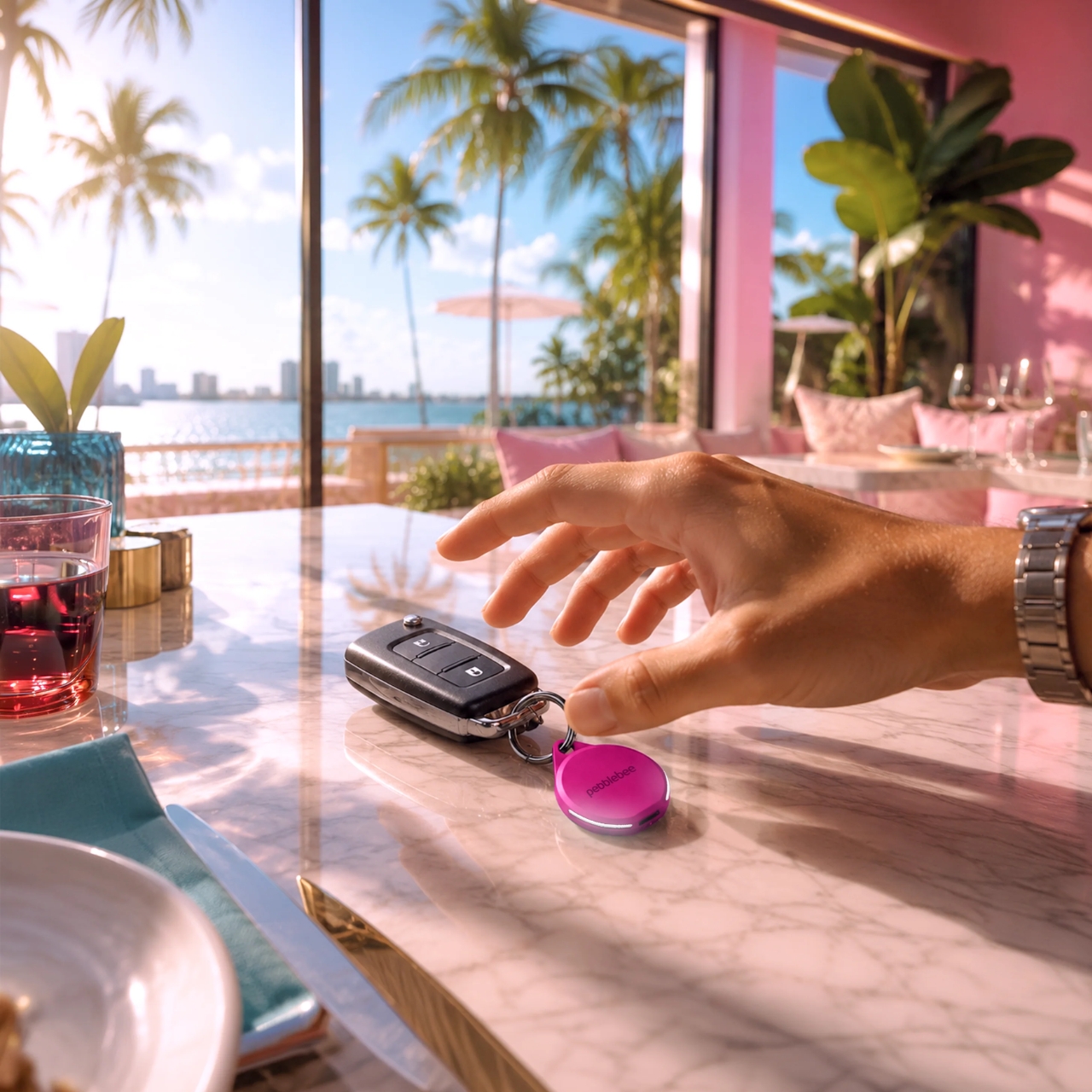
For forgetful people like me, trackers have basically become a must-have. Whether you’re clipping one onto your wallet, your car keys, your backpack, or whatever it is you absolutely cannot afford to lose, these little devices help you do exactly what they promise: keep track. The only catch is that a lot of trackers tend to look alike, and if you’re relying on appearance alone instead of the connected app, it’s easy to accidentally grab the wrong one.

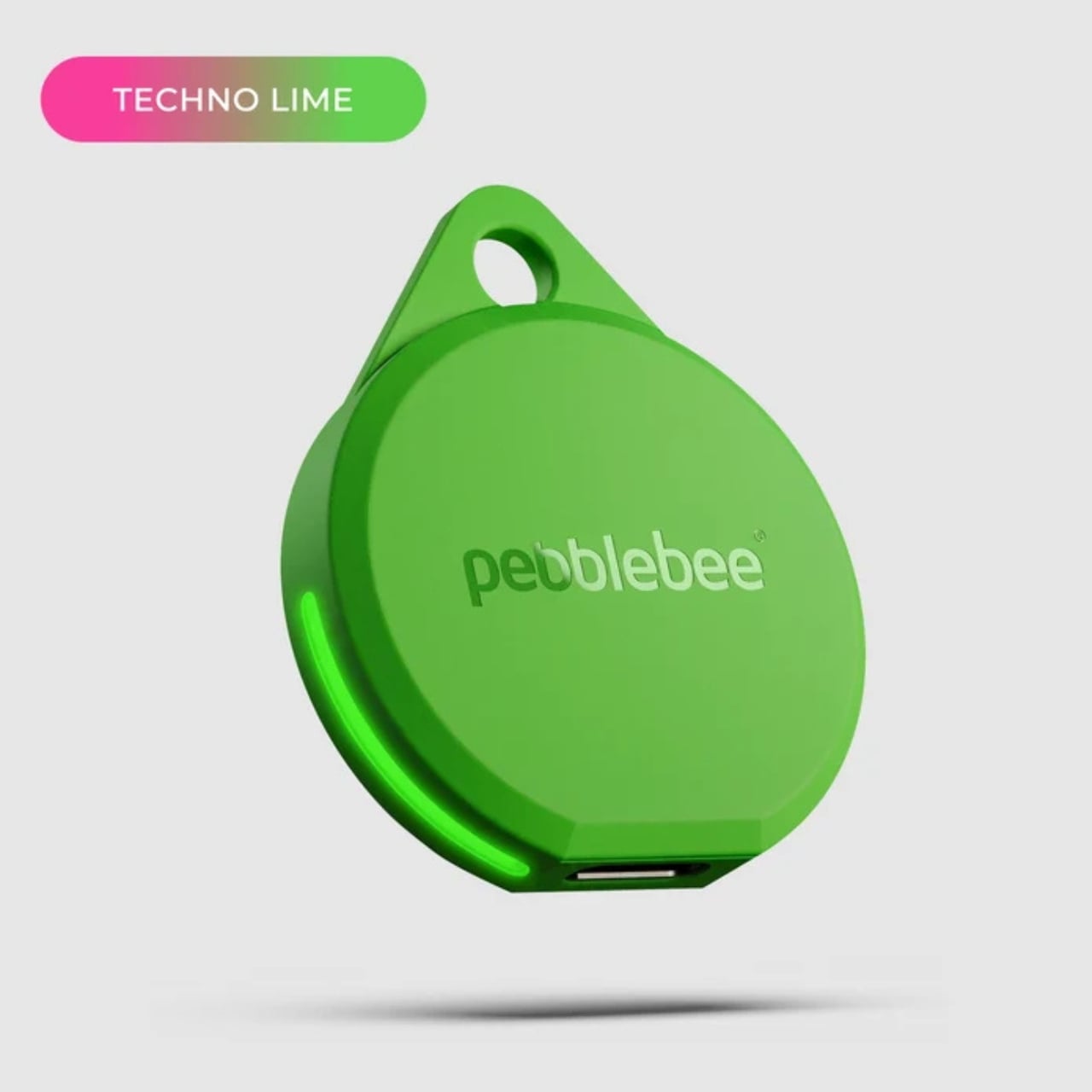
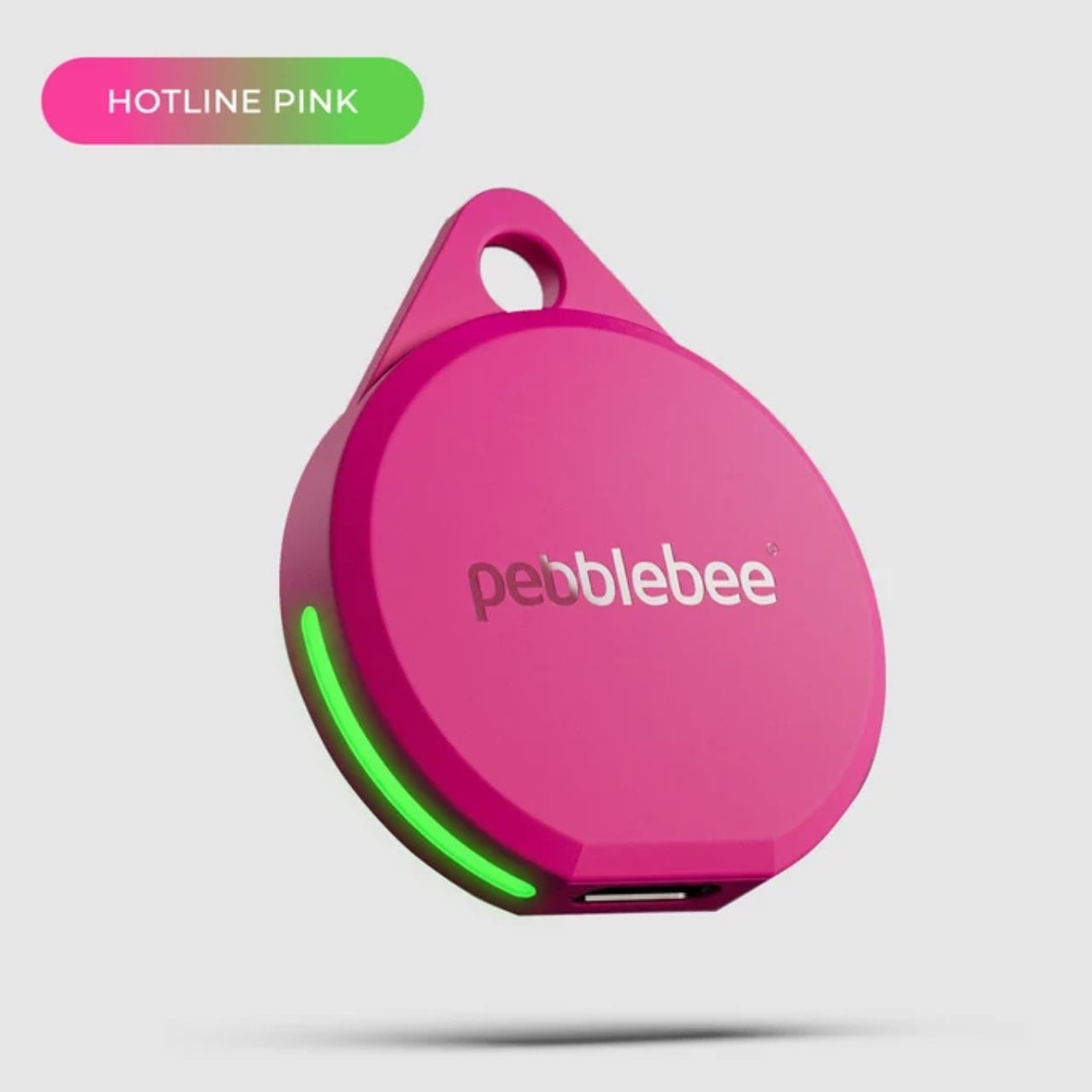
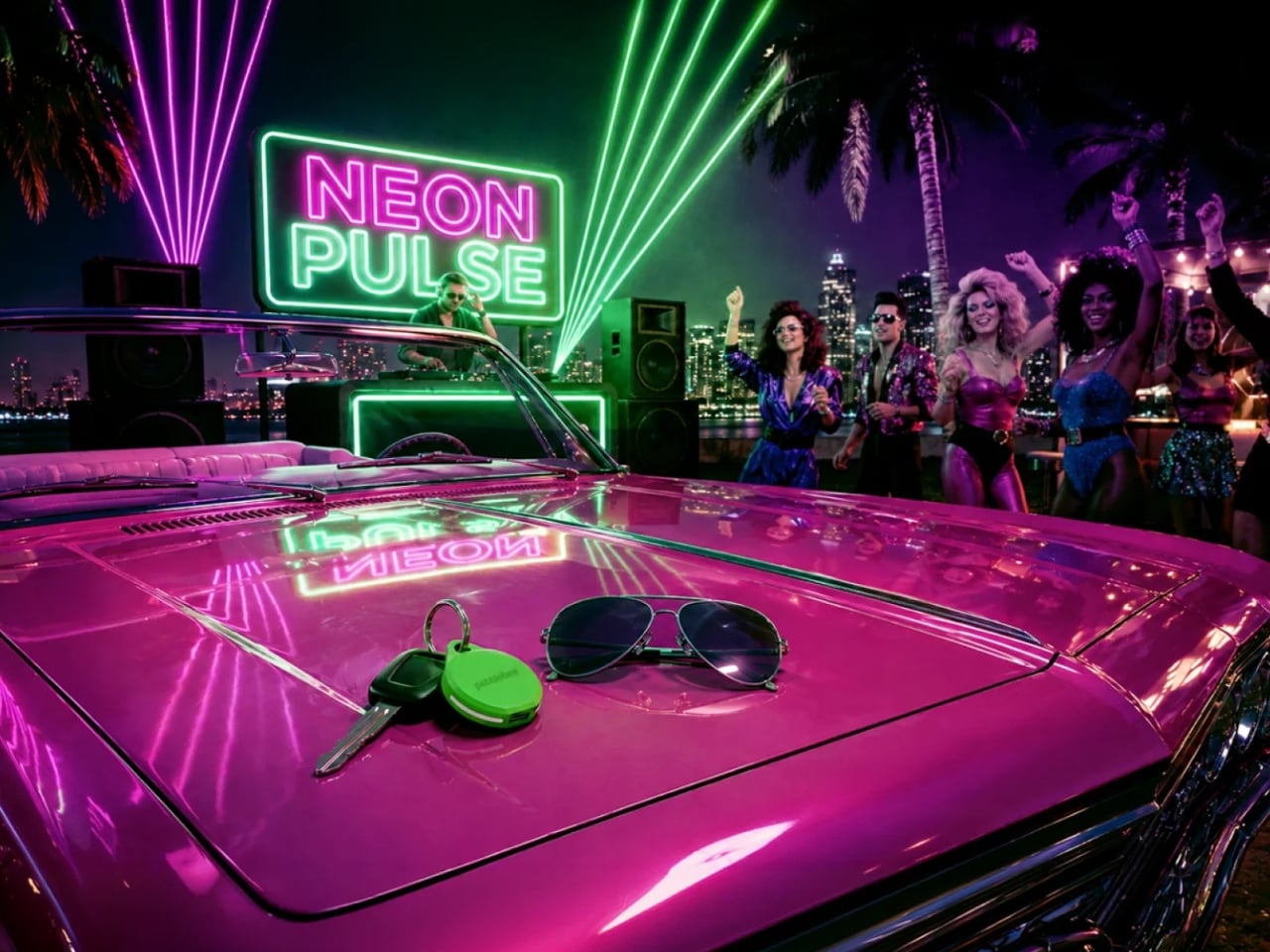
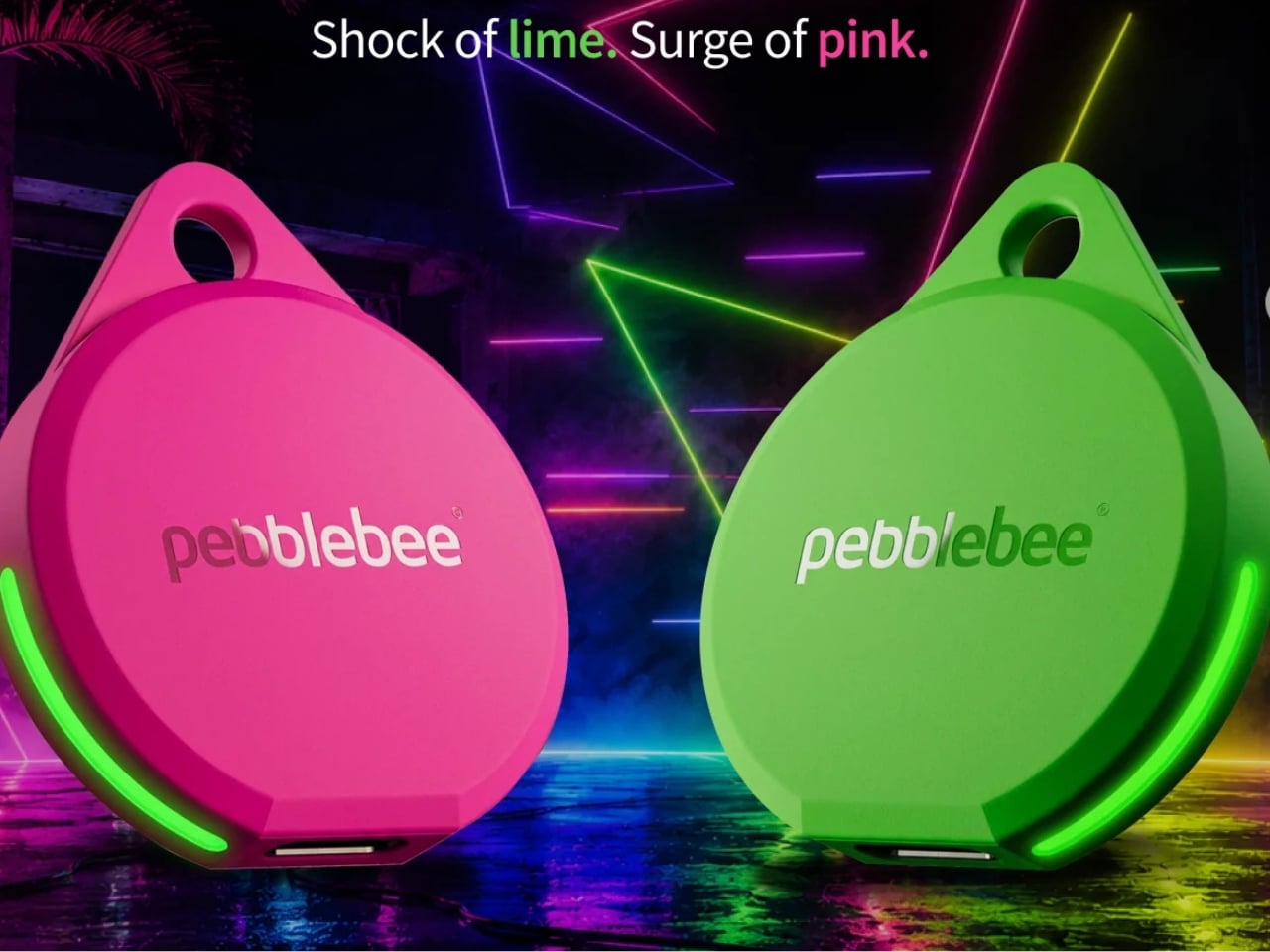
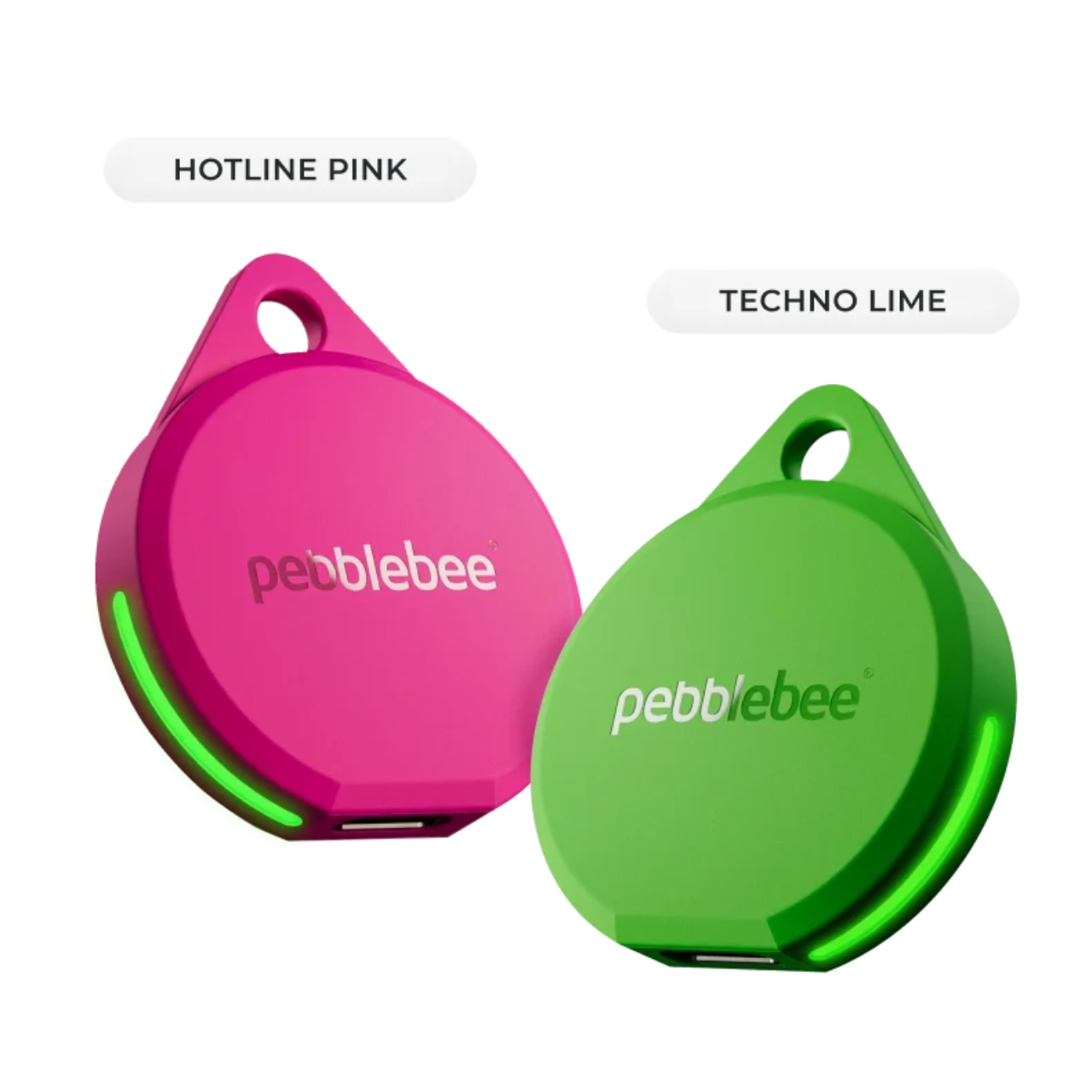
If you’re after a tracker that actually stands out, and one that can even glow in the dark, Pebblebee’s latest Evercolor drop might be exactly what you need. Evercolor is the brand’s limited-edition color program built exclusively for its Clip 5 tracker, and the newest release, called Neon Pulse, comes in two eye-catching shades: Techno Lime and Hotline Pink. Pebblebee describes the collection as perfect for “bold self-expression and a fresh-season reset,” and honestly, it’s hard to disagree.

Designer: Pebblebee

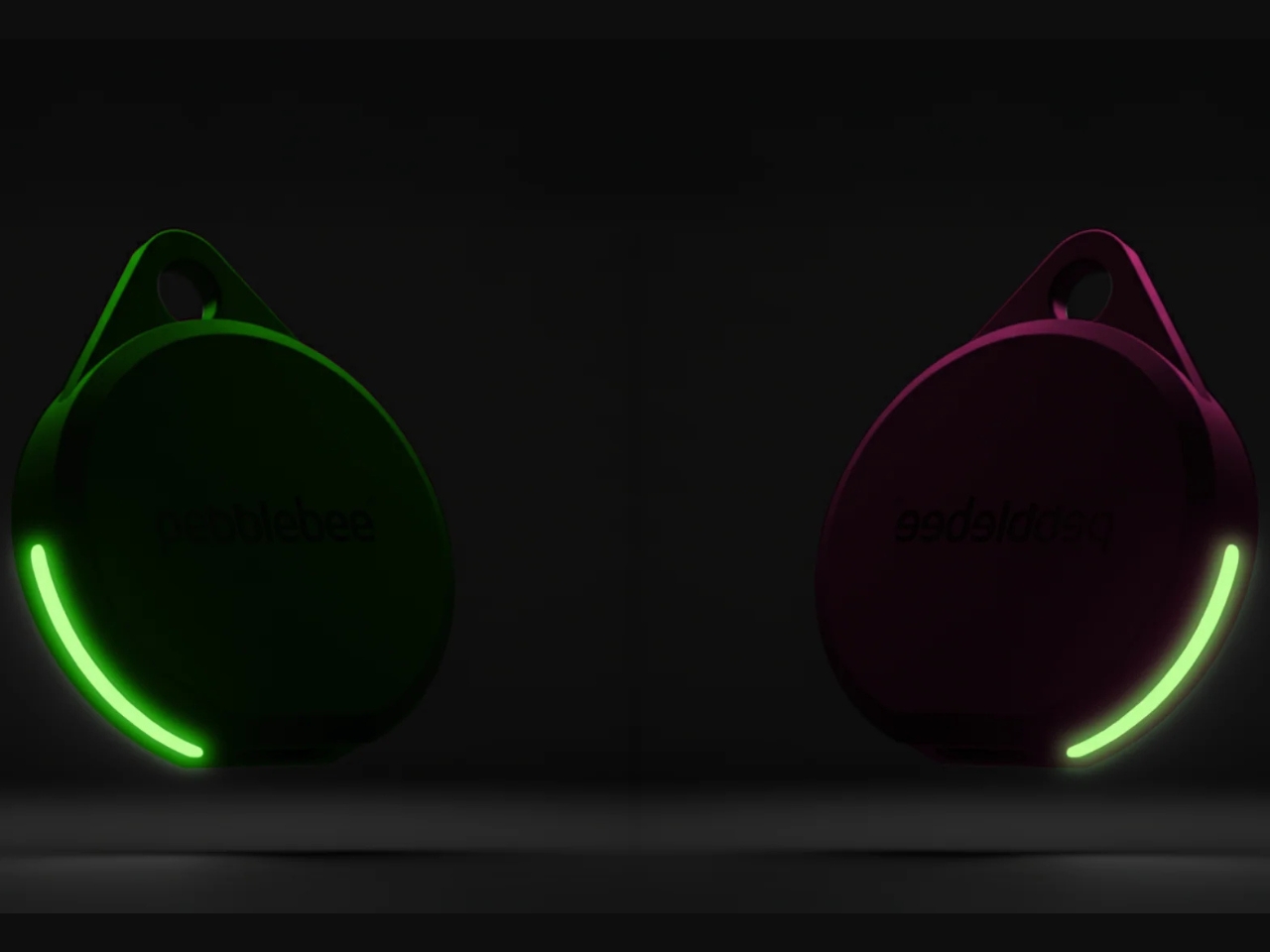
Evercolor has rolled out plenty of standout colors before, but Neon Pulse marks the first time the program has added glow-in-the-dark accents. That means your tracker stays visible even after its LED switches off, so you’re not just relying on the app to tell you where your item is. You can actually spot it in the dark, as long as it’s somewhere within eyesight.

Keep in mind that this is a limited-edition release, so if hot pink and neon green happen to be your colors, you’ll want to grab them soon. Pebblebee rolls out new Evercolor shades every twelve weeks, and once a drop sells out, it’s gone for good, no restocks. Previous collections like Freeze Frame and Heatwave Hijinks have already sold out, so if Neon Pulse catches your eye, don’t wait too long to add it to your cart.

Underneath all that color, though, it’s still the same reliable Clip 5 that Pebblebee originally released. It works with both Apple and Android devices, so you don’t have to worry about switching phones down the line. The rechargeable battery lasts up to a year on a single USB-C charge, which means no more digging through drawers for spare coin batteries. It also boasts a direct Bluetooth range of about 500 feet, roughly double what a lot of competitors offer, plus access to a global crowd-network for finding your stuff even farther away. On top of that, you get a 130dB siren, a bright LED strobe, and IP66 water resistance, so it can handle a little rain or an accidental splash without missing a beat.

It’s also worth noting that Neon Pulse still costs the same $34.99 as the standard Clip 5, so you’re not paying extra just for the fresh colorway. There’s also a free built-in safety feature called Alert, which can notify you if an unfamiliar tracker seems to be following you, a nice bit of peace of mind on top of everything else. Design-wise, the compact clip-on shape makes it look less like a tech gadget and more like an accessory for your bag, wallet, or keychain. Add in the bright, playful colorway, and it becomes even more fashionable, dare we say, kind of cool. So if your main complaint about trackers has always been that they all look the same, Neon Pulse is built to solve exactly that problem.

At the end of the day, a tracker is only useful if you can actually tell it apart from the pile of identical black and white gadgets everyone else seems to own, and if you enjoy using it enough to keep it clipped on in the first place. Pebblebee’s Neon Pulse drop checks both boxes, combining genuine utility with a design that feels personal rather than generic. Whether you’re the type who loses your keys weekly or you just want your tech to match your personality, this drop is worth a look before it disappears for good. And if pink and green aren’t quite your vibe, it might be worth keeping an eye on Pebblebee’s page anyway. With a new Evercolor drop landing every twelve weeks, there’s a good chance your perfect color combo is just around the corner.

The post Never Lose Your Keys Again With a Tracker That Glows in the Dark first appeared on Yanko Design.
  •  

Mettez à jour Plex ! (même sans savoir contre quoi)

Si vous faites tourner un Plex Media Server quelque part chez vous, sachez que le 1er septembre dernier, Plex a publié un avis de sécurité qui demande aux propriétaires de serveur de passer en 1.43.3, et aux utilisateurs de l'application Desktop de passer en 1.115.0. Les versions 1.43.2 et antérieures sont donc toutes concernées.

Et c'est à peu près tout ce que l'annonce contient... Ils évoquent "un certain nombre de problèmes de sécurité", sans un mot sur ce qui est touché, ni sur la façon dont ça s'exploite, ni sur la gravité. Plex dit avoir demandé des identifiants CVE et promet de revenir publiquement donner des détails ensuite. Mais cela fait 8 jours et pour le moment, rien. Même la base de vulnérabilités du NIST ne renvoie rien sur "Plex Media Server"...

Mais de son côté, la Shadowserver Foundation , elle, n'a pas attendu les détails. En réponse à l'avis de Plex, elle scanne Internet tous les jours à la recherche des serveurs non patchés. Et à ce jour, elle en a dénombré plus de 36 000 exposés dont 16 000 rien qu'aux États-Unis.

Mais bon, peu importe... Comme personne ne sait ce que la faille permet, inutile d'essayer de jauger le risque. La seule question qu'on doit tous se poser, c'est de savoir si nos serveurs sont joignables depuis l'extérieur. Si l'accès distant est activé, ou qu'une redirection de port sur la box ou un sous-domaine pointe dessus, vous êtes sûrement dans le lot que Shadowserver a débusqué. Pire, des cybercriminels pourraient exploiter cette vulnérabilité... Donc mettez à jour rapidement.

C'est pas sorcier. Sous Windows, macOS et Linux, vérifiez que vous êtes bien en 1.43.3 ou plus récent, et sinon le paquet vous attend sur la page de téléchargement. Pour les installations Docker, Plex renvoie au README de son dépôt. Par contre, si votre Plex tourne sur un NAS, Plex prévient lui-même que le paquet peut ne pas encore être arrivé dans le magasin d'applications du constructeur. N'attendez pas qu'il descende tout seul, récupérez-le et installez-le à la main depuis l'interface du NAS.

Et si vous vous dites qu'un serveur de films n'intéresse personne, souvenez-vous de LastPass. En 2022, les attaquants sont entrés dans l'ordinateur d'un ingénieur de la boîte par son Plex Media Server , qui était encore sur une vieille version, et sont ressortis avec les coffres chiffrés des clients.

Alors allez-y.

Source : BleepingComputer

  •  

The 8BitDo Ultimate 3E Is the LEGO Set of Gaming Controllers

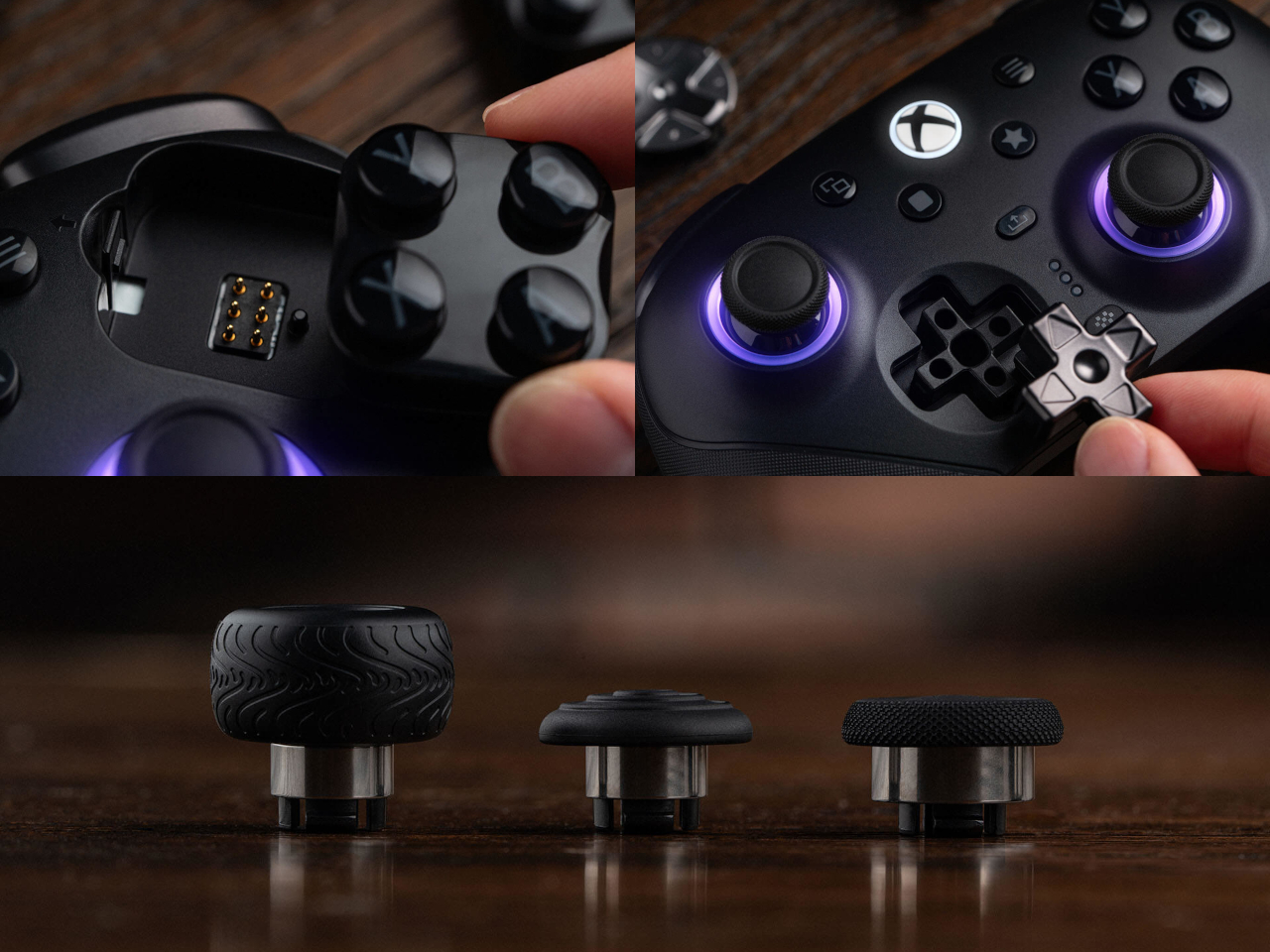
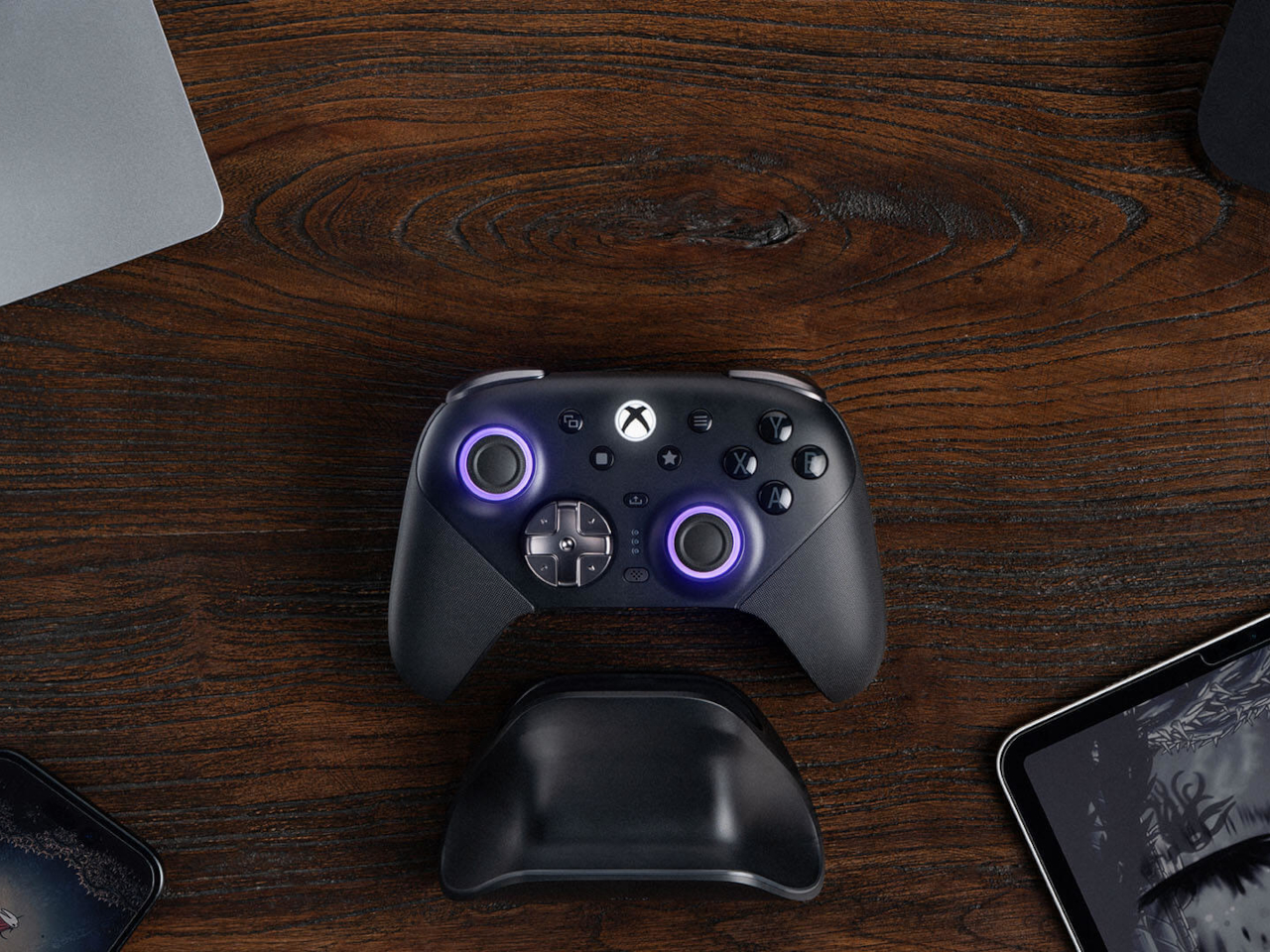
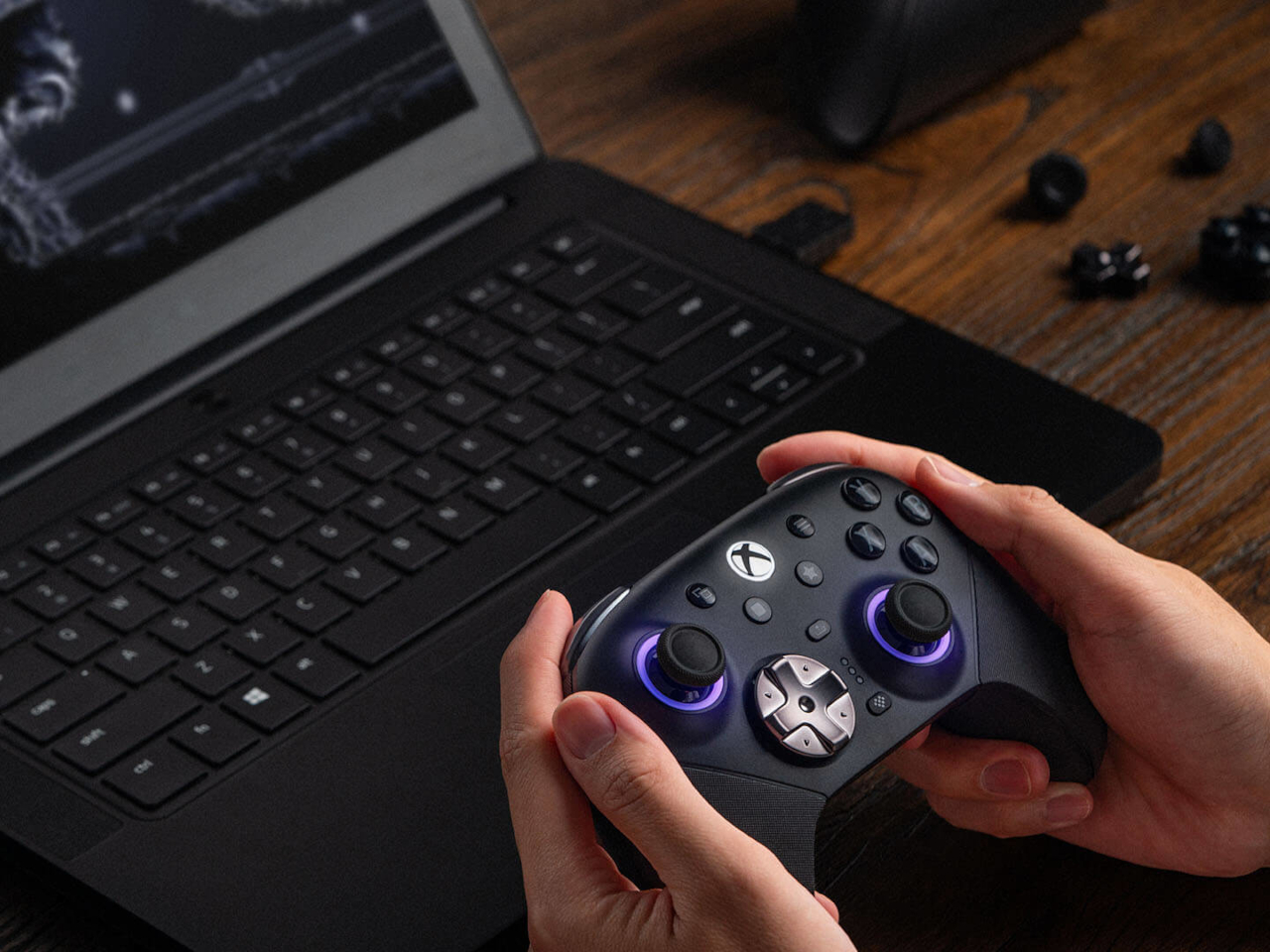
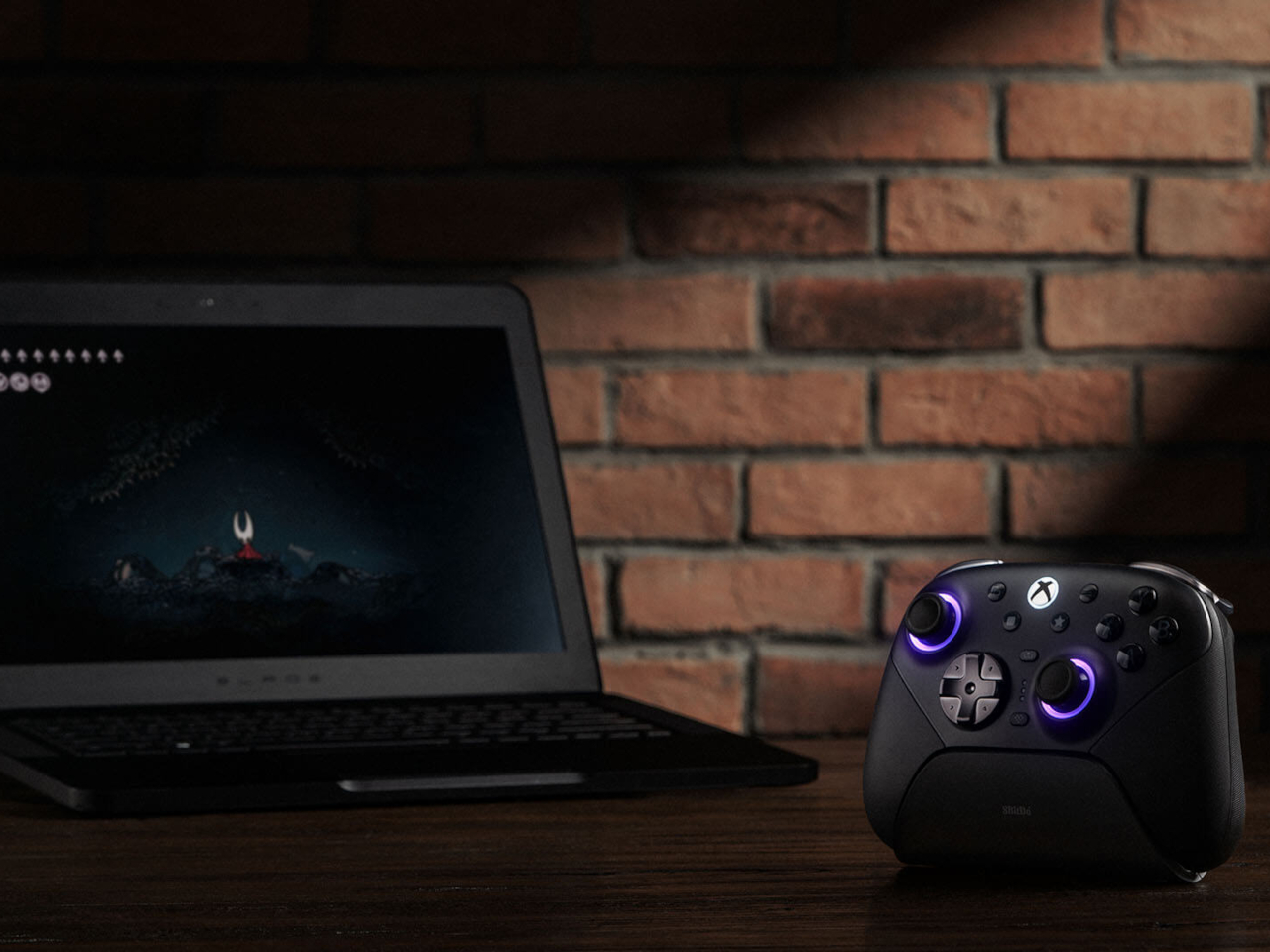
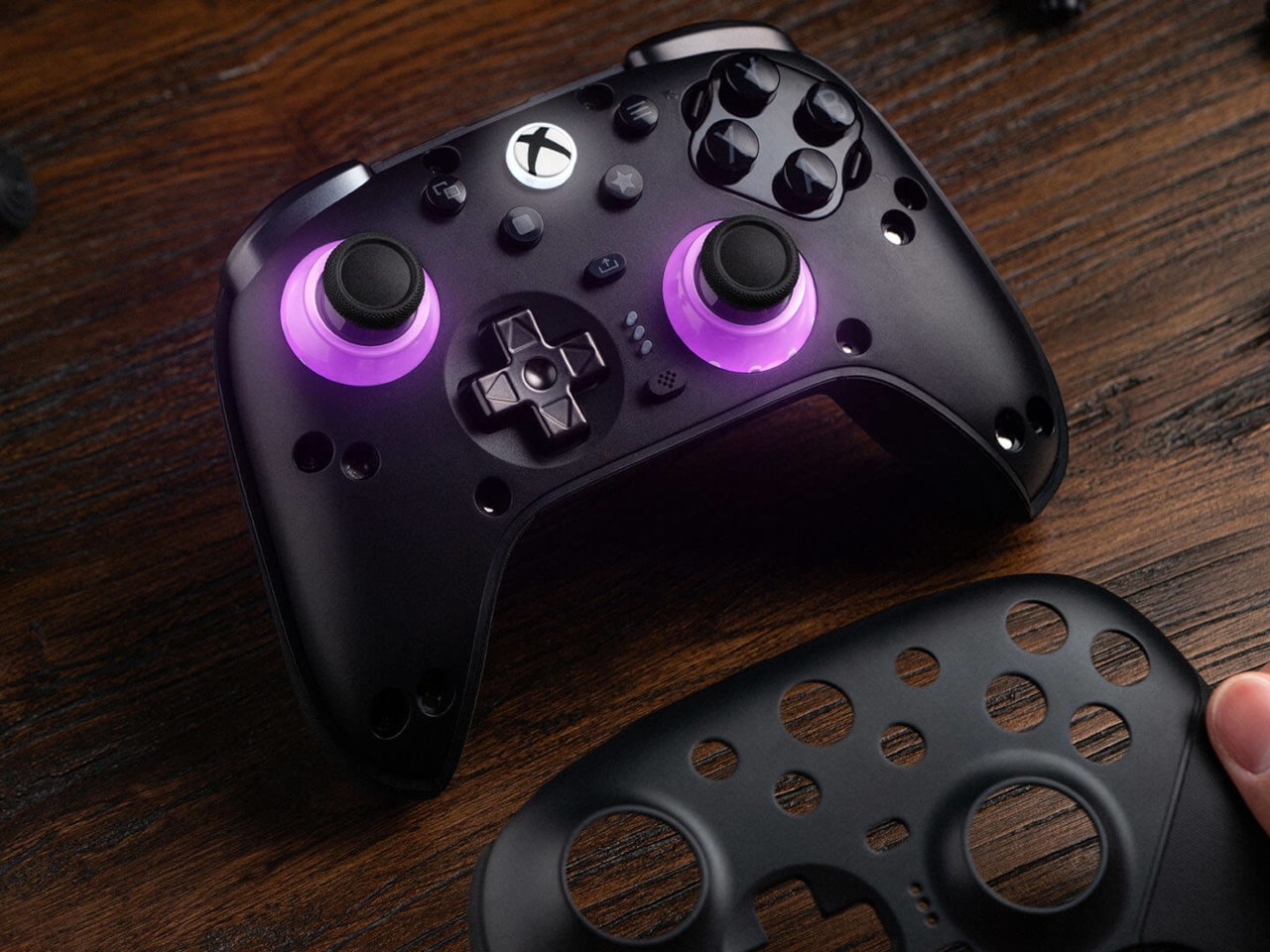
Most controllers ask you to adapt to them. The 8BitDo Ultimate 3E flips that arrangement entirely, building a controller around the idea that your hands, your genre, and your platform should decide its shape instead of the factory floor. The face buttons, the d-pad, and even the joystick tops snap in and out as swappable modules, turning what’s usually a sealed, one-size-fits-all object into something closer to a toolkit.

Pop off the magnetic faceplate and the accessory pack reveals its real purpose. A silicone membrane d-pad sits next to a tactile micro-switch version, and the joysticks come in tall, dome, and thick-neck shapes, each suited to a different grip or genre. Racing games favor a different thumb position than platformers, and for once, the hardware bends to match instead of forcing a single compromise across everything you play.

Designer: 8BitDo

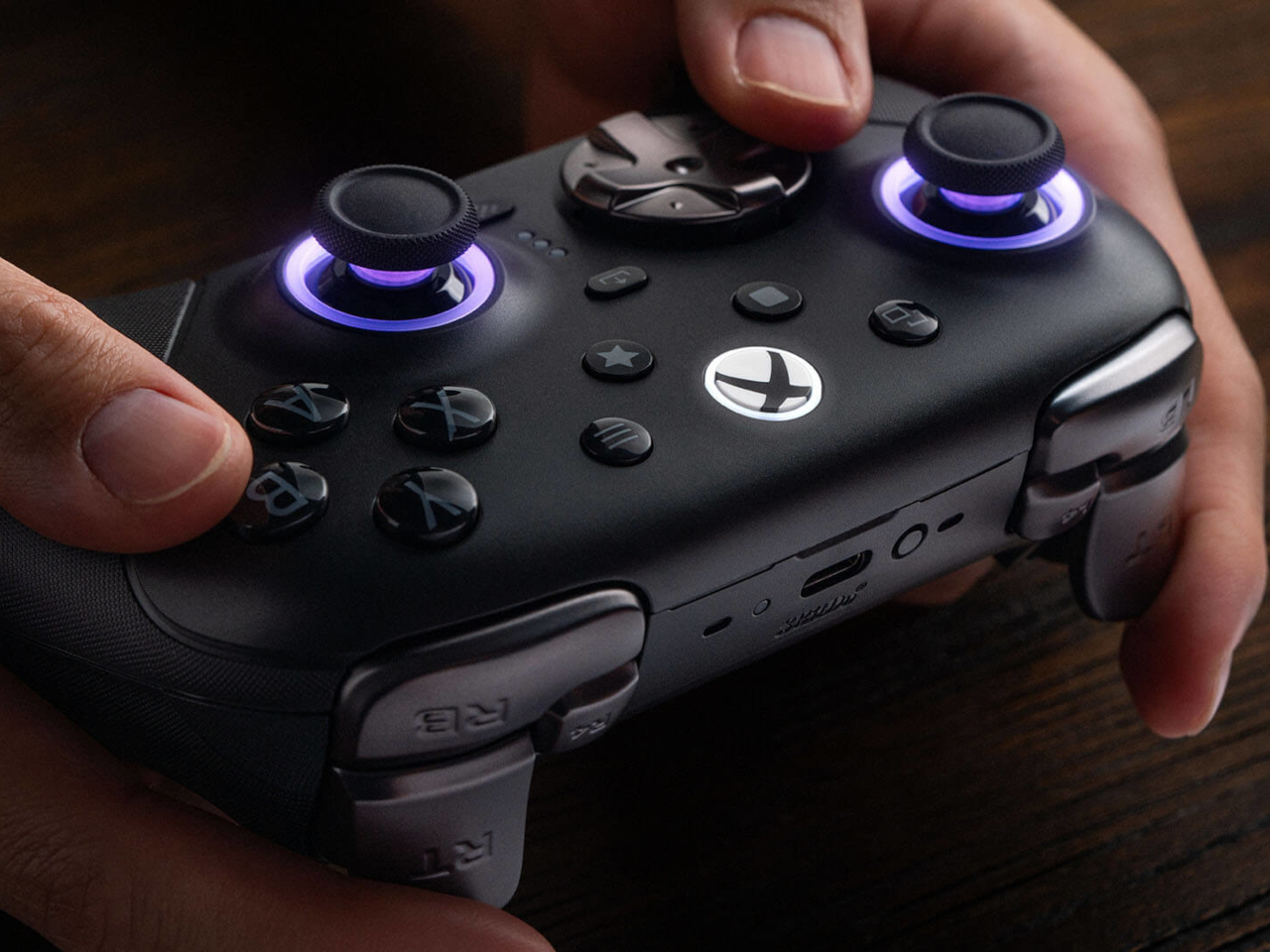
Underneath those swappable caps, the joysticks themselves run on Tunneling Magnetoresistance sensors, a technology built specifically to resist the drift that eventually creeps into analog sticks after enough hours of use. Interactive RGB fire rings pulse around the base of each stick, translating movement into visual feedback in real time, a small touch that turns an otherwise invisible input into something you can actually watch respond.

The triggers carry their own bit of adaptability. Hall-effect sensors power two selectable trigger-stop positions, letting a shooter’s hair-trigger tap coexist with a racing game’s need for a longer, more gradual pull. Switching between them takes a flick of a physical switch, not a trip through a menu, which matters when a genre change happens mid-session rather than between them.

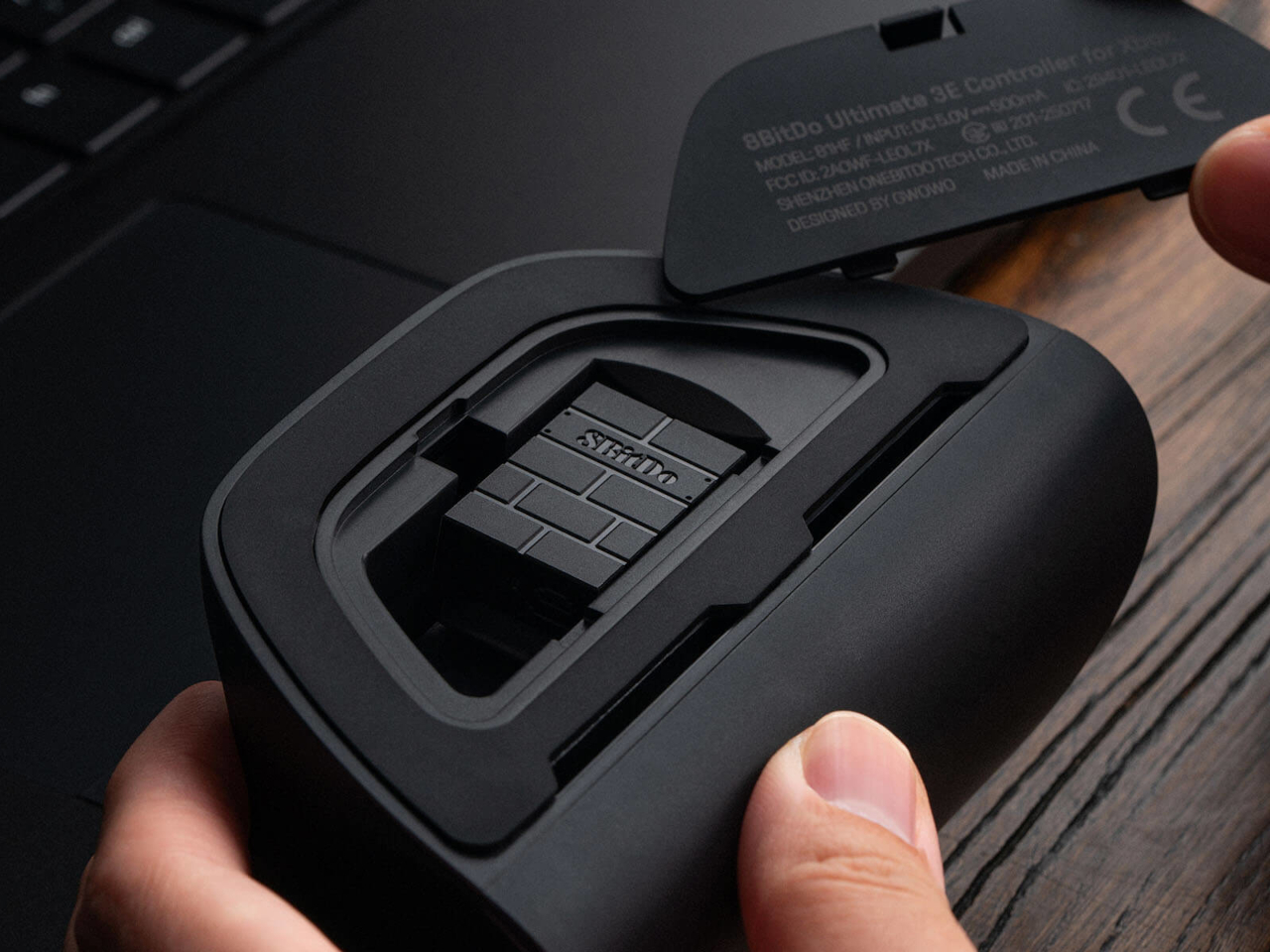
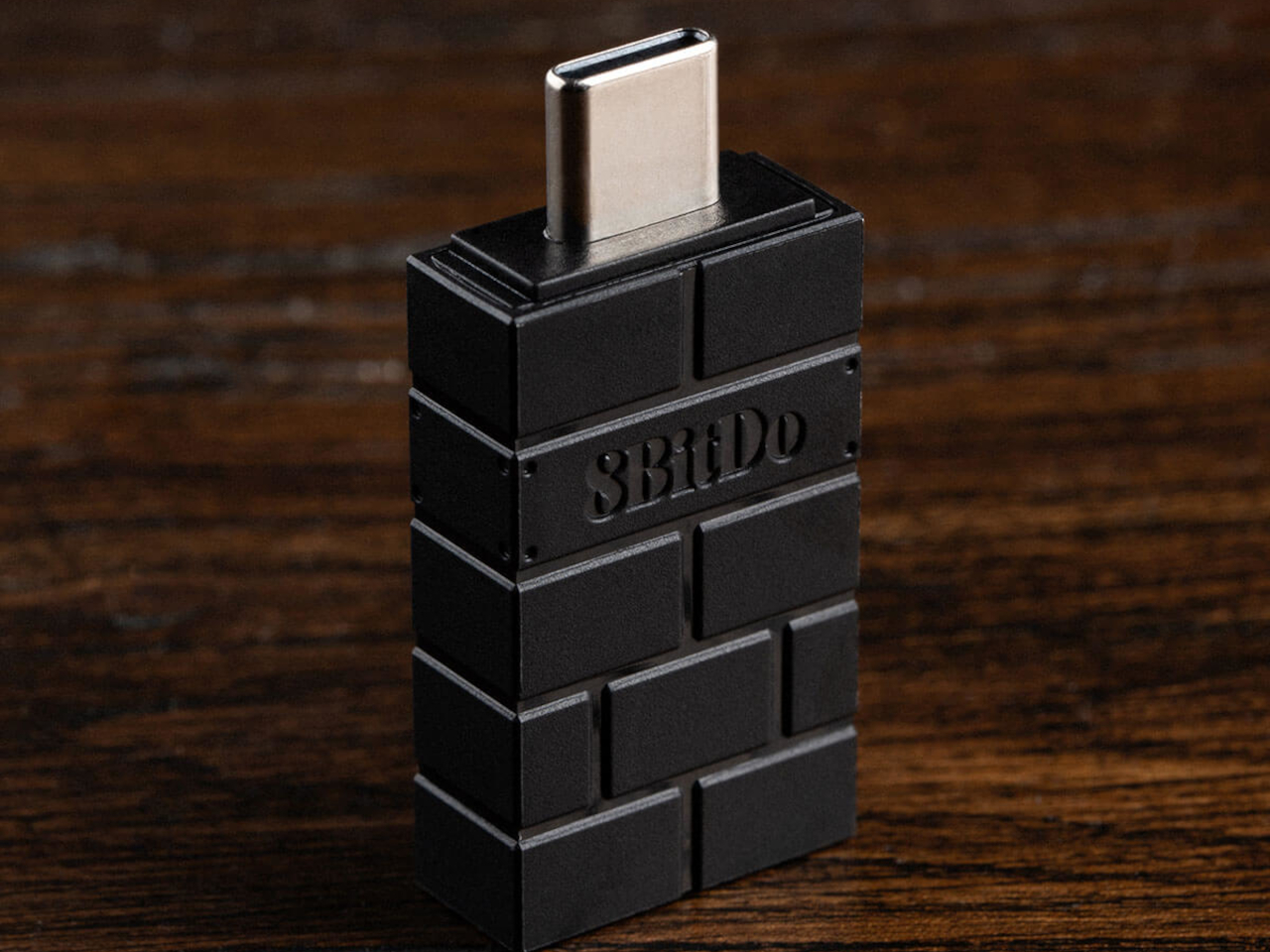
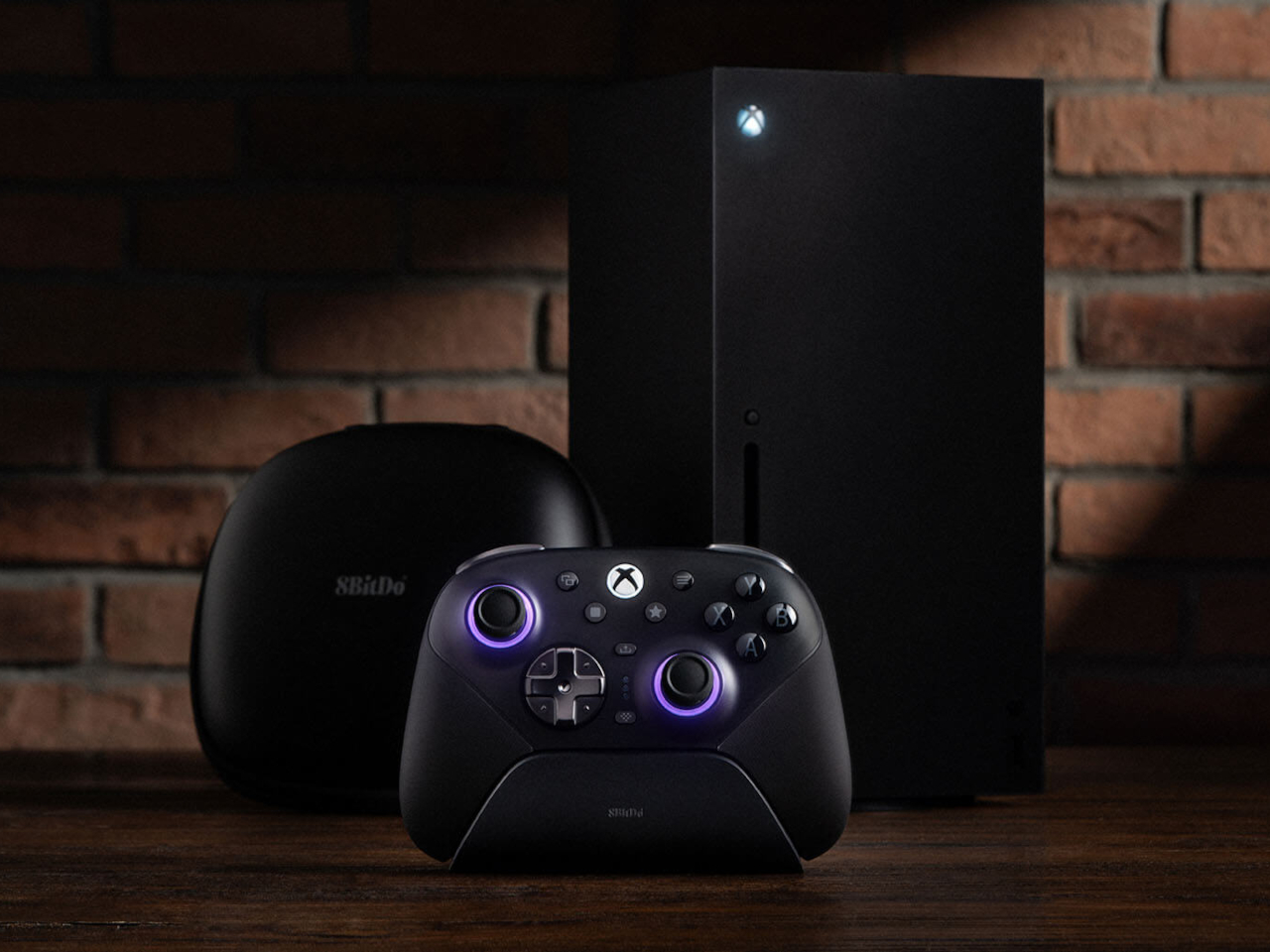
Connectivity spreads just as wide as the physical customization. The Ultimate 3E runs 2.4G wireless and wired modes for Xbox and PC, and switches to Bluetooth for mobile devices, now backed by a USB-C signal adapter for steadier range across more rooms and setups. Apple has officially signed off on compatibility too, covering iPhone, iPad, Mac, Apple TV, and even Apple Vision Pro, stretching the controller’s use well past the console it was designed around.

An integrated wireless charging dock handles power without cables cluttering a desk, while two pro-level back buttons and a pair of extra-fast bumpers add inputs for players who map more complex combinations. Three custom profiles let different games, or different people, keep their own configuration ready to load instantly, and a 3.5mm jack keeps wired headphones in the mix for anyone who still prefers a physical connection over Bluetooth audio.

None of this treats customization as an afterthought bolted onto a finished product. Every swappable piece, every sensor choice, feels like it was scoped out before the shell was ever molded, built around the idea that serious players tend to have very specific, very personal preferences about how a controller should feel in their hands.

The post The 8BitDo Ultimate 3E Is the LEGO Set of Gaming Controllers first appeared on Yanko Design.
  •  

Your Second Screen Can Finally Work With No Cables and No Outlet

Desks are overrated. So are the cables that come with them. The 4URPC is a 15.6-inch wireless touchscreen monitor built for people who’d rather not be chained to an outlet just to get a bigger screen. It’s slim, self-powered, and ready to mirror whatever’s on your phone, tablet, or laptop the moment you need more room to work, watch, or play.

Cutting the cord doesn’t mean cutting functionality. The monitor mirrors an iPhone or Android device through a peer-to-peer wireless connection, no home Wi-Fi or app required. For streaming platforms like YouTube, Netflix, or Hulu, connecting to Wi-Fi and tapping the built-in TV Cast icon sends video to the screen. Either way, there’s no dongle to lose or cable to untangle before the movie starts.

Designer: 4URPC

Click Here to Buy Now: $219 $399 (45% off). Hurry, only 451/600 left! Raised over $181,000.

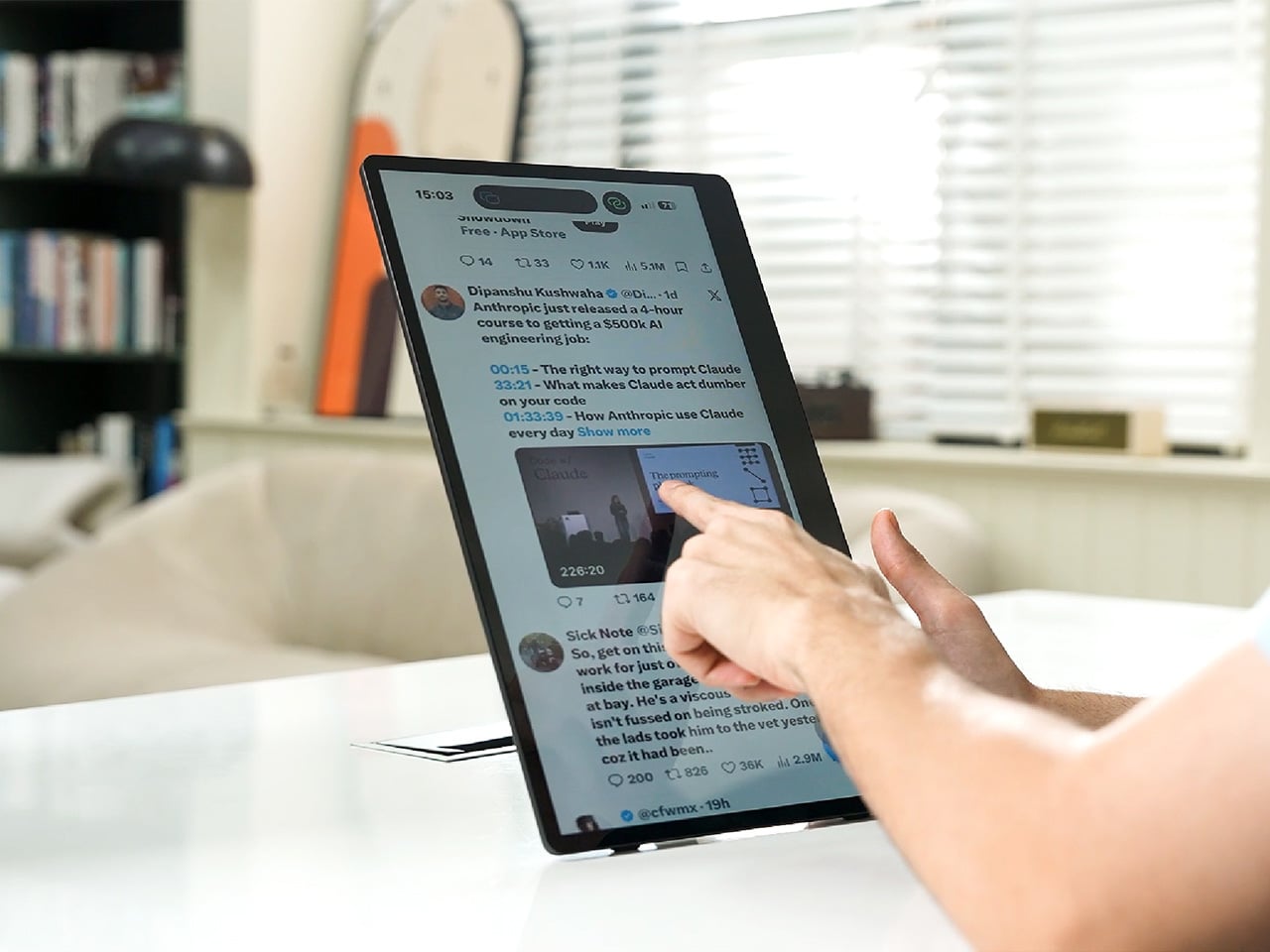
The more interesting trick happens after mirroring starts. The 10-point touchscreen can send input back to the connected phone, turning the monitor into a larger, shared control surface. Flip through photos with a friend, walk a colleague through a presentation, or hand someone the reins without handing over your phone. It’s a shift that makes shared screen time less awkward.

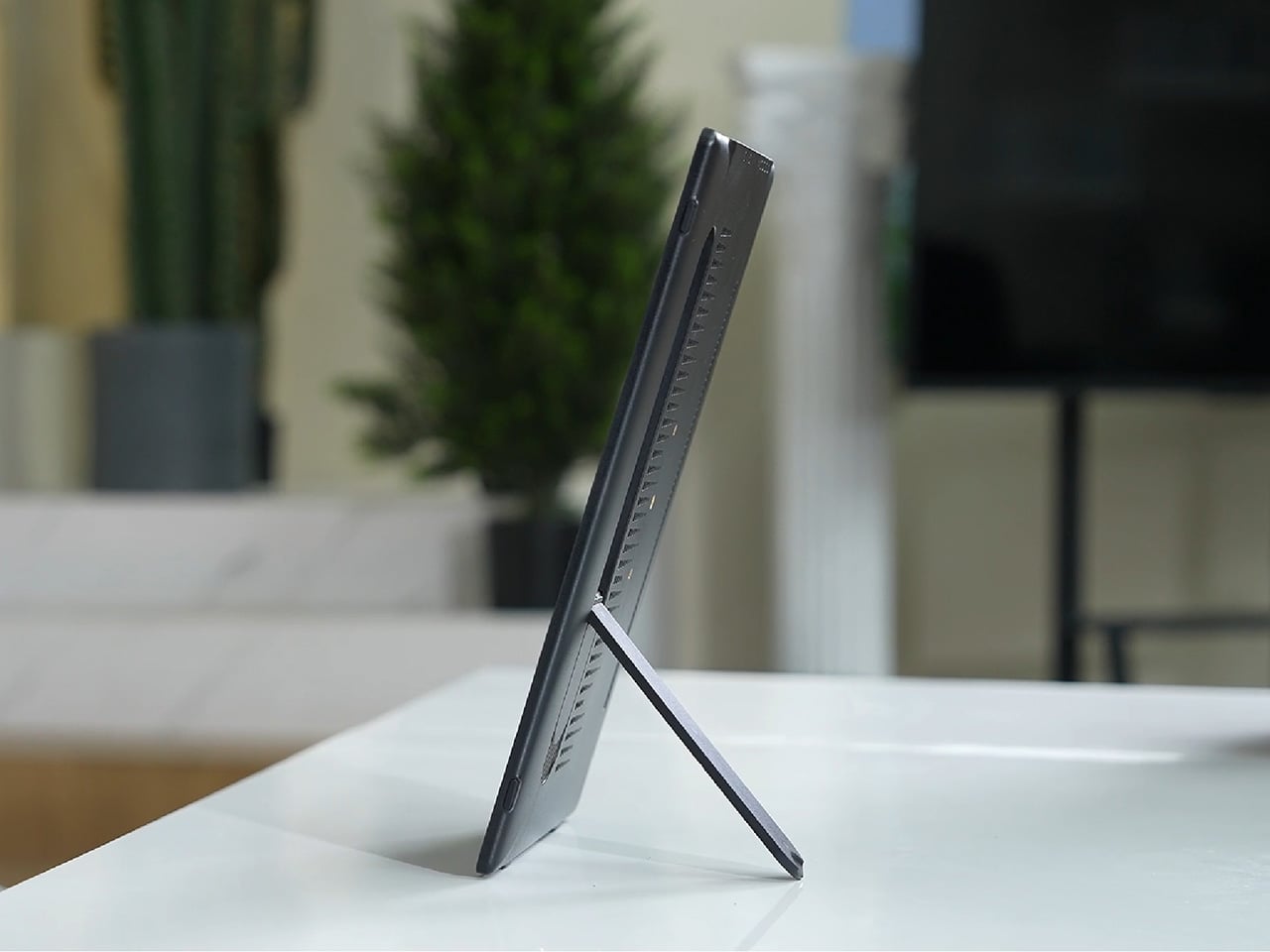
None of this would matter much if the monitor were bulky. At half an inch thick and just over 2 pounds, it’s built to disappear into a backpack rather than dominate it. The matte, textured shell keeps fingerprints and glare to a minimum, and a fold-out kickstand on the back means setup takes seconds on a desk, a kitchen counter, or the arm of a couch.

A built-in 4,000 mAh battery backs up that portability by taking the wall outlet out of the equation. Setting up on a train, in a hotel room, or on a patio doesn’t mean scouting for the nearest plug first. That same battery can lend a charge to a connected phone, turning the monitor into a backup power bank when the moment calls for it.

Plug it into a laptop with a USB-C cable, and the 4URPC switches roles, becoming an extended display rather than a wireless mirror. Dragging a browser tab, a chat window, or a reference document onto the second screen takes a second, and the touchscreen works over the wired connection. The laptop stays focused on the main task while the extra display handles everything else.

The screen also rotates between landscape and portrait without any fuss, which sounds minor until it changes how you use it day to day. Landscape suits video calls, games, and spreadsheets, while portrait mode fits scrolling through documents, reading long articles, or checking social feeds. Switching between the two takes a twist of the stand, not a trip through a settings menu.

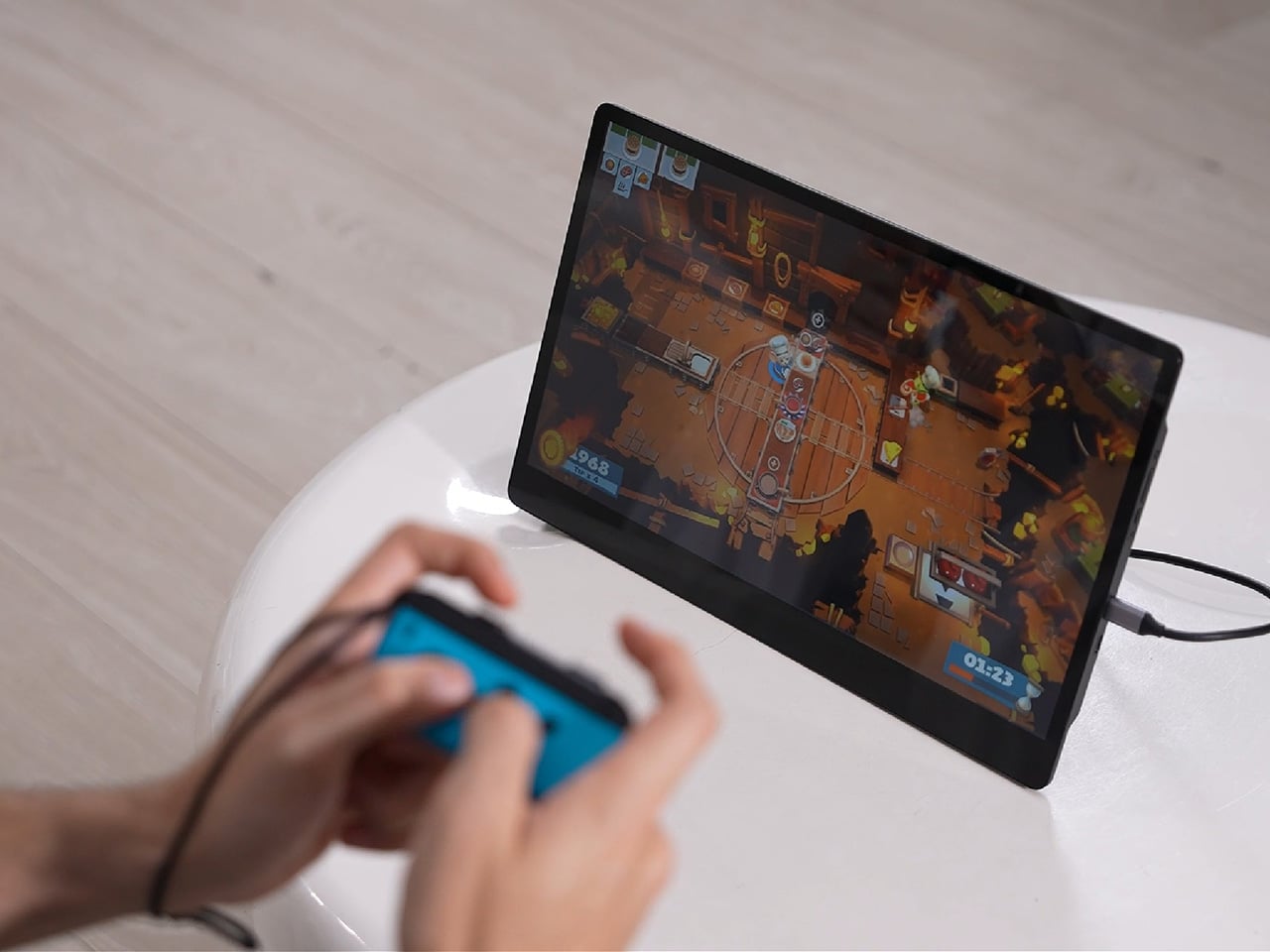
Compatibility runs wide enough that most people won’t need to think twice before connecting. Wireless mirroring covers iPhones, Android phones running version 10 or later, MacBooks, and most Windows laptops, while the wired USB-C or HDMI input works with game consoles, streaming boxes, and the Nintendo Switch. There’s no software to install and nothing to configure; connecting the device and turning it on is the entire setup process.

Under the glass sits a 1920×1080 matte IPS panel running at 60 Hz, built more for comfortable, glare-free sessions than eye-popping color numbers. Dual USB-C ports split power delivery and video duties, small stereo speakers cover casual audio, and a VESA mount plus a standard camera screw thread add mounting options beyond the built-in stand. It’s a practical set of choices rather than a flashy one.

There’s something telling about a monitor that assumes you won’t always be sitting at the same desk tomorrow. Work has scattered across kitchen tables, coffee shops, and airport gates for a while now, and screens are only starting to catch up. The 4URPC doesn’t try to be the sharpest or brightest display around; it just tries to be wherever you happen to land next.

Click Here to Buy Now: $219 $399 (45% off). Hurry, only 451/600 left! Raised over $181,000.

The post Your Second Screen Can Finally Work With No Cables and No Outlet first appeared on Yanko Design.
  •  

Japanese Designers Just Solved the Dead Battery Diffuser Problem

There are several times a day when you’ll want to sit down and take in the aroma of your favorite essential oils. It might be early in the morning to help you wake up, right when you start work and need a boost of energy, at the end of the day when you’re relaxing, journaling, or reading, or right before bed so the scent can help you settle into a good night’s sleep. At any of those moments, your oil diffuser is your best friend, that is, unless it runs out of battery or charge right in the middle of your routine.

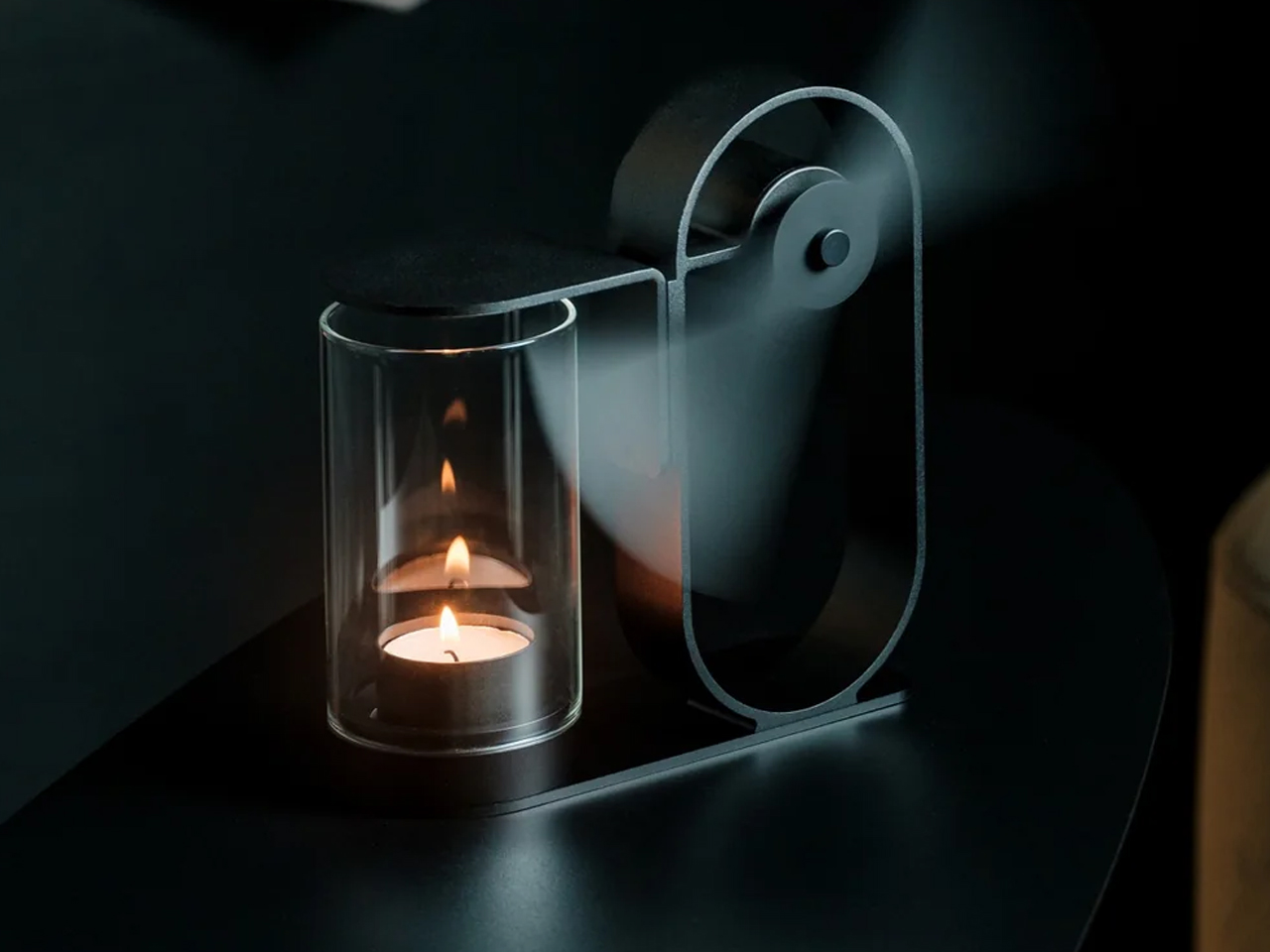
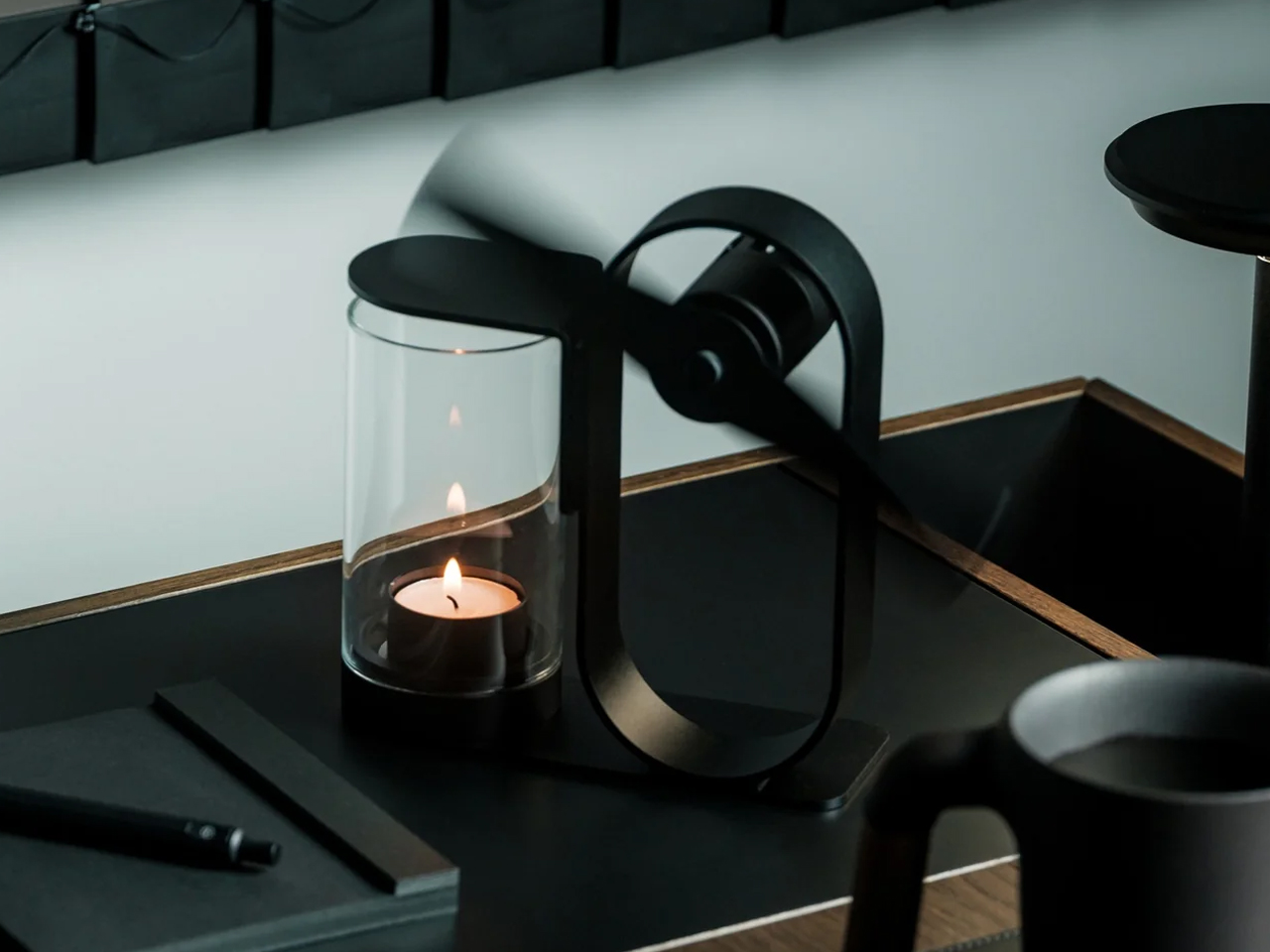
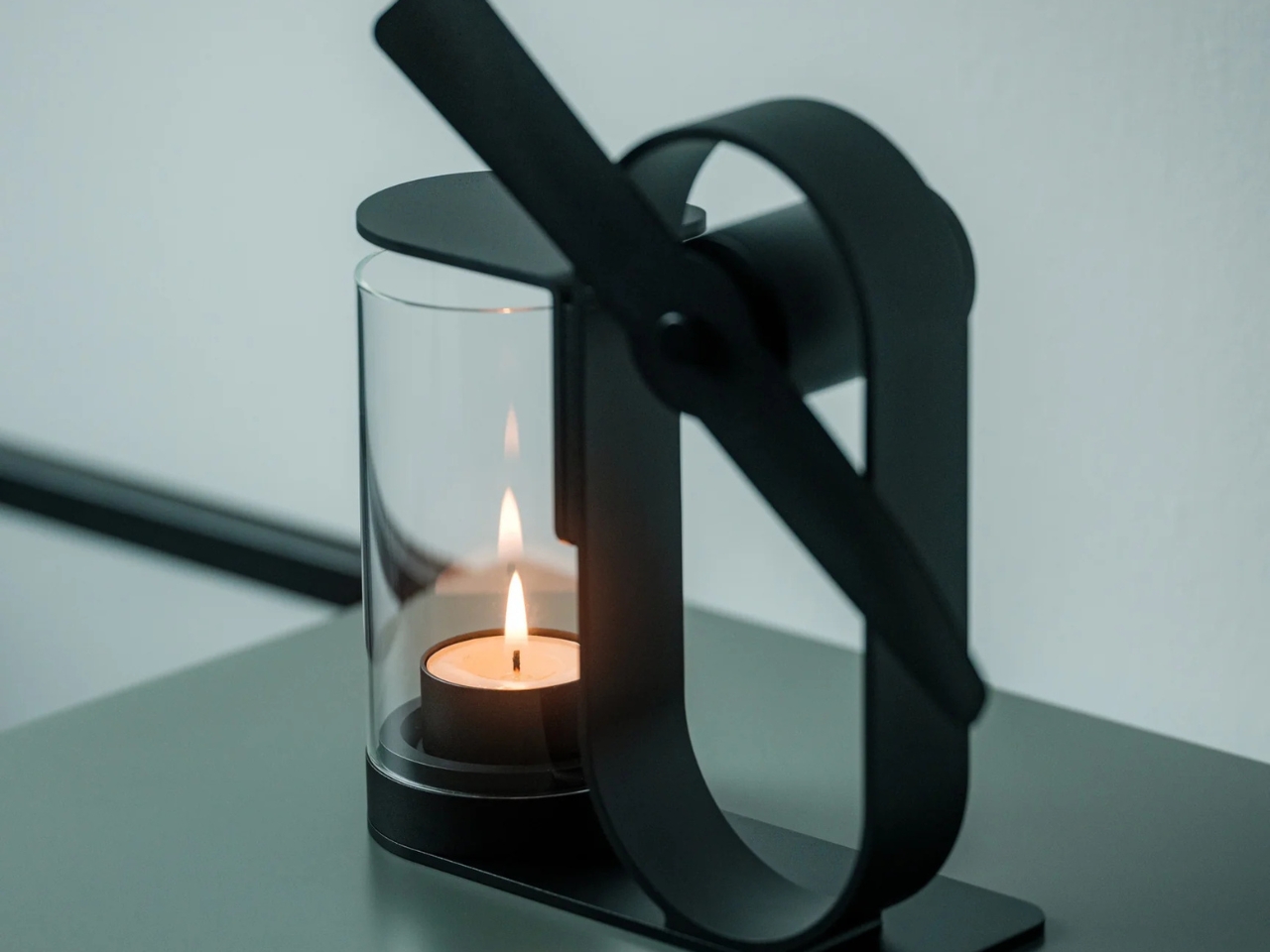
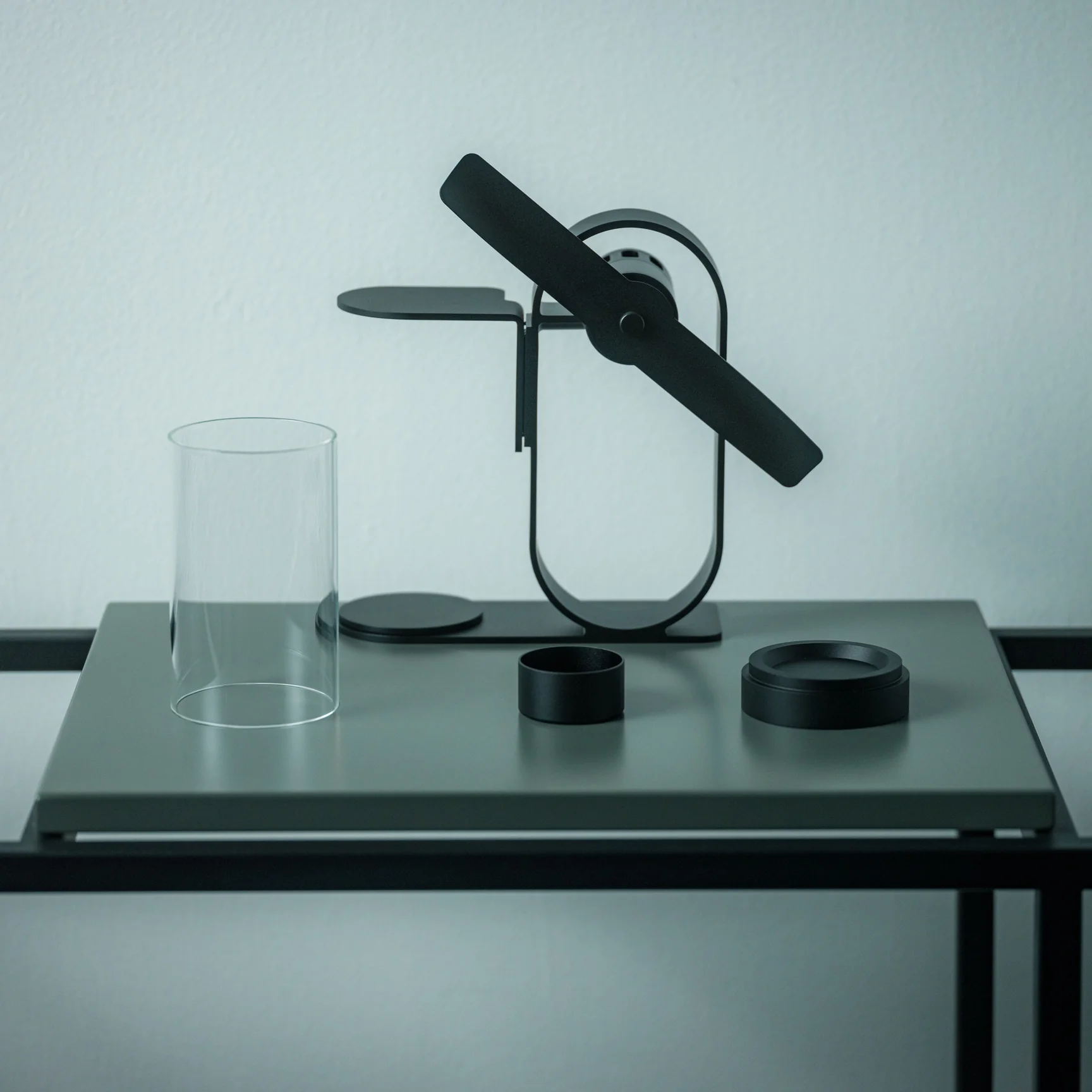
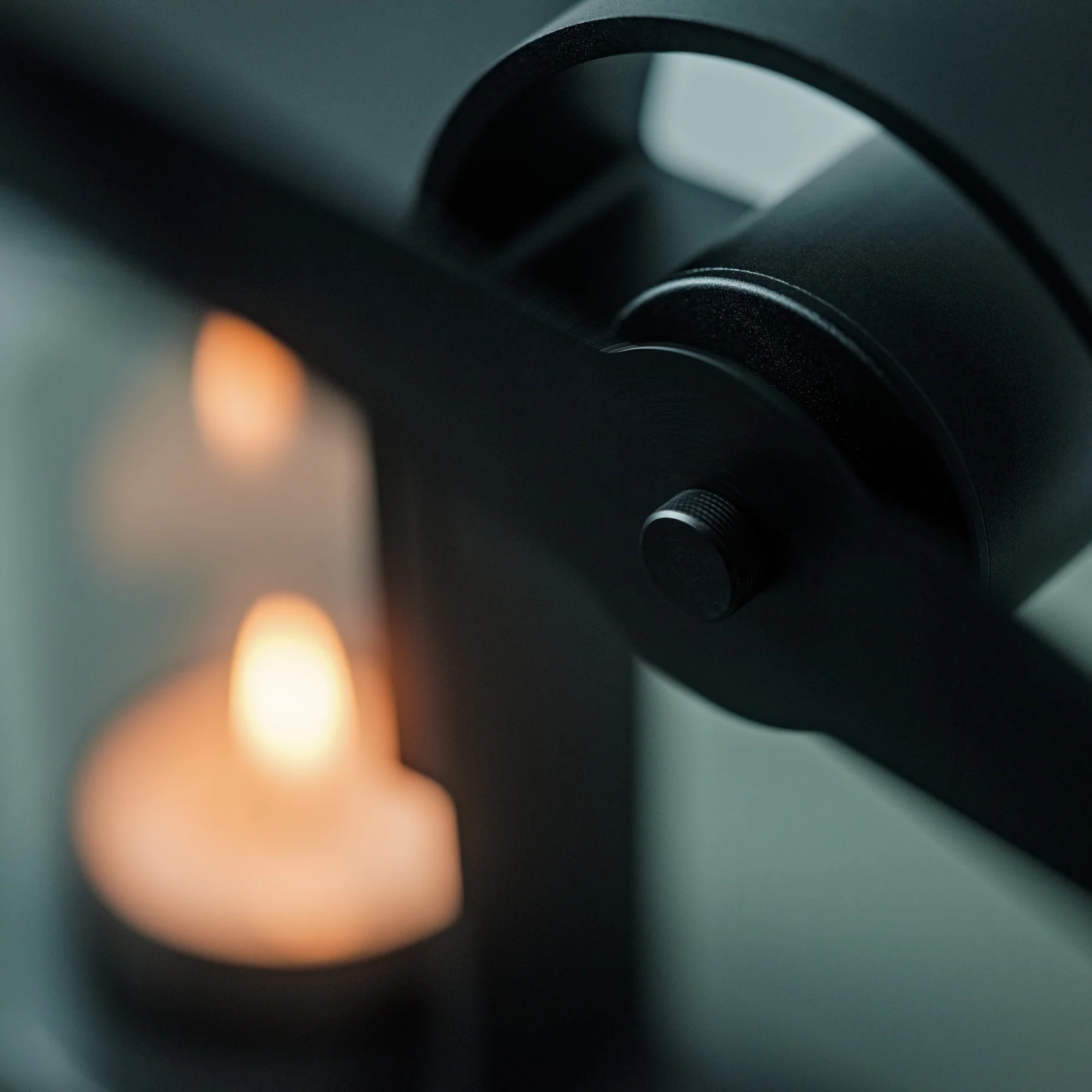
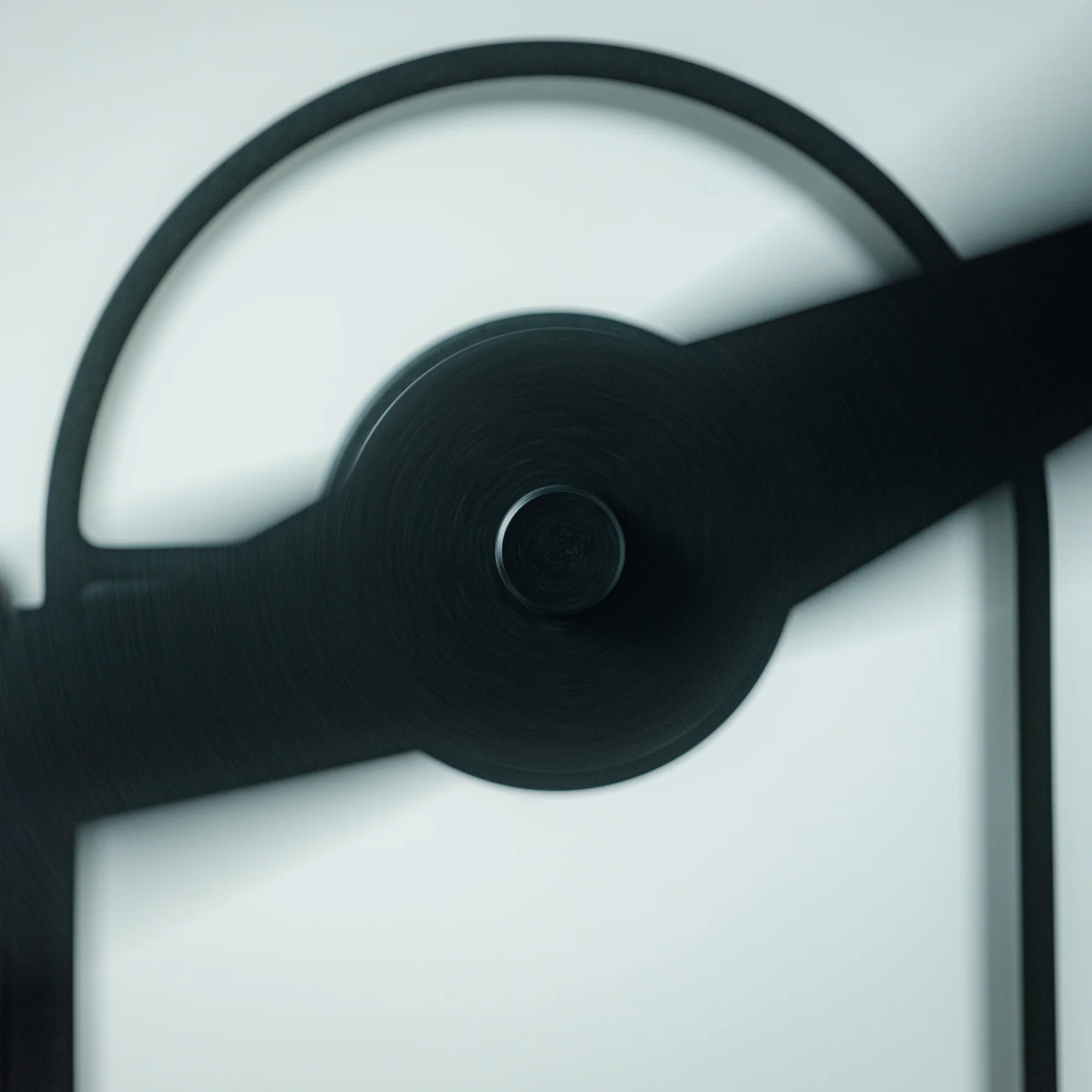
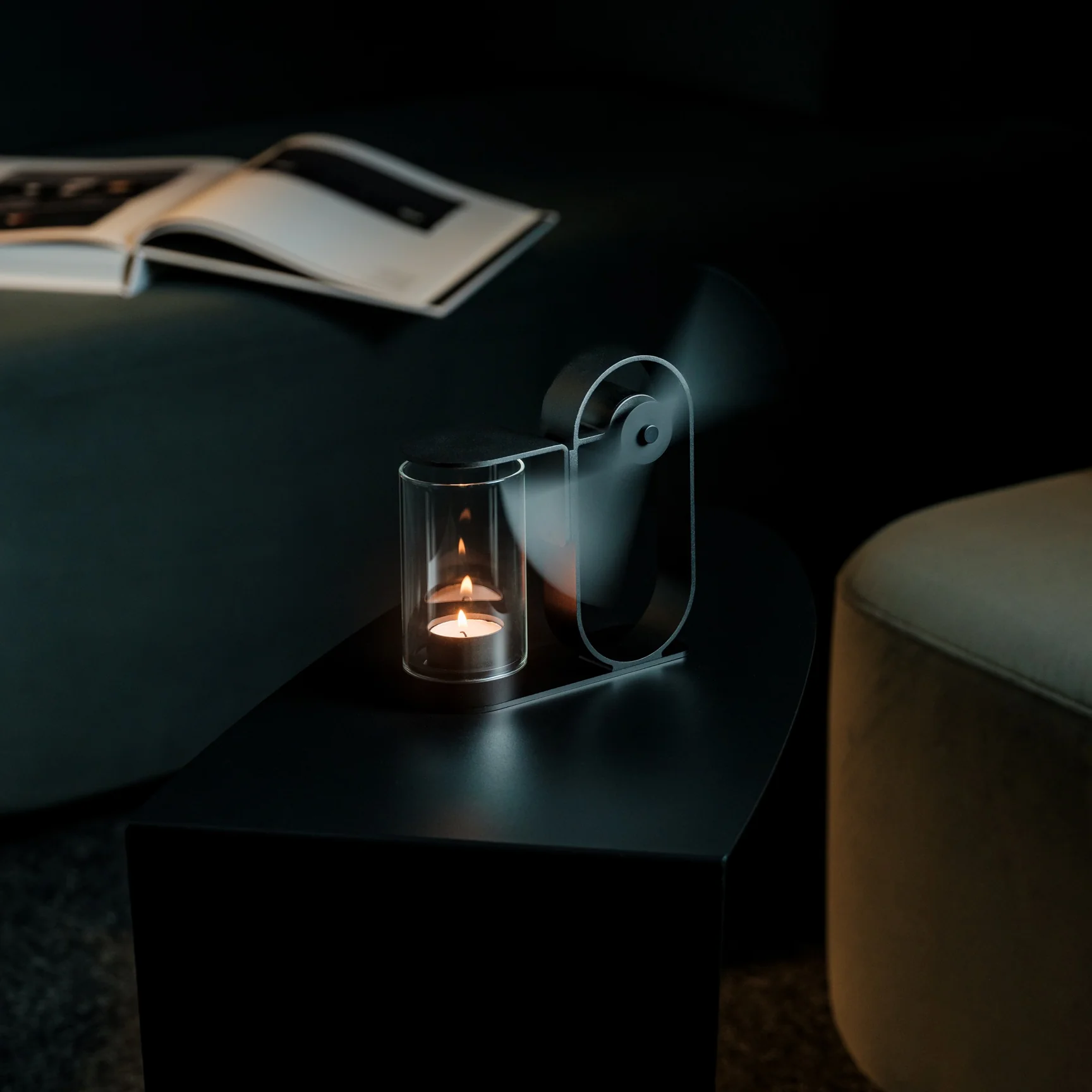
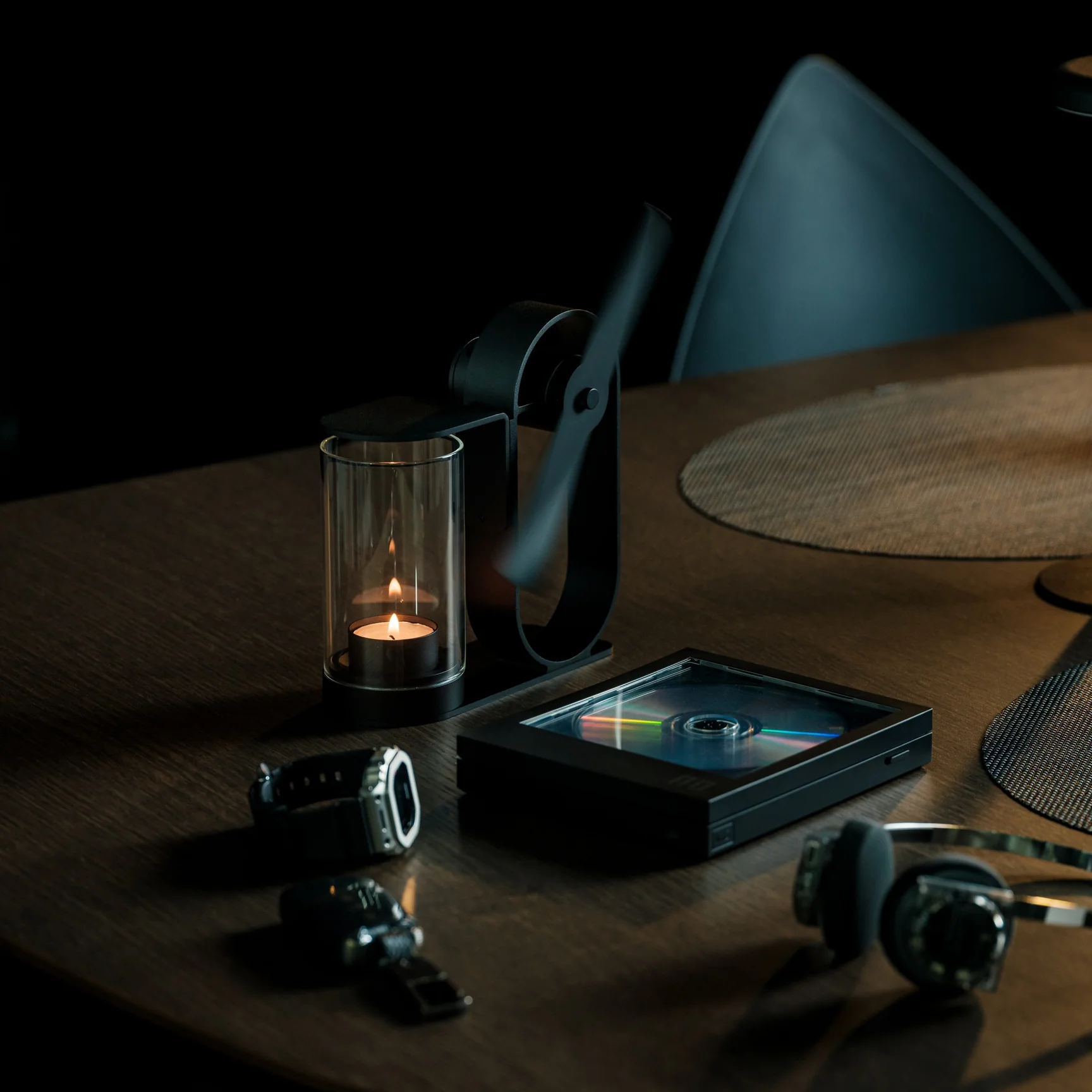
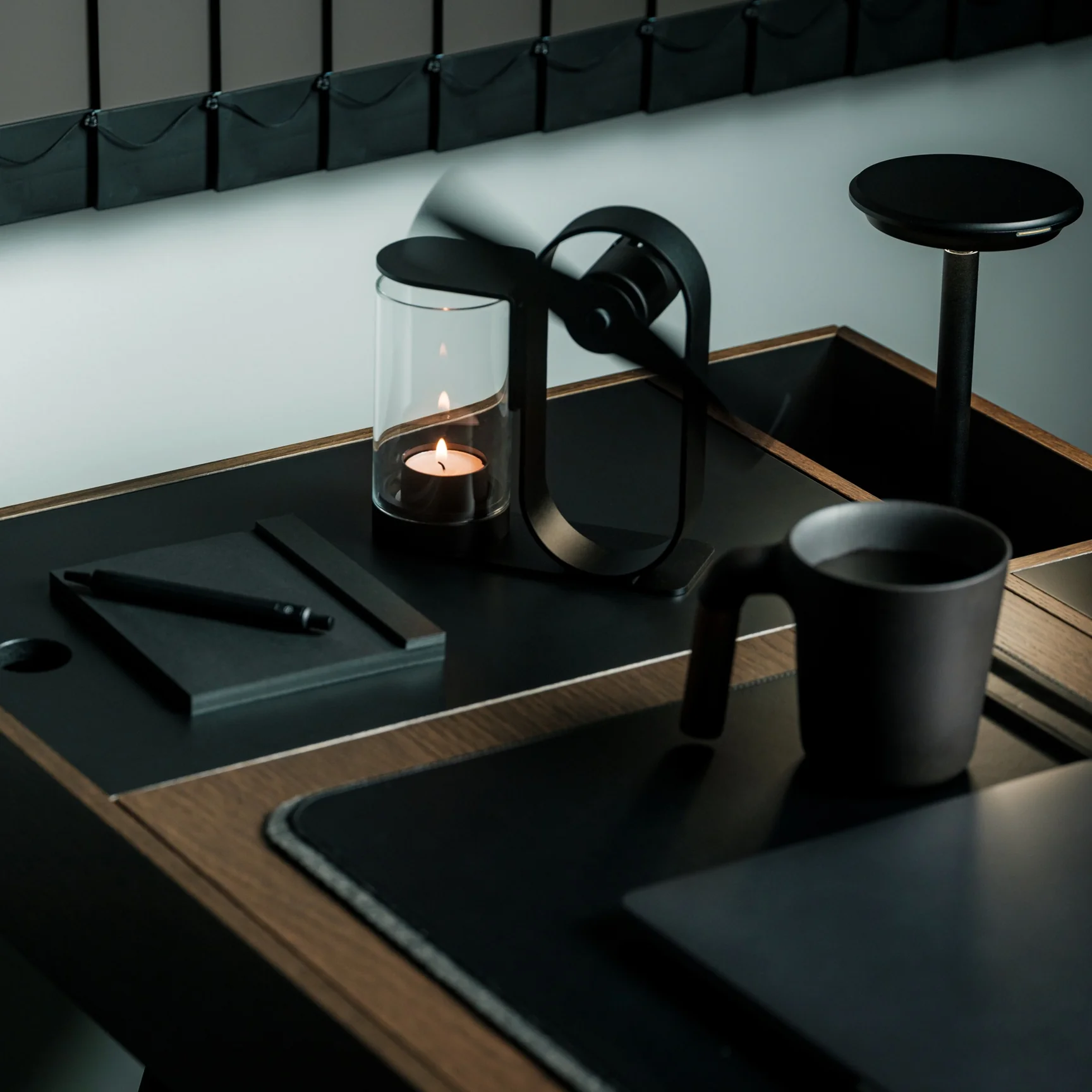
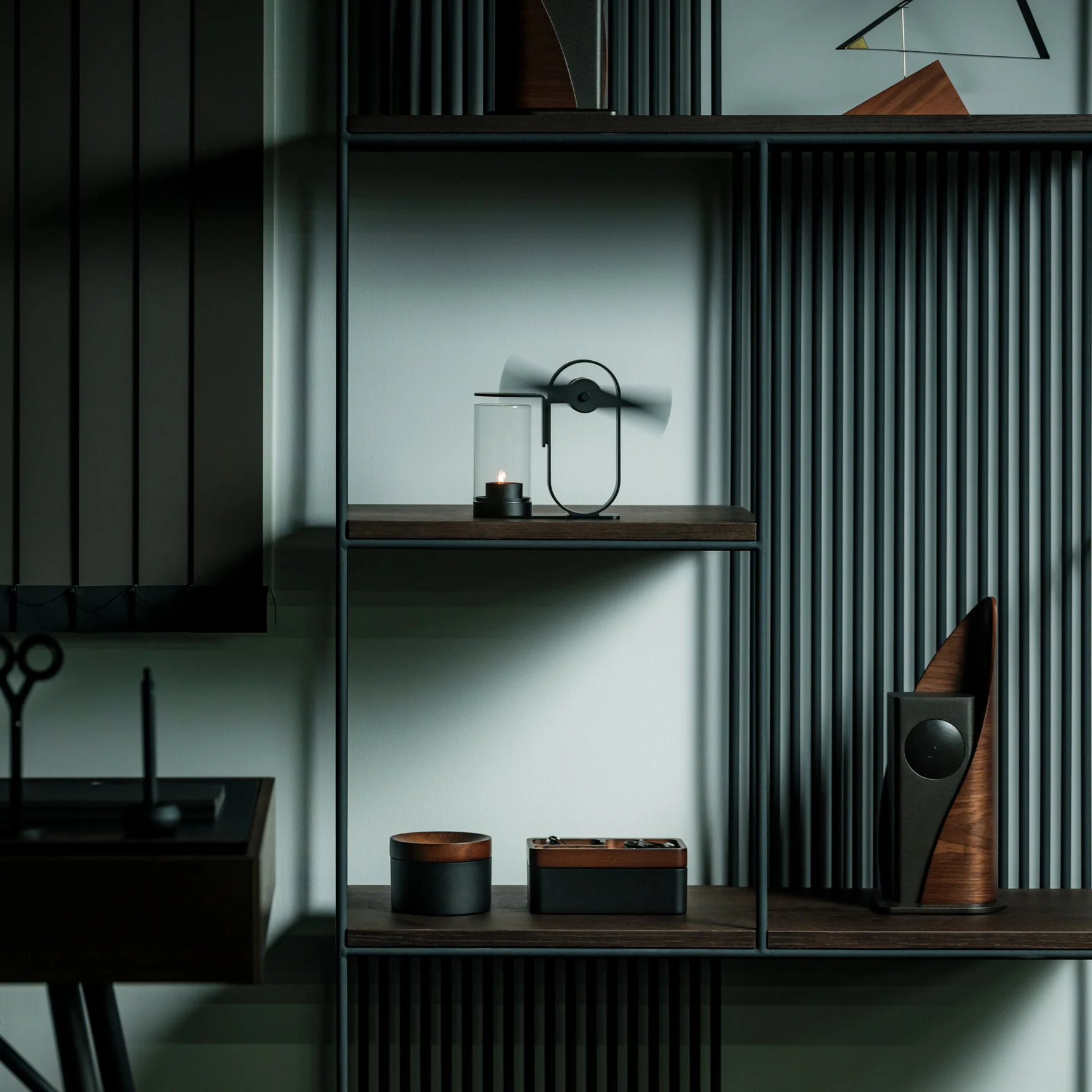
If you’re using the Battery-Free Aroma Diffuser, that’s one problem you’ll never have. As the name suggests, it’s completely battery-free and skips the fancy ultrasonic tech found in most diffusers on the market. All you need is a candle; its rising heat spins a built-in propeller that carries the scent of your essential oil of choice, and you’re all set to relax or recharge, whichever one you need. Setting it up becomes part of your morning or nighttime ritual, giving you what’s been called “magic powered by a single flame.”

Click Here to Buy Now: $290.00

This diffuser was designed by Yu Ito and Yoshimi Kemmotsu of SOL style. Most diffusers on the market run on batteries, charging cables, and plastic ultrasonic components. This one skips all of that and works on nothing more than physics, heat, and fire. Its minimalist, elegant design only adds to the “magic” of the experience, as you watch your essential oils fill the room in a way that feels almost mystical. Because so much of the piece is transparent, you can see exactly how it works, from the flickering candle flame to the visibly spinning propeller above it.

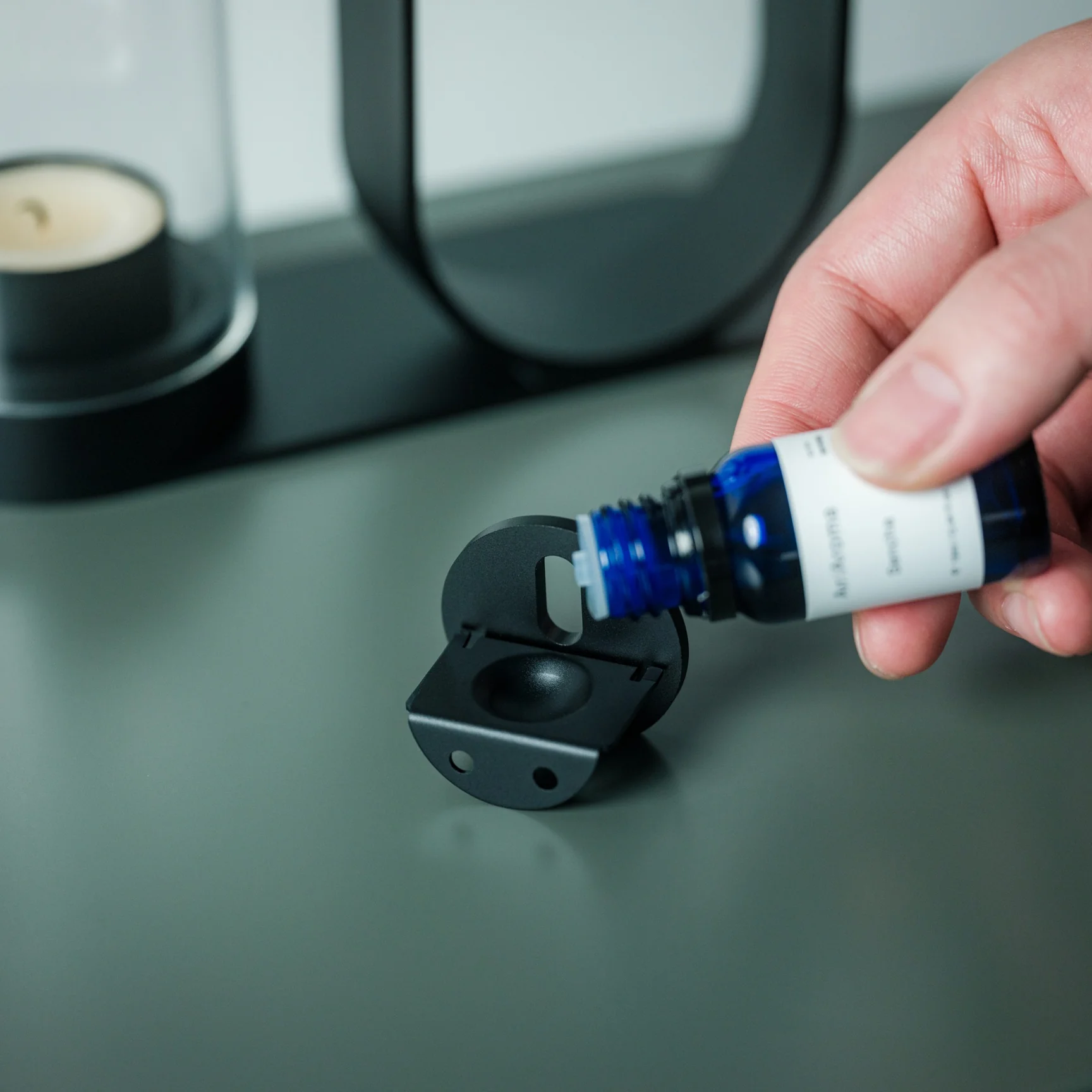
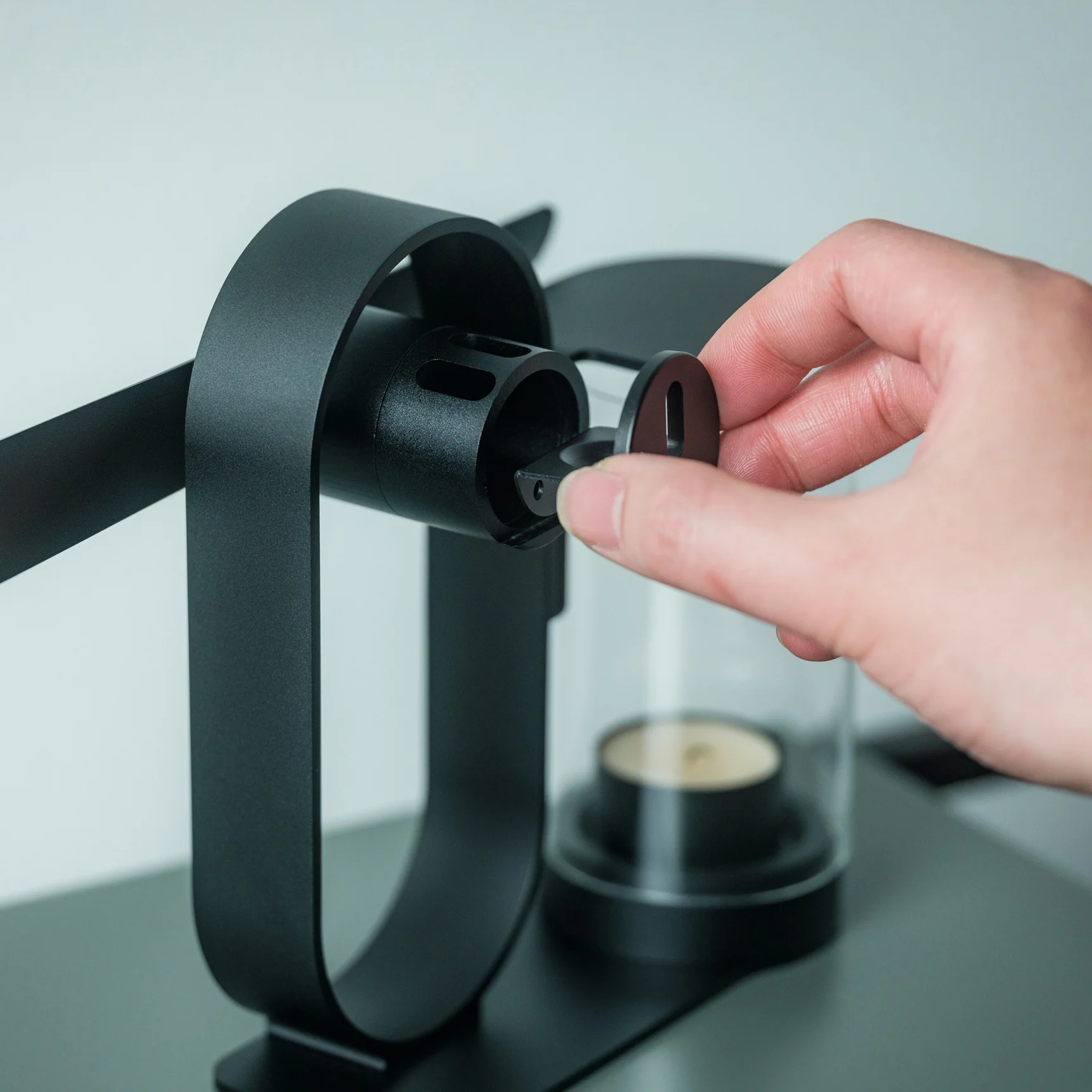
The process of using the diffuser is refreshingly simple and doesn’t involve a lot of steps. Start by placing your essential oil of choice in the dedicated compartment located at the center of the propeller. Light a candle and set the cover in place. Wait about two to three minutes for the rising heat to spin the built-in propeller, and once it’s turning, it will carry the scent of your oils and fill the space around you.

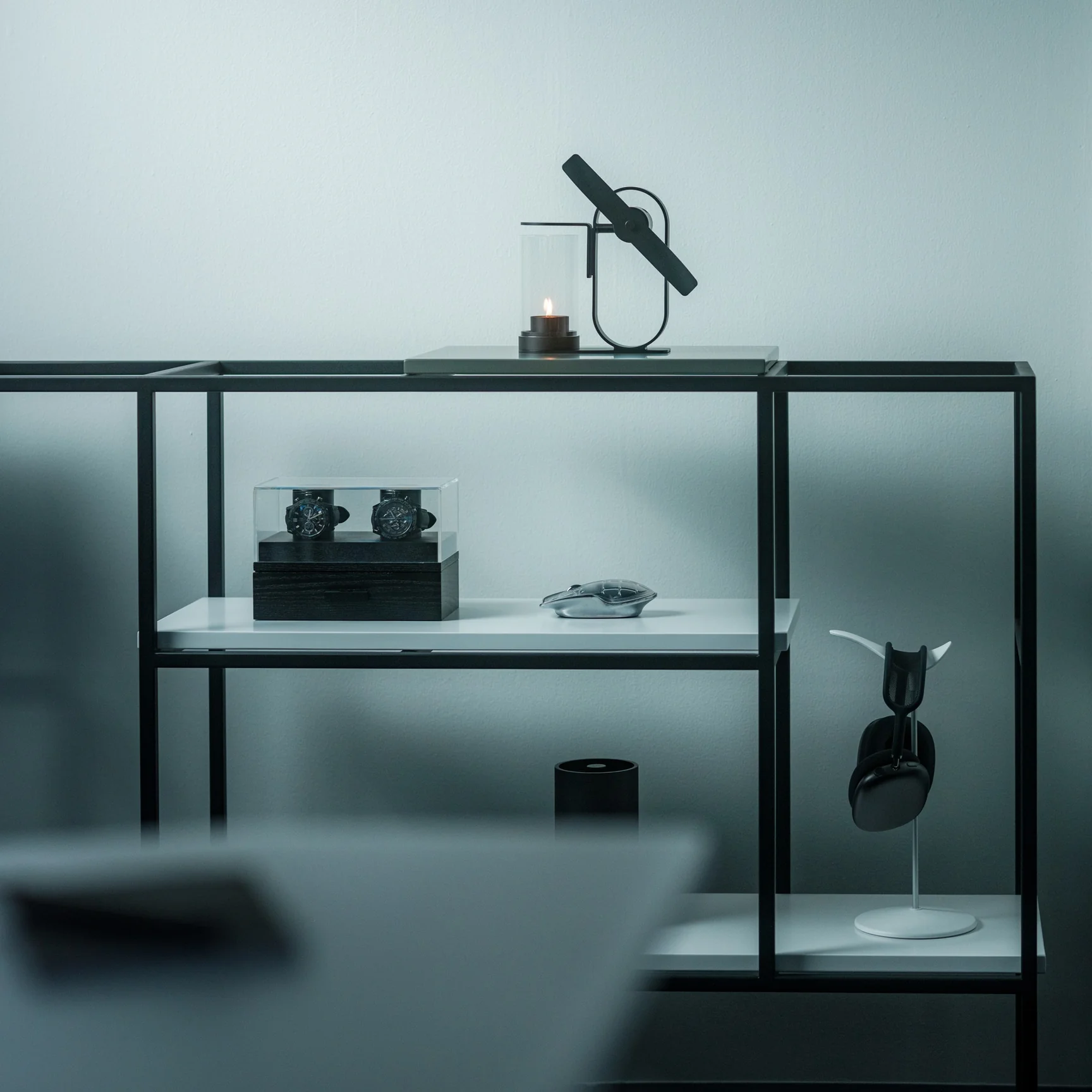
The diffuser itself is built from aluminum, glass, and iron, materials chosen for being sustainable and long-lasting, so you’re not contributing to the pile of dead batteries or broken plastic housings that come with most electric diffusers. Because it needs no outlet and no batteries, it’s also completely portable. Set it up on your dining table, your nightstand, or even take it outside for a quiet evening on the patio.

If you’ve shopped for a diffuser before, you’ve likely come across a big name like Vitruvi, whose Stone Diffuser is frequently ranked among the best overall by outlets like Wirecutter and InStyle. Vitruvi’s design is genuinely beautiful, but it’s still an electric, ultrasonic device that needs to be plugged in or charged to run. More budget-friendly brands like InnoGear and Urpower take a similar ultrasonic approach at a much lower price, but they typically trade craftsmanship and material quality for affordability, leaning on plastic components that don’t hold up as well over time.

The Battery-Free Aroma Diffuser doesn’t try to compete on mist output, app connectivity, or color-changing lights. Instead, it carves out its own lane by focusing on ritual, sustainability, and craftsmanship. You won’t get smart features or adjustable settings, but you also won’t ever need to charge it, replace a battery, or worry about internal electronics failing. It does come at a premium, priced around $249 compared to the roughly $30 to $130 range most ultrasonic diffusers occupy, but for design lovers and sustainability-minded shoppers, that price reflects a genuinely different kind of product rather than just another gadget competing on specs.

At the end of the day, the Battery-Free Aroma Diffuser isn’t trying to be the most powerful or the most tech-forward diffuser on your shelf, it’s trying to be the most memorable. Whether you’re using it to ease into your morning coffee, get into a work groove, unwind after a long day, or settle in before bed, lighting that single candle and watching the propeller slowly spring to life feels far more intentional than simply pressing a power button. It won’t die mid-session, won’t need a replacement battery, and won’t end up as e-waste a few years down the line. For anyone looking to turn aromatherapy into an actual experience rather than just another appliance to switch on, this quiet, flame-powered design might be one of the most beautiful ways to get there.

The post Japanese Designers Just Solved the Dead Battery Diffuser Problem first appeared on Yanko Design.

  •  

RSSMonster - Le lecteur RSS qui trie vos flux en local

Vous le savez, je suis un grand défenseur des flux RSS . C'est d'ailleurs pour ça que le mien est complet !! Je dois être le dernier à faire ça, alors, abonnez-vous (c'est gratuit) car ça me permet de continuer à faire ce que j'aime et ce que vous aimez aussi apparemment, puisque vous êtes de plus en plus nombreux à venir ici !

Mais bon, bref, si je vous parle de ça aujourd'hui, c'est parce que j'ai découvert RSSMonster, un lecteur de flux RSS que vous installez sur votre machine, et qui a la particularité de rapprocher tout seul les articles qui parlent du même truc et qui leur met une note.

J'ai de la lecture...

La qualité d'écriture compte pour moitié, le ton pour un quart, et le dernier quart mesure à quel point le texte est promotionnel, si bien qu'un publireportage descendra tout seul. J'ai trouvé ça plutôt malin. Et les articles qui racontent le même "fait" sont regroupés dans un Event, donc vous lisez l'actu qu'une fois sans vous fader tous les copycats.

Et le plus cool, c'est que ce tri tourne sur votre ordi, sans avoir besoin de la moindre clé d'API. Chez Miniflux ou FreshRSS, la liste officielle des fonctionnalités ne mentionne rien de tel. Quant à NewsBlur, celui-ci apprend à masquer ou surligner les articles selon ce que vous lui dites aimer, ce qui n'est pas la même chose que rapprocher deux actus pour les dédupliquer. Dans le même genre, je vous avais quand même déjà parlé d' un lecteur RSS qui s'y met aussi.

Le choix à faire

RSSMonster est livré avec deux fichiers Docker Compose. Le premier monte l'application et un collecteur de flux au-dessus de SQLite, sans un seul modèle (c'est celui de la procédure express du README). Le second ajoute MySQL, un worker dédié à l'IA et le service d'inférence, et c'est lui qui allume tout ça.

En fait, si vous choisissiez SQLite, la concurrence des traitements optionnels sera plafonnée à un, donc, ce sera un peu plus lent. Et surtout, le profil léger tel qu'il est livré ne démarre pas le worker IA et coupe l'inférence, donc pas de regroupement ni de notes tant que vous ne les activez pas à la main. Ça ira donc pour une install perso, mais si vous voulez mettre ça sur un serveur pour le partager à tous vos potes ou dans votre entreprise, je vous conseille vraiment de choisir MySQL directement. Parce qu'après, la bascule de l'un vers l'autre a l'air plus hasardeuse.

Enfin, rassurez-vous, il y aura toujours la possibilité d'exporter un fichier OPML avec tous vos abonnements et les catégories. Par contre, ça ne transporte que votre liste de flux, pas les articles déjà collectés ni ce que vous avez lu.

Installer le profil léger (SQLite)

C'est celui que je vous conseille pour commencer. Côté prérequis : git, Docker et Docker Compose. On commence par cloner le dépôt :

git clone https://github.com/pietheinstrengholt/rssmonster.git
cd rssmonster

Ensuite, faut générer deux secrets. Lancez cette commande deux fois, les résultats doivent différer :

openssl rand -hex 32

Créez un .env à la racine, lisible par vous seul :

touch .env && chmod 600 .env
JWT_SECRET=votre-premier-secret
FEVER_CREDENTIAL_SECRET=votre-second-secret

Ajoutez-y RSSMONSTER_BIND_ADDRESS=0.0.0.0 tout de suite pour y accéder depuis une autre machine, le port n'écoutant que sur la boucle locale. Et ne sautez pas les secrets, car le Compose refuse de démarrer si l'un des deux manque :

docker compose up -d

Ouvrez http://localhost:3000. Pas de compte admin par défaut, c'est le premier que vous créez qui devient l'administrateur, et notez bien vos identifiants. Ensuite, allez dans réglages puis flux, et importez ensuite votre OPML.

L'écran de connexion au premier démarrage

Et si vous voulez la version qui dépote (MySQL)

Si vous aviez déjà lancé le profil léger, coupez-le d'abord avec docker compose down, qui arrête les conteneurs sans toucher à vos données. N'y ajoutez surtout pas -v, car ça supprimera le volume et la base. Et MySQL démarrera vide et vous devrez réimporter votre OPML comme sur une install neuve.

Ensuite, ajoutez ces quatre valeurs dans le même .env, à côté de vos deux secrets :

DB_DATABASE=rssmonster
DB_USERNAME=rssmonster
DB_PASSWORD=un-mot-de-passe-solide
MYSQL_ROOT_PASSWORD=un-autre-mot-de-passe-solide

Et lancez l'autre fichier :

docker compose -f docker-compose.mysql.yml up -d --build

Ne paniquez pas si localhost:3000 ne répond pas dans la foulée. L'application attend que MySQL et l'inférence soient dispo, et celle-ci commence par télécharger ses trois modèles donc ça prend quelques minutes. Le contrôle de santé de l'outil lui laisse dix minutes, donc allez vous faire un ti café (dans sa couche ? nooon).

L'ajout d'un flux, sa catégorie et sa fenêtre de rattrapage

Voilà, amusez-vous bien.

Source : le dépôt GitHub de RSSMonster

  •  

This Japanese Bottle Opener Catches the Cap So You Never Chase It Again

When you come home after a long, hectic day, sometimes all you want to do is sink into the couch, scroll through your phone, and crack open a cold drink. But when that “cold one” happens to be a bottle of beer or soda, things do not always go according to plan. The opener slips, the cap bends and gets mangled, or it pops off and goes skittering across the counter or under the couch. It is a minor inconvenience, sure, but it has a funny way of taking a little of the relaxation out of what should be a simple, satisfying moment.

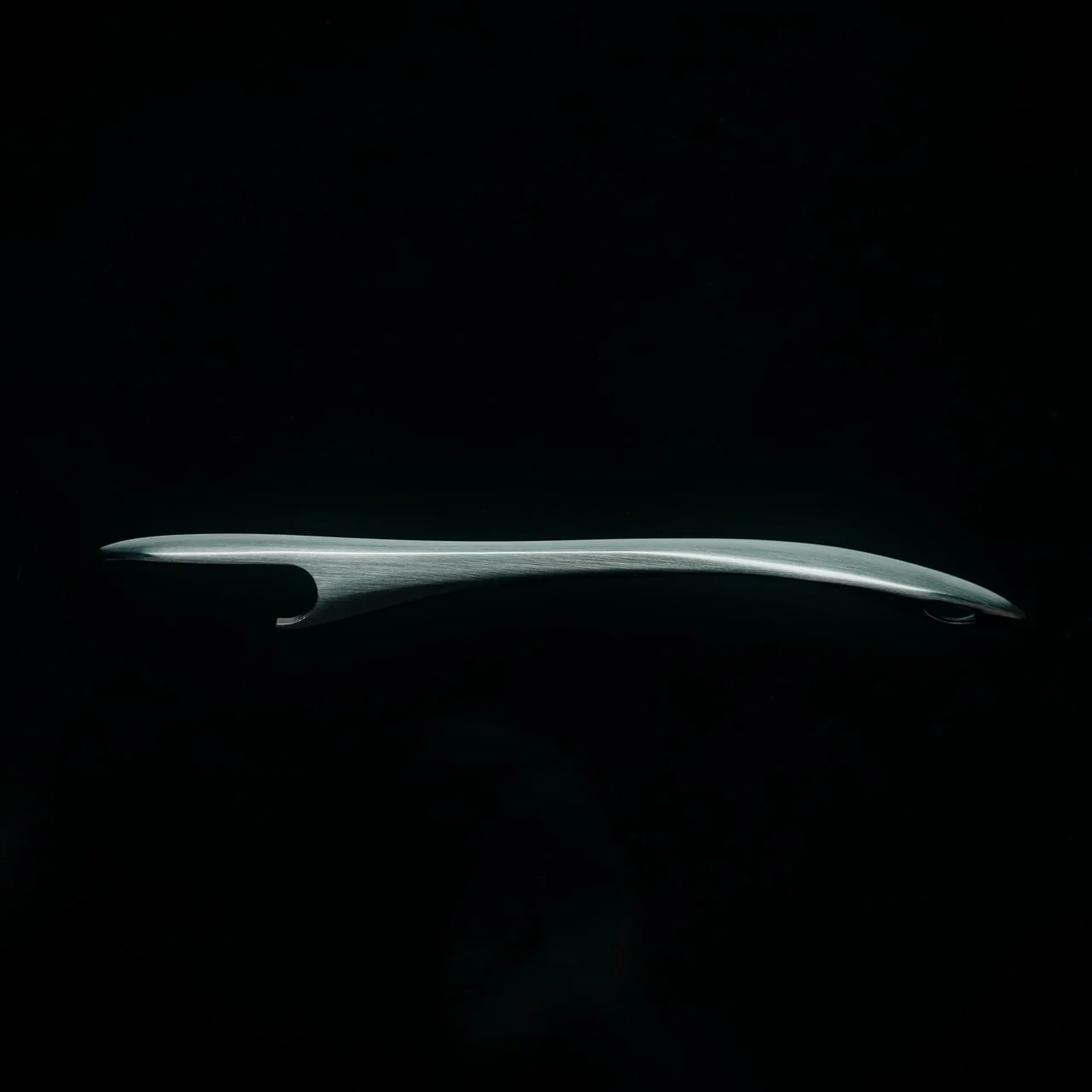
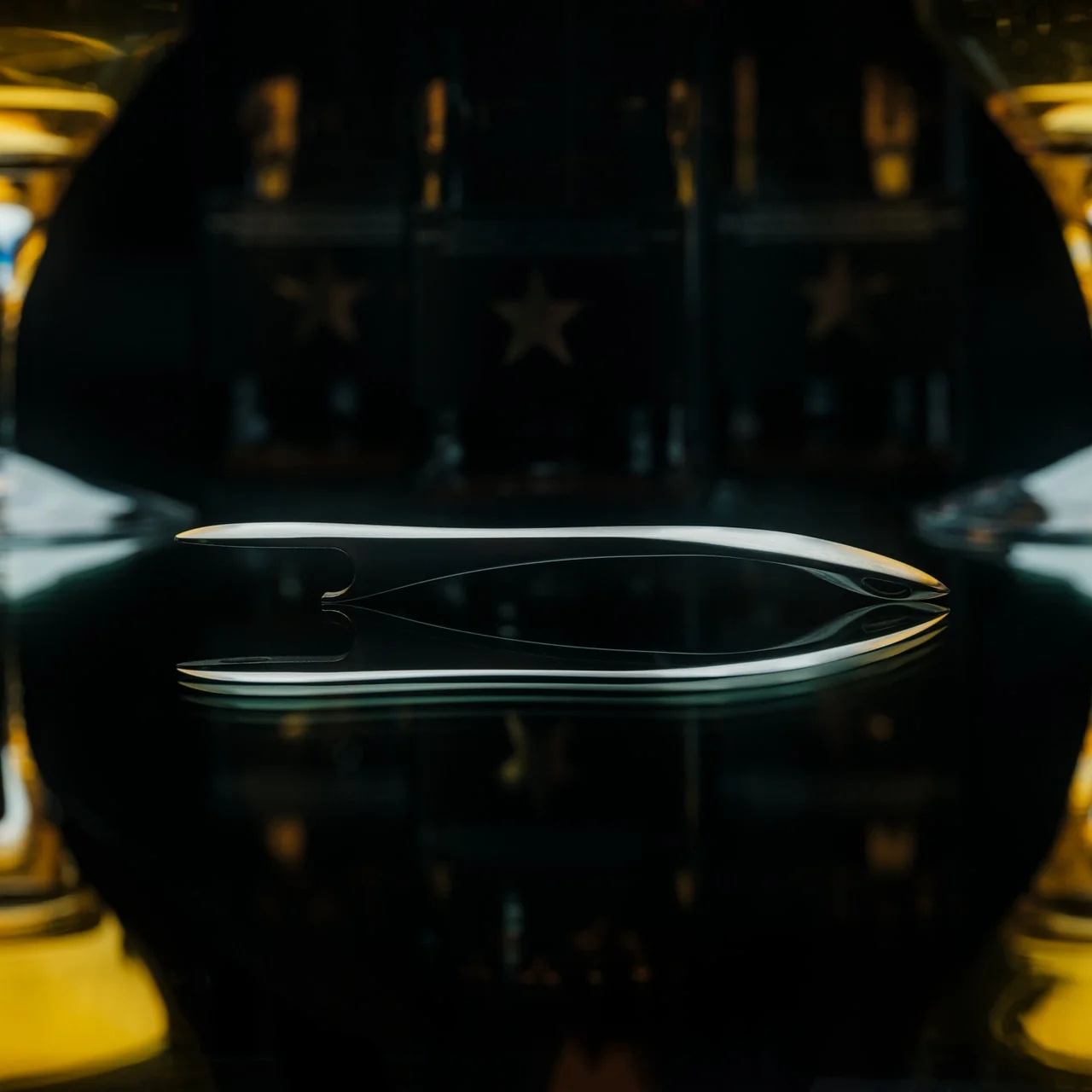
The First Pour Bottle Opener was built to fix exactly that. Made by Suwada, a legendary Japanese blacksmith house, it is an elegantly crafted tool designed to let you enjoy your drink in peace. Its flowing, sculptural silhouette also makes it a genuine piece of design rather than a purely functional gadget you shove in a drawer and forget about.

Click Here to Buy Now: $65.00

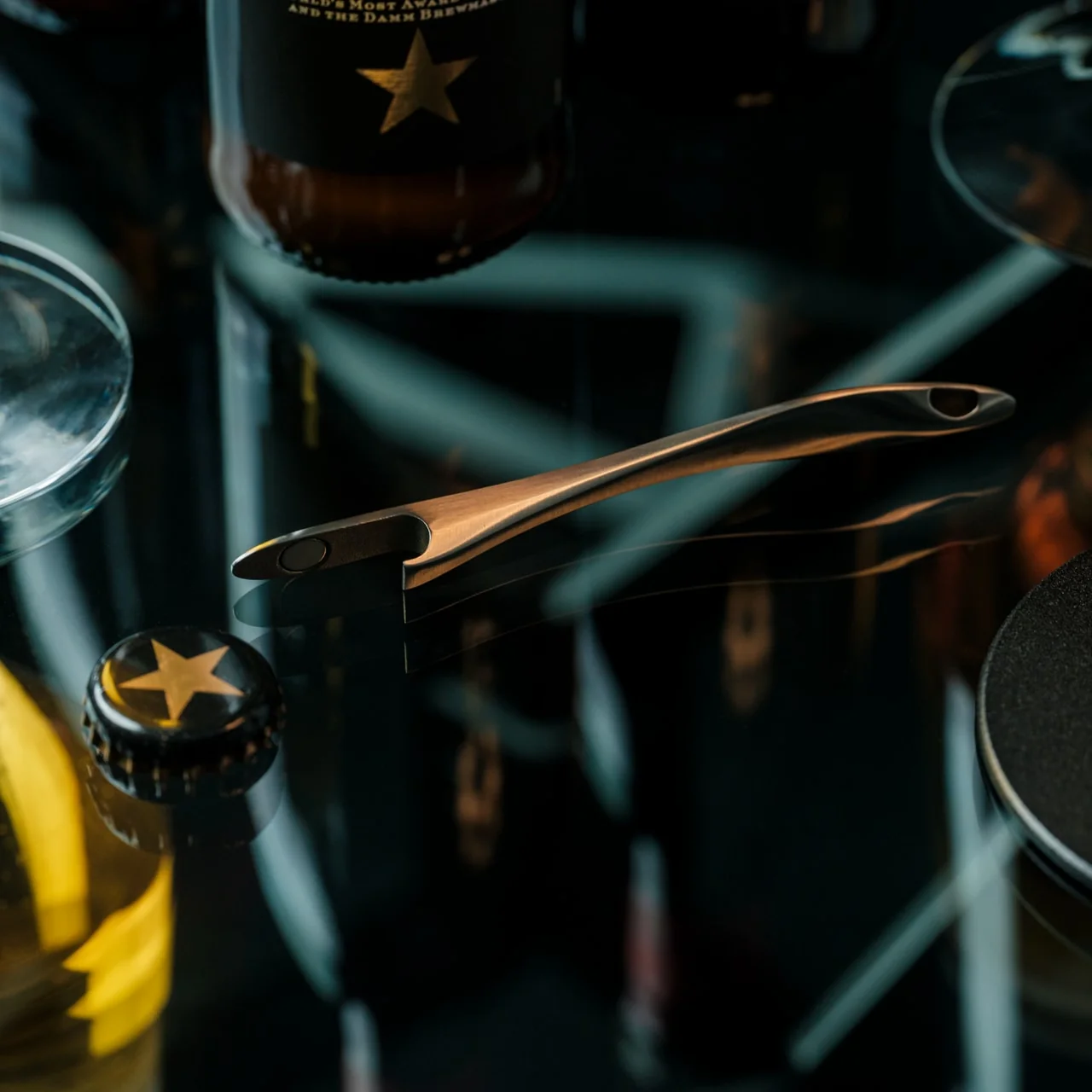
The bottle opener is forged from solid, corrosion-resistant stainless steel and finished with a hand-applied satin coat that gives it a soft, understated shine. Its shape isn’t flashy or complicated, and that’s exactly the point: the stripped-down, minimalist form is what makes it look right at home sitting out on your kitchen counter, bar cart, or shelf, instead of buried in a drawer with your corkscrews and other odds and ends. It’s also a quiet nod to Suwada’s roots. The company has been forging blades and metal tools in Tsubame-Sanjo, a Japanese region famous for generations of metalworking mastery, so the craftsmanship behind this little opener runs a lot deeper than its price tag might suggest.

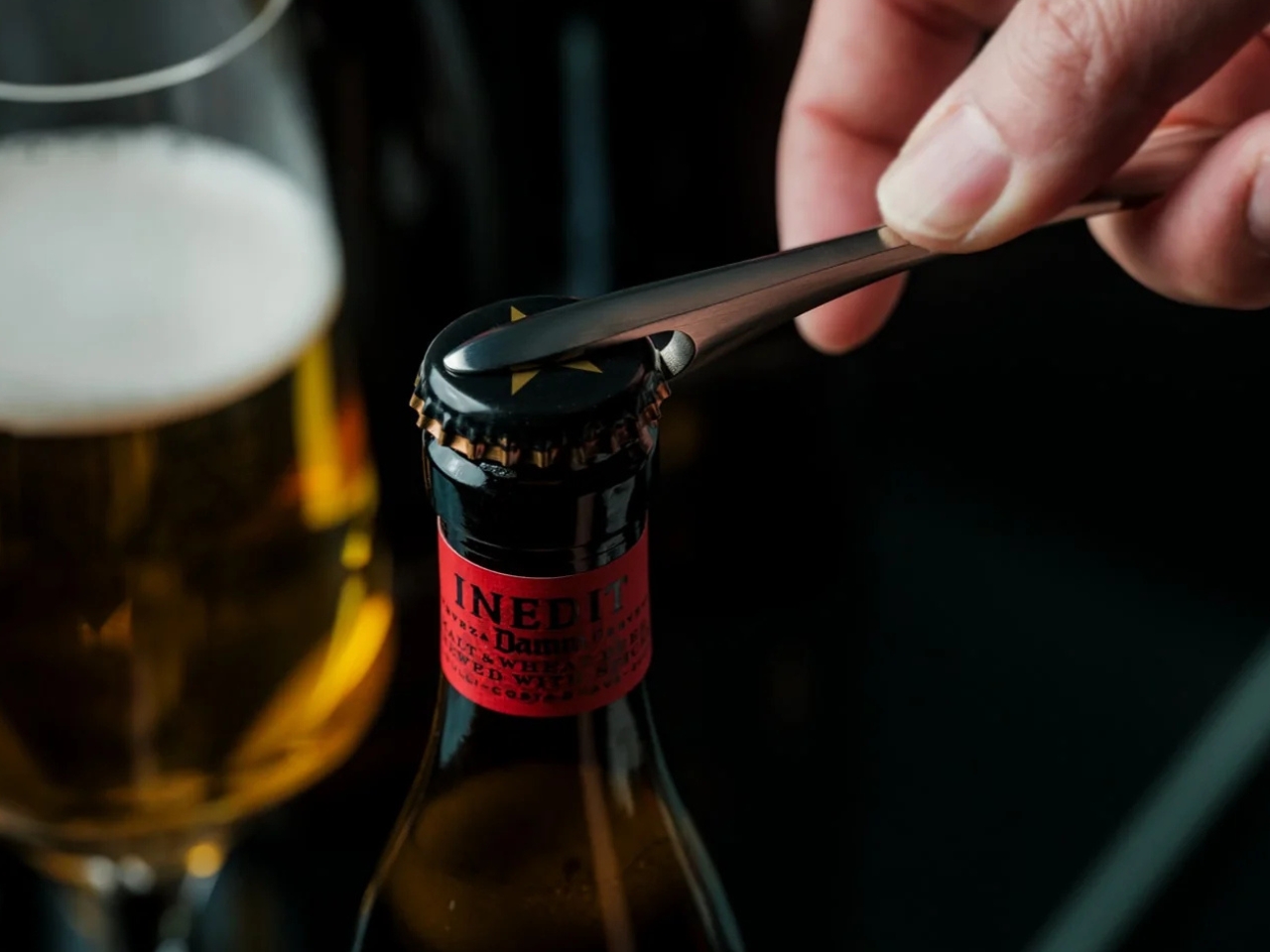
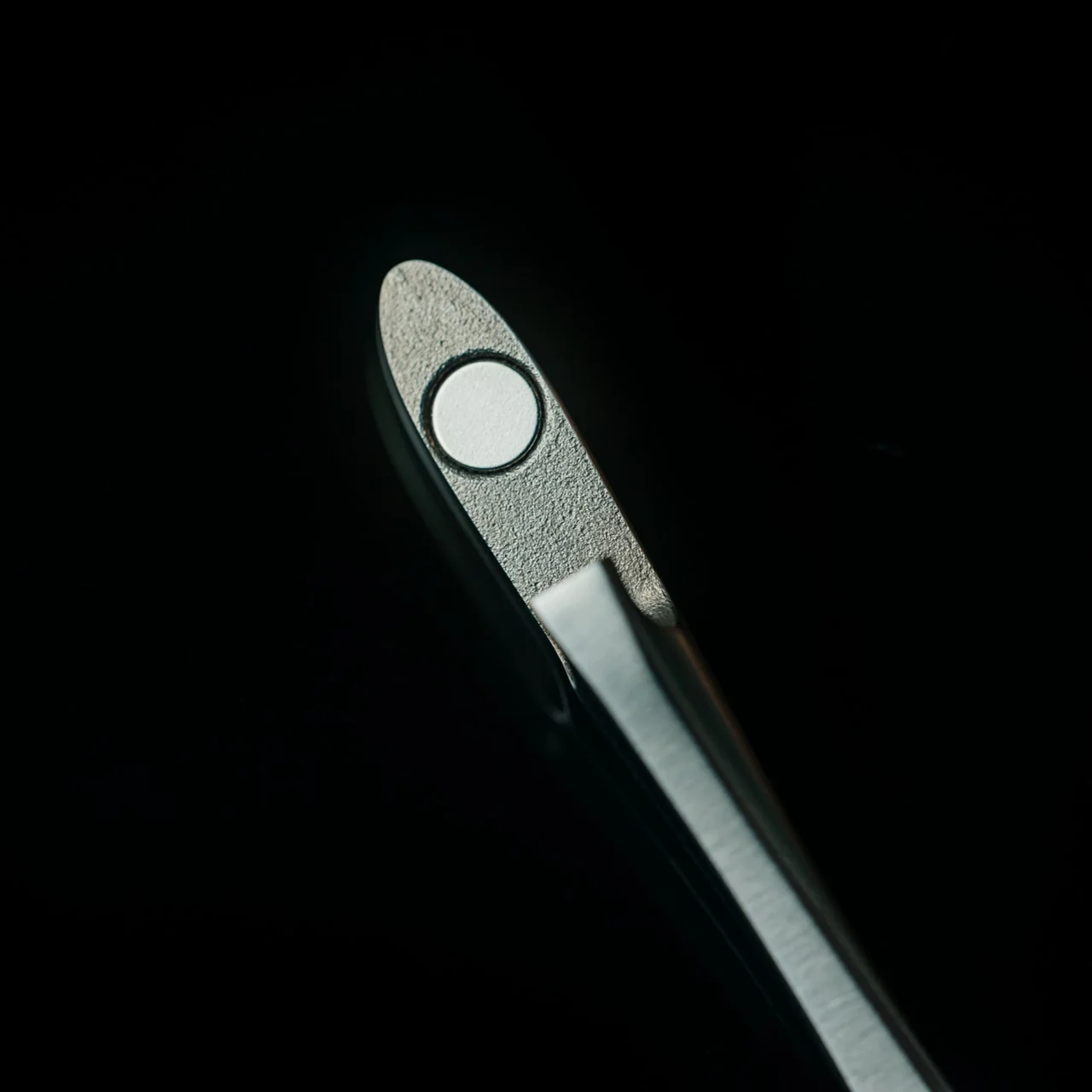
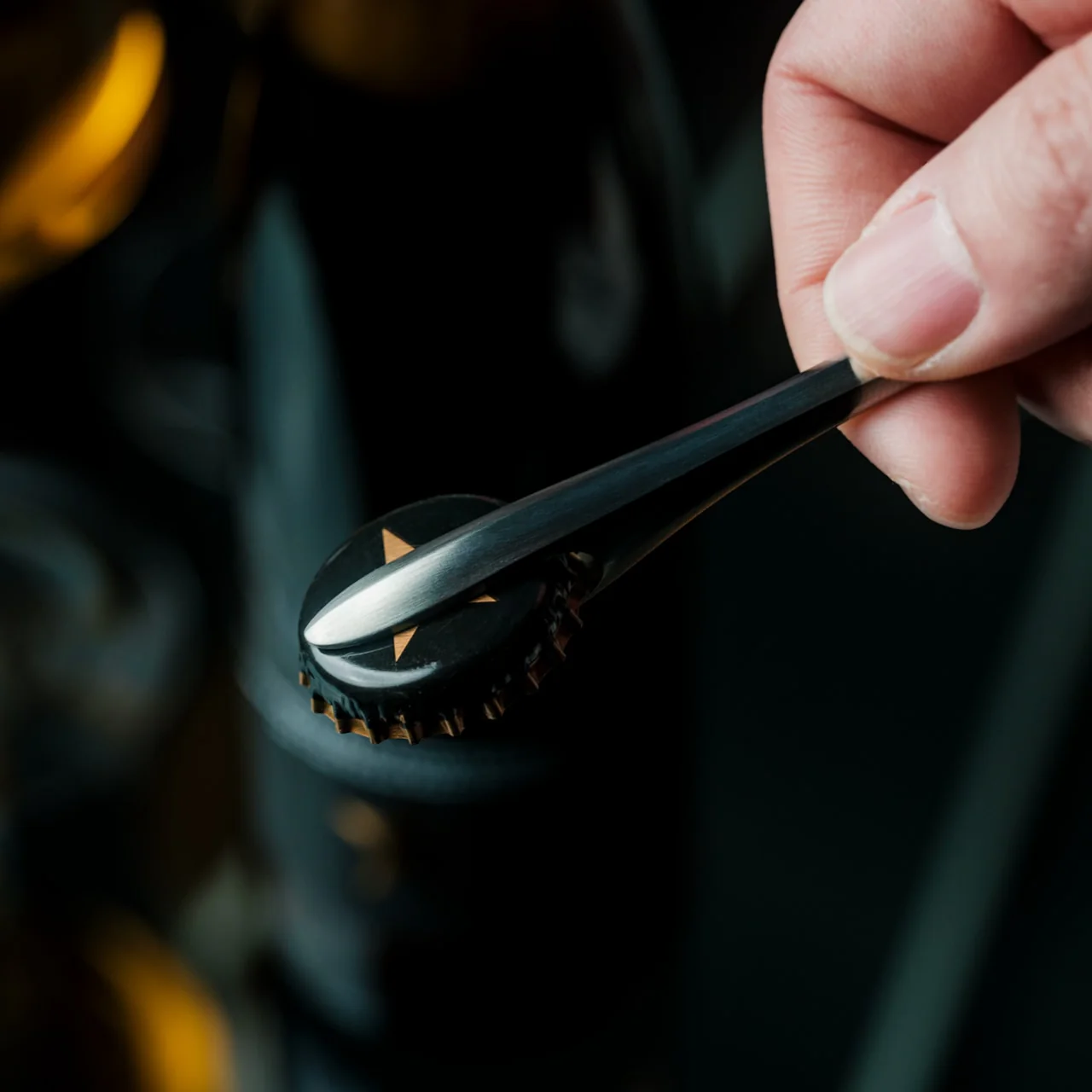
Where the First Pour really earns its keep is in the details. It opens bottle caps cleanly without bending or denting them, so you’re not left with a crushed, jagged souvenir every time you crack open a drink. It also has a built-in magnet that catches the cap the instant it pops free, rather than letting it clatter onto the counter, roll under the fridge, or scuff up your countertop. It’s a small addition, but it’s the kind of thoughtful touch a lot of openers skip entirely, and one that makes a genuine difference every single time you use it.

For comparison, a mainstream option like the OXO Good Grips Bottle Opener retails for around $10 and gets the job done just fine, thanks to a soft, non-slip handle built for everyday comfort. It’s a reliable, no-frills tool, and there’s nothing wrong with that. But it is purely utilitarian: there’s no magnet to catch the cap, no display-worthy design, and no real story behind how it’s made. At $65, the First Pour Bottle Opener costs several times more, but you’re paying for hand-applied craftsmanship, a heritage that spans centuries, corrosion-resistant stainless steel, and a magnetic cap-catch that solves a problem most openers on the market, including OXO’s, simply don’t address. It’s less an “opener versus opener” comparison and more a question of whether you want a tool that just works, or one that works beautifully and looks the part while doing it.

I don’t usually think much about something like a bottle opener when I’m shopping for my kitchen. It’s one of those tools you buy once and only think about again when it fails you. But something like the First Pour Bottle Opener makes you reconsider how small changes, whether to design or function, can matter more than you’d expect. Using it turns a mundane, thoughtless task into a small, satisfying ritual, one you can look forward to with that end-of-day (or, let’s be honest, middle-of-the-day) cold drink. Sometimes it really is the small things that make a good moment feel a little better, and this humble little tool is proof that even the objects we take for granted deserve a second look.

The post This Japanese Bottle Opener Catches the Cap So You Never Chase It Again first appeared on Yanko Design.
  •  

TCL’s P80 Pro and Ultra Are the Phones That Replaced Your Kindle Too

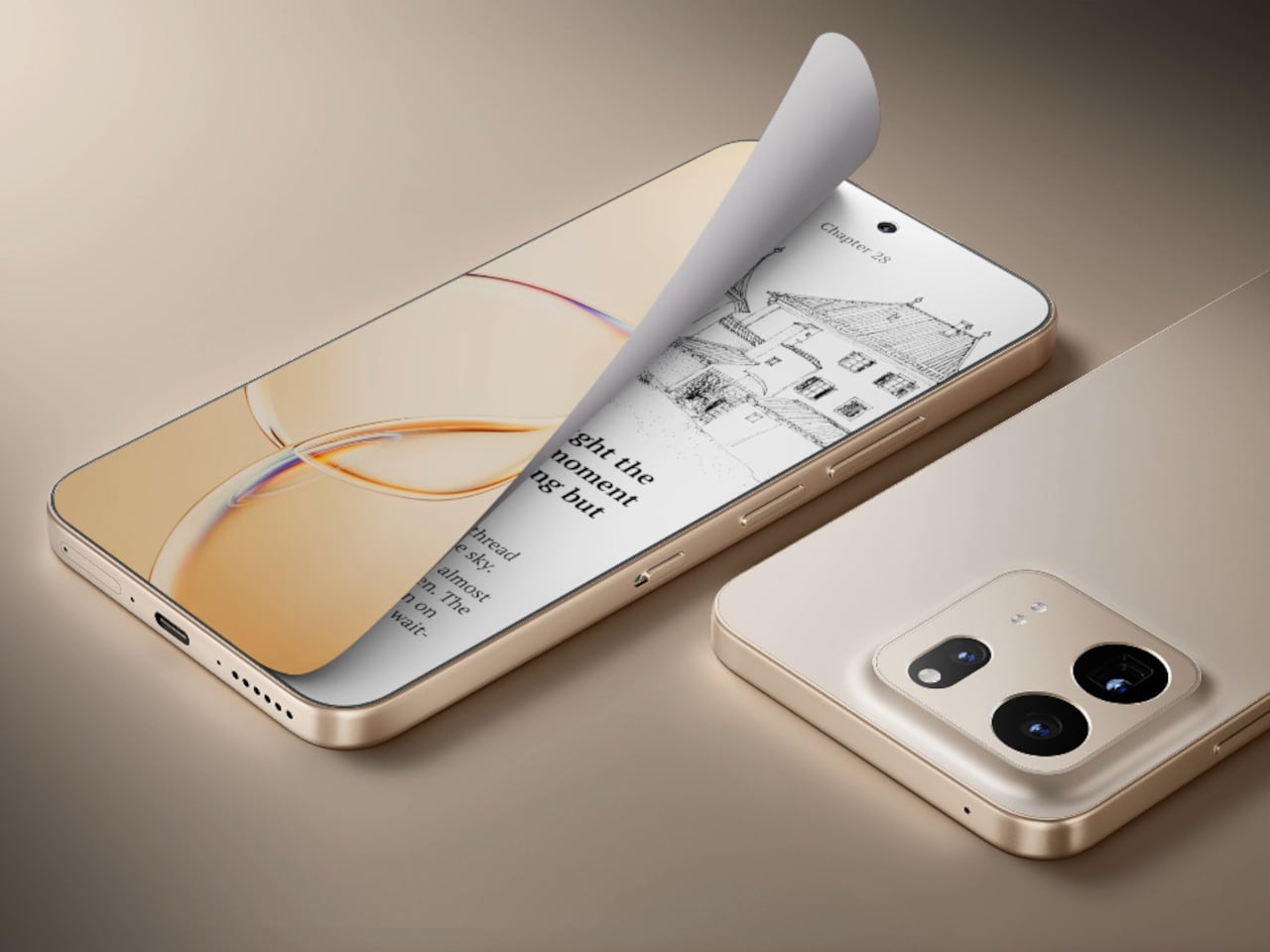
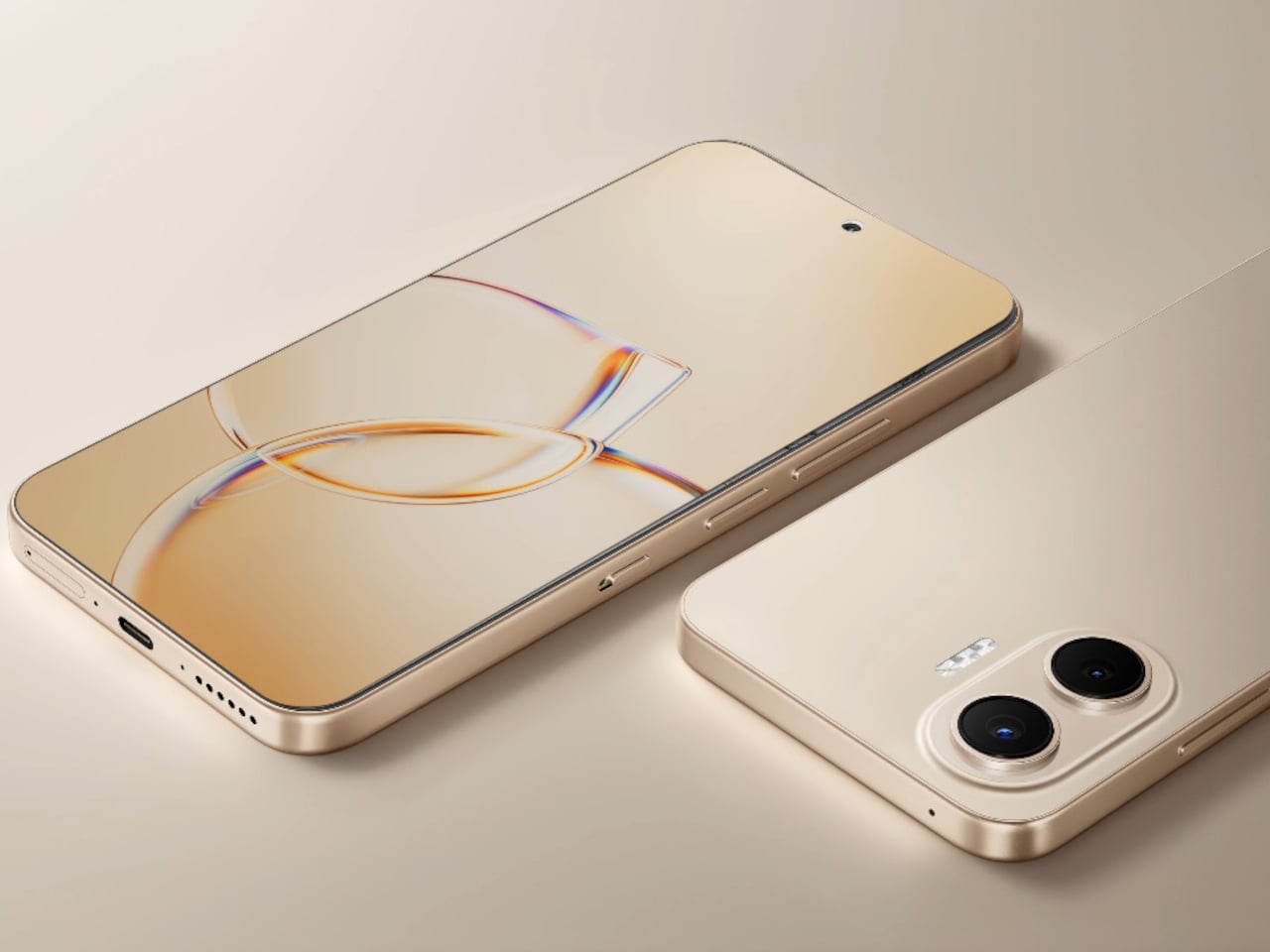
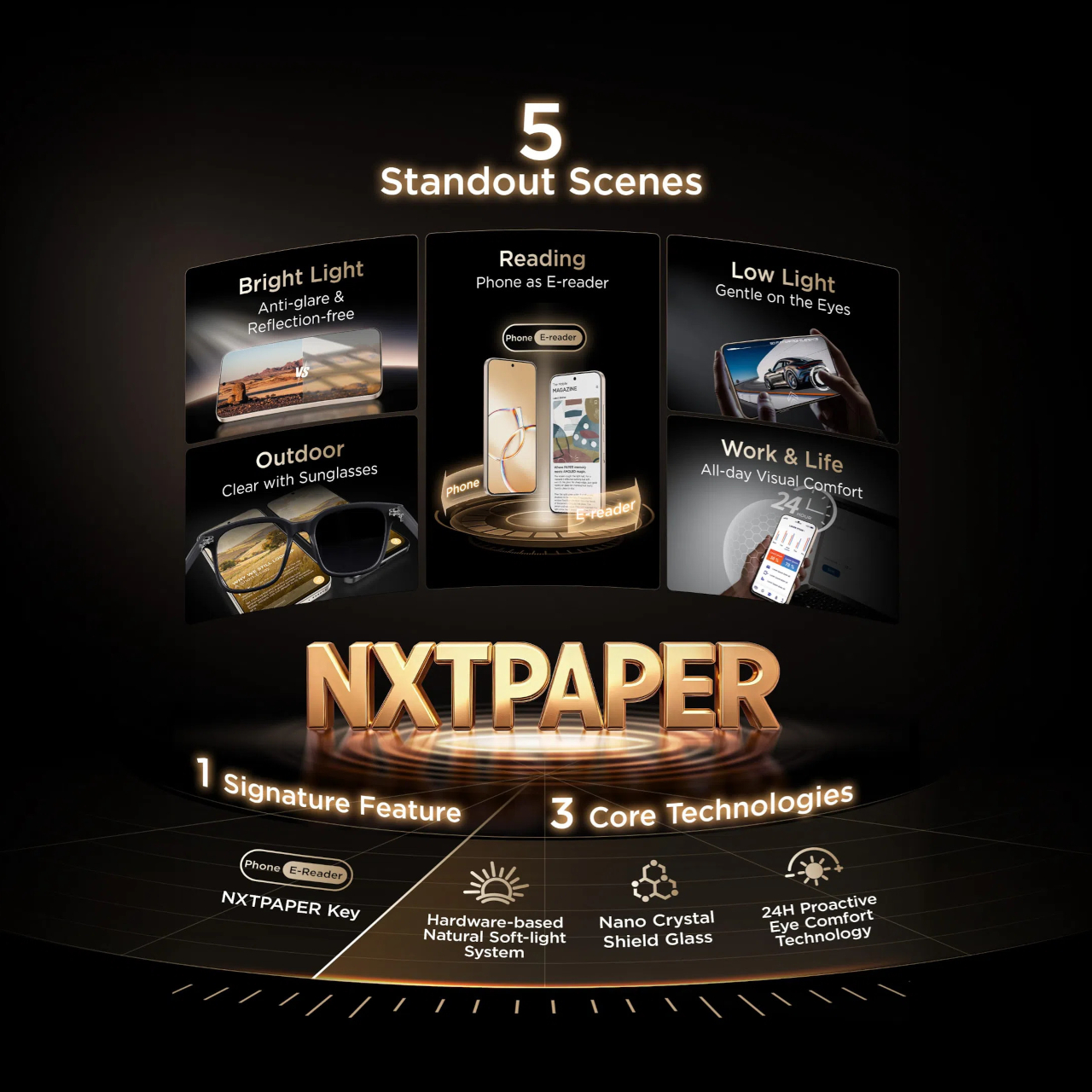
TCL’s P80 Ultra and P80 Pro prove a phone screen doesn’t have to pick one personality and stick with it. Unveiled at IFA 2026 in Berlin, both handsets fold a vivid AMOLED panel and TCL’s paper-like NXTPAPER technology into the same sheet of glass, letting the display shift moods with a flick of a switch instead of forcing a trade-off between color and comfort.

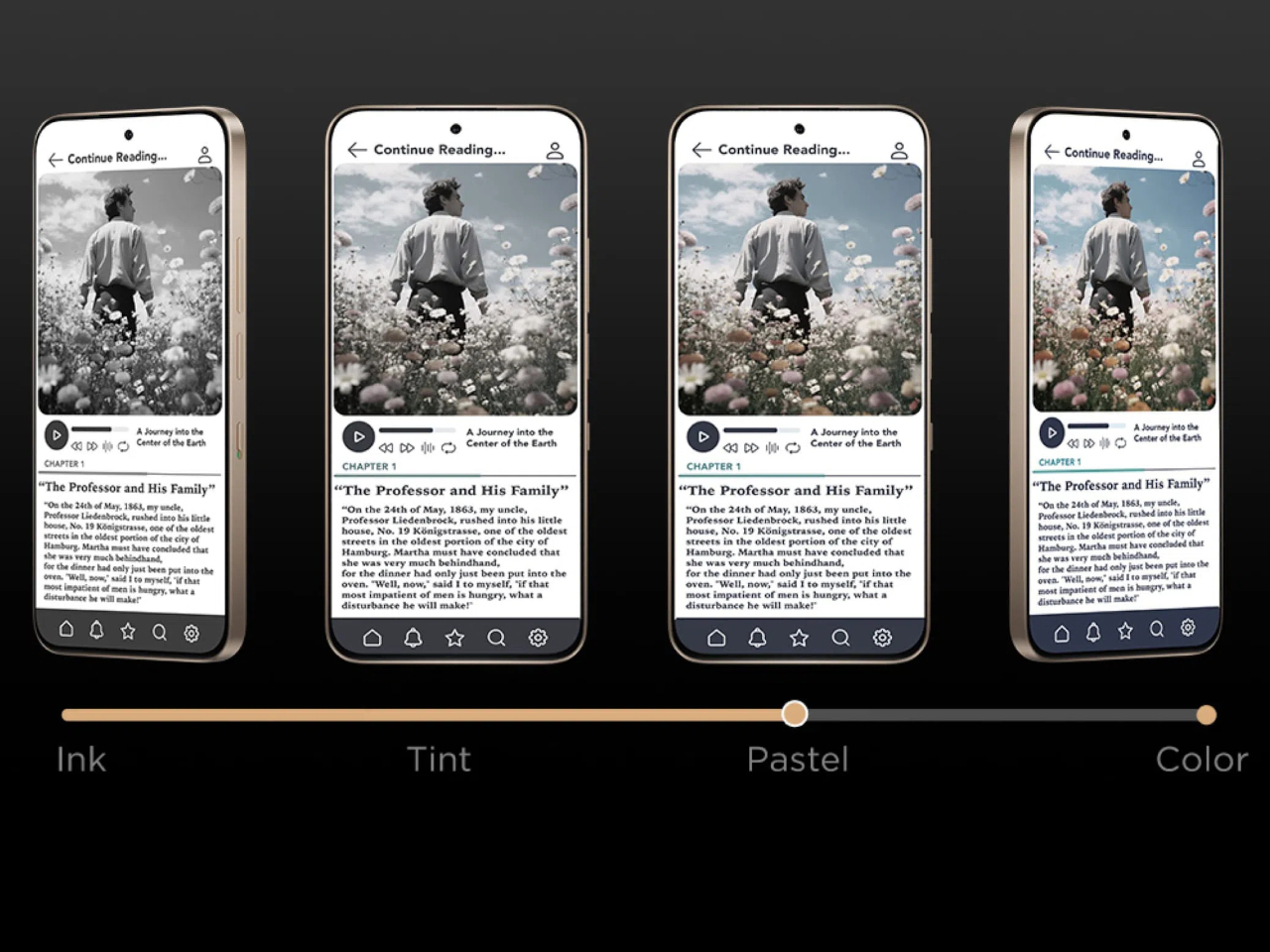
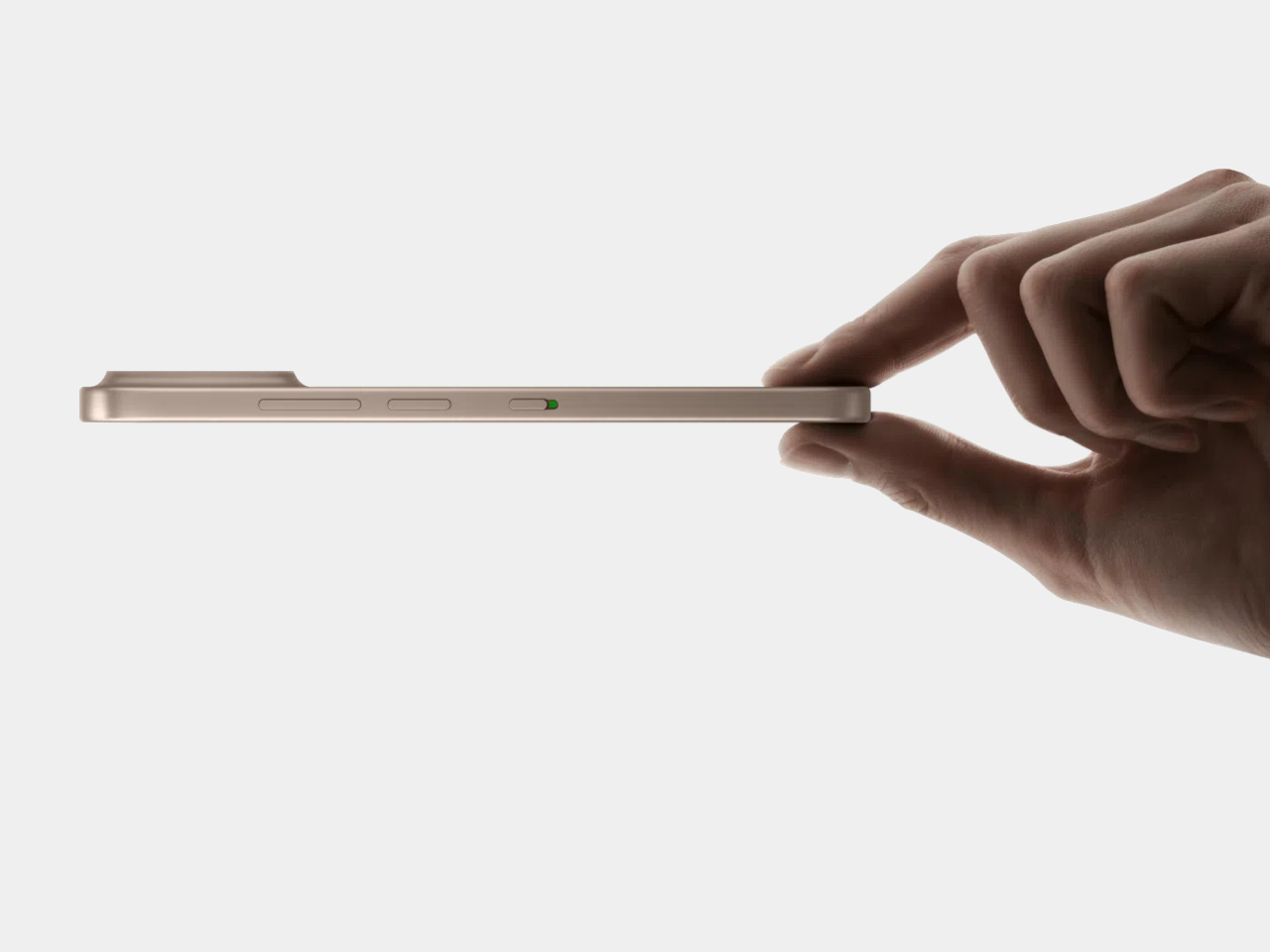
Run a finger along the frame, and you’ll find a thin slider, a small physical detail that carries plenty of weight in daily use. Slide it, and the 6.83-inch panel drops its saturation, taking on a warmer, textured look that mimics a printed page. A commuter buried in a novel or someone proofreading a document late at night gets a screen that behaves like paper, without losing the sharpness underneath.

Designer: TCL

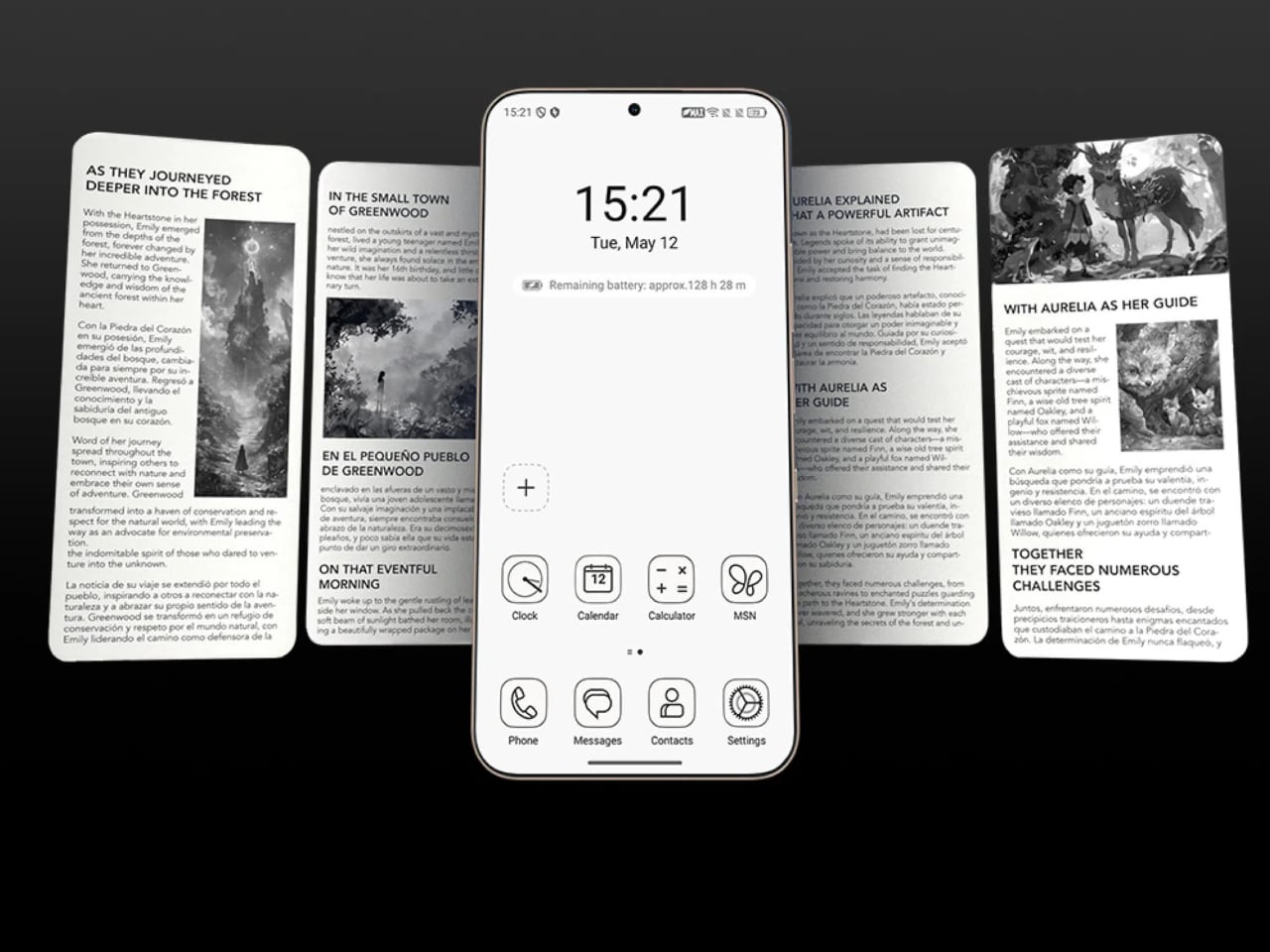
Push that same slider one notch further, and the screen drops color entirely for Max Ink Mode, a stripped layout that silences notifications except for calls and texts. It reads like a design decision as much as a software one, TCL betting people want to quiet their phone rather than mute it completely. The payoff is a battery that can stretch across roughly a week of steady reading.

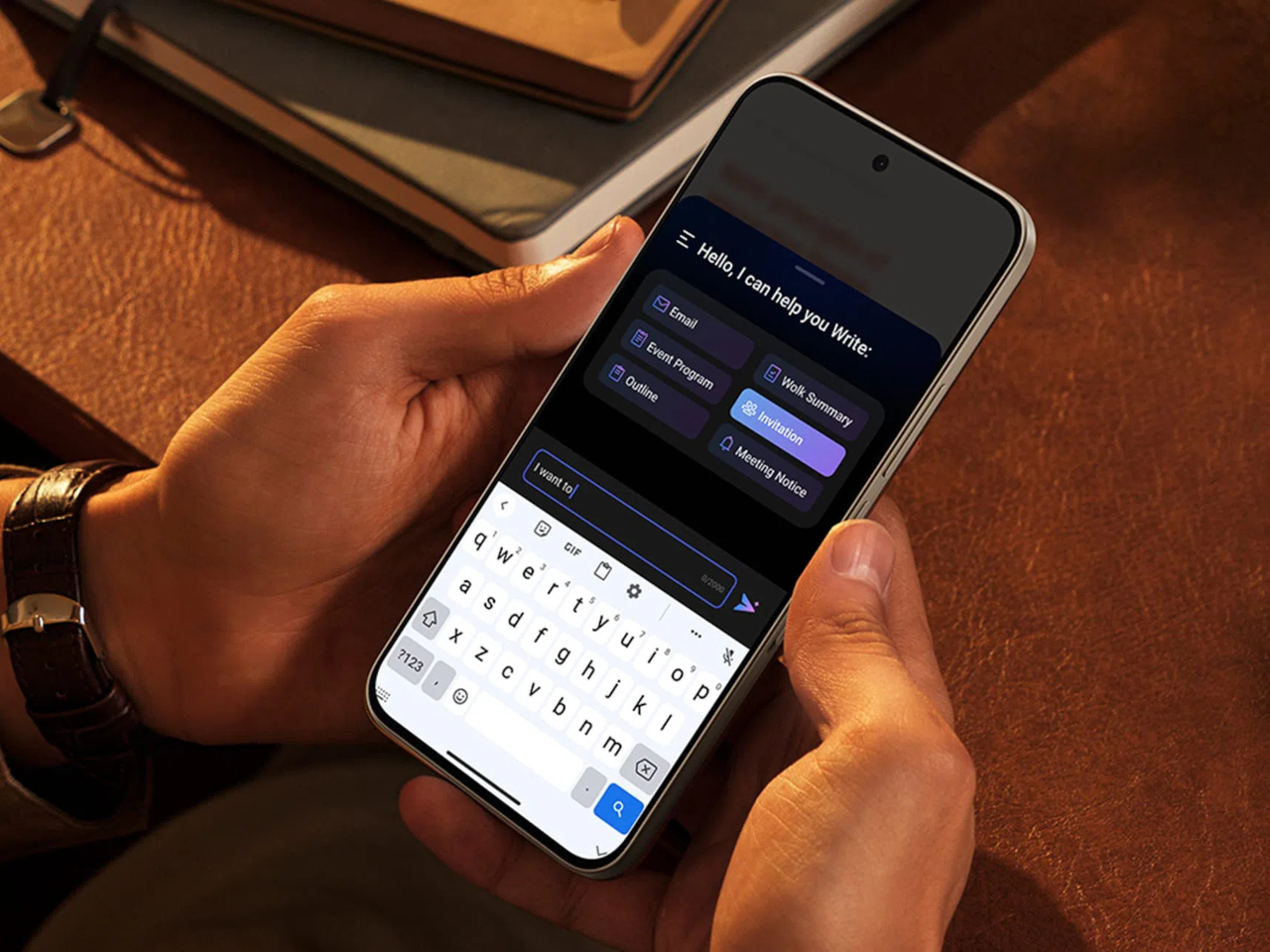
That reading-first mindset carries into the software too. Both phones can convert e-books into audiobooks or podcast-style narration using on-device AI, giving Max Ink Mode a voice to lean on when eyes need a break instead of ears. It is a small addition, but it treats the slower, paper-like mode as a genuine feature rather than a bolted-on gimmick for a keynote slide.

None of that would matter if the screen looked washed out the rest of the time, so TCL leaned on a 1.5K AMOLED panel that hits 3,200 nits and covers the full DCI-P3 color range. A Nano Crystal Shield coating cuts glare enough to keep the display readable under direct sun, marking TCL’s first pairing of NXTPAPER with OLED rather than the LCD panels it used before.

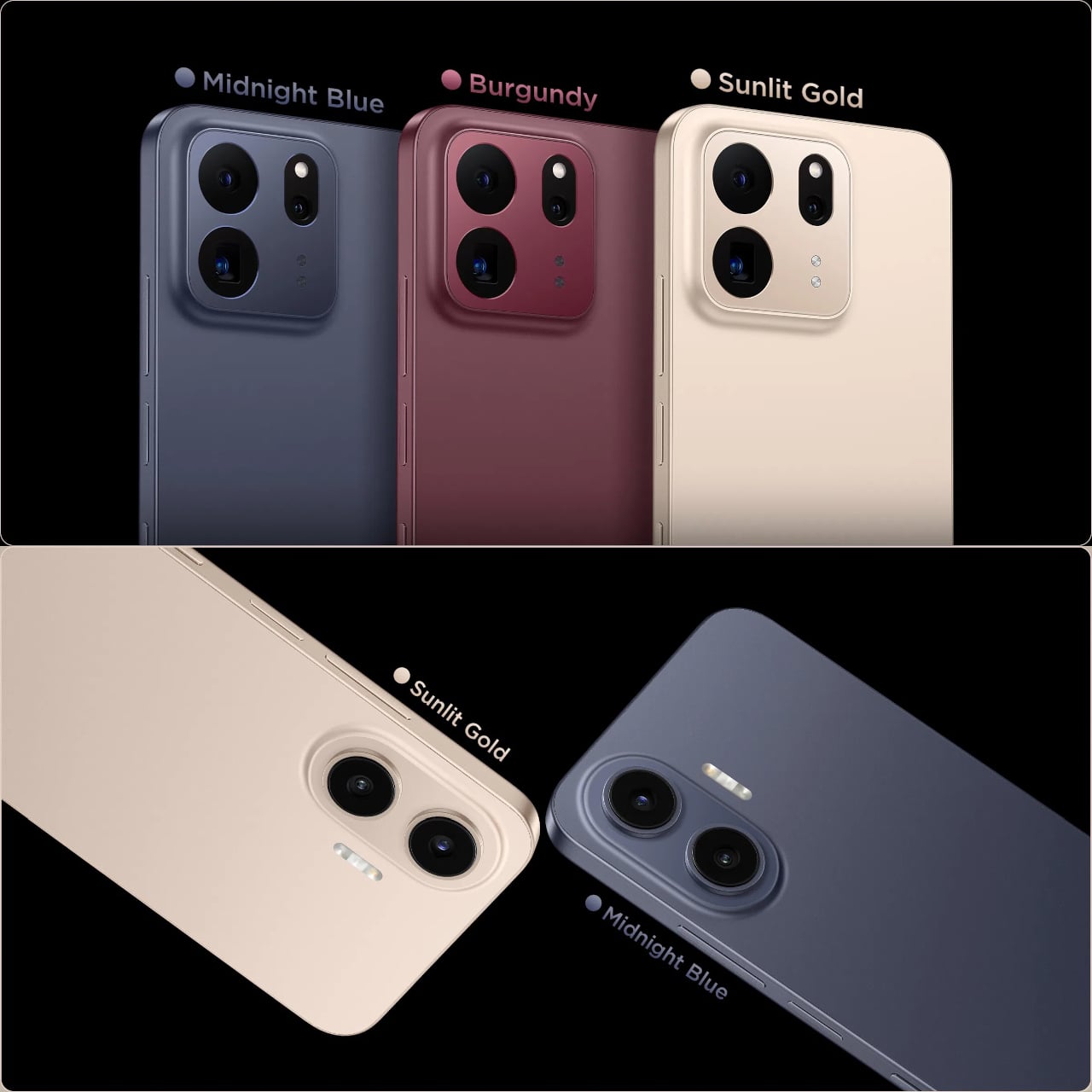
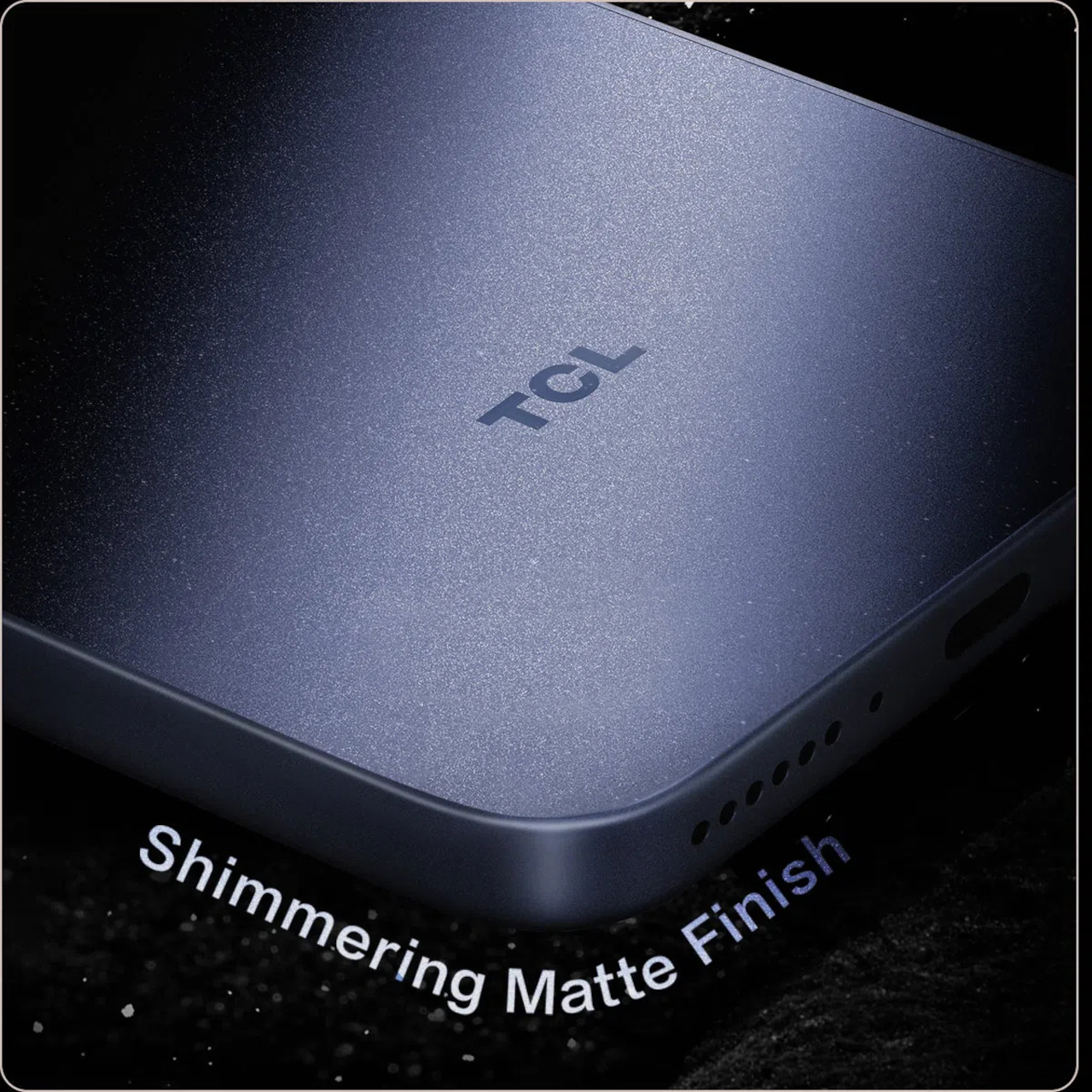
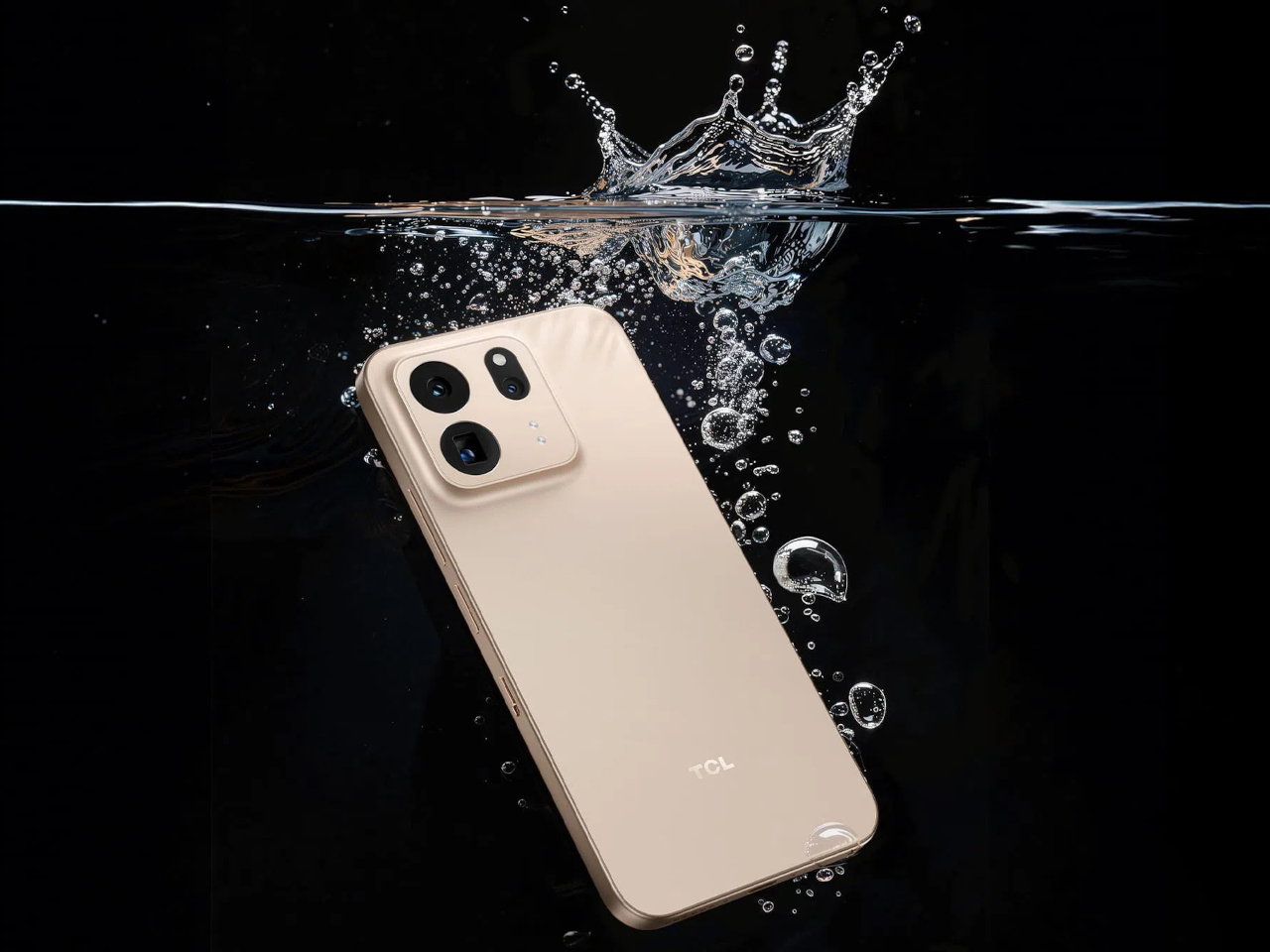
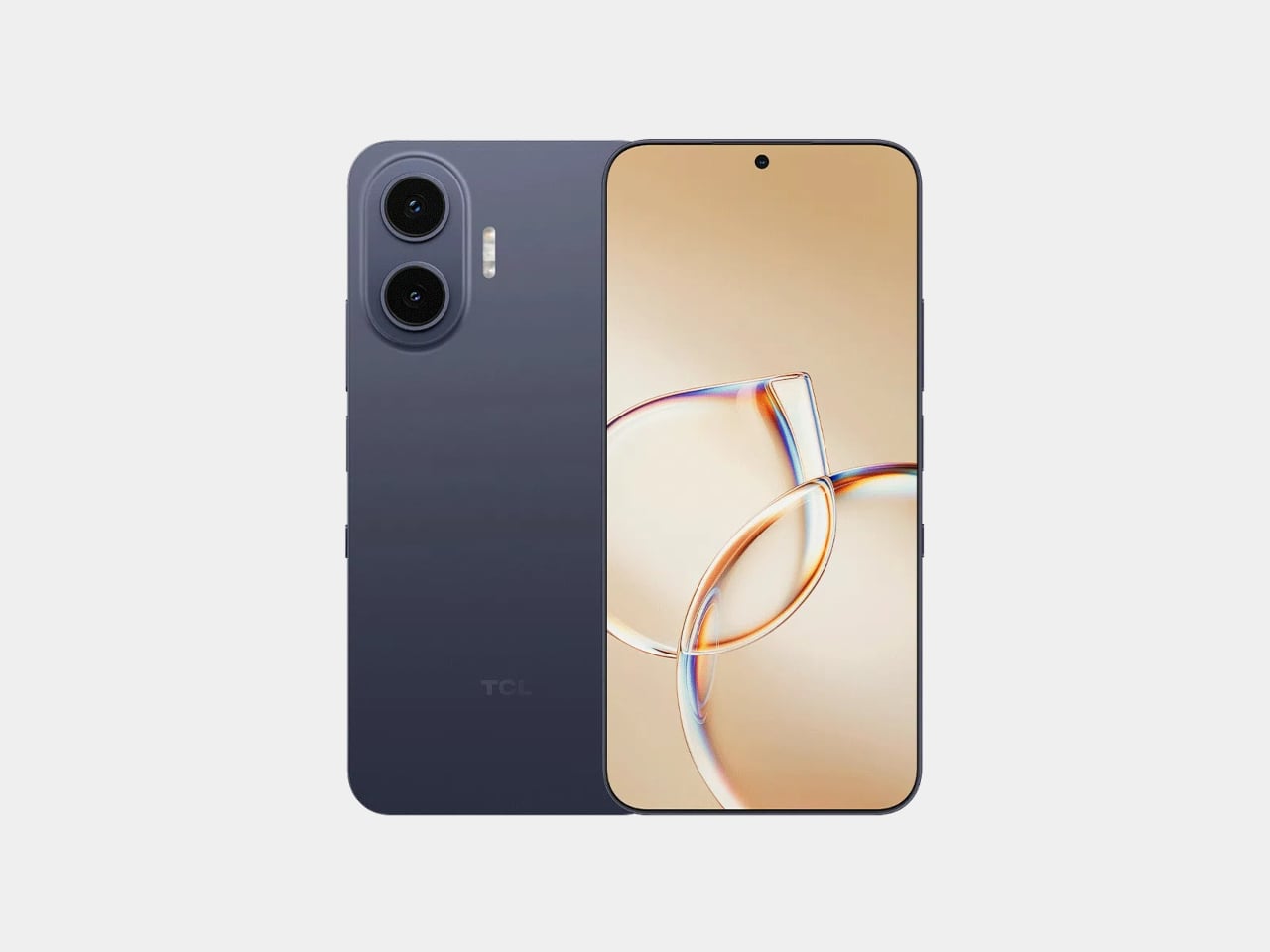
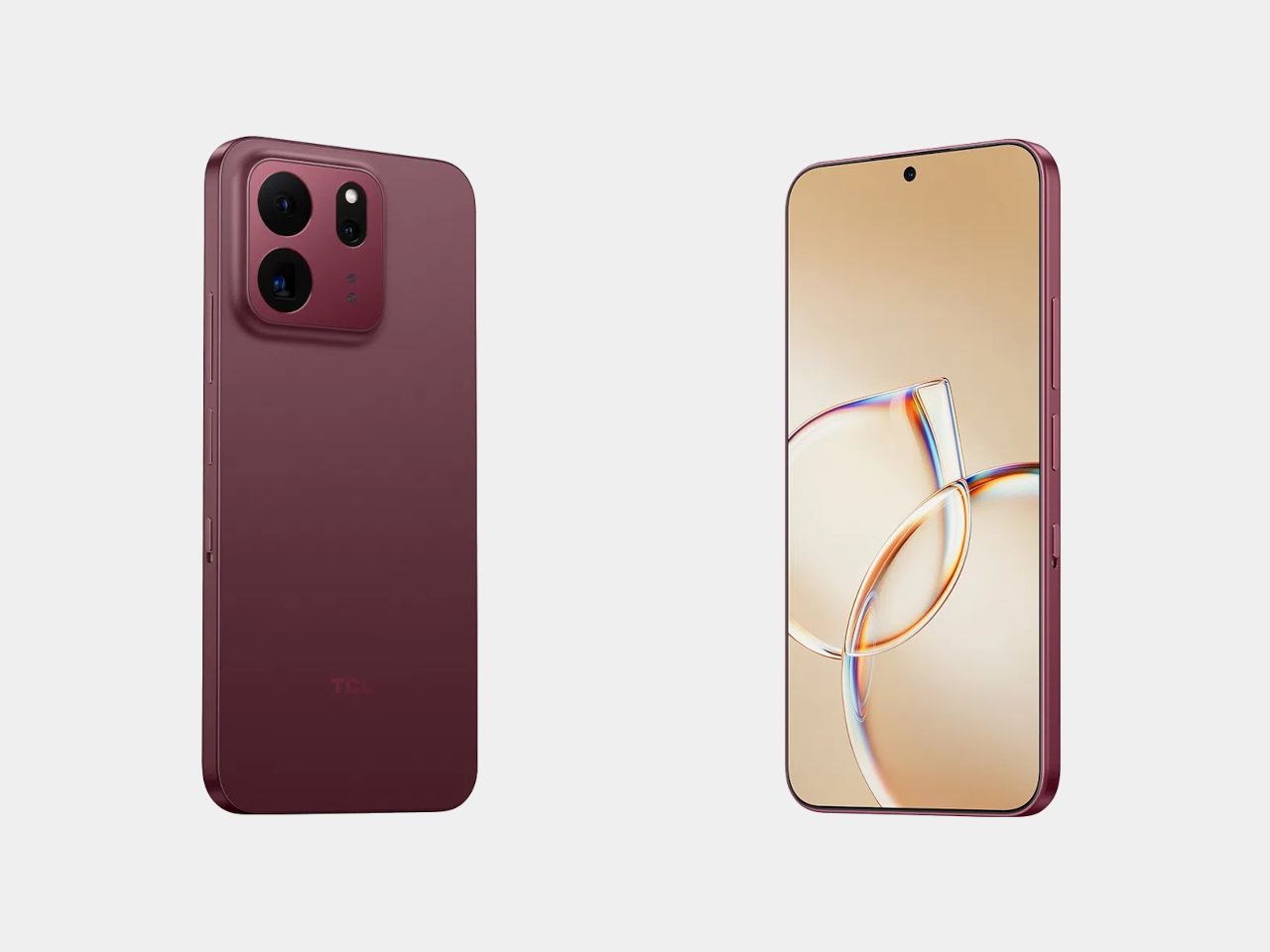
The frame wrapping that screen is aluminum rather than the plastic often found at this price, giving both phones a sturdier grip without piling on bulk. TCL backs that up with an IP68 rating against dust and water, plus MIL-STD-810H certification for the inevitable drop. Buyers get to pick between Sunlit Gold, Burgundy, and Midnight Blue, three finishes that lean more toward jewelry-box color choices than typical slab-of-glass smartphone palettes.

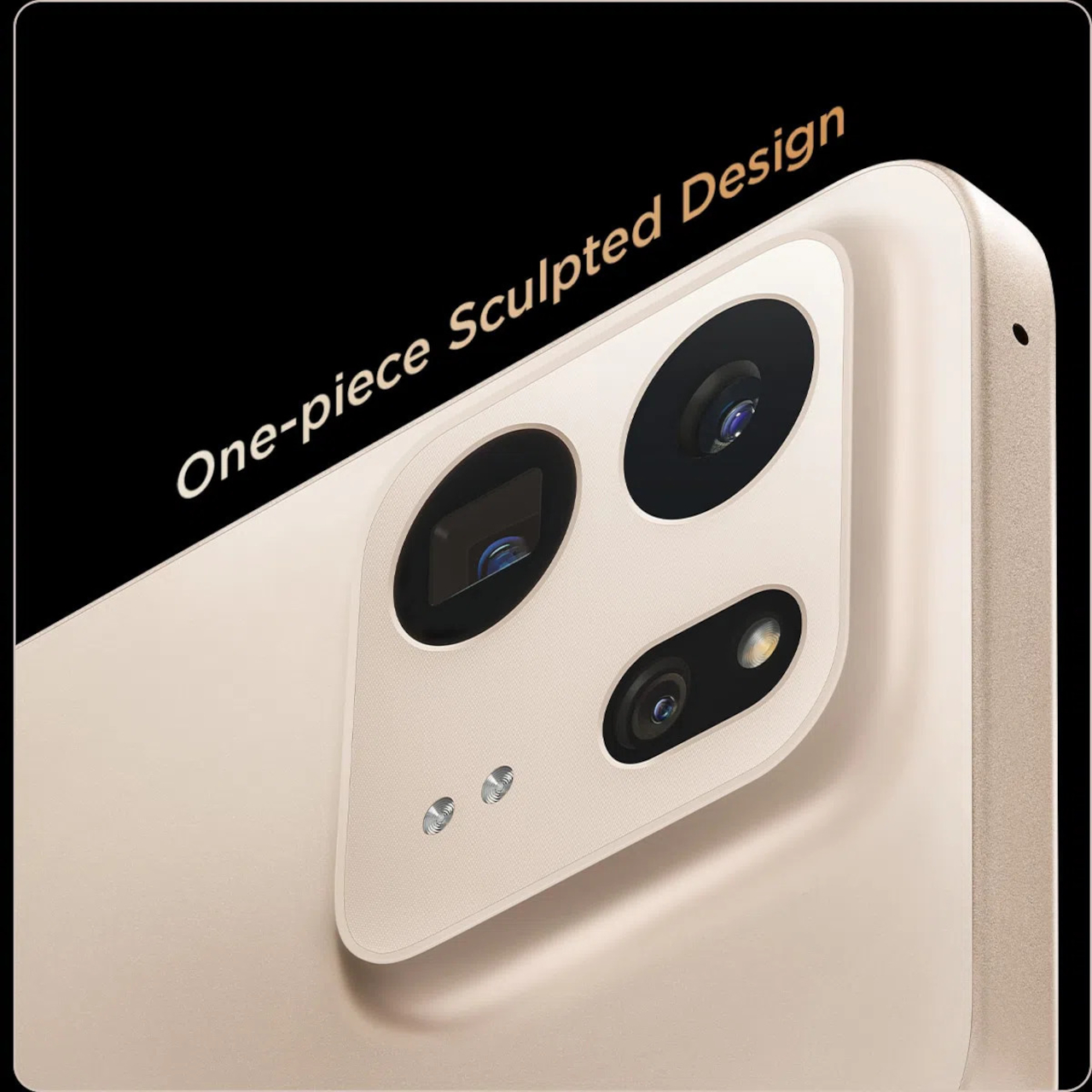
Where the two models part ways is around the back. The P80 Ultra carries a 50-megapixel main camera next to a 50-megapixel periscope lens for 3x optical zoom, tucked into a housing shaped to avoid throwing off the phone’s balance. The P80 Pro drops the periscope for a simpler dual-camera arrangement, trading reach for a slimmer build that still shares the same main sensor and 8-megapixel ultrawide.

TCL is rolling both phones out across Europe first, with the P80 Ultra priced from €549 (around $635) and the P80 Pro starting at €429 (around $500), before a Latin American launch follows in October. A wider release is expected to reach additional regions afterward. In a category full of identical glass rectangles, these two phones actually behave differently depending on what someone needs from them that day.

The post TCL’s P80 Pro and Ultra Are the Phones That Replaced Your Kindle Too first appeared on Yanko Design.
  •  
❌