Connexion

Diden Spider Robot Climbs Steel Walls and Actually Welds Them
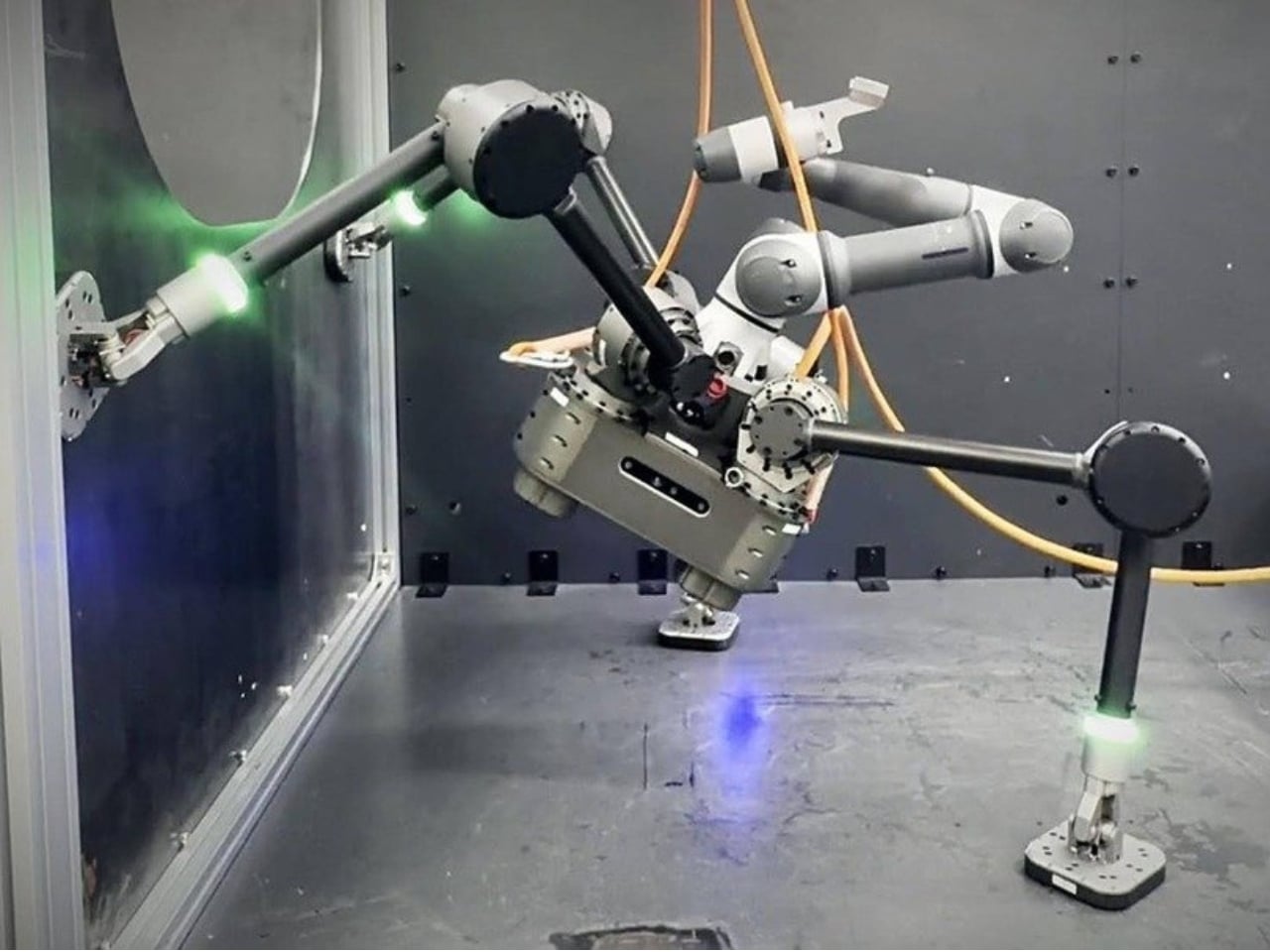
A welding tool is only useful if you can get it to the seam. Inside a ship’s steel structure, that can mean bringing a worker, equipment, and a platform into position before the actual welding begins. It’s the less glamorous side of industrial work, and arguably one of the more compelling reasons to build a climbing robot.
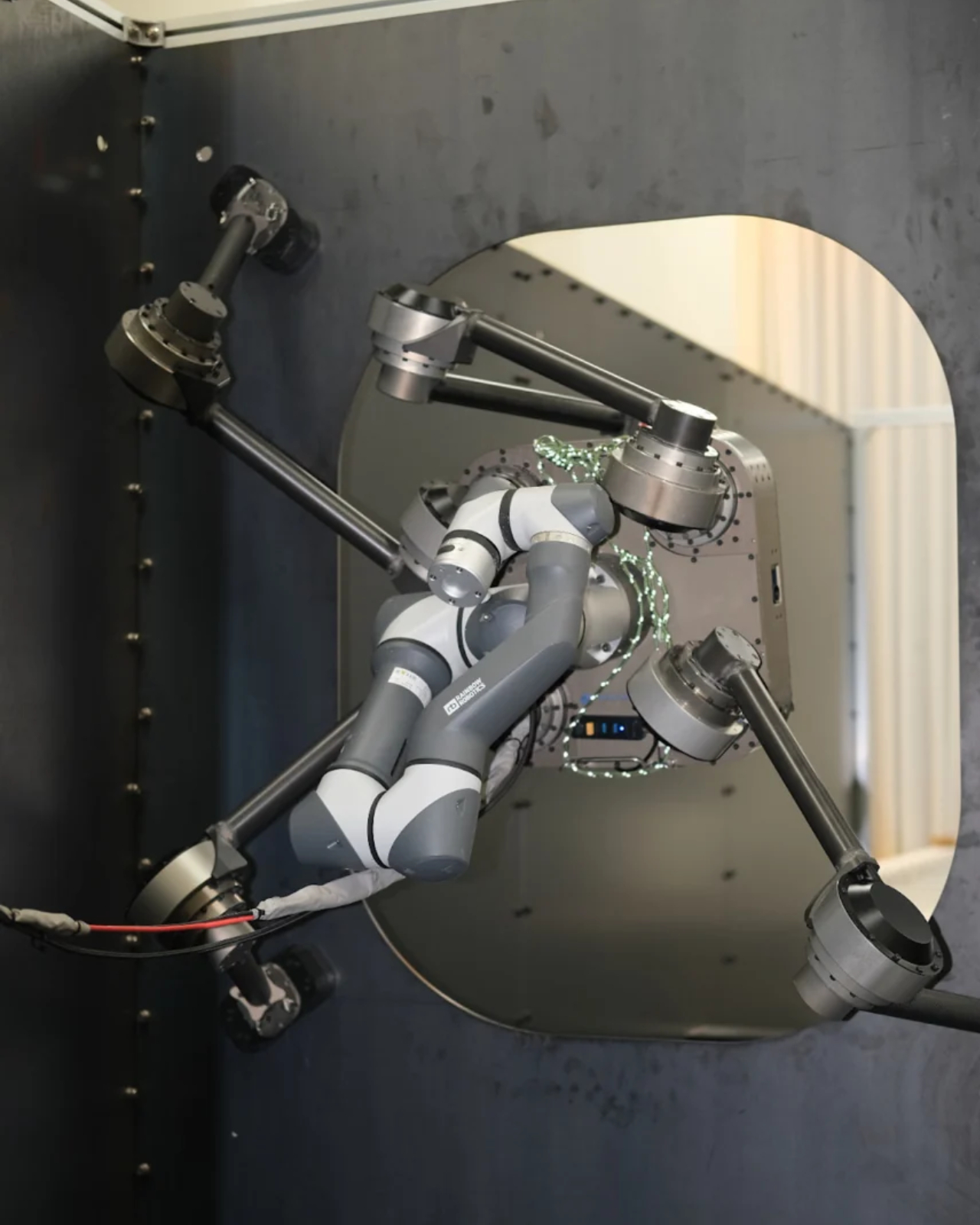
South Korea’s Diden Robotics approaches that problem with four widely spread legs and magnetic feet. Its Diden Spider is designed to carry welding equipment onto steel walls and ceilings, taking the tool to places that are awkward for people to reach. I like how directly its strange-looking body answers the task. The low stance and broad footprint aren’t there to give it personality. They help it stay attached while carrying equipment that has a job to do.
Designer: Diden Robotics
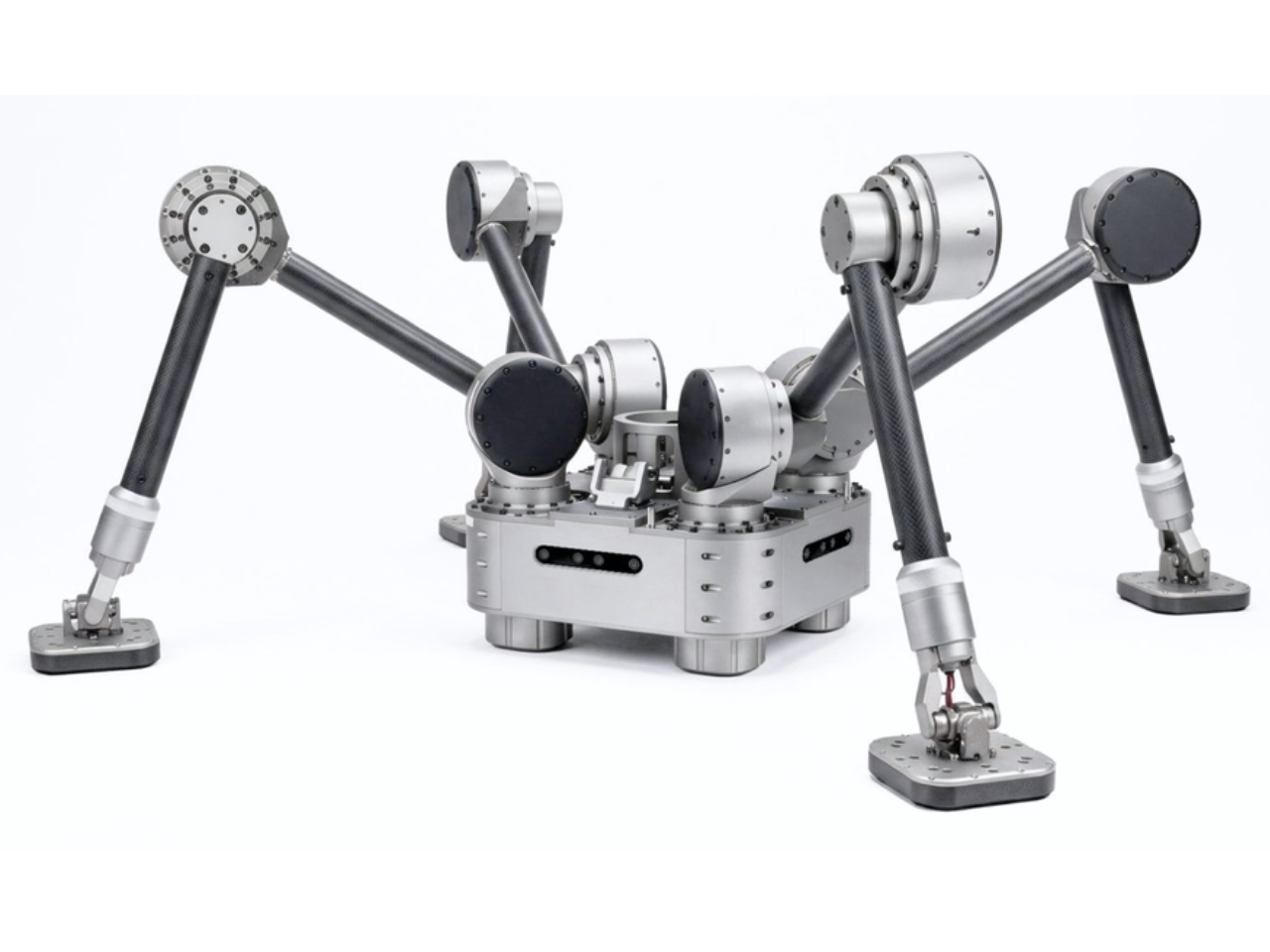
That spider shape also came from a practical failure. In a company interview, co-founder and COO Youngha Shin explains that early, dog-shaped configurations struggled when turning sideways on walls. The arrangement left fewer joint actuators supporting the body, and feet that failed to sit flat could cause the robot to flip. Spreading the legs outward kept the body closer to the wall and improved how the feet met the surface. The silhouette follows the problem.
The feet use electropermanent magnets, which deserve a little attention because they make the whole idea possible. An electrical pulse switches their magnetic state on or off. Once attached, they don’t need a continuous supply of electricity to maintain that magnetic hold, according to Diden. That doesn’t make the entire robot power-free. Its joints, sensors, and computing still have work to do. It means staying attached doesn’t require constantly feeding electricity into the magnets.
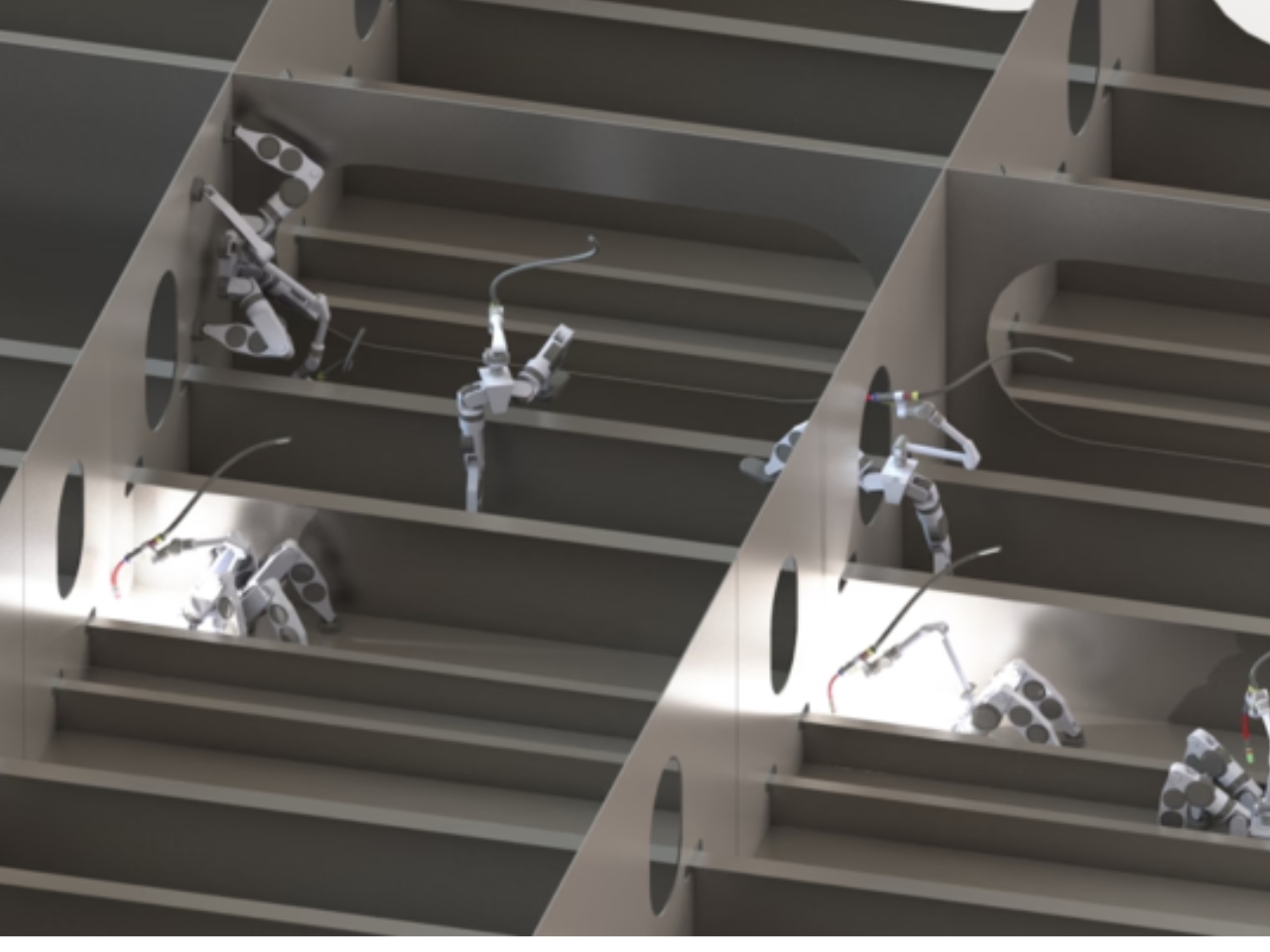
Diden rates the Spider 30 configuration for a payload of 30 kilograms, roughly 66 pounds. That capacity is important because climbing alone doesn’t accomplish much welding. The platform needs to carry useful equipment once it gets there. Diden describes interchangeable task modules, including robotic manipulators and inspection equipment. I find the traveling-tool-platform idea more compelling than treating the machine as a single-purpose mechanical welder. Its mobility could serve different jobs along the same steel structure.
One of my favorite details is much smaller than the legs. Shin says feedback from people using the robot led Diden to add LEDs to its feet, allowing them to see whether each foot had attached. That’s a sensible concession to human nerves. A control system may know its magnetic foot is holding, but someone watching expensive equipment hang from steel deserves a readable signal, too.
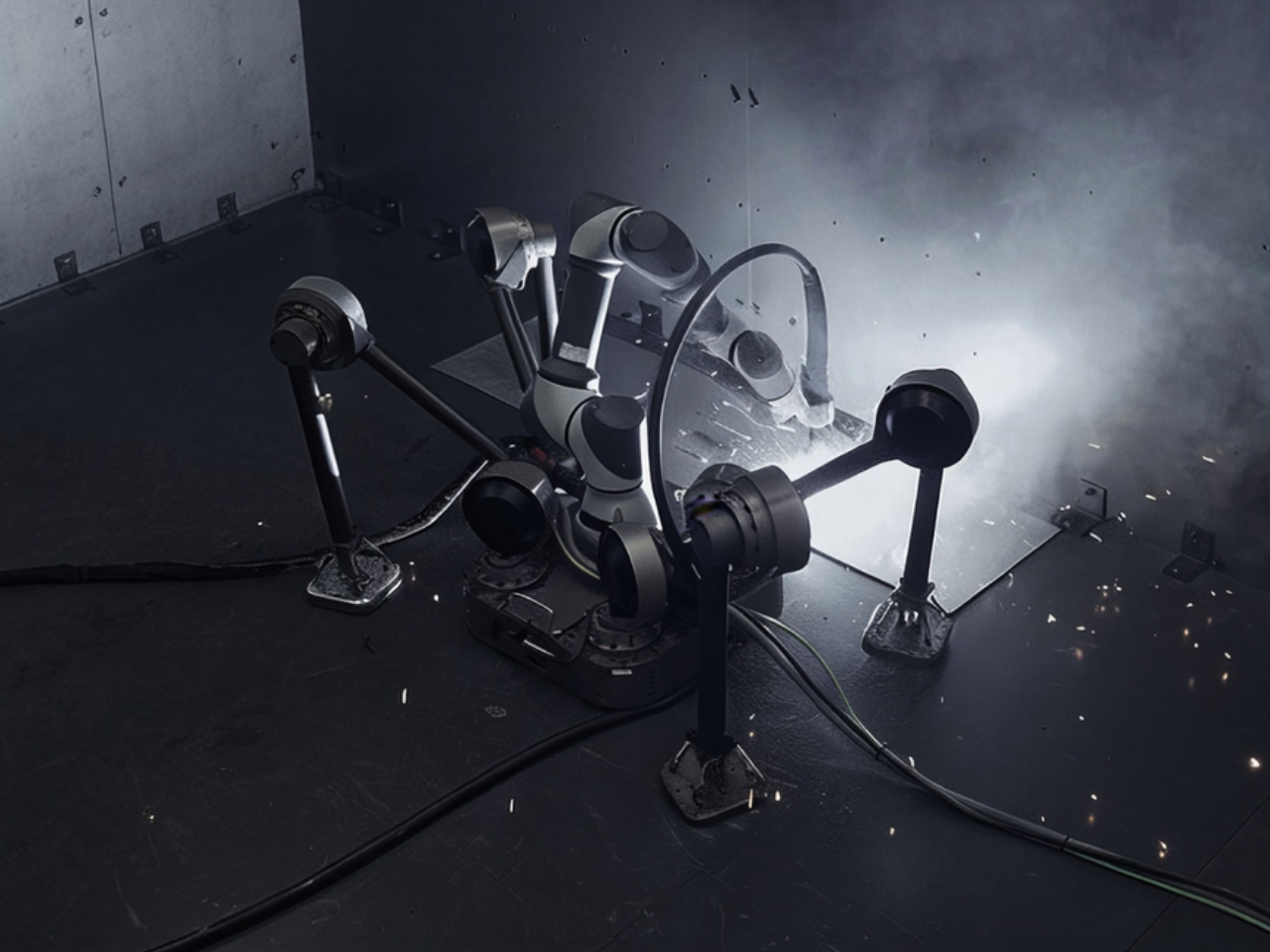
Finding the work is another challenge. Diden describes a navigation system that compares live, three-dimensional sensor data with a ship’s CAD model to estimate position and orientation. Its mapping system also reconstructs nearby obstacles from depth-camera data. In practical terms, the robot needs to understand where it is and what blocks its next step. A magnetic grip provides attachment; navigating a cluttered structure requires a separate layer of perception and control.
This is a physical machine with reported industrial use, rather than a speculative rendering. Diden says Spider 30 has completed field deployment at major Korean shipyards and that its welding results have been applied to vessels in production. Separately, Maeil Business Newspaper reported in May 2026 that Diden had completed sales to some major Korean shipbuilders. Those are meaningful signs of progress, although neither establishes dependable performance over every production shift.
I’d judge it by the less photogenic parts of the job: repeatable weld quality, maintenance demands, setup time, and how often somebody needs to intervene. Still, the design makes a persuasive starting argument. It gives an awkwardly placed tool a way to reach its work. If that removes even some occasions when a person has to climb into position with welding gear, the unusual body has earned its place.
The post Diden Spider Robot Climbs Steel Walls and Actually Welds Them first appeared on Yanko Design.