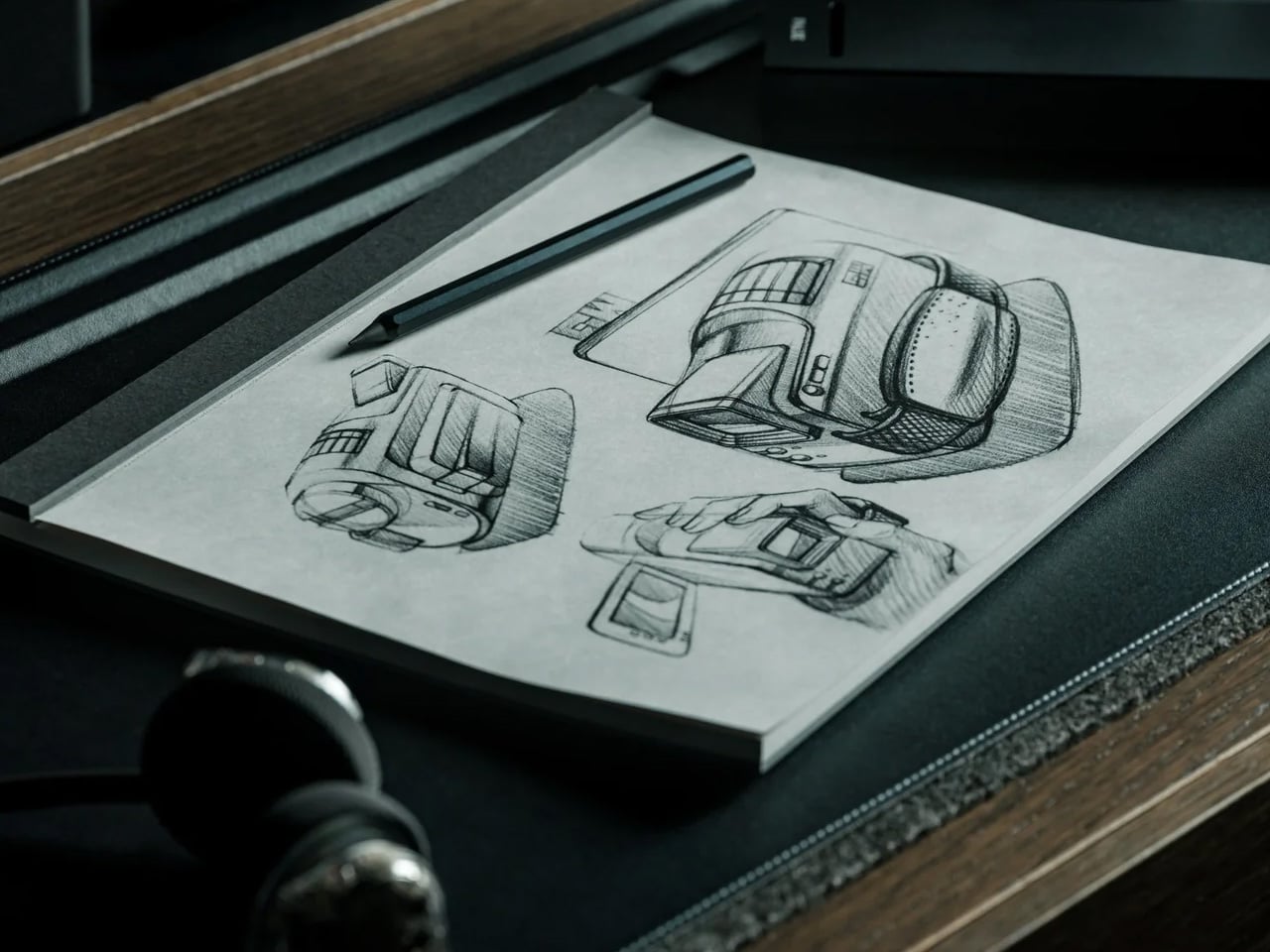
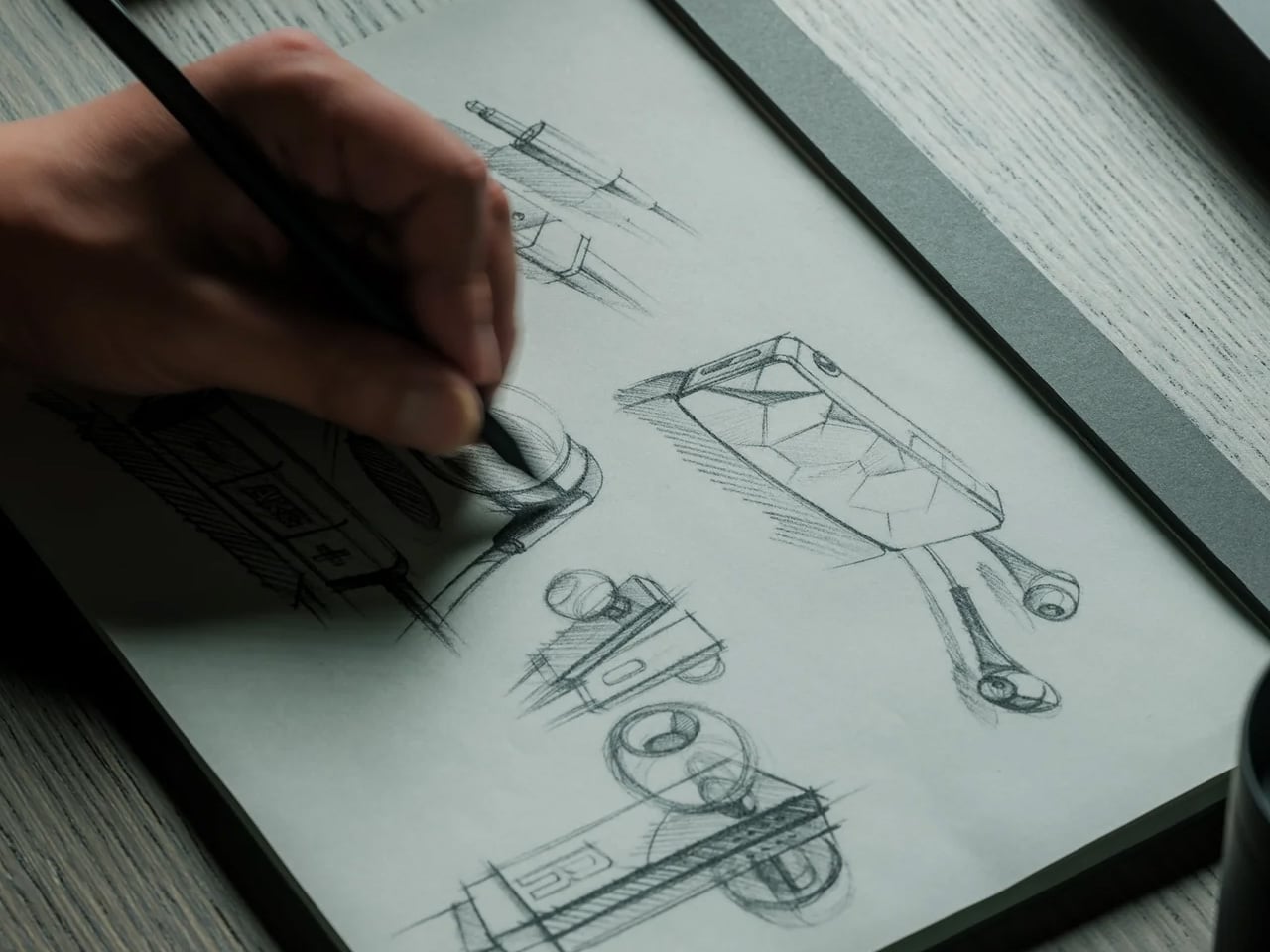
❌

Vue lecture

The 8 Best Tech Gadgets of November 2026

A phone with a screen beside its rear camera is a literal way to improve a selfie. A mouse that folds flat takes a direct approach to an overstuffed laptop bag. Our November gadget selection starts with those practical ideas, then moves through music players, a camera, a keyboard, and a handheld console that makes its electronics part of the view. Each earns its place through a specific design decision.

These are our editorial picks for November 2026, not eight November launches or winners from a comparative test. The selection includes products offered for purchase, announced hardware, and projects still working toward production, with those differences identified below. We’ve favored useful mechanisms, distinctive controls, and objects that offer something beyond another spec upgrade. Consider it a guide to what deserves attention, with availability treated as carefully as the industrial design itself.

1. Acer Sospiro A70 5G Phone
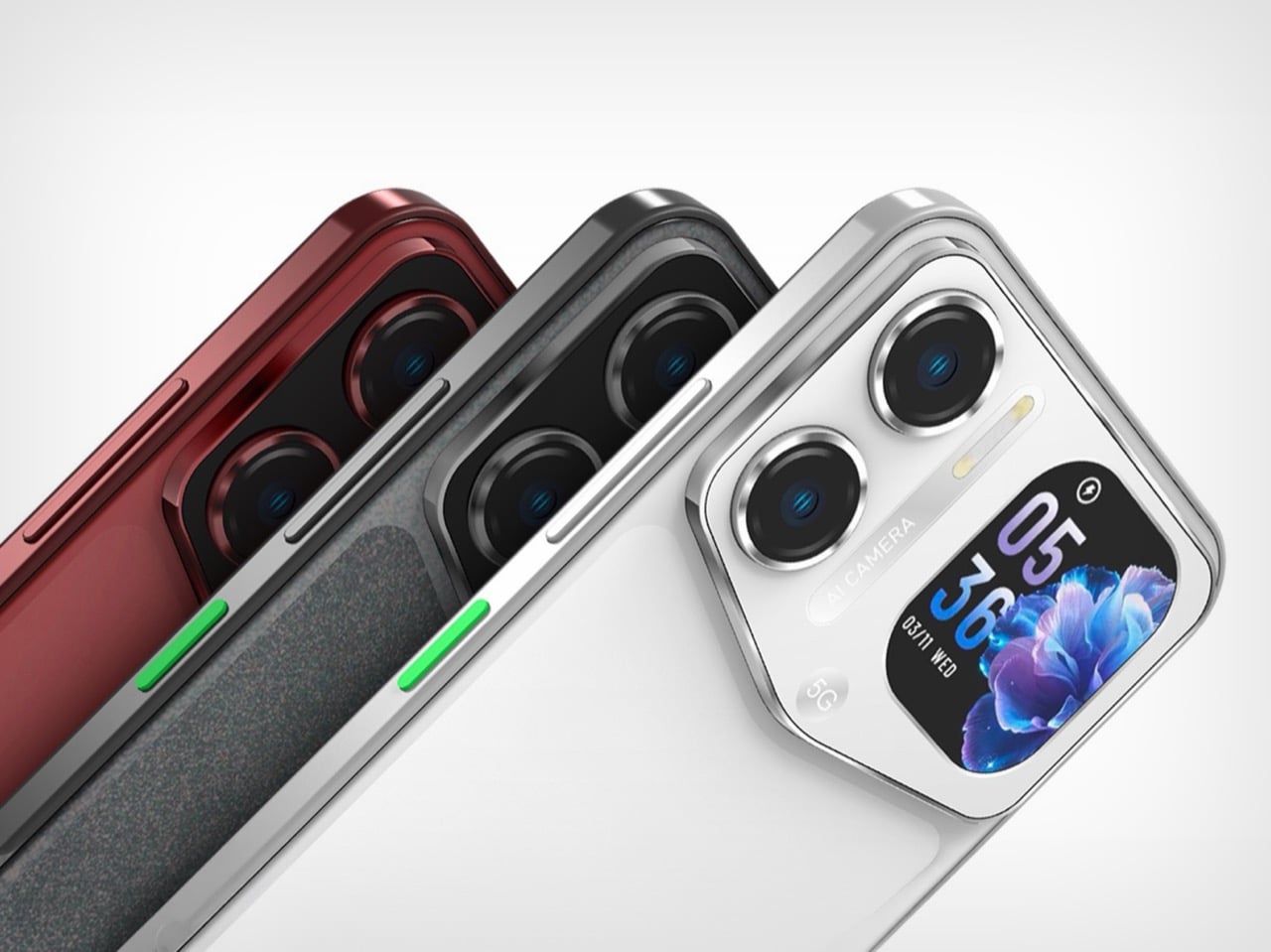
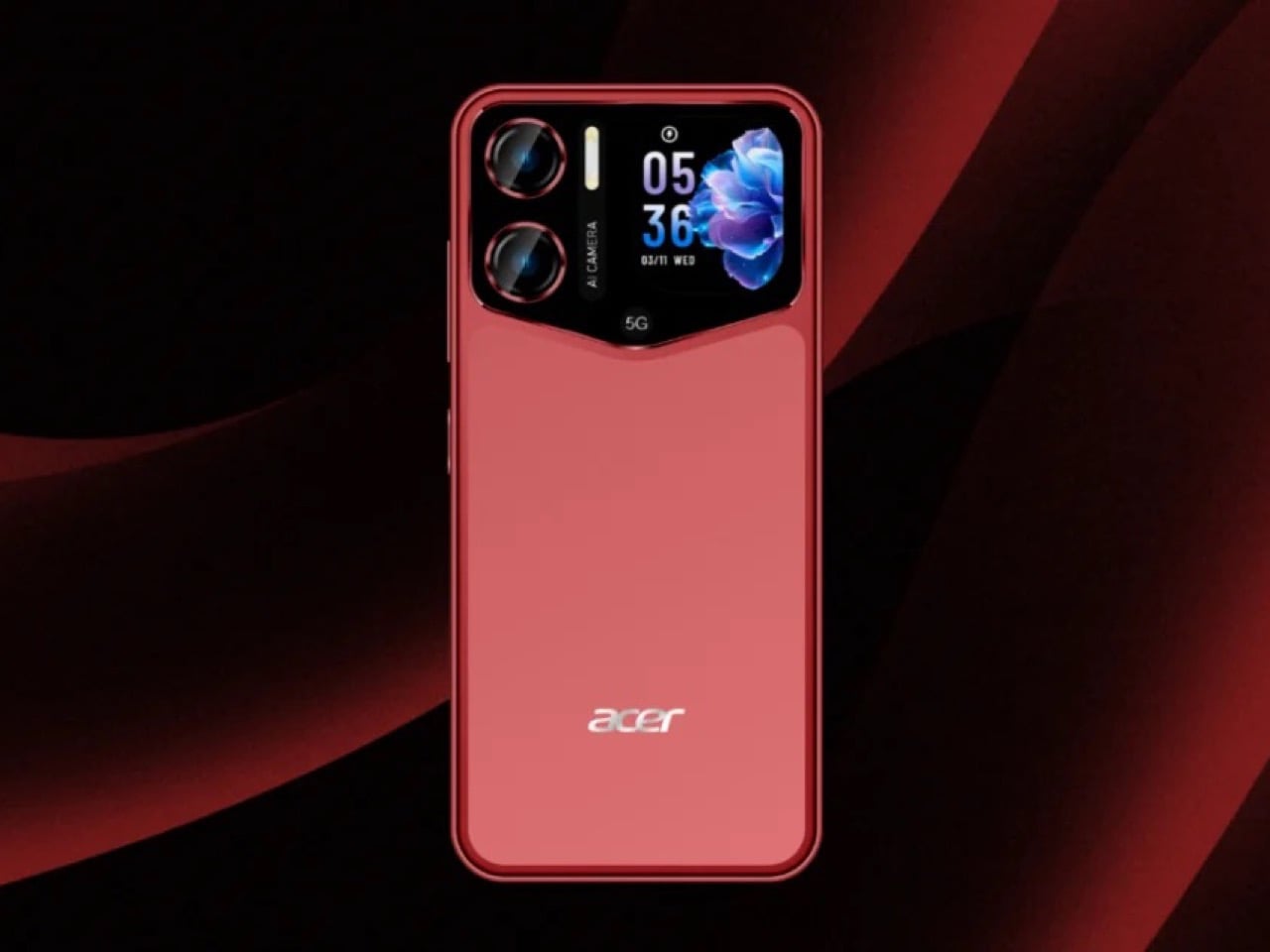
The Acer Sospiro A70 gives its rear camera a useful companion: a 1.88-inch display that doubles as a selfie viewfinder. Instead of guessing your framing when using the 64MP main camera, you can check it on the back of the phone. That small screen sits inside a broad, V-shaped camera module, giving the handset an identity beyond its logo. Senwa Global, which licenses the Acer name for phones in Latin America, is the company behind this particular Acer-branded 5G model.

The rest of the hardware preserves options many buyers still value: a 3.5mm headphone jack, 256GB of storage, and microSD expansion up to 1TB. A 5,000mAh battery accompanies the 6.67-inch main display, although its 120Hz refresh rate comes with a modest 720 × 1600 resolution. That’s the compromise behind the feature list. Pricing and the launch date remain unconfirmed in our sources, and a US release hasn’t been established, so this belongs on a watchlist rather than a shopping cart.

What we like

  • The rear display provides framing when taking selfies with the main camera.
  • A headphone jack and expandable storage preserve useful everyday options.

What we dislike

  • The main screen pairs a large panel with relatively low resolution.
  • Pricing, launch timing, and US availability remain unresolved.

2. OrigamiSwift Folding Mouse

A conventional mouse is awkward luggage because its useful shape becomes wasted volume when you close the laptop. Horace Lam’s OrigamiSwift addresses that with a folding, origami-inspired body that rises into a working mouse and flattens for storage. At 40 grams, it adds little weight to a mobile setup. The more interesting achievement is giving the mouse two distinct shapes for two different jobs, rather than asking you to work all afternoon with a permanently shrunken travel accessory in hand.

Bluetooth 5.2 handles the connection, while USB-C recharges a battery that rates for up to three months of use. The $85 asking price buys a more considered packing solution, not a promise that every hand will prefer its angular form. There’s also a dimensional catch worth understanding: the flattened body spreads to roughly 4.8 by 5 inches, and the sensor housing stays thicker than the panels. It’s better suited to a slim laptop sleeve than a tiny pocket.

Click Here to Buy Now: $85.00

What we like

  • Folding construction reduces the thickness needed for storage.
  • Its 40-gram weight makes it a modest addition to a laptop bag.

What we dislike

  • The flattened shape still occupies an almost five-inch-square footprint.
  • The thicker sensor housing prevents a uniformly flat profile.

3. OnePlus Ice Card Mini
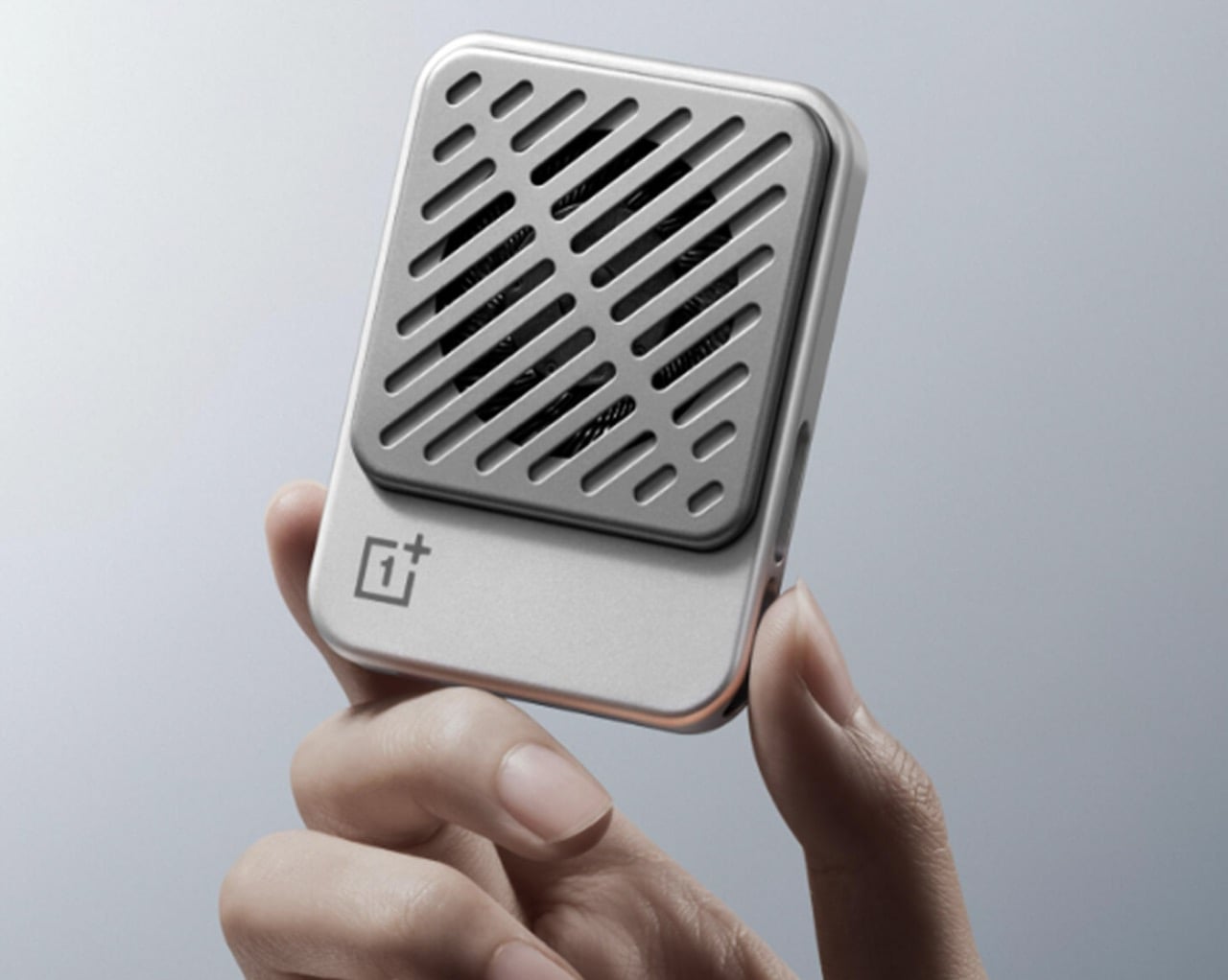
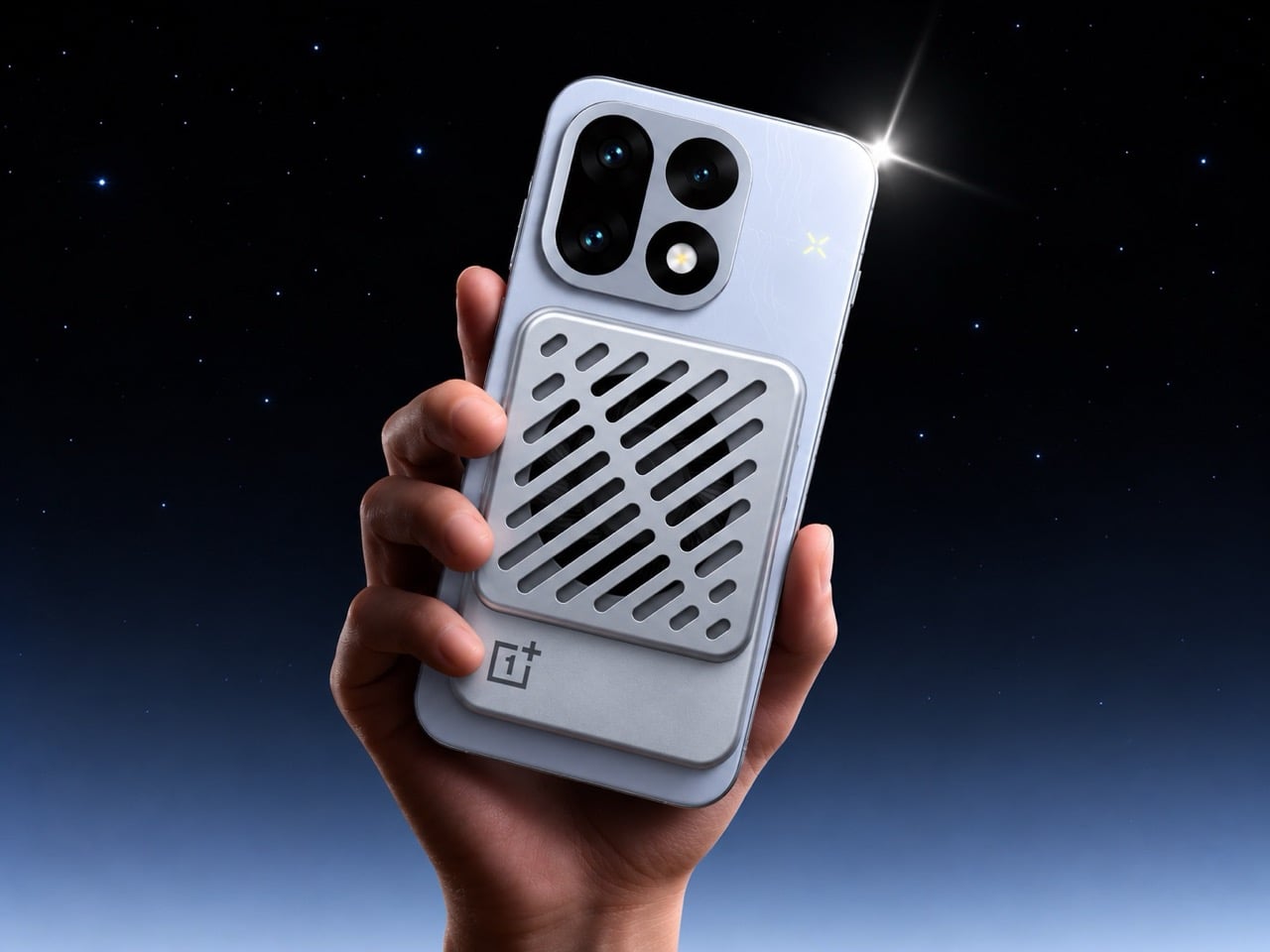
OnePlus’s Ice Card Mini is a China-listed magnetic phone cooler with a refreshingly restrained shape. At about 50 grams and 70 by 53.4mm, it resembles a small card accessory more than the clip-on fans associated with gaming phones. Inside, thermoelectric cooling works alongside an air-cooling system. The appeal is straightforward: an external accessory intended to manage heat without turning the phone into something that needs its own carrying case. It’s a focused answer to an accessory category prone to bulk.

The Mini takes power over USB-C, drawing up to 3.5W according to the published specifications. You can power it from the phone, a power bank, or an adapter, but that means the magnetic attachment doesn’t make the setup wireless. An included magnetic plate extends compatibility to phones without built-in magnets. That flexibility is welcome, especially if you change handsets regularly. The remaining questions are practical ones: case compatibility, the effect on your games, and availability outside its initial Chinese market.

What we like

  • The compact magnetic format avoids a bulky clamping mechanism.
  • USB-C power allows several options beyond a wall outlet.

What we dislike

  • It requires a power connection during use.
  • Cooling performance and US availability need confirmation.

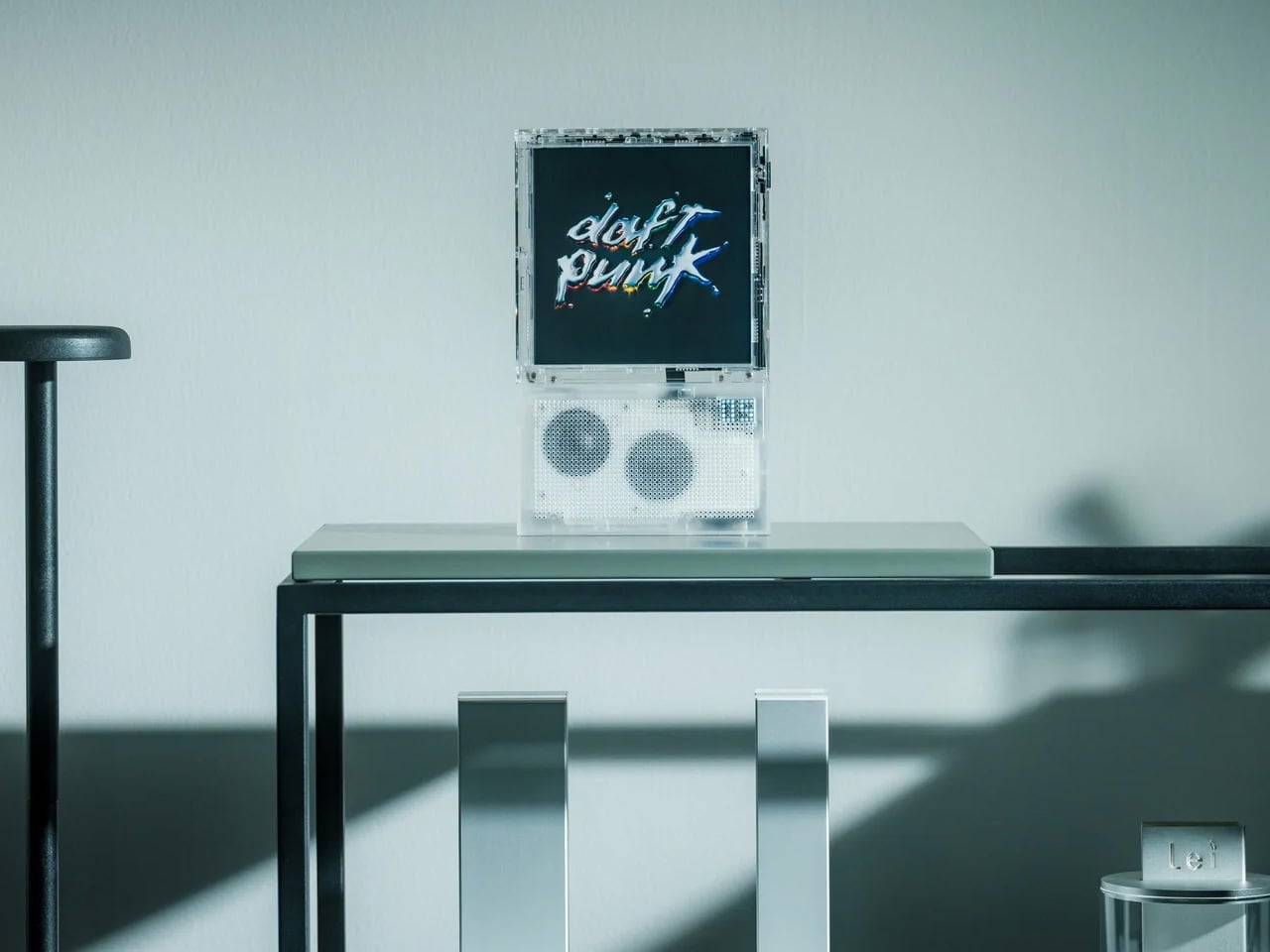
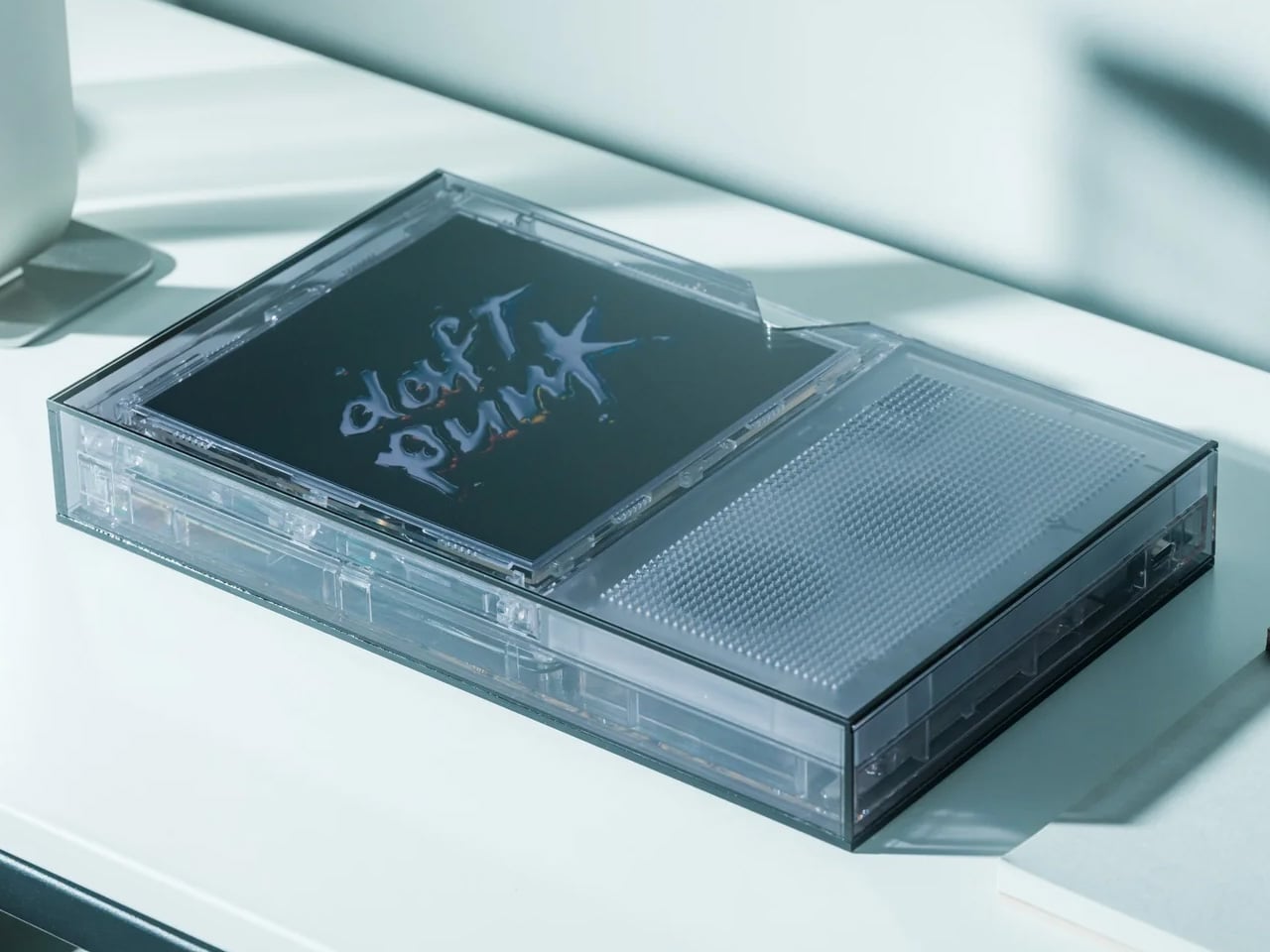
4. ClearFrame Speaker CD Player
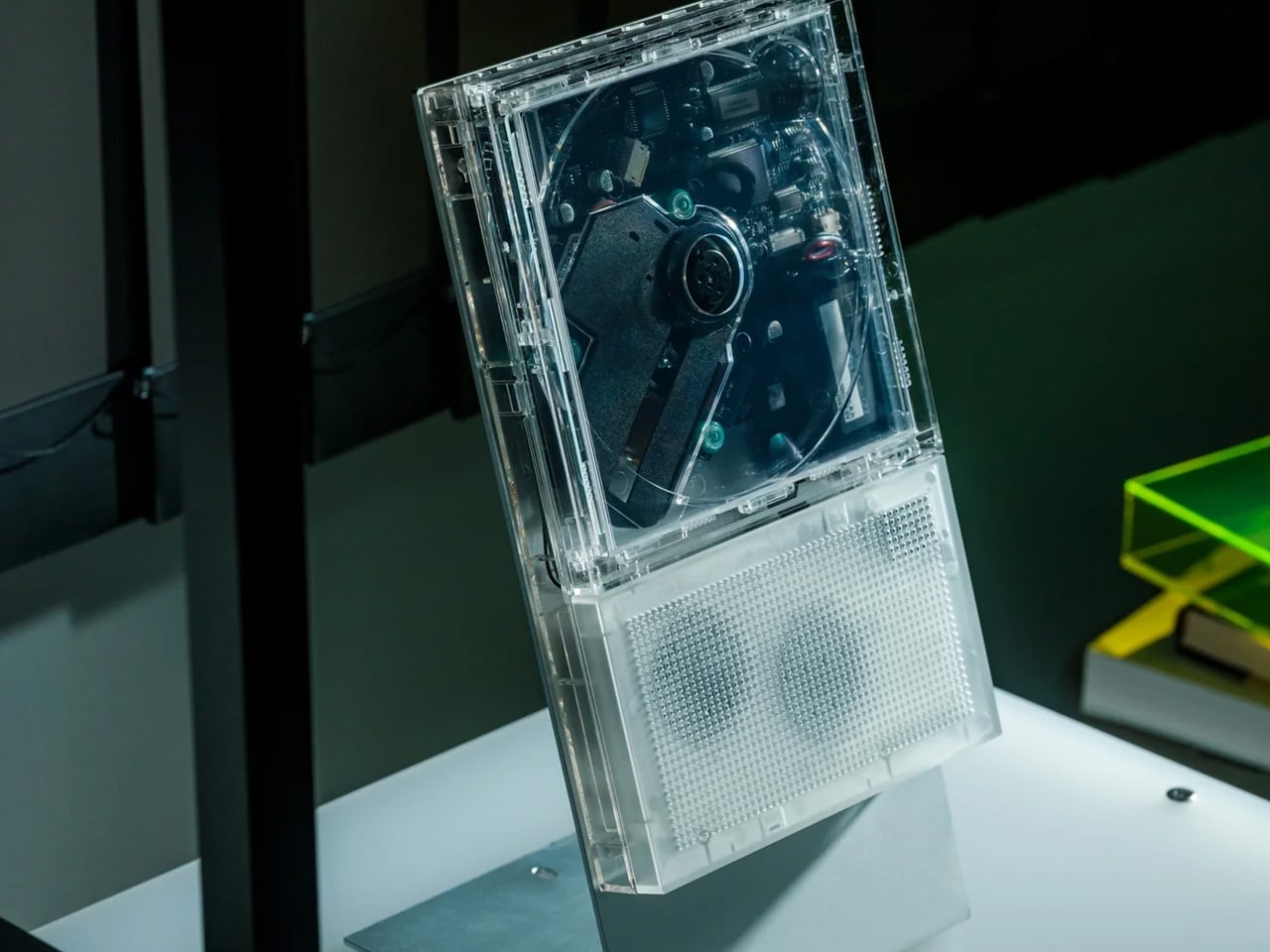
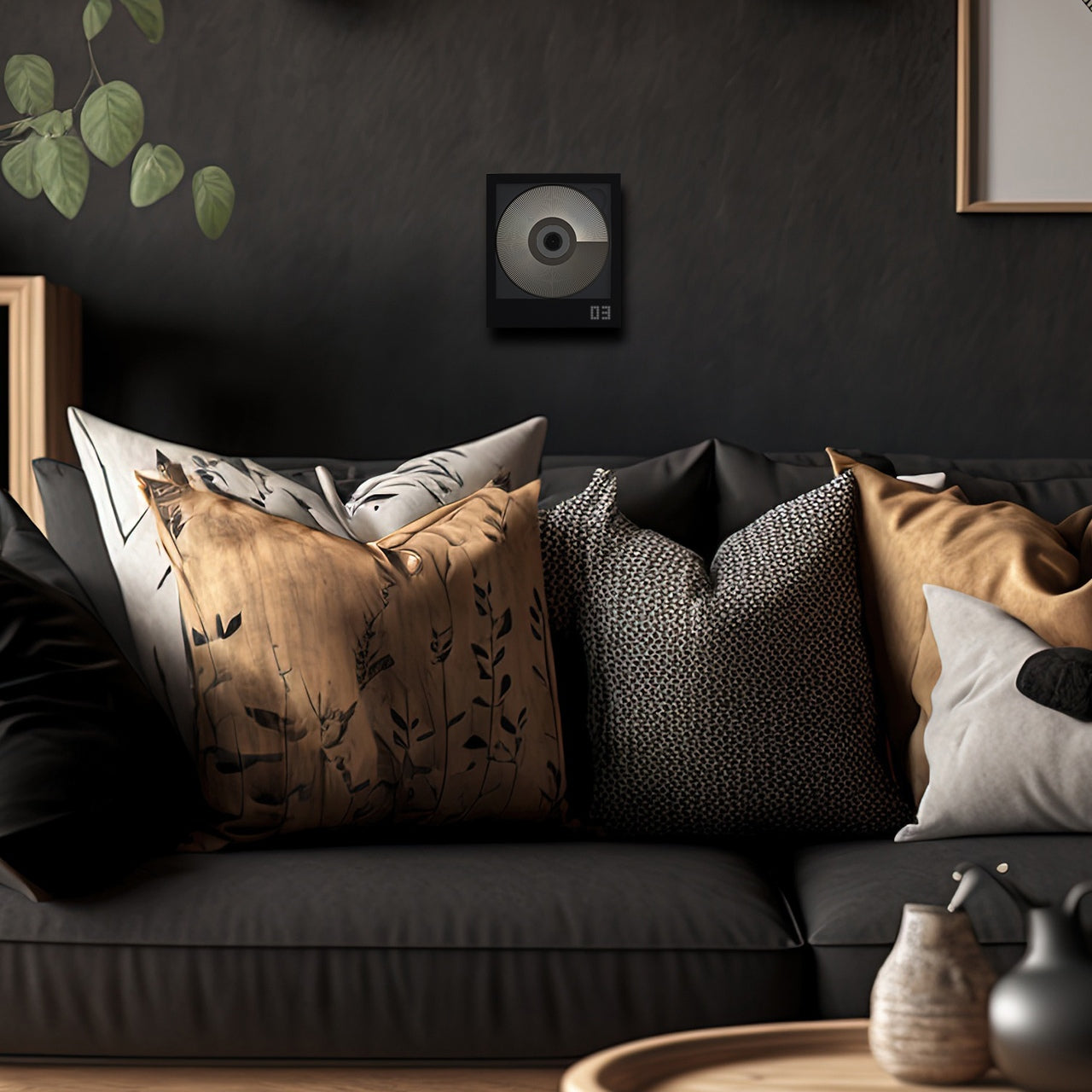
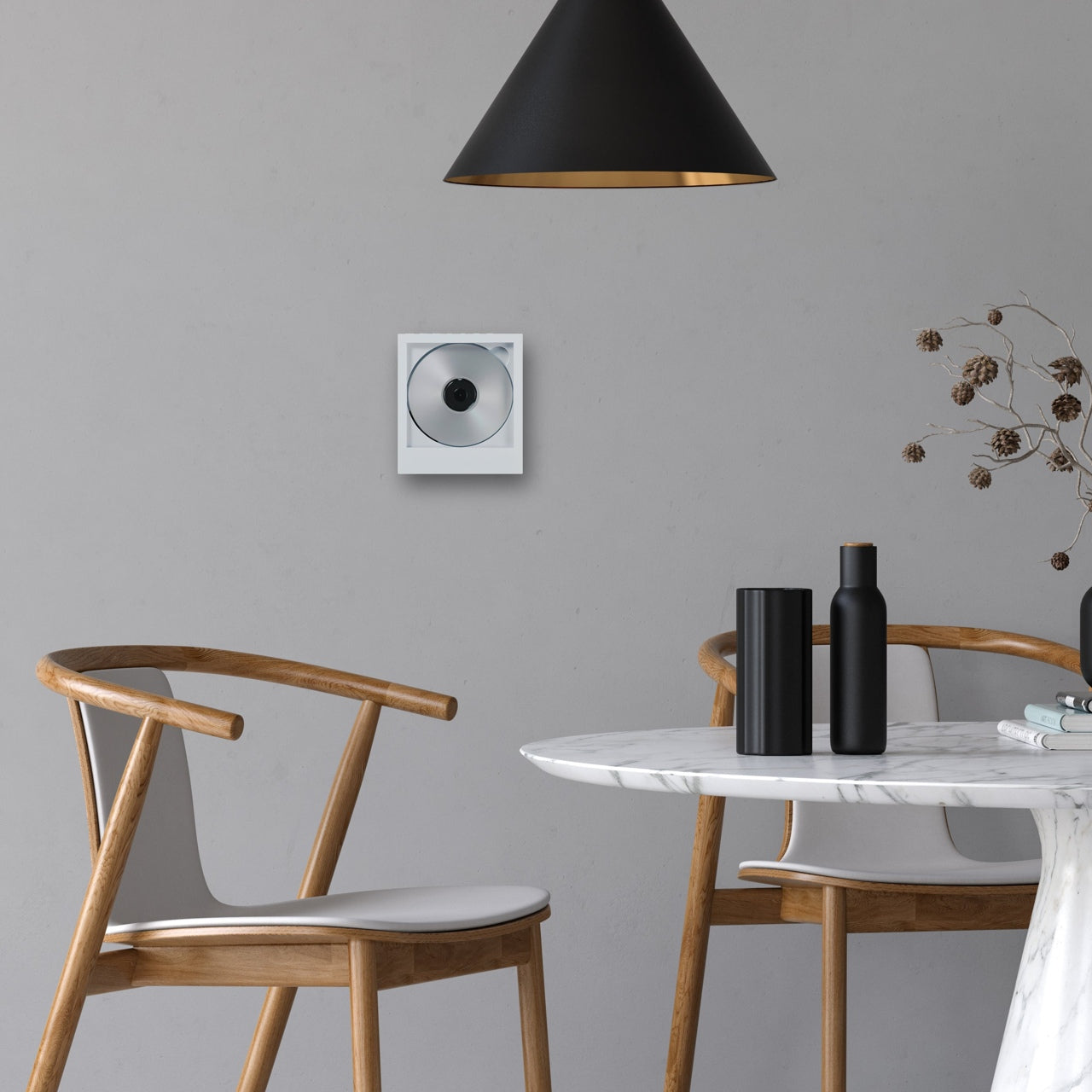
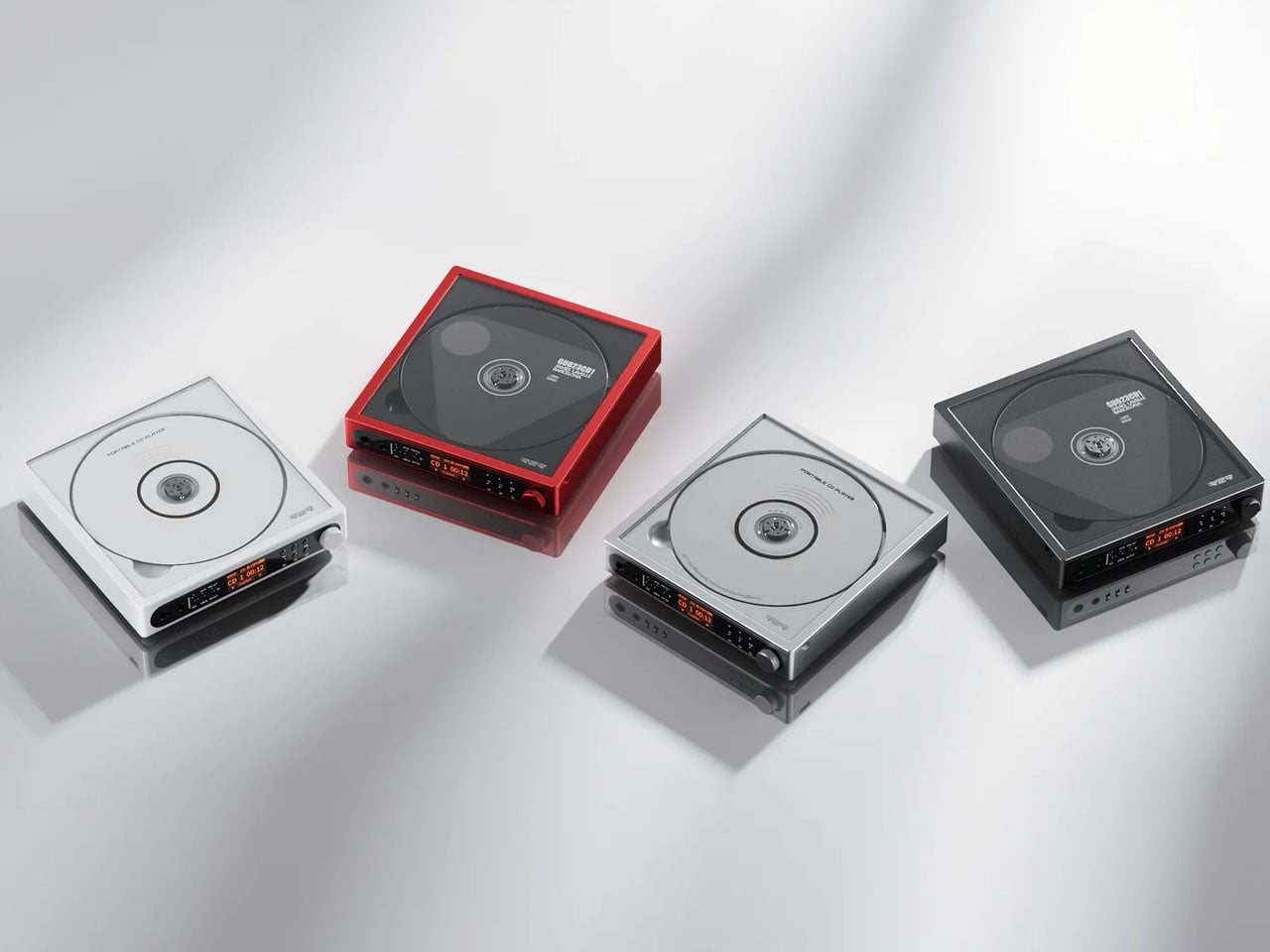
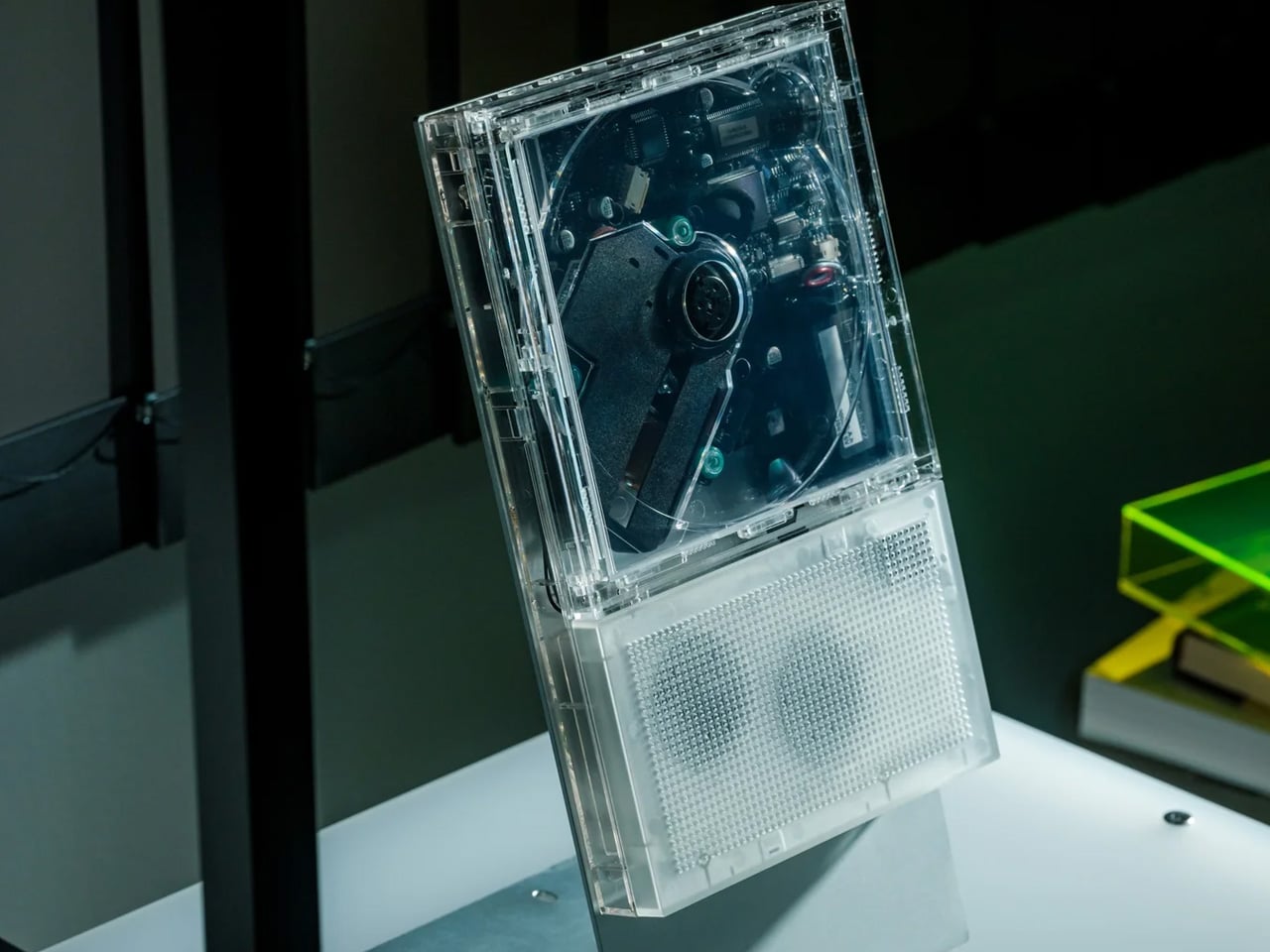
The ClearFrame Speaker CD Player gives an album two jobs: something to play and something to display. Its transparent body reveals the spinning disc and circuitry, while an included tray lets you insert the album artwork instead. That makes its appearance change with your listening rather than stay fixed behind a manufacturer’s grille. This is the speaker-equipped version of ClearFrame, with a built-in 40mm driver and bass diaphragm, so it can play your CDs without an additional speaker beside it.

At 27mm thick, the $240 player has proportions closer to a book than a conventional stereo component. It features six to seven hours of speaker playback, with USB-C charging and a 3.5mm headphone output. Bluetooth 5.3 sends CD audio to compatible headphones or speakers; it doesn’t receive music from your phone. That distinction matters if you’re imagining a transparent Bluetooth speaker. A display stand and wall mount cost extra, so budget for the arrangement you want at home.

Click Here to Buy Now: $240.00

What we like

  • Album artwork becomes part of the player’s appearance.
  • The built-in speaker removes the need for a separate listening setup.

What we dislike

  • Bluetooth transmits CD audio but cannot receive music from a phone.
  • Display accessories and wall-mounting hardware aren’t included.

5. Sudo Music Player
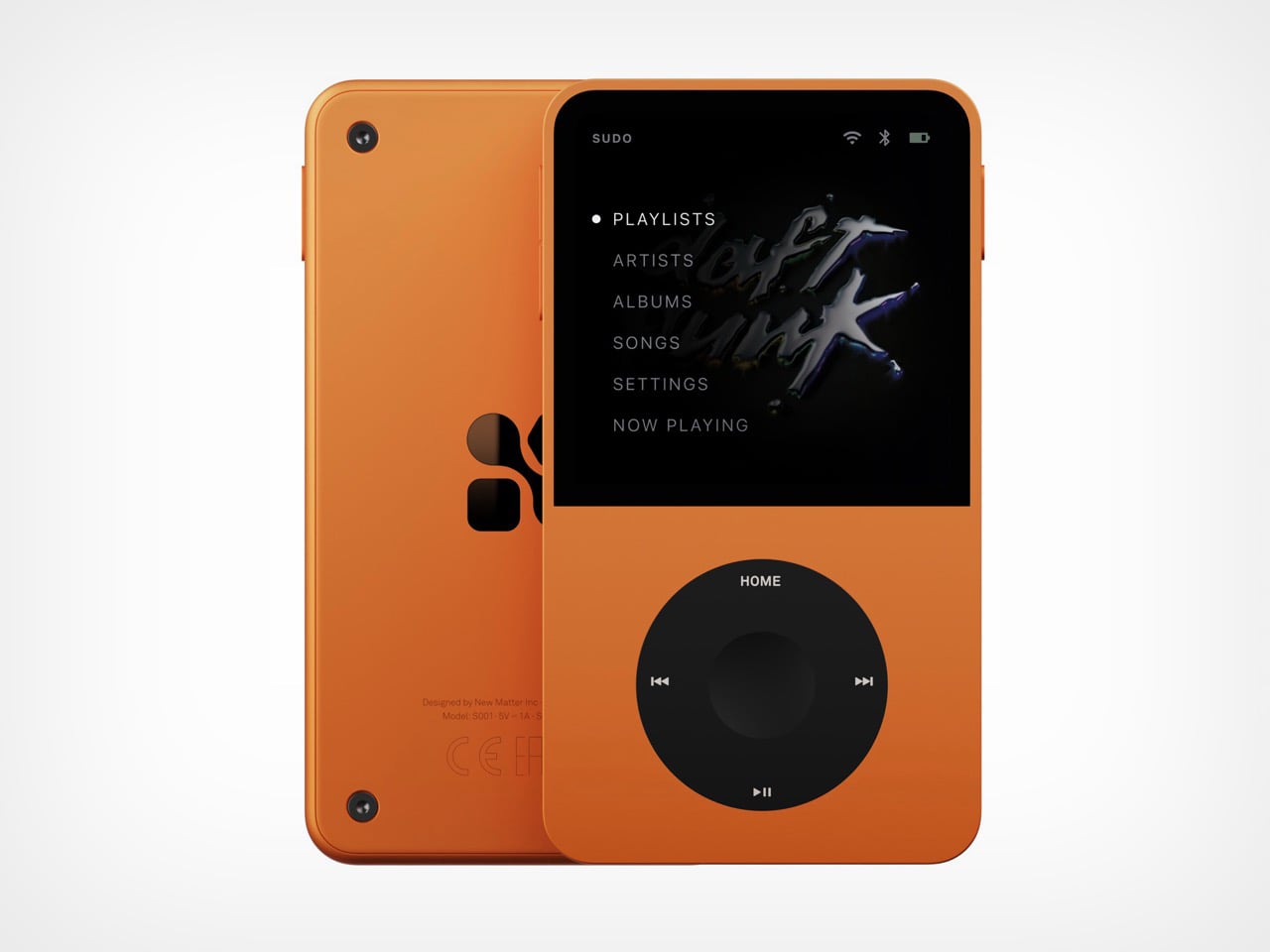
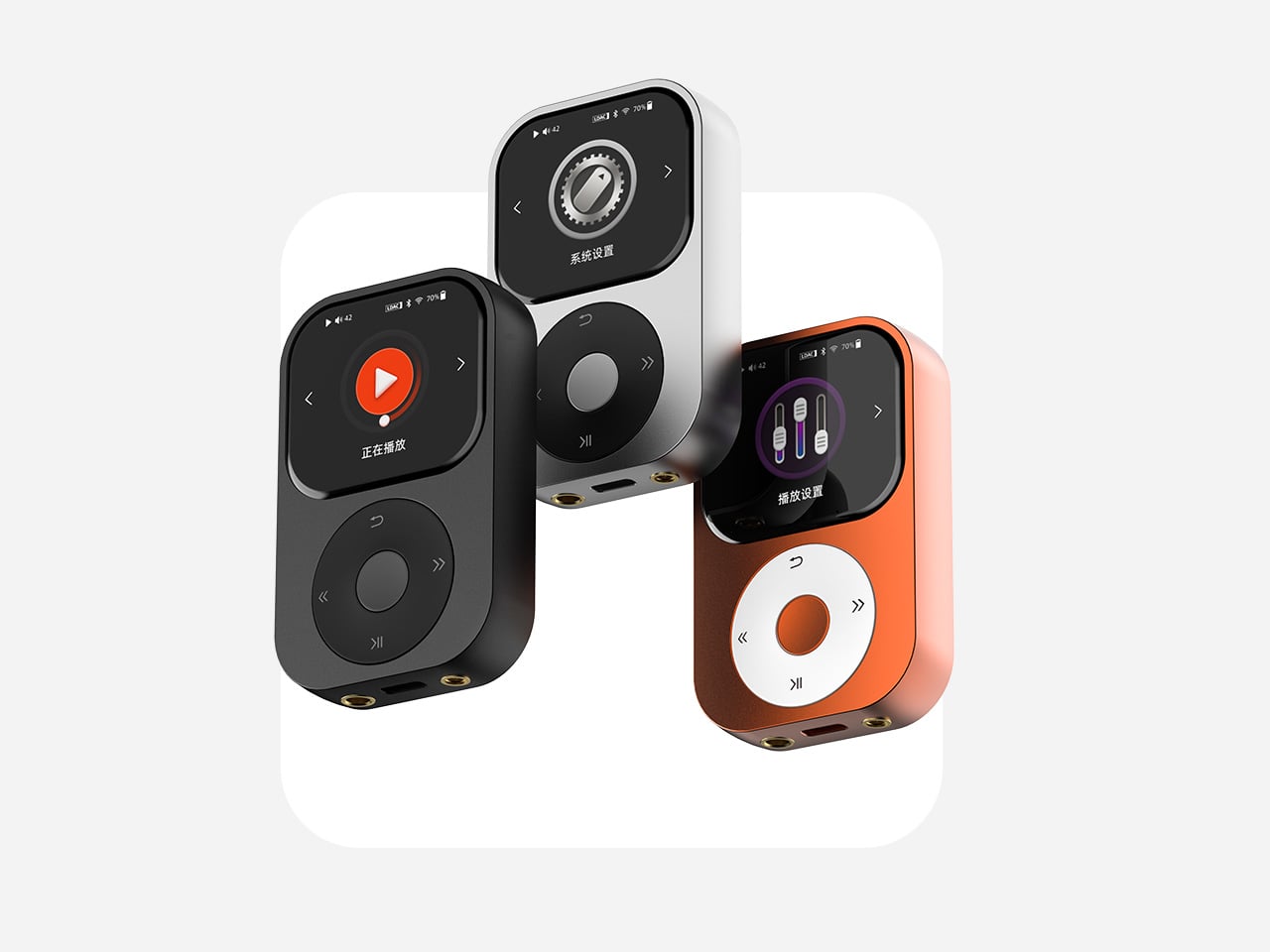
Tangerine Sudo music player shown from front and back, with playlists menu on screen and tactile wheel below

Silver Sudo music player held in one hand, thumb resting on the tactile wheel

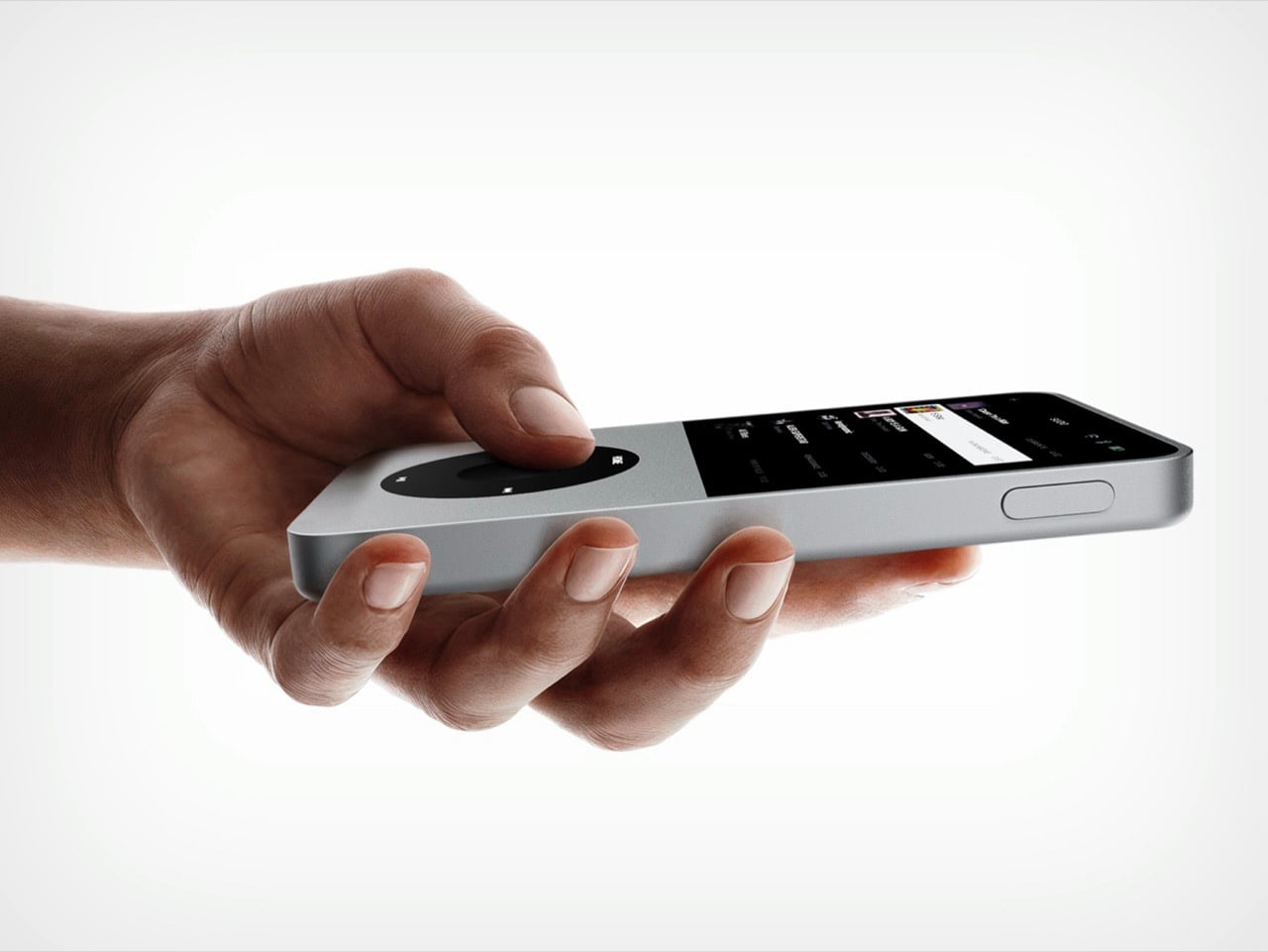
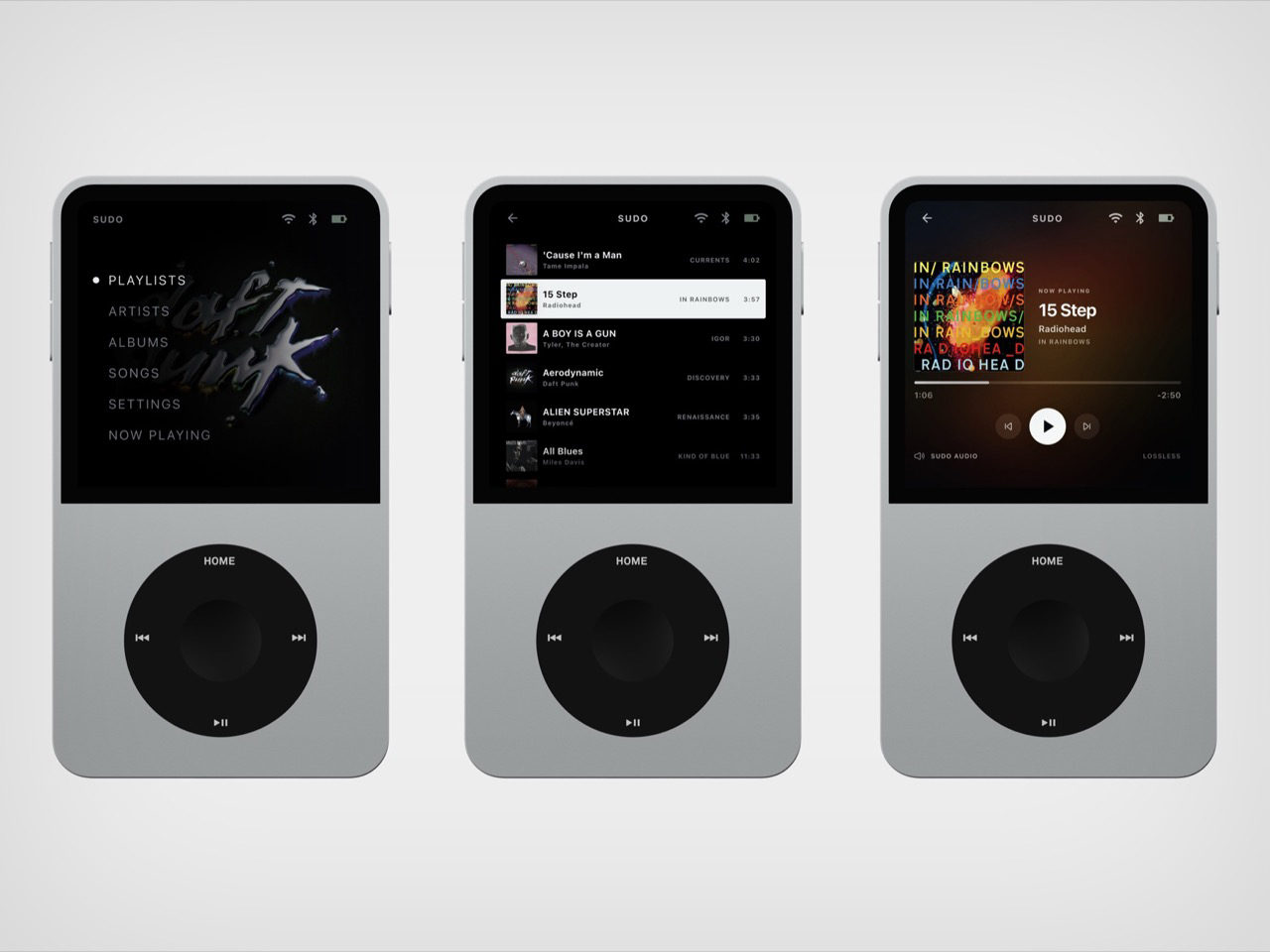
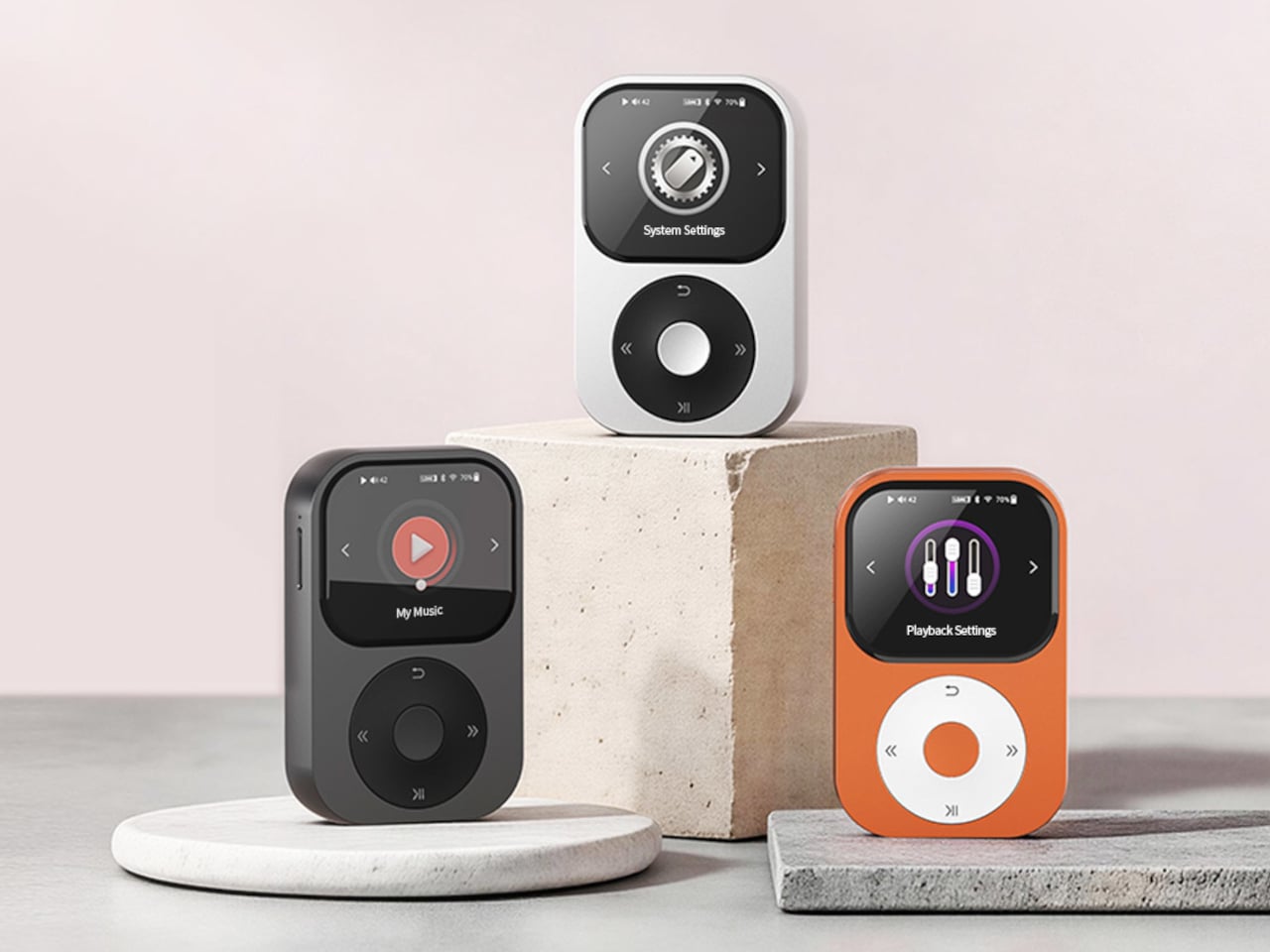
New Matter’s Sudo revisits the dedicated music player with an interface built around a capacitive scroll wheel and haptic feedback, paired with a touchscreen. The appeal is choosing an album on a device whose main purpose is listening, rather than opening another destination on your phone. Planned hardware includes a Cirrus Logic DAC, a 3.5mm headphone jack, and USB-C digital audio output. This is upcoming hardware, though, with New Matter expecting the first batch to ship in early Q4 2027.

The specification gives that familiar format room to grow: 64GB of internal storage, microSD expansion up to 2TB, and support for formats including FLAC, MP3, and WAV. New Matter also lists Wi-Fi and Bluetooth, so the throwback controls don’t mean abandoning connectivity. A refundable $50 reservation goes toward an expected $249 purchase price, rather than buying a finished player today. For anyone rebuilding a local music library, it’s worth following, but the production schedule makes patience part of the proposition.

What we like

  • A dedicated wheel gives music navigation its own control surface.
  • Expandable storage accommodates a growing local library.

What we dislike

  • Expected shipping is in Q4 2027, not this November.
  • The $249 price remains an estimate, not a finalized retail figure.

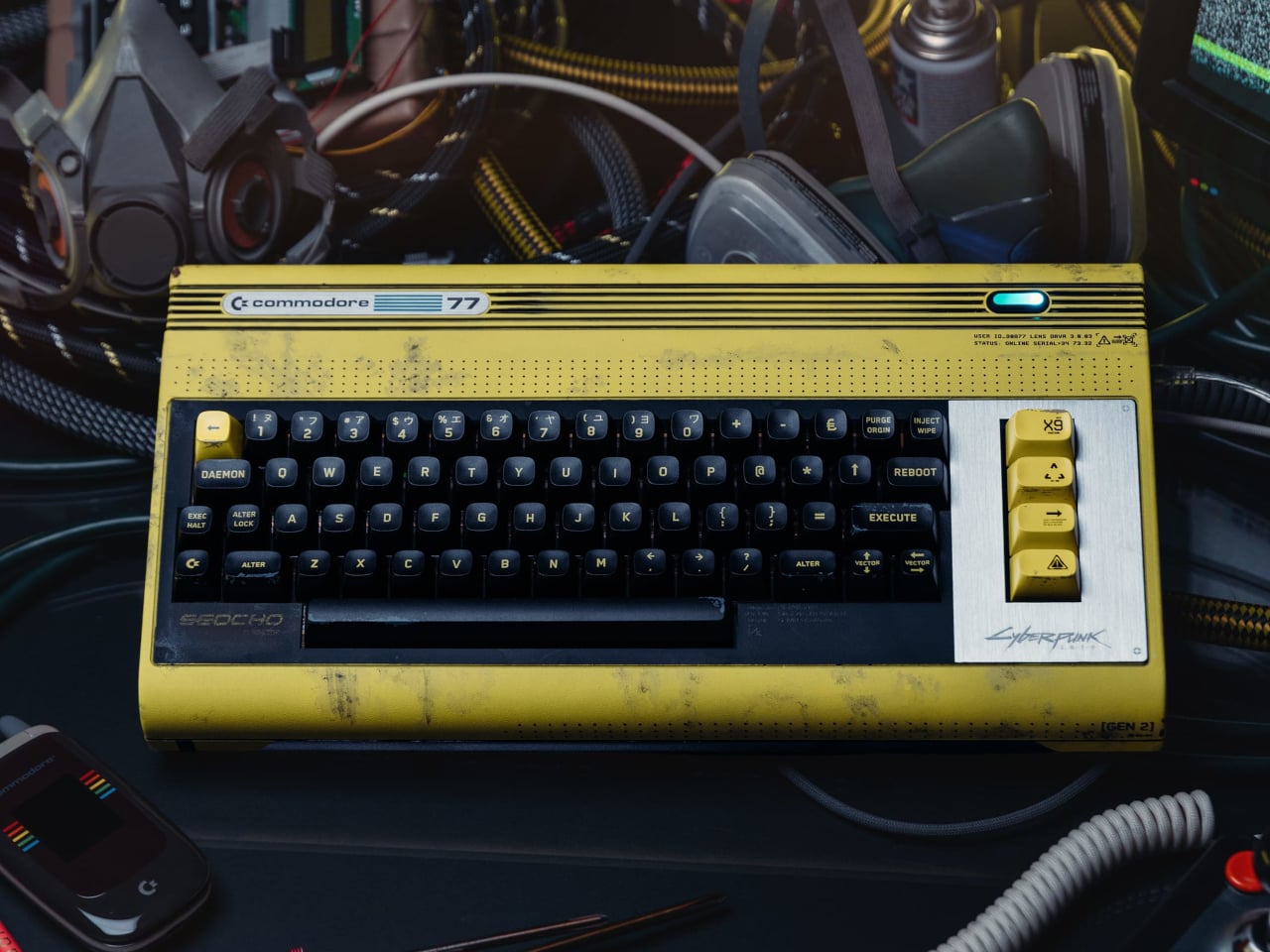
6. AULA Neos 75 Keyboard
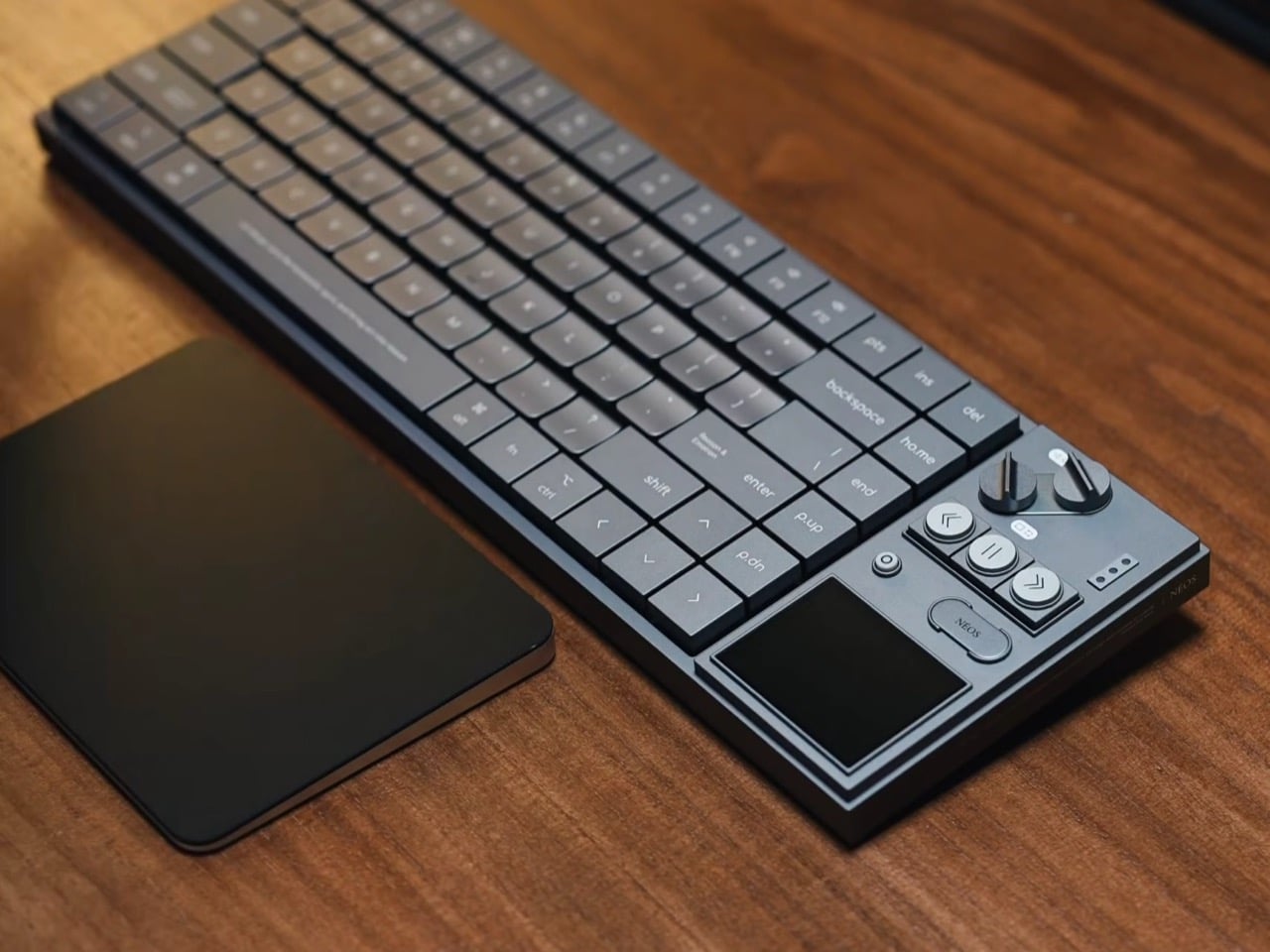
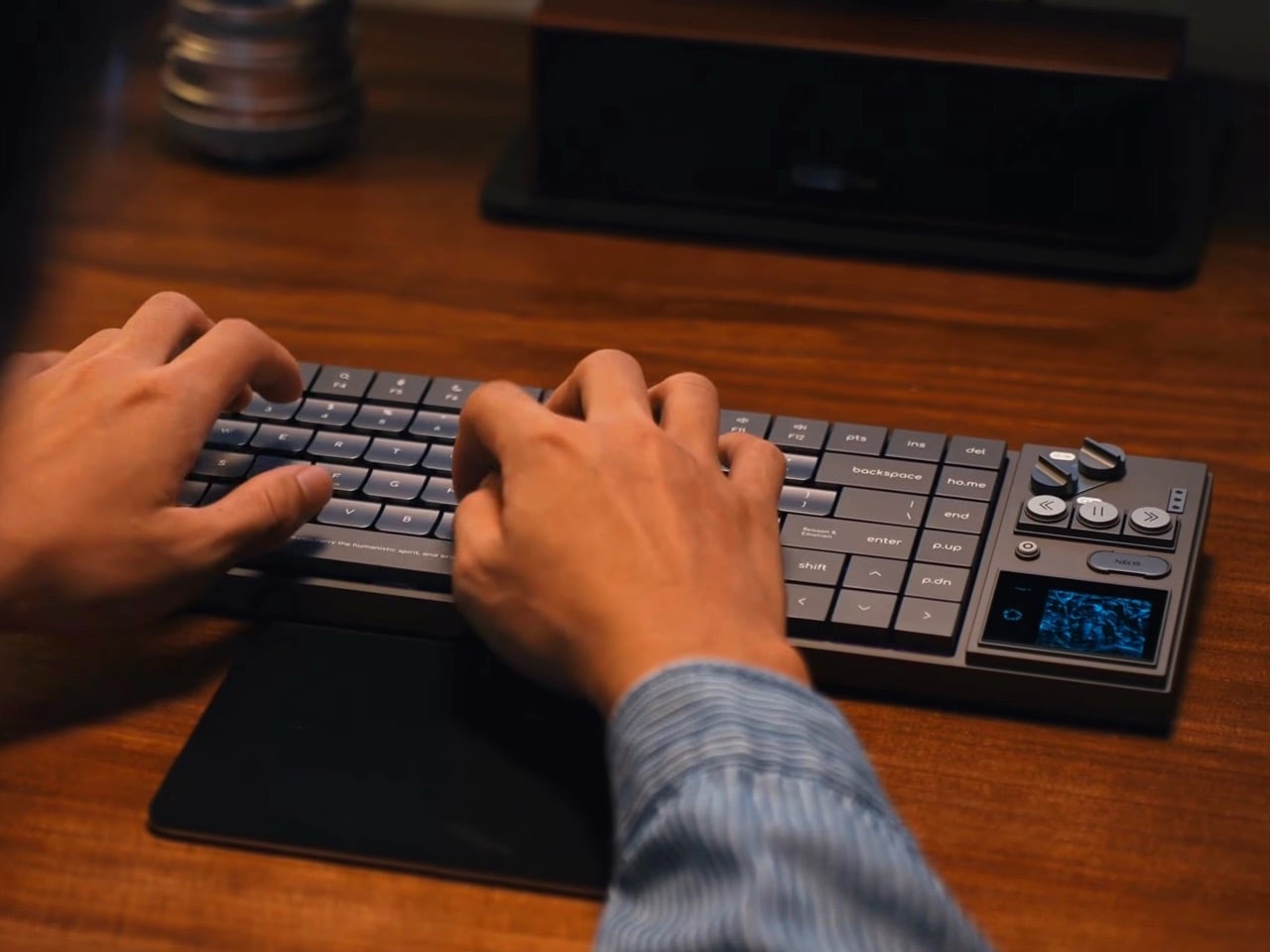
AULA’s Neos 75 puts a small control console beside an otherwise compact keyboard. Two metal knobs, round media buttons, and a 2.3-inch color display give the right edge the look of a miniature hi-fi component. The useful part is having volume and playback controls where your hand already works, without requiring another desk accessory. Designed by AULA.New Renaissance, the 84-key board also uses a CNC-machined aluminum chassis and aluminum keycaps, extending that hardware-focused approach across the surface you actually touch.

Custom low-profile Kailh switches sit in hot-swappable sockets, letting you change switches without soldering. A gasket mount supports the typing assembly, and wired, Bluetooth, and 2.4GHz connections offer different ways to connect your devices. China preorders opened in October, while wider regional availability needs checking before purchase. The physical compromise is right there in the layout: a compact 75% key arrangement doesn’t produce the smallest possible keyboard when a separate control console occupies the space along its entire right edge.

What we like

  • Dedicated knobs and media buttons put frequent controls within reach.
  • Hot-swappable switches leave room to change the typing setup.

What we dislike

  • The side console expands the footprint of the compact key layout.
  • A confirmed official US rollout remains unclear.

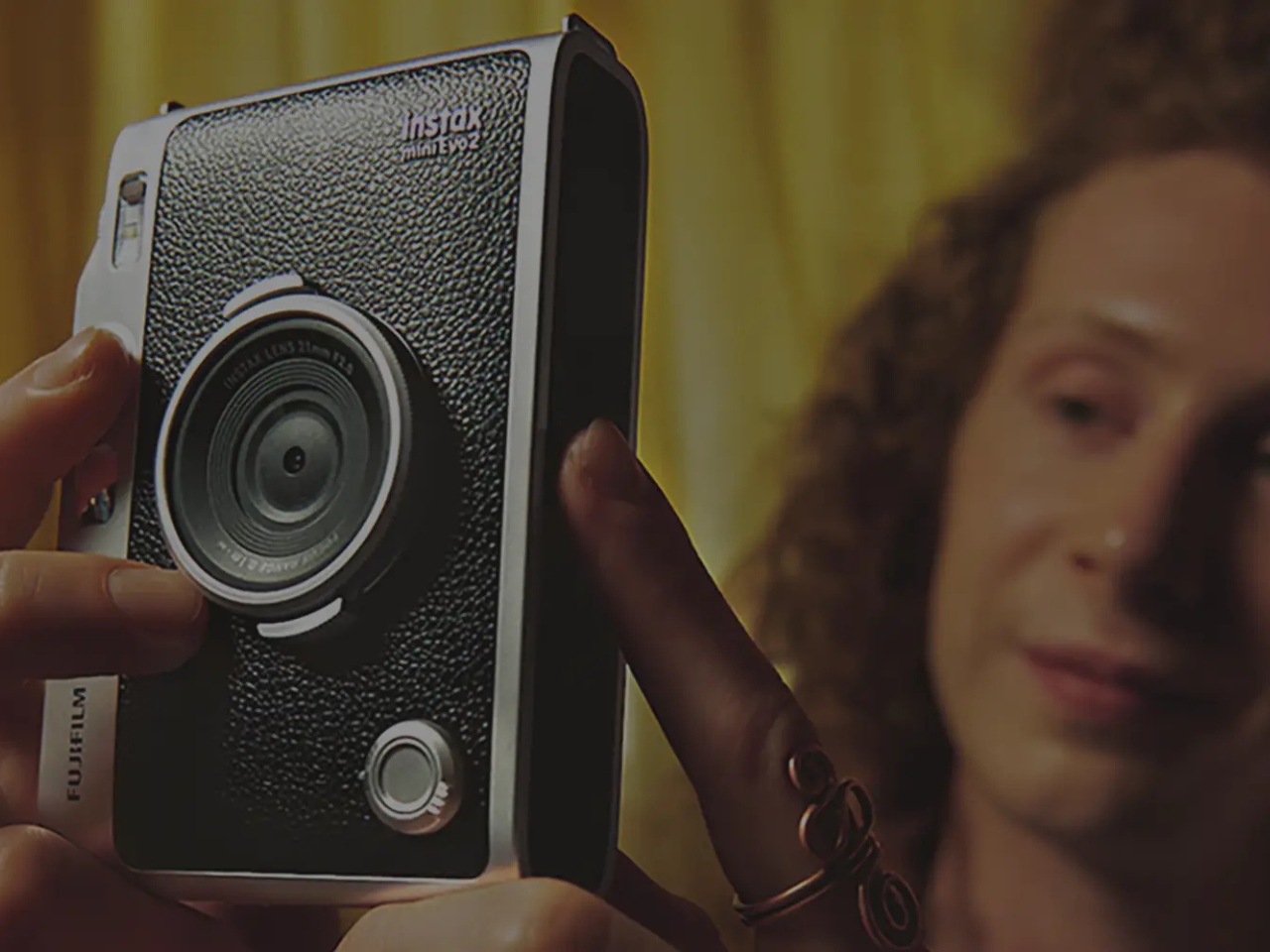
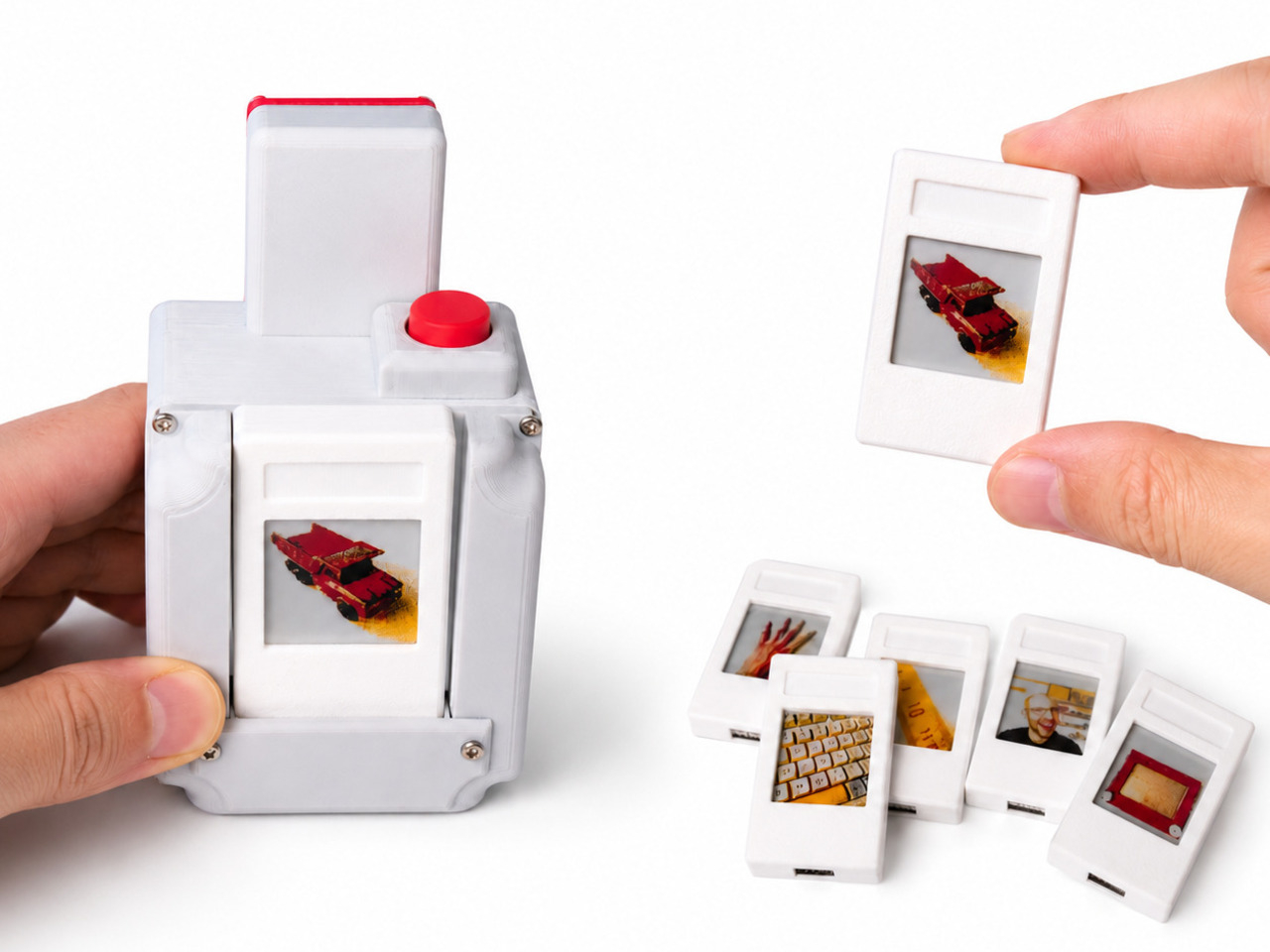
7. Fujifilm Instax Mini Evo 2
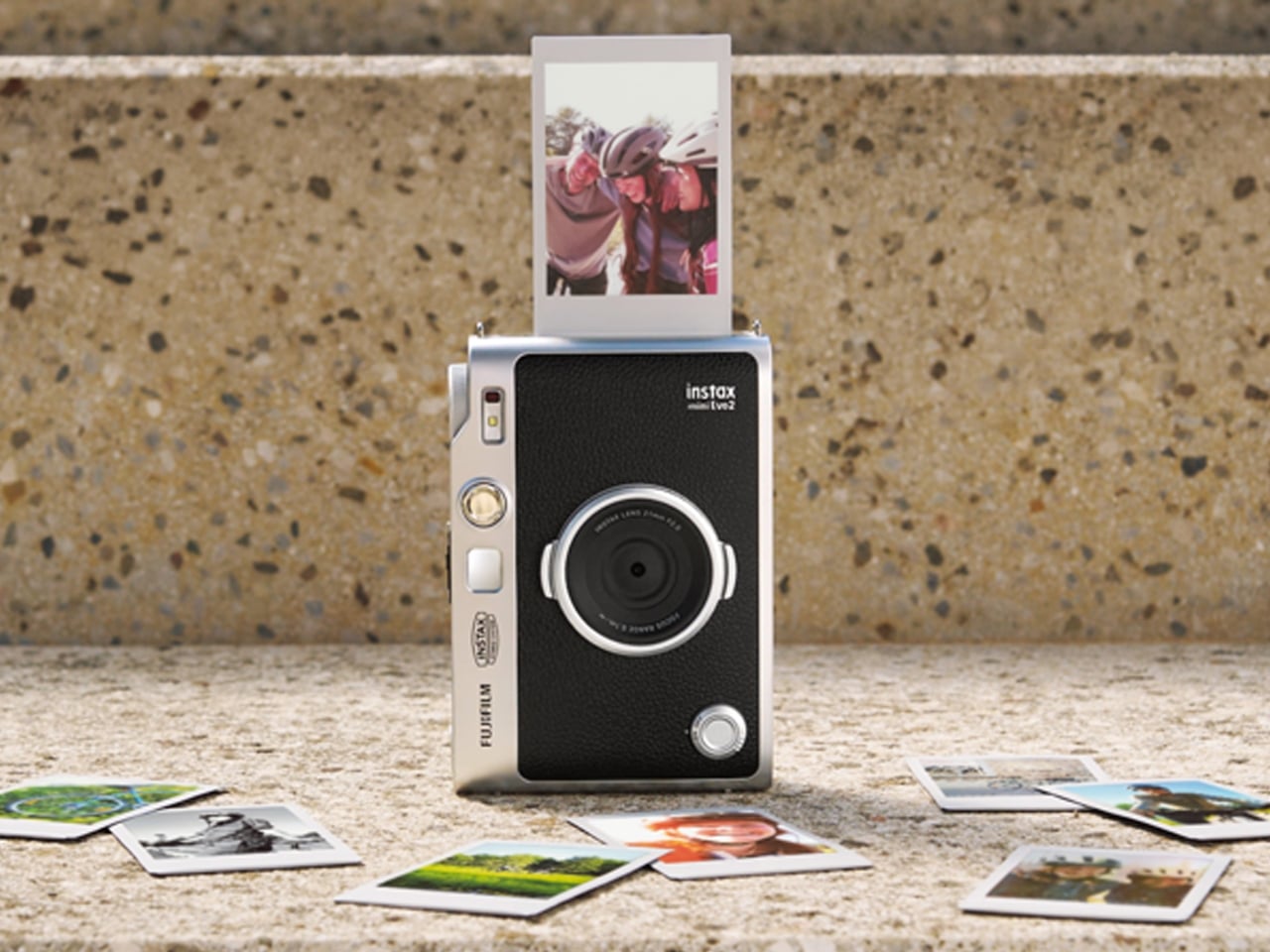
Fujifilm’s Instax Mini Evo 2 makes printing a choice rather than the unavoidable outcome of pressing the shutter. The hybrid camera lets you review and adjust a digital image before committing it to Instax Mini film. Its lens-effect dial, film-effect dial, and print lever preserve physical actions alongside a 4.5-inch touchscreen. For someone who likes the idea of instant photography but hates wasting film on an accidental exposure, that division of labor makes more sense than nostalgia on its own.

The camera offers 10 lens effects and 10 film effects, giving you 100 combinations before printing. Expanded View shows the area beyond the intended print frame, while the updated app supports printing smartphone photos and remote shooting. Fujifilm lists a US MSRP of $289.95, with availability expected toward the end of November. Film remains a separate purchase, and the new short-movie feature needs a microSD card. Those ongoing costs deserve just as much consideration as the camera’s appealing physical controls.

What we like

  • Reviewing images before printing gives you control over film use.
  • Physical effect dials complement the touchscreen rather than disappearing into it.

What we dislike

  • Instax Mini film adds an ongoing expense.
  • The short-movie feature requires a separately purchased microSD card.

8. Arduview Transparent Gaming Handheld
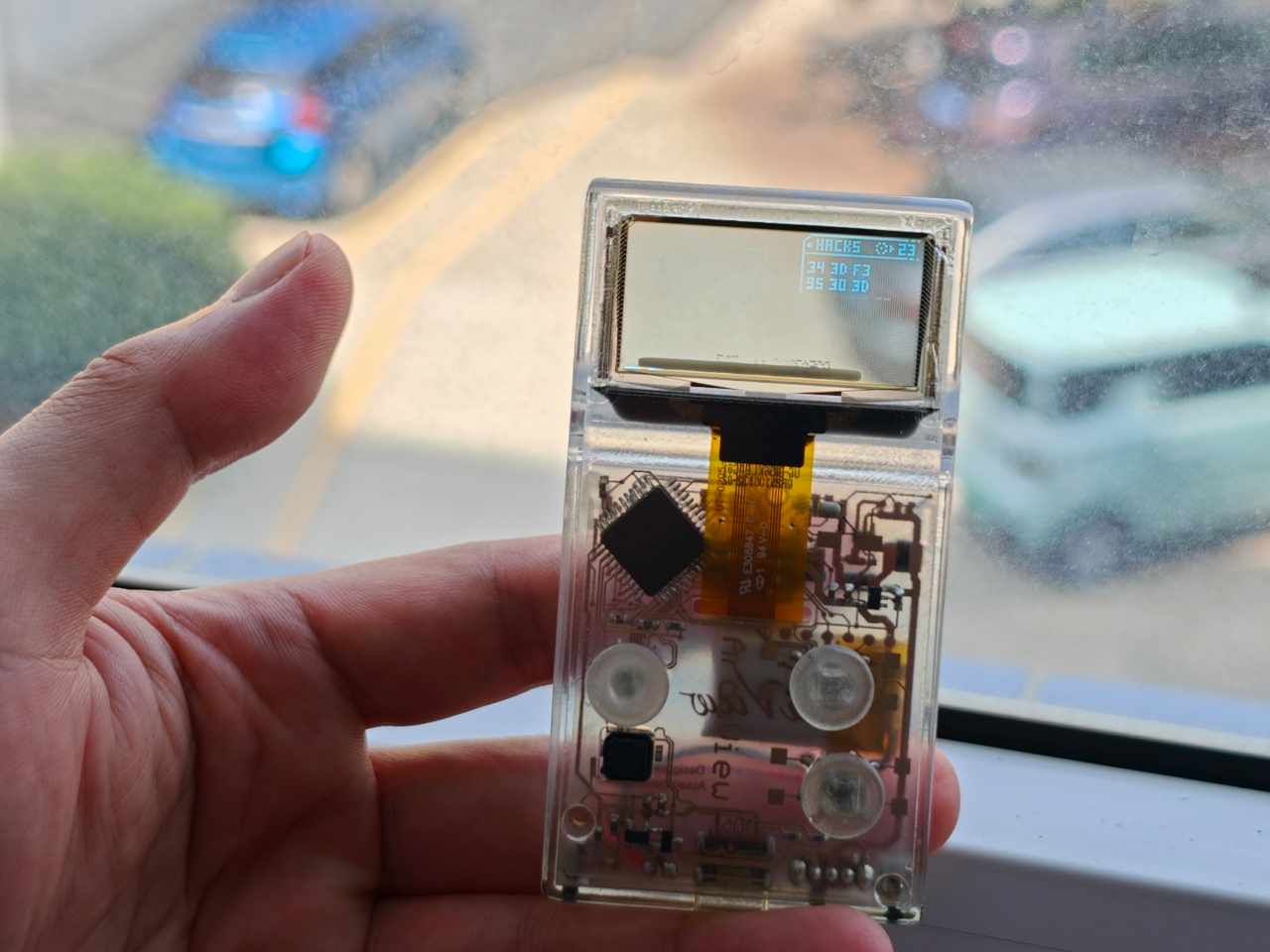
Arduview takes transparent electronics beyond a clear shell. Louis Huang’s handheld also uses a see-through circuit board and display, leaving the background visible around its illuminated cyan pixels. It’s an unusually direct way to turn the workings of a gadget into its visual identity. This isn’t only a rendering trick: VGC reports using a working unit and confirms that the transparent screen functions as shown. The project is now crowdfunding, rather than sitting on a shop shelf ready for delivery.

Built on the open Arduboy platform, the 50-gram device is pitched around 400 preloaded games and USB-C charging. That makes it a small, focused alternative to a phone full of gaming apps, with room for enthusiasts to explore the underlying platform. Arduview’s maker projects February 2027 shipping for early supporters, rather than November availability. Its appeal rests on a deliberately narrow gaming experience and a display construction; neither should be confused with the capabilities of a larger, mainstream handheld console.

What we like

  • Transparency extends to the screen, not merely the enclosure.
  • The open Arduboy platform offers scope for tinkering beyond preloaded games.

What we dislike

  • February 2027 shipping is a projection, not immediate availability.
  • Its niche Arduboy library won’t suit someone seeking mainstream console games.

Match the Gadget to the Habit

The most useful way to approach this list is to start with a recurring annoyance, not an empty spot on the desk. A mouse that packs differently has a clear job. So does a CD player that lets an existing collection leave the cupboard. More specialized hardware needs a closer match to your habits: a phone cooler only matters if heat is a problem you actually encounter while using it.

Timing deserves the same scrutiny as design. A reservation, a crowdfunding pledge, and a retail order are different commitments, even when the product photography makes them look equally finished. If you need something for this month, check the version, delivery estimate, and accessories before paying. If you’re following an upcoming design, keep the expected date in view. An interesting object can be worth watching without being the right purchase today.

The post The 8 Best Tech Gadgets of November 2026 first appeared on Yanko Design.
  •  

The 8 Best Halloween Designs for a Delightfully Spooky October

Halloween decorating can start small, with something like a skeleton on the porch. A strange little object on the dinner table, a lamp that reveals something unexpected, or a pair of shoes with eyes on the heels can be enough. The most interesting seasonal designs give familiar things a new personality, leaving room for a little mischief without turning the entire house into a haunted attraction overnight.

These eight picks approach the season through miniature storytelling, everyday utility, and atmospheric details. Some are unmistakably Halloween, while others suggest a darker mood without wearing a pumpkin on their sleeve. This is an editorial selection rather than a tested ranking or a collection of new releases. It includes retail products, an older lighting design, and a LEGO fan proposal, with those distinctions kept clear as we explore each one below.

1. Halloween Snow Globe

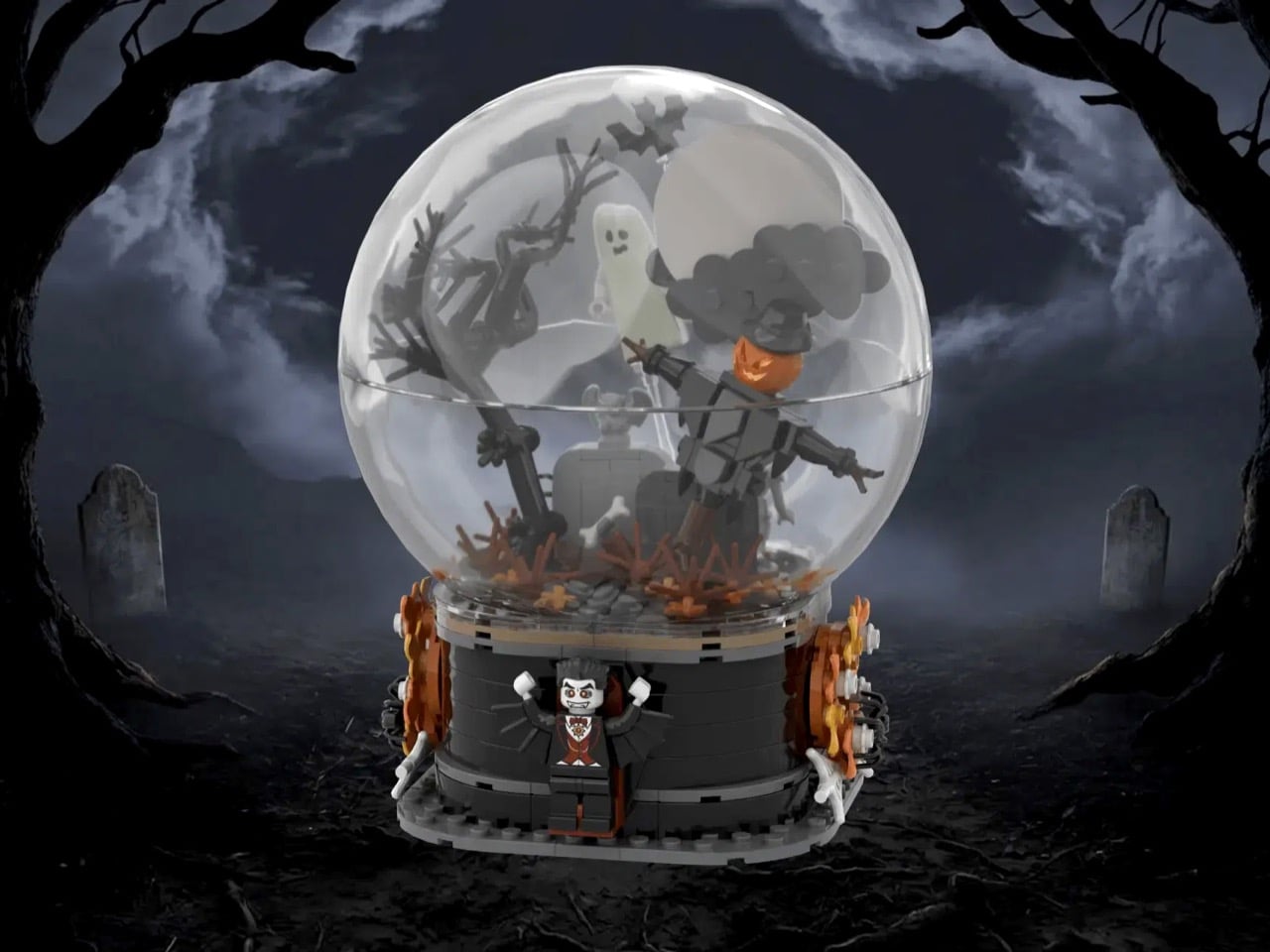
The Brick Artist’s Halloween Snow Globe puts a graveyard where you would normally expect a snowman. Published as a LEGO Ideas fan proposal, rather than an official retail set, it gathers a twisted tree, a floating ghost, and a pumpkin-headed scarecrow beneath a transparent dome. Its proposed hand crank rotates the scene, bringing a skeleton and spider into view from behind the tombstones. That gives the mechanism a storytelling purpose beyond simply displaying the same arrangement from another angle.

The published renders make the strongest case for its inclusion here. Orange leaves interrupt the black and gray palette, while a vampire on the base greets anyone approaching the miniature scene. It would be an appealing centerpiece for someone who prefers examining tiny details to hanging oversized decorations. The construction is less convincing from behind, where the moon exposes its studs, but that also reveals the theatrical thinking: this is a small stage with a carefully arranged opening view.

What we like

  • Rotation reveals hidden characters.
  • The dome contains an entire miniature Halloween scene.

What we dislike

  • It is a fan proposal, not an official retail set.
  • The rear view exposes some scenic construction.

2. Nike Dunk Low “Shibuya Halloween”

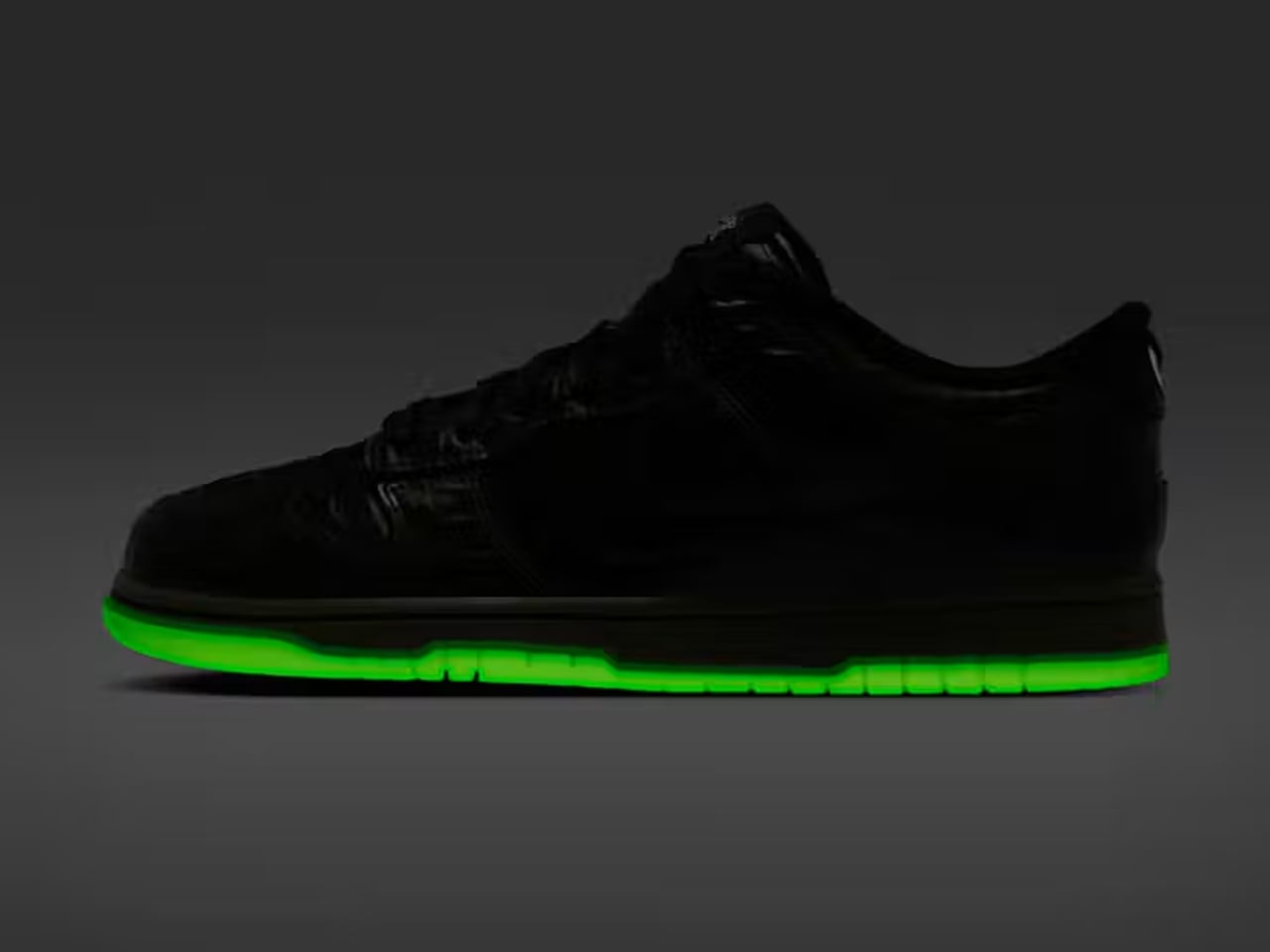
Nike’s Dunk Low Premium Halloween takes a quieter approach to dressing for October. The leather upper has a scaly appearance, with dark green and black keeping the daytime palette restrained. The more theatrical detail sits behind you: eyes on the heel tabs glow in the dark, accompanied by an outsole with the same effect. Nike also includes a Shibuya city tongue label, connecting the shoe’s familiar nickname to a specific detail rather than relying on Halloween colors alone.

For anyone who wants a seasonal accessory without committing to a costume, that restraint is the attraction. The familiar sneaker silhouette remains intact, and the monster character emerges through texture and small graphic interventions. It is a more flexible wardrobe proposition than footwear covered in pumpkins, at least aesthetically. The limitation is that much of the Halloween effect depends on darker surroundings. Nike describes the glowing elements but does not specify their duration, so treat them as decoration, not illumination.

What we like

  • Heel eyes give a familiar sneaker an unexpected character.
  • The dark palette is less overtly seasonal than orange graphics.

What we dislike

  • The Halloween effect is subdued in daylight.
  • Nike does not specify how long the glow lasts.

3. Skeleton Wine Glasses

Pottery Barn’s Skeleton Wine Glasses let a tiny skeletal figure do the lifting. Instead of decorating the bowl with a printed Halloween motif, the design incorporates the skeleton into the stem, with raised arms reaching toward the glass above. The manufacturer specifies a handmade zinc alloy embellishment and a bowl made from mouth-blown soda lime glass. It is a satisfying change of scale: something normally imagined standing in a doorway becomes the character supporting a drink at dinner.

This is a particularly useful direction for a Halloween table because the decoration participates in the meal rather than occupying another patch of tabletop. Set against plain plates and napkins, the figure could carry most of the seasonal theme on its own. The practical compromise comes afterward. Pottery Barn calls for washing by hand with mild soap and warm water, and the glass cannot be removed from its skeleton. These are entertaining pieces that ask for a little extra cleanup.

What we like

  • The skeleton becomes part of the glass’s structure.
  • One piece supplies both drinkware and table decoration.

What we dislike

  • Cleaning requires washing by hand.
  • The glass does not detach from the skeleton.

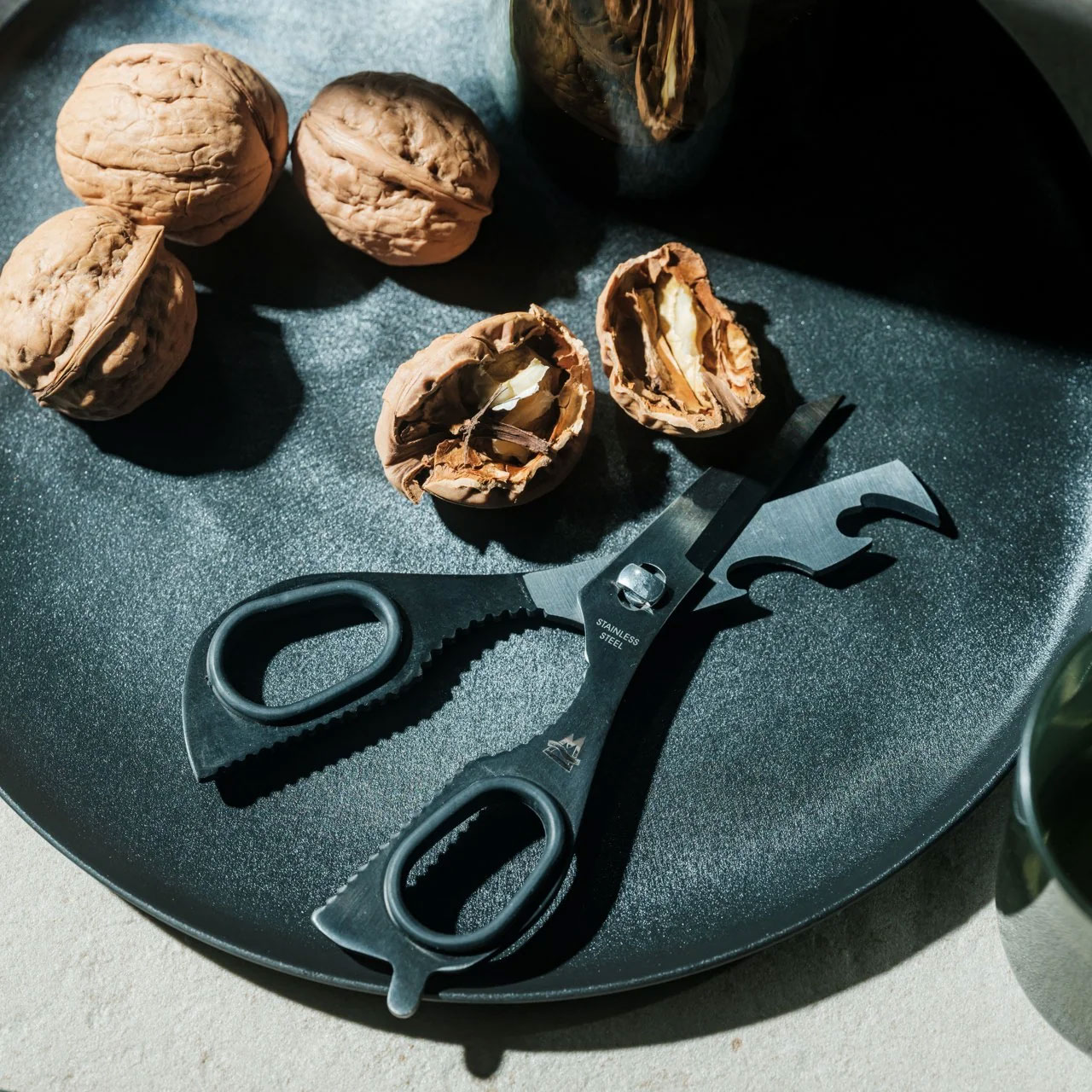
4. Elizabat Kitchen Scissors

Elizabat turns a pair of kitchen scissors into a bat without hiding what the tool is supposed to do. The wings form the handles, and a small face sits between them, giving the silhouette a character that becomes especially clear when the scissors open. OTOTO combines stainless steel blades with plastic and rubber components. The tool also incorporates a bottle opener and a nutcracker, putting several kitchen jobs inside a shape that would otherwise be easy to dismiss as novelty.

Something is appealing about letting Halloween enter through food preparation instead of adding another ornament to a shelf. Elizabat can remain in the kitchen after the decorations come down, assuming the bat aesthetic suits your everyday tools. OTOTO lists the scissors as dishwasher-safe, which is a useful distinction from the more demanding glassware in this collection. The wing shape is still a stylistic commitment, and the friendly expression should not obscure the fact that these are sharp kitchen scissors.

What we like

  • The handles give the bat silhouette a functional role.
  • Scissors, bottle opener, and nutcracker share one tool.

What we dislike

  • The winged handles are visually busy.
  • The playful appearance can obscure the sharp blades.

5. Angela Deane Incense Smoker

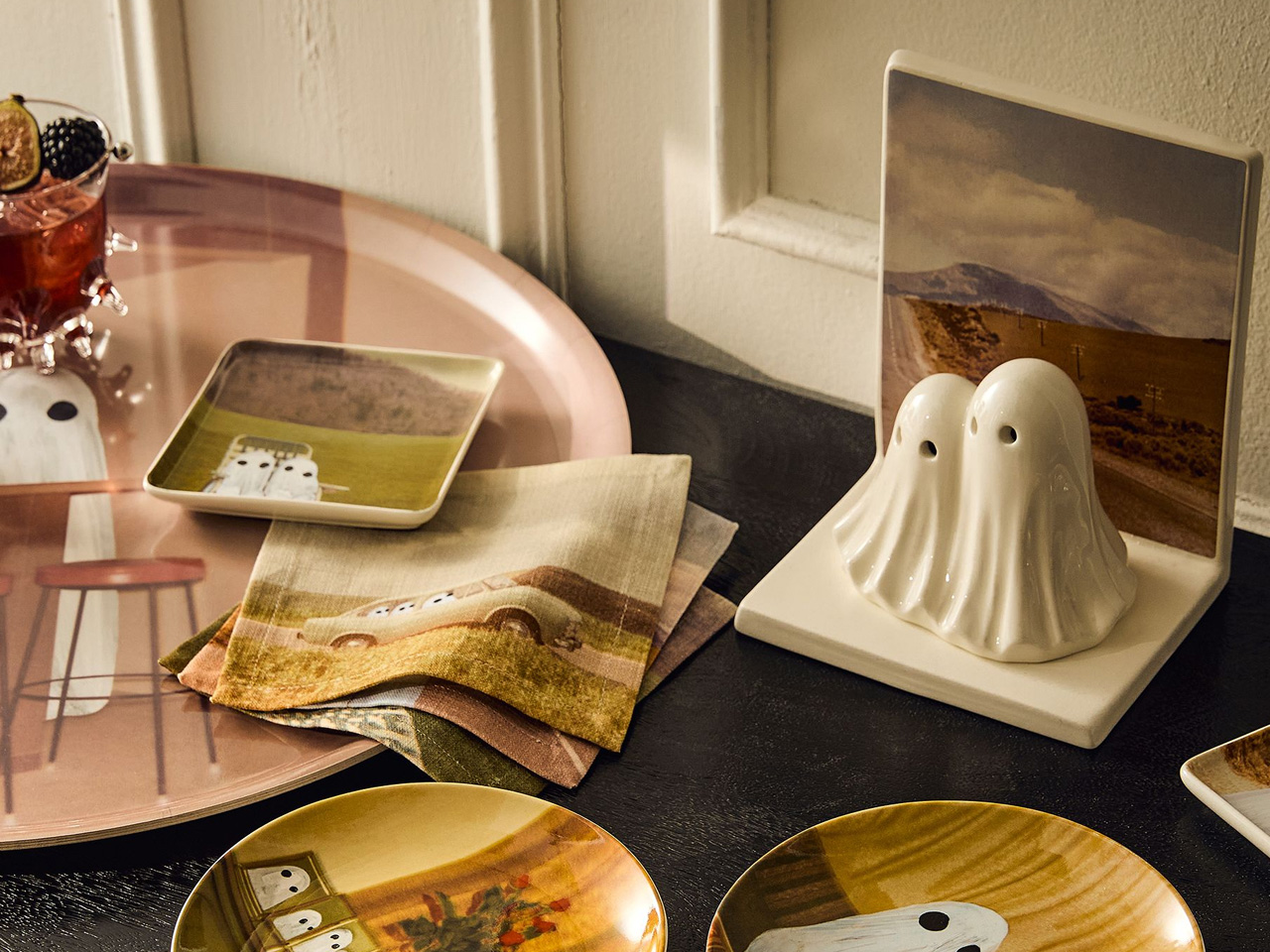
West Elm’s collaboration with Angela Deane brings a pair of small ceramic ghosts to the tabletop. Their uneven heights, dark eyes, and draped forms make them look more like curious visitors than threatening apparitions. The object is an incense smoker, giving the sculpture a role beyond standing on a shelf. Its soft, pale silhouette offers a useful alternative to the black metal, orange plastic, and deliberately distressed finishes that can make a Halloween display feel visually crowded before anything happens.

For a smaller seasonal arrangement, the ghost pair could sit beside a stack of books or become the focus of an otherwise ordinary side table. The ceramic form remains legible without needing a large surrounding display, which is part of its appeal. Incense introduces another layer of atmosphere, though smoke and fragrance will not suit every space or preference. West Elm recommends wiping the piece with a soft, dry cloth, so its upkeep is closer to caring for a sculpture than washing tableware.

What we like

  • Two ghost figures create a charming sculptural composition.
  • It combines seasonal decoration with an incense function.

What we dislike

  • Incense smoke will not suit every space.
  • Care requires wiping with a soft, dry cloth.

6. Agatha Spoon Holder & Steam Releaser

Agatha’s joke becomes clear as soon as a spoon passes through her hands: the utensil becomes a witch’s broomstick. Designed by OTOTO in collaboration with Uli Ben Israel, the purple silicone character works as a spoon holder and steam releaser. Her pointed hat and flowing outline make the Halloween reference immediate, but the cooking connection gives the character a reason to exist. A witch beside a pot is a more convincing piece of visual storytelling than a random seasonal graphic.

The appeal is strongest for someone who enjoys the season while doing ordinary things. Preparing dinner becomes the setting for the design, with the pot standing in for a cauldron and the spoon completing the scene. OTOTO lists the silicone as dishwasher-safe and resistant to boiling water. Fit still deserves attention, since a useful holder needs to work with your particular spoon and cookware. Agatha is a small accent rather than a decoration that changes the mood of an entire room.

What we like

  • The spoon completes the witch’s broomstick silhouette.
  • One silicone character serves two cooking roles.

What we dislike

  • Compatibility needs checking against your utensils and cookware.
  • Its decorative impact stays mostly around the stove.

7. King Edison Ghost Pendant Lamp

A dark pendant shade is not an obvious Halloween decoration until it reveals the chandelier hidden inside. Designed by Young & Battaglia for Mineheart, the King Edison Ghost contains a miniature brass chandelier within a shade of hand-blown black glass. According to the manufacturer, the interior becomes visible when the light is switched on. The result borrows the visual language of an old drawing room, then compresses it into an object whose exterior initially gives very little away.

This is the collection’s most permanent approach to creating an eerie atmosphere. There are no cartoon ghosts or seasonal slogans, just an illuminated object appearing through dark glass. It could appeal to someone who prefers a suggestion of haunted architecture to literal party decor. It also demands a different commitment: this is a ceiling pendant with a ceiling rose, not a lamp to unpack for one evening. Mineheart’s page currently offers availability notifications, so immediate purchase should not be assumed.

What we like

  • Switching it on reveals an unexpected miniature chandelier.
  • The ghostly effect does not depend on seasonal graphics.

What we dislike

  • Ceiling installation makes it a longer-term commitment.
  • The manufacturer currently directs shoppers to availability notifications.

8. Miniature Bonfire Wood Diffuser Set

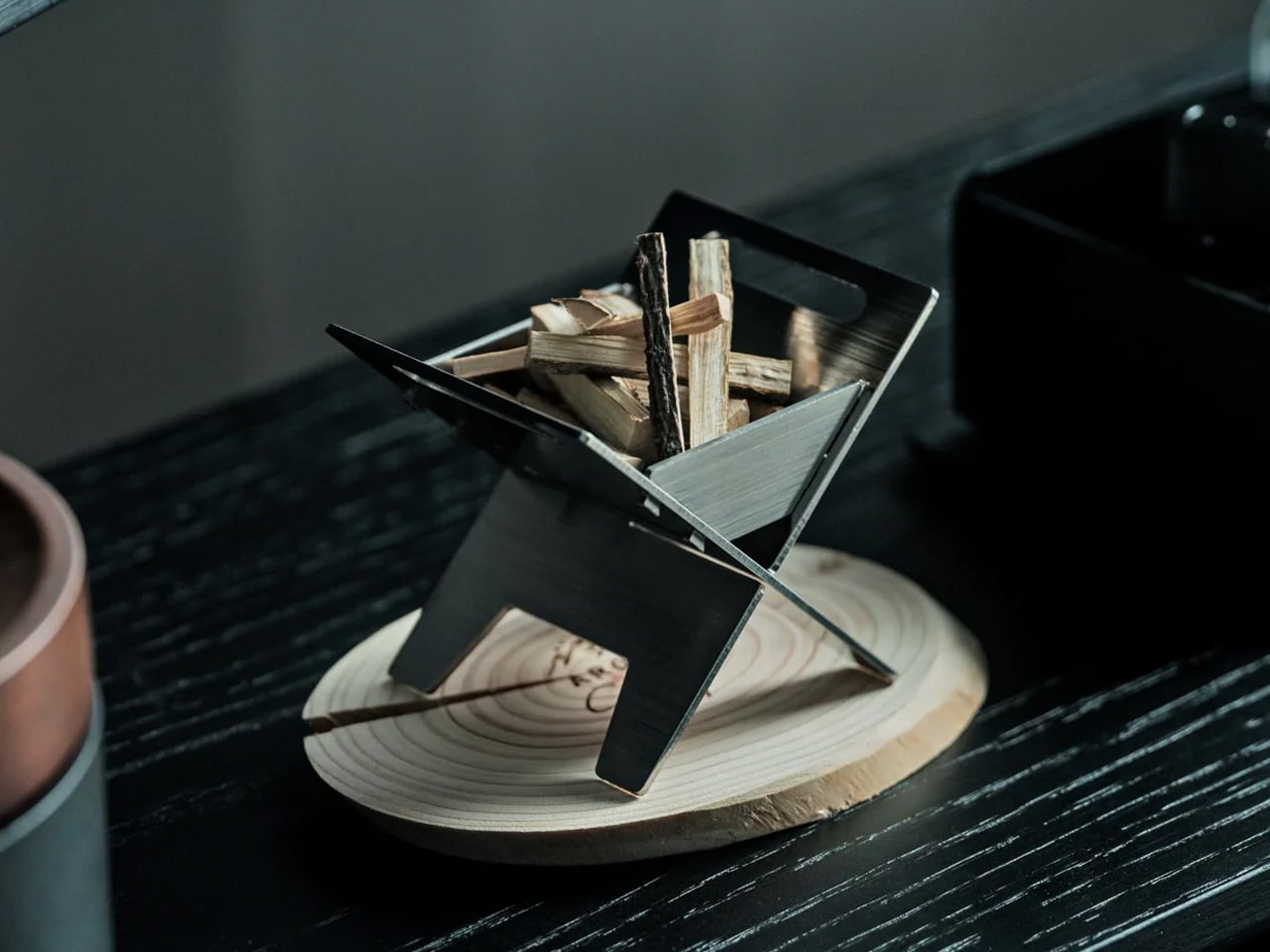
Shinchi Ringyo’s Miniature Bonfire Wood Diffuser Set takes its seasonal cue from campfire stories rather than haunted houses. The Japanese design arranges miniature firewood on a stainless steel stand, using the wood to disperse aromatic oil. The stand measures about 2.1 by 2.7 by 2.3 inches, making this a tiny campsite rather than a conventional centerpiece. Its appeal lies in recognizing a familiar outdoor arrangement at a scale intended for a desk or shelf.

The Halloween connection is atmospheric, so this is the pick for anyone who would rather suggest a woodland evening than display another pumpkin. The shop lists cedar and Hakusan scent options, with the latter combining cedar, cypress, and lindera umbellata. Fragrance preferences are personal, and the set’s $99 price makes this a considered purchase for such a small object. Its role here is as an aroma diffuser; the listing’s separate stove claims are not the basis for recommending it.

Click Here to Buy Now: $99.00

What we like

  • The miniature campsite offers a quieter autumnal mood.
  • Its woodland theme can remain relevant after Halloween.

What we dislike

  • At $99, it is expensive for a small decorative diffuser.
  • The Halloween connection is indirect.

A Little Halloween Goes a Long Way

A good starting point is to choose the moment you want to change rather than the number of decorations you want to own. A dinner table needs something different from an entryway, and a kitchen tool earns attention differently from a display piece. Give one object enough space to be noticed. A distinctive silhouette or unexpected reveal can lose its effect when surrounded by too many competing seasonal props nearby.

It is also worth deciding how much Halloween you want to keep after October. Literal ghosts and skeletons can become an annual ritual, while darker lighting or woodland references may suit the room for longer. Neither approach needs to dominate the house. The pleasure is in finding a design whose particular joke, detail, or small surprise still makes you look twice when you pass it during an otherwise ordinary day.

The post The 8 Best Halloween Designs for a Delightfully Spooky October first appeared on Yanko Design.

  •  

The 8 Best Audio Designs for People Who Want to Own Their Music

Tangerine Sudo music player shown from front and back, with playlists menu on screen and tactile wheel below

An album can be a folder you keep, a disc you lend, or a cassette you record yourself. That is a useful starting point for choosing audio equipment: what happens to the music after you press stop? The most interesting designs here give a collection a place to live, a way to travel, or a reason to come off the shelf. Their appeal starts with what you want to play.

These eight picks approach ownership from different directions, from carrying digital files to displaying album artwork and making recordings. You don’t need to abandon streaming to appreciate any of them. The selection includes an upcoming player alongside established products, chosen for their documented features and design decisions rather than hands-on sound testing. The question throughout is simple: what does this object let you do with the music you have chosen to keep?

1. Sudo Music Player

Silver Sudo music player held in one hand, thumb resting on the tactile wheel

Three silver Sudo players side by side showing the menu, a song list, and the now-playing screen

New Matter’s Sudo puts an iPod wheel beneath a small touchscreen, giving a familiar interaction a contemporary home. The upcoming player has an expected price of $ 249 and a straightforward appeal: carry your library on an object dedicated to listening. In the Tangerine version, black controls interrupt the orange body, making the wheel the obvious focal point. The layout gives playback its own physical territory, rather than asking a touchscreen to handle every interaction. It’s a promising starting point for a pocket music player.

New Matter lists 64GB of storage, microSD expansion up to 1TB, a 3.5mm jack, Bluetooth, and USB-C charging. It also lists streaming, so this isn’t a strictly offline machine. The reservation terms deserve equal attention: a refundable $50 deposit goes toward the expected purchase price, with shipping projected for the beginning of Q4 2027. Sudo leads this collection because of its design proposition, not proven performance. It remains something to watch, rather than a player to buy for immediate listening.

What we like

  • A dedicated wheel gives playback a clear physical interface.
  • Expandable storage accommodates a growing personal library.

What we dislike

  • Shipping is still projected for Q4 2027.
  • The $249 price is an estimate, not final pricing.

2. CD Jacket Player

The CD Jacket Player gives album packaging a job after you’ve removed the disc. Its frame accommodates the jacket artwork, letting the record you’re listening to become the player’s face. That makes particular sense for a collection assembled with some affection for sleeves, typography, and photography. Instead of letting those details disappear into a storage rack, the design brings one album forward. It turns choosing what to hear into choosing what to display, without requiring a separate picture frame.

The player offers Bluetooth output for wireless speakers or headphones and a 3.5mm jack for wired listening. A rechargeable battery and USB-C charging let it move between listening spots, while the shop includes a wall bracket. You’ll still need headphones or a speaker, and the display stand is sold separately. For someone who already owns a suitable listening setup, the attraction is the frame itself: the player gives an existing CD collection a visible place in the room.

Click Here to Buy Now: $170.00

What we like

  • Album artwork becomes part of the player’s appearance.
  • Wired and Bluetooth outputs provide listening flexibility.

What we dislike

  • It requires separate headphones or speakers.
  • The display stand costs extra.

3. FiiO DM15 R2R

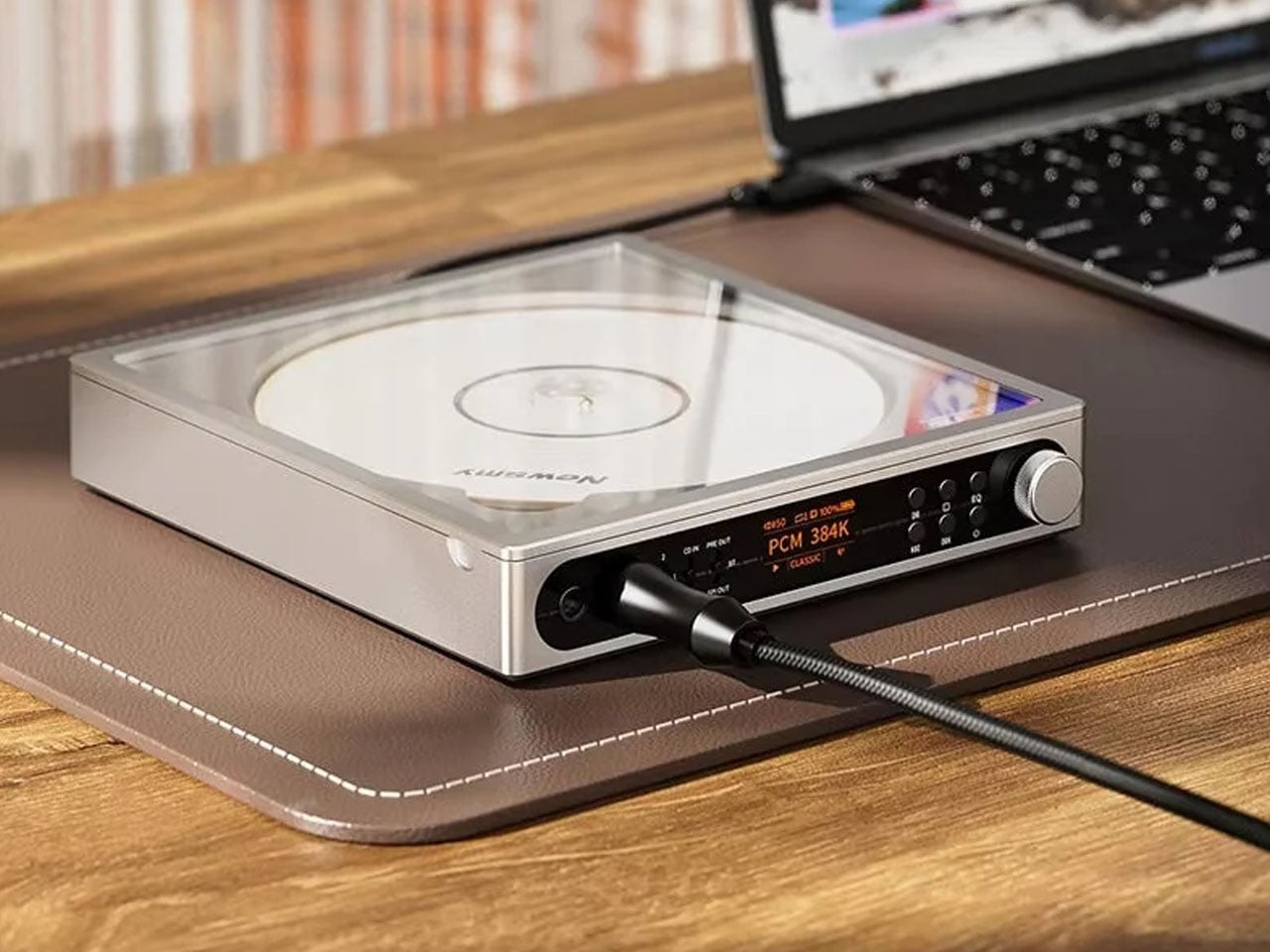
FiiO’s DM15 R2R has a useful answer to the divide between collecting CDs and carrying digital files: it can rip tracks to external storage in WAV format while you listen. That makes it more than a destination for a disc. It can also be a step toward building a portable library from albums already on your shelf. For a collector who wants both formats, this is a more consequential feature than simply giving an old playback format a new enclosure.

Physical buttons and a volume knob keep the main operations accessible, with 3.5mm and balanced 4.4mm headphone outputs accommodating different wired setups. The copying workflow has boundaries worth knowing before buying. FiiO specifies FAT32 storage, recommends a USB-C flash drive of 32GB or smaller, and requires external power for ripping. Its support documentation also excludes Enhanced CDs from that function. Think of it as a disc player with a specific copying facility, rather than a replacement for every part of managing a digital collection.

What we like

  • WAV ripping connects a CD collection with digital playback.
  • Physical controls and two headphone outputs broaden its usefulness.

What we dislike

  • Ripping requires external power and compatible storage.
  • Enhanced CDs aren’t supported for ripping.

4. Side A Cassette Speaker

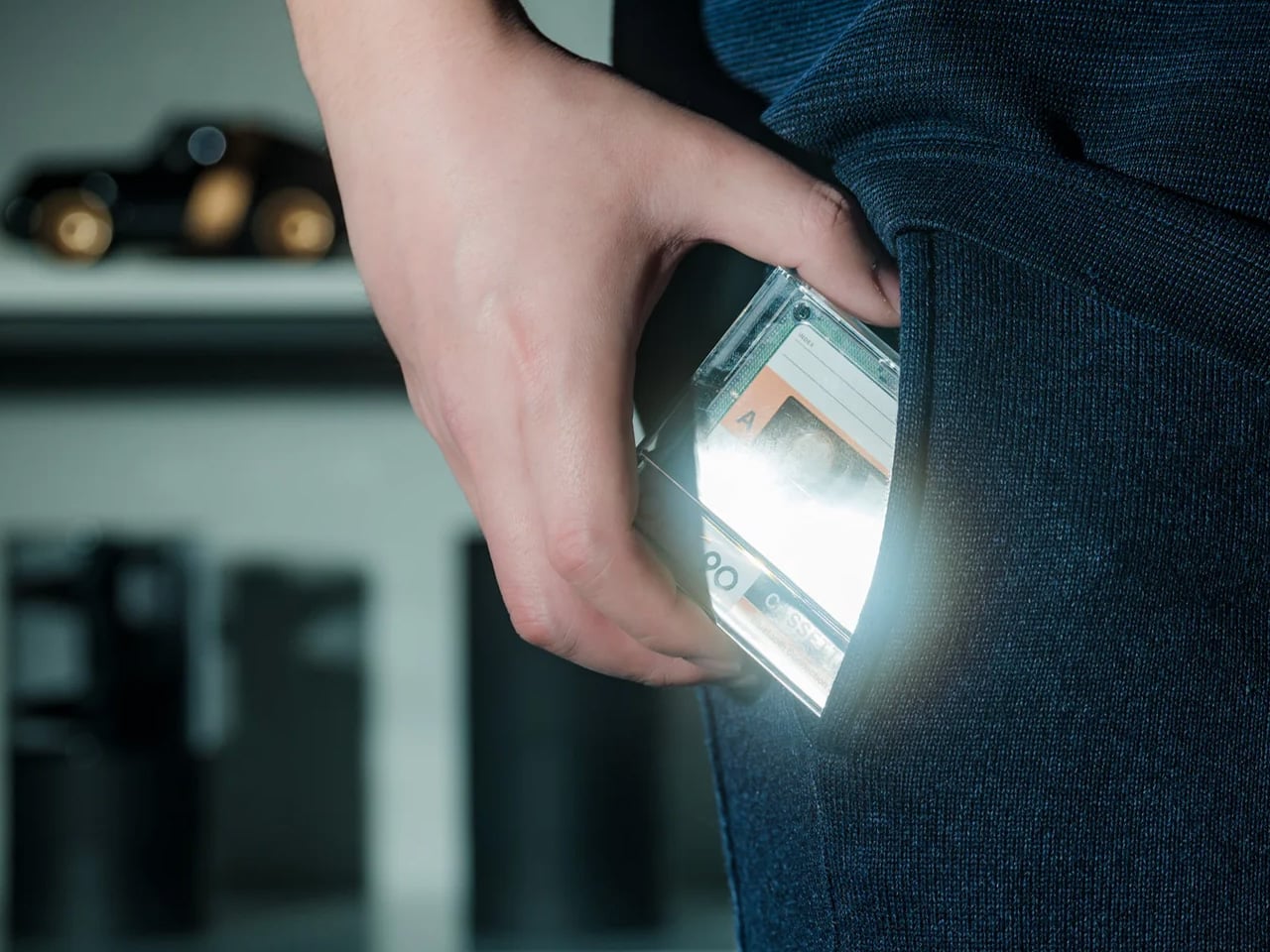
The Side A Cassette Speaker borrows the appearance of a mixtape, but its place here comes from a less conspicuous feature: microSD playback. Put MP3 files on a card, and the speaker can play your selection without using a phone as the source. The transparent shell and Side A graphics supply the visual joke, while the included clear case doubles as a stand. At $49, it’s an approachable way to give a small, personally assembled collection its own playback object.

Its limits are worth stating plainly. This is a cassette-shaped digital speaker, not a machine that plays tapes, and card playback supports MP3 files only. Bluetooth offers another source option when you want it. The case becoming a stand is the more thoughtful detail: something needed for storage also supports the speaker on a desk. It suits a deliberately edited selection of tracks, although the format restriction makes it less appropriate for someone hoping to play an existing library of lossless files unchanged.

Click Here to Buy Now: $49.00

What we like

  • microSD playback gives personal files a phone-free route.
  • The protective case doubles as a display stand.

What we dislike

  • Card playback is limited to MP3.
  • Despite its appearance, it cannot play cassettes.

5. Audio-Technica Sound Burger AT-SB727

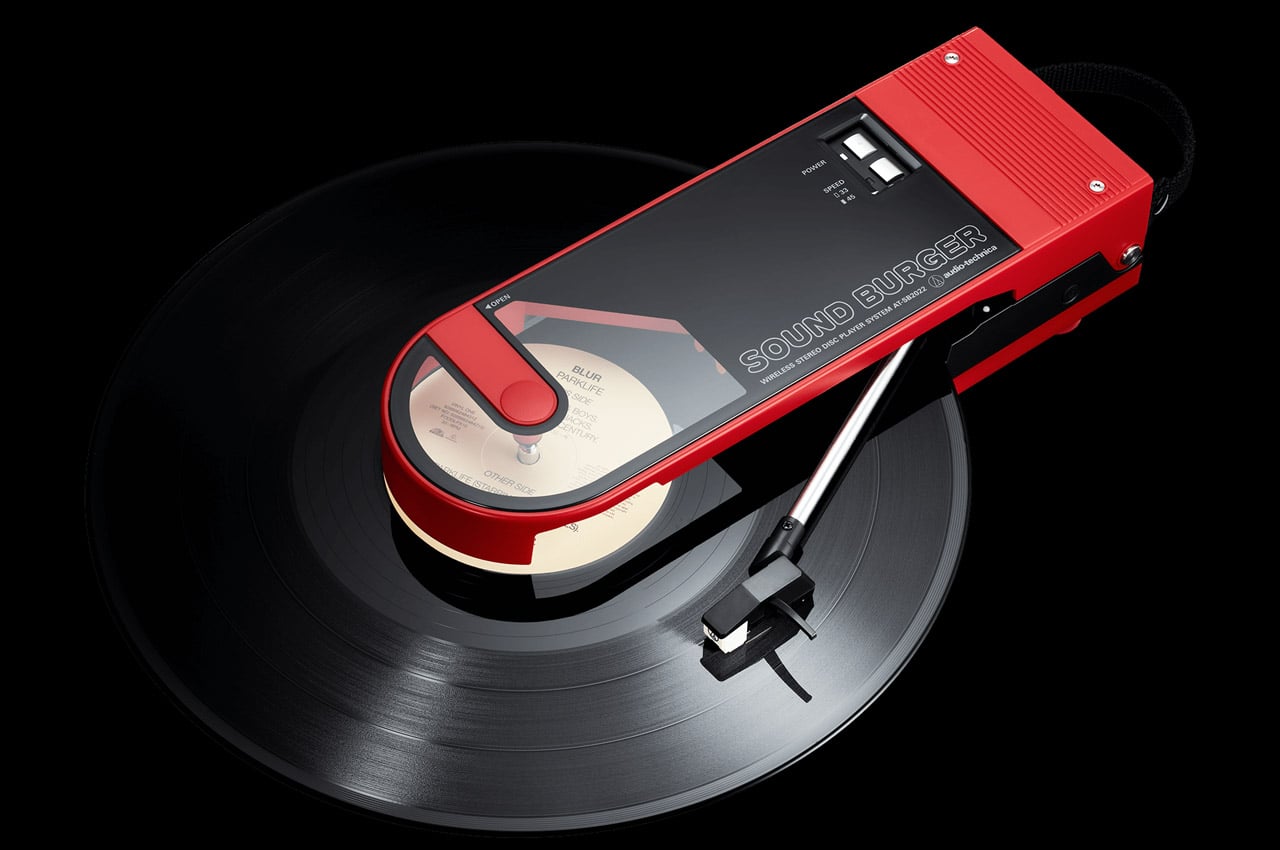
Audio-Technica’s Sound Burger makes a compelling case for keeping a record player small without pretending records themselves are small. Its narrow clamshell body leaves much of the disc exposed during playback, creating an unmistakable silhouette. The regular-line AT-SB727 follows the limited anniversary model, bringing the design into the company’s continuing lineup. A belt-driven platter plays 33⅓ and 45 RPM records, while a spring applies stylus pressure through the tonearm. The compact mechanism is the story here, not merely the retro colors.

Bluetooth and a wired line output let it connect to suitable listening equipment, and Audio-Technica rates the rechargeable battery for up to 12 hours of playback. Portability needs a little interpretation: you can carry it between places, but the manual requires a level surface and warns against moving it while playing. You’ll also need an external listening device. For a smaller home, that tradeoff can make sense. The player is compact enough to put away, while your record collection remains the substantial part of the arrangement.

What we like

  • A distinctive compact mechanism accommodates full-size records.
  • Bluetooth and line output support different listening setups.

What we dislike

  • It needs external audio equipment.
  • Portable doesn’t mean usable while moving.

6. Shanling Q2

Shanling’s Q2 concentrates the personal-library argument into an 83g player measuring 80 by 50 by 13.5mm. Its microSD slot supports cards up to 2TB, giving a substantial collection somewhere to travel without requiring a phone. The rounded body, small touchscreen, and circular control make it visually approachable, but the interaction deserves clarification. Shanling identifies the touchscreen as the navigation interface and the touch wheel as a volume control. That distinction matters if its appearance has you expecting the full browsing behavior of an old iPod.

The Q2 includes both 3.5mm and balanced 4.4mm headphone outputs, making it relevant to listeners who already own wired headphones. It also supports network features, including Tidal streaming, so owning files and accessing a service aren’t mutually exclusive here. Shanling specifies that Tidal playback is online only, without offline downloads. For this collection, the microSD slot remains the reason to choose it: the player provides a compact home for music files you manage yourself, with streaming sitting alongside that function rather than replacing it.

What we like

  • Up to 2TB of card storage suits large libraries.
  • Two headphone outputs accommodate different wired connections.

What we dislike

  • The wheel controls volume rather than full menu navigation.
  • The 2.09-inch screen gives browsing limited space.

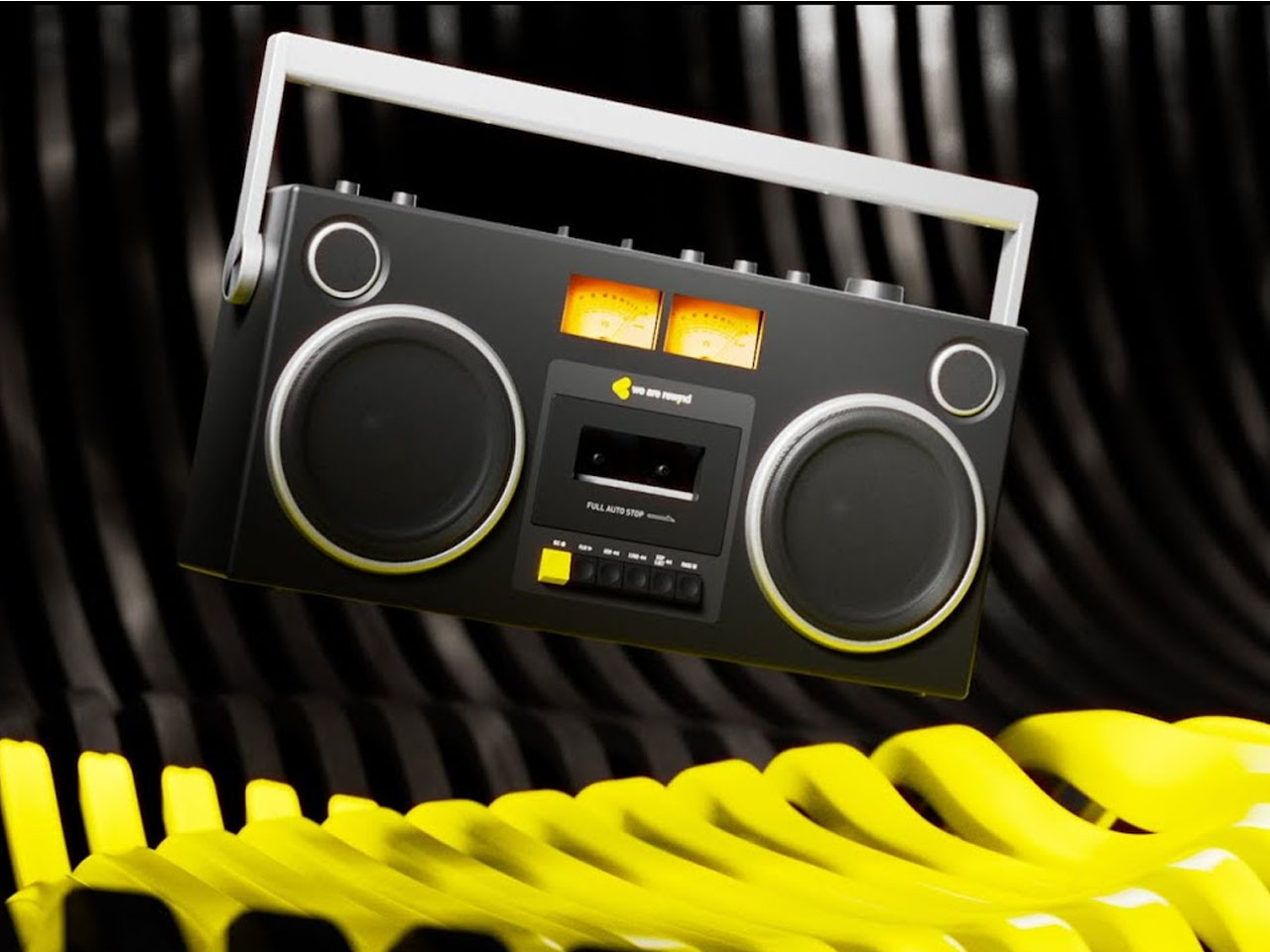
7. We Are Rewind GB-001 Blaster Curtis

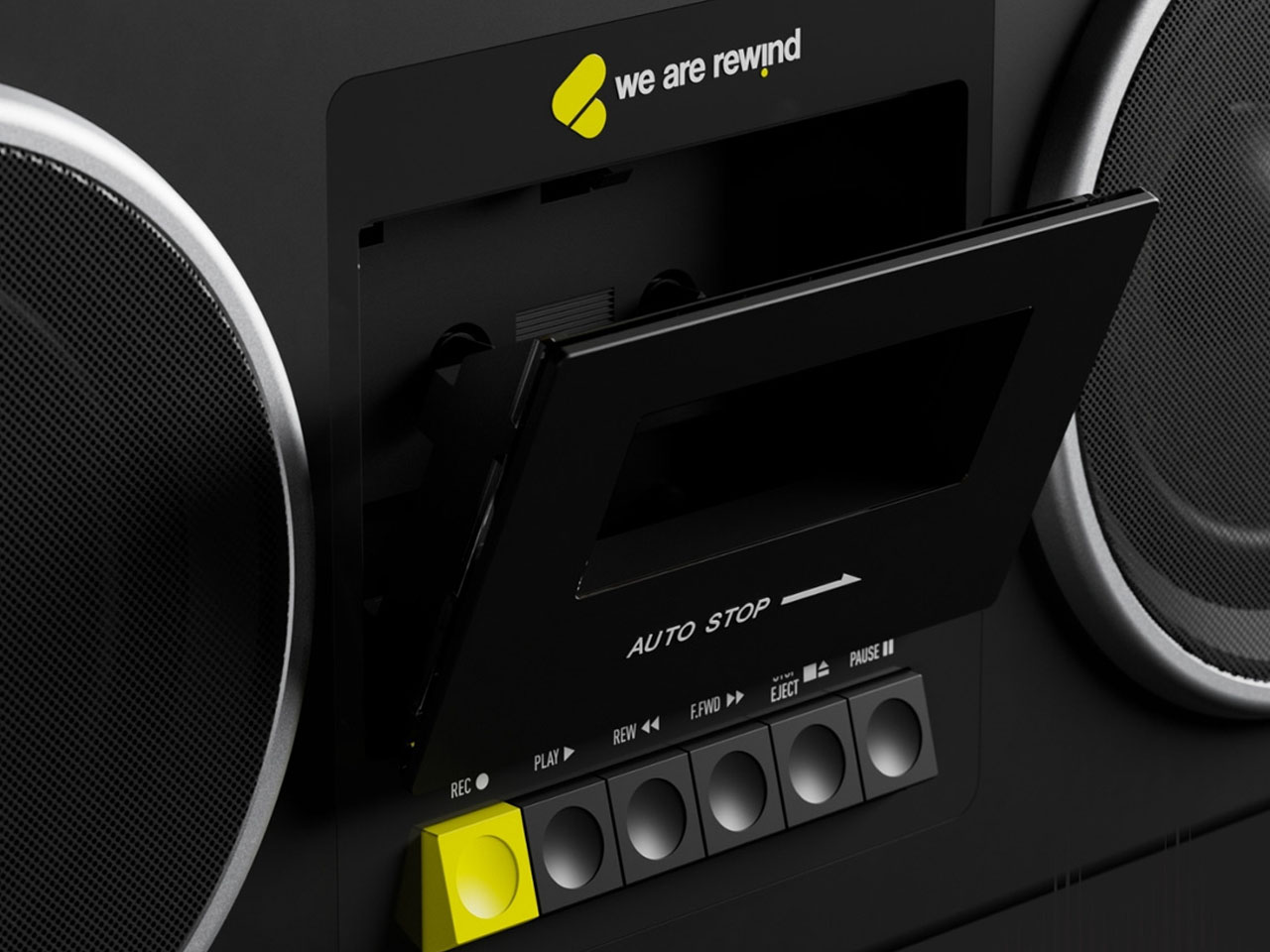
The GB-001 Blaster Curtis brings recording into a collection otherwise dominated by playback. We Are Rewind’s boombox plays and records Type I and Type II cassettes, with backlit VU meters helping you monitor levels. The design puts the cassette mechanism between substantial speaker sections and adds dedicated controls for volume, bass, treble, and balance. It gives tape an appropriately physical interface. For someone interested in making recordings as well as collecting releases, the deck has a purpose that its retro appearance alone couldn’t supply.

A stereo line input and microphone input provide routes for recording, while Bluetooth allows the unit to work as a speaker for another source. The rechargeable battery is replaceable, a worthwhile provision in such a substantial object. And substantial it is: the manufacturer lists 6.81kg, or roughly 15 pounds. At $579, this is a deliberate commitment to cassette listening and recording. The carrying handle makes it transportable, but the weight suggests choosing its everyday home with more care than you would a pocket player.

What we like

  • Recording makes it useful beyond playing purchased tapes.
  • The rechargeable battery is replaceable.

What we dislike

  • Roughly 15 pounds limits casual portability.
  • The $579 price demands a serious interest in tape.

8. ClearFrame Speaker CD Player

ClearFrame lets the owner decide how much of the player to reveal. Insert album artwork into its included tray and the sleeve becomes its face; leave it out, and the clear body exposes the disc, circuitry, and mechanism. That choice gives it a different emphasis from the CD Jacket Player earlier in this list. The artwork can take center stage, but the hardware is also allowed to be interesting. At 27mm thick, the player makes those layers visible within a relatively shallow enclosure.

The built-in speaker is the practical distinction, allowing CD playback without a separate audio setup. It lists a 40mm driver with a bass diaphragm and up to 3W output, alongside a headphone jack and Bluetooth transmission. That last word matters: ClearFrame sends CD audio to compatible headphones or speakers but cannot receive music from a phone. Starting at $240, it offers a self-contained place to play and display discs, although the upright stand and wall-mount hardware are optional purchases rather than standard equipment.

Click Here to Buy Now: $240.00

What we like

  • Built-in audio avoids a separate speaker setup.
  • Artwork and exposed mechanics offer two distinct appearances.

What we dislike

  • Bluetooth cannot receive audio from a phone.
  • The display stand and wall mount cost extra.

Choose for the Music You Already Own

Start with the collection you actually have, rather than the format you feel you ought to love. A drawer of CDs calls for a different purchase from a carefully tagged folder of downloads. Think about where listening happens, too. Headphones on a train, a shelf beside a desk, and a shared living room ask different things of an object. Choose for the place where you’ll actually press play most often.

Leave room for the less photogenic parts of the decision: organizing files, keeping backups, finding suitable headphones, or making space for the media itself. Those tasks are part of maintaining a collection, and no attractive enclosure removes them. Good audio design should make that effort feel worthwhile by keeping the music within reach. Buy the object that helps you use your collection, rather than one that merely matches its aesthetic.

The post The 8 Best Audio Designs for People Who Want to Own Their Music first appeared on Yanko Design.

  •  

The 8 Best EDC Designs of October 2026

The most useful thing in your bag is often the thing you forgot to pack. Scissors for a stubborn package, a light for a dark stairwell, a driver for the screw working loose on your gear. October’s EDC selection starts with Eiger’s eight-function scissors, then moves through seven other designs that give familiar tasks a more considered form, without assuming everyone needs to carry an entire miniature workshop every day.

Pocket space is limited, so every extra object needs a reason to come along. A pen that packs down, a wallet stripped to the essentials, and a charger built around one USB-C port approach that constraint differently. Some designs combine jobs; others concentrate on doing one thing well. The appeal lies in finding something that earns its place in your daily routine without giving you more than you actually need.

1. Eiger 8-in-1 Scissors

EigerTool starts with a pair of scissors and works the extra functions into their existing geometry. Made by hand in Sanjo, Niigata, the SUS420J2 stainless-steel tool combines cutting with a knife, can opener, bottle opener, screw-cap opener, shell cracker, prying tool, and gas-release function. It’s a sensible starting point for an everyday tool: the main cutting action stays accessible, rather than being a miniature attachment you have to dig out of a handle before opening a stubborn package.

At 5.1 inches long and 53 grams, Eiger is better understood as a small bag tool than a keychain accessory. An included leather case covers it between uses, while a red NITE IZE carabiner gives it a place outside the bag. The black finish comes from an oxidation coloring treatment that the maker says improves corrosion resistance. That doesn’t remove the need for care: EigerTool recommends washing and thoroughly drying the scissors before storage, particularly after messy jobs around camp.

Click Here to Buy Now: $65.00

What we like

  • Scissors take priority, with seven supporting functions.
  • The leather case and bag-attachment carabiner are included.

What we dislike

  • The five-inch length favors bag carry over a keychain.
  • The steel still needs washing and thorough drying after use.

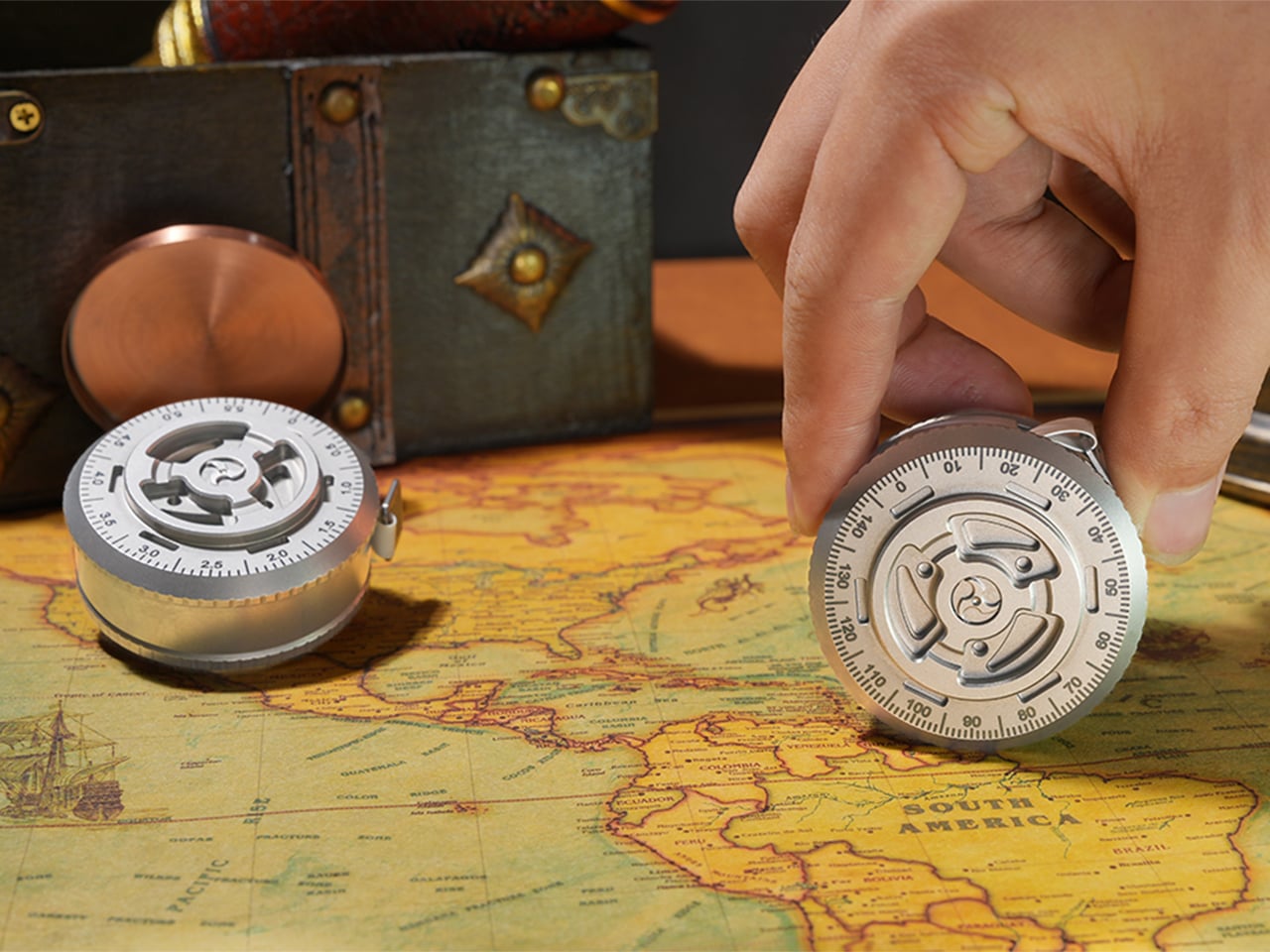
2. RolTine 2.0 Titanium Tape Measure

COMANDI-Corres puts two ways of measuring into a titanium disc measuring 46 millimeters across and 18 millimeters thick. RolTine 2.0 contains a retractable 150-centimeter tape for conventional measurements, plus a rolling wheel for following contours. The wheel’s 150-millimeter circumference provides the reference: count complete turns, then add the remaining dial reading. It’s an appealing approach for checking rounded objects or curved edges, provided you’re willing to keep track of rotations rather than expect an electronic readout to do the arithmetic.

The Grade 5 titanium frame is skeletonized around the mechanism, giving this tape measure some of the exposed complexity associated with mechanical watches. An embedded magnet adds a way to park it on a steel toolbox between measurements. The important qualification is availability; February 2027 is the estimated shipping date. For now, its most convincing idea is giving curved measurements a place beside the straight tape without doubling pocket clutter.

Click Here to Buy Now: $75 $130 (42% off). Hurry, only 12/370 left! Raised over $130,000.

What we like

  • Retractable tape and rolling measurement share one compact body.
  • The embedded magnet provides a convenient place to park it.

What we dislike

  • Rolling measurements require manually tracking complete rotations.
  • February 2027 delivery is an estimate, not confirmed availability.

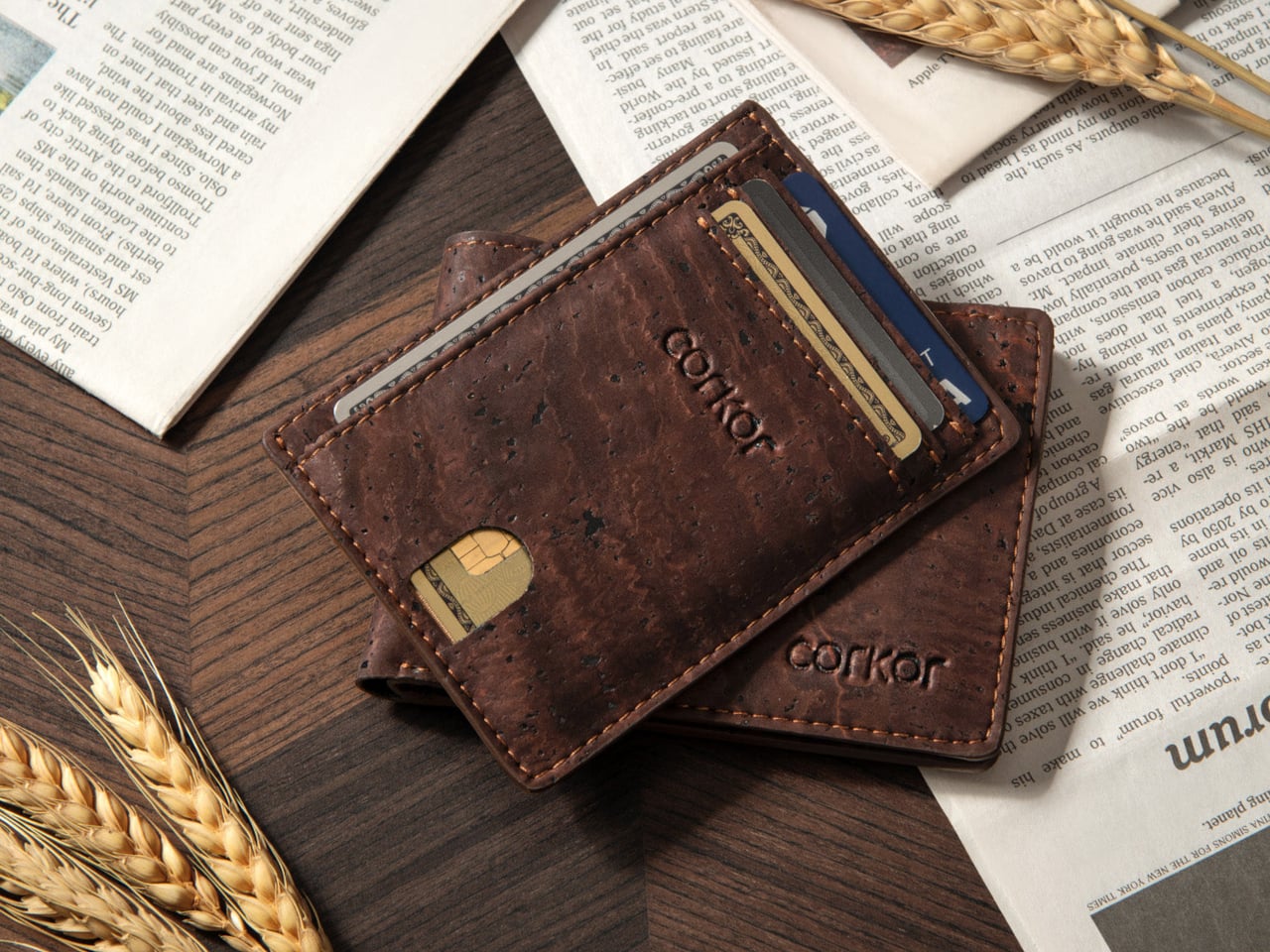
3. Corkor Front-Pocket Cork Wallet

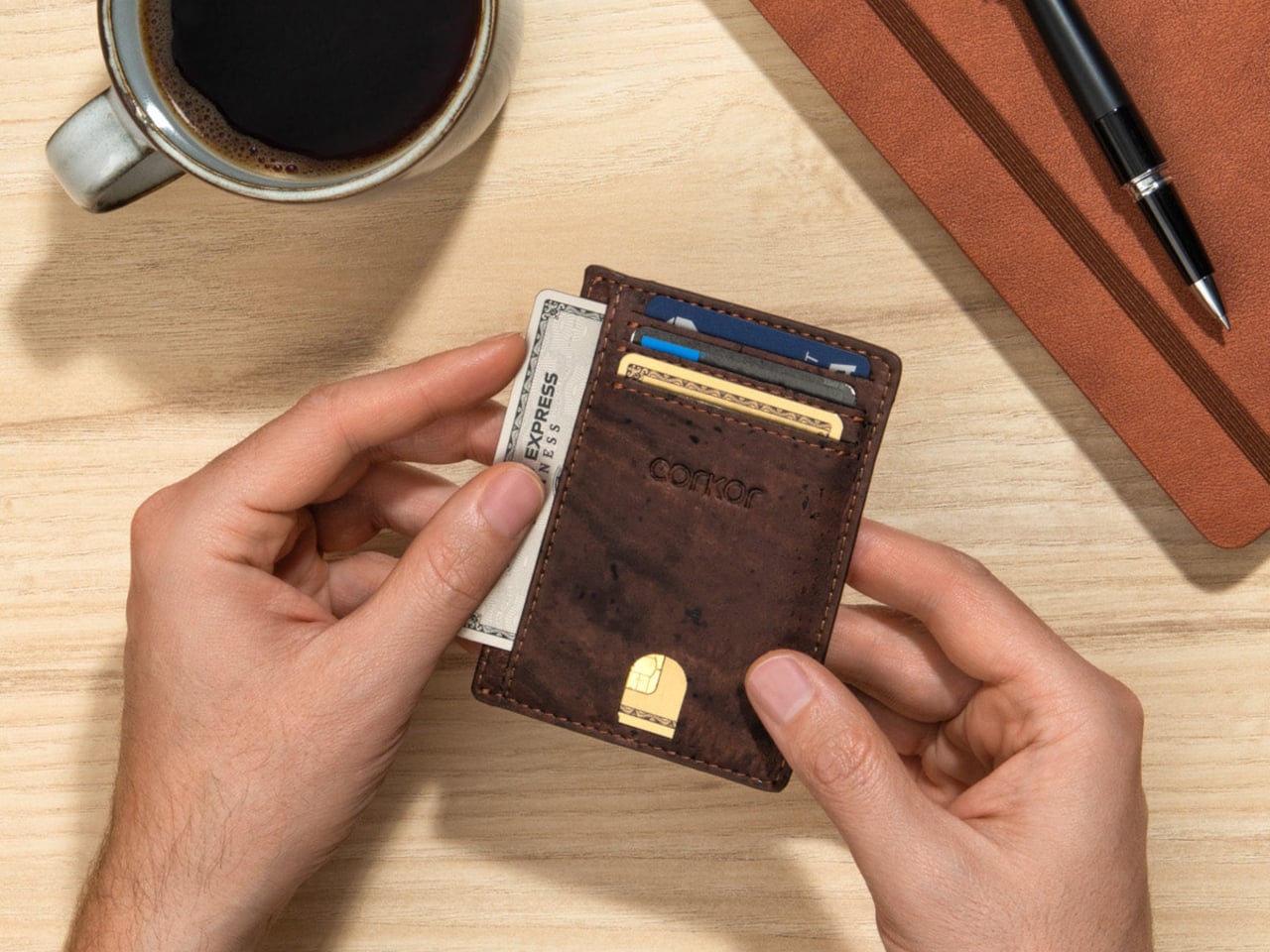
Not every EDC improvement needs another mechanism. Corkor’s Front-Pocket Cork Wallet makes its case through a familiar card-holder layout and an unusual material. The Portuguese brand uses cork for an animal-free exterior, with three card slots, an ID window, and two compartments for folded bills. At a listed 20 grams, it starts light before you add your essentials. The surface gives the collection a welcome material change, particularly if your carry already contains plenty of black plastic and brushed metal.

The dimensions are 110 by 80 by 10 millimeters, which makes restraint part of the design rather than an optional extra. Add spare cards and receipts, and you start working against the point of a slim holder. Corkor includes RFID-blocking construction, but the more tangible daily benefit is the straightforward division between cards, ID, and cash. There’s no coin pocket, and bills need folding. It suits someone ready to edit their wallet, not someone looking to relocate an overstuffed bifold.

What we like

  • The animal-free cork exterior offers an alternative to leather.
  • Dedicated card, ID, and cash compartments keep the layout straightforward.

What we dislike

  • There’s no compartment for loose change.
  • Folded bills are less convenient to sort than cash in a full-size wallet.

4. CasaBeam Everyday Flashlight

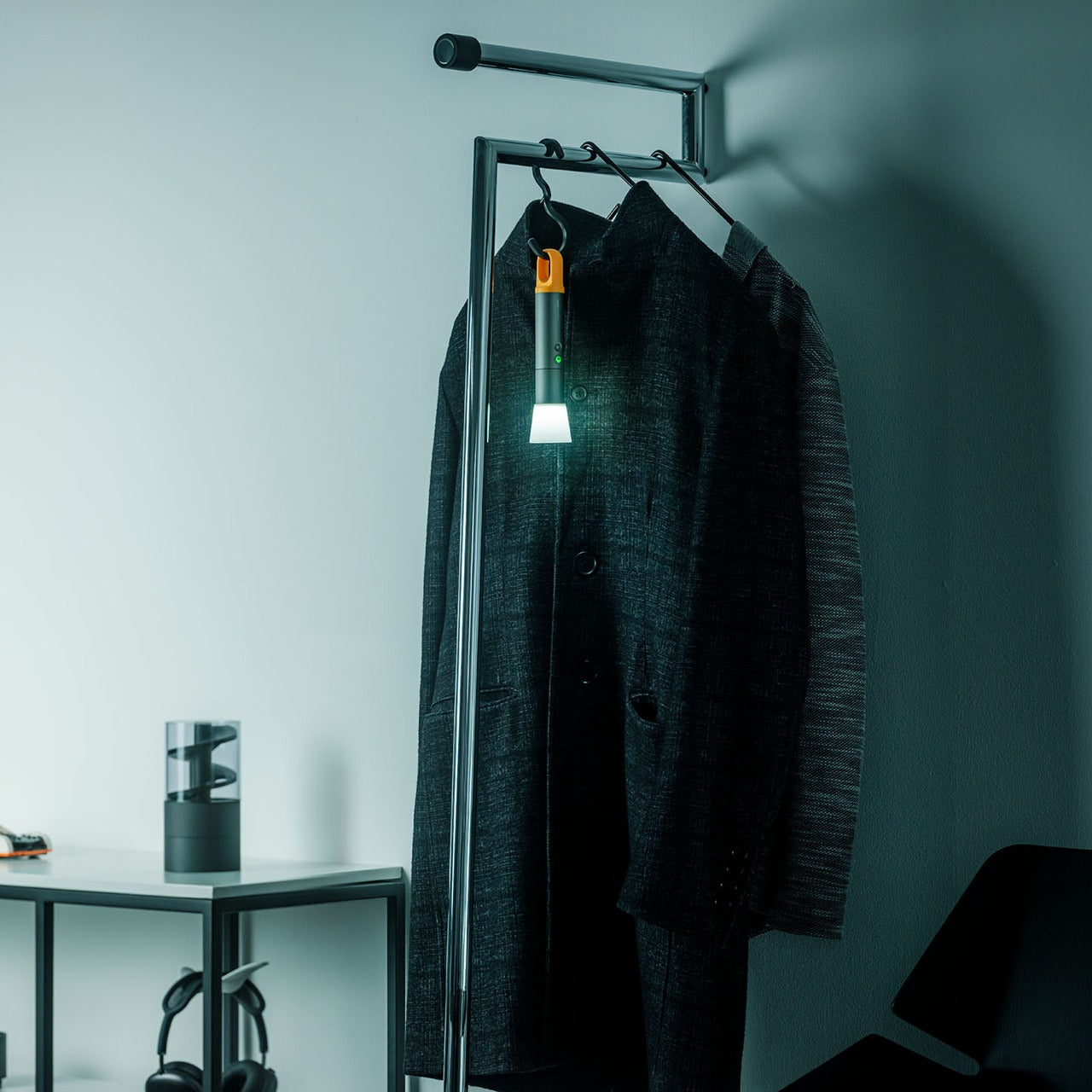
CasaBeam takes a less tactical approach to the everyday flashlight. The body combines ABS and aluminum alloy, with a hanging loop and an included diffuser cap that broaden where the light can work. Adjust the beam for a concentrated spot or wider illumination, then stand the flashlight upright for ambient use. That flexibility matters more here than aggressive styling: one light can move between a bag, a bedside table, and a shelf.

The listing specifies up to 1,000 lumens, three brightness levels, a 2,600mAh rechargeable battery, and USB-C charging. Its claimed 24-hour runtime applies at the low setting, not maximum brightness. At 6.14 inches long and 175 grams, this is a deliberate bag-carry choice rather than something that disappears beside your keys. The useful design move is keeping handheld and stationary lighting together, so you don’t need to reserve the flashlight exclusively for the next power cut or an occasional camping trip.

Click Here to Buy Now: $50.00

What we like

  • The included diffuser extends its role into ambient lighting.
  • An adjustable beam and hanging loop offer different working arrangements.

What we dislike

  • At 175 grams, it’s substantial for pocket carry.
  • The longest advertised runtime requires the lowest brightness setting.

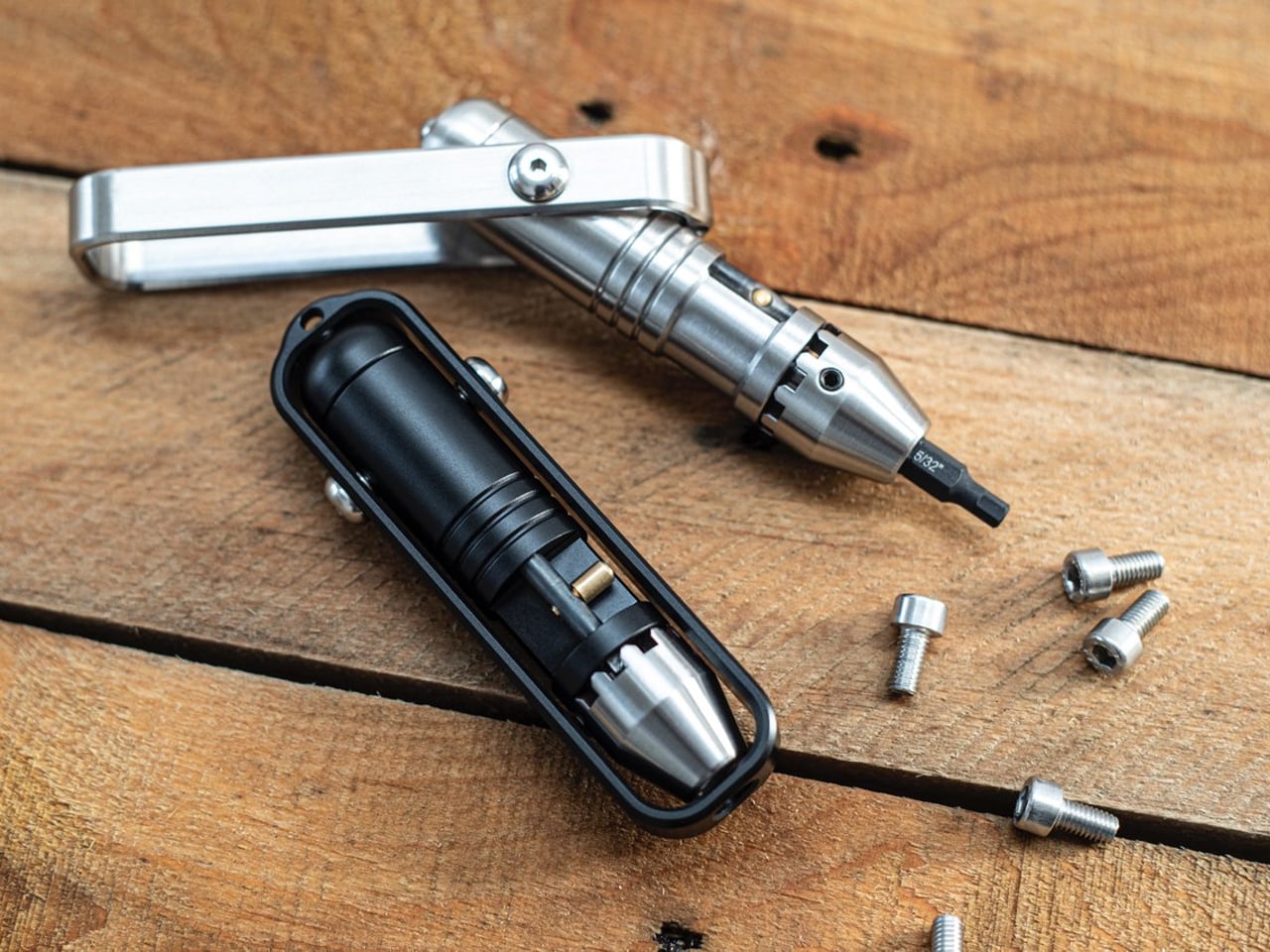
5. MetMo Pocket Driver

The MetMo Pocket Driver features its own dedicated tool, built around a reversible ratchet and a handle that folds outward. Keep it inline for a narrow approach, or open the handle into a T configuration when you need a different grip. Standard quarter-inch hex-bit compatibility is the important practical detail: you can choose bits around your own equipment instead of buying into a proprietary format. It’s a compact repair tool whose working parts remain visible during each turn.

MetMo lists the black aluminum version at 103 millimeters long and 109 grams, with hardened steel among its working materials. The handle stores two bits, enough to keep frequently used sizes with the driver without carrying an entire bit case. That also sets a limit: repairs needing several different heads require extra storage. It earns a place for people who tighten and adjust things throughout the week. If you rarely encounter a loose screw, it’s another handsome object to carry.

What we like

  • The reversible ratchet works with multiple handle positions.
  • Standard quarter-inch hex bits let you tailor it to your equipment.

What we dislike

  • Only two bits fit inside the handle.
  • Its 109-gram weight needs justifying if fastening jobs are rare.

6. Lumink Titanium Fountain Pen

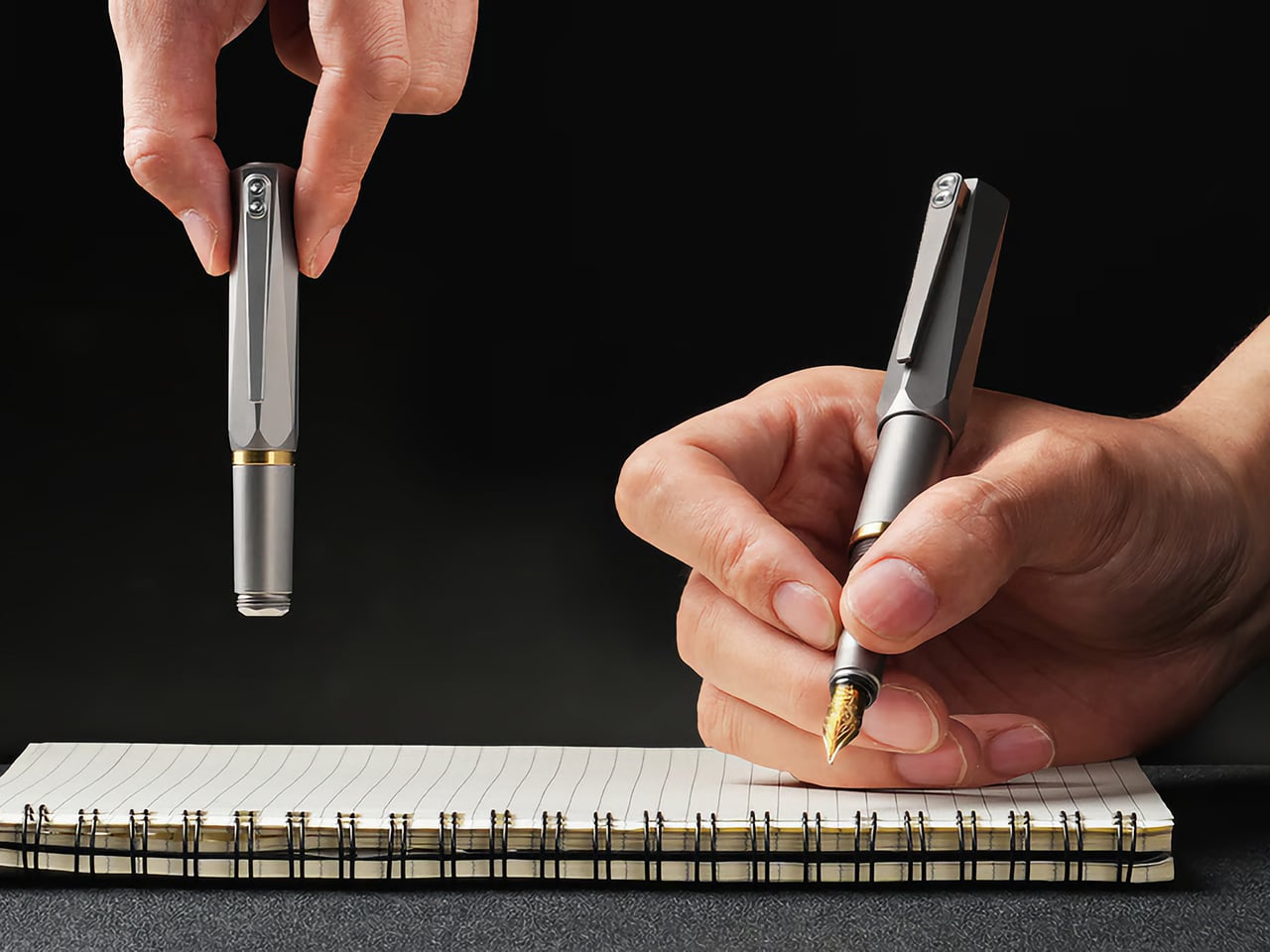
EyeQ’s Lumink addresses the awkward part of carrying a fountain pen: the length that makes it comfortable to write with can make it inconvenient to pocket. Its threaded configuration changes from approximately 96 millimeters in carry form to 140 millimeters for writing. The Grade 5 titanium body has twelve facets designed to stop it rolling away, plus a pocket clip.

The writing end uses a German nib, and the seller lists compatibility with international cartridges and converters. That gives owners a choice between convenient replacements and filling from bottled ink. Belloc describes a threaded cap and internal gasket intended to prevent drying between uses. There’s still a setup step before writing, unlike the instant deployment of a click pen. That makes Lumink better suited to someone who enjoys a writing instrument’s mechanics than someone who needs the quickest possible signature.

What we like

  • A short carry form becomes a full-length writing instrument.
  • Cartridge and converter compatibility provides different filling options.

What we dislike

  • Threaded setup adds a step before writing.
  • Fountain-pen cleaning remains part of ownership.

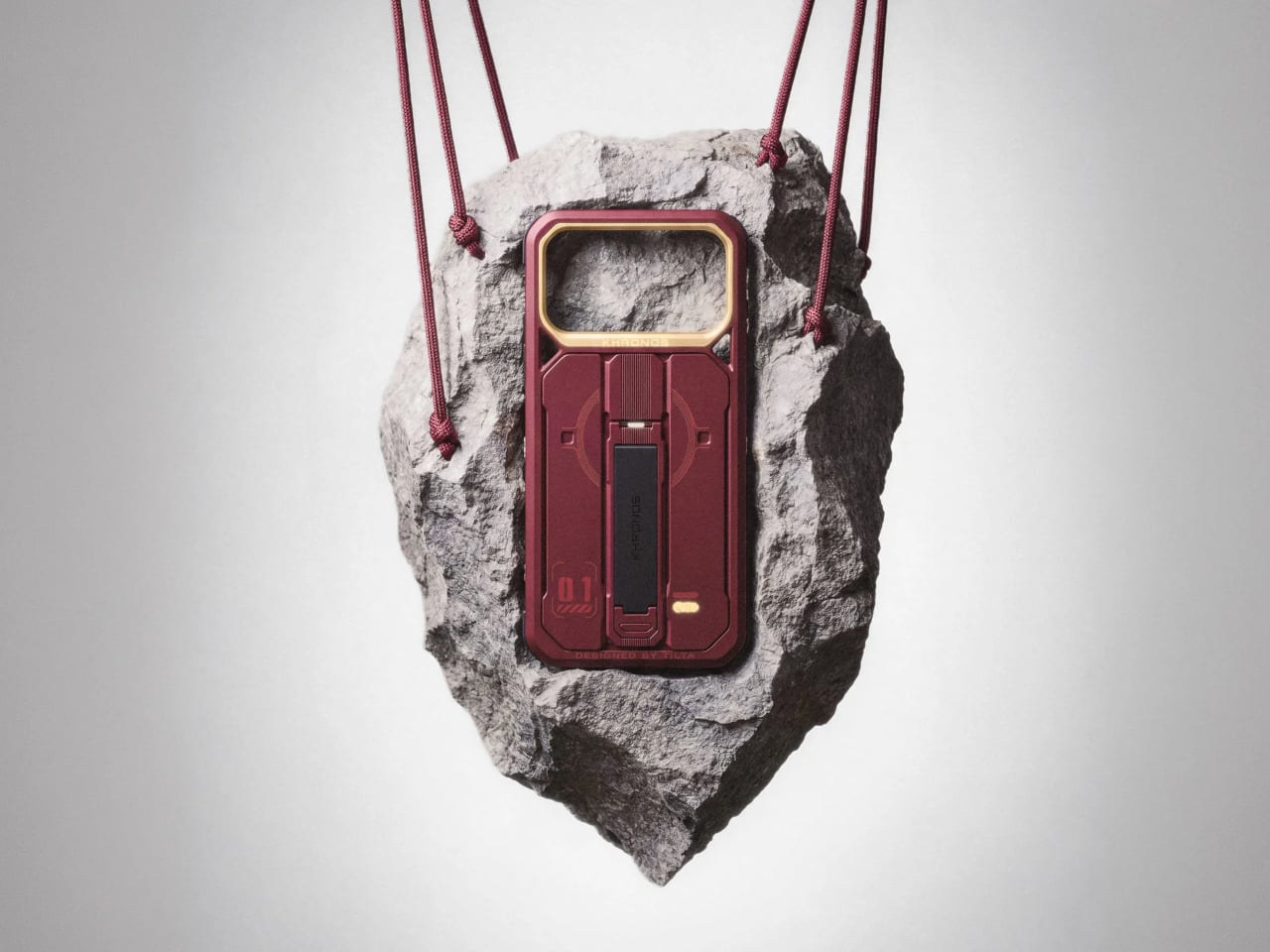
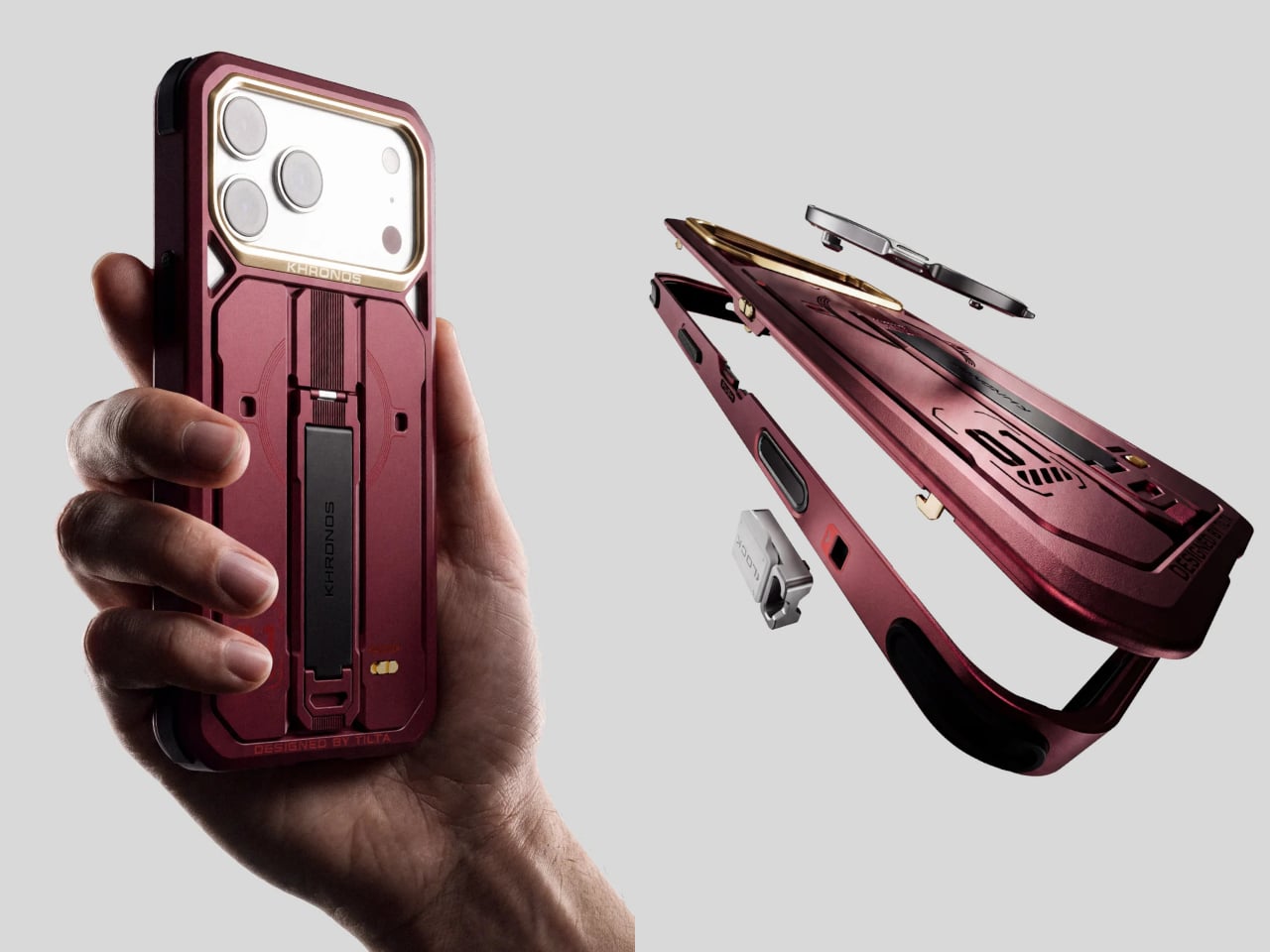
7. Tilta Khronos Core Limited Edition Kit

Tilta’s Khronos Core Limited Edition Kit treats a phone case as a small platform for everyday accessories. A CNC-machined aluminum frame accepts four backplates without tools: a kickstand plate, rotating ring plate, transparent keepsake compartment, or card holder. The card holder takes up to three cards behind a latched cover, while the transparent option leaves space for a photograph. Available for iPhone 18 Pro and Pro Max, it changes the function of the phone’s exterior rather than changing its color.

The kit includes short and long straps, with magnetic quick-release attachments and multiple mounting points on the frame. This supports different carrying arrangements, including wearing the phone across your body. Its strongest EDC argument is consolidation: a card plate could replace a separate wallet for a short outing. The compromise is buying several configurations when you may favor only one. Tilta’s standard case already includes the kickstand backplate, so the complete kit makes sense only if you’ll use the alternatives regularly.

What we like

  • Four tool-free backplates let the same frame serve different purposes.
  • The three-card compartment could replace a separate holder for short outings.

What we dislike

  • This kit is specific to iPhone 18 Pro and Pro Max.
  • The extra backplates add little value if you only use the kickstand.

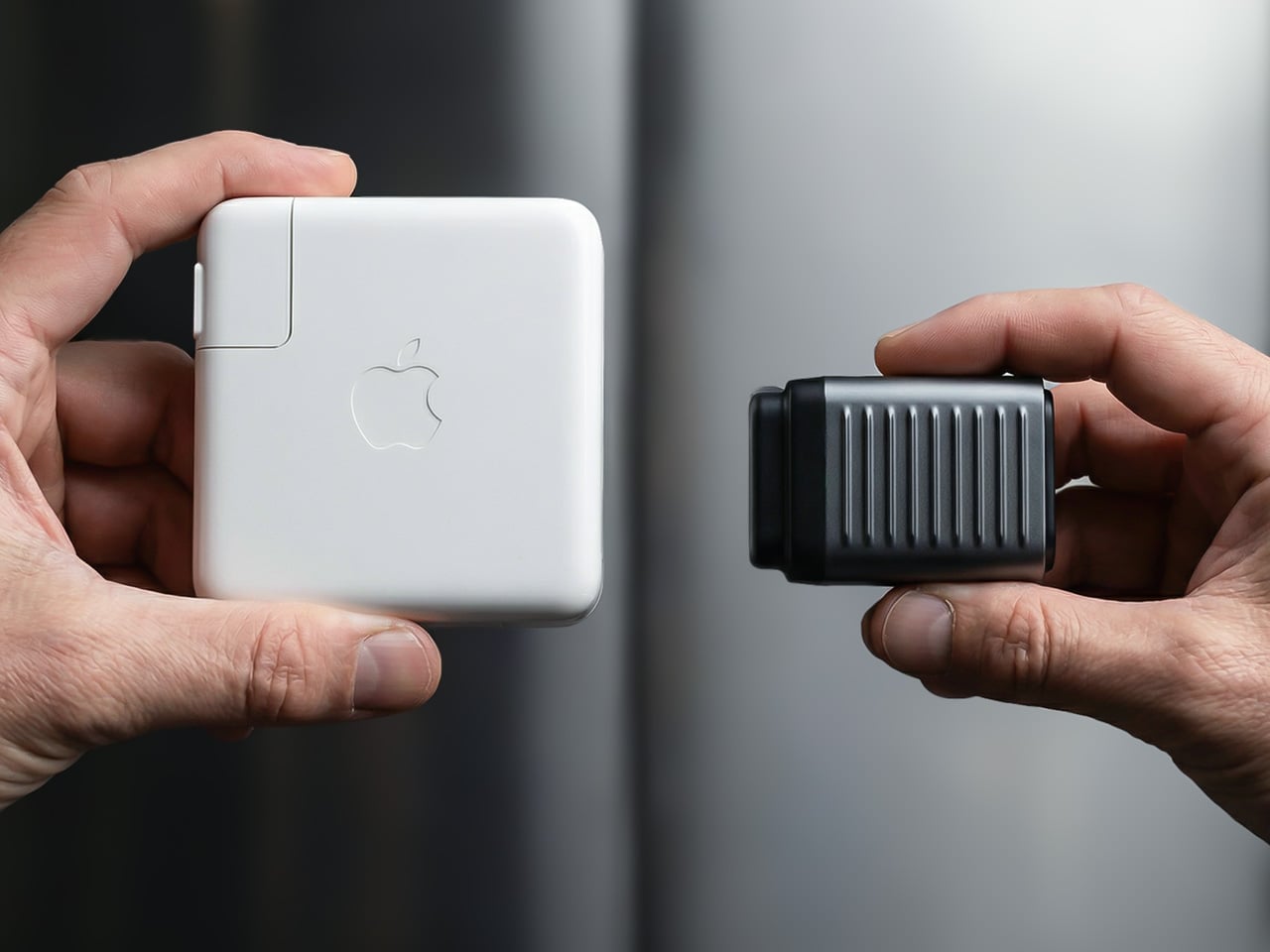
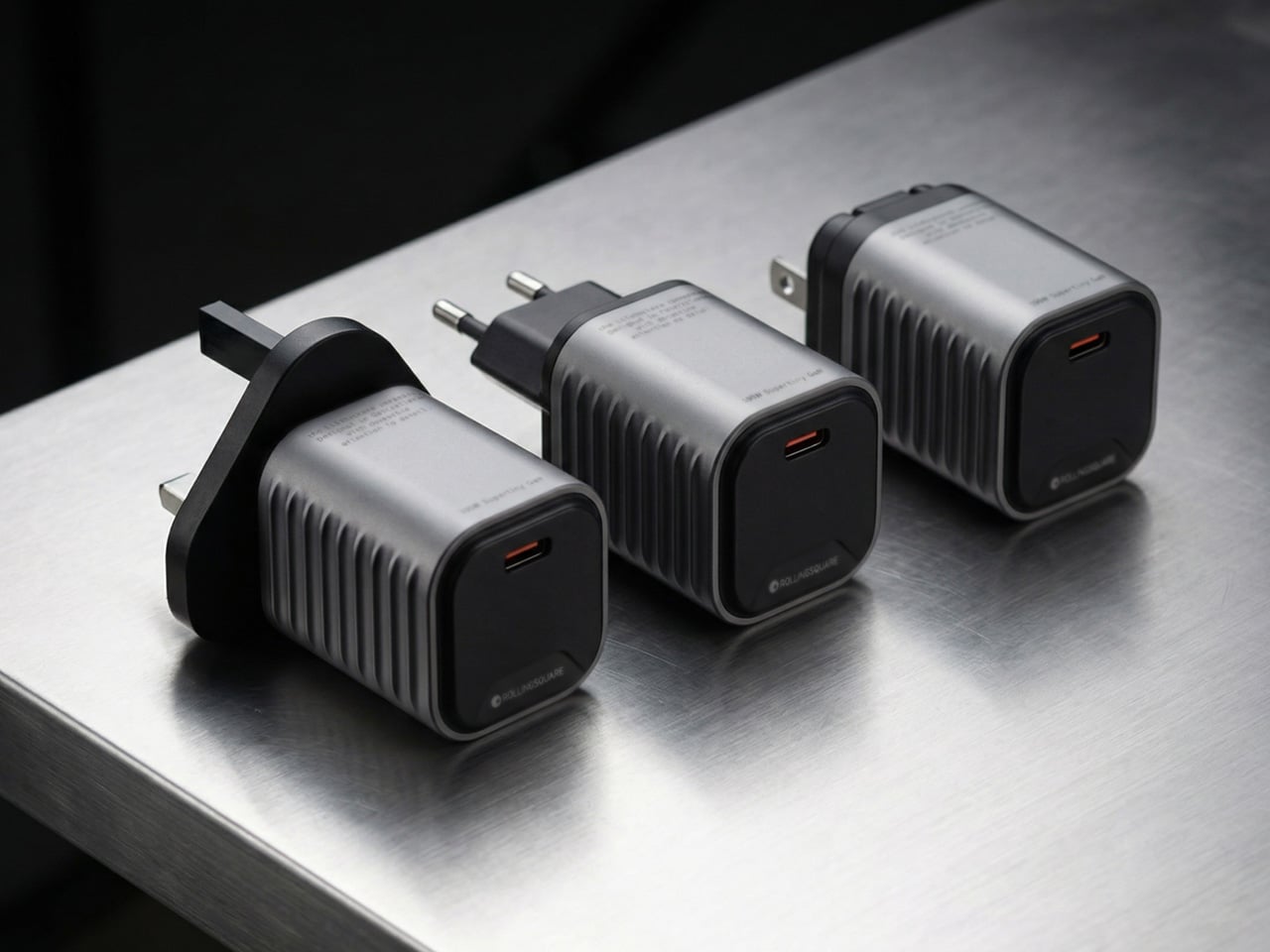
8. Rolling Square Supertiny 100W GaN Charger

Rolling Square’s Supertiny 100W is the bag essential in this selection, rather than another object to clip onto your keys. Introduced through crowdfunding, it concentrates its advertised 100-watt output into a single USB-C port. The US version has folding prongs, a useful detail when the charger shares a pouch with cables and other equipment. EU and UK versions use different fixed plug arrangements, so the tiny footprint shouldn’t be treated as identical across every regional version or every travel setup.

The appeal is straightforward if you carry a compatible USB-C laptop and want to leave a larger adapter at home. One capable port avoids the extra sockets and bulk of a multiport charger, but also limits the standard setup to one connected device.

What we like

  • The single-port layout prioritizes compactness over extra connections.
  • Folding prongs on the US model make packing more convenient.

What we dislike

  • One USB-C port limits the standard setup to one device.
  • Current retail availability of the 100W version remains unverified.

Carry for the Jobs You Actually Do

Start with the small inconvenience that repeats. If you keep borrowing scissors, that’s a stronger reason to carry Eiger than any function count. If you regularly repair equipment, build a bit selection around the MetMo. A wallet or charging adapter might make a bigger difference than either. The useful test is what an object replaces, or what specific job it makes possible, rather than how impressive it looks laid out.

Leave room for changing your mind, too. A bag packed for commuting doesn’t need the same tools as one packed for a weekend away, and a phone case with card storage may make a separate holder unnecessary. The aim isn’t to assemble all eight into a matching collection. It’s to find the one or two objects that deserve to stay packed after the novelty has worn off and life resumes.

The post The 8 Best EDC Designs of October 2026 first appeared on Yanko Design.

  •  

8 Best Gear & Gadgets of October 2026 That Turn Any Living Room Into Game Day Central

Football season turns living rooms into something closer to a clubhouse for a few hours every weekend. The right gear makes that shift effortless, pulling together sound, screen, food, and drink into one setup that actually works for a full slate of games rather than falling apart by halftime.

None of these eight picks are trying to reinvent the sport itself. They’re solving the real logistics of hosting: the can that never pours right, the cooler that goes warm by the second quarter, the speaker setup that can’t keep up with a packed room full of noise.

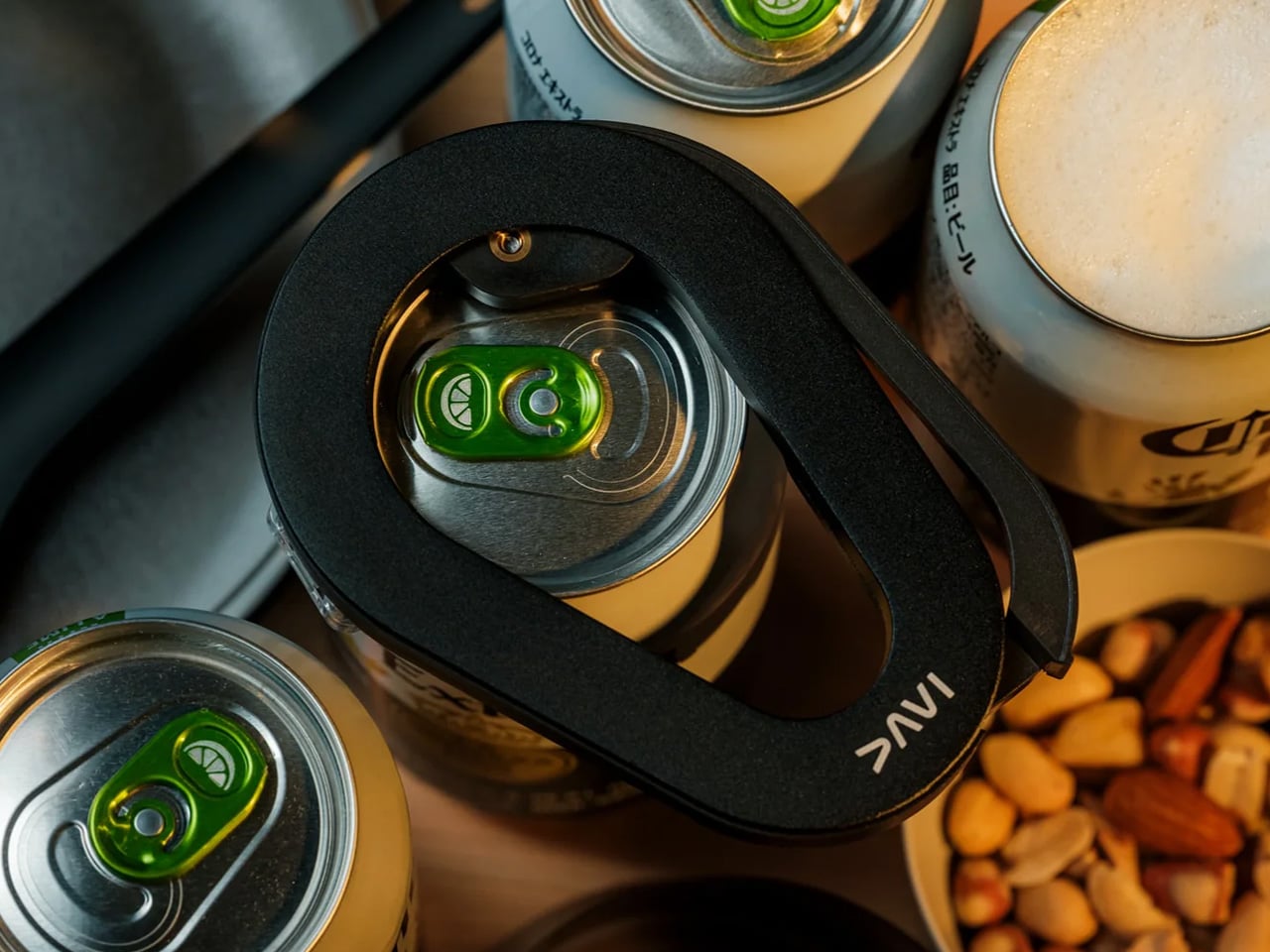
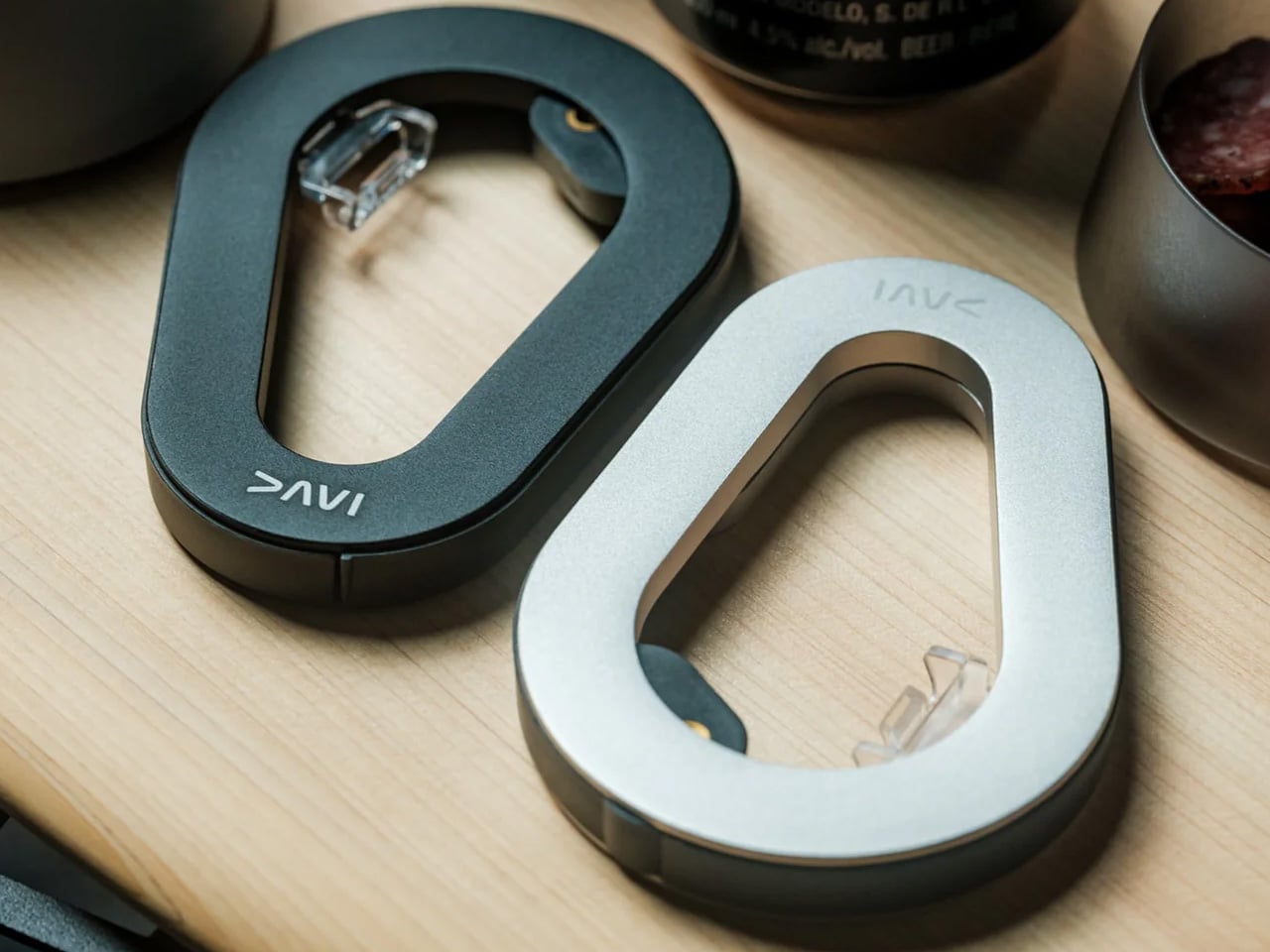
1. DraftPro Top Can Opener

There’s a reason the first pour matters so much on game day. DraftPro removes the entire top of a can instead of just puncturing it, turning a beer or sparkling water into something closer to a glass pour, aroma included. Designed by Shu Kanno and built in Japan, the motion is smooth and controlled, with a clean edge that’s safe to drink from directly. For you, that means handing a guest a can that actually tastes like it was poured properly, without reaching for a single glass all game.

It works for more than beer too. Drop ice straight into the can for instant chilling when the cooler’s running warm, or mix a quick cocktail right inside it with zero cleanup. Compatible with domestic and international cans, it travels well between the kitchen and the couch, and the clean cut even lets you repurpose empties into planters or pen holders once the game’s over.

Click Here to Buy Now: $60.00

What We Like

  • Removes the entire top for a smooth, glass-like drinking experience
  • Works as a makeshift cocktail shaker with no extra dishes to wash

What We Dislike

  • Only a handful of units were listed in stock at the time of writing
  • Limited to cans, so bottles need a separate opener nearby

2. PhaseTherma

A great drink setup falls apart the moment the ice turns to water. Freezill solves that with PhaseTherma, a phase-change cooling core that keeps ice solid for up to 150 hours without any external power source. For you, that means setting up the drink station once before kickoff and not thinking about it again until the final whistle of a doubleheader weekend, no refills, no plugging anything in.

At $149, it reads less like a cooler and more like premium travel gear that happens to double as game day equipment. The zero power draw also means it works just as well on a porch or in a garage as it does parked next to the couch, so the setup goes wherever the crowd ends up sitting.

What We Like

  • PhaseTherma core keeps ice solid for up to 150 hours
  • Needs zero external power to maintain its cooling performance

What We Dislike

  • $149 is a real investment for what is, at its core, a cooler
  • Premium design means it’s built for care, not for rough outdoor use

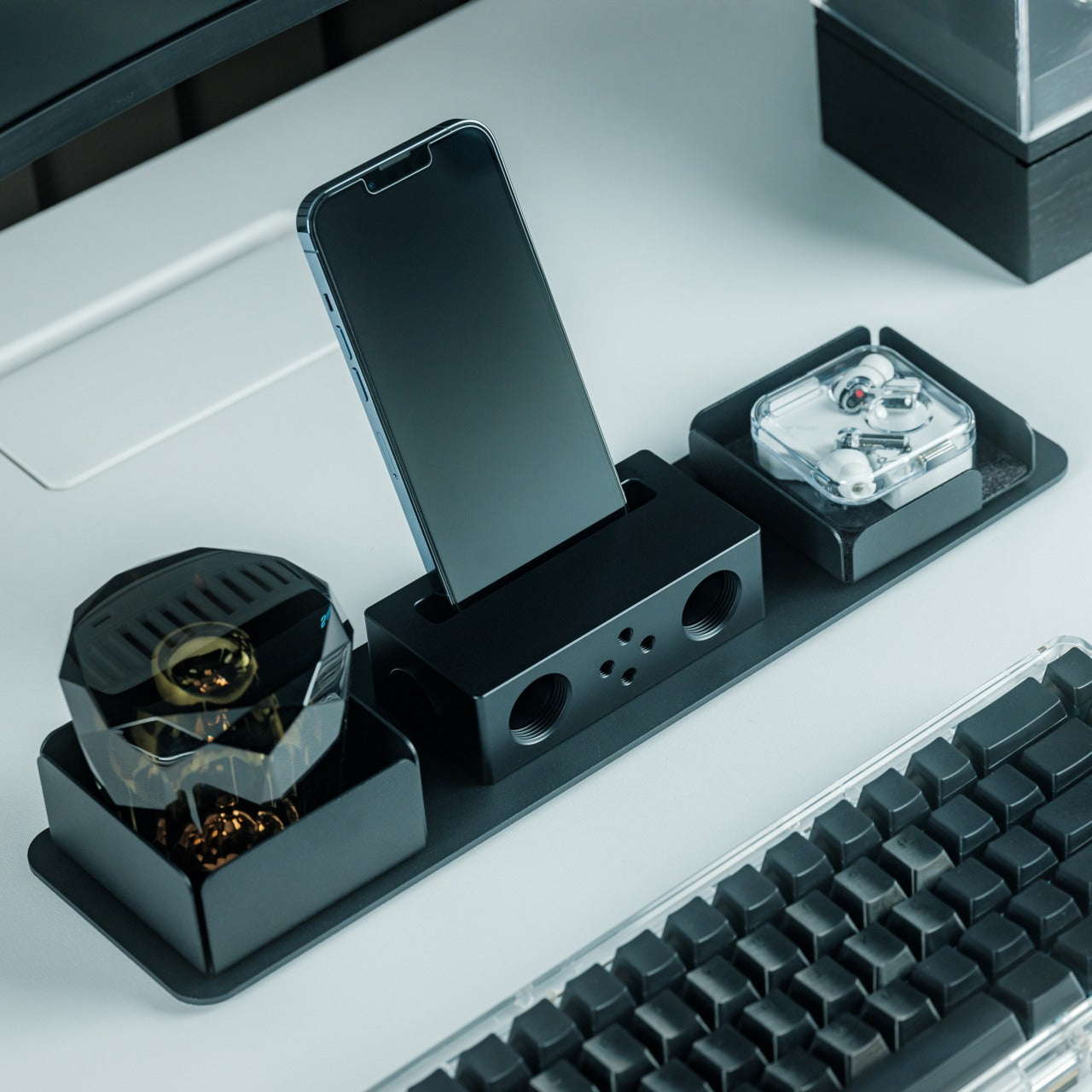
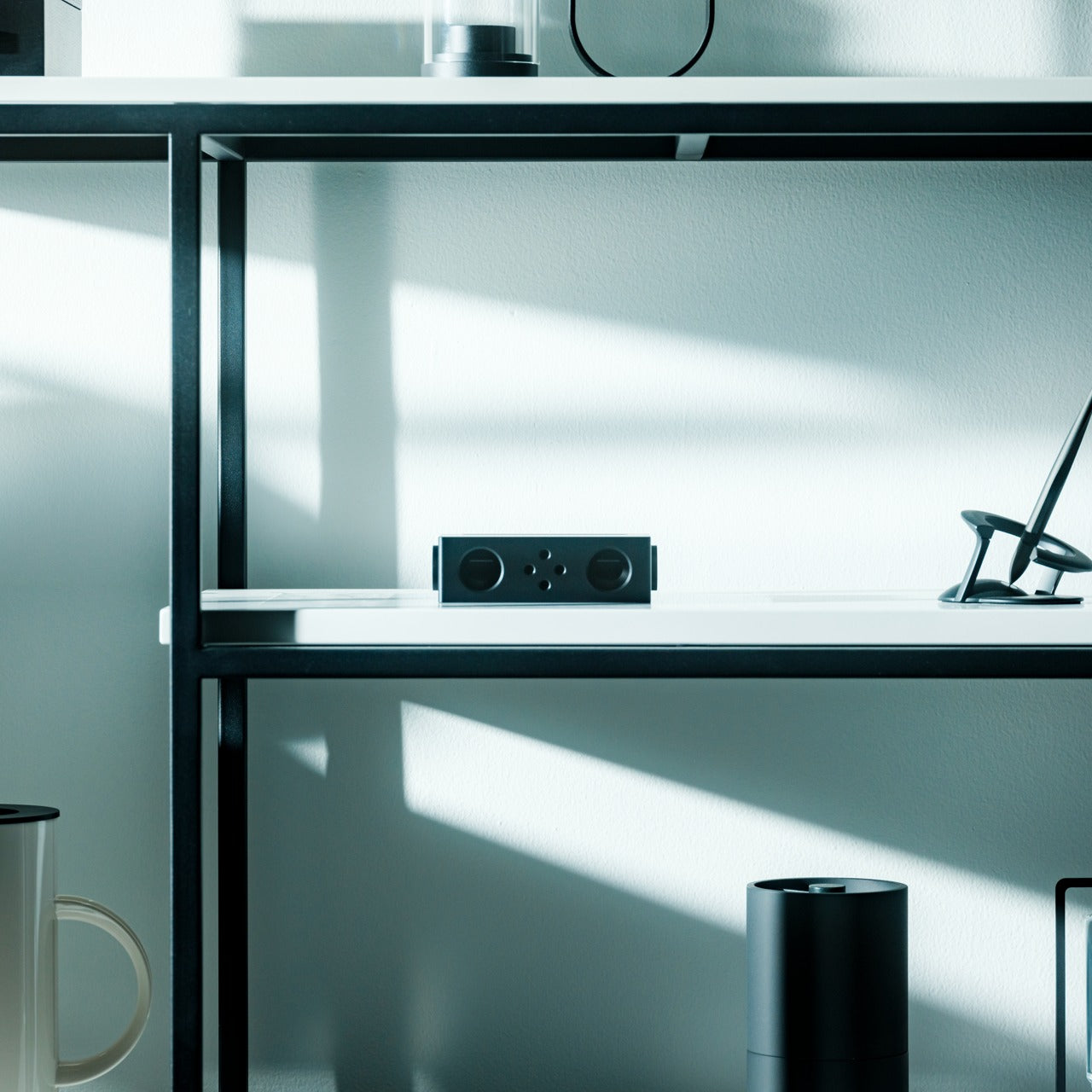
3. Battery-free Amplifying iSpeakers

Every other speaker in the room needs something: a charge, a pairing sequence, a Wi-Fi password. This one needs nothing but your phone. Designed by Ooi Masato and machined from Duralumin, the same vibration-resistant aluminum alloy used in aircraft, it amplifies a smartphone’s built-in speaker purely through acoustic geometry. For you, that means setting it down on a side table and having sound fill the room without a single cable in sight.

The chamber’s proportions were shaped using the golden ratio, which is less a gimmick and more the reason the sound comes out as focused as it does. No app, no Bluetooth, no battery to die mid-game. Just a slot for the phone and a noticeably louder room a second later.

Click Here to Buy Now: $179.00

What We Like

  • Needs zero power, batteries, or pairing to work
  • Golden ratio proportions make it as much a desk object as a speaker

What We Dislike

  • Volume ceiling is naturally lower than a powered Bluetooth speaker
  • Only works with a phone placed inside it, not as a standalone unit

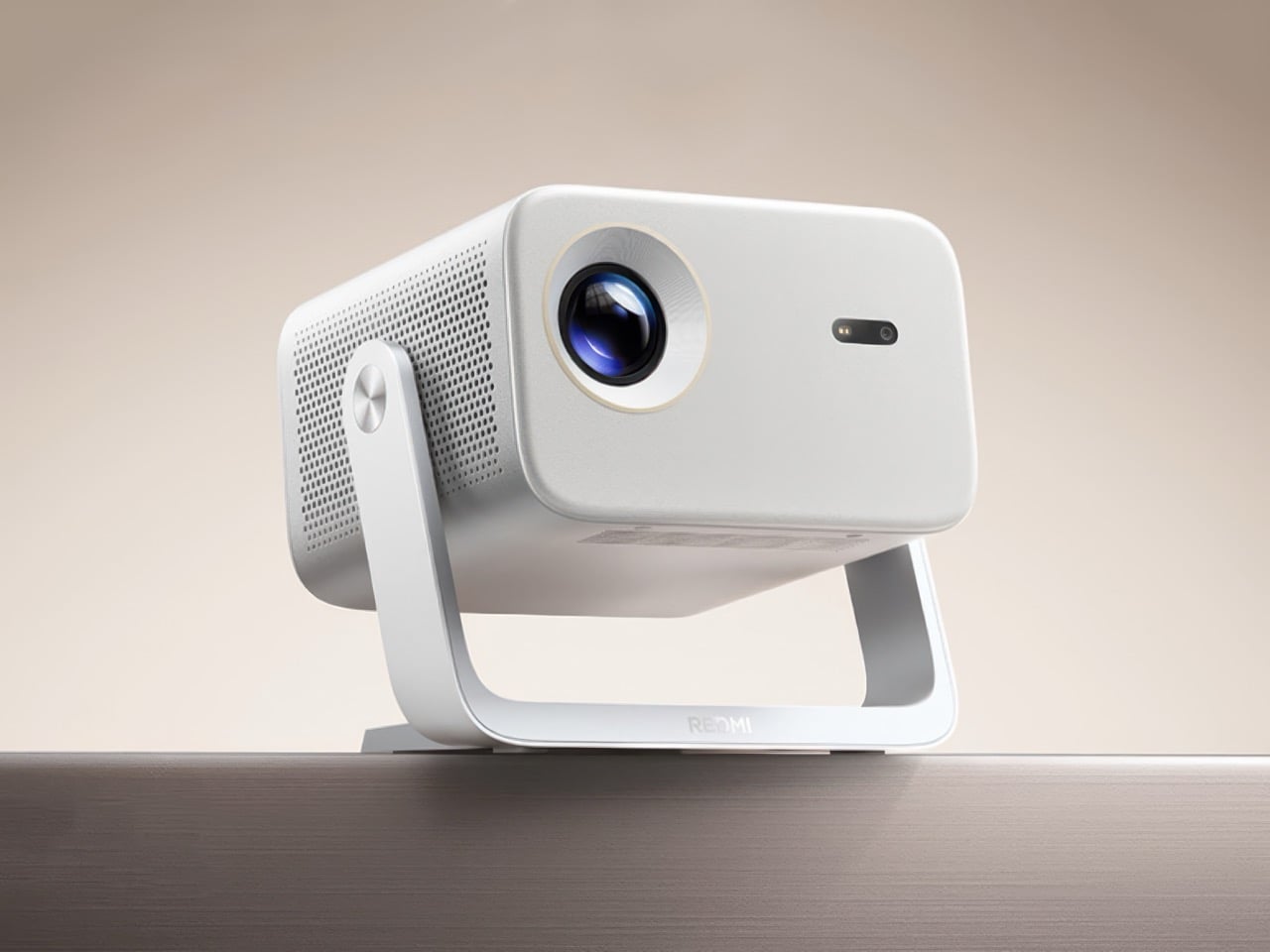
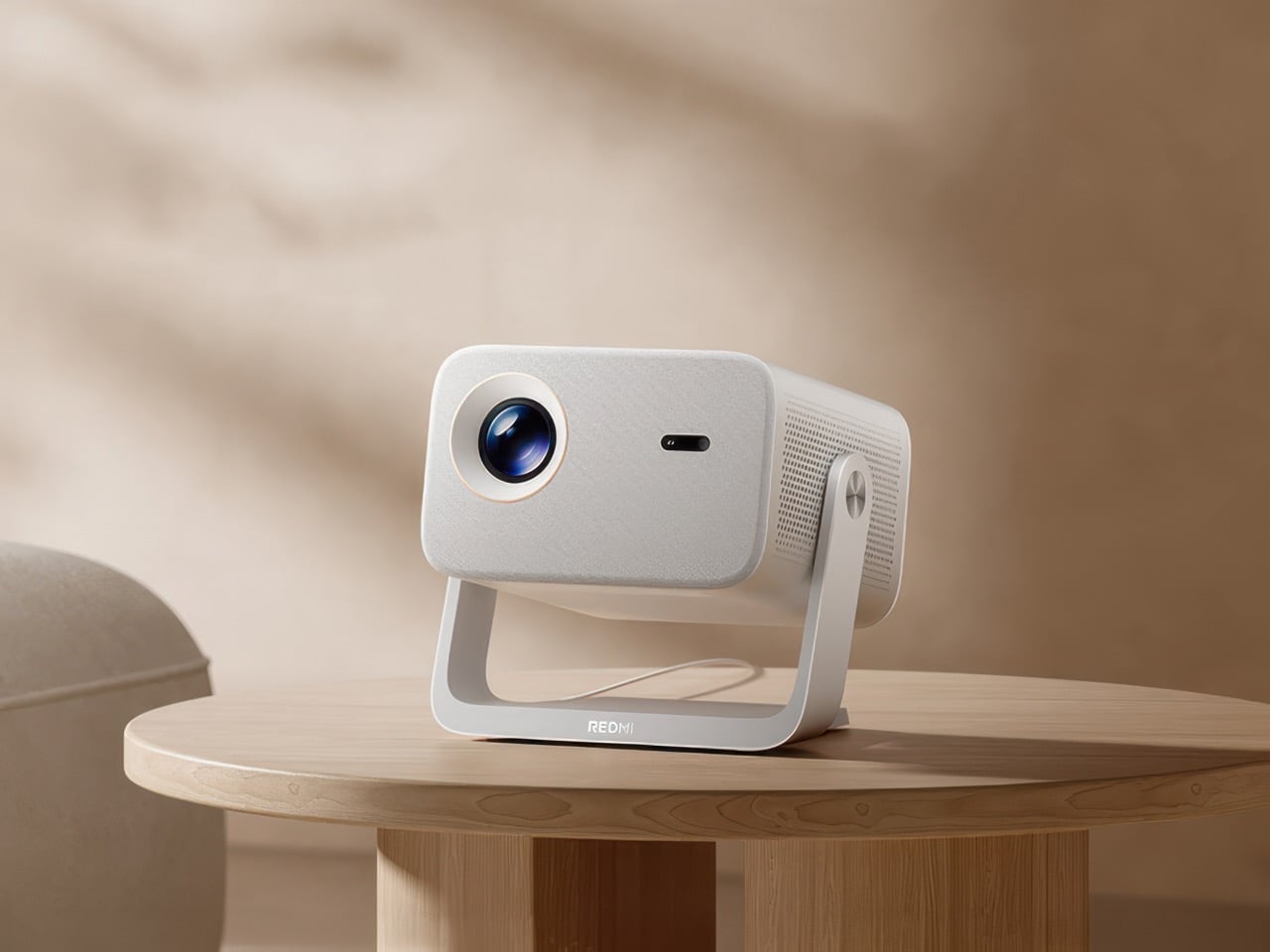
4. Xiaomi Redmi Projector 5 Pro

The screen is where game day actually lives, and this one makes a big one affordable. Native 1080p scales up to 120 inches, backed by 1,000 CVIA lumens, HDR10, and a 120Hz refresh rate running at just 5ms of latency. For you, that means a crisp, responsive picture that can fill an entire wall for less than the cost of a year of streaming subscriptions combined.

A metal gimbal arm swings 150 degrees, so the projector adjusts to whatever angle the room demands without needing a dedicated mount or stand. Dual HDMI and Wi-Fi 6 round out the connections, meaning a streaming box, a console, and a laptop can all stay hooked up at once without a single cable getting swapped out between games.

What We Like

  • 120-inch scaling at $281 undercuts most home theater setups by a wide margin
  • Gimbal arm adjusts 150 degrees without needing a separate mount

What We Dislike

  • 1080p native resolution means it’s not a true 4K experience
  • HDR10 support only goes so far without a properly darkened room

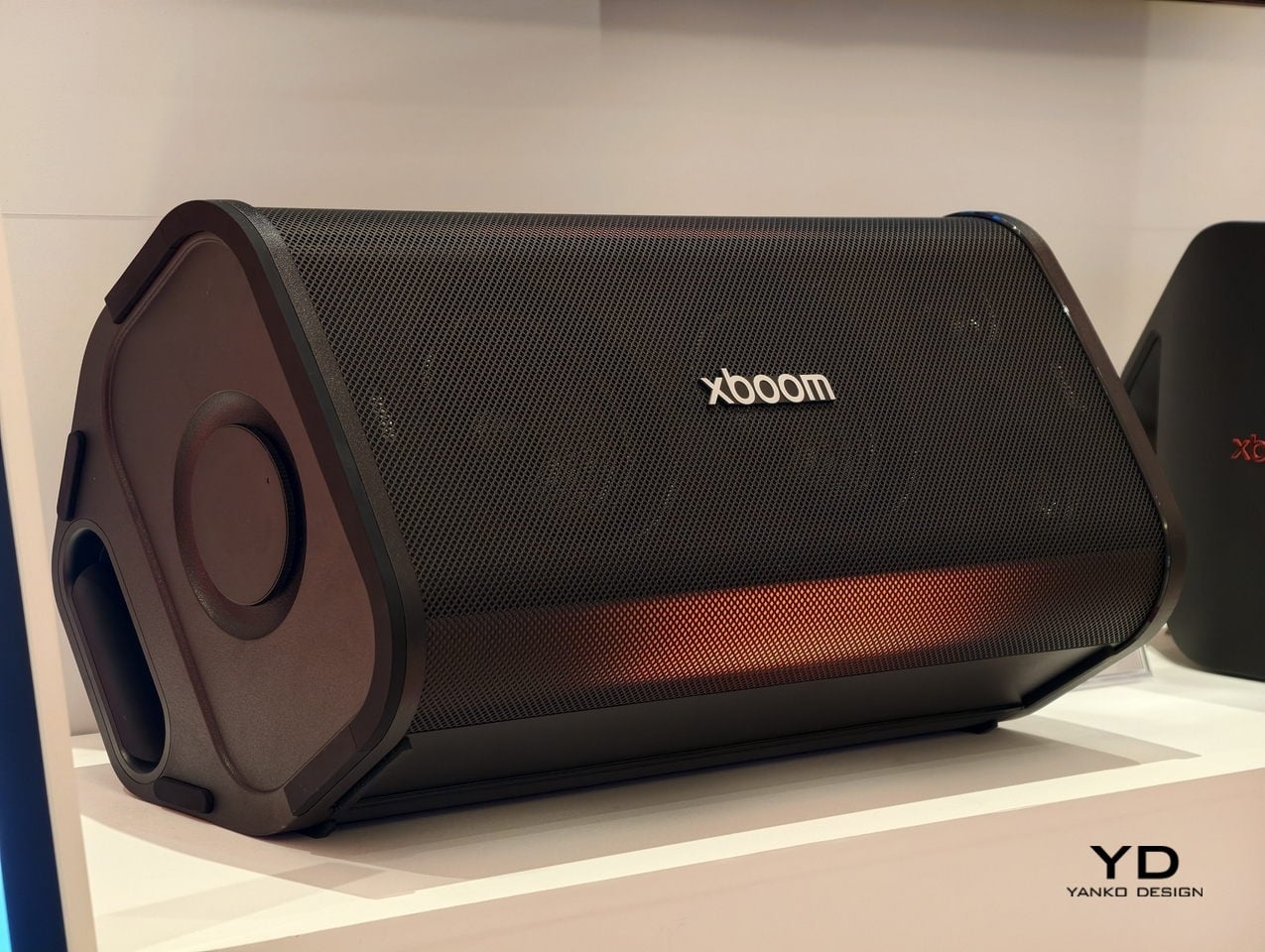
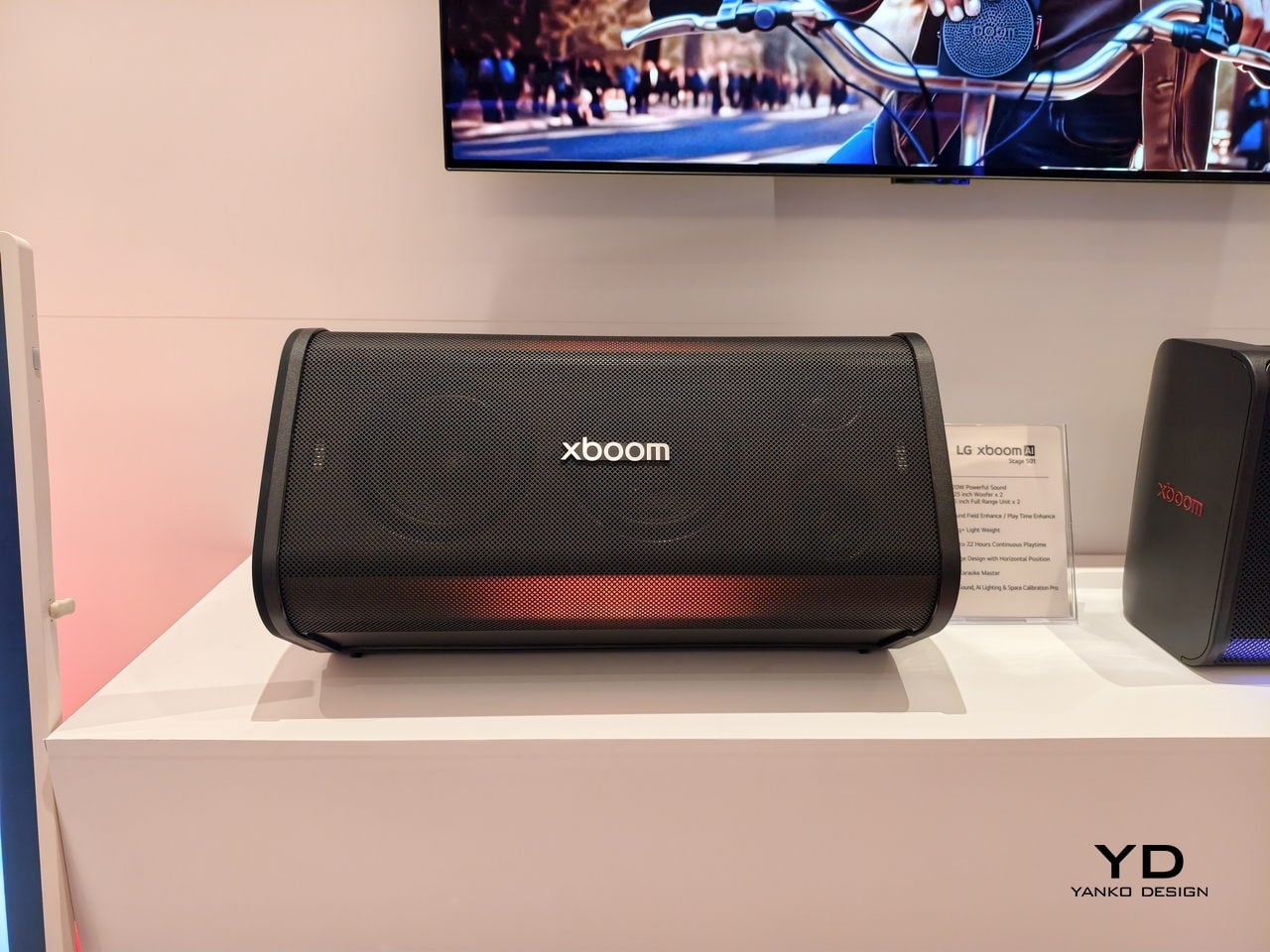
5. LG xBoom Stage 501

Halftime needs its own kind of energy, and this speaker is built specifically for that shift in mood. Up to 220W of output runs through dual 2.5-inch woofers and Peerless tweeters, loud enough to carry a packed room without distortion. For you, that means the moment the game pauses, the room doesn’t go quiet; it just changes gears.

The real party piece is AI Karaoke Master, which strips vocals from any song in real time using deep learning trained on more than 10,000 songs. Built around what LG calls late-night living-room chaos, it turns a halftime break into its own event, no separate karaoke machine or backing track search required.

What We Like

  • 220W output with dedicated tweeters handles a full room without strain
  • AI Karaoke Master removes vocals from any song on the spot

What We Dislike

  • At $499.99, it’s a serious commitment for occasional halftime use
  • Karaoke feature works best with a crowd actually willing to sing

6. Death Star Popcorn Maker

Snacks are half of game day, and this one earns its spot by being genuinely good at the one thing it does. A hot air vortex pops corn with close to a 98 percent success rate, no oil or butter required, while the whole unit folds back into a Death Star display piece once the popping’s done. For you, that means a snack station that’s actually fun to look at sitting on the counter between rounds, not just a plastic appliance shoved in a cabinet.

It’s a lighter note in the lineup, a conversation starter as much as a kitchen tool, and a reminder that not every piece of game day gear needs to be purely functional to earn its place in the rotation.

What We Like

  • Close to a 98 percent popping success rate without oil or butter
  • Folds back into a display piece instead of looking like leftover kitchen clutter

What We Dislike

  • Novelty shape won’t appeal to everyone’s kitchen aesthetic
  • Limited to popcorn, so it’s a single-purpose appliance taking up cabinet space

7. Took Foldable Chair

Every host eventually runs out of couch space before they run out of guests. This chair collapses into a compact case about the size of a soundbar, with a strap handle and a one-touch hinge mechanism that opens it in seconds. For you, that means extra seating that lives in a closet the rest of the week and shows up the moment the guest list grows past what the furniture can hold.

It closes the lineup on a practical note: the kind of object that doesn’t need to be clever so much as ready, there when the room fills up and out of the way the second it empties back out.

What We Like

  • Folds to the footprint of a soundbar for easy storage
  • One-touch hinge means setup takes seconds, not a wrestling match

What We Dislike

  • A folding chair will never match a couch for comfort over a long game
  • Durability of the hinge mechanism depends on how often it gets folded and unfolded

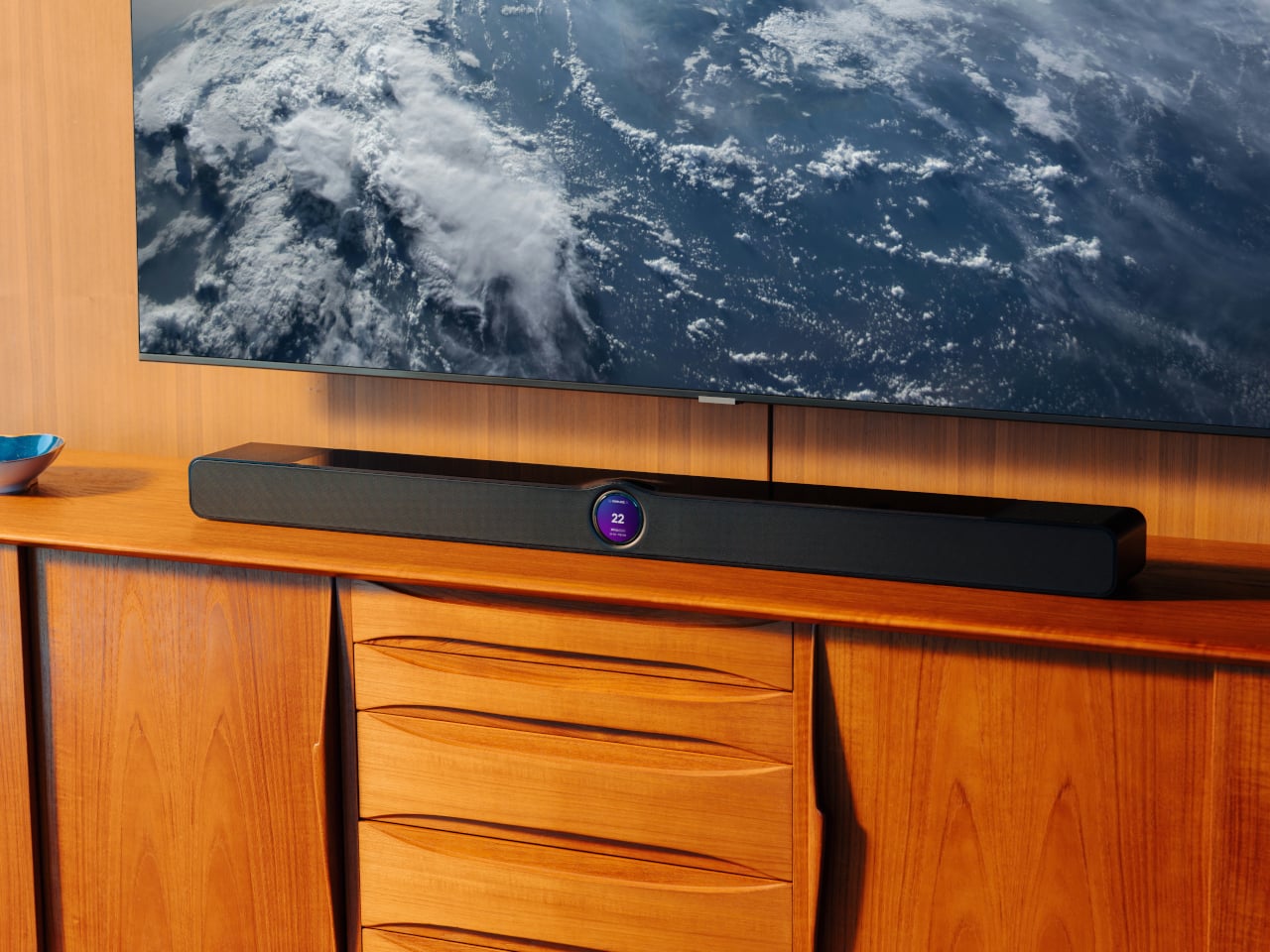
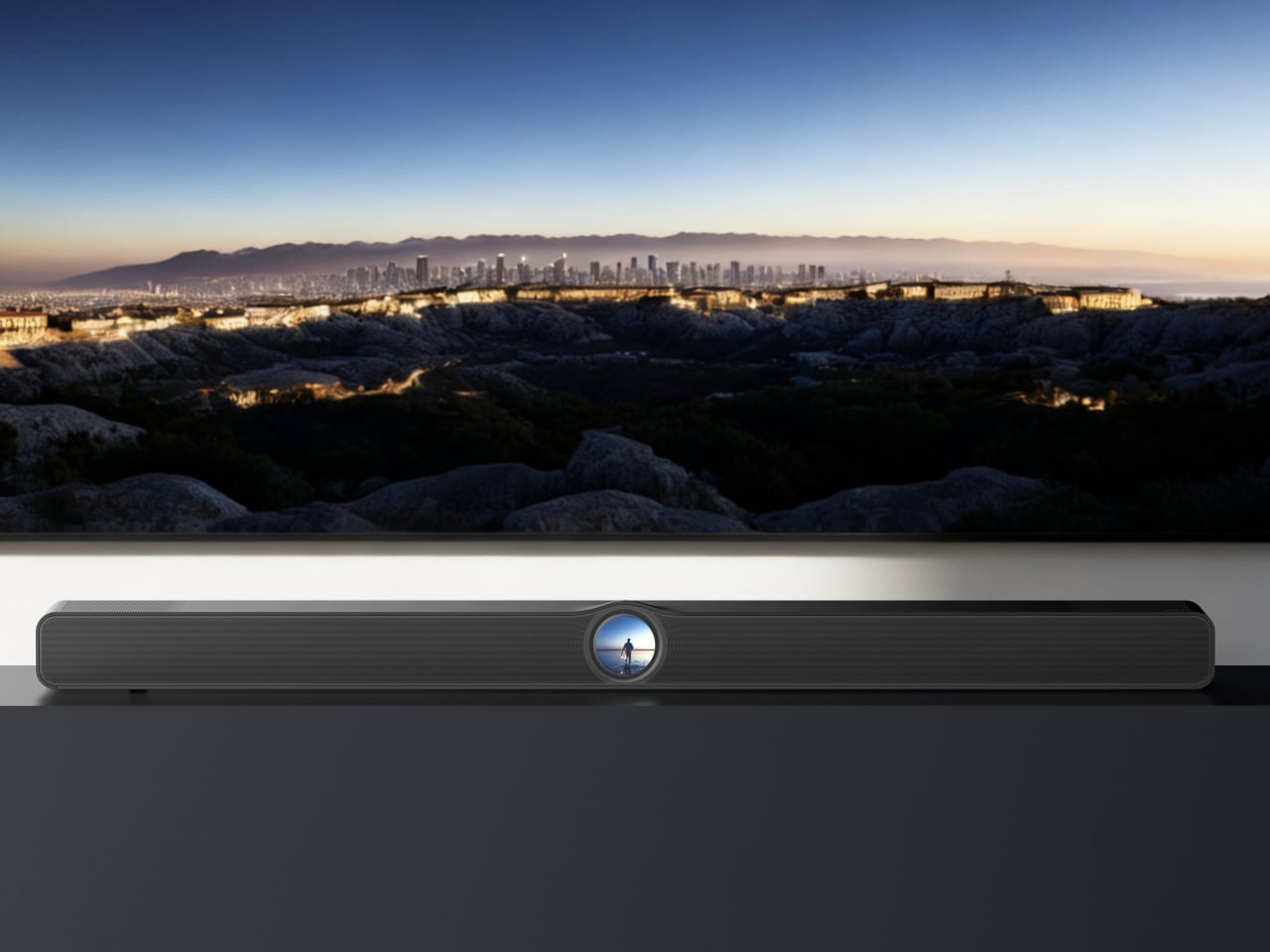
8.WiiM Bar Soundbar

For the games that deserve real sound, not just loud sound, this soundbar fills that gap. True 3.0.2 Dolby Atmos runs through an eight-driver array, three front mid-woofers, three front tweeters, and two upward-firing full-range drivers, backed by four passive radiators for low end that doesn’t need a separate subwoofer. For you, that means commentary, crowd noise, and the snap of a tackle all land with the kind of separation a standard TV speaker can’t touch.

A 2.1-inch round touch display sits embedded in the bar’s front face, giving quick access to inputs and volume without digging for a remote between plays. It sits under the TV rather than competing for space, built for the room rather than announcing itself as the centerpiece.

What We Like

  • Eight-driver array delivers genuine Dolby Atmos without a subwoofer
  • Touch display built into the bar simplifies control mid-game

What We Dislike

  • A setup this capable asks for a TV and source worth the upgrade
  • Four passive radiators still can’t fully replace a dedicated subwoofer in a large room

The Setup That Covers the Whole Afternoon

None of these eight pieces are trying to be the loudest thing in the room. The projector and the two speaker options handle the screen and the sound, the cooler and the can opener handle the drinks, and the popcorn maker and the folding chair round out the food and seating without asking for much space in return.

What makes this lineup work isn’t novelty; it’s that each piece solves one real problem well. A host doesn’t need everything to be smart or connected. Sometimes the best upgrade is a can that pours like a glass, or a chair that disappears into a closet until the room needs it most.

The post 8 Best Gear & Gadgets of October 2026 That Turn Any Living Room Into Game Day Central first appeared on Yanko Design.

  •  

8 Japanese Stationery That Make US Back-to-School Supplies Look Boring

Japan has a stationery obsession, and the rest of the world is finally catching on. The country treats writing tools and paper goods the way it treats everything else: with an almost unreasonable level of care, precision, and quiet restraint. What looks simple in the hand rarely is. These eight pieces are proof that back-to-school shopping has a ceiling, and most of us haven’t come anywhere close to hitting it.

Every item on this list earns its place for the same reason: it solves something. Not in a Swiss-Army-knife way, but in a quietly elegant way that makes you wonder why the version you’ve been using for years never worked this well. Stock up your stationery collection with these unique essentials, and feel the difference they make to your everyday routine.

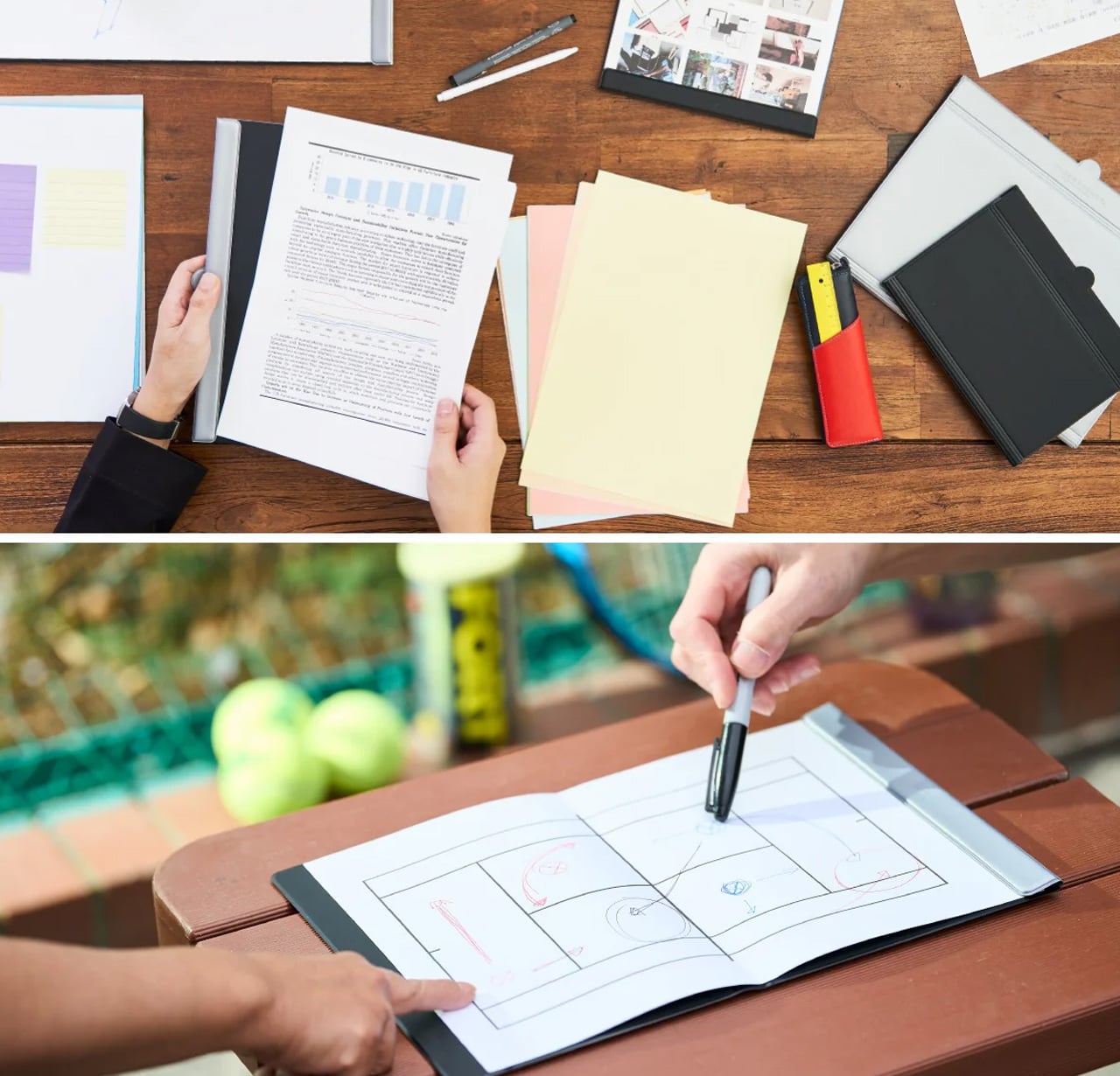
1. MagBoard Clipboard

Most clipboards are an afterthought, a plastic spring hinge you buy simply because you had to. The MagBoard is different in the way that good Japanese design tends to be: the function is unchanged, but the thinking behind it is completely rebuilt. A magnet and lever mechanism holds up to 30 sheets of paper in place without the usual clip aggression, and the hardcover backing is stiff enough to write on comfortably while standing, no desk surface needed at all.

The surface is water-resistant and easy to wipe clean, which matters when it travels between meetings, job sites, or a classroom. At A5, it fits in most bags without crowding them, and the cover opens completely flat so there’s no awkward curl mid-note. For anyone who moves through their day between different spaces and needs to take legible notes rather than just keep a surface dry, this is the clipboard that actually earns a permanent spot in the bag.

Click Here to Buy Now: $45.00

What we like

  • The magnet-and-lever mechanism replaces spring clip tension without sacrificing hold, managing up to 30 sheets at once
  • Water-resistant surface makes it genuinely travel-ready, not just desk-ready

What we dislike

  • A5 format won’t accommodate US letter-size paper without folding, which won’t work for everyone
  • At $45, it’s a significant premium over what most people expect to spend on a clipboard

2. Sonic Kakusta Portable Pen Stand

The Kakusta looks like a soft pencil case until you set it on a desk. Unzip it, fold the lid back, and the whole thing becomes a stand that props your pens at a 60-degree angle, everything visible, everything reachable in one motion. Sonic, the Japanese stationery brand behind it, didn’t add a separate stand component. The fold itself is the stand. That kind of thinking, where the packaging is the product, is what separates it from anything you’d find at Target.

The triangular cross-section when open isn’t accidental. It creates a stable base that doesn’t tip or slide even on slightly uneven surfaces, and when class or the workday ends, everything folds back into the case in seconds. For students who shift between desks, libraries, and coffee shop tables, not having to manage a separate pen holder is genuinely useful. The Kakusta doesn’t ask you to change how you work. It just eliminates one more thing to carry and set up.

What we like

  • Case-to-stand transformation happens in one fold, no extra components to lose
  • The 60-degree angle keeps every pen visible rather than buried at the bottom of a flat case

What we dislike

  • Capacity is on the smaller side, so larger pen collections won’t fit comfortably
  • The fabric exterior picks up lint faster than a hard-shell case would

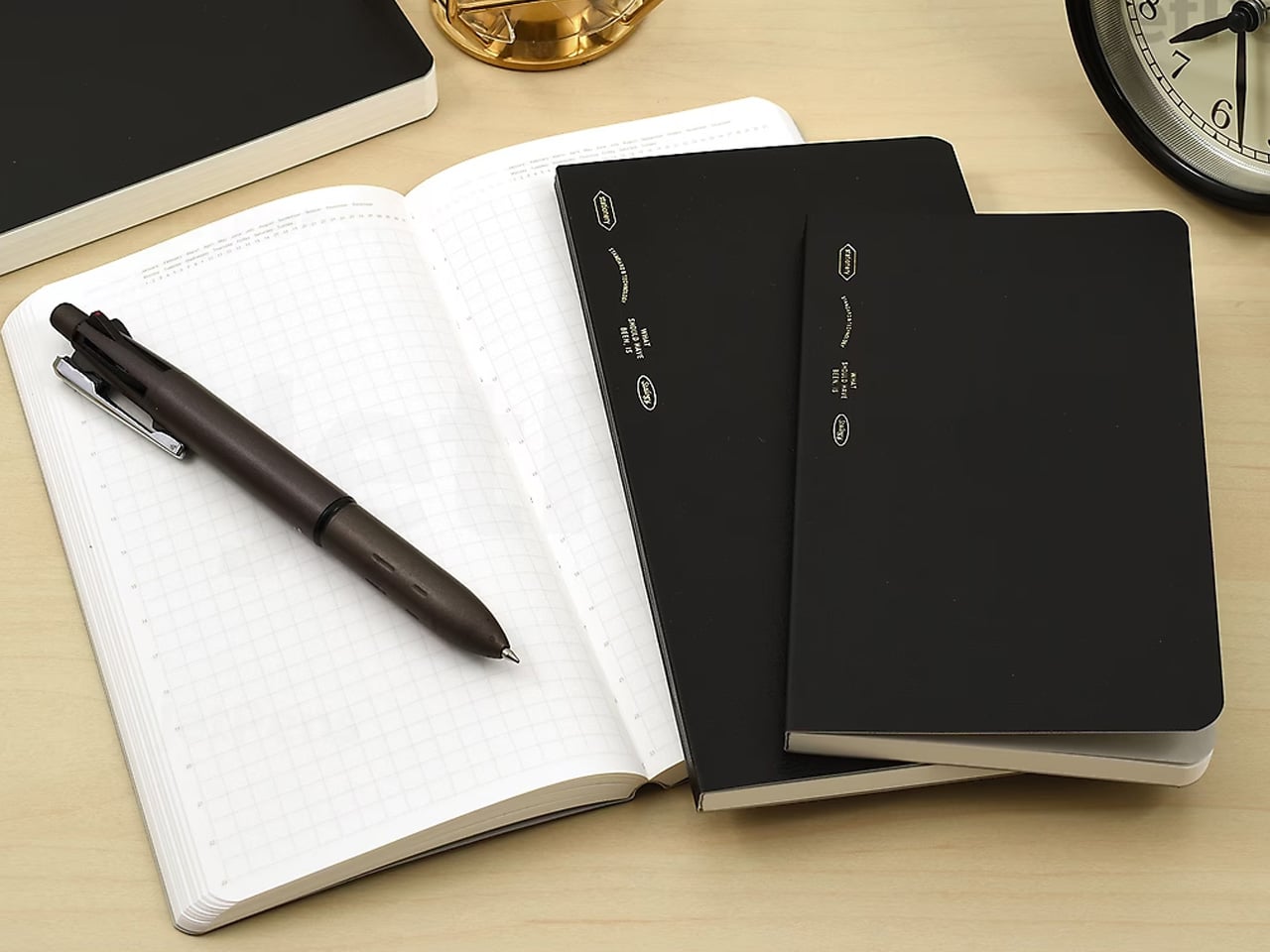
3. Stalogy Editor’s Series 365 Days Notebook

The 365 Days Notebook wasn’t designed for bullet journaling that requires stickers and color-coded spreads. It was designed for editors: people who use a notebook to capture ideas, track timelines, make lists, and sketch rough diagrams all in the same session, sometimes on the same page. The cream-toned dot grid is subtle enough that it doesn’t compete with what you’re writing, and at A6 the whole thing fits in a coat pocket without any compromise.

With 368 pages, it holds a full year of daily writing without exhausting itself by October. The binding opens completely flat without tension, which means pages stay where you put them rather than creeping closed between entries. For someone who writes in transit, between calls, or at lunch, a notebook that opens flat and stays flat is worth more than any feature list could describe. This one simply gets out of your way.

What we like

  • 368 pages comfortably handle a full year of daily use across writing, planning, and sketching
  • Lays completely flat when open without needing a hand to hold the page in place

What we dislike

  • A6 is small for anyone who writes in long form or needs room to sketch at scale
  • Cream-toned paper, while easy on the eyes, shows ink colors less vividly than bright white

4. Levitating Pen

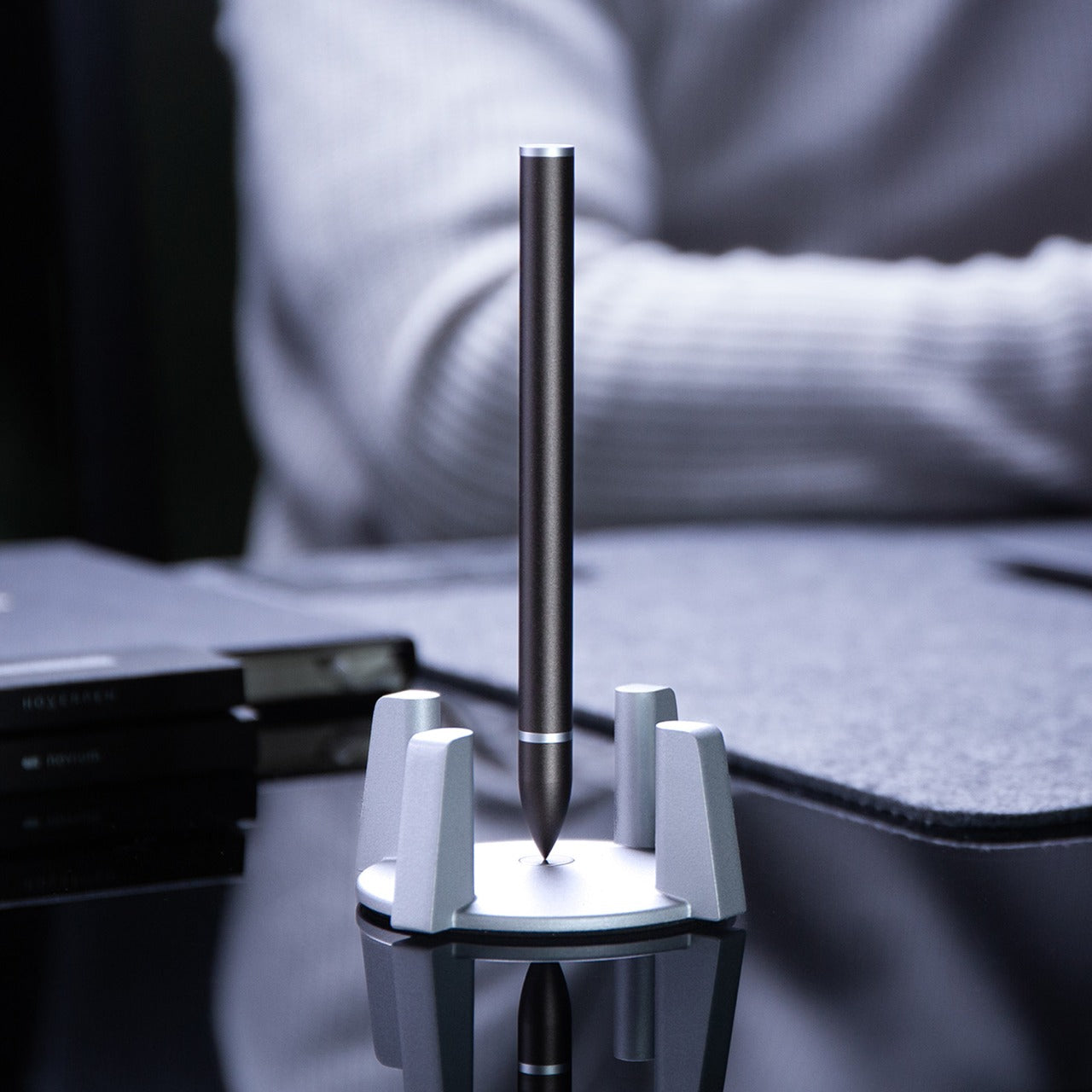
The Levitating Pen stands upright on its base without batteries, electronics, or tricks. It balances vertically through a precisely calibrated magnetic pedestal that holds the pen in a stable position, and the whole arrangement is quiet enough that it reads as a desk object rather than a gadget. Picking it up takes a half-second more than reaching for a pen lying flat on a desk, but that pause changes how you think about the act of writing. It feels deliberate in a way that cheap ballpoints never do.

Write with it, and the ballpoint performs exactly as expected: smooth, consistent, without drama. The benefit isn’t in the ink delivery. It’s in what the pen does to the space around it. A desk with a Levitating Pen on it looks considered, and that visual cue tends to set a tone for the work that follows. For someone who moves between focused writing sessions and longer thinking stretches, having a tool that signals “this is where the work happens” is worth more than most productivity hacks.

Click Here to Buy Now: $79.00

What we like

  • Balances upright through a magnetic pedestal with no electronics or batteries required
  • Functions as a smooth ballpoint and a distinctive desk object in equal measure

What we dislike

  • The base adds desk footprint that might not suit a minimal or already-crowded setup
  • The levitation effect can become a distraction in a shared or open-plan workspace

5. King Jim Visual Bar Timer (VBT10)

Most timers count up or display numerals. The King Jim VBT10 does something simpler and more useful: it shows a row of large LCD segments representing remaining time, and as the countdown progresses, segments disappear from right to left. No digits to read, no beeping at intervals, just a visual progress bar legible from across a room at a glance. It’s the kind of design decision that seems obvious once you see it, but that no Western manufacturer thought to build first.

For anyone who works in timed blocks, whether that’s the Pomodoro method, writing sessions, or class periods, having a physical timer rather than a phone or laptop notification means focus stays on the task rather than the device. The VBT10 sits on a desk without demanding attention, and the countdown is readable enough to track peripherally. For students and remote workers who need structure without constantly checking a screen, this is a more disciplined option than anything most productivity apps currently offer.

What we like

  • Visual bar display reads instantly from a distance without requiring you to parse numerals
  • Physical format keeps attention off screens during timed work or study sessions

What we dislike

  • Pricing and availability vary outside Japan, and shipping times can stretch considerably
  • LCD has limited visibility in direct sunlight or high-glare environments

6. Shachihata Consolidated Number Stamp

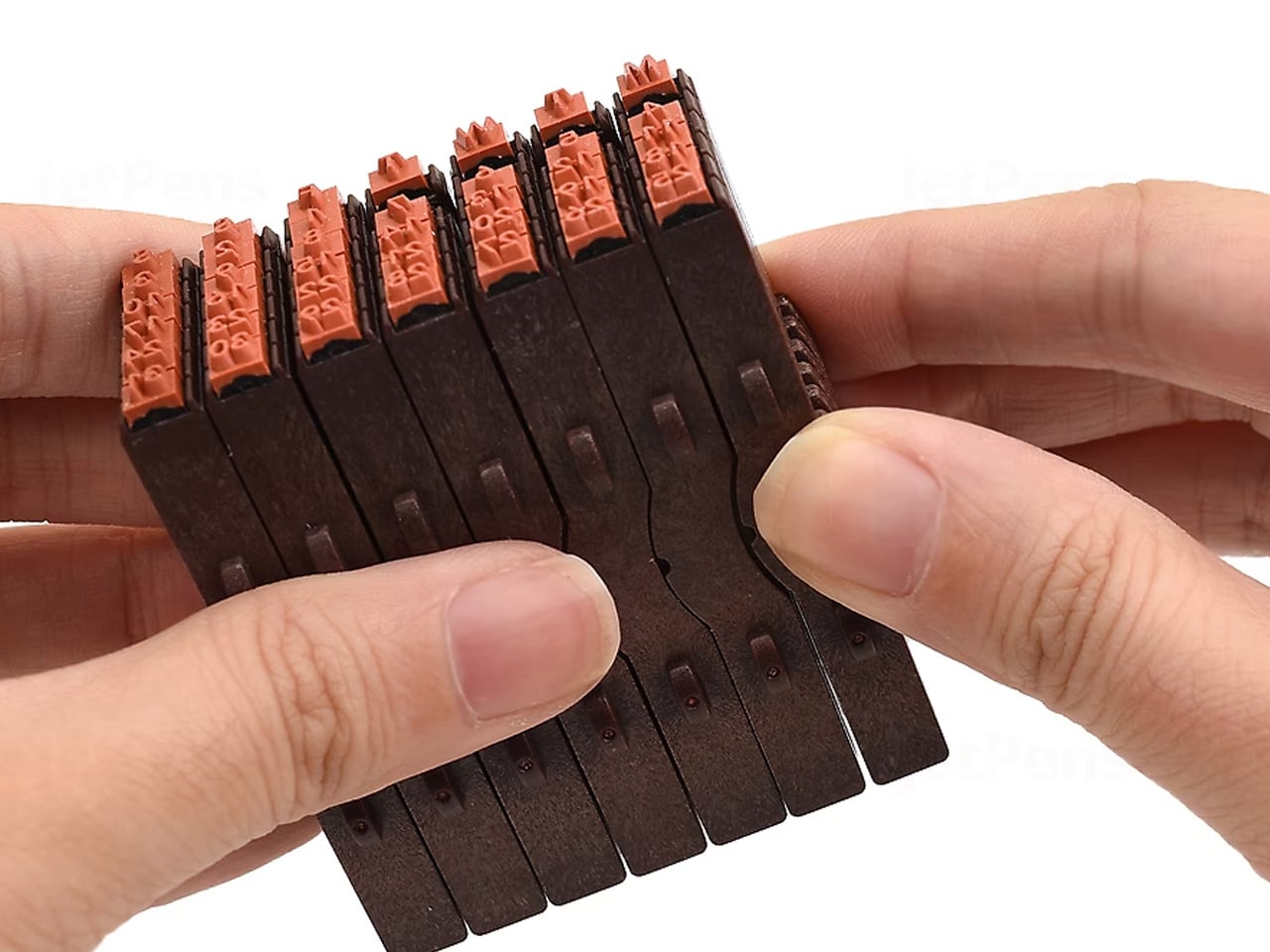
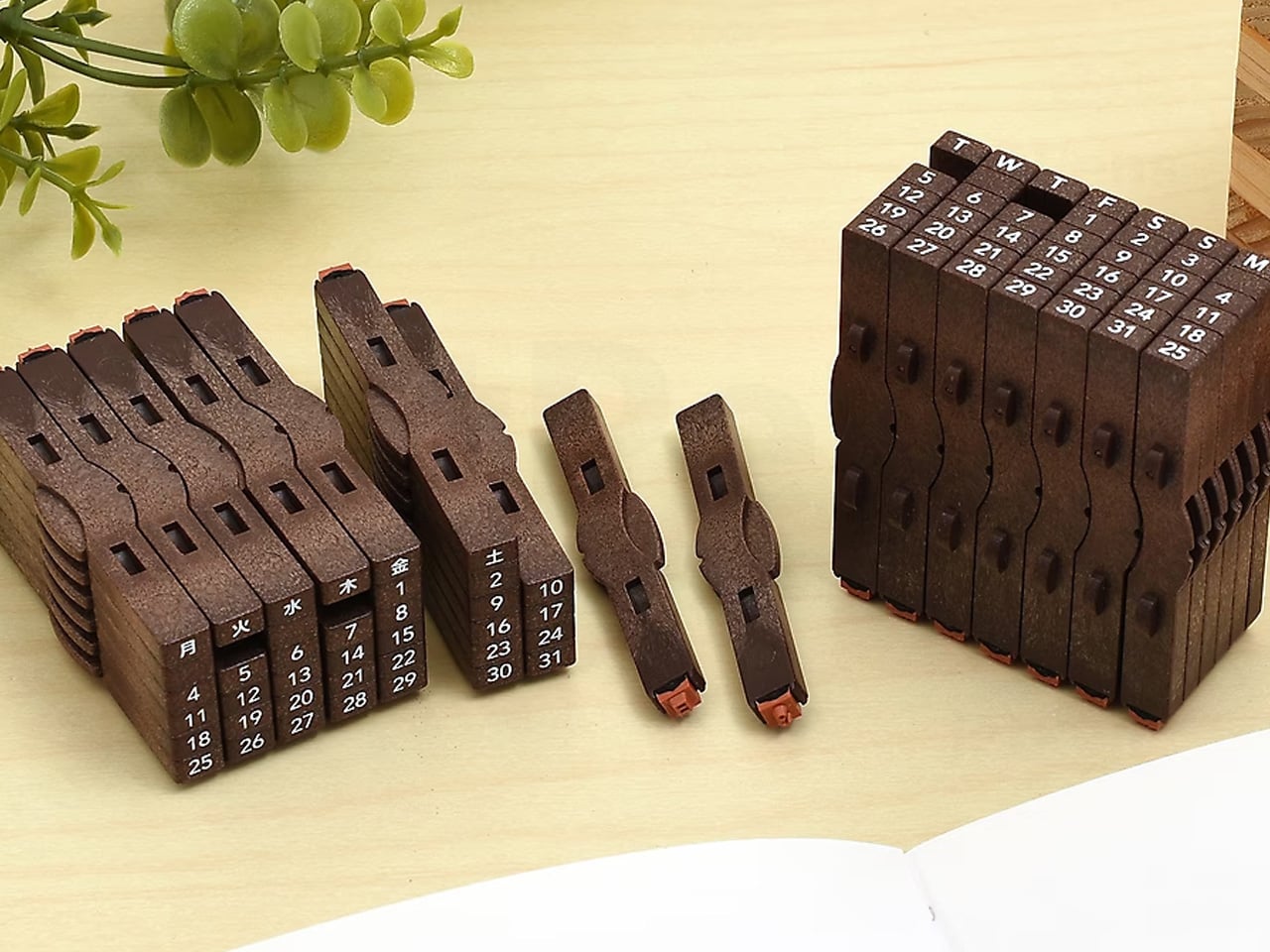
Shachihata makes the Consolidated Number Stamp as a set of individual pieces: 31 dates and 7 days of the week that snap together along two different axes to build any calendar configuration you need. The stamps connect cleanly, ink together evenly, and produce a compact, legible date block that a printed sticker or pre-made date stamp can’t match, because those are fixed and this one isn’t. You build the date you need, stamp it, then rearrange for the next entry.

It’s a genuinely analog solution to a problem most people solve with digital tools or pre-printed labels, and it’s more satisfying than either. For planners, journal keepers, and anyone who archives physical documents by date, having a stamp that adapts rather than repeating the same fixed format is a meaningful upgrade. The ink is self-contained in each piece, and the stamps align precisely enough that the resulting date block looks intentional rather than assembled. That precision is classic Shachihata, and it shows.

What we like

  • Modular design lets you configure any date on demand without a fixed preset format
  • Self-inking pieces snap together and align precisely, producing clean, legible date blocks every time

What we dislike

  • Keeping 38 individual stamp pieces organized requires more discipline than a single fixed stamp would
  • Not suited for high-volume stamping where speed matters more than customization

7. Lihit Lab Firm Book End

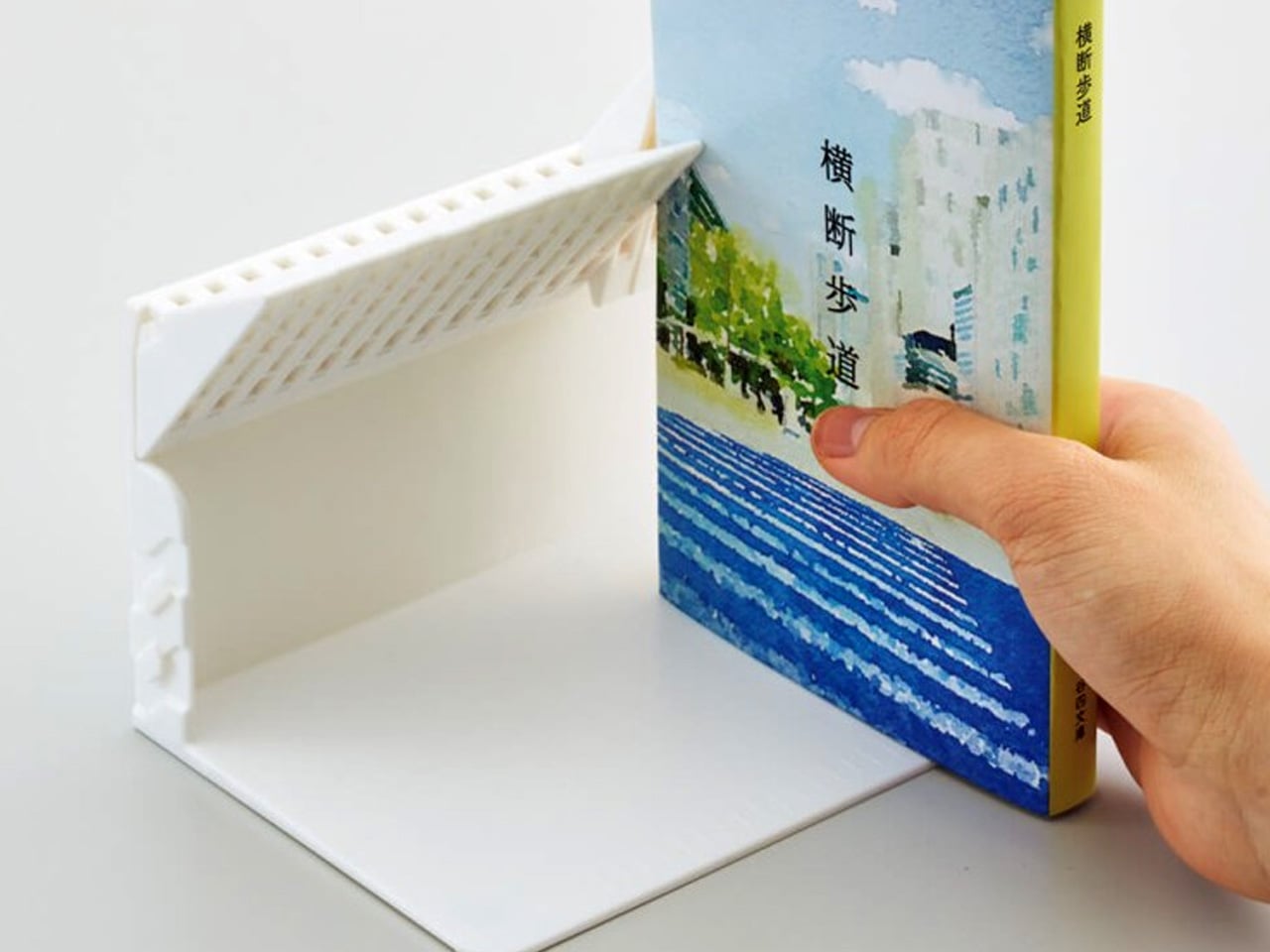
A book end that holds books upright when neighbors are present is not a remarkable product. One that lets a single book stand on its own without leaning against anything is. The Lihit Lab Firm Book End achieves this through a gravity-activated stopper that flips down when the book end is upright, supporting the book from behind. Remove the book and the stopper lifts back up, held out of the way by the book end’s own weight. Nothing to adjust manually.

The mechanism means you can remove a single book from a shelf without the rest collapsing, a small but real frustration that anyone who uses bookshelves regularly will recognize immediately. At A4 scale, it handles textbooks and binders as well as standard books, making it useful for student desks and office shelves alike. For people who work daily with physical reference materials and are tired of the toppling-book routine, this is one of those objects that solves a problem so quietly you forget it ever existed before it arrived.

What we like

  • Gravity-activated stopper lets a single book stand independently without any manual adjustment
  • Handles books, binders, and textbooks up to A4 scale across home, office, and student setups

What we dislike

  • Availability outside Japan is currently limited to the brand’s own site, adding shipping time and cost
  • The stopper mechanism can feel stiff during early use before it settles into regular operation

8. ITO BINDERY × YANKO DESIGN Drawing Pad

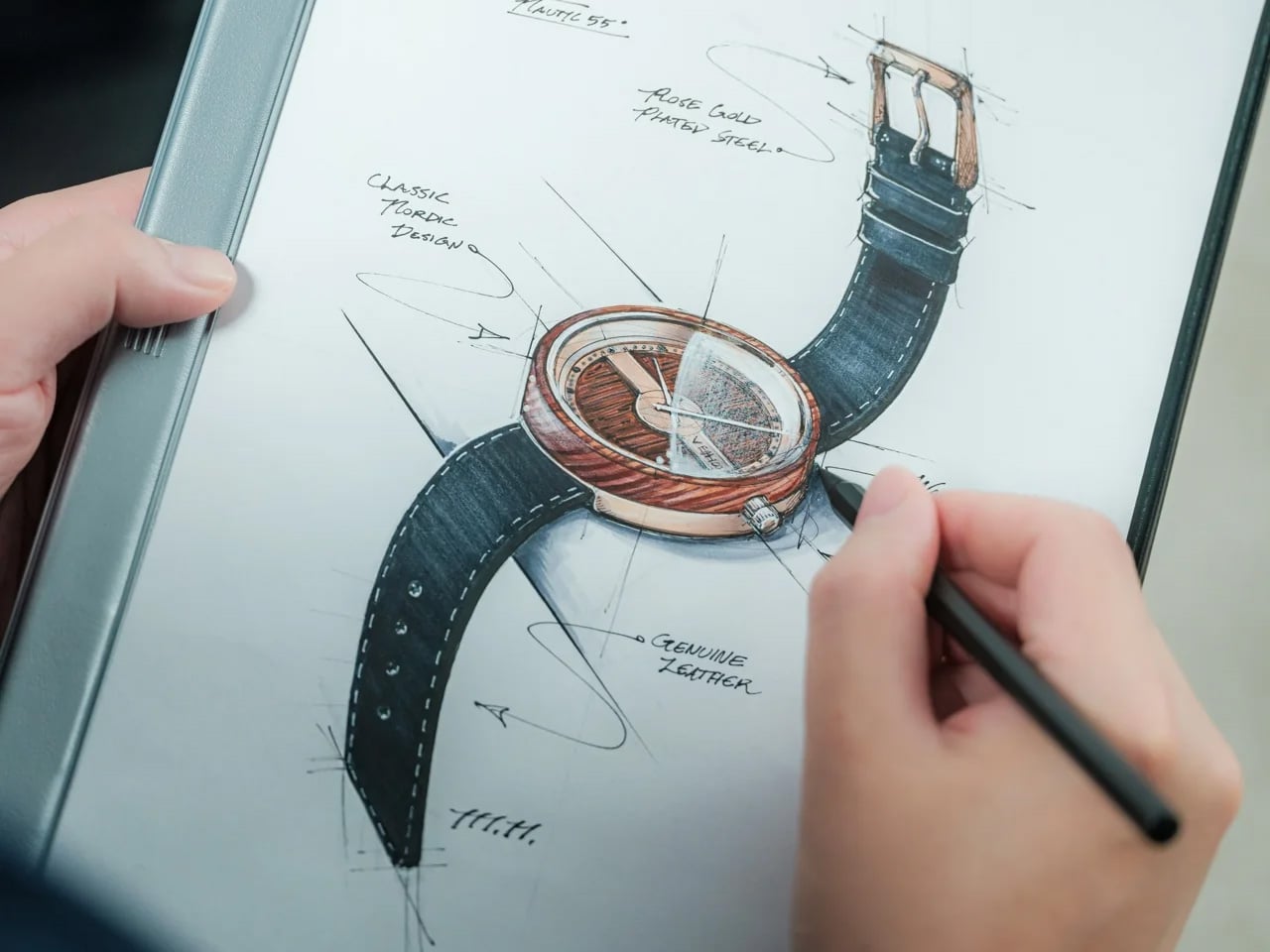
ITO Bindery has been making books by hand in Hachioji, Tokyo since 1938. The Drawing Pad that came out of its collaboration with Yanko Design carries that lineage in the details: binding glue applied by hand with a specialized brush, microperforations inspected sheet by sheet by experienced craftspeople, and a construction that holds through daily use without stiffening at the spine. Each size is limited to 100 individually numbered pads, available exclusively through YD Select, making it as much a document of craft as a writing surface.

Each sheet tears away cleanly along the microperforation, leaving the page intact and ready to pin up, share, or arrange alongside other work in progress. For designers, illustrators, or anyone who treats drawing as a thinking tool rather than a performance, a pad that separates cleanly and doesn’t fight the process is exactly the right kind of equipment. The paper handles pencil, pen, and light marker work without bleed-through. At this build quality and limited-edition scale, $40 is an argument for paying more attention to where your tools come from.

Click Here to Buy Now: $40.00

What we like

  • Hand-crafted by ITO Bindery, founded in 1938, with construction quality visible from the very first page
  • Microperforated sheets tear cleanly without damaging the sketch, making each page easy to display or share

What we dislike

  • Limited to 100 numbered pads per size means stock won’t last once the list picks up attention
  • Not suited for wet media or heavy-wash work; designed for dry and light-marker use only

Buy Less. Buy Better.

What makes Japanese stationery worth attention isn’t the aesthetic. It’s the reasoning. Every product here started with a specific problem and arrived at a solution that feels like it was always obvious, even when it clearly wasn’t. The attention to material, mechanism, and user behavior that goes into something as ordinary as a clipboard or pen stand reflects a standard of care that changes what you expect from your tools.

None of these require a lifestyle overhaul or a dedicated setup. They slot into how you already work and make that work feel slightly more resolved. Back-to-school season is usually about quantity: more notebooks, more pens, more highlighters. These eight argue for the opposite. One good clipboard beats five bad ones. One pad that holds together properly lasts longer than anything that falls apart by Thanksgiving. Buy less. Buy better.

The post 8 Japanese Stationery That Make US Back-to-School Supplies Look Boring first appeared on Yanko Design.

  •  

The 8 Best Gadgets of September 2026

September always arrives with a different energy. The summer concept season wraps up, the shipping boxes start showing up, and the gadgets worth keeping finally separate from the ones that were only ever interesting in a render. This month’s lineup is unusually strong: a $2,000 iPhone that finally killed the foldable crease, a Dyson toothbrush with a camera inside the brush head, and a telescope that fits in a bag you could carry onto a plane.

What connects all eight is not a price bracket or a category. It is the feeling that the designers started with a known compromise and refused to accept it. Foldable phones have always had a crease. Astrophotography has always needed a trunk full of gear. CD players have always been opaque boxes. Each gadget below found that exact problem and built past it. September’s best gear does not update existing things. It quietly makes them look dated.

1. iPhone Ultra

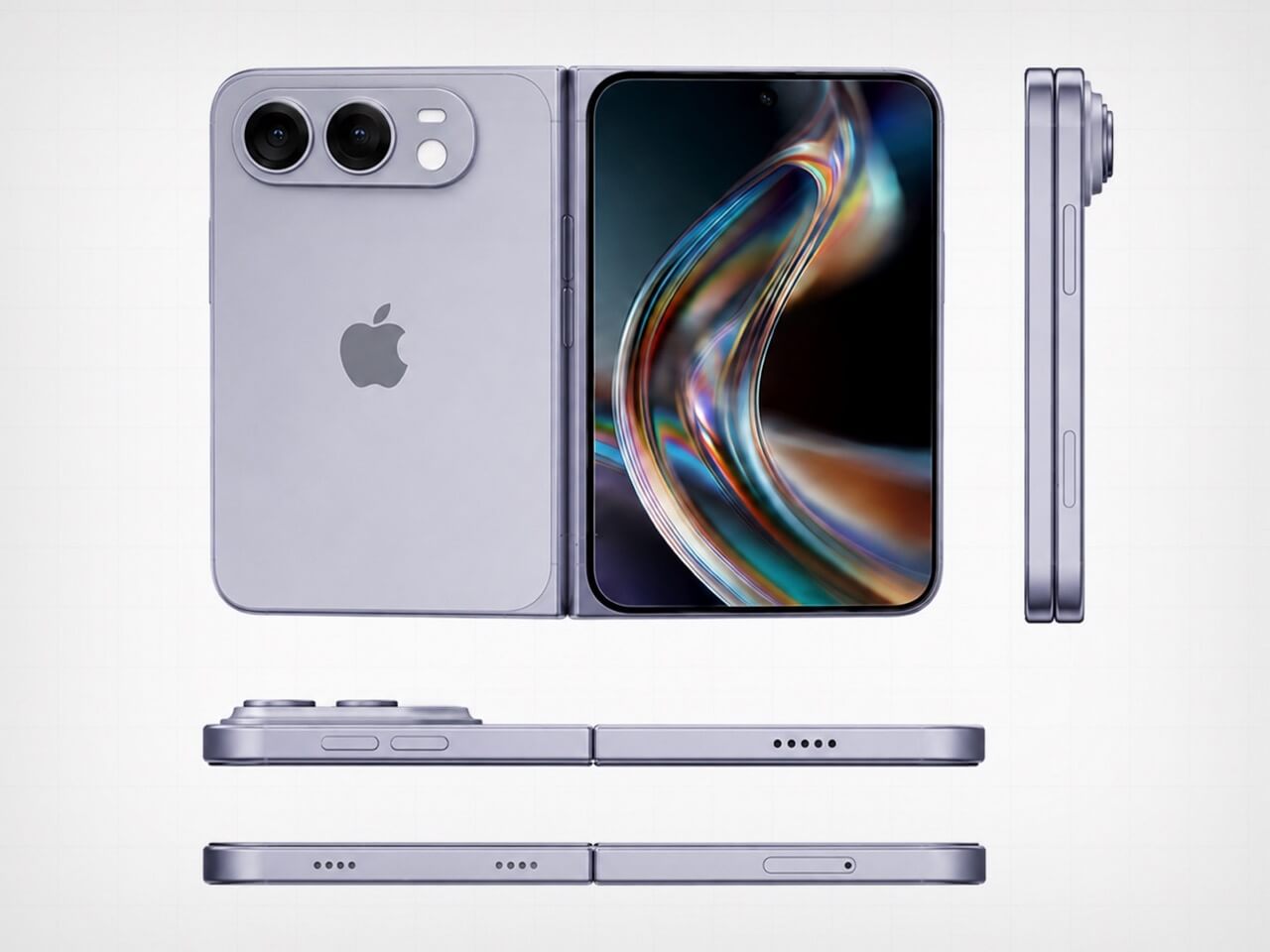
Apple saved its most aggressive design argument for last. The iPhone Ultra lands September 18 at $2,000, and the headline detail is the one that sounds impossible until you hold it — the visible crease is gone. Foldable phones have carried that horizontal line across the display since the format began, and every manufacturer called it a reasonable engineering compromise. Apple did not agree. The crease is gone, which means either the engineering problem is finally solved or a new one was quietly created in its place.

At $2,000, it is the most expensive iPhone Apple has shipped, and the price will be the loudest objection for most people. That is fair. It is also a phone that, when unfolded, gives you a display large enough to genuinely replace a small tablet, without the crease that made every foldable feel like a prototype. Whether the price is justified depends on how much that line across the screen has bothered you. For a certain buyer, the number will feel completely reasonable.

What We Like

  • The visible crease is gone, a problem every other foldable has simply accepted as permanent
  • September 18 availability means no waiting on a vague launch window

What We Dislike

  • $2,000 is a significant ask even for the most committed Apple buyer
  • At that price, the upgrade calculus is genuinely difficult for anyone coming from a recent iPhone

2. Dyson CameraJet Toothbrush

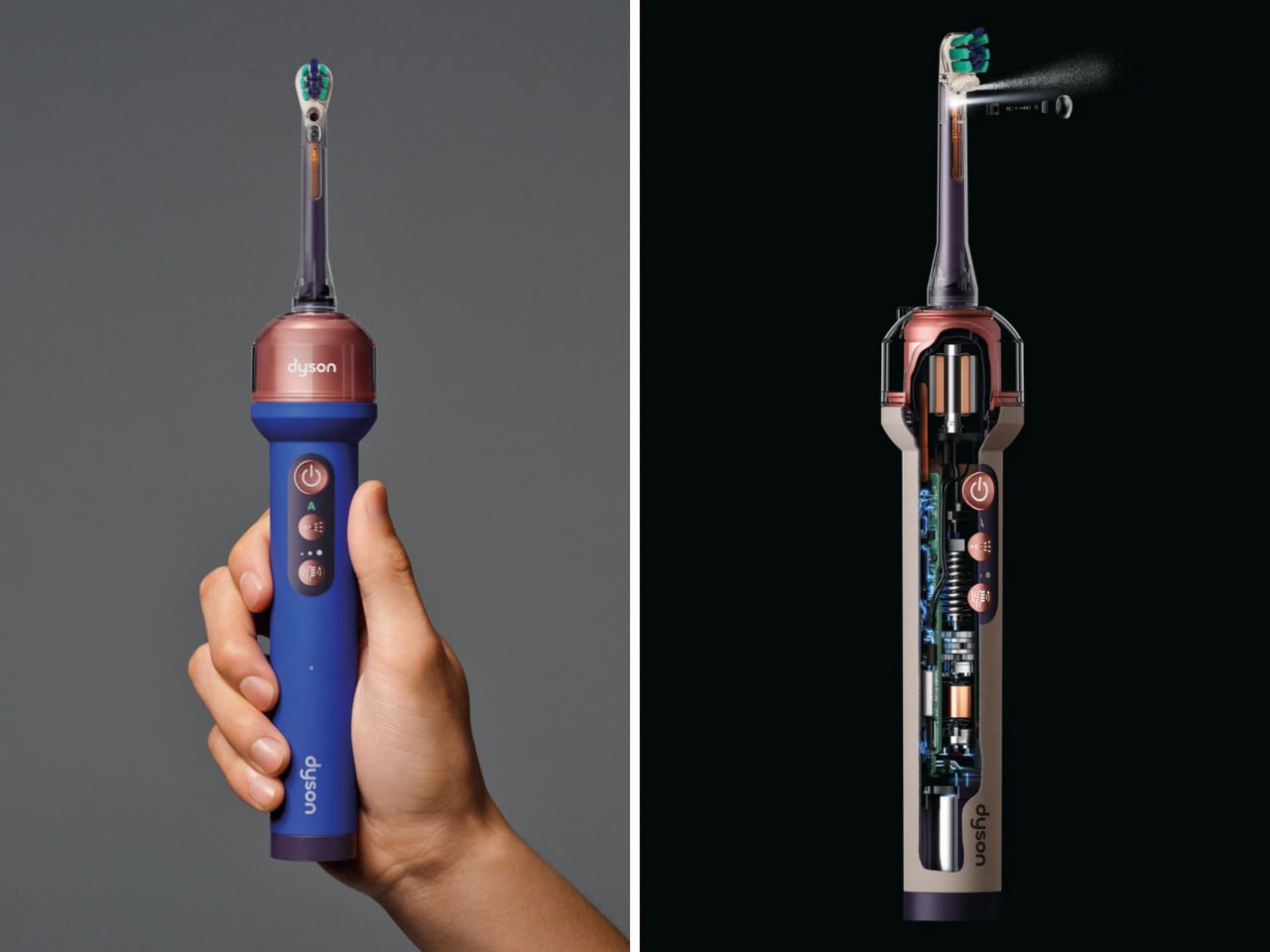
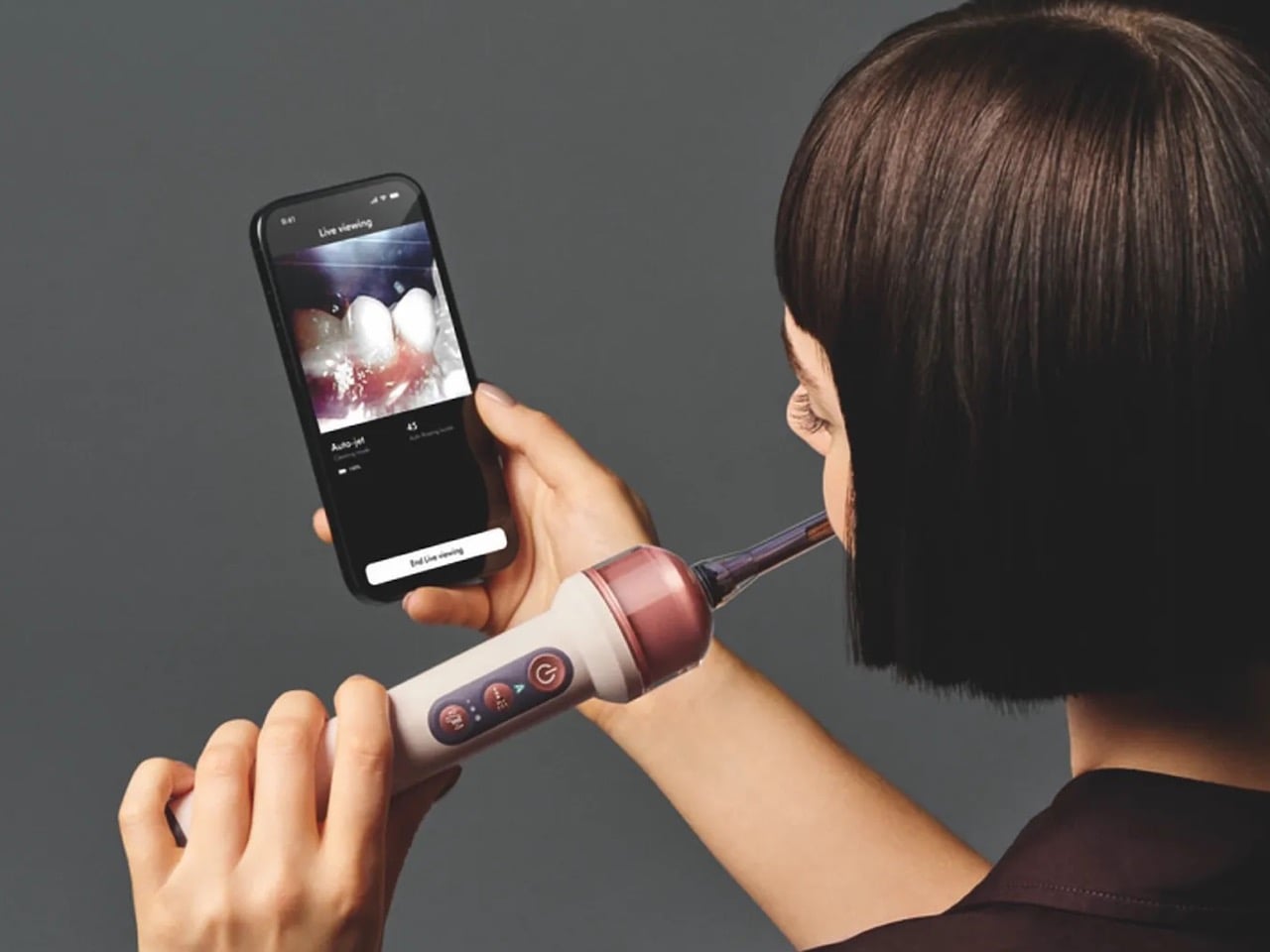
Dyson hid a 1mm camera directly under the brush head, and it reads 28 images a second while you brush. Within 100 milliseconds of detecting a gap in your coverage, the feedback loop kicks in. This is not an app that grades you on timing or buzzes when two minutes are up. It sees exactly where the bristles are not reaching and responds in real time, which is a fundamentally different answer to a problem the toothbrush industry has spent decades pretending does not exist.

The $499 price reads as absurd until you consider what it replaces. Most people spend years brushing the same spots and missing the same gaps, and no timer-based electric toothbrush has fixed that because timers do not know where your brush is. The camera does. Dyson also redesigned the toothpaste to work alongside the system, which suggests they understood that this product was not adding a feature to an existing object but rebuilding the assumptions around one entirely.

What We Like

  • A 1mm camera reading 28 frames per second gives real-time coverage feedback no other toothbrush can match
  • Dyson redesigned the toothpaste alongside the brush, showing the depth of thinking behind the product

What We Dislike

  • $499 is a difficult number for a toothbrush regardless of what it does
  • Proprietary toothpaste dependency is a meaningful lock-in that will frustrate buyers over time

3. ZWO Seestar S50 Pro

Astrophotography has always had a reputation problem. Getting a decent image of a nebula or galaxy traditionally meant a telescope, a tracking mount, a camera body, a set of filters, a laptop running capture software, and a location dark enough to make the whole trip worth it. The ZWO Seestar S50 Pro compresses that entire setup into something you could carry in a camera bag. That compression is not a minor convenience. It is the difference between astrophotography being a hobby you have and one you actually practice.

The S50 Pro is not a crowdfunded concept or a prototype. It is a shipping device sold through B&H, Amazon, and ZWO directly, part of a line that has been refining the smart telescope format for several years. For people who have wanted to try astrophotography without committing to a several-thousand-dollar hardware stack, it is the most credible entry point available right now, and the images it produces at this size are the kind that still feel surprising every time you see them.

What We Like

  • Compresses a full astrophotography rig into one bag without requiring a tracking mount or separate laptop
  • Sold through established US retailers with confirmed availability, not a waitlist product

What We Dislike

  • Smart telescopes in this class still need a reasonably dark sky to produce compelling results
  • The app-dependent workflow means the imaging experience is only as good as the software behind it

4. Camera With Digital Film


Every digital photo you have ever taken lives in a folder. Most of them stay there. The Camera with Digital Film changes the end of that process by ejecting a physical e-paper cartridge when you fire the shutter. Because e-paper holds its image without power, that small rectangle stays a picture permanently. You can lean it against a monitor, pin it to a wall, or hand it directly to the person you just photographed, and none of that requires a printer, an app, or a subscription to anything.

This is a personal maker build, not a retail product, which means you cannot order one. But the project is documented and open, which is its own kind of contribution. Instant cameras eject paper prints that fade over years. This ejects a display that does not. The object you walk away with is not a printout of a photo. It is the photo, held in a piece of hardware that draws no power to stay that way. The difference is not subtle once you hold one.

What We Like

  • E-paper holds the image without power indefinitely, making every shot a permanent physical object
  • The format lets you hand a photo to someone in the moment without a printer anywhere nearby

What We Dislike

  • This is a maker build with no purchase option — you build it, or you do not have it
  • E-paper’s limited color range means images read closer to a graphic print than a full-color photograph

5. ClearFrame Speaker + CD Player

The ClearFrame puts a CD player and a speaker into a frame you can see straight through, and the transparent design earns its place by making the mechanical parts of the player the visual feature rather than something hidden behind matte plastic. Watching a disc spin inside a clear housing is a different experience from staring at a closed box, and the ClearFrame is built around the idea that the hardware itself is worth looking at. The mechanism is the aesthetic. Nothing about that is accidental.

For anyone building a desk around objects that hold their own visually, the ClearFrame gives the CD player a reason to be out in the open rather than tucked away. The disc, the mechanism, the speaker housing: all of it visible, all of it intentional. It is not a nostalgia product. It is a design argument about what audio hardware looks like when it stops hiding its own workings.

Click Here to Buy Now: $240.00

What We Like

  • The transparent frame turns the mechanical components into the centerpiece rather than concealing them
  • Combines a CD player and speaker into one object with a coherent visual identity

What We Dislike

  • Listed under upcoming drops only, so exact pricing and shipping timeline are not yet confirmed
  • A clear housing will need regular cleaning to maintain the effect it is entirely built around

6. Cyberpunk 2077 x Commodore 64

The Commodore 64 launched in 1982. Cyberpunk 2077, the game, is set in 2077. The gap between those two years is roughly the entire history of consumer computing, and this collab leans into that distance rather than papering over it. The result sits at the intersection of two very specific aesthetics: the beige plastic of early home computing and the neon-drenched maximalism of Night City. Somehow they feel like they were always related. The Retro Games Ltd license makes it a real retail product, not a limited drop built on hype.

For people who grew up with a C64 or remember it as the machine that first felt like a home computer, this collab has a logic that is hard to argue with. Cyberpunk’s world is built on the idea that technology accumulates rather than replaces, and a computer from 1982 sitting alongside a game set in 2077 makes that point visually without needing to explain itself. It is the kind of object that earns its shelf space because it means something beyond what it does.

What We Like

  • The 95-year gap between the C64’s launch and the game’s setting is the entire premise, and the design commits to it
  • A real licensed retail product through Retro Games Ltd, not a concept or an event-exclusive run

What We Dislike

  • The appeal is almost entirely to people with an attachment to either the C64 or Cyberpunk 2077 specifically
  • As a niche collab object, it will be difficult to track down outside dedicated retro gaming retailers

7. OrigamiSwift Folding Mouse

Standard mice do not pack flat. They sit awkwardly in bags, take up more space than their function warrants, and feel like a compromise every time you travel with a laptop. The OrigamiSwift uses an origami-influenced folding structure that collapses the mouse into something genuinely flat: the kind of object you forget is in your bag until you need it.

Travel mice as a category have existed for a long time, but most of them solve portability by making the mouse physically smaller rather than foldable. Smaller mice are less comfortable to use for any extended session. The OrigamiSwift’s approach is different: it folds to pack and unfolds to a full grip, which means you are not choosing between portability and comfort every time you pull it out. For anyone who works from multiple locations, that trade-off has been the quiet frustration with every travel mouse that came before this one.

Click Here to Buy Now: $85.00

What We Like

  • Folds flat for packing without reducing grip size for use, a problem most travel mice simply ignore

What We Dislike

  • Folding mechanisms introduce hinge wear over time that rigid designs never have to account for
  • Travel-first positioning may mean trade-offs in sensor performance compared to a dedicated desk mouse

8. ROG Ally X Dual-Screen Mod

Dual-screen handhelds usually mean buying an entirely new device built around that feature from the ground up. This ROG Ally X mod skips that purchase. It snaps a 120Hz secondary display onto an existing Ally X using a mount system that removes just as easily, which means you get the dual-screen setup when you want it and a standard handheld when you do not. The engineering problem this solves is not new, but the solution here is additive rather than architectural, which makes it the more interesting answer.

It is a maker project, which means you build it rather than buy it, and the plans are documented and freely available. That limits its audience to people comfortable with a hobbyist build. Within that group, it is one of the more compelling uses of a gaming handheld’s form factor to surface this year. The 120Hz refresh rate on the secondary screen is not a placeholder spec either — it keeps up with the primary display rather than undercutting it, which has been the consistent weakness of every dual-screen attempt before this one.

What We Like

  • Snaps on and off without permanently modifying the Ally X itself
  • 120Hz on the secondary screen matches the primary display rather than being a visible step down

What We Dislike

  • No kit to order — you source and assemble the components yourself, or you do not have it
  • A second active display will draw additional power from the Ally X battery, which is already a known constraint on the device

September is not a month that usually swings this hard. Three products you can buy today, two from the YD shop, a maker build you can start this weekend, and an iPhone that lands in 16 days at a price that will generate more conversation than almost anything Apple has shipped in years. The range across eight picks is wider than usual, and that width is the point.

The through line is stubbornness. Every one of these objects exists because someone decided the accepted version of the thing was not good enough and built a different answer. A crease-free fold. A toothbrush that watches you brush in real time. A CD player you can see straight through. A photo that ejects itself from a camera. That kind of thinking does not happen every month. September had a good one.

The post The 8 Best Gadgets of September 2026 first appeared on Yanko Design.

  •  
❌