Vue lecture

Il y a de nouveaux articles disponibles, cliquez pour rafraîchir la page.

Genji Kyoto Is a Hotel You Read Like a 1,000-Year-Old Book
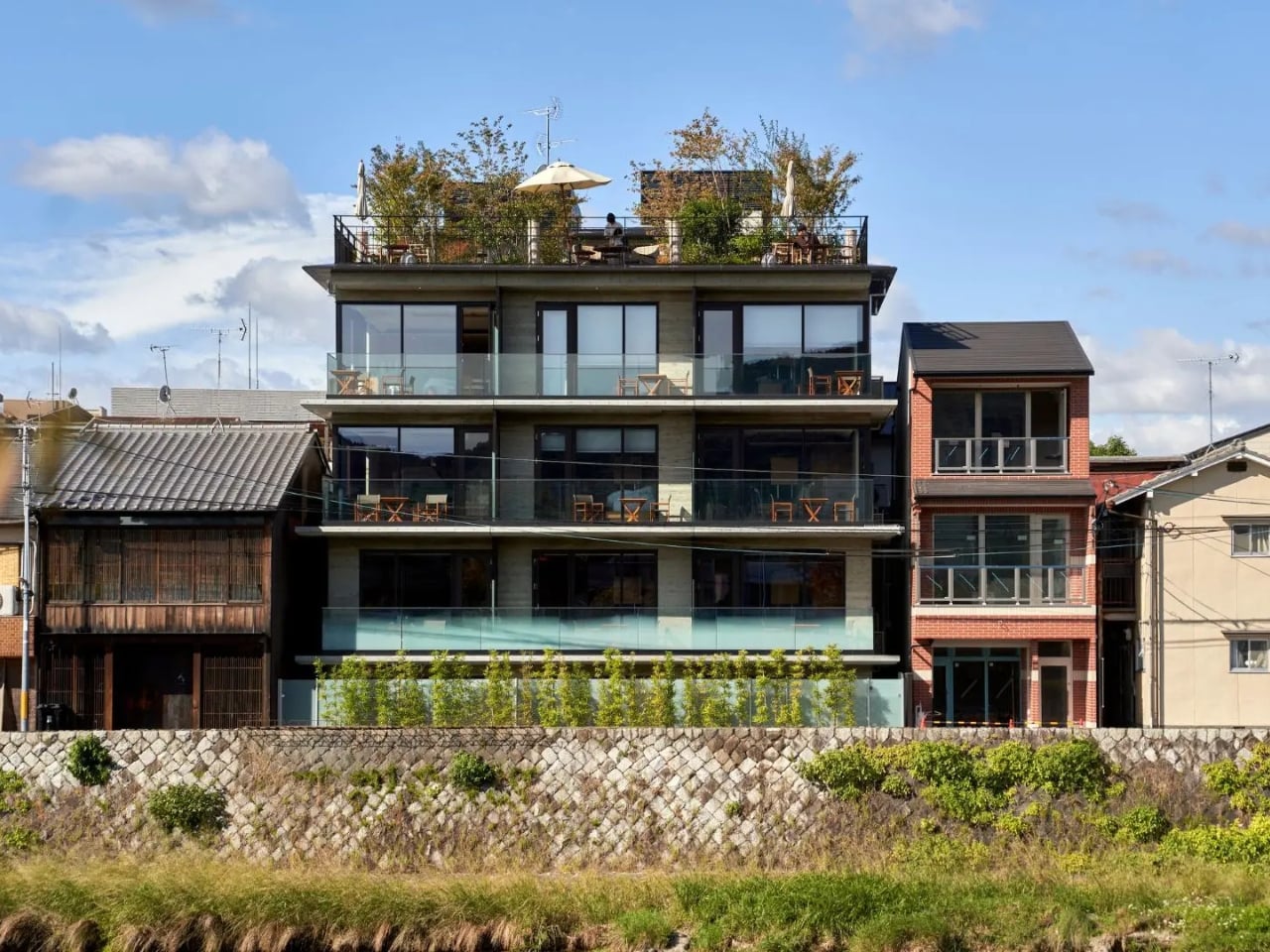
Most hotels ask you to check in. Genji Kyoto asks you to pay attention. Nestled along the Kamo River in Kyoto, Japan, this 19-room boutique hotel is the kind of place that architects talk about in hushed, reverent tones. And for good reason. It was designed by Geoffrey P. Moussas of Design 1st, a New York-born, MIT-trained architect who has called Kyoto home since 1994. That detail matters more than it might seem.

Moussas didn’t fly in with a mood board and a deadline. He has spent over three decades restoring and redesigning more than 40 traditional Japanese structures: machiya townhouses, tearooms, kura storehouses, and even a 400-year-old Buddhist temple. His work has been featured in the Financial Times, CNN, and NHK, and exhibited at Kiyomizu Temple and Nijo Castle. When someone like that builds a hotel, you’re not just booking a room. You’re stepping into a lifetime of accumulated understanding.

Designer: Geoffrey P. Moussas of Design 1st
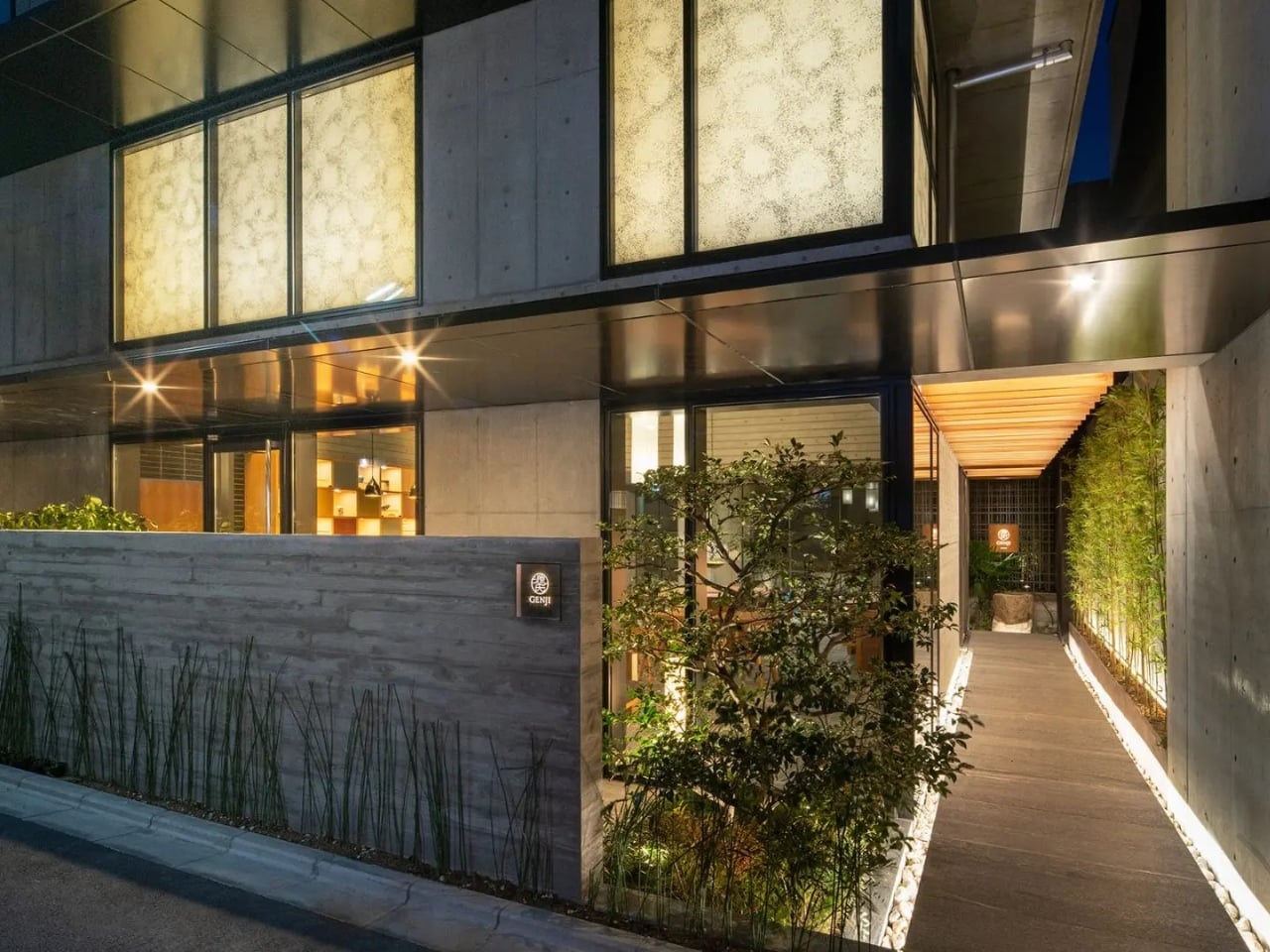
The concept behind Genji Kyoto traces back to an 11th-century Japanese novel, The Tale of Genji, widely considered one of the world’s first novels. When the design team discovered that the hotel’s site was historically tied to the story’s actual locations in Kyoto, the whole project shifted. The design moved away from a simple machiya prototype and toward the aesthetic world of the Heian period, over a thousand years ago. But Moussas wasn’t interested in imitation. His approach was to distill the spirit of Heian architecture, specifically the Shinden Zukuri style, characterized by pavilions woven through interconnected gardens, rather than recreate its surface. That distinction is everything. It’s the difference between a themed restaurant and a genuinely good one.
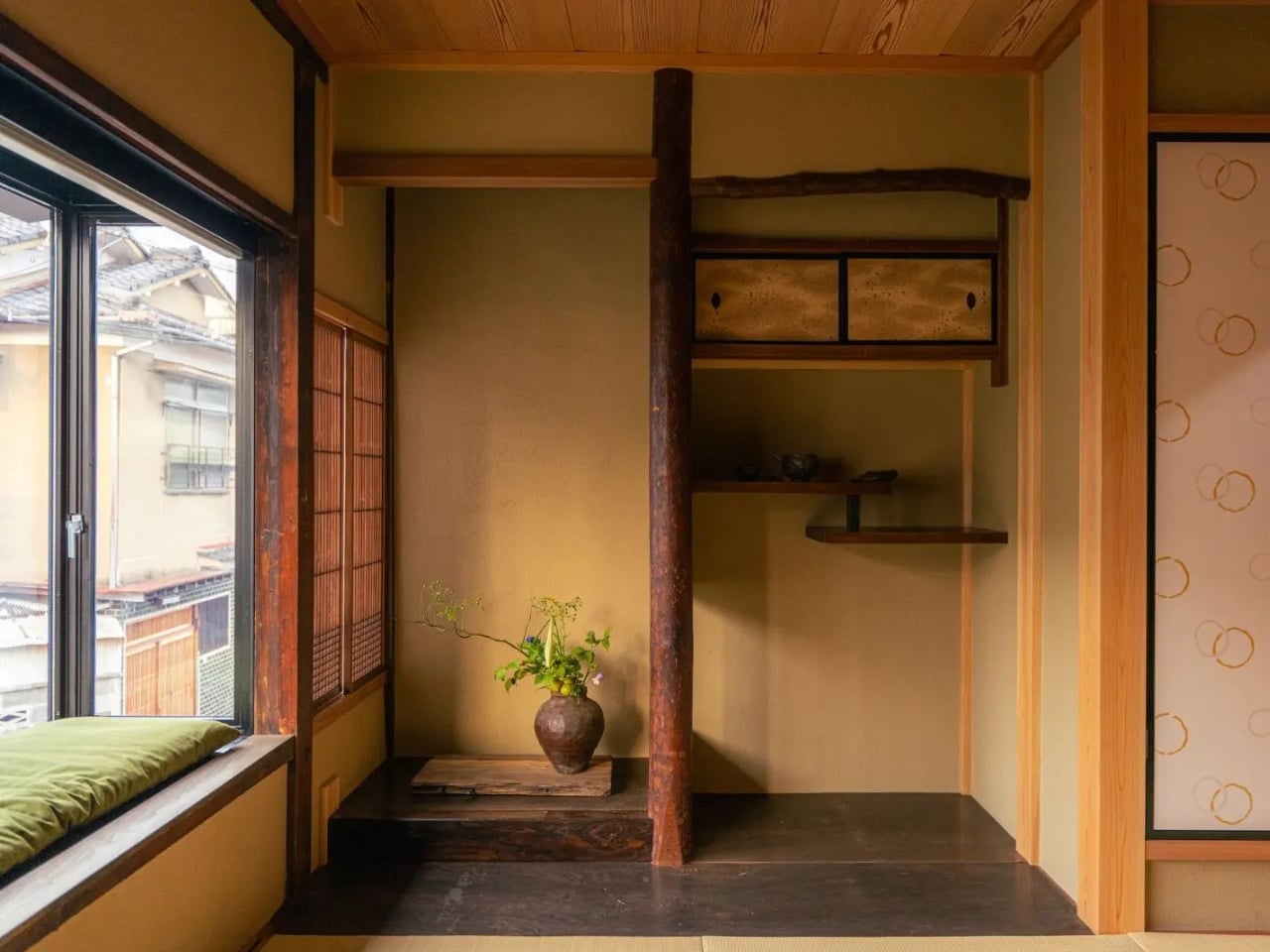
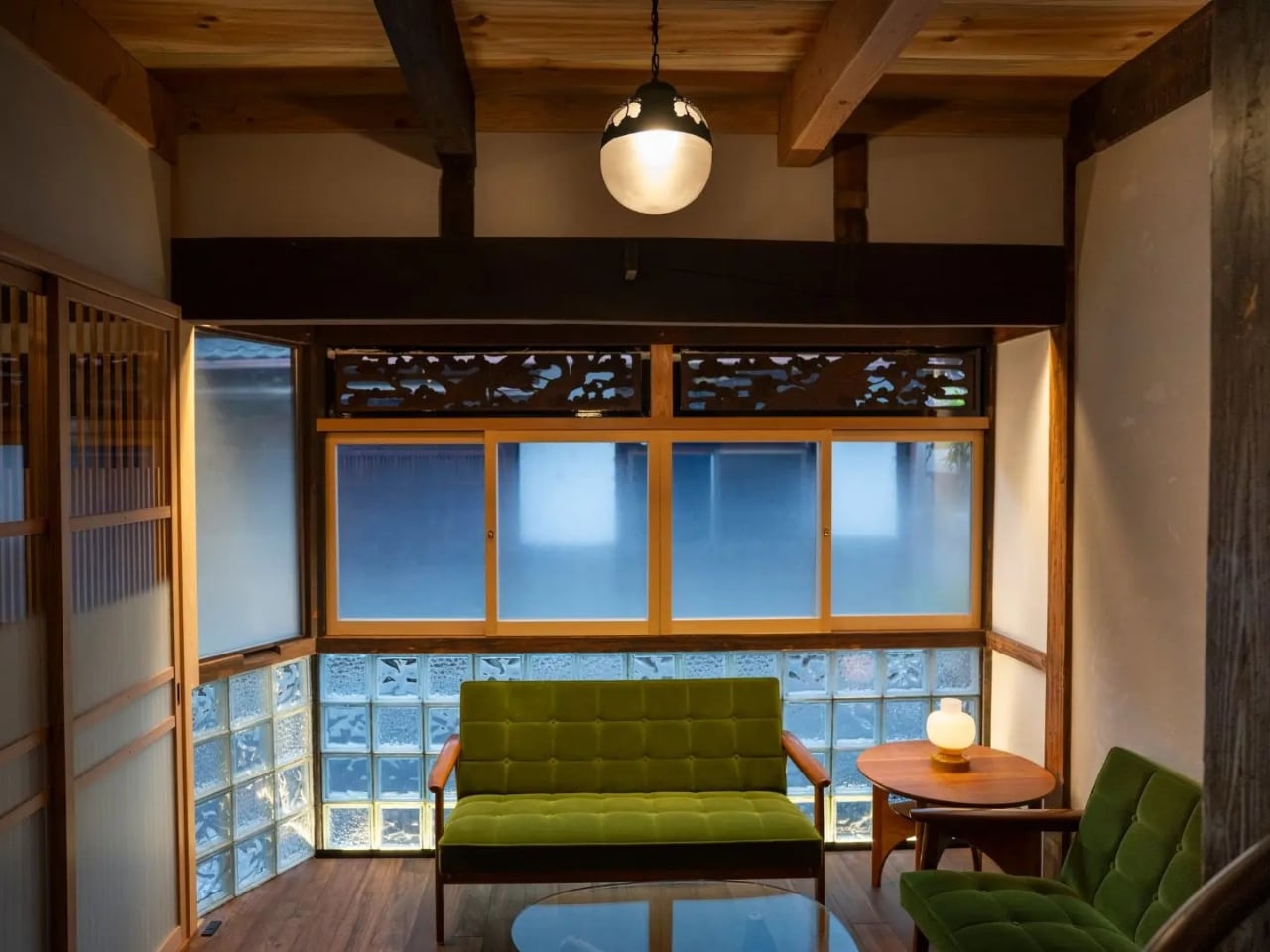
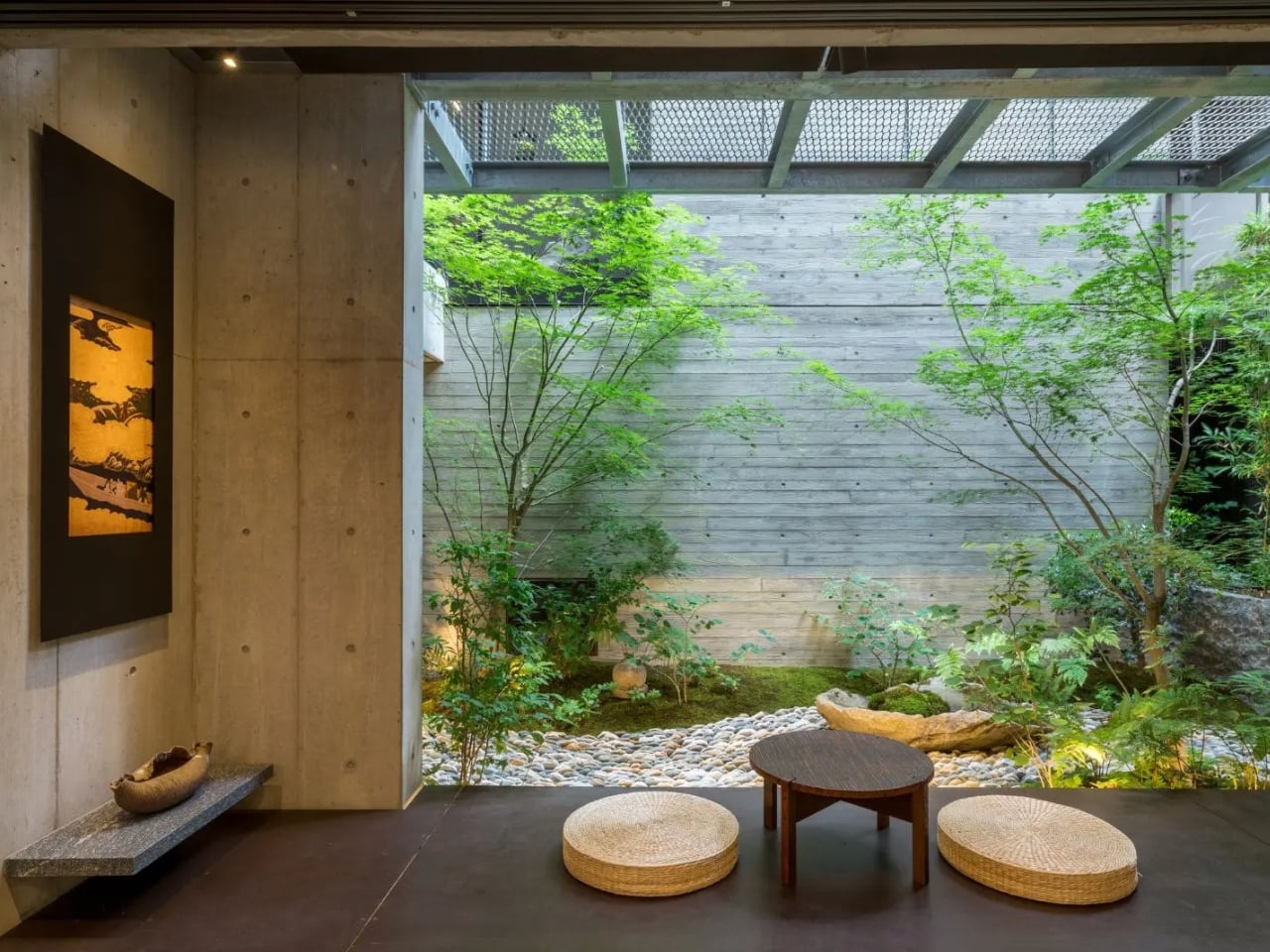
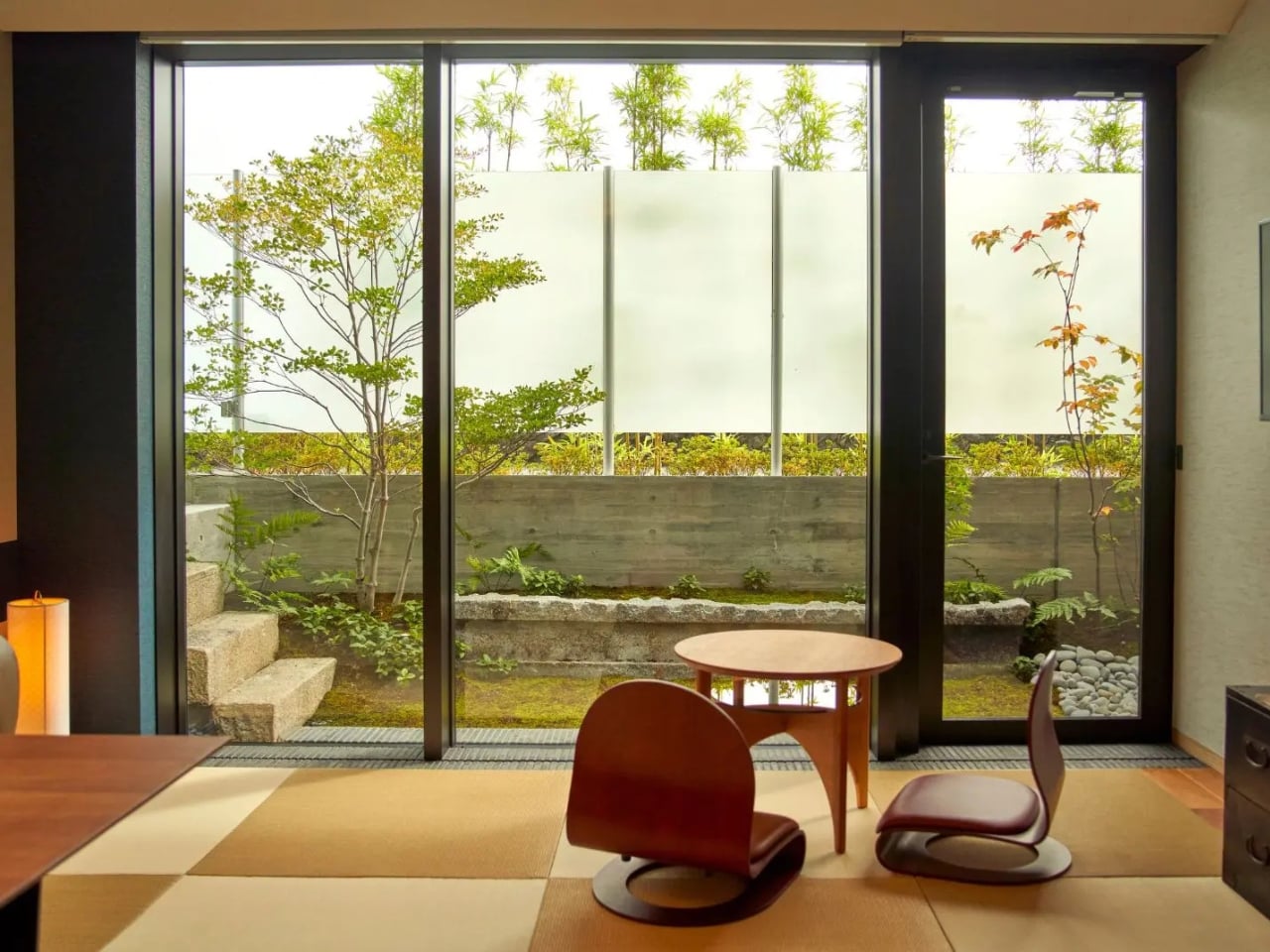
The guiding philosophy here is a Japanese concept called Teioku Ichinyo, which translates roughly to “building and garden are one.” Every spatial decision at Genji Kyoto flows from this idea. Gardens aren’t decorative; they’re structural. They guide movement, frame views, and carry what the Japanese call ki, the life force that animates a space. Even the small tsubo pocket gardens tucked around the guest rooms, a tradition dating back to Heian palace residences, do serious work, turning what could be a blank interior wall into a living, breathing view.
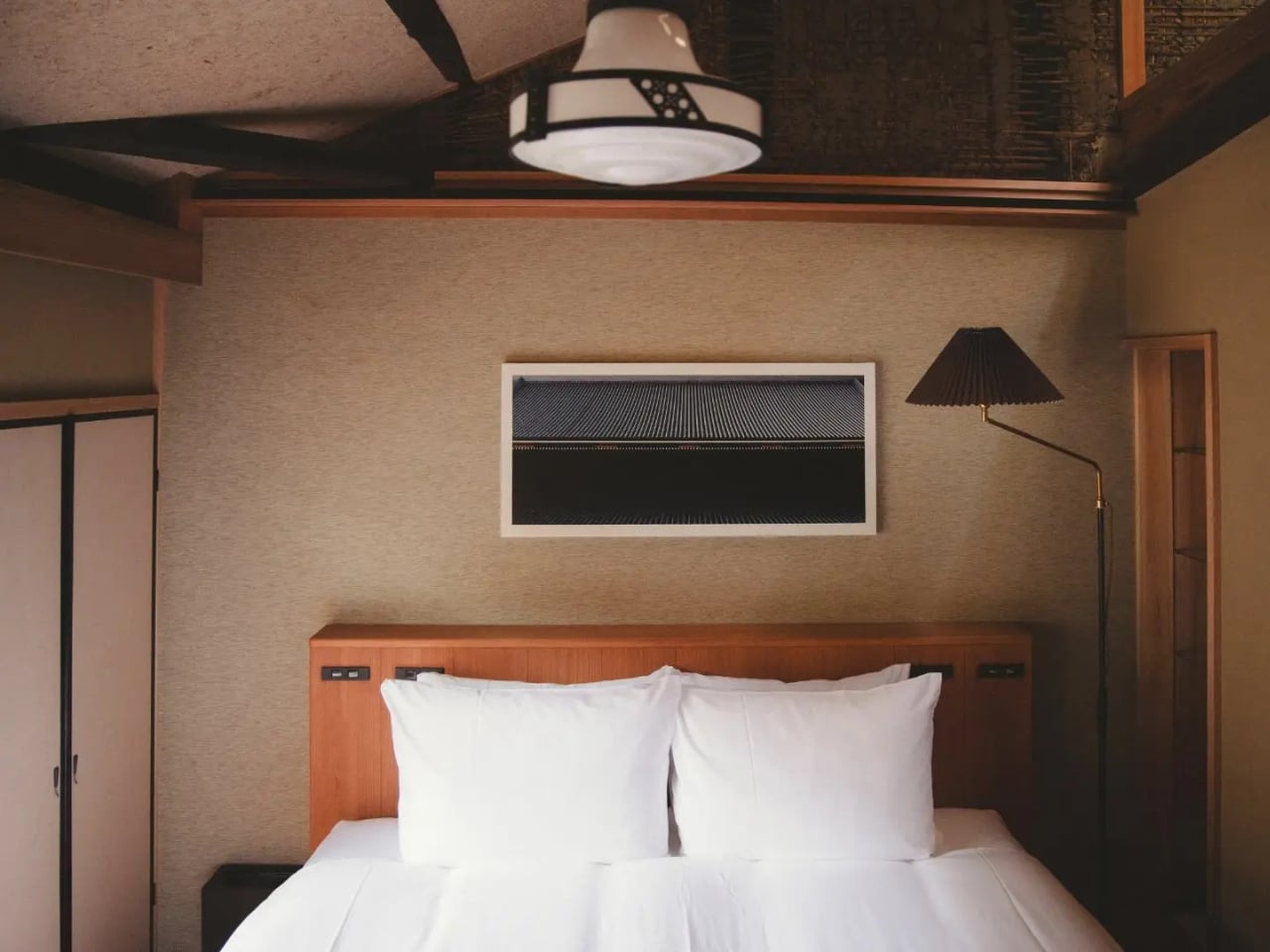
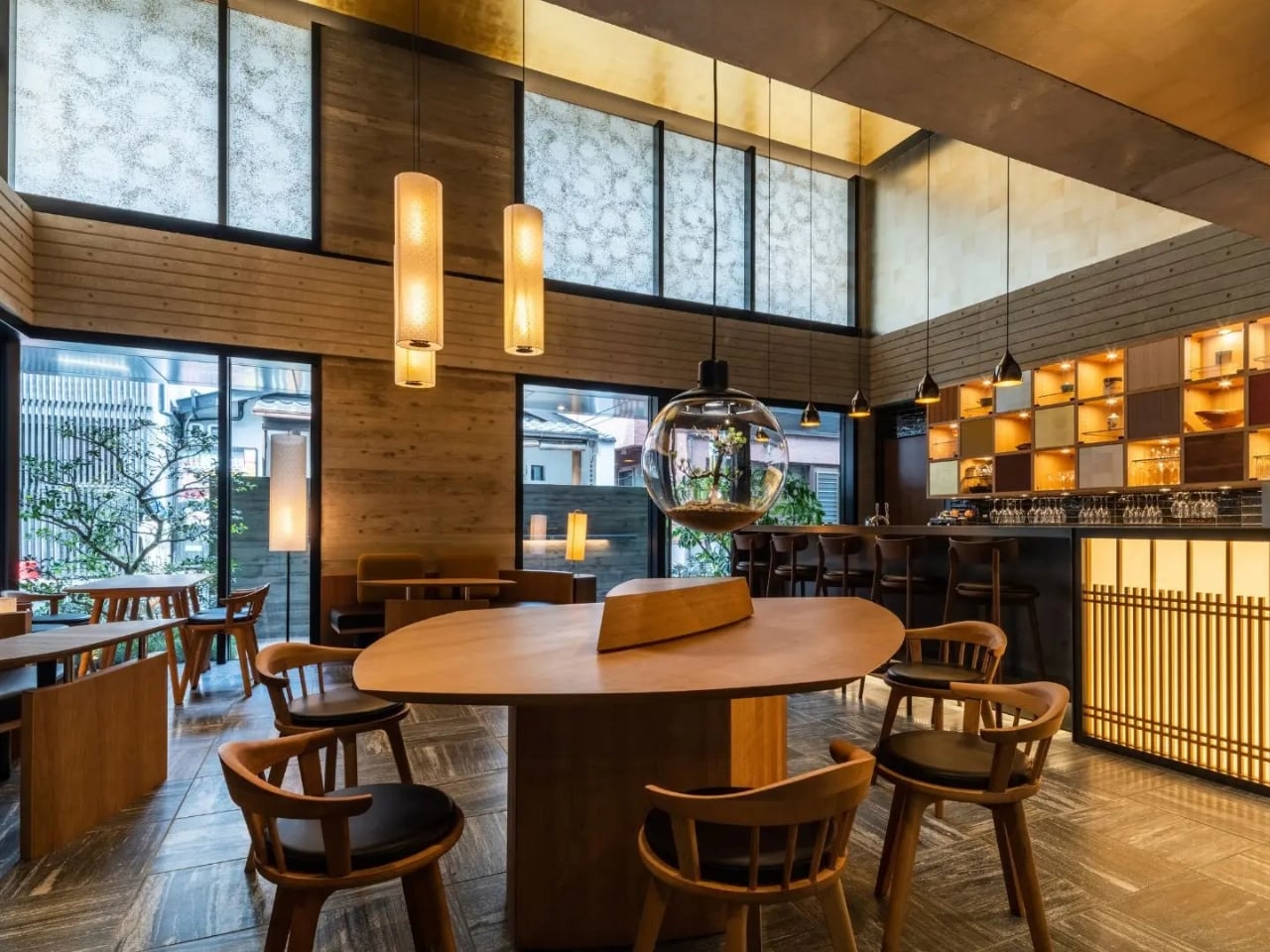
The materials are just as considered. Cedar-imprinted concrete shows up throughout the hotel, hard surfaces pressed with the warmth of wood grain, creating a tension that reads as both ancient and completely new. Large-scale washi paper panels function as architectural elements, not just decoration. Guest rooms have solid cherry wood floors, tatami mats made from natural rush, and furniture entirely handmade by Kyoto craftsmen. Jun Tomita, who handled interior design alongside Moussas, drew motifs directly from The Tale of Genji for every custom piece. And then there’s the detail I keep coming back to: during construction, a heritage water basin and a small shrine were discovered on-site. Rather than remove them, the team built the garden around them. That kind of decision tells you everything about where the priorities were.
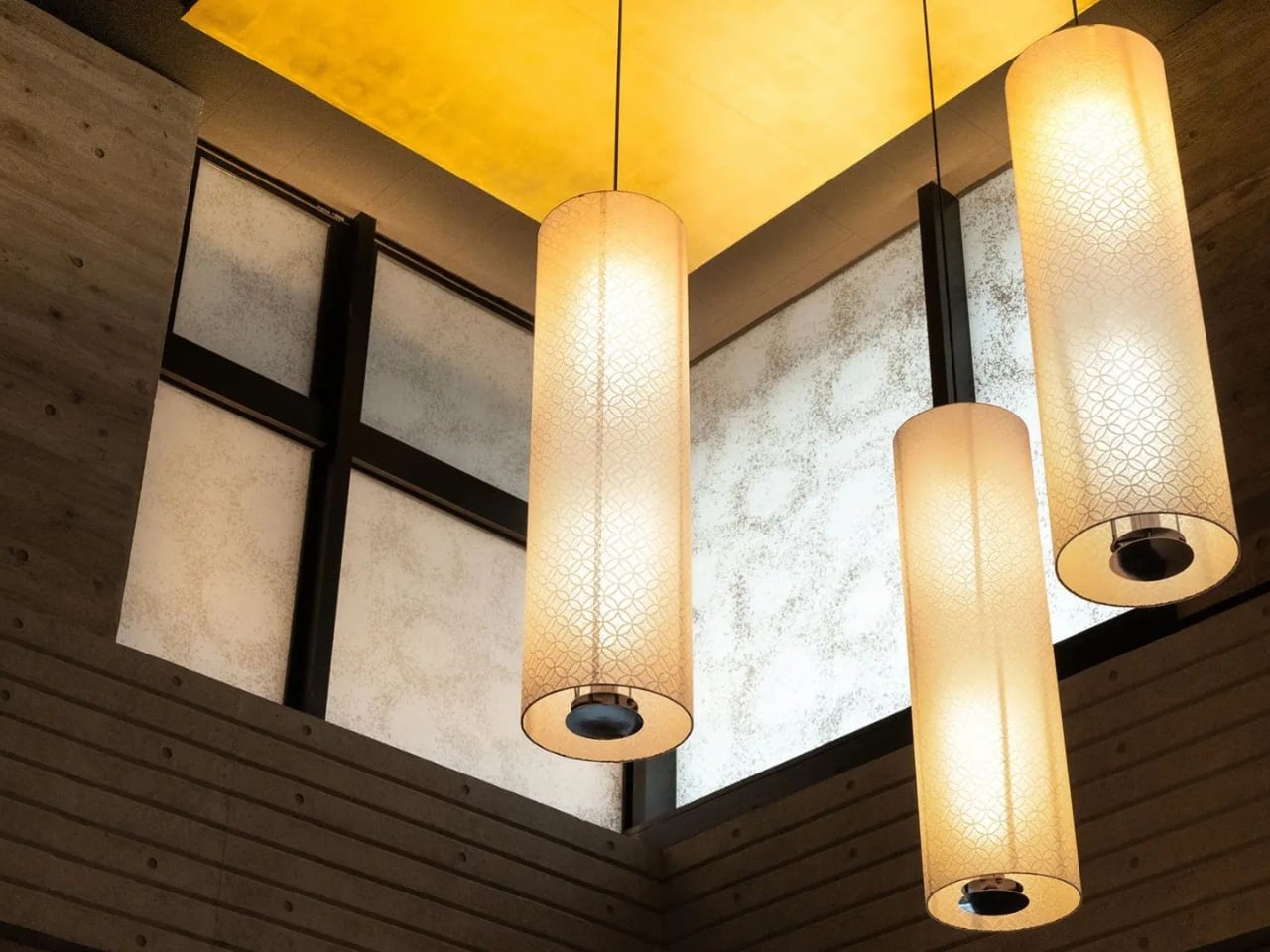
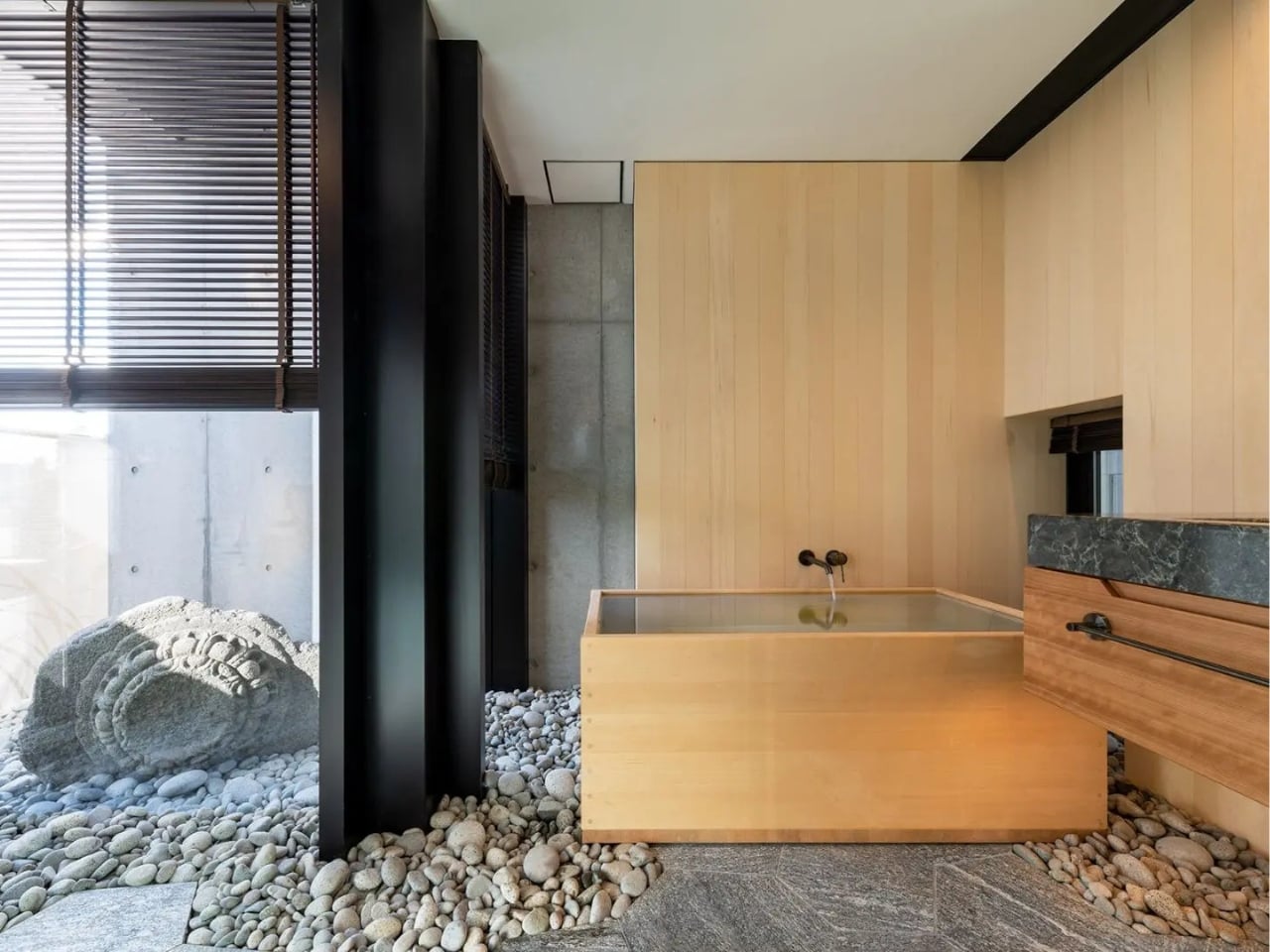
There are 19 rooms in total, each one different. River views, city views, garden views. No two stays are the same, and that’s by design. Each room also features an original painting by a Kyoto artist, with every piece drawing on a different theme from The Tale of Genji, so even the art tells a chapter of the same story. Moussas has said he wanted guests to have a different experience every time they return, and the hotel is built to make that true. The rooftop garden and bar take it further still, offering panoramic views that make the hotel feel like it belongs to the entire city, not just its footprint.
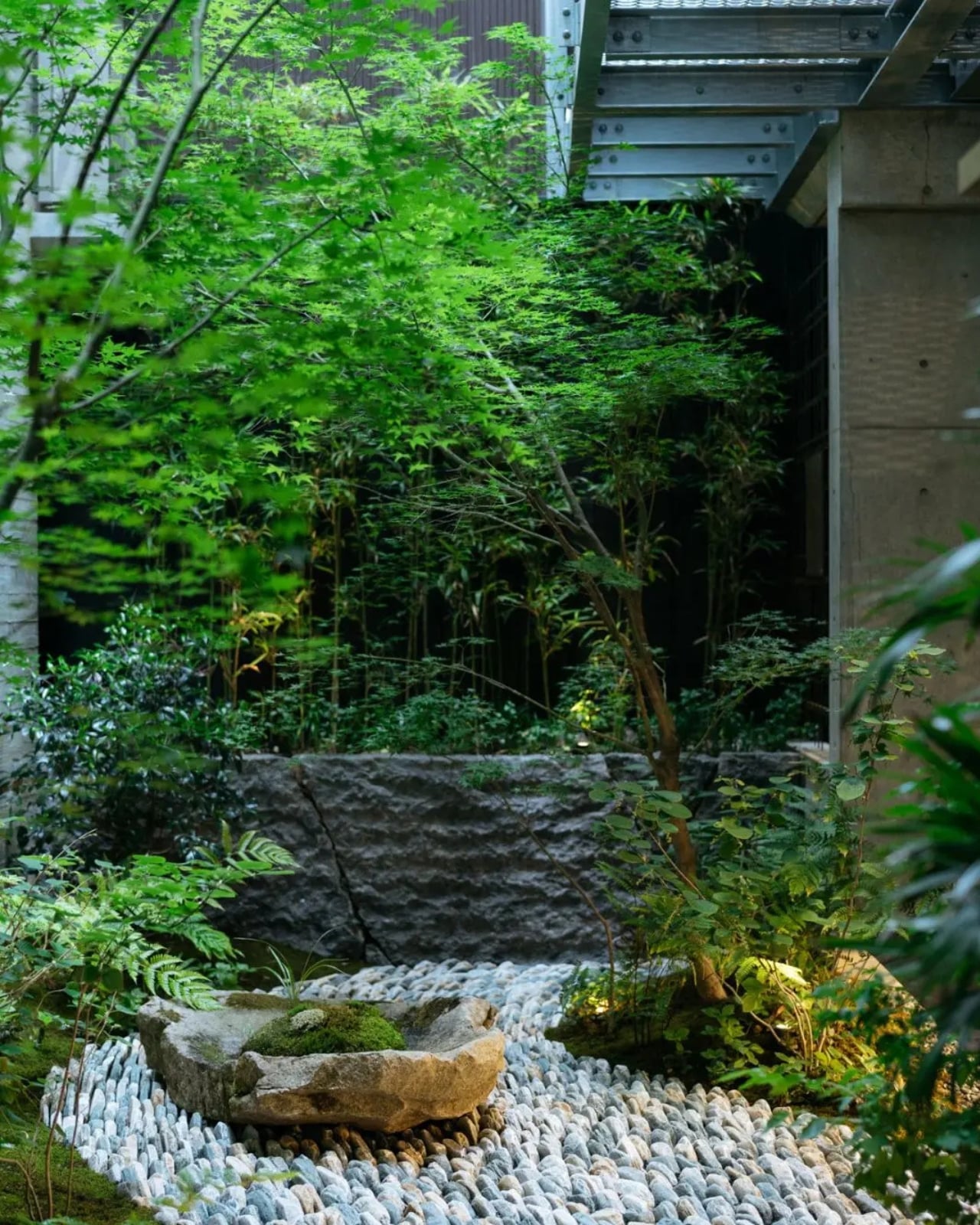
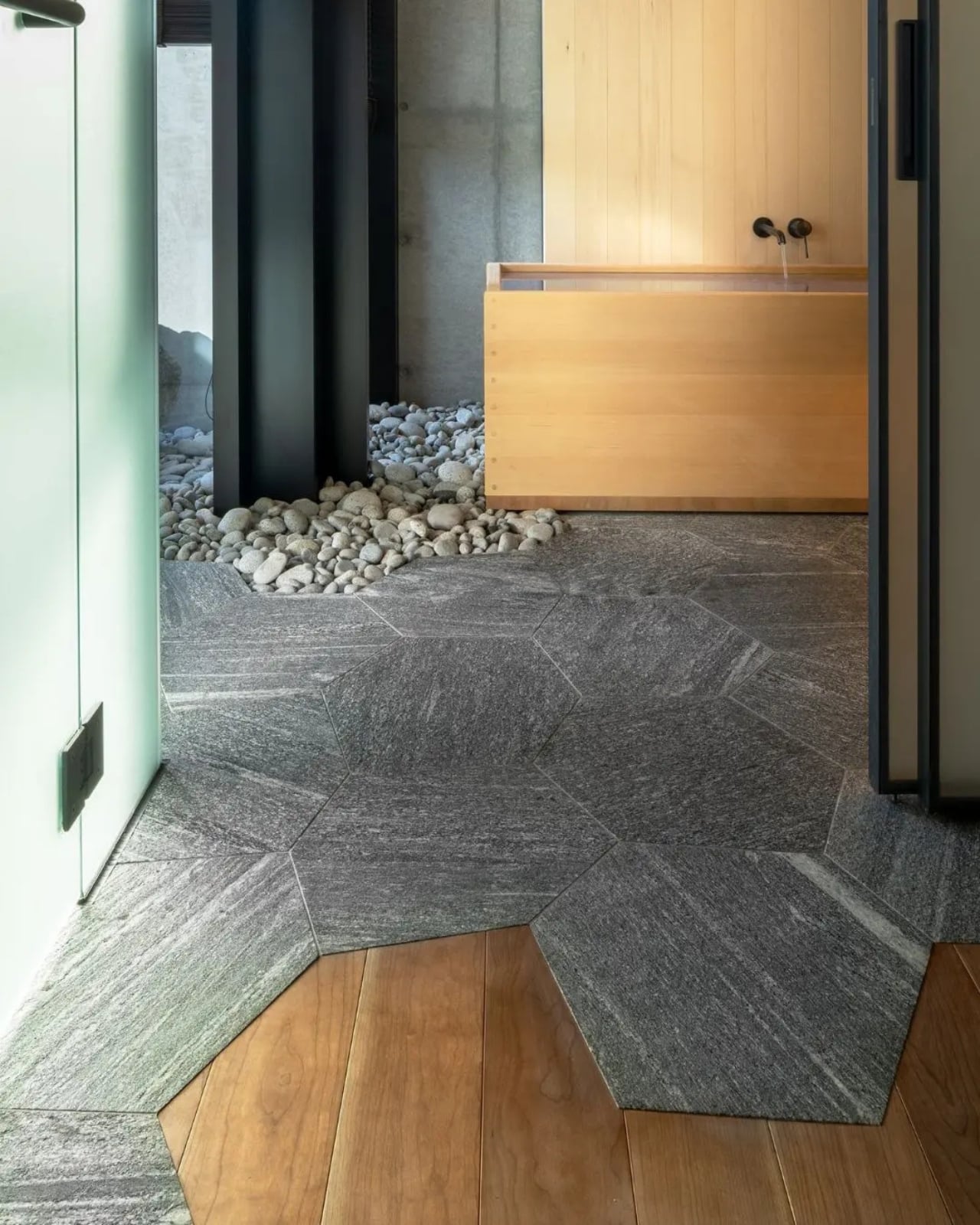
Genji Kyoto’s real achievement isn’t any single detail. It’s the commitment to depth over spectacle. A lot of contemporary design is about the first impression, the photograph, the wow moment. This hotel asks for more time than that. It reveals itself in layers, the way a good book does. You have to slow down. You have to look twice. That’s a rare ask in hospitality. And it’s a rarer thing to pull off.
The post Genji Kyoto Is a Hotel You Read Like a 1,000-Year-Old Book first appeared on Yanko Design.
A Hotel in Greece That Hides Inside the Cliff Instead of Sitting on It

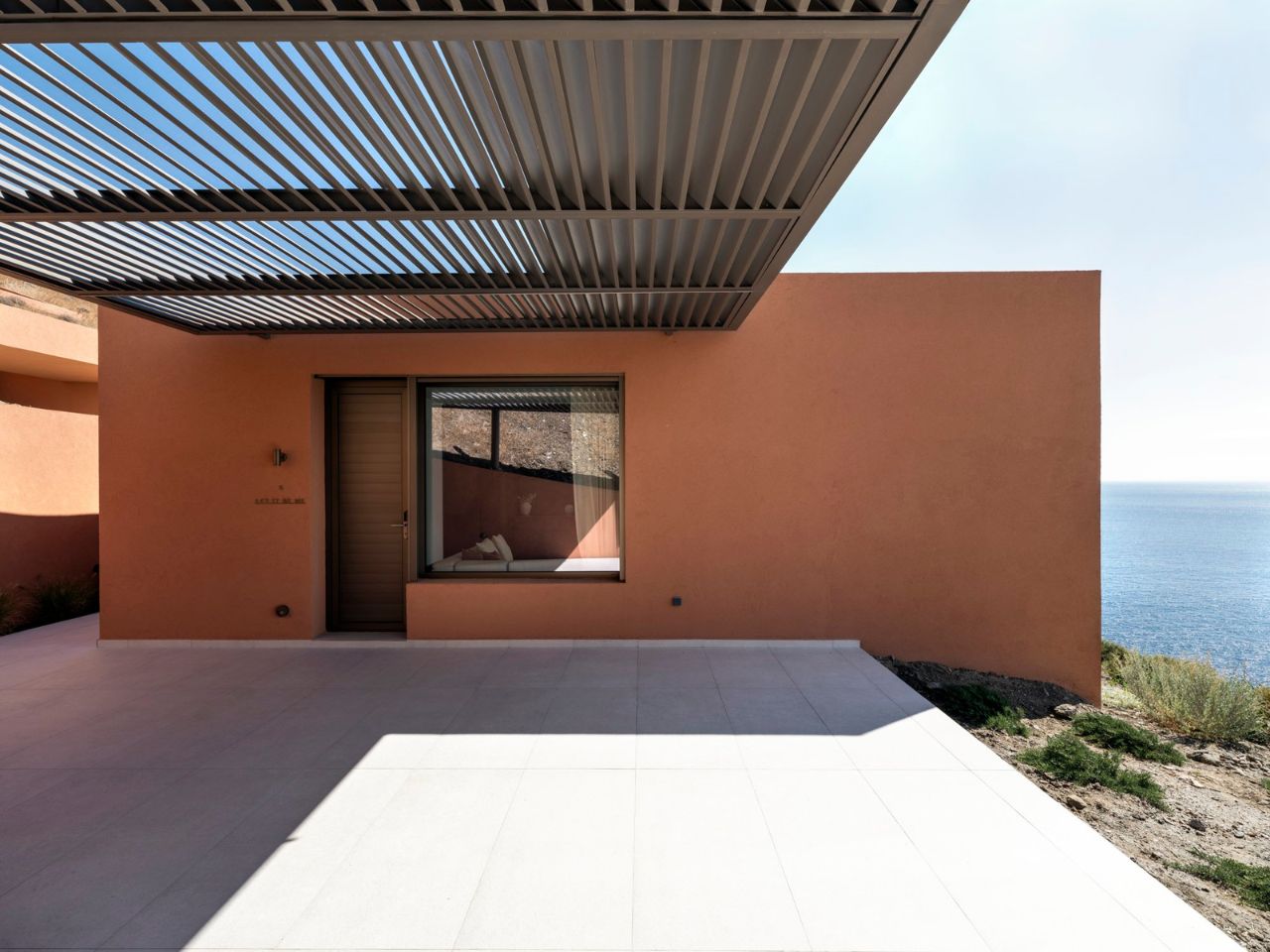
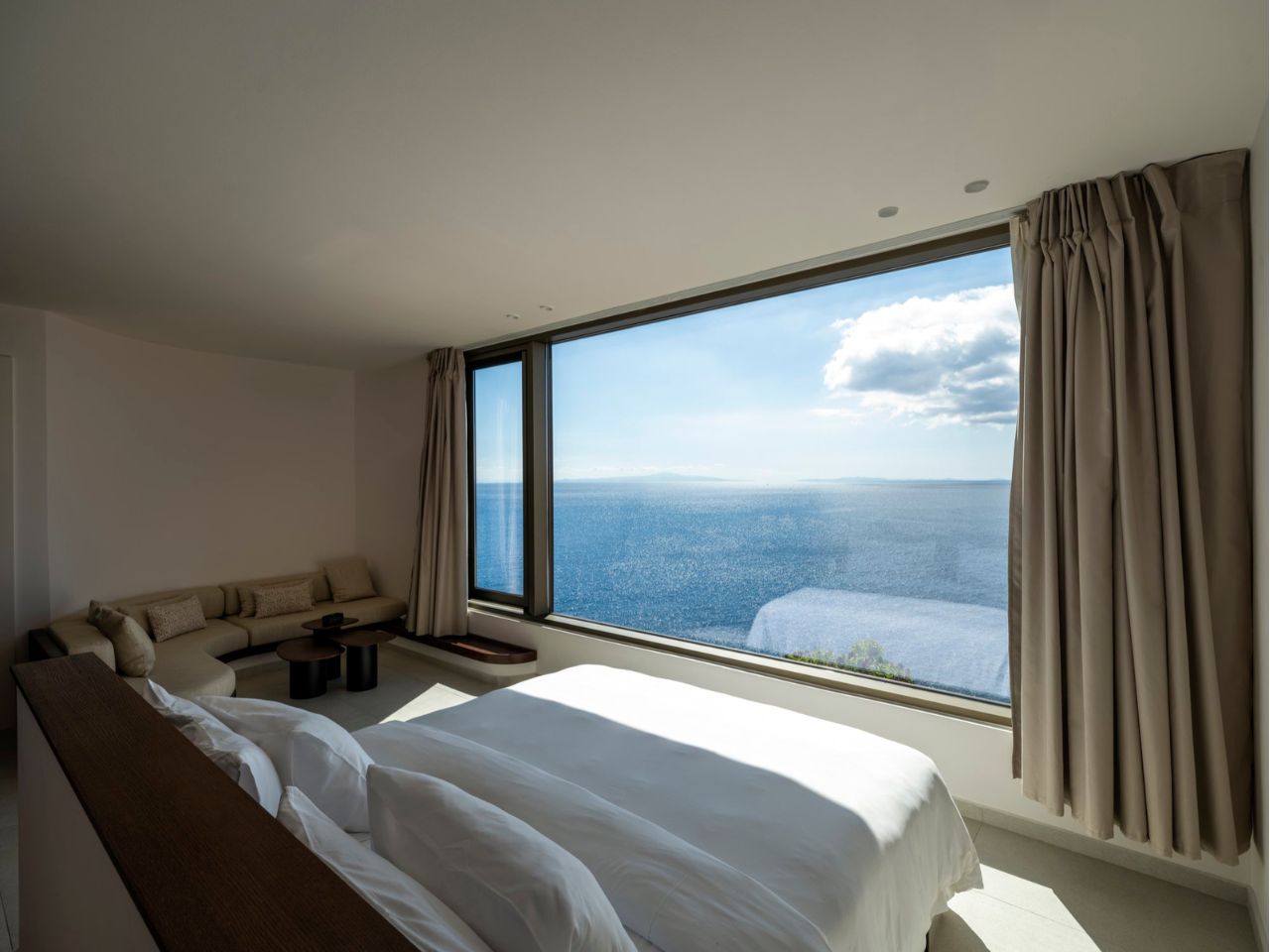
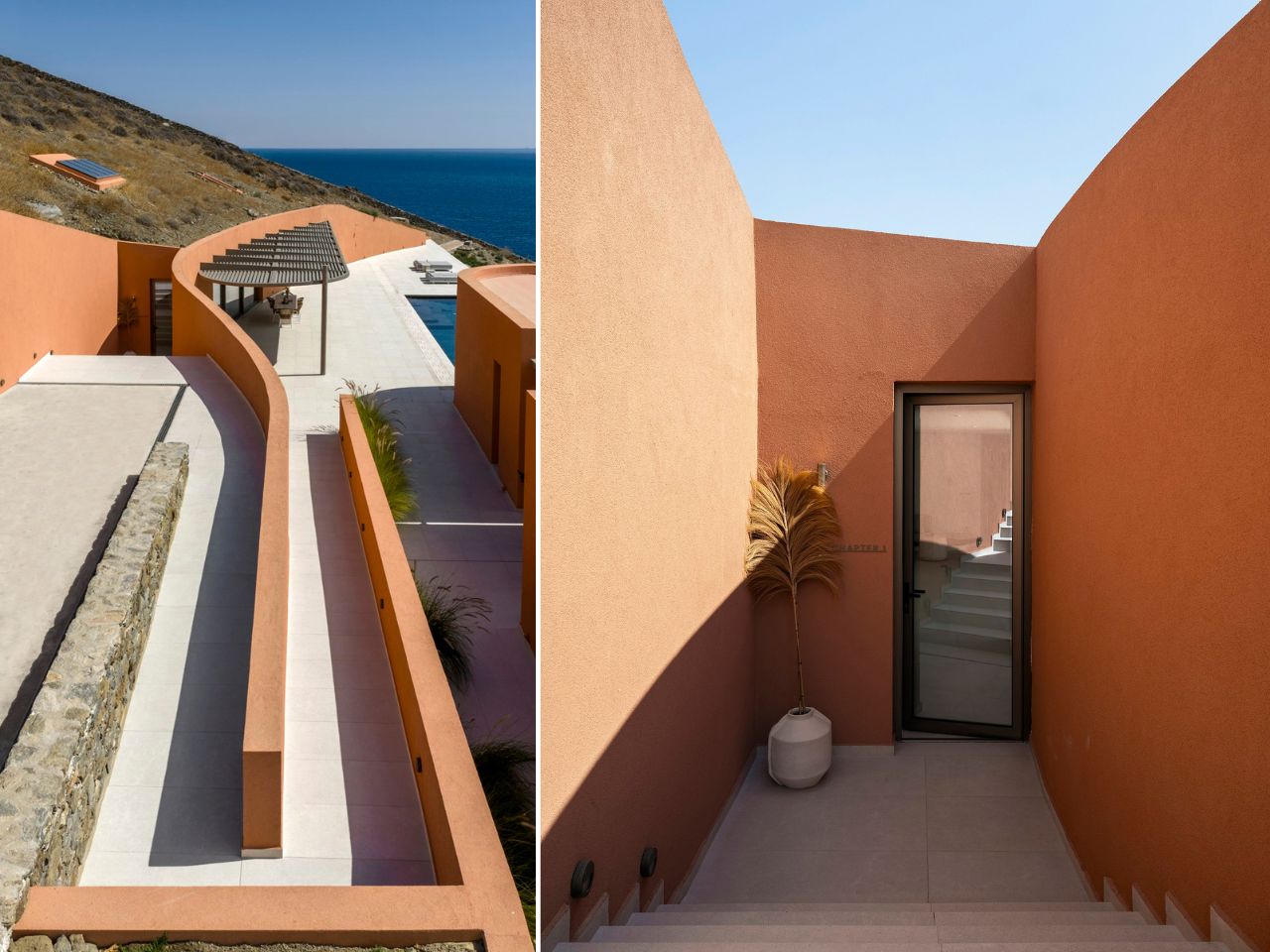
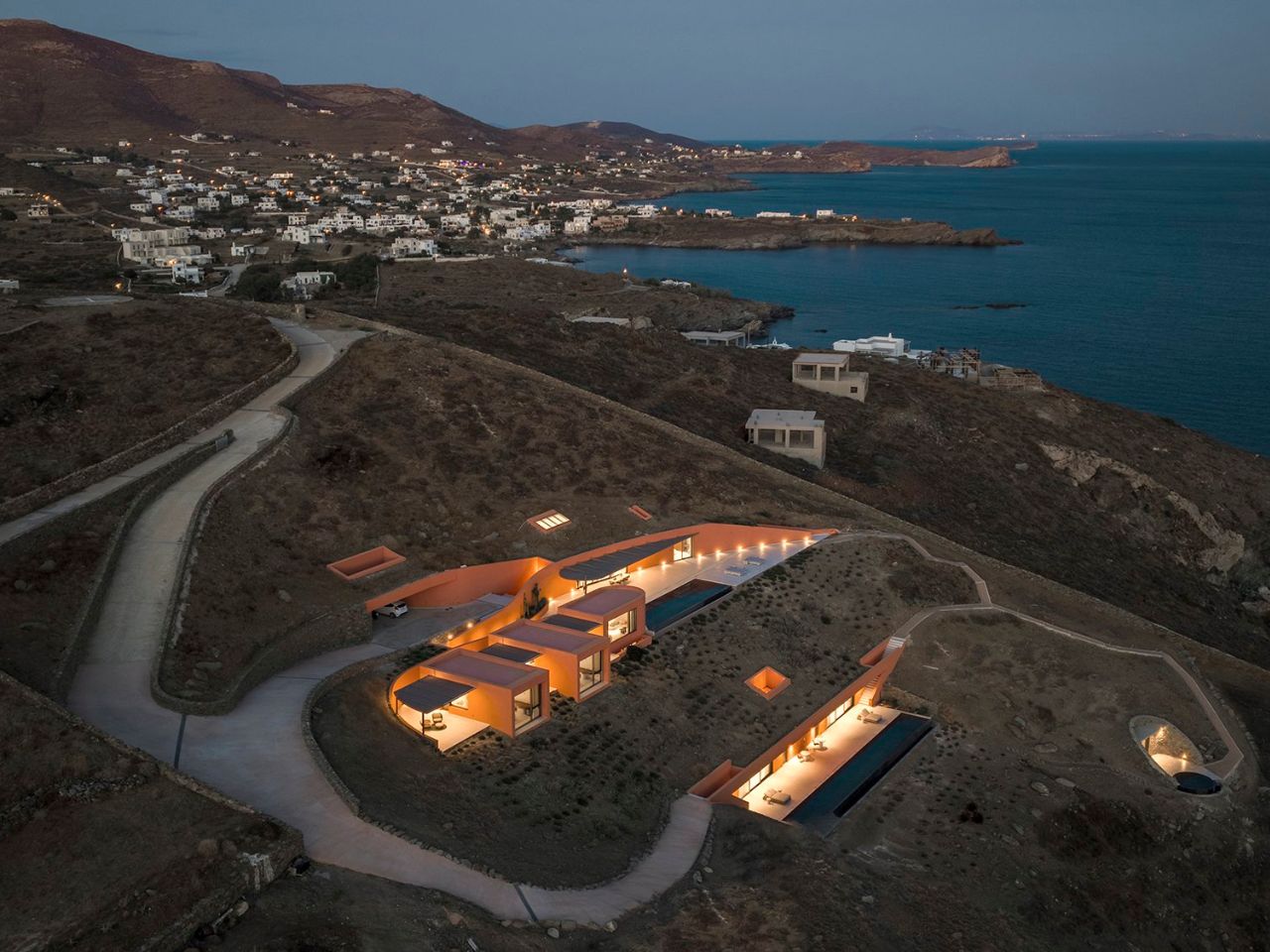
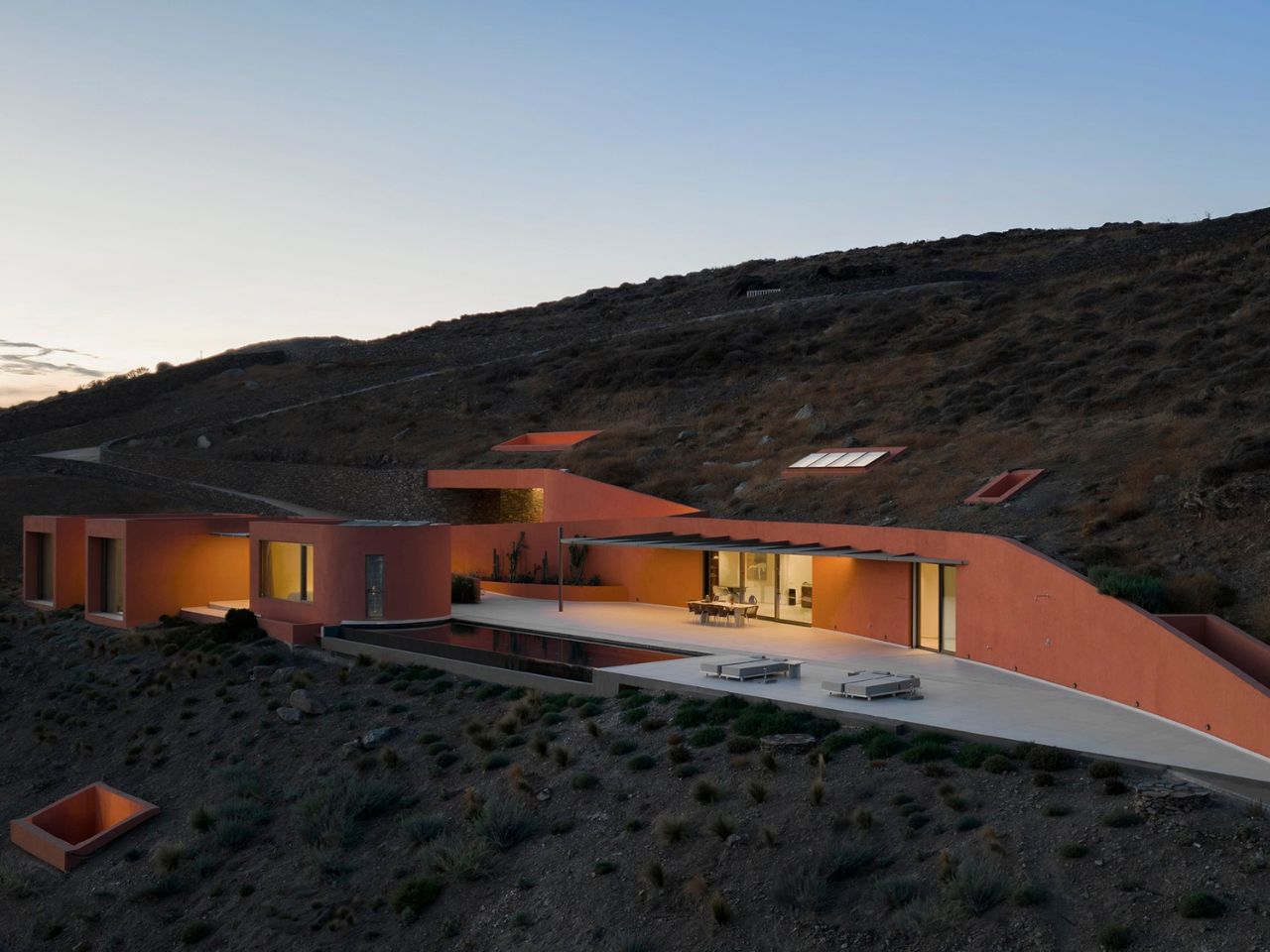
On a quiet stretch of coastline on the Greek island of Syros, a new resort seems to almost disappear into the landscape. Designed by the Athens-based firm Ateno Architecture Studio, Olen is a small seven-suite hotel that has been carefully carved into the rocky cliffs overlooking the Aegean Sea. Instead of standing out as a bold architectural object, the project quietly blends into its surroundings, allowing the landscape to remain the star of the show.

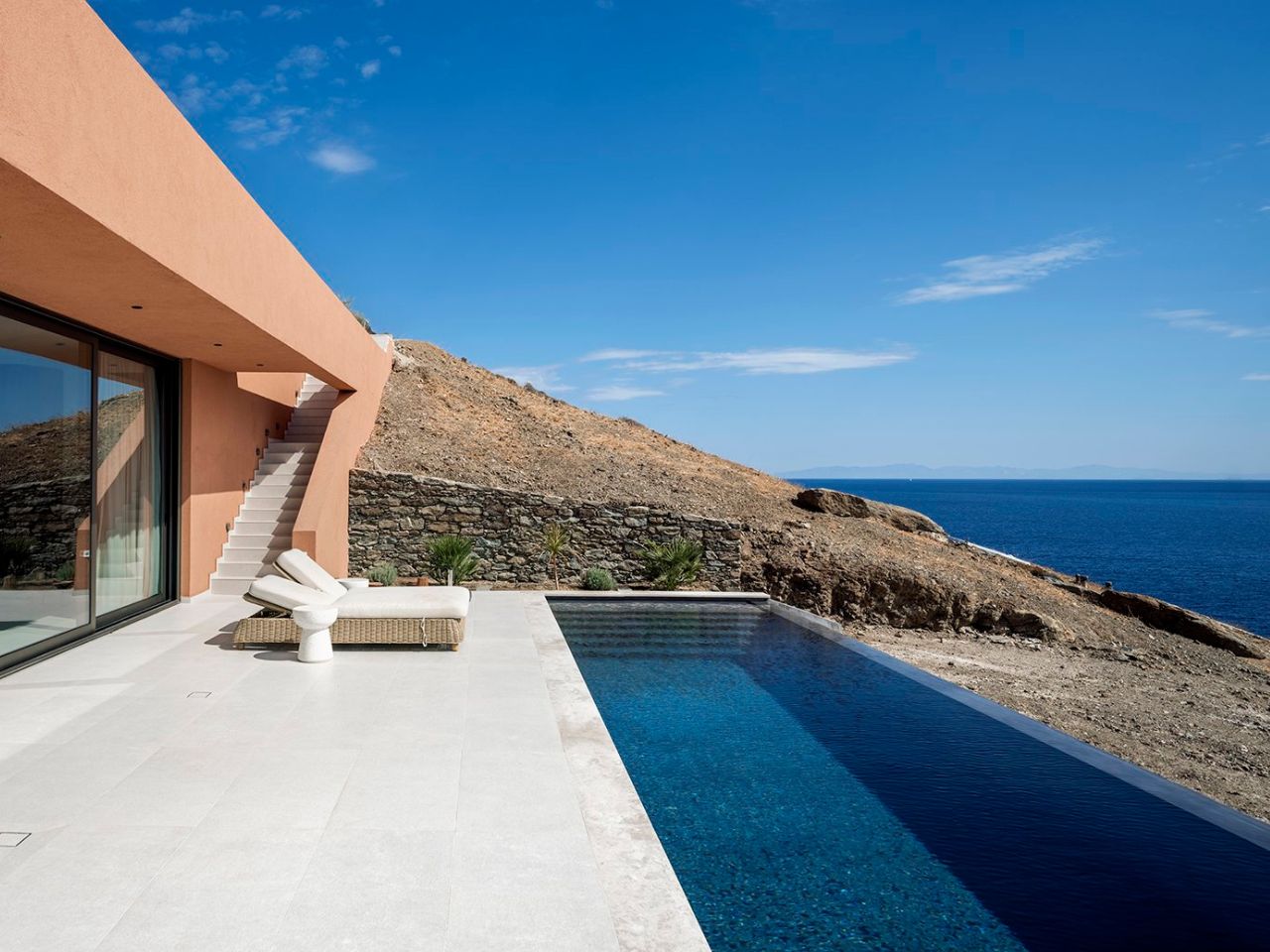
The site itself is relatively untouched, with rugged terrain and uninterrupted views across the sea. For the architects, this meant approaching the project with sensitivity. The aim was not simply to build a luxury retreat, but to do so in a way that respected the existing character of the place. Rather than placing a large structure on top of the land, the design tucks much of the building into the hillside so that the architecture feels like part of the terrain.

Designer: Ateno Architecture Studio

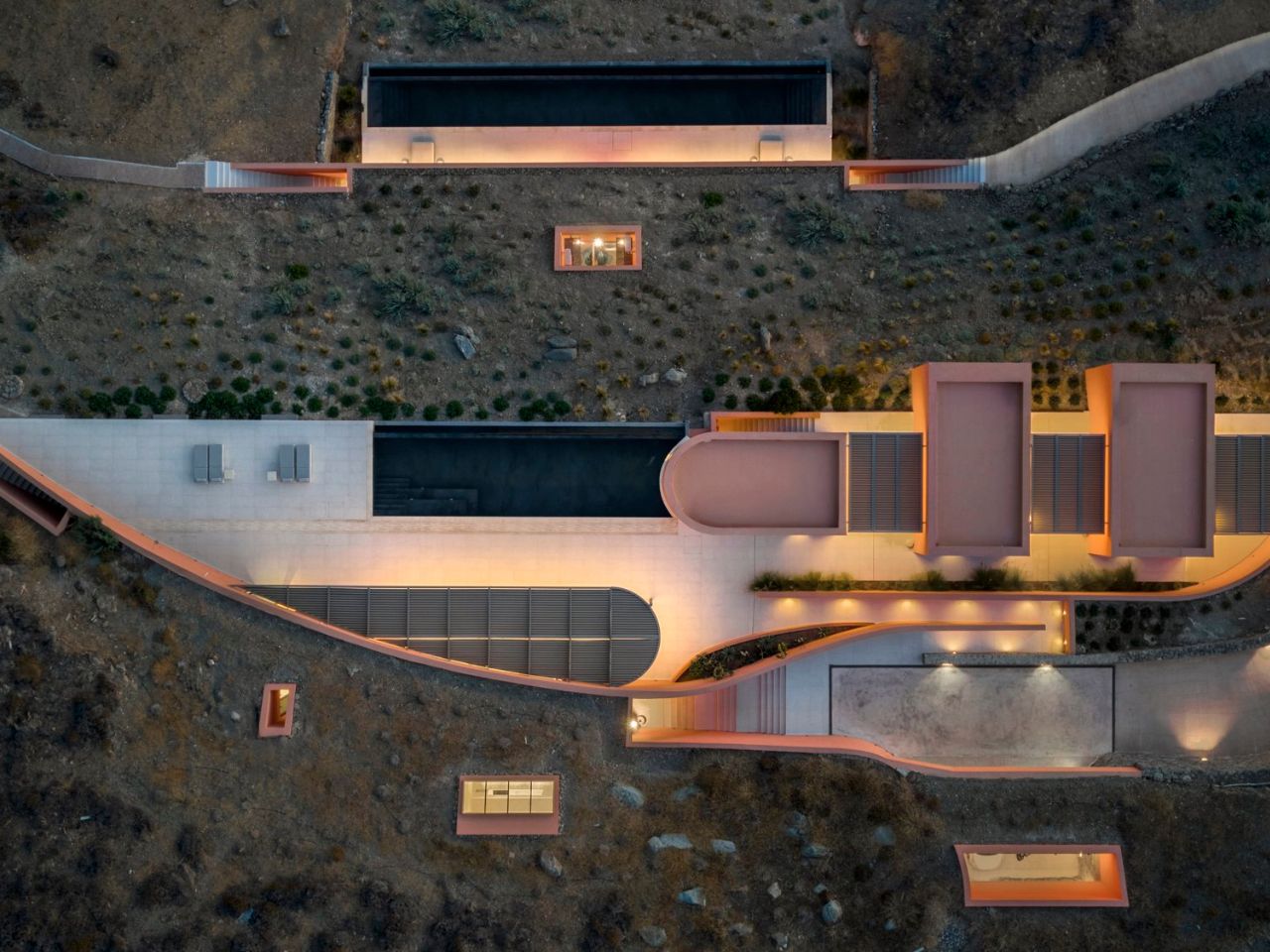
What makes Olen particularly interesting is the way the architecture is composed. Instead of focusing on striking building forms, the design is shaped through terraces, retaining walls, and subtle cuts into the earth. These elements create a series of spaces that unfold gradually across the cliff. The result is a composition that feels embedded in the landscape rather than imposed on it.

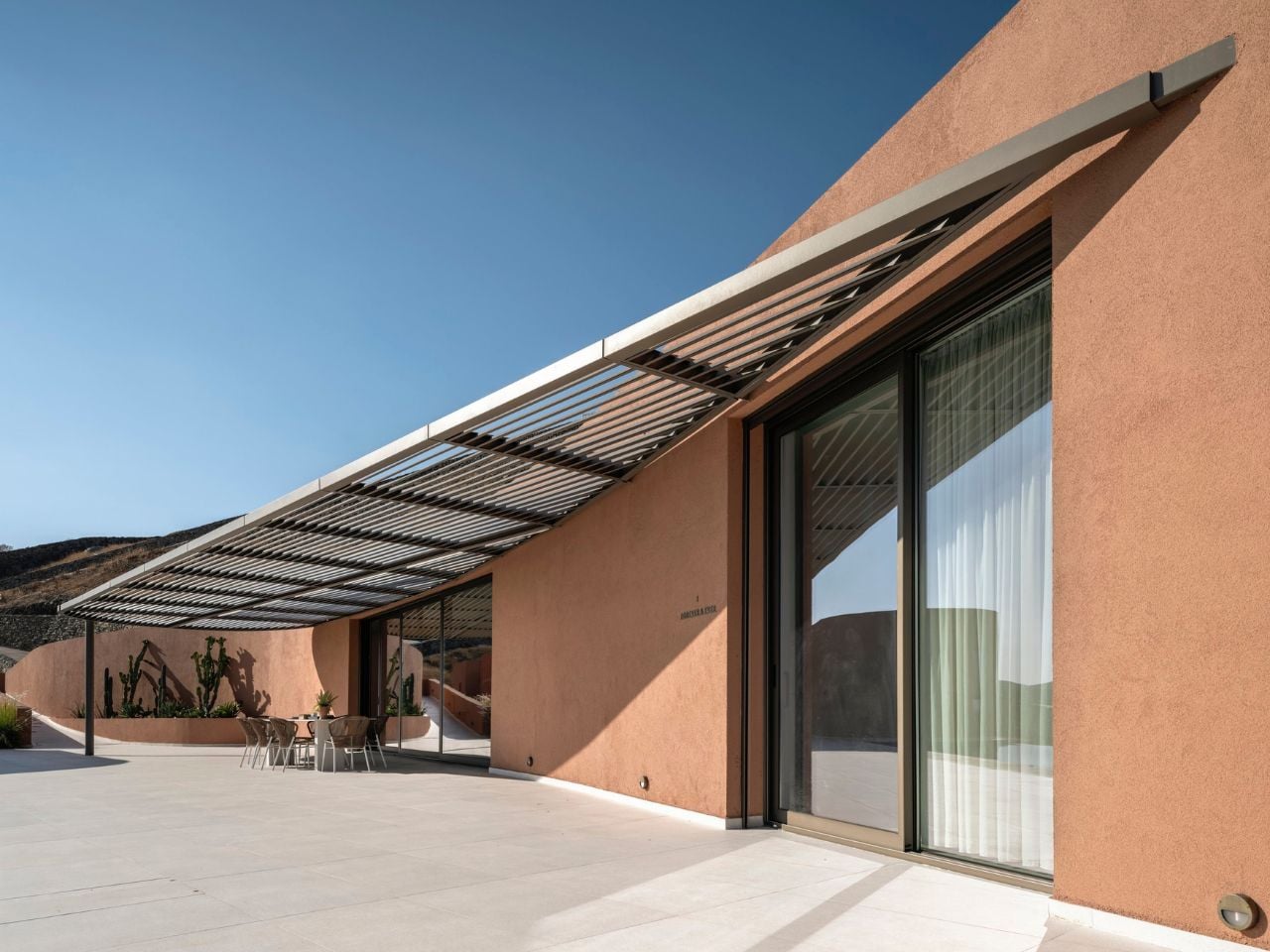
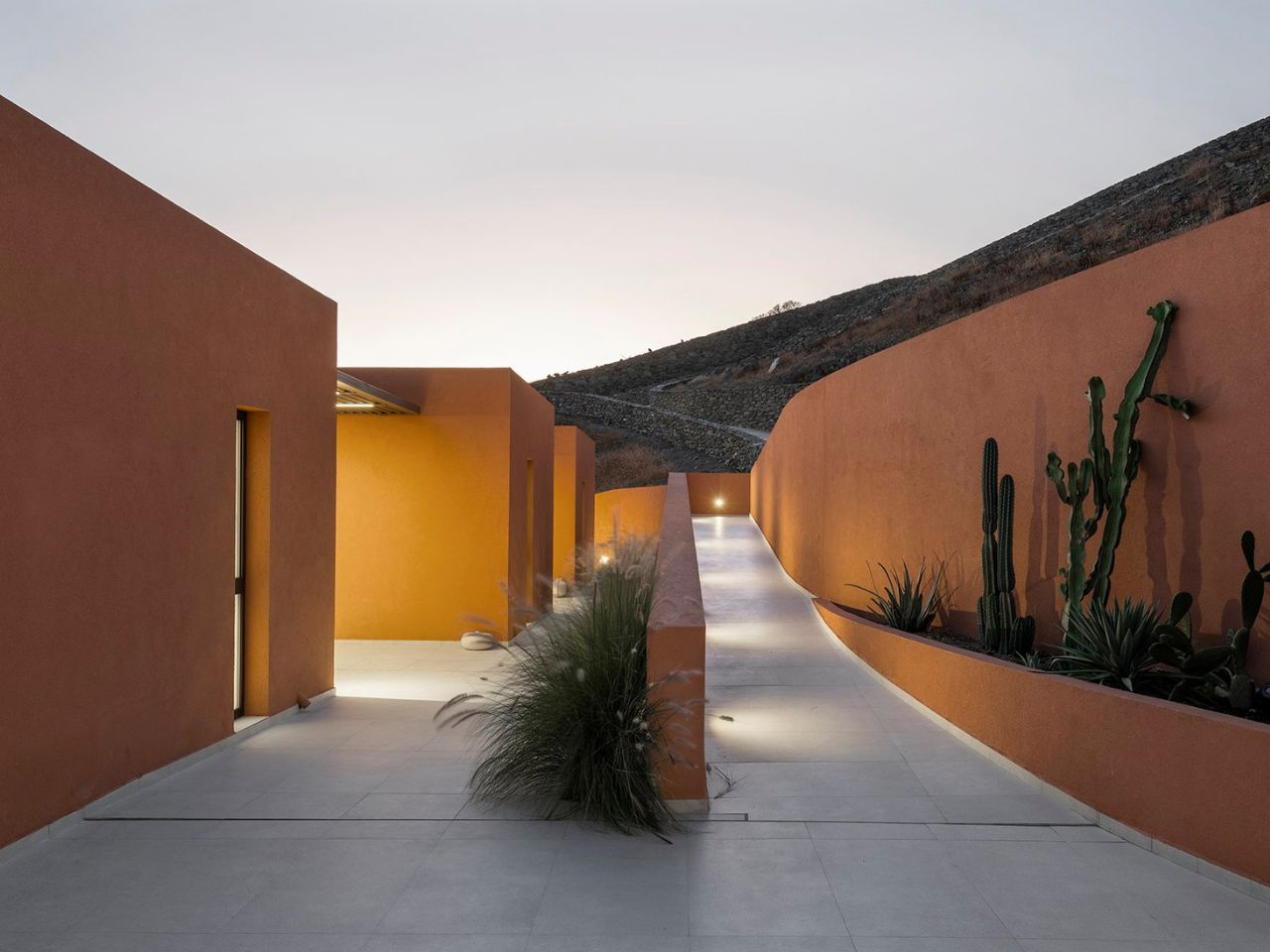
The resort steps down the slope in what the architects describe as an amphitheatre-like arrangement. As you move through the site, open terraces reveal sweeping views of the Aegean while more private rooms are tucked deeper into the hillside. The walls throughout the project are finished with textured render in warm, earthy tones, which helps the architecture blend naturally with the surrounding rock.

The layout of the resort is organised into three distinct parts called The Plane, The Line, and The Point. These areas are connected by a winding path that gently guides guests down the hillside. As you move lower on the site, the spaces become increasingly private.

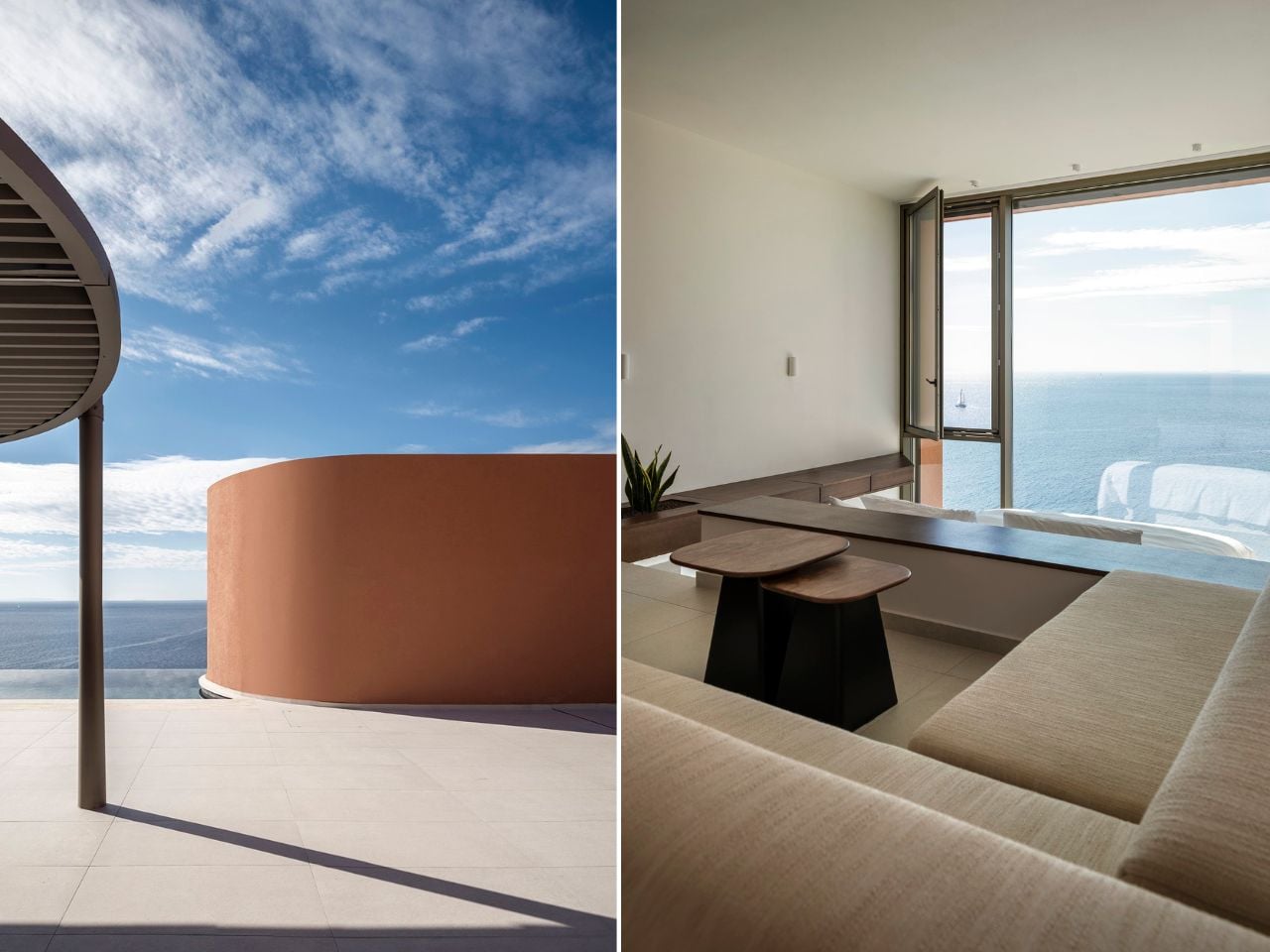
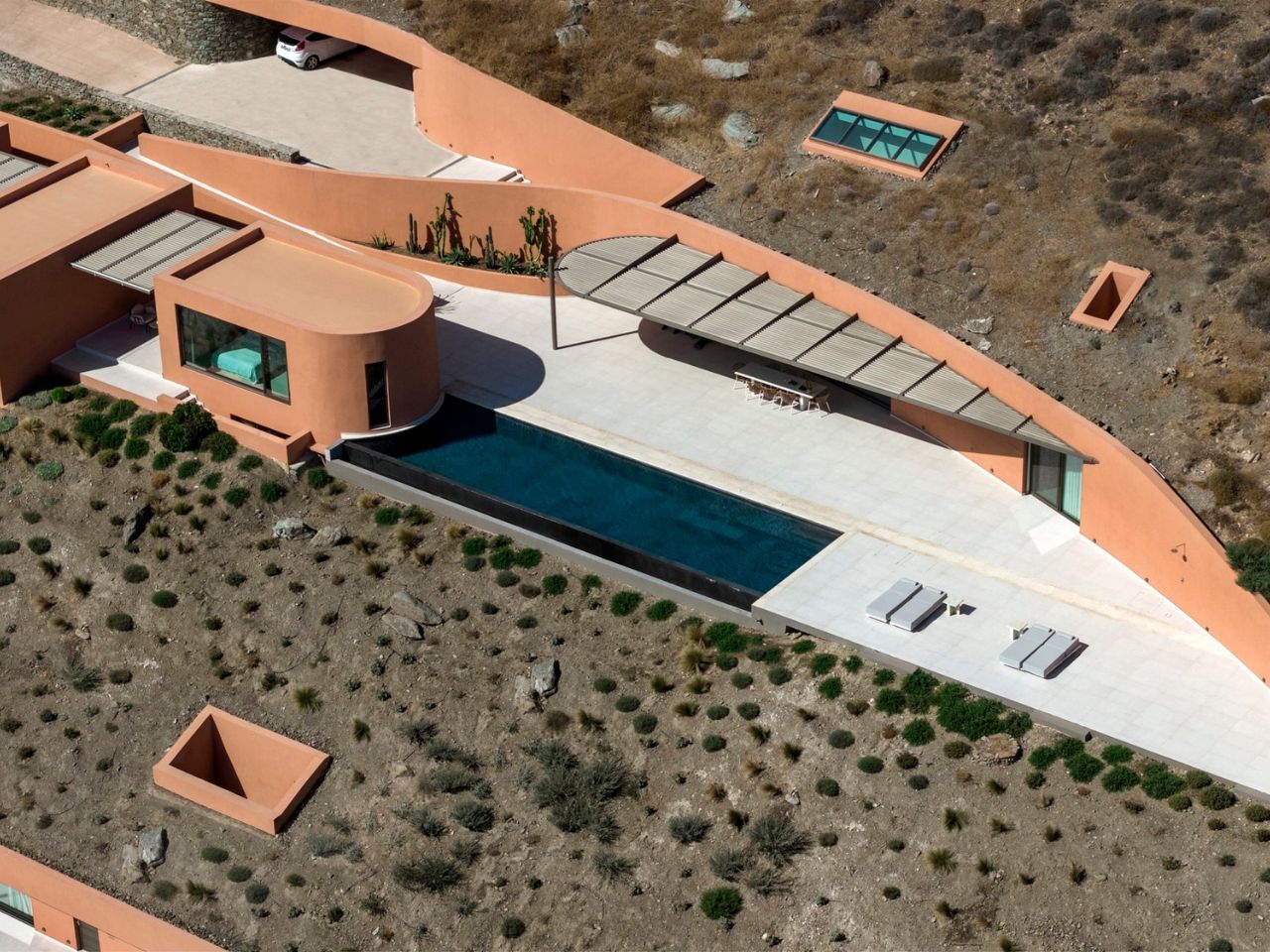
At the very top sits The Plane, which acts as the social heart of the resort. A curved retaining wall wraps around a generous terrace that opens out toward the sea. Here, a sculptural pergola shaped like a leaf provides shade while a pool reflects the blue horizon beyond. Beneath this terrace, shared living areas and one bedroom are tucked into the hillside. Nearby, three additional bedrooms extend outward in simple cubic forms that frame the sea views.

The sweeping curve of the retaining wall is one of the most memorable features of the project. It creates a sense of enclosure and protection while still allowing the terrace to remain completely open to the landscape and the vast sea beyond.

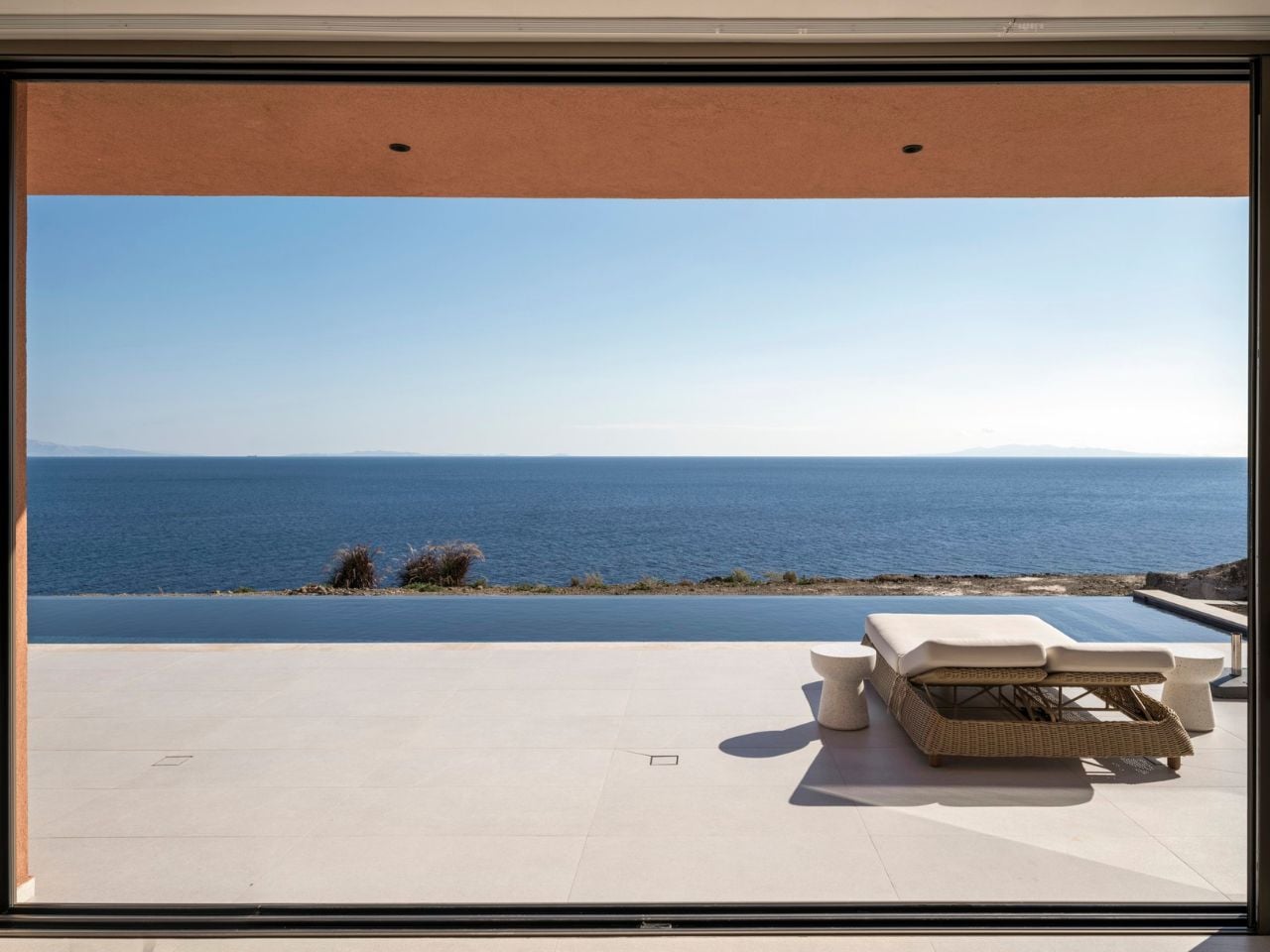
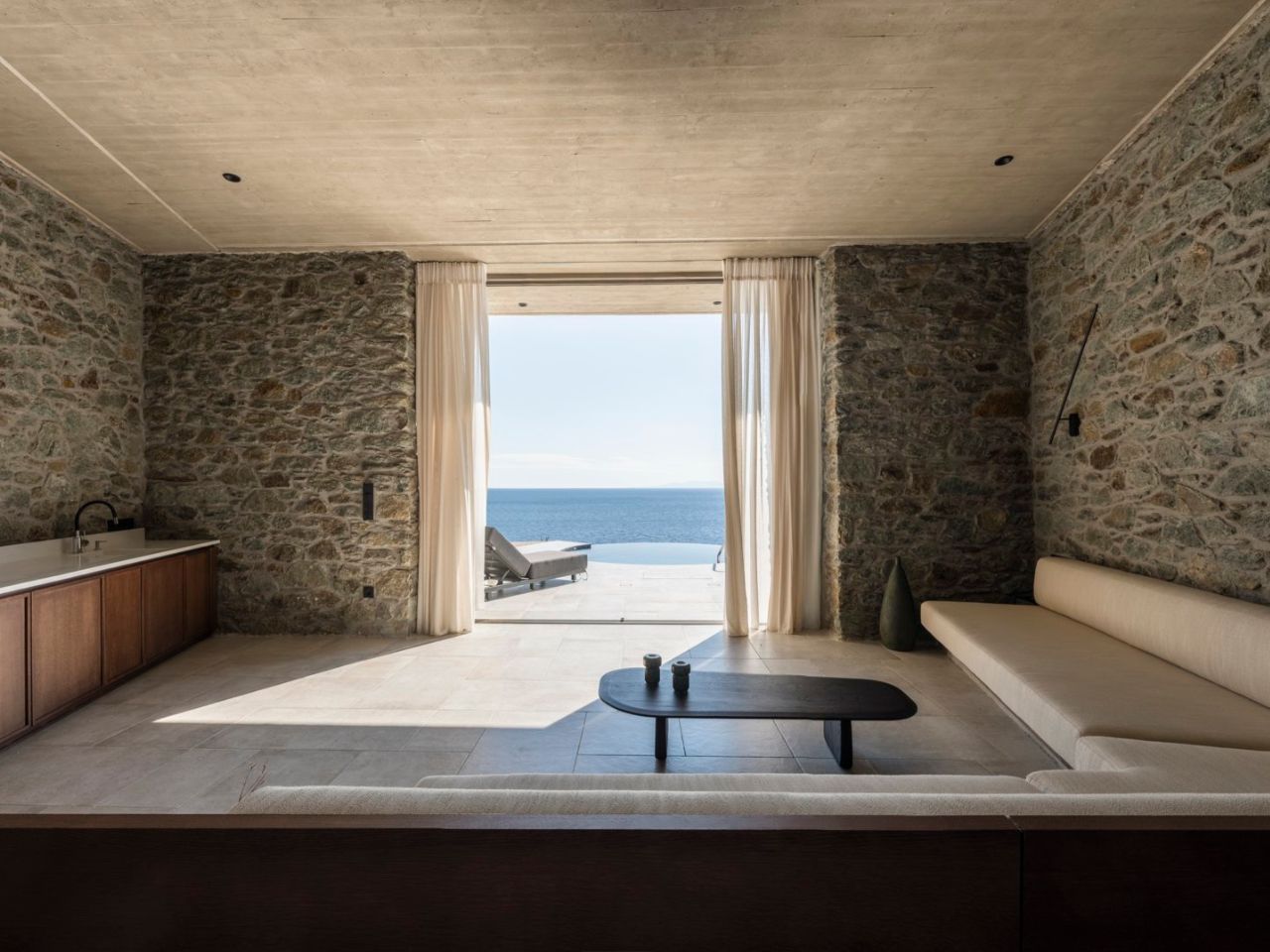
Further down the hill is The Line, which contains two larger underground suites. These can operate as separate accommodations or be combined to form a larger living unit. Both open onto a shared terrace with a long, narrow infinity pool that stretches toward the horizon.

At the very bottom of the site lies The Point, the most secluded part of the resort. This independent guesthouse is framed by a curved stone wall and features a small circular pool. The exposed stone here provides a subtle contrast to the rendered walls used elsewhere across the project.

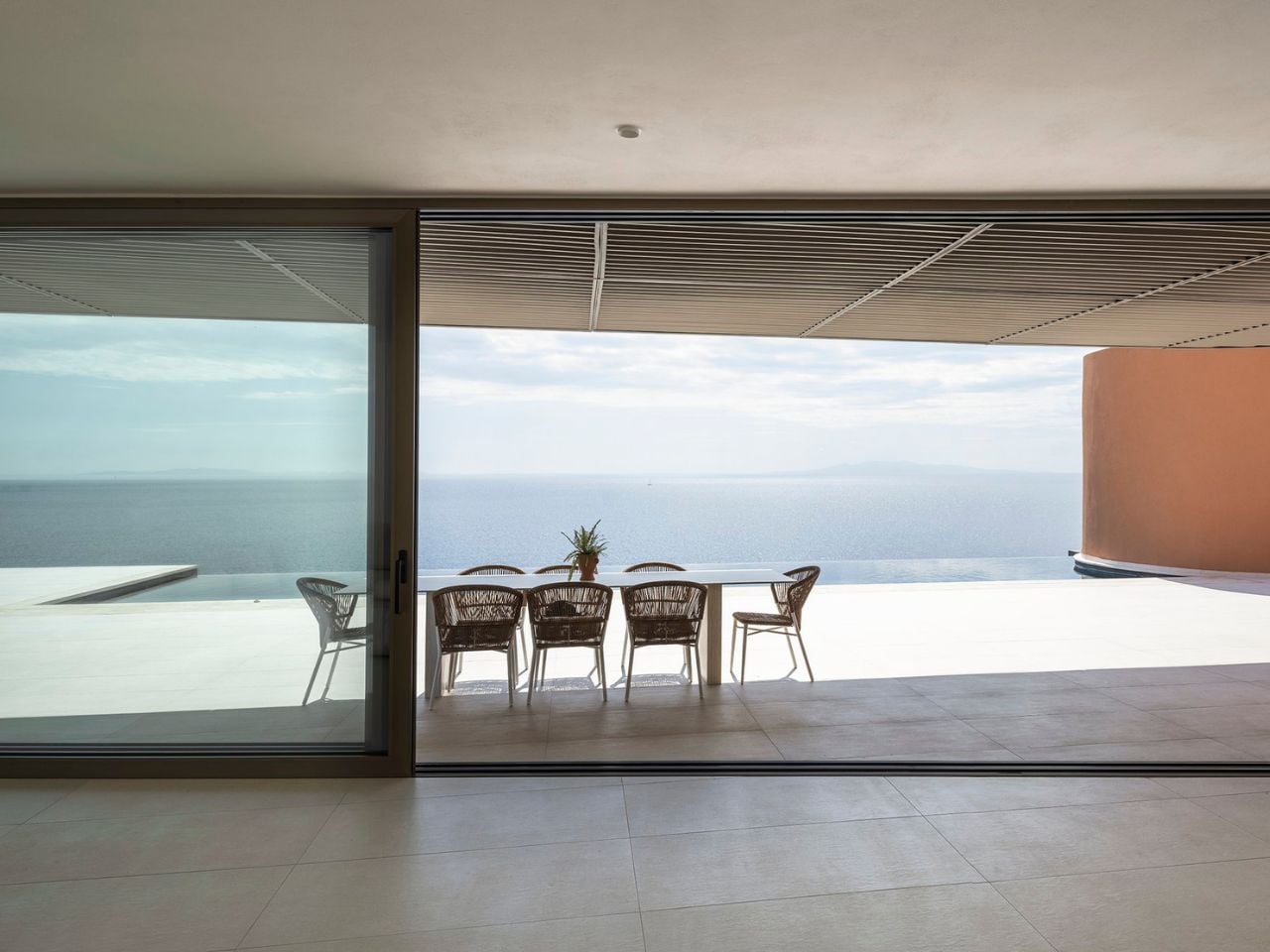
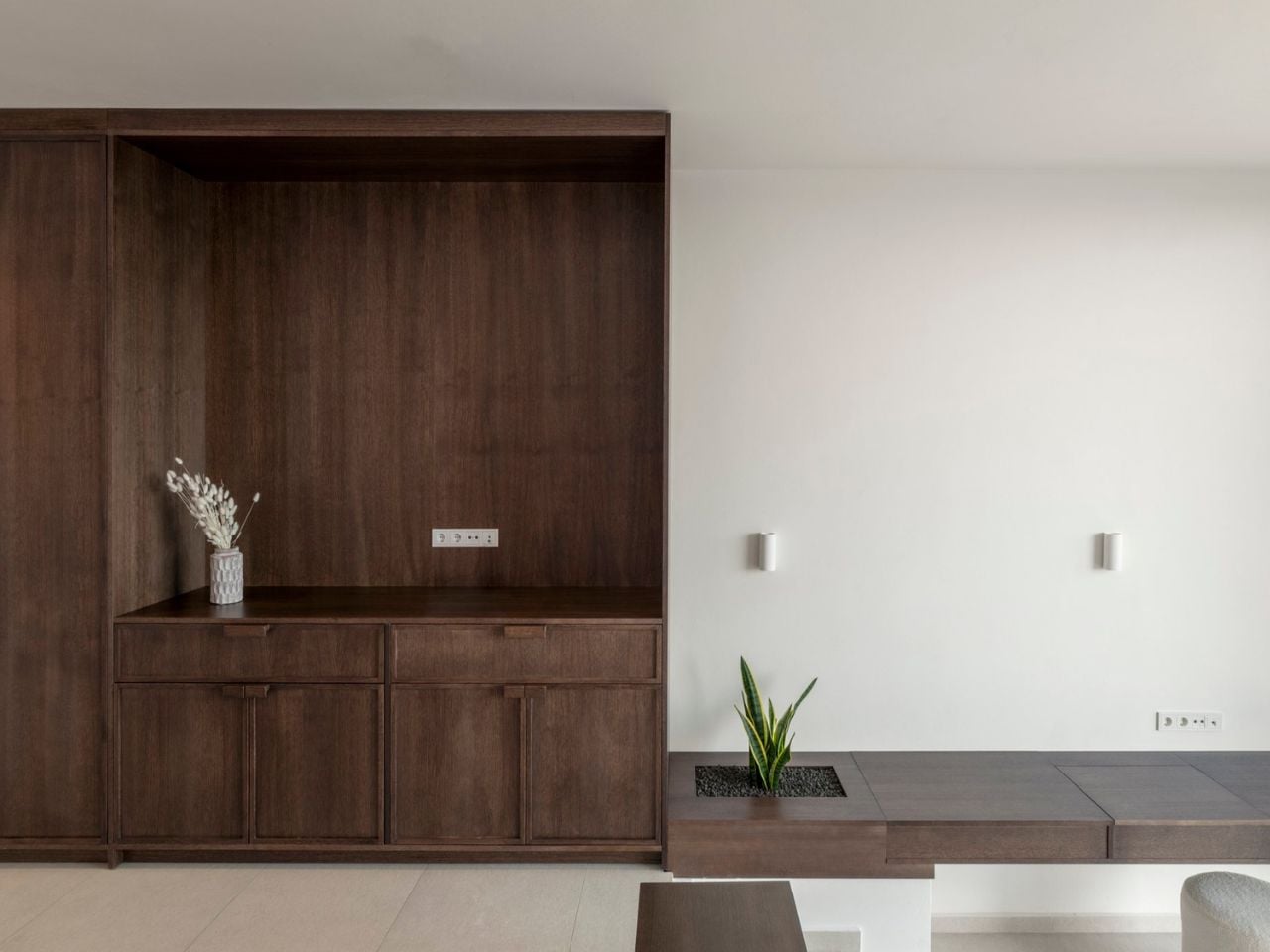
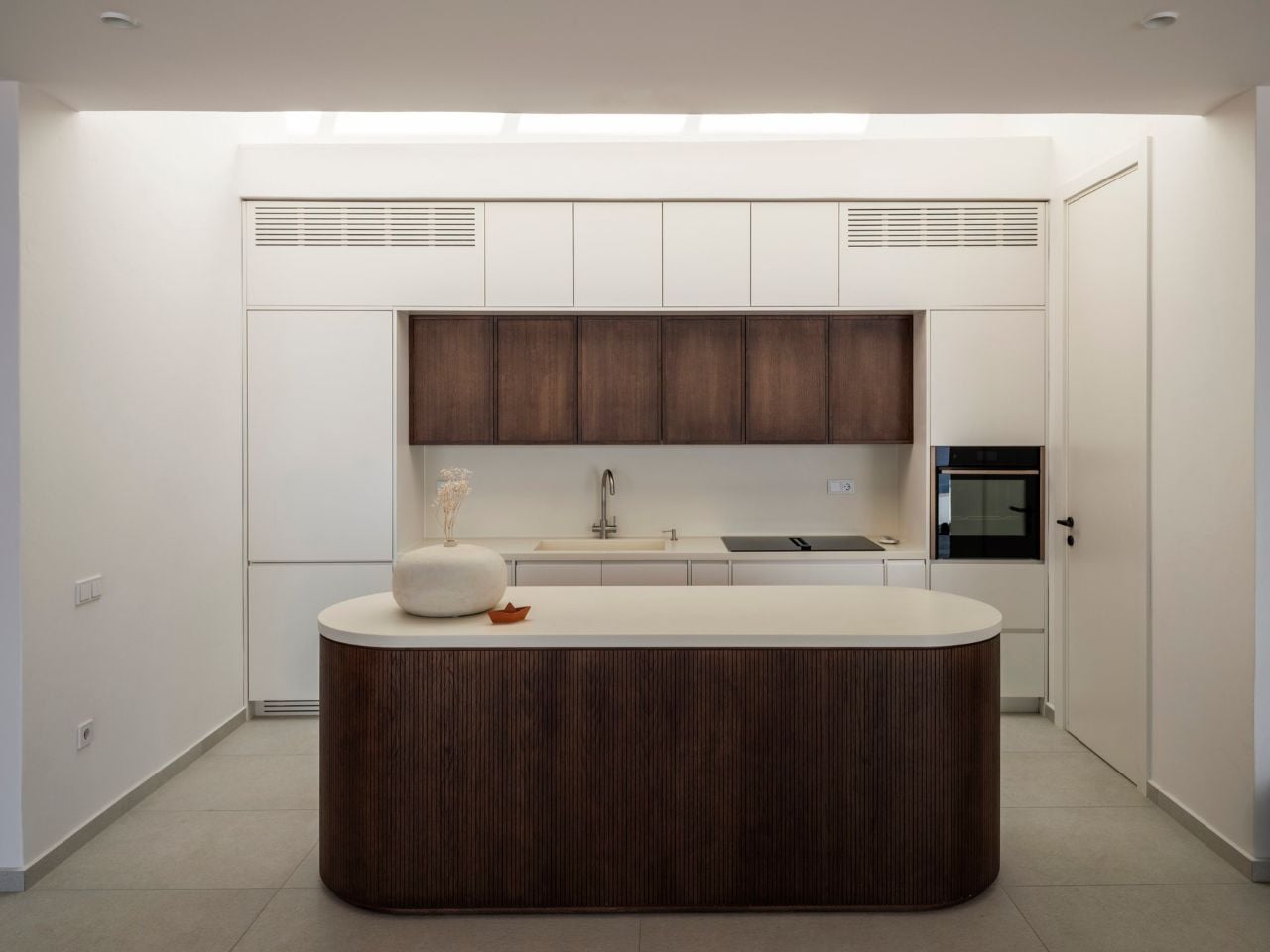
Inside the resort, the interiors are designed to feel calm and light despite the fact that many of the spaces sit within the hillside. Soft off-white tones reflect natural light throughout the rooms, while pale stone flooring connects indoor spaces with the terraces outside. This continuity helps blur the boundary between interior and exterior and keeps the atmosphere relaxed and airy.

In many ways, Olen feels less like a building placed on the landscape and more like an extension of it. The architecture follows the natural slope, opening itself gradually to the sea while remaining quietly anchored to the cliff. Guests move through terraces, shaded paths, and hidden rooms carved into the hillside, constantly aware of the surrounding horizon. The experience becomes less about staying in a hotel and more about inhabiting the landscape itself.

The post A Hotel in Greece That Hides Inside the Cliff Instead of Sitting on It first appeared on Yanko Design.
❌