Vue lecture

Il y a de nouveaux articles disponibles, cliquez pour rafraîchir la page.

Un consortium européen lance une alternative open source à Google Play Integrity

Un groupe de fabricants européens mené par l'Allemand Volla Systeme vient de lancer le projet Unified Attestation, une alternative open source à Google Play Integrity.

L'objectif : permettre aux systèmes Android alternatifs d'accéder enfin aux applications bancaires et aux services d'identité numérique européens, le tout sans dépendre de Google pour la vérification de sécurité.

Le problème avec Play Integrity

Si vous utilisez un téléphone Android classique, avec les services Google, vous ne vous en rendez très certainement pas compte. Mais pour les utilisateurs de systèmes alternatifs comme /e/OS, LineageOS ou GrapheneOS, c'est franchement infernal : Google Play Integrity, le système qui permet aux applications de vérifier la sécurité d'un appareil, bloque purement et simplement l'accès aux applications bancaires, aux portefeuilles numériques et aux services d'identité.

Seuls les appareils certifiés par Google passent les niveaux de vérification les plus élevés. Les ROM alternatives, même parfaitement sécurisées, sont exclues sans ménagement.

Ce que propose Unified Attestation

Le consortium regroupe Murena (derrière /e/OS), IODE (France), Apostrophy (Suisse) et la UBports Foundation (Allemagne), avec l'intérêt d'un fabricant européen et d'un fabricant asiatique.

Le système comprend trois briques : un service intégré au système d'exploitation pour vérifier la sécurité de l'appareil, un service de validation décentralisé qui ne dépend d'aucune autorité unique, et une suite de tests ouverte pour certifier un OS sur un modèle donné.

Ce projet est publié sous licence Apache 2.0, avec une vérification hors ligne, et surtout sans collecte d'identifiants. Jörg Wurzer, le patron de Volla Systeme, résume bien le paradoxe : quand un seul acteur du marché contrôle la vérification de sécurité, ça crée une dépendance structurelle.

C'est d'autant plus problématique quand l'acteur en question est justement celui dont on cherche à se débarrasser.

Et l'Europe dans tout ça ?

Le timing n'arrive pas comme ça, pouf, par hasard. L'Union européenne développe en ce moment l'EUDI Wallet, un portefeuille d'identité numérique qui doit permettre à chaque citoyen d'avoir ses papiers sur son téléphone.

Le problème, c'est que la version actuelle de l'application utilise Google Play Integrity pour vérifier l'appareil. Résultat : si vous êtes sur un Android alternatif, pas de carte d'identité numérique pour vous. Des développeurs ont déjà signalé le problème sur GitHub, comparant la situation à un PC qui exigerait Windows pour ouvrir un document officiel.

Des développeurs gouvernementaux scandinaves se sont d'ailleurs positionnés parmi les premiers à vouloir tester Unified Attestation.

On est là sur une initiative qui va dans le bon sens, parce que jusqu'à présent, ça reste pénible que Google soit le seul à pouvoir dire si un smartphone Android est fiable ou non.

Unified Attestation ne va pas tout changer du jour au lendemain, et convaincre les banques d'adopter un système inconnu reste le plus gros obstacle. Mais que des développeurs gouvernementaux scandinaves s'y intéressent déjà, ça envoie un bon signal.

Source : Netzwoche.ch

AnsiSaver - L'art ANSI des BBS en screensaver macOS

Si vous êtes pété de thunes, vous avez forcément un Mac. Mais surtout, vous avez un écran de veille par défaut qui vous file le cafard... Mais c'était sans compter sur AnsiSaver qui est un écran de veille capable de piocher dans les archives de 16colo.rs , la plus grosse collection d'art ANSI au monde, et qui fait défiler tout ça sur votre écran à 60 fps ! Like a boss !

Pour ceux qui débarquent, l'art ANSI c'est ces dessins réalisés caractère par caractère qu'on affiche dans les BBS (les serveurs communautaires d'avant Internet, en gros). Des artistes passaient des heures à composer des fresques en utilisant les 256 caractères du jeu CP437 ... et le résultat est souvent bluffant. Des logos, des paysages, de la typographie, le tout en mode texte UNIQUEMENT. Y'a même eu des groupes mythiques comme ACiD, iCE ou Blocktronics qui ont marqué le truc à l'époque !

En fait, AnsiSaver récupère ces packs directement depuis 16colo.rs, les met en cache dans ~/Library/Caches/AnsiSaver/ et les affiche via libansilove, une lib C spécialisée dans le rendu CP437. Le tout animé par Core Animation, ce qui est vraiment pas mal du tout pour un screensaver !

Côté options, même si j'ai pas réussi à y accéder (??), vous avez le choix entre 3 modes d'affichage. Le défilement vers le haut, le défilement vers le bas (qui empilent les œuvres et scrollent à l'infini) et le mode fondu enchaîné entre chaque pièce. La vitesse de défilement se règle de 10 à 200 pixels par seconde, et ça supporte les écrans Retina.

Le truc sympa c'est que vous pouvez aussi balancer vos propres fichiers puisque AnsiSaver supporte les .ANS, .ICE, .ASC, .BIN, .XB, .PCB et .ADF... du coup si vous avez une collection perso qui traîne sur un vieux disque dur (ça arrive), ou que vous aimez digger Archive.org, vous faites pointer vers le dossier et c'est réglé.

Pour l'install, c'est hyper simple. Vous téléchargez le .saver depuis les releases GitHub , vous double-cliquez et macOS l'ajoute aux Réglages Système.

Attention, le binaire n'est pas signé, du coup il faudra faire un tour dans Réglages > Confidentialité et sécurité pour l'autoriser au premier lancement. Si ça ne marche pas du premier coup, relancez les Réglages Système. Ça fonctionne sur macOS Sequoia minimum (15.0+) et ça tourne aussi bien sur Apple Silicon que sur Intel.

Si vous cherchez d'autres façons de pimper votre terminal avec des screensavers en mode rétro, y'a de quoi faire. Et si vous êtes plutôt nostalgie CRT et phosphore vert ... pareil.

En multi écran chez moi, ça passe pas partout mais sur MacBook Air, ça a CARRÉMENT de la gueule !

LEGO Just Built the $90 Snoopy Set Every Peanuts Fan Always Wanted

No matter how old we get, most of us would probably still collect things from our favorite characters when we were kids. Some would call it healing our inner child, while others would simply say we now have the money to buy what we want compared to back then. Either way, there’s something undeniably joyful about it. Snoopy is probably one of the most beloved and enduring characters of all time, and if you’re a LEGO lover as well as a fan of this witty beagle, then you’d want to hold on to your roof.

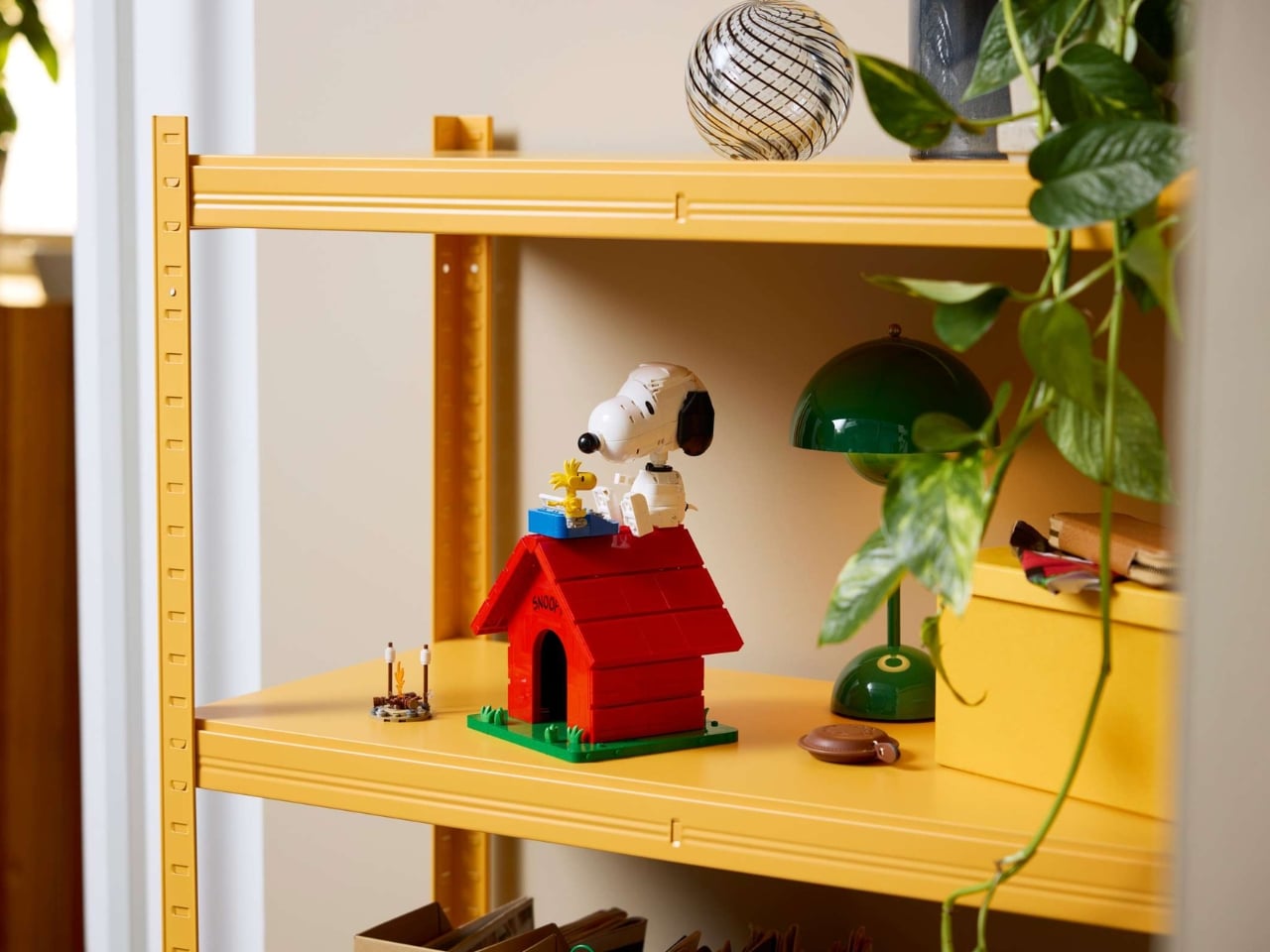
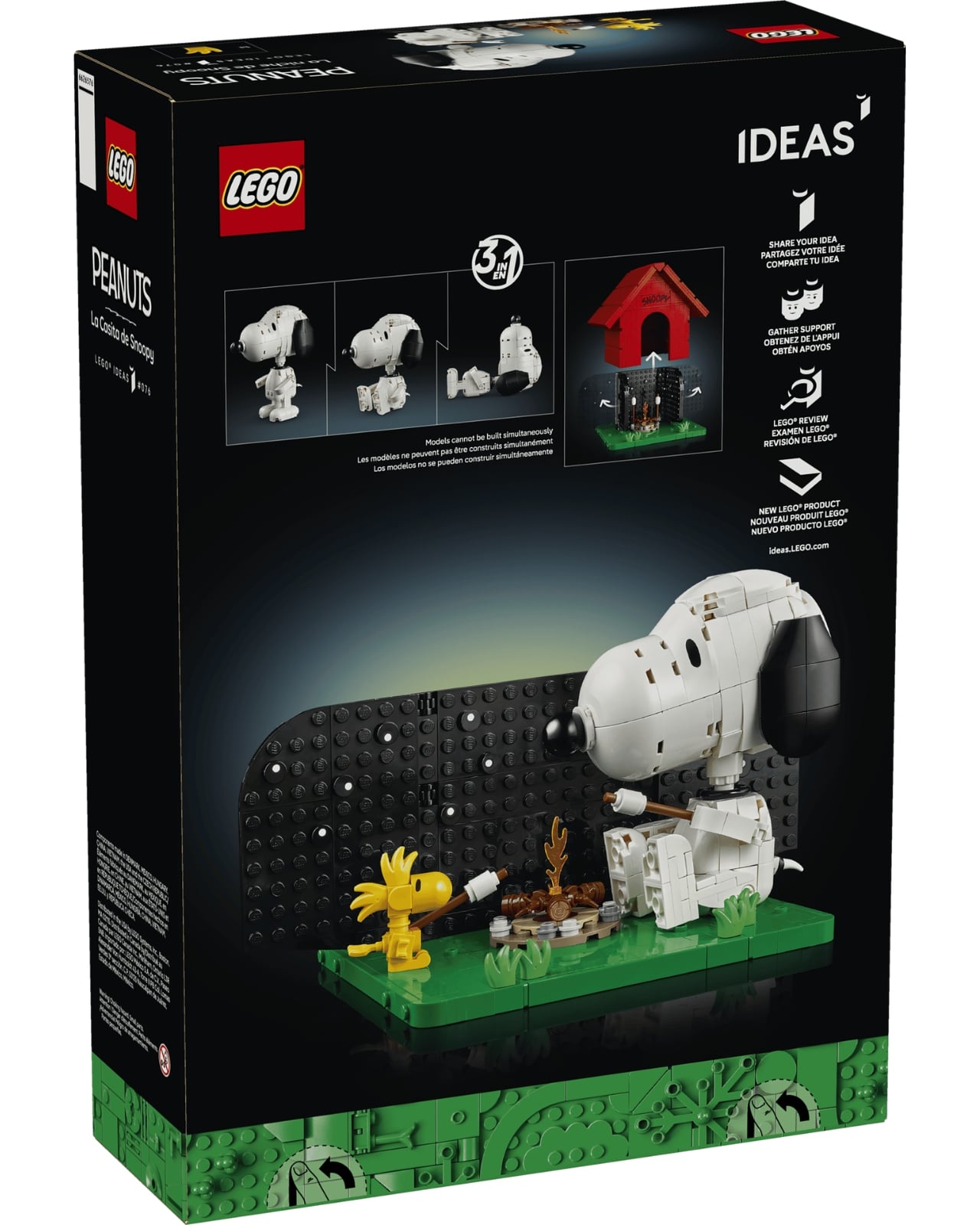
LEGO is releasing a new build for Snoopy fans to celebrate over 75 years of the Peanuts legacy. LEGO Ideas Peanuts: Snoopy’s Doghouse is a 964-piece set that features the iconic dog and his legendary red doghouse. It’s not just a toy, as it’s meant for those who are 18 years old and above. Rather, it’s a display piece that brings together fun, nostalgia, and the unique joy that comes from building something featuring our all-time favorite character.

Designer: LEGO
What makes this set even more special is its origin story. It started as a fan submission on the LEGO Ideas platform, a space where LEGO enthusiasts submit their own brick creations, rally votes from the community, and if they’re lucky, see their dream set come to life. This one was designed by fan creator “bossofdos64,” and after earning enough votes from fellow fans, the LEGO Group worked their magic to make it a reality. So in a way, this set was made by a fan, for fans, and that’s something truly worth celebrating.
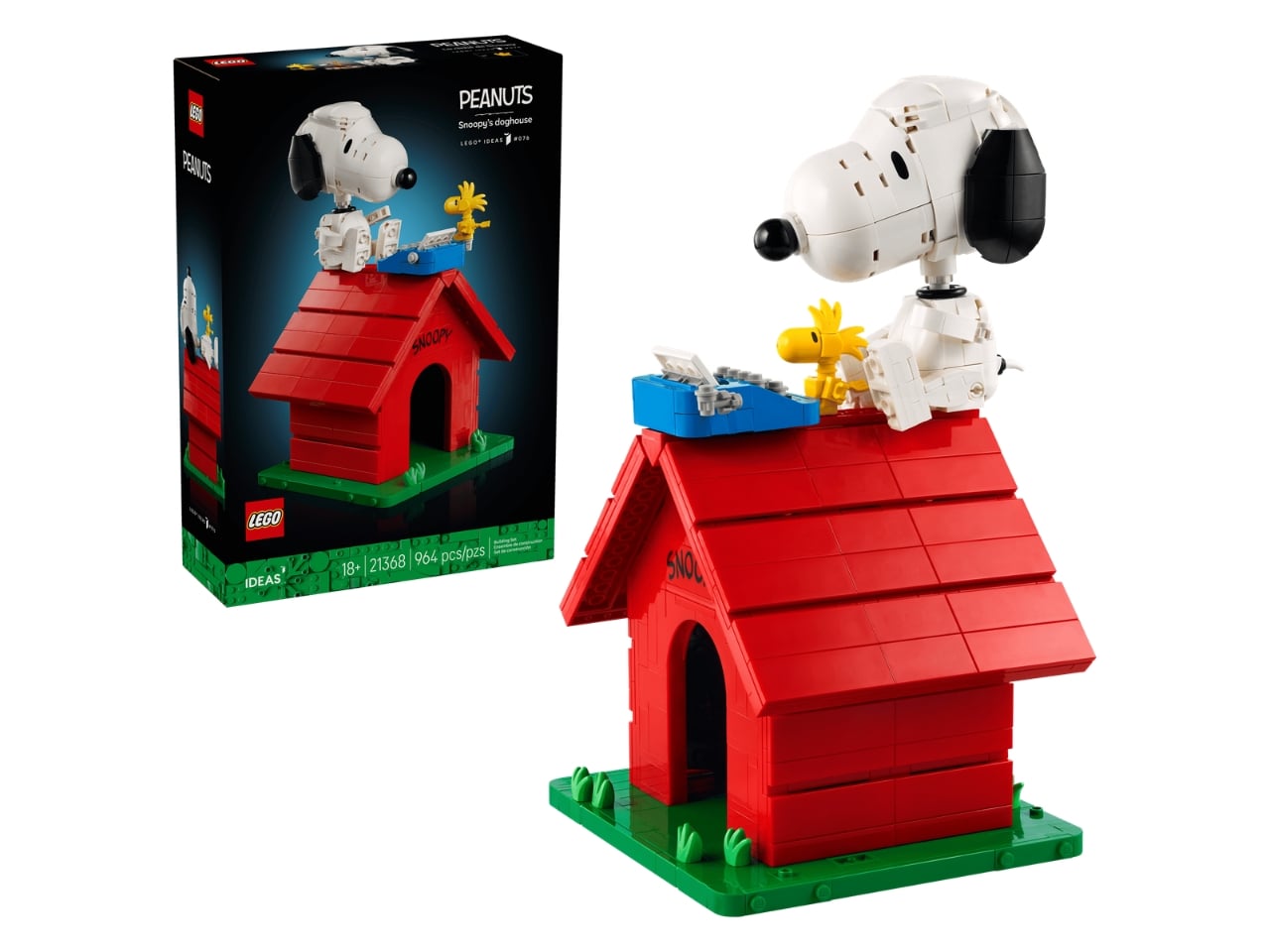

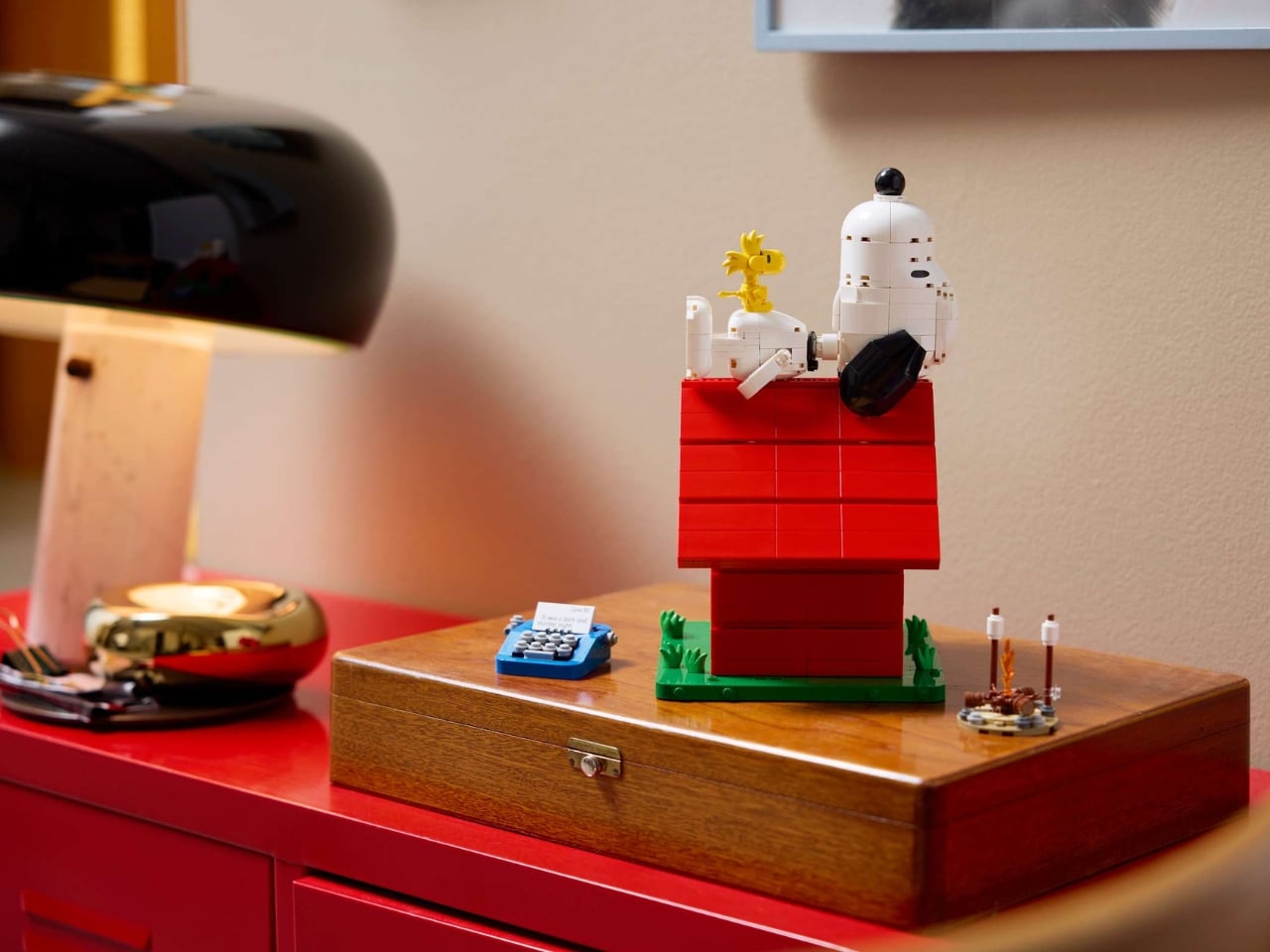
The doghouse itself stands over 10 inches high, 6.5 inches wide, and 5.5 inches deep, making it ideal as a statement piece on your shelf or desk. Aside from the iconic red doghouse that even casual fans would recognize anywhere, the set also comes with a posable Snoopy figure. It has two alternative leg builds so you can pose him sitting or standing, and two neck positions so he can be upright or lying down, fully ready for whatever mood strikes you.


A Snoopy scene wouldn’t be complete without Woodstock, his little yellow bird bestie of officially unknown species. The set also includes accessories like a typewriter to give Snoopy his classic writing moments, a campfire with marshmallows for a cozy toasting scene, and a grassy green base to anchor the whole display together. The interior walls of the doghouse can even be folded out to reveal a gorgeous starry night sky backdrop that really sets the mood.
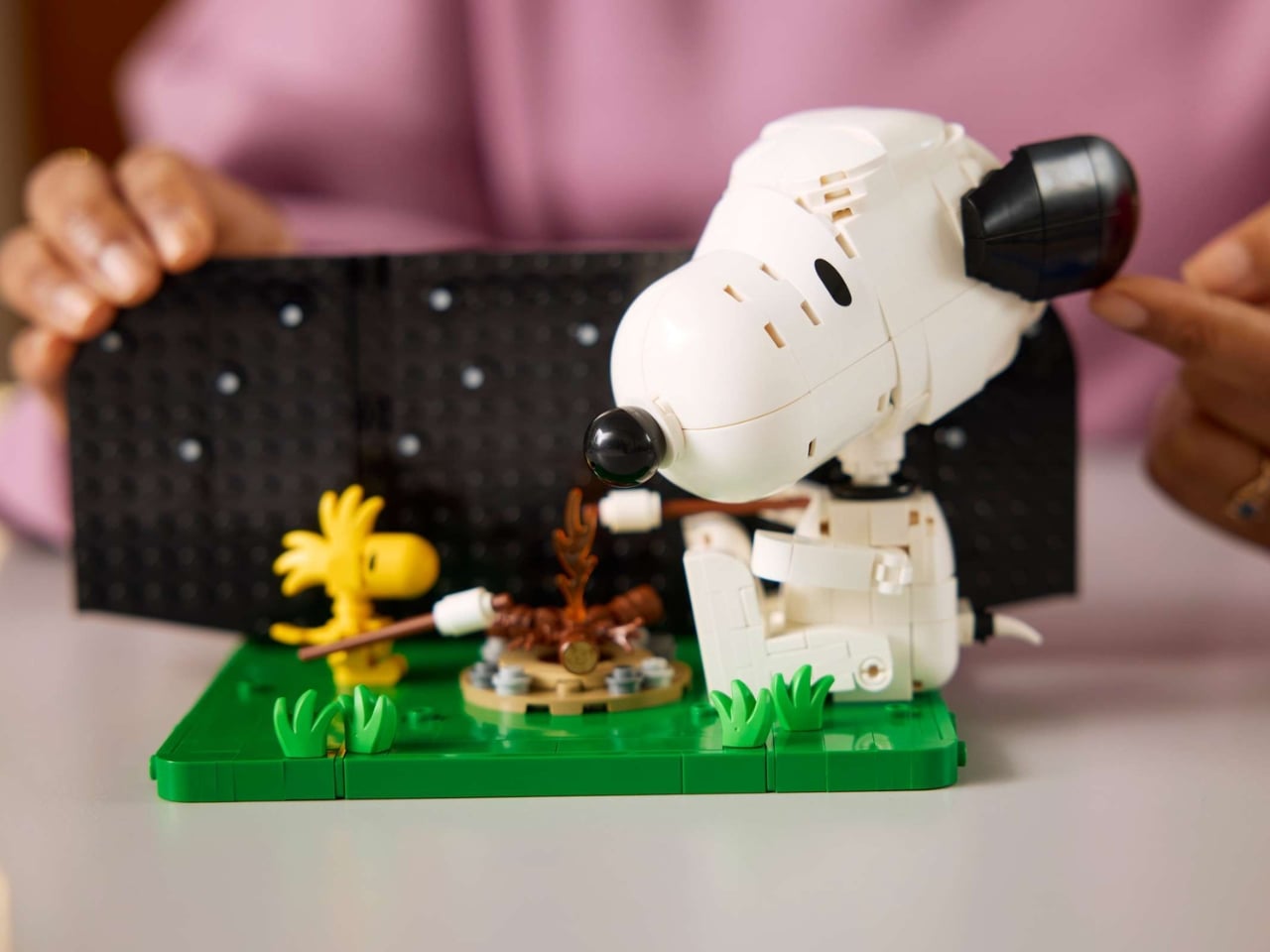
With all these elements, you’ll be able to recreate some iconic scenes to make your Snoopy heart truly happy. You can display him lounging on top of the doghouse with Woodstock resting on his belly, living his best life and, honestly, inspiring us all. You can also pose Snoopy typing away at his little LEGO typewriter, working on that great novel we’re all still waiting for, or have the two besties toasting marshmallows together under a starry sky. The set offers enough variety that you might find yourself rearranging the display every season just because you can.
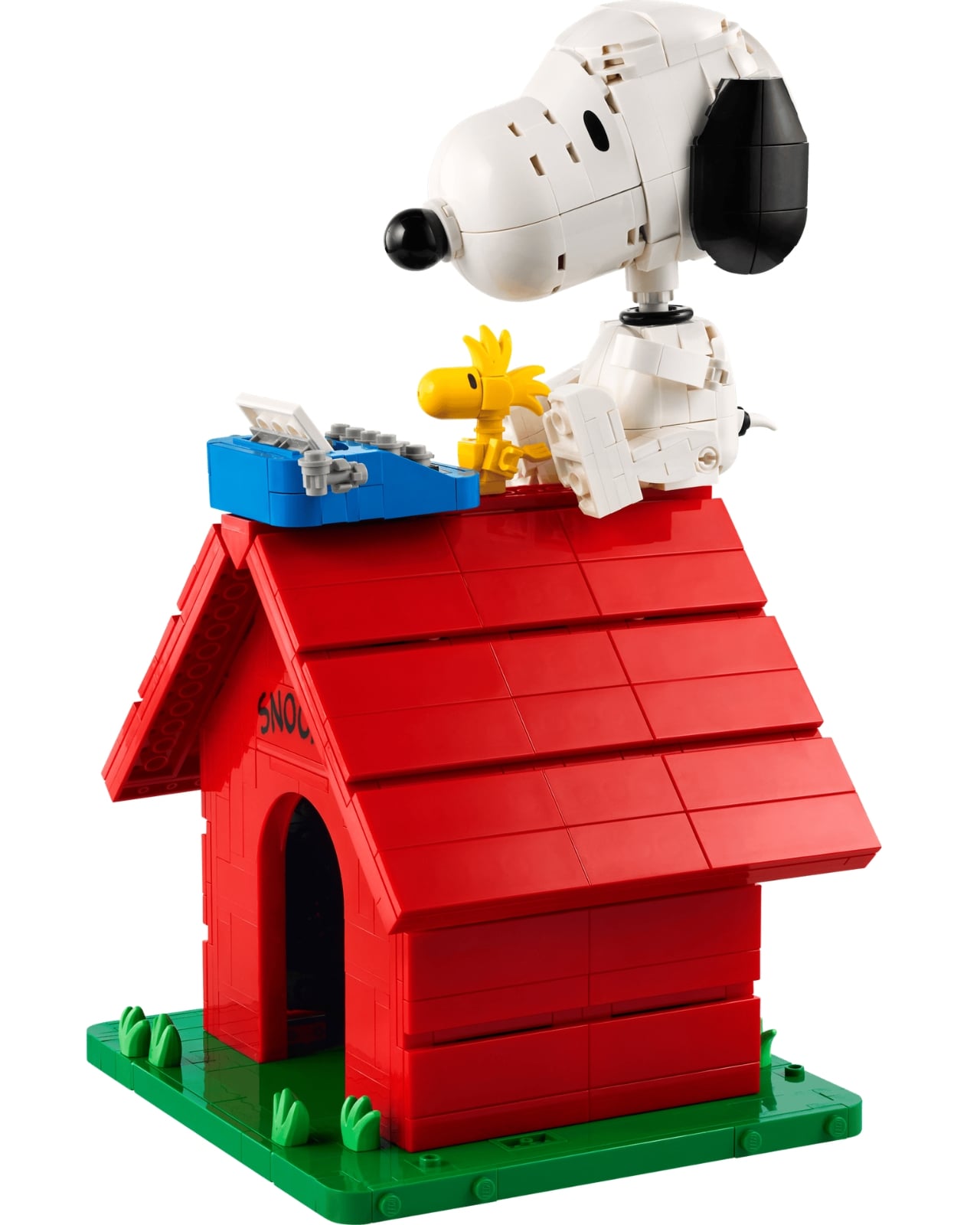

The LEGO Builder app gives you access to 3D instructions, whether you’re a first-timer or an experienced builder who wants to zoom in, rotate, and track their progress along the way. The set is priced at $89.99 USD, making it a thoughtful splurge or a perfect gift for any Peanuts lover in your life. You can pre-order the set now, and it will start shipping out this June.
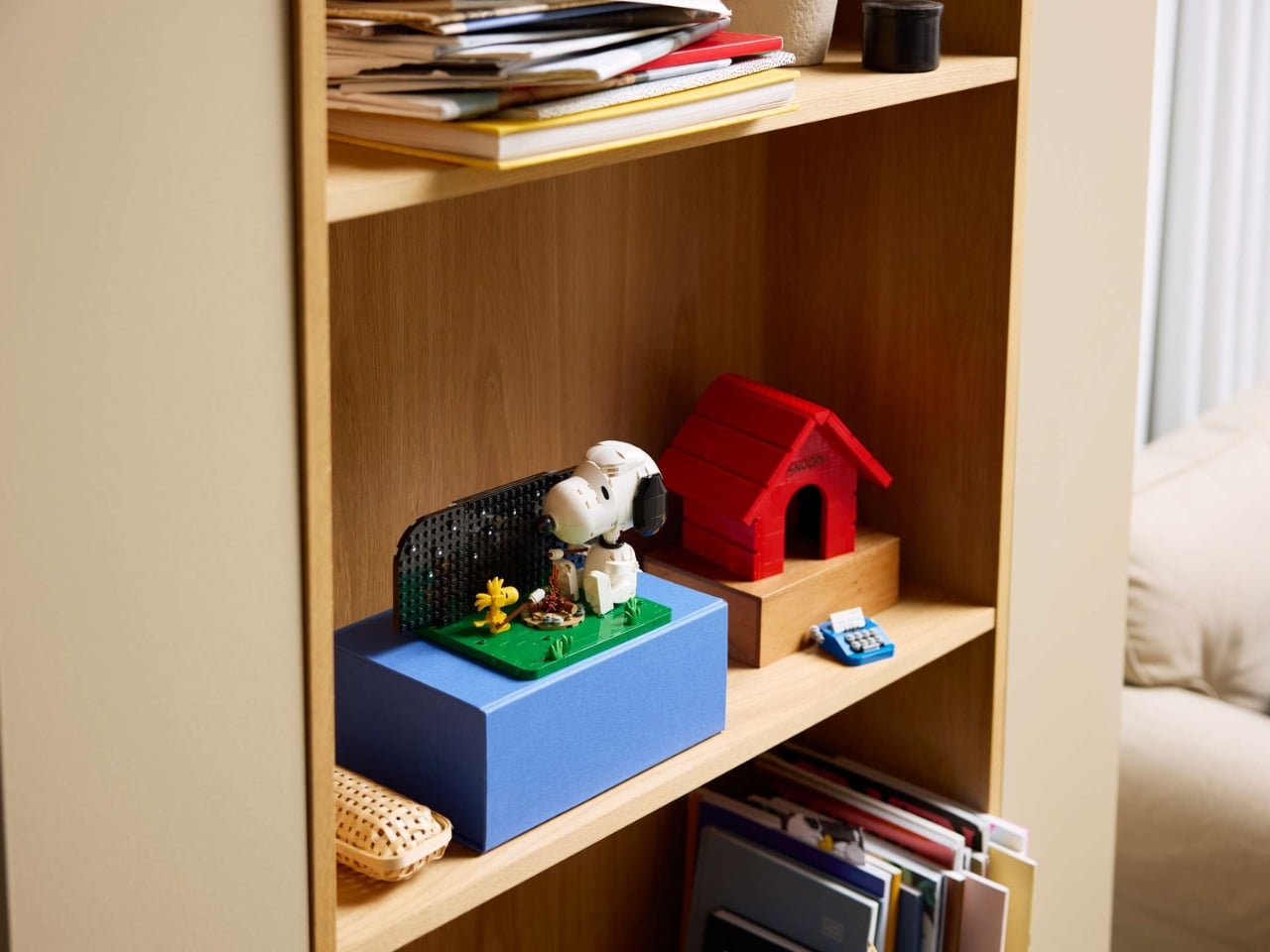
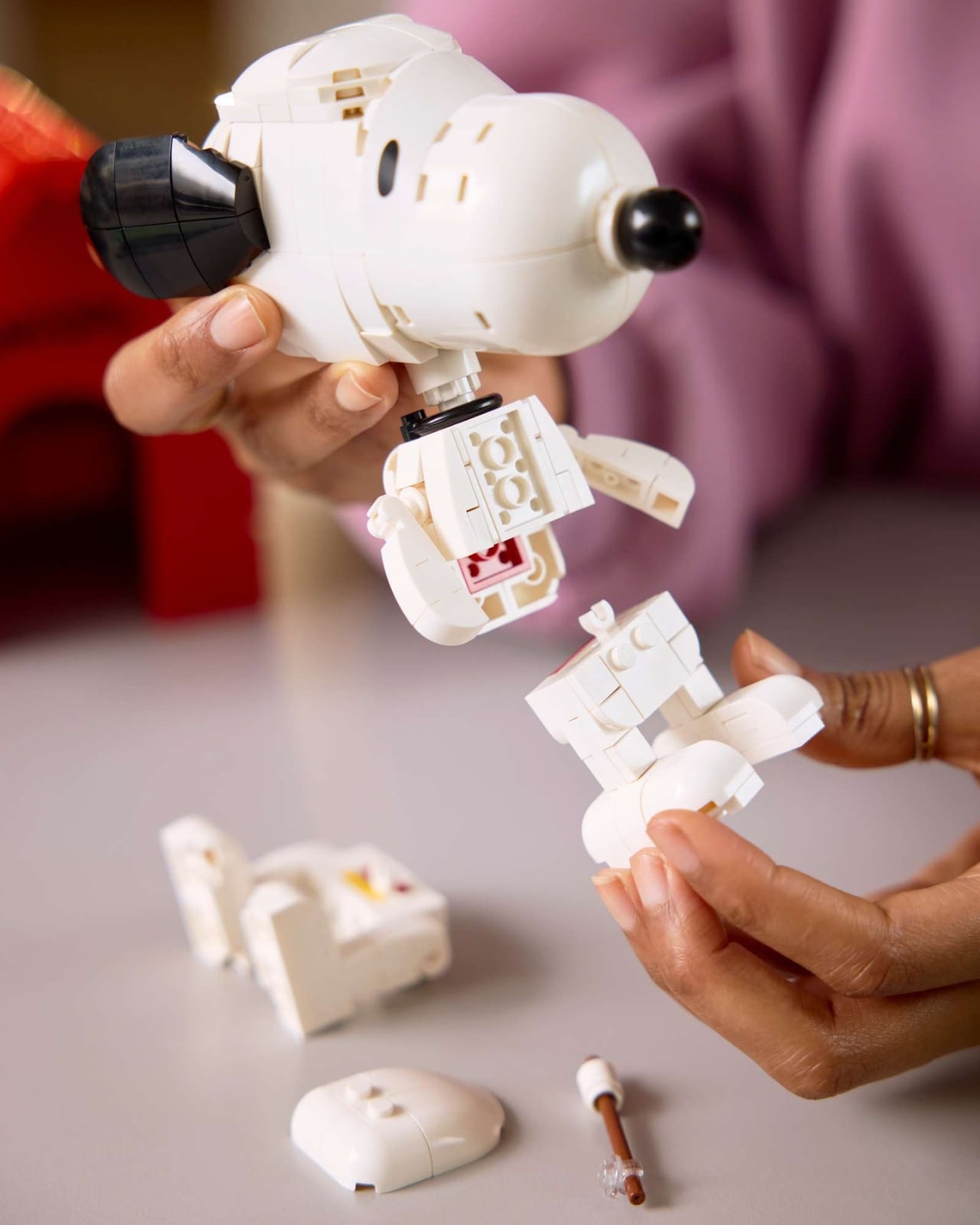
Whether you’re building it for yourself or gifting it to someone whose eyes light up at the mere sight of a little black-and-white beagle, this set is a beautiful reminder that some things never get old. Snoopy has been napping on that rooftop, dreaming big, and making us smile for over 75 years, and clearly, he has absolutely no plans of stopping. Good grief, indeed.
The post LEGO Just Built the $90 Snoopy Set Every Peanuts Fan Always Wanted first appeared on Yanko Design.

Google Released a New Pixel 10a and It’s Basically the Same Phone From Last Year

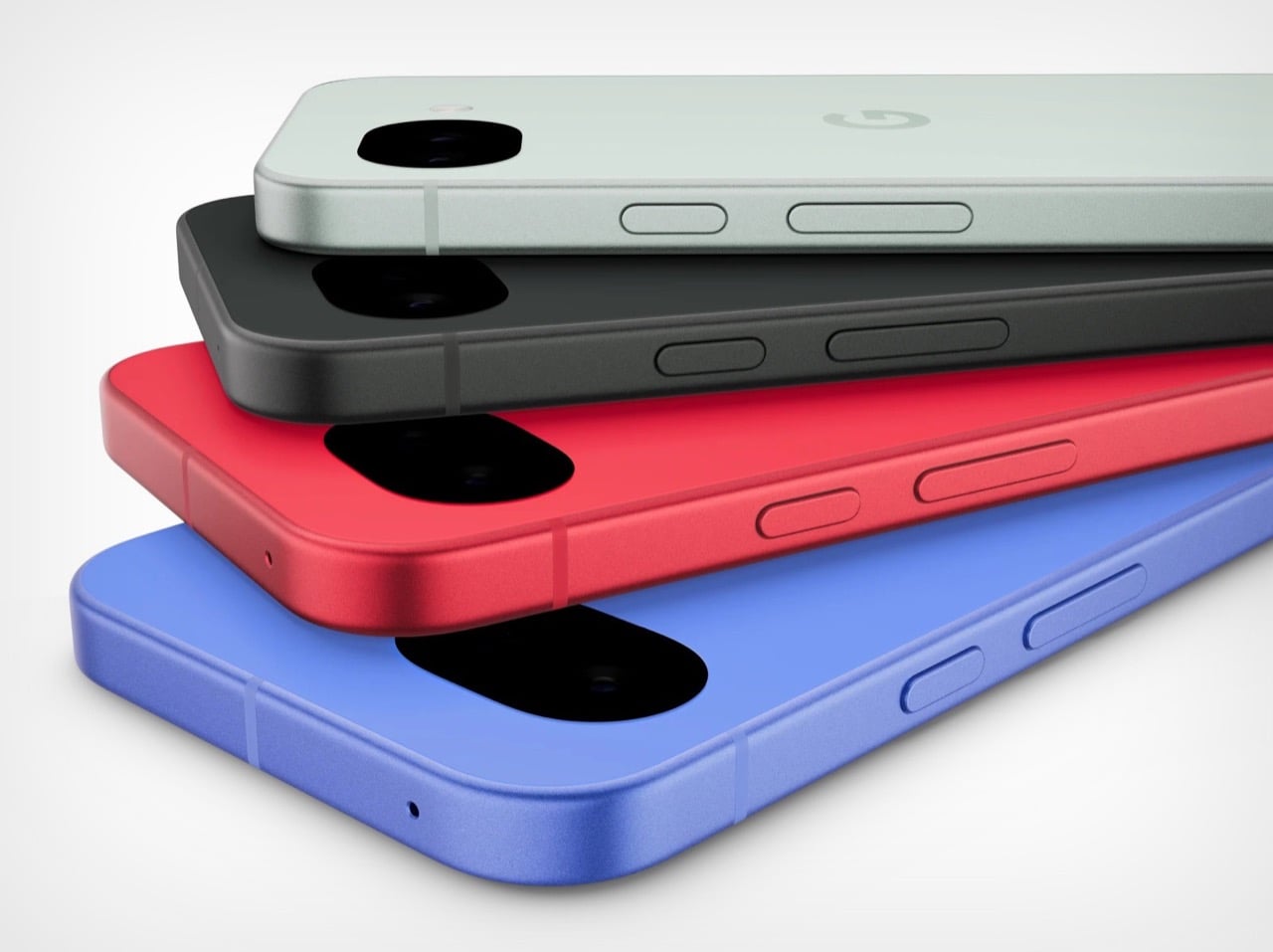
Google would like you to meet the Pixel 10A. It has a new name, new colors, and a press release that runs to several pages. It costs $499, which is exactly what the Pixel 9A cost. It weighs the same. It measures the same. It has the same cameras, the same battery, the same chip, and the same 6.3 inch display. There is a episode of The Office where Pam preoccupies Michael by presenting two identical photo printouts as a spot-the-difference puzzle. Google has essentially done that, except the printout costs five hundred dollars.

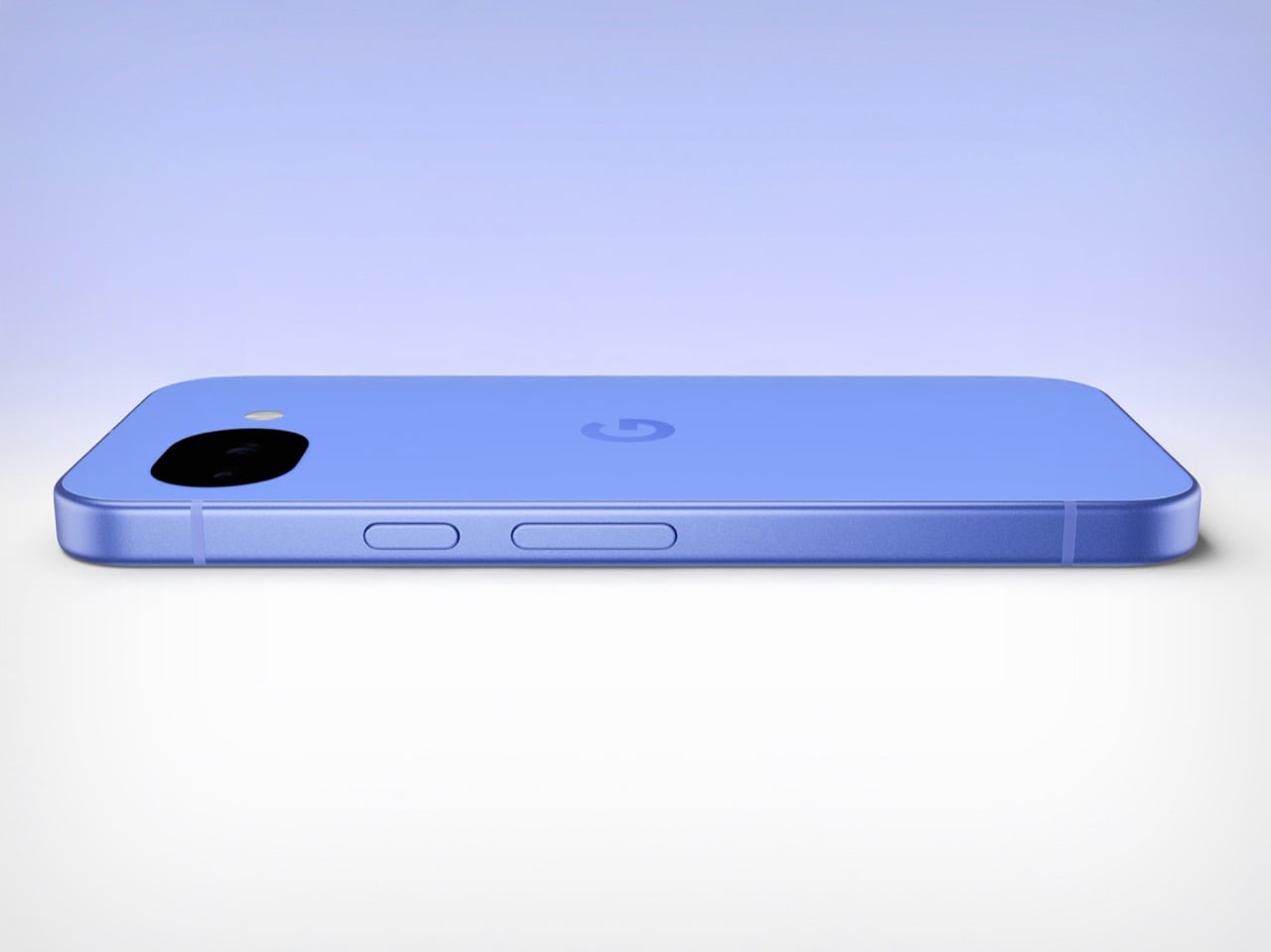
To be precise about what actually changed: the display is about 10% brighter, the glass protecting it moved from Gorilla Glass 3 to Gorilla Glass 7i, wired charging climbed from 23 watts to 30, and wireless charging went from 7.5 watts to 10. The camera bump, already barely perceptible on the 9A, is now completely flush. In some regions, satellite SOS is supported. That is the complete list. Google did not forget to send the rest of it.

Designer: Google

The Pixel 10 and Pixel 10 Pro both run on the Tensor G5. The Pixel 10A runs on the Tensor G4, the same chip from last year’s A-series, and the year before that in the Pixel 9 Pro. For years, buying the A-series meant getting the current flagship chip in a cheaper body. That was a genuinely good deal. Google has decided, apparently, that it was too good.

Best Take, Camera Coach, Call Screening, Clear Calling, Now Playing, Gemini as a built-in assistant, and seven years of updates add up to an experience that Android competitors at this price genuinely struggle to match. The Pixel ecosystem has real pull, and Google knows it. The 10A is banking on that pull being strong enough to carry a spec sheet that would embarrass a 2024 phone.

Google looked at the Pixel 9A, decided it had not been wrong about any of it, and shipped it again with brighter glass and a new colorway called Fog. In an industry that routinely invents problems to solve, there is something almost philosophical about a company that simply refuses to fix what it considers unbroken. The Pixel 10A does not have an identity crisis. It has its predecessor’s identity, and it is completely comfortable with that.

It will sell because the cameras are good, the battery lasts, the software support is unmatched at the price, and most people upgrading to it will be coming from something two or three generations older where the difference feels significant regardless of which Tensor chip is inside. Google understands its buyer perhaps better than its buyer understands the spec sheet. The Pixel 10A is a perfectly competent phone that knows exactly what it is. But also… this smartphone announcement could have been an email.

The post Google Released a New Pixel 10a and It’s Basically the Same Phone From Last Year first appeared on Yanko Design.

❌