Microsoft vient de publier un brevet qui décrit un système capable d'envoyer une IA ou un autre joueur prendre le contrôle de votre partie quand vous êtes bloqué. Sony travaille sur une idée similaire de son côté. Visiblement les deux géants du jeu vidéo veulent que vous ne restiez plus jamais coincé sur un boss, même si ça veut dire que quelqu'un d'autre joue à votre place.
Un assistant qui prend la manette
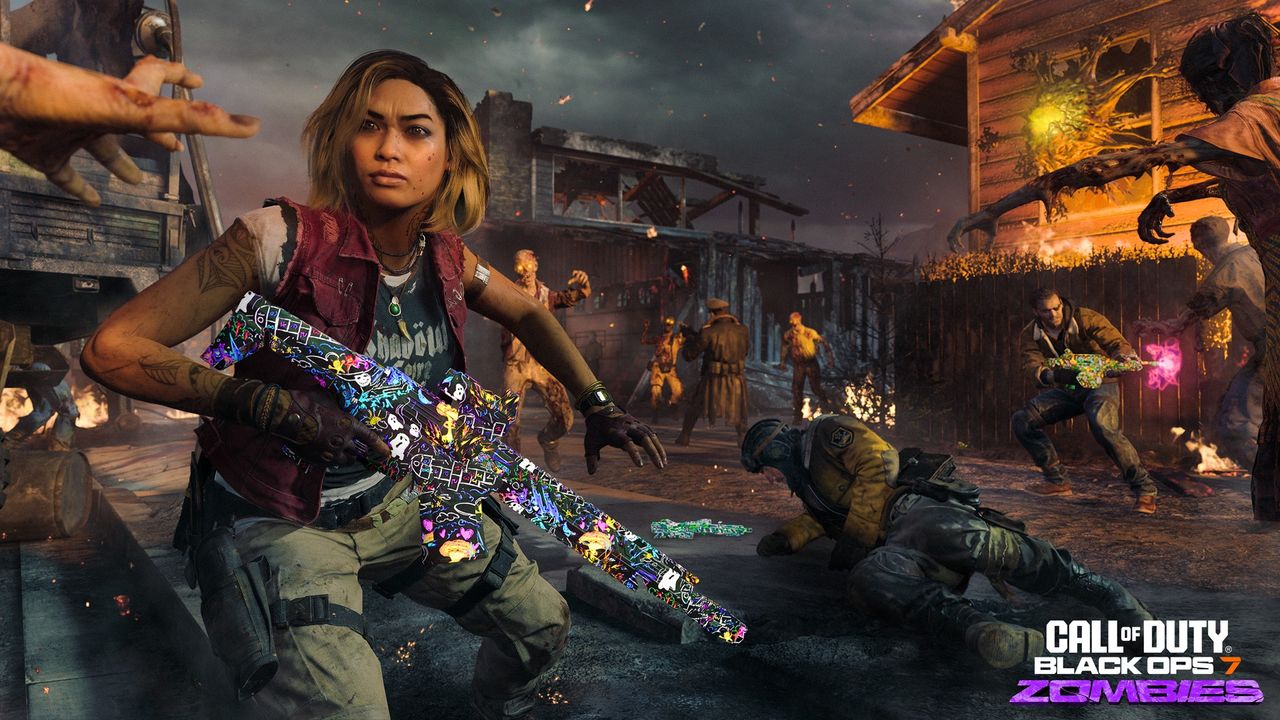
On est donc là devant un brevet plutôt intéressant qui porte le doux nom de "Video Game Help Sessions", il a été déposé en février 2024, et vient à peine d'être publié. Le principe est assez simple : quand le système détecte que vous galérez un peu trop sur un passage, un gros bouton HELP apparaît à l'écran.
Si vous êtes ok sur le principe, la partie est automatiquement sauvegardée, et une aide prend le contrôle de votre personnage, histoire de vous débloquer la partie. Cette aide peut être une IA ou un humain.
Sony a la même idée
Microsoft n'est pas le seul à avoir eu cette idée. Sony a déposé un brevet du même genre en septembre 2024, mis à jour début 2026, pour un système baptisé Ghost Player. Côté PlayStation, c'est exclusivement de l'IA, avec deux modes : un Mode Guide où le fantôme vous montre la marche à suivre, et un Mode Complet où l'IA prend la main et finit le passage pour vous.
La principale différence avec le brevet Xbox, c'est que Microsoft mise aussi sur l'aide humaine et que le système détecte lui-même quand vous avez besoin d'un coup de main, au lieu d'attendre que vous le demandiez.
Juste un brevet pour le moment
Rappelons quand même qu'un brevet n'est pas une annonce produit. Microsoft et Sony déposent des dizaines de brevets chaque année, et la plupart ne voient jamais le jour.
Rien ne garantit que ce système arrivera un jour sur Xbox ou PlayStation. La nouvelle patronne de Microsoft Gaming, Asha Sharma, a tenu à préciser que l'entreprise ne produirait pas de "soulless AI slop", autrement dit pas de bouillie générée par l'IA sans âme. Ce qui donne une idée de la prudence affichée en interne.
Franchement, l'idée est intéressante sur le papier. Je suis tellement du genre à quitter définitivement un jeu dès que je bloque sur un boss ou un niveau, que ce genre de truc pourrait me plaire. Mais il y a quand même un truc philosophique là-dedans : si l'IA ou un inconnu finit le jeu à votre place, c'est encore votre partie ? Le brevet pose aussi la question de l'attribution des succès et des achievements.
Andy Nguyen, chercheur en sécurité informatique, a réussi à installer Linux sur une PlayStation 5 et à faire tourner GTA 5 Enhanced Edition en 1440p à 60 images par seconde, ray tracing activé. La console se transforme alors en une sorte de « Steam Machine ». Mais l'exploit ne fonctionne que sur les toutes premières PS5, celles qui n'ont jamais été mises à jour depuis leur achat.
GTA 5 Enhanced en 1440p à 60 FPS
Le résultat est assez bluffant. Andy Nguyen, connu sous le pseudo theflow0, a partagé une vidéo montrant GTA 5 Enhanced Edition qui tourne à 60 images par seconde en 1440p avec le ray tracing activé, le tout sur une PS5 standard, pas la Pro. Le processeur tourne à 3,2 GHz et le GPU à 2,0 GHz, des fréquences volontairement bridées parce que la console commence à surchauffer au-delà. En théorie, le CPU pourrait monter à 3,5 GHz et le GPU à 2,23 GHz, mais le système de refroidissement ne suit pas. La sortie vidéo 4K en HDMI fonctionne, le son aussi, et tous les ports USB sont opérationnels. Pour les pilotes graphiques, Nguyen a travaillé avec le projet open source Mesa pour ajouter le support du GPU de la PS5.
Post X (Twitter)
En cliquant sur "Charger le post", vous acceptez que X (Twitter) puisse déposer des cookies et collecter des données.
Un exploit réservé aux premières PS5
Pour faire tourner Linux sur la console, il faut passer par un exploit appelé Byepervisor, développé par la communauté PS5Dev. Ce hack contourne l'hyperviseur de Sony, la couche de sécurité qui empêche l'exécution de code non autorisé sur la console. Sauf que l'exploit ne marche que sur les firmwares 1.xx à 2.xx, les tout premiers sortis au lancement de la console fin 2020. Si vous avez connecté votre PS5 à Internet ne serait-ce qu'une fois, il y a de grandes chances que le firmware ait été mis à jour automatiquement. On parle donc clairement de consoles qui n'ont pas bougé de leur boîte depuis plus de cinq ans.
La PS5 transformée en Steam Machine
Nguyen a promis de publier les instructions « avant la sortie de GTA 6 ». Le projet transforme la PS5 en ce qu'il appelle une « Steam Machine », un clin d'œil aux consoles de Valve qui avaient tenté de combiner PC et salon en 2015. Et il y a un argument qui tient la route : avec le prix actuel de la RAM, une PS5 d'occasion toujours équipée de l'ancien firmware pourrait coûter moins cher qu'un PC à performances équivalentes pour jouer sous Linux. Mais bon, encore faut-il trouver une PS5 qui n'a jamais vu la couleur d'une mise à jour, et ce n'est pas exactement le genre de chose qu'on déniche facilement. Si vous en avez une qui traîne, il y a peut-être moyen de vous faire un peu de sous avec !
Quoi qu'il en soit, c'est du beau boulot. On est là sur de l'ingénierie de haut vol, même si on est hélas quand même loin de la bidouille grand public.
Nintendo had a choice when designing the Switch 2. They could iterate on the formula that made the original a cultural phenomenon, refining the single-screen hybrid into a faster, sharper, better version of itself. Or they could reach back into their own history, pull out the design philosophy that once made the DS family the best-selling handheld hardware line of all time, and merge two eras of thinking into something genuinely new. They picked the first path. Designer Juan Manuel Guerrero just sketched out the second.
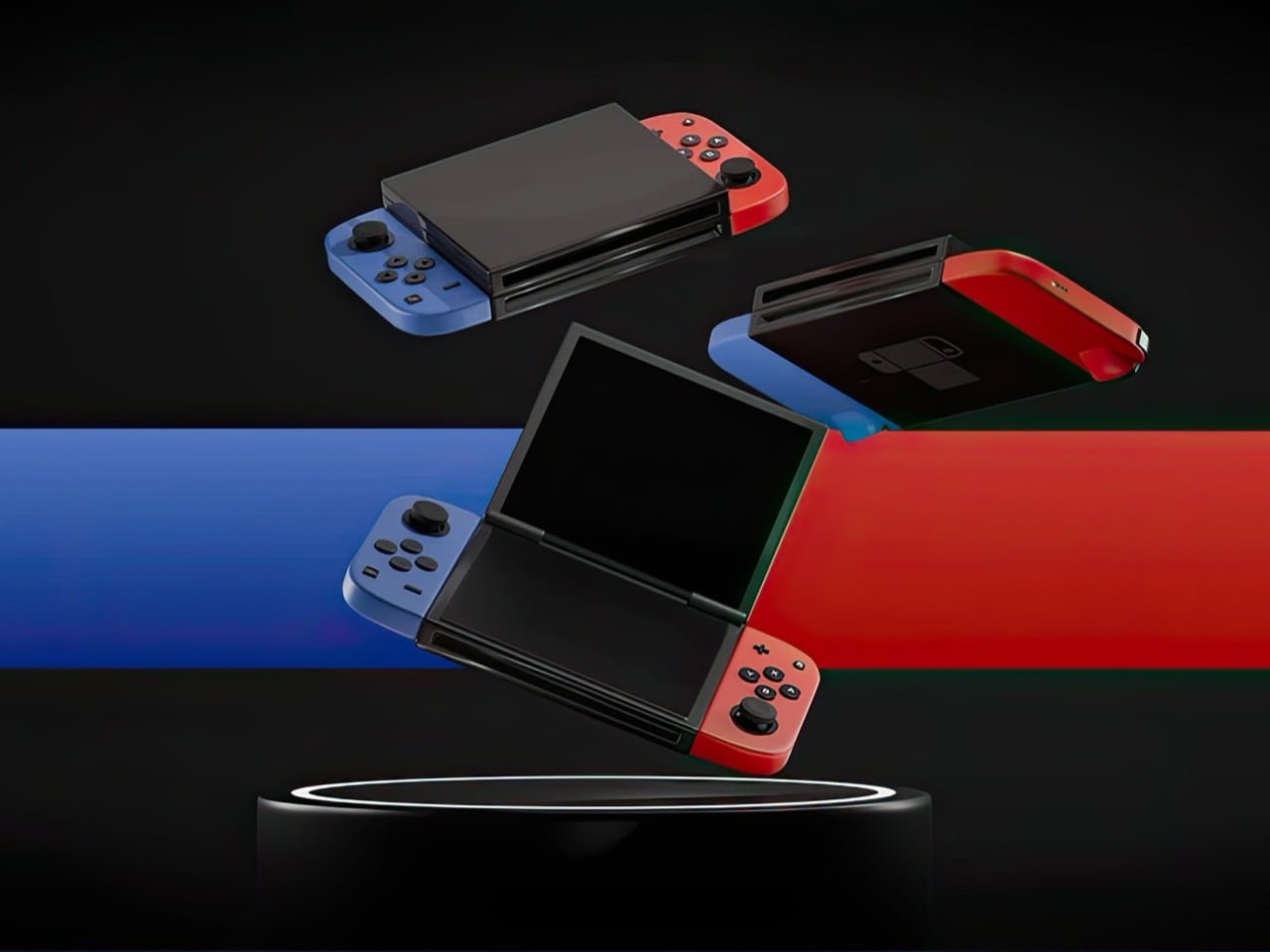
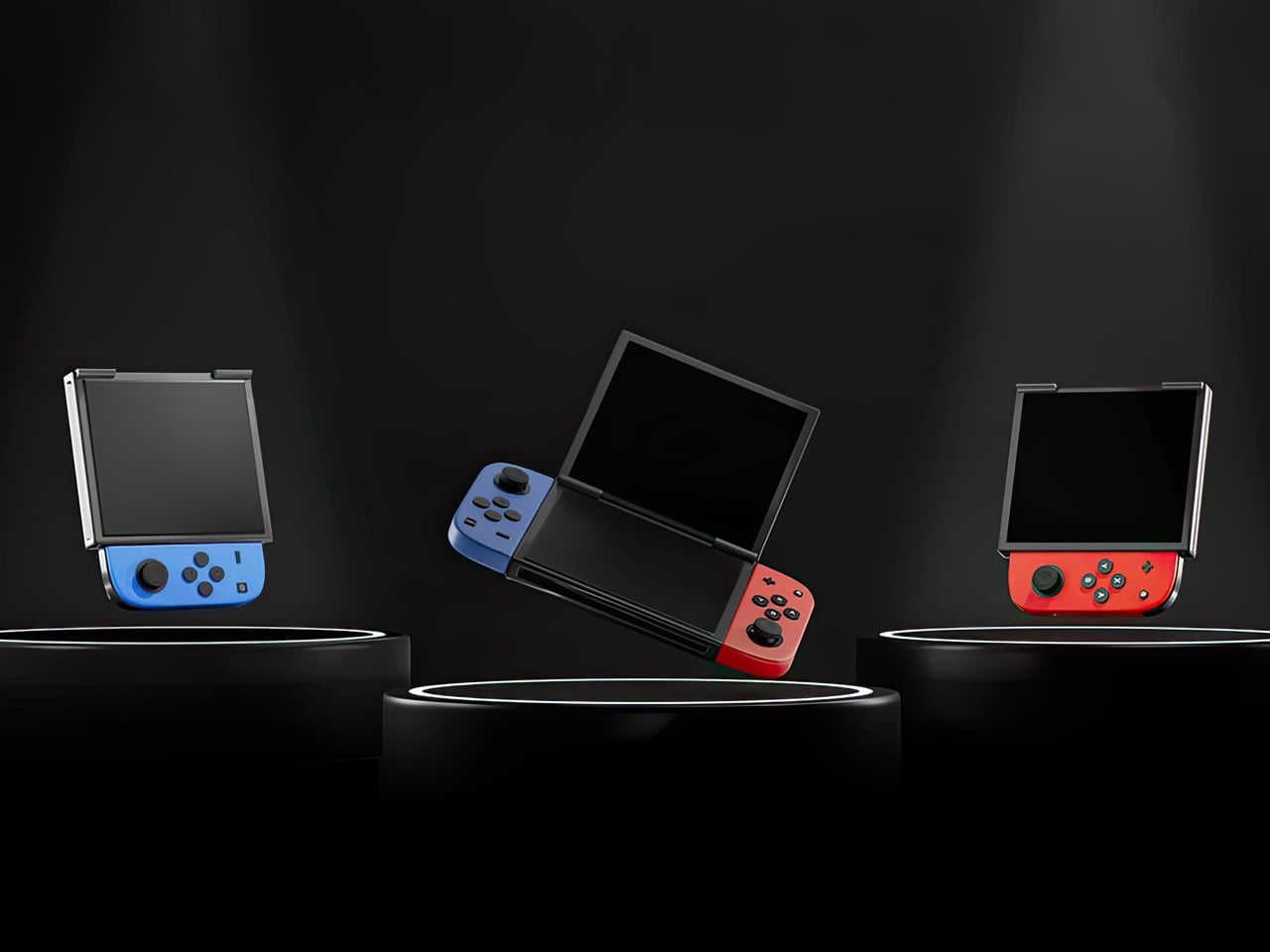
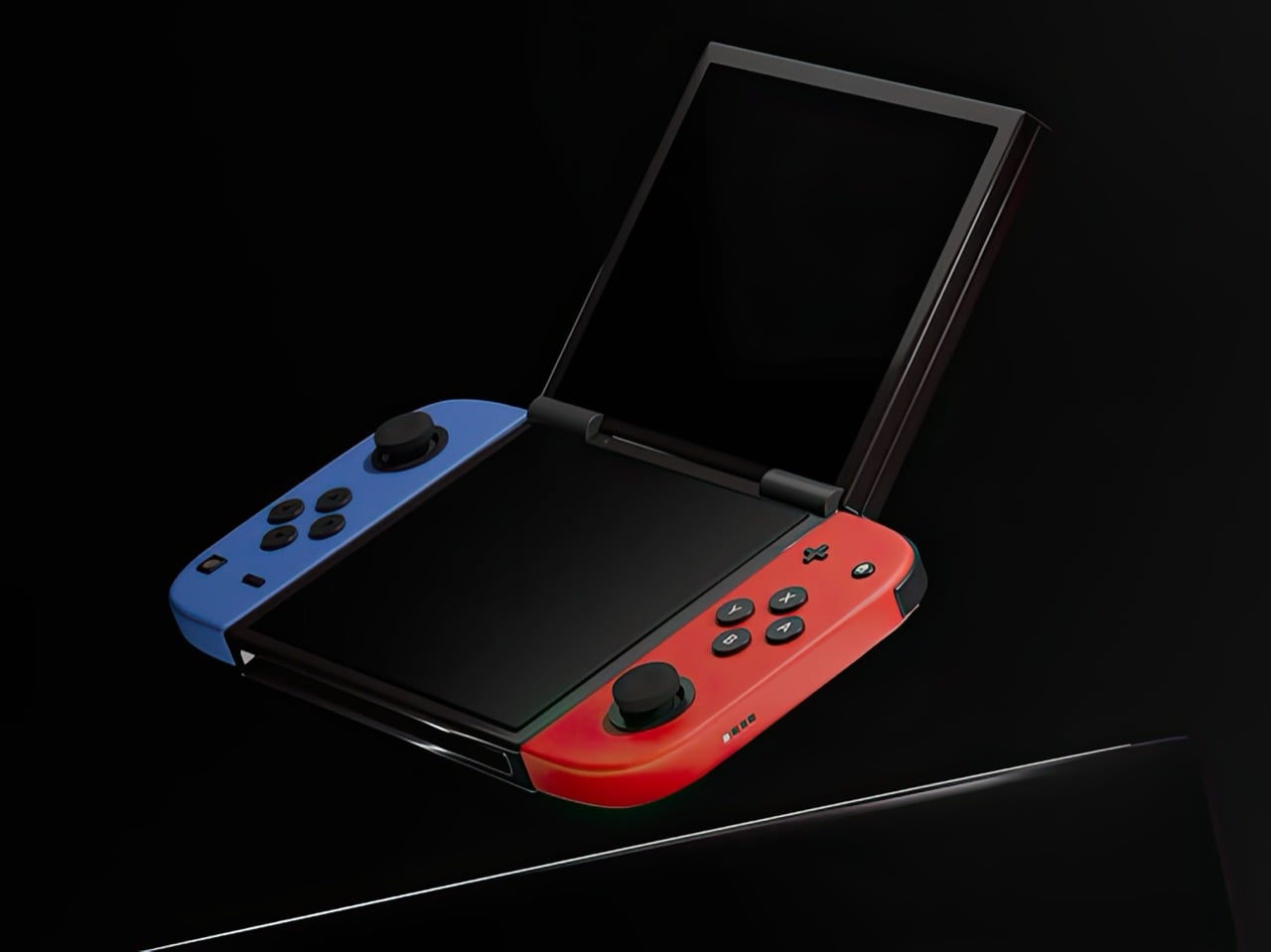
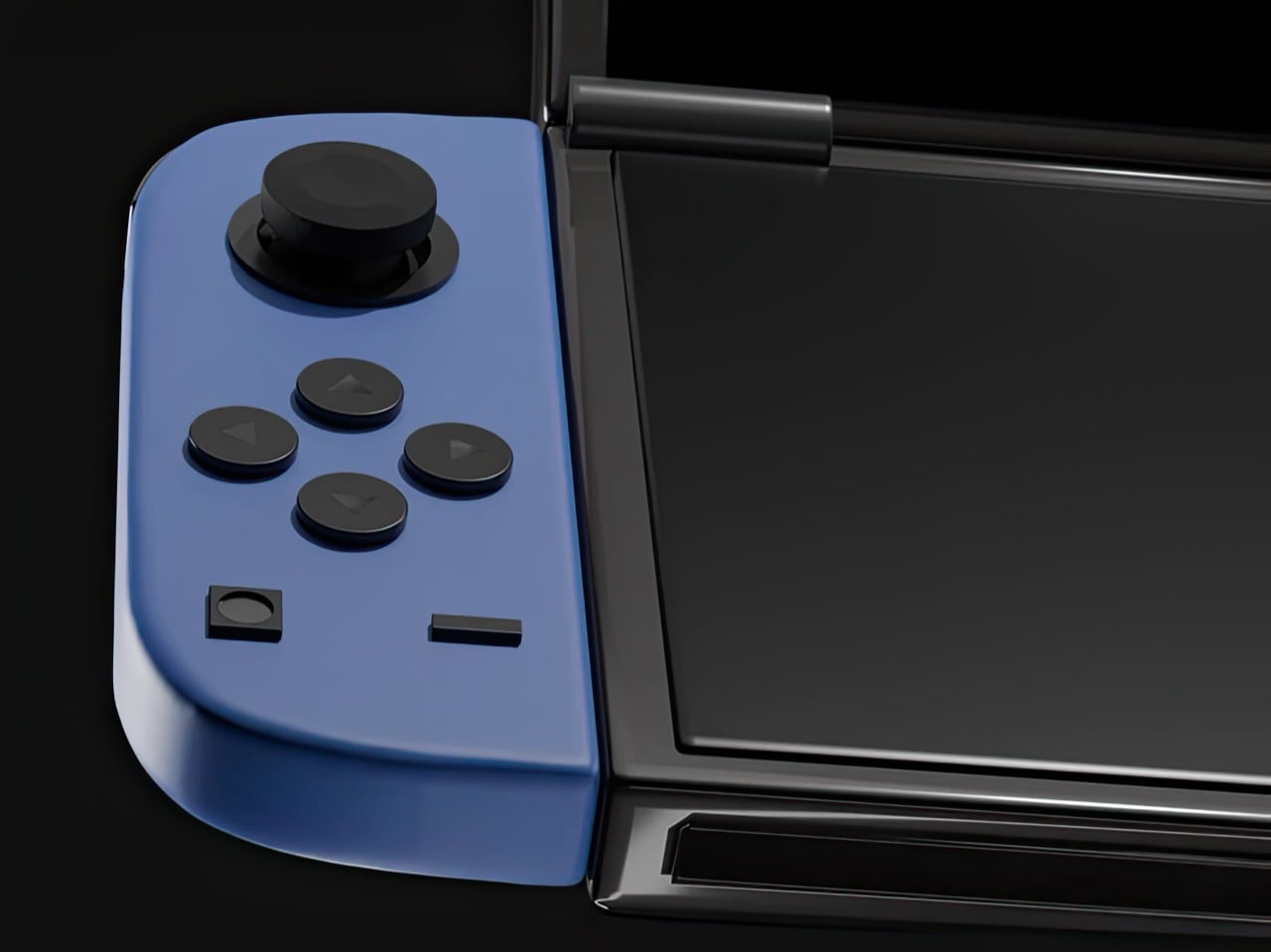
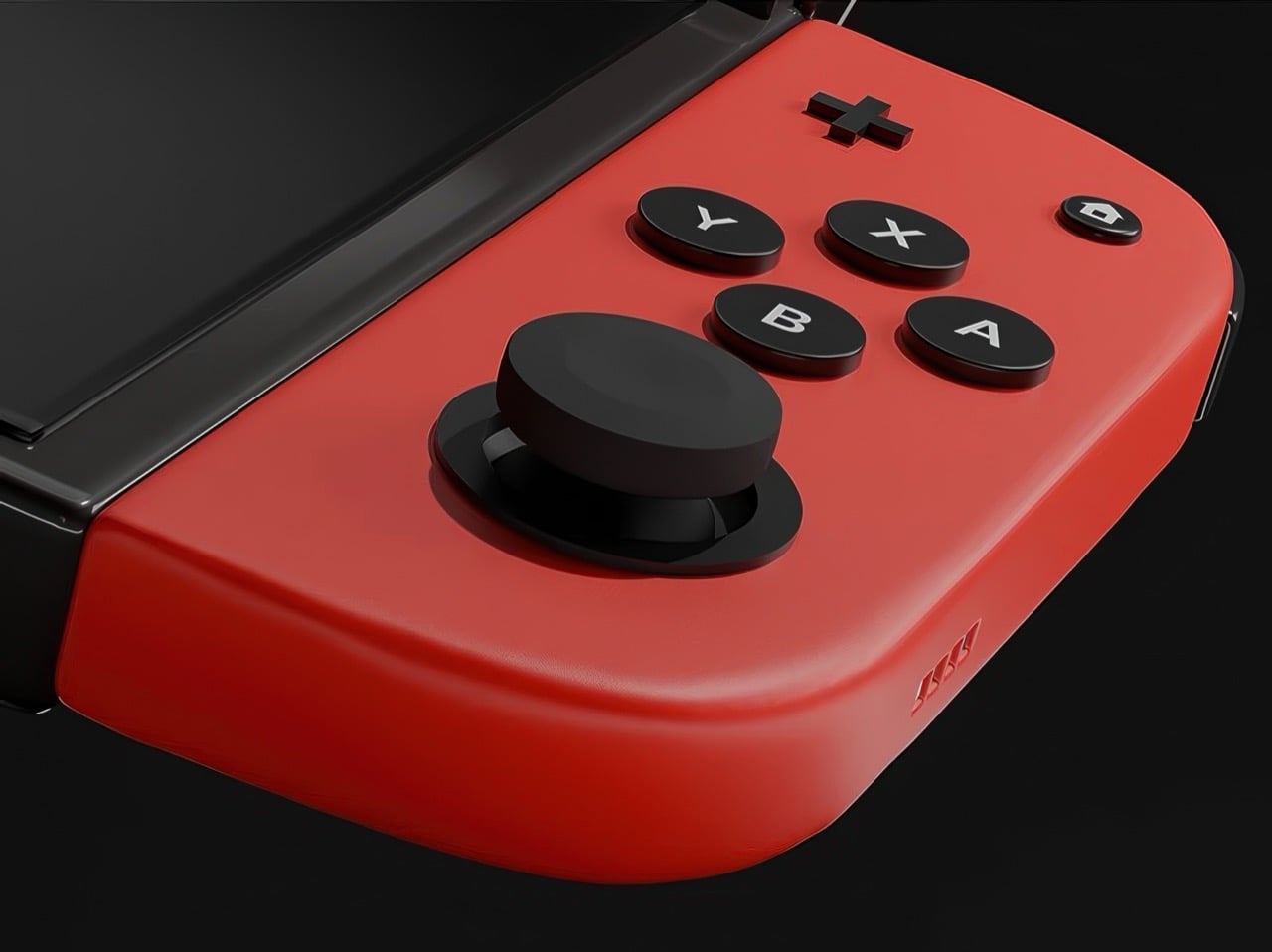
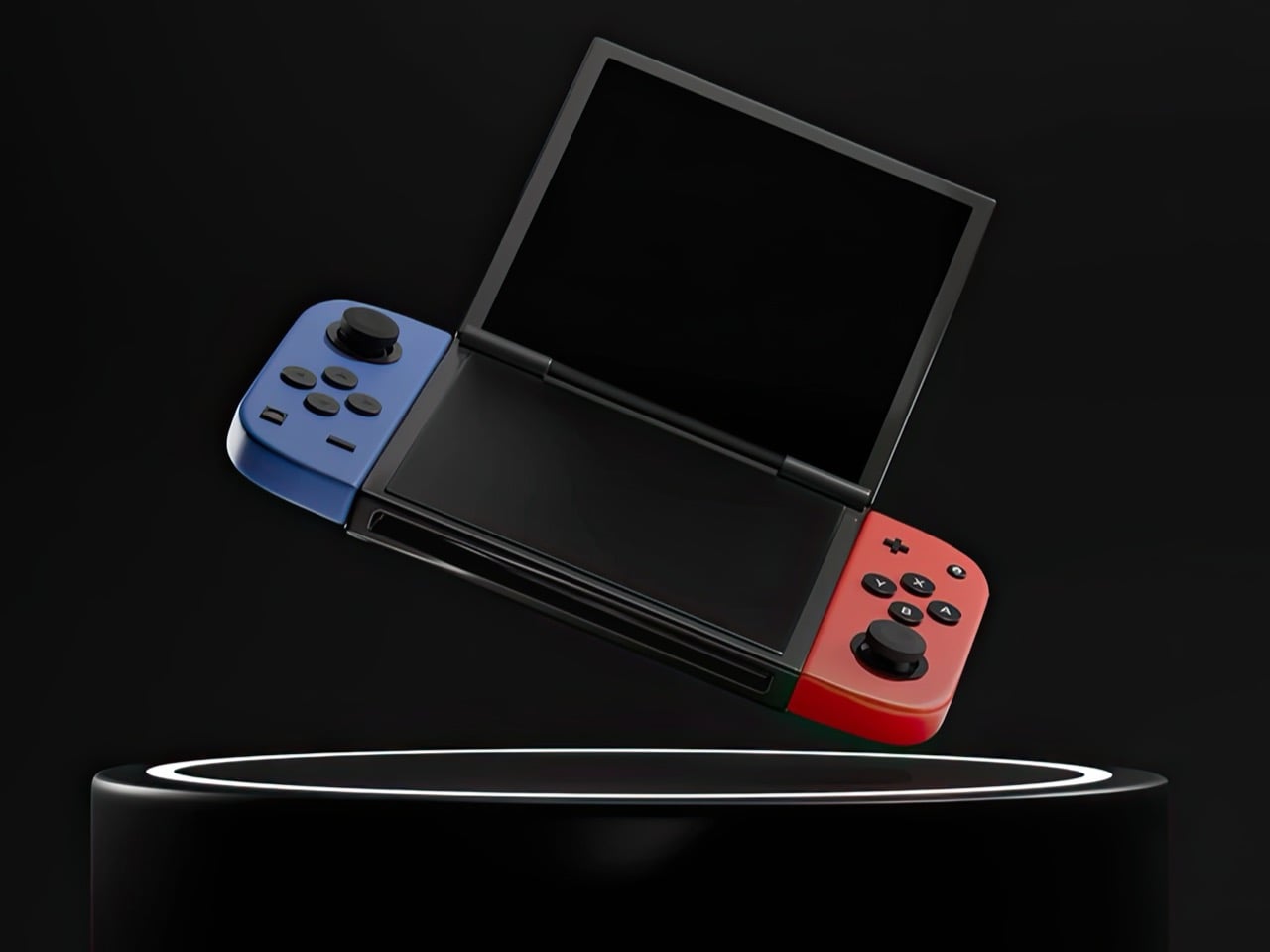
The concept arrives as a series of beautifully lit 3D renders: a folding Nintendo Switch with dual screens, a hinge running through the center of the body, and Joy-Cons in the familiar blue-red split attached to either end. The renders carry the finish of product photography, which makes it genuinely easy to forget this never shipped. Closed, it looks like a sleek, pocket-ready device with a tighter footprint than the original Switch. Open, it recalls something older and warmer, the quiet satisfaction of flipping a DS open on a long car ride, except now the screens are large, the controllers are proper, and the whole thing feels built for today. The proportions are deliberate, the design choices are considered, and the whole thing wears its Nintendo identity without apology.
Designer: Juan Manuel Guerrero
The Nintendo DS sat at 154.02 million lifetime units for years, the gold standard for Nintendo hardware, until the Switch finally crept past it in early 2026 with 155.37 million. Two hardware generations, both cultural touchstones, separated by fewer than two million units across a combined history of roughly three decades. The closeness of that race matters. The DS built those numbers on a genuine design idea, a spatial logic where two screens gave developers room for two distinct kinds of information at once, and players responded to that for fifteen years. Guerrero’s concept asks whether the Switch era ever had to leave that behind.
Phantom Hourglass let you draw on the bottom screen to annotate your own maps and solve puzzles, an idea original enough to win awards at the time. Pokemon Diamond and Pearl split the party menu from the battlefield, giving battles a spatial clarity the GBA never had room for. GTA: Chinatown Wars ran the full city map on the lower display and handed the top panel entirely to the action. These were designs built entirely around the format, dependent on the split in a way that made them fall apart on a single screen. That vocabulary has been sitting idle for the better part of a decade.
Samsung’s Galaxy Z Fold 6 runs a 7.6-inch interior display and represents the sixth generation of the company working foldable hardware into something genuinely reliable. Motorola, OnePlus, Google, and Huawei all have competitive entries in the space. Display durability and hinge reliability have been largely solved through successive product generations and real commercial pressure. A dual-screen Switch in 2025 wouldn’t be asking anyone to invent something new; the foldable category has already done the hard engineering work. Guerrero’s concept asks someone to point that already-mature technology at a gaming audience.
The DS touchscreen read as a toy gimmick in 2004. The Wii’s motion controls got laughed at before that console sold 101 million units. The Switch itself looked like a confused category play until it climbed past 155 million units and became Nintendo’s best-selling platform ever. That history of moves that look sideways before they land is the context Guerrero’s concept actually lives in. The foldable technology exists, the Joy-Con design language holds across both halves of the fold, and the IP is coherent. Someone drew it. Now it’s genuinely difficult to look at the Switch 2 without wondering what the other path could have looked like.
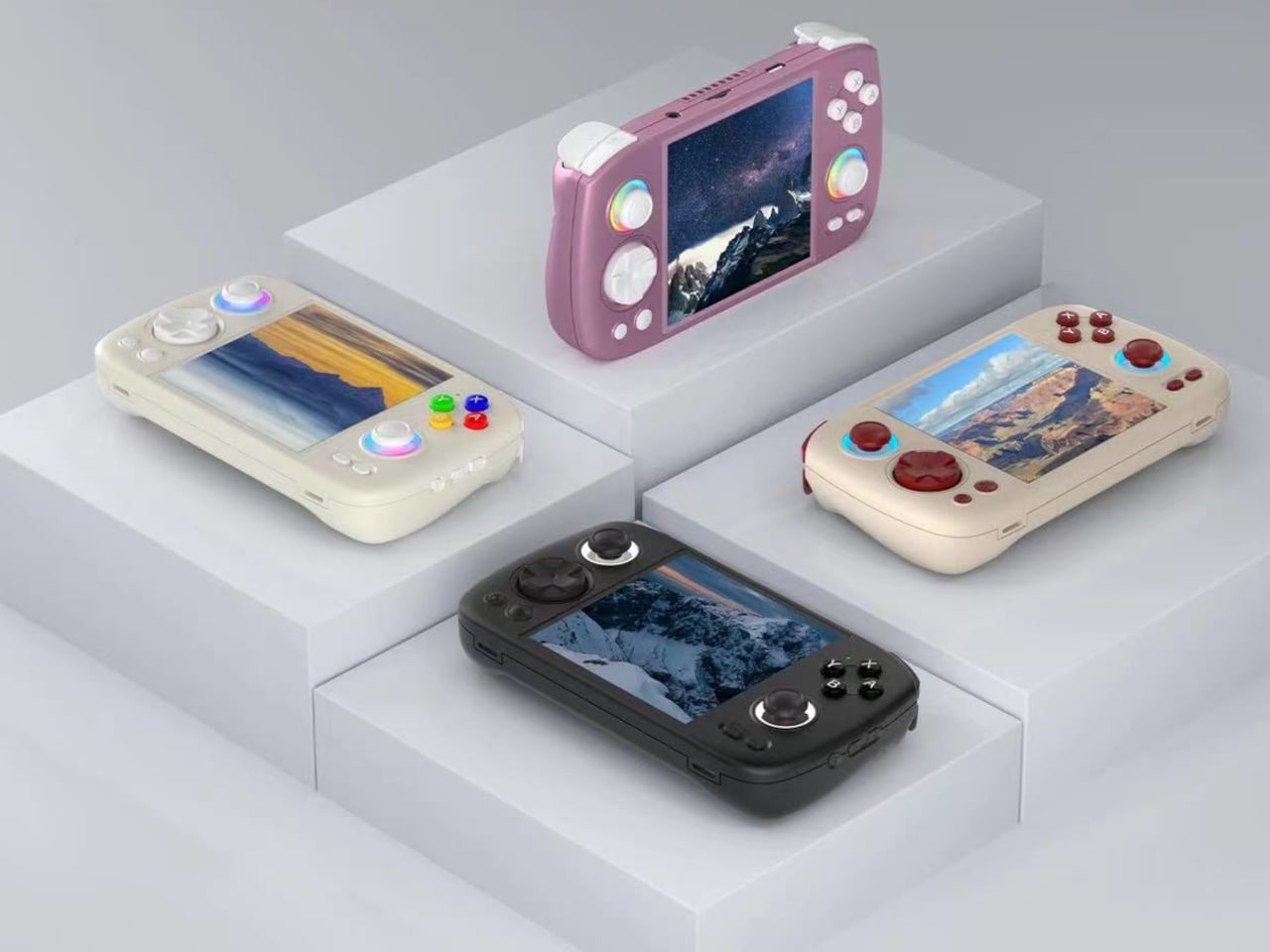
At some point in the last couple of years, something quietly shifted in the gaming world. Not in the blockbuster, billion-dollar-franchise sense, but in the more personal, “why am I actually having more fun with this tiny device than my main console” sense. Search interest in retro gaming handhelds jumped 400% year-over-year, hitting 90,500 monthly searches in January 2026 alone. That’s not a blip. That’s people rediscovering something they forgot they wanted, and then telling everyone they know about it.
What’s driving it isn’t hard to understand. Modern gaming has gotten heavy, with big installs, long tutorials, and games that feel like part-time jobs. A retro handheld sidesteps all of that. You pick it up, you’re playing something in thirty seconds, and it fits in your jacket pocket. The designs themselves have become worth caring about, too, from machined aluminum bodies to translucent clamshells to square screens that look like props from a ’90s anime. These aren’t budget toys. Some of them are genuinely beautiful objects that happen to play games. Here are seven that are worth your attention.
Anbernic RG Cube: The one with the square screen that somehow works
The first thing you notice about the RG Cube is the screen shape, a perfect square, and your brain immediately goes: that can’t be right. Gaming moved to widescreen fifteen years ago. A 1:1 display in 2024 looks like a design mistake, or at best a gimmick. It is neither. The 3.95-inch IPS panel at 720×720 turns out to be native to more retro games than you’d expect, with Game Boy, arcade titles, and Nintendo DS with dual-screen stacking all living here without compromise.
The broader package is hard to argue with. An octa-core Unisoc T820 processor and 8GB of RAM run Android 13, with emulator support up through PS2 and GameCube, though more demanding titles on those systems will push its limits. The asymmetric thumbstick layout borrows from the Steam Deck playbook, and the Saturn-inspired D-pad is precise without drama. At around $170, it comes in Beige White, Radiant Purple, Black, Grey, and the radiant purple has no right looking as good as it does.
What we liked
Square 1:1 screen is genuinely ideal for Game Boy, arcade, and DS emulation
RGB lighting and color options make it a genuinely attractive object
What we disliked
Widescreen games require letterboxing or aspect-ratio compromise
Demanding PS2 and GameCube titles push the processor to its limits
ModRetro Chromatic: The Game Boy Color that Nintendo never made
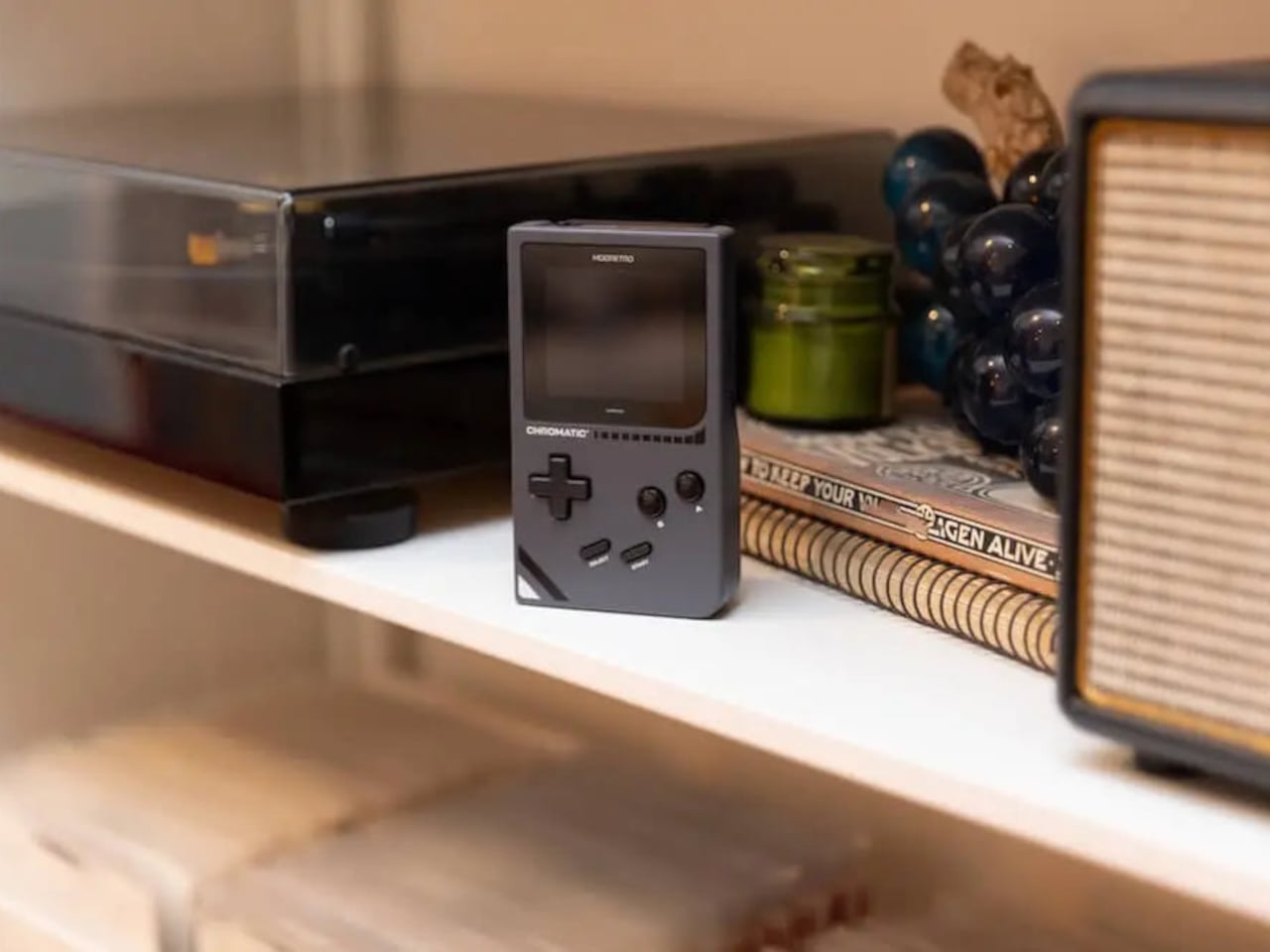
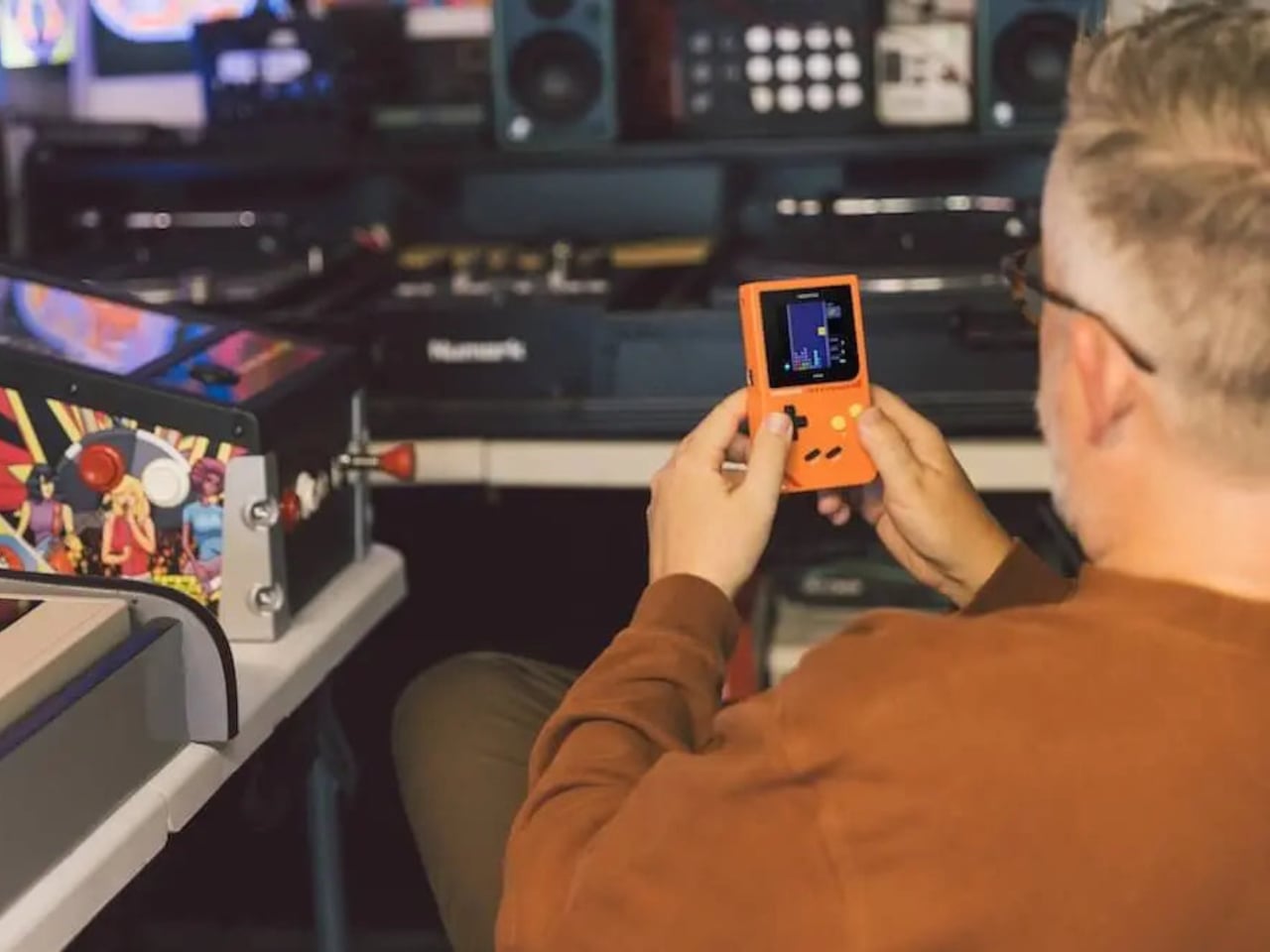
There’s a version of this product that could have been embarrassing: a magnesium alloy Game Boy Color clone bundled with a new Tetris cartridge, sold at $199. On paper, it sounds like a premium nostalgia trap. In practice, it’s one of the most carefully considered handheld devices released in years. It’s FPGA-based, meaning it reconstructs the Game Boy hardware at the circuit level rather than emulating it in software, which produces zero input latency and a millisecond-accurate match to original hardware behavior.
The physical design earns its price in ways spec sheets can’t capture. The curved battery compartment gives your hands something to grip. A physical volume wheel, a detail so obvious it’s shocking how rarely it appears on modern devices, lets you kill the sound without touching a menu. Colors run from Inferno and Bubblegum to a very wearable Wave blue, with English or Japanese button labeling as an option. It plays physical Game Boy and Game Boy Color cartridges only, which is either a dealbreaker or a feature, depending on how you think about focus.
What we liked
FPGA hardware delivers true zero input lag, not a software approximation
Magnesium alloy shell feels premium and genuinely durable
Comes bundled with a new Tetris cartridge
What we disliked
Plays only Game Boy and Game Boy Color cartridges, no ROMs or other systems
AA battery requirement adds ongoing cost; rechargeable Power Core is sold separately
Analogue Pocket: The one photographers keep picking up
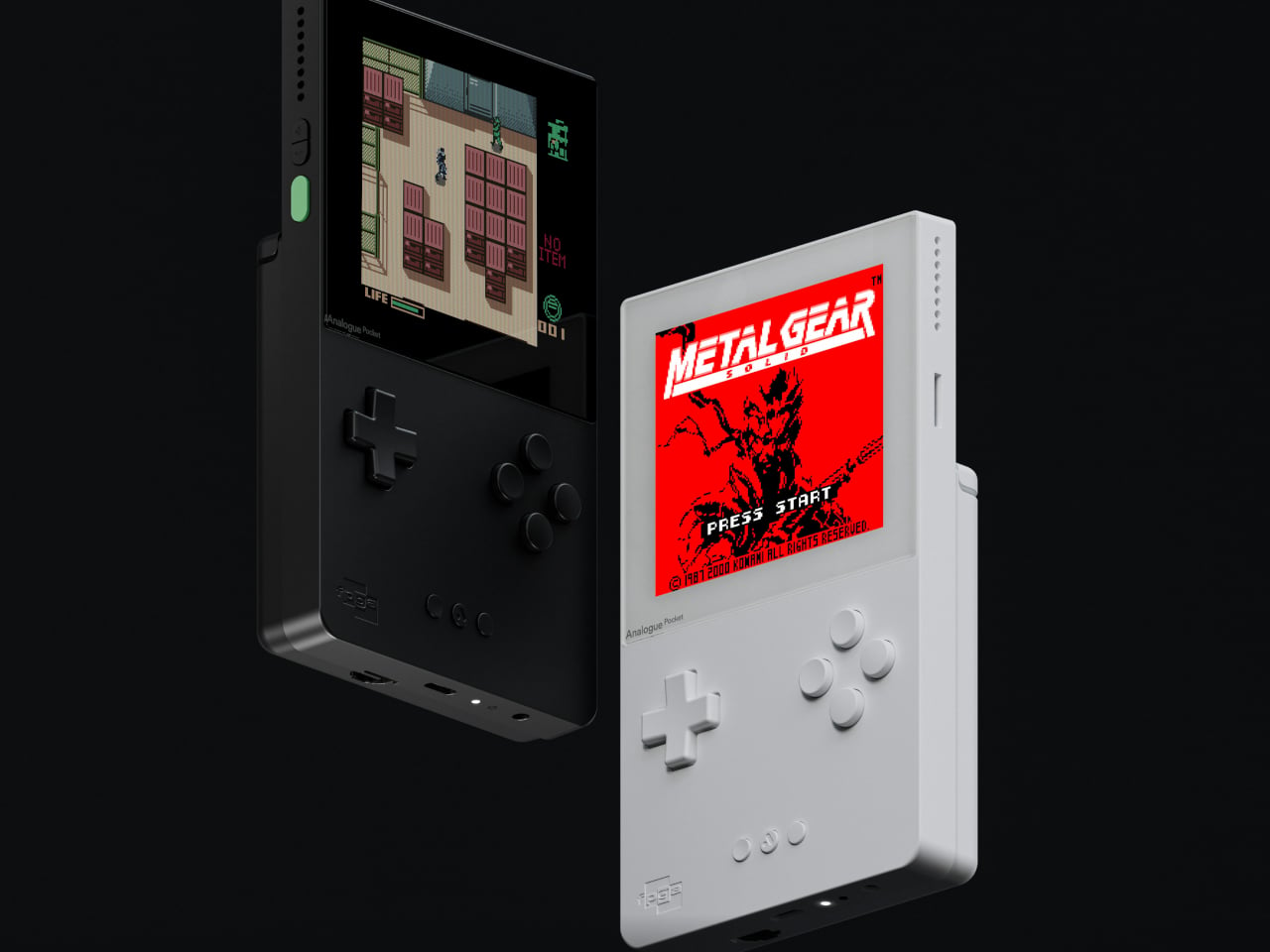
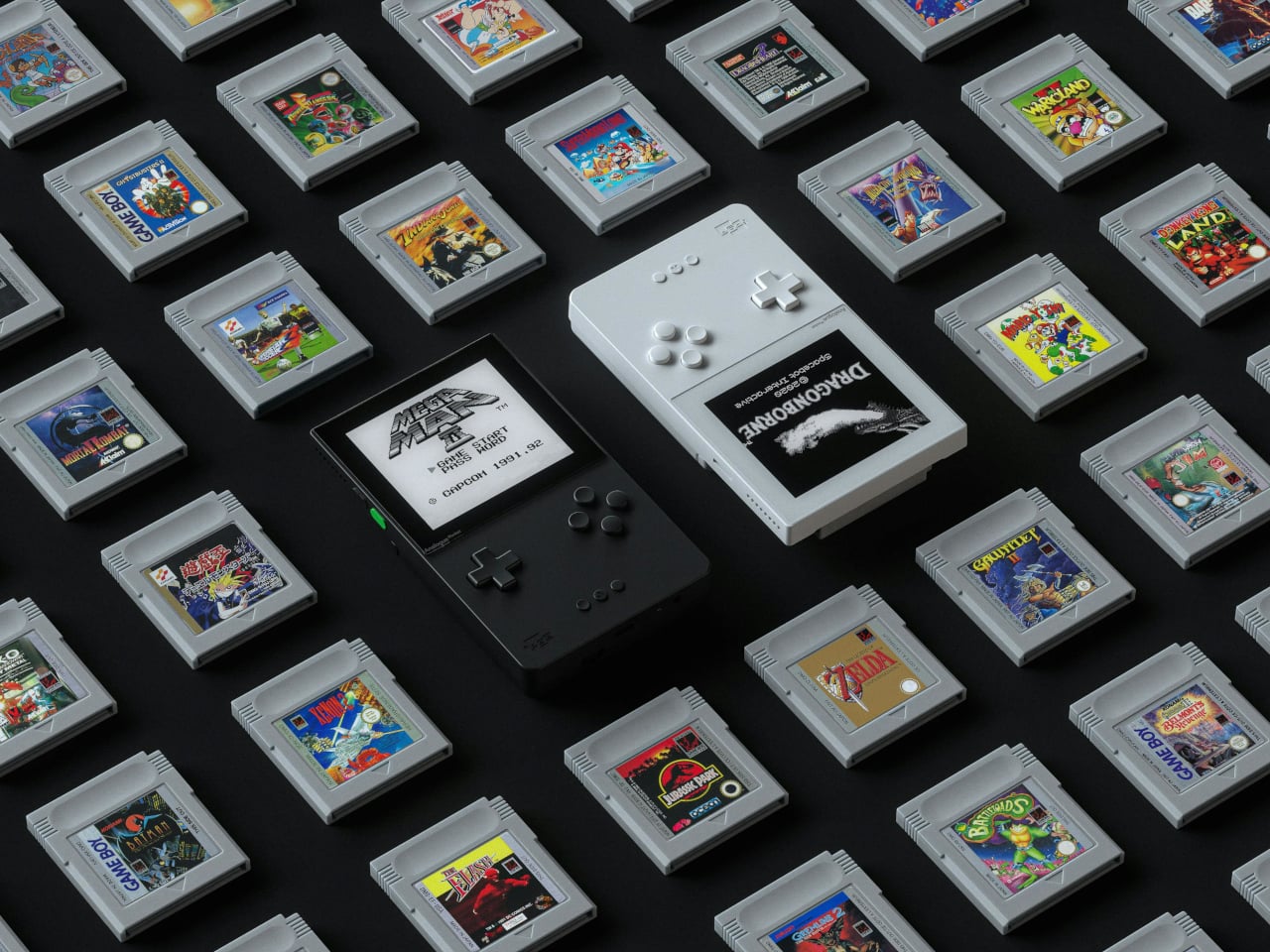
The Analogue Pocket is the device that made the retro handheld conversation respectable. It uses an FPGA rather than software emulation and plays Game Boy, Game Boy Color, and GBA cartridges out of the box. Via cartridge adapters, it adds Game Gear, Neo Geo Pocket Color, Atari Lynx, TurboGrafx-16, PC Engine, and SuperGrafx. Via its microSD slot and the OpenFPGA community platform, it loads cores for nearly every retro system that ever existed. The 3.5-inch LCD at 1600×1440 and 615 ppi is, simply, one of the sharpest displays ever put in a handheld.
At $239, it sits at the premium end of this list, and it’s also frequently out of stock. Firmware updates require a microSD card reader, which feels like friction that shouldn’t exist on a $239 device. TV output needs the separately sold $99 Dock. These aren’t dealbreakers so much as signals that Analogue built this for the dedicated enthusiast first. If you want one device to handle everything in your retro library for the next decade, this is probably it.
What we liked
OpenFPGA community support covers an enormous range of retro systems
Plays GBA in addition to GB and GBC, plus many more with adapters
MicroSD slot enables ROM loading
Premium aluminum build with a distinctly modern design language
What we disliked
Frequently out of stock; restocks sell out within minutes
Firmware updates require an external microSD card reader
TV output requires a separately purchased $99 Dock
Retroid Pocket Flip 2: The clamshell that brought the GBA SP back with PS2 power
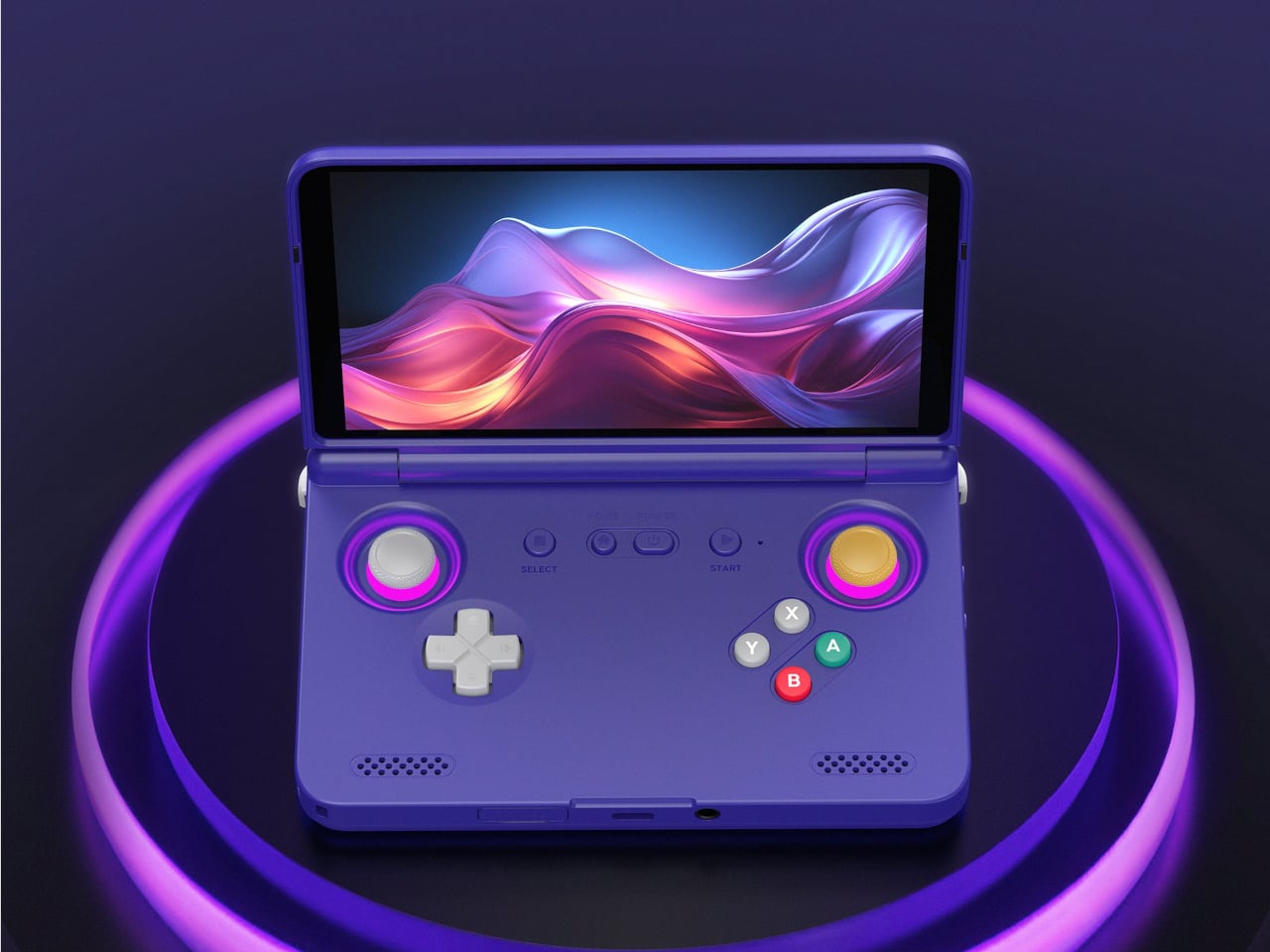
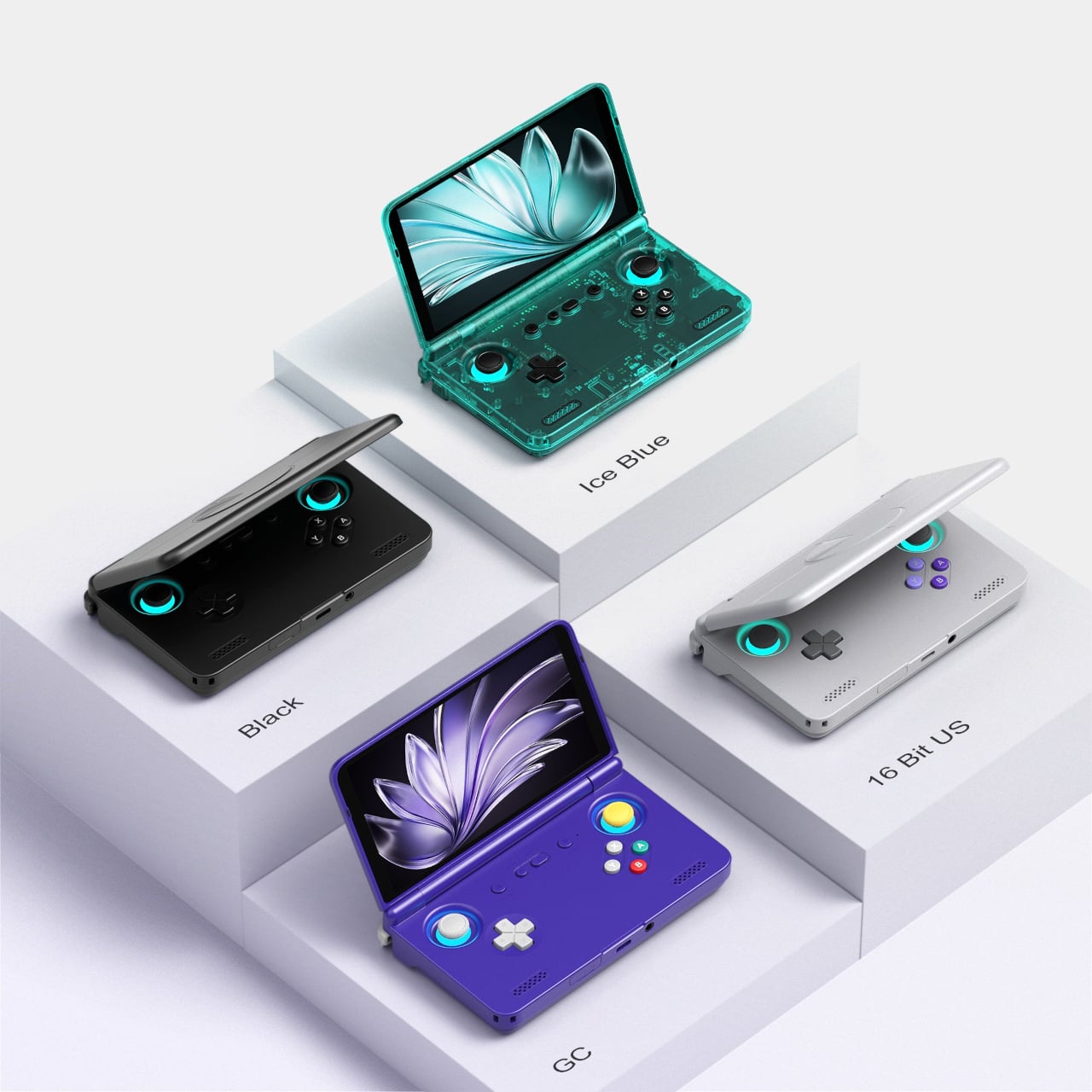
The GBA SP was the handheld that arguably peaked the clamshell form factor: it folded, it protected its own screen, and it had a backlit display before that was standard. The Retroid Pocket Flip 2 arrives in 2025 with that same closing-hinge energy, but with a 5.5-inch 1080p AMOLED screen, a Snapdragon 865 processor, and enough emulation horsepower to run PlayStation 2, GameCube, and Wii. When closed, it has roughly the same desk footprint as a modern smartphone. Closing the lid puts it to sleep; opening it wakes it up.
Color options include a translucent Ice Blue, GameCube Purple, a two-tone 16-bit US, and Black. Retroid clearly understands its audience. The AMOLED panel brings deep blacks and accurate color to games designed for CRTs, and the results are often striking for titles you’ve played a hundred times. At $229 for the Snapdragon variant, there is no meaningful clamshell competitor at this performance level. One persistent note from extended use: the form factor rewards shorter sessions more than marathon ones, which is maybe appropriate for a device meant to live in a bag pocket.
What we liked
5.5-inch AMOLED at 1080p is impressive for the price
Handles PS2, GameCube, Wii, and Dreamcast emulation
Translucent Ice Blue colorway is a design highlight
What we disliked
Thicker than it looks in product photos
Extended sessions can feel less comfortable than flat handhelds
AYANEO Pocket Micro Classic: The one that fits in an actual pocket
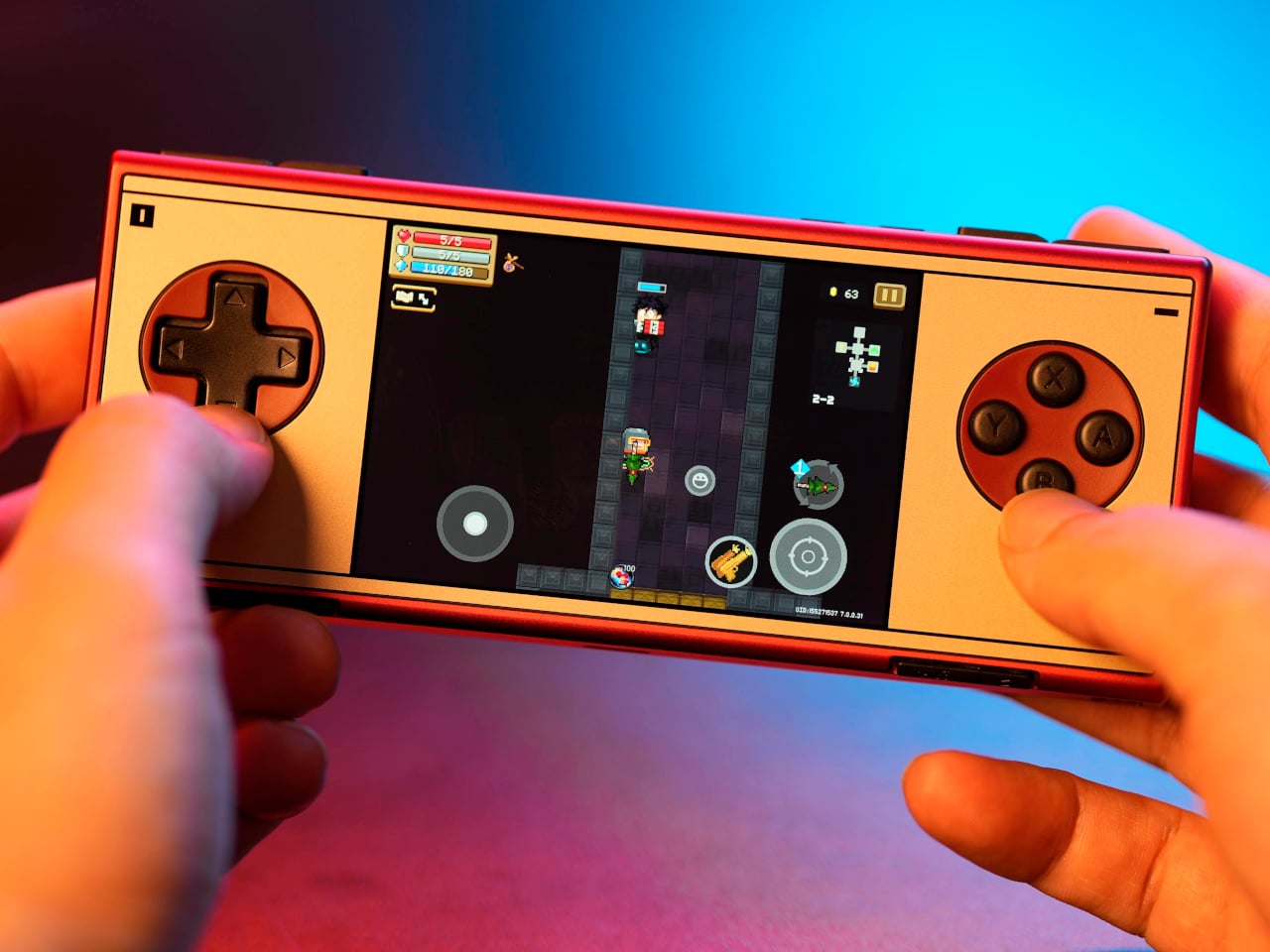
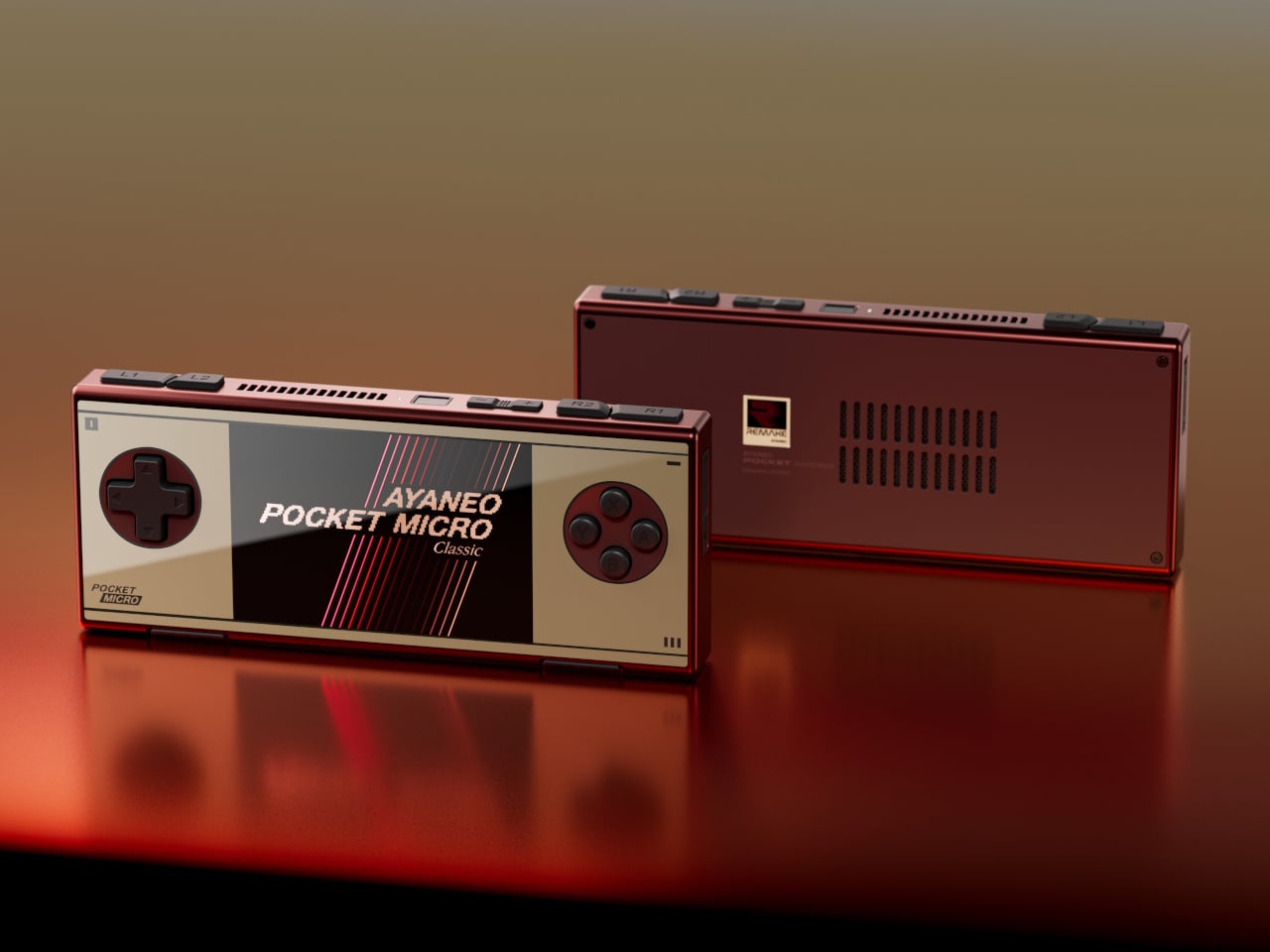
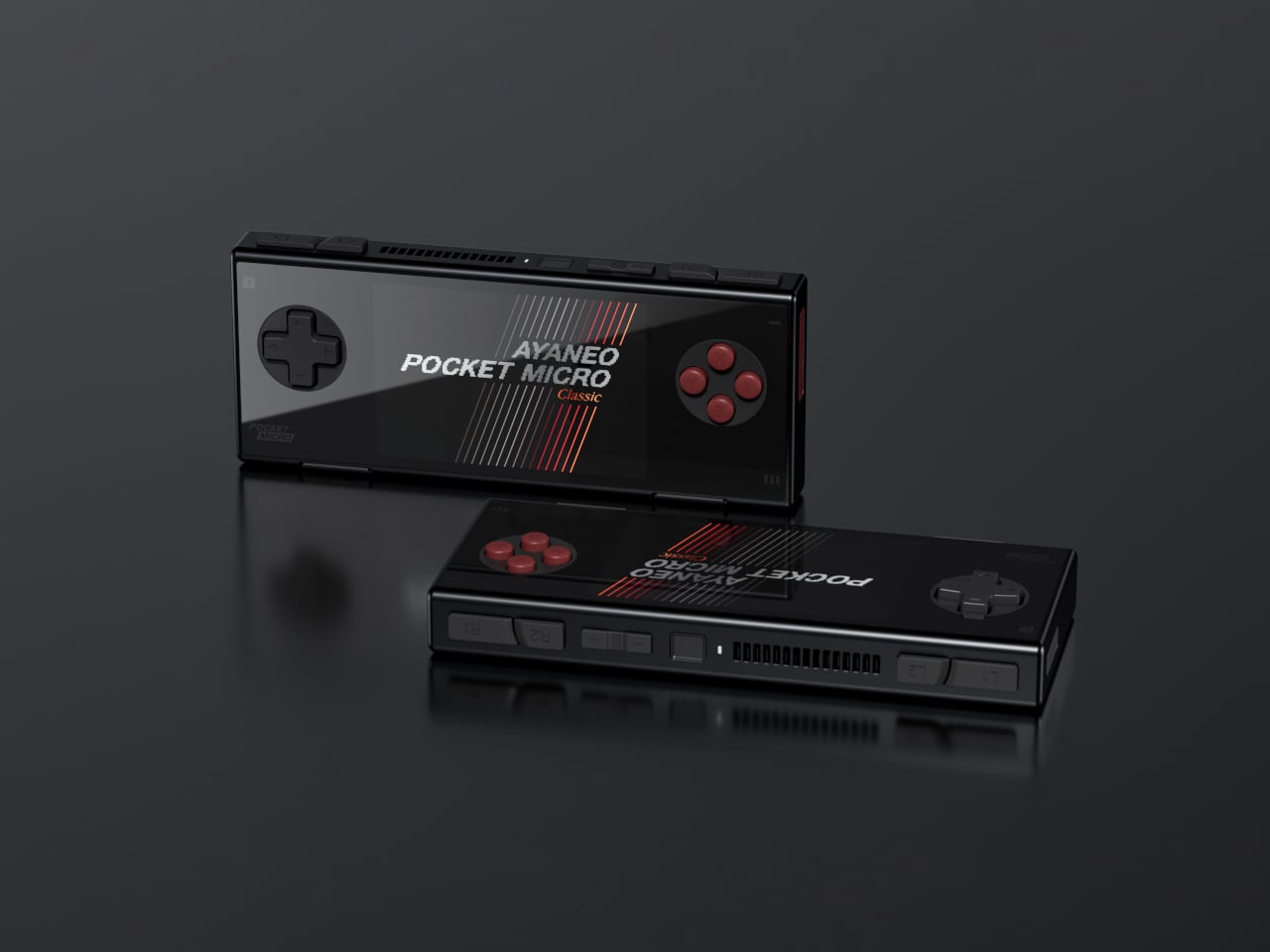
The Game Boy Micro launched in 2005 as Nintendo’s most polarizing hardware decision. It was tiny, it was beautiful, it only played GBA games, and it was discontinued within a year. Design historians were kinder to it than the market was. The AYANEO Pocket Micro Classic is clearly in conversation with that history. It removes the analog joysticks, uses a CNC-machined aluminum alloy frame with a seamless all-glass front, and produces something that slides into a front jeans pocket without catching on anything.
The 3.5-inch borderless IPS display at 960×640 in a 3:2 ratio is built for GBA emulation, with 4x pixel-perfect upscaling. Available in Obsidian Black, Charm Red, Vintage Grey, and Gold, each colorway has a different character. The Gold skips “gaming device” and lands somewhere closer to “considered object.” The MediaTek Helio G99 handles everything up through PS1 confidently. If your retro library is 8-bit and 16-bit with a strong GBA presence, the Pocket Micro Classic is probably the most beautiful way to play it.
What we liked
CNC aluminum and all-glass build is genuinely premium for the category
No joysticks make it notably slimmer and more pocketable
Android 13 with Play Store access expands utility beyond emulation
What we disliked
No joysticks limit N64, Dreamcast, and PSP playability
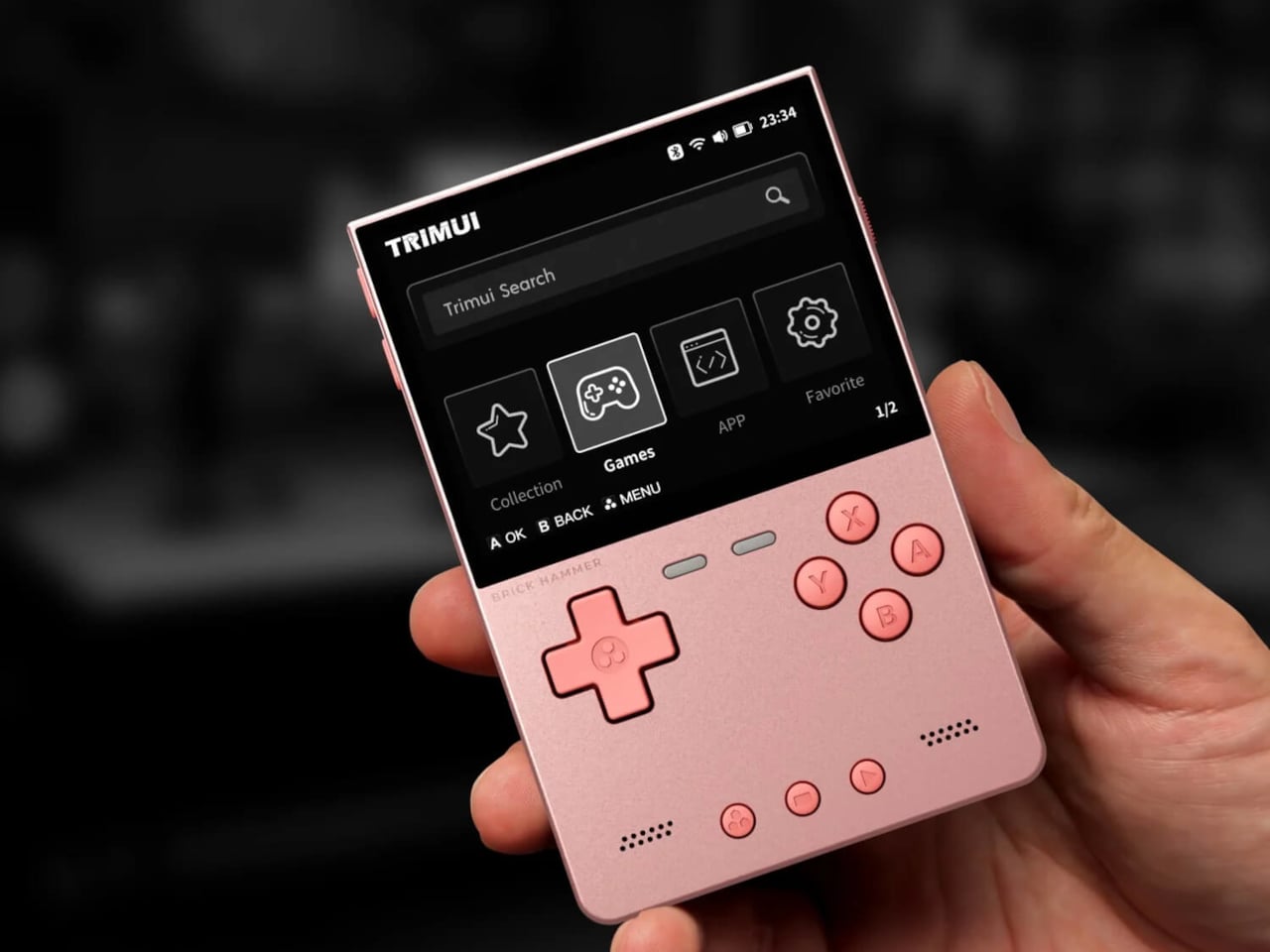
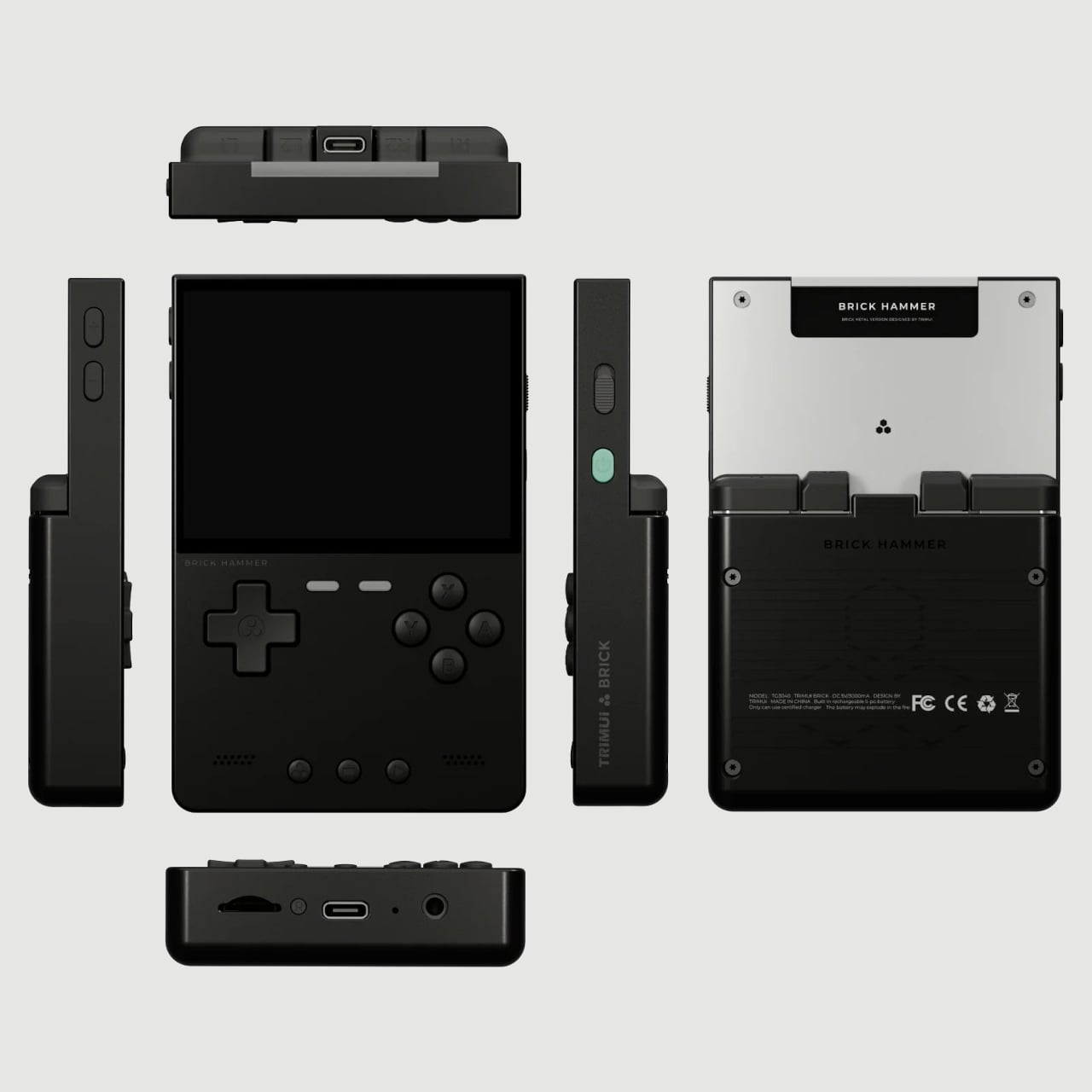
The original TrimUI Brick arrived in 2024 with an unusually sharp 3.2-inch IPS screen at 1024×768, giving it a pixel density of 405 PPI, a number that belongs on a premium smartphone, not a $55 device. The Brick Hammer edition, launched in 2025, replaces the plastic shell with a full CNC-machined aluminum alloy in Gunmetal Gray, Rose Gold, and Fluorescent Green. The metal shell doubles as a heatsink, dropping operating temperatures noticeably. Three interchangeable shoulder button sets ship in the box.
The software runs CrossMix OS on a Linux base: clean, fast, minimal overhead. Load your ROMs, pick a game, and play. Battery life lands around four to six hours. The processor handles Game Boy through PS1 without complaint; N64 gets through most titles; Dreamcast is inconsistent. The CNC backplate can be engraved, which no other device at this price point offers. The Rose Gold aluminum version sitting next to a MacBook on a desk looks less out of place than it has any right to, and that’s a strange and interesting thing to say about a $99 handheld.
What we liked
CNC aluminum Hammer shell runs noticeably cooler than the original plastic
Swappable shoulder buttons and engravable backplate are genuinely rare customization options
Rose Gold and Gunmetal colorways punch well above the budget tier
What we disliked
No analog joysticks, which limits 3D game compatibility
Dreamcast and demanding N64 titles run inconsistently
Miyoo Mini Plus (and Mini Flip): The one that started the whole obsession
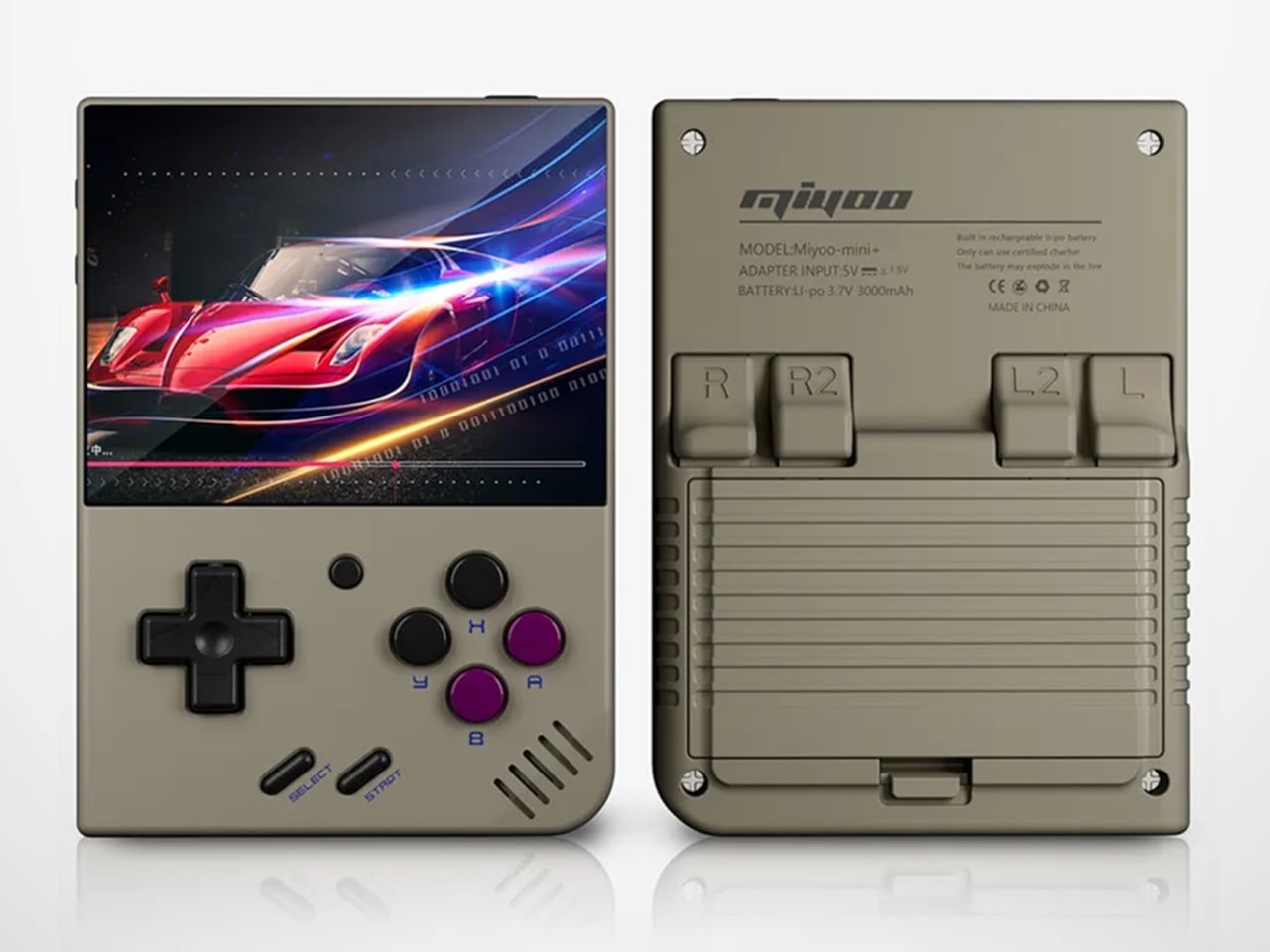
If there’s a single device responsible for bringing this category to mainstream attention, the Miyoo Mini Plus is probably it. It weighs 200 grams, fits in a jeans pocket, has a 3.5-inch IPS screen at 640×480, and runs OnionOS, a community-built firmware that turns a modest Cortex-A7 processor into a near-perfect front end for everything from the NES to the original PlayStation. The interface is clean, the emulator library covers over a hundred platforms, and save states work the way save states should.
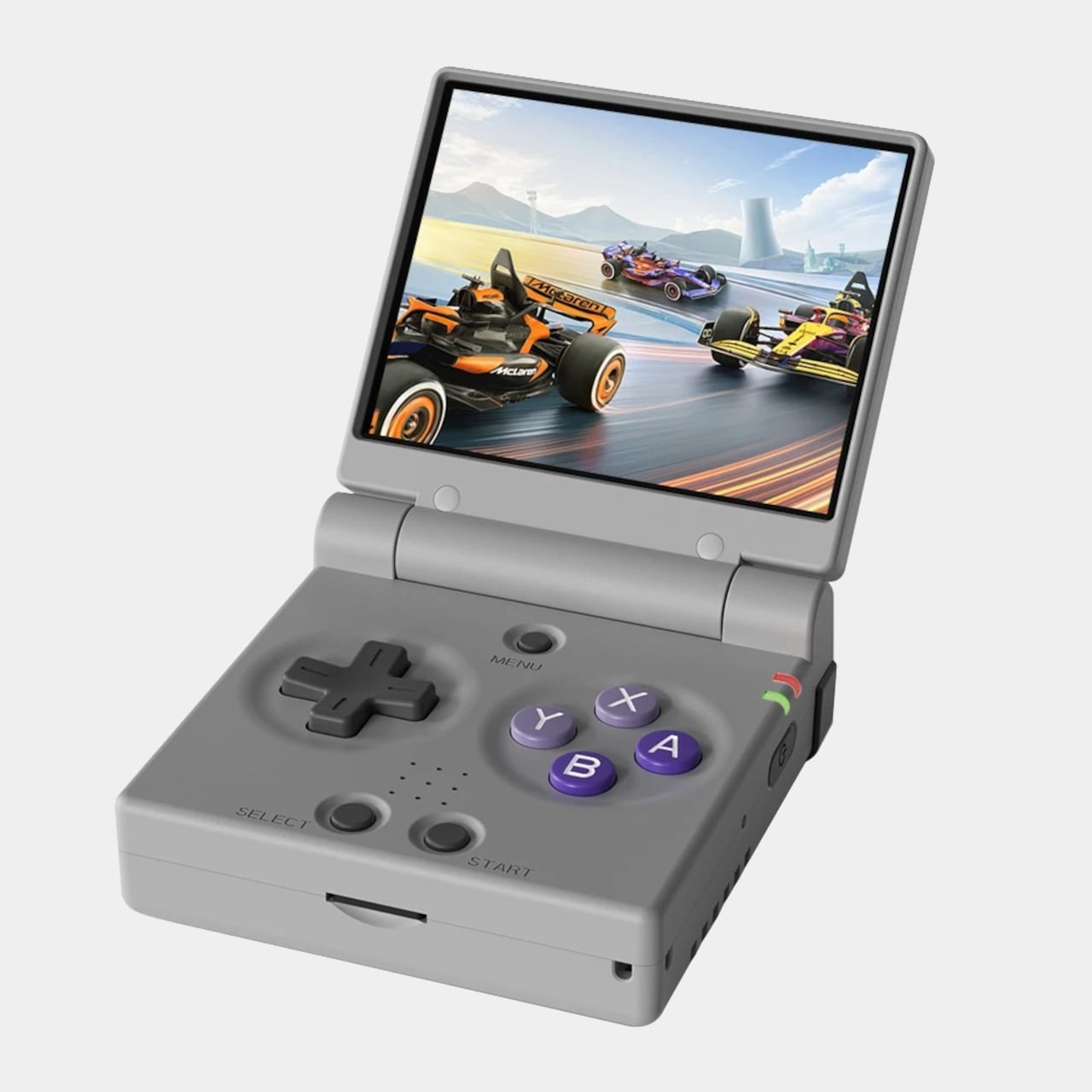
The Miyoo Mini Flip takes the same hardware and wraps it in a GBA SP-style clamshell, adding screen protection and an extra wave of nostalgia. Early production runs had hinge concerns, though those appear to have been addressed in more recent batches. At $69-99, this is the gateway to the category that doesn’t feel like a compromise. The honest question isn’t whether this device is worth the money, since it clearly is. It’s whether starting here will satisfy the itch, or simply make you want to own the other six devices on this list as well.
What we liked
Genuinely pocketable at 200g, fits in a jeans pocket without bulk
Covers NES through PS1 with confident performance
Mini Flip clamshell adds nostalgic GBA SP energy and screen protection
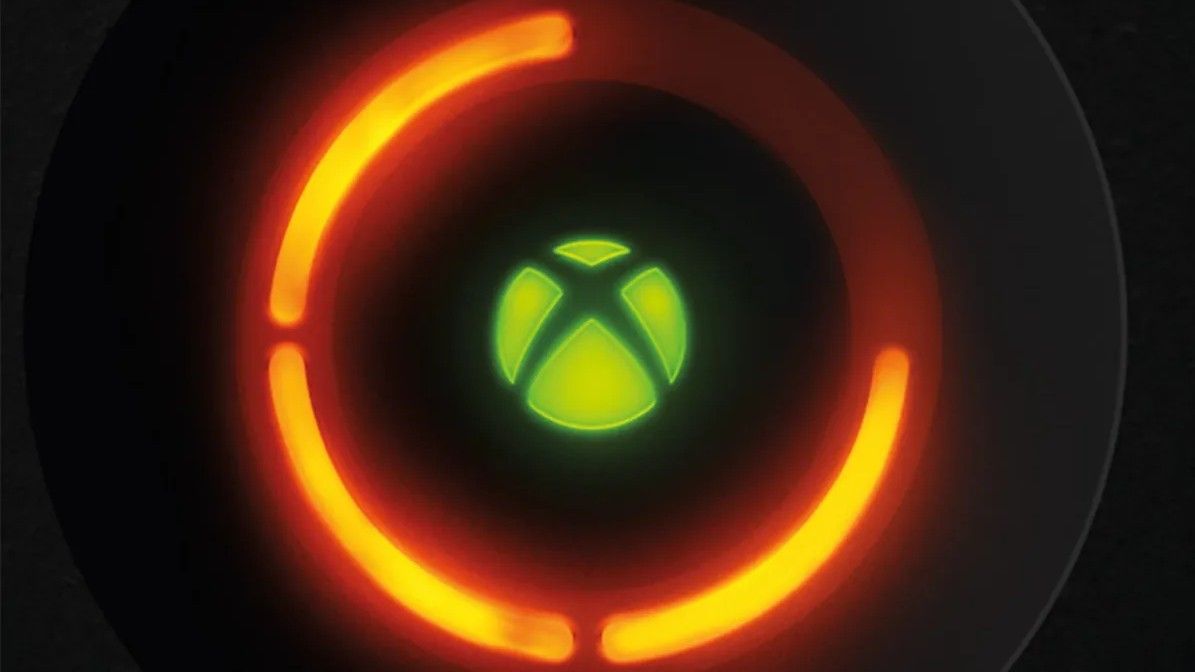
In a new interview, former Xbox VP Peter Moore has reflected on the Xbox 360's notorious "Red Ring of Death" and how Microsoft ended up dealing with it.
The Xbox 360's infamous Red Ring of Death.
An official Red Ring of Death poster Microsoft sold in reference to the infamous console-bricking Xbox 360 hardware issue.
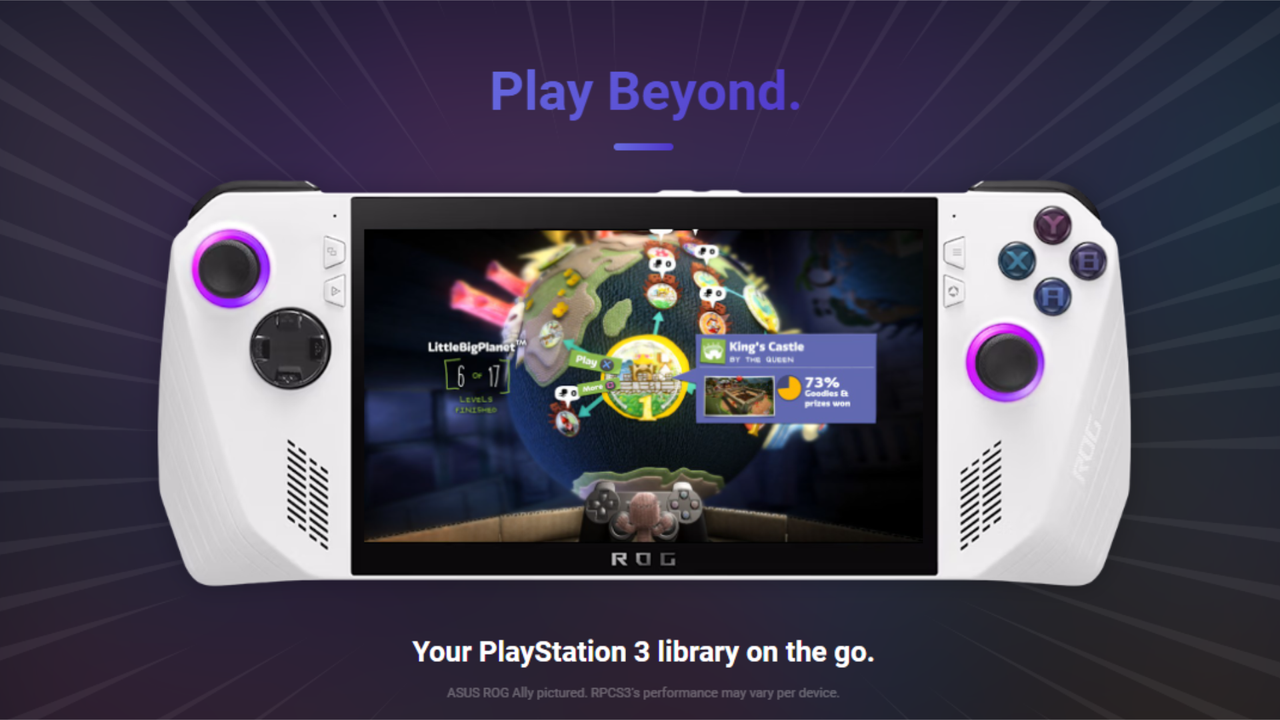
RPCS3 is asking handheld PC users for feedback as it works on improving the portable experience for its PlayStation 3 emulator. Planned updates include a redesigned in-game home menu, better button mapping, quick settings, and the ability to add games to Steam directly from the emulator.
Valve's Year in Review breakdown for Steam shows off some mind-boggling numbers to do with data delivery. Can any other PC gaming platform ever hope to be as popular?
BELLEVUE, UNITED STATES - FEBRUARY 26: Portrait of American video game developer Gabe Newell, photographed at Valve Corporations offices in Bellevue, Washington, on February 26, 2020. (Photo by Olly Curtis/Future Publishing via Getty Images)
Valve founder and CEO Gabe Newell sitting down at Valve's Washington headquarters.
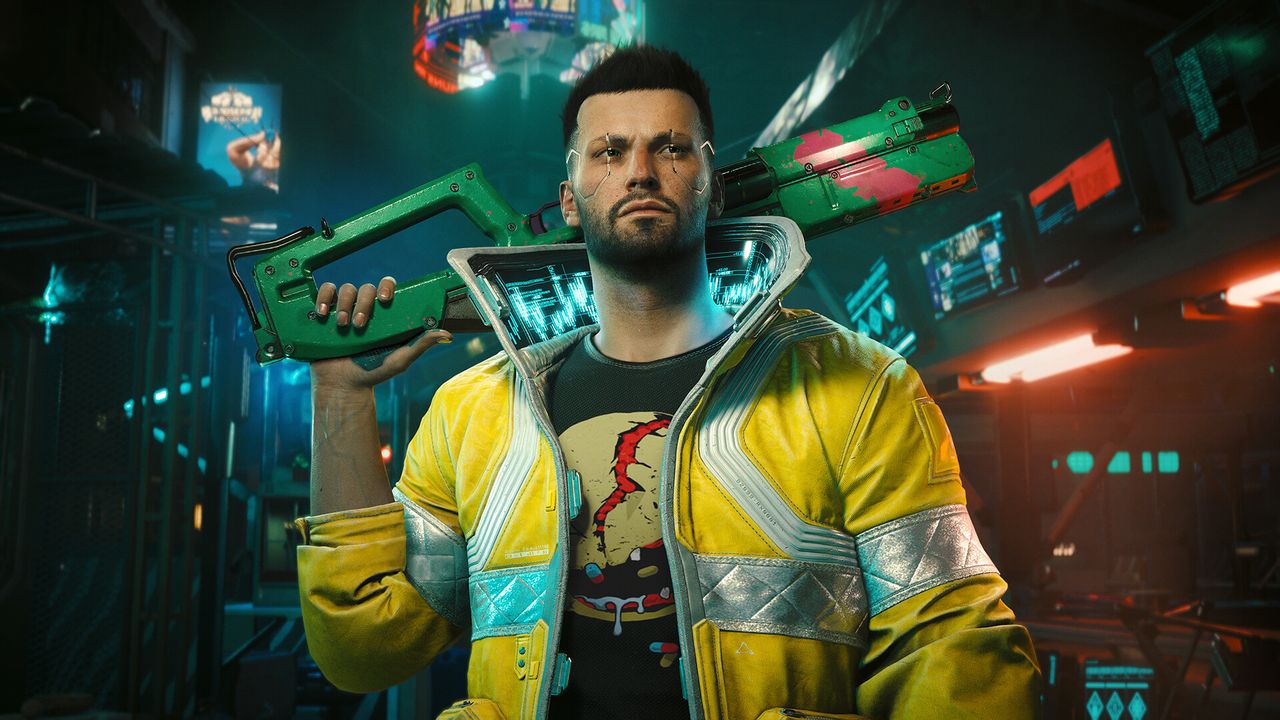
Cyberpunk 2077 has arrived on Xbox Game Pass Premium and Ultimate nearly six years after its troubled launch. CD Projekt Red’s sci-fi RPG is now widely regarded as one of the best in the genre, giving new players the chance to experience Night City in a far more polished state.
V, Cyberpunk 2077's protagonist, customized to look like David Martinez from the Cyberpunk: Edgerunners anime set in the same universe.
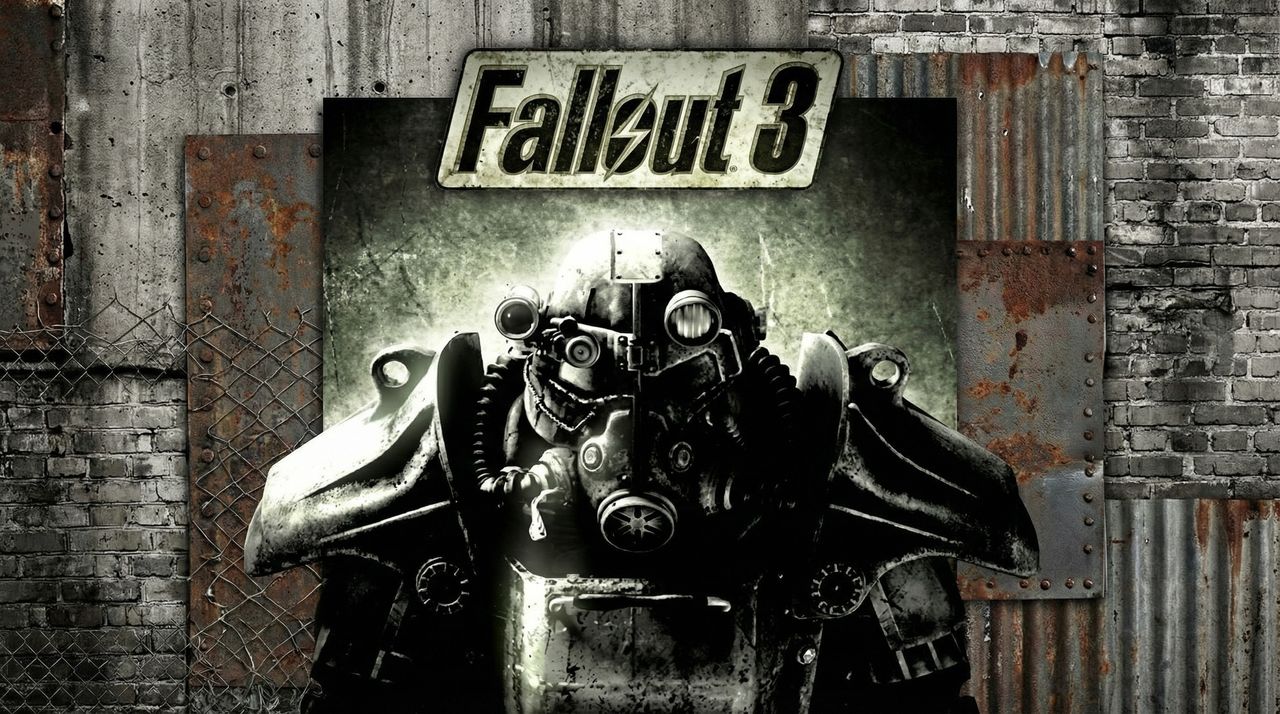
A McFarlane Toys listing referencing “Fallout 3 Remastered” has surfaced online, sparking speculation that Bethesda could be preparing a remaster of the classic RPG.
The Fallout 3 cover art on a background of old metal and brick.
Xbox fans across Windows Central communities shared the classic original Xbox and Xbox 360 games they want revived through backward compatibility, alongside wider discussions around preservation and revisiting older favorites.
Windows Central and Xbox logos on a green background
Battlefield 6 was 2025's best-selling game, but it's still facing layoffs as EA attempts to "better align our teams around what matters most."
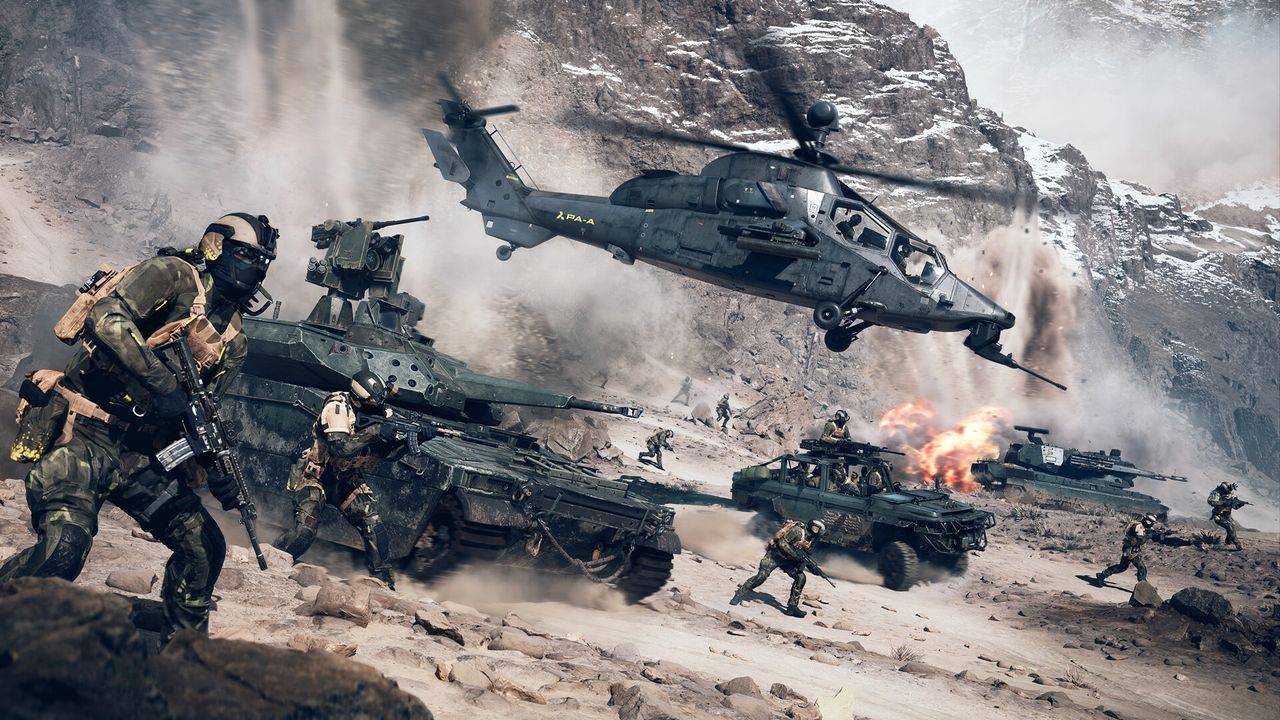
Battlefield 6 gameplay screenshot showing infantry and vehicles, including a tank and helicopter.
Battlefield 6's combined arms warfare shines best on large, spacious maps — but much to the community's disappointment, only a few exist in the game.
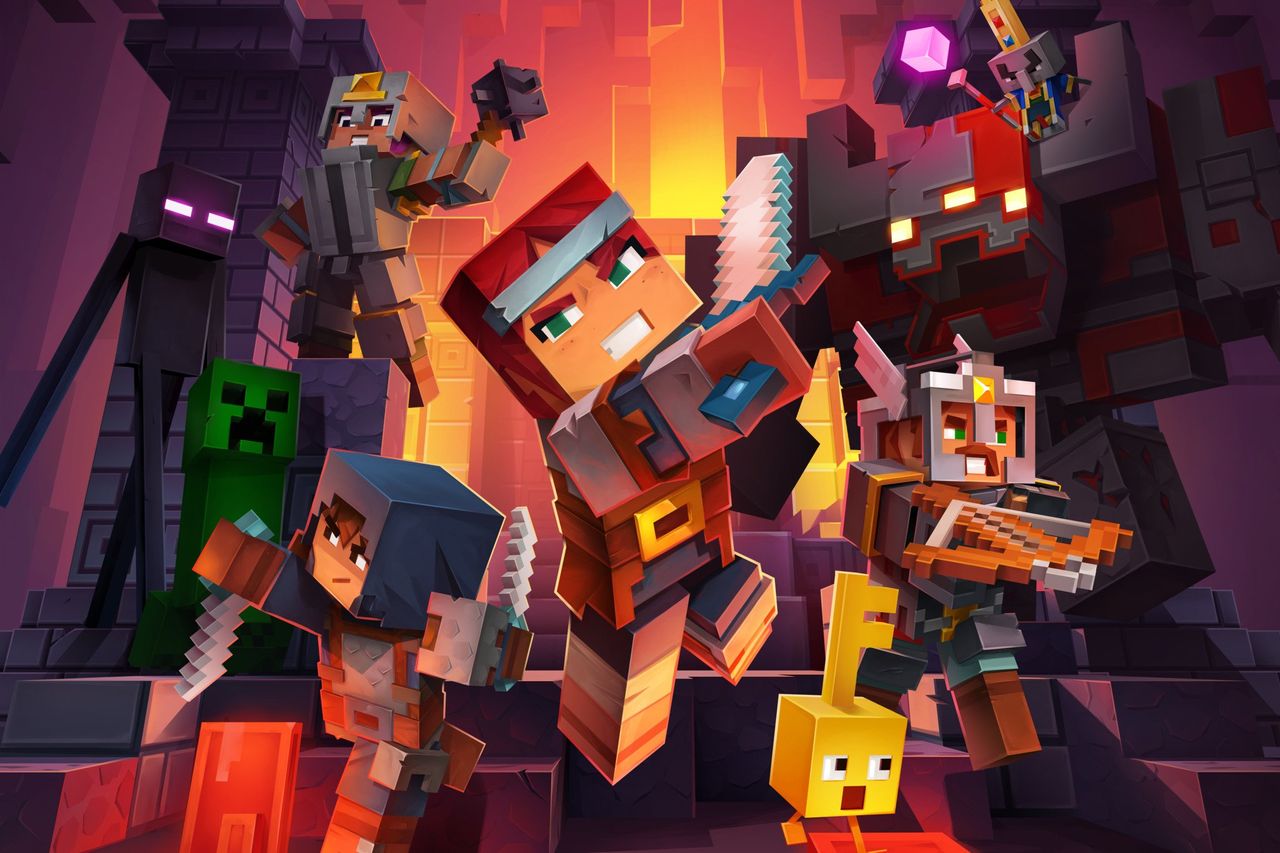
A new leak claims Mojang is developing a sequel to Minecraft Dungeons under the codename "Project Spicewood". The report suggests the project has been in development for at least two years and could target a Q2 2026 release window. Mojang has not confirmed the project, so the information should be treated cautiously.
Monster Hunter Stories 3: Twisted Reflection is my most anticipated game of 2026, and after completing it, it exceeded my expectations with possibly the best story and character writing in the series and addictive monster-taming gameplay. Though it's not without some issues that will strike controversy amongst hardcore Monster Hunter fans.
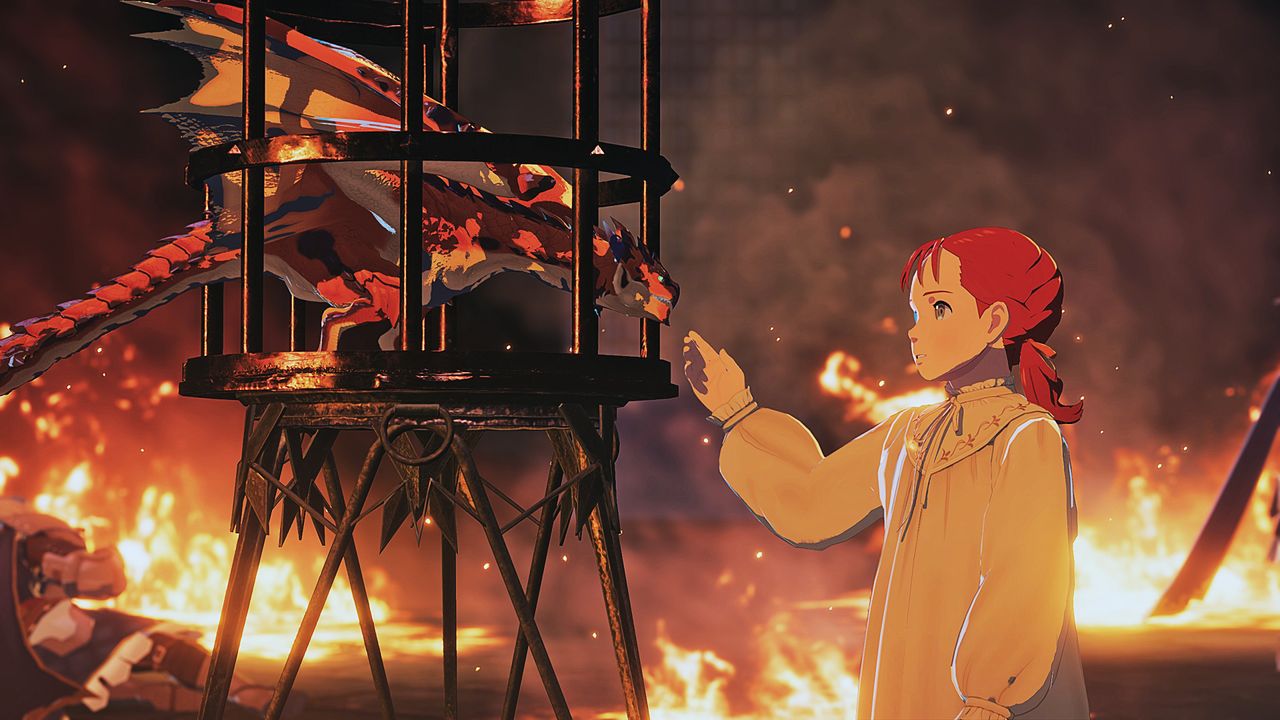
Edited screenshot of the player character meeting Ratha in Monster Hunter Stories 3: Twisted Reflection

 Connexion