Vue lecture

Il y a de nouveaux articles disponibles, cliquez pour rafraîchir la page.

The Modular Cat Habitat That Turns Playful Curiosity Into Living Architecture
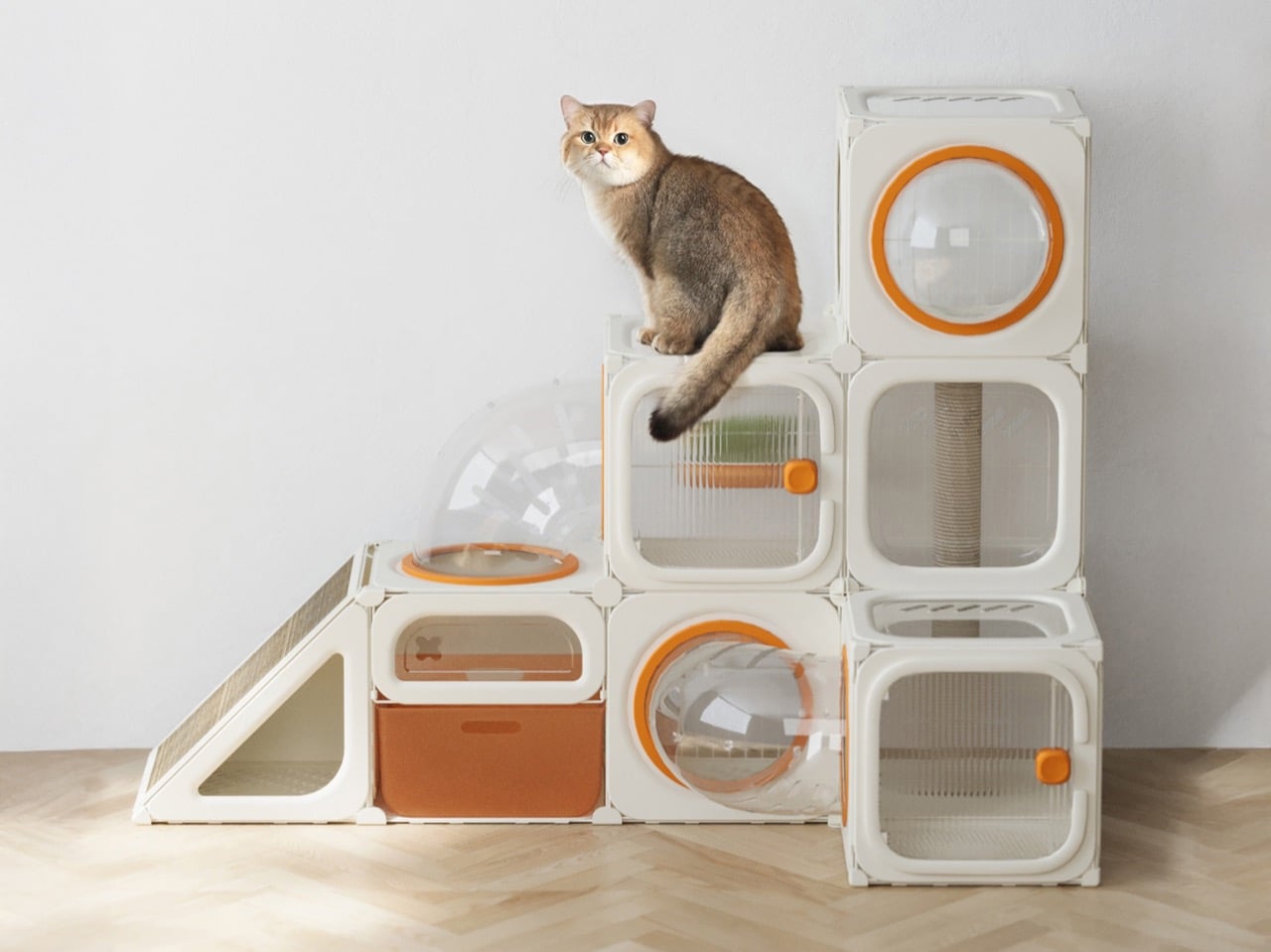
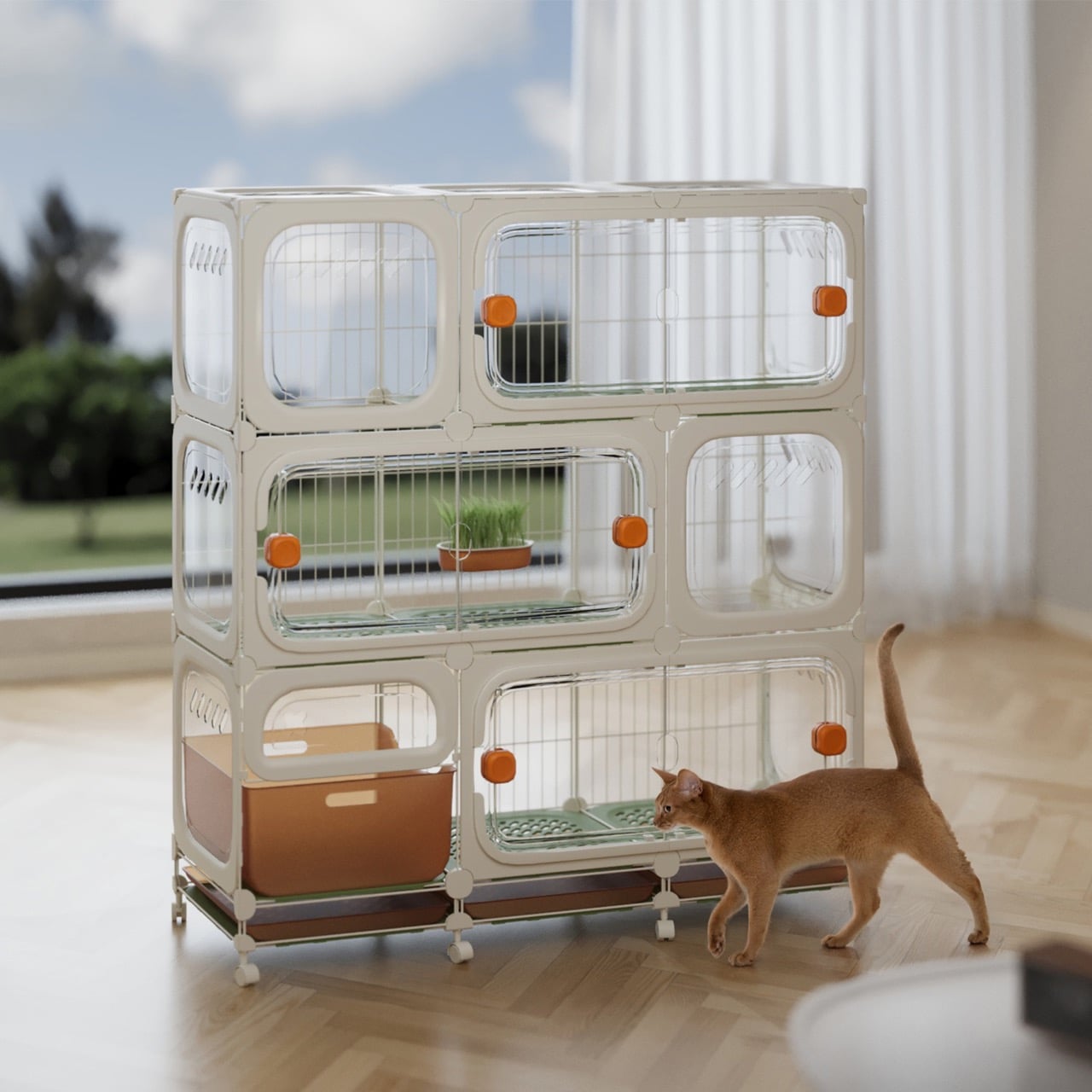
What if we designed homes the way cats would design them? Not human homes with a token scratching post in the corner but true spatial systems built around curiosity, vertical exploration, territorial comfort, and play. The N Plus Magic House begins precisely at that question, reframing pet furniture not as an accessory but as architecture scaled for feline psychology. Instead of treating a cat house as a static object, this project treats it as a living spatial framework, one that evolves alongside its inhabitant.

Today’s pet owners increasingly see their cats as emotional companions rather than animals that merely coexist in domestic space. That shift has quietly created a design problem. Traditional cat houses, even elaborate ones, tend to be fixed structures. They may be visually impressive, but they impose constraints on placement, adaptability, and long-term usability. The N Plus Magic House flips that paradigm by introducing modularity as its core philosophy. Rather than selling a finished form, it offers a system of standardized units that can be assembled, rearranged, expanded, or reduced as needed. The result is less like furniture and more like a customizable habitat kit.

Designer: Taizhou Hake Technology Co., Ltd
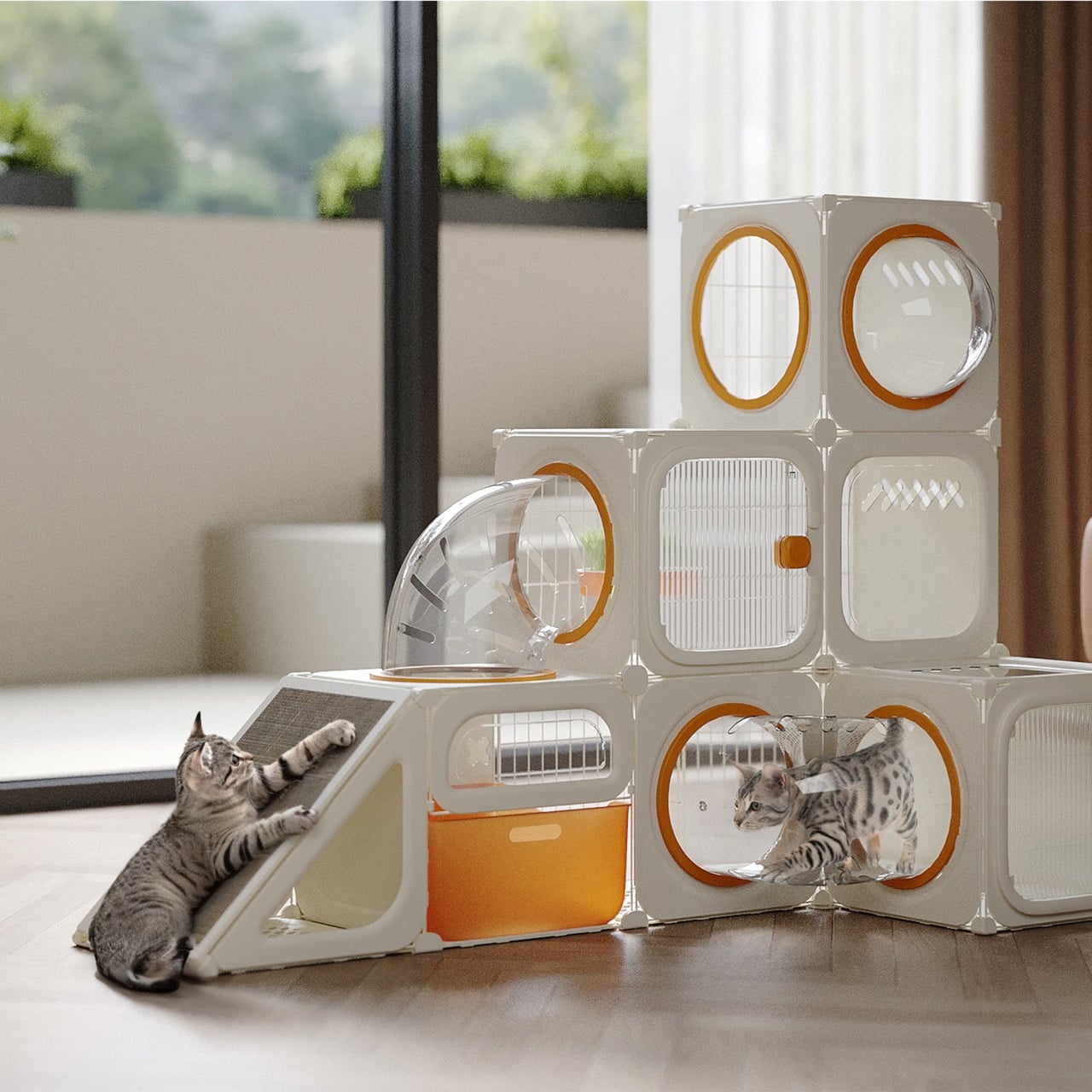
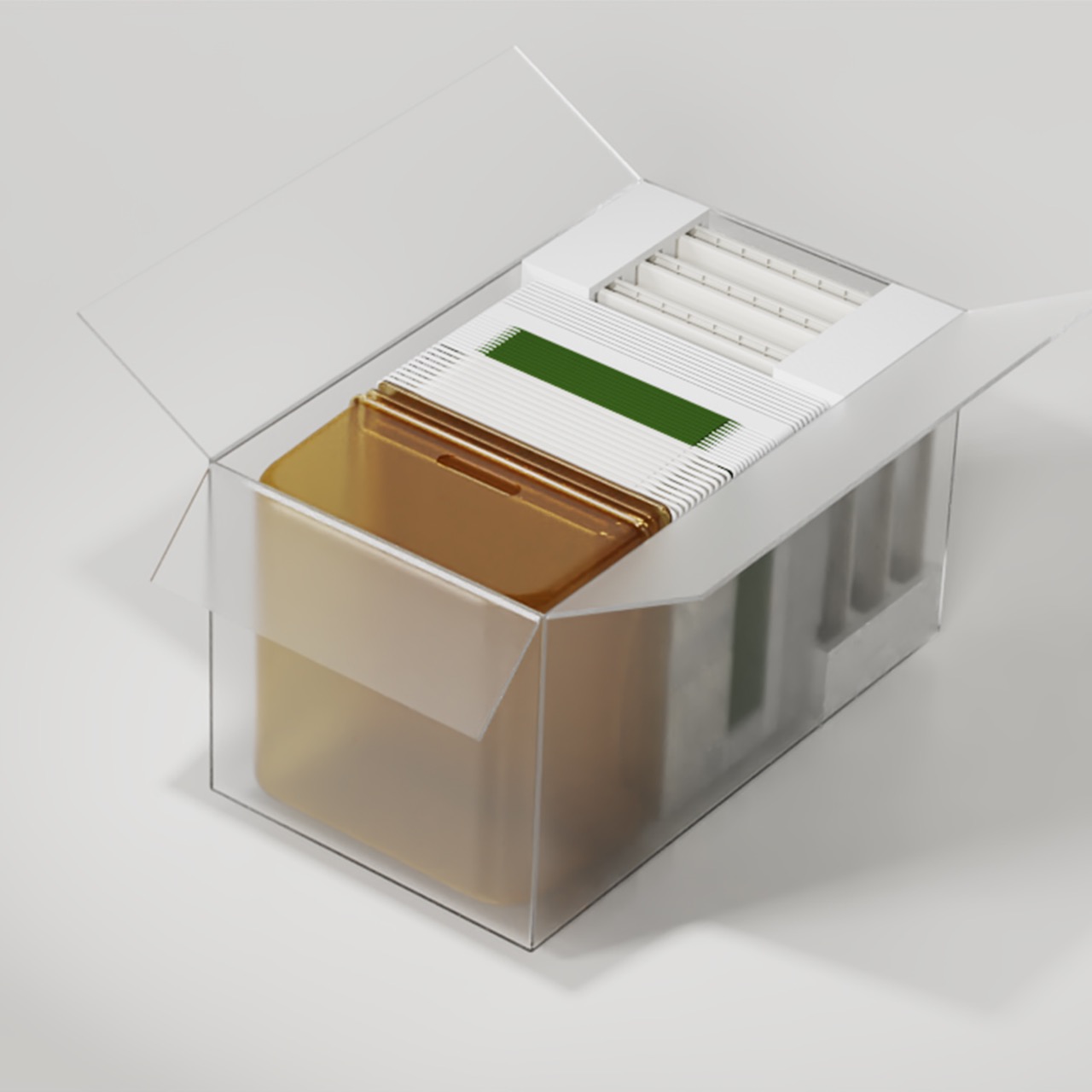
The genius of the design lies in its simplicity. Each module functions independently yet connects securely through precision-engineered connectors. Owners assemble structures by inserting panels into slots and stacking them like building blocks. No technical expertise, tools, or installation manuals are required. This intuitive construction method does something subtle but powerful. It turns pet care into participation. Instead of buying a finished object, users become co-designers of their cat’s environment. That interaction strengthens the emotional bond among the owner, the pet, and the space.
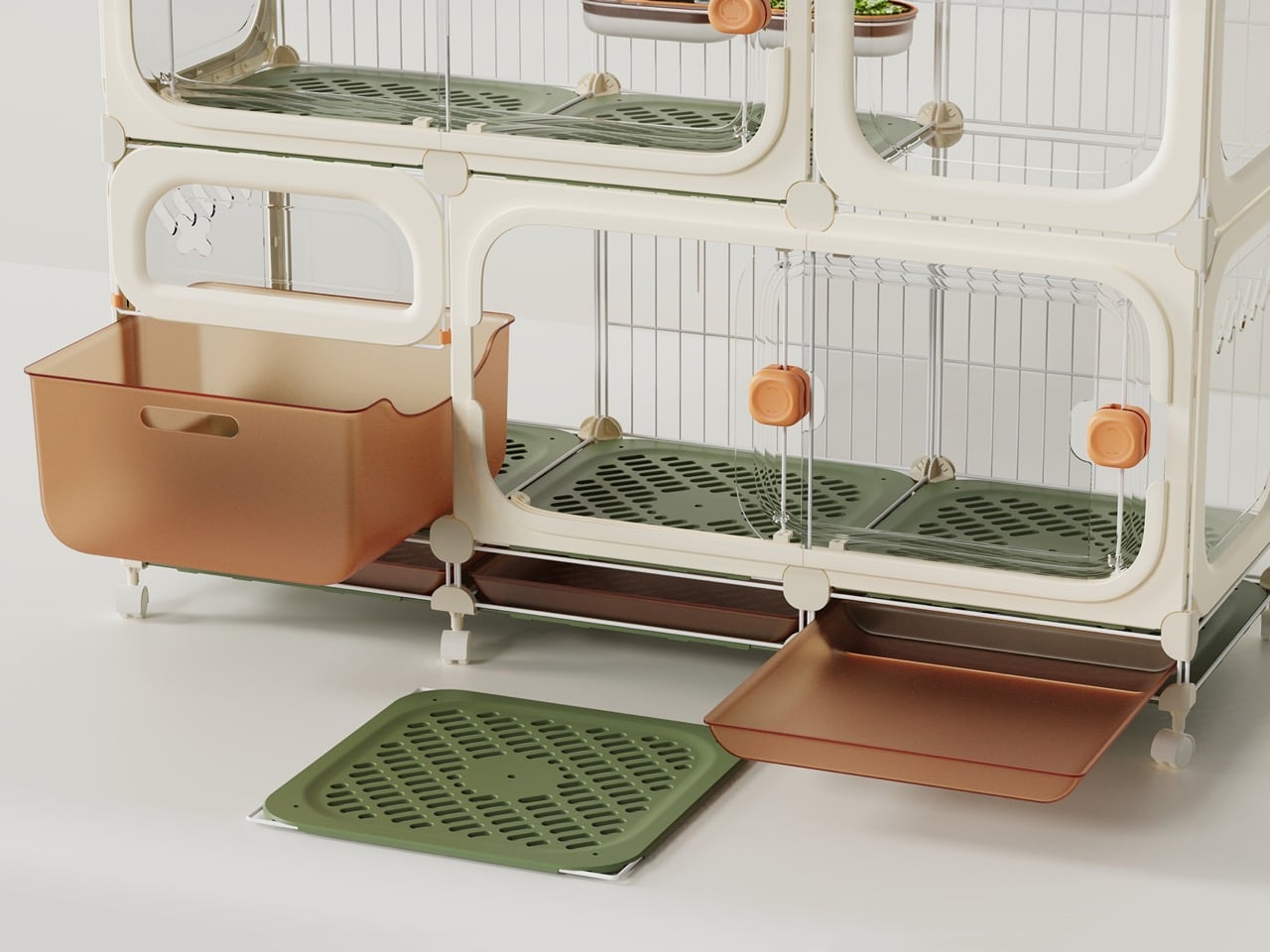
Material choices reinforce the system’s practicality. The structure combines impact-resistant PP resin, transparent PET panels for visibility, and carbon steel mesh for structural integrity. These materials balance durability with safety while allowing owners to monitor their pets without disturbing them. The manufacturing processes, such as injection molding and automatic wire welding, ensure consistency, precision, and reliability across units. Every element reflects careful alignment with feline behavior and safety requirements.
Behind the scenes, the development team approached the project with a research-driven mindset. They studied cats’ behavioral patterns, analyzed existing products on the market, and mapped owner expectations. One of the biggest technical challenges was maintaining structural stability while preserving modular flexibility. The solution was a custom connector engineered to withstand pressure and weight while preventing slippage. Its textured surface increases friction, ensuring modules remain firmly locked during use. This small component is arguably the system’s unsung hero. It transforms a playful concept into a reliable architectural structure.
Developed in Taizhou, Zhejiang Province, between July 2023 and November 2024 and later exhibited internationally, the N Plus Magic House represents a broader shift in product design thinking. It signals a move away from static ownership toward adaptive systems, objects that respond to changing needs over time. In a world where personalization defines modern consumer expectations, this approach feels less like a novelty and more like a glimpse into the future of domestic product design.

The post The Modular Cat Habitat That Turns Playful Curiosity Into Living Architecture first appeared on Yanko Design.

Sklad – Vos snippets chiffrés sous la main

Si vous êtes du genre détendu, vous avez forcément un fichier texte quelque part dans votre ordi avec des bouts de code, des clés API, des mots de passe... le tout en clair dans un fichier avec un nom équivoque genre passwords.txt posé OKLM dans ~/Desktop/.

Alors bien sûr, on est nombreux à utiliser un gestionnaire de mots de passe classique pour éviter ça, mais en fait le souci c'est pas les mots de passe. C'est tous ces petits snippets qu'on copie-colle 15 fois par jour... des commandes Docker, des tokens temporaires, des regex que j'oublie à chaque fois. Bref, il nous manque un bidule entre le presse-papier et le coffre-fort.

Et c'est exactement ce que fait Sklad !! Cet outil est un gestionnaire de snippets chiffrés qui vit dans votre barre de tâches et auquel vous balancez tout ce que vous copiez-collez régulièrement. Ensuite, vous organisez ça dans des dossiers, et hop, un clic gauche sur l'icône de la barre de menu et ça copie directement le dernier snippet utilisé. C'est carrément mieux qu'un clipboard manager classique type CopyQ parce qu'il y a du chiffrement AES-256 avec dérivation Argon2, ce qui est plutôt rassurant pour stocker du token.

Du coup, tout reste en local sur votre machine et le fichier de données atterrit dans ~/Library/Application Support/sklad/ sur macOS (ou l'équivalent AppData sur Windows). Ainsi, en cas de vol de ce fichier, le gars qui l'a récupérer devra se débrouiller avec de l'AES-256... bon courage.

Côté raccourcis, y'a Cmd+K (ou Ctrl+K sur Windows/Linux) pour chercher dans vos snippets. Pratique pour retrouver vos commandes kubectl par exemple et si vous avez des snippets avec des caractères spéciaux (genre des backticks dans du code Markdown), j'ai remarqué que le copier-coller peut parfois foirer selon le terminal. iTerm2 s'en sort bien, mais sur le Terminal.app natif j'ai eu des soucis avec les guillemets échappés. Rien de dramatique, mais faut le savoir.

Y'a le thème sombre et le thème clair et l'app est dispo en binaires pré-compilés pour Windows (.msi), macOS (ARM et Intel en .dmg) et Linux (.deb et .AppImage). Notez que comme d'hab, au premier lancement sur macOS, faudra passer par Réglages > Confidentialité pour autoriser l'app... Apple oblige.

Sklad est encore un projet hyper jeune donc ça risque de bouger pas mal et surtout, ça ne remplace pas un KeePass ou un Bitwarden. Pourquoi ? Hé bien parce que c'est pas le même usage. Voyez plutôt Sklad comme votre tiroir à snippets chiffrés qui conviendra pour tout ce qui ne peut pas aller dans votre gestionnaire de mot de passe.

Bref, si ça vous tente, c'est par ici !

Merci à lorenper pour la découverte.

Your Dog Can Now Turn On the Lights (No, Really)

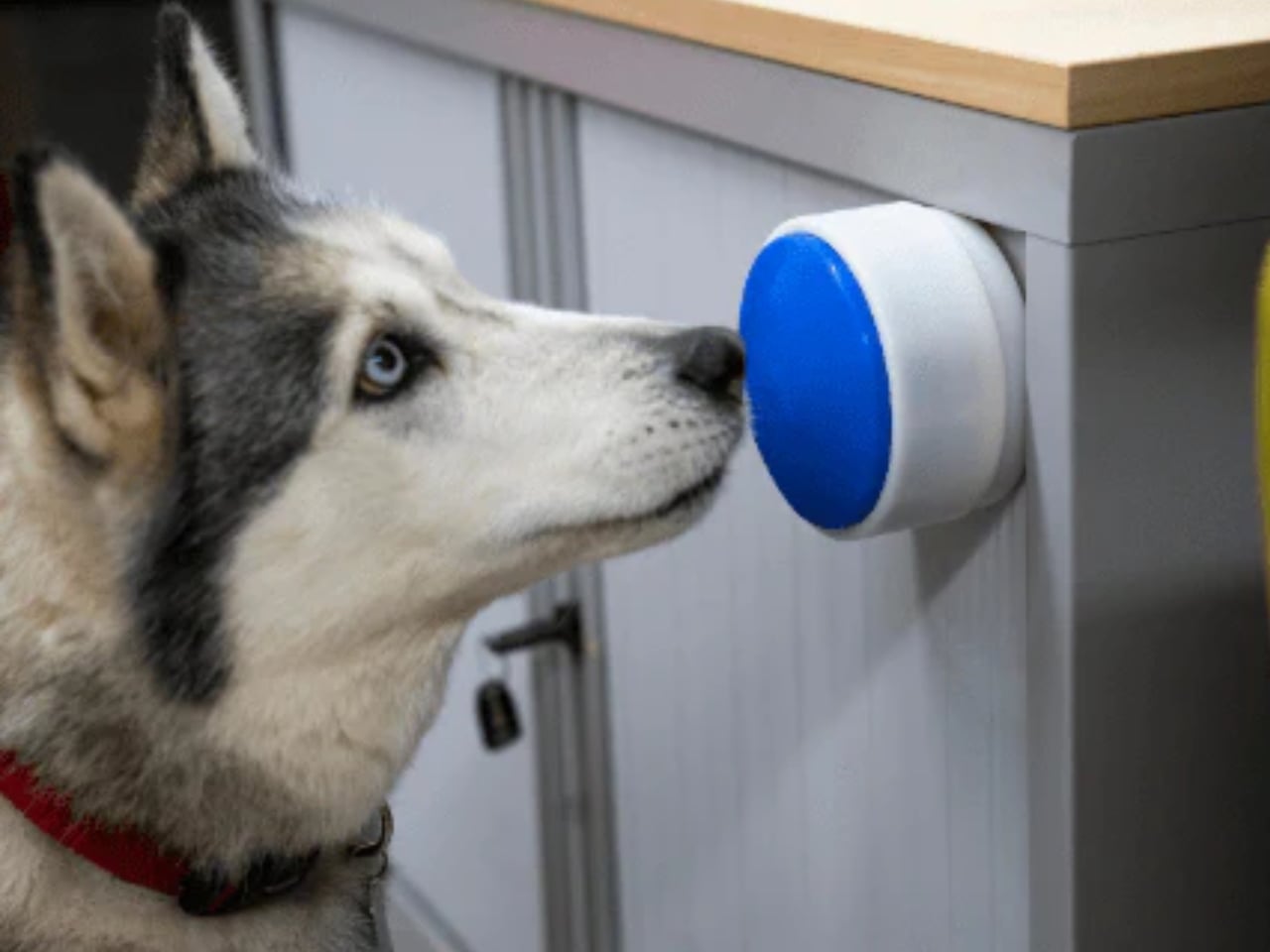
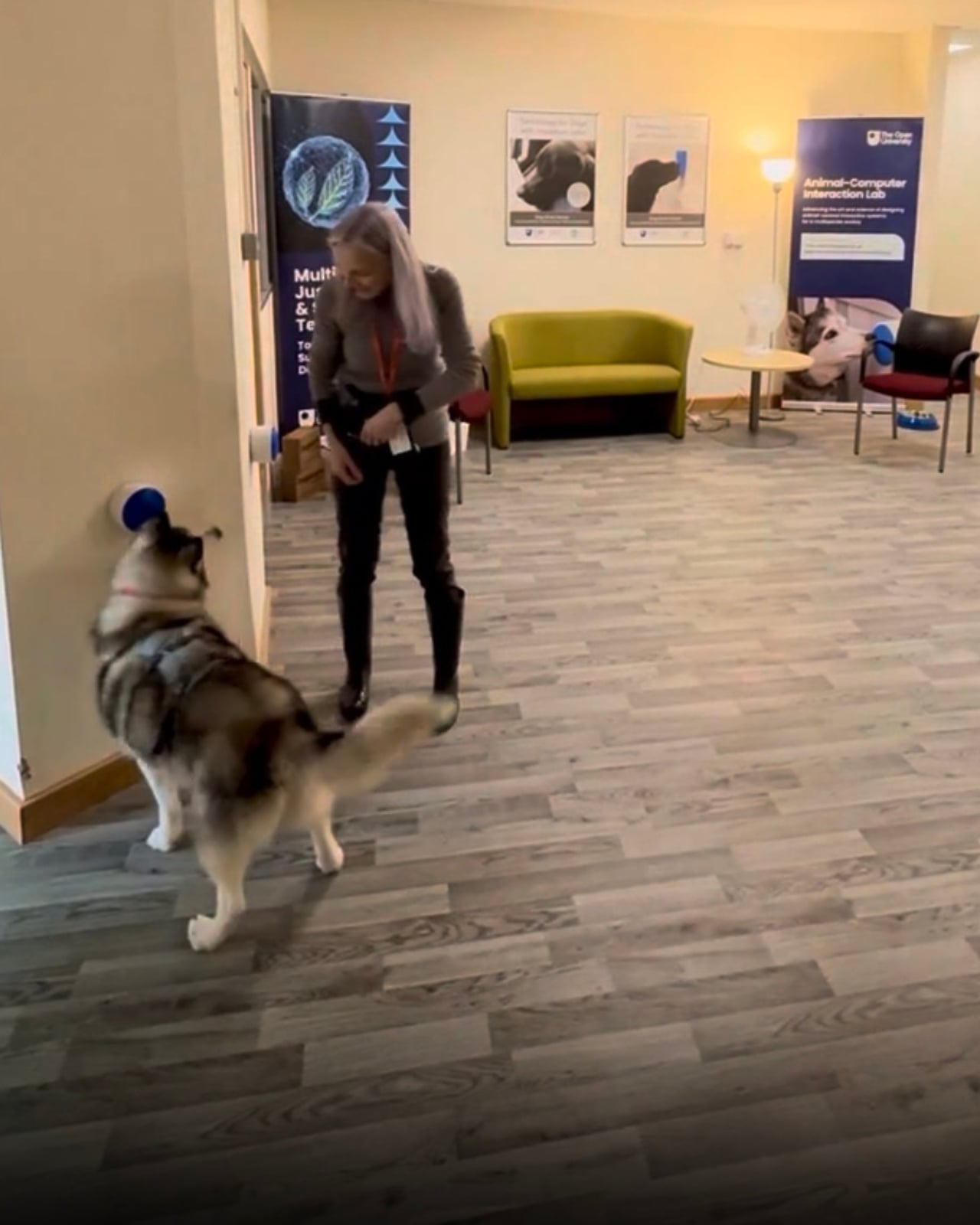
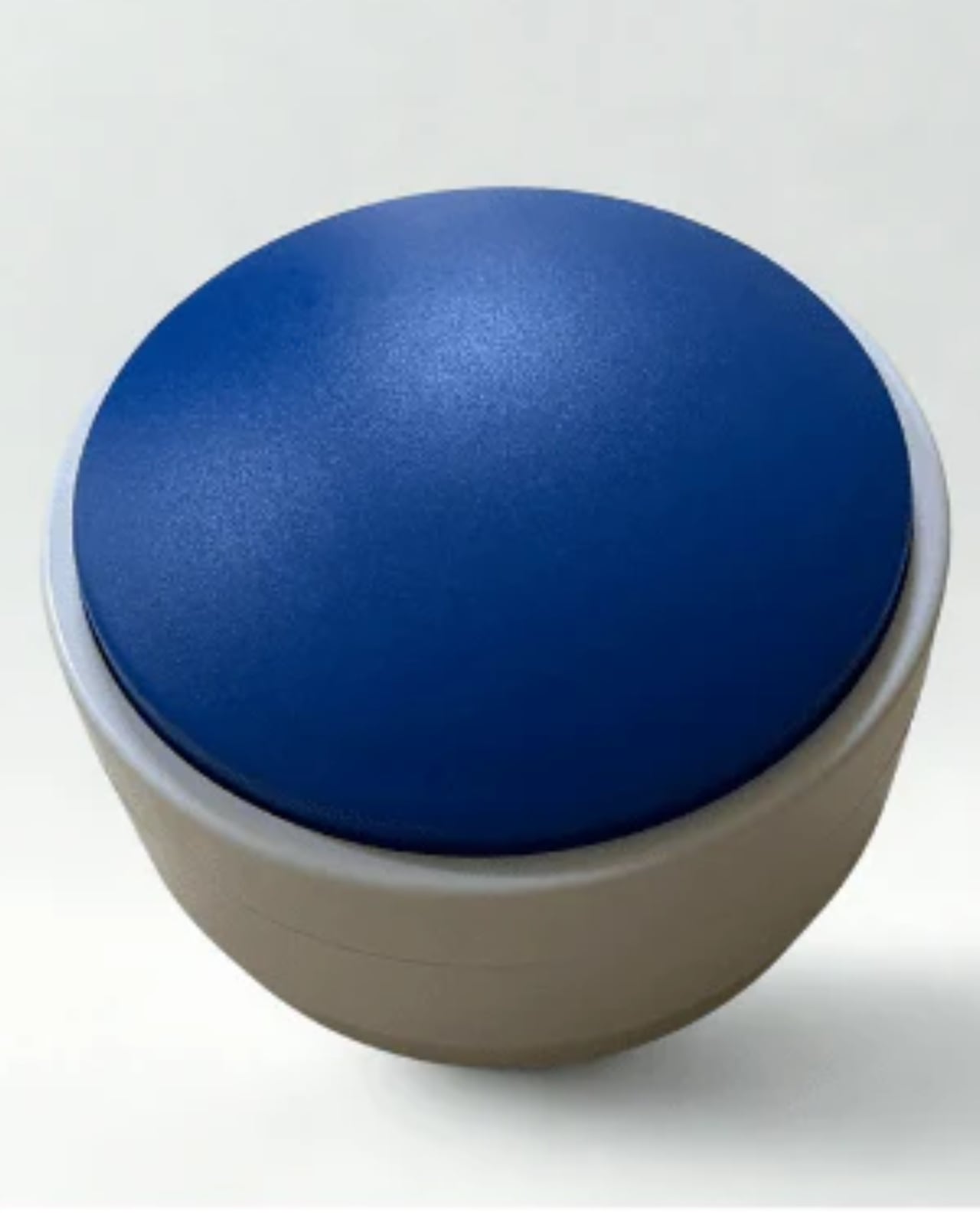
We’re living through a strange moment where our refrigerators are smarter than ever, our thermostats learn our habits, and now, apparently, dogs can control household appliances. The Dogosophy Button, developed by researchers at The Open University’s Animal-Computer Interaction Laboratory, is a wireless switch designed specifically for canine use. Think of it as a smart home device, but instead of asking Alexa, you’re teaching your golden retriever.

This isn’t some novelty gadget cooked up to go viral on TikTok. The button is the result of years of serious research led by Professor Clara Mancini, who runs the ACI Lab. Initially created for assistance dogs who need to help their owners turn on lights, fans, or kettles, the button has now been launched to the public for any dog owner who wants to give their pet a bit more agency. The philosophy behind it, called “Dogosophy,” centers on designing technology around how dogs actually experience the world, rather than forcing them to adapt to our human habits.

Designer: The Open University’s Animal-Computer Interaction Laboratory

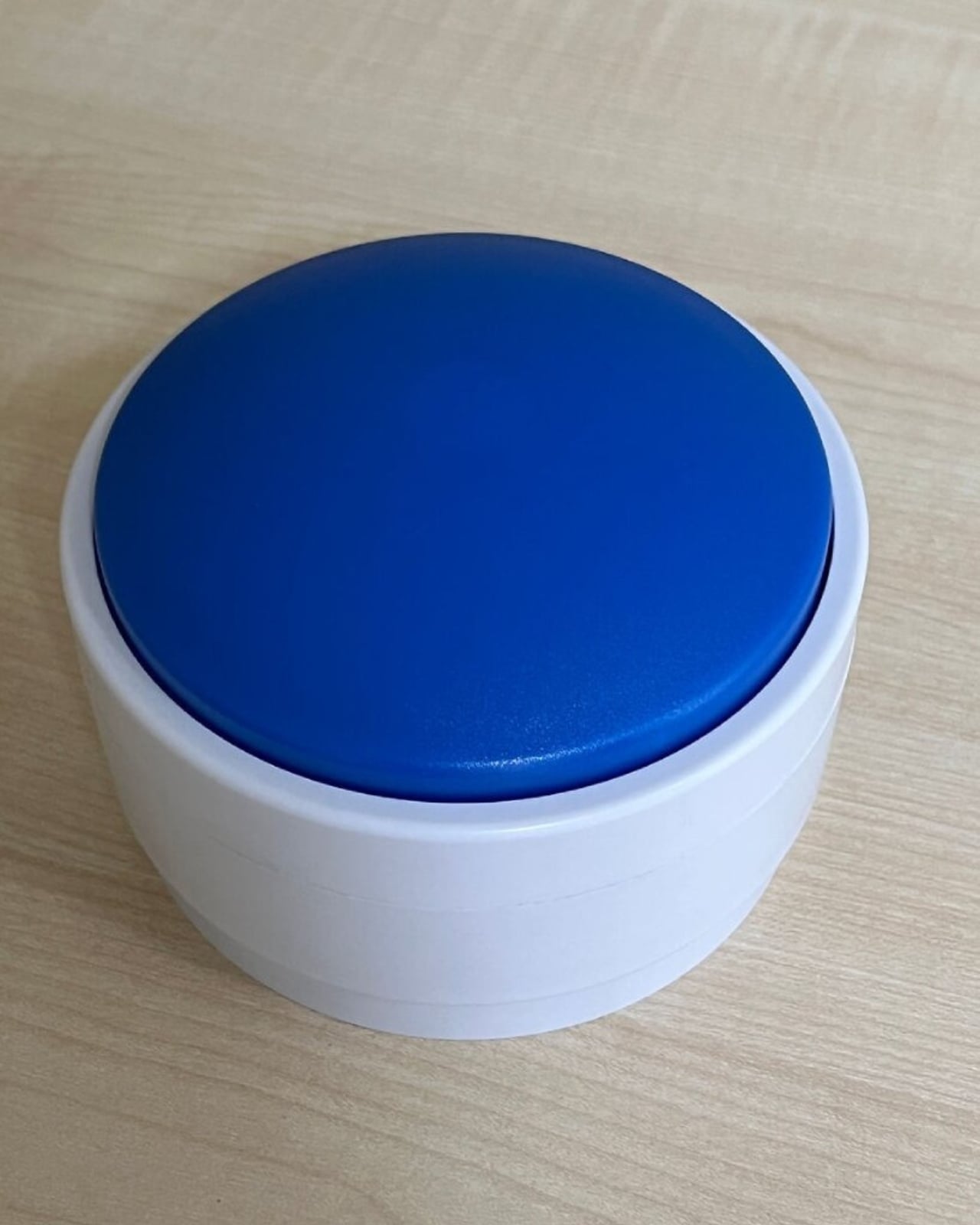
So what makes this button dog-friendly? Start with color. Dogs see the world differently than we do, and blue happens to be one of the colors they can recognize most clearly. The button’s push pad is a bright blue, set against a white casing that creates high contrast, making it easier to spot against floors, walls, or furniture. The slightly curved, raised shape means dogs can press it from various angles without needing pinpoint accuracy, which anyone who’s watched a dog enthusiastically miss their water bowl can appreciate.

The button itself is built to handle the reality of being used by an animal. The outer casing is sturdy plastic designed to withstand repeated nose-booping and paw-whacking. The push pad has a textured surface that helps dogs grip without slipping, whether they’re using their snout or paw. Inside, a small light flashes when the button is pressed, soft enough not to hurt their eyes but clear enough to confirm the action worked. It’s the kind of thoughtful design that comes from actually studying how dogs interact with objects, not just shrinking human tech down to pet size.

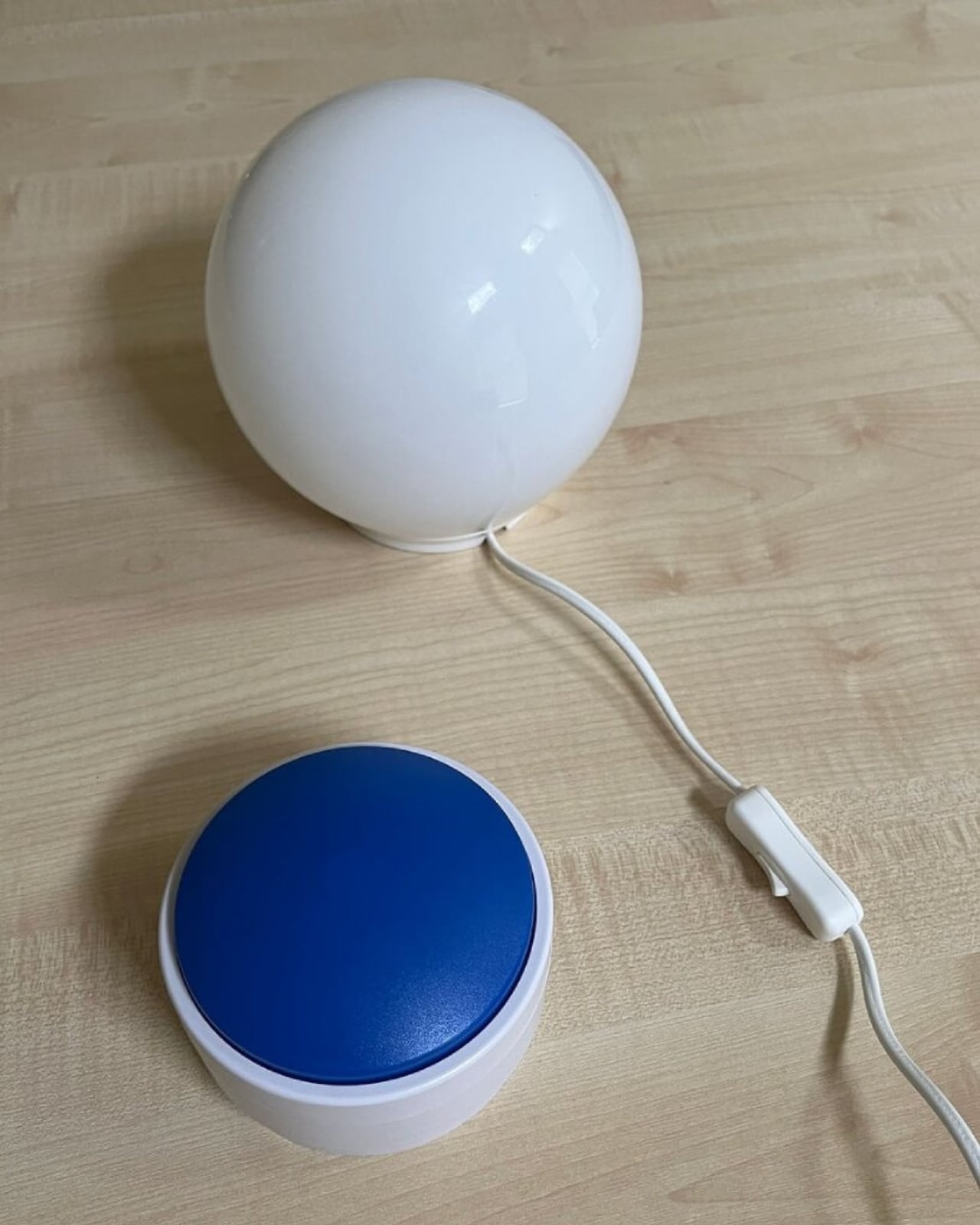
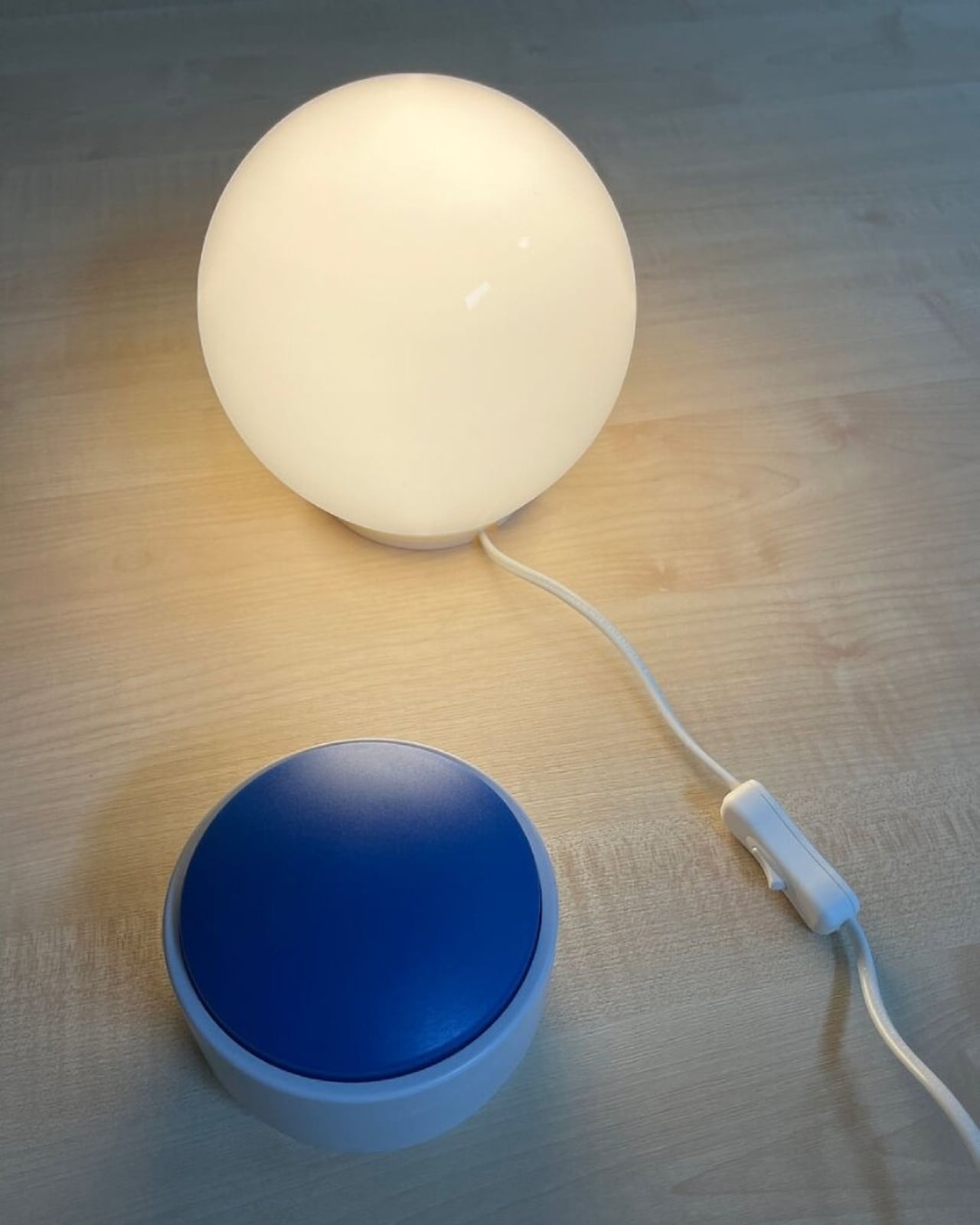
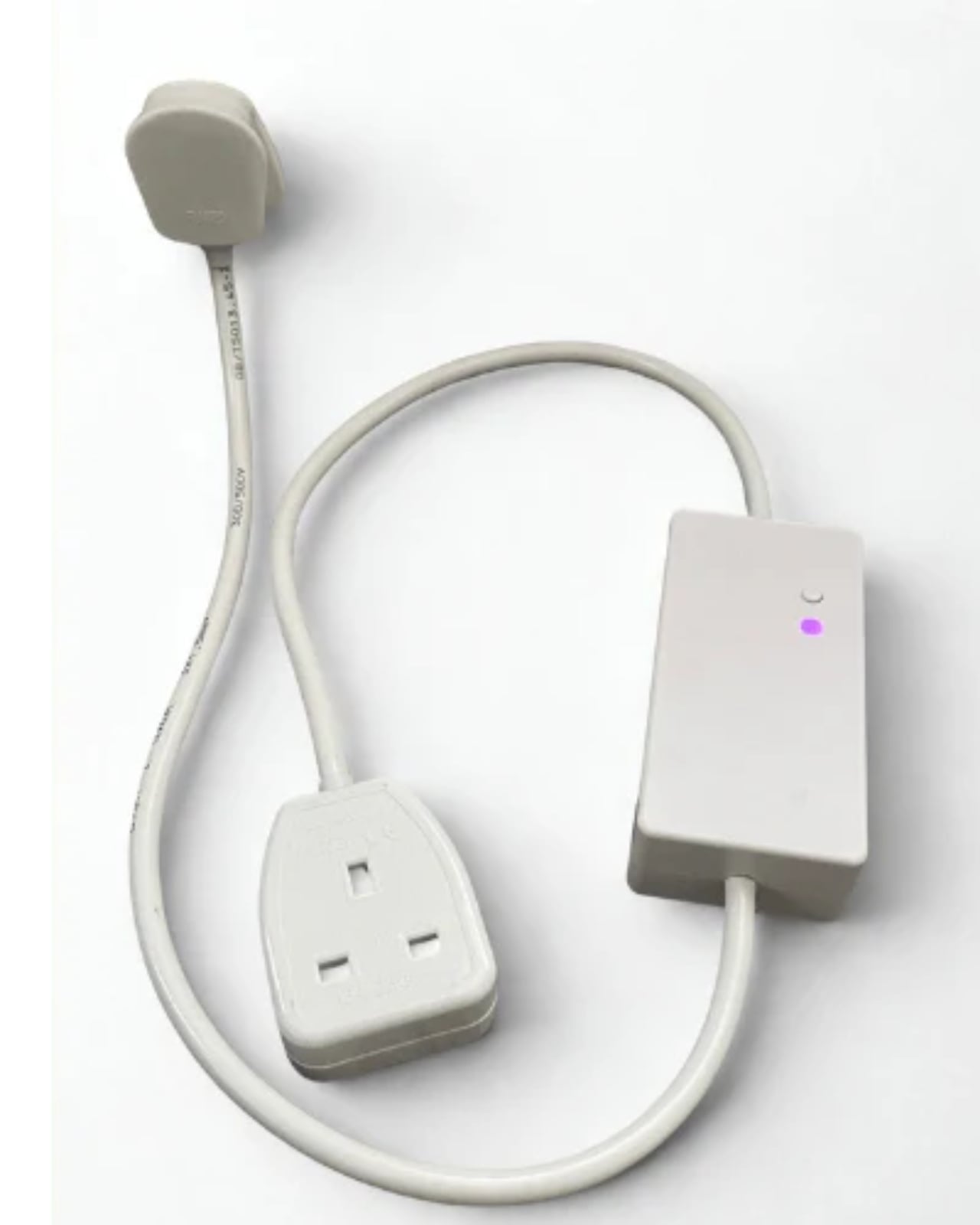
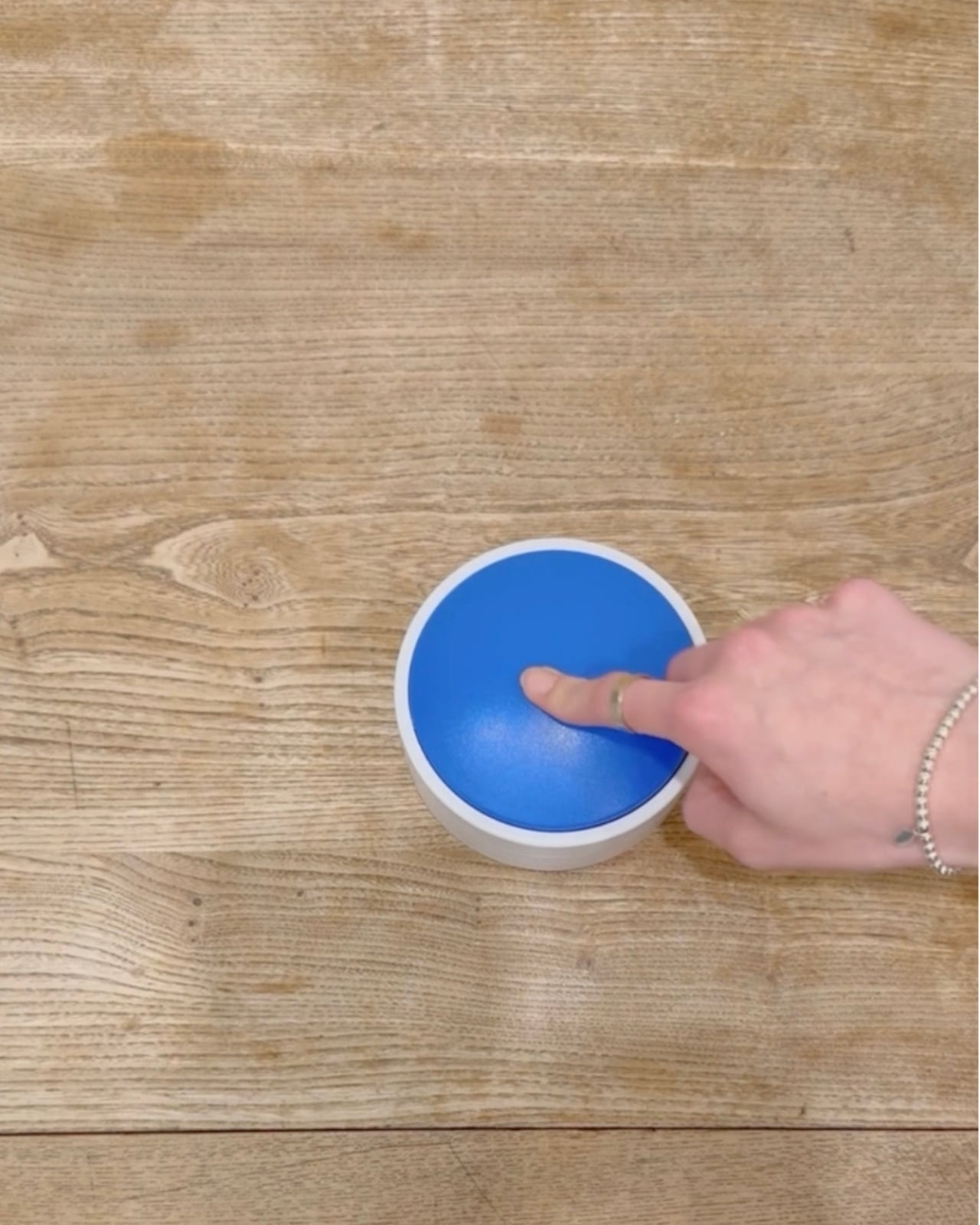
The system is refreshingly simple. Each set includes the button, a receiver, and basic mounting hardware. The receiver plugs into whatever appliance you want your dog to control, from a lamp to a fan to a kettle. The button connects wirelessly up to 40 meters away, giving you flexibility in where you place it. Press the button once, the appliance turns on. Press it again, it turns off. No app required, no monthly subscription, no “please update your firmware” notifications.

For assistance dogs, this kind of tool is genuinely useful. A dog trained to help someone with mobility issues could turn on a light when their owner enters a dark room or switch on a fan during hot weather. But the public release opens up more playful possibilities. Your dog could theoretically learn to turn on a fan when they’re overheated, activate a toy dispenser when they’re bored, or signal when they want attention by flipping a lamp on and off like a furry poltergeist.

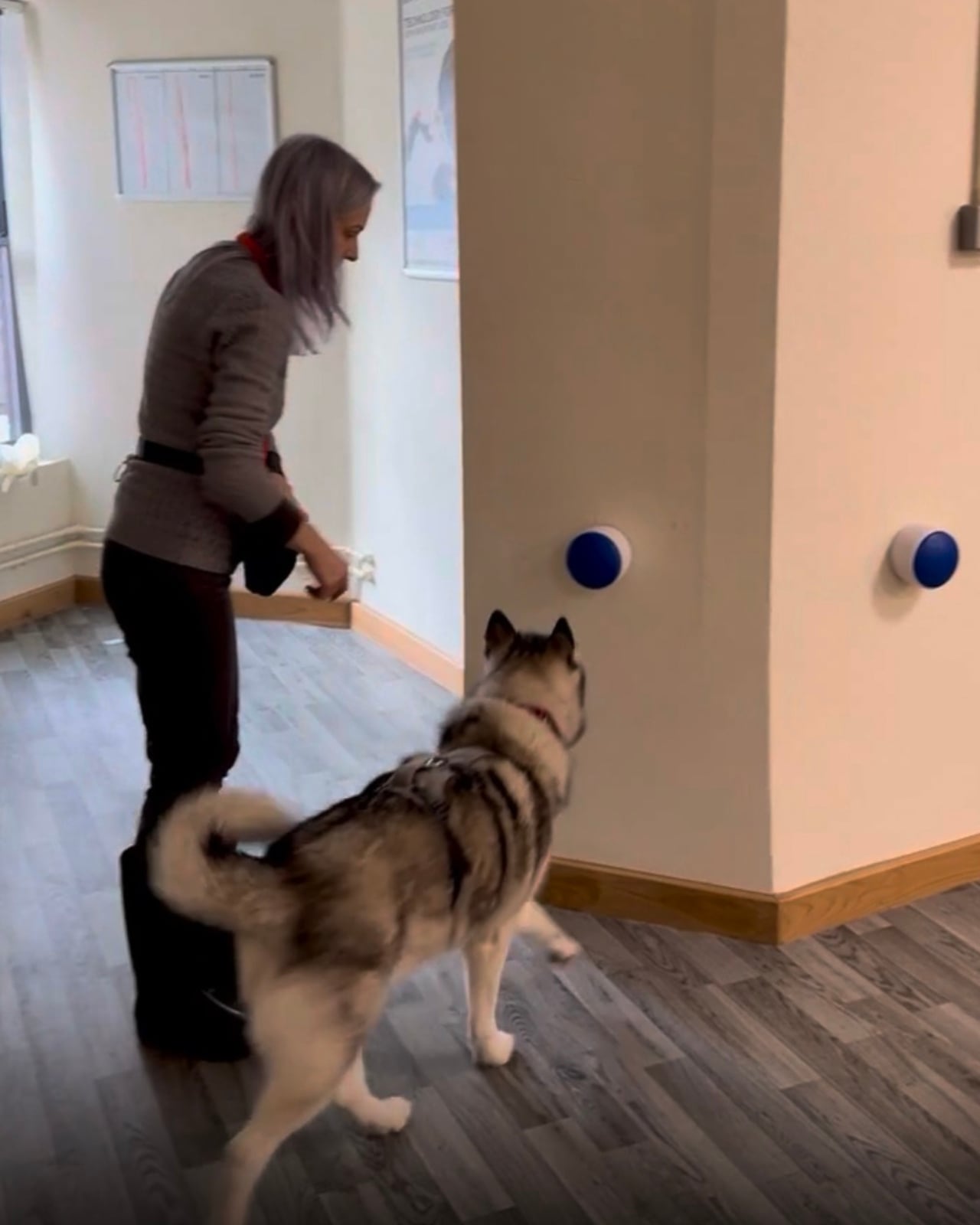
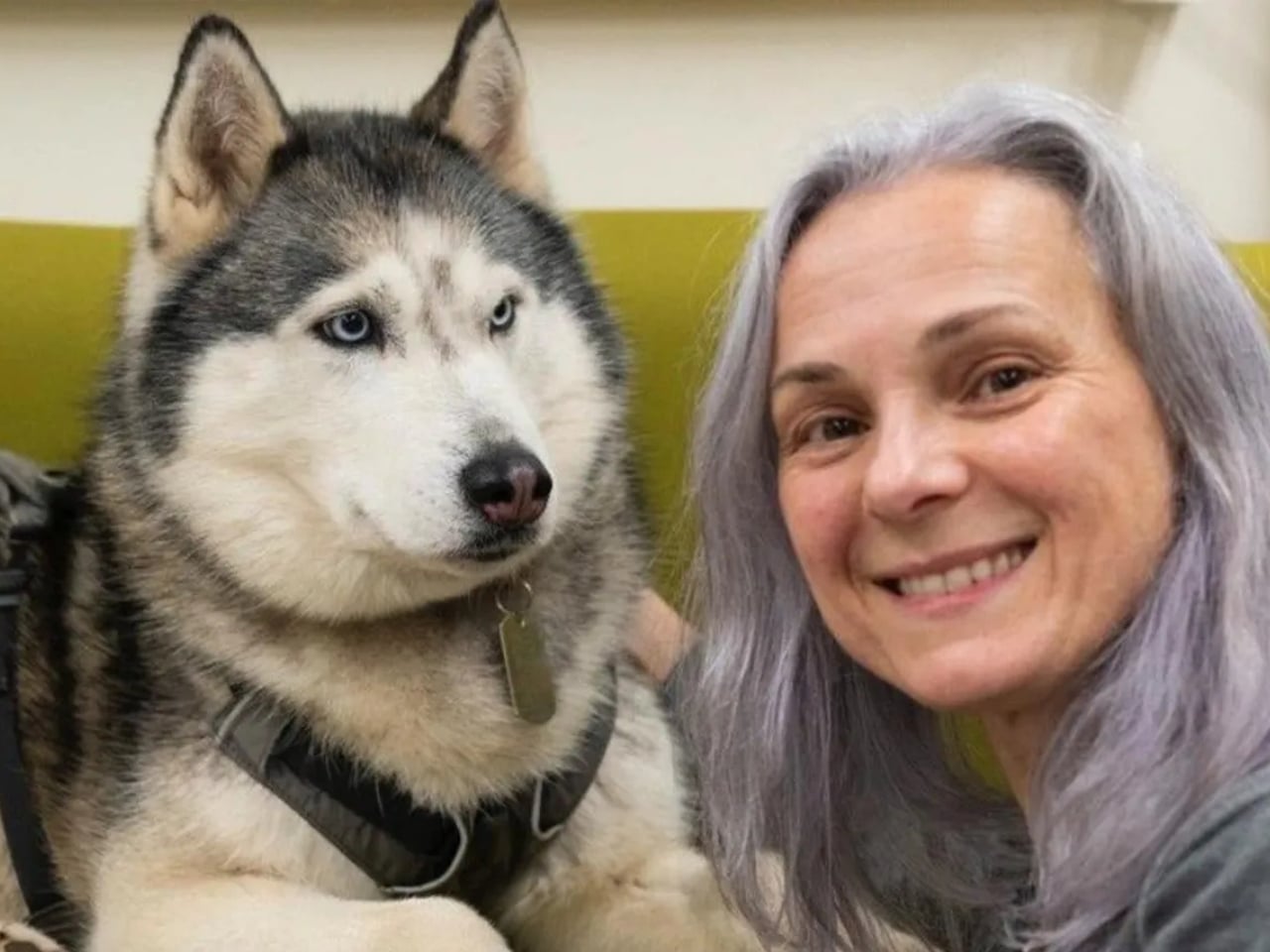
Of course, training matters. Professor Mancini tested the button with her own husky, Kara, noting that huskies are notoriously stubborn compared to more biddable breeds like Labradors. The button works if your dog is motivated and you’re patient. This isn’t plug-and-play; it’s more like plug-and-train-with-treats-and-repetition.

The Dogosophy Button is priced at £96 (including VAT) and is currently available through retailers like Story & Sons. Whether it becomes a legitimate tool for pet owners or just an interesting experiment in animal-computer interaction remains to be seen. But there’s something appealing about the idea of designing technology that considers more than just human needs. Professor Mancini puts it plainly: humans have built a world measured for ourselves, often pushing other species out. A button that meets dogs on their terms feels like a small step toward sharing space more thoughtfully.

The post Your Dog Can Now Turn On the Lights (No, Really) first appeared on Yanko Design.
❌