Vue lecture

Heart Aerospace X1 takes flight as the world’s largest battery-electric aircraft

Electric aviation has reached a milestone that once seemed reserved for much smaller aircraft. Heart Aerospace’s X1 demonstrator has completed its first flight, becoming the largest battery-electric aircraft ever to take to the skies. The aircraft flew from Plattsburgh International Airport in upstate New York on August 12, marking a significant step toward bringing electric propulsion to the scale of regional air travel.

The X1 is not intended to become a passenger aircraft itself. Instead, it is a full-scale technology demonstrator for Heart Aerospace’s ES-30, a 30-seat hybrid-electric regional aircraft currently under development. Its purpose is to validate the propulsion system, aerodynamics, flight performance, and other technologies that will eventually be carried into the production aircraft.

Designer: Heart Aerospace

For a prototype, the X1 is quite substantial. It has a 106-foot wingspan, measures 76 feet from nose to tail, and weighs more than 25,000 pounds at takeoff. Four electric motors provide propulsion, drawing their energy entirely from onboard batteries during the test flight. The maiden flight lasted 27 minutes and included taxiing, takeoff, climb, maneuvering, and landing. The aircraft reached 1,100 feet above ground while its electric propulsion system delivered more than one megawatt of power. The test was conducted under an FAA Special Airworthiness Certificate in the Experimental Category, with the flight kept within a controlled test envelope.

Perhaps the most striking detail is the reported energy cost. Heart Aerospace says the flight used approximately $5 worth of electricity. That figure covers the battery-powered flight operation, while some reporting notes that electricity consumed during ground taxiing would need to be considered separately. Even with that distinction, the demonstration offers a tangible illustration of the potential operating-cost advantage of electric propulsion over conventional aircraft fuel.

The limitations, though, have still to be kept in mind, as batteries still cannot provide the energy density required for longer regional flights. That is why the production ES-30 will use a hybrid-electric architecture rather than relying entirely on batteries. Heart Aerospace is targeting an all-electric range of about 124–125 miles, while hybrid operation is expected to extend the range to roughly 497–500 miles. The aircraft is designed to carry 30 passengers and has a battery recharge time of around 30 minutes.

Heart expects the ES-30 to reduce operating costs by more than 40 percent compared with legacy regional aircraft, combining lower energy costs with simpler electric propulsion, reduced maintenance requirements, and potentially greater reliability and aircraft availability. Airlines including United Airlines and Air Canada have committed to the program, with total customer commitments reported at $9.4 billion.

The first pre-production ES-30 is already being developed at Heart Aerospace’s Los Angeles pilot manufacturing plant, with flight testing scheduled for 2028 and entry into service targeted for 2031. The X1’s 27-minute flight does not make electric commercial aviation a finished proposition, but it unearths something more fundamental. Battery-powered propulsion can now lift an aircraft approaching regional-airliner scale off a runway and enable a controlled flight. That is a feat in itself!


The post Heart Aerospace X1 takes flight as the world’s largest battery-electric aircraft first appeared on Yanko Design.

  •  

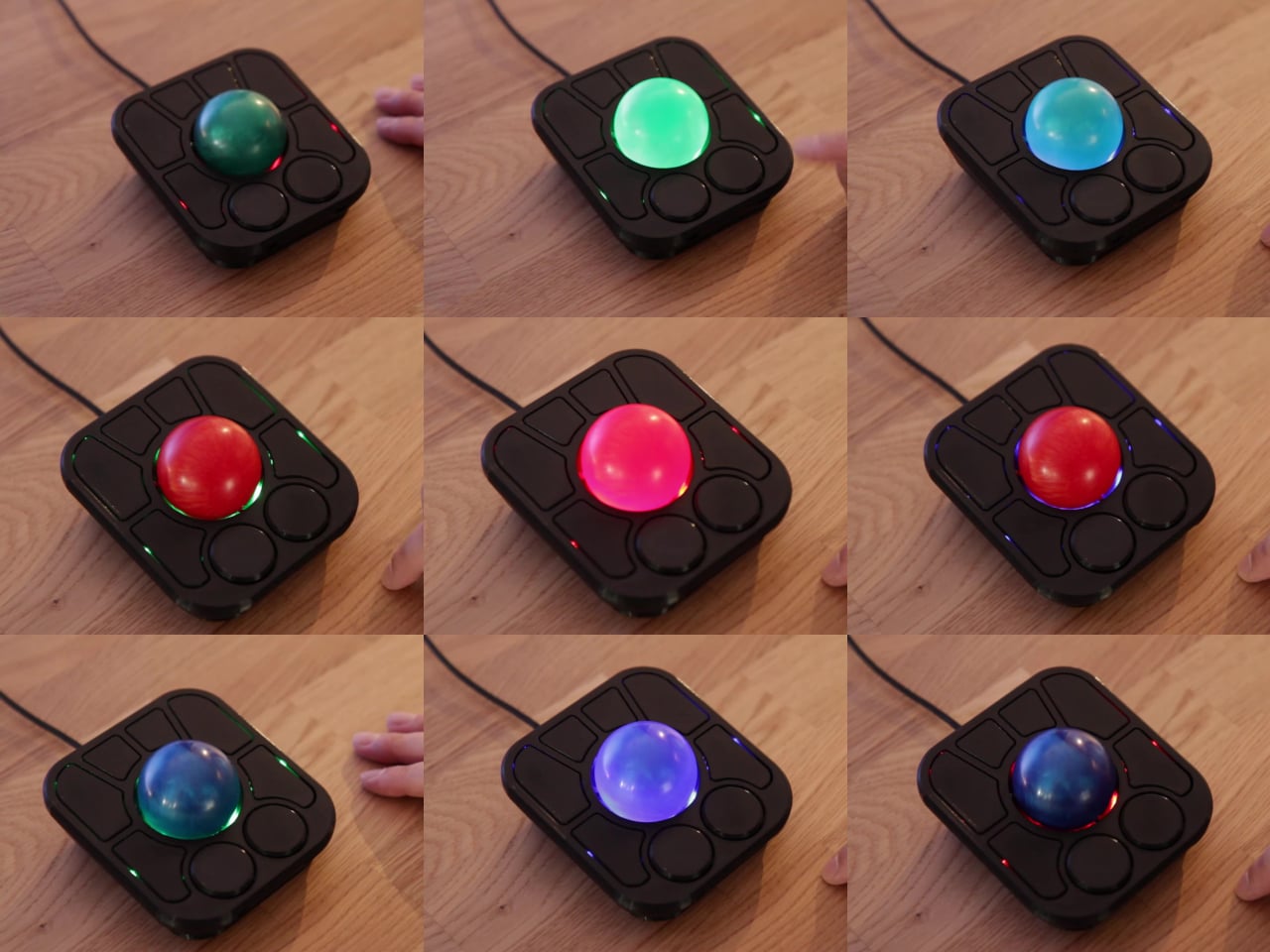
This $99 Trackball Has Gesture Controls That Work Without Any Software

The computer peripheral market has always been more experimental at its edges than in the mainstream. Ergonomic trackballs, in particular, have attracted a devoted following among power users, but the options tend to cluster at two extremes: consumer-facing products with locked-down firmware, and niche open-source hardware that trades polished finish for deep customizability. Finding something that genuinely does both has rarely been straightforward.

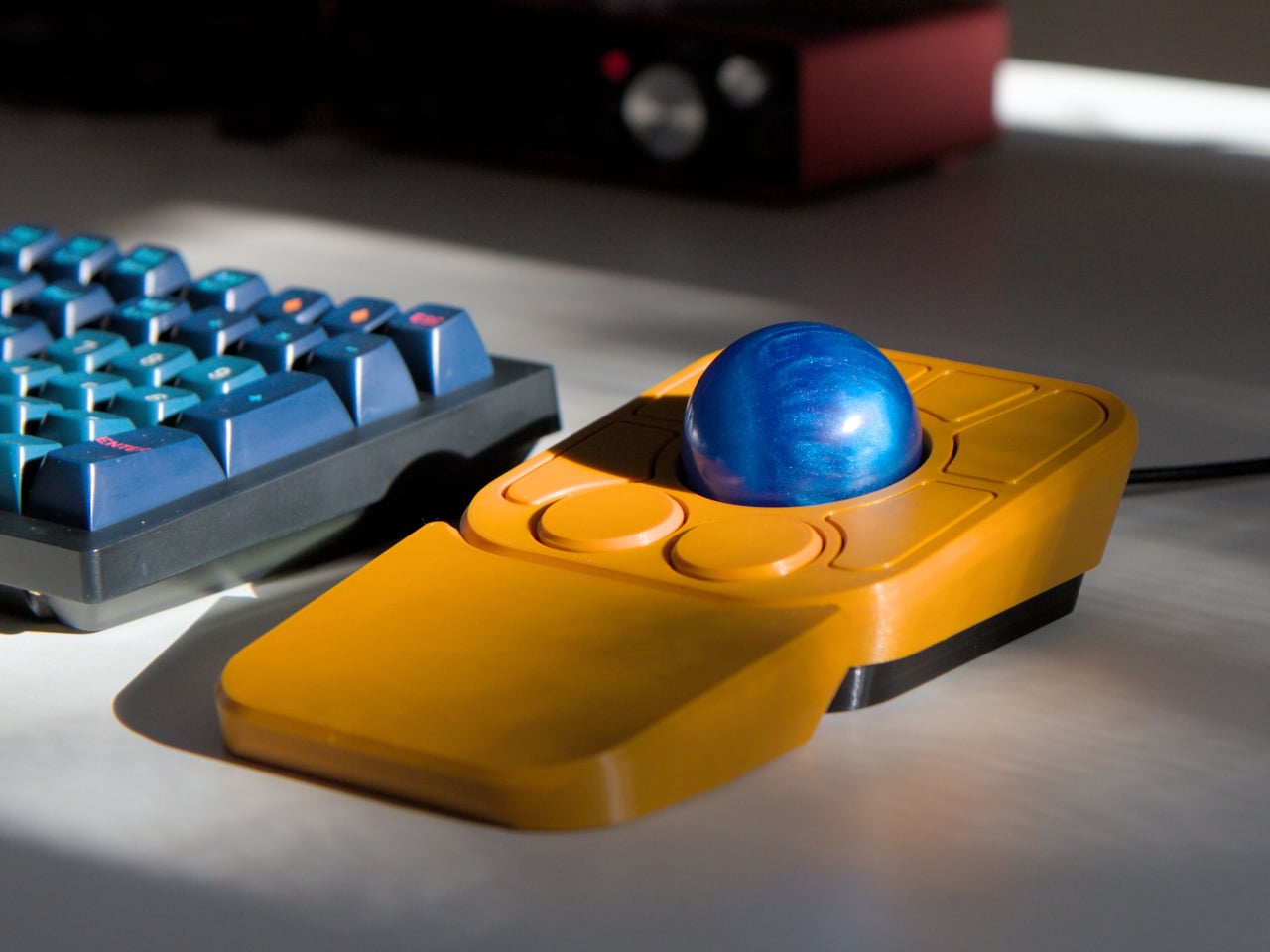
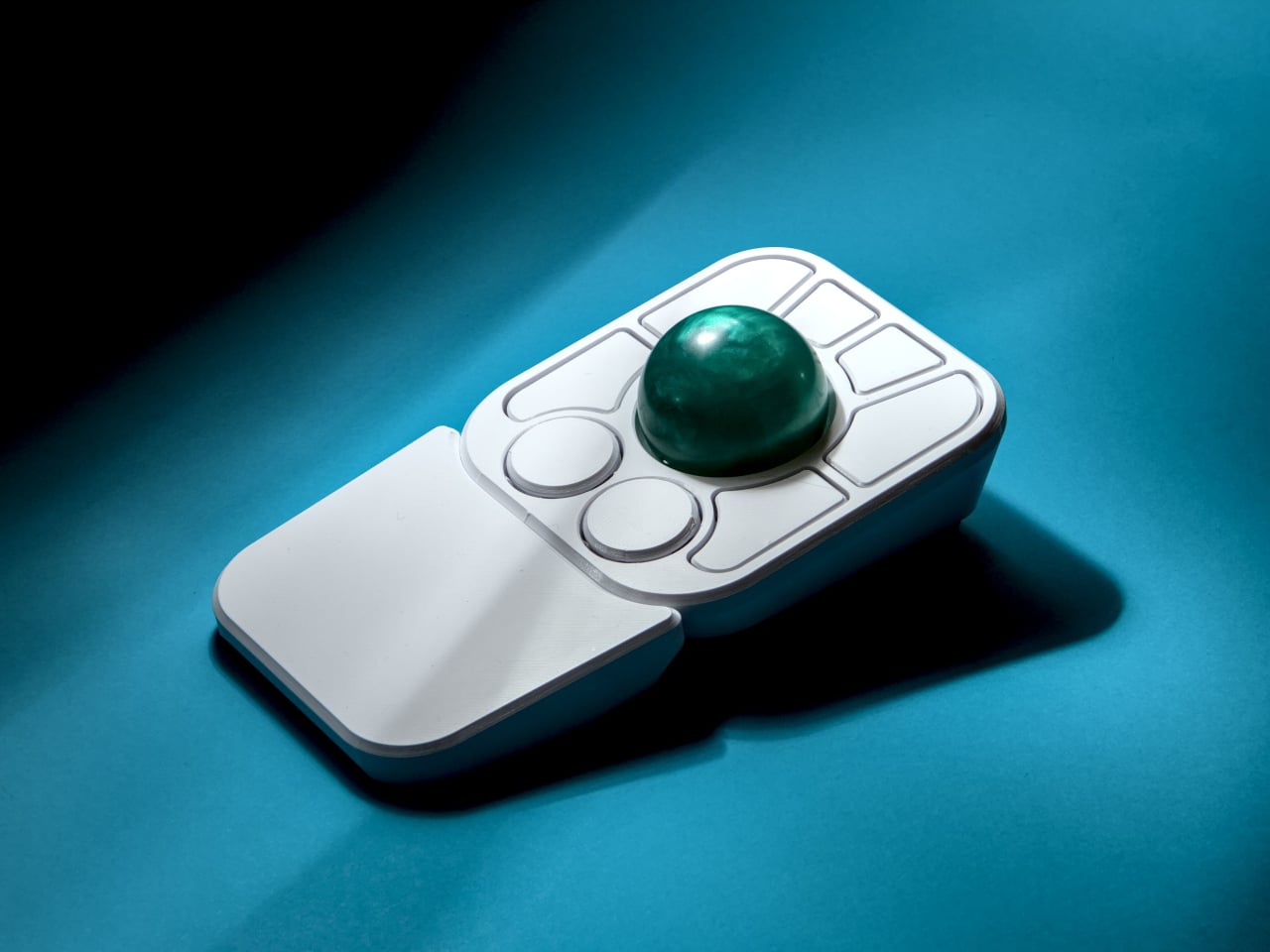
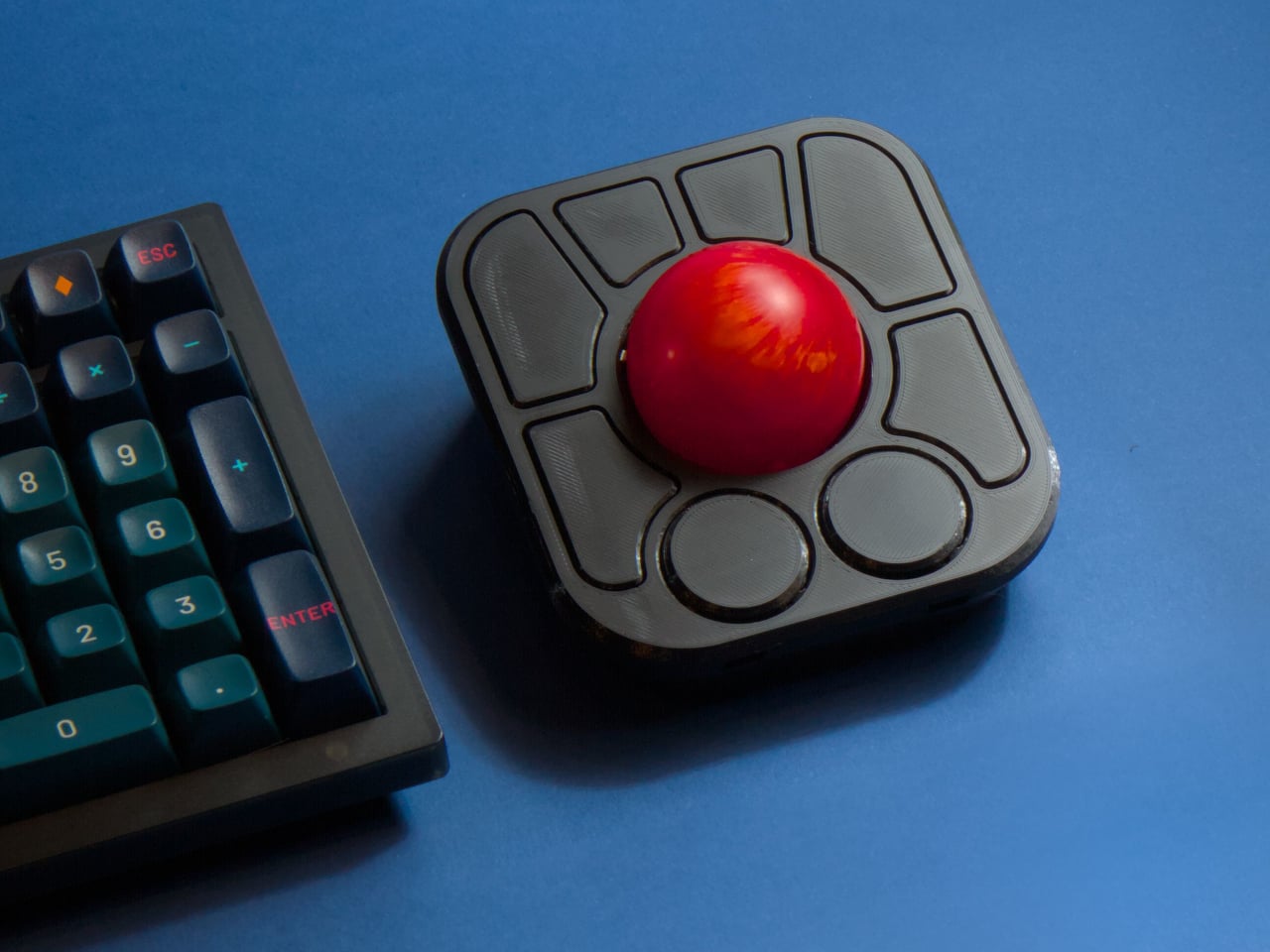
Ploopy’s Adept trackball made a compelling case for the latter category, earning a loyal following with its open-source, 3D-printed design and QMK compatibility. But it always felt like it had more to say. Its circuit board had always reserved space for two more switches that never made it to production, and the base had slots for a wrist rest that never materialized. The A+ is that unfinished story, now finished.

Designer: Ploopy

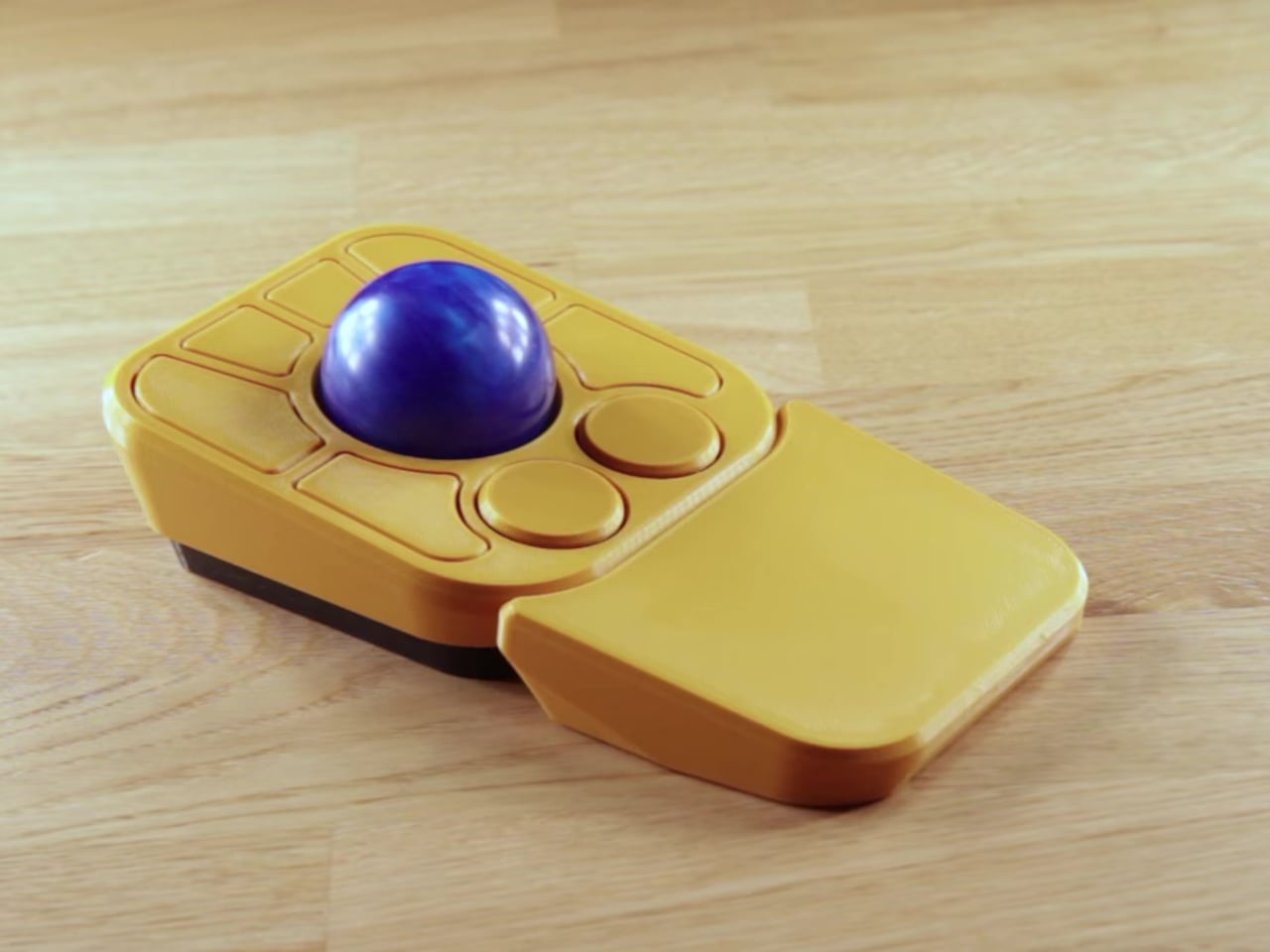
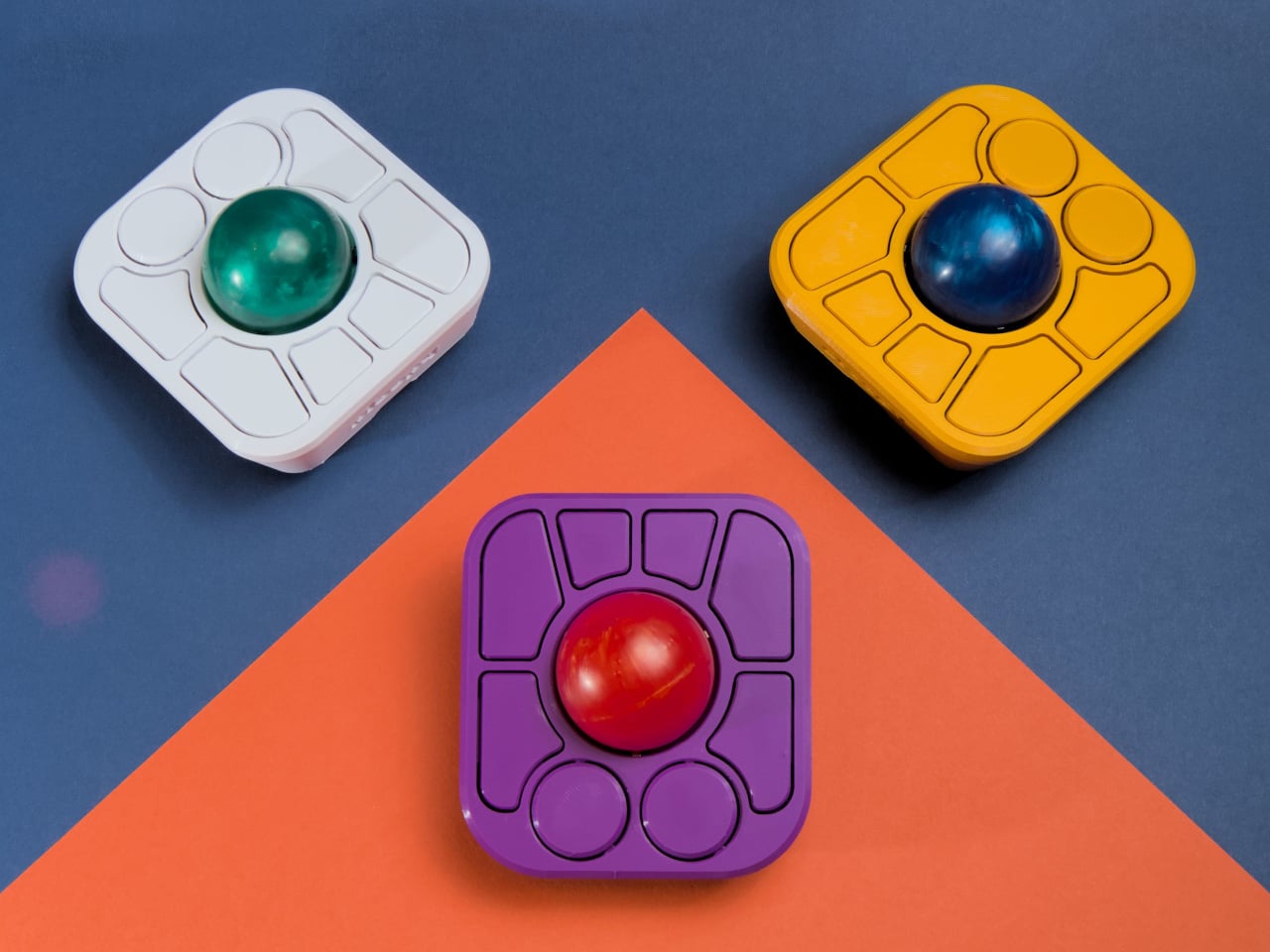
The most visible addition is the button count. The Adept had six; the A+ has eight, two of which also function as knobs. Out of the box, the knobs handle high-resolution vertical and horizontal scrolling, but both are fully reprogrammable for other functions. That dual-purpose approach keeps navigation and control within a single hand without needing a separate scroll wheel or accessory sitting alongside it.

The gesture system is arguably the more interesting addition. Hold a button and flick the ball in any of eight directions, and the device fires a command. By default, the left knob activates cut, copy, paste, desktop switching, and media controls. For someone who lives inside a browser and a text editor all day, that’s a significant amount of functionality without ever lifting a hand off the device.

Layers add another dimension. The A+ has two: a navigation layer for everyday use and a control layer accessed via the right knob. The control layer handles on-device configuration, covering left-hand mode switching, toggling between high-resolution and stepped scrolling, and other adjustments. It’s the first trackball to bring this kind of layered behavior, working entirely without any software running on the host computer. There are also two bright LEDs that can be used to visually tell you what layer you’re on without having to rely on some embedded screen.

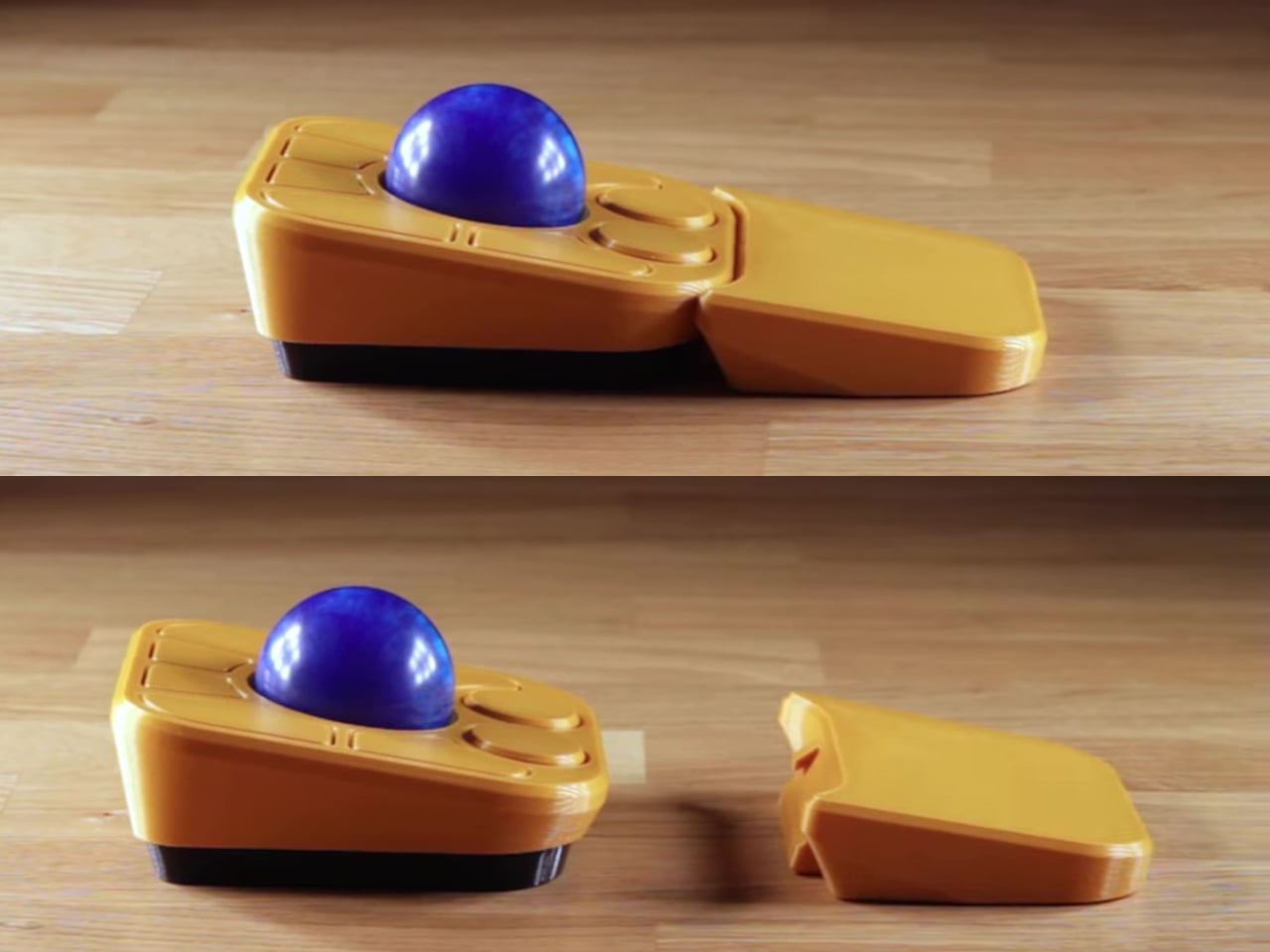
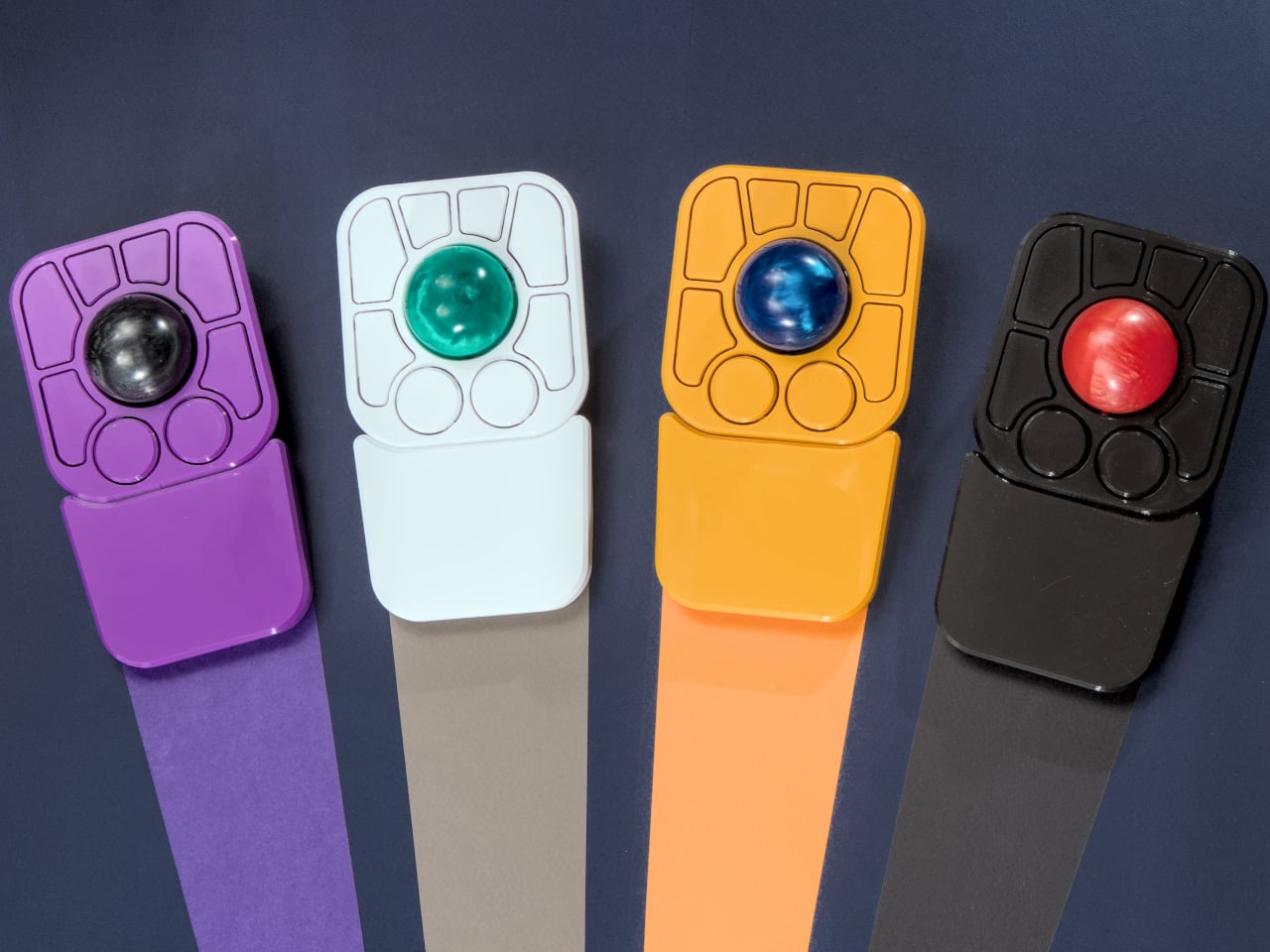
The detachable wrist rest is another long-promised feature that finally arrives with the A+. It slots in or out during use and can be screwed on permanently if preferred. The device stays ambidextrous throughout, and its 3D-printed shell means the community can print modified bodies, alter the layout, or swap in custom colors. That kind of adaptability isn’t an afterthought; it’s part of how the whole thing is designed.

The Pixart PMW-3360 sensor carries over from the Adept, running at a 1,000Hz polling rate with the tracking accuracy that has made it a standard for performance-oriented pointing devices. Omron D2LS-21 switches handle the physical buttons. The firmware remains QMK, configurable through VIA, with all design files, firmware, and assembly instructions freely available on GitHub. Kits start at $99 CAD.

The post This $99 Trackball Has Gesture Controls That Work Without Any Software first appeared on Yanko Design.

  •  

This Desk Lamp Puts a Spotlight in a Ring Light With One Knob

Desk lighting has long been a compromise between task and atmosphere. Professional lamps tend to lean one way or the other: too directional and harsh for extended use, or too diffuse to support fine detail work. A lamp that’s good for examining physical samples often isn’t comfortable over long stretches, and one that’s gentle on the eyes doesn’t always deliver when you need a hard, directed beam.

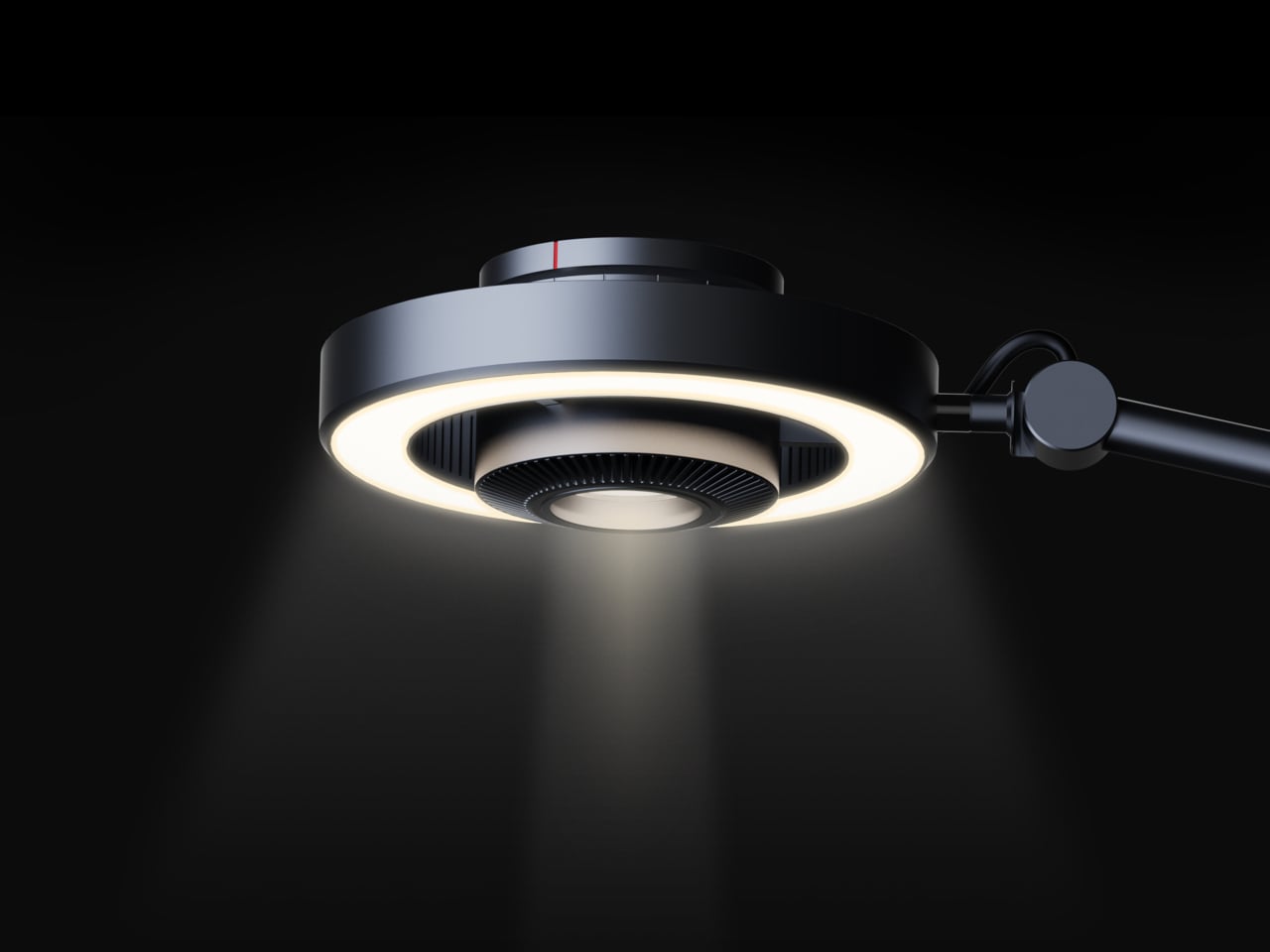
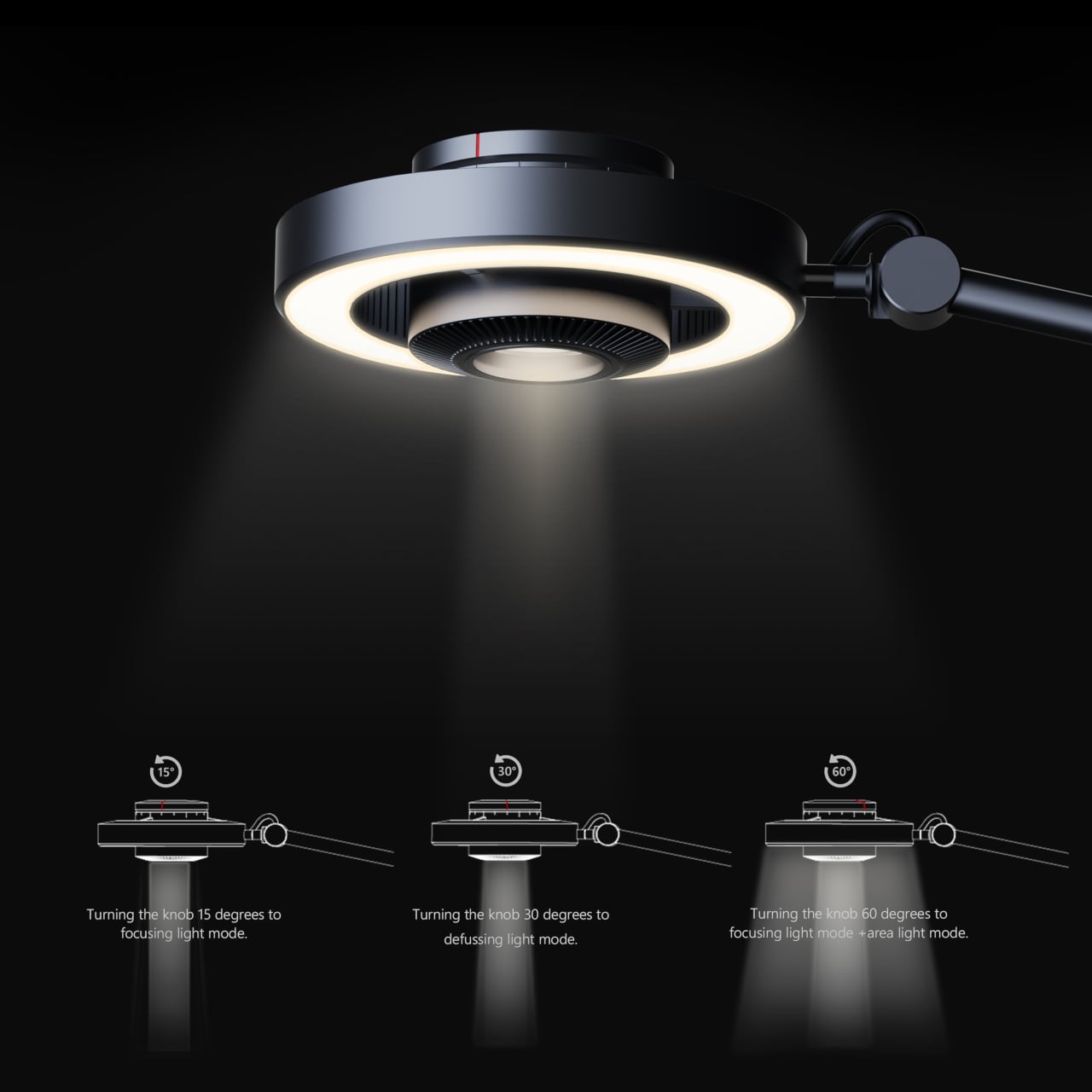
The Focus Light is a desktop lamp concept built around a different premise. Rather than committing to one kind of output, it combines two independent light sources into a single lamp head, giving the user the ability to shift between a precise, concentrated beam and a broad ambient glow, or run both at once. All of it’s controlled by a single rotary knob, and there aren’t any menus, apps, or extra switches involved.

Designers: Zhen Yang, Siting Lin

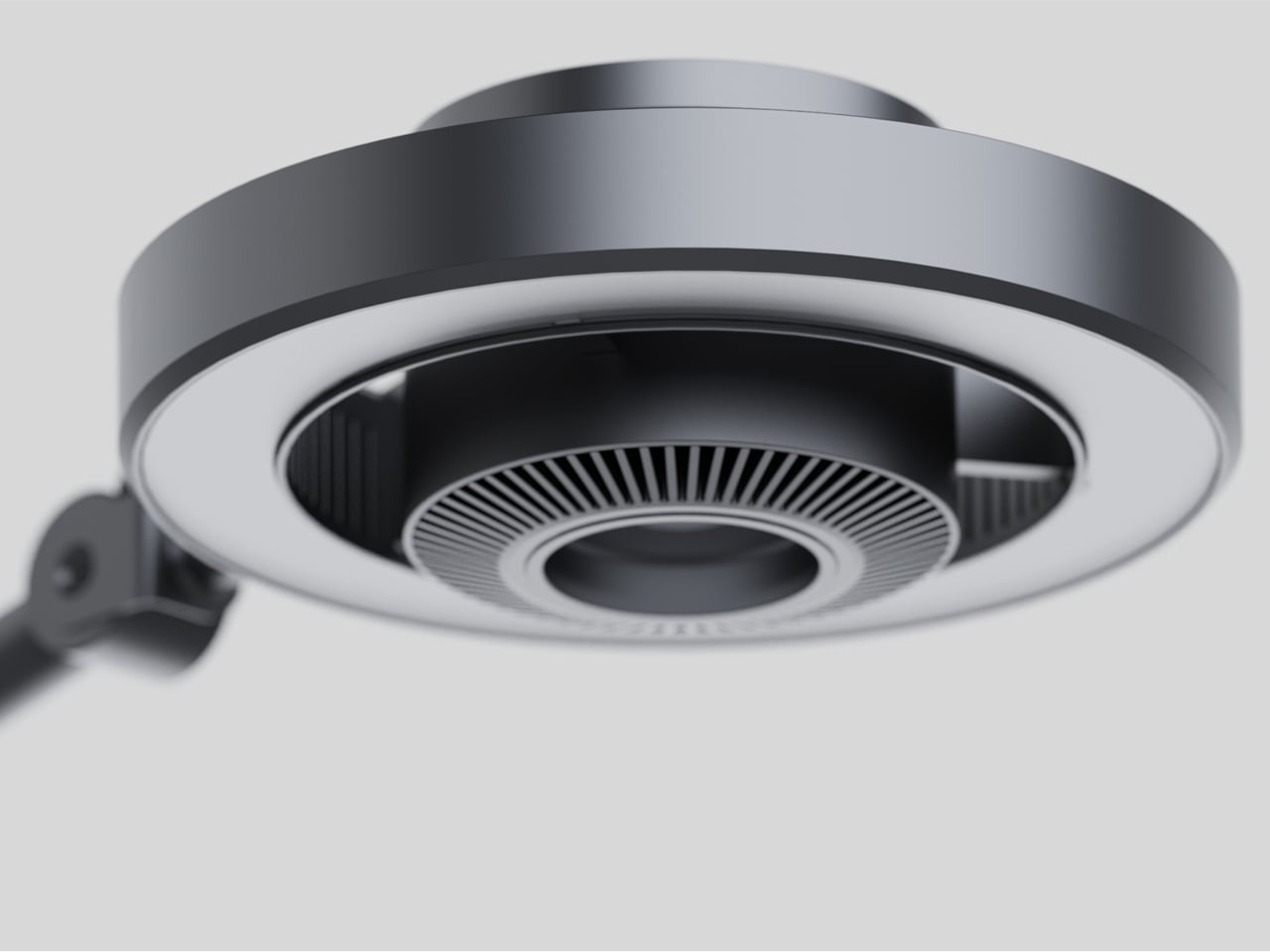
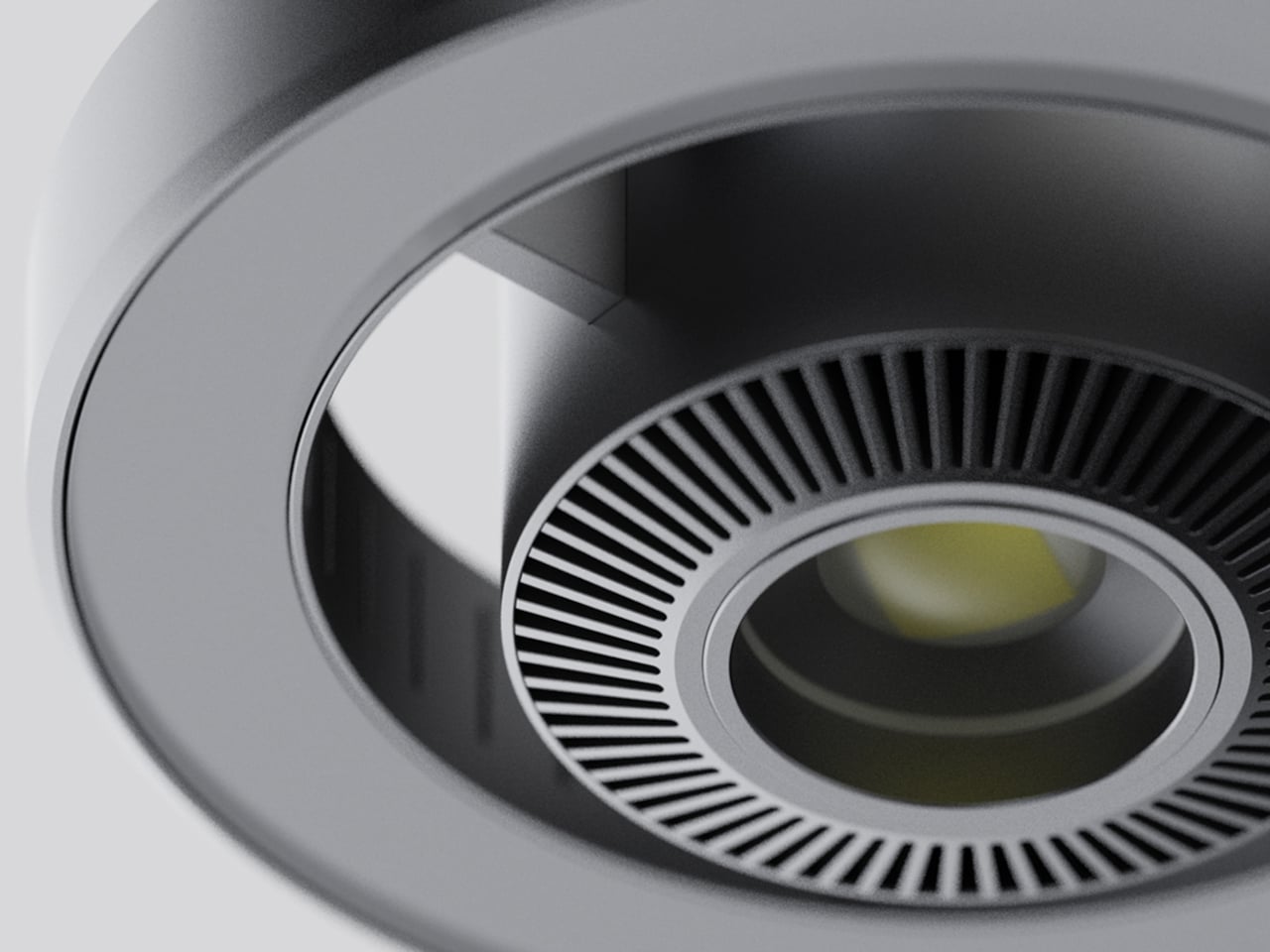
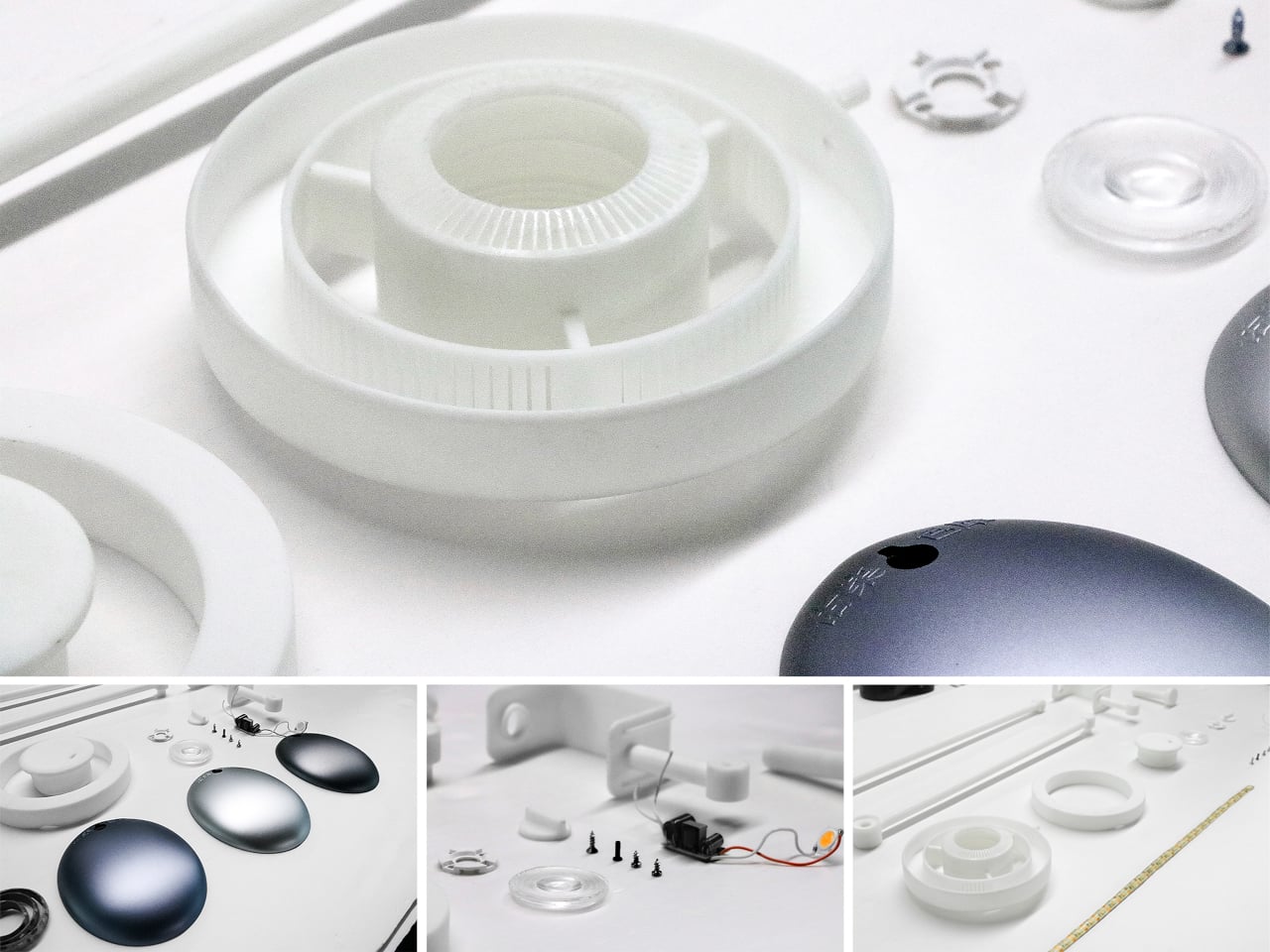
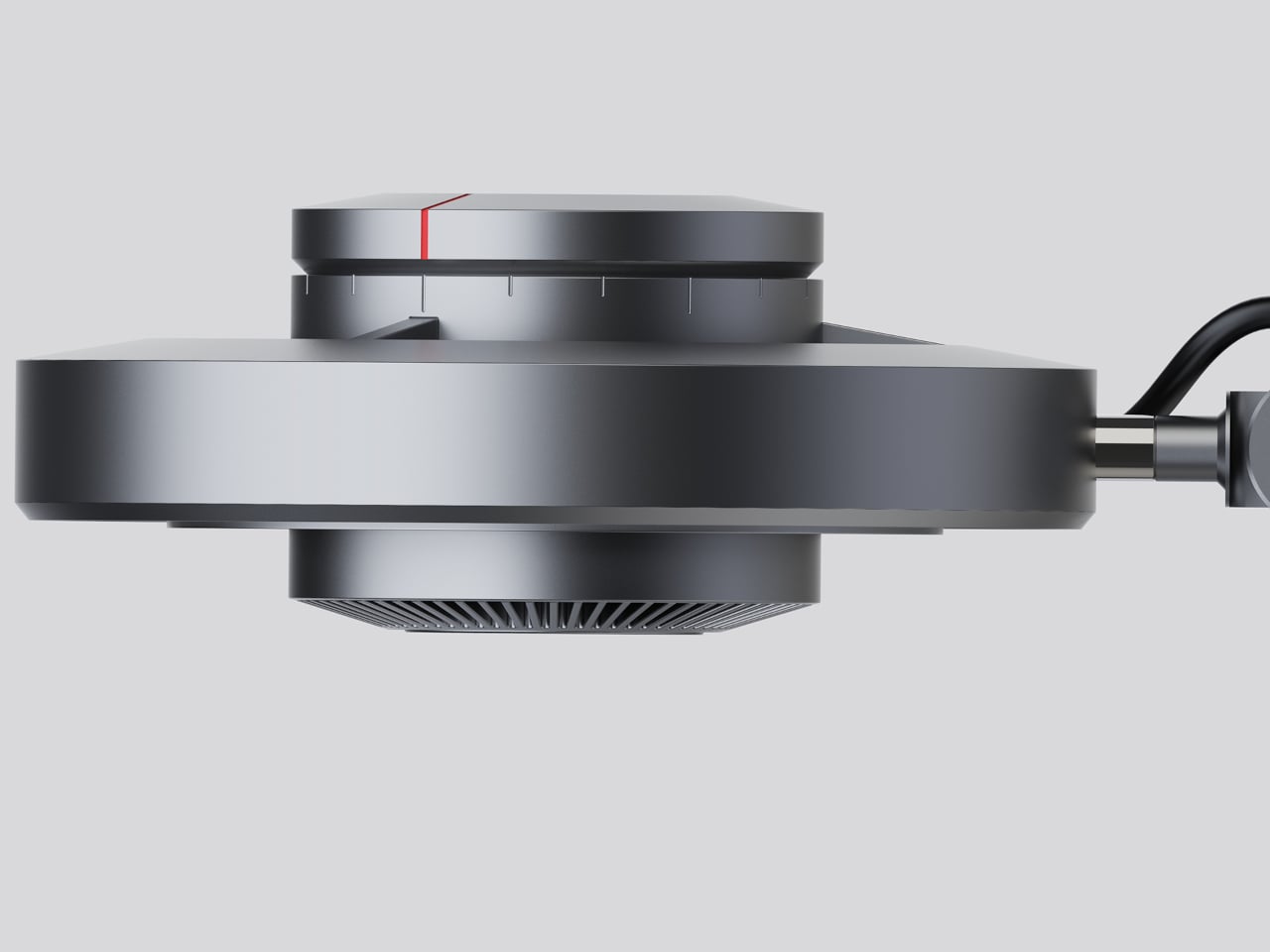
The lamp head is organized concentrically: an outer ring delivers ambient light while a central optical lens handles the focused beam. That layout has both functional and visual logic to it. Both sources sit in deliberate, concentric relation to each other, and the overall form looks as precise as it performs. The whole thing is finished in space gray metal, which lends it a professional, precision-tool character.

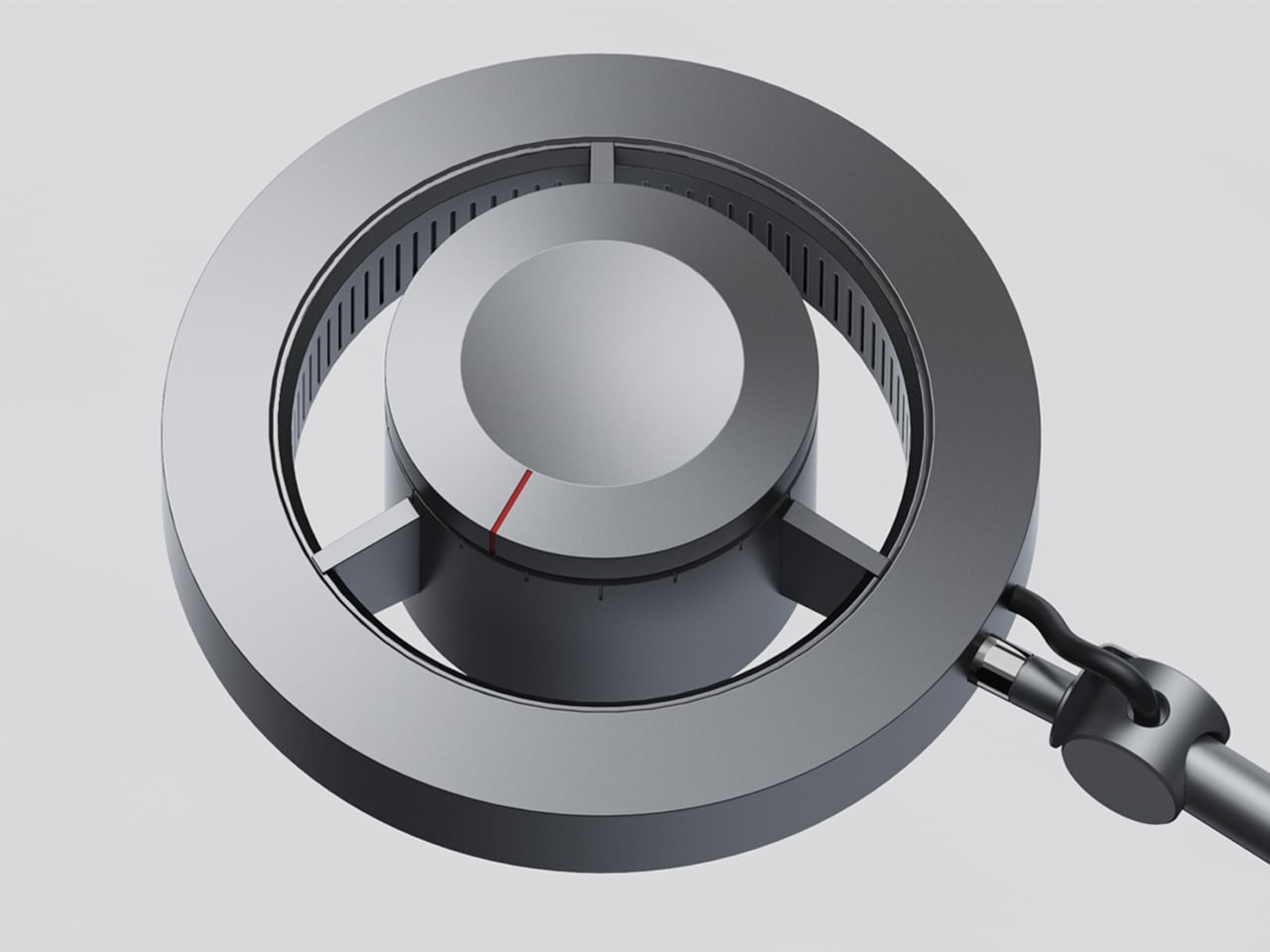
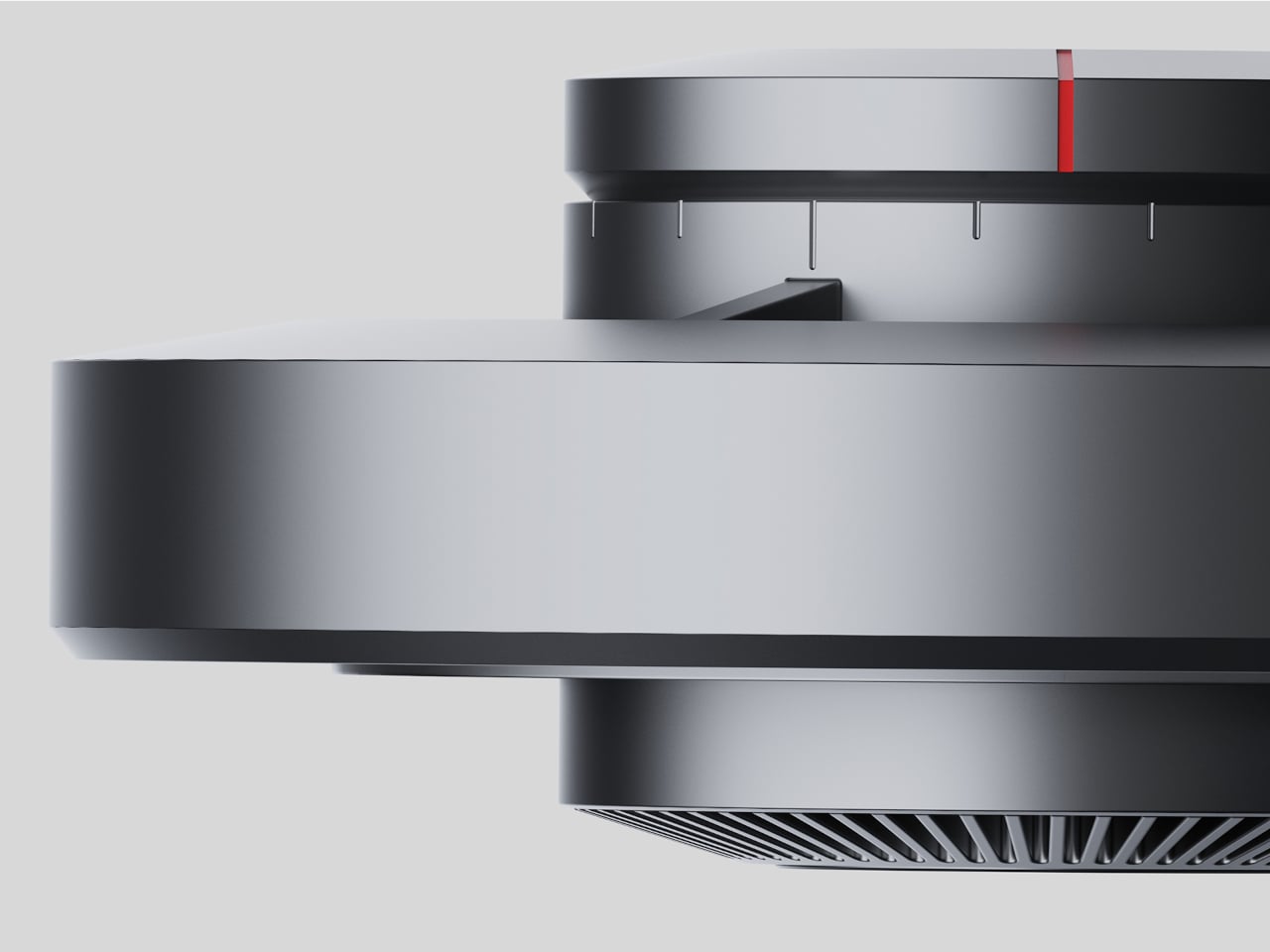
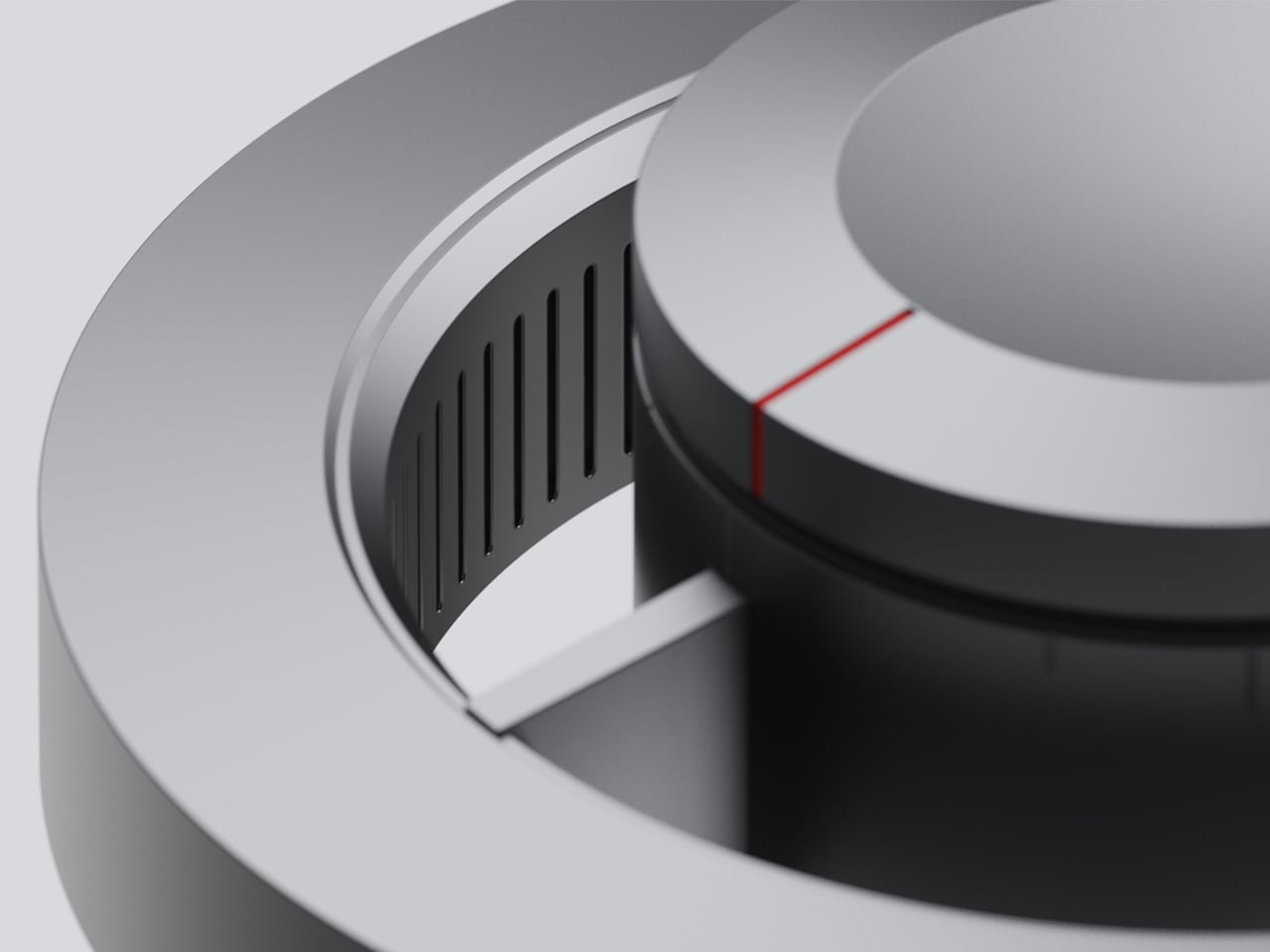
Control comes from a rotary knob on top, marked with a red indicator line. Rotating it 15 degrees activates focusing mode, sending a tight, concentrated beam straight down. At 30 degrees, the lamp shifts into diffusing mode, spreading the output into something closer to fill light. Push it to 60 degrees, and both sources run simultaneously, combining the central spot with the ambient ring for a layered workspace light.

For detailed hands-on tasks, being able to shift between modes without touching an app or dimmer panel makes a real difference. An illustrator tracing fine lines benefits from the precision of the focused beam, but that same beam creates harsh contrast against a dark surrounding surface. Bringing in the ambient ring softens that contrast, and having both running at once makes moving between close-up precision work and wider desk visibility much more seamless.

The same flexibility serves anyone who switches between different types of work at the same desk. Reading calls for something even and non-glare; marking up documents or working with small physical components benefits from a harder, more directed light. The Focus Light doesn’t ask the user to swap lamps or reposition the arm for each shift. The knob handles it, and the change is immediate.

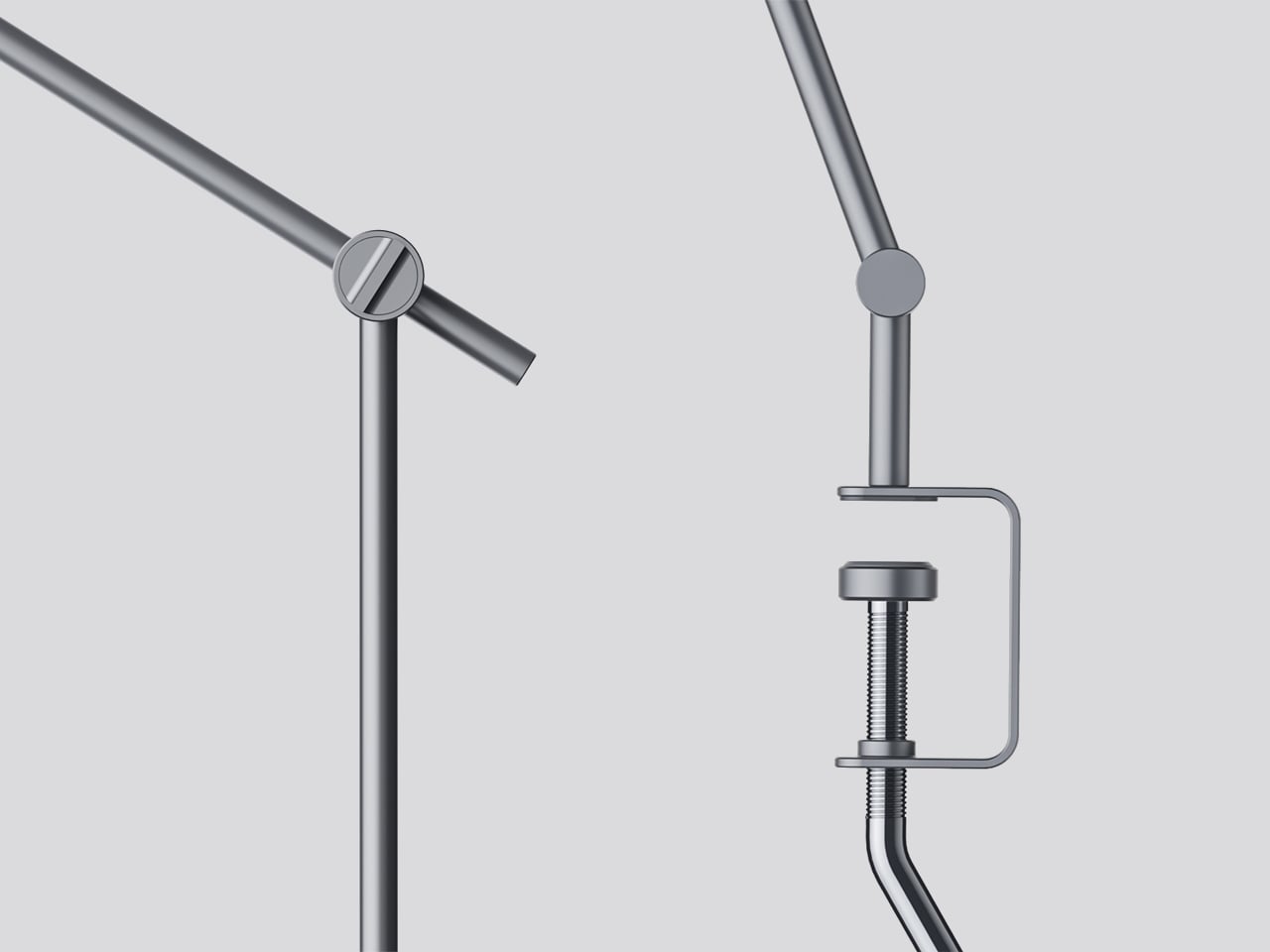
The physical form reflects the precision the lamp is meant to support. The lamp head is a clean disc with radiating heat fins arranged around the inner lens assembly, and the arm connects at a ball joint that allows repositioning without loosening a series of screws. A threaded desk clamp handles the mounting, so it doesn’t demand a grommet hole or take up surface area with a weighted base.

What stands out about the concept isn’t just the dual-source setup, but that a single physical control manages both. There’s no menu to scroll, no app to open. The red indicator on the knob tells you exactly where you are, and the three positions are distinct enough that you’d find your way back to any of them by feel after just a few days.

The post This Desk Lamp Puts a Spotlight in a Ring Light With One Knob first appeared on Yanko Design.

  •  

Ruka Studio’s TD-1 Vertical Turntable Turns Your Vinyl Collection Into Stunning Part of Your Room

For a very long time, the world was fixated on horizontal vinyl players that took up a premium space on a table. Just recently, the tide has started shifting in favor of vertical record players that are designed to stand out instead of blending in. The new entrant in the category already explored by designer Fatih Demirci, CoolGeek, and Dutch Hi-Fi maker Miniot, is Ruka Studio – a Los Angeles-based company that was founded in 2024.

Relatively new in its existence, Ruka makes its presence felt with the wealth of experience that forms the DNA of the brand. Reportedly, Ruka Studio was founded by a group of former Apple engineers and designers, so a high-end turntable with a premium finish would be a given. But that’s not where it’s stopping; the company has launched its first vertical turntable called the TD-1.

Designer: Ruka Studio

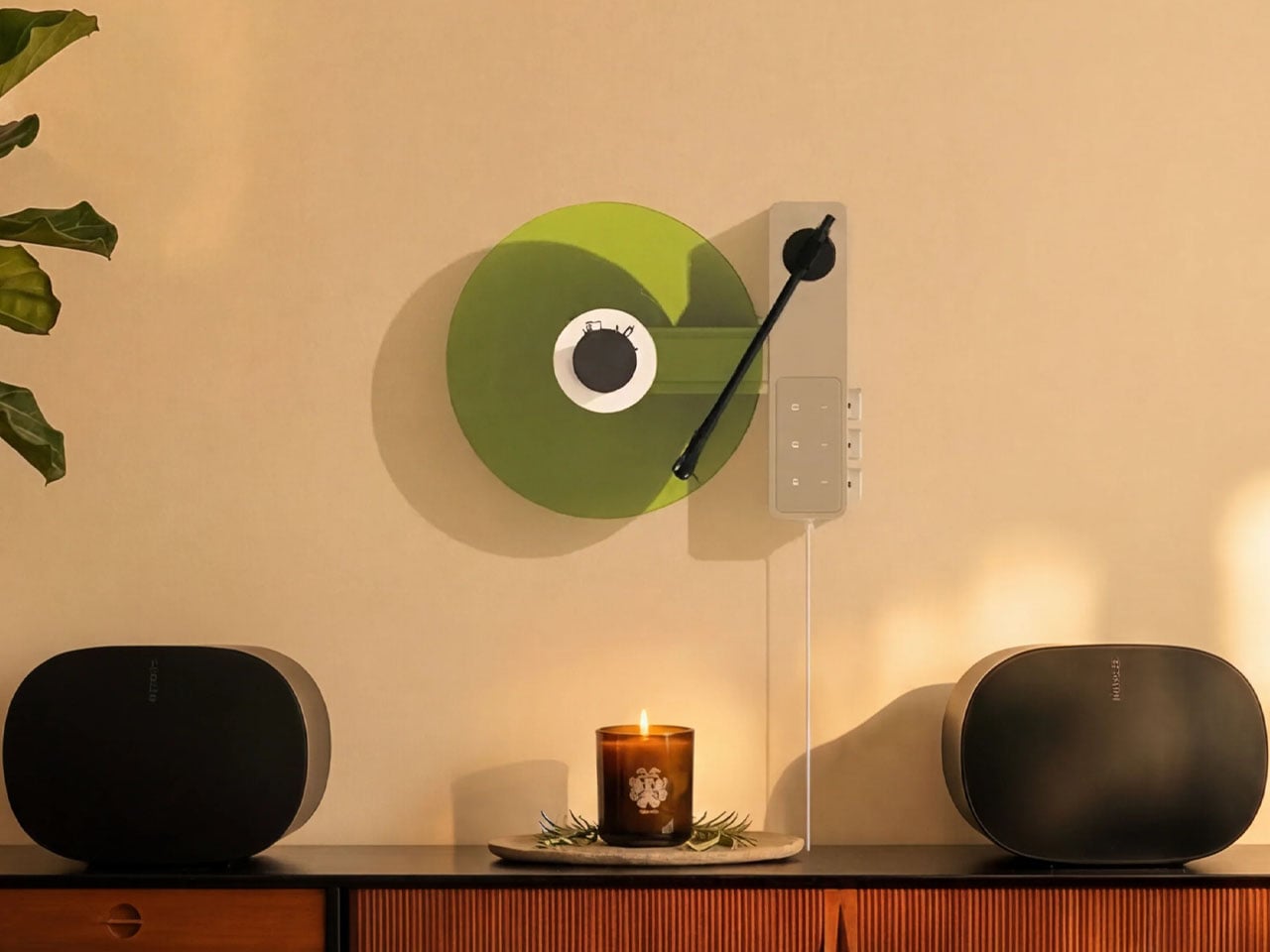
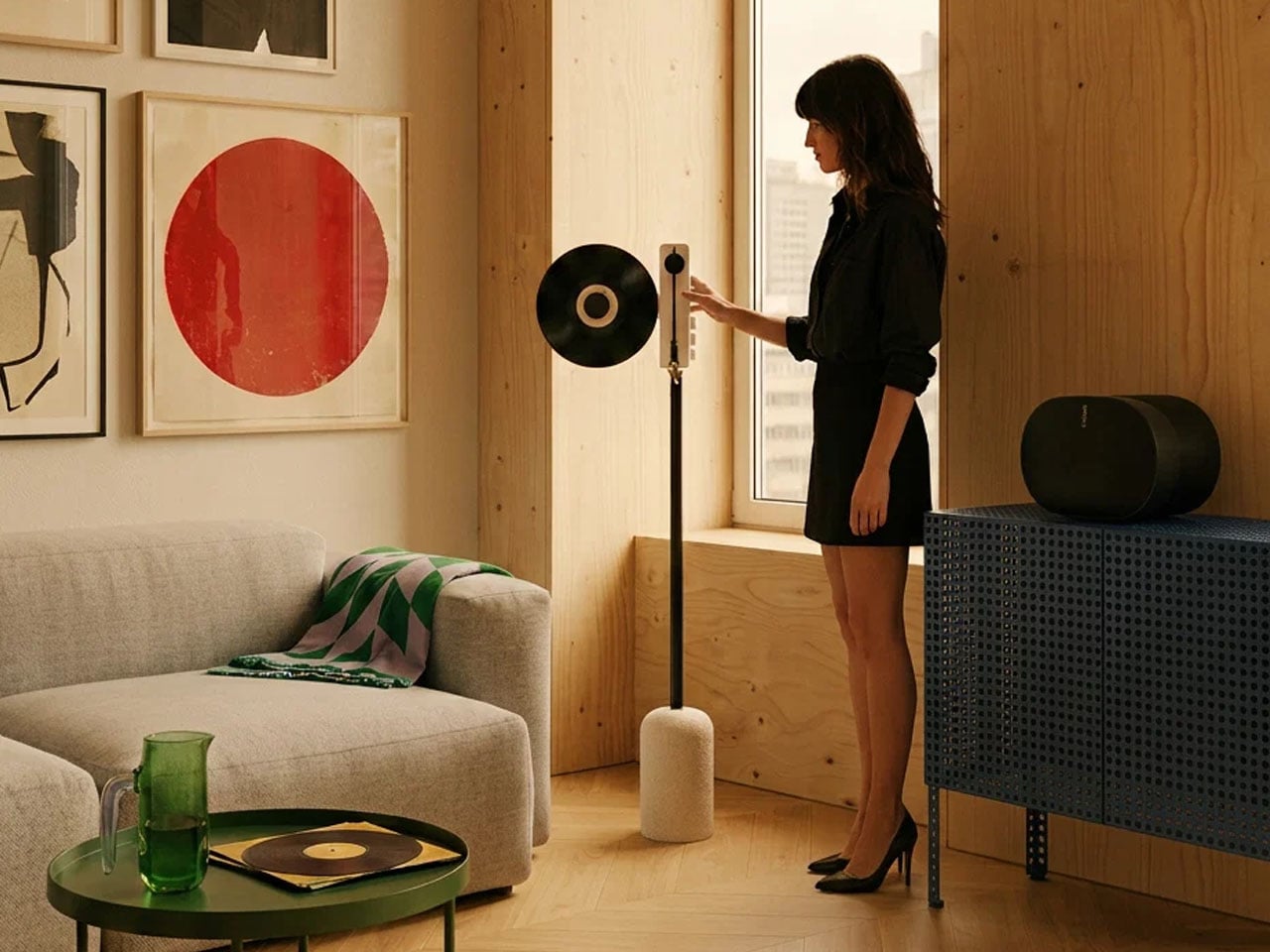
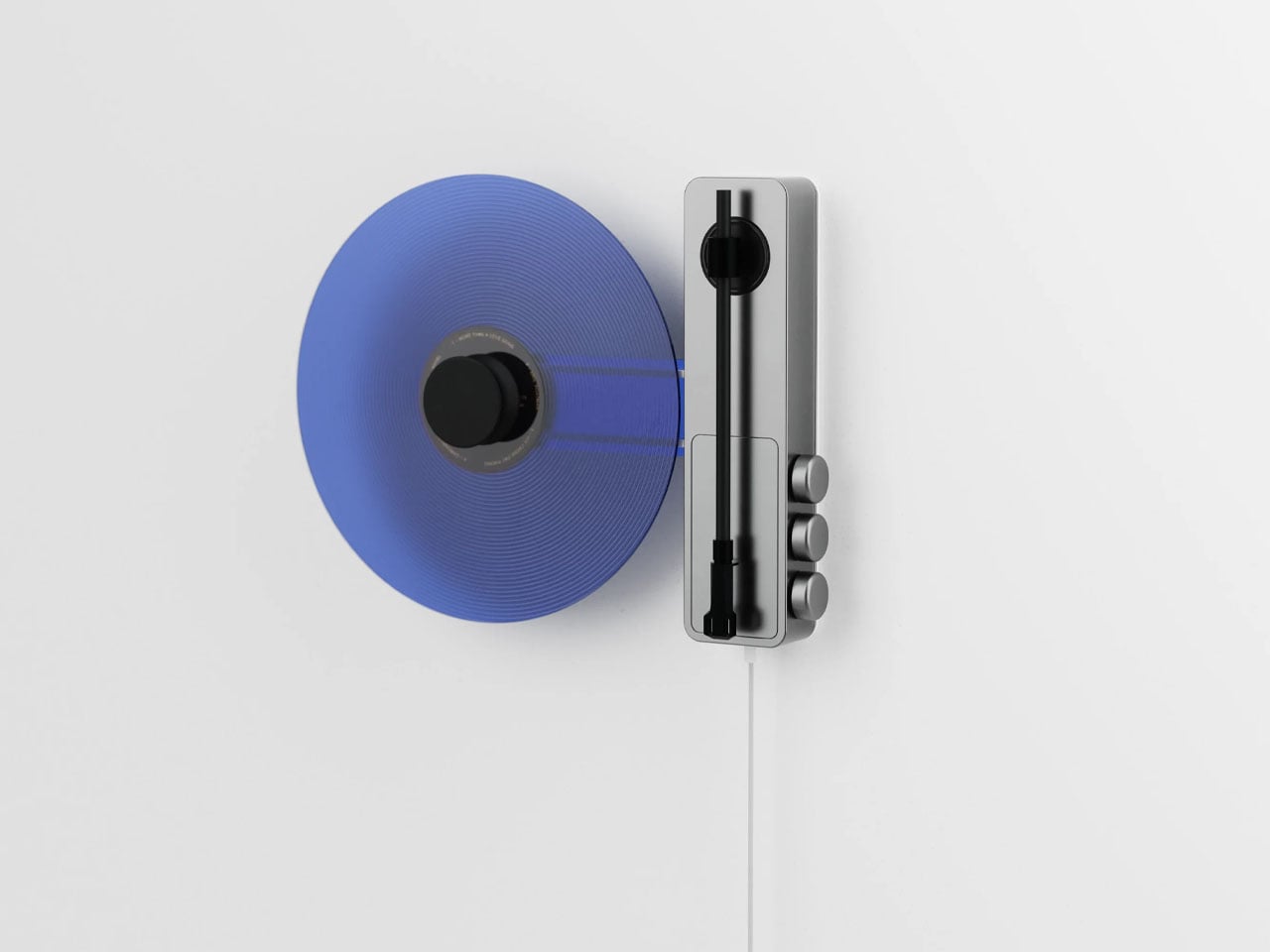
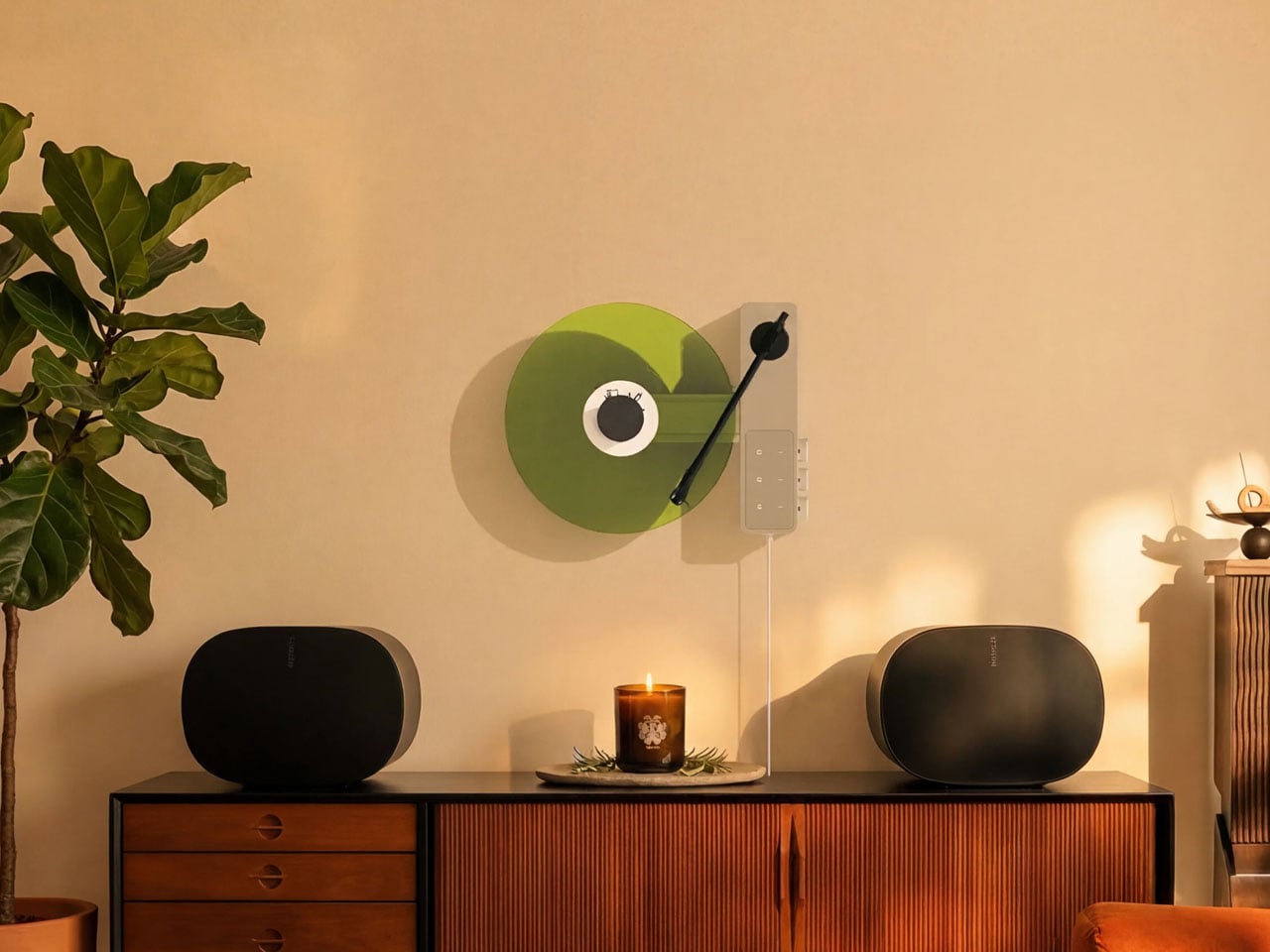
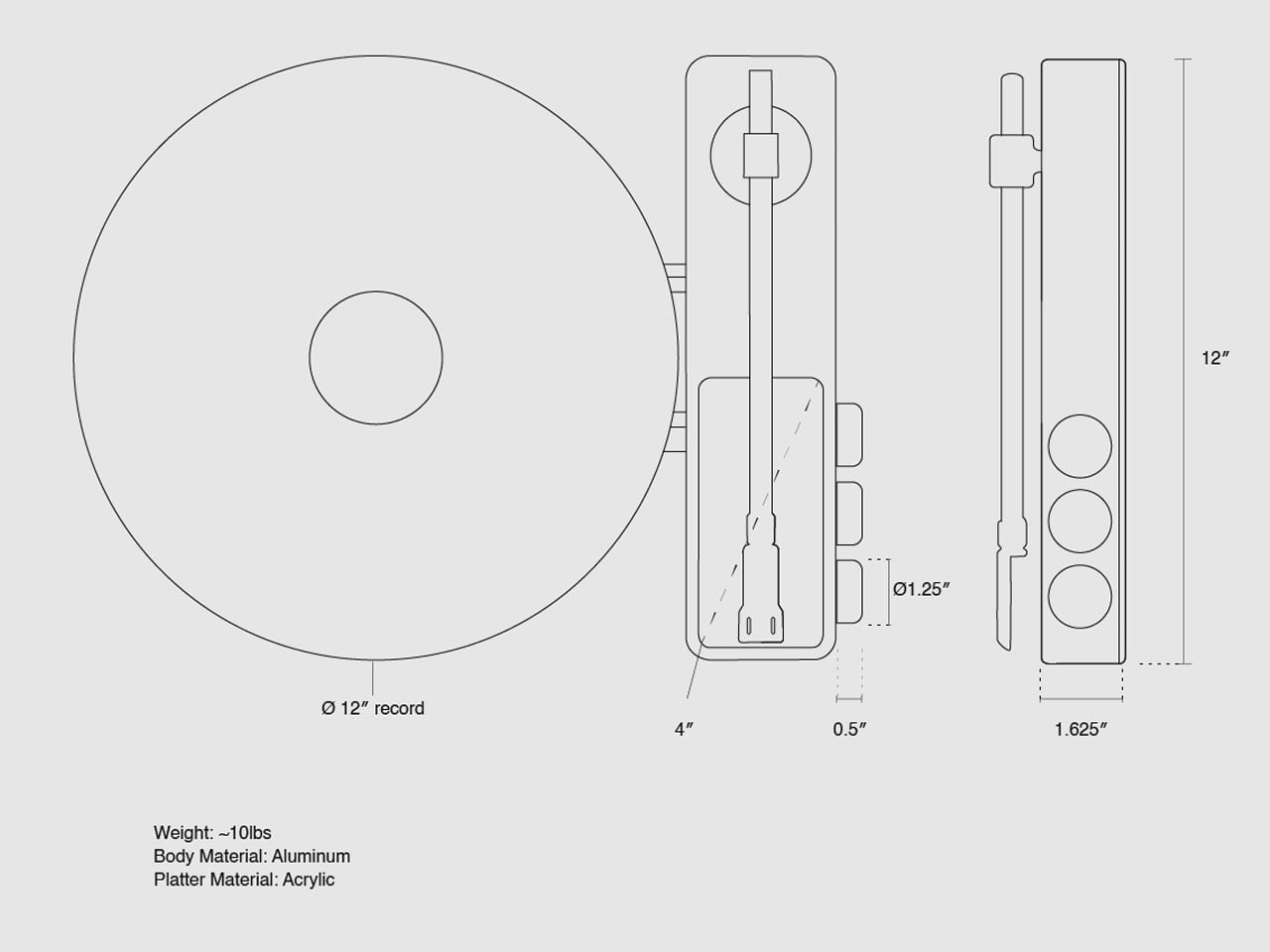
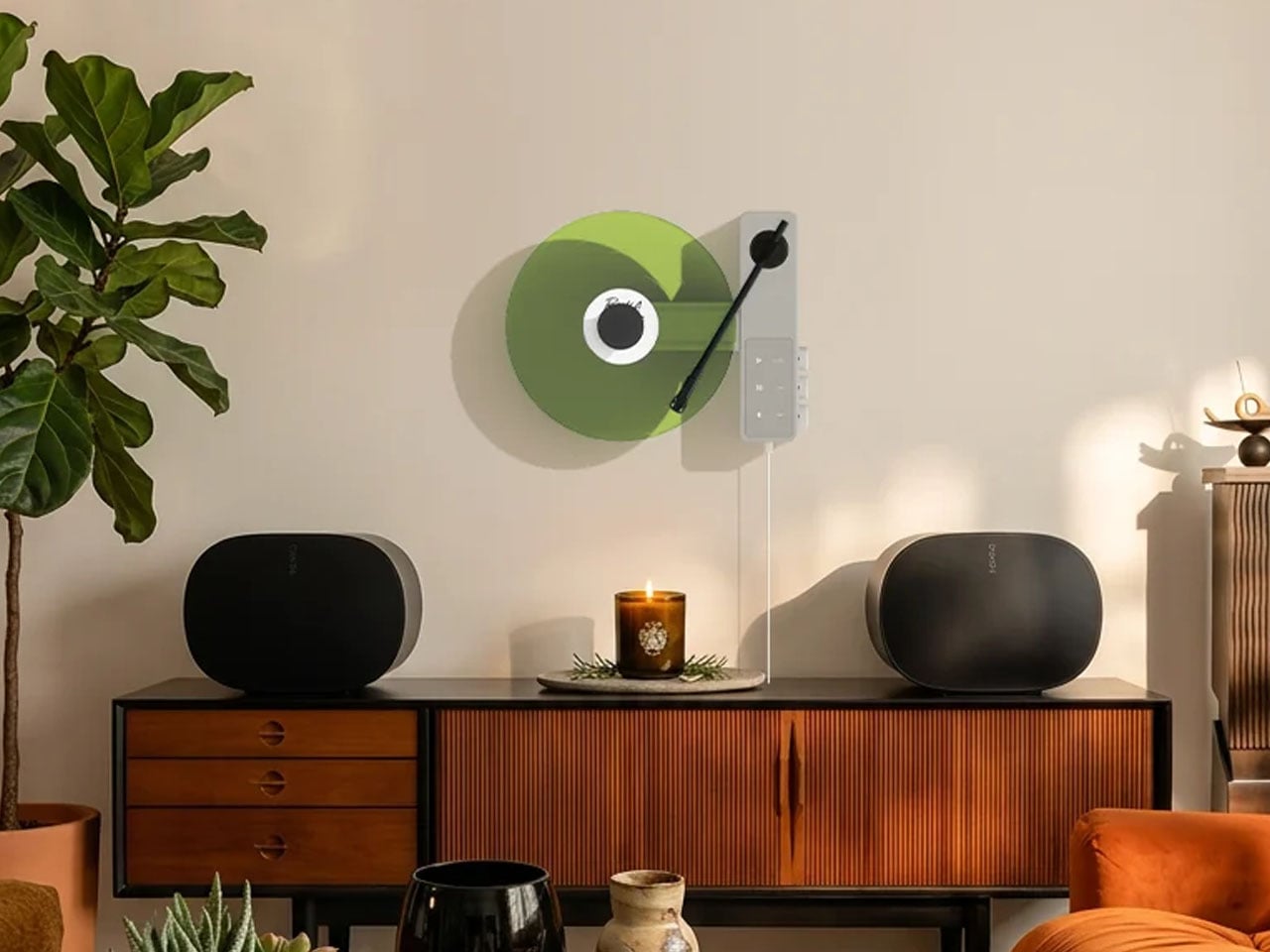
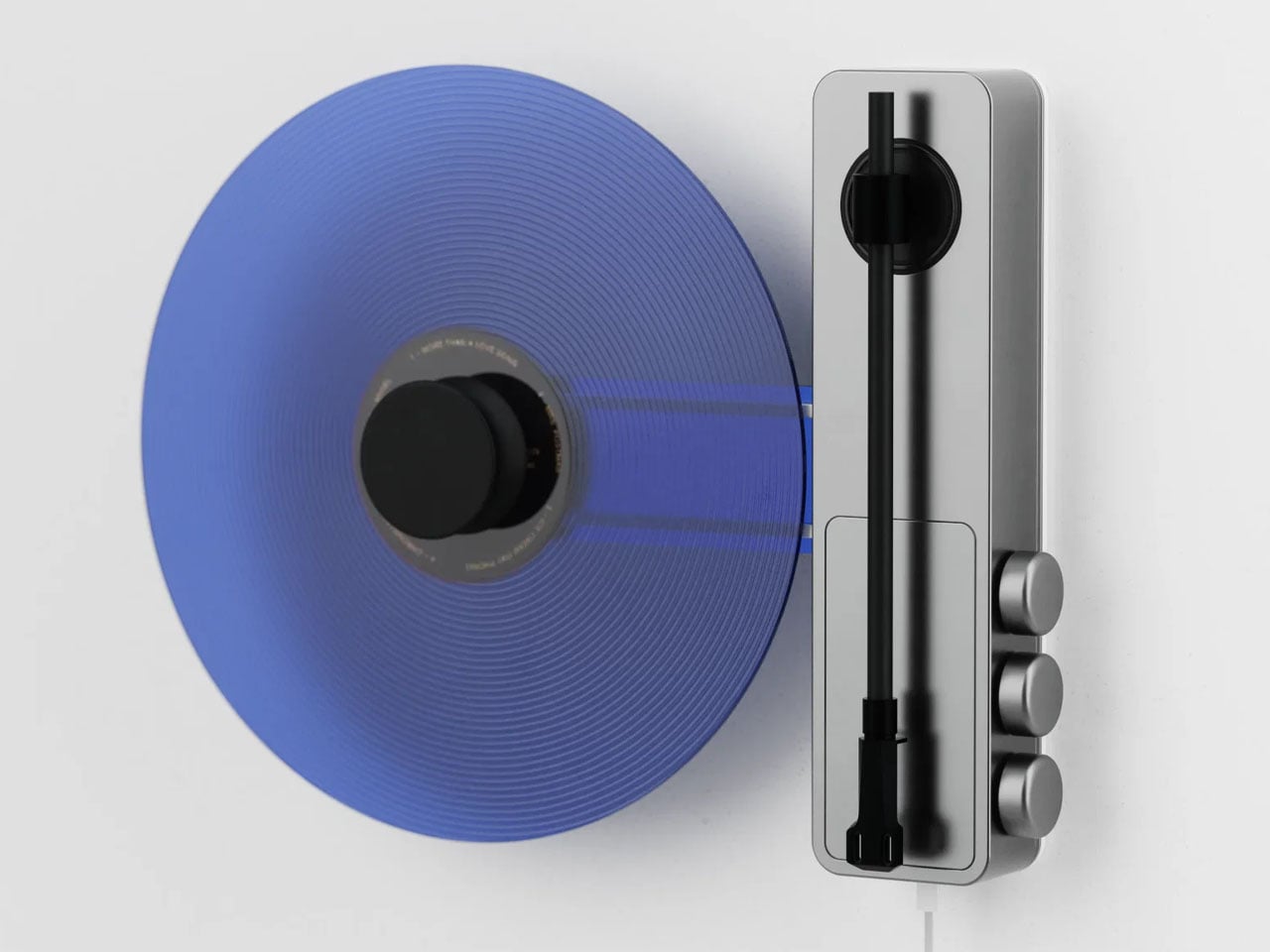
Designed as a turntable that mounts vertically on the wall, or stands upright on a floor stand, it becomes part of the room instead of taking over a table. The TD-1 can spin a vinyl record vertically, which is a treat to the eye and food for thought for your mind. The design is pretty seamless, and you’re left wondering how the giant disk is actually spinning without gravity acting upon it.

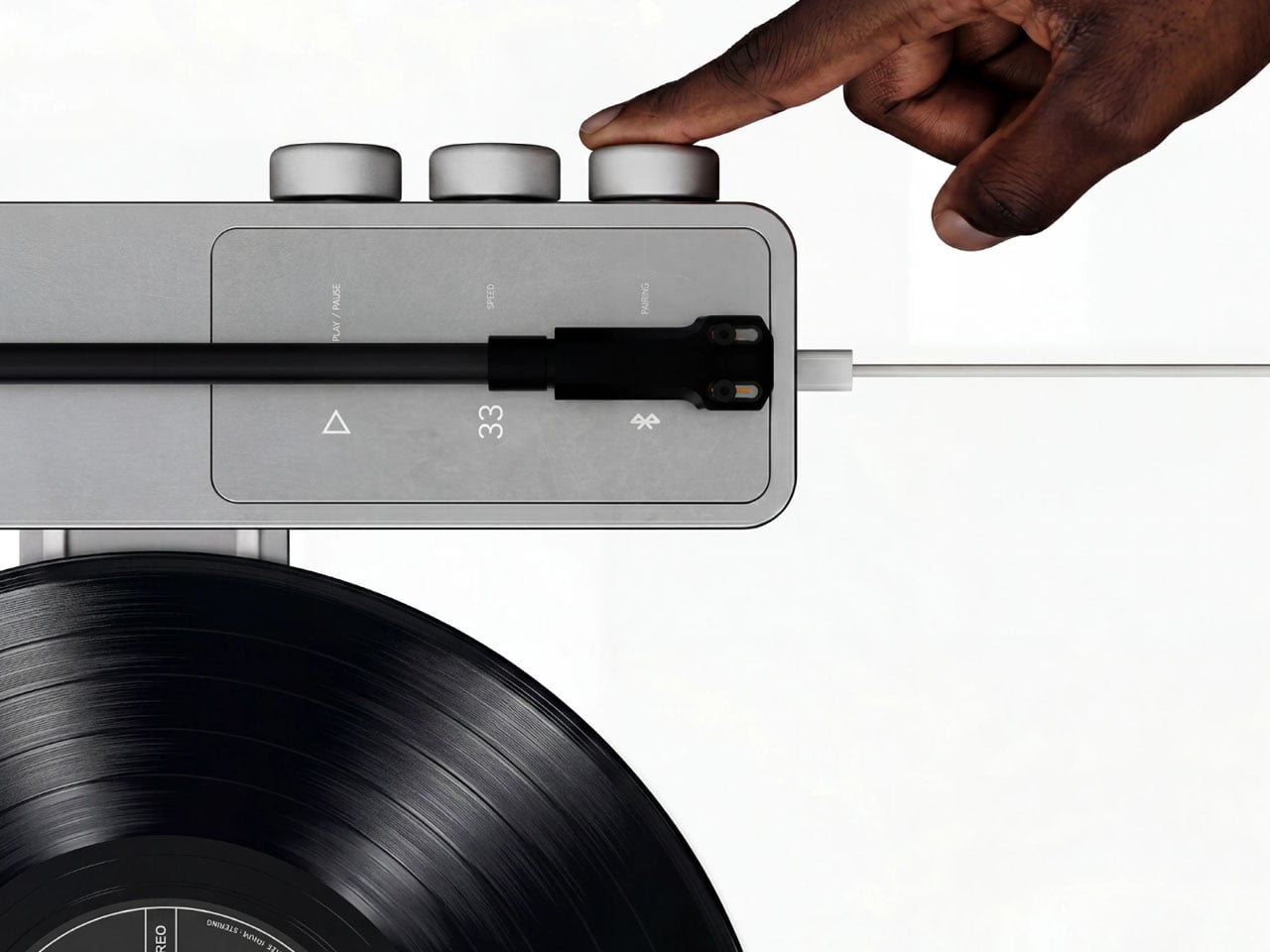
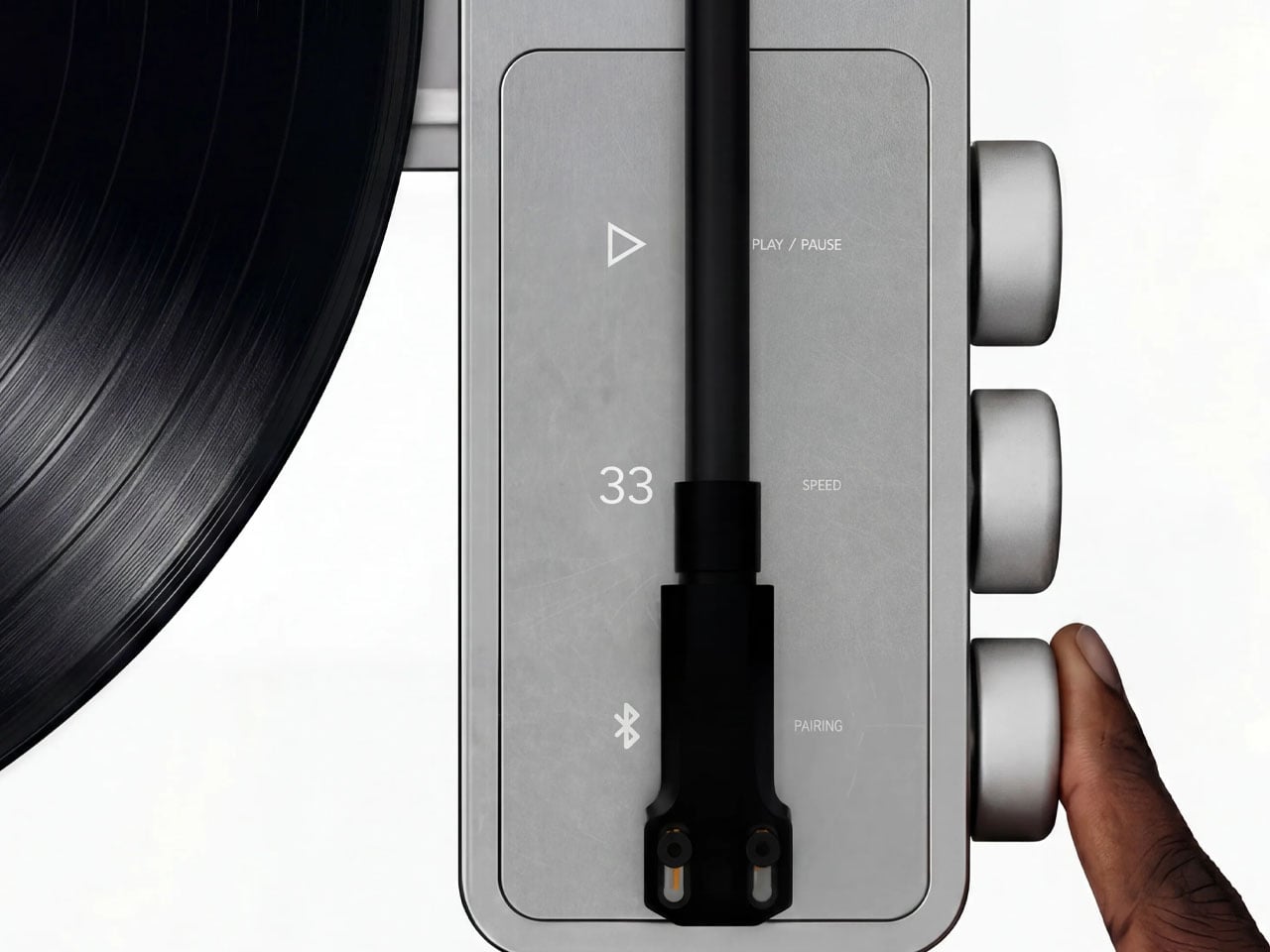
If you’re someone who holds your record collection dear and as a reflection of who you are. The TD-1 is conceived with the idea of enhancing that experience like no other has done before. Yes, there have been vertical record players we have seen in our time, but the Ruka’s model is a standout, thanks to its aluminum body and visibly enticing mechanical switches and knobs that turn and click to control playback, adjust the record’s rotational speed, and also to pair the device with a speaker system over Bluetooth. It also comes with wired output to connect with a hi-fi system.

When everyone is trying to integrate AI and convenient remote control via dedicated apps, the TD-1 remains as analog as the record playing was meant to be. The most it gets away from the analog commitment is to stream your vinyl records to a wireless Bluetooth speaker or compatible earbuds.

To make how it looks placed vertically more exciting, the TD-1 arrives with a rubber-coated magnetic plate that holds the record against the wall to appear as if it were floating in mid-air. To ensure you are not hassled with getting the placement straight, it comes with a built-in spirit level. The player features a swappable moving-magnet cartridge, which the company says should allow users to select the cartridge they want, of course for an additional cost from the device itself. The TD-1 turntable itself is belt-drive. The motor has been de-coupled from the acrylic platter to minimize vibration, ensuring smoother and quieter playback.

Ruka Studio TD-1 is available to preorder now starting at a reserve price of $100 on the company’s website. It is priced at $1,399, and preordered models are expected to ship in 2027. The $100 credit is fully refundable or will be adjusted in the final price when a device is shipped.

The post Ruka Studio’s TD-1 Vertical Turntable Turns Your Vinyl Collection Into Stunning Part of Your Room first appeared on Yanko Design.

  •  

The Georgia Art Show Turning 9 Broken 3D Prints Into Music

Every fabrication lab in the country is quietly accumulating a problem. Failed prints, test runs, leftover filament, the ghost of every prototype that didn’t make the cut. Most of it ends up in the bin. Architect Hyojin Kwon noticed this and, instead of moving on, asked a different question: what if all that discarded plastic could hold a note?

The result is Ninefold: A Distributed Resonant Field, a collaboration between Kwon’s design studio Pre- and Post-, percussionist and composer Jeremy Muller, and architect and material researcher Misri Patel. It’s currently on view at the Reeves House Visual Arts Center in Woodstock, Georgia, through September, and it is one of the more quietly radical things happening in design right now.

Designers: Hyojin Kwon × Jeremy Muller x Misri Patel

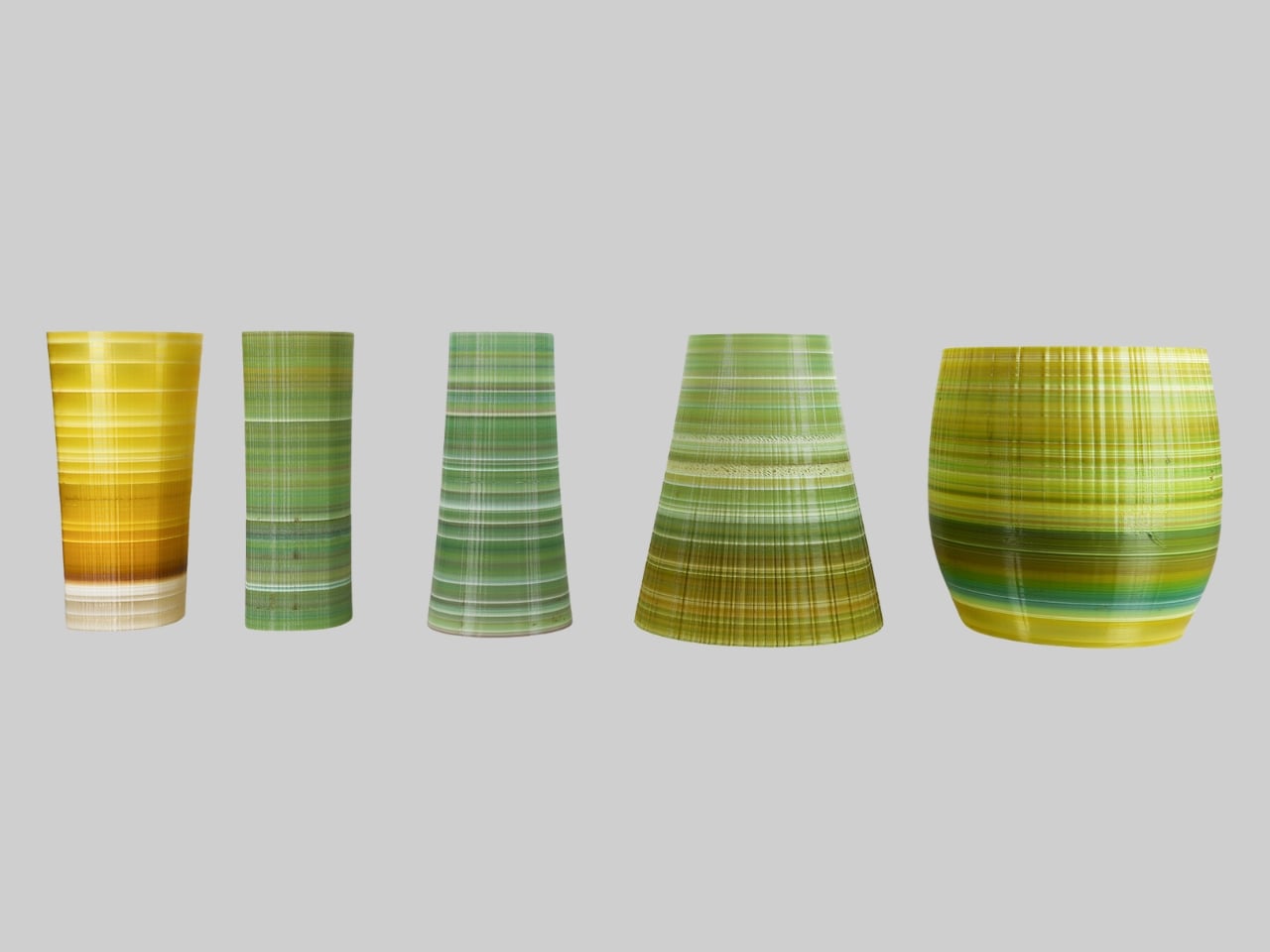
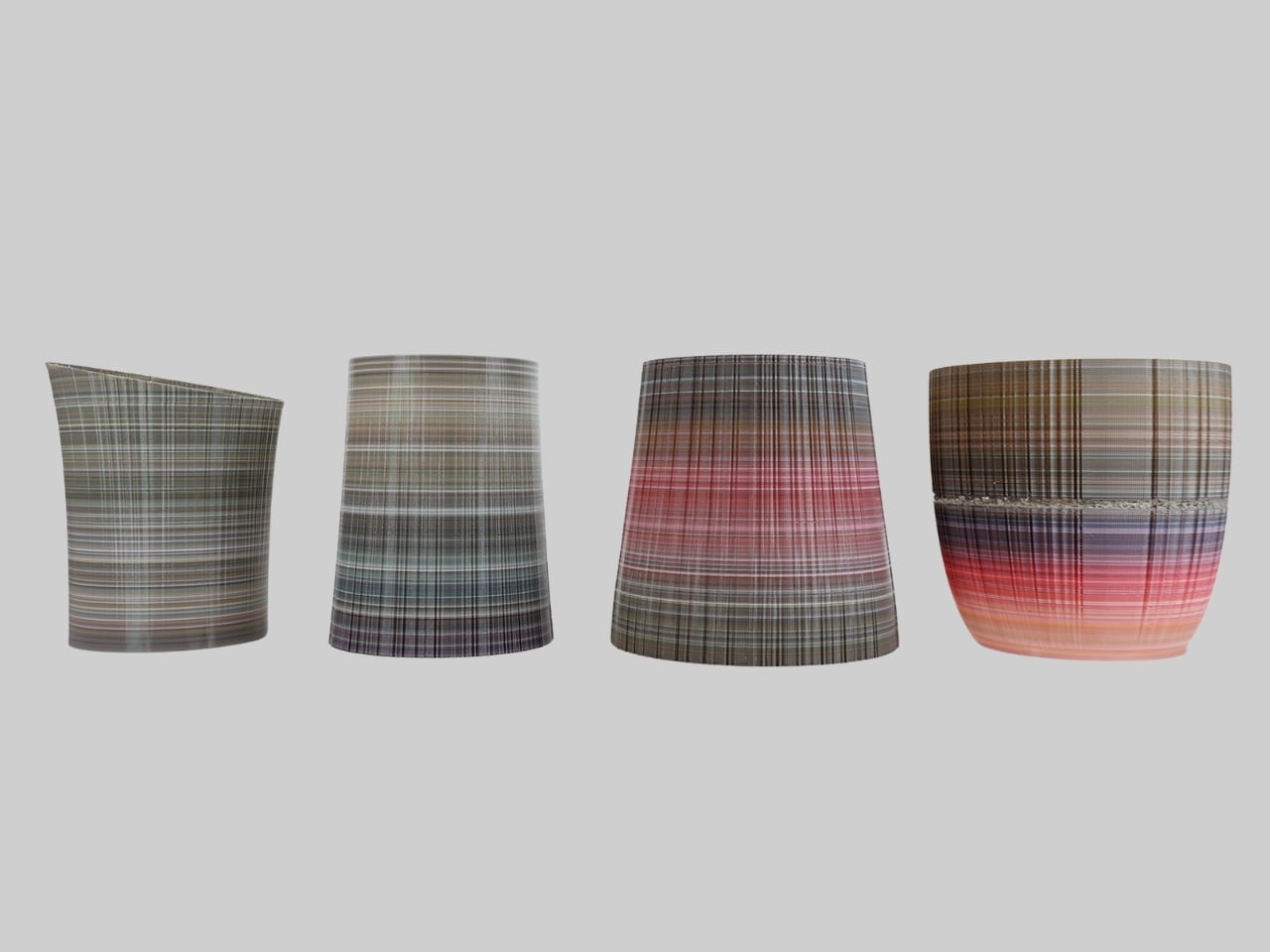
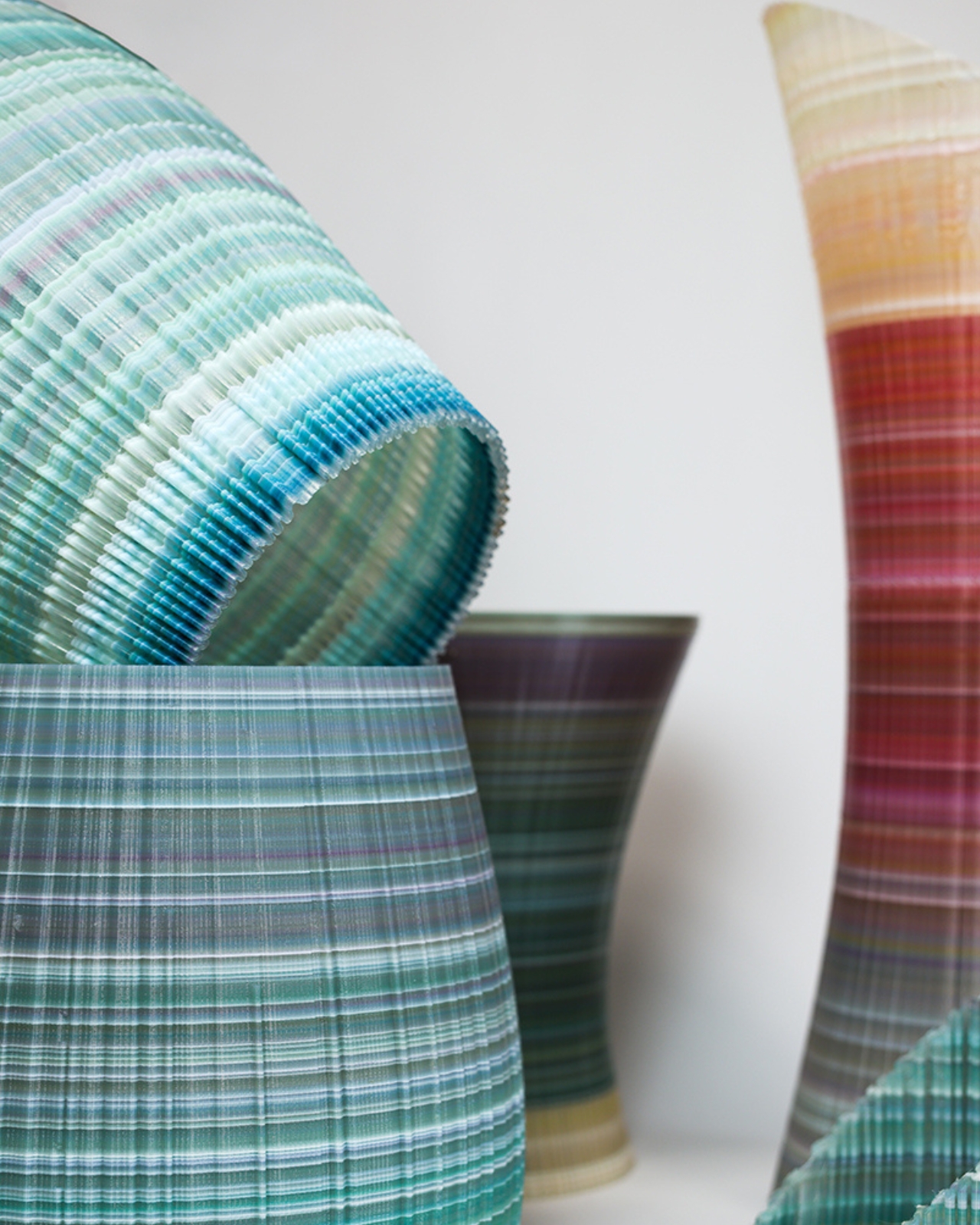
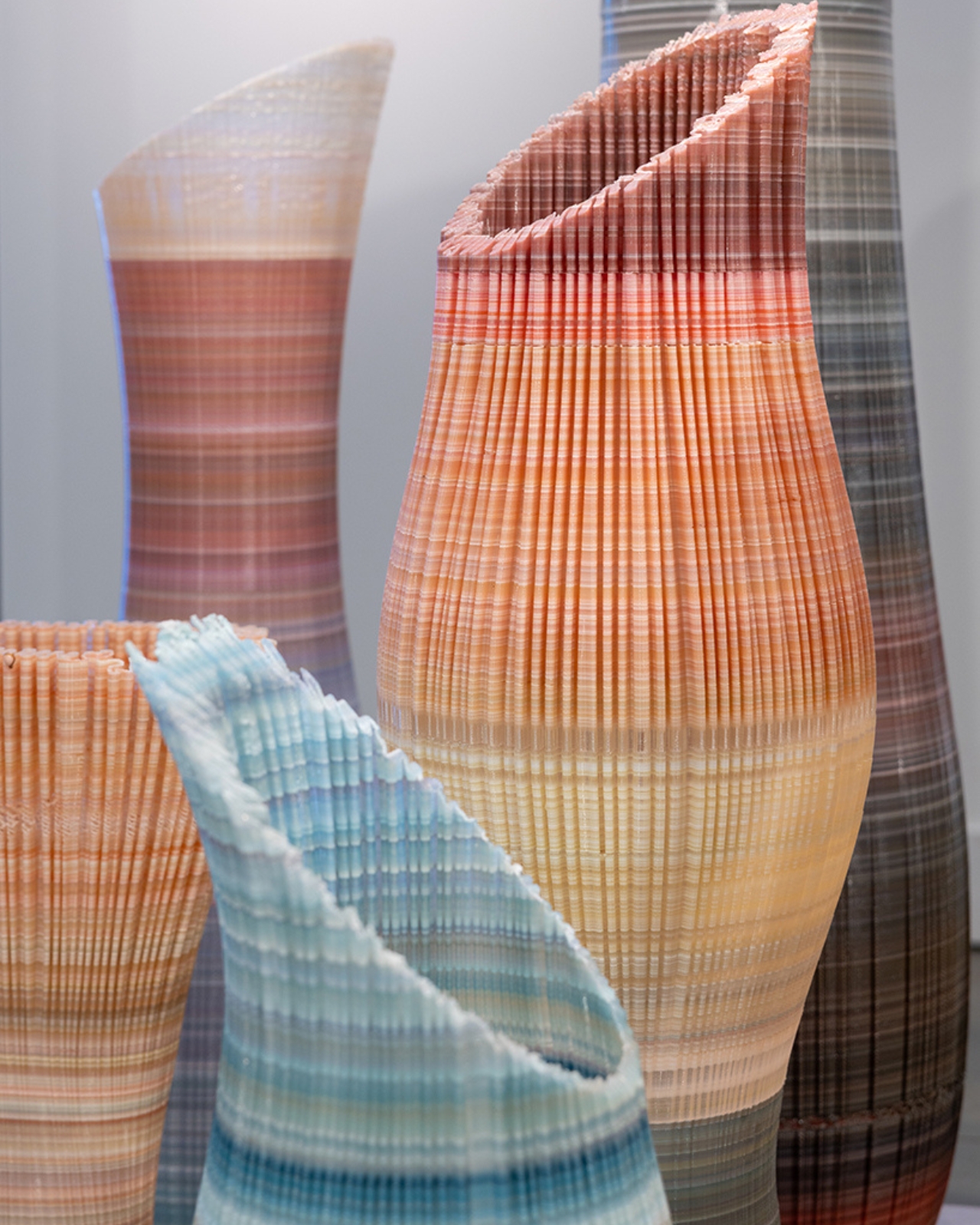
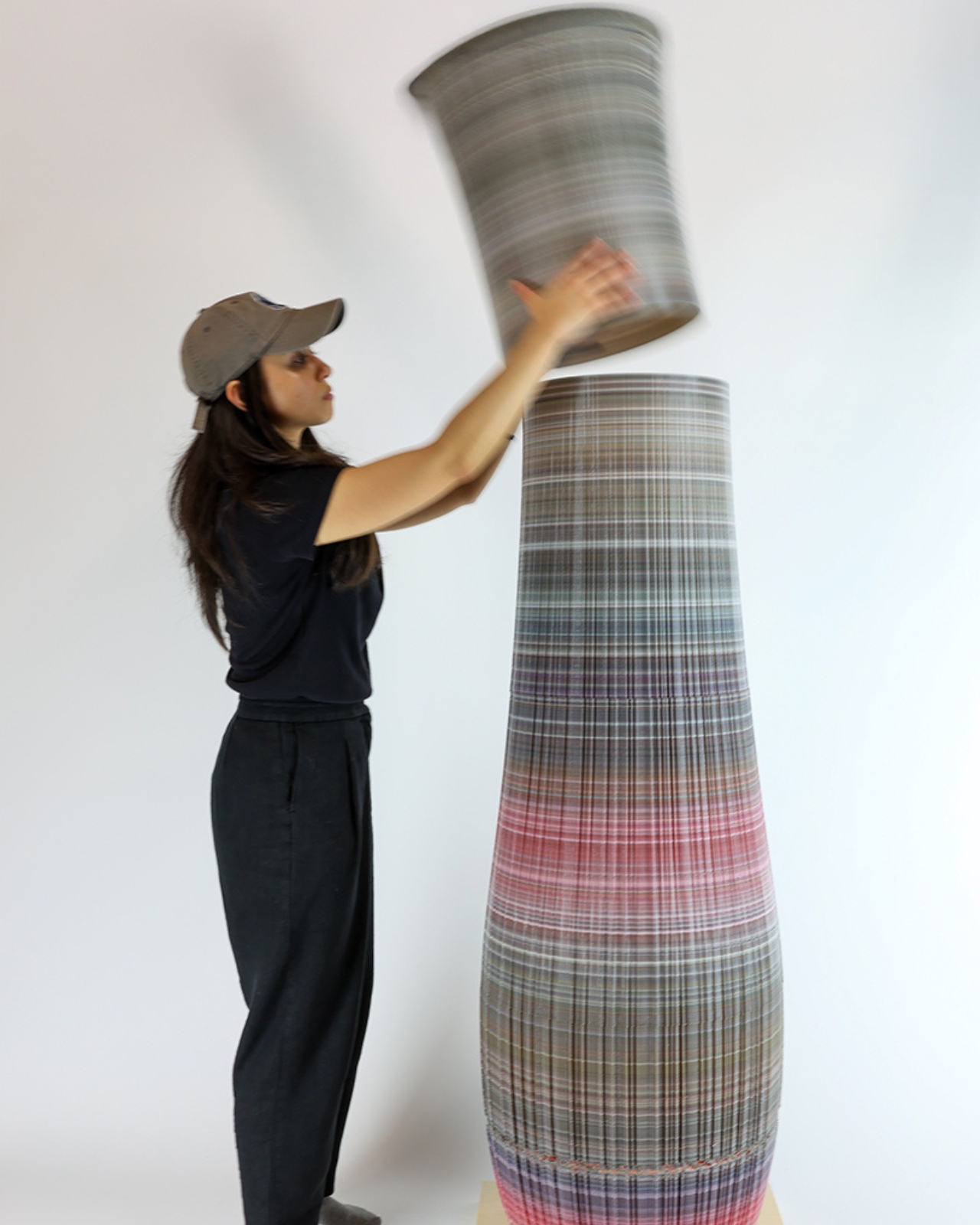
The installation is made up of nine large-scale forms, each one 3D-printed from discarded PLA collected from campus makerspaces and fabrication labs. The team shredded that waste into pellets, blended it with virgin material, and ran it through a pellet-based additive manufacturing process. The resulting objects are not identical. Some grow into tall, slender columns. Others widen into chambers or narrow toward their centers. Each carries its own texture, its own layered color variation from the mixed-batch sourcing, and its own distinct harmonic frequency. Together, they form a distributed sound field, meaning the sound is never coming from one place. It moves with you.

That last part is what makes this more than a sculpture show with a good concept. As you walk through the space, your position changes the acoustic picture entirely. Tones overlap, separate, recede. You’re not passively observing nine objects; you’re completing the field. The project draws on the thinking of composer Edgard Varèse, who called for “organized sound” as architecture, and on the spatial music systems of Iannis Xenakis and Le Corbusier. Those are not small reference points. They’re pointing at a lineage that treats space itself as a musical instrument, and Kwon, Muller, and Patel are building within that tradition using material that would have otherwise ended up as landfill.

The aspect of Ninefold that deserves real attention is how seriously it takes the material. The layered plastic isn’t hidden or smoothed over into something that looks deliberately “designed.” The texture is part of the expression. You can see the deposition, the color shifts, the history of what it was made from. The project doesn’t pretend the recycling didn’t happen; it foregrounds it. That honesty feels important at a moment when sustainability has become more of a marketing category than an actual practice.

The nine forms were also fabricated in modular sections, which means they can be transported, reconfigured, and reinstalled elsewhere. That might seem like a logistical footnote, but it matters: an installation about material longevity should probably have a long life. These objects weren’t made to be shown once and archived.

Ninefold is part of a dual exhibition that also includes Plastic Reimagined: Material Agency & Circular Design, developed with students from Georgia Tech’s graduate architecture program and curated by Carolina Cuevas. The full show runs through September at the Reeves House, and admission is free. If you’re near Woodstock, Georgia, it’s worth the trip. If you’re not, the images alone carry something worth sitting with. A lot of projects right now wear sustainability as a label. Ninefold actually earns it, and then manages to also be beautiful, which is rarer than it should be.

The post The Georgia Art Show Turning 9 Broken 3D Prints Into Music first appeared on Yanko Design.

  •  

Konny Just Solved the One Thing Baby Slings Never Could

I am not a parent myself, but I have been around enough parents that I make some unsolicited observations (to myself, to be fair), especially when it comes to them carrying babies and toddlers. Whenever I see them carrying babies on a sling, I keep thinking, “That doesn’t seem to be that comfortable for both the parent and the kid.” So it’s interesting to see baby brands try to come up with design solutions for this kind of problem, since it’s something that will be around forever.

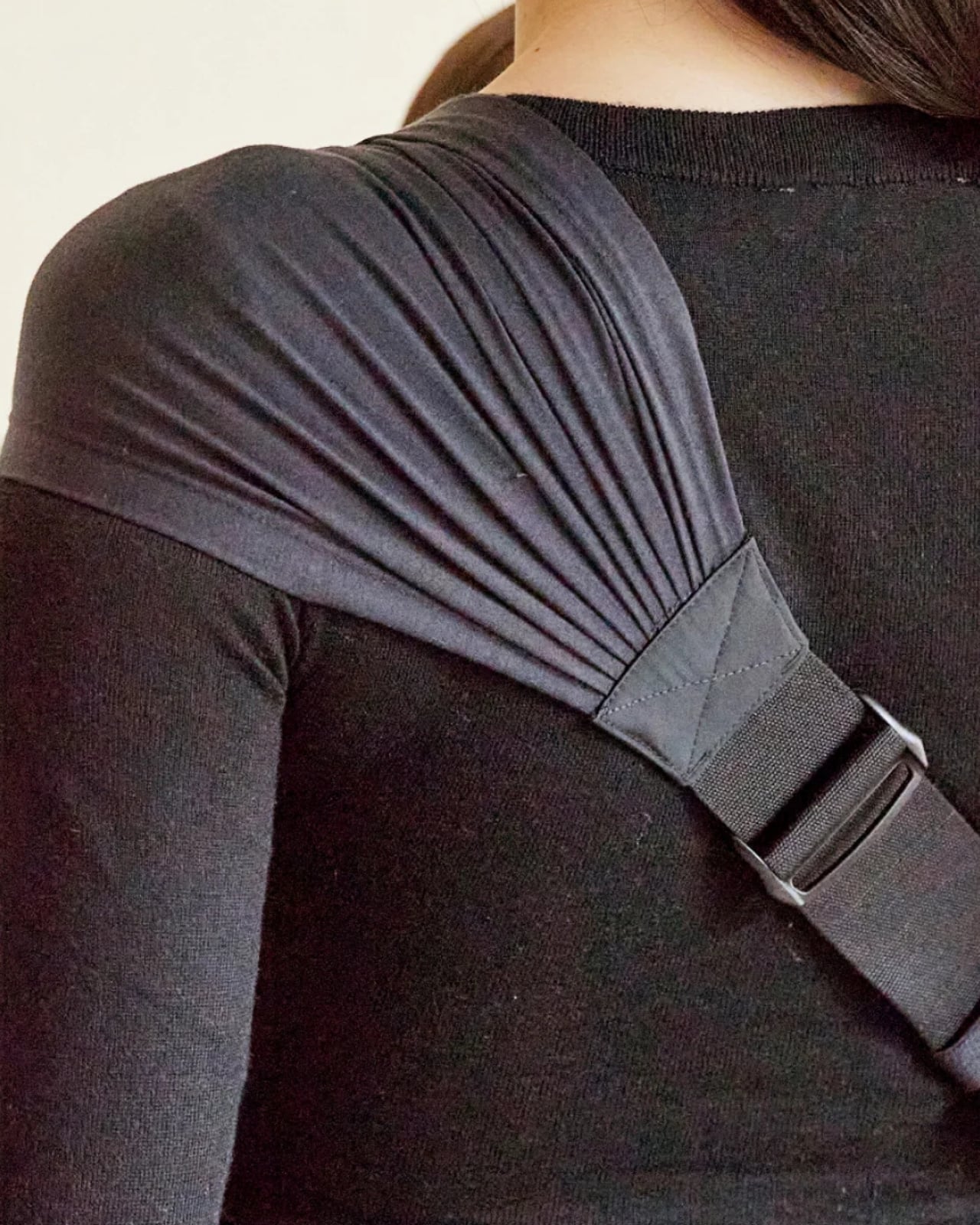
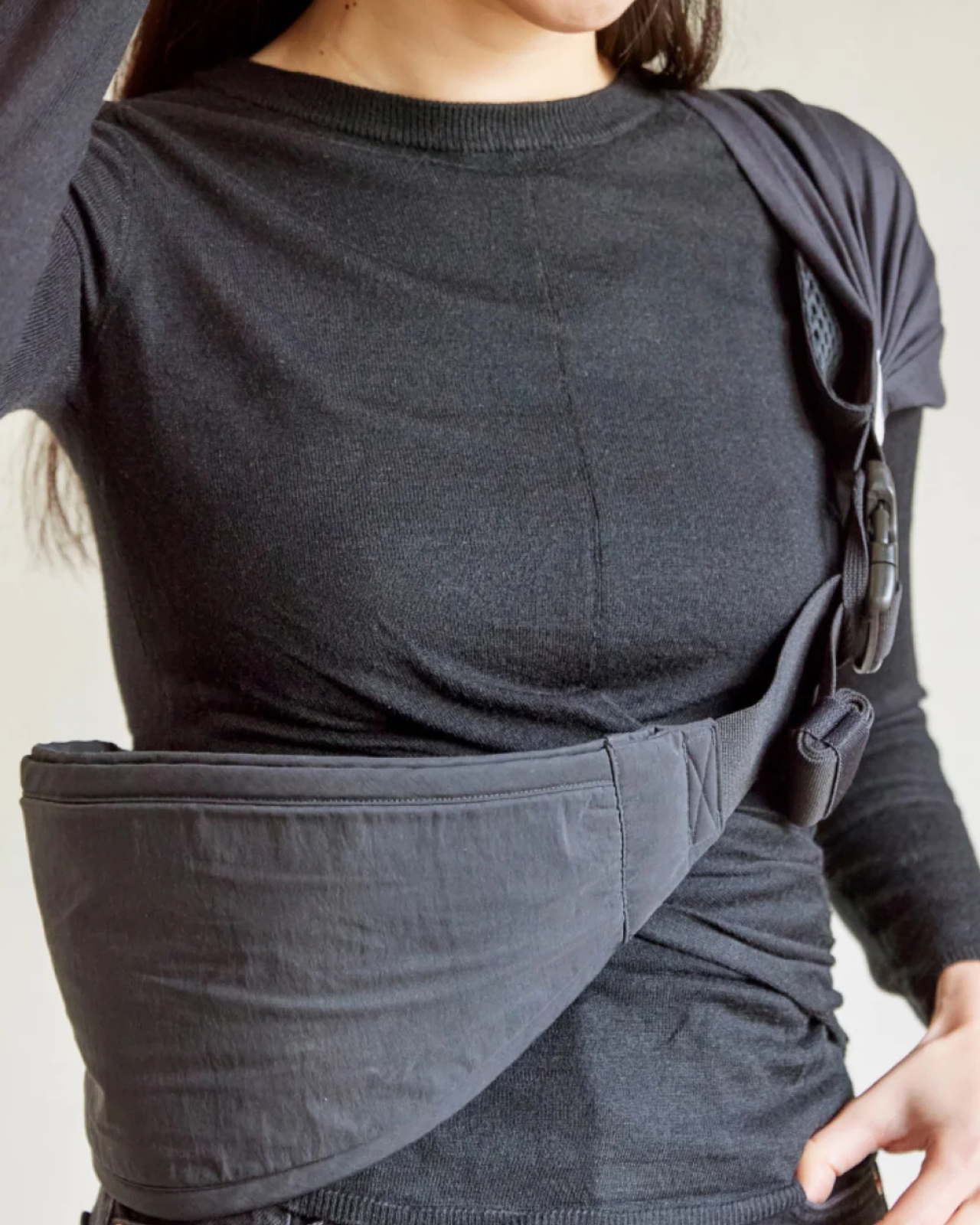
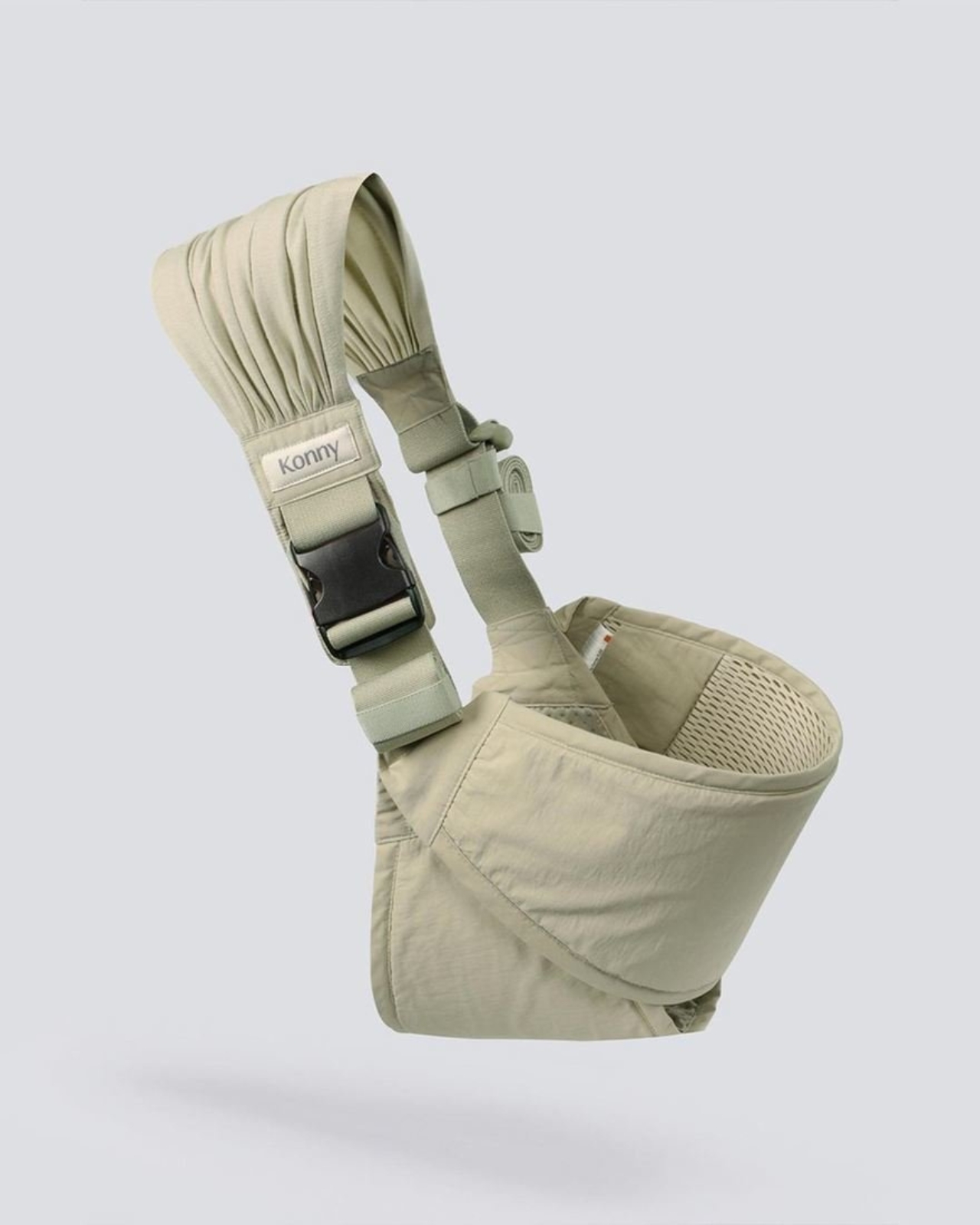
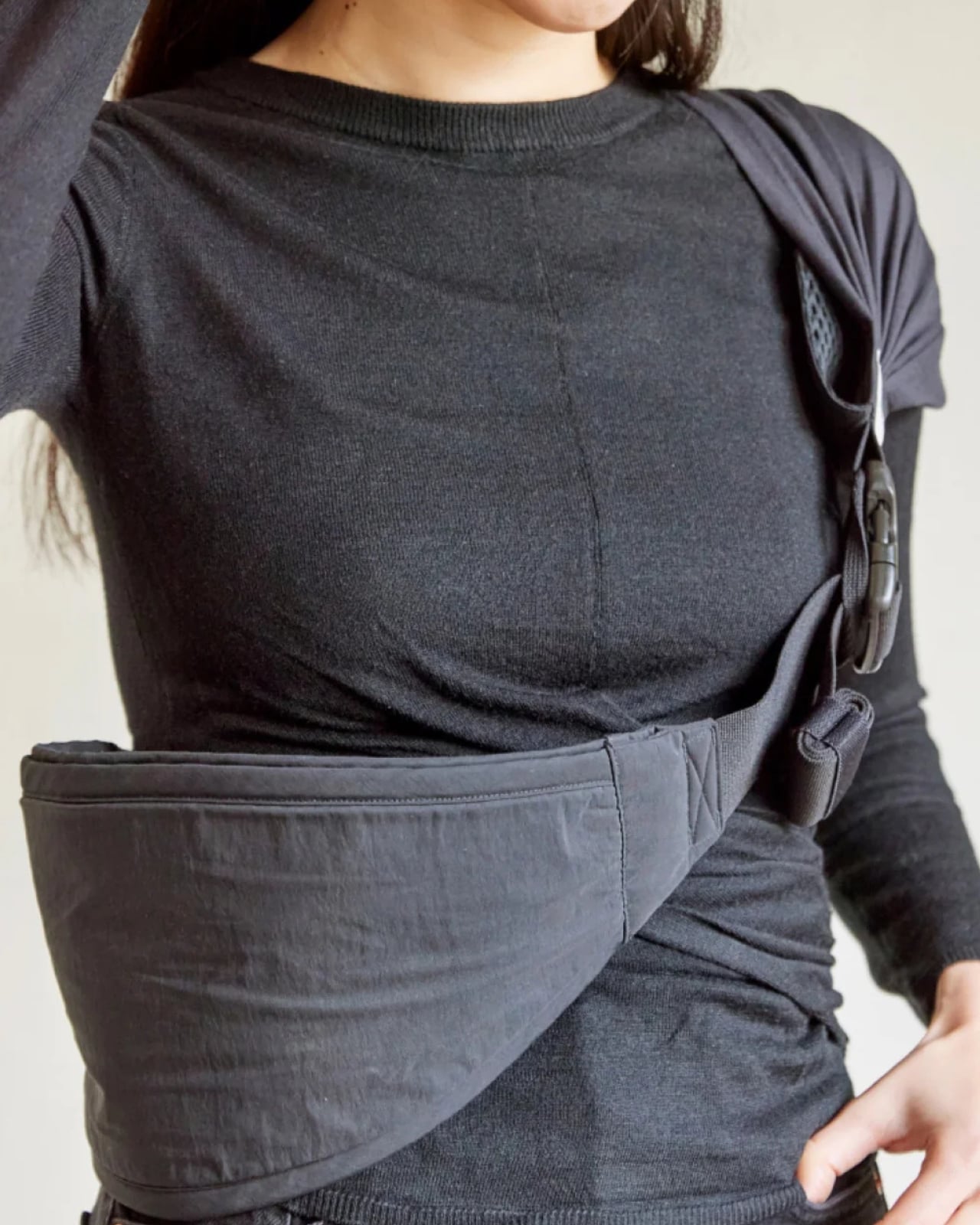
South Korean baby brand Konny’s contribution to easing the life of parents is the Dual Support Hip Seat Carrier. It aims to solve two of the prevalent problems that they face when using slings. First, it has a foldable hip pad and back pad to make it more comfortable for the kid. Second, the parent doesn’t just bear the weight on one shoulder because of this carrier’s Dual Support.

Designer: Konny

This portable baby hip seat carrier’s main purpose is to replicate the security of a parent’s arms so the baby is upright, safe, and comfortable. It has a foldable hip pad combined with a back pad to give this sense of security. It even has a non-slip bottom so the kid will not slide off the seat, which I sometimes see happen with other seat carriers. The seat is made of soft 3D mesh, giving a more comfortable feeling for your baby as you carry them around.

It also takes into consideration the comfort of the parents since they’re carrying the heavy load, so to speak. The carrier has wide shoulder straps that are able to spread the weight evenly across the back to avoid the one-shoulder strain that a lot of parents experience. You also have the option to carry the baby from a hip position or a front-facing hold. The fabric used is the same stretch-and-resilience material that the other Konny Baby Carriers use, a fabric tested and trusted through over one million carriers sold.

The Dual Support Hip Seat Carrier weighs only 0.5 lbs and can be folded into a small enough item to put in a purse or a diaper bag. But when not being used to carry a baby, it can actually function as a chic and stylish bag that you can carry stuff around with. It claims to be a one-size-fits-all accessory as it is accessible for all kinds of body types.

What I find particularly reassuring, especially for those who aren’t baby gear experts, is that the Dual Support Hip Seat Carrier is IHDI certified. The International Hip Dysplasia Institute recognizes baby carriers that actively support healthy hip development in infants, so this isn’t just a comfort win for parents; it’s a safety win for babies, too. That kind of certification adds a layer of trust that goes beyond just good design.

And speaking of good design, the carrier actually won the 2024 Good Design Award, one of the most prestigious design honors in the world. The jury praised it for achieving a “near-perfect balance between infant safety and parental convenience,” and honestly, it’s easy to see why. The fact that it doubles as a bag when you’re not carrying a baby is already a clever touch, but knowing that the structure was the result of dozens of prototypes and extensive real-world customer testing makes it even more impressive.

The Dual Support Hip Seat Carrier is available on konnybaby.com starting at $59.99, and it comes in a range of colors, from classic Charcoal and Black to more playful options like Green Tea and Blue Grey, as well as a Corduroy version for something a little more textured.

As someone who has watched many a parent struggle with a squirming toddler and a lopsided sling, I’d say this is the kind of product that makes you think, “Finally.” It may not replace the full-on baby carrier for long hauls, but for that “carry me now” stage, when your toddler suddenly decides their legs no longer work, this seems like exactly the right tool for the job.

The post Konny Just Solved the One Thing Baby Slings Never Could first appeared on Yanko Design.

  •  

The 5 Best Outdoor Gear of August 2026

August outdoor gear doesn’t get the editorial runway of spring launches or the pre-holiday push. That’s what makes it honest. The products landing in late summer have already been through a season of real conditions and arrive in the lineup on merit rather than timing. This month’s five picks cover the full range of what a serious outdoor day demands: shelter, light, cooking, carry, and sound. Each one addresses a problem its category had been handling adequately for years, then makes adequately feel like the wrong standard to have accepted.

What connects all five is a refusal to inherit the category’s old logic. A jacket that transforms into a tent. A flashlight built around actual daily carry. A backpack that zips apart into three genuinely usable bags. A speaker shaped like a jerry can, with 300 watts and a guitar input. A grill plate that reconfigures to the meal. August’s best gear doesn’t announce itself. It earns its place quietly, trip after trip.

1. Shelter Wear

Yoon Myat Su Lin designed Shelter Wear from a specific memory. The Tokyo-based fashion student experienced an earthquake in Myanmar and watched people left without temporary shelter in the critical hours before help arrived. That moment produced a single design question: what if the garment you were already wearing could become what you needed most? At first glance, the answer looks like structured techwear outerwear with a high protective collar and a silhouette that works as well in a city as on a trail.

The transformation is the design. Unclip a series of buckles, unfold the panelling, and the garment expands into a triangular tent that forms shelter around the wearer. The detachable sleeves double as backpacks before becoming structural components of the form. Ripstop materials and engineered fasteners hold the system together under real conditions, a claim validated by the YKK Special Prize at the 25th YKK Fastening Award. For anyone spending time in unpredictable terrain, Shelter Wear removes the gap between what you’re wearing and what you need.

What we like

  • The garment-to-tent transformation addresses emergency shelter at the level of what you’re already wearing, not what you remembered to pack separately
  • The YKK Special Prize validates the mechanical integrity of the fastening system well beyond the concept stage

What we dislike

  • Currently a student concept design, with production availability and final manufacturing specifications unconfirmed
  • The techwear silhouette reads as urban and may not suit every outdoor environment or wearer preference

2. CasaBeam Everyday Flashlight

Most outdoor flashlights are built around a peak performance scenario: maximum output, maximum throw, maximum everything. The CasaBeam starts from the opposite end of that thinking. The “everyday” in its name is a design commitment, not a marketing qualifier. It’s sized and weighted for the person who carries their light not only on planned trail days but on every day between them, because those are often the moments that actually test whether your gear kept its promise.

That daily carry philosophy changes how the object performs for you. The pocketable form means it’s already on your person when you need it, not sitting in a pack you didn’t bring. The beam handles close-range campsite tasks and longer throws without demanding a deliberate mode change between them. For a flashlight that lives in your pocket rather than your kit bag, that standard matters every time you reach for it.

Click Here to Buy Now: $50.00

What we like

  • Sized and weighted for genuine daily carry, not just the planned outdoor days when remembering a flashlight is already obvious
  • The pocketable form keeps it accessible in the unplanned moments that a pack-stored light consistently misses

What we dislike

  • The everyday carry positioning means it isn’t optimized for the peak-output demands of technical night hiking

3. Modevo Trio

Man in a beige jacket and sunglasses walks along a sunlit urban street, carrying a large blue-and-black hiking backpack.

The design insight behind the Modevo Trio is one most bag companies avoid: a single pack that tries to be everything ends up the wrong thing across multiple scenarios. Onli Travel built the system in reverse, designing each of the three components as a genuinely usable standalone bag first, then engineering the connection points between them. The Core Pack is a 28-liter travel backpack with a clamshell opening and a functioning hip belt. The Link works as a briefcase or shoulder bag. The Go Daypack expands from 12 to 27 liters on its own.

Put all three together, and you get 58 to 73 liters of carry. Separate them mid-trip and each piece performs without producing a compromise product. Bluesign and OEKO-TEX certified water-resistant fabric with YKK zippers throughout reflects the build standard expected from a fourth-generation design. At $224 for the full Trio, it’s a considered purchase. For outdoor days that move between activities, the Modevo removes the most persistent pack complaint: that you brought the right bag for the first half of the day and the wrong one for the second.

What we like

  • Each component was designed as a standalone first, so separating the system mid-trip never produces a bag that only exists as a leftover from the combined configuration
  • Bluesign and OEKO-TEX certified fabric with YKK zippers reflects independently verified material and construction standards rather than self-reported claims

What we dislike

  • At $224 for the full Trio, the investment requires genuine confidence in modular carry as a system before committing
  • Three-bag systems introduce the real possibility of leaving one component behind when packing quickly or in low light

4. Jerry Can Speaker

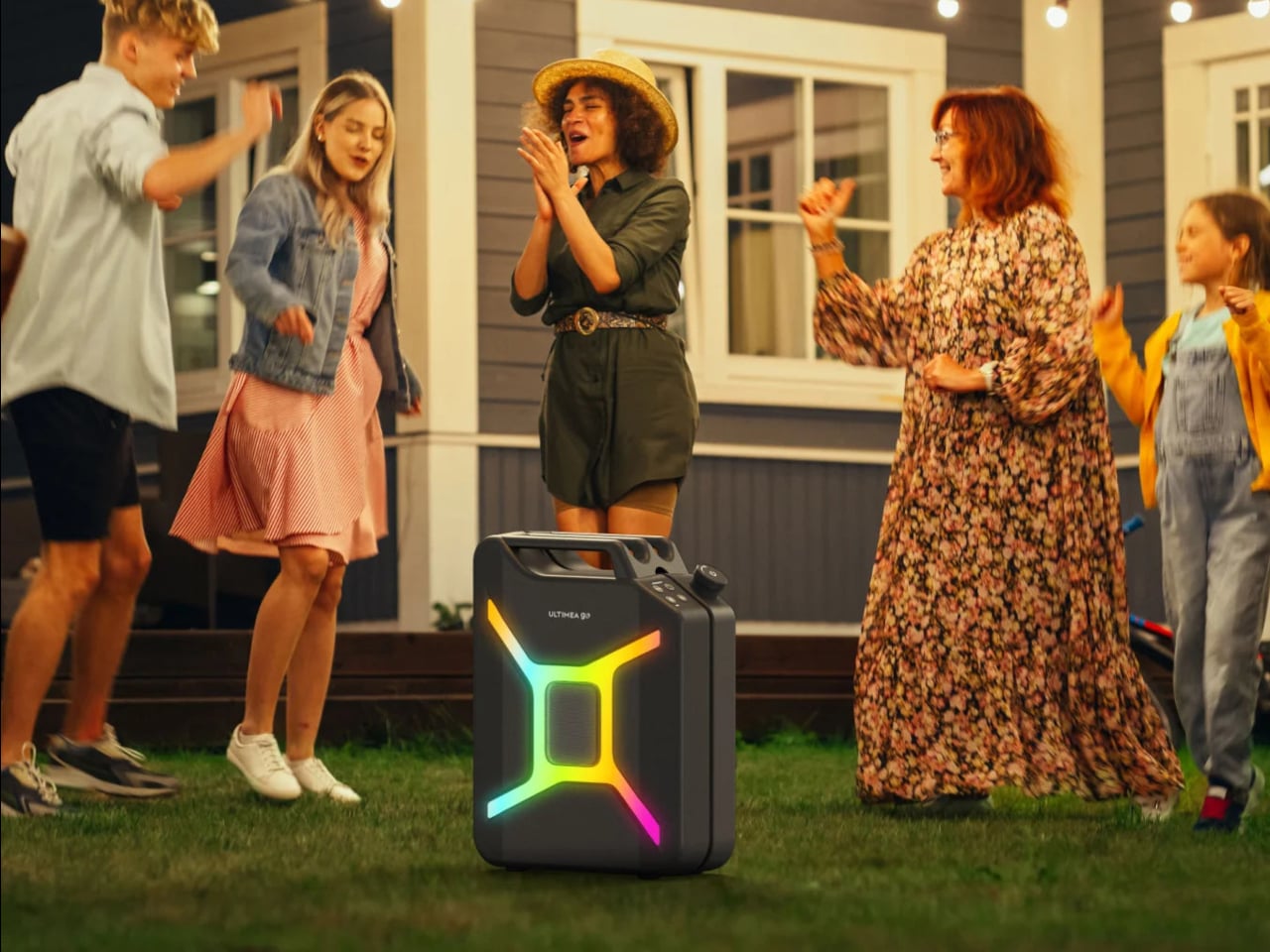
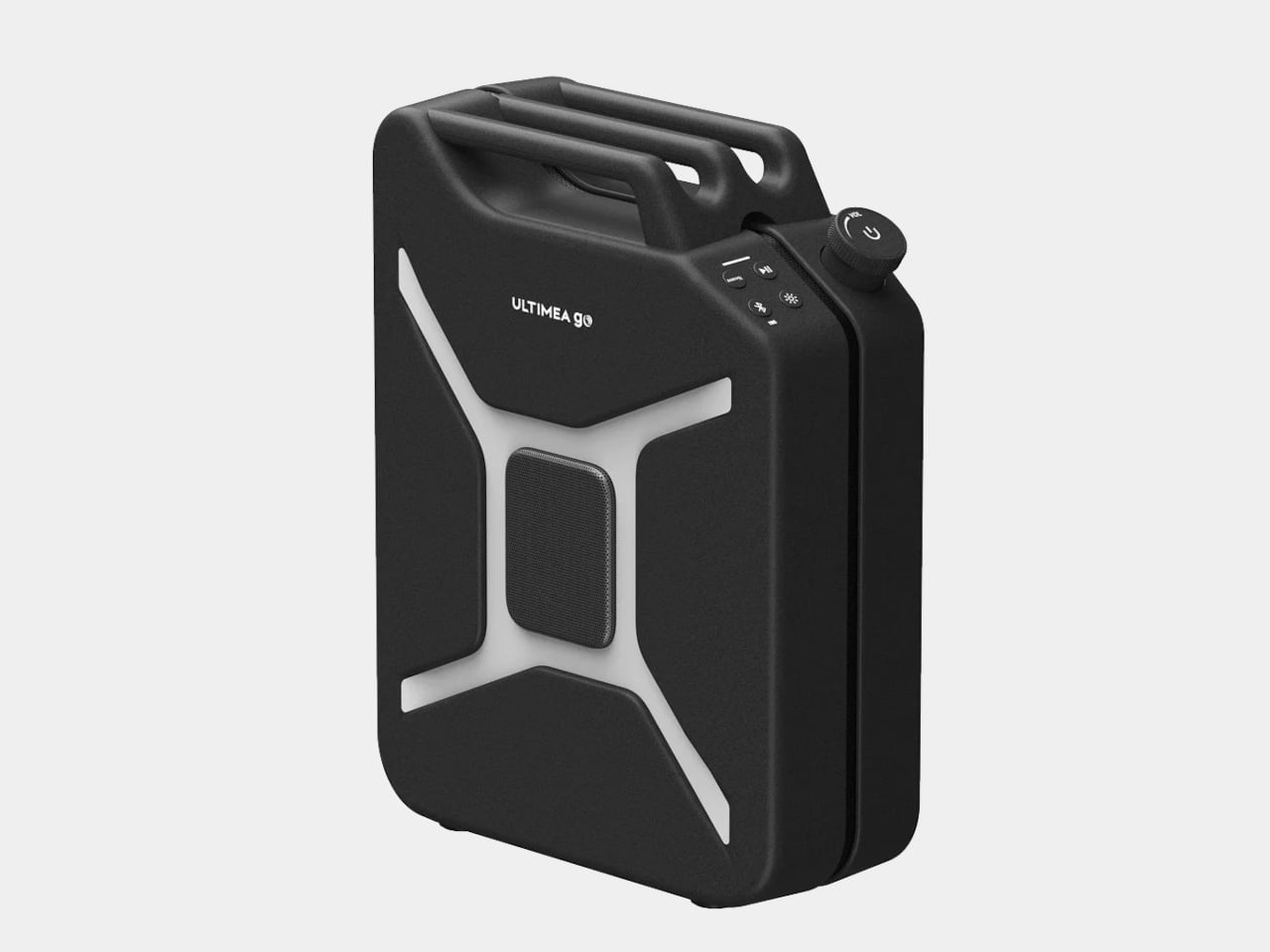
The Ultimea Go looks exactly like a jerry can. Not a loose visual reference or a softened modern take on the form: a full commitment to the fuel container silhouette, boxy proportions, handle and all. The design misdirection is deliberate, and it lands. Under that shell, dual 5-inch woofers, dual 3-inch full-range drivers, and a 1-inch tweeter deliver 300 watts of peak output through 360° omnidirectional sound that radiates in all directions rather than projecting from a single face, which matters when a crowd is gathered around it.

The guitar input is what makes this genuinely useful for you rather than just visually interesting. Two microphone inputs and direct instrument connection turn it from a passive playback device into something you can plug a guitar into at a campsite or a backyard set. Auracast support syncs up to 100 devices simultaneously without the timing offsets that come with daisy-chaining. Sixteen hours of battery and IPX4 water resistance keep it running through a full outdoor day without requiring repositioning or supervision.

What we like

  • Guitar and microphone inputs transform it from a playback device into one a musician can plug directly into on a campsite, which no comparable outdoor speaker in this class offers
  • Sixteen hours of battery and IPX4 water resistance handle a full outdoor day without monitoring, repositioning, or an overnight charge between uses

What we dislike

  • The full-commitment jerry can form is a deliberate design statement that won’t suit every camp aesthetic or setting
  • At 300W peak output, the power draw requires a reliable source, which adds planning for longer off-grid trips

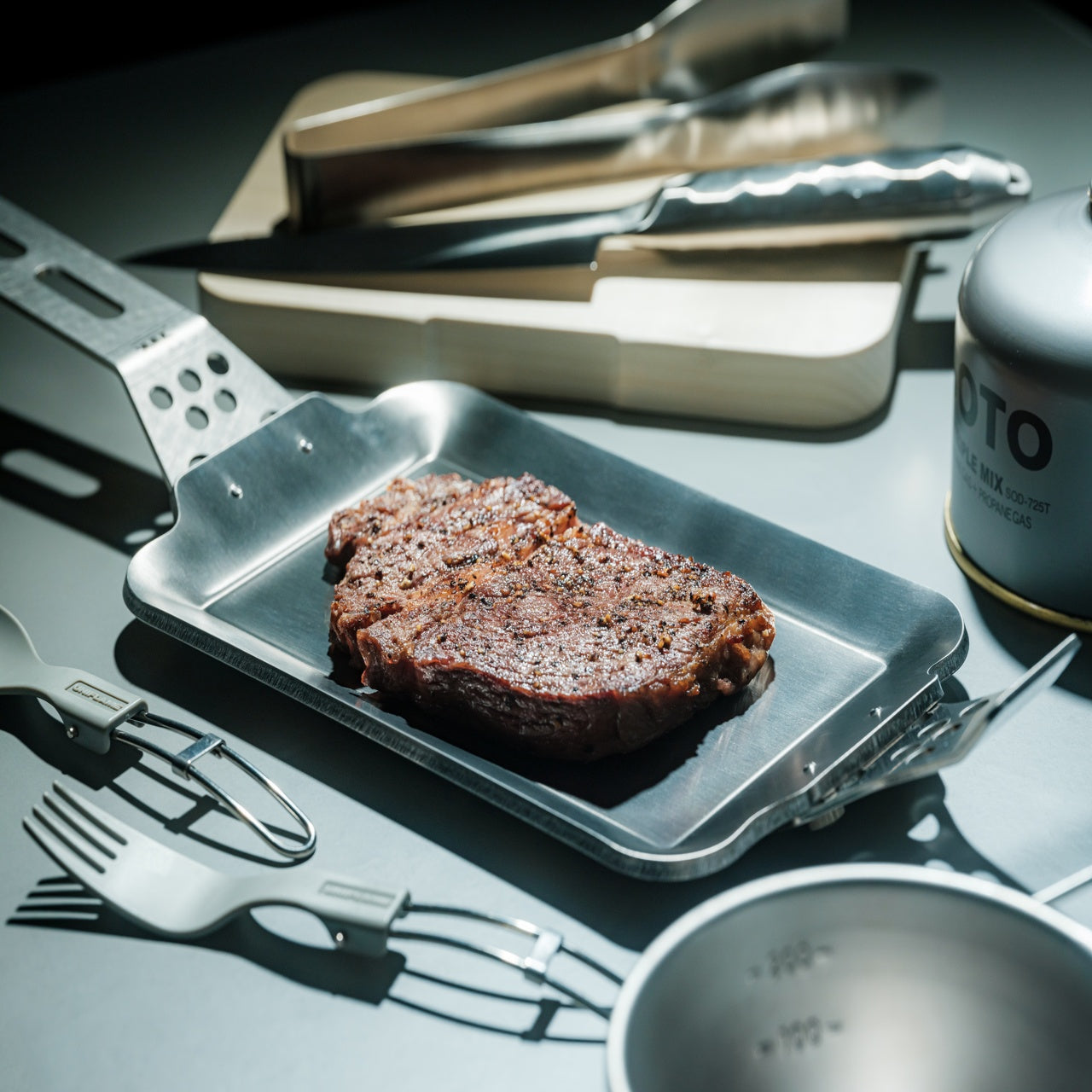
5. Compact Modular Grill Plate

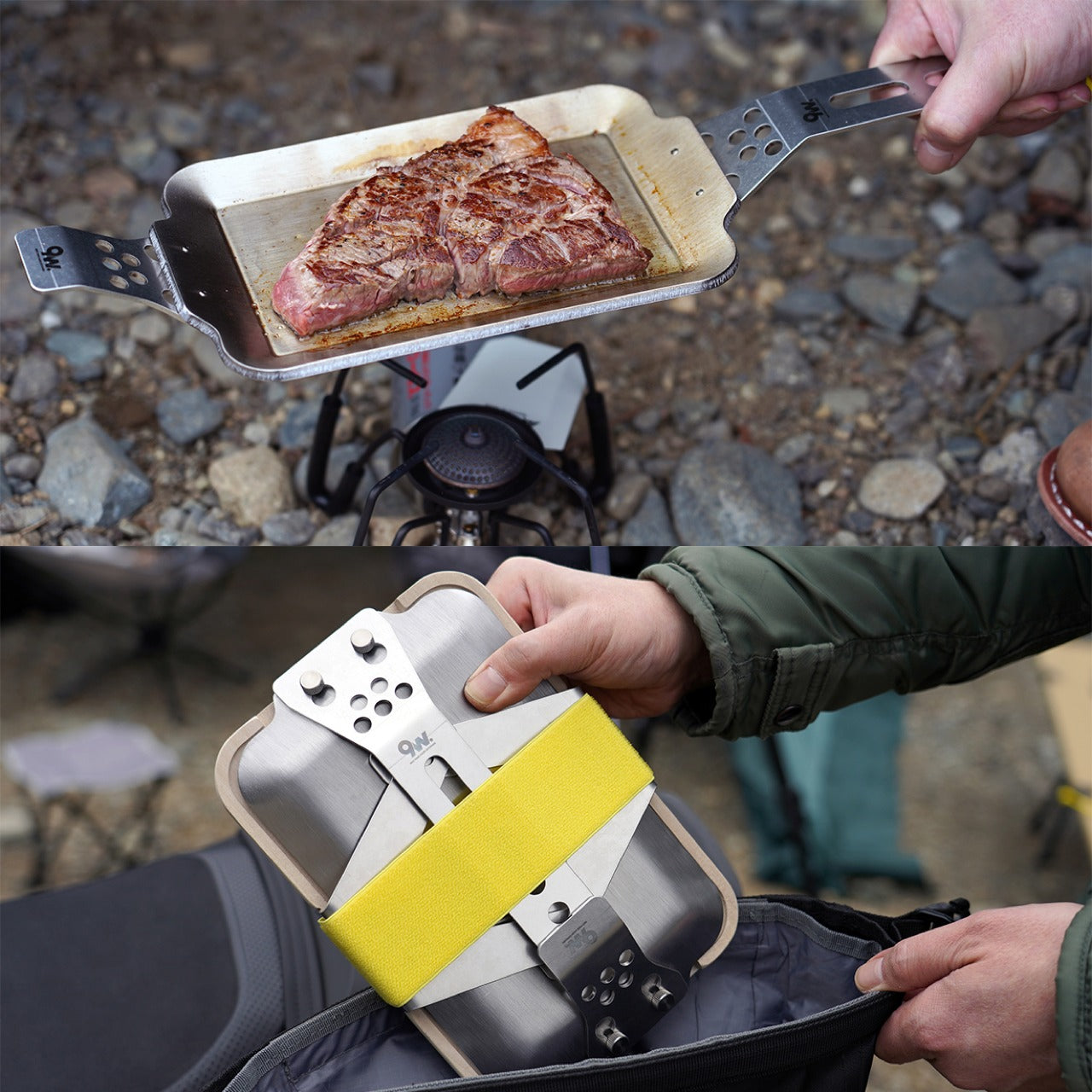
Most camp cooking surfaces commit you to a single method before you’ve decided what you’re making. The Compact Modular Grill Plate works differently. The modular design lets the surface be configured around the meal rather than the other way around, so the same piece of gear that handles a morning sear handles an evening cook without requiring a second surface in the pack. That kind of adaptability usually arrives with a bulk penalty. This one resolves the trade-off rather than asking you to live with it.

The compact form changes what you’re willing to bring on shorter trips. When cooking gear is bulky, it gets left behind. When it packs flat and reconfigures at the campsite, it earns a permanent slot in the kit. For camp cooking that doesn’t require a second thought about space, this is the surface that justifies its place on the first trip and holds it on every one that follows.

Click Here to Buy Now: $100.00

What we like

  • Modular configuration adapts to different cooking requirements without adding a second surface or additional weight to the pack
  • Compact form removes the space calculation that causes most camp cooking gear to get left at home on shorter trips

What we dislike

  • Modular systems require all components to be present and accounted for before setup, which adds a pre-trip organization step
  • Still requires a separate heat source, making it a cooking surface rather than a self-contained cooking system

The Gear Holds

The five products in August’s lineup cover every stage of a serious outdoor day. What connects them is a refusal to accept the performance floor their categories had settled on. The Shelter Wear asks why clothing stopped at decoration. The Modevo Trio asks why a single bag has to make compromises. Each product arrived here by questioning something the outdoor gear world had quietly stopped questioning, and all five are better for it.

Gear that earns long-term trust doesn’t announce itself on the first trip. It builds that trust through every trip that follows, quietly removing the small calculations and compromises that average equipment leaves behind. Take these five picks into real conditions, and the design decisions behind each one become self-evident in the best possible way. August’s outdoor gear doesn’t need a seasonal hook to justify it. It just needs the chance to perform.

The post The 5 Best Outdoor Gear of August 2026 first appeared on Yanko Design.

  •  

The Italian Lamp That Uses Toy Race Cars as Light Bulbs

Most lighting gets chosen the same way people pick curtains: functional, inoffensive, and quickly forgotten. You walk through a showroom, you point at something that won’t clash with the sofa, and that’s more or less the end of the design conversation. That’s not a criticism of how people live; it’s just an observation of how light, despite being the single most transformative element in any space, rarely gets to have fun.

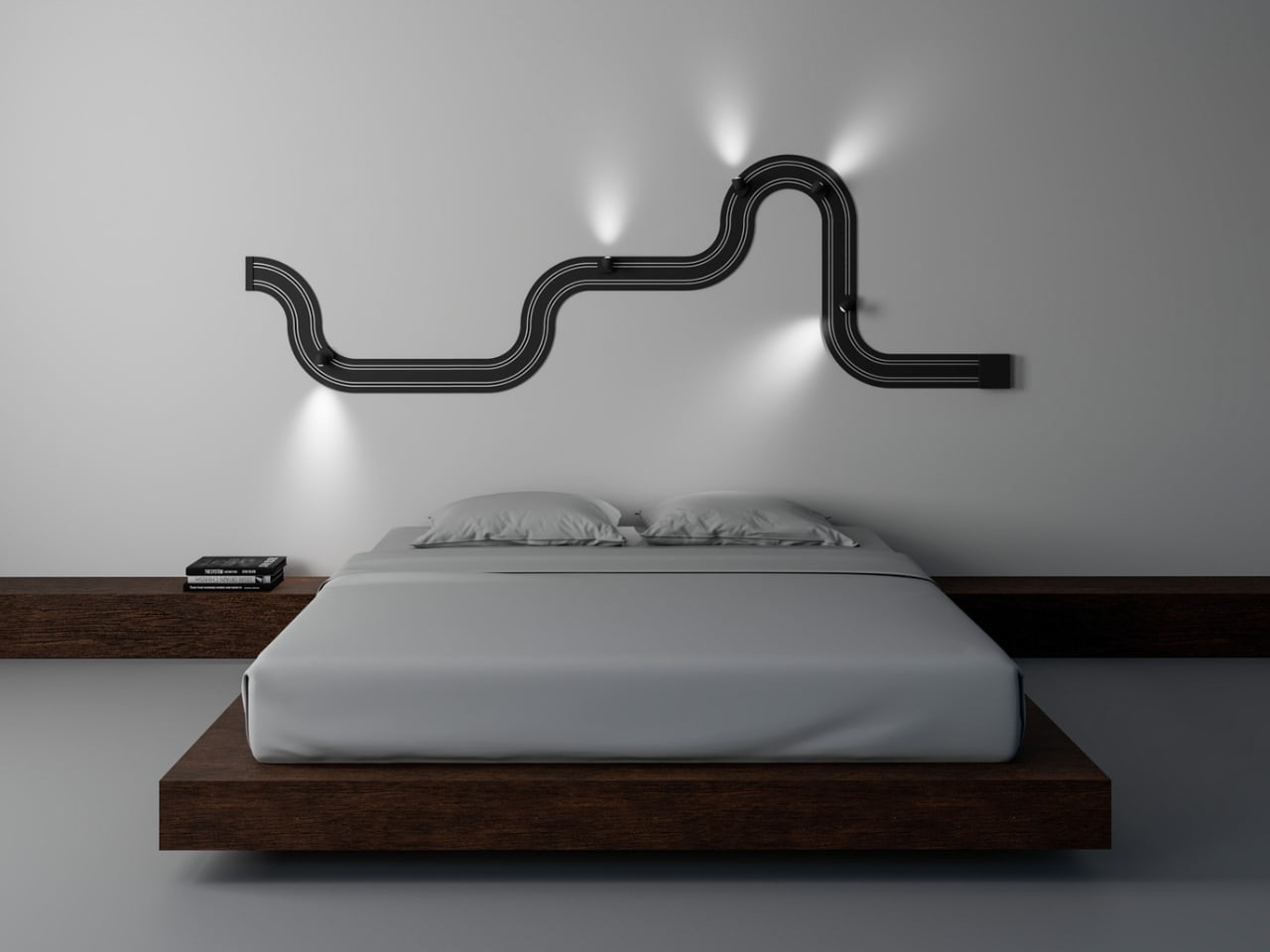
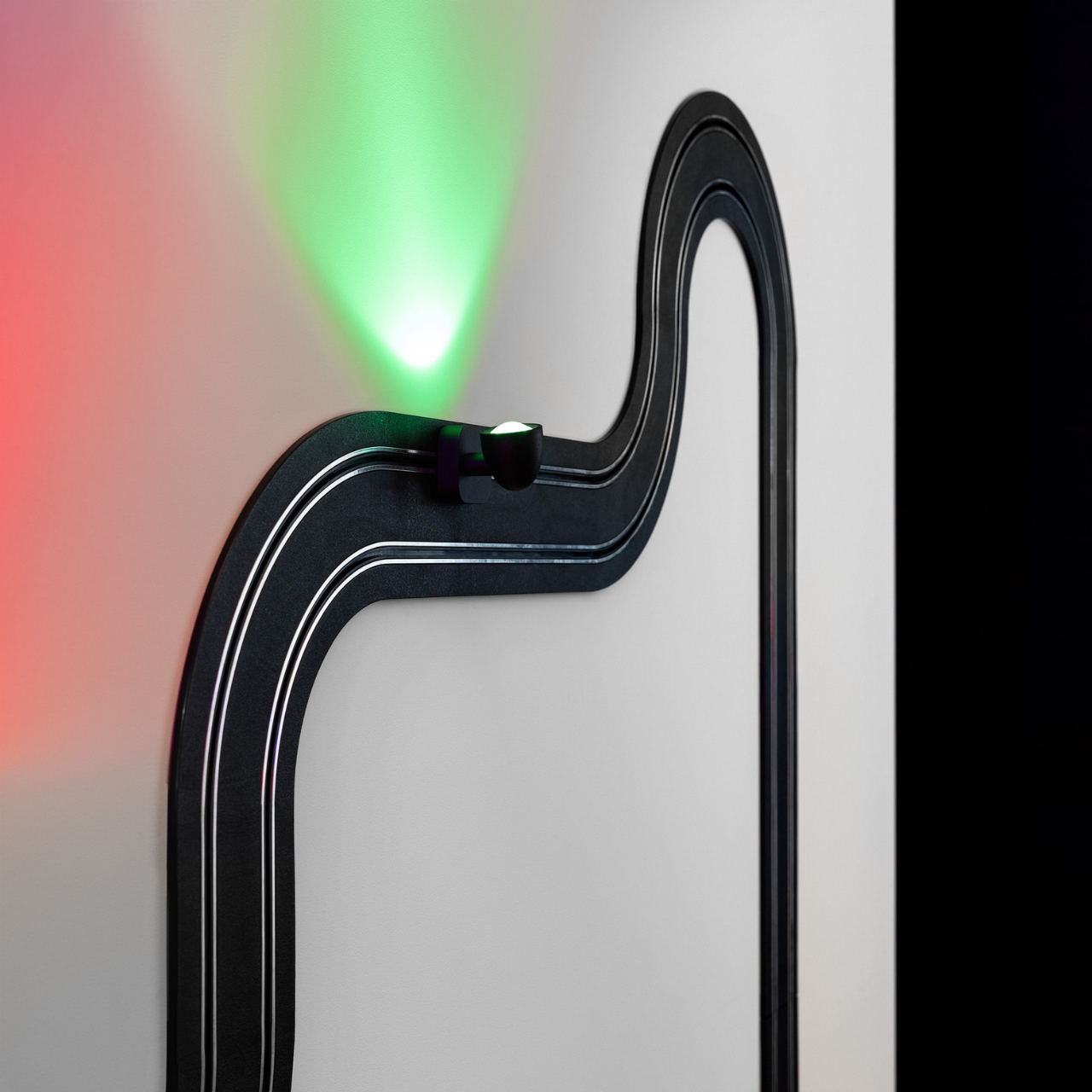
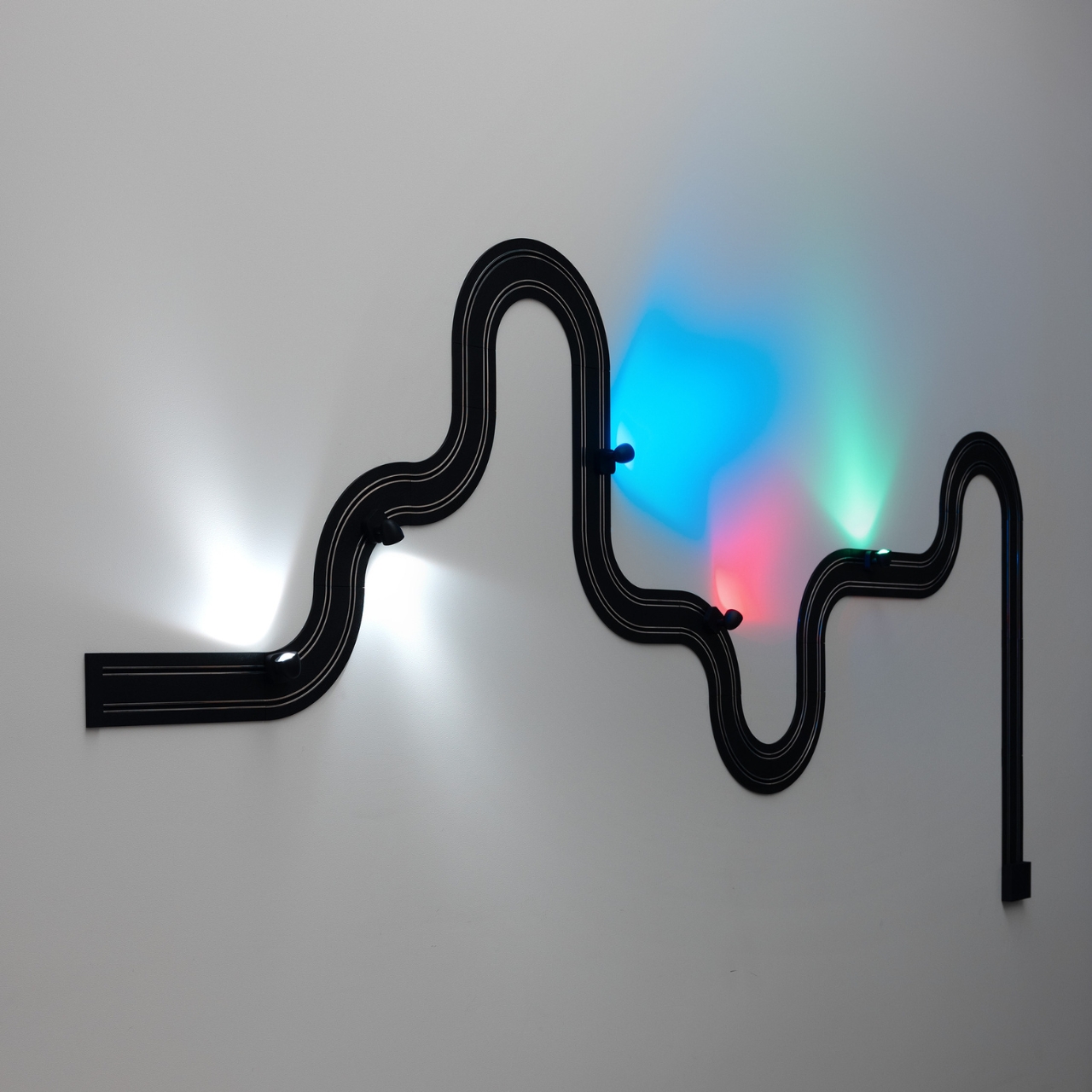
Davide Groppi’s Race of Lights is the exception to all of that. The Italian lighting brand, based in Piacenza and known for making some of the most quietly radical lamps in contemporary design, released Race of Lights in 2025. On paper, it is a modular wall lamp. In reality, it is a slot-car racing track that someone decided should also be your light source, and the whole thing somehow works beautifully.

Designer: Davide Groppi

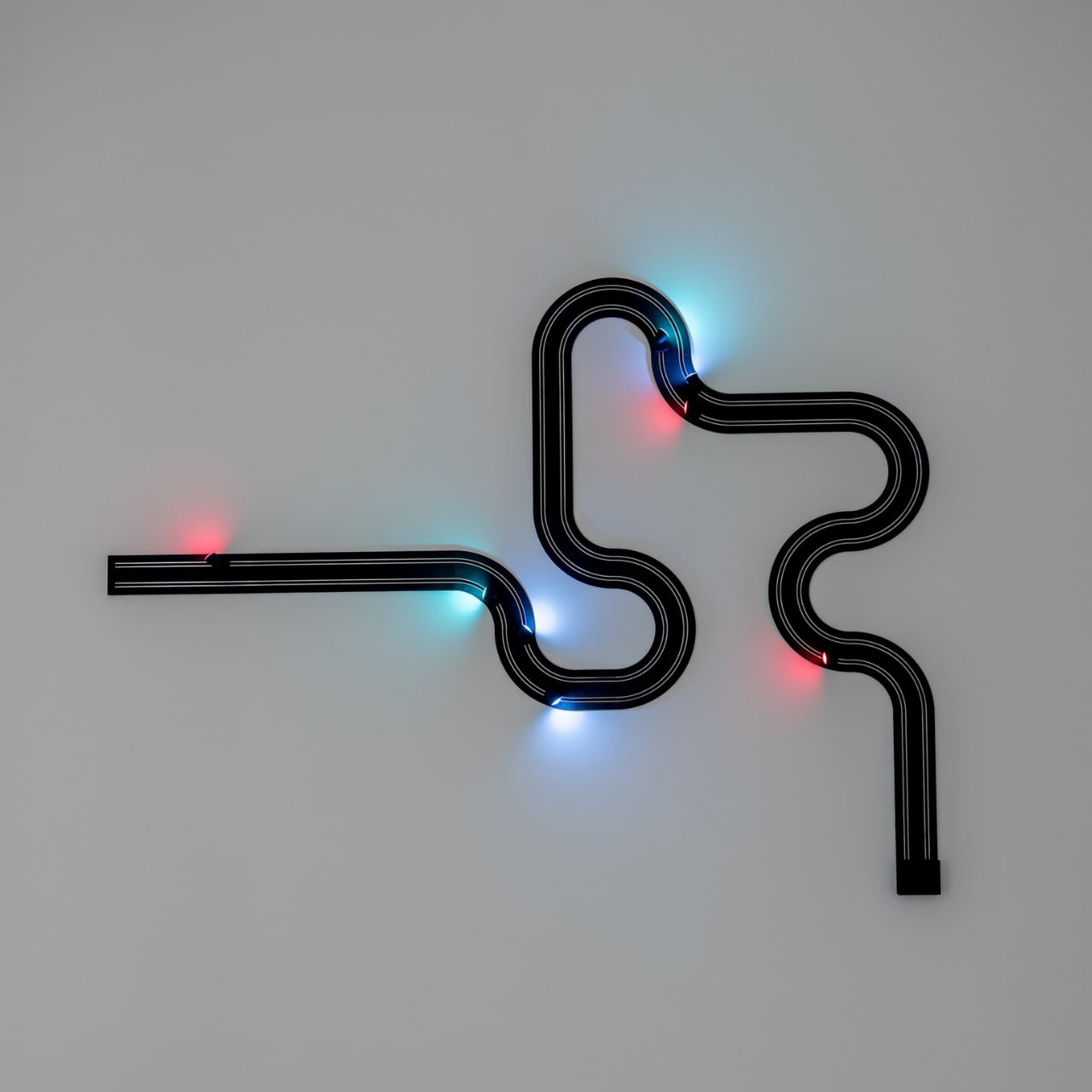
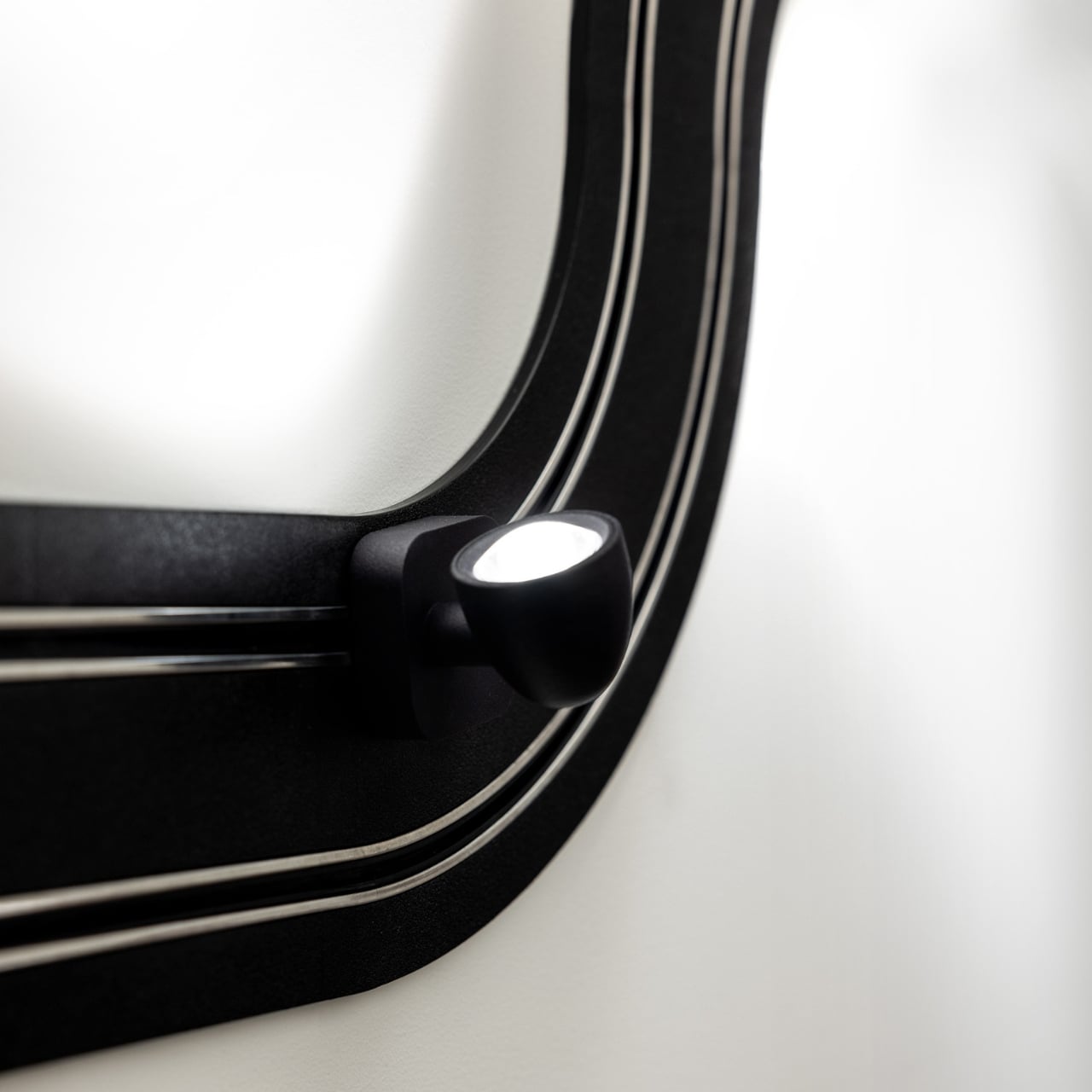
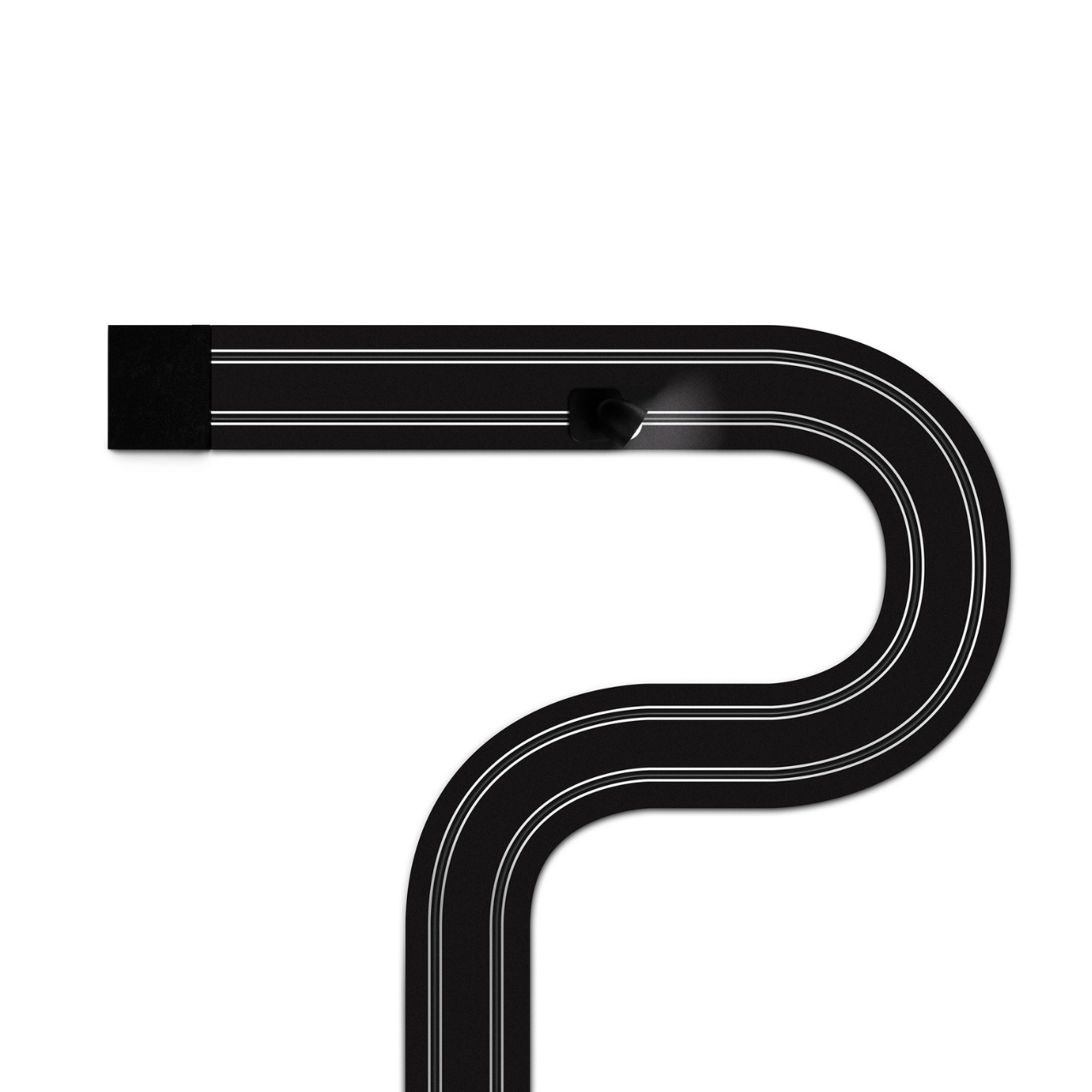
The concept is exactly what it sounds like. An electrified track, made from textured matte black polyethylene, gets mounted on the wall in whatever configuration you want. The track carries current, and the light sources are tiny car-shaped spotlights that snap into place magnetically and can be moved, repositioned, or rearranged any time the mood strikes. The basic kit includes two short straight modules, four longer sections, six curves, and four colored light-cars in green, white, blue, and red. The whole system can run up to five metres across your wall and power up to eight spotlights, each with an adjustable head so you can direct the beam exactly where you want it. This is, objectively, absurd. It is also one of the most genuinely exciting things to come out of the lighting world in years.

What makes Race of Lights so interesting to think about is how it sits within Davide Groppi’s broader body of work. This is a designer who built his reputation on doing less. His lamp Nulla, which won the Compasso d’Oro in 2014, measures just 18 millimetres in diameter and is practically invisible in a ceiling. The name literally translates to “nothing.” The philosophy has always been that the lamp should disappear so the light can remain. Race of Lights does not disappear. It sits on your wall, looped and curved, with little colored cars parked along the track. It makes a statement in the exact opposite direction of everything Groppi has been doing, and yet it makes complete sense.

Because the brand has never really been about minimalism for minimalism’s sake. The design language has always carried a sense of emotion. Groppi has spoken about light as a tool for seduction and curiosity, about design emerging from the heart as much as the mind. Race of Lights just takes that emotional dimension and makes it literal. The inspiration was childhood, specifically the memory of electric slot-car racing sets, the kind where small cars zip around a winding track spread across the living room floor. The track moves to the wall; the cars stay put and illuminate. Play becomes design, and the object retains the spirit of the original thing it was borrowing from.

The result is a piece that functions as a legitimate lighting solution and as a conversation starter and as something closer to a sculptural installation. You can compose it in a new shape whenever you want. That kind of flexibility tends to age well in a space, because you never quite exhaust the possibilities.

Cynics will say it is a gimmick. I understand the instinct, but I think that reading misses the point. Good design has always borrowed from play. The best chairs make sitting feel effortless. The best lamps make light feel intentional. Race of Lights makes light feel like something you chose with genuine enthusiasm rather than resigned practicality.

Lighting does not have to be a decision you make and then stop thinking about. Davide Groppi has spent decades proving that point in quietly different ways. Race of Lights is just the first time the argument came painted in red, white, blue, and green, with tiny cars attached.

The post The Italian Lamp That Uses Toy Race Cars as Light Bulbs first appeared on Yanko Design.

  •  

Droplet Finally Built the Audio Amplifier for Your Home Fragrance

Home fragrance, for the most part, has been a market of compromises. Scented candles are warm and atmospheric but burn through a fragrance’s more delicate top notes in the process, gone with the smoke. Reed diffusers take a gentler approach but dilute the oil with water, delivering something noticeably thinner than what was originally intended. Neither gives much meaningful control over how much scent actually fills a space.

Droplet’s Scent Amplifier takes a fundamentally different approach, one that borrows more from audio than from aromatherapy. The idea is to treat scent the way a good amplifier treats sound: amplify it faithfully without altering what’s already there. Instead of heat or water, the device uses pressurized air to atomize neat fragrance oil into micro-particles, so what reaches you is the fragrance exactly as it was composed.

Designer: Droplet

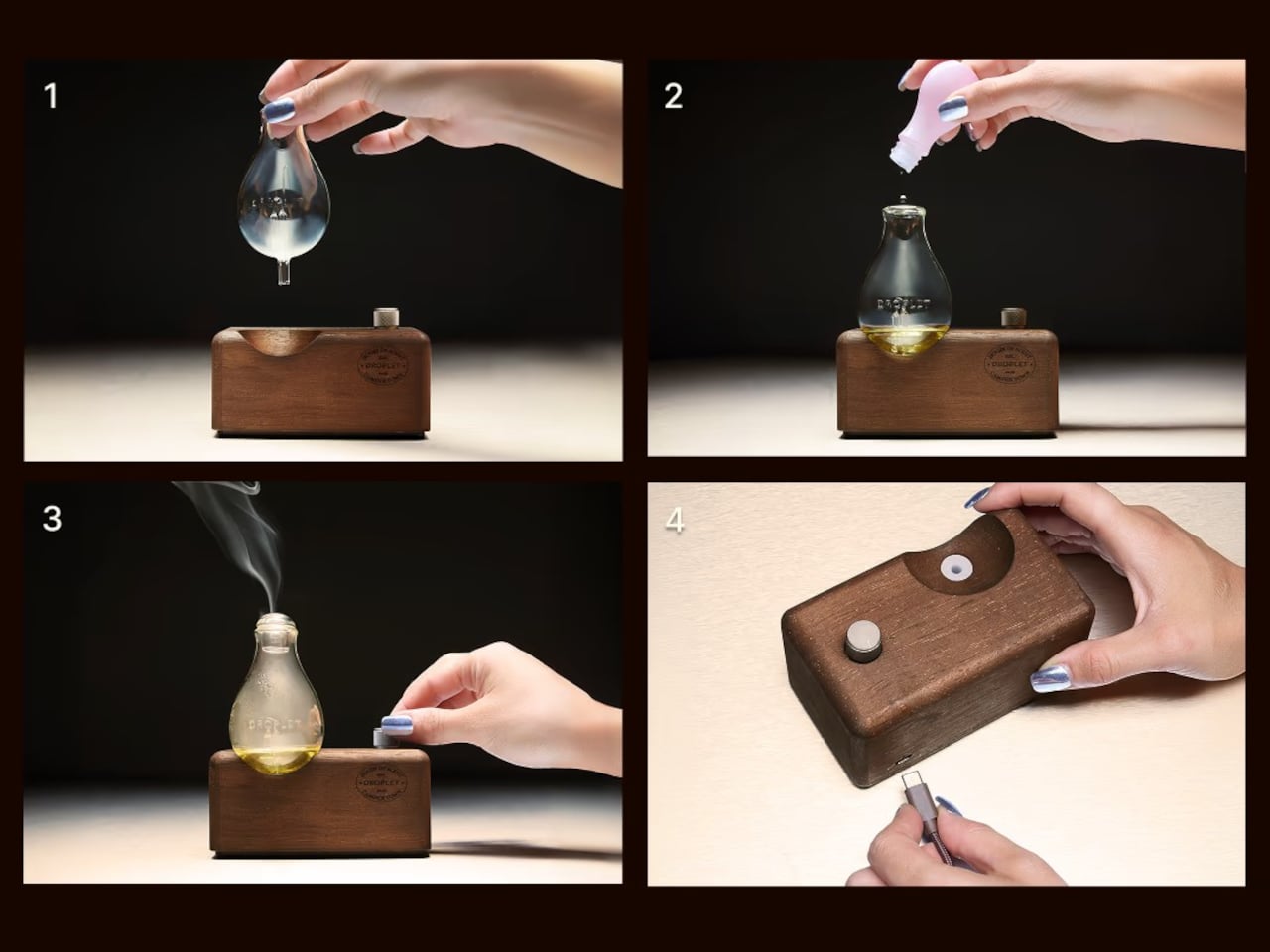
That analogy isn’t just conceptual; the physical form carries it well, too. The Scent Amplifier is built around a walnut-toned wooden base, with a hand-blown crystal glass vessel sitting on top that’s shaped much like a vintage light bulb. A single oxidized silver dial handles all the control. When switched on, the base emits a warm, tungsten-like glow that rounds out the valve-amp look completely.

Unlike most home-fragrance gadgets that quietly get shuffled out of sight, this one’s meant to be displayed. Droplet designed it to sit in a living space as a sculptural object rather than pass as a functional appliance. And it holds up to that treatment. It has the quiet confidence of something that belongs in a room rather than something that just happens to be sitting in one.

Using it is simple enough. Fill the glass vessel with oil, turn the dial to the preferred level, and the device handles the rest. It diffuses fragrance for three minutes, rests for two, and repeats, keeping the scent consistent rather than releasing it all at once. Only four to six drops are needed for an average-sized room, and a 10ml bottle lasts roughly a month.

On a full USB-C charge, it runs for up to 15 hours of cordless diffusion, which means it isn’t tied to a wall socket or any fixed spot. That’s a more practical detail than it might seem. You can move it to the bedroom before winding down for the night, or take it out of the study when you’re done working, without losing anything.

The six fragrance oils that pair with it were developed in Grasse, France, essentially the historical heartland of perfumery. The range covers floral, fruity, citrus, earthy, and woody profiles, each tied to a specific place in the world. You can go from fig leaf and cedarwood to orange blossom and tuberose, or something brighter like wild berry and bergamot, without much fuss. All six are vegan and cruelty-free.

The glass vessel is refillable, and switching between scents takes under a minute with no residue left behind. The Scent Amplifier costs £80 on its own, with the full six-oil set running £125. That’s not bad for something that does away with all the usual trade-offs, keeps the fragrance pure, and looks good enough on a sideboard that you’d actually want to leave it out.

The post Droplet Finally Built the Audio Amplifier for Your Home Fragrance first appeared on Yanko Design.

  •  

Tecno Camon 50 Ultra 5G Review: A $420 AI Phone With Built-in Gemini, ChatGPT, DeepSeek, and Grok

PROS:


  • EllaClaw is one of the most impressive phone AI experiences available right now

  • Multi-model AI support, including Gemini, ChatGPT, Grok, DeepSeek, Meta AI, and Ella

  • Strong 2-day battery life from the 6500mAh cell

  • Competitive value in the mid-range segment

CONS:


  • Single speaker setup sounds tinny and lacks bass

  • Curved waterfall display is prone to accidental palm touches

  • No wireless charging or Qi2 (MagSafe)

RATINGS:

AESTHETICS
ERGONOMICS
PERFORMANCE
SUSTAINABILITY / REPAIRABILITY
VALUE FOR MONEY

EDITOR'S QUOTE:

The Camon 50 Ultra 5G feels like Tecno looked at the current AI phone race, skipped the walled garden nonsense, and built the first assistant experience that actually shows you why you’d want to use it in the first place.

Apple has Apple Intelligence. Google Pixel has Gemini. Samsung has Galaxy AI. Tecno has everything else. Packed into its EllaClaw agent is the ability to use Gemini, ChatGPT, Grok, and DeepSeek, because a walled garden never benefited anyone. Tecno’s Camon 50 Ultra 5G is a great phone, but what makes it worth doing a double take for is EllaClaw, an agentic AI built into the phone that offers a phone AI experience I have yet to see on any smartphone so far. EllaClaw is currently an invite-only closed Beta feature limited to just this phone, but seeing it in action gave me everything I needed to understand where other phones are going wrong with their on-board AI, and where they can learn from Tecno.

The wild part is how approachable it all feels. EllaClaw does not sit around waiting for you to guess the perfect command like some moody genie. It actively shows you what it can do, which makes the whole experience feel far less intimidating than Gemini or Apple Intelligence currently do. Within minutes, I was jumping between message summaries, creative tools, settings help, and different AI models without feeling like I needed a tutorial or a prayer.

Aesthetics
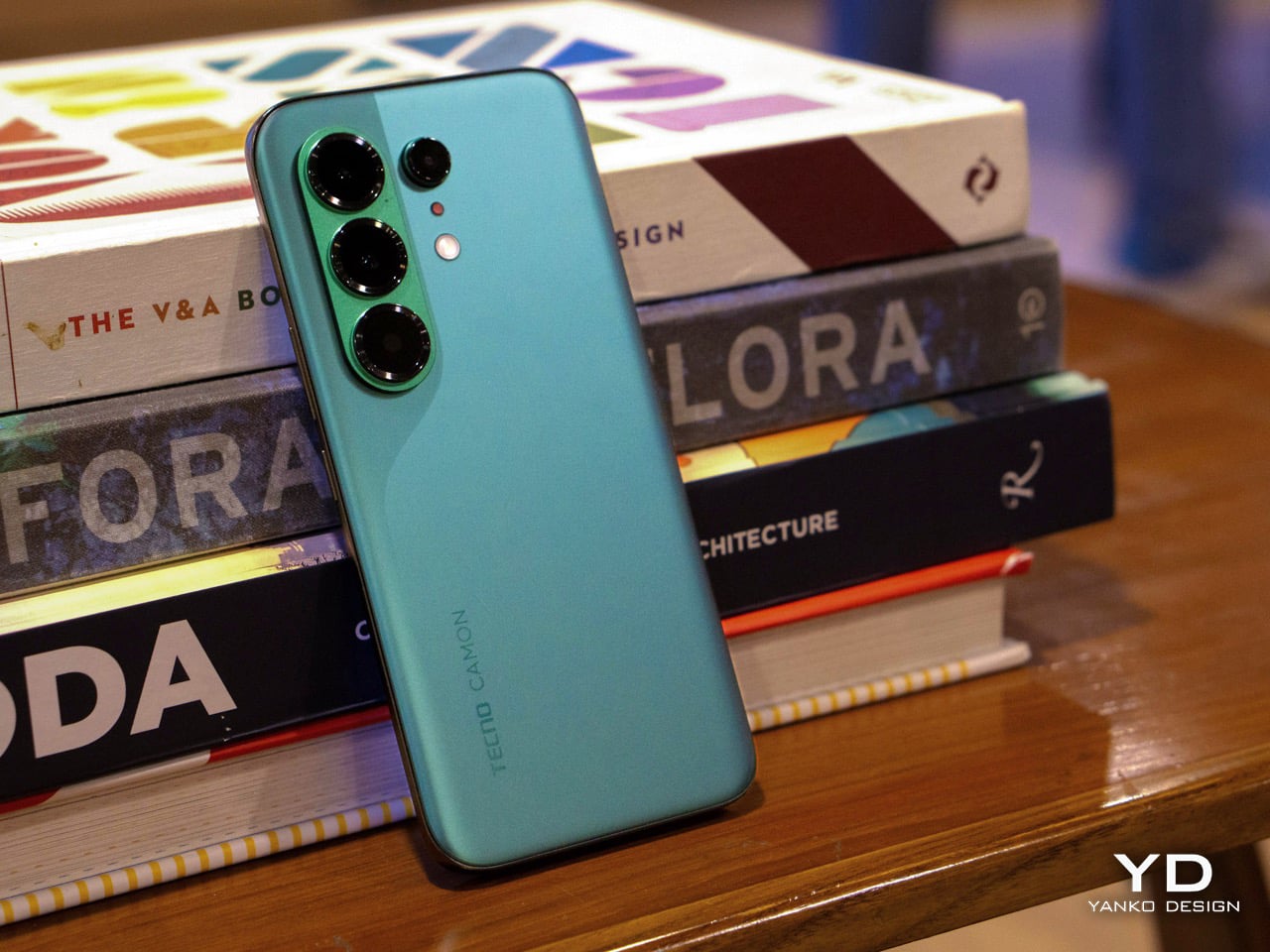
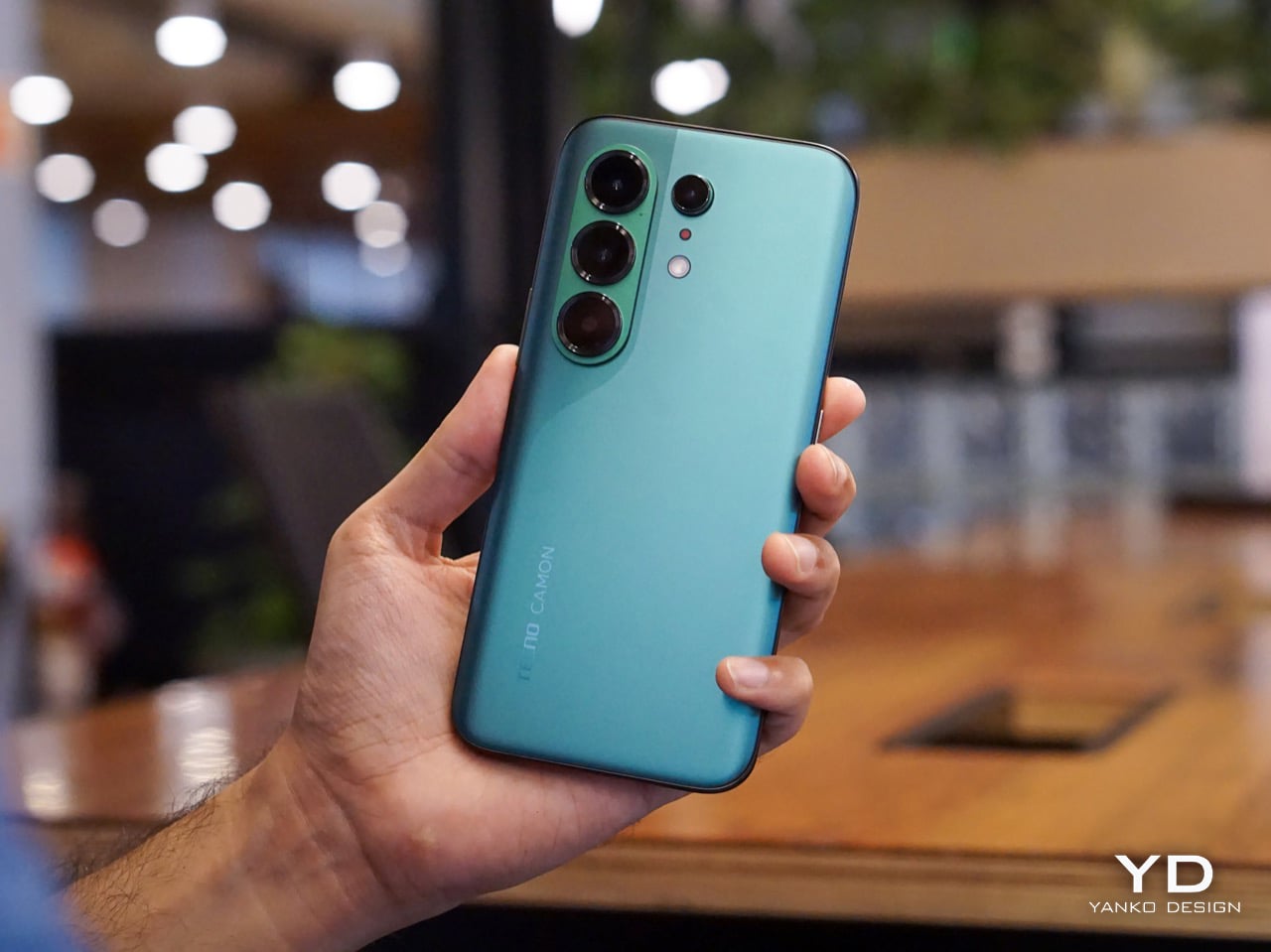
The moment I unboxed the Camon 50 Ultra 5G, I was hit with a serious case of déjà vu. The green variant has a gorgeous satin finish that gives it a silky, metallic glow under the light, and it immediately sent me down a memory lane trip to my old OnePlus 8 Pro which I faithfully used from 2020 to 2024. The color, the texture, even the way the camera module is arranged, it all felt so familiar and, frankly, so premium. Tecno absolutely nailed the flagship-esque feel here. The back is smooth to the touch, resists fingerprints reasonably well, and has a subtle elegance that a lot of phones in this bracket just do not bother with.
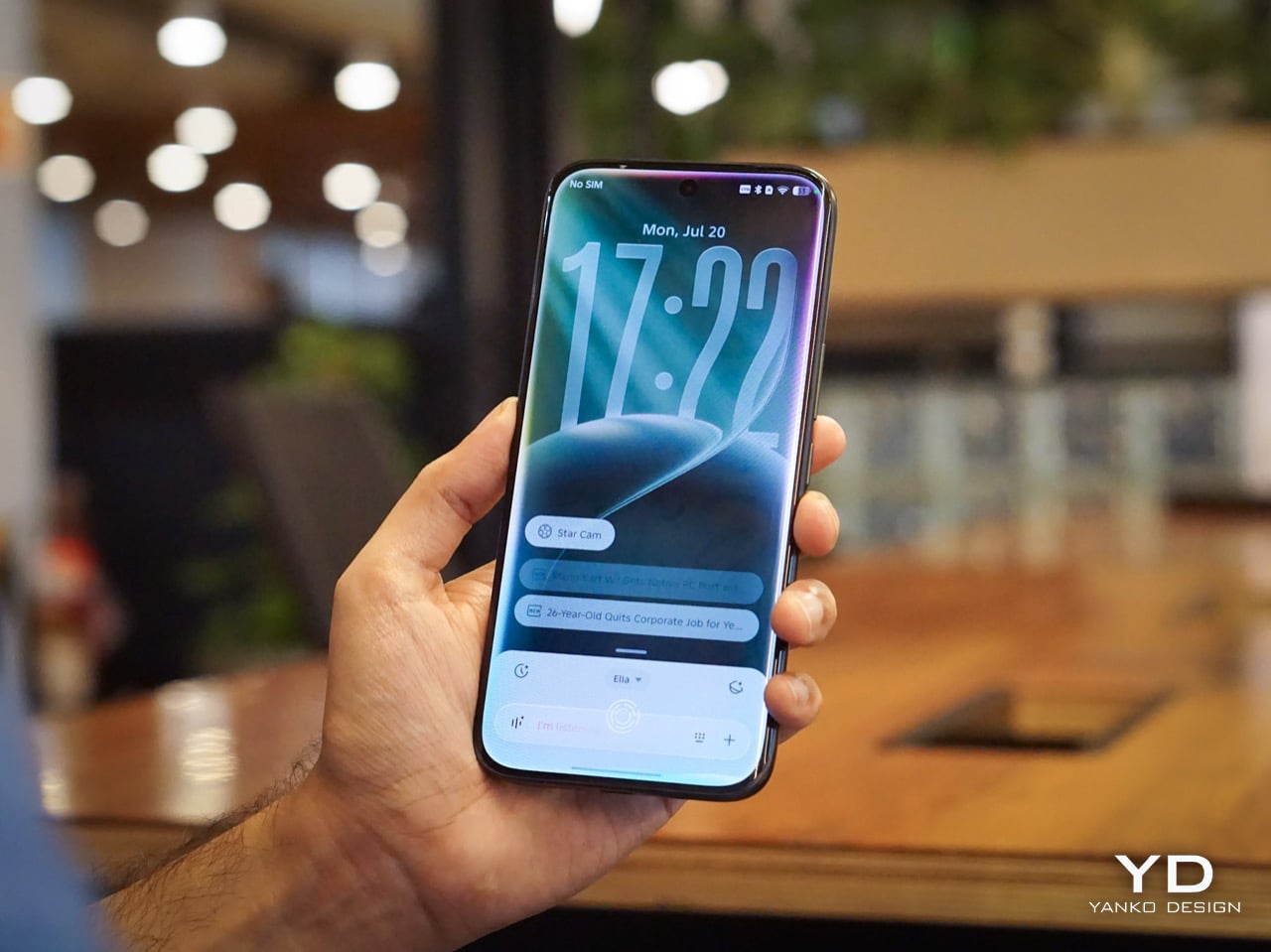
The front is where the design language gets a little more complicated, at least for me. Tecno went with a waterfall display, which means the screen curves dramatically around the sides. It looks stunning when the phone is off or when you are watching a video, creating an immersive, almost bezel-free experience. But I have always had a love-hate relationship with these displays. They are beautiful, no doubt, but they can be a magnet for accidental palm touches. While the software does its best to ignore them, I still found myself occasionally tapping something I did not mean to. It is a classic case of striking aesthetics meeting the messy reality of how we hold our phones. I do have to say that Tecno’s Liquid Glass homage does look much better on a waterfall display than on a bezel-ridden iPhone.

Ergonomics
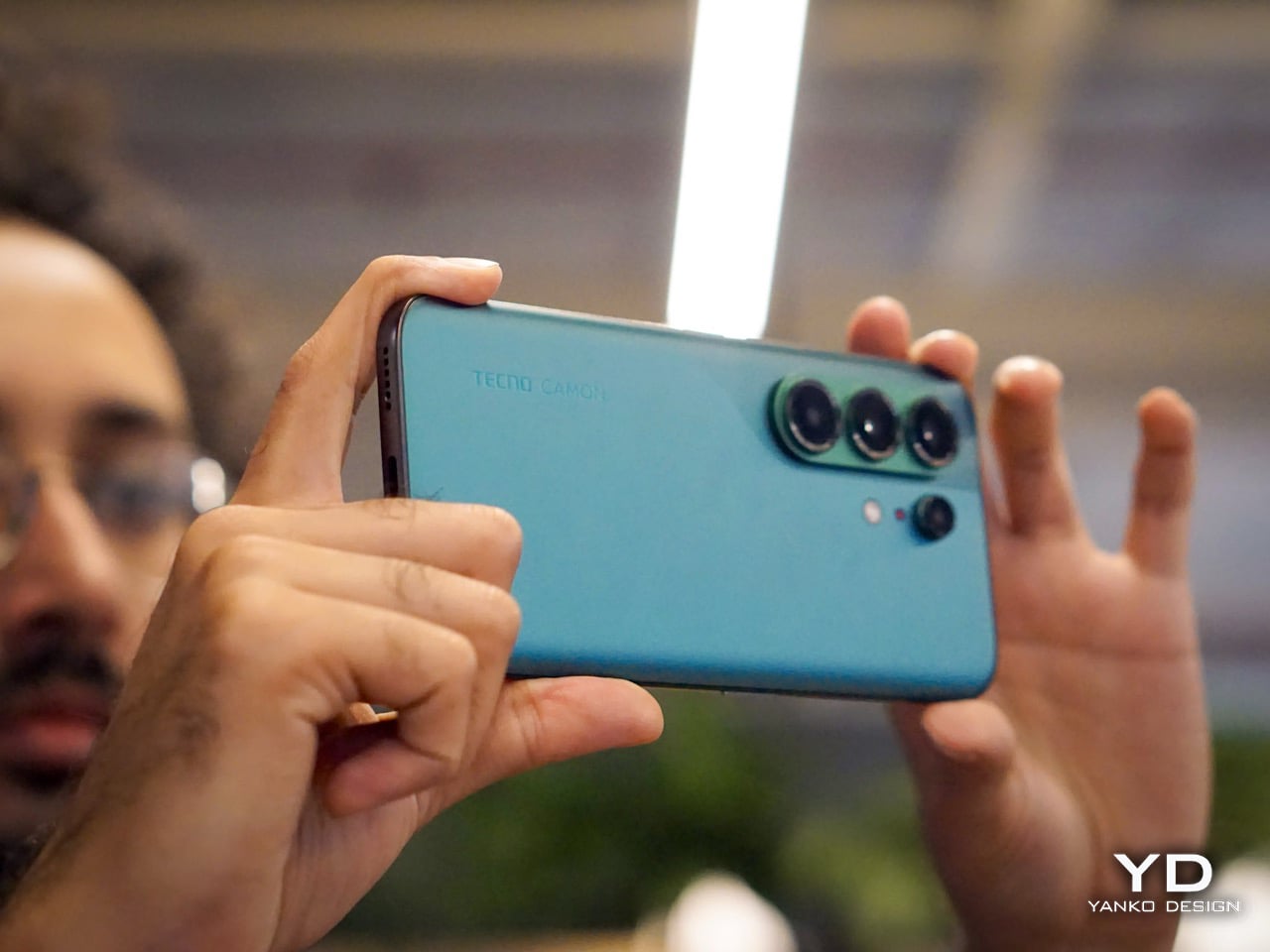
That waterfall display has a big effect on how the phone feels in your hand. The curved edges melt away into the frame, making the Camon 50 Ultra 5G incredibly comfortable to hold. There are no sharp, flat corners digging into your palm, which is great for long sessions of scrolling or gaming. The trade-off, of course, is that the phone can feel a little slippery if you are not paying attention. It has that smooth, polished-stone feel that is lovely to touch but always feels one careless gesture away from a gravity experiment. It is a phone that practically begs to be put in a case, even if it feels like a shame to cover up the design.

The button layout is personally feels a little little bit tricky. On the left, you have a dedicated AI key that summons EllaClaw, a shortcut I ended up using constantly. You can remap it, but having a one-press gateway to the AI is a smart touch. The right side, however, is where my muscle memory started to complain. There is a power button and a fairly short, single-piece volume rocker. Because the rocker is slightly compact, I often found myself fumbling, unsure if my thumb was on volume up, down, or about to lock the screen. It is a small pain, but a tiny indent in the middle of the volume button would have made all the difference. The buttons themselves are slightly sharp and textured, a necessary choice for a phone with curved edges, but it does not quite solve the problem of telling them apart by feel alone.

Performance
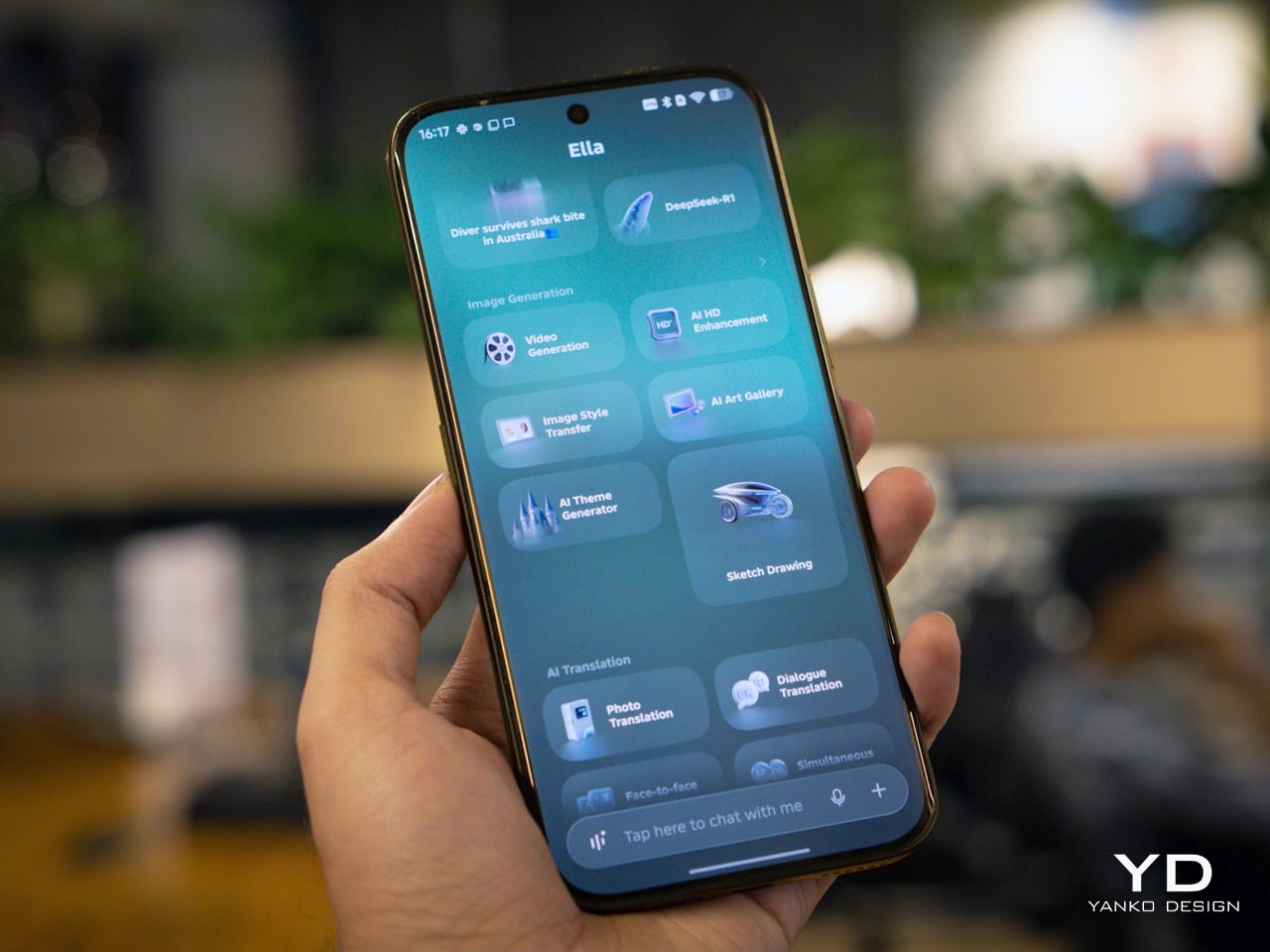
EllaClaw is where the Camon 50 Ultra 5G earns its stripes. The dashboard (which you access by swiping towards the left – where you’d see Google Discover on most Android phones) keeps surfacing prompts, shortcuts, and suggestions, making the AI feel alive and accessible rather than buried under three layers of settings. Most phone AI treats users like they should already know what they want. EllaClaw meets you halfway, and that changes everything about how you interact with the phone.

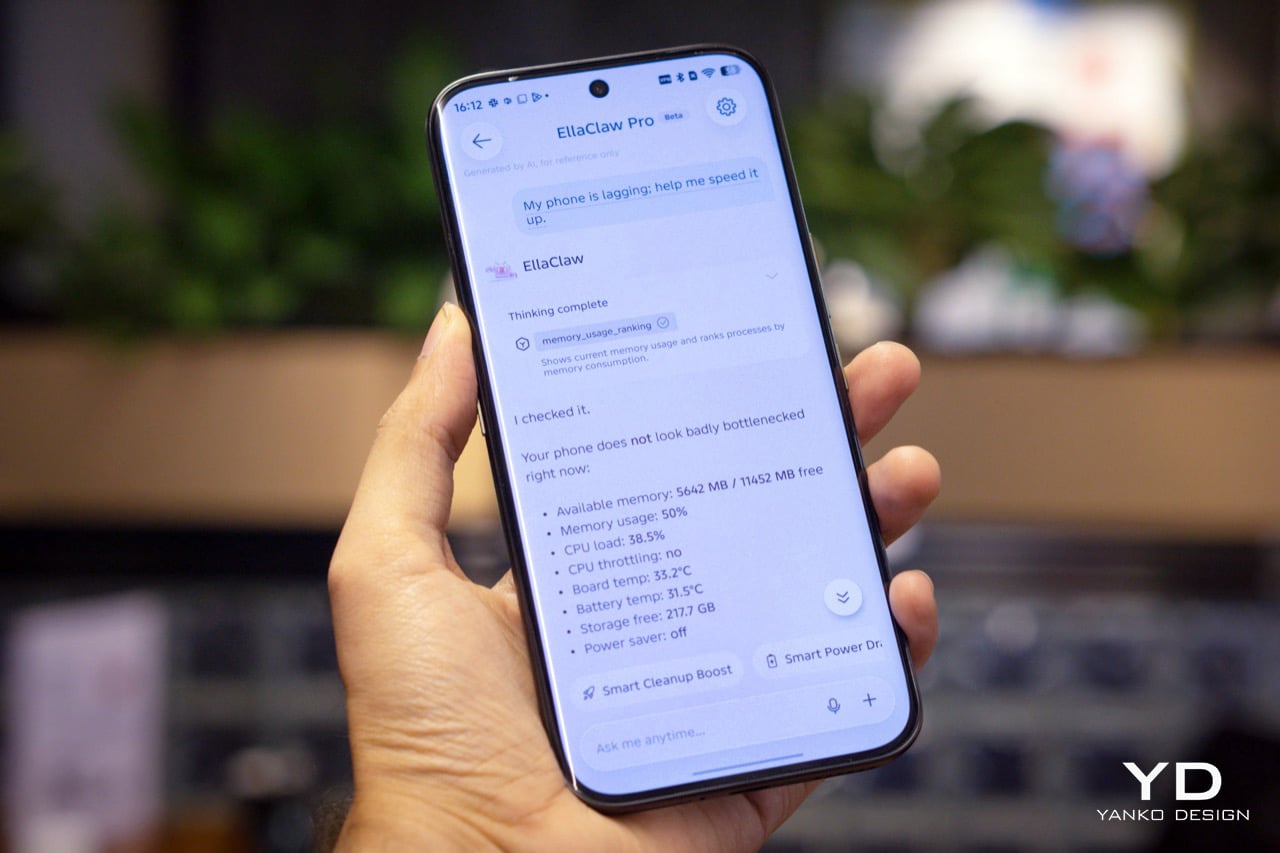
The deeper layer, EllaClaw Pro, is genuinely impressive. It reaches into the phone’s apps and system functions in a way that feels ahead of where the conversation currently is. I asked it to summarize my text messages without opening the messages app, and it did exactly that, handling the whole thing on its own. That kind of agentic behavior is the next logical step for phone assistants, and right now, Tecno seems to be ahead of the pack. Nothing reassured me that the AI wasn’t reading my messages to enhance its database though, so the privacy conscious might have a thing or two to worry about.
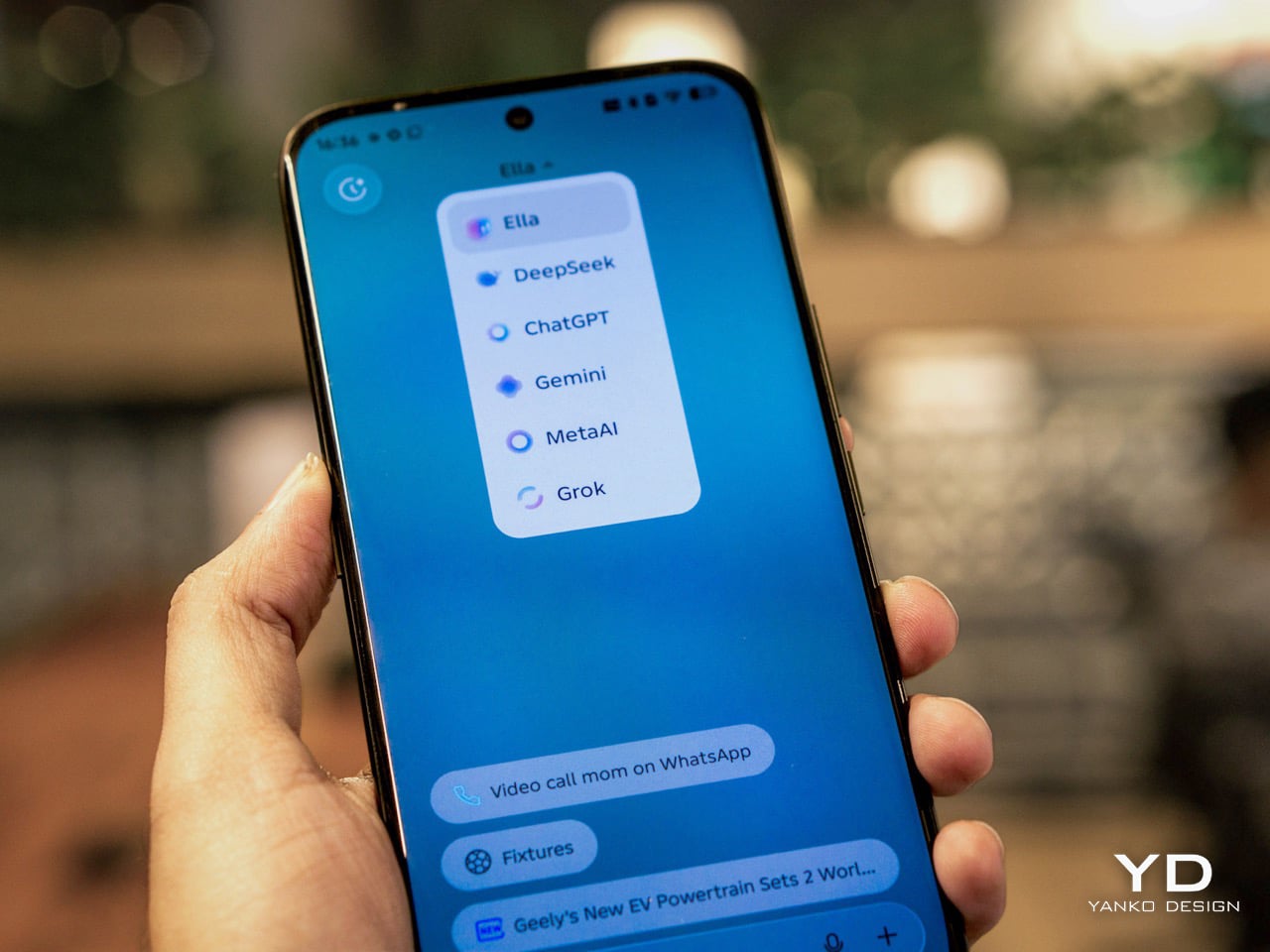
Tecno’s decision to build EllaClaw as a multi-model hub is one of the smartest software calls I have seen this year. My unit offered access to DeepSeek, Gemini, ChatGPT, Grok, and Meta AI alongside Ella’s own model, all in one dashboard. Claude is conspicuously missing, but everything else is here and free to use (at least during the Beta period). Daily limits are applied on AI use which reset every 24 hours, and you can buy extra credits in case you overshoot. In all my hours of testing, I never needed to purchase extra credits, which means image generation, video generation, and sketch-to-photo tools were all available at no additional cost.

EllaClaw is still being refined, though. The dashboard lagged occasionally, and the AI sometimes took longer to load than felt comfortable. Restarting the app always sorted it out, but it is a reminder that this experience has not fully grown into its ambition yet. Users in certain regions may also need a VPN to get the full experience running, which is worth knowing upfront.
The camera system is built around a 50MP Sony LYT-700C main sensor with OIS, paired with a 50MP telephoto lens offering 3x optical zoom (70mm equivalent) and an 8MP ultrawide. That telephoto is a proper standout for a phone at this price point, and the software leans into it with confidence. You get 60x hybrid zoom, which is mostly digital exaggeration past the 3x mark, but the results between 3x and 10x are still usable in decent light. The main camera performs well across a range of scenarios, especially in good light, and night mode is aggressive without getting too soupy. The front camera is a 50MP sensor with autofocus, which makes a noticeable difference in selfie sharpness compared to the fixed-focus cameras on cheaper phones.

Tecno stuffs the camera app with modes including dual-cam, underwater mode, document scanning, super night mode, and super macro. FlashSnap is the standout, though. It watches your scene and captures the most dramatic moment automatically, so if someone is mid-jump or mid-throw, the phone clicks at exactly the right time without you having to think about it. It made me look like a considerably better photographer than I actually am. Video recording tops out at 4K at 30fps, which is fine but not particularly exciting.
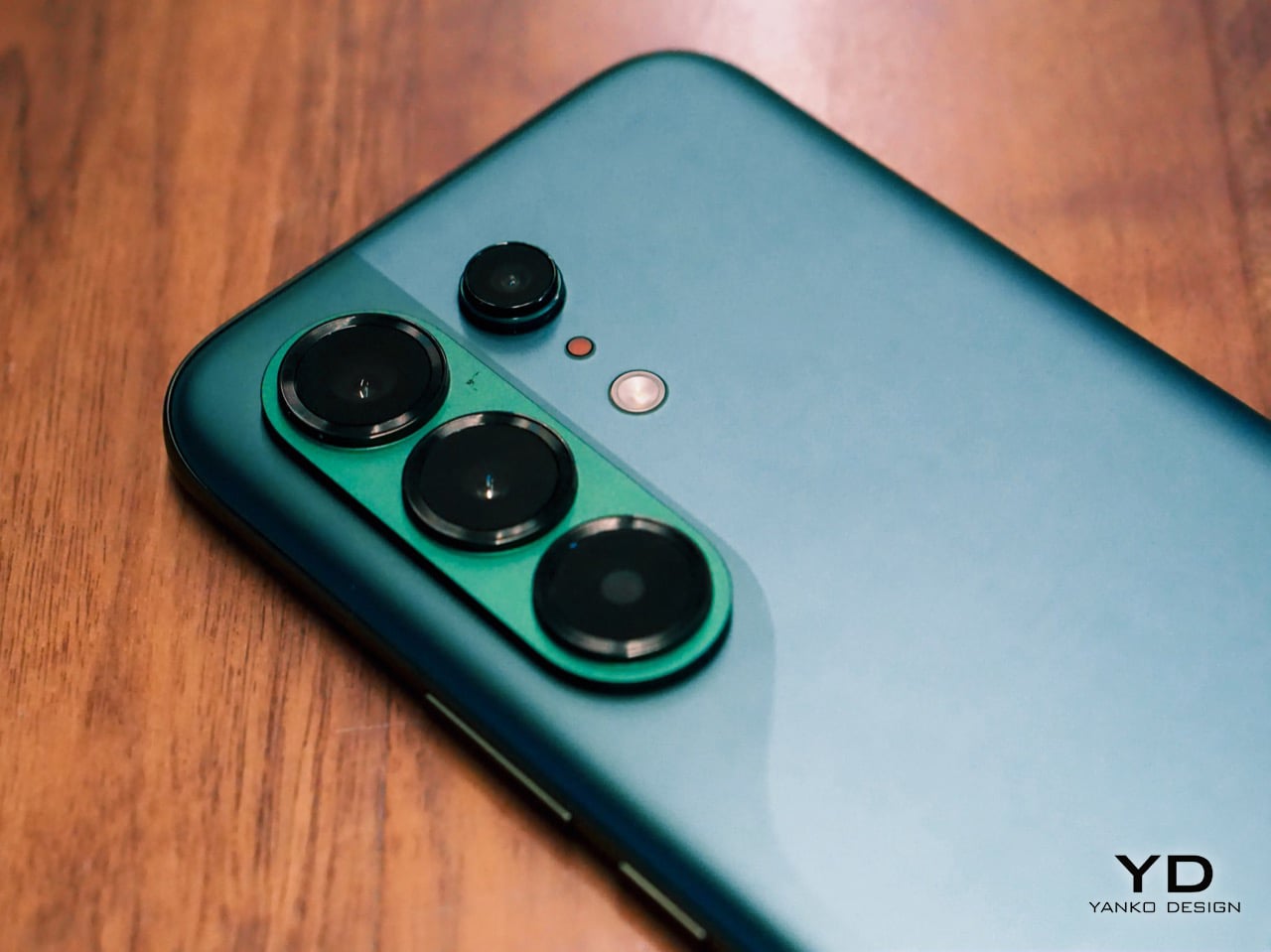
Battery life is one of the phone’s most quietly satisfying qualities. The 6500mAh cell pushed comfortably through two full days of use without needing a charge, which is more than my current flagship iPhone manages. At some point I just stopped thinking about charging altogether, which is the best thing a battery can do. The phone supports 45W wired charging, which is fast enough to feel civilized without being record-breaking.

The display is a 6.78-inch AMOLED panel with a 1.5K resolution (1208 x 2644 pixels, 429 ppi) and a 144Hz refresh rate with LTPO support for adaptive refresh. It is vibrant, sharp, and performs well in low light. The 144Hz refresh makes scrolling and gaming feel smooth, and the high PWM dimming (2160Hz) helps reduce flicker for those sensitive to it. The curved waterfall edges are a design choice I have already aired my reservations about, and this section will not relitigate that argument. It looks great. It catches accidental touches. Moving on.

Speakers are a weak spot, and a noticeable one. There is a single grille at the bottom right, so stereo is off the table, and the audio leans tinny with very little bass to speak of. For a phone this polished everywhere else, it feels like a department that got the budget cut.

Gaming held up well for everything I tried. Tecno’s dedicated gaming software manages frame rates and battery draw sensibly, and the Dimensity 7400 handled casual to moderate sessions without complaint. The 144Hz display helps make fast-paced games feel responsive, and the phone stayed well within comfortable temperature ranges throughout. Nothing I played caused any real issues, thermal throttling never became a concern, and the large battery meant I could game for extended sessions without nervously watching the percentage drop.

Sustainability
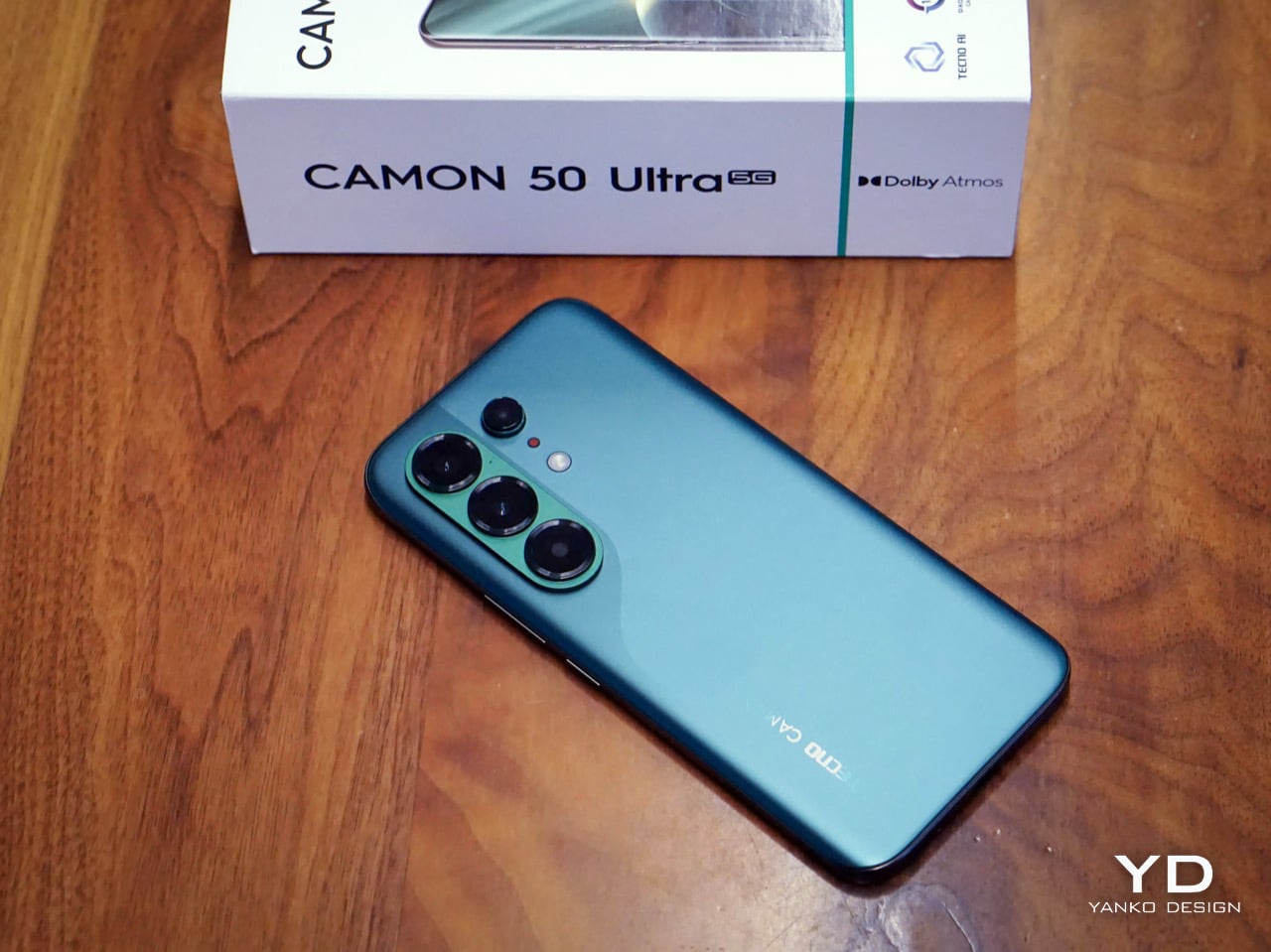
Tecno is promising 3 years of Android OS upgrades and 5 years of security patches for the Camon 50 Ultra 5G, which puts it roughly in line with brands like Motorola and slightly ahead of OnePlus, though still behind Nothing’s 6-year security support.That is a meaningful commitment for a phone at this price, especially if you are someone who plans to use the device well beyond the usual two-year upgrade cycle.

Tecno also claims the battery is built for durability, marketing it as a “5-Year Durability Battery” with TÜV certification and a 72-month lag-free guarantee. Whether that holds true in practice is something only time will tell, but the fact that the company is willing to stake that claim suggests they are at least thinking about longevity beyond the usual marketing fluff. The 6500mAh capacity itself helps, because the less frequently you need to charge, the slower the battery degrades. If you are getting two full days of use out of a charge right now, that headroom means the phone should still feel usable years down the line when the cell inevitably loses some of its capacity.

Value
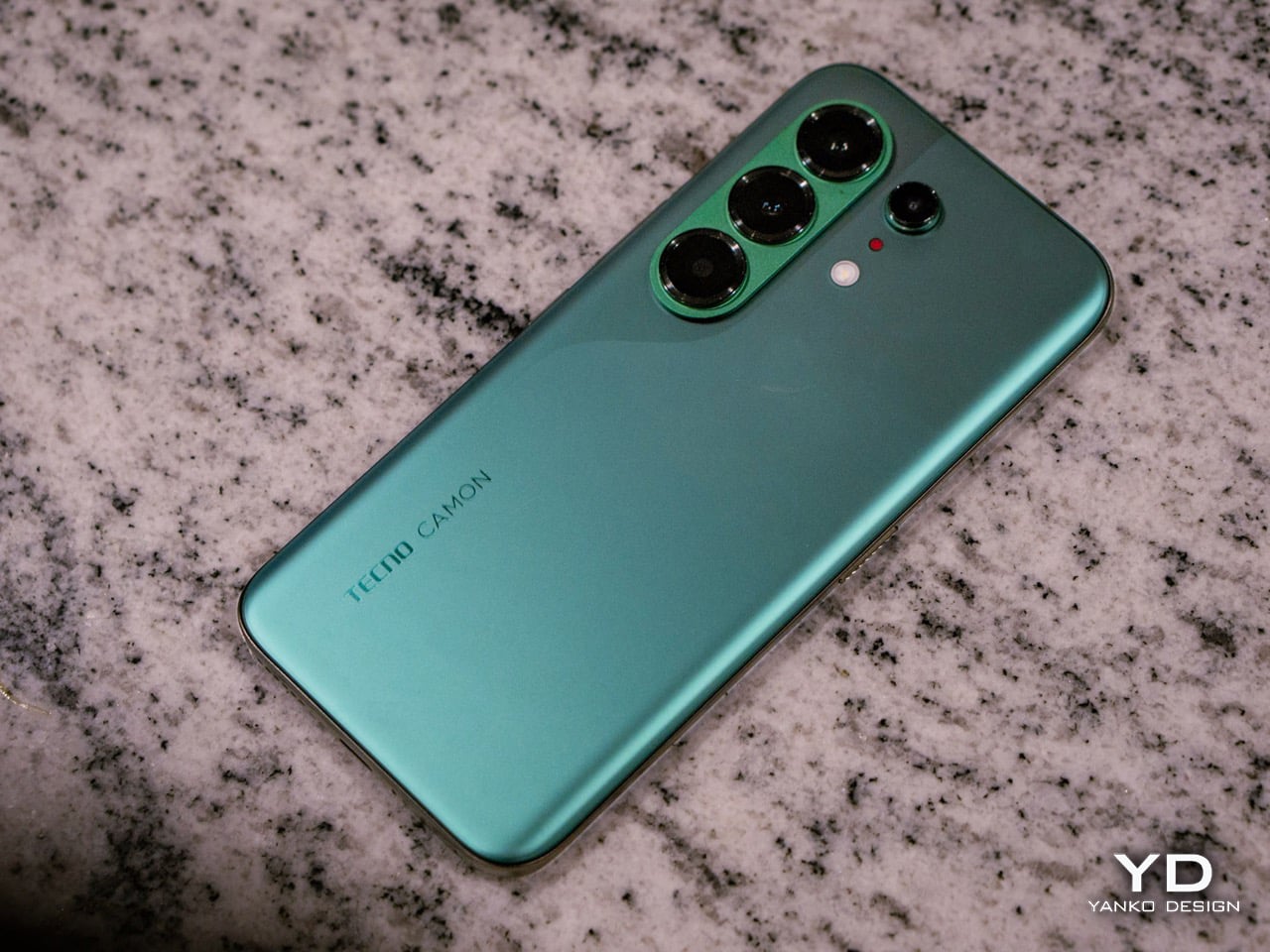
The Tecno Camon 50 Ultra 5G is priced at $420 for the 8GB + 256GB variant (that’s based on its ₹40,000 Indian price, since the phone hasn’t officially launched in the US). For a phone with a 50MP telephoto, a 144Hz AMOLED display, and a 6500mAh battery, that positioning feels competitive in the under-40K segment, especially when you factor in the AI ambitions.

What feels less competitive is the setup experience. When I powered on the phone and began the initial configuration, India was not listed in the countries menu. Hilariously enough, Palestine was available as an option. The world’s most populated country, nowhere on the list. I eventually had to select a different region just to proceed, which immediately felt awkward for a phone launching in India. Later, I also needed a VPN to access EllaClaw, which could have been a software issue tied to my initial region selection, or it could point to broader availability constraints. Obviously this won’t be the case for everyone since mine was a review unit with the EllaClaw beta program probably tied to a certain region. Either way, it is a frustrating first impression for a feature that is supposed to be the phone’s main selling point.

As for EllaClaw Pro and its credits system, Tecno does offer a credit-based structure for premium AI features like image generation and video creation. In my testing, I never hit a paywall or needed to purchase add-on credits, which suggests the included allocation is generous enough for typical use, at least initially. How sustainable that remains over time, or whether Tecno tightens the limits later, is harder to predict. For now, though, the experience feels surprisingly open, which is a rare thing in the AI phone space.

Verdict
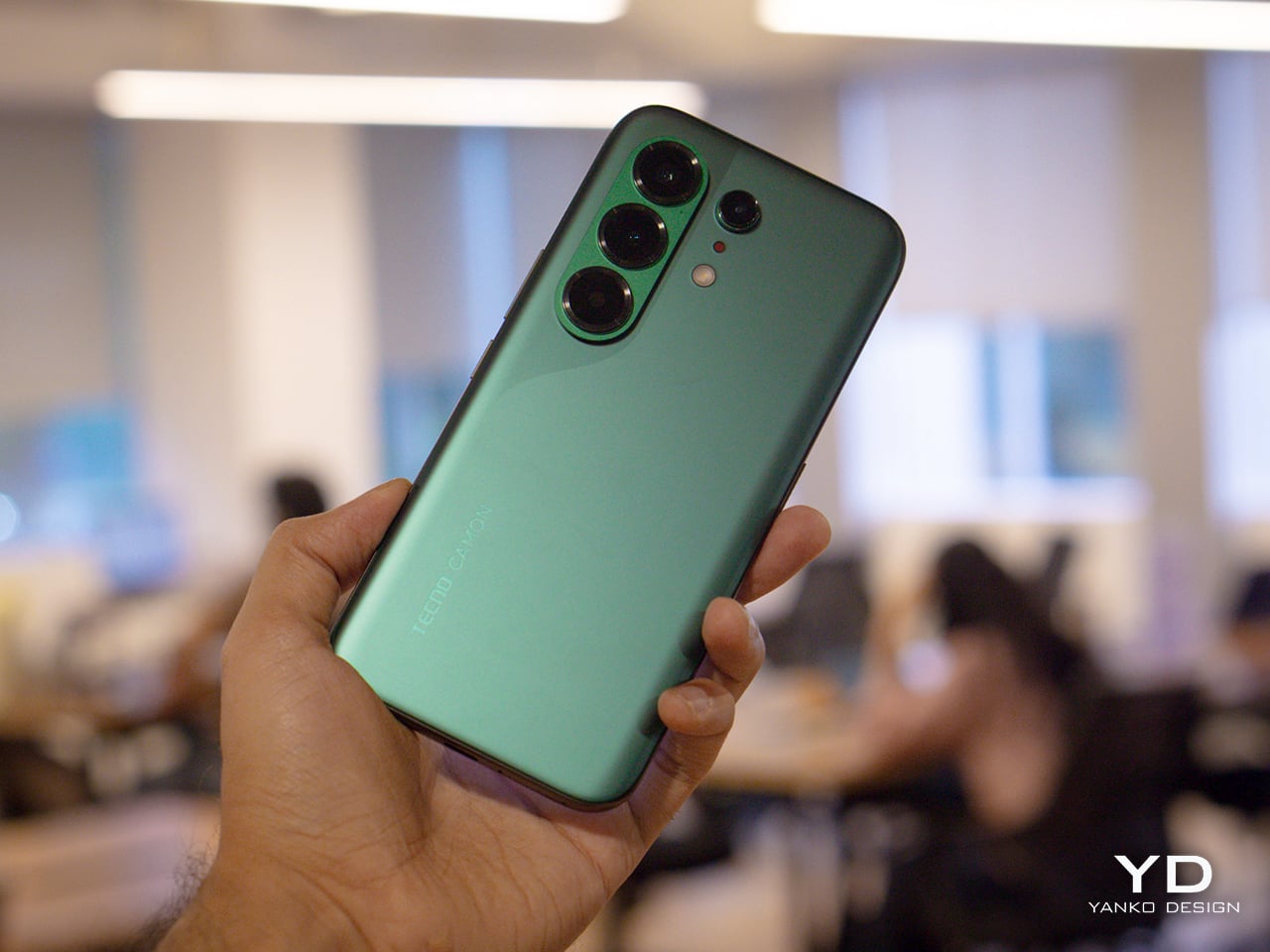
The Tecno Camon 50 Ultra 5G delivers a lot of value for $420. The camera is genuinely impressive, with super night mode shots and 60x zoom that feel bonkers for this price range, and the battery life makes it easy to forget about charging anxiety for days at a time. But I am not recommending this phone for its camera, or its battery, or even its design, as much as I enjoyed all of those things. I am recommending it for EllaClaw, because it is the closest I have come to using a phone AI that feels like it was built for actual humans.

EllaClaw is everything Gemini and Apple Intelligence hope to achieve, and a bit more. I did not think I would see a phone that lets me choose the LLM for its AI assistant, swapping between models depending on what I need. I definitely did not expect an AI assistant dashboard to genuinely give me so much insight and value into how I can use the AI, rather than just sitting through a keynote, nodding along to feature lists, and then forgetting half of them the moment I leave the room. Tecno has cracked something here that bigger brands are still struggling with, which is making AI feel approachable, integrated, and genuinely useful instead of intimidating or buried.

The phone has a few tiny flaws that feel manageable if you’re more driven by the AI chops. The speakers are tinny, the curved display catches palm touches, EllaClaw occasionally lags, and the setup process was a bit of a hassle given I needed a VPN to get EllaClaw to work (but that’s just my China-bound review unit). But if you are looking for a phone that shows you what AI on mobile should feel like when it grows up, the Camon 50 Ultra 5G is worth your attention. It is not perfect, but it is ambitious in all the right ways. Google, Apple, and Samsung could surely take notes.

The post Tecno Camon 50 Ultra 5G Review: A $420 AI Phone With Built-in Gemini, ChatGPT, DeepSeek, and Grok first appeared on Yanko Design.

  •  
❌