❌

Vue normale

  • ✇Yanko Design
  • San Siro’s Proposed Replacement Uses a Concrete X-Frame to Support Its Sweeping Roof
    I’m not a fan of either AC Milan or Inter Milan, but as a football fan, visiting Stadio Giuseppe Meazza, more popularly known as San Siro, is an item on my bucket list. However, time is running out for me to actually do that, as most of the iconic stadium is planned for demolition after its replacement opens. That’s because the clubs are planning Generali Stadium, the future shared home of two of the biggest football clubs in Italy. Now the proposed design for the 71,500-seat stadium, by archit
     

San Siro’s Proposed Replacement Uses a Concrete X-Frame to Support Its Sweeping Roof

4 novembre 2026 à 05:15

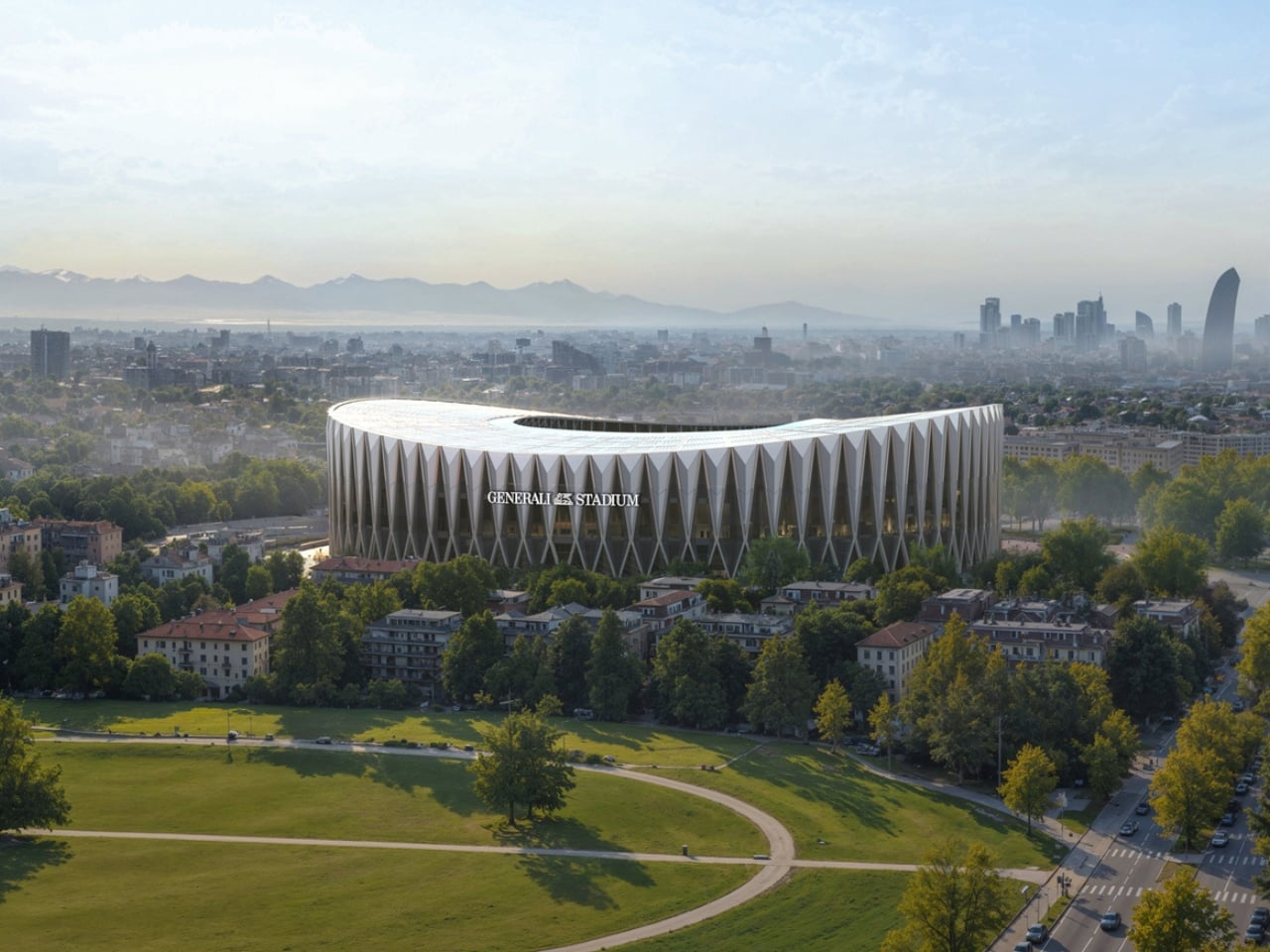
I’m not a fan of either AC Milan or Inter Milan, but as a football fan, visiting Stadio Giuseppe Meazza, more popularly known as San Siro, is an item on my bucket list. However, time is running out for me to actually do that, as most of the iconic stadium is planned for demolition after its replacement opens. That’s because the clubs are planning Generali Stadium, the future shared home of two of the biggest football clubs in Italy.

Now the proposed design for the 71,500-seat stadium, by architecture studios Foster + Partners and MANICA, has been unveiled. The clubs presented it on October 29, 2026. What’s most striking about the plans is how the X-frame makes the structure itself the architecture. The concrete frame extends from the colonnades, across the facade, and upward to support the roof. Its repeated geometry gives the building its identity while making its structural role visible.

Designers: Foster + Partners and MANICA

According to the clubs, that geometry draws on Italian engineering and the craftsmanship of Milan’s Duomo. The connection is an architectural reference rather than an attempt to reproduce the cathedral. What interests me more is the exposed supporting framework: the stadium’s most recognizable feature also explains something about how the enormous building stands up.

Inside, the focus shifts from concrete to the crowd. Two seating tiers form a continuous bowl around the field, with two steep supporter sections, or Curvas, behind the goals. Each would accommodate approximately 11,700 fans, with seating inclinations reaching 37 degrees. The arrangement is intended to bring supporters closer to the action. For a football fan, that relationship between the stands and the field is more compelling than another impressive exterior.

The double-curved roof also does more than shape the silhouette. The project website says it would incorporate 27,500 square meters of photovoltaic panels, while the clubs describe acoustic engineering intended to intensify the atmosphere. Those are useful ambitions, although the amount of solar electricity generated and the sound of a full stadium can’t be judged from renderings. A dramatic roof isn’t proof of either.

Arrival gets some attention, too. Diamond-shaped entrances would offer glimpses into the stadium before opening onto panoramic concourses with city views. Naturally ventilated colonnades form part of that approach. These spaces give the architecture a role before anyone reaches their seat, although open-looking entrances alone don’t establish how quickly thousands of spectators will actually move through them on matchday.

The plan also extends beyond the ticket gates. The stadium would anchor a 281,000-square-meter redevelopment incorporating public spaces, landscaped areas, retail, and leisure facilities. The aim is to give residents reasons to visit outside matchdays. That’s potentially the most useful part for people who aren’t interested in either club: somewhere to spend time without attending an event. Its everyday value will depend on how much space remains genuinely public and welcoming.

The clubs also promise enhanced accessibility, which deserves attention alongside the dramatic seating bowl. I’d want to know how step-free routes, companion seating, and views when neighboring supporters stand are handled. A designated space is only part of the experience; getting from the entrance to that space matters just as much.

For now, this remains a proposal moving through design and planning. Construction is expected to begin in 2028, with the first match targeted for the 2031/32 season, subject to approvals. That opening target should not be confused with a confirmed deadline for demolishing San Siro.

I can appreciate the logic of designing outward from the supporter sections, even while feeling reluctant about what this replacement means. Bringing fans closer and giving the neighborhood usable public space are worthwhile goals. The harder test will be whether ordinary supporters feel the new building belongs to them. The concrete frame will make the stadium recognizable; the experience of arriving, finding a seat, and watching a match will determine whether people want to return.

The post San Siro’s Proposed Replacement Uses a Concrete X-Frame to Support Its Sweeping Roof first appeared on Yanko Design.
  • ✇Yanko Design
  • Easy Cooking Stove Concept Folds Its Burner and Pot Supports Into One Case
    Camping stoves can be awkward things to pack, especially when the burner and pot supports insist on keeping their cooking shape inside your bag. Easy Cooking approaches that problem with a folding stove concept that tucks its parts into an elongated, rounded case. Developed in 2023, it proposes a smaller package for the trip without making you assemble a kitchen from loose pieces. The closed body has a sandy beige finish, interrupted by black details and a short fabric loop at one end. Concentr
     

Easy Cooking Stove Concept Folds Its Burner and Pot Supports Into One Case

Par : JC Torres
3 novembre 2026 à 12:20

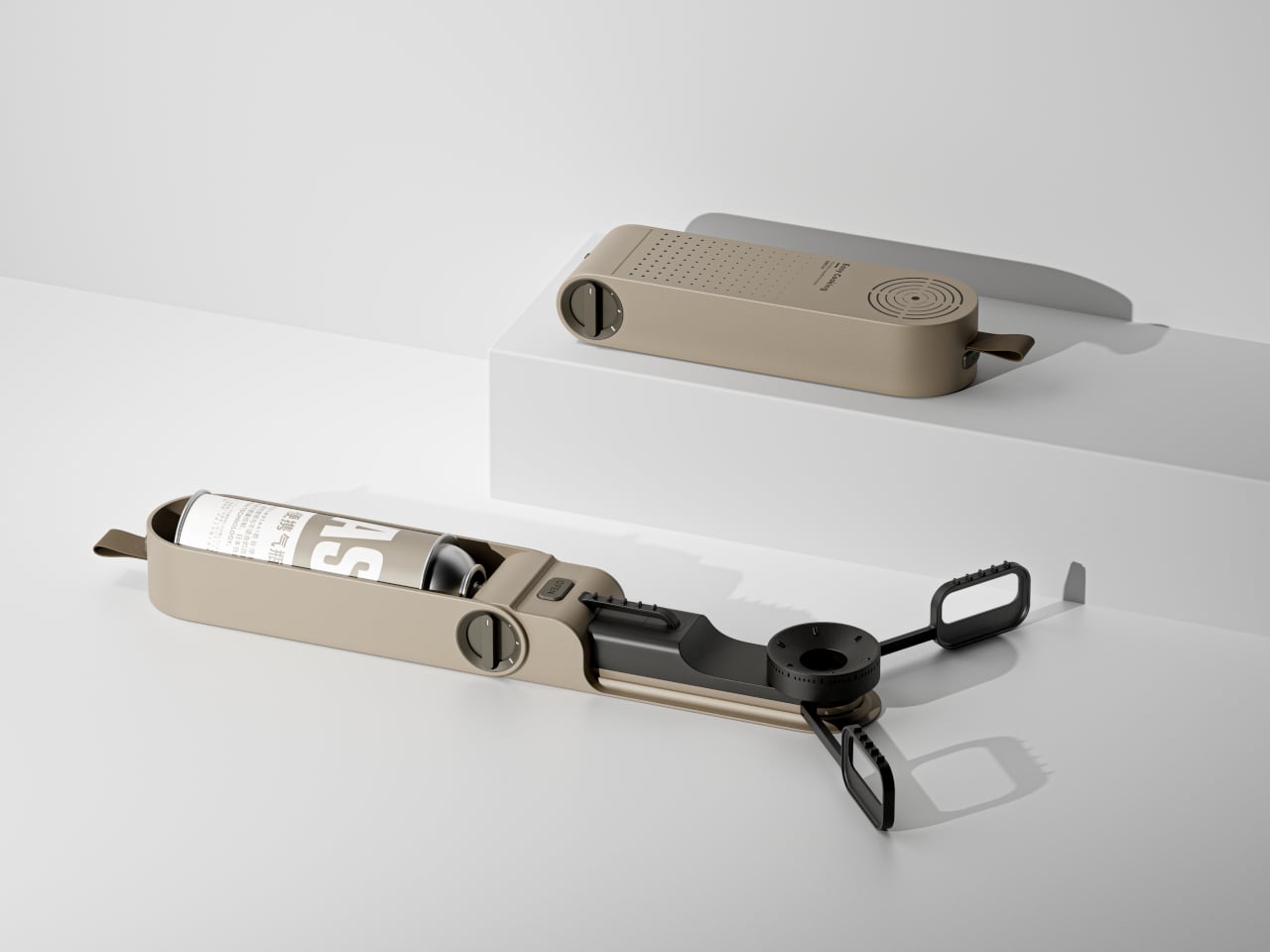
Camping stoves can be awkward things to pack, especially when the burner and pot supports insist on keeping their cooking shape inside your bag. Easy Cooking approaches that problem with a folding stove concept that tucks its parts into an elongated, rounded case. Developed in 2023, it proposes a smaller package for the trip without making you assemble a kitchen from loose pieces.

The closed body has a sandy beige finish, interrupted by black details and a short fabric loop at one end. Concentric slots near the opposite end echo the circular burner hidden inside, while a field of smaller perforations breaks up the broad face. It’s a restrained way to give camping equipment some character without covering it in rugged-looking armor or oversized branding.

Designers: Hao Kong, Qi Qiu

Opening it changes the relationship between those parts. The burner extends away from the housing, and three serrated pot supports spread around it to create a cooking position wider than the packed form. Folded inward, those supports nest alongside the burner. The proposal concentrates on rearranging what a stove needs, rather than giving a conventional rectangular cooktop a handle and calling it portable.

The fuel cartridge sits lengthwise inside the open housing, keeping the supply beside the burner rather than requiring a separate fuel hose. A large rotary dial occupies the side, and an OPEN label marks a separate control on top. Those familiar physical cues suggest where to begin, although the presentation doesn’t explain the ignition system or the cartridge’s locking and release mechanisms.

That arrangement would make sense for a quick outdoor meal, when you want to put a kettle on without unpacking a boxy tabletop appliance. The enclosure serves two jobs: concealing the burner for transport and accommodating the cartridge once the stove is deployed. Its usefulness would depend on how easily those parts move, especially after grit and food residue get into the joints.

There’s a precedent for this kind of transformation. Snow Peak’s Home & Camp Burner, released in 2019, also folds its burner into an enclosure that holds a butane cartridge during use. Easy Cooking explores that packing problem with a flatter, capsule-like outline. The shared idea makes the details of deployment more interesting than any suggestion that folding a stove is entirely new.

Easy Cooking remains a concept rather than an established retail product. There’s no mention of dimensions or weight figures to demonstrate how much space it saves, and material grades aren’t specified. The folding supports leave practical questions about how a full pot would be held above the ground, particularly when stirring or lifting it could shift the load across that narrow structure.

Heat management matters as much as the folding trick. Snow Peak warns that certain cookware can radiate enough heat toward its canister to create a hazard, a reminder of what’s at stake when fuel and flame share a small footprint. Making the stove disappear for travel is appealing; keeping its fuel from overheating once a pan goes on top demands more care.

The post Easy Cooking Stove Concept Folds Its Burner and Pot Supports Into One Case first appeared on Yanko Design.

❌