Vue normale

  • ✇Yanko Design
  • James Bond-inspired Scubacraft SC3 turns your underwater adventure fantasy into reality
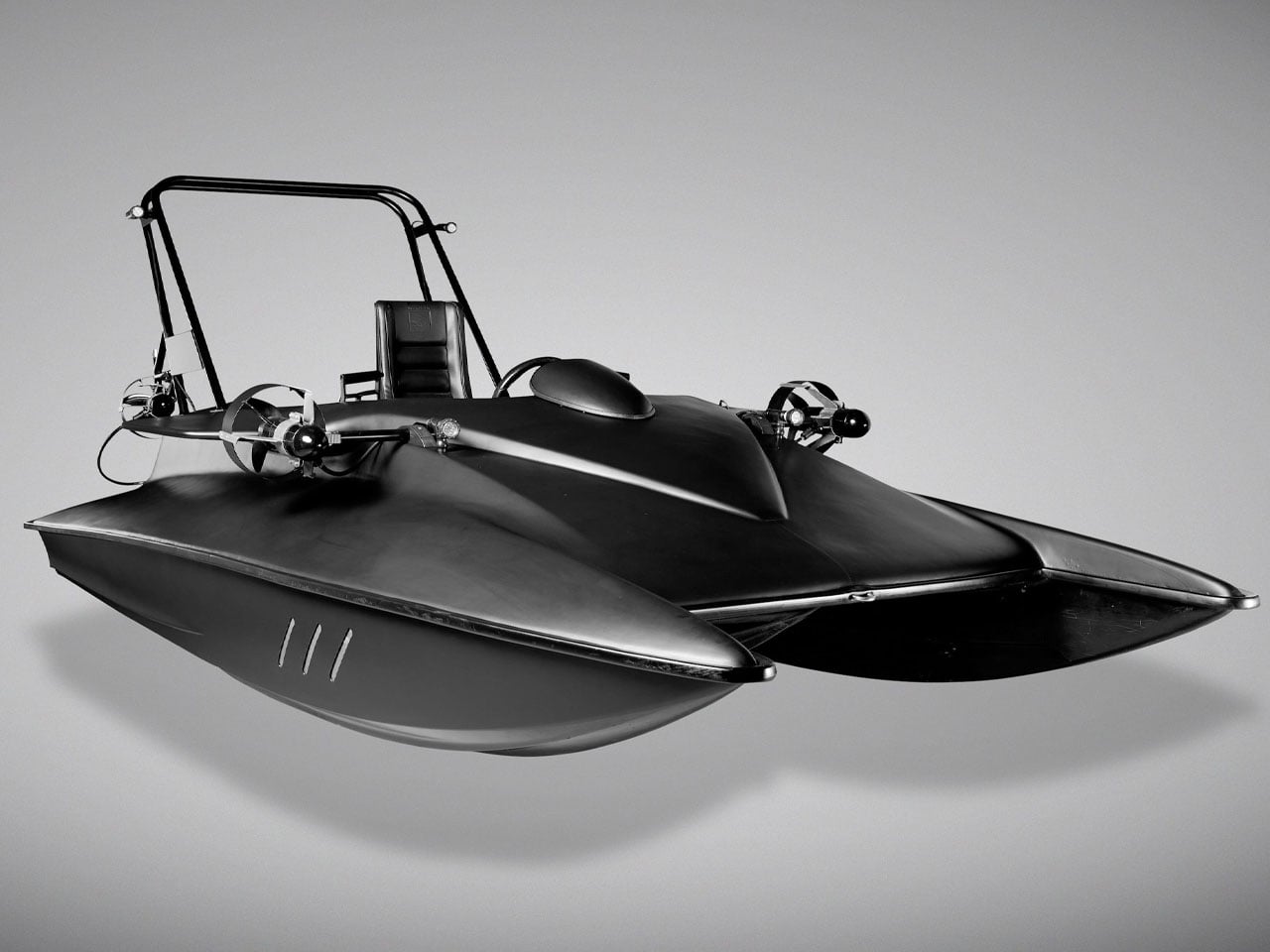
    What you actually see here is a one-off submersible that is equally capable above the surface as it is underwater. For anyone who remembers the futuristic watercraft showcased in the James Bond film Spectre, there is now a rare opportunity to own one of the strangest and most ambitious vehicles ever built. Called the Scubacraft SC3, the experimental vessel was developed during the late 2000s as a functioning prototype that blurred the line between speedboat and personal submarine. Unlike many f
     

James Bond-inspired Scubacraft SC3 turns your underwater adventure fantasy into reality

8 mai 2026 à 18:30

What you actually see here is a one-off submersible that is equally capable above the surface as it is underwater. For anyone who remembers the futuristic watercraft showcased in the James Bond film Spectre, there is now a rare opportunity to own one of the strangest and most ambitious vehicles ever built. Called the Scubacraft SC3, the experimental vessel was developed during the late 2000s as a functioning prototype that blurred the line between speedboat and personal submarine.

Unlike many fictional gadgets seen in Bond movies, the SC3 was not a movie prop designed solely for visual appeal. It was engineered as a real-world concept capable of operating both on the water’s surface and beneath it. The project reportedly attracted interest from the UK Special Boat Service and even DARPA because of its unconventional capabilities and military-style versatility before eventually making its way into the Bond universe. In Spectre, the matte-black machine appeared in Q’s workshop alongside the iconic Aston Martin DB10, instantly becoming one of the more memorable background vehicles in the film.

Designer: Bonhams

Now heading to auction through Bonhams, the SC3 remains the only prototype ever produced, making it less of a practical recreational craft and more of a collectible piece of engineering history. Its rarity is amplified by the fact that no production version ever followed, despite the concept demonstrating genuine functionality both above and below the waterline.

On the surface, the SC3 behaves much like a high-performance jet boat. It is powered by a Kawasaki 1,498cc inline four-cylinder engine connected to a jet-drive propulsion system, allowing it to skim across the water at impressive speeds. The real transformation begins once the craft enters deeper waters. With the underwater mode activated, electrically powered thrusters take over while hydrodynamic control surfaces guide the vessel beneath the surface at speeds of around three knots.

Unlike traditional submarines, however, the SC3 does not feature a sealed or pressurized cabin. Occupants are exposed directly to the surrounding water and must wear full diving gear before submersion. This open-water diving approach significantly reduces complexity and weight while creating an experience closer to underwater flight than conventional submarine travel. The setup accommodates three people, including the driver and two passengers, all seated in exposed racing-style seats integrated into the craft’s lightweight body.

Visually, the SC3 still looks every bit like a futuristic Bond vehicle. The original composite plastic bodywork remains intact, paired with carbon-fiber construction elements and upholstered leather racing seats that reinforce its cinematic personality. Its aggressive low-slung silhouette, combined with stealth-inspired matte-black paintwork, gives it an appearance that still feels ahead of its time more than a decade after it was built.

Vehicles attempting to combine marine and underwater transportation are exceptionally rare because of the engineering compromises involved. The SC3 stands out precisely because it became a fully operational prototype rather than a concept sketch or film mock-up. That achievement alone makes it one of the most unusual experimental watercraft ever created and an undeniably fascinating piece of Bond-related automotive history.

The post James Bond-inspired Scubacraft SC3 turns your underwater adventure fantasy into reality first appeared on Yanko Design.
  • ✇Yanko Design
  • AI-powered earbuds with built-in camera expand your capabilities in the real world
    Headphones and earbuds have, over the last couple of years, become staples of this fast-paced world for good reason. The little audio gear essentials can do a multitude of tasks with just the push of a tactile button or pinch gesture. They can trigger smart assistant support for a smarter you, and if this concept were to be imagined, they can give you a pair of smart eyes, too. The idea of a pair of earbuds with integrated cameras is not new, as Emil Lukas imagined, and now another concept rein
     

AI-powered earbuds with built-in camera expand your capabilities in the real world

8 mai 2026 à 11:20

Headphones and earbuds have, over the last couple of years, become staples of this fast-paced world for good reason. The little audio gear essentials can do a multitude of tasks with just the push of a tactile button or pinch gesture. They can trigger smart assistant support for a smarter you, and if this concept were to be imagined, they can give you a pair of smart eyes, too.

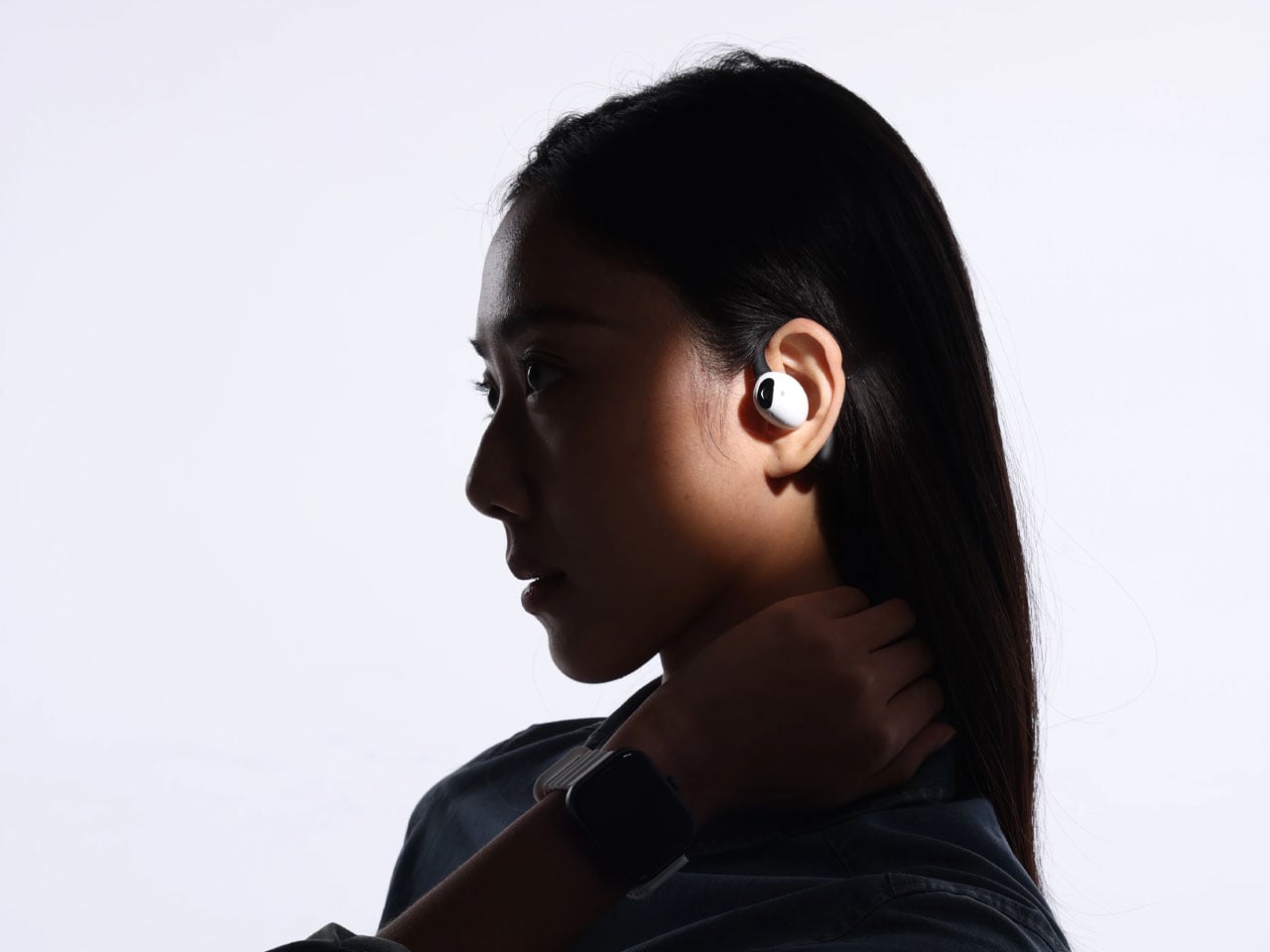
The idea of a pair of earbuds with integrated cameras is not new, as Emil Lukas imagined, and now another concept reinforces the merit in having a pair of lenses on earbuds. Dubbed Lightwear, the earbuds look something straight out of a sci-fi flick, but underneath, they are a pair of smart assistant earphones that enhance your environmental perception in real time.

Designer: Suosi Design

Touted as the world’s first AI-powered earphones, Lightwear comes with a set of HD camera lenses to expand the sense perception as a vision module to interpret the surroundings and deliver the desired result. One can detail them via voice command about any information required in real time, and the buds respond with a detailed set of instructions or navigation guidance. Having gesture control support, the buds can control the connected home devices remotely using just gesture commands. All the data fed into the smart data system is end-to-end encrypted and stored locally. For enhanced privacy and protection, the sensitive data is automatically cleared on a scheduled cycle.

Compared to Emil’s version, these earbuds have a very downplayed camera presence, which I prefer. They look and feel just like any normal earbud, but have a function that makes them stand out from most pairs of earbuds that have the predictable features. Unlike other AI-powered earbuds, these stand true to their name as they come with the added visual apparatus to put forth better results. The use of AI functions is not limited to the earbuds, since the charging case does the same. This removes the use-case scenario to just when the earbuds are being worn. Loaded with highly sensitive microphones, the AI features can be triggered anytime the user wants. Privacy is also taken care of, as the user can opt to activate the fingerprint unlock module to prevent any unauthorized use.

These have an over-the-ear design, reminiscent of the way IEMs sit flush on the ears. The battery resides in those lobes, and although the designers don’t specifically talk about the usage time, these should last longer than TWS earbuds. Nor is there a specific word about the sound quality, ANC levels, or the app features. But then it’s just a concept centred on the form factor and usability.

The post AI-powered earbuds with built-in camera expand your capabilities in the real world first appeared on Yanko Design.

❌