Vue normale

  • ✇Yanko Design
  • A Tiny Pinwheel Is Doing What AI Giants Won’t
    Every time you type a prompt into ChatGPT, something happens somewhere far away. Servers spin up. Electricity moves. Carbon gets generated. The whole transaction is so clean and invisible on your end that it might as well not be happening. That’s by design, and it’s worth thinking about. Although with the way we use technology these days, we seldom think about the consequences on our environment. London-based creative studio Oio wants to change that, starting with a small 3D-printed box and a b
     

A Tiny Pinwheel Is Doing What AI Giants Won’t

7 avril 2026 à 12:20

Every time you type a prompt into ChatGPT, something happens somewhere far away. Servers spin up. Electricity moves. Carbon gets generated. The whole transaction is so clean and invisible on your end that it might as well not be happening. That’s by design, and it’s worth thinking about. Although with the way we use technology these days, we seldom think about the consequences on our environment.

London-based creative studio Oio wants to change that, starting with a small 3D-printed box and a bright yellow pinwheel. Their project, the Hot Air Factory, is a domestic AI device that processes your questions and requests locally, without connecting to the cloud, and every time it thinks, it physically exhales. Hot air pushes out of the top of the device and spins that cheerful little pinwheel. The harder it thinks, the faster it spins. You’re watching computation happen in real time, which turns out to be a surprisingly powerful thing.

Designer: Oio

The concept is simple: make the invisible visible. We know AI uses energy. We’ve read the headlines. But knowing abstractly that data centers are energy-hungry is different from watching a pinwheel turn every time you ask your AI assistant to summarize something. One is a statistic. The other is a moment of honest accountability.

What makes the Hot Air Factory smart, beyond its obvious design appeal, is how it translates cost into human-readable terms. It doesn’t give you kilowatt-hours because most people have no idea what that means. Instead, it tells you something like “that prompt cost the equivalent of brewing a cup of tea” or “watching Netflix for five minutes.” Suddenly the math becomes personal. Suddenly you start wondering whether you really needed a 500-word AI response to a question you could have Googled.

Oio co-founder Matteo Loglio describes it as “a small, domestic AI that reveals the hidden energy cost behind every prompt.” The factory also lets you dial up or down the level of intelligence it uses. Want a quick answer? Use a lighter model, spend less energy. Need something more complex? Crank it up, and watch that pinwheel work for it. You can even schedule your heavier prompts for the night shift, when energy is cleaner and the grid is quieter. These are design decisions that carry real ethical weight, and they’re baked in with zero condescension.

The playfulness and the seriousness aren’t in conflict here. They’re exactly the point. The Hot Air Factory is built in a Frutiger Aero visual language, all soft curves and clean optimism, the kind of aesthetic that makes you want to put it on a shelf next to your plants. But underneath that approachable exterior is a genuinely complicated machine running open-source large language models on a local GPU. It looks like something a friendly robot would carry. It functions like a small act of protest.

AI companies have very little incentive to make their energy costs legible to users. Invisibility is convenient. It keeps things frictionless. It keeps you prompting without thinking about the bill. A report from the US Department of Energy projected that by 2028, data centers could account for 12% of total electricity consumed in the US. That’s not a small number, and it keeps growing every time we treat AI like it runs on good intentions and cloud magic.

The Hot Air Factory isn’t saying AI is bad. It isn’t demanding you stop using it. What it’s doing is quieter and more persuasive than that. It’s asking you to look. To see. To feel, just a little, what your digital habits cost in the physical world. That’s the argument made not through a lecture or a campaign, but through a yellow pinwheel spinning in your living room.

Design can do that. Sometimes a small, well-made object says more than a policy paper ever could. The Hot Air Factory is currently looking for collaborators to help bring it to a wider audience, still working its way from experiment to something anyone can own. If the goal is conscious computing, the first step might just be this: a tiny box, a spinning fan, and the quiet discomfort of watching a machine breathe.

The post A Tiny Pinwheel Is Doing What AI Giants Won’t first appeared on Yanko Design.

I compared Lenovo Qira to HP IQ in a battle of on-device AI intelligence — Are these finally the assistants we've been hoping for?

Lenovo and HP have both devised on-device AI assistants designed to make your digital life easier. I dug into the features to discover similarities and differences.

Lenovo Qira vs. HP IQ

Lenovo Qira vs. HP IQ

"Make file recovery more predictable": A major change to OneDrive is about to roll out, and I happily welcome anything that improves sync performance

Microsoft is changing how OneDrive handles deleted files. Soon, cloud deletions won't hit your local Recycle Bin, forcing you to use the web for recovery.

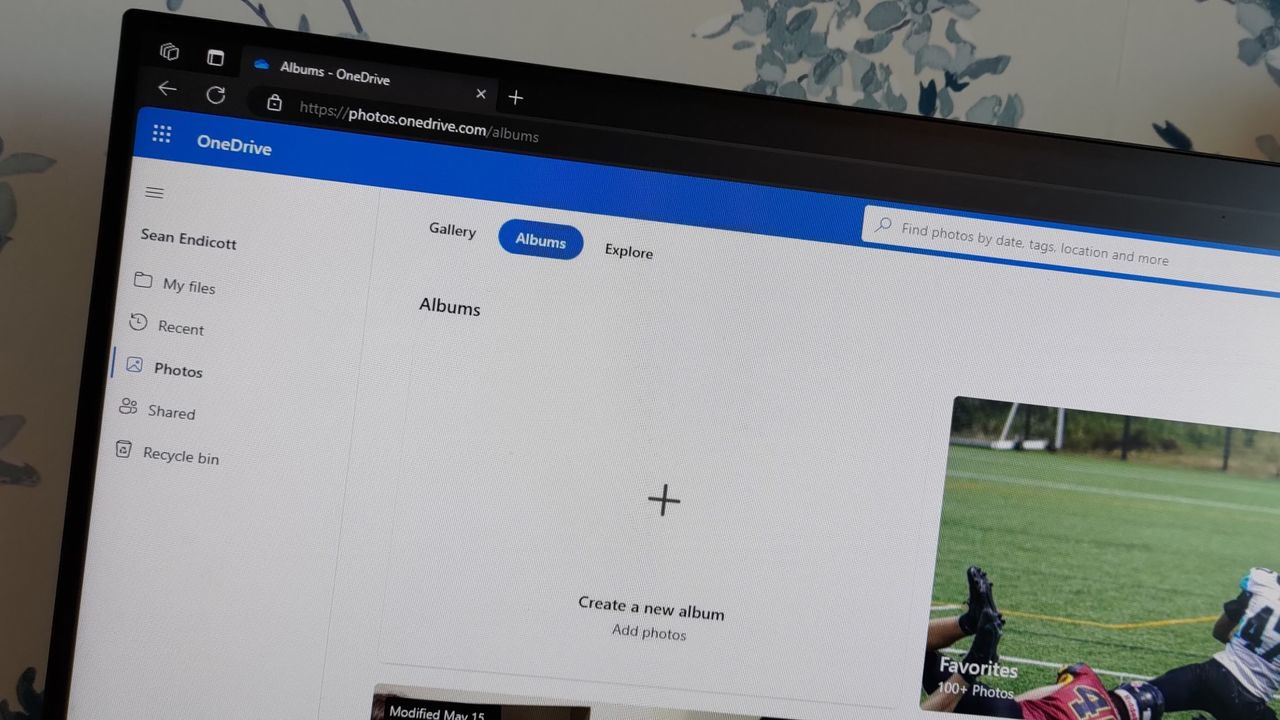
OneDrive web albums

<p>OneDrive on the web will soon have a version of Copilot to help you with your files.</p>

“Copilot is in a survival scramble”: I break down Microsoft’s chaotic AI strategy shift — and why I’m still trying to figure out where this all leads next

An AI expert mapped more than 80 Copilot products, sparking debate over whether it’s branding brilliance or confusion.

Microsoft CEO Satya Nadella on a Microsoft Copilot background

Microsoft's Copilot strategy under CEO Satya Nadella has experts raising questions.

Microsoft dismisses a trending Bing-era disclaimer that "Copilot is for entertainment purposes only": There's no reason for you to worry about this outdated language

Copilot's terms of use indicated that it's for entertainment purposes only. However, Microsoft has indicated that the phrasing is a legacy language from when Copilot originally launched as a search companion service in Bing.

In this photo illustration, Microsoft Copilot AI logo is seen on a smartphone screen.

Microsoft has indicated that the trending Copilot terms are old news.

"If it's this easy, why don't more Windows apps use a PC's NPU?" — Microsoft MVP demonstrates how he added meaningful AI to an app in just 10 minutes

Microsoft MVP Lance McCarthy highlights how easy it actually is to add AI to an app using Microsoft's Windows AI APIs during development. I want to see more of this type of AI and less of the unecessary bloat that's giving it a bad name.

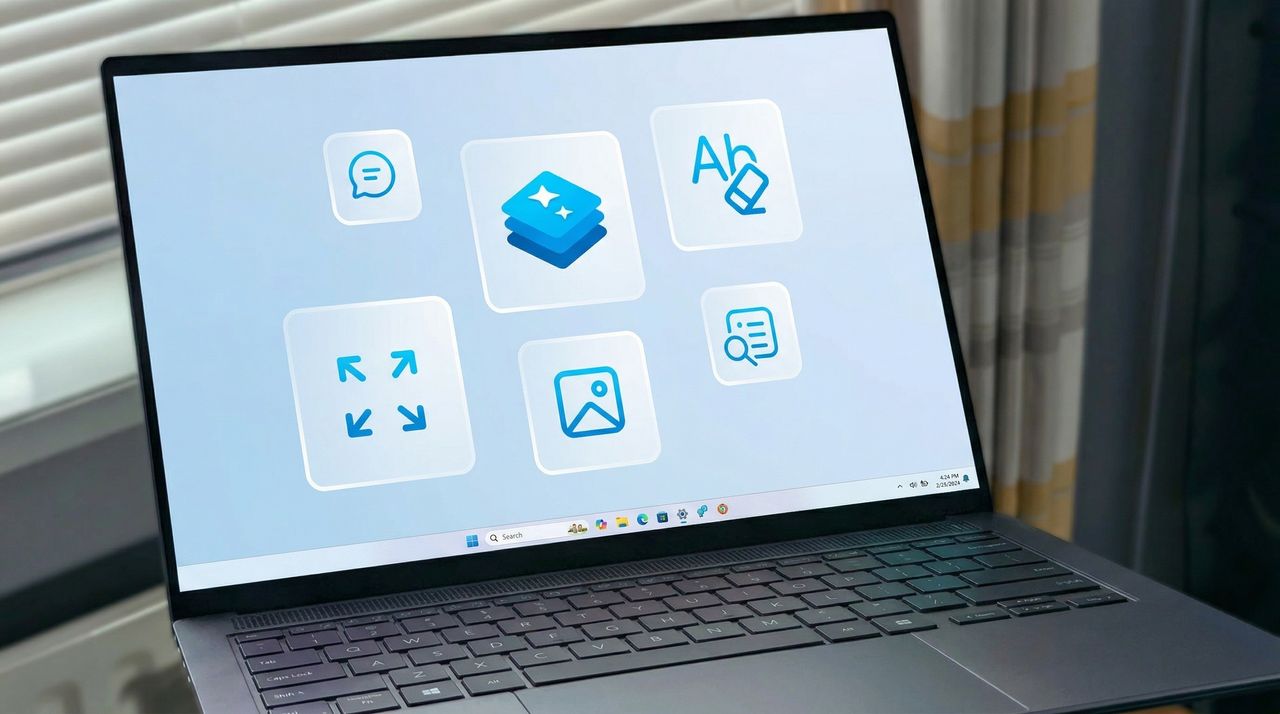
Microsoft AI APIs on a Zenbook 14

If you're an app developer, what's stopping you from using Windows AI APIs?

I found 7 Windows apps that use your PC's NPU to improve efficiency and performance with AI — You might be surprised at what's on the list

Your AI PC's Neural Processing Unit (NPU) is a useful piece of hardware, but are you making the most out of it? I dug up 7 apps that make good use of the NPU; which ones are you using?

Collage of apps surrounding an NPU chip

Collage of apps surrounding an NPU chip

Microsoft now has an AI that can turn hours of audio into text instantly — and businesses will love it

Microsoft has unveiled a host of in-house AI models, including MAI-Transcribe-1, MAI-Voice-1, and MAI-Image-2, which will be available via Microsoft Foundry.

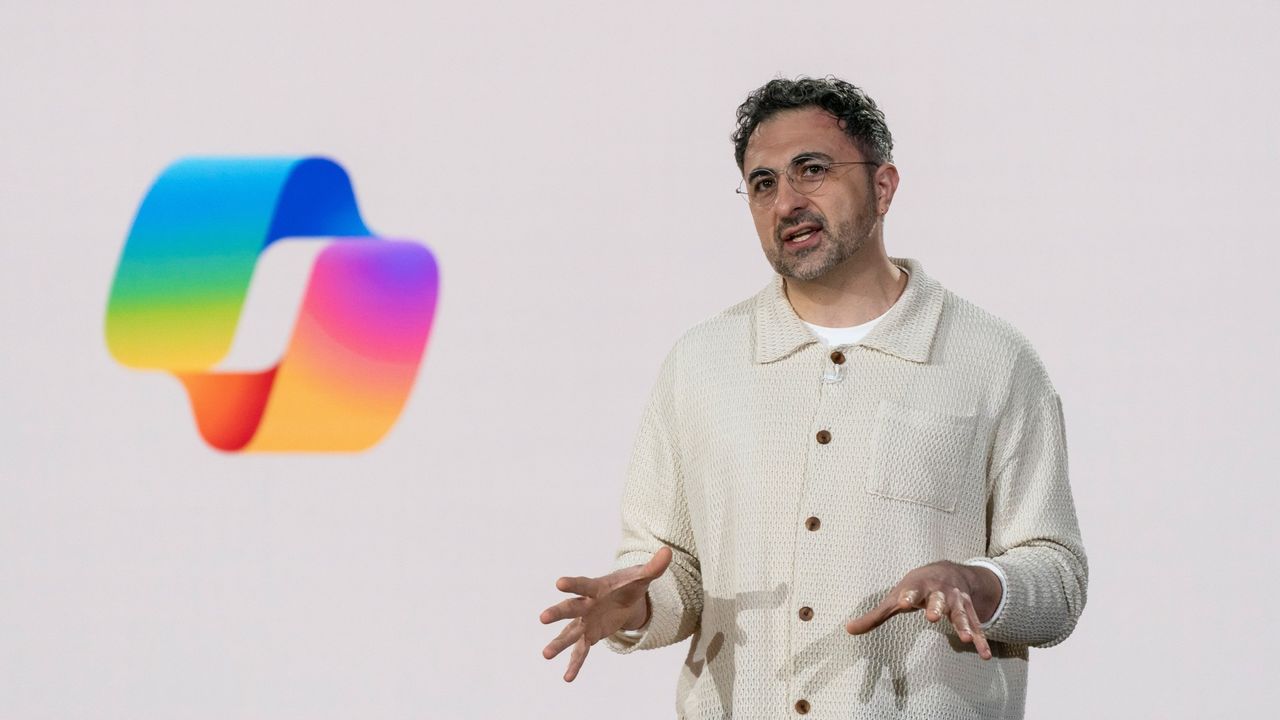
Microsoft AI CEO Mustafa Suleyman.

AI CEO Mustafa Suleyman leads Microsoft in unveiling a host of in-house AI models, which will be available via Microsoft Foundry.

Microsoft 365 will soon have helpers that take actions for you — here’s what that means

Microsoft’s latest hire is bringing OpenClaw and personal AI agents to Microsoft 365, but it also raises questions about the company's commitment to reducing AI integrations across its tech stack.

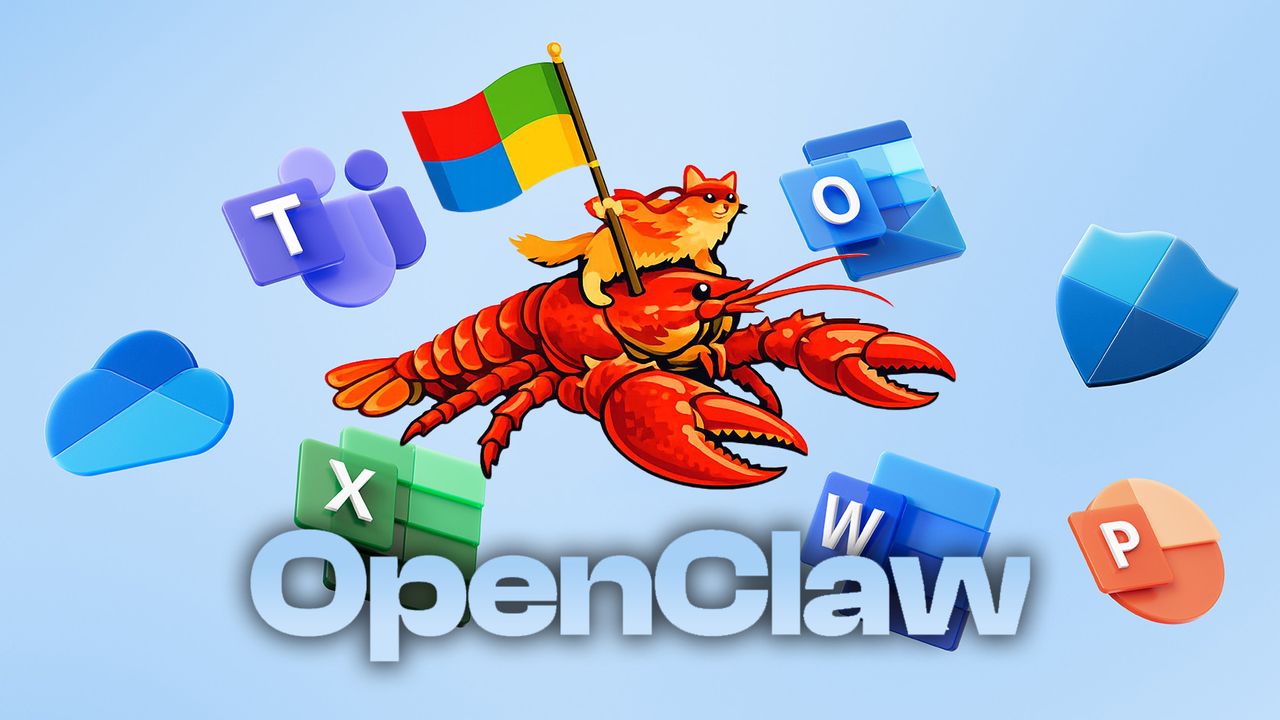
Microsoft 365 icons with OpenClaw text logo and a cartoon ninja cat riding a lobster

Microsoft 365 icons with OpenClaw text logo and a cartoon ninja cat riding a lobster

NVIDIA's CEO just claimed humanity has achieved "AGI" — here's why Microsoft lawyers may (aggressively) disagree

Has humanity achieved the vaunted "AGI" AI benchmark? Jensen Huang thinks so. Microsoft has some specific clauses with OpenAI around these claims though ...

NVIDIA CEO Jensen Huang holding OpenAI and Microsoft logos, crudely photoshopped on top by Jez Corden

Jensen Huang's recent comments might have Microsoft's legal team uniquely nervous ...

Microsoft could be OpenAI's biggest partner and most substantial IPO risk — raising investor concerns over future valuation

OpenAI’s IPO faces risks from its reliance on Microsoft, Musk’s lawsuits, and soaring compute costs, raising investor concerns about its $730B valuation.

Microsoft CEO Satya Nadella speaks during an OpenAI DevDay event.

OpenAI’s IPO faces risks from its reliance on Satya Nadella's Microsoft.

  • ✇Yanko Design
  • OMO X self-balancing electric scooter employs AI and Robotics to refresh urban riding experience
    Two-wheelers have always demanded a certain level of skill and balance from riders, especially at low speeds or when navigating crowded city streets. OMO X by Omoway attempts to change that equation by introducing what the company describes as the world’s first mass-produced self-balancing electric motorcycle. Designed around advanced robotics and artificial intelligence, the new age electric bike blends traditional scooter convenience with autonomous technology that aims to make urban mobility
     

OMO X self-balancing electric scooter employs AI and Robotics to refresh urban riding experience

24 mars 2026 à 20:30

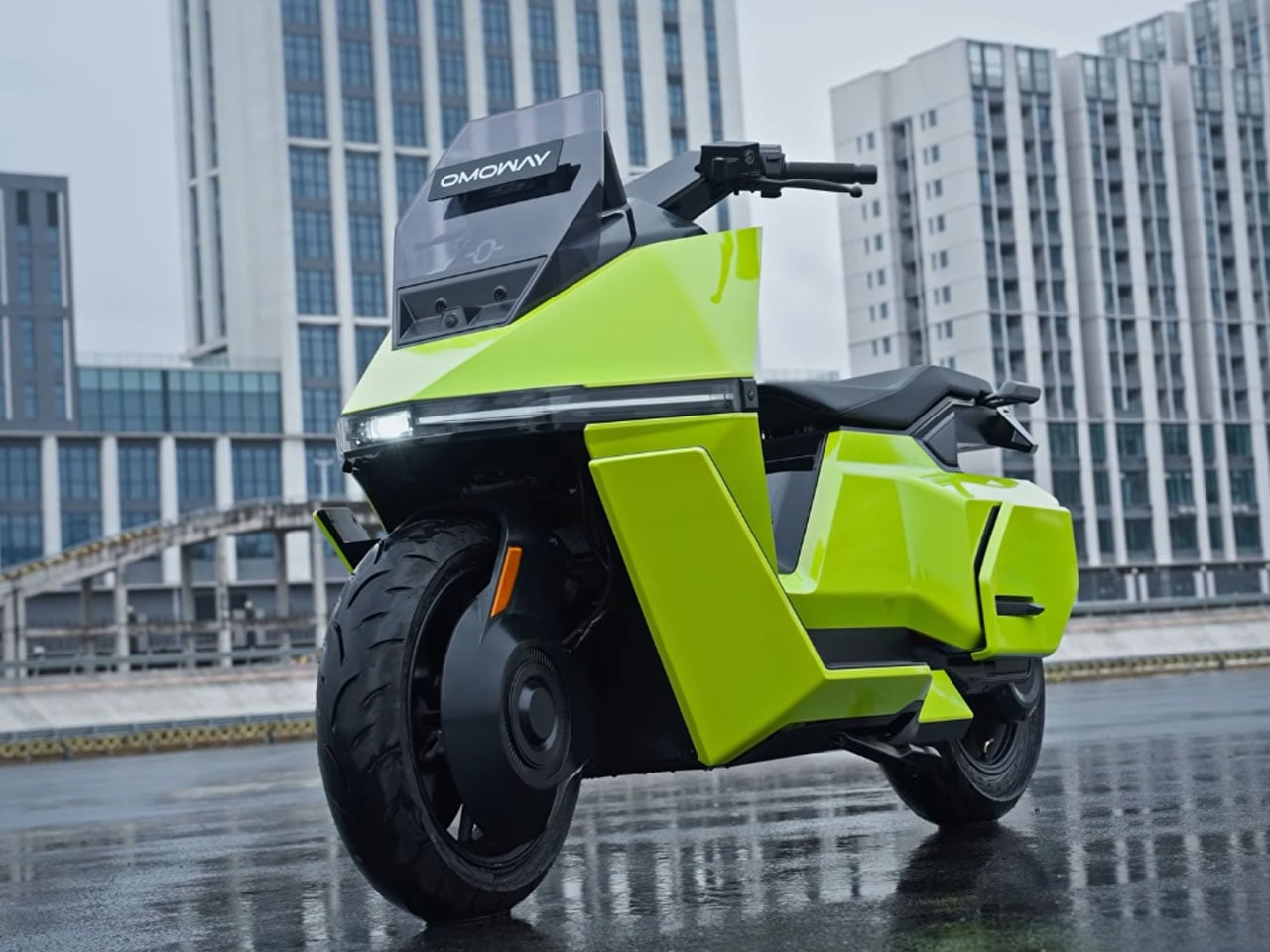
Two-wheelers have always demanded a certain level of skill and balance from riders, especially at low speeds or when navigating crowded city streets. OMO X by Omoway attempts to change that equation by introducing what the company describes as the world’s first mass-produced self-balancing electric motorcycle. Designed around advanced robotics and artificial intelligence, the new age electric bike blends traditional scooter convenience with autonomous technology that aims to make urban mobility easier and safer.

At the core of the two-wheeler is Omoway’s newly introduced OMO-ROBOT architecture, a full-stack control platform that integrates sensors, perception systems, decision-making software, and mechanical actuation into a unified framework. The system combines aerospace-grade gyroscope technology with reinforcement-learning models to continuously stabilize the motorcycle. This architecture allows the OMO X to maintain balance on its own, even when stationary, eliminating one of the biggest challenges riders face on two-wheeled vehicles.

Designer: Omoway

The balancing capability is achieved through a Control Moment Gyroscope (CMG) module. Using the principle of angular momentum, the spinning gyroscope actively stabilizes the vehicle, keeping it upright without rider input. Beyond simply preventing tip-overs, the system also supports a range of riding assistance features. These include slip prevention on wet surfaces, assistance while cornering, and obstacle-avoidance capabilities designed to enhance safety during everyday riding.

Omoway is also positioning the OMO X as a highly intelligent mobility device. The scooter incorporates a network of sensors and cameras that continuously monitor the surrounding environment and feed data into an AI-based riding system. This enables features such as adaptive speed adjustments, hazard detection, and automated safety responses if the system identifies a potential risk. Some demonstrations have even shown the scooter maneuvering on its own, driving onto a stage without a rider, and responding to remote commands through a smartphone app.

Another notable capability is automated parking. Instead of requiring riders to maneuver the bike into tight urban spaces manually, the OMO X can guide itself into a parking spot once a location is selected. The system relies on its self-balancing capability and onboard sensors to navigate safely, a feature that reflects the growing overlap between robotics and personal transportation.

The electric scooter’s futuristic design further reinforces its technological identity. Its sharp, angular styling and distinctive lighting signature give it a modern aesthetic that stands apart from traditional scooters. In a way, it carries the Tesla Cybertruck aesthetic, with a continuous front light bar replacing a conventional headlamp and creating a visually striking presence on the road.

Production plans for the OMO X are already underway. The company announced that the model has entered mass production following its global launch event in Singapore, with pre-orders expected to open in April 2026. Indonesia has been selected as the first launch market, where the electric scooter will debut commercially in Jakarta shortly afterward. Omoway is reportedly working with multiple regional distributors and plans to establish a dealer network of more than 100 locations in the country.

The post OMO X self-balancing electric scooter employs AI and Robotics to refresh urban riding experience first appeared on Yanko Design.
Should tired workers be banned from using Microsoft Copilot on Friday afternoons? "AI fatigue" could lead to lazy mistakes

Analyst firm Gartner suggests banning Microsoft Copilot on Friday afternoons, warning that tired workers may miss AI mistakes and risk productivity.

Mid adult businessman covers his face with his hands while seated at his desk, expressing a moment of stress or contemplation in a startup office paired with the Microsoft Copilot AI logo

Analyst firm Gartner suggests banning Microsoft Copilot on Friday afternoons, warning that tired workers may miss AI mistakes and risk productivity.

Microsoft won't force this Copilot app onto your PC's Start menu in Windows 11 — a temporary setback for Microsoft 365 plans

Microsoft has paused plans to auto‑install the Microsoft 365 Copilot app on Windows 11 PCs, but it didn't explain why.

The Microsoft 365 Copilot logo appears on a smartphone screen in the Apple app store

Microsoft has paused plans to auto‑install the Microsoft 365 Copilot app on certain Windows 11 PCs.

Microsoft’s Copilot leadership shake‑up signals a major shift in how the company plans its AI future

Satya Nadella unifies Copilot leadership under a former Snap VP, signaling a shift toward in-house "Superintelligence" and independence from OpenAI's models.

Mustafa Suleyman, chief executive officer of Microsoft AI.

Mustafa Suleyman will now focus on building AI models at Microsoft.

❌