Vue normale

  • ✇Korben
  • La Royal Navy et ses caméras de la Dynastie Ping
    Dans la série "les gens qui assurent notre sécurité n'ont pas fait leur job jusqu'au bout", voici une chouette histoire de caméras montées sur les drones navals de la Royal Navy qui, ÉVIDEMMENT, envoyaient des signaux vers une adresse IP située en Chine. Et cette découverte ne vient pas d'une opération de contre-espionnage mais d'une simple évaluation de vulnérabilité de routine, menée par le ministère de la Défense britannique sur son propre matériel. Ces caméras sont celles qui équipent les K3
     

La Royal Navy et ses caméras de la Dynastie Ping

12 août 2026 à 05:37

Dans la série "les gens qui assurent notre sécurité n'ont pas fait leur job jusqu'au bout", voici une chouette histoire de caméras montées sur les drones navals de la Royal Navy qui, ÉVIDEMMENT, envoyaient des signaux vers une adresse IP située en Chine. Et cette découverte ne vient pas d'une opération de contre-espionnage mais d'une simple évaluation de vulnérabilité de routine, menée par le ministère de la Défense britannique sur son propre matériel.

Ces caméras sont celles qui équipent les K3 Scout, des bateaux sans équipage que la Royal Navy et les Royal Marines utilisent pour la surveillance et la protection de force.

Ce clic autorise une connexion à Google : adresse IP transmise et traceurs possibles. En savoir plus Voir cette vidéo sur YouTube

Et le signal en question porte un nom que tout le monde connaît en domotique : un heartbeat. C'est le ping le plus banal qui existe, celui qui dit "je suis en ligne, je fonctionne" et rien d'autre. C'est le même que crache votre caméra IP du salon, dont je vous parlais déjà avec OpenIPC .

Le ministère britannique affirme qu'aucune donnée sensible, aucun système militaire et aucune donnée gouvernementale n'ont été consultés, compromis ou transmis hors des canaux autorisés et ajoute que ses procédures de test ont repéré le problème "tôt".

La connectivité internet des caméras a quand même été coupée puisque même si ça n'a l'air de rien, un mouchard qui se contente de dire bonjour reste un mouchard qui connaît le chemin.

Reste maintenant la question de comment ce composant est arrivé sur un engin de reconnaissance militaire. En fait, les caméras ne viennent pas de Kraken Technology Group, le constructeur britannique du K3 Scout, mais d'un sous-traitant tiers qui pourtant avait fourni des assurances sur le fait que ses caméras répondaient aux exigences de sécurité, y compris celles rattachées au National Defense Authorization Act américain.

Bref, de la paperasse, des assurances, mais pas un démontage ni une capture de trafic... Kraken dit avoir mené un audit complet avec la Royal Navy une fois les communications découvertes. J'espère bien ^^ !

Côté portée, ça concerne les 20 K3 Scout achetés dans le cadre du Project Beehive, un programme de 12,3 millions de livres, en service chez les Royal Marines depuis mars. Le Telegraph , qui a sorti l'affaire, écrit que du matériel lié à la préparation d'une éventuelle mission britannique dans le détroit d'Ormuz avait été enregistré sur ces appareils.

Par contre, ce qu'on ne sait toujours pas, c'est la marque de la caméra et la nature exacte du composant chinois car aucun rapport ne les nomme pour le moment... Mais j'espère que ça n'a pas été aussi intégré sur du matos français...

Source

  • ✇Yanko Design
  • Insta360’s foldable drone patent targets DJI Neo 2 at sub-250g
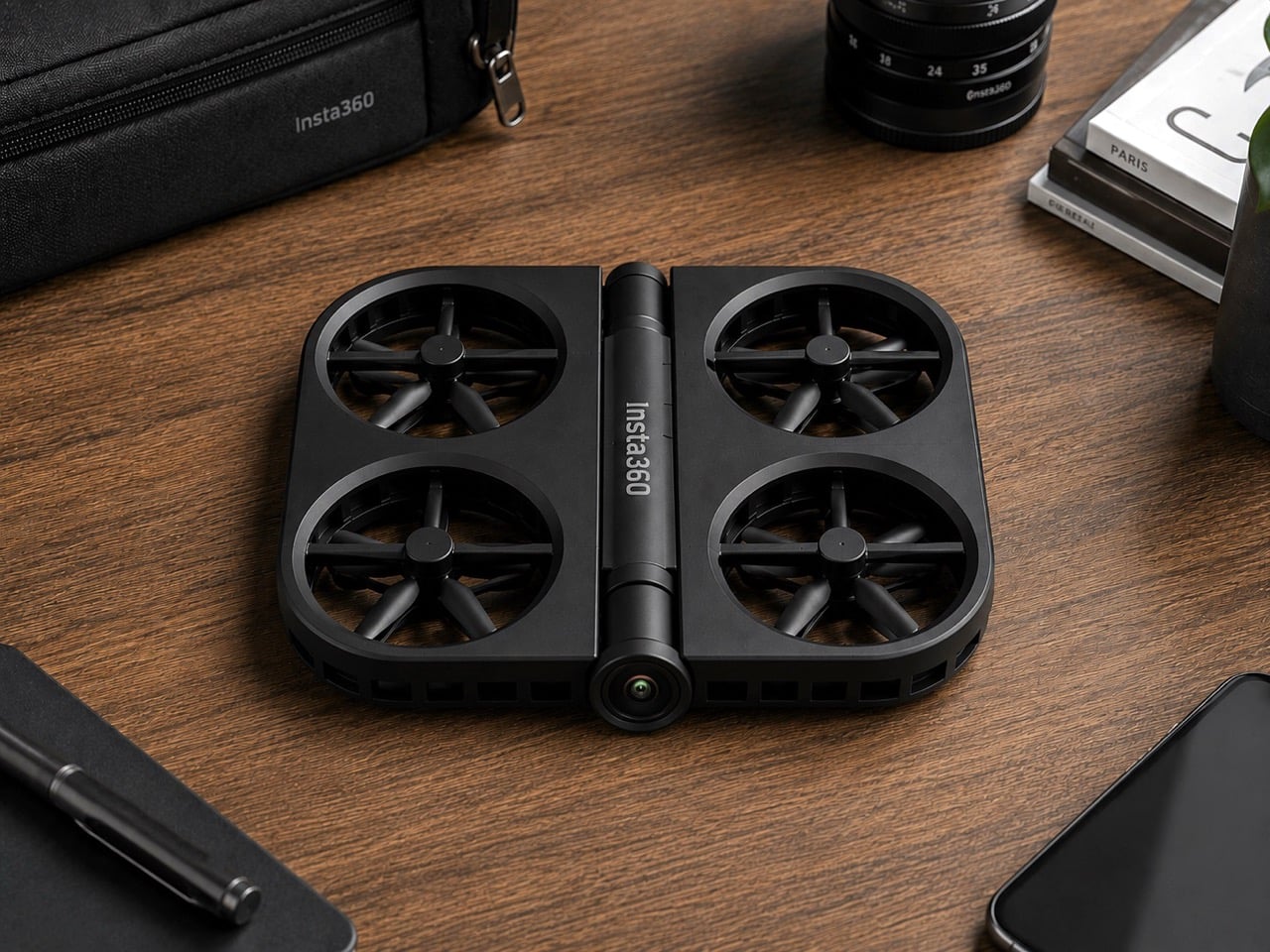
    Insta360 built its reputation on cameras that see in every direction at once. It’s literally in their name. The X series made 360-degree capture accessible; the Luna Ultra brought Leica optics to a handheld gimbal. Flying something, though, is a different category of challenge, and the patent images that appeared in July 2026 show the company working through what a foldable drone looks like with Insta360 DNA. The illustrated design at the bottom shows folding arms, a ring-shaped propeller guard
     

Insta360’s foldable drone patent targets DJI Neo 2 at sub-250g

29 juillet 2026 à 17:30

Insta360 built its reputation on cameras that see in every direction at once. It’s literally in their name. The X series made 360-degree capture accessible; the Luna Ultra brought Leica optics to a handheld gimbal. Flying something, though, is a different category of challenge, and the patent images that appeared in July 2026 show the company working through what a foldable drone looks like with Insta360 DNA. The illustrated design at the bottom shows folding arms, a ring-shaped propeller guard, and a dedicated locking mechanism, a form factor that prioritizes the moment of packing away just as much as the moment of takeoff.

DJI’s Neo 2 has the casual drone segment largely to itself in the sub-250g category, with a rigid one-piece frame and a 19-minute flight time that have made it a reliable default for creators who want aerial footage without the complexity of a serious drone setup. Insta360 entering that space would break what has effectively been a two-player market, with Zero Zero Robotics’ HoverAir as the only real alternative. The folding design alone gives Insta360 a structural argument against the Neo 2; a potential 360-degree camera, if it materializes, would give it a creative one. What a wonderful year for foldables, eh? We’re expecting a folding iPhone in September, and Insta360 might give us a folding drone too!

This isn’t just some forum rumor, either. The patent images (from patent file CN223865117U), which started making the rounds on July 16th and were highlighted by outlets like Tech Court, are pretty specific. They show a drone body with the “Insta360” logo stamped on it, with fully folding arms that tuck into the chassis and a distinctive ring-shaped guard protecting the propellers. There’s even a dedicated locking mechanism detailed, which tells you just how seriously they’re taking the whole “fold-and-go” concept. This is a design that screams it was made to be stuffed into a pocket, not carefully placed in a bespoke case.

But here’s the thing: this isn’t Insta360’s first aerial rodeo. Before they decided to put their own name on a drone, they sent in a scout team under the sub-brand Antigravity. The A1 drone they launched was, frankly, a bit of a monster: a sub-249g drone with a wild dual-lens setup that shot 8K 360-degree video and made the drone itself invisible in the footage. It was a spec-sheet beast and a clear shot across DJI’s bow, proving Insta360 had the engineering chops to compete in the sky. It was their way of testing the waters.

Now, it looks like they’re done testing. This new patent is the second, more direct shot. And here’s the kicker: for a company obsessed with 360-degree video, the patent images don’t show a fisheye lens. At all. It’s a huge question mark hanging over the whole project. Are they hiding the tech, or are they planning to launch a drone that, for the first time, doesn’t have their signature feature? If they’re aiming for a rumored sub-$200 price point, leaving the 360 camera on the cutting room floor might be the only way to get there. It’s a move that would be both shocking and, in a weird way, perfectly logical.

You also can’t forget that this is all happening while the two companies are actively suing each other in China. This isn’t friendly competition; it’s a full-blown hardware rivalry. Insta360 came for DJI’s gimbals, tested the drone market with a sub-brand, and is now preparing a direct assault on DJI’s most accessible drone. With a release window expected somewhere between late 2026 and early 2027, we’re not just watching a new product being born. We’re watching the next chapter in a tech soap opera, and it’s about to get very, very interesting.

The post Insta360’s foldable drone patent targets DJI Neo 2 at sub-250g first appeared on Yanko Design.

❌